
Cost Range of Different Types of Industrial Steam Boilers
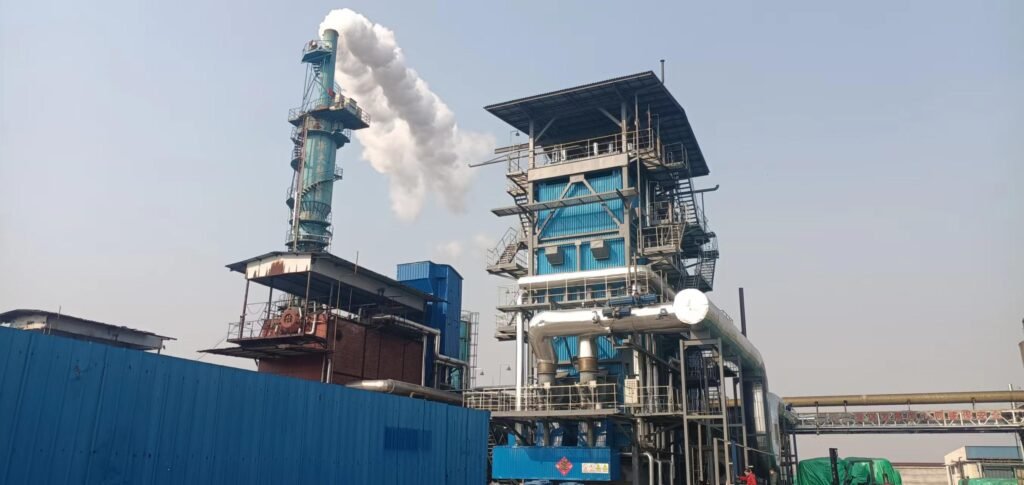
Investing in an industrial steam boiler is a major capital decision that directly affects production costs, energy efficiency, and long-term operational reliability. Many buyers are confused by the wide price differences in the market, which can lead to budget overruns or choosing an unsuitable boiler type. Understanding the typical cost ranges—and what drives those costs—is essential for making a smart, cost-effective purchase.
The cost of industrial steam boilers generally ranges from USD 20,000 to over USD 50 million, depending on boiler type, capacity, pressure, fuel, and project scope. Small gas-fired or electric boilers may cost USD 20,000–150,000, medium industrial boilers (oil, gas, coal, biomass) typically range from USD 150,000–3 million, while large coal-fired, CFB, or power plant steam boilers can exceed USD 5–50+ million. Fuel type, efficiency level, emission controls, and EPC scope are the main cost drivers.
Knowing these ranges helps buyers set realistic budgets, compare technologies, and evaluate total lifecycle cost, not just the initial price.
Understanding how different boiler technologies affect pricing will help you choose the most economical solution for your specific steam demand.
What Is the Cost Range of Gas-Fired and Oil-Fired Industrial Steam Boilers?
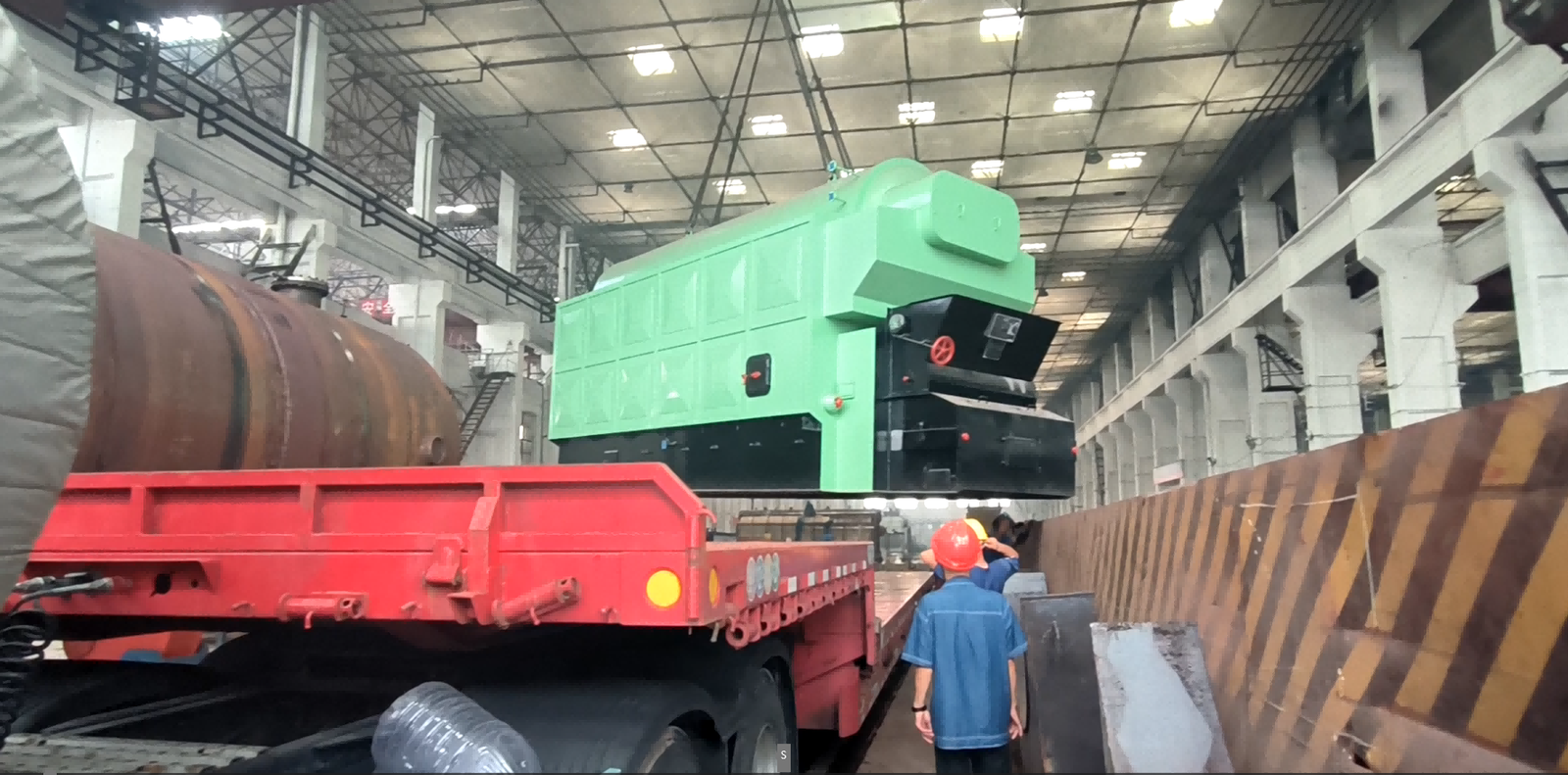
Industrial enterprises that depend on steam for power generation, process heating, sterilization, food processing, chemical reactions, or district heating often face a critical purchasing dilemma: understanding the true cost range of gas-fired and oil-fired industrial steam boilers. The pain point is not simply the sticker price. Many buyers discover too late that an apparently “affordable” boiler becomes extremely expensive once installation complexity, fuel price volatility, emissions compliance, downtime risk, and maintenance cycles are considered. These hidden or underestimated costs can lead to budget overruns, reduced profitability, or even regulatory penalties. The solution lies in a comprehensive, technically grounded understanding of boiler cost structures, from capital expenditure to lifecycle cost, enabling decision-makers to select the most cost-effective and reliable steam boiler for their specific industrial application.
The cost range of gas-fired industrial steam boilers typically starts at around USD 30,000 for small-capacity, low-pressure units and can exceed USD 500,000 for large-capacity, high-pressure, high-efficiency systems, while oil-fired industrial steam boilers usually range from approximately USD 40,000 to over USD 600,000 depending on capacity, pressure, efficiency, materials, automation level, and compliance requirements.
To fully understand why these price ranges vary so widely and how to estimate the real investment required, it is essential to explore the technical parameters, fuel economics, installation conditions, regulatory factors, and long-term operational costs associated with gas-fired and oil-fired industrial steam boilers. The following sections provide a detailed, professional, and user-centered analysis to support informed procurement decisions.
Gas-fired industrial steam boilers generally have lower fuel-related operating costs than oil-fired boilers in regions with stable natural gas supply.True
Natural gas prices are typically lower and more stable than fuel oil prices in many industrial regions, reducing long-term operating costs.
Oil-fired industrial steam boilers are obsolete and no longer used in modern industry.False
Oil-fired boilers are still widely used in regions without reliable gas infrastructure or where heavy oil is economically advantageous.
Understanding Industrial Steam Boiler Cost Structures in Depth
When evaluating the cost range of gas-fired and oil-fired industrial steam boilers, it is critical to move beyond simplistic price tags and examine the full cost structure that defines total investment. Industrial steam boilers are engineered systems rather than commodity products, and their prices are shaped by a combination of thermodynamic performance requirements, mechanical design standards, fuel system complexity, and regulatory compliance obligations. A small 1–2 ton/hour low-pressure boiler designed for a laundry facility bears little resemblance in cost or complexity to a 50 ton/hour high-pressure boiler serving a petrochemical plant. As a professional manufacturer and supplier, we consistently observe that misunderstanding this complexity is the root cause of inaccurate budgeting and suboptimal purchasing decisions.
At the most fundamental level, the base price of an industrial steam boiler includes the pressure vessel, burner system, control panel, safety valves, and basic accessories. However, gas-fired boilers often incorporate more advanced burner modulation systems to optimize combustion efficiency and reduce emissions, which can increase upfront cost but significantly reduce fuel consumption over time. Oil-fired boilers, on the other hand, require robust fuel handling systems, including oil pumps, preheaters for heavy oil, filtration units, and storage tanks, all of which contribute to both capital and installation costs. Furthermore, materials selection plays a decisive role. Boilers designed for high-pressure or superheated steam applications require thicker steel plates, advanced welding procedures, and stricter quality inspections, which directly increase manufacturing cost regardless of fuel type.
Another critical factor influencing boiler cost is the level of automation and digital integration. Modern industrial steam boilers increasingly incorporate PLC-based control systems, remote monitoring, predictive maintenance sensors, and data logging functions to support Industry 4.0 initiatives. Gas-fired boilers are particularly well-suited to high levels of automation due to the precise controllability of gas combustion, while oil-fired boilers may require additional instrumentation to manage viscosity changes and combustion stability. Each added layer of automation raises the initial purchase price but can substantially reduce labor costs, improve safety, and extend equipment lifespan. Therefore, when assessing cost ranges, buyers must consider not only the physical boiler but also the control philosophy and digital ecosystem that accompany it.
Typical Purchase Cost Ranges by Capacity and Fuel Type
To provide practical guidance, it is useful to examine typical purchase cost ranges for gas-fired and oil-fired industrial steam boilers based on steam capacity. The following table summarizes indicative price ranges commonly observed in the global industrial boiler market. These figures represent equipment-only costs and exclude installation, civil works, and auxiliary systems.
| Steam Capacity (ton/hour) | Gas-Fired Boiler Cost Range (USD) | Oil-Fired Boiler Cost Range (USD) |
|---|---|---|
| 1–2 t/h | 30,000 – 60,000 | 40,000 – 70,000 |
| 3–5 t/h | 60,000 – 120,000 | 80,000 – 150,000 |
| 6–10 t/h | 120,000 – 220,000 | 150,000 – 260,000 |
| 15–20 t/h | 220,000 – 350,000 | 280,000 – 420,000 |
| 25–50 t/h | 350,000 – 500,000+ | 420,000 – 600,000+ |
These ranges reflect average configurations using standard pressure ratings and efficiency levels. High-efficiency condensing gas-fired boilers, ultra-low NOx burners, or boilers designed to specific international standards such as ASME, EN, or GB can significantly exceed these figures. Similarly, oil-fired boilers designed for heavy fuel oil (HFO) or requiring extensive preheating systems tend to sit at the higher end of the oil-fired price spectrum. It is also worth noting that regional manufacturing costs, import duties, and currency fluctuations can influence final pricing.
Installation and Infrastructure Costs: A Hidden Variable
Beyond the boiler itself, installation and infrastructure costs represent a substantial portion of total project expenditure and vary significantly between gas-fired and oil-fired industrial steam boilers. From our experience supporting hundreds of industrial boiler projects worldwide, installation costs typically range from 20% to 50% of the boiler equipment price, depending on site conditions and project complexity. This means that a USD 200,000 boiler can easily require an additional USD 40,000 to USD 100,000 in installation-related expenses.
Gas-fired boilers generally benefit from cleaner installation environments, as natural gas does not require on-site storage tanks or extensive fuel handling systems. However, if a facility lacks existing gas pipeline access, the cost of extending gas infrastructure can be substantial and may even outweigh the cost advantage of gas-fired equipment. In contrast, oil-fired boilers require fuel storage tanks, bund walls, transfer pumps, and safety systems to prevent spills and environmental contamination. These requirements increase civil engineering costs and may trigger additional permitting and inspection processes, particularly in regions with strict environmental regulations.
Chimney systems and flue gas treatment also influence installation cost. Gas-fired boilers typically produce lower particulate emissions, allowing for simpler flue designs, whereas oil-fired boilers may require soot blowers, economizers, or even particulate filters to meet emissions standards. The table below provides a comparative overview of typical installation cost components.
| Cost Component | Gas-Fired Boiler Impact | Oil-Fired Boiler Impact |
|---|---|---|
| Fuel storage infrastructure | Low to medium | High |
| Burner and fuel system setup | Medium | Medium to high |
| Emissions control equipment | Medium | High |
| Civil and foundation work | Medium | Medium to high |
| Overall installation cost | 20–40% of boiler cost | 30–50% of boiler cost |
This comparison highlights why oil-fired boilers often carry higher total installed costs despite sometimes similar base equipment prices. Buyers evaluating cost ranges must therefore consider not only the boiler but also the broader infrastructure context of their facility.
Operating Cost Comparison and Fuel Economics
While capital cost is important, operating cost ultimately determines the economic viability of an industrial steam boiler over its service life, which typically spans 15 to 25 years. Fuel cost is the dominant operating expense, often accounting for more than 70% of total lifecycle cost. Gas-fired boilers generally enjoy a cost advantage in regions with abundant natural gas supply due to lower fuel prices and higher combustion efficiency. Natural gas combustion is inherently cleaner and more controllable, enabling higher thermal efficiencies and reduced excess air requirements.
Oil-fired boilers, however, can be economically attractive in regions where fuel oil is subsidized, readily available, or where gas infrastructure is unreliable. Heavy oil, in particular, may offer lower per-unit energy cost, but this advantage is often offset by higher maintenance expenses and lower overall efficiency due to incomplete combustion and fouling. The following simplified comparison illustrates typical operating cost considerations.
| Parameter | Gas-Fired Boiler | Oil-Fired Boiler |
|---|---|---|
| Typical thermal efficiency | 90–98% | 85–92% |
| Fuel price volatility | Low to medium | Medium to high |
| Maintenance frequency | Low | Medium to high |
| Emissions compliance cost | Medium | High |
From a professional perspective, it is clear that operating cost considerations can outweigh initial purchase price differences within just a few years of operation. Therefore, understanding the full cost range of gas-fired and oil-fired industrial steam boilers requires a lifecycle cost analysis rather than a narrow focus on upfront expenditure.
Real-World Case Study: Cost Optimization Through Informed Selection
A practical case study illustrates how understanding boiler cost ranges leads to better decision-making. A mid-sized food processing plant required a 10 ton/hour steam boiler for continuous operation. Initial quotations showed a gas-fired boiler priced at USD 180,000 and an oil-fired alternative at USD 160,000. At first glance, the oil-fired boiler appeared more economical. However, a detailed analysis revealed that installation costs for oil storage and emissions control added USD 60,000, compared to USD 35,000 for the gas-fired option. Furthermore, annual fuel costs for oil were projected to be 20% higher based on local energy prices.
Over a ten-year operating period, the total cost of ownership for the gas-fired boiler was calculated to be approximately USD 1.25 million, compared to USD 1.45 million for the oil-fired system. Despite the higher initial purchase price, the gas-fired boiler delivered significant long-term savings and lower operational risk. This case underscores the importance of viewing boiler cost ranges through a holistic, data-driven lens.
In summary, the cost range of gas-fired and oil-fired industrial steam boilers spans a wide spectrum due to variations in capacity, pressure, efficiency, automation, and regional conditions. Gas-fired boilers typically range from USD 30,000 to over USD 500,000, while oil-fired boilers range from USD 40,000 to over USD 600,000, excluding installation and auxiliary systems. However, the true cost difference emerges when installation complexity, fuel economics, maintenance requirements, and regulatory compliance are taken into account. From a manufacturer’s and supplier’s perspective, the most cost-effective solution is rarely the cheapest upfront option, but rather the boiler that delivers optimal performance, reliability, and efficiency over its entire service life.
How Much Do Coal-Fired Industrial Steam Boilers Typically Cost?
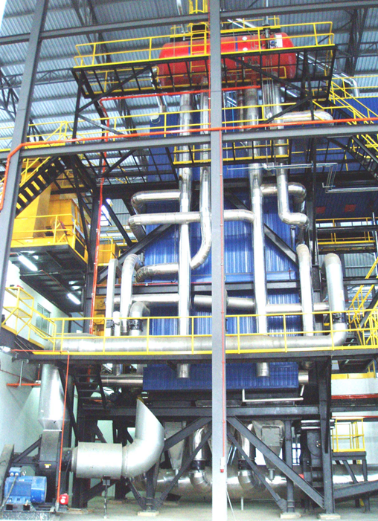
For many industrial users, especially in energy-intensive sectors such as power generation, chemicals, cement, textiles, and metallurgy, coal-fired industrial steam boilers remain a critical but complex investment. The primary pain point lies in cost uncertainty. Buyers often hear vastly different price quotes for coal-fired boilers without understanding why the numbers vary so dramatically. Underestimating costs can lead to incomplete projects, regulatory non-compliance, or long-term operational inefficiencies, while overestimating costs may discourage viable investments that could otherwise deliver strong economic returns. The real solution is a structured, technically grounded understanding of what coal-fired industrial steam boilers actually cost, what drives those costs, and how to evaluate them from both a capital and lifecycle perspective.
Coal-fired industrial steam boilers typically cost between USD 80,000 and over USD 1,000,000, depending on steam capacity, pressure rating, combustion technology, environmental compliance systems, automation level, and installation scope, with large high-pressure systems for power or process industries often exceeding USD 2,000,000 in total installed cost.
If you are considering a coal-fired steam boiler, continuing to read will help you understand not only the price range, but also how to budget accurately, avoid hidden expenses, and determine whether coal remains a competitive and sustainable choice for your specific industrial application.
Coal-fired industrial steam boilers have lower initial equipment costs than gas-fired boilers of similar capacity.True
Coal-fired boilers often use simpler fuel systems and locally sourced materials, reducing base equipment cost for comparable capacities.
Coal-fired industrial steam boilers are inexpensive to operate in all regions.False
Operating cost depends heavily on coal price, emissions regulations, ash disposal, and labor costs, which vary significantly by region.
Understanding the Cost Composition of Coal-Fired Industrial Steam Boilers
The cost of a coal-fired industrial steam boiler is not a single number but a layered structure composed of equipment cost, auxiliary systems, environmental controls, civil works, and long-term operational requirements. From a manufacturer’s and supplier’s perspective, coal-fired boilers are among the most complex industrial boiler systems because they integrate solid fuel handling, combustion management, heat transfer surfaces, and waste byproduct treatment into a single operational ecosystem. This inherent complexity is the primary reason why cost ranges are broader than those of gas-fired or oil-fired boilers.
At the equipment level, coal-fired boilers can be broadly categorized into fire-tube boilers, water-tube boilers, circulating fluidized bed (CFB) boilers, and pulverized coal (PC) boilers. Fire-tube coal boilers are typically limited to small capacities and low pressures, making them relatively inexpensive but unsuitable for modern large-scale industrial demands. Water-tube boilers dominate the industrial coal boiler market because they can handle high pressures, large steam outputs, and continuous operation. CFB and PC boilers represent advanced technologies that improve combustion efficiency and emissions performance but significantly increase capital cost due to their sophisticated design and control requirements.
Fuel handling systems are another major cost driver. Unlike gas or oil, coal must be stored, conveyed, crushed or pulverized, and fed into the furnace in a controlled manner. This requires coal bunkers, conveyors, crushers, feeders, and dust suppression systems. Each subsystem adds mechanical complexity, electrical load, and maintenance requirements, all of which are reflected in the total boiler cost. Additionally, ash handling systems are mandatory for coal-fired boilers, including bottom ash removal, fly ash collection, and storage or disposal infrastructure. These systems alone can account for 15–30% of the total project cost.
Typical Equipment Cost Ranges by Boiler Capacity
To provide practical clarity, the table below outlines typical equipment-only cost ranges for coal-fired industrial steam boilers based on steam generation capacity. These figures represent average market observations and exclude installation, civil works, and emissions control systems unless otherwise noted.
| Steam Capacity (ton/hour) | Typical Boiler Type | Equipment Cost Range (USD) |
|---|---|---|
| 1–2 t/h | Fire-tube / Small water-tube | 80,000 – 150,000 |
| 3–5 t/h | Water-tube | 150,000 – 300,000 |
| 6–10 t/h | Water-tube | 300,000 – 600,000 |
| 15–20 t/h | Water-tube / CFB | 600,000 – 1,000,000 |
| 25–50 t/h | CFB / Pulverized coal | 1,000,000 – 2,000,000+ |
These ranges reflect standard pressure ratings (typically 10–25 bar for industrial use). High-pressure boilers designed for power generation, cogeneration, or superheated steam applications can significantly exceed these figures due to thicker pressure parts, advanced metallurgy, and stringent quality control standards such as ASME or EN compliance.
Environmental Compliance Costs: A Major Cost Multiplier
One of the most critical and often underestimated aspects of coal-fired boiler cost is environmental compliance. Coal combustion generates particulate matter, sulfur oxides (SO₂), nitrogen oxides (NOₓ), and carbon dioxide (CO₂), all of which are subject to increasingly strict regulations worldwide. As a result, modern coal-fired industrial steam boilers almost always require additional systems such as electrostatic precipitators (ESP), baghouse filters, flue gas desulfurization (FGD) units, and low-NOₓ combustion technologies.
These systems can dramatically increase total project cost. In many cases, environmental control equipment costs equal or exceed the base boiler price. For example, a USD 500,000 water-tube coal boiler may require an additional USD 400,000–700,000 in emissions control systems to meet local standards. This reality explains why some buyers perceive coal-fired boilers as “cheap” initially but later encounter substantial budget escalations during project execution.
| Environmental System | Typical Cost Impact |
|---|---|
| Baghouse / ESP | +15–25% of boiler cost |
| FGD system | +20–40% of boiler cost |
| Low-NOₓ combustion upgrades | +5–10% of boiler cost |
| Continuous emissions monitoring | +3–8% of boiler cost |
From a supplier standpoint, accurate emissions requirement assessment at the quotation stage is essential to avoid costly redesigns and project delays.
Installation, Civil Works, and Infrastructure Costs
Installation costs for coal-fired industrial steam boilers are significantly higher than those for gas- or oil-fired systems due to the scale and weight of equipment and the extensive supporting infrastructure required. Civil works typically include reinforced concrete foundations, coal storage yards or silos, ash pits, chimneys, and auxiliary buildings. Installation labor is also more intensive, as coal boilers involve complex on-site assembly, refractory lining, and extensive piping and ducting.
As a general rule, installation and civil works costs for coal-fired boilers range from 40% to 80% of the boiler equipment price. In remote locations or regions with limited skilled labor, this figure can exceed 100%. This means a USD 1,000,000 boiler system can realistically result in a total installed cost of USD 1.5–2.0 million or more.
Operating Cost Considerations and Lifecycle Economics
While coal-fired boilers often have lower fuel costs compared to gas or oil in coal-rich regions, operating expenses extend far beyond fuel alone. Labor costs are higher because coal handling, ash removal, and routine cleaning require more manpower. Maintenance costs are also elevated due to erosion, slagging, and fouling of heat transfer surfaces. Furthermore, ash disposal and environmental monitoring introduce ongoing expenses that must be factored into lifecycle cost analysis.
| Operating Cost Factor | Relative Impact |
|---|---|
| Fuel cost | Low to medium |
| Labor cost | High |
| Maintenance cost | High |
| Environmental fees | Medium to high |
| Downtime risk | Medium |
In many modern industrial contexts, these operating costs offset the lower fuel price advantage of coal, especially where environmental regulations are strict or carbon pricing mechanisms are in place.
Real-World Case Study: Medium-Scale Industrial Application
A textile manufacturing plant required a 15 ton/hour steam boiler for continuous dyeing operations. Initial equipment quotes showed a coal-fired water-tube boiler priced at USD 750,000, compared to a gas-fired boiler at USD 900,000. However, after including emissions controls, ash handling, and civil works, the total installed cost of the coal-fired system reached USD 1.45 million, while the gas-fired system totaled USD 1.15 million. Although coal fuel was cheaper locally, higher labor and maintenance costs reduced the expected payback advantage. This case demonstrates how coal-fired boiler cost must be evaluated holistically rather than on equipment price alone.
In conclusion, coal-fired industrial steam boilers typically cost between USD 80,000 and over USD 1,000,000 for equipment alone, with total installed project costs often ranging from USD 150,000 to USD 2,500,000 or more depending on capacity, technology, and environmental requirements. While coal-fired boilers can offer fuel cost advantages in specific regions, their higher installation complexity, environmental compliance burden, and operating costs demand careful financial and technical evaluation. From a professional manufacturer and supplier perspective, coal-fired boilers remain viable in the right context, but only when selected with a full understanding of their true cost structure.
What Is the Price Range for Biomass-Fired Industrial Steam Boilers?
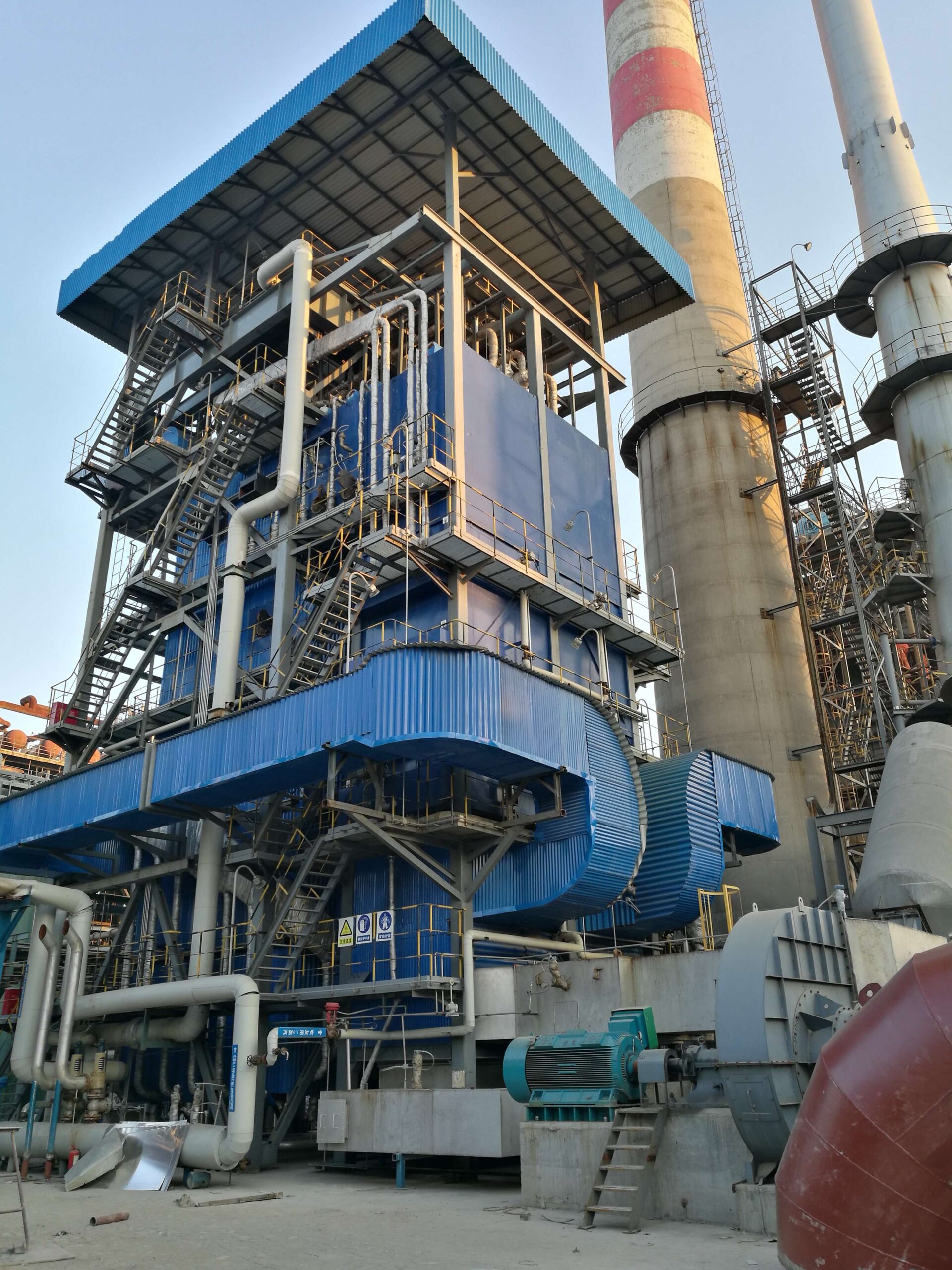
For industrial users seeking to reduce fuel costs, improve energy security, and meet increasingly strict carbon and sustainability targets, biomass-fired industrial steam boilers have become an attractive alternative to fossil-fuel systems. However, a major pain point quickly emerges during the purchasing stage: pricing uncertainty. Many buyers are surprised by the wide cost range quoted for biomass boilers, sometimes differing by several hundred thousand dollars for systems that appear similar on the surface. This confusion often leads to delays, incorrect budgeting, or poor technology selection that results in higher long-term operating costs and reliability issues. The solution lies in understanding how biomass boiler pricing is structured, what technical and regulatory factors drive cost, and how to realistically estimate both capital and lifecycle investment.
The price range for biomass-fired industrial steam boilers typically starts at approximately USD 120,000 for small-capacity systems and can exceed USD 2,000,000 for large, high-pressure, fully automated installations, with total installed project costs often 1.5 to 2.5 times the boiler equipment price depending on fuel handling, emissions controls, and civil works.
If you are evaluating a biomass-fired industrial steam boiler for your factory, plant, or energy project, the following in-depth analysis will help you understand real-world pricing, avoid hidden costs, and determine whether biomass is the right economic and technical solution for your steam demand.
Biomass-fired industrial steam boilers generally have higher initial capital costs than gas-fired boilers of similar capacity.True
Biomass boilers require solid fuel handling, combustion control, and ash systems, increasing upfront equipment and installation cost.
Biomass-fired industrial steam boilers always have higher operating costs than coal-fired boilers.False
Operating cost depends on local biomass availability, fuel price, labor, and policy incentives, which can make biomass cheaper than coal in many regions.
Understanding the Cost Structure of Biomass-Fired Industrial Steam Boilers
The price of a biomass-fired industrial steam boiler is shaped by far more than simple steam output. From a manufacturer’s and supplier’s perspective, biomass boilers are complex energy systems designed to handle fuels with highly variable physical and chemical properties. Unlike gas or oil, biomass fuels such as wood chips, sawdust, rice husk, palm shell, bagasse, straw, and other agricultural residues differ significantly in moisture content, particle size, ash composition, and calorific value. Designing a boiler that can burn these fuels efficiently, safely, and reliably requires specialized combustion technology, robust fuel handling systems, and advanced control logic, all of which contribute directly to cost.
At the core of the system is the boiler itself, usually a water-tube design for industrial applications, equipped with moving grate, vibrating grate, or fluidized bed combustion depending on fuel type and capacity. Surrounding the boiler is a network of auxiliary systems including biomass storage silos, conveyors, metering feeders, ignition systems, refractory-lined furnaces, ash extraction units, and flue gas cleaning equipment. Each subsystem adds mechanical complexity, fabrication cost, and installation effort. Additionally, biomass boilers often operate under renewable energy or environmental incentive schemes, which require compliance with specific efficiency and emissions standards, further influencing system design and price.
Another major cost driver is automation level. While small biomass boilers may rely on semi-manual fuel feeding and ash removal, industrial-scale systems increasingly adopt fully automated fuel handling, combustion optimization, and remote monitoring to reduce labor requirements and stabilize steam output. These features significantly improve operational reliability but also increase upfront investment. Therefore, when discussing the price range for biomass-fired industrial steam boilers, it is essential to consider not just boiler capacity but the overall system configuration and performance expectations.
Typical Equipment Price Ranges by Steam Capacity
The table below provides a realistic overview of typical equipment-only price ranges for biomass-fired industrial steam boilers based on steam generation capacity. These figures exclude installation, civil works, and external infrastructure unless otherwise specified.
| Steam Capacity (ton/hour) | Typical Biomass Boiler Type | Equipment Price Range (USD) |
|---|---|---|
| 1–2 t/h | Small water-tube / grate | 120,000 – 200,000 |
| 3–5 t/h | Water-tube, moving grate | 200,000 – 400,000 |
| 6–10 t/h | Water-tube, advanced grate | 400,000 – 800,000 |
| 15–20 t/h | Water-tube / fluidized bed | 800,000 – 1,500,000 |
| 25–50 t/h | Fluidized bed (CFB) | 1,500,000 – 2,500,000+ |
These ranges assume medium-pressure industrial steam applications (typically 10–25 bar). High-pressure or superheated steam systems for power generation or cogeneration (CHP) applications can significantly exceed these figures due to enhanced materials, thicker pressure parts, and stricter design codes such as ASME or EN. Fuel flexibility also affects cost: boilers designed to handle multiple biomass fuels or high-moisture fuels generally require larger furnaces and more robust feeding systems, increasing price.
Fuel Handling and Ash Management: A Major Cost Contributor
One of the defining cost differences between biomass-fired boilers and fossil-fuel boilers lies in fuel handling and ash management. Biomass is a bulk solid fuel with low energy density compared to coal or oil, which means larger storage volumes, wider conveyors, and more powerful feeding mechanisms are required to deliver the same thermal input. From a system cost perspective, fuel handling equipment can account for 20–35% of the total biomass boiler equipment price.
Ash content in biomass fuels varies widely, from less than 1% for clean wood chips to over 15% for agricultural residues like rice husk. High-ash fuels require robust bottom ash and fly ash extraction systems, including screw conveyors, ash coolers, and storage silos. These systems not only increase capital cost but also influence ongoing maintenance and disposal expenses. The following table illustrates typical cost impacts of fuel and ash systems.
| Subsystem | Typical Cost Impact |
|---|---|
| Biomass storage & conveyors | +10–20% |
| Metering & feeding systems | +5–10% |
| Bottom ash handling | +5–10% |
| Fly ash collection | +5–15% |
| Total fuel & ash systems | +20–35% |
As a manufacturer, accurately matching boiler and fuel system design to the specific biomass characteristics is essential to avoid oversizing, undersizing, or premature wear, all of which can dramatically affect both cost and reliability.
Environmental Control and Compliance Costs
Although biomass is often classified as a renewable or carbon-neutral fuel, biomass-fired industrial steam boilers are still subject to local emissions regulations covering particulate matter, carbon monoxide, and nitrogen oxides. As a result, flue gas cleaning systems such as cyclones, multi-cyclones, baghouse filters, or wet scrubbers are commonly required. In regions with stricter standards, these systems can significantly increase total project cost.
| Emissions Control Equipment | Typical Cost Impact |
|---|---|
| Cyclone / multi-cyclone | +3–6% |
| Baghouse filter | +10–20% |
| Wet scrubber | +15–25% |
| Continuous emissions monitoring | +3–8% |
These costs must be considered when evaluating the true price range for biomass-fired industrial steam boilers, particularly for export-oriented industries or projects seeking green certifications or carbon credits.
Installation and Civil Works Costs
Installation costs for biomass-fired boilers are typically higher than for gas-fired systems and comparable to or slightly lower than coal-fired systems. Civil works often include reinforced foundations, fuel storage buildings, ash handling areas, and chimneys. Installation labor is also more intensive due to the size and weight of components and the integration of multiple auxiliary systems.
As a general guideline, total installation and civil works costs range from 40% to 100% of the boiler equipment price, depending on site conditions, automation level, and local labor costs. This means a USD 600,000 biomass boiler system can realistically result in a total installed project cost of USD 900,000 to USD 1,200,000.
Operating Cost and Lifecycle Economics
From an operating cost perspective, biomass-fired industrial steam boilers can be highly competitive when biomass fuel is locally available at low cost or sourced as an internal byproduct. However, operating costs are influenced by higher labor requirements, regular ash removal, and more frequent maintenance compared to gas-fired boilers. When government incentives, carbon credits, or renewable energy subsidies are available, biomass systems often achieve attractive payback periods despite higher initial capital costs.
| Operating Cost Factor | Relative Impact |
|---|---|
| Fuel cost | Low to medium |
| Labor cost | Medium |
| Maintenance cost | Medium |
| Ash disposal | Low to medium |
| Policy incentives | Potentially high benefit |
In conclusion, the price range for biomass-fired industrial steam boilers typically spans from USD 120,000 for small systems to over USD 2,500,000 for large, high-capacity, fully automated installations, with total installed costs often significantly higher than equipment price alone. While biomass boilers require greater upfront investment compared to gas-fired systems, they can deliver strong long-term economic and environmental benefits when fuel supply, regulatory environment, and operational strategy are properly aligned. From a professional manufacturer and supplier standpoint, successful biomass boiler projects are those built on accurate fuel analysis, realistic budgeting, and a clear understanding of total lifecycle cost.
How Expensive Are Circulating Fluidized Bed (CFB) Steam Boilers?
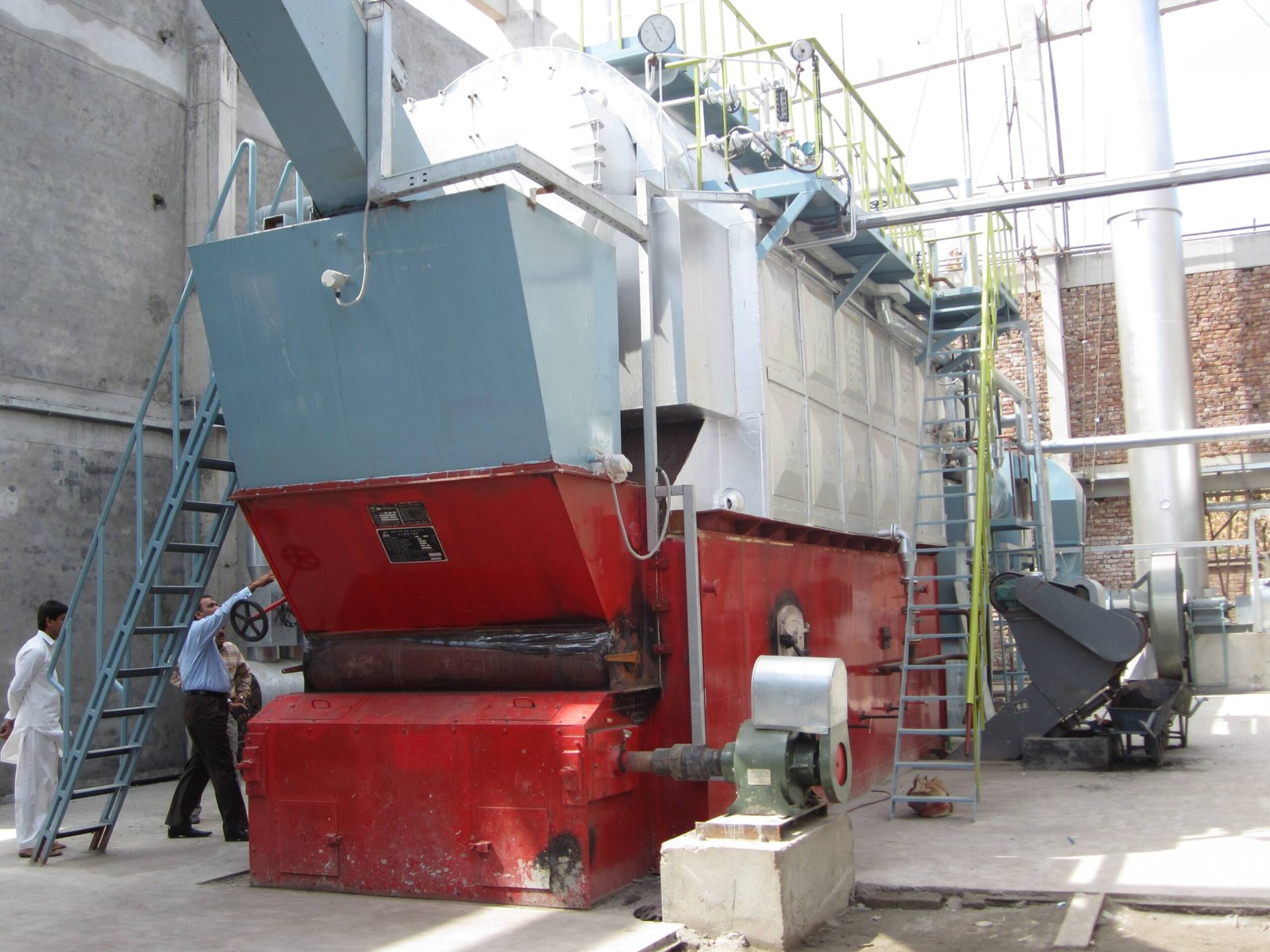
For industrial plants and power producers that require high fuel flexibility, stable steam output, and strict emissions control, Circulating Fluidized Bed (CFB) steam boilers are often viewed as a premium solution. However, the most common pain point during the early project phase is cost shock. Many decision-makers initially underestimate how expensive CFB boilers can be compared with conventional coal, biomass, gas, or oil-fired boilers. This misunderstanding can lead to unrealistic budgets, delayed approvals, or incomplete environmental compliance planning. The consequence is either project failure or long-term operational inefficiency. The solution is to clearly understand how much CFB steam boilers really cost, why they are priced at a premium, and under what conditions their higher investment becomes economically justified.
Circulating Fluidized Bed (CFB) steam boilers typically cost between USD 800,000 and over USD 5,000,000 for industrial-scale systems, with total installed project costs commonly ranging from USD 1.5 million to USD 10 million or more, depending on capacity, pressure, fuel flexibility, emissions requirements, and installation complexity.
If you are evaluating a CFB steam boiler for an industrial or power-generation application, the following in-depth analysis will help you understand the real cost range, the technical reasons behind it, and how to judge whether a CFB boiler is the right financial and operational choice for your project.
CFB steam boilers are more expensive than conventional coal-fired boilers of the same capacity.True
CFB boilers require advanced fluidization, cyclone separation, and control systems, significantly increasing capital cost.
CFB steam boilers are only suitable for coal-fired power plants.False
CFB boilers are widely used in industrial steam, cogeneration, and biomass or waste-fuel applications due to their fuel flexibility.
Why Circulating Fluidized Bed Boilers Cost More Than Conventional Boilers
From a manufacturer’s and supplier’s perspective, CFB steam boilers represent one of the most technologically sophisticated solid-fuel combustion systems available today. Unlike fixed-bed or grate-fired boilers, CFB boilers operate by suspending fine solid fuel particles in an upward-flowing air stream, creating a turbulent, circulating combustion environment. This design enables excellent fuel-air mixing, uniform temperature distribution, and efficient combustion of low-grade fuels, but it also introduces significant mechanical, thermal, and control complexity.
The heart of the cost premium lies in the fluidized bed furnace and solids circulation system. A CFB boiler requires refractory-lined combustion chambers, high-capacity primary and secondary air fans, precision air distribution nozzles, high-temperature cyclone separators, loop seals, and recirculation ducts. Each of these components must be engineered to withstand severe erosion, high thermal stress, and continuous operation. In addition, CFB boilers often integrate in-furnace desulfurization using limestone injection, which reduces SO₂ emissions but adds material handling systems and process controls.
Another major cost driver is scale. CFB technology becomes economically viable primarily at medium to large capacities, typically above 20–30 tons/hour of steam. As boiler size increases, so does the cost of steel structures, pressure parts, and auxiliary equipment. Furthermore, most CFB boilers are custom-engineered rather than standardized products, meaning design, fabrication, and commissioning costs are higher than for packaged boilers. These factors collectively explain why CFB steam boilers are among the most expensive boiler technologies on the market.
Typical Equipment Cost Ranges by Steam Capacity
To provide practical reference points, the table below summarizes typical equipment-only price ranges for Circulating Fluidized Bed steam boilers based on steam capacity. These figures exclude installation, civil works, and external emissions control systems unless otherwise noted.
| Steam Capacity (ton/hour) | Typical Application | Equipment Cost Range (USD) |
|---|---|---|
| 20–30 t/h | Industrial process steam | 800,000 – 1,500,000 |
| 35–50 t/h | Industrial / CHP | 1,500,000 – 3,000,000 |
| 60–100 t/h | CHP / small power generation | 3,000,000 – 5,000,000 |
| 120–200 t/h | Utility-scale power generation | 5,000,000 – 8,000,000+ |
These cost ranges assume medium to high-pressure steam systems (typically 40–110 bar for power and CHP applications). Supercritical or ultra-supercritical CFB boilers, although less common, can exceed these figures significantly due to advanced metallurgy and extremely stringent design requirements.
Fuel Flexibility: A Key Cost and Value Driver
One of the defining advantages of CFB steam boilers is their exceptional fuel flexibility. They can efficiently burn a wide range of fuels, including low-grade coal, lignite, petroleum coke, biomass, agricultural residues, refuse-derived fuel (RDF), and various industrial wastes. Designing a boiler to handle such diverse fuels requires robust material selection, adaptable air distribution systems, and advanced combustion controls, all of which increase upfront cost.
However, this fuel flexibility can translate into substantial long-term economic benefits. Facilities with access to low-cost waste fuels or mixed biomass streams often justify the higher capital cost of a CFB boiler through significantly reduced fuel expenses. From a lifecycle cost perspective, fuel flexibility is one of the strongest arguments in favor of CFB technology, particularly in regions with volatile fossil fuel prices or strict emissions regulations.
Environmental Control and Compliance Costs
CFB boilers are inherently cleaner than conventional coal-fired boilers due to their lower combustion temperature and uniform heat distribution. These characteristics reduce NOₓ formation and allow for in-furnace sulfur capture. Nevertheless, CFB systems still require downstream emissions control equipment to meet modern environmental standards.
Typical environmental systems associated with CFB boilers include cyclones (integral to the CFB process), baghouse filters or electrostatic precipitators for particulate control, and sometimes selective non-catalytic reduction (SNCR) systems for additional NOₓ reduction. While some of these components are integrated into the base boiler design, others add significantly to total project cost.
| Environmental System | Typical Cost Impact |
|---|---|
| High-efficiency cyclones | Included in base cost |
| Baghouse / ESP | +10–20% |
| SNCR / SCR systems | +5–15% |
| Limestone handling (desulfurization) | +5–10% |
Compared with pulverized coal boilers, CFB systems often achieve lower overall emissions control costs, but the absolute investment remains high due to the scale of equipment involved.
Installation, Civil Works, and Infrastructure Costs
Installation costs for CFB steam boilers are substantial and often underestimated. Unlike packaged boilers, CFB systems are large, site-assembled installations requiring extensive civil works, steel structures, and specialized erection expertise. Foundations must support heavy equipment and dynamic loads, while tall furnaces and cyclones require robust structural frames and large footprints.
As a general guideline, installation and civil works costs for CFB boilers range from 50% to 120% of the boiler equipment price. This means a USD 3,000,000 CFB boiler can easily result in a total installed cost of USD 5,000,000 to USD 7,000,000 or more. Site conditions, labor availability, and local construction standards play a decisive role in determining final cost.
Operating Cost and Lifecycle Economics
Although CFB steam boilers are expensive to build, their operating economics can be highly attractive under the right conditions. Fuel cost savings, stable combustion, and high availability often offset higher maintenance and capital costs over time. CFB boilers typically exhibit lower slagging and fouling rates than conventional coal boilers, which can reduce unplanned downtime and extend maintenance intervals.
| Operating Cost Factor | Relative Impact |
|---|---|
| Fuel cost | Low to very low |
| Labor cost | Medium |
| Maintenance cost | Medium |
| Emissions compliance | Low to medium |
| Availability | High |
From a professional supplier’s standpoint, CFB boilers are best evaluated using a full lifecycle cost model rather than simple capital cost comparison.
Real-World Case Study: Industrial CHP Project
A chemical manufacturing complex required a 75 ton/hour steam boiler for combined heat and power (CHP). A conventional coal-fired boiler was quoted at USD 2.2 million, while a CFB boiler was priced at USD 3.6 million. Despite the higher upfront cost, the CFB system enabled the plant to burn low-grade coal mixed with biomass waste, reducing annual fuel costs by over 30%. Over a ten-year operating period, the CFB boiler delivered a lower total cost of ownership and greater fuel security, justifying the higher initial investment.
In conclusion, Circulating Fluidized Bed steam boilers are among the most expensive industrial boiler technologies, with equipment costs typically ranging from USD 800,000 to over USD 5,000,000 and total installed costs reaching USD 10,000,000 or more for large systems. Their high price reflects advanced combustion technology, exceptional fuel flexibility, and strong environmental performance. From a manufacturer’s and supplier’s perspective, CFB boilers are not a low-cost solution, but they are often the most economically rational choice for large-scale, fuel-flexible, and environmentally constrained applications when evaluated over their full lifecycle.
How Do Electric and Electrode Boilers Compare in Terms of Cost?
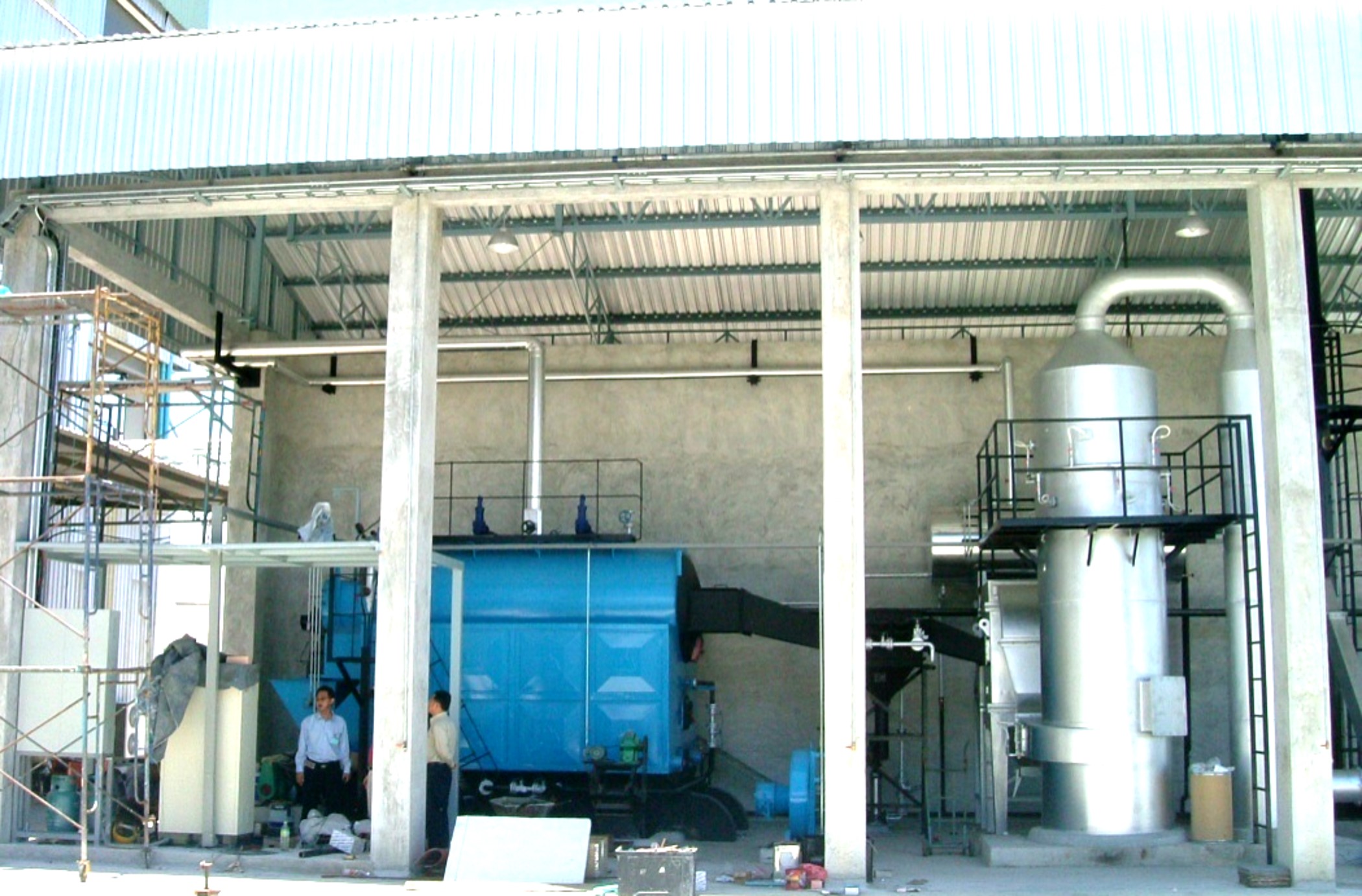
Industrial users facing decarbonization pressure, rising fossil fuel prices, and stricter emissions regulations are increasingly evaluating electric and electrode steam boilers as alternatives to traditional fuel-fired systems. However, one major pain point consistently arises during feasibility studies: cost confusion. Many decision-makers assume all electric boilers are similar in price, while others underestimate the significant cost and infrastructure differences between resistance-type electric boilers and electrode boilers. These misconceptions can lead to under-budgeted projects, unexpected grid upgrade expenses, or choosing a boiler technology that does not align with operational needs. The solution is a clear, technically accurate comparison of electric and electrode boiler costs—both upfront and over their full lifecycle.
In general, resistance-type electric steam boilers have lower initial purchase costs, typically ranging from USD 20,000 to USD 300,000, while electrode steam boilers usually cost between USD 150,000 and over USD 1,000,000, with total project cost strongly influenced by capacity, voltage level, grid connection, and water treatment requirements.
To determine which technology offers the best economic value for your application, it is essential to understand how these two boiler types differ in design, scalability, installation cost, and operating economics. The following in-depth analysis provides a professional, user-centered comparison to support informed decision-making.
Electric resistance boilers generally have lower upfront equipment costs than electrode boilers.True
Resistance boilers use simpler heating elements and controls, resulting in lower manufacturing and purchase costs.
Electrode boilers always have higher operating costs than resistance electric boilers.False
Operating cost depends primarily on electricity price, load profile, and grid incentives rather than boiler type alone.
Fundamental Technology Differences That Drive Cost
From a manufacturer’s and supplier’s perspective, the cost difference between electric resistance boilers and electrode boilers is rooted in their fundamentally different heating principles. Resistance electric boilers generate heat by passing electricity through metal heating elements, converting electrical energy into thermal energy through electrical resistance. This design is straightforward, compact, and well-suited for small to medium steam capacities. The simplicity of this technology translates directly into lower equipment costs, faster manufacturing lead times, and easier installation.
Electrode boilers, in contrast, generate heat by passing electrical current directly through water using submerged electrodes. The water itself becomes the resistive heating medium. This design eliminates traditional heating elements but requires sophisticated electrical engineering, high-voltage components, precise water conductivity control, and advanced protection systems. Electrode boilers are typically connected to medium- or high-voltage grids (6 kV, 10 kV, or higher), which significantly increases system complexity and capital cost. However, this same complexity allows electrode boilers to scale to very large capacities—often hundreds of tons per hour—making them suitable for district heating, power balancing, and large industrial applications.
Because of these design differences, resistance electric boilers are often standardized products, while electrode boilers are usually custom-engineered systems. Customization, specialized materials, and strict safety requirements are key contributors to the higher price range of electrode boilers.
Typical Equipment Cost Comparison by Capacity
The table below provides a realistic comparison of equipment-only price ranges for electric resistance boilers and electrode boilers across common industrial steam capacity ranges. These figures exclude grid upgrades, civil works, and auxiliary systems unless noted.
| Steam Capacity (ton/hour) | Resistance Electric Boiler Cost (USD) | Electrode Boiler Cost (USD) |
|---|---|---|
| 0.5–1 t/h | 20,000 – 50,000 | Not typically used |
| 2–5 t/h | 50,000 – 120,000 | 150,000 – 300,000 |
| 6–10 t/h | 120,000 – 250,000 | 300,000 – 600,000 |
| 15–30 t/h | Rare / impractical | 600,000 – 1,200,000 |
| 50+ t/h | Not feasible | 1,500,000 – 3,000,000+ |
This comparison highlights a key economic reality: resistance electric boilers dominate the low-capacity segment due to affordability and simplicity, while electrode boilers occupy the high-capacity segment where resistance heating becomes impractical due to massive electrical current requirements and element limitations.
Installation and Electrical Infrastructure Costs
While equipment price is an important factor, installation and electrical infrastructure costs often determine the real economic difference between electric and electrode boilers. Resistance electric boilers typically operate on low voltage or standard industrial power supplies (400–480 V), which are widely available in most factories. As a result, installation costs are relatively modest, usually ranging from 15% to 30% of the boiler equipment price. Minimal civil works, compact footprints, and factory-assembled designs further reduce installation complexity.
Electrode boilers, however, almost always require medium- or high-voltage grid connections. This introduces substantial additional costs, including transformers, switchgear, protection relays, grounding systems, and grid approval procedures. In many projects, electrical infrastructure upgrades can equal or exceed the cost of the boiler itself. Civil works are also more extensive, as electrode boilers are larger, heavier, and require reinforced foundations and dedicated electrical rooms.
| Cost Component | Resistance Electric Boiler | Electrode Boiler |
|---|---|---|
| Electrical infrastructure | Low | Very high |
| Installation labor | Low to medium | Medium to high |
| Civil works | Minimal | Significant |
| Total installation cost | 15–30% of equipment cost | 40–100% of equipment cost |
From a professional standpoint, failure to account for grid-related expenses is one of the most common budgeting errors in electrode boiler projects.
Operating Cost Comparison and Energy Economics
In terms of operating cost, both electric and electrode boilers share a fundamental characteristic: electricity is the primary energy cost driver. Thermal efficiency for both technologies is extremely high, often exceeding 99%, meaning almost all electrical input is converted into useful heat. Therefore, differences in operating cost are usually driven not by efficiency but by electricity pricing structures, demand charges, and grid incentives.
Electrode boilers often have an advantage in large-scale applications because they can rapidly modulate load and participate in grid balancing or demand response programs. In some regions, this allows operators to access lower electricity tariffs, negative pricing during renewable oversupply, or grid service payments. Resistance electric boilers, while efficient, typically lack the capacity and control sophistication to fully exploit these opportunities.
| Operating Cost Factor | Resistance Electric Boiler | Electrode Boiler |
|---|---|---|
| Thermal efficiency | Very high (>99%) | Very high (>99%) |
| Electricity tariff impact | High | High |
| Grid service revenue | Rare | Common |
| Maintenance cost | Low | Low to medium |
| Operational flexibility | Limited | Very high |
Thus, while electrode boilers are more expensive upfront, they can deliver superior economic performance in markets with volatile electricity pricing or strong renewable integration.
Water Quality and Maintenance Cost Implications
Another often-overlooked cost difference lies in water treatment requirements. Resistance electric boilers are relatively tolerant of standard boiler water quality and require conventional water treatment systems. Maintenance primarily involves periodic inspection and replacement of heating elements, which are inexpensive and widely available.
Electrode boilers, by contrast, require precise control of water conductivity to maintain stable operation. This necessitates advanced water treatment and monitoring systems, increasing both capital and operating costs. However, electrode boilers have fewer mechanical heating components, which can reduce mechanical wear and extend service intervals when properly maintained.
Real-World Cost Comparison Case Study
A pharmaceutical manufacturing plant required a 5 ton/hour steam boiler for clean steam production. A resistance electric boiler was quoted at USD 95,000 with installation costs of USD 20,000. An electrode boiler alternative was quoted at USD 260,000, with an additional USD 180,000 required for electrical infrastructure upgrades. In this case, the resistance electric boiler was clearly the more economical solution due to capacity requirements and existing power supply limitations.
Conversely, a district heating project requiring 60 ton/hour steam selected an electrode boiler at a total installed cost of USD 4.5 million. The system leveraged low-cost off-peak electricity and grid balancing incentives, achieving payback within seven years—something a resistance boiler could not technically or economically achieve.
In conclusion, electric resistance boilers are significantly less expensive upfront, typically ranging from USD 20,000 to USD 300,000, making them ideal for small to medium industrial applications with limited steam demand. Electrode boilers, with prices ranging from USD 150,000 to well over USD 1,000,000 and much higher total installed costs, represent a premium solution designed for large-scale, high-power, and grid-integrated applications. From a manufacturer’s and supplier’s perspective, neither technology is universally “cheaper” or “better”—the optimal choice depends on capacity, electrical infrastructure, energy pricing, and long-term operational strategy.
How Capacity, Pressure, Efficiency, and EPC Scope Impact Total Boiler Cost
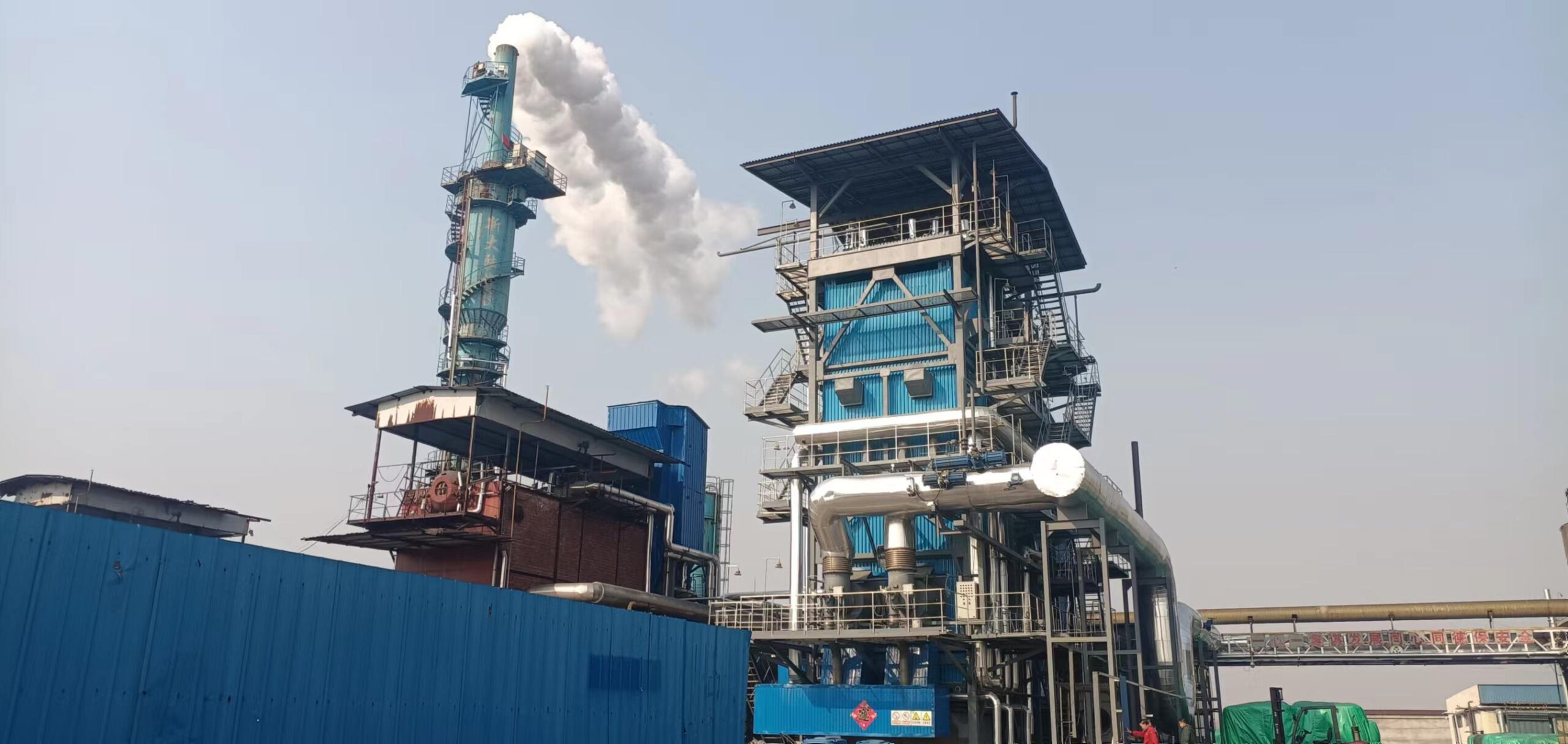
When considering the total cost of a boiler system, several key factors come into play. These factors include the boiler’s capacity, pressure, efficiency, and the EPC (Engineering, Procurement, and Construction) scope of the project. Each of these elements plays a significant role in determining the overall price, both in terms of initial investment and long-term operational costs. In this article, we’ll break down how each of these factors contributes to the total boiler cost.
1. Boiler Capacity: The Size of the System Matters
Capacity refers to the amount of steam or hot water a boiler can produce per hour. It is typically measured in tons per hour (TPH) or megawatts (MW).
- Larger capacity boilers are designed for high-demand industrial operations, requiring significant upfront investment due to their size and complexity.
- Smaller capacity boilers are less expensive but may not meet the needs of large-scale operations.
As the capacity increases, so does the cost of materials, construction time, and the need for additional supporting infrastructure, such as larger fuel storage or distribution systems. The larger the boiler, the more components are needed to support its operation, which drives up the overall price.
2. Boiler Pressure: Higher Pressure Equals Higher Cost
The pressure rating of a boiler is crucial in determining its ability to handle the operational demands of a facility. Boilers designed to operate at higher pressures generally cost more because they require advanced materials and design features to ensure safety and efficiency.
- High-pressure boilers require thicker walls, stronger materials, and more advanced safety features, all of which contribute to an increase in both material and construction costs.
- Low-pressure boilers are typically less expensive because they have simpler designs and fewer safety measures, making them suitable for smaller operations or less demanding industrial processes.
Boilers operating at higher pressures often feature complex components like superheaters or desuperheaters to manage temperature and pressure, further adding to the cost.
3. Efficiency: Higher Efficiency Means Lower Long-Term Costs
Efficiency refers to the ability of the boiler to convert fuel into useful energy (steam or hot water) with minimal waste.
- High-efficiency boilers are often more expensive upfront because they require advanced heat exchange technologies, improved insulation, and potentially more sophisticated fuel management systems.
- Low-efficiency boilers are less costly initially but have higher operational costs over time due to greater fuel consumption and potentially higher maintenance needs.
Investing in a more efficient boiler may come with a higher initial cost, but it can lead to significant long-term savings on fuel and maintenance. Energy-efficient boilers also contribute to a smaller environmental footprint, which is becoming increasingly important for businesses and industries aiming to meet sustainability goals.
4. EPC Scope: Engineering, Procurement, and Construction
The EPC scope encompasses all aspects of the project: from design and engineering to procurement of materials and equipment, as well as the construction and commissioning of the boiler system. The size and complexity of the EPC scope directly impact the total cost of the boiler system.
- A broad EPC scope involves extensive engineering and procurement efforts, as well as customized construction services. For larger or highly specialized projects, the scope will be extensive, requiring a larger team, more materials, and additional time for project completion, which significantly increases costs.
- A narrow EPC scope typically focuses on more standardized boiler systems and may involve simpler design, procurement, and installation processes, leading to lower costs.
The complexity of the project also influences the need for specialized services, such as site preparation, transportation of materials, and customized design work, all of which add to the total project cost.
The total cost of a boiler system is influenced by several key factors, including its capacity, pressure, efficiency, and the EPC scope. While a higher capacity and pressure often result in higher upfront costs, investing in a more efficient boiler can lead to long-term savings. Moreover, the scope of the EPC project can significantly affect the cost due to the complexity of design, materials, and construction.
🔍 Conclusion
The cost of an industrial steam boiler varies widely based on fuel type, size, pressure class, efficiency requirements, and project scope. Rather than focusing only on upfront price, buyers should evaluate lifecycle cost, fuel availability, and compliance requirements to achieve the best long-term value.
🔹 Contact us today to receive a tailored industrial steam boiler cost estimate that fits your application and budget. ⚙️🔥🏭✅
FAQ
Q1: What is the general cost range of industrial steam boilers?
A1: The cost range of industrial steam boilers varies significantly based on fuel type, capacity, pressure, automation level, and emission requirements. In general, small industrial steam boilers (1–5 t/h) typically cost between USD 20,000 and USD 150,000, while medium-capacity boilers (10–50 t/h) range from USD 200,000 to USD 1.5 million. Large industrial or power-grade steam boilers can exceed USD 3–10 million. These prices usually cover the boiler body and basic auxiliaries, but installation, civil works, and environmental systems are often additional.
Q2: How much do gas-fired and oil-fired industrial steam boilers cost?
A2: Gas-fired and oil-fired steam boilers are among the most popular industrial options due to clean combustion and compact design.
- Gas-fired steam boilers typically cost USD 30,000–300,000 for small to medium units (1–20 t/h).
- Oil-fired steam boilers fall within a similar range, though heavy oil systems may cost 10–15% more due to fuel preheating and handling equipment.
These boilers offer high efficiency (88–95%), low maintenance costs, and fast installation, making them cost-effective for industries with access to stable fuel supply.
Q3: What is the cost range of coal-fired industrial steam boilers?
A3: Coal-fired industrial steam boilers generally have higher upfront costs due to larger structures and auxiliary systems.
- Small coal-fired boilers (2–10 t/h): USD 80,000–300,000
- Medium-capacity units (20–50 t/h): USD 500,000–2 million
However, coal boilers benefit from lower fuel costs, making them economically attractive in regions with abundant coal supply. Additional investments may be required for dust collectors, desulfurization systems, and ash handling, which should be considered in total project budgeting.
Q4: How much do biomass and waste-fired steam boilers cost?
A4: Biomass steam boilers typically cost 15–30% more than coal-fired boilers of the same capacity due to complex fuel feeding and larger furnace volumes.
- Small biomass boilers (1–10 t/h): USD 100,000–400,000
- Medium biomass boilers (20–50 t/h): USD 800,000–3 million
Waste-fired and waste-to-energy boilers can cost even more due to advanced emission control systems. Despite higher capital costs, biomass boilers offer strong long-term savings through low fuel costs, renewable incentives, and reduced carbon liabilities.
Q5: What is the price range of electric industrial steam boilers and what affects their economics?
A5: Electric steam boilers have the lowest upfront cost, typically ranging from USD 10,000 to USD 100,000 for small to medium units. They feature compact design, zero on-site emissions, and minimal maintenance. However, their operating costs are highly dependent on electricity prices, making them most suitable for small-scale applications, clean-room industries, or locations with low electricity tariffs or surplus renewable power. While capital investment is low, long-term cost-effectiveness must be carefully evaluated.
References
- U.S. Department of Energy – Industrial Boiler Cost and Efficiency – https://www.energy.gov/ – DOE
- ASME Boiler and Pressure Vessel Code (BPVC) – https://www.asme.org/ – ASME
- International Energy Agency – Industrial Heat and Steam Systems – https://www.iea.org/ – IEA
- Carbon Trust – Industrial Boiler Cost and Efficiency Guide – https://www.carbontrust.com/ – Carbon Trust
- Spirax Sarco – Steam Boiler Selection and Cost Analysis – https://www.spiraxsarco.com/ – Spirax Sarco
- Engineering Toolbox – Boiler Cost and Efficiency Factors – https://www.engineeringtoolbox.com/ – Engineering Toolbox
- ScienceDirect – Economic Analysis of Industrial Steam Boilers – https://www.sciencedirect.com/ – ScienceDirect
- ISO 50001 – Energy Management Systems – https://www.iso.org/ – ISO
- MarketsandMarkets – Global Industrial Boiler Market Report – https://www.marketsandmarkets.com/ – Markets and Markets
- World Bank – Industrial Energy Efficiency Projects – https://www.worldbank.org/ – World Bank
Cost Range of Different Types of Industrial Steam Boilers Read More »