
When Should an Industrial Coal-Fired Boiler Be Replaced?
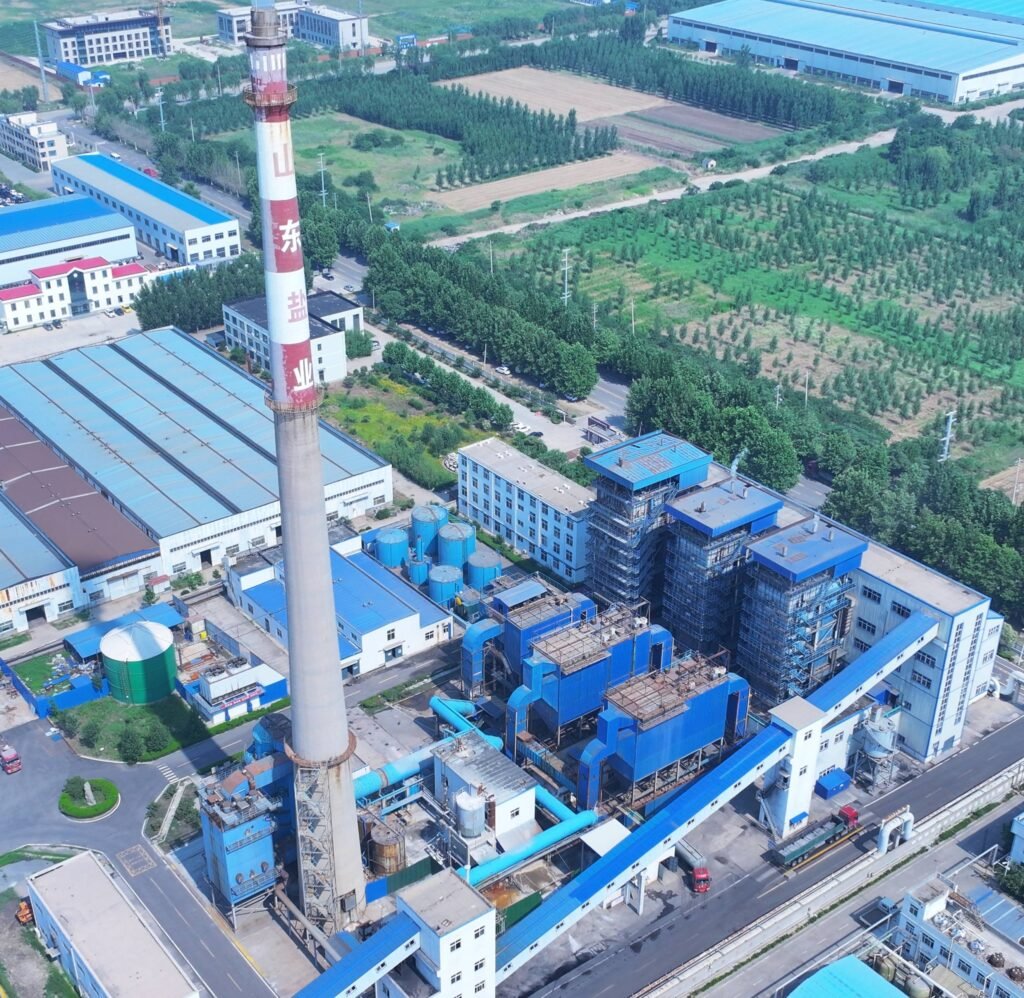
Industrial coal-fired boilers are designed for long-term, heavy-duty operation, but no boiler lasts forever. As equipment ages, problems such as declining efficiency, rising fuel consumption, frequent breakdowns, and tightening environmental regulations can quietly increase operating costs and production risks. Delaying replacement for too long may lead to unexpected shutdowns, safety hazards, or forced compliance upgrades that are far more expensive than planned investment.
An industrial coal-fired boiler should be replaced when its efficiency drops significantly, maintenance and repair costs rise sharply, safety and reliability decline, or it can no longer meet current emission and regulatory requirements. In most cases, coal-fired boilers approaching or exceeding 20–30 years of service, especially those without modern combustion and emission controls, are strong candidates for replacement. Proactively upgrading to a high-efficiency, low-emission boiler often delivers lower fuel costs, higher reliability, and better long-term economics.
Understanding the right timing for replacement helps operators avoid operational risks while maximizing return on investment.
Knowing when to replace a boiler is just as important as knowing what to replace it with. The following key considerations can help guide that decision.
How Does Declining Thermal Efficiency Signal the Need to Replace a Coal-Fired Boiler?
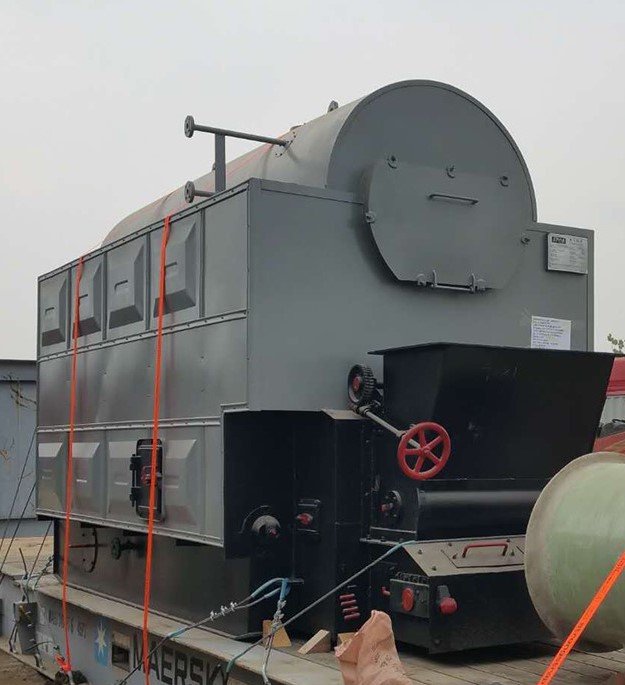
For many industrial facilities still operating coal-fired boilers, declining thermal efficiency is often treated as a minor operational inconvenience rather than a serious warning sign. This is a costly mistake. When a coal-fired boiler’s thermal efficiency begins to drop, the immediate pain point is rising fuel consumption and operating costs. Over time, however, the consequences escalate: unstable steam output, increasing maintenance downtime, failure to meet emissions regulations, and ultimately a loss of competitiveness or forced shutdowns. Many operators continue to invest in short-term repairs, unaware that declining efficiency is often the clearest technical signal that the boiler has reached—or passed—its economic end of life. The solution is to understand exactly how efficiency degradation manifests, what it reveals about internal boiler condition, and when replacement becomes the most rational and cost-effective decision.
Declining thermal efficiency signals the need to replace a coal-fired boiler when fuel consumption rises disproportionately to steam output, heat transfer losses become irreversible due to fouling or metal degradation, emissions increase despite maintenance, and the cost of restoring efficiency exceeds the economic value of continued operation.
Recognizing these signals early allows plant owners and engineers to shift from reactive maintenance to strategic asset replacement, avoiding hidden losses and ensuring long-term energy and compliance stability. The following analysis explains in detail how thermal efficiency decline serves as a decisive indicator for coal-fired boiler replacement.
A drop in thermal efficiency always means a coal-fired boiler can be fully restored through maintenance.False
While maintenance can recover some losses, structural wear, corrosion, and outdated design often make full efficiency restoration impossible.
Declining boiler efficiency directly increases fuel costs and emissions per unit of steam produced.True
Lower efficiency means more coal is burned for the same steam output, increasing both operating cost and emissions.
Understanding Thermal Efficiency in Coal-Fired Boilers
Thermal efficiency in a coal-fired boiler represents the percentage of the fuel’s chemical energy that is successfully converted into usable steam energy. In practical terms, it is a measure of how effectively the boiler transfers heat from coal combustion into water or steam while minimizing losses through flue gas, unburned carbon, radiation, and blowdown. Modern industrial coal-fired boilers typically achieve thermal efficiencies between 80% and 88%, depending on design, load conditions, and fuel quality. Older boilers, especially those designed decades ago, may have been rated at lower efficiencies even when new.
From a manufacturer’s and supplier’s perspective, it is critical to distinguish between short-term efficiency fluctuations and long-term efficiency decline. Temporary efficiency drops can result from poor coal quality, improper air-fuel ratios, or inadequate maintenance practices. Long-term decline, however, is usually the result of irreversible physical and design limitations within the boiler system. When efficiency degradation persists despite optimization efforts, it becomes a reliable indicator that replacement should be seriously evaluated.
Key Mechanisms Behind Declining Thermal Efficiency
Declining thermal efficiency in coal-fired boilers is rarely caused by a single factor. Instead, it is the cumulative effect of multiple degradation mechanisms acting over years of operation. One of the most significant contributors is heat transfer surface fouling. Coal combustion produces ash, slag, and unburned carbon particles that deposit on boiler tubes, reducing heat transfer efficiency. While soot blowing and cleaning can remove surface deposits, repeated thermal cycling and erosion gradually roughen tube surfaces, making fouling more severe and harder to remove over time.
Another major mechanism is metal aging and corrosion. High-temperature exposure, corrosive flue gases, and water-side chemistry issues cause thinning, scaling, and deformation of pressure parts. As tube walls degrade, heat transfer characteristics change, and safety margins decrease. In many older coal-fired boilers, original materials are no longer optimal for current operating conditions or fuel compositions, making efficiency recovery increasingly difficult.
Air leakage is another hidden but critical factor. Aging ductwork, worn dampers, and deteriorated seals allow excess air to enter the combustion system. Excess air increases flue gas volume and temperature, carrying valuable heat out of the stack and reducing overall thermal efficiency. While minor air leaks can be sealed, widespread structural degradation often makes complete remediation impractical.
Quantifying Efficiency Decline and Its Economic Impact
From an operational standpoint, efficiency decline becomes alarming when it can be clearly quantified in fuel consumption metrics. A small percentage drop in thermal efficiency translates into significant fuel cost increases over time. For example, a coal-fired boiler producing 20 tons of steam per hour might consume thousands of additional tons of coal annually if efficiency drops by just 5%. This increase directly impacts operating expenses and erodes profit margins.
The table below illustrates how declining thermal efficiency affects fuel consumption and cost for a typical industrial coal-fired boiler.
| Thermal Efficiency | Relative Coal Consumption | Annual Fuel Cost Impact |
|---|---|---|
| 85% (baseline) | 100% | Reference |
| 80% | +6–7% | +6–7% fuel cost |
| 75% | +13–15% | +13–15% fuel cost |
| 70% | +20–22% | +20–22% fuel cost |
As a professional supplier, we consistently observe that once efficiency drops below approximately 75–78%, the economic penalty becomes severe enough that replacement often yields a shorter payback period than continued operation with incremental repairs.
Relationship Between Efficiency Decline and Emissions Compliance
Thermal efficiency decline is closely linked to emissions performance. As efficiency drops, more coal must be burned to generate the same amount of steam. This directly increases emissions of CO₂, SO₂, NOₓ, and particulate matter per unit of useful energy produced. In older coal-fired boilers, declining efficiency often coincides with deteriorating combustion stability, leading to higher carbon-in-ash levels and increased CO emissions.
From a regulatory perspective, this creates a compounding risk. Even if emissions control equipment such as baghouses or scrubbers is installed, inefficiency upstream increases the load on these systems, accelerating wear and raising operating costs. In many jurisdictions, tightening emissions limits mean that an inefficient boiler may no longer be economically or technically capable of compliance, regardless of retrofits. In such cases, declining efficiency becomes not just an economic issue but a compliance and operational continuity risk.
Maintenance Escalation as an Efficiency Warning Signal
Another clear signal linked to declining thermal efficiency is escalating maintenance frequency and cost. As boilers age and efficiency declines, operators often notice that soot blowing must be performed more frequently, tube leaks become more common, and unplanned outages increase. These symptoms are not isolated maintenance issues but indicators of systemic degradation that undermines efficient heat transfer.
The following table highlights the relationship between efficiency decline and maintenance burden.
| Efficiency Trend | Maintenance Frequency | Operational Risk |
|---|---|---|
| Stable / High | Predictable, planned | Low |
| Gradual decline | Increasing corrective | Medium |
| Rapid decline | Frequent unplanned | High |
From an asset management standpoint, when maintenance costs begin to rise faster than production value, and efficiency gains from repairs become marginal, replacement becomes the rational choice.
Comparing Retrofit Versus Replacement at Low Efficiency Levels
Many plant owners consider retrofitting older coal-fired boilers with economizers, improved burners, or control upgrades to restore efficiency. While such measures can be effective in moderately aged systems, their economic viability diminishes as baseline efficiency falls. Retrofitting a boiler with extensive tube degradation, outdated furnace geometry, and inherent design inefficiencies often results in diminishing returns.
In contrast, modern coal-fired or alternative-fuel boilers—such as biomass or CFB systems—are designed with higher inherent efficiency, better materials, and improved emissions performance. When lifecycle cost is evaluated, replacing a severely inefficient boiler often delivers lower total cost of ownership despite higher upfront investment.
Real-World Case Example: Efficiency Decline Driving Replacement
A chemical processing plant operated a 25-year-old coal-fired boiler originally rated at 82% thermal efficiency. Over time, measured efficiency declined to approximately 72%, despite regular maintenance and periodic tube replacement. Fuel consumption increased by nearly 18%, and emissions compliance costs rose sharply. After evaluating retrofit options costing over USD 500,000 with limited efficiency recovery, the plant opted to replace the boiler with a modern high-efficiency system. The new boiler reduced coal consumption by over 20%, stabilized operations, and achieved payback within four years. In this case, declining thermal efficiency was the decisive indicator that replacement was the optimal solution.
In conclusion, declining thermal efficiency is one of the most reliable and technically meaningful signals that a coal-fired boiler is approaching the end of its economic life. When efficiency loss leads to sustained fuel cost increases, higher emissions, escalating maintenance, and reduced reliability, continued operation becomes financially and operationally unsustainable. From a professional manufacturer’s and supplier’s perspective, replacement should be considered when efficiency recovery efforts no longer deliver proportional economic benefits. Recognizing this signal early enables proactive planning, avoids emergency shutdowns, and positions industrial facilities for more efficient, compliant, and resilient steam generation.
When Do Rising Maintenance and Unplanned Downtime Justify Boiler Replacement?

For industrial facilities that rely on steam as a core utility, rising maintenance costs and increasing unplanned downtime are more than operational inconveniences—they are early warning signals of deeper asset health problems. Many plant managers fall into the trap of treating frequent repairs, spare part replacements, and emergency shutdowns as isolated issues rather than symptoms of systemic boiler aging. The immediate pain point is obvious: higher maintenance budgets, lost production hours, and safety concerns. The long-term consequence is far more severe—declining reliability, missed delivery commitments, regulatory risk, and erosion of profit margins. The solution is to understand when escalating maintenance and downtime cross the threshold where continued operation is no longer economically rational, and boiler replacement becomes the most cost-effective and risk-controlled strategy.
Rising maintenance costs and unplanned downtime justify boiler replacement when repair expenses and lost production value consistently exceed the annualized cost of a new boiler, reliability declines despite corrective actions, and downtime risk threatens safety, compliance, or core business continuity.
Recognizing this tipping point allows organizations to move from reactive firefighting to strategic asset renewal, protecting both operational stability and long-term competitiveness.
Frequent boiler breakdowns can always be resolved cost-effectively through improved maintenance practices.False
While maintenance can mitigate issues, aging equipment eventually reaches a point where failures are driven by irreversible wear and design limitations.
Unplanned boiler downtime has a direct and measurable financial impact on industrial operations.True
Unexpected outages cause production losses, overtime labor, energy inefficiency, and potential contract penalties.
Understanding the Nature of Rising Maintenance in Aging Boilers
From a manufacturer’s and supplier’s perspective, rising boiler maintenance costs rarely appear suddenly. Instead, they follow a predictable escalation pattern tied to equipment age, operating stress, and cumulative degradation. In early life, maintenance is largely preventive—routine inspections, cleaning, and minor adjustments. As boilers age, maintenance shifts toward corrective actions: tube leaks, valve failures, refractory damage, control system faults, and instrumentation drift. Each intervention may seem manageable in isolation, but collectively they signal declining asset health.
A critical indicator is not just the absolute maintenance cost, but its growth rate. When year-over-year maintenance spending increases faster than inflation, energy prices, or production volume, it indicates that the boiler is consuming disproportionate resources simply to remain operational. In older boilers, especially those operating beyond their original design life, replacement parts may become harder to source, require custom fabrication, or involve extended lead times. This further increases cost and downtime risk.
Unplanned downtime is particularly damaging because it disrupts production schedules without warning. Emergency shutdowns often require overtime labor, expedited spare parts, and restart inefficiencies that far exceed the cost of planned outages. From an operational risk standpoint, frequent unplanned downtime is a stronger replacement signal than high planned maintenance alone.
Quantifying the Cost Threshold for Replacement Decisions
A key question for decision-makers is how to objectively determine when maintenance and downtime justify boiler replacement. One widely used benchmark in asset management is the “repair versus replace” cost ratio. As a general guideline, when annual maintenance and downtime-related losses exceed 5–10% of the replacement cost of a new boiler, replacement should be seriously evaluated. When this figure reaches 15–20%, continued operation is rarely economically defensible.
The table below illustrates a simplified comparison framework commonly used in industrial boiler evaluations.
| Metric | Stable Boiler | Aging Boiler | End-of-Life Boiler |
|---|---|---|---|
| Annual maintenance cost (% of new boiler cost) | 2–4% | 6–10% | 15%+ |
| Unplanned downtime frequency | Rare | Occasional | Frequent |
| Spare part availability | Standard | Limited | Difficult |
| Production impact | Minimal | Moderate | Severe |
| Replacement justification | No | Conditional | Yes |
From a professional standpoint, it is not necessary to wait until catastrophic failure occurs. Once the boiler consistently falls into the “end-of-life” profile, replacement planning should begin immediately to avoid forced outages.
Downtime Risk and Its Hidden Economic Consequences
Unplanned boiler downtime has consequences that extend far beyond direct repair costs. In continuous-process industries such as chemicals, food processing, paper, and textiles, steam interruptions can result in spoiled product, equipment damage, and extended restart times. Even in batch processes, lost production windows and rescheduling inefficiencies can ripple through the supply chain.
Another often-overlooked cost is energy inefficiency during restart. Boilers consume excess fuel during warm-up and stabilization, meaning each unplanned shutdown increases fuel cost per unit of steam produced. Additionally, repeated thermal cycling accelerates material fatigue, creating a feedback loop where downtime itself increases the likelihood of future failures.
The following table summarizes common hidden costs associated with unplanned boiler downtime.
| Downtime Impact Area | Typical Consequence |
|---|---|
| Production output | Lost revenue |
| Labor | Overtime and call-outs |
| Energy consumption | Increased fuel use |
| Equipment lifespan | Accelerated wear |
| Safety and compliance | Elevated risk |
When these indirect costs are quantified, many facilities discover that unplanned downtime costs exceed direct maintenance expenses, making replacement economically compelling sooner than expected.
Reliability Degradation as a Strategic Warning Signal
Reliability is a core performance metric for any industrial boiler. As boilers age, mean time between failures (MTBF) typically decreases. Early on, failures may be random and easily corrected. Over time, failure modes become systemic, affecting multiple components simultaneously. This is a critical inflection point. When repairs no longer restore predictable operation, the boiler transitions from a maintainable asset to a liability.
From an engineering standpoint, reliability degradation often coincides with declining thermal efficiency, increased emissions variability, and control instability. These factors compound one another. For example, fouled heat transfer surfaces reduce efficiency, forcing higher firing rates, which increase thermal stress and accelerate component failure. This interdependence means that reliability issues rarely exist in isolation and are difficult to fully resolve without major capital intervention.
Maintenance Escalation Versus Modern Boiler Alternatives
When evaluating whether to replace a boiler, it is essential to compare the escalating maintenance burden of the existing system with the expected performance of modern alternatives. New boilers—whether gas-fired, biomass-fired, electric, or advanced coal technologies—are designed with improved materials, higher efficiency, digital controls, and predictive maintenance capabilities. These features significantly reduce unplanned downtime and maintenance intensity.
In many cases, the annual maintenance cost of a new boiler is 40–70% lower than that of an aging unit of similar capacity. Additionally, modern boilers often come with manufacturer warranties, remote diagnostics, and standardized spare parts, reducing both risk and operating uncertainty. From a lifecycle cost perspective, these advantages frequently outweigh the initial capital investment required for replacement.
Case Example: Replacement Driven by Downtime Risk
A food processing facility operated a 20-year-old steam boiler that experienced increasing unplanned shutdowns, averaging six incidents per year. Annual maintenance costs reached approximately 18% of the estimated replacement cost, and each shutdown resulted in lost production valued at tens of thousands of dollars. Despite multiple upgrades and intensified maintenance, reliability continued to decline. A replacement analysis showed that installing a new boiler would reduce downtime by over 80% and cut maintenance costs in half. The decision to replace the boiler was justified not by a single catastrophic failure, but by the cumulative impact of rising maintenance and downtime on business performance.
In conclusion, rising maintenance costs and unplanned downtime justify boiler replacement when they indicate irreversible degradation, threaten operational reliability, and impose financial burdens that exceed the economic benefits of continued repair. From a professional manufacturer’s and supplier’s perspective, the most successful boiler replacement projects are proactive rather than reactive. Facilities that act early—before failures become catastrophic—gain better control over capital planning, minimize production risk, and achieve smoother transitions to modern, efficient steam systems.
How Do Stricter Environmental Regulations Force Coal-Fired Boiler Upgrades or Replacement?
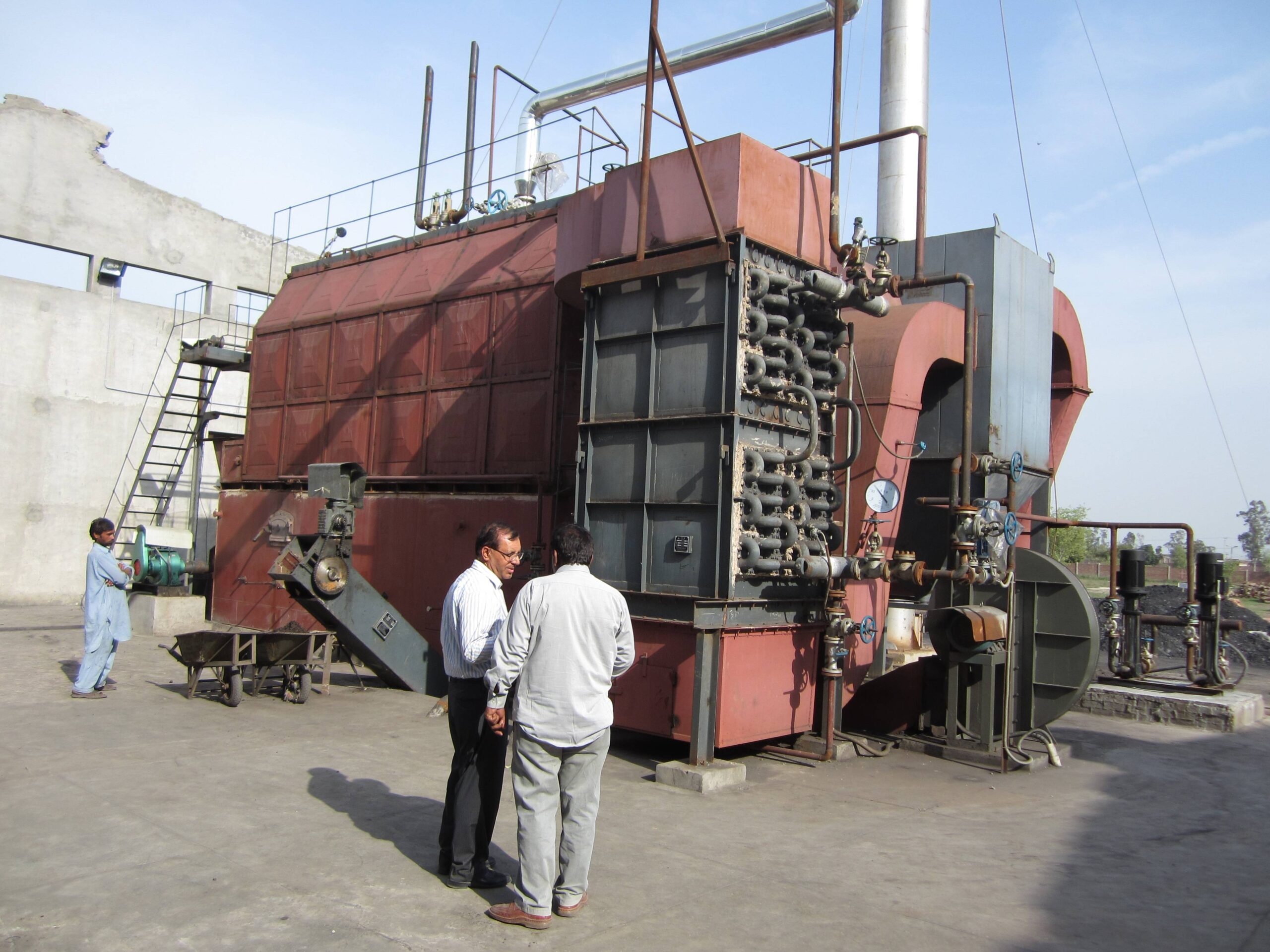
For industrial operators running coal-fired boilers, tightening environmental regulations are no longer abstract policy discussions—they are direct operational threats. The immediate pain point is compliance cost. As emission limits on particulate matter, SO₂, NOₓ, mercury, and CO₂ become stricter, many facilities find their existing coal-fired boilers increasingly unable to comply without major investment. The consequence of inaction is severe: fines, forced production curtailment, loss of operating permits, or complete shutdown. Many plant owners attempt incremental fixes, only to discover that regulatory pressure continues to intensify year after year. The solution is to understand how and why stricter environmental regulations fundamentally change the economics of coal-fired boilers, often making upgrades uneconomical and replacement unavoidable.
Stricter environmental regulations force coal-fired boiler upgrades or replacement when compliance requires costly emissions control retrofits, efficiency improvements fail to offset regulatory risk, and the total cost of meeting current and future standards exceeds the lifecycle cost of installing a modern alternative boiler system.
Recognizing this regulatory tipping point early enables industrial facilities to plan strategically, avoid forced shutdowns, and transition to compliant, future-proof steam generation technologies.
Most older coal-fired boilers can meet modern emissions standards with minor modifications.False
Older boilers often lack the design margins needed for modern emissions controls, making compliance retrofits complex and expensive.
Environmental regulations directly influence boiler replacement decisions by increasing compliance-related operating and capital costs.True
Stricter standards raise retrofit, monitoring, and operating costs, often making replacement more economical than continued operation.
The Regulatory Landscape Facing Coal-Fired Boilers
From a manufacturer’s and supplier’s perspective, environmental regulation is now the single most powerful external driver shaping the future of coal-fired boilers. Over the past two decades, governments worldwide have progressively tightened emission limits to address air quality, public health, and climate change. Regulations increasingly target not only visible pollutants such as dust and smoke but also invisible and cumulative emissions like NOₓ, SO₂, mercury, and greenhouse gases.
What makes modern regulations particularly challenging is their cumulative nature. Coal-fired boilers are no longer evaluated solely on stack opacity or basic particulate levels. Instead, operators must comply with multi-pollutant limits, continuous emissions monitoring requirements, and increasingly strict reporting and verification rules. In many regions, compliance is no longer static; standards tighten over time, forcing repeated investment. For aging coal-fired boilers, this creates a compounding cost burden that steadily erodes economic viability.
Another critical shift is the move from regional standards to facility-specific permitting. Regulators now assess boilers based on local air quality, population density, and cumulative emissions impact. This means a boiler that was compliant ten years ago—or even five years ago—may suddenly be classified as a major pollution source requiring extensive upgrades or shutdown.
Emissions Control Retrofits: Cost Versus Capability
To comply with stricter environmental regulations, coal-fired boilers typically require multiple layers of emissions control equipment. These retrofits are not simple bolt-on solutions. They fundamentally alter boiler operation, pressure losses, heat balance, and maintenance requirements. Common upgrades include baghouse filters or electrostatic precipitators for particulate matter, flue gas desulfurization (FGD) systems for SO₂, and selective non-catalytic or catalytic reduction (SNCR/SCR) systems for NOₓ.
From an engineering standpoint, many older boilers were not designed to accommodate the additional pressure drop, space requirements, or integration complexity of these systems. Installing them often requires structural modifications, duct rerouting, fan upgrades, and control system overhauls. Each modification increases capital cost and introduces new failure points.
The table below illustrates typical retrofit cost impacts relative to the original boiler value.
| Emissions Control Upgrade | Typical Capital Cost Impact |
|---|---|
| Baghouse / ESP | +15–30% of boiler cost |
| FGD (SO₂ control) | +25–50% of boiler cost |
| SCR / SNCR (NOₓ control) | +10–25% of boiler cost |
| Continuous emissions monitoring | +5–10% |
When combined, these upgrades can easily exceed the cost of a new, modern boiler—especially when installation downtime and production losses are included. At this point, regulations effectively force a replacement decision.
Efficiency and Carbon Intensity Under Regulatory Pressure
Environmental regulations increasingly target not only pollutant concentration but also overall carbon intensity. Declining thermal efficiency in coal-fired boilers directly conflicts with these requirements. As efficiency drops, more coal must be burned to produce the same steam output, increasing CO₂ emissions per unit of production. In regions with carbon pricing, emissions trading schemes, or mandatory carbon reporting, this inefficiency translates directly into financial penalties.
From a professional standpoint, retrofitting emissions controls does not solve this problem. While scrubbers and filters reduce local pollutants, they do not significantly improve thermal efficiency or reduce CO₂ output. In some cases, added equipment actually reduces efficiency due to higher auxiliary power consumption and pressure losses. As a result, operators face a paradox: spending heavily on compliance retrofits while becoming less competitive due to rising energy and carbon costs.
Modern boiler technologies—such as high-efficiency gas-fired boilers, biomass systems, or CFB boilers with fuel flexibility—are often better aligned with current and future carbon regulations. This alignment increasingly makes replacement the only sustainable long-term option.
Regulatory Uncertainty and the Risk of Stranded Assets
Another way stricter environmental regulations force coal-fired boiler replacement is through regulatory uncertainty. Even if a boiler meets today’s standards, there is no guarantee it will meet tomorrow’s. For aging coal-fired assets, this creates a high risk of becoming stranded investments—systems that require repeated capital injections without delivering long-term compliance security.
From an investment perspective, this uncertainty makes it difficult to justify major retrofits on old boilers. Payback periods become unpredictable, and the risk of regulatory tightening before full cost recovery is high. In contrast, replacing an old coal-fired boiler with a modern, lower-emission alternative often provides a clearer compliance horizon and more stable regulatory outlook.
Operational and Compliance Burden on Plant Personnel
Stricter regulations also increase the operational burden associated with coal-fired boilers. Continuous emissions monitoring systems require calibration, data management, and reporting. Environmental audits and inspections become more frequent and more detailed. For older boilers with variable combustion stability, maintaining emissions within permitted limits becomes an ongoing operational challenge.
This increased complexity translates into higher labor costs, greater reliance on specialized expertise, and increased risk of non-compliance due to human error or equipment failure. When regulatory compliance begins to dominate daily operations, it signals that the technology itself may no longer be fit for purpose. From a supplier’s perspective, this is a strong indicator that replacement should be evaluated rather than continued incremental upgrades.
Case Example: Regulation-Driven Replacement Decision
A regional manufacturing facility operated a 30-year-old coal-fired boiler that met historical particulate standards but failed to comply with newly introduced SO₂ and NOₓ limits. Retrofit estimates for baghouse upgrades, FGD installation, and NOₓ control exceeded USD 1.2 million, with no guarantee of compliance with anticipated future carbon regulations. A replacement analysis showed that installing a modern alternative boiler system would cost slightly more upfront but eliminate most regulatory risk and reduce operating costs. The facility chose replacement, driven primarily by regulatory pressure rather than mechanical failure.
In conclusion, stricter environmental regulations force coal-fired boiler upgrades or replacement by steadily increasing the cost, complexity, and risk of continued operation. When compliance requires extensive retrofits, reduces efficiency, and exposes facilities to ongoing regulatory uncertainty, replacement becomes the economically and strategically sound choice. From a professional manufacturer’s and supplier’s perspective, regulations are no longer external constraints but core design drivers that define which boiler technologies remain viable. Facilities that proactively respond to regulatory trends position themselves for long-term compliance, operational stability, and competitive advantage.
What Safety and Reliability Risks Indicate an Aging Boiler Has Reached End-of-Life?
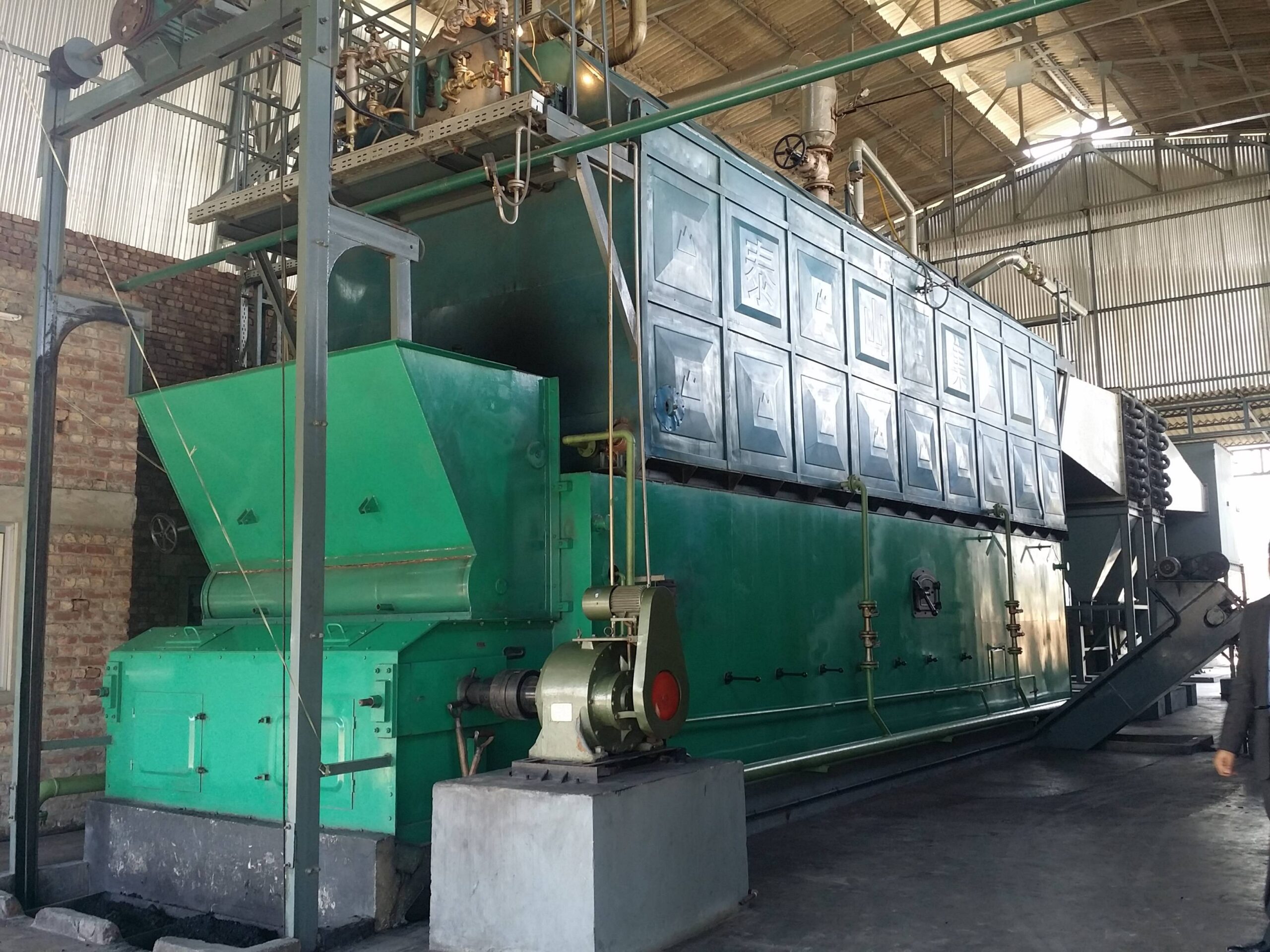
For industrial facilities that rely on steam as a critical utility, an aging boiler rarely fails without warning. The real danger lies in misinterpreting—or ignoring—the safety and reliability risks that quietly accumulate over years of operation. Many operators focus on keeping an old boiler running through repairs and workarounds, believing that as long as steam is produced, the asset is still viable. This mindset creates serious consequences: elevated risk of accidents, unplanned shutdowns, regulatory violations, and catastrophic failures that threaten personnel safety and business continuity. The solution is recognizing when specific safety and reliability risks clearly signal that a boiler has reached the end of its economic and technical life and must be replaced rather than repaired.
An aging boiler has reached end-of-life when safety systems become unreliable, pressure-part integrity is compromised, unplanned failures increase despite maintenance, and the risk of injury, asset damage, or regulatory non-compliance outweighs the cost and benefit of continued operation.
Understanding these warning signs allows organizations to shift from reactive survival mode to proactive risk management, protecting people, production, and long-term operational stability.
Older boilers can remain safe indefinitely if inspections are performed regularly.False
Inspections reduce risk but cannot reverse material degradation, fatigue, and outdated safety design in aging boilers.
Safety and reliability risks increase exponentially as boilers approach the end of their design life.True
Cumulative wear, corrosion, and system interactions accelerate failure probability in aging boilers.
Pressure-Part Degradation: The Most Critical Safety Indicator
From a manufacturer’s and supplier’s perspective, the single most serious end-of-life indicator in an aging boiler is degradation of pressure-containing components. Boiler drums, headers, tubes, and piping are designed for a finite number of pressure and thermal cycles. Over decades of service, these components experience creep, fatigue, corrosion, and erosion that gradually reduce their safety margin. While minor wall thinning or localized corrosion can sometimes be managed, widespread or accelerating degradation signals that the boiler’s structural integrity is no longer reliable.
Pressure-part failures are uniquely dangerous because they occur under high energy conditions. A ruptured tube or drum does not merely cause downtime—it can release superheated steam or water with explosive force. From a safety standpoint, once inspections reveal repeated thinning beyond acceptable limits, increasing frequency of tube leaks, or deformation such as bulging and cracking, the boiler is no longer operating within a defensible risk envelope. Continued operation becomes a gamble rather than an engineered decision.
The table below summarizes pressure-part conditions and their implications.
| Pressure-Part Condition | Safety Risk Level | End-of-Life Implication |
|---|---|---|
| Minor, stable wear | Low | Monitor |
| Recurrent tube leaks | Medium | Limited remaining life |
| Accelerating corrosion or creep | High | Replacement justified |
| Structural cracking or deformation | Critical | Immediate shutdown / replacement |
From an engineering standpoint, once pressure-part integrity can no longer be assured without frequent intrusive repairs, the boiler has effectively reached end-of-life.
Safety System Reliability and Functional Obsolescence
Another major end-of-life signal lies in the reliability of boiler safety systems. Safety valves, pressure switches, flame scanners, interlocks, and emergency shutdown systems are designed to prevent runaway conditions and catastrophic failures. In aging boilers, these systems often become unreliable due to component wear, outdated technology, or incompatibility with modern standards.
A common red flag is repeated safety device malfunction or nuisance tripping. While occasional false trips can occur in any system, frequent issues indicate deeper problems such as wiring degradation, sensor drift, or control logic limitations. In older boilers, original safety systems may no longer meet current codes or may rely on components that are obsolete or no longer supported by manufacturers. This increases both safety risk and downtime, as repairs become slower and less predictable.
From a professional perspective, when safety systems require constant attention just to maintain basic protection, the boiler is no longer operating with acceptable inherent safety. At this point, replacement is not just an economic decision but a moral and legal responsibility.
Escalating Failure Frequency and Loss of Reliability
Reliability degradation is a defining characteristic of end-of-life boilers. Early in a boiler’s service life, failures are rare and often random. As the boiler ages, failures become more frequent, more severe, and increasingly interconnected. A tube leak may lead to insulation damage, which causes heat loss, which stresses adjacent components, leading to further failures. This cascading effect is a hallmark of systemic aging.
Mean time between failures (MTBF) is a critical reliability metric. When MTBF consistently declines despite intensified maintenance, it indicates that the underlying failure mechanisms are no longer controllable. At this stage, maintenance shifts from prevention to constant correction, consuming resources while delivering diminishing returns.
The following table illustrates reliability trends associated with boiler aging.
| Reliability Metric | Mid-Life Boiler | Aging Boiler | End-of-Life Boiler |
|---|---|---|---|
| MTBF | High | Declining | Low |
| Failure predictability | High | Moderate | Poor |
| Unplanned outages | Rare | Increasing | Frequent |
| Restart success rate | High | Variable | Unreliable |
From a business continuity perspective, once a boiler’s reliability profile enters the end-of-life category, replacement becomes the only sustainable option.
Increased Safety Risk During Startups and Shutdowns
A subtle but critical safety signal in aging boilers is increased risk during startups and shutdowns. These transitional states place the highest thermal and mechanical stress on pressure parts, refractory, and control systems. In older boilers, degraded materials and outdated control logic reduce tolerance for rapid temperature or pressure changes.
Operators may notice that startups take longer, require manual intervention, or trigger alarms more frequently. Shutdowns may result in leaks, refractory damage, or auxiliary equipment failures. Each of these issues increases the likelihood of operator error, which is a significant contributor to industrial accidents.
From a safety engineering standpoint, when normal operational transitions become high-risk events, the boiler can no longer be considered reliable or safe for continued service.
Regulatory and Insurance Pressure as Safety Signals
External pressure from regulators and insurers often reflects underlying safety and reliability risks. Aging boilers with repeated incidents, near-misses, or inspection findings may face increased scrutiny, higher insurance premiums, or conditional operating permits. These external signals should not be dismissed as administrative hurdles—they are data-driven assessments of risk exposure.
When insurers impose special conditions or regulators require frequent inspections and corrective actions, it indicates that the boiler is approaching or has reached the limits of acceptable risk. In many cases, continued operation is allowed only because immediate replacement is not feasible, not because the boiler is truly safe.
Human Factors and Operational Stress
Another often-overlooked end-of-life indicator is the impact of the boiler on operating personnel. Aging boilers frequently demand constant attention, manual adjustments, and emergency response readiness. This increases operator fatigue and stress, raising the likelihood of human error. From a safety perspective, reliance on operator vigilance to compensate for equipment degradation is unsustainable.
Modern boiler systems are designed with automation, diagnostics, and fail-safe logic to reduce human dependency. When an aging boiler requires “expert intuition” to keep running safely, it is a strong signal that the system itself is no longer fit for purpose.
Case Example: Safety-Driven Replacement Decision
A manufacturing plant operated a 28-year-old boiler with a history of tube leaks and control system faults. While annual inspections passed, unplanned shutdowns increased and safety valve testing revealed inconsistent performance. Operators reported frequent alarms during startups, and insurers raised premiums due to perceived risk. A risk assessment concluded that while the boiler could technically continue operating, the probability and consequence of failure were unacceptably high. The boiler was replaced proactively, eliminating safety concerns and stabilizing operations. In this case, safety and reliability risks—not catastrophic failure—drove the replacement decision.
In conclusion, safety and reliability risks indicate an aging boiler has reached end-of-life when pressure-part integrity degrades, safety systems become unreliable, failure frequency escalates, and operational risk increases beyond acceptable limits. From a professional manufacturer’s and supplier’s perspective, waiting for a catastrophic event is neither responsible nor economical. The true end-of-life point is reached when continued operation depends on luck, excessive maintenance, or operator heroics rather than robust engineering margins. Recognizing these signals early allows organizations to protect people, assets, and long-term business performance.
How Does Boiler Age and Remaining Service Life Affect Replacement Decisions?
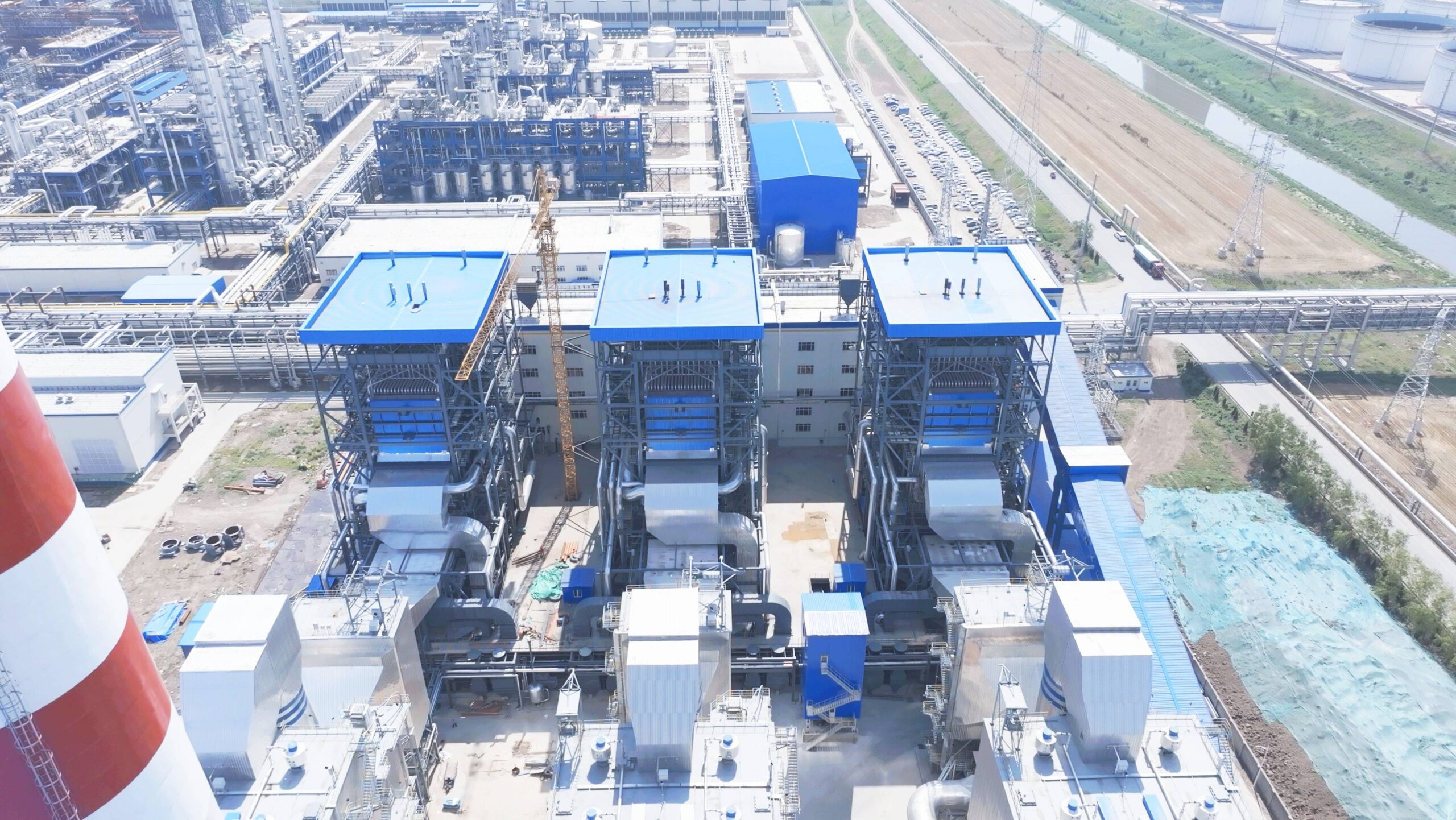
For many industrial operators, boiler replacement decisions are often delayed until failure seems imminent. The underlying pain point is uncertainty: boiler age alone does not automatically mean replacement is necessary, yet continuing to operate an aging boiler without understanding its remaining service life exposes facilities to escalating risks. The consequences of misjudging this balance are serious—either premature capital expenditure on replacement or costly downtime, safety incidents, and compliance failures caused by pushing an asset beyond its practical limits. The solution lies in understanding how boiler age, design life, operating conditions, and remaining service life collectively shape rational, data-driven replacement decisions.
Boiler age and remaining service life affect replacement decisions by defining the balance between ongoing operating risk and future capital efficiency; as a boiler approaches or exceeds its design life, declining reliability, rising costs, and reduced compliance margins increasingly justify proactive replacement.
This perspective allows decision-makers to move beyond simple age-based assumptions and adopt a lifecycle-based strategy that protects both operational continuity and long-term financial performance.
A boiler should always be replaced once it reaches its original design life.False
Design life is a guideline; some boilers can safely operate beyond it if condition, maintenance, and compliance remain acceptable.
Boiler age is a strong predictor of rising failure risk and declining economic performance.True
Cumulative thermal cycles, corrosion, and material fatigue increase failure probability as boilers age.
Understanding Boiler Design Life Versus Actual Service Life
From a manufacturer’s and supplier’s standpoint, every boiler is designed with an expected service life—commonly 20 to 30 years for many industrial steam boilers under normal operating conditions. This design life is based on assumptions regarding pressure cycles, operating hours, water chemistry, load variability, and maintenance quality. However, real-world operation rarely aligns perfectly with these assumptions.
Actual service life can be shorter or longer than design life depending on how the boiler is used. Boilers operating at high load, frequent cycling, or under suboptimal water treatment often experience accelerated degradation. Conversely, boilers running at stable loads with excellent maintenance may exceed their nominal design life. Replacement decisions therefore cannot rely on calendar age alone; they must consider how much of the boiler’s fatigue life, corrosion allowance, and safety margin has already been consumed.
Nevertheless, age remains a critical contextual indicator. As boilers age, uncertainty increases. Inspection data becomes more variable, degradation mechanisms overlap, and predicting remaining life becomes less precise. This growing uncertainty is itself a factor that pushes replacement decisions toward caution.
Remaining Service Life as a Strategic Planning Metric
Remaining service life refers to the estimated period a boiler can continue operating safely, reliably, and economically before major replacement or retirement is unavoidable. From an engineering perspective, remaining life assessment integrates inspection results, historical operating data, failure trends, and regulatory requirements.
As remaining service life shortens, flexibility disappears. Planned outages become more difficult to schedule, spare parts availability declines, and contingency planning becomes more complex. When remaining service life is measured in single-digit years, replacement planning should already be underway. Waiting until remaining life approaches zero often forces rushed decisions, higher costs, and extended downtime.
The table below illustrates how age and remaining service life influence replacement strategy.
| Boiler Age | Estimated Remaining Service Life | Replacement Strategy Implication |
|---|---|---|
| <10 years | 15–20+ years | Optimize operation, no replacement |
| 10–20 years | 8–15 years | Begin long-term replacement planning |
| 20–30 years | 3–8 years | Detailed replacement evaluation |
| 30+ years | <3 years | Replacement strongly justified |
From a professional standpoint, the most cost-effective replacements occur when planning begins while the boiler is still operational and predictable—not when failure is imminent.
Reliability Decline with Age and Its Economic Impact
Reliability degradation is one of the most tangible ways age influences replacement decisions. As boilers age, mean time between failures declines due to cumulative wear, corrosion, creep, and fatigue. While individual components can be repaired or replaced, the underlying system-level degradation remains.
This decline has a direct economic impact. Increased unplanned outages disrupt production, increase labor costs, and reduce overall plant efficiency. Moreover, as reliability declines, operational confidence erodes. Facilities begin to operate with contingency plans that assume boiler failure is possible at any time. This hidden cost—operational inefficiency driven by uncertainty—is rarely captured in maintenance budgets but heavily influences replacement justification.
From a lifecycle cost perspective, a boiler nearing the end of its service life often has a higher cost per unit of steam produced than a newer alternative, even if it appears cheaper on a purely capital basis.
Aging, Compliance Margins, and Regulatory Risk
Another critical way boiler age affects replacement decisions is through shrinking compliance margins. Older boilers were designed to meet the standards of their time, not modern environmental, safety, and efficiency regulations. As standards tighten, aging boilers operate closer to regulatory limits, leaving little tolerance for variability.
Remaining service life is therefore not only a mechanical concept but also a regulatory one. A boiler with ten years of mechanical life remaining may have far less regulatory life remaining if new emissions limits or safety codes are introduced. In such cases, replacement decisions are accelerated regardless of physical condition.
From a supplier’s perspective, many replacement projects are driven not by imminent mechanical failure but by the realization that an aging boiler’s remaining regulatory life is shorter than its remaining physical life.
Maintenance Intensity as a Function of Age
As boilers age, maintenance intensity increases nonlinearly. Early-life maintenance is predictable and preventive. Mid-life maintenance includes corrective actions. End-of-life maintenance becomes reactive and invasive. This escalation is closely tied to remaining service life.
A critical decision point occurs when maintenance actions begin to consume remaining life rather than extend it. For example, repeated tube replacements, patch welding, or refractory repairs may restore short-term functionality but reduce long-term reliability. When maintenance no longer adds meaningful remaining service life, replacement becomes the rational choice.
The following table summarizes maintenance patterns by age.
| Boiler Life Stage | Maintenance Characteristics | Replacement Implication |
|---|---|---|
| Early life | Preventive, low cost | No replacement need |
| Mid-life | Corrective, manageable | Monitor remaining life |
| Late life | Reactive, high cost | Replacement planning |
| End-of-life | Invasive, frequent | Replace |
Financial Planning and Capital Efficiency
From a financial perspective, boiler age and remaining service life directly affect capital efficiency. Investing heavily in upgrades or repairs on a boiler with limited remaining life often yields poor returns. The shorter the remaining life, the less time there is to recover capital investments through improved efficiency or reduced operating cost.
This is why many experienced operators avoid major retrofits on boilers older than 20–25 years unless remaining life is clearly demonstrated. Instead, they redirect capital toward replacement technologies that offer longer service horizons, better efficiency, and lower regulatory risk.
Case Example: Age-Driven Replacement Timing
A chemical processing plant operated a 22-year-old boiler that remained mechanically sound but showed increasing maintenance needs and declining efficiency. Remaining service life was estimated at 6–8 years. Rather than wait, the plant initiated replacement planning while the boiler was still reliable. This allowed phased installation of a new system with minimal downtime. The decision was driven not by failure, but by age-based lifecycle optimization—demonstrating how proactive replacement improves outcomes.
In conclusion, boiler age and remaining service life profoundly affect replacement decisions by shaping risk, reliability, compliance, and economic return. While age alone should not dictate replacement, it is a powerful indicator of increasing uncertainty and diminishing margins. From a professional manufacturer’s and supplier’s perspective, the optimal replacement window occurs when a boiler is still functional but nearing the end of its predictable service life. Facilities that align replacement decisions with lifecycle realities achieve safer operations, lower long-term costs, and greater strategic control over their energy infrastructure.
When Is Replacing a Coal-Fired Boiler More Cost-Effective Than Retrofitting or Overhauling It?
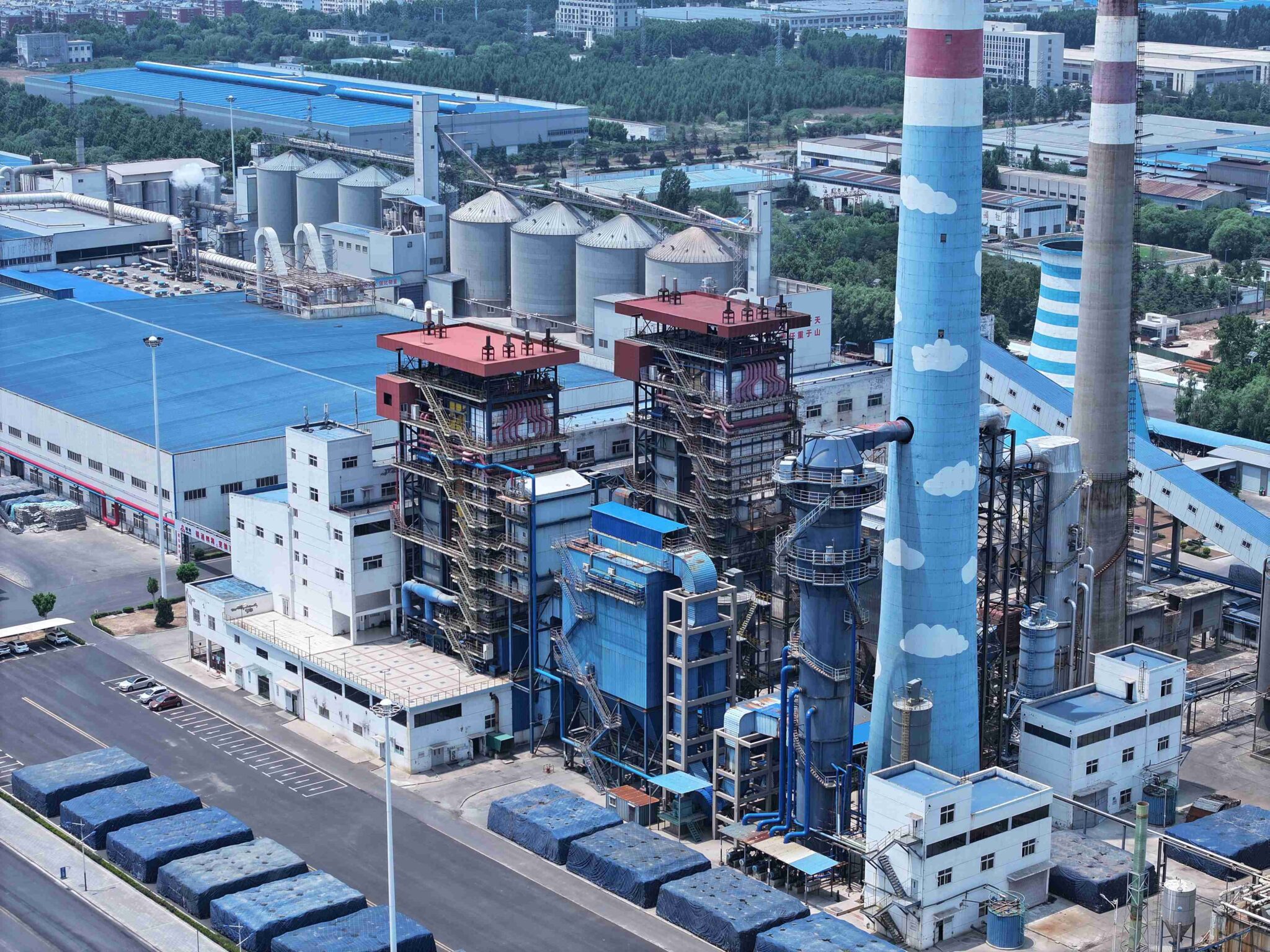
For owners of coal-fired boilers, one of the most difficult strategic decisions is whether to continue investing in retrofits and overhauls or to replace the boiler entirely. The immediate pain point is capital pressure: retrofitting feels less expensive than replacement, while a new boiler appears to demand a large upfront investment. However, the hidden consequence of repeated retrofits is often long-term cost escalation, declining reliability, regulatory uncertainty, and diminishing returns on capital. Many facilities only realize too late that cumulative retrofit spending has exceeded the cost of replacement—without delivering long-term compliance or operational stability. The solution is understanding when replacement becomes more cost-effective than retrofitting or overhauling a coal-fired boiler, based on lifecycle economics rather than short-term cash flow.
Replacing a coal-fired boiler is more cost-effective than retrofitting or overhauling it when the combined cost of emissions controls, efficiency losses, maintenance, downtime, and regulatory risk exceeds the lifecycle cost of a new boiler that offers higher efficiency, lower compliance risk, and longer predictable service life.
Recognizing this tipping point allows decision-makers to stop “chasing compliance” and instead invest in a future-ready steam generation solution.
Retrofitting a coal-fired boiler is always cheaper than replacing it.False
While retrofits may have lower upfront cost, cumulative retrofit, maintenance, and compliance expenses can exceed replacement lifecycle cost.
Boiler replacement can reduce long-term operating and compliance costs compared to repeated retrofits.True
Modern boilers are designed for higher efficiency, lower emissions, and reduced maintenance, improving lifecycle economics.
Understanding the True Cost of Retrofitting and Overhauling Coal-Fired Boilers
From a manufacturer’s and supplier’s perspective, retrofit projects are often justified as incremental solutions—adding emissions controls, replacing worn pressure parts, or upgrading control systems. Individually, these measures can extend operation for a limited time. However, coal-fired boilers approaching mid-to-late life often require multiple, overlapping retrofits to remain viable.
The challenge lies in cumulative cost. Emissions retrofits such as baghouses, flue gas desulfurization (FGD), and NOₓ control systems involve not only capital expenditure but also increased auxiliary power consumption, higher maintenance intensity, and added operational complexity. Overhauls such as tube replacements, drum repairs, and refractory rebuilds restore functionality but do not fundamentally reset the boiler’s remaining life or regulatory position.
The table below compares typical cost elements associated with retrofitting versus replacement.
| Cost Element | Retrofit / Overhaul | Replacement |
|---|---|---|
| Initial capital cost | Lower per project | Higher upfront |
| Cumulative capital over 5–10 years | High | Predictable |
| Maintenance intensity | Increases | Reduced |
| Efficiency improvement | Limited | Significant |
| Regulatory compliance horizon | Short-term | Long-term |
When viewed holistically, retrofits often shift costs forward rather than eliminate them, while replacement consolidates investment into a single, long-term solution.
Regulatory Escalation as a Replacement Trigger
Stricter environmental regulations are one of the strongest drivers making replacement more cost-effective than retrofitting. Older coal-fired boilers were not designed to meet modern multi-pollutant standards. Each new regulatory requirement forces additional retrofits, increasing both capital and operating costs.
From an economic standpoint, replacement becomes the better option when retrofit costs are driven by compliance rather than performance improvement. For example, installing SO₂ and NOₓ controls may bring a boiler into compliance today, but future carbon regulations or efficiency mandates may still render the asset non-viable. This creates a cycle of “retrofit chasing regulation,” with diminishing returns on each investment.
When a retrofit does not meaningfully extend regulatory life—typically beyond 10–15 years—replacement becomes the more cost-effective and lower-risk strategy.
Efficiency Losses and Fuel Cost Penalties
Coal-fired boiler retrofits rarely deliver major thermal efficiency improvements. In many cases, they reduce net efficiency due to increased flue gas pressure drop, auxiliary power consumption, and heat losses. Over time, this inefficiency compounds fuel costs.
From a lifecycle cost perspective, fuel is often the largest operating expense of a boiler. Even a 2–4% efficiency gap between an old, retrofitted coal-fired boiler and a modern replacement can translate into millions of dollars in additional fuel cost over a decade. Replacement becomes economically justified when fuel savings alone offset the higher capital cost.
The table below illustrates the long-term impact of efficiency differences.
| Boiler Scenario | Efficiency | 10-Year Fuel Cost Impact |
|---|---|---|
| Retrofitted aging coal boiler | Low–moderate | High |
| New high-efficiency boiler | High | Significantly lower |
From a supplier’s perspective, fuel savings are one of the most underestimated drivers of replacement decisions.
Maintenance and Downtime Economics
As coal-fired boilers age, maintenance becomes more invasive and less predictable. Retrofits and overhauls may temporarily reduce failure frequency, but underlying degradation mechanisms remain. Each additional year of operation often brings higher maintenance costs and increased unplanned downtime.
Replacement becomes more cost-effective when annual maintenance and downtime-related losses exceed a defined threshold—commonly 10–15% of the capital cost of a new boiler. At this point, continued operation resembles asset survival rather than asset optimization.
Downtime costs are particularly important in industries with continuous or high-throughput processes. Lost production, restart inefficiencies, and safety risks amplify the economic case for replacement far beyond direct repair expenses.
Remaining Service Life Versus Capital Recovery
A critical economic principle in boiler decision-making is capital recovery time. Retrofitting or overhauling a coal-fired boiler only makes sense if the remaining service life is long enough to recover the investment. For boilers older than 20–25 years, remaining service life is often limited and uncertain.
When retrofit payback periods approach or exceed the estimated remaining life of the boiler, replacement is almost always more cost-effective. New boilers offer a fresh lifecycle horizon—often 20–30 years—allowing capital investments to be recovered through efficiency gains, reduced maintenance, and stable compliance.
Complexity, Risk, and Operational Burden
Each retrofit adds complexity to an already aging system. Additional ductwork, fans, pumps, sensors, and control logic increase failure points and operator workload. From a risk management perspective, complexity raises the probability of operational errors and safety incidents.
Replacement simplifies the system by integrating modern design, automation, and diagnostics from the outset. When the operational burden of managing retrofits begins to outweigh their perceived cost advantage, replacement becomes the more rational and cost-effective choice.
Case Example: Retrofit Versus Replacement Decision
An industrial plant operating a 25-year-old coal-fired boiler faced new emissions limits requiring SO₂ and NOₓ controls. Retrofit costs were estimated at 60% of a new boiler’s price, with no improvement in efficiency and a regulatory horizon of less than 10 years. Maintenance costs were already rising, and downtime incidents were increasing. A replacement analysis showed that a new boiler would pay back the additional capital within seven years through fuel savings and reduced maintenance alone. The facility chose replacement, avoiding further retrofit cycles and securing long-term compliance.
In conclusion, replacing a coal-fired boiler is more cost-effective than retrofitting or overhauling it when cumulative retrofit costs rise, efficiency penalties increase fuel expense, maintenance and downtime escalate, and regulatory uncertainty shortens the asset’s usable life. From a professional manufacturer’s and supplier’s perspective, the key is lifecycle thinking: replacement becomes the smarter investment when retrofits no longer extend value, but merely delay inevitable retirement at increasing cost.
🔍 Conclusion
Replacing an industrial coal-fired boiler is not just a technical decision—it is a strategic business decision. When efficiency losses, maintenance costs, compliance pressure, and safety risks outweigh the benefits of continued operation, replacement becomes the most economical and responsible choice. A modern coal-fired boiler offers higher efficiency, lower emissions, and improved reliability, ensuring stable production for years to come.
🔹 Contact us today for professional guidance on upgrading or replacing your industrial coal-fired boiler with confidence. ⚙️🔥🏭✅
FAQ
Q1: What is the typical lifespan of an industrial coal-fired boiler?
A1: The typical lifespan of an industrial coal-fired boiler is around 20–30 years, depending on design quality, operating conditions, fuel quality, and maintenance practices. Boilers operating under stable loads with proper water treatment and regular inspections may exceed 30 years. However, as boilers age, metal fatigue, corrosion, reduced heat transfer efficiency, and outdated control systems gradually degrade performance. Once a boiler approaches the end of its design life, replacement often becomes more economical than continued operation.
Q2: How does declining efficiency signal the need for boiler replacement?
A2: A noticeable decline in thermal efficiency is a strong indicator that a coal-fired boiler may need replacement. Symptoms include higher coal consumption per ton of steam, rising flue gas temperatures, and increased unburned carbon in ash. Even a 5–10% efficiency loss can significantly increase annual fuel costs. If efficiency cannot be restored through retrofits such as economizers or burner upgrades, replacing the boiler with a modern high-efficiency model can deliver substantial long-term savings.
Q3: When do rising maintenance and downtime costs justify replacement?
A3: As coal-fired boilers age, maintenance costs often increase sharply due to frequent tube leaks, refractory damage, grate wear, and auxiliary equipment failures. If annual maintenance expenses exceed 5–8% of the replacement cost, or if unplanned shutdowns disrupt production, replacement becomes financially justified. New boilers offer improved materials, automation, and reliability, reducing downtime and maintenance labor while improving operational stability.
Q4: How do environmental regulations affect replacement decisions?
A4: Stricter environmental regulations are a major driver for replacing older coal-fired boilers. Legacy units often struggle to meet modern limits for particulate matter, SO₂, and NOx emissions without expensive retrofits such as bag filters, FGD systems, or low-NOx combustion upgrades. In many cases, the cost of retrofitting an old boiler approaches or exceeds the cost of installing a new, cleaner unit. Replacing the boiler with a high-efficiency coal, biomass, gas-fired, or CFB boiler can ensure long-term compliance and reduce regulatory risk.
Q5: Are safety and operational risks signs that a boiler should be replaced?
A5: Yes, safety risks are critical indicators for boiler replacement. Aging pressure parts, weakened drums, outdated safety valves, and obsolete control systems increase the risk of leaks, explosions, and operational accidents. If inspection reports reveal recurring pressure part failures or if spare parts are no longer available, continued operation poses unacceptable risk. Modern boilers feature advanced monitoring, automated shutdown systems, and improved safety standards, making replacement the safer and more responsible choice.
References
- U.S. Department of Energy – Industrial Boiler Lifecycle and Replacement – https://www.energy.gov/ – DOE
- ASME Boiler and Pressure Vessel Code (BPVC) – https://www.asme.org/ – ASME
- International Energy Agency – Industrial Coal Boiler Modernization – https://www.iea.org/ – IEA
- Carbon Trust – Boiler Replacement and Energy Efficiency – https://www.carbontrust.com/ – Carbon Trust
- Spirax Sarco – Steam Boiler Maintenance and Lifecycle Cost – https://www.spiraxsarco.com/ – Spirax Sarco
- Engineering Toolbox – Boiler Efficiency and Aging Effects – https://www.engineeringtoolbox.com/ – Engineering Toolbox
- ScienceDirect – Aging and Failure Analysis of Coal-Fired Boilers – https://www.sciencedirect.com/ – ScienceDirect
- ISO 16528 – Boiler and Pressure Equipment Standards – https://www.iso.org/ – ISO
- World Bank – Industrial Energy Efficiency and Boiler Upgrades – https://www.worldbank.org/ – World Bank
- MarketsandMarkets – Industrial Boiler Replacement Market Trends – https://www.marketsandmarkets.com/ – Markets and Markets
When Should an Industrial Coal-Fired Boiler Be Replaced? Read More »