
Cost Range of Different Types of Industrial Coal-Fired Boilers

Industrial coal-fired boilers remain widely used in power generation and heavy industries due to fuel affordability and stable large-scale steam output. However, many buyers are surprised by the significant price differences between various coal-fired boiler types. Without understanding what drives these cost variations, projects risk budget overruns or improper equipment selection that increases long-term operating costs.
The cost range of industrial coal-fired boilers varies mainly by boiler type, capacity, pressure level, combustion technology, and environmental configuration. In general, chain grate coal-fired boilers are the most economical, fluidized bed boilers fall into the mid-range, and circulating fluidized bed (CFB) boilers represent the highest investment due to their advanced fuel flexibility and emission control capabilities. Selecting the right type requires balancing capital cost with efficiency, fuel adaptability, and compliance requirements.
Understanding these cost ranges helps users set realistic budgets and choose the most cost-effective coal-fired boiler solution for their specific application.
What Is the Cost Range of Chain Grate Coal-Fired Boilers for Industrial Use?
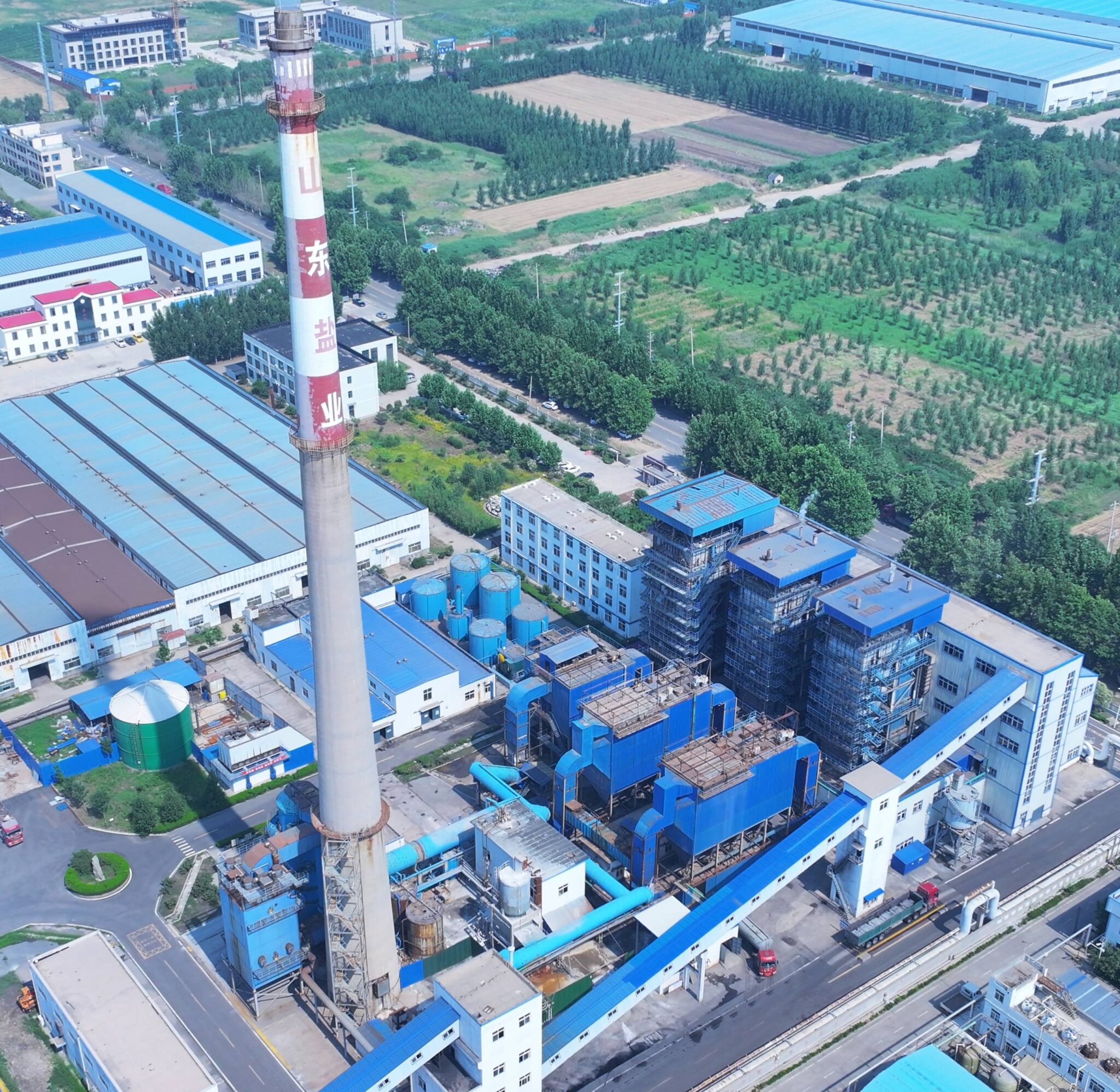
For many industrial users—especially in regions where coal remains abundant and cost-competitive—the chain grate coal-fired boiler is still a core source of steam and thermal energy. However, one of the most frequent pain points during procurement is understanding why quoted prices vary so widely for what appears to be the same type of boiler. Some buyers are attracted by very low prices, only to face operational instability, high fuel consumption, or regulatory non-compliance later. Others hesitate to invest due to uncertainty about whether the higher-priced systems truly deliver better value. The consequence of this confusion is either overinvestment or, more dangerously, underinvestment in critical energy infrastructure. The solution is a clear, engineering-based understanding of the real cost range of chain grate coal-fired boilers and the factors that drive those costs.
For industrial applications, chain grate coal-fired boilers typically range from approximately USD 80,000 to USD 1.5 million or more, depending on steam capacity, pressure and temperature rating, fuel adaptability, emission control configuration, automation level, and EPC scope.
This wide range reflects not only boiler size, but also design quality, compliance level, and long-term operating economics.
All chain grate coal-fired boilers have similar prices if steam capacity is the same.False
Price varies significantly with pressure rating, emission controls, automation, materials, and manufacturing standards even at the same capacity.
Higher-priced chain grate boilers often deliver lower lifecycle cost through better efficiency and reliability.True
Improved combustion, materials, and automation reduce fuel consumption, downtime, and maintenance over time.
To fully understand pricing, it is essential to break down the cost structure in detail.
Typical Price Ranges by Capacity Class
From a professional manufacturer’s and supplier’s perspective, steam capacity is the primary starting point for pricing. Chain grate boilers scale rapidly in cost as capacity and pressure increase.
| Steam Capacity (t/h) | Typical Industrial Application | Approximate Boiler Price |
|---|---|---|
| 2–6 t/h | Small factories, workshops | USD 80,000 – 200,000 |
| 8–20 t/h | Food, textile, light industry | USD 200,000 – 500,000 |
| 25–40 t/h | Chemicals, building materials | USD 500,000 – 900,000 |
| 45–75 t/h | Power & process steam | USD 900,000 – 1.5M+ |
These prices generally reflect equipment supply for the boiler island and basic auxiliaries, excluding major civil works and fuel handling systems unless otherwise specified.
Influence of Steam Pressure and Temperature on Cost
Steam pressure and temperature are among the most powerful cost multipliers. Higher pressure requires thicker drums, stronger headers, higher-grade steel, and stricter manufacturing standards.
For example, a 20 t/h boiler operating at 1.25 MPa saturated steam may cost 20–30% less than the same capacity boiler designed for 3.82 MPa or superheated steam. From a cost engineering standpoint, material thickness, welding complexity, and inspection requirements rise sharply with pressure class.
Fuel Adaptability and Coal Quality Requirements
Chain grate boilers are valued for their ability to burn a wide range of coals, but this adaptability is not free. Boilers designed to handle high-moisture, high-ash, or low-calorific-value coal require larger furnaces, reinforced grates, and more robust ash handling systems.
| Coal Quality Feature | Design Impact | Cost Effect |
|---|---|---|
| Low ash, stable coal | Standard design | Baseline |
| High ash content | Larger ash removal system | +5–10% |
| High moisture | Extended furnace, air control | +10–15% |
| Variable coal quality | Advanced grate & control | +15–25% |
From an investment perspective, paying more upfront for fuel flexibility often reduces long-term fuel sourcing risk.
Emission Control Configuration and Environmental Cost
Environmental compliance is now a dominant cost driver for coal-fired boilers. A basic chain grate boiler with only mechanical dust removal is significantly cheaper than one equipped for modern emission standards.
Typical emission-related additions include:
– Multicyclone or baghouse dust collectors
– Flue gas desulfurization (FGD)
– Low-NOx combustion modifications
| Emission Standard Level | Typical Add-ons | Cost Impact |
|---|---|---|
| Basic local standard | Cyclone | Low |
| Medium standard | Bag filter | +10–20% |
| Strict standard | Bag filter + FGD | +25–40% |
In many regions, emission controls can represent a larger investment than the boiler pressure parts themselves.
Automation Level and Its Effect on Pricing
Traditional chain grate boilers were manually operated, but modern industrial users increasingly require automated combustion control, grate speed regulation, and remote monitoring.
Higher automation levels increase cost through PLC systems, instrumentation, actuators, and engineering time. However, they significantly improve combustion stability and efficiency.
From a manufacturer’s viewpoint, automation typically adds 5–20% to boiler price but often pays back quickly through fuel savings and reduced labor.
Manufacturing Standards and Certifications
Boilers built to international standards such as ASME, EN, or equivalent national pressure vessel codes cost more than non-certified units. Certification requires qualified materials, certified welding, full non-destructive testing, and third-party inspection.
While certification can increase price by 10–30%, it is often mandatory for insurance, financing, and regulatory approval—making it a non-negotiable investment rather than an optional upgrade.
EPC Scope: Equipment vs. Turnkey Pricing
The quoted price for a chain grate boiler depends heavily on EPC scope. Equipment-only supply includes the boiler and basic auxiliaries, while turnkey EPC includes engineering, civil works, installation, commissioning, and performance guarantees.
| EPC Scope | Typical Investment Range |
|---|---|
| Equipment only | Lowest upfront cost |
| Partial EPC | +15–30% |
| Full turnkey EPC | +30–50% |
Although turnkey projects appear more expensive, they often reduce total investment risk and prevent costly coordination errors.
Lifecycle Cost Perspective
From a long-term economic standpoint, the cheapest chain grate boiler is rarely the most economical. Poor combustion efficiency, frequent grate failures, and high maintenance costs can quickly outweigh initial savings.
Higher-quality boilers typically offer:
– 3–8% higher thermal efficiency
– Longer grate and tube life
– More stable operation with variable coal
Over a 10–20 year service life, these benefits translate into substantial cost savings.
Case Example: Cost Versus Performance
An industrial plant selected a low-cost chain grate boiler to minimize capital expenditure. Within three years, frequent shutdowns and high fuel consumption forced major retrofits. A comparable plant that invested in a higher-priced, automated, emission-compliant boiler achieved lower operating cost and longer continuous operation, proving that initial price alone is a poor decision metric.
Manufacturer’s Strategic Perspective
From a professional manufacturer and supplier standpoint, the correct cost range for a chain grate coal-fired boiler must be evaluated against capacity needs, coal quality, emission regulations, and operational expectations. Over-specification wastes capital, while under-specification creates long-term risk.
In conclusion, the cost range of chain grate coal-fired boilers for industrial use typically spans from about USD 80,000 to USD 1.5 million or more. This wide range is driven by capacity, pressure, fuel adaptability, emission controls, automation, manufacturing standards, and EPC scope. A well-specified boiler may cost more initially but delivers better efficiency, reliability, and compliance—ultimately reducing total cost of ownership.
How Much Do Reciprocating Grate Coal-Fired Boilers Typically Cost?
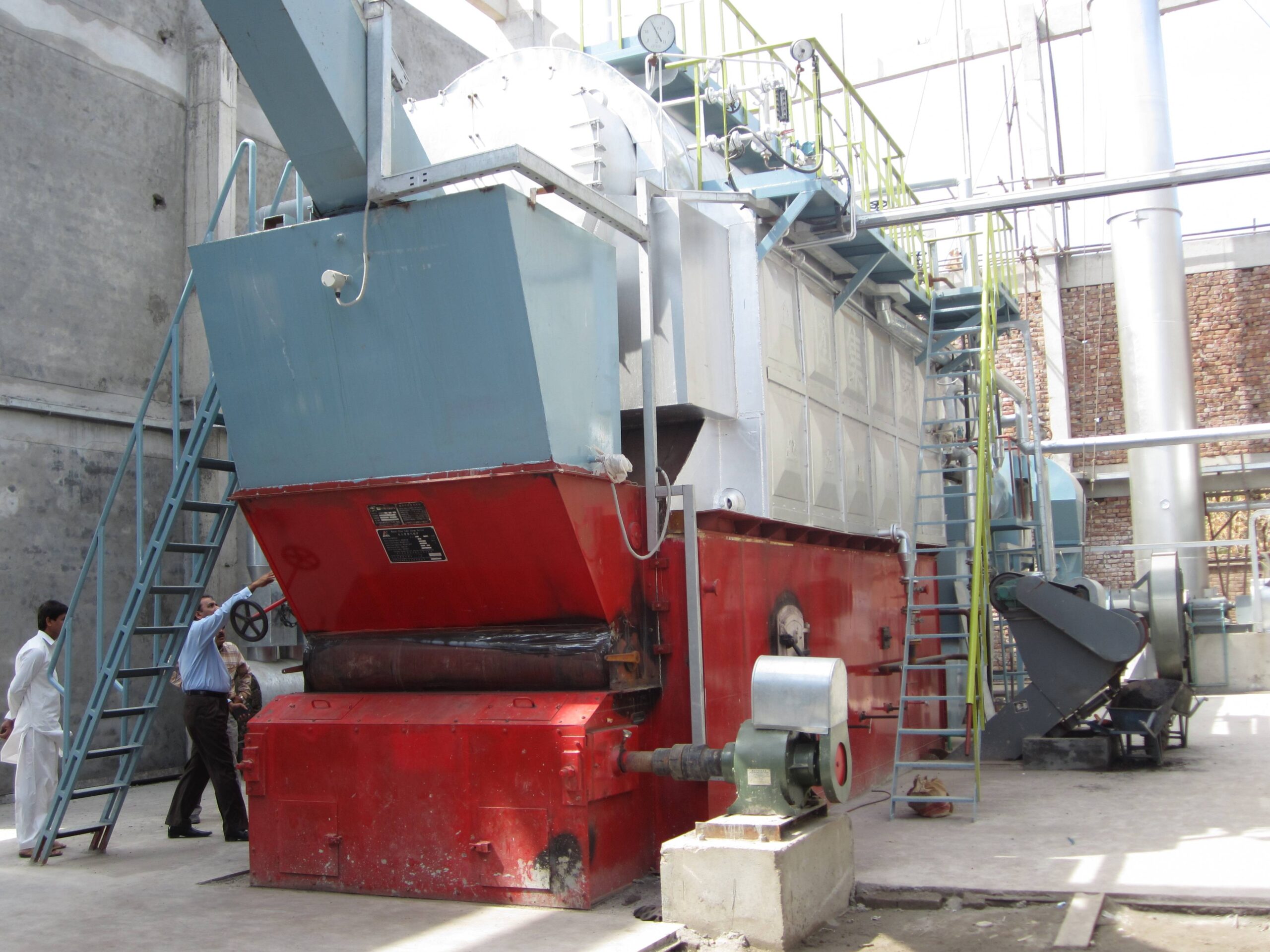
For industrial users that rely on coal with variable quality, high ash content, or unstable combustion characteristics, reciprocating grate coal-fired boilers are often considered a more robust alternative to chain grate systems. However, a recurring pain point during procurement is understanding why reciprocating grate boilers are consistently quoted at higher prices—and whether that premium is justified. Some buyers underestimate total costs and later struggle with frequent shutdowns and poor fuel adaptability, while others hesitate due to higher upfront investment without a clear understanding of long-term value. The consequence is either unreliable steam supply or inefficient capital allocation. The solution is a clear, engineering-based explanation of the typical cost range of reciprocating grate coal-fired boilers and the real factors behind their pricing.
For industrial applications, reciprocating grate coal-fired boilers typically cost between approximately USD 150,000 and USD 2.5 million or more, depending on steam capacity, pressure class, fuel flexibility, emission control requirements, automation level, and EPC scope.
This higher price range reflects their stronger mechanical design, superior fuel adaptability, and more complex grate systems.
Reciprocating grate boilers cost more than chain grate boilers due to their more complex mechanical structure.True
The step-grate mechanism, stronger drive systems, and reinforced furnace design significantly increase manufacturing and material cost.
Reciprocating grate boilers are unnecessary if coal quality is stable.False
Even with stable coal, reciprocating grates offer better combustion control, lower unburned carbon, and higher reliability under load changes.
Understanding the pricing structure helps determine whether this technology fits your operational and financial goals.
Typical Price Ranges by Steam Capacity
From a professional manufacturer’s and supplier’s perspective, boiler capacity remains the primary pricing baseline. Reciprocating grate boilers scale rapidly in cost as steam output and furnace size increase.
| Steam Capacity (t/h) | Typical Industrial Application | Approximate Boiler Price |
|---|---|---|
| 4–10 t/h | Small industrial plants | USD 150,000 – 350,000 |
| 15–25 t/h | Food, chemical, textile | USD 350,000 – 800,000 |
| 30–50 t/h | Paper, building materials | USD 800,000 – 1.6M |
| 60–100 t/h | Power & cogeneration | USD 1.6M – 2.5M+ |
These figures generally reflect boiler island equipment supply with standard auxiliaries, excluding major civil construction and fuel yard infrastructure.
Why Reciprocating Grate Boilers Cost More Than Chain Grate Boilers
The fundamental cost difference lies in grate design. Reciprocating grates use multiple moving grate zones that advance fuel step by step, allowing precise control of combustion stages.
This design requires:
– Multiple grate drive units
– Heavy-duty alloy grate bars
– Reinforced furnace walls
– Advanced ash discharge systems
Each component increases material, machining, and assembly cost compared with continuous chain grates.
Impact of Steam Pressure and Temperature
Higher steam pressure and temperature dramatically increase boiler cost. Reciprocating grate boilers are frequently selected for medium- to high-pressure applications, which require thicker drums, alloy steels, and stricter manufacturing standards.
For example, a 25 t/h boiler at 1.25 MPa saturated steam may cost 25–30% less than the same boiler rated for 3.82 MPa or superheated steam. From a cost engineering perspective, pressure class can be as influential as capacity itself.
Fuel Flexibility and Coal Quality Considerations
Reciprocating grate boilers are specifically designed to handle difficult fuels, including:
– High-ash coal
– Low-calorific-value coal
– Coal with variable moisture content
– Coal fines mixed with lump coal
Design features such as staged air supply, adjustable grate speed, and extended furnace residence time add to cost but reduce fuel-related operational risk.
| Fuel Challenge | Design Requirement | Cost Impact |
|---|---|---|
| High ash | Reinforced ash handling | +5–10% |
| High moisture | Larger furnace volume | +10–15% |
| Variable coal size | Advanced grate control | +15–25% |
Emission Control and Environmental Compliance Costs
Like all coal-fired systems, reciprocating grate boilers must meet local and national emission standards. Higher environmental requirements significantly increase total project cost.
Typical emission-related equipment includes:
– Multicyclone or baghouse dust collectors
– Flue gas desulfurization (FGD)
– Low-NOx air staging
| Emission Level | Typical Add-ons | Cost Impact |
|---|---|---|
| Basic | Cyclone | Low |
| Medium | Bag filter | +10–20% |
| Strict | Bag filter + FGD | +25–40% |
In many modern projects, environmental systems represent a major portion of total investment.
Automation Level and Control System Pricing
Reciprocating grate boilers benefit strongly from higher automation levels. Automated grate movement, air distribution, and fuel feeding improve combustion efficiency and reduce operator dependency.
Advanced automation adds:
– PLC/DCS control systems
– Sensors and actuators
– Combustion optimization algorithms
From a pricing perspective, automation typically adds 8–25% to boiler cost but often pays back quickly through fuel savings and reduced labor.
Manufacturing Standards and Certification Effects
Certified boilers built to ASME, EN, or equivalent standards cost more due to higher material quality, certified welding, non-destructive testing, and third-party inspection.
Certification typically increases cost by 10–30% but is often mandatory for regulatory approval, financing, and insurance.
EPC Scope and Total Investment
Quoted prices vary significantly depending on whether the project is equipment-only or turnkey EPC. Turnkey projects include engineering, civil works, installation, commissioning, and performance guarantees.
| EPC Scope | Typical Investment Impact |
|---|---|
| Equipment supply only | Lowest upfront |
| Partial EPC | +15–30% |
| Full turnkey EPC | +30–50% |
While turnkey EPC increases initial price, it often reduces total project risk and long-term cost.
Lifecycle Cost and Economic Value
Although reciprocating grate boilers are more expensive upfront, they often deliver lower lifecycle cost through:
– Better combustion efficiency
– Reduced unburned carbon losses
– Longer grate life
– Higher availability with variable fuels
Over a 15–25 year service life, these benefits frequently outweigh higher capital cost.
Case Example: Cost Versus Reliability
An industrial facility burning high-ash coal replaced a chain grate boiler with a reciprocating grate system. Although the new boiler cost more initially, fuel efficiency improved, downtime decreased, and maintenance frequency dropped significantly—resulting in lower total operating cost within five years.
Manufacturer’s Strategic Perspective
From a professional manufacturer and supplier standpoint, reciprocating grate boilers are best suited for users prioritizing fuel flexibility, reliability, and stable long-term operation. While capital cost is higher, risk reduction and performance stability often justify the investment.
In conclusion, reciprocating grate coal-fired boilers for industrial use typically cost between USD 150,000 and USD 2.5 million or more. Pricing is driven by capacity, pressure, fuel adaptability, emission controls, automation, certification, and EPC scope. When properly specified, these boilers deliver superior combustion stability and lower lifecycle cost compared with simpler grate systems.
What Is the Price Range of Bubbling Fluidized Bed (BFB) Coal-Fired Boilers?
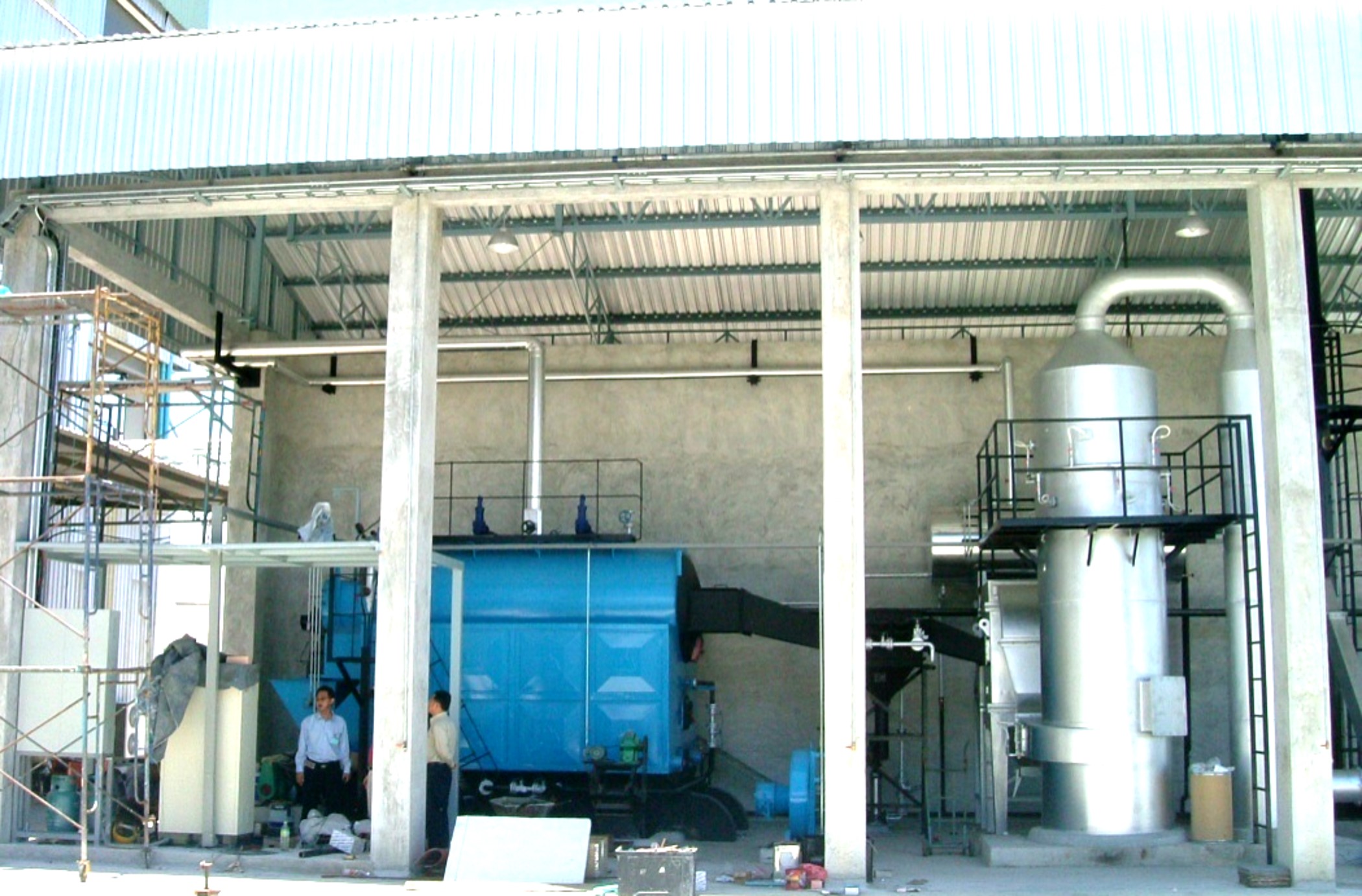
For industrial users facing low-grade coal, high ash content, or strict emission limits, conventional grate boilers often struggle to deliver stable combustion and acceptable efficiency. This creates a major pain point: frequent slagging, poor fuel utilization, high emissions, and rising operating costs. Many operators realize too late that cheaper grate boilers cannot handle their fuel characteristics or regulatory requirements. Bubbling Fluidized Bed (BFB) coal-fired boilers are designed as a solution—but their higher quoted prices raise understandable concerns. The consequence is hesitation or confusion during investment decisions. The solution is a clear understanding of the real price range of BFB coal-fired boilers and the technical reasons behind their cost structure.
For industrial applications, bubbling fluidized bed (BFB) coal-fired boilers typically range from approximately USD 300,000 to USD 5 million or more, depending on steam capacity, pressure and temperature rating, fuel characteristics, emission control configuration, automation level, and EPC scope.
This price range reflects the advanced combustion technology and additional systems required for fluidized bed operation.
BFB boilers are significantly more expensive than grate boilers due to their complex air distribution and bed control systems.True
Fluidized bed combustion requires precision air systems, refractory-lined furnaces, and robust control, increasing capital cost.
BFB boilers cannot economically burn low-grade, high-ash coal.False
BFB technology is specifically designed to burn low-calorific, high-ash, and variable-quality fuels efficiently.
Understanding BFB boiler pricing requires examining its core cost drivers in detail.
Typical Price Ranges by Steam Capacity
From a professional manufacturer’s and supplier’s perspective, steam capacity is the primary pricing baseline for BFB boilers. Costs scale sharply as furnace volume, air systems, and heat transfer surfaces increase.
| Steam Capacity (t/h) | Typical Industrial Application | Approximate Boiler Price |
|---|---|---|
| 10–20 t/h | Small industrial plants | USD 300,000 – 700,000 |
| 25–40 t/h | Chemical, textile, food | USD 700,000 – 1.5M |
| 50–75 t/h | Paper, building materials | USD 1.5M – 3.0M |
| 90–130 t/h | Power & cogeneration | USD 3.0M – 5.0M+ |
These prices usually reflect boiler island equipment supply and core auxiliaries, excluding extensive civil works and fuel yard systems unless otherwise specified.
Why BFB Boilers Cost More Than Grate-Fired Boilers
The defining feature of a BFB boiler is its fluidized bed, where coal particles are suspended in a bed of inert material by pressurized air. This design provides uniform temperature and excellent mixing—but at a cost.
Additional systems include:
– High-pressure primary air blowers
– Precision air distribution plates
– Bed material handling systems
– Refractory-lined furnace walls
These components significantly increase material, fabrication, and installation costs compared to grate boilers.
Impact of Steam Pressure and Temperature
Higher steam pressure and temperature require thicker pressure parts, alloy steels, and stricter manufacturing standards. BFB boilers are often selected for medium- to high-pressure applications, further increasing cost.
From a cost perspective, moving from low-pressure saturated steam to high-pressure or superheated steam can increase boiler price by 20–40%, even at the same capacity.
Fuel Flexibility and Coal Quality Influence on Cost
One of the main advantages of BFB boilers is fuel flexibility. They can efficiently burn:
– High-ash coal
– Low-calorific-value coal
– Coal with wide size distribution
– Blended fuels
Designing for this flexibility requires larger furnaces, stronger refractory, and advanced bed temperature control, all of which add cost.
| Fuel Challenge | Design Requirement | Cost Impact |
|---|---|---|
| High ash | Robust ash removal | +5–10% |
| Low calorific value | Larger furnace | +10–20% |
| Variable fuel quality | Advanced bed control | +15–25% |
Emission Control and Environmental Compliance Costs
BFB boilers inherently operate at lower combustion temperatures, resulting in lower NOx formation. They also allow in-bed limestone injection for SO₂ control. However, meeting modern emission standards still requires additional systems.
Typical emission-related investments include:
– Cyclones or baghouse filters
– Limestone handling systems
– Continuous emission monitoring
| Emission Requirement | Cost Impact |
|---|---|
| Basic dust control | Low |
| Medium standard | +10–20% |
| Strict standard | +25–40% |
Environmental systems often represent a substantial share of total BFB boiler investment.
Automation and Control System Complexity
Fluidized bed combustion demands precise control of air flow, bed temperature, and fuel feed. As a result, BFB boilers require higher automation levels than grate-fired systems.
Automation cost drivers include:
– PLC or DCS systems
– Multiple temperature and pressure sensors
– Advanced combustion control logic
From a pricing standpoint, automation typically adds 10–30% to boiler cost but is essential for stable operation.
Manufacturing Standards and Certification Effects
BFB boilers built to international standards such as ASME or EN incur higher costs due to material quality, certified welding, extensive inspection, and third-party verification.
Certification generally increases price by 10–30%, but it ensures safety, regulatory acceptance, and long-term reliability.
EPC Scope and Total Project Investment
Pricing varies widely depending on EPC scope. Equipment-only supply offers the lowest upfront cost, while turnkey EPC includes engineering, civil works, installation, commissioning, and performance guarantees.
| EPC Scope | Investment Impact |
|---|---|
| Equipment supply only | Lowest |
| Partial EPC | +15–30% |
| Full turnkey EPC | +30–50% |
For BFB boilers, turnkey EPC is often preferred due to system complexity and integration requirements.
Lifecycle Cost and Economic Justification
Although BFB boilers require higher capital investment, they often deliver lower lifecycle cost through:
– Higher combustion efficiency
– Lower fuel cost via low-grade coal use
– Reduced emission control chemical consumption
– Stable long-term operation
Over a 15–25 year service life, these benefits can outweigh higher initial cost.
Case Example: Cost Versus Fuel Savings
An industrial plant with high-ash coal upgraded from a grate boiler to a BFB system. Although capital cost increased significantly, fuel costs dropped due to use of cheaper coal, emissions compliance improved, and availability increased—achieving payback within several years.
Manufacturer’s Strategic Perspective
From a professional manufacturer and supplier standpoint, BFB coal-fired boilers are best suited for users prioritizing fuel flexibility, emission performance, and long-term operating stability. While capital cost is higher than grate boilers, the total cost of ownership is often lower in challenging fuel and regulatory environments.
In conclusion, the price range of bubbling fluidized bed (BFB) coal-fired boilers typically spans from USD 300,000 to USD 5 million or more. This wide range is driven by capacity, pressure, fuel characteristics, emission controls, automation level, certification, and EPC scope. A properly specified BFB boiler represents a strategic investment in efficiency, compliance, and operational resilience.
How Does the Cost of Circulating Fluidized Bed (CFB) Boilers Compare to Other Types?
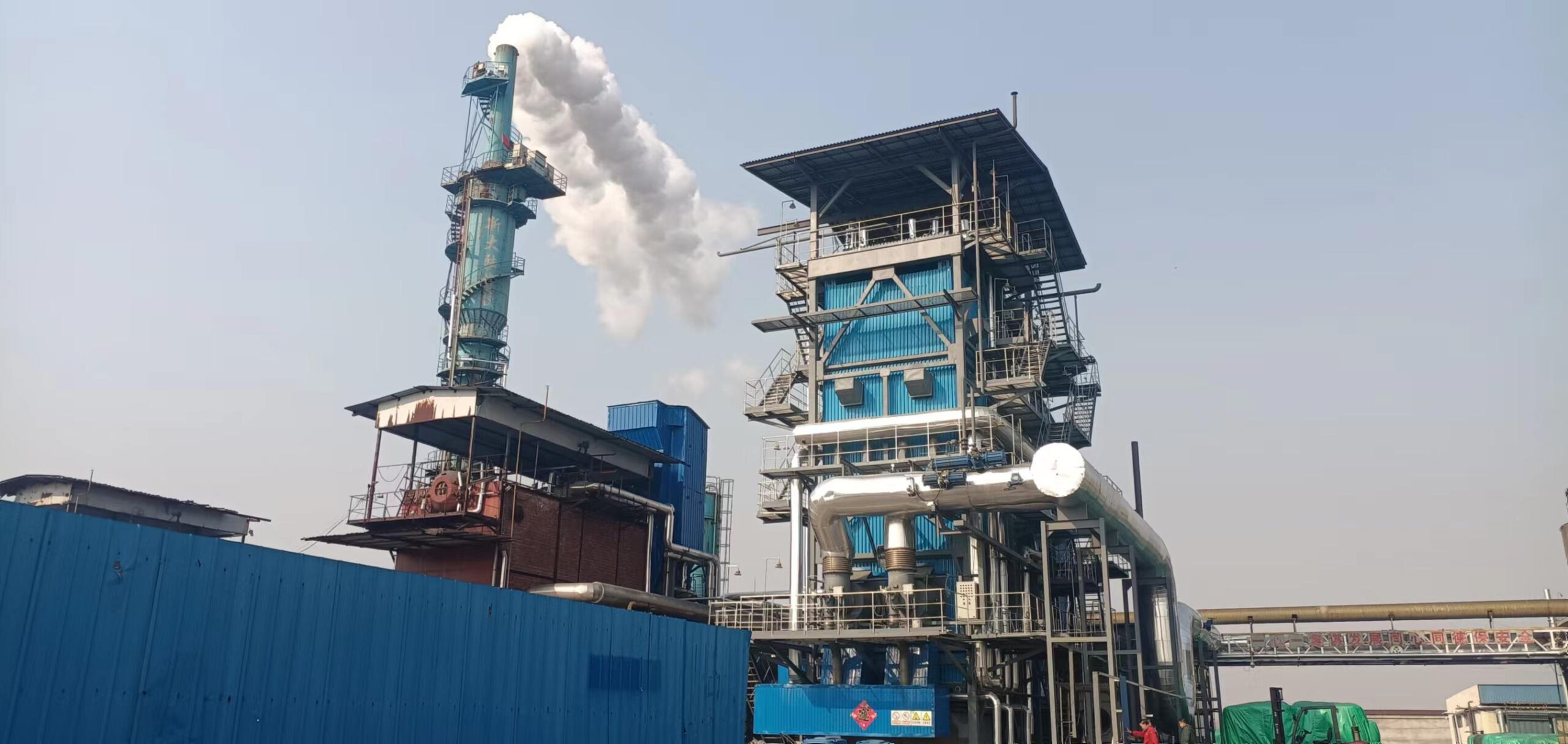
When industrial users evaluate boiler technologies, one of the most common and critical pain points is cost comparison. Circulating Fluidized Bed (CFB) boilers are often perceived as “expensive,” leading some decision-makers to dismiss them prematurely in favor of simpler grate-fired or bubbling fluidized bed (BFB) systems. The consequence of this narrow view is frequently higher long-term operating costs, fuel limitations, or expensive environmental retrofits later in the project lifecycle. The real challenge is that boiler cost cannot be judged by purchase price alone. The solution is a structured comparison of CFB boiler costs versus other boiler types—considering not only capital expenditure, but also fuel flexibility, emissions compliance, and lifecycle economics.
CFB boilers generally have a higher initial capital cost than grate-fired and BFB boilers, but are comparable to or lower than high-capacity oil- or gas-fired systems on a lifecycle basis, thanks to superior fuel flexibility, lower emission control costs, and reduced long-term operating expenses.
Understanding this balance is essential for rational technology selection.
CFB boilers are always the most expensive boiler option for industrial applications.False
CFB boilers have higher upfront costs than simple grate boilers, but their total cost of ownership is often lower in fuel-flexible and emission-constrained applications.
CFB boilers reduce long-term costs by integrating combustion and emission control in a single system.True
Low combustion temperature and in-bed desulfurization reduce external emission control investment and operating costs.
To make a meaningful comparison, each boiler type must be evaluated on both capital and lifecycle cost dimensions.
Typical Capital Cost Comparison by Boiler Type
From a professional manufacturer’s and supplier’s perspective, capital cost varies widely by boiler technology due to differences in furnace design, auxiliary systems, and control complexity.
| Boiler Type | Typical Capital Cost Level | Relative Cost Ranking |
|---|---|---|
| Chain grate coal-fired | Low | ★ |
| Reciprocating grate coal-fired | Medium | ★★ |
| Bubbling fluidized bed (BFB) | Medium–High | ★★★ |
| Circulating fluidized bed (CFB) | High | ★★★★ |
| Oil-fired | Medium–High | ★★★ |
| Gas-fired | Medium–High | ★★★ |
| Electric / electrode | Very high (per MW) | ★★★★–★★★★★ |
CFB boilers typically require 20–50% higher capital investment than grate-fired boilers of similar capacity, primarily due to their complex solids circulation and gas–solid separation systems.
Why CFB Boilers Cost More Than Grate and BFB Boilers
The defining feature of a CFB boiler is continuous circulation of bed material and fuel particles throughout the furnace, cyclones, and return loops. This design enables superior combustion efficiency and fuel flexibility—but at higher cost.
Additional cost drivers include:
– Large high-temperature cyclones
– Solids return systems and loop seals
– Abrasion-resistant refractory and alloys
– More powerful air and flue gas fans
These systems are not required in chain grate or basic BFB boilers, explaining the capital cost premium.
CFB vs. Bubbling Fluidized Bed (BFB) Cost Comparison
Although both technologies use fluidized bed combustion, CFB boilers are significantly more complex than BFB boilers.
| Cost Factor | BFB Boiler | CFB Boiler |
|---|---|---|
| Furnace size | Medium | Large |
| Air system complexity | Medium | High |
| Cyclones & solids return | Limited | Extensive |
| Automation & controls | Medium | High |
| Capital cost | Lower | Higher |
Typically, CFB boilers cost 15–30% more than BFB boilers at the same capacity and pressure rating. However, CFB boilers outperform BFB systems at higher capacities and with very low-grade fuels.
Comparison With Oil- and Gas-Fired Boilers
Oil- and gas-fired boilers often appear cheaper or comparable in capital cost, particularly at small to medium capacities. However, this comparison changes at larger scales and over the lifecycle.
- Capital cost: CFB boilers are usually more expensive upfront than gas-fired boilers below 50 t/h, but comparable or even lower at very large capacities.
- Operating cost: Gas and oil boilers are highly sensitive to fuel price volatility, while CFB boilers can burn low-cost coal, biomass, or waste fuels.
In regions with high gas or oil prices, CFB boilers often deliver lower total cost of ownership despite higher initial investment.
Emission Control Cost Comparison
One of the strongest economic advantages of CFB boilers lies in emissions. CFB combustion occurs at lower temperatures, reducing NOx formation, and allows in-furnace limestone injection for SO₂ control.
| Boiler Type | Emission Control Cost |
|---|---|
| Grate-fired coal | High (external FGD, SCR) |
| BFB | Medium |
| CFB | Lower integrated cost |
| Oil / gas | Low to medium |
While CFB boilers cost more initially, they often avoid large downstream emission control investments required by other coal-fired technologies.
Fuel Flexibility and Its Economic Value
CFB boilers can burn:
– Low-calorific-value coal
– High-ash coal
– Petroleum coke
– Biomass and waste-derived fuels
– Multi-fuel blends
This flexibility allows operators to source the cheapest available fuels over time, creating significant long-term savings that simpler boiler types cannot match.
Automation, Wear Protection, and Maintenance Costs
CFB boilers require higher automation levels and abrasion-resistant materials, increasing capital cost. However, modern CFB designs achieve high availability and predictable maintenance cycles.
Compared to grate boilers, CFB systems often show:
– Lower unplanned downtime
– More stable efficiency over time
– Reduced sensitivity to fuel variability
Lifecycle Cost Comparison
From a lifecycle perspective, capital cost is only one part of the equation.
| Boiler Type | Capital Cost | Operating Cost | Lifecycle Cost |
|---|---|---|---|
| Grate-fired | Low | High | Medium–High |
| BFB | Medium | Medium | Medium |
| CFB | High | Low | Low–Medium |
| Gas-fired | Medium | High (fuel) | Medium–High |
In long-term, baseload industrial or power applications, CFB boilers frequently deliver the lowest total cost of ownership.
Case Example: Technology Selection Outcome
An industrial cogeneration project evaluated grate, BFB, gas-fired, and CFB boilers. Although the CFB option had the highest capital cost, its ability to burn low-cost coal and biomass, combined with simplified emission control, resulted in the lowest 20-year lifecycle cost. The project achieved stable operation and regulatory compliance without major retrofits.
Manufacturer’s Strategic Perspective
From a professional manufacturer and supplier standpoint, CFB boilers are not designed to be the cheapest option—they are designed to be the most versatile and resilient. Their cost premium is justified in applications where fuel quality is poor, capacity is large, or emission regulations are strict.
In conclusion, circulating fluidized bed (CFB) boilers typically have higher upfront costs than grate-fired and BFB boilers, and may exceed oil- or gas-fired boilers at small capacities. However, when fuel flexibility, emission control savings, and long-term operating economics are considered, CFB boilers often deliver superior overall value and lower lifecycle cost. The right choice depends not on price alone, but on long-term operational strategy.
How Do Pressure, Capacity, and Automation Level Influence Coal-Fired Boiler Pricing?
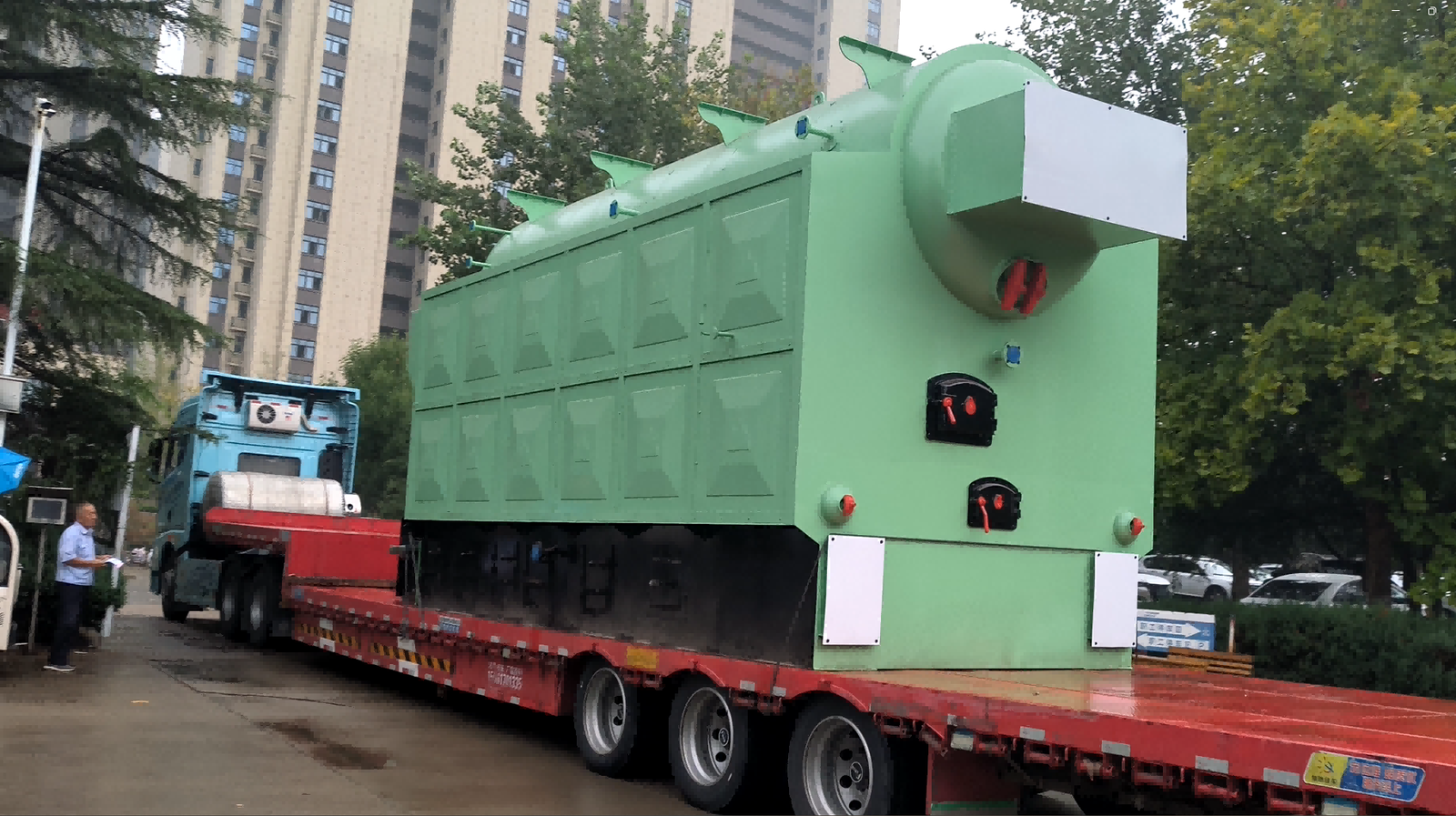
For many industrial users investing in coal-fired boilers, pricing confusion does not come from fuel type alone, but from how dramatically prices change with pressure class, steam capacity, and automation level. Two boilers that look similar externally can differ in price by several times, leading to frustration, misaligned budgets, or poor procurement decisions. The consequence of misunderstanding these parameters is either under-specifying a boiler that fails prematurely or over-investing in unnecessary features. The solution is a clear technical and economic explanation of how pressure, capacity, and automation level directly shape coal-fired boiler pricing—and why these three factors dominate capital cost.
Coal-fired boiler pricing increases nonlinearly with higher steam pressure, larger capacity, and advanced automation levels because each parameter drives material strength, system size, manufacturing complexity, control sophistication, and compliance requirements.
Understanding this relationship is essential for cost-effective boiler selection.
Increasing steam pressure has a greater impact on coal-fired boiler price than increasing capacity by the same percentage.True
Higher pressure exponentially increases material thickness, alloy requirements, welding complexity, and inspection scope.
Automation level only affects operating cost, not the initial price of coal-fired boilers.False
Higher automation significantly increases capital cost through control hardware, software engineering, and commissioning effort.
Together, pressure, capacity, and automation define not only how a boiler performs—but also how much it costs to build.
How Steam Pressure Influences Coal-Fired Boiler Pricing
From a professional manufacturer’s and supplier’s perspective, steam pressure is one of the strongest price multipliers in boiler design. Pressure directly determines wall thickness, material grade, safety margins, and manufacturing standards.
As pressure increases:
– Drum and header thickness increases exponentially
– Alloy steel replaces carbon steel
– Welding procedures become more complex
– Non-destructive testing requirements increase
| Steam Pressure Class | Typical Application | Relative Price Impact |
|---|---|---|
| ≤1.25 MPa | Low-pressure process steam | Baseline |
| 1.6–2.5 MPa | Medium-pressure industry | +15–30% |
| 3.82–5.3 MPa | High-pressure process / power | +35–60% |
| Supercritical (power) | Utility-scale power | +80% or more |
A 20 t/h coal-fired boiler at 3.82 MPa can cost nearly twice as much as the same capacity boiler at 1.25 MPa due to material and fabrication escalation alone.
Why Pressure Drives Cost Faster Than Capacity
Pressure affects every pressure-retaining component simultaneously, while capacity primarily affects size. Higher pressure requires redesign of drums, tubes, headers, safety valves, and supports. From a cost engineering standpoint, pressure upgrades often trigger a cascade of structural and compliance changes.
This is why increasing pressure is often the most expensive way to improve boiler performance.
Impact of Steam Capacity on Coal-Fired Boiler Cost
Capacity determines the physical size of the boiler—furnace volume, heating surface area, fuel handling rate, and auxiliary equipment size. As capacity increases, costs rise due to more steel, larger fans, bigger ash systems, and expanded foundations.
| Steam Capacity (t/h) | Typical Cost Trend |
|---|---|
| 2–10 t/h | Low absolute cost |
| 15–35 t/h | Moderate increase |
| 50–75 t/h | Steep increase |
| 100+ t/h | Very high capital |
However, capacity-related cost increases are not linear. Larger boilers benefit from economies of scale, meaning cost per ton of steam often decreases at higher capacities—unlike pressure-driven costs.
Capacity vs. Technology Interaction
Capacity also influences technology choice. Small-capacity coal-fired boilers typically use chain or reciprocating grates, while large-capacity units often require BFB or CFB technology. Fluidized bed systems introduce additional equipment—cyclones, solids circulation, air systems—that significantly raise capital cost.
Thus, capacity indirectly increases price by forcing more complex combustion technology.
How Automation Level Changes Boiler Pricing
Automation level directly affects both hardware and engineering cost. Traditional coal-fired boilers relied heavily on manual operation, but modern plants increasingly require automated control to stabilize combustion, reduce emissions, and cut labor cost.
Automation cost drivers include:
– PLC or DCS control systems
– Sensors, transmitters, and actuators
– Burner/grate management systems
– Software development and testing
| Automation Level | Description | Price Impact |
|---|---|---|
| Manual / basic | Local controls only | Baseline |
| Semi-automatic | PLC-based control | +5–10% |
| Fully automatic | Advanced PLC/DCS | +10–25% |
| Intelligent / optimized | AI, predictive control | +25–40% |
For coal-fired boilers, automation is not optional in modern regulatory environments—it is increasingly mandatory.
Interaction Between Automation and Pressure/Capacity
As pressure and capacity increase, automation complexity grows. High-pressure and large-capacity boilers require faster response, tighter control, and more safety interlocks. This multiplies automation cost beyond what would be required for small, low-pressure units.
From a supplier’s perspective, automation cost scales faster in large, high-pressure coal-fired boilers.
Safety Systems and Compliance Costs
Higher pressure and automation levels also require more sophisticated safety systems, including:
– Certified burner or grate management systems
– Redundant sensors and safety PLCs
– Emergency shutdown logic
These systems add cost but are essential to prevent catastrophic failure and meet regulatory standards.
Combined Cost Effect: Pressure + Capacity + Automation
When pressure, capacity, and automation increase together, their cost effects compound rather than add linearly.
| Design Scenario | Relative Cost Level |
|---|---|
| Low pressure + small capacity + manual | Low |
| Medium pressure + medium capacity + PLC | Medium |
| High pressure + large capacity + DCS | High |
| High pressure + large capacity + intelligent automation | Very High |
This explains why industrial coal-fired boiler prices can vary by several multiples across projects.
Lifecycle Cost Perspective
While higher pressure, capacity, and automation increase capital cost, they often reduce lifecycle cost through:
– Higher thermal efficiency
– Lower fuel consumption per ton of steam
– Reduced labor and human error
– Improved reliability and availability
From a total cost of ownership standpoint, well-balanced design often outperforms low-cost, under-specified boilers.
Case Example: Cost Optimization Through Parameter Balance
An industrial plant required more steam and initially considered a high-pressure upgrade. Engineering analysis showed that increasing capacity at moderate pressure with better automation delivered the same process output at lower capital cost and better reliability. This illustrates how balancing parameters is more economical than maximizing any single one.
Manufacturer’s Strategic Perspective
From a professional manufacturer and supplier standpoint, the most cost-effective coal-fired boiler is not defined by maximum pressure, capacity, or automation, but by alignment with actual process demand, fuel quality, and regulatory requirements. Overdesign increases cost without proportional benefit, while underdesign creates long-term risk.
In conclusion, pressure, capacity, and automation level are the three dominant drivers of coal-fired boiler pricing. Higher pressure increases cost exponentially due to material and safety requirements, larger capacity raises cost through size and auxiliary scaling, and advanced automation adds hardware and engineering expense while reducing operating risk. Understanding how these parameters interact allows industrial users to specify coal-fired boilers that balance capital investment with long-term performance and economics.
How Do Emission Control Systems and Environmental Standards Affect Total Cost?
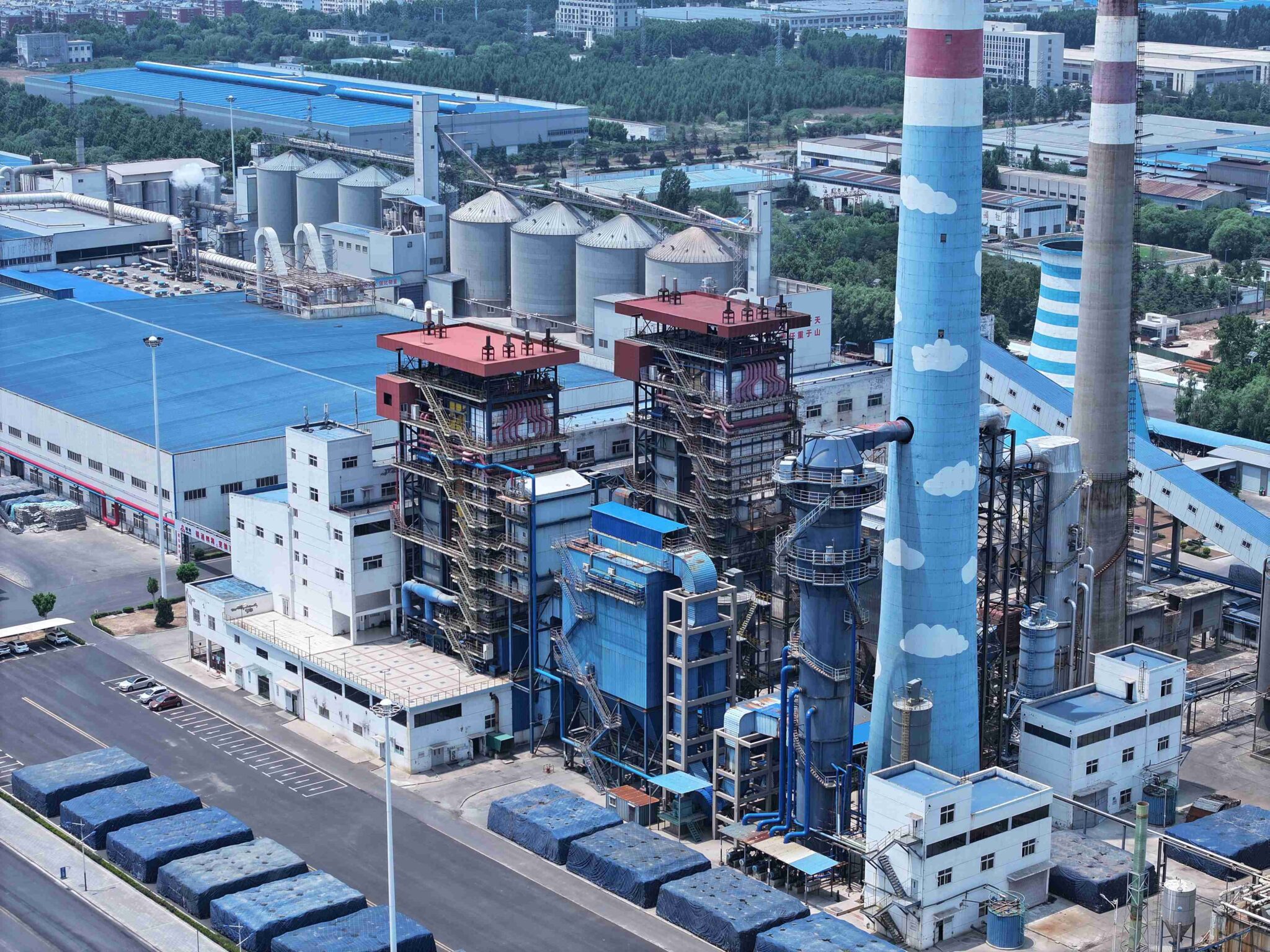
For industrial boiler owners and energy project investors, environmental compliance has become one of the most decisive—and least predictable—cost drivers. A common pain point arises when a boiler appears affordable at the quotation stage, only for total investment to rise sharply once emission control systems and environmental standards are fully accounted for. The consequence is budget overruns, delayed approvals, or forced retrofits shortly after commissioning. In some cases, non-compliance can even lead to production shutdowns or financial penalties. The solution is a comprehensive understanding of how emission control systems and environmental standards directly affect total project cost, not only at the capital investment stage but throughout the entire lifecycle of a boiler system.
Emission control systems and environmental standards significantly increase total boiler cost by adding capital equipment, engineering complexity, operating expenses, monitoring requirements, and long-term compliance obligations, often accounting for 20–50% or more of total project investment in coal-fired systems.
Environmental compliance is no longer a peripheral issue—it is a core economic factor.
Emission control costs are negligible compared to the cost of the boiler itself.False
In modern industrial projects, emission control systems can represent a substantial portion of total investment, especially for coal-fired boilers.
Stricter environmental standards increase both capital and operating costs but reduce regulatory and shutdown risk.True
Compliance requires more equipment and monitoring but avoids fines, forced outages, and retrofit expenses.
Understanding these cost impacts allows operators to plan realistically and avoid unpleasant financial surprises.
The Link Between Environmental Standards and Boiler System Design
From a professional manufacturer’s and supplier’s perspective, environmental standards dictate not only what emission limits must be met, but also how the entire boiler system is engineered. Standards for particulate matter (PM), sulfur dioxide (SO₂), nitrogen oxides (NOx), and sometimes mercury or CO₂ directly determine the type, size, and complexity of emission control equipment.
As standards become stricter, emission control shifts from simple add-on devices to fully integrated systems that influence furnace design, flue gas temperature control, and automation architecture—raising both equipment and engineering costs.
Major Emission Control Systems and Their Cost Impact
Different pollutants require different control technologies, each with distinct capital and operating cost profiles.
| Emission Type | Control Technology | Typical Cost Impact |
|---|---|---|
| Particulate (PM) | Cyclone / ESP / Baghouse | +5–20% |
| SO₂ | Wet or semi-dry FGD | +10–30% |
| NOx | Low-NOx combustion / SCR / SNCR | +5–25% |
| Multi-pollutant | Integrated systems | +20–50%+ |
For coal-fired boilers, particulate and SO₂ controls are often mandatory and represent the largest cost increases.
Capital Cost Escalation Due to Emission Controls
Emission control systems add significant capital cost beyond the boiler itself. These systems require large steel structures, refractory linings, fans, pumps, ductwork, and auxiliary buildings.
From an investment perspective, emission systems often cost as much as—or more than—the boiler pressure parts in coal-fired projects. This is especially true under ultra-low emission standards.
Operating Cost and Energy Penalty
Beyond capital investment, emission controls impose ongoing operating costs. Fans, pumps, and reactors consume power, while consumables such as limestone, ammonia, or activated carbon add variable expenses.
| Cost Component | Operating Cost Effect |
|---|---|
| Additional power consumption | Increases auxiliary load |
| Reagent consumption | Ongoing variable cost |
| Maintenance | Higher labor and spare parts |
| Waste disposal | Ash, gypsum, spent reagents |
These operating costs directly affect the cost of steam or electricity produced.
Impact of Environmental Monitoring and Reporting
Modern environmental standards increasingly require continuous emission monitoring systems (CEMS), data logging, and reporting to regulatory authorities. These systems add both capital and compliance costs.
CEMS-related costs include:
– Analyzer equipment and shelters
– Calibration gases and maintenance
– Data acquisition systems
– Regulatory audits and reporting
While often underestimated, monitoring costs are essential for legal operation and add to long-term expenses.
Design Complexity and Engineering Cost
Stricter environmental standards increase engineering complexity. Systems must be carefully integrated to ensure correct flue gas temperature, residence time, and chemical reaction efficiency.
From a manufacturer’s standpoint, this complexity translates into:
– Longer design cycles
– More detailed simulations
– Additional testing and commissioning
Engineering and commissioning costs rise accordingly.
Retrofit Versus New Build Cost Implications
One of the most expensive scenarios is retrofitting emission controls onto existing boilers. Retrofitting often requires:
– Structural reinforcement
– Space reconfiguration
– Temporary shutdowns
In many cases, retrofit costs approach or exceed the cost of installing compliant systems in a new boiler. This is why environmental standards strongly influence replacement decisions.
Influence of Boiler Technology on Emission Cost
Boiler technology choice significantly affects emission control cost. Fluidized bed boilers (BFB and CFB) inherently produce lower NOx and allow in-furnace SO₂ capture, reducing downstream equipment needs.
| Boiler Technology | Emission Control Cost Level |
|---|---|
| Chain grate | High |
| Reciprocating grate | High |
| BFB | Medium |
| CFB | Lower integrated cost |
| Gas-fired | Low |
Although advanced technologies have higher initial boiler costs, they often reduce total emission control investment.
Long-Term Financial Risk of Non-Compliance
Non-compliance carries significant financial risk, including fines, forced shutdowns, loss of operating permits, and reputational damage. From a total cost perspective, these risks often outweigh the cost of upfront compliance.
Environmental standards also tend to tighten over time, making under-designed systems vulnerable to premature obsolescence.
Case Example: Cost of Delayed Compliance
An industrial facility installed a low-cost coal-fired boiler with minimal emission controls. Within five years, new standards required costly retrofits, extended shutdowns, and additional investment exceeding the original boiler price. A comparable plant that invested in higher compliance upfront avoided retrofit costs and maintained continuous operation.
Manufacturer’s Strategic Perspective
From a professional manufacturer and supplier standpoint, emission control systems should be viewed as integral components of the boiler system, not optional add-ons. Early integration of environmental compliance into design minimizes total cost and maximizes operational resilience.
In conclusion, emission control systems and environmental standards have a profound impact on total boiler cost. They increase capital investment through additional equipment, raise operating costs through energy and consumables, and add compliance-related monitoring and reporting expenses. However, they also reduce regulatory risk, prevent forced shutdowns, and protect long-term asset value. In modern industrial boiler projects, environmental compliance is not merely a cost—it is a fundamental investment decision that defines total cost of ownership.
🔍 Conclusion
The cost of an industrial coal-fired boiler depends heavily on combustion technology and performance requirements. While simpler grate-fired boilers offer lower upfront investment, advanced fluidized bed and CFB boilers deliver higher efficiency, better fuel adaptability, and lower emissions, often resulting in better long-term economics. Choosing the right boiler type ensures optimal balance between initial cost, operating expenses, and regulatory compliance.
🔹 Contact us today to receive a professional quotation and select the most suitable coal-fired boiler within your budget. ⚙️🔥🏭✅
FAQ
Q1: What is the general cost range of industrial coal-fired boilers?
A1: The cost of industrial coal-fired boilers varies widely depending on boiler type, capacity, pressure level, and environmental requirements. In general, prices range from USD 150,000 to over USD 10 million. Small-capacity chain grate boilers for industrial steam use are at the lower end, while large circulating fluidized bed (CFB) or high-pressure pulverized coal boilers for power generation represent the higher end of the spectrum. Total project cost may also include installation, emission control systems, and auxiliary equipment.
Q2: How much do chain grate coal-fired boilers typically cost?
A2: Chain grate coal-fired boilers are among the most economical options, commonly used in small to medium industrial applications. Their price typically ranges from USD 150,000 to USD 1.5 million, depending on steam capacity (2–35 t/h), pressure rating, and automation level. These boilers are popular due to their simple structure, reliable operation, and relatively low capital investment, though their efficiency and emission performance are lower than advanced coal boiler technologies.
Q3: What is the cost range of pulverized coal-fired boilers?
A3: Pulverized coal-fired boilers are more complex and expensive, designed mainly for large industrial plants and power stations. Pricing generally ranges from USD 2 million to USD 8 million or more, depending on capacity and steam parameters. These boilers require coal pulverizers, advanced burners, and sophisticated control systems, which significantly increase capital cost. However, they deliver high efficiency and stable combustion, making them suitable for continuous, high-load operation.
Q4: How much do fluidized bed and CFB coal-fired boilers cost?
A4: Fluidized bed boilers, especially circulating fluidized bed (CFB) boilers, typically cost between USD 1.5 million and USD 10+ million. Bubbling fluidized bed (BFB) boilers are usually less expensive than CFB units. The higher price reflects their fuel flexibility, ability to burn low-grade coal, and inherent low-emission performance using limestone desulfurization. CFB boilers are widely used in large industrial and power generation projects where long-term fuel savings and environmental compliance are critical.
Q5: What additional factors influence the final cost of coal-fired boilers?
A5: Beyond boiler type, final pricing is affected by emission control requirements, steam pressure and temperature, certification standards (ASME, CE, ISO), and project scope. Costs increase when adding systems such as bag filters, ESPs, flue gas desulfurization, or low-NOx technologies. Transportation, installation, commissioning, and after-sales service agreements also contribute to total investment. For accurate budgeting, buyers should evaluate total lifecycle cost, not just the initial purchase price.
References
- International Energy Agency (IEA) – Coal-Fired Boiler Technologies – https://www.iea.org/ – IEA
- U.S. Department of Energy – Industrial Coal Boiler Systems – https://www.energy.gov/ – DOE
- ASME – Boiler and Pressure Vessel Code (BPVC) – https://www.asme.org/ – ASME
- International Finance Corporation – Industrial Boiler Cost Benchmarks – https://www.ifc.org/ – IFC
- Valmet – Coal and CFB Boiler Solutions – https://www.valmet.com/ – Valmet
- GE Steam Power – Coal-Fired Boiler Technologies – https://www.ge.com/steam-power/ – GE Steam Power
- Engineering Toolbox – Boiler Cost and Efficiency Factors – https://www.engineeringtoolbox.com/ – Engineering Toolbox
- ScienceDirect – Economic Analysis of Coal-Fired Boilers – https://www.sciencedirect.com/ – ScienceDirect
- MarketsandMarkets – Industrial Boiler Market Outlook – https://www.marketsandmarkets.com/ – Markets and Markets
- World Bank – Industrial Energy and Coal Boiler Projects – https://www.worldbank.org/ – World Bank
Cost Range of Different Types of Industrial Coal-Fired Boilers Read More »