
Innovations Shaping the Future of Industrial Coal-Fired Boilers
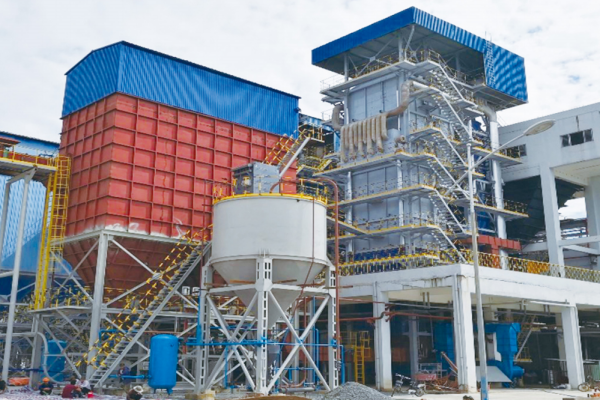
Industrial coal-fired boilers are operating in an era of intensifying environmental pressure, rising efficiency expectations, and stricter regulatory oversight. Traditional coal boiler designs that focus only on capacity and basic combustion are no longer sufficient to meet modern industrial and policy requirements. Without innovation, coal-fired boilers risk higher emissions, lower competitiveness, and shortened operational viability.
The future of industrial coal-fired boilers is being shaped by innovations in ultra-low-emission combustion, high-efficiency heat transfer, advanced materials, digital control systems, fuel flexibility, and carbon reduction technologies. These advancements enable coal-fired boilers to operate with higher efficiency, lower emissions, improved reliability, and better integration with modern energy systems. As a result, coal-fired boilers are evolving from conventional heat sources into smarter, cleaner, and more sustainable industrial assets.
Understanding these innovations helps industries future-proof their investments while maintaining energy security and cost control.
How Are Ultra-Low-Emission Combustion and Flue Gas Treatment Technologies Transforming Industrial Coal-Fired Boilers?
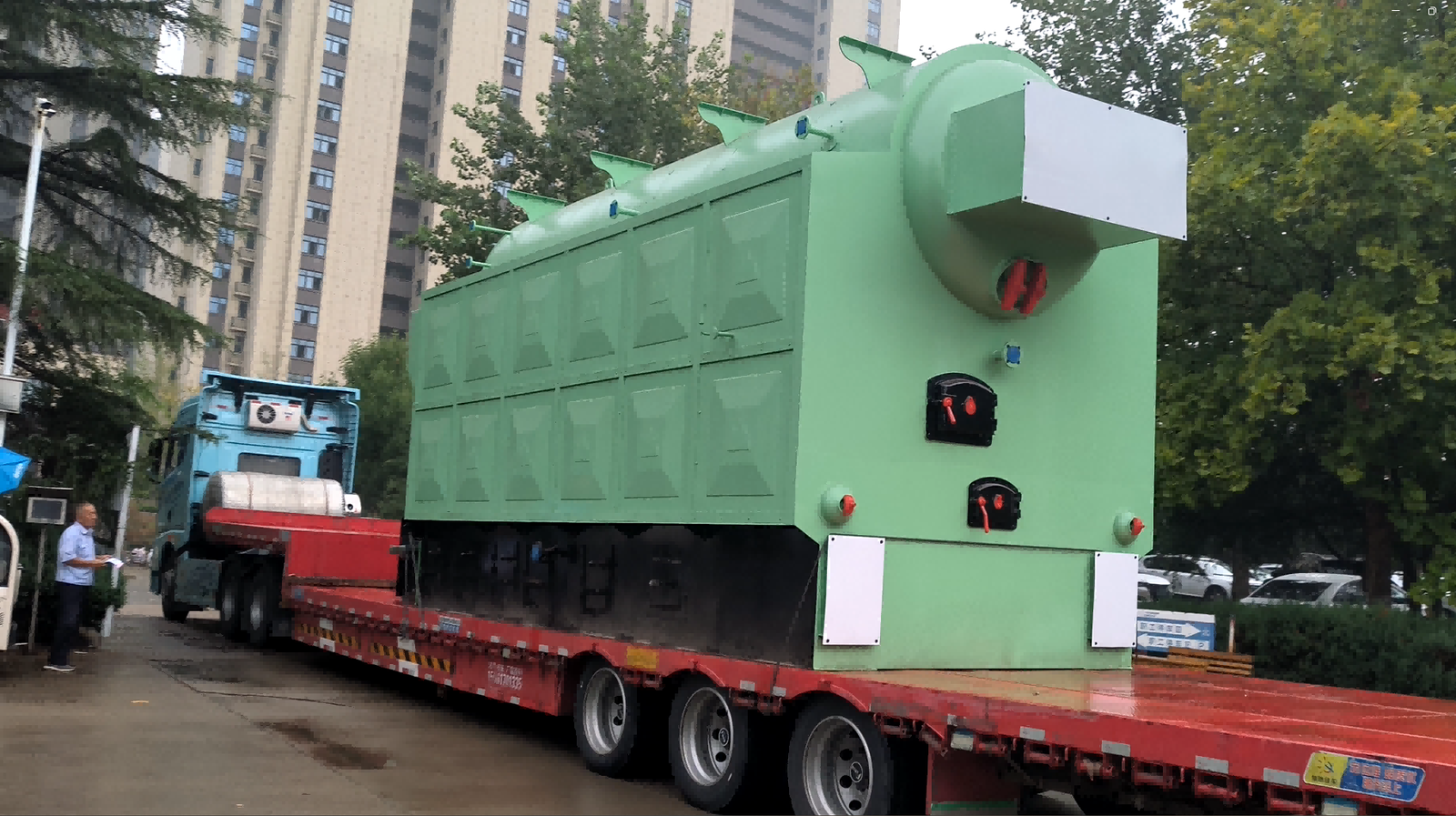
Industrial coal-fired boilers are facing unprecedented pressure. On one side, they remain essential for providing reliable, high-capacity thermal energy to industries such as chemicals, metallurgy, building materials, district heating, and captive power generation. On the other side, increasingly stringent environmental regulations, public scrutiny, and decarbonization policies have dramatically narrowed the margin for traditional coal combustion practices. Plants that once met emission limits comfortably are now confronted with ultra-low-emission (ULE) requirements that rival or even exceed those applied to modern gas-fired units. Without deep technological transformation, many industrial coal-fired boilers risk forced shutdown, severe derating, or economic obsolescence.
Ultra-low-emission combustion and flue gas treatment technologies are transforming industrial coal-fired boilers by fundamentally reshaping how coal is burned, how pollutants are prevented at the source, and how residual emissions are captured, enabling coal-based systems to achieve near-gas-level emission performance while maintaining industrial reliability.
This transformation is not incremental. It represents a systemic shift from “end-of-pipe compliance” to deeply integrated, multi-layer emission control strategies that redefine boiler design, operation, and lifecycle management.
Ultra-low-emission performance in coal-fired boilers can be achieved mainly through downstream flue gas treatment without major changes to combustion design.False
True ultra-low emissions require deep integration of low-emission combustion and flue gas treatment; downstream systems alone cannot ensure stable compliance.
Integrated ultra-low-emission combustion and flue gas treatment technologies can reduce coal-fired boiler emissions to levels comparable to natural gas systems.True
When properly designed and integrated, ULE technologies significantly reduce NOx, SO₂, and particulate emissions to near-gas benchmarks.
The Regulatory and Market Forces Driving Ultra-Low-Emission Transformation
The push toward ultra-low emissions is driven by converging forces.
These include:
- Tighter national and regional emission standards
- Urban and industrial air quality requirements
- Carbon and environmental permitting constraints
- Financial and social pressure on coal-based assets
In many regions, industrial coal-fired boilers must now meet limits such as:
- NOx < 50 mg/Nm³ (or lower)
- SO₂ < 35 mg/Nm³
- Particulate matter < 5–10 mg/Nm³
Such limits fundamentally exceed the capability of traditional designs.
From Conventional Control to Ultra-Low-Emission Philosophy
Traditional coal boiler emission control relied on:
- Basic combustion optimization
- Simple dust collectors
- Standalone desulfurization or denitrification
Ultra-low-emission systems adopt a different philosophy:
- Pollutant prevention at the combustion stage
- Multi-stage, synergistic emission reduction
- Tight integration of combustion, flue gas treatment, and controls
This shift changes the entire system architecture.
Ultra-Low-Emission Combustion: Redefining the Furnace
The furnace is the first and most critical battleground for emission reduction.
Ultra-low-emission combustion focuses on:
- Suppressing pollutant formation at the source
- Stabilizing combustion under deep staging
- Maintaining efficiency while reducing peak temperatures
This requires far more sophisticated design than conventional burners.
Advanced Low-NOx Burner Technologies
Modern low-NOx burners are central to ULE combustion.
They achieve emission reduction by:
- Delaying fuel–air mixing
- Reducing flame peak temperature
- Creating fuel-rich zones for NOx suppression
Advanced designs incorporate:
- Multi-channel air distribution
- Adjustable swirl and staging
- Fuel particle residence time control
These features dramatically reduce thermal and fuel NOx formation.
Deep Air Staging and Combustion Zoning
Beyond burners, ULE combustion uses deep air staging.
Key concepts include:
- Primary fuel-rich combustion zones
- Secondary and tertiary air injection
- Extended burnout zones
This approach suppresses NOx formation while ensuring complete combustion downstream.
Furnace Geometry Optimization for ULE Performance
ULE combustion demands furnace redesign.
Engineering changes include:
- Increased furnace volume
- Optimized height-to-width ratios
- Enhanced residence time
These changes allow staged combustion to complete without excessive CO or unburned carbon.
Balancing NOx Reduction and Combustion Stability
One of the greatest challenges of ULE combustion is stability.
Aggressive staging can cause:
- Flame instability
- CO excursions
- Slagging and fouling
Advanced design balances emission reduction with:
- Robust ignition
- Uniform heat release
- Stable load response
This balance defines true ULE capability.
Table: Conventional vs. Ultra-Low-Emission Combustion Design
| Aspect | Conventional Design | ULE Combustion Design |
|---|---|---|
| Flame temperature | High | Controlled, lower peaks |
| Air staging | Limited | Deep, multi-stage |
| NOx control | Secondary | Primary (in-furnace) |
| Stability margin | Moderate | Carefully engineered |
ULE combustion transforms the furnace from a simple heat source into an emission control device.
Impact on Boiler Heat Transfer and Materials
ULE combustion alters heat flux patterns.
Consequences include:
- Shifted radiant heat distribution
- Changed slagging behavior
- New corrosion risk profiles
Engineering responses include:
- Modified water wall layouts
- Enhanced material selection
- Improved sootblowing strategies
Without these adaptations, ULE combustion can damage boiler integrity.
The Role of Flue Gas Treatment in Ultra-Low Emissions
Even the best combustion systems cannot eliminate all pollutants.
Flue gas treatment provides:
- Final emission polishing
- Compliance under variable conditions
- Redundancy against fuel variability
ULE systems rely on highly efficient downstream technologies.
Selective Catalytic Reduction (SCR) at Industrial Scale
SCR is a cornerstone of ULE NOx control.
Modern SCR systems feature:
- High-activity catalysts
- Optimized temperature windows
- Low ammonia slip designs
When integrated with low-NOx combustion, SCR achieves ultra-low NOx with minimal reagent consumption.
SCR Integration Challenges and Solutions
ULE SCR integration must address:
- High dust loading
- Catalyst poisoning
- Space constraints
Advanced designs include:
- Optimized reactor placement
- Improved catalyst formulations
- Soot-resistant catalyst geometry
Integration quality determines long-term reliability.
Flue Gas Desulfurization (FGD) Evolution
ULE requirements drive FGD innovation.
Modern industrial FGD systems emphasize:
- High removal efficiency at low sulfur
- Compact layouts
- Reduced water and energy consumption
Semi-dry and dry FGD systems are increasingly optimized for industrial boilers.
In-Furnace Sulfur Capture and FGD Synergy
ULE systems often combine:
- In-furnace limestone injection
- Downstream FGD polishing
This hybrid approach:
- Reduces FGD load
- Improves overall efficiency
- Enhances sulfur capture stability
Synergy between combustion and FGD is essential.
Ultra-High-Efficiency Particulate Control
Particulate limits under ULE standards are extremely low.
Advanced solutions include:
- High-performance baghouses
- Hybrid ESP-bag systems
- Ultra-fine filtration media
These systems capture not only dust but also:
- Heavy metals
- Condensable particulates
Particulate control is now a precision discipline.
Table: Particulate Control Evolution Under ULE Requirements
| Technology | Typical PM Level | ULE Capability |
|---|---|---|
| Cyclone | >100 mg/Nm³ | No |
| ESP | 20–50 mg/Nm³ | Limited |
| Baghouse | <10 mg/Nm³ | Yes |
| Hybrid systems | <5 mg/Nm³ | Excellent |
ULE standards have effectively reshaped particulate technology selection.
Multi-Pollutant Synergy and Interaction Effects
ULE systems must manage interactions.
Examples include:
- SCR-induced SO₃ formation
- Ammonia slip affecting PM control
- FGD impact on mercury capture
Advanced designs address these interactions holistically.
Digital Control Systems Enabling ULE Performance
ULE systems depend heavily on automation.
Advanced control systems provide:
- Real-time emission optimization
- Adaptive air–fuel control
- Coordinated reagent dosing
Without digital control, ULE performance is unstable and operator-dependent.
Continuous Emission Monitoring and Feedback Loops
ULE compliance requires precise monitoring.
CEMS systems now:
- Feed data directly into control logic
- Enable predictive compliance management
- Support regulatory reporting
Monitoring is no longer passive; it is active control input.
Load Flexibility Under Ultra-Low-Emission Constraints
Industrial boilers often operate under variable loads.
ULE technologies enable:
- Stable emissions at part load
- Controlled startup and shutdown emissions
- Fast response without excursions
This flexibility preserves industrial productivity.
Fuel Variability and ULE Robustness
Industrial coal quality often varies.
ULE systems are designed to:
- Handle sulfur and ash fluctuations
- Maintain emission stability
- Avoid overconsumption of reagents
Fuel adaptability is essential to ULE viability.
Energy and Efficiency Impacts of ULE Technologies
ULE transformation is not emission-neutral.
Impacts include:
- Additional pressure drop
- Auxiliary power consumption
- Reagent energy footprint
Advanced engineering minimizes these penalties through integration and optimization.
Lifecycle Cost Perspective of ULE Transformation
While capital cost increases, lifecycle benefits include:
- Regulatory security
- Extended asset life
- Reduced shutdown risk
ULE investment is often more economical than replacement or fuel switching.
Retrofitting Existing Industrial Boilers to ULE Standards
Many ULE projects are retrofits.
Key retrofit strategies include:
- Furnace modification
- Burner replacement
- Compact flue gas treatment integration
Successful retrofits require deep system understanding.
Case Patterns From ULE Retrofit Projects
Successful projects show:
- Integrated combustion and treatment upgrades
- Conservative design margins
- Strong commissioning support
Failures often result from partial or fragmented upgrades.
Impact on Plant Layout and Infrastructure
ULE systems affect:
- Space utilization
- Structural loading
- Maintenance access
Early planning avoids costly compromises.
Maintenance Implications of ULE Technologies
ULE systems increase system complexity.
However, modern designs:
- Improve predictability
- Enable condition-based maintenance
- Reduce unplanned outages
Maintenance shifts from reactive to planned.
Workforce and Operational Skill Requirements
ULE operation requires:
- Higher technical competence
- Understanding of integrated systems
- Data-driven decision-making
Training becomes a critical success factor.
Safety and Environmental Risk Reduction
ULE technologies reduce:
- Ambient pollution exposure
- Secondary environmental impacts
- Regulatory non-compliance risk
They improve not only emissions but overall plant safety profile.
Strategic Role of Coal in an Ultra-Low-Emission Context
ULE technologies redefine coal’s role.
Coal-fired boilers become:
- Cleaner transitional assets
- Reliable complements to renewables
- Lower-impact industrial energy sources
This reframing affects policy and investment decisions.
Comparison With Fuel Switching Alternatives
Compared to fuel switching:
- ULE coal retains fuel security
- Avoids gas price volatility
- Preserves existing infrastructure
ULE transformation offers a pragmatic pathway.
Financial and Bankability Impacts
ULE compliance improves:
- Permit security
- Financing conditions
- Insurance acceptance
Environmental credibility directly affects financial outcomes.
Supplier Capability as a Success Factor
ULE transformation requires:
- Strong engineering integration
- Proven operating references
- Lifecycle support capability
Supplier selection is critical.
Red Flags in ULE Technology Proposals
Warning signs include:
- Overreliance on downstream controls
- Lack of integrated design explanation
- Limited operating references
These indicate high compliance risk.
The Future Trajectory of ULE Technologies
ULE technologies continue to evolve toward:
- Lower reagent consumption
- Digital optimization
- Integration with carbon reduction measures
They are a foundation, not an endpoint.
Alignment With Carbon and Energy Transition Goals
ULE coal boilers can:
- Support co-firing strategies
- Enable gradual decarbonization
- Maintain energy security
They act as transitional infrastructure.
Broader Environmental and Social Impacts
ULE transformation:
- Improves local air quality
- Reduces public opposition
- Enhances social license to operate
Social acceptance is increasingly important.
Summary of the Transformation Mechanism
Ultra-low-emission technologies transform industrial coal-fired boilers by:
- Reducing pollutant formation at the source
- Capturing residual emissions with high efficiency
- Integrating combustion, treatment, and controls
This creates a fundamentally new performance envelope.
Ultra-low-emission combustion and flue gas treatment technologies are fundamentally transforming industrial coal-fired boilers from traditionally high-emission energy systems into highly controlled, environmentally compliant industrial assets. By combining advanced low-NOx combustion, deep air staging, optimized furnace design, and high-efficiency flue gas treatment systems such as SCR, FGD, and ultra-fine particulate control, modern industrial coal boilers can achieve emission levels once considered unattainable for coal-based systems. This transformation goes beyond regulatory compliance; it reshapes boiler design philosophy, operational practices, lifecycle economics, and the strategic role of coal in industrial energy supply. For industries that continue to rely on coal for reliability and fuel security, ultra-low-emission technologies provide a viable, forward-looking pathway to cleaner, more sustainable operation while preserving the core advantages of coal-fired boiler systems.
How Do High-Efficiency Heat Transfer Designs and Waste Heat Recovery Improve Coal-Fired Boiler Performance?
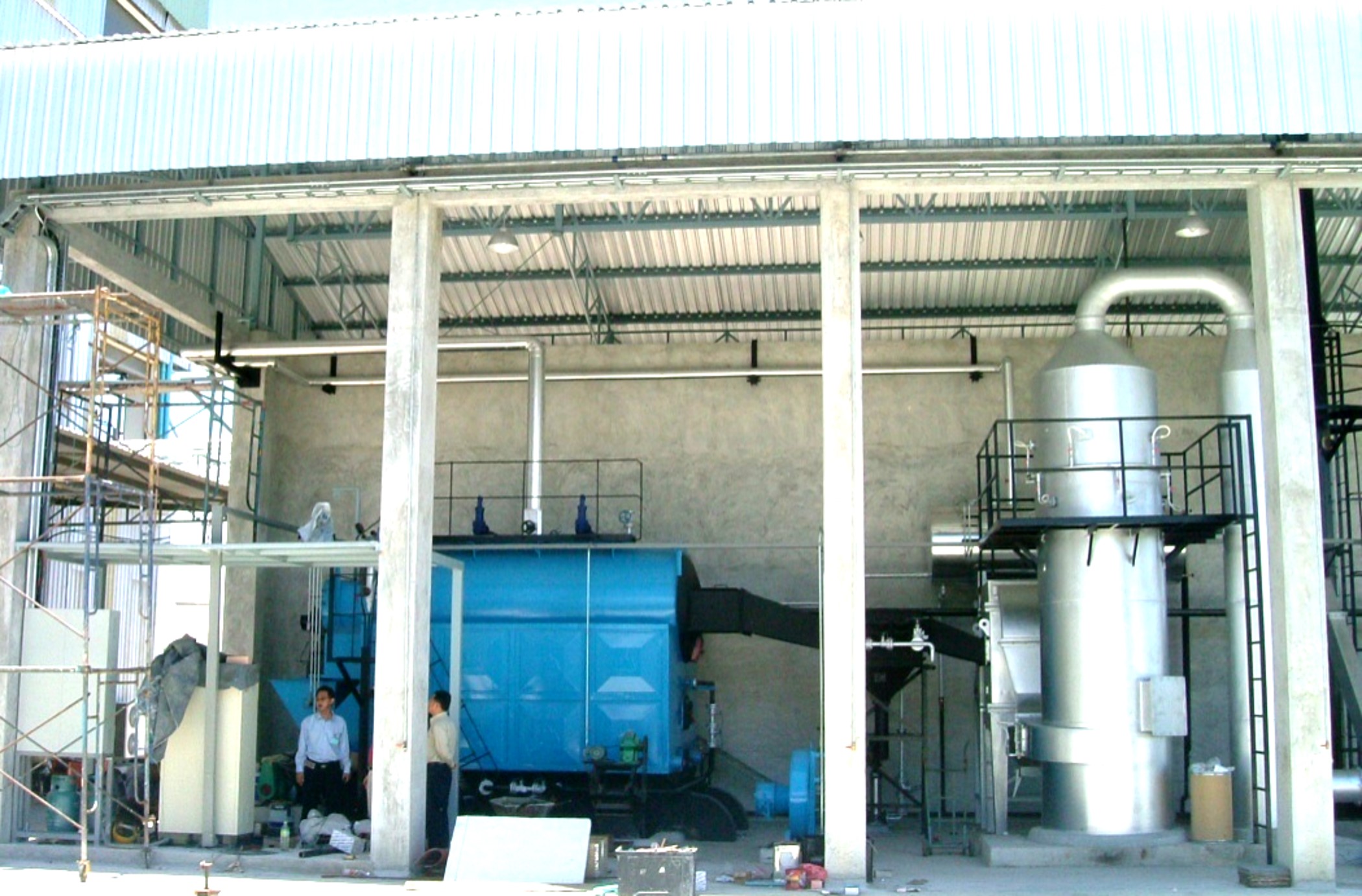
Coal-fired boilers continue to play a critical role in industrial steam supply and power generation, yet they face persistent challenges: high fuel consumption, rising operating costs, tightening efficiency benchmarks, and increasing environmental constraints. Many coal-fired boiler systems still lose a substantial portion of input energy through flue gas exhaust, incomplete heat utilization, and suboptimal heat transfer arrangements. These losses translate directly into higher coal usage, greater emissions, and reduced economic competitiveness. High-efficiency heat transfer designs combined with advanced waste heat recovery technologies address these challenges at their core by extracting more useful energy from every unit of fuel burned, fundamentally improving boiler performance and sustainability.
High-efficiency heat transfer designs and waste heat recovery improve coal-fired boiler performance by maximizing thermal energy utilization, reducing exhaust losses, stabilizing combustion conditions, and significantly lowering fuel consumption while enhancing overall efficiency and reliability.
Understanding how these technologies work—and how they interact within the boiler system—is essential for operators, engineers, and decision-makers seeking to optimize coal-fired boiler performance in a cost-effective and future-ready manner.
Coal-fired boiler efficiency is mainly limited by fuel quality and cannot be significantly improved through heat transfer optimization.False
Heat transfer design and waste heat recovery have a major impact on boiler efficiency and can significantly reduce energy losses regardless of fuel quality.
Advanced heat transfer surfaces and waste heat recovery systems can reduce coal consumption and emissions simultaneously.True
By improving thermal efficiency and recovering lost heat, these technologies reduce fuel demand and associated emissions.
The Role of Heat Transfer Efficiency in Coal-Fired Boilers
Heat transfer is the fundamental mechanism through which a coal-fired boiler converts chemical energy into usable steam or hot water. Any inefficiency in heat transfer directly manifests as increased exhaust temperature, unutilized energy, and higher fuel input requirements.
In traditional boiler designs, heat transfer limitations often arise from:
- Insufficient heat exchange surface area
- Poor flue gas flow distribution
- Fouling and slagging on heat transfer surfaces
- Conservative design margins that sacrifice efficiency
Modern high-efficiency designs aim to address these limitations systematically.
Furnace Heat Transfer Optimization
The furnace is responsible for radiant heat transfer, which typically accounts for 40–50% of total heat absorption in coal-fired boilers.
High-efficiency furnace designs improve radiant heat transfer by:
- Optimizing furnace geometry to enhance flame coverage
- Increasing effective water wall exposure
- Balancing flame temperature distribution
These measures ensure that a greater portion of combustion heat is absorbed directly by water walls rather than carried away by flue gas.
Advanced Water Wall and Membrane Wall Designs
Modern membrane water walls use optimized tube spacing and fin geometry to:
- Increase heat absorption area
- Reduce gas leakage and bypassing
- Improve structural integrity
These designs enhance radiant heat uptake while reducing maintenance issues such as tube deformation or corrosion.
Convective Heat Transfer Surface Enhancement
After radiant heat transfer in the furnace, convective heat transfer dominates in the back-end passes.
High-efficiency convective designs focus on:
- Optimized tube arrangement
- Increased turbulence without excessive pressure drop
- Improved gas-side heat transfer coefficients
Advanced tube layouts ensure more effective energy extraction from flue gas before it exits the boiler.
Economizer Design and Its Efficiency Impact
The economizer is one of the most effective heat recovery components in a coal-fired boiler.
High-efficiency economizers:
- Increase feedwater temperature
- Reduce fuel required for evaporation
- Lower exhaust gas temperature
Optimized economizer designs use extended surfaces and corrosion-resistant materials to maximize heat recovery even at low flue gas temperatures.
Table: Impact of Economizer Efficiency on Boiler Performance
| Economizer Performance | Feedwater Temperature Rise | Boiler Efficiency Gain |
|---|---|---|
| Conventional | Moderate | Baseline |
| High-efficiency finned | High | +1–2% |
| Advanced low-temperature | Very high | +2–3% |
Even small efficiency gains translate into significant fuel savings over time.
Air Preheater Optimization for Combustion Efficiency
Air preheaters recover heat from flue gas to preheat combustion air.
High-efficiency air preheaters:
- Improve ignition stability
- Enhance combustion completeness
- Reduce unburned carbon losses
By increasing combustion air temperature, less fuel energy is consumed to reach ignition and flame stability.
Advanced Air Preheater Technologies
Modern systems use:
- Regenerative air preheaters with improved sealing
- Corrosion-resistant materials for low-temperature operation
- Optimized rotor and basket designs
These advancements allow deeper heat recovery without reliability penalties.
Waste Heat Recovery Beyond Conventional Components
Traditional boilers recover heat mainly through economizers and air preheaters. Advanced waste heat recovery extends beyond these components.
Technologies include:
- Low-temperature flue gas heat recovery units
- Condensing heat exchangers
- Flue gas to process heat recovery systems
These systems extract residual energy that would otherwise be lost.
Low-Temperature Flue Gas Heat Recovery
Low-temperature recovery systems capture heat from flue gas below conventional acid dew point limits using corrosion-resistant materials.
Recovered heat can be used for:
- Boiler makeup water heating
- District heating
- Industrial process heating
This significantly increases overall system efficiency.
Condensing Heat Recovery Applications
In specific industrial applications, condensing heat recovery captures both sensible and latent heat from flue gas moisture.
Benefits include:
- Very high thermal efficiency gains
- Reduction in stack temperature
- Improved overall energy utilization
Proper material selection and condensate management are critical.
Table: Waste Heat Recovery Options and Benefits
| Technology | Temperature Range | Typical Efficiency Gain |
|---|---|---|
| Economizer | Medium | 1–3% |
| Air preheater | Medium-high | 1–2% |
| Low-temp recovery | Low | 2–4% |
| Condensing recovery | Very low | 4–6% |
Combined systems can dramatically improve boiler efficiency.
Heat Transfer Surface Materials and Coatings
Material selection plays a key role in sustaining high heat transfer efficiency.
Advanced materials and coatings:
- Resist corrosion and erosion
- Reduce fouling adhesion
- Maintain thermal conductivity
These features extend service life while preserving performance.
Fouling, Slagging, and Heat Transfer Degradation
Coal ash characteristics strongly influence heat transfer.
High-efficiency designs incorporate:
- Optimized gas velocities
- Strategic sootblower placement
- Ash-resistant tube geometries
Reducing fouling maintains design heat transfer rates over long operating periods.
Sootblowing Optimization and Heat Transfer Stability
Modern sootblowing systems use:
- Intelligent activation based on heat flux data
- Targeted cleaning strategies
- Reduced steam or air consumption
This maintains clean heat transfer surfaces without excessive energy use.
Integration of Heat Transfer and Combustion Optimization
Heat transfer efficiency and combustion performance are interdependent.
Improved heat absorption:
- Lowers flame temperature peaks
- Stabilizes furnace operation
- Reduces thermal NOx formation
This synergy enhances both efficiency and emissions performance.
Impact on Boiler Thermal Efficiency
High-efficiency heat transfer and waste heat recovery directly improve:
- Boiler thermal efficiency
- Net plant heat rate
- Fuel utilization efficiency
Even a 1% efficiency improvement can yield substantial annual coal savings.
Fuel Consumption Reduction and Cost Savings
Reduced fuel consumption leads to:
- Lower operating costs
- Reduced coal handling and ash disposal
- Improved supply chain resilience
These economic benefits often justify retrofit investments.
Emission Reduction as a Secondary Benefit
Efficiency improvements reduce emissions per unit of output.
Key reductions include:
- CO₂ emissions from lower fuel use
- SO₂ and NOx proportional to fuel reduction
- Particulate emissions from reduced ash generation
Efficiency is a powerful indirect emission control strategy.
Operational Stability and Load Flexibility
High-efficiency designs improve:
- Load response
- Thermal stability
- Part-load performance
Stable heat transfer reduces thermal stress and operational risk.
Reliability and Maintenance Implications
Efficient heat transfer designs:
- Reduce hot spots
- Minimize tube metal temperature
- Extend component life
Waste heat recovery systems designed correctly add value without compromising reliability.
Retrofitting Existing Coal-Fired Boilers
Many efficiency improvements can be applied to existing units.
Retrofit options include:
- Economizer upgrades
- Air preheater replacement
- Addition of low-temperature heat recovery
Careful engineering is required to integrate new components.
Space and Layout Constraints in Retrofits
Retrofits must address:
- Limited space
- Structural load capacity
- Flue gas pressure drop
Compact and modular designs are increasingly favored.
Digital Monitoring and Heat Transfer Optimization
Modern boilers use digital tools to:
- Monitor heat transfer performance
- Detect fouling trends
- Optimize cleaning schedules
Data-driven operation preserves efficiency gains over time.
Lifecycle Cost Perspective
High-efficiency heat transfer and waste heat recovery:
- Increase initial capital cost
- Reduce long-term fuel and maintenance costs
- Improve lifecycle economics
Total cost of ownership favors efficiency investment.
Strategic Importance Under Energy Transition
Efficiency improvements:
- Reduce carbon intensity
- Extend asset viability
- Support transitional energy strategies
They align coal-fired boilers with evolving policy landscapes.
Industrial Competitiveness and Energy Security
Efficient coal-fired boilers:
- Lower energy intensity
- Improve production cost stability
- Enhance competitiveness in energy-intensive industries
Efficiency becomes a strategic asset.
Lessons From High-Efficiency Boiler Projects
Successful projects share:
- Integrated system design
- Conservative material selection
- Strong commissioning and tuning
Fragmented upgrades often underperform.
Common Pitfalls in Heat Recovery Projects
Risks include:
- Corrosion under low-temperature operation
- Excessive pressure drop
- Inadequate condensate management
Expert engineering mitigates these risks.
Future Trends in Heat Transfer and Waste Heat Recovery
Emerging trends include:
- Advanced surface geometries
- AI-driven optimization
- Deeper integration with process systems
Efficiency innovation continues.
Summary of Performance Improvement Mechanisms
High-efficiency heat transfer designs:
- Increase heat absorption
- Stabilize operation
- Reduce losses
Waste heat recovery:
- Captures residual energy
- Lowers fuel demand
- Improves overall system efficiency
Together, they redefine coal-fired boiler performance.
High-efficiency heat transfer designs and advanced waste heat recovery technologies fundamentally improve coal-fired boiler performance by maximizing the utilization of available thermal energy, minimizing exhaust losses, and stabilizing combustion and operation. Through optimized furnace geometry, enhanced radiant and convective heat transfer surfaces, high-performance economizers and air preheaters, and extended low-temperature waste heat recovery, modern coal-fired boilers can achieve significantly higher efficiency, lower fuel consumption, and reduced emissions. These improvements not only deliver immediate economic benefits but also enhance reliability, extend equipment life, and align coal-fired boiler systems with increasingly stringent efficiency and environmental expectations. For industrial operators seeking to maintain competitiveness and sustainability, investing in advanced heat transfer and waste heat recovery is one of the most effective and technically sound pathways forward.
How Are Advanced Materials and Structural Optimization Extending Boiler Lifespan and Reliability?
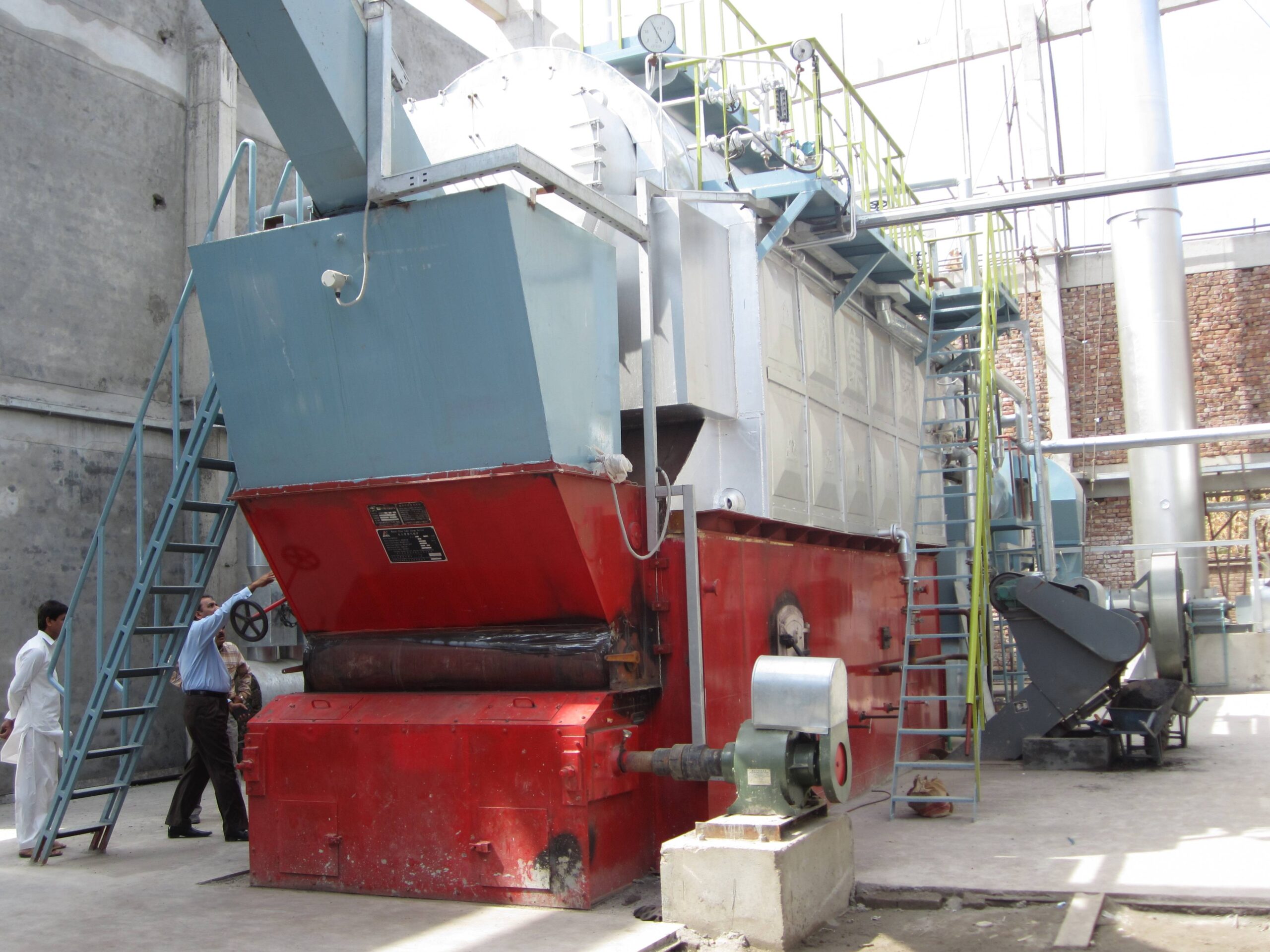
Industrial and power plant boilers are long-term capital assets that operate under some of the harshest conditions in the energy and process industries. High temperatures, high pressures, corrosive flue gases, cyclic thermal stresses, ash erosion, and complex load variations constantly challenge boiler integrity. Historically, many boiler failures—tube ruptures, header cracking, deformation, corrosion thinning, and fatigue damage—have not been caused by operational errors alone, but by material limitations and structural designs that could not adequately withstand decades of real-world service. As operating conditions become more demanding due to higher efficiency targets, flexible operation, fuel variability, and stricter environmental requirements, extending boiler lifespan and ensuring long-term reliability has become a central concern for owners and suppliers alike.
Advanced materials and structural optimization are extending boiler lifespan and reliability by fundamentally improving resistance to high temperature, pressure, corrosion, erosion, and fatigue while ensuring that mechanical stresses are more evenly distributed, predictable, and manageable throughout the boiler’s operating life.
This transformation is not about marginal improvements. It represents a systematic evolution in how boilers are designed, engineered, fabricated, and supported, allowing modern boilers to achieve longer service life, higher availability, and lower lifecycle cost even under increasingly challenging operating regimes.
Most boiler failures are unavoidable consequences of high-temperature operation and cannot be significantly reduced through material or structural design improvements.False
Advanced materials and optimized structural design have proven to significantly reduce failure rates and extend boiler service life.
The use of advanced alloys and structural optimization can substantially improve boiler reliability and reduce lifecycle maintenance costs.True
Improved materials and optimized stress distribution directly enhance durability, reliability, and long-term cost performance.
The Fundamental Relationship Between Materials, Structure, and Boiler Reliability
Boilers are essentially large pressure vessels combined with complex heat transfer systems. Their reliability depends on how materials and structures respond to long-term exposure to thermal, mechanical, and chemical stresses. Traditional boiler designs often relied on conservative thickness margins and standard carbon steels that were adequate for earlier operating conditions but are increasingly insufficient for modern requirements.
Advanced materials and structural optimization address reliability at its root by:
- Enhancing material resistance to degradation mechanisms
- Reducing stress concentrations through smarter geometry
- Improving predictability of long-term behavior
This holistic approach transforms boilers from wear-prone systems into durable, resilient assets.
Evolution of Boiler Operating Conditions and Design Demands
Modern boilers face operating challenges that were uncommon decades ago. These include higher steam temperatures and pressures, more frequent startups and shutdowns, rapid load changes, deeper turndown operation, and wider fuel quality variation. Each of these factors amplifies thermal fatigue, creep damage, corrosion risk, and mechanical stress.
Advanced materials and optimized structures are not optional responses; they are essential adaptations that allow boilers to survive and perform reliably under these evolving conditions.
Advanced Materials: The Foundation of Extended Boiler Life
Material selection defines the fundamental performance envelope of a boiler. Advances in metallurgy have dramatically expanded the range of conditions that boiler components can endure without premature failure.
Key material advancements highlight how longevity and reliability are being extended.
High-Temperature Creep-Resistant Alloys
Creep—the slow deformation of materials under sustained high temperature and stress—is one of the most critical life-limiting mechanisms in boilers, particularly for superheaters, reheaters, and headers.
Advanced creep-resistant alloys offer:
- Higher allowable stress at elevated temperatures
- Slower creep deformation rates
- Extended rupture life
Materials such as advanced ferritic and austenitic steels allow boilers to operate reliably at higher temperatures for longer periods without excessive wall thickness.
Improved Microstructural Stability
Modern alloys are engineered for microstructural stability over decades.
This stability:
- Prevents grain coarsening
- Limits carbide precipitation
- Maintains mechanical strength
Stable microstructures reduce the risk of long-term embrittlement and sudden failure.
Corrosion-Resistant Materials for Aggressive Environments
Boiler components are exposed to corrosive environments, including sulfur compounds, chlorides, alkalis, and reducing atmospheres.
Advanced materials improve resistance to:
- High-temperature oxidation
- Sulfidation
- Fireside corrosion
This is particularly important for boilers firing low-grade coal, biomass, or waste-derived fuels.
Erosion-Resistant Materials in High-Velocity Zones
Erosion from ash and solid particles is a major cause of tube thinning and failure.
Advanced materials and surface treatments:
- Improve hardness
- Reduce erosion rates
- Extend service life in cyclones, bends, and convective passes
This directly reduces unplanned outages.
Weldability and Fabrication Reliability
Material advances are not limited to in-service performance.
Modern boiler alloys are optimized for:
- Predictable welding behavior
- Reduced heat-affected zone cracking
- Consistent fabrication quality
Reliable fabrication is a prerequisite for long-term reliability.
Structural Optimization: Reducing Stress at the System Level
While materials define strength, structural design determines how that strength is utilized. Structural optimization focuses on distributing loads and thermal stresses in ways that minimize damage accumulation.
Optimized Pressure Part Geometry
Traditional designs often used uniform thickness and simple geometries that created localized stress concentrations.
Optimized designs employ:
- Variable thickness where needed
- Smooth transitions between sections
- Reduced sharp corners and abrupt changes
This reduces peak stress and fatigue risk.
Header and Manifold Structural Improvements
Headers and manifolds are critical stress points.
Structural optimization includes:
- Improved nozzle orientation
- Enhanced ligament spacing
- Stress-relieved geometry
These measures significantly reduce cracking risk at welds and openings.
Flexible Support and Expansion Systems
Boilers experience large thermal expansion.
Optimized structural systems include:
- Sliding and spring supports
- Flexible hangers
- Controlled expansion paths
Proper support design prevents restraint-induced stress that can cause distortion and cracking.
Furnace and Pressure Part Alignment Optimization
Misalignment introduces unintended loads.
Modern structural optimization ensures:
- Precise alignment during erection
- Controlled load transfer
- Reduced secondary stress
Alignment accuracy directly affects long-term reliability.
Finite Element Analysis (FEA) in Boiler Design
Advanced computational tools have revolutionized boiler structural design.
FEA enables:
- Accurate consideration of complex load cases
- Prediction of stress under transient conditions
- Identification of weak points before fabrication
This predictive capability dramatically reduces design uncertainty.
Table: Traditional vs. Optimized Structural Design Approaches
| Aspect | Traditional Design | Optimized Design |
|---|---|---|
| Stress distribution | Uneven | Balanced |
| Thermal expansion handling | Limited | Controlled |
| Fatigue resistance | Moderate | High |
| Failure predictability | Low | High |
Structural optimization transforms reliability from reactive to proactive.
Interaction Between Advanced Materials and Structural Design
Materials and structure must work together.
High-strength materials without proper structural design can:
- Increase stiffness
- Raise stress concentration
- Reduce fatigue margin
Optimized structures ensure that advanced materials are used to their full advantage.
Thermal Fatigue Mitigation Through Design Optimization
Thermal fatigue is driven by temperature gradients and cycling.
Structural optimization mitigates this by:
- Reducing temperature differentials
- Allowing controlled movement
- Minimizing constraint
This is critical for flexible operation.
Impact on Boiler Startups and Cycling Capability
Modern boilers increasingly operate under cycling conditions.
Advanced materials and structures enable:
- Faster startups
- Higher cycling frequency
- Reduced startup-related damage
This flexibility is essential for modern energy systems.
Water Wall and Membrane Wall Innovations
Water walls are the backbone of boiler pressure parts.
Advanced designs include:
- Optimized tube spacing
- Improved fin geometry
- Enhanced attachment methods
These improvements increase strength and heat absorption while reducing cracking risk.
Superheater and Reheater Structural Evolution
Superheaters and reheaters face the harshest conditions.
Structural improvements focus on:
- Improved support systems
- Reduced vibration
- Optimized tube layout
Combined with advanced alloys, these designs extend service life significantly.
Boiler Drum Design Optimization
Drums are critical pressure vessels.
Modern optimization includes:
- Improved stress distribution
- Optimized nozzle reinforcement
- Enhanced inspection access
These features reduce long-term fatigue and corrosion risk.
Impact on Inspection and Maintainability
Structural optimization considers maintainability.
Designs now:
- Improve access to high-risk areas
- Simplify inspection
- Enable online monitoring integration
Better access supports proactive maintenance.
Integration of Advanced Coatings and Surface Treatments
Coatings complement base materials.
Advanced coatings:
- Reduce corrosion and erosion
- Improve heat transfer stability
- Extend component life
They are increasingly integrated into optimized designs.
Digital Twins and Structural Health Monitoring
Modern boilers increasingly use digital twins.
These systems:
- Track stress and temperature history
- Predict damage accumulation
- Support condition-based maintenance
This further extends lifespan by preventing surprises.
Impact on Unplanned Outages and Availability
Improved materials and structures:
- Reduce tube leaks
- Minimize forced outages
- Increase availability
Higher availability translates directly into economic value.
Lifecycle Cost Reduction Through Durability
While advanced materials and optimization increase initial cost, they:
- Reduce maintenance frequency
- Extend replacement intervals
- Lower outage-related losses
Lifecycle cost is significantly reduced.
Retrofitting Existing Boilers With Advanced Materials
Many improvements can be applied to existing units.
Retrofit strategies include:
- Targeted material upgrades
- Structural reinforcement
- Replacement of high-risk components
These extend life without full replacement.
Limitations and Engineering Trade-Offs
Advanced solutions require careful engineering.
Trade-offs include:
- Higher material cost
- Fabrication complexity
- Design validation effort
However, these are outweighed by long-term benefits.
Supplier Capability and Engineering Depth
Successful implementation depends on:
- Metallurgical expertise
- Structural analysis capability
- Manufacturing quality
Supplier competence is critical.
Standards, Codes, and Qualification
Advanced materials require:
- Code compliance
- Long-term testing
- Qualified fabrication procedures
Rigorous qualification ensures reliability.
Role in High-Efficiency and Low-Emission Boilers
Higher efficiency and lower emissions demand higher temperatures and more complex operation.
Advanced materials and structures:
- Enable these performance gains
- Maintain safety and reliability
They are foundational to modern boiler evolution.
Case Patterns From Long-Life Boiler Projects
Long-life boilers typically share:
- Conservative stress margins
- High-quality materials
- Robust structural design
These patterns confirm the value of advanced engineering.
Common Failure Modes Addressed by Modern Design
Advanced approaches reduce:
- Creep rupture
- Fatigue cracking
- Corrosion thinning
- Erosion wear
Addressing root causes is key.
Long-Term Predictability and Asset Management
Improved materials and design make:
- Life assessment more accurate
- Maintenance planning more reliable
- Investment decisions more informed
Predictability is a major reliability benefit.
Alignment With Energy Transition and Flexibility Needs
As energy systems evolve, boilers must adapt.
Advanced materials and structures:
- Support flexible operation
- Enable co-firing and fuel changes
- Extend relevance of existing assets
They future-proof boiler investments.
Summary of Lifespan Extension Mechanisms
Advanced materials:
- Improve resistance to degradation
- Enable higher operating limits
Structural optimization:
- Reduces stress concentration
- Improves fatigue life
Together, they redefine boiler durability.
Advanced materials and structural optimization are fundamentally extending boiler lifespan and reliability by addressing the core mechanisms that cause degradation and failure in traditional designs. Through the use of high-temperature creep-resistant alloys, corrosion- and erosion-resistant materials, improved weldability, and long-term microstructural stability, modern boilers are far better equipped to withstand decades of demanding operation. When these material advancements are combined with sophisticated structural optimization—encompassing stress-balanced geometry, flexible support systems, precise alignment, and advanced analytical tools—the result is a boiler system that operates more predictably, more flexibly, and with significantly reduced risk of unplanned failure. This integrated approach not only improves safety and availability but also lowers lifecycle cost, enhances maintainability, and supports the evolving efficiency and environmental demands placed on modern boiler systems. For asset owners seeking long-term value, advanced materials and structural optimization are no longer optional enhancements; they are essential pillars of reliable, future-ready boiler design.
How Do Digitalization, Smart Monitoring, and AI-Based Control Systems Enhance Coal-Fired Boiler Operation?

Coal-fired boilers remain critical assets for industrial steam supply and power generation, yet they operate under increasing pressure from efficiency targets, environmental regulations, fuel variability, and demands for flexible operation. Traditionally, boiler operation has relied heavily on operator experience, manual tuning, and reactive maintenance. While this approach supported stable baseload operation in the past, it struggles to cope with modern challenges such as frequent load changes, ultra-low-emission requirements, and the need to minimize unplanned downtime. Digitalization, smart monitoring, and AI-based control systems are fundamentally changing this paradigm by transforming coal-fired boilers from manually supervised equipment into intelligent, self-optimizing systems.
Digitalization, smart monitoring, and AI-based control systems enhance coal-fired boiler operation by enabling real-time visibility, predictive decision-making, and autonomous optimization, resulting in higher efficiency, improved reliability, lower emissions, and reduced lifecycle costs.
This transformation is not merely about adding sensors or dashboards. It represents a deep integration of data, analytics, and control logic into every layer of boiler operation, from combustion and heat transfer to maintenance and long-term asset management.
Coal-fired boilers cannot significantly benefit from AI and digital control due to the inherent variability of coal combustion.False
AI systems are particularly effective at handling complex, variable processes like coal combustion by learning patterns and optimizing control in real time.
Smart monitoring and AI-based control systems can measurably improve efficiency, reliability, and emission stability in coal-fired boilers.True
Real-time data analytics and AI-driven optimization have been proven to enhance operational performance across multiple dimensions.
The Shift From Traditional Operation to Digitalized Boiler Management
Conventional coal-fired boiler operation is typically characterized by fixed control logic, limited measurement points, and reliance on operator intervention. While experienced operators can manage stable conditions effectively, they face challenges during transient events such as startup, shutdown, fuel changes, or load fluctuations.
Digitalization fundamentally changes this approach by:
- Expanding the scope and resolution of operational data
- Enabling continuous performance evaluation
- Supporting automated, adaptive control decisions
This shift reduces dependence on manual intervention and improves consistency.
Smart Monitoring: Creating Full Transparency of Boiler Behavior
Smart monitoring is the foundation of digital boiler operation. It transforms the boiler from a “black box” into a transparent, measurable system.
High-Density Sensor Networks and Data Acquisition
Modern coal-fired boilers are equipped with extensive sensor networks that monitor:
- Furnace temperature profiles
- Flue gas composition (O₂, CO, NOx, SO₂)
- Pressure, flow, and vibration
- Heat transfer performance and metal temperatures
These sensors generate high-frequency data that captures both steady-state and transient behavior.
Real-Time Visualization and Operator Awareness
Smart monitoring platforms present data through:
- Integrated dashboards
- Trend analysis tools
- Alarm prioritization systems
Operators gain a holistic, real-time view of boiler health, enabling faster and more informed decisions.
Early Fault Detection and Anomaly Identification
Advanced monitoring systems use pattern recognition to detect:
- Abnormal temperature gradients
- Deviations in combustion behavior
- Early signs of fouling, slagging, or tube overheating
Early detection allows intervention before minor issues escalate into failures.
Predictive Maintenance Enabled by Smart Monitoring
Smart monitoring shifts maintenance from reactive to predictive.
By analyzing trends over time, systems can:
- Predict tube thinning or overheating risk
- Identify erosion and corrosion progression
- Optimize inspection intervals
Predictive maintenance reduces unplanned outages and maintenance cost.
Table: Maintenance Approach Comparison
| Aspect | Traditional Maintenance | Smart Monitoring-Based |
|---|---|---|
| Trigger | Failure or schedule | Condition-based |
| Downtime | High | Reduced |
| Cost predictability | Low | High |
| Risk of forced outage | High | Low |
Predictive insight directly improves reliability.
Digitalization of Combustion Monitoring and Control
Combustion is the most complex and variable process in a coal-fired boiler.
Digital combustion monitoring integrates:
- Multi-point flame and temperature measurement
- Continuous flue gas analysis
- Fuel feed and air distribution feedback
This creates a detailed, dynamic picture of combustion quality.
AI-Based Combustion Optimization
AI-based control systems go beyond traditional PID logic.
They use:
- Machine learning models trained on historical and real-time data
- Adaptive algorithms that adjust air–fuel ratios continuously
- Multi-objective optimization balancing efficiency, emissions, and stability
AI systems learn optimal operating strategies under varying conditions.
Handling Fuel Variability With AI Control
Coal quality can vary significantly in:
- Heating value
- Volatile content
- Ash and moisture
AI-based control systems adapt automatically by:
- Adjusting burner settings
- Redistributing air flows
- Stabilizing flame characteristics
This maintains performance despite fuel variability.
Emission Stability Under Ultra-Low-Emission Constraints
Ultra-low-emission operation requires tight control margins.
AI-based systems:
- Coordinate combustion staging with SCR and FGD operation
- Minimize NOx formation at the source
- Reduce reagent overconsumption
Emission compliance becomes stable rather than reactive.
Heat Transfer Optimization Through Digital Tools
Digitalization extends beyond combustion to heat transfer.
Smart systems monitor:
- Heat absorption rates
- Flue gas temperature profiles
- Fouling and slagging indicators
This enables real-time optimization of heat transfer performance.
Intelligent Sootblowing and Fouling Management
Traditional sootblowing follows fixed schedules.
Digital sootblowing systems:
- Activate based on heat flux degradation
- Target specific zones
- Reduce steam or compressed air usage
This maintains clean surfaces while minimizing auxiliary energy consumption.
Boiler Efficiency Optimization and Fuel Savings
By integrating combustion and heat transfer data, AI systems continuously optimize efficiency.
Benefits include:
- Lower excess air operation without instability
- Reduced exhaust gas temperature
- Improved overall thermal efficiency
Even small efficiency gains deliver substantial fuel savings.
Table: Performance Improvements Enabled by AI Control
| Performance Area | Typical Improvement Range |
|---|---|
| Thermal efficiency | +1–3% |
| NOx stability | −20–40% fluctuation |
| Unburned carbon | −10–30% |
| Forced outages | −20–50% |
These improvements compound over the boiler lifecycle.
Digitalization and Load Flexibility
Modern energy systems demand flexible operation.
Digital control systems support:
- Rapid load changes
- Stable low-load operation
- Smooth startups and shutdowns
AI algorithms anticipate system response and adjust proactively.
Startup and Shutdown Optimization
Transient conditions are high-risk periods.
AI-assisted startup control:
- Reduces thermal stress
- Shortens startup time
- Minimizes emission excursions
This improves availability and component life.
Structural and Mechanical Health Monitoring
Smart monitoring extends to mechanical integrity.
Systems track:
- Tube metal temperature
- Vibration of fans and mills
- Stress indicators in critical components
This protects against mechanical failure.
Integration With Digital Twins
Digital twins replicate boiler behavior virtually.
They allow:
- Simulation of operating scenarios
- Predictive damage assessment
- Evaluation of optimization strategies
Digital twins enhance decision-making and long-term planning.
Data-Driven Operator Support and Training
Digital platforms provide decision support.
Features include:
- Recommended control actions
- Performance benchmarking
- Post-event analysis
Operators become supervisors of intelligent systems rather than manual controllers.
Reducing Human Error and Operational Variability
Automation improves consistency.
AI systems:
- Apply best-practice control continuously
- Reduce dependence on individual experience
- Minimize operator-induced deviations
This is particularly valuable in multi-shift operations.
Cybersecurity and System Reliability Considerations
Digitalization introduces new risks.
Robust systems include:
- Secure communication protocols
- Redundant architectures
- Fail-safe fallback control
Reliability and safety remain paramount.
Integration With Plant-Wide and Enterprise Systems
Digital boiler systems connect with:
- Plant energy management systems
- Maintenance planning tools
- Environmental reporting platforms
This integration improves coordination and transparency.
Economic Benefits of Digitalized Boiler Operation
Economic impacts include:
- Reduced fuel cost
- Lower maintenance expense
- Increased availability
Return on investment is often achieved within a short timeframe.
Environmental and Regulatory Benefits
Digital control improves:
- Emission consistency
- Regulatory compliance confidence
- Reporting accuracy
Environmental performance becomes predictable and auditable.
Retrofitting Existing Coal-Fired Boilers
Digitalization is not limited to new builds.
Retrofit projects typically include:
- Sensor upgrades
- Control system modernization
- AI layer integration
These upgrades extend asset life.
Challenges and Limitations of Digital Transformation
Successful implementation requires:
- High-quality data
- Proper model training
- Skilled integration
Poorly executed projects underperform.
Supplier Capability and Domain Knowledge
AI effectiveness depends on domain expertise.
Suppliers must combine:
- Boiler engineering knowledge
- Data science capability
- Operational experience
Technology alone is insufficient.
Long-Term Learning and Continuous Improvement
AI systems improve over time.
Continuous learning:
- Adapts to equipment aging
- Refines control strategies
- Enhances long-term performance
Value increases with operating hours.
Role in Energy Transition and Decarbonization
Digitalization supports:
- Efficiency improvement
- Emission reduction
- Co-firing and flexible operation
It helps coal-fired boilers align with transition pathways.
Future Trends in Digital Boiler Operation
Emerging trends include:
- Self-healing control systems
- Cross-plant optimization
- Deeper integration with AI-driven energy markets
Digitalization continues to evolve.
Summary of Enhancement Mechanisms
Digitalization provides:
- Visibility and transparency
Smart monitoring enables:
- Predictive maintenance and stability
AI-based control delivers:
- Continuous optimization and adaptability
Together, they redefine boiler operation.
Digitalization, smart monitoring, and AI-based control systems are profoundly enhancing coal-fired boiler operation by transforming complex, variable processes into data-driven, intelligent, and self-optimizing systems. Through comprehensive sensor networks, real-time analytics, predictive maintenance, and adaptive AI control, modern coal-fired boilers achieve higher efficiency, improved reliability, stable ultra-low-emission compliance, and greater operational flexibility. These technologies reduce dependence on manual intervention, minimize unplanned outages, and unlock continuous performance improvement across the boiler lifecycle. As operational demands and environmental pressures continue to intensify, digital and AI-enabled boiler systems are no longer optional enhancements but essential tools for maintaining competitiveness, reliability, and sustainability in coal-fired boiler operations.
How Does Fuel Flexibility and Co-Firing Technology Support the Future of Coal-Fired Boilers?
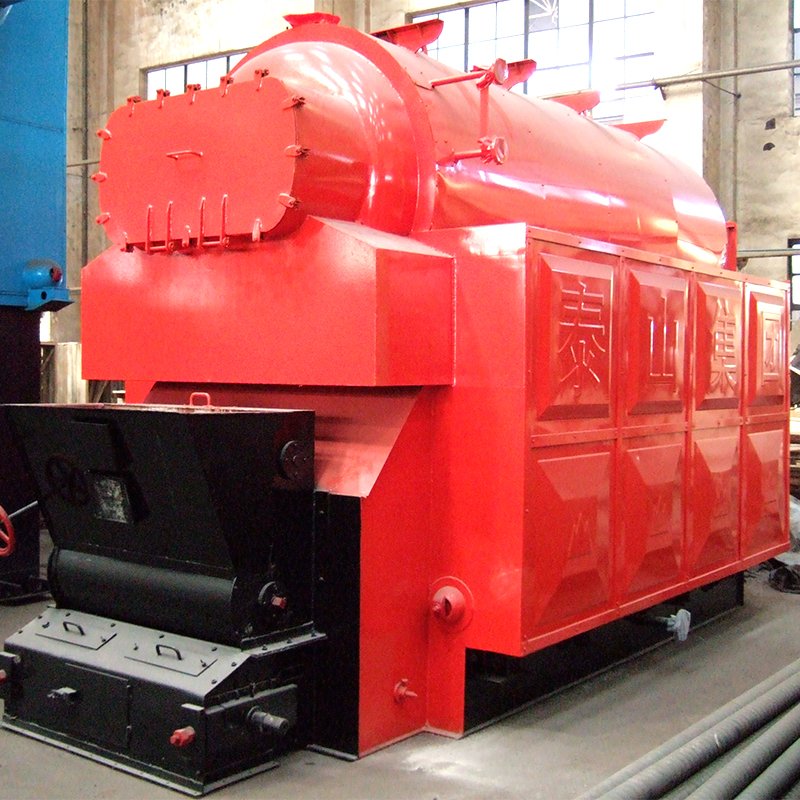
Coal-fired boilers are at a crossroads. On one hand, they remain indispensable for providing stable, large-scale thermal energy and power in many regions, particularly where coal resources, infrastructure, and industrial demand are deeply entrenched. On the other hand, global energy transition policies, decarbonization targets, and environmental pressures are steadily challenging the long-term viability of conventional coal-only operation. Simply replacing coal-fired boilers overnight is neither economically nor technically realistic for many industries and power systems. Fuel flexibility and co-firing technology have therefore emerged as critical enablers that allow coal-fired boilers to evolve rather than disappear, supporting a gradual, pragmatic transition toward lower-carbon and more resilient energy systems.
Fuel flexibility and co-firing technology support the future of coal-fired boilers by enabling them to adapt to changing fuel availability, reduce carbon and pollutant intensity, improve economic resilience, and remain compatible with long-term energy transition pathways without sacrificing reliability.
Rather than treating coal-fired boilers as static, single-fuel assets, modern engineering increasingly views them as adaptable combustion platforms capable of integrating a wide range of fuels over their operational lifetime.
Coal-fired boilers are fundamentally incompatible with alternative fuels and cannot be adapted for meaningful co-firing applications.False
Modern boiler designs and retrofit technologies allow coal-fired boilers to co-fire biomass and other alternative fuels effectively.
Fuel flexibility and co-firing can significantly reduce the environmental footprint and extend the operational relevance of coal-fired boilers.True
By partially replacing coal with lower-carbon fuels, co-firing reduces emissions while preserving system reliability.
The Strategic Importance of Fuel Flexibility in a Transitioning Energy Landscape
Fuel flexibility refers to a boiler’s ability to operate reliably and efficiently using a range of fuels with different physical and chemical characteristics. In the context of coal-fired boilers, this capability has shifted from a secondary design consideration to a strategic necessity. Energy markets are increasingly volatile, with fuel prices, availability, and regulatory constraints changing faster than the design life of large thermal assets. A boiler locked into a single fuel type faces higher long-term risk, while a fuel-flexible boiler can adapt to external changes with far less disruption.
Fuel flexibility provides operators with strategic optionality. It allows them to respond to fuel price fluctuations, supply chain disruptions, and policy incentives by adjusting fuel mixes rather than shutting down or replacing assets. This adaptability is one of the strongest arguments for the continued relevance of coal-fired boilers in a decarbonizing world.
Understanding Co-Firing as an Evolutionary Pathway
Co-firing is the most practical and widely adopted form of fuel flexibility for coal-fired boilers. Instead of completely replacing coal, co-firing introduces supplementary fuels—most commonly biomass, but also refuse-derived fuels, industrial by-products, or even low-carbon synthetic fuels—into the combustion process. This approach allows for incremental change rather than abrupt transformation.
From a technical perspective, co-firing leverages existing boiler infrastructure while gradually modifying fuel handling, combustion, and control systems. From a strategic perspective, it provides a bridge between today’s coal-dominated systems and tomorrow’s lower-carbon energy mix. Importantly, co-firing allows operators to gain experience with new fuels while maintaining coal as a stabilizing baseline.
Biomass Co-Firing and Its Role in Carbon Reduction
Biomass is the most established co-firing fuel for coal-fired boilers due to its renewable nature and relatively compatible combustion characteristics. When sourced sustainably, biomass is often considered carbon-neutral over its lifecycle, making it a powerful tool for reducing the net carbon intensity of coal-fired generation.
Biomass co-firing reduces carbon emissions proportionally to the biomass share in the fuel mix. Even modest co-firing ratios can lead to meaningful reductions in CO₂ emissions while requiring limited modifications to existing boilers. This makes biomass co-firing particularly attractive for plants facing near-term emission reduction requirements.
Technical Challenges of Biomass Integration
Despite its advantages, biomass differs significantly from coal in terms of moisture content, energy density, volatile matter, and ash composition. These differences introduce challenges that must be addressed through careful engineering. Biomass fuels typically have lower calorific value, higher moisture, and more reactive combustion behavior, which can affect flame stability and heat release patterns.
Successful biomass co-firing requires adjustments to fuel feeding systems, burner design, air distribution, and combustion control strategies. Advanced control systems and optimized furnace designs are essential to ensure stable operation across varying biomass ratios.
Expanding Beyond Biomass: Alternative and Waste-Derived Fuels
Fuel flexibility is not limited to biomass. Many coal-fired boilers are increasingly being adapted to co-fire alternative fuels such as refuse-derived fuel (RDF), industrial residues, petcoke blends, or agricultural by-products. These fuels offer additional pathways to reduce fossil fuel dependence while addressing waste management challenges.
Co-firing waste-derived fuels can improve overall resource efficiency by converting materials that would otherwise be landfilled into useful energy. However, these fuels often introduce higher variability and potential contaminants, requiring robust material selection, emission control systems, and monitoring to maintain reliability and compliance.
Combustion System Adaptation for Multi-Fuel Operation
The heart of fuel flexibility lies in the combustion system. Traditional coal burners and air distribution schemes are optimized for relatively narrow fuel characteristics. In a fuel-flexible or co-firing boiler, combustion systems must accommodate wider ranges of ignition behavior, burnout rates, and ash properties.
Modern designs employ staged combustion, adaptable burner geometries, and advanced air control systems that can dynamically respond to changes in fuel mix. These features allow boilers to maintain efficiency and emission performance even as fuel composition varies.
Circulating Fluidized Bed Technology as a Fuel-Flexible Platform
Circulating fluidized bed (CFB) boilers deserve special attention in discussions of fuel flexibility. Their inherently lower combustion temperature, intense mixing, and long fuel residence time make them particularly well-suited for co-firing a wide variety of fuels.
CFB technology allows seamless blending of coal with biomass or alternative fuels without the need for extensive burner modifications. This capability positions CFB boilers as one of the most future-proof coal-based technologies in an era of fuel diversification.
Impact on Emissions and Environmental Performance
Fuel flexibility and co-firing have direct and indirect effects on emissions. Replacing part of the coal with biomass or alternative fuels reduces fossil CO₂ emissions and often lowers SO₂ emissions due to lower sulfur content. Changes in NOx formation can also be managed through optimized combustion and staging.
Importantly, fuel flexibility complements ultra-low-emission technologies rather than competing with them. When integrated properly, co-firing can reduce the burden on downstream flue gas treatment systems, improving overall environmental performance and reducing operating costs.
Operational Flexibility and System Resilience
Beyond emissions, fuel flexibility enhances operational resilience. Boilers capable of burning multiple fuels are less vulnerable to disruptions in coal supply or sudden price spikes. This resilience is particularly valuable in regions with unstable fuel logistics or evolving energy markets.
Operational flexibility also supports grid stability. Fuel-flexible boilers can adjust output and fuel mix in response to changing demand or renewable energy availability, reinforcing their role as reliable backbone assets in hybrid energy systems.
Economic Implications and Long-Term Asset Value
From an economic perspective, fuel flexibility protects long-term asset value. Boilers that can adapt to new fuels are less likely to become stranded assets as policies and markets evolve. While initial investments in co-firing capability increase capital cost, they often pay back through lower fuel costs, emission compliance savings, and extended operational life.
Moreover, the ability to participate in renewable energy incentives or carbon reduction programs can significantly improve project economics over time.
Role of Digitalization in Managing Fuel Flexibility
Fuel flexibility increases system complexity, making digitalization and advanced control systems indispensable. AI-based control platforms can optimize combustion parameters in real time as fuel mixes change, ensuring stable operation and consistent performance.
Smart monitoring systems also play a critical role in detecting fuel-related issues early, such as slagging tendencies or abnormal emission trends, allowing operators to intervene proactively rather than reactively.
Supporting Gradual Decarbonization Pathways
Fuel flexibility and co-firing align well with gradual decarbonization strategies. Instead of abrupt fuel switching, operators can incrementally increase the share of low-carbon fuels as supply chains mature and policies evolve. This staged approach reduces technical risk and capital shock while maintaining energy security.
In the longer term, fuel-flexible boilers may also integrate emerging fuels such as green ammonia, hydrogen-derived fuels, or synthetic biofuels, further extending their relevance.
Social and Policy Dimensions of Fuel Flexibility
From a policy and social perspective, fuel flexibility improves the acceptability of coal-fired assets. Demonstrating reduced emissions, renewable integration, and adaptive capability helps maintain social license to operate, particularly in industrial regions where boilers support critical economic activity.
Governments and regulators increasingly view co-firing as a transitional solution that balances environmental objectives with economic and energy security considerations.
Lessons From Successful Co-Firing Projects
Experience from global co-firing projects shows that success depends on system-level thinking. Projects that treat co-firing as a simple fuel substitution often face operational issues, while those that integrate fuel handling, combustion design, controls, and emissions management achieve stable, long-term performance.
These lessons underscore the importance of engineering depth and lifecycle support in fuel-flexible boiler projects.
Limitations and Realistic Expectations
Fuel flexibility is not a universal solution. There are practical limits to co-firing ratios, fuel availability, and economic viability. Coal-fired boilers cannot eliminate carbon emissions entirely through co-firing alone. However, within realistic boundaries, fuel flexibility provides a powerful tool to reduce impact, extend asset life, and support orderly transition.
The Long-Term Role of Coal-Fired Boilers in Hybrid Energy Systems
Looking ahead, coal-fired boilers equipped with fuel flexibility and co-firing capability are likely to operate as part of hybrid energy systems. They will complement renewable generation, provide reliable thermal capacity, and gradually integrate cleaner fuels over time.
In this context, coal-fired boilers evolve from being perceived as obstacles to transition into adaptable platforms that support it.
Fuel flexibility and co-firing technology play a pivotal role in supporting the future of coal-fired boilers by transforming them from rigid, single-fuel assets into adaptable, transition-ready energy systems. By enabling the integration of biomass and alternative fuels, reducing carbon and pollutant intensity, enhancing economic resilience, and supporting gradual decarbonization pathways, fuel-flexible boilers remain technically relevant and strategically valuable in a rapidly changing energy landscape. When supported by advanced combustion design, digital control systems, and thoughtful lifecycle planning, fuel flexibility allows coal-fired boilers to continue delivering reliable energy while progressively aligning with environmental and policy expectations. Rather than signaling the end of coal-fired boiler technology, fuel flexibility represents its evolution toward a more sustainable, resilient, and future-compatible role.
How Are Carbon Reduction, Energy Efficiency Policies, and Sustainability Goals Influencing Coal-Fired Boiler Innovation?
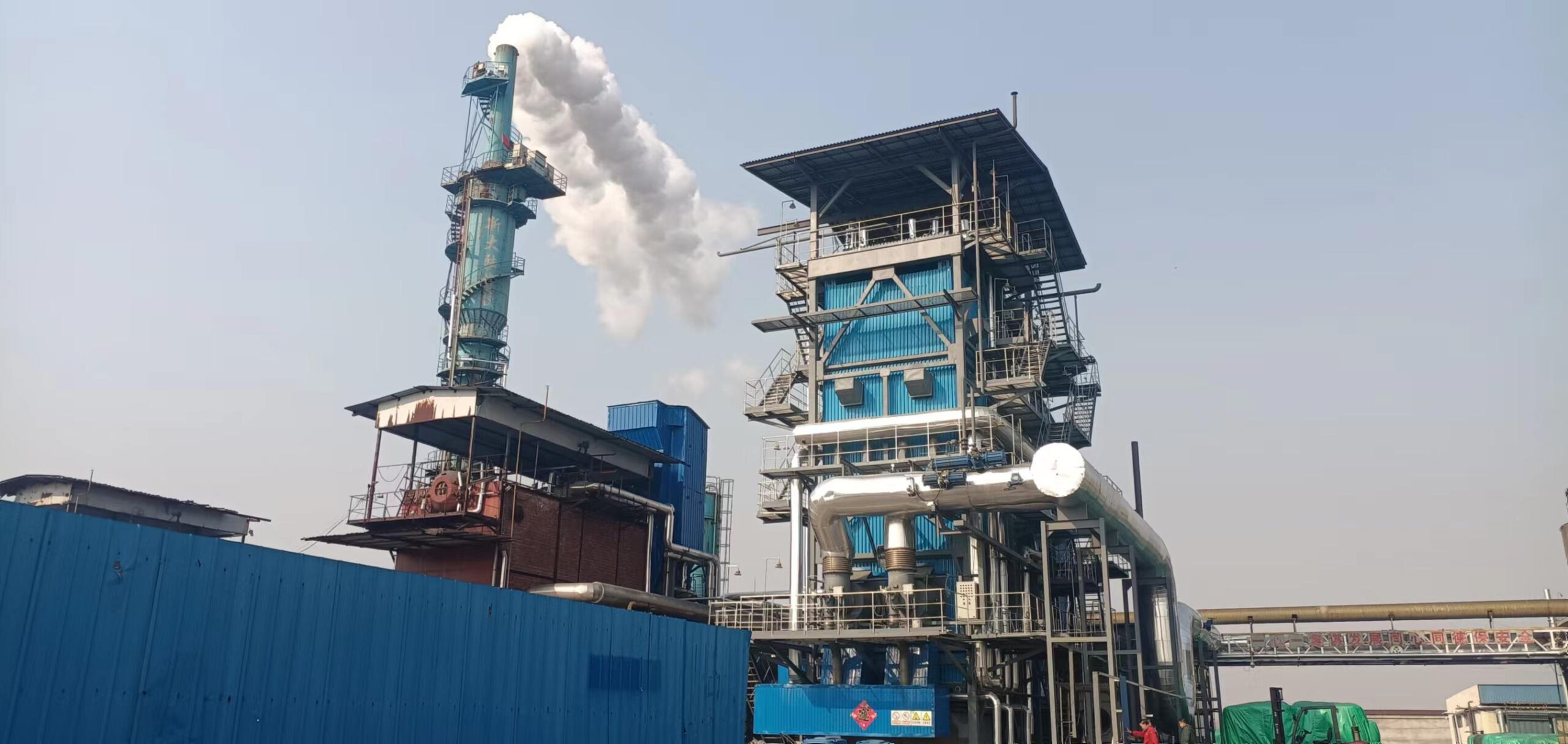
Coal-fired boilers have long been associated with high emissions and heavy environmental impact, making them a focal point of carbon reduction policies, energy efficiency regulations, and broader sustainability goals worldwide. Yet despite increasing pressure to phase out coal, coal-fired boilers continue to play an essential role in industrial heat supply, district heating, and power generation in many regions. Rather than disappearing overnight, they are being reshaped by policy-driven innovation. Governments, regulators, and financial institutions are no longer only restricting coal use; they are actively steering how remaining coal-fired assets must evolve. As a result, coal-fired boiler technology is undergoing a profound transformation driven by carbon reduction targets, efficiency mandates, and sustainability expectations.
Carbon reduction, energy efficiency policies, and sustainability goals are influencing coal-fired boiler innovation by forcing a shift from traditional, single-objective designs toward highly efficient, low-emission, fuel-flexible, and digitally optimized systems that minimize environmental impact while preserving reliability and economic value.
This influence extends far beyond emission limits alone. It is redefining design philosophy, technology selection, operational strategies, and long-term investment decisions across the coal-fired boiler sector.
Carbon reduction and sustainability policies only restrict coal-fired boilers and do not encourage meaningful technological innovation.False
In practice, these policies have accelerated innovation by driving efficiency improvements, emission control integration, and advanced system design.
Energy efficiency and sustainability goals are directly shaping new coal-fired boiler technologies and retrofit solutions.True
Modern boiler innovation increasingly targets higher efficiency, lower emissions, and lifecycle sustainability to meet policy requirements.
Policy Pressure as a Primary Innovation Driver
Historically, coal-fired boiler innovation was driven mainly by reliability and output requirements. Today, regulatory pressure has become one of the most powerful catalysts for technological change. Carbon reduction commitments under national climate strategies, international agreements, and regional air quality plans impose constraints that traditional boiler designs cannot meet.
These policies do not merely raise compliance thresholds; they redefine what constitutes an acceptable boiler. Innovation is no longer optional but essential for survival in regulated markets. As standards tighten, boilers must achieve higher efficiency, lower emissions, and improved operational flexibility simultaneously.
Carbon Reduction Targets and Their Direct Technical Impact
Carbon reduction policies focus primarily on reducing CO₂ emissions per unit of energy produced. For coal-fired boilers, this translates into a strong push for higher thermal efficiency and lower coal consumption. Since CO₂ emissions are directly proportional to fuel use, efficiency improvement has become the most immediate and cost-effective carbon reduction pathway.
This policy reality has elevated technologies such as ultra-supercritical steam parameters, advanced heat transfer designs, and waste heat recovery from optional upgrades to core design requirements. Even in industrial boilers that do not generate power, higher efficiency standards are increasingly mandated.
Energy Efficiency Policies Driving Design Optimization
Energy efficiency regulations often specify minimum efficiency levels, heat rate benchmarks, or best-available-technology requirements. These policies force boiler designers to scrutinize every aspect of energy conversion, from combustion efficiency to exhaust heat losses.
Modern coal-fired boiler designs now integrate high-efficiency economizers, advanced air preheaters, optimized furnace geometry, and low-temperature flue gas heat recovery as standard features. What was once considered advanced engineering is rapidly becoming baseline compliance.
Table 1: Policy-Driven Efficiency Improvements in Coal-Fired Boilers
| Policy Focus Area | Traditional Design | Policy-Driven Innovation |
|---|---|---|
| Thermal efficiency | Moderate | High / ultra-high |
| Heat recovery | Limited | Deep, multi-stage |
| Excess air control | Manual | Digital and AI-optimized |
| Auxiliary power use | High | Reduced through optimization |
Efficiency policy has turned energy losses into regulatory liabilities rather than acceptable inefficiencies.
Sustainability Goals Expanding the Scope Beyond Emissions
Sustainability policies extend beyond carbon and pollutant emissions to include resource efficiency, water use, waste reduction, and long-term environmental impact. This broader perspective is reshaping coal-fired boiler innovation in less obvious but equally important ways.
Boilers are now evaluated based on:
- Lifecycle environmental footprint
- Water consumption and wastewater generation
- Ash utilization and by-product management
- Compatibility with future low-carbon fuels
This holistic view forces engineers to consider sustainability across the entire boiler system rather than treating it as an add-on.
Ultra-Low-Emission Requirements as a Catalyst for System Integration
Air pollution control policies, especially in densely populated regions, require coal-fired boilers to achieve ultra-low emissions of NOx, SO₂, and particulate matter. Meeting these limits has driven innovation in both combustion design and flue gas treatment.
Rather than relying solely on end-of-pipe solutions, modern boiler innovation emphasizes integrated emission reduction. Low-NOx combustion, staged air distribution, optimized furnace temperatures, and coordinated control with SCR, FGD, and high-efficiency particulate removal systems are now designed as a unified system.
This integration reduces overall energy penalties and improves operational stability under stringent limits.
Fuel Flexibility and Co-Firing as Policy-Enabled Innovations
Many sustainability policies encourage or incentivize the use of renewable or low-carbon fuels. For coal-fired boilers, this has accelerated the adoption of fuel flexibility and co-firing technologies. By partially replacing coal with biomass or alternative fuels, boilers can reduce net carbon emissions while maintaining reliable output.
Policy support for renewable integration has transformed co-firing from a niche option into a mainstream innovation pathway. Boiler designs increasingly accommodate wide fuel variability, recognizing that future fuel mixes may change over time.
Table 2: Policy Influence on Fuel Strategy in Coal-Fired Boilers
| Policy Objective | Technological Response |
|---|---|
| CO₂ reduction | Biomass co-firing |
| Energy security | Multi-fuel capability |
| Waste reduction | RDF and by-product use |
| Transition readiness | Fuel-flexible combustion |
Fuel flexibility aligns technical innovation with policy-driven sustainability goals.
Digitalization as an Enabler of Policy Compliance
As policies grow more complex, compliance cannot rely on manual operation alone. Digitalization and smart control systems have become essential tools for meeting efficiency and emission targets consistently.
Advanced monitoring, AI-based optimization, and predictive analytics allow boilers to operate closer to regulatory limits without crossing them. This reduces safety margins that previously sacrificed efficiency for compliance certainty. Digital tools thus transform policy pressure into performance optimization opportunities.
Lifecycle Efficiency and Long-Term Asset Viability
Sustainability goals increasingly emphasize lifecycle performance rather than initial compliance alone. Boilers must demonstrate long-term efficiency retention, reduced maintenance waste, and adaptability to future regulations.
This has driven innovation in advanced materials, structural optimization, and modular design. Longer component life, reduced failure rates, and easier retrofitting all contribute to improved lifecycle sustainability, aligning with policy expectations for responsible asset management.
Water and Resource Efficiency Under Sustainability Frameworks
Water use is an often-overlooked aspect of sustainability policy. Coal-fired boiler innovation now includes reduced blowdown rates, improved water treatment integration, and dry or hybrid cooling options where applicable.
Reducing water consumption not only improves environmental performance but also enhances operational resilience in water-stressed regions, directly supporting sustainability objectives.
Economic and Financial Policy Signals Shaping Innovation
Carbon pricing, emissions trading systems, and green financing criteria send strong economic signals to boiler owners and suppliers. Projects that demonstrate lower carbon intensity and higher efficiency benefit from improved financing conditions and reduced regulatory risk.
These financial incentives accelerate innovation by making advanced technologies economically attractive rather than merely compliant. Boiler innovation is increasingly shaped by total lifecycle cost under policy frameworks, not just capital expenditure.
Table 3: Policy Mechanisms and Their Innovation Effects
| Policy Mechanism | Impact on Boiler Innovation |
|---|---|
| Carbon pricing | Drives efficiency upgrades |
| Emission standards | Promotes integrated control |
| Renewable incentives | Encourages co-firing |
| Green finance criteria | Rewards low-risk, efficient designs |
Policy and economics now work together to guide technology evolution.
Retrofitting Existing Boilers Under Policy Pressure
Not all innovation occurs in new builds. Many policies apply equally to existing boilers, driving a surge in retrofit innovation. Advanced heat recovery, burner upgrades, digital control layers, and emission control retrofits allow older boilers to meet modern standards.
This retrofit-driven innovation is critical for achieving near-term policy goals without massive asset replacement.
Balancing Reliability With Sustainability
One of the most important influences of policy-driven innovation is the requirement to balance sustainability with reliability. Policymakers increasingly recognize that energy security cannot be compromised. As a result, innovation focuses on improving environmental performance without undermining the dependable operation that coal-fired boilers provide.
This balance explains why many policies favor efficiency improvement and co-firing over immediate shutdown.
Shaping the Long-Term Role of Coal-Fired Boilers
Carbon reduction and sustainability goals are not simply ending coal-fired boilers; they are redefining their role. Modern coal-fired boilers are evolving into cleaner, more efficient, and more flexible systems that complement renewable energy and support industrial stability.
Innovation driven by policy ensures that remaining coal-fired capacity is used more responsibly and strategically.
Carbon reduction targets, energy efficiency policies, and sustainability goals are exerting a profound and transformative influence on coal-fired boiler innovation. Rather than acting solely as restrictive forces, these policies have become powerful drivers of technological advancement, pushing boiler design toward higher efficiency, ultra-low emissions, fuel flexibility, digital optimization, and improved lifecycle sustainability. Through advanced heat transfer, integrated emission control, co-firing capability, smart monitoring, and durable materials, coal-fired boilers are being reshaped into cleaner, more adaptable energy systems. While coal’s role in the global energy mix is undoubtedly changing, policy-driven innovation ensures that coal-fired boilers that remain in service do so with significantly reduced environmental impact, improved economic resilience, and stronger alignment with long-term sustainability objectives.
🔍 Conclusion
Innovation is redefining the role of industrial coal-fired boilers in a low-carbon, high-efficiency future. Through clean combustion technologies, smarter controls, improved materials, and fuel flexibility, modern coal-fired boilers can achieve compliance, reliability, and competitive operating costs. These advancements ensure that coal-fired boilers remain technically viable and economically relevant in the evolving global energy landscape.
🔹 Contact us today to explore next-generation coal-fired boiler solutions that combine efficiency, compliance, and long-term value. ⚙️🔥🏭✅
FAQ
Q1: What are the most important technological innovations in industrial coal-fired boilers?
A1: The most important innovations in industrial coal-fired boilers focus on improving efficiency, reducing emissions, and enhancing operational flexibility. Key advancements include circulating fluidized bed (CFB) combustion, ultra-supercritical steam parameters, and advanced heat recovery systems such as high-efficiency economizers and air preheaters. These technologies allow boilers to extract more energy from coal while reducing fuel consumption per unit of steam, making coal-fired systems more competitive and sustainable in modern industrial applications.
Q2: How are ultra-low emission technologies shaping future coal-fired boilers?
A2: Ultra-low emission (ULE) technologies are transforming coal-fired boiler design to meet increasingly strict environmental regulations. Innovations such as in-furnace desulfurization, low-NOx combustion systems, staged air supply, and advanced particulate capture significantly reduce emissions of SO₂, NOx, and dust. Modern coal-fired boilers can now achieve emission levels comparable to gas-fired systems in some regions, ensuring regulatory compliance while extending the operational viability of coal-based energy systems.
Q3: What role does digitalization play in modern coal-fired boiler systems?
A3: Digitalization and intelligent control systems are playing a critical role in the future of industrial coal-fired boilers. Advanced sensors, AI-driven combustion optimization, and real-time data analytics enable precise control of air-fuel ratios, furnace temperature, and load response. Predictive maintenance systems identify potential failures before they occur, reducing downtime and maintenance costs. These digital tools improve overall boiler reliability, efficiency, and safety while lowering lifecycle operating expenses.
Q4: How is fuel flexibility influencing coal-fired boiler innovation?
A4: Fuel flexibility is a major innovation driver, allowing coal-fired boilers to adapt to changing fuel markets and decarbonization strategies. Modern designs increasingly support co-firing with biomass, refuse-derived fuels, or sludge, reducing net carbon emissions and fuel costs. CFB boilers, in particular, excel at burning low-grade coal and mixed fuels with stable combustion and low emissions. This flexibility enhances energy security and improves long-term economic resilience for industrial users.
Q5: Can carbon reduction and CCUS technologies be integrated into coal-fired boilers?
A5: Yes, future-oriented coal-fired boilers are being designed to accommodate carbon capture, utilization, and storage (CCUS) technologies. Innovations include optimized flue gas pathways, higher CO₂ concentration exhaust streams, and compatibility with post-combustion capture systems. While CCUS increases capital and operating costs, integration-ready boiler designs reduce future retrofit complexity. Combined with efficiency improvements and biomass co-firing, CCUS positions coal-fired boilers as part of a transition strategy toward lower-carbon industrial energy systems.
References
- International Energy Agency (IEA) – Clean Coal and Advanced Boiler Technologies – https://www.iea.org/ – IEA
- U.S. Department of Energy – Advanced Coal Combustion Systems – https://www.energy.gov/ – DOE
- ASME – Advances in Boiler and Pressure Vessel Technology – https://www.asme.org/ – ASME
- IEA Clean Coal Centre – Ultra-Low Emission Coal Technologies – https://www.iea-coal.org/ – IEA CCC
- Mitsubishi Power – High-Efficiency Coal Boiler Innovation – https://power.mhi.com/ – Mitsubishi Power
- GE Steam Power – Digital and Advanced Coal Boiler Solutions – https://www.ge.com/steam-power/ – GE Steam Power
- ScienceDirect – Future Trends in Coal-Fired Boiler Technology – https://www.sciencedirect.com/ – ScienceDirect
- Engineering Toolbox – Coal Boiler Efficiency Improvements – https://www.engineeringtoolbox.com/ – Engineering Toolbox
- World Bank – Clean Energy Transition for Coal-Based Industries – https://www.worldbank.org/ – World Bank
- MarketsandMarkets – Industrial Boiler Technology and Market Outlook – https://www.marketsandmarkets.com/ – Markets and Markets
Innovations Shaping the Future of Industrial Coal-Fired Boilers Read More »