
When Should an Industrial Biomass Boiler Be Replaced?
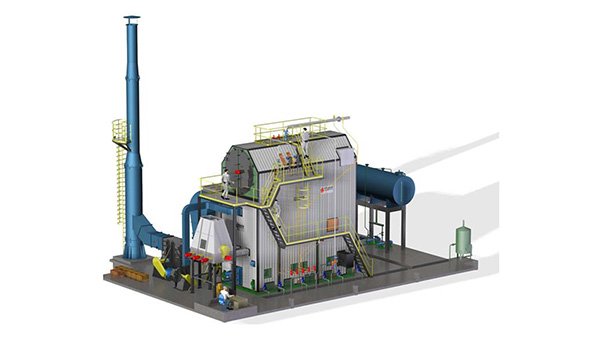
Industrial biomass boilers are built for long-term operation, but aging equipment, changing fuel conditions, and stricter environmental regulations can gradually turn a once-reliable system into a costly operational risk. Declining efficiency, frequent breakdowns, rising maintenance expenses, and emission compliance issues often signal deeper problems. Delaying replacement may lead to unexpected shutdowns, safety hazards, and escalating lifecycle costs that disrupt production and profitability.
An industrial biomass boiler should be replaced when efficiency drops significantly, maintenance and downtime costs rise sharply, fuel adaptability becomes inadequate, or the boiler can no longer meet current safety and emission standards. In practice, biomass boilers approaching 20–25 years of service—especially those designed for narrow fuel ranges or outdated combustion technology—are strong candidates for replacement rather than continued repair or retrofit.
Recognizing the right replacement timing helps plant owners avoid unplanned failures while maximizing return on energy investment.
How Does Declining Thermal Efficiency Indicate the Need to Replace an Industrial Biomass Boiler?
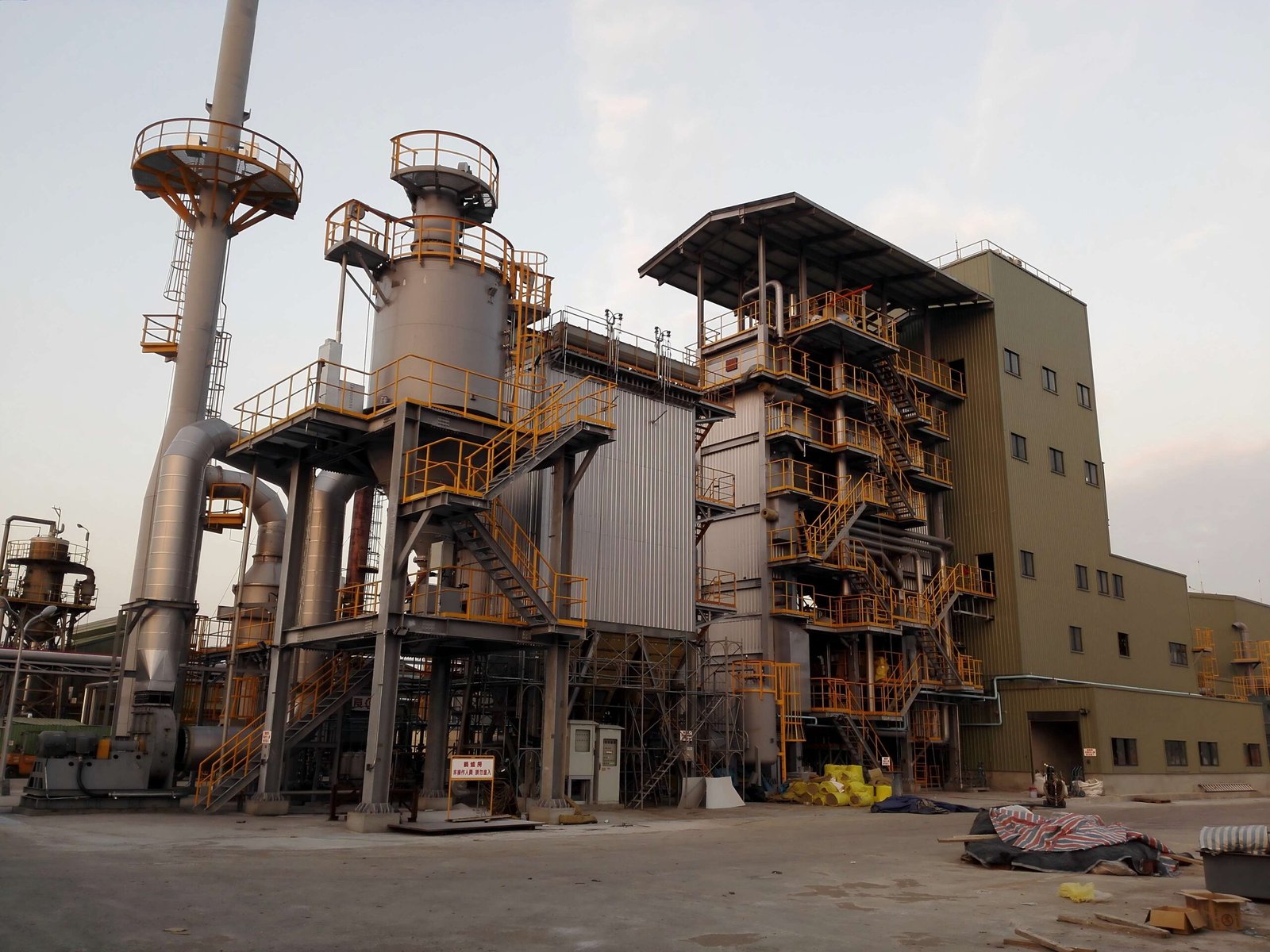
In industrial operations that rely on biomass boilers, a gradual decline in thermal efficiency isn’t just a technical inconvenience—it’s a critical warning sign. This drop in efficiency translates directly to increased fuel consumption, elevated operational costs, lower energy output, and reduced sustainability. If ignored, it leads to mounting maintenance expenses, regulatory penalties for emissions, and even dangerous operational conditions. However, recognizing declining thermal efficiency early can allow facility managers to plan strategic replacements, avoiding unplanned downtime and optimizing long-term energy performance. This article explains how thermal efficiency data serves as a measurable indicator of boiler health—and when it’s time to act.
A consistent decline in the thermal efficiency of an industrial biomass boiler—typically measured as the ratio of energy output to fuel input—strongly indicates that the boiler is aging, deteriorating, or malfunctioning. When thermal efficiency drops below 75–80%, despite routine maintenance, it often means internal components such as heat exchangers, insulation, or combustion chambers are no longer functioning optimally, signaling the need for boiler replacement to maintain operational cost-effectiveness and energy compliance.
Industrial energy managers and plant engineers must view declining thermal efficiency not as a minor loss but as a red flag. While short-term efficiency drops may result from fouling or maintenance lapses, persistent degradation—especially after tune-ups—points to deep mechanical or structural wear. This article dives deep into how to diagnose efficiency-related issues, what technical thresholds to monitor, and how to justify boiler replacement decisions with data, case studies, and ROI-focused analysis.
Declining thermal efficiency in a biomass boiler always means it must be replaced immediately.False
While declining thermal efficiency is a warning sign, it must be analyzed alongside maintenance history, combustion data, and heat transfer losses before deciding on replacement.
Understanding Thermal Efficiency in Biomass Boilers
Thermal efficiency in biomass boilers refers to how effectively the boiler converts fuel (biomass like wood chips, pellets, or agricultural waste) into usable heat energy. It is commonly expressed as a percentage:
Thermal Efficiency (%) = (Useful Heat Output / Biomass Energy Input) × 100
A new, well-designed industrial biomass boiler typically operates between 85%–90% thermal efficiency under optimal conditions. However, real-world conditions like fouling, scaling, fuel quality variation, and wear-and-tear bring this number down over time.
Below is a reference table showing efficiency benchmarks based on boiler age and condition:
| Boiler Age (Years) | Typical Efficiency (%) | Condition Assessment | Replacement Likelihood |
|---|---|---|---|
| 0–5 | 88–92 | Optimal, high-performance | Low |
| 5–10 | 83–88 | Requires scheduled maintenance | Moderate |
| 10–15 | 78–83 | Signs of degradation and scaling | High |
| 15+ | <75 | Efficiency loss due to mechanical wear | Critical |
Thermal efficiency loss of 1–2% per year is common even with preventive maintenance. But if drops exceed this norm, particularly after the 10-year mark, it’s a strong signal for technical reassessment.
Technical Causes of Thermal Efficiency Decline
1. Fouling and Scaling in Heat Exchangers
Biomass combustion produces ash and volatile compounds, which can accumulate on heat exchange surfaces. Even a 2 mm layer of ash can reduce heat transfer efficiency by up to 10%.
2. Combustion Inefficiency
Improper air-fuel ratios lead to incomplete combustion, causing more fuel to be burned for the same heat output. Real-time oxygen trim control systems help, but if these fail, efficiency nosedives.
3. Insulation Breakdown
As insulation materials degrade over time, more heat escapes into the environment rather than being directed into process heating or steam production.
4. Mechanical Wear in Grates and Retorts
The combustion chamber’s mechanical parts wear down, disrupting biomass distribution and burning consistency, which leads to thermal energy loss.
5. Fuel Quality Variation
Low-quality biomass (high moisture content, variable calorific values) negatively impacts combustion efficiency and increases emissions, further accelerating boiler wear.
When Does Efficiency Loss Justify Replacement?
Here’s a decision matrix that plant managers can use to assess boiler replacement needs:
| Indicator | Warning Level | Action Required |
|---|---|---|
| Efficiency below 80% (sustained) | Medium | Conduct thorough inspection |
| Efficiency below 75% post-maintenance | High | Begin replacement planning |
| Fuel consumption increases by >15% | Critical | Justify ROI for new boiler |
| Frequent downtime due to overheating | Critical | Replace immediately |
| Emission levels exceed compliance | High | Consider upgrading combustion system |
A well-maintained boiler that suddenly dips below 75% efficiency—despite tuning, cleaning, and fuel consistency—likely has core system deterioration. In such cases, repairing the boiler may cost 40–60% of the price of a new system, while still offering limited life extension (2–3 years). A replacement provides full operational lifespan (15–20 years) and optimized performance.
Economic Implications of Declining Thermal Efficiency
Let’s take a case study of a 5 MW biomass boiler operating at 85% efficiency, burning 2,000 kg of wood chips per hour. The fuel cost is $100/ton. Here’s the cost comparison:
| Scenario | Efficiency (%) | Fuel Use (kg/hr) | Fuel Cost ($/year) | Notes |
|---|---|---|---|---|
| Optimal (New Boiler) | 88 | 1,950 | $1.71M | Stable, compliant, energy-efficient |
| Mild Decline (10 years old) | 82 | 2,097 | $1.84M | 7.5% increase in fuel cost |
| Severe Decline (15+ years) | 74 | 2,297 | $2.02M | 17% increase, nearing critical threshold |
A loss of 14% thermal efficiency leads to over $300,000/year in extra fuel costs, not including penalties for emissions or production downtime.
Replacement vs. Retrofitting: Which Is Better?
Retrofitting:
- Cheaper upfront (30–50% cost of new unit)
- Gains 5–10% thermal efficiency
- Extends life by 3–5 years
- Suitable for boilers under 10 years old
Replacement:
- High upfront cost ($1M+ for 5MW unit)
- Gains 15–20% efficiency
- 15–20 year lifespan
- Adds value through automation, lower emissions, and better control systems
Below is a simple ROI chart for replacement based on fuel savings alone:
| Efficiency Gain (%) | Annual Fuel Cost Savings ($) | Payback Period (Years) |
|---|---|---|
| 10% | $200,000 | 5 |
| 15% | $300,000 | 3.3 |
| 20% | $400,000 | 2.5 |
In high-load facilities, replacing a declining biomass boiler pays for itself in under 5 years while also reducing environmental impact and improving reliability.
Monitoring and Predictive Maintenance Tools
To prevent catastrophic efficiency loss, industrial facilities are increasingly investing in real-time monitoring tools:
- Infrared thermography for insulation wear
- O₂/CO sensors for combustion efficiency
- SCADA-integrated PLCs to detect efficiency drift
- Machine learning predictive algorithms to forecast component failures
These systems not only protect your investment but also allow you to schedule boiler replacements proactively—without risking a total plant shutdown.
Environmental Compliance and Efficiency
Lower thermal efficiency often corresponds with higher emissions, including:
- CO
- NOx
- Particulate matter
- Volatile Organic Compounds (VOCs)
Regulations such as the EU MCP Directive or US EPA MACT standards penalize non-compliant boilers. Replacing aging units ensures regulatory alignment and opens eligibility for renewable energy incentives.
Summary
Thermal efficiency is the heartbeat of biomass boiler performance. A slow but steady drop indicates internal decline that can’t always be reversed by maintenance. Monitoring efficiency trends over time allows plant engineers and energy managers to justify replacement using hard data—fuel costs, emissions metrics, and downtime stats. A boiler replacement may seem costly upfront, but when weighed against lost energy, higher emissions, and unplanned shutdowns, it is a high-ROI, risk-mitigating decision.
When Do High Maintenance Costs and Frequent Shutdowns Justify Boiler Replacement?
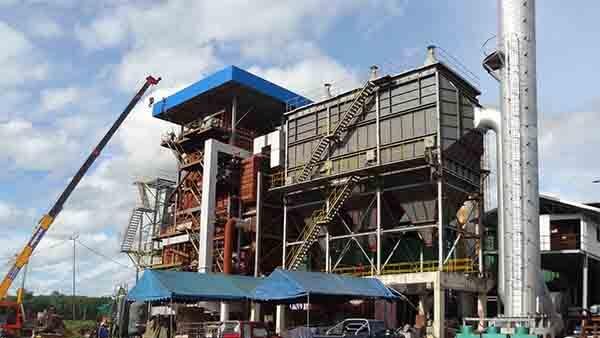
In the industrial energy sector, few issues disrupt operations more severely than repeated boiler shutdowns and escalating maintenance costs. These problems not only drive up operational expenses but also lead to production delays, compliance risks, and worker safety concerns. Over time, companies fall into a cycle of “repair and react” instead of planning and optimizing. The hidden cost of frequent repairs often surpasses the capital investment of a new boiler. This article aims to help engineers, facility managers, and procurement officers identify when rising boiler maintenance expenses and downtime justify a full system replacement, based on real financial metrics and technical thresholds.
When maintenance costs exceed 50% of the boiler’s current market value annually, or when unplanned shutdowns occur more than 3–4 times per year despite routine servicing, boiler replacement becomes economically and operationally justified. These indicators signal that the system’s core components are reaching the end of their functional lifespan, and continued operation increases safety risks, non-compliance, and hidden costs.
Many companies fall into the trap of prolonging the use of outdated boilers due to budget hesitation or short-term cost considerations. However, with industrial boilers consuming significant operational resources, knowing when to stop repairing and start replacing is a crucial strategy for long-term efficiency and profitability. In this article, we explore key maintenance cost benchmarks, failure patterns, risk assessment frameworks, and financial modeling tools that support boiler replacement decisions.
Frequent boiler shutdowns are just minor inconveniences and not a reason for replacement.False
Frequent shutdowns often indicate core system failures, safety issues, or component fatigue, which significantly affect plant uptime, cost, and safety compliance.
Understanding the True Cost of Boiler Maintenance and Downtime
Boiler maintenance is necessary, but when costs spiral out of control, it can consume more resources than planned capital investments. Let’s break down what constitutes high maintenance costs:
| Cost Element | Typical Threshold | Warning Sign |
|---|---|---|
| Annual Maintenance Cost | >50% of boiler’s current value | Indicates diminishing returns on repairs |
| Emergency Repair Frequency | >3 times per year | Reflects chronic reliability issues |
| Replacement of Core Components | Every 12–18 months | Suggests systemic wear |
| Technician Hours per Month | >30 hours per boiler | Operational burden on maintenance team |
| Cost per Shutdown | >$25,000 in lost production | Strong case for cost-avoidance via upgrade |
In many manufacturing sectors, unplanned boiler shutdowns can cost 10,000–100,000 per hour in lost production. Combine this with the cost of overtime labor, spare parts, energy waste, and regulatory penalties—and you’re looking at a serious financial leak.
Technical Indicators That Point Toward Replacement
1. Recurring Pressure Fluctuations and Leaks
If safety valves trip frequently or there’s chronic pressure instability, it often points to structural weaknesses in the drum, piping, or control systems. Rewelding or patching becomes increasingly ineffective.
2. Increased Corrosion or Tube Failures
Once corrosion sets into the boiler tubes, repair becomes reactive. Replacing multiple tube sections every year often signals degradation beyond cost-effective repair.
3. Outdated or Unsupported Controls
Many older boilers run on analog or early-generation digital controls, which may no longer be serviceable. Upgrading controls alone can cost 30–50% of a new boiler system.
4. Overheating and Scaling in the Furnace
Overheating is often caused by poor heat transfer due to scale buildup, and even aggressive chemical cleaning has diminishing returns. These conditions cause shutdowns and dangerous working environments.
5. Unavailability of OEM Spare Parts
When manufacturers discontinue parts or support, repair times and costs skyrocket. At this point, total system replacement may be the only sustainable solution.
Maintenance Cost vs. Boiler Replacement: Financial Justification
Let’s analyze a 5 MW steam biomass boiler system with the following assumptions:
- Current market value: $1,000,000
- Annual maintenance cost: $180,000
- Emergency shutdown losses: $250,000/year
- Efficiency loss compared to new model: 10%
| Scenario | Annual Cost ($) | Comment |
|---|---|---|
| Continue Repairs | $430,000 | Includes maintenance + lost production |
| Replace Boiler | $1,000,000 (CAPEX) | One-time expense, 15–20 year life |
| Fuel Cost Savings (10%) | $300,000/year | From efficiency gains post-replacement |
| Payback Period | 2.3 years | Based on OPEX savings only |
In this case, the replacement pays for itself in under 3 years, even without factoring in tax depreciation or government incentives.
Boiler Health Scorecard: A Self-Assessment Tool
To help industrial users make decisions based on data rather than guesswork, we recommend the following boiler health scorecard:
| Indicator | Score (1–5) | Notes |
|---|---|---|
| Annual maintenance cost | 1 = <10%; 5 = >50% of boiler value | |
| Shutdown frequency | 1 = <1/year; 5 = >4/year | |
| Age of boiler | 1 = <5 yrs; 5 = >15 yrs | |
| Spare part availability | 1 = OEM stocked; 5 = OEM discontinued | |
| Compliance issues | 1 = none; 5 = fines/violations | |
| Efficiency vs. spec | 1 = 90%+; 5 = <75% | |
| Technical support access | 1 = immediate; 5 = none |
If total score ≥ 22 out of 30, boiler replacement is strongly recommended.
The Risk of Operational Paralysis
Ignoring frequent shutdowns and maintenance spikes puts your entire process at risk. Delayed production, missed orders, customer dissatisfaction, and compliance violations are common consequences. More dangerously, an overused boiler may fail catastrophically, leading to:
- Worker injury or fatality
- Explosions or fires
- Plant evacuation or closure
- Litigation and insurance claims
While these are worst-case scenarios, they’re real risks in industrial settings. Proactive replacement is about risk mitigation, not just equipment upgrade.
Case Study: Textile Manufacturing Plant in India
A textile plant running a 6 TPH biomass-fired boiler faced frequent burner issues and cracked refractory linings. Annual repair costs rose to 160,000, with three emergency shutdowns causing180,000 in production loss.
Upon replacement with a high-efficiency 6.5 TPH condensing biomass boiler:
- Maintenance costs dropped by 65%
- Fuel consumption was reduced by 12%
- Shutdowns were eliminated for 2+ years
The project reached full ROI in 2.6 years, with improved emissions compliance and production scheduling.
Summary
High maintenance costs and frequent shutdowns are not just accounting concerns—they are technical alarms indicating core system failure. When annual boiler repairs consume more than 50% of its value, or when shutdowns exceed three per year, replacement becomes a financially responsible decision. Utilizing boiler health assessments, financial modeling, and real-world performance metrics helps industries plan upgrades proactively, avoiding unplanned breakdowns and financial losses.
How Do Fuel Variability and Changing Biomass Supply Affect Replacement Decisions?
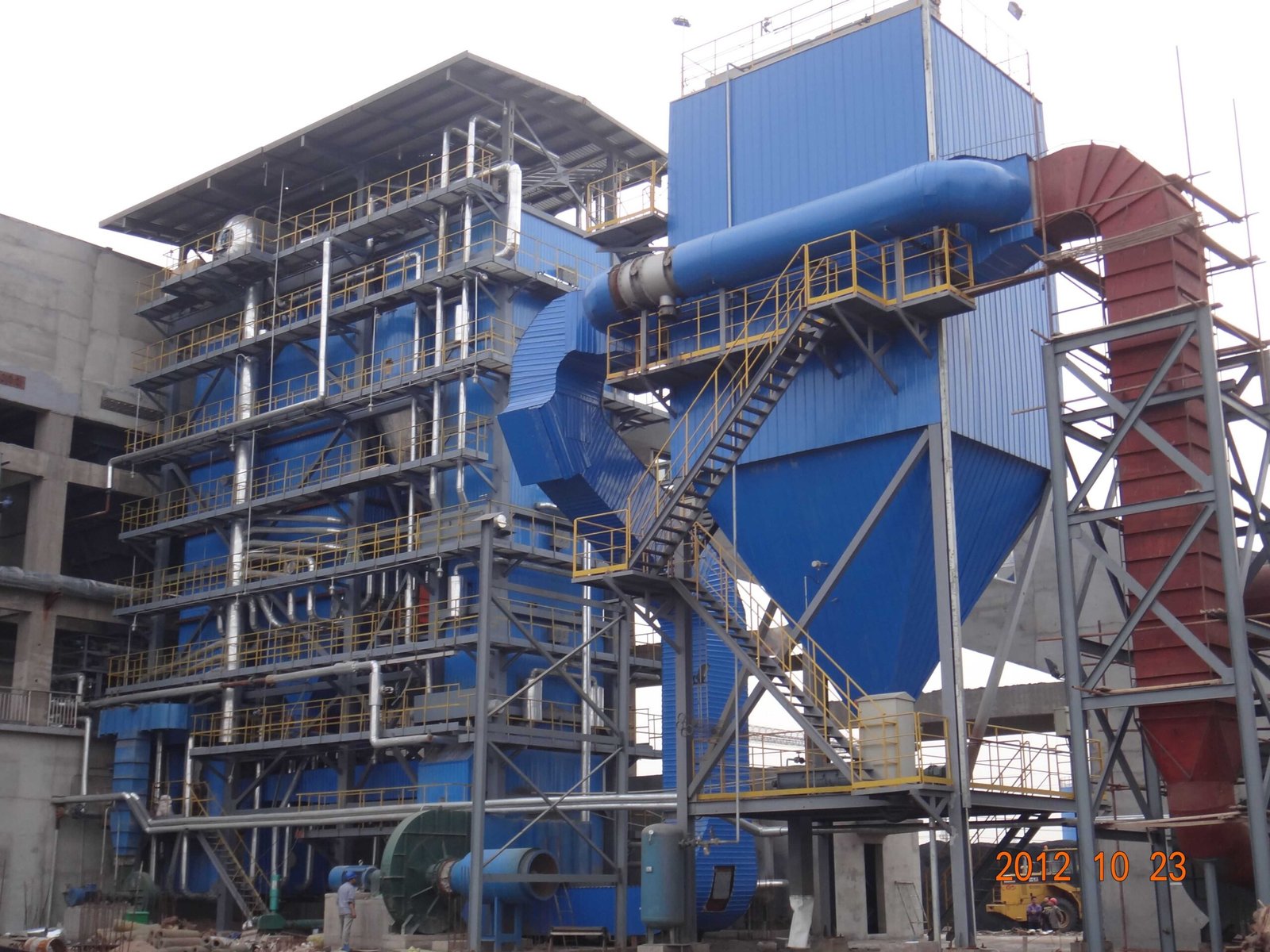
In biomass-powered industrial systems, one of the most underestimated but critical challenges is fuel variability. As supply chains shift due to regional availability, market prices, and sustainability trends, biomass boilers must adapt to burning multiple types of feedstock. However, not all boilers are engineered for this versatility. In fact, using non-design fuel types in the wrong boiler leads to poor combustion, lower thermal efficiency, increased emissions, fouling, and ultimately, higher maintenance costs. These operational headaches not only drain resources but can also push a facility to the brink of non-compliance. Recognizing when changing fuel profiles are no longer compatible with existing boiler technology is essential for deciding when a full system replacement is warranted.
Fuel variability and shifts in biomass supply significantly impact boiler replacement decisions when the existing system cannot efficiently combust new fuel types, resulting in reduced efficiency, increased emissions, and higher operating costs. If your boiler was designed for a narrow fuel specification but the supply now demands multi-fuel adaptability, replacement with a more flexible combustion system is often the most sustainable and cost-effective long-term solution.
Facility managers and energy engineers must analyze their boiler’s design fuel flexibility against current and projected fuel availability. Boilers designed 10–15 years ago may not be capable of handling moisture variations, ash content fluctuations, or size inconsistencies without frequent downtime and performance loss. This article provides a full diagnostic framework to help determine when changing biomass fuel supply justifies a boiler system replacement, including performance benchmarks, cost impacts, and ROI comparisons.
All biomass boilers are compatible with any type of biomass fuel.False
Biomass boilers are engineered for specific fuel properties, and burning unsuitable fuels can reduce efficiency, damage components, and violate emissions regulations.
Why Biomass Fuel Variability Matters in Industrial Boiler Performance
Biomass fuels differ in moisture content, calorific value, ash content, particle size, and chemical composition. These factors directly affect combustion efficiency, slagging risk, and emission profiles.
| Fuel Type | Moisture Content (%) | Calorific Value (MJ/kg) | Ash Content (%) | Combustion Stability |
|---|---|---|---|---|
| Wood Pellets | 8–10 | 17–19 | 0.3–1.5 | High |
| Wood Chips (green) | 30–50 | 7–11 | 1–3 | Medium |
| Agricultural Waste | 15–30 | 13–16 | 3–10 | Low to Medium |
| Straw Bales | 10–20 | 14–17 | 5–12 | Low |
| Energy Crops (Miscanthus) | 10–20 | 16–18 | 2–5 | Medium to High |
If your biomass boiler was originally configured for dry wood pellets, but your current fuel supply now includes wet wood chips or agri-waste, the performance will suffer unless the boiler is designed with adaptive combustion features.
Technical Signs That Your Boiler Can’t Handle New Fuel Types
1. Combustion Instability
Frequent flameouts, inconsistent steam pressure, or fluctuating furnace temperatures suggest that the new fuel isn’t combusting uniformly due to moisture or ash variability.
2. Excessive Ash Build-Up and Slagging
High-ash fuels like straw or husk create sticky deposits (slag) that accumulate on heat exchangers and furnace walls, reducing efficiency and increasing cleaning frequency.
3. Emission Non-Compliance
Fuels with high nitrogen or sulfur content can cause NOx or SO₂ emissions to exceed permitted limits. If emission abatement systems are not compatible with these profiles, fines or shutdowns can result.
4. Frequent Maintenance Cycles
Boilers burning inconsistent fuels often require increased manual cleaning, refractory repairs, and even component replacements, particularly in grates and combustion chambers.
5. Reduced Efficiency
Using fuel with lower-than-expected calorific value leads to higher consumption for the same thermal output, reducing system efficiency.
Here’s a real-world comparison table:
| Fuel Type | Boiler Design Type | Expected Efficiency (%) | Actual Efficiency with Non-Design Fuel (%) | Performance Gap |
|---|---|---|---|---|
| Wood Pellet | Fixed-grate, low-ash | 88 | 85 | Low |
| Wet Wood Chips | Rotary kiln | 84 | 70 | High |
| Agri-waste | Fluidized bed | 82 | 75 | Moderate |
| Straw | Fixed-grate | 80 | 65 | Very High |
The larger the performance gap, the greater the case for replacing the boiler with a multi-fuel system.
Fuel Supply Chain Shifts: Strategic Drivers for Boiler Replacement
Changing biomass supply often arises from:
- Local sourcing mandates (e.g., using regional agri-waste instead of imported pellets)
- Cost optimization (using cheaper, abundant fuels)
- Environmental goals (diverting agricultural waste from landfills)
- Seasonal availability (wood chips in winter, straw in summer)
If your facility’s fuel mix has changed significantly in the past 3–5 years—or is expected to—then boiler technology must evolve to match.
Let’s analyze the cost impact:
| Fuel | Cost ($/ton) | Energy Content (MJ/ton) | Cost per GJ ($) |
|---|---|---|---|
| Wood Pellets | 150 | 18,000 | 8.33 |
| Wood Chips | 60 | 11,000 | 5.45 |
| Agri-Waste | 30 | 13,000 | 2.31 |
| Straw | 20 | 14,000 | 1.43 |
If your boiler can only burn $150/ton pellets, you may be spending 5× more per unit of energy compared to using straw or agri-waste—if the system supported it.
Boiler Design Compatibility Matrix
| Boiler Type | Fuel Flexibility | Suitable for Mixed Biomass? | Replacement Needed for Fuel Shift? |
|---|---|---|---|
| Fixed Grate | Low | No | Yes |
| Moving Grate | Medium | Partially | Maybe |
| Fluidized Bed (BFB/CFB) | High | Yes | No |
| Rotary Kiln | Medium to High | Yes | No |
| Pulverized Fuel Boiler | Very Low | No | Yes |
If your existing boiler is a fixed-grate or pulverized system, shifting to variable or high-ash fuels will require either a full system replacement or a major retrofit (new grate, combustion chamber, and control logic).
Retrofit vs. Replacement: A Decision Framework
| Factor | Retrofit | Replacement |
|---|---|---|
| Upfront Cost | Low–Medium | High (500K–2M+) |
| Fuel Flexibility Gain | Limited | High (multi-fuel burners, advanced controls) |
| Payback Period | 3–6 years | 2–4 years via fuel cost savings |
| Emissions Improvement | Minor | Major (meets new emission norms) |
| Lifespan Extension | 3–7 years | 15–20 years |
| Downtime During Changeover | Short (1–2 weeks) | Medium (1–3 months) |
If your plant expects long-term fuel supply diversity, a new multi-fuel fluidized bed boiler is the most cost-effective path forward.
Case Study: Biomass Co-generation Plant in Brazil
A sugarcane processing facility in Brazil was using bagasse-fired fixed-grate boilers. With new regional supply agreements, it began receiving wood chips and straw. The original boiler couldn’t handle high-ash content.
After replacing the system with a bubbling fluidized bed (BFB) boiler:
- Fuel flexibility increased from 1 to 4 types
- Thermal efficiency rose by 12%
- Fuel costs dropped 28%
- Emissions fell by 40%
- ROI achieved in 2.7 years
The strategic replacement allowed the plant to tap into cheaper, local fuels and stay emission-compliant under Brazil’s evolving bioenergy laws.
Summary
Fuel variability and changing biomass supply directly affect boiler performance, costs, and regulatory compliance. Boilers not designed for mixed fuels suffer from lower efficiency, higher maintenance, and risk of failure. When the incoming fuel mix diverges significantly from the boiler’s design parameters—especially in terms of moisture and ash content—it’s time to evaluate a replacement. New-generation multi-fuel biomass boilers ensure adaptability, cost optimization, and environmental sustainability, all while improving your bottom line.
When Do Environmental Regulations and Emission Limits Force Biomass Boiler Replacement?
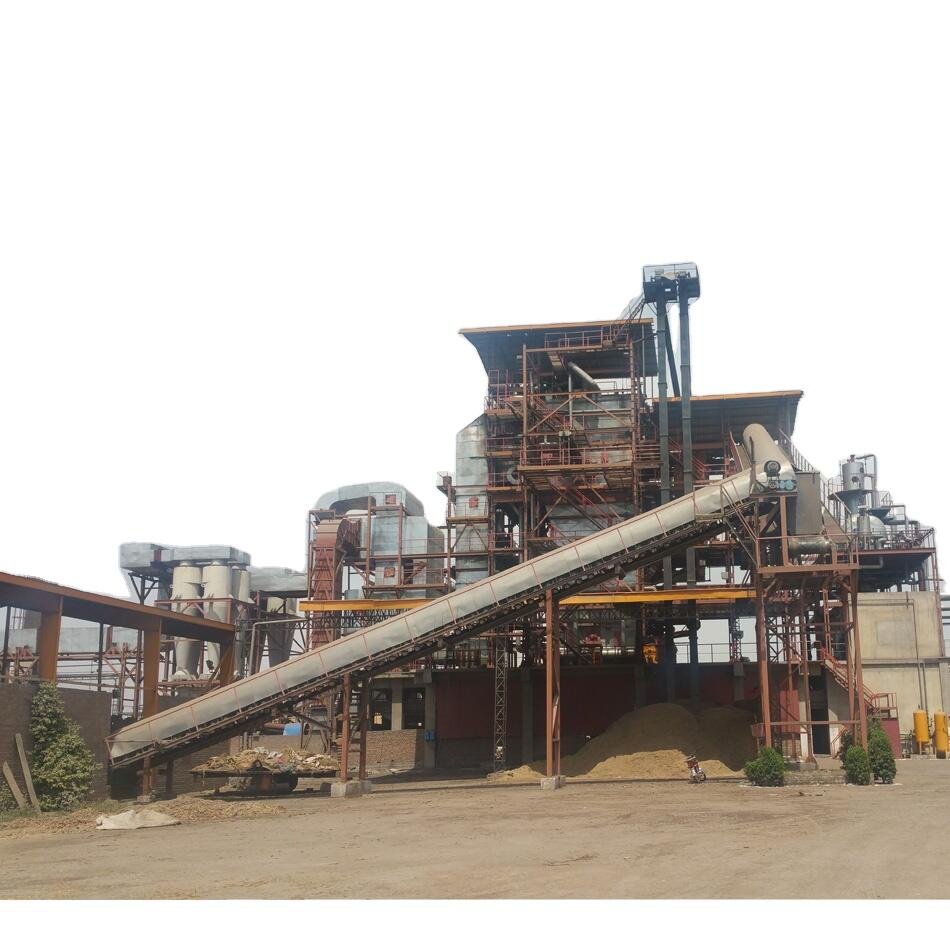
In an era of tightening environmental compliance, industrial biomass boilers are increasingly scrutinized for their emission output. While these boilers are promoted for their renewable fuel use, they are not exempt from strict environmental regulations—especially when combustion is inefficient or fuel variability introduces pollutants. Failing to meet emission limits for particulate matter (PM), nitrogen oxides (NOx), sulfur oxides (SOx), or carbon monoxide (CO) can result in fines, production stoppages, permit revocations, or mandatory upgrades. When retrofits are not enough to meet compliance targets, regulators may force facilities to replace aging biomass boilers entirely. This article explores when and how emission standards legally and practically compel boiler replacement, helping industries navigate the evolving regulatory landscape.
Environmental regulations and emission limits force biomass boiler replacement when the boiler consistently exceeds permitted thresholds for pollutants such as PM, NOx, SOx, or CO—even after emission control upgrades. Non-compliance penalties, permit risks, and public health directives make replacement mandatory when the cost of continued operation, fines, or retrofits outweighs the investment in a new, cleaner system.
Emission compliance is no longer optional—especially with national and international enforcement intensifying. Industrial users must now measure, report, and often reduce their boiler emissions within narrow thresholds. This article will detail how emission violations are tracked, when regulatory bodies mandate replacement, and how to calculate whether retrofitting or replacing your biomass boiler is the smarter move.
Biomass boilers are always exempt from emissions regulations because they burn renewable fuel.False
Despite using renewable fuel, biomass boilers must comply with local and international emission limits for PM, NOx, SOx, and CO. Non-compliance can result in fines or forced shutdowns.
Emission Standards That Apply to Biomass Boilers
Different countries and regions have introduced strict rules for industrial combustion systems. Here’s a comparative summary of global biomass boiler emission limits:
| Pollutant | EU MCPD (for 1–50 MW boilers) | US EPA MACT (Boiler Rule) | India CPCB Norms |
|---|---|---|---|
| PM | ≤ 20 mg/Nm³ | ≤ 0.03 lb/MMBtu (~15 mg/Nm³) | ≤ 50 mg/Nm³ |
| NOx | ≤ 200 mg/Nm³ | ≤ 0.07 lb/MMBtu (~35 mg/Nm³) | ≤ 400 mg/Nm³ |
| SO₂ | ≤ 200 mg/Nm³ | ≤ 0.5 lb/MMBtu (~215 mg/Nm³) | ≤ 600 mg/Nm³ |
| CO | ≤ 100 mg/Nm³ | ≤ 0.1 lb/MMBtu (~45 mg/Nm³) | ≤ 150 mg/Nm³ |
Boilers that exceed these thresholds—especially on a repeated basis—face enforcement action. These may include:
- Regulatory citations or fines
- Revocation of operating permits
- Orders to cease operation
- Mandatory shutdown and replacement
How Compliance is Monitored
Modern environmental enforcement uses a mix of:
- Continuous Emission Monitoring Systems (CEMS): Real-time pollutant tracking
- Stack testing: Periodic third-party validation
- Self-reporting systems: Audited logs of fuel use and output
- Public transparency: Publishing emission data in public registries
Once violations are logged, facilities typically receive a compliance warning and are given time to implement emission controls. However, chronic or severe violations bypass warnings and proceed directly to legal enforcement.
Scenarios That Trigger Mandatory Replacement
1. Exceeding Emission Limits After Exhaust Retrofit
If your biomass boiler already uses cyclones, bag filters, or electrostatic precipitators (ESPs) and still can’t meet PM limits, regulators may determine that further retrofitting is ineffective—and require full replacement.
2. Fuel Change Increases Emissions
Shifting from low-ash wood pellets to high-ash agri-residues (e.g., rice husk, straw) often increases PM and SOx. If the existing system can’t handle these fuels cleanly—even with scrubbers—the government may prohibit further operation unless the boiler is replaced with one designed for high-ash combustion.
3. Obsolete Combustion Technology
Some older biomass boilers use fixed grates or single-stage combustion, which inherently produce more CO and NOx. Regulatory agencies often classify these systems as “legacy units” and enforce sunset deadlines—a legal date beyond which operation is banned.
4. Violation of Operating Permit
Most jurisdictions issue permits with pollutant thresholds. If your emissions average exceeds these limits for more than 3 months per year, your license may be revoked unless you upgrade or replace the system.
5. Public Complaints and Health Impact Assessments
If nearby communities report soot, odor, or visible smoke, agencies may investigate. In sensitive zones (urban areas, schools, hospitals), even compliant emissions may be deemed unacceptable—prompting enforced shutdowns or replacements based on local health policy.
Real-World Cost Comparison: Retrofit vs. Replacement
Let’s evaluate a 5 MW biomass boiler currently failing PM and NOx limits:
| Option | Cost Estimate ($) | Pollutant Reduction (%) | Emission Compliance Status |
|---|---|---|---|
| Install Baghouse Filter | $300,000 | PM: 85–90% | Still exceeds NOx |
| Add SCR (Selective Catalytic Reduction) | $500,000 | NOx: 70–80% | Meets NOx, partial PM |
| Full Boiler Replacement (BFB type) | $1.2M | PM: 95%, NOx: 90% | Fully compliant |
In many cases, retrofit costs approach 70–90% of new system installation—without the efficiency or lifespan benefits of replacement.
Enforcement Actions: Legal and Economic Consequences
When boilers exceed emissions:
- Fines can reach 10,000–50,000 per violation
- Operating licenses may be suspended
- Government subsidies for renewable power can be revoked
- Insurance coverage may be invalidated
Here’s a sample economic impact:
| Violation Type | Penalty or Cost ($) |
|---|---|
| Exceeding PM limit for 3 months | $30,000 fine |
| Lost production due to shutdown | $120,000/day |
| Lost renewable energy subsidy | $250,000/year |
| Legal and audit fees | $50,000+ |
For many operators, the cost of non-compliance far exceeds the cost of a boiler upgrade or replacement.
Predictive Tools: Know Before You Fail
Leading operators now use emission prediction modeling based on:
- Fuel quality input (ash, sulfur, nitrogen)
- Combustion temperature curves
- Real-time emissions data
This allows facilities to predict whether they’ll exceed thresholds before a regulator steps in. If the model shows a rising trend that cannot be controlled with operating changes, preemptive boiler replacement becomes the safest move.
Case Study: Pulp Mill in Poland
A 10 MW biomass boiler designed in the early 2000s began exceeding NOx and PM limits due to a switch from wood pellets to agricultural straw. Despite ESP and cyclone upgrades, it remained 40% over the EU MCPD limit.
Following an order from the environmental ministry, the plant replaced the unit with a circulating fluidized bed (CFB) boiler, featuring staged combustion and advanced flue gas treatment.
Result:
- NOx dropped by 85%
- PM reduced by 92%
- Permit fully reinstated
- Energy efficiency improved by 14%
- ROI achieved in 3.2 years via subsidy recovery and fuel savings
Summary
Environmental regulations and emission limits force biomass boiler replacement when a system fails to comply—even after attempted upgrades—and when public health, fuel changes, or outdated combustion designs introduce unacceptable pollutant levels. Operators who wait too long may face costly penalties, unplanned shutdowns, or even legal injunctions. Investing in a new, compliant biomass boiler is often the most effective strategy to ensure long-term operational sustainability and regulatory peace of mind.
How Does Boiler Age and Remaining Service Life Impact Replacement Timing?
-scaled.jpg)
Industrial biomass boilers are long-term assets with an expected lifespan of 15 to 25 years, depending on usage, maintenance, and operational conditions. However, as boilers age, their reliability, safety, and energy efficiency tend to decline. Many facilities push their boilers beyond intended service life due to capital constraints or inertia—only to face emergency breakdowns, costly downtime, and compliance issues. Understanding how the age and projected service life of a boiler affects its risk profile, operational costs, and replacement timing is essential for strategic asset management and avoiding catastrophic failures. This article explores when a boiler’s age should prompt proactive replacement planning and how remaining service life can be accurately assessed.
Boiler age and remaining service life significantly impact replacement timing because older systems face increased failure risk, declining efficiency, and escalating maintenance costs. When a biomass boiler reaches 80–90% of its expected operational lifespan—or when remaining service life drops below 3–5 years based on condition assessment—it becomes financially and operationally justifiable to plan for replacement to avoid unplanned shutdowns and higher lifecycle costs.
Facilities operating legacy boilers must balance the risks of continued use against the economic and performance advantages of replacement. This article breaks down the factors that shorten boiler lifespan, how to estimate remaining service life, and when to initiate capital planning for boiler replacement to maintain uptime, efficiency, and regulatory compliance.
Biomass boilers can run indefinitely with proper maintenance, regardless of age.False
While maintenance can extend service life, all industrial boilers have a finite lifespan due to material fatigue, corrosion, and outdated controls.
Expected Lifespan of Industrial Biomass Boilers
Most industrial biomass boilers are designed for an expected service life of 15–25 years, depending on:
- Operating hours per year (e.g., 4,000 vs. 8,000 hours)
- Fuel type and quality (high-ash fuels cause faster wear)
- Water quality and treatment program
- Maintenance practices and overhaul frequency
- Load cycles and temperature fluctuations
| Boiler Type | Typical Lifespan (Years) | Notes |
|---|---|---|
| Fixed Grate Biomass Boiler | 15–20 | Shorter life with dirty fuels |
| Moving Grate Boiler | 20–25 | Moderate flexibility with fuels |
| Fluidized Bed Boiler (BFB) | 25+ | High fuel tolerance and extended lifespan |
| Older Fire-Tube Boilers | 12–18 | Higher wear, older designs |
| Condensing Biomass Boiler | 15–20 | More sensitive to fuel contaminants |
Once a boiler crosses 80% of its expected life, it should be closely monitored for wear and deterioration that could trigger unplanned failures.
How to Estimate Remaining Service Life
Remaining service life (RSL) is calculated based on:
- Age: Total time since commissioning
- Equivalent Operating Hours (EOH): Accounts for actual run-time and load factors
- Wear Rate Assessments: Tube thickness, corrosion, fatigue
- Performance Decline: Measured thermal efficiency drop vs. original design
- Maintenance History: Breakdown frequency, repair cost trends
Example Formula:
RSL (years) = Expected Lifespan – Adjusted Operating Age
Let’s apply this to a 15-year-old 5 MW boiler that runs 6,000 hours/year:
- Design life = 20 years @ 4,000 hours/year = 80,000 EOH
- Actual usage = 6,000 × 15 = 90,000 EOH
- Conclusion: The boiler has exceeded its service life in EOH terms and replacement planning is urgent.
Below is a condition-based scoring chart:
| Indicator | Score (1–5) | Interpretation |
|---|---|---|
| Age | 5 (15+ yrs) | High risk |
| Efficiency vs. Design | 4 (−15%) | Significant performance loss |
| Repair Frequency | 4 (≥3/year) | Maintenance burden |
| Critical Component Wear | 4 | Tube thinning, refractory loss |
| Control System Obsolescence | 5 | Parts discontinued |
| Remaining Life Estimate | 3–4 years | Plan for replacement now |
Total Score: 26/30 → Replacement is advised within 1–2 years.
Cost of Keeping vs. Cost of Replacing
Let’s compare annualized costs of continuing an aging boiler vs. replacing it with a high-efficiency model:
| Category | Aging Boiler (20 yrs old) | New Biomass Boiler |
|---|---|---|
| Thermal Efficiency (%) | 74 | 88 |
| Annual Maintenance Cost ($) | $180,000 | $40,000 |
| Fuel Cost ($/year) | $2.1 million | $1.77 million |
| Downtime Cost/Year ($) | $100,000 | $10,000 |
| Emissions Penalties ($) | $30,000 | $0 |
| Annual Operating Cost ($) | $2.41 million | $1.82 million |
Annual Savings: $590,000
Boiler Replacement Cost: $1.5 million
Payback Period: ≈ 2.5 years
Delaying replacement beyond service life causes compounding losses that far exceed the capital cost of a new system.
Risks of Exceeding Service Life
- Unscheduled Shutdowns: High risk of pressure vessel failure, overheating, or refractory collapse.
- Compliance Issues: Older boilers emit more PM, NOx, and CO, often violating current regulations.
- Control Failures: Legacy analog systems lack safety interlocks and real-time diagnostics.
- Spare Parts Shortages: OEMs discontinue parts support after 15–20 years.
- Insurance Gaps: Many insurers flag overaged boilers as high liability risks.
Insurance Case Insight: Some underwriters reduce coverage or increase premiums by 25–40% for boilers beyond 20 years of age due to safety concerns.
Planning for Timely Replacement
Instead of waiting for a failure, facilities should create a 5-year asset renewal roadmap that includes:
- Condition-based monitoring (CBM)
- RSL tracking and updates annually
- Budget forecasting for boiler replacement
- Emission compliance projections
- Fuel flexibility requirements
Let’s look at a sample replacement planning timeline:
| Year | Action |
|---|---|
| Year 1 | Begin condition audit, assess RSL |
| Year 2 | Start design specification and funding prep |
| Year 3 | Issue tenders, evaluate vendors |
| Year 4 | Execute replacement project |
| Year 5 | Commission new boiler and decommission old |
This proactive plan allows for controlled budget allocation, minimal downtime, and optimal vendor selection.
Case Study: Food Processing Facility in the UK
A food plant operated a 4.5 MW wood chip-fired biomass boiler since 2003. By 2023:
- Thermal efficiency dropped from 86% to 73%
- Repairs cost over $150,000/year
- Stack emissions exceeded the UK Clean Air Act limits
Upon assessment, the remaining service life was under 3 years. The plant opted for a condensing biomass boiler replacement:
- Efficiency improved to 89%
- Fuel savings: $300,000/year
- Emissions dropped by 42%
- ROI in 2.9 years
The planned switch prevented potential production loss during peak season and regained compliance instantly.
Summary
Boiler age and remaining service life are fundamental indicators for replacement timing. As a boiler nears the end of its service life—typically around 80–90% of its design span—its efficiency, reliability, and compliance capacity decline sharply. Ignoring this leads to higher costs, operational risks, and non-compliance. Proactively assessing remaining life and planning for replacement ensures long-term profitability, safety, and environmental compliance.
When Is Replacing a Biomass Boiler More Cost-Effective Than Retrofitting or Upgrading It?
When industrial biomass boilers begin to show signs of aging—inefficiency, rising emissions, breakdowns, and regulatory non-compliance—plant operators face a difficult decision: should they retrofit and upgrade the existing system, or is a full replacement more cost-effective in the long run? While retrofits may offer short-term savings, they often come with limitations in performance, lifespan, and emissions control. In contrast, a complete boiler replacement requires higher initial investment but offers dramatic gains in energy efficiency, operating cost reduction, environmental compliance, and reliability. Making the wrong decision can lock a facility into recurring costs or missed opportunities for years. This article provides a complete decision-making framework to evaluate when replacement beats retrofitting from a technical and financial standpoint.
Replacing a biomass boiler becomes more cost-effective than retrofitting when the cumulative costs of inefficiency, emissions penalties, recurring maintenance, and fuel consumption exceed the capital and operational savings delivered by a new system. Specifically, if retrofit costs exceed 50–60% of new boiler investment, or if payback on replacement is under 3–5 years due to efficiency and fuel savings, replacement is the superior economic choice.
Operators should avoid the trap of repeatedly extending the life of outdated systems through patchwork upgrades. Instead, a lifecycle cost analysis reveals when investing in new high-efficiency biomass boilers delivers better return on investment, environmental performance, and operational stability. This article guides you through cost benchmarks, real case data, technical thresholds, and financial models to determine when replacement is the smarter decision.
Retrofitting a biomass boiler is always more cost-effective than replacing it.False
While retrofitting may have lower upfront cost, it often provides limited gains in efficiency and lifespan. In many cases, replacement delivers better long-term value and lower lifecycle costs.
Retrofit vs. Replacement: What’s the Real Difference?
Retrofitting or Upgrading:
Involves modifying components of an existing boiler to enhance performance or meet new standards. Typical upgrades include:
- Installing baghouse filters, ESPs, or scrubbers for emissions
- Adding control automation systems or PLCs
- Replacing burners or grates for fuel flexibility
- Enhancing insulation or refractory linings
Replacing:
Means complete removal of the existing biomass boiler and installation of a new high-efficiency, low-emission unit. Benefits include:
- Higher thermal efficiency (up to 90%)
- Designed fuel flexibility
- Longer lifespan (15–25 years)
- Built-in compliance with latest emission norms
Cost Comparison Framework
Here’s a side-by-side comparison of costs and benefits for a 5 MW biomass boiler system:
| Category | Retrofitting (Partial Upgrades) | Full Replacement |
|---|---|---|
| Upfront Investment | $400,000–$700,000 | $1.2M–$1.8M |
| Efficiency Improvement | 3–7% | 15–20% |
| Emissions Compliance | Partial or Temporary | Full and Future-Proof |
| Operating Cost Reduction | 8–12% | 25–35% |
| Remaining Life Extension | 3–7 years | 15–20 years |
| Maintenance Reduction | Moderate | Significant |
| Payback Period (Avg.) | 4–6 years | 2.5–4 years |
While retrofitting may appear cheaper, it often leads to short-term relief with long-term limitations. Replacement, while capital-intensive, typically provides superior performance and faster ROI.
When Is Retrofitting Justifiable?
Retrofits may be cost-effective if:
- Boiler is under 10 years old
- Performance is stable but emissions need mild reduction
- Only one or two components are outdated
- New boiler installation space is unavailable
- Regulatory changes are short-term or transitional
When Replacement Becomes the Superior Option
Replacement is more cost-effective when any of these conditions are met:
- Retrofit Cost > 60% of New System
- Many facilities spend 600K+ on retrofits for 5 MW boilers that cost1.2–$1.5M to replace.
- Efficiency Loss Exceeds 12–15%
- A boiler operating at 72% efficiency vs. a new one at 88% results in fuel waste of 22%, which adds up to hundreds of thousands per year.
- Frequent Breakdowns and Downtime
- If boiler shutdowns exceed 3–4 per year, cost of lost production often justifies full replacement.
- Non-Compliance with Emission Norms
- Failing to meet current PM, NOx, SOx standards (even after control upgrades) triggers legal and financial penalties.
- Fuel Shift Requirements
- If your boiler was designed for wood pellets and now must handle straw, chips, or agri-waste, replacement with a multi-fuel combustion system is required.
- Digital Obsolescence
- Legacy control systems can’t integrate with SCADA, remote monitoring, or predictive diagnostics, making them a liability.
Real-World Example: Biomass Boiler Cost Breakdown
Let’s consider a plant using a 6 MW boiler for 7,000 hours/year:
| Metric | Existing Boiler (Old) | New Replacement |
|---|---|---|
| Fuel Consumption (tons/year) | 13,000 | 10,900 |
| Fuel Cost ($/ton) | $80 | $80 |
| Annual Fuel Cost | $1.04M | $872K |
| Annual Maintenance | $180K | $60K |
| Downtime Loss | $150K | $30K |
| Total Annual Cost | $1.37M | $962K |
| Annual Savings | — | $408,000 |
| Replacement Cost | — | $1.4M |
| Payback Period | — | 3.43 years |
In this case, replacement saves over $400K per year, making the investment recoverable in just over 3 years.
Technical Factors: Boiler Wear and Risk
| System Component | Retrofittable? | When Replacement is Better |
|---|---|---|
| Combustion Chamber | Sometimes | If cracked, corroded, or undersized |
| Heat Exchangers | Rarely | If scale, fouling, or fatigue is excessive |
| Control System | Yes | If analog or unsupported by OEM |
| Fuel Handling System | Partial | If fuel spec is changing drastically |
| Refractory & Insulation | Yes | If repeated failures are occurring |
If more than 3–4 major components require upgrades simultaneously, replacement becomes more cost-effective than rebuilding the old unit.
Strategic Considerations
- Regulatory Future-Proofing: New boilers are built to meet current and upcoming emission laws, avoiding the need for another retrofit in 3–5 years.
- Fuel Market Adaptability: High-efficiency modern boilers accept a wider range of biomass fuels, hedging against supply volatility.
- Energy Incentives & Grants: Many governments offer capital subsidies or tax deductions for replacing outdated energy systems, which aren’t available for retrofits.
- Carbon Footprint Reduction: New boilers can cut CO₂ emissions by 10–20%, improving ESG scores and compliance with green mandates.
Summary
Retrofitting a biomass boiler can be a practical solution when the system is relatively young and needs only minor upgrades. However, once repair costs rise, efficiency drops, emissions fail, or fuel compatibility shifts, replacement becomes far more cost-effective. In many cases, a new boiler pays for itself in less than 3–5 years and continues delivering savings for 15–20 years thereafter.
🔍 Conclusion
Replacing an industrial biomass boiler becomes the best option when operational inefficiency, reliability risks, and compliance challenges outweigh the benefits of continued operation. Modern biomass boilers offer higher efficiency, broader fuel flexibility, lower emissions, and smarter control systems—delivering lower total cost of ownership and more stable long-term performance. Proactive replacement ensures energy security, sustainability, and operational continuity.
🔹 Contact us today for expert guidance on upgrading or replacing your industrial biomass boiler with confidence and clarity. 🌿🔥🏭✅
FAQ
Q1: What is the typical lifespan of an industrial biomass boiler?
A1: Industrial biomass boilers typically have a lifespan of 15–25 years, depending on design, fuel type, maintenance quality, and operational intensity. Boilers exposed to high ash-content fuels, frequent load fluctuations, or poor water quality may experience accelerated wear. While regular maintenance can extend service life, operators should monitor efficiency, emissions, and reliability to determine if continued operation is cost-effective or if replacement is warranted.
Q2: How does declining efficiency indicate it’s time for replacement?
A2: Efficiency decline is a key indicator for replacement. Over time, heat exchangers and combustion chambers can accumulate scaling, corrosion, or slagging that cannot be fully mitigated by cleaning. If fuel consumption rises significantly for the same steam output or if achieving design efficiency becomes difficult, it may be more economical to replace the boiler with a modern, high-efficiency unit. Advanced boilers also offer improved control, fuel flexibility, and lower emissions, enhancing long-term ROI.
Q3: How do maintenance costs influence the decision to replace a biomass boiler?
A3: Escalating maintenance costs are a strong signal that replacement may be more cost-effective than repair. Frequent failures of burners, ash handling systems, fans, or pumps increase downtime and labor costs. When annual maintenance expenses approach 30–40% of a new boiler’s operating cost, investing in a new boiler with lower operational and maintenance costs often provides better economic returns over its lifespan.
Q4: How do regulatory and environmental compliance requirements affect replacement decisions?
A4: Changes in emission regulations can render older biomass boilers non-compliant. Boilers that cannot meet limits for NOx, SO₂, particulate matter, or CO emissions may require costly retrofits or face operational restrictions. Replacing an older boiler with a modern low-emission unit ensures compliance, avoids regulatory penalties, and may qualify for energy efficiency incentives or carbon credits, providing financial and operational benefits.
Q5: How does operational reliability impact the timing of replacement?
A5: Operational reliability is critical in industrial processes. Boilers that experience frequent unplanned shutdowns, unstable combustion, or uneven steam supply can disrupt production and incur high indirect costs. When reliability declines to a point where downtime outweighs the cost of replacement, investing in a new boiler ensures consistent performance, reduced risk, and stable fuel efficiency, making it a strategic business decision rather than just a technical one.
References
- U.S. Department of Energy – Biomass Boiler Life and Replacement Guidelines – https://www.energy.gov/ – DOE
- International Energy Agency (IEA) – Biomass Heat and Power Systems – https://www.iea.org/ – IEA
- ASME – Boiler and Pressure Vessel Code (BPVC) – https://www.asme.org/ – ASME
- Spirax Sarco – Biomass Boiler Performance and Maintenance – https://www.spiraxsarco.com/ – Spirax Sarco
- Engineering Toolbox – Biomass Boiler Efficiency and Lifespan – https://www.engineeringtoolbox.com/ – Engineering Toolbox
- ScienceDirect – Evaluation of Industrial Biomass Boiler Replacement – https://www.sciencedirect.com/ – ScienceDirect
- ISO 50001 – Energy Management for Industrial Boilers – https://www.iso.org/ – ISO
- Carbon Trust – Biomass Boiler Efficiency and Upgrade – https://www.carbontrust.com/ – Carbon Trust
- World Bioenergy Association – Biomass Boiler Lifecycle Management – https://www.worldbioenergy.org/ – World Bioenergy Association
- World Bank – Industrial Biomass Energy Projects and Maintenance – https://www.worldbank.org/ – World Bank
When Should an Industrial Biomass Boiler Be Replaced? Read More »