
Innovations Shaping the Future of CFB Boiler Technology
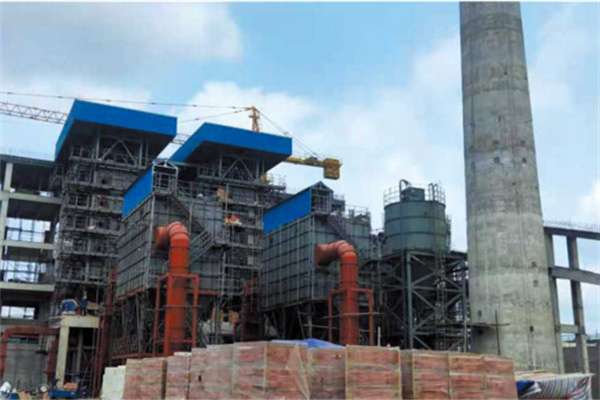
Circulating Fluidized Bed (CFB) boilers have long been valued for their fuel flexibility and low-emission performance, but growing pressure from carbon reduction targets, tighter environmental regulations, and rising efficiency expectations is forcing the technology to evolve rapidly. Traditional CFB designs alone are no longer enough to ensure competitiveness in modern industrial and power generation markets. Without innovation, CFB boiler projects risk higher lifecycle costs, regulatory challenges, and limited future adaptability.
The future of CFB boilers is being shaped by innovations in ultra-low-emission combustion, higher steam parameters, advanced materials, intelligent digital control systems, enhanced fuel flexibility (biomass and waste co-firing), and carbon reduction technologies. These developments enable CFB boilers to achieve higher efficiency, lower emissions, improved reliability, and better alignment with global energy transition goals.
Understanding these innovations helps plant owners and investors future-proof their CFB boiler investments while maximizing long-term performance and compliance.
How Are Ultra-Low-Emission Combustion and Advanced Flue Gas Treatment Technologies Transforming CFB Boilers?
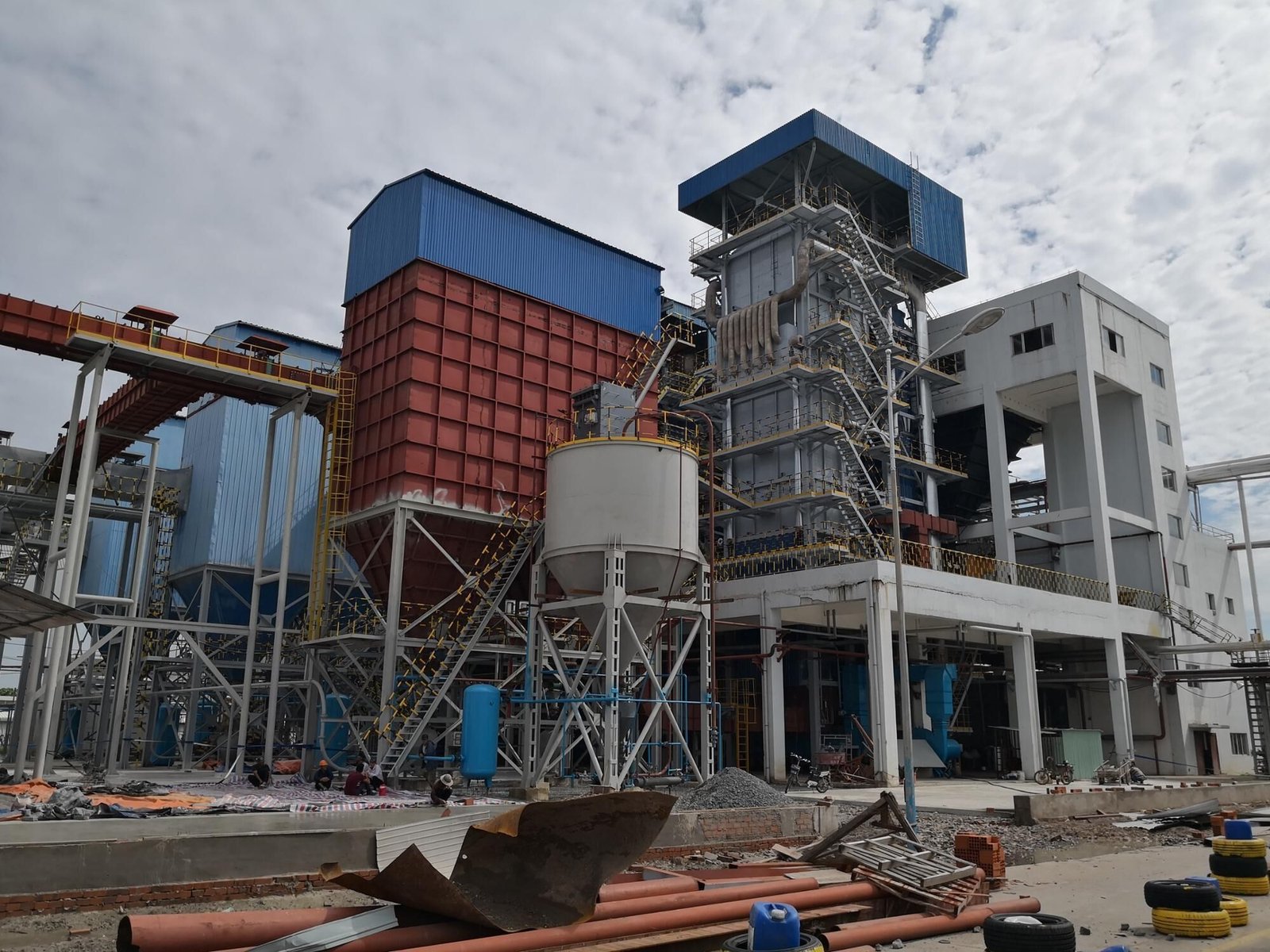
Circulating Fluidized Bed (CFB) boilers have long been celebrated for their fuel flexibility and high combustion efficiency in industrial biomass and coal applications. However, with the rise of strict environmental regulations and the global push for net-zero emissions, CFB boiler technology is undergoing a quiet revolution. Traditional CFB systems, while efficient, historically struggled with controlling emissions of nitrogen oxides (NOx), sulfur dioxide (SO₂), and fine particulate matter (PM). Today, ultra-low-emission combustion systems and advanced flue gas treatment technologies are rewriting that narrative—transforming CFB boilers into cutting-edge, clean energy generators that meet or exceed the world’s toughest environmental standards.
Ultra-low-emission combustion and advanced flue gas treatment technologies are transforming CFB boilers by drastically reducing emissions of NOx, SO₂, and PM to levels previously unachievable in high-capacity solid-fuel systems. Innovations like staged combustion, in-furnace desulfurization, selective non-catalytic reduction (SNCR), and hybrid filtration systems are enabling modern CFB boilers to operate with emissions as low as 30 mg/Nm³ for NOx, 10 mg/Nm³ for PM, and 20 mg/Nm³ for SO₂, while maintaining fuel flexibility and thermal efficiency above 88%.
These developments are not just incremental—they are redefining what’s possible for high-output, solid-fuel-fired power and process heat generation. As decarbonization pressures mount, industries and utilities are increasingly turning to these ultra-clean CFB systems as transitional or even long-term solutions for renewable energy, biomass co-firing, and low-carbon industrial heat.
CFB boilers cannot achieve low emissions without switching to gas or oil fuels.False
Modern CFB boilers, with ultra-low-emission combustion systems and flue gas treatment technologies, can achieve emission levels comparable to gas-fired systems while using solid fuels like biomass or coal.
Evolution of Emission Controls in CFB Technology
CFB boilers operate by suspending solid fuel particles in a turbulent bed of inert material (usually sand or ash) and air, promoting thorough mixing and efficient combustion at lower temperatures (typically 800–900°C). This process naturally limits thermal NOx formation, but earlier systems were limited in their ability to meet today’s ultra-strict emissions targets.
Recent developments have dramatically closed that gap through two parallel advancements:
1. Ultra-Low-Emission Combustion Enhancements
- Staged Air Supply (Overfire and Underfire): Dividing combustion air reduces peak flame temperature and oxygen availability, minimizing NOx generation.
- Fuel Staging: Introduces fuel at different bed layers, spreading combustion and lowering localized temperatures.
- Internal Sorbent Injection (In-Furnace Desulfurization): Limestone or dolomite is added to the furnace to capture SO₂ as CaSO₄ before it exits the stack.
- Advanced Bed Dynamics and Refractory Lining: Optimized fluidization and heat retention reduce carbon-in-ash losses, improving combustion completeness.
- Low-NOx Burners (LNB) Integration: When combined with SNCR or staged combustion, NOx levels fall below 50 mg/Nm³.
2. Advanced Flue Gas Treatment Systems
- Selective Non-Catalytic Reduction (SNCR): Injects ammonia or urea into flue gas at 850–1050°C to reduce NOx without expensive catalysts.
- Electrostatic Precipitators (ESP): Use high-voltage electric fields to trap fine particulates.
- Fabric Filters (Baghouses): Remove PM and unburned carbon with >99.9% efficiency, especially effective on high-ash fuels.
- Semi-Dry and Wet Flue Gas Desulfurization (FGD): Reacts SO₂ with lime or limestone slurry to form inert gypsum.
Emissions Performance Comparison: Traditional vs. Modern CFB Systems
| Parameter | Legacy CFB (2000s) | Modern Ultra-Low-Emission CFB (2020s) |
|---|---|---|
| NOx (mg/Nm³) | 200–300 | 30–50 |
| PM (mg/Nm³) | 50–100 | 5–10 |
| SO₂ (mg/Nm³) | 150–250 | 20–40 |
| CO (mg/Nm³) | 100–150 | <30 |
| Thermal Efficiency (%) | 82–85 | 88–90 |
| Fuel Flexibility | Medium | High (biomass, RDF, coal, petcoke, sludge) |
| Start-up Time | >8 hours | <5 hours (with auto ignition and automation) |
The introduction of real-time emission monitoring and AI-driven control systems has also played a critical role, allowing these systems to optimize combustion dynamically based on fuel quality, load demand, and environmental conditions.
Advanced Flue Gas Treatment System Schematic
| Treatment Stage | Technology Used | Function |
|---|---|---|
| Dust Removal | Cyclone, ESP, or Bag Filter | Captures particulate matter and fly ash |
| SO₂ Removal | Dry, Semi-Dry, or Wet FGD | Neutralizes sulfur compounds |
| NOx Reduction | SNCR or SCR | Converts NOx to N₂ and water vapor |
| CO and VOC Oxidation | Catalytic Oxidation | Breaks down carbon monoxide and hydrocarbons |
| Final Polishing | Activated Carbon or Filters | Removes mercury, dioxins, and fine particles |
Benefits of Ultra-Clean CFB Boilers
- Fuel Versatility: These systems maintain high combustion efficiency while burning low-quality fuels such as rice husk, straw, sludge, refuse-derived fuel (RDF), and wet wood chips.
- Regulatory Compliance: They consistently meet EU Industrial Emissions Directive (IED), US EPA MACT, and China GB standards.
- Carbon Emissions Reduction: When operated with biomass, modern CFBs can achieve net-zero CO₂ emissions.
- Operational Stability: Advanced control systems ensure stable output and combustion even with fuel switching.
- Reduced Auxiliary Power Consumption: Efficient draft fans, fluidization control, and ash handling systems lower parasitic loads.
Case Study: Biomass-Fueled Ultra-Low-NOx CFB Retrofit in Finland
A 100 MW district heating plant in Finland retrofitted its legacy CFB boiler with:
- Staged combustion zones
- SNCR + baghouse system
- Real-time emissions control dashboard
Results:
- NOx emissions dropped from 180 mg/Nm³ to 38 mg/Nm³
- PM reduced from 70 mg/Nm³ to 8 mg/Nm³
- Biomass fuel mix included up to 35% agricultural residue
- The retrofit extended boiler life by 15 years and qualified for carbon credits
Future Outlook
Emerging developments include:
- Ammonia-ready combustion in CFB systems for zero-carbon fuel adaptation
- Integrated carbon capture units (e.g., amine scrubbing) for negative-emission biomass combustion
- Digital twins for predictive maintenance and emission forecasting
These technologies position ultra-low-emission CFB boilers as a transitional decarbonization platform that can bridge the gap between today’s energy needs and tomorrow’s zero-carbon ambitions—without sacrificing fuel flexibility or reliability.
How Do Higher Steam Parameters and Efficiency Optimization Innovations Improve CFB Boiler Performance?
Circulating Fluidized Bed (CFB) boilers have become the go-to technology for industrial-scale biomass and multi-fuel power generation due to their fuel flexibility and combustion stability. However, the global pressure to decarbonize, increase energy output per unit of fuel, and reduce lifecycle costs has elevated the importance of high-efficiency performance. Central to this shift is the adoption of higher steam parameters—including higher pressure and superheated steam temperatures—along with a wave of innovations focused on thermal efficiency optimization. Together, these enhancements are transforming modern CFB boilers into ultra-efficient, future-proof power systems capable of delivering cleaner energy at lower operational costs.
Higher steam parameters—such as elevated pressure and temperature—significantly improve the thermodynamic efficiency of CFB boilers by extracting more energy from each unit of fuel, while efficiency optimization innovations like integrated heat recovery, low auxiliary power design, and advanced digital controls reduce energy losses and parasitic loads. Combined, these technologies boost CFB boiler efficiency to over 90% (fuel-to-steam) and improve net plant efficiency in power generation by 3–6 percentage points, while maintaining fuel flexibility and emissions compliance.
These performance upgrades are not mere engineering trends—they’re core strategies for industrial plants seeking to stay competitive, meet stricter regulations, and operate sustainably. This article provides a deep technical analysis of how higher steam parameters and thermal innovations push CFB boilers to world-class efficiency standards.
Higher steam pressure in CFB boilers does not significantly affect efficiency.False
Higher steam pressure improves the Rankine cycle’s thermodynamic efficiency, allowing more energy to be extracted from the same amount of fuel, thus improving overall boiler performance.
Understanding Steam Parameters: Why Higher Is Better
The performance of steam power systems follows the Rankine cycle, where steam pressure and temperature directly impact thermal efficiency. In CFB boilers, increasing these values allows more work to be extracted in steam turbines or process heating.
| Steam Type | Typical Pressure (MPa) | Temperature (°C) | Application |
|---|---|---|---|
| Subcritical Steam | 9–16 | 480–540 | Older or standard power plants |
| Supercritical Steam | 22–25 | 550–600 | High-efficiency utility-scale systems |
| Ultra-Supercritical (USC) | 26–30+ | 600–650 | Cutting-edge CFB installations |
Thermodynamic Gains from Higher Steam Parameters
Raising steam temperature from 540°C to 600°C, and pressure from 16 MPa to 25 MPa, can:
- Increase thermal efficiency by 3–5%
- Reduce specific fuel consumption by 8–12%
- Decrease CO₂ emissions per MWh by 6–10%
- Allow smaller boiler dimensions for the same output (cost benefit)
Let’s visualize the performance gain:
| Parameter | Standard CFB | High-Parameter CFB |
|---|---|---|
| Fuel Consumption (kg/MWh) | 950 | 830 |
| Net Plant Efficiency (%) | 37 | 42 |
| CO₂ Emission (kg/MWh) | 880 | 780 |
| Steam Turbine Output (MW) | 50 | 54.5 |
The investment in stronger alloys and control systems for high-parameter operations is offset by lower operational costs and fuel savings over time.
Efficiency Optimization Innovations in Modern CFB Boilers
Beyond steam conditions, modern CFB boilers now integrate numerous system-level and component-level innovations aimed at minimizing energy waste and improving overall efficiency:
1. Integrated Heat Recovery Systems
- Economizers: Preheat feedwater using residual flue gas heat
- Air Preheaters: Recover flue heat to warm incoming combustion air
- Condensing Heat Exchangers: Capture latent heat from moisture in flue gases (when firing biomass)
2. Low Auxiliary Power Design
- High-efficiency ID and FD fans, variable frequency drives (VFDs)
- Optimized ash removal and fluidization systems
- Low-drag duct design and efficient cyclone separators
3. High-Performance Refractory and Insulation
- Reduces heat loss to surroundings
- Stabilizes furnace temperature for consistent combustion
4. Digital Control Systems and Predictive Optimization
- AI-based combustion tuning and oxygen trim systems
- Real-time fuel quality sensors and adaptive fluidization
- Predictive maintenance algorithms to avoid unplanned shutdowns
| Optimization Feature | Efficiency Gain (%) | Other Benefits |
|---|---|---|
| Advanced Heat Recovery | 1.5–3 | Reduces flue gas temperature |
| AI-Based Combustion Control | 1–2 | Improves response to fuel variability |
| VFD Fans and Smart Controls | 0.5–1 | Reduces parasitic power consumption |
| High-Grade Insulation | 0.5 | Lowers external wall temperature |
Composite Efficiency Enhancement: Real-World Example
Let’s model a 100 MW biomass-fired CFB plant upgraded with higher steam parameters and efficiency features:
| Factor | Before Upgrade | After Upgrade |
|---|---|---|
| Steam Pressure/Temp (MPa/°C) | 16 / 540 | 25 / 600 |
| Net Boiler Efficiency (%) | 84 | 90.5 |
| Net Plant Efficiency (%) | 36.5 | 42.1 |
| Fuel Input (MJ/hr) | 1,050,000 | 950,000 |
| CO₂ Emissions (kg/MWh) | 890 | 765 |
| Operating Cost Reduction (%) | — | 12.5 |
Efficiency + emissions + cost performance = significant long-term ROI.
Materials and Design Innovations to Support High Parameters
To sustain higher pressures and temperatures, materials and mechanical designs have also evolved:
- Advanced alloy steels: T91, P91, Inconel, Super 304H
- Thick-walled headers and tubing: To handle stress from thermal cycling
- Flexible supports and expansion joints: Prevent stress fractures
- Enhanced cyclone separators: Handle higher loads while minimizing erosion
These design improvements ensure that high-parameter systems remain safe, reliable, and long-lasting—typically 20–30 years of operational life.
Combined Heat and Power (CHP) Synergy
High-efficiency CFBs with optimized parameters also enable superior CHP integration, where electricity and thermal energy (for district heating or industry) are co-produced:
- CHP Efficiency Potential: 85–90%
- Typical Steam Extraction Configurations: Controlled for variable thermal load
- Condensing and backpressure turbines: Matched with boiler outputs for seasonal flexibility
This configuration maximizes fuel-to-energy conversion and reduces waste, making high-parameter CFBs ideal for industrial parks, pulp mills, and city heating networks.
Summary
Raising steam parameters and integrating advanced thermal optimization technologies profoundly enhances CFB boiler performance. Higher pressure and temperature expand the thermodynamic envelope, while innovations in heat recovery, digital control, and smart design reduce energy losses and emissions. The result: more megawatts per ton of fuel, longer service life, and a competitive edge in clean energy generation. Whether for biomass, waste-derived fuel, or coal applications, these advancements solidify the CFB boiler’s role in next-generation industrial power systems.
How Are Advanced Materials and Structural Design Extending CFB Boiler Lifespan and Reliability?
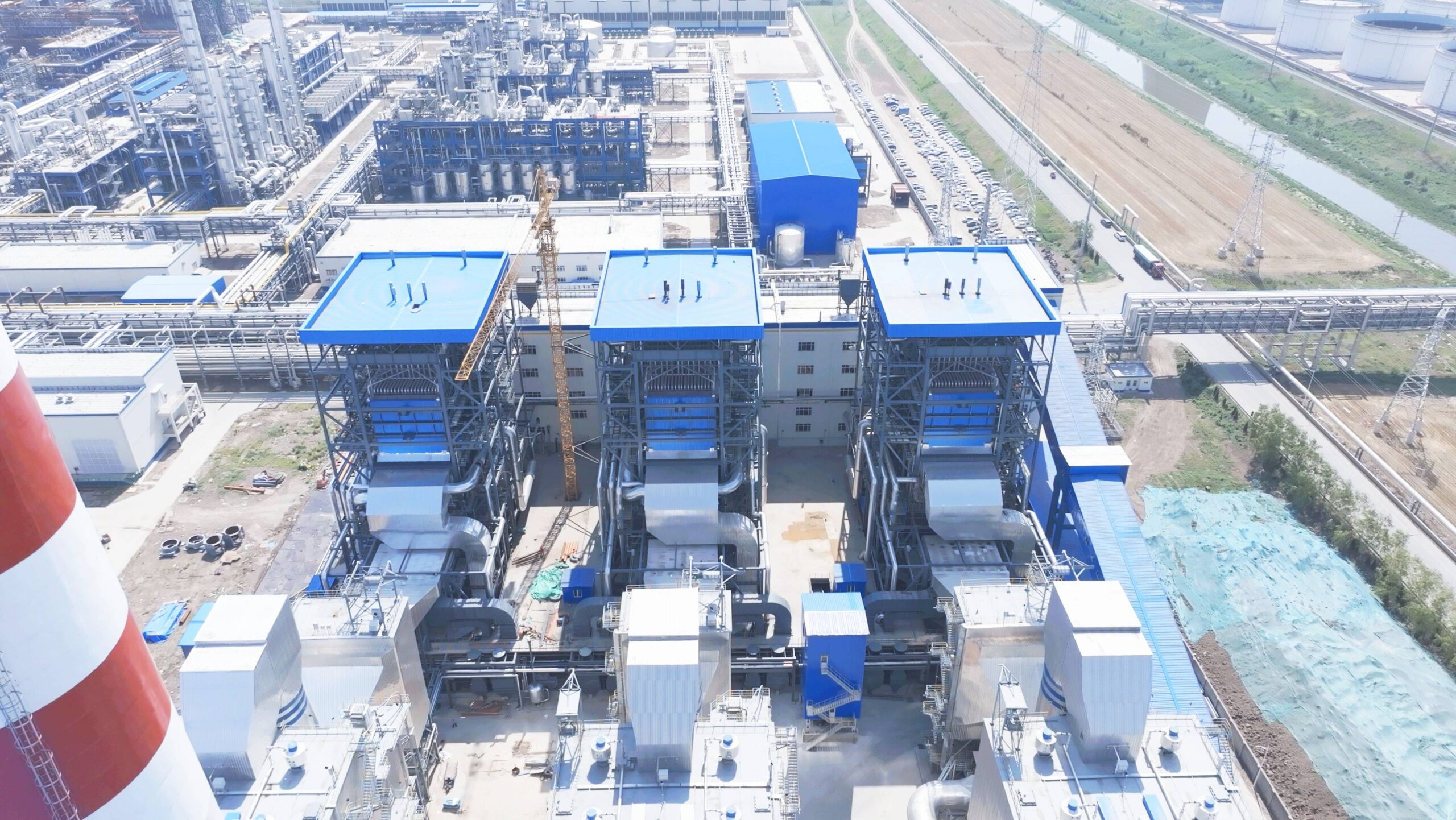
Circulating Fluidized Bed (CFB) boilers are engineered for long-term operation in demanding conditions—high temperatures, erosive ash flow, frequent fuel changes, and continuous thermal cycling. However, traditional materials and structural design have historically limited their reliability and life expectancy, leading to erosion, fatigue, cracking, and premature failure in critical areas. Today, a new generation of advanced high-performance materials and innovative structural engineering techniques is revolutionizing CFB boiler construction. These innovations are not only reducing unplanned maintenance but extending operational lifespan beyond 25 years, even under harsh multi-fuel combustion scenarios.
Advanced materials such as high-chromium steel alloys, erosion-resistant coatings, high-grade refractories, and modular structural designs are significantly improving CFB boiler reliability and lifespan by enhancing thermal resistance, reducing wear from ash and bed materials, and allowing flexible operation under thermal stress. Combined with intelligent structural layout—including flexible supports, staged expansion joints, and optimized flow geometry—modern CFB boilers now operate efficiently and reliably for 25–30 years with reduced lifecycle maintenance.
These improvements are not optional luxuries—they are essential to meet the demands of low-emission, high-efficiency, and multi-fuel operations in industries such as biomass power, chemical processing, and waste-to-energy. This article explores the specific materials and design innovations that are reshaping the future of reliable CFB boiler performance.
CFB boiler reliability depends more on operation than on materials or structural design.False
While operational practices matter, materials and structural engineering are fundamental to withstanding erosion, thermal stress, and pressure cycling in CFB boilers, directly influencing reliability and lifespan.
Key Wear and Stress Factors in CFB Boilers
CFB boilers are inherently robust, but they face intense mechanical and thermal challenges, including:
- Erosion from fluidized particles: High-speed ash, bed sand, and fuel particles abrade tubes, cyclones, and walls.
- Corrosion from fuel chemistry: Biomass, RDF, and coal contain chlorine, alkali metals, and sulfur.
- Thermal fatigue: Repeated expansion/contraction from startups, load swings, and superheat temperatures.
- Pressure stress: Especially in high-parameter systems operating above 25 MPa.
- Ash fouling and slagging: Causes localized overheating and material degradation.
Addressing these issues through material science and mechanical design has become the foundation for next-generation reliability.
Advanced Materials Transforming CFB Boiler Durability
| Component | Material Innovation | Benefit |
|---|---|---|
| Water Wall Tubes | T91, T92, Super 304H, Inconel 625 overlay | High creep strength, corrosion resistance |
| Cyclones & Separator Walls | Wear-resistant castable ceramics, chromium carbide | Long life under erosive ash loads |
| Superheater/Reheater Coils | Sanicro 25, Alloy 617, Incoloy 800H | Withstands 600–650°C steam, thermal fatigue |
| Bed Ash Hoppers & Furnaces | Dense castable alumina refractories | Resists slagging, alkali attack, and abrasion |
| Grate/Distributor Plates | Alloy steel + laser-clad hardfacing | Improved heat transfer, lower wear, longer uptime |
| Expansion Bellows | High-flex stainless steel alloys | Absorb stress from thermal cycling |
Each material is selected not just for high performance, but for compatibility with thermal gradients, fuel chemistry, and cyclic load changes.
Structural Design Enhancements That Boost Longevity
1. Modular Component Construction
- Cyclones, separators, and even tube walls are now designed in modular panels, simplifying replacement and maintenance.
- Minimizes downtime for repair and avoids full structural shutdown.
2. Flexible Supports and Expansion Joints
- Designed to absorb thermal expansion without transferring stress to pressure parts.
- Especially vital in high-steam-parameter designs, which experience more aggressive thermal swings.
3. Optimized Cyclone and Furnace Geometry
- Computational Fluid Dynamics (CFD) used to minimize vortex erosion zones.
- Improved ash circulation paths reduce wear on bends and elbows.
4. Air and Ash Distribution Control
- Modern CFBs use smart controls and design to balance bed material, reducing localized turbulence that causes metal fatigue and tube thinning.
| Design Feature | Impact on Reliability |
|---|---|
| Horizontal vs. vertical cyclones | Horizontal design reduces erosion at inlet elbows |
| Split bed air chambers | Prevents fluidization imbalance and hotspot formation |
| Shell-and-tube casing separation | Isolates thermal expansion from outer structural frame |
Lifecycle Impact of Advanced Materials and Design
| Aspect | Conventional CFB Boiler | Modern CFB Boiler (Advanced Materials + Design) |
|---|---|---|
| Average Operational Life (years) | 15–20 | 25–30 |
| Major Repairs Required (per 10 years) | 2–3 | 0–1 |
| Mean Time Between Failures (MTBF) | ~12,000 hours | >24,000 hours |
| Annual Maintenance Downtime | 2–4 weeks | <1.5 weeks |
| Replacement Rate of Tubes (%) | 15–20% | <5% |
These improvements lower total lifecycle cost (TLC) by up to 25–30%, even if the upfront capital cost is 10–15% higher.
Real-World Case Study: Waste-to-Energy CFB Plant in Japan
A municipal CFB unit burning RDF and sludge faced severe erosion in its cyclone and bed tubes due to high ash and chlorides. After retrofitting with:
- T91 and Inconel-coated tubes
- Dense refractory linings
- Flexible expansion anchors
The plant achieved:
- 4× longer cyclone lifespan
- 40% reduction in annual maintenance
- Extended scheduled outage interval from 12 to 24 months
The investment paid for itself in under 3 years, with minimal disruption and long-term reliability.
Summary
Modern CFB boiler performance and longevity are no longer constrained by erosion, corrosion, or fatigue. Through the strategic use of advanced materials—from alloy steels to ceramic coatings—and engineered structural design features like modularity, flexible supports, and CFD-optimized flow paths, today’s CFB systems are achieving decade-spanning reliability, even under aggressive fuel and load conditions. These advancements ensure that CFB boilers remain not only efficient and clean, but also built to last in the toughest industrial environments.
How Do Digitalization, Smart Monitoring, and AI-Based Controls Enhance CFB Boiler Operation?
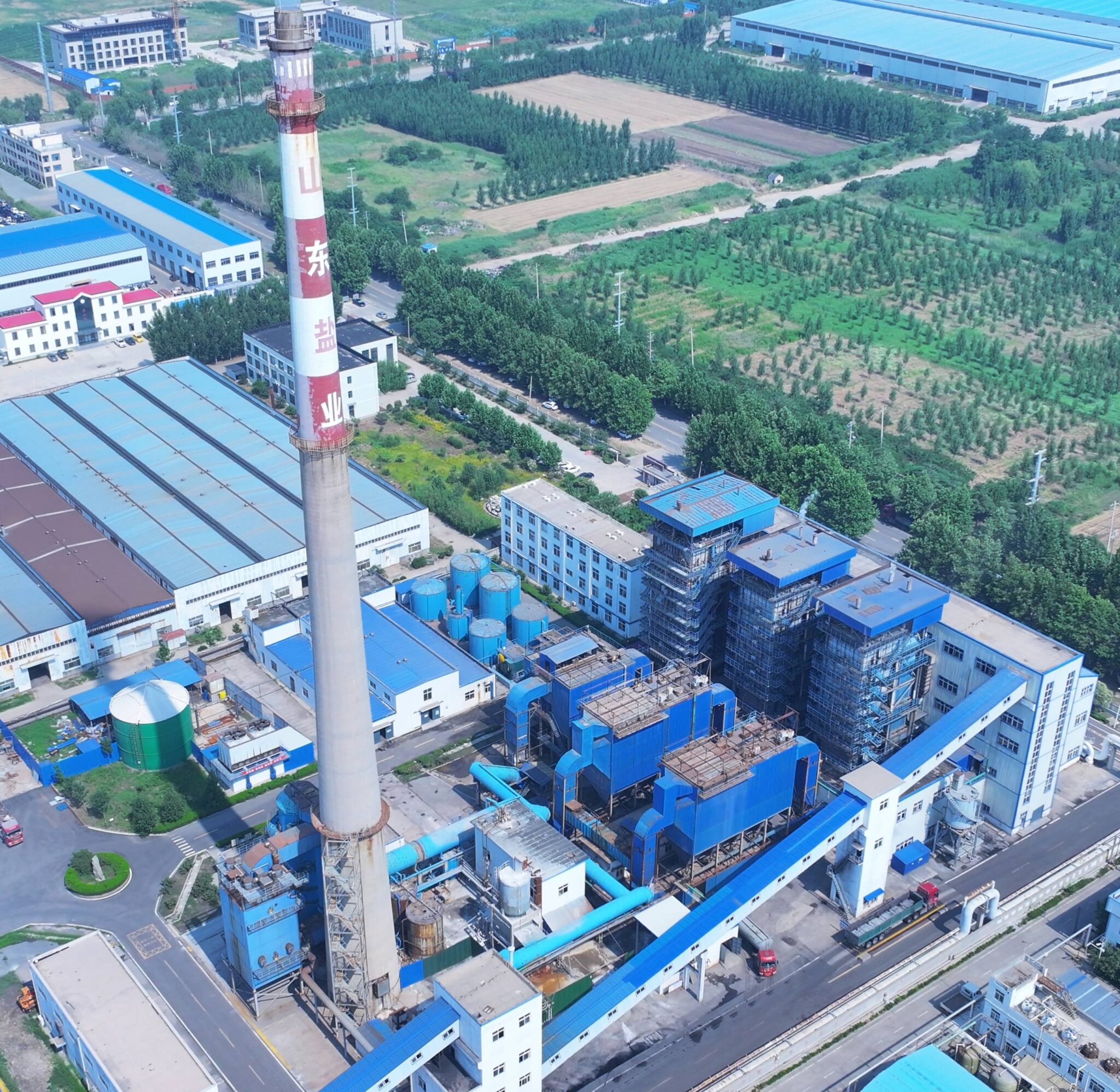
Circulating Fluidized Bed (CFB) boilers are complex thermal systems known for their fuel flexibility and low emissions—but managing them efficiently across variable load conditions, fuel types, and regulatory requirements presents ongoing challenges. Historically, operators relied on manual data collection and static control logic, which could not always adapt in real time to fuel quality changes, fluctuating thermal demand, or emergent maintenance issues. That paradigm is changing rapidly. With the rise of digitalization, real-time monitoring, and AI-based control systems, CFB boiler operations are becoming smarter, more stable, and significantly more cost-efficient.
Digitalization, smart monitoring, and AI-based control technologies enhance CFB boiler operation by enabling real-time performance optimization, early fault detection, adaptive combustion control, and predictive maintenance. These tools use data from embedded sensors and advanced analytics to improve fuel efficiency by up to 5%, reduce unplanned outages by over 40%, and extend component life, while ensuring emissions compliance and operational safety across diverse load and fuel conditions.
From edge computing on sensor networks to cloud-based performance analytics, this intelligent infrastructure is becoming a core pillar of modern boiler design and retrofit strategy. In this article, we examine how digital intelligence is reshaping the way CFB boilers are monitored, controlled, and maintained.
AI-based control systems do not significantly impact CFB boiler performance or efficiency.False
AI-based control systems significantly enhance boiler performance by dynamically adjusting combustion, airflow, and load management based on real-time data, leading to improved efficiency, reduced emissions, and fewer shutdowns.
Core Elements of a Smart CFB Boiler System
Digitalization in CFB boiler systems comprises multiple layers of technology working together to enable intelligent operations:
1. Sensor Networks and IoT Connectivity
- Temperature, pressure, flow, O₂, CO, NOx, SO₂, bed height, and vibration sensors continuously monitor the entire boiler ecosystem.
- Edge computing units process local data before sending critical insights to centralized systems.
2. AI-Based Combustion Optimization
- Uses machine learning models trained on historical combustion and emission data.
- Optimizes:
- Air-fuel ratio
- Fluidization velocity
- Bed temperature
- Staged air distribution
3. Digital Twin Technology
- Creates a real-time virtual model of the CFB boiler using live data and physics-based simulations.
- Enables operators to:
- Predict future performance
- Simulate fuel mix changes
- Test control strategies before deployment
4. Predictive Maintenance & Diagnostics
- AI models detect anomalies such as:
- Tube leaks
- Fouling
- Slag buildup
- Fan degradation
- Issues are flagged weeks before failure, reducing emergency downtime.
5. Integrated HMI/SCADA Systems
- Provide real-time dashboards for operators.
- Include alarms, trend graphs, efficiency reports, and fuel performance KPIs.
| Digital Technology | Function | Impact on Operations |
|---|---|---|
| Smart Sensors | Real-time condition feedback | Enables dynamic control & alerts |
| AI-Based Control Loops | Adaptive combustion and load balancing | Improves fuel efficiency and reduces emissions |
| Digital Twin | Real-time simulation and forecasting | Safer testing and proactive planning |
| Predictive Maintenance AI | Early fault detection from sensor trends | Cuts unplanned downtime and repair costs |
| Centralized Dashboards | Operator visualization and KPI monitoring | Enhances response speed and accountability |
Quantifiable Benefits of Smart CFB Boiler Systems
| Performance Metric | Traditional CFB | Smart/AI-Enabled CFB |
|---|---|---|
| Combustion Efficiency (%) | 82–85 | 87–90 |
| Excess Air Level | 20–25% | 10–15% |
| Unplanned Downtime (hrs/year) | 150–300 | 60–100 |
| Maintenance Costs ($/year) | $200,000–$400,000 | $120,000–$250,000 |
| Emissions Compliance Violations | Occasional | Rare or None |
| Fuel Cost Reduction (%) | — | 3–5% |
Over time, these gains translate into millions in saved OPEX and increased uptime for mid- to large-scale biomass or waste-fired CFB systems.
Real-World Case: AI-Optimized Biomass CFB in Germany
A 50 MW biomass CFB plant in Germany integrated:
- AI-based O₂ trim and bed control
- Real-time NOx and CO feedback loops
- Digital twin for multi-fuel simulation
- Edge-based predictive diagnostics on cyclones and heat exchangers
Results within 12 months:
- Fuel consumption dropped by 4.8%
- NOx emissions reduced by 36%
- Three unplanned outages avoided
- Boiler availability improved from 91.2% to 97.5%
The AI system continues to learn and refine control logic with each operational cycle, delivering compounding performance benefits.
Common Challenges and How They’re Solved
| Challenge | Digital Solution |
|---|---|
| Fluctuating biomass fuel quality | AI adapts air-fuel ratio in real time |
| Tube overheating or slag formation | Predictive models flag early warning signs |
| Operator overload or delayed response | HMI dashboards prioritize critical alarms |
| Fuel overfeeding or bed temperature spikes | Feedback control loops throttle feed systems |
| Emission permit compliance drift | Real-time NOx and SO₂ data trigger control tuning |
Future Outlook: Autonomy and Cloud Integration
Emerging trends in smart CFB operation include:
- Autonomous boilers that self-optimize combustion, start-up, and shutdown routines.
- Cloud-based analytics allowing fleet-wide performance comparisons across multiple plants.
- Carbon-aware combustion, where AI selects control modes based on carbon intensity per MWh.
- Blockchain energy tracking to certify emission reductions and fuel source integrity.
As energy grids decarbonize and regulatory scrutiny increases, digitalization will become the norm—not the exception—in high-performance boiler systems.
Summary
Digitalization, smart monitoring, and AI-based control systems have evolved from optional add-ons to essential components of modern CFB boiler operations. By turning real-time data into actionable insights, these technologies optimize combustion efficiency, reduce emissions, improve reliability, and extend asset life. In a competitive and sustainability-driven energy landscape, intelligent boiler systems are redefining the performance ceiling for CFB technology—unlocking new levels of flexibility, safety, and profitability.
How Does Biomass and Waste Co-Firing Innovation Support Fuel Flexibility in CFB Boilers?
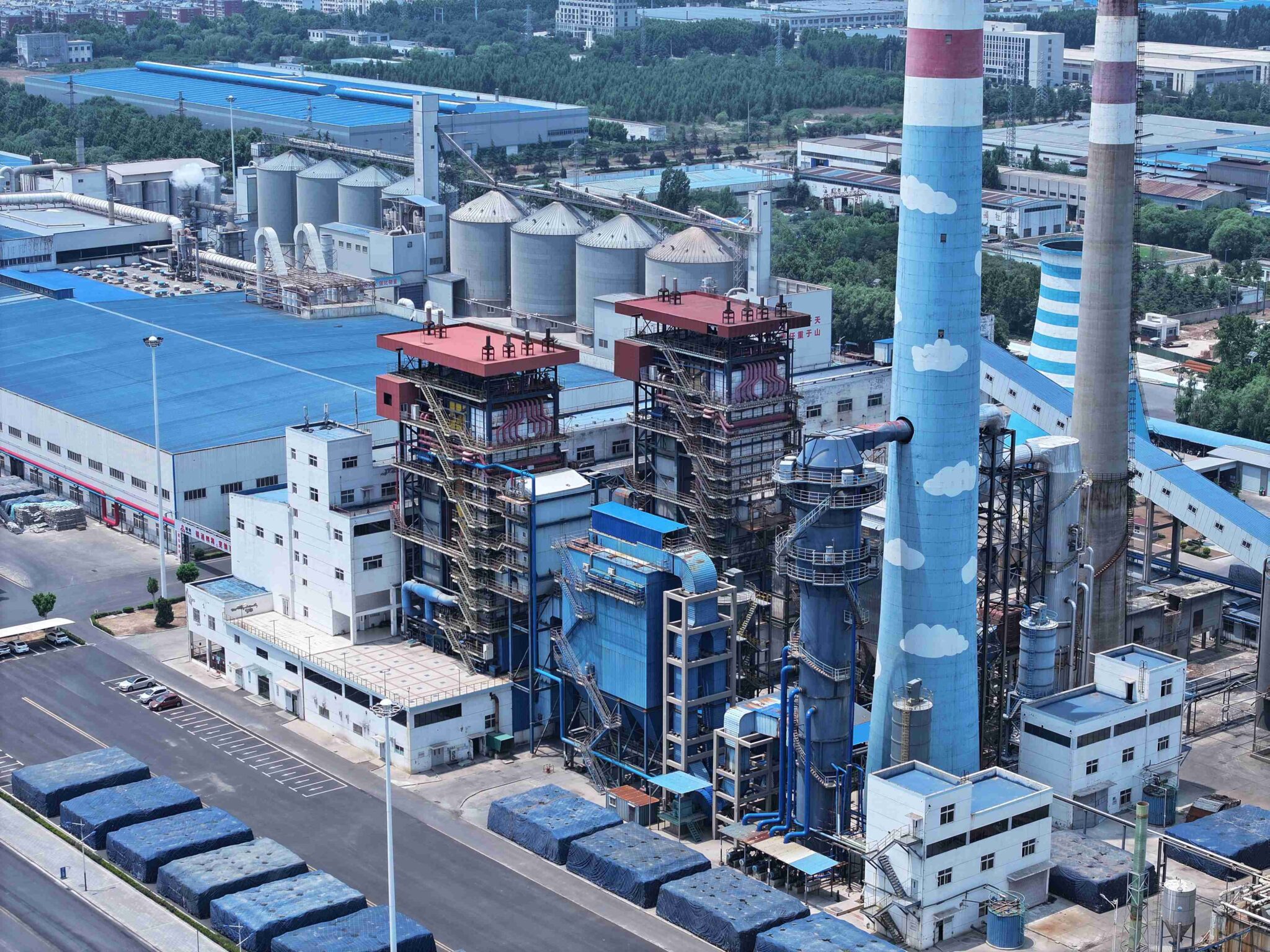
With global fuel markets becoming increasingly volatile and environmental regulations tightening, the demand for fuel flexibility in industrial boilers has never been greater. This challenge is especially critical for plants aiming to reduce carbon emissions, lower fuel costs, and secure long-term energy resilience. Circulating Fluidized Bed (CFB) boilers, known for their inherent ability to burn diverse solid fuels, have emerged as the front-runner in this evolution—particularly through innovations in biomass and waste co-firing technologies. These advancements allow CFB boilers to simultaneously or alternately utilize various grades of biomass and municipal/industrial waste-derived fuels without compromising combustion stability, efficiency, or emissions compliance.
Biomass and waste co-firing innovations support fuel flexibility in CFB boilers by enabling the simultaneous or alternating use of multiple fuel types—such as wood chips, agricultural residues, RDF, sludge, and energy crops—through advanced fuel feed systems, bed material control, staged combustion, and adaptive air distribution. These technologies maintain combustion efficiency, reduce operational costs, lower carbon intensity, and ensure stable performance across variable fuel properties like moisture content, ash composition, and calorific value.
This co-firing capability is not only a technological advantage but a strategic enabler for industries and utilities transitioning to renewable or circular energy models. In this article, we dive deep into how CFB systems achieve this flexibility and why they outperform other boiler technologies in diverse-fuel combustion environments.
Co-firing biomass and waste in the same boiler always leads to unstable combustion and efficiency loss.False
With proper design, CFB boilers can stably co-fire biomass and waste fuels while maintaining high combustion efficiency and low emissions through fuel feed control, bed temperature management, and air staging.
Why Fuel Flexibility Is a Critical Need
Fuel availability and quality are becoming less predictable due to:
- Seasonal supply variations (e.g., biomass harvesting cycles)
- Urbanization trends generating more RDF and sludge
- Geopolitical fuel price swings
- Emissions regulations favoring low-carbon fuels
- Zero-waste mandates that promote energy-from-waste models
Industries that rely on single-fuel boilers face rising operational and procurement risks. In contrast, multi-fuel CFBs using co-firing innovations gain resilience, cost optimization, and regulatory alignment.
How CFB Boilers Enable Biomass and Waste Co-Firing
1. Dual or Multi-Fuel Feed Systems
Modern CFBs are equipped with:
- Separate feeding lines and hoppers for biomass and waste
- Fuel mixing silos with programmable blending ratios
- Screw or belt conveyors with variable speed drives
- In-line moisture and calorific value sensors for real-time feed adjustment
These allow simultaneous or staggered introduction of fuels based on quality, cost, or emissions.
| Fuel Type | Typical Use Ratio in Co-Firing (%) | Challenges | CFB Solution |
|---|---|---|---|
| Wood Chips | 30–70 | High moisture | Pre-drying, bed heat utilization |
| Agricultural Waste | 10–40 | Alkali content, low density | Controlled fluidization, staged air |
| RDF | 20–60 | High chlorine/plastics | Emission control, SNCR, dry FGD |
| Sewage Sludge | 5–25 | High moisture, sticky ash | Bed ash recycling, high-temp zones |
| Energy Crops | 10–50 | Variable calorific values | AI-based feed control, fuel mixing |
2. Advanced Bed Material and Fluidization Control
CFB co-firing systems rely on:
- Optimized sand and ash bed materials to support different fuel burn rates
- Dynamic bed height control to stabilize combustion zone temperature
- In-bed additives like limestone for sulfur capture and bed conditioning
The fluidized bed absorbs temperature spikes from inconsistent fuels and ensures even combustion.
3. Staged Combustion and Air Distribution
To address the combustion needs of both biomass and waste:
- Primary air fluidizes the bed and initiates combustion
- Secondary and tertiary air stages control burn rate and reduce NOx
- Fuel staging introduces fuels at different furnace levels for burnout optimization
This design ensures stable temperatures (800–900°C) and prevents local overheating or incomplete combustion.
Benefits of Co-Firing in CFB Boilers
| Performance Area | Impact of Biomass & Waste Co-Firing Innovation |
|---|---|
| Fuel Cost Savings | 15–40% reduction through cheaper local fuels |
| Carbon Emissions Reduction | Up to 80% with biomass blend (CO₂-neutral by IPCC standards) |
| Waste Diversion | 30–70% reduction in landfill-bound municipal or industrial waste |
| Energy Security | Less reliance on fossil fuel supply chains |
| Emissions Compliance | Achievable with integrated flue gas treatment (FGD, SNCR, baghouse) |
| Operational Flexibility | Fast fuel switching and blending based on market or seasonal needs |
Real-World Case: Co-Firing Success in a 100 MW CFB Plant in China
A large-scale CFB boiler originally designed for bituminous coal was upgraded for co-firing:
- 45% agricultural waste (rice husk, straw)
- 25% RDF (plastics, cardboard, textiles)
- 30% coal for combustion stability
Upgrades included:
- Fuel feed split hoppers with in-line moisture measurement
- Fluidized bed optimization using limestone and inert ash blend
- Dry FGD system for SO₂ and acid gas control
- Real-time combustion monitoring with AI tuning
Results:
- Reduced CO₂ emissions by 68%
- Saved $2.5M/year in fuel procurement
- Met China’s ultra-low emission standards (NOx < 50 mg/Nm³, PM < 10 mg/Nm³)
- Increased boiler availability to 96.8%
Integration with Digital Controls
Biomass and waste co-firing becomes even more effective when paired with:
- AI-based fuel blending algorithms
- Digital twin modeling for combustion simulation
- Predictive maintenance based on ash fouling risk and slag formation
- Real-time emissions tuning
These systems enable automated adjustments in air supply, feed rates, and bed fluidization, keeping combustion optimized despite fluctuating fuel inputs.
Summary
CFB boiler innovations in biomass and waste co-firing have redefined what’s possible in fuel flexibility, enabling plants to adapt to complex fuel supply chains without sacrificing efficiency or emissions performance. By integrating multi-fuel feed systems, smart combustion control, adaptive air staging, and real-time emissions management, modern CFB boilers deliver stable, clean, and efficient energy across a wide spectrum of fuels. This transformative capability supports not only energy diversification, but also long-term sustainability, carbon reduction, and cost competitiveness in industrial energy systems.
How Are Carbon Reduction Strategies and Energy Transition Policies Shaping Future CFB Boiler Development?
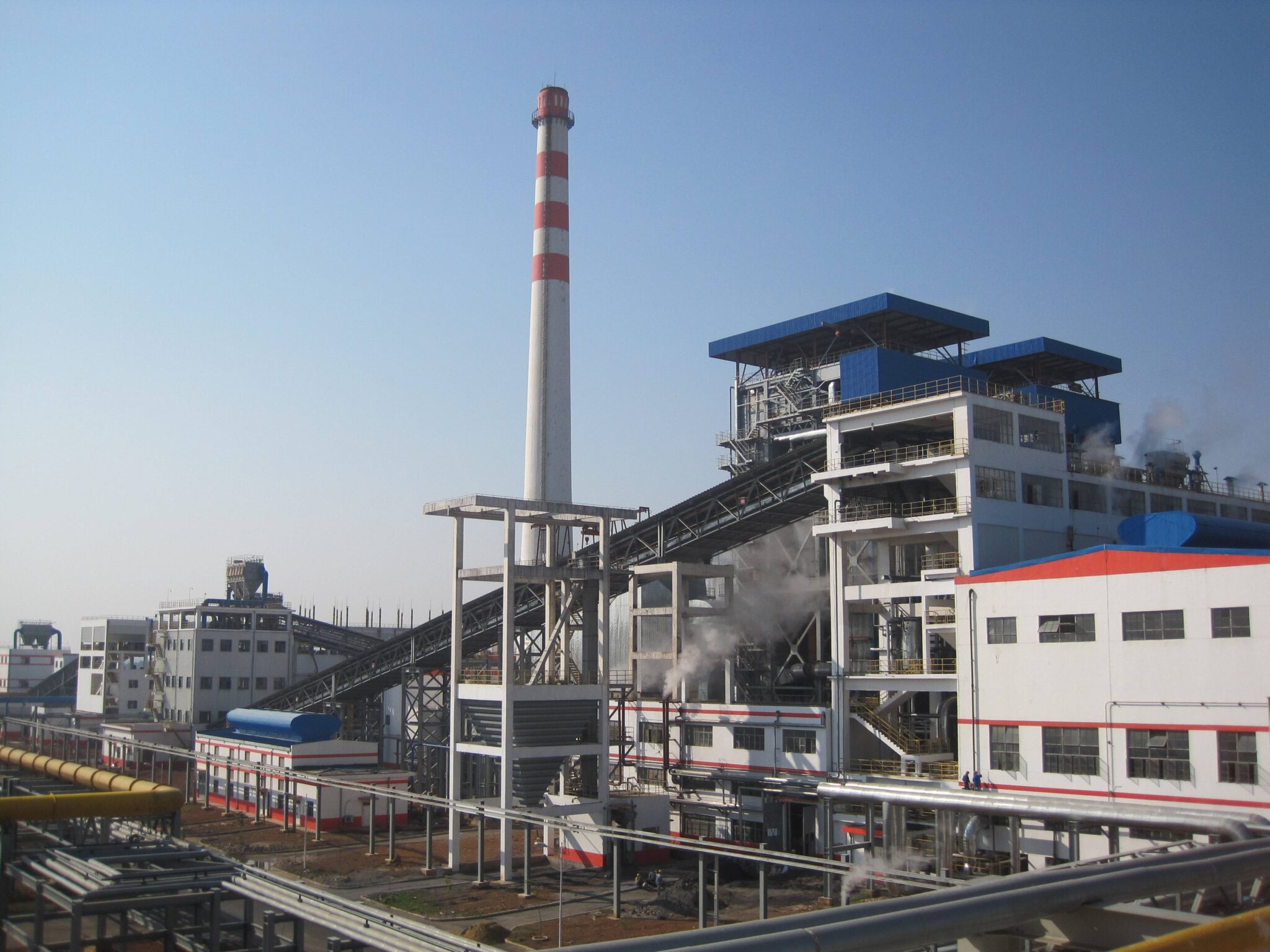
As the world accelerates toward a decarbonized future, driven by climate action commitments, regulatory pressure, and investor demand, industrial boiler technologies must evolve to stay relevant. Among solid-fuel combustion systems, Circulating Fluidized Bed (CFB) boilers stand out for their inherent flexibility and clean-burning characteristics. Yet, with the rise of carbon pricing, stricter emission caps, and net-zero energy transition policies, even these high-performance systems face a new imperative: transformation. Today, carbon reduction strategies and national/international energy transition policies are profoundly shaping the design, integration, and fuel compatibility of next-generation CFB boilers.
Carbon reduction strategies and energy transition policies are reshaping future CFB boiler development by driving innovation in low-carbon fuel compatibility (biomass, hydrogen, ammonia), integration of carbon capture technologies, ultra-low emissions design, and flexible hybrid configurations that align with net-zero goals. These changes are pushing manufacturers to build CFB systems that can co-fire renewable fuels, deliver negative emissions when paired with carbon capture, and support grid stability in decarbonized energy markets.
This policy-driven transformation is not speculative—it’s already being written into procurement requirements, emissions regulations, and capital funding criteria. In this article, we’ll analyze how the push for carbon neutrality is influencing the material, fuel, and functional roadmap of CFB boiler technologies worldwide.
CFB boilers cannot be used in low-carbon or net-zero energy strategies due to their reliance on solid fuels.False
Modern CFB boilers can co-fire renewable fuels like biomass and hydrogen, support carbon capture integration, and achieve low or even negative emissions when designed for net-zero energy strategies.
Global Carbon Reduction Goals and Their Impact on Industrial Boilers
Across regions, climate policies are tightening:
| Region | Carbon Reduction Target | Impact on Boilers |
|---|---|---|
| EU | Net-zero by 2050; 55% reduction by 2030 | Ban on unabated coal, ETS pressure |
| USA | 100% clean electricity by 2035 (Biden plan) | Shift to renewables and biomass co-firing |
| China | Carbon peaking by 2030; neutrality by 2060 | Encouraging waste-to-energy and low-carbon CFB |
| India | Net-zero by 2070 | Push for biomass utilization and hybridization |
| Japan/Korea | Net-zero by 2050 | Hydrogen/ammonia-ready boilers in development |
To meet these targets, industrial energy systems are moving away from fossil-only combustion, creating massive demand for fuel flexibility, carbon capture, and lifecycle decarbonization—all of which CFB boilers are now being redesigned to support.
Key Carbon Reduction Strategies Driving CFB Evolution
1. Biomass Co-Firing and Full Biomass Conversion
- CFBs are transitioning to burn 100% biomass, including:
- Wood chips, pellets, agri-waste, RDF, sludge
- Torrefied or steam-treated biofuels
- Biomass is carbon-neutral per IPCC guidelines.
- Full biomass CFBs achieve 90–98% CO₂ reduction vs. coal-fired units.
2. Integration with Carbon Capture Technologies (CCUS)
- Modern CFBs are being pre-configured for post-combustion capture using:
- Amine-based scrubbing (MEA, MDEA)
- Calcium looping (dual fluidized beds)
- Oxy-fuel combustion adaptation
- Bioenergy + CCUS (BECCS) = net-negative CO₂ emissions
3. Hydrogen and Ammonia Fuel Readiness
- Several CFB developers now offer hydrogen-compatible burners.
- Partial co-firing of green ammonia is under pilot testing.
- Hydrogen/ammonia blends reduce CO₂ without compromising thermal output.
4. Hybridization with Solar, Electric Boilers, and Thermal Storage
- Some systems combine:
- CFB boilers + concentrated solar power (CSP)
- CFB + resistive electric heating during renewable overgeneration
- Thermal batteries for load balancing
5. Carbon Accounting and Smart Control Integration
- Future-ready CFBs embed:
- CO₂ monitoring sensors
- Smart fuel tracking
- Integration with blockchain carbon credit systems
| Innovation Area | Carbon Reduction Contribution |
|---|---|
| 100% Biomass Firing | 90–98% CO₂ reduction (biogenic) |
| Biomass + Carbon Capture | >100% net-negative emissions |
| Hydrogen Co-Firing | 30–70% CO₂ reduction (depending on % blend) |
| Waste-to-Energy with CCUS | Net-zero with circular economy impact |
| Digital Carbon Monitoring | Enables real-time optimization, reporting |
Material and Design Shifts for Carbon-Adapted CFBs
Carbon strategies demand robust systems that can:
- Tolerate high-moisture biomass → Improved refractory and corrosion-resistant linings
- Support CCUS retrofitting → Modular flue gas channels and space for capture units
- Handle combustion of H₂ or ammonia → High-alloy steels to manage flame temperature and pressure cycling
- Reduce parasitic loads → High-efficiency fans, VFDs, AI controls for fuel-air balance
| Design Feature | Carbon Role |
|---|---|
| Enlarged cyclone and ash handling zones | Handles high-ash biomass, sludge, or RDF |
| Flexible feed systems | Allows switching between low-carbon fuels |
| Lower excess air design | Reduces NOx and improves efficiency |
| Oxy-fuel burner option | Supports CO₂ capture-ready combustion |
Policy & Incentive Framework Supporting CFB Transformation
| Policy Instrument | Effect on CFB Boiler Development |
|---|---|
| Carbon Taxes / Emission Trading | Makes fossil-only boilers financially unviable |
| Green Public Procurement | Requires low-carbon equipment in tenders |
| Renewable Energy Subsidies | Supports biomass-ready and CCUS-equipped systems |
| Low-Carbon Fuel Mandates | Drives hydrogen and ammonia co-firing |
| Technology Neutral Auctions | Favors flexible boilers capable of burning bio-waste |
Case Study: BECCS-Ready CFB in Sweden
A 120 MWth biomass CFB boiler in Sweden, operated by a district energy provider, integrated:
- Full biomass fuel (forest residue + peat)
- Pre-installed amine-based CO₂ scrubber connections
- AI-based combustion control with carbon intensity dashboard
Outcome:
- 92% CO₂ reduction vs. previous coal unit
- Projected 110,000 tons CO₂/year captured once CCUS activated
- Compliant with EU ETS Phase 4 carbon accounting
The plant now participates in voluntary carbon markets, monetizing its negative emissions.
Summary
Carbon reduction strategies and energy transition policies are not only accelerating the phase-out of fossil-heavy thermal systems—they are also reshaping the next generation of CFB boilers into multi-fuel, carbon-smart, and hybrid-ready platforms. By supporting biomass, waste, hydrogen, and carbon capture, CFB technology is evolving from a combustion solution into a core enabler of net-zero energy systems. Manufacturers, operators, and policymakers alike are recognizing that the path to decarbonized industry and power generation runs through flexible, carbon-adaptive CFB infrastructure.
🔍 Conclusion
Innovations are positioning CFB boilers as cleaner, smarter, and more flexible thermal systems for both industrial and power generation applications. Through advancements in combustion technology, materials science, digital intelligence, and fuel adaptability, modern CFB boilers can meet future efficiency targets, emission standards, and sustainability goals while maintaining strong economic performance.
🔹 Contact us today to explore innovative CFB boiler solutions that deliver efficiency, compliance, and long-term value. ⚙️🔥🏭✅
FAQ
Q1: What are the most important technological innovations in CFB boilers?
A1: The most significant innovations in circulating fluidized bed (CFB) boilers focus on improving efficiency, emissions performance, and fuel adaptability. Advances include optimized furnace geometry, high-efficiency cyclones, advanced refractory materials, and improved solids circulation control. These developments enhance combustion stability, reduce heat losses, and allow CFB boilers to operate efficiently across a wide load range, making them ideal for modern industrial and power generation applications.
Q2: How are ultra-low emission technologies shaping future CFB boilers?
A2: Ultra-low emission technologies are central to the future of CFB boilers. In-furnace desulfurization using limestone, staged air supply, and low-temperature combustion significantly reduce SO₂ and NOx emissions without extensive downstream treatment. Improved particulate capture systems further lower dust emissions. These innovations enable CFB boilers to comply with increasingly strict environmental regulations while maintaining high operational efficiency and reducing reliance on costly external flue gas treatment systems.
Q3: How does fuel flexibility drive innovation in CFB boiler design?
A3: Fuel flexibility is a defining advantage of CFB boilers and a major driver of innovation. Modern CFB designs support low-grade coal, lignite, biomass, petroleum coke, waste-derived fuels, and mixed fuels. Enhanced fuel feeding systems, improved bed material management, and adaptive control logic allow seamless fuel switching without compromising efficiency or emissions. This flexibility improves energy security, reduces fuel costs, and supports decarbonization through biomass co-firing.
Q4: What role do digitalization and smart controls play in future CFB boilers?
A4: Digitalization and smart control systems are transforming CFB boiler operation. Advanced sensors, real-time data analytics, and AI-based combustion optimization enable precise control of bed temperature, air distribution, and solids circulation. Predictive maintenance tools detect early signs of wear in cyclones, refractory, and pressure parts, reducing unplanned downtime. These digital innovations improve reliability, extend equipment life, and lower overall operating costs.
Q5: How are efficiency and carbon reduction goals influencing CFB boiler innovation?
A5: Efficiency improvement and carbon reduction are key forces shaping the future of CFB boilers. Innovations such as higher steam parameters, advanced heat recovery systems, and integration with carbon capture-ready designs increase overall thermal efficiency. Biomass co-firing and waste-to-energy applications reduce net CO₂ emissions, positioning CFB boilers as a transitional technology in low-carbon energy systems. These advancements help industries meet sustainability targets while maintaining dependable steam and power generation.
References
- International Energy Agency (IEA) – Fluidized Bed Combustion Technology – https://www.iea.org/ – IEA
- IEA Clean Coal Centre – CFB Boiler Innovations and Emissions Control – https://www.iea-coal.org/ – IEA CCC
- U.S. Department of Energy – Advanced Fluidized Bed Boilers – https://www.energy.gov/ – DOE
- ASME – Advances in Boiler and Pressure Vessel Technology – https://www.asme.org/ – ASME
- Valmet – Circulating Fluidized Bed Boiler Technology – https://www.valmet.com/ – Valmet
- GE Steam Power – CFB Boiler Design and Digital Solutions – https://www.ge.com/steam-power/ – GE Steam Power
- Mitsubishi Power – Advanced CFB and Clean Combustion Systems – https://power.mhi.com/ – Mitsubishi Power
- ScienceDirect – Future Trends in Circulating Fluidized Bed Boilers – https://www.sciencedirect.com/ – ScienceDirect
- Engineering Toolbox – Fluidized Bed Boiler Principles and Performance – https://www.engineeringtoolbox.com/ – Engineering Toolbox
- World Bank – Clean Energy Transition and Advanced Boiler Technologies – https://www.worldbank.org/ – World Bank
Innovations Shaping the Future of CFB Boiler Technology Read More »