
Innovations Shaping the Future of Industrial Biomass Boilers
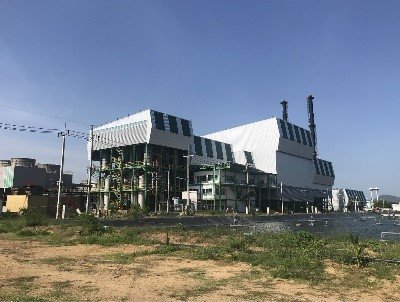
Industrial biomass boilers are under growing pressure to deliver higher efficiency, lower emissions, and greater fuel flexibility while supporting global decarbonization goals. Traditional biomass boiler designs often struggle with issues such as fuel variability, slagging, high maintenance, and limited automation, which can undermine long-term reliability and economics. Without continuous innovation, biomass boilers risk losing competitiveness compared with gas, electric, or hybrid energy systems.
The future of industrial biomass boilers is being shaped by innovations in advanced combustion technology, high-efficiency heat recovery, fuel flexibility and co-firing, digital automation and smart control, advanced materials, and carbon reduction solutions. These innovations enable biomass boilers to achieve cleaner combustion, higher thermal efficiency, improved reliability, and stronger alignment with renewable energy and sustainability policies.
Understanding these innovations helps industrial users future-proof biomass boiler investments and maximize both environmental and economic returns.
How Are Advanced Combustion Technologies Improving Efficiency and Emissions in Industrial Biomass Boilers?
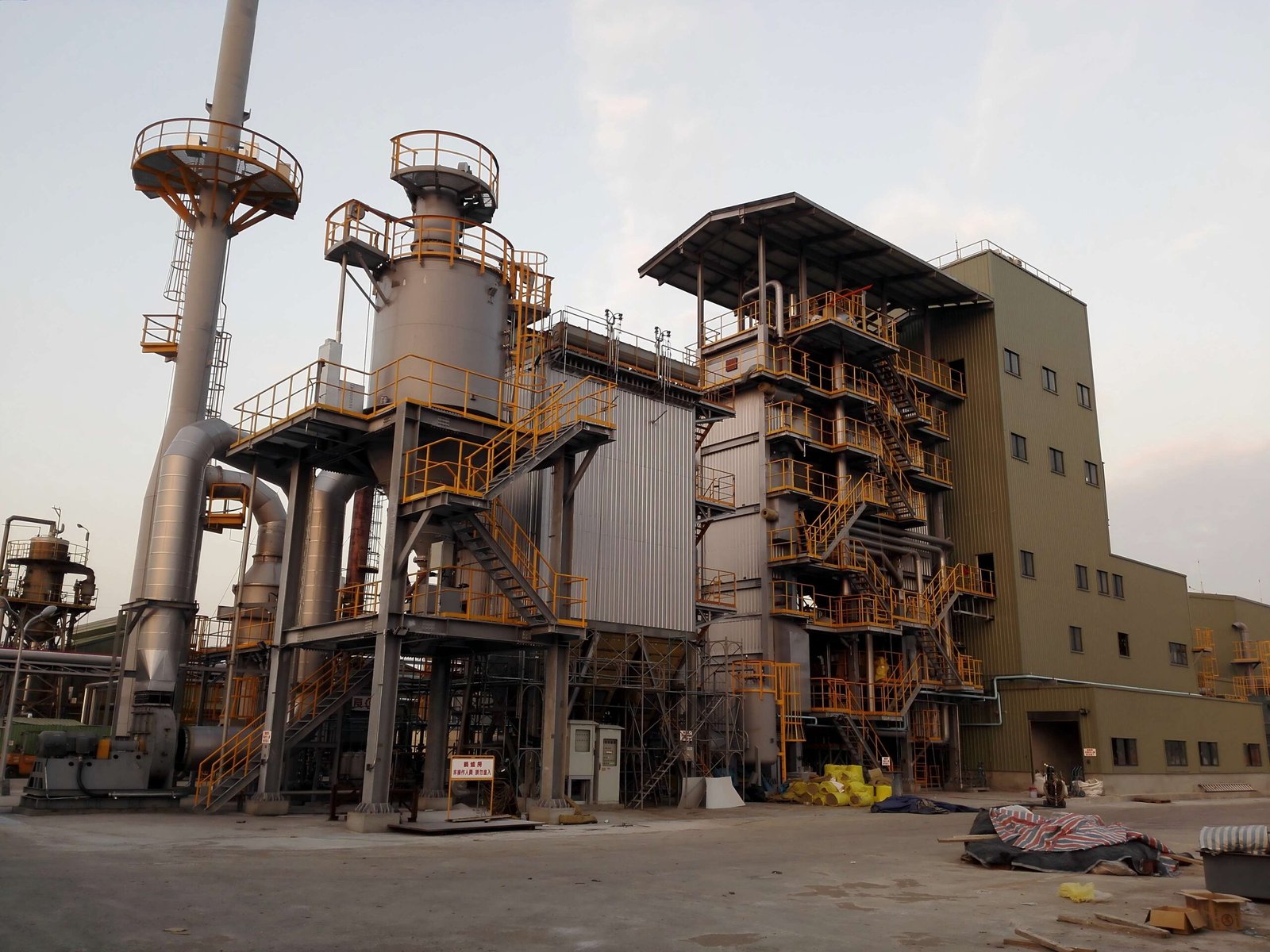
As industries worldwide transition from fossil fuels to renewable sources, biomass boilers are increasingly used for their carbon-neutral heat and steam generation. However, one of the main challenges with biomass combustion is achieving consistently high thermal efficiency and low pollutant emissions due to the variability in fuel types and combustion properties. This is where advanced combustion technologies come into play. They enable industrial biomass boilers to perform with greater thermal stability, efficiency, and environmental compliance, turning them into competitive, clean alternatives to traditional coal or oil-fired systems.
Advanced combustion technologies such as staged combustion, fluidized bed systems, oxygen trim control, and flue gas recirculation significantly enhance biomass boiler efficiency while reducing emissions like NOₓ, CO, and particulates. These innovations improve combustion completeness, optimize air-fuel ratios, stabilize flame characteristics, and adapt to varying biomass fuels—leading to higher energy yield per unit of biomass and compliance with strict emission regulations.
These technologies are not optional upgrades—they are fast becoming industry-standard expectations in modern biomass boiler design.
Traditional biomass boilers without advanced combustion control can still meet modern efficiency and emission targets.False
Without advanced combustion systems, traditional biomass boilers often suffer from incomplete combustion, lower thermal efficiency, and elevated pollutant emissions that do not meet current regulatory standards.
Biomass combustion is inherently more complex than fossil fuels due to high moisture content, variable particle sizes, and diverse chemical compositions. This makes combustion control and stability more challenging, and thus more reliant on modern technology.
The Core Challenges in Biomass Combustion
Before diving into the solutions, it’s important to understand the problems that advanced technologies aim to solve:
| Combustion Challenge | Impact on Boiler Performance |
|---|---|
| Incomplete combustion | Lower thermal efficiency, high CO and unburned carbon |
| Fuel variability (e.g., wood chips vs. rice husk) | Unstable flame, fouling, inconsistent heat transfer |
| High ash content | Slagging, fouling, corrosion, and reduced heat exchange |
| Moisture content variation | Reduced flame temperature, lower energy output |
| NOₓ and particulate emissions | Non-compliance with air quality standards |
These issues can degrade both operational reliability and environmental performance—necessitating combustion enhancements.
Key Advanced Combustion Technologies in Modern Biomass Boilers
🔥 1. Staged Combustion (Air and Fuel Staging)
Staged combustion divides the air and/or fuel injection into primary and secondary zones to control the flame temperature and reduce NOₓ formation.
- Primary air initiates combustion at low oxygen concentration.
- Secondary and tertiary air complete combustion at cooler temperatures, minimizing thermal NOₓ.
- Results in lower CO and NOₓ emissions with more complete combustion of volatiles.
🔍 Staging is especially effective in boilers firing low-density or volatile-rich biomass.
🌪️ 2. Fluidized Bed Combustion (FBC & CFB)
In fluidized bed combustion, biomass is suspended on a bed of sand or ash particles, which are fluidized by an upward flow of air.
- Enables uniform temperature distribution and extended fuel residence time.
- Handles a wide range of biomass fuels with varying sizes and moisture.
- Reduces fouling and increases combustion efficiency by maintaining consistent bed temperature (800–900°C).
- Variants include Bubbling Fluidized Bed (BFB) and Circulating Fluidized Bed (CFB).
| FBC Advantage | Impact |
|---|---|
| High turbulence | Better fuel-air mixing |
| Longer residence time | More complete combustion |
| Stable temperature | Reduced NOₓ formation |
| Ash removal during operation | Less slagging and corrosion |
⚙️ 3. Oxygen Trim and Intelligent Air/Fuel Ratio Controls
These systems use real-time flue gas O₂ sensors and PLC logic to adjust combustion air dynamically.
- Avoids excess air that lowers efficiency.
- Prevents air deficiency that causes incomplete combustion and CO rise.
- Maintains optimal stoichiometry even with changing fuel loads or properties.
- Increases boiler efficiency by 1–3% compared to manual control.
📈 Oxygen trim and feedback control have become standard in high-performance biomass combustion systems.
🌬️ 4. Flue Gas Recirculation (FGR)
FGR involves returning a portion of cooled flue gas back into the combustion zone.
- Lowers flame temperature, thus reducing NOₓ formation.
- Stabilizes combustion when burning volatile or light biomass.
- Reduces peak temperature excursions that can cause slagging or damage.
FGR is especially effective when coupled with staged air injection and advanced burners.
Emission and Efficiency Comparison Chart
| Technology | Efficiency Gain | NOₓ Reduction | CO Reduction | Fuel Flexibility |
|---|---|---|---|---|
| Conventional Grate Firing | Baseline (70–75%) | Low | Medium | Limited |
| Staged Combustion | +2–4% | 40–60% | 50–70% | Moderate |
| Fluidized Bed Combustion | +5–8% | 60–80% | 70–85% | Very High |
| Oxygen Trim Control | +1–3% | Indirect | High | Enhanced by real-time tuning |
| FGR | +1% (indirect) | 30–50% | Moderate | Stabilizes varied fuels |
Technical Case Study: CFB Biomass Boiler in Pulp & Paper Industry
Plant: Medium-sized paper mill
Boiler Size: 50 TPH
Fuel: Wood chips + sawdust
Challenge: Frequent slagging, unstable flame, high NOₓ
Solution:
- Converted to circulating fluidized bed (CFB)
- Installed staged air system + FGR loop
- Integrated O₂ trim controller
Results:
- Boiler efficiency increased from 76% → 84%
- NOₓ reduced from 280 mg/Nm³ → 120 mg/Nm³
- CO reduced by 65%
- Boiler uptime improved from 89% → 97%
✅ These improvements made the plant compliant with new regional air quality standards.
The Role of Digital Integration
Modern combustion systems often integrate:
- PLC/SCADA platforms for air-fuel ratio management
- Combustion visualization software to detect flame instability
- AI-based self-learning controls for dynamic fuel feed optimization
These enhance not only combustion precision but also operator awareness and reaction time, improving overall efficiency and safety.
Summary
Advanced combustion technologies are redefining the capabilities of industrial biomass boilers, making them cleaner, smarter, and more efficient than ever before. By applying:
- Staged combustion to reduce emissions
- Fluidized bed systems for fuel flexibility and thermal uniformity
- Oxygen trim and FGR for precision combustion
- Digital controls for real-time optimization
…biomass boiler systems now offer competitive alternatives to fossil-fueled systems while maintaining environmental compliance and thermal performance.
In today’s regulatory and economic climate, these technologies are not enhancements—they are essential for sustainable, efficient biomass energy production.
How Do Fuel Flexibility and Multi-Fuel Co-Firing Innovations Shape the Future of Biomass Boilers?
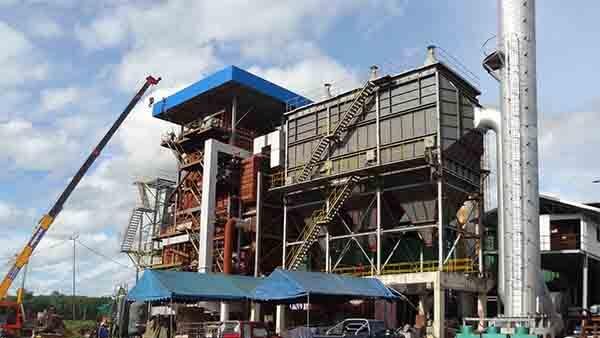
Industrial and utility-scale biomass boilers are entering a new era—one defined not only by cleaner combustion and higher efficiency, but by radical flexibility in fuel sourcing. The rising cost and logistical challenges of single-fuel supply chains, coupled with tightening emissions regulations and decarbonization targets, are pushing boiler manufacturers and energy users to adopt multi-fuel and co-firing innovations. These advancements allow plants to run reliably on diverse, variable, and even unconventional biomass feedstocks, transforming how the world produces low-carbon industrial heat and power.
Fuel flexibility and multi-fuel co-firing innovations are shaping the future of biomass boilers by enabling them to efficiently utilize a wide variety of biomass and waste-derived fuels—such as wood chips, rice husks, agricultural residues, RDF, sludge, and even biogas—within the same combustion system. This adaptability enhances fuel security, reduces operational costs, improves lifecycle carbon performance, and allows facilities to meet stringent emission standards while ensuring continuous operation amid fuel market fluctuations.
In short, multi-fuel capability is making biomass boilers not just greener—but smarter and more resilient.
Biomass boilers can only operate efficiently on uniform, high-quality fuels like wood pellets.False
Advanced biomass boilers now incorporate multi-fuel co-firing systems that enable stable combustion of varied and low-grade fuels such as rice husks, RDF, and sludge, without sacrificing efficiency or emission compliance.
Why Fuel Flexibility Is Critical in the Energy Transition Era
With growing emphasis on net-zero emissions, fuel sourcing must adapt to:
- Local fuel availability variability
- Price fluctuations in premium biomass (e.g., wood pellets)
- Policy incentives for waste utilization
- Emerging circular economy models using RDF or biogenic waste
This necessitates systems that are not just efficient—but versatile and adaptive.
| Limitation | Solution via Multi-Fuel Innovation |
|---|---|
| Wood chip shortages or price spikes | Switch to rice husk, sawdust, or corn stover |
| Municipal solid waste mandates | Add RDF (Refuse-Derived Fuel) or sludge to boiler mix |
| Carbon offset goals | Increase co-firing ratio of biogenic waste and low-carbon fuels |
| Local agro-residue surplus | Modify feeding and combustion systems to handle dry husk or straw |
| Fossil fuel phase-out policies | Add biogas, syngas, or oil-based renewables as secondary fuels |
Leading Multi-Fuel Innovations in Biomass Boiler Design
🔥 1. Hybrid Grate and Fluidized Bed Systems
These systems combine the fuel-specific advantages of reciprocating grate feeding with the turbulent mixing and temperature control of fluidized beds.
- Handles dense, moist, fibrous, and granular fuels
- Self-cleans ash and maintains uniform temperature
- Flexible ash discharge systems for varied slagging tendencies
🌀 2. Dual-Feeding and Independent Fuel Circuits
Modern biomass boilers now feature separate infeed mechanisms for:
- Wood chips
- RDF
- Straw, husks, shells
- Sludge cakes or dewatered biosolids
This design allows independent fuel flow rate control, facilitating optimal blending ratios for heat balance and combustion stability.
🌬️ 3. Adaptive Combustion Control Systems (ACCS)
These use AI or model-predictive logic to adjust combustion parameters in real-time:
- Auto-adjust air-fuel ratios, staged combustion air, and burner configuration
- Maintain stable flame profile and minimize CO/NOₓ despite varying fuel characteristics
- Improve boiler efficiency by 3–6% when firing mixed fuels
Chart: Fuel Flexibility Matrix
| Fuel Type | Moisture (%) | Ash Content (%) | Combustion Complexity | Compatibility with Advanced Boilers |
|---|---|---|---|---|
| Wood Chips | 25–35 | Low (0.5–1%) | Easy | ✅ Excellent |
| Rice Husk | 10–15 | High (15–20%) | Medium (abrasive ash) | ✅ With FBC or staged air |
| RDF | 15–25 | Medium-High (10–25%) | High (inconsistent BTU) | ✅ With controlled co-firing |
| Sludge (Dewatered) | 70–80 | High (10–20%) | Very High (needs pre-drying) | ✅ With drying + staged combustion |
| Bagasse | 40–55 | Medium | Medium | ✅ With drying or fluidized bed |
| Palm Kernel Shells | 10–20 | Medium | Low–Medium | ✅ Very compatible |
Co-Firing Modalities: Types and Benefits
🔁 Parallel Co-Firing
Different fuels are burned in separate combustion chambers feeding one steam system.
- Pro: Operational independence
- Con: Higher capital and footprint
🔄 Mixed-Fuel Co-Firing
Two or more fuels are blended before combustion in one chamber.
- Pro: Lower CAPEX, smaller footprint
- Con: Needs precise control systems
🔥 Staged Co-Firing
Primary fuel burned first, and secondary fuels injected later (common in FBC/CFB).
- Pro: Emission control, stable ignition
- Con: Requires robust control logic
Performance & Emissions Comparison Table
| Configuration | Thermal Efficiency (%) | NOₓ Emissions (mg/Nm³) | Ash Management | Fuel Switching Ease |
|---|---|---|---|---|
| Single-Fuel, Wood Only | 80–82 | 120–180 | Simple | Poor |
| Dual-Fuel, Wood + Husk | 82–84 | 90–130 | Moderate | Good |
| Multi-Fuel + RDF | 78–82 | 100–160 | Complex | Excellent |
| Multi-Fuel + Sludge | 75–79 | 110–170 | Difficult | Moderate |
✅ Fuel flexibility typically preserves or improves thermal efficiency while lowering lifecycle fuel costs.
Real-World Use Case: Multi-Fuel Biomass Boiler in Southeast Asia
Industry: Textile and food processing
Boiler Capacity: 25 TPH
Fuel Mix: 60% wood chips, 30% rice husk, 10% RDF
Tech Used:
- Hybrid reciprocating grate + fluidized bed
- Dual fuel feeders with weighing system
- AI-based ACCS
- Bag filter + SCR for emissions
Results:
- Achieved boiler efficiency of 83.5%
- NOₓ emissions < 120 mg/Nm³
- Fuel cost reduced by 18% over 12 months
- CO₂ emissions reduced by 15% through increased use of biogenic RDF
- Fuel supply continuity despite local wood chip shortages
✅ Proved the system’s resilience and regulatory compliance under fuel supply volatility.
Digital Tools Empowering Fuel Flexibility
Modern systems now integrate:
- SCADA-integrated fuel blending controls
- Real-time calorific value adjustment
- Emissions monitoring linked to burner logic
- Mobile apps for operator alerts on fuel ratio deviations
These tools reduce the complexity of managing multiple fuels and help optimize performance in real time.
Summary
Fuel flexibility and multi-fuel co-firing innovations are redefining biomass boiler viability and competitiveness. As industries seek cost-effective, low-carbon heat solutions that adapt to local waste streams and biomass resources, boilers that can cleanly and efficiently burn multiple fuel types become indispensable.
With advanced combustion systems, intelligent controls, and modular design, modern biomass boilers:
- Unlock fuel market agility
- Reduce fuel cost and carbon footprint
- Improve resilience against supply interruptions
- Comply with increasingly strict environmental rules
These capabilities make multi-fuel biomass boilers critical assets for the energy transition—especially in sectors aiming to decarbonize while staying operationally agile and economically sustainable.
How Are High-Efficiency Heat Recovery and System Integration Technologies Enhancing Biomass Boiler Performance?
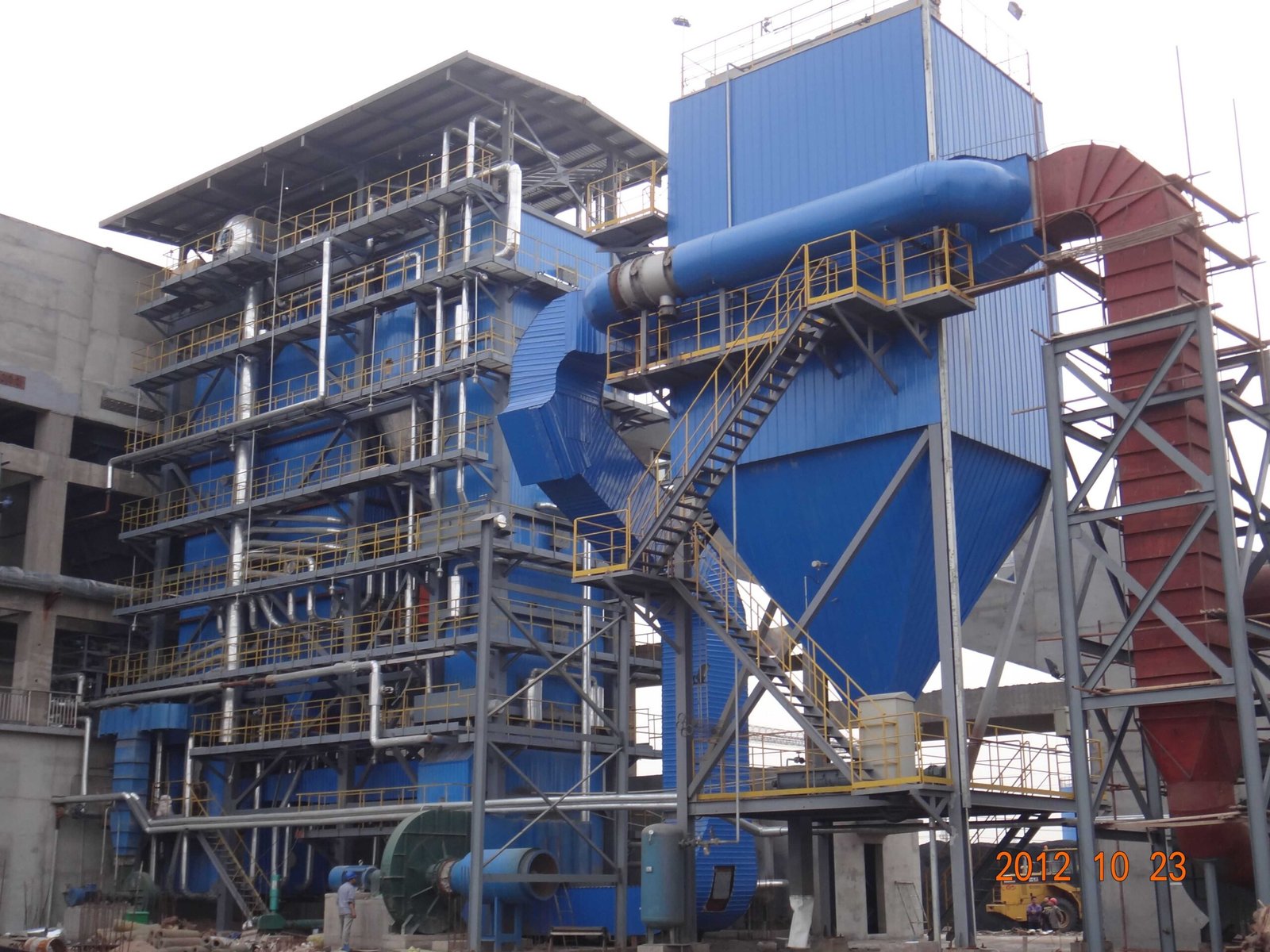
As biomass boilers become increasingly central to industrial decarbonization, operators face the challenge of maximizing energy efficiency while minimizing emissions, fuel consumption, and operating costs. Traditional biomass combustion often results in significant energy losses through flue gases, hot ash, and unused low-grade heat. However, high-efficiency heat recovery technologies and smart system integration strategies are now transforming this paradigm—turning waste heat into productive energy, streamlining plant thermal flows, and elevating overall boiler performance to new benchmarks.
High-efficiency heat recovery and system integration technologies significantly enhance biomass boiler performance by reclaiming waste heat from flue gases, combustion air, and process condensate, and redirecting it into useful heating, drying, or steam generation. Key systems like economizers, air preheaters, condensing heat exchangers, and thermal integration with plant processes increase total energy utilization, reduce fuel demand, and boost overall boiler efficiency by 5–20%. These innovations create more sustainable, cost-effective, and environmentally compliant biomass energy systems.
In today’s industrial environment, these systems aren’t just optional—they are mission-critical for energy optimization and carbon reduction.
Heat recovery systems are unnecessary in biomass boilers due to the renewable nature of the fuel.False
Even though biomass is renewable, maximizing its energy conversion through heat recovery improves efficiency, reduces emissions, and minimizes biomass consumption—making it more sustainable and cost-effective.
The Heat Loss Problem in Conventional Biomass Boilers
In traditional biomass boiler operations, a substantial portion of input energy is lost through various heat exits, especially via:
- Flue gas temperatures often exceeding 200–300°C
- Unutilized latent heat from moisture in exhaust
- Combustion air preheating left untapped
- Unrecovered condensate and process heat losses
These inefficiencies lead to:
- Increased fuel consumption per ton of steam or heat
- Higher greenhouse gas emissions and operational costs
- Difficulties in achieving emission compliance at lower loads
🔥 Solution: High-Efficiency Heat Recovery Technologies
Let’s break down the key systems and how they enhance performance:
1. Economizers: Reclaiming Heat from Flue Gases
Economizers are heat exchangers that recover sensible heat from flue gas and use it to preheat boiler feedwater.
- Reduces stack temperature by 100–150°C
- Feedwater temperature increases by 20–40°C
- Raises boiler efficiency by 3–6%
- Lowers fuel consumption and thermal shock on boiler drum
| Parameter | Without Economizer | With Economizer |
|---|---|---|
| Stack Temperature (°C) | 250–280 | 120–160 |
| Feedwater Temp (°C) | 60 | 100 |
| Boiler Efficiency (%) | 78–80 | 83–86 |
| Fuel Saving (%) | – | 5–7% |
✅ Ideal for medium to large-scale biomass boilers running continuously.
2. Air Preheaters (APH): Improving Combustion Efficiency
Air preheaters use flue gas heat to warm combustion air before it enters the furnace.
- Increases combustion temperature → more complete combustion
- Reduces ignition delay and improves fuel burnout
- Enables faster heat-up and lower CO emissions
- Contributes to an additional 2–4% efficiency boost
⚙️ Common types include rotary regenerative and plate-type APH systems.
3. Condensing Heat Exchangers (CHE): Capturing Latent Heat
Condensing economizers extract latent heat by condensing water vapor in flue gas, particularly from high-moisture biomass combustion.
- Recovers 5–8% more energy vs. conventional economizers
- Requires flue gas cooling to <60°C and corrosion-resistant materials
- Delivers low-grade heat to district heating or low-temperature processes
- Reduces total emissions per unit energy by 10–15%
🌡️ Especially effective with fuels like bagasse, wood chips, and wet sludge.
4. Heat Recovery from Ash Cooling and Blowdown
Waste heat can also be extracted from:
- Ash cooling systems via air or water heat exchangers
- Boiler blowdown via flash tanks and heat recovery units
These recover small, but meaningful amounts of energy and reduce thermal pollution.
5. System Integration: Beyond the Boiler
High-performance biomass systems don’t stop at the boiler boundary. System-wide thermal integration brings added value by connecting recovered heat to:
- Feedwater heating loops
- Process heating networks (e.g., dryers, evaporators, pasteurizers)
- Steam turbine condensate preheating
- Building heating or absorption chillers (trigeneration)
This enables cascaded energy usage, where each unit of thermal energy is used multiple times before it exits the system.
Diagram: Integrated Heat Recovery in Biomass Boiler System
Biomass Fuel ──► Combustion Chamber
                     │
                     ▼
           Flue Gas → Economizer → Feedwater Preheat
                     │
                     └──► Air Preheater → Combustion Air
                     │
                     └──► Condensing Heat Exchanger → Low-Temp Process Heating
                     │
           Ash → Ash Cooler → Air/Water Preheat Loop
                     │
       Blowdown → Flash Tank → Feedwater Loop Recovery
This integrated model leads to compound efficiency improvements across all thermal processes.
Performance Impact Summary Table
| Technology | Efficiency Gain (%) | Emission Reduction | Other Benefits |
|---|---|---|---|
| Economizer | 3–6 | CO₂ ↓ by 4–7% | Feedwater thermal stress reduction |
| Air Preheater | 2–4 | CO ↓ by 10–30% | Faster combustion stabilization |
| Condensing Heat Exchanger | 5–8 | Total emissions ↓ 10%+ | Adds district/process heating value |
| Ash/Blowdown Heat Recovery | 1–2 | Thermal loss ↓ | Waste energy reuse, lower drain losses |
| Full Thermal System Integration | 10–20 (combined) | Lifecycle CO₂ ↓ 15–30% | Fuel savings + operational reliability |
Case Study: Heat Recovery Boost in Agro-Industry Biomass Boiler
Plant: Food processing facility (sugar + starch)
Boiler Size: 30 TPH biomass (bagasse + rice husk)
Upgrades Installed:
- Inline economizer
- Rotary air preheater
- Condensing economizer integrated with spray dryer heating
- Flash steam recovery from blowdown
Results After Integration:
- Boiler efficiency increased from 76% to 88%
- Fuel consumption reduced by 17%
- CO₂ emissions per ton of steam dropped by 22%
- Payback period of upgrades: 2.8 years
📈 The system now operates fully self-contained for steam and heat needs, saving 3,800 tons of biomass annually.
Smart Controls: The Next Step in Integration
When combined with digital energy management systems, heat recovery becomes even more powerful:
- Monitors flue gas temp, moisture, and O₂ in real-time
- Optimizes air-fuel ratio, flue gas flow, and water feed preheat
- Uses predictive logic to balance demand and recovery
- Reduces operator burden and maintains peak efficiency 24/7
Summary
Advanced heat recovery and system integration technologies are transforming biomass boilers into high-efficiency, low-emission thermal powerhouses. By recovering energy that would otherwise be wasted and using it strategically across process systems, these technologies:
- Boost boiler efficiency by 5–20%
- Reduce fuel use and operating costs
- Lower lifecycle emissions dramatically
- Enable sustainable compliance with carbon and air quality laws
In the evolving landscape of industrial energy, the question is no longer whether to integrate heat recovery—but how completely you can leverage it. The more holistic the integration, the greater your competitive, environmental, and economic advantage.
How Do Digitalization, Automation, and Smart Control Systems Transform Biomass Boiler Operation and Maintenance?
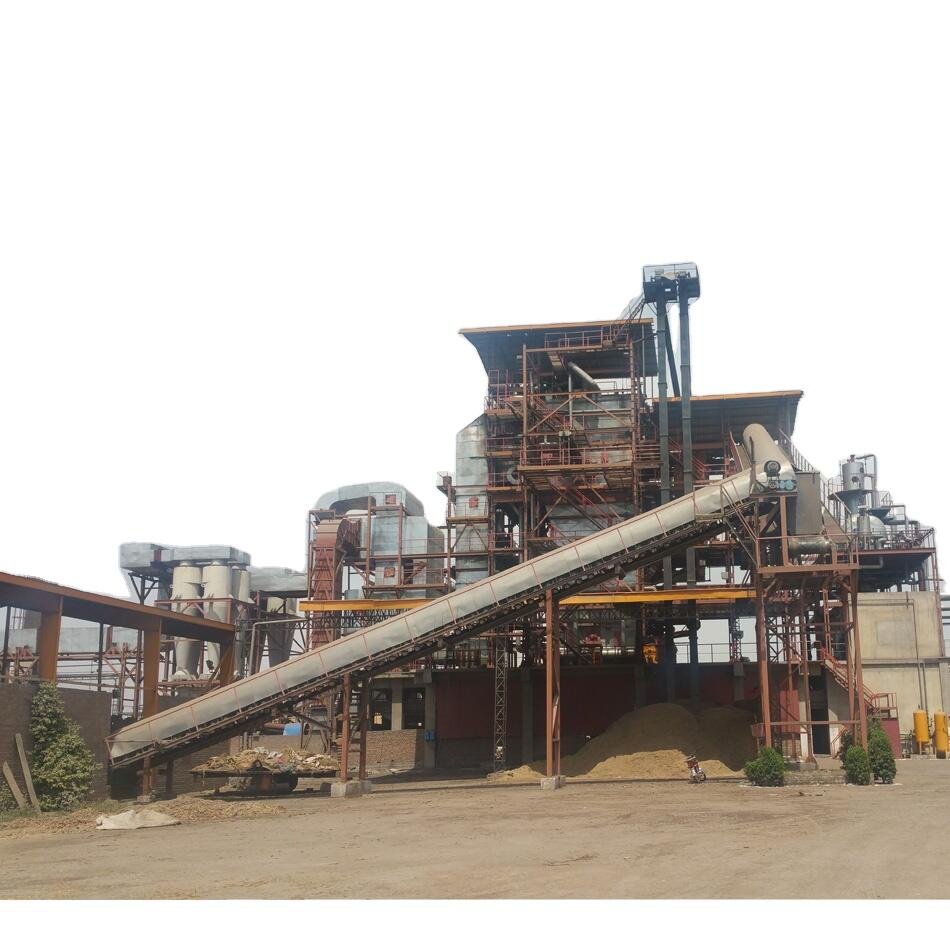
Traditional biomass boilers, while sustainable in fuel source, are often plagued by manual operation challenges, such as combustion instability, fuel variability, inconsistent emissions, and labor-intensive maintenance. However, the integration of digitalization, automation, and intelligent control systems is fundamentally changing how biomass boilers operate. These technologies provide real-time insights, predictive analytics, autonomous optimization, and remote maintenance capabilities—turning conventional boiler plants into smart, self-learning thermal systems that are safer, cleaner, more reliable, and operationally efficient.
Digitalization, automation, and smart control systems are transforming biomass boiler operation and maintenance by enabling real-time monitoring, automated combustion tuning, predictive maintenance, remote diagnostics, and system optimization. These technologies use sensors, SCADA, AI-based logic, and data analytics to improve fuel efficiency, reduce emissions, minimize unplanned downtime, and extend equipment life—while reducing operator workload and human error. The result is a smarter, more resilient biomass boiler that responds dynamically to fuel quality, load changes, and environmental conditions.
Today’s high-performance biomass boiler doesn’t just burn fuel—it thinks, learns, and adapts.
Biomass boilers do not benefit significantly from digital controls due to the simplicity of biomass combustion.False
Biomass combustion involves complex fuel variability, moisture levels, and emission dynamics, which are greatly improved by digital controls that enable precise tuning, optimization, and emissions compliance.
Why Traditional Boiler Management Falls Short
Without automation or digital integration, biomass boiler operations suffer from:
- Manual air-fuel ratio tuning that can’t keep up with real-time fuel changes
- Delayed detection of issues, such as fouling, temperature excursions, or sensor failure
- Reactive maintenance based on breakdowns, not early warnings
- Human error in emissions compliance, risking fines and shutdowns
These limitations affect fuel efficiency, safety, emissions, and operating cost—especially in plants using diverse biomass fuels.
Smart Technology Stack for Biomass Boiler Automation
Modern biomass boilers now incorporate a multi-layered digital ecosystem including:
| System Layer | Functionality |
|---|---|
| Sensors & Actuators | Real-time data on temperature, pressure, O₂, CO, NOₓ, fuel flow, ash level |
| PLC & DCS Automation | Controls air/fuel ratios, feedwater, flue gas recirculation, soot blowing |
| SCADA/HMI Interfaces | Centralized operator dashboard for monitoring and control |
| AI & Predictive Logic | Learns from trends to optimize combustion, predict failures, and trigger alarms |
| Cloud Integration | Remote access, historical data analytics, cross-plant benchmarking |
Smart Boiler Features That Are Redefining Biomass Operations
🔥 1. Real-Time Combustion Optimization
Combustion control systems use oxygen trim, flame temperature profiling, and flue gas analytics to maintain ideal burn conditions.
- Adjusts airflow, fuel feed, and burner staging on the fly
- Adapts to changing biomass moisture and composition
- Minimizes CO, NOₓ, unburned carbon, and slagging risks
- Increases boiler efficiency by 3–6%
Example: System raises combustion air when wood chip moisture rises, preventing flame instability.
📊 2. Predictive Maintenance & Condition Monitoring
Smart maintenance uses sensor data and historical trends to predict failures before they happen.
- Vibration sensors detect bearing wear on feed screws
- Differential pressure sensors track fouling in filters
- AI models predict soot buildup, corrosion, refractory damage
- Maintenance alerts triggered weeks before failure
| Component | Sensor Monitored | Failure Predicted |
|---|---|---|
| Fuel Screw Conveyor | Motor current, vibration | Motor wear, jamming |
| Economizer | Flue temp differential | Fouling, scale buildup |
| Air Preheater | ΔT across heat exchanger | Ash clogging, seal leakage |
| Fan Bearings | Vibration, temp | Imbalance, lubrication failure |
Reduces unplanned downtime by up to 40%, and improves spare parts planning.
🌐 3. Remote Monitoring and Control
Operators and service teams can access boiler systems from:
- Onsite control room
- Remote desktop or mobile app
- Cloud-based fleet management portals
Key capabilities:
- Live performance dashboards
- Alarm response and troubleshooting
- Parameter adjustment and logic override
- Maintenance scheduling and digital logs
Ideal for companies managing multiple boiler sites or operating in remote locations.
📈 4. Historical Data Analytics & Reporting
Digital logs enable:
- Trend analysis of O₂, NOₓ, CO, stack temps
- Efficiency benchmarking across time or boilers
- Emission compliance reporting (e.g., for environmental audits)
- Fault root cause analysis (e.g., for operator training)
| Parameter | Analytics Insight |
|---|---|
| Excess O₂ over 30 days | Indicates inefficient air tuning, can suggest control logic changes |
| Frequent feed rate spikes | Suggests inconsistent fuel size or bridging in hoppers |
| Emission peaks vs. load | Helps optimize burner modulation and load-following logic |
Diagram: Integrated Smart Biomass Boiler System
[Sensors] ─► [PLC Automation] ─► [AI Combustion Logic] ─► [Actuators]
     │              │                     │                        │
     ▼              ▼                     ▼                        ▼
 O₂, CO, Temp     Fuel/Air Control    Combustion Profile     Fan/Damper Control
     │              │                     │                        │
     ▼              ▼                     ▼                        ▼
[SCADA HMI] ◄──── [Predictive Maintenance Engine] ◄──── [Cloud Platform]
      │                                                      │
[Operator Interface]                              [Remote Support & Benchmarking]
Case Study: Smart Biomass Boiler Upgrade in European Pulp Mill
Boiler Size: 40 TPH biomass (wood bark + sawdust)
Previous Issues: Unstable combustion, 3 shutdowns/year, frequent excess O₂ alarms
Upgrades:
- Installed digital control layer (O₂ trim + flame profiling)
- Connected to cloud-based monitoring system
- Enabled remote tuning by OEM support team
Results After 6 Months:
- Boiler efficiency increased from 79.5% to 85.2%
- CO emissions dropped by 45%, NOₓ by 30%
- Fuel savings: 1,000 tons/year
- Unplanned shutdowns reduced to zero
- Maintenance workload dropped by 25% (reliant on digital alerts)
✅ ROI on smart upgrades achieved in just 11 months
Comparison Table: Manual vs. Smart Biomass Boiler Operation
| Function | Manual Operation | Smart Operation |
|---|---|---|
| Combustion Tuning | Periodic, fixed schedule | Real-time, adaptive control |
| Efficiency Optimization | Based on operator experience | AI-based dynamic tuning |
| Maintenance | Reactive or time-based | Predictive and condition-based |
| Emissions Compliance | Visual and scheduled checks | Continuous automated reporting |
| Operator Workload | High | Reduced via automation and remote tools |
Summary
Digitalization, automation, and smart control systems are no longer luxuries—they are essential infrastructure for biomass boiler plants operating in modern industrial and regulatory environments. These technologies offer:
- Higher efficiency and fuel savings
- Reduced emissions and improved compliance
- Longer equipment life and reduced downtime
- Lower labor requirements and faster troubleshooting
- Greater adaptability to fuel variability and load changes
As biomass becomes a key player in the global energy transition, smart boiler systems are the key to unlocking its full operational, economic, and environmental potential. Operators embracing digital transformation will lead the charge toward cleaner, more efficient industrial heat systems.
How Are Advanced Materials and Design Optimization Extending Biomass Boiler Lifespan and Reliability?
-scaled.jpg)
Industrial biomass boilers operate under intense thermal, chemical, and mechanical stress—exacerbated by fuel variability, high-ash residues, corrosive compounds, and wide temperature fluctuations. These factors contribute to fouling, erosion, thermal fatigue, and unplanned shutdowns, directly impacting system availability and lifecycle cost. However, modern advances in materials engineering and structural design optimization are revolutionizing biomass boiler reliability. Through the use of corrosion-resistant alloys, optimized waterwall layouts, CFD-aided combustion chambers, and modularized pressure part designs, manufacturers now deliver boilers with significantly longer service life, reduced wear, and improved operational resilience.
Advanced materials and design optimization are extending biomass boiler lifespan and reliability by using high-performance alloys, erosion-resistant coatings, and computationally optimized structural configurations that withstand the thermal cycling, corrosion, and ash fouling typical in biomass combustion. These innovations reduce downtime, maintenance costs, and component failure rates—while enhancing thermal efficiency and safety margins. As a result, modern biomass boilers achieve 20–30% longer operational lifespans with lower lifecycle cost and improved availability.
A boiler’s longevity is no longer just a matter of material thickness—it’s now driven by intelligent engineering and materials science.
Biomass boilers can maintain high reliability using standard boiler steel materials used in fossil-fuel boilers.False
Standard boiler steel is often inadequate for biomass applications due to the high alkali, chlorine, and sulfur content in biomass fuels, which require specialized alloys and coatings for corrosion and erosion resistance.
The Challenge: Why Biomass Boilers Degrade Faster Without Advanced Materials
Biomass combustion presents unique challenges compared to coal or oil:
| Issue | Effect on Components |
|---|---|
| High ash content (10–20%) | Erosion, slagging on tube surfaces |
| Alkali & chlorine in fuel | Fireside corrosion of tubes and superheaters |
| Flue gas with HCl, SO₂ | Accelerated metal wastage, especially at >400°C |
| Variable fuel moisture/BTU | Uneven expansion, thermal fatigue |
| Abrasive particulate flow | Erosion of bends, headers, and refractory walls |
Traditional SA-210 or SA-213 steel tubes degrade quickly under these conditions, especially in superheater zones and furnace waterwalls.
Solution: Advanced Materials for High-Stress Zones
🛡️ 1. High-Performance Tube Alloys
Engineers now use a tiered selection of heat- and corrosion-resistant materials, especially in high-temperature zones.
| Material/Alloy | Typical Use Zone | Properties |
|---|---|---|
| SA-213 T22 (Cr-Mo steel) | Furnace, superheater | Better creep resistance at elevated temps (up to 600°C) |
| TP347H (Austenitic SS) | Reheater, superheater | High resistance to chloride-induced corrosion |
| Inconel 625 | Furnace walls, headers | Outstanding corrosion resistance, extreme temp strength |
| Co-extruded tubes | Waterwalls | Outer layer resists corrosion; inner layer carries pressure |
| Cladded panels (e.g. 309L) | Combustion zone linings | Erosion and chemical attack resistance |
⚙️ Use of co-extruded or cladded tubes in biomass boilers extends service life by 3–5 years in corrosive zones.
🧱 2. Refractory & Ash-Resistant Coatings
- High-alumina or silicon carbide refractory for exposed chamber linings
- Anti-fouling ceramic coatings on superheater and economizer tubes
- Plasma-sprayed chromium carbide on cyclone separators and elbows
These materials reduce slag adhesion, particulate erosion, and thermal shock, especially where alkali-laden ash hits high temperatures.
Design Optimization: Engineering for Long Life
🧠 1. CFD-Based Combustion and Flow Optimization
Modern boiler designs use Computational Fluid Dynamics (CFD) to:
- Optimize flame shape and residence time
- Eliminate dead zones and hot spots
- Reduce uneven thermal loads on walls and tubes
- Predict ash deposition and flow turbulence
| Design Parameter | Optimized Outcome |
|---|---|
| Air nozzle placement | Reduced CO and NOₓ, even heat distribution |
| Furnace volume ratio | Lower peak temps, reduced slagging |
| Tube bank spacing | Less fouling, better gas flow uniformity |
| Gas velocity control | Minimized erosion of elbows and economizers |
CFD enables lifespan-oriented geometry for ash-heavy and corrosive fuels.
🔧 2. Modular and Maintainable Construction
Designs now favor modular construction that supports:
- Faster erection and replacement of tube panels
- Easy access for cleaning and inspection
- Fewer welded connections = fewer stress points
- Flexible hanger and expansion joints to prevent fatigue cracking
🛠️ This reduces Mean Time to Repair (MTTR) and enhances long-term structural integrity.
📏 3. Thermal Expansion Management
Thermal cycling from frequent start/stop operations leads to creep-fatigue. Modern design improvements include:
- Flexible tube bends and loop designs to absorb expansion
- Sliding support brackets and spring hangers
- Differential expansion modeling during engineering phase
This reduces strain on headers, welds, and waterwalls, extending their service life under variable load conditions.
Lifespan Performance Comparison Table
| Feature | Conventional Design | Optimized Design with Advanced Materials |
|---|---|---|
| Waterwall Service Life | 5–8 years | 12–15 years |
| Superheater Tube Failure Rate | High (every 2–3 yrs) | Low (7+ year cycles) |
| Unplanned Downtime (per year) | 3–5 weeks | <1 week |
| Maintenance Costs (10 yrs) | High | 20–30% lower |
| Overall Boiler Lifespan | 12–15 years | 18–22 years |
Case Study: Biomass CHP Plant with Material Upgrades
Plant: 25 MWe Combined Heat & Power (CHP) plant in Scandinavia
Fuel: Wood chips + straw + RDF
Problem: Corrosion-induced superheater failures every 30 months
Solution:
- Upgraded superheater bundles to TP347HFG stainless steel
- Installed Inconel 625 cladding on furnace walls
- CFD re-engineering of flue gas paths to reduce ash velocity
- Switched from cast refractory to silicon carbide bricks
Outcome:
- Tube failures eliminated in next 5 years
- Boiler availability improved from 91% → 97%
- Maintenance cost dropped by 28%
- Boiler life expectancy extended by 7 years
✅ Total upgrade cost paid back in under 3 years from fuel savings and downtime reduction.
Structural Innovation: Visual Schematic
[Combustion Chamber]
 └── Cladded Waterwalls (Inconel or SS)
 └── CFD-optimized Burner Zones
 └── Refractory Linings (SIC/Alumina)

[Superheater Zone]
 └── TP347H Tube Bundles
 └── Anti-Fouling Ceramic Coatings
 └── Ash Flow Diverters

[Heat Recovery]
 └── Tube Pitch Adjustment for Fouling
 └── Variable Gas Velocity Paths
 └── Modular Economizer Panels
Each structural layer is engineered not just for performance—but for longevity under biomass-specific stress.
Summary
As biomass fuel becomes a mainstream choice for industrial energy, durability and reliability are more critical than ever. The combination of advanced materials and engineered design optimization ensures that biomass boilers can:
- Withstand corrosion, slagging, and ash fouling
- Operate under flexible loads and fuel variability
- Reduce maintenance frequency and unplanned outages
- Extend service life by 5–10 years
- Deliver higher ROI with lower total lifecycle cost
In essence, these innovations are turning biomass boilers into long-life assets—ready to meet the demands of decarbonized, high-performance industrial energy systems for decades to come.
How Do Carbon Reduction Policies and Renewable Energy Targets Drive Innovation in Industrial Biomass Boilers?
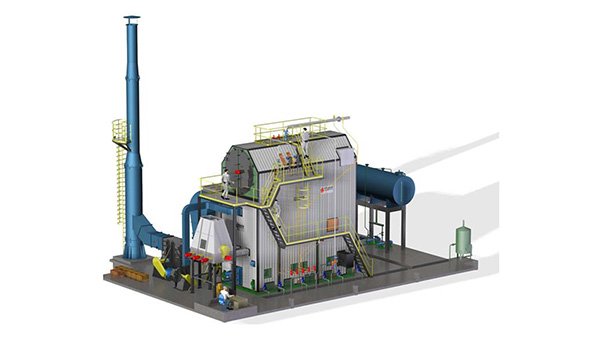
In today’s global energy transition, industrial biomass boilers are no longer just a cleaner alternative to fossil fuels—they are increasingly seen as strategic enablers for countries and industries aiming to meet aggressive carbon reduction commitments and renewable energy goals. This regulatory and policy-driven momentum is now catalyzing rapid innovation across biomass boiler design, control, fuel use, and lifecycle sustainability. Whether it’s through stricter emissions laws, net-zero mandates, or national renewable heat quotas, these external pressures are reshaping how biomass boiler systems are built and operated.
Carbon reduction policies and renewable energy targets are driving innovation in industrial biomass boilers by pushing manufacturers and operators to enhance efficiency, reduce emissions, expand fuel flexibility, and adopt smart, low-carbon technologies. Government mandates—such as carbon taxes, emission caps, renewable heat obligations, and industrial decarbonization incentives—are directly influencing the development of advanced combustion systems, ultra-low-emission controls, lifecycle carbon accounting, and integration of carbon capture. These innovations ensure biomass boilers remain compliant, competitive, and future-ready in a carbon-constrained world.
In short, regulation is not restraining progress—it’s accelerating it.
Environmental policies have little influence on the technological development of biomass boilers.False
Environmental regulations, carbon pricing, and renewable energy incentives are key drivers behind the development and deployment of cleaner, smarter, and more efficient biomass boiler technologies.
Policy Landscape Fueling Biomass Boiler Innovation
🔧 Regulatory Mechanisms Affecting Biomass Boiler Development:
| Policy Tool | Impact on Biomass Boiler Innovation |
|---|---|
| Carbon Pricing/Taxation | Drives need for higher efficiency and lower CO₂ per MWh output |
| Emission Trading Schemes (ETS) | Encourages investment in ultra-low-emission boiler systems |
| Renewable Energy Targets | Expands demand for biomass thermal systems across industry sectors |
| Industrial Decarbonization Grants | Supports R&D and retrofitting with high-efficiency biomass tech |
| Emission Limits (NOₓ, PM, SO₂) | Promotes flue gas treatment systems, advanced combustion control |
| Mandatory Reporting/ESG Standards | Leads to digitalization, carbon tracking, and lifecycle analysis tools |
For example, in the EU, RED III (Renewable Energy Directive) and Fit for 55 legislation explicitly favor biomass heat applications in heavy industry and district energy—provided they meet sustainability and efficiency thresholds.
Technological Innovation in Response to Policy
🔥 1. Ultra-Low Emission Combustion Systems
Policies limiting NOₓ, particulate matter (PM), and CO₂ emissions have driven:
- Staged combustion air systems
- Flue gas recirculation (FGR)
- O₂ trim and AI-based combustion controls
✅ These reduce NOₓ by 60–80%, PM by 90%, and CO₂ intensity by 10–15% via improved burn efficiency.
🌀 2. Advanced Flue Gas Treatment Technologies
Tight air quality laws (e.g., EU LCP BREF, China’s GB 13223-2011) have accelerated deployment of:
- Baghouse filters and electrostatic precipitators (ESP)
- Selective Non-Catalytic and Catalytic Reduction (SNCR/SCR)
- Wet and dry scrubbers for acid gas control
| Pollutant | Policy Limit (Typical) | Technology Response |
|---|---|---|
| PM | <20 mg/Nm³ | Baghouse, wet ESP |
| NOₓ | <150 mg/Nm³ | SNCR with urea/ammonia injection |
| SO₂ | <200 mg/Nm³ | Limestone-based dry scrubbing |
| CO | <200 mg/Nm³ | Real-time combustion tuning |
Fuel Innovation: Waste Utilization & CO₂ Credits
Policies like the EU’s Taxonomy Regulation and national carbon offset programs incentivize:
- Use of biogenic waste (RDF, sludge, agro-residues)
- Integration of carbon-negative fuels (e.g., torrefied biomass, biochar)
- Co-firing of multiple low-emission fuels
This has led to:
- Development of multi-fuel flexible combustion systems
- Digital fuel tracing and carbon lifecycle calculators
- Carbon-neutral or even carbon-negative boiler options
Integration with Carbon Capture & Utilization (CCUS)
Net-zero targets by 2050 (per IPCC guidance) have spurred innovation in bioenergy with carbon capture and storage (BECCS):
- Flue gas CO₂ streams are now being pre-conditioned for absorption
- Biomass CHP plants explore carbon-negative electricity and bio-CO₂ reuse
- Boiler designs are integrating with modular carbon scrubbers or amine treatment skids
🌍 Countries like Norway and Sweden already offer carbon credit markets for negative emissions from biomass + CCUS.
Digitalization Driven by ESG and Reporting Rules
Environmental, Social, and Governance (ESG) frameworks and mandatory emissions disclosures have led to:
- Smart boiler platforms with real-time CO₂ reporting
- Automated emission dashboards linked to national registries
- Blockchain-verified biomass sourcing for fuel traceability
| Digital Functionality | Policy-Driven Benefit |
|---|---|
| Real-time emissions monitoring | Enables continuous compliance with evolving standards |
| Carbon accounting dashboards | Supports Scope 1/2 reporting and net-zero pathways |
| AI-based combustion optimization | Aligns with industrial energy efficiency benchmarks |
| Predictive maintenance analytics | Enhances plant uptime for critical infrastructure |
Case Study: Biomass Boiler Retrofit in Germany under KfW Energy Efficiency Program
Boiler Type: 50 TPH industrial biomass steam generator
Upgrade Trigger: New NOₓ limit (150 mg/Nm³), CO₂ reduction mandate
Funding Support: €1.2M from KfW Energy Efficiency Program
Retrofits Implemented:
- SNCR DeNOₓ system + baghouse filter
- AI-driven combustion air control
- Fuel mix expanded to include 20% sewage sludge
- Heat recovery economizer added
- Smart emissions monitoring integrated to reporting platform
Outcomes:
- NOₓ reduced to 98 mg/Nm³
- Boiler efficiency improved from 79% to 87%
- CO₂ emissions reduced by 18%
- €480K/year savings in fuel and carbon penalties
- Full ROI in 2.3 years
✅ Compliance was achieved ahead of schedule, with new competitive advantage from ESG reporting quality.
Summary Table: Policy-Driven Innovation in Biomass Boilers
| Policy Driver | Technological Response |
|---|---|
| Emission Caps (NOₓ, PM, SO₂) | Low-NOx burners, SNCR/SCR, baghouse filters |
| Carbon Pricing & CO₂ Taxation | Efficiency upgrades, heat recovery, fuel blending optimization |
| Renewable Energy Mandates | Biomass + waste co-firing, torrefied biomass |
| Net-Zero & Carbon Accounting | Integration of CCUS, smart carbon tracking |
| ESG & Industrial Decarbonization | Digital control systems, automated sustainability reporting |
Summary
As the global policy environment shifts toward carbon neutrality and renewable energy dominance, industrial biomass boilers are undergoing a technological renaissance. Innovation is being driven not by market competition alone, but by:
- Carbon taxes and trading systems
- Tighter emission laws and cleaner air mandates
- National and regional net-zero targets
- Incentives for waste valorization and circular economy
These pressures are pushing biomass boiler developers and operators to adopt smarter combustion, cleaner exhaust handling, carbon lifecycle tracking, and advanced integration strategies. The result is a generation of policy-ready, performance-optimized biomass boilers—ready to anchor the decarbonized, low-emission factories and energy systems of the future.
🔍 Conclusion
Innovation is redefining the role of industrial biomass boilers in modern energy systems. Through cleaner combustion, smarter control, broader fuel adaptability, and higher efficiency, next-generation biomass boilers can deliver reliable industrial energy while supporting sustainability and carbon-reduction objectives. These advancements ensure that biomass boilers remain technically viable, environmentally compliant, and economically competitive in the long term.
🔹 Contact us today to explore innovative industrial biomass boiler solutions that deliver efficiency, reliability, and long-term renewable value. 🌿🔥🏭✅
FAQ
Q1: What are the most significant technological innovations in industrial biomass boilers?
A1: The most significant innovations in industrial biomass boilers focus on improving efficiency, reliability, and emissions control. Modern designs feature advanced combustion systems, optimized furnace geometry, high-efficiency heat exchangers, and improved refractory materials. These advancements enhance heat transfer, reduce slagging and fouling, and allow boilers to operate efficiently with diverse biomass fuels. As a result, newer biomass boilers deliver higher output, lower operating costs, and longer service life compared to older systems.
Q2: How is fuel flexibility shaping the future of biomass boiler technology?
A2: Fuel flexibility is a major driver of innovation in biomass boilers. Advanced fuel feeding systems and combustion control technologies enable boilers to efficiently burn wood chips, pellets, agricultural residues, energy crops, and mixed biomass fuels. Adaptive control systems automatically adjust air distribution and combustion parameters based on fuel properties. This flexibility improves fuel availability, reduces dependency on a single fuel source, and lowers overall fuel costs, making biomass boilers more attractive to industrial users.
Q3: How are emission reduction technologies improving biomass boiler performance?
A3: Emission reduction is a key focus in modern biomass boiler innovation. Technologies such as staged combustion, flue gas recirculation, high-efficiency cyclones, bag filters, and electrostatic precipitators significantly reduce particulate matter and NOx emissions. Improved combustion stability also lowers CO emissions. These advancements help biomass boilers comply with increasingly strict environmental regulations while maintaining high efficiency, positioning them as a cleaner alternative to traditional fossil-fuel boilers.
Q4: What role does digitalization play in future industrial biomass boilers?
A4: Digitalization and smart control systems are transforming biomass boiler operation. Real-time sensors, PLC/DCS platforms, and data analytics enable precise monitoring of fuel quality, bed temperature, and combustion efficiency. Predictive maintenance tools identify early signs of wear in grates, feeding systems, and heat transfer surfaces, reducing unplanned downtime. Digital optimization improves reliability, enhances efficiency, and lowers lifecycle operating costs for industrial biomass boiler installations.
Q5: How do decarbonization goals influence biomass boiler innovation?
A5: Decarbonization and sustainability goals strongly influence biomass boiler development. Innovations support higher efficiency, reduced auxiliary power consumption, and integration with combined heat and power (CHP) systems. Biomass co-firing, waste-to-energy applications, and carbon-neutral fuel strategies help industries reduce net CO₂ emissions. Future-ready biomass boilers are increasingly designed to align with carbon reduction policies while providing stable, large-scale industrial heat and steam supply.
References
- International Energy Agency (IEA) – Biomass for Heat and Power – https://www.iea.org/ – IEA
- U.S. Department of Energy – Biomass Energy Technologies – https://www.energy.gov/ – DOE
- ASME – Boiler and Pressure Vessel Code (BPVC) – https://www.asme.org/ – ASME
- IEA Bioenergy – Industrial Biomass Combustion – https://www.ieabioenergy.com/ – IEA Bioenergy
- Valmet – Biomass Boiler Technology Solutions – https://www.valmet.com/ – Valmet
- ANDRITZ – Biomass and Waste-to-Energy Boilers – https://www.andritz.com/ – ANDRITZ
- ScienceDirect – Advances in Biomass Boiler Technology – https://www.sciencedirect.com/ – ScienceDirect
- Engineering Toolbox – Biomass Boiler Performance Data – https://www.engineeringtoolbox.com/ – Engineering Toolbox
- ISO 50001 – Energy Management in Biomass Systems – https://www.iso.org/ – ISO
- World Bank – Biomass Energy and Industrial Decarbonization – https://www.worldbank.org/ – World Bank
Innovations Shaping the Future of Industrial Biomass Boilers Read More »