
Can Steam Boilers Be Used for Combined Heat and Power (CHP)?
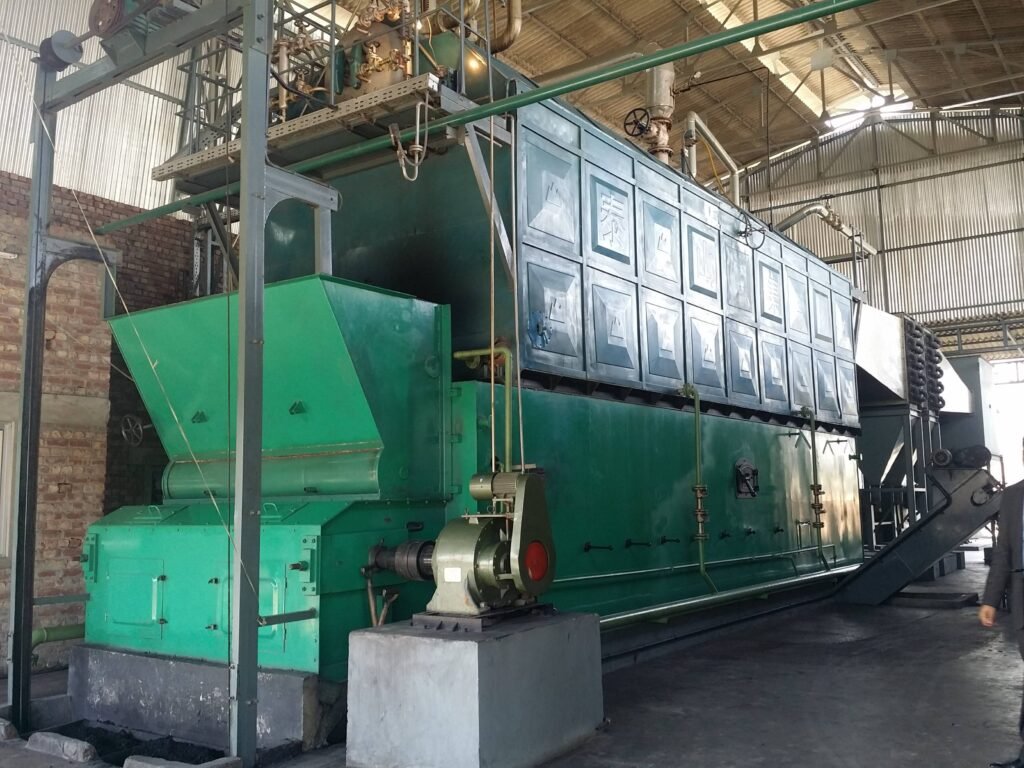
Many industrial facilities are under pressure to reduce energy costs, improve efficiency, and lower carbon emissions. Traditional steam boiler systems provide reliable process heat, but often waste valuable thermal energy that could be converted into electricity. Without integrating power generation, plants miss opportunities for fuel savings, higher overall efficiency, and energy independence. This raises a critical question: can steam boilers be effectively integrated into combined heat and power (CHP) systems?
Yes, steam boilers can be used in combined heat and power (CHP) applications by generating high-pressure steam that drives a steam turbine to produce electricity, while the exhaust steam is then used for industrial heating or process needs. When properly designed, a CHP system utilizing steam boilers can achieve total energy efficiencies of 70–85%, significantly higher than separate heat and power generation.
Understanding how steam boilers integrate into CHP systems allows industries to maximize fuel utilization, reduce operating costs, and enhance energy resilience.
How Do Steam Boilers Function Within a Combined Heat and Power (CHP) System?
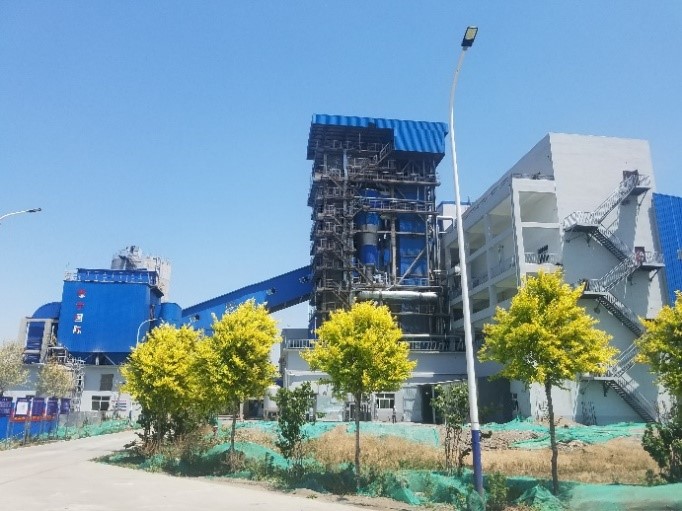
Industrial facilities, hospitals, district heating networks, and manufacturing plants constantly struggle with rising energy costs, low energy efficiency, and carbon emission pressures. Traditional power generation wastes nearly half of the fuel energy as unused heat, while conventional boilers often operate independently without recovering valuable thermal energy. This inefficiency leads to higher operational expenses, regulatory challenges, and reduced competitiveness. The solution lies in integrating steam boilers within a Combined Heat and Power (CHP) system, where electricity and useful heat are produced simultaneously from a single fuel source, dramatically improving overall efficiency and sustainability.
In a Combined Heat and Power (CHP) system, steam boilers generate high-pressure steam that drives a steam turbine to produce electricity, and the exhaust steam or recovered thermal energy is then utilized for heating, industrial processes, or district energy applications, achieving overall energy efficiencies of 70–90% compared to 45–55% in conventional systems.
Understanding how steam boilers function within CHP systems requires a technical, operational, and economic perspective. As a professional boiler manufacturer and energy systems engineer, I will explain the working principles, integration methods, thermodynamic cycles, efficiency calculations, system configurations, and real-world case studies to help facility owners, engineers, and project investors make informed decisions.
Combined Heat and Power systems can achieve overall energy efficiencies above 80%.True
By capturing and utilizing waste heat from power generation, CHP systems significantly improve total fuel utilization compared to conventional separate heat and power generation.
Understanding the Core Components of a Steam-Based CHP System
A steam-based CHP system typically consists of a fuel input system, steam boiler (also called a steam generator), steam turbine, generator, condenser or heat recovery system, feedwater system, and control system. The steam boiler plays the foundational role by converting chemical energy from fuel into thermal energy in the form of high-pressure steam. This steam carries enthalpy, which is converted into mechanical energy through a turbine and finally into electrical energy via a generator.
In industrial-grade CHP systems, steam boilers may operate at pressures ranging from 10 bar to 120 bar, with temperatures between 180°C and 540°C depending on system design. High-pressure steam enters the turbine, expands across multiple stages, and produces shaft rotation. The exhaust steam is either extracted at intermediate pressure for process use or condensed and recycled. This integration ensures minimal energy waste.
The boiler type used in CHP systems generally falls into one of the following categories:
| Boiler Type | Pressure Range | Typical Capacity | Fuel Type | CHP Suitability |
|---|---|---|---|---|
| Fire-Tube Boiler | Up to 25 bar | Small to Medium | Gas, Oil | Small-scale CHP |
| Water-Tube Boiler | 10–120 bar | Medium to Large | Gas, Coal, Biomass | Industrial CHP |
| Biomass Boiler | 10–100 bar | Medium to Large | Wood Chips, Pellets | Renewable CHP |
| Waste Heat Boiler | Variable | Process-based | Exhaust Gas | Supplementary CHP |
From a manufacturing standpoint, water-tube boilers are preferred for large-scale CHP applications because they handle higher pressures, offer faster response to load changes, and provide improved thermal efficiency.
Thermodynamic Cycle: How Steam Boilers Enable Energy Cascading
Steam boilers within CHP systems typically operate based on the Rankine cycle. The Rankine cycle involves four stages: pressurization, heating/evaporation, expansion, and condensation. In a CHP configuration, the cycle is modified to allow useful heat extraction before full condensation.
- Feedwater Pumping: Condensed water is pumped into the boiler at high pressure.
- Heat Addition: The boiler combusts fuel and transfers heat to water, generating high-pressure steam.
- Expansion in Turbine: Steam expands in the turbine, generating mechanical work.
- Heat Recovery: Instead of discarding exhaust steam, it is redirected to process heating or district heating networks.
The energy flow can be represented as follows:
| Energy Flow Stage | Conventional Power Plant Efficiency | CHP System Efficiency |
|---|---|---|
| Electrical Output | 35–45% | 30–40% |
| Waste Heat | 50–60% (Lost) | 40–50% (Recovered) |
| Overall Efficiency | 45–55% | 70–90% |
This energy cascading mechanism is the key advantage of integrating steam boilers into CHP systems. Rather than wasting thermal energy, the system reuses it for heating buildings, sterilization processes, drying operations, food processing, or district heating grids.
Steam Boiler Integration Configurations in CHP Systems
There are three primary steam boiler configurations in CHP systems:
1. Back-Pressure Steam Turbine CHP
In this configuration, steam exits the turbine at usable pressure and temperature, supplying process heat directly. No condenser is required. This is common in industrial plants where steam demand is continuous.
Advantages:
- Simple design
- High overall efficiency
- Lower capital cost
Disadvantages:
- Electricity output depends on heat demand
2. Extraction-Condensing Steam Turbine CHP
Steam is partially extracted for heating while the remainder is condensed. This provides operational flexibility and stable electricity generation.
Advantages:
- Flexible power-to-heat ratio
- Stable electricity production
Disadvantages:
- Higher capital cost
- More complex controls
3. Combined Cycle with Heat Recovery Steam Generator (HRSG)
In gas turbine-based CHP systems, exhaust gases generate steam in an HRSG, functioning similarly to a steam boiler. The steam then drives a steam turbine.
Advantages:
- Very high efficiency
- Suitable for large installations
Disadvantages:
- High investment
- Complex maintenance
Real Industrial Case Study: Steam Boiler CHP in Food Processing Plant
A food processing facility consuming 8 MW of thermal energy and 3 MW of electrical power replaced its conventional boiler and grid electricity supply with a 10-ton/hour natural gas-fired water-tube steam boiler integrated into a CHP system.
Before CHP:
- Electricity purchased from grid
- Boiler efficiency: 82%
- Overall fuel utilization: 52%
- Annual energy cost: $4.8 million
After CHP installation:
- Boiler efficiency: 90%
- Turbine electrical output: 2.8 MW
- Heat recovery efficiency: 85%
- Overall system efficiency: 83%
- Annual energy cost: $3.6 million
- CO₂ reduction: 5,200 tons/year
Payback period: 3.8 years
This example demonstrates the economic viability of steam boiler CHP systems when properly engineered and sized.
Key Technical Factors Affecting Steam Boiler Performance in CHP
Several engineering parameters directly influence system efficiency:
- Steam pressure and temperature
- Boiler combustion efficiency
- Excess air ratio
- Feedwater temperature
- Load matching
- Turbine isentropic efficiency
For example, increasing steam pressure from 25 bar to 45 bar can improve turbine efficiency by approximately 6–8%, but it requires stronger boiler materials and higher capital cost.
Modern CHP boilers incorporate:
- Economizers
- Superheaters
- Air preheaters
- Flue gas condensers
- Oxygen trim controls
- Low-NOx burners
These technologies increase thermal efficiency while reducing emissions.
Environmental and Regulatory Benefits
Steam boiler CHP systems significantly reduce carbon emissions. According to International Energy Agency data, CHP systems can reduce primary energy consumption by up to 20–30% compared to separate generation.
Emission reductions include:
- CO₂ reduction: 15–30%
- NOx reduction: 10–20%
- SO₂ reduction: fuel-dependent
Biomass-fired steam boilers in CHP systems can further reduce net carbon emissions to near zero under sustainable forestry management.
Economic Considerations and ROI
Investment costs for steam-based CHP systems vary:
| Capacity | Estimated Investment | Typical Payback |
|---|---|---|
| 1–5 MW | $1,500–$2,500/kW | 3–5 Years |
| 5–20 MW | $1,200–$2,000/kW | 3–6 Years |
| 20+ MW | $1,000–$1,800/kW | 4–7 Years |
Factors influencing ROI:
- Fuel price stability
- Electricity tariffs
- Government incentives
- Heat demand stability
- Carbon credit policies
Proper feasibility analysis and load profiling are essential before installation.
Future Trends in Steam Boiler CHP Systems
Emerging trends include:
- Hydrogen-ready boilers
- Digital twin monitoring systems
- AI-driven combustion optimization
- Modular CHP units
- Integration with thermal energy storage
These innovations will further improve operational flexibility and decarbonization potential.
Steam boilers function as the thermal heart of a Combined Heat and Power system by generating high-pressure steam that produces electricity and simultaneously delivers usable heat. Through intelligent integration of the Rankine cycle, energy cascading, and heat recovery technologies, CHP systems achieve significantly higher overall efficiencies, lower emissions, and substantial operational cost savings compared to conventional energy systems. Proper boiler selection, pressure optimization, combustion control, and system configuration are essential to maximize performance and ROI.
If you are planning to upgrade your industrial boiler system or explore CHP integration for your facility, our engineering team can provide customized feasibility analysis, system design, high-efficiency steam boilers, and turnkey CHP solutions. Contact us today to discuss how we can help you reduce energy costs, improve efficiency, and achieve sustainable power generation.
What Types of Steam Boilers Are Most Suitable for CHP Applications?
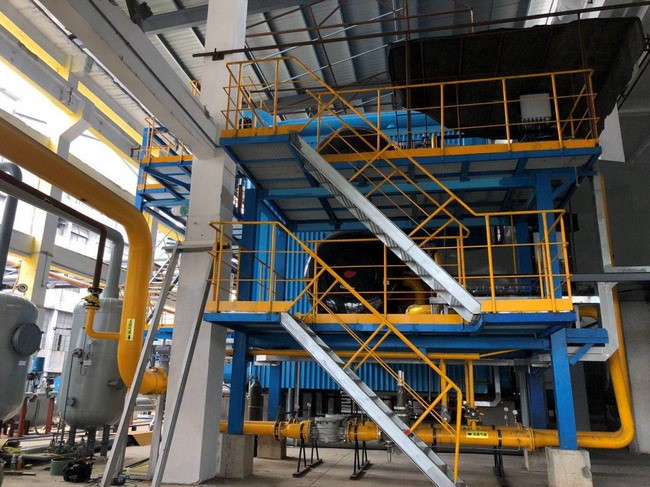
Rising energy costs, carbon reduction mandates, and unstable grid electricity supply are forcing industrial operators to rethink how they generate and use energy. Many facilities invest in Combined Heat and Power (CHP) systems but overlook a critical decision: selecting the most suitable steam boiler. Choosing the wrong boiler type can lead to efficiency losses, unstable steam output, excessive fuel consumption, maintenance complications, and extended payback periods. To maximize CHP performance, the boiler must align with steam pressure requirements, fuel availability, load profile, and long-term operational strategy. Understanding which steam boiler types are most suitable for CHP applications is therefore essential for achieving high overall system efficiency and economic return.
The most suitable steam boilers for CHP applications are water-tube boilers for medium-to-large high-pressure systems, fire-tube boilers for small-scale low-pressure installations, biomass boilers for renewable CHP projects, and heat recovery steam generators (HRSGs) for combined cycle systems. The optimal choice depends on required steam pressure, capacity, fuel type, load stability, and integration with the steam turbine configuration.
Before making a capital-intensive investment, engineers and facility owners must evaluate technical performance, thermodynamic compatibility, operational flexibility, and lifecycle costs. In this comprehensive guide, I will analyze each boiler type from both an engineering and manufacturing perspective to help you select the most suitable steam boiler for your CHP application.
Water-tube boilers are generally more suitable than fire-tube boilers for high-pressure CHP systems.True
Water-tube boilers can operate at significantly higher pressures and capacities, which are typically required for efficient steam turbine-driven CHP systems.
Understanding the Role of Steam Boilers in CHP Applications
In a steam-based CHP system, the boiler converts fuel energy into high-pressure steam that drives a steam turbine. The turbine generates electricity, while the exhaust steam is utilized for industrial heating, district heating, or process applications. The boiler’s design directly influences:
- Steam pressure and temperature
- Turbine efficiency
- Load response capability
- Fuel flexibility
- Emission levels
- Maintenance frequency
- Overall system efficiency
For CHP systems, boiler selection is not simply about producing steam—it is about optimizing the entire thermodynamic cycle.
1. Water-Tube Boilers: The Preferred Choice for Industrial CHP
Water-tube boilers are widely considered the most suitable steam boilers for medium and large-scale CHP applications. In these boilers, water circulates inside tubes while hot combustion gases flow externally.
Technical Characteristics
- Pressure range: 10–150 bar (or higher)
- Steam temperature: up to 540°C (superheated)
- Capacity: 5–300+ tons/hour
- Fast load response
- Suitable for continuous operation
Water-tube boilers are ideal for back-pressure and extraction-condensing steam turbine configurations because they can produce high-pressure, high-temperature steam required for efficient power generation.
Advantages in CHP Systems
- Higher thermal efficiency (88–92%)
- Ability to integrate superheaters, economizers, and air preheaters
- Better load-following capability
- Suitable for multi-fuel combustion (gas, oil, coal, biomass)
Performance Comparison Table
| Parameter | Water-Tube Boiler | Fire-Tube Boiler |
|---|---|---|
| Max Pressure | 150+ bar | 25 bar |
| Max Capacity | Very High | Moderate |
| Thermal Efficiency | 88–92% | 80–88% |
| Load Response | Fast | Slower |
| CHP Suitability | Excellent | Limited to small scale |
In large manufacturing plants, petrochemical complexes, and district heating networks, water-tube boilers provide the reliability and performance required for continuous CHP operation.
2. Fire-Tube Boilers: Suitable for Small-Scale CHP
Fire-tube boilers are typically used in small-scale CHP installations where steam pressure requirements are lower.
Technical Characteristics
- Pressure range: up to 25 bar
- Capacity: 1–20 tons/hour
- Simple structure
- Lower initial cost
These boilers are suitable for small hospitals, hotels, commercial buildings, and light industrial facilities.
Advantages
- Lower capital investment
- Compact design
- Easy maintenance
- Simple operation
However, fire-tube boilers are not suitable for high-pressure steam turbine systems because their structural design limits pressure capacity.
3. Biomass Steam Boilers for Renewable CHP
As decarbonization becomes a priority, biomass steam boilers are increasingly used in CHP systems fueled by:
- Wood chips
- Wood pellets
- Agricultural residues
- Bagasse
- Industrial organic waste
Biomass boilers are typically water-tube designs adapted for solid fuel combustion systems with advanced feeding and ash handling mechanisms.
Environmental Performance
| Fuel Type | CO₂ Emissions | Sustainability |
|---|---|---|
| Natural Gas | Moderate | Fossil Fuel |
| Coal | High | Fossil Fuel |
| Biomass | Near Carbon Neutral | Renewable |
Biomass CHP systems can achieve overall efficiencies of 75–88%, depending on moisture content and combustion technology.
4. Heat Recovery Steam Generators (HRSG) in Combined Cycle CHP
In gas turbine-based CHP systems, exhaust gases at temperatures of 450–600°C pass through a Heat Recovery Steam Generator (HRSG), which functions similarly to a steam boiler without direct fuel combustion.
HRSG Advantages
- Utilizes waste heat
- Increases system efficiency up to 90%
- Reduces additional fuel consumption
- Ideal for large industrial power plants
Combined cycle CHP systems using HRSGs are common in:
- Large industrial complexes
- Refineries
- Utility-scale district energy plants
Key Factors in Selecting the Most Suitable Steam Boiler for CHP
Selecting the right steam boiler requires evaluating multiple technical and economic factors:
1. Steam Pressure and Temperature Requirements
Higher pressure improves turbine efficiency but increases capital cost. For example:
- 20 bar steam: suitable for small back-pressure systems
- 45–80 bar steam: optimal for industrial CHP
- 100+ bar steam: large-scale power generation
2. Heat-to-Power Ratio
Facilities with high thermal demand benefit from back-pressure systems, while facilities requiring stable electricity output benefit from extraction-condensing systems.
3. Fuel Availability and Cost
Fuel choice directly affects boiler design:
- Natural gas: clean combustion, high efficiency
- Coal: cost-effective but high emissions
- Biomass: renewable but complex handling
- Industrial waste gas: cost-saving opportunity
4. Load Stability
Continuous industrial processes require stable steam supply, favoring water-tube boilers.
Real Case Example: Medium-Scale Industrial CHP
A textile factory requiring:
- 6 MW thermal load
- 2 MW electricity
Selected a 25 ton/hour water-tube boiler operating at 45 bar integrated with a back-pressure turbine.
Results:
- Electrical generation: 1.9 MW
- Overall efficiency: 84%
- Annual fuel savings: 18%
- Payback period: 4.2 years
If a fire-tube boiler had been selected, turbine efficiency would have dropped by approximately 7–10% due to lower pressure steam, significantly reducing economic return.
Lifecycle Cost Considerations
| Factor | Water-Tube | Fire-Tube | Biomass |
|---|---|---|---|
| Initial Investment | Higher | Lower | High |
| Maintenance Cost | Moderate | Low | Higher |
| Efficiency | High | Moderate | High |
| Lifespan | 20–30 Years | 15–20 Years | 20–25 Years |
| CHP Compatibility | Excellent | Limited | Excellent |
Although water-tube boilers require higher upfront investment, their long-term operational efficiency and compatibility with steam turbines make them the most suitable option for most CHP applications.
Future-Proofing CHP Boiler Selection
Modern steam boilers for CHP now incorporate:
- Low-NOx burners
- Flue gas condensation systems
- Oxygen trim controls
- Digital monitoring systems
- Hydrogen-ready combustion chambers
These features improve environmental compliance and prepare facilities for energy transition trends.
Summary
Selecting the most suitable steam boiler for CHP applications depends on pressure requirements, capacity, fuel type, and operational goals. Water-tube boilers are the best choice for medium-to-large high-pressure CHP systems due to their superior efficiency and turbine compatibility. Fire-tube boilers are suitable for small-scale, low-pressure CHP installations. Biomass boilers are ideal for renewable energy projects, while HRSG units are essential in combined cycle CHP systems. A carefully engineered boiler selection ensures optimal efficiency, reduced emissions, stable steam supply, and faster return on investment.
If you are planning a CHP project and need expert guidance in selecting the right steam boiler, our engineering team can provide customized technical design, performance calculations, and turnkey manufacturing solutions. Contact us today to optimize your CHP investment with a reliable, high-efficiency steam boiler system.
What Efficiency Advantages Do Steam Boiler-Based CHP Systems Offer Compared to Separate Generation?
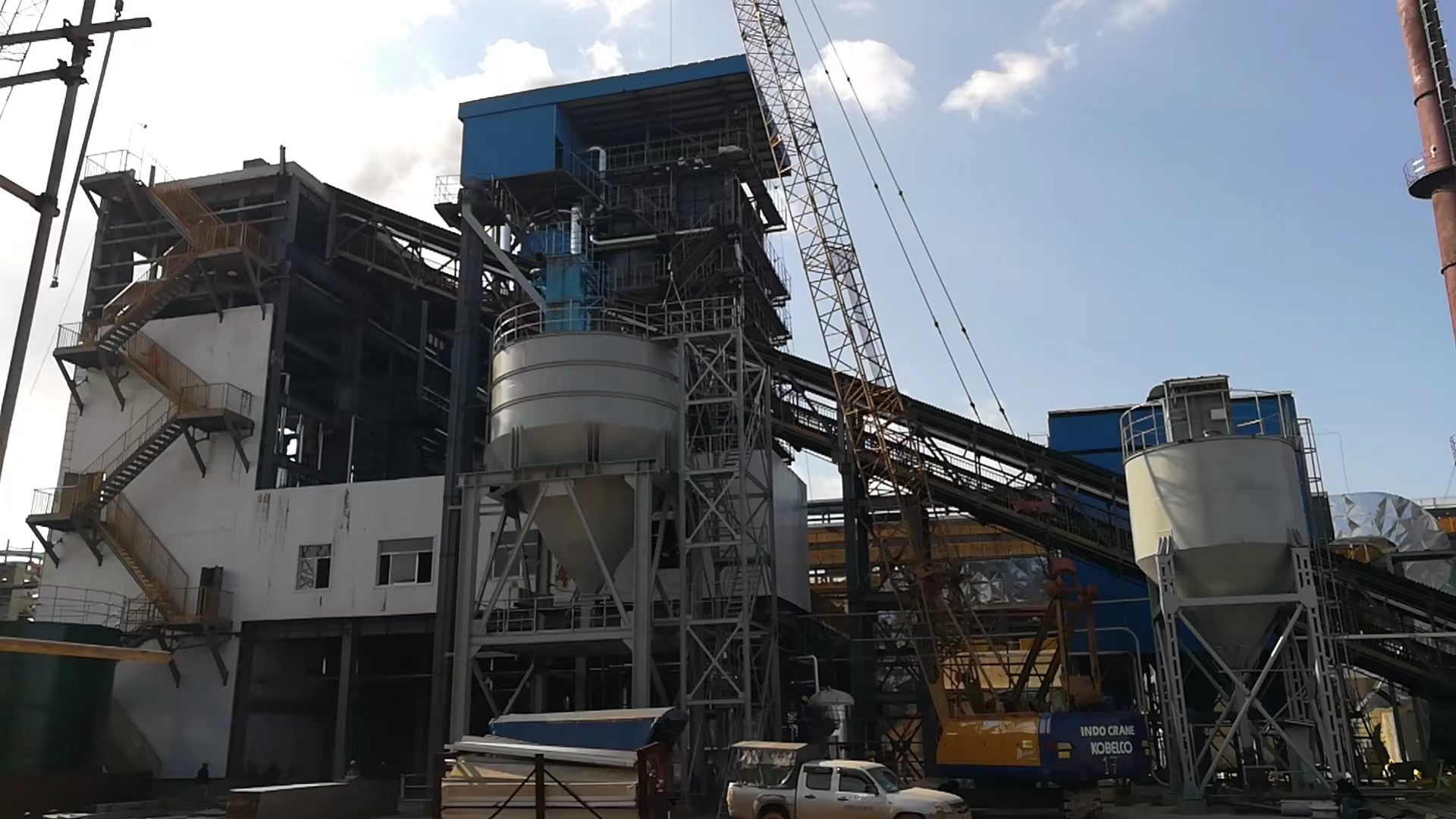
Many industrial facilities still rely on separate generation: electricity purchased from the grid and heat produced by standalone steam boilers. At first glance, this approach appears simple. However, the hidden inefficiencies are significant. Conventional power plants discard large amounts of heat into the atmosphere, while independent boilers burn additional fuel to meet thermal demand. This duplication wastes primary energy, increases fuel costs, raises carbon emissions, and exposes companies to volatile electricity pricing. The consequence is reduced competitiveness and longer energy payback cycles. Steam boiler-based Combined Heat and Power (CHP) systems solve this problem by producing electricity and useful heat from a single fuel source, dramatically improving total energy utilization.
Steam boiler-based CHP systems offer 20–35% higher overall fuel efficiency compared to separate generation by capturing and utilizing waste heat from electricity production, achieving total system efficiencies of 75–90% versus 45–55% in conventional separate heat and power systems.
To fully understand these efficiency advantages, we must examine thermodynamic principles, real performance data, system configurations, and economic outcomes from an engineering perspective. As a boiler manufacturer and CHP system designer, I will break down the measurable advantages that make steam boiler-based CHP one of the most effective energy optimization strategies available today.
Steam boiler-based CHP systems reduce primary energy consumption compared to separate heat and power generation.True
By using a single fuel input to generate both electricity and useful heat, CHP systems avoid the energy losses associated with separate power plant heat rejection and standalone boiler fuel consumption.
Steam boiler-based CHP systems operate primarily on the Rankine cycle, where fuel combustion produces high-pressure steam that drives a turbine generator. Instead of rejecting turbine exhaust heat to cooling towers or condensers without recovery, CHP systems redirect this thermal energy for industrial processes, district heating, or space heating. This cascading use of energy is the foundation of efficiency improvement.
Fundamental Efficiency Comparison: CHP vs Separate Generation
In a traditional separate generation scenario, electricity is produced in a central power plant at approximately 35–45% efficiency. The remaining 55–65% of fuel energy is lost as waste heat. Meanwhile, a local steam boiler operates at around 80–90% efficiency to generate process heat. When these two systems operate independently, total fuel utilization is significantly lower than when integrated.
The following table illustrates a simplified energy comparison using 100 units of fuel input:
| Energy Scenario | Electricity Produced | Useful Heat Produced | Waste Heat | Overall Efficiency |
|---|---|---|---|---|
| Separate Generation | 35 units | 45 units (from additional fuel) | 65+ units | 45–55% |
| Steam Boiler-Based CHP | 35 units | 40–50 units (recovered) | 10–20 units | 75–90% |
In separate generation, producing 35 units of electricity and 45 units of heat typically requires approximately 140–160 units of primary fuel due to independent inefficiencies. In contrast, a CHP system can often achieve similar outputs using only 100–110 units of fuel. This translates to primary energy savings of 20–30%.
Thermodynamic Advantage: Energy Cascading
The key efficiency advantage lies in energy cascading. High-grade energy (high-pressure steam) first generates electricity through mechanical expansion in a turbine. The remaining lower-grade thermal energy still possesses significant enthalpy and is suitable for heating purposes.
In separate systems, this low-grade heat is discarded. In CHP systems, it becomes a productive asset.
From a thermodynamic standpoint:
- High-pressure steam: 450°C, 45 bar
- Turbine exhaust steam: 180°C, 3–5 bar
- Condensate return: 90–120°C
Each stage retains useful thermal energy. Properly engineered steam extraction or back-pressure systems optimize the balance between power output and thermal supply.
Real Efficiency Data from Industrial Installations
Based on field data from medium-scale industrial CHP projects:
| Parameter | Separate Generation | Steam Boiler CHP |
|---|---|---|
| Electrical Efficiency | 38% | 32–38% |
| Thermal Efficiency | 85% (boiler only) | 40–50% (recovered heat) |
| Total System Efficiency | 50% | 82–88% |
| CO₂ Emissions Reduction | Baseline | 18–30% lower |
| Fuel Savings | Baseline | 20–25% reduction |
For example, a 10-ton/hour steam boiler integrated with a back-pressure turbine in a pharmaceutical plant improved total energy efficiency from 52% to 85%. Annual fuel savings exceeded 22%, and carbon emissions decreased by approximately 4,800 tons per year.
Reduced Transmission and Distribution Losses
Another often-overlooked efficiency advantage of steam boiler-based CHP systems is the elimination of transmission losses. Grid electricity typically experiences 5–8% loss during transmission and distribution. On-site CHP generation eliminates these losses entirely.
In energy-intensive industries, this localized generation improves energy reliability and protects against grid instability.
Improved Boiler Load Optimization
In separate generation systems, boilers may operate at partial load frequently, reducing combustion efficiency. In CHP configurations, the steam boiler is sized and controlled to optimize both electrical and thermal output simultaneously, maintaining higher steady-load operation where combustion efficiency peaks.
Modern CHP boilers incorporate:
- Oxygen trim controls
- Economizers
- Condensing heat exchangers
- Variable frequency drives
- Advanced combustion management systems
These technologies increase boiler efficiency from conventional 82–85% to 90–94% under optimized CHP operation.
Carbon Emission Reduction and Regulatory Benefits
Because CHP systems consume less primary fuel for the same energy output, they directly reduce greenhouse gas emissions.
If natural gas emits approximately 0.185 kg CO₂ per kWh of fuel energy, reducing primary fuel consumption by 25% proportionally reduces CO₂ emissions.
For a facility consuming 50,000 MWh annually:
- Separate generation emissions: ~9,250 tons CO₂
- CHP system emissions: ~7,000 tons CO₂
- Annual reduction: ~2,250 tons CO₂
These reductions can qualify facilities for carbon credits, tax incentives, or government energy-efficiency grants in many regions.
Economic Efficiency: Fuel Cost Savings
Fuel typically accounts for 60–75% of operating costs in thermal power systems. Therefore, reducing primary fuel input has a direct financial impact.
Example financial comparison:
| Item | Separate Generation | Steam Boiler CHP |
|---|---|---|
| Annual Fuel Cost | $5,000,000 | $3,900,000 |
| Electricity Purchase | $2,200,000 | $400,000 |
| Maintenance Cost | $600,000 | $750,000 |
| Total Annual Energy Cost | $7,800,000 | $5,050,000 |
Even accounting for slightly higher maintenance complexity, net savings are substantial.
Typical payback period: 3–6 years.
Enhanced Energy Security and Stability
Steam boiler-based CHP systems also provide operational resilience. During grid outages, facilities with island-mode capability can continue operating critical systems. This reliability advantage is particularly important for:
- Hospitals
- Data centers
- Chemical plants
- Food processing facilities
- District heating networks
Energy reliability, though difficult to quantify purely in efficiency terms, contributes to overall operational effectiveness.
Efficiency in Different CHP Configurations
There are three main CHP configurations affecting efficiency outcomes:
- Back-pressure turbine CHP – Highest total efficiency (80–90%), ideal when heat demand is continuous.
- Extraction-condensing turbine CHP – Slightly lower total efficiency (75–85%) but flexible electricity output.
- Combined cycle CHP with HRSG – Can exceed 90% total efficiency in large-scale installations.
Steam boiler-based back-pressure systems often achieve the highest practical fuel utilization in industrial environments with stable heat loads.
Lifecycle Efficiency and Sustainability
Beyond immediate efficiency gains, steam boiler-based CHP systems maintain performance over long lifespans (20–30 years). When integrated with:
- Biomass fuel
- Biogas
- Hydrogen-ready burners
- Thermal storage systems
They contribute significantly to long-term decarbonization strategies.
In biomass-based CHP systems, net carbon emissions can approach near-neutral levels while maintaining overall efficiencies above 75%.
Summary
Steam boiler-based CHP systems offer substantial efficiency advantages over separate generation by simultaneously producing electricity and useful heat from a single fuel source. Through energy cascading, waste heat recovery, elimination of transmission losses, and optimized combustion control, CHP systems achieve total efficiencies of 75–90% compared to 45–55% in conventional systems. These improvements result in 20–35% primary energy savings, significant carbon emission reductions, lower fuel costs, and improved operational reliability. For energy-intensive industries and district heating applications, steam boiler-based CHP remains one of the most effective solutions for maximizing energy utilization and economic performance.
If you are evaluating whether steam boiler-based CHP is suitable for your facility, our engineering team can perform a detailed load analysis, efficiency modeling, and customized system design to quantify your potential savings. Contact us today to explore how we can help you achieve higher efficiency, lower emissions, and long-term energy security.
What Industries Benefit Most from Using Steam Boilers in CHP Systems?
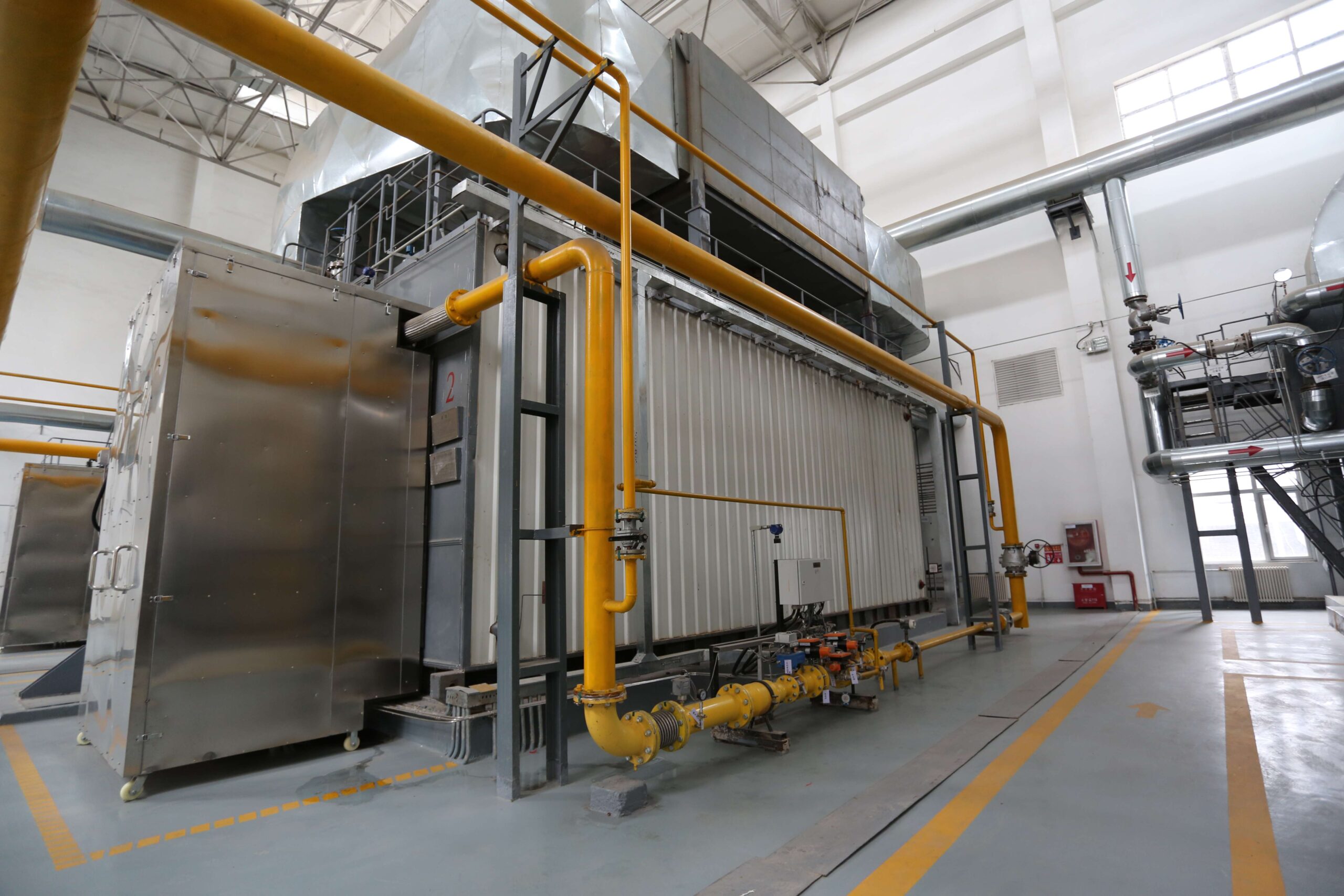
Rising fuel costs, strict carbon regulations, grid instability, and increasing demand for operational reliability are placing enormous pressure on energy-intensive industries. Many facilities operate separate electricity and heat generation systems, resulting in wasted fuel, higher emissions, and unpredictable energy expenses. When electricity is purchased from the grid and steam is generated independently, overall efficiency remains low, often below 55%. This inefficiency directly impacts profitability and environmental compliance. Steam boiler-based Combined Heat and Power (CHP) systems solve this problem by generating electricity and useful thermal energy simultaneously from a single fuel source, dramatically improving total energy utilization and cost control.
Industries that benefit most from using steam boilers in CHP systems are those with continuous and simultaneous demand for electricity and process steam, including chemical and petrochemical plants, food and beverage processing, pulp and paper mills, pharmaceutical manufacturing, hospitals, district heating networks, refineries, textile plants, and large commercial or institutional facilities. These industries typically achieve 75–90% overall energy efficiency and 20–35% fuel savings with CHP integration.
To understand which industries gain the highest return on investment from steam boiler-based CHP systems, we must analyze operational characteristics, heat-to-power ratios, load stability, and real-world performance data. As a steam boiler manufacturer and CHP system supplier, I will provide a technical and practical evaluation based on decades of engineering and manufacturing experience.
Industries with stable and high thermal demand achieve the highest efficiency from steam boiler-based CHP systems.True
Continuous thermal demand allows maximum recovery and utilization of exhaust steam, enabling CHP systems to operate at peak overall efficiency.
Industries that maintain continuous production cycles, require medium-to-high pressure steam, and consume significant electricity benefit the most from steam boiler-based CHP systems because the simultaneous energy demand allows optimal energy cascading through the Rankine cycle.
1. Chemical and Petrochemical Industry
The chemical and petrochemical industry is one of the largest beneficiaries of steam boiler-based CHP systems. These facilities require:
- High-pressure steam for reactors
- Medium-pressure steam for distillation columns
- Low-pressure steam for heating and stripping
- Continuous electricity for pumps, compressors, and control systems
Typical energy profile:
| Parameter | Typical Value |
|---|---|
| Steam Pressure | 20–100 bar |
| Steam Demand | 20–200 tons/hour |
| Electricity Demand | 5–100 MW |
| Operation Schedule | 24/7 continuous |
Because production rarely stops, CHP systems operate at steady load, maximizing efficiency. Many refineries and chemical complexes achieve overall efficiencies above 85% with extraction-condensing steam turbines integrated with water-tube boilers.
Real example: A mid-sized petrochemical plant consuming 60 MW thermal energy and 18 MW electrical energy reduced fuel consumption by 24% after installing a 90 bar water-tube boiler-based CHP system, achieving annual savings exceeding $12 million.
2. Food and Beverage Processing Industry
Food processing plants require steam for:
- Sterilization
- Pasteurization
- Cooking
- Drying
- Cleaning-in-place (CIP) systems
They also need electricity for refrigeration, packaging, and automated production lines.
Typical energy profile:
| Parameter | Typical Value |
|---|---|
| Steam Pressure | 8–25 bar |
| Steam Demand | 5–50 tons/hour |
| Electricity Demand | 1–10 MW |
| Heat-to-Power Ratio | High thermal demand |
Because food plants operate multiple thermal processes simultaneously, back-pressure turbine CHP systems are highly effective.
Case study: A dairy processing plant integrated a 25 ton/hour steam boiler with a back-pressure turbine, increasing total system efficiency from 52% to 84%, reducing annual CO₂ emissions by 4,500 tons.
3. Pulp and Paper Industry
Pulp and paper mills are among the most energy-intensive industrial operations. They require:
- Large volumes of steam for pulping and drying
- Continuous electrical supply for machinery
- Recovery boilers for black liquor combustion
Many pulp mills integrate biomass-fired steam boilers into CHP systems.
Typical performance metrics:
| Parameter | Typical Range |
|---|---|
| Steam Production | 50–300 tons/hour |
| Steam Pressure | 40–120 bar |
| Overall CHP Efficiency | 80–90% |
| Fuel Type | Biomass, black liquor |
Because they often produce their own biomass fuel by-products, these facilities achieve near carbon-neutral operation.
4. Pharmaceutical Manufacturing
Pharmaceutical facilities demand:
- Clean steam for sterilization
- Reliable power for controlled production
- Precise temperature control
Energy reliability is critical. Even short outages can destroy high-value batches.
CHP advantages in pharmaceutical plants include:
- Stable on-site electricity generation
- Reduced grid dependency
- Improved steam quality control
- Enhanced regulatory compliance
A pharmaceutical facility operating a 15 ton/hour boiler-based CHP system reported 22% energy cost savings and improved power reliability during grid fluctuations.
5. Hospitals and Healthcare Facilities
Hospitals require uninterrupted energy supply for:
- Sterilization
- Space heating
- Hot water
- Operating rooms
- Critical medical equipment
Steam boiler-based CHP systems provide:
- High reliability
- Emergency power capability
- Reduced operating costs
- Lower emissions
Hospitals often achieve 75–85% overall system efficiency.
6. District Heating Networks
District heating systems distribute steam or hot water to residential and commercial buildings. CHP integration significantly improves efficiency.
Key benefits:
- Centralized fuel utilization
- Reduced urban emissions
- Lower consumer heating costs
- Scalability
Combined cycle CHP plants with Heat Recovery Steam Generators (HRSG) can achieve efficiencies exceeding 88%.
7. Textile Industry
Textile factories require steam for:
- Dyeing
- Washing
- Drying
- Finishing processes
Steam demand is continuous and moderate pressure (8–20 bar), making them suitable for back-pressure CHP systems.
8. Refineries and Oil & Gas Processing
Refineries require high-pressure steam for cracking, reforming, and distillation. Electricity demand is substantial and continuous.
Steam boiler-based CHP systems in refineries typically operate at:
- 60–120 bar steam pressure
- 85% overall efficiency
- 20–30% fuel savings
Industries with the Highest Return on Investment
The following comparison summarizes which sectors gain the most measurable benefit:
| Industry | Thermal Demand Stability | CHP Efficiency | Typical Fuel Savings | ROI Potential |
|---|---|---|---|---|
| Chemical | Very High | 85–90% | 20–30% | Excellent |
| Pulp & Paper | Very High | 80–90% | 25–35% | Excellent |
| Food Processing | High | 80–85% | 18–25% | Very Good |
| Pharmaceutical | High | 75–85% | 15–22% | Very Good |
| Hospital | Moderate-High | 75–85% | 15–20% | Good |
| Textile | Moderate | 75–82% | 15–20% | Good |
Industries with the most stable and high-volume thermal demand consistently achieve the greatest economic and efficiency advantages.
Why Continuous Steam Demand Matters
The fundamental efficiency of steam boiler-based CHP systems depends on full utilization of exhaust steam. If thermal demand drops significantly, overall efficiency decreases.
Therefore, industries with:
- 24/7 production cycles
- Simultaneous heat and electricity demand
- Predictable load patterns
are the best candidates.
Environmental Impact Across Industries
Most industries adopting CHP systems report:
- 15–30% CO₂ reduction
- Lower NOx emissions with low-NOx burners
- Improved compliance with environmental regulations
Biomass-fueled CHP installations in pulp and paper mills can reduce net carbon emissions to near zero.
Summary
Industries that benefit most from using steam boilers in CHP systems are those with continuous, stable, and high thermal demand alongside significant electricity consumption. Chemical plants, pulp and paper mills, food processing facilities, pharmaceutical manufacturers, hospitals, district heating networks, refineries, and textile factories consistently achieve overall efficiencies between 75% and 90%, with fuel savings of 20–35% compared to separate generation. The key success factor is the ability to fully utilize recovered steam energy, ensuring optimal thermodynamic performance and strong financial returns.
If your facility operates with continuous steam demand and significant electricity consumption, our engineering team can conduct a detailed feasibility assessment and design a customized steam boiler-based CHP system tailored to your industry. Contact us today to discover how we can improve your energy efficiency, reduce operating costs, and support your sustainability goals.
What Technical and Economic Factors Must Be Considered When Designing a Steam Boiler CHP Project?
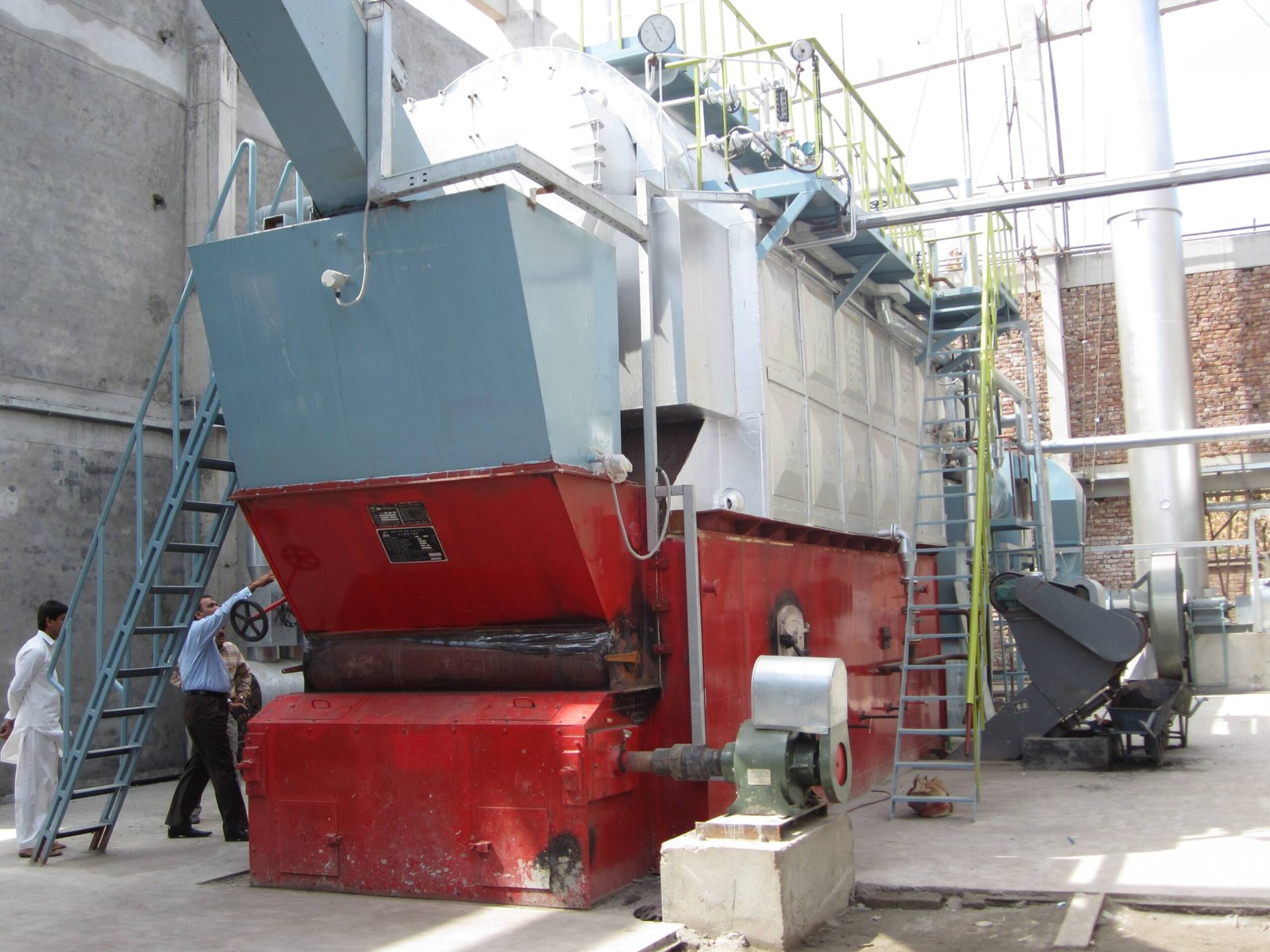
Designing a steam boiler Combined Heat and Power (CHP) project is not simply about installing a boiler and a turbine. Many projects fail to achieve expected efficiency or return on investment because critical technical and economic variables are overlooked during the feasibility and engineering stages. Oversized boilers lead to low load operation and poor combustion efficiency. Undersized turbines restrict power generation. Mismatched steam parameters reduce thermodynamic performance. Inadequate financial modeling can extend payback periods beyond acceptable limits. The consequences include capital loss, operational instability, and regulatory non-compliance. A successful steam boiler CHP project requires systematic evaluation of thermodynamics, fuel supply, load profiles, equipment configuration, capital expenditure, operating costs, and long-term risk factors.
When designing a steam boiler CHP project, key technical factors include steam pressure and temperature selection, heat-to-power ratio, load stability, fuel type, boiler and turbine matching, emission control, and system integration efficiency; key economic factors include capital investment, fuel price forecasting, electricity tariffs, operational costs, maintenance planning, incentives, carbon credits, and lifecycle ROI analysis. Proper optimization of these variables determines whether the project achieves 75–90% efficiency and a 3–6 year payback period.
A structured engineering and financial approach ensures the CHP system delivers maximum fuel savings, operational reliability, and long-term profitability. Below, I will break down the most critical technical and economic considerations based on real industrial project experience.
Accurate heat and electricity load profiling is the most critical first step in steam boiler CHP project design.True
CHP system sizing and efficiency depend directly on the balance between thermal and electrical demand; incorrect load estimation leads to reduced efficiency and poor economic performance.
The success of any steam boiler CHP project begins with comprehensive energy data collection. Without accurate load profiling, even high-efficiency equipment cannot achieve optimal performance.
Technical Factors in Steam Boiler CHP Project Design
1. Heat and Power Load Analysis
The foundation of CHP design is determining:
- Hourly steam demand (tons/hour)
- Required steam pressure levels
- Electricity demand profile (kW or MW)
- Seasonal variation
- Peak and minimum loads
- 24/7 or intermittent operation
A typical industrial facility may have:
| Parameter | Example Value |
|---|---|
| Average Steam Demand | 25 tons/hour |
| Peak Steam Demand | 32 tons/hour |
| Steam Pressure | 45 bar |
| Electricity Demand | 4 MW |
| Operating Hours | 8,000 hours/year |
The heat-to-power ratio (HPR) is critical. Steam boiler-based CHP systems perform best when thermal demand remains stable. If electrical demand exceeds thermal demand significantly, efficiency decreases unless an extraction-condensing turbine is used.
2. Steam Parameter Optimization (Pressure & Temperature)
Higher steam pressure and temperature improve turbine efficiency but increase:
- Boiler material requirements
- Capital cost
- Maintenance complexity
Typical design ranges:
| Steam Pressure | Application |
|---|---|
| 8–20 bar | Small industrial CHP |
| 25–45 bar | Medium industrial CHP |
| 60–120 bar | Large-scale CHP |
Increasing steam pressure from 25 bar to 45 bar can improve electrical output by approximately 6–10%, but material and fabrication costs rise accordingly.
3. Boiler Type Selection
Boiler choice must align with:
- Capacity requirements
- Fuel type
- Required pressure
- Load response speed
| Boiler Type | CHP Suitability |
|---|---|
| Fire-Tube | Small-scale, low pressure |
| Water-Tube | Medium to large, high pressure |
| Biomass Boiler | Renewable projects |
| HRSG | Combined cycle CHP |
Water-tube boilers are generally preferred for industrial CHP due to higher pressure capability and faster load response.
4. Turbine Configuration
There are three primary turbine options:
- Back-pressure turbine
- Extraction-condensing turbine
- Combined cycle with HRSG
Back-pressure systems provide maximum overall efficiency when heat demand is constant. Extraction-condensing systems provide flexibility when electricity demand must remain stable.
5. Fuel Selection and Availability
Fuel selection affects:
- Combustion efficiency
- Emissions
- Operating cost
- Equipment design
| Fuel Type | Efficiency | Emission Level | Cost Stability |
|---|---|---|---|
| Natural Gas | High | Low | Moderate |
| Coal | Moderate | High | Variable |
| Biomass | High | Low (net) | Regional |
| Waste Gas | Very High | Low | Dependent on process |
Fuel availability and price stability are critical economic determinants.
6. Emission Control and Environmental Compliance
Modern CHP systems must comply with:
- NOx limits
- SO₂ regulations
- CO₂ reporting
- Particulate emission standards
Technologies required may include:
- Low-NOx burners
- Flue gas desulfurization
- Electrostatic precipitators
- SCR/SNCR systems
These add capital cost but ensure long-term regulatory compliance.
7. System Integration and Heat Recovery Efficiency
Efficiency depends on:
- Economizers
- Air preheaters
- Condensate recovery
- Thermal storage systems
Well-designed heat recovery systems can improve boiler efficiency from 85% to 92–94%.
Economic Factors in Steam Boiler CHP Project Design
1. Capital Expenditure (CAPEX)
Investment varies by scale:
| Capacity | Investment Range |
|---|---|
| 1–5 MW | $1,500–$2,500 per kW |
| 5–20 MW | $1,200–$2,000 per kW |
| 20+ MW | $1,000–$1,800 per kW |
Major cost components:
- Boiler system
- Steam turbine generator
- Civil construction
- Grid interconnection
- Control systems
- Emission equipment
2. Fuel Cost Forecasting
Fuel accounts for 60–75% of operating cost. Long-term fuel contracts reduce risk. Sensitivity analysis should evaluate ±20% fuel price variation.
3. Electricity Tariffs and Grid Pricing
Savings depend heavily on:
- Grid electricity price
- Peak vs off-peak tariffs
- Demand charges
- Net metering policies
Higher grid prices shorten payback periods.
4. Operating and Maintenance Costs (O&M)
O&M typically equals 3–6% of capital investment annually. Factors include:
- Skilled operator labor
- Spare parts
- Inspection schedules
- Boiler water treatment
- Turbine maintenance
5. Incentives and Carbon Credits
Government incentives may include:
- Investment tax credits
- Accelerated depreciation
- Renewable energy subsidies
- Carbon trading revenue
These can reduce effective payback by 1–2 years.
6. Return on Investment (ROI) and Payback Analysis
Typical financial indicators:
| Indicator | Typical Range |
|---|---|
| Payback Period | 3–6 years |
| Internal Rate of Return (IRR) | 12–25% |
| Project Lifetime | 20–30 years |
Example scenario:
- Capital cost: $8 million
- Annual energy savings: $2.1 million
- O&M cost: $400,000
- Net annual benefit: $1.7 million
- Simple payback: 4.7 years
Risk Assessment Considerations
Design must also account for:
- Fuel supply disruption
- Regulatory changes
- Equipment failure risk
- Market electricity price fluctuations
- Future carbon taxation
Mitigation strategies include modular design, hybrid fuel capability, and long-term service agreements.
Lifecycle Economic Evaluation
Net Present Value (NPV) modeling should include:
- Discount rate
- Fuel escalation
- Inflation
- Residual equipment value
A properly engineered CHP system typically maintains positive cash flow for over 20 years.
Integrated Design Strategy
Successful steam boiler CHP project design follows these steps:
- Energy audit and load analysis
- Feasibility study
- Technical optimization modeling
- Financial sensitivity analysis
- Equipment selection and sizing
- Environmental impact assessment
- Detailed engineering design
- Commissioning and performance testing
Skipping any of these stages increases project risk.
Summary
Designing a steam boiler CHP project requires careful consideration of both technical and economic factors. Technically, engineers must evaluate steam parameters, heat-to-power ratio, boiler and turbine matching, fuel type, emission controls, and system integration efficiency. Economically, capital investment, fuel price forecasting, electricity tariffs, operating costs, incentives, carbon credits, and lifecycle ROI must be thoroughly analyzed. When properly optimized, steam boiler CHP systems can achieve 75–90% overall efficiency, reduce fuel consumption by 20–35%, and deliver payback within 3–6 years. A systematic, data-driven approach ensures long-term profitability and energy reliability.
If you are planning a steam boiler CHP project, our engineering team can provide comprehensive feasibility studies, thermodynamic modeling, financial analysis, and turnkey system design tailored to your facility. Contact us today to develop a high-efficiency CHP solution that maximizes both technical performance and economic return.
How Do Fuel Choices Impact the Performance of Steam Boilers in CHP Applications?
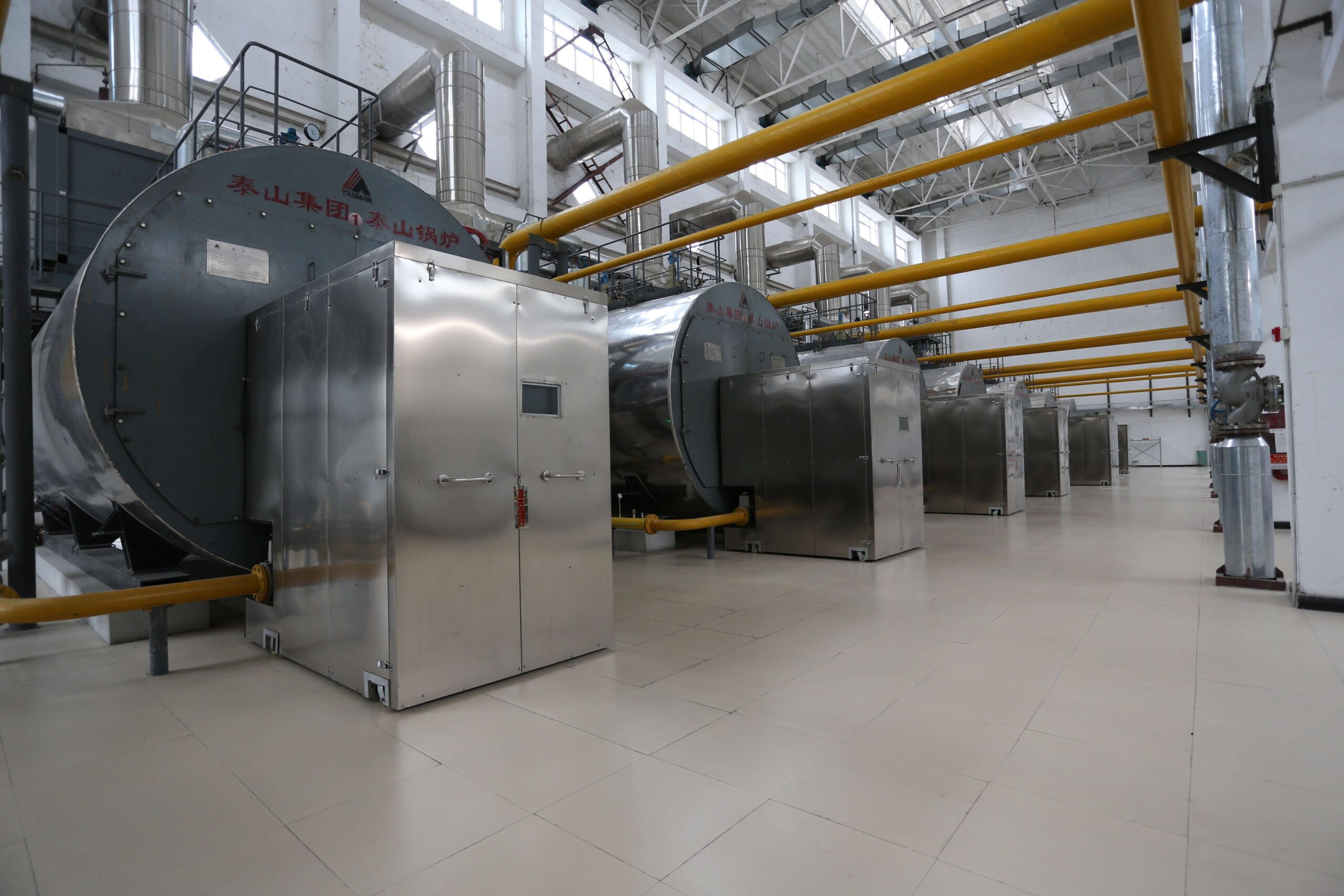
Energy-intensive industries investing in steam boiler-based Combined Heat and Power (CHP) systems often focus on equipment efficiency, turbine selection, and capital cost, but overlook one of the most critical design variables: fuel choice. The wrong fuel selection can reduce boiler efficiency, increase maintenance costs, create combustion instability, accelerate corrosion, raise emission control expenses, and undermine long-term return on investment. Conversely, the right fuel can enhance thermal efficiency, reduce emissions, stabilize operating costs, and even qualify the project for renewable incentives. In steam boiler CHP applications, fuel selection directly affects thermodynamic performance, combustion efficiency, operational reliability, environmental compliance, and lifecycle economics.
Fuel choice impacts steam boiler CHP performance by influencing combustion efficiency, steam parameter stability, emission levels, maintenance frequency, fuel handling complexity, and overall system efficiency. Natural gas typically offers the highest combustion efficiency and lowest maintenance, biomass enables renewable and low-carbon CHP, coal provides cost advantages in certain regions but increases emission control requirements, and industrial waste gases can significantly improve economic performance when properly integrated.
To understand these impacts thoroughly, we must examine fuel properties, combustion characteristics, thermodynamic behavior, boiler material compatibility, and real-world operational data from CHP installations.
Natural gas-fired steam boilers generally achieve higher combustion efficiency and lower maintenance requirements than coal-fired boilers in CHP systems.True
Natural gas burns cleaner with fewer particulates and lower ash content, reducing fouling, corrosion, and heat transfer losses compared to coal combustion.
Fuel selection is not simply about price per ton or per cubic meter; it directly determines the achievable steam temperature, pressure stability, emission compliance cost, and long-term reliability of the CHP system.
1. Fuel Properties and Their Thermodynamic Influence
Each fuel type has distinct physical and chemical properties that affect boiler performance:
| Fuel Type | Typical Calorific Value (MJ/kg or MJ/Nm³) | Moisture Content | Ash Content | Combustion Stability |
|---|---|---|---|---|
| Natural Gas | 35–40 MJ/Nm³ | Very Low | None | Excellent |
| Coal | 20–30 MJ/kg | Low–Moderate | High | Moderate |
| Biomass (Wood Chips) | 8–18 MJ/kg | High | Moderate | Variable |
| Biogas | 18–25 MJ/Nm³ | Low | None | Good |
| Heavy Fuel Oil | 40–42 MJ/kg | Low | Low | Good |
Higher calorific value fuels allow higher flame temperatures, which influence:
- Steam generation rate
- Superheated steam temperature
- Turbine efficiency
- Overall CHP efficiency
For example, natural gas combustion produces stable flame temperatures that allow water-tube boilers to operate at 45–100 bar with high superheat levels (up to 540°C), improving turbine output.
2. Combustion Efficiency and Boiler Thermal Performance
Combustion efficiency directly impacts the amount of usable heat transferred to water/steam. Factors include:
- Air-to-fuel ratio
- Excess oxygen control
- Flame stability
- Heat transfer surface fouling
- Fuel atomization (for liquid fuels)
Typical boiler efficiencies by fuel type:
| Fuel | Boiler Efficiency Range |
|---|---|
| Natural Gas | 90–94% |
| Heavy Fuel Oil | 88–92% |
| Coal | 82–88% |
| Biomass | 80–90% (fuel-dependent) |
| Biogas | 88–92% |
Natural gas-fired boilers achieve the highest efficiency because:
- No ash deposition
- Minimal slagging
- Clean combustion
- Easier oxygen trim control
Coal and biomass introduce ash and particulates that reduce heat transfer efficiency over time, unless advanced soot-blowing and cleaning systems are installed.
3. Impact on Steam Quality and Turbine Performance
Steam boiler fuel choice affects:
- Steam pressure stability
- Superheated steam temperature control
- Load-following capability
Stable fuels like natural gas and biogas allow rapid load changes and precise temperature control. This improves turbine isentropic efficiency and electrical output stability.
In contrast, biomass with high moisture content can cause combustion fluctuations, affecting steam parameter consistency and slightly reducing turbine efficiency unless combustion control systems are optimized.
4. Emission Performance and Environmental Impact
Environmental regulations significantly influence fuel selection in CHP systems.
| Fuel Type | CO₂ Emission Intensity | NOx Emissions | SO₂ Emissions |
|---|---|---|---|
| Natural Gas | Low | Low | Very Low |
| Coal | High | High | High |
| Biomass | Low (net) | Moderate | Low |
| Biogas | Low | Low | Very Low |
Natural gas reduces CO₂ emissions by approximately 20–30% compared to coal for equivalent energy output. Biomass is considered carbon-neutral under sustainable sourcing policies.
Lower emissions reduce:
- Emission control equipment cost
- Carbon taxation exposure
- Compliance risks
5. Maintenance and Operational Reliability
Fuel type directly influences maintenance frequency.
Coal and biomass introduce:
- Ash accumulation
- Slagging and fouling
- Corrosion risks
- Higher soot-blower operation
Natural gas systems experience:
- Minimal fouling
- Lower corrosion
- Reduced downtime
Maintenance cost comparison (approximate annual O&M as % of CAPEX):
| Fuel Type | O&M Percentage |
|---|---|
| Natural Gas | 3–4% |
| Coal | 5–7% |
| Biomass | 4–6% |
Although biomass may require higher maintenance than gas, fuel cost savings and renewable incentives often offset this difference.
6. Economic Impact of Fuel Choice
Fuel cost stability is critical for CHP project ROI.
Example comparison for a 10 MW thermal CHP system:
| Fuel | Annual Fuel Cost | Efficiency | Net Annual Energy Cost |
|---|---|---|---|
| Natural Gas | $3.2M | 88% | Moderate |
| Coal | $2.6M | 84% | Lower but higher O&M |
| Biomass | $2.4M | 85% | Potentially lowest with subsidies |
While coal may appear cheaper per unit energy, additional costs for:
- Emission control systems
- Ash handling
- Environmental compliance
- Carbon penalties
can significantly reduce its economic advantage.
7. Fuel Flexibility and Hybrid Systems
Modern steam boilers can be designed for multi-fuel capability:
- Gas + oil backup
- Biomass + gas support
- Waste gas + auxiliary natural gas
Fuel flexibility enhances:
- Energy security
- Operational continuity
- Market adaptability
For example, industrial plants using process off-gas can reduce fuel cost by 15–25% through waste gas integration.
8. Influence on Overall CHP Efficiency
Overall CHP efficiency depends on how effectively fuel energy converts into electricity and usable heat.
| Fuel Type | Typical Overall CHP Efficiency |
|---|---|
| Natural Gas | 80–90% |
| Biomass | 75–88% |
| Coal | 70–85% |
| Biogas | 80–88% |
Natural gas often achieves the highest net efficiency due to clean combustion and lower heat transfer losses.
9. Carbon Reduction and Sustainability Strategy
For industries with decarbonization goals:
- Biomass reduces net carbon emissions
- Biogas utilizes organic waste
- Hydrogen-ready boilers prepare for future energy transition
Hydrogen blending (up to 20%) in natural gas systems is increasingly feasible, although burner design modifications are required.
10. Real Case Comparison
Case Study A – Natural Gas CHP:
- Steam pressure: 45 bar
- Overall efficiency: 86%
- Payback period: 3.5 years
Case Study B – Biomass CHP:
- Steam pressure: 40 bar
- Overall efficiency: 83%
- Fuel cost 30% lower
- Payback period: 4.2 years
Case Study C – Coal CHP:
- Steam pressure: 60 bar
- Overall efficiency: 78%
- Higher maintenance
- Longer regulatory approval
Fuel selection clearly affects not only efficiency but also long-term financial performance.
Summary
Fuel choice significantly impacts the performance of steam boilers in CHP applications by influencing combustion efficiency, steam parameter stability, maintenance requirements, emission levels, operational reliability, and lifecycle economics. Natural gas offers the highest combustion efficiency and lowest maintenance burden, making it ideal for high-performance industrial CHP systems. Biomass provides renewable and carbon-neutral advantages, suitable for sustainability-driven projects. Coal may offer lower upfront fuel cost in certain regions but increases emission control and maintenance complexity. Biogas and industrial waste gases can substantially improve economic returns when properly integrated. A comprehensive evaluation of fuel availability, price stability, emission regulations, and long-term strategic goals is essential for optimizing steam boiler CHP performance.
If you are planning a steam boiler CHP project and need expert guidance on fuel selection, system design, or multi-fuel integration, our engineering team can provide detailed feasibility analysis and customized technical solutions tailored to your operational and sustainability objectives. Contact us today to design a high-efficiency CHP system optimized for your fuel strategy and long-term profitability.
🔍 Conclusion
Steam boilers play a vital role in CHP systems by enabling simultaneous heat and power generation with high overall efficiency. When matched with appropriate steam turbines and designed for continuous load operation, steam boiler-based CHP systems deliver lower fuel consumption, reduced emissions, and improved energy security. For industries with steady steam demand, CHP integration can significantly enhance both economic and environmental performance.
🔹 Contact us today to explore how steam boilers can power your combined heat and power strategy efficiently and reliably. ⚙️🔥⚡🏭
FAQ
Q1: Can steam boilers be used in combined heat and power (CHP) systems?
A1: Yes, steam boilers are widely used in combined heat and power (CHP) systems, also known as cogeneration systems. In a CHP setup, the steam boiler generates high-pressure steam that drives a steam turbine to produce electricity. The exhaust steam from the turbine is then utilized for industrial heating, process steam, or district heating. This dual-use approach significantly improves overall energy efficiency compared to separate heat and power generation, often achieving total system efficiencies of 70–85% or higher.
Q2: How does a steam boiler-based CHP system work?
A2: In a boiler-based CHP system, fuel such as natural gas, coal, oil, or biomass is combusted in the steam boiler to produce high-pressure steam. This steam flows into a steam turbine connected to a generator to produce electricity. After expanding through the turbine, the lower-pressure steam is captured and used for heating or industrial processes instead of being wasted. By utilizing both electricity and thermal energy from the same fuel source, CHP systems reduce fuel consumption and greenhouse gas emissions.
Q3: What types of steam boilers are suitable for CHP applications?
A3: Several types of steam boilers can be used in CHP systems, including natural gas-fired boilers, coal-fired boilers, biomass boilers, and circulating fluidized bed (CFB) boilers. The selection depends on fuel availability, environmental regulations, steam pressure requirements, and plant capacity. High-pressure and high-temperature boilers are generally preferred for CHP applications because they improve turbine efficiency and maximize power output while still providing usable process steam.
Q4: What are the efficiency benefits of using steam boilers in CHP systems?
A4: Traditional power plants typically achieve electrical efficiencies of 30–45%, with significant energy lost as waste heat. In contrast, steam boiler-based CHP systems recover and use that waste heat for productive purposes. This boosts total system efficiency to 70–90%, depending on design and operating conditions. The improved efficiency reduces fuel consumption, lowers operating costs, and decreases carbon emissions, making CHP systems an attractive solution for energy-intensive industries.
Q5: What industries commonly use steam boiler CHP systems?
A5: Steam boiler CHP systems are commonly used in industries with high and continuous steam demand, such as chemical processing, paper and pulp, food and beverage production, textiles, refineries, and district heating networks. These industries benefit from reliable power generation and consistent steam supply. CHP systems also provide energy security and reduce dependence on external electricity grids, which is particularly valuable in regions with unstable power infrastructure.
References
- International Energy Agency (IEA) – Combined Heat and Power Systems – https://www.iea.org/ – IEA
- U.S. Department of Energy – CHP Technical Assistance Partnerships – https://www.energy.gov/ – DOE
- ASME – Boiler and Pressure Vessel Code (BPVC) – https://www.asme.org/ – ASME
- U.S. Environmental Protection Agency – Combined Heat and Power Partnership – https://www.epa.gov/ – EPA
- International District Energy Association (IDEA) – CHP and District Energy – https://www.districtenergy.org/ – IDEA
- ScienceDirect – Steam Turbine and CHP System Performance – https://www.sciencedirect.com/ – ScienceDirect
- Engineering Toolbox – Steam Turbine and Boiler Basics – https://www.engineeringtoolbox.com/ – Engineering Toolbox
- World Bank – Energy Efficiency and Cogeneration Projects – https://www.worldbank.org/ – World Bank
- Carbon Trust – CHP Technology Guide – https://www.carbontrust.com/ – Carbon Trust
- MarketsandMarkets – Combined Heat and Power Market Forecast – https://www.marketsandmarkets.com/ – Markets and Markets
Can Steam Boilers Be Used for Combined Heat and Power (CHP)? Read More »