
What are the eco-friendly boiler technologies and fuel alternatives?
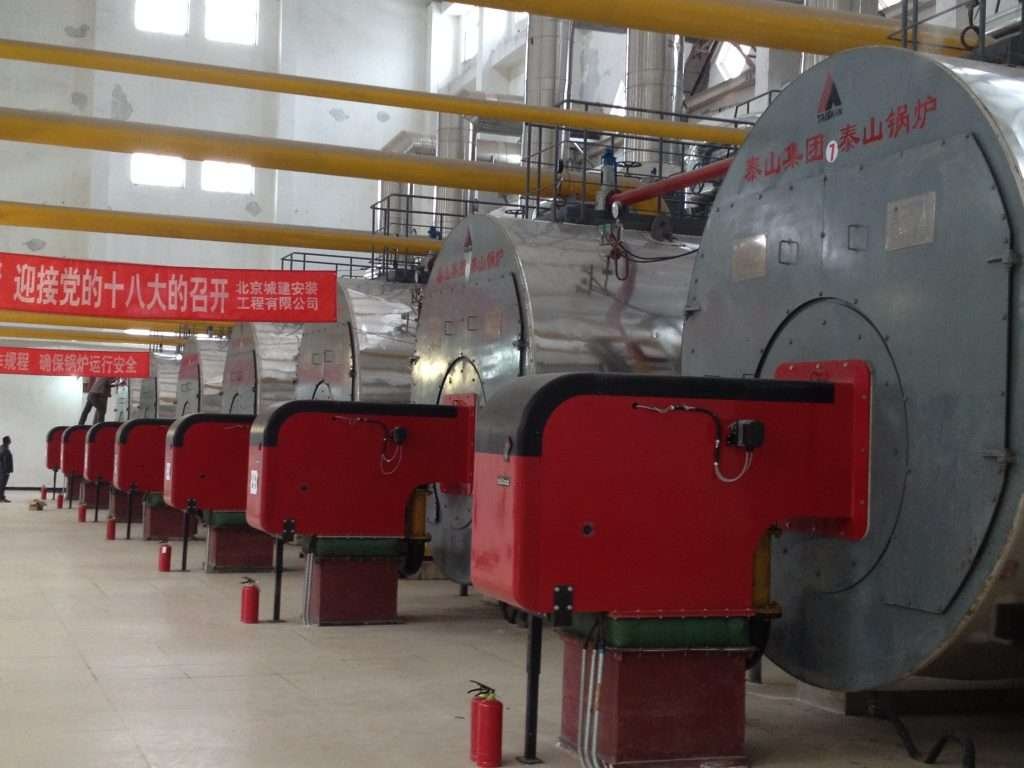
Industrial facilities today face rising fuel costs, stricter emission regulations, and increasing pressure to reduce carbon footprints. Traditional fossil-fuel boilers can lead to high CO₂ emissions, particulate pollution, and long-term operational inefficiencies. Without upgrading to cleaner technologies, businesses risk regulatory penalties, higher energy expenses, and reputational damage. The good news is that modern eco-friendly boiler technologies and sustainable fuel alternatives provide reliable steam generation while significantly lowering emissions and improving efficiency.
Eco-friendly boiler technologies include condensing boilers, biomass boilers, electric boilers, hydrogen-ready systems, and hybrid heat recovery designs. Fuel alternatives such as biomass pellets, biogas, hydrogen, waste heat recovery, and renewable electricity help reduce carbon emissions, improve combustion efficiency, and support sustainable industrial operations. Selecting the right combination depends on application requirements, fuel availability, emission targets, and lifecycle cost analysis.
How Do Condensing Boilers Improve Eco-Friendly Boiler Efficiency?
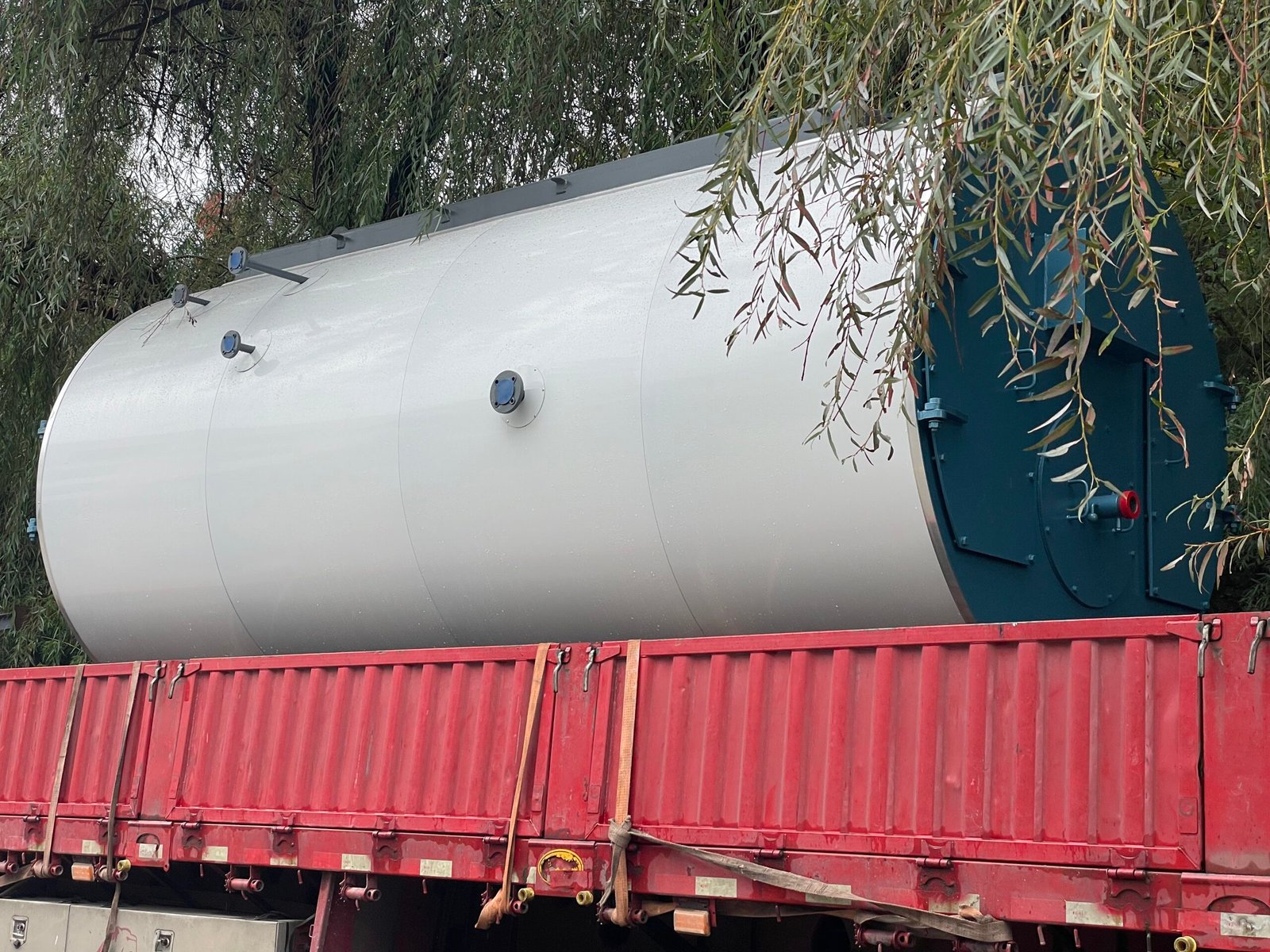
Rising energy costs, stricter environmental regulations, and corporate carbon reduction commitments are pushing industries and commercial facilities to rethink their boiler systems. Traditional non-condensing boilers waste a significant portion of fuel energy by releasing high-temperature flue gases into the atmosphere. This wasted heat not only reduces overall efficiency but also increases fuel consumption, operating costs, and greenhouse gas emissions. Over time, these inefficiencies compound into substantial financial and environmental losses. Condensing boilers address this problem by capturing and reusing latent heat from exhaust gases, dramatically improving eco-friendly boiler efficiency while reducing emissions and fuel use.
Condensing boilers improve eco-friendly boiler efficiency by recovering latent heat from water vapor in flue gases, lowering exhaust temperatures, increasing thermal efficiency to 90–98%, reducing fuel consumption by 10–15% compared to conventional boilers, and decreasing CO₂ and NOx emissions.
Understanding how condensing boilers achieve these improvements requires a detailed look at thermodynamics, heat exchanger design, combustion control, system integration, and lifecycle economics. As a boiler manufacturer and energy efficiency specialist, I will explain both the technical principles and real-world performance benefits of condensing boiler technology.
Condensing boilers achieve higher efficiency than conventional boilers by recovering latent heat from flue gas condensation.True
Condensing boilers capture the heat released when water vapor in exhaust gases condenses, which would otherwise be lost in traditional boiler systems.
Traditional boilers operate by burning fuel to heat water, generating steam or hot water. However, during combustion of hydrocarbon fuels such as natural gas, water vapor is formed as a byproduct. In non-condensing systems, this vapor exits through the flue at temperatures between 150°C and 250°C, carrying away valuable latent heat. Condensing boilers are specifically engineered to cool flue gases below the dew point (approximately 55°C for natural gas), allowing water vapor to condense and release additional heat back into the system.
1. Thermodynamic Principle of Condensing Technology
When natural gas (primarily methane, CH₄) combusts, the reaction produces CO₂ and H₂O. The water vapor formed contains latent heat of vaporization, approximately 2,257 kJ/kg. In conventional boilers, this latent heat is lost. Condensing boilers utilize a secondary heat exchanger made from corrosion-resistant materials such as stainless steel or aluminum-silicon alloy to extract this latent heat.
Energy comparison:
| Boiler Type | Flue Gas Temperature | Thermal Efficiency | Latent Heat Recovery |
|---|---|---|---|
| Conventional Boiler | 150–250°C | 80–88% | None |
| Condensing Boiler | 30–60°C | 90–98% | Yes |
By lowering exhaust temperature to near 40°C, condensing boilers maximize energy extraction from the fuel.
2. Eco-Friendly Efficiency Gains
Condensing boilers improve eco-friendly performance in several ways:
- Reduced Fuel Consumption – 10–15% lower fuel use compared to non-condensing models.
- Lower CO₂ Emissions – Directly proportional to reduced fuel consumption.
- Lower NOx Emissions – Advanced burners reduce combustion pollutants.
- Reduced Flue Gas Temperature – Minimizes heat loss to atmosphere.
- Improved Seasonal Efficiency – Particularly effective in low-return-temperature systems.
For example, in a commercial building consuming 1,000,000 kWh annually:
- Conventional boiler efficiency: 85%
- Condensing boiler efficiency: 95%
- Fuel savings: ~105,000 kWh per year
- CO₂ reduction: ~20 tons annually (natural gas basis)
3. Importance of Return Water Temperature
Condensing efficiency depends heavily on system return water temperature. To achieve condensation, return water must be below the dew point (typically <55°C for natural gas systems).
Optimal applications include:
- Underfloor heating
- Radiator systems with large surface area
- District heating networks
- Low-temperature process heating
Efficiency performance based on return temperature:
| Return Water Temp | Condensing Efficiency |
|---|---|
| 70°C | Minimal condensation |
| 55°C | Partial condensation |
| 45°C | Full condensation |
| 30–40°C | Maximum efficiency |
Systems designed with lower return temperatures maximize condensing benefits.
4. Heat Exchanger Design and Materials
Condensing boilers require corrosion-resistant materials because condensate is mildly acidic (pH 3–5). Common materials include:
- 316L stainless steel
- Duplex stainless steel
- Aluminum-silicon alloy
Advanced heat exchanger design features:
- Large surface area
- Turbulence-enhancing geometry
- Smooth condensate drainage
- Integrated condensate neutralization
These design features ensure durability while maintaining high heat transfer rates.
5. Integration with CHP Systems
Condensing boilers can complement steam boiler-based CHP systems in hybrid configurations, especially for:
- Low-temperature heating loads
- Supplemental heat during peak demand
- District heating return loop optimization
By recovering low-grade heat, condensing technology increases total plant energy utilization.
6. Environmental Compliance and Sustainability
Governments worldwide increasingly mandate high-efficiency boiler systems to reduce greenhouse gas emissions. Condensing boilers contribute to sustainability goals by:
- Meeting high-efficiency building codes
- Reducing carbon footprint
- Supporting LEED or green building certifications
- Lowering energy intensity metrics
In many regions, high-efficiency condensing boilers qualify for energy efficiency rebates or tax incentives.
7. Economic Benefits and Payback
Although condensing boilers typically cost 10–20% more than conventional boilers, lifecycle savings offset initial investment.
Example economic comparison:
| Parameter | Conventional Boiler | Condensing Boiler |
|---|---|---|
| Initial Cost | $100,000 | $120,000 |
| Annual Fuel Cost | $200,000 | $170,000 |
| Annual Savings | — | $30,000 |
| Payback Period | — | ~2 years |
Lower fuel consumption translates into long-term operational savings over a 15–20 year lifespan.
8. Limitations and Design Considerations
To fully benefit from condensing technology, engineers must consider:
- Proper condensate drainage system
- Neutralization treatment before discharge
- Flue material compatibility (PVC or stainless venting)
- Correct system sizing
- Proper control integration
Oversized boilers may cycle frequently, reducing real-world efficiency. Accurate load calculations are critical.
9. Comparison with Traditional Eco-Improvement Methods
Some facilities attempt efficiency improvement through:
- Economizers
- Flue gas recirculation
- Improved insulation
While beneficial, these methods typically add 3–6% efficiency improvement. Condensing technology provides 10–15% efficiency gains, making it one of the most impactful eco-friendly boiler upgrades available.
10. Real Case Study
A commercial office complex replaced two 800 kW non-condensing boilers with modular condensing boilers.
Results:
- Fuel consumption reduced by 14%
- CO₂ emissions reduced by 28 tons per year
- Annual cost savings: $42,000
- Payback period: 2.8 years
The improvement was largely due to optimized low-temperature heating loops and modulating burner control.
Summary
Condensing boilers improve eco-friendly boiler efficiency by recovering latent heat from water vapor in flue gases, reducing exhaust temperatures, lowering fuel consumption by 10–15%, and achieving thermal efficiencies between 90–98%. Their ability to capture energy that would otherwise be wasted significantly reduces carbon emissions and operational costs. When properly integrated into low-return-temperature systems and supported by corrosion-resistant heat exchanger design, condensing boilers represent one of the most effective technologies for sustainable heating performance. For facilities seeking energy savings, environmental compliance, and long-term operational efficiency, condensing boilers provide a highly practical and economically attractive solution.
What Role Do Biomass and Biofuel Alternatives Play in Eco-Friendly Boiler Systems?

Many industrial facilities and commercial buildings are under increasing pressure to reduce carbon emissions, comply with stricter environmental regulations, and transition toward renewable energy sources. Traditional fossil-fuel boilers, while reliable, contribute significantly to CO₂ emissions and long-term fuel price volatility. Companies that fail to adopt cleaner alternatives risk higher carbon taxes, regulatory penalties, and reputational damage. Biomass and biofuel alternatives provide a viable solution by enabling eco-friendly boiler systems to operate with renewable, lower-carbon fuels while maintaining high thermal efficiency and operational reliability.
Biomass and biofuel alternatives play a critical role in eco-friendly boiler systems by reducing net carbon emissions, diversifying fuel supply, enhancing energy security, and supporting renewable energy targets, while achieving thermal efficiencies of 75–90% in modern biomass boiler designs.
To fully understand their impact, we must examine combustion characteristics, carbon lifecycle analysis, boiler design adaptations, economic considerations, emission performance, and real-world application data. As a boiler manufacturer specializing in both fossil-fuel and renewable combustion systems, I will provide a comprehensive technical and practical analysis.
Sustainably sourced biomass can be considered carbon-neutral in boiler applications.True
Biomass absorbs CO₂ during plant growth, offsetting the CO₂ released during combustion when managed under sustainable forestry or agricultural practices.
Biomass and biofuel alternatives are not simply fuel substitutes; they represent a structural shift in how thermal energy is produced and integrated into sustainable energy systems.
1. Understanding Biomass and Biofuel Types in Boiler Systems
Biomass fuels originate from organic materials. Common biomass and biofuel options used in eco-friendly boiler systems include:
- Wood chips
- Wood pellets
- Agricultural residues (straw, husks)
- Bagasse (sugar industry waste)
- Biogas (anaerobic digestion)
- Biodiesel
- Black liquor (pulp industry by-product)
Each fuel has distinct combustion and operational characteristics.
| Fuel Type | Calorific Value | Moisture Content | Ash Content | Typical Boiler Type |
|---|---|---|---|---|
| Wood Chips | 8–15 MJ/kg | 20–50% | Low–Moderate | Water-tube biomass boiler |
| Wood Pellets | 16–18 MJ/kg | <10% | Low | Automatic biomass boiler |
| Straw | 12–15 MJ/kg | 10–25% | Higher | Special grate boiler |
| Biogas | 18–25 MJ/Nm³ | Low | None | Gas-fired boiler |
| Biodiesel | ~37 MJ/kg | Low | Very Low | Modified oil boiler |
The selection of biomass type directly affects combustion stability, heat transfer efficiency, and maintenance requirements.
2. Carbon Reduction and Environmental Benefits
The primary role of biomass and biofuels in eco-friendly boiler systems is carbon mitigation. Unlike fossil fuels, biomass participates in the short-term carbon cycle.
Carbon comparison:
| Fuel | CO₂ Emissions (kg/MWh fuel input) | Net Carbon Impact |
|---|---|---|
| Coal | ~340 | High |
| Natural Gas | ~202 | Moderate |
| Biomass | ~0 (net basis)* | Low |
| Biogas | Very Low | Low |
*Net zero assumes sustainable sourcing and replanting.
By switching from coal to biomass, facilities can reduce reported carbon emissions by up to 90% on a lifecycle basis.
3. Technical Adaptations in Eco-Friendly Biomass Boiler Systems
Biomass combustion differs from fossil fuel combustion due to:
- Higher moisture content
- Higher ash production
- Variable calorific value
- Slagging and fouling tendencies
Modern eco-friendly biomass boiler systems incorporate:
- Moving grate combustion systems
- Fluidized bed technology
- Advanced air staging
- Automatic fuel feeding
- Ash removal systems
- Flue gas cleaning (cyclones, bag filters, scrubbers)
Fluidized bed boilers are particularly effective because they allow uniform temperature distribution and efficient combustion of variable-quality biomass fuels.
4. Thermal Efficiency in Biomass Boiler Systems
Modern biomass boiler systems achieve:
- 80–88% efficiency for grate systems
- 85–90% efficiency for fluidized bed systems
- Up to 92% when integrated with economizers and condensing heat recovery
Efficiency depends on moisture content; high moisture biomass reduces net calorific value and may require fuel pre-drying.
Efficiency comparison:
| Boiler Type | Typical Efficiency |
|---|---|
| Conventional Coal Boiler | 80–85% |
| Natural Gas Boiler | 90–94% |
| Biomass Boiler | 80–90% |
While biomass may slightly lag natural gas in pure combustion efficiency, its carbon advantage compensates environmentally.
5. Role in Combined Heat and Power (CHP) Systems
Biomass plays a significant role in eco-friendly CHP systems, particularly in:
- Pulp and paper mills
- District heating networks
- Agricultural processing facilities
- Food production plants
Biomass-based CHP systems typically achieve:
- 75–88% overall efficiency
- 20–35% primary energy savings compared to separate generation
These systems produce renewable electricity and thermal energy simultaneously, enhancing sustainability credentials.
6. Economic Impact and Energy Security
Biomass and biofuel alternatives provide economic benefits:
- Reduced fuel cost volatility
- Local fuel sourcing opportunities
- Eligibility for renewable subsidies
- Carbon credit revenues
- Reduced carbon tax exposure
Economic comparison example (10 MW thermal system):
| Fuel | Annual Fuel Cost | Carbon Tax Exposure | Net Operating Cost |
|---|---|---|---|
| Coal | $2.8M | High | High |
| Natural Gas | $3.2M | Moderate | Moderate |
| Biomass | $2.4M | Low | Lower with subsidies |
In regions with renewable incentives, biomass systems often achieve payback within 4–6 years.
7. Biofuels: Flexible Low-Carbon Alternatives
Biofuels such as biodiesel and biogas offer cleaner combustion with minimal boiler modifications.
Advantages:
- Lower sulfur content
- Lower particulate emissions
- Drop-in compatibility (in some systems)
- Reduced greenhouse gas emissions
Biogas systems are particularly attractive for wastewater treatment plants and agricultural operations where waste digestion produces usable methane.
8. Emission Performance
Modern biomass systems with emission controls achieve:
- NOx reductions via staged combustion
- Particulate capture through baghouse filters
- SO₂ reduction due to low sulfur content
Compared to coal systems, biomass significantly reduces sulfur and heavy metal emissions.
9. Challenges and Mitigation Strategies
Biomass systems require careful management:
Challenges:
- Fuel supply chain stability
- Storage requirements
- Moisture variability
- Ash disposal
Mitigation:
- Long-term fuel contracts
- Covered storage facilities
- Pre-drying systems
- Automated ash handling
Proper engineering design minimizes operational risks.
10. Future Outlook: Hydrogen and Advanced Biofuels
Emerging developments include:
- Hydrogen blending with biogas
- Advanced torrefied biomass
- Bio-synthetic fuels
- Carbon capture integration
These technologies will further strengthen eco-friendly boiler systems’ sustainability profile.
Summary
Biomass and biofuel alternatives play a central role in eco-friendly boiler systems by enabling significant carbon emission reductions, enhancing energy security, and supporting renewable energy goals. While combustion characteristics differ from fossil fuels, modern biomass boiler technologies achieve thermal efficiencies of 80–90% and can reach overall system efficiencies of 75–88% in CHP configurations. With proper design, emission control integration, and fuel management, biomass and biofuels provide a practical, economically viable pathway toward sustainable thermal energy production. For industries seeking long-term decarbonization without sacrificing reliability or efficiency, biomass-based eco-friendly boiler systems offer a strategic and responsible solution.
Are Electric and Electrode Boilers a Truly Eco-Friendly Boiler Technology?
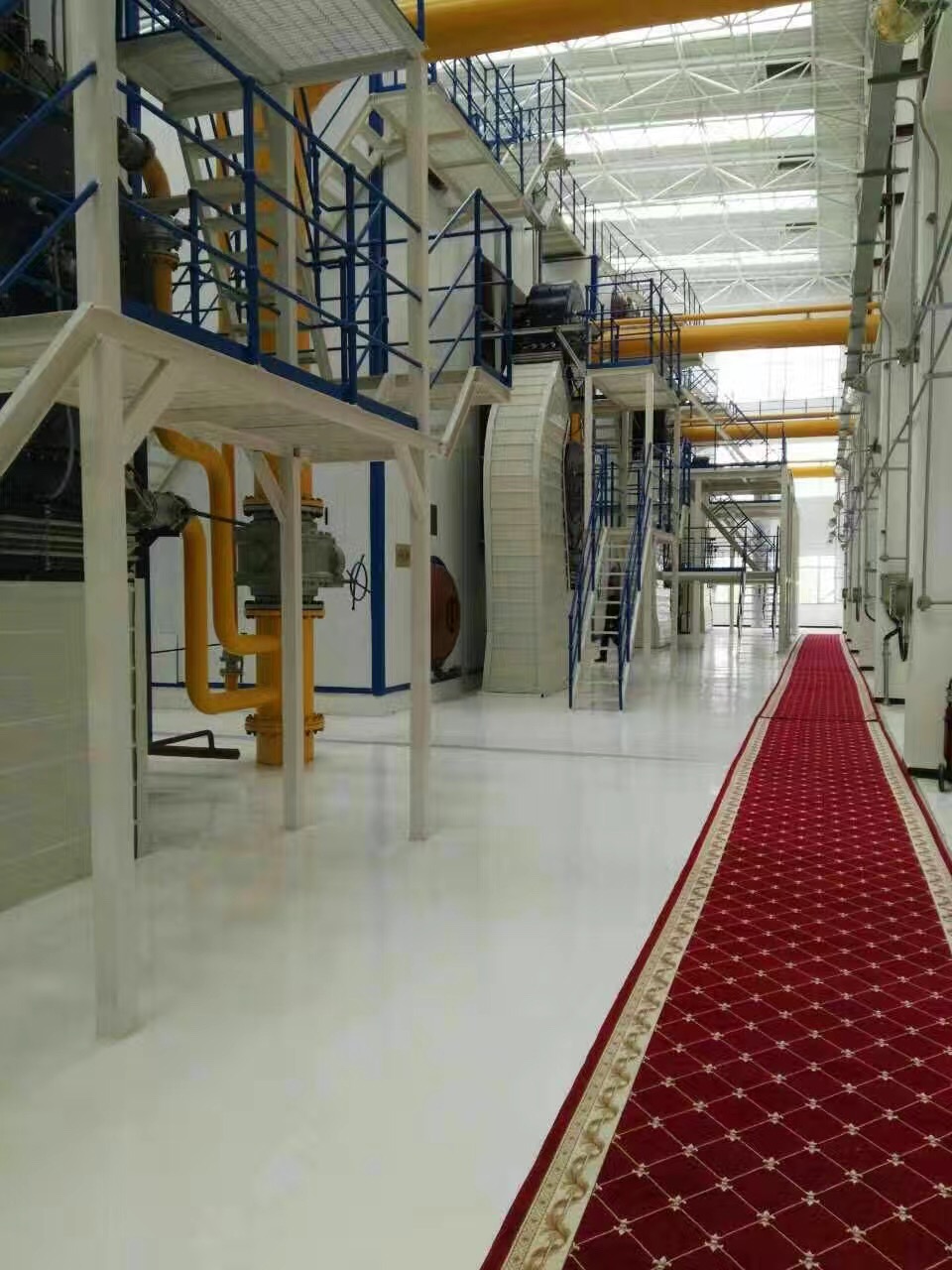
Many facilities seeking to reduce carbon emissions and eliminate on-site combustion are turning toward electric and electrode boilers as an alternative to traditional fossil-fuel systems. At first glance, these technologies appear to be the ultimate eco-friendly boiler solution: no flame, no flue gas, no chimney emissions, and nearly 100% conversion efficiency at the point of use. However, the critical question remains: are electric and electrode boilers truly eco-friendly when evaluated across the entire energy lifecycle? The answer depends not only on boiler efficiency but also on electricity source, grid carbon intensity, operational scale, infrastructure constraints, and long-term economic sustainability.
Electric and electrode boilers are eco-friendly at the point of use because they produce zero on-site emissions and achieve nearly 99–100% thermal conversion efficiency; however, their true environmental performance depends entirely on the carbon intensity of the electricity supply. When powered by renewable or low-carbon grids, they can be among the cleanest boiler technologies available.
To evaluate whether electric and electrode boilers qualify as truly eco-friendly boiler technologies, we must analyze thermodynamic efficiency, lifecycle carbon impact, grid dependency, economic viability, and practical industrial applications.
Electric boilers achieve nearly 100% efficiency at the point of use because all electrical energy converts directly into heat.True
Unlike combustion boilers, electric boilers convert electrical resistance or electrode heating directly into thermal energy without flue gas losses.
Electric and electrode boilers differ from combustion boilers in one fundamental way: they do not burn fuel. Instead, they convert electrical energy into heat using either resistance elements or direct electrode conduction through water.
1. How Electric and Electrode Boilers Work
There are two main types:
- Resistance Electric Boilers – Use heating elements similar to industrial-scale immersion heaters.
- Electrode Boilers – Pass electric current directly through water using electrodes, generating heat due to water resistance.
Technical comparison:
| Feature | Resistance Boiler | Electrode Boiler |
|---|---|---|
| Heating Method | Metallic heating elements | Direct water conduction |
| Steam Production | Moderate capacity | High capacity |
| Response Time | Fast | Very fast |
| Efficiency (Point of Use) | 98–99% | 99–100% |
| Maintenance | Element replacement | Electrode monitoring |
Electrode boilers are particularly suitable for high-pressure steam applications in industrial settings.
2. Point-of-Use Efficiency vs. Primary Energy Efficiency
Electric boilers are often marketed as 100% efficient. While technically correct at the point of use, overall environmental impact depends on how electricity is generated.
Electricity generation efficiency varies:
| Power Source | Typical Generation Efficiency | Carbon Intensity |
|---|---|---|
| Coal Power Plant | 35–40% | High |
| Natural Gas Combined Cycle | 55–60% | Moderate |
| Nuclear | High thermal, low carbon | Very Low |
| Wind | No combustion | Zero operational emissions |
| Solar PV | No combustion | Zero operational emissions |
| Hydropower | High | Very Low |
If electricity is generated from coal, the effective system-wide efficiency may be lower than a high-efficiency natural gas condensing boiler.
Example comparison:
- Natural gas condensing boiler efficiency: 95%
- Electric boiler powered by coal grid (38% generation efficiency)
- Effective primary efficiency: 0.38 × 1.00 = 38%
In this case, combustion at the power plant results in greater total fuel consumption than local gas burning.
3. Carbon Emission Comparison
Carbon intensity example (approximate values):
| Boiler Type | CO₂ Emissions (kg/MWh heat) |
|---|---|
| Coal-Fired Boiler | ~340 |
| Natural Gas Boiler | ~202 |
| Electric Boiler (Coal Grid) | ~350+ |
| Electric Boiler (Renewable Grid) | ~0–20 |
Therefore, electric boilers become truly eco-friendly only when electricity comes from low-carbon or renewable sources.
4. Zero On-Site Emissions Advantage
Electric and electrode boilers offer several local environmental advantages:
- No NOx emissions
- No SO₂ emissions
- No particulate matter
- No combustion noise
- No flue gas venting
- Reduced indoor air pollution
This makes them ideal for:
- Hospitals
- Urban commercial buildings
- Laboratories
- Food processing facilities
- District heating in low-carbon grids
Local air quality benefits are significant, especially in dense urban environments.
5. Integration with Renewable Energy
Electric boilers align well with renewable energy systems:
- Solar PV surplus utilization
- Wind energy balancing
- Grid stabilization during low-demand periods
- Power-to-heat applications
In regions with high renewable penetration (e.g., >50%), electric boilers serve as flexible load-balancing assets, absorbing excess renewable electricity and converting it into useful heat.
6. Economic Considerations
Despite environmental advantages, electricity cost is often higher than natural gas on a per-kWh basis.
Cost comparison (illustrative example):
| Energy Source | Cost per MWh | Boiler Efficiency | Effective Heat Cost |
|---|---|---|---|
| Natural Gas | $50 | 95% | ~$53/MWh heat |
| Electricity | $100 | 100% | ~$100/MWh heat |
Unless:
- Electricity prices are low
- Renewable subsidies exist
- Carbon taxes are high
- Demand response incentives apply
electric boilers may have higher operational costs.
7. Infrastructure and Capacity Considerations
Large electrode boilers require:
- High-voltage electrical connections
- Grid capacity upgrades
- Transformer installations
- Demand management planning
For example, a 20 MW electrode boiler draws approximately 20 MW of electrical power continuously. Not all industrial sites have sufficient grid infrastructure.
8. Maintenance and Reliability
Electric boilers generally require:
- Less mechanical maintenance
- No combustion tuning
- No flue cleaning
- No fuel storage
Maintenance cost comparison:
| Boiler Type | Typical Annual O&M (% of CAPEX) |
|---|---|
| Gas Boiler | 3–5% |
| Biomass Boiler | 4–6% |
| Electric Boiler | 2–3% |
Electrode boilers have fewer moving parts, reducing downtime risk.
9. Role in Decarbonization Strategy
Electric and electrode boilers play an important role in:
- Industrial electrification
- Net-zero building strategies
- Hybrid CHP-electric systems
- Peak shaving and grid flexibility
In countries with decarbonized grids (e.g., hydro or nuclear dominant), electric boilers can achieve near-zero carbon heating.
10. Real Case Example
A Scandinavian district heating plant replaced oil-fired peak boilers with 15 MW electrode boilers powered by hydroelectric energy.
Results:
- CO₂ emissions reduced by 95%
- Local air pollutants eliminated
- Maintenance cost reduced by 30%
- Grid balancing services generated additional revenue
In this context, electric boilers are clearly eco-friendly.
Limitations
Electric boilers may not be ideal where:
- Grid electricity is fossil-fuel dominant
- Electricity costs are high
- Large continuous industrial steam demand exists without renewable access
Hybrid systems combining electric boilers with gas or biomass backup often provide optimal flexibility.
Summary
Electric and electrode boilers are eco-friendly at the point of use because they produce zero on-site emissions and convert nearly 100% of electrical energy into heat. However, their true environmental impact depends entirely on the carbon intensity of the electricity source. When powered by renewable, nuclear, or low-carbon grids, they represent one of the cleanest boiler technologies available. When powered by fossil-fuel-dominated grids, their overall carbon footprint may exceed that of high-efficiency natural gas boilers. Therefore, electric and electrode boilers are most effective as eco-friendly solutions when integrated into decarbonized energy systems or renewable-heavy grids.
How Can Hydrogen and Hydrogen-Ready Systems Support Eco-Friendly Boiler Transition?
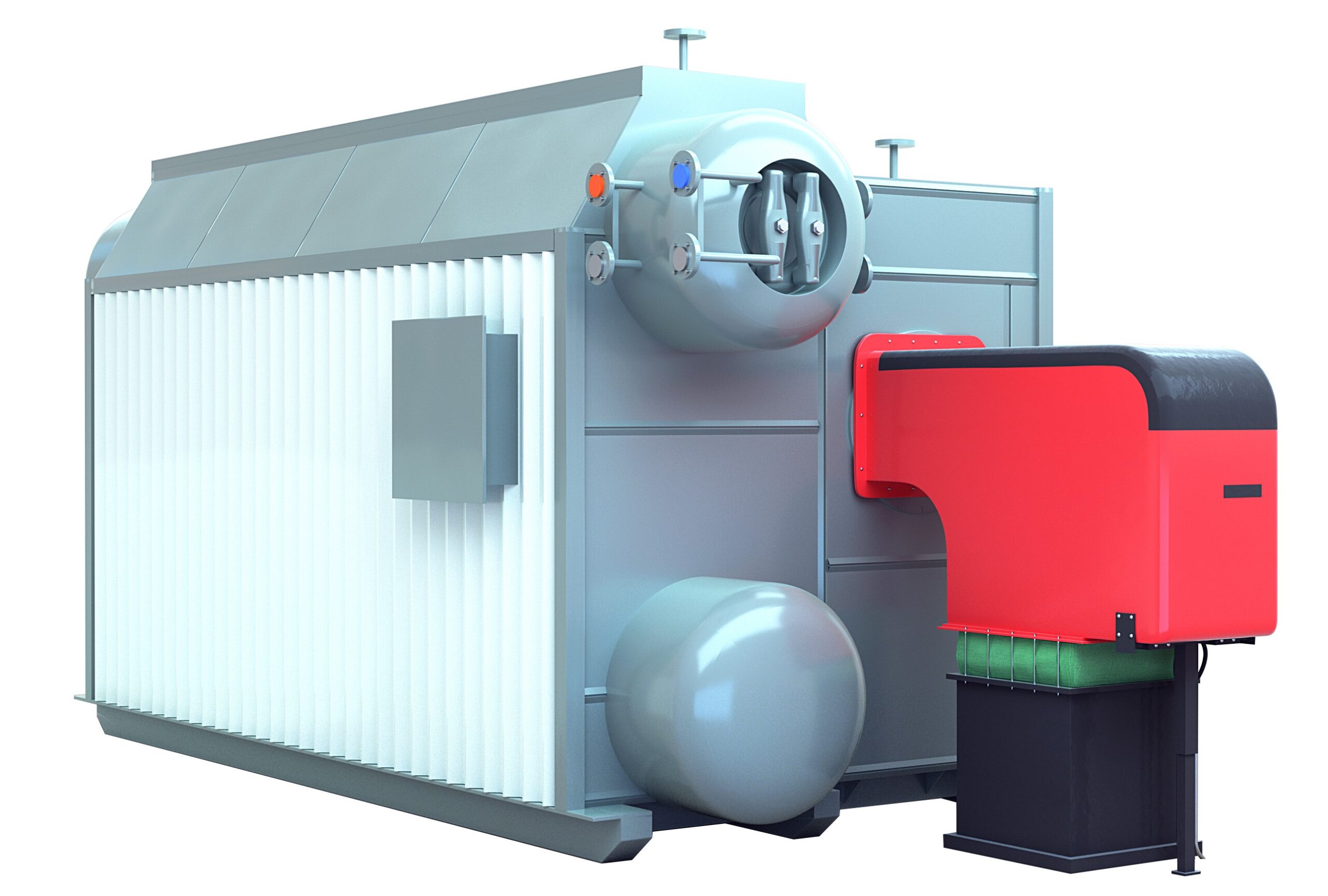
Many industries are under mounting pressure to decarbonize thermal energy systems while maintaining operational reliability and economic stability. Conventional natural gas and coal-fired boilers, although efficient, remain significant contributors to carbon emissions. Electrification is not always feasible for high-temperature steam demand, and biomass supply chains may be regionally limited. As a result, hydrogen and hydrogen-ready boiler systems are emerging as strategic transition technologies. Without a clear roadmap, however, premature investment in hydrogen infrastructure can increase capital risk, while delaying preparation may lead to stranded assets and regulatory non-compliance. Hydrogen-ready systems offer a balanced pathway, enabling facilities to operate on natural gas today while preparing for a gradual shift toward low-carbon hydrogen in the future.
Hydrogen and hydrogen-ready boiler systems support eco-friendly boiler transition by enabling progressive decarbonization of thermal energy through hydrogen blending, future full-hydrogen combustion capability, reduced lifecycle carbon emissions, compatibility with existing gas infrastructure, and integration with renewable power-to-hydrogen production. Properly engineered systems can reduce CO₂ emissions by 20–100% depending on hydrogen ratio and supply source.
Understanding the role of hydrogen in boiler decarbonization requires examining combustion science, material compatibility, emission control, infrastructure requirements, and economic feasibility.
Burning hydrogen in boilers produces no direct CO₂ emissions at the point of combustion.True
Hydrogen combustion produces water vapor as the primary byproduct, eliminating carbon dioxide emissions during the combustion process.
Hydrogen does not contain carbon atoms. When combusted, it reacts with oxygen to form water vapor, eliminating direct CO₂ emissions from the boiler stack. However, the full environmental benefit depends on how the hydrogen itself is produced.
1. Hydrogen as a Decarbonized Fuel for Boilers
Hydrogen combustion characteristics differ significantly from natural gas:
- Higher flame speed
- Wider flammability range
- Lower volumetric energy density
- Higher combustion temperature
- Different NOx formation behavior
These characteristics require burner redesign, flame detection modification, and combustion control optimization.
The carbon impact of hydrogen depends on production pathway:
| Hydrogen Type | Production Method | Carbon Intensity | Sustainability Level |
|---|---|---|---|
| Grey Hydrogen | Natural gas reforming | High | Low |
| Blue Hydrogen | Natural gas + carbon capture | Moderate–Low | Transitional |
| Green Hydrogen | Electrolysis with renewable power | Very Low | High |
| Turquoise Hydrogen | Methane pyrolysis | Low (if powered cleanly) | Emerging |
Only green and low-carbon blue hydrogen significantly contribute to eco-friendly boiler transition.
2. Hydrogen Blending in Existing Gas Boilers
A practical first step in transition is hydrogen blending with natural gas. Many modern gas boilers can tolerate hydrogen blending ratios of 10–20% without major hardware modification.
Carbon reduction potential:
| Hydrogen Blend Ratio | Approximate CO₂ Reduction |
|---|---|
| 10% H₂ | ~3–4% reduction |
| 20% H₂ | ~6–8% reduction |
| 50% H₂ | ~18–20% reduction |
| 100% H₂ | ~100% direct combustion CO₂ elimination |
Because hydrogen has lower energy density per unit volume, blending increases volumetric flow rates, requiring burner and valve adjustments for higher ratios.
Hydrogen blending provides several advantages. It allows gradual decarbonization without full system replacement, minimizes capital expenditure, and maintains fuel supply reliability through hybrid gas networks.
3. Hydrogen-Ready Boiler Design Features
Hydrogen-ready boilers are engineered to operate initially on natural gas but are designed for future conversion to higher hydrogen concentrations or pure hydrogen. Key technical adaptations include:
- Hydrogen-compatible burners
- Flame detection systems adapted to invisible hydrogen flame
- Modified combustion chambers
- High-grade materials resistant to hydrogen embrittlement
- Advanced control systems for fuel-air ratio management
- NOx mitigation strategies such as flue gas recirculation
Hydrogen combustion tends to increase NOx formation due to higher flame temperatures. Therefore, low-NOx burner design is critical for environmental compliance.
4. Infrastructure Considerations for Hydrogen Integration
Transitioning to hydrogen involves broader infrastructure evaluation:
- Pipeline compatibility
- Storage tank safety design
- Pressure regulation systems
- Leak detection sensors
- Ventilation and explosion prevention systems
Hydrogen molecules are smaller than methane molecules, increasing leakage risk if materials are not properly selected. Stainless steel or hydrogen-rated alloys are preferred for high-pressure applications.
5. Integration with Renewable Energy Systems
Hydrogen serves as a bridge between renewable electricity and thermal energy. Surplus renewable power can be used for electrolysis to produce green hydrogen, which is stored and later used in boilers.
This approach supports energy system flexibility by converting intermittent electricity into dispatchable thermal energy. In industrial clusters, power-to-hydrogen-to-steam models enable decarbonized steam production without complete electrification.
6. Economic Considerations of Hydrogen Transition
Hydrogen economics currently present challenges due to production cost. Approximate fuel cost comparison:
| Fuel Type | Cost per MWh (approx.) | Carbon Emissions | Infrastructure Cost |
|---|---|---|---|
| Natural Gas | Low–Moderate | Moderate | Existing |
| Grey Hydrogen | High | High lifecycle | Moderate |
| Blue Hydrogen | High | Reduced | High |
| Green Hydrogen | Very High (currently) | Very Low | High |
While hydrogen costs remain higher than natural gas in many regions, long-term projections show cost reductions due to scale, electrolyzer efficiency improvements, and carbon pricing mechanisms.
Hydrogen-ready systems reduce future retrofit cost and avoid premature asset replacement, improving long-term financial resilience.
7. Safety and Regulatory Framework
Hydrogen safety standards require:
- Continuous gas monitoring
- Proper ventilation
- Explosion-proof electrical systems
- Emergency shut-off mechanisms
- Compliance with international codes (ISO, EN, ASME standards)
Engineering design must address these safety elements from the outset to ensure reliable and compliant operation.
8. Real-World Application Case
A European district heating plant installed hydrogen-ready water-tube boilers rated at 60 MW thermal capacity.
Phase 1:
- Operated on 100% natural gas
- Prepared for hydrogen blending
Phase 2:
- Introduced 20% hydrogen blend
- Reduced CO₂ emissions by approximately 7%
Phase 3 (Planned):
- Transition to 80–100% green hydrogen
- Targeting near-zero operational carbon emissions
This staged transition minimizes financial risk while aligning with national decarbonization targets.
9. Strategic Role in Long-Term Decarbonization
Hydrogen and hydrogen-ready systems support eco-friendly boiler transition by:
- Extending lifespan of gas infrastructure
- Enabling phased decarbonization
- Reducing exposure to carbon taxation
- Supporting renewable integration
- Providing high-temperature steam capability where electrification is impractical
For industries requiring high-pressure steam above 20 bar, hydrogen offers a technically viable pathway that electric systems may struggle to provide economically at scale.
Summary
Hydrogen and hydrogen-ready systems play a pivotal role in supporting eco-friendly boiler transition by enabling progressive decarbonization of thermal energy systems without sacrificing operational reliability. Hydrogen combustion eliminates direct CO₂ emissions, while hydrogen blending allows gradual carbon reduction with manageable infrastructure adjustments. Hydrogen-ready boilers reduce long-term retrofit risk by incorporating material compatibility, advanced burner design, and flexible combustion controls. Although economic challenges remain, especially for green hydrogen, strategic adoption positions industries for future regulatory compliance and carbon neutrality goals. When integrated with renewable power and proper infrastructure planning, hydrogen represents a scalable and technically sound pathway toward low-carbon industrial steam production.
What Is the Impact of Waste Heat Recovery on Eco-Friendly Boiler Performance?
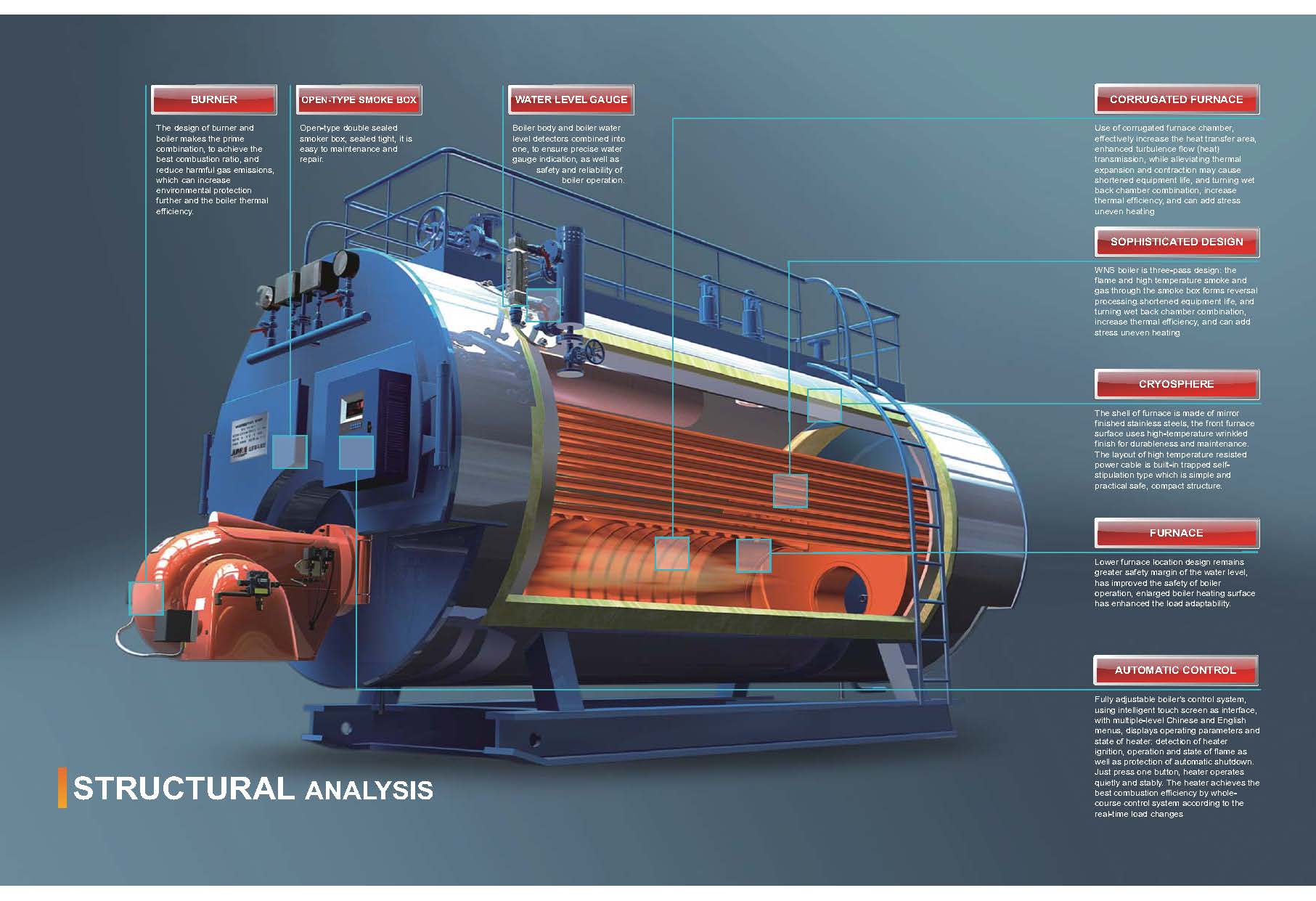
In many industrial facilities, a significant portion of fuel energy disappears up the stack as hot exhaust gas. Even high-efficiency boilers can discharge flue gases at temperatures between 120°C and 250°C, carrying valuable thermal energy that has already been paid for. Without recovery systems, this wasted heat reduces overall plant efficiency, increases fuel consumption, raises carbon emissions, and limits competitiveness in energy-intensive industries. As environmental regulations tighten and fuel prices fluctuate, ignoring waste heat recovery (WHR) becomes both economically and environmentally unsustainable. Integrating waste heat recovery into eco-friendly boiler systems transforms what was once energy loss into measurable efficiency gains, cost savings, and emission reductions.
Waste heat recovery significantly improves eco-friendly boiler performance by capturing unused thermal energy from flue gases or process exhaust streams, increasing overall system efficiency by 5–20%, reducing fuel consumption by 10–25%, lowering CO₂ emissions proportionally, and enhancing total energy utilization in both standalone and CHP boiler systems.
To understand the full impact of waste heat recovery on eco-friendly boiler performance, we must examine thermodynamic principles, recovery technologies, efficiency metrics, environmental benefits, and economic outcomes.
Waste heat recovery systems can increase overall boiler system efficiency by more than 10% in properly designed industrial applications.True
By capturing flue gas or process exhaust heat and reusing it for preheating combustion air, feedwater, or generating additional steam, waste heat recovery systems significantly improve total fuel utilization.
Waste heat recovery is fundamentally about energy cascading. Instead of allowing high-temperature exhaust gases to escape unused, recovery systems extract residual heat and redirect it back into the boiler cycle or another useful thermal application.
1. Sources of Waste Heat in Boiler Systems
Waste heat in boiler operations typically originates from:
- Flue gas exhaust
- Blowdown water
- Condensate losses
- Steam turbine exhaust (in CHP systems)
- Industrial process exhaust gases
Each source varies in temperature and recovery potential.
| Waste Heat Source | Temperature Range | Recovery Potential | Common Recovery Method |
|---|---|---|---|
| Flue Gas (Gas Boiler) | 120–250°C | High | Economizer / Condenser |
| Flue Gas (Coal/Biomass) | 150–300°C | High | Air preheater / HRSG |
| Boiler Blowdown | 100–180°C | Moderate | Flash tank / Heat exchanger |
| Process Exhaust Gas | 200–600°C | Very High | Heat Recovery Steam Generator |
Higher temperature waste streams provide greater thermodynamic recovery potential.
2. Key Waste Heat Recovery Technologies
Eco-friendly boiler systems commonly integrate several types of WHR equipment:
- Economizers – Preheat boiler feedwater using flue gas heat.
- Air Preheaters – Warm combustion air to improve flame efficiency.
- Flue Gas Condensers – Recover latent heat by condensing water vapor.
- Heat Recovery Steam Generators (HRSG) – Generate steam from exhaust gases.
- Blowdown Heat Recovery Units – Recover heat from discharged boiler water.
Each technology contributes incremental efficiency gains.
Efficiency impact comparison:
| Technology | Efficiency Gain |
|---|---|
| Economizer | 3–7% |
| Air Preheater | 2–5% |
| Flue Gas Condenser | 5–10% |
| HRSG (CHP Integration) | 10–25% total system gain |
When multiple systems are combined, total efficiency improvements can exceed 15%.
3. Thermodynamic Impact on Boiler Performance
Boiler efficiency is calculated as:
Efficiency = (Useful Heat Output / Fuel Energy Input) × 100%
By preheating feedwater, the boiler requires less fuel to reach steam temperature. For example:
- Feedwater at 60°C without economizer
- Feedwater at 110°C with economizer
Raising feedwater temperature by 50°C can reduce fuel demand by approximately 3–5%.
In condensing heat recovery systems, cooling flue gas below dew point allows latent heat capture, similar to condensing boiler technology, further increasing efficiency.
4. Fuel Savings and Carbon Reduction
Waste heat recovery directly reduces fuel consumption.
Illustrative example:
Industrial boiler fuel input: 100,000 MWh/year
Baseline efficiency: 85%
After WHR installation: 92%
Fuel reduction: ~7,600 MWh/year
Carbon reduction (natural gas basis ~0.2 t CO₂/MWh):
CO₂ savings: ~1,520 tons/year
This proportional reduction makes WHR a powerful decarbonization strategy.
5. Impact in Combined Heat and Power (CHP) Systems
Waste heat recovery plays an even larger role in CHP applications.
In gas turbine CHP systems:
- Turbine exhaust temperature: 450–600°C
- HRSG converts exhaust into steam
- Steam drives additional turbine or supplies process heat
Combined cycle efficiency comparison:
| System Type | Electrical Efficiency | Total Efficiency |
|---|---|---|
| Simple Gas Turbine | 35–40% | 35–40% |
| Combined Cycle with HRSG | 50–60% | 75–90% |
The integration of HRSG technology transforms waste heat into valuable thermal energy, dramatically improving eco-friendly boiler system performance.
6. Environmental Compliance Benefits
Waste heat recovery contributes to:
- Lower greenhouse gas emissions
- Reduced stack temperature
- Lower thermal pollution
- Improved energy intensity metrics
In many jurisdictions, installing WHR systems qualifies facilities for:
- Energy efficiency tax credits
- Carbon reduction incentives
- Green certification points
This improves both environmental and financial performance.
7. Economic Analysis and ROI
Although WHR systems require capital investment, payback periods are often short.
Example economizer installation:
| Parameter | Value |
|---|---|
| Investment Cost | $500,000 |
| Annual Fuel Savings | $180,000 |
| Payback Period | ~2.8 years |
| System Lifespan | 15–20 years |
For larger HRSG systems in CHP plants, payback may range from 3–5 years depending on electricity value.
8. Design Considerations for Maximum Performance
Successful waste heat recovery implementation requires:
- Proper flue gas temperature analysis
- Corrosion-resistant materials
- Condensate management
- Integration with boiler control systems
- Avoiding excessive backpressure
- Accurate load matching
Improper sizing can reduce system effectiveness or cause operational instability.
9. Limitations and Practical Constraints
While WHR provides substantial benefits, challenges include:
- Space limitations
- Corrosion from acidic condensate
- Maintenance requirements
- Diminishing returns at lower exhaust temperatures
However, modern stainless steel and advanced coatings mitigate corrosion risks effectively.
10. Role in Long-Term Sustainability Strategy
Waste heat recovery supports eco-friendly boiler performance by:
- Enhancing fuel utilization
- Supporting decarbonization targets
- Reducing energy import dependence
- Improving lifecycle cost performance
- Increasing competitiveness in energy-intensive industries
When combined with biomass, hydrogen-ready systems, or condensing technology, WHR becomes part of an integrated high-efficiency thermal strategy.
Summary
Waste heat recovery has a profound impact on eco-friendly boiler performance by transforming previously lost thermal energy into useful heat. Through economizers, air preheaters, flue gas condensers, blowdown recovery units, and HRSG systems, overall boiler efficiency can increase by 5–20%, fuel consumption can decrease by 10–25%, and carbon emissions can be reduced proportionally. In CHP applications, waste heat recovery enables total system efficiencies up to 90%, making it one of the most effective technologies for sustainable thermal energy optimization. Proper engineering design, material selection, and integration ensure reliable performance and strong financial returns.
How Should Industries Evaluate Eco-Friendly Boiler Technologies and Fuel Alternatives?
Industrial facilities today face a complex energy transition landscape. Rising fuel costs, carbon pricing mechanisms, ESG compliance requirements, and increasingly strict emission standards are forcing companies to rethink traditional boiler systems. However, the market now offers a wide range of “eco-friendly” boiler technologies—biomass boilers, hydrogen-ready systems, condensing boilers, electric and electrode boilers, hybrid CHP configurations, and waste heat recovery integrations. Without a structured evaluation framework, industries risk investing in technologies that do not align with their load profile, fuel availability, infrastructure capacity, or long-term decarbonization roadmap. Poor decisions can result in higher lifecycle costs, operational instability, stranded assets, and missed carbon reduction targets. A systematic, data-driven evaluation process is therefore essential to selecting the most appropriate eco-friendly boiler technology and fuel alternative.
Industries should evaluate eco-friendly boiler technologies and fuel alternatives by conducting a comprehensive assessment that includes energy load profiling, fuel availability and cost analysis, lifecycle carbon footprint calculation, capital and operating cost modeling, infrastructure compatibility review, regulatory compliance evaluation, and long-term scalability planning. The optimal solution balances technical performance, environmental impact, economic feasibility, and future transition flexibility.
A successful evaluation must integrate engineering analysis, financial modeling, environmental accounting, and risk assessment. Below, I outline a structured methodology used in large-scale industrial boiler modernization projects.
Lifecycle cost analysis is more important than initial capital cost when evaluating eco-friendly boiler technologies.True
Operational fuel costs and maintenance expenses over 20–30 years typically exceed the initial purchase cost, making lifecycle analysis critical for accurate economic comparison.
1. Establish a Detailed Energy Load Profile
The first and most critical step is understanding actual thermal and electrical demand. Eco-friendly boiler technologies perform differently depending on load stability, pressure requirements, and seasonal variation.
Industries must evaluate:
- Average steam demand (tons/hour)
- Peak steam demand
- Steam pressure and temperature requirements
- Annual operating hours
- Load fluctuation patterns
- Simultaneous electricity demand (for CHP consideration)
Without accurate load data, oversizing or undersizing becomes likely, reducing efficiency and increasing capital waste.
Example energy profile table:
| Parameter | Example Industrial Facility |
|---|---|
| Average Steam Demand | 30 tons/hour |
| Peak Demand | 38 tons/hour |
| Steam Pressure | 40 bar |
| Operating Hours | 8,200 hours/year |
| Load Stability | High (24/7 operation) |
Facilities with stable 24/7 demand are strong candidates for CHP or biomass systems, while highly variable loads may favor modular or electric boiler solutions.
2. Evaluate Fuel Availability and Cost Stability
Fuel choice directly affects both environmental impact and economic performance. Industries must assess not only current fuel prices but also long-term supply security and price volatility.
Key evaluation criteria include:
- Local fuel availability
- Long-term contract options
- Transportation and storage logistics
- Carbon taxation exposure
- Supply chain risks
Comparative fuel analysis:
| Fuel Type | Carbon Intensity | Cost Stability | Infrastructure Requirement | Decarbonization Potential |
|---|---|---|---|---|
| Natural Gas | Moderate | Moderate | Existing pipelines | Transitional |
| Biomass | Low (net) | Regional | Storage + feeding systems | High |
| Electricity | Depends on grid | Variable | Grid capacity upgrade | High if renewable |
| Hydrogen | Very Low (green) | Emerging | Specialized infrastructure | Very High |
A facility in a region with abundant biomass resources may achieve faster ROI with biomass boilers, while a facility in a renewable-heavy grid may benefit from electrification.
3. Conduct Lifecycle Carbon Footprint Analysis
Eco-friendly technology evaluation must extend beyond direct combustion emissions. A comprehensive lifecycle assessment (LCA) should consider:
- Fuel production emissions
- Transportation emissions
- Boiler manufacturing footprint
- Operational emissions
- End-of-life disposal
Carbon intensity comparison (approximate):
| Technology | Direct Emissions | Lifecycle Emissions |
|---|---|---|
| Coal Boiler | High | Very High |
| Natural Gas Condensing | Moderate | Moderate |
| Biomass Boiler | Near-zero (net) | Low |
| Electric Boiler (Coal Grid) | None onsite | High |
| Electric Boiler (Renewable Grid) | None onsite | Very Low |
| Hydrogen Boiler (Green H₂) | None onsite | Very Low |
Industries pursuing net-zero commitments must prioritize low lifecycle emissions rather than relying solely on stack emission metrics.
4. Perform Comprehensive Economic Modeling
A common mistake is comparing only capital cost. Instead, industries must calculate:
- Total capital expenditure (CAPEX)
- Fuel cost over 20–30 years
- Operation and maintenance (O&M) cost
- Carbon pricing impact
- Incentives and subsidies
- Downtime risk cost
Example lifecycle economic comparison:
| Technology | Initial Cost | Annual Fuel Cost | O&M Cost | 20-Year Total Cost |
|---|---|---|---|---|
| Gas Boiler | Moderate | Moderate | Moderate | High |
| Biomass Boiler | Higher | Lower | Moderate | Competitive |
| Electric Boiler | Lower | High | Low | Variable |
| Hydrogen-Ready | Higher | Transitional | Moderate | Future-proof |
Even if biomass requires higher initial investment, long-term fuel savings and carbon incentives often make it economically competitive.
5. Assess Infrastructure Compatibility
Eco-friendly transitions must consider existing infrastructure constraints:
- Electrical grid capacity
- Gas pipeline compatibility
- Hydrogen blending capability
- Fuel storage space
- Flue system material compatibility
- Condensate handling systems
For example, installing a 15 MW electric boiler requires sufficient grid capacity and transformer upgrades. Hydrogen-ready systems require material compatibility to prevent embrittlement.
6. Analyze Regulatory and Policy Environment
Government regulations and policy frameworks strongly influence boiler technology decisions.
Industries must review:
- Emission limits (NOx, SO₂, particulates)
- Carbon taxes or emissions trading systems
- Renewable energy mandates
- Efficiency standards
- Available incentives
Policy-driven incentives can reduce payback by 1–3 years in many jurisdictions.
7. Consider Future Scalability and Flexibility
Energy systems should be designed with long-term adaptability in mind. Technologies that support phased transition reduce stranded asset risk.
Strategic considerations include:
- Hydrogen-ready capability
- Hybrid fuel compatibility
- Modular expansion design
- CHP integration potential
- Waste heat recovery upgrade options
For example, a hydrogen-ready natural gas boiler allows immediate operation with current fuel supply while enabling gradual transition to green hydrogen as it becomes economically viable.
8. Evaluate Environmental and ESG Impact
Eco-friendly boiler decisions increasingly influence:
- Corporate sustainability reporting
- ESG investment attractiveness
- Customer perception
- Supply chain compliance
Transparent carbon reduction metrics strengthen competitive positioning in global markets.
9. Conduct Sensitivity and Risk Analysis
Energy markets fluctuate. Industries should model:
- ±20% fuel price variation
- Carbon tax increases
- Electricity tariff changes
- Policy shifts
Sensitivity modeling prevents overexposure to volatile energy sources.
10. Implement Pilot Testing or Phased Deployment
Where uncertainty exists, phased implementation reduces risk. For example:
- Install hydrogen-ready burners first
- Begin with biomass co-firing
- Integrate waste heat recovery before full system replacement
Phased strategies allow operational learning without full capital commitment.
Summary
Industries should evaluate eco-friendly boiler technologies and fuel alternatives through a structured, multidisciplinary approach that includes detailed load analysis, fuel availability assessment, lifecycle carbon footprint evaluation, comprehensive economic modeling, infrastructure compatibility review, regulatory compliance assessment, scalability planning, and risk sensitivity analysis. The optimal solution balances efficiency, environmental impact, cost-effectiveness, and long-term flexibility. There is no universal answer—each facility requires a customized strategy aligned with its operational profile and decarbonization goals. By prioritizing lifecycle value over short-term savings, industries can achieve sustainable, resilient, and economically sound boiler system transitions.
🔍 Conclusion
Eco-friendly boiler technologies and fuel alternatives are no longer experimental—they are practical, scalable solutions for modern industry. By integrating high-efficiency designs, renewable fuels, and intelligent control systems, companies can significantly reduce emissions while maintaining reliable steam production. Strategic selection and proper system integration are essential to achieving long-term sustainability and cost efficiency.
🔹 Partner with us to implement sustainable boiler solutions that balance performance, compliance, and environmental responsibility. 🌱♨️📊
Frequently Asked Questions
What are the most eco-friendly boiler technologies available today?
Eco-friendly boiler technologies are designed to maximize energy efficiency while minimizing greenhouse gas emissions and environmental impact. The most widely adopted options today include condensing boilers, biomass boilers, electric boilers, hydrogen-ready boilers, and hybrid systems that combine multiple heating technologies.
Condensing boilers improve efficiency by capturing and reusing heat from exhaust gases that traditional systems waste. This process significantly reduces fuel consumption and carbon output, making them one of the most efficient fossil-fuel-based options available.
Biomass boilers use renewable organic materials such as wood pellets, chips, or agricultural residues. Because plants absorb carbon dioxide while growing, biomass combustion can be considered carbon-neutral when sourced sustainably. Modern biomass systems also incorporate advanced combustion controls to reduce particulate emissions.
Electric boilers convert electricity directly into heat with nearly 100% efficiency at the point of use. When powered by renewable energy sources like solar or wind, they offer a zero-emission heating solution.
Hydrogen-ready boilers are engineered to operate on natural gas today but can be converted to run on hydrogen in the future. Since hydrogen combustion produces only water vapor, it represents a promising long-term low-carbon alternative.
Hybrid systems combine technologies, such as a heat pump with a boiler, automatically switching between energy sources to maximize efficiency. Choosing the best system depends on property size, local fuel availability, budget, and sustainability goals.
How do biomass boilers reduce carbon emissions?
Biomass boilers reduce carbon emissions by replacing fossil fuels with renewable organic materials. These fuels—such as wood pellets, wood chips, and agricultural waste—are part of the natural carbon cycle.
During growth, plants absorb carbon dioxide from the atmosphere through photosynthesis. When biomass is burned, it releases roughly the same amount of carbon dioxide that was absorbed during its lifetime. This creates a closed-loop system, making biomass potentially carbon-neutral if forests and crops are responsibly managed.
Modern biomass boilers are engineered for high efficiency and cleaner combustion. Automated fuel feeding systems and advanced emission controls significantly reduce smoke, ash, and particulate matter compared to older wood-burning systems.
Another environmental advantage is waste reduction. Agricultural residues and forestry by-products that might otherwise decompose and release methane can instead be used as energy sources.
However, sustainability depends on responsible sourcing. Unsustainable deforestation can negate environmental benefits. Certifications and regulated supply chains ensure biomass remains a viable eco-friendly fuel alternative.
Biomass boilers are particularly suitable for larger homes, commercial buildings, and rural properties where fuel storage space is available and renewable fuel supply chains are accessible.
Are hydrogen boilers a practical alternative to traditional gas boilers?
Hydrogen boilers are emerging as a promising clean heating technology. Unlike natural gas, hydrogen combustion produces no carbon dioxide at the point of use—only water vapor—making it a zero-carbon fuel in operation.
Hydrogen-ready boilers are already being introduced in certain markets. These systems can operate on natural gas now and be converted to hydrogen once infrastructure becomes available. This allows homeowners and businesses to future-proof their heating systems.
The overall environmental impact of hydrogen depends on production methods. Green hydrogen, produced through electrolysis using renewable electricity, offers the highest sustainability. Blue hydrogen, produced from natural gas with carbon capture, reduces emissions but is not entirely carbon-free.
Infrastructure remains the main challenge. Hydrogen distribution networks and large-scale production facilities are still under development in many regions. Governments are conducting pilot projects to test safety, efficiency, and scalability.
Safety standards for hydrogen boilers are comparable to conventional gas systems. With proper regulation and infrastructure investment, hydrogen heating could play a major role in achieving net-zero carbon targets in the coming decades.
How do electric boilers compare in efficiency and environmental impact?
Electric boilers are among the most efficient heating systems available because they convert nearly all electrical energy into heat. Unlike gas or oil boilers, they do not lose energy through flue gases or combustion by-products.
Their environmental impact largely depends on the electricity source. If powered by fossil-fuel-generated electricity, indirect emissions may still occur. However, when connected to renewable energy sources such as solar panels or wind power, electric boilers provide a fully sustainable heating solution.
Electric boilers offer several practical advantages. They are compact, require minimal maintenance, and do not need gas pipelines, chimneys, or fuel storage tanks. Installation is typically simpler and less invasive.
One drawback is operating cost. Electricity prices are often higher than natural gas, which may result in higher energy bills depending on local tariffs. Electric boilers are best suited for smaller homes, apartments, or properties with lower heating demand.
When integrated with smart home systems, renewable energy generation, or energy storage solutions, electric boilers can significantly reduce both carbon footprint and long-term energy costs.
What are the best sustainable fuel alternatives for boilers?
Sustainable fuel alternatives for boilers include biomass, biogas, green hydrogen, bio-oil, and renewable electricity. Each option offers distinct environmental and economic benefits depending on local infrastructure and energy policies.
Biomass fuels such as wood pellets and chips are widely available and compatible with dedicated biomass boilers. They provide renewable heat and support waste utilization.
Biogas is produced through anaerobic digestion of organic waste, including food scraps and agricultural residues. It can be used in modified gas boilers, reducing landfill waste and methane emissions.
Green hydrogen represents a long-term solution for zero-carbon heating. As renewable electricity capacity expands, hydrogen production is expected to increase, improving availability and affordability.
Bio-oil, derived from plant-based sources, can replace traditional heating oil in some systems with minor modifications. It offers a lower-carbon alternative while utilizing existing infrastructure.
Renewable electricity powers electric boilers and eliminates on-site emissions. When paired with solar photovoltaic systems, it creates a highly sustainable heating configuration.
The most suitable fuel alternative depends on property size, geographic location, energy prices, and long-term sustainability goals. Transitioning to low-carbon fuels is essential for reducing global greenhouse gas emissions and supporting climate targets.
References
- Renewable Heating and Cooling – https://www.iea.org/topics/renewable-heat – International Energy Agency (IEA)
- The Future of Hydrogen – https://www.iea.org/reports/the-future-of-hydrogen – International Energy Agency (IEA)
- Biomass Basics – https://www.energy.gov/eere/bioenergy/biomass-basics – U.S. Department of Energy
- Home Heating Systems – https://www.energy.gov/energysaver/home-heating-systems – U.S. Department of Energy
- Boilers and Energy Efficiency – https://www.carbontrust.com/resources/guides/energy-efficiency/boilers – Carbon Trust
- Forest Stewardship Council – https://fsc.org – FSC International
- Hydrogen Strategy – https://energy.ec.europa.eu/topics/energy-systems-integration/hydrogen_en – European Commission
- Domestic Renewable Heat Incentive – https://www.ofgem.gov.uk/environmental-and-social-schemes/domestic-rhi – Ofgem
- Net Zero Strategy – https://www.gov.uk/government/publications/net-zero-strategy – UK Government
- AgSTAR Program – https://www.epa.gov/agstar – U.S. Environmental Protection Agency
What are the eco-friendly boiler technologies and fuel alternatives? Read More »