
Industrial Biomass Boiler Pressure Levels Explained
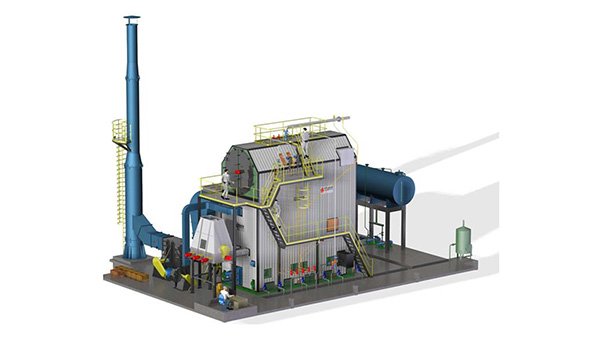
Operating a biomass boiler at the wrong pressure can lead to unstable combustion, poor steam quality, reduced heat transfer efficiency, and even safety hazards. Many plant managers assume biomass boilers operate at lower pressures than fossil-fuel systems, but that is not always true. Selecting the correct pressure rating is critical for ensuring consistent steam output, maximizing fuel efficiency, and meeting industrial process requirements without overloading the system.
Industrial biomass boilers typically operate between 6–25 bar (87–363 psi) for standard process steam applications, 25–45 bar (363–650 psi) for medium-to-high industrial demands, and up to 100 bar (1,450 psi) in large-scale cogeneration or power generation systems. The exact operating pressure depends on the plant’s steam load, turbine requirements, fuel type (wood chips, pellets, agricultural waste), and boiler design configuration.
What Is the Typical Operating Pressure Range in an Industrial Biomass Boiler?
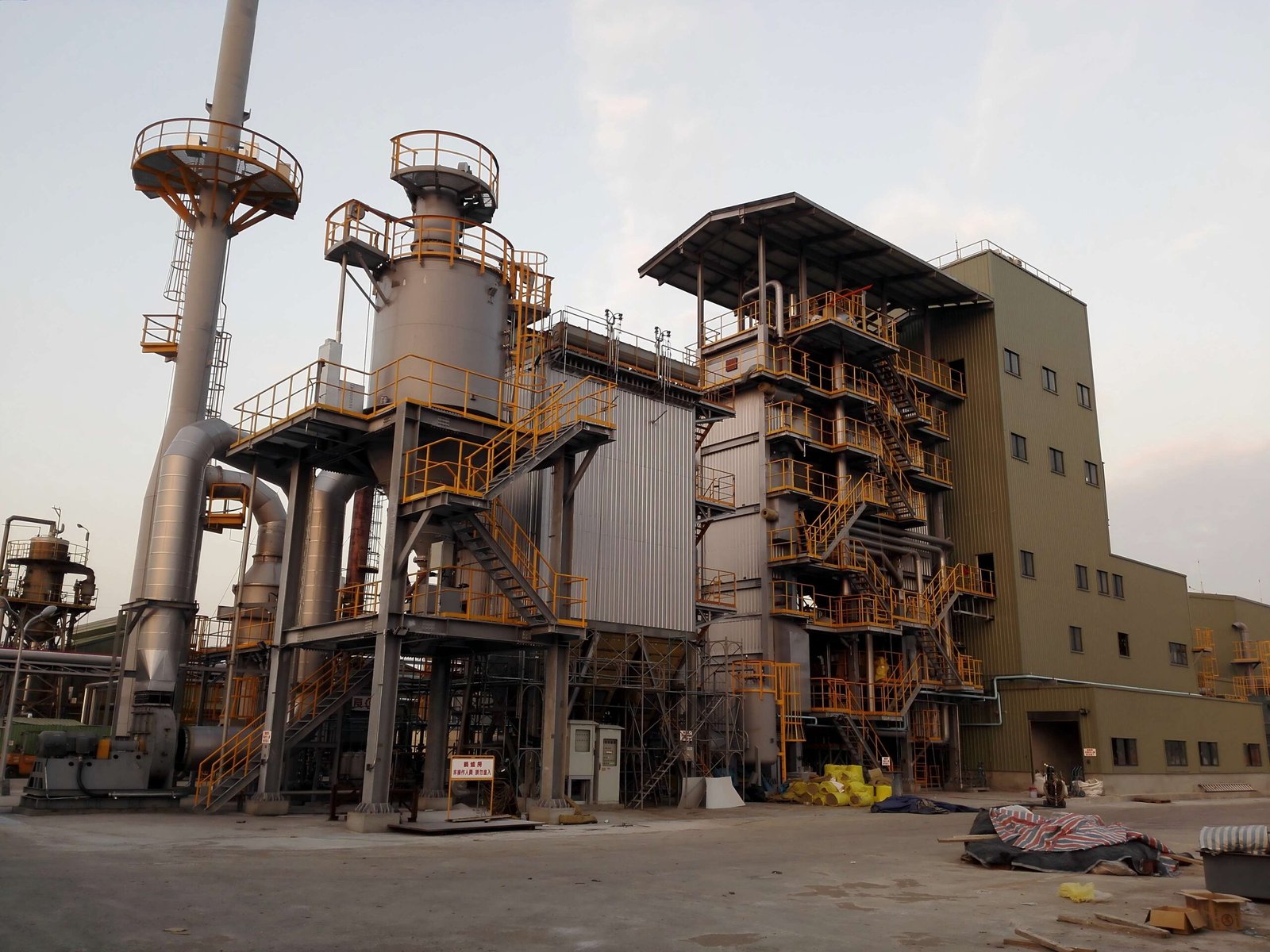
Industrial facilities transitioning to renewable thermal energy often ask a critical engineering question before investing in biomass technology: what is the typical operating pressure range in an industrial biomass boiler? Selecting the wrong pressure level can limit turbine efficiency, restrict process compatibility, increase capital costs unnecessarily, or compromise system stability. Too low a pressure may reduce power generation efficiency in CHP applications, while too high a pressure can increase material stress, maintenance complexity, and safety requirements. Without clear technical guidance, companies risk overspending or underperforming. Understanding the appropriate pressure range is therefore essential for designing a safe, efficient, and economically viable biomass boiler system.
The typical operating pressure range of an industrial biomass boiler is between 10 bar and 100 bar, depending on application. Low-pressure systems (10–25 bar) are commonly used for process heating, medium-pressure systems (25–45 bar) are typical in industrial steam applications, and high-pressure systems (60–100 bar or higher) are used in biomass-fired CHP plants and power generation facilities.
The correct operating pressure depends on process requirements, steam temperature targets, turbine integration, fuel type, and overall plant design strategy. As a biomass boiler manufacturer and CHP system engineer, I will explain these pressure ranges in depth and clarify how they affect performance, efficiency, and cost.
Higher steam pressure generally improves power generation efficiency in biomass CHP systems.True
Increasing steam pressure and temperature increases the thermodynamic efficiency of the Rankine cycle, improving turbine output and overall power generation efficiency.
1. Understanding Steam Pressure in Biomass Boiler Systems
Steam pressure is a key thermodynamic parameter that determines the energy content (enthalpy) of steam. In biomass boilers, pressure is influenced by:
- Steam demand type (process vs. power generation)
- Boiler design (fire-tube vs. water-tube)
- Combustion technology (grate vs. fluidized bed)
- Material strength and safety standards
- Turbine configuration (if CHP is included)
Most industrial biomass boilers are water-tube designs because they can safely handle higher pressures compared to fire-tube boilers.
Typical classification:
| Pressure Category | Operating Range | Typical Application |
|---|---|---|
| Low Pressure | 10–25 bar | Food processing, textile, district heating |
| Medium Pressure | 25–45 bar | General industrial steam supply |
| High Pressure | 60–100 bar | Biomass CHP and power generation |
| Ultra-High Pressure | 100+ bar | Large-scale biomass power plants |
The majority of industrial biomass installations operate within the 20–45 bar range unless power generation is a major objective.
2. Low-Pressure Biomass Boilers (10–25 bar)
Low-pressure biomass boilers are typically used for:
- Process steam
- Space heating
- Drying operations
- District heating networks
These systems offer:
- Lower capital cost
- Simplified design
- Reduced material stress
- Easier maintenance
For example, a food processing plant requiring saturated steam at 15 bar does not benefit economically from a 60 bar system. Higher pressure would increase capital cost without operational advantage.
Efficiency typically ranges between 80–88%, depending on fuel quality and combustion system.
3. Medium-Pressure Biomass Boilers (25–45 bar)
Medium-pressure systems are the most common in industrial environments. They balance:
- Reasonable capital investment
- Good thermodynamic efficiency
- Compatibility with back-pressure turbines
Applications include:
- Paper mills
- Chemical processing
- Agricultural product drying
- Moderate-scale CHP systems
Typical parameters:
| Parameter | Typical Range |
|---|---|
| Pressure | 30–45 bar |
| Steam Temperature | 350–450°C (with superheater) |
| Capacity | 10–80 tons/hour |
This range provides improved turbine efficiency while maintaining manageable mechanical stress levels.
4. High-Pressure Biomass Boilers (60–100 bar)
High-pressure biomass boilers are designed primarily for electricity generation in CHP or standalone biomass power plants.
Higher pressure improves the Rankine cycle efficiency by increasing the temperature and enthalpy of steam entering the turbine.
Thermodynamic advantage example:
- 25 bar saturated steam: lower turbine efficiency
- 80 bar superheated steam (480–520°C): significantly higher turbine output
Typical performance:
| Parameter | High-Pressure Biomass Boiler |
|---|---|
| Pressure | 60–100 bar |
| Temperature | 450–540°C |
| Electrical Efficiency (CHP) | 20–35% |
| Total System Efficiency | 75–90% |
However, higher pressure systems require:
- Advanced alloy materials
- Enhanced drum and tube thickness
- More complex control systems
- Strict safety compliance
Capital cost increases proportionally with pressure rating.
5. Factors That Influence Pressure Selection
Several engineering considerations determine optimal operating pressure:
Process Requirements
If the industrial process requires steam below 20 bar, increasing boiler pressure may not provide economic benefit unless power generation is integrated.
CHP Integration
Facilities aiming for electricity production benefit from higher pressure systems to maximize turbine efficiency.
Fuel Type and Combustion Stability
Biomass fuels such as wood chips, pellets, or agricultural residues vary in moisture content and calorific value. Stable high-pressure operation requires consistent combustion control, often achieved with fluidized bed technology.
Material and Maintenance Considerations
Higher pressure increases mechanical stress, requiring more rigorous inspection and higher maintenance standards.
Economic Trade-Off
Higher pressure improves efficiency but increases capital investment. Lifecycle cost modeling must balance fuel savings against upfront cost.
6. Fluidized Bed vs. Grate Technology Impact on Pressure
Combustion technology also influences feasible pressure range.
| Combustion Type | Typical Pressure Range | Advantages |
|---|---|---|
| Moving Grate | 10–60 bar | Simpler, robust design |
| Fluidized Bed | 30–100 bar | Uniform temperature, better fuel flexibility |
Fluidized bed boilers are commonly selected for high-pressure biomass CHP systems because they offer stable combustion at higher steam conditions.
7. Safety and Regulatory Considerations
Pressure vessel regulations vary by country but generally follow standards such as:
- ASME Boiler and Pressure Vessel Code
- EN 12952 (European water-tube boilers)
Higher pressure systems require:
- Stronger safety valves
- Redundant pressure monitoring
- Advanced automation
- Periodic inspection and certification
Safety design becomes increasingly critical above 60 bar.
8. Real-World Application Examples
Case 1: Textile Factory
Pressure: 18 bar
Application: Process steam
Fuel: Wood pellets
Result: 85% boiler efficiency, low capital cost
Case 2: Pulp and Paper Mill
Pressure: 42 bar
Application: Process steam + CHP
Fuel: Bark and biomass residue
Result: 83% overall CHP efficiency
Case 3: Biomass Power Plant
Pressure: 88 bar
Application: Electricity generation
Fuel: Agricultural waste
Result: 32% electrical efficiency, 85% total efficiency
These examples illustrate that optimal pressure depends heavily on operational objectives.
9. Future Trends in Biomass Boiler Pressure Design
Modern trends include:
- Supercritical biomass boilers (above 220 bar in large plants)
- Hybrid biomass-hydrogen systems
- Advanced corrosion-resistant alloys
- Digital pressure monitoring and predictive maintenance
While ultra-high pressure systems are emerging, most industrial biomass installations remain within the 20–60 bar range due to economic practicality.
Summary
The typical operating pressure range in an industrial biomass boiler falls between 10 bar and 100 bar, depending on application. Low-pressure systems (10–25 bar) are ideal for process heating, medium-pressure systems (25–45 bar) dominate general industrial use, and high-pressure systems (60–100 bar) are primarily used in biomass CHP and power generation. Higher pressure improves thermodynamic efficiency but increases capital cost, material requirements, and safety complexity. Selecting the correct pressure level requires balancing process needs, fuel characteristics, economic considerations, and long-term operational goals.
How Does Application Type Influence Industrial Biomass Boiler Pressure Requirements?
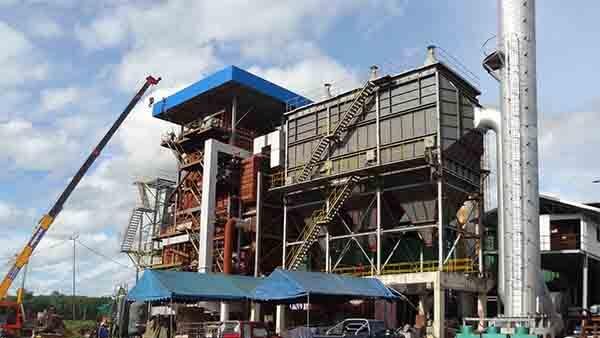
When industries invest in a biomass boiler system, one of the most critical engineering decisions is determining the correct steam pressure. Selecting an inappropriate pressure level can lead to underperforming turbines, excessive capital costs, inefficient fuel use, or process incompatibility. Many facilities mistakenly assume that higher pressure automatically means better performance, but this is not always economically or technically justified. In reality, the required operating pressure of an industrial biomass boiler is heavily influenced by the specific application—whether it is process heating, combined heat and power (CHP), district energy supply, or power generation. Understanding how application type drives pressure requirements ensures optimal efficiency, system reliability, and financial return.
Application type directly determines industrial biomass boiler pressure requirements: low-pressure systems (10–25 bar) are typically used for direct process steam and heating applications; medium-pressure systems (25–45 bar) are common in industrial production environments; and high-pressure systems (60–100 bar or higher) are primarily required for CHP and electricity generation where thermodynamic efficiency is critical.
To clarify this relationship, we must analyze thermodynamics, steam quality needs, turbine integration, heat transfer characteristics, and economic trade-offs across different industrial sectors.
Industrial processes that do not require power generation rarely benefit economically from very high-pressure biomass boilers.True
If steam is only used for direct heating or processing, increasing pressure beyond the process requirement increases capital and maintenance costs without improving usable energy efficiency.
1. Process Steam Applications and Low-Pressure Requirements
Many industrial sectors primarily use steam for direct heating rather than electricity production. These include:
- Food and beverage processing
- Textile manufacturing
- Pharmaceutical sterilization
- Chemical mixing and washing operations
- Drying and curing processes
In these cases, steam pressure requirements are determined by the temperature needed for the process. Saturated steam temperature rises with pressure; for example:
| Steam Pressure | Saturated Steam Temperature |
|---|---|
| 10 bar | ~184°C |
| 15 bar | ~198°C |
| 20 bar | ~212°C |
| 25 bar | ~224°C |
If a food processing plant requires steam at 180–200°C, a 12–18 bar system is typically sufficient. Installing a 60 bar boiler in such a scenario would increase capital cost and material thickness requirements without providing meaningful performance improvement.
Low-pressure biomass boilers (10–25 bar) offer:
- Lower equipment cost
- Reduced structural stress
- Simplified safety systems
- Lower inspection complexity
- High reliability
For purely thermal applications, efficiency gains from higher pressure are minimal because steam is not expanded through a turbine.
2. Industrial Production with Moderate Pressure Needs
Industries such as pulp and paper, chemical processing, and large-scale manufacturing often require both medium-pressure steam for process heating and limited electricity generation through back-pressure turbines.
These applications typically operate in the 25–45 bar range because:
- Steam is distributed at multiple pressure levels
- Extraction points allow energy cascading
- Back-pressure turbines generate electricity before steam enters process lines
Typical configuration example:
| Parameter | Medium-Pressure Biomass System |
|---|---|
| Operating Pressure | 30–42 bar |
| Steam Temperature | 380–450°C (superheated) |
| Steam Capacity | 20–100 tons/hour |
| Application | Process steam + partial CHP |
This pressure range provides a balance between:
- Improved thermodynamic efficiency
- Manageable equipment cost
- Sufficient turbine performance
- Reduced material fatigue risk
For industrial CHP systems focused primarily on process heat rather than electricity export, medium pressure is often optimal.
3. Combined Heat and Power (CHP) Applications and High-Pressure Demand
When electricity generation becomes a major objective, application requirements shift dramatically. High-pressure steam improves turbine efficiency because it increases the enthalpy drop during expansion.
In CHP systems:
- Steam first drives a turbine
- Exhaust steam is then used for process heat or district heating
- Total system efficiency may reach 75–90%
High-pressure biomass boilers for CHP typically operate between 60–100 bar.
Thermodynamic comparison:
| Pressure Level | Electrical Efficiency (Approx.) | Suitable Application |
|---|---|---|
| 25 bar | Low–Moderate | Small back-pressure CHP |
| 45 bar | Moderate | Industrial CHP |
| 80 bar | High | Utility-scale CHP |
| 100+ bar | Very High | Biomass power plants |
Higher pressure increases electrical output but also requires:
- Advanced alloy materials
- Larger steam drums
- Enhanced control systems
- Higher capital investment
Thus, CHP-driven applications justify high-pressure design, while pure thermal applications do not.
4. District Heating Networks
District heating systems distribute thermal energy to residential or commercial buildings. In these systems, steam pressure requirements depend on transmission distance and temperature needs.
Typical parameters:
- Low-to-medium pressure (10–30 bar)
- Focus on thermal efficiency
- Often integrated with biomass CHP
If electricity generation is included, pressure may rise to 40–60 bar to support turbine integration.
5. Biomass Power Generation Plants
Standalone biomass power plants prioritize electrical output rather than process steam. In such facilities, pressure levels often reach 80–120 bar.
High-pressure design improves Rankine cycle efficiency, increasing power output per unit of fuel.
Comparison of application types:
| Application Type | Typical Pressure Range | Primary Objective |
|---|---|---|
| Food Processing | 10–20 bar | Thermal heating |
| Textile | 12–25 bar | Process steam |
| Chemical Plant | 25–45 bar | Process + CHP |
| District Heating | 10–40 bar | Thermal distribution |
| Biomass CHP Plant | 60–100 bar | Power + Heat |
| Biomass Power Plant | 80–120 bar | Electricity |
This table demonstrates that application purpose directly dictates pressure selection.
6. Economic Impact of Pressure Selection
Higher pressure increases:
- Steel thickness
- Fabrication cost
- Inspection requirements
- Maintenance complexity
Cost trend example:
| Pressure Level | Relative Capital Cost |
|---|---|
| 20 bar | Base cost (1.0x) |
| 40 bar | 1.2–1.3x |
| 80 bar | 1.5–1.7x |
| 100+ bar | 1.8–2.0x |
Therefore, pressure should only be increased when thermodynamic gains justify additional cost.
7. Fuel Considerations and Pressure Stability
Biomass fuel quality also influences feasible pressure levels. High-pressure systems require stable combustion, which is more easily achieved with:
- Wood pellets
- Dried wood chips
- Fluidized bed combustion systems
High-moisture fuels may limit achievable superheat temperature without additional fuel preparation.
8. Safety and Regulatory Implications
As pressure increases, safety standards become more stringent. High-pressure biomass boilers require:
- Advanced safety valves
- Multiple pressure sensors
- Automated shutdown systems
- Regular third-party inspections
Compliance with ASME or EN standards becomes increasingly complex above 60 bar.
Summary
Application type is the primary factor influencing industrial biomass boiler pressure requirements. Low-pressure systems (10–25 bar) are ideal for direct process heating applications where electricity generation is not required. Medium-pressure systems (25–45 bar) serve industrial facilities needing balanced thermal and limited CHP integration. High-pressure systems (60–100 bar or more) are essential for biomass CHP plants and electricity-focused power generation facilities where thermodynamic efficiency is critical. Selecting the correct pressure level ensures optimal efficiency, cost control, and operational reliability while avoiding unnecessary capital expenditure.
What Is the Difference Between Low-Pressure and High-Pressure Industrial Biomass Boiler Systems?
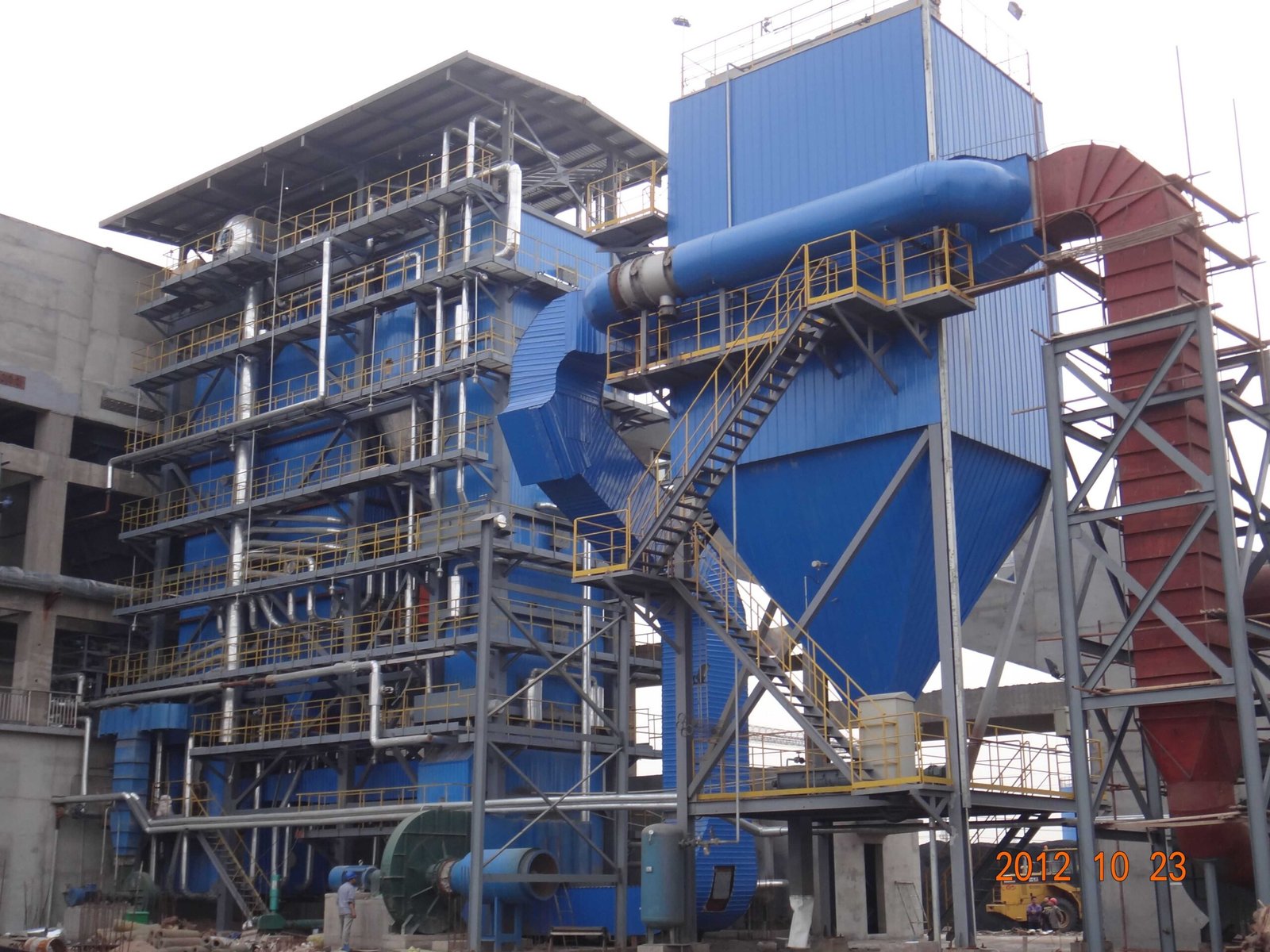
When industries consider investing in biomass boiler technology, one of the most critical design decisions is selecting between a low-pressure and a high-pressure system. The difference is not simply a matter of numbers on a pressure gauge; it fundamentally affects thermodynamic efficiency, capital cost, turbine compatibility, structural design, maintenance requirements, and long-term return on investment. Choosing the wrong pressure class can lead to unnecessary capital expenditure, reduced system efficiency, limited power generation capability, or excessive operational complexity. Understanding the practical and technical differences between low-pressure and high-pressure industrial biomass boiler systems is essential for aligning the boiler design with the facility’s thermal and power objectives.
The primary difference between low-pressure (10–25 bar) and high-pressure (60–100+ bar) industrial biomass boiler systems lies in their application purpose, thermodynamic performance, capital cost, material requirements, and power generation capability. Low-pressure systems are optimized for direct process heating, while high-pressure systems are designed for CHP or electricity generation where improved steam enthalpy enhances turbine efficiency.
To fully understand these differences, we must analyze pressure classification, steam temperature characteristics, thermodynamic impact, structural design requirements, safety considerations, fuel compatibility, and economic implications.
High-pressure biomass boilers generally provide higher electrical efficiency in CHP systems compared to low-pressure systems.True
Higher steam pressure increases the enthalpy drop across the turbine in the Rankine cycle, improving electrical output efficiency.
1. Pressure Classification and Operating Ranges
Industrial biomass boiler systems are typically categorized as follows:
| Pressure Category | Operating Range | Typical Steam Temperature (Saturated) | Primary Application |
|---|---|---|---|
| Low Pressure | 10–25 bar | 180–225°C | Process heating |
| Medium Pressure | 25–45 bar | 225–260°C | Industrial steam + limited CHP |
| High Pressure | 60–100 bar | 275–311°C (saturated) / 450–540°C (superheated) | CHP and power generation |
The classification reflects not only mechanical design but also system purpose. Pressure directly determines steam energy content and its ability to generate mechanical work.
2. Thermodynamic Performance Differences
Steam pressure influences the Rankine cycle efficiency. Higher pressure steam carries greater enthalpy and allows larger energy extraction in turbines.
Thermodynamic comparison example:
| Parameter | 20 bar System | 80 bar System |
|---|---|---|
| Steam Temperature (superheated) | ~300°C | ~500°C |
| Turbine Enthalpy Drop | Lower | Higher |
| Electrical Efficiency (CHP) | 10–15% | 20–35% |
| Total System Efficiency | 75–85% | 80–90% |
In low-pressure systems, steam is usually used directly for heating or industrial processes without turbine expansion. Therefore, increasing pressure provides limited economic benefit unless electricity production is involved.
3. Application Differences
Low-pressure biomass boiler systems are typically used in:
- Food and beverage plants
- Textile mills
- Agricultural processing
- District heating without electricity generation
- Small industrial facilities
High-pressure biomass boiler systems are used in:
- Combined heat and power (CHP) plants
- Biomass power stations
- Large pulp and paper mills
- Industrial complexes with significant electricity demand
The application purpose fundamentally determines pressure selection.
4. Structural and Material Requirements
Pressure directly affects mechanical design and material selection. As pressure increases:
- Tube wall thickness increases
- Drum strength requirements increase
- Welding standards become stricter
- Alloy quality must improve
- Safety valve ratings increase
Cost comparison:
| Pressure Level | Relative Structural Complexity | Material Cost |
|---|---|---|
| 20 bar | Moderate | Standard carbon steel |
| 40 bar | Higher | Improved alloys |
| 80 bar | High | Advanced alloy steel |
| 100+ bar | Very High | Premium materials |
High-pressure boilers require more advanced fabrication techniques and quality control procedures.
5. Capital Cost Differences
High-pressure systems are significantly more expensive due to:
- Enhanced structural requirements
- Superheater sections
- Advanced control systems
- Turbine integration
- More complex safety systems
Approximate capital cost trend:
| System Type | Relative Investment Cost |
|---|---|
| Low Pressure | Base cost (1.0x) |
| Medium Pressure | 1.2–1.3x |
| High Pressure | 1.5–2.0x |
The economic justification for high pressure exists only when electricity production revenue offsets additional cost.
6. Maintenance and Operational Complexity
Low-pressure systems generally offer:
- Simpler operation
- Lower inspection frequency
- Reduced maintenance cost
- Less stringent regulatory compliance
High-pressure systems require:
- Regular pressure vessel inspections
- Strict monitoring of superheater tubes
- Advanced automation
- More skilled operators
Maintenance cost comparison:
| System Type | Annual O&M (% of CAPEX) |
|---|---|
| Low Pressure | 3–4% |
| High Pressure | 4–6% |
Operational expertise becomes increasingly important in high-pressure installations.
7. Fuel Compatibility Considerations
Biomass fuel quality influences pressure feasibility.
Low-pressure systems tolerate:
- Higher moisture biomass
- Agricultural residues
- Variable fuel quality
High-pressure systems demand:
- Stable combustion conditions
- Consistent fuel calorific value
- Often fluidized bed combustion technology
- Better fuel preparation
Combustion instability at high pressure can affect steam temperature consistency and turbine performance.
8. Safety and Regulatory Differences
As pressure increases, safety regulations become stricter. High-pressure boilers must comply with advanced standards such as:
- ASME Section I
- EN 12952 (Europe)
They require:
- Redundant safety valves
- Advanced pressure control loops
- Emergency shutdown systems
- Periodic third-party inspections
Low-pressure systems involve less regulatory burden and simpler certification processes.
9. Efficiency Trade-Off Analysis
For purely thermal applications, low-pressure systems often provide the best balance of:
- Efficiency
- Cost
- Reliability
For CHP applications, high-pressure systems maximize electrical output while maintaining strong overall efficiency.
Decision logic example:
If electricity revenue > additional capital and maintenance cost → High-pressure system justified.
If primary need is thermal energy only → Low-pressure system preferred.
10. Real-World Case Examples
Case 1: Textile Factory
Pressure: 18 bar
Application: Process steam
Result: Reliable, low capital cost, 85% boiler efficiency
Case 2: Industrial CHP Plant
Pressure: 85 bar
Application: Electricity + steam supply
Result: 30% electrical efficiency, 88% total efficiency
Case 3: District Heating Facility
Pressure: 22 bar
Application: Thermal distribution
Result: Cost-effective operation with moderate pressure
These examples demonstrate that pressure selection must align with operational objectives.
Summary
The difference between low-pressure and high-pressure industrial biomass boiler systems lies in their intended application, thermodynamic efficiency, structural complexity, capital investment, maintenance requirements, and power generation capability. Low-pressure systems (10–25 bar) are best suited for direct process heating and district energy applications where electricity generation is not a priority. High-pressure systems (60–100+ bar) are designed for CHP and power generation environments where maximizing turbine efficiency justifies higher capital and operational complexity. Selecting the appropriate pressure class ensures optimal performance, economic viability, and long-term operational stability.
How Does Biomass Fuel Type Affect Industrial Biomass Boiler Pressure Stability?
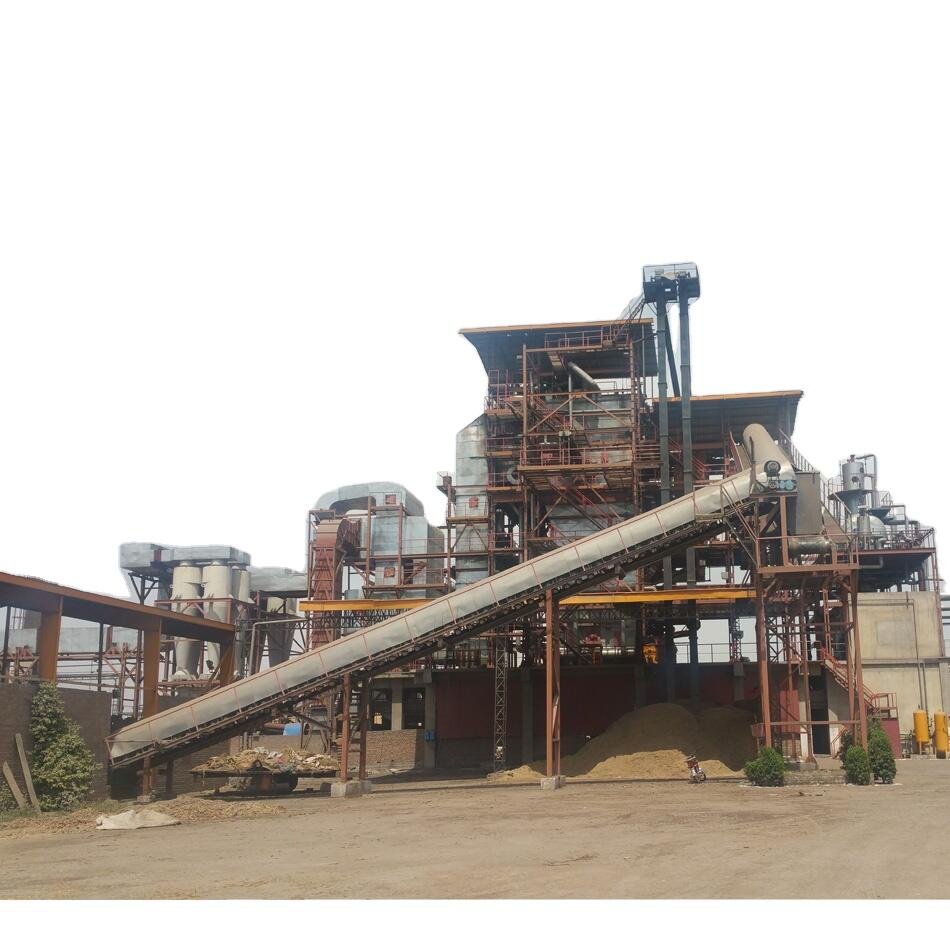
Industrial biomass boilers are designed to deliver stable steam pressure under varying load conditions, yet one of the most underestimated factors affecting pressure stability is the type and quality of biomass fuel used. Unlike natural gas, which provides uniform calorific value and clean combustion, biomass fuels vary widely in moisture content, ash content, particle size, density, and heating value. These variations directly influence combustion rate, heat release consistency, steam generation speed, and ultimately boiler pressure stability. If fuel characteristics are not properly managed, pressure fluctuations can lead to reduced turbine efficiency, process instability, increased wear on pressure control components, and even safety risks. Therefore, understanding how biomass fuel type affects industrial biomass boiler pressure stability is essential for achieving reliable and efficient operation.
Biomass fuel type affects industrial boiler pressure stability by influencing combustion consistency, calorific value uniformity, moisture content variability, ash behavior, and heat release rate. Fuels with low moisture, consistent particle size, and stable calorific value (such as wood pellets) provide more stable steam pressure, while high-moisture or heterogeneous fuels (such as agricultural residues or wet wood chips) can cause combustion fluctuations and pressure instability.
A systematic evaluation of fuel properties, combustion technology, boiler design, and control systems is necessary to maintain consistent pressure performance.
High moisture content in biomass fuel reduces combustion temperature and can cause steam pressure fluctuations in industrial boilers.True
Moisture in biomass absorbs heat during evaporation, lowering combustion temperature and reducing heat transfer consistency, which affects steam production stability.
1. Key Biomass Fuel Characteristics Influencing Pressure Stability
The stability of steam pressure in a biomass boiler depends on how consistently thermal energy is released during combustion. The most influential fuel properties include:
- Moisture content
- Calorific value (heating value)
- Bulk density
- Particle size uniformity
- Ash content
- Volatile matter content
Comparison of common biomass fuels:
| Fuel Type | Moisture Content | Calorific Value (MJ/kg) | Ash Content | Pressure Stability Tendency |
|---|---|---|---|---|
| Wood Pellets | 6–10% | 16–18 | Low | Very Stable |
| Dry Wood Chips | 15–25% | 12–15 | Low–Moderate | Stable |
| Wet Wood Chips | 30–50% | 8–12 | Moderate | Moderate–Unstable |
| Straw | 10–25% | 12–15 | High | Moderate |
| Agricultural Residues | Variable | 10–14 | Higher | Unstable |
| Bagasse | 40–50% | 7–10 | Moderate | Less Stable |
The higher the variability in these parameters, the more difficult it becomes to maintain consistent combustion and stable steam pressure.
2. Moisture Content and Combustion Dynamics
Moisture content is the most critical factor affecting pressure stability. When biomass with high moisture content enters the combustion chamber:
- A portion of combustion heat is consumed to evaporate water
- Flame temperature decreases
- Heat release rate slows
- Steam generation becomes inconsistent
For example, a shift from 15% moisture fuel to 40% moisture fuel can reduce effective calorific value by 20–30%. This sudden reduction directly impacts steam drum pressure if combustion control systems do not compensate rapidly.
Pressure instability may manifest as:
- Steam pressure dips
- Increased fuel feed rate
- Delayed combustion response
- Turbine load fluctuations (in CHP systems)
Drying biomass before combustion significantly improves pressure consistency.
3. Calorific Value Consistency and Heat Release Rate
Industrial biomass boilers depend on predictable heat input. Fuels with consistent calorific value allow the combustion control system to maintain a stable air-to-fuel ratio.
Fuel variability example:
| Fuel Variation Scenario | Impact on Pressure |
|---|---|
| ±2% calorific variation | Minimal impact |
| ±10% variation | Noticeable pressure fluctuation |
| Mixed heterogeneous fuel | High instability risk |
Wood pellets offer the most consistent heating value due to standardized manufacturing processes, making them ideal for high-pressure systems requiring stable turbine operation.
4. Particle Size and Fuel Feeding Stability
Uniform particle size ensures:
- Even fuel bed formation
- Stable combustion front
- Consistent airflow distribution
Irregular fuel sizes cause uneven burning and inconsistent heat release.
Large particles burn slowly and may delay steam production. Fine particles burn quickly and may spike combustion temperature. Both conditions create short-term pressure fluctuations if not controlled.
Modern biomass systems use automated feeding mechanisms and fuel preparation processes to reduce variability.
5. Ash Content and Slagging Behavior
Ash content affects pressure stability indirectly by influencing heat transfer surfaces.
High ash fuels can cause:
- Slagging on furnace walls
- Fouling of superheater tubes
- Reduced heat transfer efficiency
- Increased flue gas temperature
As heat transfer efficiency declines, steam production may drop despite stable fuel input, resulting in gradual pressure instability.
Ash comparison:
| Fuel Type | Typical Ash Content |
|---|---|
| Wood Pellets | <1% |
| Wood Chips | 1–3% |
| Straw | 3–8% |
| Agricultural Residue | 5–10% |
High-pressure boilers are particularly sensitive to superheater fouling, which can affect steam temperature and pressure stability.
6. Combustion Technology and Pressure Control
Boiler design plays a crucial role in mitigating fuel-related pressure instability.
Moving Grate Boilers
- Suitable for variable fuel quality
- Moderate pressure stability
- Slower response to fuel changes
Fluidized Bed Boilers
- Excellent fuel mixing
- Uniform combustion temperature
- Superior pressure stability
- Ideal for medium to high-pressure systems
Fluidized bed combustion compensates for fuel variability better than fixed grate systems, making it preferable for high-pressure CHP applications.
7. Impact on High-Pressure Systems
High-pressure biomass boilers (60–100 bar) require precise heat input to maintain stable superheated steam conditions.
Instability risks in high-pressure systems include:
- Superheater temperature fluctuation
- Steam drum pressure oscillation
- Turbine efficiency reduction
- Increased stress on pressure components
Pressure stability becomes more critical as pressure increases because mechanical stress and safety margins tighten.
8. Control Systems and Mitigation Strategies
Modern biomass boilers use advanced automation to stabilize pressure despite fuel variability:
- Oxygen trim control
- Real-time calorific value estimation
- Feed-forward combustion control
- Moisture sensors
- Automated fuel blending
These technologies significantly reduce pressure fluctuation risk.
9. Real Industrial Example
Case Study: Pulp Mill Biomass CHP System
Fuel: Mixed bark and wood residue
Initial moisture variability: 20–45%
Observed issue: Pressure fluctuation ±5%
Solution:
- Installed fuel drying system
- Implemented advanced combustion control
- Switched to partial pellet blending
Result: Pressure variation reduced to ±1.5%, turbine efficiency improved by 4%.
10. Economic Impact of Pressure Instability
Pressure instability can cause:
- Increased fuel consumption
- Reduced electrical output
- Higher maintenance cost
- Safety risk exposure
Maintaining stable pressure improves both efficiency and equipment lifespan.
Summary
Biomass fuel type significantly affects industrial biomass boiler pressure stability through variations in moisture content, calorific value, particle size, ash behavior, and combustion consistency. Fuels with low moisture and uniform composition, such as wood pellets, provide the most stable steam pressure, particularly in high-pressure CHP applications. In contrast, heterogeneous or high-moisture fuels can cause combustion fluctuations and pressure instability unless supported by advanced combustion control and fuel preparation systems. Selecting the appropriate fuel type, combined with suitable boiler technology such as fluidized bed combustion and automated control systems, ensures reliable pressure stability and optimal performance.
What Safety Standards Govern Pressure Design in Industrial Biomass Boiler Installations?
-scaled.jpg)
Industrial biomass boilers operate under significant internal pressure and high temperatures, especially in CHP and power generation applications. If pressure design is not governed by strict engineering codes and safety standards, the consequences can include structural failure, steam explosion, equipment damage, regulatory violations, and severe safety risks to personnel. Unlike low-pressure heating systems, industrial biomass boilers—particularly those operating above 25 bar—are classified as pressure vessels and must comply with internationally recognized design, fabrication, inspection, and certification standards. Therefore, understanding which safety standards govern pressure design in industrial biomass boiler installations is essential for manufacturers, project developers, plant engineers, and regulatory authorities.
Pressure design in industrial biomass boiler installations is governed by internationally recognized pressure vessel codes and boiler standards such as ASME Boiler and Pressure Vessel Code (BPVC), EN 12952 and EN 12953 (Europe), PED 2014/68/EU, ISO standards, and national safety regulations. These standards define allowable stress limits, material selection, wall thickness calculations, safety valve requirements, inspection procedures, and operational safety protocols to ensure structural integrity under high-pressure conditions.
Compliance with these standards is not optional; it is legally mandated in most jurisdictions and directly tied to equipment certification and insurance approval.
Industrial biomass boilers operating above certain pressure thresholds are legally classified as pressure vessels under international safety codes.True
Boilers exceeding defined pressure and volume limits fall under pressure vessel regulations such as ASME BPVC or the European Pressure Equipment Directive, requiring certified design and inspection.
1. ASME Boiler and Pressure Vessel Code (BPVC) – United States and Global Reference
The ASME Boiler and Pressure Vessel Code is one of the most widely recognized standards worldwide. Even outside the United States, many countries adopt or reference ASME standards for high-pressure boiler systems.
Key ASME Sections Relevant to Biomass Boilers:
| ASME Section | Scope of Application |
|---|---|
| Section I | Power Boilers (high-pressure steam boilers) |
| Section IV | Heating Boilers (lower pressure) |
| Section II | Material specifications |
| Section V | Non-destructive examination |
| Section VIII | Pressure vessels |
| Section IX | Welding qualifications |
Section I applies to biomass boilers used in CHP or power generation operating above 15 psi (~1 bar) and high temperature.
ASME defines:
- Maximum allowable working pressure (MAWP)
- Material allowable stress values
- Drum and tube thickness calculation formulas
- Safety valve sizing requirements
- Hydrostatic testing procedures
ASME certification requires authorized inspection and stamping.
2. European Standards – EN 12952 and EN 12953
In Europe, pressure design for industrial biomass boilers is governed primarily by:
| Standard | Application |
|---|---|
| EN 12952 | Water-tube boilers and auxiliary installations |
| EN 12953 | Shell boilers (fire-tube type) |
| PED 2014/68/EU | Pressure Equipment Directive |
EN 12952 is especially relevant for high-pressure biomass water-tube boilers used in CHP systems.
PED 2014/68/EU establishes:
- Design pressure categories
- Conformity assessment modules
- CE marking requirements
- Notified body involvement
- Documentation and traceability standards
Boilers are classified based on pressure (PS), volume (V), and fluid type.
3. Pressure Classification and Regulatory Thresholds
Pressure classification determines regulatory requirements.
Example pressure classification logic:
| Pressure Range | Regulatory Classification |
|---|---|
| < 0.5 bar | Low risk, minimal regulation |
| 0.5–25 bar | Standard industrial boiler |
| 25–100 bar | High-pressure power boiler |
| >100 bar | Special high-energy system |
As pressure increases, required material strength, inspection rigor, and safety redundancy increase proportionally.
4. Material Standards and Allowable Stress Limits
Pressure vessel standards define allowable stress based on:
- Material tensile strength
- Temperature-dependent yield strength
- Creep resistance
- Corrosion allowance
Typical materials for high-pressure biomass boilers:
| Material Type | Application |
|---|---|
| Carbon Steel (SA-516) | Drums and shells (moderate pressure) |
| Low-Alloy Steel (SA-335 P11/P22) | High-temperature tubing |
| Stainless Steel | Superheaters, corrosion zones |
Allowable stress decreases as temperature increases, requiring thicker walls in high-temperature applications.
5. Wall Thickness and Design Calculations
Pressure design follows specific formulas defined by standards.
Basic concept:
Wall Thickness ∝ (Pressure × Diameter) / (2 × Allowable Stress × Joint Efficiency)
High-pressure biomass boilers therefore require:
- Thicker drums
- Reinforced headers
- High-quality welds
- Radiographic inspection
Design margins ensure safe operation under peak pressure conditions.
6. Safety Valves and Pressure Relief Devices
Safety valves are mandatory in all pressure-rated biomass boilers.
Standards define:
- Number of valves
- Discharge capacity
- Set pressure (usually ≤ MAWP)
- Blowdown characteristics
For high-pressure systems, redundant safety valves are often required.
Example:
| Boiler Pressure | Safety Valve Requirement |
|---|---|
| 20 bar | Single or dual relief valves |
| 60 bar | Dual independent safety valves |
| 100 bar | Multiple high-capacity valves with redundancy |
Safety valves must be certified and periodically tested.
7. Inspection and Testing Requirements
Pressure design standards mandate:
- Hydrostatic testing (typically 1.5 × design pressure)
- Non-destructive testing (NDT)
- Radiographic weld inspection
- Ultrasonic thickness measurement
- Periodic internal inspection
Inspection frequency depends on operating pressure and national regulations.
8. Operational Safety and Monitoring Standards
Beyond fabrication, operational safety standards require:
- Continuous pressure monitoring
- Automatic shutdown systems
- Low-water cutoff devices
- Flame failure detection
- Redundant instrumentation
Modern biomass boilers integrate PLC-based control systems to maintain pressure within safe limits.
9. Biomass-Specific Safety Considerations
Biomass boilers introduce additional risk factors:
- Fuel variability
- Slagging and fouling
- Corrosion from ash deposits
- Combustion instability
Therefore, pressure design must also account for:
- Corrosion allowance margins
- Thermal expansion stress
- Superheater tube protection
Fluidized bed systems often improve combustion stability in high-pressure applications.
10. Global Regulatory Variations
Other important standards include:
| Region | Standard |
|---|---|
| Canada | CSA B51 |
| Japan | JIS B8201 |
| China | GB/T 16507 |
| India | IBR (Indian Boiler Regulations) |
Each country may require local certification even if ASME or EN compliance exists.
11. Consequences of Non-Compliance
Failure to comply with pressure design standards can result in:
- Regulatory shutdown
- Insurance refusal
- Legal liability
- Catastrophic failure risk
Pressure vessel failure is rare but potentially catastrophic; strict adherence to standards prevents such outcomes.
Summary
Pressure design in industrial biomass boiler installations is governed by internationally recognized safety standards such as ASME Boiler and Pressure Vessel Code (BPVC), EN 12952/12953, the European Pressure Equipment Directive (PED), and national regulations. These standards define allowable stress, material selection, wall thickness calculations, safety valve requirements, inspection protocols, and operational safeguards to ensure structural integrity under high-pressure conditions. As operating pressure increases, regulatory scrutiny, material requirements, inspection frequency, and safety redundancy all intensify. Compliance with these standards is essential for ensuring safe, reliable, and legally approved biomass boiler operation.
How Should You Select the Correct Pressure Rating for an Industrial Biomass Boiler?
Selecting the correct pressure rating for an industrial biomass boiler is one of the most critical engineering decisions in any renewable steam project. If the pressure rating is too low, the system may not meet process temperature requirements or may limit future CHP integration. If it is too high, capital costs, material requirements, inspection frequency, and maintenance complexity increase unnecessarily, reducing return on investment. Many projects either overspecify pressure “for safety margin” or underspecify it based solely on current demand without considering long-term expansion. Both mistakes can lead to inefficient operation, avoidable retrofits, or stranded assets. Therefore, pressure rating selection must be driven by application requirements, thermodynamic optimization, economic modeling, and regulatory compliance.
To select the correct pressure rating for an industrial biomass boiler, you must evaluate process steam requirements, potential CHP integration, thermodynamic efficiency goals, fuel characteristics, capital budget, regulatory standards, and long-term scalability. In most industrial cases, low pressure (10–25 bar) suits process heating, medium pressure (25–45 bar) balances efficiency and cost, and high pressure (60–100+ bar) is justified primarily for CHP and power generation applications.
A structured engineering approach ensures optimal technical and financial performance.
Selecting a higher pressure rating than required by the application increases capital and maintenance costs without necessarily improving thermal efficiency.True
For direct process heating applications, increasing pressure beyond required steam conditions does not provide proportional efficiency benefits but significantly increases structural and compliance costs.
1. Step One: Define the Application Objective
The primary factor in selecting pressure rating is the intended use of steam.
Common application categories include:
- Direct process heating
- Sterilization and drying
- District heating
- Combined heat and power (CHP)
- Standalone electricity generation
Each application type has different pressure requirements.
| Application Type | Typical Pressure Range | Pressure Justification |
|---|---|---|
| Food Processing | 10–20 bar | Saturated steam heating |
| Textile Industry | 12–25 bar | Process temperature control |
| Chemical Processing | 25–45 bar | Multi-level steam use |
| Biomass CHP | 60–100 bar | Turbine efficiency optimization |
| Biomass Power Plant | 80–120 bar | Maximum electrical output |
If no turbine is involved, pressure rarely needs to exceed 25–30 bar.
2. Step Two: Determine Required Steam Temperature
Steam temperature is directly related to pressure. Process requirements determine minimum pressure level.
Example saturated steam relationship:
| Pressure | Saturated Temperature |
|---|---|
| 10 bar | ~184°C |
| 20 bar | ~212°C |
| 40 bar | ~250°C |
| 80 bar | ~295°C (saturated) |
If your process requires 200°C steam, a 15–20 bar system is sufficient. Increasing to 60 bar does not improve process heating performance.
For CHP systems, superheated steam (450–540°C) at higher pressure improves turbine efficiency.
3. Step Three: Evaluate CHP or Future Expansion Potential
If there is a plan for:
- Electricity generation
- Future turbine installation
- Grid export
- Carbon credit optimization
then higher pressure may be economically justified.
Thermodynamic impact example:
| Pressure | Approx. Electrical Efficiency (CHP) |
|---|---|
| 25 bar | 10–15% |
| 45 bar | 15–20% |
| 80 bar | 25–35% |
Higher pressure increases enthalpy drop across the turbine, improving electricity output.
However, if electricity revenue does not offset additional capital cost, medium pressure may be more practical.
4. Step Four: Analyze Fuel Characteristics
Biomass fuel type affects achievable pressure stability.
High-pressure systems require:
- Stable calorific value
- Controlled moisture content (<25% ideally)
- Consistent combustion
Fuel comparison impact:
| Fuel Type | Pressure Suitability |
|---|---|
| Wood Pellets | Excellent for high pressure |
| Dry Wood Chips | Suitable for medium–high |
| Wet Biomass | Better for low–medium |
| Agricultural Residues | Medium with advanced controls |
High-pressure systems are less tolerant of combustion variability.
5. Step Five: Assess Capital Budget and Lifecycle Cost
Higher pressure increases:
- Material thickness
- Alloy requirements
- Superheater design complexity
- Inspection and certification cost
Relative capital cost trend:
| Pressure Level | Relative Cost Index |
|---|---|
| 20 bar | 1.0 |
| 40 bar | 1.2–1.3 |
| 80 bar | 1.5–1.8 |
| 100+ bar | 1.8–2.0 |
Lifecycle cost modeling must include:
- Fuel savings from improved efficiency
- Electricity generation revenue
- Maintenance cost difference
- Inspection frequency
The correct pressure rating balances initial investment and long-term benefit.
6. Step Six: Review Regulatory and Safety Requirements
Pressure rating selection determines:
- Applicable design codes (ASME, EN 12952)
- Inspection frequency
- Safety valve requirements
- Certification process
Above certain thresholds (often 25–30 bar), regulatory scrutiny increases significantly.
High-pressure boilers require:
- Hydrostatic testing
- Radiographic weld inspection
- Advanced safety systems
- Certified operators
Compliance cost must be factored into decision-making.
7. Step Seven: Consider Operational Flexibility
Facilities expecting:
- Load fluctuations
- Variable fuel supply
- Seasonal demand changes
may benefit from moderate pressure systems that offer operational flexibility without excessive complexity.
Medium-pressure systems (30–45 bar) often provide the best compromise between flexibility and performance.
8. Practical Selection Framework
A simplified decision model:
If steam is used only for heating → 10–25 bar
If moderate CHP or multi-level steam distribution → 25–45 bar
If electricity generation is a major revenue stream → 60–100 bar
Engineering feasibility studies typically confirm final selection through thermodynamic simulation.
9. Real-World Example
Case 1: Food Processing Plant
Required steam: 18 bar
Decision: 20 bar biomass boiler
Reason: No electricity generation, lowest capital cost
Case 2: Pulp Mill with CHP
Required: Process steam + 8 MW electricity
Decision: 75 bar biomass boiler
Reason: Improved turbine efficiency justified higher cost
Case 3: District Heating with Future CHP Plan
Initial: 30 bar
Future upgrade path: Turbine integration possible
Forward planning prevented future retrofit cost.
10. Future-Proofing Strategy
Modern projects increasingly adopt:
- Hydrogen-ready combustion systems
- Modular pressure upgrades
- Hybrid CHP integration
- Digital pressure monitoring
Selecting a pressure rating slightly above immediate requirement may be justified if future expansion is clearly planned, but oversizing without a roadmap should be avoided.
Summary
Selecting the correct pressure rating for an industrial biomass boiler requires a structured evaluation of application objectives, steam temperature requirements, CHP integration potential, fuel characteristics, capital budget, regulatory standards, and long-term scalability. Low-pressure systems (10–25 bar) are ideal for direct process heating. Medium-pressure systems (25–45 bar) provide a balanced solution for industrial applications with moderate efficiency needs. High-pressure systems (60–100+ bar) are best suited for CHP and power generation where improved turbine performance justifies higher investment. The optimal pressure rating is not the highest possible, but the one that aligns technical requirements with economic efficiency and future operational strategy.
🔍 Conclusion
Industrial biomass boilers can operate across a wide pressure spectrum depending on application and system design. While many facilities use low-to-medium pressure systems for process steam, higher-pressure configurations are common in combined heat and power (CHP) plants. Proper pressure selection, control, and compliance with safety standards ensure reliable performance, extended equipment lifespan, and optimal energy efficiency.
🔹 Partner with us to design a safe, efficient biomass boiler system engineered for your exact pressure and performance requirements. 🌿♨️📊
Frequently Asked Questions
What is the typical pressure range of an industrial biomass boiler?
Industrial biomass boiler pressure varies depending on the application, system design, and industry requirements. In general, biomass boilers are classified into low-pressure, medium-pressure, and high-pressure systems.
Low-pressure biomass boilers typically operate below 15 psi (around 1 bar) and are commonly used for heating applications rather than power generation. These systems are suitable for district heating, greenhouses, food processing, and commercial buildings where steam demand is moderate.
Medium-pressure biomass boilers generally operate between 15 psi and 300 psi (1–20 bar). They are widely used in manufacturing plants, textile factories, and agricultural processing facilities where consistent steam supply is essential for production processes.
High-pressure biomass boilers can operate from 300 psi up to 1,500 psi (20–100+ bar), especially in biomass power plants that generate electricity through steam turbines. In large-scale combined heat and power (CHP) systems, pressures may exceed 100 bar depending on design standards and turbine requirements.
The exact operating pressure depends on boiler design, fuel type (wood pellets, chips, agricultural waste), steam output capacity, and regulatory safety standards. Engineers determine optimal pressure based on efficiency goals, heat demand, and industrial process requirements.
How does operating pressure affect biomass boiler efficiency?
Operating pressure significantly influences steam temperature, thermal efficiency, and overall system performance. Higher pressure boilers produce higher-temperature steam, which contains more energy and improves efficiency in power generation and industrial applications.
In biomass power plants, high-pressure steam drives turbines more effectively, converting more thermal energy into electricity. This improves the plant’s overall thermal efficiency and reduces fuel consumption per unit of energy produced.
However, higher pressure systems require stronger materials, advanced safety mechanisms, and more precise engineering. This increases capital cost and maintenance requirements. For facilities that only need heating or low-grade steam, lower pressure systems may be more cost-effective and energy-efficient.
Pressure must be carefully balanced with system demand. Oversized high-pressure systems operating below capacity can reduce efficiency. Conversely, under-pressurized systems may struggle to meet peak steam loads.
Proper pressure optimization improves combustion stability, enhances heat transfer, and ensures safe operation. Modern industrial biomass boilers include automated pressure controls and monitoring systems to maintain stable performance.
What pressure is used in biomass power plant boilers?
Biomass power plant boilers typically operate at medium to high pressure levels, depending on plant capacity and turbine specifications. Small-scale biomass power plants often operate between 40–60 bar, while larger facilities may reach 100–140 bar or higher.
High-pressure steam is essential for efficient electricity generation. The higher the pressure and temperature of the steam, the greater the thermodynamic efficiency when driving steam turbines. Many modern biomass power plants use superheated steam at temperatures exceeding 450°C.
Combined heat and power (CHP) plants may use slightly lower pressures compared to pure power generation plants because part of the energy is used for heating rather than electricity production.
Design standards such as ASME or EN boiler codes determine allowable pressure limits and safety requirements. Engineers select pressure levels based on fuel characteristics, steam demand, turbine type, and desired efficiency.
Ultimately, biomass power plant boiler pressure is optimized to balance fuel consumption, electricity output, safety compliance, and equipment lifespan.
Is high-pressure operation safe for biomass boilers?
Yes, high-pressure biomass boilers are safe when designed, installed, and maintained according to strict industrial standards. Modern industrial boilers are built with reinforced steel pressure vessels, advanced welding techniques, and certified safety valves.
Safety systems include pressure relief valves, automatic shutdown controls, temperature monitoring, and real-time digital sensors. These mechanisms prevent overpressure situations and reduce the risk of mechanical failure.
Regular inspection and maintenance are critical. Industrial biomass boilers must undergo periodic pressure testing, internal inspections, and regulatory compliance checks. Operators are typically trained and certified to manage high-pressure steam systems.
While high-pressure operation increases energy efficiency for power generation, it also requires robust infrastructure and professional oversight. When proper standards are followed, high-pressure biomass boilers operate reliably and safely in industrial environments.
How do you determine the right pressure for an industrial biomass boiler?
Selecting the appropriate pressure for an industrial biomass boiler depends on several key factors: application type, steam demand, energy efficiency goals, budget, and regulatory requirements.
For heating-only applications, low to medium pressure systems are often sufficient and more cost-effective. For manufacturing processes requiring high-temperature steam, medium-pressure systems provide better performance.
If electricity generation is involved, high-pressure boilers are typically required to maximize turbine efficiency. Engineers conduct thermal load calculations, process demand assessments, and cost-benefit analyses before determining design pressure.
Fuel characteristics also play a role. Moisture content and calorific value of biomass fuel affect combustion stability and steam output, influencing pressure selection.
Professional boiler manufacturers and engineers use simulation software and international design codes to ensure optimal pressure selection. The goal is to achieve maximum efficiency, safe operation, and long-term reliability while minimizing operational costs.
References
- Steam Boiler Systems – https://www.spiraxsarco.com/learn-about-steam/steam-engineering-principles-and-heat-transfer – Spirax Sarco
- Boiler Pressure Basics – https://www.energy.gov/eere/amo/steam-system-basics – U.S. Department of Energy
- Biomass Power Generation – https://www.iea.org/reports/bioenergy – International Energy Agency
- Industrial Boiler Standards – https://www.asme.org/codes-standards – ASME
- Biomass CHP Technology – https://www.ieabioenergy.com – IEA Bioenergy
- Steam Turbine Basics – https://www.ge.com/power/steam-turbines – GE Power
- Boiler Efficiency Guide – https://www.carbontrust.com/resources/guides/energy-efficiency/boilers – Carbon Trust
- Industrial Steam Systems – https://www.epa.gov/e3 – U.S. Environmental Protection Agency
- EN Boiler Standards – https://standards.cen.eu – European Committee for Standardization
- Biomass Energy Overview – https://www.energy.gov/eere/bioenergy – U.S. Department of Energy
Industrial Biomass Boiler Pressure Levels Explained Read More »