
How Long Can an Industrial Boiler Run Continuously?
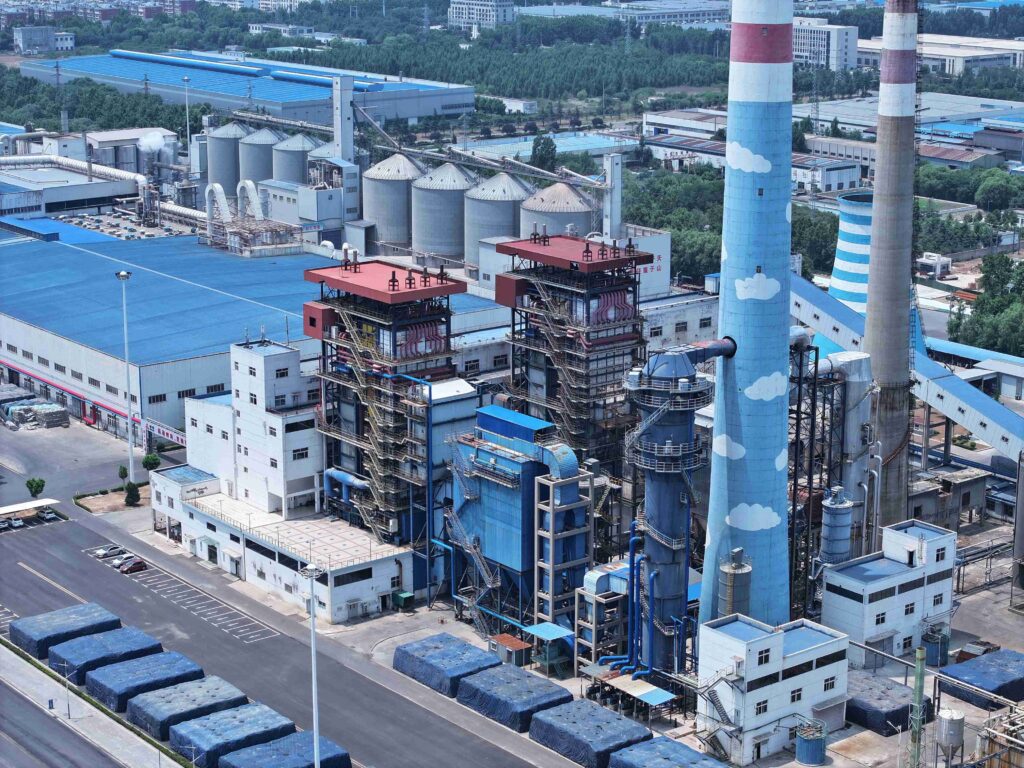
Unexpected boiler shutdowns can halt production, damage downstream equipment, and cause significant financial losses. Many plant managers worry about whether continuous operation will shorten boiler lifespan or increase failure risk. Running too long without proper maintenance can lead to scale buildup, tube overheating, pressure instability, and safety valve activation. Understanding how long an industrial boiler can safely operate continuously is critical for planning maintenance schedules and ensuring uninterrupted steam supply.
An industrial boiler can run continuously 24 hours a day, 7 days a week, for months at a time—provided it is properly designed, correctly sized, regularly maintained, and supported by effective water treatment and monitoring systems. In many industrial facilities, boilers operate continuously for 6–12 months between scheduled shutdown inspections, while power plant boilers may run even longer under strict operational controls.
What Determines How Long an Industrial Boiler Can Run Continuously?
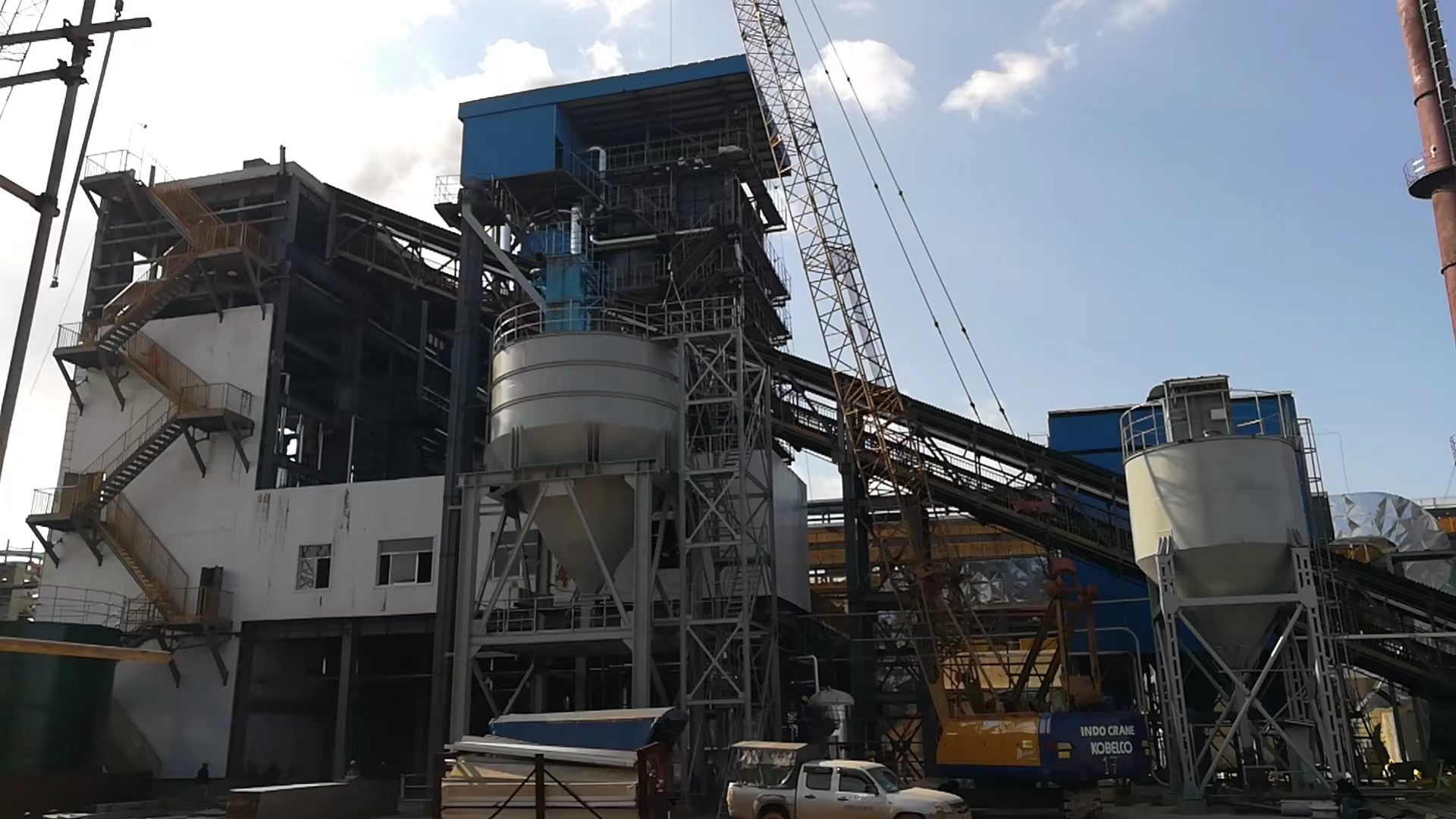
In many industrial sectors—such as chemical manufacturing, food processing, power generation, and district heating—boilers are expected to operate continuously for extended periods, sometimes for weeks or even months without shutdown. However, continuous operation is not determined by a single factor. The duration a boiler can run safely and efficiently depends on a combination of engineering design, fuel supply stability, water quality management, maintenance planning, and control system reliability. When these factors are not properly managed, issues such as scaling, corrosion, combustion instability, or mechanical stress can force unplanned shutdowns and costly production interruptions. Understanding what determines continuous operating time is therefore essential for maximizing uptime and ensuring safe boiler performance.
The continuous operating time of an industrial boiler is determined primarily by boiler design type, water quality control, fuel stability, combustion system performance, maintenance scheduling, and regulatory inspection requirements. Modern industrial boilers can often operate continuously for several months between planned maintenance shutdowns when these factors are properly managed.
To fully understand how continuous operation is achieved, we must analyze both engineering design characteristics and operational management practices.
Water-tube industrial boilers are generally capable of longer continuous operation periods than fire-tube boilers due to their design and higher heat transfer efficiency.True
Water-tube boilers distribute heat across many small tubes, allowing better thermal stress management and faster response to load changes, which supports stable long-term operation.
1. Boiler Design Type and Structural Configuration
The fundamental design of a boiler significantly affects how long it can run continuously.
Two major industrial boiler types include:
| Boiler Type | Typical Continuous Operation Capability | Typical Applications |
|---|---|---|
| Fire-Tube Boiler | Days to weeks | Small industrial heating |
| Water-Tube Boiler | Weeks to months | Power plants and large industries |
Water-tube boilers are better suited for continuous operation because:
- Water circulates inside tubes with faster heat transfer
- Thermal stress is distributed across multiple tubes
- Higher pressure and temperature conditions are tolerated
- Tube replacement and maintenance are easier
Large industrial and utility-scale boilers are almost always water-tube systems for this reason.
2. Fuel Quality and Combustion Stability
Fuel consistency plays a major role in maintaining stable combustion over long operating periods.
Irregular fuel quality can cause:
- Flame instability
- Incomplete combustion
- Ash buildup
- Heat transfer inefficiency
Fuel characteristics affecting continuous operation include:
| Fuel Type | Combustion Stability | Maintenance Impact |
|---|---|---|
| Natural Gas | Very stable | Minimal fouling |
| Oil | Stable | Moderate maintenance |
| Biomass | Variable | Ash and slag management required |
| Coal | Stable but dirty | Higher cleaning requirements |
Biomass and coal boilers can operate continuously for long periods, but they require more frequent cleaning and ash handling to maintain efficiency.
3. Boiler Water Quality Management
Water quality is one of the most critical factors affecting long-term boiler operation.
Poor water treatment leads to:
- Scale formation on heat transfer surfaces
- Corrosion of tubes and drums
- Reduced heat transfer efficiency
- Increased risk of tube failure
Key water parameters must be controlled:
| Parameter | Typical Recommended Range |
|---|---|
| pH | 8.5–10.5 |
| Dissolved Oxygen | Near zero |
| Total Dissolved Solids | Controlled by blowdown |
| Hardness | Near zero |
Advanced water treatment systems such as deaerators, chemical dosing, and continuous blowdown systems enable boilers to operate for long periods without internal damage.
4. Heat Transfer Surface Cleanliness
Heat transfer surfaces must remain clean to maintain efficient operation.
Fouling and deposits can:
- Reduce heat transfer efficiency
- Increase flue gas temperature
- Raise fuel consumption
- Cause localized overheating
Industrial boilers often include automated cleaning systems such as:
- Soot blowers
- Water washing systems
- Mechanical ash removal systems
Regular cleaning allows boilers to maintain efficiency during extended operation.
5. Control Systems and Automation
Modern industrial boilers rely heavily on automation to ensure stable long-term operation.
Key automated control functions include:
- Combustion air-to-fuel ratio control
- Drum level control
- Pressure regulation
- Temperature monitoring
- Safety interlocks
Advanced PLC and distributed control systems continuously adjust operating parameters to prevent instability and maintain safe operating conditions.
Automation significantly extends possible continuous operating periods.
6. Mechanical Stress and Thermal Cycling
Boilers experience thermal stress during heating and cooling cycles. Frequent shutdowns and startups create expansion and contraction in metal components, which can cause fatigue over time.
Continuous operation actually reduces this type of mechanical stress because:
- Temperature remains stable
- Expansion remains constant
- Thermal fatigue cycles are minimized
This is why large industrial boilers are often designed to run continuously rather than frequently cycling on and off.
7. Maintenance and Inspection Schedules
Even the most robust industrial boiler requires periodic inspection and maintenance.
Typical maintenance intervals:
| Boiler Type | Typical Continuous Operation Period |
|---|---|
| Small Industrial Boiler | 1–4 weeks |
| Medium Industrial Boiler | 1–3 months |
| Large Utility Boiler | 3–6 months or longer |
Planned shutdowns allow engineers to:
- Inspect tubes and welds
- Remove deposits
- Test safety valves
- Calibrate instruments
Preventive maintenance prevents unexpected failures.
8. Safety Systems and Regulatory Compliance
Boilers must comply with pressure vessel safety regulations, which include mandatory inspections.
Common safety requirements include:
- Safety valve testing
- Pressure vessel inspection
- Control system verification
- Operator training
Regulatory inspections often define maximum continuous operating intervals before mandatory shutdown.
9. Load Demand Stability
Stable energy demand allows boilers to operate efficiently and continuously.
Frequent load fluctuations can cause:
- Combustion instability
- Pressure fluctuations
- Increased mechanical wear
Industries with stable demand—such as power plants and chemical processing facilities—are able to operate boilers continuously for longer periods.
10. Real Industrial Operation Example
Example: Biomass CHP Plant
Boiler capacity: 75 tons/hour
Pressure: 85 bar
Fuel: Wood chips
Operational cycle:
- Continuous operation: 90 days
- Planned maintenance shutdown: 3–5 days
- Annual overhaul: once per year
This operational pattern balances reliability with maintenance needs.
Summary
The length of time an industrial boiler can run continuously depends on multiple interconnected factors including boiler design type, fuel quality, water treatment management, heat transfer surface cleanliness, automation systems, mechanical stress control, maintenance scheduling, and regulatory requirements. Water-tube boilers designed for industrial and power generation applications can typically operate continuously for weeks or even months between planned shutdowns when supported by proper fuel supply, advanced control systems, and effective water treatment programs. Ultimately, continuous operation is achieved not only through robust engineering design but also through disciplined operational management and preventive maintenance practices.
Can an Industrial Boiler Safely Operate 24/7 Without Shutdown?
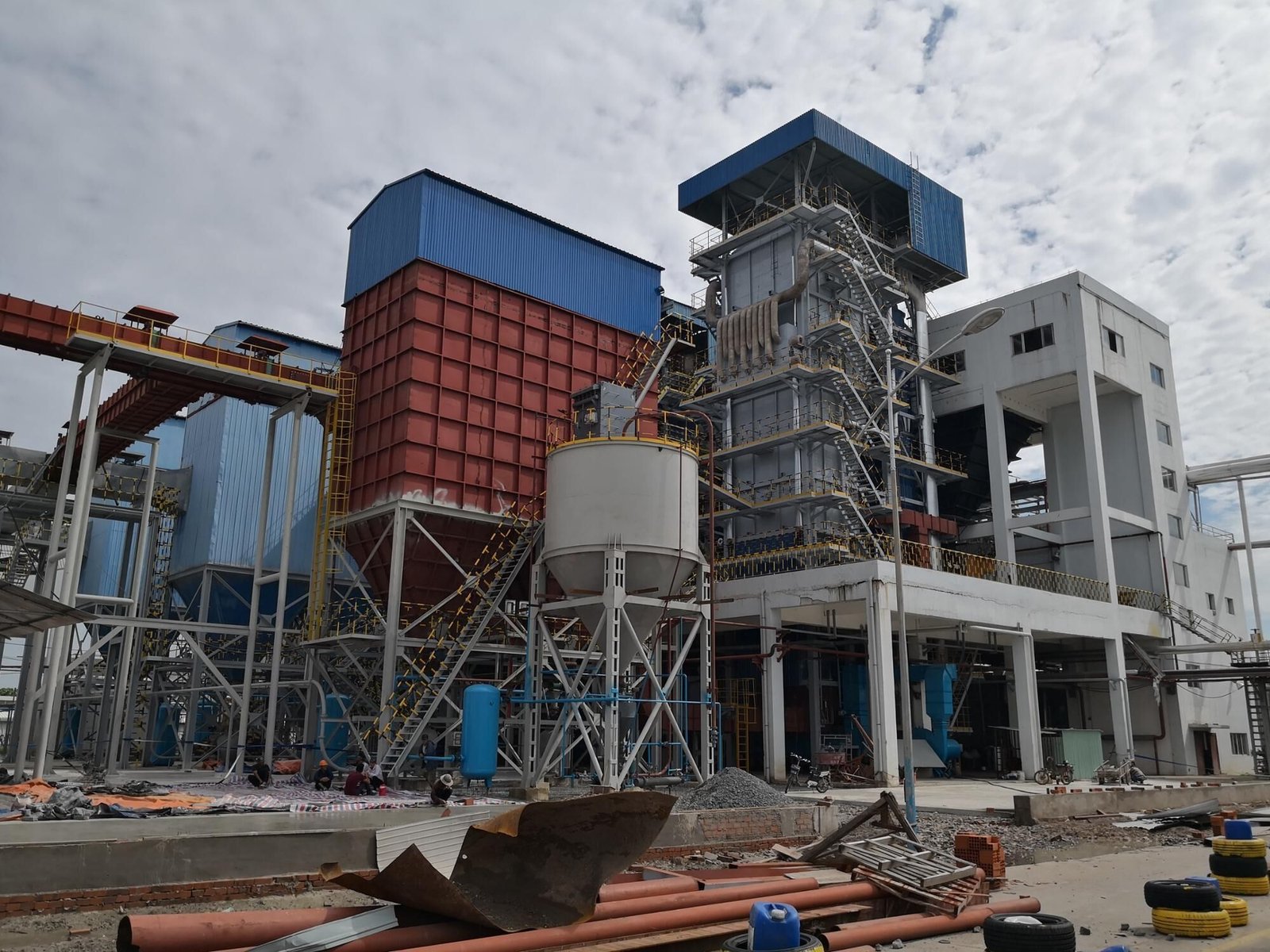
Many industries—including chemical plants, refineries, food processing facilities, and district heating networks—depend on a constant supply of steam. For these operations, shutting down a boiler can interrupt production, disrupt temperature-sensitive processes, and lead to significant financial losses. As a result, a common question from plant operators and engineers is whether an industrial boiler can safely operate 24 hours a day, seven days a week without shutdown. While modern boiler systems are engineered for long periods of continuous operation, safe 24/7 operation depends on multiple technical factors such as boiler design, water treatment quality, combustion stability, monitoring systems, and regulatory maintenance requirements.
Yes, an industrial boiler can safely operate 24/7 without daily shutdown when it is properly designed, maintained, and monitored. Many industrial boilers—especially water-tube boilers used in power generation and CHP systems—are specifically engineered for continuous operation and can run for weeks or months between planned maintenance outages.
Continuous operation is not simply a matter of leaving the system running; it requires precise control and strict operational discipline.
Industrial boilers in power plants and large manufacturing facilities are commonly designed for continuous 24/7 operation.True
Large water-tube boilers used in industrial and utility applications are engineered for long operating cycles with only periodic planned maintenance shutdowns.
1. Boiler Design Determines Continuous Operation Capability
The ability to run continuously depends heavily on boiler design.
Industrial boilers generally fall into two main categories:
| Boiler Type | Continuous Operation Capability | Typical Applications |
|---|---|---|
| Fire-Tube Boiler | Limited continuous operation | Small factories and commercial heating |
| Water-Tube Boiler | Designed for continuous operation | Power plants, CHP, large industry |
Water-tube boilers are the preferred design for continuous operation because:
- Heat transfer occurs across multiple small tubes
- Thermal stress is distributed evenly
- Higher pressures and temperatures are supported
- Faster response to load changes is possible
For these reasons, power plant boilers often operate continuously for months.
2. Water Treatment Is Critical for Long-Term Operation
One of the biggest risks to continuous boiler operation is poor water quality.
Untreated or poorly treated water can cause:
- Scale formation
- Tube corrosion
- Reduced heat transfer efficiency
- Tube rupture risk
Industrial boilers rely on advanced water treatment systems including:
- Deaerators to remove oxygen
- Chemical dosing to maintain pH balance
- Continuous blowdown systems to control dissolved solids
Water quality management example:
| Parameter | Typical Target Range |
|---|---|
| pH | 8.5–10.5 |
| Dissolved Oxygen | Near zero |
| Hardness | Essentially zero |
| Total Dissolved Solids | Controlled through blowdown |
Proper water treatment allows boilers to operate continuously without internal damage.
3. Reliable Fuel Supply and Combustion Control
Stable combustion is essential for continuous operation.
If fuel quality or supply fluctuates, the boiler may experience:
- Flame instability
- Pressure fluctuations
- Reduced steam production
Different fuels affect operational stability:
| Fuel Type | Continuous Operation Reliability |
|---|---|
| Natural Gas | Very high |
| Oil | High |
| Coal | Stable but requires cleaning |
| Biomass | Variable depending on fuel quality |
Modern boilers use automated combustion control systems that adjust fuel and air flow in real time to maintain stable operation.
4. Automation and Monitoring Systems
Continuous operation requires advanced monitoring systems that detect abnormal conditions before they become serious problems.
Typical monitoring systems track:
- Steam pressure
- Drum water level
- Flue gas temperature
- Oxygen concentration
- Fuel flow rate
Modern industrial boilers use distributed control systems (DCS) and PLC-based automation to maintain stable conditions and automatically shut down the system if safety limits are exceeded.
5. Heat Transfer Surface Cleaning
During operation, combustion byproducts can accumulate on heat transfer surfaces.
This buildup reduces efficiency and can eventually cause overheating.
To prevent this, industrial boilers use automated cleaning systems such as:
- Soot blowers
- Air lances
- Water washing systems
Regular cleaning allows the boiler to maintain efficient heat transfer even during long operating cycles.
6. Maintenance and Planned Shutdown Intervals
Even boilers designed for continuous operation require periodic maintenance.
Typical continuous operation periods include:
| Boiler Type | Typical Continuous Operation Period |
|---|---|
| Small Industrial Boiler | 1–4 weeks |
| Medium Industrial Boiler | 1–3 months |
| Large Utility Boiler | 3–6 months or longer |
Planned maintenance shutdowns allow engineers to inspect pressure vessels, replace worn components, and test safety systems.
7. Safety Systems Ensure Continuous Operation Is Safe
Industrial boilers include multiple safety layers designed to protect the system during continuous operation.
Key safety features include:
- Pressure relief valves
- Low-water cutoff devices
- Flame failure detection
- Automatic emergency shutdown systems
These systems prevent dangerous operating conditions from developing.
8. Regulatory Inspection Requirements
Even if a boiler can technically run continuously, regulatory standards require periodic inspection.
Standards such as:
- ASME Boiler and Pressure Vessel Code
- European EN boiler standards
- National pressure vessel regulations
may require annual or semiannual inspections.
Operators must schedule shutdowns to comply with these regulations.
9. Benefits of Continuous Boiler Operation
Continuous operation offers several advantages for industrial facilities:
- Stable process temperatures
- Reduced thermal stress from frequent startup cycles
- Lower fuel consumption compared with repeated startup
- Improved equipment lifespan
Frequent start-stop cycles create thermal expansion and contraction that can damage boiler components.
10. Real Industrial Example
Example: Industrial CHP Plant
Boiler capacity: 90 tons/hour
Operating pressure: 80 bar
Fuel: Biomass
Operating pattern:
- Continuous operation: 90 days
- Planned maintenance: 3–5 days
- Annual overhaul: once per year
This type of schedule is typical for well-maintained industrial boilers.
Summary
Industrial boilers can safely operate 24/7 without daily shutdown when they are properly designed, monitored, and maintained. Large water-tube boilers used in industrial facilities and power plants are specifically engineered for continuous operation and can often run for weeks or months between planned maintenance shutdowns. Reliable fuel supply, proper water treatment, automated control systems, regular cleaning of heat transfer surfaces, and compliance with regulatory inspection schedules all play essential roles in maintaining safe and efficient continuous operation.
How Does Water Treatment Impact Industrial Boiler Continuous Runtime?
In industrial boiler systems, water is not simply a working fluid—it is the foundation of safe and efficient steam generation. Poor water quality can quickly lead to scale formation, corrosion, fouling, and sludge accumulation inside boiler tubes and drums. These issues restrict heat transfer, increase fuel consumption, cause pressure instability, and may ultimately lead to tube failure or emergency shutdowns. For facilities that rely on boilers to operate continuously for weeks or months, inadequate water treatment is one of the most common causes of unexpected downtime. Proper water treatment programs are therefore essential for maintaining long continuous runtime, protecting equipment integrity, and ensuring stable boiler performance.
Water treatment directly impacts industrial boiler continuous runtime by preventing scale formation, corrosion, and contamination in the boiler system. Proper water treatment maintains efficient heat transfer, stabilizes pressure and temperature conditions, protects boiler tubes from damage, and enables boilers to operate continuously for extended periods without unplanned shutdowns.
A well-designed water treatment program combines mechanical filtration, chemical conditioning, and continuous monitoring to maintain optimal water chemistry.
Scale buildup inside boiler tubes significantly reduces heat transfer efficiency and can force industrial boilers to shut down prematurely.True
Mineral scale acts as an insulating layer that prevents efficient heat transfer, causing overheating of boiler tubes and potential failure if not controlled through proper water treatment.
1. The Role of Water in Boiler Operation
Industrial boilers convert water into steam through heat transfer. The quality of this water determines how efficiently heat moves through the system and how safely the boiler operates.
Water impurities commonly found in untreated feedwater include:
- Calcium and magnesium salts (hardness)
- Dissolved oxygen
- Silica
- Suspended solids
- Dissolved salts and minerals
If these contaminants enter the boiler system, they accumulate on heat transfer surfaces or cause chemical reactions that damage metal components.
Comparison of untreated vs treated feedwater:
| Water Condition | Impact on Boiler |
|---|---|
| Untreated water | Rapid scaling and corrosion |
| Partially treated water | Moderate fouling and efficiency loss |
| Properly treated water | Stable long-term operation |
Maintaining high water quality is therefore critical for extended continuous runtime.
2. Scale Formation and Its Impact on Runtime
Scale is a hard mineral deposit formed when dissolved salts precipitate out of water during boiling.
Common scale-forming minerals include:
- Calcium carbonate
- Calcium sulfate
- Magnesium silicate
Scale dramatically reduces heat transfer efficiency because it acts as an insulating barrier.
Thermal conductivity comparison:
| Material | Thermal Conductivity |
|---|---|
| Steel | High |
| Water | Moderate |
| Mineral Scale | Very low |
Even a thin scale layer (1 mm) can reduce heat transfer efficiency by more than 10%. As a result:
- Tube metal temperature rises
- Fuel consumption increases
- Tube overheating risk increases
Severe scaling may force a boiler shutdown for cleaning, reducing continuous runtime.
3. Corrosion Control and Equipment Protection
Corrosion is another major threat to continuous boiler operation.
Dissolved oxygen and carbon dioxide in feedwater can cause:
- Pitting corrosion
- Tube thinning
- Structural weakening of pressure components
If corrosion progresses, leaks or tube ruptures may occur.
Water treatment systems prevent corrosion through:
- Oxygen removal using deaerators
- Chemical oxygen scavengers
- pH control through alkalinity adjustment
Maintaining proper water chemistry significantly extends equipment life and prevents unexpected shutdowns.
4. Dissolved Solids and Boiler Blowdown
During steam generation, dissolved solids remain in the boiler water and gradually concentrate.
If not controlled, high concentrations of dissolved solids can cause:
- Foaming and carryover
- Contaminated steam
- Turbine damage in CHP systems
Boiler blowdown systems remove concentrated water and replace it with fresh treated feedwater.
Typical dissolved solids control:
| Parameter | Recommended Range |
|---|---|
| Total Dissolved Solids | Controlled through blowdown |
| Conductivity | Monitored continuously |
| Silica | Strictly limited in high-pressure boilers |
Automatic blowdown systems maintain proper water chemistry without interrupting boiler operation.
5. Feedwater Treatment Systems
Industrial water treatment usually involves multiple stages.
Typical feedwater treatment process:
- Raw water filtration
- Softening or reverse osmosis
- Deaeration
- Chemical conditioning
- Continuous monitoring
Each stage removes different types of impurities before water enters the boiler.
Key equipment includes:
- Water softeners
- Reverse osmosis membranes
- Deaerators
- Chemical dosing pumps
- Online water quality sensors
This integrated approach ensures stable boiler operation.
6. Chemical Treatment Programs
Chemical additives are used to maintain ideal water chemistry during operation.
Common chemicals include:
| Chemical Type | Function |
|---|---|
| Oxygen scavengers | Remove dissolved oxygen |
| Phosphate treatment | Prevent scale formation |
| Alkalinity boosters | Maintain pH balance |
| Dispersants | Prevent sludge buildup |
Proper chemical dosing prevents deposits and corrosion, allowing boilers to run continuously without interruption.
7. Impact on Heat Transfer Efficiency
Efficient heat transfer is essential for continuous operation.
Poor water treatment reduces heat transfer efficiency, which causes:
- Increased flue gas temperatures
- Higher fuel consumption
- Reduced steam output
Clean heat transfer surfaces allow boilers to operate efficiently for long periods.
Maintaining water quality therefore directly supports energy efficiency and runtime stability.
8. Water Treatment in High-Pressure Boilers
High-pressure industrial boilers are especially sensitive to water chemistry.
At higher pressures:
- Impurities concentrate more rapidly
- Corrosion risk increases
- Carryover into steam becomes more dangerous
Strict water quality control is required for boilers operating above 40–60 bar.
Advanced treatment methods such as reverse osmosis and demineralization are often used.
9. Operational Monitoring and Automation
Modern boiler plants include automated monitoring systems that track water chemistry in real time.
Sensors measure:
- Conductivity
- pH levels
- Dissolved oxygen
- Silica concentration
When parameters exceed safe limits, the control system automatically adjusts chemical dosing or blowdown rates.
Automation ensures water quality remains stable even during long continuous operation cycles.
10. Real Industrial Example
Example: Industrial Biomass CHP Plant
Boiler capacity: 70 tons/hour
Operating pressure: 80 bar
Before water treatment upgrade:
- Scale formation every 4–6 weeks
- Frequent maintenance shutdowns
After installing advanced water treatment system:
- Continuous runtime increased to 90 days
- Fuel efficiency improved by 6%
- Tube failure incidents eliminated
This example demonstrates how water treatment directly affects operational reliability.
Summary
Water treatment plays a critical role in determining how long an industrial boiler can operate continuously. Proper treatment prevents scale formation, corrosion, and contamination that would otherwise reduce heat transfer efficiency and force unplanned shutdowns. By controlling water chemistry through filtration, deaeration, chemical dosing, and blowdown systems, industrial boilers can maintain stable pressure, protect internal components, and achieve extended continuous runtime of weeks or even months between maintenance intervals. Effective water treatment is therefore one of the most important factors in ensuring safe, efficient, and reliable boiler operation.
What Role Does Load Demand Play in Industrial Boiler Continuous Operation?
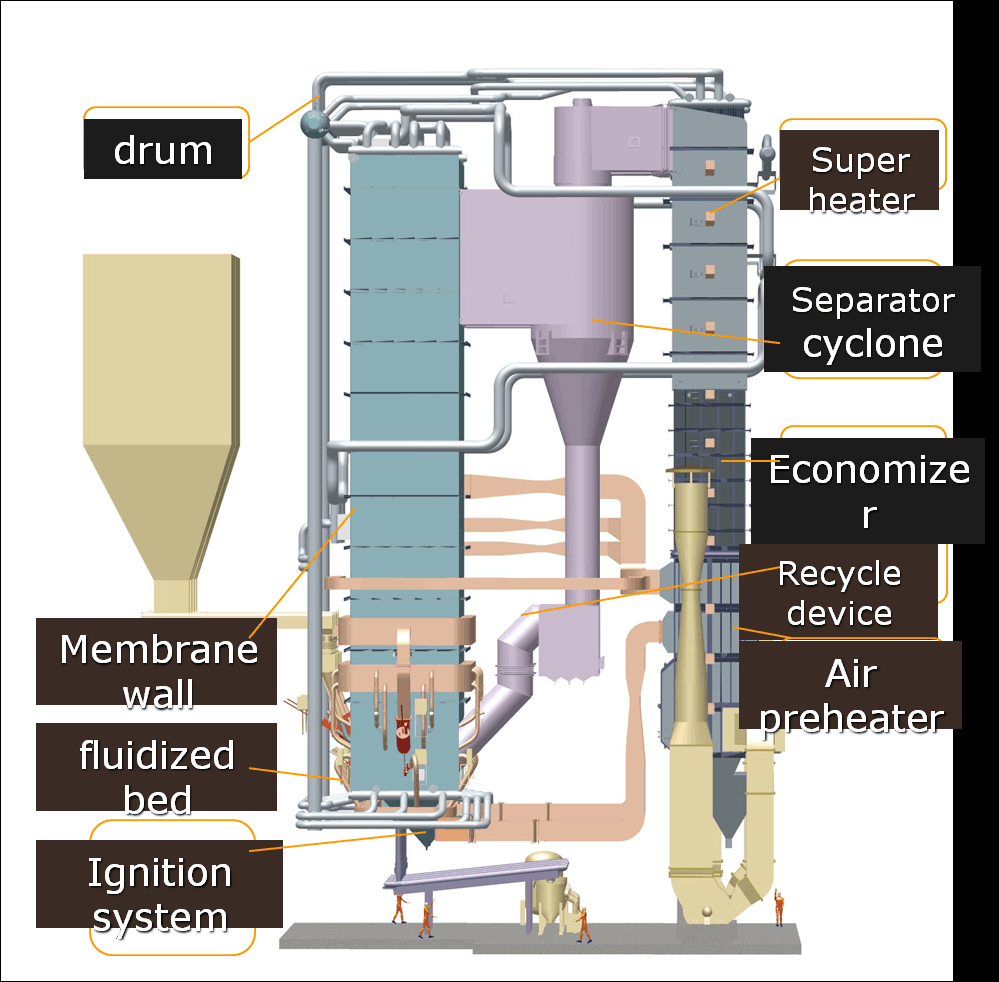
Industrial boilers are designed to provide reliable steam or hot water for a wide range of industrial processes, but their ability to operate continuously depends heavily on the stability and characteristics of load demand. Load demand refers to the amount of steam or thermal energy required by industrial processes at any given moment. When demand is stable and predictable, boilers can operate smoothly for long periods with minimal stress. However, highly fluctuating load conditions can create pressure instability, combustion inefficiencies, mechanical stress, and operational challenges that may shorten the duration of continuous operation. Understanding how load demand influences boiler performance is therefore essential for optimizing efficiency, maintaining equipment reliability, and achieving extended continuous runtime.
Load demand plays a critical role in industrial boiler continuous operation by determining how steadily the boiler produces steam. Stable and consistent load demand allows boilers to maintain steady combustion and pressure levels, enabling long uninterrupted operation, while highly variable load demand can cause pressure fluctuations, increased thermal stress, and more frequent operational adjustments that may reduce continuous runtime.
For engineers and plant operators, managing load demand effectively is a key part of maintaining safe and efficient boiler performance.
Stable steam load demand allows industrial boilers to operate more efficiently and with fewer shutdowns compared to highly fluctuating demand conditions.True
When steam demand remains steady, combustion systems, feedwater control, and pressure regulation operate under stable conditions, reducing thermal stress and improving reliability.
1. Understanding Boiler Load Demand
Load demand refers to the rate at which steam or heat is required by industrial processes. It is typically measured in terms of steam flow rate, such as tons of steam per hour.
Load demand varies depending on industrial operations such as:
- Process heating
- Sterilization
- Chemical reactions
- Power generation
- Space heating in district energy systems
Typical load demand patterns:
| Load Type | Demand Pattern | Impact on Boiler |
|---|---|---|
| Constant Load | Steady demand | Ideal for continuous operation |
| Variable Load | Moderate fluctuations | Requires responsive controls |
| Cyclic Load | Repeated peaks and valleys | Increased stress on system |
| Intermittent Load | Frequent startup/shutdown | Reduced efficiency |
Boilers perform best when load demand remains relatively stable.
2. Stable Load Demand and Continuous Operation
Industries with steady energy demand—such as power plants, chemical manufacturing, and large district heating networks—allow boilers to run continuously at near-constant output.
Benefits of stable load demand include:
- Consistent combustion conditions
- Stable steam pressure
- Efficient fuel consumption
- Reduced thermal cycling
Stable operation reduces mechanical stress on boiler components and helps maintain optimal efficiency.
3. Effects of Load Fluctuations
When load demand changes rapidly, the boiler must quickly adjust fuel input, air supply, and feedwater flow.
Large or sudden changes in demand can cause:
- Steam pressure fluctuations
- Combustion instability
- Drum level disturbances
- Increased wear on valves and pumps
Example of load fluctuation impact:
| Load Change | Potential Boiler Response |
|---|---|
| Sudden demand increase | Temporary pressure drop |
| Sudden demand decrease | Pressure rise |
| Rapid cycling | Combustion control challenges |
Modern control systems are designed to respond to these changes, but frequent fluctuations still increase operational stress.
4. Thermal Stress from Load Cycling
Boilers experience thermal expansion and contraction as temperatures change. When load demand fluctuates significantly, the boiler undergoes repeated heating and cooling cycles.
Thermal cycling can cause:
- Metal fatigue
- Cracking of welds
- Tube deformation
- Reduced equipment lifespan
Continuous operation with stable load demand minimizes these thermal cycles and helps extend equipment life.
5. Combustion System Response to Load Changes
Industrial boilers rely on precise combustion control to match fuel input with steam demand.
Combustion systems regulate:
- Fuel flow rate
- Air supply
- Flame stability
- Furnace temperature
Load changes require rapid adjustments in these parameters.
Comparison of combustion response:
| Demand Condition | Combustion Stability |
|---|---|
| Constant load | Highly stable |
| Gradual load change | Stable |
| Rapid load swings | Potential instability |
Advanced control systems help maintain stable combustion even during moderate demand variations.
6. Boiler Control Systems and Load Management
Modern industrial boilers use automated control systems to manage load demand efficiently.
Key control functions include:
- Pressure control loops
- Feedwater flow regulation
- Oxygen trim systems
- Fuel-air ratio control
Distributed control systems (DCS) and programmable logic controllers (PLC) continuously adjust operating parameters to maintain stable performance.
Automation allows boilers to adapt to changing load demand while maintaining safe operating conditions.
7. Load Demand in CHP and Power Generation Systems
In combined heat and power (CHP) plants, load demand may depend on both thermal and electrical requirements.
Two types of demand must be balanced:
- Steam demand for industrial processes
- Electricity demand from turbines
Load coordination becomes more complex because changes in one demand stream affect the other.
CHP systems often use energy management systems to optimize load distribution and maintain stable boiler operation.
8. Energy Storage and Load Balancing
Some facilities use energy storage or buffer systems to stabilize load demand.
Examples include:
- Steam accumulators
- Thermal storage tanks
- Hybrid boiler systems
Steam accumulators store excess steam during low demand periods and release it during peak demand.
This helps smooth demand fluctuations and allows the boiler to operate more steadily.
9. Operational Strategies for Managing Load Demand
Plant operators often use several strategies to maintain stable boiler operation despite changing load demand:
- Operating multiple boilers in parallel
- Using modulating burners
- Scheduling process loads
- Implementing predictive control systems
Multiple boiler systems allow facilities to match capacity to demand without forcing a single boiler to operate outside its optimal range.
10. Real Industrial Example
Example: Chemical Manufacturing Plant
Boiler capacity: 60 tons/hour
Operating pressure: 45 bar
Initial problem:
- Frequent load fluctuations
- Pressure instability
- Increased fuel consumption
Solution:
- Installed steam accumulator
- Improved control system tuning
Results:
- Pressure stability improved by 30%
- Fuel efficiency increased
- Continuous runtime extended to 60 days between maintenance shutdowns
Summary
Load demand plays a crucial role in determining how effectively an industrial boiler can operate continuously. Stable and predictable steam demand allows boilers to maintain steady combustion, pressure, and temperature conditions, enabling long uninterrupted operating periods. In contrast, frequent or rapid load fluctuations create operational stress, pressure instability, and thermal cycling that may shorten continuous runtime. By using advanced control systems, energy storage solutions, and proper load management strategies, industrial facilities can maintain stable boiler operation even in environments with variable demand.
How Often Should an Industrial Boiler Be Shut Down for Inspection and Maintenance?
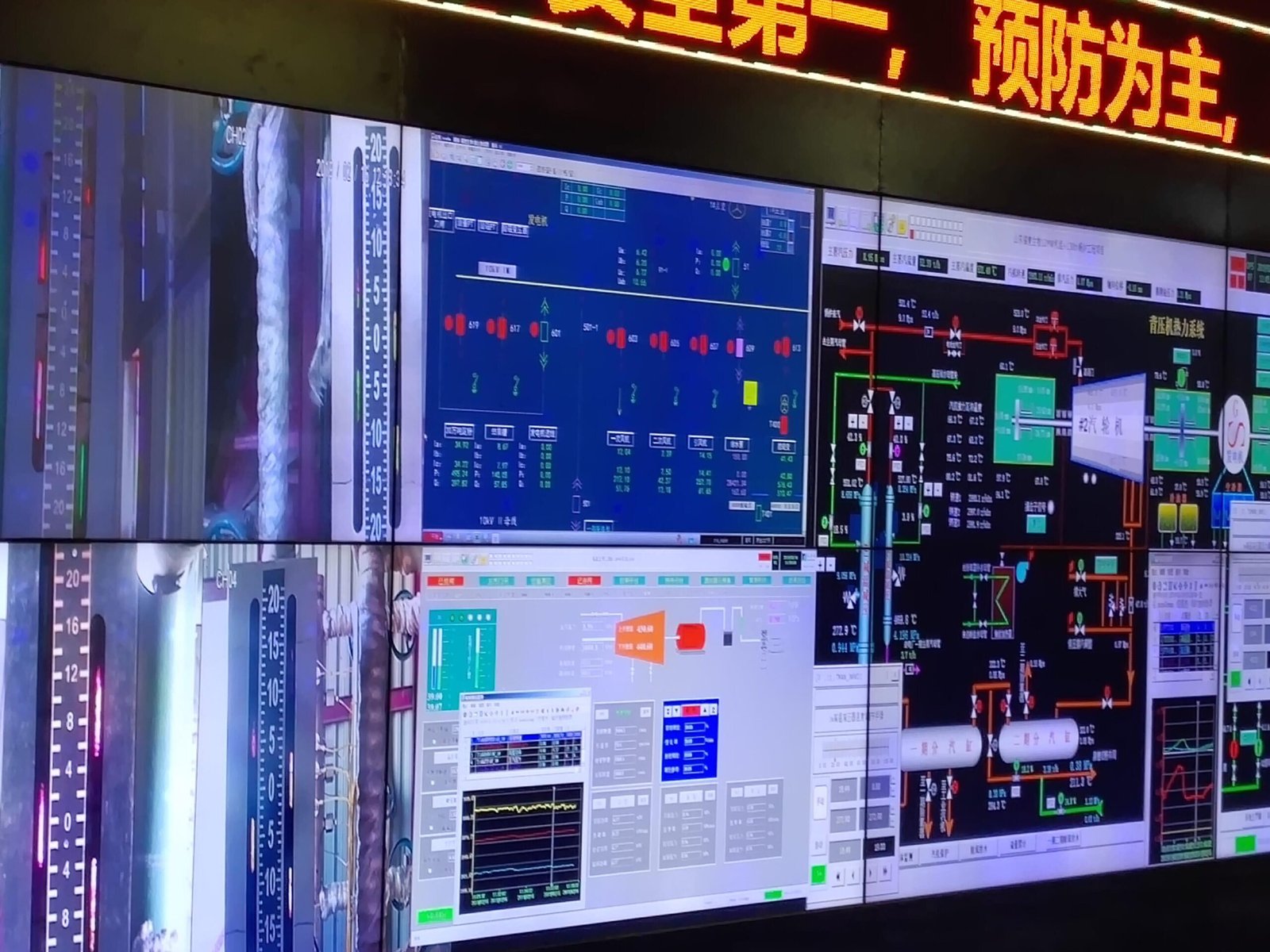
Industrial boilers are designed for long periods of continuous operation, often running 24/7 in facilities such as chemical plants, power stations, food processing factories, and district heating systems. However, even the most advanced boiler systems cannot operate indefinitely without periodic inspection and maintenance. Internal deposits, mechanical wear, corrosion, combustion residue, and control system drift gradually accumulate during operation. If these issues are not addressed through scheduled shutdowns, they can lead to efficiency losses, safety hazards, or unexpected equipment failures. Determining how often an industrial boiler should be shut down for inspection and maintenance is therefore a crucial part of plant reliability management and regulatory compliance.
Industrial boilers should typically be shut down for inspection and maintenance every 1–3 months for routine checks and at least once annually for comprehensive internal inspection, depending on boiler size, operating pressure, fuel type, and regulatory requirements. Large power plant boilers may operate continuously for several months between scheduled maintenance outages, while smaller industrial boilers often require more frequent inspection intervals.
A structured maintenance schedule ensures that boilers remain safe, efficient, and capable of long-term continuous operation.
Most industrial boiler safety regulations require periodic inspection and maintenance shutdowns even if the boiler appears to operate normally.True
Pressure vessel codes and national boiler regulations mandate regular inspections to detect internal damage, corrosion, or mechanical wear that may not be visible during normal operation.
1. Why Periodic Boiler Shutdowns Are Necessary
Industrial boilers operate under high temperature and pressure conditions, which gradually stress internal components.
Common issues that develop during operation include:
- Scale buildup on heat transfer surfaces
- Corrosion of tubes and drums
- Ash or soot accumulation in combustion chambers
- Wear of pumps and valves
- Calibration drift in control systems
Routine shutdown inspections allow engineers to identify these issues before they escalate into major problems.
Benefits of planned maintenance shutdowns:
| Benefit | Explanation |
|---|---|
| Improved safety | Prevents pressure vessel failure |
| Higher efficiency | Removes deposits that reduce heat transfer |
| Longer equipment life | Detects wear early |
| Reduced downtime | Prevents unexpected breakdowns |
Planned maintenance is significantly less costly than emergency repairs.
2. Routine Inspection Intervals
Routine inspections are typically conducted while the boiler is offline for short maintenance periods.
Typical routine inspection schedule:
| Boiler Type | Routine Inspection Interval |
|---|---|
| Small industrial boiler | Every 2–4 weeks |
| Medium industrial boiler | Every 1–2 months |
| Large industrial boiler | Every 2–3 months |
Routine inspections usually focus on easily accessible components such as burners, pumps, valves, and control systems.
These short shutdowns help ensure stable continuous operation.
3. Annual Comprehensive Inspections
In addition to routine checks, most industrial boilers require a major annual inspection.
During a comprehensive inspection, engineers perform detailed examinations of internal components including:
- Boiler tubes
- Steam drum
- Superheater sections
- Economizers
- Pressure relief valves
Inspection procedures may include:
| Inspection Method | Purpose |
|---|---|
| Visual inspection | Detect corrosion and deposits |
| Ultrasonic thickness testing | Measure tube wall thickness |
| Radiographic testing | Examine weld integrity |
| Hydrostatic testing | Verify pressure vessel strength |
These inspections ensure the boiler remains structurally sound.
4. Regulatory Requirements and Standards
Government regulations and industry standards dictate minimum inspection intervals.
Common regulatory frameworks include:
- ASME Boiler and Pressure Vessel Code
- European EN boiler standards
- National boiler safety regulations
Typical regulatory requirements include:
| Inspection Type | Typical Frequency |
|---|---|
| External inspection | Annually |
| Internal inspection | Every 1–2 years |
| Safety valve testing | Annually |
Facilities must comply with these requirements to maintain operating licenses.
5. Fuel Type and Maintenance Frequency
The type of fuel used affects how often boilers require maintenance.
Different fuels produce different levels of residue and deposits.
| Fuel Type | Maintenance Demand |
|---|---|
| Natural Gas | Low |
| Oil | Moderate |
| Coal | High |
| Biomass | High |
Coal and biomass combustion produce ash and slag that accumulate on heat transfer surfaces, requiring more frequent cleaning.
Gas-fired boilers often require less frequent shutdowns because combustion produces minimal solid residue.
6. Operating Pressure and Maintenance Needs
Boiler pressure also influences inspection frequency.
Higher-pressure boilers experience greater mechanical stress and require more careful monitoring.
Typical pressure-related inspection considerations:
| Pressure Range | Inspection Importance |
|---|---|
| Low pressure (<25 bar) | Moderate |
| Medium pressure (25–60 bar) | High |
| High pressure (>60 bar) | Very high |
High-pressure boilers used in CHP or power generation plants typically undergo more rigorous inspection programs.
7. Heat Transfer Surface Cleaning
Fouling and deposits accumulate on heat transfer surfaces over time.
These deposits reduce heat transfer efficiency and increase fuel consumption.
Boiler cleaning during maintenance shutdowns may include:
- Soot blower servicing
- Chemical cleaning
- Mechanical tube cleaning
Removing deposits restores heat transfer efficiency and improves boiler performance.
8. Control System Calibration
Industrial boilers rely on sophisticated automation systems.
During maintenance shutdowns, technicians check and recalibrate:
- Pressure sensors
- Temperature sensors
- Flow meters
- Oxygen analyzers
Accurate instrumentation ensures safe and efficient operation.
9. Predictive Maintenance Technologies
Modern industrial plants increasingly use predictive maintenance tools to optimize shutdown schedules.
Technologies include:
- Vibration monitoring
- Thermal imaging
- Acoustic leak detection
- Digital twin modeling
Predictive maintenance allows operators to detect issues before they cause failures, reducing unnecessary shutdowns.
10. Real Industrial Example
Example: Biomass CHP Plant
Boiler capacity: 80 tons/hour
Operating pressure: 85 bar
Maintenance schedule:
- Routine shutdown inspection: every 60 days
- Minor maintenance: every 3 months
- Annual overhaul: once per year
Results:
- Continuous operation periods up to 90 days
- Improved efficiency and reliability
- Reduced emergency downtime
Summary
Industrial boilers should be shut down periodically for inspection and maintenance to ensure safe and efficient operation. Routine inspections typically occur every 1–3 months, while comprehensive internal inspections are usually conducted annually or as required by regulatory standards. The exact maintenance schedule depends on boiler size, operating pressure, fuel type, and applicable safety regulations. Regular maintenance prevents scale buildup, corrosion, mechanical wear, and control system drift, allowing boilers to operate continuously for extended periods while maintaining reliability and safety.
What Are the Warning Signs That an Industrial Boiler Should Not Continue Running?
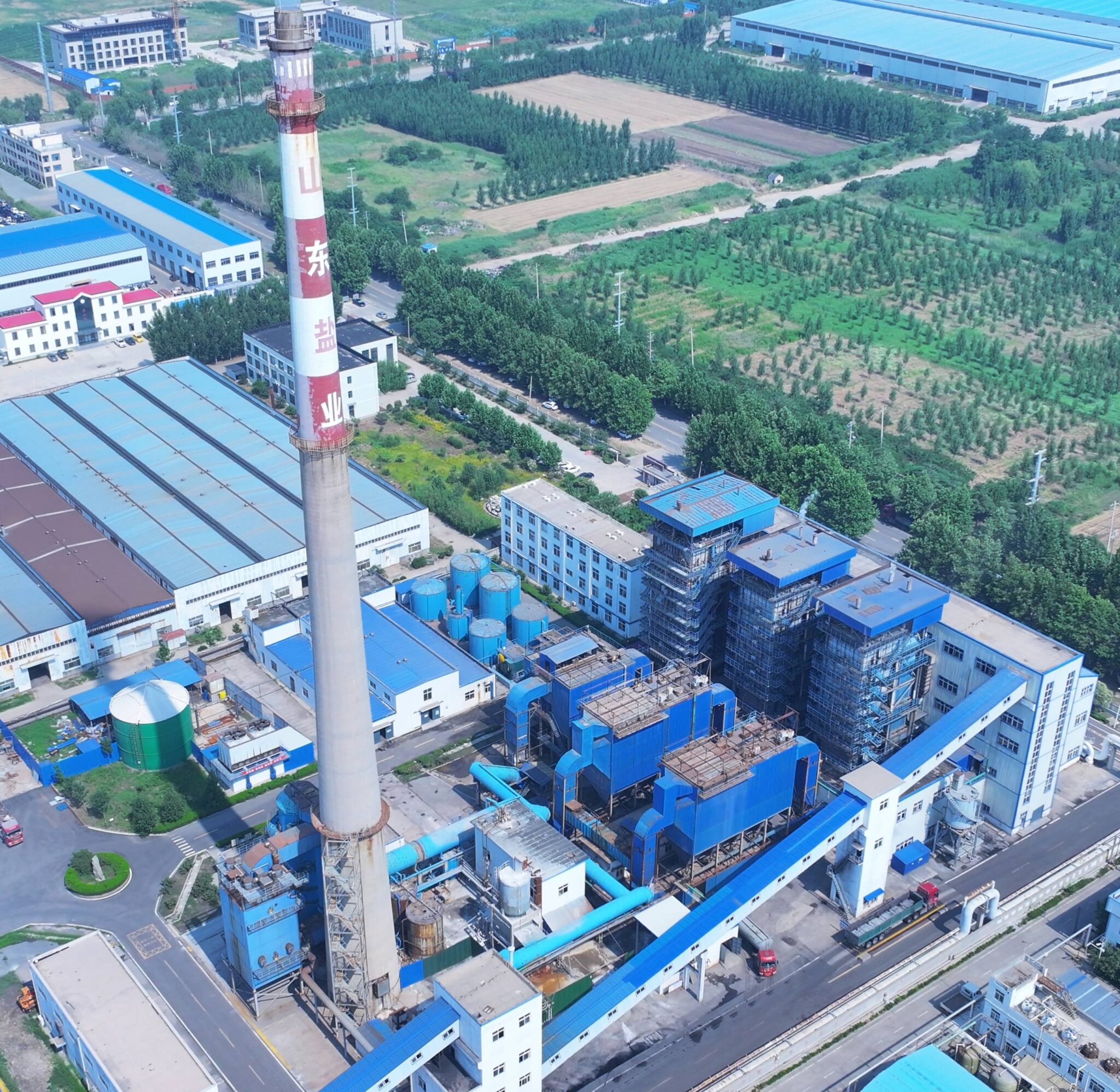
Industrial boilers are designed to operate continuously for long periods, often running 24/7 in manufacturing plants, power stations, and district heating facilities. However, continuous operation is only safe when the boiler remains within its designed operating parameters. When certain abnormal conditions appear—such as unstable pressure, unusual noises, overheating, or chemical imbalances—continuing operation can significantly increase the risk of equipment failure or safety incidents. Early identification of warning signs is therefore essential to prevent serious damage, costly downtime, or catastrophic accidents. Plant operators must be trained to recognize these indicators and respond quickly by reducing load or shutting down the boiler when necessary.
Industrial boilers should not continue running when critical warning signs appear, including abnormal pressure fluctuations, low water levels, excessive temperature readings, unusual vibrations or noises, visible leaks, poor combustion conditions, or rapid efficiency loss. These symptoms indicate potential mechanical, thermal, or chemical problems that require immediate inspection or shutdown to prevent damage or safety hazards.
Understanding these warning signs helps operators maintain safe boiler operation and protect both personnel and equipment.
Low water level in an industrial boiler is one of the most dangerous operating conditions and can quickly lead to severe equipment damage.True
When water levels drop too low, boiler tubes may overheat because they are no longer properly cooled, potentially causing tube rupture or catastrophic failure.
1. Unstable or Abnormal Steam Pressure
Steam pressure is one of the most important indicators of boiler health. When pressure begins fluctuating beyond normal operational limits, it often signals underlying problems.
Common causes of pressure instability include:
- Malfunctioning control valves
- Fuel supply irregularities
- Feedwater flow problems
- Heat transfer surface fouling
Pressure behavior examples:
| Pressure Condition | Possible Cause |
|---|---|
| Sudden pressure drop | Fuel supply interruption |
| Rapid pressure rise | Steam demand reduction or control failure |
| Frequent oscillation | Control system instability |
Persistent pressure instability may indicate that the boiler cannot safely maintain normal operation.
2. Low Water Level or Water Level Instability
Maintaining the proper water level in the steam drum is critical for safe boiler operation.
Low water levels can expose boiler tubes to direct flame or hot gases without adequate cooling.
Potential consequences include:
- Tube overheating
- Metal deformation
- Tube rupture
Typical water level warning indicators:
| Indicator | Possible Risk |
|---|---|
| Low water alarm | Potential overheating |
| Rapid level fluctuation | Feedwater control failure |
| Water level sensor malfunction | Unreliable monitoring |
Automatic low-water cutoff systems are designed to shut down the boiler before damage occurs.
3. Excessive Temperature Readings
Boilers operate within defined temperature limits for safe performance.
Excessive temperatures may occur in:
- Superheaters
- Furnace walls
- Flue gas systems
Common causes include:
- Heat transfer surface fouling
- Inadequate feedwater flow
- Combustion system imbalance
When temperatures exceed safe limits, continued operation may lead to material stress or failure.
4. Unusual Noises or Vibrations
Boilers normally operate with predictable mechanical sounds.
Unusual noises such as:
- Loud knocking
- Humming or grinding
- Sudden vibration
may indicate mechanical problems including:
- Pump failure
- Fan imbalance
- Loose internal components
These symptoms should be investigated immediately because they may signal equipment deterioration.
5. Visible Leaks or Steam Escapes
Leaks are clear signs that the system integrity may be compromised.
Common leak locations include:
- Steam pipes
- Boiler tubes
- Valve connections
- Pressure fittings
Leak indicators include:
| Symptom | Possible Cause |
|---|---|
| Steam escaping from joints | Gasket failure |
| Water leakage near tubes | Tube corrosion |
| Moisture around valves | Seal deterioration |
Even small leaks can worsen rapidly under high-pressure conditions.
6. Poor Combustion or Flame Instability
Stable combustion is essential for maintaining consistent heat transfer and pressure control.
Combustion problems may appear as:
- Flickering or unstable flame
- Excessive smoke or soot
- Unusual burner noises
These issues may result from:
- Incorrect air-to-fuel ratio
- Poor fuel quality
- Burner malfunction
Unstable combustion reduces efficiency and may damage the combustion chamber.
7. Rapid Decline in Boiler Efficiency
A sudden drop in boiler efficiency often indicates internal problems.
Possible causes include:
- Scale buildup on heat transfer surfaces
- Excessive soot accumulation
- Faulty instrumentation
Efficiency indicators may include:
| Symptom | Possible Cause |
|---|---|
| Increased fuel consumption | Fouled heat transfer surfaces |
| Rising flue gas temperature | Heat transfer blockage |
| Reduced steam output | Internal deposits |
Ignoring efficiency loss can lead to more serious mechanical issues.
8. Abnormal Water Chemistry
Water quality problems can quickly damage boiler components.
Indicators of poor water chemistry include:
- Excessive conductivity
- High dissolved solids
- Improper pH levels
Water chemistry imbalance may cause:
- Scale formation
- Corrosion
- Foaming and carryover
Continuous monitoring of water chemistry helps detect these problems early.
9. Control System Alarms
Modern industrial boilers are equipped with automated safety systems that trigger alarms when abnormal conditions occur.
Typical alarms include:
- Low-water alarms
- High-pressure alarms
- Flame failure alarms
- Sensor malfunction alerts
Operators should never ignore these alarms, as they are designed to prevent dangerous conditions.
10. Frequent Safety Valve Activation
Safety valves are designed to release pressure only in rare emergency conditions.
Frequent activation may indicate:
- Overpressure conditions
- Faulty pressure control
- Steam demand imbalance
Repeated safety valve operation suggests that the system may not be operating within safe limits.
Summary
Industrial boilers must be monitored carefully to ensure safe continuous operation. Warning signs that indicate a boiler should not continue running include unstable pressure, low water levels, excessive temperatures, unusual vibrations, visible leaks, poor combustion conditions, declining efficiency, abnormal water chemistry, system alarms, and repeated safety valve activation. These symptoms may signal mechanical damage, control system failure, or chemical imbalance that could lead to serious safety hazards if ignored. Prompt investigation and corrective action are essential to protect both equipment and personnel.
🔍 Conclusion
Industrial boilers are engineered for continuous operation and can run around the clock for extended periods when properly maintained. However, longevity and safety depend heavily on preventive maintenance, water quality management, combustion tuning, and routine inspections. A proactive maintenance program is the key to maximizing uptime while minimizing risk.
🔹 Let us help you design a continuous-operation strategy that keeps your boiler running safely, efficiently, and reliably year-round. ♨️📊✅
Frequently Asked Questions
How long can an industrial boiler run continuously?
An industrial boiler can run continuously for weeks or even months without shutdown, provided it is properly designed, maintained, and monitored. In many manufacturing plants, power stations, and processing facilities, boilers operate 24 hours a day, 7 days a week as part of continuous production systems.
The actual continuous runtime depends on the boiler type (fire-tube or water-tube), operating pressure, load demand, water treatment quality, and fuel source. Water-tube boilers used in power generation are specifically engineered for uninterrupted high-pressure operation and can run for extended periods between scheduled maintenance outages.
Most industrial facilities schedule planned shutdowns annually or semi-annually for inspection, cleaning, and regulatory compliance checks. During normal operations, boilers are not typically turned off daily; instead, they modulate output to match steam or heat demand.
Advanced control systems monitor pressure, temperature, water level, and combustion efficiency in real time. As long as safety parameters remain within acceptable ranges and preventive maintenance is performed, continuous operation is standard practice in industrial environments.
What factors affect continuous boiler runtime?
Several critical factors determine how long an industrial boiler can safely operate without interruption.
Water quality is one of the most important elements. Poor water treatment can lead to scale buildup, corrosion, and tube failure, which may force unplanned shutdowns. Proper chemical treatment and blowdown procedures significantly extend operational cycles.
Fuel quality also impacts runtime. Inconsistent fuel supply or impurities in biomass, coal, oil, or gas can cause combustion instability or excessive ash buildup, requiring cleaning downtime.
Load demand plays a role as well. Boilers running at full capacity continuously experience more thermal stress than systems operating under variable loads. Excessive stress can reduce component lifespan.
Maintenance practices are crucial. Regular inspections, lubrication of moving parts, burner calibration, and sensor testing help prevent unexpected breakdowns.
Design quality and manufacturer specifications also matter. High-grade industrial boilers are engineered for continuous service, whereas smaller commercial units may not be suited for nonstop operation.
Do industrial boilers need to be shut down regularly?
Industrial boilers do not require daily shutdowns, but they do require periodic planned maintenance. Most facilities operate boilers continuously and schedule downtime during annual plant turnarounds or low-production seasons.
Regulatory bodies often require internal inspections once per year, especially for high-pressure steam boilers. These inspections involve checking pressure vessels, safety valves, and internal tubes for wear, corrosion, or cracks.
Some systems use online maintenance strategies, allowing certain components to be serviced while the boiler remains operational. Redundant boiler setups are also common in large facilities, enabling one unit to run while another undergoes maintenance.
Blowdown procedures are performed routinely without full shutdown to remove sediment and dissolved solids from the system. Automated blowdown systems help maintain water quality without interrupting operation.
In short, while continuous operation is common, scheduled preventive maintenance is essential to ensure long-term reliability and safety.
How does boiler type influence continuous operation time?
Boiler design significantly impacts how long a system can run continuously.
Water-tube boilers are built for high-pressure and high-temperature applications. They are commonly used in power plants and large industrial facilities because they handle thermal stress more efficiently and support extended continuous operation.
Fire-tube boilers, often used in smaller industrial settings, can also run continuously but are generally better suited for medium-pressure applications. They may require more frequent inspections if operating under heavy loads.
Biomass boilers may need periodic ash removal depending on fuel type and combustion efficiency. Automated ash handling systems reduce downtime and allow longer continuous operation.
Electric boilers have fewer mechanical components and can operate continuously with minimal wear, provided the electrical supply remains stable.
Ultimately, the design, materials, and intended application determine continuous runtime capability.
What is the typical maintenance interval for a continuously running boiler?
For continuously operating industrial boilers, minor maintenance checks are typically performed daily or weekly, while major inspections occur annually.
Daily checks include monitoring pressure levels, water level indicators, fuel supply systems, and combustion efficiency. Operators review control panel readings and ensure safety devices are functioning correctly.
Monthly maintenance may involve burner inspection, cleaning filters, checking refractory lining, and testing safety valves.
Annual shutdowns usually involve internal inspection of tubes, descaling, hydrostatic pressure testing, and compliance verification with safety regulations. In power plants, major overhauls may occur every 3–5 years depending on operating conditions.
Proper maintenance ensures boilers can operate continuously for extended periods without failure. Well-maintained industrial boilers often have service lifespans of 20–30 years or more while maintaining consistent 24/7 performance.
References
- Steam System Basics – https://www.energy.gov/eere/amo/steam-system-basics – U.S. Department of Energy
- Boiler Operation and Maintenance – https://www.spiraxsarco.com/learn-about-steam – Spirax Sarco
- Industrial Boiler Standards – https://www.asme.org/codes-standards – ASME
- Boiler Safety Guidelines – https://www.osha.gov/boilers – OSHA
- Steam System Best Practices – https://www.iea.org/topics/industry – International Energy Agency
- Boiler Efficiency Guide – https://www.carbontrust.com/resources/guides/energy-efficiency/boilers – Carbon Trust
- Industrial Steam Systems – https://www.epa.gov/e3 – U.S. Environmental Protection Agency
- Water Treatment for Boilers – https://www.veoliawatertech.com – Veolia Water Technologies
- Boiler Inspection Requirements – https://www.nationalboard.org – National Board of Boiler and Pressure Vessel Inspectors
- Biomass Boiler Operations – https://www.ieabioenergy.com – IEA Bioenergy
How Long Can an Industrial Boiler Run Continuously? Read More »