
How to Get the Best Industrial Oil-Fired Boiler Price?
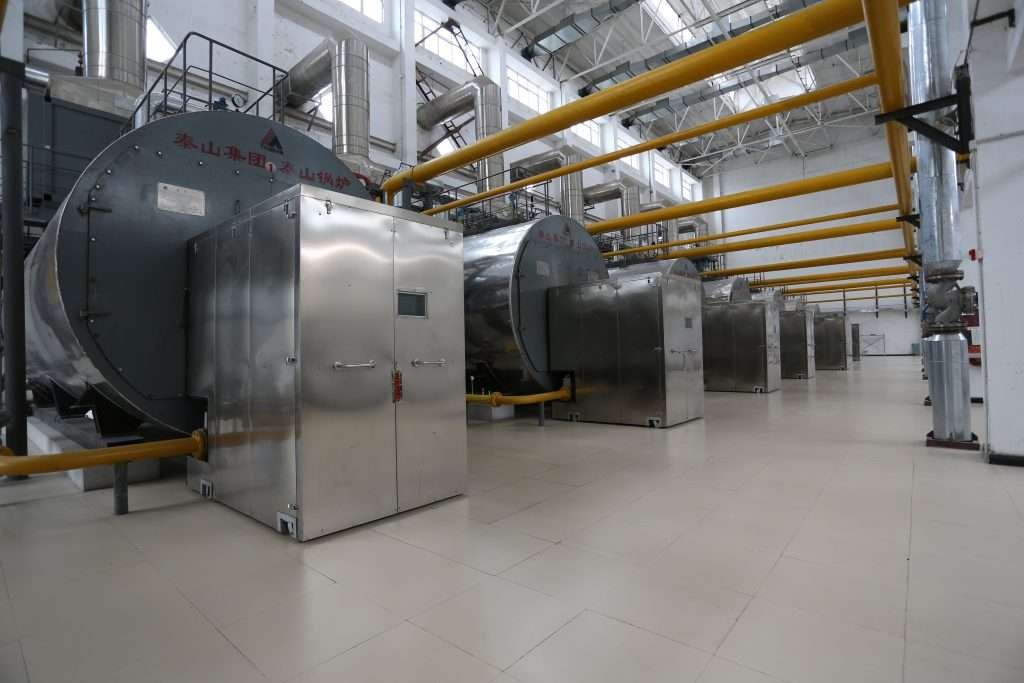
Buying an industrial oil-fired boiler can be a major capital investment, and many buyers focus heavily on finding the lowest price. However, choosing the cheapest option without evaluating quality, efficiency, and long-term operating costs can lead to frequent breakdowns, higher fuel consumption, and expensive repairs. Poorly built boilers may also fail to meet safety standards or emission regulations, ultimately costing far more than the initial savings.
To get the best industrial oil-fired boiler price without sacrificing quality, buyers should compare total lifecycle costs, evaluate manufacturer certifications, review boiler efficiency ratings, assess material quality, and negotiate directly with reputable suppliers. Choosing the right capacity, burner system, and control technology can significantly reduce both purchase price and long-term operating expenses while ensuring reliable performance.
Understanding how pricing works in the industrial boiler market helps buyers avoid common pitfalls and secure a system that balances affordability, efficiency, and durability. The following guide outlines the key factors that influence industrial oil-fired boiler pricing and how to evaluate them effectively.
If you want to learn more about industrial boiler technologies and equipment selection, you can also explore this related guide on industrial boiler systems and applications:
What Factors Influence the Industrial Oil-Fired Boiler Price?
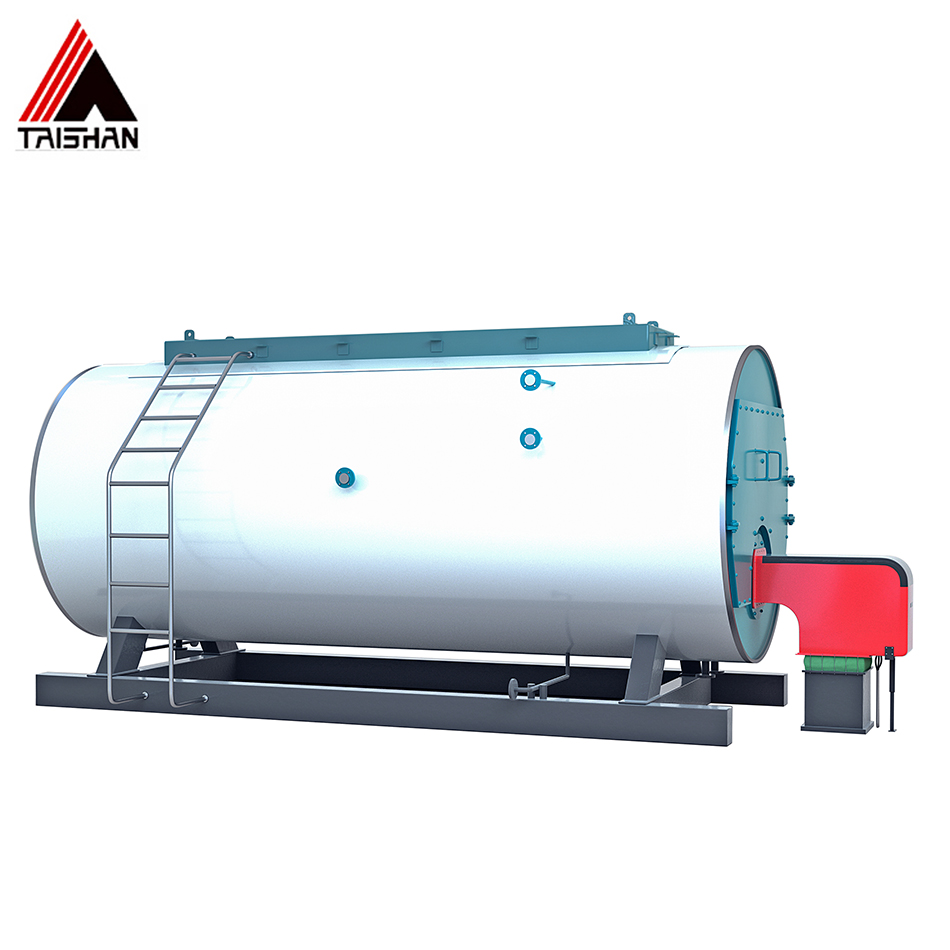
When businesses plan to purchase an industrial oil-fired boiler, one of the first questions they ask is how much the equipment will cost. However, the price of an industrial oil-fired boiler can vary widely depending on several technical and commercial factors. Some boilers may cost tens of thousands of dollars, while large high-pressure systems for industrial plants can reach several hundred thousand dollars or more. These price differences are influenced by design specifications, boiler capacity, pressure requirements, fuel system configuration, materials, automation level, and installation scope. Understanding these factors allows buyers to evaluate quotations more accurately and choose a boiler system that balances cost, performance, and long-term reliability.
The price of an industrial oil-fired boiler is mainly determined by boiler capacity, pressure rating, design type, fuel burner quality, automation level, material construction, auxiliary equipment, and installation requirements. Larger boilers with higher pressure ratings, advanced control systems, and energy-efficient heat recovery equipment typically have higher upfront costs but may deliver better long-term operational efficiency.
A careful analysis of these cost drivers helps businesses make informed purchasing decisions.
Boiler capacity and pressure rating are two of the most important factors influencing the price of an industrial oil-fired boiler.True
Larger capacity boilers require stronger structural materials, larger heat transfer surfaces, and more complex safety systems, all of which increase manufacturing costs.
1. Boiler Capacity (Steam Output or Heating Power)
Boiler capacity is one of the most significant factors affecting price. Capacity refers to the amount of steam or hot water the boiler can produce within a given time period.
Typical industrial oil boiler capacities include:
| Boiler Capacity | Typical Application | Relative Price Impact |
|---|---|---|
| 1–4 tons/hour | Small factories | Lower cost |
| 4–10 tons/hour | Medium manufacturing | Moderate cost |
| 10–20 tons/hour | Large industrial plants | Higher cost |
| 20+ tons/hour | Power plants or large facilities | Very high cost |
Larger boilers require larger combustion chambers, more heat transfer tubes, and stronger structural materials, which increase production cost.
2. Boiler Pressure Rating
Pressure rating determines how strong the pressure vessel must be and directly affects manufacturing complexity.
Typical pressure classifications:
| Pressure Level | Pressure Range | Application |
|---|---|---|
| Low pressure | <25 bar | Process heating |
| Medium pressure | 25–45 bar | Industrial manufacturing |
| High pressure | 60–100+ bar | Power generation |
Higher pressure boilers require thicker steel plates, more advanced welding processes, and additional safety equipment, which increases cost.
3. Boiler Design Type
Different boiler designs influence manufacturing cost, efficiency, and operational performance.
Common oil-fired boiler types include:
| Boiler Type | Description | Cost Characteristics |
|---|---|---|
| Fire-tube boiler | Hot gases pass through tubes surrounded by water | Lower cost, simpler design |
| Water-tube boiler | Water flows inside tubes heated externally | Higher cost, higher efficiency |
| Condensing boiler | Recovers heat from flue gas | Higher upfront cost but improved efficiency |
Water-tube boilers usually cost more due to their complex structure and ability to operate at higher pressure.
4. Burner Quality and Fuel System
The burner system is a critical component of oil-fired boilers.
Burners control fuel atomization, combustion efficiency, and emission levels.
Burner options include:
| Burner Type | Characteristics |
|---|---|
| Single-stage burner | Basic operation, lower cost |
| Two-stage burner | Improved efficiency |
| Modulating burner | Precise combustion control |
High-performance burners from international brands typically increase the overall boiler price but improve fuel efficiency and emissions performance.
5. Automation and Control Systems
Modern industrial boilers often include advanced control systems that improve safety and efficiency.
Automation features may include:
- PLC control systems
- Remote monitoring
- Automatic combustion optimization
- Smart safety diagnostics
Automation level comparison:
| Control Level | Features | Price Impact |
|---|---|---|
| Basic control | Manual operation | Lower price |
| Semi-automatic | Some automated controls | Moderate price |
| Fully automatic | Smart monitoring and optimization | Higher price |
Advanced automation increases upfront cost but reduces labor requirements.
6. Boiler Materials and Manufacturing Quality
Material quality significantly affects the durability and price of an industrial boiler.
Common materials include:
- Carbon steel pressure vessels
- High-strength alloy steels
- Corrosion-resistant coatings
High-quality materials extend equipment lifespan and improve safety but increase manufacturing cost.
Material impact example:
| Material Grade | Performance | Cost Impact |
|---|---|---|
| Standard carbon steel | Basic durability | Lower |
| High-strength steel | Improved pressure resistance | Higher |
| Special alloys | High corrosion resistance | Highest |
7. Auxiliary Equipment and System Components
Industrial boiler systems usually include additional components beyond the boiler itself.
Common auxiliary equipment includes:
- Feedwater pumps
- Oil storage tanks
- Fuel delivery systems
- Economizers
- Flue gas treatment systems
Auxiliary equipment comparison:
| Component | Function |
|---|---|
| Economizer | Improves energy efficiency |
| Deaerator | Removes oxygen from feedwater |
| Oil storage tank | Ensures fuel supply |
| Control valves | Maintain stable operation |
Adding energy-saving equipment can increase the purchase price but reduce operating costs.
8. Energy Efficiency Features
Energy efficiency technologies can influence boiler pricing.
Examples include:
- Condensing heat exchangers
- Economizers for heat recovery
- Low-NOx burners
Efficiency upgrades may increase the purchase price by 10–30%, but they often reduce long-term fuel costs significantly.
9. Installation and Engineering Requirements
Installation costs can vary depending on site conditions.
Factors affecting installation cost include:
- Boiler room construction
- Chimney installation
- Fuel storage infrastructure
- Electrical and control system integration
Installation expenses sometimes account for a substantial portion of the total project cost.
10. Manufacturer Reputation and After-Sales Support
The reputation and experience of the boiler manufacturer can also influence pricing.
Established manufacturers often charge higher prices due to:
- Proven engineering design
- Quality assurance standards
- Reliable after-sales service
However, purchasing from a reputable supplier may reduce long-term maintenance costs and improve operational reliability.
Summary
The price of an industrial oil-fired boiler depends on multiple technical and commercial factors, including boiler capacity, pressure rating, design type, burner quality, automation level, materials, auxiliary equipment, and installation requirements. Larger boilers with higher pressure ratings and advanced control systems generally cost more but offer improved efficiency and reliability. Businesses should evaluate both upfront investment and long-term operating costs when selecting an industrial boiler to ensure the best return on investment.
How Can You Compare Industrial Oil-Fired Boiler Price vs Long-Term Operating Cost?
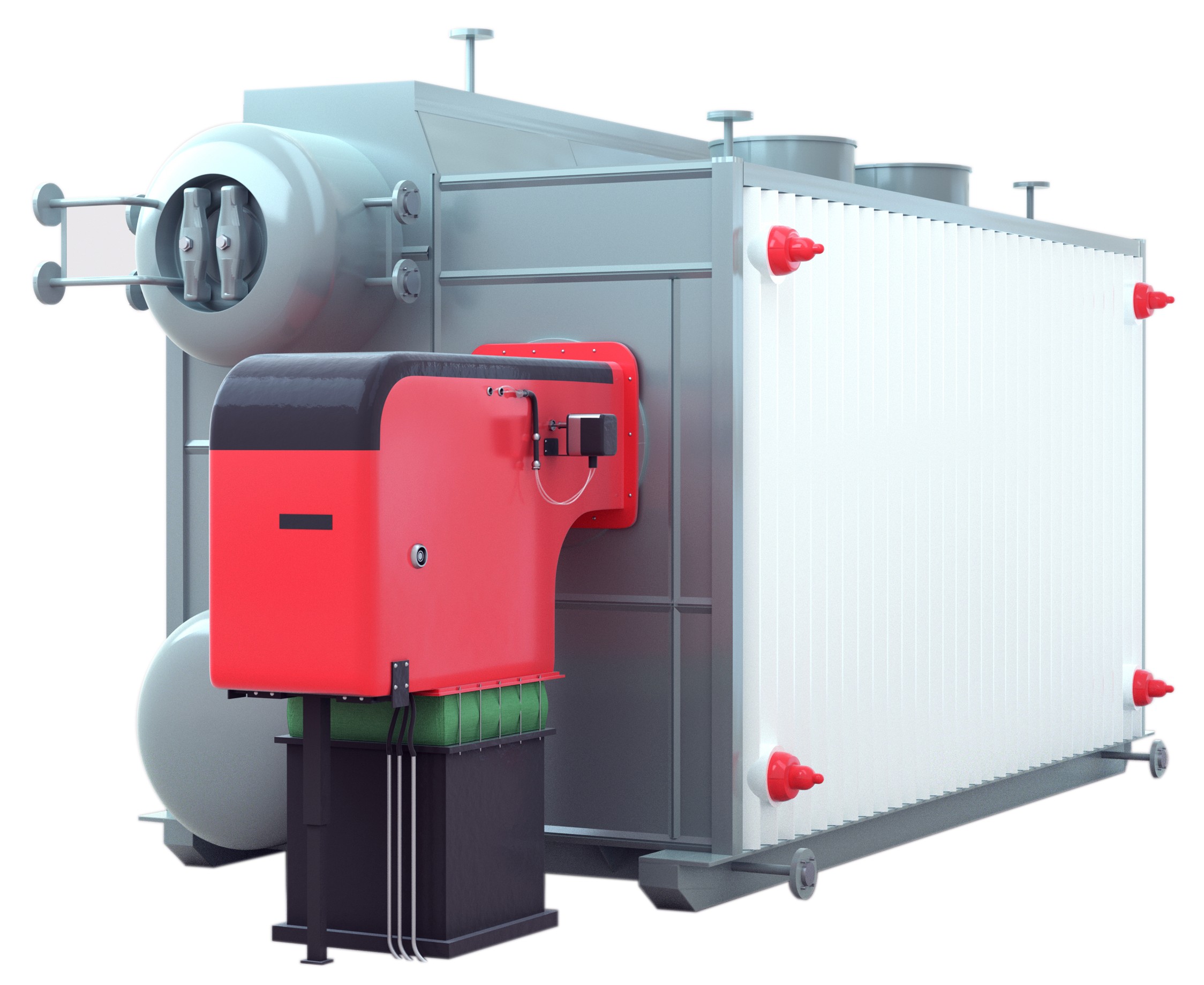
When businesses invest in an industrial oil-fired boiler, focusing only on the purchase price can lead to costly long-term decisions. While the upfront cost of the equipment is an important consideration, the total cost of ownership over the boiler’s operational life often has a much greater financial impact. Factors such as fuel consumption, maintenance expenses, efficiency, system reliability, and equipment lifespan all contribute to the long-term operating cost of a boiler system. Many companies initially choose lower-priced equipment, only to discover later that higher fuel consumption or maintenance requirements significantly increase operating expenses. Therefore, comparing the purchase price of an industrial oil-fired boiler with its long-term operating costs is essential for making a financially sound investment.
To accurately compare industrial oil-fired boiler price versus long-term operating cost, businesses must evaluate total lifecycle cost, including equipment purchase price, fuel consumption, efficiency levels, maintenance requirements, operating lifespan, and energy-saving technologies. A boiler with a higher upfront price may ultimately be more cost-effective if it provides better fuel efficiency, lower maintenance costs, and longer operational life.
A structured cost comparison approach helps businesses determine which boiler solution delivers the best long-term value.
Fuel consumption typically represents the largest portion of an industrial boiler's lifetime operating cost.True
Over the lifespan of a boiler, fuel expenses often account for 70–80% of total operating costs, making efficiency a critical factor in long-term cost evaluation.
1. Initial Purchase Price vs Lifecycle Cost
The purchase price of an industrial oil-fired boiler represents only a portion of the total financial investment.
Cost components include:
- Equipment purchase price
- Installation cost
- Fuel consumption
- Maintenance and repairs
- Operator labor
- Equipment replacement
Lifecycle cost comparison:
| Cost Category | Share of Total Lifecycle Cost |
|---|---|
| Fuel consumption | 60–80% |
| Equipment purchase | 10–20% |
| Maintenance | 5–10% |
| Installation | 5–10% |
Although the purchase price is the most visible cost, fuel expenses usually dominate total operating costs over time.
2. Fuel Efficiency and Energy Consumption
Fuel efficiency plays a critical role in determining long-term boiler operating cost.
Higher efficiency boilers consume less fuel to produce the same amount of steam or hot water.
Typical efficiency ranges:
| Boiler Type | Typical Efficiency |
|---|---|
| Standard oil-fired boiler | 80–85% |
| High-efficiency boiler | 88–92% |
| Condensing oil boiler | 92–96% |
Even a small improvement in efficiency can significantly reduce fuel costs over many years of operation.
For large industrial facilities operating continuously, fuel savings can exceed the difference in initial purchase price.
3. Boiler Capacity and Operating Load
Boiler capacity and load conditions affect both the purchase price and operating costs.
A boiler that is too large for the application may operate inefficiently at partial load.
Load comparison example:
| Load Condition | Efficiency Impact |
|---|---|
| Full load operation | Maximum efficiency |
| 50–70% load | Slight efficiency loss |
| Very low load | Significant efficiency drop |
Properly sizing the boiler for the facility’s actual demand improves both efficiency and cost performance.
4. Maintenance and Repair Expenses
Maintenance costs should also be included when comparing boiler investment options.
Typical maintenance activities include:
- Burner inspection and calibration
- Heat exchanger cleaning
- Pump and valve servicing
- Control system calibration
Maintenance cost comparison:
| Boiler Quality Level | Maintenance Cost Trend |
|---|---|
| Low-cost equipment | Higher maintenance |
| Mid-range equipment | Moderate maintenance |
| Premium equipment | Lower maintenance |
High-quality boilers may have higher purchase prices but often reduce long-term maintenance expenses.
5. Equipment Lifespan and Reliability
Boiler lifespan significantly affects lifecycle cost.
Typical industrial oil-fired boiler lifespan:
| Boiler Type | Average Service Life |
|---|---|
| Standard industrial boiler | 20–25 years |
| High-quality water-tube boiler | 25–40 years |
A boiler that lasts longer spreads its initial investment over a longer operational period.
Frequent equipment replacement increases total cost.
6. Energy Recovery Technologies
Modern oil-fired boilers often include energy-saving technologies that reduce operating costs.
Examples include:
- Economizers for flue gas heat recovery
- Condensing heat exchangers
- Oxygen trim combustion controls
Efficiency improvement example:
| Technology | Efficiency Gain |
|---|---|
| Economizer | 3–5% |
| Condensing heat exchanger | 5–10% |
| Advanced burner control | 1–3% |
Although these technologies increase purchase price, they often provide rapid payback through fuel savings.
7. Fuel Price Volatility
Fuel price fluctuations can significantly impact operating cost over time.
Oil prices vary depending on global market conditions.
Fuel cost sensitivity example:
| Fuel Price Increase | Impact on Annual Boiler Cost |
|---|---|
| +10% fuel price | Significant cost increase |
| +20% fuel price | Major operating cost impact |
Higher-efficiency boilers help mitigate the financial impact of rising fuel prices.
8. Automation and Operational Efficiency
Advanced control systems improve boiler efficiency and reduce operating cost.
Automation features include:
- Automatic combustion adjustment
- Load-based burner control
- Remote monitoring
Automation benefits include:
- Reduced fuel waste
- Improved reliability
- Lower labor costs
Automated systems often justify higher initial purchase prices.
9. Environmental Compliance and Emission Control
Environmental regulations can also affect long-term operating cost.
Boilers may require emission control equipment such as:
- Low-NOx burners
- Flue gas treatment systems
Regulatory compliance may increase equipment cost but helps avoid penalties and environmental restrictions.
10. Practical Cost Comparison Example
Example comparison for two industrial oil-fired boilers:
| Factor | Boiler A | Boiler B |
|---|---|---|
| Purchase price | Lower | Higher |
| Efficiency | 82% | 90% |
| Annual fuel cost | Higher | Lower |
| Maintenance cost | Higher | Lower |
| Lifespan | 20 years | 30 years |
Although Boiler B has a higher purchase price, it may deliver significantly lower lifecycle cost.
Summary
Comparing industrial oil-fired boiler price versus long-term operating cost requires a comprehensive evaluation of lifecycle expenses rather than focusing solely on the initial purchase price. Key factors include fuel efficiency, operating load conditions, maintenance costs, equipment lifespan, energy recovery technologies, automation features, and fuel price volatility. Because fuel consumption often accounts for the majority of total operating cost, selecting a more efficient boiler—even with a higher upfront price—can significantly reduce long-term expenses and improve overall return on investment.
Why Is Manufacturer Reputation Important When Evaluating Industrial Oil-Fired Boiler Price?

When businesses evaluate the price of an industrial oil-fired boiler, it can be tempting to focus primarily on the lowest purchase cost. However, the reputation of the boiler manufacturer is often just as important as the quoted price. Industrial boilers are complex systems that operate under high temperature and pressure conditions, and their reliability directly affects production stability, safety, and operating costs. A well-established manufacturer with strong engineering capabilities, quality control standards, and reliable after-sales service can deliver equipment that operates efficiently for decades. In contrast, purchasing a low-cost boiler from an unreliable supplier may lead to frequent maintenance issues, safety risks, and higher long-term operating expenses.
Manufacturer reputation is important when evaluating industrial oil-fired boiler price because reputable manufacturers typically provide higher equipment quality, better engineering design, stronger safety compliance, reliable after-sales service, and longer equipment lifespan. Although their boilers may have higher upfront prices, they often deliver lower lifecycle costs and improved operational reliability.
Understanding how manufacturer reputation affects boiler value helps businesses make better purchasing decisions.
Industrial boilers produced by reputable manufacturers typically achieve longer service lifespans due to higher manufacturing standards and quality control.True
Established manufacturers use certified materials, strict welding procedures, and advanced testing methods to ensure equipment durability and safety.
1. Engineering Design Expertise
Reputable boiler manufacturers invest heavily in engineering research and development.
Advanced design capabilities improve:
- Heat transfer efficiency
- Combustion performance
- Structural strength of pressure vessels
- Operational safety
Design quality comparison:
| Manufacturer Type | Engineering Capability |
|---|---|
| Established manufacturer | Advanced design and optimization |
| Low-cost supplier | Basic design with limited optimization |
Better engineering design often results in higher efficiency and longer equipment lifespan.
2. Manufacturing Quality and Materials
The materials and manufacturing processes used to build an industrial boiler significantly influence its durability and reliability.
Key quality factors include:
- Certified steel plates for pressure vessels
- Precision welding procedures
- Strict quality inspections
- Non-destructive testing (NDT) methods
Manufacturing quality comparison:
| Manufacturing Aspect | Reputable Manufacturer | Low-Cost Supplier |
|---|---|---|
| Steel quality | Certified pressure vessel steel | Variable quality |
| Welding standards | Certified welders and procedures | Limited quality control |
| Inspection process | Comprehensive testing | Minimal testing |
High-quality manufacturing reduces the risk of equipment failure.
3. Compliance with Safety Standards
Industrial boilers must comply with strict safety regulations and pressure vessel standards.
Examples include:
- ASME Boiler and Pressure Vessel Code
- CE certification for European markets
- ISO quality management systems
Compliance comparison:
| Certification | Importance |
|---|---|
| ASME | Pressure vessel safety |
| CE | European market compliance |
| ISO 9001 | Quality management system |
Reputable manufacturers ensure full compliance with international safety standards.
4. Performance and Energy Efficiency
Boiler efficiency directly affects operating cost.
Manufacturers with strong technical expertise often incorporate advanced efficiency technologies such as:
- Economizers
- Condensing heat exchangers
- High-efficiency burners
Efficiency comparison:
| Boiler Type | Efficiency Range |
|---|---|
| Basic oil-fired boiler | 80–85% |
| High-efficiency industrial boiler | 88–92% |
| Condensing oil boiler | 92–96% |
Higher efficiency reduces fuel consumption and long-term operating costs.
5. After-Sales Service and Technical Support
Reliable after-sales support is essential for industrial equipment.
Reputable manufacturers typically provide:
- Installation guidance
- Operator training
- Spare parts availability
- Technical troubleshooting
Service quality comparison:
| Service Feature | Reputable Manufacturer | Low-Cost Supplier |
|---|---|---|
| Technical support | Comprehensive | Limited |
| Spare parts supply | Long-term availability | Uncertain |
| Maintenance guidance | Professional support | Minimal |
Strong service support ensures smooth equipment operation.
6. Spare Parts Availability
Industrial boilers operate for decades, and access to spare parts is critical for maintaining reliability.
Common replacement components include:
- Burners
- Control valves
- Pumps
- Sensors
Manufacturers with global service networks typically provide reliable spare parts supply.
In contrast, lesser-known suppliers may struggle to provide replacement components in the future.
7. Proven Industry Experience
Manufacturer experience is another indicator of reliability.
Experienced manufacturers have installed boiler systems across many industries, such as:
- Chemical plants
- Food processing facilities
- Power generation plants
- Textile manufacturing
Experience benefits include:
- Proven equipment designs
- Knowledge of different operating conditions
- Continuous product improvements
Companies with decades of experience often provide more reliable equipment.
8. Product Testing and Quality Assurance
Reputable manufacturers perform extensive testing before delivering equipment.
Typical quality testing procedures include:
- Pressure testing of the boiler vessel
- Combustion performance testing
- Safety valve verification
Testing ensures that the boiler meets performance and safety requirements before installation.
9. Long-Term Cost Considerations
Choosing a low-cost boiler from an unknown supplier may reduce initial investment but increase long-term costs.
Lifecycle cost comparison:
| Cost Factor | Low-Cost Boiler | Reputable Manufacturer Boiler |
|---|---|---|
| Initial purchase price | Lower | Higher |
| Fuel efficiency | Lower | Higher |
| Maintenance cost | Higher | Lower |
| Equipment lifespan | Shorter | Longer |
Over time, higher-quality boilers often deliver better return on investment.
10. Brand Reputation and Customer Feedback
Customer feedback and industry reputation are valuable indicators of manufacturer reliability.
Key evaluation factors include:
- Customer testimonials
- Case studies
- Industry certifications
- Global project experience
Businesses should review previous installations and customer reviews when selecting a boiler supplier.
Summary
Manufacturer reputation plays a critical role when evaluating industrial oil-fired boiler price because it directly affects equipment quality, reliability, efficiency, and long-term operating cost. Reputable manufacturers provide advanced engineering design, high-quality materials, strict safety compliance, and reliable after-sales support. Although boilers from trusted manufacturers may have higher upfront prices, they often offer better performance, longer service life, and lower lifecycle costs. Businesses should therefore consider both price and manufacturer credibility when selecting an industrial boiler system.
How Do Boiler Capacity and Efficiency Affect Industrial Oil-Fired Boiler Price?
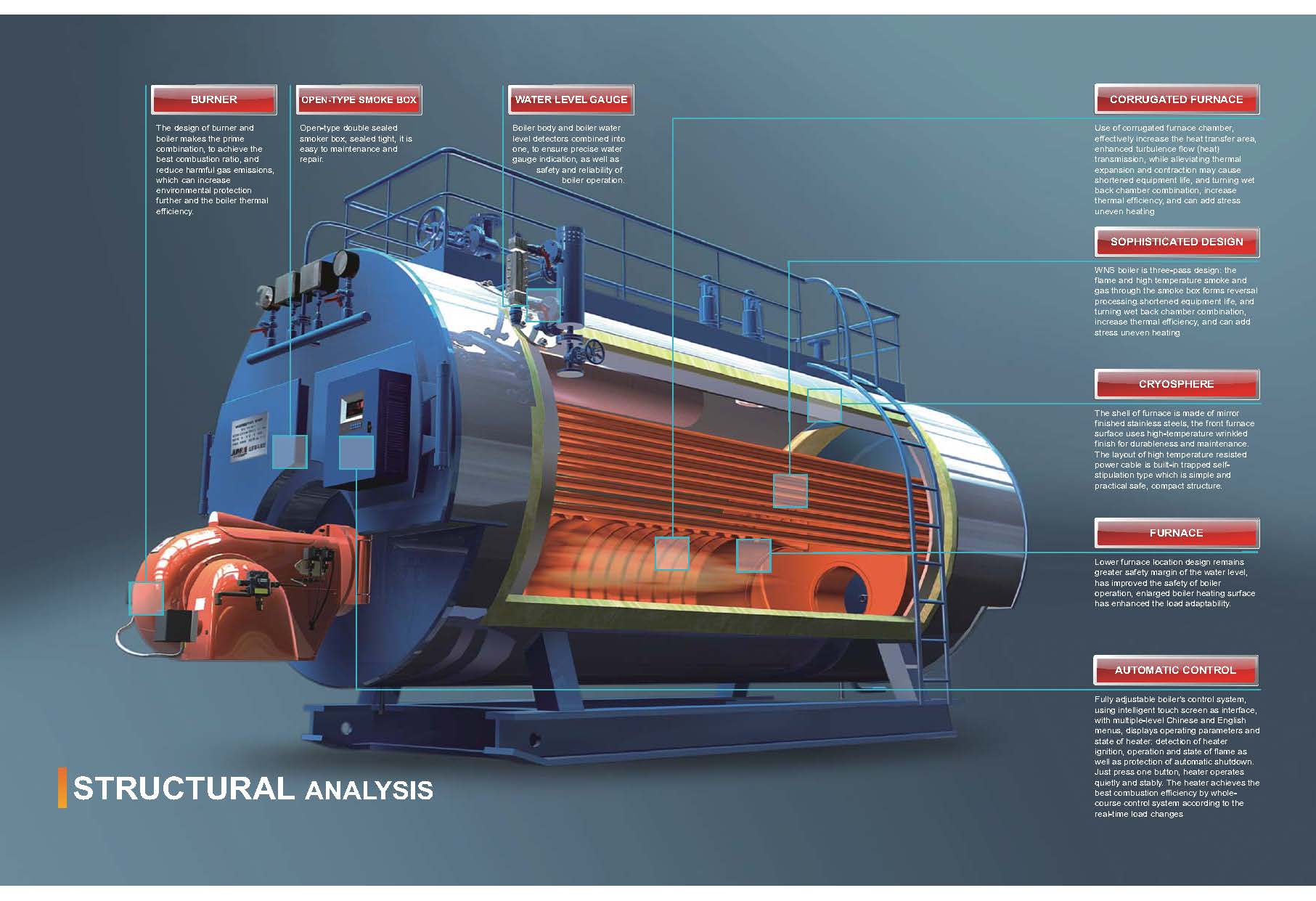
When businesses evaluate the price of an industrial oil-fired boiler, two of the most influential technical factors are boiler capacity and thermal efficiency. These characteristics determine not only the manufacturing complexity and size of the boiler but also the long-term operating cost of the system. Larger-capacity boilers require more materials, larger combustion chambers, and stronger pressure vessels, which increase production costs. At the same time, higher-efficiency boilers often incorporate advanced technologies such as economizers, condensing heat exchangers, and intelligent combustion control systems. These features may raise the initial purchase price but significantly reduce fuel consumption during operation. Understanding how capacity and efficiency influence boiler pricing allows companies to select a system that balances upfront investment with long-term performance and energy savings.
Boiler capacity and efficiency affect industrial oil-fired boiler price because larger-capacity systems require more materials and engineering complexity, while higher-efficiency boilers incorporate advanced heat recovery technologies and precision combustion systems. Although these features increase the initial equipment cost, they typically reduce fuel consumption and long-term operating expenses.
Analyzing both factors together helps businesses determine the most cost-effective boiler solution.
Higher boiler efficiency often increases the purchase price but significantly reduces fuel consumption over the equipment's lifetime.True
Advanced heat recovery technologies and optimized combustion systems improve efficiency but require additional components and engineering design, increasing manufacturing cost.
1. Boiler Capacity and Its Impact on Price
Boiler capacity refers to the amount of steam or hot water a boiler can produce in a given time period. Industrial oil-fired boilers are commonly rated in tons of steam per hour or megawatts of thermal output.
Typical capacity categories include:
| Boiler Capacity | Typical Industrial Application | Relative Price Impact |
|---|---|---|
| 1–4 tons/hour | Small manufacturing plants | Lower price |
| 4–10 tons/hour | Medium industrial facilities | Moderate price |
| 10–20 tons/hour | Large production plants | Higher price |
| 20+ tons/hour | Power generation or heavy industry | Very high price |
Larger boilers require more structural steel, larger heat transfer surfaces, and higher-capacity burners. These design requirements increase material and manufacturing costs.
2. Structural Engineering Requirements for Large Boilers
As boiler capacity increases, structural design becomes more complex.
Key engineering factors include:
- Larger combustion chambers
- Increased number of heat transfer tubes
- Stronger pressure vessels
- Enhanced support structures
Engineering complexity comparison:
| Boiler Size | Engineering Complexity |
|---|---|
| Small industrial boiler | Simple design |
| Medium capacity boiler | Moderate complexity |
| Large industrial boiler | Advanced engineering design |
These additional design requirements increase the overall equipment price.
3. Fuel Consumption and Efficiency Relationship
Boiler efficiency determines how effectively fuel energy is converted into usable heat.
Higher efficiency means less fuel is required to generate the same steam output.
Typical efficiency ranges:
| Boiler Type | Efficiency Range |
|---|---|
| Standard oil-fired boiler | 80–85% |
| High-efficiency oil-fired boiler | 88–92% |
| Condensing oil-fired boiler | 92–96% |
Improving efficiency often requires advanced components that increase initial boiler cost.
4. Efficiency-Improving Technologies
Modern industrial oil-fired boilers often include technologies that enhance efficiency.
Examples include:
- Economizers for flue gas heat recovery
- Condensing heat exchangers
- Oxygen trim combustion controls
- High-performance burners
Efficiency improvement example:
| Technology | Typical Efficiency Gain |
|---|---|
| Economizer | 3–5% |
| Condensing heat exchanger | 5–10% |
| Oxygen trim system | 1–3% |
These technologies improve energy performance but increase equipment manufacturing cost.
5. Capacity and Efficiency Combined Impact
Capacity and efficiency interact to influence both purchase price and operating cost.
Example comparison:
| Factor | Smaller Boiler | Larger High-Efficiency Boiler |
|---|---|---|
| Capacity | Lower | Higher |
| Purchase price | Lower | Higher |
| Efficiency | Moderate | High |
| Fuel consumption | Higher | Lower |
Although high-capacity efficient boilers cost more initially, they can reduce long-term fuel expenses.
6. Proper Boiler Sizing and Cost Optimization
Selecting the correct boiler capacity is crucial for both efficiency and price optimization.
Oversized boilers may operate inefficiently at partial load, while undersized boilers may struggle to meet production demand.
Load efficiency example:
| Operating Load | Efficiency Impact |
|---|---|
| 100% load | Maximum efficiency |
| 70–80% load | Slight efficiency reduction |
| <50% load | Significant efficiency loss |
Proper sizing ensures the boiler operates within its optimal efficiency range.
7. Impact on Long-Term Operating Cost
Fuel consumption represents the largest portion of boiler lifecycle cost.
Typical lifecycle cost distribution:
| Cost Category | Percentage of Total Lifecycle Cost |
|---|---|
| Fuel consumption | 60–80% |
| Equipment purchase | 10–20% |
| Maintenance | 5–10% |
| Installation | 5–10% |
Because fuel costs dominate lifecycle expenses, higher-efficiency boilers often provide better long-term value.
8. Environmental Performance Considerations
Efficiency improvements also affect environmental performance.
Higher-efficiency boilers produce:
- Lower fuel consumption
- Reduced carbon emissions
- Lower NOx emissions
Many industries choose higher-efficiency boilers to meet environmental regulations and sustainability goals.
9. Industrial Case Example
Example: Food processing plant installing a steam boiler.
Two boiler options were evaluated:
| Parameter | Boiler A | Boiler B |
|---|---|---|
| Capacity | 6 tons/hour | 6 tons/hour |
| Efficiency | 83% | 91% |
| Purchase price | Lower | Higher |
| Annual fuel cost | Higher | Lower |
Although Boiler B had a higher purchase price, the fuel savings paid back the additional investment within several years.
10. Strategic Purchasing Considerations
When evaluating industrial oil-fired boiler price, businesses should consider both short-term and long-term financial factors.
Key evaluation criteria include:
- Required steam capacity
- Thermal efficiency level
- Fuel consumption costs
- Equipment lifespan
- Maintenance requirements
Balancing these factors ensures the selected boiler provides the best return on investment.
Summary
Boiler capacity and efficiency are two of the most important factors influencing the price of an industrial oil-fired boiler. Larger-capacity boilers require more materials, stronger pressure vessels, and more complex engineering design, which increases manufacturing cost. Higher-efficiency boilers incorporate advanced technologies such as economizers and condensing heat exchangers, which improve fuel utilization but raise the initial purchase price. However, because fuel consumption represents the largest portion of lifecycle cost, investing in a properly sized high-efficiency boiler often results in significant long-term savings. Businesses should therefore evaluate both equipment price and operational efficiency when selecting an industrial boiler system.
How Do Boiler Capacity and Efficiency Affect Industrial Oil-Fired Boiler Price?

When businesses evaluate the price of an industrial oil-fired boiler, two of the most influential technical factors are boiler capacity and thermal efficiency. These characteristics determine not only the manufacturing complexity and size of the boiler but also the long-term operating cost of the system. Larger-capacity boilers require more materials, larger combustion chambers, and stronger pressure vessels, which increase production costs. At the same time, higher-efficiency boilers often incorporate advanced technologies such as economizers, condensing heat exchangers, and intelligent combustion control systems. These features may raise the initial purchase price but significantly reduce fuel consumption during operation. Understanding how capacity and efficiency influence boiler pricing allows companies to select a system that balances upfront investment with long-term performance and energy savings.
Boiler capacity and efficiency affect industrial oil-fired boiler price because larger-capacity systems require more materials and engineering complexity, while higher-efficiency boilers incorporate advanced heat recovery technologies and precision combustion systems. Although these features increase the initial equipment cost, they typically reduce fuel consumption and long-term operating expenses.
Analyzing both factors together helps businesses determine the most cost-effective boiler solution.
Higher boiler efficiency often increases the purchase price but significantly reduces fuel consumption over the equipment's lifetime.True
Advanced heat recovery technologies and optimized combustion systems improve efficiency but require additional components and engineering design, increasing manufacturing cost.
1. Boiler Capacity and Its Impact on Price
Boiler capacity refers to the amount of steam or hot water a boiler can produce in a given time period. Industrial oil-fired boilers are commonly rated in tons of steam per hour or megawatts of thermal output.
Typical capacity categories include:
| Boiler Capacity | Typical Industrial Application | Relative Price Impact |
|---|---|---|
| 1–4 tons/hour | Small manufacturing plants | Lower price |
| 4–10 tons/hour | Medium industrial facilities | Moderate price |
| 10–20 tons/hour | Large production plants | Higher price |
| 20+ tons/hour | Power generation or heavy industry | Very high price |
Larger boilers require more structural steel, larger heat transfer surfaces, and higher-capacity burners. These design requirements increase material and manufacturing costs.
2. Structural Engineering Requirements for Large Boilers
As boiler capacity increases, structural design becomes more complex.
Key engineering factors include:
- Larger combustion chambers
- Increased number of heat transfer tubes
- Stronger pressure vessels
- Enhanced support structures
Engineering complexity comparison:
| Boiler Size | Engineering Complexity |
|---|---|
| Small industrial boiler | Simple design |
| Medium capacity boiler | Moderate complexity |
| Large industrial boiler | Advanced engineering design |
These additional design requirements increase the overall equipment price.
3. Fuel Consumption and Efficiency Relationship
Boiler efficiency determines how effectively fuel energy is converted into usable heat.
Higher efficiency means less fuel is required to generate the same steam output.
Typical efficiency ranges:
| Boiler Type | Efficiency Range |
|---|---|
| Standard oil-fired boiler | 80–85% |
| High-efficiency oil-fired boiler | 88–92% |
| Condensing oil-fired boiler | 92–96% |
Improving efficiency often requires advanced components that increase initial boiler cost.
4. Efficiency-Improving Technologies
Modern industrial oil-fired boilers often include technologies that enhance efficiency.
Examples include:
- Economizers for flue gas heat recovery
- Condensing heat exchangers
- Oxygen trim combustion controls
- High-performance burners
Efficiency improvement example:
| Technology | Typical Efficiency Gain |
|---|---|
| Economizer | 3–5% |
| Condensing heat exchanger | 5–10% |
| Oxygen trim system | 1–3% |
These technologies improve energy performance but increase equipment manufacturing cost.
5. Capacity and Efficiency Combined Impact
Capacity and efficiency interact to influence both purchase price and operating cost.
Example comparison:
| Factor | Smaller Boiler | Larger High-Efficiency Boiler |
|---|---|---|
| Capacity | Lower | Higher |
| Purchase price | Lower | Higher |
| Efficiency | Moderate | High |
| Fuel consumption | Higher | Lower |
Although high-capacity efficient boilers cost more initially, they can reduce long-term fuel expenses.
6. Proper Boiler Sizing and Cost Optimization
Selecting the correct boiler capacity is crucial for both efficiency and price optimization.
Oversized boilers may operate inefficiently at partial load, while undersized boilers may struggle to meet production demand.
Load efficiency example:
| Operating Load | Efficiency Impact |
|---|---|
| 100% load | Maximum efficiency |
| 70–80% load | Slight efficiency reduction |
| <50% load | Significant efficiency loss |
Proper sizing ensures the boiler operates within its optimal efficiency range.
7. Impact on Long-Term Operating Cost
Fuel consumption represents the largest portion of boiler lifecycle cost.
Typical lifecycle cost distribution:
| Cost Category | Percentage of Total Lifecycle Cost |
|---|---|
| Fuel consumption | 60–80% |
| Equipment purchase | 10–20% |
| Maintenance | 5–10% |
| Installation | 5–10% |
Because fuel costs dominate lifecycle expenses, higher-efficiency boilers often provide better long-term value.
8. Environmental Performance Considerations
Efficiency improvements also affect environmental performance.
Higher-efficiency boilers produce:
- Lower fuel consumption
- Reduced carbon emissions
- Lower NOx emissions
Many industries choose higher-efficiency boilers to meet environmental regulations and sustainability goals.
9. Industrial Case Example
Example: Food processing plant installing a steam boiler.
Two boiler options were evaluated:
| Parameter | Boiler A | Boiler B |
|---|---|---|
| Capacity | 6 tons/hour | 6 tons/hour |
| Efficiency | 83% | 91% |
| Purchase price | Lower | Higher |
| Annual fuel cost | Higher | Lower |
Although Boiler B had a higher purchase price, the fuel savings paid back the additional investment within several years.
10. Strategic Purchasing Considerations
When evaluating industrial oil-fired boiler price, businesses should consider both short-term and long-term financial factors.
Key evaluation criteria include:
- Required steam capacity
- Thermal efficiency level
- Fuel consumption costs
- Equipment lifespan
- Maintenance requirements
Balancing these factors ensures the selected boiler provides the best return on investment.
Summary
Boiler capacity and efficiency are two of the most important factors influencing the price of an industrial oil-fired boiler. Larger-capacity boilers require more materials, stronger pressure vessels, and more complex engineering design, which increases manufacturing cost. Higher-efficiency boilers incorporate advanced technologies such as economizers and condensing heat exchangers, which improve fuel utilization but raise the initial purchase price. However, because fuel consumption represents the largest portion of lifecycle cost, investing in a properly sized high-efficiency boiler often results in significant long-term savings. Businesses should therefore evaluate both equipment price and operational efficiency when selecting an industrial boiler system.
Where Can You Find Reliable Suppliers Offering Competitive Industrial Oil-Fired Boiler Price?
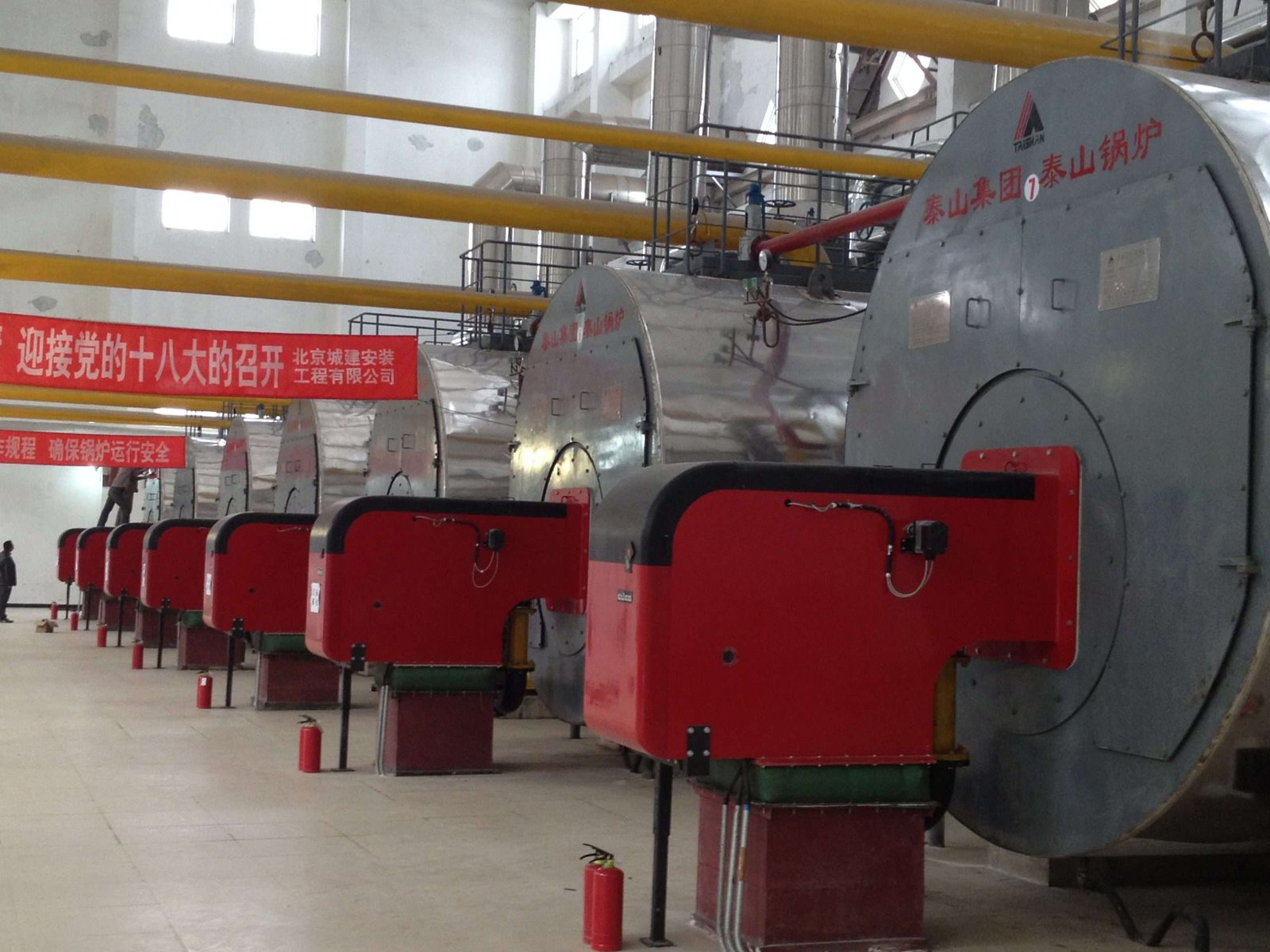
When businesses search for industrial oil-fired boilers, finding a supplier that offers both competitive pricing and reliable equipment quality is one of the most important challenges. Boilers are long-term industrial investments that directly affect production efficiency, energy consumption, and operational safety. While many suppliers offer attractive prices, not all manufacturers maintain the same standards in engineering design, manufacturing quality, certifications, and after-sales support. Therefore, identifying reliable suppliers requires evaluating not only price but also technical capabilities, production experience, and global project performance. Understanding where to find trustworthy boiler suppliers helps companies make confident purchasing decisions and avoid costly operational risks.
Reliable suppliers offering competitive industrial oil-fired boiler prices can typically be found through established boiler manufacturers, specialized industrial equipment providers, verified international trade platforms, and industry exhibitions. The most trustworthy suppliers combine competitive pricing with recognized certifications, strong manufacturing capabilities, proven project experience, and comprehensive after-sales support.
Carefully evaluating supplier reputation and capabilities ensures that businesses receive both value and reliability.
Choosing a reputable industrial boiler manufacturer significantly reduces long-term operational risks and maintenance costs.True
Experienced manufacturers provide higher-quality materials, better engineering design, and reliable service support, which improves boiler reliability and efficiency.
1. Established Industrial Boiler Manufacturers
One of the most reliable ways to obtain a competitive oil-fired boiler price is by purchasing directly from established manufacturers.
These companies typically offer:
- In-house engineering design
- Advanced manufacturing facilities
- Certified pressure vessel production
- Global installation experience
Advantages of working with established manufacturers:
| Advantage | Explanation |
|---|---|
| Competitive pricing | Direct factory pricing without middlemen |
| Quality control | Strict manufacturing standards |
| Custom design | Boilers tailored to industrial requirements |
Many global manufacturers export industrial boilers to multiple industries worldwide.
2. Specialized Boiler Equipment Suppliers
Industrial equipment suppliers specializing in boilers and energy systems can also provide reliable purchasing channels.
These suppliers often represent multiple manufacturers and provide:
- Technical consultation
- Boiler selection support
- Installation services
- Maintenance contracts
Supplier comparison:
| Supplier Type | Strengths |
|---|---|
| Direct manufacturer | Lower price, direct engineering support |
| Equipment distributor | Broader product options |
Businesses should evaluate both options depending on their project requirements.
3. Verified International Trade Platforms
International B2B platforms provide access to numerous boiler manufacturers worldwide.
Examples include:
- Global industrial equipment marketplaces
- Manufacturing directories
- Trade sourcing platforms
Benefits of these platforms include:
- Access to multiple suppliers
- Price comparison opportunities
- Supplier verification tools
However, buyers should carefully verify certifications and factory credentials before making purchasing decisions.
4. Industrial Equipment Exhibitions and Trade Shows
Industrial trade exhibitions are excellent opportunities to meet boiler manufacturers directly.
These events allow businesses to:
- Evaluate equipment quality in person
- Discuss project requirements with engineers
- Compare products from multiple suppliers
Major energy and industrial equipment exhibitions often showcase advanced boiler technologies and international manufacturers.
5. Industry Recommendations and Case Studies
Another reliable way to find reputable suppliers is through industry recommendations and reference projects.
Businesses should review:
- Previous installation projects
- Customer testimonials
- Industry partnerships
Project experience comparison:
| Experience Indicator | Importance |
|---|---|
| Number of installations | Demonstrates market reliability |
| Industry-specific projects | Shows application expertise |
| Long-term customer relationships | Indicates product satisfaction |
Experienced suppliers usually provide case studies from similar industries.
6. Manufacturer Certifications and Compliance
Before selecting a supplier, companies should verify that the manufacturer holds internationally recognized certifications.
Important certifications include:
| Certification | Purpose |
|---|---|
| ASME | Pressure vessel safety |
| CE | European market compliance |
| ISO 9001 | Quality management |
Suppliers with these certifications demonstrate compliance with strict engineering and safety standards.
7. Production Capacity and Factory Facilities
Reliable suppliers typically operate modern manufacturing facilities equipped with advanced production technology.
Key factory capabilities include:
- CNC cutting machines
- Automated welding systems
- Non-destructive testing laboratories
- Pressure testing equipment
Manufacturing capacity indicators:
| Facility Feature | Benefit |
|---|---|
| Automated welding | Higher structural precision |
| Advanced testing labs | Improved product reliability |
| Large production capacity | Faster delivery time |
Factory visits or virtual inspections can help verify supplier capabilities.
8. After-Sales Service and Technical Support
Boilers require ongoing maintenance and occasional replacement components.
Reliable suppliers provide comprehensive after-sales support, including:
- Installation assistance
- Operator training
- Spare parts supply
- Remote technical support
Service comparison:
| Service Feature | Importance |
|---|---|
| Spare parts availability | Ensures long-term operation |
| Technical assistance | Helps solve operational issues |
| Maintenance guidance | Improves equipment lifespan |
Strong after-sales service improves operational reliability.
9. Competitive Pricing Through Efficient Manufacturing
Some manufacturers offer lower prices without sacrificing quality by optimizing their production processes.
Cost reduction strategies include:
- Automated manufacturing lines
- Bulk raw material purchasing
- Efficient supply chain management
These strategies allow manufacturers to offer competitive pricing while maintaining product quality.
10. Direct Online Resources from Manufacturers
Reliable suppliers often provide detailed technical resources and product specifications through their official websites.
These resources may include:
- Boiler technical specifications
- Case studies
- Installation guides
- Product catalogs
Reviewing these materials helps buyers evaluate equipment quality before making a purchasing decision.
Summary
Finding reliable suppliers offering competitive industrial oil-fired boiler prices requires evaluating more than just cost. Businesses should consider manufacturer reputation, engineering capability, certifications, production capacity, and after-sales service. Trusted suppliers are often established manufacturers with proven project experience, internationally recognized certifications, and advanced manufacturing facilities. By comparing suppliers through trade platforms, industry exhibitions, and verified reference projects, companies can identify reliable partners who provide both competitive pricing and long-term equipment reliability.
🔍 Conclusion
Getting the best industrial oil-fired boiler price is not simply about choosing the lowest quote. Smart buyers evaluate equipment quality, efficiency ratings, supplier reliability, and lifecycle operating costs. By balancing upfront investment with long-term performance and maintenance requirements, companies can secure a boiler system that delivers both economic value and dependable operation.
🔹 Contact us today to receive expert recommendations and competitive quotes for reliable industrial oil-fired boiler systems. ♨️📊✅
Frequently Asked Questions
How can buyers get the best price for an industrial oil-fired boiler without sacrificing quality?
Getting the best price for an industrial oil-fired boiler requires balancing cost, efficiency, durability, and supplier reliability. Many buyers focus only on the upfront price, but the true value of an industrial boiler lies in long-term operating costs, maintenance requirements, and energy efficiency. A lower initial price can sometimes result in higher long-term expenses if the equipment is inefficient or unreliable.
The first step is understanding the actual heating capacity required for your facility. Industrial boilers are typically measured in tons of steam per hour or BTU output. Oversized boilers increase purchase cost and waste fuel, while undersized boilers may struggle to meet production demand. Conducting a proper load calculation ensures you purchase the correct capacity.
Comparing multiple manufacturers is also essential. Prices can vary significantly depending on manufacturing location, engineering design, materials used, and included features such as automation controls or energy-saving systems. Request detailed quotations that include installation costs, auxiliary equipment, and warranty terms.
Another effective strategy is evaluating lifecycle cost rather than purchase price alone. High-efficiency oil-fired boilers may cost more initially but reduce fuel consumption over time, leading to significant savings during the boiler’s lifespan. Features such as economizers, advanced burners, and automatic controls improve combustion efficiency and lower operating costs.
Buyers should also verify certifications and quality standards. Industrial boilers built according to internationally recognized codes typically offer better reliability and safety. Working with experienced manufacturers that provide technical support, spare parts availability, and installation guidance helps ensure long-term performance.
Ultimately, the best price comes from selecting a reliable manufacturer, choosing the correct capacity, and prioritizing efficiency and durability rather than simply purchasing the cheapest option.
What factors influence the price of an industrial oil-fired boiler?
Several key factors determine the price of an industrial oil-fired boiler. One of the most significant factors is boiler capacity. Larger boilers capable of producing higher volumes of steam require more materials, stronger pressure vessels, and larger combustion systems, which increases manufacturing costs.
Operating pressure and temperature ratings also affect pricing. High-pressure boilers require thicker steel, advanced welding techniques, and stricter safety testing to comply with engineering standards. These design requirements increase both manufacturing complexity and cost.
Boiler type is another major factor. Fire-tube boilers generally have lower upfront costs and are widely used for medium-capacity industrial heating applications. Water-tube boilers, designed for higher pressure and larger capacity operations, are typically more expensive but provide greater efficiency and durability in large industrial plants.
Automation and control systems can also impact pricing. Modern industrial boilers often include digital control panels, combustion monitoring systems, and remote diagnostics. These technologies improve operational efficiency and safety but may increase initial costs.
Material quality and manufacturing standards also influence price. Boilers constructed with high-grade steel, advanced insulation materials, and corrosion-resistant components tend to last longer and require less maintenance.
Additional components such as burners, fuel pumps, water treatment systems, economizers, and heat recovery units can significantly affect the total cost of the boiler system. Installation costs, transportation, and engineering services must also be considered when calculating the final investment.
Understanding these factors helps buyers evaluate quotes more accurately and avoid selecting equipment based solely on price.
Is a cheaper industrial oil-fired boiler always a bad choice?
A cheaper industrial oil-fired boiler is not always a bad choice, but it requires careful evaluation. In some cases, manufacturers may offer competitive prices due to efficient production processes, lower overhead costs, or regional pricing differences. However, extremely low prices can sometimes indicate compromises in materials, engineering design, or quality control.
Lower-cost boilers may use thinner steel plates, lower-quality burners, or simplified control systems. While these components may reduce upfront costs, they can increase the risk of equipment failure, reduced efficiency, or higher maintenance requirements.
Another potential issue is the lack of technical support or spare parts availability. Industrial boilers operate in demanding environments, and regular maintenance is essential for safe and efficient operation. If replacement components or service technicians are difficult to obtain, downtime costs can quickly exceed the initial savings.
Energy efficiency is another important consideration. A boiler with poor combustion efficiency consumes more fuel, which significantly increases operating expenses over time. In facilities with continuous operations, fuel costs represent a major portion of total ownership cost.
Buyers should also consider warranty coverage and after-sales service. Reliable manufacturers typically offer longer warranties and technical support to ensure proper installation and operation.
Therefore, instead of focusing solely on the lowest price, buyers should evaluate performance specifications, manufacturer reputation, certification standards, and lifecycle operating costs. A moderately priced, high-quality boiler often provides better long-term value than the cheapest option.
What specifications should buyers compare when evaluating boiler prices?
When comparing industrial oil-fired boiler prices, buyers should evaluate several key technical specifications to ensure fair comparisons between suppliers. The first specification to consider is steam output capacity, typically measured in tons per hour or pounds per hour. This determines the boiler’s ability to meet process demand.
Operating pressure and temperature ratings are also important. Higher pressure boilers are typically used in power generation and heavy industrial processes, while lower pressure systems may be sufficient for heating or light manufacturing applications.
Thermal efficiency is another critical parameter. High-efficiency boilers reduce fuel consumption and operating costs. Many modern oil-fired boilers achieve efficiency levels above 85–90% when equipped with advanced burners and heat recovery systems.
Fuel consumption rates should also be evaluated. Comparing how much fuel is required to produce a specific amount of steam helps estimate long-term operating expenses.
Control systems and automation features are increasingly important in modern industrial facilities. Automated combustion control, digital monitoring systems, and safety diagnostics improve operational efficiency and reduce manual supervision requirements.
Other specifications include boiler design type (fire-tube or water-tube), construction materials, safety certifications, emission performance, and compatibility with environmental regulations.
Buyers should also review installation requirements, footprint dimensions, and compatibility with existing infrastructure. A boiler that integrates easily with current piping and fuel systems can reduce installation costs.
Carefully comparing these technical parameters helps buyers select the most suitable boiler while ensuring that price differences reflect real performance differences rather than hidden compromises.
How can long-term operating costs affect the overall boiler price value?
The true cost of an industrial oil-fired boiler extends far beyond the initial purchase price. Long-term operating costs—including fuel consumption, maintenance, spare parts, and energy efficiency—often determine the real financial value of the equipment.
Fuel consumption is typically the largest ongoing expense for industrial boilers. Even small improvements in combustion efficiency can result in substantial cost savings over time. High-efficiency burners, optimized air-fuel ratios, and heat recovery systems such as economizers help reduce fuel usage.
Maintenance costs also play an important role. Boilers with high-quality components and durable materials require fewer repairs and less frequent part replacements. Preventive maintenance programs can further extend equipment lifespan and improve reliability.
Downtime costs are another critical factor, particularly in industries where continuous production is essential. Equipment failures can halt manufacturing operations and cause significant financial losses. Investing in reliable equipment helps minimize these risks.
Energy regulations and environmental compliance may also influence operating costs. Boilers with lower emissions and higher efficiency may qualify for energy incentives or help companies meet sustainability goals.
Over a typical 20–30 year service life, the total cost of ownership often far exceeds the initial purchase price. Therefore, buyers should consider efficiency, durability, service support, and fuel savings when evaluating boiler price value.
References
Industrial Boiler Systems Guide
https://www.energy.gov/eere/amo/steam-system-basics
U.S. Department of EnergyBoiler Efficiency and Best Practices
https://www.spiraxsarco.com/learn-about-steam
Spirax SarcoIndustrial Process Heating Equipment
https://www.energy.gov/eere/amo/industrial-process-heating
U.S. Department of EnergyBoiler Energy Efficiency Guide
https://www.carbontrust.com/resources/guides/energy-efficiency/boilers
Carbon TrustIndustrial Boiler Codes and Standards
https://www.asme.org/codes-standards
ASMESteam System Best Practices
https://www.epa.gov/e3
U.S. Environmental Protection AgencyIndustrial Energy Technology Overview
https://www.iea.org/topics/industry
International Energy AgencyBoiler Inspection and Safety Standards
https://www.nationalboard.org
National Board of Boiler and Pressure Vessel InspectorsIndustrial Combustion Systems
https://www.ge.com/gas-power
GE PowerEnergy Efficient Industrial Heating
https://www.ieabioenergy.com
IEA Bioenergy
How to Get the Best Industrial Oil-Fired Boiler Price? Read More »