
How energy-efficient are Industrial Biomass Boilers compared to other Boiler types?
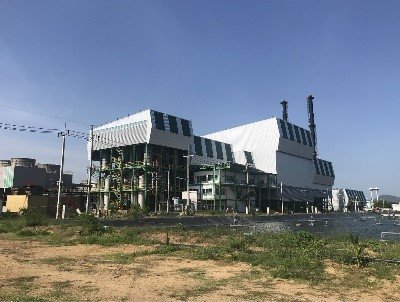
Rising energy costs and stricter environmental regulations are pushing industries to rethink their heating and steam generation systems. Many facilities still rely on traditional coal, oil, or gas boilers, but these systems can lead to higher fuel costs and increased carbon emissions. At the same time, companies are looking for renewable energy solutions that can maintain reliable performance while improving energy efficiency and sustainability.
Industrial biomass boilers are generally highly energy-efficient, with modern systems achieving thermal efficiencies of 75–90%. While high-efficiency natural gas boilers may reach 90–95% efficiency and condensing boilers even higher, biomass boilers offer the advantage of using renewable fuels such as wood chips, pellets, and agricultural waste. When combined with advanced combustion control and heat recovery systems, industrial biomass boilers can deliver competitive efficiency while significantly reducing fossil fuel dependence.
Understanding how biomass boiler efficiency compares to other boiler technologies helps plant managers and engineers select the most suitable solution for their operational needs, fuel availability, and sustainability goals.
🔗 Recommended Reading:
If you would like to find out more about biomass boilers or see some case studies, you may find the following webpage helpful:
https://coalbiomassboiler.com/product/biomass-boilers/
https://coalbiomassboiler.com/project-case/
What Is the Typical Energy Efficiency of Industrial Biomass Boilers?
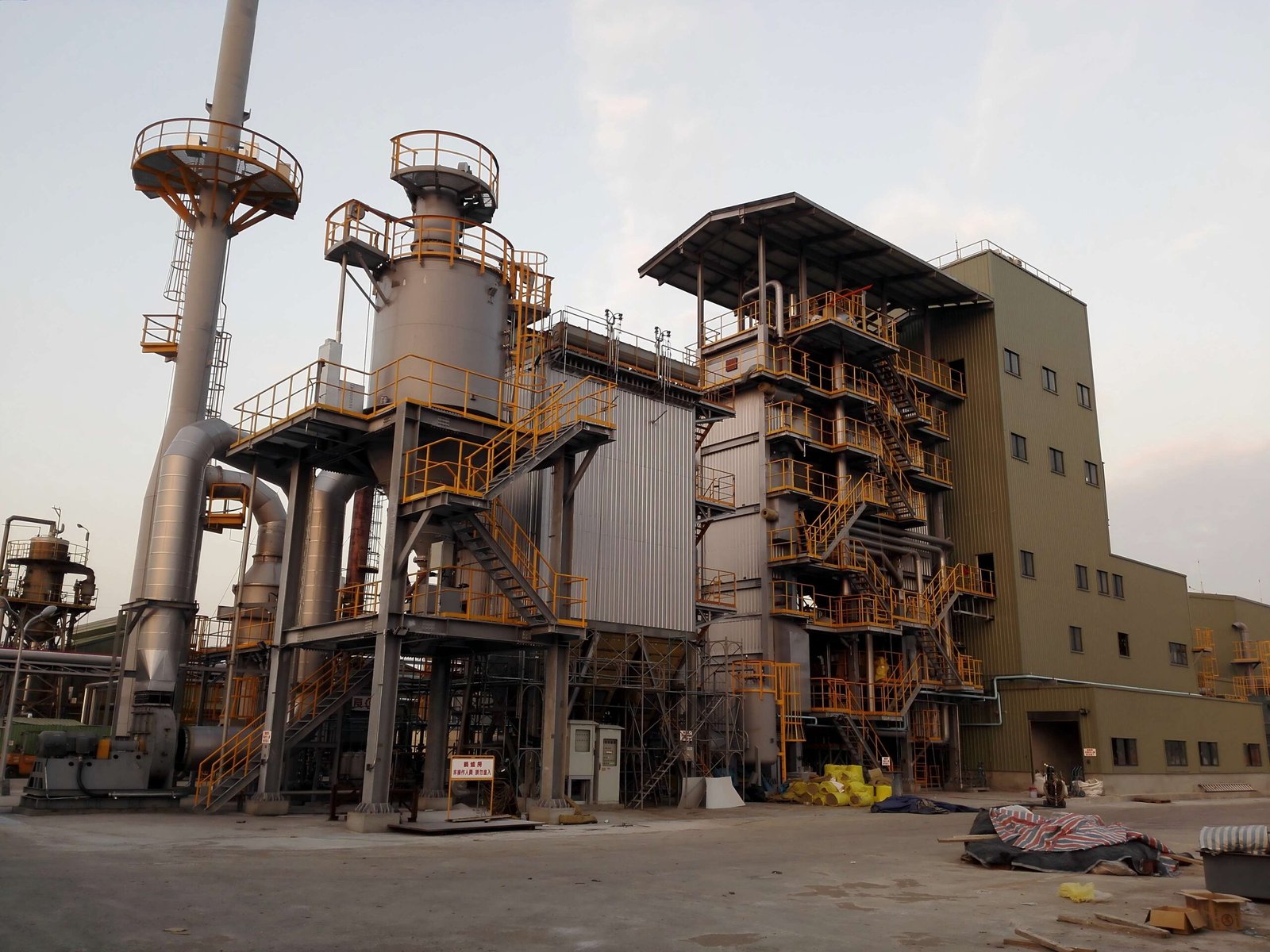
Industries around the world are increasingly turning to biomass boilers as a sustainable alternative to fossil fuel heating systems. Rising energy costs, stricter environmental regulations, and global decarbonization goals have pushed many manufacturers to explore renewable energy solutions for steam generation. Biomass boilers, which use organic fuels such as wood chips, pellets, agricultural residues, and other biomass materials, offer a promising pathway toward lower carbon emissions. However, many industrial operators considering this technology ask a key question: how efficient are biomass boilers compared with conventional fossil-fuel systems? Understanding the typical energy efficiency of industrial biomass boilers is essential for evaluating their economic viability, environmental benefits, and long-term operational performance.
The typical energy efficiency of industrial biomass boilers generally ranges from 75% to 92%, depending on factors such as boiler design, fuel quality, combustion technology, and heat recovery systems. Modern high-efficiency biomass boilers equipped with advanced combustion control, automated fuel feeding systems, and flue gas heat recovery technologies can achieve efficiencies of 85%–92%, making them competitive with many conventional fossil-fuel boiler systems while significantly reducing net carbon emissions.
To better understand these efficiency levels, it is important to examine the factors that influence biomass boiler performance, the technologies used to improve combustion efficiency, and the operational considerations that determine real-world energy efficiency.
Modern industrial biomass boilers can achieve thermal efficiencies above 85%.True
Advanced biomass boilers with optimized combustion systems and heat recovery technologies can reach efficiency levels comparable to conventional fossil-fuel boilers.
All biomass boilers operate at low efficiency compared with gas-fired boilers.False
Modern biomass boiler designs with improved combustion control and heat recovery systems can achieve high efficiency levels approaching those of gas-fired boilers.
Understanding Boiler Efficiency in Biomass Systems
Boiler efficiency refers to the percentage of fuel energy that is converted into useful thermal energy in the form of steam or hot water. In biomass boilers, efficiency depends on how effectively the system converts the chemical energy contained in biomass fuel into heat while minimizing energy losses.
Energy losses in biomass boilers typically occur through several mechanisms:
• Heat lost in flue gases
• Incomplete combustion of biomass fuel
• Radiation and convection losses from the boiler surface
• Moisture evaporation from biomass fuel
• Unburned fuel residues in ash
The goal of efficient biomass boiler design is to minimize these losses through improved combustion and heat recovery technologies.
Table 1: Typical Energy Loss Sources in Biomass Boilers
| Energy Loss Source | Typical Loss Percentage |
|---|---|
| Flue gas heat loss | 8–15% |
| Moisture evaporation | 3–10% |
| Radiation and convection | 2–4% |
| Unburned fuel losses | 1–3% |
By reducing these losses, modern biomass boilers achieve higher thermal efficiency.
Typical Efficiency Ranges for Different Biomass Boiler Types
Different biomass boiler technologies offer varying levels of efficiency depending on their combustion systems and operational design.
Common industrial biomass boiler types include:
• Fixed grate biomass boilers
• Moving grate biomass boilers
• Fluidized bed biomass boilers
• Pulverized biomass combustion systems
Each technology is suitable for specific fuel types and industrial applications.
Table 2: Efficiency Comparison of Biomass Boiler Technologies
| Boiler Type | Typical Efficiency | Fuel Flexibility |
|---|---|---|
| Fixed grate boiler | 70–80% | Limited |
| Moving grate boiler | 75–85% | Moderate |
| Fluidized bed boiler | 85–92% | Very high |
| Pulverized biomass boiler | 88–92% | High |
Fluidized bed boilers often achieve the highest efficiencies because they provide excellent mixing between fuel particles and combustion air.
Influence of Biomass Fuel Quality
The quality of biomass fuel plays a major role in determining boiler efficiency. Biomass fuels vary widely in moisture content, particle size, and energy density.
Common industrial biomass fuels include:
• Wood chips
• Wood pellets
• Agricultural residues (rice husk, corn stalks, straw)
• Forestry residues
• Bagasse from sugar production
Table 3: Typical Properties of Biomass Fuels
| Biomass Fuel | Moisture Content | Heating Value (MJ/kg) |
|---|---|---|
| Wood pellets | 6–10% | 17–19 |
| Wood chips | 20–40% | 10–14 |
| Rice husk | 10–15% | 13–15 |
| Bagasse | 40–50% | 7–9 |
Lower moisture content generally results in higher boiler efficiency because less energy is required to evaporate water during combustion.
Combustion Technology and Efficiency
Efficient combustion is essential for maximizing biomass boiler performance. Advanced combustion systems ensure that biomass fuel burns completely and releases its full energy potential.
Modern biomass boilers incorporate several combustion technologies:
• Automated fuel feeding systems
• Multi-stage combustion air supply
• Oxygen monitoring and combustion control
• Optimized combustion chamber design
These technologies help maintain stable combustion conditions.
Role of Heat Recovery Systems
Heat recovery systems significantly improve biomass boiler efficiency by capturing energy from exhaust gases.
Common heat recovery technologies include:
• Economizers for feedwater preheating
• Air preheaters for combustion air heating
• Condensing heat exchangers
Table 4: Efficiency Improvements from Heat Recovery
| Heat Recovery System | Efficiency Improvement |
|---|---|
| Economizer | 3–5% |
| Air preheater | 2–4% |
| Condensing heat exchanger | 5–10% |
Combining these technologies can increase total system efficiency significantly.
Operational Factors Affecting Biomass Boiler Efficiency
Real-world biomass boiler efficiency depends not only on design but also on operational practices.
Key operational factors include:
• Fuel storage and handling quality
• Proper air-to-fuel ratio adjustment
• Regular maintenance of combustion systems
• Ash removal efficiency
• Boiler load management
Improper operation can reduce efficiency and increase fuel consumption.
Environmental Benefits of Biomass Boilers
In addition to energy efficiency, biomass boilers provide important environmental benefits.
These include:
• Lower net carbon emissions
• Utilization of renewable fuel resources
• Reduced dependence on fossil fuels
• Potential use of local agricultural waste
Because biomass absorbs carbon dioxide during plant growth, biomass energy is often considered carbon-neutral when managed sustainably.
Comparison with Fossil Fuel Boilers
Industrial operators often compare biomass boilers with conventional fossil-fuel systems.
Table 5: Efficiency Comparison of Industrial Boiler Types
| Boiler Type | Typical Efficiency |
|---|---|
| Coal-fired boiler | 70–85% |
| Oil-fired boiler | 80–90% |
| Gas-fired boiler | 90–95% |
| Biomass boiler | 75–92% |
Although gas-fired boilers may achieve slightly higher efficiency, biomass boilers offer significant environmental advantages.
Applications of Industrial Biomass Boilers
Biomass boilers are widely used in industries with high steam demand and access to biomass fuel resources.
Typical applications include:
• Food processing plants
• Sugar mills using bagasse fuel
• Pulp and paper mills
• Agricultural processing facilities
• District heating systems
These industries benefit from both renewable energy use and lower fuel costs.
Future Improvements in Biomass Boiler Efficiency
Ongoing research and development are improving biomass boiler performance through innovations such as:
• advanced fluidized bed combustion systems
• AI-based combustion optimization
• integrated biomass gasification technologies
• improved heat exchanger materials
These innovations are expected to further increase efficiency and reduce emissions.
Summary
Industrial biomass boilers typically achieve energy efficiency levels ranging from 75% to 92%, depending on factors such as boiler technology, fuel quality, combustion control systems, and heat recovery equipment. Modern high-efficiency biomass boilers equipped with advanced combustion technologies and flue gas heat recovery systems can reach efficiencies comparable to many fossil-fuel boilers while offering the added benefit of renewable energy utilization. As industries seek sustainable energy solutions to reduce carbon emissions and fuel costs, biomass boiler technology continues to evolve, providing an increasingly efficient and environmentally friendly option for industrial steam generation.
How Do Industrial Biomass Boilers Compare in Efficiency to Gas-Fired Boilers?
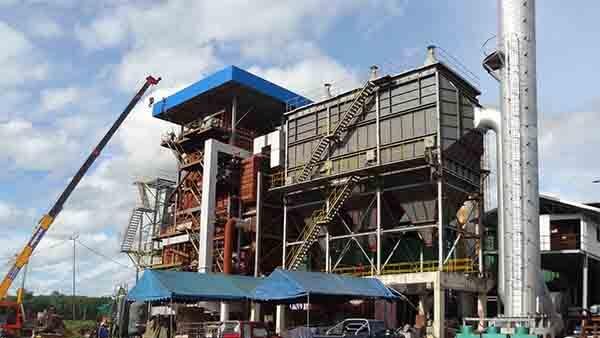
Many industries rely on steam boilers to power manufacturing processes, generate heat, and support large-scale production operations. When selecting a boiler system, companies often compare different fuel options to balance efficiency, operating cost, and environmental impact. Two widely used technologies are industrial biomass boilers and gas-fired boilers. Gas-fired boilers are known for their high combustion efficiency and clean-burning characteristics, while biomass boilers are valued for their renewable fuel source and lower net carbon emissions. However, industrial operators frequently ask an important question: how do biomass boilers compare with gas-fired boilers in terms of energy efficiency? Understanding this comparison is essential for making informed investment decisions regarding energy systems.
Industrial gas-fired boilers typically achieve thermal efficiencies of 90% to 95%, while modern industrial biomass boilers generally operate within a range of 75% to 92%, depending on boiler design, fuel quality, and heat recovery technologies. Although gas-fired boilers often have slightly higher combustion efficiency due to the clean and consistent nature of natural gas, advanced biomass boiler systems equipped with optimized combustion control and heat recovery technologies can achieve comparable performance while offering the environmental advantage of renewable fuel utilization.
To fully evaluate these efficiency differences, it is important to analyze the combustion characteristics of each fuel type, the engineering design of the boiler systems, and the operational factors that influence real-world efficiency.
Gas-fired boilers generally achieve higher thermal efficiency than biomass boilers.True
Natural gas burns more uniformly and contains fewer impurities than biomass fuels, allowing gas boilers to achieve slightly higher efficiency in many cases.
Biomass boilers cannot reach efficiency levels above 80%.False
Modern biomass boilers with advanced combustion control and heat recovery systems can achieve efficiencies exceeding 85% and sometimes above 90%.
Understanding Boiler Efficiency
Boiler efficiency refers to the percentage of fuel energy that is successfully converted into useful heat energy in the form of steam or hot water. Higher efficiency means less fuel is required to produce the same amount of thermal output.
Boiler efficiency depends on several key factors:
• Fuel combustion characteristics
• Heat transfer performance
• Flue gas heat recovery
• Insulation quality
• Operational control systems
Both biomass and gas-fired boilers aim to maximize the conversion of fuel energy into usable heat while minimizing energy losses.
Table 1: Typical Sources of Energy Loss in Industrial Boilers
| Energy Loss Source | Description |
|---|---|
| Flue gas heat loss | Heat escaping through exhaust gases |
| Incomplete combustion | Fuel not fully burned |
| Radiation losses | Heat lost from boiler surfaces |
| Moisture evaporation | Energy used to evaporate water in fuel |
Reducing these losses is the key to improving boiler efficiency.
Combustion Characteristics of Biomass vs Natural Gas
One of the most important factors affecting boiler efficiency is the nature of the fuel being burned.
Natural gas is a gaseous fuel with a consistent chemical composition, which allows it to burn cleanly and evenly. Biomass fuels, on the other hand, are solid organic materials that vary in moisture content, density, and particle size.
Table 2: Fuel Property Comparison
| Property | Natural Gas | Biomass Fuel |
|---|---|---|
| Physical state | Gas | Solid |
| Moisture content | Very low | Often 10–50% |
| Energy density | High | Moderate |
| Combustion consistency | Very stable | Variable |
| Ash content | Negligible | Present |
Because biomass fuels often contain moisture and ash, part of the combustion energy is used to evaporate water and manage ash residues, which can slightly reduce efficiency.
Typical Efficiency of Gas-Fired Boilers
Gas-fired boilers are among the most efficient industrial steam generation systems. Their efficiency benefits from several factors:
• Clean combustion with minimal impurities
• Precise air–fuel ratio control
• Uniform heat distribution in the combustion chamber
• Minimal ash or particulate buildup
Modern gas-fired boilers commonly include:
• Condensing heat recovery systems
• High-efficiency burners
• Advanced digital combustion controls
Table 3: Typical Efficiency of Gas-Fired Boilers
| Gas Boiler Type | Typical Efficiency |
|---|---|
| Conventional gas boiler | 85–90% |
| High-efficiency gas boiler | 90–95% |
| Condensing gas boiler | 96–105% (LHV basis) |
Condensing boilers achieve extremely high efficiency by recovering latent heat from water vapor in the exhaust gas.
Typical Efficiency of Biomass Boilers
Biomass boilers convert organic materials into thermal energy through combustion. Their efficiency depends heavily on fuel quality and combustion technology.
Modern industrial biomass boilers use several advanced systems to improve efficiency:
• Automated fuel feeding mechanisms
• Multi-stage combustion air control
• Fluidized bed combustion technology
• Advanced heat recovery systems
Table 4: Efficiency of Common Biomass Boiler Types
| Biomass Boiler Technology | Typical Efficiency |
|---|---|
| Fixed grate biomass boiler | 70–80% |
| Moving grate biomass boiler | 75–85% |
| Fluidized bed biomass boiler | 85–92% |
| Pulverized biomass boiler | 88–92% |
Fluidized bed boilers achieve higher efficiency because they provide excellent mixing between fuel particles and combustion air.
Influence of Fuel Moisture Content
Fuel moisture content significantly affects biomass boiler efficiency.
When biomass fuel contains high levels of moisture, additional energy is required to evaporate the water before combustion can occur.
Table 5: Impact of Moisture Content on Biomass Efficiency
| Moisture Content | Efficiency Impact |
|---|---|
| 10% moisture | High efficiency |
| 20% moisture | Moderate efficiency |
| 40% moisture | Reduced efficiency |
Proper fuel drying and storage can significantly improve biomass boiler performance.
Heat Recovery Technologies
Both biomass and gas-fired boilers use heat recovery systems to improve efficiency.
Common heat recovery technologies include:
• Economizers for feedwater preheating
• Air preheaters for combustion air heating
• Condensing heat exchangers
These systems capture heat from exhaust gases that would otherwise be wasted.
Operational Differences Between Biomass and Gas Boilers
Gas-fired boilers generally offer simpler operation due to their clean-burning fuel and automated control systems.
Biomass boilers require more complex fuel handling and combustion management systems.
Operational considerations include:
• Fuel storage and transport systems
• Ash removal mechanisms
• Combustion chamber cleaning
• Fuel moisture management
These operational factors can influence real-world efficiency.
Environmental Considerations
Although gas-fired boilers often achieve slightly higher thermal efficiency, biomass boilers offer significant environmental benefits.
Biomass energy is considered renewable because the carbon released during combustion is offset by the carbon absorbed during plant growth.
Environmental benefits include:
• Lower net carbon emissions
• Reduced dependence on fossil fuels
• Utilization of agricultural and forestry residues
This makes biomass boilers attractive for industries seeking to reduce their carbon footprint.
Economic Factors Influencing Boiler Choice
In addition to efficiency, industries consider several economic factors when choosing between biomass and gas-fired boilers.
These factors include:
• Fuel availability and cost
• Infrastructure requirements
• Maintenance expenses
• Environmental compliance costs
In regions with abundant biomass resources, biomass boilers may offer lower long-term operating costs.
Future Developments in Boiler Efficiency
Both biomass and gas-fired boiler technologies continue to evolve.
Innovations include:
• AI-based combustion optimization
• improved heat exchanger materials
• hybrid renewable energy integration
• advanced emission control technologies
These developments will continue to improve efficiency and environmental performance.
Summary
Industrial gas-fired boilers typically achieve higher thermal efficiency, generally ranging from 90% to 95%, and even higher in condensing systems. Industrial biomass boilers, depending on their design and fuel quality, usually operate within a range of 75% to 92%. Although gas-fired boilers often have a slight efficiency advantage due to the consistent and clean-burning nature of natural gas, modern biomass boilers equipped with advanced combustion systems and heat recovery technologies can achieve comparable efficiency levels. At the same time, biomass boilers provide the important benefit of renewable fuel utilization and lower net carbon emissions, making them an increasingly attractive option for industries seeking sustainable energy solutions.
Are Industrial Biomass Boilers More Efficient Than Coal-Fired Boilers?
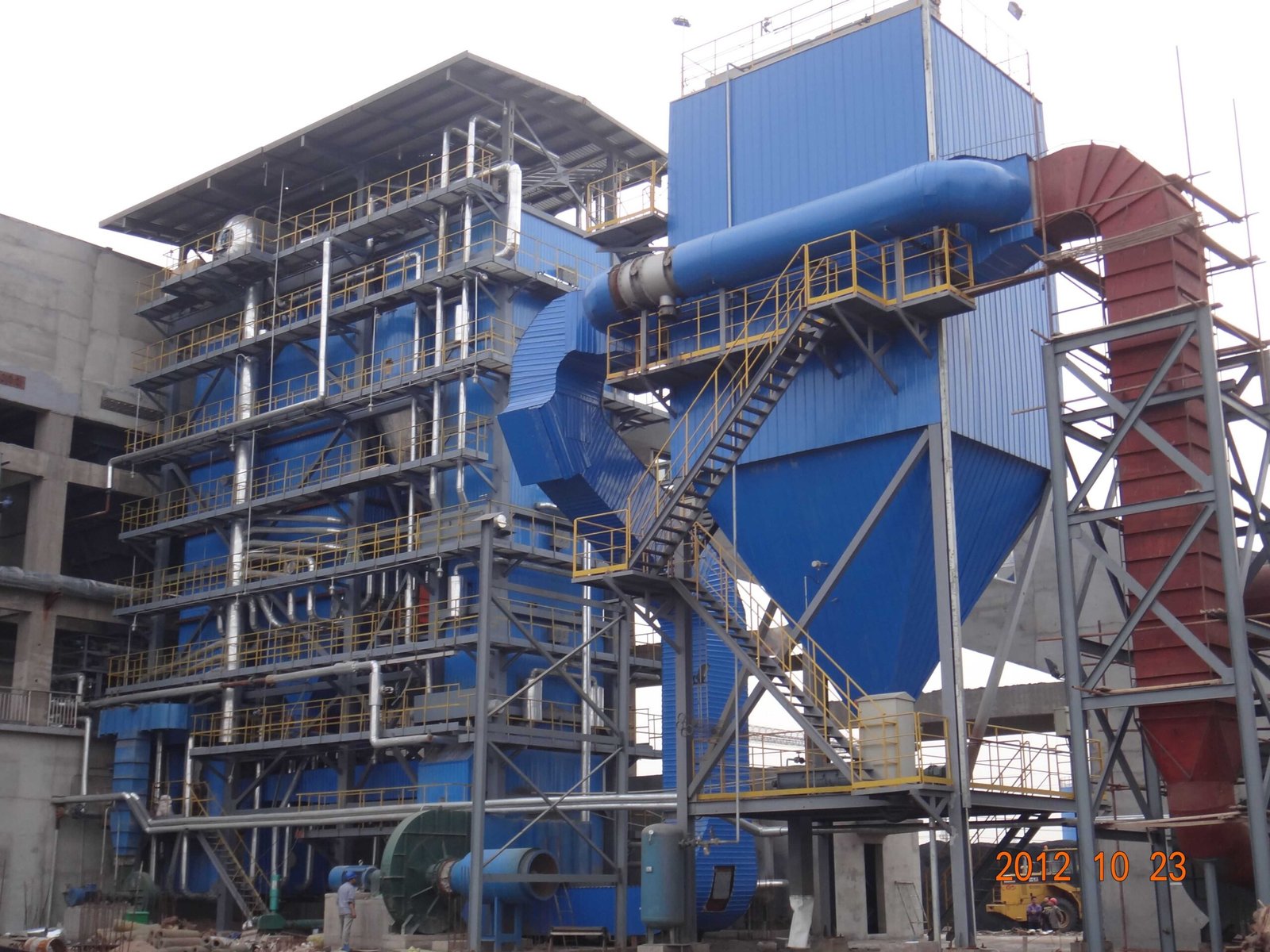
Many industrial facilities rely on steam boilers for heat and power generation, and historically coal-fired boilers have been one of the most widely used systems due to coal’s availability and relatively low cost. However, as industries increasingly seek cleaner and more sustainable energy solutions, biomass boilers have gained popularity as an alternative fuel technology. Biomass boilers use renewable organic materials such as wood chips, pellets, agricultural residues, and forestry waste to generate steam. One of the key questions companies ask when considering this transition is whether biomass boilers are more efficient than traditional coal-fired boilers. Efficiency plays a critical role in determining fuel consumption, operating costs, and overall system performance, making it an essential factor in boiler selection.
Industrial biomass boilers can achieve thermal efficiencies ranging from approximately 75% to 92%, depending on boiler design and fuel quality, while traditional coal-fired boilers typically operate within an efficiency range of 70% to 85%. Although modern high-efficiency coal boilers can reach similar efficiency levels, advanced biomass boilers—particularly fluidized bed systems—can match or exceed the efficiency of many conventional coal-fired boilers while providing the additional advantage of renewable fuel utilization and lower net carbon emissions.
To understand how biomass and coal boilers compare in efficiency, it is important to examine fuel characteristics, combustion technologies, heat recovery systems, and operational factors that influence boiler performance.
Modern biomass boilers can achieve efficiency levels comparable to or higher than many conventional coal-fired boilers.True
Advanced biomass boiler technologies such as fluidized bed combustion improve heat transfer and combustion efficiency, allowing them to compete with traditional coal systems.
Coal-fired boilers always have higher efficiency than biomass boilers.False
While coal boilers historically dominated industrial steam generation, modern biomass boilers with optimized combustion systems can achieve comparable or higher efficiency in many applications.
Understanding Boiler Efficiency
Boiler efficiency represents the percentage of fuel energy that is successfully converted into useful heat energy for steam or hot water production. The remaining energy is lost through exhaust gases, radiation, incomplete combustion, and other inefficiencies.
Several key factors influence boiler efficiency:
• Fuel composition and heating value
• Combustion technology
• Heat transfer surface design
• Flue gas heat recovery systems
• Operational control and maintenance
Both biomass and coal-fired boilers aim to maximize heat transfer while minimizing energy losses.
Table 1: Typical Energy Loss Sources in Industrial Boilers
| Energy Loss Source | Description |
|---|---|
| Flue gas heat loss | Heat leaving through the chimney |
| Incomplete combustion | Fuel not fully burned |
| Radiation losses | Heat escaping from boiler surfaces |
| Ash and residue losses | Energy remaining in unburned fuel |
Reducing these losses improves overall system efficiency.
Fuel Characteristics: Biomass vs Coal
The type of fuel used in a boiler significantly influences combustion efficiency. Coal and biomass differ in several key physical and chemical properties.
Table 2: Fuel Property Comparison
| Property | Coal | Biomass |
|---|---|---|
| Physical form | Solid fossil fuel | Organic plant-based material |
| Moisture content | Low (5–15%) | Variable (10–50%) |
| Ash content | Moderate to high | Low to moderate |
| Energy density | High | Moderate |
| Carbon emissions | High | Carbon-neutral (lifecycle basis) |
Coal’s higher energy density allows it to produce more heat per unit of mass, but biomass offers renewable energy benefits.
Efficiency of Coal-Fired Boilers
Coal-fired boilers have been used in industry for decades and remain common in many power plants and heavy industrial facilities.
Traditional coal-fired boilers typically operate with efficiencies between 70% and 85%, depending on design and operating conditions.
Common coal boiler technologies include:
• Pulverized coal boilers
• Chain grate boilers
• Circulating fluidized bed boilers
Table 3: Efficiency of Coal Boiler Technologies
| Coal Boiler Type | Typical Efficiency |
|---|---|
| Chain grate boiler | 70–80% |
| Pulverized coal boiler | 80–88% |
| Circulating fluidized bed | 85–90% |
Circulating fluidized bed technology significantly improves coal combustion efficiency.
Efficiency of Biomass Boilers
Modern biomass boilers have benefited from significant technological advancements in combustion control and fuel handling systems.
Advanced biomass boiler designs include:
• Moving grate biomass boilers
• Fluidized bed biomass boilers
• Pulverized biomass combustion systems
Table 4: Efficiency of Biomass Boiler Technologies
| Biomass Boiler Type | Typical Efficiency |
|---|---|
| Fixed grate biomass boiler | 70–80% |
| Moving grate biomass boiler | 75–85% |
| Fluidized bed biomass boiler | 85–92% |
Fluidized bed biomass boilers often achieve the highest efficiency because they ensure excellent mixing between biomass fuel and combustion air.
Impact of Fuel Moisture Content
Biomass fuels often contain higher moisture levels than coal. Moisture affects combustion efficiency because energy must be used to evaporate water before combustion can occur.
Table 5: Impact of Moisture on Boiler Efficiency
| Fuel Moisture Level | Efficiency Impact |
|---|---|
| Low moisture (<15%) | High efficiency |
| Medium moisture (15–30%) | Moderate efficiency |
| High moisture (>40%) | Reduced efficiency |
Proper fuel preparation and storage are important for maintaining biomass boiler efficiency.
Heat Recovery and Efficiency Improvements
Both biomass and coal-fired boilers can improve efficiency through heat recovery systems.
Common technologies include:
• Economizers for feedwater preheating
• Air preheaters for combustion air heating
• Condensing heat exchangers
These systems capture waste heat from exhaust gases and reuse it in the boiler system.
Operational Differences Between Biomass and Coal Boilers
Coal-fired boilers typically require extensive fuel handling and ash management systems. Biomass boilers also require fuel handling infrastructure but often produce less ash.
Operational considerations include:
• Fuel storage requirements
• Fuel feeding mechanisms
• Ash removal systems
• Combustion chamber cleaning
Proper system design helps maintain consistent efficiency.
Environmental Considerations
While coal-fired boilers may achieve similar efficiency levels in certain advanced designs, they produce significantly higher carbon emissions.
Biomass boilers offer several environmental advantages:
• Renewable fuel source
• Lower lifecycle carbon emissions
• Reduced sulfur dioxide emissions
• Utilization of agricultural and forestry waste
These environmental benefits have contributed to the increasing adoption of biomass boiler technology worldwide.
Economic Considerations
The choice between biomass and coal boilers also depends on economic factors such as:
• Fuel availability
• Fuel cost stability
• Environmental compliance costs
• Government incentives for renewable energy
In regions with abundant biomass resources, biomass boilers may provide cost-effective energy solutions.
Future Trends in Biomass Boiler Technology
Biomass boiler efficiency continues to improve due to ongoing technological innovation.
Future developments include:
• advanced combustion control systems
• AI-based boiler optimization
• integrated biomass gasification systems
• hybrid renewable energy heating systems
These technologies will further improve efficiency and environmental performance.
Summary
Industrial biomass boilers can achieve thermal efficiencies ranging from approximately 75% to 92%, while traditional coal-fired boilers typically operate between 70% and 85%, depending on their design and operating conditions. Although some advanced coal boiler technologies can reach efficiency levels similar to biomass systems, modern biomass boilers—particularly fluidized bed designs—can match or exceed the efficiency of many conventional coal-fired boilers. In addition to competitive efficiency, biomass boilers offer the advantage of renewable fuel utilization and lower net carbon emissions, making them an increasingly attractive option for industries seeking sustainable and environmentally responsible energy solutions.
What Factors Influence the Energy Efficiency of Industrial Biomass Boilers?
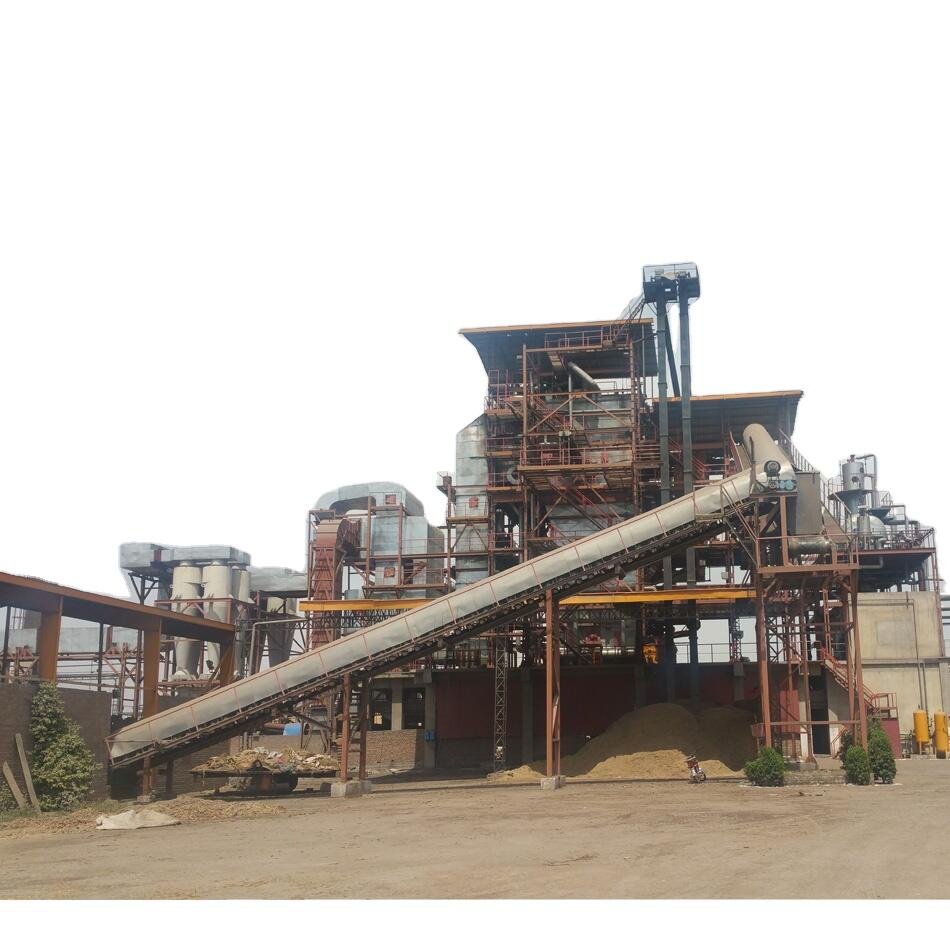
Industrial biomass boilers are becoming an increasingly popular solution for industries seeking renewable and lower-carbon energy sources for steam generation. These boilers use organic fuels such as wood chips, wood pellets, agricultural residues, bagasse, and forestry waste to produce heat and steam for industrial processes. While biomass energy offers environmental benefits and fuel flexibility, the actual energy efficiency of a biomass boiler system can vary significantly depending on multiple technical and operational factors. Unlike natural gas systems, where fuel quality and combustion characteristics are relatively consistent, biomass fuels can vary widely in moisture content, particle size, and heating value. As a result, achieving high efficiency requires careful attention to boiler design, fuel preparation, combustion control, and heat recovery technologies.
The energy efficiency of industrial biomass boilers is influenced by several key factors including fuel quality, moisture content, combustion technology, boiler design, heat recovery systems, and operational practices. Modern biomass boilers equipped with advanced combustion control systems, optimized heat transfer surfaces, and flue gas heat recovery technologies can achieve efficiencies of 80%–92%, while poorly managed systems with low-quality fuel may operate at significantly lower efficiency levels.
Understanding these influencing factors helps industrial operators optimize boiler performance, reduce fuel consumption, and maximize the economic and environmental benefits of biomass energy.
Fuel moisture content is one of the most important factors affecting biomass boiler efficiency.True
High moisture content in biomass fuel requires additional energy for water evaporation, reducing the effective heat available for steam generation.
Boiler design has little impact on biomass boiler efficiency.False
Advanced boiler designs improve combustion efficiency, heat transfer, and waste heat recovery, significantly increasing overall system efficiency.
Fuel Quality and Energy Content
The quality of biomass fuel is one of the most important factors affecting boiler efficiency. Biomass fuels can vary significantly depending on their source and preparation method.
Common industrial biomass fuels include:
• Wood chips
• Wood pellets
• Agricultural residues such as rice husk and straw
• Bagasse from sugar production
• Forestry residues
Each fuel type has different physical and chemical characteristics that influence combustion performance.
Table 1: Typical Properties of Common Biomass Fuels
| Biomass Fuel | Moisture Content | Heating Value (MJ/kg) |
|---|---|---|
| Wood pellets | 6–10% | 17–19 |
| Wood chips | 20–40% | 10–14 |
| Rice husk | 10–15% | 13–15 |
| Bagasse | 40–50% | 7–9 |
Fuels with higher heating values generally allow boilers to operate more efficiently.
Moisture Content of Biomass Fuel
Moisture content is one of the most critical factors affecting biomass combustion efficiency. When biomass fuel contains water, a portion of the combustion energy must be used to evaporate this moisture before the fuel can burn effectively.
High moisture levels can lead to:
• Reduced combustion temperature
• Lower flame stability
• Increased fuel consumption
• Higher flue gas losses
Table 2: Effect of Moisture Content on Boiler Efficiency
| Moisture Content | Efficiency Impact |
|---|---|
| 10% | High efficiency |
| 20% | Moderate efficiency |
| 30% | Noticeable efficiency loss |
| 40% or higher | Significant efficiency reduction |
Proper fuel drying and storage can significantly improve biomass boiler efficiency.
Combustion Technology and Boiler Design
The design of the combustion system plays a major role in determining biomass boiler efficiency. Different combustion technologies provide varying levels of fuel-air mixing, combustion stability, and heat transfer performance.
Common biomass boiler technologies include:
• Fixed grate combustion systems
• Moving grate combustion systems
• Fluidized bed combustion systems
Table 3: Efficiency of Different Biomass Combustion Technologies
| Boiler Technology | Typical Efficiency |
|---|---|
| Fixed grate boiler | 70–80% |
| Moving grate boiler | 75–85% |
| Fluidized bed boiler | 85–92% |
Fluidized bed combustion provides excellent mixing between fuel particles and combustion air, which improves heat transfer and combustion efficiency.
Combustion Air Control
Efficient combustion requires an optimal balance between fuel supply and air supply. Too little air can lead to incomplete combustion, while too much air can carry excess heat out of the system.
Modern biomass boilers often use multi-stage air supply systems, including:
• Primary air for fuel bed combustion
• Secondary air for volatile gas combustion
• Tertiary air for complete oxidation
Advanced oxygen monitoring systems help maintain optimal air–fuel ratios.
Heat Transfer Surface Design
The heat transfer surfaces inside a boiler determine how effectively heat from combustion gases is transferred to water or steam.
Important heat transfer components include:
• Furnace walls
• Water tubes or fire tubes
• Superheaters
• Economizers
Larger and better-designed heat transfer surfaces increase energy recovery from hot gases.
Flue Gas Heat Recovery Systems
A significant amount of energy can be lost through high-temperature exhaust gases. Heat recovery systems capture some of this lost energy and reuse it within the boiler system.
Common heat recovery technologies include:
• Economizers for feedwater preheating
• Air preheaters for combustion air heating
• Condensing heat exchangers
Table 4: Efficiency Improvements from Heat Recovery Systems
| Heat Recovery Technology | Typical Efficiency Improvement |
|---|---|
| Economizer | 3–5% |
| Air preheater | 2–4% |
| Condensing heat exchanger | 5–10% |
These technologies significantly improve overall boiler efficiency.
Fuel Feeding and Handling Systems
Efficient fuel feeding systems ensure consistent combustion conditions. Uneven fuel feeding can cause fluctuations in combustion temperature and steam production.
Modern biomass boilers use automated systems such as:
• Screw conveyors
• Belt conveyors
• Hydraulic feeding systems
These systems maintain stable fuel supply and improve combustion efficiency.
Ash Removal and Combustion Residue Management
Ash produced during biomass combustion can accumulate on heat transfer surfaces and reduce efficiency.
Effective ash management systems include:
• Mechanical ash removal systems
• Automatic soot blowers
• Furnace cleaning equipment
Regular removal of ash deposits helps maintain optimal heat transfer performance.
Boiler Load Management
Industrial boilers often operate under varying load conditions depending on steam demand. Operating a boiler far below its design capacity can reduce efficiency.
Modern control systems help maintain stable performance by adjusting fuel and air supply according to load conditions.
Maintenance and Operational Practices
Regular maintenance plays a crucial role in maintaining high efficiency. Poorly maintained boilers may suffer from fouling, corrosion, or combustion inefficiencies.
Key maintenance tasks include:
• Cleaning heat transfer surfaces
• Inspecting combustion systems
• Calibrating sensors and control systems
• Monitoring fuel quality
Proper maintenance ensures consistent long-term efficiency.
Environmental and Economic Implications
Improving biomass boiler efficiency provides both environmental and economic benefits.
Higher efficiency results in:
• Reduced fuel consumption
• Lower operating costs
• Reduced emissions
• Improved sustainability performance
Efficient biomass systems maximize the environmental advantages of renewable energy.
Summary
The energy efficiency of industrial biomass boilers is influenced by a combination of technical, operational, and fuel-related factors. Key determinants include fuel quality, moisture content, combustion technology, boiler design, heat transfer surfaces, heat recovery systems, and maintenance practices. Modern biomass boilers equipped with advanced combustion control systems, automated fuel feeding mechanisms, and flue gas heat recovery technologies can achieve efficiencies between 80% and 92%. By carefully managing these factors, industrial operators can significantly improve biomass boiler performance, reduce fuel consumption, and maximize the environmental benefits of renewable energy-based steam generation.
How Can Heat Recovery Systems Improve Industrial Biomass Boiler Efficiency?
-scaled.jpg)
Industrial biomass boilers are widely used in sectors such as food processing, pulp and paper, agricultural processing, district heating, and chemical manufacturing because they can convert renewable organic materials into useful thermal energy. However, even well-designed biomass boilers can lose a considerable amount of energy through high-temperature exhaust gases. During combustion, a portion of the heat generated by biomass fuel escapes through the flue gas stream before it can be transferred to the water or steam system. If this heat is not recovered, it represents a significant loss of potential energy, reducing overall boiler efficiency and increasing fuel consumption. To address this issue, modern biomass boiler systems increasingly incorporate heat recovery technologies that capture and reuse waste heat from exhaust gases. These systems play a critical role in improving the thermal efficiency of biomass boilers while reducing fuel usage and operational costs.
Heat recovery systems improve industrial biomass boiler efficiency by capturing waste heat from high-temperature flue gases and reusing it to preheat boiler feedwater, combustion air, or other process streams. Technologies such as economizers, air preheaters, and condensing heat exchangers can increase overall boiler efficiency by 5% to 15%, reducing fuel consumption while maximizing the useful energy extracted from biomass fuel.
To understand how these systems work and why they are so effective, it is necessary to explore the different types of heat recovery technologies used in biomass boiler systems and the thermodynamic principles behind waste heat utilization.
Heat recovery systems can significantly increase the efficiency of industrial biomass boilers.True
Recovering waste heat from flue gases allows biomass boilers to utilize more of the fuel's energy, reducing losses and improving efficiency.
Flue gas heat in biomass boilers cannot be reused effectively.False
Modern heat recovery technologies such as economizers and air preheaters can capture and reuse significant amounts of energy from flue gases.
Understanding Heat Loss in Biomass Boilers
When biomass fuel burns in a boiler furnace, it releases thermal energy that heats water to produce steam. However, not all of this energy is transferred to the steam system. A portion of the energy leaves the system through hot exhaust gases.
The main types of energy losses in biomass boilers include:
• Flue gas heat loss
• Moisture evaporation loss
• Radiation and convection losses
• Unburned fuel losses
Among these, flue gas heat loss is typically the largest contributor to energy inefficiency.
Table 1: Typical Energy Loss Distribution in Biomass Boilers
| Energy Loss Source | Typical Percentage |
|---|---|
| Flue gas heat loss | 10–20% |
| Moisture evaporation | 5–10% |
| Radiation and convection | 2–4% |
| Unburned fuel losses | 1–3% |
Heat recovery systems primarily target the largest loss category—flue gas heat.
Principle of Heat Recovery in Boiler Systems
Heat recovery technology is based on a simple thermodynamic principle: energy should be reused whenever possible before it is released into the environment.
In biomass boilers, flue gases exiting the combustion chamber often have temperatures between 150°C and 250°C. This hot gas contains valuable thermal energy that can be recovered through heat exchangers.
Recovered heat can be used for:
• Preheating boiler feedwater
• Heating combustion air
• Supporting industrial heating processes
• Reducing fuel consumption
By lowering the temperature of exhaust gases before they leave the system, heat recovery systems increase overall thermal efficiency.
Economizers: The Most Common Heat Recovery Device
An economizer is one of the most widely used heat recovery devices in biomass boiler systems. It is a heat exchanger installed in the flue gas pathway after the main boiler heat transfer surfaces.
The economizer transfers heat from the hot flue gases to incoming boiler feedwater.
Benefits of economizers include:
• Reduced fuel consumption
• Improved boiler efficiency
• Lower flue gas temperature
• Reduced thermal stress in boiler components
Table 2: Efficiency Improvement from Economizers
| Boiler Type | Efficiency Increase |
|---|---|
| Biomass boiler with economizer | +3% to +5% |
| High-efficiency biomass boiler | +5% to +7% |
By preheating feedwater, economizers reduce the amount of energy required to produce steam.
Air Preheaters for Combustion Efficiency
Another common heat recovery device is the air preheater, which transfers heat from flue gases to incoming combustion air.
Preheating combustion air offers several advantages:
• Higher combustion temperature
• Improved fuel ignition
• More complete combustion
• Reduced fuel consumption
Preheated air allows the biomass fuel to burn more efficiently.
Table 3: Performance Impact of Air Preheaters
| Parameter | Without Air Preheater | With Air Preheater |
|---|---|---|
| Combustion temperature | Moderate | Higher |
| Fuel consumption | Higher | Lower |
| Combustion stability | Standard | Improved |
Air preheaters typically improve overall efficiency by 2–4%.
Condensing Heat Recovery Systems
In addition to sensible heat recovery, advanced biomass boiler systems can also capture latent heat from water vapor present in flue gases.
Condensing heat exchangers cool exhaust gases below the dew point of water vapor, causing condensation and releasing additional heat.
This process allows the system to recover energy that traditional heat exchangers cannot capture.
Table 4: Efficiency Improvement from Condensing Heat Recovery
| Heat Recovery System | Efficiency Improvement |
|---|---|
| Economizer | 3–5% |
| Air preheater | 2–4% |
| Condensing heat exchanger | 5–10% |
Condensing systems are particularly effective in facilities with low-temperature heat demands.
Integration with Modern Biomass Boiler Systems
Heat recovery systems are most effective when integrated with modern biomass boiler technologies such as:
• Fluidized bed combustion systems
• Automated fuel feeding systems
• Smart combustion control systems
• AI-based boiler optimization platforms
These integrated systems ensure stable operation and maximize energy utilization.
Environmental Benefits of Heat Recovery
Improving biomass boiler efficiency through heat recovery offers several environmental advantages.
Higher efficiency leads to:
• Reduced biomass fuel consumption
• Lower emissions per unit of steam produced
• Reduced particulate emissions
• Improved sustainability of biomass energy systems
Efficient systems make better use of renewable biomass resources.
Economic Benefits for Industrial Operators
Heat recovery technologies also provide significant economic benefits.
Reduced fuel consumption can lead to:
• Lower operational costs
• Faster return on investment for boiler systems
• Reduced energy expenses for industrial facilities
Even a 5% efficiency improvement can translate into substantial annual fuel savings for large industrial plants.
Future Innovations in Biomass Heat Recovery
Research and development in biomass boiler technology continues to improve heat recovery performance.
Future innovations may include:
• Advanced corrosion-resistant heat exchangers
• AI-optimized heat recovery control systems
• Hybrid heat recovery systems combining multiple technologies
• Integration with industrial waste heat recovery networks
These developments will further enhance biomass boiler efficiency.
Summary
Heat recovery systems play a crucial role in improving the efficiency of industrial biomass boilers by capturing and reusing waste heat from flue gases that would otherwise be lost to the environment. Technologies such as economizers, air preheaters, and condensing heat exchangers allow biomass boilers to recover both sensible and latent heat, increasing overall thermal efficiency by approximately 5% to 15%. By reducing fuel consumption, lowering emissions, and improving energy utilization, heat recovery systems significantly enhance the economic and environmental performance of industrial biomass boiler operations.
When Are Industrial Biomass Boilers the Most Energy-Efficient Choice?
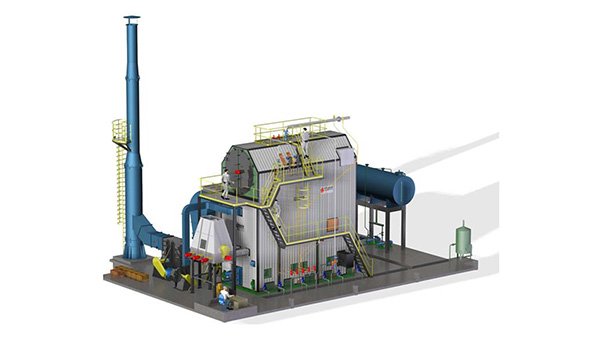
Industrial biomass boilers are increasingly adopted by manufacturing facilities seeking renewable energy solutions for steam generation and industrial heating. While biomass boilers can achieve high efficiency under the right conditions, their performance depends heavily on fuel characteristics, boiler design, operational management, and heat recovery systems. Compared with fossil-fuel boilers, biomass systems require careful consideration of fuel supply chains and combustion technologies to maximize efficiency. For many industries, biomass boilers become the most energy-efficient choice only when certain operational and economic conditions are met. Understanding these conditions helps industrial operators determine whether biomass boilers provide the best balance of energy efficiency, sustainability, and cost-effectiveness for their facilities.
Industrial biomass boilers are most energy-efficient when facilities have access to high-quality, low-moisture biomass fuel, operate boilers at stable and high load conditions, use advanced combustion technologies such as fluidized bed systems, and integrate heat recovery equipment like economizers and air preheaters. Under these conditions, biomass boilers can achieve thermal efficiencies between 85% and 92%, making them competitive with many conventional fossil-fuel boiler systems while providing the advantage of renewable fuel utilization.
By examining the operational scenarios in which biomass boilers perform best, industries can better evaluate when this technology offers maximum energy efficiency and economic value.
Biomass boilers achieve their highest efficiency when using dry, well-prepared biomass fuel.True
Low moisture content allows biomass to burn more efficiently and reduces energy losses caused by water evaporation during combustion.
Biomass boilers are always the most efficient option regardless of fuel availability or operating conditions.False
Biomass boilers achieve high efficiency only when fuel quality, combustion control, and system design are optimized.
Availability of High-Quality Biomass Fuel
One of the most important factors determining whether biomass boilers are the most efficient choice is the availability of high-quality biomass fuel. Biomass fuels vary widely in moisture content, energy density, and combustion characteristics.
Common industrial biomass fuels include:
• Wood chips
• Wood pellets
• Agricultural residues such as rice husk and straw
• Bagasse from sugar production
• Forestry waste materials
When facilities have reliable access to consistent, low-moisture biomass fuel, combustion becomes more stable and efficient.
Table 1: Efficiency Potential of Different Biomass Fuels
| Biomass Fuel | Typical Moisture Content | Efficiency Potential |
|---|---|---|
| Wood pellets | 6–10% | Very high |
| Wood chips | 20–30% | Moderate to high |
| Rice husk | 10–15% | High |
| Bagasse | 40–50% | Moderate |
Lower moisture fuels allow boilers to convert more fuel energy into useful heat.
Industries with Continuous Steam Demand
Industrial biomass boilers operate most efficiently when they run at stable, high-load conditions. Frequent start-stop cycles or low-load operation can reduce efficiency because combustion systems perform best at steady operating conditions.
Industries with continuous steam demand include:
• Pulp and paper manufacturing
• Food processing plants
• Sugar mills
• Textile production facilities
• District heating systems
In these industries, biomass boilers can operate near their optimal capacity for extended periods.
Table 2: Boiler Efficiency vs Operating Load
| Operating Load | Efficiency Level |
|---|---|
| 100% load | Highest efficiency |
| 75–90% load | High efficiency |
| 50–70% load | Moderate efficiency |
| Below 40% load | Reduced efficiency |
Maintaining stable boiler load improves overall system performance.
Integration with Local Biomass Supply Chains
Biomass boilers are most energy-efficient when fuel transportation distances are minimized. Transporting biomass fuel over long distances increases energy consumption and reduces the overall sustainability benefits of the system.
Industries located near agricultural or forestry operations often benefit from strong biomass supply chains.
Examples include:
• Wood-processing industries using wood waste
• Sugar mills using bagasse
• Agricultural processing plants using crop residues
Using locally available biomass reduces logistics costs and improves overall energy efficiency.
Advanced Combustion Technologies
The combustion technology used in biomass boilers significantly affects efficiency. Modern systems use advanced combustion designs that improve fuel-air mixing and heat transfer.
Common high-efficiency biomass boiler technologies include:
• Moving grate combustion systems
• Fluidized bed combustion systems
• Pulverized biomass combustion
Table 3: Efficiency of Biomass Boiler Technologies
| Boiler Technology | Typical Efficiency |
|---|---|
| Fixed grate boiler | 70–80% |
| Moving grate boiler | 75–85% |
| Fluidized bed boiler | 85–92% |
Fluidized bed systems provide excellent mixing between fuel particles and combustion air, resulting in more complete combustion.
Use of Heat Recovery Systems
Heat recovery technologies significantly enhance biomass boiler efficiency by capturing waste heat from flue gases.
Common heat recovery devices include:
• Economizers for feedwater preheating
• Air preheaters for combustion air heating
• Condensing heat exchangers
Table 4: Efficiency Improvements from Heat Recovery
| Heat Recovery System | Efficiency Improvement |
|---|---|
| Economizer | 3–5% |
| Air preheater | 2–4% |
| Condensing heat exchanger | 5–10% |
By reducing exhaust gas temperature, these systems maximize the useful energy extracted from biomass fuel.
Facilities with Large Heat Demand
Biomass boilers are most efficient in facilities with high and consistent thermal energy demand. Large industrial operations can fully utilize the heat produced by biomass combustion.
Facilities that benefit most include:
• Large manufacturing plants
• Industrial parks with shared heating systems
• District heating networks
In these environments, biomass boilers can operate at near-optimal capacity.
Supportive Environmental Policies and Incentives
Government policies and renewable energy incentives can also influence the efficiency and economic viability of biomass boiler systems.
Many countries offer:
• Renewable energy subsidies
• Carbon reduction incentives
• Waste-to-energy programs
• Carbon pricing mechanisms
These policies encourage industries to adopt biomass energy technologies.
Effective Fuel Preparation and Storage
Fuel preparation plays a major role in achieving high biomass boiler efficiency.
Important fuel management practices include:
• Drying biomass fuel to reduce moisture content
• Maintaining uniform particle size
• Preventing fuel contamination
• Proper storage to avoid moisture absorption
Well-prepared fuel improves combustion stability.
Proper Boiler Operation and Maintenance
Efficient operation and regular maintenance are essential for maintaining biomass boiler performance.
Maintenance activities include:
• Cleaning heat transfer surfaces
• Removing ash buildup
• Calibrating combustion control systems
• Monitoring fuel quality
Proper maintenance ensures that boilers continue operating at peak efficiency.
Environmental and Sustainability Benefits
Biomass boilers offer important environmental advantages when operated efficiently.
These benefits include:
• Renewable fuel utilization
• Reduced net carbon emissions
• Lower reliance on fossil fuels
• Utilization of agricultural and forestry waste
When implemented under suitable conditions, biomass boilers support sustainable industrial energy systems.
Summary
Industrial biomass boilers become the most energy-efficient choice when several key conditions are met, including access to high-quality biomass fuel, stable high-load operation, advanced combustion technologies, integrated heat recovery systems, and effective fuel supply chains. Under these optimal conditions, modern biomass boilers can achieve thermal efficiencies between 85% and 92%, making them competitive with many fossil-fuel boiler systems. In industries with continuous heat demand and reliable biomass fuel availability, biomass boilers not only provide strong energy efficiency but also offer significant environmental benefits through renewable energy utilization and reduced carbon emissions.
🔍 Conclusion
Industrial biomass boilers provide a strong balance between efficiency, sustainability, and fuel flexibility. Although some fossil-fuel boilers may achieve slightly higher thermal efficiency, biomass systems offer the major advantage of renewable fuel use and reduced carbon emissions. With proper design, fuel preparation, and combustion optimization, biomass boilers can deliver reliable and competitive energy performance for many industrial applications.
🔹 Contact us today to explore sustainable biomass boiler solutions that improve efficiency and reduce fuel costs. ♨️🌿📊
FAQ
How energy-efficient are industrial biomass boilers compared to other boiler types?
Industrial biomass boilers are generally considered highly energy-efficient, especially when modern combustion and heat recovery technologies are used. Typical industrial biomass boilers achieve thermal efficiency levels between 75% and 90%, depending on the boiler design, fuel quality, and operating conditions. Advanced systems equipped with automated fuel feeding, optimized combustion chambers, and heat recovery equipment can reach efficiency levels comparable to many fossil-fuel boilers.
Compared to traditional coal-fired boilers, biomass boilers often offer similar or slightly lower combustion efficiency. However, improvements in combustion control and flue gas heat recovery have significantly narrowed this gap. Modern biomass systems can achieve efficiency levels close to those of natural gas boilers in certain industrial applications.
Biomass boilers are particularly effective in facilities that require steady steam or heat loads, such as food processing plants, paper mills, and agricultural processing facilities. In these settings, consistent fuel supply and continuous operation allow biomass boilers to maintain stable efficiency levels.
Another factor contributing to the efficiency of biomass boilers is their ability to utilize locally sourced fuels such as wood chips, agricultural residues, or pellets. This reduces energy losses associated with long-distance fuel transportation.
While natural gas boilers may achieve slightly higher peak efficiency in some cases, industrial biomass boilers remain highly competitive due to their renewable fuel source and ability to integrate with modern heat recovery systems.
How does biomass boiler efficiency compare to natural gas boilers?
Natural gas boilers are typically among the most efficient industrial boiler types, often achieving thermal efficiency levels between 85% and 95% depending on the system configuration. Gas combustion is clean and consistent, allowing precise control of the air-fuel ratio and efficient heat transfer.
Industrial biomass boilers usually operate at slightly lower average efficiencies, typically ranging from 75% to 90%. This difference is mainly due to variations in biomass fuel composition and moisture content. Biomass fuels such as wood chips or agricultural waste can have inconsistent energy content, which affects combustion stability.
However, modern biomass boilers incorporate advanced combustion systems, automated fuel feeding mechanisms, and sophisticated control systems that significantly improve efficiency. Many systems also include economizers and heat recovery technologies that capture waste heat from flue gases.
When evaluating overall energy performance, it is important to consider the entire energy lifecycle. Biomass is a renewable fuel source that can often be sourced locally, reducing transportation energy costs and environmental impact.
For industries focused on reducing carbon emissions and improving sustainability, biomass boilers can provide a strong balance between efficiency and environmental responsibility, even if gas boilers maintain a slight advantage in peak combustion efficiency.
What factors influence the efficiency of industrial biomass boilers?
Several factors influence the energy efficiency of industrial biomass boilers, and understanding these variables is essential for achieving optimal performance.
Fuel quality is one of the most important factors. Biomass fuels vary widely in moisture content, particle size, and calorific value. Fuels with high moisture levels require more energy to evaporate water during combustion, which reduces overall efficiency. Proper fuel storage and preparation can significantly improve performance.
Boiler design also plays a major role. Modern biomass boilers are engineered with advanced combustion chambers that ensure complete fuel burning and optimal heat transfer. Systems that include fluidized bed combustion or staged combustion technologies often achieve higher efficiency.
Heat recovery systems such as economizers can also improve overall efficiency by capturing waste heat from flue gases and using it to preheat boiler feedwater.
Operational practices are equally important. Proper air-fuel ratio control, regular maintenance, and monitoring of combustion parameters help ensure that the boiler operates at its intended efficiency level.
Automation technologies have further improved biomass boiler efficiency. Modern control systems continuously adjust fuel feeding rates and airflow to maintain stable combustion conditions.
By carefully managing these factors, industrial facilities can maximize the efficiency of biomass boilers and reduce overall energy costs.
Are biomass boilers more cost-effective than fossil fuel boilers?
The cost-effectiveness of industrial biomass boilers depends on several factors, including fuel availability, local energy prices, installation costs, and long-term operational requirements.
Biomass fuels such as wood chips, agricultural residues, and pellets are often less expensive than fossil fuels like natural gas or oil in regions where biomass resources are abundant. This can lead to significant fuel cost savings over time.
However, biomass boiler systems typically require higher initial investment compared to gas-fired boilers. This is due to the additional equipment needed for fuel storage, handling, and feeding systems.
Operational costs may also include fuel preparation and ash removal. Biomass combustion produces ash residues that must be periodically removed and managed.
Despite these additional requirements, many industrial facilities find biomass boilers economically attractive in the long term. Lower fuel costs and potential government incentives for renewable energy systems can offset higher installation costs.
Additionally, biomass systems can reduce exposure to volatile fossil fuel prices, providing more stable long-term operating expenses.
How do biomass boilers contribute to environmental sustainability?
Industrial biomass boilers play a significant role in promoting environmental sustainability because they use renewable organic materials as fuel. Biomass fuels are typically derived from plant-based resources such as wood residues, agricultural waste, and forestry by-products.
When biomass is used as a fuel source, the carbon dioxide released during combustion is roughly equal to the amount absorbed by the plants during their growth cycle. This carbon-neutral characteristic makes biomass a more environmentally friendly alternative to fossil fuels.
Modern biomass boilers also incorporate advanced emission control technologies that reduce particulate matter, nitrogen oxides, and other pollutants. Cyclone separators, electrostatic precipitators, and baghouse filters are commonly used to capture particulate emissions.
Using biomass also supports waste management efforts by converting agricultural and forestry residues into useful energy rather than allowing them to decompose or be burned inefficiently.
Furthermore, biomass energy systems support local economies by creating demand for agricultural and forestry by-products, providing additional revenue streams for rural industries.
By combining renewable fuel sources with modern combustion technologies, industrial biomass boilers offer a sustainable solution for meeting industrial heating and steam generation needs.
References
Biomass Energy Basics
https://www.energy.gov/eere/bioenergy/biomass-energy-basics
U.S. Department of EnergyIndustrial Boiler Efficiency Guide
https://www.carbontrust.com/resources/guides/energy-efficiency/boilers
Carbon TrustBioenergy Technology Overview
https://www.iea.org/topics/bioenergy
International Energy AgencyBiomass Combustion Systems
https://www.ieabioenergy.com
IEA BioenergySteam System Energy Efficiency
https://www.energy.gov/eere/amo/steam-system-basics
U.S. Department of EnergyRenewable Energy Technologies
https://www.irena.org/bioenergy
International Renewable Energy AgencyIndustrial Heating Systems
https://www.energy.gov/eere/amo/industrial-process-heating
U.S. Department of EnergySustainable Biomass Resources
https://www.fao.org/energy/bioenergy
Food and Agriculture OrganizationIndustrial Energy Efficiency Resources
https://www.epa.gov/e3
U.S. Environmental Protection AgencyBiomass Power Technology
https://www.nrel.gov/research/biomass.html
National Renewable Energy Laboratory
How energy-efficient are Industrial Biomass Boilers compared to other Boiler types? Read More »