
Latest Trends in CFB Boiler Technology and Market Demand
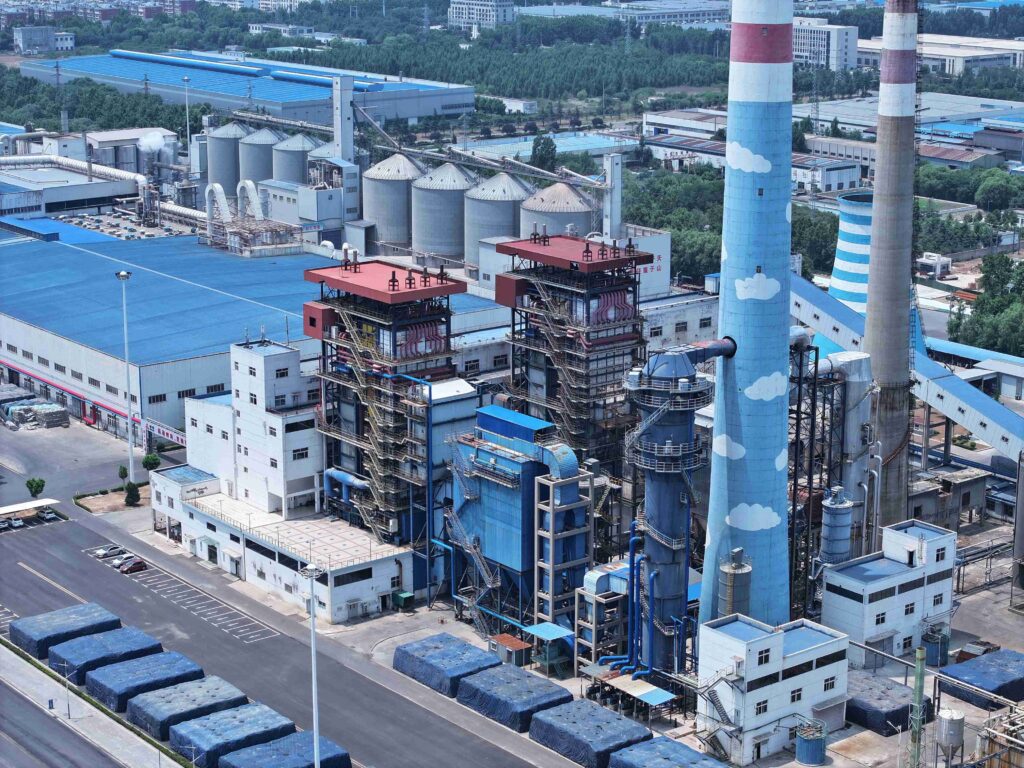
As industries face increasing pressure to reduce emissions, improve fuel flexibility, and lower operating costs, traditional combustion technologies are becoming less viable. Many conventional boilers struggle with fuel variability, high NOx/SOx emissions, and inefficient combustion of low-grade fuels. Without adopting advanced solutions, power plants and industrial facilities risk falling behind in both regulatory compliance and economic performance.
The latest trends in Circulating Fluidized Bed (CFB) boiler technology include ultra-low emission combustion, multi-fuel flexibility (biomass, waste, coal blends), advanced digital control systems, large-scale supercritical CFB designs, and integration with carbon capture technologies. Market demand is growing due to stricter environmental regulations, rising interest in renewable energy, and the need for cost-effective utilization of low-quality fuels.
As global energy systems evolve, CFB boilers are emerging as a key solution for cleaner and more flexible thermal power generation. Understanding these technological advancements and market drivers can help decision-makers invest in future-ready boiler systems.
🔗 Recommended Reading:
If you would like to find out more about CFB boilers or see some case studies, the following two webpages may be of interest to you:
https://coalbiomassboiler.com/product/circulating-fluidized-bed-boiler/
https://coalbiomassboiler.com/project-case/
How Are Ultra-Low Emission Technologies Improving CFB Boiler Performance?
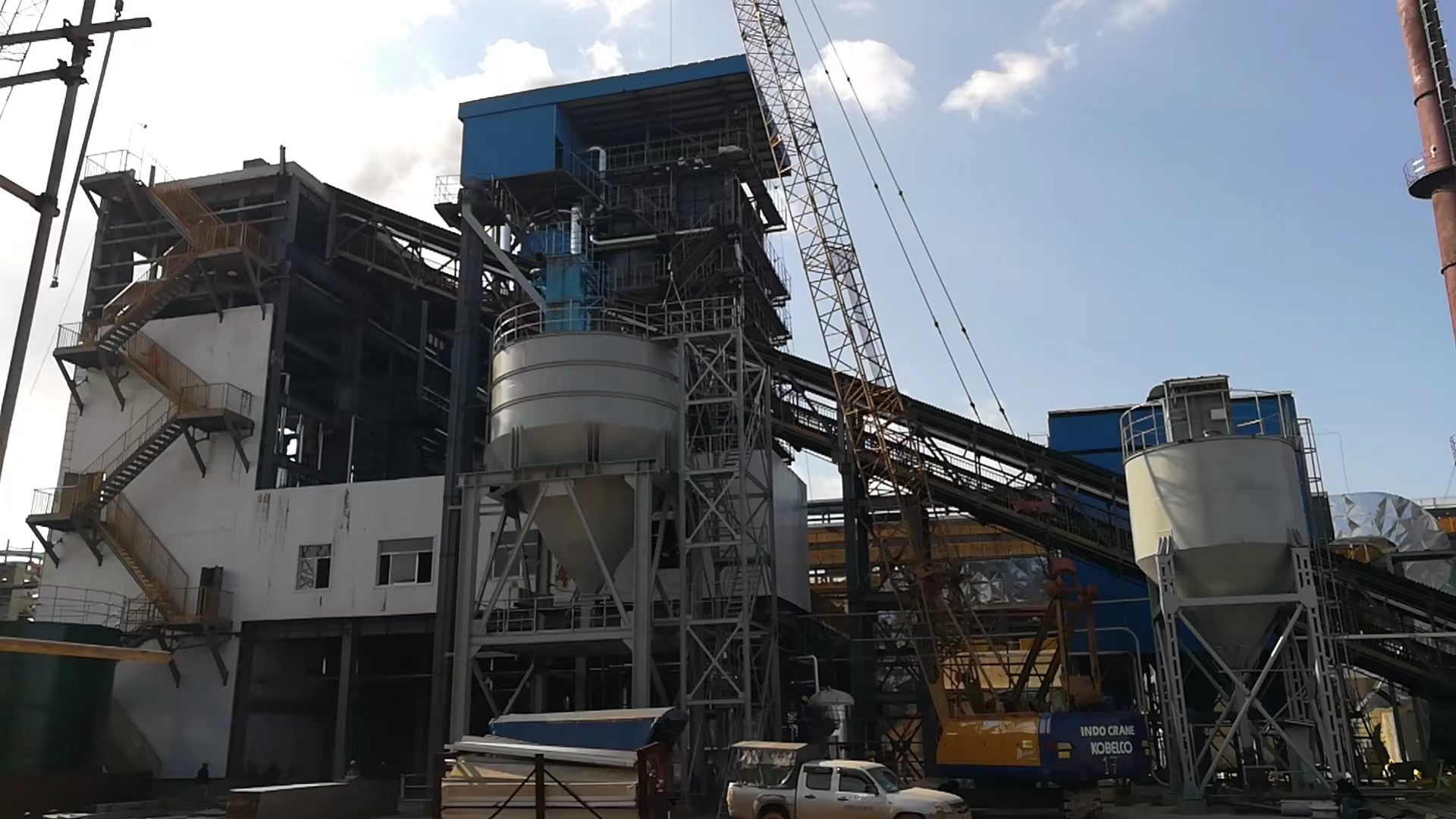
Circulating Fluidized Bed (CFB) boilers are widely used in power generation and industrial steam applications due to their ability to burn a wide range of fuels, including coal, biomass, and waste materials, with relatively high efficiency and lower emissions compared to traditional combustion technologies. However, as global environmental regulations become increasingly stringent, even conventional CFB systems must evolve to meet ultra-low emission standards. Industrial operators now face growing pressure to reduce pollutants such as sulfur dioxide (SO₂), nitrogen oxides (NOx), and particulate matter (PM), while maintaining high thermal efficiency and operational reliability. Without advanced emission control technologies, CFB boilers may struggle to meet modern environmental compliance requirements, potentially leading to higher operational costs and regulatory risks. This challenge has driven the adoption of ultra-low emission technologies, which significantly enhance both environmental performance and overall boiler efficiency.
Ultra-low emission technologies improve CFB boiler performance by integrating advanced combustion optimization, in-furnace desulfurization, selective catalytic or non-catalytic NOx reduction systems, high-efficiency particulate removal, and intelligent control systems. These technologies reduce pollutant emissions to ultra-low levels while simultaneously enhancing combustion efficiency, fuel flexibility, and operational stability, making modern CFB boilers cleaner and more efficient than ever before.
To fully understand the impact of these technologies, it is essential to examine how CFB boilers operate and how ultra-low emission solutions are integrated into their design and operation.
Ultra-low emission technologies can reduce pollutants such as SO₂, NOx, and particulate matter in CFB boilers.True
Advanced emission control systems such as desulfurization, denitrification, and filtration significantly reduce harmful emissions from CFB boilers.
Improving emission control in CFB boilers always reduces their thermal efficiency.False
Modern ultra-low emission technologies are designed to enhance combustion optimization and heat recovery, often improving overall efficiency rather than reducing it.
Fundamentals of CFB Boiler Operation
CFB boilers operate using a fluidized bed of solid particles, typically composed of fuel and inert materials such as sand or ash. Air is injected from below to suspend these particles, creating a fluid-like state that enhances mixing and heat transfer.
Key features of CFB combustion include:
• Uniform temperature distribution
• High combustion efficiency
• Fuel flexibility (coal, biomass, waste fuels)
• Inherent low NOx formation
Table 1: Key Characteristics of CFB Boilers
| Feature | Benefit |
|---|---|
| Fluidized bed combustion | Improved fuel-air mixing |
| Lower combustion temperature (800–900°C) | Reduced NOx formation |
| Circulating solids | Enhanced heat transfer |
| Fuel flexibility | Ability to use low-grade fuels |
These characteristics provide a strong foundation for integrating ultra-low emission technologies.
In-Furnace Desulfurization Technology
One of the key advantages of CFB boilers is their ability to perform in-furnace desulfurization by injecting limestone directly into the combustion chamber.
The chemical reaction between limestone (CaCO₃) and sulfur dioxide produces calcium sulfate, effectively capturing sulfur emissions.
Table 2: In-Furnace Desulfurization Performance
| Parameter | Performance |
|---|---|
| SO₂ removal efficiency | 85–95% |
| Operating temperature | 800–900°C |
| Additive material | Limestone |
This method reduces the need for external flue gas desulfurization systems and improves overall system efficiency.
Advanced NOx Reduction Technologies
Although CFB boilers inherently produce lower NOx emissions than conventional boilers, further reductions are required to meet ultra-low emission standards.
Common NOx control technologies include:
• Selective Non-Catalytic Reduction (SNCR)
• Selective Catalytic Reduction (SCR)
• Staged combustion systems
Table 3: NOx Reduction Technologies
| Technology | NOx Reduction Efficiency |
|---|---|
| SNCR | 30–50% |
| SCR | 70–90% |
| Combined systems | Up to 95% |
These technologies reduce NOx emissions while maintaining combustion efficiency.
High-Efficiency Particulate Removal Systems
Particulate matter is another key pollutant produced during combustion. Ultra-low emission CFB boilers use advanced filtration systems to capture fine particles.
Common technologies include:
• Electrostatic precipitators (ESP)
• Fabric filters (baghouses)
• Hybrid filtration systems
Table 4: Particulate Removal Efficiency
| Technology | Removal Efficiency |
|---|---|
| ESP | 95–99% |
| Baghouse filter | 99–99.9% |
| Hybrid system | >99.9% |
High-efficiency particulate removal improves air quality and regulatory compliance.
Combustion Optimization and Efficiency Improvement
Ultra-low emission technologies often include advanced combustion optimization systems that improve fuel utilization.
These systems use:
• Real-time oxygen monitoring
• Automated air-fuel ratio control
• Temperature distribution optimization
• Digital control systems
Improved combustion control leads to:
• Higher thermal efficiency
• Reduced fuel consumption
• Lower emissions
Integration of Flue Gas Heat Recovery
Modern ultra-low emission CFB boilers often integrate heat recovery systems to improve efficiency.
These systems include:
• Economizers
• Air preheaters
• Condensing heat exchangers
By recovering heat from flue gases, these systems reduce energy losses and improve overall efficiency.
Fuel Flexibility and Waste Utilization
Ultra-low emission CFB boilers can efficiently burn a wide range of fuels, including:
• Low-grade coal
• Biomass fuels
• Industrial waste materials
• Municipal solid waste-derived fuels
This flexibility allows industries to optimize fuel costs while reducing environmental impact.
Digital Monitoring and Intelligent Control Systems
Modern CFB boilers are increasingly equipped with smart control systems that optimize performance.
These systems enable:
• Real-time emission monitoring
• Predictive maintenance
• Automated combustion adjustments
• Energy efficiency optimization
Digitalization enhances both environmental and operational performance.
Environmental Benefits of Ultra-Low Emission Technologies
The integration of ultra-low emission technologies provides significant environmental advantages.
These include:
• Reduced SO₂, NOx, and particulate emissions
• Improved air quality
• Compliance with strict environmental regulations
• Lower environmental impact of industrial operations
Economic Advantages for Industrial Operators
In addition to environmental benefits, ultra-low emission technologies offer economic advantages.
These include:
• Reduced fuel consumption
• Lower emission compliance costs
• Improved operational efficiency
• Potential government incentives for clean technologies
Future Trends in CFB Boiler Technology
The future of CFB boiler technology will likely include:
• Integration with carbon capture systems
• Hydrogen and biomass co-firing
• AI-based combustion optimization
• Advanced materials for higher efficiency
These innovations will further enhance performance and sustainability.
Summary
Ultra-low emission technologies are significantly improving the performance of circulating fluidized bed (CFB) boilers by reducing harmful emissions while enhancing combustion efficiency and operational reliability. Through the integration of in-furnace desulfurization, advanced NOx reduction systems, high-efficiency particulate filtration, heat recovery technologies, and intelligent control systems, modern CFB boilers can meet strict environmental standards without compromising efficiency. As industries continue to prioritize sustainability and regulatory compliance, ultra-low emission CFB boiler technologies are playing a crucial role in delivering cleaner, more efficient, and more flexible industrial energy solutions.
Why Is Fuel Flexibility Driving Demand for CFB Boiler Technology?
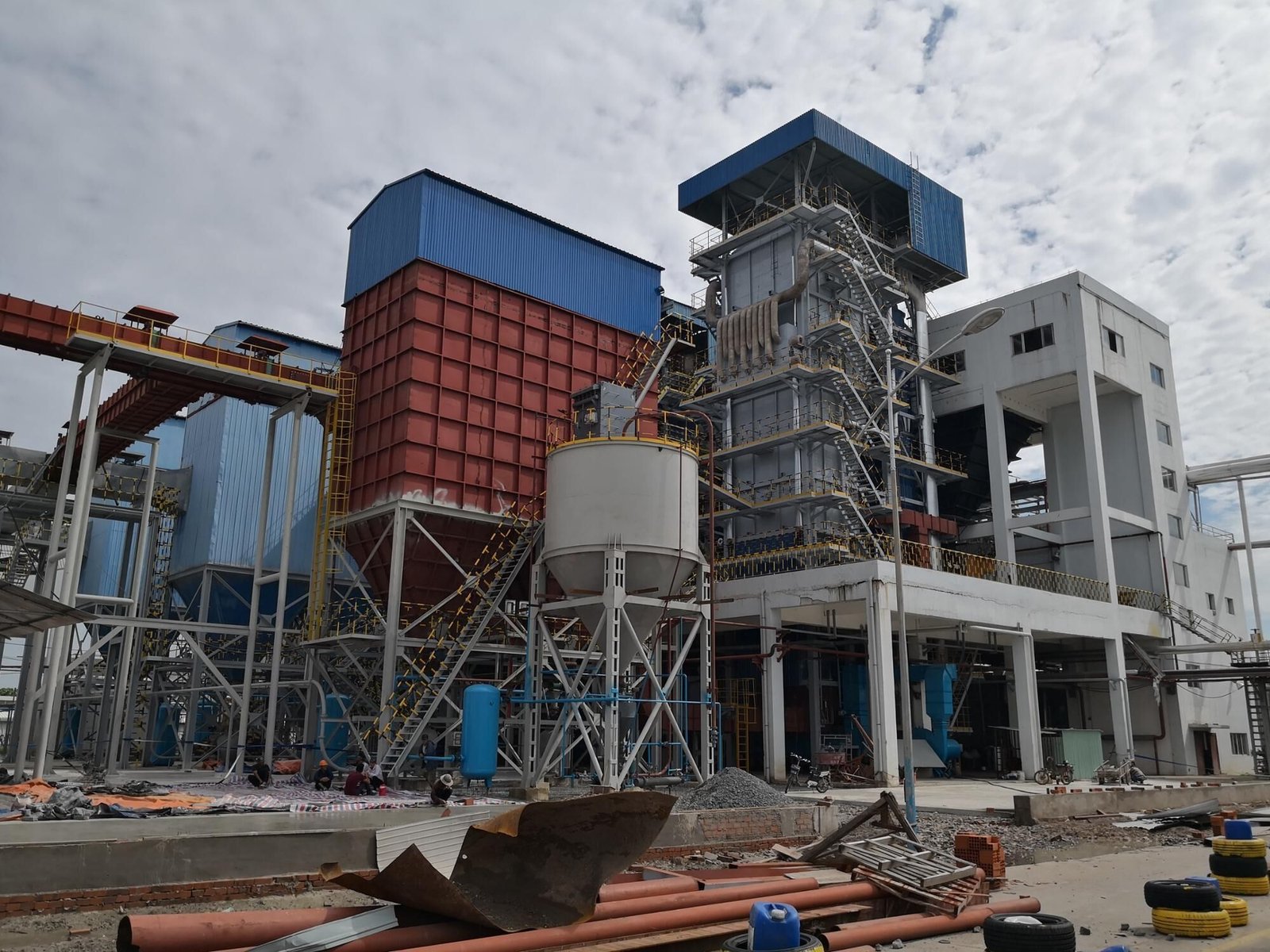
In today’s rapidly evolving industrial energy landscape, companies are under increasing pressure to reduce fuel costs, improve energy security, and comply with stringent environmental regulations. Traditional boiler systems, such as pulverized coal or conventional gas-fired boilers, are often limited to specific fuel types, making them less adaptable to changing fuel markets and sustainability requirements. This lack of flexibility can lead to higher operating costs, supply chain risks, and difficulty meeting environmental targets. As industries seek more resilient and cost-effective energy solutions, fuel flexibility has become a critical factor in boiler selection. Circulating Fluidized Bed (CFB) boiler technology has emerged as a leading solution because of its ability to efficiently burn a wide variety of fuels under stable operating conditions.
Fuel flexibility is driving demand for CFB boiler technology because these systems can efficiently utilize a wide range of fuels—including low-grade coal, biomass, industrial waste, and blended fuels—while maintaining stable combustion, high efficiency, and low emissions. This flexibility allows industrial operators to reduce fuel costs, adapt to changing energy markets, improve sustainability, and enhance energy security, making CFB boilers a highly versatile and future-proof solution.
To fully understand why fuel flexibility is such a powerful driver, it is important to explore the unique combustion characteristics of CFB boilers and how they enable multi-fuel operation in modern industrial applications.
CFB boilers can efficiently burn multiple types of fuel simultaneously.True
CFB technology allows stable combustion of mixed fuels such as coal, biomass, and waste materials due to its fluidized bed design.
Most industrial boilers can easily switch between different fuel types without modification.False
Conventional boilers are typically designed for specific fuels, while CFB boilers are uniquely capable of handling a wide range of fuels.
Understanding Fuel Flexibility in Industrial Boilers
Fuel flexibility refers to a boiler’s ability to operate efficiently using different types of fuels without requiring major design modifications. In traditional boiler systems, fuel type is often fixed due to combustion system limitations.
However, modern industrial requirements demand greater adaptability due to:
• Fluctuating fuel prices
• Supply chain uncertainties
• Environmental regulations
• Availability of renewable fuels
CFB boilers address these challenges by enabling efficient combustion of diverse fuel sources.
Table 1: Fuel Flexibility Comparison of Boiler Technologies
| Boiler Type | Fuel Flexibility |
|---|---|
| Pulverized coal boiler | Low |
| Gas-fired boiler | Very low |
| Grate-fired boiler | Moderate |
| CFB boiler | Very high |
CFB boilers stand out due to their ability to handle a broad range of fuel types.
Unique Combustion Mechanism of CFB Boilers
The key to fuel flexibility in CFB boilers lies in their fluidized bed combustion process. In this system, fuel particles are suspended in a stream of air along with inert materials such as sand or ash.
This creates a highly turbulent and well-mixed combustion environment.
Key characteristics include:
• Uniform temperature distribution
• Efficient fuel-air mixing
• Long residence time for fuel particles
• Stable combustion conditions
These features allow CFB boilers to burn fuels with varying properties.
Ability to Use Low-Grade Fuels
One of the major advantages of CFB technology is its ability to efficiently utilize low-grade fuels that are unsuitable for conventional boilers.
Examples of low-grade fuels include:
• High-ash coal
• Low-calorific-value coal
• Petroleum coke
• Industrial byproducts
Table 2: Performance of CFB Boilers with Low-Grade Fuels
| Fuel Type | Combustion Performance |
|---|---|
| High-ash coal | Stable combustion |
| Low-grade coal | Efficient utilization |
| Petroleum coke | Adaptable with proper design |
This capability allows industries to reduce fuel costs by using cheaper or locally available fuels.
Integration of Biomass and Renewable Fuels
CFB boilers are particularly well-suited for co-firing biomass with fossil fuels. This capability supports industrial decarbonization efforts.
Common biomass fuels used in CFB boilers include:
• Wood chips
• Agricultural residues
• Rice husk
• Bagasse
Table 3: Benefits of Biomass Co-Firing in CFB Boilers
| Benefit | Description |
|---|---|
| Reduced carbon emissions | Lower net CO₂ output |
| Renewable energy use | Supports sustainability goals |
| Fuel diversification | Reduces dependence on fossil fuels |
This flexibility helps industries transition toward cleaner energy systems.
Utilization of Waste-Derived Fuels
Another major advantage of CFB boilers is their ability to burn waste-derived fuels.
These may include:
• Municipal solid waste (MSW)
• Refuse-derived fuel (RDF)
• Industrial sludge
• Agricultural waste
Using waste as fuel provides both economic and environmental benefits.
Economic Advantages of Fuel Flexibility
Fuel flexibility allows industrial operators to optimize fuel selection based on cost and availability.
Key economic benefits include:
• Reduced fuel procurement costs
• Ability to switch to lower-cost fuels
• Protection against fuel price volatility
• Utilization of local fuel resources
Table 4: Economic Impact of Fuel Flexibility
| Factor | Impact |
|---|---|
| Fuel cost savings | Significant |
| Supply chain stability | Improved |
| Operational flexibility | High |
These advantages make CFB boilers attractive for cost-sensitive industries.
Enhancing Energy Security
Fuel flexibility also improves energy security by reducing dependence on a single fuel source.
Industries can adapt to:
• Fuel shortages
• Supply disruptions
• Market fluctuations
By diversifying fuel sources, companies reduce operational risks.
Environmental Benefits of Multi-Fuel Capability
CFB boilers contribute to environmental sustainability by enabling cleaner fuel options.
Environmental advantages include:
• Reduced greenhouse gas emissions
• Lower sulfur dioxide (SO₂) emissions
• Ability to use renewable biomass fuels
• Reduced waste through fuel recycling
These benefits align with global decarbonization policies.
Operational Stability and Reliability
Despite handling diverse fuels, CFB boilers maintain stable combustion conditions due to their unique design.
Key stability features include:
• Uniform bed temperature (800–900°C)
• Continuous fuel circulation
• Efficient heat transfer
These features ensure reliable operation even with variable fuel quality.
Role of Advanced Control Systems
Modern CFB boilers use smart control systems to manage multi-fuel combustion.
These systems monitor:
• Fuel feed rates
• Air distribution
• Combustion temperature
• Emission levels
Automated adjustments ensure optimal performance.
Supporting Industrial Decarbonization
Fuel flexibility supports decarbonization by enabling gradual transitions to cleaner fuels.
Industries can:
• Increase biomass co-firing ratios
• Incorporate waste-derived fuels
• Reduce fossil fuel consumption
This flexibility provides a practical pathway to lower emissions.
Future Trends in Fuel-Flexible Boiler Technology
Future developments in CFB boiler technology may include:
• Higher biomass co-firing ratios
• Hydrogen co-firing capabilities
• AI-based combustion optimization
• Integration with carbon capture systems
These innovations will further enhance flexibility and sustainability.
Summary
Fuel flexibility is a major driving force behind the growing demand for CFB boiler technology because it enables industrial operators to efficiently utilize a wide range of fuels, including low-grade coal, biomass, and waste materials. This capability allows industries to reduce fuel costs, improve energy security, adapt to changing fuel markets, and meet environmental regulations. By combining stable combustion, high efficiency, and multi-fuel adaptability, CFB boilers provide a versatile and future-ready solution for modern industrial energy systems.
How Are Supercritical and Large-Scale Designs Advancing CFB Boiler Efficiency?
As global energy demand continues to rise and environmental regulations become increasingly stringent, industries and power producers are under pressure to achieve higher efficiency, lower emissions, and greater fuel flexibility. Traditional subcritical CFB (Circulating Fluidized Bed) boilers, while already efficient and versatile, are gradually reaching their performance limits in large-scale applications. To meet modern requirements, the industry is shifting toward supercritical and large-scale CFB boiler designs, which offer significant improvements in thermal efficiency, fuel utilization, and environmental performance. Without these advancements, operators may face higher fuel consumption, increased emissions, and reduced competitiveness in energy markets. Therefore, understanding how supercritical parameters and scale expansion improve CFB boiler efficiency is essential for evaluating next-generation boiler technologies.
Supercritical and large-scale CFB boiler designs advance efficiency by operating at higher steam pressures and temperatures, improving heat transfer, reducing energy losses, and enabling better fuel utilization. Supercritical CFB boilers can achieve thermal efficiencies above 42–45%, compared to 35–40% in subcritical systems, while large-scale designs improve economies of scale, enhance combustion stability, and reduce relative heat losses, resulting in more efficient and cost-effective energy production.
To fully appreciate these advancements, it is important to examine the thermodynamic principles behind supercritical operation, the engineering innovations enabling large-scale designs, and their combined impact on CFB boiler performance.
Supercritical CFB boilers operate at higher pressure and temperature to improve thermal efficiency.True
Higher steam parameters increase the thermodynamic efficiency of the Rankine cycle, allowing more energy to be converted into useful work.
Increasing boiler size has no effect on efficiency in CFB systems.False
Larger boilers benefit from reduced relative heat losses and improved combustion stability, which enhance overall efficiency.
Understanding Subcritical vs Supercritical CFB Boilers
The key difference between subcritical and supercritical boilers lies in the thermodynamic state of water and steam.
In subcritical boilers, water and steam coexist as separate phases. In supercritical boilers, water is heated above its critical point (22.1 MPa and 374°C), where there is no distinction between liquid and vapor phases.
Table 1: Comparison of Subcritical and Supercritical Boilers
| Parameter | Subcritical Boiler | Supercritical Boiler |
|---|---|---|
| Operating pressure | <22.1 MPa | >22.1 MPa |
| Steam temperature | Lower | Higher |
| Phase change | Liquid to steam | No distinct phase change |
| Thermal efficiency | 35–40% | 42–45%+ |
Supercritical operation improves thermodynamic efficiency by increasing the average temperature at which heat is added.
Thermodynamic Advantages of Supercritical Operation
Supercritical CFB boilers improve efficiency through the principles of the Rankine cycle.
Key benefits include:
• Higher steam temperature and pressure
• Reduced heat loss during phase change
• Improved turbine efficiency
• Better energy conversion efficiency
By increasing the average temperature of heat addition, supercritical systems extract more usable energy from fuel.
Combustion Stability in Large-Scale CFB Boilers
Large-scale CFB boilers are designed to handle high fuel throughput while maintaining stable combustion.
The fluidized bed design ensures:
• Uniform temperature distribution
• Efficient mixing of fuel and air
• Long residence time for fuel particles
These characteristics improve combustion efficiency even at large scales.
Table 2: Combustion Performance in Large-Scale CFB Boilers
| Feature | Impact on Efficiency |
|---|---|
| Uniform bed temperature | Reduces heat loss |
| Efficient mixing | Improves fuel utilization |
| Long residence time | Ensures complete combustion |
Stable combustion is essential for maintaining high efficiency in large systems.
Economies of Scale and Heat Loss Reduction
One of the major advantages of large-scale boiler design is the reduction of relative heat losses.
As boiler size increases:
• Surface area-to-volume ratio decreases
• Radiation losses per unit output are reduced
• Auxiliary power consumption per unit output decreases
Table 3: Impact of Boiler Size on Efficiency
| Boiler Capacity | Relative Heat Loss |
|---|---|
| Small-scale boiler | Higher |
| Medium-scale boiler | Moderate |
| Large-scale boiler | Lower |
This results in improved overall efficiency for large-scale systems.
Advanced Heat Transfer Design
Supercritical CFB boilers incorporate advanced heat transfer technologies to handle high temperatures and pressures.
Key design features include:
• Optimized furnace geometry
• High-efficiency water-wall systems
• Advanced superheater and reheater designs
• Improved cyclone separators for particle circulation
These innovations enhance heat transfer and reduce energy losses.
Material Innovations for High-Temperature Operation
Operating at supercritical conditions requires advanced materials capable of withstanding high temperatures and pressures.
Common materials include:
• High-strength alloy steels
• Creep-resistant materials
• Corrosion-resistant coatings
These materials ensure long-term reliability and performance.
Integration of Ultra-Low Emission Technologies
Supercritical and large-scale CFB boilers are often integrated with ultra-low emission technologies, including:
• In-furnace desulfurization
• Selective catalytic reduction (SCR)
• High-efficiency particulate filters
These systems allow high efficiency to be achieved alongside low emissions.
Improved Fuel Flexibility at Large Scale
Large-scale CFB boilers maintain the inherent fuel flexibility of CFB technology.
They can efficiently burn:
• Low-grade coal
• Biomass fuels
• Waste-derived fuels
• Blended fuel combinations
This flexibility allows operators to optimize fuel selection for cost and sustainability.
Digital Control and Optimization Systems
Modern supercritical CFB boilers are equipped with advanced control systems that optimize performance.
These systems provide:
• Real-time monitoring of combustion conditions
• Automated adjustment of fuel and air supply
• Predictive maintenance capabilities
• Efficiency optimization algorithms
Digitalization enhances both efficiency and reliability.
Environmental and Economic Benefits
The combination of supercritical operation and large-scale design provides significant benefits:
• Reduced fuel consumption
• Lower greenhouse gas emissions
• Improved cost efficiency
• Enhanced regulatory compliance
Higher efficiency directly translates into lower environmental impact.
Future Trends in Supercritical CFB Technology
Future developments in CFB boiler technology may include:
• Ultra-supercritical CFB systems with even higher parameters
• Integration with carbon capture technologies
• Hydrogen and biomass co-firing
• AI-driven optimization systems
These innovations will further improve efficiency and sustainability.
Summary
Supercritical and large-scale designs are significantly advancing the efficiency of CFB boiler technology by leveraging higher steam parameters, improved heat transfer, reduced relative heat losses, and enhanced combustion stability. Supercritical operation increases thermodynamic efficiency, while large-scale designs benefit from economies of scale and lower energy losses. Combined with advanced materials, digital control systems, and emission reduction technologies, these innovations are transforming CFB boilers into highly efficient, flexible, and environmentally sustainable energy solutions for modern industrial and power generation applications.
What Role Do Digital Control Systems Play in Modern CFB Boiler Operation?
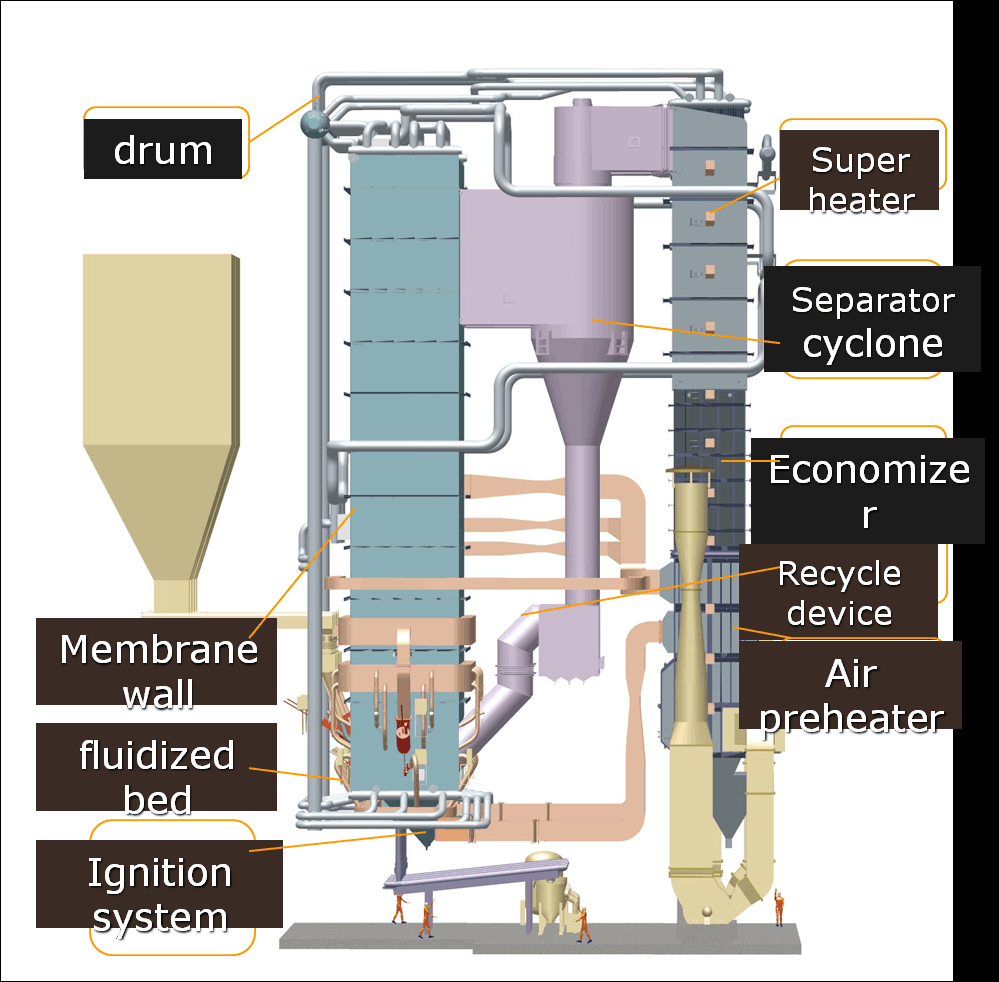
Modern Circulating Fluidized Bed (CFB) boilers are among the most versatile and efficient combustion systems used in industrial and power generation applications. Their ability to burn a wide range of fuels—such as coal, biomass, and waste materials—while maintaining stable combustion and low emissions makes them highly valuable in today’s energy landscape. However, the complexity of CFB boiler operation has increased significantly with the integration of ultra-low emission technologies, large-scale designs, and multi-fuel capabilities. Without precise control, these systems can suffer from inefficiencies, unstable combustion, higher emissions, and increased operational risks. Traditional manual or basic control methods are no longer sufficient to manage the dynamic and interconnected processes within modern CFB systems. This challenge has led to the widespread adoption of digital control systems, which enable intelligent, automated, and real-time optimization of boiler performance.
Digital control systems play a critical role in modern CFB boiler operation by continuously monitoring key parameters such as temperature, pressure, fuel feed rate, air distribution, and emission levels. Using advanced algorithms, programmable logic controllers (PLC), and real-time data analytics, these systems automatically adjust combustion conditions, optimize fuel utilization, enhance safety, reduce emissions, and improve overall thermal efficiency and operational stability.
To fully understand their importance, it is essential to explore how digital control systems interact with the complex processes inside CFB boilers and how they enhance performance across multiple operational dimensions.
Digital control systems improve combustion efficiency and operational stability in CFB boilers.True
By continuously monitoring and adjusting operating parameters, digital systems optimize combustion and maintain stable boiler performance.
CFB boilers can operate at peak efficiency without advanced control systems.False
Due to their complex multi-variable processes, CFB boilers require advanced digital control systems to maintain optimal efficiency and stability.
Complexity of Modern CFB Boiler Operation
CFB boilers involve highly dynamic processes that require precise coordination of multiple variables.
Key operational parameters include:
• Bed temperature distribution
• Air flow and distribution
• Fuel feed rate and composition
• Circulation of bed materials
• Flue gas composition and emissions
These parameters are interdependent, meaning that changes in one variable can affect the entire system.
Table 1: Key Operational Variables in CFB Boilers
| Parameter | Impact on Performance |
|---|---|
| Bed temperature | Combustion efficiency and NOx formation |
| Air distribution | Fuel combustion and emissions |
| Fuel feed rate | Steam generation stability |
| Pressure | Safety and system reliability |
Digital control systems manage these variables simultaneously.
Core Components of Digital Control Systems
Modern CFB boiler control systems consist of multiple integrated technologies.
Key components include:
• Programmable Logic Controllers (PLC)
• Distributed Control Systems (DCS)
• Sensors and transmitters
• Human-Machine Interfaces (HMI)
• Data analytics platforms
Table 2: Components and Functions
| Component | Function |
|---|---|
| PLC/DCS | Executes control logic and automation |
| Sensors | Collect real-time operational data |
| HMI | Displays system status and allows operator interaction |
| Analytics software | Processes data and optimizes performance |
These components work together to ensure accurate and responsive control.
Real-Time Monitoring and Data Acquisition
Digital control systems continuously collect data from sensors installed throughout the boiler.
Monitored parameters include:
• Temperature at various furnace zones
• Oxygen levels in flue gas
• Pressure in steam systems
• Fuel flow rates
• Emission levels (NOx, SO₂, particulate matter)
This real-time data provides a comprehensive view of boiler performance.
Combustion Optimization
One of the most important roles of digital control systems is optimizing combustion.
CFB boilers require precise control of:
• Air-to-fuel ratio
• Primary and secondary air distribution
• Bed temperature
• Fuel particle circulation
Digital systems adjust these parameters automatically to ensure efficient combustion.
Table 3: Combustion Control Benefits
| Control Feature | Benefit |
|---|---|
| Air-fuel ratio optimization | Improved efficiency |
| Temperature control | Reduced NOx emissions |
| Fuel feed regulation | Stable steam output |
Optimized combustion leads to lower fuel consumption and improved performance.
Enhancing Fuel Flexibility
CFB boilers are known for their ability to burn multiple fuels, but different fuels have varying properties.
Digital control systems help manage:
• Variations in fuel calorific value
• Changes in moisture content
• Differences in particle size
By adjusting combustion parameters in real time, the system maintains stable operation.
Emission Control and Environmental Compliance
Digital control systems play a crucial role in reducing emissions and ensuring compliance with environmental regulations.
They support technologies such as:
• In-furnace desulfurization
• Selective catalytic reduction (SCR)
• Particulate filtration systems
Table 4: Emission Control Functions
| Emission Type | Control Method |
|---|---|
| SO₂ | Limestone injection control |
| NOx | Air staging and temperature control |
| Particulates | Monitoring and filter optimization |
Continuous monitoring ensures emissions remain within regulatory limits.
Safety Monitoring and Protection
CFB boilers operate under high temperature and pressure conditions, making safety a critical concern.
Digital control systems provide multiple layers of safety protection:
• Overpressure protection
• Temperature limit monitoring
• Emergency shutdown systems
• Flame and combustion monitoring
These features reduce the risk of accidents and equipment damage.
Predictive Maintenance and Reliability
Modern digital systems use data analytics to predict potential equipment failures.
By analyzing trends in operational data, systems can detect:
• Abnormal vibration patterns
• Heat exchanger fouling
• Fan or pump degradation
• Sensor malfunctions
Predictive maintenance reduces downtime and improves reliability.
Load Management and Efficiency Optimization
Industrial steam demand often fluctuates throughout the day.
Digital control systems adjust boiler output to match demand by:
• Modulating fuel feed rates
• Adjusting air supply
• Optimizing steam production
This ensures efficient operation across different load conditions.
Integration with Industrial IoT and Smart Systems
Many modern CFB boilers are integrated with Industrial Internet of Things (IIoT) platforms.
This allows:
• Remote monitoring and control
• Centralized management of multiple boilers
• Advanced data analytics
• Cloud-based performance tracking
These capabilities enhance operational efficiency and decision-making.
Economic and Operational Benefits
Digital control systems provide significant economic advantages:
• Reduced fuel consumption
• Lower maintenance costs
• Improved operational efficiency
• Reduced downtime
Even small efficiency improvements can result in substantial cost savings.
Future Trends in Digital Boiler Control
The future of CFB boiler control systems includes:
• Artificial intelligence for autonomous optimization
• Digital twin technology for simulation and analysis
• Advanced machine learning algorithms
• Fully automated boiler operation
These innovations will further enhance performance and sustainability.
Summary
Digital control systems play a fundamental role in modern CFB boiler operation by enabling real-time monitoring, automated control, and intelligent optimization of complex combustion processes. Through the integration of sensors, PLC/DCS systems, and advanced data analytics, these systems enhance combustion efficiency, improve fuel flexibility, reduce emissions, ensure operational safety, and support predictive maintenance. As CFB boilers continue to evolve toward larger, more efficient, and more environmentally friendly designs, digital control systems will remain essential for achieving optimal performance and reliable industrial energy production.
How Is Carbon Capture Integration Influencing CFB Boiler Development?
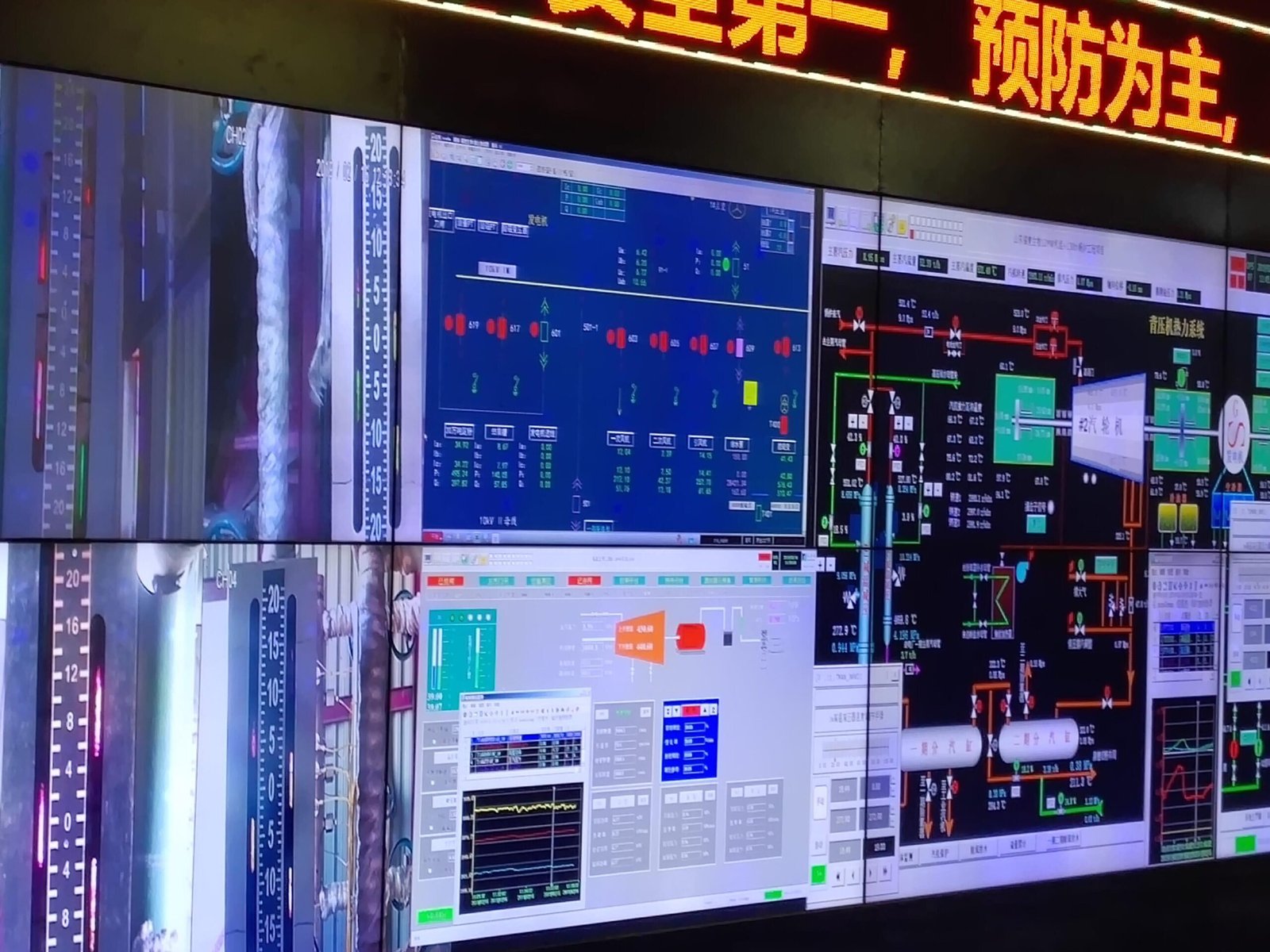
As global efforts to combat climate change intensify, industrial sectors are under increasing pressure to significantly reduce carbon dioxide (CO₂) emissions. Circulating Fluidized Bed (CFB) boilers, known for their fuel flexibility and relatively low emissions, are now at the center of this transformation. However, even efficient CFB systems still emit CO₂ when burning fossil fuels such as coal or petroleum coke. To meet stringent decarbonization targets and comply with evolving environmental regulations, industries are turning to carbon capture technologies as a key solution. Without integrating carbon capture, many existing and future CFB installations risk becoming non-compliant or economically uncompetitive in carbon-constrained markets. As a result, carbon capture integration is not only enhancing environmental performance but also fundamentally reshaping the design, operation, and future development of CFB boiler technology.
Carbon capture integration is influencing CFB boiler development by driving innovations in combustion design, flue gas treatment, heat integration, and system efficiency. Modern CFB boilers are increasingly being engineered to facilitate efficient CO₂ capture through optimized flue gas composition, reduced energy penalties, and seamless integration with post-combustion, oxy-fuel, or chemical looping technologies, enabling significant reductions in carbon emissions while maintaining high operational efficiency.
To fully understand this transformation, it is essential to explore how carbon capture technologies interact with CFB boiler systems and how they are shaping next-generation boiler design.
Carbon capture systems can significantly reduce CO2 emissions from CFB boilers.True
Carbon capture technologies can remove a large percentage of CO2 from flue gases, reducing the environmental impact of fossil fuel combustion.
Integrating carbon capture has no impact on boiler design or operation.False
Carbon capture integration requires modifications in flue gas handling, heat recovery, and system efficiency, significantly influencing boiler design and operation.
Overview of Carbon Capture Technologies for CFB Boilers
Carbon capture technologies are designed to separate CO₂ from flue gases before they are released into the atmosphere. There are three primary approaches used in conjunction with CFB boilers:
• Post-combustion capture
• Oxy-fuel combustion
• Chemical looping combustion
Table 1: Carbon Capture Technologies Overview
| Technology | Description | CO₂ Capture Efficiency |
|---|---|---|
| Post-combustion | CO₂ removed from flue gas after combustion | 85–95% |
| Oxy-fuel combustion | Fuel burned in oxygen instead of air | 90–98% |
| Chemical looping | Uses metal oxides to transfer oxygen | 95%+ |
Each approach influences CFB boiler design differently.
Post-Combustion Capture and Flue Gas Optimization
Post-combustion capture is the most widely adopted method for retrofitting existing CFB boilers.
This method typically uses chemical solvents (such as amines) to absorb CO₂ from flue gases.
To improve capture efficiency, modern CFB boilers are designed to:
• Optimize flue gas temperature
• Control oxygen concentration
• Reduce impurities in flue gas
• Enhance gas flow uniformity
These design improvements increase the effectiveness of CO₂ separation.
Oxy-Fuel Combustion in CFB Boilers
Oxy-fuel combustion is an advanced approach in which fuel is burned in pure oxygen rather than air. This results in flue gas composed primarily of CO₂ and water vapor, making CO₂ capture easier.
Key advantages include:
• High CO₂ concentration in flue gas
• Simplified CO₂ separation process
• Reduced nitrogen oxide formation
However, oxy-fuel systems require additional equipment such as air separation units.
Table 2: Comparison of Air-Fired and Oxy-Fuel CFB Boilers
| Parameter | Air-Fired CFB | Oxy-Fuel CFB |
|---|---|---|
| Flue gas composition | CO₂ + N₂ + others | CO₂ + H₂O |
| CO₂ concentration | Low | High |
| Capture complexity | Higher | Lower |
Oxy-fuel technology is a promising direction for future CFB development.
Chemical Looping Combustion
Chemical looping is an emerging technology that enables inherent CO₂ separation during combustion.
In this process:
• Metal oxides transfer oxygen to fuel
• CO₂ is produced without mixing with nitrogen
• CO₂ can be captured directly
This method eliminates the need for post-combustion separation.
Although still under development, chemical looping offers high efficiency and low emissions.
Impact on Boiler Thermal Efficiency
One of the main challenges of carbon capture integration is the energy penalty associated with CO₂ separation.
Carbon capture systems require additional energy for:
• Solvent regeneration
• Gas compression
• Auxiliary equipment operation
Table 3: Efficiency Impact of Carbon Capture
| System Type | Efficiency Without Capture | Efficiency With Capture |
|---|---|---|
| Conventional CFB | 38–42% | 30–35% |
| Optimized CFB with CCS | 42–45% | 35–40% |
To mitigate efficiency losses, modern CFB designs incorporate advanced heat integration systems.
Heat Integration and Energy Optimization
To reduce the energy penalty of carbon capture, CFB boilers are increasingly designed with integrated heat recovery systems.
These systems recover waste heat and reuse it within the carbon capture process.
Examples include:
• Using low-grade heat for solvent regeneration
• Integrating economizers and heat exchangers
• Optimizing steam extraction from turbines
These measures improve overall system efficiency.
Influence on Combustion Design
Carbon capture requirements influence combustion system design in several ways:
• Lower excess air operation to increase CO₂ concentration
• Improved air distribution control
• Enhanced fuel-air mixing
• Stable combustion under modified conditions
These adjustments help optimize flue gas composition for CO₂ capture.
Material and Corrosion Considerations
Carbon capture integration introduces new challenges related to materials and corrosion.
Flue gases in CCS systems may contain:
• Higher CO₂ concentrations
• Acidic compounds
• Moisture from condensation
CFB boilers must use corrosion-resistant materials to ensure long-term durability.
Integration with Biomass Co-Firing (BECCS)
One of the most promising developments is the combination of biomass combustion with carbon capture, known as Bioenergy with Carbon Capture and Storage (BECCS).
In BECCS systems:
• Biomass absorbs CO₂ during growth
• CO₂ is captured during combustion
• Net negative emissions are achieved
Table 4: Emission Impact of BECCS
| System Type | Net CO₂ Emissions |
|---|---|
| Coal-fired CFB | High |
| Biomass CFB | Near neutral |
| Biomass CFB + CCS (BECCS) | Negative emissions |
This approach represents a major breakthrough in decarbonization.
Digitalization and CCS Optimization
Modern CFB boilers with carbon capture systems rely on digital control technologies to optimize performance.
Digital systems enable:
• Real-time monitoring of CO₂ capture rates
• Optimization of solvent usage
• Energy efficiency improvements
• Predictive maintenance of CCS equipment
These capabilities enhance overall system reliability.
Economic and Regulatory Implications
Carbon capture integration is influenced by:
• Carbon pricing mechanisms
• Emission reduction regulations
• Government incentives for CCS
• Investment in low-carbon technologies
Although CCS increases capital and operating costs, it helps industries comply with regulations and avoid carbon penalties.
Future Trends in CFB Boiler Development
The future of CFB boilers with carbon capture may include:
• Ultra-supercritical CFB + CCS systems
• Hydrogen co-firing with CCS
• Advanced chemical looping technologies
• AI-optimized CCS integration
These innovations will further improve efficiency and sustainability.
Summary
Carbon capture integration is fundamentally transforming the development of CFB boiler technology by driving innovations in combustion design, heat integration, material selection, and system optimization. By enabling significant reductions in CO₂ emissions through post-combustion, oxy-fuel, and chemical looping approaches, carbon capture technologies allow CFB boilers to remain viable in a low-carbon energy future. Although challenges such as efficiency penalties and increased system complexity remain, ongoing advancements in heat recovery, digital control, and hybrid energy systems are helping to overcome these barriers. As industries continue to pursue decarbonization, the integration of carbon capture will play a central role in shaping the next generation of high-efficiency, low-emission CFB boiler systems.
What Market Trends Are Shaping Global Demand for CFB Boilers?
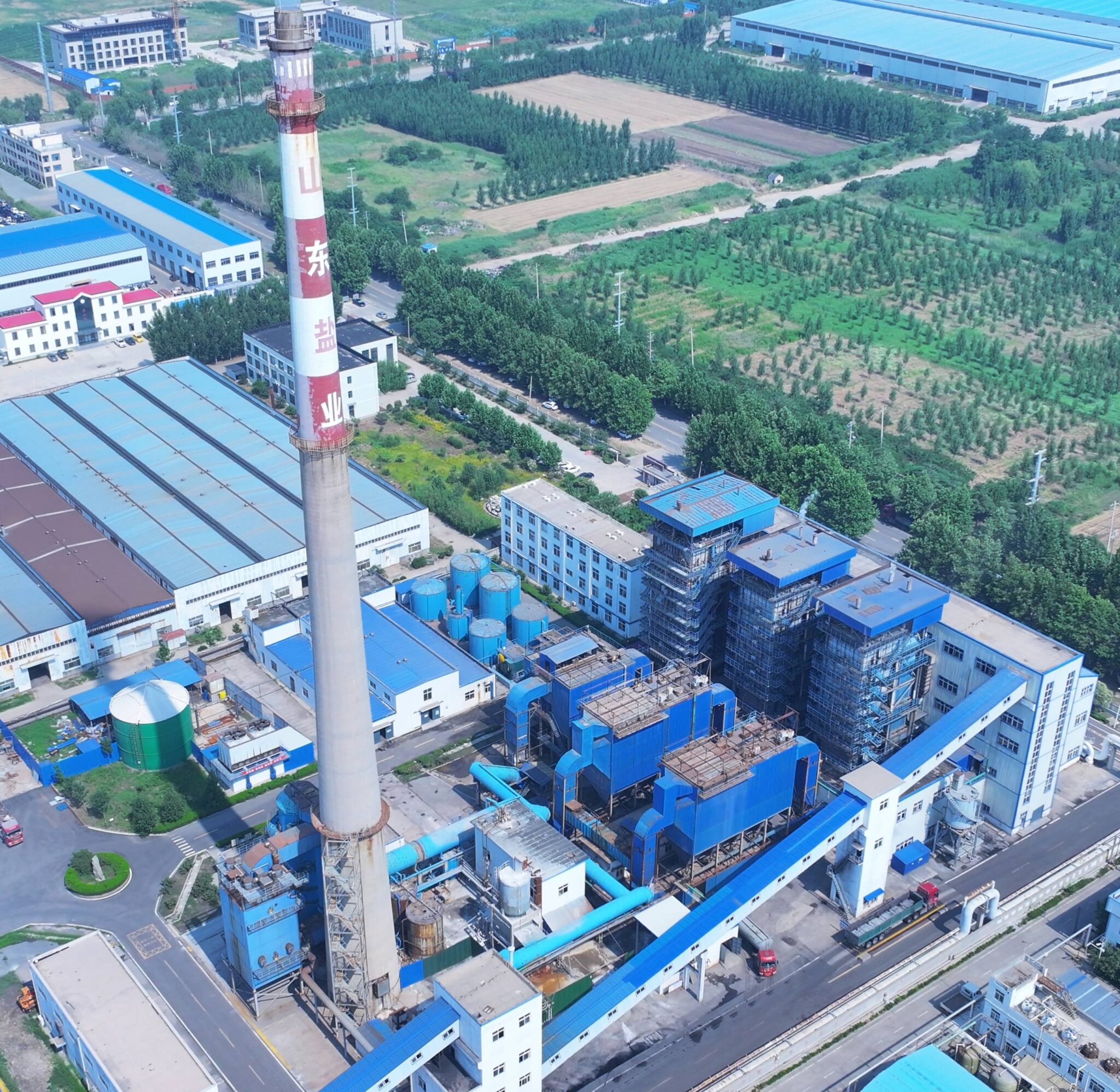
The global energy and industrial landscape is undergoing a significant transformation driven by decarbonization policies, fuel diversification, cost pressures, and technological advancements. Traditional boiler technologies are increasingly challenged by stricter environmental regulations, volatile fuel markets, and the need for more sustainable energy solutions. In this context, Circulating Fluidized Bed (CFB) boilers are gaining attention due to their ability to burn diverse fuels efficiently while maintaining relatively low emissions. However, the demand for CFB boilers is not driven by a single factor—it is shaped by a combination of economic, environmental, technological, and geopolitical trends. Without understanding these market dynamics, industrial operators and investors may miss opportunities to adopt more flexible and future-proof energy systems.
Global demand for CFB boilers is being shaped by key market trends including the transition to low-carbon energy, increasing fuel flexibility requirements, rising demand for waste-to-energy solutions, stricter emission regulations, growth in emerging economies, and advancements in supercritical and ultra-low emission technologies. These factors collectively drive the adoption of CFB boilers as a versatile, efficient, and environmentally compliant solution for modern industrial and power generation needs.
To fully understand these trends, it is important to analyze how each factor influences the adoption of CFB boiler technology across different regions and industries.
CFB boiler demand is increasing due to their ability to meet stricter environmental regulations.True
CFB boilers inherently produce lower emissions and can integrate advanced emission control technologies to comply with modern environmental standards.
CFB boilers are becoming less relevant due to the rise of renewable energy.False
CFB boilers complement renewable energy by enabling biomass and waste fuel utilization, supporting the transition to low-carbon energy systems.
Global Shift Toward Low-Carbon Energy Systems
One of the most significant trends influencing CFB boiler demand is the global push toward decarbonization. Governments and industries are striving to reduce greenhouse gas emissions while maintaining reliable energy supply.
CFB boilers support this transition by enabling:
• Biomass co-firing and full biomass combustion
• Waste-to-energy applications
• Integration with carbon capture technologies
• Lower emissions compared to conventional coal systems
Table 1: Role of CFB Boilers in Decarbonization
| Energy Strategy | Contribution of CFB Boilers |
|---|---|
| Biomass energy | Renewable fuel utilization |
| Waste-to-energy | Reduces landfill waste |
| Carbon capture integration | Enables low-carbon operation |
| Fuel switching | Supports gradual decarbonization |
CFB technology provides a bridge between traditional fossil fuels and renewable energy systems.
Increasing Demand for Fuel Flexibility
Fuel price volatility and supply chain uncertainties are driving industries to adopt more flexible energy systems.
CFB boilers are uniquely capable of burning:
• Low-grade coal
• Biomass fuels
• Industrial waste
• Municipal solid waste-derived fuels
This flexibility allows operators to switch fuels based on availability and cost.
Table 2: Fuel Flexibility Comparison
| Boiler Type | Fuel Options |
|---|---|
| Pulverized coal boiler | Limited |
| Gas-fired boiler | Single fuel |
| CFB boiler | Multi-fuel capability |
Fuel flexibility is a major competitive advantage in uncertain energy markets.
Growth of Waste-to-Energy and Circular Economy Models
Another key trend is the increasing adoption of waste-to-energy (WtE) solutions as part of circular economy initiatives.
CFB boilers are well-suited for WtE applications because they can handle heterogeneous fuels such as:
• Municipal solid waste (MSW)
• Refuse-derived fuel (RDF)
• Industrial waste
• Agricultural residues
Table 3: Benefits of Waste-to-Energy CFB Systems
| Benefit | Impact |
|---|---|
| Waste reduction | Lower landfill use |
| Energy recovery | Converts waste into useful energy |
| Environmental protection | Reduces pollution |
This trend is particularly strong in regions facing waste management challenges.
Stricter Environmental Regulations
Environmental regulations are becoming more stringent worldwide, particularly regarding emissions of:
• Nitrogen oxides (NOx)
• Sulfur dioxide (SO₂)
• Particulate matter (PM)
• Carbon dioxide (CO₂)
CFB boilers are inherently suited to meet these requirements due to:
• Lower combustion temperatures reducing NOx formation
• In-furnace desulfurization capabilities
• Compatibility with advanced emission control systems
These features make CFB boilers a preferred choice in regulated markets.
Expansion in Emerging Economies
Rapid industrialization in emerging economies is driving demand for reliable and cost-effective energy systems.
Regions with strong CFB boiler growth include:
• Asia-Pacific (China, India, Southeast Asia)
• Eastern Europe
• Latin America
Table 4: Key Drivers in Emerging Markets
| Factor | Impact on CFB Demand |
|---|---|
| Industrial growth | Increased energy demand |
| Availability of low-grade fuels | Supports CFB adoption |
| Infrastructure development | Expands boiler installations |
CFB boilers are particularly attractive in regions with abundant low-cost fuels.
Technological Advancements in CFB Design
Technological innovation is another major factor shaping demand.
Recent advancements include:
• Supercritical and ultra-supercritical CFB boilers
• Ultra-low emission technologies
• Advanced digital control systems
• Integration with carbon capture
These innovations improve efficiency and environmental performance.
Rising Energy Cost Pressures
Industrial operators are increasingly focused on reducing energy costs.
CFB boilers offer cost advantages through:
• Use of low-cost fuels
• Improved fuel utilization efficiency
• Reduced dependence on high-cost fuels like natural gas
This makes them economically attractive in cost-sensitive industries.
Integration with Renewable and Hybrid Energy Systems
CFB boilers are increasingly being integrated into hybrid energy systems that combine:
• Biomass energy
• Solar thermal systems
• Waste heat recovery
• Energy storage systems
This integration enhances overall system efficiency and sustainability.
Digitalization and Smart Energy Management
The adoption of digital technologies is transforming boiler operation.
Smart systems enable:
• Real-time performance monitoring
• Predictive maintenance
• Automated combustion optimization
• Emission control optimization
Digitalization improves both efficiency and reliability.
Energy Security and Diversification
Geopolitical uncertainties and energy supply disruptions are encouraging countries to diversify their energy sources.
CFB boilers support energy security by:
• Allowing use of locally available fuels
• Reducing reliance on imported fuels
• Enabling fuel switching during supply disruptions
This flexibility enhances resilience in energy systems.
Future Outlook for CFB Boiler Demand
The future of CFB boiler demand is expected to be influenced by:
• Continued decarbonization efforts
• Expansion of biomass and waste energy markets
• Development of carbon capture technologies
• Growth in emerging industrial economies
CFB boilers are likely to remain a key technology in the global energy transition.
Summary
Global demand for CFB boilers is being shaped by a combination of powerful market trends, including the transition to low-carbon energy systems, increasing fuel flexibility requirements, growth in waste-to-energy solutions, stricter environmental regulations, and rapid industrialization in emerging economies. Technological advancements such as supercritical designs, ultra-low emission systems, and digital control technologies are further enhancing the competitiveness of CFB boilers. As industries seek reliable, cost-effective, and environmentally compliant energy solutions, CFB boiler technology is emerging as a versatile and future-ready option capable of meeting the evolving demands of the global energy market.
🔍 Conclusion
Circulating Fluidized Bed boiler technology is rapidly advancing to meet the dual challenges of environmental compliance and fuel diversity. With innovations in emissions control, digitalization, and large-scale design, CFB boilers are becoming a preferred solution for modern power plants and industrial applications. As market demand continues to grow, investing in advanced CFB systems offers both economic and environmental benefits.
🔹 Contact us today to explore next-generation CFB boiler solutions designed for efficiency, flexibility, and sustainability. ♨️📊🌱
FAQ
What are the latest technological trends in CFB boiler systems?
Circulating Fluidized Bed (CFB) boiler technology is evolving rapidly to meet the growing demand for cleaner, more flexible, and efficient energy systems. One of the most significant trends is improved fuel flexibility. Modern CFB boilers can efficiently burn a wide range of fuels, including coal, biomass, waste materials, and even low-grade fuels with high moisture or ash content. This flexibility allows industries and power plants to adapt to changing fuel availability and cost conditions.
Another major innovation is enhanced combustion efficiency. Advanced air distribution systems and optimized bed materials improve mixing between fuel and air, ensuring more complete combustion. This results in higher thermal efficiency and lower fuel consumption.
Digitalization is also transforming CFB boiler operations. Smart sensors and control systems continuously monitor combustion conditions, temperature distribution, and emissions levels. These systems enable real-time optimization and predictive maintenance, improving reliability and reducing downtime.
Additionally, advancements in materials and boiler design allow CFB systems to operate at higher temperatures and pressures, improving overall energy efficiency and enabling better integration with modern power generation systems.
How are CFB boilers improving environmental performance?
Environmental performance is a key focus of modern CFB boiler technology. One of the main advantages of CFB systems is their ability to reduce emissions during the combustion process itself. Unlike traditional boilers, CFB boilers operate at lower combustion temperatures, which significantly reduces nitrogen oxide (NOx) formation.
Sulfur dioxide (SO₂) emissions are also effectively controlled within the combustion chamber. By adding limestone or other sorbents directly into the fluidized bed, sulfur compounds are captured before they are released into the atmosphere. This in-situ desulfurization reduces the need for external flue gas treatment systems.
Particulate emissions are managed through advanced filtration systems such as electrostatic precipitators and baghouse filters. These technologies capture fine particles and ensure compliance with strict environmental regulations.
Another important trend is carbon reduction. Many CFB boilers are now designed to co-fire biomass with fossil fuels, reducing overall carbon emissions. Some systems are also being developed to integrate with carbon capture technologies, supporting long-term decarbonization goals.
These environmental advantages make CFB boilers an attractive option for industries seeking to meet increasingly strict emission standards.
What role does fuel flexibility play in CFB boiler demand?
Fuel flexibility is one of the most important factors driving demand for CFB boiler technology. Unlike conventional boilers that require consistent, high-quality fuel, CFB systems can efficiently handle a wide range of fuels with varying characteristics.
This includes low-grade coal, biomass, industrial waste, municipal solid waste, and other alternative fuels. The ability to switch between different fuel types allows operators to reduce fuel costs and adapt to changing market conditions.
Fuel flexibility also supports energy security. Industries and power plants can use locally available fuels instead of relying on imported energy sources. This reduces transportation costs and minimizes exposure to global fuel price fluctuations.
In addition, the ability to co-fire biomass and waste materials helps organizations reduce carbon emissions and meet sustainability targets. Governments in many regions are encouraging the use of renewable and waste-derived fuels, further increasing demand for flexible boiler technologies.
As energy markets become more dynamic and environmentally regulated, the versatility of CFB boilers continues to make them a preferred choice for many industrial and power generation applications.
What are the current market demand trends for CFB boilers?
The global demand for CFB boilers is steadily increasing due to a combination of environmental regulations, energy diversification strategies, and industrial growth. Developing economies in Asia, particularly China and India, are major drivers of demand as they expand power generation capacity and industrial infrastructure.
In these regions, CFB boilers are widely used in power plants, cement production, and chemical industries due to their ability to utilize low-cost fuels and meet emission standards.
There is also growing demand in Europe and North America, driven by stricter environmental regulations and the transition toward cleaner energy systems. Many existing coal-fired plants are being upgraded or replaced with CFB systems to improve efficiency and reduce emissions.
The industrial sector is another key contributor to market growth. Industries such as pulp and paper, food processing, and metallurgy are adopting CFB boilers for their fuel flexibility and cost efficiency.
Additionally, waste-to-energy projects are increasing globally. CFB boilers are well-suited for these applications because they can efficiently burn mixed waste materials while maintaining stable combustion.
Overall, the market is shifting toward cleaner, more flexible, and energy-efficient boiler technologies, positioning CFB systems as a strong solution for future energy needs.
How will future innovations impact CFB boiler technology and adoption?
Future innovations are expected to further enhance the performance and adoption of CFB boiler technology. One key area of development is integration with carbon capture and storage (CCS) systems. By capturing carbon dioxide emissions from combustion processes, CFB boilers can significantly reduce their environmental impact and support global decarbonization efforts.
Another important trend is the use of artificial intelligence and advanced analytics. AI-driven control systems can optimize combustion in real time, improving efficiency and reducing emissions. These systems can also predict equipment failures and recommend maintenance actions, improving reliability.
Advancements in materials science will enable boilers to operate at higher temperatures and pressures, increasing efficiency and power output. Improved refractory materials and corrosion-resistant alloys will extend equipment lifespan and reduce maintenance requirements.
Hybrid energy systems are also emerging. CFB boilers may be integrated with renewable energy sources such as solar thermal systems or combined heat and power (CHP) plants to improve overall energy efficiency.
As global energy systems continue to evolve, these innovations will make CFB boilers more efficient, sustainable, and adaptable, ensuring their continued relevance in both industrial and power generation sectors.
References
Circulating Fluidized Bed Technology Overview
https://www.iea.org/reports/clean-coal-technologies
International Energy AgencyIndustrial Boiler Efficiency Guide
https://www.carbontrust.com/resources/guides/energy-efficiency/boilers
Carbon TrustFluidized Bed Combustion Systems
https://www.energy.gov/eere/amo/industrial-process-heating
U.S. Department of EnergyBioenergy and Waste-to-Energy Systems
https://www.ieabioenergy.com
IEA BioenergyGlobal Energy Market Trends
https://www.iea.org/topics/industry
International Energy AgencyEmission Control Technologies
https://www.epa.gov/e3
U.S. Environmental Protection AgencyPower Plant Engineering Advances
https://www.ge.com/gas-power
GE PowerBoiler Technology Innovations
https://www.siemens-energy.com
Siemens EnergyRenewable Energy Integration
https://www.irena.org
International Renewable Energy AgencyIndustrial Energy Efficiency Resources
https://www.nrel.gov
National Renewable Energy Laboratory
Latest Trends in CFB Boiler Technology and Market Demand Read More »