
What Affects Industrial Coal-Fired Boiler Pricing?
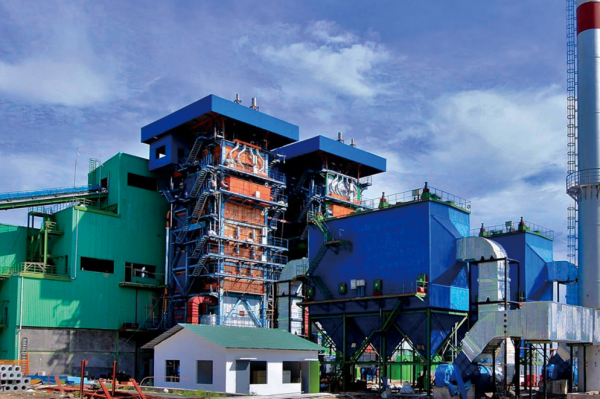
Purchasing an industrial coal-fired boiler is a significant investment, and many buyers struggle to understand why prices vary so widely between suppliers. Choosing a boiler based solely on the lowest price can lead to hidden costs such as poor efficiency, higher fuel consumption, frequent maintenance, and shorter equipment lifespan. Without a clear understanding of pricing factors, companies risk overspending or investing in substandard equipment that fails to meet operational needs.
Industrial coal-fired boiler pricing is influenced by several key factors, including boiler capacity and pressure rating, design type (CFB or chain grate), material quality, automation level, emission control systems, fuel handling equipment, and manufacturer reputation. Additional costs such as installation, transportation, and after-sales service also significantly impact the total project price. Evaluating both upfront cost and lifecycle value is essential to making a cost-effective investment.
To secure the best value, buyers must understand how each component and specification contributes to the overall price. The following outline highlights the most important factors to consider when evaluating industrial coal-fired boiler costs.
🔗 Recommended Reading:
If you would like to find out more about coal-fired boilers and their applications, you may find the following pages useful:
https://coalbiomassboiler.com/product/coal-fired-boiler/
https://coalbiomassboiler.com/project-case/
How Do Capacity and Pressure Affect Industrial Coal-Fired Boiler Pricing?
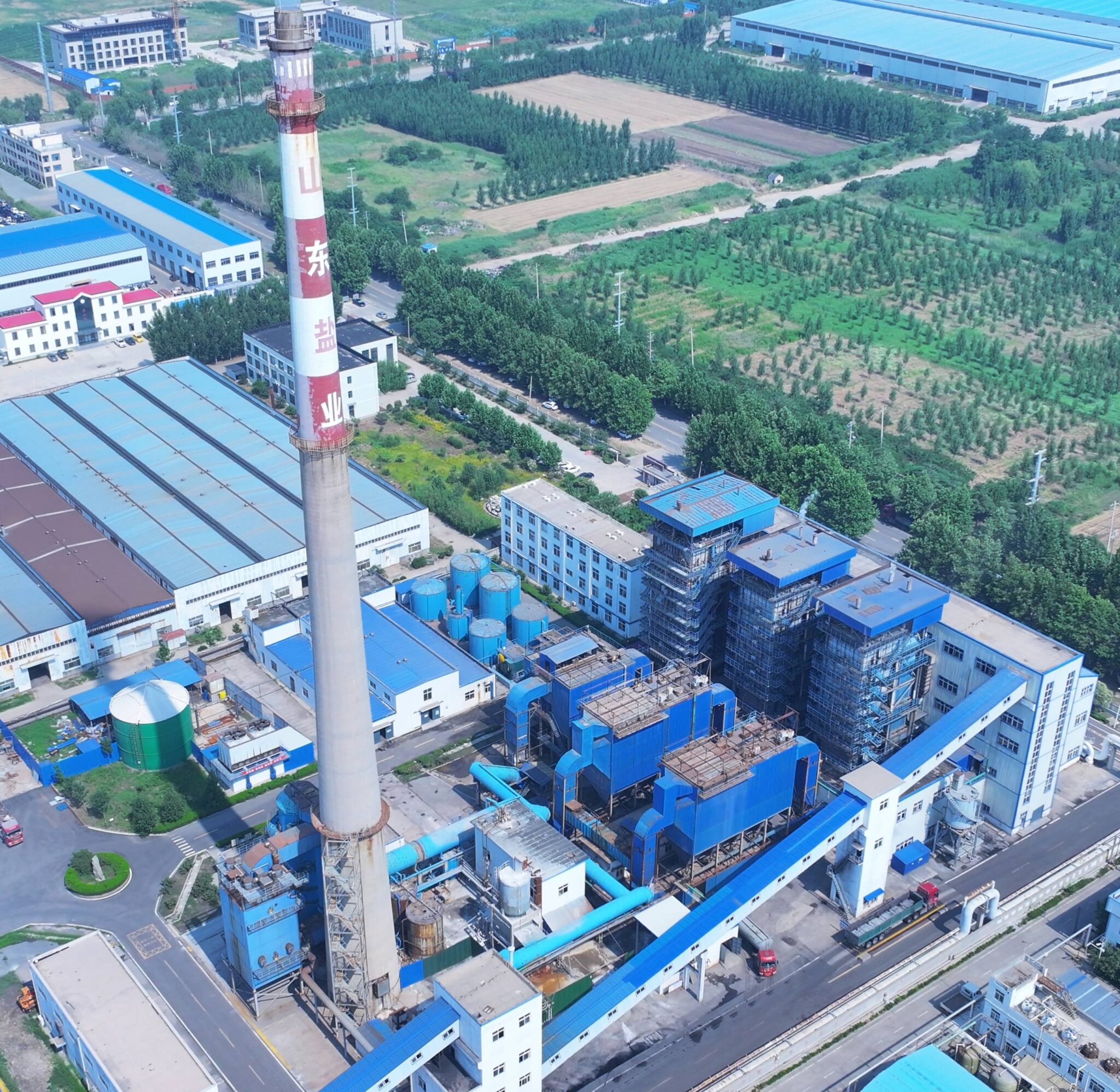
Industrial coal-fired boilers remain widely used in power generation and heavy industries due to their ability to deliver large-scale, reliable steam output. However, when purchasing such systems, buyers often encounter significant price differences between seemingly similar boilers. Two of the most influential factors behind these variations are boiler capacity (steam output) and operating pressure. Many buyers underestimate how these technical parameters directly impact manufacturing complexity, material requirements, safety standards, and overall system design. Choosing the wrong capacity or pressure specification can lead to overspending, inefficiency, or operational limitations. Therefore, understanding how capacity and pressure affect pricing is essential for making cost-effective and technically sound investment decisions.
Capacity and pressure significantly influence industrial coal-fired boiler pricing because larger capacities require more materials, larger heat transfer surfaces, and more complex systems, while higher pressure levels demand stronger materials, stricter manufacturing standards, and advanced safety designs. As a result, both higher capacity and higher pressure increase production costs, engineering complexity, and final equipment price, often in a non-linear manner.
To better evaluate boiler costs, it is important to analyze how these two factors influence design, materials, manufacturing processes, and long-term operational performance.
Higher boiler capacity increases equipment cost due to greater material and system requirements.True
Larger boilers require more steel, larger heat exchange surfaces, and more complex auxiliary systems, which increase manufacturing costs.
Operating pressure has little impact on the price of industrial coal-fired boilers.False
Higher pressure requires stronger materials, stricter safety standards, and more advanced engineering, significantly increasing boiler cost.
Understanding Boiler Capacity and Its Cost Impact
Boiler capacity refers to the amount of steam a boiler can produce, typically measured in tons per hour (t/h). Capacity is one of the most direct indicators of boiler size and output capability.
As capacity increases, several cost-driving factors come into play:
• Larger furnace and combustion chamber
• Increased heat transfer surface area
• Higher material consumption (steel, tubes, insulation)
• More powerful auxiliary equipment (fans, pumps)
• Expanded control and monitoring systems
Table 1: Typical Capacity Ranges and Cost Implications
| Boiler Capacity | Typical Application | Cost Impact |
|---|---|---|
| 1–10 t/h | Small industrial plants | Lower cost |
| 10–50 t/h | Medium-scale industries | Moderate cost |
| 50–200 t/h | Large industrial facilities | High cost |
| 200+ t/h | Power generation | Very high cost |
As capacity increases, costs rise not only due to size but also due to increased engineering complexity.
Economies of Scale vs Cost Growth
While larger boilers benefit from economies of scale (lower cost per unit of steam output), the total investment still increases significantly.
Table 2: Cost per Unit Capacity Trend
| Capacity Level | Cost per Ton of Steam | Total Investment |
|---|---|---|
| Small capacity | High | Low |
| Medium capacity | Moderate | Moderate |
| Large capacity | Lower per unit | High overall |
This means large boilers are more efficient economically per unit but require higher upfront capital.
Influence of Operating Pressure on Boiler Design
Operating pressure refers to the pressure at which steam is generated, typically measured in bar or MPa.
Higher pressure boilers require:
• Thicker pressure vessel walls
• Stronger materials (alloy steels)
• Advanced welding techniques
• More stringent safety systems
Table 3: Pressure Levels and Design Requirements
| Pressure Level | Typical Range | Design Complexity |
|---|---|---|
| Low pressure | <1.6 MPa | Basic design |
| Medium pressure | 1.6–3.8 MPa | Moderate complexity |
| High pressure | >3.8 MPa | High complexity |
| Supercritical | >22.1 MPa | Extremely complex |
As pressure increases, design and manufacturing requirements become significantly more demanding.
Material Cost Implications of High Pressure
One of the biggest cost drivers in high-pressure boilers is material selection.
High-pressure systems require:
• High-strength alloy steel
• Creep-resistant materials
• Corrosion-resistant components
These materials are more expensive than standard carbon steel.
Table 4: Material Cost Comparison
| Material Type | Application | Cost Level |
|---|---|---|
| Carbon steel | Low-pressure boilers | Low |
| Alloy steel | Medium/high-pressure boilers | Medium |
| Advanced alloys | Supercritical boilers | High |
Material cost increases sharply with pressure requirements.
Manufacturing Complexity and Quality Standards
Higher pressure boilers must comply with stricter manufacturing standards such as:
• ASME Boiler and Pressure Vessel Code
• EN standards
• National pressure vessel regulations
Manufacturing processes become more complex due to:
• Precision welding requirements
• Non-destructive testing (NDT)
• Heat treatment processes
These factors increase production time and cost.
Impact on Safety Systems and Instrumentation
High-pressure boilers require advanced safety and control systems, including:
• High-precision pressure sensors
• Safety valves with strict calibration
• Automated shutdown systems
• Advanced monitoring systems
These systems add to the overall cost but are essential for safe operation.
Combined Effect of Capacity and Pressure on Pricing
Capacity and pressure often interact to amplify cost increases.
For example:
• A large-capacity, low-pressure boiler may be moderately priced
• A small-capacity, high-pressure boiler may still be expensive
• A large-capacity, high-pressure boiler represents the highest cost category
Table 5: Combined Cost Impact
| Capacity | Pressure | Relative Cost Level |
|---|---|---|
| Low | Low | Low |
| High | Low | Moderate |
| Low | High | Moderate to high |
| High | High | Very high |
The combination of high capacity and high pressure significantly increases cost.
Influence on Installation and Infrastructure Costs
Higher capacity and pressure also affect installation costs, including:
• Foundation requirements
• Steam piping systems
• Safety infrastructure
• Auxiliary equipment installation
These additional costs must be considered in total project budgeting.
Operational and Lifecycle Cost Considerations
Although higher capacity and pressure increase initial investment, they can offer long-term benefits:
• Higher efficiency at optimal load
• Reduced fuel consumption
• Improved process performance
However, they may also require:
• Higher maintenance standards
• Skilled operators
• More advanced monitoring systems
Practical Selection Strategy for Buyers
When selecting a coal-fired boiler, buyers should:
• Match capacity to actual steam demand
• Avoid oversizing equipment
• Choose pressure based on process requirements
• Consider lifecycle cost, not just initial price
Optimizing these parameters ensures cost-effective investment.
Industry Case Example
A manufacturing plant required a 20 t/h steam boiler. Two options were considered:
• Option A: 20 t/h, 1.6 MPa (medium pressure)
• Option B: 20 t/h, 3.8 MPa (high pressure)
Results:
• Option B cost 25–35% more due to material and design complexity
• However, it provided higher efficiency for specific processes
This highlights the trade-off between cost and performance.
Summary
Capacity and pressure are two of the most critical factors influencing the pricing of industrial coal-fired boilers. Larger capacity boilers require more materials, larger systems, and more complex engineering, while higher pressure levels demand stronger materials, advanced manufacturing processes, and stricter safety standards. Together, these factors significantly increase both production and installation costs. However, they also influence operational efficiency and long-term performance. For industrial buyers, understanding the relationship between capacity, pressure, and cost is essential for selecting the most appropriate boiler system that balances investment, efficiency, and operational requirements.
Why Does Boiler Design Type Influence Industrial Coal-Fired Boiler Pricing?
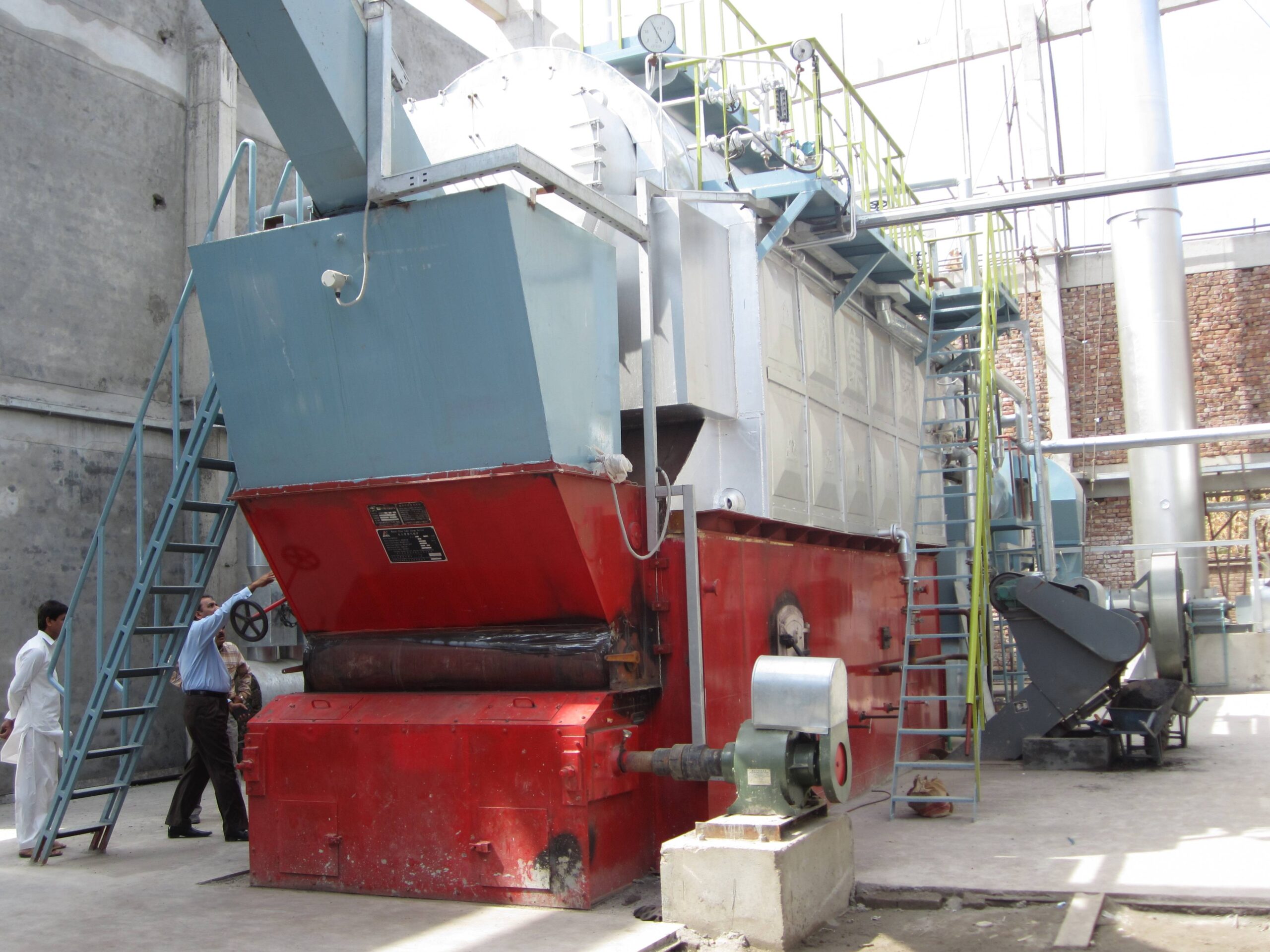
When purchasing an industrial coal-fired boiler, many buyers are surprised to find that boilers with similar capacity and pressure ratings can have significantly different prices. One of the most critical yet often overlooked factors behind this variation is the boiler design type. Different boiler designs—such as chain grate boilers, pulverized coal boilers, and circulating fluidized bed (CFB) boilers—require different combustion technologies, structural configurations, material specifications, and control systems. Choosing an unsuitable design can lead not only to higher upfront costs but also to inefficiencies, increased maintenance, and operational challenges. Therefore, understanding how boiler design type influences pricing is essential for making informed and cost-effective decisions.
Boiler design type influences industrial coal-fired boiler pricing because each design involves different levels of engineering complexity, combustion efficiency, material requirements, auxiliary systems, and environmental control technologies. Advanced designs such as CFB or pulverized coal boilers typically have higher initial costs due to sophisticated combustion systems and emission controls, while simpler designs like chain grate boilers are more cost-effective but may offer lower efficiency and fuel flexibility.
To fully understand this relationship, it is necessary to examine how different boiler designs impact manufacturing complexity, performance, and long-term operational value.
Advanced boiler designs such as CFB boilers generally cost more due to higher engineering complexity.True
CFB boilers require complex combustion systems, advanced control technologies, and additional components, increasing manufacturing and installation costs.
All coal-fired boiler designs have similar costs if capacity and pressure are the same.False
Different boiler designs involve varying levels of complexity, materials, and auxiliary systems, leading to significant cost differences.
Overview of Common Coal-Fired Boiler Design Types
Industrial coal-fired boilers can be categorized into several major design types, each with unique characteristics.
The most common types include:
• Chain grate (stoker-fired) boilers
• Pulverized coal (PC) boilers
• Circulating fluidized bed (CFB) boilers
Table 1: Comparison of Common Boiler Design Types
| Boiler Type | Combustion Method | Complexity | Typical Cost Level |
|---|---|---|---|
| Chain grate boiler | Fixed bed combustion | Low | Low |
| Pulverized coal boiler | Fine coal dust combustion | High | High |
| CFB boiler | Fluidized bed combustion | Very high | Very high |
Each design type has different cost drivers.
Chain Grate Boilers: Simplicity and Lower Cost
Chain grate boilers are among the simplest and most widely used coal-fired boiler designs, particularly in small to medium industrial applications.
Key characteristics include:
• Mechanical coal feeding system
• Fixed bed combustion
• Relatively simple structure
• Lower automation requirements
Because of their simplicity, chain grate boilers have:
• Lower manufacturing costs
• Reduced material requirements
• Simpler installation processes
However, they may have limitations in efficiency and fuel flexibility.
Table 2: Cost Characteristics of Chain Grate Boilers
| Factor | Impact |
|---|---|
| Design complexity | Low |
| Material requirement | Moderate |
| Control system | Basic |
| Emission control | Limited |
These features make chain grate boilers a cost-effective option.
Pulverized Coal Boilers: High Efficiency with Higher Cost
Pulverized coal boilers use finely ground coal powder injected into the combustion chamber, allowing rapid and efficient combustion.
Key features include:
• High combustion efficiency
• Advanced fuel preparation systems (mills, pulverizers)
• Sophisticated burner systems
• High-temperature operation
These systems require:
• Complex fuel handling equipment
• Advanced control systems
• High-performance materials
Table 3: Cost Drivers of Pulverized Coal Boilers
| Cost Factor | Description |
|---|---|
| Pulverizing equipment | Adds significant cost |
| Burner systems | Advanced and expensive |
| Control systems | Highly automated |
| Material requirements | High-temperature resistant |
As a result, pulverized coal boilers have higher upfront costs.
Circulating Fluidized Bed (CFB) Boilers: Advanced Technology and Maximum Flexibility
CFB boilers represent one of the most advanced coal-fired boiler designs.
They use a fluidized bed of particles for combustion, providing:
• Excellent fuel-air mixing
• Uniform temperature distribution
• High fuel flexibility
• Low emissions
However, these advantages come with increased complexity.
Key components include:
• Fluidized bed combustion chamber
• Cyclone separators
• Recirculation systems
• Advanced air distribution systems
Table 4: Cost Characteristics of CFB Boilers
| Factor | Impact |
|---|---|
| Structural complexity | Very high |
| Auxiliary systems | Extensive |
| Control systems | Advanced |
| Emission control | Integrated |
CFB boilers typically have the highest initial cost among coal-fired boiler types.
Influence of Combustion Technology on Cost
The combustion method directly affects pricing because it determines system complexity.
Simpler combustion systems (e.g., chain grate) require fewer components, while advanced systems (e.g., CFB, PC) require:
• Precise air distribution
• Advanced fuel preparation
• Real-time control systems
These requirements increase engineering and manufacturing costs.
Impact of Environmental Control Systems
Modern environmental regulations require coal-fired boilers to reduce emissions of:
• Sulfur dioxide (SO₂)
• Nitrogen oxides (NOx)
• Particulate matter
Different boiler designs integrate emission control differently.
Table 5: Emission Control Requirements by Boiler Type
| Boiler Type | Emission Control Complexity |
|---|---|
| Chain grate | External systems required |
| Pulverized coal | Advanced external systems |
| CFB | Integrated in-furnace control |
CFB boilers often include built-in desulfurization, reducing external system costs but increasing internal design complexity.
Automation and Control System Requirements
Advanced boiler designs require more sophisticated automation systems.
These systems include:
• PLC/DCS control systems
• Real-time monitoring sensors
• Combustion optimization algorithms
Higher automation increases both initial investment and system reliability.
Installation and Infrastructure Costs
Boiler design type also affects installation complexity.
Factors include:
• Size and weight of equipment
• Number of auxiliary systems
• Complexity of piping and ductwork
• Foundation requirements
More complex designs require higher installation costs.
Operational and Lifecycle Cost Considerations
While advanced boiler designs have higher initial costs, they often provide long-term benefits:
• Higher thermal efficiency
• Lower fuel consumption
• Reduced emissions compliance costs
• Greater fuel flexibility
Buyers must evaluate both capital cost and lifecycle cost.
Practical Selection Considerations
When choosing a boiler design, buyers should consider:
• Fuel type and availability
• Required efficiency level
• Environmental regulations
• Budget constraints
• Operational complexity
Selecting the right design ensures optimal performance and cost efficiency.
Industry Case Example
A manufacturing facility compared two options:
• Chain grate boiler (lower cost, lower efficiency)
• CFB boiler (higher cost, higher efficiency and flexibility)
Results:
• Chain grate option had lower initial investment
• CFB option reduced fuel costs by 15–20% annually
This demonstrates the trade-off between upfront cost and long-term savings.
Summary
Boiler design type plays a decisive role in determining the price of industrial coal-fired boilers because it directly affects engineering complexity, combustion technology, material requirements, auxiliary systems, and environmental control capabilities. Simpler designs such as chain grate boilers offer lower initial costs but may have limitations in efficiency and flexibility, while advanced designs like pulverized coal and CFB boilers require higher investment due to their sophisticated systems but provide superior performance and long-term economic benefits. For industrial buyers, understanding these differences is essential to selecting a boiler that balances cost, efficiency, and operational requirements.
How Do Materials and Manufacturing Standards Impact Industrial Coal-Fired Boiler Pricing?
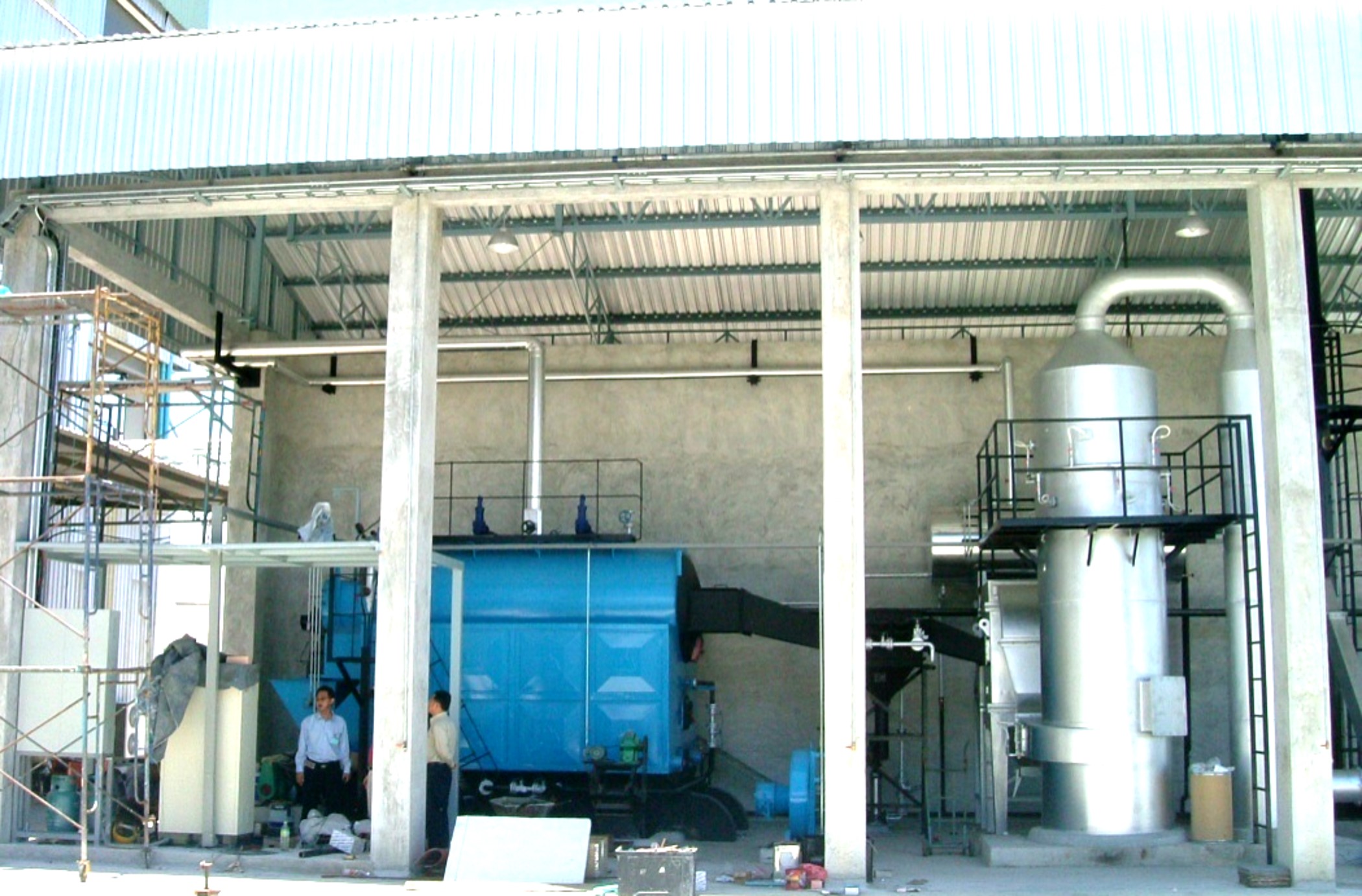
When evaluating industrial coal-fired boiler quotations, many buyers notice substantial price differences even between boilers with similar capacity and pressure specifications. While factors such as design type and performance are important, one of the most critical—and often underestimated—cost drivers is the quality of materials and adherence to manufacturing standards. Boilers are high-pressure, high-temperature equipment classified as pressure vessels, meaning their safety, durability, and performance depend heavily on the materials used and the precision of manufacturing processes. Choosing a supplier that compromises on material quality or manufacturing standards may reduce initial cost, but it can lead to serious consequences such as reduced lifespan, frequent failures, safety risks, and higher maintenance expenses. Therefore, understanding how materials and manufacturing standards influence pricing is essential for making reliable and cost-effective purchasing decisions.
Materials and manufacturing standards significantly impact industrial coal-fired boiler pricing because higher-grade materials and stricter standards require more expensive raw materials, advanced fabrication processes, rigorous quality control, and certified engineering practices. Boilers built to international standards such as ASME or EN typically cost more due to enhanced safety, durability, and performance, but they offer lower lifecycle costs and higher operational reliability.
To fully understand this relationship, it is important to examine how material selection, fabrication quality, certification requirements, and testing procedures contribute to overall boiler cost.
Higher-grade materials increase boiler cost but improve durability and safety.True
Advanced materials such as alloy steels provide better resistance to high pressure and temperature, increasing lifespan and reliability.
Manufacturing standards have minimal impact on boiler pricing.False
Strict standards require certified materials, advanced testing, and precise fabrication, significantly increasing production costs.
The Role of Materials in Boiler Construction
Materials are one of the largest contributors to the cost of an industrial coal-fired boiler. Boilers operate under extreme conditions, including high pressure, high temperature, and corrosive environments, requiring materials with specific mechanical and chemical properties.
Key material requirements include:
• High tensile strength
• Resistance to thermal stress
• Corrosion resistance
• Long-term durability under cyclic loading
Common materials used in boiler construction include:
• Carbon steel for standard pressure vessels
• Alloy steel for high-temperature and high-pressure components
• Stainless steel for corrosion-prone areas
Table 1: Common Boiler Materials and Their Cost Impact
| Material Type | Application | Cost Level | Performance |
|---|---|---|---|
| Carbon steel (SA-516) | Boiler drum, shell | Low | Good strength |
| Alloy steel (A335, P91) | High-temp piping | Medium–High | Excellent heat resistance |
| Stainless steel (304/316) | Corrosion zones | High | Superior corrosion resistance |
Higher-grade materials increase upfront cost but significantly improve reliability.
Impact of Pressure and Temperature on Material Selection
As operating pressure and temperature increase, material requirements become more demanding.
High-pressure boilers require:
• Thicker steel plates
• Heat-resistant alloys
• Creep-resistant materials
Table 2: Material Requirements by Pressure Level
| Pressure Level | Material Type | Cost Impact |
|---|---|---|
| Low pressure | Carbon steel | Low |
| Medium pressure | Alloy steel | Moderate |
| High pressure | Advanced alloys | High |
Material costs increase significantly with pressure requirements.
Manufacturing Standards and Certification Requirements
Manufacturing standards define the engineering, fabrication, and testing requirements for boiler production.
Common international standards include:
• ASME Boiler and Pressure Vessel Code (USA)
• EN 12952 / EN 12953 (Europe)
• ISO 9001 Quality Management System
• GB standards (China)
Table 3: Comparison of Manufacturing Standards
| Standard | Region | Key Requirements |
|---|---|---|
| ASME | Global/USA | Strict pressure vessel design and testing |
| EN | Europe | High safety and environmental standards |
| ISO 9001 | Global | Quality management system |
| GB | China | National compliance standards |
Boilers manufactured under stricter standards require higher production costs.
Welding Quality and Fabrication Precision
Welding is one of the most critical processes in boiler manufacturing because it directly affects structural integrity.
High-quality manufacturing requires:
• Certified welders
• Automated or robotic welding systems
• Strict welding procedures (WPS/PQR)
• Post-weld heat treatment
Table 4: Welding Quality Impact on Cost
| Welding Method | Quality Level | Cost Impact |
|---|---|---|
| Manual welding | Moderate | Lower cost |
| Automated welding | High | Higher cost |
| Robotic welding | Very high | Highest cost |
Precision welding ensures safety but increases manufacturing expenses.
Non-Destructive Testing (NDT) and Quality Inspection
To ensure safety and compliance, boilers undergo extensive testing during manufacturing.
Common NDT methods include:
• Ultrasonic testing (UT)
• Radiographic testing (RT)
• Magnetic particle testing (MT)
• Dye penetrant testing (PT)
Table 5: Quality Inspection Requirements
| Inspection Method | Purpose | Cost Impact |
|---|---|---|
| UT | Detect internal defects | Moderate |
| RT | Identify weld flaws | High |
| Hydrostatic testing | Pressure validation | Essential |
Comprehensive testing increases production cost but ensures long-term reliability.
Heat Treatment and Stress Relief Processes
High-pressure boiler components often require heat treatment to improve material properties and relieve internal stress.
Processes include:
• Normalizing
• Annealing
• Post-weld heat treatment (PWHT)
These processes:
• Improve material strength
• Reduce risk of cracking
• Extend equipment lifespan
However, they add additional manufacturing costs.
Surface Treatment and Corrosion Protection
Corrosion protection is essential for extending boiler lifespan, especially in harsh environments.
Common protection methods include:
• Anti-corrosion coatings
• Shot blasting and surface cleaning
• High-temperature paint systems
These treatments improve durability but increase cost.
Traceability and Documentation Requirements
High-standard manufacturing requires full traceability of materials and processes.
This includes:
• Material certificates
• Welding records
• Inspection reports
• Compliance documentation
Traceability ensures quality but adds administrative and operational costs.
Impact on Lifecycle Cost and Value
Although high-quality materials and strict standards increase initial cost, they provide long-term benefits:
• Longer service life (20–30 years)
• Reduced maintenance costs
• Improved safety
• Lower risk of failure
Table 6: Lifecycle Cost Comparison
| Factor | Low-Quality Boiler | High-Quality Boiler |
|---|---|---|
| Initial cost | Lower | Higher |
| Maintenance cost | High | Low |
| Lifespan | 10–15 years | 20–30 years |
| Reliability | Moderate | High |
Higher-quality boilers often deliver better total value.
Practical Considerations for Buyers
When evaluating boiler suppliers, buyers should:
• Verify material certifications
• Confirm compliance with international standards
• Review welding and inspection procedures
• Assess manufacturing facilities
Avoid choosing suppliers based solely on price without evaluating quality.
Industry Case Example
A factory compared two boiler suppliers:
• Supplier A: Lower cost, basic materials, minimal testing
• Supplier B: Higher cost, certified materials, ASME standard
After 5 years:
• Supplier A experienced frequent maintenance and downtime
• Supplier B operated reliably with minimal issues
This highlights the importance of quality over initial cost.
Summary
Materials and manufacturing standards play a critical role in determining the pricing of industrial coal-fired boilers. Higher-grade materials, advanced fabrication techniques, and strict compliance with international standards significantly increase production costs but ensure superior safety, durability, and performance. Boilers manufactured under rigorous standards with certified materials and comprehensive quality control systems offer longer service life, reduced maintenance costs, and greater operational reliability. For industrial buyers, prioritizing material quality and manufacturing standards is essential for achieving long-term value and minimizing operational risks.
What Role Do Automation and Control Systems Play in Industrial Coal-Fired Boiler Pricing?
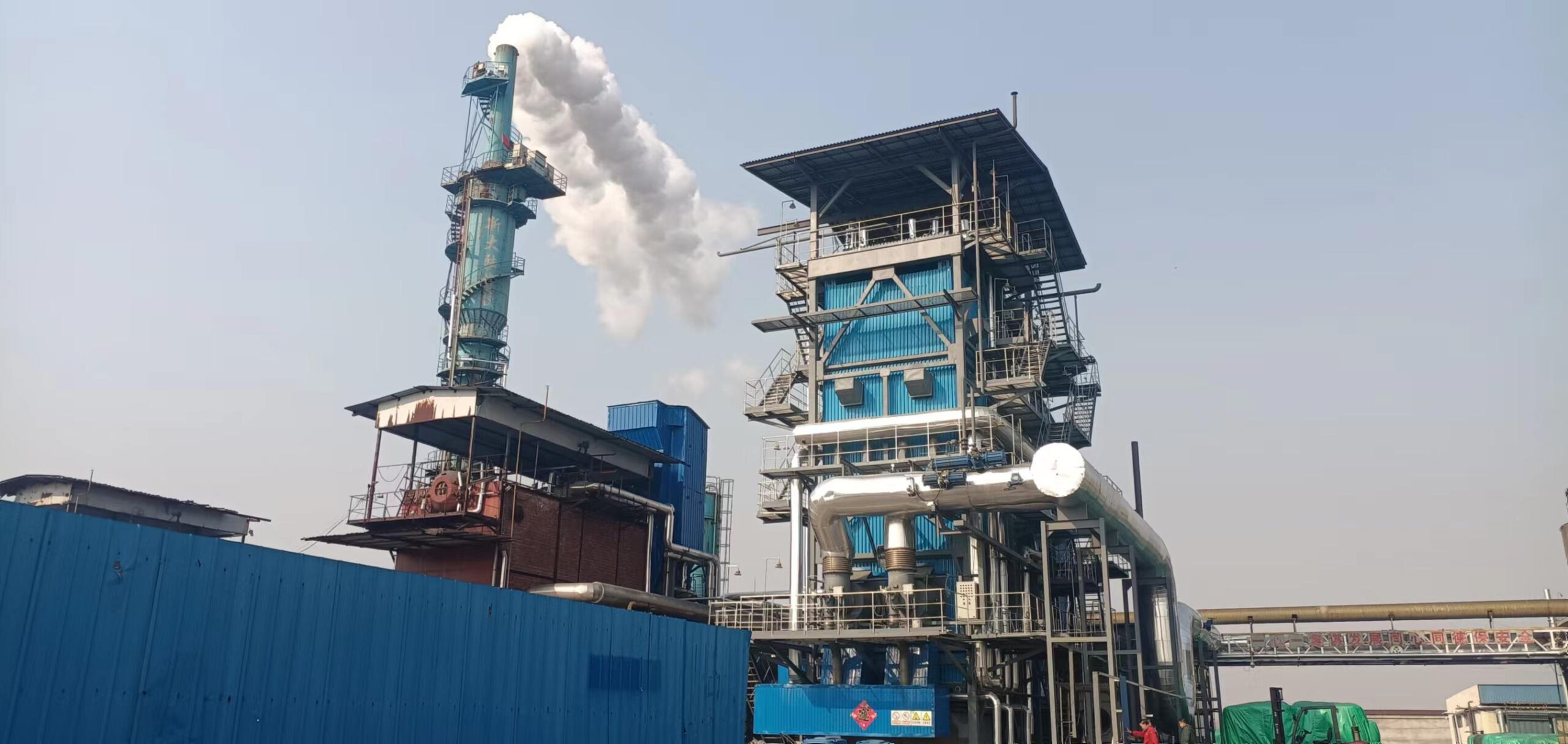
In today’s industrial environment, coal-fired boilers are no longer simple mechanical systems—they have evolved into highly complex, digitally controlled energy units. As industries demand higher efficiency, lower emissions, improved safety, and reduced operational costs, the role of automation and control systems has become increasingly critical. However, many buyers evaluating boiler quotations often overlook how significantly these systems impact overall pricing. Boilers with similar capacity and pressure can vary widely in cost depending on the sophistication of their control systems. Without proper automation, boilers may suffer from inefficient combustion, unstable operation, higher fuel consumption, and increased risk of failure. Therefore, understanding how automation and control systems influence pricing is essential for making informed purchasing decisions.
Automation and control systems play a major role in industrial coal-fired boiler pricing because advanced systems require high-quality sensors, PLC/DCS platforms, intelligent software, and integration engineering. While basic control systems offer lower initial cost, advanced automation significantly increases upfront investment but improves efficiency, reduces fuel consumption, enhances safety, and lowers long-term operational costs.
To better understand this impact, it is important to analyze how different levels of automation influence system design, performance, and overall cost.
Advanced automation systems increase boiler cost but improve efficiency and safety.True
Automation systems optimize combustion and monitor safety parameters, reducing fuel consumption and operational risks.
Basic manual control systems can achieve the same efficiency as advanced automated systems.False
Manual systems cannot continuously optimize combustion or respond to real-time changes, leading to lower efficiency and higher emissions.
Levels of Automation in Industrial Boilers
Automation systems in coal-fired boilers can range from basic manual control to fully integrated digital systems.
Common levels include:
• Manual control systems
• Semi-automatic control systems
• Fully automated PLC/DCS systems
• Intelligent AI-based optimization systems
Table 1: Automation Levels and Cost Impact
| Automation Level | Features | Cost Impact |
|---|---|---|
| Manual control | Basic instruments, operator-dependent | Low |
| Semi-automatic | Partial automation, limited sensors | Moderate |
| PLC-based automation | Full process control, real-time monitoring | High |
| DCS/AI systems | Integrated plant control, optimization | Very high |
Higher automation levels significantly increase initial investment.
Core Components of Boiler Automation Systems
Automation systems consist of multiple hardware and software components that work together to control boiler operation.
Key components include:
• Sensors (temperature, pressure, flow, oxygen)
• Actuators (valves, dampers, motors)
• Programmable Logic Controllers (PLC)
• Distributed Control Systems (DCS)
• Human-Machine Interface (HMI)
• Data acquisition and analytics software
Table 2: Key Components and Cost Contribution
| Component | Function | Cost Contribution |
|---|---|---|
| Sensors | Data collection | Moderate |
| PLC/DCS | Control logic execution | High |
| HMI | Operator interface | Moderate |
| Software | Optimization and monitoring | High |
Each component adds to overall system cost.
Combustion Optimization and Fuel Efficiency
One of the primary benefits of automation is combustion optimization, which directly affects fuel consumption.
Automated systems continuously adjust:
• Air-to-fuel ratio
• Coal feeding rate
• Furnace temperature
• Oxygen levels
Table 3: Impact of Automation on Efficiency
| Control Type | Efficiency Level |
|---|---|
| Manual control | Lower efficiency |
| Basic automation | Moderate efficiency |
| Advanced automation | High efficiency |
Even a small efficiency improvement can result in significant fuel savings.
Emission Control and Environmental Compliance
Modern environmental regulations require strict control of emissions such as:
• Nitrogen oxides (NOx)
• Sulfur dioxide (SO₂)
• Particulate matter
Automation systems help maintain compliance by:
• Monitoring emission levels in real time
• Adjusting combustion parameters
• Integrating with emission control equipment
Advanced systems increase cost but reduce regulatory risks.
Safety and Risk Management
Boilers operate under high-pressure and high-temperature conditions, making safety critical.
Automation systems provide:
• Real-time monitoring of critical parameters
• Automatic shutdown in case of faults
• Alarm systems for abnormal conditions
• Protection against overpressure and overheating
Table 4: Safety Features by Automation Level
| Feature | Basic System | Advanced System |
|---|---|---|
| Alarm system | Limited | Comprehensive |
| Shutdown control | Manual | Automatic |
| Fault detection | Basic | Predictive |
Enhanced safety features increase system cost but reduce operational risks.
Integration with Auxiliary Systems
Automation systems must integrate with various auxiliary equipment, including:
• Fuel feeding systems
• Fans and blowers
• Ash handling systems
• Water treatment systems
Complex integration increases engineering and commissioning costs.
Installation and Commissioning Costs
Advanced automation systems require:
• Skilled engineers for installation
• Software configuration and programming
• System testing and calibration
These factors increase initial project costs.
Maintenance and Lifecycle Cost Benefits
Although advanced automation increases upfront cost, it reduces long-term expenses through:
• Lower fuel consumption
• Reduced manual labor
• Predictive maintenance
• Reduced downtime
Table 5: Lifecycle Cost Comparison
| Factor | Basic System | Advanced System |
|---|---|---|
| Initial cost | Low | High |
| Operating cost | High | Lower |
| Maintenance | Frequent | Predictive |
| Efficiency | Lower | Higher |
Advanced systems often provide better long-term value.
Digitalization and Smart Boiler Systems
Modern boilers are increasingly integrated with digital technologies such as:
• Industrial IoT (IIoT)
• Cloud-based monitoring
• AI-based optimization
• Remote diagnostics
These technologies further increase system cost but enhance performance.
Impact on Supplier Pricing Strategy
Boiler suppliers often offer multiple pricing tiers based on automation level:
• Standard package (basic control)
• Enhanced package (PLC automation)
• Premium package (DCS + smart optimization)
Buyers can select systems based on budget and operational needs.
Practical Selection Considerations
When choosing automation systems, buyers should consider:
• Required efficiency level
• Environmental compliance requirements
• Availability of skilled operators
• Budget constraints
• Long-term operational goals
Balancing cost and performance is key.
Industry Case Example
A factory compared two boiler options:
• Option A: Basic control system (lower cost)
• Option B: Advanced PLC/DCS system (higher cost)
Results:
• Option B reduced fuel consumption by 8–12% annually
• Payback period was less than 2 years
This demonstrates the economic value of automation.
Summary
Automation and control systems play a crucial role in determining the pricing of industrial coal-fired boilers because they directly influence system complexity, component requirements, engineering effort, and overall performance. While basic control systems offer lower initial costs, advanced automation systems significantly increase upfront investment due to the inclusion of sensors, PLC/DCS platforms, software, and integration services. However, these systems provide substantial long-term benefits, including improved efficiency, reduced fuel consumption, enhanced safety, and better environmental compliance. For industrial buyers, investing in appropriate automation levels is essential to achieving optimal performance, reliability, and cost-effectiveness over the boiler’s lifecycle.
How Do Emission Control Requirements Affect Industrial Coal-Fired Boiler Pricing?
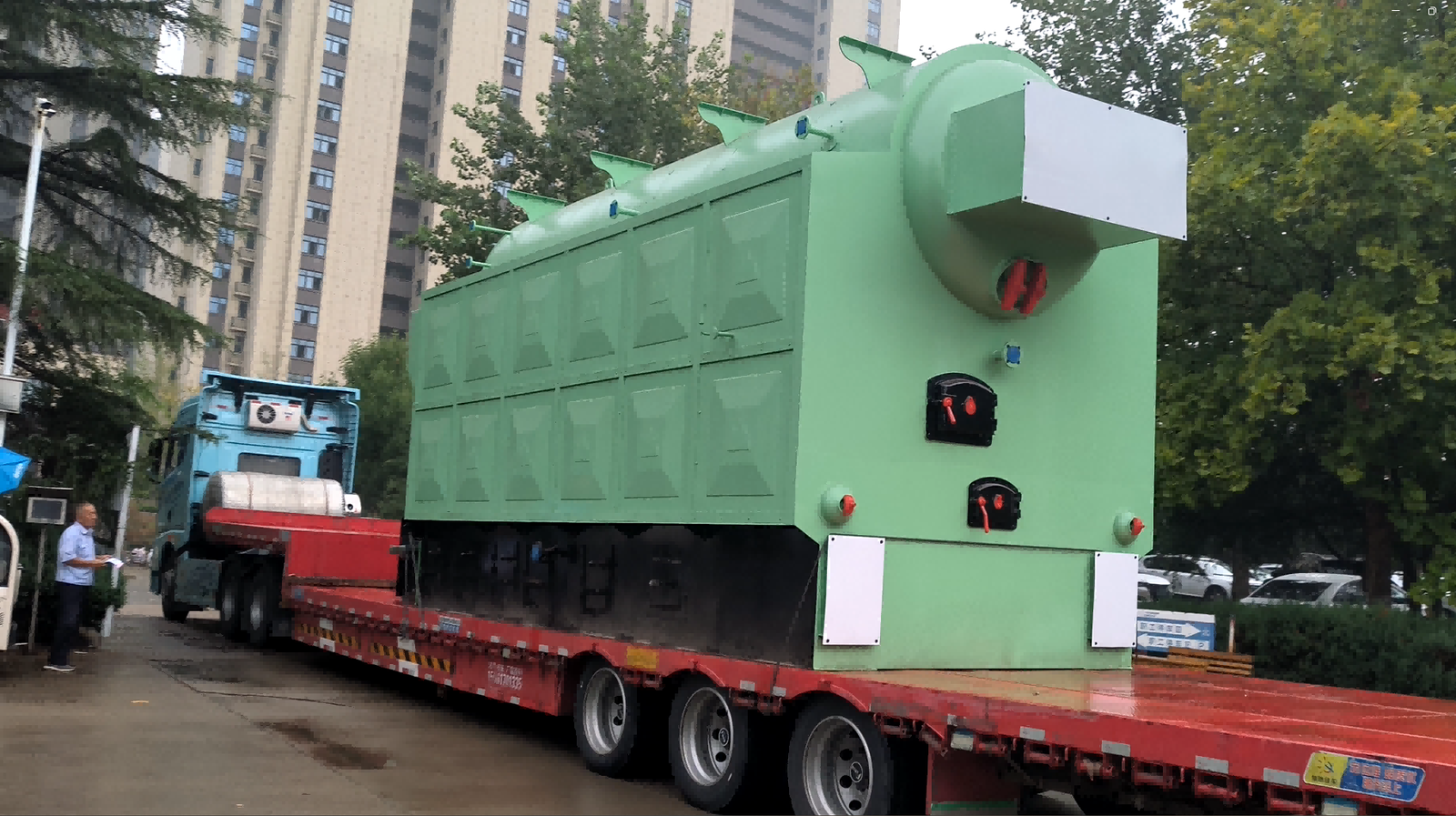
Industrial coal-fired boilers are under increasing scrutiny due to their environmental impact, particularly emissions of sulfur dioxide (SO₂), nitrogen oxides (NOx), particulate matter (PM), and carbon dioxide (CO₂). Governments worldwide are implementing stricter emission regulations to combat air pollution and climate change, forcing industries to upgrade or redesign their boiler systems. For buyers, this often translates into significant variations in boiler pricing, even when capacity and pressure are similar. The inclusion of emission control technologies can dramatically increase both capital investment and system complexity. Ignoring these requirements may result in non-compliance, fines, or forced shutdowns, while over-specifying systems may lead to unnecessary costs. Therefore, understanding how emission control requirements affect boiler pricing is essential for making balanced and compliant investment decisions.
Emission control requirements affect industrial coal-fired boiler pricing by necessitating additional equipment such as flue gas desulfurization (FGD) systems, selective catalytic reduction (SCR) or SNCR units, particulate removal devices, and advanced monitoring systems. These technologies increase capital cost, engineering complexity, installation requirements, and operational expenses, with stricter emission standards leading to significantly higher overall system pricing.
To fully understand this impact, it is important to examine the different types of emission control technologies and how they influence boiler system design and cost.
Stricter emission regulations increase the cost of coal-fired boiler systems.True
Meeting stricter emission limits requires additional equipment and advanced technologies, which increase both capital and operational costs.
Emission control systems have negligible impact on boiler pricing.False
Emission control systems can account for a significant portion of total boiler project cost due to equipment, installation, and operation requirements.
Overview of Key Pollutants and Regulatory Limits
Coal combustion produces several pollutants that must be controlled to meet environmental standards.
Major pollutants include:
• Sulfur dioxide (SO₂)
• Nitrogen oxides (NOx)
• Particulate matter (PM)
• Carbon dioxide (CO₂)
Regulatory limits vary by region but are becoming increasingly stringent.
Table 1: Typical Emission Limits (Example Ranges)
| Pollutant | Traditional Limit | Ultra-Low Emission Standard |
|---|---|---|
| SO₂ | 200–400 mg/Nm³ | <35 mg/Nm³ |
| NOx | 300–500 mg/Nm³ | <50 mg/Nm³ |
| Particulates | 50–100 mg/Nm³ | <10 mg/Nm³ |
Stricter limits require more advanced and costly control systems.
Flue Gas Desulfurization (FGD) Systems
FGD systems are used to remove sulfur dioxide from flue gases.
Common types include:
• Wet limestone FGD
• Dry/semi-dry FGD
Table 2: FGD System Cost Impact
| FGD Type | SO₂ Removal Efficiency | Cost Impact |
|---|---|---|
| Dry FGD | 70–90% | Moderate |
| Wet FGD | 90–98% | High |
Wet FGD systems provide higher efficiency but require larger capital investment and infrastructure.
NOx Reduction Technologies
NOx emissions are controlled using:
• Selective Non-Catalytic Reduction (SNCR)
• Selective Catalytic Reduction (SCR)
Table 3: NOx Control Cost Comparison
| Technology | NOx Reduction Efficiency | Cost Level |
|---|---|---|
| SNCR | 30–50% | Lower |
| SCR | 70–90% | High |
SCR systems are more effective but significantly more expensive due to catalysts and reactor systems.
Particulate Matter Removal Systems
Particulate emissions are controlled using:
• Electrostatic precipitators (ESP)
• Fabric filters (baghouses)
Table 4: Particulate Control Systems
| Technology | Efficiency | Cost Impact |
|---|---|---|
| ESP | 95–99% | Moderate |
| Baghouse | 99–99.9% | High |
Higher efficiency systems increase cost but ensure compliance with ultra-low emission standards.
Carbon Emission Considerations
Although CO₂ is not always regulated at the same level as other pollutants, carbon reduction policies are increasingly influencing boiler design.
Technologies include:
• Carbon capture systems
• Biomass co-firing
• Efficiency improvements
These technologies can significantly increase system cost.
Integration Complexity and Engineering Costs
Adding emission control systems increases engineering complexity.
This includes:
• Integration with boiler flue gas systems
• Additional ductwork and fans
• Structural modifications
• Control system integration
Complex integration increases both design and installation costs.
Impact on Auxiliary Equipment and Power Consumption
Emission control systems require additional auxiliary equipment such as:
• Pumps and fans
• Chemical dosing systems
• Slurry handling systems
These systems increase:
• Power consumption
• Operating costs
• Maintenance requirements
Installation and Space Requirements
Emission control equipment requires significant space and infrastructure.
Examples include:
• Large FGD towers
• SCR reactors
• Dust collection units
This leads to:
• Higher construction costs
• Larger plant footprint
• Increased installation time
Operational and Maintenance Costs
Emission control systems add ongoing operational expenses, including:
• Reagents (limestone, ammonia)
• Catalyst replacement
• Maintenance of filters and scrubbers
Table 5: Operational Cost Factors
| System | Key Operating Cost |
|---|---|
| FGD | Limestone, water |
| SCR | Catalyst, ammonia |
| ESP/Baghouse | Maintenance, power |
These costs must be considered alongside initial investment.
Influence on Boiler Design Selection
Emission requirements often influence the choice of boiler design.
For example:
• CFB boilers have inherent SO₂ control advantages
• Pulverized coal boilers require more external systems
This affects overall system cost and configuration.
Regional Regulatory Differences
Emission standards vary by region, affecting pricing.
Examples:
• Europe: Strict ultra-low emission standards
• China: Increasingly strict environmental policies
• Developing regions: Moderate standards
Stricter regions require higher investment in emission control.
Lifecycle Cost Considerations
Although emission control systems increase initial cost, they provide long-term benefits:
• Regulatory compliance
• Reduced environmental penalties
• Improved corporate sustainability
Failing to meet standards can result in costly penalties or shutdowns.
Industry Case Example
A power plant compared two scenarios:
• Standard emission system (lower cost)
• Ultra-low emission system (higher cost)
Results:
• Ultra-low system increased capital cost by 20–30%
• However, it avoided regulatory penalties and improved environmental compliance
This demonstrates the importance of balancing cost and compliance.
Summary
Emission control requirements play a decisive role in determining the pricing of industrial coal-fired boilers. Stricter environmental regulations necessitate the integration of advanced technologies such as flue gas desulfurization, NOx reduction systems, particulate removal equipment, and carbon control solutions. These systems significantly increase capital investment, engineering complexity, installation requirements, and operational costs. However, they are essential for ensuring regulatory compliance, reducing environmental impact, and maintaining long-term operational viability. For industrial buyers, understanding the relationship between emission standards and boiler pricing is critical for selecting a system that balances cost, performance, and environmental responsibility.
What Additional Costs Should Be Considered in Industrial Coal-Fired Boiler Pricing?
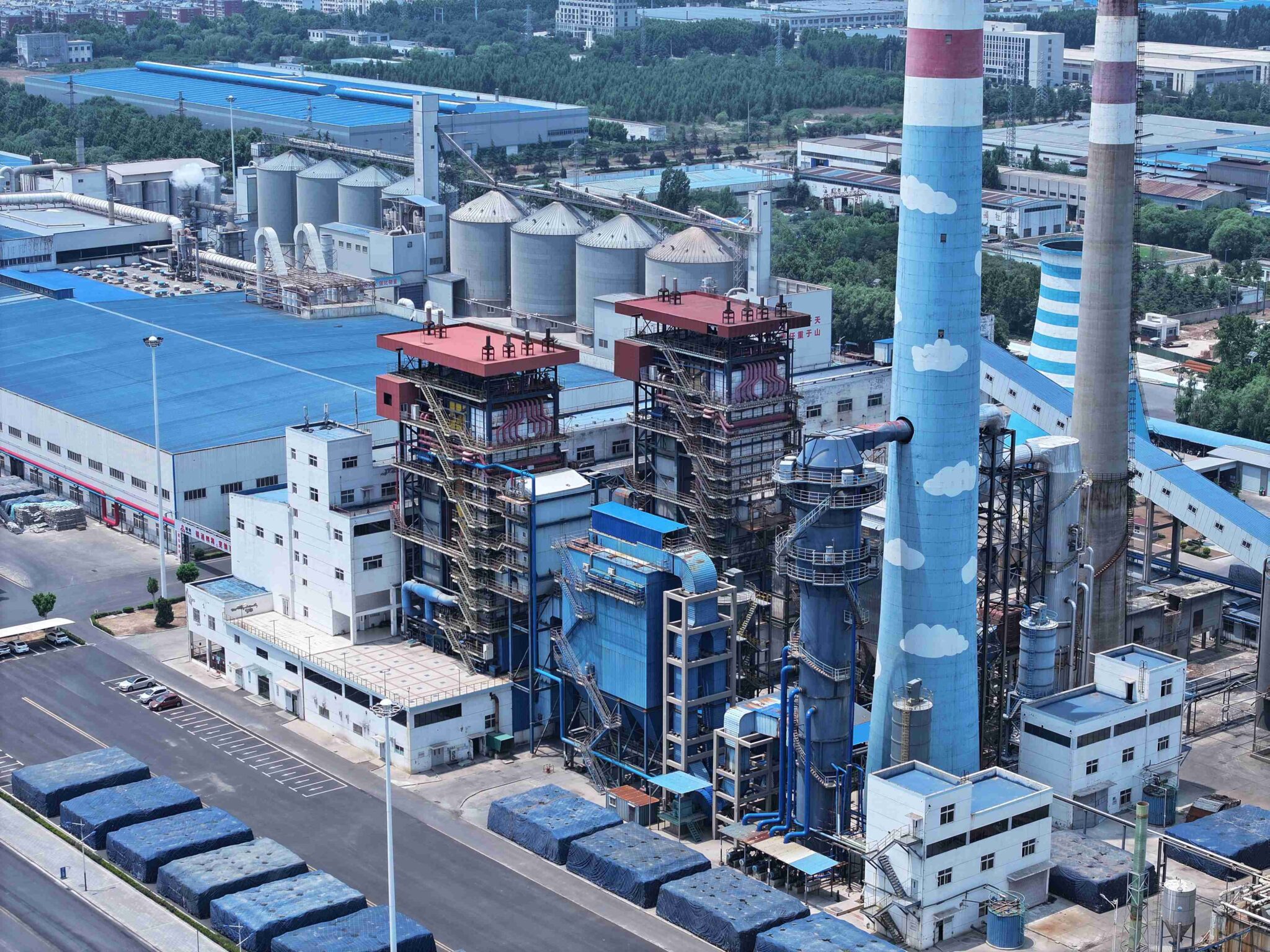
When evaluating the price of an industrial coal-fired boiler, many buyers focus primarily on the base equipment cost, such as the boiler body, combustion system, and primary components. However, this approach can be misleading. In reality, the total investment required for a coal-fired boiler project extends far beyond the initial purchase price. Numerous additional costs—including installation, auxiliary systems, infrastructure, compliance, and long-term operation—can significantly increase the overall project budget. Failing to account for these hidden or indirect costs can lead to budget overruns, project delays, and unexpected operational expenses. Therefore, a comprehensive understanding of all associated costs is essential for accurate financial planning and successful project execution.
In addition to the base boiler price, buyers should consider a wide range of additional costs, including installation and construction, auxiliary equipment, fuel handling systems, emission control systems, automation and control integration, water treatment systems, maintenance, spare parts, and long-term operational expenses. These additional costs can account for 30% to 100% or more of the initial boiler equipment price, depending on project complexity and regulatory requirements.
To make informed decisions, it is important to break down these additional costs and understand how each contributes to the total lifecycle cost of an industrial coal-fired boiler.
The total cost of a coal-fired boiler project is significantly higher than the base equipment price.True
Additional costs such as installation, auxiliary systems, and compliance equipment can substantially increase total investment.
Boiler pricing mainly depends on the equipment itself, with minimal additional costs.False
Numerous indirect costs such as infrastructure, operation, and environmental compliance can greatly exceed the base equipment cost.
Installation and Construction Costs
One of the largest additional expenses is the cost of installation and construction. Boilers are complex systems that require significant on-site work.
Key installation costs include:
• Foundation construction
• Structural steel support systems
• Boiler assembly and erection
• Piping and ductwork installation
• Electrical wiring and cabling
Table 1: Installation Cost Components
| Item | Description | Cost Impact |
|---|---|---|
| Civil works | Foundation and building | High |
| Mechanical installation | Boiler assembly | High |
| Electrical systems | Power and control wiring | Moderate |
| Commissioning | Testing and startup | Moderate |
Installation costs can represent 20–40% of total project cost.
Auxiliary Equipment Costs
Industrial boilers require a wide range of auxiliary systems to operate effectively.
These include:
• Fans and blowers (FD, ID fans)
• Feedwater pumps
• Ash handling systems
• Fuel feeding systems
• Cooling systems
Table 2: Auxiliary Equipment Cost Impact
| Equipment | Function | Cost Level |
|---|---|---|
| Fans/blowers | Air and gas movement | Moderate |
| Pumps | Water circulation | Moderate |
| Ash handling | Waste removal | Moderate |
| Fuel feeding | Coal supply | High |
Auxiliary equipment significantly increases overall system cost.
Fuel Handling and Storage Systems
Coal-fired boilers require dedicated fuel handling infrastructure.
This includes:
• Coal storage facilities
• Conveyor systems
• Crushers and feeders
• Dust control systems
Table 3: Fuel Handling System Costs
| Component | Function | Cost Impact |
|---|---|---|
| Conveyor system | Coal transport | High |
| Storage silos | Fuel storage | Moderate |
| Crushers | Coal preparation | Moderate |
Fuel handling systems are essential and can be a major cost component.
Emission Control Systems
As discussed previously, emission control systems are critical for regulatory compliance.
These may include:
• Flue gas desulfurization (FGD)
• SCR/SNCR systems
• Electrostatic precipitators or bag filters
These systems can significantly increase both capital and operational costs.
Water Treatment Systems
Boiler operation requires high-quality water to prevent scaling, corrosion, and damage.
Water treatment systems include:
• Softening systems
• Reverse osmosis (RO) units
• Deaerators
• Chemical dosing systems
Table 4: Water Treatment Cost Components
| System | Purpose | Cost Impact |
|---|---|---|
| RO system | Remove impurities | Moderate |
| Deaerator | Remove dissolved gases | Moderate |
| Chemical dosing | Prevent scaling | Low–Moderate |
Proper water treatment is essential for long-term reliability.
Automation and Control System Integration
Advanced control systems add cost but are necessary for efficient and safe operation.
Costs include:
• PLC/DCS systems
• Sensors and instrumentation
• Software integration
• Control room setup
These systems improve performance but increase initial investment.
Transportation and Logistics Costs
Transporting large boiler components to the installation site can be expensive.
Factors include:
• Distance from manufacturer
• Size and weight of equipment
• Special transportation requirements
These costs are often underestimated.
Engineering and Design Costs
Custom boiler projects require detailed engineering and design work.
This includes:
• System design and layout
• Thermal calculations
• Structural engineering
• Compliance documentation
Engineering costs typically account for 5–10% of project cost.
Licensing, Permits, and Compliance Costs
Regulatory compliance requires permits and approvals, including:
• Environmental permits
• Safety certifications
• Inspection fees
These costs vary by region but are essential.
Operation and Maintenance Costs
Beyond installation, ongoing costs must be considered.
These include:
• Fuel costs (coal supply)
• Labor costs
• Routine maintenance
• Spare parts replacement
Table 5: Operational Cost Breakdown
| Cost Type | Frequency | Impact |
|---|---|---|
| Fuel | Continuous | Very high |
| Maintenance | Periodic | Moderate |
| Labor | Ongoing | Moderate |
Operational costs often exceed initial investment over time.
Spare Parts and Consumables
Boilers require regular replacement of components such as:
• Valves and seals
• Refractory materials
• Filters and catalysts
These recurring costs should be included in budgeting.
Downtime and Reliability Costs
Unexpected downtime can lead to production losses.
Factors affecting reliability include:
• Equipment quality
• Maintenance practices
• Spare part availability
Investing in higher-quality systems can reduce downtime costs.
Training and Workforce Costs
Operating modern boilers requires skilled personnel.
Costs include:
• Operator training
• Safety training
• Technical support
These costs are often overlooked but essential.
Lifecycle Cost Considerations
A comprehensive evaluation should consider total lifecycle cost, not just initial investment.
Table 6: Lifecycle Cost Perspective
| Cost Category | Initial Phase | Long-Term Impact |
|---|---|---|
| Equipment cost | High | One-time |
| Installation | High | One-time |
| Operation | Continuous | Very high |
| Maintenance | Ongoing | Moderate |
Lifecycle cost analysis provides a more accurate financial picture.
Industry Case Example
A factory planned a boiler project with a base equipment cost of $1 million.
Additional costs included:
• Installation: $300,000
• Auxiliary systems: $400,000
• Emission control: $500,000
• Other costs: $200,000
Total project cost exceeded $2.4 million, more than double the base price.
This highlights the importance of comprehensive cost evaluation.
Summary
Industrial coal-fired boiler pricing extends far beyond the base equipment cost. Additional expenses such as installation, auxiliary systems, fuel handling infrastructure, emission control technologies, water treatment systems, automation integration, and ongoing operational costs can significantly increase total investment. In many cases, these additional costs can equal or exceed the initial boiler price. For industrial buyers, understanding and accounting for these factors is essential to avoid budget overruns, ensure regulatory compliance, and achieve long-term operational efficiency. A comprehensive lifecycle cost approach is the key to making informed and economically sound boiler investment decisions.
🔍 Conclusion
Industrial coal-fired boiler pricing is determined by a combination of technical specifications, system components, and external project factors. Understanding these variables allows buyers to balance cost, performance, and long-term reliability. A well-informed purchasing decision ensures not only competitive pricing but also efficient and sustainable boiler operation.
🔹 Contact us today to receive a tailored quotation and expert guidance for your coal-fired boiler project. ♨️📊✅
FAQ
What are the main factors that affect industrial coal-fired boiler pricing?
Industrial coal-fired boiler pricing is influenced by a combination of technical specifications, system configuration, and regulatory requirements. One of the most significant factors is boiler capacity, usually measured in tons of steam per hour. Larger boilers require more materials, larger combustion chambers, and higher-capacity auxiliary systems, all of which increase cost.
Operating pressure and temperature are also key pricing drivers. High-pressure boilers require thicker steel plates, advanced welding processes, and stricter quality control to meet safety standards. These requirements significantly increase manufacturing costs.
Another important factor is boiler design type. Circulating Fluidized Bed (CFB) boilers, pulverized coal boilers, and chain grate boilers have different levels of complexity and efficiency. CFB systems, for example, are typically more expensive due to their advanced combustion technology and fuel flexibility.
Environmental compliance is increasingly impacting pricing. Modern coal-fired boilers must include emission control systems such as flue gas desulfurization (FGD), selective catalytic reduction (SCR), and particulate filtration systems. These components can represent a substantial portion of the total project cost.
Finally, the inclusion of automation systems, heat recovery equipment, and fuel handling systems also contributes to overall pricing. Buyers should consider all these factors rather than focusing solely on base equipment cost.
How does boiler capacity impact the cost of a coal-fired boiler?
Boiler capacity is one of the most direct factors affecting price. As capacity increases, the size of the pressure vessel, furnace, and heat exchange surfaces must also increase. This leads to higher material usage, more complex engineering, and longer manufacturing times.
For example, a small industrial boiler producing a few tons of steam per hour may be relatively affordable, while large utility-scale boilers designed for power generation can cost several times more due to their massive size and complexity.
Higher capacity boilers also require larger auxiliary systems. These include coal handling systems, ash removal equipment, feedwater systems, and air supply systems. Each of these subsystems adds to the overall project cost.
In addition, larger boilers often operate at higher efficiency levels, which may require advanced combustion technologies and heat recovery systems. While these features increase initial investment, they can reduce long-term operating costs.
Therefore, capacity not only affects the upfront price but also influences installation, operation, and maintenance expenses.
What role do environmental regulations play in boiler pricing?
Environmental regulations have become one of the most significant factors influencing the cost of industrial coal-fired boilers. Governments worldwide are enforcing stricter limits on emissions such as sulfur dioxide (SO₂), nitrogen oxides (NOx), and particulate matter.
To meet these requirements, modern coal-fired boilers must be equipped with advanced emission control technologies. Flue gas desulfurization systems are used to remove sulfur compounds from exhaust gases, while selective catalytic reduction systems reduce nitrogen oxide emissions.
Particulate matter is controlled using electrostatic precipitators or baghouse filters. These systems capture fine particles before they are released into the atmosphere.
In addition to installation costs, these technologies also require ongoing maintenance and energy consumption, increasing operational expenses. Environmental compliance can account for a significant portion of total boiler investment, especially in regions with strict air quality standards.
However, these systems are essential for ensuring legal compliance and minimizing environmental impact. Investing in high-quality emission control equipment can also improve efficiency and reduce long-term operational risks.
How do fuel handling and auxiliary systems affect pricing?
Fuel handling and auxiliary systems are critical components of a coal-fired boiler system and can significantly impact overall pricing. Unlike gas or oil boilers, coal-fired systems require complex infrastructure to store, transport, and prepare fuel for combustion.
Coal handling systems typically include conveyors, crushers, feeders, and storage bunkers. These systems ensure a consistent supply of fuel to the boiler and must be designed to handle varying coal quality and particle size.
Ash handling systems are also necessary because coal combustion produces solid residues. These systems collect, transport, and dispose of ash safely, adding to system complexity and cost.
Other auxiliary systems include forced draft fans, induced draft fans, feedwater pumps, and air preheaters. Each component plays a role in maintaining efficient combustion and heat transfer.
The level of automation in these systems can further influence pricing. Fully automated systems with digital controls and monitoring capabilities are more expensive but improve efficiency and reduce labor requirements.
Overall, auxiliary systems can represent a significant portion of the total boiler project cost and should be carefully evaluated during procurement.
Why do design type and technology level influence boiler cost?
The design type and technology level of a coal-fired boiler have a major impact on its cost. Traditional chain grate boilers are generally less expensive because they use simpler combustion systems and are easier to manufacture.
In contrast, advanced boiler types such as circulating fluidized bed (CFB) boilers or pulverized coal boilers involve more complex engineering. These systems provide better fuel flexibility, higher efficiency, and lower emissions, but they also require more sophisticated components and control systems.
High-efficiency boilers often include features such as economizers, air preheaters, and advanced combustion control systems. These technologies improve thermal efficiency and reduce fuel consumption, but they increase initial investment.
Material quality is another factor. Boilers designed for high-temperature and high-pressure operation require specialized alloys and advanced manufacturing techniques, which increase cost.
Ultimately, higher technology levels typically result in higher upfront costs but can provide better performance, lower emissions, and reduced operating expenses over the long term.
References
Coal-Fired Power Plants Overview
https://www.iea.org/reports/coal-2023
International Energy AgencyFluidized Bed Combustion Systems
https://www.energy.gov/eere/amo/articles/fluidized-bed-combustion
U.S. Department of EnergyBoiler Efficiency Guide
https://www.carbontrust.com/resources/boilers
Carbon TrustCoal Power Plant Emissions
https://www.epa.gov/air-emissions-inventories/air-pollutant-emissions-trends-data
U.S. Environmental Protection AgencyCoal Ash Management
https://www.epa.gov/coalash/coal-ash-basics
U.S. Environmental Protection AgencySteam Boiler Fundamentals
https://www.spiraxsarco.com/learn-about-steam/boilers
Spirax SarcoSelective Catalytic Reduction (SCR)
https://www.epa.gov/control-techniques-air-pollution/scr-controls
U.S. Environmental Protection AgencyFlue Gas Desulfurization (FGD)
https://www.netl.doe.gov/research/coal/energy-systems/flue-gas-desulfurization
National Energy Technology LaboratoryCoal Power Technology
https://www.ge.com/steam-power/solutions/coal-power
GE Steam PowerClean Coal Technologies
https://www.worldcoal.org/coal/clean-coal-technologies/
World Coal Association
What Affects Industrial Coal-Fired Boiler Pricing? Read More »