What Are the Costs and ROI of Industrial Steam Boiler Systems?
Investing in an industrial steam boiler system is a major financial decision, and many businesses struggle to accurately estimate both upfront costs and long-term returns. Focusing only on the initial purchase price can lead to underestimated operating expenses, inefficient performance, and delayed payback periods. Without a clear understanding of total cost and return on investment (ROI), companies risk overspending or selecting systems that fail to deliver expected economic benefits.
The cost of industrial steam boiler systems typically includes equipment purchase ($10,000 to over $1 million depending on size and type), installation, fuel consumption, maintenance, and operational expenses. ROI is achieved through improved energy efficiency, reduced fuel costs, automation, and reliable steam supply, with payback periods generally ranging from 1 to 5 years depending on system optimization and fuel savings. High-efficiency boilers and waste heat recovery systems can significantly accelerate ROI.
To make a smart investment, it is essential to evaluate both capital expenditure and lifecycle performance. The following outline breaks down the key cost components and ROI drivers for industrial steam boiler systems.
Further reading
What Are the Initial Capital Costs of Industrial Steam Boiler Systems?
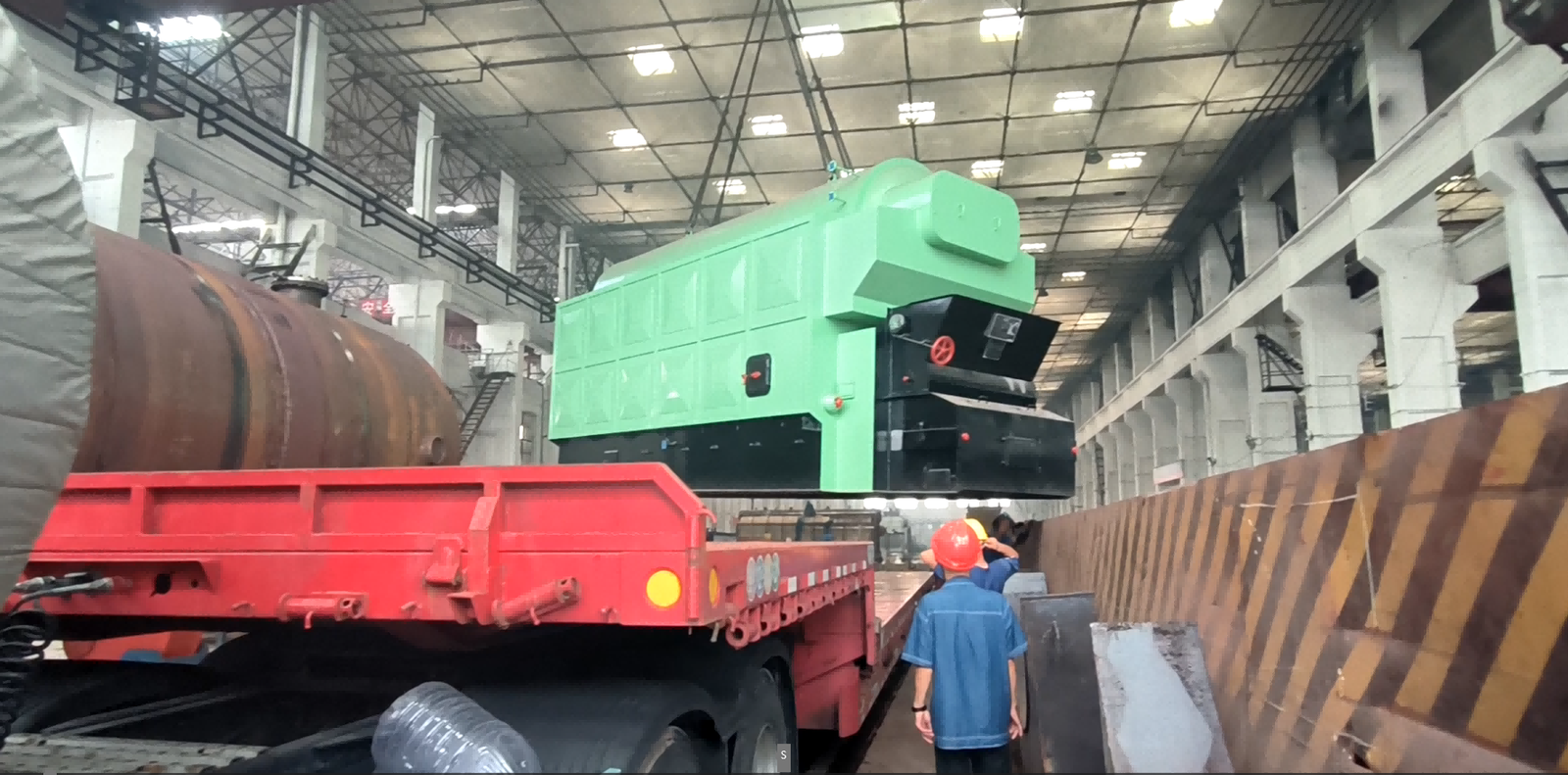
Investing in an industrial steam boiler system is a major capital decision that extends far beyond simply purchasing the boiler itself. Many industrial buyers initially focus on the price of the boiler unit, only to discover later that the true capital cost includes a wide range of interconnected systems, engineering services, and infrastructure requirements. If these elements are not fully accounted for during the planning stage, projects can experience significant budget overruns, delays, or performance inefficiencies. The challenge lies in understanding that a steam boiler is not a standalone piece of equipment, but rather the core of an integrated thermal energy system, requiring coordinated investment across multiple components. Therefore, a comprehensive view of initial capital costs is essential to ensure accurate budgeting, proper system design, and long-term operational success.
The initial capital costs of industrial steam boiler systems typically include the boiler unit itself, auxiliary equipment, installation and construction, fuel handling systems, water treatment systems, emission control equipment, automation and control systems, engineering and design services, and commissioning. Depending on project scale and complexity, these costs can range from 1.5 to 3 times the base boiler price, making a holistic cost assessment critical for investment planning.
To fully understand these costs, it is necessary to break down each component and examine how they contribute to the total capital investment.
Understanding this cost structure will not only help buyers make better financial decisions but also enable them to optimize system performance and avoid hidden expenses during project execution.
The initial capital cost of a steam boiler system includes more than just the boiler equipment itself.True
Additional systems such as installation, auxiliary equipment, and infrastructure significantly increase total project cost.
Boiler system capital cost is mainly determined by the boiler unit price alone.False
The total system cost includes multiple components such as installation, controls, and supporting systems, which often exceed the boiler price.
🏗️ Comprehensive Structure of Initial Capital Costs
To visualize how costs are distributed across a typical project, the following breakdown provides a structured overview:
📊 Table 1: Capital Cost Distribution of Steam Boiler Systems
| Cost Category | Typical Share (%) | Description |
|---|---|---|
| Boiler equipment | 30–50% | Core steam generation unit |
| Installation & construction | 15–30% | Civil works and assembly |
| Auxiliary systems | 10–20% | Pumps, fans, piping |
| Emission control | 5–15% | Environmental compliance |
| Automation & control | 5–10% | PLC/DCS systems |
| Engineering & commissioning | 5–10% | Design and startup |
This table highlights that the boiler itself is often only part of the total investment, reinforcing the importance of a system-level perspective.
🔧 Boiler Equipment Cost (Core Investment)
The boiler unit forms the foundation of the system and represents the most visible portion of the capital cost. Its price is influenced by:
• Capacity (steam output)
• Operating pressure and temperature
• Fuel type (coal, gas, biomass, etc.)
• Design type (fire-tube, water-tube, CFB, etc.)
Larger and higher-pressure boilers require more materials, advanced engineering, and stricter manufacturing standards, which increase cost.
⚙️ Auxiliary Systems: The Hidden Backbone
Industrial steam boilers rely heavily on supporting systems to function efficiently. These systems ensure stable operation and energy transfer.
🔩 Key Auxiliary Components:
- Feedwater pumps
- Forced draft (FD) and induced draft (ID) fans
- Deaerators and condensate systems
- Steam distribution pipelines
📊 Table 2: Auxiliary Equipment Cost Impact
| Equipment | Function | Cost Level |
|---|---|---|
| Feedwater pump | Water supply | Moderate |
| Fans/blowers | Airflow control | Moderate |
| Deaerator | Oxygen removal | Moderate |
| Piping system | Steam transport | High |
These components collectively represent a significant portion of capital cost.
🏗️ Installation and Civil Construction
Installation costs are often underestimated but can be substantial due to the scale and complexity of industrial boiler systems.
🏢 Includes:
- Foundation construction
- Structural steel framework
- Equipment installation
- Electrical wiring and integration
💡 Insight: Installation costs can reach up to 30% of total investment, especially for large-scale plants.
🔥 Fuel Handling and Storage Systems
For solid fuel boilers (such as coal or biomass), dedicated fuel systems are required.
🚛 Components:
- Storage silos or bunkers
- Conveyor belts
- Crushers and feeders
- Dust control systems
📊 Table 3: Fuel System Cost Contribution
| System | Role | Cost Impact |
|---|---|---|
| Storage | Fuel reserve | Moderate |
| Conveyors | Fuel transport | High |
| Crushers | Size reduction | Moderate |
Fuel infrastructure is essential for continuous operation.
💧 Water Treatment Systems
Water quality directly affects boiler efficiency and lifespan. Poor water treatment can cause scaling, corrosion, and system failure.
💦 Key Systems:
- Reverse osmosis (RO)
- Water softeners
- Deaerators
- Chemical dosing units
These systems ensure reliable and long-term operation.
🌱 Emission Control Systems
Environmental compliance is a major cost driver in modern boiler projects.
🌍 Technologies Include:
- Flue Gas Desulfurization (FGD)
- SCR/SNCR systems for NOx reduction
- Electrostatic precipitators (ESP) or bag filters
📊 Table 4: Emission Control Cost Levels
| System | Function | Cost Level |
|---|---|---|
| FGD | SO₂ removal | High |
| SCR | NOx reduction | High |
| ESP | Dust removal | Moderate |
Stricter regulations lead to higher capital investment.
🤖 Automation and Control Systems
Modern boilers rely on advanced automation to optimize performance and safety.
🧠 Features:
- PLC/DCS control systems
- Real-time monitoring
- Combustion optimization
- Safety interlocks
These systems improve efficiency but increase upfront cost.
📐 Engineering, Design, and Project Management
Custom boiler systems require detailed engineering work, including:
• Thermal and mechanical design
• Layout planning
• Compliance documentation
• Project coordination
Engineering costs typically represent 5–10% of total capital investment.
🚚 Transportation and Logistics
Large boiler components require specialized transport, especially for international projects.
Factors affecting cost:
• Distance and location
• Equipment size and weight
• Handling requirements
These costs are often overlooked in early budgeting.
🚀 Commissioning and Startup
Before operation, the system must be tested and calibrated.
🔍 Includes:
- System testing
- Performance verification
- Operator training
- Safety inspections
Proper commissioning ensures reliable operation from day one.
📈 Capital Cost Structure Visualization
To simplify understanding, the following visual-style breakdown summarizes cost distribution:
🔷 Boiler Unit → Core Investment
🔷 Auxiliary Systems → Operational Support
🔷 Installation → Physical Setup
🔷 Environmental Systems → Compliance
🔷 Automation → Intelligence Layer
🔷 Engineering → Design Backbone
This layered structure shows how each component contributes to the total system.
💡 Real-World Example
A medium-sized industrial boiler project might look like this:
| Item | Cost (USD) |
|---|---|
| Boiler unit | $800,000 |
| Installation | $300,000 |
| Auxiliary systems | $250,000 |
| Emission control | $400,000 |
| Other costs | $150,000 |
| Total | $1.9 million |
This example demonstrates how total cost can exceed twice the base equipment price.
Summary
The initial capital cost of industrial steam boiler systems is a comprehensive investment that extends far beyond the boiler itself. It includes a wide range of components such as auxiliary systems, installation and construction, fuel handling infrastructure, water treatment systems, emission control technologies, automation and control systems, and engineering services. These elements collectively form an integrated system that ensures efficient, safe, and compliant operation. In many cases, the total capital cost can be 1.5 to 3 times the base boiler price, highlighting the importance of adopting a holistic approach to budgeting and project planning. By understanding these cost components in detail, industrial buyers can make more informed decisions, avoid unexpected expenses, and achieve optimal long-term value from their boiler investment.
How Do Fuel and Operating Costs Impact Industrial Steam Boiler ROI?
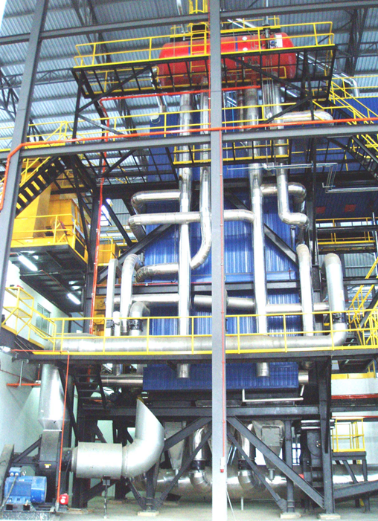
For industrial enterprises, investing in a steam boiler system is not merely a capital expenditure decision—it is a long-term operational commitment that directly influences production efficiency, energy consumption, and profitability. While the initial purchase price of a boiler often attracts the most attention, experienced engineers and financial planners understand that fuel and operating costs ultimately determine the real return on investment (ROI). In many cases, these ongoing expenses far exceed the initial capital cost over the lifecycle of the equipment. If fuel consumption is inefficient or operating practices are suboptimal, even a low-cost boiler can become a financial burden. Conversely, a higher upfront investment in efficient technology can yield substantial long-term savings. Therefore, understanding how fuel and operating costs shape ROI is critical for making strategic and economically sound decisions.
Fuel and operating costs impact industrial steam boiler ROI by directly influencing total lifecycle expenditure, payback period, and long-term profitability. Since fuel typically accounts for 60%–80% of total operating costs, even small improvements in combustion efficiency or operational optimization can significantly enhance ROI, reduce payback time, and improve overall financial performance.
To fully grasp this relationship, it is necessary to examine how fuel consumption, efficiency, maintenance, labor, and system optimization collectively determine the financial outcomes of boiler investments.
Understanding these dynamics enables industrial users to move beyond short-term cost considerations and focus on sustainable, long-term value creation.
Fuel costs represent the largest portion of industrial boiler operating expenses.True
Fuel consumption typically accounts for the majority of total operating costs, making it the most significant factor in determining ROI.
Operating costs have minimal influence on boiler ROI compared to initial investment.False
Over the lifecycle of a boiler, operating costs often exceed the initial purchase cost, making them critical to ROI.
🔥 Fuel Costs: The Dominant Factor in ROI
Fuel consumption is the single most important variable affecting the financial performance of a steam boiler system, and its impact becomes increasingly significant as production scales and operating hours increase. In industrial environments where boilers operate continuously, even marginal differences in efficiency can translate into substantial cost variations over time, which directly influence profitability and investment recovery.
📊 Table 1: Typical Operating Cost Breakdown
| Cost Component | Share of Total Operating Cost |
|---|---|
| Fuel | 60–80% |
| Maintenance | 10–20% |
| Labor | 5–10% |
| Electricity | 5–10% |
Because fuel dominates operating expenses, improving fuel efficiency is the most effective way to enhance ROI.
For example, a boiler operating at 85% efficiency will consume significantly more fuel than one operating at 90% efficiency, and although the percentage difference may appear small, the cumulative cost impact over years of operation can be enormous. This is particularly relevant in industries with high steam demand, where fuel savings directly translate into increased profit margins.
⚙️ Boiler Efficiency and Its Financial Impact
Efficiency determines how effectively a boiler converts fuel into usable steam energy, and higher efficiency directly reduces fuel consumption for the same output. Modern boilers often incorporate advanced combustion systems and heat recovery technologies, which improve efficiency and lower operational costs over time.
📊 Table 2: Efficiency vs Fuel Cost Impact
| Boiler Efficiency | Relative Fuel Consumption | Annual Fuel Cost Impact |
|---|---|---|
| 80% | High | Highest cost |
| 85% | Moderate | Reduced cost |
| 90% | Lower | Significant savings |
| 95% | Lowest | Maximum savings |
Although high-efficiency boilers require higher initial investment, the reduction in fuel consumption often leads to a shorter payback period.
⏳ Payback Period and ROI Calculation
The relationship between fuel savings and ROI becomes clear when evaluating the payback period, which measures how quickly the initial investment is recovered through operational savings. A boiler with higher efficiency may cost more upfront, yet its lower fuel consumption reduces annual operating costs, accelerating the return on investment.
📊 Table 3: Example ROI Comparison
| Boiler Type | Initial Cost | Annual Fuel Cost | Payback Period |
|---|---|---|---|
| Standard boiler | Lower | High | Longer |
| High-efficiency boiler | Higher | Lower | Shorter |
This demonstrates that ROI is not determined by purchase price alone but by total cost over time.
🛠️ Maintenance and Reliability Costs
Operating costs extend beyond fuel consumption and include maintenance, which plays a crucial role in long-term system performance. Boilers that are poorly designed or constructed with lower-quality materials often require frequent repairs, leading to increased downtime and higher expenses.
Well-designed systems with robust materials and optimized combustion processes tend to operate more reliably, reducing maintenance frequency and associated costs. Over time, this reliability contributes to improved ROI by minimizing disruptions and ensuring consistent production output.
👨🔧 Labor and Operational Efficiency
Labor costs are another important component of operating expenses, especially in facilities where manual intervention is required for monitoring and adjustment. Advanced automation systems reduce the need for constant operator involvement, allowing facilities to operate more efficiently with fewer personnel.
In highly automated systems, real-time monitoring and intelligent control algorithms optimize combustion conditions continuously, which not only improves efficiency but also reduces the likelihood of human error. This combination of reduced labor requirements and improved operational precision enhances overall economic performance.
⚡ Energy Consumption of Auxiliary Systems
In addition to fuel, boilers consume electricity to power fans, pumps, and control systems, and while this cost is smaller compared to fuel, it still contributes to overall operating expenses. Efficient system design can minimize auxiliary power consumption, further improving ROI.
🌡️ Heat Loss and Energy Recovery Opportunities
A significant portion of energy in boiler systems is lost through flue gases and heat dissipation, and without proper recovery systems, this energy is wasted. Technologies such as economizers and condensing heat exchangers can capture waste heat and reuse it, thereby reducing fuel demand.
📊 Table 4: Heat Recovery Impact on Efficiency
| Technology | Efficiency Gain |
|---|---|
| Economizer | +3–5% |
| Air preheater | +2–4% |
| Condensing system | +5–10% |
These improvements directly reduce fuel costs and enhance ROI.
🌍 Fuel Price Volatility and Market Risk
Fuel cost is not only determined by consumption but also by market price fluctuations, which can significantly affect operating expenses over time. Boilers designed with fuel flexibility allow operators to switch between different fuels based on availability and price, reducing financial risk and improving cost stability.
This adaptability is particularly valuable in volatile energy markets, where price changes can quickly impact profitability.
📉 Lifecycle Cost Perspective
A comprehensive ROI analysis must consider the entire lifecycle of the boiler, including both capital and operating costs. While initial investment is a one-time expense, fuel and operating costs accumulate continuously over the system’s lifespan.
📊 Table 5: Lifecycle Cost Comparison
| Cost Type | Initial Phase | Long-Term Impact |
|---|---|---|
| Capital cost | High | One-time |
| Fuel cost | Moderate | Very high |
| Maintenance | Moderate | Ongoing |
This table illustrates why operating costs dominate long-term financial performance.
🧠 Digital Optimization and Predictive Maintenance
Modern boilers increasingly use digital technologies to optimize performance and reduce operating costs, and these systems analyze real-time data to adjust combustion parameters and detect inefficiencies. Predictive maintenance further reduces unexpected failures, ensuring continuous operation and minimizing costly downtime.
These technologies contribute to improved ROI by enhancing both efficiency and reliability.
📈 Real-World Case Insight
Consider a manufacturing plant operating a steam boiler for 8,000 hours annually, where a 5% improvement in efficiency can reduce fuel consumption by thousands of tons per year. Over a decade, these savings can exceed the initial cost difference between standard and high-efficiency systems, demonstrating how operating costs shape financial outcomes.
Summary
Fuel and operating costs play a decisive role in determining the return on investment of industrial steam boiler systems, as they represent the largest portion of total lifecycle expenditure and directly influence profitability and payback period. While initial capital cost is an important consideration, long-term financial performance depends far more on fuel efficiency, maintenance requirements, operational practices, and system optimization. By investing in high-efficiency technologies, implementing advanced control systems, and optimizing operational strategies, industrial users can significantly reduce operating costs, enhance energy efficiency, and achieve superior ROI over the lifetime of their boiler systems.
What Maintenance and Lifecycle Costs Should Be Considered for Industrial Steam Boiler Systems?
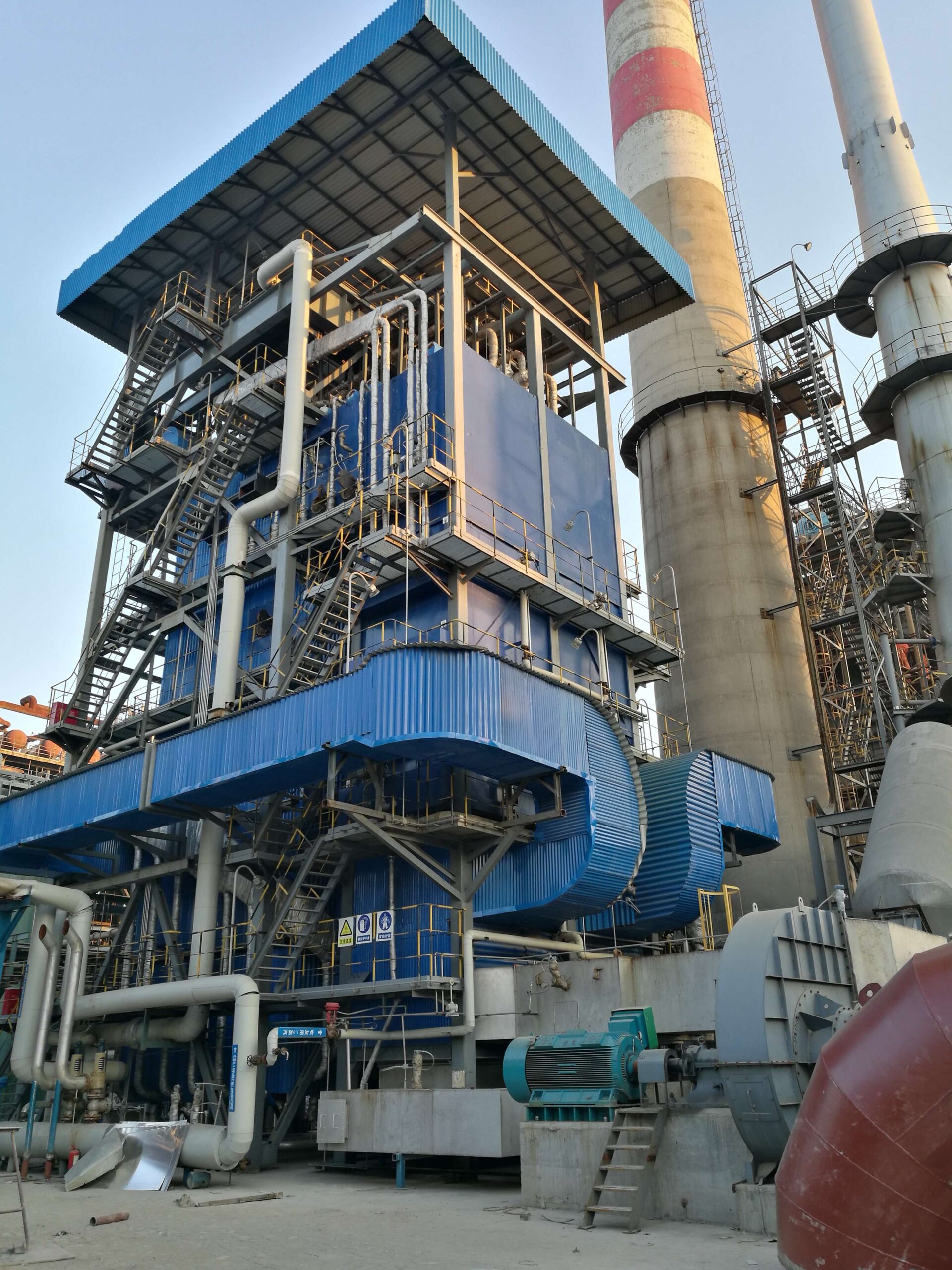
Industrial steam boiler systems are long-term assets that operate under demanding conditions, often running continuously for thousands of hours each year. While the initial capital investment is substantial, experienced plant operators understand that maintenance and lifecycle costs ultimately determine the true economic value of the system. A boiler that appears cost-effective at the time of purchase may become financially burdensome if maintenance requirements are high, spare parts are expensive, or operational inefficiencies accumulate over time. Conversely, a well-designed system with proper maintenance planning can deliver stable performance, lower downtime, and predictable operating costs throughout its lifecycle. Ignoring these factors can lead to unexpected failures, safety risks, and significant financial losses. Therefore, a comprehensive understanding of maintenance and lifecycle costs is essential for optimizing long-term performance and return on investment.
Maintenance and lifecycle costs for industrial steam boiler systems include routine servicing, preventive and predictive maintenance, spare parts replacement, water treatment, fuel system upkeep, labor, downtime losses, efficiency degradation, and major overhauls. Over a typical 20–30 year lifespan, these costs can equal or exceed the initial capital investment, making lifecycle cost management a critical factor in boiler selection and operation.
To effectively manage these costs, it is necessary to analyze each component of maintenance and understand how it contributes to the total lifecycle expenditure.
A structured lifecycle approach allows industrial users to move beyond short-term budgeting and focus on long-term reliability, efficiency, and profitability.
Maintenance and lifecycle costs can exceed the initial purchase cost of industrial boilers over time.True
Long-term expenses such as fuel, maintenance, and repairs accumulate over decades, often surpassing initial investment.
Boiler maintenance costs are minimal compared to fuel and can be ignored in planning.False
Maintenance costs significantly impact reliability, efficiency, and downtime, making them essential in lifecycle cost analysis.
🔧 Routine Maintenance Costs: The Foundation of Reliability
Routine maintenance represents the most consistent and predictable component of lifecycle costs, and it plays a fundamental role in ensuring stable boiler operation. These activities are typically performed daily, weekly, or monthly and are designed to prevent minor issues from escalating into major failures.
Operators must regularly inspect key components, clean heat transfer surfaces, monitor combustion conditions, and ensure that safety devices are functioning correctly. Although each individual task may appear relatively inexpensive, the cumulative cost over time becomes significant, particularly in large industrial facilities where boilers operate continuously.
📊 Table 1: Routine Maintenance Activities and Cost Impact
| Activity | Frequency | Cost Impact |
|---|---|---|
| Inspection and monitoring | Daily/weekly | Low but continuous |
| Cleaning heat surfaces | Monthly | Moderate |
| Lubrication of components | Monthly | Low |
| Safety valve checks | Periodic | Moderate |
Routine maintenance ensures consistent efficiency and prevents costly breakdowns.
🛠️ Preventive and Predictive Maintenance
Preventive maintenance involves scheduled servicing based on operating hours or time intervals, while predictive maintenance uses data analysis to anticipate potential failures before they occur. Together, these approaches significantly reduce the risk of unexpected downtime and extend equipment lifespan.
Modern industrial boilers increasingly rely on digital monitoring systems, which analyze parameters such as temperature, vibration, and pressure trends. By identifying anomalies early, operators can take corrective action before failures occur, reducing repair costs and improving system reliability.
📊 Table 2: Maintenance Strategy Comparison
| Maintenance Type | Approach | Cost Efficiency |
|---|---|---|
| Reactive | Repair after failure | Low |
| Preventive | Scheduled maintenance | Moderate |
| Predictive | Data-driven optimization | High |
Predictive maintenance requires higher initial investment but delivers superior long-term savings.
🔩 Spare Parts and Component Replacement
Over time, certain boiler components experience wear and must be replaced to maintain performance and safety. These include valves, seals, burners, refractory materials, and heat exchanger tubes.
The cost of spare parts depends on material quality and system complexity, and while individual components may not be expensive, frequent replacement can significantly increase lifecycle costs. High-quality boilers typically use more durable materials, which reduces replacement frequency and overall cost.
💧 Water Treatment and Chemical Costs
Water quality has a direct impact on boiler performance and longevity, and improper treatment can lead to scaling, corrosion, and reduced heat transfer efficiency. To prevent these issues, industrial boilers require continuous water treatment processes, including filtration, chemical dosing, and deaeration.
Although water treatment costs may appear moderate, they are essential for avoiding major failures and extending equipment lifespan, making them a critical component of lifecycle cost management.
🔥 Fuel System Maintenance
The fuel system is another area requiring ongoing maintenance, as it directly affects combustion efficiency and system performance. Over time, components involved in fuel handling and delivery can degrade, leading to uneven combustion and increased fuel consumption.
Maintaining optimal fuel system performance ensures efficient operation and reduces unnecessary fuel costs.
⚡ Auxiliary Equipment Maintenance
Boiler systems rely on auxiliary equipment such as pumps, fans, and control systems, all of which require regular servicing to maintain performance. Failures in these components can disrupt the entire system, leading to downtime and production losses.
Proper maintenance of auxiliary equipment is therefore essential for ensuring system reliability.
⏳ Downtime and Production Loss Costs
One of the most significant yet often overlooked lifecycle costs is downtime, which can result from equipment failure or maintenance activities. In industrial environments, even a short interruption in steam supply can halt production, leading to substantial financial losses.
📊 Table 3: Downtime Cost Impact
| Downtime Duration | Potential Impact |
|---|---|
| 1 hour | Minor production loss |
| 1 day | Significant revenue loss |
| 1 week | Major financial impact |
Reducing downtime through effective maintenance strategies is critical for maximizing ROI.
📉 Efficiency Degradation Over Time
As boilers age, their efficiency can decline due to fouling, scaling, and component wear, and this gradual degradation leads to increased fuel consumption and higher operating costs. Regular maintenance and cleaning help mitigate efficiency losses, but some degradation is inevitable over time.
Investing in high-quality materials and advanced design can slow this process and improve long-term performance.
🔄 Major Overhauls and Upgrades
Throughout the lifecycle of a boiler, major overhauls are required to restore performance and extend service life. These overhauls may involve replacing critical components, upgrading control systems, or improving heat recovery systems.
📊 Table 4: Major Overhaul Cost Factors
| Overhaul Type | Frequency | Cost Impact |
|---|---|---|
| Minor overhaul | Every 3–5 years | Moderate |
| Major overhaul | Every 8–12 years | High |
These planned investments are essential for maintaining long-term reliability.
👨🔧 Labor and Training Costs
Operating and maintaining industrial boilers requires skilled personnel, and labor costs include not only salaries but also training and certification expenses. As systems become more advanced, the need for specialized knowledge increases, adding to lifecycle costs.
However, well-trained operators can significantly improve efficiency and reduce maintenance issues.
🌐 Digital Monitoring and Optimization Costs
Modern boilers often incorporate digital systems for monitoring and optimization, which require initial investment and ongoing maintenance. These systems improve efficiency and reliability, offsetting their cost over time.
📊 Lifecycle Cost Distribution Overview
📊 Table 5: Lifecycle Cost Breakdown
| Cost Category | Share Over Lifecycle |
|---|---|
| Fuel | 50–70% |
| Maintenance | 15–25% |
| Labor | 5–10% |
| Spare parts | 5–10% |
This distribution highlights the importance of managing maintenance costs effectively.
📈 Real-World Lifecycle Example
Consider a boiler with an initial cost of $1 million operating over 20 years, where maintenance and operational expenses accumulate to over $2 million. This demonstrates that lifecycle costs often exceed initial investment, emphasizing the need for long-term planning.
Summary
Maintenance and lifecycle costs are critical factors in determining the true economic value of industrial steam boiler systems, as they encompass a wide range of expenses including routine servicing, predictive maintenance, spare parts replacement, water treatment, labor, downtime losses, efficiency degradation, and periodic overhauls. Over the lifespan of a boiler, these costs can equal or exceed the initial capital investment, making lifecycle cost management essential for maximizing return on investment. By adopting proactive maintenance strategies, investing in high-quality equipment, and leveraging digital monitoring technologies, industrial operators can reduce long-term costs, improve system reliability, and achieve sustainable operational efficiency.
How Do Efficiency Improvements Affect Industrial Steam Boiler ROI?
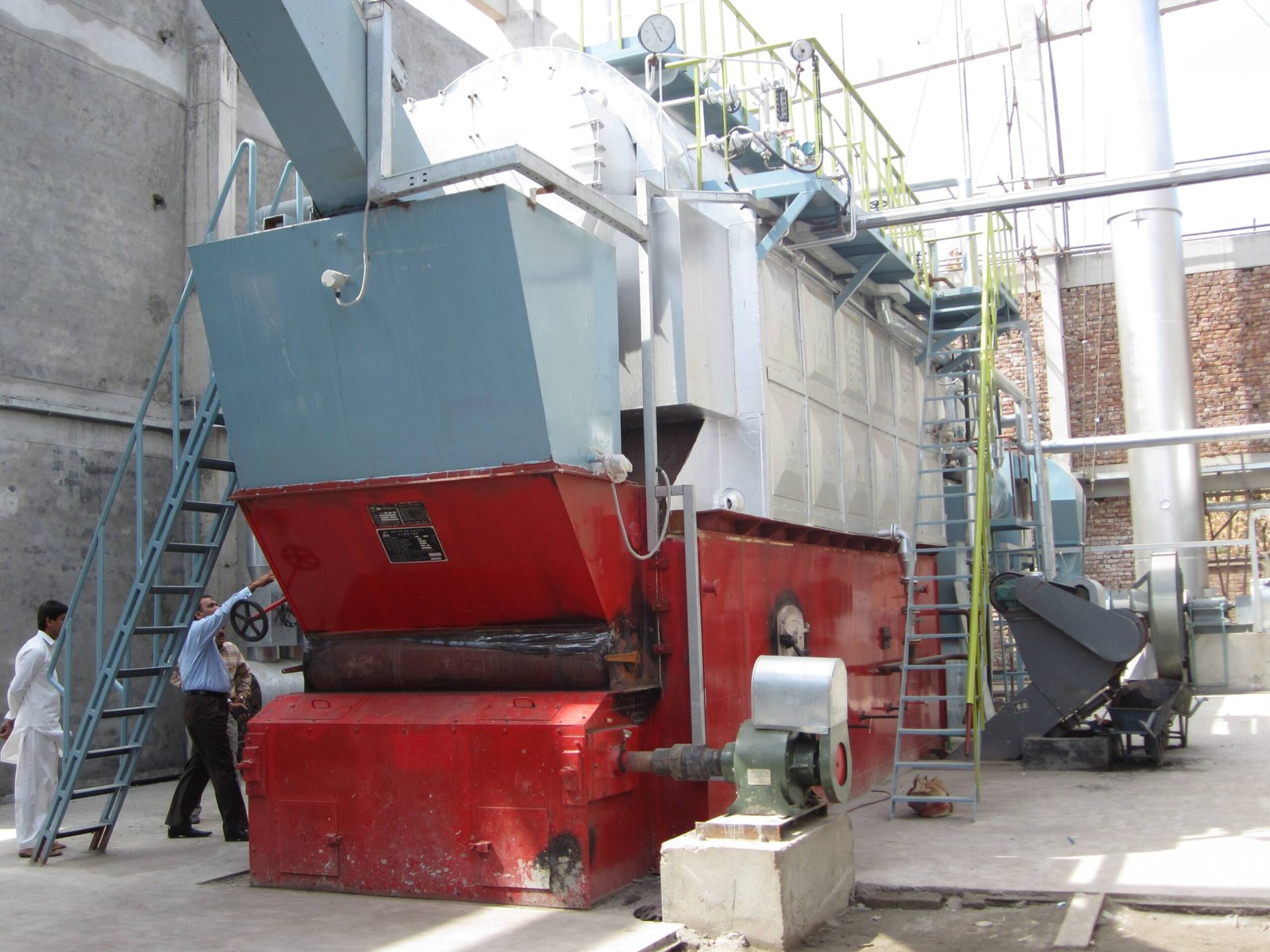
Industrial steam boilers are at the heart of energy-intensive operations, and their performance directly influences production costs, energy consumption, and overall profitability. While many decision-makers initially focus on capital expenditure, the real financial impact of a boiler system emerges over time through its operating efficiency. Even small inefficiencies in heat transfer, combustion, or system control can lead to substantial fuel waste when accumulated over thousands of operating hours annually. This inefficiency not only increases operational expenses but also extends the payback period and reduces the overall return on investment (ROI). Conversely, improving efficiency—whether through advanced design, heat recovery systems, or digital optimization—can significantly reduce fuel consumption and enhance long-term financial performance. Therefore, understanding how efficiency improvements influence ROI is essential for industrial users seeking sustainable and cost-effective energy solutions.
Efficiency improvements affect industrial steam boiler ROI by reducing fuel consumption, lowering operating costs, shortening payback periods, and increasing long-term profitability. Since fuel accounts for the majority of lifecycle costs, even a 1–5% increase in efficiency can generate substantial annual savings, making high-efficiency systems one of the most impactful investments for improving financial returns.
To fully understand this relationship, it is important to analyze how efficiency gains translate into economic benefits across different aspects of boiler operation.
A detailed examination of these factors reveals that efficiency is not merely a technical metric but a powerful financial lever.
Improving boiler efficiency directly reduces fuel consumption and operating costs.True
Higher efficiency means more energy is converted into useful steam, reducing the amount of fuel required.
Efficiency improvements have only a minor impact on long-term boiler ROI.False
Even small efficiency gains significantly reduce fuel costs over time, greatly improving ROI.
🔥 The Direct Link Between Efficiency and Fuel Cost Savings
Fuel consumption represents the largest portion of boiler operating expenses, and efficiency improvements directly reduce the amount of fuel required to produce the same quantity of steam. When a boiler operates more efficiently, a greater proportion of the fuel’s energy is converted into useful heat, minimizing waste and lowering overall consumption.
In practical terms, this means that even a modest increase in efficiency can lead to substantial cost savings over time, especially in facilities that operate continuously or have high steam demand.
📊 Table 1: Efficiency Improvement vs Fuel Savings
| Efficiency Increase | Fuel Savings | Cost Reduction Impact |
|---|---|---|
| +1% | ~1–2% | Moderate savings |
| +3% | ~3–5% | Significant savings |
| +5% | ~5–8% | High savings |
These savings accumulate annually, making efficiency one of the most critical factors in ROI.
⚙️ Efficiency and Payback Period Reduction
One of the most immediate financial benefits of efficiency improvements is the reduction in payback period, which measures how quickly the initial investment is recovered through operational savings. High-efficiency boilers may require greater upfront investment, but their reduced fuel consumption leads to faster cost recovery.
📊 Table 2: Payback Period Comparison
| Boiler Type | Initial Cost | Operating Cost | Payback Period |
|---|---|---|---|
| Standard efficiency | Lower | Higher | Longer |
| High efficiency | Higher | Lower | Shorter |
This demonstrates that efficiency improvements can significantly accelerate ROI realization.
🌡️ Role of Heat Recovery Technologies
Heat recovery systems play a crucial role in improving boiler efficiency by capturing waste heat from flue gases and reusing it within the system. Technologies such as economizers, air preheaters, and condensing heat exchangers increase the amount of usable energy extracted from fuel.
📊 Table 3: Heat Recovery Efficiency Gains
| Technology | Efficiency Improvement |
|---|---|
| Economizer | +3–5% |
| Air preheater | +2–4% |
| Condensing system | +5–10% |
By reducing energy losses, these systems directly enhance ROI.
🧠 Digital Optimization and Smart Control Systems
Modern industrial boilers increasingly incorporate digital control systems that continuously monitor and optimize performance. These systems adjust combustion parameters in real time, ensuring optimal air-to-fuel ratios and stable operating conditions.
This level of precision minimizes energy waste and improves efficiency, particularly under variable load conditions, where traditional systems may struggle to maintain optimal performance.
📉 Impact of Efficiency on Lifecycle Costs
Efficiency improvements influence not only fuel costs but also overall lifecycle costs, which include maintenance, labor, and downtime. A more efficient boiler operates under optimized conditions, reducing wear and tear on components and lowering maintenance requirements.
📊 Table 4: Lifecycle Cost Impact of Efficiency
| Cost Category | Low Efficiency | High Efficiency |
|---|---|---|
| Fuel cost | High | Lower |
| Maintenance | Higher | Reduced |
| Downtime risk | Higher | Lower |
This highlights the broader financial benefits of efficiency improvements.
⏳ Long-Term Profitability and Competitive Advantage
Efficiency improvements contribute to long-term profitability by reducing operating expenses and improving energy utilization. In competitive industries, lower energy costs can provide a significant advantage, enabling companies to allocate resources more effectively and maintain higher profit margins.
🌍 Environmental and Regulatory Benefits
Higher efficiency also reduces emissions by lowering fuel consumption, which helps companies meet environmental regulations and avoid penalties. In regions with carbon pricing or emission limits, efficiency improvements can lead to additional financial benefits.
📊 ROI Sensitivity to Efficiency Changes
The relationship between efficiency and ROI is highly sensitive, meaning that small improvements can produce disproportionately large financial gains over time.
📊 Table 5: ROI Sensitivity Example
| Efficiency Gain | Annual Savings | 10-Year Impact |
|---|---|---|
| 2% | Moderate | High cumulative savings |
| 5% | Significant | Very high savings |
| 10% | Maximum | Transformational impact |
This sensitivity underscores the importance of optimizing efficiency.
📈 Real-World Example
Consider a boiler operating 8,000 hours per year, where a 5% efficiency improvement reduces fuel consumption significantly. Over a decade, the accumulated savings can exceed the initial cost difference between standard and high-efficiency systems, resulting in a strong ROI.
🔄 Continuous Improvement and Optimization
Efficiency is not a one-time achievement but an ongoing process that requires regular monitoring, maintenance, and optimization. By continuously improving system performance, operators can sustain high efficiency and maximize ROI throughout the boiler’s lifecycle.
Summary
Efficiency improvements play a decisive role in enhancing the return on investment of industrial steam boiler systems by reducing fuel consumption, lowering operating costs, shortening payback periods, and improving long-term profitability. Because fuel represents the largest component of lifecycle costs, even small increases in efficiency can generate substantial financial savings over time. Technologies such as heat recovery systems, advanced combustion control, and digital optimization further amplify these benefits, making efficiency one of the most powerful drivers of economic performance. For industrial users, prioritizing efficiency is not only a technical decision but a strategic investment that delivers sustained financial and operational advantages.
What Is the Typical Payback Period for Industrial Steam Boiler Investments?
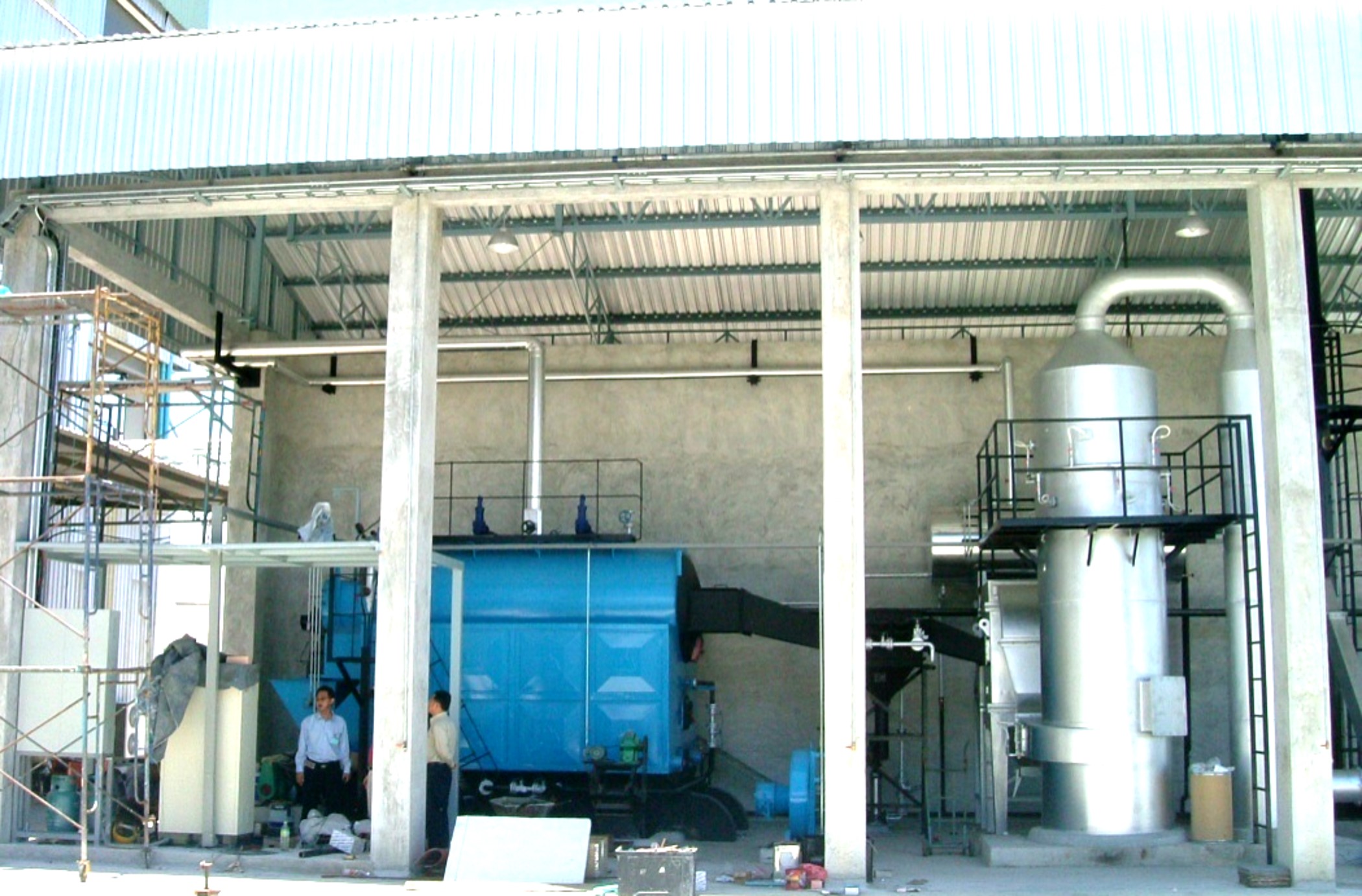
Investing in an industrial steam boiler is a long-term financial decision that goes beyond initial equipment cost and extends into decades of operation, maintenance, and energy consumption. For most industrial buyers, one of the most critical questions is how quickly the investment will pay for itself through operational savings, especially in terms of fuel efficiency, reduced maintenance, and improved productivity. However, determining the payback period is not always straightforward because it depends on multiple variables, including fuel type, operating hours, system efficiency, and energy prices. A poorly optimized system can take many years to recover its cost, while a high-efficiency, well-integrated solution may achieve rapid returns. Therefore, understanding the typical payback period—and the factors influencing it—is essential for making informed investment decisions and ensuring long-term financial success.
The typical payback period for industrial steam boiler investments generally ranges from 1.5 to 5 years, depending on factors such as boiler efficiency, fuel cost savings, operating hours, and system optimization. High-efficiency boilers with advanced heat recovery and automation systems often achieve shorter payback periods of 1.5–3 years, while standard systems may require 3–5 years or longer to recover initial investment.
To accurately evaluate payback periods, it is important to analyze how different cost components and operational improvements contribute to financial returns over time.
A deeper understanding of these factors allows industrial users to align technical performance with financial objectives.
High-efficiency industrial boilers typically have shorter payback periods due to fuel savings.True
Reduced fuel consumption lowers operating costs, accelerating the recovery of initial investment.
The payback period of a boiler investment is fixed and does not vary with operating conditions.False
Payback period depends on fuel prices, operating hours, efficiency, and maintenance, making it highly variable.
⏳ Understanding Payback Period in Boiler Investments
The payback period refers to the time required for the savings generated by a boiler system to equal its initial investment, and it is one of the most widely used metrics for evaluating the financial feasibility of industrial energy projects. Unlike simple cost comparisons, payback analysis considers how operational savings accumulate over time, providing a clearer picture of long-term value.
In the context of steam boilers, savings are primarily derived from reduced fuel consumption, improved efficiency, lower maintenance costs, and enhanced operational reliability. These savings are influenced by both technical design and real-world operating conditions, which means that payback periods can vary significantly between projects.
📊 Typical Payback Period Ranges by System Type
📊 Table 1: Payback Period by Boiler Type
| Boiler Type | Efficiency Level | Typical Payback Period |
|---|---|---|
| Standard boiler | 80–85% | 3–5 years |
| High-efficiency boiler | 88–92% | 2–4 years |
| Condensing boiler | 95%+ | 1.5–3 years |
| Boiler with heat recovery | Very high | 1.5–2.5 years |
This comparison shows that higher efficiency directly correlates with faster financial returns.
🔥 Role of Fuel Cost Savings in Payback
Fuel cost savings are the primary driver of payback period because fuel typically accounts for the majority of operating expenses, and even small reductions in consumption can produce substantial financial benefits. In high-demand industrial environments, boilers operate continuously, which amplifies the impact of efficiency improvements.
📊 Table 2: Fuel Savings Impact on Payback
| Efficiency Gain | Annual Savings Impact | Payback Effect |
|---|---|---|
| 2% | Moderate | Slight reduction |
| 5% | Significant | Faster payback |
| 10% | Very high | Rapid payback |
The higher the fuel cost and consumption, the shorter the payback period.
⚙️ Influence of Operating Hours
Operating hours play a crucial role in determining how quickly savings accumulate, because boilers that run continuously generate more savings per year than those operating intermittently. In industries such as food processing, chemicals, or power generation, where boilers may run 6,000–8,000 hours annually, payback periods tend to be significantly shorter.
📊 Table 3: Operating Hours vs Payback
| Annual Operating Hours | Payback Period Trend |
|---|---|
| <3,000 hours | Longer |
| 3,000–6,000 hours | متوسط |
| >6,000 hours | Shorter |
Higher utilization accelerates return on investment.
🌡️ Impact of Heat Recovery Systems
Heat recovery technologies improve efficiency by capturing waste heat from flue gases and reusing it, thereby reducing fuel consumption and increasing savings. These systems often require additional investment, but their contribution to efficiency can significantly shorten payback periods.
📊 Table 4: Heat Recovery Contribution
| Technology | Efficiency Gain | Payback Impact |
|---|---|---|
| Economizer | +3–5% | Moderate |
| Air preheater | +2–4% | Moderate |
| Condensing system | +5–10% | High |
The integration of multiple technologies further enhances ROI.
🧠 Automation and Optimization Effects
Advanced automation systems contribute to shorter payback periods by continuously optimizing combustion and operational parameters, which reduces fuel waste and improves system stability. These systems also minimize downtime and maintenance costs, further enhancing financial performance.
💰 Capital Cost vs Operational Savings Balance
The relationship between initial investment and operational savings determines the payback period, and while high-performance systems may require greater upfront capital, their lower operating costs often offset this difference over time. In many cases, the additional investment is recovered quickly through fuel savings alone.
📉 Lifecycle Perspective on Payback
Payback period is only one aspect of financial evaluation, and it must be considered alongside lifecycle cost and total return on investment. A system with a slightly longer payback period may still offer better long-term value if it delivers greater savings over its lifespan.
📊 Table 5: Payback vs Lifecycle Value
| System Type | Payback Period | Long-Term Value |
|---|---|---|
| Low-cost system | Short initial | Lower total savings |
| High-efficiency system | Moderate | Higher total savings |
This highlights the importance of balancing short-term and long-term considerations.
🌍 External Factors Affecting Payback
Several external factors can influence payback period, including:
• Fuel price fluctuations
• Government incentives or subsidies
• Carbon pricing policies
• Energy market conditions
These variables can either accelerate or delay investment recovery.
📈 Real-World Case Example
A manufacturing plant investing in a high-efficiency steam boiler experienced a 7% reduction in fuel consumption, resulting in annual savings of hundreds of thousands of dollars. Although the initial investment was higher than a standard system, the payback period was reduced to approximately two years, demonstrating the strong financial impact of efficiency improvements.
🔄 Strategies to Shorten Payback Period
Industrial users can adopt several strategies to improve ROI:
• Selecting high-efficiency boiler designs
• Integrating heat recovery systems
• Implementing advanced automation
• Optimizing operating conditions
These measures enhance performance and accelerate cost recovery.
Summary
The typical payback period for industrial steam boiler investments ranges from approximately 1.5 to 5 years, depending on factors such as efficiency, fuel cost savings, operating hours, and system optimization. High-efficiency boilers with advanced technologies such as heat recovery and digital control systems tend to achieve shorter payback periods due to significant reductions in fuel consumption and operating costs. While initial investment is an important consideration, the speed of return is ultimately determined by how effectively the system converts energy into useful output and minimizes waste. For industrial decision-makers, focusing on efficiency, reliability, and long-term operational savings is the key to achieving faster payback and maximizing overall return on investment.
How Can You Maximize ROI When Investing in Industrial Steam Boiler Systems?
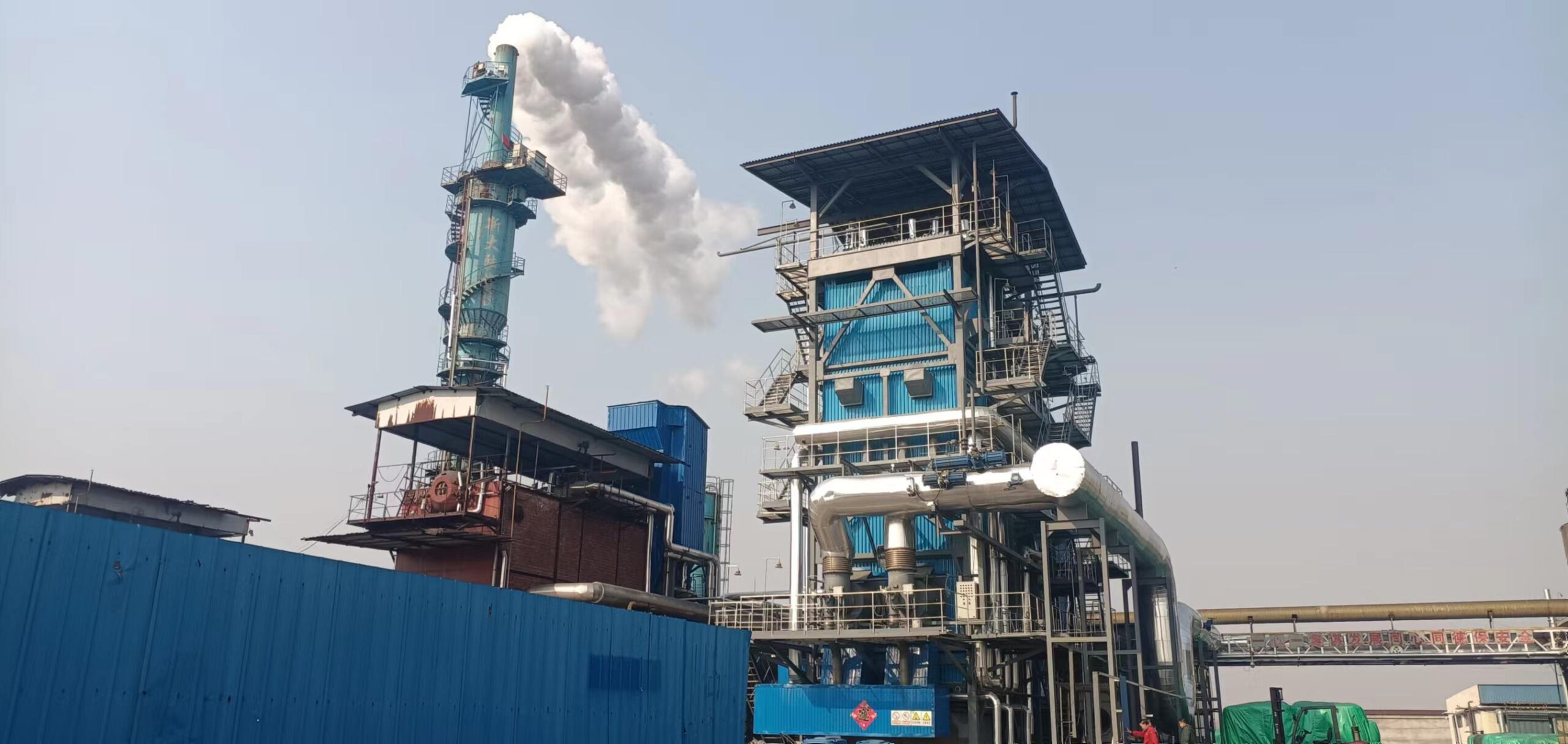
Investing in an industrial steam boiler system is not simply about purchasing equipment—it is a strategic financial decision that directly impacts long-term operational costs, energy efficiency, and overall profitability. Many companies focus heavily on minimizing initial capital expenditure, only to discover later that poor efficiency, high fuel consumption, and frequent maintenance significantly erode their return on investment (ROI). In reality, the true value of a boiler system is determined over its entire lifecycle, where fuel costs, operational efficiency, reliability, and system optimization play far greater roles than upfront price alone. Without a comprehensive strategy, even a technically sound boiler can underperform financially, leading to extended payback periods and reduced competitiveness. Therefore, maximizing ROI requires a holistic approach that integrates design, technology, operation, and lifecycle management.
To maximize ROI when investing in industrial steam boiler systems, companies must prioritize high-efficiency design, optimize fuel selection and consumption, integrate heat recovery technologies, implement advanced automation systems, ensure proper maintenance, and adopt lifecycle cost analysis. By focusing on long-term operational savings rather than initial cost alone, industrial users can significantly reduce fuel expenses, shorten payback periods, and achieve sustainable financial performance.
To fully realize these benefits, it is essential to understand how each decision—from system selection to daily operation—contributes to overall ROI.
A strategic and data-driven approach allows industrial users to unlock the full economic potential of their boiler investment.
Investing in higher-efficiency boiler systems leads to better long-term ROI despite higher initial costs.True
Reduced fuel consumption and operating costs generate long-term savings that outweigh initial investment differences.
Minimizing upfront cost is the best way to maximize boiler investment ROI.False
Focusing only on initial cost often leads to higher operating expenses, reducing overall ROI.
🔍 Adopt a Lifecycle Cost Perspective Instead of Initial Cost Focus
Maximizing ROI begins with shifting the decision-making framework from initial purchase price to total lifecycle cost, which includes fuel consumption, maintenance, labor, and downtime over the entire service life of the boiler. While a lower-cost system may appear attractive at first glance, it often results in higher operating expenses that accumulate over time and diminish financial returns.
📊 Table 1: Lifecycle Cost Composition
| Cost Component | Typical Share |
|---|---|
| Fuel | 60–80% |
| Maintenance | 10–20% |
| Labor & operations | 5–10% |
| Capital cost | 10–20% |
This distribution clearly demonstrates that operational factors dominate long-term financial performance.
🔥 Optimize Fuel Selection and Combustion Efficiency
Fuel cost is the single largest contributor to operating expenses, and optimizing fuel selection is critical for maximizing ROI. Choosing fuels with stable pricing, high calorific value, and reliable supply can significantly reduce cost variability and improve financial predictability.
At the same time, efficient combustion ensures that the maximum amount of energy is extracted from each unit of fuel, which directly reduces consumption and operating cost. Advanced combustion systems and precise air-fuel ratio control play a vital role in achieving this optimization.
⚙️ Invest in High-Efficiency Boiler Design
Selecting a high-efficiency boiler is one of the most effective ways to improve ROI, even if it requires a higher initial investment. Modern designs incorporate advanced heat transfer surfaces, optimized combustion chambers, and improved insulation, all of which contribute to higher thermal efficiency.
📊 Table 2: Efficiency Impact on ROI
| Efficiency Level | Fuel Consumption | ROI Impact |
|---|---|---|
| 80–85% | Higher | Lower ROI |
| 85–90% | Moderate | Improved ROI |
| 90–95% | Lower | High ROI |
Higher efficiency leads directly to reduced operating costs and faster payback.
🌡️ Integrate Heat Recovery Technologies
Heat recovery systems significantly enhance boiler efficiency by capturing waste heat and reusing it within the system, which reduces fuel demand and increases overall energy utilization. Technologies such as economizers and condensing heat exchangers are widely used to achieve this.
📊 Table 3: Heat Recovery Benefits
| Technology | Efficiency Gain | ROI Contribution |
|---|---|---|
| Economizer | +3–5% | Moderate |
| Air preheater | +2–4% | Moderate |
| Condensing system | +5–10% | High |
These technologies often provide rapid payback due to their direct impact on fuel savings.
🤖 Implement Advanced Automation and Control Systems
Automation plays a critical role in maximizing ROI by ensuring consistent and optimized boiler operation under varying load conditions. Digital control systems continuously monitor key parameters and adjust combustion settings in real time, which minimizes energy waste and improves efficiency.
In addition, automation reduces reliance on manual intervention, lowers labor costs, and enhances safety, all of which contribute to improved financial performance over time.
🛠️ Establish Proactive Maintenance Strategies
Maintenance is not merely a cost center but a key factor in preserving efficiency and preventing expensive failures. Proactive maintenance strategies, including predictive and preventive approaches, help identify potential issues early and reduce downtime.
Well-maintained boilers operate more efficiently and have longer lifespans, which improves ROI by spreading capital cost over a longer period.
📉 Minimize Downtime and Enhance Reliability
Unplanned downtime can significantly impact ROI by interrupting production and causing financial losses. Reliable boiler systems with robust design and high-quality components reduce the likelihood of failures and ensure continuous operation.
Improving reliability is therefore a critical strategy for maximizing financial returns.
📊 Use Data-Driven Optimization and Digital Monitoring
Modern industrial boilers increasingly rely on data analytics and digital monitoring systems to optimize performance, and these technologies provide real-time insights into efficiency, fuel consumption, and system health. By leveraging this data, operators can make informed decisions that improve efficiency and reduce operating costs.
🌍 Adapt to Energy Market and Policy Changes
External factors such as fuel price fluctuations, environmental regulations, and government incentives can influence ROI, and companies that proactively adapt to these changes can gain a competitive advantage. For example, integrating renewable fuels or improving efficiency can reduce exposure to carbon pricing and regulatory costs.
📈 Real-World ROI Optimization Example
A manufacturing facility that upgraded from a standard boiler to a high-efficiency system with heat recovery and advanced controls achieved a 10% reduction in fuel consumption. Although the initial investment increased by 20%, the system achieved payback in less than three years and delivered substantial long-term savings, demonstrating the effectiveness of a holistic ROI strategy.
🔄 Continuous Improvement and Long-Term Optimization
Maximizing ROI is not a one-time effort but an ongoing process that requires continuous monitoring, maintenance, and optimization. By regularly evaluating system performance and implementing improvements, industrial users can sustain high efficiency and maximize financial returns throughout the boiler’s lifecycle.
📊 ROI Optimization Framework Visualization
🔷 Design Optimization → High-efficiency boiler selection
🔷 Fuel Strategy → Cost-effective and stable fuel supply
🔷 Technology Integration → Heat recovery and automation
🔷 Operation Excellence → Skilled management and monitoring
🔷 Maintenance Strategy → Predictive and preventive care
This integrated framework highlights how multiple factors work together to maximize ROI.
Summary
Maximizing ROI when investing in industrial steam boiler systems requires a comprehensive and strategic approach that extends beyond initial capital cost to encompass efficiency, fuel management, system design, automation, maintenance, and lifecycle optimization. By prioritizing high-efficiency technologies, integrating heat recovery systems, leveraging advanced control solutions, and adopting proactive maintenance practices, industrial users can significantly reduce operating costs, improve reliability, and shorten payback periods. Ultimately, the most successful boiler investments are those that balance technical performance with long-term financial efficiency, ensuring sustainable profitability and competitive advantage over the system’s entire lifecycle.
🔍 Conclusion
Understanding the full cost structure and ROI of industrial steam boiler systems is critical for making informed investment decisions. While initial costs can be significant, long-term savings from improved efficiency, reduced fuel consumption, and reliable operation often justify the investment. A well-designed and properly maintained boiler system can deliver strong financial returns and operational stability.
🔹 Contact us today to optimize your boiler investment and maximize long-term returns. ♨️📊💰
FAQ
What are the main costs involved in industrial steam boiler systems?
Industrial steam boiler systems involve several cost components that go beyond the initial purchase price. The most visible cost is the capital investment, which includes the boiler unit itself, auxiliary equipment, and installation. Auxiliary systems such as burners, feedwater pumps, economizers, and control systems can significantly increase upfront expenses.
Installation costs are another major factor. These include site preparation, piping, electrical connections, insulation, and commissioning. In some cases, installation can account for a substantial percentage of the total project budget, especially for large or complex systems.
Fuel costs represent the largest ongoing expense during the boiler’s operational life. The type of fuel used—such as natural gas, oil, coal, or biomass—has a major impact on long-term operating costs. Fuel price volatility can also affect overall financial planning.
Maintenance and servicing costs must also be considered. Regular inspections, part replacements, water treatment, and cleaning are necessary to maintain efficiency and ensure safe operation. Poor maintenance can lead to higher repair costs and reduced lifespan.
Other costs include labor, water treatment chemicals, emissions compliance, and insurance. A comprehensive cost analysis should consider all these factors to accurately estimate total ownership cost.
How is ROI calculated for an industrial steam boiler system?
Return on Investment (ROI) for an industrial steam boiler system is calculated by comparing the financial benefits generated by the system to its total cost over time. The basic formula involves dividing net savings or gains by the total investment cost.
To calculate ROI accurately, businesses must first determine the total capital investment, including equipment, installation, and associated infrastructure. Next, they estimate annual operating costs, including fuel, maintenance, labor, and utilities.
The financial benefits typically come from energy savings, improved efficiency, reduced downtime, and increased production capacity. For example, a high-efficiency boiler may consume less fuel, resulting in significant cost savings compared to an older system.
Payback period is another important metric. It measures how long it takes for the savings generated by the new boiler to recover the initial investment. Many industrial boiler projects aim for a payback period of 2 to 5 years, depending on scale and efficiency improvements.
Advanced financial analysis may also include net present value (NPV) and internal rate of return (IRR) to account for long-term economic performance and the time value of money.
By considering both costs and benefits, ROI analysis helps businesses make informed investment decisions.
What factors have the biggest impact on boiler ROI?
Several key factors significantly influence the ROI of an industrial steam boiler system. One of the most important is fuel efficiency. Boilers with higher thermal efficiency consume less fuel to produce the same amount of steam, resulting in lower operating costs and faster return on investment.
Fuel type and availability also play a major role. Facilities that have access to low-cost or locally available fuels—such as biomass or waste heat—can achieve better ROI compared to those relying on expensive fuels.
Operating hours and load demand are another critical factor. Boilers that operate continuously or at high capacity tend to generate more savings from efficiency improvements, leading to shorter payback periods.
Maintenance practices also impact ROI. Well-maintained boilers operate more efficiently and have fewer breakdowns, reducing repair costs and downtime. Poor maintenance can quickly erode potential savings.
Technology level is another consideration. Advanced features such as economizers, condensing systems, and smart controls may increase initial costs but often provide long-term savings through improved efficiency and reduced energy consumption.
Finally, regulatory incentives or carbon reduction programs can enhance ROI by providing financial support or tax benefits for energy-efficient equipment.
How do high-efficiency boilers improve long-term savings?
High-efficiency boilers play a crucial role in improving long-term cost savings by reducing fuel consumption and minimizing energy waste. These boilers are designed with advanced combustion systems that ensure optimal air-fuel mixing, resulting in more complete combustion.
One of the most effective technologies used in high-efficiency boilers is heat recovery. Economizers and condensing heat exchangers capture waste heat from exhaust gases and use it to preheat feedwater. This reduces the amount of fuel required to generate steam.
Improved insulation and optimized heat transfer surfaces also help reduce heat loss, ensuring that more energy is used for steam production rather than being lost to the environment.
Automation and digital control systems further enhance efficiency by continuously adjusting operating parameters to match demand. This prevents energy waste during partial load conditions.
Over time, even small improvements in efficiency can lead to substantial savings, especially in facilities with continuous operation. These savings contribute directly to improved ROI and reduced operating costs.
What is the typical payback period for an industrial steam boiler?
The payback period for an industrial steam boiler system varies depending on several factors, including system size, efficiency improvements, fuel costs, and operating conditions. In many industrial applications, the payback period typically ranges from 2 to 5 years.
Facilities that replace outdated or inefficient boilers with modern high-efficiency systems often experience faster payback due to significant energy savings. For example, upgrading from an older boiler with 70% efficiency to a new system with 90% efficiency can result in substantial fuel cost reductions.
Fuel price differences also influence payback. In regions where fuel costs are high, efficiency improvements generate greater savings, leading to shorter payback periods.
Government incentives and energy efficiency programs can further reduce payback time by offsetting initial investment costs.
However, in cases where installation costs are high or operating hours are limited, the payback period may be longer. It is important for businesses to conduct detailed financial analysis to estimate realistic payback expectations.
Understanding the payback period helps decision-makers evaluate the financial feasibility of boiler investments and prioritize projects with the highest return potential.
References
Steam System Opportunity Assessment
https://www.energy.gov/eere/amo/steam-system-assessment-tool
U.S. Department of EnergyBoiler Efficiency and Cost Savings
https://www.carbontrust.com/resources/boilers
Carbon TrustIndustrial Steam Systems Guide
https://www.spiraxsarco.com/learn-about-steam
Spirax SarcoIndustrial Energy Efficiency
https://www.iea.org/topics/industry
International Energy AgencyProcess Heating and Boilers
https://www.energy.gov/eere/amo/industrial-process-heating
U.S. Department of EnergyBoiler Lifecycle Cost Analysis
https://www.nrel.gov/docs/fy14osti/60947.pdf
National Renewable Energy LaboratoryEnergy Efficiency in Industry
https://www.epa.gov/e3
U.S. Environmental Protection AgencyBoiler Operations and Maintenance
https://www.nationalboard.org
National Board of Boiler and Pressure Vessel InspectorsEnergy Management Systems
https://www.iso.org/iso-50001-energy-management.html
International Organization for StandardizationIndustrial Boiler Best Practices
https://www.ieabioenergy.com
IEA Bioenergy
What Are the Costs and ROI of Industrial Steam Boiler Systems? Read More »