
Choosing Boiler Fuel Type Based on Cost and Availability
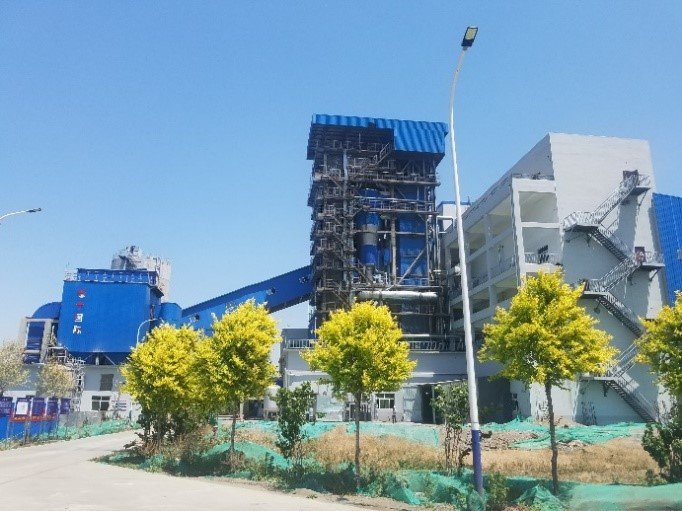
Selecting the wrong fuel type for a power plant boiler can lead to unstable fuel supply, excessive operating costs, and inefficient combustion performance. Many project developers focus only on fuel price, overlooking critical factors such as regional availability, transportation logistics, and long-term price volatility. This can result in supply disruptions, higher lifecycle costs, and reduced plant reliability.
The key criteria for choosing a fuel type for a power plant boiler based on cost and availability include local fuel supply stability, price consistency, transportation and storage costs, fuel energy density, combustion efficiency, environmental regulations, and long-term market trends. The optimal choice balances low cost with reliable availability to ensure continuous, cost-effective power generation.
A strategic fuel selection process not only reduces operational risks but also improves boiler efficiency and overall plant economics. The following framework outlines the essential considerations for making the right fuel choice.
Further reading
How Does Fuel Availability Influence Power Plant Boiler Fuel Selection Based on Cost?
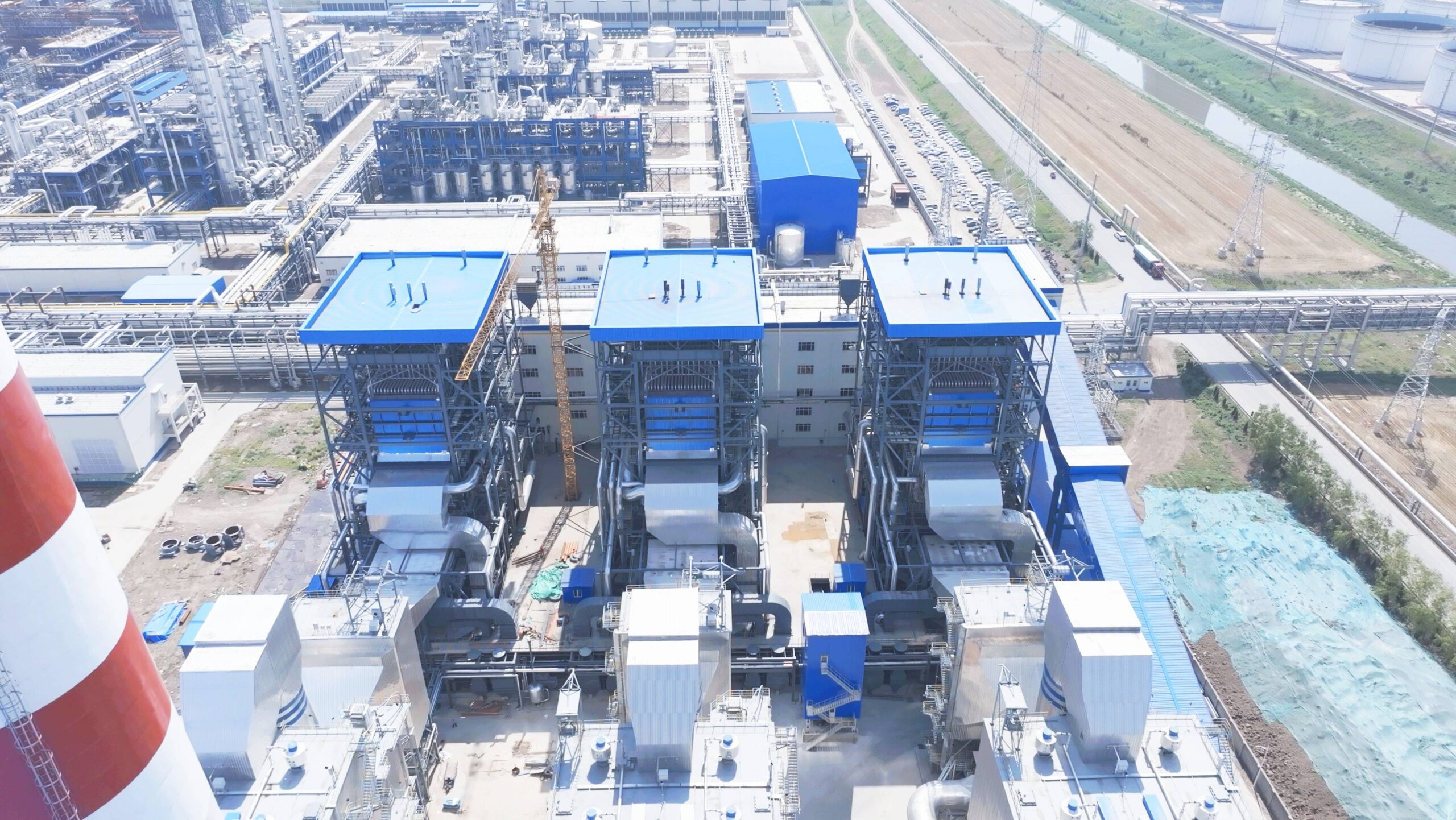
In modern power generation, selecting the right fuel for boiler systems is no longer a purely technical decision—it is a complex economic strategy shaped by fuel availability, supply stability, transportation logistics, and market price volatility. Power plant operators must balance fuel cost with reliability and long-term sustainability, because even the most efficient boiler system can become uneconomical if fuel supply is inconsistent or expensive to procure. In regions where fuel supply chains are unstable or heavily dependent on imports, operating costs can fluctuate dramatically, directly impacting profitability and return on investment. Conversely, access to abundant and locally available fuel sources can significantly reduce costs and improve operational resilience. Therefore, understanding how fuel availability influences fuel selection is essential for optimizing both short-term cost efficiency and long-term financial performance.
Fuel availability influences power plant boiler fuel selection based on cost by determining supply stability, transportation expenses, and price volatility. Power plants tend to prioritize fuels that are locally abundant, consistently available, and economically transportable, as these factors minimize overall fuel cost, reduce supply risks, and improve long-term operational efficiency.
To fully understand this relationship, it is necessary to examine how availability interacts with cost structures, logistics, and energy strategies in power plant operations.
A deeper analysis reveals that fuel selection is a multidimensional decision involving both economic and technical considerations.
Locally available fuels generally reduce power plant operating costs due to lower transportation expenses.True
Shorter supply chains reduce logistics costs and improve fuel price stability.
Fuel selection in power plants depends only on fuel price and not on availability.False
Availability affects supply reliability, transportation costs, and price volatility, making it a key factor in fuel selection.
🌍 The Economic Importance of Fuel Availability
Fuel availability directly affects the total cost of power generation because it determines how easily and reliably a plant can access the required energy source. When fuel is readily available within a region, procurement costs are generally lower, and supply chains are more stable, which reduces the risk of price spikes and operational disruptions.
In contrast, fuels that must be imported over long distances often incur higher transportation costs and are subject to geopolitical risks, which can significantly increase overall expenses. As a result, power plants often prioritize fuels that are both economically accessible and consistently available.
📊 Table 1: Fuel Availability vs Cost Impact
| Fuel Source | Availability Type | Cost Impact |
|---|---|---|
| Local coal | High | Low cost |
| Imported coal | Moderate | Higher cost |
| Natural gas (pipeline) | Stable | Moderate |
| LNG (imported) | Variable | High cost |
| Biomass (local) | Variable | Low–moderate |
This comparison illustrates how availability influences total fuel cost.
🚛 Transportation and Logistics Costs
Fuel availability is closely linked to transportation requirements, which can represent a significant portion of total fuel cost. When fuel must be transported over long distances, additional costs arise from shipping, handling, storage, and infrastructure development.
For example, coal transported by rail or ship incurs additional expenses compared to coal sourced locally, while natural gas delivered via pipeline is typically more cost-effective than liquefied natural gas (LNG) that requires specialized handling and regasification facilities. These logistical considerations play a critical role in fuel selection decisions.
⚖️ Supply Stability and Price Volatility
Availability also affects price stability, which is a key factor in long-term cost management. Fuels with stable and abundant supply tend to have more predictable pricing, allowing power plant operators to plan budgets more effectively.
On the other hand, fuels with limited availability or dependence on imports are often subject to market fluctuations, which can lead to sudden increases in operating costs. This volatility can negatively impact profitability and increase financial risk.
📊 Table 2: Supply Stability Comparison
| Fuel Type | Supply Stability | Price Volatility |
|---|---|---|
| Local coal | High | Low |
| Imported fuels | Moderate | High |
| Renewable biomass | Variable | Moderate |
Stable supply generally leads to more predictable costs.
⚙️ Fuel Flexibility as a Cost Optimization Strategy
Modern power plants increasingly adopt fuel-flexible boiler technologies, such as circulating fluidized bed (CFB) boilers, which allow operators to switch between different fuels based on availability and cost conditions. This flexibility enables plants to optimize fuel selection dynamically, reducing dependence on a single fuel source.
By leveraging multiple fuel options, operators can respond to market changes and maintain cost efficiency even when certain fuels become expensive or scarce.
🌱 Role of Renewable and Waste Fuels
In many regions, the availability of biomass and waste-derived fuels provides an opportunity to reduce fuel costs while supporting environmental goals. These fuels are often locally sourced and may even be available at low or negative cost due to waste management incentives.
However, their availability can be seasonal or inconsistent, requiring careful planning and integration into the fuel strategy.
📉 Impact on Levelized Cost of Energy (LCOE)
Fuel availability plays a crucial role in determining the levelized cost of energy (LCOE), which represents the average cost of electricity generation over the lifetime of a power plant. Lower fuel costs and stable supply reduce LCOE, making the plant more competitive in the energy market.
📊 Table 3: Fuel Availability Impact on LCOE
| Scenario | Fuel Cost | LCOE Impact |
|---|---|---|
| Local abundant fuel | Low | Lower LCOE |
| Imported fuel | High | Higher LCOE |
| Mixed fuel strategy | Moderate | Balanced LCOE |
This highlights the economic importance of fuel availability.
🔄 Regional Differences in Fuel Selection
Fuel availability varies significantly by region, influencing boiler fuel selection accordingly. For example, coal-rich regions often rely on coal-fired boilers, while areas with abundant natural gas resources favor gas-fired systems.
In agricultural regions, biomass may be a preferred option due to local availability, while coastal regions may rely more on imported fuels due to limited domestic resources.
🧠 Strategic Fuel Procurement and Long-Term Contracts
To mitigate risks associated with availability and price fluctuations, power plants often engage in long-term fuel supply contracts, which provide price stability and ensure consistent availability. These strategies help reduce uncertainty and improve financial planning.
📈 Real-World Case Example
A power plant located near coal mines benefits from low transportation costs and stable fuel supply, resulting in lower operating costs compared to a similar plant that relies on imported coal. Over time, the cost advantage significantly improves profitability and shortens payback periods.
🔗 Interaction Between Availability and Technology Choice
Fuel availability not only affects cost but also influences the choice of boiler technology, as different systems are designed for specific fuels or fuel ranges. For instance, CFB boilers are often selected in regions with diverse or low-grade fuel availability because they can handle multiple fuel types efficiently.
🌍 Environmental and Policy Considerations
Government policies and environmental regulations can also influence fuel availability by promoting or restricting certain fuels, which in turn affects cost and selection decisions. Incentives for renewable energy, carbon pricing, and emission standards all play a role in shaping fuel markets.
📊 Table 4: Factors Linking Availability and Cost
| Factor | Influence on Fuel Selection |
|---|---|
| Local resource availability | Reduces cost |
| Transportation distance | Increases cost |
| Supply stability | Reduces risk |
| Market volatility | Increases uncertainty |
These factors collectively determine optimal fuel choice.
Summary
Fuel availability plays a critical role in power plant boiler fuel selection by influencing supply stability, transportation costs, and price volatility, all of which directly affect overall operating expenses and financial performance. Power plants typically prioritize fuels that are locally abundant and reliably available, as these options minimize logistics costs and reduce exposure to market fluctuations. Additionally, fuel flexibility and strategic procurement practices allow operators to adapt to changing conditions and maintain cost efficiency. Ultimately, integrating fuel availability into decision-making enables power plants to optimize both short-term cost and long-term economic sustainability, ensuring competitive and reliable energy production.
What Role Does Fuel Price Stability Play in Power Plant Boiler Fuel Selection?
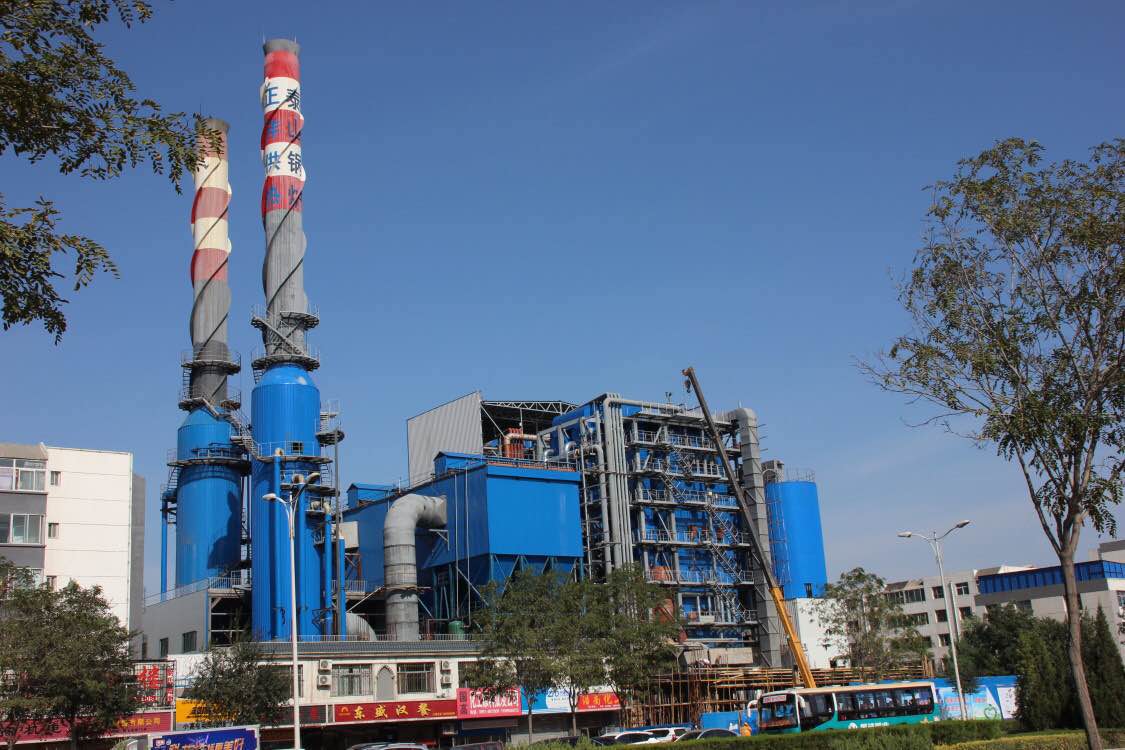
In modern power generation, selecting the appropriate fuel for boiler systems is not only a matter of efficiency or availability but also a strategic financial decision deeply influenced by fuel price stability. While low fuel prices may appear attractive in the short term, unstable or volatile pricing can introduce significant financial risk over the lifecycle of a power plant. Sudden price spikes, supply disruptions, or geopolitical factors can dramatically increase operating costs, erode profit margins, and extend payback periods. Conversely, fuels with stable and predictable pricing allow operators to plan budgets more effectively, optimize long-term contracts, and maintain consistent energy production costs. Therefore, fuel price stability has become a critical factor in determining not only which fuel is selected, but also how power plants manage risk and ensure sustainable economic performance.
Fuel price stability plays a crucial role in power plant boiler fuel selection by reducing cost uncertainty, enabling accurate financial forecasting, minimizing exposure to market volatility, and improving long-term return on investment. Power plants often prioritize fuels with stable pricing—even if slightly higher—because predictable costs support reliable operation, better budgeting, and reduced financial risk over the system’s lifecycle.
To fully understand this role, it is essential to explore how price stability interacts with fuel markets, operational strategies, and long-term investment planning.
A comprehensive analysis reveals that stability is often as important as absolute price in determining the true economic value of a fuel.
Fuel price stability helps power plants manage long-term operating costs more effectively.True
Stable fuel prices allow accurate budgeting and reduce financial risk over time.
The cheapest fuel option always provides the best economic outcome regardless of price volatility.False
Highly volatile fuel prices can lead to unpredictable costs and financial risk, reducing long-term economic benefits.
🌍 Understanding Fuel Price Stability in Energy Markets
Fuel price stability refers to the consistency of fuel prices over time, and it is influenced by factors such as supply-demand balance, geopolitical conditions, transportation infrastructure, and government policies. In global energy markets, some fuels exhibit relatively stable pricing due to abundant supply and established infrastructure, while others are subject to significant fluctuations.
For power plant operators, stability is critical because boilers typically operate continuously for decades, and long-term cost predictability is essential for financial planning. A fuel that appears economical today may become expensive tomorrow if its price is highly volatile, making stability a key consideration in fuel selection.
📊 Table 1: Fuel Price Stability Comparison
| Fuel Type | Price Stability | Volatility Risk |
|---|---|---|
| Local coal | High | Low |
| Imported coal | Moderate | Medium |
| Pipeline natural gas | Moderate–high | Medium |
| LNG | Low–moderate | High |
| Biomass | Variable | Medium |
This table highlights how different fuels vary in price stability and associated risk.
⚖️ Balancing Price vs Stability in Fuel Selection
Power plants must balance two key factors: the absolute cost of fuel and the stability of that cost over time, and this balance often determines the overall economic viability of a project. While low-cost fuels can reduce short-term expenses, unstable pricing can lead to unexpected cost increases that outweigh initial savings.
In many cases, operators are willing to pay a slightly higher price for fuel that offers stable and predictable costs, as this reduces financial uncertainty and supports consistent operation. This trade-off reflects a shift from short-term cost minimization to long-term risk management.
📉 Impact on Financial Planning and Budgeting
Fuel price stability enables more accurate financial forecasting, which is essential for power plant operation and investment planning. When fuel prices are stable, operators can:
• Develop reliable long-term budgets
• Predict operating costs with greater accuracy
• Plan maintenance and upgrades more effectively
In contrast, volatile fuel prices introduce uncertainty, making it difficult to manage cash flow and investment decisions.
📊 Table 2: Stability vs Financial Predictability
| Price Stability Level | Budget Accuracy | Financial Risk |
|---|---|---|
| High stability | High accuracy | Low risk |
| Moderate stability | Moderate accuracy | Medium risk |
| Low stability | Low accuracy | High risk |
Stable pricing supports better financial control.
🔄 Influence on Long-Term Contracts and Procurement Strategies
Fuel price stability is closely linked to procurement strategies, as power plants often rely on long-term contracts to secure supply and manage costs. Stable fuels are more suitable for long-term agreements because their pricing is less likely to fluctuate dramatically, allowing both suppliers and buyers to establish predictable terms.
Long-term contracts provide:
• Price certainty
• Supply security
• Reduced exposure to market volatility
These benefits contribute to improved ROI and financial stability.
⚙️ Operational Stability and Load Planning
Price stability also affects operational decisions, including load management and dispatch planning, because consistent fuel costs enable operators to run boilers at optimal capacity without worrying about sudden cost increases. This stability supports efficient operation and maximizes energy output.
In contrast, volatile fuel prices may force operators to adjust output frequently, which can reduce efficiency and increase wear on equipment.
🌡️ Impact on Levelized Cost of Energy (LCOE)
Fuel price stability plays a significant role in determining the levelized cost of energy (LCOE), which represents the average cost of electricity generation over time. Stable fuel prices result in more predictable LCOE, making it easier for power plants to compete in energy markets.
📊 Table 3: Price Stability and LCOE Impact
| Scenario | Fuel Price Stability | LCOE Stability |
|---|---|---|
| Stable fuel supply | High | Predictable |
| Volatile fuel market | Low | Uncertain |
Stable LCOE improves competitiveness.
🌐 Geopolitical and Market Influences
Global energy markets are influenced by geopolitical factors such as trade policies, conflicts, and supply disruptions, which can significantly affect fuel prices. Fuels that rely heavily on international trade are more susceptible to these risks, leading to greater price volatility.
Power plants often consider these risks when selecting fuels, favoring options with lower geopolitical exposure.
🌱 Role of Renewable and Alternative Fuels
Renewable fuels such as biomass can offer relative price stability when sourced locally, although their availability may vary. In some cases, government incentives and policies further stabilize pricing, making these fuels attractive for long-term use.
📊 Table 4: Strategic Factors in Fuel Selection
| Factor | Influence on Decision |
|---|---|
| Price level | Immediate cost impact |
| Price stability | Long-term risk management |
| Availability | Supply reliability |
| Logistics | Transportation cost |
These factors must be evaluated together.
📈 Real-World Case Insight
A power plant relying on imported LNG experienced significant cost increases due to global price fluctuations, which impacted profitability and operational planning. In contrast, a similar plant using locally sourced coal maintained stable operating costs and achieved more predictable financial performance over time, highlighting the importance of price stability.
🔗 Interaction with Boiler Technology
Fuel price stability also influences the choice of boiler technology, as systems with fuel flexibility allow operators to switch between fuels based on market conditions. This flexibility reduces dependence on a single fuel and mitigates the impact of price volatility.
📉 Risk Management and Investment Security
From an investment perspective, stable fuel prices reduce financial risk and improve the attractiveness of power projects to investors, as predictable operating costs lead to more reliable returns.
Summary
Fuel price stability plays a critical role in power plant boiler fuel selection by influencing cost predictability, financial planning, operational stability, and long-term investment performance. While low fuel prices are important, stability often carries greater weight in decision-making because it reduces exposure to market volatility and ensures consistent operating costs over the lifecycle of the plant. By prioritizing fuels with stable pricing and integrating strategies such as long-term contracts and fuel flexibility, power plant operators can optimize both economic efficiency and risk management, ultimately achieving more sustainable and reliable energy production.
How Do Transportation and Storage Costs Affect Power Plant Boiler Fuel Decisions?
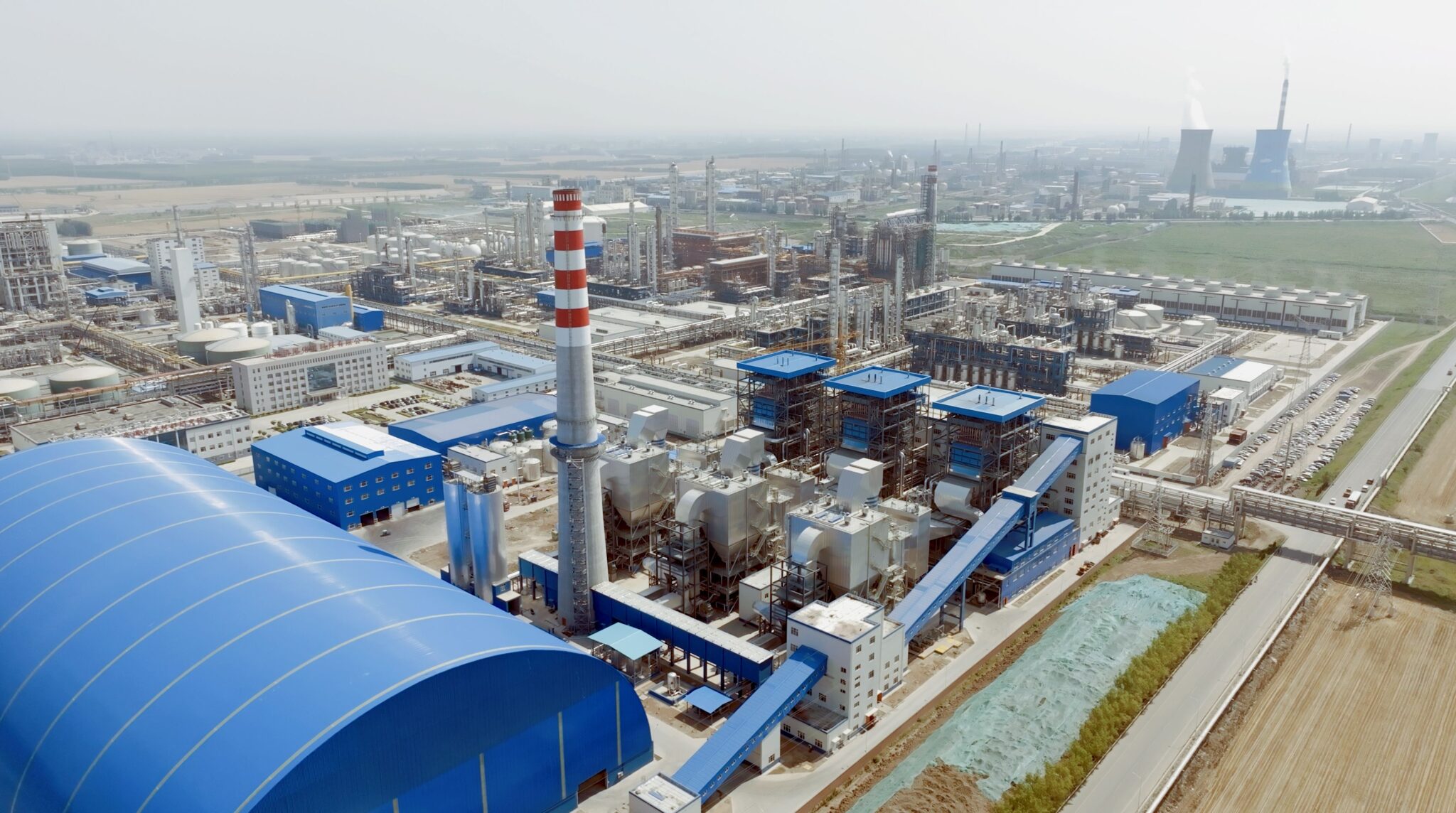
In power plant operations, fuel selection is not determined solely by fuel price or combustion efficiency, but also by the often underestimated yet highly influential factors of transportation and storage costs. These logistical components can significantly alter the total cost of fuel, sometimes transforming a seemingly inexpensive fuel into a costly option once delivery and handling are considered. Power plants operate at large scales and consume massive quantities of fuel daily, which means that even small increases in transportation distance or storage complexity can lead to substantial cost escalations over time. Furthermore, inadequate storage infrastructure or inefficient logistics can introduce supply risks, operational disruptions, and additional capital expenditures. Therefore, understanding how transportation and storage costs influence fuel decisions is essential for optimizing overall economic performance and ensuring reliable power generation.
Transportation and storage costs affect power plant boiler fuel decisions by increasing the total delivered cost of fuel, influencing supply chain reliability, and determining infrastructure investment requirements. Power plants typically prioritize fuels that are economical not only at the source but also in terms of transport efficiency and storage feasibility, ensuring lower overall costs and stable operation.
To fully understand this impact, it is necessary to analyze how logistics costs interact with fuel characteristics, infrastructure, and operational strategies.
A comprehensive evaluation reveals that transportation and storage are integral components of total fuel cost rather than secondary considerations.
Transportation costs can significantly increase the effective price of fuel for power plants.True
Fuel delivered over long distances incurs additional logistics costs, raising total fuel expenses.
Fuel storage costs have minimal impact on overall boiler fuel decisions.False
Storage infrastructure, maintenance, and handling costs can significantly affect total fuel cost and operational efficiency.
🚛 Transportation Costs: Extending Beyond Fuel Price
Transportation is a critical component of fuel cost, particularly for fuels that must be moved over long distances from mines, ports, or processing facilities to power plants. The cost of transporting fuel depends on factors such as distance, mode of transport, fuel type, and infrastructure availability, and these variables can significantly influence the final delivered price.
For example, coal transported via rail or shipping may incur substantial costs depending on distance and handling requirements, while natural gas delivered through pipelines tends to have lower marginal transportation costs once infrastructure is established. However, liquefied natural gas requires complex logistics, including liquefaction, shipping, and regasification, which adds to overall cost.
📊 Table 1: Transportation Cost Comparison by Fuel Type
| Fuel Type | Transport Method | Relative Cost Impact |
|---|---|---|
| Local coal | Short-distance rail/truck | Low |
| Imported coal | Ship + rail | High |
| Pipeline natural gas | Pipeline | Moderate–low |
| LNG | Ship + regasification | High |
| Biomass | Truck (regional) | Moderate |
This comparison illustrates how transportation costs vary significantly across fuel types.
⚖️ Distance and Infrastructure as Key Cost Drivers
Transportation cost is highly sensitive to distance, and as the distance between fuel source and power plant increases, costs rise proportionally due to fuel handling, fuel loss, and logistics complexity. Infrastructure availability also plays a critical role, because well-developed transport networks such as railways, ports, and pipelines can reduce costs, while inadequate infrastructure increases reliance on more expensive alternatives.
In regions where infrastructure is limited, even locally available fuel may become costly to transport, which can influence fuel selection decisions.
📦 Storage Costs: Ensuring Continuous Operation
Storage is another essential factor, as power plants must maintain sufficient fuel reserves to ensure continuous operation and buffer against supply disruptions. Different fuels require different storage solutions, and these requirements directly affect cost.
Storage considerations include:
• Construction of storage facilities
• Land requirements
• Safety systems
• Handling and maintenance
📊 Table 2: Storage Cost Characteristics by Fuel Type
| Fuel Type | Storage Complexity | Cost Impact |
|---|---|---|
| Coal | Bulk storage yard | Moderate |
| Biomass | Covered storage (moisture control) | Moderate–high |
| Natural gas | Pipeline (minimal storage) | Low |
| LNG | Cryogenic tanks | Very high |
Fuels requiring specialized storage systems tend to have higher associated costs.
🔄 Interaction Between Transportation and Storage
Transportation and storage costs are closely interconnected, as the choice of transport method often determines storage requirements. For instance, fuels delivered in large batches require significant storage capacity, while continuous delivery systems reduce storage needs but depend heavily on reliable supply chains.
Power plants must balance these factors to minimize total cost while ensuring operational reliability.
📉 Impact on Total Delivered Fuel Cost
The combined effect of transportation and storage costs determines the total delivered fuel cost, which is the true economic metric used in fuel selection decisions.
📊 Table 3: Delivered Cost Components
| Cost Component | Contribution |
|---|---|
| Fuel purchase price | Base cost |
| Transportation | Variable |
| Storage | Fixed + operational |
| Handling | Operational |
This comprehensive view highlights the importance of considering logistics in fuel cost evaluation.
⚙️ Influence on Boiler Technology Selection
Transportation and storage considerations can also influence the choice of boiler technology, as certain systems are better suited to specific fuel types and supply conditions. For example, CFB boilers are often selected in regions with diverse fuel availability because they can handle multiple fuels, allowing operators to adapt to logistical constraints.
🌡️ Operational Reliability and Supply Chain Risk
Reliable fuel supply is critical for continuous power generation, and inadequate transportation or storage can lead to supply interruptions that disrupt operations. By investing in efficient logistics and adequate storage capacity, power plants can reduce risk and maintain stable performance.
🌍 Environmental and Regulatory Considerations
Transportation and storage systems also have environmental implications, as they may contribute to emissions, land use, and safety risks. Regulations related to fuel handling and storage can increase costs and influence fuel selection decisions.
📊 Table 4: Strategic Impact Factors
| Factor | Impact on Fuel Decision |
|---|---|
| Transportation distance | Increases cost |
| Infrastructure availability | Reduces cost |
| Storage requirements | Adds capital cost |
| Supply reliability | Enhances stability |
These factors collectively shape fuel strategy.
📈 Real-World Case Example
A coastal power plant importing coal experienced high transportation costs due to shipping and port handling, while also requiring large storage facilities to manage supply variability. In contrast, a plant located near a coal mine benefited from minimal transportation costs and simpler storage requirements, resulting in significantly lower overall fuel expenses and improved profitability.
🔗 Role of Fuel Flexibility in Cost Optimization
Fuel-flexible boiler systems allow operators to switch between fuels based on transportation and storage costs, which helps optimize overall expenses and reduce dependence on a single supply chain.
📉 Long-Term Economic Implications
Over the lifecycle of a power plant, transportation and storage costs accumulate significantly, making them critical factors in long-term economic performance. Ignoring these costs can lead to underestimation of total fuel expenses and reduced ROI.
Summary
Transportation and storage costs play a vital role in power plant boiler fuel decisions by influencing the total delivered cost of fuel, supply chain reliability, and infrastructure requirements. While fuel price at the source is important, the true economic value of a fuel depends on how efficiently it can be transported and stored. Power plants typically prioritize fuels that minimize logistics costs while ensuring stable and reliable supply, and they often adopt flexible strategies to adapt to changing conditions. By carefully evaluating transportation and storage factors alongside fuel price and efficiency, power plant operators can optimize cost, reduce risk, and achieve more sustainable and economically efficient energy production.
How Does Fuel Energy Content Impact Power Plant Boiler Efficiency and Cost?
In power plant operations, fuel selection is a complex decision influenced not only by availability and price but also by a critical technical parameter: fuel energy content, often measured as calorific value. This parameter determines how much usable heat can be generated from a given quantity of fuel, directly affecting boiler efficiency, fuel consumption, and overall operating cost. While lower-cost fuels may appear economically attractive at first glance, their lower energy content can require higher consumption rates, increased handling, and reduced combustion efficiency, ultimately leading to higher total costs. On the other hand, fuels with higher energy density can produce more heat per unit mass, improving efficiency and reducing logistical burdens. Therefore, understanding how fuel energy content influences both performance and cost is essential for optimizing power plant economics and achieving sustainable operation.
Fuel energy content impacts power plant boiler efficiency and cost by determining how much heat is generated per unit of fuel, influencing combustion efficiency, fuel consumption rates, and total operating expenses. Higher energy content fuels generally improve efficiency and reduce fuel handling costs, while lower energy content fuels may increase consumption, logistics requirements, and overall cost despite lower unit prices.
To fully understand this relationship, it is necessary to analyze how calorific value interacts with combustion processes, system efficiency, and economic performance.
A deeper examination reveals that energy content is a foundational factor in both technical and financial decision-making.
Higher calorific value fuels generally lead to lower fuel consumption for the same energy output.True
Fuels with higher energy content produce more heat per unit, reducing the amount required.
Fuel energy content has no significant impact on boiler operating cost.False
Energy content directly affects consumption rates and efficiency, making it a key cost factor.
🔥 Understanding Fuel Energy Content and Calorific Value
Fuel energy content refers to the amount of heat released during combustion, typically expressed in megajoules per kilogram (MJ/kg) or kilocalories per kilogram (kcal/kg), and it varies significantly across different fuel types. This variation plays a decisive role in determining how efficiently a boiler can convert fuel into usable steam energy.
High-calorific fuels release more heat during combustion, enabling boilers to generate the same amount of steam with less fuel input, while low-calorific fuels require greater quantities to achieve the same output, which increases both consumption and operational complexity.
📊 Table 1: Typical Energy Content of Common Fuels
| Fuel Type | Calorific Value (MJ/kg) | Energy Density |
|---|---|---|
| Natural gas | 50–55 | Very high |
| Fuel oil | 40–45 | High |
| Bituminous coal | 24–30 | Moderate–high |
| Lignite | 10–20 | Low |
| Biomass | 8–18 | Low–moderate |
This table highlights the wide range of energy content across fuels.
⚙️ Impact on Boiler Efficiency
Fuel energy content directly influences combustion efficiency because it affects how effectively heat is generated and transferred within the boiler system. High-energy fuels typically burn more uniformly and produce higher flame temperatures, which enhances heat transfer and improves overall efficiency.
In contrast, low-energy fuels often contain higher moisture or ash content, which can reduce combustion efficiency and increase heat losses. As a result, boilers burning low-calorific fuels may require more sophisticated combustion systems to maintain performance.
📊 Table 2: Energy Content vs Efficiency Impact
| Energy Content Level | Combustion Efficiency | Boiler Efficiency |
|---|---|---|
| High | Stable and efficient | High |
| Medium | Moderate | متوسط |
| Low | Less stable | Lower |
Higher energy content generally supports better efficiency.
📉 Influence on Fuel Consumption and Cost
Fuel consumption is inversely related to energy content, meaning that fuels with higher calorific value require less mass to produce the same amount of energy. This relationship has a direct impact on operating cost, as lower consumption reduces both fuel purchase and handling expenses.
📊 Table 3: Fuel Consumption Comparison
| Fuel Type | Energy Content | Relative Consumption |
|---|---|---|
| High-energy fuel | High | Low consumption |
| Low-energy fuel | Low | High consumption |
Even if low-energy fuels are cheaper per unit, higher consumption can offset cost advantages.
🚛 Impact on Transportation and Handling Costs
Energy content also affects logistics because fuels with lower energy density require larger volumes to deliver the same energy output, which increases transportation frequency, handling requirements, and associated costs. Over time, these additional logistical demands can significantly increase total fuel cost.
In contrast, high-energy fuels reduce the volume required, simplifying logistics and lowering transportation expenses.
📦 Storage Requirements and Infrastructure
Fuels with lower energy content require larger storage capacity to maintain sufficient reserves, which increases capital investment in storage facilities and land use. This is particularly important for power plants with high fuel consumption rates, where storage requirements can be substantial.
📊 Table 4: Energy Content vs Storage Needs
| Energy Content | Storage Volume Required | Cost Impact |
|---|---|---|
| High | Low | Lower |
| Medium | Moderate | Moderate |
| Low | High | Higher |
Higher energy density reduces storage costs.
🌡️ Impact on Heat Transfer and System Design
Fuel energy content influences not only combustion but also the design of heat transfer systems, as boilers must be optimized to handle different fuel characteristics. High-energy fuels enable more compact and efficient designs, while low-energy fuels may require larger combustion chambers and additional equipment to achieve desired performance.
🔄 Interaction with Fuel Quality and Moisture Content
Energy content is closely linked to fuel quality, particularly moisture content, which reduces effective calorific value and increases energy loss during combustion. Fuels with high moisture content require additional energy to evaporate water, which reduces overall efficiency and increases fuel consumption.
📊 Table 5: Moisture Content Impact
| Moisture Level | Effective Energy Content | Efficiency Impact |
|---|---|---|
| Low | High | Positive |
| High | Reduced | Negative |
Dry fuels are generally more efficient.
⚖️ Economic Trade-Offs in Fuel Selection
While high-energy fuels offer efficiency advantages, they may also be more expensive per unit, requiring power plants to balance fuel price against energy content. The optimal choice depends on the cost per unit of energy, rather than cost per unit of fuel mass.
This means that a fuel with a higher price but higher energy content may ultimately be more economical than a cheaper, lower-energy alternative.
📊 Table 6: Cost per Energy Unit Comparison
| Fuel Type | Price per Ton | Energy Content | Cost per MJ |
|---|---|---|---|
| High-energy fuel | Higher | High | Competitive |
| Low-energy fuel | Lower | Low | Often higher |
This demonstrates the importance of evaluating fuel cost based on energy output.
🌍 Environmental and Emission Implications
Fuel energy content also affects emissions, as higher efficiency typically results in lower emissions per unit of energy produced. This can reduce environmental compliance costs and improve sustainability.
📈 Real-World Case Example
A power plant switching from low-grade lignite to higher-quality coal experienced a reduction in fuel consumption and improved boiler efficiency, resulting in lower overall operating costs despite higher fuel price per ton. This highlights the importance of considering energy content in fuel selection.
🔗 Role of Advanced Boiler Technologies
Modern boiler technologies, such as CFB systems, are designed to handle a wide range of fuel energy contents, allowing operators to optimize fuel selection based on cost and availability without sacrificing efficiency.
📉 Long-Term Economic Impact
Over the lifecycle of a power plant, differences in fuel energy content can lead to substantial variations in total operating cost, making it a critical factor in long-term financial performance.
Summary
Fuel energy content plays a fundamental role in determining power plant boiler efficiency and cost by influencing combustion performance, fuel consumption, logistics requirements, and overall operating expenses. High-energy fuels generally improve efficiency and reduce fuel consumption, transportation, and storage costs, while low-energy fuels may increase consumption and operational complexity despite lower unit prices. For power plant operators, the key to optimal fuel selection lies in evaluating cost per unit of energy rather than cost per unit of fuel, ensuring a balanced approach that maximizes efficiency and minimizes total lifecycle cost.
What Environmental Regulations Affect Fuel Choice for Power Plant Boilers?
As global concerns about air pollution, climate change, and environmental sustainability continue to intensify, power plant operators are facing increasingly stringent environmental regulations that directly influence fuel selection for boiler systems. These regulations are not limited to emission limits alone; they encompass a wide range of requirements related to air quality, carbon emissions, waste management, and energy efficiency. For power plants, choosing a fuel is no longer simply a matter of cost or availability—it is a strategic decision shaped by compliance obligations and long-term environmental policies. Failure to meet regulatory standards can result in heavy penalties, operational restrictions, or even forced shutdowns, while proactive compliance can enhance sustainability, reduce risks, and improve public and investor perception. Therefore, understanding how environmental regulations affect fuel choice is essential for ensuring both legal compliance and economic viability.
Environmental regulations affect fuel choice for power plant boilers by imposing limits on emissions such as SO₂, NOx, particulate matter, and CO₂, as well as requiring compliance with carbon reduction targets, fuel quality standards, and waste management rules. These regulations often favor cleaner fuels such as natural gas and biomass over high-emission fuels like coal, unless advanced emission control technologies are implemented.
To fully understand this impact, it is necessary to examine the different types of regulations and how they shape fuel selection strategies in modern power plants.
A comprehensive analysis reveals that environmental compliance is now one of the most influential factors in energy decision-making.
Stricter environmental regulations encourage the use of cleaner fuels in power plant boilers.True
Emission limits and carbon policies push operators toward low-emission fuels such as natural gas and biomass.
Environmental regulations have little influence on fuel selection in modern power plants.False
Regulations directly affect allowable emissions, making them a key factor in fuel choice.
🌍 Air Emission Standards: SO₂, NOx, and Particulate Limits
One of the most direct regulatory influences on fuel selection comes from limits on air pollutants, including sulfur dioxide (SO₂), nitrogen oxides (NOx), and particulate matter (PM). These pollutants are produced during combustion and vary significantly depending on fuel type.
Coal, especially high-sulfur coal, produces higher SO₂ emissions, while biomass and natural gas generally produce lower levels of these pollutants. As regulations tighten, power plants must either adopt cleaner fuels or invest in advanced emission control systems.
📊 Table 1: Emission Characteristics by Fuel Type
| Fuel Type | SO₂ Emissions | NOx Emissions | Particulates |
|---|---|---|---|
| Coal | High | High | High |
| Natural gas | Very low | Low | Very low |
| Biomass | Low–moderate | Moderate | Moderate |
This comparison shows why cleaner fuels are often preferred under strict regulations.
🌱 Carbon Emission Regulations and Climate Policies
Carbon dioxide (CO₂) emissions are a major focus of global environmental policies, and many countries have implemented carbon reduction targets, carbon taxes, or emissions trading systems. These policies directly influence fuel choice by increasing the cost of high-carbon fuels.
Coal-fired power plants typically have higher carbon intensity compared to natural gas or biomass systems, which makes them less attractive under carbon pricing mechanisms. As a result, power plants are increasingly shifting toward lower-carbon fuels or integrating carbon capture technologies.
📊 Table 2: Carbon Intensity of Fuels
| Fuel Type | CO₂ Emissions per Energy Unit |
|---|---|
| Coal | High |
| Oil | Moderate–high |
| Natural gas | Moderate |
| Biomass | Near neutral |
Carbon regulations strongly favor low-carbon fuels.
⚖️ Fuel Quality and Composition Standards
Environmental regulations often include requirements related to fuel quality, such as limits on sulfur content, ash content, and moisture levels. These standards are designed to reduce emissions and improve combustion efficiency.
For example, regulations may restrict the use of high-sulfur coal or require pre-treatment of fuels before combustion. Compliance with these standards can increase fuel processing costs or limit available fuel options.
🏭 Emission Control Technology Requirements
In addition to fuel restrictions, regulations often mandate the use of emission control technologies such as:
• Flue gas desulfurization (FGD) systems
• Selective catalytic reduction (SCR) units
• Electrostatic precipitators (ESP)
📊 Table 3: Emission Control vs Fuel Flexibility
| Scenario | Fuel Options | Cost Impact |
|---|---|---|
| Without control systems | Limited to clean fuels | Lower capital cost |
| With advanced controls | Wider fuel options | Higher capital cost |
These requirements influence whether a plant can economically use certain fuels.
🌐 Regional Regulatory Differences
Environmental regulations vary significantly by region, and this variation plays a critical role in fuel selection decisions.
For example:
• Europe: Strict emission and carbon standards favor gas and renewables
• China: Ultra-low emission standards require advanced controls
• Developing regions: Moderate regulations allow more fuel flexibility
These differences shape regional energy strategies.
🔄 Renewable Energy Mandates and Incentives
Many governments promote renewable energy through mandates, subsidies, or tax incentives, which encourage the use of biomass or other renewable fuels in power plants. These policies can make renewable fuels more economically attractive, even if their base cost is higher.
📉 Waste Management and Byproduct Regulations
Fuel choice also affects the generation of waste products such as ash and slag, which are subject to environmental regulations. Coal combustion produces significant ash, requiring disposal or recycling, while natural gas produces minimal solid waste.
📊 Table 4: Waste Generation by Fuel
| Fuel Type | Solid Waste Production |
|---|---|
| Coal | High |
| Biomass | Moderate |
| Natural gas | Very low |
Waste regulations can increase operating costs and influence fuel selection.
⚡ Energy Efficiency and Performance Standards
Some regulations require power plants to meet minimum efficiency standards, which indirectly influence fuel choice because certain fuels enable higher efficiency operation. High-efficiency systems reduce fuel consumption and emissions, supporting compliance with these standards.
🌍 Environmental Impact Assessments (EIA)
Before constructing or upgrading power plants, operators must often conduct environmental impact assessments, which evaluate the effects of fuel choice on air quality, water resources, and ecosystems. These assessments can restrict the use of certain fuels or require mitigation measures.
📊 Table 5: Regulatory Impact Summary
| Regulation Type | Influence on Fuel Choice |
|---|---|
| Emission limits | Favor cleaner fuels |
| Carbon policies | Penalize high-carbon fuels |
| Fuel standards | Restrict low-quality fuels |
| Waste regulations | Increase cost of high-waste fuels |
These combined factors shape fuel decisions.
📈 Real-World Case Example
A coal-fired power plant operating in a region with strict emission limits was required to install expensive emission control systems to remain compliant, significantly increasing operating costs. In contrast, a nearby natural gas plant met regulatory requirements more easily and operated with lower compliance costs, demonstrating how regulations influence fuel selection.
🔗 Interaction with Boiler Technology
Environmental regulations also drive innovation in boiler technology, encouraging the development of systems capable of burning cleaner fuels or integrating emission reduction technologies. CFB boilers, for example, offer inherent advantages in reducing emissions and handling diverse fuels.
📉 Long-Term Strategic Implications
Over the long term, environmental regulations are expected to become even stricter, making it increasingly important for power plants to adopt flexible and low-emission fuel strategies. Failure to adapt can lead to stranded assets and reduced competitiveness.
Summary
Environmental regulations play a decisive role in shaping fuel choice for power plant boilers by imposing limits on emissions, enforcing carbon reduction targets, and establishing standards for fuel quality, waste management, and efficiency. These regulations often favor cleaner and lower-carbon fuels such as natural gas and biomass, while increasing the cost and complexity of using traditional high-emission fuels like coal. As regulatory frameworks continue to evolve, power plant operators must carefully evaluate fuel options in the context of compliance, cost, and long-term sustainability, ensuring that their energy strategies align with both environmental requirements and economic objectives.
How Should You Evaluate Long-Term Market Trends When Selecting Power Plant Boiler Fuel?
Selecting the appropriate fuel for a power plant boiler is no longer a short-term procurement decision but a long-term strategic investment that must account for evolving market dynamics, regulatory changes, and technological advancements. Power plants typically operate for 20 to 40 years, during which fuel prices, availability, environmental policies, and energy technologies can change significantly. A fuel choice that appears economical today may become financially or environmentally unsustainable in the future if market conditions shift unfavorably. Ignoring long-term trends can lead to increased operating costs, regulatory compliance challenges, and reduced competitiveness. Therefore, evaluating long-term market trends is essential for ensuring that fuel selection aligns with both current economic realities and future industry developments.
To evaluate long-term market trends when selecting power plant boiler fuel, operators must analyze fuel price projections, supply-demand dynamics, policy and regulatory trajectories, technological developments, carbon pricing mechanisms, and energy transition trends. By integrating these factors into decision-making, power plants can select fuels that remain economically viable, environmentally compliant, and operationally sustainable over the entire lifecycle of the facility.
To fully understand this process, it is important to examine the key dimensions of market trend analysis and how they influence fuel selection strategies.
A comprehensive, forward-looking approach enables power plant operators to reduce risk and optimize long-term performance.
Long-term market trends significantly influence the economic viability of power plant fuel choices.True
Fuel prices, policies, and technology evolve over time, affecting long-term costs and feasibility.
Fuel selection decisions only need to consider current market prices and conditions.False
Ignoring future trends can lead to higher costs and compliance risks over the plant's lifecycle.
🌍 Analyze Long-Term Fuel Price Trends and Volatility
One of the most important factors in evaluating fuel options is understanding how prices are likely to evolve over time, as fuel cost represents the largest portion of a power plant’s operating expenses. Historical price trends, combined with market forecasts, provide valuable insights into potential future cost trajectories.
Fuels with historically stable pricing, such as locally sourced coal or pipeline natural gas in certain regions, may offer more predictable long-term costs, while globally traded fuels like LNG or oil are often subject to higher volatility due to geopolitical influences and market fluctuations.
📊 Table 1: Long-Term Price Trend Characteristics
| Fuel Type | Price Stability | Long-Term Risk |
|---|---|---|
| Local coal | High | Low |
| Imported coal | Moderate | Medium |
| Natural gas | Moderate | Medium |
| LNG | Low | High |
| Biomass | Variable | Medium |
Understanding these trends helps reduce financial uncertainty.
⚖️ Evaluate Supply-Demand Dynamics and Resource Availability
Market trends are heavily influenced by the balance between supply and demand, and shifts in this balance can significantly affect fuel availability and pricing. For example, increasing global demand for natural gas can drive prices upward, while declining coal demand in certain regions may lead to price reductions.
Long-term resource availability is also critical, as fuels with abundant reserves and stable supply chains are less likely to experience price shocks or shortages.
📉 Consider Carbon Pricing and Environmental Policy Trajectories
Environmental regulations and carbon pricing mechanisms are becoming increasingly important in shaping fuel markets, and their long-term trajectory must be carefully considered. Policies such as carbon taxes, emissions trading systems, and renewable energy mandates can significantly alter the cost structure of different fuels.
📊 Table 2: Policy Impact on Fuel Economics
| Policy Type | Impact on Fuel Selection |
|---|---|
| Carbon tax | Increases cost of high-carbon fuels |
| Emission limits | Favor cleaner fuels |
| Renewable incentives | Promote biomass and renewables |
These policies can shift the economic balance between fuels over time.
🔄 Assess Technological Advancements and Innovation Trends
Technological developments in boiler design, emission control, and fuel processing can influence the viability of different fuels. For instance, advancements in carbon capture and storage (CCS) may extend the viability of coal, while improvements in renewable energy technologies may increase competition for traditional fuels.
Power plants must consider how emerging technologies could affect fuel efficiency, cost, and compliance in the future.
🌱 Evaluate Energy Transition and Decarbonization Trends
The global transition toward low-carbon energy systems is one of the most significant trends affecting fuel selection, as governments and industries increasingly prioritize sustainability and emissions reduction. This trend is driving a shift away from high-carbon fuels toward cleaner alternatives such as natural gas, biomass, and renewable energy sources.
Understanding the pace and direction of this transition is essential for long-term planning.
📊 Table 3: Energy Transition Impact on Fuel Demand
| Fuel Type | Future Demand Trend |
|---|---|
| Coal | Declining in many regions |
| Natural gas | Transitional growth |
| Biomass | Increasing |
| Renewables | Rapid growth |
These trends influence long-term fuel viability.
🚛 Consider Infrastructure Development and Logistics Trends
Infrastructure developments, such as new pipelines, ports, or transportation networks, can significantly impact fuel availability and cost over time. Improved infrastructure can reduce transportation costs and increase supply reliability, making certain fuels more attractive.
Conversely, lack of infrastructure can limit access to otherwise economical fuels.
🧠 Incorporate Scenario Analysis and Risk Assessment
Given the uncertainty inherent in long-term market trends, power plants should use scenario analysis to evaluate different possible futures, including variations in fuel prices, policy changes, and technological developments. This approach helps identify risks and develop flexible strategies.
Scenario planning allows operators to prepare for a range of outcomes rather than relying on a single forecast.
🔗 Leverage Fuel Flexibility as a Strategic Advantage
One of the most effective ways to manage long-term uncertainty is to invest in fuel-flexible boiler technologies, such as CFB systems, which allow operators to switch between different fuels based on market conditions. This flexibility reduces dependence on a single fuel and enhances adaptability.
📊 Table 4: Benefits of Fuel Flexibility
| Benefit | Impact |
|---|---|
| Cost optimization | Switch to lower-cost fuels |
| Risk reduction | Avoid supply disruptions |
| Compliance adaptability | Meet changing regulations |
Flexibility enhances long-term resilience.
📈 Monitor Geopolitical and Global Market Influences
Global energy markets are influenced by geopolitical factors such as trade policies, conflicts, and international agreements, which can affect fuel prices and availability. Power plants must monitor these developments to anticipate potential impacts on fuel selection.
⚡ Align Fuel Strategy with Plant Lifecycle and Investment Horizon
Fuel selection must align with the expected lifespan of the power plant, as long-term investments require stable and sustainable fuel strategies. Short-term cost advantages should not outweigh long-term risks.
📉 Real-World Case Insight
A power plant that invested heavily in coal during a period of low prices later faced increased costs due to stricter environmental regulations and declining demand, while a plant that adopted a more flexible fuel strategy was able to adapt and maintain profitability.
📊 Table 5: Key Evaluation Framework
| Evaluation Factor | Importance |
|---|---|
| Price trends | High |
| Supply stability | High |
| Policy impact | High |
| Technology evolution | Medium–high |
| Infrastructure | Medium |
This framework supports structured decision-making.
🌍 Integrating Data-Driven Decision Tools
Modern power plants increasingly use data analytics and forecasting tools to monitor market trends and optimize fuel strategies. These tools provide real-time insights and predictive capabilities, enabling more informed decisions.
Summary
Evaluating long-term market trends when selecting power plant boiler fuel requires a comprehensive and forward-looking approach that considers fuel price projections, supply-demand dynamics, environmental policies, technological advancements, and global energy transition trends. By integrating these factors into strategic planning, power plant operators can reduce risk, improve cost predictability, and ensure long-term economic and environmental sustainability. Ultimately, the most effective fuel selection strategies are those that balance current performance with future adaptability, enabling power plants to remain competitive in an evolving energy landscape.
🔍 Conclusion
Choosing the right fuel type for a power plant boiler requires a comprehensive evaluation of both cost and availability factors. By considering supply stability, logistics, efficiency, and regulatory requirements, plant operators can ensure reliable operation and optimal economic performance. A well-informed fuel strategy is essential for long-term success in power generation.
🔹 Contact us today to design a power plant boiler system tailored to your fuel strategy and operational goals. ⚡♨️📊
FAQ
What are the main criteria for choosing a boiler fuel type based on cost and availability?
Selecting the right fuel type for a power plant boiler requires a careful evaluation of both economic and logistical factors. The most important criterion is the cost of fuel per unit of energy. Instead of comparing fuel prices directly, decision-makers typically evaluate the cost per unit of heat output (e.g., $/MMBtu or $/GJ). This allows a more accurate comparison between fuels such as coal, natural gas, oil, and biomass, which have different energy densities.
Availability is equally critical. A low-cost fuel is not beneficial if supply is inconsistent or unreliable. Power plants require continuous fuel supply to maintain stable operation, so proximity to fuel sources—such as coal mines, gas pipelines, or biomass suppliers—is a key consideration.
Transportation and storage costs also play a significant role. Coal and biomass often require significant logistics infrastructure, including storage yards and handling systems, while natural gas typically requires pipeline access.
Other criteria include fuel quality consistency, moisture content, and calorific value. Variability in these factors can affect combustion efficiency and operational stability.
Ultimately, the best fuel choice balances affordability, supply reliability, and compatibility with the boiler system.
How does fuel cost comparison influence boiler selection?
Fuel cost is one of the most influential factors in selecting a boiler type because it directly impacts long-term operating expenses. Even small differences in fuel price can result in significant cost variations over the lifespan of a power plant.
When comparing fuel costs, operators consider not only the market price but also the energy content of the fuel. For example, natural gas may appear more expensive per unit, but its higher combustion efficiency and cleaner burning characteristics can offset some of the cost difference.
Coal is often less expensive per unit of energy in many regions, making it attractive for large-scale power generation. However, additional costs for emissions control and handling systems can increase overall expenses.
Biomass fuels can be cost-effective in areas with abundant agricultural or forestry residues. In some cases, biomass may even be subsidized or incentivized by governments, further improving its economic viability.
Fuel price volatility is another important consideration. Natural gas prices, for instance, can fluctuate significantly depending on market conditions, while coal prices may be more stable in certain regions.
By analyzing both short-term and long-term fuel costs, operators can select a boiler system that delivers optimal economic performance.
Why is fuel availability critical for power plant boiler operation?
Fuel availability is essential for ensuring uninterrupted boiler operation. Power plants are designed to operate continuously, and any disruption in fuel supply can lead to costly downtime and reduced productivity.
Reliable fuel supply depends on several factors, including local resource availability, infrastructure, and supply chain stability. For example, coal-fired power plants are often located near mining regions to minimize transportation costs and ensure steady supply.
Natural gas boilers rely heavily on pipeline infrastructure. If pipeline capacity is limited or supply is interrupted, the boiler may not be able to operate at full capacity.
Biomass fuel availability can vary depending on seasonal factors and regional agricultural output. Ensuring a consistent supply of biomass may require long-term contracts with suppliers or investment in fuel storage facilities.
Geopolitical factors and market conditions can also affect fuel availability. Imported fuels may be subject to supply disruptions due to trade restrictions or transportation issues.
Therefore, selecting a fuel with stable and reliable availability is crucial for maintaining consistent power plant performance and avoiding operational risks.
How do transportation and storage costs impact fuel selection?
Transportation and storage costs are often overlooked but can significantly influence the overall cost of boiler fuel. These costs vary depending on the type of fuel and the distance from the source to the power plant.
Coal and biomass fuels typically require bulk transportation methods such as rail, truck, or ship. These fuels also require large storage areas, handling equipment, and preparation systems, all of which add to operational costs.
Natural gas, on the other hand, is delivered via pipelines, which can reduce transportation costs once infrastructure is in place. However, pipeline construction and connection costs can be substantial if the plant is located far from existing networks.
Oil fuels require storage tanks and transportation via tanker trucks or pipelines. While easier to handle than solid fuels, oil prices are often higher and more volatile.
Storage considerations also include safety and environmental factors. Coal and biomass storage must account for dust control and fire prevention, while oil storage requires leak prevention measures.
By factoring in transportation and storage costs, operators can make more accurate cost comparisons and select the most economically viable fuel option.
How do environmental and regulatory factors affect fuel choice?
Environmental regulations and sustainability goals are increasingly influencing fuel selection for power plant boilers. Governments worldwide are implementing stricter limits on emissions such as carbon dioxide (CO₂), sulfur dioxide (SO₂), and nitrogen oxides (NOx).
Coal-fired boilers typically have higher emissions compared to natural gas or biomass systems. As a result, they often require additional emission control technologies such as flue gas desulfurization and selective catalytic reduction, which increase costs.
Natural gas is considered a cleaner fossil fuel, producing lower emissions and requiring fewer pollution control systems. This makes it a preferred choice in regions with strict environmental regulations.
Biomass is often regarded as a renewable and carbon-neutral fuel, making it attractive for meeting sustainability targets. Many governments offer incentives for biomass energy projects, improving their economic feasibility.
Carbon pricing mechanisms and emissions trading systems can also impact fuel choice by increasing the cost of high-emission fuels.
Ultimately, environmental considerations must be balanced with cost and availability to select the most suitable fuel for long-term operation.
References
Fuel Choice in Power Generation
https://www.iea.org/reports/world-energy-outlook
International Energy AgencySteam System Energy Efficiency
https://www.energy.gov/eere/amo/steam-system-basics
U.S. Department of EnergyIndustrial Boiler Fuel Comparison
https://www.carbontrust.com/resources/boilers
Carbon TrustNatural Gas vs Coal Power
https://www.eia.gov/energyexplained/natural-gas/
U.S. Energy Information AdministrationBiomass Energy Overview
https://www.energy.gov/eere/bioenergy/biomass-energy-basics
U.S. Department of EnergyIndustrial Process Heating Systems
https://www.energy.gov/eere/amo/industrial-process-heating
U.S. Department of EnergyGlobal Energy Market Trends
https://www.iea.org/topics/industry
International Energy AgencyEnvironmental Regulations for Power Plants
https://www.epa.gov/power-sector
U.S. Environmental Protection AgencyEnergy Cost and Supply Analysis
https://www.eia.gov/outlooks/aeo/
U.S. Energy Information AdministrationRenewable Energy and Fuel Supply
https://www.irena.org/bioenergy
International Renewable Energy Agency
Choosing Boiler Fuel Type Based on Cost and Availability Read More »