
Industrial Steam Boiler Space & Installation Requirements
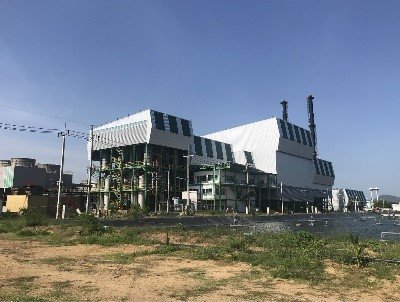
Installing an industrial steam boiler without proper space planning can lead to costly redesigns, safety risks, and operational inefficiencies. Many facilities underestimate the footprint, clearance, and infrastructure requirements of different boiler types, resulting in poor accessibility, limited maintenance space, and non-compliance with safety regulations. Without careful planning, installation delays and increased project costs become inevitable.
The space and installation requirements for industrial steam boilers vary by type: fire-tube boilers require compact floor space with moderate clearance, water-tube boilers need larger installation areas with structural support for high-pressure systems, and modular or packaged boilers offer flexible, space-saving installation. Key considerations include equipment footprint, maintenance clearance, ventilation, fuel supply systems, chimney/stack design, and compliance with safety codes. Proper layout planning ensures safe operation, easy maintenance, and optimal performance.
Understanding these differences helps engineers and facility planners design efficient boiler rooms that meet both operational and regulatory requirements. The following outline highlights the essential considerations for each boiler type.
Further reading
How Do Space Requirements Differ Between Fire-Tube and Water-Tube Industrial Steam Boilers?
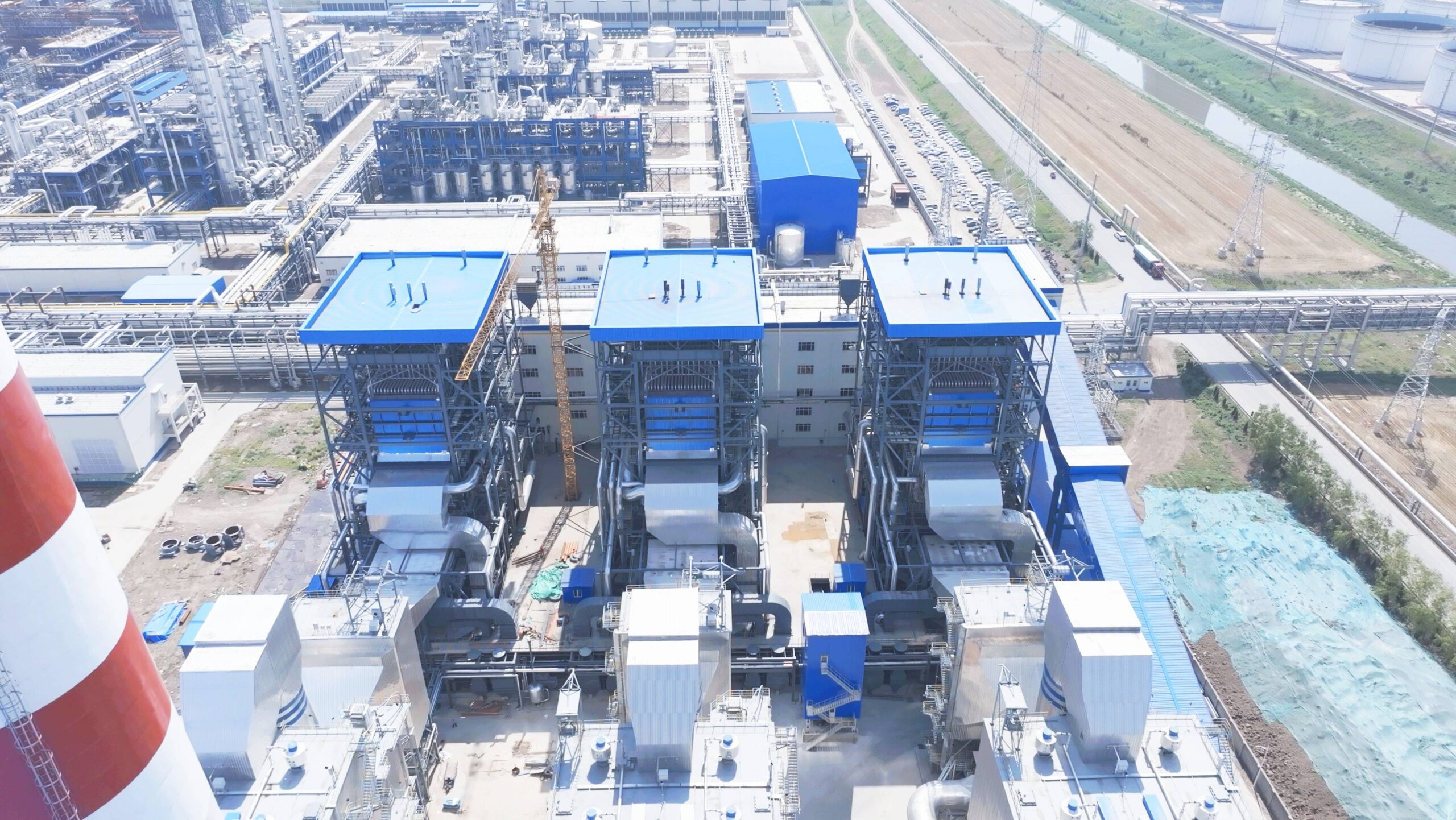
In industrial plant planning, one of the most underestimated yet critical challenges is allocating sufficient and efficient space for steam boiler systems. Many facilities encounter costly redesigns, installation delays, or operational inefficiencies simply because the spatial requirements of the selected boiler type were not fully understood at the design stage. Fire-tube and water-tube boilers differ significantly not only in performance characteristics but also in footprint, height, auxiliary equipment layout, and maintenance clearance needs. Misjudging these spatial differences can lead to cramped installations, restricted maintenance access, and even safety compliance issues. Understanding how each boiler type uses space is essential for optimizing plant layout and ensuring long-term operational efficiency.
Fire-tube boilers typically require more horizontal floor space but less vertical height, making them suitable for compact, low-ceiling installations, while water-tube boilers require less footprint but significantly more vertical space due to their modular and high-capacity design. Additionally, water-tube systems demand more auxiliary equipment and clearance, increasing total system space requirements despite a smaller core boiler footprint.
To make the right decision between fire-tube and water-tube boilers, engineers must go beyond simple footprint comparisons and consider total system space, including installation, operation, maintenance, and future expansion requirements. Let’s explore these differences in depth.
Fire-tube boilers generally occupy more floor space than water-tube boilers of similar capacity.True
Fire-tube boilers are typically horizontal and require larger footprints, whereas water-tube boilers are vertically oriented and more compact in footprint.
Water-tube boilers always require less total installation space than fire-tube boilers.False
Although water-tube boilers have smaller footprints, their height and auxiliary systems often increase total space requirements.
🔍 Core Structural Differences and Their Spatial Impact
The fundamental design of fire-tube and water-tube boilers directly determines how they occupy space within an industrial facility. Fire-tube boilers consist of a large cylindrical shell with internal tubes carrying hot gases, typically arranged horizontally. This configuration inherently spreads the boiler across a wider floor area. In contrast, water-tube boilers use vertically arranged tubes carrying water, with combustion occurring externally, allowing for a more compact footprint but greater vertical expansion.
From a spatial engineering perspective, this difference translates into two distinct layout philosophies. Fire-tube boilers are easier to integrate into facilities with limited ceiling height but ample floor space, such as retrofit projects or older industrial buildings. Water-tube boilers, on the other hand, are better suited for new installations where vertical space can be fully utilized, such as modern plants with high ceilings or multi-level equipment arrangements.
📊 Footprint vs Height Comparison
| Parameter | Fire-Tube Boiler | Water-Tube Boiler |
|---|---|---|
| Footprint Area | Large | Compact |
| Height Requirement | Low | High |
| Weight Distribution | Even, horizontal | Concentrated, vertical |
| Installation Complexity | Moderate | High |
This table highlights a key insight: while water-tube boilers appear more space-efficient at first glance, their vertical requirements can impose structural constraints on buildings.
🏭 Total System Space: Beyond the Boiler Itself
A critical mistake in boiler selection is focusing only on the boiler unit while ignoring the space required for auxiliary systems. Both fire-tube and water-tube boilers require support equipment such as feedwater systems, fuel supply systems, blowdown tanks, and control panels. However, water-tube boilers typically demand more sophisticated auxiliary systems due to their higher operating pressures and capacities.
For example, water-tube boilers often require:
- Larger and more complex feedwater treatment systems
- High-capacity pumps and deaerators
- Advanced control panels and instrumentation
- Additional safety and monitoring equipment
These components must be arranged around the boiler with sufficient access space, significantly increasing the total system footprint. Fire-tube systems, being simpler, generally require fewer auxiliary components, making their total installed space more predictable and easier to manage.
📈 Space Allocation Breakdown
| Space Component | Fire-Tube Boiler (%) | Water-Tube Boiler (%) |
|---|---|---|
| Boiler Unit | 60% | 40% |
| Auxiliary Equipment | 25% | 40% |
| Maintenance Clearance | 15% | 20% |
This breakdown demonstrates that while the core water-tube boiler is smaller, its supporting systems occupy a larger share of total space.
🛠️ Maintenance and Accessibility Considerations
Space requirements are not limited to installation; they must also account for ongoing maintenance and inspection activities. Fire-tube boilers typically require front and rear access for tube cleaning and inspection, which means additional clearance along the length of the boiler. However, their simpler internal structure makes maintenance relatively straightforward.
Water-tube boilers require vertical access for inspection of drums, headers, and tube banks, often necessitating platforms, ladders, or scaffolding systems. These access structures add to the effective space requirement, particularly in height and surrounding clearance zones.
From a practical standpoint, insufficient maintenance space can lead to longer downtime, higher labor costs, and safety risks. Therefore, engineers must design layouts that accommodate not only equipment but also human access and movement.
⚙️ Installation Flexibility and Modular Design
Water-tube boilers offer greater flexibility in modular installation, especially for large-capacity systems. Components can be assembled on-site, allowing installation in constrained environments where transporting a large fire-tube boiler would be difficult. However, this modularity often requires additional assembly space and staging areas during installation.
Fire-tube boilers are usually delivered as complete units, simplifying installation but requiring sufficient access routes and lifting capacity. This can be a limitation in facilities with restricted entry points or structural constraints.
📉 Real-World Case Comparison
Consider a manufacturing plant requiring a 20-ton/hour steam capacity:
| Factor | Fire-Tube Solution | Water-Tube Solution |
|---|---|---|
| Floor Space Required | ~120–150 m² | ~80–100 m² |
| Height Required | ~4–5 m | ~8–12 m |
| Installation Time | Short | Longer |
| Auxiliary Complexity | Moderate | High |
This example illustrates that the “space advantage” depends heavily on whether horizontal or vertical space is more constrained in the facility.
🔄 Future Expansion and Scalability
Another important spatial consideration is future expansion. Water-tube boilers are generally more scalable, allowing additional modules to be added vertically or in parallel systems. This makes them suitable for facilities expecting capacity growth.
Fire-tube boilers, due to their size and configuration, are less flexible for expansion and may require complete replacement or additional units, increasing total space requirements over time.
🧠 Strategic Space Planning Insights
From an engineering and operational standpoint, the choice between fire-tube and water-tube boilers should be based on a holistic evaluation of space, not just footprint. Key considerations include:
- Building height limitations
- Available floor area
- Structural load capacity
- Maintenance accessibility
- Future expansion plans
By aligning boiler type with these factors, facilities can optimize both space utilization and operational efficiency.
Summary
In conclusion, fire-tube and water-tube industrial steam boilers differ significantly in their space requirements due to their structural design, auxiliary system needs, and maintenance considerations. Fire-tube boilers favor horizontal space with simpler layouts and lower height requirements, making them ideal for compact or retrofit installations. Water-tube boilers, while more compact in footprint, demand greater vertical space and additional room for complex auxiliary systems and maintenance access.
Understanding these differences allows engineers and decision-makers to design boiler rooms that are not only space-efficient but also safe, maintainable, and scalable. Proper space planning ultimately ensures that the boiler system supports long-term performance, reliability, and operational success.
What Installation Infrastructure Is Needed for Different Industrial Steam Boiler Types?
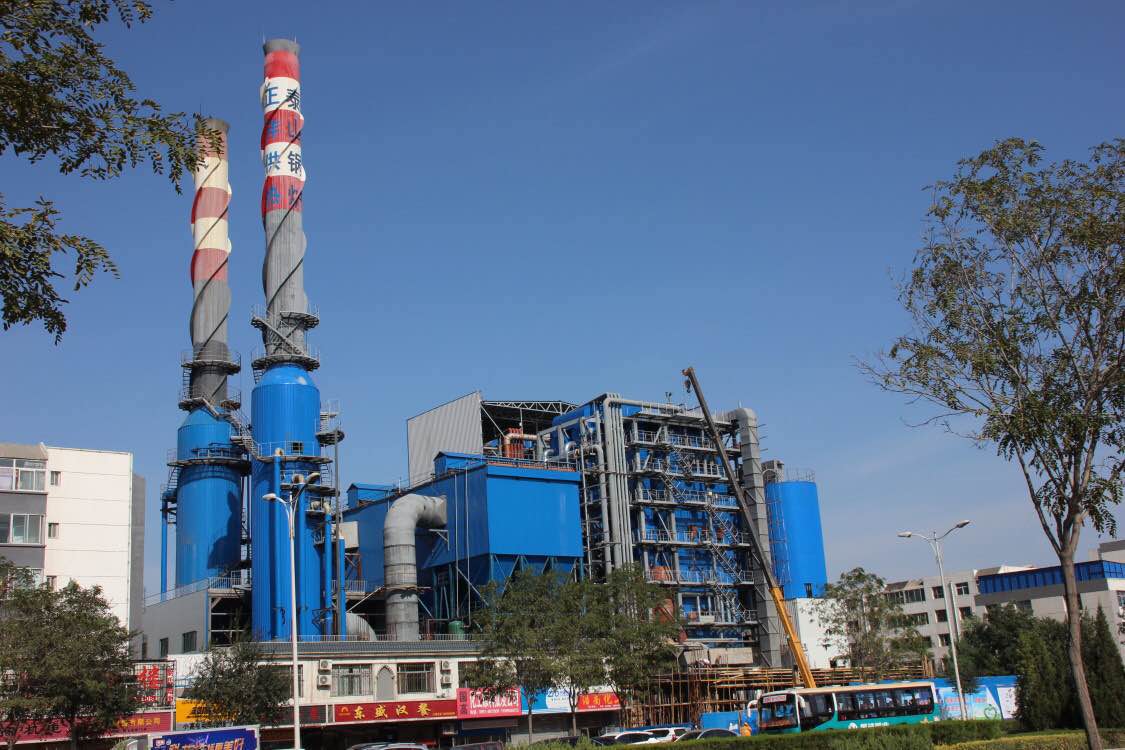
When industrial facilities invest in steam boiler systems, they often focus heavily on boiler capacity and efficiency while underestimating the complexity of installation infrastructure required to support different boiler types. This oversight can lead to costly delays, safety compliance issues, inefficient layouts, and long-term operational constraints. Fire-tube, water-tube, and modular boilers each demand distinct infrastructure in terms of foundations, utilities, piping networks, ventilation, and control integration. Without proper planning, even the most advanced boiler can suffer from poor performance, increased maintenance, and reduced reliability due to inadequate installation support systems.
The installation infrastructure required for industrial steam boilers varies significantly by type: fire-tube boilers need robust horizontal foundations and simpler auxiliary systems, water-tube boilers require complex high-pressure piping, structural support, and extensive auxiliary equipment, while modular boilers demand flexible utility connections and scalable layouts. Proper infrastructure planning ensures safe operation, optimal performance, and long-term reliability across all boiler types.
To fully understand the infrastructure requirements, it is essential to analyze each boiler type in terms of structural, mechanical, electrical, and operational needs, while also considering how these systems interact within an industrial environment.
Water-tube boilers require more complex installation infrastructure than fire-tube boilers.True
They operate at higher pressures and capacities, requiring advanced piping, controls, and auxiliary systems.
All industrial steam boilers can use identical installation infrastructure regardless of type.False
Different boiler designs require distinct foundations, piping, and support systems due to varying operational characteristics.
🏗️ Foundation and Structural Requirements
The foundation is the first and most critical element of boiler installation infrastructure. Fire-tube boilers, typically designed as horizontal cylindrical units, require wide, stable concrete foundations that distribute weight evenly across a large footprint. Their lower center of gravity simplifies structural design, making them suitable for ground-level installations in facilities with limited structural reinforcement.
Water-tube boilers, by contrast, often have vertical or multi-drum configurations with concentrated loads and higher centers of gravity. This necessitates reinforced foundations capable of handling both static and dynamic loads, including vibration and thermal expansion. In many cases, steel support structures or elevated platforms are required, especially in high-capacity installations.
Modular boilers introduce a different requirement: multiple smaller units must be supported in parallel, often requiring uniform load distribution and space for expansion. While individual modules are lighter, the combined system requires careful structural planning to ensure long-term stability and accessibility.
📊 Structural Comparison Table
| Infrastructure Element | Fire-Tube Boiler | Water-Tube Boiler | Modular Boiler |
|---|---|---|---|
| Foundation Type | Wide, simple concrete | Reinforced, complex | Distributed modular base |
| Load Distribution | Even | Concentrated | Distributed |
| Structural Height Needs | Low | High | Moderate |
| Installation Complexity | Low | High | Moderate |
🔥 Fuel Supply and Combustion Infrastructure
Fuel supply systems vary significantly depending on boiler type and capacity. Fire-tube boilers generally operate with simpler fuel systems, including basic oil storage tanks, pumps, and filtration units. Their lower firing rates and simpler burners reduce the complexity of fuel handling infrastructure.
Water-tube boilers, designed for higher capacities and pressures, require more advanced fuel systems with precise pressure control, heating (for heavy oil), redundancy in pumps, and sophisticated filtration. These systems must ensure consistent fuel quality and flow to maintain stable combustion under varying loads.
Modular boilers, while individually smaller, often require centralized fuel systems capable of supplying multiple units simultaneously. This introduces additional piping complexity and control coordination to ensure balanced fuel distribution across all modules.
⚙️ Steam, Water, and Piping Systems
Piping infrastructure is one of the most complex aspects of boiler installation. Fire-tube boilers typically use simpler piping systems due to their lower pressure and capacity. Steam headers, feedwater lines, and blowdown systems are relatively straightforward and require less specialized materials.
Water-tube boilers demand high-pressure piping systems with advanced materials capable of withstanding extreme temperatures and pressures. This includes:
- High-pressure steam headers
- Multi-stage feedwater systems
- Deaerators and condensate recovery systems
- Advanced blowdown heat recovery units
These systems must be carefully engineered to prevent pressure drops, thermal stress, and flow instability.
Modular boilers require flexible piping configurations that allow multiple units to operate independently or in parallel. This often involves complex header systems and isolation valves to ensure operational flexibility and redundancy.
📈 Piping Complexity Comparison
| System Aspect | Fire-Tube | Water-Tube | Modular |
|---|---|---|---|
| Pressure Level | Low–Medium | High | Medium |
| Piping Complexity | Simple | Complex | Moderate–High |
| Material Requirements | Standard | High-grade alloys | Mixed |
| Flexibility | Low | Moderate | High |
🌬️ Ventilation and Exhaust Systems
Proper ventilation and exhaust infrastructure are critical for safe boiler operation. Fire-tube boilers typically require standard ventilation systems and chimney stacks designed for moderate flue gas volumes. Their simpler combustion systems make airflow management less demanding.
Water-tube boilers generate larger volumes of flue gas at higher temperatures, requiring advanced exhaust systems with precise draft control, larger stacks, and sometimes flue gas treatment systems. These systems must ensure proper airflow to maintain combustion efficiency and prevent hazardous conditions.
Modular boilers require coordinated ventilation systems that can handle multiple exhaust streams, often integrating them into a single stack or multiple controlled outlets.
🔌 Electrical and Control Infrastructure
Modern industrial boilers rely heavily on electrical systems for operation, safety, and monitoring. Fire-tube boilers typically use simpler control panels with basic automation and safety interlocks.
Water-tube boilers require advanced control systems, including distributed control systems (DCS), programmable logic controllers (PLC), and extensive sensor networks. These systems manage complex processes such as combustion optimization, load balancing, and safety monitoring.
Modular boilers emphasize intelligent control integration, allowing multiple units to operate as a single coordinated system. This requires communication networks, centralized control platforms, and advanced automation logic.
🧠 Auxiliary Systems and Support Equipment
Auxiliary systems significantly influence installation infrastructure. Water-tube boilers generally require:
- Deaerators
- High-capacity feedwater pumps
- Water treatment plants
- Heat recovery systems
Fire-tube boilers use simpler auxiliary systems, while modular boilers require scalable auxiliary setups that can grow with system expansion.
📉 Infrastructure Cost and Complexity Overview
| Boiler Type | Infrastructure Cost | Installation Time | Engineering Complexity |
|---|---|---|---|
| Fire-Tube | Low | Short | Low |
| Water-Tube | High | Long | High |
| Modular | Medium | Moderate | Moderate–High |
🔄 Installation Flexibility and Expansion Potential
Water-tube and modular boilers offer greater flexibility for future expansion compared to fire-tube systems. Modular systems, in particular, allow incremental capacity increases without major infrastructure changes. However, this flexibility comes at the cost of more complex initial planning and integration.
Fire-tube boilers are less flexible but easier to install in existing facilities, making them ideal for retrofit projects.
Summary
In summary, the installation infrastructure required for industrial steam boilers varies widely depending on the boiler type. Fire-tube boilers demand simpler, more compact infrastructure with lower complexity, making them suitable for smaller or retrofit installations. Water-tube boilers require extensive, high-performance infrastructure, including reinforced structures, advanced piping systems, and sophisticated controls, making them ideal for large-scale, high-demand applications. Modular boilers strike a balance by offering flexibility and scalability but require careful integration of multiple systems.
Understanding these infrastructure differences is essential for designing efficient, safe, and future-ready boiler installations. Proper planning ensures that the boiler system not only fits within the physical space but also operates reliably and efficiently over its entire lifecycle.
How Do Ventilation and Exhaust Systems Affect Industrial Steam Boiler Installation?
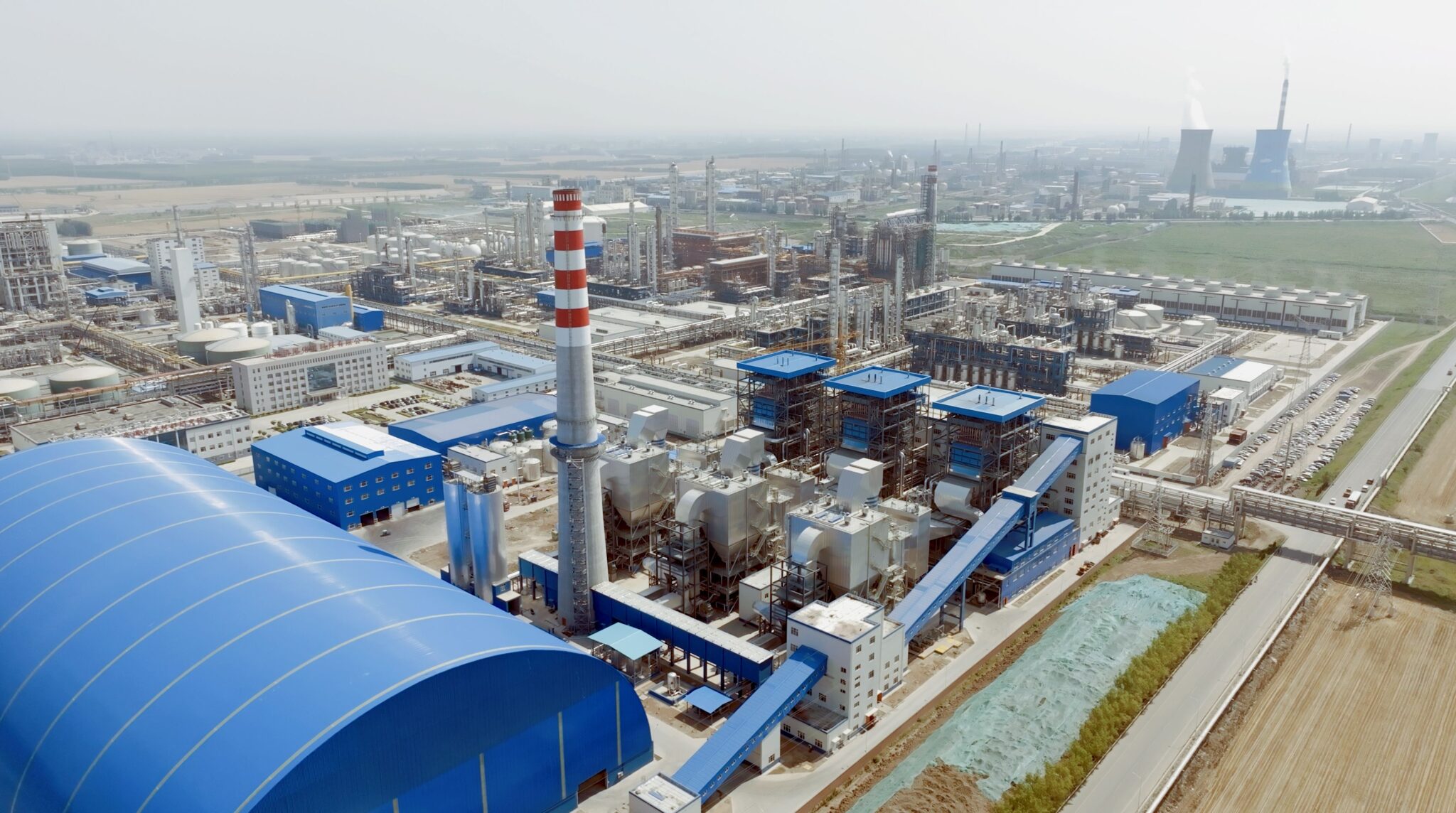
In industrial steam boiler installations, ventilation and exhaust systems are often treated as secondary considerations compared to boiler capacity, fuel systems, or control technologies. However, this assumption can lead to severe operational and safety consequences, including poor combustion efficiency, accumulation of hazardous gases, unstable boiler performance, and even regulatory non-compliance. Inadequate ventilation restricts the oxygen supply required for combustion, while poorly designed exhaust systems fail to remove flue gases effectively, creating backpressure and thermal imbalances. Over time, these deficiencies not only degrade boiler efficiency but also accelerate equipment wear and increase the risk of unexpected shutdowns. Properly engineered ventilation and exhaust systems are therefore not optional accessories but fundamental infrastructure components that directly determine the success of industrial boiler installations.
Ventilation and exhaust systems affect industrial steam boiler installation by ensuring sufficient combustion air supply, maintaining proper draft conditions, safely removing flue gases, and stabilizing thermal and pressure conditions within the boiler system. Well-designed systems improve combustion efficiency, reduce emissions, enhance safety, and extend boiler lifespan, while poorly designed systems lead to instability, inefficiency, and increased operational risks.
To fully understand their impact, it is necessary to analyze how ventilation and exhaust systems interact with combustion dynamics, boiler design, installation layout, and long-term operational performance across different industrial environments.
Proper ventilation is essential for maintaining efficient combustion in industrial boilers.True
Adequate oxygen supply ensures complete fuel combustion, improving efficiency and reducing emissions.
Exhaust systems only remove flue gases and do not influence boiler performance.False
Exhaust systems control draft, pressure balance, and heat flow, all of which directly affect boiler performance and stability.
🌬️ The Role of Ventilation in Boiler Room Design
Ventilation systems are responsible for supplying fresh air to the boiler room, which is essential for both combustion and safe working conditions. In oil-fired and other fuel-based boilers, combustion requires a precise amount of oxygen to achieve complete fuel burning. Insufficient air supply leads to incomplete combustion, resulting in soot formation, carbon monoxide production, and reduced thermal efficiency.
From an installation perspective, ventilation design must consider the total air demand of all boilers operating simultaneously, as well as auxiliary equipment such as burners and fans. Air intake openings, louvers, and ducts must be sized to provide adequate airflow without causing excessive pressure drops. Additionally, airflow paths must be designed to avoid dead zones where heat or gases can accumulate.
Ventilation also plays a critical role in temperature control within the boiler room. Boilers generate significant radiant heat, and without proper ventilation, ambient temperatures can rise to levels that affect equipment performance and worker safety. High temperatures can degrade electrical components, reduce control system reliability, and accelerate material aging.
🔥 Exhaust Systems and Draft Control Fundamentals
Exhaust systems are responsible for removing flue gases produced during combustion and maintaining proper draft conditions within the boiler. Draft refers to the pressure difference that drives airflow through the combustion chamber and heat exchange surfaces. It is a critical parameter for stable and efficient boiler operation.
There are three primary draft types:
- Natural draft (using chimney height and temperature differences)
- Forced draft (using fans to push air into the system)
- Induced draft (using fans to pull flue gases out)
In modern industrial boilers, induced draft systems are commonly used because they provide precise control over flue gas flow and pressure. Proper draft ensures that combustion gases flow smoothly through the boiler, maximizing heat transfer and preventing backflow.
Poor exhaust design can lead to excessive draft or insufficient draft. Excessive draft increases heat loss by pulling hot gases out too quickly, reducing efficiency. Insufficient draft causes flue gas stagnation, leading to incomplete combustion, flame instability, and potential safety hazards.
📊 Ventilation vs Exhaust System Functions
| Function | Ventilation System | Exhaust System |
|---|---|---|
| Primary Role | Supply fresh air | Remove flue gases |
| Impact on Combustion | Provides oxygen | Controls gas flow |
| Safety Function | Prevents gas buildup | Removes toxic gases |
| Thermal Effect | Regulates room temperature | Controls heat loss |
This comparison shows that both systems are complementary and must be designed together for optimal performance.
🏗️ Impact on Installation Layout and Space Planning
Ventilation and exhaust systems significantly influence the physical layout of boiler installations. Air intake openings must be strategically located to ensure unobstructed airflow, often requiring wall or roof penetrations. Exhaust systems require flue ducts, stacks, and sometimes emission control equipment, all of which occupy space and impose structural requirements.
For example, tall chimney stacks used in natural draft systems require strong foundations and sufficient vertical clearance. Induced draft systems require space for fans, dampers, and control equipment. Additionally, routing of flue ducts must minimize bends and resistance to maintain efficient flow, which can affect overall plant layout.
In retrofit projects, integrating ventilation and exhaust systems into existing structures can be particularly challenging. Limited space, structural constraints, and existing equipment may require customized solutions, increasing installation complexity and cost.
⚙️ Interaction with Boiler Types
Different boiler types impose different requirements on ventilation and exhaust systems. Fire-tube boilers, with lower firing rates and simpler combustion systems, generally require less complex ventilation and exhaust infrastructure. Water-tube boilers, operating at higher capacities and pressures, generate larger volumes of flue gases and require more sophisticated draft control systems.
Modular boiler systems introduce additional complexity, as multiple units must share ventilation and exhaust infrastructure. This requires careful balancing to ensure that each unit receives adequate air supply and maintains proper draft conditions without interference from other units.
📈 System Design Parameters and Performance Impact
The effectiveness of ventilation and exhaust systems can be evaluated through key design parameters.
| Parameter | Optimal Condition | Impact if Poorly Designed |
|---|---|---|
| Airflow Rate | Matches combustion demand | Incomplete combustion |
| Draft Pressure | Stable and controlled | Flame instability |
| Stack Temperature | Optimized for heat recovery | Energy loss or condensation |
| Gas Velocity | Balanced flow | Erosion or blockage |
These parameters directly influence boiler efficiency, emissions, and reliability.
🛠️ Maintenance and Long-Term Performance
Ventilation and exhaust systems require regular maintenance to sustain performance. Air intake filters, dampers, and fans must be inspected and cleaned to ensure proper airflow. Flue ducts and stacks must be checked for corrosion, soot buildup, and blockages that can restrict gas flow.
Over time, neglecting these systems leads to gradual performance degradation. Reduced airflow and restricted exhaust paths force the boiler to operate under suboptimal conditions, increasing fuel consumption and wear on components. Predictive maintenance techniques, such as monitoring draft pressure and flue gas composition, can help identify issues before they cause failures.
🌍 Environmental and Regulatory Considerations
Ventilation and exhaust systems also play a crucial role in meeting environmental regulations. Proper exhaust design ensures that emissions are safely dispersed and comply with local air quality standards. In many cases, additional equipment such as scrubbers, filters, or heat recovery units must be integrated into the exhaust system.
Ventilation systems contribute to workplace safety by maintaining air quality within the boiler room, preventing the accumulation of harmful gases such as carbon monoxide. Compliance with safety and environmental regulations is not only a legal requirement but also a key factor in sustainable industrial operations.
🔄 Integration with Modern Control Systems
Modern industrial boiler systems increasingly integrate ventilation and exhaust control with automation systems. Sensors monitor airflow, pressure, and gas composition, while control systems adjust fans and dampers in real time to maintain optimal conditions.
This integration enhances performance by ensuring that ventilation and exhaust systems respond dynamically to changes in load, fuel quality, and environmental conditions. It also improves energy efficiency by minimizing unnecessary airflow and heat loss.
🧠 Strategic Design Considerations
From an engineering perspective, ventilation and exhaust systems should be designed as integral parts of the boiler system rather than as afterthoughts. Key considerations include:
- Matching air supply to maximum boiler load
- Ensuring redundancy for critical components
- Designing for future expansion
- Minimizing energy losses through optimized flow paths
By addressing these factors during the design phase, facilities can achieve more reliable and efficient boiler operation.
Summary
Ventilation and exhaust systems are critical determinants of industrial steam boiler installation success, influencing everything from combustion efficiency and safety to layout design and long-term performance. Ventilation ensures a consistent supply of fresh air for combustion and temperature control, while exhaust systems manage flue gas removal and draft conditions. Together, they create the environmental and operational framework within which boilers function.
Properly designed systems enhance efficiency, stabilize operation, reduce emissions, and extend equipment life, while poor design leads to instability, inefficiency, and increased risk. For industrial facilities aiming to achieve reliable and high-performance boiler operation, ventilation and exhaust systems must be treated as core infrastructure elements, carefully engineered and integrated into the overall system design.
What Safety Clearance Standards Apply to Industrial Steam Boiler Installation?
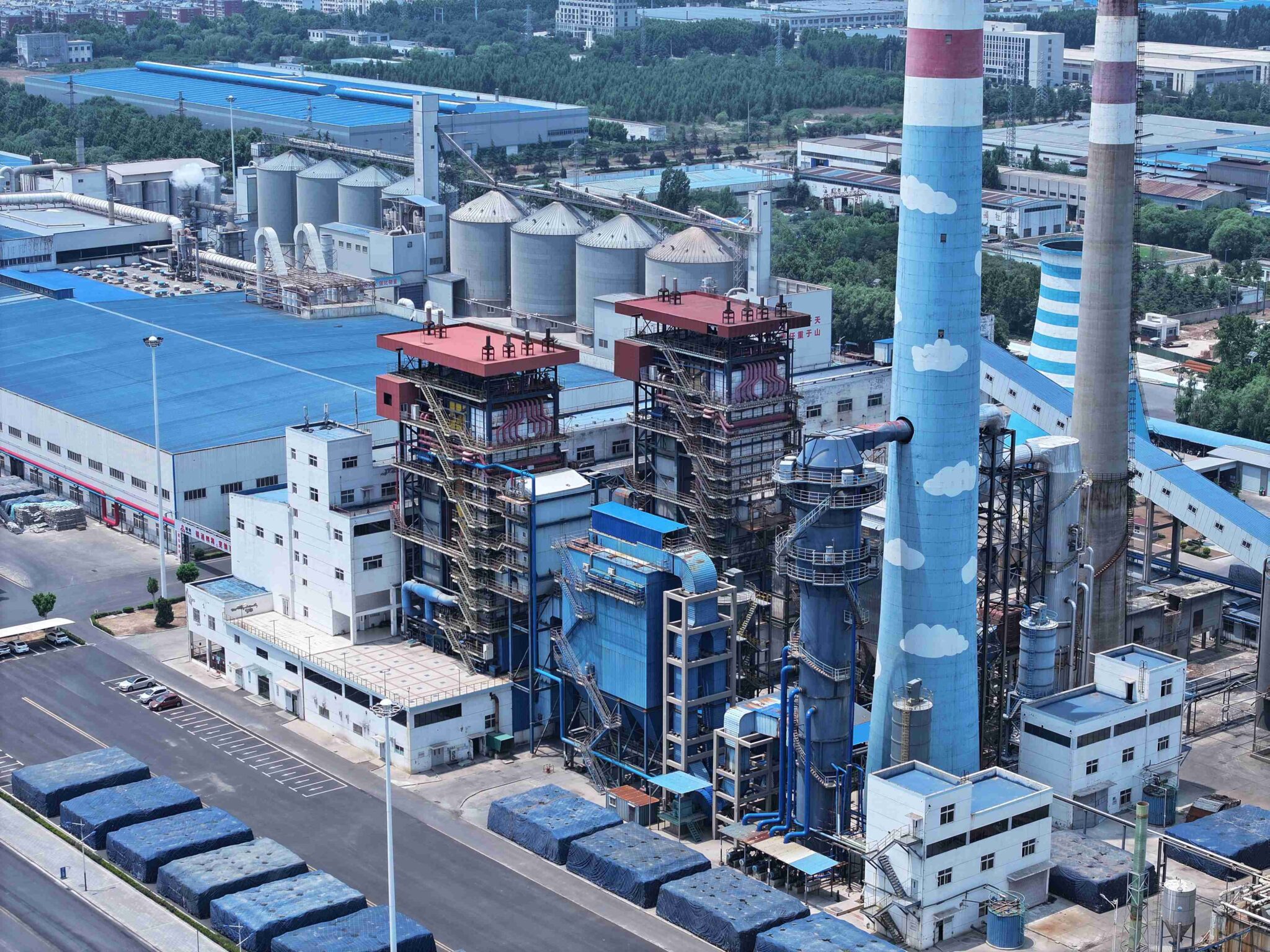
In industrial steam boiler installations, one of the most critical yet frequently underestimated aspects is ensuring proper safety clearance around the boiler and its associated systems. Many facilities prioritize capacity, efficiency, and cost while overlooking the spatial allowances required for safe operation, maintenance, and regulatory compliance. Insufficient clearance can lead to restricted access for inspection, increased risk of accidents, overheating of surrounding equipment, and violations of safety standards that may result in costly penalties or forced shutdowns. Moreover, cramped installations make routine maintenance more difficult, increasing downtime and reducing overall system reliability. Understanding and applying correct safety clearance standards is therefore essential for both operational safety and long-term performance.
Safety clearance standards for industrial steam boiler installation require adequate space around the boiler for operation, maintenance, ventilation, and emergency access, typically including front, rear, side, and overhead clearances defined by codes such as ASME, NFPA, and local regulations. These clearances ensure safe inspection, prevent heat buildup, allow proper airflow, and reduce risks of fire, equipment damage, and personnel injury.
To fully implement these standards, engineers and facility managers must consider multiple dimensions of clearance, including physical space, thermal separation, access pathways, and regulatory compliance requirements.
Proper safety clearance around boilers reduces the risk of accidents and improves maintenance accessibility.True
Adequate space allows safe operation, inspection, and emergency response, reducing hazards and downtime.
Boilers can be installed close to walls if space is limited without affecting safety.False
Insufficient clearance restricts airflow, maintenance access, and increases fire and overheating risks.
🏗️ Regulatory Framework and Standards Overview
Safety clearance requirements for industrial steam boilers are governed by a combination of international codes, national standards, and local regulations. Key standards include:
- ASME Boiler and Pressure Vessel Code (BPVC)
- NFPA 85 (Boiler and Combustion Systems Hazards Code)
- Local building and fire safety codes
These standards do not always prescribe exact distances but establish principles for safe access, ventilation, and hazard mitigation. In practice, manufacturers and engineering guidelines provide recommended minimum clearances based on boiler type, size, and application.
From a compliance perspective, failure to meet these standards can result in operational restrictions, insurance issues, and legal liabilities. Therefore, clearance planning must be integrated into the early stages of boiler room design.
📏 Typical Minimum Clearance Requirements
Although exact values vary, industry best practices define general clearance ranges for safe installation.
| Clearance Area | Typical Requirement | Purpose |
|---|---|---|
| Front (burner/access) | 1.5–3 meters | Burner maintenance and inspection |
| Rear | 1–2 meters | Tube access and servicing |
| Sides | 0.8–1.5 meters | Inspection and airflow |
| Top | 1–2 meters (or more) | Ventilation and overhead access |
These values may increase for larger or high-pressure boilers, especially water-tube designs that require vertical access.
🔥 Thermal and Fire Safety Considerations
Boilers generate significant heat during operation, and insufficient clearance can lead to heat accumulation in surrounding areas. This not only affects nearby equipment but also increases fire risk, particularly in oil-fired or gas-fired systems.
Thermal clearance ensures that:
- Heat can dissipate safely
- Combustible materials are kept at safe distances
- Electrical and control systems are protected from overheating
In many standards, minimum distances from combustible walls or materials are specified, or fire-resistant barriers must be installed if space is limited.
🛠️ Maintenance and Operational Accessibility
Clearance is not only about safety but also about practicality. Boilers require regular inspection, cleaning, and component replacement. Key maintenance tasks include:
- Burner servicing
- Tube inspection and cleaning
- Valve and pump maintenance
- Instrument calibration
If clearance is insufficient, these tasks become difficult or impossible without partial disassembly, increasing downtime and labor costs. Proper clearance ensures that maintenance personnel can work safely and efficiently with adequate tools and equipment.
📊 Clearance Needs by Boiler Type
Different boiler types require different clearance strategies due to their structural and operational characteristics.
| Boiler Type | Clearance Characteristics | Key Considerations |
|---|---|---|
| Fire-Tube | Long horizontal access | Front and rear space critical |
| Water-Tube | Vertical access required | Top and side clearance important |
| Modular | Multiple units | Spacing between units and shared access |
This highlights that clearance planning must be tailored to the specific boiler configuration.
🚶 Safety Pathways and Emergency Access
In addition to equipment clearance, safety standards require clear pathways for personnel movement and emergency response. This includes:
- Walkways around the boiler
- Emergency exit routes
- Access to safety valves and controls
These pathways must remain unobstructed at all times. In emergency situations, such as a fuel leak or pressure event, quick access can be critical for preventing escalation.
⚙️ Ventilation and Clearance Interaction
Clearance and ventilation are closely linked. Adequate spacing allows proper airflow around the boiler, supporting combustion and preventing heat buildup. Restricted spaces can create dead zones where hot air or gases accumulate, reducing efficiency and increasing risk.
For example, side and top clearances are often designed to facilitate natural or forced airflow, ensuring that fresh air can circulate and exhaust gases can be safely removed.
📈 Impact on Long-Term Reliability and Performance
Proper safety clearance contributes directly to long-term boiler performance. Boilers installed with adequate space experience:
- Lower operating temperatures in surrounding components
- Reduced wear due to better airflow
- Easier maintenance and faster repairs
- Fewer unplanned shutdowns
The table below illustrates the relationship between clearance and operational outcomes.
| Clearance Condition | Maintenance Efficiency | Failure Risk | Boiler Lifespan |
|---|---|---|---|
| Insufficient | Low | High | Reduced |
| Adequate | Moderate | Moderate | Standard |
| Optimized | High | Low | Extended |
This demonstrates that clearance is not just a compliance requirement but a performance factor.
🧠 Design Best Practices for Safety Clearance
From an engineering standpoint, several best practices should be followed:
- Plan clearance during initial layout design, not after installation
- Consider future maintenance and expansion needs
- Align clearance with manufacturer recommendations
- Ensure compliance with all applicable codes
- Use 3D modeling tools to visualize space requirements
These practices help avoid costly modifications and ensure a safe, efficient installation.
🔄 Retrofitting and Space Constraints
In existing facilities, achieving ideal clearance may be challenging due to space limitations. In such cases, alternative solutions include:
- Installing compact or modular boilers
- Using fire-resistant barriers
- Reconfiguring surrounding equipment
- Enhancing ventilation systems
While these solutions can mitigate risks, they should be carefully evaluated to ensure compliance and safety.
Summary
Safety clearance standards are a fundamental aspect of industrial steam boiler installation, affecting not only compliance but also safety, maintenance efficiency, and long-term performance. Adequate clearance around the boiler ensures safe operation, proper ventilation, and easy access for inspection and repairs. Requirements vary depending on boiler type, size, and regulatory standards, but all installations must provide sufficient space for front, rear, side, and overhead access.
By integrating clearance planning into the design process and adhering to established standards, industrial facilities can reduce risks, improve reliability, and ensure that their boiler systems operate safely and efficiently throughout their lifecycle.
How Do Fuel Storage and Handling Systems Impact Industrial Steam Boiler Space Requirements?
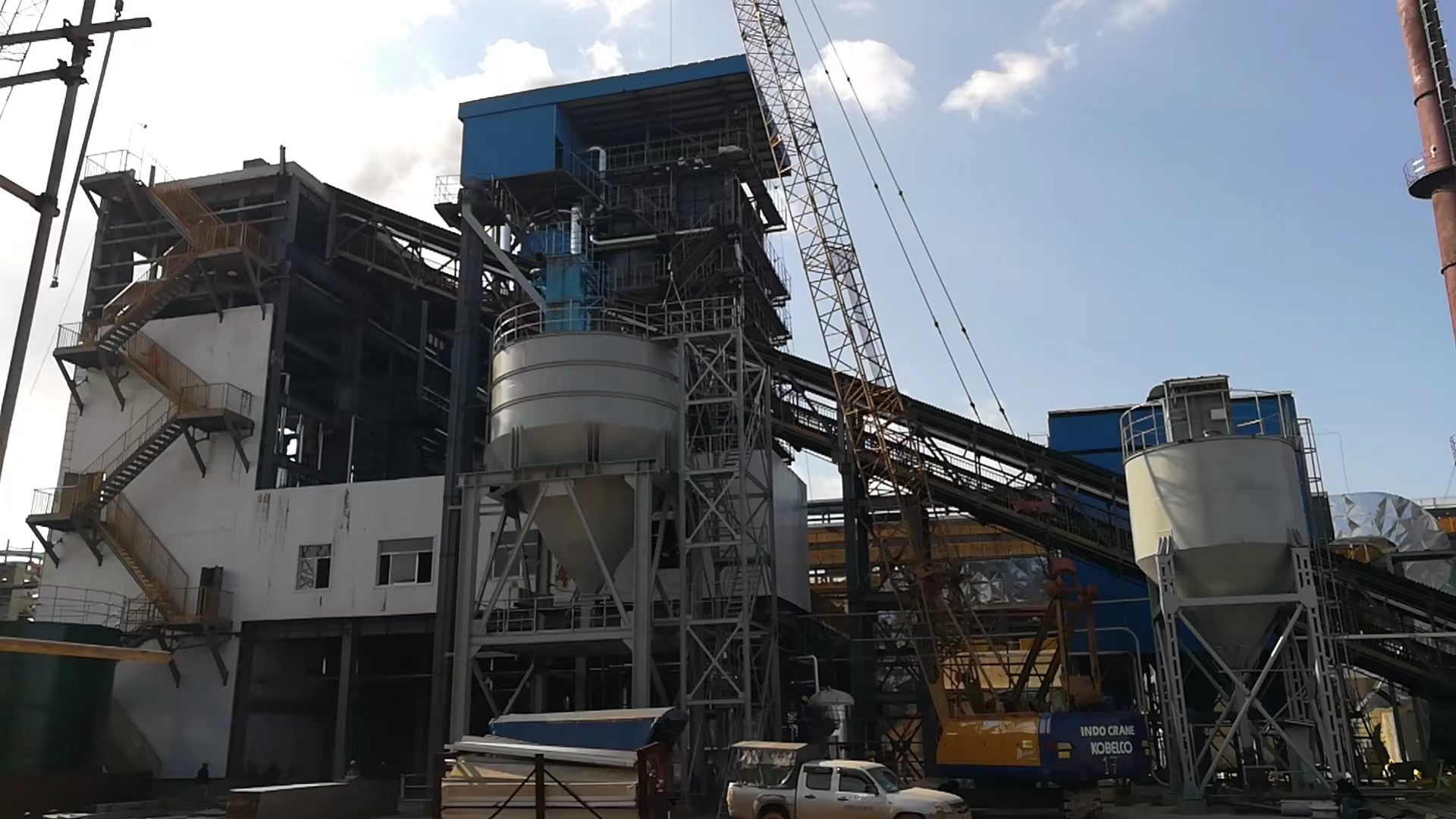
In industrial steam boiler installations, space planning often focuses primarily on the boiler unit itself, while the fuel storage and handling systems are underestimated or treated as secondary components. This oversight can create severe constraints during installation, leading to overcrowded layouts, safety risks, inefficient fuel delivery, and regulatory compliance issues. Fuel systems—especially for oil-fired boilers—require significant space for storage tanks, pumping units, filtration systems, heating equipment, and safety clearances. If these elements are not properly accounted for during the design phase, facilities may face costly redesigns, operational inefficiencies, and increased maintenance complexity. Therefore, understanding how fuel storage and handling systems influence spatial requirements is essential for achieving a safe, efficient, and scalable boiler installation.
Fuel storage and handling systems impact industrial steam boiler space requirements by adding significant infrastructure for storage tanks, transfer pipelines, pumping stations, heating systems, and safety zones. These components often occupy equal or greater space than the boiler itself, and their layout must ensure safe fuel delivery, regulatory compliance, operational efficiency, and accessibility for maintenance.
To fully appreciate their influence, it is necessary to examine how different fuel system configurations, capacities, and safety requirements shape the overall footprint of industrial boiler installations.
Fuel storage systems can occupy more space than the boiler itself in industrial installations.True
Large storage tanks, safety zones, and auxiliary systems often require substantial area, sometimes exceeding the boiler footprint.
Fuel handling systems have minimal impact on boiler room layout.False
They significantly affect space planning due to piping, pumps, safety distances, and operational access requirements.
🏗️ Components of Fuel Storage and Handling Systems
Fuel systems for industrial steam boilers are composed of multiple interconnected components, each contributing to overall space requirements. These include:
- Bulk storage tanks (above-ground or underground)
- Day tanks (intermediate storage near the boiler)
- Fuel transfer pumps and booster systems
- Filtration and separation units
- Fuel heating systems (for heavy oil)
- Piping networks and valves
- Spill containment and safety barriers
Each of these components must be strategically placed to ensure efficient operation while maintaining safety and accessibility. For example, bulk storage tanks are often located outside the main boiler building, requiring additional land area and dedicated containment zones.
📊 Space Allocation by System Component
| Component | Typical Space Requirement | Location |
|---|---|---|
| Bulk Storage Tank | Large (10–50+ m² per tank) | Outdoor or separate area |
| Day Tank | Medium (5–15 m²) | Near boiler |
| Pumping System | Small–Medium | Adjacent to tanks |
| Filtration Units | Small | Inline or dedicated space |
| Piping Network | Distributed | Throughout facility |
This table illustrates how fuel systems extend beyond the boiler room, influencing the overall plant layout.
🔥 Impact of Fuel Type on Space Requirements
Different fuel types significantly affect storage and handling infrastructure. Oil-fired boilers, especially those using heavy fuel oil, require more complex systems compared to gas-fired boilers.
- Light oil (diesel): Requires moderate storage and simpler handling systems
- Heavy oil: Requires larger tanks, heating systems, and insulation
- Dual-fuel systems: Require parallel infrastructure for multiple fuels
Heavy oil systems, in particular, demand additional space for heating equipment, as the fuel must be maintained at a specific temperature to ensure proper flow and combustion.
⚙️ Layout Design and Spatial Integration
Fuel storage and handling systems must be integrated into the overall plant layout in a way that balances efficiency, safety, and accessibility. Key layout considerations include:
- Distance between storage tanks and boiler
- Routing of fuel pipelines
- Accessibility for refueling and maintenance
- Separation from high-temperature or ignition sources
Improper layout can result in long piping runs, increasing pressure losses and energy consumption. It can also complicate maintenance and increase the risk of leaks or failures.
📈 Comparison of Fuel System Footprints
| Fuel System Type | Space Demand | Complexity | Safety Requirements |
|---|---|---|---|
| Light Oil | Moderate | Medium | Standard |
| Heavy Oil | High | High | Strict |
| Gas (reference) | Low | Low | Moderate |
This comparison highlights how oil-based systems generally require more space and infrastructure than gas systems.
🛠️ Safety Zones and Regulatory Requirements
Safety regulations play a major role in determining space requirements for fuel systems. Storage tanks must be surrounded by containment areas to prevent environmental contamination in case of leaks. Minimum distances from buildings, ignition sources, and property boundaries must also be maintained.
Additional safety features include:
- Fire protection systems
- Venting and pressure relief devices
- Spill containment structures
- Emergency shutdown systems
These requirements significantly expand the footprint of fuel storage areas, often making them one of the largest components of the installation.
🚚 Logistics and Fuel Delivery Considerations
Space planning must also account for fuel delivery logistics. Tanker trucks or pipelines must have safe and convenient access to storage tanks. This requires:
- Driveways and turning areas
- Loading/unloading zones
- Safety buffers around transfer points
Inadequate planning can lead to operational disruptions and safety hazards during refueling operations.
🔄 Maintenance and Accessibility Requirements
Fuel handling systems require regular maintenance, including pump servicing, filter replacement, and tank inspections. Adequate space must be provided for:
- Equipment access
- Tool usage
- Safe movement of personnel
Crowded installations increase maintenance time and risk, reducing overall system reliability.
📉 Impact on Overall Boiler Plant Efficiency
The design of fuel storage and handling systems directly affects boiler performance. Efficient layouts minimize fuel delivery delays, maintain consistent pressure, and reduce energy losses in pumping and heating.
Poorly designed systems can lead to:
- Fuel flow instability
- Increased energy consumption
- Higher maintenance costs
- Reduced combustion efficiency
🧠 Strategic Design Approaches
To optimize space utilization while maintaining safety and efficiency, several strategies can be employed:
- Use vertical storage tanks to reduce footprint
- Implement modular fuel systems
- Optimize pipeline routing
- Integrate automation for efficient control
- Plan for future expansion
These approaches help balance space constraints with operational requirements.
📊 Integrated Space Planning Overview
| System Element | Space Impact | Optimization Strategy |
|---|---|---|
| Storage Tanks | High | Vertical design |
| Pumping Units | Medium | Compact layout |
| Piping | Distributed | Efficient routing |
| Safety Zones | High | Smart zoning |
| Access Areas | Medium | Planned pathways |
🌍 Environmental and Compliance Considerations
Environmental regulations require additional infrastructure such as spill containment, monitoring systems, and emission controls. These elements further increase space requirements but are essential for sustainable and compliant operations.
Summary
Fuel storage and handling systems play a critical role in determining the space requirements of industrial steam boiler installations. These systems often occupy significant space due to storage tanks, safety zones, pumping equipment, and auxiliary components. Their design must balance operational efficiency, safety compliance, and accessibility while integrating seamlessly with the overall plant layout.
By carefully planning fuel system infrastructure, facilities can avoid space constraints, improve reliability, and ensure safe, efficient boiler operation. Proper consideration of fuel storage and handling requirements is therefore essential for successful industrial boiler installation and long-term performance.
How Can Modular Designs Reduce Industrial Steam Boiler Installation Space?
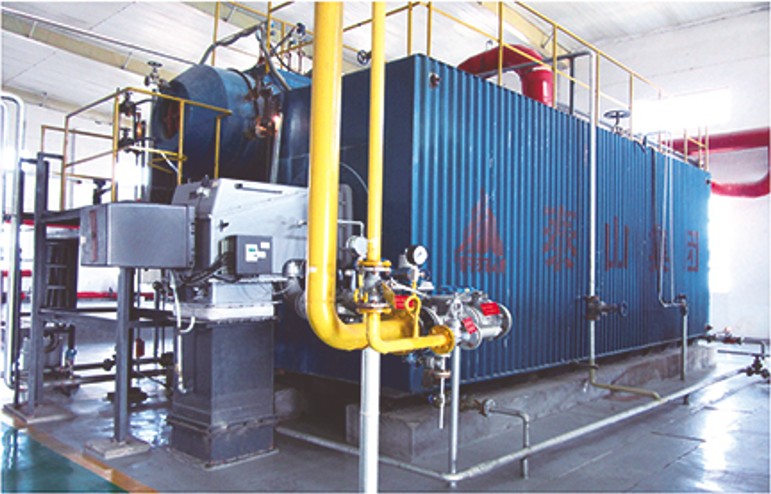
In modern industrial facilities, space constraints are becoming increasingly critical as plants aim to maximize production capacity within limited footprints. Traditional steam boiler installations often require large dedicated boiler rooms, extensive piping networks, and oversized auxiliary systems, all of which consume valuable floor space. This becomes especially problematic in retrofit projects or urban industrial environments where expansion is limited. Without efficient design strategies, boiler systems can occupy disproportionate space, increase installation complexity, and restrict future scalability. Modular boiler design has emerged as a transformative solution to these challenges, enabling compact, flexible, and highly efficient installations.
Modular designs reduce industrial steam boiler installation space by using compact, pre-engineered units that integrate multiple components into a single system, optimize layout efficiency, minimize piping and auxiliary equipment, and allow scalable installation. These systems significantly reduce footprint while maintaining performance, flexibility, and ease of maintenance.
To understand how modular designs achieve these benefits, it is essential to explore their structural characteristics, system integration advantages, and impact on overall plant layout.
Modular boiler systems require less installation space than traditional boiler systems.True
They integrate components into compact units and reduce the need for large boiler rooms and extensive piping.
Modular boilers cannot match the performance of traditional large boilers.False
Modern modular boilers can achieve comparable efficiency and capacity through multiple units operating together.
🏗️ Compact Structural Design and Space Optimization
One of the most significant advantages of modular boiler systems is their compact structural design. Unlike traditional fire-tube or water-tube boilers that require large single-unit installations, modular boilers consist of multiple smaller units that can be arranged in flexible configurations.
These units are often pre-packaged with essential components such as burners, controls, pumps, and safety systems. This integration eliminates the need for separate installation of auxiliary equipment, reducing the overall footprint. Additionally, modular units can be stacked vertically or arranged in tight horizontal layouts, maximizing space utilization.
From an engineering perspective, modular design reduces unused space by aligning components more efficiently, minimizing gaps, and optimizing access pathways. This results in a more streamlined and organized installation compared to conventional systems.
📊 Space Utilization Comparison
| System Type | Footprint Size | Layout Flexibility | Space Efficiency |
|---|---|---|---|
| Traditional Fire-Tube | Large | Low | Moderate |
| Water-Tube | Very Large | Moderate | Low |
| Modular Boiler | Compact | High | Very High |
This table clearly demonstrates the superior space efficiency of modular systems.
🔧 Integration of Auxiliary Systems
Traditional boiler installations require separate space for auxiliary systems such as:
- Feedwater treatment units
- Pumps and valves
- Control panels
- Heat exchangers
In modular systems, many of these components are integrated into the boiler unit itself or into compact skids. This integration significantly reduces the need for additional installation space.
For example, modular boilers often include built-in control systems and pre-configured piping, eliminating the need for extensive on-site assembly. This not only saves space but also reduces installation time and complexity.
⚙️ Reduced Piping and Infrastructure Requirements
Piping systems are a major contributor to space consumption in boiler installations. Traditional systems require long and complex piping networks to connect boilers with auxiliary equipment and distribution systems.
Modular boilers minimize this requirement by:
- Pre-integrating internal piping
- Reducing the distance between components
- Using standardized connection points
This results in shorter pipe runs, fewer fittings, and a more compact overall layout. Reduced piping also improves system efficiency by minimizing pressure losses and heat transfer inefficiencies.
📈 Piping Complexity Reduction
| Parameter | Traditional System | Modular System |
|---|---|---|
| Pipe Length | Long | Short |
| Installation Complexity | High | Low |
| Space Requirement | High | Low |
| Maintenance Difficulty | High | Moderate |
🧱 Flexible Installation and Layout Configurations
Modular boiler systems offer unmatched flexibility in installation. Units can be arranged in various configurations depending on available space and operational requirements. Common configurations include:
- Side-by-side layouts
- Back-to-back arrangements
- Vertical stacking (in some designs)
- Containerized systems
This flexibility allows facilities to adapt the boiler system to irregular spaces, making modular designs ideal for retrofit projects or facilities with space constraints.
Additionally, modular systems can be installed in phases, allowing gradual expansion without requiring large upfront space allocation.
🏭 Containerized and Skid-Mounted Solutions
Many modular boilers are delivered as containerized or skid-mounted units. These systems are pre-assembled and tested in the factory, requiring minimal on-site installation.
Containerized boilers provide several space-saving advantages:
- Compact, self-contained design
- Reduced need for dedicated boiler rooms
- Easy relocation and reconfiguration
- Minimal civil construction requirements
This approach is particularly beneficial in temporary installations or remote locations where space and infrastructure are limited.
📊 Installation Time and Space Efficiency
| Factor | Traditional Boilers | Modular Boilers |
|---|---|---|
| Installation Time | Long | Short |
| On-Site Assembly | Extensive | Minimal |
| Space Preparation | Large | Limited |
| Scalability | Low | High |
🔄 Scalability Without Additional Space Burden
One of the key advantages of modular design is scalability. Instead of installing a large boiler to meet peak demand, facilities can install multiple smaller units and add more as needed.
This approach reduces initial space requirements and allows capacity to grow with demand. Because modular units are compact, adding new units typically requires minimal additional space compared to expanding traditional systems.
🛠️ Maintenance and Accessibility Benefits
Despite their compact design, modular boilers are engineered to maintain accessibility for maintenance. Units are designed with standardized access points and modular components that can be serviced or replaced بسهولة.
This reduces the need for large clearance areas while still ensuring safe and efficient maintenance operations. In contrast, traditional boilers often require significant surrounding space for servicing large components.
🌍 Energy Efficiency and Space Synergy
Space efficiency and energy efficiency are closely related. Compact systems reduce heat losses in piping and improve thermal management within the boiler room. Modular systems also enable better load matching, allowing units to operate only when needed, which improves overall efficiency.
🧠 Strategic Design Considerations
To fully leverage the space-saving benefits of modular boilers, several design considerations must be addressed:
- Proper layout planning for airflow and ventilation
- Adequate clearance for maintenance
- Integration with existing infrastructure
- Future expansion planning
By addressing these factors, facilities can maximize both space efficiency and operational performance.
📉 Real-World Impact Example
In a typical industrial retrofit project, replacing a single large fire-tube boiler with a modular system can reduce installation space by up to 30–50%. This freed-up space can be used for additional equipment, storage, or operational expansion.
Summary
Modular boiler designs significantly reduce industrial steam boiler installation space by integrating components into compact units, minimizing auxiliary systems, and enabling flexible layouts. Their ability to reduce piping, simplify infrastructure, and support scalable expansion makes them an ideal solution for modern industrial environments where space is limited.
By adopting modular systems, facilities can achieve higher space efficiency, faster installation, and improved operational flexibility without compromising performance. As industrial demands continue to evolve, modular boiler technology represents a practical and forward-looking approach to optimizing both space and efficiency in steam generation systems.
🔍 Conclusion
Different industrial steam boiler types come with distinct space and installation requirements that must be carefully evaluated during project planning. From compact fire-tube units to large-scale water-tube systems, proper layout, ventilation, and safety compliance are essential for reliable and efficient operation. A well-designed installation not only improves performance but also reduces long-term maintenance challenges.
🔹 Contact us today to design a safe, efficient, and space-optimized steam boiler installation for your facility. ♨️📐📊
FAQ
Q1: What are the general space requirements for installing industrial steam boilers?
A1: Industrial steam boilers require carefully planned space to ensure safe operation, accessibility for maintenance, and compliance with regulatory standards. The total space required depends on the boiler type, capacity, and auxiliary equipment such as pumps, feedwater tanks, blowdown systems, and control panels. Generally, boiler rooms must provide sufficient clearance on all sides—typically at least 3 feet (0.9 meters) around smaller units and up to 6 feet (1.8 meters) for larger industrial systems. This allows technicians to inspect, repair, and operate the equipment safely.
In addition to clearance, vertical space is also important. Boilers, especially water-tube designs, can be quite tall, requiring high ceilings and overhead access for maintenance. Adequate ventilation is critical to prevent overheating and ensure proper combustion air supply. Combustion boilers must also have dedicated flue systems with enough clearance from walls and ceilings to meet fire safety codes.
Another key consideration is access routes. Doors, hallways, and pathways should be wide enough to allow for equipment delivery and future replacement. Flooring must support the boiler’s weight, often requiring reinforced concrete foundations. Drainage systems are also necessary to handle blowdown and emergency discharge.
Finally, compliance with local codes such as ASME, NFPA, and OSHA regulations is mandatory. These codes define minimum safety distances, ventilation requirements, and emergency access points. Proper planning not only ensures safety but also improves operational efficiency and reduces long-term maintenance costs.
Q2: How do fire-tube and water-tube boilers differ in installation space requirements?
A2: Fire-tube and water-tube boilers differ significantly in both physical footprint and installation complexity. Fire-tube boilers are generally more compact and horizontally oriented, making them ideal for facilities with limited floor space. They typically require less height and are easier to install because of their simpler design. However, they still need adequate side and front clearance for tube cleaning and burner maintenance.
Water-tube boilers, on the other hand, are often larger and vertically oriented, requiring more vertical clearance and structural support. These systems are designed for higher pressure and capacity applications, which means they also need more auxiliary equipment such as superheaters, economizers, and advanced control systems. This increases both the footprint and the complexity of the installation.
In terms of installation, fire-tube boilers are often delivered as packaged units, reducing on-site assembly time. Water-tube boilers may require modular assembly, cranes for lifting components, and more extensive piping connections. Additionally, water-tube systems demand stricter water quality management, which adds to the space needed for treatment systems.
Overall, fire-tube boilers are more space-efficient for smaller operations, while water-tube boilers require larger, more robust boiler rooms but provide higher performance and scalability for industrial applications.
Q3: What installation requirements are specific to electric steam boilers?
A3: Electric steam boilers have unique installation requirements compared to combustion-based systems. One of the biggest advantages is that they do not require fuel storage, combustion air, or exhaust flue systems. This significantly reduces the overall space needed and simplifies installation. Electric boilers can often be installed in smaller mechanical rooms or even near the point of use, minimizing steam distribution losses.
However, electric boilers require a robust electrical infrastructure. Facilities must ensure that their power supply can handle the high electrical load, which may involve upgrading transformers, switchgear, and wiring systems. Adequate space must be allocated for electrical panels, circuit breakers, and safety disconnects.
Cooling and ventilation are still important, as electrical components generate heat. Additionally, proper grounding and compliance with electrical codes such as NEC are essential for safety. Water supply and treatment systems are also required, although they may be smaller compared to those used with combustion boilers.
Another consideration is noise and vibration, which are typically lower for electric boilers, making them suitable for indoor installations near occupied areas. Overall, electric boilers offer a compact and flexible installation option but require careful planning of electrical capacity and infrastructure.
Q4: What safety clearances and codes must be followed during boiler installation?
A4: Safety clearances and regulatory compliance are critical when installing industrial steam boilers. Various standards such as ASME Boiler and Pressure Vessel Code, NFPA (National Fire Protection Association) guidelines, and OSHA regulations dictate the minimum requirements. These include clearances for maintenance access, safe operation, and emergency response.
Typically, front clearance is required for burner access and tube cleaning, while side and rear clearances allow for inspection and repair. The exact distances vary depending on the boiler size and type but generally range from 3 to 6 feet. For larger systems, additional clearance may be required for auxiliary equipment and piping.
Ventilation is another key safety requirement. Combustion boilers must have adequate airflow to support efficient burning and prevent the buildup of hazardous gases such as carbon monoxide. Flue systems must be installed with proper insulation and clearance from combustible materials.
Fire safety measures include installing fire-rated walls, explosion relief panels, and emergency shutoff systems. Electrical systems must comply with NEC standards, and all installations should include proper grounding and overload protection. Regular inspections and certifications are also required to ensure ongoing compliance.
By adhering to these codes and clearances, facilities can minimize risks, ensure worker safety, and maintain efficient boiler operation over time.
Q5: How can businesses optimize boiler room layout for efficiency and maintenance?
A5: Optimizing boiler room layout involves strategic planning to maximize efficiency, safety, and ease of maintenance. The first step is to position the boiler in a way that allows clear access to all critical components, including burners, valves, and control panels. Grouping related equipment such as pumps, feedwater tanks, and chemical treatment systems can streamline operations and reduce piping complexity.
Space optimization also includes planning for future expansion. Leaving room for additional boilers or upgraded components can save significant costs in the long run. Vertical space can be utilized for piping and cable trays, keeping the floor area less cluttered.
Efficient layout design also improves workflow. Operators should be able to monitor and control systems without unnecessary movement. Installing centralized control panels and clear labeling can enhance usability. Proper lighting and ventilation further contribute to a safe and productive environment.
Maintenance considerations are equally important. Components that require frequent servicing should be easily accessible, and there should be enough clearance for tools and equipment. Incorporating modular designs and quick-connect systems can reduce downtime during repairs.
Finally, using digital monitoring systems and automation can improve efficiency by providing real-time data and predictive maintenance insights. A well-designed boiler room not only enhances performance but also extends the lifespan of the equipment and reduces operational costs.
References
1. Boiler Room Design Guidelines
https://www.cedengineering.com/userfiles/Boiler%20Room%20Design.pdf
Source: CED Engineering
2. ASME Boiler and Pressure Vessel Code
https://www.asme.org/codes-standards
Source: ASME
3. NFPA Boiler Safety Guidelines
https://www.nfpa.org
Source: National Fire Protection Association
4. Industrial Boiler Systems Overview
https://www.energy.gov/eere/amo/industrial-boilers
Source: U.S. Department of Energy
5. OSHA Boiler Safety Standards
https://www.osha.gov
Source: OSHA
6. Electric Boiler Installation Guide
https://www.chromalox.com/en/resources/technical-resources
Source: Chromalox
7. Boiler Installation and Maintenance
https://www.spiraxsarco.com/learn-about-steam
Source: Spirax Sarco
8. Steam Boiler System Basics
https://www.cleaverbrooks.com/resources
Source: Cleaver-Brooks
9. Industrial Boiler Efficiency Guide
https://www.energystar.gov
Source: ENERGY STAR
10. Boiler Room Ventilation Requirements
https://www.engineeringtoolbox.com/boiler-room-ventilation-d_1724.html
Source: Engineering Toolbox
Industrial Steam Boiler Space & Installation Requirements Read More »