
What Are the Costs and ROI of Industrial Steam Boiler Systems?
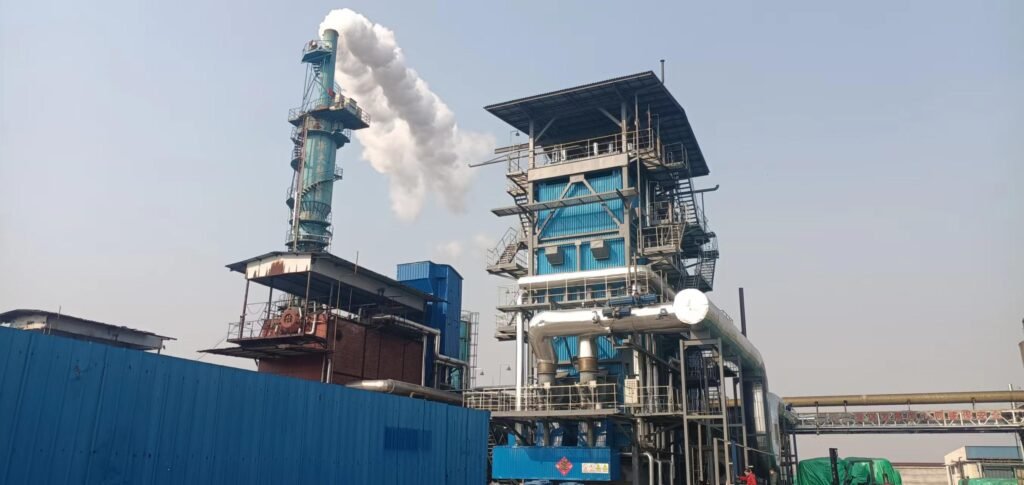
In many industries, inefficient heating systems, inconsistent temperature control, and high energy consumption can severely impact production efficiency and product quality. These challenges often lead to increased operational costs, downtime, and even safety risks. Without a reliable thermal energy source, businesses may struggle to meet industry standards and maintain competitiveness. Industrial steam boilers offer a proven solution by delivering stable, efficient, and controllable steam for a wide range of applications.
Industrial steam boilers are essential across industries such as manufacturing, food processing, pharmaceuticals, power generation, textiles, and chemical processing. They are primarily used for heating, sterilization, power generation, cleaning, and facilitating chemical reactions, ensuring efficient operations, consistent product quality, and compliance with industry standards.
To fully understand their value, it is important to explore how industrial steam boilers are applied in different sectors and why they are indispensable in modern industrial systems.
Further reading
How Are Industrial Steam Boilers Used in Manufacturing Processes?
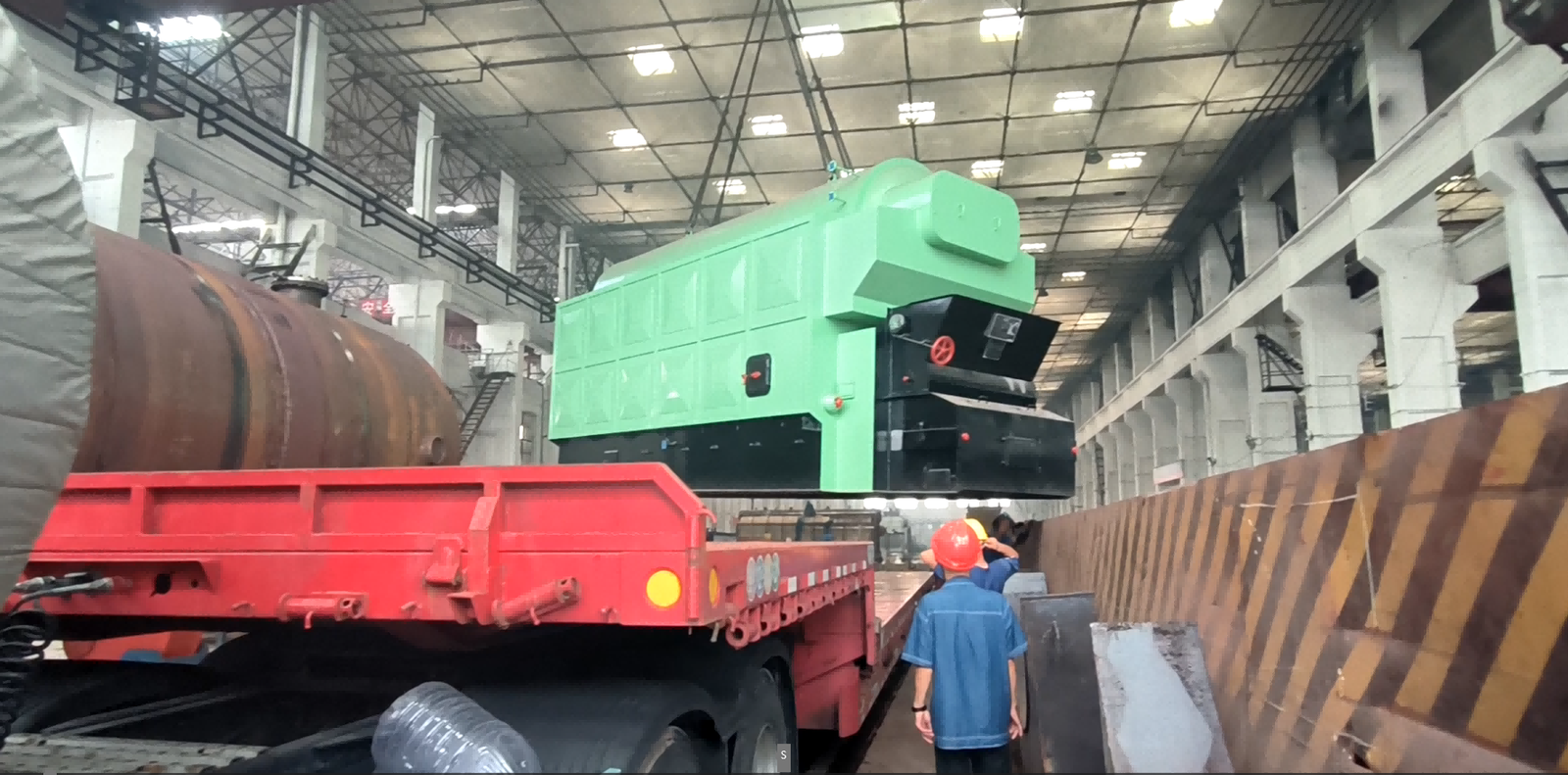
In modern manufacturing, inefficiencies in heat generation and energy utilization can silently drain productivity, inflate operational costs, and compromise product quality. Many facilities struggle with inconsistent heating, poor process control, and energy waste—issues that directly impact competitiveness. Industrial steam boilers offer a reliable and scalable solution, delivering controlled thermal energy essential for a wide range of production processes. Understanding how these systems are used can unlock major gains in efficiency, safety, and profitability.
Industrial steam boilers are central to manufacturing because they generate and supply high-pressure steam used for heating, sterilization, power generation, drying, and chemical processing. By converting water into steam through controlled combustion or electrical heating, these systems provide precise, consistent thermal energy that supports continuous production, improves efficiency, and ensures product quality across industries such as food processing, textiles, pharmaceuticals, and power generation.
To fully grasp their importance, it is essential to explore not only their core functions but also their applications across industries, operational mechanisms, efficiency considerations, and integration into modern smart manufacturing systems.
Industrial steam boilers are only used for heating purposes.False
Steam boilers are multifunctional and are used for power generation, sterilization, drying, and mechanical work in addition to heating.
🔥 Core Functions of Industrial Steam Boilers in Manufacturing
Industrial steam boilers serve as the backbone of thermal energy systems in manufacturing environments. Their primary role is to convert water into steam by applying heat energy through combustion of fuels such as natural gas, coal, biomass, or electricity. However, their utility extends far beyond simple heat generation. In a typical manufacturing facility, steam is distributed through insulated pipelines to various process points, where it transfers heat efficiently due to its high latent heat capacity. This makes steam an ideal medium for consistent and controllable thermal energy delivery. The ability to regulate pressure and temperature precisely allows manufacturers to tailor steam conditions to specific process requirements, ensuring optimal outcomes. Moreover, steam can be reused through condensate recovery systems, significantly improving energy efficiency and reducing water consumption. Advanced boiler systems also integrate automation and control technologies, enabling real-time monitoring and adjustment of parameters such as pressure, temperature, and fuel consumption. This not only enhances operational safety but also minimizes downtime and maintenance costs. The versatility and reliability of industrial steam boilers make them indispensable in modern manufacturing, where precision, efficiency, and sustainability are paramount.
⚙️ Key Applications Across Manufacturing Industries
Industrial steam boilers are utilized across a wide spectrum of industries, each leveraging steam for specific process requirements. In the food and beverage industry, steam is used for cooking, pasteurization, sterilization, and cleaning. Its ability to provide uniform heat ensures food safety and quality. In the textile industry, steam plays a crucial role in dyeing, drying, and finishing fabrics, where consistent temperature control is essential for color uniformity and fabric integrity. The pharmaceutical sector relies heavily on steam for sterilization of equipment and products, ensuring compliance with stringent hygiene standards. In chemical manufacturing, steam is used for distillation, reaction heating, and solvent recovery, where precise thermal control is critical for process efficiency and product purity. Additionally, in power generation, steam boilers are used to produce high-pressure steam that drives turbines, converting thermal energy into mechanical and electrical energy. Each of these applications demonstrates the adaptability of steam boilers to diverse industrial needs, highlighting their role as a universal energy solution in manufacturing.
📊 Table 1: Common Uses of Steam in Different Industries
| Industry | Application Areas | Steam Function | Benefits |
|---|---|---|---|
| Food & Beverage | Cooking, sterilization, cleaning | Heat transfer, sanitation | Improved safety, consistency |
| Textile | Dyeing, drying, finishing | Temperature control | Uniform quality, efficiency |
| Pharmaceutical | Sterilization, formulation | Hygienic processing | Compliance, contamination control |
| Chemical | Distillation, reactions | Process heating | Precision, productivity |
| Power Generation | Turbine operation | Mechanical energy conversion | High efficiency energy output |
💡 Types of Industrial Steam Boilers and Their Roles
Different manufacturing environments require different types of steam boilers depending on capacity, pressure requirements, and fuel availability. The two primary categories are fire-tube boilers and water-tube boilers. Fire-tube boilers are typically used in small to medium-scale operations where steam demand is moderate. They are known for their simplicity, lower cost, and ease of maintenance. In contrast, water-tube boilers are designed for high-pressure, high-capacity applications, making them suitable for large-scale industrial plants and power generation facilities. These boilers offer higher efficiency and faster steam generation but require more sophisticated control systems and maintenance protocols. Additionally, electric boilers are gaining popularity in industries aiming to reduce carbon emissions, as they eliminate the need for fossil fuels. Biomass boilers, which use organic materials as fuel, are also being adopted as sustainable alternatives. Each type of boiler is engineered to meet specific operational needs, and selecting the right one is critical for optimizing performance and cost-effectiveness in manufacturing processes.
📊 Table 2: Comparison of Boiler Types
| Boiler Type | Pressure Range | Efficiency | Fuel Type | Best Use Case |
|---|---|---|---|---|
| Fire-Tube | Low-Medium | Moderate | Gas, Oil | Small factories |
| Water-Tube | High | High | Gas, Coal | Power plants, large industry |
| Electric | Low-High | Very High | Electricity | Clean energy applications |
| Biomass | Medium | High | Organic waste | Sustainable manufacturing |
🔄 Steam Distribution and Process Integration
Once generated, steam must be efficiently distributed throughout the manufacturing facility. This involves a network of insulated pipes, valves, and control systems designed to minimize heat loss and maintain pressure stability. Steam traps are critical components that remove condensate from the system without allowing steam to escape, ensuring efficient operation. Pressure-reducing valves and flow meters help regulate steam delivery to different process points, enabling precise control over temperature and pressure. Integration with process equipment such as heat exchangers, autoclaves, and dryers allows steam to be utilized effectively in various applications. Modern systems also incorporate digital control platforms that enable remote monitoring and predictive maintenance, reducing the risk of failures and optimizing performance. The integration of steam boilers into the broader manufacturing system is a complex but essential aspect of industrial operations, requiring careful design and management to achieve maximum efficiency and reliability.
🚀 Energy Efficiency and Sustainability Considerations
Energy efficiency is a critical concern in manufacturing, and industrial steam boilers play a significant role in determining overall energy consumption. High-efficiency boilers are designed to maximize heat transfer while minimizing fuel usage and emissions. Features such as economizers, which recover waste heat from exhaust gases, and condensate recovery systems, which reuse hot water, contribute to significant energy savings. Additionally, the use of advanced control systems allows for real-time optimization of boiler performance, adjusting fuel input and airflow to match demand precisely. Sustainability is also becoming a key driver in boiler selection and operation. Manufacturers are increasingly adopting low-emission technologies and renewable energy sources to reduce their environmental footprint. Biomass and electric boilers, as well as hybrid systems that combine multiple energy sources, are gaining traction as part of green manufacturing initiatives. Regulatory compliance and environmental standards further encourage the adoption of efficient and sustainable boiler systems, making them a cornerstone of modern industrial strategy.
🏭 Real-World Case Study: Steam Boiler Optimization in Food Processing
A large-scale food processing plant faced challenges with inconsistent product quality and high energy costs due to inefficient steam generation. By upgrading to a high-efficiency water-tube boiler with integrated automation and condensate recovery, the facility achieved a 25% reduction in energy consumption and a 15% increase in production consistency. The implementation of real-time monitoring allowed operators to adjust steam parameters dynamically, ensuring optimal conditions for each process stage. Additionally, the use of steam for cleaning and sterilization improved hygiene standards and reduced downtime between production cycles. This case illustrates how strategic investment in steam boiler technology can deliver tangible benefits in terms of efficiency, quality, and sustainability.
🔧 Maintenance and Operational Best Practices
Proper maintenance is essential to ensure the longevity and performance of industrial steam boilers. Regular inspection of components such as burners, valves, and heat exchangers helps identify potential issues before they lead to system failures. Water treatment is also critical, as impurities can cause scaling and corrosion, reducing efficiency and increasing maintenance costs. Implementing a preventive maintenance schedule and using advanced diagnostic tools can significantly enhance reliability and safety. Training personnel in proper operation and safety protocols is equally important, as human error can lead to accidents and inefficiencies. By adhering to best practices, manufacturers can maximize the return on investment in their boiler systems and ensure uninterrupted production.
✅ Summary
Industrial steam boilers are indispensable in manufacturing processes, providing the thermal energy required for a wide range of applications. From heating and sterilization to power generation and chemical processing, their versatility and efficiency make them a critical component of modern industry. By understanding their functions, applications, and optimization strategies, manufacturers can enhance productivity, reduce costs, and achieve sustainable operations.
Why Are Industrial Steam Boilers Critical in Food and Beverage Production?
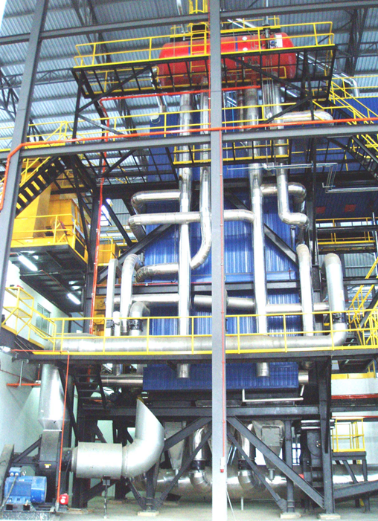
In the food and beverage industry, maintaining strict hygiene standards, consistent product quality, and efficient large-scale production is not optional—it is essential. Yet many manufacturers face recurring challenges such as uneven heating, contamination risks, and high energy consumption. These issues can lead to product spoilage, regulatory non-compliance, and financial losses. Industrial steam boilers provide a powerful solution by delivering reliable, controllable, and sanitary steam that supports critical production processes while improving efficiency and safety.
Industrial steam boilers are critical in food and beverage production because they provide clean, high-temperature steam for cooking, sterilization, pasteurization, cleaning, and drying processes. Their ability to deliver consistent heat and maintain hygienic conditions ensures product safety, quality uniformity, and compliance with food safety standards, while also optimizing energy efficiency and production throughput.
To understand their full importance, it is necessary to explore how steam boilers function within food systems, their role in different production stages, and how they contribute to safety, efficiency, and sustainability.
Steam used in food processing directly contaminates food products.False
Food-grade steam systems are designed to be clean and safe, often using purified water and filtration systems to prevent contamination.
🍲 Role of Steam Boilers in Food Processing Operations
Industrial steam boilers serve as the thermal backbone of food processing plants. Their primary function is to generate steam that can be used for a wide variety of heat-based operations.
In cooking processes, steam provides uniform and controlled heat transfer. Unlike direct flame heating, steam surrounds the product evenly, reducing the risk of burning or uneven cooking. This is particularly important in large-scale operations such as soup production, dairy processing, and ready-to-eat meals.
Another critical application is pasteurization, where steam is used to eliminate harmful microorganisms without compromising the nutritional value of food. The precise temperature control offered by steam boilers ensures that products meet safety standards while retaining taste and texture.
Additionally, steam is widely used in drying processes, such as in the production of powdered milk, coffee, and spices. The efficiency of steam-based drying systems allows manufacturers to reduce moisture content quickly while preserving product quality.
🧼 Steam for Cleaning and Sterilization (CIP Systems)
Cleanliness is paramount in the food and beverage industry, and steam boilers play a central role in maintaining hygienic conditions.
Steam is a key component of Clean-in-Place (CIP) systems, which are used to clean equipment such as tanks, pipelines, and processing units without disassembly. High-temperature steam effectively removes residues, kills bacteria, and ensures that equipment is ready for the next production cycle.
Sterilization is another area where steam excels. Equipment, containers, and even packaging materials are sterilized using pressurized steam to eliminate pathogens. This is especially critical in dairy, beverage bottling, and canned food production.
Moreover, steam cleaning reduces the need for harsh chemical agents, making the process more environmentally friendly and reducing the risk of chemical contamination in food products.
📊 Table 1: Key Applications of Steam in Food & Beverage Production
| Process Stage | Steam Application | Purpose | Key Benefit |
|---|---|---|---|
| Cooking | Direct/indirect heating | Uniform heat transfer | Consistent product quality |
| Pasteurization | Temperature control | Microbial reduction | Food safety compliance |
| Drying | Moisture removal | Product preservation | Extended shelf life |
| Cleaning (CIP) | High-temp sanitation | Equipment hygiene | Reduced contamination risk |
| Sterilization | Pressurized steam | Eliminate pathogens | Safe packaging and storage |
⚙️ How Steam Ensures Product Consistency and Quality
Consistency is a major competitive factor in the food and beverage industry. Consumers expect the same taste, texture, and appearance every time they purchase a product.
Steam boilers enable precise control over temperature and pressure, which is essential for maintaining uniform processing conditions. For example, in baking or brewing, even slight variations in temperature can lead to noticeable differences in the final product.
Steam also allows for rapid heat transfer, reducing processing time while maintaining product integrity. This is particularly beneficial in high-volume production environments where efficiency and consistency must go hand in hand.
Furthermore, steam systems can be integrated with automated control technologies. These systems monitor and adjust parameters in real time, ensuring that production remains within specified tolerances.
📊 Table 2: Impact of Steam Boilers on Product Quality Metrics
| Quality Factor | Without Steam Control | With Steam Boiler System | Improvement Level |
|---|---|---|---|
| Temperature Stability | Fluctuating | Highly stable | High |
| Product Uniformity | Inconsistent batches | Consistent output | Significant |
| Microbial Safety | Higher contamination risk | Controlled sterilization | Critical |
| Processing Speed | Slower | Faster | Moderate-High |
🌱 Energy Efficiency and Sustainability Benefits
Energy consumption is a major cost factor in food production, and steam boilers significantly influence overall efficiency.
Modern industrial boilers are designed with energy-saving features such as heat recovery systems and condensate return mechanisms. These technologies capture and reuse heat that would otherwise be wasted, reducing fuel consumption and operational costs.
In addition, many food manufacturers are transitioning to cleaner energy sources, such as biomass or electric boilers, to reduce carbon emissions. Steam systems are highly adaptable and can be integrated with renewable energy solutions.
Water efficiency is another important consideration. Condensate recovery systems allow facilities to reuse water, reducing both water consumption and wastewater discharge.
🔍 Real-World Example: Beverage Production Efficiency Upgrade
A beverage manufacturing company faced challenges with inconsistent pasteurization and rising energy costs. By upgrading to a high-efficiency steam boiler system with automated controls, the company achieved a 20% reduction in energy consumption and significantly improved product consistency.
The new system also enhanced cleaning efficiency through optimized CIP cycles, reducing downtime between production runs. As a result, the company increased overall productivity while maintaining strict hygiene standards.
🔧 Best Practices for Using Steam Boilers in Food Production
To maximize the benefits of industrial steam boilers, manufacturers must follow best practices in operation and maintenance.
Regular water treatment is essential to prevent scaling and corrosion, which can reduce efficiency and contaminate steam. Using high-quality feedwater ensures that the steam produced is clean and safe for food processing.
Routine inspections and preventive maintenance help identify potential issues before they lead to system failures. This includes checking valves, pressure gauges, and heat exchangers.
Training staff in proper boiler operation and safety procedures is equally important. Well-trained operators can optimize system performance and respond effectively to any anomalies.
Finally, investing in automation and monitoring systems can provide real-time insights into boiler performance, enabling continuous optimization and improved reliability.
Summary
Industrial steam boilers are indispensable in the food and beverage industry, providing the clean, consistent, and efficient thermal energy required for critical processes such as cooking, pasteurization, sterilization, and cleaning. Their ability to ensure product safety, maintain quality consistency, and optimize energy usage makes them a cornerstone of modern food manufacturing. By adopting advanced boiler technologies and best practices, manufacturers can achieve higher productivity, lower costs, and greater sustainability in their operations.
What Functions Do Industrial Steam Boilers Serve in the Pharmaceutical Industry?
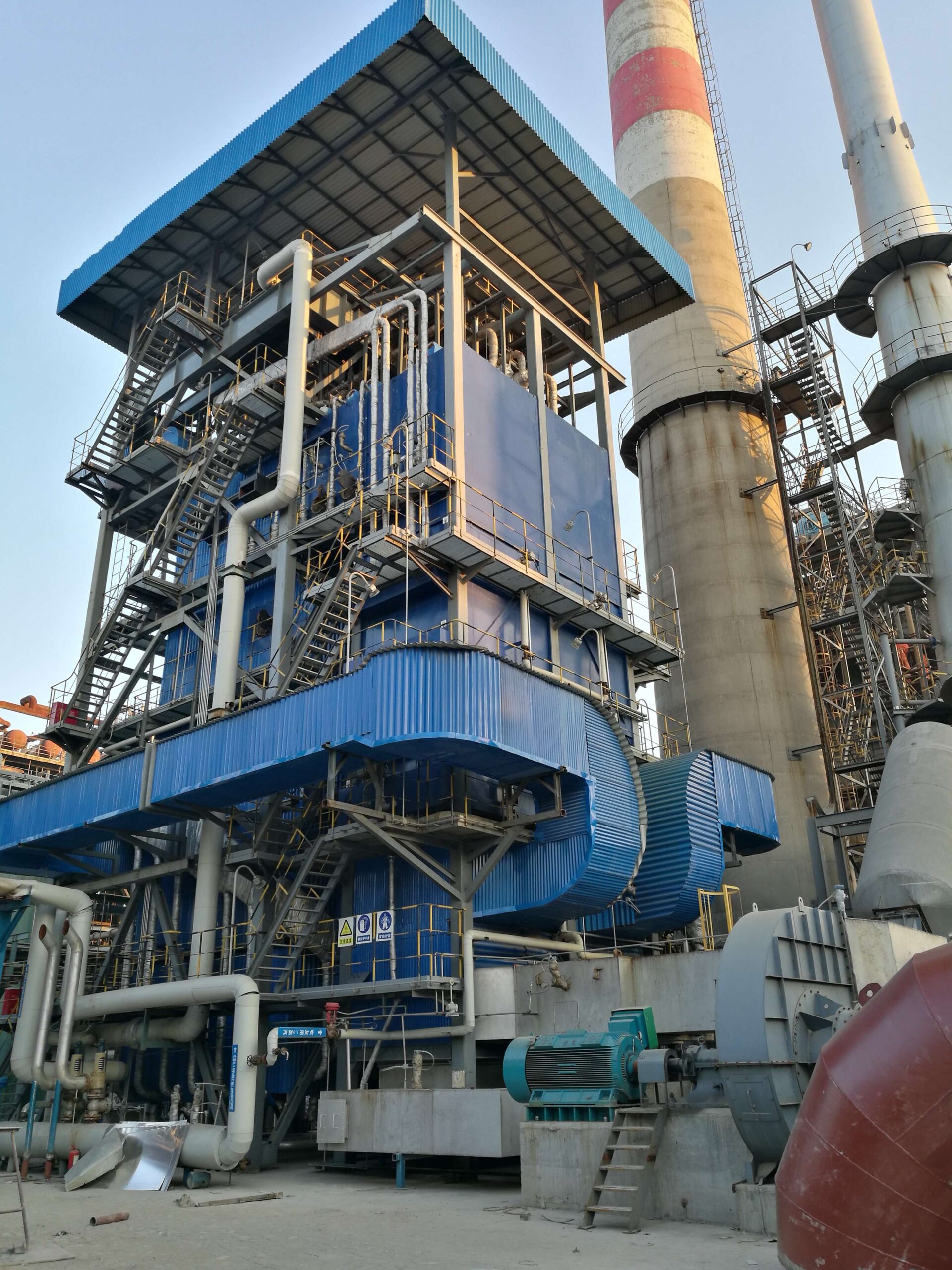
In the pharmaceutical industry, even the smallest deviation in temperature, contamination control, or process consistency can lead to compromised drug safety, regulatory violations, and costly production losses. Manufacturers constantly face challenges in maintaining sterile environments, achieving precise thermal control, and ensuring repeatable production quality. Without a reliable and clean heat source, critical processes such as sterilization and formulation become vulnerable. Industrial steam boilers provide a robust and validated solution, delivering high-purity steam essential for safe, compliant, and efficient pharmaceutical manufacturing.
Industrial steam boilers serve critical functions in the pharmaceutical industry by generating high-purity steam used for sterilization, cleanroom humidity control, equipment cleaning, formulation heating, and power generation. These boilers ensure contamination-free processes, precise temperature control, and compliance with strict regulatory standards such as GMP, ultimately safeguarding product quality and patient safety.
To fully understand their importance, it is necessary to explore how steam boilers integrate into pharmaceutical processes, the types of steam used, and the technical requirements that ensure compliance and efficiency.
All steam used in pharmaceutical production is the same regardless of application.False
Pharmaceutical processes require different grades of steam, such as plant steam and clean steam, depending on whether direct or indirect contact with products occurs.
💊 Types of Steam Used in Pharmaceutical Manufacturing
In pharmaceutical production, not all steam is created equal. Different applications require different levels of purity, and understanding these distinctions is essential for both compliance and product safety.
The two primary types of steam used are plant steam and clean steam. Plant steam is typically generated from standard industrial boilers and is used for indirect heating applications where there is no direct contact with pharmaceutical products. It is suitable for heating jackets, HVAC systems, and utility processes.
Clean steam, on the other hand, is produced using purified water and specialized clean steam generators. This type of steam is free from contaminants, additives, and chemicals, making it suitable for direct contact with products and equipment. Clean steam is essential for sterilization processes, such as autoclaving and sterilizing-in-place (SIP) systems.
The generation of clean steam requires strict control over water quality, materials, and system design. Stainless steel components and sanitary piping systems are typically used to maintain purity and prevent contamination.
🧪 Sterilization and Contamination Control
Sterilization is one of the most critical functions of steam boilers in the pharmaceutical industry. High-pressure steam is used to eliminate microorganisms, ensuring that equipment, containers, and products are free from contamination.
Autoclaves are widely used for sterilizing instruments, glassware, and packaged products. These systems rely on saturated steam at precise temperatures and pressures to achieve effective sterilization. Steam boilers provide the consistent and reliable steam supply required for these operations.
Sterilizing-in-Place (SIP) systems are another key application. These systems allow for the sterilization of pipelines, tanks, and reactors without disassembly. Steam is circulated through the system, ensuring that all internal surfaces are exposed to sterilizing conditions.
Steam also plays a role in maintaining cleanroom environments. Controlled humidity levels are essential to prevent microbial growth and ensure product stability. Steam-based humidification systems help maintain these conditions.
📊 Table 1: Key Steam Applications in Pharmaceutical Processes
| Application Area | Steam Type | Function | Importance Level |
|---|---|---|---|
| Autoclaving | Clean Steam | Equipment sterilization | Critical |
| SIP Systems | Clean Steam | Pipeline and tank sterilization | Critical |
| HVAC Humidification | Plant Steam | Environmental control | High |
| Heating Jackets | Plant Steam | Process temperature control | High |
| Cleaning Systems | Clean Steam | Hygienic equipment cleaning | Critical |
⚙️ Role in Drug Formulation and Processing
Steam boilers also play a vital role in drug formulation and processing, where precise temperature control is essential.
Many pharmaceutical products require heating during mixing, dissolution, or reaction stages. Steam is used in jacketed vessels to provide uniform heating, ensuring that active ingredients are properly dissolved and reactions occur under controlled conditions.
In processes such as distillation and evaporation, steam provides the thermal energy needed to separate components or concentrate solutions. The consistency of steam supply ensures that these processes remain stable and reproducible.
Additionally, steam is used in drying processes, such as in the production of powders and granules. Controlled drying conditions are essential to achieve the desired moisture content and product stability.
📊 Table 2: Impact of Steam Boilers on Pharmaceutical Process Efficiency
| Process Parameter | Without Steam Control | With Steam Boiler System | Improvement Impact |
|---|---|---|---|
| Temperature Accuracy | Variable | Highly precise | High |
| Sterility Assurance | Inconsistent | Fully controlled | Critical |
| Batch Consistency | Fluctuating | Uniform | Significant |
| Production Downtime | Frequent interruptions | Reduced | Moderate-High |
🌡️ Precision, Compliance, and Regulatory Requirements
The pharmaceutical industry operates under strict regulatory frameworks such as Good Manufacturing Practices (GMP). Steam boilers must meet these requirements to ensure product safety and quality.
Clean steam systems must be designed to prevent contamination, with materials that resist corrosion and do not leach impurities. नियमित validation and monitoring are required to ensure that steam quality meets specified standards.
Instrumentation and control systems play a crucial role in maintaining compliance. Sensors monitor parameters such as temperature, pressure, and flow rate, while automated systems adjust operations to maintain optimal conditions.
Documentation and traceability are also essential. Modern steam boiler systems are equipped with data logging capabilities, allowing manufacturers to maintain records for audits and regulatory inspections.
🔄 Energy Efficiency and Sustainability in Pharma Operations
Energy efficiency is a key consideration in pharmaceutical manufacturing, where processes are often energy-intensive.
Modern steam boilers incorporate advanced technologies such as heat recovery systems, which capture waste heat from exhaust gases and reuse it to preheat water. This reduces fuel consumption and improves overall efficiency.
Condensate recovery systems are also widely used, allowing facilities to reuse water and heat from condensed steam. This not only conserves resources but also reduces operational costs.
Sustainability initiatives are driving the adoption of cleaner energy sources, such as electric boilers and renewable fuels. These systems help pharmaceutical companies reduce their environmental footprint while maintaining high performance.
🔍 Case Study: Enhancing Sterility in Vaccine Production
A pharmaceutical company producing vaccines faced challenges with maintaining consistent sterilization conditions. By upgrading to a high-purity clean steam system integrated with advanced boiler controls, the company achieved improved sterility assurance and reduced batch rejection rates.
The new system provided precise control over steam parameters, ensuring that all sterilization processes met regulatory requirements. בנוסף, the implementation of automated monitoring reduced manual intervention and improved operational efficiency.
This case highlights the critical role of industrial steam boilers in ensuring product safety and regulatory compliance in pharmaceutical manufacturing.
🔧 Maintenance and Best Practices
Maintaining steam boiler systems in pharmaceutical environments requires strict adherence to best practices.
Water treatment is essential to ensure that impurities do not compromise steam quality. नियमित testing and treatment of feedwater help prevent scaling, corrosion, and contamination.
Routine maintenance and validation of clean steam systems are necessary to ensure compliance with regulatory standards. This includes inspecting components, calibrating sensors, and verifying system performance.
Training personnel in proper operation and maintenance procedures is also critical. Skilled operators can identify potential issues early and ensure that systems operate efficiently and safely.
Summary
Industrial steam boilers are indispensable in the pharmaceutical industry, serving critical functions such as sterilization, clean steam generation, process heating, and environmental control. Their ability to deliver high-purity, precisely controlled steam ensures compliance with stringent regulatory standards while safeguarding product quality and patient safety. By integrating advanced technologies and adhering to best practices, pharmaceutical manufacturers can achieve efficient, reliable, and sustainable operations.
How Do Industrial Steam Boilers Contribute to Power Generation Systems?
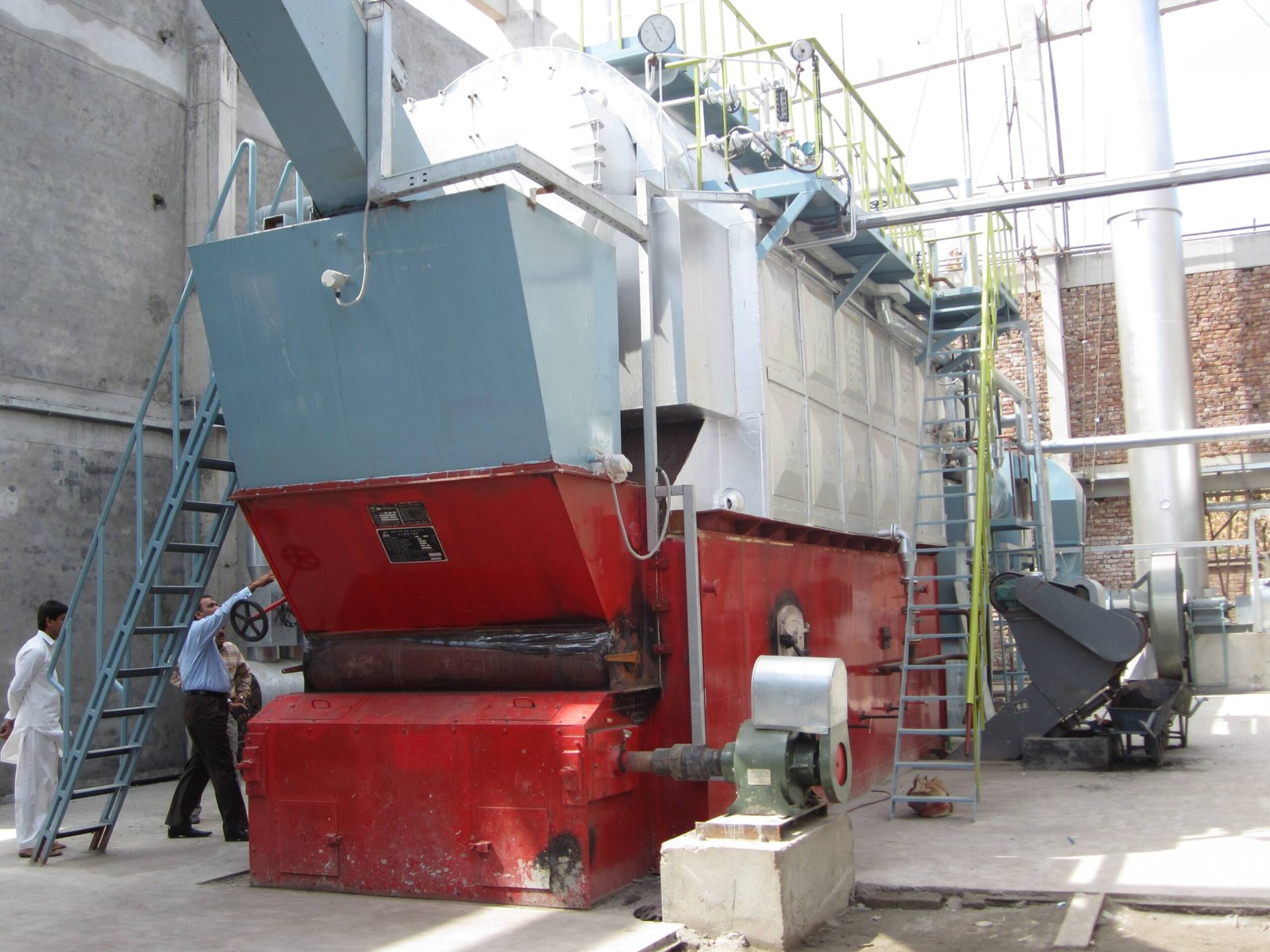
In power generation systems, inefficiencies in energy conversion can lead to massive fuel waste, higher emissions, and unstable electricity output. Many facilities struggle with inconsistent steam quality, pressure fluctuations, and thermal losses, all of which reduce turbine efficiency and overall plant performance. Without a reliable steam generation system, even the most advanced turbines cannot operate at optimal capacity. Industrial steam boilers solve this problem by providing high-pressure, high-temperature steam that serves as the driving force behind electricity generation, ensuring efficiency, stability, and scalability.
Industrial steam boilers are fundamental to power generation systems because they convert water into high-pressure steam that drives turbines to produce electricity. By efficiently transforming thermal energy from fuels into mechanical energy and then electrical energy, steam boilers enable stable, large-scale power production with precise control over pressure, temperature, and output.
To fully understand their contribution, it is important to examine how steam boilers integrate into power generation cycles, their role in energy conversion, and how modern technologies enhance their efficiency and sustainability.
Steam boilers only generate heat and do not directly contribute to electricity production.False
Steam boilers generate the high-pressure steam that drives turbines, which are directly responsible for producing electricity, making boilers essential to the power generation process.
⚡ The Fundamental Role of Steam Boilers in Power Generation
Industrial steam boilers are the starting point of most thermal power generation systems. Their primary function is to convert chemical energy stored in fuels into thermal energy, which is then used to produce steam.
This steam is generated under carefully controlled conditions of temperature and pressure. In large-scale power plants, water-tube boilers are commonly used because they can produce steam at extremely high pressures and temperatures, often exceeding supercritical conditions.
Once generated, the steam is directed toward turbines. The energy stored in the high-pressure steam is what ultimately drives the mechanical components that generate electricity. Without the boiler, there would be no steam, and therefore no energy to power the turbine.
🔄 The Steam Power Cycle Explained
The operation of steam boilers in power generation is best understood through the Rankine cycle, which is the fundamental thermodynamic process used in most thermal power plants.
In this cycle, water is heated in the boiler to produce steam. The steam then expands through a turbine, converting thermal energy into mechanical work. After passing through the turbine, the steam is condensed back into water in a condenser and then pumped back into the boiler to repeat the cycle.
This continuous loop allows for efficient energy conversion and reuse of water, minimizing waste and maximizing output.
The efficiency of this cycle depends heavily on the quality and consistency of the steam produced by the boiler. Higher temperatures and pressures result in greater energy transfer and improved efficiency.
📊 Table 1: Key Stages of the Steam Power Cycle
| Stage | Component | Function | Energy Transformation |
|---|---|---|---|
| Heat Addition | Boiler | Converts water into high-pressure steam | Chemical → Thermal |
| Expansion | Turbine | Steam drives turbine blades | Thermal → Mechanical |
| Condensation | Condenser | Steam cools and returns to liquid | Thermal → Waste heat removal |
| Pumping | Feedwater Pump | Returns water to boiler | Mechanical → Pressure energy |
🏭 Types of Boilers Used in Power Plants
Different types of industrial steam boilers are used depending on the scale and requirements of the power generation system.
Water-tube boilers are the most common in large power plants due to their ability to handle high pressures and temperatures. These boilers are designed for rapid heat transfer and high efficiency.
Supercritical and ultra-supercritical boilers operate at extremely high pressures, where water and steam are no longer distinct phases. These advanced systems offer significantly higher efficiency and lower emissions.
In smaller or decentralized power systems, fire-tube boilers or electric boilers may be used, although they are less common in large-scale electricity generation.
📊 Table 2: Comparison of Boiler Types in Power Generation
| Boiler Type | Pressure Level | Efficiency | Typical Application |
|---|---|---|---|
| Water-Tube | High | High | Large power plants |
| Supercritical | Very High | Very High | Advanced thermal plants |
| Ultra-Supercritical | Extremely High | Maximum | High-efficiency power stations |
| Fire-Tube | Low | Moderate | Small-scale generation |
🌡️ Steam Parameters and Their Impact on Efficiency
The performance of a power generation system is directly influenced by the parameters of the steam produced by the boiler.
Higher steam temperatures and pressures increase the thermal efficiency of the system. This is because more energy can be extracted from the steam as it expands through the turbine.
Superheated steam, which is steam heated beyond its saturation point, is commonly used in power plants to prevent condensation within the turbine. This improves efficiency and reduces wear on turbine components.
Precise control of these parameters is essential. Modern boiler systems use advanced sensors and control systems to maintain optimal conditions, ensuring stable and efficient operation.
♻️ Energy Efficiency and Heat Recovery Technologies
Modern industrial steam boilers are equipped with technologies designed to maximize energy efficiency and minimize waste.
Economizers are used to recover heat from exhaust gases and use it to preheat feedwater. This reduces the amount of fuel required to generate steam.
Air preheaters improve combustion efficiency by warming the air used in the combustion process. This leads to more complete fuel burning and reduced emissions.
Condensate recovery systems allow water and heat to be reused, reducing both water consumption and energy costs.
These technologies collectively enhance the overall efficiency of power generation systems and contribute to more sustainable operations.
🔍 Case Study: Efficiency Upgrade in a Thermal Power Plant
A thermal power plant experiencing high fuel consumption and low efficiency implemented an upgrade to its steam boiler system, including the installation of a supercritical boiler and advanced heat recovery systems.
As a result, the plant achieved a 30% increase in thermal efficiency and a significant reduction in emissions. The improved steam quality also enhanced turbine performance, leading to more stable electricity output.
This case demonstrates how advancements in steam boiler technology can have a transformative impact on power generation systems.
🔧 Maintenance and Operational Considerations
Proper maintenance of industrial steam boilers is critical to ensure reliable operation in power generation systems.
Regular inspections help detect issues such as scaling, corrosion, and component wear. Water treatment is essential to maintain steam quality and prevent damage to the system.
Automation and monitoring systems play a key role in modern power plants. These systems provide real-time data on boiler performance, allowing operators to make informed decisions and respond quickly to any anomalies.
Training and safety protocols are also essential, as boiler systems operate under high pressure and temperature conditions.
Summary
Industrial steam boilers are a cornerstone of power generation systems, enabling the conversion of thermal energy into electricity through the production of high-pressure steam. Their role in the steam power cycle, combined with advanced technologies for efficiency and control, makes them indispensable for modern energy production. By optimizing boiler performance and integrating sustainable practices, power plants can achieve higher efficiency, lower emissions, and more reliable electricity generation.
Why Are Industrial Steam Boilers Widely Used in the Textile Industry?
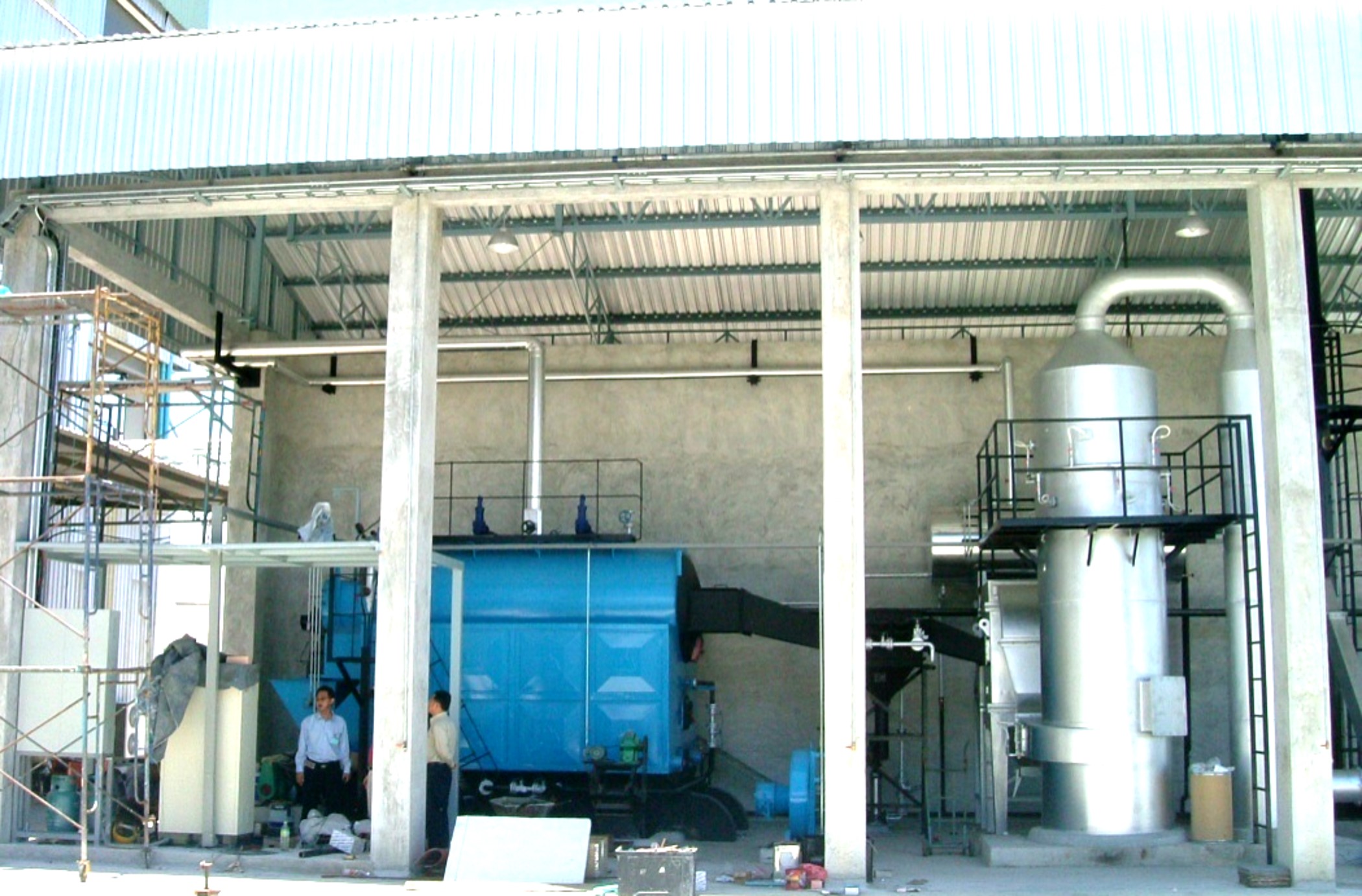
In the textile industry, achieving consistent fabric quality, vibrant colors, and efficient large-scale production is far more complex than it appears. Manufacturers often struggle with uneven dyeing, fabric shrinkage, high energy consumption, and inconsistent finishing results. These issues not only lead to product defects and waste but also increase operational costs and reduce competitiveness. Industrial steam boilers provide a powerful and reliable solution by delivering precise thermal energy, enabling controlled processing conditions, and supporting multiple stages of textile production with efficiency and consistency.
Industrial steam boilers are widely used in the textile industry because they provide stable, high-temperature steam for processes such as dyeing, drying, finishing, and ironing. Their ability to deliver uniform heat and precise temperature control ensures consistent fabric quality, improves production efficiency, and reduces energy waste, making them essential for modern textile manufacturing.
To truly appreciate their value, it is worth exploring how steam integrates into textile processes, why it outperforms alternative heating methods, and how it enhances both quality and sustainability.
Steam heating causes damage to delicate textile fibers during processing.False
Steam provides gentle and uniform heat, which is less likely to damage fibers compared to direct heating methods, making it ideal for delicate textiles.
🧵 The Role of Steam Across Textile Production Stages
Industrial steam boilers are deeply embedded in almost every stage of textile manufacturing, from raw fiber processing to final garment finishing. Their versatility is what makes them indispensable.
During the pre-treatment stage, steam is used for processes such as desizing, scouring, and bleaching. These steps prepare raw fibers by removing impurities, oils, and sizing agents. Steam ensures that chemicals are activated effectively while maintaining uniform temperature distribution, which is crucial for consistent treatment results.
In the dyeing phase, steam plays an even more critical role. Dye molecules require controlled heat to bond properly with textile fibers. Steam provides a stable thermal environment that allows dyes to penetrate evenly, resulting in vibrant and uniform colors. Without steam, manufacturers would struggle with patchy or inconsistent dyeing outcomes.
During finishing, steam is used for shaping, setting, and improving the texture of fabrics. Processes such as calendaring, steaming, and pressing rely on controlled moisture and heat to achieve the desired fabric properties.
🎨 Steam in Dyeing: The Science Behind Color Consistency
Dyeing is one of the most technically demanding processes in textile manufacturing, and steam is at its core.
Steam facilitates the chemical reaction between dyes and fibers by maintaining the precise temperature required for fixation. It also provides the necessary moisture content, which enhances dye absorption and penetration.
Imagine dyeing fabric without steam—it would be like trying to cook evenly without a controlled heat source. The result would be inconsistent coloration, poor quality, and increased rework.
To make this clearer, consider the following comparison:
📊 Table 1: Dyeing Process With vs Without Steam
| Parameter | Without Steam Heating | With Steam Boiler System | Result Impact |
|---|---|---|---|
| Temperature Control | Poor | Precise | High improvement |
| Color Uniformity | Uneven | Consistent | Critical |
| Dye Penetration | Surface-level | Deep and uniform | Significant |
| Production Speed | Slower | Faster | Moderate-High |
In modern textile plants, automated steam systems ensure that dyeing conditions remain stable throughout the process, significantly reducing defects and improving batch consistency.
🌬️ Drying and Moisture Control: Speed Meets Precision
Drying is another stage where industrial steam boilers demonstrate their importance.
After washing and dyeing, textiles contain a significant amount of moisture that must be removed efficiently. Steam-based drying systems use heat exchangers and controlled airflow to evaporate moisture بسرعة while preserving fabric integrity.
Unlike direct heating methods, steam drying is gentler and reduces the risk of overheating or damaging fibers. This is especially important for delicate fabrics such as silk, wool, and synthetic blends.
Steam also helps maintain optimal humidity levels within the production environment. Proper humidity control prevents static electricity, reduces fiber breakage, and improves handling during processing.
📊 Table 2: Benefits of Steam in Textile Drying and Finishing
| Process Area | Steam Function | Key Advantage | Production Benefit |
|---|---|---|---|
| Drying | Heat transfer | Gentle moisture removal | Fabric protection |
| Humidity Control | Moisture regulation | Reduced static electricity | Improved handling |
| Finishing | Heat + pressure | Enhanced fabric texture | Premium product quality |
| Ironing | Steam pressing | Wrinkle removal | Better appearance |
🏭 Beyond Basics: Creative Applications of Steam in Textiles
To make textile production more engaging and innovative, manufacturers are finding creative ways to utilize steam beyond traditional processes.
For example, steam is used in digital textile printing to fix inks onto fabrics. This process ensures that printed designs are durable, vibrant, and resistant to washing.
In garment manufacturing, steam is used in pressing and shaping operations to give clothes their final form. Tailored garments rely heavily on steam pressing to achieve sharp lines and professional finishes.
Some advanced textile facilities even use steam in energy recovery systems, capturing waste heat and reusing it within the production cycle. This not only reduces energy costs but also supports sustainability goals.
⚡ Energy Efficiency and Cost Optimization
Energy consumption is a major concern in textile manufacturing, and steam boilers play a key role in optimizing efficiency.
Modern industrial boilers are equipped with technologies such as economizers, which recover heat from exhaust gases, and condensate recovery systems, which reuse water and heat from steam condensation.
These features significantly reduce fuel consumption and operational costs. Additionally, automated control systems allow manufacturers to adjust steam output based on real-time demand, minimizing waste.
From a financial perspective, investing in an efficient steam boiler system often results in rapid return on investment due to lower energy bills and improved productivity.
🔍 Real-World Insight: Textile Mill Performance Improvement
A mid-sized textile mill faced issues with inconsistent dyeing and high energy costs. After upgrading to a modern steam boiler system with automated controls, the facility achieved a 22% reduction in energy consumption and a noticeable improvement in color consistency.
The new system also reduced production downtime by ensuring a stable and continuous steam supply. This allowed the company to increase output while maintaining high-quality standards.
This example highlights how steam boilers are not just utility equipment—they are strategic assets that directly influence production success.
🔧 Best Practices for Textile Manufacturers
To maximize the benefits of industrial steam boilers, textile manufacturers should follow several best practices.
First, regular maintenance is essential to ensure efficient operation. This includes cleaning heat exchangers, inspecting valves, and monitoring system performance.
Second, water treatment is critical to prevent scaling and corrosion, which can reduce efficiency and damage equipment.
Third, investing in automation and monitoring systems can provide valuable insights into steam usage and help optimize performance.
Finally, training staff in proper boiler operation ensures safety and efficiency, reducing the risk of errors and downtime.
Summary
Industrial steam boilers are widely used in the textile industry because they provide the precise, reliable, and efficient thermal energy required for key processes such as dyeing, drying, and finishing. Their ability to ensure consistent quality, improve production efficiency, and reduce energy consumption makes them indispensable in modern textile manufacturing. By leveraging advanced steam technologies and best practices, textile producers can achieve superior product quality, lower costs, and greater sustainability in an increasingly competitive market.
How Are Industrial Steam Boilers Utilized in Chemical Processing Industries?
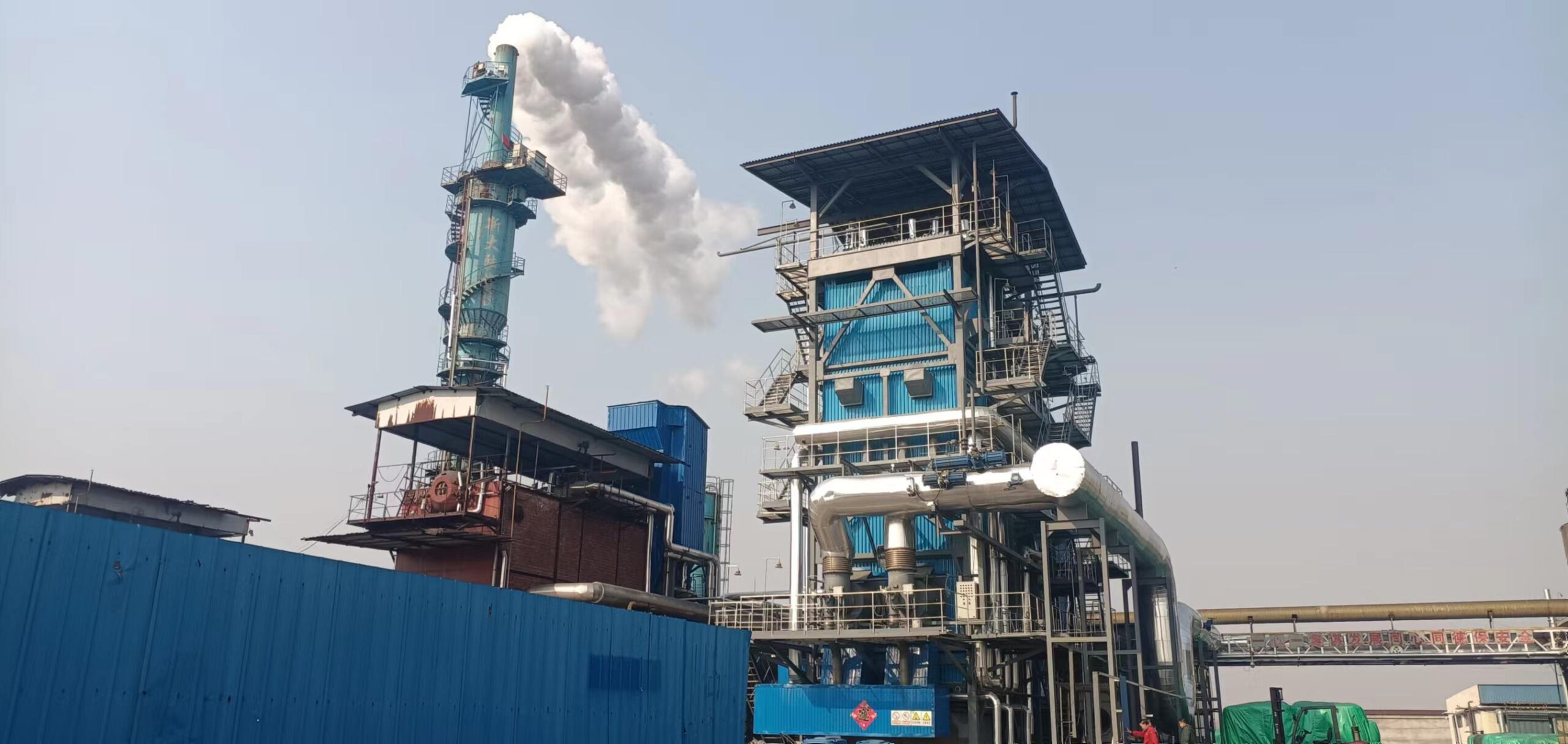
In chemical processing industries, even minor inconsistencies in temperature, pressure, or reaction conditions can lead to failed reactions, reduced product purity, and significant financial losses. Manufacturers frequently face challenges such as unstable heat supply, inefficient energy usage, and difficulty maintaining precise process control. These issues not only compromise product quality but also pose safety risks in highly sensitive chemical environments. Industrial steam boilers provide a dependable solution by delivering controlled, high-temperature steam that supports critical chemical reactions and ensures stable, efficient production.
Industrial steam boilers are utilized in chemical processing industries to generate controlled steam for heating, distillation, reaction control, evaporation, and energy recovery. Their ability to provide precise temperature and pressure conditions ensures efficient chemical reactions, improved product quality, and safe, continuous industrial operations.
To better understand their importance, let’s break down their functions, applications, and technical contributions in a structured and engaging way.
Steam boilers are only used for heating and have no role in chemical reactions.False
Steam not only provides heat but also directly supports reaction conditions, distillation, and separation processes in chemical industries.
⚗️ Core Functions of Steam Boilers in Chemical Processing
Industrial steam boilers act as the central thermal engine in chemical plants. They supply steam that is distributed across multiple units and processes.
Here are the key functional roles:
· Process Heating → Maintains required reaction temperatures
· Distillation Support → Enables separation of chemical components
· Evaporation → Removes solvents or concentrates solutions
· Pressure Control → Stabilizes reaction environments
· Energy Transfer Medium → Efficiently carries heat across systems
👉 Simple Flow Representation:
Fuel Combustion → Water Heating → Steam Generation → Steam Distribution → Process Utilization → Condensate Recovery → Reuse Cycle
This closed-loop system ensures maximum energy efficiency and minimal waste, which is critical in chemical manufacturing.
🔥 Steam in Chemical Reactions: Precision Matters
Chemical reactions often require strict thermal conditions. Even a small deviation can alter reaction rates or produce unwanted byproducts.
Steam provides:
· Uniform heat distribution across reactors
· Stable temperature profiles
· Rapid heat transfer for dynamic reactions
In jacketed reactors, steam flows through outer layers to heat the contents indirectly. This avoids direct contamination while ensuring controlled reaction kinetics.
👉 Why steam is preferred over direct heating:
· No localized overheating
· Reduced risk of thermal degradation
· Better control of exothermic/endothermic reactions
📊 Table 1: Steam Applications in Chemical Processing
| Process Type | Steam Role | Key Benefit | Industrial Impact |
|---|---|---|---|
| Chemical Reaction | Temperature regulation | Stable reaction rates | Higher yield |
| Distillation | Heat supply | Efficient separation | Improved purity |
| Evaporation | Solvent removal | Concentration control | Cost reduction |
| Drying | Moisture removal | Product stabilization | Quality consistency |
| Cleaning | Equipment sanitation | Residue removal | Safer operations |
🔄 Distillation and Separation Processes
Distillation is one of the most important operations in chemical industries, and steam is at its core.
Steam is used to:
· Heat mixtures to boiling point
· Separate components based on volatility
· Maintain steady column temperatures
👉 Arrow Process Flow:
Feed Mixture → Heating via Steam → Vaporization → Fractional Separation → Condensation → Product Collection
Steam ensures that the temperature gradient inside distillation columns remains stable, which is essential for accurate separation.
Without consistent steam supply:
· Product purity drops
· Energy consumption increases
· Process stability is compromised
💧 Evaporation and Concentration Efficiency
In many chemical processes, removing solvents is essential. Steam-driven evaporators are widely used for this purpose.
Steam provides:
· High latent heat → Efficient evaporation
· Controlled boiling conditions
· Reduced processing time
Multiple-effect evaporators reuse steam energy across stages, significantly improving efficiency.
👉 Key Advantages:
· Lower energy consumption
· Faster throughput
· Reduced operational costs
📊 Table 2: Efficiency Gains with Steam Systems
| Parameter | Conventional Heating | Steam-Based System | Improvement Level |
|---|---|---|---|
| Heat Transfer Rate | Moderate | High | Significant |
| Energy Efficiency | Low-Medium | High | Critical |
| Process Control | Limited | Precise | High |
| Operational Safety | Moderate | High | Essential |
🧪 Steam in Cleaning and Safety Systems
Safety is a top priority in chemical plants, and steam plays a crucial role here as well.
Steam is widely used for:
· Pipeline cleaning
· Reactor flushing
· Hazardous residue removal
High-temperature steam effectively removes chemical deposits and reduces contamination risks.
👉 Additional Safety Contributions:
· Minimizes human exposure to chemicals
· Reduces reliance on harsh cleaning agents
· Supports compliance with environmental regulations
⚡ Energy Integration and Heat Recovery
Modern chemical plants are increasingly focused on energy optimization, and steam boilers are central to this effort.
Key technologies include:
· Economizers → Recover heat from exhaust gases
· Condensate Recovery Systems → Reuse hot water
· Heat Exchangers → Transfer residual heat
👉 Energy Flow Concept:
Fuel Energy → Steam Generation → Process Usage → Waste Heat Capture → Recycle → Reduced Fuel Input
This integrated approach significantly improves overall plant efficiency and reduces carbon emissions.
🏭 Real-World Case Insight
A chemical manufacturing facility producing solvents experienced high energy costs and inconsistent product purity.
After upgrading to an advanced steam boiler system with automated controls:
· Energy consumption decreased by 28%
· Product purity improved by 15%
· Process downtime reduced significantly
The new system provided stable steam conditions, enabling precise control over distillation and reaction processes.
🔧 Best Practices for Chemical Industry Applications
To maximize boiler performance in chemical processing:
· Implement strict water treatment → Prevent scaling and contamination
· Use automated control systems → Maintain precise parameters
· Schedule regular maintenance → Avoid unexpected failures
· Train operators thoroughly → Ensure safe and efficient use
👉 Quick Checklist:
· Monitor pressure & temperature continuously
· Inspect pipelines and valves regularly
· Optimize steam distribution network
· Recover and reuse condensate
Summary
Industrial steam boilers are indispensable in chemical processing industries, serving as the backbone for heating, reaction control, distillation, evaporation, and cleaning processes. Their ability to deliver precise, stable, and efficient thermal energy ensures high product quality, operational safety, and cost-effective production. By integrating advanced technologies and adopting best practices, chemical manufacturers can significantly enhance efficiency, sustainability, and overall performance in an increasingly demanding industrial landscape.
Conclusion
Industrial steam boilers play a vital role in supporting diverse industrial operations by providing reliable and efficient heat energy. Their wide-ranging applications—from sterilization and heating to power generation and chemical processing—make them a cornerstone of productivity and quality assurance in multiple sectors. Investing in the right steam boiler system can significantly enhance operational efficiency, reduce energy costs, and ensure long-term sustainability.
If you are looking for high-performance industrial steam boilers tailored to your industry needs, feel free to contact us. Our team of experts is ready to provide customized solutions, technical support, and professional guidance to help you achieve optimal efficiency and reliability.
FAQ
Q1: What are the main applications of industrial steam boilers in manufacturing industries?
A1:
Industrial steam boilers play a critical role in manufacturing industries by providing a reliable source of heat and energy required for various production processes. One of the most common applications is process heating, where steam is used to maintain precise temperatures for operations such as chemical reactions, metal treatment, and plastic molding. In industries like textiles, steam boilers are essential for dyeing, drying, and finishing fabrics, ensuring consistent product quality.
Another significant application is powering machinery. Steam turbines driven by boiler-generated steam can be used to generate mechanical energy or electricity, especially in large-scale manufacturing plants. This helps reduce reliance on external power sources and improves operational efficiency.
Steam boilers are also used in cleaning and sterilization processes. High-pressure steam is effective for removing grease, oil, and contaminants from equipment, which is particularly important in industries like automotive manufacturing and electronics production. Additionally, steam is used for humidification control in environments where moisture levels must be carefully regulated, such as paper and wood processing plants.
Energy efficiency is another advantage. Modern industrial steam boilers are designed to recover heat and reuse energy, reducing fuel consumption and operational costs. This makes them a sustainable solution for manufacturers aiming to lower their carbon footprint.
Overall, steam boilers are indispensable in manufacturing due to their versatility, efficiency, and ability to support a wide range of processes, from heating and power generation to cleaning and environmental control.
Q2: How are steam boilers used in the food and beverage industry?
A2:
In the food and beverage industry, industrial steam boilers are essential for ensuring safe, efficient, and high-quality production processes. One of the primary applications is cooking and processing food. Steam provides uniform heat distribution, making it ideal for boiling, steaming, blanching, and pasteurizing food products. This ensures consistent cooking results while preserving nutrients and flavor.
Steam boilers are also widely used in sterilization and sanitation. Food safety regulations require strict hygiene standards, and high-temperature steam is highly effective in killing bacteria, viruses, and other pathogens. Equipment, containers, and production lines are regularly sterilized using steam to prevent contamination.
Another important use is in beverage production, including brewing, distillation, and bottling. Steam is used to heat mash in breweries, sterilize bottles, and maintain proper temperatures during fermentation processes. In dairy processing, steam boilers help with pasteurization and homogenization, ensuring product safety and shelf stability.
Packaging processes also benefit from steam. It is used for shrink wrapping, sealing, and labeling, helping maintain product integrity and presentation. Additionally, steam plays a role in cleaning systems such as CIP (Clean-in-Place), which allows automated cleaning of equipment without disassembly.
Energy efficiency and sustainability are key considerations in this industry. Modern steam boilers are designed to minimize energy waste and reduce emissions, aligning with environmental standards and cost-saving goals.
In summary, industrial steam boilers are vital in the food and beverage sector for cooking, sterilization, cleaning, and packaging, ensuring both product quality and compliance with safety regulations.
Q3: Why are steam boilers important in the pharmaceutical industry?
A3:
Steam boilers are crucial in the pharmaceutical industry due to the strict requirements for cleanliness, precision, and reliability. One of the primary applications is sterilization. Pharmaceutical production demands a sterile environment to prevent contamination, and high-pressure steam is used to sterilize equipment, tools, and production areas. Autoclaves, which rely on steam, are commonly used for this purpose.
Another key application is in the production of purified water and clean steam. Clean steam is used directly in processes that come into contact with pharmaceutical products, ensuring that no impurities are introduced. This is essential for maintaining product safety and meeting regulatory standards set by health authorities.
Steam boilers also support heating and drying processes in drug manufacturing. For example, they are used in granulation, coating, and drying of pharmaceutical ingredients. Precise temperature control provided by steam ensures consistent product quality and effectiveness.
HVAC systems in pharmaceutical facilities also rely on steam boilers. Steam is used for humidification and maintaining controlled environmental conditions in cleanrooms, where even minor variations in temperature and humidity can affect product quality.
In addition, steam boilers contribute to energy efficiency and operational reliability. Modern systems are designed to provide consistent steam output with minimal downtime, which is critical in pharmaceutical production where interruptions can be costly and disruptive.
Overall, industrial steam boilers are indispensable in the pharmaceutical industry for sterilization, clean steam generation, process heating, and environmental control, ensuring compliance with strict safety and quality standards.
Q4: What role do steam boilers play in power generation industries?
A4:
In the power generation industry, steam boilers are fundamental components used to produce electricity. Their primary role is to generate high-pressure steam by heating water using various fuel sources such as coal, natural gas, oil, or biomass. This steam is then directed toward steam turbines, which convert thermal energy into mechanical energy and subsequently into electrical energy through generators.
One of the most common applications is in thermal power plants. Here, steam boilers operate continuously to supply the steam needed to drive turbines. The efficiency of the boiler directly impacts the overall efficiency of the power plant, making advanced boiler technologies essential for optimizing energy output and reducing fuel consumption.
Steam boilers are also used in combined heat and power (CHP) systems, where they simultaneously generate electricity and useful heat. This dual-purpose approach increases energy efficiency and reduces waste, making it a popular choice in industrial and commercial settings.
Another application is in renewable energy systems, such as biomass and waste-to-energy plants. In these systems, steam boilers convert organic materials or waste into usable energy, contributing to sustainable power generation and reducing environmental impact.
Maintenance and reliability are critical in power generation. Steam boilers are designed to operate under extreme conditions, including high temperatures and pressures, requiring robust construction and regular monitoring. Modern systems incorporate automation and control technologies to ensure safe and efficient operation.
In summary, steam boilers are the backbone of power generation, enabling the conversion of fuel into electricity and supporting both traditional and renewable energy systems.
Q5: How are steam boilers used in the chemical and petrochemical industries?
A5:
In the chemical and petrochemical industries, steam boilers are essential for supporting a wide range of complex and energy-intensive processes. One of the primary applications is process heating, where steam is used to maintain the temperatures required for chemical reactions. Many reactions depend on precise thermal conditions, and steam provides a reliable and controllable heat source.
Steam boilers are also used in distillation processes, which are fundamental in separating chemical compounds. In petrochemical plants, steam is used to refine crude oil into various products such as gasoline, diesel, and lubricants. The consistent heat provided by steam ensures efficient separation and high product quality.
Another important application is in steam cracking, a process used to produce key petrochemicals like ethylene and propylene. This process requires extremely high temperatures, and steam plays a critical role in maintaining these conditions while preventing the formation of unwanted byproducts.
Steam is also used for cleaning and maintenance. High-pressure steam helps remove residues, deposits, and contaminants from equipment and pipelines, ensuring smooth operation and reducing downtime. Additionally, steam is used in stripping processes to remove volatile components from liquids.
Safety and efficiency are paramount in these industries. Modern steam boilers are designed with advanced control systems to manage pressure, temperature, and fuel consumption, minimizing risks and optimizing performance. Energy recovery systems are also commonly integrated to reduce waste and improve sustainability.
In conclusion, industrial steam boilers are vital in the chemical and petrochemical sectors for heating, distillation, cracking, cleaning, and energy efficiency, supporting the production of a wide range of essential products.
References
- Industrial Boiler Systems Overview – https://www.energy.gov/eere/amo/steam-systems – U.S. Department of Energy
- Steam Boiler Applications in Industry – https://www.thermaxglobal.com/steam-boilers – Thermax
- Food Processing with Steam – https://www.fao.org/food-processing – FAO
- Boilers in Pharmaceutical Industry – https://www.pharmaguideline.com – PharmaGuideline
- Power Plant Steam Boilers – https://www.ge.com/steam-power – General Electric
- Chemical Industry Steam Uses – https://www.chemengonline.com – Chemical Engineering Magazine
- Steam Systems Best Practices – https://www.spiraxsarco.com – Spirax Sarco
- Industrial Energy Efficiency – https://www.iea.org – International Energy Agency
- Boiler Applications in Petrochemical Industry – https://www.shell.com/energy-and-innovation – Shell
- Steam Boiler Fundamentals – https://www.tlv.com/global/US/steam-theory – TLV International
What Are the Costs and ROI of Industrial Steam Boiler Systems? Read More »