
Improve Reliability and Performance of Coal-Fired Boilers
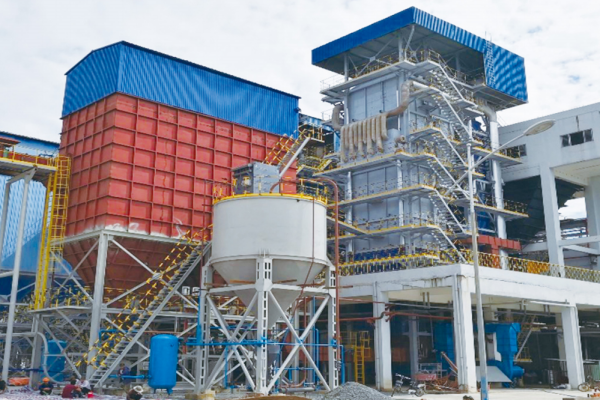
Frequent breakdowns, unstable combustion, excessive emissions, and rising maintenance costs are common challenges faced by industries relying on coal-fired boilers. These issues not only reduce operational efficiency but also increase downtime and safety risks, ultimately affecting profitability and compliance with environmental regulations. Without proper optimization and maintenance strategies, even well-designed systems can underperform. The good news is that with the right technical approaches and management practices, the reliability and performance of industrial coal-fired boilers can be significantly improved.
Enhancing the reliability and performance of industrial coal-fired boilers involves optimizing combustion efficiency, implementing regular preventive maintenance, improving fuel quality management, upgrading control systems, ensuring proper water treatment, and adopting advanced monitoring technologies. These measures help reduce downtime, increase thermal efficiency, lower emissions, and extend equipment lifespan.
To achieve consistent and high-performing boiler operations, it is essential to understand the key factors influencing performance and apply targeted improvements across system design, operation, and maintenance.
Further reading
How Can Combustion Optimization Improve Industrial Coal-Fired Boiler Performance?
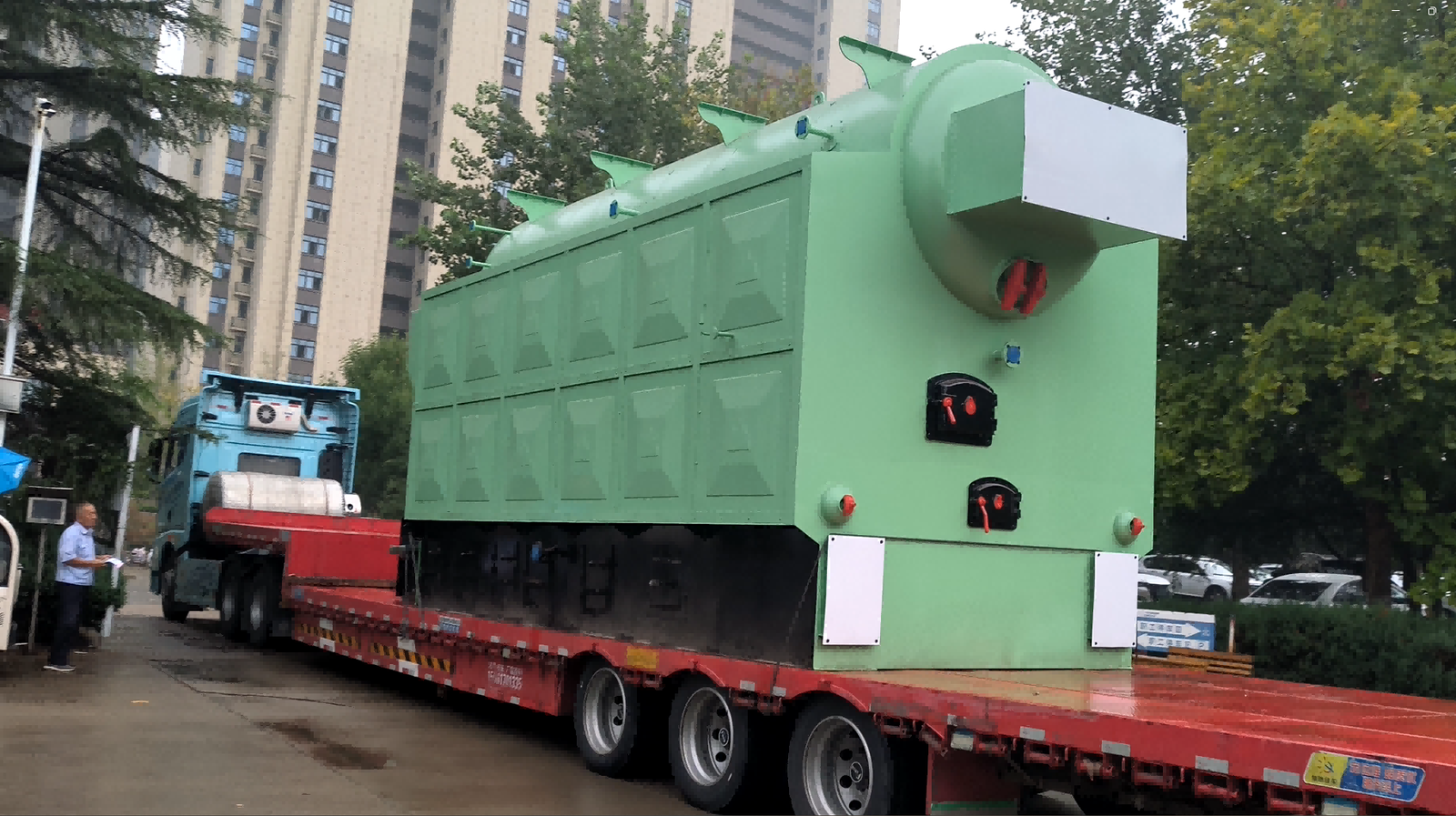
In industrial coal-fired boiler operations, inefficient combustion is a silent but costly problem. It leads to excessive fuel consumption, unstable steam output, high emissions, and accelerated equipment wear. Many plants struggle with incomplete combustion, poor air-fuel mixing, and fluctuating furnace conditions. The result is simple but painful: higher operating costs, lower efficiency, and increased environmental pressure. Combustion optimization addresses these challenges directly by refining how fuel burns inside the boiler, transforming inefficiency into measurable performance gains.
Combustion optimization improves industrial coal-fired boiler performance by ensuring the ideal balance between fuel and air, enhancing flame stability, increasing heat transfer efficiency, reducing unburned carbon losses, and minimizing emissions. This leads to higher boiler efficiency, lower fuel consumption, improved steam quality, and extended equipment lifespan.
Understanding how this works requires a closer look at combustion dynamics, control strategies, and modern optimization technologies that redefine boiler performance.
Increasing more air in combustion always improves boiler efficiency.False
Excess air beyond optimal levels reduces efficiency by carrying heat away and lowering flame temperature, leading to energy losses.
🔥 Fundamentals of Coal Combustion Optimization
At its core, combustion optimization is about precision. Not more fuel. Not more air. But the right balance.
Coal combustion involves three essential elements:
· Fuel (coal)
· Air (oxygen supply)
· Ignition temperature
👉 When these elements are perfectly balanced:
→ Complete combustion occurs
→ Maximum heat is released
→ Minimal waste is generated
But when imbalance happens:
· Too little air → incomplete combustion → unburned carbon
· Too much air → heat loss → reduced efficiency
· Poor mixing → unstable flames → uneven heat distribution
In short: Efficiency lives in balance. Losses come from extremes.
⚙️ Key Combustion Optimization Techniques
Modern industrial systems use multiple strategies to optimize combustion. Some are mechanical. Others are digital. All aim for the same goal: maximum energy extraction from every unit of coal.
1. Air-Fuel Ratio Control
Maintaining the correct air-to-fuel ratio is the foundation of efficient combustion.
· Primary air → transports and dries coal
· Secondary air → supports combustion completion
👉 Optimized Flow:
Coal Feeding → Primary Air Mixing → Ignition → Secondary Air Injection → Complete Combustion
Too much excess air? Heat escapes.
Too little? Carbon remains unburned.
The ideal ratio ensures:
· Complete combustion
· High flame temperature
· Minimal energy loss
2. Pulverized Coal Fineness Control
Coal must be ground into fine particles for efficient burning.
· Finer particles → larger surface area → faster combustion
· Coarse particles → incomplete burning → ash losses
👉 Key Insight:
Particle size directly affects combustion efficiency.
📊 Table 1: Impact of Coal Particle Size on Combustion
| Particle Size | Combustion Efficiency | Unburned Carbon | Heat Release Rate | Performance Impact |
|---|---|---|---|---|
| Coarse | Low | High | Slow | Poor |
| متوسط | Moderate | Medium | Moderate | Acceptable |
| Fine | High | Low | Fast | Optimal |
🌪️ Air Distribution and Mixing Enhancement
Efficient combustion is not just about how much air is supplied—but how well it is distributed.
Modern boilers use advanced air staging techniques:
· Overfire air systems (OFA)
· Low-NOx burners
· Swirl air injection
👉 Combustion Flow Concept:
Air Injection → Turbulent Mixing → Uniform Flame → Complete Burn → Efficient Heat Transfer
Better mixing leads to:
· More uniform temperature fields
· Reduced hotspots
· Lower emissions
Short sentence. Big truth: Good mixing equals good combustion.
📊 Table 2: Combustion Performance Before vs After Optimization
| Parameter | Before Optimization | After Optimization | Improvement Level |
|---|---|---|---|
| Boiler Efficiency | 75% | 88–92% | Significant |
| Fuel Consumption | High | Reduced | Critical |
| Unburned Carbon | Elevated | Minimal | High |
| NOx Emissions | High | Lower | Environmental |
| Flame Stability | Fluctuating | Stable | Essential |
🔍 Real-Time Monitoring and Intelligent Control
Modern combustion optimization is increasingly driven by data and automation.
Advanced systems include:
· Oxygen (O₂) analyzers
· Carbon monoxide (CO) sensors
· Furnace temperature monitoring
· AI-based combustion control systems
👉 Smart Control Loop:
Sensor Data → Real-Time Analysis → Control Adjustment → Optimized Combustion → Continuous Feedback
These systems continuously adjust:
· Airflow rates
· Fuel feed rates
· Burner angles
Result?
· Stable combustion
· Reduced operator intervention
· Higher efficiency under varying loads
🌡️ Heat Transfer Improvement and Loss Reduction
Combustion optimization doesn’t stop at burning fuel—it directly impacts heat transfer efficiency.
Better combustion leads to:
· Higher flame temperatures
· Cleaner heat transfer surfaces
· Reduced soot and fouling
👉 Heat Flow Path:
Efficient Combustion → High Flame Temperature → Effective Heat Transfer → Maximum Steam Generation
Short version:
Burn better → transfer better → produce more steam.
♻️ Environmental and Economic Benefits
Combustion optimization delivers both financial and environmental returns.
Economic Gains:
· Reduced coal consumption
· Lower maintenance costs
· Extended boiler lifespan
Environmental Benefits:
· Lower CO₂ emissions
· Reduced NOx and SOx
· Less particulate matter
👉 Key takeaway:
Efficiency and sustainability go hand in hand.
🏭 Case Study: Coal Plant Performance Upgrade
A mid-sized coal-fired plant faced high fuel costs and emission penalties.
After implementing combustion optimization:
· Boiler efficiency increased from 78% to 90%
· Coal consumption reduced by 18%
· NOx emissions dropped by 25%
· Maintenance frequency decreased
The biggest change?
Not new equipment.
Smarter combustion control.
🔧 Best Practices for Sustained Optimization
To maintain optimized combustion performance:
· Regularly calibrate sensors
· Maintain coal quality consistency
· Inspect burners and air nozzles
· Optimize excess air levels continuously
👉 Quick Action List:
· Monitor O₂ levels (target optimal range)
· Adjust air dampers dynamically
· Ensure proper coal pulverization
· Clean heat exchange surfaces regularly
Consistency is key. Optimization is not a one-time task—it is a continuous process.
Summary
Combustion optimization is a powerful strategy for improving industrial coal-fired boiler performance. By precisely controlling the air-fuel ratio, enhancing coal fineness, optimizing air distribution, and leveraging real-time monitoring technologies, manufacturers can significantly increase efficiency, reduce fuel consumption, and minimize emissions. The result is a more reliable, cost-effective, and environmentally sustainable boiler operation. In today’s competitive industrial landscape, mastering combustion optimization is not just an advantage—it is a necessity.
Why Is Preventive Maintenance Critical for Industrial Coal-Fired Boiler Reliability?
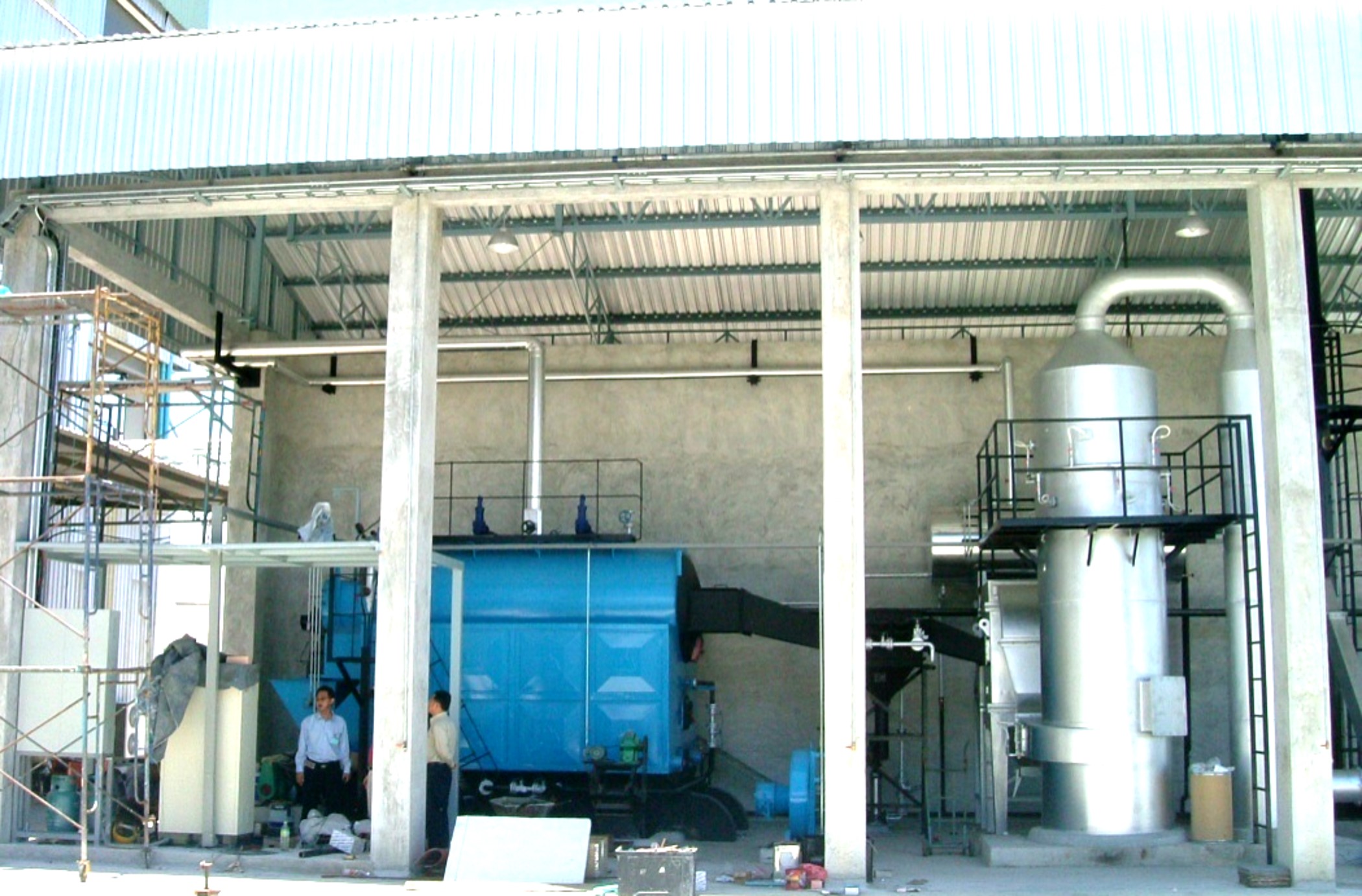
In industrial environments, coal-fired boilers operate under extreme temperatures, pressures, and continuous load conditions. Over time, neglecting routine maintenance can lead to hidden failures—tube leaks, slag buildup, corrosion, and even catastrophic shutdowns. These issues do not just disrupt production; they escalate repair costs, reduce efficiency, and pose serious safety risks. Many operators only react after a failure occurs, but by then, the damage is already done. Preventive maintenance offers a proactive strategy, ensuring that boilers remain reliable, efficient, and safe throughout their operational lifecycle.
Preventive maintenance is critical for industrial coal-fired boiler reliability because it identifies and resolves potential issues before failure occurs, ensuring stable operation, reducing downtime, improving combustion efficiency, extending equipment lifespan, and maintaining safety compliance. By systematically inspecting, cleaning, and optimizing boiler components, manufacturers can prevent costly breakdowns and ensure consistent performance.
To fully understand its value, we must explore how preventive maintenance impacts performance, safety, efficiency, and long-term operational stability.
Coal-fired boilers only need maintenance when a failure occurs.False
Waiting for failure increases repair costs and risks; preventive maintenance detects issues early and ensures continuous safe operation.
🔧 Understanding Preventive Maintenance in Boiler Systems
Preventive maintenance is not just a checklist—it is a strategic operational philosophy. It involves scheduled inspections, cleaning, calibration, and component replacement to prevent unexpected failures. In coal-fired boilers, where combustion residues, high heat, and pressure fluctuations constantly stress the system, preventive maintenance becomes even more essential. Over time, ash deposits accumulate on heat transfer surfaces, reducing efficiency and increasing fuel consumption. At the same time, internal corrosion caused by untreated water can weaken boiler tubes, leading to leaks or ruptures. By implementing a structured maintenance program, operators can monitor these degradation mechanisms early and take corrective actions before they escalate into major failures.
At a deeper level, preventive maintenance also supports system predictability. Boilers are not isolated units; they are integrated into broader industrial processes. A single failure can halt entire production lines. Therefore, maintenance is not merely about fixing equipment—it is about ensuring operational continuity. In modern facilities, preventive maintenance strategies are often supported by digital monitoring systems, predictive analytics, and condition-based maintenance tools. These technologies allow operators to track performance trends, detect anomalies, and schedule interventions at optimal times, minimizing disruption while maximizing reliability.
Short insight: Maintenance prevents chaos.
Long reality: It transforms reactive operations into controlled, efficient systems.
⚙️ Key Components Requiring Regular Maintenance
Industrial coal-fired boilers consist of multiple interconnected components, each of which plays a critical role in overall performance. Preventive maintenance focuses on these components systematically, ensuring that no weak link compromises the entire system.
Key areas include:
· Boiler tubes → prone to scaling, corrosion, and thermal stress
· Burners and combustion systems → require cleaning and calibration
· Air and fuel supply systems → must maintain optimal ratios
· Heat exchangers → susceptible to fouling and reduced efficiency
· Safety valves and pressure controls → critical for safe operation
Each component operates under different stress conditions, and failure in one area can cascade into others. For example, fouled heat exchangers reduce heat transfer efficiency, forcing the system to burn more coal to maintain output. This increases soot formation, which further degrades performance—a cycle of inefficiency that can only be broken through regular maintenance.
👉 Maintenance Flow Concept:
Inspection → Cleaning → Calibration → Testing → Optimization → Continuous Monitoring
This structured approach ensures that every part of the boiler system contributes to stable and efficient operation. It also allows maintenance teams to prioritize high-risk components, allocate resources effectively, and maintain a clear record of system health over time.
📊 Table 1: Common Boiler Issues and Preventive Maintenance Actions
| Issue Type | Root Cause | Preventive Action | Impact if Ignored |
|---|---|---|---|
| Tube Corrosion | Poor water treatment | नियमित water quality control | Tube failure, leaks |
| Soot Buildup | Incomplete combustion | Regular soot blowing | Reduced efficiency |
| Slagging | High ash content | Furnace cleaning | Heat transfer blockage |
| Burner Malfunction | Fuel-air imbalance | Burner calibration | Unstable combustion |
| Valve Failure | Wear and tear | Routine inspection | Safety hazards |
🔥 Impact on Combustion Efficiency and Fuel Consumption
Preventive maintenance has a direct and measurable impact on combustion efficiency. Coal-fired boilers rely on precise air-fuel mixing and clean heat transfer surfaces to achieve optimal performance. When maintenance is neglected, soot and ash deposits accumulate, insulating heat transfer surfaces and reducing their effectiveness. This forces the boiler to consume more fuel to produce the same amount of steam, increasing operational costs and emissions.
Regular cleaning and calibration ensure that combustion conditions remain optimal. Burners operate efficiently, air distribution is balanced, and flame stability is maintained. As a result, more energy is extracted from each unit of coal, reducing waste and improving overall efficiency.
Short statement: Clean systems burn better.
Extended explanation: A well-maintained boiler maintains high flame temperatures, efficient heat exchange, and minimal energy losses, creating a stable and cost-effective operation.
📊 Table 2: Performance Comparison With and Without Preventive Maintenance
| Performance Metric | Without Maintenance | With Preventive Maintenance | Improvement Level |
|---|---|---|---|
| Boiler Efficiency | Declining | Stable/High | Significant |
| Fuel Consumption | Increasing | Optimized | High |
| Downtime | Frequent | Minimal | Critical |
| Emissions | Elevated | Reduced | Environmental |
| Equipment Lifespan | Shortened | Extended | Long-term |
🛡️ Safety Assurance and Risk Reduction
Safety is perhaps the most critical reason for implementing preventive maintenance in coal-fired boilers. These systems operate under high pressure and temperature, making them inherently hazardous if not properly maintained. A small defect—such as a weakened tube or malfunctioning safety valve—can escalate into a major incident.
Preventive maintenance reduces these risks by ensuring that all safety-critical components are functioning correctly. नियमित inspections identify wear, corrosion, and mechanical fatigue before they reach critical levels. Safety valves are tested to ensure they can release pressure effectively, while control systems are calibrated to respond accurately to changing conditions.
👉 Risk Reduction Path:
Early Detection → Timely Repair → Failure Prevention → Safe Operation
This proactive approach not only protects equipment but also safeguards personnel and the surrounding environment. In industries where safety compliance is strictly regulated, preventive maintenance is not optional—it is a fundamental requirement.
⚡ Enhancing Operational Reliability and Continuity
Reliability is the foundation of industrial productivity. A boiler failure can halt production, disrupt supply chains, and lead to significant financial losses. Preventive maintenance ensures that boilers operate consistently, providing a stable steam supply to support continuous operations.
From a strategic perspective, maintenance planning allows organizations to schedule downtime during low-demand periods, minimizing the impact on production. It also enables better resource allocation, as maintenance tasks can be planned in advance rather than executed under emergency conditions.
Short insight: Planned downtime is cheaper than unplanned failure.
Long-term benefit: Preventive maintenance creates a predictable operational environment, where performance is stable, risks are minimized, and production targets are consistently met.
🔍 Real-World Case Insight
A manufacturing plant operating a coal-fired boiler experienced frequent shutdowns due to tube leaks and inefficient combustion. After implementing a structured preventive maintenance program, including regular inspections, soot cleaning, and water treatment improvements, the plant achieved remarkable results.
· Boiler efficiency improved by 15%
· Unplanned downtime reduced by 40%
· Maintenance costs decreased over time
· Equipment lifespan extended significantly
The key takeaway was clear: reliability is not achieved by chance—it is built through consistent maintenance practices.
🔧 Best Practices for Effective Preventive Maintenance
To maximize the benefits of preventive maintenance, organizations should adopt a comprehensive and disciplined approach. This includes:
· Establishing a regular inspection schedule
· Implementing advanced monitoring systems
· Ensuring proper water treatment
· Training personnel in maintenance and safety procedures
· Keeping detailed maintenance records
👉 Quick Checklist:
· Monitor pressure and temperature trends
· Inspect combustion systems regularly
· Clean heat transfer surfaces
· Test safety valves periodically
These practices ensure that maintenance activities are systematic, effective, and aligned with operational goals.
Summary
Preventive maintenance is critical for industrial coal-fired boiler reliability because it transforms maintenance from a reactive necessity into a proactive strategy. By identifying potential issues early, maintaining optimal combustion conditions, ensuring safety, and supporting continuous operation, preventive maintenance enhances efficiency, reduces costs, and extends equipment lifespan. In a demanding industrial environment, it is not just a best practice—it is the foundation of reliable and sustainable boiler performance.
How Does Fuel Quality Management Affect Industrial Coal-Fired Boiler Efficiency?
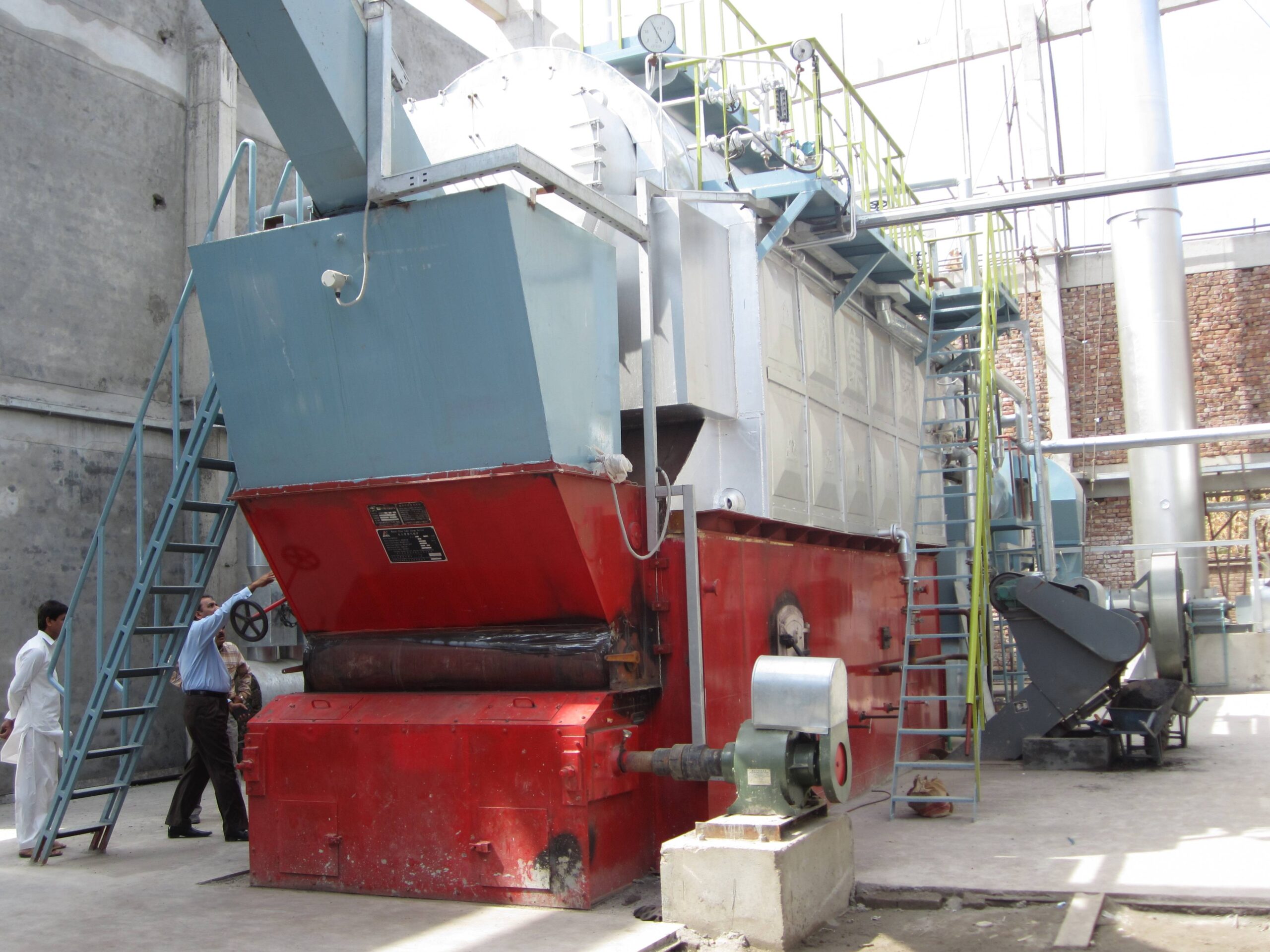
In industrial coal-fired boiler operations, efficiency losses often begin long before combustion even starts. Poor fuel quality—such as inconsistent calorific value, high moisture, or excessive ash—can silently degrade performance, increase fuel consumption, and create unstable combustion conditions. Many facilities focus heavily on equipment optimization while overlooking the quality of the coal itself, which is a critical input variable. The result is predictable: fluctuating steam output, higher emissions, slagging issues, and rising operational costs. Fuel quality management provides a systematic solution by ensuring that the right fuel characteristics are consistently maintained, enabling boilers to operate at peak efficiency.
Fuel quality management directly affects industrial coal-fired boiler efficiency by controlling key parameters such as calorific value, moisture content, ash composition, and particle size. Proper management ensures stable combustion, maximizes heat release, reduces energy losses, minimizes slagging and fouling, and improves overall boiler performance and reliability.
To fully understand its impact, we need to examine how fuel properties influence combustion, heat transfer, and long-term operational stability.
All coal types perform similarly in industrial boilers regardless of quality differences.False
Coal properties vary significantly, and differences in moisture, ash, and calorific value directly impact combustion efficiency and boiler performance.
🔥 Key Fuel Quality Parameters and Their Impact
Fuel quality is not a single variable—it is a combination of multiple physical and chemical characteristics that collectively determine how efficiently coal burns inside a boiler. Among these, calorific value, moisture content, ash content, volatile matter, and particle size are the most critical. Each parameter influences combustion behavior in a unique way, and even small deviations can significantly affect boiler efficiency.
· Calorific Value → Determines the total heat energy available from coal
· Moisture Content → Reduces effective heat output due to evaporation losses
· Ash Content → Leads to slagging, fouling, and heat transfer blockage
· Volatile Matter → Affects ignition and flame stability
· Particle Size → Influences combustion speed and completeness
When coal with low calorific value is used, more fuel must be burned to achieve the same energy output, increasing operational costs. High moisture content absorbs heat during evaporation, reducing flame temperature and efficiency. Excessive ash not only reduces usable energy but also deposits on boiler surfaces, creating insulating layers that hinder heat transfer.
Short insight: Fuel defines the flame.
Extended understanding: The physical and chemical properties of coal directly dictate combustion efficiency, heat transfer effectiveness, and overall boiler performance.
📊 Table 1: Influence of Fuel Quality Parameters on Boiler Efficiency
| Parameter | Low Quality Impact | Optimized Quality Effect | Efficiency Impact |
|---|---|---|---|
| Calorific Value | More fuel required | Higher heat output | High |
| Moisture Content | Heat loss during evaporation | Stable combustion | Significant |
| Ash Content | Slagging and fouling | Clean heat transfer surfaces | Critical |
| Volatile Matter | Poor ignition | Stable flame | Moderate-High |
| Particle Size | Incomplete combustion | Efficient burning | High |
⚙️ Combustion Stability and Flame Performance
Fuel quality management plays a central role in maintaining stable combustion conditions. Boilers rely on a consistent and predictable fuel input to sustain steady flame characteristics. When fuel quality varies, combustion becomes unstable, leading to fluctuations in temperature, pressure, and steam output.
For example, coal with inconsistent moisture levels can cause sudden drops in flame temperature, while variations in volatile matter can lead to ignition delays or flame instability. These fluctuations not only reduce efficiency but also increase the risk of operational disruptions.
👉 Combustion Stability Flow:
Consistent Fuel Quality → Stable Ignition → Uniform Flame → Efficient Heat Release → Reliable Steam Output
In contrast, poor fuel management leads to:
· Flame instability
· Increased unburned carbon
· Higher emissions
· Reduced efficiency
Short sentence: Stable fuel creates stable fire.
Long explanation: Consistent fuel characteristics ensure predictable combustion behavior, enabling precise control over boiler operations and maximizing efficiency.
🔄 Impact on Heat Transfer and Boiler Surfaces
The efficiency of a boiler is not only determined by how well fuel burns but also by how effectively heat is transferred to water and steam systems. Fuel quality directly influences this process through ash formation and deposition.
High ash content leads to slagging in the furnace and fouling in heat exchanger tubes. These deposits act as thermal barriers, reducing heat transfer efficiency and forcing the boiler to consume more fuel to maintain output. Over time, this can significantly degrade performance and increase maintenance requirements.
👉 Heat Transfer Path:
Efficient Combustion → Clean Surfaces → Maximum Heat Transfer → Optimal Steam Generation
When fuel quality is poor:
· Heat transfer surfaces become coated
· Thermal resistance increases
· Energy losses rise
This highlights the importance of maintaining low ash content and proper fuel preparation to ensure clean and efficient heat exchange.
📊 Table 2: Heat Transfer Efficiency With Different Fuel Qualities
| Fuel Quality Level | Surface Condition | Heat Transfer Efficiency | Fuel Consumption | Operational Impact |
|---|---|---|---|---|
| Poor | Fouled/slagged | Low | High | Inefficient |
| Moderate | Partial deposits | Medium | Moderate | Acceptable |
| High | Clean surfaces | High | Low | Optimal |
🌪️ Role of Fuel Preparation and Handling
Fuel quality management extends beyond selecting the right coal—it also includes proper handling, storage, and preparation. Even high-quality coal can lose its effectiveness if not managed correctly.
Key practices include:
· Coal blending → Achieves consistent quality
· Drying systems → Reduces moisture content
· Pulverization control → Ensures optimal particle size
· Storage management → Prevents contamination and degradation
👉 Fuel Preparation Flow:
Coal Supply → Quality Testing → Blending → Drying → Pulverizing → Controlled Feeding → Optimized Combustion
These steps ensure that fuel entering the boiler meets the required specifications, enabling stable and efficient operation.
⚡ Economic and Environmental Implications
Fuel quality management has a direct impact on both operational costs and environmental performance. High-quality fuel reduces the amount of coal required to generate a given amount of steam, lowering fuel expenses and improving efficiency.
From an environmental perspective, better fuel quality leads to:
· Lower CO₂ emissions per unit of energy
· Reduced particulate matter
· Decreased slag and waste generation
Short insight: Better fuel, lower cost.
Extended reality: Optimizing fuel quality not only improves efficiency but also supports sustainability goals and regulatory compliance.
🔍 Real-World Case Insight
A coal-fired industrial facility experienced fluctuating efficiency and high maintenance costs due to inconsistent fuel supply. By implementing a fuel quality management program that included coal blending, moisture control, and regular testing, the facility achieved significant improvements.
· Boiler efficiency increased by 12%
· Fuel consumption decreased by 15%
· Slagging issues were reduced
· Maintenance frequency declined
The key lesson was clear: fuel quality is not a variable to be tolerated—it is a parameter to be controlled.
🔧 Best Practices for Fuel Quality Management
To ensure optimal boiler performance, organizations should adopt a structured approach to fuel quality management:
· Conduct regular fuel testing and analysis
· Maintain consistent coal blending strategies
· Optimize moisture control systems
· Ensure proper storage conditions
· Monitor combustion performance continuously
👉 Quick Checklist:
· Verify calorific value consistency
· Control ash and moisture levels
· Ensure proper particle size distribution
· Align fuel quality with boiler design
These practices create a stable and efficient fuel supply chain, enabling boilers to operate at their highest potential.
Summary
Fuel quality management is a critical factor in determining the efficiency and reliability of industrial coal-fired boilers. By controlling key parameters such as calorific value, moisture, ash content, and particle size, manufacturers can ensure stable combustion, efficient heat transfer, and reduced operational costs. In an industry where margins are tight and performance demands are high, managing fuel quality is not just an operational detail—it is a strategic necessity for achieving optimal boiler efficiency and long-term sustainability.
What Role Do Advanced Control Systems Play in Industrial Coal-Fired Boiler Performance?

In industrial coal-fired boiler operations, maintaining stable performance under varying load conditions is a constant challenge. Fluctuations in fuel quality, air supply, and operational demand can lead to inefficient combustion, unstable steam output, and increased emissions. Traditional manual control methods often fail to respond quickly enough to these dynamic changes, resulting in energy losses and operational risks. Advanced control systems provide a transformative solution by enabling real-time monitoring, automated adjustments, and intelligent optimization, ensuring that boilers operate at peak efficiency and reliability.
Advanced control systems play a critical role in industrial coal-fired boiler performance by continuously monitoring key parameters such as temperature, pressure, oxygen levels, and fuel flow, and automatically adjusting operating conditions to optimize combustion, improve efficiency, reduce emissions, and enhance operational stability.
To fully understand their significance, it is essential to explore how these systems function, their key components, and the measurable benefits they bring to modern boiler operations.
Manual control methods are sufficient for maintaining optimal boiler performance under all conditions.False
Manual control cannot respond quickly to dynamic changes in boiler conditions, while advanced control systems provide real-time adjustments for optimal performance.
⚙️ Core Functions of Advanced Control Systems
Advanced control systems act as the “brain” of the boiler, integrating sensors, controllers, and software algorithms to manage complex operations in real time. These systems continuously collect data from various points within the boiler, including furnace temperature, steam pressure, oxygen concentration, and fuel feed rates.
At a fundamental level, the system processes this data and compares it against predefined optimal operating conditions. When deviations occur, the control system automatically adjusts parameters such as air flow, coal feed rate, and burner settings to restore balance. This closed-loop control mechanism ensures that the boiler operates within its optimal range at all times.
· Real-time data acquisition → Continuous monitoring of key variables
· Automated adjustments → Immediate response to deviations
· Process optimization → Maintaining ideal combustion conditions
· Safety assurance → Preventing abnormal operating conditions
👉 Control Loop Flow:
Sensors → Data Collection → Analysis → Control Signal → Actuator Adjustment → Optimized Operation
Short insight: Measure, decide, adjust.
Long explanation: Advanced control systems transform raw operational data into actionable control strategies, enabling precise and consistent boiler performance even under fluctuating conditions.
🔥 Combustion Optimization Through Intelligent Control
One of the most significant contributions of advanced control systems is their ability to optimize combustion processes. Coal-fired boilers require precise air-fuel ratios to achieve complete combustion and maximize energy efficiency.
Advanced systems use oxygen (O₂) analyzers and carbon monoxide (CO) sensors to monitor combustion quality in real time. Based on this data, the system dynamically adjusts air supply and fuel feed rates to maintain optimal combustion conditions.
· Optimal air-fuel ratio → Ensures complete combustion
· Reduced excess air → Minimizes heat loss
· Stable flame conditions → Improves efficiency
👉 Combustion Optimization Flow:
Fuel Input → Sensor Monitoring → Algorithm Adjustment → Balanced Combustion → Maximum Heat Output
Without such systems, operators rely on manual adjustments, which are often slow and imprecise. Advanced control systems eliminate this limitation by providing continuous, automated optimization.
📊 Table 1: Combustion Performance With and Without Advanced Control
| Parameter | Manual Control | Advanced Control System | Improvement Level |
|---|---|---|---|
| Air-Fuel Balance | Variable | Precise | High |
| Combustion Efficiency | Moderate | High | Significant |
| Emissions | Higher | Reduced | Environmental |
| Operator Intervention | Frequent | Minimal | Operational |
🌡️ Load Management and Dynamic Response
Industrial boilers often operate under varying load conditions, especially in power generation and manufacturing environments. Sudden changes in demand can lead to pressure fluctuations and unstable steam output if not managed properly.
Advanced control systems are designed to handle these dynamic conditions by continuously adjusting operating parameters in response to load changes. For example, when demand increases, the system automatically increases fuel input and air supply while maintaining optimal combustion conditions.
· Load tracking → Matches output with demand
· Pressure stabilization → Prevents fluctuations
· Rapid response → Minimizes delays
👉 Dynamic Load Flow:
Demand Change → Sensor Detection → Control Adjustment → Stable Output
Short sentence: Fast response prevents instability.
Extended explanation: By reacting instantly to changes in operating conditions, advanced control systems ensure that boilers maintain consistent performance, even under highly variable loads.
📊 Table 2: Operational Stability Comparison
| Performance Metric | Without Advanced Control | With Advanced Control | Impact Level |
|---|---|---|---|
| Steam Pressure | Fluctuating | Stable | Critical |
| Load Adaptability | Limited | High | Significant |
| System Reliability | Moderate | High | Essential |
| Downtime Frequency | Higher | Reduced | High |
🤖 Integration of AI and Predictive Analytics
Modern advanced control systems are increasingly incorporating artificial intelligence (AI) and predictive analytics to further enhance boiler performance. These technologies analyze historical and real-time data to identify patterns, predict potential issues, and recommend optimal operating strategies.
For instance, predictive maintenance algorithms can detect early signs of equipment wear or performance degradation, allowing operators to take corrective action before a failure occurs. Similarly, AI-based optimization systems can continuously refine combustion parameters to achieve maximum efficiency.
· Predictive maintenance → Prevents unexpected failures
· Data-driven optimization → Improves efficiency
· Continuous learning → Enhances system performance over time
👉 Smart System Flow:
Data Collection → Pattern Analysis → Prediction → Optimization → Performance Improvement
Short insight: Data becomes intelligence.
Long-term value: Advanced control systems evolve over time, becoming more accurate and effective as they learn from operational data.
⚡ Energy Efficiency and Emission Reduction
Energy efficiency is a primary objective in industrial boiler operations, and advanced control systems play a crucial role in achieving it. By optimizing combustion and minimizing energy losses, these systems reduce fuel consumption and improve overall efficiency.
At the same time, precise control of combustion conditions helps reduce emissions of pollutants such as nitrogen oxides (NOx), sulfur oxides (SOx), and carbon monoxide (CO). This not only supports environmental compliance but also contributes to sustainable operations.
· Reduced fuel consumption → Lower operating costs
· Lower emissions → Environmental compliance
· Improved efficiency → Higher output per fuel unit
👉 Efficiency Flow:
Optimized Combustion → Reduced Losses → Higher Efficiency → Lower Emissions
🔍 Real-World Case Insight
A coal-fired power plant implemented an advanced control system to address issues with fluctuating steam pressure and high fuel consumption. After deployment, the plant achieved significant improvements:
· Boiler efficiency increased by 10–15%
· Fuel consumption decreased noticeably
· Emissions were reduced
· Operational stability improved
The system’s ability to continuously adjust operating parameters in real time was the key factor behind these improvements.
🔧 Best Practices for Implementing Advanced Control Systems
To maximize the benefits of advanced control systems, organizations should adopt a structured implementation approach:
· Ensure proper sensor calibration and placement
· Integrate control systems with existing infrastructure
· Train operators in system usage and interpretation
· Regularly update software and algorithms
· Monitor system performance continuously
👉 Quick Checklist:
· Validate sensor accuracy
· Optimize control parameters
· Maintain communication networks
· Analyze performance data regularly
These practices ensure that the control system operates effectively and delivers consistent performance improvements.
Summary
Advanced control systems play a vital role in enhancing the performance of industrial coal-fired boilers by enabling real-time monitoring, automated optimization, and intelligent decision-making. They improve combustion efficiency, stabilize operations under varying loads, reduce emissions, and support predictive maintenance. In an increasingly competitive and regulated industrial environment, these systems are not just an upgrade—they are a necessity for achieving high efficiency, reliability, and sustainability in boiler operations.
How Can Proper Water Treatment Enhance Industrial Coal-Fired Boiler Longevity?
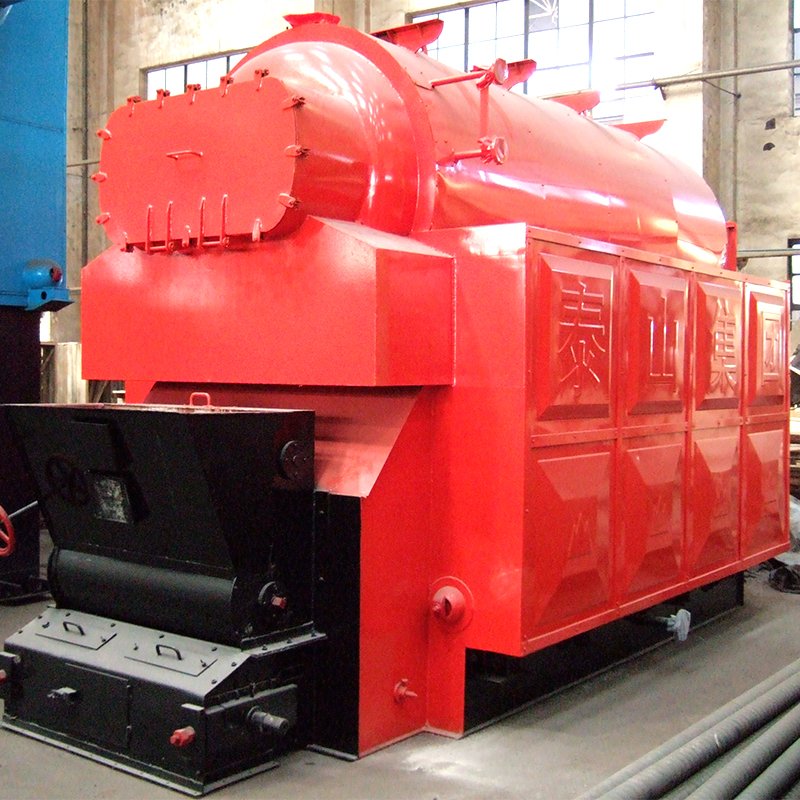
In industrial coal-fired boiler systems, water is often underestimated as a passive component, yet it is one of the most critical factors influencing long-term performance and equipment lifespan. Poor water quality leads to scale buildup, corrosion, fouling, and ultimately premature boiler failure. These issues silently reduce heat transfer efficiency, increase fuel consumption, and result in costly downtime and repairs. Without proper water treatment, even the most advanced boiler systems can suffer severe degradation. The solution lies in implementing a comprehensive water treatment strategy that protects internal components and ensures consistent, efficient operation.
Proper water treatment enhances industrial coal-fired boiler longevity by preventing scale formation, minimizing corrosion, controlling dissolved gases, and maintaining optimal water chemistry. This ensures efficient heat transfer, reduces mechanical stress, lowers maintenance costs, and significantly extends the operational lifespan of boiler systems.
To fully appreciate its importance, we must examine how water chemistry affects boiler integrity and how modern treatment methods mitigate these risks.
Using untreated water in industrial boilers does not significantly impact equipment lifespan.False
Untreated water causes scaling, corrosion, and fouling, which significantly reduce boiler lifespan and efficiency.
💧 Understanding Water Impurities and Their Effects
Industrial water sources contain various impurities, including dissolved minerals, gases, and suspended solids. These contaminants may seem harmless initially, but under high temperature and pressure conditions inside a boiler, they become highly reactive and damaging. Calcium and magnesium ions, for example, form scale deposits on heat transfer surfaces, while dissolved oxygen and carbon dioxide contribute to corrosion.
· Hardness minerals (Ca²⁺, Mg²⁺) → Scale formation
· Dissolved oxygen (O₂) → Corrosion of metal surfaces
· Carbon dioxide (CO₂) → Acidic corrosion
· Suspended solids → Fouling and sludge accumulation
When these impurities are not properly managed, they create a cascade of problems that reduce boiler efficiency and shorten equipment life.
Short insight: Impurities become threats under pressure.
Extended explanation: High-temperature boiler environments accelerate chemical reactions, turning minor water contaminants into major operational hazards that compromise system integrity.
📊 Table 1: Effects of Water Impurities on Boiler Performance
| Impurity Type | Primary Effect | Impact on Efficiency | Impact on Longevity |
|---|---|---|---|
| Hardness Minerals | Scale formation | High reduction | Severe |
| Dissolved Oxygen | Corrosion | Moderate reduction | Critical |
| Carbon Dioxide | Acidic corrosion | Moderate | High |
| Suspended Solids | Fouling/sludge | Significant | Moderate |
🔥 Scale Formation and Heat Transfer Loss
Scale is one of the most damaging consequences of poor water quality. Even a thin layer of scale acts as an insulating barrier, reducing heat transfer efficiency and forcing the boiler to consume more fuel to maintain steam output.
👉 Heat Transfer Flow:
Efficient Surface → Direct Heat Transfer → Maximum Steam Output
When scale forms:
· Heat transfer efficiency drops
· Metal temperatures rise
· Risk of tube overheating increases
A layer of scale as thin as 1 mm can reduce heat transfer efficiency by up to 10–15%, leading to higher fuel consumption and increased operational costs.
Short sentence: Scale blocks heat.
Long explanation: The insulating properties of scale prevent efficient heat exchange, forcing the system to compensate by increasing energy input, which accelerates wear and reduces lifespan.
⚙️ Corrosion Control and Material Protection
Corrosion is another major threat to boiler longevity, often caused by dissolved oxygen and acidic compounds in the water. Unlike scale, which builds up visibly, corrosion gradually weakens metal structures from within, leading to leaks, cracks, and eventual failure.
Proper water treatment addresses corrosion through:
· Deaeration → Removes dissolved oxygen
· Chemical dosing → Neutralizes acids
· pH control → Maintains non-corrosive conditions
👉 Corrosion Prevention Flow:
Impure Water → Treatment → Oxygen Removal → pH Stabilization → Protected Surfaces
Without these measures, corrosion can significantly reduce the structural integrity of boiler components, increasing the risk of unexpected breakdowns.
📊 Table 2: Boiler Condition With and Without Water Treatment
| Condition Parameter | Untreated Water | Properly Treated Water | Impact Level |
|---|---|---|---|
| Scale Formation | High | Minimal | Critical |
| Corrosion Rate | High | Low | Essential |
| Heat Transfer | Reduced | Optimized | High |
| Equipment Lifespan | Shortened | Extended | Significant |
🌪️ Role of Chemical Treatment and Filtration Systems
Modern water treatment systems combine physical and chemical processes to ensure optimal water quality. These systems are designed to remove impurities before water enters the boiler and maintain proper chemistry during operation.
Key components include:
· Filtration systems → Remove suspended solids
· Softening units → Eliminate hardness minerals
· Reverse osmosis (RO) → Remove dissolved salts
· Chemical dosing systems → Control pH and prevent corrosion
👉 Water Treatment Flow:
Raw Water → Filtration → Softening → RO Treatment → Chemical Conditioning → Boiler Feedwater
These processes ensure that water entering the boiler meets strict quality standards, reducing the risk of damage and improving overall performance.
Short insight: Clean water protects equipment.
Extended explanation: By removing harmful impurities and maintaining stable chemical conditions, water treatment systems create an environment where boilers can operate efficiently and safely over extended periods.
⚡ Operational Efficiency and Cost Benefits
Proper water treatment not only extends boiler lifespan but also delivers significant economic benefits. By preventing scale and corrosion, it reduces fuel consumption, maintenance costs, and downtime.
Key advantages include:
· Lower energy consumption due to efficient heat transfer
· Reduced maintenance and repair costs
· Extended equipment service life
· Improved operational reliability
👉 Efficiency Flow:
Treated Water → Clean Surfaces → Efficient Heat Transfer → Reduced Fuel Use → Cost Savings
Short sentence: Prevention saves money.
Long explanation: Investing in water treatment is far more cost-effective than dealing with the consequences of equipment failure and inefficiency.
🔍 Real-World Case Insight
An industrial facility operating a coal-fired boiler experienced frequent tube failures and high fuel costs due to poor water quality. After implementing a comprehensive water treatment program, including softening, deaeration, and chemical dosing, the facility achieved significant improvements:
· Boiler lifespan increased by over 30%
· Fuel consumption reduced by 12%
· Maintenance costs decreased significantly
· System reliability improved
The key takeaway was clear: water treatment is not an optional upgrade—it is a fundamental requirement for sustainable boiler operation.
🔧 Best Practices for Effective Water Treatment
To maximize the benefits of water treatment, organizations should adopt the following best practices:
· Conduct regular water quality testing
· Maintain proper chemical dosing levels
· Monitor pH and dissolved oxygen continuously
· Inspect and maintain treatment equipment
· Train personnel in water chemistry management
👉 Quick Checklist:
· Control hardness levels
· Maintain optimal pH range
· Remove dissolved gases
· Ensure consistent treatment processes
These practices ensure that water quality remains within optimal limits, protecting the boiler and enhancing its longevity.
Summary
Proper water treatment is essential for enhancing the longevity and performance of industrial coal-fired boilers. By preventing scale formation, controlling corrosion, and maintaining optimal water chemistry, it ensures efficient heat transfer, reduces operational costs, and extends equipment lifespan. In demanding industrial environments, effective water treatment is not just a maintenance strategy—it is a critical factor in achieving long-term reliability, efficiency, and sustainability.
Why Is Real-Time Monitoring Important for Industrial Coal-Fired Boiler Reliability?
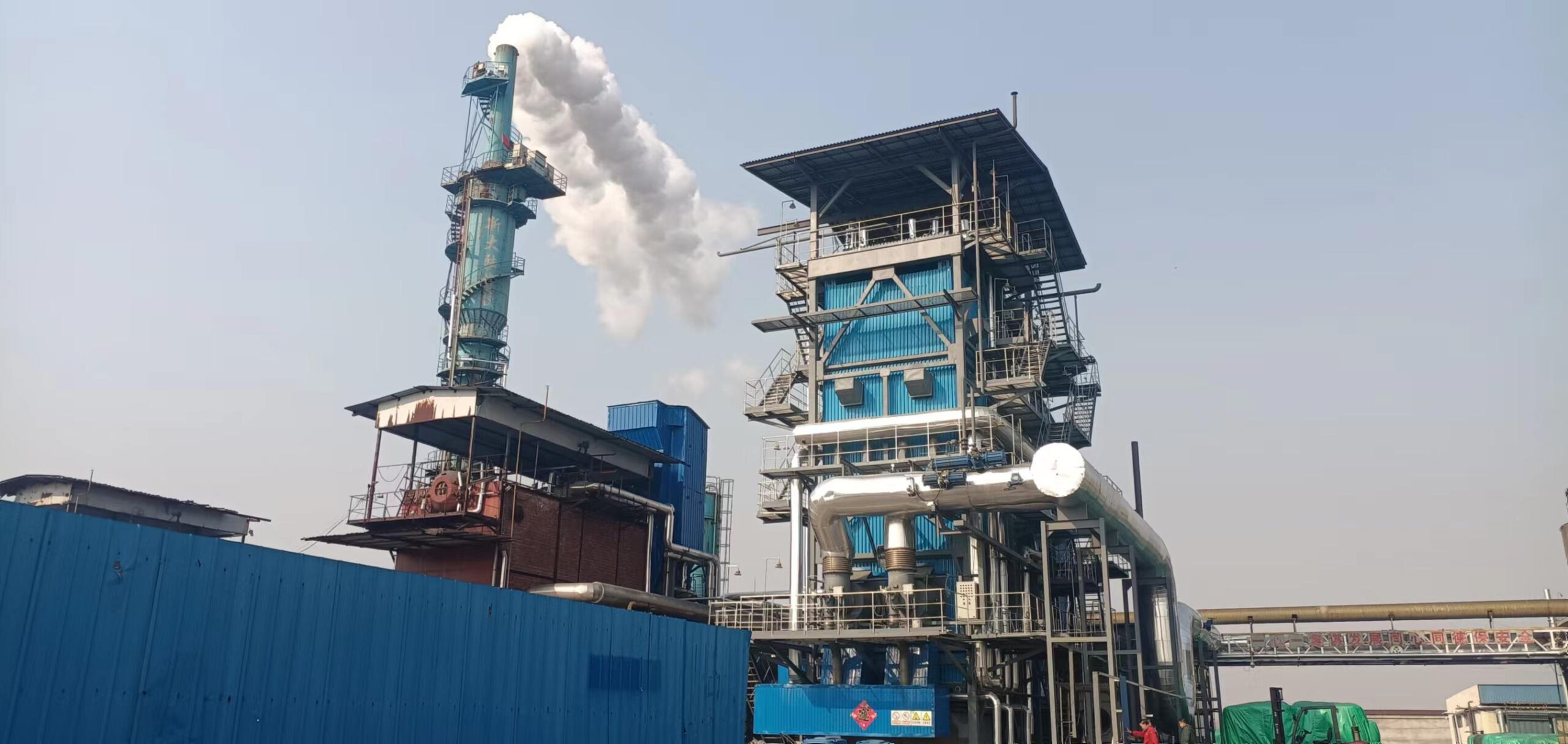
In industrial coal-fired boiler operations, reliability is not just about strong equipment—it is about continuous awareness of system conditions. Without real-time monitoring, critical parameters such as temperature, pressure, oxygen levels, and fuel flow can drift beyond optimal ranges without immediate detection. This leads to unstable combustion, efficiency losses, unexpected failures, and even safety risks. Traditional periodic inspections are no longer sufficient in today’s high-demand industrial environments. Real-time monitoring solves this challenge by providing continuous visibility and instant feedback, allowing operators to detect issues early and maintain stable boiler performance.
Real-time monitoring is essential for industrial coal-fired boiler reliability because it enables continuous tracking of critical operating parameters, early fault detection, rapid response to deviations, optimized combustion control, and prevention of equipment failure, ensuring stable, efficient, and safe boiler operation.
To understand its full impact, we must explore how real-time monitoring systems function and how they enhance reliability across multiple operational dimensions.
Periodic manual inspections are sufficient to ensure boiler reliability without continuous monitoring.False
Manual inspections cannot detect rapid or transient changes, while real-time monitoring provides continuous data for immediate response and improved reliability.
📡 Continuous Visibility of Critical Parameters
Real-time monitoring systems provide a live stream of operational data, enabling operators to observe boiler conditions at any moment. These systems use a network of sensors strategically placed throughout the boiler to measure key variables such as furnace temperature, steam pressure, oxygen concentration, and fuel feed rates.
Instead of relying on delayed or intermittent data, operators gain immediate insight into how the system is performing under current conditions. This continuous visibility is crucial for maintaining stable operation, especially in environments where demand and fuel conditions can change rapidly.
· Temperature monitoring → Prevents overheating and thermal stress
· Pressure monitoring → Ensures stable steam output
· Oxygen monitoring → Optimizes combustion efficiency
· Fuel flow tracking → Maintains consistent energy input
👉 Monitoring Flow:
Sensors → Data Acquisition → Real-Time Display → Operator Insight → Immediate Action
Short insight: You cannot control what you cannot see.
Extended explanation: Real-time data visibility allows operators to make informed decisions instantly, reducing uncertainty and improving operational control.
⚙️ Early Fault Detection and Prevention
One of the most valuable benefits of real-time monitoring is its ability to detect faults at an early stage. Small deviations in operating parameters often indicate underlying issues, such as fouling, air leakage, or equipment wear.
With real-time monitoring, these deviations are identified immediately, allowing corrective action before the problem escalates into a major failure.
· Abnormal temperature rise → Indicates scaling or poor heat transfer
· Pressure fluctuations → Suggest load imbalance or control issues
· High CO levels → Signal incomplete combustion
👉 Fault Detection Flow:
Parameter Deviation → Alarm Trigger → Diagnosis → Corrective Action → Failure Prevention
Short sentence: Early detection prevents disasters.
Long explanation: By identifying problems in their initial stages, real-time monitoring reduces downtime, minimizes repair costs, and enhances overall system reliability.
📊 Table 1: Fault Detection Comparison
| Detection Method | Response Time | Accuracy | Risk Level | Reliability Impact |
|---|---|---|---|---|
| Manual Inspection | Slow | Moderate | High | Limited |
| Periodic Monitoring | Delayed | Moderate | Medium | Moderate |
| Real-Time Monitoring | Immediate | High | Low | Significant |
🔥 Combustion Stability and Efficiency Control
Maintaining stable combustion is essential for both efficiency and reliability. Real-time monitoring systems continuously track combustion parameters and provide feedback for optimization.
For example, oxygen sensors measure the amount of excess air in the combustion process. If oxygen levels are too high or too low, the system can adjust air supply to maintain optimal combustion conditions.
· Balanced air-fuel ratio → Ensures complete combustion
· Stable flame conditions → Reduces thermal stress
· Optimized heat release → Improves efficiency
👉 Combustion Control Flow:
Sensor Data → Analysis → Adjustment → Stable Combustion → Efficient Operation
Short insight: Stable combustion equals reliable performance.
Long explanation: Continuous monitoring ensures that combustion conditions remain within optimal ranges, preventing inefficiencies and mechanical stress that could lead to failure.
📊 Table 2: Performance With and Without Real-Time Monitoring
| Performance Metric | Without Monitoring | With Real-Time Monitoring | Improvement Level |
|---|---|---|---|
| Combustion Stability | Variable | Stable | High |
| Efficiency | Moderate | High | Significant |
| Failure Frequency | Higher | Reduced | Critical |
| Operational Control | Limited | Precise | Essential |
🌡️ Load Management and System Stability
Industrial boilers often operate under fluctuating load conditions. Sudden changes in demand can lead to instability if not managed properly. Real-time monitoring systems enable operators to track these changes and adjust operating parameters accordingly.
For instance, when demand increases, the system detects changes in pressure and temperature and adjusts fuel input and air supply to maintain balance.
· Load tracking → Matches output with demand
· Pressure stabilization → Prevents fluctuations
· Dynamic response → Ensures consistent performance
👉 Load Management Flow:
Demand Change → Sensor Detection → Parameter Adjustment → Stable Output
Short sentence: Fast response ensures stability.
Extended explanation: Real-time monitoring allows boilers to adapt quickly to changing conditions, maintaining reliability even under dynamic operating environments.
🤖 Integration with Advanced Control Systems
Real-time monitoring is most effective when integrated with advanced control systems. Together, they form a closed-loop system that continuously optimizes boiler performance.
Modern systems also incorporate AI and predictive analytics, enabling them to anticipate potential issues and recommend preventive actions.
· Predictive maintenance → Identifies future failures
· Automated control → Reduces human error
· Data-driven optimization → Improves efficiency
👉 Integrated System Flow:
Monitoring → Data Analysis → Prediction → Control Adjustment → Performance Optimization
Short insight: Monitoring plus control equals intelligence.
Long-term value: The integration of monitoring and control systems creates a self-optimizing environment that enhances both reliability and efficiency.
⚡ Safety Enhancement and Risk Reduction
Safety is a critical concern in industrial boiler operations. Real-time monitoring plays a key role in ensuring safe operation by detecting abnormal conditions and triggering alarms or shutdowns when necessary.
Examples include:
· Overpressure conditions
· Excessive temperature levels
· Combustion instability
👉 Safety Flow:
Abnormal Condition → Alarm → Automatic Response → Risk Mitigation
Short sentence: Safety depends on awareness.
Long explanation: Continuous monitoring ensures that potential hazards are identified and addressed immediately, reducing the risk of accidents and ensuring safe operation.
🔍 Real-World Case Insight
A coal-fired industrial facility faced frequent shutdowns due to undetected performance issues. After implementing a real-time monitoring system, the facility achieved significant improvements:
· Unplanned downtime reduced by 40%
· Boiler efficiency increased by 10%
· Maintenance costs decreased
· Operational reliability improved
The key factor was the ability to detect and respond to issues instantly, preventing minor problems from becoming major failures.
🔧 Best Practices for Real-Time Monitoring Implementation
To maximize the benefits of real-time monitoring, organizations should follow these best practices:
· Install high-quality sensors at critical points
· Ensure accurate calibration and maintenance
· Integrate monitoring with control systems
· Train operators to interpret data effectively
· Use data analytics for continuous improvement
👉 Quick Checklist:
· Monitor key parameters continuously
· Set appropriate alarm thresholds
· Maintain sensor accuracy
· Analyze trends regularly
These practices ensure that real-time monitoring systems deliver consistent and reliable performance improvements.
Summary
Real-time monitoring is a fundamental component of industrial coal-fired boiler reliability. By providing continuous visibility, enabling early fault detection, optimizing combustion, and supporting dynamic load management, it ensures stable and efficient operation. When combined with advanced control systems, real-time monitoring transforms boiler operations into a proactive, data-driven process. In modern industrial environments, it is not just a technological enhancement—it is an essential requirement for achieving high reliability, safety, and performance.
Conclusion
Improving the reliability and performance of industrial coal-fired boilers requires a comprehensive approach that combines technical optimization, proactive maintenance, and intelligent system management. By focusing on key areas such as combustion efficiency, fuel handling, water treatment, and automation, industries can achieve stable operations, reduce costs, and meet environmental standards more effectively.
If you are seeking to upgrade or optimize your industrial coal-fired boiler system, contact us today. Our experts provide tailored solutions, advanced technologies, and professional support to help you maximize efficiency, reliability, and long-term operational value.
FAQ
Q1: How can regular maintenance improve coal-fired boiler reliability?
A1:
Regular maintenance is one of the most effective ways to enhance the reliability of industrial coal-fired boilers. These systems operate under extreme temperatures and pressures, making them susceptible to wear, corrosion, and fouling over time. Without proper maintenance, even minor issues can escalate into major failures, leading to costly downtime and safety risks.
Preventive maintenance involves routine inspections, cleaning, and servicing of key components such as burners, heat exchangers, tubes, and ash handling systems. For example, soot and ash deposits can accumulate on heat transfer surfaces, reducing thermal efficiency and increasing fuel consumption. Regular cleaning removes these deposits, restoring optimal heat transfer and improving overall performance.
Another critical aspect is monitoring and replacing worn-out components. Parts like valves, seals, and gaskets degrade over time and can cause leaks or pressure loss if not addressed promptly. Scheduled replacements help prevent unexpected breakdowns and ensure consistent operation.
Water quality management is also essential. Poor water quality can lead to scaling and corrosion inside boiler tubes, significantly affecting heat transfer and potentially causing tube failures. Implementing proper water treatment programs helps maintain system integrity and prolong equipment lifespan.
In addition, modern maintenance practices incorporate predictive techniques such as vibration analysis, thermography, and real-time monitoring. These technologies allow operators to detect early signs of failure and take corrective action before issues become critical.
Overall, regular maintenance not only improves reliability but also enhances safety, reduces operational costs, and extends the lifespan of coal-fired boilers, making it a fundamental strategy for optimal performance.
Q2: What role does fuel quality play in boiler performance?
A2:
Fuel quality is a crucial factor in determining the performance and efficiency of industrial coal-fired boilers. Coal varies widely in terms of calorific value, moisture content, ash content, and chemical composition, all of which directly impact combustion efficiency and heat generation.
High-quality coal with a high calorific value produces more heat per unit, allowing the boiler to generate steam more efficiently. In contrast, low-grade coal with high moisture or ash content requires more energy to burn, reducing overall efficiency and increasing fuel consumption. Excess moisture also lowers flame temperature, leading to incomplete combustion and higher emissions.
Ash content is particularly important because it affects slagging and fouling within the boiler. High ash levels can lead to the buildup of deposits on heat transfer surfaces, reducing efficiency and increasing maintenance requirements. Additionally, certain minerals in coal can cause corrosion, further impacting reliability.
Proper coal sizing and preparation also play a role. Uniform particle size ensures consistent combustion and better airflow, improving flame stability and heat distribution. Pulverized coal systems, for instance, rely on finely ground coal to achieve efficient and complete combustion.
Blending different coal types can help optimize performance by balancing calorific value and ash content. Advanced control systems can also adjust combustion parameters based on fuel characteristics, ensuring optimal performance under varying conditions.
In summary, using high-quality, well-prepared coal and managing fuel variability are essential for maximizing boiler efficiency, reducing emissions, and enhancing overall system reliability.
Q3: How do advanced control systems improve boiler efficiency?
A3:
Advanced control systems significantly enhance the efficiency and reliability of industrial coal-fired boilers by optimizing combustion processes and operational parameters in real time. Traditional boiler systems often rely on manual adjustments, which can lead to inefficiencies and inconsistent performance. In contrast, modern control systems use sensors, automation, and data analytics to maintain optimal conditions continuously.
One of the key functions of advanced control systems is regulating the air-to-fuel ratio. Maintaining the correct balance ensures complete combustion, maximizing heat output while minimizing fuel waste and emissions. Too much air can lead to heat loss, while too little air results in incomplete combustion and higher carbon emissions.
These systems also monitor critical parameters such as temperature, pressure, oxygen levels, and flue gas composition. By analyzing this data, the system can automatically adjust burner settings, airflow, and fuel feed rates to maintain optimal performance. This level of precision improves thermal efficiency and reduces operational variability.
Another advantage is load management. Boilers often operate under varying demand conditions, and advanced control systems can adjust output to match load requirements efficiently. This prevents unnecessary fuel consumption and reduces wear on equipment.
Predictive analytics is another powerful feature. By analyzing historical and real-time data, these systems can identify patterns and predict potential failures. This allows for proactive maintenance, reducing downtime and improving reliability.
Integration with digital platforms and Industrial Internet of Things (IIoT) technologies further enhances performance. Operators can monitor and control boiler operations remotely, gaining insights into performance metrics and making informed decisions.
Overall, advanced control systems provide greater accuracy, efficiency, and reliability, making them a key component in optimizing coal-fired boiler performance.
Q4: Why is proper combustion optimization important for coal-fired boilers?
A4:
Combustion optimization is essential for improving the performance and reliability of industrial coal-fired boilers because it directly affects efficiency, emissions, and operational stability. Efficient combustion ensures that the maximum amount of energy is extracted from the fuel, reducing waste and lowering operating costs.
One of the primary goals of combustion optimization is achieving complete combustion. This requires the correct balance of fuel, air, and temperature. When combustion is incomplete, unburned carbon particles are released, resulting in energy loss and increased emissions. Optimizing the air-to-fuel ratio helps ensure that all fuel is burned efficiently.
Temperature control is another critical factor. Maintaining the right combustion temperature ensures stable flame conditions and efficient heat transfer. Too high temperatures can cause equipment damage and increase nitrogen oxide (NOx) emissions, while too low temperatures reduce efficiency and lead to incomplete combustion.
Proper burner design and maintenance also play a role. Well-designed burners ensure even distribution of fuel and air, promoting uniform combustion. Regular inspection and tuning of burners help maintain optimal performance.
Flue gas analysis is commonly used to monitor combustion efficiency. By measuring oxygen, carbon monoxide, and other gases in the exhaust, operators can adjust parameters to achieve optimal combustion conditions.
In addition, staged combustion and low-NOx technologies can be implemented to reduce emissions while maintaining efficiency. These methods control the combustion process in phases, minimizing the formation of harmful pollutants.
In conclusion, combustion optimization improves energy efficiency, reduces emissions, enhances reliability, and lowers operational costs, making it a critical aspect of coal-fired boiler performance management.
Q5: What are the benefits of upgrading boiler components and systems?
A5:
Upgrading boiler components and systems is a highly effective way to enhance the reliability and performance of industrial coal-fired boilers. Over time, older equipment may become less efficient, more prone to failure, and unable to meet modern operational and environmental standards. Upgrades help address these challenges and improve overall system performance.
One of the key benefits is improved energy efficiency. Modern components such as high-efficiency burners, advanced heat exchangers, and improved insulation materials reduce heat loss and maximize energy utilization. This leads to lower fuel consumption and reduced operating costs.
Upgraded control systems and automation technologies provide better monitoring and control of boiler operations. These systems can optimize combustion, adjust output based on demand, and detect potential issues early, improving both efficiency and reliability.
Another advantage is enhanced environmental performance. New technologies such as flue gas desulfurization (FGD), selective catalytic reduction (SCR), and electrostatic precipitators (ESP) help reduce emissions of sulfur dioxide (SO₂), nitrogen oxides (NOx), and particulate matter. This ensures compliance with environmental regulations and reduces the environmental impact.
Material upgrades also improve durability and lifespan. Advanced alloys and coatings can withstand higher temperatures and resist corrosion, reducing maintenance requirements and extending equipment life.
Additionally, retrofitting existing boilers with modern technologies can be more cost-effective than replacing the entire system. It allows operators to achieve significant performance improvements without the expense of a complete overhaul.
In summary, upgrading boiler components and systems enhances efficiency, reliability, environmental compliance, and cost-effectiveness, making it a strategic investment for industrial operations.
References
- Improving Steam System Performance – https://www.energy.gov/eere/amo/steam-systems – U.S. Department of Energy
- Coal-Fired Boiler Optimization Techniques – https://www.iea.org/reports/coal – International Energy Agency
- Boiler Efficiency and Combustion – https://www.spiraxsarco.com – Spirax Sarco
- Industrial Boiler Maintenance Best Practices – https://www.chemicalprocessing.com – Chemical Processing
- Advanced Boiler Control Systems – https://www.ge.com/power – General Electric
- Combustion Optimization in Boilers – https://www.tlv.com – TLV International
- Coal Quality and Boiler Performance – https://www.worldcoal.org – World Coal Association
- Emission Control Technologies for Boilers – https://www.epa.gov – U.S. Environmental Protection Agency
- Boiler Water Treatment Guidelines – https://www.nace.org – NACE International
- Industrial Energy Efficiency Strategies – https://www.iea.org – International Energy Agency
Improve Reliability and Performance of Coal-Fired Boilers Read More »