April 3, 2026

How to Choose the Best Power Plant Boiler Suppliers?
Choosing the wrong power plant boiler supplier can lead to costly project delays, substandard equipment, poor efficiency, and long-term operational issues. Many buyers struggle with inconsistent quality, lack of technical support, and hidden costs that only become apparent after installation. These challenges can severely impact plant reliability, safety, and return on investment. To avoid these risks, a structured and professional evaluation process is essential when selecting the right supplier.

To evaluate and select the best power plant boiler suppliers, you should assess their technical expertise, manufacturing capabilities, certifications, project experience, product quality, customization ability, after-sales support, and total lifecycle cost. A reliable supplier will offer proven performance, compliance with international standards, and comprehensive service to ensure long-term efficiency and operational stability.

By understanding the key evaluation criteria and comparing suppliers systematically, you can make an informed decision that aligns with your project requirements and long-term business goals.

Further reading

Project Case

Biomass Boilers

Coal fired boiler

Oil Gas fired Boiler

Waste Heat Recovery Boiler

What Technical Expertise Should You Look for in Power Plant Boiler Suppliers?
Selecting the right power plant boiler supplier is one of the most critical decisions for any energy or industrial project. A lack of technical expertise from the supplier can lead to inefficient system design, frequent breakdowns, safety risks, and escalating operational costs. Many project owners focus primarily on price, overlooking the deeper engineering capabilities required to ensure long-term performance and compliance. The consequences of choosing an underqualified supplier often emerge later in the form of downtime, poor efficiency, and costly retrofits. Identifying the right technical expertise upfront is essential to securing a reliable and future-proof boiler system.

When evaluating power plant boiler suppliers, you should prioritize expertise in thermal engineering design, combustion optimization, material science, control systems integration, environmental compliance, and lifecycle service support, as these capabilities directly impact efficiency, safety, durability, and long-term operational success.

Understanding these technical competencies will help you differentiate between basic manufacturers and truly capable engineering partners.

All boiler suppliers provide the same level of technical expertise regardless of project complexity.False

Suppliers vary significantly in engineering capabilities, experience, and technical resources, which directly affects project outcomes.

⚙️ Core Engineering Design Capabilities

At the heart of any reliable power plant boiler is robust thermal and mechanical engineering design. Suppliers must demonstrate deep expertise in thermodynamics, heat transfer, and fluid dynamics to ensure optimal system performance under varying load conditions.

Key design competencies include:

· Heat transfer optimization → Maximizing energy efficiency
· Pressure vessel design → Ensuring structural integrity
· Fluid flow analysis → Preventing bottlenecks and inefficiencies

👉 Design Flow:
Requirement Analysis → Thermal Design → Mechanical Design → Validation → Implementation

Short insight: Strong design builds strong systems.
Extended explanation: Without solid engineering design, even high-quality materials and components cannot deliver reliable performance.

🔥 Combustion and Fuel Flexibility Expertise

Combustion is the core process that drives boiler performance. Advanced suppliers must have in-depth knowledge of combustion dynamics and the ability to optimize fuel-air ratios for different fuel types.

Essential capabilities include:

· Multi-fuel compatibility (coal, oil, gas, biomass)
· Low-emission combustion technologies
· Burner design and optimization

👉 Combustion Flow:
Fuel Input → Air Mixing → Ignition → Controlled Combustion → Heat Generation

Short sentence: Efficient combustion ensures efficiency.
Long explanation: Proper combustion design reduces fuel consumption, minimizes emissions, and enhances overall system performance.

📊 Table 1: Supplier Expertise vs System Performance

Technical Expertise LevelSystem EfficiencyEmissions ControlReliabilityOperational Cost
BasicLowPoorUnstableHigh
متوسطModerateAcceptableStableModerate
AdvancedHighExcellentReliableOptimized

🧪 Material Science and Manufacturing Quality

Power plant boilers operate under extreme conditions, requiring materials that can withstand high temperatures, pressures, and corrosive environments. Suppliers must demonstrate expertise in material selection and advanced manufacturing processes.

Critical areas include:

· High-temperature alloy selection
· Corrosion-resistant materials
· Welding and fabrication standards

👉 Material Flow:
Material Selection → Fabrication → Quality Testing → Installation

Short insight: Materials determine durability.
Extended explanation: The right materials and manufacturing processes ensure long-term reliability and reduce maintenance needs.

🤖 Control Systems and Automation Integration

Modern power plant boilers rely heavily on advanced control systems to maintain efficiency and safety. Suppliers should offer expertise in automation, instrumentation, and digital control technologies.

Key capabilities include:

· Distributed control systems (DCS)
· Real-time monitoring and diagnostics
· Predictive maintenance integration

👉 Control System Flow:
Sensor Data → Control Algorithm → System Adjustment → Performance Optimization

Short sentence: Smart control enhances performance.
Long explanation: Advanced control systems enable precise operation, reducing variability and improving efficiency.

📊 Table 2: Impact of Control System Expertise

Control System CapabilityEfficiency LevelFault DetectionMaintenance StrategyReliability
BasicLowLimitedReactiveLow
IntermediateModerateStandardScheduledMedium
AdvancedHighReal-TimePredictiveHigh

🌱 Environmental and Regulatory Compliance Expertise

With increasing environmental regulations, suppliers must be capable of designing systems that meet strict emission standards. This requires expertise in flue gas treatment, combustion optimization, and energy efficiency.

Key competencies include:

· Emission reduction technologies (NOx, SOx, particulates)
· Energy efficiency optimization
· Compliance with international standards

👉 Compliance Flow:
Emission Monitoring → Control Technology → Regulatory Compliance

Short insight: Compliance ensures sustainability.
Extended explanation: Meeting environmental standards is essential for legal operation and long-term viability.

🔧 Lifecycle Support and Service Expertise

A reliable supplier provides more than just equipment—they offer comprehensive lifecycle support. This includes installation, commissioning, maintenance, and technical upgrades.

Key services include:

· Installation and commissioning support
· Preventive maintenance programs
· Spare parts management
· Technical training

👉 Lifecycle Flow:
Design → Installation → Operation → Maintenance → Upgrade

Short sentence: Support ensures longevity.
Long explanation: Continuous support maximizes system performance and minimizes downtime over the equipment’s lifecycle.

🔍 Real-World Case Insight

A utility company selected a boiler supplier based primarily on cost, overlooking technical expertise. The result was frequent breakdowns, inefficient combustion, and high maintenance costs. After switching to a supplier with advanced engineering capabilities, the company achieved:

· 15% improvement in efficiency
· Significant reduction in emissions
· Enhanced system reliability
· Lower operational costs

This case demonstrates the importance of selecting a technically capable supplier.

🔧 Key Evaluation Checklist for Buyers

To identify the right supplier, consider the following criteria:

· Proven experience in power plant projects
· Strong engineering and R&D capabilities
· Advanced manufacturing facilities
· Comprehensive service support
· Compliance with international standards

👉 Quick Selection Flow:
Requirement Definition → Supplier Evaluation → Technical Assessment → Final Selection

Short insight: Evaluate before you invest.
Extended explanation: A thorough evaluation process ensures that the selected supplier can meet both current and future operational needs.

Summary

Choosing a power plant boiler supplier requires careful evaluation of technical expertise across multiple domains, including engineering design, combustion optimization, material science, control systems, environmental compliance, and lifecycle support. These capabilities directly influence system efficiency, reliability, and long-term operational success. By prioritizing technical excellence over short-term cost savings, organizations can secure a high-performance boiler system that delivers sustainable value for years to come.

How Do Manufacturing Capabilities Impact Power Plant Boiler Supplier Selection?
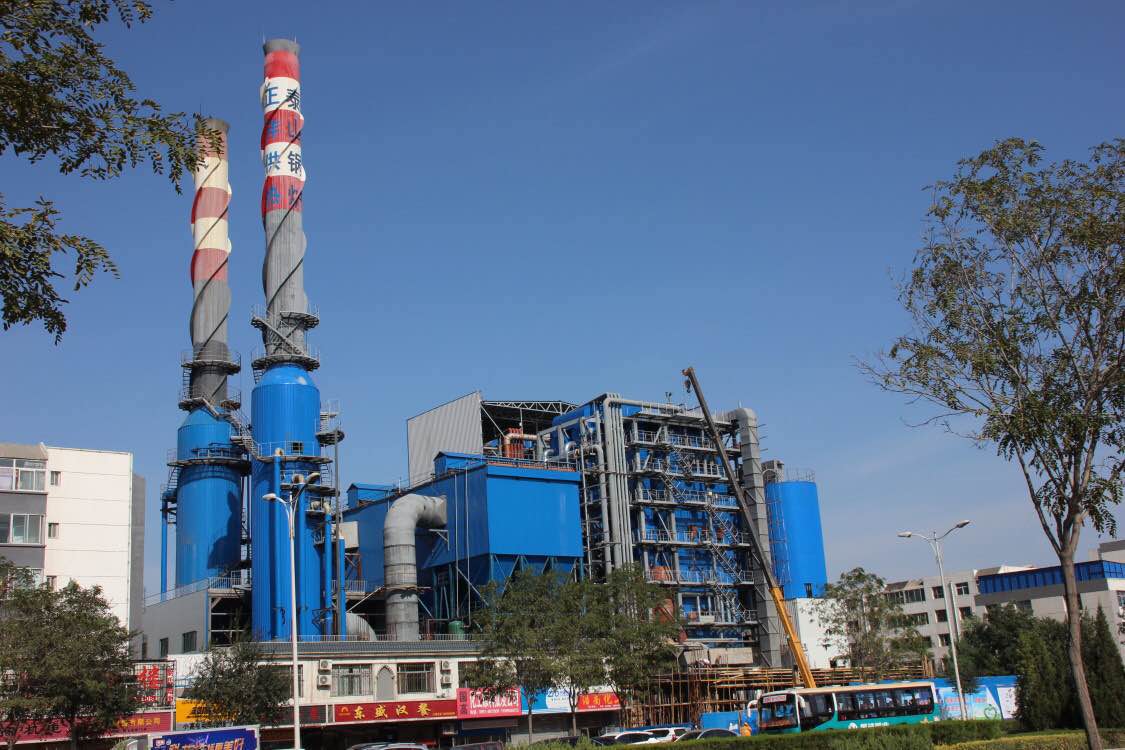
When selecting a power plant boiler supplier, many decision-makers focus heavily on engineering design and pricing while underestimating the critical role of manufacturing capabilities. However, even the most advanced boiler design can fail if it is not executed with precision during fabrication. Poor manufacturing processes lead to defects, inconsistent quality, delayed delivery, and reduced equipment lifespan. These issues can result in costly downtime, safety risks, and long-term operational inefficiencies. Therefore, evaluating a supplier’s manufacturing capabilities is not optional—it is a decisive factor in ensuring the success of your boiler project.

Manufacturing capabilities impact power plant boiler supplier selection by determining the quality, precision, durability, scalability, and delivery reliability of the boiler system, directly influencing performance, safety, compliance, and long-term operational efficiency.

To make informed decisions, it is essential to understand how manufacturing excellence translates into real-world boiler performance.

Advanced boiler design alone guarantees high performance regardless of manufacturing quality.False

Even the best design cannot compensate for poor manufacturing, which can introduce defects and reduce system reliability.

⚙️ Precision Fabrication and Quality Assurance

Manufacturing precision is fundamental to producing high-performance boiler systems. Power plant boilers operate under extreme pressure and temperature conditions, requiring exact tolerances and flawless assembly.

Key aspects of precision manufacturing include:

· High-accuracy machining → Ensures component fit and alignment
· Automated welding technologies → Improves consistency and strength
· Non-destructive testing (NDT) → Detects internal defects

👉 Manufacturing Flow:
Raw Materials → Machining → Welding → Inspection → Final Assembly

Short insight: Precision defines reliability.
Extended explanation: Even minor deviations in manufacturing can compromise structural integrity and lead to premature failures.

🔥 Impact on Boiler Performance and Efficiency

Manufacturing quality directly affects how efficiently a boiler operates. Poor fabrication can lead to uneven heat distribution, leakage, and increased thermal losses.

High manufacturing standards ensure:

· Optimal heat transfer efficiency
· Reduced energy losses
· Stable steam generation

👉 Performance Flow:
Accurate Fabrication → Proper Assembly → Efficient Operation

Short sentence: Better build, better performance.
Long explanation: Manufacturing precision ensures that the boiler performs as designed, maximizing efficiency and minimizing waste.

📊 Table 1: Manufacturing Quality vs Boiler Performance

Manufacturing LevelHeat Transfer EfficiencyEnergy LossReliabilityMaintenance Frequency
LowPoorHighUnstableFrequent
ModerateAcceptableModerateStableRegular
HighOptimalMinimalReliableReduced

🧪 Material Handling and Processing Capabilities

The ability to properly handle and process materials is a key indicator of a supplier’s manufacturing strength. Boilers require high-grade materials that must be processed under strict conditions to maintain their properties.

Critical capabilities include:

· Controlled heat treatment processes
· Proper storage and handling of materials
· Traceability of material batches

👉 Material Flow:
Material Selection → Processing → Quality Verification → Integration

Short insight: Materials need proper handling.
Extended explanation: Even high-quality materials can fail if they are not processed and handled correctly during manufacturing.

🤖 Automation and Advanced Manufacturing Technologies

Modern boiler manufacturing increasingly relies on automation and advanced technologies to improve efficiency and consistency. Suppliers with advanced facilities can deliver higher quality products with shorter lead times.

Key technologies include:

· Robotic welding systems
· CNC machining
· Digital quality control systems

👉 Automation Flow:
Design Data → Automated Production → Quality Monitoring → Output

Short sentence: Automation enhances consistency.
Long explanation: Advanced technologies reduce human error and ensure uniform quality across all components.

📊 Table 2: Traditional vs Advanced Manufacturing

Capability TypeProduction SpeedQuality ConsistencyDefect RateCost Efficiency
Traditional MethodsModerateVariableHigherModerate
Advanced ManufacturingHighConsistentLowOptimized

🌱 Compliance with Industry Standards

Manufacturing capabilities must align with international standards and certifications, such as ASME, ISO, and other regulatory requirements. Suppliers with certified manufacturing processes demonstrate their commitment to quality and safety.

Key compliance aspects include:

· Certified welding procedures
· Documented quality control systems
· Third-party inspections

👉 Compliance Flow:
Standard Requirements → Manufacturing Process → Certification → Approval

Short insight: Standards ensure trust.
Extended explanation: Compliance with recognized standards guarantees that the boiler meets safety and performance requirements.

🔧 Scalability and Production Capacity

For large-scale power plant projects, the supplier’s ability to handle production volume and meet deadlines is critical. Limited manufacturing capacity can lead to delays and project risks.

Important considerations include:

· Production facility size
· Workforce expertise
· Supply chain management

👉 Capacity Flow:
Project Demand → Production Planning → Manufacturing Execution → Delivery

Short sentence: Capacity drives delivery.
Long explanation: Adequate manufacturing capacity ensures that projects are completed on time and within scope.

🔍 Real-World Case Insight

A power plant project experienced significant delays due to a supplier’s limited manufacturing capacity and inconsistent quality control. After switching to a supplier with advanced manufacturing capabilities, the project achieved:

· On-time delivery
· Improved boiler performance
· Reduced maintenance issues
· Enhanced operational reliability

This case demonstrates how manufacturing capabilities directly influence project success.

🔧 Key Evaluation Criteria for Buyers

To effectively assess manufacturing capabilities, buyers should consider:

· Facility size and equipment
· Quality control systems
· Workforce skill level
· Production capacity
· Compliance certifications

👉 Evaluation Flow:
Supplier Audit → Capability Assessment → Risk Analysis → Selection

Short insight: Evaluate capability, not just cost.
Extended explanation: A thorough evaluation ensures that the supplier can meet both technical and operational requirements.

⚡ Economic and Strategic Impact

Investing in a supplier with strong manufacturing capabilities provides long-term economic benefits. High-quality manufacturing reduces maintenance costs, improves efficiency, and extends equipment lifespan.

Key advantages include:

· Lower lifecycle costs
· Reduced downtime
· Higher return on investment

👉 Economic Flow:
High Manufacturing Quality → Reliable Operation → Cost Savings

Short sentence: Quality manufacturing pays off.
Long explanation: The upfront investment in a capable supplier yields significant long-term savings and operational benefits.

Summary

Manufacturing capabilities play a decisive role in power plant boiler supplier selection, influencing quality, performance, reliability, and project delivery. From precision fabrication and material handling to advanced technologies and compliance standards, strong manufacturing capabilities ensure that the boiler system meets the highest levels of performance and safety. By prioritizing manufacturing excellence, organizations can secure a reliable, efficient, and durable boiler system that supports long-term operational success.

Why Are Certifications and Standards Important When Choosing Power Plant Boiler Suppliers?
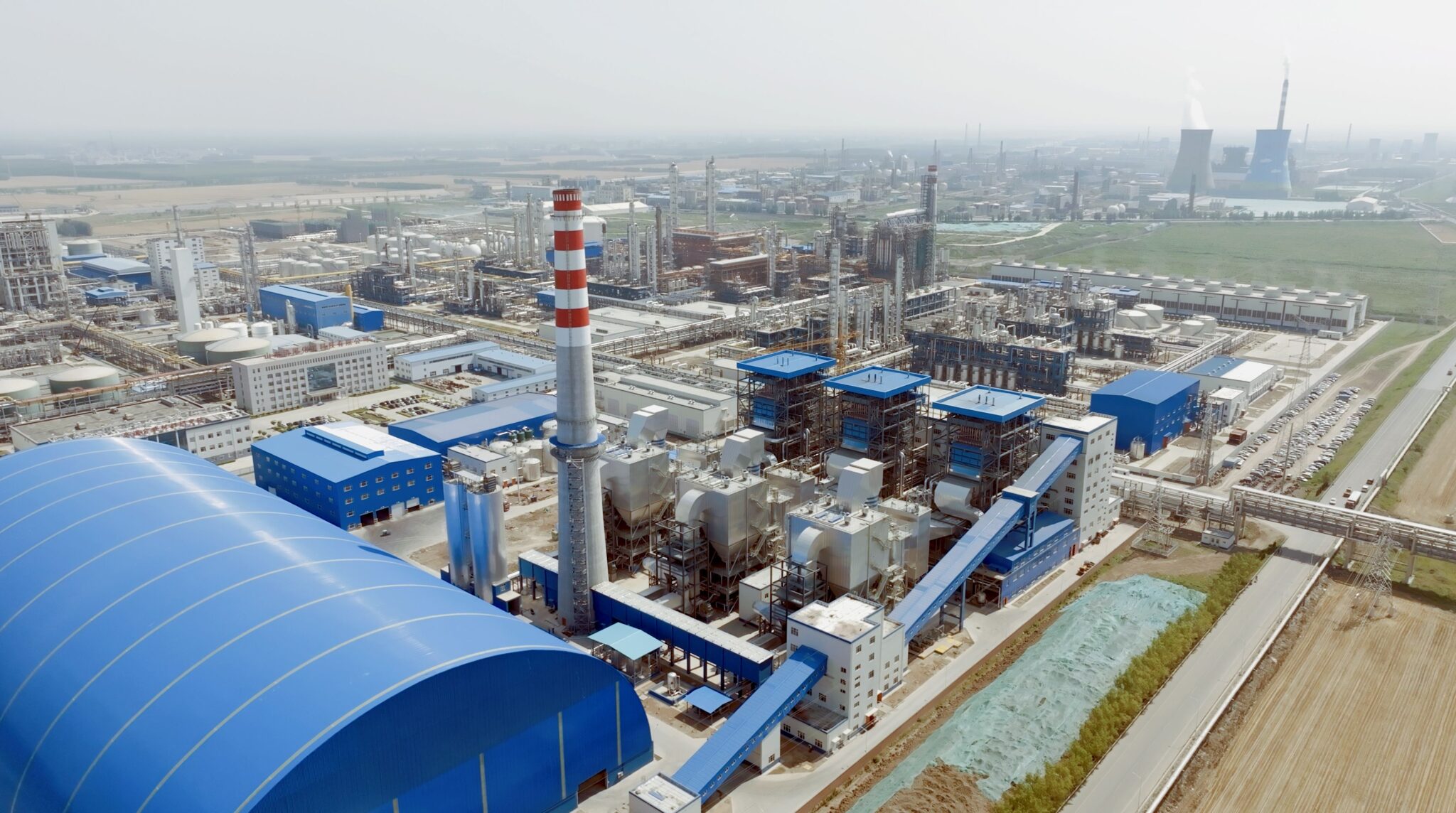
In the power generation industry, selecting a boiler supplier is not just a matter of cost and delivery—it is fundamentally about safety, compliance, and long-term reliability. Without proper certifications and adherence to recognized standards, even a well-designed boiler can pose serious risks, including structural failure, regulatory penalties, and operational inefficiencies. Many project owners underestimate the importance of certifications until they encounter inspection failures or compliance issues during commissioning. Certifications and standards serve as a guarantee that the supplier’s design, materials, and manufacturing processes meet globally accepted safety and performance benchmarks.

Certifications and standards are essential when choosing power plant boiler suppliers because they ensure compliance with safety regulations, validate manufacturing quality, guarantee performance reliability, and reduce operational and legal risks, ultimately protecting both investment and long-term system performance.

Understanding the role of certifications will help you make informed decisions and avoid costly mistakes in supplier selection.

Boiler certifications are optional and mainly used for marketing purposes.False

Certifications are mandatory in many regions and ensure compliance with safety, quality, and performance standards.

⚙️ Ensuring Safety and Structural Integrity

Power plant boilers operate under extreme pressure and temperature conditions, making safety a top priority. Certifications such as ASME (American Society of Mechanical Engineers) ensure that the boiler design and manufacturing processes meet strict safety requirements.

Certified suppliers follow rigorous guidelines for:

· Pressure vessel design → Prevents structural failure
· Material selection → Ensures durability under extreme conditions
· Welding standards → Maintains joint integrity

👉 Safety Assurance Flow:
Design Compliance → Certified Materials → Approved Fabrication → Safe Operation

Short insight: Certification equals safety assurance.
Extended explanation: Certified processes ensure that every component is designed and manufactured to withstand operational stresses.

🔥 Guaranteeing Manufacturing Quality

Certifications are not limited to design—they also verify the quality of manufacturing processes. Standards such as ISO 9001 ensure that suppliers maintain consistent quality control systems throughout production.

Key quality aspects include:

· Process standardization
· Traceability of materials
· Continuous quality monitoring

👉 Quality Flow:
Standardized Process → Controlled Production → Verified Output

Short sentence: Standards ensure consistency.
Long explanation: Certification frameworks enforce strict quality control, reducing defects and ensuring reliable performance.

📊 Table 1: Certified vs Non-Certified Suppliers

CriteriaCertified SupplierNon-Certified Supplier
Safety ComplianceHighUncertain
Manufacturing QualityConsistentVariable
Inspection ApprovalGuaranteedRisky
ReliabilityHighUnpredictable

🧪 Compliance with International Regulations

Power plant projects often require compliance with local and international regulations. Certified suppliers are familiar with these requirements and can ensure that the boiler system meets all legal and environmental standards.

Important certifications include:

· ASME (pressure vessel standards)
· ISO (quality management systems)
· CE marking (European compliance)

👉 Compliance Flow:
Regulatory Requirements → Certified Design → Approved Manufacturing → Legal Operation

Short insight: Compliance avoids legal risks.
Extended explanation: Certification ensures that the boiler can be legally installed and operated without regulatory issues.

🤖 Enhancing Operational Reliability

Certified boilers are designed and manufactured according to proven standards, which enhances their reliability and performance. These standards are based on extensive research, testing, and industry experience.

Benefits include:

· Reduced failure rates
· Stable performance
· Predictable maintenance requirements

👉 Reliability Flow:
Certified Design → Tested Performance → Reliable Operation

Short sentence: Standards build reliability.
Long explanation: Following established standards ensures that the boiler performs consistently under real-world conditions.

📊 Table 2: Impact of Standards on Boiler Performance

Standard Compliance LevelEfficiencyFailure RateMaintenance CostLifespan
LowPoorHighHighShort
ModerateAcceptableModerateModerateمتوسط
HighOptimalLowReducedLong

🌱 Supporting Environmental Sustainability

Modern certifications also address environmental performance, ensuring that boilers meet emission and efficiency standards. Suppliers with these certifications can provide systems that reduce environmental impact.

Key areas include:

· Emission control (NOx, SOx)
· Energy efficiency optimization
· Waste heat recovery

👉 Sustainability Flow:
Efficient Design → Reduced Emissions → Environmental Compliance

Short insight: Standards support sustainability.
Extended explanation: Certified systems help organizations meet environmental goals and regulatory requirements.

🔧 Facilitating Inspection and Approval Processes

During project implementation, boilers must pass inspections by regulatory authorities and third-party organizations. Certified suppliers simplify this process by providing documentation and compliance evidence.

Advantages include:

· Faster approval timelines
· Reduced project delays
· Lower risk of rework

👉 Approval Flow:
Certified Documentation → Inspection → Approval → Commissioning

Short sentence: Certification speeds approval.
Long explanation: Proper documentation and compliance reduce the complexity of regulatory inspections.

🔍 Real-World Case Insight

A power plant project faced delays and additional costs due to selecting a non-certified boiler supplier. The system failed to meet regulatory requirements during inspection, requiring modifications and re-certification. After switching to a certified supplier, the project achieved:

· Successful inspection approval
· Improved system reliability
· Reduced compliance risks
· On-time commissioning

This case highlights the importance of certifications in ensuring smooth project execution.

🔧 Key Certifications to Look For

When evaluating suppliers, focus on the following certifications:

· ASME Boiler and Pressure Vessel Code
· ISO 9001 Quality Management System
· ISO 14001 Environmental Management System
· CE Certification (for European markets)

👉 Selection Flow:
Requirement Analysis → Certification Verification → Supplier Qualification

Short insight: Verify before you trust.
Extended explanation: Checking certifications ensures that the supplier meets industry standards and project requirements.

⚡ Economic and Strategic Benefits

Choosing a certified supplier provides long-term economic advantages by reducing risks and improving performance.

Key benefits include:

· Lower lifecycle costs
· Reduced maintenance expenses
· Improved operational efficiency
· Enhanced project credibility

👉 Economic Flow:
Certified Supplier → Reliable System → Cost Savings

Short sentence: Certification protects investment.
Long explanation: Investing in certified suppliers ensures long-term value and minimizes risks.

Summary

Certifications and standards are critical factors in selecting power plant boiler suppliers, as they ensure safety, quality, compliance, and reliability. From design and manufacturing to operation and environmental performance, certifications provide a framework for achieving consistent and high-quality results. By prioritizing certified suppliers, organizations can minimize risks, ensure regulatory compliance, and secure a durable and efficient boiler system that supports long-term operational success.

How Does Project Experience Influence Power Plant Boiler Supplier Reliability?
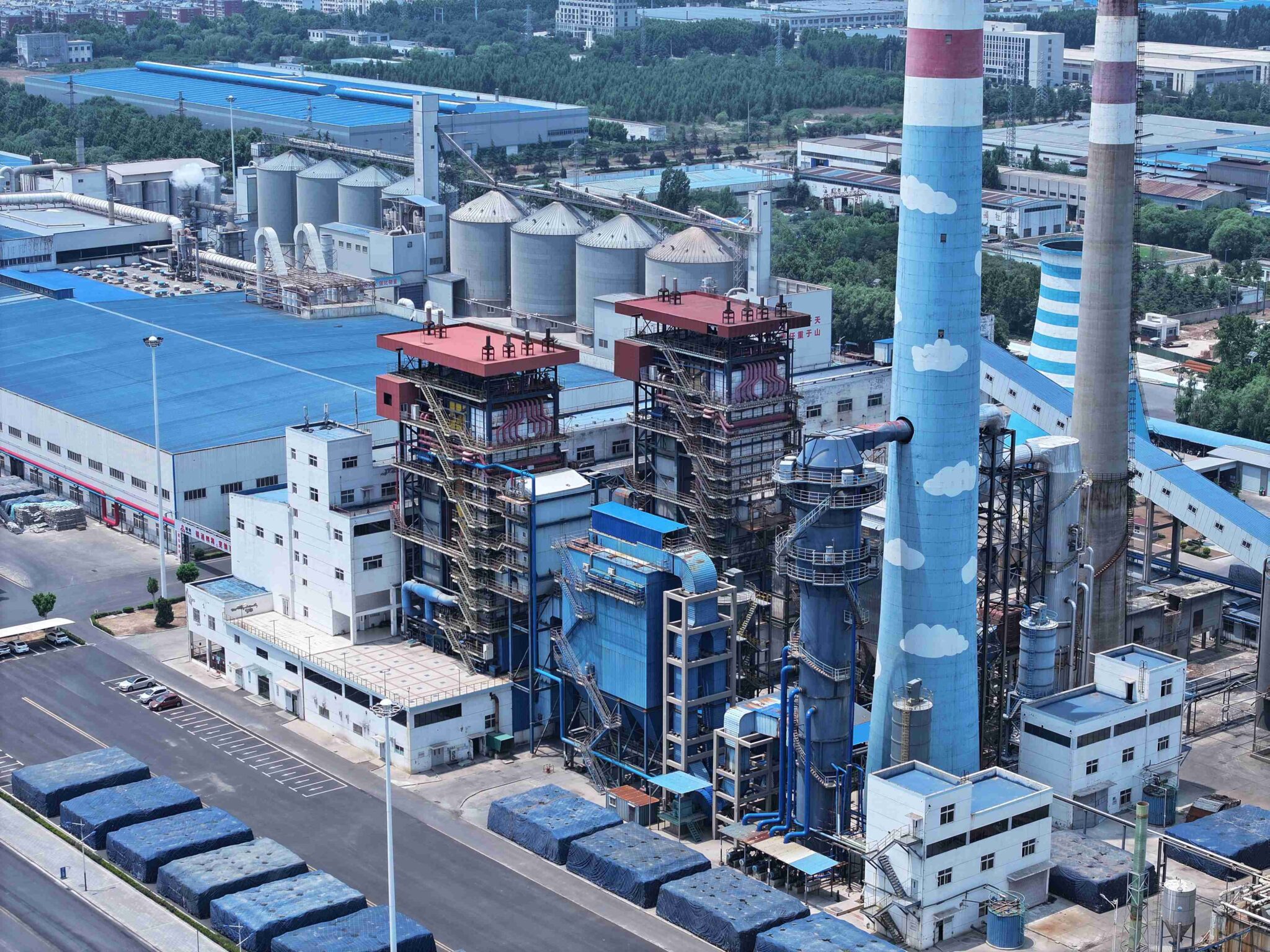
When selecting a power plant boiler supplier, technical specifications and certifications are often the primary focus. However, one critical factor that is frequently underestimated is project experience. A supplier may have strong theoretical capabilities, but without proven experience in real-world projects, they may struggle with complex installation challenges, integration issues, and unexpected operational conditions. This gap can result in delays, cost overruns, performance inefficiencies, and even safety risks. Project experience acts as a bridge between theory and execution, ensuring that the supplier can deliver reliable results under practical conditions.

Project experience influences power plant boiler supplier reliability by demonstrating proven capability in handling complex engineering challenges, ensuring smooth project execution, reducing risks, and delivering consistent performance based on real-world operational knowledge.

To understand its full impact, it is essential to explore how experience translates into reliability across different stages of a boiler project.

A supplier with strong technical design capabilities does not need project experience to ensure reliability.False

Practical project experience is essential for handling real-world challenges that cannot be fully predicted during design.

⚙️ Bridging the Gap Between Design and Execution

Engineering design provides the foundation for a boiler system, but real-world execution often presents challenges that cannot be fully anticipated during the design phase. Suppliers with extensive project experience have encountered a wide range of scenarios and developed solutions to address them effectively.

Key advantages include:

· Ability to adapt designs to site-specific conditions
· Experience in handling installation constraints
· Proven problem-solving capabilities

👉 Execution Flow:
Design → Site Conditions → Adaptation → Implementation → Successful Operation

Short insight: Experience turns design into reality.
Extended explanation: Real-world experience ensures that theoretical designs can be successfully implemented in practical environments.

🔥 Risk Reduction and Problem-Solving Capability

Power plant projects involve numerous risks, including technical, logistical, and environmental challenges. Experienced suppliers are better equipped to identify potential risks early and implement mitigation strategies.

Examples of risk management include:

· Identifying design limitations before installation
· Addressing supply chain disruptions
· Managing unexpected operational issues

👉 Risk Management Flow:
Experience → Risk Identification → Preventive Action → Reduced Impact

Short sentence: Experience reduces uncertainty.
Long explanation: Suppliers with a history of successful projects can anticipate and resolve issues more effectively, minimizing disruptions.

📊 Table 1: Experience Level vs Project Risk

Supplier Experience LevelRisk IdentificationProblem-Solving SpeedProject DelaysReliability
LowLimitedSlowFrequentLow
ModerateStandardمتوسطOccasionalMedium
HighAdvancedFastRareHigh

🧪 Proven Performance and Reliability Records

One of the most valuable aspects of project experience is the ability to demonstrate proven performance through past projects. Reliable suppliers can provide case studies, references, and performance data that validate their capabilities.

Key indicators include:

· Successful project completion rates
· Long-term operational performance of installed systems
· Customer satisfaction and feedback

👉 Performance Validation Flow:
Completed Projects → Operational Data → Performance Analysis → Proven Reliability

Short insight: Past success predicts future performance.
Extended explanation: A strong track record provides confidence that the supplier can deliver consistent results.

🤖 Integration and System Compatibility Expertise

Power plant boilers must integrate seamlessly with other systems, such as turbines, control systems, and fuel supply infrastructure. Experienced suppliers understand these integration requirements and can ensure compatibility.

Benefits include:

· Smooth system integration
· Reduced commissioning time
· Optimized overall performance

👉 Integration Flow:
System Requirements → Compatibility Design → Installation → Commissioning

Short sentence: Integration ensures efficiency.
Long explanation: Experience in system integration prevents compatibility issues and enhances overall plant performance.

📊 Table 2: Impact of Experience on System Integration

Experience LevelIntegration EfficiencyCommissioning TimeSystem CompatibilityOperational Stability
LowPoorLongLimitedUnstable
ModerateAcceptableModerateStandardStable
HighExcellentShortComprehensiveReliable

🌱 Adaptability to Diverse Project Conditions

Every power plant project is unique, with different environmental conditions, regulatory requirements, and operational demands. Suppliers with diverse project experience can adapt to these variations effectively.

Examples include:

· Handling different fuel types
· Operating in extreme climates
· Meeting region-specific regulations

👉 Adaptability Flow:
Project Variation → Experience Application → Customized Solution

Short insight: Experience enables flexibility.
Extended explanation: Diverse project exposure equips suppliers to handle a wide range of challenges.

🔧 Improved Project Management and Coordination

Experienced suppliers typically have well-established project management processes, ensuring efficient coordination between engineering, manufacturing, and installation teams.

Key benefits include:

· Clear communication channels
· Efficient resource allocation
· Timely project completion

👉 Project Management Flow:
Planning → Coordination → Execution → Delivery

Short sentence: Good management ensures success.
Long explanation: Effective project management minimizes delays and ensures smooth execution.

🔍 Real-World Case Insight

A power plant project initially selected a supplier with limited project experience, resulting in integration issues and delayed commissioning. After switching to an experienced supplier, the project achieved:

· Faster installation and commissioning
· Improved system performance
· Reduced operational issues
· Enhanced reliability

This case demonstrates how project experience directly impacts supplier reliability.

🔧 Key Evaluation Criteria for Buyers

To assess a supplier’s project experience, consider the following factors:

· Number of completed projects
· Similarity to your project requirements
· Availability of case studies and references
· Proven performance data

👉 Evaluation Flow:
Project Requirements → Experience Assessment → Supplier Selection

Short insight: Evaluate experience thoroughly.
Extended explanation: A detailed evaluation ensures that the supplier has the necessary expertise to meet project demands.

⚡ Economic and Strategic Benefits

Selecting an experienced supplier provides significant economic advantages by reducing risks and improving efficiency.

Key benefits include:

· Lower project risk
· Reduced delays and cost overruns
· Improved system performance
· Higher return on investment

👉 Economic Flow:
Experienced Supplier → Efficient Execution → Cost Savings

Short sentence: Experience saves costs.
Long explanation: Reliable execution minimizes unexpected expenses and maximizes value.

Summary

Project experience is a critical factor in determining the reliability of power plant boiler suppliers. It bridges the gap between design and execution, enhances risk management, ensures system integration, and supports efficient project management. By choosing a supplier with proven experience and a strong track record, organizations can significantly improve project outcomes, reduce risks, and achieve long-term operational success.

What After-Sales Support Should Power Plant Boiler Suppliers Provide?
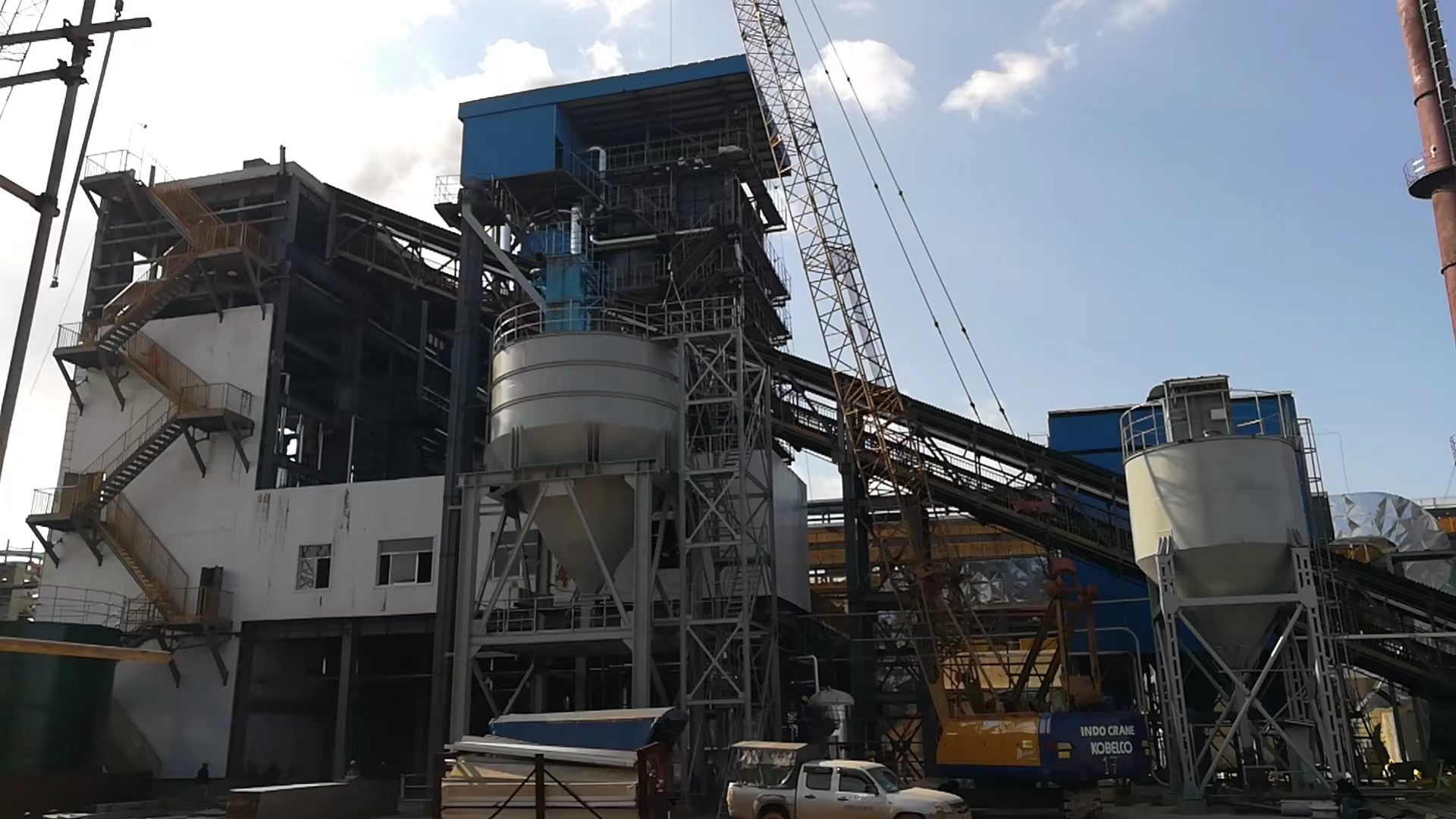
In power plant operations, purchasing a boiler is only the beginning of a long lifecycle that demands continuous technical support, maintenance, and optimization. Many operators face unexpected downtime, rising maintenance costs, and performance degradation due to inadequate after-sales support from suppliers. Without reliable service, even high-quality boilers can fail to meet operational expectations over time. This is why after-sales support is not an optional add-on but a critical component of supplier selection. A supplier’s commitment to post-installation service directly impacts system reliability, efficiency, and long-term return on investment.

Power plant boiler suppliers should provide comprehensive after-sales support including installation guidance, commissioning services, operator training, preventive maintenance, spare parts supply, technical troubleshooting, system upgrades, and remote monitoring to ensure reliable, efficient, and long-term boiler operation.

Understanding the scope and depth of after-sales support helps ensure that your boiler system continues to perform optimally throughout its lifecycle.

After-sales support is only necessary during the initial installation phase.False

After-sales support is required throughout the entire lifecycle of the boiler to maintain performance and reliability.

⚙️ Installation and Commissioning Support

The first stage of after-sales service begins with installation and commissioning. Proper setup is essential to ensure that the boiler operates according to design specifications.

Key services include:

· On-site technical guidance → Ensures correct installation
· System testing and calibration → Verifies performance
· Initial operation support → Stabilizes system operation

👉 Commissioning Flow:
Installation → System Check → Calibration → Test Run → Operational Approval

Short insight: A strong start ensures long-term success.
Extended explanation: Proper commissioning prevents early-stage failures and establishes a solid foundation for reliable operation.

🔥 Operator Training and Technical Knowledge Transfer

A well-trained operating team is essential for maintaining boiler efficiency and safety. Suppliers should provide comprehensive training programs tailored to the specific system.

Training typically includes:

· Boiler operation principles
· Safety procedures
· Routine maintenance practices
· Troubleshooting techniques

👉 Training Flow:
Instruction → Hands-On Practice → Skill Development → Independent Operation

Short sentence: Knowledge empowers operators.
Long explanation: Skilled operators can identify issues early and maintain optimal system performance.

📊 Table 1: Impact of Training on Boiler Operation

Training LevelOperational EfficiencyError RateSafety LevelMaintenance Quality
NoneLowHighRiskyPoor
BasicModerateModerateAcceptableStandard
AdvancedHighLowSafeExcellent

🧪 Preventive Maintenance and Inspection Services

Preventive maintenance is one of the most valuable after-sales services. It involves regular inspections and servicing to prevent equipment failure and maintain efficiency.

Key maintenance activities include:

· Routine inspection of components
· Cleaning of heat exchangers
· Calibration of control systems
· Replacement of worn parts

👉 Maintenance Flow:
Inspection → Diagnosis → Maintenance → Performance Verification

Short insight: Prevention reduces downtime.
Extended explanation: Regular maintenance minimizes unexpected failures and extends equipment lifespan.

🤖 Spare Parts Supply and Inventory Management

Timely availability of spare parts is critical for minimizing downtime. Suppliers should maintain a reliable supply chain and provide genuine components.

Key aspects include:

· Fast delivery of critical parts
· Availability of original components
· Inventory planning support

👉 Spare Parts Flow:
Demand Identification → Inventory Planning → Supply → Replacement

Short sentence: Spare parts ensure continuity.
Long explanation: Quick access to parts reduces repair time and maintains system availability.

📊 Table 2: Spare Parts Availability vs Downtime

Spare Parts AvailabilityDowntime DurationMaintenance CostOperational Impact
LimitedLongHighSevere
ModerateModerateMediumManageable
HighShortOptimizedMinimal

🌡️ Technical Troubleshooting and Emergency Support

Unexpected issues can occur even in well-maintained systems. Suppliers should provide rapid technical support to resolve problems efficiently.

Support services include:

· 24/7 technical assistance
· Remote diagnostics
· On-site emergency response

👉 Troubleshooting Flow:
Issue Detection → Diagnosis → Solution → System Recovery

Short insight: Fast response minimizes losses.
Extended explanation: Quick troubleshooting reduces downtime and prevents further damage.

🌱 System Upgrades and Performance Optimization

Over time, operational requirements and technologies evolve. Suppliers should offer system upgrades and optimization services to improve performance and efficiency.

Examples include:

· Control system upgrades
· Efficiency improvement solutions
· Emission reduction technologies

👉 Upgrade Flow:
Performance Analysis → Upgrade Design → Implementation → Optimization

Short sentence: Upgrades sustain competitiveness.
Long explanation: Continuous improvement ensures that the boiler remains efficient and compliant with evolving standards.

🔧 Remote Monitoring and Digital Support

Modern boilers increasingly rely on digital technologies for monitoring and maintenance. Suppliers should provide remote monitoring solutions to track system performance in real time.

Key benefits include:

· Early fault detection
· Data-driven maintenance
· Improved operational efficiency

👉 Digital Support Flow:
Data Collection → Analysis → Alert → Action

Short insight: Data enables proactive maintenance.
Long-term value: Remote monitoring reduces manual intervention and enhances system reliability.

🔍 Real-World Case Insight

A power plant experienced frequent downtime due to lack of after-sales support from its boiler supplier. After partnering with a supplier offering comprehensive service, the plant achieved:

· 30% reduction in downtime
· Improved operational efficiency
· Faster issue resolution
· Extended equipment lifespan

This case highlights the importance of strong after-sales support in maintaining reliable operations.

🔧 Key After-Sales Support Checklist

When evaluating suppliers, ensure they provide:

· Installation and commissioning services
· Operator training programs
· Preventive maintenance plans
· Reliable spare parts supply
· 24/7 technical support
· Upgrade and optimization services

👉 Evaluation Flow:
Service Scope → Capability Assessment → Supplier Selection

Short insight: Support defines long-term value.
Extended explanation: Comprehensive after-sales service ensures that the boiler system remains efficient and reliable throughout its lifecycle.

⚡ Economic and Strategic Benefits

Strong after-sales support delivers significant economic advantages by improving efficiency and reducing operational risks.

Key benefits include:

· Lower maintenance costs
· Reduced downtime
· Improved system performance
· Higher return on investment

👉 Economic Flow:
After-Sales Support → Reliable Operation → Cost Savings

Short sentence: Service drives value.
Long explanation: Investing in a supplier with strong after-sales capabilities ensures long-term operational success.

Summary

After-sales support is a critical factor in power plant boiler supplier selection, encompassing installation, training, maintenance, spare parts supply, troubleshooting, and system upgrades. These services ensure that the boiler operates efficiently, safely, and reliably throughout its lifecycle. By choosing a supplier with comprehensive and responsive after-sales support, organizations can maximize performance, minimize risks, and achieve sustainable long-term value.

How Can You Evaluate the Total Cost of Ownership When Selecting Power Plant Boiler Suppliers?
When selecting a power plant boiler supplier, many decision-makers focus primarily on the initial purchase price. However, this approach often leads to hidden costs that emerge over time, including higher fuel consumption, frequent maintenance, unexpected downtime, and expensive repairs. These overlooked factors can significantly increase the overall financial burden of the boiler system. Evaluating the Total Cost of Ownership (TCO) provides a comprehensive perspective, allowing buyers to understand the true long-term value of their investment and avoid costly mistakes.

To evaluate the Total Cost of Ownership (TCO) when selecting power plant boiler suppliers, you must consider not only the initial purchase cost but also operating expenses, fuel efficiency, maintenance costs, downtime risks, lifespan, and after-sales support, as these factors collectively determine the long-term economic performance of the boiler system.

Understanding TCO enables organizations to make smarter, data-driven decisions that prioritize long-term efficiency and reliability over short-term savings.

The lowest initial purchase price always results in the lowest total cost of ownership.False

Lower upfront costs can lead to higher operating and maintenance expenses, increasing overall lifecycle costs.

⚙️ Components of Total Cost of Ownership

Total Cost of Ownership is a comprehensive financial model that includes all costs associated with a boiler system throughout its lifecycle. These costs extend far beyond the initial purchase price.

Key TCO components include:

· Capital cost → Initial purchase and installation
· Fuel cost → Ongoing energy consumption
· Maintenance cost → Repairs and servicing
· Downtime cost → Production losses
· Disposal cost → End-of-life handling

👉 TCO Flow:
Initial Investment → Operation → Maintenance → End-of-Life → Total Cost

Short insight: TCO reflects the full lifecycle cost.
Extended explanation: Evaluating all cost components provides a realistic understanding of the investment.

🔥 Fuel Efficiency and Operating Costs

Fuel costs typically represent the largest portion of TCO in power plant boiler operations. Even small differences in efficiency can lead to significant cost variations over time.

Factors affecting fuel efficiency include:

· Combustion system design
· Heat transfer efficiency
· Insulation quality

👉 Efficiency Flow:
Fuel Input → Combustion → Heat Transfer → Energy Output

Short sentence: Efficiency drives cost savings.
Long explanation: Higher efficiency reduces fuel consumption, leading to substantial long-term savings.

📊 Table 1: Efficiency Impact on Fuel Cost

Efficiency LevelFuel ConsumptionAnnual Cost ImpactLong-Term Savings
LowHighHighMinimal
ModerateمتوسطModerateModerate
HighLowLowSignificant

🧪 Maintenance and Lifecycle Costs

Maintenance costs vary depending on the quality of the boiler and the supplier’s support services. High-quality systems typically require less frequent maintenance and have longer service intervals.

Key considerations include:

· Frequency of maintenance
· Cost of spare parts
· Availability of technical support

👉 Maintenance Flow:
Operation → Wear and Tear → Maintenance → Performance Restoration

Short insight: Maintenance affects long-term cost.
Extended explanation: Lower maintenance requirements reduce overall lifecycle expenses.

🤖 Downtime and Reliability Impact

Unplanned downtime can result in significant financial losses, especially in power generation environments where continuous operation is critical. Reliable boilers minimize downtime and ensure consistent output.

Factors influencing downtime include:

· Equipment reliability
· Quality of components
· Speed of repairs

👉 Reliability Flow:
System Quality → Failure Rate → Downtime → Cost Impact

Short sentence: Reliability reduces losses.
Long explanation: Investing in reliable systems minimizes disruptions and associated costs.

📊 Table 2: Downtime Impact on Operational Cost

Downtime FrequencyProduction LossRepair CostOverall Impact
HighSevereHighCritical
ModerateManageableModerateMedium
LowMinimalLowOptimal

🌱 Lifespan and Depreciation

The lifespan of a boiler significantly affects its total cost of ownership. Longer-lasting systems spread the initial investment over a greater period, reducing annualized costs.

Key factors include:

· Material quality
· Manufacturing standards
· Maintenance practices

👉 Lifecycle Flow:
Installation → Operation → Aging → Replacement

Short insight: Longer life lowers annual cost.
Extended explanation: Durable systems provide better value over time.

🔧 After-Sales Support and Service Costs

After-sales support plays a crucial role in managing TCO by ensuring efficient operation and reducing maintenance expenses. Suppliers offering comprehensive support can significantly lower lifecycle costs.

Key services include:

· Preventive maintenance programs
· Technical support
· Spare parts availability

👉 Service Flow:
Support → Maintenance → Performance → Cost Reduction

Short sentence: Support reduces expenses.
Long explanation: Strong after-sales service ensures efficient operation and minimizes unexpected costs.

🔍 Real-World Case Insight

A power generation company selected a low-cost boiler supplier without considering TCO. Over time, the system experienced high fuel consumption and frequent breakdowns, leading to increased costs. After switching to a supplier with higher efficiency and better support, the company achieved:

· 20% reduction in fuel costs
· Reduced maintenance expenses
· Improved reliability
· Lower overall TCO

This case highlights the importance of evaluating long-term costs rather than focusing solely on initial investment.

🔧 Practical Steps to Evaluate TCO

To effectively evaluate TCO, organizations should follow a structured approach:

· Analyze all cost components over the boiler’s lifecycle
· Compare efficiency and performance metrics
· Evaluate supplier reliability and support services
· Consider risk factors such as downtime and maintenance

👉 Evaluation Flow:
Data Collection → Cost Analysis → Comparison → Decision

Short insight: Analyze before investing.
Extended explanation: A systematic evaluation ensures informed decision-making.

⚡ Economic and Strategic Benefits

Evaluating TCO provides both financial and strategic advantages, enabling organizations to optimize their investments and improve operational performance.

Key benefits include:

· Better financial planning
· Reduced long-term costs
· Improved operational efficiency
· Enhanced decision-making

👉 Strategic Flow:
TCO Analysis → Informed Decision → Optimized Investment

Short sentence: TCO drives smarter decisions.
Long explanation: A comprehensive cost analysis ensures sustainable and efficient operations.

Summary

Evaluating the Total Cost of Ownership is essential when selecting power plant boiler suppliers, as it provides a complete view of the financial and operational impact of the investment. By considering factors such as fuel efficiency, maintenance costs, downtime, lifespan, and after-sales support, organizations can make informed decisions that prioritize long-term value over short-term savings. A well-executed TCO analysis ensures that the selected boiler system delivers optimal performance, reliability, and economic benefits throughout its lifecycle.

Conclusion

Selecting the right power plant boiler supplier is a critical decision that directly affects the efficiency, reliability, and profitability of your operations. By carefully evaluating technical strength, production quality, certifications, and service capabilities, you can minimize risks and ensure a successful investment. A trusted supplier not only delivers high-quality equipment but also becomes a long-term partner in optimizing plant performance.

If you are searching for a dependable power plant boiler supplier, contact us today. We offer advanced boiler solutions, strict quality control, and full lifecycle support to help you achieve maximum efficiency and long-term success.

FAQ

Q1: How do you evaluate the technical capabilities of power plant boiler suppliers?

A1:
Evaluating the technical capabilities of power plant boiler suppliers is a foundational step in ensuring long-term operational success and efficiency. The first aspect to consider is the supplier’s engineering expertise. This includes their ability to design boilers that meet specific plant requirements such as capacity, pressure, fuel type, and emission standards. Suppliers with strong R&D capabilities are more likely to offer innovative solutions, such as high-efficiency supercritical or ultra-supercritical boilers.

Another key factor is manufacturing infrastructure. Reliable suppliers typically have advanced production facilities equipped with modern fabrication technologies, automation systems, and stringent quality control processes. This ensures consistency in product quality and adherence to design specifications.

Certifications and compliance with international standards are also critical indicators of technical capability. Look for certifications such as ISO, ASME, and other relevant industry standards. These certifications demonstrate that the supplier follows globally recognized engineering and safety practices.

Experience in similar projects is equally important. Suppliers with a proven track record in delivering boilers for power plants of comparable size and complexity are more likely to meet expectations. Case studies, project portfolios, and client references can provide valuable insights into their capabilities.

Additionally, the supplier’s ability to provide customization is crucial. Every power plant has unique operational requirements, and a capable supplier should be able to tailor boiler designs accordingly. This includes adapting to different fuel types such as coal, oil, gas, or biomass.

Finally, technical support services, including installation guidance, commissioning, and troubleshooting, should be evaluated. Suppliers that offer comprehensive technical assistance ensure smoother project execution and long-term reliability.

In summary, assessing engineering expertise, manufacturing capabilities, certifications, experience, customization, and technical support helps determine the technical strength of a boiler supplier.

Q2: What factors should be considered when comparing boiler supplier costs?

A2:
Cost evaluation is a critical component when selecting a power plant boiler supplier, but it should go beyond just the initial purchase price. A comprehensive cost analysis includes both capital expenditure (CAPEX) and operational expenditure (OPEX). While a lower upfront cost may seem attractive, it can lead to higher long-term expenses if the boiler is inefficient or requires frequent maintenance.

The first factor to consider is the total cost of ownership (TCO). This includes installation costs, fuel efficiency, maintenance requirements, spare parts availability, and energy consumption. High-efficiency boilers may have a higher initial cost but can significantly reduce fuel expenses over time.

Another important aspect is lifecycle cost. Boilers are long-term investments, often operating for decades. Evaluating the expected lifespan and durability of the equipment helps determine whether the investment is worthwhile. Suppliers offering robust designs and high-quality materials may justify a higher price.

Maintenance and service costs should also be analyzed. Suppliers that provide comprehensive after-sales services, including regular maintenance, training, and quick access to spare parts, can reduce downtime and operational disruptions.

Financing options and payment terms can also influence the decision. Some suppliers offer flexible financing, leasing options, or performance-based contracts, which can ease the financial burden.

Additionally, hidden costs such as transportation, installation, and compliance with environmental regulations should be considered. These can significantly impact the overall budget.

In conclusion, comparing boiler supplier costs requires a holistic approach that considers total cost of ownership, lifecycle costs, maintenance expenses, and hidden costs rather than focusing solely on the initial price.

Q3: Why are certifications and compliance important when selecting boiler suppliers?

A3:
Certifications and compliance are essential criteria when selecting power plant boiler suppliers because they ensure that the equipment meets established safety, quality, and environmental standards. Boilers operate under high pressure and temperature conditions, making safety a top priority. Suppliers that adhere to recognized standards reduce the risk of accidents and operational failures.

One of the most important certifications is the ASME (American Society of Mechanical Engineers) code, which sets rigorous standards for boiler design, fabrication, and testing. Compliance with ASME ensures that the boiler can safely handle the required pressure and temperature conditions.

ISO certifications, such as ISO 9001 for quality management systems, indicate that the supplier follows consistent processes to maintain product quality. Environmental certifications like ISO 14001 demonstrate a commitment to minimizing environmental impact.

Regulatory compliance is also critical. Power plants must adhere to local and international environmental regulations, including emission standards for pollutants such as sulfur dioxide (SO₂), nitrogen oxides (NOx), and particulate matter. Suppliers that provide boilers with advanced emission control technologies help ensure compliance with these regulations.

In addition, certifications often reflect the supplier’s commitment to continuous improvement and innovation. They indicate that the company invests in quality assurance, employee training, and process optimization.

Another benefit of choosing certified suppliers is easier approval from regulatory authorities. Projects involving uncertified equipment may face delays, penalties, or even rejection.

Overall, certifications and compliance provide assurance of safety, reliability, quality, and regulatory adherence, making them indispensable factors in supplier selection.

Q4: How do after-sales services impact the choice of boiler suppliers?

A4:
After-sales services play a crucial role in determining the overall value and reliability of a power plant boiler supplier. While the initial purchase and installation are important, the long-term performance of the boiler depends heavily on the support provided after commissioning.

One of the key aspects of after-sales service is maintenance support. Regular maintenance is essential to keep the boiler operating efficiently and to prevent unexpected breakdowns. Suppliers that offer scheduled maintenance programs, inspections, and performance monitoring help ensure consistent operation.

Availability of spare parts is another critical factor. Downtime in power plants can result in significant financial losses, so quick access to spare parts is essential. Reliable suppliers maintain an inventory of critical components and provide fast delivery services.

Technical support and troubleshooting are also important. Suppliers should offer 24/7 support to address operational issues promptly. Remote monitoring and diagnostic tools can further enhance response times and reduce downtime.

Training services for plant personnel are another valuable component. Properly trained operators can handle equipment more efficiently and identify potential issues early. Suppliers that provide comprehensive training programs contribute to improved safety and performance.

Warranty and service agreements also influence decision-making. Extended warranties and service contracts provide additional assurance and reduce financial risks associated with equipment failure.

In summary, strong after-sales services enhance reliability, reduce downtime, and improve overall operational efficiency, making them a key factor in selecting the best boiler supplier.

Q5: How can you assess the reputation and reliability of boiler suppliers?

A5:
Assessing the reputation and reliability of power plant boiler suppliers is essential to minimize risks and ensure successful project execution. One of the most effective ways to evaluate reputation is by reviewing the supplier’s track record. This includes examining past projects, client portfolios, and case studies. Suppliers with a history of successful installations in similar power plants are more likely to deliver reliable solutions.

Customer reviews and testimonials provide valuable insights into the supplier’s performance. Feedback from previous clients can highlight strengths such as product quality, timely delivery, and customer support, as well as potential weaknesses.

Industry recognition and awards are also indicators of credibility. Suppliers that have received accolades for innovation, quality, or sustainability are often leaders in their field.

Financial stability is another important factor. A financially stable supplier is more likely to complete projects on time and provide long-term support. Financial reports, credit ratings, and market presence can help assess this aspect.

Partnerships and collaborations with reputable organizations or technology providers also enhance credibility. These partnerships often indicate access to advanced technologies and best practices.

Site visits and factory audits provide firsthand insights into the supplier’s operations, quality control processes, and workforce expertise. This allows buyers to verify claims and assess capabilities directly.

Finally, evaluating responsiveness and communication during the selection process can reveal how the supplier will perform in the long term. Reliable suppliers are transparent, responsive, and willing to address concerns.

In conclusion, a thorough assessment of track record, customer feedback, financial stability, industry recognition, and operational transparency helps determine the reputation and reliability of boiler suppliers.

References

  1. Power Plant Boiler Supplier Evaluation Guide – https://www.energy.gov/eere/amo/steam-systems – U.S. Department of Energy
  2. Boiler Procurement Best Practices – https://www.iea.org/reports – International Energy Agency
  3. ASME Boiler Standards Overview – https://www.asme.org/codes-standards – ASME
  4. Industrial Boiler Manufacturer Selection – https://www.spiraxsarco.com – Spirax Sarco
  5. Boiler Efficiency and Lifecycle Costing – https://www.ge.com/power – General Electric
  6. ISO Certification Standards – https://www.iso.org/standards.html – International Organization for Standardization
  7. Boiler Maintenance and Service Insights – https://www.tlv.com – TLV International
  8. Power Plant Equipment Procurement – https://www.thermaxglobal.com – Thermax
  9. Environmental Compliance in Boilers – https://www.epa.gov – U.S. Environmental Protection Agency
  10. Industrial Energy Systems Optimization – https://www.worldenergy.org – World Energy Council

How to Choose the Best Power Plant Boiler Suppliers? Read More »
Essential Maintenance for Industrial Oil-Fired Boilers

Industrial oil-fired boilers are critical for consistent heat and steam generation, but neglecting routine maintenance can lead to reduced efficiency, unexpected breakdowns, increased fuel consumption, and even safety hazards. Over time, soot buildup, burner inefficiencies, and water quality issues can silently degrade performance, resulting in costly downtime and repairs. To avoid these risks, implementing a structured maintenance routine is essential for ensuring reliable and efficient boiler operation.

Regular maintenance of industrial oil-fired boilers includes burner inspection and cleaning, fuel system checks, heat exchanger cleaning, water quality management, safety device testing, and control system calibration. These tasks help maintain optimal combustion efficiency, prevent equipment failure, reduce emissions, and extend the lifespan of the boiler system.

By understanding and applying these essential maintenance practices, operators can significantly enhance system reliability, improve energy efficiency, and ensure compliance with safety and environmental standards.

Further reading

Project Case

Biomass Boilers

Coal fired boiler

Oil Gas fired Boiler

Waste Heat Recovery Boiler

How Does Burner Inspection and Cleaning Improve Industrial Oil-Fired Boiler Performance?

In industrial oil-fired boiler systems, performance issues often originate from a surprisingly overlooked component—the burner. Over time, fuel nozzles become clogged, air passages accumulate soot, and flame patterns deteriorate. These seemingly minor issues can lead to incomplete combustion, increased fuel consumption, unstable operation, and higher emissions. When left unaddressed, they not only reduce efficiency but also accelerate wear on critical components. Burner inspection and cleaning provide a practical and highly effective solution, restoring optimal combustion conditions and ensuring consistent boiler performance.

Burner inspection and cleaning improve industrial oil-fired boiler performance by ensuring proper fuel atomization, maintaining optimal air-fuel mixing, stabilizing flame characteristics, reducing soot formation, and enhancing combustion efficiency, which leads to lower fuel consumption, improved heat transfer, and reduced emissions.

To fully understand its importance, we must examine how burner condition directly affects combustion quality and overall boiler operation.

Dirty burners do not significantly affect boiler efficiency if fuel supply remains constant.False

Dirty burners disrupt fuel atomization and air-fuel mixing, leading to incomplete combustion and reduced efficiency.

🔥 The Role of Burners in Combustion Efficiency

The burner is the heart of the combustion process in an oil-fired boiler. Its primary function is to atomize fuel into fine droplets and mix it with air to create a stable and efficient flame. When the burner operates correctly, fuel burns completely, releasing maximum heat energy.

However, when deposits build up on the nozzle or air passages become obstructed, the atomization process is compromised. Fuel droplets become larger and unevenly distributed, leading to incomplete combustion and energy loss.

· Proper atomization → Fine fuel droplets → Complete combustion
· Clean air passages → Efficient mixing → Stable flame
· Balanced combustion → Maximum heat output

👉 Combustion Flow:
Fuel Injection → Atomization → Air Mixing → Ignition → Stable Flame → Heat Generation

Short insight: Clean burner, clean flame.
Extended explanation: The quality of combustion is directly tied to the condition of the burner, making regular inspection and cleaning essential for maintaining efficiency.

⚙️ Impact of Contamination on Burner Performance

Over time, burners accumulate contaminants such as carbon deposits, soot, and fuel residues. These contaminants interfere with normal operation and degrade performance.

Key issues caused by dirty burners include:

· Clogged nozzles → Poor fuel spray pattern
· Blocked air inlets → Inadequate oxygen supply
· Soot buildup → Reduced heat transfer
· Irregular flame shape → Combustion instability

These problems create a chain reaction that affects the entire boiler system, leading to reduced efficiency and increased operational costs.

👉 Performance Degradation Flow:
Contamination → Poor Atomization → Incomplete Combustion → Energy Loss → Reduced Efficiency

Short sentence: Dirt disrupts combustion.
Long explanation: Even small amounts of contamination can significantly alter burner performance, highlighting the importance of regular maintenance.

📊 Table 1: Burner Condition vs Combustion Efficiency

Burner ConditionFuel AtomizationCombustion EfficiencyEmissions LevelPerformance Impact
DirtyPoorLowHighInefficient
Partially CleanModerateمتوسطModerateAcceptable
CleanExcellentHighLowOptimal

🌡️ Flame Stability and Heat Transfer Enhancement

A stable flame is essential for efficient heat transfer and consistent boiler operation. Burner inspection and cleaning ensure that the flame remains uniform and properly aligned within the combustion chamber.

When the flame is unstable or uneven:

· Heat distribution becomes irregular
· Hotspots may develop
· Heat transfer efficiency decreases

By maintaining a clean burner, operators can ensure that the flame burns evenly, maximizing heat transfer to the boiler’s heat exchange surfaces.

👉 Heat Transfer Flow:
Stable Flame → Uniform Heat Distribution → Efficient Heat Transfer → Maximum Steam Output

Short insight: Stable flame, stable performance.
Extended explanation: Consistent flame characteristics are critical for maintaining efficient and reliable boiler operation.

📊 Table 2: Heat Transfer Efficiency Comparison

ConditionFlame StabilityHeat Transfer EfficiencyFuel ConsumptionOperational Impact
Dirty BurnerUnstableLowHighPoor
Clean BurnerStableHighReducedOptimal

🌪️ Emission Reduction and Environmental Benefits

Incomplete combustion caused by dirty burners results in higher emissions of pollutants such as carbon monoxide (CO) and unburned hydrocarbons. Regular inspection and cleaning help ensure complete combustion, reducing these emissions and supporting environmental compliance.

Key benefits include:

· Lower CO emissions
· Reduced soot and particulate matter
· Improved air quality

👉 Emission Reduction Flow:
Clean Burner → Complete Combustion → Lower Emissions → Environmental Compliance

Short sentence: Cleaner combustion, cleaner environment.
Long explanation: Proper burner maintenance not only improves efficiency but also contributes to sustainable and environmentally responsible operations.

🤖 Role in Operational Reliability and Maintenance

Burner inspection is not just about cleaning—it is also an opportunity to identify potential issues before they become serious problems. During inspection, technicians can detect wear, misalignment, or damage to components, allowing for timely repairs.

· Early fault detection → Prevents breakdowns
· Reduced downtime → Improves reliability
· Extended equipment life → Lowers replacement costs

👉 Maintenance Flow:
Inspection → Issue Identification → Cleaning/Repair → Restored Performance → Reliable Operation

Short insight: Inspection prevents failure.
Extended explanation: Regular maintenance ensures that the burner continues to operate efficiently and reliably over time.

⚡ Economic Impact and Cost Savings

Burner inspection and cleaning deliver significant economic benefits by improving efficiency and reducing operational costs.

Key advantages include:

· Lower fuel consumption due to efficient combustion
· Reduced maintenance and repair costs
· Extended equipment lifespan
· Improved overall system performance

👉 Cost Efficiency Flow:
Clean Burner → Efficient Combustion → Reduced Fuel Use → Lower Costs

Short sentence: Efficiency saves money.
Long explanation: Investing in routine burner maintenance provides a high return by reducing energy waste and preventing costly failures.

🔍 Real-World Case Insight

An industrial facility operating oil-fired boilers experienced rising fuel costs and unstable performance. After implementing a regular burner inspection and cleaning program, the facility achieved measurable improvements:

· Fuel consumption reduced by 10–15%
· Combustion efficiency increased
· Emissions decreased
· Operational stability improved

The results demonstrated that even simple maintenance practices can have a significant impact on overall boiler performance.

🔧 Best Practices for Burner Inspection and Cleaning

To maximize the benefits of burner maintenance, organizations should follow these best practices:

· Schedule regular inspection intervals
· Clean fuel nozzles and air passages thoroughly
· Check alignment and calibration of burner components
· Monitor flame characteristics during operation
· Replace worn or damaged parts promptly

👉 Quick Checklist:
· Inspect nozzle condition
· Clean air inlets
· Verify flame stability
· Ensure proper fuel pressure

These practices ensure that burners operate at peak efficiency, supporting overall boiler performance.

Summary

Burner inspection and cleaning are essential for improving the performance of industrial oil-fired boilers. By ensuring proper fuel atomization, maintaining optimal air-fuel mixing, stabilizing flame characteristics, and reducing emissions, these maintenance practices enhance efficiency, reliability, and cost-effectiveness. In industrial operations where performance and efficiency are critical, regular burner maintenance is not just beneficial—it is indispensable for achieving optimal boiler operation and long-term success.

Why Is Fuel System Maintenance Important for Industrial Oil-Fired Boilers?

In industrial oil-fired boiler systems, the fuel system acts as the lifeline that ensures continuous and efficient energy delivery. However, over time, contaminants, sludge, and wear can accumulate in fuel lines, pumps, and filters, disrupting the smooth flow of oil. These issues often go unnoticed until they cause serious problems such as unstable combustion, reduced efficiency, increased emissions, and even unexpected shutdowns. Many facilities underestimate the importance of regular fuel system maintenance, focusing instead on visible components like burners or heat exchangers. The consequence is clear: compromised performance, higher operating costs, and reduced system reliability. Fuel system maintenance offers a proactive solution, ensuring consistent fuel delivery and optimal boiler operation.

Fuel system maintenance is crucial for industrial oil-fired boilers because it ensures clean and consistent fuel supply, prevents blockages and pressure fluctuations, maintains proper atomization, enhances combustion efficiency, reduces emissions, and extends the lifespan of critical components, ultimately improving reliability and reducing operational costs.

To fully understand its significance, it is essential to explore how the fuel system functions and how maintenance directly impacts boiler performance.

Fuel systems in oil-fired boilers require minimal maintenance because oil is a clean-burning fuel.False

Oil can contain impurities and form sludge over time, which can clog filters, damage components, and reduce combustion efficiency.

⚙️ Structure and Function of the Fuel System

The fuel system in an industrial oil-fired boiler is a complex network designed to deliver fuel from storage to the burner at the correct pressure, temperature, and flow rate. It includes components such as fuel tanks, pumps, filters, heaters, pipelines, and control valves. Each component plays a critical role in ensuring that fuel reaches the burner in optimal condition for efficient combustion.

A well-maintained fuel system ensures that oil is free from contaminants, properly pressurized, and delivered consistently. However, when maintenance is neglected, issues such as clogged filters, worn pumps, and leaking valves can disrupt fuel delivery and compromise combustion performance.

· Fuel pumps → Maintain pressure and flow
· Filters → Remove impurities and contaminants
· Heaters → Adjust viscosity for proper atomization
· Valves and pipelines → Control and transport fuel

👉 Fuel Delivery Flow:
Fuel Storage → Filtration → Pumping → Heating → Controlled Delivery → Burner Injection

Short insight: Smooth fuel flow ensures smooth combustion.
Extended explanation: The reliability of the entire boiler system depends on the consistent and controlled delivery of fuel, making the fuel system a critical component.

🔥 Impact on Combustion Efficiency

Fuel system maintenance directly influences combustion efficiency by ensuring that fuel is delivered in the correct condition for atomization and mixing with air. Clean and properly pressurized fuel allows the burner to produce a fine spray, which is essential for complete combustion.

When the fuel system is not properly maintained, several issues can arise:

· Clogged filters → Restricted fuel flow
· Inconsistent pressure → Poor atomization
· Contaminated fuel → Incomplete combustion

These problems lead to energy losses, increased fuel consumption, and reduced boiler efficiency.

👉 Combustion Efficiency Flow:
Clean Fuel → Proper Pressure → Fine Atomization → Complete Combustion → Maximum Heat Output

Short sentence: Clean fuel burns better.
Long explanation: Maintaining the fuel system ensures that combustion occurs under optimal conditions, maximizing energy output and minimizing waste.

📊 Table 1: Fuel System Condition vs Combustion Performance

Fuel System ConditionFuel Flow StabilityCombustion EfficiencyEmissions LevelPerformance Impact
Poor MaintenanceUnstableLowHighInefficient
Moderate MaintenanceVariableModerateModerateAcceptable
Well MaintainedStableHighLowOptimal

🌡️ Prevention of Blockages and Equipment Damage

One of the primary benefits of fuel system maintenance is the prevention of blockages and damage to critical components. Over time, impurities in the fuel can accumulate and form deposits that obstruct pipelines and filters. Additionally, sludge formation can damage pumps and valves, reducing their effectiveness and lifespan.

Regular maintenance activities such as filter replacement, tank cleaning, and system flushing help prevent these issues and ensure smooth operation.

👉 Maintenance Flow:
Inspection → Cleaning → Replacement → System Optimization → Reliable Operation

Short insight: Prevention is better than repair.
Extended explanation: By addressing potential issues early, maintenance reduces the risk of costly repairs and unexpected downtime.

📊 Table 2: Operational Impact of Fuel System Maintenance

ParameterWithout MaintenanceWith MaintenanceImpact Level
Fuel FlowIrregularStableCritical
Equipment WearHighLowSignificant
Downtime FrequencyFrequentReducedHigh
Maintenance CostsHighLowerEconomic

🌪️ Role in Emission Control and Environmental Compliance

Fuel system maintenance also plays a key role in reducing emissions and ensuring compliance with environmental regulations. Clean and properly delivered fuel burns more completely, producing fewer pollutants such as carbon monoxide (CO) and unburned hydrocarbons.

When the fuel system is compromised, incomplete combustion leads to higher emissions and potential regulatory violations.

· Complete combustion → Lower emissions
· Stable operation → Reduced pollutants
· Efficient fuel use → Environmental benefits

👉 Emission Control Flow:
Maintained Fuel System → Clean Fuel Delivery → Complete Combustion → Reduced Emissions

Short sentence: Better fuel flow, cleaner air.
Long explanation: Proper maintenance ensures that boilers operate efficiently while minimizing their environmental impact.

🤖 Contribution to System Reliability and Longevity

A well-maintained fuel system enhances the overall reliability and lifespan of the boiler. By ensuring consistent fuel delivery and preventing damage to components, maintenance reduces the likelihood of system failures and extends equipment life.

Additionally, regular inspections allow operators to identify and address issues such as leaks, corrosion, and wear before they lead to major problems.

· Improved reliability → Fewer unexpected failures
· Extended lifespan → Lower replacement costs
· Enhanced safety → Reduced risk of accidents

👉 Reliability Flow:
Regular Maintenance → Early Detection → Timely Repair → Stable Operation

Short insight: Maintenance builds reliability.
Extended explanation: Consistent upkeep of the fuel system ensures that the boiler operates safely and efficiently over the long term.

⚡ Economic Benefits and Cost Efficiency

Fuel system maintenance delivers significant economic advantages by improving efficiency and reducing operational costs.

Key benefits include:

· Lower fuel consumption due to efficient combustion
· Reduced maintenance and repair expenses
· Minimized downtime and production losses
· Extended equipment lifespan

👉 Cost Efficiency Flow:
Maintained System → Efficient Operation → Reduced Costs → Higher Profitability

Short sentence: Efficiency reduces costs.
Long explanation: Investing in maintenance provides a high return by preventing inefficiencies and avoiding costly failures.

🔍 Real-World Case Insight

An industrial facility operating oil-fired boilers experienced frequent fuel supply issues and rising operational costs due to poor maintenance practices. After implementing a structured fuel system maintenance program, the facility achieved notable improvements:

· Fuel consumption reduced by 12%
· System reliability increased
· Maintenance costs decreased
· Emissions improved

The results demonstrated the critical role of fuel system maintenance in ensuring efficient and reliable boiler operation.

🔧 Best Practices for Fuel System Maintenance

To maximize performance and reliability, organizations should adopt the following maintenance practices:

· Conduct regular inspections of fuel lines and components
· Replace filters and clean tanks periodically
· Monitor fuel quality and prevent contamination
· Maintain proper fuel pressure and temperature
· Train personnel in maintenance procedures

👉 Quick Checklist:
· Check filter condition
· Inspect pumps and valves
· Clean fuel storage tanks
· Monitor fuel flow and pressure

These practices ensure that the fuel system operates efficiently and supports optimal boiler performance.

Summary

Fuel system maintenance is essential for the efficient and reliable operation of industrial oil-fired boilers. By ensuring clean and consistent fuel delivery, preventing blockages, improving combustion efficiency, and reducing emissions, it plays a critical role in maintaining performance and extending equipment lifespan. In industrial environments where efficiency and reliability are paramount, proper fuel system maintenance is not just a routine task—it is a strategic necessity for achieving long-term operational success.

How Often Should Heat Exchangers Be Cleaned in Industrial Oil-Fired Boilers?

In industrial oil-fired boiler systems, heat exchangers play a critical role in transferring energy from combustion gases to water or steam. However, over time, soot, carbon deposits, and other residues accumulate on heat transfer surfaces, acting as insulation and reducing efficiency. Many operators delay cleaning due to production pressures, but this neglect can lead to increased fuel consumption, overheating, equipment damage, and even system failure. The challenge lies in determining the optimal cleaning frequency that balances operational efficiency with maintenance costs. Proper scheduling of heat exchanger cleaning is the key to maintaining peak boiler performance and extending equipment lifespan.

Heat exchangers in industrial oil-fired boilers should typically be cleaned every 3 to 6 months under normal operating conditions, but the exact frequency depends on fuel quality, operating load, combustion efficiency, and environmental conditions. High-load or poor-quality fuel conditions may require more frequent cleaning, while optimized systems can extend intervals with proper monitoring.

Understanding the correct cleaning frequency requires analyzing operational factors, performance indicators, and maintenance strategies.

Heat exchangers only need cleaning once a year regardless of operating conditions.False

Cleaning frequency depends on fuel quality, load conditions, and combustion efficiency, and may require more frequent maintenance.

🔥 Why Heat Exchanger Cleaning Frequency Matters

Heat exchangers are directly exposed to high-temperature combustion gases, making them highly susceptible to fouling and soot accumulation. Even a thin layer of deposits can significantly reduce heat transfer efficiency, forcing the boiler to consume more fuel to maintain output.

When cleaning is delayed, the following issues arise:

· Reduced heat transfer efficiency
· Increased fuel consumption
· Higher flue gas temperatures
· Risk of tube overheating and damage

👉 Efficiency Flow:
Clean Surface → Efficient Heat Transfer → Optimal Steam Output

When fouling occurs:

· Heat transfer decreases
· Energy losses increase
· System stress rises

Short insight: Dirty surfaces waste energy.
Extended explanation: Maintaining clean heat exchanger surfaces ensures efficient energy transfer, reducing operational costs and preventing long-term damage.

⚙️ Factors That Determine Cleaning Frequency

The ideal cleaning schedule varies depending on several operational factors. Understanding these variables allows operators to establish a maintenance plan tailored to their specific system.

1. Fuel Quality

Fuel quality has a direct impact on fouling rates. Low-quality oil with high impurities produces more soot and deposits, requiring more frequent cleaning.

· High-quality fuel → Less residue → Longer intervals
· Low-quality fuel → More deposits → Shorter intervals

2. Operating Load and Usage

Boilers operating at high loads or continuously are more prone to rapid fouling due to increased combustion activity.

· High load → Faster deposit buildup
· Moderate load → Slower accumulation

3. Combustion Efficiency

Efficient combustion produces fewer unburned particles, reducing soot formation. Poor combustion leads to higher fouling rates.

· Optimized combustion → Cleaner surfaces
· Incomplete combustion → More deposits

4. Environmental Conditions

Dust, humidity, and external contaminants can contribute to fouling, especially in industrial environments.

👉 Influence Flow:
Operating Conditions → Deposit Formation Rate → Cleaning Frequency

Short sentence: More deposits, more cleaning.
Long explanation: Cleaning frequency must be adjusted based on how quickly deposits accumulate under specific operating conditions.

📊 Table 1: Recommended Cleaning Frequency Based on Conditions

Operating ConditionFuel QualityLoad LevelRecommended Cleaning IntervalMaintenance Priority
Optimal ConditionsHighModerate6 monthsStandard
متوسط ConditionsMediumVariable3–4 monthsModerate
Harsh ConditionsLowHigh1–2 monthsHigh

🌡️ Performance Indicators That Signal Cleaning Needs

In addition to scheduled maintenance, operators should monitor key performance indicators to determine when cleaning is necessary. These indicators provide real-time insight into heat exchanger condition.

Key warning signs include:

· Rising flue gas temperature
· Increased fuel consumption
· Reduced steam output
· Visible soot or deposits

👉 Monitoring Flow:
Parameter Change → Performance Deviation → Cleaning Decision

Short insight: Performance reveals condition.
Extended explanation: By tracking operational data, operators can identify fouling early and schedule cleaning before efficiency is significantly impacted.

📊 Table 2: Performance Changes Due to Fouling

ParameterClean ConditionFouled ConditionImpact Level
Heat TransferHighReducedCritical
Fuel ConsumptionLowIncreasedSignificant
Flue Gas TemperatureNormalElevatedHigh
System EfficiencyOptimalDegradedEssential

🌪️ Cleaning Methods and Best Practices

Effective cleaning requires selecting the appropriate method based on the type and severity of fouling. Common cleaning techniques include:

· Mechanical cleaning → Brushing or scraping deposits
· Chemical cleaning → Dissolving stubborn residues
· Soot blowing → Removing loose particles during operation

👉 Cleaning Process Flow:
Inspection → Method Selection → Cleaning → Performance Verification

Best practices include:

· Scheduling regular inspections
· Using proper cleaning tools and chemicals
· Ensuring safety during maintenance
· Verifying performance after cleaning

Short sentence: Right method, better results.
Long explanation: Choosing the appropriate cleaning technique ensures effective removal of deposits without damaging equipment.

🤖 Role of Monitoring and Automation

Modern industrial systems increasingly use real-time monitoring and automation to optimize cleaning schedules. Sensors can track parameters such as temperature and efficiency, providing data-driven insights into when cleaning is required.

Advanced systems can even trigger alerts or automate cleaning processes, reducing the need for manual intervention.

· Data-driven maintenance
· Predictive cleaning schedules
· Reduced downtime

👉 Smart Maintenance Flow:
Data Collection → Analysis → Prediction → Scheduled Cleaning

Short insight: Data guides maintenance.
Long-term value: Intelligent systems enable proactive maintenance, improving efficiency and reliability.

⚡ Economic Impact of Proper Cleaning Frequency

Maintaining the correct cleaning frequency delivers significant economic benefits by improving efficiency and reducing operational costs.

Key advantages include:

· Lower fuel consumption
· Reduced maintenance costs
· Extended equipment lifespan
· Improved system reliability

👉 Cost Efficiency Flow:
Regular Cleaning → Efficient Operation → Reduced Costs

Short sentence: Timely cleaning saves money.
Long explanation: Investing in regular maintenance prevents inefficiencies and avoids costly repairs, providing a strong return on investment.

🔍 Real-World Case Insight

An industrial facility operating oil-fired boilers experienced rising fuel costs and declining efficiency due to infrequent heat exchanger cleaning. After implementing a structured cleaning schedule based on operating conditions and performance indicators, the facility achieved significant improvements:

· Fuel consumption reduced by 10%
· Heat transfer efficiency increased
· Maintenance costs stabilized
· System reliability improved

The results highlighted the importance of proactive and condition-based cleaning.

🔧 Best Practices for Scheduling Cleaning

To ensure optimal performance, organizations should adopt a balanced approach to cleaning frequency:

· Combine scheduled maintenance with performance monitoring
· Adjust intervals based on operating conditions
· Maintain detailed maintenance records
· Train personnel in inspection and cleaning procedures

👉 Quick Checklist:
· Monitor flue gas temperature
· Track fuel consumption trends
· Inspect heat exchanger surfaces regularly
· Adjust cleaning schedule as needed

These practices ensure that cleaning is performed at the right time, maximizing efficiency and minimizing downtime.

Summary

Heat exchanger cleaning is a critical maintenance activity for industrial oil-fired boilers, directly impacting efficiency, reliability, and operational costs. While a general cleaning interval of 3 to 6 months is recommended, the optimal frequency depends on fuel quality, operating conditions, and system performance. By combining regular scheduling with real-time monitoring and performance analysis, operators can ensure that heat exchangers remain clean and efficient, supporting long-term boiler performance and sustainability.

What Role Does Water Treatment Play in Industrial Oil-Fired Boiler Maintenance?

In industrial oil-fired boiler operations, maintenance challenges often arise not only from combustion systems but also from the quality of water circulating inside the boiler. Untreated or poorly treated water introduces dissolved minerals, gases, and impurities that can lead to scale formation, corrosion, and fouling. These issues silently degrade system efficiency, increase fuel consumption, and shorten equipment lifespan. Many operators focus heavily on fuel and burner maintenance while underestimating the long-term damage caused by poor water chemistry. Water treatment provides a critical solution by ensuring that internal boiler conditions remain stable, clean, and non-destructive.

Water treatment plays a vital role in industrial oil-fired boiler maintenance by preventing scale buildup, minimizing corrosion, controlling water chemistry, and ensuring efficient heat transfer, which enhances system reliability, reduces maintenance costs, and extends boiler lifespan.

To fully understand its importance, it is essential to explore how water quality affects boiler performance and how treatment processes mitigate these risks.

Oil-fired boilers are less affected by water quality than coal-fired boilers.False

Both oil-fired and coal-fired boilers rely on water for heat transfer, making water quality equally critical for preventing scale and corrosion.

💧 Impact of Water Quality on Boiler Performance

Water is a fundamental medium in boiler systems, responsible for absorbing heat and generating steam. However, natural water sources contain impurities such as calcium, magnesium, dissolved oxygen, and carbon dioxide. Under high temperature and pressure conditions, these impurities become highly reactive and can cause significant damage to boiler components.

When water is not properly treated, the following problems occur:

· Scale formation → Reduces heat transfer efficiency
· Corrosion → Weakens metal structures
· Fouling → Blocks flow and reduces performance

👉 Water Impact Flow:
Impure Water → Chemical Reactions → Deposits/Corrosion → Reduced Efficiency

Short insight: Water quality defines internal health.
Extended explanation: The internal condition of a boiler is directly influenced by the chemical composition of the water it uses, making treatment essential for maintaining performance and longevity.

🔥 Scale Formation and Heat Transfer Efficiency

Scale is one of the most common and damaging effects of poor water quality. It forms when dissolved minerals precipitate and deposit on heat transfer surfaces. These deposits act as thermal insulators, reducing the efficiency of heat transfer and forcing the boiler to consume more fuel to maintain output.

Even a thin layer of scale can have a significant impact:

· Reduced heat transfer efficiency
· Increased fuel consumption
· Risk of overheating and tube failure

👉 Heat Transfer Flow:
Clean Surface → Efficient Heat Transfer → Optimal Performance

With scale buildup:

· Heat transfer decreases
· Energy losses increase
· Equipment stress rises

Short sentence: Scale blocks efficiency.
Long explanation: Preventing scale formation is essential for maintaining efficient heat exchange and avoiding excessive energy consumption.

📊 Table 1: Effect of Scale on Boiler Efficiency

Scale ThicknessHeat Transfer EfficiencyFuel ConsumptionRisk Level
NoneHighLowMinimal
Thin LayerModerateIncreasedMedium
Thick LayerLowHighSevere

⚙️ Corrosion Control and Equipment Protection

Corrosion is another major issue caused by untreated water, primarily due to dissolved oxygen and acidic compounds. Unlike scale, which builds up externally, corrosion gradually damages metal surfaces from within, leading to leaks and structural failure.

Water treatment systems address corrosion through:

· Deaeration → Removes dissolved oxygen
· Chemical dosing → Neutralizes acids
· pH control → Maintains stable conditions

👉 Corrosion Prevention Flow:
Impure Water → Treatment → Oxygen Removal → pH Stabilization → Protected Equipment

Short insight: Control chemistry, prevent damage.
Extended explanation: Proper chemical balance ensures that water remains non-corrosive, protecting critical boiler components.

📊 Table 2: Corrosion Impact With and Without Treatment

ConditionCorrosion RateEquipment LifespanMaintenance CostPerformance Impact
Untreated WaterHighShortHighPoor
Properly TreatedLowExtendedReducedOptimal

🌪️ Role of Water Treatment Systems and Technologies

Modern industrial boilers use a combination of physical and chemical treatment methods to maintain water quality. These systems are designed to remove impurities before water enters the boiler and to maintain proper chemistry during operation.

Key technologies include:

· Water softeners → Remove hardness minerals
· Reverse osmosis (RO) → Eliminate dissolved salts
· Filtration systems → Remove suspended solids
· Chemical dosing systems → Control pH and prevent corrosion

👉 Treatment Process Flow:
Raw Water → Filtration → Softening → RO → Chemical Conditioning → Boiler Feedwater

Short insight: Treatment ensures consistency.
Extended explanation: By integrating multiple treatment methods, industrial systems ensure that water meets strict quality standards, supporting efficient and reliable operation.

🤖 Operational Reliability and Maintenance Efficiency

Water treatment significantly improves the reliability of oil-fired boilers by preventing issues that can lead to unexpected failures. Clean and chemically balanced water reduces the likelihood of scale and corrosion, ensuring stable operation over time.

Additionally, proper treatment reduces the frequency and cost of maintenance activities, as fewer deposits and less damage occur within the system.

· Reduced downtime → Improved productivity
· Lower maintenance frequency → Cost savings
· Enhanced reliability → Stable performance

👉 Reliability Flow:
Treated Water → Clean System → Stable Operation → Reduced Failures

Short sentence: Clean systems last longer.
Long explanation: By maintaining optimal internal conditions, water treatment supports consistent and reliable boiler performance.

⚡ Economic and Environmental Benefits

Water treatment delivers both economic and environmental advantages. By improving heat transfer efficiency, it reduces fuel consumption and operating costs. At the same time, efficient combustion and reduced energy waste contribute to lower emissions.

Key benefits include:

· Lower fuel usage
· Reduced maintenance costs
· Extended equipment lifespan
· Improved environmental compliance

👉 Efficiency Flow:
Proper Treatment → Efficient Heat Transfer → Reduced Energy Use → Cost Savings

Short sentence: Efficiency drives savings.
Long explanation: Investing in water treatment provides a strong return by improving performance and reducing long-term costs.

🔍 Real-World Case Insight

An industrial facility operating oil-fired boilers experienced frequent scaling and corrosion issues due to inadequate water treatment. After implementing a comprehensive treatment program, including softening and chemical dosing, the facility achieved significant improvements:

· Boiler efficiency increased by 10%
· Maintenance costs decreased
· Equipment lifespan extended
· Operational reliability improved

This case highlights the critical role of water treatment in maintaining boiler performance and longevity.

🔧 Best Practices for Water Treatment in Oil-Fired Boilers

To maximize the benefits of water treatment, organizations should adopt the following practices:

· Conduct regular water quality testing
· Maintain proper chemical dosing levels
· Monitor pH and dissolved oxygen continuously
· Inspect and maintain treatment equipment
· Train personnel in water chemistry management

👉 Quick Checklist:
· Control hardness levels
· Maintain optimal pH
· Remove dissolved gases
· Ensure consistent treatment processes

These practices ensure that water quality remains within optimal limits, supporting efficient and reliable boiler operation.

Summary

Water treatment plays a fundamental role in industrial oil-fired boiler maintenance by preventing scale formation, controlling corrosion, and ensuring efficient heat transfer. It enhances system reliability, reduces maintenance costs, and extends equipment lifespan. In industrial environments where efficiency and durability are critical, proper water treatment is not just a support function—it is an essential component of effective boiler maintenance and long-term operational success.

How Do Safety Device Inspections Ensure Industrial Oil-Fired Boiler Reliability?

In industrial oil-fired boiler operations, reliability is not only about efficiency and performance—it is fundamentally tied to safety. Boilers operate under high pressure and temperature conditions, where even minor malfunctions can escalate into serious hazards. Safety devices such as pressure relief valves, flame detectors, and low-water cutoffs are designed to prevent these risks. However, without regular inspection and maintenance, these critical components can fail silently, leaving the system vulnerable to accidents, unexpected shutdowns, and costly damage. Safety device inspections provide a proactive safeguard, ensuring that all protective mechanisms function correctly and consistently.

Safety device inspections ensure industrial oil-fired boiler reliability by verifying the proper operation of critical protective components, detecting faults early, preventing hazardous conditions, and maintaining stable and safe system performance, thereby reducing downtime, avoiding accidents, and extending equipment lifespan.

To fully understand their importance, it is essential to examine how safety devices function and how regular inspections contribute to reliable boiler operation.

Safety devices in boilers rarely fail and therefore do not require frequent inspection.False

Safety devices can degrade or malfunction over time, making regular inspection essential to ensure proper operation.

⚙️ Key Safety Devices and Their Functions

Industrial oil-fired boilers are equipped with multiple safety devices, each designed to monitor and control specific aspects of operation. These devices act as protective barriers, preventing dangerous conditions such as overpressure, overheating, and fuel system failures.

The most critical safety devices include:

· Pressure relief valves → Prevent excessive pressure buildup
· Low-water cutoffs → Protect against dry firing
· Flame detectors → Ensure proper combustion
· Temperature and pressure sensors → Monitor operating conditions
· Safety interlocks → Shut down the system during abnormal conditions

👉 Safety Protection Flow:
Monitoring → Detection → Alarm → Automatic Shutdown → Risk Prevention

Short insight: Safety devices are the system’s guardians.
Extended explanation: Each safety device plays a specific role in maintaining safe operating conditions, and their combined function ensures comprehensive protection.

🔍 Importance of Regular Inspections

Over time, safety devices can experience wear, calibration drift, or mechanical failure. Without regular inspections, these issues may go unnoticed until a critical failure occurs.

Inspection activities typically include:

· Testing device functionality
· Verifying calibration accuracy
· Checking for wear or damage
· Ensuring proper system integration

Regular inspections ensure that all safety devices remain operational and responsive under real-world conditions.

👉 Inspection Flow:
Scheduled Check → Testing → Calibration → Repair/Replacement → Verified Protection

Short sentence: Inspection ensures readiness.
Long explanation: Routine inspections confirm that safety devices will perform as intended when needed, preventing unexpected failures.

📊 Table 1: Impact of Safety Device Condition on Reliability

Safety Device ConditionSystem Protection LevelFailure RiskReliability Impact
Poor MaintenanceLowHighCritical
Moderate MaintenanceMediumModerateAcceptable
Well MaintainedHighLowOptimal

🔥 Prevention of Hazardous Conditions

Safety device inspections are essential for preventing hazardous conditions that can compromise boiler reliability. For example, a malfunctioning pressure relief valve may fail to release excess pressure, leading to dangerous overpressure situations. Similarly, a faulty flame detector may not detect flame failure, allowing unburned fuel to accumulate.

Regular inspections help identify and correct these issues before they lead to serious consequences.

· Overpressure prevention → Protects against explosions
· Dry firing prevention → Avoids overheating damage
· Fuel system safety → Prevents combustion hazards

👉 Hazard Prevention Flow:
Device Monitoring → Issue Detection → Immediate Response → Risk Mitigation

Short insight: Prevention avoids disasters.
Extended explanation: By ensuring that safety devices function correctly, inspections reduce the likelihood of hazardous events and maintain safe operation.

📊 Table 2: Risk Levels With and Without Inspections

ConditionHazard RiskDowntime FrequencyMaintenance CostReliability Impact
No Regular InspectionHighFrequentHighPoor
Periodic InspectionModerateReducedModerateImproved
Regular Inspection ProgramLowMinimalOptimizedHigh

🌡️ Contribution to Operational Stability

Safety devices not only prevent accidents but also contribute to overall system stability. By maintaining proper operating conditions, they ensure consistent performance and reduce fluctuations that can affect efficiency and reliability.

For example:

· Pressure control devices stabilize steam output
· Temperature sensors maintain optimal operating ranges
· Safety interlocks prevent unsafe operation

👉 Stability Flow:
Monitoring → Control → Stable Operation → Reliable Performance

Short sentence: Safety supports stability.
Long explanation: Reliable operation depends on maintaining safe and stable conditions, which are ensured by properly functioning safety devices.

🤖 Integration with Monitoring and Control Systems

Modern industrial boilers integrate safety devices with advanced monitoring and control systems. This integration allows for real-time data analysis and automated responses to abnormal conditions.

Benefits include:

· Immediate detection of faults
· Automated shutdowns to prevent damage
· Data-driven maintenance planning

👉 Integrated System Flow:
Safety Devices → Monitoring System → Data Analysis → Control Action → Optimized Safety

Short insight: Integration enhances protection.
Long-term value: Combining safety devices with intelligent systems creates a comprehensive safety and reliability framework.

⚡ Economic and Operational Benefits

Regular safety device inspections provide significant economic advantages by reducing the risk of costly failures and downtime.

Key benefits include:

· Reduced repair and replacement costs
· Minimized production interruptions
· Extended equipment lifespan
· Improved regulatory compliance

👉 Cost Efficiency Flow:
Regular Inspection → Early Detection → Preventive Action → Reduced Costs

Short sentence: Safety saves costs.
Long explanation: Investing in inspections prevents expensive failures and ensures continuous operation.

🔍 Real-World Case Insight

An industrial facility operating oil-fired boilers experienced an unexpected shutdown due to a malfunctioning pressure relief valve. After implementing a comprehensive safety device inspection program, the facility achieved significant improvements:

· Downtime reduced by 35%
· Maintenance costs decreased
· System reliability improved
· Safety compliance enhanced

This case demonstrates the critical role of inspections in maintaining reliable and safe boiler operation.

🔧 Best Practices for Safety Device Inspections

To ensure effective inspections, organizations should follow these best practices:

· Establish a regular inspection schedule
· Use standardized testing procedures
· Maintain detailed inspection records
· Replace faulty components promptly
· Train personnel in safety protocols

👉 Quick Checklist:
· Test pressure relief valves
· Verify sensor calibration
· Inspect flame detection systems
· Check safety interlocks

These practices ensure that safety devices remain fully functional and capable of protecting the boiler system.

Summary

Safety device inspections are essential for ensuring the reliability of industrial oil-fired boilers. By verifying the functionality of critical protective components, preventing hazardous conditions, and supporting stable operation, these inspections play a vital role in maintaining performance and safety. In industrial environments where reliability and safety are paramount, regular inspection of safety devices is not just a maintenance task—it is a fundamental requirement for long-term operational success.

Why Is Control System Calibration Necessary for Industrial Oil-Fired Boilers?

In industrial oil-fired boiler operations, control systems act as the brain of the entire system, regulating temperature, pressure, fuel supply, and combustion efficiency. However, over time, sensors drift, instruments lose accuracy, and control logic becomes misaligned with actual operating conditions. This deviation may seem minor initially, but it can lead to inefficient combustion, unstable steam output, increased fuel consumption, and even unsafe operating conditions. Many facilities overlook calibration until performance issues become obvious, but by then, losses have already accumulated. Control system calibration is the key to maintaining precision, ensuring that every parameter is measured and controlled accurately.

Control system calibration is necessary for industrial oil-fired boilers because it ensures accurate measurement and regulation of key parameters such as temperature, pressure, and fuel-air ratios, leading to optimal combustion efficiency, stable operation, improved safety, and reduced energy and maintenance costs.

To fully appreciate its importance, it is essential to explore how calibration impacts performance, safety, and long-term reliability.

Once installed, boiler control systems do not require recalibration unless they fail.False

Control systems can drift over time due to wear and environmental factors, making regular calibration essential for accuracy and performance.

⚙️ Understanding Control Systems in Oil-Fired Boilers

Control systems in industrial oil-fired boilers integrate sensors, controllers, and actuators to maintain precise operating conditions. These systems continuously monitor variables and adjust inputs to achieve desired outputs.

Key components include:

· Temperature sensors → Measure heat levels
· Pressure transmitters → Monitor system pressure
· Flow meters → Track fuel and air supply
· Controllers (PID systems) → Adjust system responses

👉 Control Loop Flow:
Measurement → Signal Processing → Control Decision → Actuation → System Response

Short insight: Accurate data drives accurate control.
Extended explanation: The effectiveness of a control system depends entirely on the accuracy of the data it receives from sensors.

🔍 Why Calibration Is Essential

Calibration ensures that sensors and instruments provide accurate readings that reflect actual system conditions. Without calibration, measurement errors accumulate, leading to incorrect control decisions.

Key reasons for calibration include:

· Correcting sensor drift
· Ensuring measurement accuracy
· Aligning system response with real conditions
· Maintaining optimal control performance

👉 Calibration Flow:
Measurement Error → Calibration → Accurate Data → Improved Control

Short sentence: Calibration restores accuracy.
Long explanation: By correcting deviations in measurement devices, calibration ensures that control systems operate based on reliable data.

📊 Table 1: Impact of Calibration on System Performance

Calibration StatusMeasurement AccuracySystem EfficiencyFuel ConsumptionReliability
Not CalibratedLowPoorHighLow
Partially CalibratedModerateAcceptableModerateMedium
Fully CalibratedHighOptimalLowHigh

🔥 Impact on Combustion Efficiency

One of the most critical aspects of boiler performance is combustion efficiency. Control systems regulate the fuel-air ratio, which must be precisely balanced to achieve complete combustion.

If calibration is inaccurate:

· Too much fuel → Incomplete combustion → Soot formation
· Too much air → Heat loss → Reduced efficiency

👉 Combustion Flow:
Accurate Measurement → Proper Fuel-Air Ratio → Efficient Combustion

Short insight: Precision improves combustion.
Extended explanation: Calibration ensures that fuel and air are supplied in the correct proportions, maximizing energy output and minimizing waste.

📊 Table 2: Effects of Fuel-Air Imbalance

ConditionCombustion QualityEnergy EfficiencyEmissions LevelMaintenance Impact
Fuel-RichPoorLowHighIncreased
BalancedOptimalHighLowMinimal
Air-ExcessModerateReducedModerateModerate

🌡️ Role in Operational Stability

Calibration plays a vital role in maintaining stable boiler operation. Accurate sensors ensure that the system responds correctly to changes in load and operating conditions.

Benefits include:

· Stable steam pressure
· Consistent temperature control
· Reduced system fluctuations

👉 Stability Flow:
Accurate Data → Correct Control Action → Stable Operation

Short sentence: Stability depends on precision.
Long explanation: Reliable operation requires precise control, which can only be achieved through accurate measurement.

🤖 Integration with Advanced Control Systems

Modern oil-fired boilers use advanced control systems, including digital controllers and automation platforms. These systems rely heavily on accurate calibration to function effectively.

Advantages of calibrated advanced systems include:

· Real-time optimization
· Predictive maintenance capabilities
· Automated adjustments

👉 Smart Control Flow:
Sensor Data → Control Algorithm → Optimization → System Efficiency

Short insight: Smart systems need accurate inputs.
Long-term value: Calibration ensures that advanced control technologies deliver their full potential.

⚡ Economic Benefits of Calibration

Proper calibration delivers measurable economic benefits by improving efficiency and reducing operational costs.

Key advantages include:

· Lower fuel consumption
· Reduced maintenance costs
· Extended equipment lifespan
· Improved production efficiency

👉 Cost Efficiency Flow:
Calibration → Efficient Operation → Reduced Costs

Short sentence: Accuracy saves money.
Long explanation: Investing in calibration reduces inefficiencies and prevents costly operational issues.

🔍 Real-World Case Insight

An industrial facility operating oil-fired boilers experienced inconsistent steam output and rising fuel costs due to uncalibrated sensors. After implementing a regular calibration program, the facility achieved significant improvements:

· Fuel consumption reduced by 12%
· Steam output stabilized
· Maintenance issues decreased
· Overall system efficiency improved

This case highlights the critical role of calibration in maintaining optimal performance.

🔧 Best Practices for Control System Calibration

To maximize the benefits of calibration, organizations should follow structured practices:

· Schedule regular calibration intervals
· Use certified calibration equipment
· Maintain calibration records
· Train personnel in calibration procedures
· Integrate calibration with maintenance programs

👉 Quick Checklist:
· Verify sensor accuracy
· Adjust control parameters
· Test system response
· Document calibration results

These practices ensure that control systems remain accurate and effective over time.

Summary

Control system calibration is essential for maintaining the performance, efficiency, and reliability of industrial oil-fired boilers. By ensuring accurate measurement and precise control of key operating parameters, calibration supports efficient combustion, stable operation, and cost-effective performance. In modern industrial environments, where precision and efficiency are critical, regular calibration is not just a maintenance task—it is a fundamental requirement for optimal boiler operation.

Conclusion

Regular maintenance is the foundation of safe, efficient, and long-lasting industrial oil-fired boiler operation. By proactively addressing key components such as burners, fuel systems, heat exchangers, and safety controls, businesses can minimize downtime, reduce operating costs, and ensure consistent performance. A well-maintained boiler system not only improves productivity but also supports compliance with industry regulations.

Looking to optimize the maintenance and performance of your industrial oil-fired boiler? Contact us today for expert advice, customized maintenance plans, and reliable technical support to keep your operations running smoothly and efficiently.

FAQ

Q1: What daily maintenance tasks are required for oil-fired boilers?

A1:
Daily maintenance of industrial oil-fired boilers is essential to ensure consistent performance, safety, and efficiency. Operators should begin by checking the boiler’s operating parameters, including pressure, temperature, and water levels. Any abnormal readings may indicate underlying issues that require immediate attention. Monitoring these values helps prevent system overloads and potential failures.

Visual inspection is another key daily task. Operators should examine the boiler for signs of leaks, unusual noises, or vibrations. Fuel lines, valves, and pumps should be checked to ensure there are no leaks or blockages that could disrupt fuel flow. Observing the flame condition is also critical; a stable, clean-burning flame indicates proper combustion, while a smoky or irregular flame may signal inefficient fuel burning or burner issues.

Checking the fuel supply is equally important. Ensuring that the oil tank has adequate fuel and that filters are not clogged helps maintain smooth operation. Additionally, operators should inspect the burner operation to confirm proper ignition and flame stability.

Blowdown procedures may also be performed daily to remove sludge and impurities from the boiler water. This helps prevent scaling and corrosion, which can reduce heat transfer efficiency and damage internal components.

Recording all observations in a logbook is a best practice. Maintaining accurate records helps identify trends and detect potential problems early. It also supports compliance with safety regulations and maintenance schedules.

In summary, daily tasks such as monitoring operating parameters, inspecting components, checking fuel systems, and performing blowdowns are vital for maintaining the reliability and efficiency of industrial oil-fired boilers.

Q2: How often should oil-fired boilers be inspected and cleaned?

A2:
The frequency of inspection and cleaning for industrial oil-fired boilers depends on usage, operating conditions, and manufacturer recommendations, but a structured schedule is essential for optimal performance. Generally, boilers should undergo weekly, monthly, and annual inspections, each focusing on different aspects of the system.

Weekly inspections typically involve checking burner performance, cleaning filters, and inspecting fuel lines for leaks or blockages. Operators should also examine the combustion chamber for soot buildup, which can reduce efficiency and increase emissions. Removing minor deposits during weekly checks helps maintain proper heat transfer.

Monthly maintenance includes more detailed cleaning and inspection. This may involve checking and cleaning the burner nozzles, inspecting ignition systems, and verifying control settings. Fuel pumps and valves should also be tested to ensure proper operation. Additionally, safety devices such as pressure relief valves and low-water cutoffs should be tested to confirm they function correctly.

Annual maintenance is more comprehensive and often requires professional servicing. This includes thorough cleaning of the combustion chamber, heat exchanger, and flue gas pathways to remove accumulated soot and deposits. Technicians may also conduct performance testing, calibration of control systems, and inspection of internal components such as tubes and refractory materials.

Water treatment systems should also be evaluated periodically to prevent scaling and corrosion. Poor water quality can significantly impact boiler efficiency and lifespan.

Adhering to a regular inspection and cleaning schedule not only improves efficiency but also extends the lifespan of the boiler and reduces the risk of unexpected breakdowns. It ensures compliance with safety standards and helps maintain optimal operational performance.

Q3: Why is burner maintenance important in oil-fired boilers?

A3:
Burner maintenance is a critical aspect of maintaining industrial oil-fired boilers because the burner is responsible for mixing fuel and air to produce efficient combustion. A poorly maintained burner can lead to incomplete combustion, increased fuel consumption, higher emissions, and potential safety hazards.

One of the primary maintenance tasks is cleaning the burner components, including nozzles, electrodes, and air registers. Over time, these parts can become clogged with carbon deposits or debris, affecting fuel atomization and airflow. Proper cleaning ensures that fuel is evenly distributed and burned efficiently.

Inspecting and adjusting the air-to-fuel ratio is another key task. An incorrect ratio can result in either excess air, which wastes energy, or insufficient air, which leads to incomplete combustion and the production of harmful gases like carbon monoxide. Regular tuning of the burner helps maintain optimal combustion conditions.

Ignition systems should also be checked regularly. Faulty ignition can cause delayed or failed startup, leading to operational disruptions. Ensuring that ignition electrodes are clean and properly aligned helps maintain reliable operation.

Additionally, monitoring flame characteristics provides valuable insights into burner performance. A stable, blue flame typically indicates efficient combustion, while a yellow or flickering flame may signal problems that need correction.

Routine burner maintenance not only improves efficiency but also enhances safety by reducing the risk of explosions or fires caused by improper combustion. It also helps extend the lifespan of the boiler system and reduces overall operating costs.

Q4: What role does water treatment play in boiler maintenance?

A4:
Water treatment is a fundamental component of maintaining industrial oil-fired boilers because it directly impacts the efficiency, safety, and longevity of the system. Boilers rely on water to generate steam, and any impurities in the water can cause serious operational issues if not properly managed.

One of the primary concerns is scaling. Minerals such as calcium and magnesium can precipitate out of the water and form deposits on heat transfer surfaces. These deposits act as insulation, reducing heat transfer efficiency and increasing fuel consumption. Over time, scaling can lead to overheating and damage to boiler tubes.

Corrosion is another major issue caused by dissolved oxygen and other contaminants in the water. Corrosion weakens metal components, leading to leaks, structural damage, and potential system failure. Proper water treatment helps remove oxygen and maintain the correct chemical balance to prevent corrosion.

Boiler water treatment typically involves processes such as softening, deaeration, and chemical dosing. These methods help control pH levels, remove impurities, and prevent the formation of scale and corrosion.

Regular testing of water quality is essential to ensure that treatment systems are functioning effectively. Parameters such as pH, conductivity, and dissolved solids should be monitored and adjusted as needed.

Blowdown procedures are also part of water treatment maintenance. By removing a portion of the water containing high concentrations of impurities, blowdown helps maintain water quality and prevent buildup.

In summary, proper water treatment is essential for maintaining boiler efficiency, preventing damage, and ensuring safe operation. It reduces maintenance costs and extends the lifespan of the boiler system.

Q5: How can safety checks improve the operation of oil-fired boilers?

A5:
Safety checks are a vital part of maintaining industrial oil-fired boilers, as they help prevent accidents, ensure compliance with regulations, and maintain reliable operation. Boilers operate under high pressure and temperature conditions, making them potentially hazardous if not properly monitored and maintained.

One of the most important safety checks involves testing pressure relief valves. These valves are designed to release excess pressure and prevent explosions. Regular testing ensures they function correctly and respond promptly in emergency situations.

Low-water cutoff devices are another critical safety feature. These devices automatically shut down the boiler if water levels drop too low, preventing overheating and potential damage. Regular inspection and testing of these devices are essential to ensure they operate as intended.

Flame safeguard systems should also be checked regularly. These systems monitor the presence of a flame and shut off the fuel supply if the flame is lost, preventing the accumulation of unburned fuel that could lead to explosions.

Inspecting fuel lines, valves, and storage tanks for leaks is another key safety task. Oil leaks can pose fire hazards and environmental risks, so early detection and repair are crucial.

Additionally, operators should verify that all control systems and alarms are functioning properly. These systems provide real-time alerts for abnormal conditions, allowing for quick response and corrective action.

Regular safety checks not only protect personnel and equipment but also improve overall boiler reliability and performance. They ensure compliance with industry standards and help avoid costly downtime and repairs.

References

  1. Boiler Maintenance Guidelines – https://www.energy.gov/eere/amo/steam-systems – U.S. Department of Energy
  2. Oil-Fired Boiler Maintenance Tips – https://www.spiraxsarco.com – Spirax Sarco
  3. Industrial Boiler Inspection Practices – https://www.tlv.com – TLV International
  4. Boiler Water Treatment Basics – https://www.nace.org – NACE International
  5. Combustion System Maintenance – https://www.chemicalprocessing.com – Chemical Processing
  6. Boiler Safety and Operation – https://www.osha.gov – Occupational Safety and Health Administration
  7. Energy Efficiency in Boilers – https://www.iea.org – International Energy Agency
  8. Fuel Oil System Maintenance – https://www.engineeringtoolbox.com – Engineering Toolbox
  9. Industrial Heating System Care – https://www.thermaxglobal.com – Thermax
  10. Boiler Operation Best Practices – https://www.ge.com/power – General Electric

Essential Maintenance for Industrial Oil-Fired Boilers Read More »

Scroll to Top

Get Quick Support

Taishan Group
Make an appointment with us to meet at exhibition
Quick Contact