
Future Innovations in Industrial Steam Boilers Explained
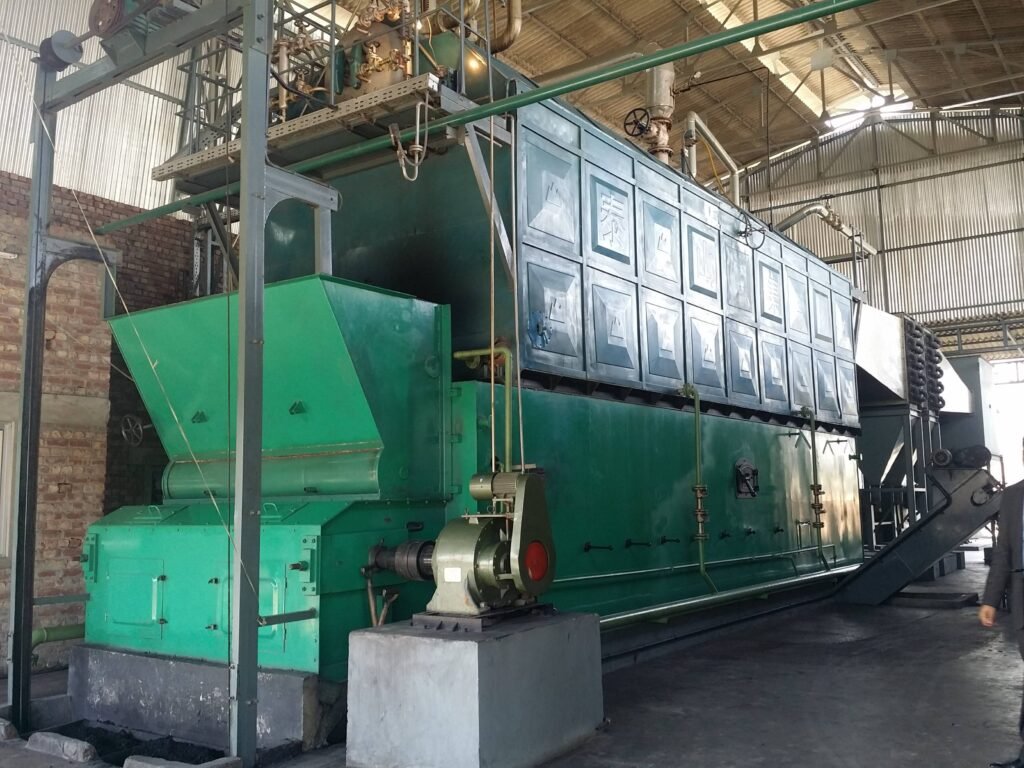
Rising energy costs, stricter environmental regulations, and the demand for higher efficiency are putting increasing pressure on industries that rely on traditional steam boiler systems. Outdated technologies often result in excessive fuel consumption, high emissions, and limited operational flexibility—making it difficult for businesses to stay competitive. Without adopting modern innovations, companies risk falling behind in both sustainability and performance. Fortunately, a new wave of technological advancements is transforming industrial steam boilers into smarter, cleaner, and more efficient systems.
The future of industrial steam boilers is being shaped by innovations such as smart automation and IoT integration, advanced combustion technologies, low-emission and carbon capture solutions, energy-efficient heat recovery systems, alternative and renewable fuel compatibility, and modular boiler designs. These advancements improve efficiency, reduce environmental impact, enhance reliability, and enable more flexible and cost-effective operations.
Understanding these innovations can help businesses make informed investment decisions and future-proof their boiler systems in an increasingly competitive and regulated industrial landscape.
Further reading
How Is Smart Automation Transforming Industrial Steam Boilers?
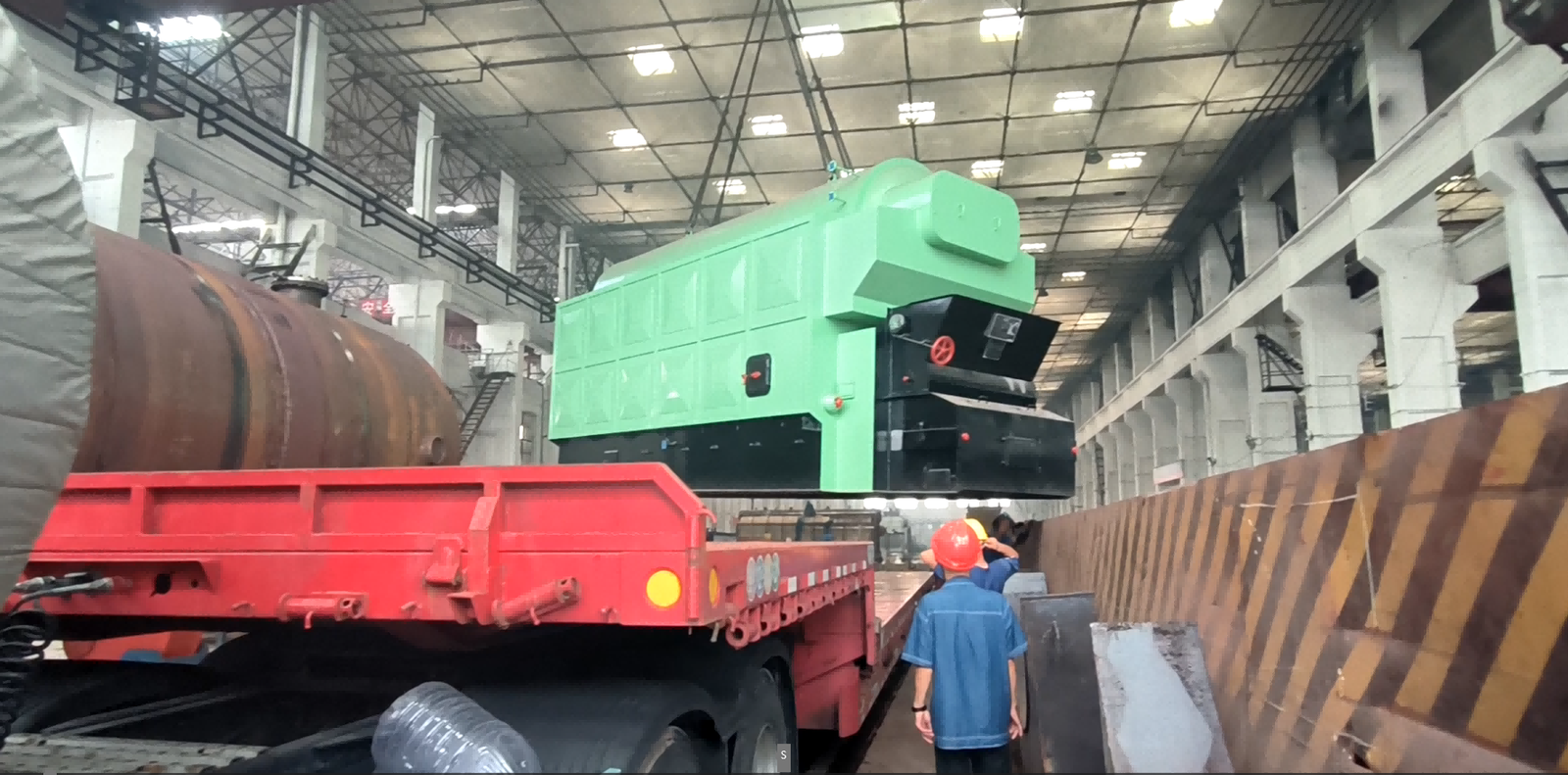
In today’s industrial landscape, traditional steam boiler systems are increasingly challenged by rising energy costs, stricter environmental regulations, and the demand for higher operational efficiency. Conventional boiler operations, often reliant on manual monitoring and reactive maintenance, struggle to keep up with these evolving requirements. This leads to inefficiencies, unexpected downtime, and higher operational risks. Smart automation emerges as a transformative solution, integrating advanced technologies to optimize boiler performance, enhance reliability, and reduce human intervention.
Smart automation is transforming industrial steam boilers by integrating IoT sensors, advanced control systems, data analytics, and AI-driven optimization to enable real-time monitoring, predictive maintenance, improved energy efficiency, enhanced safety, and fully automated operation.
To fully understand this transformation, it is essential to explore how smart automation technologies are reshaping boiler operations at every level.
Smart automation completely eliminates the need for human operators in industrial boiler systems.False
Automation reduces manual intervention but still requires human oversight for safety and decision-making.
⚙️ Real-Time Monitoring and Data Collection
One of the most significant contributions of smart automation is the ability to continuously monitor boiler performance in real time. IoT sensors installed throughout the system collect data on temperature, pressure, flow rates, and combustion conditions.
Key benefits include:
· Continuous data visibility → Operators can monitor system status at any time
· Early fault detection → Identifies anomalies before they escalate
· Improved decision-making → Data-driven insights enhance operational efficiency
👉 Monitoring Flow:
Sensors → Data Collection → Real-Time Display → Operator Insight
Short insight: Data drives awareness.
Extended explanation: Real-time monitoring provides a comprehensive view of system performance, enabling proactive management.
🔥 Advanced Control Systems and Optimization
Smart automation enhances traditional control systems by incorporating advanced algorithms and adaptive control strategies. These systems continuously adjust operating parameters to maintain optimal performance.
Capabilities include:
· Dynamic fuel-air ratio adjustment
· Load-based operation optimization
· Automated startup and shutdown sequences
👉 Control Flow:
Data Input → Algorithm Processing → Control Adjustment → Optimized Output
Short sentence: Automation improves precision.
Long explanation: Advanced control systems ensure that boilers operate at peak efficiency under varying conditions.
📊 Table 1: Traditional vs Smart Boiler Control
| Control Type | Efficiency Level | Response Time | Human Intervention | Operational Stability |
|---|---|---|---|---|
| Traditional | Moderate | Slow | High | Variable |
| Semi-Automated | Improved | Moderate | Medium | Stable |
| Smart Automated | High | Fast | Low | Highly Stable |
🧪 Predictive Maintenance and Fault Prevention
Smart automation enables predictive maintenance by analyzing historical and real-time data to identify patterns and predict potential failures. This approach shifts maintenance from reactive to proactive.
Key advantages include:
· Reduced unexpected downtime
· Optimized maintenance schedules
· Extended equipment lifespan
👉 Predictive Flow:
Data Analysis → Pattern Recognition → Fault Prediction → Preventive Action
Short insight: Predict before failure.
Extended explanation: Predictive maintenance minimizes disruptions and improves system reliability.
🤖 Integration with Industrial IoT and AI
The integration of Industrial Internet of Things (IIoT) and artificial intelligence (AI) takes automation to the next level. AI algorithms analyze large datasets to optimize performance and identify inefficiencies.
Key features include:
· Machine learning-based optimization
· Automated anomaly detection
· Continuous performance improvement
👉 AI Integration Flow:
Data Input → AI Analysis → Insight Generation → System Optimization
Short sentence: AI enhances intelligence.
Long explanation: AI-driven systems continuously learn and improve, delivering superior performance over time.
📊 Table 2: Impact of Smart Automation on Performance
| Parameter | Without Automation | With Smart Automation | Improvement Level |
|---|---|---|---|
| Fuel Efficiency | Moderate | High | Significant |
| Downtime | Frequent | Reduced | High |
| Maintenance Cost | High | Optimized | Moderate |
| Safety Level | Standard | Enhanced | High |
🌡️ Enhanced Safety and Risk Management
Safety is a critical aspect of boiler operation, and smart automation significantly enhances safety by continuously monitoring conditions and triggering automatic responses to abnormal situations.
Key safety improvements include:
· Automatic shutdown in hazardous conditions
· Real-time alerts and notifications
· Continuous safety parameter monitoring
👉 Safety Flow:
Monitoring → Detection → Alert → Automatic Action
Short insight: Automation enhances safety.
Extended explanation: Continuous monitoring and rapid response reduce the risk of accidents and ensure safe operation.
🌱 Energy Efficiency and Environmental Benefits
Smart automation optimizes energy usage by ensuring that boilers operate at maximum efficiency. This reduces fuel consumption and lowers emissions, contributing to environmental sustainability.
Key benefits include:
· Reduced fuel consumption
· Lower greenhouse gas emissions
· Improved energy utilization
👉 Efficiency Flow:
Optimization → Reduced Energy Use → Lower Emissions
Short sentence: Efficiency supports sustainability.
Long explanation: Optimized operation minimizes environmental impact and supports regulatory compliance.
🔧 Remote Monitoring and Digital Twins
Advanced smart systems enable remote monitoring and the use of digital twins—virtual models of the boiler system that simulate performance and predict outcomes.
Key advantages include:
· Remote system management
· Scenario simulation
· Performance optimization
👉 Digital Twin Flow:
Physical System → Digital Model → Simulation → Optimization
Short insight: Digital twins enable foresight.
Long explanation: Virtual modeling allows operators to test and optimize system performance without affecting actual operations.
🔍 Real-World Case Insight
An industrial facility implemented smart automation in its steam boiler system to address inefficiencies and frequent downtime. The results were significant:
· 15% improvement in fuel efficiency
· 40% reduction in unplanned downtime
· Enhanced safety and compliance
· Lower maintenance costs
This case demonstrates the transformative impact of smart automation on boiler performance.
🔧 Key Considerations for Implementation
To successfully implement smart automation, organizations should consider:
· Compatibility with existing systems
· Investment in training and technology
· Data security and integration
· Long-term scalability
👉 Implementation Flow:
Assessment → Technology Selection → Integration → Optimization
Short insight: Plan before implementing.
Extended explanation: A structured approach ensures successful adoption of smart technologies.
⚡ Economic and Strategic Impact
Smart automation delivers significant economic and strategic benefits by improving efficiency, reducing costs, and enhancing reliability.
Key advantages include:
· Lower operational costs
· Improved productivity
· Enhanced competitiveness
· Higher return on investment
👉 Economic Flow:
Automation → Efficiency → Cost Reduction → Profitability
Short sentence: Automation drives value.
Long explanation: Investing in smart automation provides long-term financial and operational benefits.
Summary
Smart automation is revolutionizing industrial steam boilers by integrating advanced technologies such as IoT, AI, and real-time monitoring systems. These innovations enhance efficiency, reliability, safety, and sustainability, transforming traditional boiler operations into intelligent, data-driven systems. As industries continue to evolve, adopting smart automation is no longer optional—it is essential for achieving optimal performance and maintaining a competitive edge in modern industrial environments.
What Role Do Advanced Combustion Technologies Play in Industrial Steam Boiler Innovation?
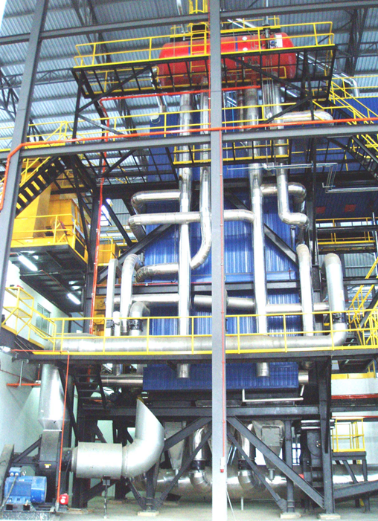
In modern industry, steam boilers are under increasing pressure to deliver higher efficiency, lower emissions, and improved operational flexibility. Traditional combustion methods often struggle with incomplete fuel burning, excessive pollutant emissions, and unstable performance under variable loads. These inefficiencies not only increase operating costs but also create compliance risks with tightening environmental regulations. Advanced combustion technologies are transforming this landscape by optimizing how fuel is burned, ensuring cleaner, more efficient, and more controllable boiler operations.
Advanced combustion technologies play a critical role in industrial steam boiler innovation by improving fuel-air mixing, enhancing combustion efficiency, reducing emissions (such as NOx and CO), enabling flexible fuel usage, and integrating intelligent control systems to optimize performance in real time.
To fully appreciate their impact, it is essential to explore how these technologies redefine boiler performance, efficiency, and sustainability.
Advanced combustion technologies only improve fuel efficiency without affecting emissions.False
Advanced combustion technologies simultaneously improve efficiency and significantly reduce harmful emissions such as NOx and CO.
🔥 Core Principles of Advanced Combustion Technologies
At the heart of combustion innovation lies the precise control of the fuel-air mixture, temperature, and reaction time. Advanced systems are designed to maximize energy extraction while minimizing waste and emissions.
Key principles include:
· Optimized air-fuel ratio → Ensures complete combustion
· Enhanced mixing dynamics → Improves flame stability
· Controlled flame temperature → Reduces pollutant formation
👉 Combustion Flow:
Fuel Supply → Air Mixing → Ignition → Heat Release → Flue Gas Control
Short insight: Better combustion equals better performance.
Extended explanation: Efficient combustion ensures maximum energy conversion and minimal losses.
⚙️ Low-NOx Burners and Emission Reduction
Low-NOx burner technology is one of the most significant advancements in combustion systems. These burners are designed to limit nitrogen oxide formation by controlling flame temperature and oxygen concentration.
Key features include:
· Staged combustion
· Flue gas recirculation
· Lean premixed combustion
👉 Emission Control Flow:
Combustion Optimization → Temperature Control → Reduced NOx Formation
Short sentence: Cleaner combustion reduces pollution.
Long explanation: By controlling combustion conditions, low-NOx burners significantly lower harmful emissions.
📊 Table 1: Emission Comparison by Combustion Technology
| Technology Type | NOx Emissions | CO Emissions | Efficiency Level | Environmental Impact |
|---|---|---|---|---|
| Conventional Burner | High | Moderate | Moderate | High |
| Low-NOx Burner | Low | Low | High | Reduced |
| Ultra-Low NOx System | Very Low | Very Low | Very High | Minimal |
🌪️ Advanced Air-Fuel Mixing Techniques
Efficient mixing of air and fuel is essential for complete combustion. Advanced technologies use turbulence, swirl, and staged injection to achieve optimal mixing.
Key techniques include:
· Swirl burners for enhanced turbulence
· Multi-stage fuel injection
· Pre-mixed combustion systems
👉 Mixing Flow:
Fuel Injection → Air Swirl → Homogeneous Mixture → Efficient Combustion
Short insight: Uniform mixing improves efficiency.
Extended explanation: Better mixing reduces unburned fuel and improves heat transfer.
🤖 Integration with Smart Control Systems
Modern combustion systems are increasingly integrated with digital control technologies. These systems continuously monitor combustion conditions and adjust parameters in real time.
Capabilities include:
· Automated oxygen control
· Real-time flame monitoring
· Adaptive combustion tuning
👉 Control Flow:
Sensors → Data Analysis → Parameter Adjustment → Optimized Combustion
Short sentence: Smart control enhances precision.
Long explanation: Continuous adjustment ensures optimal performance under varying conditions.
📊 Table 2: Impact of Smart Combustion Control
| Parameter | Without Advanced Control | With Advanced Control | Improvement Level |
|---|---|---|---|
| Fuel Efficiency | Moderate | High | Significant |
| Emissions | High | Low | High |
| Stability | Variable | Stable | High |
| Maintenance Frequency | High | Reduced | Moderate |
🌡️ Flexible Fuel Combustion Capabilities
Advanced combustion technologies enable boilers to operate with a wide range of fuels, including natural gas, biomass, and alternative fuels. This flexibility is crucial in adapting to changing energy markets.
Key benefits include:
· Multi-fuel capability
· Improved fuel adaptability
· Reduced dependency on a single energy source
👉 Fuel Flexibility Flow:
Fuel Selection → Combustion Adjustment → Stable Operation
Short insight: Flexibility increases resilience.
Extended explanation: Multi-fuel systems allow operators to optimize costs and adapt to fuel availability.
🌱 Energy Efficiency and Sustainability Benefits
By improving combustion efficiency, advanced technologies significantly reduce fuel consumption and environmental impact. This contributes to sustainable industrial operations.
Key advantages include:
· Lower fuel usage
· Reduced greenhouse gas emissions
· Improved energy utilization
👉 Sustainability Flow:
Efficient Combustion → Reduced Fuel Use → Lower Emissions
Short sentence: Efficiency supports sustainability.
Long explanation: Optimized combustion aligns economic and environmental goals.
🔧 Reduced Maintenance and Operational Costs
Advanced combustion systems reduce wear and tear on boiler components by maintaining stable operating conditions. This leads to lower maintenance requirements and longer equipment lifespan.
Key impacts include:
· Less soot and residue formation
· Reduced component stress
· Lower maintenance frequency
👉 Cost Reduction Flow:
Stable Combustion → Reduced Wear → Lower Maintenance Costs
Short insight: Stability reduces costs.
Extended explanation: Cleaner combustion minimizes damage and extends equipment life.
🔍 Real-World Case Insight
A manufacturing facility upgraded its boiler system with advanced combustion technology to address inefficiency and high emissions. The results included:
· 18% improvement in fuel efficiency
· 50% reduction in NOx emissions
· Enhanced operational stability
· Lower maintenance costs
This case demonstrates the tangible benefits of adopting advanced combustion solutions.
🔧 Key Technologies Driving Innovation
Modern combustion innovation is driven by several key technologies:
· Low-NOx and ultra-low NOx burners
· Flue gas recirculation systems
· Oxygen trim control systems
· AI-based combustion optimization
👉 Innovation Flow:
Technology Integration → Performance Improvement → Operational Excellence
Short insight: Innovation drives progress.
Extended explanation: Combining multiple technologies creates a synergistic effect on performance.
⚡ Economic and Strategic Advantages
Advanced combustion technologies provide both economic and strategic benefits, enabling industries to remain competitive while meeting environmental standards.
Key advantages include:
· Reduced operational costs
· Compliance with environmental regulations
· Improved system reliability
· Enhanced competitiveness
👉 Strategic Flow:
Advanced Combustion → Efficiency & Compliance → Competitive Advantage
Short sentence: Technology creates value.
Long explanation: Investing in advanced combustion systems ensures long-term sustainability and profitability.
Summary
Advanced combustion technologies are at the forefront of industrial steam boiler innovation, transforming how fuel is burned to achieve higher efficiency, lower emissions, and greater operational flexibility. By integrating advanced burners, smart control systems, and innovative mixing techniques, these technologies enable boilers to meet modern industrial demands while supporting sustainability goals. As industries continue to evolve, adopting advanced combustion solutions is essential for achieving optimal performance and maintaining a competitive edge.
How Are Low-Emission Solutions Reshaping Industrial Steam Boilers?
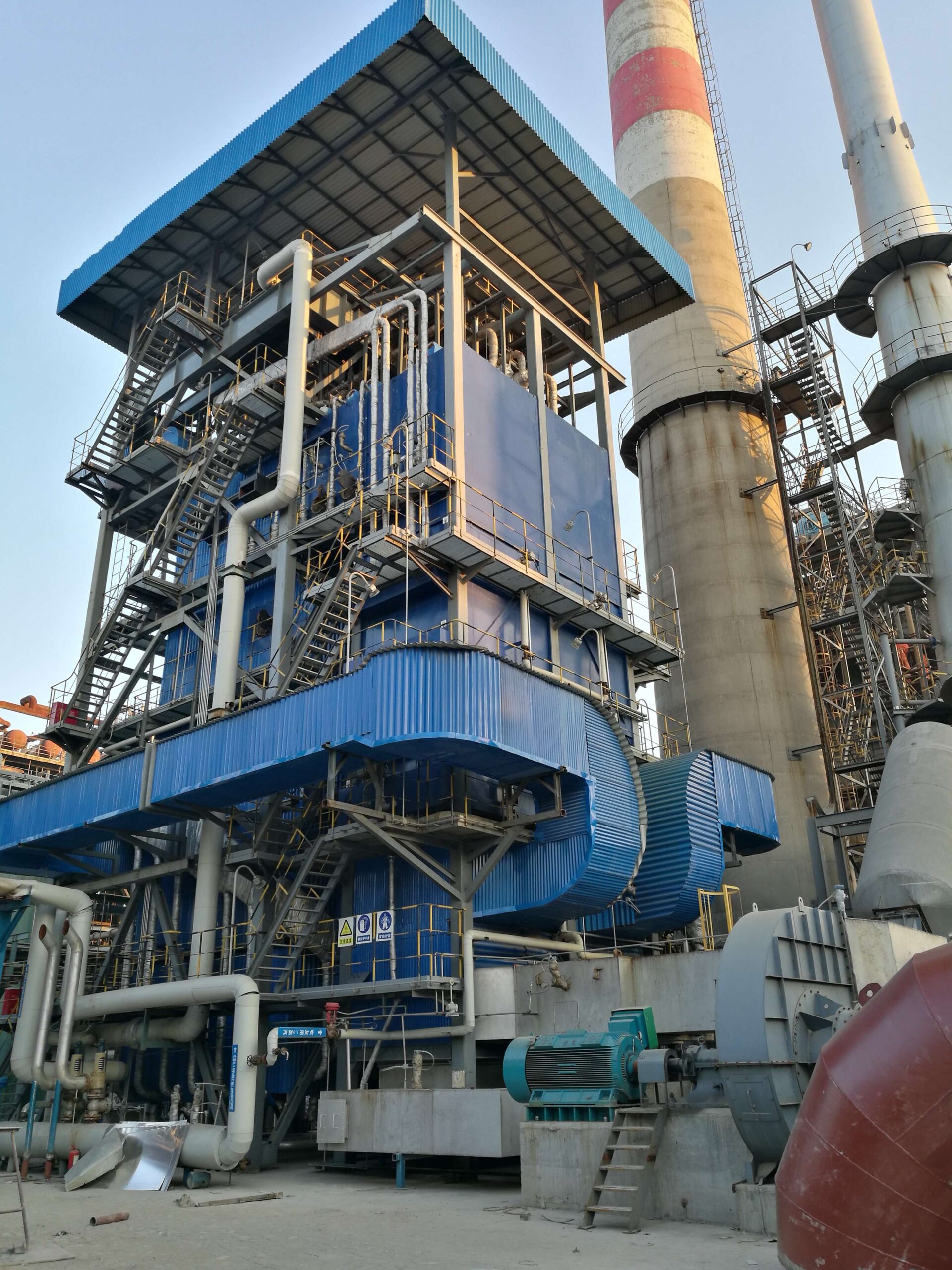
Industrial steam boilers are facing unprecedented pressure as environmental regulations tighten and industries commit to carbon reduction goals. Traditional boiler systems, often associated with high emissions of NOx, CO₂, and particulate matter, are no longer sustainable in a world focused on clean energy and environmental responsibility. Failure to adopt low-emission solutions can lead to regulatory penalties, increased operational costs, and reputational risks. As a result, low-emission technologies are rapidly transforming industrial steam boilers into cleaner, smarter, and more efficient systems.
Low-emission solutions are reshaping industrial steam boilers by integrating advanced combustion technologies, flue gas treatment systems, fuel optimization, and digital monitoring to significantly reduce pollutants, improve efficiency, and ensure compliance with stringent environmental standards.
To understand this transformation, it is important to examine the technologies and strategies driving this shift toward cleaner boiler operations.
Low-emission boiler technologies always reduce efficiency due to stricter environmental controls.False
Modern low-emission technologies are designed to improve both efficiency and environmental performance simultaneously.
🌿 The Shift Toward Low-Emission Boiler Systems
The global push for sustainability has accelerated the adoption of low-emission boiler technologies. Governments and industries are prioritizing cleaner energy solutions to reduce environmental impact.
Key drivers include:
· Stricter environmental regulations → Lower emission limits
· Corporate sustainability goals → Reduced carbon footprint
· Energy cost optimization → Efficient fuel usage
👉 Transformation Flow:
Regulation Pressure → Technology Adoption → Cleaner Operation
Short insight: Sustainability drives innovation.
Extended explanation: Environmental requirements are reshaping how boilers are designed and operated.
🔥 Advanced Combustion for Emission Reduction
Advanced combustion technologies play a central role in reducing emissions at the source. By optimizing the combustion process, these systems minimize the formation of pollutants.
Key features include:
· Low-NOx and ultra-low NOx burners
· Staged combustion techniques
· Flue gas recirculation
👉 Combustion Flow:
Fuel + Air → Controlled Combustion → Reduced Pollutants
Short sentence: Cleaner combustion starts at the source.
Long explanation: Optimized combustion reduces emissions before they are formed.
📊 Table 1: Emission Levels by Boiler Technology
| Boiler Type | NOx Emissions | CO₂ Emissions | Particulate Matter | Environmental Impact |
|---|---|---|---|---|
| Conventional Boiler | High | High | Moderate | Significant |
| Improved Combustion | Moderate | Moderate | Low | Reduced |
| Low-Emission Boiler | Low | Low | Very Low | Minimal |
🌪️ Flue Gas Treatment Technologies
Beyond combustion optimization, flue gas treatment systems further reduce emissions by removing pollutants from exhaust gases before release into the atmosphere.
Key technologies include:
· Selective Catalytic Reduction (SCR)
· Electrostatic precipitators (ESP)
· Flue gas desulfurization (FGD)
👉 Treatment Flow:
Flue Gas → Pollutant Removal → Clean Emission
Short insight: Post-treatment ensures compliance.
Extended explanation: These systems capture and neutralize harmful substances, ensuring regulatory compliance.
🤖 Digital Monitoring and Emission Control
Smart monitoring systems are essential for maintaining low emissions. These systems continuously track emission levels and adjust operations in real time.
Key capabilities include:
· Continuous emission monitoring systems (CEMS)
· Automated control adjustments
· Data-driven optimization
👉 Monitoring Flow:
Sensors → Data Analysis → Control Adjustment → Emission Reduction
Short sentence: Data enables precision control.
Long explanation: Real-time monitoring ensures consistent compliance and optimal performance.
📊 Table 2: Impact of Digital Monitoring on Emissions
| Parameter | Without Monitoring | With Digital Monitoring | Improvement Level |
|---|---|---|---|
| Emission Stability | Variable | Stable | High |
| Compliance Rate | Moderate | High | Significant |
| Operational Efficiency | Moderate | High | High |
| Risk of Violations | High | Low | Significant |
🌱 Fuel Optimization and Alternative Energy Integration
Fuel selection plays a critical role in emission reduction. Low-emission solutions often involve switching to cleaner fuels or integrating renewable energy sources.
Key approaches include:
· Transition to natural gas or biomass
· Co-firing with renewable fuels
· Hydrogen blending
👉 Fuel Optimization Flow:
Fuel Selection → Combustion Adjustment → Emission Reduction
Short insight: Cleaner fuel lowers emissions.
Extended explanation: Alternative fuels reduce carbon intensity and improve sustainability.
🔧 Energy Efficiency and Carbon Reduction
Low-emission technologies are closely linked with improved energy efficiency. Efficient boilers consume less fuel, which directly reduces carbon emissions.
Key benefits include:
· Lower fuel consumption
· Reduced greenhouse gas emissions
· Improved energy utilization
👉 Efficiency Flow:
Optimization → Reduced Energy Use → Lower Carbon Output
Short sentence: Efficiency reduces carbon footprint.
Long explanation: Improved efficiency aligns economic and environmental objectives.
🔍 Real-World Case Insight
A large industrial facility upgraded its boiler system to incorporate low-emission technologies, including advanced combustion and flue gas treatment systems. The results were substantial:
· 60% reduction in NOx emissions
· 25% reduction in fuel consumption
· Improved compliance with environmental regulations
· Enhanced operational efficiency
This example highlights the transformative impact of low-emission solutions.
🔧 Key Technologies Driving Low-Emission Innovation
Several key technologies are enabling the transition to low-emission boiler systems:
· Ultra-low NOx burners
· SCR and FGD systems
· AI-based emission optimization
· Continuous emission monitoring systems
👉 Innovation Flow:
Technology Integration → Emission Reduction → Sustainable Operation
Short insight: Technology enables sustainability.
Extended explanation: Combining multiple technologies maximizes environmental benefits.
⚡ Economic and Strategic Benefits
Low-emission solutions provide not only environmental benefits but also significant economic advantages.
Key benefits include:
· Reduced regulatory penalties
· Lower fuel costs
· Improved corporate reputation
· Long-term sustainability
👉 Economic Flow:
Low Emissions → Compliance → Cost Savings
Short sentence: Sustainability creates value.
Long explanation: Cleaner operations improve both financial and environmental performance.
🔄 Future Trends in Low-Emission Boiler Technology
The future of industrial steam boilers will be shaped by continued innovation in low-emission technologies.
Emerging trends include:
· Carbon capture and storage (CCS)
· Hydrogen-based combustion systems
· Fully digitalized boiler operations
👉 Future Flow:
Innovation → Adoption → Industry Transformation
Short insight: The future is cleaner and smarter.
Extended explanation: Ongoing advancements will further reduce emissions and improve efficiency.
Summary
Low-emission solutions are fundamentally reshaping industrial steam boilers by integrating advanced combustion technologies, flue gas treatment systems, fuel optimization, and digital monitoring. These innovations enable significant reductions in emissions while improving efficiency and ensuring compliance with environmental regulations. As industries move toward sustainable operations, adopting low-emission boiler technologies is essential for achieving long-term environmental and economic success.
Why Are Heat Recovery Systems Critical for Modern Industrial Steam Boilers?
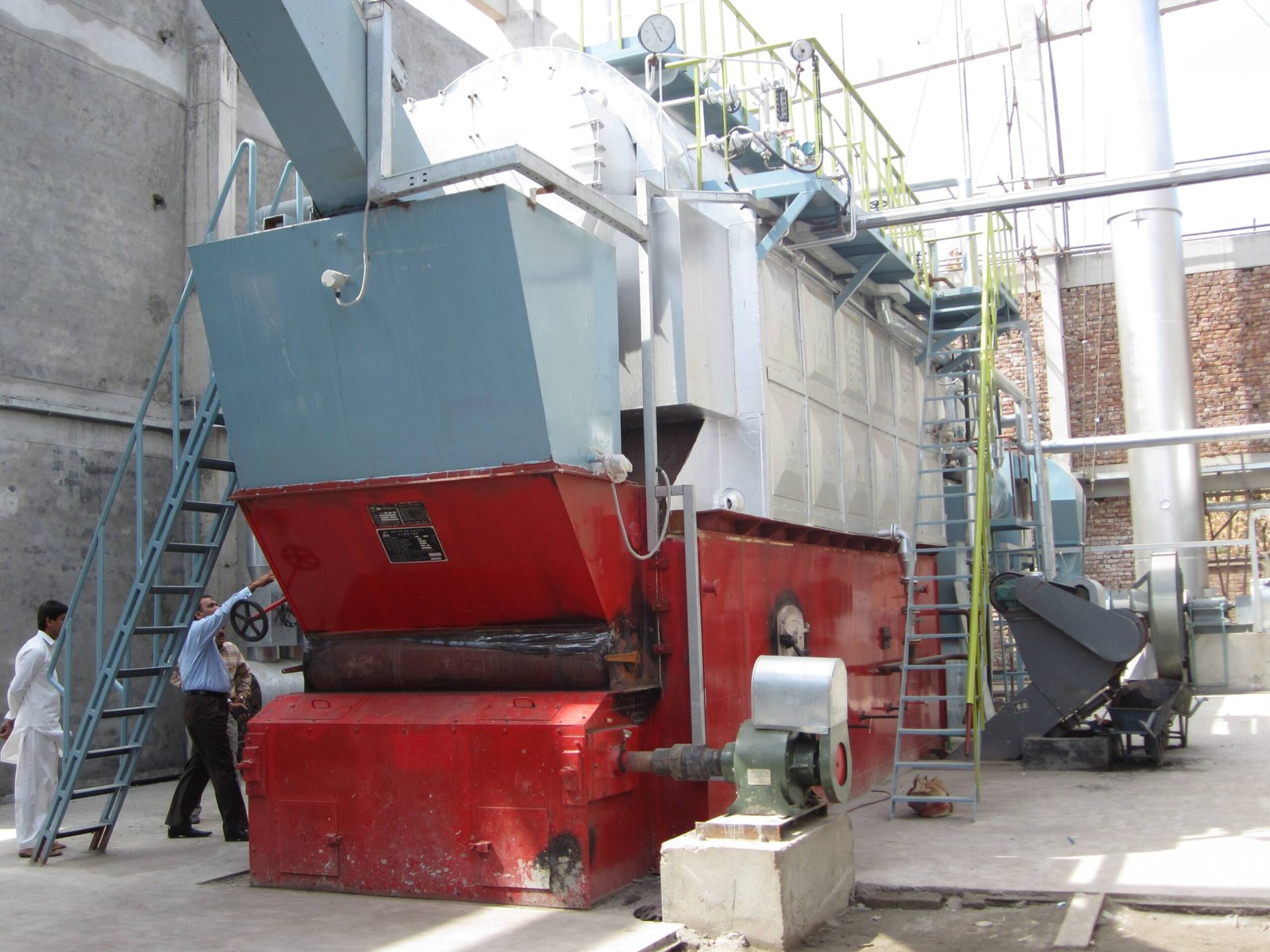
In industrial steam boiler operations, a significant portion of energy is often lost through exhaust gases and inefficient heat utilization. These losses translate directly into higher fuel consumption, increased operational costs, and unnecessary environmental impact. Many facilities struggle with rising energy expenses without realizing that a large percentage of usable heat is simply wasted. Heat recovery systems provide a powerful solution by capturing and reusing this lost energy, dramatically improving efficiency and reducing costs.
Heat recovery systems are critical for modern industrial steam boilers because they capture waste heat from flue gases and other processes, reuse it to preheat water or air, improve thermal efficiency, reduce fuel consumption, lower emissions, and enhance overall system performance.
To fully understand their importance, it is essential to explore how heat recovery technologies function and the value they bring to industrial boiler systems.
Heat recovery systems only provide minor energy savings in industrial boilers.False
Heat recovery systems can significantly improve efficiency, often reducing fuel consumption by 10–30% depending on system design.
🔥 Fundamentals of Heat Recovery in Steam Boilers
Heat recovery systems are designed to capture thermal energy that would otherwise be lost and redirect it back into the system. This process enhances overall energy utilization and reduces waste.
Key sources of recoverable heat include:
· Flue gases → High-temperature exhaust gases
· Blowdown water → Hot water discharged from the system
· Condensate return → Reusable thermal energy
👉 Heat Recovery Flow:
Waste Heat → Capture → Transfer → Reuse → Efficiency Gain
Short insight: Recovering heat reduces waste.
Extended explanation: By reusing energy, boilers operate more efficiently and economically.
⚙️ Types of Heat Recovery Systems
Several technologies are used to recover heat in industrial steam boilers, each serving a specific purpose within the system.
1. Economizers
Economizers recover heat from flue gases to preheat boiler feedwater before it enters the boiler.
· Reduces fuel consumption
· Improves thermal efficiency
· Lowers exhaust temperature
2. Air Preheaters
Air preheaters use exhaust heat to warm combustion air, improving combustion efficiency.
· Enhances fuel burning
· Increases flame temperature
· Reduces energy loss
3. Condensing Heat Exchangers
These systems recover latent heat from water vapor in exhaust gases.
· Maximizes energy recovery
· Suitable for high-efficiency systems
· Reduces emissions
👉 System Flow:
Flue Gas → Heat Exchanger → Energy Transfer → Reuse
Short sentence: Different systems target different losses.
Long explanation: Combining multiple technologies maximizes heat recovery potential.
📊 Table 1: Comparison of Heat Recovery Systems
| System Type | Heat Source | Efficiency Gain | Application Scope | Cost Level |
|---|---|---|---|---|
| Economizer | Flue Gas | Moderate | Widely Used | Medium |
| Air Preheater | Exhaust Gas | Moderate | Combustion Systems | Medium |
| Condensing Heat Exchanger | Water Vapor | High | High-Efficiency Boilers | High |
🌡️ Impact on Boiler Efficiency
Heat recovery systems significantly improve boiler efficiency by reducing the amount of fuel required to generate steam. This is achieved by reusing energy that would otherwise be lost.
Key benefits include:
· Reduced fuel consumption
· Increased thermal efficiency
· Lower operating costs
👉 Efficiency Flow:
Heat Recovery → Reduced Fuel Input → Higher Efficiency
Short insight: Efficiency improves profitability.
Extended explanation: Better energy utilization leads to significant cost savings over time.
📊 Table 2: Efficiency Improvement with Heat Recovery
| Scenario | Fuel Consumption | Boiler Efficiency | Operating Cost |
|---|---|---|---|
| Without Heat Recovery | High | Moderate | High |
| With Basic Recovery | Reduced | Improved | Lower |
| With Advanced Recovery | Low | High | Optimized |
🌱 Environmental and Emission Benefits
By reducing fuel consumption, heat recovery systems also lower greenhouse gas emissions and other pollutants. This contributes to environmental sustainability and regulatory compliance.
Key advantages include:
· Reduced CO₂ emissions
· Lower NOx emissions
· Improved environmental performance
👉 Sustainability Flow:
Efficiency → Reduced Fuel Use → Lower Emissions
Short sentence: Less fuel means fewer emissions.
Long explanation: Energy efficiency directly impacts environmental performance.
🤖 Integration with Smart Boiler Systems
Modern heat recovery systems are increasingly integrated with smart automation technologies to optimize performance. These systems monitor temperature and energy flow to maximize recovery efficiency.
Key features include:
· Real-time performance monitoring
· Automated control adjustments
· Data-driven optimization
👉 Smart Integration Flow:
Sensors → Data Analysis → Control Adjustment → Optimized Recovery
Short insight: Smart systems enhance recovery.
Extended explanation: Automation ensures consistent and efficient operation.
🔧 Economic Benefits and ROI
Investing in heat recovery systems delivers strong financial returns by reducing fuel costs and improving operational efficiency.
Key economic benefits include:
· Lower energy expenses
· Reduced maintenance costs
· Faster return on investment
👉 ROI Flow:
Investment → Energy Savings → Cost Reduction → Payback
Short sentence: Savings justify investment.
Long explanation: Heat recovery systems often pay for themselves within a few years.
🔍 Real-World Case Insight
An industrial plant implemented an economizer and condensate recovery system to improve boiler efficiency. The results included:
· 20% reduction in fuel consumption
· Significant cost savings
· Improved system reliability
· Lower emissions
This case demonstrates the practical benefits of heat recovery technologies.
🔧 Key Considerations for Implementation
When implementing heat recovery systems, organizations should consider:
· System compatibility with existing boilers
· Initial investment costs
· Maintenance requirements
· Expected efficiency gains
👉 Implementation Flow:
Assessment → Design → Installation → Optimization
Short insight: Planning ensures success.
Extended explanation: Proper evaluation maximizes the benefits of heat recovery systems.
⚡ Future Trends in Heat Recovery Technology
The future of heat recovery systems includes advancements in materials, design, and digital integration.
Emerging trends include:
· Advanced heat exchanger materials
· AI-based optimization
· Integration with renewable energy systems
👉 Future Flow:
Innovation → Adoption → Efficiency Improvement
Short insight: Technology continues to evolve.
Extended explanation: Ongoing innovation will further enhance energy efficiency.
Summary
Heat recovery systems are essential for modern industrial steam boilers, enabling the capture and reuse of waste heat to improve efficiency, reduce fuel consumption, and lower emissions. By integrating technologies such as economizers, air preheaters, and condensing heat exchangers, industries can significantly enhance boiler performance and achieve substantial cost savings. As energy efficiency and sustainability become increasingly important, heat recovery systems will continue to play a critical role in optimizing industrial boiler operations.
How Are Alternative Fuels Influencing the Future of Industrial Steam Boilers?
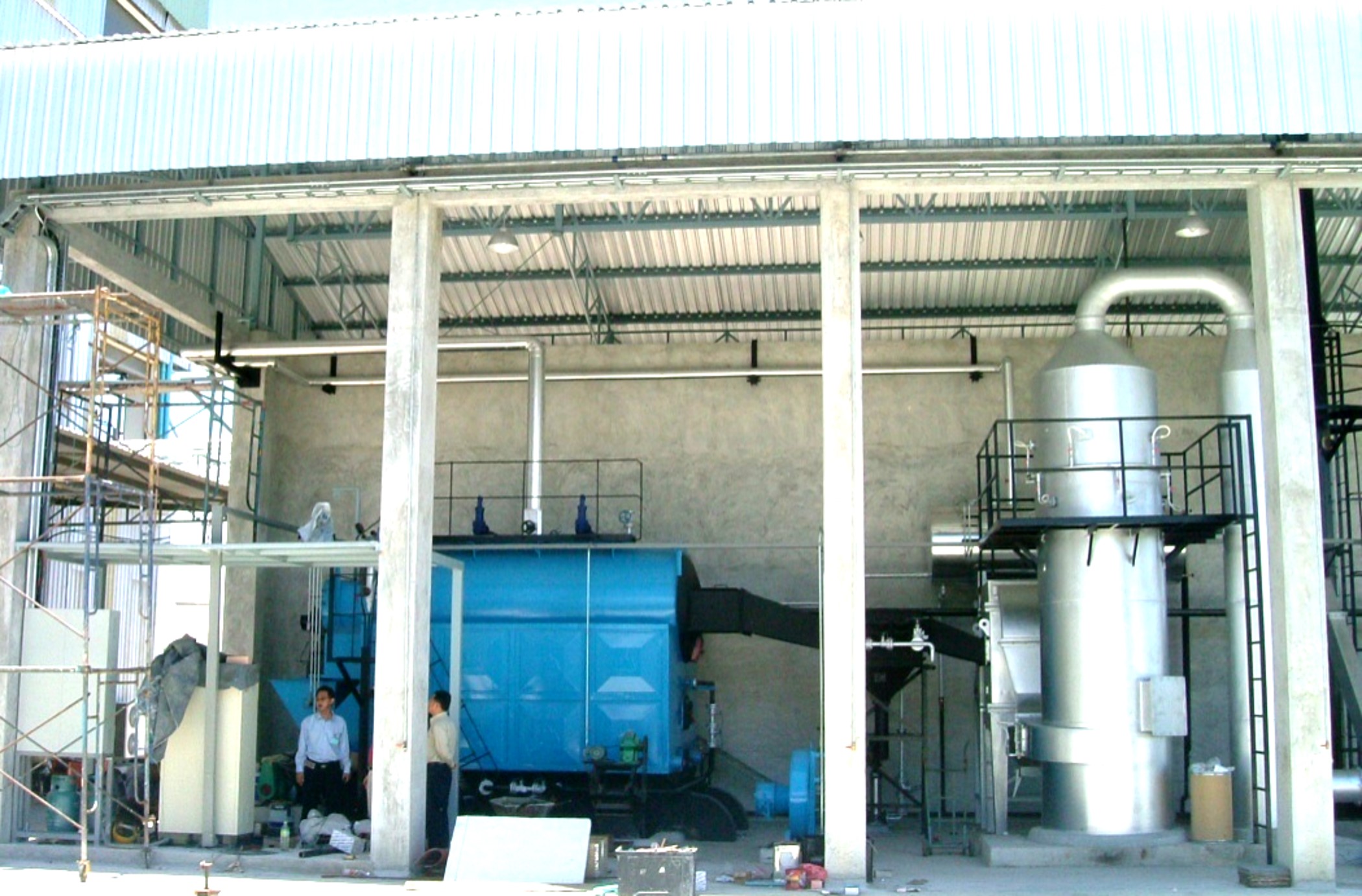
Industrial steam boilers have long depended on conventional fossil fuels such as coal, oil, and natural gas. However, rising fuel costs, environmental concerns, and stringent emission regulations are forcing industries to rethink their energy strategies. Traditional fuels not only contribute to high carbon emissions but also expose businesses to price volatility and supply risks. As industries seek cleaner, more sustainable, and cost-effective solutions, alternative fuels are emerging as a transformative force reshaping the future of industrial steam boiler systems.
Alternative fuels are influencing the future of industrial steam boilers by enabling cleaner combustion, reducing carbon emissions, enhancing fuel flexibility, improving energy security, and driving innovation in boiler design and control systems.
To understand this shift, it is essential to examine how different alternative fuels and technologies are transforming boiler operations.
Alternative fuels cannot be used efficiently in existing industrial steam boilers.False
Many modern boilers can be retrofitted or designed to efficiently use alternative fuels such as biomass, natural gas, and hydrogen blends.
🌱 Types of Alternative Fuels in Industrial Boilers
Alternative fuels come in various forms, each offering unique benefits and challenges. These fuels are increasingly being adopted to reduce environmental impact and improve sustainability.
Key types include:
· Biomass fuels → Wood chips, agricultural residues, pellets
· Natural gas → Cleaner-burning fossil fuel
· Hydrogen → Zero-carbon combustion potential
· Waste-derived fuels → Industrial and municipal waste
👉 Fuel Transition Flow:
Traditional Fuel → Alternative Fuel → Cleaner Combustion
Short insight: Diverse fuels enable flexibility.
Extended explanation: Different fuels allow industries to tailor energy solutions based on availability and sustainability goals.
🔥 Impact on Combustion Technology
The use of alternative fuels requires advanced combustion technologies to ensure efficient and stable operation. These technologies are designed to handle varying fuel properties and optimize performance.
Key adaptations include:
· Multi-fuel burner systems
· Advanced air-fuel mixing techniques
· Adaptive combustion controls
👉 Combustion Flow:
Fuel Input → Adaptive Combustion → Optimized Output
Short sentence: Fuel change drives innovation.
Long explanation: New fuels require new combustion strategies to maintain efficiency and stability.
📊 Table 1: Comparison of Alternative Fuels
| Fuel Type | Carbon Emissions | Energy Efficiency | Availability | Cost Stability |
|---|---|---|---|---|
| Coal | High | Moderate | High | Variable |
| Natural Gas | Moderate | High | High | Moderate |
| Biomass | Low | Moderate | Variable | Stable |
| Hydrogen | Very Low | High | Emerging | Developing |
🌍 Environmental and Sustainability Benefits
One of the primary drivers for adopting alternative fuels is the need to reduce environmental impact. These fuels help lower greenhouse gas emissions and improve air quality.
Key benefits include:
· Reduced CO₂ emissions
· Lower NOx and particulate emissions
· Improved compliance with regulations
👉 Sustainability Flow:
Alternative Fuel → Cleaner Combustion → Reduced Emissions
Short insight: Cleaner fuels protect the environment.
Extended explanation: Transitioning to alternative fuels supports global sustainability goals.
⚙️ Fuel Flexibility and Energy Security
Alternative fuels provide greater flexibility and reduce dependency on a single energy source. This enhances energy security and resilience against market fluctuations.
Key advantages include:
· Multi-fuel capability
· Reduced supply risks
· Adaptability to market changes
👉 Flexibility Flow:
Multiple Fuels → Operational Adaptability → Energy Security
Short sentence: Flexibility reduces risk.
Long explanation: Diversifying fuel sources ensures stable and reliable operations.
📊 Table 2: Operational Impact of Fuel Flexibility
| Factor | Single Fuel System | Multi-Fuel System | Improvement Level |
|---|---|---|---|
| Supply Risk | High | Low | Significant |
| Cost Stability | Variable | Stable | High |
| Operational Flexibility | Limited | High | Significant |
| Resilience | Moderate | Strong | High |
🤖 Integration with Smart Control Systems
Alternative fuel systems often require advanced control technologies to manage varying combustion characteristics. Smart automation ensures optimal performance regardless of fuel type.
Key features include:
· Real-time fuel adjustment
· Automated combustion optimization
· Data-driven performance monitoring
👉 Control Flow:
Fuel Variation → Sensor Data → Control Adjustment → Stable Operation
Short insight: Smart control ensures stability.
Extended explanation: Automation enables seamless transitions between different fuels.
🔧 Challenges and Technical Considerations
While alternative fuels offer many benefits, they also present technical challenges that must be addressed for successful implementation.
Key challenges include:
· Fuel handling and storage requirements
· Combustion stability issues
· Infrastructure modifications
👉 Challenge Flow:
Fuel Adoption → Technical Adjustment → Optimized Operation
Short sentence: Challenges require solutions.
Long explanation: Proper system design and engineering are essential for overcoming these challenges.
🔍 Real-World Case Insight
A manufacturing plant transitioned from coal to a biomass-based boiler system to reduce emissions and improve sustainability. The results included:
· 40% reduction in carbon emissions
· Lower fuel costs over time
· Improved environmental compliance
· Enhanced corporate sustainability profile
This case illustrates the practical impact of adopting alternative fuels.
🔧 Key Technologies Supporting Alternative Fuels
Several technologies enable the effective use of alternative fuels in industrial boilers:
· Multi-fuel burners
· Fuel preprocessing systems
· Advanced combustion control systems
· Emission monitoring technologies
👉 Technology Flow:
Innovation → Integration → Performance Improvement
Short insight: Technology enables transition.
Extended explanation: Advanced systems ensure efficient and reliable use of alternative fuels.
⚡ Economic and Strategic Benefits
Adopting alternative fuels provides both economic and strategic advantages for industrial operations.
Key benefits include:
· Reduced fuel costs
· Improved regulatory compliance
· Enhanced corporate reputation
· Long-term sustainability
👉 Economic Flow:
Alternative Fuel → Cost Savings → Competitive Advantage
Short sentence: Sustainability drives profitability.
Long explanation: Cleaner energy solutions create both financial and strategic value.
🔄 Future Trends in Alternative Fuel Boilers
The future of industrial steam boilers will be heavily influenced by continued innovation in alternative fuels and related technologies.
Emerging trends include:
· Hydrogen-based boiler systems
· Carbon-neutral biomass solutions
· Integration with renewable energy sources
👉 Future Flow:
Innovation → Adoption → Industry Transformation
Short insight: The future is multi-fuel and low-carbon.
Extended explanation: Ongoing advancements will further reshape boiler technology.
Summary
Alternative fuels are playing a transformative role in the future of industrial steam boilers by enabling cleaner, more flexible, and more sustainable energy solutions. Through the adoption of biomass, natural gas, hydrogen, and waste-derived fuels, along with advanced combustion and control technologies, industries can significantly reduce emissions, improve efficiency, and enhance energy security. As the global energy landscape continues to evolve, alternative fuels will remain a key driver of innovation and sustainability in industrial boiler systems.
What Benefits Do Modular Designs Bring to Industrial Steam Boilers?
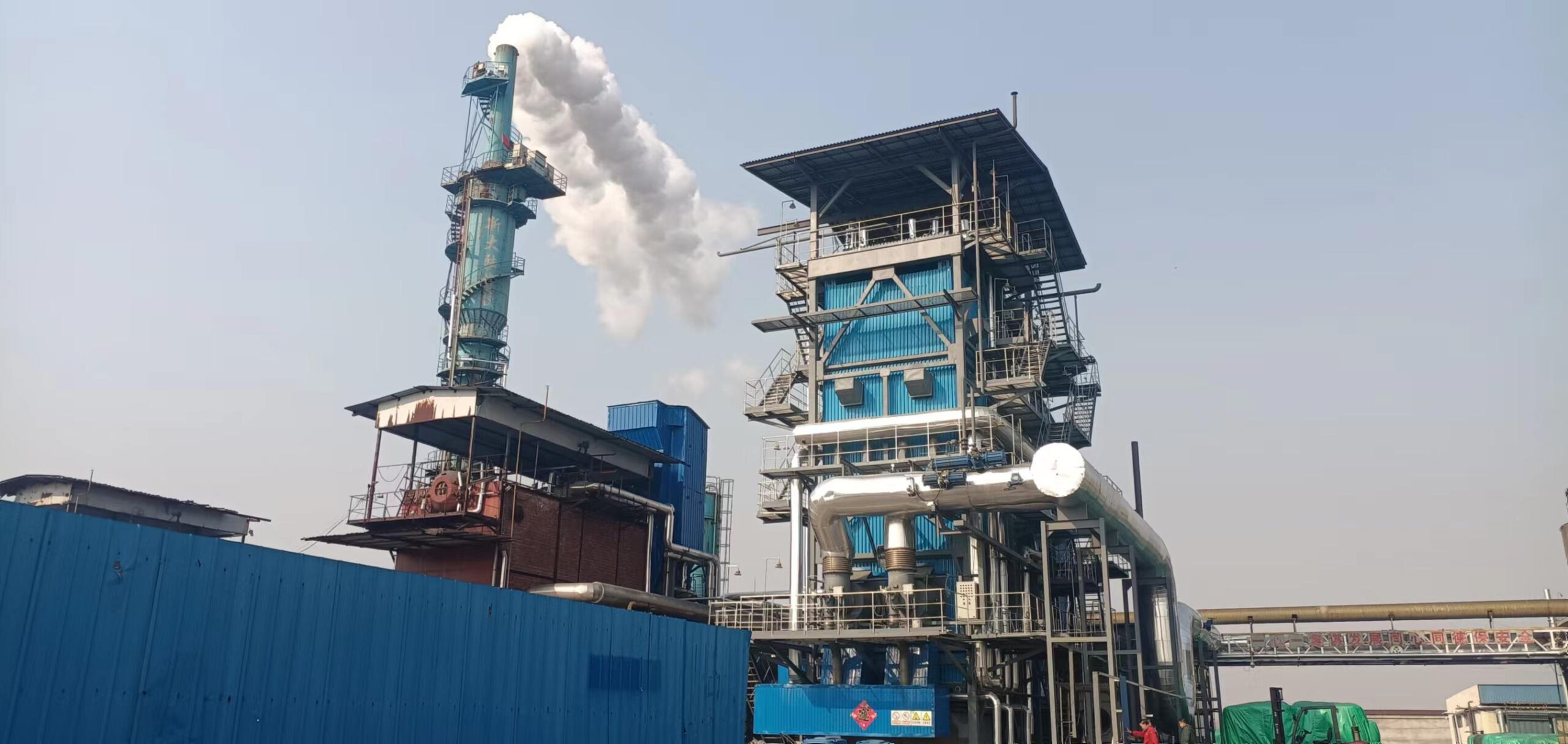
In traditional boiler installations, industries often face challenges such as long installation times, inflexible capacity planning, high upfront investment, and difficulty adapting to changing production demands. Oversized systems lead to wasted energy, while undersized systems struggle to meet peak loads. These inefficiencies can significantly impact operational costs and productivity. Modular boiler design offers a modern solution by introducing flexibility, scalability, and efficiency into steam generation systems.
Modular designs bring significant benefits to industrial steam boilers by enabling scalable capacity, faster installation, improved energy efficiency, operational flexibility, redundancy, and reduced downtime through the use of multiple compact, pre-engineered boiler units.
To fully understand their advantages, it is important to explore how modular boiler systems transform traditional steam generation approaches.
Modular boiler systems are less reliable than traditional single large boilers.False
Modular systems often improve reliability by providing redundancy; if one unit fails, others can continue operating.
⚙️ What Is a Modular Boiler System?
A modular boiler system consists of multiple smaller boiler units connected in parallel or series to function as a single integrated system. These units are typically pre-fabricated and skid-mounted, allowing for quick installation and flexible configuration.
Key characteristics include:
· Compact design → Space-saving installation
· Pre-engineered modules → Reduced on-site work
· Flexible configuration → Adaptable to demand
👉 System Structure Flow:
Multiple Units → Integrated Control → Unified Operation
Short insight: Small units, big flexibility.
Extended explanation: Modular systems combine multiple units to deliver scalable and efficient steam generation.
🔥 Scalability and Load Flexibility
One of the most significant advantages of modular boiler systems is their ability to scale capacity based on demand. Additional modules can be added or removed as needed.
Key benefits include:
· Easy capacity expansion
· Load matching to demand
· Reduced energy waste
👉 Scalability Flow:
Demand Increase → Add Module → Maintain Efficiency
Short sentence: Scale as you grow.
Long explanation: Modular systems allow industries to adapt to changing production requirements without major system overhauls.
📊 Table 1: Traditional vs Modular Boiler Systems
| Feature | Traditional Boiler | Modular Boiler System | Advantage Level |
|---|---|---|---|
| Installation Time | Long | Short | High |
| Scalability | Limited | High | Significant |
| Energy Efficiency | Moderate | High | Significant |
| Flexibility | Low | High | High |
🧪 Faster Installation and Reduced Downtime
Modular boilers are pre-fabricated and tested before delivery, significantly reducing installation time and complexity.
Key advantages include:
· Minimal on-site construction
· Faster commissioning
· Reduced operational disruption
👉 Installation Flow:
Factory Assembly → Delivery → Quick Setup → Operation
Short insight: Time saved is cost saved.
Extended explanation: Faster installation reduces downtime and accelerates project completion.
🤖 Improved Energy Efficiency
Modular systems improve energy efficiency by operating only the required number of units to meet demand. This prevents energy waste associated with oversized systems.
Key features include:
· Load-based operation
· Reduced standby losses
· Optimized fuel consumption
👉 Efficiency Flow:
Demand Monitoring → Module Activation → Optimized Output
Short sentence: Efficiency through precision.
Long explanation: Matching output to demand ensures optimal energy utilization.
📊 Table 2: Efficiency Comparison by Load Conditions
| Load Condition | Traditional Boiler Efficiency | Modular System Efficiency | Improvement |
|---|---|---|---|
| Low Load | Low | High | Significant |
| متوسط Load | Moderate | High | Moderate |
| High Load | High | High | Equal |
🌡️ Enhanced Reliability and Redundancy
Modular boiler systems provide built-in redundancy, ensuring continuous operation even if one unit fails.
Key reliability benefits include:
· Backup capacity
· Reduced risk of total system failure
· Continuous operation
👉 Reliability Flow:
Unit Failure → Other Units Compensate → Continuous Operation
Short insight: Redundancy ensures reliability.
Extended explanation: Multiple units reduce the risk of complete system shutdown.
🌱 Space Optimization and Compact Design
Modular boilers are designed to be compact and space-efficient, making them ideal for facilities with limited space.
Key advantages include:
· Smaller footprint
· Flexible layout options
· Easy integration into existing systems
👉 Space Optimization Flow:
Compact Units → Flexible Arrangement → Efficient Use of Space
Short sentence: Compact design maximizes space.
Long explanation: Modular systems make efficient use of available space.
🔧 Simplified Maintenance and Serviceability
Maintenance is easier in modular systems because individual units can be serviced without shutting down the entire system.
Key benefits include:
· Reduced maintenance downtime
· Easier access to components
· Lower maintenance costs
👉 Maintenance Flow:
Isolate Unit → Perform Maintenance → Resume Operation
Short insight: Maintain without stopping.
Extended explanation: Modular design allows continuous operation during maintenance.
🔍 Real-World Case Insight
A manufacturing facility replaced its traditional boiler with a modular system to improve efficiency and flexibility. The results included:
· 25% reduction in energy consumption
· Faster response to load changes
· Improved system reliability
· Reduced maintenance downtime
This example highlights the practical benefits of modular boiler systems.
🔧 Key Applications of Modular Boilers
Modular boiler systems are widely used across various industries due to their flexibility and efficiency.
Common applications include:
· Manufacturing plants
· Food processing facilities
· Hospitals and commercial buildings
· District heating systems
👉 Application Flow:
Industry Demand → Modular Solution → Efficient Operation
Short insight: Versatility across industries.
Extended explanation: Modular systems adapt to diverse operational requirements.
⚡ Economic and Strategic Benefits
Modular boiler systems provide significant economic advantages by reducing capital and operational costs while improving performance.
Key benefits include:
· Lower initial investment
· Reduced operating costs
· Improved return on investment
· Enhanced operational flexibility
👉 Economic Flow:
Modular Design → Efficiency → Cost Savings
Short sentence: Flexibility drives value.
Long explanation: Modular systems offer long-term financial and operational benefits.
🔄 Future Trends in Modular Boiler Design
The future of modular boilers includes advancements in automation, digital integration, and sustainable energy solutions.
Emerging trends include:
· Smart modular systems with IoT integration
· Hybrid energy systems
· Increased use of alternative fuels
👉 Future Flow:
Innovation → Adoption → Industry Transformation
Short insight: Modular systems are evolving.
Extended explanation: Continued innovation will further enhance modular boiler capabilities.
Summary
Modular designs are transforming industrial steam boilers by offering scalability, flexibility, efficiency, and reliability. By using multiple compact units, modular systems allow industries to adapt to changing demands, reduce energy consumption, and improve operational performance. With faster installation, easier maintenance, and enhanced redundancy, modular boilers provide a modern and efficient solution for steam generation in a wide range of industrial applications.
Conclusion
Innovations in industrial steam boiler technology are driving a shift toward greater efficiency, sustainability, and operational intelligence. By embracing advancements such as automation, cleaner combustion, and energy recovery, industries can significantly reduce costs while meeting environmental requirements. Investing in modern boiler systems is no longer optional—it is a strategic necessity for long-term success.
If you are ready to upgrade your industrial steam boiler system with the latest innovations, contact us today. Our expert team provides cutting-edge solutions, customized designs, and comprehensive support to help you stay ahead in efficiency, sustainability, and performance.
FAQ
Q1: How is digitalization transforming industrial steam boilers?
A1:
Digitalization is revolutionizing industrial steam boilers by integrating advanced technologies such as sensors, data analytics, and the Industrial Internet of Things (IIoT). These systems enable real-time monitoring of critical parameters like temperature, pressure, fuel consumption, and emissions. Operators can access this data remotely, allowing for better decision-making and improved operational control.
One of the most significant benefits of digitalization is predictive maintenance. By analyzing historical and real-time data, systems can identify patterns that indicate potential failures. This allows operators to address issues before they lead to costly downtime or safety risks. For example, vibration sensors and thermal imaging can detect early signs of component wear or overheating.
Automation is another key aspect. Smart control systems can automatically adjust combustion parameters, optimize fuel usage, and maintain ideal operating conditions without manual intervention. This not only improves efficiency but also reduces human error.
Cloud-based platforms further enhance digitalization by enabling centralized data storage and analysis across multiple facilities. This is particularly beneficial for large industrial operations with multiple boiler units.
In addition, digital twins—virtual replicas of physical boiler systems—allow engineers to simulate performance under different conditions and optimize designs before implementation.
Overall, digitalization enhances efficiency, reliability, and safety while reducing operational costs, making it a cornerstone of future boiler innovation.
Q2: What role do energy-efficient technologies play in modern steam boilers?
A2:
Energy efficiency is a primary focus in the evolution of industrial steam boilers, driven by rising energy costs and environmental concerns. Modern boilers incorporate a range of technologies designed to maximize heat utilization and minimize energy losses.
One of the most important innovations is the use of economizers and heat recovery systems. These components capture waste heat from flue gases and use it to preheat feedwater, reducing the amount of fuel required to generate steam. This significantly improves overall system efficiency.
Condensing boiler technology is another advancement. By recovering latent heat from exhaust gases, these systems achieve higher efficiency levels compared to traditional boilers. This is particularly beneficial in industries with high steam demand.
Advanced insulation materials also play a role in reducing heat loss. Improved insulation ensures that more heat is retained within the system, enhancing performance and reducing fuel consumption.
Variable speed drives (VSDs) for pumps and fans help optimize energy usage by adjusting motor speeds based on demand. This prevents unnecessary energy consumption during low-load conditions.
Additionally, modern combustion systems are designed to achieve near-complete fuel burning, reducing waste and emissions. These systems use precise air-to-fuel ratio control to maximize efficiency.
In summary, energy-efficient technologies improve performance, reduce operating costs, and support sustainability goals, making them essential for modern industrial steam boilers.
Q3: How are sustainable and eco-friendly solutions influencing boiler design?
A3:
Sustainability is a major driver of innovation in industrial steam boiler design, as industries seek to reduce their environmental impact and comply with stricter regulations. One of the most significant trends is the shift toward cleaner fuels. Boilers are increasingly being designed to operate on natural gas, biomass, hydrogen, and other low-carbon fuels.
Biomass boilers, for example, use organic materials such as wood chips or agricultural waste, providing a renewable energy source that reduces reliance on fossil fuels. Hydrogen-ready boilers are another emerging innovation, capable of operating on hydrogen fuel, which produces zero carbon emissions when burned.
Emission control technologies are also advancing. Systems such as selective catalytic reduction (SCR) and flue gas desulfurization (FGD) help reduce pollutants like nitrogen oxides (NOx) and sulfur dioxide (SO₂). Electrostatic precipitators and bag filters are used to capture particulate matter, improving air quality.
Carbon capture and storage (CCS) is another promising development. This technology captures carbon dioxide emissions from boiler exhaust and stores them underground, preventing them from entering the atmosphere.
Water conservation is also being addressed through advanced water treatment and recycling systems. These systems reduce water consumption and minimize wastewater discharge.
In addition, lifecycle sustainability is becoming a priority. Manufacturers are focusing on using durable, recyclable materials and designing boilers for longer lifespans.
Overall, eco-friendly innovations are reshaping boiler design by promoting cleaner energy use, reducing emissions, and improving resource efficiency.
Q4: What advancements are being made in boiler materials and design?
A4:
Advancements in materials and design are playing a crucial role in enhancing the performance, durability, and efficiency of industrial steam boilers. Modern boilers are being constructed using high-strength alloys and advanced materials that can withstand higher temperatures and pressures. This enables the development of supercritical and ultra-supercritical boilers, which operate at higher efficiency levels compared to traditional systems.
Corrosion-resistant materials are also being used to extend the lifespan of boiler components. These materials reduce the impact of harsh operating conditions, such as high temperatures and exposure to corrosive substances, minimizing maintenance requirements and downtime.
Modular design is another significant innovation. Modular boilers are pre-fabricated in sections and assembled on-site, reducing installation time and costs. This approach also allows for easier scalability, as additional modules can be added to meet increasing demand.
Compact and space-saving designs are becoming more popular, especially in industries with limited space. These designs optimize layout and improve accessibility for maintenance and operation.
3D printing and advanced manufacturing techniques are also being explored to produce complex components with greater precision and reduced material waste.
In addition, improved heat exchanger designs enhance heat transfer efficiency, allowing for better energy utilization. These designs often incorporate advanced geometries and surface enhancements to maximize performance.
In summary, innovations in materials and design are enabling boilers to operate more efficiently, last longer, and adapt to modern industrial requirements.
Q5: How is automation improving the safety and reliability of steam boilers?
A5:
Automation is significantly improving the safety and reliability of industrial steam boilers by reducing human intervention and enhancing system control. Automated systems use sensors and control algorithms to continuously monitor operating conditions and make real-time adjustments.
One of the key safety benefits is the ability to detect and respond to abnormal conditions instantly. For example, automated systems can shut down the boiler if pressure exceeds safe limits or if water levels drop too low. This prevents accidents and protects both personnel and equipment.
Advanced alarm systems provide early warnings of potential issues, allowing operators to take corrective action before problems escalate. These systems can also prioritize alerts based on severity, ensuring that critical issues are addressed promptly.
Automation also improves reliability through consistent operation. Unlike manual control, automated systems maintain precise control over parameters such as temperature, pressure, and fuel flow. This reduces variability and enhances overall performance.
Remote monitoring capabilities allow operators to oversee boiler operations from anywhere, improving responsiveness and reducing the need for on-site personnel. This is particularly useful for large facilities or remote locations.
Integration with predictive maintenance systems further enhances reliability. Automated data analysis helps identify trends and predict failures, enabling proactive maintenance.
Additionally, automation reduces the risk of human error, which is a common cause of boiler accidents. By standardizing processes and ensuring consistent operation, automated systems enhance both safety and efficiency.
In conclusion, automation is a key innovation that improves safety, reliability, and efficiency, making it an essential component of future industrial steam boiler systems.
References
- Industrial Steam Boiler Innovations – https://www.energy.gov/eere/amo/steam-systems – U.S. Department of Energy
- Digitalization in Industrial Systems – https://www.mckinsey.com/industries/advanced-electronics – McKinsey & Company
- Energy Efficiency Technologies – https://www.iea.org/reports – International Energy Agency
- Sustainable Boiler Solutions – https://www.spiraxsarco.com – Spirax Sarco
- Hydrogen Boilers and Future Fuels – https://www.iea.org/hydrogen – International Energy Agency
- Boiler Material Advancements – https://www.sciencedirect.com – ScienceDirect
- Automation in Industrial Boilers – https://www.ge.com/power – General Electric
- Emission Control Technologies – https://www.epa.gov – U.S. Environmental Protection Agency
- Biomass Energy Systems – https://www.fao.org/energy – FAO
- Carbon Capture Technologies – https://www.globalccsinstitute.com – Global CCS Institute
Future Innovations in Industrial Steam Boilers Explained Read More »