
Essential Maintenance for Industrial Coal-Fired Boilers
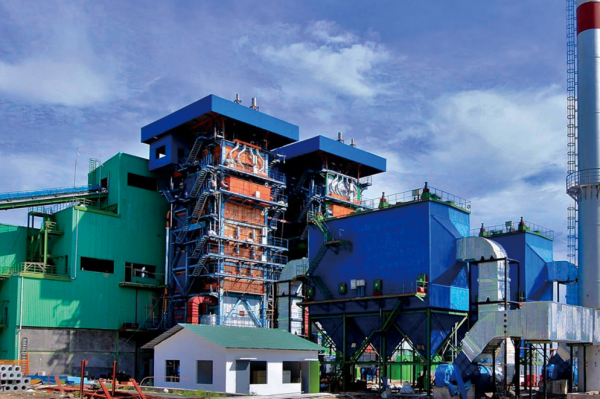
Industrial coal-fired boilers operate under harsh conditions, making them prone to ash buildup, slagging, corrosion, and mechanical wear. Without regular maintenance, these issues can lead to reduced efficiency, unplanned shutdowns, increased emissions, and costly repairs. Many operators underestimate the complexity of maintaining these systems, resulting in declining performance over time. A structured and proactive maintenance approach is essential to ensure safe, efficient, and long-lasting boiler operation.
Regular maintenance tasks for industrial coal-fired boilers include ash and slag removal, combustion system inspection, fuel handling system maintenance, heat exchanger cleaning, water treatment management, safety device testing, and emissions control system checks. These activities help maintain optimal efficiency, reduce breakdown risks, ensure environmental compliance, and extend the boiler’s service life.
To keep your boiler running reliably and efficiently, it is important to understand each maintenance area and implement a consistent schedule.
How Does Ash and Slag Removal Improve Industrial Coal-Fired Boiler Performance?
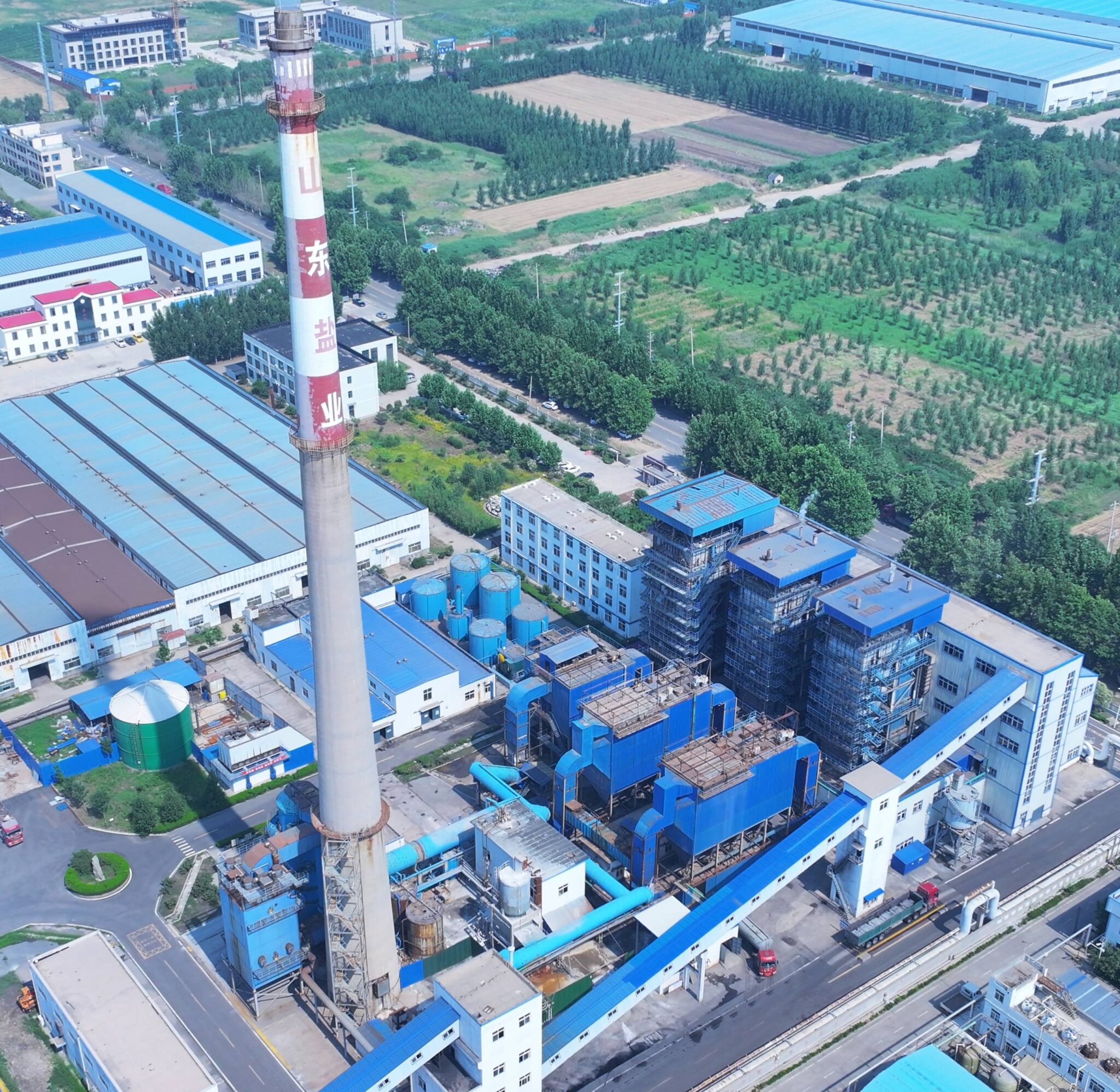
In coal-fired boiler operations, ash and slag accumulation is an unavoidable byproduct that can silently degrade system performance if not properly managed. Many industrial facilities overlook the severity of ash buildup, assuming it is merely a routine cleaning issue, but in reality, excessive ash and slag can block heat transfer surfaces, disrupt combustion, and cause severe thermal stress. These issues not only reduce efficiency but also accelerate equipment wear, increase fuel consumption, and elevate the risk of unplanned shutdowns. Therefore, understanding the role of effective ash and slag removal is essential for maintaining optimal boiler performance and extending equipment lifespan.
Ash and slag removal improves industrial coal-fired boiler performance by maintaining efficient heat transfer, preventing slagging and fouling, ensuring stable combustion, reducing thermal stress, enhancing airflow, and minimizing equipment wear, ultimately leading to higher efficiency, lower fuel consumption, and longer boiler life.
To fully appreciate its importance, we must analyze how ash and slag impact various aspects of boiler operation and how their removal enhances system performance.
Ash accumulation inside a boiler has minimal impact on efficiency as long as combustion continues.False
Ash accumulation significantly reduces heat transfer efficiency, disrupts airflow, and increases thermal stress, negatively impacting boiler performance.
🔥 1. Enhancing Heat Transfer Efficiency
Ash and slag deposits act as insulating layers on heat transfer surfaces, reducing the efficiency of heat exchange.
· Ash buildup → Thermal resistance
· Slag deposits → Blocked surfaces
👉 Heat Transfer Flow:
Clean Surface → Efficient Heat Exchange → Optimal Performance
Short insight: Clean surfaces transfer heat better.
Extended explanation: Deposits reduce efficiency.
Long paragraph: When ash and slag accumulate on boiler tubes and furnace walls, they create a barrier that prevents efficient heat transfer from combustion gases to water or steam, forcing the boiler to operate at higher temperatures to achieve the same output, which increases fuel consumption and accelerates material degradation, making regular removal essential for maintaining optimal thermal efficiency.
📊 Table 1: Heat Transfer Impact of Ash Accumulation
| Condition | Heat Transfer Efficiency | Fuel Consumption |
|---|---|---|
| Clean Surfaces | High | Low |
| Moderate Ash Buildup | Medium | Increased |
| Heavy Slagging | Low | High |
🌬️ 2. Improving Combustion Efficiency
Ash and slag can interfere with proper combustion by disrupting airflow and fuel mixing.
· Blocked air passages → Poor combustion
· Uneven fuel burning → Efficiency loss
👉 Combustion Flow:
Clean Furnace → Proper Airflow → Complete Combustion
Short sentence: Airflow drives combustion.
Long explanation: Blockages reduce efficiency.
Long paragraph: Efficient combustion requires a precise balance of air and fuel, and when ash accumulates in the furnace or air passages, it restricts airflow and disrupts the mixing process, leading to incomplete combustion, higher emissions, and wasted fuel, which can be mitigated through effective ash and slag removal systems.
⚙️ 3. Preventing Slagging and Fouling
Slagging and fouling are major operational challenges in coal-fired boilers.
· Slagging → Melted ash deposits
· Fouling → Solid ash buildup
👉 Deposit Flow:
Ash Formation → Slagging/Fouling → Performance Decline
Short insight: Deposits damage systems.
Extended explanation: Removal prevents buildup.
Long paragraph: Slagging occurs when ash melts and forms hard deposits on furnace walls, while fouling involves the accumulation of solid ash on heat exchange surfaces, both of which reduce efficiency and increase maintenance requirements, making regular removal critical for preventing long-term damage.
📊 Table 2: Slagging vs Fouling Effects
| Issue | Cause | Impact on Boiler |
|---|---|---|
| Slagging | High-temperature ash melting | Severe heat transfer blockage |
| Fouling | Ash particle deposition | Reduced efficiency |
🔄 4. Reducing Thermal Stress and Material Damage
Ash deposits can create uneven heat distribution, leading to localized overheating.
· Insulated areas → Hotspots
· Uneven heating → Stress
👉 Stress Flow:
Deposits → Hotspots → Material Fatigue
Short sentence: Hotspots reduce lifespan.
Long explanation: Uneven heat causes damage.
Long paragraph: When ash and slag accumulate unevenly on heat transfer surfaces, they create hotspots where temperatures rise significantly above normal levels, causing thermal stress that can lead to cracking, deformation, and eventual failure of boiler components, highlighting the importance of maintaining clean surfaces.
⚡ 5. Enhancing Airflow and Draft Efficiency
Proper airflow is essential for maintaining combustion efficiency and system stability.
· Clean pathways → Better draft
· Blockages → Reduced airflow
👉 Airflow Flow:
Clear Passages → Stable Draft → Efficient Operation
Short insight: Airflow stability improves performance.
Extended explanation: Blockages disrupt operation.
Long paragraph: Ash accumulation in ducts, grates, and air passages restricts airflow, reducing the draft needed for efficient combustion, which can lead to unstable operation and increased emissions, while effective removal ensures consistent airflow and optimal performance.
🛠️ 6. Reducing Maintenance Costs and Downtime
Regular ash and slag removal minimizes the need for major repairs.
· Preventive cleaning → Lower costs
· Reduced breakdowns → Higher availability
👉 Maintenance Flow:
Regular Removal → Less Damage → Lower Costs
Short sentence: Prevention saves money.
Long explanation: Cleaning reduces repairs.
Long paragraph: By preventing excessive buildup of ash and slag, operators can reduce the frequency of major maintenance activities and avoid costly repairs caused by severe deposits, thereby improving overall operational efficiency and reducing downtime.
📡 7. Supporting Environmental Compliance
Ash and slag management also plays a role in reducing emissions.
· Efficient combustion → Lower emissions
· Clean system → Better compliance
👉 Environmental Flow:
Removal → Efficiency → Reduced Emissions
Short insight: Clean systems are greener.
Extended explanation: Efficiency reduces pollution.
Long paragraph: Effective ash and slag removal ensures complete combustion and efficient heat transfer, which reduces the emission of pollutants such as particulate matter and unburned carbon, helping facilities meet environmental regulations and sustainability goals.
🔍 Real-World Example
A coal-fired power plant improved efficiency by 12% after implementing an advanced ash removal system and regular soot blowing schedule.
· Clean system → Higher efficiency
· Reduced deposits → Lower fuel use
👉 Example Flow:
Optimization → Performance Gain → Cost Savings
Short insight: Cleanliness drives efficiency.
Extended explanation: Maintenance improves results.
🔑 Key Benefits of Ash and Slag Removal
· Improves heat transfer efficiency
· Enhances combustion performance
· Prevents slagging and fouling
· Reduces thermal stress
· Maintains airflow and draft
· Lowers maintenance costs
· Supports environmental compliance
Summary
Ash and slag removal is a critical operational practice that directly impacts the efficiency, reliability, and lifespan of industrial coal-fired boilers. By maintaining clean heat transfer surfaces, ensuring proper airflow, and preventing damaging deposits, industries can significantly enhance boiler performance, reduce fuel consumption, and achieve long-term operational stability.
Why Is Combustion System Inspection Essential for Industrial Coal-Fired Boilers?
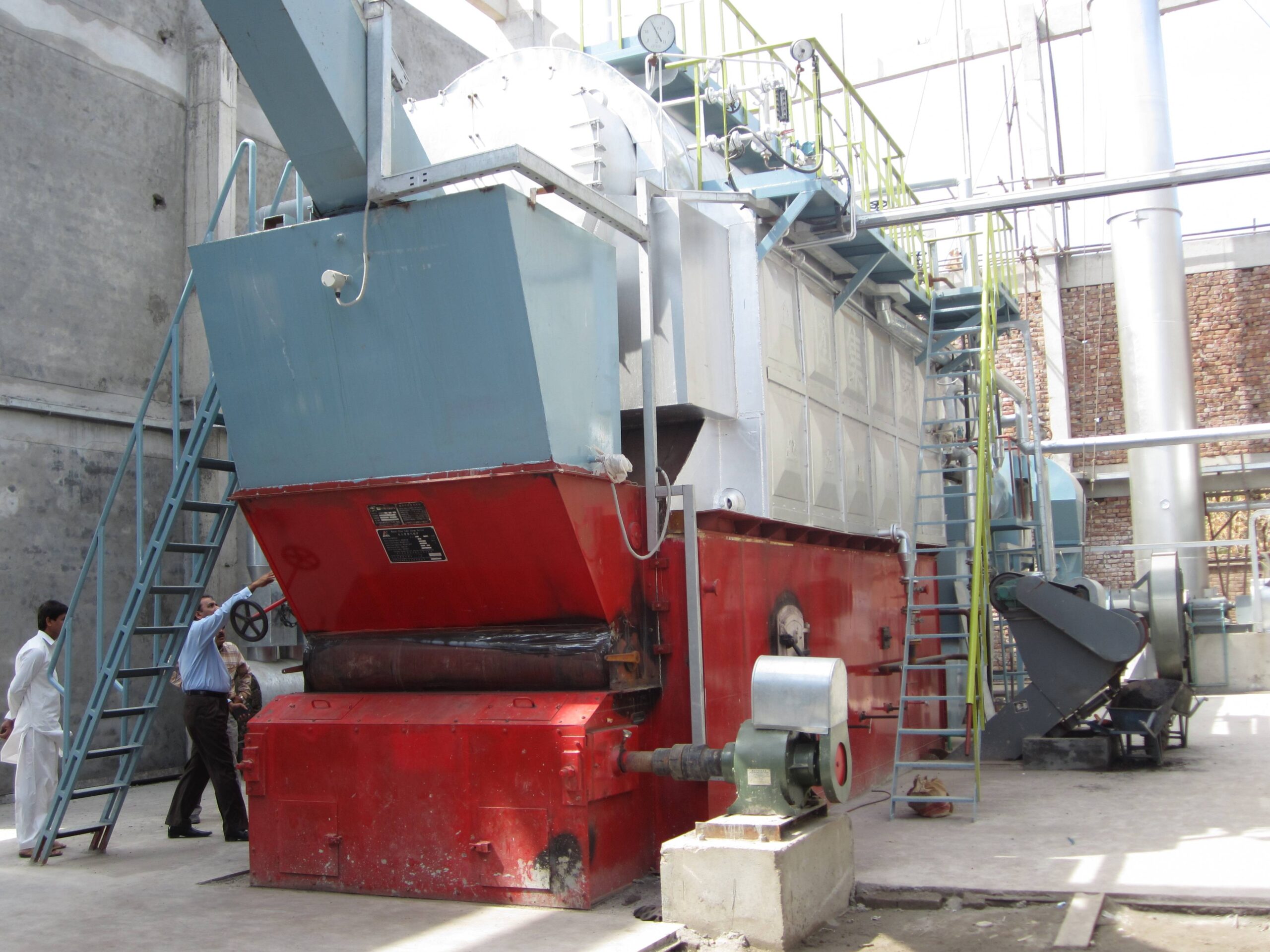
In industrial coal-fired boiler operations, the combustion system is the heart of energy generation, yet it is also one of the most vulnerable areas to inefficiencies, wear, and failure if not properly inspected. Many facilities focus heavily on output while neglecting regular combustion system inspections, leading to incomplete fuel burning, increased emissions, unstable flame conditions, and even dangerous operational risks. Over time, these issues not only reduce efficiency but also accelerate component degradation and increase operational costs. Therefore, understanding why combustion system inspection is essential is critical for ensuring safe, efficient, and long-lasting boiler performance.
Combustion system inspection is essential for industrial coal-fired boilers because it ensures optimal air-fuel ratio, stable flame conditions, efficient fuel utilization, reduced emissions, early fault detection, and safe operation, all of which directly improve performance, lower fuel consumption, and extend boiler lifespan.
To fully understand its importance, we must examine how combustion system inspection influences different aspects of boiler operation.
A coal-fired boiler can maintain efficient combustion without regular inspection as long as fuel supply is consistent.False
Even with a consistent fuel supply, combustion efficiency depends on proper air-fuel ratio, burner condition, and airflow, all of which require regular inspection.
🔥 1. Ensuring Optimal Air-Fuel Ratio
The correct balance between air and fuel is fundamental for efficient combustion.
· Excess air → Heat loss
· Insufficient air → Incomplete combustion
👉 Combustion Balance Flow:
Air-Fuel Ratio → Combustion Efficiency → Energy Output
Short insight: Balance determines efficiency.
Extended explanation: Too much or too little air reduces performance.
Long paragraph: Regular inspection of air supply systems, dampers, and fuel feeders ensures that the correct air-fuel ratio is maintained, preventing energy losses caused by excess air and avoiding incomplete combustion that results in unburned fuel and reduced efficiency.
📊 Table 1: Air-Fuel Ratio Impact
| Condition | Combustion Efficiency | Fuel Consumption |
|---|---|---|
| Optimal Ratio | High | Low |
| Excess Air | Medium | Increased |
| Insufficient Air | Low | High |
🌬️ 2. Maintaining Stable Flame Conditions
A stable flame is essential for safe and efficient boiler operation.
· Flame instability → Energy loss
· Flame failure → Safety risk
👉 Flame Stability Flow:
Stable Flame → Consistent Heat → Reliable Operation
Short sentence: Stable flames ensure safety.
Long explanation: Instability leads to risks.
Long paragraph: Combustion system inspections help detect issues such as uneven fuel distribution, clogged burners, or airflow imbalances that can cause flame instability, ensuring consistent heat generation and preventing dangerous conditions like flameouts or explosions.
⚙️ 3. Detecting Wear and Damage in Components
Combustion system components are subject to high temperatures and mechanical stress.
· Burner wear → Inefficient combustion
· Air duct damage → Poor airflow
👉 Inspection Flow:
Component Check → Damage Detection → Timely Repair
Short insight: Inspection prevents failure.
Extended explanation: Wear reduces performance.
Long paragraph: Regular inspection of burners, coal feeders, air ducts, and ignition systems allows operators to identify wear, corrosion, or blockages early, enabling timely maintenance and preventing more severe damage that could lead to system failure.
📊 Table 2: Common Combustion System Issues
| Component | Common Issue | Impact |
|---|---|---|
| Burners | Fouling, wear | Reduced efficiency |
| Air Dampers | Misalignment | Poor air control |
| Coal Feeders | Blockage | Uneven fuel supply |
| Sensors | Calibration drift | Inaccurate monitoring |
🔄 4. Improving Fuel Utilization Efficiency
Efficient combustion ensures that maximum energy is extracted from fuel.
· Complete combustion → Higher efficiency
· Unburned carbon → Waste
👉 Efficiency Flow:
Proper Combustion → Maximum Energy Extraction → Cost Savings
Short sentence: Efficiency saves fuel.
Long explanation: Poor combustion wastes energy.
Long paragraph: Through regular inspection and adjustment of combustion parameters, operators can ensure complete fuel burning, reducing the amount of unburned carbon in ash and improving overall thermal efficiency, which translates into lower fuel costs and better performance.
⚡ 5. Reducing Emissions and Environmental Impact
Combustion efficiency directly affects emissions levels.
· Poor combustion → Higher emissions
· Optimized combustion → Cleaner output
👉 Emission Flow:
Efficient Combustion → Lower Pollutants → Compliance
Short insight: Clean combustion reduces pollution.
Extended explanation: Efficiency improves compliance.
Long paragraph: Inspecting and maintaining the combustion system helps minimize emissions of pollutants such as carbon monoxide, nitrogen oxides, and particulate matter, ensuring compliance with environmental regulations and contributing to sustainable industrial operations.
🛠️ 6. Enhancing Operational Safety
Combustion systems operate under high-risk conditions that require strict safety control.
· Gas buildup → Explosion risk
· Flame failure → Shutdown
👉 Safety Flow:
Inspection → Risk Identification → Prevention
Short sentence: Safety depends on inspection.
Long explanation: Risks must be managed.
Long paragraph: Regular combustion system inspections help identify potential hazards such as fuel leaks, improper ignition, or flame instability, enabling preventive measures that ensure safe boiler operation and protect both personnel and equipment.
📡 7. Supporting Automation and Control Optimization
Modern boilers rely on advanced control systems that require accurate input data.
· Sensor accuracy → Reliable control
· Calibration → Optimal performance
👉 Control Flow:
Inspection → Accurate Data → Efficient Operation
Short insight: Accurate data drives performance.
Extended explanation: Sensors must be reliable.
Long paragraph: By ensuring that sensors and control systems are properly calibrated and functioning correctly, combustion system inspections enable precise control of operating parameters, leading to optimized performance and reduced wear on boiler components.
🔍 Real-World Example
A power plant improved combustion efficiency by 10% and reduced emissions by 15% after implementing a routine combustion system inspection program.
· Regular inspection → Better performance
· Optimized combustion → Lower costs
👉 Example Flow:
Inspection Program → Performance Improvement → Operational Benefits
Short insight: Inspection drives results.
Extended explanation: Maintenance improves efficiency.
🔑 Key Benefits of Combustion System Inspection
· Ensures optimal air-fuel ratio
· Maintains stable flame conditions
· Detects component wear early
· Improves fuel utilization
· Reduces emissions
· Enhances safety
· Supports control system accuracy
Summary
Combustion system inspection is a critical practice for maintaining the efficiency, safety, and longevity of industrial coal-fired boilers. By ensuring proper air-fuel balance, stable combustion, and early detection of issues, inspections help optimize performance, reduce costs, and support reliable long-term operation in demanding industrial environments.
How Should Fuel Handling Systems Be Maintained in Industrial Coal-Fired Boilers?
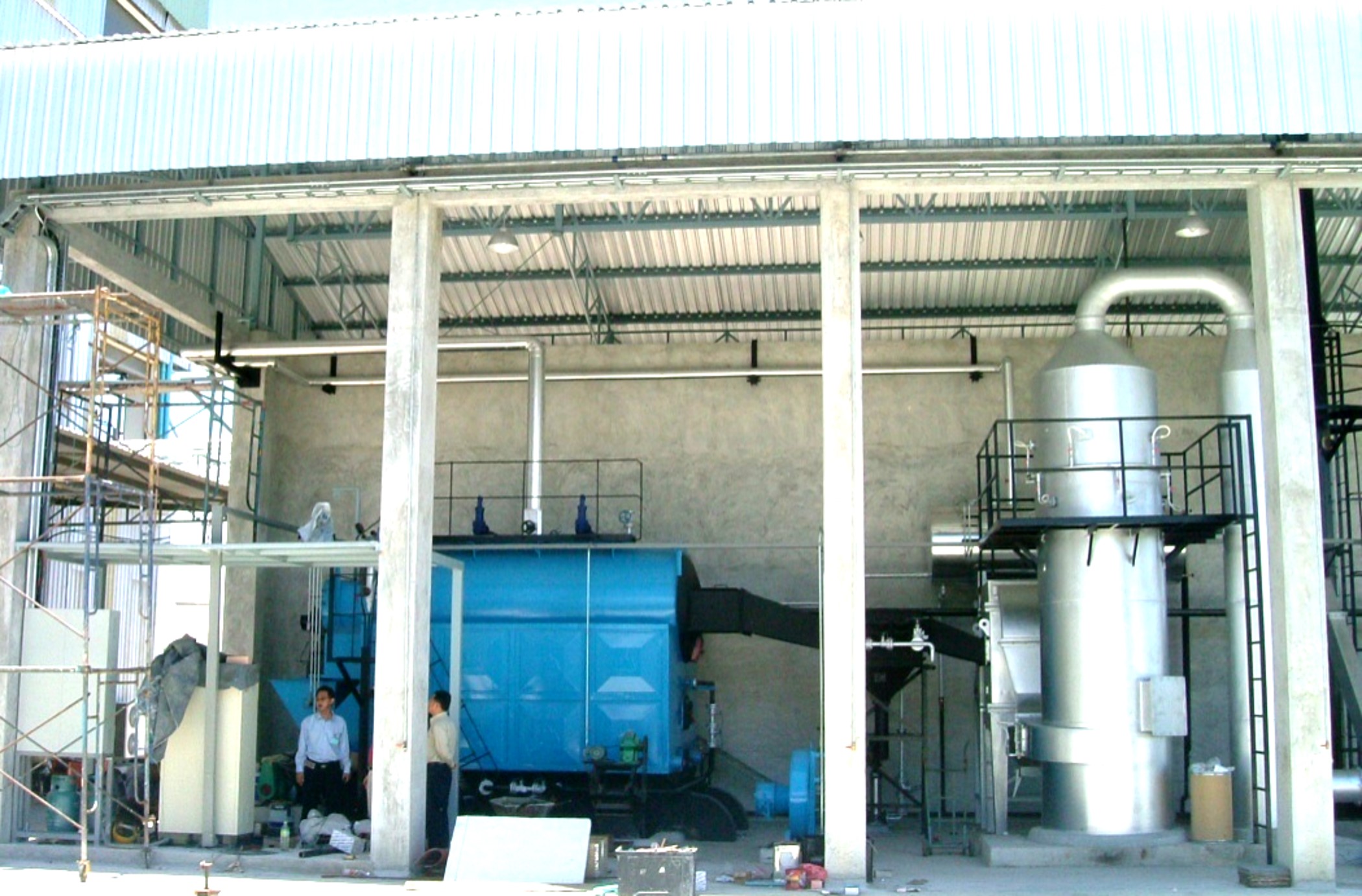
In industrial coal-fired boiler operations, fuel handling systems are often overlooked until failures occur, yet they are the backbone of consistent combustion and energy generation. Poor maintenance of these systems can lead to uneven fuel supply, blockages, excessive dust accumulation, and even safety hazards such as fires or explosions. These issues not only disrupt boiler performance but also increase downtime, operational costs, and risks to personnel. Therefore, maintaining fuel handling systems is not optional—it is essential for ensuring reliable, efficient, and safe boiler operation.
Fuel handling systems in industrial coal-fired boilers should be maintained through regular inspection, cleaning, lubrication, alignment checks, dust control, proper storage management, and monitoring of conveyors, crushers, and feeders to ensure consistent fuel supply, prevent blockages, reduce wear, and enhance overall boiler efficiency and safety.
To fully understand how to maintain these systems effectively, we must examine each component and maintenance practice in detail.
Fuel handling systems only require maintenance when visible blockages occur.False
Fuel handling systems require regular preventive maintenance to avoid blockages, wear, and safety hazards before visible issues arise.
🔄 1. Conveyor System Maintenance
Conveyors are critical for transporting coal from storage to the boiler.
· Belt inspection → Prevent tears
· Alignment checks → Avoid derailment
· Lubrication → Reduce friction
👉 Conveyor Flow:
Inspection → Adjustment → Smooth Operation → Consistent Fuel Supply
Short insight: Conveyors ensure flow continuity.
Extended explanation: Misalignment causes failure.
Long paragraph: Regular inspection of conveyor belts, rollers, and drive systems is essential to prevent misalignment, excessive wear, and unexpected breakdowns, as even minor issues such as belt slippage or roller damage can disrupt fuel supply and negatively impact boiler performance.
📊 Table 1: Conveyor Maintenance Checklist
| Component | Maintenance Action | Frequency |
|---|---|---|
| Conveyor Belt | Inspect for wear/tears | Weekly |
| Rollers | Check alignment | Monthly |
| Bearings | Lubricate | Monthly |
| Drive Motor | Inspect performance | Quarterly |
⚙️ 2. Crusher and Pulverizer Maintenance
Crushers and pulverizers prepare coal for efficient combustion.
· Blade inspection → Maintain efficiency
· Particle size control → Optimize burning
👉 Preparation Flow:
Crushing → Proper Size → Efficient Combustion
Short sentence: Proper sizing improves combustion.
Long explanation: Oversized coal reduces efficiency.
Long paragraph: Maintaining crushers and pulverizers ensures consistent coal particle size, which is critical for efficient combustion, as irregular or oversized particles can lead to incomplete burning and increased fuel consumption.
🌬️ 3. Dust Control and Safety Management
Coal handling generates dust, which can pose serious safety risks.
· Dust suppression systems → Reduce airborne particles
· Regular cleaning → Prevent buildup
👉 Dust Control Flow:
Dust Removal → Cleaner Environment → Safer Operation
Short insight: Dust control ensures safety.
Extended explanation: Dust can ignite.
Long paragraph: Implementing effective dust control measures, such as water sprays, dust collectors, and proper ventilation, is essential to minimize the risk of dust explosions and maintain a safe working environment.
📊 Table 2: Dust Management Techniques
| Method | Function | Benefit |
|---|---|---|
| Water Sprays | Suppress dust | Reduces airborne particles |
| Dust Collectors | Capture particles | Improves air quality |
| Ventilation Systems | Circulate air | Prevents accumulation |
🛢️ 4. Fuel Storage and Bunker Management
Proper storage prevents fuel degradation and handling issues.
· Moisture control → Maintain quality
· Level monitoring → Prevent shortages
👉 Storage Flow:
Proper Storage → Stable Fuel Quality → Consistent Supply
Short sentence: Storage affects quality.
Long explanation: Moisture impacts combustion.
Long paragraph: Maintaining optimal storage conditions in coal bunkers, including moisture control and proper stock rotation, ensures that fuel quality remains consistent and prevents issues such as clumping, which can block feeders and disrupt fuel flow.
🔥 5. Feeder System Maintenance
Feeders regulate the flow of coal into the combustion chamber.
· Calibration → Accurate feeding
· Blockage removal → Continuous flow
👉 Feeder Flow:
Controlled Feeding → Stable Combustion → Efficient Operation
Short insight: Feeders control combustion.
Extended explanation: Inconsistent feed disrupts performance.
Long paragraph: Regular calibration and inspection of feeder systems ensure that the correct amount of fuel is delivered to the boiler, maintaining a stable combustion process and preventing fluctuations that could reduce efficiency or cause operational instability.
🛠️ 6. Lubrication and Mechanical Integrity
Mechanical components require proper lubrication to function efficiently.
· Lubrication schedules → Reduce wear
· Component checks → Prevent failure
👉 Mechanical Flow:
Lubrication → Reduced Friction → Extended Component Life
Short sentence: Lubrication prevents wear.
Long explanation: Friction damages components.
Long paragraph: Implementing a systematic lubrication program for moving parts such as bearings, gears, and motors reduces friction and wear, ensuring smooth operation and extending the lifespan of fuel handling equipment.
📡 7. Monitoring and Automation Integration
Modern systems benefit from real-time monitoring and automation.
· Sensors → Detect anomalies
· Automation → Optimize flow
👉 Monitoring Flow:
Real-Time Data → Early Detection → Preventive Action
Short insight: Monitoring improves reliability.
Extended explanation: Data enables control.
Long paragraph: Integrating sensors and automation systems into fuel handling operations allows for continuous monitoring of equipment performance, enabling early detection of issues such as abnormal vibrations or flow inconsistencies, which can be addressed before they escalate into major problems.
🔍 Real-World Example
A coal-fired power plant reduced downtime by 20% after implementing a comprehensive fuel handling maintenance program.
· Regular maintenance → Improved reliability
· Automation → Better control
👉 Example Flow:
Maintenance Strategy → System Stability → Performance Gains
Short insight: Maintenance boosts reliability.
Extended explanation: Proactive care improves outcomes.
🔑 Key Maintenance Practices
· Regular inspection of conveyors and feeders
· Proper crusher and pulverizer maintenance
· Effective dust control systems
· Optimized fuel storage conditions
· Scheduled lubrication and repairs
· Real-time monitoring and automation
Summary
Maintaining fuel handling systems in industrial coal-fired boilers is essential for ensuring consistent fuel supply, efficient combustion, and safe operation. By implementing structured maintenance practices, controlling dust, optimizing storage, and leveraging modern monitoring technologies, industries can significantly enhance boiler performance, reduce downtime, and extend the lifespan of both fuel handling equipment and the boiler system itself.
What Role Does Heat Exchanger Cleaning Play in Industrial Coal-Fired Boiler Maintenance?
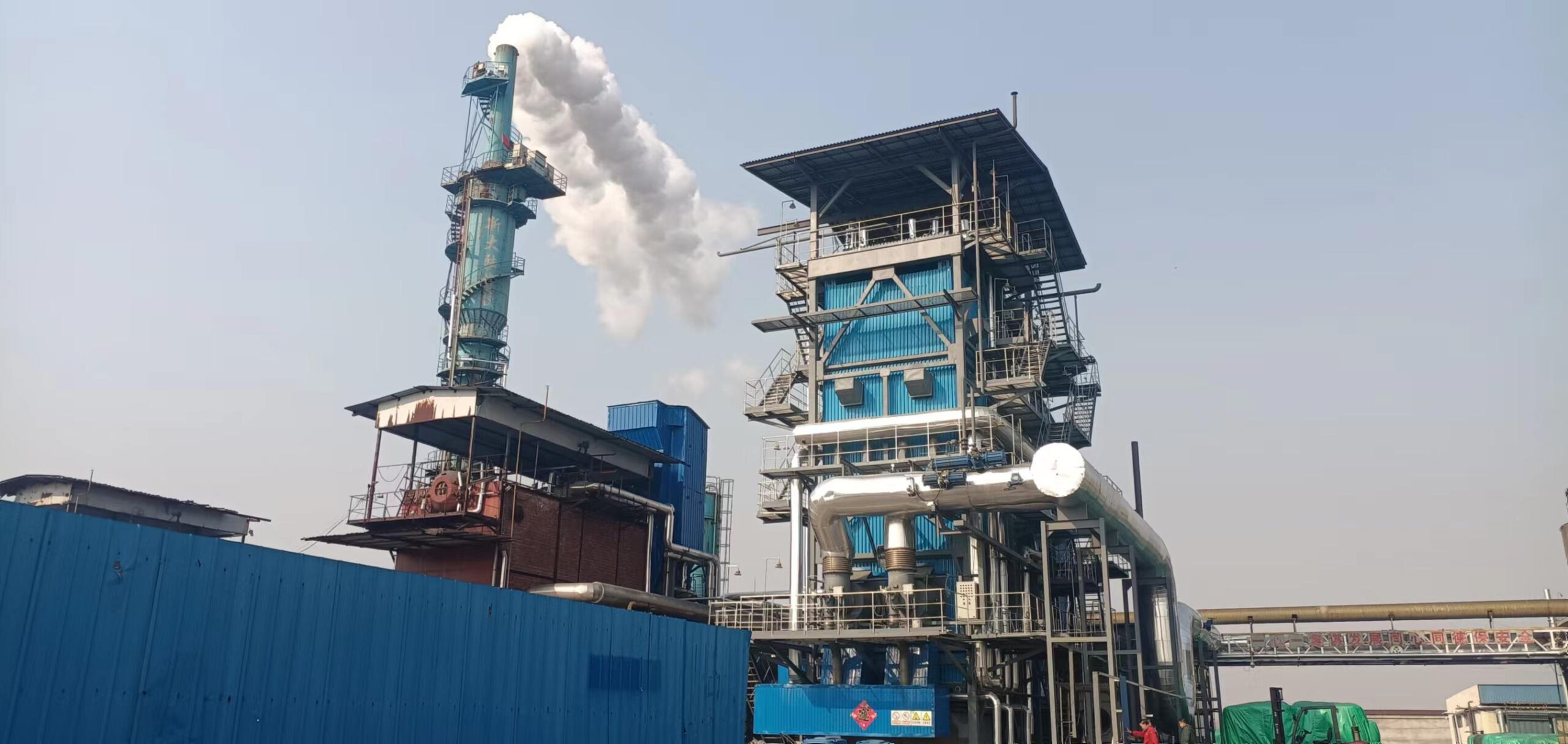
In industrial coal-fired boilers, the heat exchanger is one of the most critical components responsible for transferring thermal energy from combustion gases to water or steam. However, during continuous operation, ash, soot, and combustion residues gradually accumulate on heat transfer surfaces, forming insulating layers that significantly reduce efficiency. If left unaddressed, this buildup leads to higher fuel consumption, unstable operation, increased emissions, and accelerated equipment degradation. Many facilities underestimate the importance of regular heat exchanger cleaning, resulting in hidden efficiency losses and rising operational costs over time.
Heat exchanger cleaning plays a critical role in industrial coal-fired boiler maintenance by restoring heat transfer efficiency, reducing fuel consumption, preventing overheating, minimizing fouling and slagging, improving combustion stability, lowering emissions, and extending the overall service life of the boiler system.
To fully understand its importance, we must analyze how cleaning impacts performance, safety, and long-term operational reliability.
Heat exchanger cleaning has minimal impact on boiler efficiency if combustion remains stable.False
Even with stable combustion, fouling and ash buildup on heat exchanger surfaces significantly reduce heat transfer efficiency and increase fuel consumption.
🔥 1. Restoring Heat Transfer Efficiency
The primary function of a heat exchanger is to transfer heat efficiently, but ash and soot buildup act as insulation barriers.
· Clean surfaces → Maximum heat transfer
· Fouled surfaces → Heat resistance
👉 Heat Transfer Flow:
Combustion Gas → Heat Surface → Water/Steam Output
Short insight: Clean surfaces transfer heat better.
Extended explanation: Deposits reduce efficiency dramatically.
Long paragraph: When coal is burned in industrial boilers, fine ash particles and soot adhere to heat exchanger tubes, forming layers that reduce thermal conductivity, forcing the system to consume more fuel to achieve the same steam output, and regular cleaning removes these deposits, restoring optimal heat transfer and improving overall energy efficiency.
📊 Table 1: Heat Transfer Efficiency Impact
| Condition | Heat Transfer Efficiency | Fuel Consumption |
|---|---|---|
| Clean Heat Exchanger | High | Low |
| Light Fouling | Moderate | Increased |
| Heavy Deposits | Low | High |
🌬️ 2. Improving Combustion Efficiency
Dirty heat exchangers force boilers to operate under less efficient combustion conditions.
· Poor heat transfer → Higher fuel demand
· Uneven heating → Combustion instability
👉 Combustion Flow:
Efficient Heat Transfer → Stable Combustion → Lower Fuel Use
Short sentence: Efficiency depends on cleanliness.
Long explanation: Fouling disrupts energy balance.
Long paragraph: When heat exchangers are coated with soot and ash, the system compensates by increasing fuel input, which can disturb the air-fuel balance, leading to incomplete combustion, higher emissions, and reduced boiler efficiency, making cleaning essential for maintaining optimal combustion performance.
🔥 3. Preventing Overheating and Thermal Stress
Fouled heat exchangers trap heat, causing localized overheating.
· Insulation effect → Heat buildup
· Hotspots → Material stress
👉 Stress Flow:
Fouling → Heat Accumulation → Thermal Stress → Damage
Short insight: Overheating shortens lifespan.
Extended explanation: Heat imbalance damages components.
Long paragraph: As deposits accumulate, they act as thermal barriers that prevent proper heat dissipation, causing certain sections of the heat exchanger to overheat, which increases thermal stress and accelerates fatigue, cracking, and eventual failure of boiler components.
📊 Table 2: Thermal Stress and Risk Levels
| Condition | Temperature Stability | Equipment Risk |
|---|---|---|
| Clean System | Stable | Low |
| Moderate Fouling | Fluctuating | Medium |
| Heavy Fouling | Unstable | High |
⚙️ 4. Reducing Fouling and Slagging Risks
Heat exchanger cleaning directly prevents long-term fouling and slag formation.
· Soot buildup → Fouling
· Ash fusion → Slagging
👉 Deposit Flow:
Ash/Soot → Surface Accumulation → Efficiency Loss
Short insight: Deposits must be controlled.
Extended explanation: Fouling worsens over time.
Long paragraph: Without regular cleaning, soot and ash particles continue to accumulate and can harden into slag under high temperatures, making removal more difficult and causing permanent damage to heat transfer surfaces, which significantly reduces system efficiency.
🌡️ 5. Enhancing Temperature Control and Stability
Clean heat exchangers allow more precise temperature regulation.
· Clean surfaces → Stable heat transfer
· Fouled surfaces → Temperature fluctuation
👉 Control Flow:
Stable Heat Exchange → Precise Temperature → Reliable Operation
Short sentence: Clean systems are stable systems.
Long explanation: Stability improves control accuracy.
Long paragraph: By maintaining clean heat transfer surfaces, boilers can respond more predictably to load changes, ensuring stable steam temperature and pressure, which is essential for industrial processes requiring precise thermal control.
⚡ 6. Lowering Fuel Consumption and Operating Costs
One of the most immediate benefits of cleaning is reduced fuel usage.
· Efficient transfer → Less fuel needed
· Inefficient transfer → Higher consumption
👉 Cost Flow:
Clean System → Higher Efficiency → Lower Fuel Costs
Short insight: Cleanliness saves fuel.
Extended explanation: Efficiency reduces expenses.
Long paragraph: When heat exchangers operate at peak efficiency, less fuel is required to produce the same energy output, which directly reduces operational costs and improves overall plant profitability.
🌍 7. Supporting Emission Reduction and Compliance
Cleaner heat exchangers contribute to more complete combustion and lower emissions.
· Efficient combustion → Fewer pollutants
· Reduced soot → Cleaner exhaust
👉 Emission Flow:
Clean Heat Transfer → Efficient Combustion → Lower Emissions
Short sentence: Clean systems are environmentally friendly.
Long explanation: Efficiency reduces pollution.
Long paragraph: Improved heat transfer efficiency leads to better combustion conditions, reducing the formation of pollutants such as carbon monoxide, particulate matter, and unburned hydrocarbons, helping facilities meet environmental regulations and sustainability targets.
🔍 Real-World Example
A coal-fired power plant increased efficiency by 8–12% after implementing a scheduled soot blowing and heat exchanger cleaning program.
· Before cleaning → High fuel use
· After cleaning → Improved efficiency
👉 Example Flow:
Cleaning Program → Performance Improvement → Cost Reduction
Short insight: Maintenance delivers measurable gains.
Extended explanation: Cleaning improves output significantly.
🔑 Key Benefits of Heat Exchanger Cleaning
· Restores heat transfer efficiency
· Reduces fuel consumption
· Prevents overheating and thermal stress
· Minimizes fouling and slagging
· Improves combustion stability
· Lowers emissions
· Extends boiler lifespan
Summary
Heat exchanger cleaning is a fundamental maintenance practice in industrial coal-fired boilers that directly affects efficiency, safety, and operational cost. By removing soot, ash, and fouling deposits, it restores optimal heat transfer, stabilizes combustion, reduces fuel consumption, and prevents long-term equipment damage. Regular cleaning is essential for ensuring high performance and extending the service life of boiler systems in demanding industrial environments.
How Does Water Treatment Affect Industrial Coal-Fired Boiler Reliability?
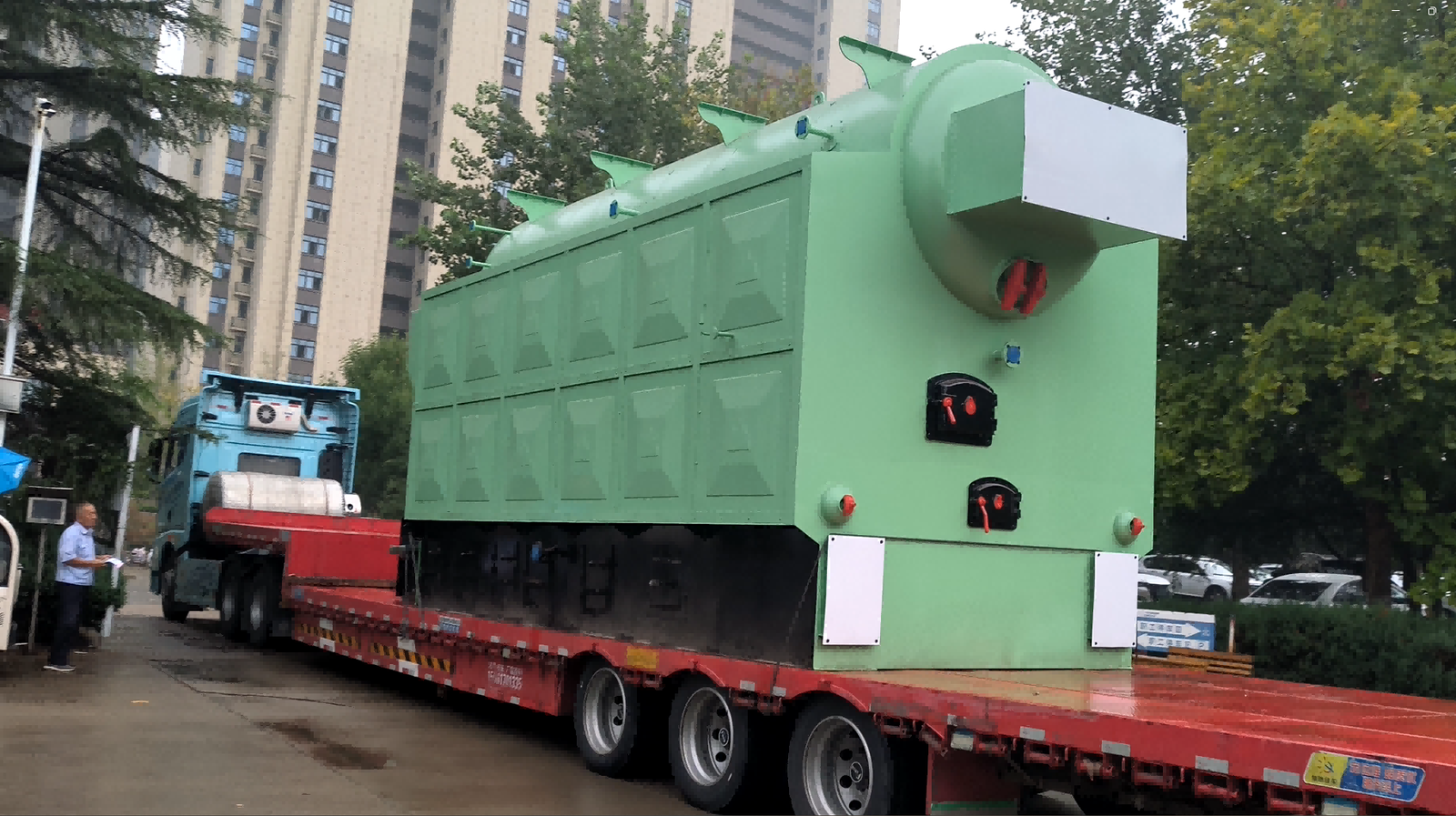
In industrial coal-fired boiler systems, water is not just a working medium—it is a critical factor that determines the entire system’s reliability, efficiency, and service life. Many operational failures such as tube rupture, pressure loss, scaling, and corrosion are not caused by mechanical defects but by poor water quality management. When untreated or improperly treated water enters the boiler, it introduces dissolved gases, minerals, and impurities that gradually damage internal surfaces and disrupt heat transfer. Over time, this leads to reduced efficiency, unexpected downtime, and costly repairs. Therefore, water treatment is not an optional support system—it is a core reliability requirement.
Water treatment affects industrial coal-fired boiler reliability by preventing scale formation, reducing corrosion, controlling dissolved oxygen and impurities, maintaining stable heat transfer efficiency, protecting internal components from damage, and ensuring safe, continuous, and efficient boiler operation over the long term.
To fully understand its impact, we must examine how water chemistry directly influences boiler performance and structural integrity.
Industrial coal-fired boilers can operate reliably without water treatment if blowdown is performed regularly.False
Blowdown alone cannot remove dissolved oxygen, hardness, and impurities; proper water treatment is essential to prevent scaling and corrosion.
💧 1. Preventing Scale Formation and Heat Transfer Loss
Scale is one of the most damaging consequences of untreated boiler water.
· Calcium & magnesium → Hard scale deposits
· Scale layer → Heat insulation barrier
👉 Heat Transfer Flow:
Clean Metal Surface → Efficient Heat Transfer → Stable Steam Production
Short insight: Scale is a silent efficiency killer.
Extended explanation: Even thin deposits reduce performance.
Long paragraph: When raw or insufficiently treated water contains hardness ions such as calcium and magnesium, these minerals precipitate under high-temperature conditions and form a hard insulating layer on heat transfer surfaces, which significantly reduces thermal conductivity, forcing the boiler to consume more fuel to achieve the same steam output, thereby increasing operating costs and accelerating material stress due to overheating.
📊 Table 1: Impact of Scale on Boiler Performance
| Scale Thickness | Heat Transfer Efficiency | Fuel Consumption | Reliability Impact |
|---|---|---|---|
| Clean Surface | High | Low | Stable |
| Light Scale | Moderate | Increased | Slight Risk |
| Heavy Scale | Low | High | High Failure Risk |
🛡️ 2. Preventing Corrosion and Metal Degradation
Corrosion is a major cause of long-term boiler failure.
· Oxygen in water → Oxidation
· Acidic conditions → Metal weakening
👉 Corrosion Flow:
Dissolved Oxygen → Metal Reaction → Pitting → Tube Failure
Short sentence: Corrosion reduces structural strength.
Long explanation: It gradually destroys metal integrity.
Long paragraph: Without proper water treatment, dissolved oxygen and carbon dioxide in feedwater react with metal surfaces, forming rust and localized pitting corrosion that weakens boiler tubes and pressure vessels, and over time these microscopic damages expand into cracks and leaks that compromise system reliability and safety.
🌡️ 3. Maintaining Stable Heat Transfer Conditions
Stable thermal performance depends heavily on clean internal surfaces.
· Clean tubes → Consistent heat flow
· Contaminated tubes → Uneven heating
👉 Thermal Flow:
Stable Water Chemistry → Uniform Heat Transfer → Reliable Output
Short insight: Clean water ensures stable performance.
Extended explanation: Stability prevents stress fluctuations.
Long paragraph: Proper water treatment ensures that internal heat exchange surfaces remain free from insulating deposits and corrosion layers, allowing uniform heat transfer that stabilizes steam generation and prevents thermal imbalances that could otherwise lead to mechanical stress and efficiency loss.
📊 Table 2: Reliability vs Water Quality Conditions
| Water Quality Condition | Operating Stability | Maintenance Frequency | Reliability Level |
|---|---|---|---|
| Well Treated | High | Low | High |
| Partially Treated | Moderate | Medium | Medium |
| Untreated | Low | High | Low |
⚙️ 4. Protecting Boiler Tubes and Pressure Components
Boiler tubes are highly sensitive to water impurities.
· Impurities → Tube erosion
· Deposits → Overheating stress
👉 Protection Flow:
Water Treatment → Clean Tubes → Extended Component Life
Short sentence: Clean water protects critical parts.
Long explanation: Tubes are the most vulnerable components.
Long paragraph: Effective water treatment prevents the formation of scale and corrosive agents that attack boiler tubes and pressure vessels, ensuring that these high-stress components maintain their structural integrity and reducing the risk of catastrophic failure due to thinning walls or localized overheating.
🔄 5. Reducing Maintenance Frequency and Downtime
Good water treatment reduces the need for frequent repairs.
· Fewer deposits → Less cleaning
· Lower corrosion → Fewer replacements
👉 Maintenance Flow:
Clean System → Reduced Wear → Less Downtime
Short insight: Better water means fewer shutdowns.
Extended explanation: Reliability improves availability.
Long paragraph: When water quality is properly controlled, the frequency of maintenance interventions such as descaling, tube replacement, and emergency shutdowns decreases significantly, improving overall plant availability and reducing operational disruption.
⚡ 6. Improving Fuel Efficiency and Operating Cost
Water treatment directly affects energy consumption.
· Clean surfaces → Less fuel needed
· Fouled surfaces → Higher energy demand
👉 Efficiency Flow:
Proper Treatment → Efficient Heat Transfer → Lower Fuel Costs
Short sentence: Efficiency reduces cost.
Long explanation: Dirty systems waste energy.
Long paragraph: By ensuring clean heat transfer surfaces and stable combustion conditions, water treatment reduces the amount of fuel required to produce the same amount of steam, which directly lowers operating costs and improves overall energy efficiency.
🌍 7. Enhancing Operational Safety and System Reliability
Water chemistry stability is essential for safe operation.
· Uncontrolled reactions → Pressure instability
· Corrosion damage → Leak risks
👉 Safety Flow:
Proper Treatment → Stable Pressure System → Safe Operation
Short insight: Safety depends on chemistry control.
Extended explanation: Poor water quality increases risk.
Long paragraph: Without proper water treatment, internal corrosion and scaling can lead to sudden pressure fluctuations, tube rupture, and steam leaks, all of which pose serious safety hazards to both personnel and equipment, making water treatment a critical safety measure in boiler operation.
🔍 Real-World Example
A coal-fired power plant improved boiler reliability by over 30% after upgrading its water treatment system with full deaeration and chemical dosing control.
· Before upgrade → Frequent scaling issues
· After upgrade → Stable long-term operation
👉 Example Flow:
Water Treatment Upgrade → System Stability → Reliability Improvement
Short insight: Water quality defines reliability.
Extended explanation: Proper treatment transforms performance.
🔑 Key Impacts of Water Treatment
· Prevents scale formation
· Reduces corrosion and pitting
· Maintains stable heat transfer
· Protects boiler tubes and components
· Reduces maintenance and downtime
· Improves fuel efficiency
· Enhances safety and reliability
Summary
Water treatment is a fundamental factor in determining the reliability of industrial coal-fired boilers. By controlling scale formation, preventing corrosion, stabilizing heat transfer, and protecting internal components, it ensures safe, efficient, and continuous operation. Proper water treatment is not just a maintenance practice—it is a core requirement for long-term boiler reliability and performance.
Why Are Safety and Emission Control Checks Critical for Industrial Coal-Fired Boilers?
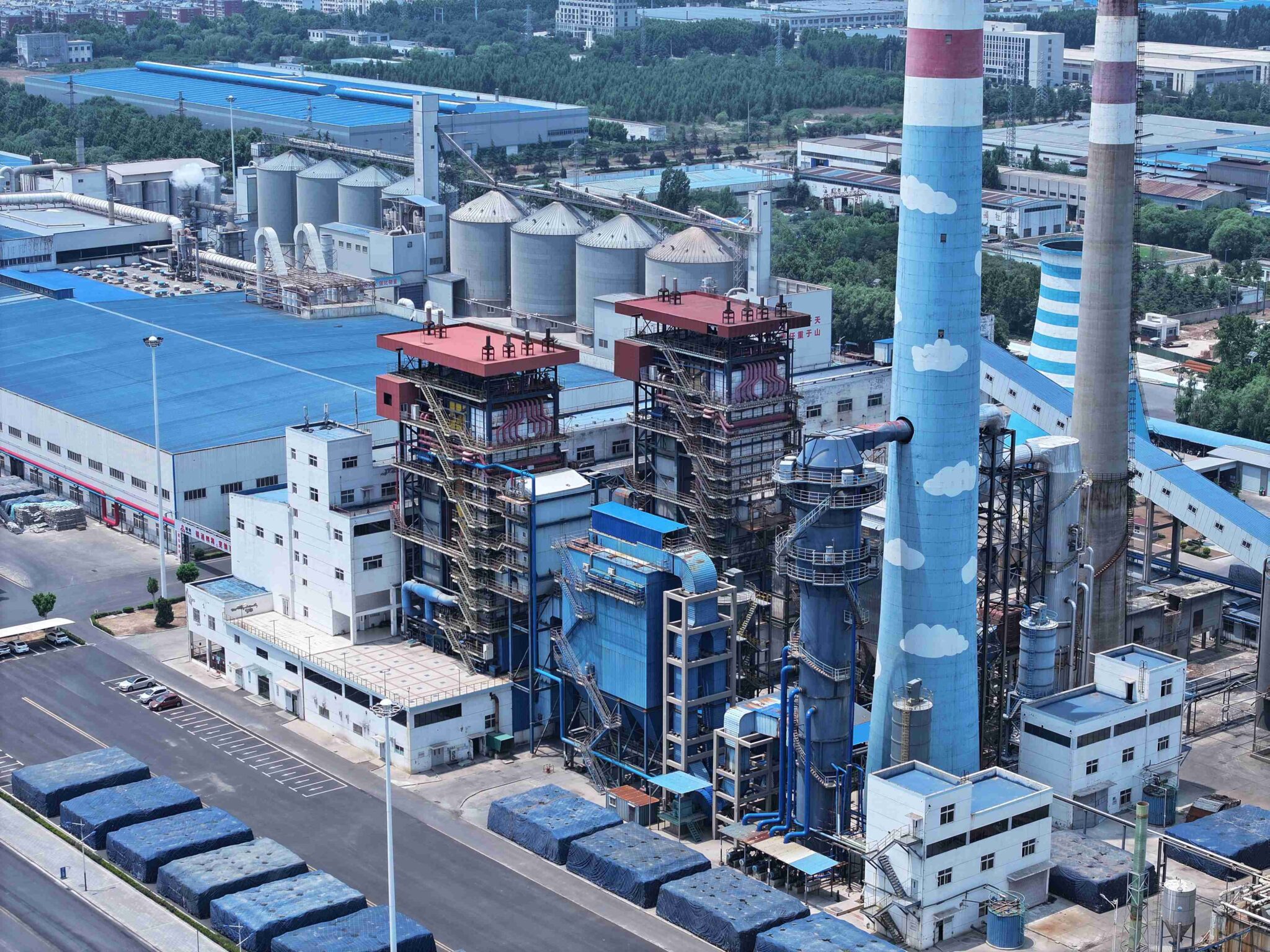
In industrial coal-fired boiler operations, safety and emission control are two interconnected pillars that determine not only operational reliability but also environmental compliance and workforce protection. Many facilities focus primarily on production output while underestimating the importance of continuous safety and emission monitoring, which can lead to severe consequences such as equipment failure, hazardous gas leaks, explosions, regulatory penalties, and environmental damage. As emission standards become stricter and safety expectations rise, ignoring these checks is no longer an option—it is a significant operational risk.
Safety and emission control checks are critical for industrial coal-fired boilers because they ensure safe pressure operation, prevent explosions and hazardous failures, optimize combustion efficiency, reduce harmful emissions, maintain regulatory compliance, protect equipment integrity, and safeguard both personnel and the environment.
To fully understand their importance, we must examine how safety systems and emission controls directly influence boiler performance and industrial sustainability.
Emission control systems in coal-fired boilers are optional if the plant already uses high-efficiency combustion technology.False
Even high-efficiency combustion systems produce emissions that must be monitored and controlled to meet environmental regulations and safety standards.
🔥 1. Preventing Explosions and Catastrophic Failures
Safety checks are essential to prevent high-risk events such as explosions and pressure ruptures.
· Overpressure → Vessel failure
· Gas accumulation → Explosion risk
👉 Safety Flow:
Monitoring → Pressure Control → Safe Operation
Short insight: Pressure control saves lives.
Extended explanation: Small faults can escalate quickly.
Long paragraph: Industrial coal-fired boilers operate under high temperature and high-pressure conditions, and without regular safety inspections of pressure valves, burners, and combustion chambers, even minor malfunctions such as fuel-air imbalance or valve failure can lead to dangerous pressure buildup, potentially resulting in explosions or catastrophic equipment damage that endangers both personnel and infrastructure.
📊 Table 1: Safety Risk Levels Without Proper Checks
| Condition | Risk Level | Possible Consequence |
|---|---|---|
| Regular Safety Checks | Low | Stable operation |
| Irregular Monitoring | Medium | Equipment stress |
| No Safety Inspection | High | Explosion risk |
🌫️ 2. Reducing Harmful Emissions and Air Pollution
Emission control checks ensure that pollutants remain within acceptable limits.
· CO emissions → Incomplete combustion
· NOx/SO₂ → Environmental hazard
· Particulate matter → Air pollution
👉 Emission Flow:
Efficient Combustion → Lower Pollutants → Regulatory Compliance
Short sentence: Clean combustion protects the environment.
Long explanation: Emissions must be controlled continuously.
Long paragraph: Even when combustion efficiency is relatively high, coal-fired boilers still produce pollutants such as nitrogen oxides, sulfur dioxide, and particulate matter, and without proper emission monitoring systems like flue gas analyzers and dust collectors, these pollutants can exceed regulatory limits, leading to environmental harm and potential legal penalties.
⚙️ 3. Ensuring Stable and Efficient Combustion
Safety and emission systems directly influence combustion quality.
· Air-fuel imbalance → Inefficiency
· Poor monitoring → Unstable flame
👉 Combustion Flow:
Controlled Input → Stable Flame → Efficient Output
Short insight: Stable combustion improves everything.
Extended explanation: Monitoring optimizes performance.
Long paragraph: By continuously monitoring combustion parameters such as oxygen levels, fuel feed rate, and flame stability, operators can ensure complete combustion, reducing fuel waste and improving thermal efficiency while simultaneously minimizing harmful emissions.
📊 Table 2: Combustion Quality vs Emissions
| Combustion Condition | Efficiency | Emissions Level | Fuel Usage |
|---|---|---|---|
| Optimized | High | Low | Low |
| Unstable | Medium | Medium | Higher |
| Poor Control | Low | High | Wasteful |
🛠️ 4. Protecting Equipment from Long-Term Damage
Uncontrolled emissions and unsafe conditions accelerate wear.
· Acidic gases → Corrosion
· Particulates → Fouling
👉 Damage Flow:
Emissions → Surface Contamination → Equipment Degradation
Short sentence: Pollution damages equipment too.
Long explanation: Emissions affect internal systems.
Long paragraph: Corrosive gases such as sulfur compounds and acidic condensates can attack metal surfaces inside boilers and flue gas systems, while particulate buildup reduces heat transfer efficiency, meaning that emission control is not only an environmental requirement but also a critical factor in protecting expensive industrial equipment.
🌍 5. Meeting Environmental Regulations and Standards
Modern industries must comply with strict emission regulations.
· Monitoring systems → Compliance assurance
· Reporting systems → Regulatory transparency
👉 Compliance Flow:
Emission Measurement → Data Reporting → Legal Compliance
Short insight: Compliance avoids penalties.
Extended explanation: Regulations are strict and continuous.
Long paragraph: Governments and environmental agencies enforce strict limits on industrial emissions, requiring continuous monitoring and reporting, and failure to comply can result in fines, shutdown orders, or legal consequences, making emission control checks essential for uninterrupted industrial operations.
⚡ 6. Improving Fuel Efficiency and Reducing Costs
Efficient combustion and safe operation reduce fuel waste.
· Better control → Less fuel consumption
· Stable system → Lower operating cost
👉 Efficiency Flow:
Monitoring → Optimization → Cost Reduction
Short sentence: Efficiency reduces expenses.
Long explanation: Waste increases operational cost.
Long paragraph: When safety and emission systems are properly maintained, combustion becomes more efficient, reducing unburned fuel losses and improving energy output per unit of coal, which directly lowers fuel costs and improves overall plant profitability.
🔄 7. Enhancing Real-Time Monitoring and Early Warning Systems
Modern boilers rely heavily on automated monitoring systems.
· Sensors → Real-time detection
· Alarms → Early warning
👉 Monitoring Flow:
Data Collection → Analysis → Preventive Action
Short insight: Early detection prevents disasters.
Extended explanation: Automation improves safety.
Long paragraph: Integrated safety and emission control systems continuously monitor pressure, temperature, gas composition, and flame stability, allowing operators to respond immediately to abnormal conditions before they escalate into serious failures or regulatory violations.
🔍 Real-World Example
A coal-fired power plant reduced emissions by 18% and eliminated major safety incidents after upgrading its emission monitoring and safety valve inspection system.
· Before upgrade → High emissions risk
· After upgrade → Stable compliant operation
👉 Example Flow:
System Upgrade → Improved Safety → Environmental Compliance
Short insight: Monitoring transforms performance.
Extended explanation: Control systems improve outcomes significantly.
🔑 Key Benefits of Safety and Emission Control Checks
· Prevents explosions and pressure failures
· Reduces harmful emissions
· Ensures combustion stability
· Protects equipment from corrosion and fouling
· Ensures regulatory compliance
· Improves fuel efficiency
· Enhances real-time operational safety
Summary
Safety and emission control checks are essential for industrial coal-fired boilers because they ensure safe pressure management, stable combustion, reduced environmental impact, and long-term equipment protection. By continuously monitoring and optimizing these systems, industries can achieve safer operations, lower emissions, improved efficiency, and full regulatory compliance, ensuring reliable and sustainable boiler performance.
Conclusion
Maintaining an industrial coal-fired boiler requires a comprehensive approach that addresses both mechanical and operational aspects. Regular cleaning, inspection, and system optimization not only improve efficiency but also enhance safety and compliance with environmental standards. A well-maintained boiler system ensures stable performance and reduces long-term operational costs.
If you need expert support in maintaining or upgrading your industrial coal-fired boiler, contact us today. We provide customized maintenance solutions, technical expertise, and reliable services to help you achieve maximum efficiency and long-term operational success.
FAQ
Q1: What daily maintenance tasks are required for coal-fired boilers?
A1:
Daily maintenance of industrial coal-fired boilers is essential to ensure stable operation, safety, and efficiency. Operators should begin by monitoring key operating parameters such as steam pressure, temperature, water levels, and fuel feed rates. Any deviation from normal ranges may indicate combustion inefficiencies or system faults that need immediate attention.
Visual inspections are also critical. Operators should check for abnormal noises, vibrations, leaks, or signs of overheating. Observing the flame condition inside the furnace helps assess combustion quality; a stable and bright flame indicates efficient burning, while dark smoke or irregular flames may suggest incomplete combustion.
Fuel handling systems must be checked daily. This includes inspecting coal feeders, conveyors, and pulverizers to ensure consistent fuel supply and prevent blockages. Ash handling systems should also be monitored to ensure smooth removal of ash and prevent buildup that could hinder operation.
Boiler water levels and quality indicators should be checked regularly. Performing blowdown helps remove impurities and maintain water quality, preventing scaling and corrosion.
Additionally, operators should inspect draft systems, including fans and dampers, to ensure proper airflow for combustion. Recording all observations in operational logs helps track performance trends and identify potential issues early.
In summary, daily tasks focus on monitoring, inspection, fuel handling, combustion quality, and water management to maintain reliable boiler performance.
Q2: What weekly and monthly maintenance activities are necessary?
A2:
Weekly and monthly maintenance tasks for coal-fired boilers involve more detailed inspections and servicing to ensure long-term efficiency and reliability. Weekly maintenance typically includes cleaning accessible surfaces such as burners, grates, and ash pits to remove accumulated soot and ash. This helps maintain proper airflow and heat transfer efficiency.
Operators should also inspect coal pulverizers and mills to ensure proper grinding of coal. Uniform coal particle size is essential for efficient combustion. Lubrication of moving parts, such as conveyor belts and fan bearings, should be performed regularly to prevent wear and mechanical failure.
Monthly maintenance involves more comprehensive checks. Heat transfer surfaces, such as boiler tubes, should be inspected for fouling and slagging. Deposits on these surfaces reduce efficiency and can lead to overheating if not addressed. Cleaning methods such as soot blowing or manual cleaning may be required.
Safety devices, including pressure relief valves, low-water cutoffs, and alarms, should be tested monthly to ensure proper operation. These components are critical for preventing accidents and maintaining safe operation.
Inspection of refractory linings inside the furnace is also important. Cracks or damage to refractory materials can lead to heat loss and structural issues.
In addition, flue gas analysis should be conducted periodically to evaluate combustion efficiency and adjust air-to-fuel ratios accordingly.
Overall, weekly and monthly maintenance tasks focus on cleaning, lubrication, inspection, and testing to maintain efficiency and prevent equipment failure.
Q3: Why is ash and soot removal critical in coal-fired boiler maintenance?
A3:
Ash and soot removal is a critical aspect of maintaining industrial coal-fired boilers because these byproducts directly impact efficiency, safety, and equipment lifespan. During coal combustion, ash and soot are produced as residues that can accumulate on heat transfer surfaces, such as boiler tubes and economizers.
When these deposits build up, they act as insulating layers, reducing the ability of the boiler to transfer heat effectively. This leads to higher fuel consumption, as more energy is required to achieve the desired steam output. Over time, this can significantly increase operating costs.
Accumulated ash and soot can also cause overheating of boiler components. Reduced heat transfer efficiency means that certain areas may experience excessive temperatures, leading to material degradation, warping, or even tube failure.
In addition, ash buildup can obstruct airflow within the furnace, disrupting combustion efficiency. Poor airflow can result in incomplete combustion, increased emissions, and the formation of harmful gases such as carbon monoxide.
Regular cleaning methods, such as soot blowing, mechanical cleaning, and ash removal systems, are essential for maintaining optimal performance. Automated soot blowers are commonly used in modern boilers to remove deposits without shutting down the system.
Furthermore, proper ash handling and disposal are important for environmental compliance and workplace safety. Accumulated ash can pose fire hazards and health risks if not managed properly.
In summary, regular ash and soot removal improves heat transfer, reduces fuel consumption, prevents overheating, and ensures safe and efficient boiler operation.
Q4: How does fuel system maintenance impact boiler performance?
A4:
Fuel system maintenance is vital for ensuring efficient and reliable operation of industrial coal-fired boilers. The fuel system includes components such as coal storage, conveyors, feeders, pulverizers, and burners, all of which must function properly to deliver a consistent and controlled fuel supply.
One of the key aspects of fuel system maintenance is ensuring proper coal sizing and preparation. Pulverizers must grind coal into fine particles to facilitate efficient combustion. Poorly maintained pulverizers can produce uneven particle sizes, leading to incomplete combustion and reduced efficiency.
Coal feeders and conveyors should be inspected regularly for blockages, wear, and alignment issues. Any disruption in fuel flow can cause fluctuations in boiler output and affect combustion stability.
Burners also require regular maintenance to ensure proper mixing of fuel and air. Clogged or misaligned burners can lead to uneven combustion, increased emissions, and potential safety hazards.
Moisture content in coal should also be monitored. Excess moisture reduces combustion efficiency and can cause handling issues in the fuel system.
Additionally, dust control is an important consideration. Coal dust can pose explosion risks if not properly managed. Regular cleaning and maintenance of dust collection systems help ensure safe operation.
In summary, maintaining the fuel system ensures consistent fuel delivery, efficient combustion, reduced emissions, and improved overall boiler performance.
Q5: What safety checks are essential for coal-fired boiler maintenance?
A5:
Safety checks are a critical component of maintaining industrial coal-fired boilers due to the high temperatures, pressures, and combustible materials involved. Regular safety inspections help prevent accidents, protect personnel, and ensure compliance with regulatory standards.
One of the most important safety checks is testing pressure relief valves. These valves are designed to release excess pressure and prevent explosions. Regular testing ensures they operate correctly under emergency conditions.
Low-water cutoff devices must also be checked frequently. These devices automatically shut down the boiler if water levels drop too low, preventing overheating and potential damage to the boiler.
Inspection of fuel handling systems is essential to prevent fire and explosion hazards. Coal dust accumulation should be minimized, and dust suppression systems should be maintained to reduce risks.
Flame monitoring systems should be tested to ensure they can detect flame failure and shut off fuel supply promptly. This prevents the buildup of unburned fuel, which could lead to explosions.
Electrical systems and control panels should also be inspected for proper functioning and signs of wear or damage. Faulty electrical components can lead to system failures or safety hazards.
Additionally, operators should verify that all alarms and emergency shutdown systems are operational. These systems provide early warnings and enable quick response to abnormal conditions.
In conclusion, essential safety checks include testing pressure relief devices, monitoring water levels, inspecting fuel systems, maintaining dust control, and ensuring proper operation of control and alarm systems, all of which contribute to safe and reliable boiler operation.
References
- Steam System Maintenance – https://www.energy.gov/eere/amo/steam-systems – U.S. Department of Energy
- Coal Boiler Operation and Maintenance – https://www.worldcoal.org – World Coal Association
- Industrial Boiler Cleaning Techniques – https://www.spiraxsarco.com – Spirax Sarco
- Boiler Safety Guidelines – https://www.osha.gov – Occupational Safety and Health Administration
- Combustion and Fuel Systems – https://www.chemicalprocessing.com – Chemical Processing
- Boiler Efficiency Optimization – https://www.tlv.com – TLV International
- Ash Handling Systems – https://www.engineeringtoolbox.com – Engineering Toolbox
- Power Plant Maintenance Practices – https://www.ge.com/power – General Electric
- Industrial Energy Efficiency – https://www.iea.org – International Energy Agency
- Boiler Water Treatment – https://www.nace.org – NACE International
Essential Maintenance for Industrial Coal-Fired Boilers Read More »