
Future Innovations in Power Plant Boiler Technology
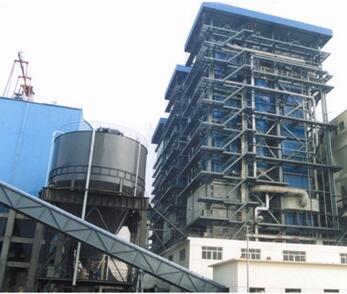
Power plants today face mounting pressure from stricter environmental regulations, rising fuel costs, and the urgent need to reduce carbon emissions. Traditional boiler technologies often struggle with low efficiency, high emissions, and limited flexibility, making it difficult for operators to stay competitive in a rapidly evolving energy landscape. Without embracing innovation, power generation facilities risk higher operating costs, regulatory penalties, and reduced reliability. Fortunately, cutting-edge advancements are transforming power plant boilers into cleaner, smarter, and more efficient systems.
The future of power plant boilers is being shaped by innovations such as ultra-supercritical technology, digitalization and AI-driven controls, low-emission combustion systems, carbon capture integration, advanced materials, waste heat recovery, and fuel flexibility including biomass and hydrogen co-firing. These technologies significantly improve efficiency, reduce emissions, enhance operational flexibility, and support the global transition toward sustainable energy.
To fully understand these advancements, it is important to explore the key technologies and trends driving the evolution of modern power plant boilers.
How Does Ultra-Supercritical Technology Improve Power Plant Boiler Efficiency?
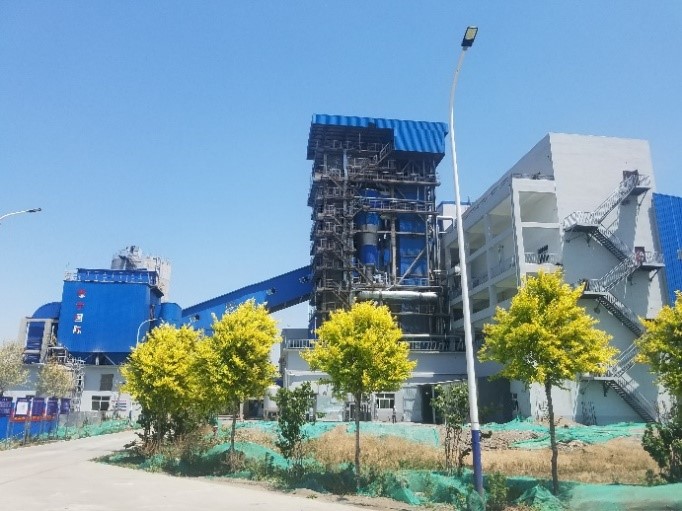
Power plants today face a critical challenge: how to generate more electricity while consuming less fuel and emitting fewer pollutants. Traditional subcritical and even supercritical boilers struggle with efficiency ceilings, leading to higher operational costs and environmental impact. As energy demand rises and regulations tighten, inefficiency is no longer acceptable—it becomes a liability. The solution lies in ultra-supercritical (USC) technology, which pushes thermodynamic boundaries to achieve significantly higher efficiency and sustainability.
Ultra-supercritical technology improves power plant boiler efficiency by operating at extremely high temperatures (above 600°C) and pressures (above 22.1 MPa), which increases the thermodynamic efficiency of the Rankine cycle, reduces fuel consumption per unit of electricity, and minimizes emissions. This results in efficiency gains of up to 45% or higher compared to traditional subcritical systems, making USC boilers one of the most advanced and efficient power generation solutions available today.
To truly understand why ultra-supercritical boilers outperform conventional systems, we need to explore the thermodynamic principles, material science innovations, and engineering optimizations behind them. Let’s break down how this technology transforms efficiency step by step.
Ultra-supercritical boilers operate beyond the critical point of water, eliminating phase change during boiling.True
At pressures above 22.1 MPa, water transitions directly into a supercritical fluid without distinct liquid and vapor phases, improving heat transfer efficiency.
🔥 Understanding the Thermodynamic Advantage of Ultra-Supercritical Technology
Ultra-supercritical technology fundamentally enhances efficiency by optimizing the Rankine cycle, which is the backbone of steam power generation. In conventional systems, water is heated until it boils and turns into steam, involving a phase change that introduces inefficiencies due to latent heat requirements and thermal losses. However, in USC systems, water surpasses the critical point and becomes a supercritical fluid, eliminating the need for boiling and significantly improving heat transfer characteristics. This allows for a more continuous and efficient energy conversion process, reducing entropy generation and maximizing usable work output from the same amount of fuel input.
From a thermodynamic perspective, increasing both temperature and pressure directly raises the average temperature at which heat is added in the cycle. According to Carnot efficiency principles, this leads to higher overall efficiency. Ultra-supercritical boilers typically operate at temperatures between 600°C and 620°C, with advanced designs reaching up to 700°C in advanced USC (A-USC) systems. This increase may seem incremental, but even a 10–20°C rise can significantly impact efficiency due to the nonlinear relationship between temperature and thermodynamic performance.
➡️ Efficiency Improvement Flow:
Fuel Combustion → Higher Pressure Steam → Higher Temperature → Reduced Heat Loss → Increased Turbine Output → Lower Fuel Consumption
📊 Efficiency Comparison Across Boiler Technologies
| Technology Type | Pressure (MPa) | Temperature (°C) | Efficiency (%) | Fuel Consumption |
|---|---|---|---|---|
| Subcritical | < 22.1 | ~540 | 33–37 | High |
| Supercritical | 22–25 | 550–580 | 38–42 | Medium |
| Ultra-Supercritical | > 25 | 600–620+ | 42–47+ | Low |
Key Insight:
USC technology can reduce coal consumption by up to 20–25% compared to subcritical plants, which translates directly into cost savings and emission reductions.
⚙️ Advanced Materials: The Backbone of USC Efficiency
Operating at such extreme conditions is not possible without breakthroughs in materials engineering. Ultra-supercritical boilers rely on advanced alloys such as nickel-based superalloys, austenitic stainless steels, and chromium steels, which can withstand high temperatures and resist creep deformation over long operational lifespans. These materials ensure structural integrity while maintaining thermal efficiency.
In traditional boilers, material limitations restrict operating temperatures, forcing engineers to compromise on efficiency. USC technology removes this barrier. By enabling higher temperature thresholds, these materials allow boilers to operate closer to optimal thermodynamic conditions. Additionally, improved corrosion resistance reduces maintenance downtime and extends equipment life, indirectly contributing to overall plant efficiency.
➡️ Material Impact Chain:
Stronger Alloys → Higher Operating Temperature → Better Heat Transfer → Reduced Energy Loss → Higher Efficiency
📈 Heat Transfer Optimization in USC Boilers
One of the less obvious but highly impactful improvements in USC systems is enhanced heat transfer efficiency. In subcritical boilers, the boiling process creates bubbles that act as thermal resistance barriers, reducing heat transfer efficiency. In contrast, supercritical fluids exhibit uniform density and no phase boundary, allowing for smoother and more efficient heat exchange between the combustion gases and the working fluid.
This improvement reduces the temperature gradient required for heat transfer, which in turn lowers thermal stress on boiler components. The result is a more stable system with fewer energy losses. Additionally, USC boilers incorporate advanced once-through designs, eliminating the need for drum-type boilers and further reducing inefficiencies associated with water-steam separation.
📊 Heat Transfer Efficiency Comparison
| Parameter | Subcritical Boiler | USC Boiler |
|---|---|---|
| Phase Change | Yes | No |
| Heat Transfer Resistance | High | Low |
| Thermal Stability | Moderate | High |
| Energy Loss | Higher | Lower |
Conclusion from Table:
Eliminating phase change significantly enhances heat transfer efficiency and system stability.
🌱 Environmental and Economic Benefits
Ultra-supercritical technology does not just improve efficiency—it also delivers substantial environmental and economic advantages. Because less fuel is required to generate the same amount of electricity, USC plants emit lower levels of CO₂, SO₂, and NOx. This makes them more compliant with stringent environmental regulations and reduces the need for costly emission control systems.
Economically, the reduction in fuel consumption translates into significant operational savings over the plant’s lifecycle. Although USC plants have higher initial capital costs due to advanced materials and engineering complexity, the long-term return on investment is highly favorable. Many utilities recover the additional cost within a few years through fuel savings alone.
➡️ Benefit Flow:
Higher Efficiency → Less Fuel → Lower Emissions → Reduced Costs → Sustainable Operation
🔧 Operational Reliability and Control Systems
Modern USC boilers are equipped with advanced digital control systems, enabling precise monitoring and optimization of operating parameters such as temperature, pressure, and flow rates. These systems use real-time data analytics to maintain optimal conditions, ensuring consistent efficiency and preventing performance degradation over time.
Automation also reduces human error and enhances safety, particularly important given the extreme operating conditions. Predictive maintenance technologies further improve reliability by identifying potential issues before they lead to failures, minimizing downtime and maintaining high efficiency levels throughout the plant’s operational life.
🚀 Future Trends: Advanced Ultra-Supercritical (A-USC) Technology
The evolution of USC technology continues with the development of Advanced Ultra-Supercritical (A-USC) systems, which aim to push temperatures beyond 700°C. These systems promise efficiencies exceeding 50%, representing a major leap forward in power generation technology. Research is ongoing in areas such as ceramic materials and advanced coatings to support these extreme conditions.
➡️ Future Efficiency Path:
USC (45%) → A-USC (50%+) → Hybrid Systems → Near-Zero Emissions
Summary
Ultra-supercritical technology represents a transformative advancement in power plant boiler efficiency by leveraging higher temperatures, higher pressures, advanced materials, and optimized thermodynamics. By eliminating phase change losses, improving heat transfer, and enabling more efficient energy conversion, USC boilers significantly reduce fuel consumption and emissions while increasing power output. As the energy industry continues to evolve, USC and A-USC technologies will play a crucial role in achieving sustainable, high-efficiency power generation for the future.
What Role Does Digitalization Play in Modern Power Plant Boiler Innovation?
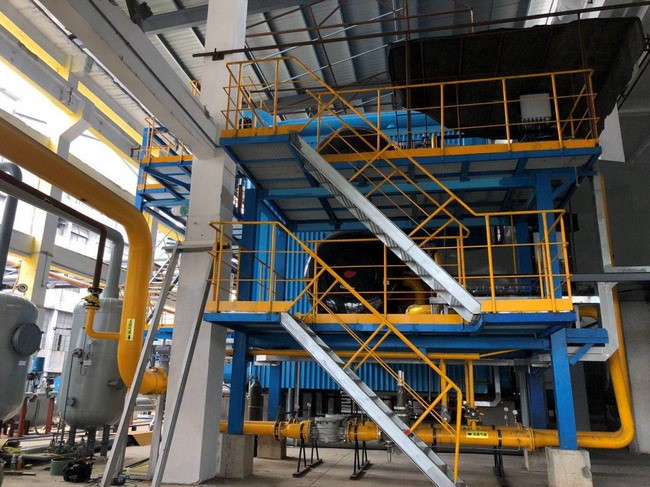
In modern thermal power plants, operators face a growing challenge: how to maintain high boiler efficiency, reduce emissions, and ensure safe operation while dealing with increasingly complex systems and stricter regulations. Traditional manual monitoring and isolated control systems are no longer sufficient, leading to inefficiencies, unexpected downtime, and higher operational costs. As boilers become more advanced (especially ultra-supercritical systems), their operational complexity increases exponentially, making real-time optimization essential.
Digitalization plays a critical role in modern power plant boiler innovation by integrating IoT sensors, AI-driven analytics, digital twins, and automated control systems to optimize combustion efficiency, enhance predictive maintenance, reduce emissions, and improve operational safety and reliability in real time.
To fully understand this transformation, it is important to explore how digital technologies are reshaping every layer of boiler design and operation—from fuel input to turbine output and emissions control.
Modern boiler systems are no longer just mechanical energy converters; they are becoming data-driven intelligent energy platforms.
🌐 The Digital Transformation of Boiler Systems in Power Plants
Digitalization in power plant boilers refers to the integration of smart sensors, advanced analytics, cloud computing, and AI-based decision systems into traditional thermal systems. This shift transforms boilers from static equipment into dynamic, self-optimizing systems capable of adapting to real-time conditions.
Instead of relying solely on operator experience, modern systems continuously collect and analyze millions of data points per second. These include temperature gradients, pressure fluctuations, fuel composition, flue gas emissions, and turbine load conditions.
➡️ Digital Boiler Transformation Flow:
Sensor Data → Real-Time Transmission → AI Analysis → Control Adjustment → Efficiency Optimization → Emission Reduction
This continuous feedback loop allows power plants to operate closer to their theoretical efficiency limits while minimizing risks and operational uncertainty.
📊 Key Digital Technologies in Modern Boiler Innovation
| Digital Technology | Function in Boiler Systems | Primary Benefit |
|---|---|---|
| IoT Sensors | Real-time data collection (temp, pressure, flow) | Enhanced monitoring accuracy |
| AI & Machine Learning | Predictive analytics and optimization | Efficiency improvement |
| Digital Twin Technology | Virtual replication of boiler systems | Simulation & performance testing |
| Cloud Computing | Data storage and remote access | Centralized control |
| Advanced Control Systems | Automated adjustment of combustion parameters | Stability and efficiency |
Key Insight:
Digitalization enables continuous optimization instead of periodic manual adjustments, significantly improving boiler performance stability.
📡 IoT Sensors: The Nervous System of Smart Boilers
At the core of digitalized boiler systems lies the Industrial Internet of Things (IIoT). Thousands of sensors are installed throughout the boiler system to continuously monitor critical parameters. These sensors act as the “nervous system” of the plant, feeding real-time data into centralized control systems.
Common monitored variables include:
- Furnace temperature distribution
- Steam pressure and flow rate
- Fuel-air ratio in combustion chambers
- Vibration levels in turbines and pumps
- NOx, SOx, and CO₂ emissions
The value of IoT lies not just in data collection but in high-frequency, high-resolution monitoring, which enables micro-adjustments that were previously impossible.
➡️ IoT Data Flow in Boilers:
Sensors → Edge Devices → Data Acquisition System → Cloud Platform → AI Engine → Control System
This architecture ensures that decisions are made within seconds, preventing inefficiencies from accumulating.
📈 AI and Machine Learning in Boiler Optimization
Artificial intelligence has become a game-changer in boiler operation. Machine learning algorithms analyze historical and real-time data to identify patterns that humans cannot easily detect.
For example, AI can optimize the air-fuel ratio to ensure complete combustion while minimizing excess oxygen, which directly improves thermal efficiency. It can also predict load demand fluctuations and adjust boiler output accordingly.
One of the most impactful applications is combustion optimization, where AI continuously adjusts burner settings to achieve maximum efficiency.
➡️ AI Optimization Cycle:
Data Input → Pattern Recognition → Efficiency Prediction → Control Adjustment → Feedback Learning
Over time, the system becomes more accurate, continuously improving performance without manual intervention.
🤖 Digital Twin Technology: Virtual Replication of Boiler Systems
A digital twin is a real-time virtual model of a physical boiler system. It mirrors every operational aspect of the plant using live data from sensors. Engineers can simulate different operating scenarios without affecting the actual system.
This allows for:
- Performance testing under extreme conditions
- Failure prediction before it happens
- Design optimization of boiler components
- Training operators in a risk-free environment
Digital twins are particularly valuable for ultra-supercritical boilers, where operating conditions are extremely sensitive and expensive to modify physically.
➡️ Digital Twin Workflow:
Physical Boiler → Sensor Data → Virtual Model → Simulation → Optimization Insights → Physical Adjustment
📊 Impact of Digitalization on Boiler Efficiency
| Operational Metric | Traditional Boiler System | Digitalized Boiler System |
|---|---|---|
| Thermal Efficiency | 35–42% | 45–50%+ |
| Fuel Consumption Control | Manual adjustment | Real-time AI optimization |
| Maintenance Strategy | Reactive | Predictive |
| Emission Control Accuracy | Moderate | High precision |
| Downtime Frequency | Higher | Significantly reduced |
Key Insight:
Digitalization can improve overall boiler efficiency by 8–15% depending on system maturity and integration level.
🔧 Predictive Maintenance: Preventing Failures Before They Occur
One of the most valuable contributions of digitalization is predictive maintenance. Instead of waiting for equipment failure or following fixed maintenance schedules, AI systems analyze operational data to predict when components are likely to fail.
Key indicators include:
- Abnormal vibration patterns
- Temperature anomalies
- Pressure fluctuations
- Efficiency degradation trends
➡️ Predictive Maintenance Flow:
Real-Time Data → Anomaly Detection → Failure Prediction → Maintenance Scheduling → Downtime Reduction
This approach significantly reduces unexpected shutdowns and extends equipment lifespan, particularly in high-stress environments like supercritical boilers.
🌫️ Digital Emission Monitoring and Environmental Compliance
Environmental regulations require precise monitoring of emissions such as CO₂, NOx, and SOx. Digital systems integrate continuous emission monitoring systems (CEMS) to track pollutant levels in real time.
AI systems can automatically adjust combustion conditions to reduce emissions without human intervention. For example, adjusting oxygen levels or fuel distribution can significantly reduce NOx formation.
➡️ Emission Control Loop:
Emission Sensors → Data Analysis → AI Adjustment → Combustion Optimization → Reduced Emissions
This ensures compliance with environmental standards while maintaining high efficiency.
🔐 Cybersecurity and System Integration Challenges
As power plants become more digitalized, cybersecurity becomes a critical concern. A fully connected boiler system introduces vulnerabilities that could potentially disrupt operations if not properly protected.
Key cybersecurity measures include:
- Encrypted communication protocols
- Multi-layer authentication systems
- Isolated industrial control networks
- Continuous threat monitoring
Integration is another challenge. Many older plants still operate legacy systems, requiring hybrid integration architectures that combine analog and digital systems seamlessly.
➡️ Security Integration Flow:
Sensors → Secure Gateway → Encrypted Network → Control System → Protected Operations
📊 Digitalization Impact Across Boiler Operation Layers
| Boiler Operation Layer | Digital Technology Used | Key Improvement Outcome |
|---|---|---|
| Combustion System | AI + IoT Sensors | Higher fuel efficiency |
| Heat Transfer System | Digital Twin Simulation | Reduced thermal loss |
| Turbine Operation | Predictive Analytics | Improved load response |
| Emission Control | CEMS + AI Optimization | Regulatory compliance |
| Maintenance System | Machine Learning Models | Reduced downtime |
🔄 Integrated Digital Boiler Ecosystem
Modern power plants function as interconnected digital ecosystems rather than isolated mechanical units.
➡️ Full System Flow:
Fuel Input → Smart Combustion Control → Real-Time Monitoring → AI Optimization → Digital Twin Simulation → Predictive Maintenance → Emission Control → Power Output
This integrated loop ensures continuous optimization across all operational layers.
📌 Summary
Digitalization has fundamentally transformed modern power plant boiler innovation by turning traditional thermal systems into intelligent, data-driven, self-optimizing platforms. Through IoT sensors, AI algorithms, digital twin modeling, predictive maintenance, and real-time emission monitoring, power plants can achieve higher efficiency, lower emissions, and improved operational reliability.
The transition from manual control to fully digital ecosystems enables boilers to operate closer to their theoretical efficiency limits while significantly reducing risk and cost. As digital technologies continue to evolve, future power plants will become even more autonomous, adaptive, and sustainable—marking a new era in energy production.
How Are Low-Emission Combustion Technologies Transforming Power Plant Boilers?
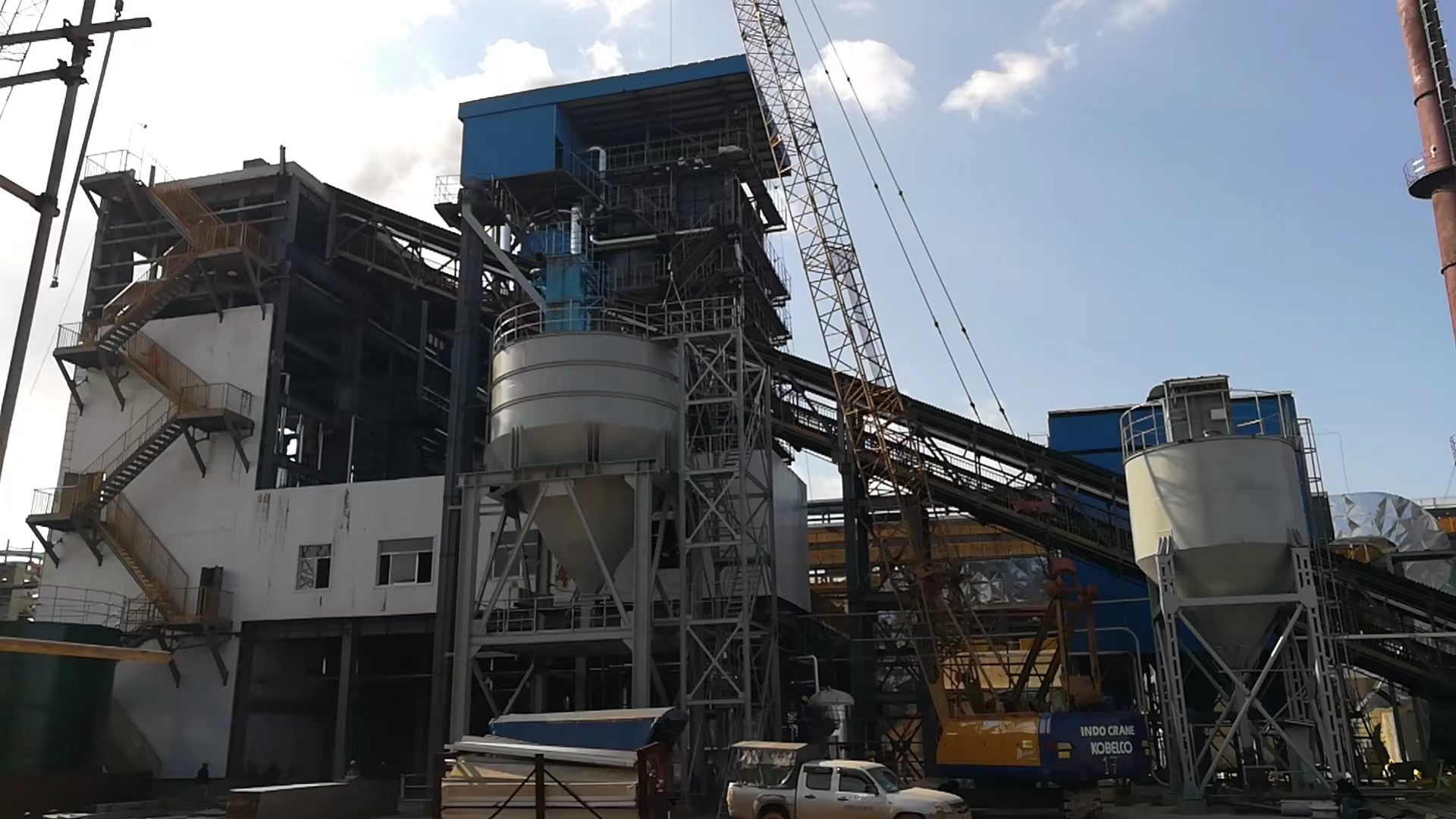
Power plant boilers have traditionally been one of the largest industrial sources of air pollution due to high-temperature combustion of coal, oil, and gas. In older designs, combustion processes were optimized mainly for output and fuel utilization, often at the expense of environmental performance. This led to significant emissions of NOx, SO₂, particulate matter, and CO₂, creating serious environmental and regulatory challenges worldwide. As climate policies tighten and emission caps become stricter, conventional combustion systems are no longer sufficient.
Low-emission combustion technologies are transforming power plant boilers by precisely controlling flame temperature, improving fuel-air mixing, introducing staged combustion processes, and integrating advanced post-combustion treatment systems to drastically reduce NOx and other pollutants while maintaining or improving thermal efficiency and operational stability.
This transformation is not a single upgrade but a complete redesign of how combustion is controlled, staged, and cleaned across the entire boiler system.
Low-emission combustion technologies reduce NOx emissions primarily by lowering peak flame temperature during fuel combustion.True
NOx formation is highly temperature-dependent, and controlling flame temperature is one of the most effective ways to suppress thermal NOx production.
🌍 Why Power Plant Boilers Needed Low-Emission Transformation
Traditional boilers operate under conditions where fuel is burned at very high temperatures to maximize energy extraction. However, this creates a chemical environment where nitrogen in the air reacts with oxygen, forming thermal NOx, one of the most harmful pollutants. At the same time, incomplete combustion leads to carbon monoxide and unburned hydrocarbons, reducing efficiency and increasing fuel waste.
This creates a fundamental contradiction in combustion engineering:
- Higher temperature improves efficiency
- But higher temperature increases emissions
➡️ Core Problem Flow:
High Combustion Temperature → NOx Formation ↑ → Environmental Impact ↑
Incomplete Mixing → Fuel Waste ↑ → Efficiency ↓
Low-emission combustion technologies resolve this conflict by decoupling efficiency from emissions through advanced combustion control strategies.
🔥 Core Low-Emission Combustion Technologies in Modern Boilers
| Technology | Function | Primary Emission Reduction | Efficiency Impact |
|---|---|---|---|
| Low-NOx Burners (LNB) | Control flame shape and oxygen distribution | NOx | Neutral to Positive |
| Overfire Air (OFA) | Staged combustion with secondary air injection | NOx, CO | Positive |
| Flue Gas Recirculation (FGR) | Recycles exhaust gases to lower flame temperature | NOx | Slight Positive |
| Selective Catalytic Reduction (SCR) | Chemical conversion of NOx into nitrogen and water | NOx | Neutral |
| Ultra-Low Emission Boiler Systems | Integrated multi-layer control system | Multi-pollutants | High Positive |
Key Insight:
Modern emission control is no longer a single-device solution—it is a multi-layer combustion ecosystem working simultaneously at different stages.
🔥 Low-NOx Burners: Reshaping the Flame to Reduce Emissions
Low-NOx burners are designed to fundamentally change how combustion occurs inside the furnace. Instead of allowing fuel and air to mix instantly and burn at peak temperature, they control the mixing process to create a more distributed flame structure.
This is achieved through:
- Delayed fuel-air mixing
- Controlled oxygen concentration in the flame core
- Multi-stage combustion zones
➡️ Combustion Mechanism Flow:
Fuel Injection → Controlled Mixing → Lower Peak Flame Temperature → Reduced NOx Formation → Stable Heat Output
By reducing peak temperature hotspots, these burners significantly suppress thermal NOx formation without compromising energy output.
🌬️ Overfire Air (OFA): Staged Combustion for Cleaner Energy Output
Overfire air systems introduce a second layer of air above the primary combustion zone. Instead of burning all fuel at once, combustion is split into stages, allowing better temperature control and more complete fuel utilization.
The process occurs in two main phases:
- Primary Zone: Fuel burns under oxygen-limited conditions, reducing NOx formation
- Secondary Zone: Additional air completes combustion at lower temperature
➡️ OFA Flow Structure:
Primary Combustion (Low O₂) → Reduced NOx Formation → Secondary Air Injection → Complete Burnout → Lower Emissions
This staged approach improves both emission performance and combustion efficiency simultaneously.
🔁 Flue Gas Recirculation (FGR): Recycling Energy to Control Temperature
Flue gas recirculation works by redirecting a portion of exhaust gases back into the combustion chamber. These gases contain inert components such as CO₂ and N₂, which absorb heat without supporting combustion.
This leads to:
- Lower flame temperature
- More stable combustion environment
- Reduced NOx formation rate
➡️ FGR Process Flow:
Flue Gas Extraction → Cooling/Conditioning → Reintroduction → Heat Absorption → Temperature Reduction → NOx Suppression
When combined with low-NOx burners and OFA systems, FGR creates a highly effective multi-layer emission reduction strategy.
🧪 Post-Combustion Treatment: Cleaning Emissions After Formation
Even with optimized combustion, some NOx is still produced. This is where post-combustion technologies like Selective Catalytic Reduction (SCR) play a critical role.
SCR systems inject ammonia into flue gas and pass it through a catalyst, converting NOx into harmless nitrogen and water vapor.
➡️ SCR Reaction Process:
NOx + NH₃ + Catalyst → N₂ + H₂O
This process can achieve up to 90–95% NOx reduction efficiency, making it essential for ultra-low emission compliance in modern power plants.
📊 Emission Reduction Performance Across System Configurations
| System Type | NOx Reduction | SO₂ Reduction | Particulate Reduction | Efficiency Impact |
|---|---|---|---|---|
| Conventional Boiler | Baseline | Baseline | Baseline | Standard |
| Low-NOx Burner Only | 30–50% | Low | Low | Neutral |
| LNB + OFA + FGR System | 60–80% | Moderate | Moderate | Positive |
| Full Integrated Low-Emission System | 85–95%+ | High | High | High Positive |
Key Insight:
Emission reduction is exponentially more effective when multiple technologies are integrated rather than used individually.
🌡️ Temperature Control: The Key to Emission Reduction Success
Temperature management is at the core of all low-emission combustion strategies. Since NOx formation increases sharply with temperature, controlling flame heat distribution is essential.
Modern systems aim to maintain an optimal combustion window, where:
- Fuel burns completely
- Flame temperature is controlled
- NOx formation is minimized
➡️ Temperature Balance Logic:
Too High → NOx Emissions Increase
Too Low → Efficiency Loss
Optimized Range → Clean + Efficient Combustion
This balance is achieved through real-time monitoring and automated combustion adjustments.
📊 Integrated Boiler Emission Control Architecture
| System Layer | Technology | Function |
|---|---|---|
| Combustion Control Layer | LNB + OFA + FGR | Primary emission reduction |
| Furnace Monitoring Layer | Sensors (temperature, O₂, pressure) | Real-time adjustment |
| Post-Combustion Layer | SCR / SNCR systems | Chemical NOx removal |
| Emission Monitoring Layer | CEMS systems | Continuous compliance tracking |
Key Insight:
Modern boilers operate as fully integrated emission ecosystems rather than isolated mechanical systems.
🌱 Environmental and Operational Benefits
Low-emission combustion technologies provide significant advantages beyond regulatory compliance. They also improve operational performance and long-term sustainability.
Key benefits include:
- Lower greenhouse gas emissions
- Improved fuel efficiency through optimized combustion
- Reduced operational instability
- Longer equipment lifespan due to controlled thermal stress
➡️ System Benefit Flow:
Optimized Combustion → Lower Emissions → Higher Efficiency → Reduced Fuel Cost → Sustainable Operation
🚀 Future Direction: Toward Near-Zero Emission Boilers
The future of boiler technology is moving toward near-zero emission systems, driven by advanced innovations such as:
- AI-based combustion optimization
- Hydrogen or ammonia co-firing
- Carbon capture integration (CCUS)
- Fully autonomous emission control systems
➡️ Technology Evolution Path:
Conventional Boilers → Low-Emission Systems → Ultra-Low Emission Systems → Near-Zero Emission Systems → Carbon-Neutral Power Plants
Summary
Low-emission combustion technologies are fundamentally reshaping power plant boilers by transforming combustion from a high-temperature, pollution-intensive process into a precisely controlled, multi-stage, and highly optimized energy conversion system. Through technologies such as low-NOx burners, overfire air systems, flue gas recirculation, and catalytic post-treatment, modern boilers can significantly reduce emissions while maintaining high efficiency and operational stability.
This evolution represents a major shift in power generation philosophy—where environmental performance and energy efficiency are no longer trade-offs but integrated design goals.
Why Is Carbon Capture Integration Important for the Future of Power Plant Boilers?
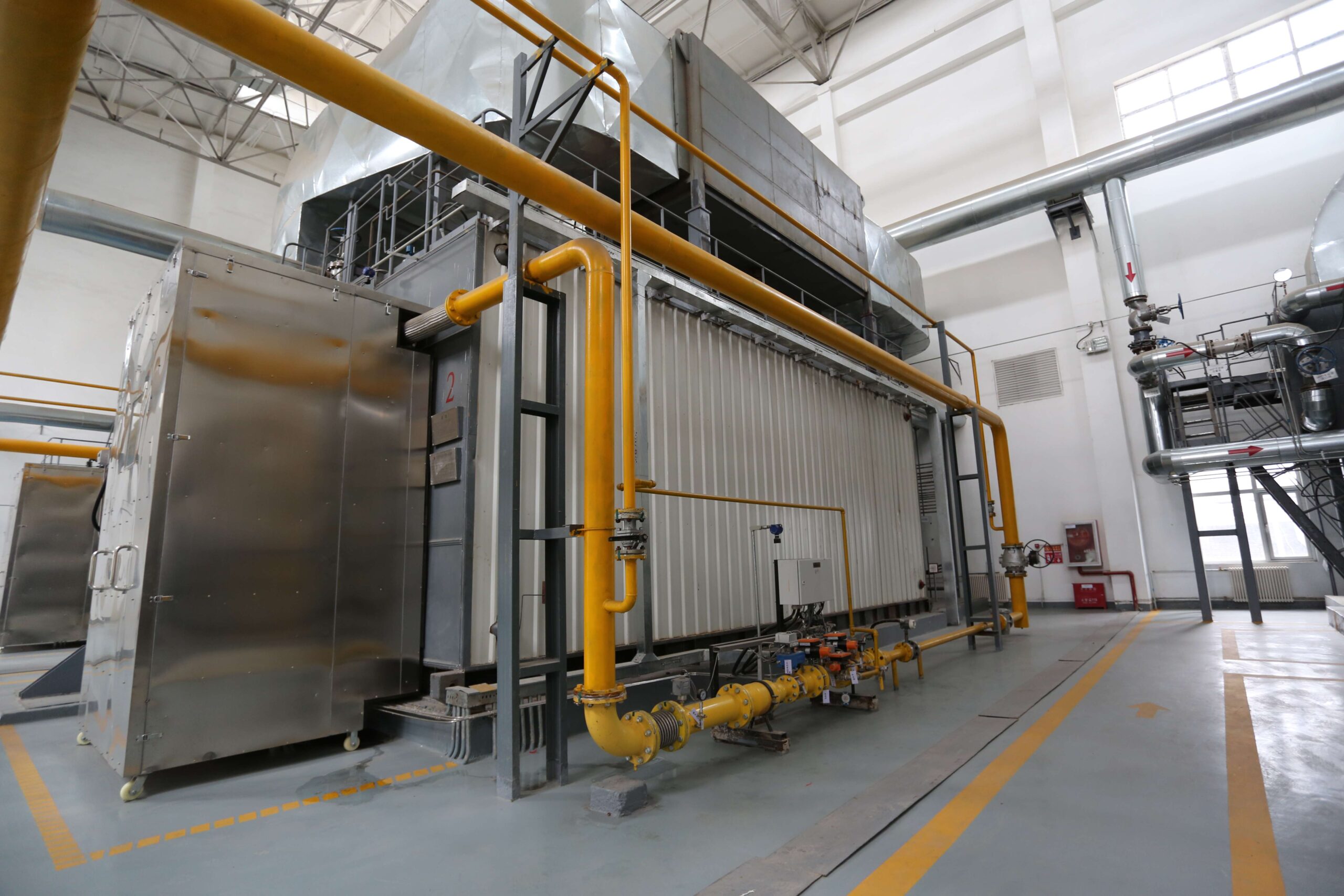
Power plant boilers—especially those fueled by coal and natural gas—remain a major source of global CO₂ emissions. Even with improvements in ultra-supercritical efficiency and low-emission combustion, there is still an unavoidable reality: combustion-based energy systems inherently produce carbon dioxide. This creates a structural challenge for achieving net-zero emissions targets.
Carbon capture integration is important for the future of power plant boilers because it enables large-scale reduction of CO₂ emissions by capturing carbon at the source of combustion, allowing continued use of existing thermal power infrastructure while significantly reducing climate impact and supporting global decarbonization goals.
In other words, carbon capture does not replace boilers—it upgrades them into cleaner energy systems capable of operating in a carbon-constrained world.
Carbon capture systems can remove up to 90% of CO2 emissions from power plant flue gas when properly implemented.True
Post-combustion carbon capture technologies such as amine scrubbing have demonstrated high capture efficiencies in industrial and power applications.
🌍 The Core Problem: Why Boilers Still Produce CO₂ Even When Highly Efficient
Even the most advanced boilers—such as ultra-supercritical or ultra-low-emission systems—still rely on fuel combustion, which follows a basic chemical principle:
➡️ Carbon in fuel + Oxygen → Energy + CO₂
This means that no matter how efficient the boiler becomes, CO₂ production is unavoidable as long as fossil fuels are used. Efficiency improvements reduce fuel consumption per unit of electricity, but they do not eliminate emissions.
➡️ Efficiency vs Emissions Reality Flow:
Higher Efficiency → Less Fuel Burned → Lower CO₂ per kWh (but not zero)
This is why carbon capture becomes essential: it addresses what efficiency improvements alone cannot solve.
🏭 What Carbon Capture Does in Power Plant Boilers
Carbon capture technology is designed to separate CO₂ from flue gas before it enters the atmosphere. It acts as a post-combustion or pre-combustion filtering system that intercepts carbon emissions at the source.
There are three main approaches:
| Carbon Capture Type | Where It Acts | Core Function | Maturity Level |
|---|---|---|---|
| Post-Combustion Capture | Flue gas after combustion | Removes CO₂ from exhaust | High |
| Pre-Combustion Capture | Before fuel is burned | Converts fuel into hydrogen + CO₂ separation | Medium |
| Oxy-Fuel Combustion | Burns fuel in oxygen instead of air | Produces concentrated CO₂ stream | Emerging |
Key Insight:
Most current power plant applications rely on post-combustion capture because it can be retrofitted into existing boiler systems.
🔁 Carbon Capture Integration Flow in Modern Boilers
Carbon capture systems are typically integrated into the exhaust stream of the boiler-turbine system.
➡️ System Flow:
Fuel Combustion → Boiler Heat Generation → Steam Turbine → Electricity Production → Flue Gas → CO₂ Capture Unit → Compression → Storage or Utilization
This means carbon capture does not interfere with electricity generation—it operates as a downstream environmental control layer.
🧪 How CO₂ Is Actually Captured: Chemical and Physical Processes
The most widely used method in power plants is amine-based absorption, where chemical solvents selectively bind with CO₂ molecules in the flue gas.
Basic process:
- Flue gas enters absorber column
- CO₂ binds with solvent (chemical reaction)
- Cleaned gas exits to atmosphere
- Solvent is heated in stripper column to release CO₂
- CO₂ is collected and compressed
➡️ Chemical Loop Flow:
Flue Gas → Absorption Tower → CO₂-Rich Solvent → Regeneration → Pure CO₂ → Compression
This process is energy-intensive but highly effective, especially for large-scale coal and gas plants.
📊 Impact of Carbon Capture on Emissions Reduction
| System Configuration | CO₂ Reduction Level | Efficiency Penalty | Net Environmental Benefit |
|---|---|---|---|
| Conventional Boiler | Baseline | None | Low |
| Ultra-Supercritical Boiler | ~10–25% reduction (efficiency gain only) | Low | Medium |
| Low-Emission + Efficiency Upgrades | ~20–40% reduction | Low | Medium-High |
| Boiler + Carbon Capture System | 60–90%+ reduction | Moderate | Very High |
| Full Net-Zero Integrated System | Near 100% (with storage + offsets) | Variable | Maximum |
Key Insight:
Carbon capture is the only available technology that can directly eliminate CO₂ at scale from existing thermal power infrastructure.
⚙️ Why Carbon Capture Is Critical Even in Highly Efficient Boilers
Even with ultra-supercritical and low-emission technologies, boilers face a hard limit:
➡️ Thermodynamic efficiency improvements cannot eliminate carbon emissions.
Carbon capture is essential because it:
- Bridges the gap between “efficient” and “carbon-neutral”
- Enables continued use of coal and gas during energy transition
- Prevents premature retirement of existing infrastructure
- Supports grid stability while renewables scale up
➡️ System Reality Flow:
Efficiency Improvements → Lower Emissions Intensity → Carbon Capture → Deep Decarbonization
🔋 Carbon Storage and Utilization Pathways
Captured CO₂ must be either stored or reused. The two main pathways are:
🌍 Geological Storage (CCS)
CO₂ is injected into deep underground formations such as:
- Depleted oil and gas fields
- Deep saline aquifers
- Basalt rock formations
➡️ Storage Flow:
Compression → Transport Pipeline → Underground Injection → Long-Term Geological Sequestration
🔄 Carbon Utilization (CCU)
CO₂ is converted into useful products such as:
- Synthetic fuels
- Building materials (e.g., carbonated concrete)
- Industrial chemicals
➡️ Utilization Flow:
CO₂ Capture → Conversion Process → Industrial Product → Reuse Cycle
📊 Energy Trade-Offs in Carbon Capture Systems
| Factor | Impact |
|---|---|
| Energy Consumption | 15–30% of plant output may be used for capture process |
| Operational Cost | Increases due to solvent regeneration and compression |
| Emission Reduction | Up to 90% CO₂ removal achievable |
| System Complexity | High (requires integration with boiler and turbine systems) |
| Long-Term Benefit | Critical for net-zero compliance |
Key Insight:
Carbon capture introduces an energy penalty, but this is offset by its massive environmental benefit in decarbonizing base-load power.
🌱 Integration with Modern Boiler Technologies
Carbon capture is not a standalone system—it works best when combined with advanced boiler technologies such as:
- Ultra-supercritical boilers (higher baseline efficiency)
- Low-emission combustion systems (reduced NOx/SO₂ load)
- Digital monitoring systems (real-time optimization)
➡️ Integrated System Flow:
High-Efficiency Boiler → Low-Emission Combustion → Digital Optimization → Carbon Capture → Net-Reduced Emissions Output
This layered approach is essential for achieving deep decarbonization in thermal power generation.
🚀 Future Direction: Toward Carbon-Neutral Power Plants
The future of boiler systems is moving toward fully integrated carbon management ecosystems, including:
- Direct Air Capture (DAC) integration
- Hydrogen co-firing with zero-carbon fuel pathways
- AI-optimized carbon capture efficiency
- Closed-loop carbon utilization industries
➡️ Evolution Path:
High-Emission Boilers → Efficient Boilers → Low-Emission Boilers → Carbon-Captured Boilers → Carbon-Neutral Energy Systems
Summary
Carbon capture integration is essential for the future of power plant boilers because it addresses the fundamental limitation of all combustion-based energy systems: CO₂ emissions cannot be eliminated through efficiency alone. By capturing carbon at the source, modern CCS technologies enable deep emissions reduction (up to 90%+), allowing existing thermal infrastructure to continue operating within global climate constraints.
When combined with ultra-supercritical efficiency improvements, low-emission combustion, and digital optimization systems, carbon capture becomes a critical pillar of the transition toward carbon-neutral and sustainable power generation.
How Do Advanced Materials Enhance Power Plant Boiler Performance and Lifespan?
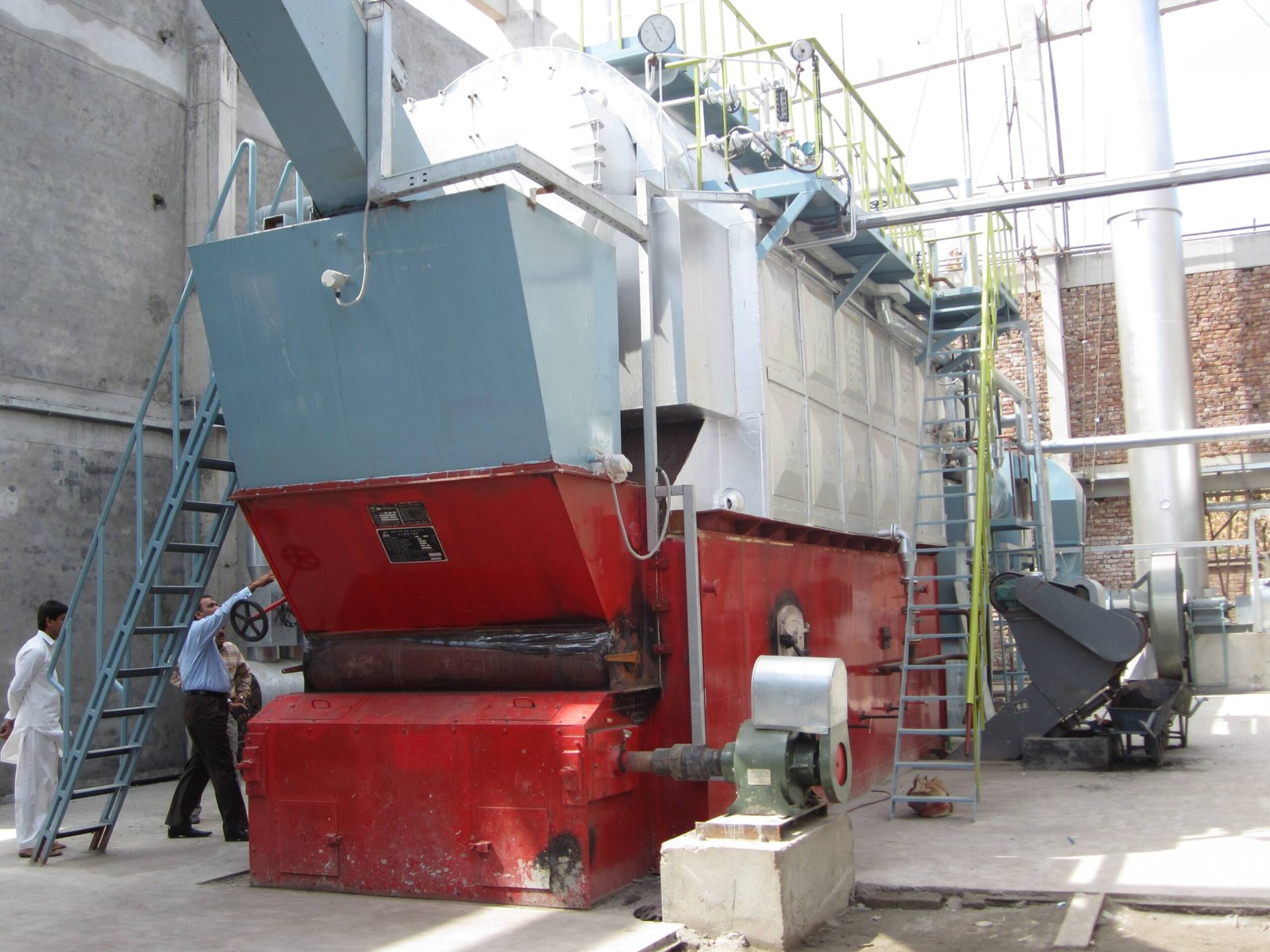
Power plant boilers operate under some of the most extreme conditions in industrial engineering, including temperatures exceeding 600°C, pressures above 25 MPa, and continuous thermal cycling over decades of operation. Under these conditions, traditional steel materials degrade quickly due to creep, corrosion, oxidation, and fatigue. This leads to reduced efficiency, frequent maintenance, and shortened equipment lifespan.
Advanced materials enhance power plant boiler performance and lifespan by improving high-temperature strength, resisting corrosion and oxidation, reducing creep deformation, and enabling ultra-supercritical operating conditions that significantly increase efficiency while ensuring long-term structural stability and reliability.
In modern boiler engineering, materials are no longer passive components—they are active enablers of higher efficiency, safer operation, and longer service life.
Nickel-based superalloys are essential for ultra-supercritical boilers because they maintain mechanical strength at temperatures above 700°C.True
Nickel-based alloys exhibit excellent creep resistance and thermal stability at extreme temperatures, making them suitable for advanced boiler systems.
🔥 Why Traditional Boiler Materials Are No Longer Sufficient
Conventional boilers typically use ferritic and martensitic steels, which perform well at moderate temperatures. However, when operating conditions exceed 550°C, these materials begin to degrade rapidly.
The main failure mechanisms include:
- Creep deformation: slow, permanent stretching under high stress
- Oxidation: surface degradation due to high-temperature oxygen exposure
- Thermal fatigue: repeated expansion and contraction cycles
- Corrosion: chemical attack from flue gas components
➡️ Material Degradation Flow:
High Temperature + Pressure → Microstructural Weakening → Deformation → Efficiency Loss → Component Failure
As power plants move toward ultra-supercritical and advanced ultra-supercritical systems, traditional materials become a limiting factor in efficiency improvement.
🧪 Key Advanced Materials Used in Modern Boiler Systems
| Material Type | Composition | Operating Temperature Range | Primary Advantage |
|---|---|---|---|
| Ferritic Steel (Advanced Grades) | Fe-Cr alloys | up to 600°C | Cost-effective strength |
| Austenitic Stainless Steel | Fe-Cr-Ni alloys | up to 650°C | Corrosion resistance |
| Nickel-Based Superalloys | Ni-Cr-Co-Mo alloys | up to 750°C+ | Extreme thermal stability |
| Martensitic Steel (9–12% Cr) | High chromium steel | 600–650°C | Creep resistance |
| Ceramic Coatings | Oxide-based layers | 800°C+ surface protection | Thermal barrier protection |
Key Insight:
Material selection is directly linked to achievable boiler efficiency—higher-temperature materials enable higher thermodynamic cycle efficiency.
🔥 High-Temperature Strength: Unlocking Ultra-Supercritical Performance
One of the most important roles of advanced materials is enabling higher operating temperatures, which directly improve thermal efficiency according to thermodynamic principles.
Nickel-based superalloys and advanced steels maintain their mechanical strength even under extreme heat, allowing boilers to operate safely at temperatures above 600°C.
➡️ Efficiency Relationship Flow:
Higher Material Strength → Higher Operating Temperature → Improved Steam Conditions → Increased Turbine Efficiency → Higher Power Output
This is especially important in ultra-supercritical systems, where even small temperature increases can significantly improve overall plant efficiency.
🧱 Creep Resistance: Preventing Long-Term Structural Deformation
Creep is one of the most critical challenges in boiler operation. It refers to the slow deformation of materials under constant stress at high temperatures. Over time, this can lead to tube rupture or structural failure.
Advanced materials combat creep through:
- Stable microstructure design
- Grain boundary strengthening
- Alloying with chromium, molybdenum, and nickel
- Heat treatment optimization
➡️ Creep Control Flow:
High Stress + High Temperature → Microstructure Stabilization → Reduced Atomic Movement → Extended Lifespan
Key Insight:
Improved creep resistance directly determines the operational lifespan of boiler pressure components.
🛡️ Corrosion and Oxidation Resistance in Harsh Environments
Boiler environments contain aggressive gases such as SO₂, CO₂, and steam, which accelerate corrosion. At high temperatures, oxidation becomes even more severe, forming scale layers that reduce heat transfer efficiency.
Advanced materials resist these effects through:
- Chromium-rich oxide layer formation
- Self-healing protective surfaces
- Stable passivation films
➡️ Corrosion Protection Flow:
Reactive Gas Exposure → Protective Oxide Formation → Surface Stabilization → Reduced Material Loss → Stable Heat Transfer
This ensures that heat exchange surfaces remain efficient over long operational periods.
📊 Material Performance Comparison in Boiler Conditions
| Property | Conventional Steel | Advanced Stainless Steel | Nickel Superalloy |
|---|---|---|---|
| Max Operating Temperature | ~550°C | ~650°C | ~750°C+ |
| Creep Resistance | Low | Medium | Very High |
| Corrosion Resistance | Medium | High | Very High |
| Service Life | 10–15 years | 15–25 years | 25–40+ years |
| Efficiency Support | Limited | Moderate | High |
Key Insight:
Advanced materials significantly extend operational lifespan while enabling higher efficiency cycles.
🔥 Heat Transfer Efficiency and Surface Stability
In boilers, heat transfer efficiency depends heavily on the condition of heat exchange surfaces. Advanced materials maintain smoother, more stable surfaces over time, reducing fouling and scaling.
Benefits include:
- Improved thermal conductivity stability
- Reduced deposit formation
- More consistent heat exchange performance
➡️ Heat Transfer Stability Flow:
Clean Surface → Efficient Heat Transfer → Stable Steam Generation → Consistent Power Output
This directly contributes to long-term boiler efficiency retention.
⚙️ Enabling Ultra-Supercritical and Advanced Boilers
Without advanced materials, modern high-efficiency boilers simply could not exist. Ultra-supercritical (USC) and advanced ultra-supercritical (A-USC) systems rely heavily on materials that can withstand extreme conditions.
➡️ Technology Dependency Flow:
Advanced Materials → Higher Pressure/Temperature Capability → USC/A-USC Operation → Higher Efficiency → Lower Fuel Consumption
This makes materials science a foundational pillar of modern power generation innovation.
📊 Impact of Advanced Materials on Boiler Lifespan and Efficiency
| Performance Metric | Traditional Materials | Advanced Materials Systems |
|---|---|---|
| Thermal Efficiency | 35–40% | 45–50%+ |
| Maintenance Frequency | High | Low |
| Component Lifespan | 10–15 years | 25–40+ years |
| Failure Risk | Moderate to High | Low |
| Operating Temperature Limit | Restricted | Extended |
Key Insight:
Material innovation directly translates into both higher efficiency and significantly reduced lifecycle costs.
🌱 Economic and Operational Benefits of Advanced Materials
Advanced materials are more expensive upfront, but they deliver substantial long-term value through:
- Reduced maintenance downtime
- Lower replacement frequency
- Improved fuel efficiency
- Extended plant lifespan
- Higher operational reliability
➡️ Lifecycle Benefit Flow:
Higher Initial Cost → Longer Service Life → Reduced Maintenance → Lower Fuel Consumption → Higher ROI
This makes advanced materials economically essential for modern power plants.
🚀 Future Direction: Next-Generation Boiler Materials
The future of boiler materials is moving toward even more advanced solutions, including:
- Ceramic matrix composites (CMCs)
- Nanostructured alloys
- Self-healing metallic materials
- Thermal barrier coating systems with adaptive properties
➡️ Materials Evolution Path:
Conventional Steel → Advanced Alloys → Nickel Superalloys → Ceramic Composites → Smart Adaptive Materials
These innovations will support future ultra-high-efficiency and near-zero-emission power systems.
Summary
Advanced materials play a critical role in enhancing power plant boiler performance and lifespan by enabling higher operating temperatures, improving creep resistance, increasing corrosion protection, and maintaining long-term structural stability under extreme conditions. These improvements allow modern boilers to achieve higher thermal efficiency, reduced fuel consumption, and significantly extended operational lifespans.
As power generation technology continues to evolve toward ultra-supercritical and advanced ultra-supercritical systems, advanced materials will remain the foundation that makes higher efficiency, cleaner operation, and longer-lasting infrastructure possible.
How Is Fuel Flexibility Shaping the Next Generation of Power Plant Boilers?
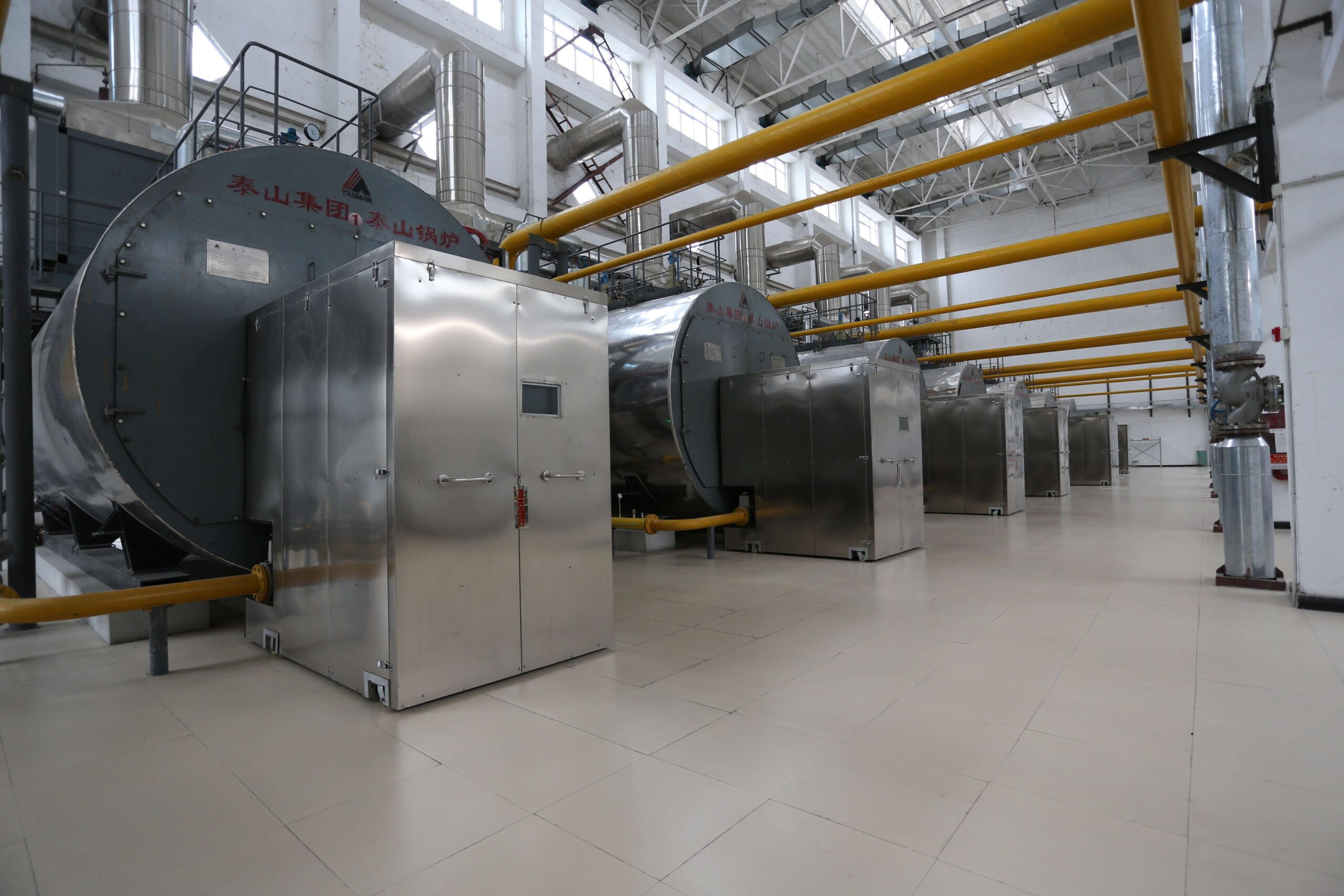
Modern power systems are undergoing a structural transition driven by energy security concerns, decarbonization targets, and volatile fuel markets. Traditional boilers were designed for a single primary fuel, usually coal or natural gas, which limited operational flexibility and made power generation vulnerable to supply disruptions and price fluctuations. As energy systems evolve, this rigidity is no longer acceptable.
Fuel flexibility is shaping the next generation of power plant boilers by enabling multi-fuel combustion capability, improving system resilience, reducing operational costs, and supporting decarbonization pathways through seamless switching between coal, natural gas, biomass, hydrogen, and ammonia-based fuels without major hardware redesign.
This transformation is turning boilers from single-fuel machines into adaptive energy conversion platforms capable of responding dynamically to global energy conditions.
Modern flexible fuel boilers can switch between coal and natural gas operation with minimal efficiency loss when properly designed.True
Dual-fuel boiler systems are engineered with adaptive burners and control systems that allow fuel switching while maintaining stable combustion and efficiency.
🌍 Why Fuel Flexibility Has Become a Critical Requirement
In traditional power generation, fuel selection was fixed at the design stage of the boiler. This created long-term dependency on a single fuel type, exposing plants to:
- Fuel price volatility
- Supply chain disruptions
- Regulatory changes
- Carbon emission constraints
As global energy systems become more unstable and carbon regulations tighten, this rigidity becomes a major operational risk.
➡️ Traditional Limitation Flow:
Single Fuel Dependency → Market Volatility Risk → Operational Inflexibility → Economic Vulnerability
Fuel flexibility directly addresses this limitation by allowing plants to dynamically adapt fuel inputs based on cost, availability, and environmental requirements.
🔥 Key Fuels Used in Modern Flexible Boiler Systems
| Fuel Type | Role in Power Generation | Advantages | Challenges |
|---|---|---|---|
| Coal | Base-load generation | High energy density, stable supply | High CO₂ emissions |
| Natural Gas | Flexible peak-load fuel | Low emissions, fast response | Price volatility |
| Biomass | Renewable co-firing fuel | Carbon-neutral potential | Lower energy density |
| Hydrogen | Zero-carbon future fuel | No CO₂ emissions | Storage and infrastructure challenges |
| Ammonia | Hydrogen carrier fuel | Easier transport than hydrogen | Combustion NOx control required |
Key Insight:
No single fuel is ideal for all conditions—fuel flexibility allows optimization across economic, environmental, and operational dimensions.
🔄 Multi-Fuel Combustion Systems: The Core of Flexibility
Modern boilers achieve fuel flexibility through adaptive combustion system design, including multi-fuel burners and intelligent fuel injection systems. These systems are capable of adjusting combustion parameters in real time depending on the fuel being used.
➡️ Fuel Switching Flow:
Fuel Detection → Burner Adjustment → Air-Fuel Ratio Optimization → Stable Combustion → Continuous Power Output
Key design features include:
- Dual or multi-fuel burners
- Adjustable flame geometry systems
- Real-time combustion monitoring
- Automated fuel blending systems
This allows seamless transitions between fuels without shutting down the boiler.
⚙️ Burner Technology: Enabling Seamless Fuel Switching
Advanced burners are the heart of fuel-flexible boilers. They are designed to handle fuels with very different combustion properties, such as ignition temperature, calorific value, and flame speed.
Modern burner systems can:
- Stabilize flames across different fuel types
- Adjust mixing intensity dynamically
- Control temperature distribution precisely
- Minimize incomplete combustion risks
➡️ Burner Adaptation Flow:
Fuel Input Change → Sensor Detection → Burner Geometry Adjustment → Flame Stabilization → Optimized Combustion
Key Insight:
Without advanced burner technology, fuel flexibility would not be operationally stable or efficient.
📊 Efficiency Comparison Across Fuel Flexibility Levels
| Boiler Type | Fuel Capability | Efficiency Range | Operational Flexibility |
|---|---|---|---|
| Single-Fuel Boiler | One fuel only | 35–45% | Low |
| Dual-Fuel Boiler | Coal + Gas | 38–47% | Medium |
| Multi-Fuel Boiler | Coal + Gas + Biomass | 40–48% | High |
| Advanced Flexible Boiler | Coal + Gas + Biomass + Hydrogen-ready | 45–50%+ | Very High |
Key Insight:
Fuel flexibility does not reduce efficiency—in advanced systems, it can enhance overall operational performance through optimization.
🌱 Fuel Flexibility and Decarbonization Pathways
One of the most important roles of fuel flexibility is enabling gradual decarbonization without stranded assets. Instead of replacing entire power plants, operators can transition fuel usage over time.
➡️ Decarbonization Transition Flow:
Coal-Based Operation → Co-Firing (Coal + Biomass) → Gas Transition → Hydrogen/Ammonia Integration → Near-Zero Emissions
This staged approach allows:
- Reduced investment risk
- Gradual infrastructure adaptation
- Continuous power supply during transition
🔥 Biomass and Co-Firing Systems: Bridging Fossil and Renewable Energy
Biomass co-firing is one of the most widely used strategies for introducing renewable energy into existing coal-fired boilers.
Benefits include:
- Reduced net CO₂ emissions
- Utilization of existing infrastructure
- Improved fuel diversification
Challenges include:
- Fuel consistency variability
- Ash content management
- Logistics and supply chain complexity
➡️ Co-Firing Process Flow:
Coal + Biomass Input → Blending System → Shared Combustion Chamber → Mixed Flame Stabilization → Reduced Net Emissions
🧪 Hydrogen and Ammonia: Future Fuel Flexibility Frontier
Hydrogen and ammonia represent the next frontier in fuel-flexible boiler design. Both fuels are carbon-free at the point of combustion, but they introduce new engineering challenges.
Key considerations include:
- Hydrogen’s high flame speed and low ignition energy
- Ammonia’s NOx formation risk
- Storage and transport infrastructure requirements
➡️ Future Fuel Transition Flow:
Natural Gas → Hydrogen Blending → Pure Hydrogen Combustion → Zero-Carbon Boiler Operation
Key Insight:
Fuel flexibility is the bridge that allows gradual adoption of hydrogen-based energy systems.
📊 Operational Benefits of Fuel Flexibility
| Performance Factor | Impact of Fuel Flexibility |
|---|---|
| Energy Security | High (multiple fuel sources) |
| Cost Optimization | High (switch based on market prices) |
| Emission Reduction | Medium to Very High |
| Operational Stability | High |
| Infrastructure Risk | Reduced |
➡️ System Benefit Flow:
Multiple Fuel Options → Adaptive Operation → Cost Optimization → Reduced Risk → Higher System Resilience
⚙️ Digital Control Systems Supporting Fuel Flexibility
Fuel flexibility would not be possible without advanced digital control systems. These systems continuously monitor combustion conditions and adjust parameters in real time.
Functions include:
- Fuel composition detection
- Automated air-fuel ratio adjustment
- Flame stability monitoring
- Predictive combustion optimization
➡️ Digital Control Flow:
Sensor Data → AI Analysis → Fuel Adjustment Decision → Burner Control → Stable Output
🚀 Future Direction: Fully Adaptive Multi-Fuel Energy Systems
The future of power plant boilers is moving toward fully adaptive energy systems capable of operating on any available fuel source with minimal efficiency loss.
Emerging trends include:
- AI-driven fuel optimization across global markets
- Hybrid renewable-fossil combustion systems
- Carbon-aware fuel switching strategies
- Fully hydrogen-ready boiler platforms
➡️ Evolution Path:
Single Fuel Boilers → Dual-Fuel Systems → Multi-Fuel Flexible Boilers → Hydrogen-Ready Boilers → Fully Adaptive Carbon-Neutral Systems
Summary
Fuel flexibility is fundamentally reshaping the next generation of power plant boilers by transforming them from rigid, single-fuel systems into adaptive, multi-fuel energy platforms. Through advanced burner design, digital control systems, and multi-fuel combustion strategies, modern boilers can efficiently utilize coal, natural gas, biomass, hydrogen, and ammonia while maintaining stability and optimizing cost and emissions.
This evolution is critical for energy security and decarbonization, enabling a gradual transition toward low-carbon and ultimately carbon-neutral power generation without requiring complete infrastructure replacement.
Conclusion
Innovations in power plant boiler technology are redefining the standards for efficiency, sustainability, and operational intelligence. From ultra-supercritical systems to AI-driven optimization and cleaner fuel integration, these advancements enable power plants to meet modern energy demands while minimizing environmental impact. Investing in next-generation boiler technologies is essential for long-term competitiveness and regulatory compliance.
If you are looking to upgrade your power plant boiler system with the latest innovations, contact us today. Our expert team provides advanced solutions, customized designs, and full lifecycle support to help you achieve higher efficiency, lower emissions, and future-ready performance.
FAQ
Q1: What are the key technological innovations in modern power plant boilers?
A1:
Modern power plant boilers are undergoing rapid transformation driven by the need for higher efficiency, lower emissions, and improved operational flexibility. One of the most significant innovations is the development of ultra-supercritical (USC) and advanced ultra-supercritical (A-USC) boiler technologies. These systems operate at extremely high temperatures and pressures, significantly improving thermal efficiency and reducing fuel consumption.
Another major advancement is the integration of digital control systems and automation. Smart sensors and advanced control algorithms enable real-time monitoring of parameters such as temperature, pressure, and fuel flow. This allows operators to optimize combustion processes, detect anomalies early, and improve overall reliability.
Low-NOx burners and advanced combustion technologies are also shaping the future. These systems reduce nitrogen oxide emissions by controlling flame temperature and oxygen levels during combustion, helping power plants meet stringent environmental regulations.
Additionally, modular boiler designs are gaining popularity. These designs allow for easier installation, scalability, and maintenance, making them suitable for both new plants and retrofits.
In summary, key innovations include ultra-supercritical technology, digitalization, low-emission combustion systems, and modular design, all contributing to more efficient and sustainable power generation.
Q2: How is digitalization transforming power plant boiler operations?
A2:
Digitalization is revolutionizing power plant boiler operations by enabling smarter, more efficient, and more reliable systems. The use of Industrial Internet of Things (IIoT) technologies allows boilers to be equipped with sensors that continuously collect data on key performance indicators such as temperature, pressure, vibration, and emissions.
This data is analyzed using advanced analytics and artificial intelligence (AI) to provide actionable insights. For example, predictive maintenance systems can identify potential equipment failures before they occur, allowing operators to perform maintenance proactively rather than reactively. This reduces downtime and extends the lifespan of the boiler.
Digital twins are another important innovation. A digital twin is a virtual model of the boiler that simulates its real-world performance. Engineers can use this model to test different operating conditions, optimize performance, and improve design without risking actual equipment.
Automation systems also enhance operational efficiency by reducing human intervention and minimizing errors. Automated controls can adjust fuel and air supply in real time to maintain optimal combustion conditions.
Remote monitoring is another benefit of digitalization. Operators can monitor and control boiler systems from centralized control rooms or even off-site locations, improving flexibility and responsiveness.
Overall, digitalization improves efficiency, reliability, safety, and decision-making in power plant boiler operations.
Q3: What role do renewable energy and alternative fuels play in boiler innovation?
A3:
Renewable energy and alternative fuels are playing an increasingly important role in shaping the future of power plant boilers. As the world shifts toward cleaner energy sources, boiler technologies are being adapted to accommodate a wider range of fuels beyond traditional coal and oil.
Biomass is one of the most widely used alternative fuels in modern boilers. Biomass boilers use organic materials such as wood chips, agricultural residues, and waste to generate steam. This reduces reliance on fossil fuels and lowers carbon emissions.
Another innovation is the use of waste-to-energy systems, where boilers are designed to burn municipal solid waste or industrial byproducts. This not only generates energy but also helps manage waste.
Hydrogen is emerging as a promising fuel for future boilers. Hydrogen combustion produces no carbon dioxide emissions, making it an attractive option for decarbonization. However, challenges such as storage, transportation, and burner design need to be addressed.
Co-firing technologies are also gaining traction. These systems allow boilers to burn a mixture of fossil fuels and renewable fuels, providing a transitional solution toward cleaner energy.
In summary, renewable and alternative fuels are driving innovation in boiler design, enabling more sustainable and environmentally friendly power generation.
Q4: How are efficiency improvements being achieved in next-generation boilers?
A4:
Efficiency improvements in next-generation power plant boilers are achieved through a combination of advanced materials, improved design, and enhanced heat recovery systems. One of the most important developments is the use of high-performance alloys that can withstand higher temperatures and pressures, enabling ultra-supercritical operation.
Improved heat exchanger designs also play a crucial role. Modern boilers use optimized tube arrangements and enhanced surface coatings to maximize heat transfer and minimize energy loss. Economizers and air preheaters are commonly used to recover waste heat from flue gases and reuse it within the system.
Condensing boiler technology is another innovation that improves efficiency by capturing latent heat from exhaust gases. This is particularly effective in gas-fired boilers.
Advanced combustion control systems ensure that fuel is burned as efficiently as possible. By precisely controlling the air-to-fuel ratio, these systems reduce excess air and minimize heat loss.
Insulation and sealing improvements also contribute to efficiency by reducing heat loss to the environment. Additionally, variable frequency drives (VFDs) for fans and pumps optimize energy consumption based on load requirements.
In conclusion, efficiency improvements are achieved through advanced materials, better heat transfer, waste heat recovery, and optimized combustion control.
Q5: What environmental regulations are influencing boiler innovation?
A5:
Environmental regulations are a major driving force behind innovation in power plant boilers. Governments and regulatory bodies worldwide are implementing stricter standards to reduce emissions of pollutants such as carbon dioxide (CO2), nitrogen oxides (NOx), sulfur dioxide (SO2), and particulate matter.
To comply with these regulations, boiler manufacturers are developing cleaner combustion technologies, such as low-NOx burners and flue gas recirculation systems. These technologies reduce harmful emissions while maintaining efficiency.
Carbon capture and storage (CCS) is another important innovation influenced by environmental regulations. CCS systems capture CO2 emissions from boiler exhaust gases and store them underground, preventing them from entering the atmosphere.
Emission control systems, such as electrostatic precipitators and scrubbers, are also being integrated into boiler designs to remove particulates and sulfur compounds from flue gases.
In addition, regulations promoting energy efficiency are encouraging the adoption of high-efficiency boiler technologies, such as ultra-supercritical systems and condensing boilers.
Renewable energy policies are also pushing the development of biomass and hydrogen-fired boilers, supporting the transition to low-carbon energy sources.
In summary, environmental regulations are driving innovations that reduce emissions, improve efficiency, and support sustainable power generation.
References
- Advanced Boiler Technologies – https://www.iea.org – International Energy Agency
- Ultra-Supercritical Boilers – https://www.ge.com/power – General Electric
- Boiler Digitalization Trends – https://www.mckinsey.com – McKinsey & Company
- Renewable Energy in Power Plants – https://www.irena.org – IRENA
- Boiler Efficiency Improvements – https://www.energy.gov – U.S. Department of Energy
- Combustion and Emission Control – https://www.ashrae.org – ASHRAE
- Biomass Boiler Technology – https://www.worldbioenergy.org – World Bioenergy Association
- Hydrogen Energy Systems – https://www.hydrogen.energy.gov – U.S. DOE Hydrogen Program
- Carbon Capture Technologies – https://www.globalccsinstitute.com – Global CCS Institute
- Industrial Energy Systems – https://www.sciencedirect.com – ScienceDirect
Future Innovations in Power Plant Boiler Technology Read More »