
Enhancing Reliability of Industrial Biomass Boilers
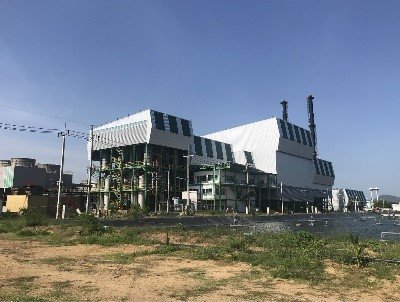
Industrial biomass boilers often face challenges such as inconsistent fuel quality, slagging and fouling, unstable combustion, and higher maintenance demands. These issues can lead to reduced efficiency, unexpected downtime, and increased operational costs. Without proper optimization and management, biomass systems may fail to deliver their full economic and environmental benefits. To overcome these obstacles, a comprehensive strategy focused on design, operation, and maintenance is essential.
Enhancing the reliability and performance of industrial biomass boilers involves optimizing fuel preparation and handling, improving combustion control, implementing advanced automation systems, ensuring effective ash and fouling management, maintaining proper water treatment, and conducting regular preventive maintenance. These measures help stabilize operations, increase efficiency, reduce emissions, and extend equipment lifespan.
By understanding the critical factors affecting biomass boiler performance, operators can implement targeted solutions to achieve consistent and efficient operation.
How Does Fuel Quality and Preparation Affect Industrial [Biomass Boiler](https://coalbiomassboiler.com/product/biomass-boilers/) Performance?
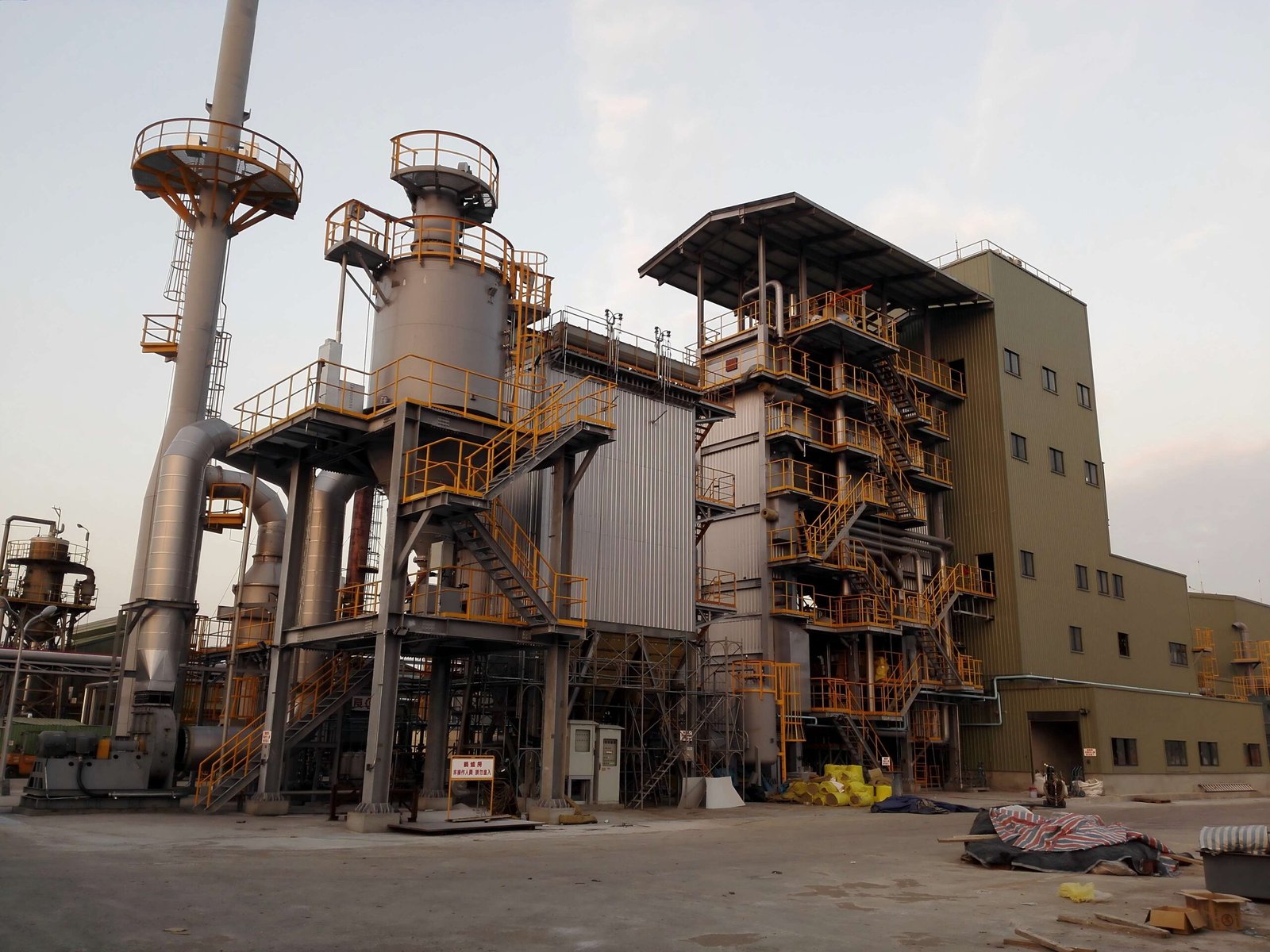
Industrial biomass boilers are increasingly adopted as a sustainable alternative to fossil-fuel-based systems. However, many operators face a critical challenge: inconsistent performance, fluctuating efficiency, excessive emissions, and frequent maintenance issues. In most cases, the root cause is not the boiler itself but the quality and preparation of the biomass fuel. Poor fuel characteristics—such as high moisture content, inconsistent particle size, or contamination—can severely impact combustion efficiency and operational stability. Understanding and controlling fuel quality is therefore essential for achieving optimal biomass boiler performance.
Fuel quality and preparation directly affect industrial biomass boiler performance by influencing combustion efficiency, heat output, emission levels, slagging behavior, and equipment lifespan. Properly processed biomass fuel with controlled moisture content, uniform particle size, and low contamination ensures stable combustion, higher efficiency, and reduced maintenance costs.
To fully optimize biomass boiler operations, it is crucial to examine the key fuel parameters and how preparation processes impact system performance.
High moisture content in biomass fuel reduces combustion efficiency and increases fuel consumption.True
Excess moisture requires additional energy to evaporate water before combustion, lowering overall thermal efficiency.
🌿 Key Fuel Quality Parameters in Biomass Boilers
Fuel quality determines how efficiently energy can be extracted during combustion. Several parameters must be carefully controlled.
🔍 Moisture Content
Moisture content is one of the most critical factors affecting biomass boiler performance.
- Ideal range: 10–20%
- High moisture (>30%) leads to incomplete combustion
- Increased energy required for water evaporation
- Lower flame temperature and unstable combustion
📊 Table 1: Impact of Moisture Content on Boiler Efficiency
| Moisture Content | Combustion Efficiency | Fuel Consumption | Emission Level |
|---|---|---|---|
| 10–15% | High (90%+) | Low | Low |
| 20–30% | Moderate | Medium | Moderate |
| >30% | Low | High | High |
🔧 Particle Size and Uniformity
Uniform particle size ensures consistent combustion behavior.
- Fine particles burn too quickly → risk of overheating
- Large particles burn incompletely → lower efficiency
- Optimal size depends on boiler type (e.g., grate vs fluidized bed)
🌱 Fuel Composition and Energy Content
Different biomass types have varying calorific values:
- Wood pellets: high energy density
- Agricultural residues: moderate energy content
- Mixed biomass: variable performance
Consistency is key to maintaining stable boiler output.
⚙️ Fuel Preparation Processes and Their Impact
Proper fuel preparation ensures that biomass meets the required specifications before entering the boiler.
🔄 Fuel Preparation Workflow
Raw Biomass → Drying → Size Reduction (Chipping/Grinding) → Screening → Storage → Feeding System
Each stage directly affects combustion quality.
🌡 Drying Systems
Drying reduces moisture content to optimal levels.
- Natural drying (low cost but inconsistent)
- Mechanical drying (controlled and efficient)
🔩 Size Reduction Equipment
- Chippers and grinders create uniform particle size
- Improves combustion consistency
- Enhances fuel handling and feeding
🧹 Screening and Contaminant Removal
Removing impurities such as stones, metals, or sand prevents:
- Equipment damage
- Ash buildup
- Reduced heat transfer efficiency
📊 Table 2: Fuel Preparation vs Performance Impact
| Preparation Step | Performance Benefit |
|---|---|
| Drying | Higher efficiency, lower emissions |
| Size reduction | Stable combustion |
| Screening | Reduced maintenance issues |
| Uniform storage | Consistent fuel supply |
🔥 Combustion Stability and Heat Output
Fuel quality directly determines combustion stability.
🔁 Combustion Behavior Flow
Consistent Fuel Input → Stable Flame → Efficient Heat Transfer → Uniform Steam Output
Poor fuel preparation disrupts this chain:
- Fluctuating temperatures
- Incomplete combustion
- Increased emissions
🌫 Emission Control and Environmental Impact
Low-quality biomass fuel leads to higher emissions:
- Increased particulate matter (PM)
- Higher CO and NOx emissions
- Poor air quality compliance
Proper fuel preparation ensures cleaner combustion and regulatory compliance.
🧱 Slagging, Fouling, and Maintenance Issues
Impurities and inconsistent fuel properties can cause slagging and fouling in the boiler.
⚠️ Common Problems:
- Ash melting and forming deposits
- Blocked heat exchange surfaces
- Reduced heat transfer efficiency
- Increased cleaning frequency
🔍 Root Causes:
- High ash content
- Presence of alkali metals
- Poor fuel screening
🏭 Real-World Case Study: Biomass Plant Optimization
A biomass power plant experienced efficiency losses due to inconsistent fuel supply.
Issues Identified:
- Moisture content fluctuating between 25–40%
- Mixed particle sizes
- Contaminated feedstock
Solutions Implemented:
- Installed mechanical drying system
- Introduced particle size control
- Added screening process
Results:
- 🔥 Efficiency improved by 18%
- 🌫 Emissions reduced by 30%
- 🛠 Maintenance costs reduced by 25%
This demonstrates the direct impact of fuel preparation on performance.
⚡ Advanced Technologies in Fuel Preparation
Modern biomass systems are integrating automation into fuel preparation.
🤖 Innovations Include:
- AI-based moisture monitoring
- Automated fuel blending systems
- Smart feeding control for consistent input
- Real-time quality analysis
These technologies ensure continuous optimization of fuel characteristics.
🧭 Summary
Fuel quality and preparation are fundamental to the performance of industrial biomass boilers. Parameters such as moisture content, particle size, and fuel composition directly influence combustion efficiency, emissions, and system reliability. Proper fuel preparation processes—including drying, size reduction, and contaminant removal—ensure stable operation and maximize energy output. As biomass energy continues to grow, investing in fuel quality management is essential for achieving efficient, sustainable, and cost-effective boiler performance.
What Combustion Optimization Techniques Improve Industrial Biomass Boiler Efficiency?
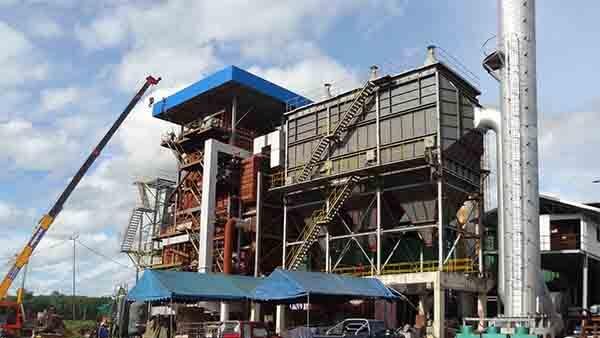
Industrial biomass boilers offer a promising pathway toward renewable energy utilization, yet many operators struggle to achieve consistent efficiency and stable combustion. Problems such as incomplete fuel burning, excessive ash formation, fluctuating heat output, and high emissions often arise when combustion processes are not properly optimized. Over time, these inefficiencies translate into higher operational costs, increased maintenance requirements, and reduced system lifespan. The good news is that through well-designed combustion optimization techniques, biomass boilers can achieve significantly higher efficiency, cleaner emissions, and more reliable performance.
Combustion optimization techniques improve industrial biomass boiler efficiency by enhancing air-fuel mixing, controlling combustion temperature, stabilizing flame conditions, and minimizing heat loss. Key methods include staged combustion, optimized air distribution, flue gas recirculation, real-time oxygen control, and advanced automation systems, all of which work together to maximize fuel utilization and reduce emissions.
To truly unlock the full potential of biomass boilers, it is essential to understand not only what these techniques are, but also how they interact in a dynamic combustion environment.
Optimized air-fuel ratio is one of the most critical factors in achieving high biomass combustion efficiency.True
Proper air-fuel balance ensures complete combustion, reduces unburned carbon, and maximizes heat output.
🔥 Understanding the Combustion Challenge in Biomass Boilers
Biomass fuels are inherently heterogeneous. Their moisture content, particle size, and chemical composition can vary significantly even within the same batch. This variability makes combustion control far more complex than in gas-fired systems. A slight imbalance in air supply or temperature can lead to incomplete combustion or excessive emissions.
Effective combustion optimization therefore requires a multi-dimensional control strategy, not a single adjustment. It involves coordinated management of airflow, temperature, fuel feeding, and flue gas behavior.
⚙️ Staged Combustion: Controlling the Burn Process
Staged combustion is one of the most widely used techniques in biomass boilers. Instead of burning all fuel in a single high-temperature zone, the process is divided into multiple stages.
🔄 Staged Combustion Flow
Primary Combustion (Fuel Bed) → Secondary Combustion (Volatile Gases) → Tertiary Air Injection (Complete Burnout)
This approach offers several advantages. First, it reduces peak flame temperature, which helps limit NOx formation. Second, it ensures that volatile gases released from biomass are fully combusted in later stages, improving overall efficiency. Finally, it stabilizes the combustion process, even when fuel quality fluctuates.
🌬 Optimized Air Distribution Systems
Air distribution plays a decisive role in combustion efficiency. In biomass boilers, air is typically divided into primary, secondary, and sometimes tertiary streams.
📊 Table 1: Air Distribution Functions
| Air Type | Function | Impact on Efficiency |
|---|---|---|
| Primary Air | Supports fuel bed combustion | Ensures stable ignition |
| Secondary Air | Burns volatile gases | Reduces unburned emissions |
| Tertiary Air | Completes combustion | Maximizes fuel utilization |
Proper balancing of these airflows is essential. Too much primary air can cool the combustion zone, while insufficient secondary air can lead to unburned gases. The goal is to create a well-mixed, temperature-controlled combustion environment.
🌡 Temperature Control and Heat Distribution
Temperature is another critical parameter. Biomass combustion must be maintained within an optimal range—high enough to ensure complete combustion, yet not so high that it causes slagging or excessive NOx formation.
Modern systems use distributed temperature sensors across the combustion chamber. These sensors feed data into control systems that adjust airflow and fuel feed rates in real time. This creates a dynamic equilibrium, where temperature remains stable despite variations in fuel properties.
🔁 Flue Gas Recirculation (FGR)
Flue gas recirculation introduces a portion of cooled exhaust gas back into the combustion chamber. This technique has a subtle but powerful effect.
By diluting the oxygen concentration and lowering flame temperature, FGR helps reduce NOx emissions while maintaining combustion stability. At the same time, it improves heat distribution within the chamber, which can enhance overall efficiency when properly controlled.
📊 Table 2: Impact of FGR on Biomass Boiler Performance
| Parameter | Without FGR | With FGR |
|---|---|---|
| Flame Temperature | High | Moderate |
| NOx Emissions | High | Reduced |
| Combustion Stability | Moderate | Improved |
| Efficiency | Stable | Slightly Improved |
🧠 Real-Time Oxygen Control and Excess Air Management
Oxygen control is a cornerstone of combustion optimization. Too much excess air leads to heat loss, while too little causes incomplete combustion.
Modern biomass boilers use oxygen sensors in the flue gas to continuously monitor O₂ levels. Control systems then adjust airflow to maintain the optimal excess air ratio.
🔄 Oxygen Control Loop
Measure O₂ Levels → Analyze Data → Adjust Air Supply → Stabilize Combustion → Repeat
This continuous loop ensures that combustion remains efficient under varying load conditions. It also reduces fuel waste and emissions simultaneously.
🤖 Advanced Automation and AI Integration
Automation has taken combustion optimization to a new level. Instead of relying solely on operator experience, modern systems use AI algorithms to analyze large volumes of operational data.
These systems can detect subtle patterns—such as gradual efficiency loss or abnormal temperature distribution—and make proactive adjustments. Over time, they learn the optimal operating conditions for specific fuel types and load profiles.
The result is a boiler that not only reacts to changes but anticipates them. This predictive capability significantly enhances efficiency and reliability.
🔧 Fuel Feeding Optimization
Combustion efficiency is also influenced by how fuel is delivered into the boiler. Uneven feeding can create hot spots or cold zones, disrupting the combustion process.
Advanced feeding systems use variable-speed conveyors and automated controls to ensure a consistent fuel supply. Some systems even adjust feeding rates based on real-time combustion conditions, creating a synchronized relationship between fuel input and air supply.
🌫 Emission Reduction as a Byproduct of Optimization
Interestingly, improving combustion efficiency often leads to lower emissions. When fuel is burned completely, there are fewer unburned hydrocarbons, less carbon monoxide, and reduced particulate matter.
This means that combustion optimization is not only an economic strategy but also an environmental one. It helps operators meet regulatory requirements while reducing operating costs.
🏭 Practical Case Study: Efficiency Improvement Through Optimization
A mid-sized biomass power plant implemented a comprehensive combustion optimization program. Initially, the plant suffered from unstable combustion and high fuel consumption.
After introducing staged combustion, oxygen control, and automated air distribution, the results were substantial.
- 🔥 Efficiency increased by 20%
- 🌫 Emissions reduced by 35%
- 🛠 Maintenance frequency decreased by 25%
The improvements were not immediate but developed over time as the control systems learned and adapted. This highlights the importance of integrating multiple optimization techniques rather than relying on a single solution.
🧭 Summary
Combustion optimization techniques are essential for maximizing the efficiency of industrial biomass boilers. By combining staged combustion, precise air distribution, temperature control, flue gas recirculation, real-time oxygen monitoring, and advanced automation, operators can achieve a highly stable and efficient combustion process. These techniques work together as an integrated system, balancing complex variables to ensure complete fuel utilization, reduced emissions, and long-term operational reliability.
How Can Automation and Control Systems Enhance Industrial Biomass Boiler Reliability?
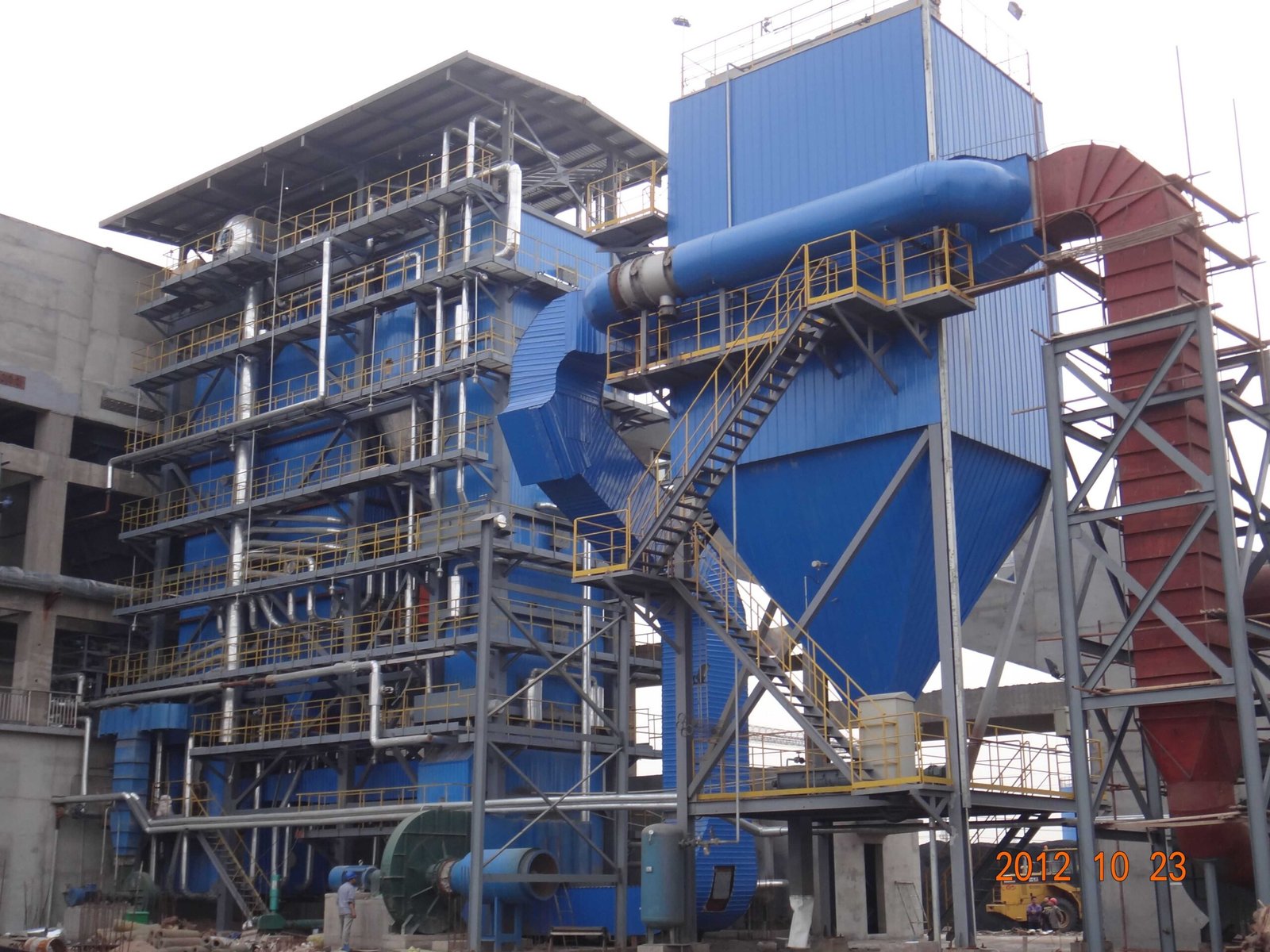
Industrial biomass boilers are inherently more complex than conventional fossil-fuel systems due to the variability of biomass fuel. Operators often encounter unstable combustion, fluctuating steam output, unexpected shutdowns, and frequent maintenance issues. These challenges can disrupt production schedules and increase operational costs. When reliability is compromised, even a highly efficient boiler loses its value. This is where automation and control systems play a transformative role. By introducing real-time intelligence and adaptive control, they turn biomass boilers from reactive systems into proactive, self-optimizing assets.
Automation and control systems enhance industrial biomass boiler reliability by enabling real-time monitoring, adaptive combustion control, predictive maintenance, and synchronized fuel-air management. These systems reduce operational variability, prevent failures, improve stability, and ensure continuous, efficient performance even under fluctuating fuel and load conditions.
To fully appreciate their impact, it is important to examine how these technologies function together and why they are essential for modern biomass boiler operations.
Automated control systems can significantly reduce unplanned downtime in biomass boilers.True
Real-time monitoring and predictive analytics allow early fault detection and preventive intervention, reducing unexpected failures.
🧠 The Reliability Challenge in Biomass Boiler Operations
Unlike gas-fired systems, biomass boilers must handle fuels with inconsistent moisture content, particle size, and calorific value. This variability introduces instability into the combustion process. A sudden change in fuel quality can lead to temperature fluctuations, incomplete combustion, or even system trips. Traditionally, operators had to manually adjust airflow, fuel feed rates, and temperature settings, often reacting after problems had already occurred. This reactive approach is inefficient and prone to human error. Automation replaces this with continuous monitoring and rapid response, ensuring that the system remains stable even when conditions change.
📡 Real-Time Monitoring: The Foundation of Reliability
At the heart of any automated boiler system is a network of sensors that continuously collect data from critical points within the system. These include temperature sensors in the combustion chamber, pressure sensors in the steam lines, oxygen sensors in the flue gas, and flow meters for fuel and air supply. Together, they provide a comprehensive picture of the boiler’s operating condition.
🔄 Monitoring Flow
Sensor Data Collection → Central Control System → Data Analysis → Actionable Insights
Because this process occurs in real time, operators can detect anomalies before they escalate into serious issues. For example, a gradual increase in flue gas temperature may indicate fouling in the heat exchanger. With automated monitoring, this trend can be identified early, allowing maintenance to be scheduled before efficiency drops significantly.
⚙️ Adaptive Combustion Control Systems
Automation systems go beyond monitoring; they actively control the combustion process. Adaptive control algorithms continuously adjust parameters such as air distribution, fuel feed rate, and combustion temperature.
🔁 Control Loop Mechanism
Measure Conditions → Compare with Optimal Values → Adjust Inputs → Stabilize Output → Repeat
This loop operates continuously, maintaining a stable combustion environment even when fuel properties fluctuate. The result is a smoother, more reliable operation with fewer interruptions.
📊 Table 1: Manual vs Automated Control Performance
| Parameter | Manual Control | Automated Control |
|---|---|---|
| Response Time | Slow | Instant |
| Combustion Stability | Variable | Consistent |
| Operator Dependency | High | Low |
| Error Rate | Higher | Minimal |
| System Reliability | Moderate | High |
Automation effectively removes the variability associated with human intervention, replacing it with precise, data-driven control.
🔧 Predictive Maintenance and Fault Detection
One of the most significant contributions of automation to reliability is predictive maintenance. Instead of waiting for components to fail, modern systems use data analytics to predict when maintenance is needed.
Sensors track parameters such as vibration, temperature trends, and pressure fluctuations. Advanced algorithms analyze this data to identify patterns that indicate potential failures. For instance, an abnormal vibration pattern in a fan motor may signal bearing wear. Addressing this issue early prevents a costly breakdown.
📊 Table 2: Maintenance Strategy Impact on Reliability
| Maintenance Strategy | Failure Risk | Downtime Frequency | Cost Efficiency |
|---|---|---|---|
| Reactive Maintenance | High | Frequent | Low |
| Preventive Maintenance | Medium | Moderate | متوسط |
| Predictive Maintenance | Low | Minimal | High |
By shifting from reactive to predictive maintenance, automation significantly enhances system uptime and operational reliability.
🔄 Fuel Feeding and Airflow Synchronization
Reliable combustion depends on the precise coordination between fuel input and air supply. In biomass boilers, inconsistent feeding can disrupt this balance, leading to hot spots or incomplete combustion zones.
Automated systems synchronize fuel conveyors, feeders, and air distribution systems. They adjust feeding rates based on real-time combustion conditions, ensuring that fuel and air are always in the correct proportion. This coordination minimizes fluctuations and maintains a stable thermal output.
☁️ Remote Monitoring and Centralized Control
Modern automation systems often include cloud-based platforms that allow operators to monitor and control boilers remotely. This is particularly valuable for facilities managing multiple boiler units across different locations.
With centralized dashboards, operators can compare performance metrics, identify inefficiencies, and implement corrective actions without being physically present. This not only improves operational efficiency but also enhances reliability by ensuring that issues are addressed promptly.
⚡ Load Management and Demand Response
Industrial processes often experience fluctuating energy demands. Automation systems enable boilers to respond dynamically to these changes. By adjusting output in real time, they prevent stress on the system and reduce the risk of failures caused by sudden load variations.
🔄 Load Adjustment Flow
Demand Change Detection → Output Adjustment Calculation → Automated Control Action → Stable Energy Delivery
This capability ensures that the boiler operates within safe limits at all times, further enhancing reliability.
🌫 Emission Control and Stability
Stable combustion not only improves efficiency but also reduces emissions. Automation systems continuously monitor emission levels and adjust combustion parameters to maintain compliance. This prevents situations where excessive emissions trigger shutdowns or regulatory penalties, indirectly supporting reliable operation.
🏭 Real-World Example: Reliability Improvement Through Automation
A biomass power plant experienced frequent shutdowns due to inconsistent fuel quality and manual control limitations. After implementing a fully automated control system, the plant achieved remarkable improvements.
- 🔧 Unplanned downtime reduced by 45%
- 🔥 Combustion stability improved significantly
- 💰 Maintenance costs decreased by 30%
- ⚙ Overall system reliability increased to near-continuous operation
These results demonstrate how automation can transform a problematic system into a stable and efficient one.
🧭 Summary
Automation and control systems are essential for enhancing the reliability of industrial biomass boilers. By integrating real-time monitoring, adaptive combustion control, predictive maintenance, and synchronized fuel-air management, these systems create a stable and resilient operating environment. Instead of reacting to problems after they occur, automated boilers anticipate and prevent them, ensuring continuous performance even under challenging conditions. As biomass energy continues to expand, the role of intelligent automation will only become more critical in achieving reliable and sustainable operations.
Why Is Ash and Fouling Management Crucial for Industrial Biomass Boilers?
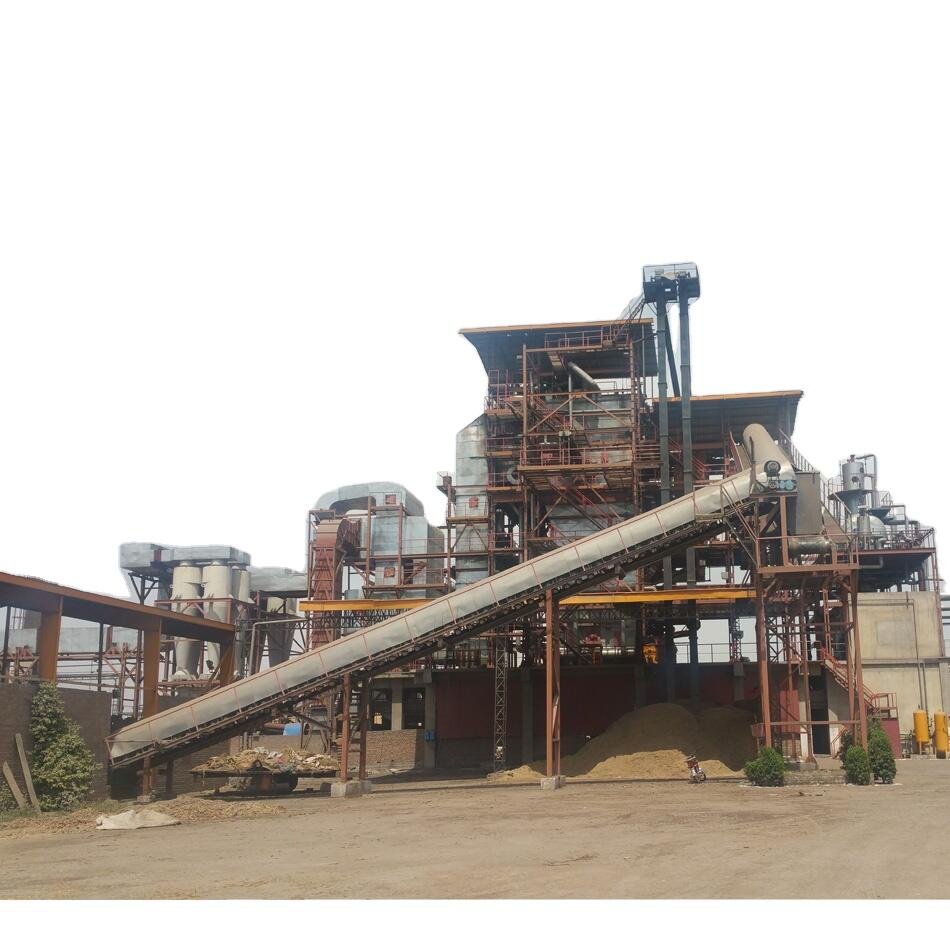
Industrial biomass boilers are widely recognized as a sustainable and renewable energy solution, but they also present a unique operational challenge: ash formation and fouling. Unlike natural gas, biomass fuels contain varying levels of minerals such as potassium, calcium, silica, and chlorine. During combustion, these elements transform into ash particles that can accumulate on heat transfer surfaces. Over time, this buildup reduces efficiency, restricts airflow, and can even lead to unplanned shutdowns. If not properly managed, ash and fouling can significantly undermine the performance and reliability of the entire system.
Ash and fouling management is crucial for industrial biomass boilers because it directly affects heat transfer efficiency, combustion stability, emission levels, equipment lifespan, and operational reliability. Effective management prevents heat exchanger blockage, reduces fuel consumption, minimizes downtime, and ensures consistent boiler performance under variable biomass fuel conditions.
To understand its importance fully, we must explore how ash is formed, how fouling develops, and why control strategies are essential for long-term operational success.
Ash buildup in biomass boilers significantly reduces heat transfer efficiency.True
Deposited ash layers act as thermal insulation, preventing efficient heat exchange between flue gases and boiler surfaces.
🔥 Understanding Ash Formation in Biomass Combustion
Ash is the non-combustible residue left after biomass fuel is burned. Its composition depends heavily on the type of fuel used. Wood chips, agricultural residues, and pelletized fuels all contain different mineral contents, which influence how ash behaves inside the boiler.
During combustion, high temperatures cause minerals to melt, vaporize, or react chemically. As flue gases cool, these compounds condense and form solid particles that deposit on internal surfaces. Over time, these deposits accumulate into thicker layers, creating fouling or even slagging in severe cases.
🌡 Ash vs Fouling vs Slagging: Key Differences
Although often used interchangeably, these three phenomena are distinct and require different management approaches.
📊 Table 1: Comparison of Ash-Related Issues
| Phenomenon | Location | Characteristics | Impact |
|---|---|---|---|
| Ash | Bottom of furnace | Loose solid residue | Requires removal via ash systems |
| Fouling | Heat exchange surfaces | Fine deposits on tubes | Reduces heat transfer efficiency |
| Slagging | Furnace walls | Molten, hardened deposits | Causes severe blockage and damage |
Each of these conditions affects boiler performance differently, but all contribute to efficiency loss if not controlled.
⚙️ How Fouling Reduces Boiler Efficiency
Fouling occurs when fine ash particles adhere to heat exchanger surfaces, forming insulating layers. These layers act as a thermal barrier, preventing effective heat transfer between hot flue gases and water or steam systems.
🔁 Efficiency Loss Mechanism
Ash Deposition → Thermal Resistance Increase → Reduced Heat Transfer → Higher Fuel Consumption → Lower Efficiency
Even a thin fouling layer can significantly reduce performance. In some cases, a 1 mm deposit can reduce heat transfer efficiency by more than 10%.
🌬 Impact on Airflow and Combustion Stability
Ash accumulation does not only affect heat transfer surfaces; it also restricts airflow within the system. When flue gas passages become partially blocked, combustion becomes uneven. This can lead to localized overheating, incomplete fuel combustion, and increased emissions.
In addition, inconsistent airflow disrupts the air-fuel ratio, making it harder to maintain stable combustion conditions. Over time, this instability can increase wear on burners and reduce overall system reliability.
🔧 Operational Challenges Caused by Ash and Fouling
If not properly managed, ash and fouling can lead to several operational problems:
- ⚠ Frequent shutdowns for manual cleaning
- 🔥 Reduced boiler efficiency and higher fuel consumption
- 🛠 Increased maintenance costs and labor requirements
- 🌫 Higher particulate emissions
- 📉 Shortened equipment lifespan
These issues highlight why ash management is not optional but essential for sustainable biomass boiler operation.
🧹 Ash Management Techniques in Industrial Biomass Boilers
Modern biomass boilers are equipped with a range of ash and fouling control technologies designed to maintain clean heat transfer surfaces and stable operation.
🔄 1. Mechanical Ash Removal Systems
These systems automatically remove ash from the furnace bottom and collection points.
- Screw conveyors
- Ash discharge valves
- Rotary ash extractors
They ensure continuous removal of solid residues without interrupting operation.
💨 2. Soot Blowing Systems
Soot blowers use high-pressure steam or air jets to remove ash deposits from heat exchanger surfaces.
🔁 Cleaning Cycle Flow
Sensor Detection → Cleaning Activation → High-Pressure Jet Release → Deposit Removal → System Reset
This process helps maintain heat transfer efficiency during continuous operation.
🌡 3. Acoustic and Ultrasonic Cleaning Systems
These systems use sound waves or vibrations to prevent ash from adhering to surfaces. They are particularly effective in fine particulate environments where mechanical cleaning is less efficient.
📊 Table 2: Ash Management Methods Comparison
| Method | Effectiveness | Downtime Required | Application Area |
|---|---|---|---|
| Mechanical Removal | High | Low | Furnace bottom |
| Soot Blowing | Very High | None (online) | Heat exchangers |
| Acoustic Cleaning | Medium | None | Fine particle zones |
| Manual Cleaning | High | High | Maintenance shutdowns |
🌱 Fuel Quality and Its Role in Ash Formation
Fuel composition plays a major role in ash behavior. Biomass with high mineral content tends to produce more ash and fouling.
🔍 Key Fuel Factors:
- High potassium content → increased slagging risk
- High silica content → hard deposits
- High chlorine content → corrosive fouling
- High moisture content → incomplete combustion residue
Proper fuel preparation, including drying, screening, and blending, can significantly reduce ash-related issues.
🏭 Real-World Case Study: Improving Biomass Boiler Performance
A biomass power plant operating on agricultural residues experienced frequent fouling in its heat exchanger system, leading to efficiency losses and shutdowns every few weeks.
Problems Identified:
- Heavy ash buildup on tube surfaces
- Poor fuel quality with high silica content
- Inadequate cleaning frequency
Solutions Implemented:
- Installed automated soot blowing system
- Improved fuel preprocessing and screening
- Introduced real-time temperature monitoring
Results:
- 🔥 Efficiency increased by 17%
- 🛠 Maintenance downtime reduced by 40%
- 🌫 Emissions significantly stabilized
- ⚙ Extended operational cycles between cleanings
This demonstrates how proper ash management transforms system performance.
🧭 Summary
Ash and fouling management is a critical aspect of industrial biomass boiler operation because it directly influences heat transfer efficiency, combustion stability, emissions control, and equipment reliability. Without proper control, ash accumulation can significantly degrade performance and increase operational costs. Through mechanical removal systems, soot blowing technology, fuel quality control, and automated monitoring, modern biomass boilers can maintain clean internal surfaces and stable operation. Effective ash management is therefore essential for achieving high efficiency, long service life, and consistent energy output in biomass-based energy systems.
How Does Water Treatment Influence Industrial Biomass Boiler Longevity?
-scaled.jpg)
Industrial biomass boilers operate under high temperature and high pressure conditions, where water is not just a working medium but the core element of energy transfer. However, the quality of this water is often underestimated. Poorly treated water introduces dissolved oxygen, minerals, and impurities into the system, which gradually cause corrosion, scaling, and sludge formation. Over time, these issues reduce heat transfer efficiency, increase fuel consumption, and significantly shorten equipment lifespan. In many cases, boiler failures attributed to “mechanical issues” actually originate from inadequate water treatment practices.
Water treatment directly influences industrial biomass boiler longevity by preventing corrosion, reducing scale formation, controlling dissolved oxygen levels, and maintaining stable heat transfer conditions. Properly treated water extends boiler life, improves thermal efficiency, reduces maintenance frequency, and ensures safe long-term operation under high-pressure conditions.
To fully understand this relationship, it is essential to examine how water impurities affect boiler components and how treatment systems mitigate long-term damage.
Poor water quality is one of the leading causes of boiler tube failure in industrial systems.True
Corrosion and scaling caused by untreated water gradually weaken metal surfaces, leading to cracking, overheating, and eventual failure.
💧 Why Water Quality Matters in Biomass Boilers
Inside a biomass boiler, water is continuously converted into steam and then recirculated. During this process, even small amounts of impurities can accumulate and create long-term operational problems. Unlike fuel-related issues, water-related damage is often invisible in the early stages, making it more dangerous over time.
Key contaminants include:
- 🧪 Dissolved oxygen (causes oxidation and corrosion)
- 🧱 Calcium and magnesium salts (cause scaling)
- ⚗ Silica compounds (form hard deposits)
- 🧂 Chlorides and sulfates (accelerate corrosion)
Each of these impurities affects boiler materials in different ways, but all contribute to gradual degradation.
🔥 Corrosion: The Silent Lifespan Killer
Corrosion is one of the most serious threats to biomass boiler longevity. It occurs when dissolved oxygen reacts with metal surfaces inside the boiler system, particularly in feedwater lines, economizers, and steam drums.
🔁 Corrosion Mechanism Flow
Dissolved Oxygen → Metal Oxidation → Surface Pitting → Structural Weakening → Tube Failure
Even small amounts of oxygen can cause localized pitting corrosion, which gradually weakens metal walls and increases the risk of rupture under pressure.
🧱 Scaling and Its Impact on Heat Transfer
Scaling occurs when dissolved minerals in water precipitate and form solid deposits on heat transfer surfaces. These deposits act as an insulating layer, reducing thermal conductivity.
📊 Table 1: Impact of Scaling on Boiler Performance
| Scale Thickness | Heat Transfer Loss | Fuel Consumption Increase |
|---|---|---|
| 0.5 mm | ~5% | Slight increase |
| 1.0 mm | ~10–15% | Moderate increase |
| 2.0 mm+ | 20%+ | Severe efficiency loss |
As scale builds up, the boiler must burn more fuel to produce the same amount of steam, directly increasing operational costs.
🌡 Sludge Formation and Flow Restrictions
Sludge is a soft, loose deposit that accumulates at the bottom of the boiler. Unlike scale, it does not adhere strongly to surfaces but can still cause serious problems.
- Reduces water circulation efficiency
- Causes uneven heat distribution
- Increases risk of localized overheating
- Leads to frequent blowdown requirements
If not properly removed, sludge can contribute to tube overheating and failure.
⚙️ Water Treatment Systems and Their Functions
Modern biomass boiler systems rely on multi-stage water treatment processes to ensure feedwater quality remains within safe limits.
🔄 Typical Water Treatment Flow
Raw Water → Filtration → Softening → Deaeration → Chemical Dosing → Boiler Feedwater
Each stage plays a specific role in protecting the system.
🧪 1. Filtration and Pre-Treatment
This stage removes suspended solids such as sand, rust, and organic matter before water enters the boiler system.
- Protects pumps and valves
- Reduces sludge formation
- Improves downstream treatment efficiency
🧂 2. Water Softening
Hardness ions such as calcium and magnesium are removed or replaced with sodium ions.
- Prevents scale formation
- Improves heat transfer efficiency
- Reduces maintenance frequency
🌬 3. Deaeration Systems
Deaerators remove dissolved oxygen and carbon dioxide from water using heat and mechanical stripping.
🔁 Deaeration Process Flow
Cold Feedwater → Heating → Gas Release → Oxygen Removal → Protected Feedwater Output
This is one of the most critical steps for preventing corrosion.
⚗ 4. Chemical Dosing Systems
Chemicals are added to further control water chemistry inside the boiler.
Common treatments include:
- Oxygen scavengers (remove residual oxygen)
- pH adjusters (control acidity/alkalinity)
- Anti-scaling agents (prevent mineral deposition)
📊 Table 2: Water Treatment vs Boiler Longevity Impact
| Treatment Level | Corrosion Risk | Scaling Risk | Expected Boiler Lifespan |
|---|---|---|---|
| No Treatment | Very High | Very High | Short (5–8 years) |
| Basic Treatment | Medium | Medium | Moderate (8–12 years) |
| Advanced Treatment | Low | Low | Long (15–25+ years) |
🏭 Impact on Operational Efficiency and Maintenance
Proper water treatment does not only extend equipment life; it also improves daily operational performance.
🔑 Key Benefits:
- ⚡ Higher thermal efficiency due to clean heat transfer surfaces
- 🔧 Reduced frequency of tube cleaning and repairs
- 💰 Lower maintenance and replacement costs
- 🔥 More stable steam generation
- 🛠 Reduced unplanned shutdowns
🌱 Real-World Industrial Example
A biomass cogeneration plant operating with untreated feedwater experienced frequent tube failures and efficiency losses.
Issues Observed:
- Severe scaling in economizer tubes
- Frequent corrosion in steam drum
- High fuel consumption
Solutions Implemented:
- Installed full water treatment system including deaeration
- Introduced automated chemical dosing
- Improved monitoring of water chemistry
Results:
- 🔥 Efficiency increased by 14%
- 🛠 Maintenance costs reduced by 35%
- 🏭 Boiler lifespan projection extended by over 8 years
🧭 Summary
Water treatment plays a fundamental role in determining the longevity and reliability of industrial biomass boilers. By controlling corrosion, preventing scale formation, and maintaining balanced water chemistry, treatment systems protect critical components from long-term damage. Effective filtration, softening, deaeration, and chemical dosing work together to ensure stable heat transfer, improved efficiency, and extended equipment lifespan. In modern biomass energy systems, water treatment is not an auxiliary process—it is a core requirement for sustainable, high-performance boiler operation.
What Preventive Maintenance Practices Improve Industrial Biomass Boiler Performance?
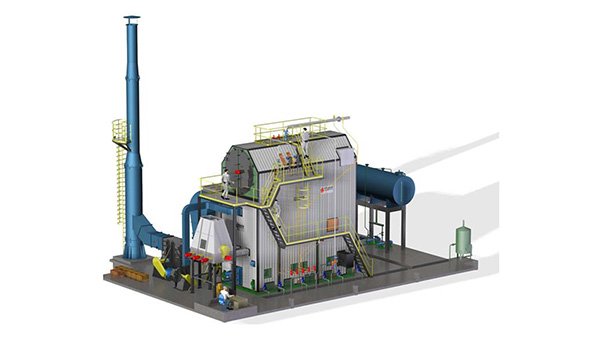
Industrial biomass boilers are widely used for sustainable energy production, but they operate in a demanding environment where fuel quality varies, ash accumulates, and thermal loads fluctuate continuously. Without proper maintenance, even a well-designed boiler can suffer from efficiency losses, unexpected shutdowns, and premature equipment failure. Many operational issues are not caused by design flaws but by the absence of structured preventive maintenance practices. Over time, small neglected issues—such as minor fouling or valve wear—can escalate into costly breakdowns.
Preventive maintenance practices improve industrial biomass boiler performance by ensuring early detection of equipment issues, maintaining combustion efficiency, reducing unplanned downtime, extending component lifespan, and optimizing overall system reliability through scheduled inspections, cleaning, calibration, and performance monitoring.
To understand how these practices work, it is necessary to examine both mechanical and operational maintenance strategies that support long-term boiler performance.
Preventive maintenance significantly reduces unplanned downtime in industrial biomass boilers.True
Regular inspection and servicing help detect early faults before they develop into system failures, improving operational continuity.
🔧 Why Preventive Maintenance Is Essential in Biomass Boilers
Unlike gas-fired systems, biomass boilers handle heterogeneous fuel that produces ash, slag, and variable combustion conditions. This makes them more vulnerable to performance degradation over time. Preventive maintenance ensures that these issues are addressed before they affect system stability.
Without structured maintenance, operators often face:
- ⚠ Sudden efficiency drops
- 🔥 Unstable combustion behavior
- 🌫 Increased emissions
- 🛠 Frequent emergency repairs
- 📉 Reduced equipment lifespan
Preventive maintenance transforms this reactive cycle into a controlled, predictable operational model.
🔁 Core Preventive Maintenance Strategy Framework
Preventive maintenance in biomass boilers is typically organized into a structured workflow that combines inspection, cleaning, calibration, and performance verification.
🔄 Maintenance Cycle Flow
Inspection → Cleaning → Adjustment → Testing → Performance Validation → Documentation
This cycle ensures that every critical system component is continuously monitored and maintained in optimal condition.
🧹 1. Regular Cleaning of Heat Transfer Surfaces
Heat exchanger surfaces are highly prone to fouling due to ash deposits. Even thin layers of ash can significantly reduce thermal efficiency.
🔑 Key Cleaning Practices:
- Soot blowing for tube surfaces
- Mechanical cleaning during shutdowns
- Ash removal from furnace and hoppers
- Air preheater cleaning
📊 Table 1: Impact of Fouling on Efficiency
| Fouling Thickness | Efficiency Loss | Fuel Consumption Increase |
|---|---|---|
| 0.5 mm | 5–8% | Moderate |
| 1.0 mm | 10–15% | High |
| 2.0 mm+ | 20%+ | Severe |
Regular cleaning prevents this performance degradation and maintains stable heat transfer.
⚙️ 2. Inspection of Combustion System Components
The combustion system is the heart of a biomass boiler. Preventive maintenance focuses heavily on ensuring burners, grates, and air systems operate correctly.
🔍 Key Inspection Points:
- Burner nozzle condition
- Grate alignment and wear
- Air distribution uniformity
- Fuel feeding system calibration
Small deviations in these components can disrupt combustion efficiency and increase emissions.
🌬 3. Airflow and Fuel System Calibration
Proper air-fuel balance is essential for stable combustion. Over time, sensors and control systems may drift out of calibration.
🔁 Calibration Process:
Sensor Check → Data Comparison → Adjustment → Combustion Test → Optimization
Maintaining correct air distribution ensures:
- 🔥 Complete combustion
- 🌫 Lower emissions
- ⚡ Higher efficiency
- 🧯 Reduced risk of flame instability
🧪 4. Water and Steam System Maintenance
Boiler performance depends heavily on water quality and circulation efficiency. Preventive maintenance includes regular checks of:
- Feedwater quality
- Deaerator performance
- Blowdown system function
- Steam drum conditions
Poor water management can lead to scaling, corrosion, and tube failure, making this step critical for long-term reliability.
📊 Table 2: Maintenance Areas and Performance Impact
| System Area | Maintenance Action | Performance Benefit |
|---|---|---|
| Heat Exchanger | Soot blowing/cleaning | Improved efficiency |
| Combustion System | Calibration & inspection | Stable combustion |
| Fuel Feeding System | Alignment & lubrication | Consistent fuel input |
| Water System | Chemical balance control | Reduced corrosion |
🔧 5. Mechanical Wear and Component Replacement
Biomass boilers operate under high thermal stress, which leads to gradual wear of mechanical parts.
🔍 Key Components to Monitor:
- Bearings and rotating equipment
- Conveyor systems
- Valves and actuators
- Pump seals and gaskets
Preventive replacement of worn parts avoids unexpected failures and costly emergency shutdowns.
🤖 6. Predictive Monitoring and Digital Maintenance
Modern biomass boilers increasingly use digital monitoring systems to enhance preventive maintenance strategies.
📡 Key Technologies:
- IoT-based sensor networks
- Real-time vibration monitoring
- Thermal imaging systems
- AI-based anomaly detection
🔄 Digital Maintenance Flow:
Data Collection → Pattern Analysis → Fault Prediction → Maintenance Scheduling
This allows maintenance teams to act before failures occur, significantly improving reliability.
🌡 7. Emission Monitoring and Optimization
Preventive maintenance also includes continuous monitoring of emissions such as NOx, CO, and particulate matter.
🔑 Benefits:
- Ensures regulatory compliance
- Identifies combustion inefficiencies
- Helps optimize air-fuel ratio
- Reduces environmental impact
🏭 Real-World Example: Maintenance Optimization in Biomass Plant
A mid-sized biomass power plant implemented a structured preventive maintenance program combined with digital monitoring.
Initial Issues:
- Frequent heat exchanger fouling
- Unstable combustion performance
- High unplanned downtime
Implemented Measures:
- Scheduled soot blowing system upgrades
- Real-time sensor integration
- Predictive maintenance software adoption
Results:
- 🔥 Efficiency improved by 16%
- 🛠 Downtime reduced by 40%
- 💰 Maintenance costs decreased by 28%
This demonstrates how preventive maintenance directly improves operational performance.
🧭 Summary
Preventive maintenance is essential for improving industrial biomass boiler performance because it ensures continuous efficiency, stability, and reliability. Through systematic cleaning, inspection, calibration, and digital monitoring, operators can prevent fouling, combustion instability, and mechanical failures before they occur. When properly implemented, preventive maintenance not only extends equipment lifespan but also enhances energy efficiency and reduces operational costs, making it a fundamental practice for sustainable biomass boiler operation.
Conclusion
Improving the reliability and performance of industrial biomass boilers requires a holistic approach that addresses fuel management, combustion efficiency, system control, and maintenance practices. By adopting advanced technologies and proactive strategies, industries can maximize efficiency, minimize downtime, and fully realize the sustainability benefits of biomass energy.
If you are looking to optimize your industrial biomass boiler system, contact us today. Our experts offer customized solutions, advanced technologies, and professional support to help you achieve reliable, efficient, and sustainable operations.
FAQ
Q1: What are the key factors affecting the reliability of industrial biomass boilers?
A1:
The reliability of industrial biomass boilers depends on several critical factors, with fuel quality being one of the most important. Biomass fuels such as wood chips, agricultural residues, and pellets often vary in moisture content, particle size, and energy density. Inconsistent fuel quality can lead to unstable combustion, increased emissions, and operational issues such as slagging and fouling.
Another major factor is combustion system design. Proper air distribution, fuel feeding mechanisms, and combustion chamber configuration are essential for maintaining stable and efficient operation. Poor design can result in incomplete combustion, excessive ash formation, and reduced efficiency.
Maintenance practices also play a crucial role. Regular cleaning of heat transfer surfaces, ash removal, and inspection of components help prevent buildup and wear that can lead to failures. Neglecting maintenance can cause corrosion, blockages, and overheating.
Control systems are equally important. Advanced automation and monitoring systems enable real-time adjustments to fuel and air supply, ensuring optimal combustion conditions and reducing the risk of system instability.
Environmental conditions, such as humidity and temperature, can also affect boiler performance by influencing fuel properties and system efficiency.
In summary, fuel quality, system design, maintenance, control systems, and environmental factors all significantly impact the reliability of industrial biomass boilers.
Q2: How can fuel quality be optimized for better boiler performance?
A2:
Optimizing fuel quality is essential for improving the performance and reliability of industrial biomass boilers. One of the most important aspects is controlling moisture content. High moisture levels reduce combustion efficiency because additional energy is required to evaporate water before the fuel can burn effectively. Drying biomass to an optimal moisture range significantly improves efficiency.
Uniform particle size is another key factor. Consistent fuel sizing ensures even combustion and prevents issues such as incomplete burning or blockages in the fuel feeding system. Screening and processing equipment can be used to achieve uniformity.
Fuel storage and handling practices also play a critical role. Biomass should be stored in dry, well-ventilated areas to prevent moisture absorption and degradation. Proper handling minimizes contamination with dirt, stones, or other foreign materials that can damage equipment.
Blending different types of biomass can also improve fuel consistency. For example, mixing high-moisture materials with drier fuels can create a more balanced fuel profile.
Regular testing of fuel properties, such as calorific value and ash content, helps ensure consistent quality and allows operators to adjust combustion parameters accordingly.
In conclusion, optimizing fuel quality involves controlling moisture, ensuring uniform size, proper storage, and regular testing, all of which contribute to improved boiler performance.
Q3: What maintenance strategies improve biomass boiler reliability?
A3:
Effective maintenance strategies are essential for enhancing the reliability of industrial biomass boilers. One of the most important tasks is regular cleaning of heat transfer surfaces to remove ash, soot, and deposits. These materials can reduce heat transfer efficiency and lead to overheating if not addressed.
Ash handling systems should be maintained to ensure smooth removal of combustion residues. Blockages or malfunctions in these systems can disrupt operation and cause downtime.
Inspection of critical components, such as grates, burners, and fuel feeding systems, is also important. These parts are subject to wear and tear due to high temperatures and abrasive materials. Timely replacement or repair prevents unexpected failures.
Water treatment is another key aspect, even in biomass boilers. Proper water chemistry prevents scaling and corrosion in boiler tubes, extending their lifespan.
Lubrication of moving parts, such as conveyors and fans, helps reduce mechanical wear and ensures smooth operation.
Implementing predictive maintenance using sensors and data analytics can further improve reliability. By monitoring parameters such as vibration and temperature, operators can detect potential issues early and take corrective action.
In summary, regular cleaning, inspection, component maintenance, water treatment, and predictive maintenance strategies are essential for improving biomass boiler reliability.
Q4: How do advanced control systems enhance boiler performance?
A4:
Advanced control systems play a significant role in enhancing the performance of industrial biomass boilers by optimizing combustion and improving operational stability. These systems use sensors and automation to monitor key parameters such as temperature, pressure, oxygen levels, and fuel flow in real time.
By analyzing this data, control systems can adjust the air-to-fuel ratio to maintain optimal combustion conditions. This ensures complete fuel burning, reduces emissions, and improves efficiency. For example, maintaining the correct oxygen level in the combustion chamber prevents both incomplete combustion and excess air, which can lead to energy loss.
Automation also reduces the need for manual intervention, minimizing human error and improving consistency. Operators can set parameters and allow the system to make continuous adjustments based on changing conditions.
Integration with predictive analytics allows control systems to identify patterns and detect anomalies. This helps prevent equipment failures and reduces downtime.
Remote monitoring capabilities enable operators to oversee boiler performance from centralized control rooms or off-site locations, improving flexibility and responsiveness.
In conclusion, advanced control systems enhance biomass boiler performance by optimizing combustion, improving efficiency, reducing emissions, and increasing operational reliability.
Q5: What design improvements can increase the efficiency of biomass boilers?
A5:
Design improvements are a key factor in increasing the efficiency and reliability of industrial biomass boilers. One of the most important advancements is improved combustion chamber design. Optimized airflow and fuel distribution ensure complete combustion, reducing unburned fuel and emissions.
Enhanced heat exchanger designs also contribute to efficiency. By increasing the surface area and improving heat transfer characteristics, these designs allow more energy to be extracted from the combustion process.
Grate technology has also evolved. Modern moving grates and fluidized bed systems provide better fuel mixing and combustion efficiency, accommodating a wider range of biomass fuels.
Insulation and sealing improvements reduce heat loss, ensuring that more energy is used for steam generation rather than being lost to the environment.
Integration of waste heat recovery systems, such as economizers and air preheaters, further improves efficiency by capturing and reusing heat from flue gases.
Additionally, modular design approaches allow for easier scaling and maintenance, improving overall system performance and flexibility.
In summary, design improvements in combustion, heat transfer, fuel handling, and insulation significantly enhance the efficiency and reliability of biomass boilers.
References
- Biomass Boiler Technology Overview – https://www.iea.org – International Energy Agency
- Industrial Boiler Maintenance – https://www.energy.gov – U.S. Department of Energy
- Biomass Combustion Systems – https://www.worldbioenergy.org – World Bioenergy Association
- Boiler Efficiency Optimization – https://www.spiraxsarco.com – Spirax Sarco
- Industrial Energy Systems – https://www.sciencedirect.com – ScienceDirect
- Biomass Fuel Handling – https://www.engineeringtoolbox.com – Engineering Toolbox
- Boiler Control Systems – https://www.ge.com/power – General Electric
- Renewable Energy Technologies – https://www.irena.org – IRENA
- Boiler Water Treatment – https://www.nace.org – NACE International
- Industrial Maintenance Best Practices – https://www.chemicalprocessing.com – Chemical Processing
Enhancing Reliability of Industrial Biomass Boilers Read More »