
Most Popular Industrial Steam Boiler Types Explained
Choosing the right industrial steam boiler can be overwhelming, especially with so many types available on the market. Many businesses struggle with inefficient systems, high maintenance costs, or limited scalability because they selected a boiler that doesn’t match their operational needs. This can lead to wasted energy, frequent downtime, and reduced productivity. Understanding which type of boiler is most widely used—and why—can help you make a more informed and cost-effective decision.
The most popular type of industrial steam boiler is the fire-tube boiler, particularly in small to medium-scale industries, due to its simple design, lower initial cost, ease of operation, and reliable performance. However, for large-scale and high-pressure applications, water-tube boilers are also highly popular because of their superior efficiency, higher capacity, and ability to handle demanding operating conditions.
To better understand why these boiler types dominate the market, it is important to explore their features, advantages, and ideal applications.
Why Are Fire-Tube Industrial Steam Boilers the Most Popular Choice?
Industrial facilities across manufacturing, food processing, textiles, and chemical sectors all rely heavily on steam generation. However, choosing the right boiler type can be a complex decision, especially when balancing cost, efficiency, safety, and maintenance requirements. Many businesses struggle with overcomplicated systems that are expensive to maintain or underperform under variable loads. In this context, fire-tube industrial steam boilers have emerged as a preferred solution, offering a practical balance between performance, simplicity, and cost-effectiveness.
Fire-tube industrial steam boilers are the most popular choice because they offer simple design, lower initial cost, easy maintenance, reliable operation, and efficient performance for low to medium pressure applications. Their compact structure and operational stability make them ideal for a wide range of industrial processes requiring consistent steam supply.
Understanding why fire-tube boilers dominate the market requires a deeper look into their design, advantages, and real-world applicability.
Fire-tube boilers are generally easier to operate and maintain than water-tube boilers.True
Their simpler structure, fewer components, and lower pressure operation reduce complexity and maintenance requirements.
🔥 What Is a Fire-Tube Boiler?
A fire-tube boiler is a type of steam boiler in which hot combustion gases pass through tubes that are surrounded by water. Heat is transferred from the gases to the water, producing steam.
🔄 Working Principle Flow
Fuel Combustion → Hot Gas Generation → Gas Flows Through Tubes → Heat Transfers to Water → Steam Production
This straightforward mechanism is one of the key reasons for its widespread adoption.
⚙️ Key Structural Advantages
Fire-tube boilers are known for their robust and compact design. The entire system is typically contained within a single cylindrical pressure vessel, which simplifies installation and operation.
🔑 Design Benefits:
- Fewer components compared to water-tube boilers
- Compact footprint suitable for limited spaces
- Lower stress on materials due to lower operating pressures
- Simplified piping and auxiliary systems
These structural characteristics reduce both capital investment and operational complexity.
📊 Table 1: Fire-Tube vs Water-Tube Boiler Comparison
| Parameter | Fire-Tube Boiler | Water-Tube Boiler |
|---|---|---|
| Design Complexity | Simple | Complex |
| Initial Cost | Lower | Higher |
| Operating Pressure | Low to Medium | High |
| Maintenance Difficulty | Easy | More demanding |
| Response to Load Changes | Slower | Faster |
| Typical Applications | Small to medium industry | Large power plants |
This comparison highlights why fire-tube boilers are more suitable for general industrial use.
💰 Cost-Effectiveness and ROI
One of the strongest drivers behind the popularity of fire-tube boilers is their cost advantage.
💡 Key Cost Factors:
- Lower manufacturing and installation costs
- Reduced need for specialized operators
- Lower maintenance expenses
- Longer service intervals
For small and medium enterprises, these cost benefits translate into faster return on investment and reduced financial risk.
🔧 Ease of Operation and Maintenance
Fire-tube boilers are designed with accessibility in mind. Most components are easy to inspect, clean, and repair.
🔄 Maintenance Workflow
Routine Inspection → Tube Cleaning → Component Check → Minor Adjustments → Resume Operation
Because of their simpler design, maintenance tasks can often be performed without highly specialized skills, reducing labor costs and downtime.
🔥 Stable and Reliable Performance
Fire-tube boilers provide stable steam output, making them ideal for industries where demand is relatively consistent.
🔑 Reliability Advantages:
- Large water volume acts as a thermal buffer
- Less sensitivity to sudden load fluctuations
- Lower risk of overheating
- Consistent steam pressure
This stability is particularly valuable in processes such as food production and textile manufacturing.
🌡 Efficiency in Low to Medium Pressure Applications
While water-tube boilers excel in high-pressure environments, fire-tube boilers are highly efficient in low to medium pressure ranges, which represent the majority of industrial applications.
📊 Table 2: Efficiency by Application Type
| Application Type | Recommended Boiler Type | Efficiency Level |
|---|---|---|
| Food Processing | Fire-Tube | High |
| Textile Industry | Fire-Tube | High |
| Chemical Processing | Fire-Tube | Moderate-High |
| Power Generation | Water-Tube | Very High |
This demonstrates that fire-tube boilers are well-matched to common industrial needs.
🏭 Versatility Across Industries
Fire-tube boilers are widely used in multiple sectors due to their adaptability.
🌍 Common Applications:
- Food and beverage processing
- Textile and garment manufacturing
- Pharmaceutical production
- Chemical processing
- Small-scale power generation
Their ability to operate with various fuels (gas, oil, and even some biomass configurations) further enhances their versatility.
⚡ Safety Advantages
Operating at lower pressures compared to water-tube boilers, fire-tube systems inherently carry lower risk.
🔑 Safety Features:
- Lower explosion risk
- Simpler pressure control systems
- Easier monitoring of water levels
- Built-in safety valves and controls
These features make them particularly suitable for facilities with limited technical expertise.
🏭 Real-World Example: SME Boiler Selection
A medium-sized food processing plant needed a reliable steam source for daily operations.
Requirements:
- Moderate steam demand
- Limited installation space
- Budget constraints
- Easy maintenance
Solution:
A fire-tube boiler was selected due to its compact design and cost efficiency.
Results:
- 💰 Initial investment reduced by 25%
- 🔧 Maintenance simplified significantly
- 🔥 Stable steam supply ensured production continuity
- 📈 Payback period achieved within 2 years
This case illustrates why fire-tube boilers are often the practical choice for industrial users.
🧭 Summary
Fire-tube industrial steam boilers remain the most popular choice because they offer an optimal balance of simplicity, cost-effectiveness, reliability, and ease of maintenance. Their straightforward design, stable performance, and adaptability to a wide range of industrial applications make them especially suitable for low to medium pressure operations. While they may not be ideal for high-pressure power generation, their advantages in everyday industrial use ensure their continued dominance in the global boiler market.
How Do Water-Tube Industrial Steam Boilers Compare in Popularity?
Industrial facilities today face increasingly complex energy demands, requiring not only reliable steam generation but also higher efficiency, rapid response to load changes, and compliance with strict environmental regulations. While fire-tube boilers dominate many small and medium-scale applications due to their simplicity, they often struggle to meet the requirements of high-pressure, high-capacity operations. This is where water-tube industrial steam boilers come into play. However, despite their technical advantages, their popularity varies significantly depending on application scale, cost considerations, and operational complexity.
Water-tube industrial steam boilers are less popular than fire-tube boilers in general industrial applications but dominate in large-scale, high-pressure, and high-capacity operations due to their superior efficiency, faster response, and ability to handle extreme conditions. Their popularity is therefore highly application-specific rather than universal.
To better understand this comparison, it is essential to analyze the factors influencing their adoption across different industries.
Water-tube boilers are more suitable for high-pressure and high-capacity steam generation than fire-tube boilers.True
Water-tube designs allow water to circulate through tubes exposed to high heat, enabling efficient heat transfer and safe operation at higher pressures.
🔥 Understanding Water-Tube Boiler Design
In a water-tube boiler, water flows inside tubes while hot combustion gases circulate around the outside. This design allows for rapid heat transfer and efficient steam generation at high pressures.
🔄 Working Principle Flow
Fuel Combustion → Hot Gas Circulation → Heat Transfer to Water in Tubes → Rapid Steam Generation → High-Pressure Output
This configuration contrasts with fire-tube boilers, where gases flow inside tubes surrounded by water.
⚙️ Popularity Distribution by Industry Scale
Water-tube boilers are widely used in industries that require large amounts of steam and operate under demanding conditions.
📊 Table 1: Popularity by Application Type
| Industry Sector | Fire-Tube Popularity | Water-Tube Popularity |
|---|---|---|
| Small Manufacturing | Very High | Low |
| Food Processing | High | Low |
| Textile Industry | High | Moderate |
| Chemical Processing | Moderate | High |
| Power Generation | Low | Very High |
| Petrochemical Industry | Low | Very High |
This table clearly shows that water-tube boilers dominate in heavy industrial and energy-intensive sectors.
💰 Cost and Investment Considerations
One of the main reasons water-tube boilers are less common in smaller facilities is their higher cost.
💡 Key Cost Factors:
- Higher initial capital investment
- More complex installation requirements
- Need for skilled operators
- Advanced control systems
While these costs can be justified in large-scale operations, they often discourage adoption in smaller industries.
⚡ Performance Advantages Driving Adoption
Despite their higher cost, water-tube boilers offer significant performance benefits that make them indispensable in certain applications.
🔑 Key Advantages:
- Ability to operate at very high pressures and temperatures
- Faster steam generation and response to load changes
- Higher thermal efficiency in large systems
- Better heat transfer characteristics
These features make them ideal for industries with fluctuating and high energy demands.
🔄 Response Speed and Load Flexibility
Water-tube boilers respond quickly to changes in steam demand due to their lower water volume and higher heat transfer rates.
🔁 Load Response Flow
Demand Increase → Rapid Heat Transfer → Quick Steam Generation → Stable Pressure Maintenance
This capability is crucial in industries such as power generation and chemical processing, where load conditions change frequently.
📊 Table 2: Fire-Tube vs Water-Tube Popularity Drivers
| Factor | Fire-Tube Boilers | Water-Tube Boilers |
|---|---|---|
| Initial Cost | Low | High |
| Operational Complexity | Low | High |
| Efficiency (Large Scale) | Moderate | High |
| Pressure Capability | Limited | Very High |
| Popularity (SMEs) | Very High | Low |
| Popularity (Large Plants) | Low | Very High |
This comparison highlights why water-tube boilers are not universally popular but dominate specific sectors.
🔧 Maintenance and Operational Complexity
Water-tube boilers require more sophisticated maintenance due to their complex design and higher operating pressures.
🔍 Key Challenges:
- More components to monitor
- Higher sensitivity to water quality
- Requirement for advanced control systems
- Skilled labor needed for operation and maintenance
These factors contribute to their lower adoption in smaller facilities.
🌫 Environmental and Regulatory Factors
Modern industries face strict emission and efficiency regulations. Water-tube boilers are better equipped to meet these requirements due to their advanced combustion control and higher efficiency.
🌱 Benefits:
- Lower emissions per unit of steam generated
- Better integration with emission control technologies
- Improved fuel utilization
These advantages are driving increased adoption in environmentally regulated industries.
🏭 Real-World Case Study: Power Plant Application
A large-scale power generation facility required a high-capacity steam system capable of handling fluctuating loads.
Requirements:
- High-pressure steam generation
- Rapid response to demand changes
- High efficiency and low emissions
Solution:
A water-tube boiler system was implemented.
Results:
- ⚡ Efficiency improved by 20% compared to previous system
- 🔄 Rapid load response ensured grid stability
- 🌫 Emissions reduced significantly
- 🏭 Continuous high-capacity operation achieved
This example illustrates why water-tube boilers are indispensable in large-scale applications.
🔮 Market Trends and Future Popularity
As industries evolve, the demand for high-efficiency and environmentally compliant systems is increasing. This is gradually expanding the adoption of water-tube boilers beyond traditional sectors.
📈 Emerging Trends:
- Integration with renewable energy systems
- Adoption in waste-to-energy plants
- Increased use in large industrial complexes
- Growth in combined heat and power (CHP) systems
While fire-tube boilers will remain dominant in smaller applications, water-tube boilers are expected to gain popularity in advanced industrial environments.
🧭 Summary
Water-tube industrial steam boilers are not as universally popular as fire-tube boilers, but they play a dominant role in high-capacity, high-pressure, and energy-intensive industries. Their superior efficiency, rapid response, and ability to handle extreme operating conditions make them indispensable for large-scale operations. Although higher costs and complexity limit their adoption in smaller facilities, ongoing technological advancements and stricter environmental requirements are steadily increasing their market presence. Ultimately, their popularity is driven not by general preference but by the specific demands of modern industrial applications.
What Factors Influence the Popularity of Industrial Steam Boilers?
Industrial steam boilers are essential across countless industries, yet their popularity is far from uniform. Some facilities favor fire-tube boilers for simplicity, while others invest in advanced water-tube systems for performance. This variation often creates confusion for decision-makers who must balance cost, efficiency, safety, and long-term operational needs. Choosing the wrong boiler type can result in inefficiencies, excessive maintenance costs, and even production disruptions. Therefore, understanding the factors that influence boiler popularity is critical for making informed investment decisions.
The popularity of industrial steam boilers is influenced by key factors such as application requirements, initial cost, operating efficiency, fuel flexibility, maintenance complexity, safety considerations, environmental regulations, and technological advancements. These factors determine whether fire-tube or water-tube boilers are preferred in specific industrial scenarios.
To fully grasp these dynamics, we need to analyze each factor in detail and understand how they interact in real-world applications.
Initial investment cost is one of the primary factors influencing boiler selection in industrial applications.True
Many companies prioritize lower upfront costs, especially small and medium enterprises, making cost a critical decision factor.
⚙️ Application Requirements and Industry Needs
The most fundamental factor influencing boiler popularity is the specific application. Different industries require different steam capacities, pressures, and operational flexibility.
🔑 Key Considerations:
- Required steam output (low, medium, high)
- Pressure and temperature demands
- Load variability and response speed
- Continuous vs intermittent operation
🔄 Decision Flow
Application Demand → Capacity Requirement → Pressure Level → Boiler Type Selection
Industries such as food processing typically favor fire-tube boilers, while power generation and petrochemicals rely heavily on water-tube systems.
💰 Initial Cost and Budget Constraints
Cost remains one of the most decisive factors, particularly for small and medium-sized enterprises.
💡 Cost Components:
- Equipment purchase price
- Installation and infrastructure costs
- Auxiliary systems (pumps, controls, piping)
- Training and commissioning
Fire-tube boilers generally have lower upfront costs, making them more accessible and therefore more popular in many industries.
📊 Table 1: Cost Comparison Factors
| Cost Aspect | Fire-Tube Boilers | Water-Tube Boilers |
|---|---|---|
| Initial Investment | Low | High |
| Installation Cost | Moderate | High |
| Operating Cost | Moderate | Variable |
| Maintenance Cost | Low | Higher |
⚡ Efficiency and Energy Consumption
Energy efficiency is becoming increasingly important due to rising fuel costs and sustainability goals.
🔑 Efficiency Drivers:
- Heat transfer performance
- Combustion optimization
- Insulation quality
- Load adaptability
Water-tube boilers typically offer higher efficiency in large-scale operations, while fire-tube boilers perform well in steady, lower-demand environments.
🌱 Environmental Regulations and Emissions
Strict environmental policies are reshaping boiler selection trends. Industries must comply with regulations on emissions such as NOx, CO, and particulate matter.
🌫 Regulatory Impact:
- Requirement for low-NOx burners
- Integration with emission control systems
- Need for cleaner fuel compatibility
Boilers that can meet these requirements more easily tend to gain popularity in regulated markets.
🔧 Maintenance and Operational Complexity
Ease of maintenance significantly affects long-term usability and popularity.
🔍 Key Factors:
- Accessibility of components
- Frequency of maintenance
- Skill level required for operation
- Availability of spare parts
Fire-tube boilers are generally easier to maintain, which increases their appeal for facilities with limited technical expertise.
📊 Table 2: Maintenance and Operation Comparison
| Parameter | Fire-Tube Boilers | Water-Tube Boilers |
|---|---|---|
| Maintenance Frequency | Low | Moderate |
| Skill Requirement | Low | High |
| Downtime Risk | Lower | Higher |
| Inspection Complexity | Simple | Complex |
🔥 Fuel Flexibility and Availability
The type of fuel available in a region or industry plays a crucial role in boiler selection.
🔑 Fuel Options:
- Natural gas
- Oil
- Biomass
- Coal
- Waste-derived fuels
Boilers capable of handling multiple fuel types are often more attractive, especially in regions with fluctuating energy prices.
⚡ Safety and Reliability Considerations
Safety is a non-negotiable factor in industrial operations. Boilers must operate reliably under varying conditions without posing risks to personnel or equipment.
🔐 Key Safety Aspects:
- Operating pressure levels
- Risk of explosion or failure
- Built-in safety systems
- Monitoring and control capabilities
Fire-tube boilers, operating at lower pressures, are often perceived as safer, contributing to their widespread use.
🤖 Technological Advancements and Automation
Modern boiler systems increasingly incorporate automation, IoT, and AI technologies to enhance performance and reliability.
📡 Emerging Technologies:
- Smart control systems
- Predictive maintenance tools
- Remote monitoring platforms
- AI-driven combustion optimization
These advancements are making more complex systems like water-tube boilers easier to manage, gradually increasing their adoption.
🌍 Market Trends and Regional Differences
Boiler popularity is also influenced by geographic and economic factors.
🌎 Regional Influences:
- Energy policies and subsidies
- Industrial development level
- Fuel availability
- Environmental regulations
For example, developing regions may prioritize cost-effective solutions, while developed markets focus on efficiency and emissions compliance.
🏭 Real-World Example: Industrial Decision-Making
A manufacturing company evaluating boiler options faced the following considerations:
Requirements:
- Moderate steam demand
- Limited budget
- Minimal maintenance capability
Decision:
A fire-tube boiler was selected due to its affordability and simplicity.
Outcome:
- 💰 Reduced capital expenditure
- 🔧 Easy maintenance and operation
- 🔥 Stable performance for production needs
This case highlights how multiple factors combine to influence boiler popularity.
🔮 Future Trends Influencing Popularity
As industries evolve, new factors are emerging that will shape future boiler preferences.
📈 Key Trends:
- Decarbonization and clean energy adoption
- Integration with renewable energy systems
- Increased demand for automation
- Stricter emission standards
These trends are expected to shift the balance toward more advanced and efficient boiler technologies.
🧭 Summary
The popularity of industrial steam boilers is determined by a complex interplay of factors, including application requirements, cost, efficiency, maintenance, fuel availability, safety, environmental regulations, and technological advancements. Fire-tube boilers remain dominant in many industries due to their simplicity and affordability, while water-tube boilers are preferred in high-capacity and high-performance applications. As industrial demands evolve and sustainability becomes a priority, these influencing factors will continue to shape the future landscape of boiler technology and market preferences.
Which Industries Prefer Fire-Tube vs Water-Tube Industrial Steam Boilers?
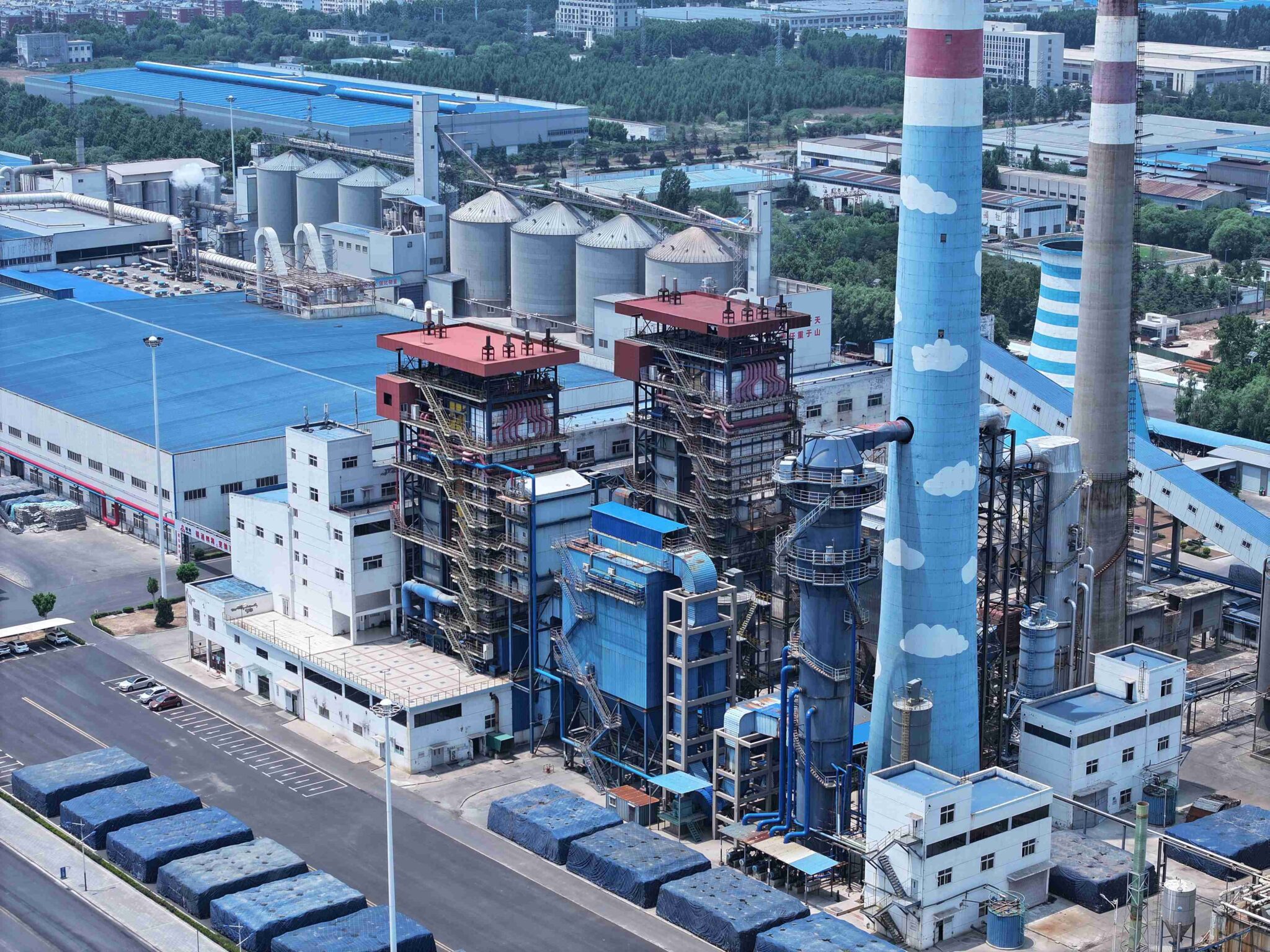
Industrial steam boilers are not selected randomly. Each industry has its own steam demand profile, pressure requirements, operational complexity, and cost constraints. Because of these differences, fire-tube and water-tube boilers have naturally evolved into serving distinct industrial sectors. Choosing the correct type is essential for achieving efficiency, safety, and long-term operational stability.
Fire-tube industrial steam boilers are preferred in small to medium industries with moderate steam demand and stable operating conditions, such as food processing, textiles, laundries, and light manufacturing. Water-tube boilers are preferred in large-scale, high-pressure, and continuous-operation industries such as power generation, petrochemicals, refineries, and heavy chemical processing plants.
This separation is not arbitrary but based on engineering design limits and operational economics.
Fire-tube boilers are commonly used in small and medium industries due to their simple structure and lower cost.True
Their compact design, lower pressure operation, and easier maintenance make them more suitable for less complex industrial environments.
Fire-Tube Boilers: Industries That Prioritize Simplicity and Cost Efficiency
Fire-tube boilers operate by passing hot combustion gases through tubes surrounded by water. This design supports stable, low-to-medium pressure steam production and is highly suitable for industries with consistent but not extreme energy demands.
Food and Beverage Industry
Food production facilities require reliable and hygienic steam for cooking, sterilization, and cleaning processes. These operations typically run at steady loads rather than fluctuating high-pressure conditions.
Fire-tube boilers are widely used because they offer stable steam output, relatively simple operation, and lower maintenance requirements. In bakeries, dairy plants, and beverage factories, the focus is not on extreme pressure but on consistent and safe steam supply.
Textile Industry
Textile manufacturing involves processes such as dyeing, washing, and finishing, all of which require continuous steam at moderate pressure levels. Production lines often operate 24/7, but the steam demand remains relatively predictable.
Fire-tube boilers are preferred because they provide smooth and stable operation without requiring highly specialized operators. Their ability to maintain consistent output makes them well-suited for textile plants.
Laundry and Hospitality Sector
Industrial laundries, hotels, and hospitals rely heavily on steam for washing, drying, and sterilization.
These facilities typically choose fire-tube boilers because they are easy to operate, safe under low pressure, and cost-effective for medium-scale steam needs. The simplicity of maintenance is especially important in service-oriented industries where downtime directly affects operations.
Light Manufacturing and Small Industrial Plants
Small factories producing plastics, packaging materials, or light chemical products often require steam but lack the infrastructure for complex boiler systems.
Fire-tube boilers fit these environments well because they are affordable, compact, and do not require advanced technical expertise to operate or maintain.
Water-Tube Boilers: Industries That Demand High Performance and High Pressure
Water-tube boilers reverse the design principle: water flows inside tubes while hot gases surround them. This allows for much higher pressure, faster steam generation, and superior efficiency in large-scale operations.
Power Generation Industry
Power plants are the most dominant users of water-tube boilers. These systems must generate extremely high-pressure steam to drive turbines continuously and efficiently.
Water-tube boilers are essential here because they can handle high thermal loads, rapid demand changes, and continuous 24/7 operation without compromising safety or efficiency.
Petrochemical Industry
Petrochemical facilities require precise and high-pressure steam for refining and chemical conversion processes.
Water-tube boilers are preferred because they can maintain stable performance under demanding conditions, support complex process integration, and operate safely at elevated pressures and temperatures.
Chemical Manufacturing Industry
Chemical plants produce fertilizers, industrial chemicals, and specialty compounds that require controlled thermal energy.
Water-tube boilers are used because they offer high efficiency, fast response to load changes, and the ability to support large-scale continuous production systems.
Oil and Gas Refineries
Refineries depend on steam for distillation, heating, and turbine operation. These processes require consistent high-pressure steam supply.
Water-tube boilers are ideal because they are designed for continuous operation, high safety margins, and integration into complex refinery systems.
Comparative Industrial Suitability Overview
Table 1: Fire-Tube vs Water-Tube Industry Preferences
| Industry Sector | Fire-Tube Suitability | Water-Tube Suitability | Preferred Type |
|---|---|---|---|
| Food Processing | High | Low | Fire-Tube |
| Textile Manufacturing | High | Moderate | Fire-Tube |
| Laundry Services | Very High | Low | Fire-Tube |
| Light Manufacturing | High | Low | Fire-Tube |
| Power Generation | Low | Very High | Water-Tube |
| Petrochemical Plants | Low | Very High | Water-Tube |
| Chemical Industry | Moderate | Very High | Water-Tube |
| Oil & Gas Refineries | Low | Very High | Water-Tube |
This table clearly shows that fire-tube boilers dominate in small and medium-scale industries, while water-tube boilers dominate in heavy industrial sectors.
Key Factors Behind Industry Preferences
Industrial selection is not based on a single factor but on a combination of operational requirements and economic considerations.
Steam Demand and Pressure Requirements
Industries with low to medium steam demand naturally gravitate toward fire-tube boilers, while those requiring high-pressure and large-volume steam prefer water-tube systems.
Operational Complexity and Skill Level
Fire-tube boilers require less technical expertise, making them suitable for industries with limited engineering resources. Water-tube boilers require skilled operators and advanced control systems.
Cost Structure and Investment Capacity
Fire-tube boilers are more attractive for budget-sensitive industries due to lower initial and maintenance costs, while water-tube boilers are justified in capital-intensive industries.
Load Variability and Process Stability
Water-tube boilers handle fluctuating loads more efficiently, making them ideal for dynamic industrial environments such as power generation.
Real-World Industrial Application Example
A diversified industrial park implemented both boiler types across different facilities. Food and textile units used fire-tube boilers due to stable and moderate steam requirements, while the power generation and chemical processing units used water-tube boilers to meet high-pressure and continuous operation demands.
The result was a balanced system where each boiler type operated in its optimal environment, improving overall efficiency and reducing energy waste across the entire industrial complex.
Summary
Fire-tube and water-tube industrial steam boilers serve different industrial ecosystems rather than competing directly. Fire-tube boilers are preferred in food processing, textiles, laundries, and light manufacturing due to their simplicity, safety, and cost-effectiveness. Water-tube boilers dominate in power generation, petrochemicals, chemical industries, and refineries because of their high-pressure capability, efficiency, and scalability. The choice between them is ultimately determined by steam demand, operational complexity, and long-term performance requirements, ensuring that each boiler type remains essential within its respective industrial domain.
How Do Cost and Efficiency Affect Industrial Steam Boiler Popularity?
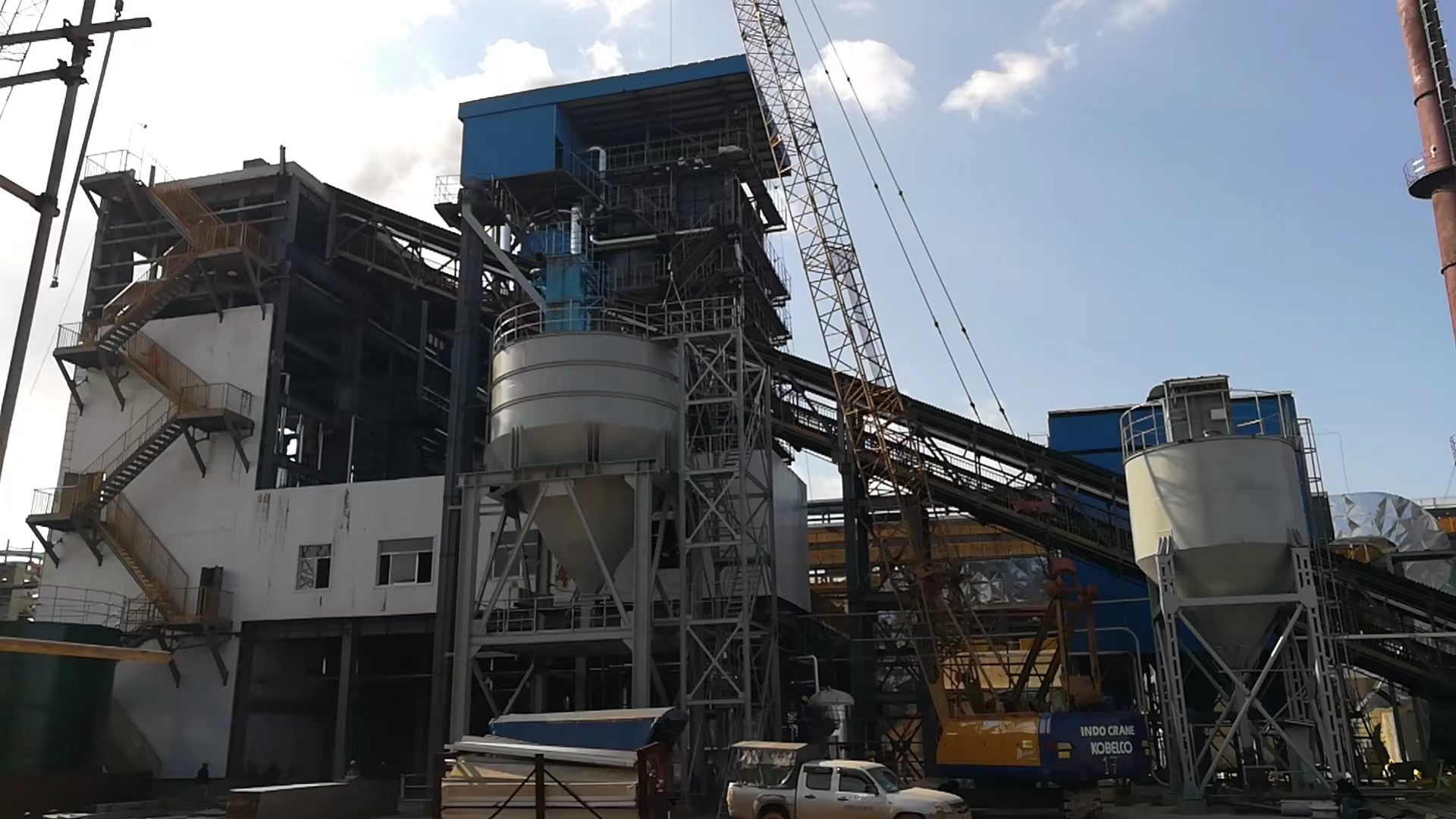
Industrial steam boilers are widely used across manufacturing, processing, and energy industries, but their popularity is not determined by technology alone. In real-world decision-making, two factors consistently dominate: cost and efficiency. These two forces often pull in opposite directions, forcing industries to choose between lower upfront investment and higher long-term savings. Understanding this trade-off is essential for selecting the right boiler type and explaining why different systems dominate different industrial sectors.
Cost and efficiency affect industrial steam boiler popularity by shaping initial investment decisions, long-term operating expenses, fuel consumption, return on investment, and lifecycle performance. Fire-tube boilers dominate cost-sensitive industries, while water-tube boilers dominate efficiency-driven, high-capacity industrial applications.
💰 Cost as the Primary Driver of Boiler Adoption
Cost is usually the first and most influential factor in industrial boiler selection. Even highly efficient systems may be rejected if the initial investment is too high for the business model.
🔑 Key Cost Components in Boiler Selection
Industrial decision-makers evaluate cost across multiple layers rather than focusing only on purchase price:
- 🏭 Equipment purchase cost
- 🔧 Installation and infrastructure requirements
- ⚙ Auxiliary systems (pumps, piping, controls)
- 👨🔧 Operator training and staffing
- 🛠 Maintenance and spare parts costs
- 📦 Downtime-related operational losses
🔄 Cost Decision Flow
💰 Low Budget Available → Simpler System Required → Fire-Tube Boiler Preferred
💰💰 High Budget Available → Performance Priority → Water-Tube Boiler Considered
This simple flow explains why fire-tube boilers dominate small and medium industries globally.
📊 Table 1: Cost Structure Comparison
| Cost Factor | Fire-Tube Boilers | Water-Tube Boilers |
|---|---|---|
| Initial Investment | 💰 Low | 💰💰 High |
| Installation Cost | 💰 Moderate | 💰💰 High |
| Maintenance Cost | 💰 Low | 💰💰 Moderate-High |
| Operator Skill Needed | Low | High |
| Lifecycle Cost | Moderate | Efficient long-term |
👉 Key Insight: Lower upfront cost strongly increases fire-tube boiler popularity in cost-sensitive markets.
⚡ Efficiency as a Long-Term Value Driver
While cost influences purchase decisions, efficiency determines long-term operational success and profitability.
🔑 What Efficiency Means in Industrial Boilers
Efficiency refers to how effectively a boiler converts fuel into usable steam energy. It includes:
- 🔥 Fuel combustion efficiency
- 🌡 Heat transfer effectiveness
- 💨 Reduction of energy losses
- ⚙ Stable steam output under varying loads
🔄 Efficiency Value Chain
⚡ Higher Efficiency → Lower Fuel Consumption → Reduced Operating Cost → Higher ROI → Stronger Long-Term Adoption
Even if initial investment is higher, efficient systems reduce total lifecycle costs significantly.
📊 Table 2: Efficiency Impact on Operational Economics
| Efficiency Level | Fuel Usage | Operating Cost | Market Popularity Impact |
|---|---|---|---|
| Low Efficiency | High | High | Low |
| Medium Efficiency | Moderate | Moderate | Medium |
| High Efficiency | Low | Low | High (long-term) |
👉 Key Insight: Water-tube boilers often gain popularity in industries where long-term efficiency outweighs upfront cost.
🔥 Fire-Tube vs Water-Tube: Cost vs Efficiency Trade-Off
The competition between boiler types is not direct—it is defined by how industries balance cost and efficiency priorities.
🔄 Decision Path Comparison
🔥 Fire-Tube Path:
💰 Low Cost Priority → ⚙ Moderate Efficiency Acceptable → 🏭 Stable Demand → High Popularity in SMEs
💧 Water-Tube Path:
⚡ High Efficiency Priority → 🏭 High Capacity Requirement → 📈 Long-Term ROI Focus → High Popularity in Heavy Industry
🏭 Industry Behavior Based on Cost-Efficiency Balance
Different industries prioritize cost and efficiency differently depending on scale, complexity, and production demands.
🍞 Cost-Sensitive Industries (Fire-Tube Dominant)
Industries in this category prioritize affordability and operational simplicity over extreme efficiency.
- Food and beverage processing
- Textile manufacturing
- Laundry and hospitality services
- Small manufacturing workshops
💡 Key priorities:
- Lower capital investment
- Easy operation and maintenance
- Predictable operating costs
➡ Result: Fire-tube boilers become the dominant choice.
⚡ Efficiency-Driven Industries (Water-Tube Dominant)
Large-scale industries prioritize performance, pressure capability, and energy optimization.
- Power generation plants
- Petrochemical refineries
- Chemical production facilities
- Large-scale industrial complexes
💡 Key priorities:
- Maximum energy efficiency
- High-pressure steam output
- Continuous 24/7 operation
- Load flexibility
➡ Result: Water-tube boilers dominate despite higher cost.
📊 Table 3: Industry Preference Summary
| Industry Sector | Cost Priority | Efficiency Priority | Dominant Boiler Type |
|---|---|---|---|
| Food Processing | High | Medium | Fire-Tube |
| Textile Industry | High | Medium | Fire-Tube |
| Laundry Services | Very High | Low-Medium | Fire-Tube |
| Light Manufacturing | High | Medium | Fire-Tube |
| Power Generation | Low | Very High | Water-Tube |
| Petrochemical Plants | Medium | Very High | Water-Tube |
| Chemical Industry | Medium | High | Water-Tube |
🔁 ROI: The Hidden Bridge Between Cost and Efficiency
Return on investment (ROI) connects cost and efficiency into a single decision framework.
🔄 ROI Logic Flow
💰 Low Cost + Moderate Efficiency → ⚡ Fast Payback (Fire-Tube)
💰💰 High Cost + High Efficiency → 📈 Long-Term Savings (Water-Tube)
📊 ROI Decision Chain
Initial Cost → Fuel Efficiency → Maintenance Cost → Energy Savings → Payback Period → Boiler Popularity
👉 This is why both boiler types coexist rather than one replacing the other.
🌱 Real-World Industrial Example
A diversified industrial zone evaluated boiler options for two facilities:
🔹 Food Processing Unit
- Budget-sensitive operation
- Stable steam demand
✔ Selected fire-tube boiler
✔ Outcome: low investment, easy operation, fast deployment
🔹 Chemical & Energy Unit
- High steam demand
- Continuous production
✔ Selected water-tube boiler
✔ Outcome: high efficiency, reduced fuel cost, stable long-term operation
👉 Result: each system succeeded because it matched its cost-efficiency profile.
🔮 Future Trend: Cost-Efficiency Convergence
Technology is gradually reducing the trade-off between cost and efficiency.
📈 Key Emerging Trends
- 🤖 AI-based combustion optimization reducing fuel waste
- ⚙ Modular boiler designs lowering installation costs
- 🌱 Low-emission systems improving efficiency compliance
- 🔥 Hybrid boilers balancing performance and affordability
👉 Future boilers will increasingly combine low cost + high efficiency, reshaping traditional popularity patterns.
🧭 Summary
Cost and efficiency are the two most powerful forces shaping industrial steam boiler popularity. Cost drives short-term adoption, making fire-tube boilers dominant in small and medium industries due to their affordability and simplicity. Efficiency drives long-term adoption, making water-tube boilers the preferred choice in large-scale, high-demand industries where performance and fuel savings are critical. Together, these two factors create a balanced industrial ecosystem where both boiler types remain essential, each optimized for different operational realities.
What Should You Consider When Choosing the Most Suitable Industrial Steam Boiler?
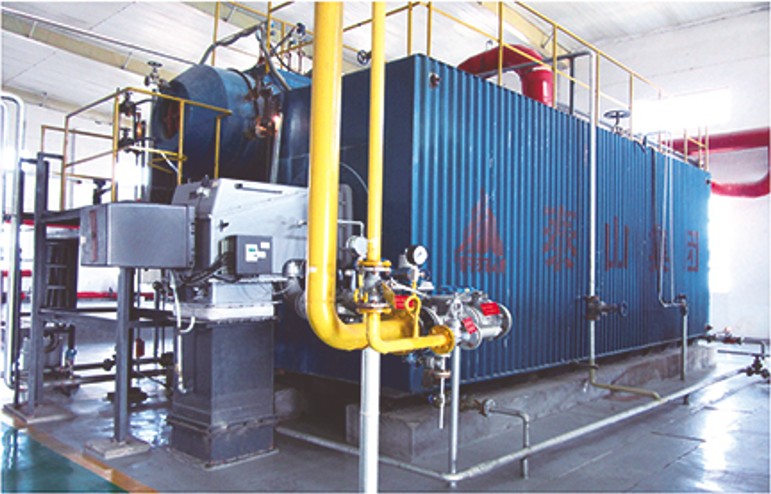
Selecting the most suitable industrial steam boiler is a strategic engineering and financial decision rather than a simple equipment purchase. A wrong choice can lead to excessive fuel consumption, unstable steam supply, high maintenance costs, or even production downtime. Because boilers are long-term assets that often operate for decades, the selection process must carefully balance technical requirements, operational conditions, and lifecycle economics.
Choosing the most suitable industrial steam boiler requires evaluating steam demand, operating pressure, fuel type, efficiency, cost (initial and lifecycle), maintenance complexity, safety requirements, environmental compliance, and future scalability. The right combination ensures optimal performance, reliability, and long-term cost efficiency.
⚙️ Steam Demand and Capacity Requirements
The first and most important factor is how much steam your operation actually needs. Oversizing or undersizing a boiler directly affects efficiency and cost.
🔑 Key Considerations
- 🔥 Total steam load (kg/h or tons/hour)
- ⏱ Peak vs average demand fluctuations
- 🔄 Continuous or intermittent operation
- 🏭 Number of production lines using steam
🔄 Capacity Decision Flow
Low Demand → Compact Fire-Tube Boiler
Medium Demand → Optimized Fire-Tube or Small Water-Tube
High Demand → Water-Tube Boiler System
👉 Matching capacity correctly avoids energy waste and system instability.
💨 Operating Pressure and Temperature Requirements
Different industries require different steam pressure levels depending on their processes.
🔑 Pressure Classification
- Low pressure: heating, cleaning, food processing
- Medium pressure: textiles, small manufacturing
- High pressure: petrochemical, power generation
📊 Table 1: Pressure vs Boiler Suitability
| Pressure Level | Typical Use Case | Suitable Boiler Type |
|---|---|---|
| Low Pressure | Food, laundry | Fire-Tube |
| Medium Pressure | Textile, packaging | Fire-Tube / Water-Tube |
| High Pressure | Power, chemical industry | Water-Tube |
👉 Higher pressure requirements generally push selection toward water-tube boilers.
🔥 Fuel Type and Availability
Fuel choice significantly affects both efficiency and operating cost.
🔑 Common Fuel Options
- Natural gas
- Diesel or heavy oil
- Coal (in some regions)
- Biomass fuels
- Waste heat recovery systems
🔄 Fuel Selection Flow
Available Fuel → Combustion Compatibility → Efficiency Level → Boiler Selection
👉 Boilers must be compatible with local fuel availability to avoid cost escalation.
⚡ Efficiency and Energy Performance
Efficiency determines long-term operational cost and environmental impact.
🔑 Efficiency Factors
- 🔥 Combustion efficiency
- 🌡 Heat transfer effectiveness
- 💨 Flue gas heat recovery
- ⚙ Load adaptability
📊 Table 2: Efficiency Impact Overview
| Efficiency Level | Fuel Cost Impact | Long-Term ROI |
|---|---|---|
| Low Efficiency | High | Poor |
| Medium Efficiency | Moderate | Balanced |
| High Efficiency | Low | Excellent |
👉 Water-tube boilers typically lead in efficiency for large-scale operations.
💰 Initial Investment vs Lifecycle Cost
Cost evaluation should include both upfront and long-term expenses.
🔑 Cost Breakdown
- 🏭 Equipment purchase cost
- 🔧 Installation infrastructure
- 🛠 Maintenance and repair costs
- ⚡ Fuel consumption over lifetime
- 📉 Downtime-related losses
🔄 Cost Decision Logic
Low Budget → Fire-Tube Boiler
Long-Term Optimization → Water-Tube Boiler
👉 Smart selection focuses on total lifecycle cost, not just purchase price.
🛠 Maintenance Complexity and Operational Skill
Ease of maintenance directly affects operational reliability.
🔑 Key Considerations
- Frequency of inspections
- Availability of spare parts
- Required operator skill level
- Ease of cleaning and servicing
📊 Table 3: Maintenance Comparison
| Factor | Fire-Tube Boiler | Water-Tube Boiler |
|---|---|---|
| Maintenance Frequency | Low | Medium-High |
| Skill Requirement | Low | High |
| Downtime Risk | Low | Medium |
| Service Complexity | Simple | Complex |
👉 Fire-tube boilers are easier to manage, especially for smaller facilities.
🧯 Safety and Operational Risk
Safety is a critical factor in industrial environments.
🔑 Safety Considerations
- Operating pressure level
- Risk of tube failure
- Water level control system
- Emergency shutdown mechanisms
🔄 Safety Logic Flow
Lower Pressure → Lower Risk → Fire-Tube Preference
Higher Pressure → Advanced Safety Systems → Water-Tube Requirement
👉 Safety standards often dictate boiler classification in regulated industries.
🌱 Environmental Compliance and Emissions
Modern industries must comply with strict environmental regulations.
🔑 Emission Factors
- NOx emissions
- CO levels
- Particulate matter
- Carbon footprint
📊 Environmental Impact Table
| Boiler Type | Emission Control Capability | Regulatory Suitability |
|---|---|---|
| Fire-Tube | Moderate | Standard compliance |
| Water-Tube | High | Strict regulations ready |
👉 Water-tube systems are better suited for future environmental standards.
📈 Future Expansion and Scalability
Boiler selection should consider long-term business growth.
🔑 Scalability Factors
- Expansion of production capacity
- Integration with new systems
- Upgrade potential
- Modular design capability
🔄 Growth Planning Flow
Small Scale → Fire-Tube
Expected Expansion → Water-Tube
👉 Choosing a scalable system avoids costly replacements later.
🧭 Summary
Selecting the most suitable industrial steam boiler requires a balanced evaluation of steam demand, pressure requirements, fuel availability, efficiency, cost, maintenance complexity, safety, environmental compliance, and future scalability. Fire-tube boilers are ideal for smaller, cost-sensitive, and stable operations, while water-tube boilers are better suited for high-pressure, large-scale, and efficiency-driven industries. A well-informed selection ensures long-term operational stability, optimized energy usage, and maximum return on investment.
Conclusion
Fire-tube boilers remain the most popular industrial steam boiler type due to their affordability, simplicity, and ease of maintenance, making them ideal for many general industrial applications. Meanwhile, water-tube boilers are the preferred choice for large-scale, high-pressure operations where performance and efficiency are critical. The best option ultimately depends on your specific operational requirements and long-term goals.
If you are unsure which type of industrial steam boiler is best for your application, contact us today. Our experts can help you evaluate your needs and provide customized solutions to ensure maximum efficiency, reliability, and return on investment.
FAQ
Q1: What is the most popular type of industrial steam boiler?
A1:
The most popular type of industrial steam boiler is the fire-tube boiler, especially in small to medium-scale industrial applications. Fire-tube boilers are widely used due to their simple design, cost-effectiveness, and ease of operation. In this type of boiler, hot combustion gases pass through tubes that are surrounded by water, transferring heat to generate steam.
Fire-tube boilers are particularly popular in industries such as food processing, textiles, and small manufacturing facilities where moderate steam demand is required. Their compact design makes them easy to install and maintain, and they typically have lower initial costs compared to more complex boiler types.
However, in large-scale industrial operations such as power plants and heavy manufacturing, water-tube boilers are more popular. These boilers can handle higher pressures and temperatures, making them suitable for high-capacity steam generation.
In summary, fire-tube boilers are the most popular overall due to their affordability and simplicity, while water-tube boilers dominate in large-scale, high-performance applications.
Q2: Why are fire-tube boilers so widely used in industry?
A2:
Fire-tube boilers are widely used in industry because of their simplicity, reliability, and cost efficiency. Their design is straightforward, with fewer components compared to other boiler types, which makes them easier to operate and maintain.
One of the main advantages of fire-tube boilers is their lower initial cost. This makes them an attractive option for small and medium-sized businesses that require steam for processes such as heating, cleaning, or production.
They are also relatively easy to install and require less complex infrastructure. Their compact size allows them to fit into smaller spaces, which is beneficial for facilities with limited room.
Fire-tube boilers are known for their stable operation and ability to handle load fluctuations effectively. This makes them suitable for applications with varying steam demand.
Additionally, maintenance is generally simpler and less expensive compared to more complex systems. Routine tasks such as cleaning and inspection can be performed without specialized equipment.
In conclusion, fire-tube boilers are popular because they offer a balance of affordability, simplicity, reliability, and ease of maintenance, making them ideal for many industrial applications.
Q3: How do water-tube boilers compare in popularity?
A3:
Water-tube boilers are highly popular in large-scale industrial and power generation applications, although they are less commonly used in smaller facilities compared to fire-tube boilers. Their design, where water flows through tubes heated by combustion gases, allows them to operate at much higher pressures and temperatures.
This capability makes water-tube boilers essential in industries that require large volumes of steam, such as power plants, chemical processing, and heavy manufacturing. Their ability to generate high-pressure steam efficiently makes them indispensable for these applications.
While water-tube boilers offer superior performance, they are more complex and expensive than fire-tube boilers. They require more advanced operation and maintenance, as well as higher initial investment.
Despite these challenges, their efficiency, capacity, and durability make them the preferred choice for high-demand applications.
In summary, water-tube boilers are extremely popular in large-scale industries, while fire-tube boilers dominate in smaller and medium-scale applications.
Q4: Are there other popular types of industrial steam boilers?
A4:
Yes, in addition to fire-tube and water-tube boilers, there are several other types of industrial steam boilers that are popular in specific applications. Electric boilers, for example, are used in industries where clean energy and low emissions are priorities. They are particularly common in facilities with access to reliable electricity and strict environmental regulations.
Biomass boilers are another growing category. These boilers use renewable fuels such as wood chips or agricultural waste, making them an environmentally friendly option. They are increasingly popular in industries looking to reduce their carbon footprint.
Fluidized bed boilers are also widely used in large-scale applications. These boilers offer efficient combustion and can handle a wide range of fuels, including low-quality fuels and waste materials.
Waste heat recovery boilers are used to capture and reuse heat from industrial processes, improving overall energy efficiency.
Each of these boiler types serves specific needs, and their popularity depends on factors such as fuel availability, environmental requirements, and operational scale.
In summary, while fire-tube and water-tube boilers are the most common, other types are gaining popularity in niche and environmentally focused applications.
Q5: How do you choose the right type of industrial steam boiler?
A5:
Choosing the right type of industrial steam boiler depends on several factors, including steam demand, operating conditions, fuel availability, and budget. The first step is to determine the required steam capacity and pressure. High-demand applications may require water-tube boilers, while lower-demand applications can be effectively served by fire-tube boilers.
Fuel type is another important consideration. Availability and cost of fuel, such as natural gas, oil, coal, or biomass, will influence the choice of boiler.
Efficiency requirements also play a role. Boilers with higher efficiency may have higher initial costs but can provide long-term savings through reduced fuel consumption.
Space constraints and installation requirements should also be considered. Compact boilers may be necessary for facilities with limited space.
Maintenance and operational complexity are additional factors. Simpler systems may be preferred for facilities with limited technical expertise.
Environmental regulations may also influence the decision, particularly in regions with strict emission standards.
In conclusion, selecting the right boiler involves balancing capacity, cost, efficiency, fuel type, space, and regulatory requirements to meet specific industrial needs.
References
- Steam Boiler Types Overview – https://www.energy.gov/eere/amo/steam-systems – U.S. Department of Energy
- Fire-Tube vs Water-Tube Boilers – https://www.spiraxsarco.com – Spirax Sarco
- Industrial Boiler Applications – https://www.engineeringtoolbox.com – Engineering Toolbox
- Boiler Efficiency and Selection – https://www.tlv.com – TLV International
- Biomass Boiler Systems – https://www.worldbioenergy.org – World Bioenergy Association
- Electric Boiler Technology – https://www.ashrae.org – ASHRAE
- Waste Heat Recovery Boilers – https://www.iea.org – International Energy Agency
- Fluidized Bed Combustion – https://www.sciencedirect.com – ScienceDirect
- Industrial Energy Systems – https://www.irena.org – IRENA
- Boiler Design Fundamentals – https://www.ge.com/power – General Electric
Most Popular Industrial Steam Boiler Types Explained Read More »