
Can Industrial Boilers Be Customized for Environment?
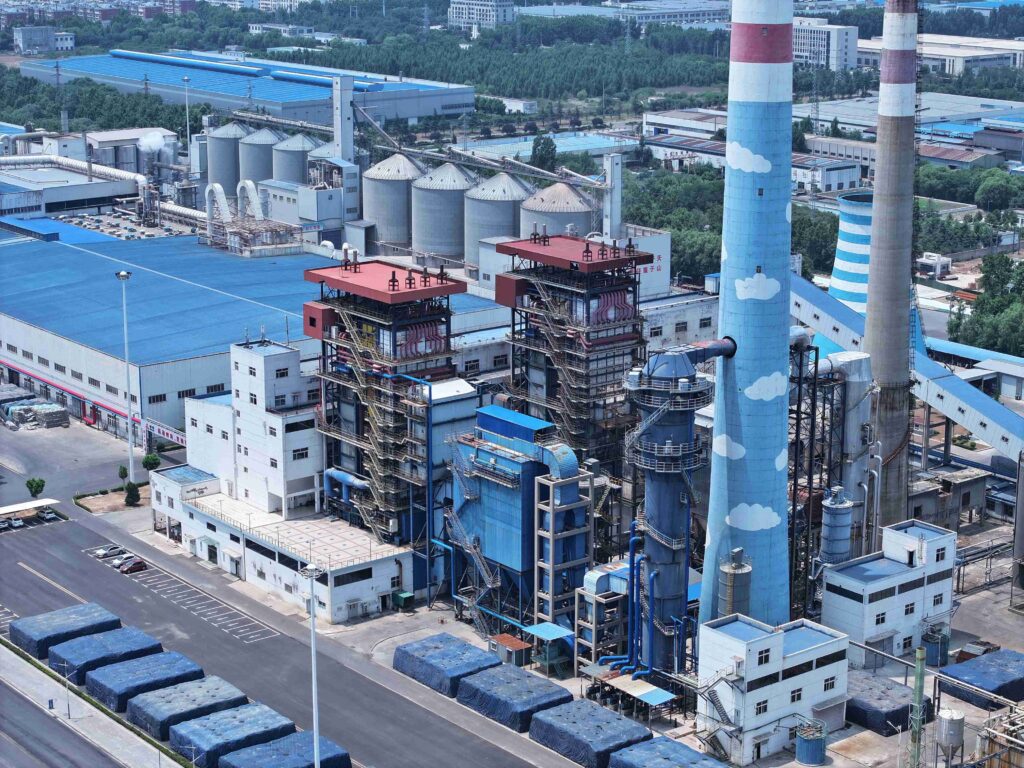
Operating industrial boilers in challenging environments—such as high altitudes, extreme temperatures, or regions with strict emission regulations—can significantly impact performance, efficiency, and compliance. Many standard boiler designs fail to account for reduced oxygen levels, temperature fluctuations, or local environmental laws, leading to incomplete combustion, higher fuel consumption, and potential regulatory penalties. Without proper customization, businesses may face operational inefficiencies and costly retrofits.
Yes, industrial boilers can be fully customized for altitude, ambient temperature, and local emission standards. Adjustments include modified burner design for oxygen levels at high altitudes, insulation and material enhancements for extreme temperatures, and advanced emission control systems (such as low-NOx burners, flue gas recirculation, and scrubbers) to meet regional environmental regulations. These customizations ensure optimal performance, safety, and compliance under specific operating conditions.
To ensure your boiler system performs reliably in any environment, it is important to understand the specific customization options available and how they address different operational challenges.
How Are Industrial Boilers Customized for High-Altitude Conditions?
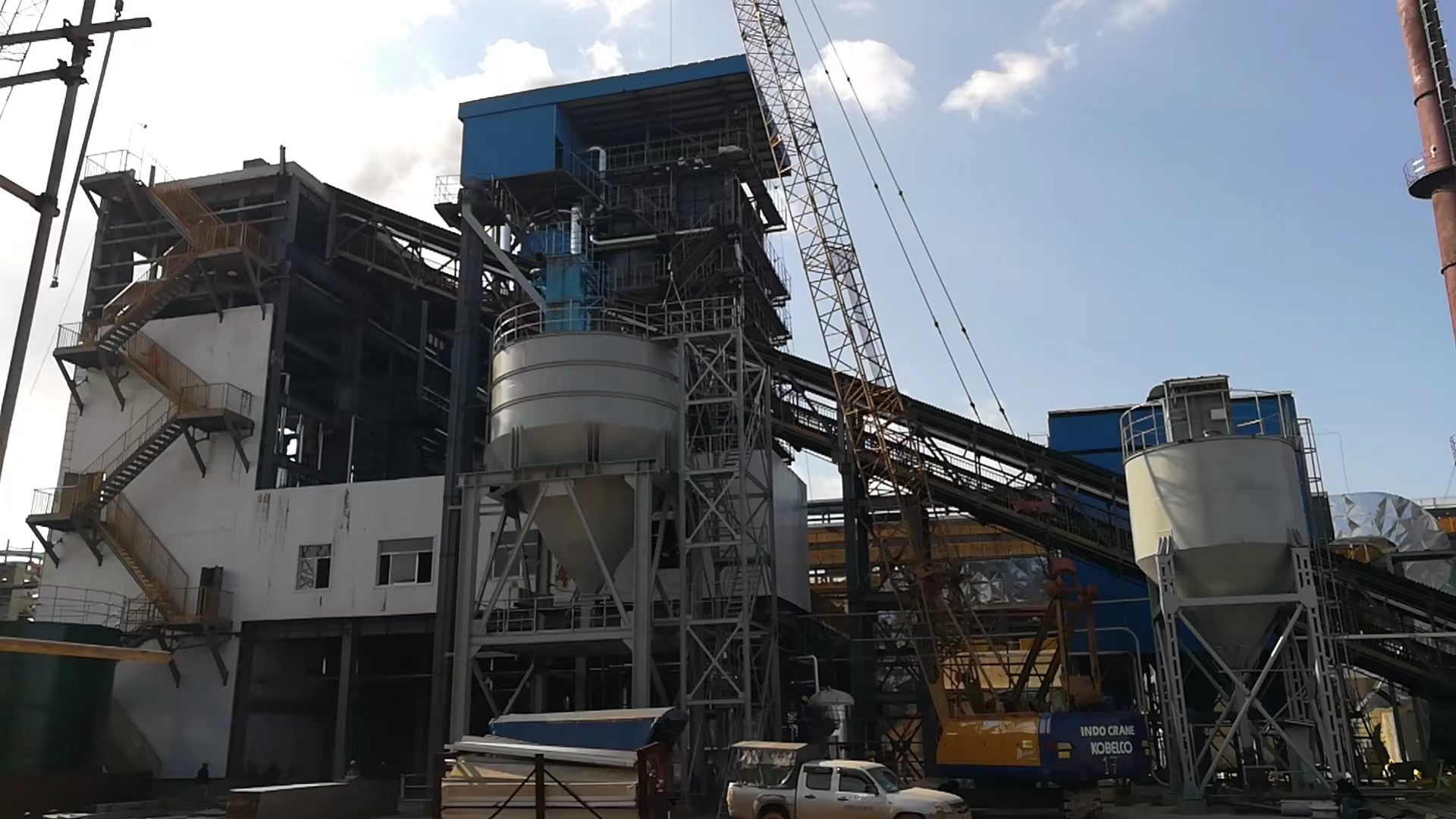
Operating industrial boilers at high altitudes introduces a set of engineering challenges that many facilities underestimate until performance issues arise. Reduced atmospheric pressure, lower oxygen concentration, and colder ambient temperatures can severely impact combustion efficiency, heat transfer, and system safety. If these factors are not properly addressed, operators may experience incomplete combustion, increased fuel consumption, unstable flame conditions, and even hazardous shutdowns. Fortunately, modern boiler engineering offers a range of customization strategies specifically designed to adapt boilers for high-altitude environments, ensuring reliable, efficient, and safe operation.
Industrial boilers are customized for high-altitude conditions by optimizing combustion systems for low oxygen levels, adjusting air-to-fuel ratios, increasing fan capacity, enhancing insulation, recalibrating control systems, and selecting materials suited for lower pressure and temperature extremes. These modifications ensure efficient fuel burning, stable operation, and compliance with safety and emission standards even in reduced atmospheric pressure environments.
Understanding these modifications in depth is essential for plant engineers, procurement managers, and system designers who aim to maintain operational efficiency in challenging terrains. The following sections provide a comprehensive, technical, and practical guide to how industrial boilers are engineered for high-altitude performance.
Boilers designed for sea level can operate efficiently at high altitudes without modification.False
Reduced oxygen and air pressure at high altitudes significantly affect combustion, requiring system adjustments for proper performance.
Understanding the Impact of High Altitude on Boiler Performance
At elevations above 1,000 meters (3,280 feet), atmospheric pressure begins to drop noticeably, directly affecting combustion dynamics. Oxygen availability decreases, which means that the same volume of air contains fewer oxygen molecules necessary for fuel combustion. This leads to inefficient burning if the boiler is not recalibrated.
Additionally, air density decreases, which impacts fan performance and airflow rates. Boilers rely heavily on forced or induced draft fans to maintain proper combustion. At high altitudes, these fans must work harder or be redesigned to deliver sufficient air volume.
Another critical factor is heat transfer efficiency. Lower air density reduces convective heat transfer rates, meaning that heat exchange surfaces must be optimized or expanded to maintain efficiency.
Key Environmental Differences by Altitude
| Altitude (m) | Atmospheric Pressure (kPa) | Oxygen Content (%) | Air Density (kg/m³) | Impact on Boilers |
|---|---|---|---|---|
| Sea Level | 101.3 | 21 | 1.225 | Standard operation |
| 1,500 | 84.0 | ~17.5 | 1.056 | Slight efficiency loss |
| 3,000 | 70.1 | ~14.5 | 0.909 | Major combustion adjustments needed |
| 5,000 | 54.0 | ~11 | 0.736 | Specialized boiler design required |
Combustion System Customization
Air-to-Fuel Ratio Optimization
One of the most critical adjustments is recalibrating the air-to-fuel ratio. At high altitude, more air volume is required to supply the same amount of oxygen.
Engineers typically:
- Increase excess air levels
- Adjust burner nozzles
- Modify fuel injection pressure
High-Performance Burners
Burners are redesigned to:
- Improve flame stability
- Enhance mixing of air and fuel
- Prevent flameouts due to low oxygen
Advanced burners often include swirl stabilization technology to maintain consistent combustion.
Fan and Air Supply System Enhancements
Fans must compensate for lower air density by delivering higher volumetric flow rates.
| Parameter | Sea Level Fan | High-Altitude Fan |
|---|---|---|
| Airflow Rate | Standard | Increased (10–30%) |
| Motor Power | Baseline | Higher capacity |
| Blade Design | Standard | Optimized for low density |
| Efficiency | High | Slightly reduced without optimization |
Engineers may:
- Use larger fans
- Increase motor power
- Optimize blade angles for thin air
Control System Recalibration
Modern boilers rely on automated control systems. At high altitude, sensors and algorithms must be recalibrated to reflect different environmental baselines.
Key adjustments include:
- Oxygen sensor recalibration
- Pressure sensor adjustments
- Adaptive combustion control algorithms
Smart systems may use real-time feedback to continuously optimize combustion.
Heat Transfer Optimization
Due to reduced convective heat transfer:
- Heat exchanger surfaces are increased
- Fin designs are enhanced
- Flow paths are optimized
This ensures that even with thinner air, sufficient heat is transferred to the working fluid.
Insulation and Thermal Management
High-altitude environments often have lower ambient temperatures. Without proper insulation:
- Heat loss increases
- Efficiency drops
- Risk of freezing rises
Enhanced insulation materials and thicker lagging are commonly used.
Material Selection and Structural Considerations
Lower atmospheric pressure and temperature fluctuations require:
- Materials with higher مقاومت to thermal stress
- Anti-corrosion coatings
- Flexible expansion joints
Emission Control Adjustments
Incomplete combustion at high altitude can increase emissions such as CO and NOx.
Solutions include:
- Advanced flue gas recirculation (FGR)
- Low-NOx burners
- Continuous emission monitoring systems (CEMS)
Real-World Case Study: Boiler Installation at 3,500 Meters
A mining facility operating at 3,500 meters experienced:
- 18% efficiency loss
- Frequent flame instability
- High CO emissions
After customization:
- Fan capacity increased by 25%
- Burner redesigned for low oxygen
- Control system upgraded
Results:
- Efficiency restored to 92%
- Emissions reduced by 30%
- Operational stability achieved
Design Modification Summary Table
| Component | Standard Design | High-Altitude Customization |
|---|---|---|
| Burner | Standard flame | Low-oxygen optimized |
| Fans | Normal capacity | High-capacity, optimized blades |
| Controls | Fixed calibration | Adaptive, altitude-specific |
| Heat Exchangers | Standard | Enlarged surfaces |
| Insulation | Basic | Enhanced thermal protection |
| Materials | Standard steel | مقاوم to stress & corrosion |
Engineering Best Practices
- Conduct altitude-specific feasibility studies
- Use CFD (Computational Fluid Dynamics) simulations
- Implement modular design for flexibility
- Perform on-site commissioning adjustments
Common Mistakes to Avoid
- Ignoring altitude during procurement
- Using sea-level calibration settings
- Underestimating fan requirements
- Neglecting emission compliance
Economic Considerations
Although customization increases initial cost by 10–25%, it:
- Reduces fuel consumption
- Minimizes downtime
- Extends equipment lifespan
Future Trends in High-Altitude Boiler Design
- AI-driven combustion optimization
- IoT-enabled predictive maintenance
- Hybrid energy systems integration
- Ultra-low emission technologies
Final Thoughts
Customizing industrial boilers for high-altitude conditions is not optional—it is a necessity for ensuring operational efficiency, safety, and regulatory compliance. By addressing the unique environmental challenges through engineering innovation, businesses can achieve optimal performance even in the most demanding terrains.
What Design Modifications Are Needed for Extreme Ambient Temperatures in Industrial Boilers?
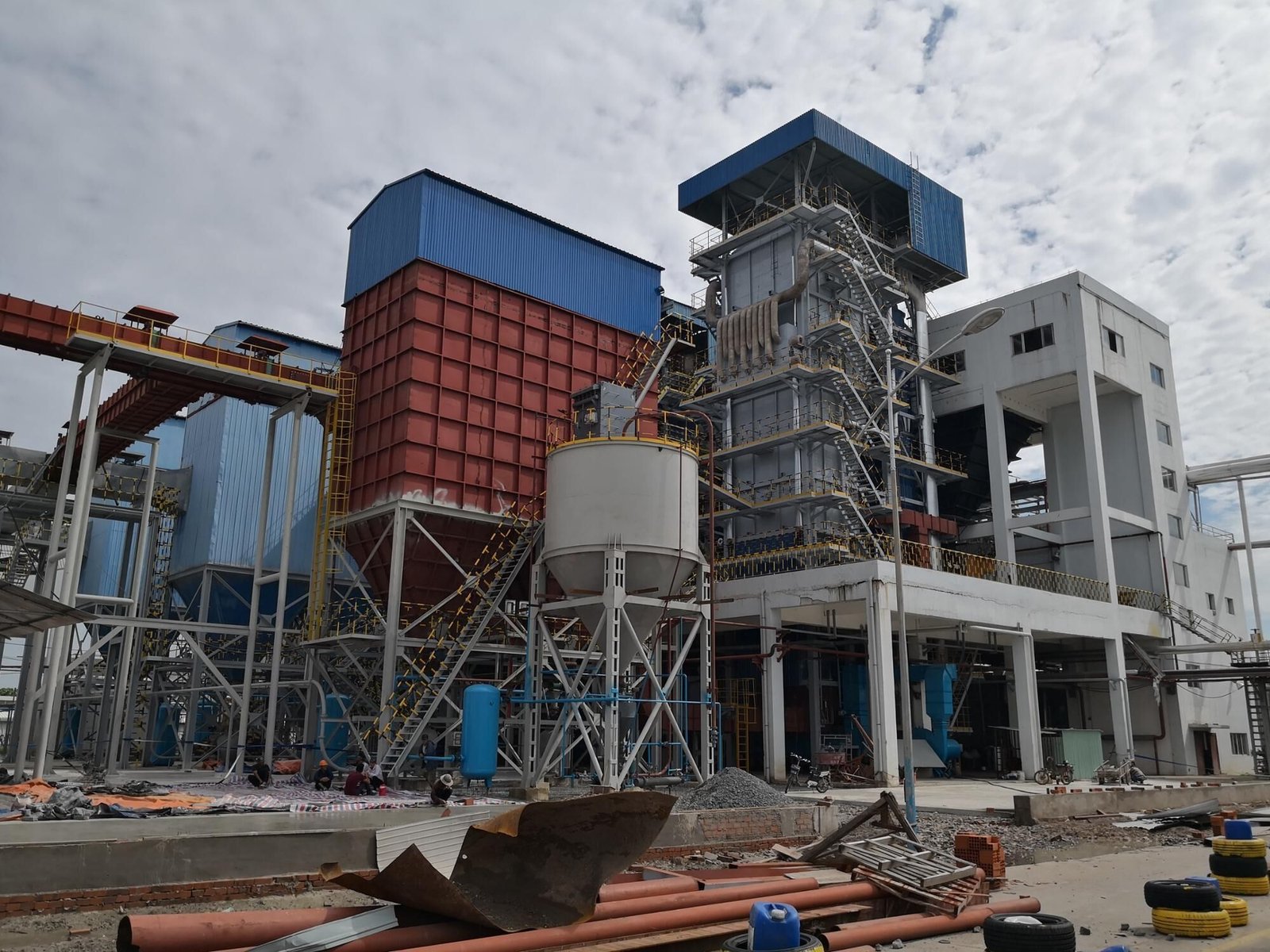
Industrial boilers operating in extreme ambient temperatures—whether in freezing arctic zones or scorching desert environments—face serious performance and reliability challenges that go far beyond standard design expectations. Without proper modifications, cold conditions can lead to frozen pipelines, brittle material failure, and startup delays, while high temperatures can cause overheating, reduced efficiency, and accelerated component degradation. These issues not only increase maintenance costs but also risk unplanned downtime and safety hazards. To ensure consistent and efficient operation, industrial boilers must be specifically engineered to withstand and adapt to these environmental extremes.
Industrial boilers designed for extreme ambient temperatures require specialized modifications including enhanced insulation systems, adaptive combustion control, temperature-resistant materials, expansion compensation structures, optimized cooling or heating systems, and environmental protection enclosures. These design changes ensure stable performance, energy efficiency, and long-term durability under both extremely low and high temperature conditions.
Understanding these engineering strategies is essential for industries such as oil & gas, mining, chemical processing, and power generation that operate in harsh climates. Let’s explore how advanced boiler design addresses these challenges effectively 🚀
Standard industrial boilers can operate safely in extreme temperatures without design changes.False
Extreme ambient temperatures significantly affect material properties, combustion efficiency, and system stability, requiring specialized design modifications.
🌡️ Understanding the Impact of Extreme Ambient Temperatures
Extreme temperatures influence nearly every aspect of boiler operation—from combustion efficiency to mechanical integrity.
❄️ Low Temperature Challenges
- Fuel viscosity increases, reducing combustion efficiency
- Water and pipes risk freezing
- Metal brittleness increases (risk of cracking)
- Startup time becomes longer
🔥 High Temperature Challenges
- Overheating of components
- Reduced air density affects combustion
- Thermal expansion causes structural stress
- Cooling systems become less effective
📊 Environmental Impact Comparison Table
| Factor | Extreme Cold (-40°C) ❄️ | Extreme Heat (+50°C) 🔥 |
|---|---|---|
| Air Density | Higher | Lower |
| Fuel Behavior | Thickened | Highly volatile |
| Material Stress | Brittle fracture risk | Thermal expansion |
| Efficiency Impact | Reduced startup efficiency | Reduced combustion efficiency |
| Maintenance Frequency | Increased | Increased |
🏗️ Core Design Modifications for Extreme Conditions
🧊 Enhanced Insulation Systems
In cold climates, insulation is critical to prevent heat loss and freezing.
Key upgrades include:
- Multi-layer thermal insulation
- Heat tracing systems (electric or steam)
- Insulated valves and pipe networks
In hot climates, insulation works differently—it protects internal systems from external heat gain.
🔥 Advanced Combustion Control Systems
Extreme temperatures disrupt combustion stability. Smart control systems adjust dynamically:
- Oxygen sensors adapt to air density changes
- Fuel flow automatically compensates for temperature effects
- AI-based combustion tuning improves efficiency
⚙️ Material Selection for Thermal Durability
Material performance changes drastically under extreme temperatures.
| Component | Cold Climate Material ❄️ | Hot Climate Material 🔥 |
|---|---|---|
| Pipes | Low-temperature carbon steel | Heat-resistant alloys |
| Seals | Flexible elastomers | High-temp graphite seals |
| Structure | مقاوم to brittleness | مقاوم to thermal creep |
🌀 Expansion and Contraction Compensation
Thermal expansion must be carefully managed:
- Expansion joints in piping systems
- Flexible supports
- Sliding structures to absorb movement
Without these, structural failure is likely over time.
💨 Airflow and Ventilation Optimization
Air properties change with temperature, requiring airflow redesign:
- Larger air intake systems for hot environments
- Controlled ventilation for cold climates
- Variable-speed fans for adaptive airflow
❄️ Anti-Freezing and Heating Systems
In extreme cold environments, auxiliary systems are essential:
- Preheating fuel systems
- Tank heaters
- Freeze protection sensors
🔥 Cooling Systems for High-Temperature Regions
In hot climates, cooling becomes critical:
- Forced ventilation systems
- Water or air cooling jackets
- Heat shields for sensitive components
🧱 Protective Enclosures and Housing
Boilers are often housed in specially designed enclosures:
- Climate-controlled boiler rooms
- Dust and sand protection (desert conditions)
- Wind barriers for arctic environments
📊 Design Modification Summary Table
| System | Cold Climate Solution ❄️ | Hot Climate Solution 🔥 |
|---|---|---|
| Insulation | Thick, multi-layer | Heat-reflective |
| Combustion | Preheated fuel-air mix | Airflow optimization |
| Materials | Low-temp مقاوم alloys | High-temp مقاوم alloys |
| Cooling/Heating | Heating systems | Cooling systems |
| Structure | Flexible ضد brittle | Expansion مقاوم design |
🧪 Real-World Case Study
A petrochemical plant operating in a desert region (ambient temperature exceeding 48°C) faced:
- Frequent overheating shutdowns
- Reduced efficiency by 12%
- High maintenance costs
After implementing:
- High-temperature alloys
- Advanced cooling systems
- Smart combustion controls
Results included:
- 15% efficiency improvement
- 40% reduction in downtime
- Extended equipment lifespan
⚠️ Common Engineering Mistakes
- ❌ Ignoring ambient temperature during design
- ❌ Using standard insulation materials
- ❌ Underestimating thermal expansion
- ❌ Lack of adaptive control systems
💰 Economic Impact of Proper Design
Although extreme-environment customization increases upfront costs by 15–30%, it significantly reduces:
- Fuel waste
- Maintenance frequency
- Equipment replacement costs
🚀 Future Innovations in Boiler Design
- AI-driven thermal management systems
- Smart sensors with predictive analytics
- Hybrid insulation materials
- Self-adjusting combustion technologies
🔚 Summary
Designing industrial boilers for extreme ambient temperatures requires a comprehensive engineering approach that integrates material science, thermodynamics, and intelligent control systems. Whether facing freezing arctic winds or intense desert heat, the right design modifications ensure safety, efficiency, and long-term reliability.
How Can Industrial Boilers Be Adapted to Meet Local Emission Standards?
Industrial facilities today face increasing pressure to comply with strict local emission standards, yet many boiler systems in operation were originally designed under outdated regulations. This mismatch often leads to excessive emissions of NOx, SO₂, CO, and particulate matter, exposing businesses to regulatory penalties, operational shutdowns, and reputational risks. Without proper adaptation, even high-performing boilers can become liabilities. The solution lies in integrating advanced emission control technologies, optimizing combustion processes, and implementing intelligent monitoring systems tailored to regional regulatory frameworks.
Industrial boilers can be adapted to meet local emission standards by upgrading combustion systems for cleaner burning, installing flue gas treatment technologies (such as SCR, FGD, and bag filters), optimizing fuel selection, implementing real-time emission monitoring systems, and recalibrating control strategies. These modifications ensure compliance with regional environmental regulations while improving efficiency and reducing operational risks.
To fully understand how to achieve compliance without sacrificing performance, it is essential to explore both the regulatory landscape and the engineering solutions available. The following in-depth analysis provides practical, technical, and field-proven guidance for adapting industrial boilers to meet diverse emission requirements 🌍
Installing a single emission control device is sufficient to meet all local boiler emission standards.False
Different pollutants require different control technologies, and compliance typically involves a combination of combustion optimization, fuel selection, and multiple emission control systems.
🌍 Understanding Local Emission Standards and Their Impact
Emission standards vary significantly by region, industry, and fuel type. Common regulated pollutants include:
- Nitrogen Oxides (NOx)
- Sulfur Dioxide (SO₂)
- Carbon Monoxide (CO)
- Particulate Matter (PM)
- Volatile Organic Compounds (VOCs)
📊 Typical Emission Limits by Region
| Region | NOx Limit (mg/Nm³) | SO₂ Limit (mg/Nm³) | PM Limit (mg/Nm³) |
|---|---|---|---|
| EU 🇪🇺 | 100–150 | 35–200 | 10–20 |
| USA 🇺🇸 | 70–150 | 30–180 | 10–15 |
| China 🇨🇳 | 50–100 | 35–100 | 5–10 |
| India 🇮🇳 | 100–300 | 100–600 | 30–50 |
These limits dictate the level of technology required for compliance.
🔥 Combustion Optimization: The First Line of Defense
Before adding external systems, improving combustion efficiency significantly reduces emissions at the source.
Key Techniques:
- Low-NOx burner design
- Flue Gas Recirculation (FGR)
- Staged combustion
- Precise air-to-fuel ratio control
Benefits include:
- Reduced NOx formation
- Improved fuel efficiency
- Lower CO emissions
⚙️ Flue Gas Treatment Technologies
To meet stricter standards, end-of-pipe solutions are essential.
🌫️ Selective Catalytic Reduction (SCR)
- Reduces NOx by up to 90%
- Uses ammonia or urea injection
- Requires catalyst beds
💧 Flue Gas Desulfurization (FGD)
- Removes SO₂ using wet or dry scrubbers
- Efficiency up to 95%
🧹 Particulate Control Systems
- Baghouse filters
- Electrostatic precipitators (ESP)
📊 Emission Control Technology Comparison
| Technology | Target Pollutant | Efficiency | Cost Level 💰 | Maintenance |
|---|---|---|---|---|
| SCR | NOx | 85–95% | High | Moderate |
| SNCR | NOx | 30–60% | Medium | Low |
| FGD | SO₂ | 90–98% | High | High |
| ESP | PM | 95–99% | Medium | Low |
| Bag Filter | PM | 99%+ | Medium | Moderate |
⛽ Fuel Switching and Optimization
Fuel choice has a direct impact on emissions.
| Fuel Type | Emission Profile | Recommendation |
|---|---|---|
| Coal | High SO₂ & PM | Requires full treatment systems |
| Oil | Moderate emissions | Needs desulfurization |
| Natural Gas | Low emissions | Preferred for compliance |
| Biomass | Variable | Needs particulate control |
Switching to cleaner fuels can reduce compliance burden significantly.
🧠 Smart Monitoring and Control Systems
Real-time monitoring ensures continuous compliance.
Key Systems:
- Continuous Emission Monitoring Systems (CEMS)
- IoT-based sensors
- AI-driven combustion optimization
Advantages:
- Immediate detection of emission spikes
- Automated adjustments
- Regulatory reporting compliance
🏗️ Boiler Retrofit vs. Replacement Strategy
| Strategy | Advantages | Limitations |
|---|---|---|
| Retrofit | Lower cost, faster implementation | Limited by existing design |
| Replacement | Full compliance, higher efficiency | High capital investment |
Decision depends on:
- Boiler age
- Regulatory gap
- Budget constraints
🧪 Case Study: Industrial Boiler Upgrade for Compliance
A manufacturing plant faced new regional limits:
- NOx reduced from 180 → 80 mg/Nm³
- PM reduced from 50 → 15 mg/Nm³
Solution implemented:
- Low-NOx burners
- SCR system
- Baghouse filter
- CEMS integration
Results:
- 95% compliance achieved
- Fuel savings of 10%
- ROI within 2.5 years
⚠️ Common Compliance Mistakes
- ❌ Relying only on end-of-pipe solutions
- ❌ Ignoring combustion optimization
- ❌ Underestimating maintenance needs
- ❌ Lack of continuous monitoring
💰 Cost vs. Benefit Analysis
While emission upgrades can increase capital costs by 20–40%, they deliver:
- Reduced regulatory risk
- Improved efficiency
- Enhanced corporate sustainability profile
🚀 Future Trends in Emission Control
- Carbon capture integration (CCUS)
- Hydrogen-ready boilers
- Ultra-low NOx combustion systems
- AI-based predictive emission control
🔚 Summary
Adapting industrial boilers to meet local emission standards requires a holistic engineering approach that combines combustion optimization, advanced treatment technologies, fuel strategy, and intelligent monitoring systems. By implementing these solutions, industries can not only achieve compliance but also enhance efficiency and sustainability.
What Role Do Burner and Combustion Adjustments Play in Boiler Customization?
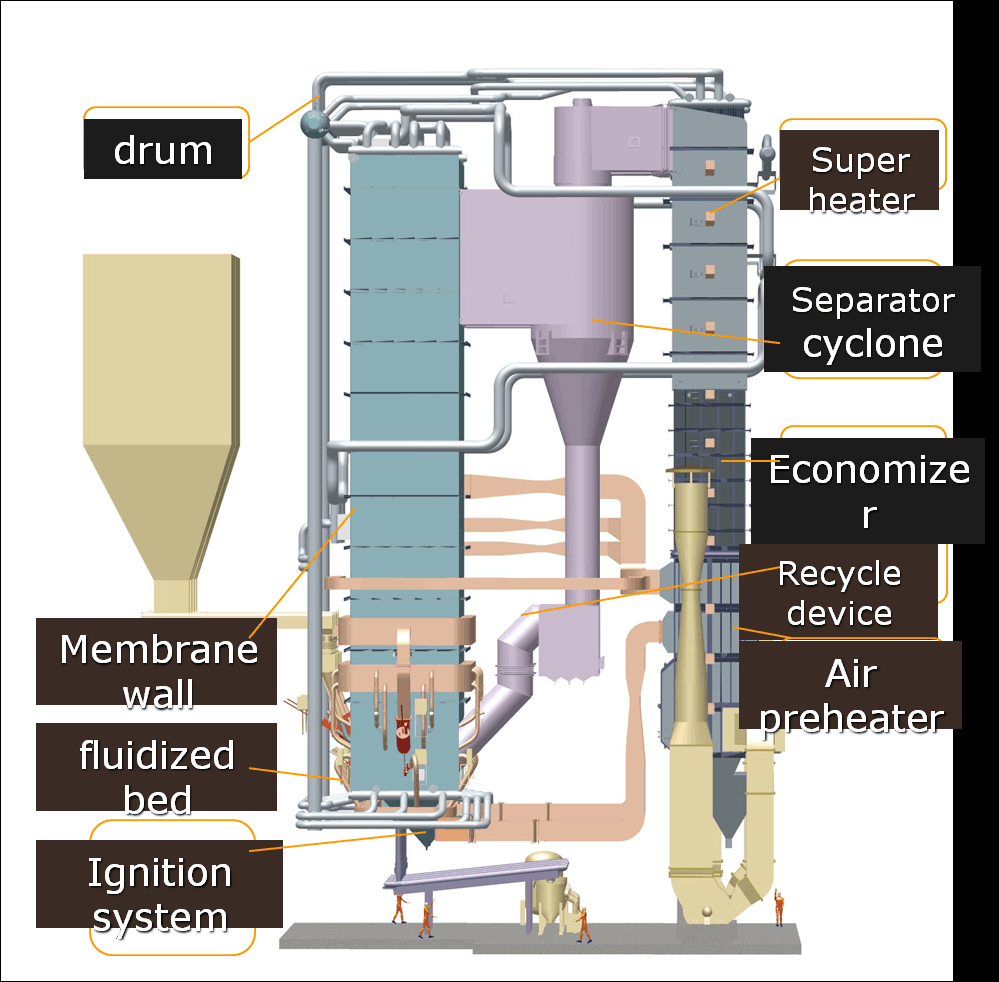
Industrial boilers are often expected to perform reliably across changing fuels, loads, and environmental conditions. However, many performance problems—such as excessive fuel consumption, unstable flame behavior, and non-compliance with emission regulations—originate not from the boiler itself, but from poorly tuned combustion systems. When burner settings are not properly adjusted, even a well-designed boiler can become inefficient, unsafe, or environmentally non-compliant. This is where burner and combustion customization becomes essential.
Burner and combustion adjustments play a critical role in boiler customization by optimizing air-to-fuel ratios, stabilizing flame performance, improving thermal efficiency, reducing emissions, and ensuring operational flexibility under varying load and environmental conditions. These adjustments effectively determine how cleanly and efficiently a boiler converts fuel into usable thermal energy.
Understanding this role is essential for engineers and operators aiming to maximize performance while meeting modern industrial and environmental demands 🔧🔥
Boiler customization mainly depends on external heat recovery systems rather than combustion adjustments.False
Combustion and burner tuning directly control how efficiently fuel is converted into heat, making it a foundational factor in boiler performance.
🔥 Why Burner and Combustion Adjustments Matter in Boiler Customization
Burner systems are the core energy conversion interface in any industrial boiler. If combustion is inefficient, downstream systems cannot fully compensate.
Key responsibilities include:
- Fuel atomization and mixing
- Flame stabilization
- Heat release control
- Emission formation control
👉 Even minor misalignment in combustion can cause:
- ↑ Fuel waste
- ↑ NOx/CO emissions
- ↓ Thermal efficiency
- ⚠️ Flame instability or shutdowns
⚙️ Air-to-Fuel Ratio Control: The Foundation of Efficient Combustion
One of the most important aspects of burner tuning is maintaining the correct air-to-fuel ratio (AFR).
📊 AFR Impact on Boiler Performance
| Condition | Result | Operational Effect |
|---|---|---|
| ❌ Too little air | Incomplete combustion | CO increases, soot formation |
| ✔ Balanced air | Optimal combustion | Maximum efficiency |
| ❌ Excess air | Heat dilution | Energy loss |
🔧 Key Optimization Methods:
- Oxygen trim control systems
- Variable speed combustion fans
- Automated damper adjustments
👉 Goal: Achieve complete combustion with minimum excess air
🔥 Flame Stability: Ensuring Safe and Continuous Operation
A stable flame is essential for uninterrupted boiler operation. Instability can lead to safety shutdowns.
🧠 Flame stability depends on:
- Fuel pressure consistency
- Air velocity and mixing quality
- Burner nozzle design
- Load fluctuations
⚠️ Common flame issues:
- Flame lift-off
- Flashback
- Flame oscillation
✔ Engineering solutions:
- Swirl burner designs
- Multi-stage combustion zones
- Flame detection sensors (UV/IR-based)
🌍 Emission Reduction Through Combustion Optimization
Burner tuning is one of the most effective source-level emission control strategies.
🔽 Key emission control techniques:
- Low-NOx burner technology
- Flue gas recirculation (FGR)
- Staged combustion (rich-lean zones)
- Oxygen-controlled combustion
📊 Emission Impact Comparison
| Method | NOx Reduction | Efficiency Impact |
|---|---|---|
| 🔥 Low-NOx burner | 40–70% | Minimal |
| 🌫 FGR system | 30–50% | Slight reduction |
| 🧠 Oxygen trim control | 10–25% efficiency gain | Positive |
👉 Insight: Cleaner combustion = lower treatment cost downstream
⚡ Load Flexibility and Adaptive Combustion Control
Industrial boilers rarely operate at constant load. Burner systems must adapt dynamically.
🔄 Load adaptation features:
- Modulating burners (0–100% control range)
- Multi-burner sequencing systems
- Automatic combustion recalibration
📌 Benefits:
- Stable operation at partial load
- Reduced fuel cycling losses
- Improved long-term efficiency
🧠 Smart Combustion Systems (Modern Boiler Intelligence)
Modern boiler systems integrate automation and AI to optimize combustion continuously.
🤖 Core technologies:
- Oxygen trim feedback loops
- Real-time flue gas monitoring (CEMS)
- AI-based combustion prediction models
- Digital twin simulation systems
📊 Smart control benefits:
| Feature | Operational Benefit |
|---|---|
| Real-time oxygen control | Prevents excess air loss |
| AI optimization | Reduces fuel consumption |
| Predictive tuning | Prevents instability events |
👉 Result: Self-adjusting combustion performance
⛽ Fuel Flexibility and Burner Adaptation
Different fuels require different combustion behavior adjustments.
🔥 Fuel-specific burner tuning:
| Fuel Type | Required Adjustment |
|---|---|
| Natural gas | Precise air modulation |
| Oil | Enhanced atomization |
| Coal | Staged combustion zones |
| Biomass | High variability tolerance |
👉 Without proper tuning, multi-fuel boilers lose efficiency and stability.
🏭 Real-World Case Study: Combustion Optimization in Industry
A large industrial plant faced:
- ⚠️ 15% fuel inefficiency
- ⚠️ High CO emission levels
- ⚠️ Frequent flame instability shutdowns
🔧 Implemented solutions:
- Low-NOx burner retrofit
- Oxygen trim control installation
- Fan VFD optimization
- Full combustion recalibration
📈 Results achieved:
- ✔ 12% fuel savings
- ✔ 60% NOx reduction
- ✔ Stable continuous operation
⚠️ Common Mistakes in Burner Adjustments
- ❌ Over-reliance on manual tuning
- ❌ Ignoring oxygen sensor calibration
- ❌ Excess air mismanagement
- ❌ Lack of load-based control strategy
👉 These mistakes often lead to hidden efficiency losses over time.
💰 Economic Impact of Proper Combustion Customization
Although burner upgrades may increase upfront costs by 10–20%, they deliver long-term benefits:
- 🔻 8–15% fuel savings
- 🔻 Reduced maintenance frequency
- 🔻 Lower emissions compliance costs
- 🔻 Extended equipment lifespan
👉 ROI is typically achieved within 1–3 years
🚀 Future Trends in Burner & Combustion Technology
- Hydrogen-ready burner systems
- AI-driven autonomous combustion control
- Ultra-low NOx flame technologies
- Digital twin-based predictive tuning
👉 The future is moving toward self-optimizing combustion systems
📌 Summary
Burner and combustion adjustments are the core intelligence layer of boiler customization. They determine how efficiently fuel is converted into heat, how stable the flame remains under varying loads, and how well emissions are controlled to meet regulatory requirements.
✔ They improve efficiency
✔ They stabilize operation
✔ They reduce emissions
✔ They enable fuel flexibility
✔ They ensure compliance and safety
In modern industrial systems, no boiler can be truly optimized without precise combustion tuning 🔥⚙️
How Does Control System Optimization Improve Industrial Boiler Performance in Different Environments?
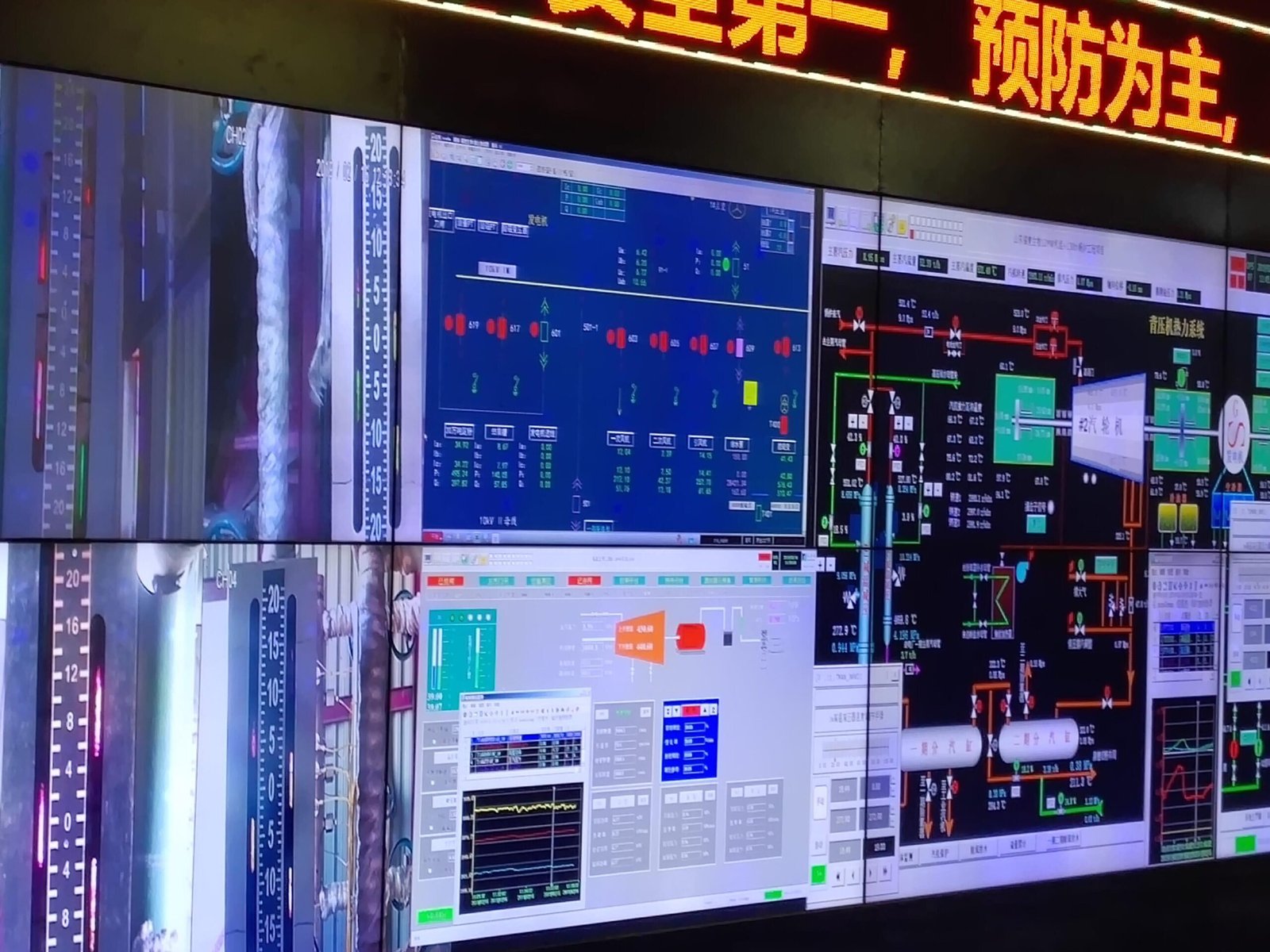
Industrial boilers are no longer purely mechanical systems—they are highly integrated cyber-physical platforms that rely heavily on control systems to maintain efficiency, safety, and compliance. When boilers operate in different environments such as high-altitude regions, extreme cold climates, humid coastal zones, or industrial areas with strict emission regulations, their performance can fluctuate significantly if control systems are not properly optimized. Without intelligent control adaptation, even advanced boiler hardware may fail to deliver stable combustion, efficient fuel usage, or consistent output.
Control system optimization improves industrial boiler performance by dynamically adjusting combustion parameters, regulating fuel-air ratios, stabilizing load fluctuations, compensating for environmental variations, and enabling real-time monitoring and predictive control. These optimizations ensure consistent efficiency, safety, and compliance across different operating environments.
In modern industrial engineering, the control system acts as the “brain” of the boiler—continuously interpreting sensor data and making micro-adjustments that directly influence performance outcomes 🧠🔥
Industrial boiler performance depends only on mechanical design and not on control system configuration.False
Control systems actively regulate combustion, load, and safety parameters, making them essential for performance optimization across environments.
🧠 Why Control System Optimization Is Critical in Boiler Operation
Industrial boilers must respond to constantly changing variables:
- Ambient temperature fluctuations
- Fuel quality variations
- Load demand changes
- Altitude and pressure differences
- Regulatory emission constraints
Without optimized control systems, boilers operate in a “fixed-response mode,” leading to inefficiencies.
👉 Control systems enable:
- Adaptive combustion control
- Real-time efficiency tuning
- Automated safety response
- Environmental compensation
🌍 Environmental Variability and Control System Challenges
Different environments significantly affect boiler behavior.
📊 Environmental Impact on Boiler Control Performance
| Environment | Key Challenge | Control System Requirement |
|---|---|---|
| ❄️ Cold climate | Fuel thickening, freezing risk | Preheating & anti-freeze logic |
| 🏔 High altitude | Low oxygen density | Air-fuel ratio recalibration |
| 🌫 Humid coastal | Corrosion & instability | Moisture compensation control |
| 🔥 Hot desert | Overheating & air density loss | Cooling & airflow adaptation |
👉 Without adaptive control, boilers cannot maintain stable combustion across these conditions.
⚙️ Adaptive Combustion Control Systems
One of the most important improvements is dynamic combustion regulation.
🔥 Key functions:
- Real-time oxygen measurement (O₂ trim control)
- Automatic fuel modulation
- Air damper synchronization
- Flame stability correction
📌 Impact:
- ↑ Combustion efficiency
- ↓ Fuel waste
- ↓ Emissions output
👉 Even small oxygen adjustments (±1–2%) can significantly impact efficiency.
🔄 Load Following Optimization (Dynamic Demand Response)
Industrial boilers rarely operate at constant load. Control systems must adapt instantly.
⚡ Load control strategies:
- PID (Proportional-Integral-Derivative) control loops
- Multi-boiler sequencing systems
- Variable frequency drive (VFD) fan control
📊 Load response comparison
| Control Type | Response Speed | Efficiency Stability |
|---|---|---|
| Manual control | Slow | Low |
| Basic automation | Moderate | Medium |
| Advanced adaptive control | Fast | High |
👉 Result: smoother operation and reduced thermal stress
🌡 Environmental Compensation Algorithms
Control systems adjust boiler parameters based on environmental input data.
🧠 Key adjustments include:
- Air density correction at high altitude
- Fuel viscosity correction in cold climates
- Heat loss compensation in extreme temperatures
- Humidity-based combustion tuning
👉 This ensures consistent combustion behavior regardless of external conditions.
📡 Sensor Integration and Real-Time Monitoring
Modern boiler control systems rely heavily on sensor networks.
🔍 Critical sensors include:
- Oxygen (O₂) sensors
- Temperature sensors
- Pressure sensors
- Flow meters
- Flame detectors
📊 Monitoring benefits:
| Function | Benefit |
|---|---|
| Real-time data collection | Immediate system awareness |
| Fault detection | Early warning of failures |
| Efficiency tracking | Continuous optimization |
👉 Sensors act as the “eyes and ears” of the system.
🤖 Predictive Control and AI Optimization
Advanced systems now incorporate artificial intelligence.
🧠 AI capabilities:
- Predict combustion instability
- Adjust fuel-air mix proactively
- Learn from operational patterns
- Optimize efficiency over time
📌 Benefits:
- Reduced downtime
- Lower fuel consumption
- Improved emission compliance
👉 The system evolves continuously rather than remaining static.
🔐 Safety Optimization Through Control Systems
Safety is a core function of boiler control systems.
⚠️ Safety features:
- Automatic shutdown triggers
- Flame failure detection
- Pressure relief control
- Over-temperature protection
📊 Safety response effectiveness
| Scenario | Traditional System | Optimized Control System |
|---|---|---|
| Flame failure | Delayed shutdown | Instant shutdown |
| Pressure spike | Manual intervention | Automatic correction |
| Sensor fault | Undetected risk | Immediate alert |
🔥 Emission Control Through Automation
Control systems directly influence emission levels.
🌫 Key mechanisms:
- Low-NOx combustion optimization
- Continuous emission monitoring (CEMS)
- Automatic flue gas recirculation (FGR) control
- Real-time oxygen balancing
👉 This ensures compliance without manual intervention.
🏭 Real-World Case Study: Multi-Environment Boiler Optimization
A multinational facility operated boilers across:
- Arctic region ❄️
- Desert region 🔥
- Coastal humid zone 🌊
Challenges:
- Inconsistent combustion efficiency
- High fuel consumption variability
- Frequent emission deviations
Solutions implemented:
- Unified adaptive control platform
- AI-based combustion tuning
- Environmental compensation modules
Results:
- ✔ 18% average fuel savings
- ✔ 55% reduction in emission fluctuations
- ✔ Stable operation across all environments
⚠️ Common Control System Mistakes
- ❌ Using fixed control logic in dynamic environments
- ❌ Ignoring sensor calibration drift
- ❌ Over-reliance on manual overrides
- ❌ Lack of predictive control integration
👉 These issues often lead to hidden inefficiencies and instability.
💰 Economic Value of Control System Optimization
Although control system upgrades increase upfront investment by 10–25%, they deliver:
- 🔻 Reduced fuel consumption (8–20%)
- 🔻 Lower maintenance costs
- 🔻 Improved compliance performance
- 🔻 Extended equipment lifespan
👉 ROI is often achieved within 1–2 years
🚀 Future Trends in Boiler Control Systems
- Fully autonomous boiler operation
- Cloud-based fleet optimization
- Digital twin simulation control
- AI self-learning combustion systems
- Carbon-aware control algorithms
👉 The future boiler will operate as a self-optimizing energy system
📌 Summary
Control system optimization is the intelligent core of modern industrial boiler performance. It enables boilers to adapt dynamically to environmental conditions, stabilize combustion, reduce emissions, and optimize fuel usage in real time.
✔ Ensures stable operation across environments
✔ Enhances combustion efficiency
✔ Reduces emissions automatically
✔ Improves safety and reliability
✔ Enables predictive and adaptive performance
In essence, without advanced control system optimization, even the most advanced boiler hardware cannot achieve true operational excellence 🔥🧠
What Factors Should You Consider When Customizing an Industrial Boiler?
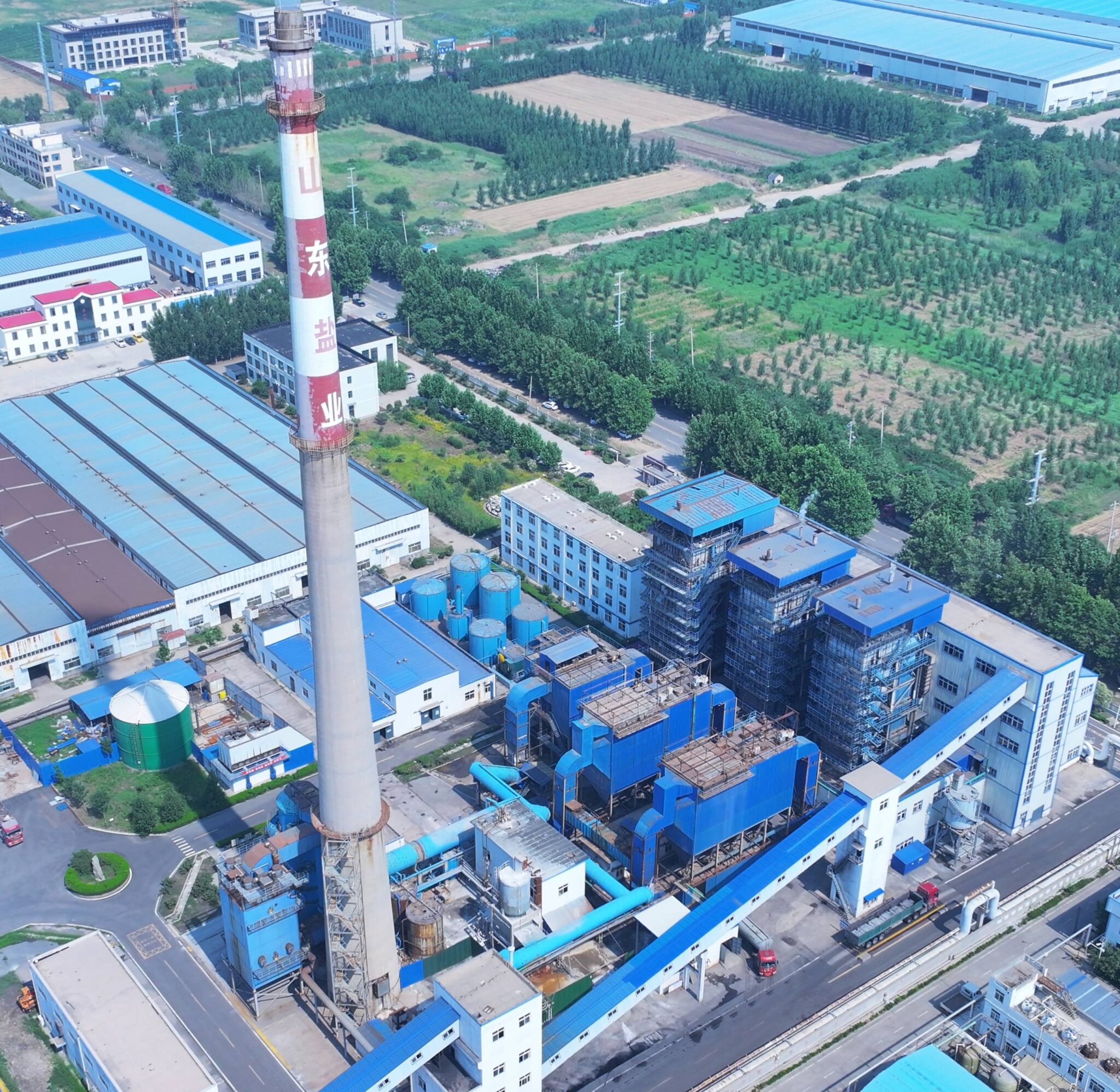
Customizing an industrial boiler is not simply about selecting a larger unit or upgrading a few components. In real-world industrial environments, boilers must be precisely engineered to match operational demands, fuel types, environmental conditions, regulatory constraints, and long-term efficiency goals. Failure to properly evaluate these factors often results in excessive fuel consumption, unstable combustion, frequent downtime, or non-compliance with emissions standards. Because industrial boilers are capital-intensive assets, poor customization decisions can have long-term financial and operational consequences.
When customizing an industrial boiler, key factors include fuel type, steam/load requirements, environmental conditions, emission regulations, burner and combustion system design, control system integration, material selection, installation constraints, and lifecycle maintenance requirements. These factors collectively determine efficiency, safety, compliance, and long-term operational cost.
Understanding these elements in detail ensures that the boiler is not only technically suitable but also economically sustainable and environmentally compliant across its entire lifecycle ⚙️🔥
Industrial boilers can be effectively customized without considering local environmental or regulatory conditions.False
Environmental and regulatory conditions directly influence boiler design requirements such as emissions control, material selection, and combustion configuration.
🔥 Fuel Type and Combustion Characteristics
Fuel selection is one of the most critical customization parameters because it directly affects burner design, efficiency, and emissions.
📊 Common industrial fuels and impacts
| Fuel Type | Efficiency | Emissions Level | Design Consideration |
|---|---|---|---|
| Natural gas | High | Low | Simple burner system |
| Diesel / Oil | Medium | Medium | Atomization required |
| Coal | Medium–Low | High | Ash & particulate control |
| Biomass | Variable | Medium | Fuel variability handling |
👉 Key insight: Fuel type determines burner geometry, air requirements, and emission control strategy.
⚡ Steam Load and Capacity Requirements
Industrial boilers must match precise energy demand profiles.
Key load considerations:
- Peak steam demand
- Base load vs. variable load operation
- Future expansion requirements
📊 Load design comparison
| Load Type | Boiler Requirement |
|---|---|
| Constant load | Stable combustion system |
| Variable load | Modulating burners + smart controls |
| Peak-heavy load | High-capacity response system |
👉 Oversizing increases fuel waste, while undersizing reduces productivity.
🌍 Environmental and Operating Conditions
Boiler performance is highly sensitive to environmental conditions.
Key environmental factors:
- Ambient temperature (cold vs. hot climates)
- Altitude (oxygen availability)
- Humidity levels
- Dust/sand exposure
📌 Environmental impact table
| Condition | Operational Challenge | Required Adjustment |
|---|---|---|
| ❄️ Cold climate | Freezing risk | Heat tracing & insulation |
| 🏔 High altitude | Low oxygen | Air-fuel recalibration |
| 🌫 Humid zone | Corrosion risk | Anti-corrosion materials |
| 🏜 Desert | Dust ingress | Filtration & sealing |
🌫 Emission Regulations and Compliance Requirements
Regulatory standards vary widely across regions and industries.
Common regulated pollutants:
- NOx (Nitrogen Oxides)
- SO₂ (Sulfur Dioxide)
- CO (Carbon Monoxide)
- Particulate Matter (PM)
Required systems may include:
- Low-NOx burners
- SCR (Selective Catalytic Reduction)
- FGD (Flue Gas Desulfurization)
- Electrostatic precipitators or bag filters
👉 Compliance must be designed in from the beginning—not added later.
🔥 Burner and Combustion System Design
The burner is the “heart” of the boiler and determines efficiency and stability.
Key customization elements:
- Air-to-fuel ratio control
- Flame stabilization technology
- Multi-fuel compatibility
- Staged combustion design
📊 Combustion performance impact
| Adjustment | Efficiency Impact | Emission Impact |
|---|---|---|
| Oxygen trim control | ↑ Efficiency | ↓ CO emissions |
| Low-NOx burner | Neutral | ↓ NOx significantly |
| Flue gas recirculation | Slight efficiency trade-off | ↓ NOx strongly |
🧠 Control System Integration
Modern boilers rely heavily on automation and digital intelligence.
Key control features:
- PLC-based automation
- Real-time sensor feedback loops
- AI-based combustion optimization
- Predictive maintenance systems
👉 A well-designed control system ensures adaptive performance across changing conditions.
🏗 Material Selection and Structural Design
Material choice determines durability and safety.
📌 Key considerations:
- Thermal expansion resistance
- Corrosion resistance
- Pressure tolerance
- Fatigue strength
Material selection overview
| Component | Recommended Material |
|---|---|
| Pressure vessel | Alloy steel |
| Tubes | High-temperature stainless steel |
| Seals | Graphite or elastomers |
| External casing | Corrosion-resistant coatings |
⚙️ Installation Space and Infrastructure Constraints
Physical constraints often limit design choices.
Key considerations:
- Available floor space
- Maintenance access routes
- Chimney height restrictions
- Fuel storage proximity
👉 Poor layout design increases maintenance cost and downtime.
🧪 Lifecycle Cost and Maintenance Strategy
Customization should always consider long-term operational costs.
Cost factors:
- Fuel efficiency
- Maintenance frequency
- Spare part availability
- Downtime risk
📊 Lifecycle cost breakdown
| Cost Category | Impact Level |
|---|---|
| Fuel consumption | Very High |
| Maintenance | High |
| Capital cost | Medium |
| Compliance cost | Variable |
👉 Fuel efficiency typically accounts for the largest lifetime cost.
🏭 Real-World Case Study: Boiler Customization Optimization
A manufacturing plant required a custom boiler for mixed fuel use and strict emission limits.
Challenges:
- Dual fuel operation (gas + oil)
- Strict NOx limits
- High load variability
Solutions implemented:
- Dual-fuel low-NOx burner
- Advanced PLC control system
- SCR emission system
- Modular heat exchanger design
Results:
- ✔ 17% fuel savings
- ✔ 65% NOx reduction
- ✔ Improved load stability
⚠️ Common Boiler Customization Mistakes
- ❌ Ignoring fuel variability
- ❌ Underestimating emission requirements
- ❌ Overlooking environmental conditions
- ❌ Poor control system integration
- ❌ Designing without lifecycle cost analysis
👉 These mistakes often lead to expensive retrofits later.
🚀 Future Trends in Boiler Customization
- Hydrogen-ready boiler systems
- AI-driven autonomous optimization
- Modular plug-and-play boiler designs
- Carbon capture integration
- Digital twin-based design simulation
👉 Future boilers will be adaptive energy platforms rather than static equipment
📌 Summary
Industrial boiler customization is a multi-dimensional engineering process that must balance fuel type, load requirements, environmental conditions, emissions regulations, combustion design, control systems, materials, installation constraints, and lifecycle cost considerations.
✔ Ensures operational efficiency
✔ Guarantees regulatory compliance
✔ Improves system reliability
✔ Reduces long-term operating cost
✔ Enables flexible industrial performance
A well-customized boiler is not just equipment—it is a precision-engineered energy system designed for long-term industrial stability 🔥⚙️
Conclusion
Customizing an industrial boiler for altitude, ambient temperature, and emission standards is essential for ensuring efficient, safe, and compliant operation. By tailoring combustion systems, materials, and control technologies to specific environmental conditions, businesses can achieve optimal performance while minimizing risks and regulatory challenges.
If you require a customized industrial boiler solution for your specific operating environment, contact us today. Our experts provide tailored designs, advanced technologies, and full compliance support to help you achieve maximum efficiency and reliability in any condition.
FAQ
Q1: Can industrial boilers be customized for high-altitude operation?
A1:
Yes, industrial boilers can be specifically customized for high-altitude environments, and this is often necessary to maintain safe and efficient operation. At higher altitudes, atmospheric pressure decreases and air density becomes lower, which directly affects combustion performance. Since combustion relies on oxygen, reduced air density means less oxygen is available for burning fuel, potentially leading to incomplete combustion and reduced efficiency.
To address this, boiler manufacturers adjust the air-to-fuel ratio and often redesign burner systems to ensure sufficient oxygen supply. This may include using larger fans or blowers to increase airflow and compensate for thinner air. In some cases, specialized burners are installed to optimize combustion under low-oxygen conditions.
Control systems are also calibrated differently for high-altitude operation. Sensors and automation systems are tuned to maintain stable combustion and prevent issues such as flame instability or increased emissions.
Additionally, derating may be required. This means the boiler’s maximum output capacity is reduced slightly to ensure safe and reliable operation under less favorable conditions.
Material considerations are also important, as temperature fluctuations at high altitudes can be more extreme. Proper insulation and design adjustments help maintain thermal stability.
In summary, industrial boilers can be effectively customized for high-altitude use through adjustments in combustion systems, airflow, controls, and capacity to ensure optimal performance and safety.
Q2: How does ambient temperature affect boiler design and customization?
A2:
Ambient temperature has a significant impact on industrial boiler performance and is an important factor in customization. Boilers operating in extremely cold or hot environments require specific design modifications to maintain efficiency and reliability.
In cold climates, low ambient temperatures can affect fuel viscosity, especially for oil-fired boilers, making fuel harder to pump and atomize. To address this, fuel preheating systems are often installed. Additionally, insulation is enhanced to minimize heat loss and prevent freezing of pipes and components.
Cold conditions can also impact water systems. Feedwater lines and storage tanks may require heating systems or insulation to prevent freezing. Start-up procedures may need to be adjusted to ensure safe operation.
In hot climates, high ambient temperatures can reduce the efficiency of cooling systems and increase the temperature of intake air. This can affect combustion efficiency and reduce overall performance. To compensate, boilers may be equipped with enhanced cooling systems and optimized airflow designs.
Ventilation is another important consideration. Proper ventilation ensures that excess heat is dissipated and that combustion air remains within optimal temperature ranges.
Control systems are also adapted to account for temperature variations, ensuring consistent performance regardless of environmental conditions.
In summary, ambient temperature influences fuel handling, heat loss, cooling, and control systems, all of which can be customized to maintain optimal boiler performance.
Q3: Can industrial boilers be designed to meet local emission standards?
A3:
Yes, industrial boilers can be specifically designed and customized to meet local emission standards, which vary significantly across regions and countries. Compliance with these standards is essential for legal operation and environmental protection.
One of the primary ways boilers are customized for emissions is through advanced combustion technologies. Low-NOx burners, for example, are designed to reduce nitrogen oxide emissions by controlling flame temperature and oxygen levels during combustion.
Flue gas treatment systems are also commonly integrated. These may include scrubbers, electrostatic precipitators, and selective catalytic reduction (SCR) systems, which remove pollutants such as sulfur dioxide, particulate matter, and nitrogen oxides from exhaust gases.
Fuel selection and flexibility also play a role. Boilers can be designed to use cleaner fuels such as natural gas or low-sulfur oil to reduce emissions. In some cases, hybrid systems are used to combine different fuels for better environmental performance.
Real-time emission monitoring systems are another important feature. These systems continuously track emission levels and provide data to ensure compliance with regulatory limits.
Additionally, control systems are programmed to optimize combustion and minimize emissions under varying load conditions.
In conclusion, industrial boilers can be fully customized with advanced technologies and systems to meet specific local emission standards and environmental regulations.
Q4: What design modifications are typically required for environmental customization?
A4:
Environmental customization of industrial boilers involves several design modifications to address factors such as altitude, temperature, and emission requirements. One of the most common modifications is the adjustment of combustion systems, including burners and airflow mechanisms, to ensure efficient fuel burning under varying conditions.
Enhanced insulation is often added to reduce heat loss in cold environments or maintain thermal stability in fluctuating temperatures. This helps improve efficiency and protect components from environmental stress.
Fuel handling systems may also be modified. For example, fuel preheating systems are used in cold climates, while dust control and filtration systems may be added in regions with strict environmental regulations.
Emission control technologies are a major part of customization. These include low-NOx burners, flue gas recirculation systems, and exhaust treatment units such as scrubbers and filters.
Structural modifications may also be required to ensure durability in harsh environments. This can include corrosion-resistant materials, reinforced components, and protective coatings.
Control systems are another key area of customization. Advanced automation allows boilers to adapt to changing environmental conditions and maintain optimal performance.
In summary, environmental customization involves changes to combustion systems, insulation, fuel handling, emission controls, structural materials, and control systems to ensure efficient and compliant operation.
Q5: Why is customization important for industrial boiler performance and compliance?
A5:
Customization is essential for ensuring that industrial boilers operate efficiently, safely, and in compliance with local regulations. Standard boiler designs may not perform optimally under all environmental conditions, making customization necessary for specific applications.
One of the main reasons for customization is performance optimization. By tailoring the boiler to factors such as altitude and ambient temperature, operators can ensure stable combustion, efficient heat transfer, and consistent output.
Safety is another critical factor. Boilers operating under unsuitable conditions may experience issues such as incomplete combustion, pressure instability, or component failure. Customization helps mitigate these risks by adapting the design to the operating environment.
Regulatory compliance is also a major consideration. Local emission standards and safety regulations vary widely, and failure to comply can result in fines, operational restrictions, or shutdowns. Customized boilers are designed to meet these requirements, ensuring legal operation.
Cost efficiency is another benefit. Optimized performance reduces fuel consumption and maintenance costs, improving overall economic efficiency.
Finally, customization enhances reliability and lifespan. Boilers designed for specific conditions experience less stress and wear, leading to longer service life and fewer breakdowns.
In conclusion, customization is vital for achieving optimal performance, ensuring safety, meeting regulatory requirements, and maximizing the value of industrial boiler systems.
References
- Boiler Design for Environmental Conditions – https://www.energy.gov/eere/amo/steam-systems – U.S. Department of Energy
- Combustion and Emission Control – https://www.epa.gov – U.S. Environmental Protection Agency
- Industrial Boiler Standards – https://www.asme.org – ASME
- Boiler Efficiency and Optimization – https://www.spiraxsarco.com – Spirax Sarco
- Environmental Regulations in Industry – https://www.iea.org – International Energy Agency
- Industrial Heating Systems – https://www.engineeringtoolbox.com – Engineering Toolbox
- Air Quality and Emissions – https://www.who.int – World Health Organization
- Boiler Control Systems – https://www.ge.com/power – General Electric
- Energy Efficiency in Industry – https://www.aceee.org – ACEEE
- Advanced Boiler Technologies – https://www.sciencedirect.com – ScienceDirect
Can Industrial Boilers Be Customized for Environment? Read More »