
Typical Lead Time for Industrial Boiler Delivery
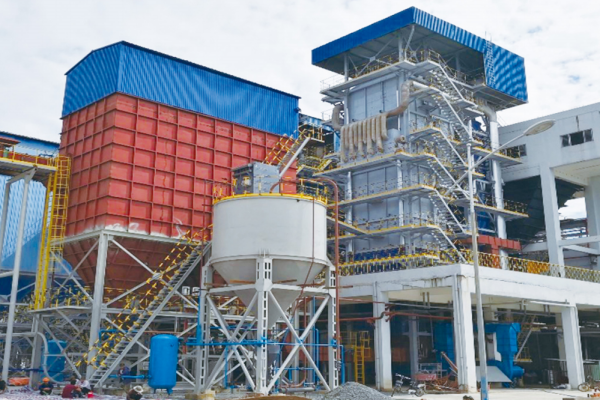
Delays in boiler manufacturing and delivery can disrupt project schedules, increase operational costs, and postpone production startup. Many buyers underestimate the complexity involved in engineering, fabrication, inspection, and logistics, leading to unrealistic expectations and planning issues. Factors such as customization requirements, material availability, regulatory approvals, and transportation can significantly impact delivery timelines. Understanding the typical lead time for industrial boilers is essential for effective project management and procurement planning.
The typical lead time for manufacturing and delivery of an industrial boiler ranges from 8 to 36 weeks, depending on the boiler type, capacity, customization level, certification requirements, and shipping destination. Standard boilers with minimal customization may be delivered within 8–12 weeks, while large, highly customized, or power plant-grade boilers can require 20–36 weeks or longer due to complex engineering, production, testing, and logistics processes.
To accurately estimate project timelines, it is important to understand the key factors that influence industrial boiler manufacturing and delivery schedules.
What Factors Affect the Manufacturing Lead Time of Industrial Boilers?
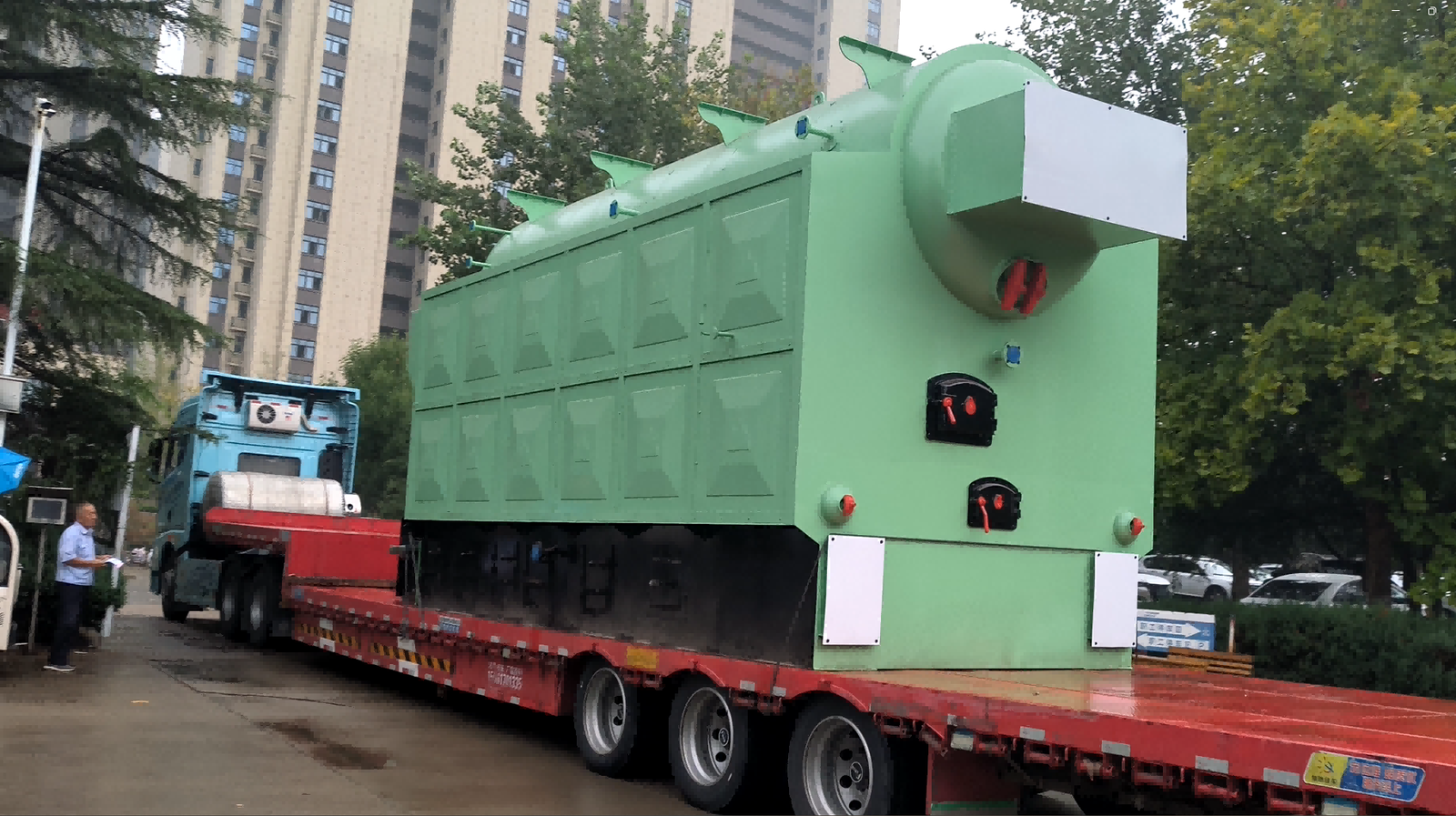
Industrial boilers are highly engineered systems that require careful coordination across design, material procurement, fabrication, inspection, and testing stages. However, many buyers underestimate the complexity behind manufacturing timelines. Delays in boiler production can disrupt entire industrial projects, causing postponed plant commissioning, increased operational costs, and supply chain bottlenecks. In many cases, lead time issues are not caused by a single factor but by a combination of engineering, material, logistics, and compliance challenges.
The manufacturing lead time of industrial boilers is affected by factors such as boiler design complexity, material availability, production capacity, customization requirements, welding and fabrication processes, quality inspections, certification procedures, supply chain conditions, and transportation logistics. These variables collectively determine how quickly a boiler can move from engineering design to final delivery.
Understanding these factors helps project managers, procurement teams, and plant engineers better plan schedules, reduce risks, and improve procurement efficiency 🏭⏳
Industrial boiler lead time mainly depends on factory production speed alone.False
Boiler lead time is influenced by multiple interconnected factors including engineering, material procurement, inspections, certifications, and logistics—not just fabrication speed.
🏗 Boiler Design Complexity
The complexity of the boiler design is one of the largest factors affecting production time.
📌 Complex designs require:
- More engineering calculations
- Additional approval processes
- Specialized fabrication methods
- Extended testing procedures
📊 Lead time impact by boiler type
| Boiler Type | Design Complexity | Typical Lead Time Impact |
|---|---|---|
| Standard fire-tube boiler | Low | Short |
| Water-tube boiler | Medium–High | Moderate |
| HRSG / custom utility boiler | Very High | Long |
👉 Highly customized boilers often require significantly more engineering hours.
⚙️ Customization Requirements
Customized boilers naturally take longer than standardized models.
🔧 Common customization factors:
- Multi-fuel burner systems
- High-altitude adaptation
- Extreme temperature modifications
- Special emission control integration
- Smart automation systems
📌 Customization impact:
- Additional engineering validation
- Non-standard component sourcing
- More extensive factory testing
👉 The more customized the system, the longer the coordination process.
🧱 Material Availability and Procurement
Industrial boilers rely on specialized materials that may have long procurement cycles.
Critical materials include:
- Pressure vessel steel plates
- Alloy tubes
- High-temperature valves
- Burner components
- Insulation materials
📊 Material availability impact
| Material Type | Procurement Risk | Lead Time Sensitivity |
|---|---|---|
| Standard carbon steel | Low | Low |
| High-alloy steel | Medium | Medium |
| Specialty imported alloys | High | Very High |
👉 Global steel market fluctuations can heavily influence schedules.
🔥 Welding and Fabrication Processes
Boilers contain complex pressure-retaining weld structures that require precision fabrication.
Key fabrication stages:
- Plate cutting and rolling
- Tube bending
- Pressure vessel welding
- Heat treatment
⚠️ Why welding affects lead time:
- Certified welders may be limited
- Multi-layer welds require extensive inspection
- Rework from defects can cause delays
📊 Fabrication complexity comparison
| Fabrication Requirement | Time Impact |
|---|---|
| Standard welding | Moderate |
| High-pressure welds | High |
| Exotic alloy welding | Very High |
🔍 Inspection and Quality Testing
Industrial boilers undergo rigorous inspections before shipment.
Common inspection processes:
- Hydrostatic testing
- Ultrasonic testing (UT)
- Radiographic testing (RT)
- Pressure verification
- Functional combustion testing
📌 Inspection importance:
- Ensures safety compliance
- Prevents field failures
- Meets regulatory requirements
👉 Failed inspections often result in production rework and schedule extensions.
📘 Certification and Regulatory Compliance
Many industrial boilers require third-party certifications before delivery.
Common certifications:
- ASME certification
- CE marking
- ISO compliance documentation
- Local pressure vessel approvals
📊 Regulatory impact on lead time
| Certification Type | Approval Complexity | Time Impact |
|---|---|---|
| Standard local certification | Medium | Moderate |
| International export approval | High | Significant |
👉 Different countries may require additional documentation and inspections.
🏭 Factory Production Capacity
Manufacturing lead time also depends on the workload of the production facility.
Factors influencing capacity:
- Number of active orders
- Workshop size
- Skilled labor availability
- Automation level
📌 High-demand periods can cause:
- Fabrication bottlenecks
- Inspection scheduling delays
- Longer queue times
👉 Production planning efficiency directly affects delivery speed.
🌍 Global Supply Chain Conditions
Modern boiler manufacturing relies on international supply chains.
Common supply chain risks:
- Shipping delays
- Port congestion
- Raw material shortages
- Political or trade disruptions
📊 Supply chain risk overview
| Risk Factor | Potential Delay |
|---|---|
| Steel shortage | Weeks–Months |
| Shipping disruption | Moderate–High |
| Component import restrictions | Significant |
👉 Global events can rapidly impact boiler manufacturing timelines.
🚚 Transportation and Logistics
Industrial boilers are large and heavy systems requiring specialized logistics.
Transportation challenges:
- Oversized cargo permits
- Port handling coordination
- Remote installation site access
- Packaging and protection requirements
📌 Large utility boilers may require:
- Multi-part shipment
- Heavy-lift cranes
- Specialized trailers
👉 Logistics delays often occur after manufacturing is already complete.
🧠 Engineering Approval and Client Communication
Client-side delays are another common factor.
Typical causes:
- Delayed drawing approvals
- Scope changes during production
- Unclear technical specifications
- Slow procurement decisions
👉 Frequent design revisions can significantly extend schedules.
📊 Typical Industrial Boiler Manufacturing Timeline
| Manufacturing Stage | Estimated Time |
|---|---|
| Engineering design | 2–8 weeks |
| Material procurement | 4–12 weeks |
| Fabrication & welding | 6–20 weeks |
| Inspection & testing | 1–4 weeks |
| Shipping & logistics | 2–8 weeks |
👉 Total lead times may range from 2 months to over 1 year depending on complexity.
🏭 Real-World Case Study: Boiler Lead Time Optimization
A manufacturing company needed a custom high-pressure boiler system.
Initial challenges:
- Long alloy steel procurement delays
- Complex low-NOx burner integration
- Strict export certification requirements
Optimization strategies:
- Early material reservation contracts
- Parallel engineering and procurement processes
- Digital project tracking system
Results:
- ✔ Lead time reduced by 18%
- ✔ Improved supplier coordination
- ✔ Reduced project uncertainty
⚠️ Common Mistakes That Extend Boiler Lead Times
- ❌ Late technical specification changes
- ❌ Underestimating certification requirements
- ❌ Poor supplier coordination
- ❌ Delayed customer approvals
- ❌ Ignoring logistics planning early in the project
👉 Most lead time issues originate from planning inefficiencies rather than fabrication alone
💰 Economic Impact of Lead Time Delays
Extended manufacturing timelines can cause:
- 🔻 Delayed plant startup
- 🔻 Increased project financing costs
- 🔻 Lost production revenue
- 🔻 Contractual penalties
📊 Cost impact overview
| Delay Type | Financial Impact |
|---|---|
| 1–2 week delay | Moderate |
| Multi-month delay | Severe |
👉 Efficient lead time management is directly tied to project profitability.
🚀 Future Trends in Boiler Manufacturing Lead Time Reduction
- AI-driven production scheduling
- Smart factory automation
- Digital twin engineering validation
- Predictive supply chain analytics
- Modular boiler manufacturing systems
👉 Future manufacturing will focus on faster, more flexible, and digitally integrated production
📌 Summary
The manufacturing lead time of industrial boilers is influenced by a complex combination of engineering, material procurement, fabrication, inspection, certification, logistics, and project coordination factors.
✔ Boiler design complexity affects engineering duration
✔ Material availability influences procurement schedules
✔ Welding and inspections determine fabrication speed
✔ Certifications and logistics add additional coordination time
✔ Effective planning minimizes costly project delays
Ultimately, successful boiler manufacturing depends not only on production capability, but on integrated project management across the entire manufacturing lifecycle 🏭⏳
How Does Boiler Customization Influence Industrial Boiler Delivery Schedules?
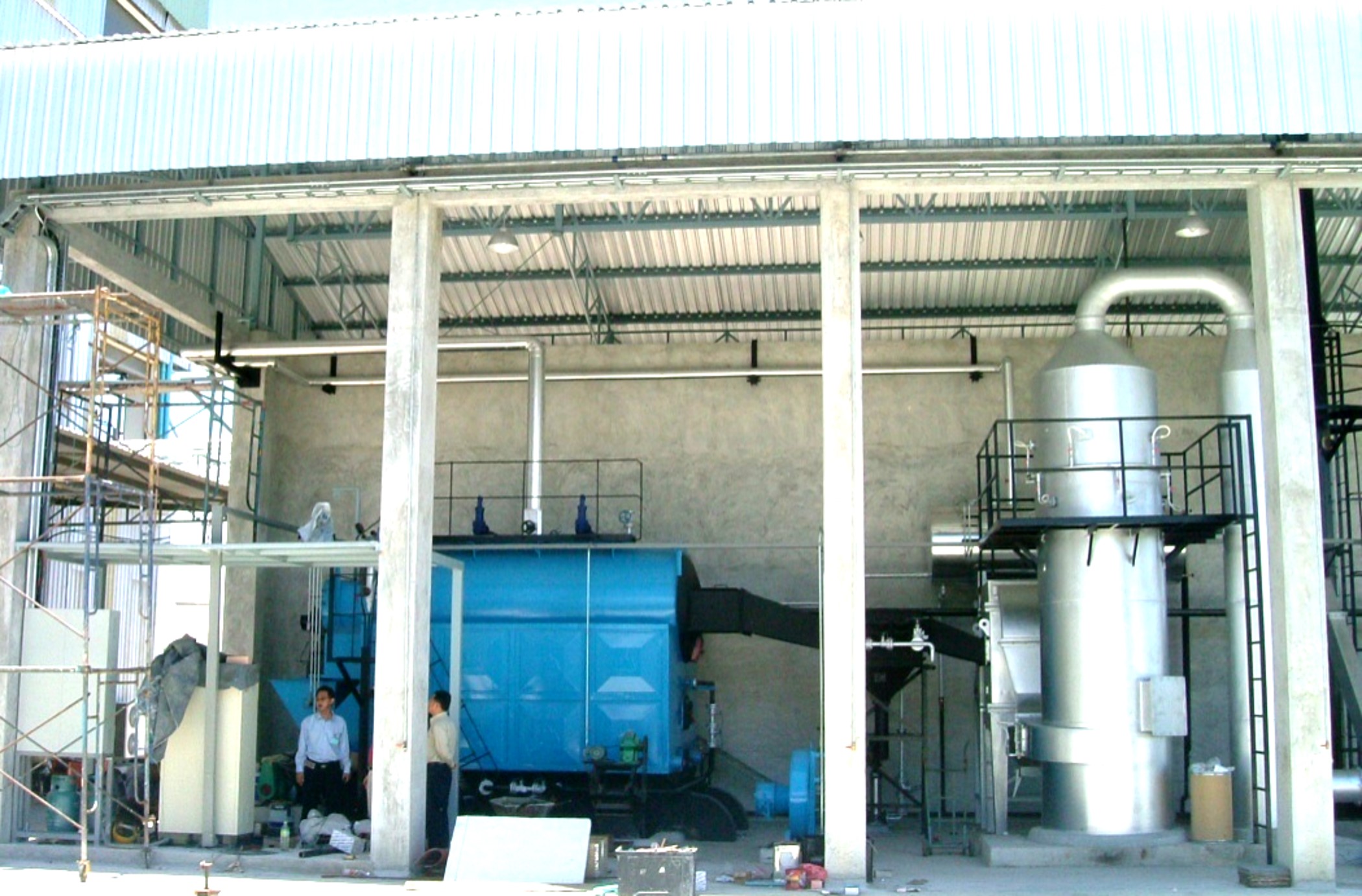
Industrial boiler projects often operate under strict construction and commissioning deadlines. However, when customization requirements increase, delivery schedules can quickly become more complex and difficult to predict. Many industrial buyers assume that customization only affects design features, but in reality, it influences every stage of the manufacturing and supply chain process—from engineering and procurement to fabrication, testing, certification, and logistics. Without proper planning, customized boiler projects can experience costly schedule overruns, delayed plant startups, and operational disruptions.
Boiler customization influences industrial boiler delivery schedules by increasing engineering complexity, extending material procurement timelines, requiring specialized fabrication processes, adding inspection and certification requirements, and creating additional coordination across manufacturing and logistics stages. The more customized the boiler system, the greater the impact on overall project scheduling and delivery predictability.
Understanding how customization affects timelines allows project managers and procurement teams to reduce scheduling risks while improving delivery efficiency ⚙️⏳
Customized industrial boilers can typically be delivered within the same timeframe as standard boiler models.False
Customized boilers require additional engineering, material sourcing, fabrication, testing, and approvals, which generally extend delivery schedules compared to standardized systems.
🏗 Why Customization Directly Impacts Boiler Delivery Schedules
Standard boilers are typically built using pre-engineered configurations and readily available components. Customized boilers, however, involve unique engineering and manufacturing workflows.
🔧 Customization affects:
- Engineering design duration
- Procurement coordination
- Fabrication complexity
- Inspection procedures
- Logistics planning
👉 Each additional customization layer increases project coordination requirements.
📘 Engineering Design and Approval Delays
Customization begins with engineering modifications.
Common custom engineering requirements:
- Fuel flexibility integration
- High-pressure operation design
- Extreme temperature adaptation
- Emission reduction systems
- Space-constrained layouts
📊 Engineering impact on lead time
| Boiler Type | Engineering Complexity | Schedule Impact |
|---|---|---|
| Standard boiler | Low | Minimal |
| Semi-custom boiler | Medium | Moderate |
| Fully customized boiler | High | Significant |
⚠️ Common engineering delay causes:
- Repeated design revisions
- Slow client approvals
- Additional simulation/testing requirements
👉 Engineering is often the first stage where schedule extensions begin.
🧱 Material Procurement Challenges
Customized boilers frequently require non-standard materials and components.
🔩 Examples include:
- High-alloy pressure vessel steel
- Specialized burners
- Custom control systems
- Imported valves and instrumentation
📊 Procurement sensitivity overview
| Material Type | Availability Risk | Delivery Impact |
|---|---|---|
| Standard steel | Low | Low |
| Specialty alloys | Medium–High | High |
| Imported custom components | Very High | Significant |
👉 Long-lead materials are one of the biggest contributors to schedule uncertainty.
🔥 Fabrication Complexity and Production Scheduling
Customized boilers require more advanced fabrication processes.
🏭 Additional fabrication tasks:
- Complex pressure vessel welding
- Non-standard tube routing
- Custom assembly integration
- Specialized machining operations
📌 Fabrication challenges include:
- Limited skilled welding capacity
- Additional quality inspections
- Potential fabrication rework
📊 Fabrication comparison
| Fabrication Requirement | Schedule Impact |
|---|---|
| Standard fabrication | Predictable |
| Custom weld structures | Moderate |
| Multi-system integration | High |
👉 Custom fabrication often reduces manufacturing flexibility.
🔍 Increased Inspection and Testing Requirements
Customized systems require more extensive validation before shipment.
Common additional tests:
- Performance verification testing
- Emission compliance testing
- Advanced NDT (UT, RT, PT)
- Factory Acceptance Testing (FAT)
📌 Why this matters:
- More inspections = more coordination
- Failed tests may require redesign or rework
📊 Testing impact overview
| Testing Requirement | Time Impact |
|---|---|
| Standard hydro test | Low |
| Advanced emission testing | Medium |
| Full integrated FAT | High |
👉 Quality assurance becomes more time-intensive as customization increases.
📘 Regulatory and Certification Delays
Customized boilers often require additional certifications.
Typical approvals include:
- ASME certification
- CE/PED compliance
- Local pressure vessel permits
- Environmental approvals
⚠️ Certification challenges:
- Country-specific standards
- Third-party inspector scheduling
- Documentation complexity
👉 Regulatory coordination can significantly influence delivery predictability.
🌍 Supply Chain and Vendor Coordination
Customized boilers rely heavily on supplier collaboration.
Key coordination areas:
- Burner suppliers
- Automation vendors
- Valve manufacturers
- Emission control system providers
📊 Vendor dependency risk
| Vendor Type | Coordination Complexity |
|---|---|
| Standard component supplier | Low |
| Specialized technology provider | High |
👉 A delay from one supplier can affect the entire project timeline.
🚚 Logistics and Shipping Considerations
Customization may also affect transportation and installation logistics.
🚛 Common logistics challenges:
- Oversized modular components
- Special export packaging
- Heavy-lift transportation permits
- Remote project site access
📌 Example:
Large customized boilers may require:
- Multi-section shipment
- On-site assembly scheduling
- Specialized cranes and trailers
👉 Logistics planning must begin early in customized projects.
🧠 Client Communication and Scope Management
Client-side decisions strongly affect delivery schedules.
⚠️ Common schedule disruptions:
- Mid-project scope changes
- Delayed technical approvals
- Incomplete specifications
- Frequent customization revisions
📊 Impact of scope changes
| Change Timing | Schedule Impact |
|---|---|
| Early-stage revision | Moderate |
| Mid-production change | High |
| Late-stage redesign | Severe |
👉 Scope stability is essential for schedule control.
📊 Standard vs Customized Boiler Delivery Timeline
| Project Stage | Standard Boiler | Customized Boiler |
|---|---|---|
| Engineering | 1–3 weeks | 4–12 weeks |
| Procurement | 2–6 weeks | 6–16 weeks |
| Fabrication | 4–10 weeks | 10–30 weeks |
| Testing & Certification | 1–2 weeks | 3–8 weeks |
| Logistics | Standard | Complex coordination |
👉 Fully customized systems may require several additional months.
🏭 Real-World Case Study: Customized Boiler Schedule Impact
A petrochemical company ordered a customized ultra-low NOx boiler with dual-fuel capability.
Initial schedule risks:
- Specialized burner procurement delays
- Additional emission certification
- Custom PLC integration complexity
Mitigation strategies:
- Parallel procurement and engineering
- Early supplier engagement
- Modular fabrication planning
Results:
- ✔ Delivery delay reduced by 22%
- ✔ Improved schedule transparency
- ✔ Faster commissioning process
⚠️ Common Mistakes That Delay Customized Boiler Delivery
- ❌ Underestimating customization complexity
- ❌ Delayed customer approvals
- ❌ Poor vendor coordination
- ❌ Incomplete technical specifications
- ❌ Lack of integrated project scheduling
👉 Most delivery delays are caused by coordination inefficiencies rather than fabrication alone.
💰 Financial Impact of Delivery Delays
Schedule overruns can create major financial consequences.
📌 Potential impacts:
- Delayed plant startup revenue
- Increased contractor costs
- Penalty clauses in EPC contracts
- Higher financing expenses
📊 Cost impact overview
| Delay Duration | Financial Impact |
|---|---|
| Minor (1–2 weeks) | Moderate |
| Major (months) | Severe |
👉 Delivery schedule management is directly tied to project profitability.
🚀 Future Trends in Customized Boiler Scheduling
- AI-driven project scheduling systems
- Digital twin manufacturing simulation
- Smart supply chain integration
- Modular boiler production platforms
- Cloud-based project collaboration tools
👉 Future boiler projects will become more digitally synchronized and schedule-transparent
📌 Summary
Boiler customization significantly influences industrial boiler delivery schedules by increasing engineering complexity, extending procurement timelines, adding fabrication challenges, and requiring more extensive testing and coordination.
✔ Engineering customization increases design duration
✔ Specialized materials affect procurement speed
✔ Fabrication complexity extends production schedules
✔ Certification and testing add additional lead time
✔ Strong project coordination is essential for on-time delivery
Ultimately, successful customized boiler delivery depends on integrated planning, proactive communication, and efficient coordination across the entire manufacturing and supply chain process ⚙️⏳
Why Do Certifications and Inspections Impact Industrial Boiler Lead Time?
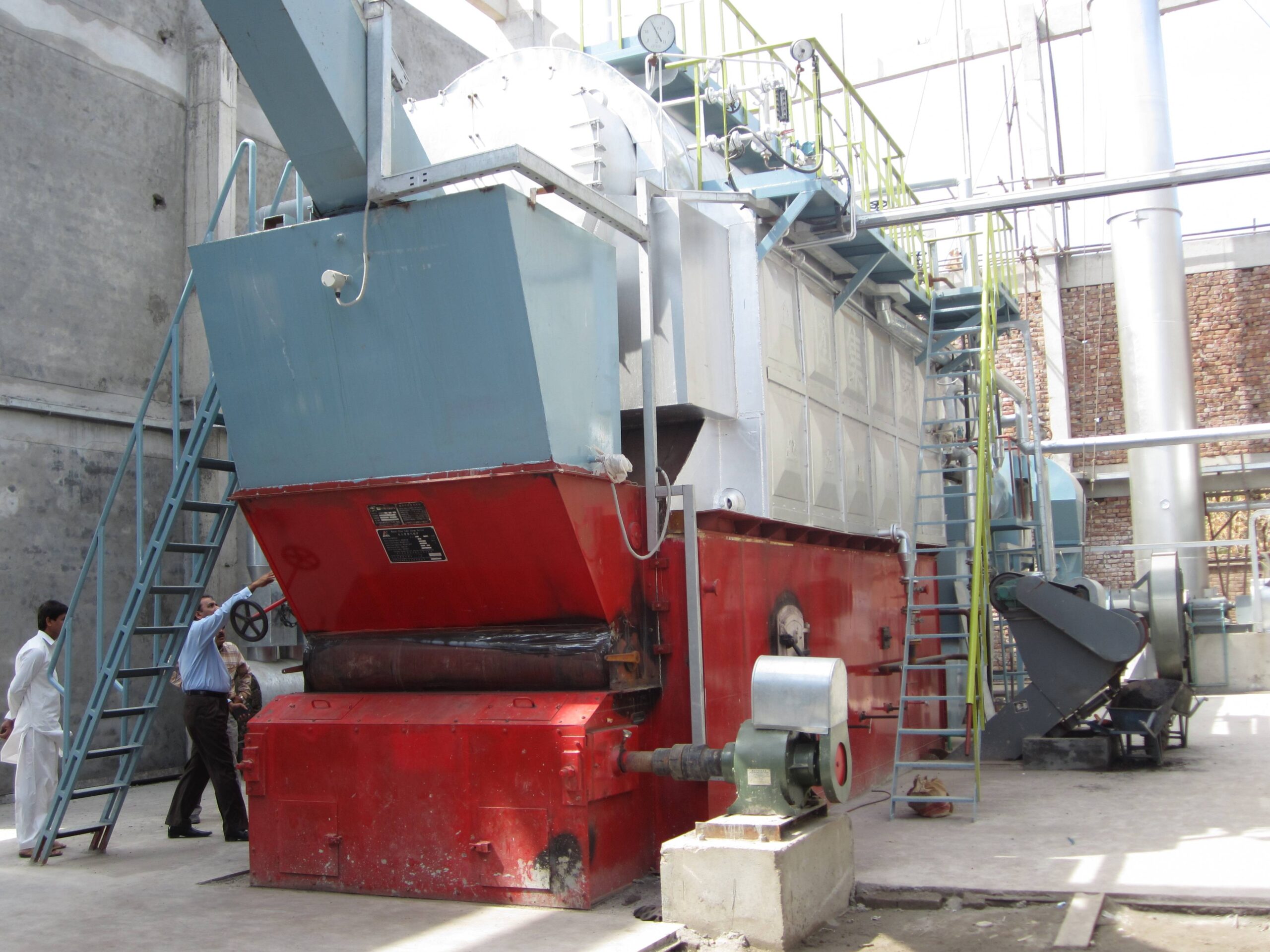
Industrial boilers are high-pressure thermal systems where safety, reliability, and regulatory compliance are absolutely critical. Unlike ordinary industrial equipment, boilers must undergo extensive inspections, testing, and certification procedures before they can legally operate. While these processes are essential for ensuring operational safety and product quality, they also introduce additional coordination, documentation, and approval stages that can significantly extend manufacturing lead times. Many project delays in boiler manufacturing are directly linked to certification bottlenecks or failed inspections.
Certifications and inspections impact industrial boiler lead time because they require additional testing, documentation, third-party approvals, quality verification procedures, regulatory coordination, and potential corrective rework. These processes ensure boiler safety, compliance, and reliability, but they also add complexity and scheduling dependencies throughout manufacturing and delivery.
Understanding why certifications and inspections affect schedules helps buyers and project managers better plan procurement timelines and reduce delivery risks 🔍🏭
Industrial boilers can be shipped immediately after fabrication without additional inspections or certifications.False
Industrial boilers must undergo mandatory inspections, testing, and certification processes to verify safety, code compliance, and operational integrity before shipment and operation.
🏭 Why Certifications and Inspections Are Essential for Industrial Boilers
Industrial boilers operate under:
- High pressure
- Extreme temperatures
- Continuous thermal stress
- Strict regulatory oversight
A manufacturing defect in a boiler can lead to:
- ⚠️ Pressure vessel failure
- ⚠️ Explosion risks
- ⚠️ Environmental violations
- ⚠️ Operational shutdowns
👉 Certifications and inspections exist to minimize these risks.
📘 What Types of Certifications Are Required?
Different markets and industries require different certifications.
📊 Common industrial boiler certifications
| Certification | Purpose | Typical Requirement |
|---|---|---|
| ASME | Pressure vessel compliance | North America |
| CE/PED | European safety compliance | Europe |
| ISO 9001 | Quality management system | Global |
| ISO 3834 | Welding quality control | Pressure vessel fabrication |
| Local authority approval | National compliance | Country-specific |
👉 International projects often require multiple certifications simultaneously.
🔍 Inspection Stages Throughout Boiler Manufacturing
Inspections occur at multiple stages—not just after fabrication.
🧠 Key inspection phases:
- Raw material inspection
- Welding procedure qualification
- In-process fabrication inspection
- Non-destructive testing (NDT)
- Hydrostatic pressure testing
- Final performance testing
📊 Inspection timeline overview
| Inspection Stage | Purpose | Schedule Impact |
|---|---|---|
| Material inspection | Verify steel quality | Low–Moderate |
| Welding inspection | Ensure weld integrity | Moderate |
| Hydro testing | Pressure verification | Moderate |
| Final certification audit | Regulatory approval | High |
👉 Each inspection point becomes a potential scheduling checkpoint.
🔥 Welding Inspection: One of the Largest Time Factors
Industrial boilers contain critical pressure-retaining welds.
Common welding inspections:
- Radiographic testing (RT)
- Ultrasonic testing (UT)
- Magnetic particle testing (MT)
- Dye penetrant testing (PT)
⚠️ Why welding inspections affect lead time:
- Certified inspectors may have limited availability
- Failed welds require rework and re-inspection
- Documentation must be traceable and approved
📊 Welding quality impact
| Scenario | Schedule Result |
|---|---|
| Pass inspection first time | Minimal delay |
| Minor weld repair | Moderate delay |
| Major weld rework | Significant delay |
👉 Weld quality directly affects manufacturing continuity.
📄 Documentation and Traceability Requirements
Certification requires extensive documentation.
📌 Required records often include:
- Material certificates (MTCs)
- Welding procedure specifications (WPS)
- Welder qualification records
- NDT reports
- Hydro test certificates
- Quality control reports
📊 Documentation workload
| Requirement | Administrative Complexity |
|---|---|
| Standard documentation | Medium |
| Multi-country export certification | Very High |
👉 Missing or incorrect paperwork can stop shipment approvals entirely.
🧠 Third-Party Inspector Coordination
Many certifications require independent third-party verification.
Common inspection agencies:
- Authorized ASME inspectors
- TÜV
- SGS
- Bureau Veritas
⚠️ Scheduling challenges:
- Inspector availability limitations
- Cross-border coordination
- Re-inspection scheduling after repairs
👉 Manufacturing may pause while waiting for inspector approval.
⚙️ Hydrostatic and Performance Testing Delays
Every industrial boiler must undergo operational testing before shipment.
Key tests include:
- Hydrostatic pressure test
- Burner combustion test
- Safety valve verification
- Control system validation
📊 Testing complexity comparison
| Boiler Type | Testing Complexity | Lead Time Impact |
|---|---|---|
| Standard boiler | Moderate | Moderate |
| High-pressure custom boiler | High | Significant |
👉 Complex systems require longer commissioning and validation periods.
🌍 International Export Compliance Challenges
Export projects often face additional inspection and certification layers.
📌 Common export complications:
- Country-specific code requirements
- Translation of technical documents
- Customs clearance approvals
- Additional client witness inspections
⚠️ Export projects may require:
- Dual certification systems
- Multiple inspection authorities
- Additional factory audits
👉 Global projects generally experience longer lead times.
🔄 Rework and Corrective Actions
One failed inspection can affect the entire project schedule.
Common causes of rework:
- Welding defects
- Material non-conformance
- Dimensional deviations
- Documentation inconsistencies
📊 Rework impact overview
| Rework Severity | Schedule Extension |
|---|---|
| Minor correction | Days |
| Major structural repair | Weeks |
👉 Quality issues multiply lead time rapidly.
🏭 Factory Capacity and Inspection Bottlenecks
Inspection departments themselves can become bottlenecks.
Causes include:
- Limited certified inspectors
- High project volume
- Shared testing equipment
- Regulatory audit backlogs
👉 Even completed boilers may wait for inspection clearance before shipment.
📊 Typical Certification and Inspection Timeline
| Process | Estimated Duration |
|---|---|
| Material verification | 1–5 days |
| Welding qualification | 1–2 weeks |
| NDT inspection | Several days–weeks |
| Hydro testing | 1–3 days |
| Third-party certification approval | 1–4 weeks |
👉 Certification activities can account for a significant percentage of total lead time.
🏭 Real-World Case Study: Certification Delay Impact
A refinery project required:
- ASME certification
- CE/PED approval
- Third-party client witness testing
Challenges encountered:
- Delayed inspector scheduling
- Additional weld re-inspections
- Export documentation revisions
Mitigation strategies:
- Early certification planning
- Parallel documentation processing
- Dedicated inspection coordination team
Results:
- ✔ Reduced approval delays by 25%
- ✔ Improved project transparency
- ✔ Faster final shipment release
⚠️ Common Mistakes That Increase Certification Delays
- ❌ Waiting too late to schedule inspectors
- ❌ Incomplete quality documentation
- ❌ Poor weld quality management
- ❌ Misunderstanding export compliance requirements
- ❌ Lack of coordination between departments
👉 Most certification delays are caused by process management issues rather than inspections themselves
💰 Economic Impact of Inspection and Certification Delays
Extended certification timelines can lead to:
- 🔻 Delayed project commissioning
- 🔻 Increased storage and labor costs
- 🔻 Contractual penalties
- 🔻 Lost production opportunities
📊 Delay cost overview
| Delay Type | Financial Impact |
|---|---|
| Minor certification delay | Moderate |
| Major approval bottleneck | Severe |
👉 Inspection efficiency directly affects project profitability.
🚀 Future Trends in Boiler Certification and Inspection
- AI-assisted weld inspection systems
- Digital quality documentation platforms
- Automated NDT technologies
- Blockchain-based traceability records
- Remote virtual inspection systems
👉 Future inspection systems will become more digital, automated, and predictive
📌 Summary
Certifications and inspections significantly impact industrial boiler lead time because they introduce mandatory testing, quality verification, documentation, regulatory approvals, and third-party coordination throughout the manufacturing process.
✔ Ensure pressure vessel safety and reliability
✔ Verify compliance with international regulations
✔ Increase manufacturing transparency and traceability
✔ Add critical scheduling checkpoints to production
✔ Require extensive coordination and documentation management
Ultimately, certifications and inspections are not simply administrative requirements—they are essential quality assurance mechanisms that protect operational safety while shaping the overall manufacturing timeline of industrial boilers 🔍🏭
How Does Boiler Size and Capacity Affect Manufacturing Duration?

Industrial boilers vary enormously in size and capacity, ranging from compact packaged units for small facilities to massive utility-scale systems capable of generating hundreds of tons of steam per hour. While larger boilers provide greater thermal output and operational capability, they also introduce significant manufacturing complexity. Many industrial buyers focus primarily on performance specifications without realizing that boiler size and capacity directly influence engineering workload, material procurement, fabrication time, inspection requirements, transportation logistics, and overall production scheduling.
Boiler size and capacity affect manufacturing duration because larger and higher-capacity boilers require more complex engineering, greater material volumes, extended fabrication and welding processes, additional inspections, larger assembly operations, and more complicated logistics coordination. As boiler scale increases, manufacturing timelines typically grow disproportionately due to increased technical and operational complexity.
Understanding how boiler dimensions and thermal output influence manufacturing schedules helps project planners better estimate procurement timelines and avoid costly delays 🏭⏳
Large-capacity industrial boilers only require more materials but do not significantly affect manufacturing time.False
Larger boilers involve more complex engineering, fabrication, inspections, logistics, and coordination processes, all of which substantially increase manufacturing duration.
🏗 Why Boiler Size Directly Influences Manufacturing Duration
Boiler size impacts nearly every stage of production:
- Engineering calculations
- Material procurement
- Fabrication complexity
- Welding workload
- Inspection procedures
- Transportation planning
👉 Larger boilers are not simply “scaled-up versions” of smaller systems—they often require entirely different manufacturing strategies.
📘 Engineering Complexity Increases with Boiler Capacity
Higher-capacity boilers operate under greater thermal and mechanical stresses.
🔧 Additional engineering requirements include:
- Advanced thermal calculations
- Structural stress analysis
- Flow distribution optimization
- Combustion balancing
- Safety system integration
📊 Engineering time comparison
| Boiler Capacity | Engineering Complexity | Design Duration Impact |
|---|---|---|
| Small package boiler | Low | Short |
| Medium industrial boiler | Moderate | Medium |
| Utility-scale boiler | Very High | Long |
👉 Large-capacity boilers often require extensive simulation and validation work.
🧱 Material Volume and Procurement Challenges
Larger boilers require significantly more raw materials.
📌 Common materials affected:
- Pressure vessel steel plates
- Boiler tubes
- Structural steel
- Refractory materials
- Insulation systems
📊 Material demand comparison
| Boiler Size | Material Volume | Procurement Complexity |
|---|---|---|
| Small | Low | Low |
| Medium | Moderate | Medium |
| Large utility boiler | Extremely High | Very High |
👉 Procuring large quantities of specialty materials often extends lead time.
🔥 Welding and Fabrication Workload Expansion
Welding is one of the most time-intensive manufacturing stages.
Larger boilers require:
- More weld seams
- Thicker pressure-retaining sections
- Multi-layer welding procedures
- Extensive heat treatment operations
📊 Fabrication duration comparison
| Boiler Type | Welding Complexity | Fabrication Time |
|---|---|---|
| Small packaged boiler | Low | Short |
| Industrial water-tube boiler | Medium | Moderate |
| Utility-scale boiler | Extremely High | Long |
👉 Weld inspection and repair probability also increases with scale.
🏭 Assembly Complexity and Workshop Coordination
Large boilers often cannot be fabricated as a single unit.
⚙️ Common assembly challenges:
- Modular fabrication
- Subsystem integration
- Crane coordination
- Multi-stage assembly sequencing
📌 Large-capacity boilers may require:
- Separate drum fabrication
- On-site modular assembly
- Parallel manufacturing lines
👉 Larger systems require much more workshop coordination.
🔍 Inspection and Testing Requirements Increase
As capacity increases, inspection procedures become more rigorous.
Common testing requirements:
- Hydrostatic testing
- Radiographic testing (RT)
- Ultrasonic testing (UT)
- Performance validation testing
📊 Inspection impact overview
| Boiler Capacity | Inspection Complexity | Time Impact |
|---|---|---|
| Small | Standard | Low |
| Medium | Moderate | Medium |
| Large high-pressure | Extensive | High |
👉 High-capacity systems often require third-party witness inspections.
🌫 Combustion System and Burner Complexity
Larger boilers require more sophisticated combustion systems.
🔥 Additional requirements include:
- Multi-burner configurations
- Advanced air distribution systems
- Emission control integration
- Combustion balancing logic
📊 Burner complexity comparison
| Boiler Output | Burner Configuration Complexity |
|---|---|
| Low output | Single burner |
| Medium output | Dual burner |
| High output | Multi-burner staged system |
👉 Combustion optimization becomes significantly more complex at higher capacities.
⚡ Control System Integration Challenges
Large-capacity boilers rely on highly advanced automation systems.
🧠 Additional control requirements:
- Distributed control systems (DCS)
- Redundant safety logic
- Load balancing systems
- Real-time performance monitoring
📌 Larger systems require:
- More sensors
- More programming validation
- Longer commissioning time
👉 Automation complexity scales with boiler capacity.
🚚 Transportation and Logistics Constraints
Boiler size heavily affects shipping strategy.
🚛 Common logistics issues:
- Oversized cargo permits
- Heavy-lift transportation
- Port handling coordination
- Route restrictions
📊 Logistics comparison
| Boiler Size | Transportation Complexity |
|---|---|
| Small packaged boiler | Standard |
| Medium modular boiler | Moderate |
| Large utility boiler | Extremely High |
👉 Some large boilers must be shipped in sections and assembled on-site.
📊 Typical Manufacturing Duration by Boiler Size
| Boiler Type | Typical Manufacturing Duration |
|---|---|
| Small packaged boiler | 4–8 weeks |
| Medium industrial boiler | 2–6 months |
| Large utility-scale boiler | 6–18+ months |
👉 Manufacturing duration increases non-linearly as capacity grows.
🏭 Real-World Case Study: Large Boiler Manufacturing Timeline
A power generation company ordered a high-capacity utility boiler.
Challenges encountered:
- Massive alloy steel procurement needs
- Complex multi-burner integration
- Extensive ASME certification requirements
- Oversized transportation coordination
Optimization strategies:
- Parallel fabrication teams
- Early procurement contracts
- Modular assembly design
- Digital production scheduling
Results:
- ✔ Reduced manufacturing delays by 15%
- ✔ Improved coordination efficiency
- ✔ Faster on-site assembly process
⚠️ Common Mistakes in Estimating Manufacturing Duration
- ❌ Assuming fabrication scales linearly with size
- ❌ Underestimating welding and inspection time
- ❌ Ignoring logistics complexity
- ❌ Delayed engineering approvals
- ❌ Poor coordination between suppliers and fabricators
👉 Larger projects require significantly more integrated project management.
💰 Economic Impact of Manufacturing Delays
Longer manufacturing durations can create:
- 🔻 Delayed facility startup
- 🔻 Increased labor and storage costs
- 🔻 Financing and interest expenses
- 🔻 Contractual penalties
📊 Delay cost overview
| Delay Severity | Financial Impact |
|---|---|
| Minor delay | Moderate |
| Multi-month delay | Severe |
👉 Time management is critical in large boiler projects.
🚀 Future Trends in Large Boiler Manufacturing
- Modularized boiler construction
- Robotic welding automation
- AI-driven production scheduling
- Digital twin fabrication simulation
- Smart logistics coordination systems
👉 Future manufacturing will focus on faster modular production and intelligent coordination
📌 Summary
Boiler size and capacity significantly affect manufacturing duration because larger systems require more advanced engineering, greater material volumes, more extensive welding and inspections, sophisticated control systems, and highly coordinated logistics.
✔ Larger boilers increase engineering complexity
✔ More materials create procurement challenges
✔ Fabrication and welding workloads expand significantly
✔ Inspection and certification processes become more rigorous
✔ Transportation and assembly coordination add additional time
Ultimately, as industrial boiler capacity increases, manufacturing evolves from a straightforward production task into a large-scale integrated engineering and project management operation 🏭⏳
What Role Does International Shipping Play in Industrial Boiler Delivery Timelines?
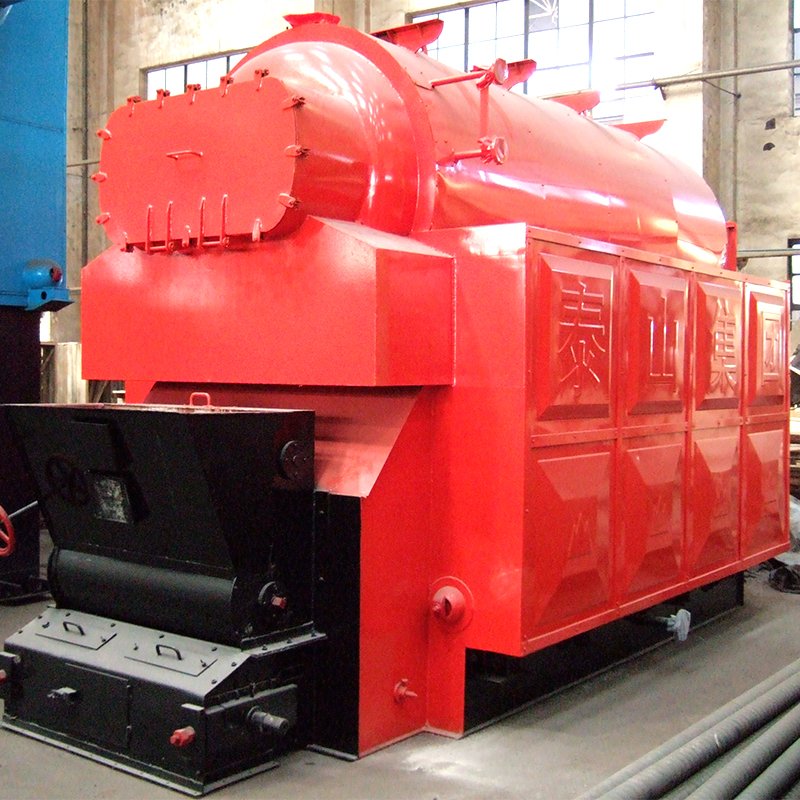
Industrial boiler manufacturing is only one part of the overall delivery process. For international projects, shipping and logistics often become one of the most critical factors affecting final delivery timelines. Even when fabrication is completed on schedule, delays in transportation, customs clearance, port handling, or inland delivery can postpone installation and commissioning by weeks or even months. Because industrial boilers are oversized, high-value, and technically sensitive systems, international shipping requires careful coordination across multiple countries, transportation modes, and regulatory authorities.
International shipping plays a major role in industrial boiler delivery timelines by influencing transportation duration, customs clearance, cargo handling, route planning, port scheduling, documentation processing, and final site logistics. Since industrial boilers are often oversized and heavy cargo systems, global shipping coordination significantly affects overall project scheduling and delivery reliability.
Understanding how international logistics impacts boiler delivery helps procurement teams and project managers reduce risk, improve schedule predictability, and avoid costly delays 🌍🚢
Once industrial boiler manufacturing is complete, international delivery timelines are usually short and predictable.False
International boiler shipping involves complex logistics, customs procedures, oversized cargo coordination, and port operations that can significantly extend and disrupt delivery schedules.
🌍 Why International Shipping Is Critical in Boiler Projects
Industrial boilers are commonly supplied across international markets:
- Power generation projects
- Oil & gas facilities
- Chemical plants
- Manufacturing industries
- Infrastructure developments
Because boilers are:
- Extremely heavy
- Oversized
- Sensitive pressure systems
👉 Their transportation requires specialized logistics planning beyond normal cargo shipping.
🚢 Transportation Mode Selection
The shipping method directly affects delivery duration.
📌 Common transportation methods:
- Ocean freight 🌊
- Rail transport 🚆
- Heavy-haul trucking 🚛
- Multi-modal transport 🔄
📊 Shipping method comparison
| Transport Mode | Typical Use | Schedule Predictability |
|---|---|---|
| Standard container shipping | Small packaged boilers | High |
| Breakbulk ocean freight | Large boiler modules | Medium |
| Heavy-haul inland transport | Oversized systems | Low–Medium |
👉 Large utility boilers often require multiple transport methods combined.
🏗 Oversized Cargo and Special Handling Requirements
Large industrial boilers often exceed standard shipping dimensions.
⚠️ Oversized cargo challenges:
- Special lifting equipment required
- Route restrictions on roads and bridges
- Port crane availability limitations
- Escort vehicle coordination
📊 Oversized cargo impact
| Cargo Type | Logistics Complexity |
|---|---|
| Standard packaged boiler | Low |
| Modular industrial boiler | Medium |
| Utility-scale boiler sections | Extremely High |
👉 Oversized cargo significantly increases delivery coordination time.
📘 Customs Clearance and Documentation
International boiler shipments require extensive documentation.
📄 Common required documents:
- Commercial invoices
- Packing lists
- Certificates of origin
- ASME / CE certifications
- Customs declarations
- Export permits
📊 Customs impact on timelines
| Documentation Quality | Customs Delay Risk |
|---|---|
| Complete & accurate | Low |
| Incomplete/inconsistent | High |
👉 Documentation errors are among the most common causes of shipping delays.
🌊 Port Congestion and Global Shipping Conditions
Port operations heavily affect delivery schedules.
⚠️ Common port-related risks:
- Congestion and vessel backlogs
- Labor shortages or strikes
- Weather disruptions
- Limited heavy-lift handling capacity
📊 Port condition impact
| Port Condition | Delivery Risk |
|---|---|
| Stable operation | Low |
| Congested terminal | Medium–High |
| Major disruption | Severe |
👉 Even short port delays can disrupt project installation schedules.
🌦 Weather and Seasonal Factors
Weather conditions significantly affect global logistics.
Common environmental disruptions:
- Hurricanes and typhoons
- Winter storms
- Flooding
- High sea conditions
📌 Impact on shipping:
- Vessel schedule changes
- Cargo handling delays
- Road transportation restrictions
👉 Large boiler shipments are especially vulnerable to severe weather.
🔍 Inspection and Customs Compliance Delays
International cargo may undergo additional inspections.
📌 Possible inspection triggers:
- Regulatory compliance checks
- Customs risk assessments
- Import documentation review
- Safety certification verification
📊 Inspection delay comparison
| Inspection Type | Potential Delay |
|---|---|
| Routine customs check | Minor |
| Full cargo inspection | Significant |
👉 Delays can occur even after the shipment arrives at the destination port.
⚙️ Multi-Modal Coordination Complexity
Large boiler projects often require multiple transportation stages.
Example logistics chain:
Factory → Truck → Port → Ocean Vessel → Destination Port → Rail/Truck → Project Site
⚠️ Coordination challenges:
- Timing synchronization
- Cargo transfer handling
- Permit coordination
- Cross-border communication
👉 One delay in the chain can impact all downstream activities.
🏭 On-Site Delivery and Installation Constraints
Final site delivery is often more complex than ocean transport itself.
🚛 Common site challenges:
- Narrow access roads
- Remote project locations
- Crane capacity limitations
- Local infrastructure restrictions
📊 Site logistics complexity
| Site Type | Delivery Difficulty |
|---|---|
| Urban industrial site | Medium |
| Remote mining site | High |
| Mountain/desert project | Very High |
👉 Final-mile logistics are often underestimated in project planning.
📊 Typical International Boiler Shipping Timeline
| Shipping Stage | Estimated Duration |
|---|---|
| Export preparation | 1–3 weeks |
| Port handling & loading | Several days–weeks |
| Ocean transit | 2–8 weeks |
| Customs clearance | Several days–weeks |
| Inland transportation | 1–4 weeks |
👉 International logistics may account for a major portion of total project lead time.
🧠 Supply Chain Disruptions and Global Market Risks
Modern industrial boiler delivery depends heavily on global supply chains.
⚠️ Common disruption sources:
- Geopolitical instability
- Trade restrictions
- Fuel price fluctuations
- Shipping container shortages
- International sanctions
📊 Global risk impact overview
| Risk Type | Delivery Impact |
|---|---|
| Minor trade disruption | Moderate |
| Major geopolitical event | Severe |
👉 International uncertainty directly affects shipping reliability.
🏭 Real-World Case Study: International Boiler Delivery Delay
A refinery project imported a customized boiler system across multiple continents.
Initial challenges:
- Port congestion delays
- Customs document inconsistencies
- Heavy-haul transportation permit issues
Mitigation strategies:
- Early logistics planning
- Dedicated customs coordination team
- Alternative shipping route preparation
Results:
- ✔ Reduced delivery uncertainty
- ✔ Improved shipment visibility
- ✔ Faster site coordination
⚠️ Common Mistakes That Delay International Boiler Delivery
- ❌ Incomplete shipping documentation
- ❌ Late logistics planning
- ❌ Ignoring oversized cargo restrictions
- ❌ Underestimating customs clearance time
- ❌ Poor coordination between suppliers and freight providers
👉 Most international delivery delays originate from coordination and planning failures.
💰 Economic Impact of Shipping Delays
Delayed boiler delivery can result in:
- 🔻 Postponed plant commissioning
- 🔻 Increased contractor standby costs
- 🔻 Higher storage and demurrage fees
- 🔻 Revenue loss from delayed operations
📊 Financial impact overview
| Delay Severity | Economic Consequence |
|---|---|
| Minor delay | Moderate |
| Multi-month disruption | Severe |
👉 International logistics efficiency directly affects project profitability.
🚀 Future Trends in Industrial Boiler Logistics
- AI-driven logistics optimization
- Real-time cargo tracking systems
- Smart port automation
- Predictive customs clearance analytics
- Modularized transport-friendly boiler design
👉 Future logistics systems will become more digital, transparent, and predictive
📌 Summary
International shipping plays a critical role in industrial boiler delivery timelines because it influences transportation coordination, customs clearance, oversized cargo handling, port operations, inland logistics, and overall project synchronization.
✔ Shipping mode selection affects transit duration
✔ Oversized cargo increases logistics complexity
✔ Customs and inspections add approval time
✔ Port congestion and weather create schedule risks
✔ Multi-modal coordination determines delivery reliability
Ultimately, successful international boiler delivery depends on integrated global logistics planning, proactive communication, and precise coordination across the entire transportation chain 🌍🚢
How Can You Reduce Delays in Industrial Boiler Manufacturing and Delivery?
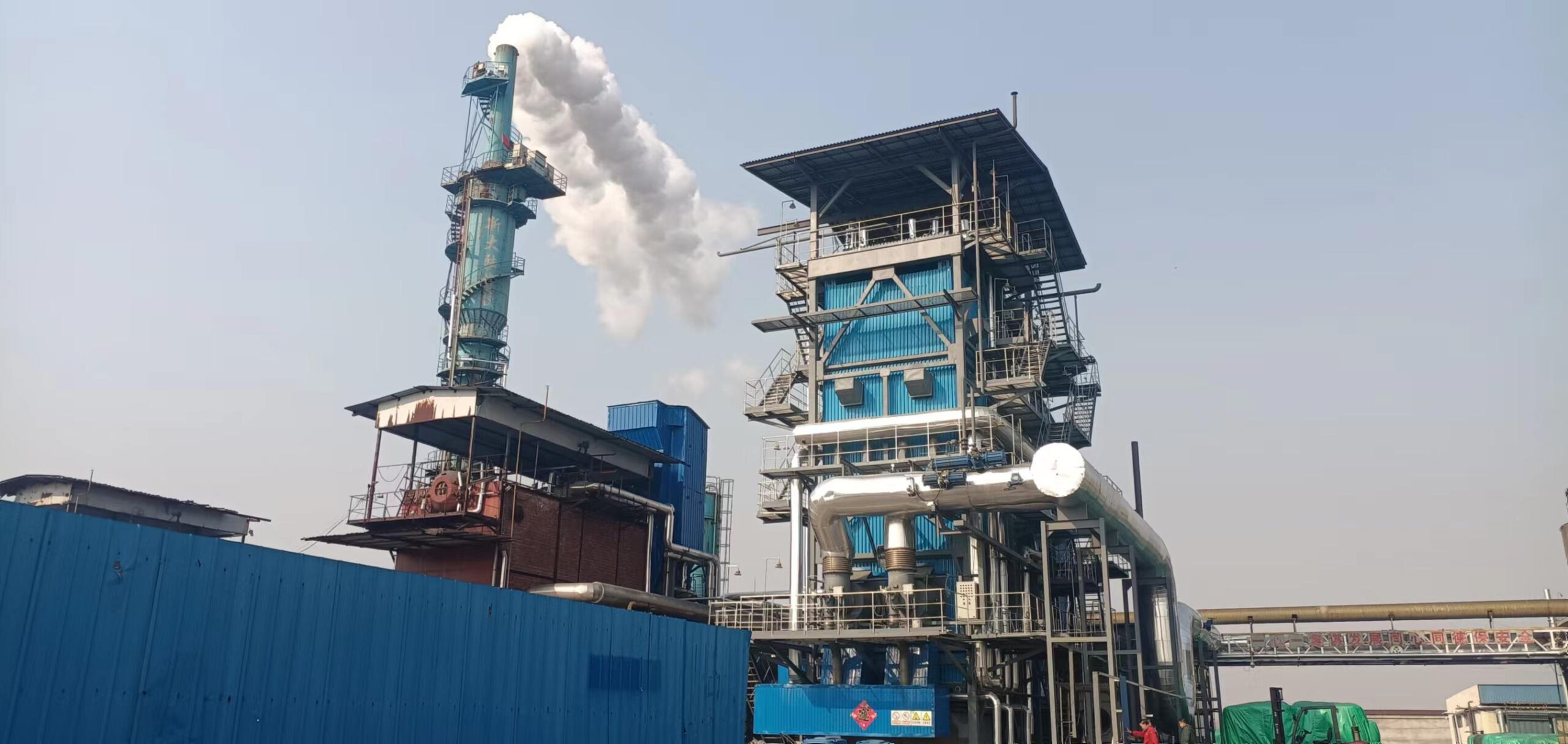
Industrial boiler projects involve highly complex engineering, procurement, fabrication, inspection, certification, and logistics processes. Because of this complexity, delays are one of the most common and costly challenges in boiler manufacturing and delivery. A single disruption—such as late material procurement, failed inspections, shipping congestion, or design revisions—can delay an entire industrial project, leading to postponed commissioning, increased labor costs, and lost production revenue. Fortunately, many of these delays are preventable through proper planning, communication, and process optimization.
Delays in industrial boiler manufacturing and delivery can be reduced by improving project planning, finalizing technical specifications early, optimizing supplier coordination, securing materials in advance, streamlining inspection and certification processes, enhancing production scheduling, and implementing proactive logistics management. Integrated communication and digital project tracking also play a critical role in minimizing disruptions and improving delivery reliability.
Understanding the root causes of delays allows manufacturers, EPC contractors, and buyers to build more resilient and predictable project schedules 🏭⏳
Most industrial boiler delays are caused only by factory production problems.False
Boiler delays can originate from engineering changes, procurement issues, inspections, certifications, logistics disruptions, customs clearance, and communication failures across the supply chain.
🧠 Start with Early and Accurate Project Planning
The foundation of on-time boiler delivery is detailed planning from the beginning.
📌 Critical planning activities:
- Define technical specifications early
- Establish realistic timelines
- Identify long-lead components
- Coordinate stakeholder responsibilities
📊 Planning impact on delivery reliability
| Planning Quality | Delay Risk |
|---|---|
| Poor planning | Very High |
| Basic planning | Moderate |
| Integrated project planning | Low |
👉 Early planning reduces uncertainty across the entire project lifecycle.
📘 Finalize Technical Specifications as Early as Possible
Frequent design changes are one of the biggest causes of delays.
⚠️ Common late-stage changes:
- Fuel type revisions
- Capacity modifications
- Emission requirement updates
- Control system redesigns
📊 Impact of design changes
| Change Timing | Schedule Impact |
|---|---|
| Early-stage modification | Moderate |
| Mid-production revision | High |
| Late-stage redesign | Severe |
👉 Stable specifications are essential for maintaining schedule control.
🧱 Secure Long-Lead Materials Early
Specialized materials often have the longest procurement cycles.
🔩 Common long-lead items:
- Alloy steel plates
- Pressure vessel tubing
- Burners and control systems
- Imported valves and instruments
📊 Procurement strategy comparison
| Procurement Strategy | Delay Risk |
|---|---|
| Reactive purchasing | High |
| Early reservation contracts | Low |
👉 Early procurement protects projects from supply chain volatility.
🔥 Improve Supplier and Vendor Coordination
Industrial boiler projects rely on multiple suppliers working together.
📌 Key coordination areas:
- Material suppliers
- Burner manufacturers
- Automation vendors
- Logistics providers
- Inspection agencies
⚠️ Poor coordination often causes:
- Misaligned delivery schedules
- Missing components
- Rework and assembly delays
👉 Strong supplier communication prevents bottlenecks.
⚙️ Optimize Manufacturing and Production Scheduling
Efficient production scheduling minimizes fabrication delays.
🏭 Best practices:
- Parallel fabrication processes
- Real-time production monitoring
- Capacity balancing across workshops
- Priority scheduling for critical tasks
📊 Production scheduling effectiveness
| Scheduling Method | Manufacturing Efficiency |
|---|---|
| Manual scheduling | Medium |
| Digital scheduling systems | High |
| AI-assisted scheduling | Very High |
👉 Smart scheduling improves workflow continuity.
🔍 Streamline Inspection and Certification Processes
Inspections and approvals often create schedule bottlenecks.
📌 Delay prevention strategies:
- Schedule inspectors early
- Prepare documentation proactively
- Conduct internal pre-inspections
- Use digital quality tracking systems
📊 Inspection management comparison
| Inspection Approach | Delay Probability |
|---|---|
| Reactive inspection scheduling | High |
| Pre-coordinated inspection planning | Low |
👉 Early certification planning prevents approval bottlenecks.
🧪 Strengthen Quality Control to Avoid Rework
Rework is one of the most expensive sources of delay.
⚠️ Common causes of rework:
- Welding defects
- Dimensional inaccuracies
- Material non-conformance
- Documentation errors
📊 Quality impact overview
| Quality Level | Rework Risk |
|---|---|
| Weak QC system | High |
| Advanced QA/QC system | Low |
👉 Preventing defects is far faster than correcting them later.
🌍 Improve Logistics and Shipping Coordination
Global logistics disruptions can heavily impact delivery schedules.
🚢 Key logistics strategies:
- Reserve shipping space early
- Use alternative shipping routes
- Coordinate customs documentation in advance
- Monitor global port conditions
📊 Logistics planning effectiveness
| Logistics Planning Level | Delivery Stability |
|---|---|
| Minimal planning | Low |
| Integrated logistics management | High |
👉 Shipping visibility improves schedule predictability.
📡 Use Digital Project Management and Tracking Systems
Modern boiler projects increasingly rely on digital coordination tools.
🧠 Useful technologies:
- ERP systems
- Cloud-based project dashboards
- Real-time fabrication tracking
- Supply chain monitoring software
📌 Benefits include:
- Faster decision-making
- Better transparency
- Early risk detection
👉 Digitalization reduces communication delays significantly.
🤝 Improve Communication Between Stakeholders
Industrial boiler projects involve many participants:
- Manufacturers
- EPC contractors
- Clients
- Inspectors
- Freight providers
⚠️ Poor communication causes:
- Delayed approvals
- Specification misunderstandings
- Scheduling conflicts
📊 Communication effectiveness comparison
| Communication Quality | Project Coordination |
|---|---|
| Fragmented | Poor |
| Centralized & transparent | Strong |
👉 Consistent communication is critical for on-time delivery.
🏭 Real-World Case Study: Delay Reduction in Boiler Manufacturing
A petrochemical project experienced repeated delivery delays due to:
- Procurement bottlenecks
- Inspection scheduling conflicts
- Shipping coordination issues
Improvement measures implemented:
- Integrated digital project tracking
- Early supplier contracts
- Parallel inspection planning
- Dedicated logistics coordination team
Results achieved:
- ✔ 20% reduction in lead time
- ✔ Fewer production interruptions
- ✔ Improved shipment reliability
⚠️ Common Mistakes That Cause Avoidable Delays
- ❌ Frequent scope changes
- ❌ Delayed customer approvals
- ❌ Poor documentation management
- ❌ Late procurement decisions
- ❌ Weak supplier communication
👉 Most delays are caused by management inefficiencies rather than fabrication itself.
💰 Financial Benefits of Reducing Delays
Faster and more reliable delivery creates major economic advantages:
- 🔻 Reduced project overhead costs
- 🔻 Faster plant commissioning
- 🔻 Lower storage and demurrage fees
- 🔻 Improved production startup timing
📊 Economic impact overview
| Delay Reduction Level | Financial Benefit |
|---|---|
| Moderate improvement | Significant |
| Major optimization | Very High |
👉 Time efficiency directly improves project profitability.
🚀 Future Trends in Delay Reduction
- AI-driven predictive scheduling
- Smart factory automation
- Real-time global logistics tracking
- Digital twin project simulation
- Blockchain-based supply chain transparency
👉 Future boiler manufacturing will become more predictive, connected, and automated
📌 Summary
Reducing delays in industrial boiler manufacturing and delivery requires a comprehensive strategy that integrates planning, procurement, production scheduling, quality control, inspection coordination, logistics management, and stakeholder communication.
✔ Early planning reduces project uncertainty
✔ Stable specifications prevent costly redesigns
✔ Strong supplier coordination minimizes bottlenecks
✔ Advanced quality systems reduce rework
✔ Digital tracking improves schedule transparency
Ultimately, successful boiler delivery depends on proactive coordination and integrated project management across the entire manufacturing and logistics lifecycle 🏭⏳
Conclusion
The lead time for industrial boiler manufacturing and delivery depends on multiple factors, including boiler complexity, customization, compliance requirements, and logistics arrangements. Proper planning and early coordination with an experienced supplier can help minimize delays and ensure smooth project execution. Understanding realistic timelines is critical for maintaining operational schedules and avoiding costly disruptions.
If you need accurate lead time estimates or customized industrial boiler solutions for your project, contact us today. Our experienced team provides efficient manufacturing, reliable delivery schedules, and comprehensive support to help you keep your operations on track.
FAQ
Q1: What is the typical lead time for manufacturing an industrial boiler?
A1:
The typical manufacturing lead time for an industrial boiler generally ranges from 8 to 36 weeks, depending on the boiler type, size, customization level, and supplier capacity. Standard packaged boilers with common specifications can often be manufactured within 8 to 16 weeks, while highly customized or large-capacity systems may require 20 to 36 weeks or longer.
Fire-tube boilers usually have shorter production timelines because of their simpler design and more standardized manufacturing process. Water-tube boilers, especially those designed for power plants or high-pressure applications, often require more engineering, fabrication, and testing time.
Customization significantly impacts manufacturing duration. Boilers designed for specific fuels, emission standards, high-altitude operation, or unique industrial processes require additional engineering and approval stages.
Material procurement also affects timelines. Specialized alloys, pressure vessel components, burners, and control systems may have long sourcing periods depending on market conditions and global supply chains.
In addition, factory testing and certification procedures can extend production schedules. Many industrial boilers undergo hydrostatic testing, performance verification, and third-party inspections before shipment.
Overall, manufacturing lead times vary widely, but most industrial boiler projects require careful planning to account for engineering, fabrication, testing, and logistics.
Q2: What factors can affect industrial boiler delivery time?
A2:
Several factors can influence the delivery time of industrial boilers, and understanding these variables is essential for accurate project scheduling. One of the most important factors is the complexity of the boiler design. Custom-engineered systems require more time for design approval, manufacturing, and quality assurance.
Supply chain conditions also play a major role. Delays in obtaining steel, burners, valves, control systems, or refractory materials can significantly extend manufacturing schedules. Global logistics disruptions and shipping congestion may further affect delivery timelines.
Boiler size and capacity are additional considerations. Large industrial or utility-scale boilers require more fabrication time and often involve modular shipping arrangements, which can increase logistical complexity.
Certification and regulatory compliance requirements may also impact delivery schedules. Boilers requiring ASME, CE, ISO, or local regulatory approvals often undergo additional inspections and documentation processes.
Transportation distance and shipping method are also important. International shipments may require ocean freight, customs clearance, and inland transportation coordination, adding weeks to the total timeline.
Seasonal demand can influence supplier production schedules as well. During periods of high industrial activity, manufacturers may experience backlog delays.
In summary, design complexity, supply chains, certifications, transportation, and market demand all affect industrial boiler delivery time.
Q3: How long does it take to install and commission an industrial boiler after delivery?
A3:
Installation and commissioning of an industrial boiler can take anywhere from several days to several months, depending on the complexity and scale of the system. Smaller packaged boilers may be installed and commissioned within 1 to 3 weeks, while large custom industrial boilers or power plant systems may require several months.
The installation timeline depends heavily on site preparation. Foundations, piping, electrical systems, fuel supply infrastructure, and ventilation systems must often be completed before the boiler arrives. Delays in civil or mechanical work can postpone commissioning.
Assembly requirements also vary. Packaged boilers arrive largely pre-assembled, reducing installation time. In contrast, field-erected boilers require extensive on-site assembly, welding, and testing.
Commissioning includes several critical procedures such as pressure testing, burner tuning, control system calibration, and operator training. Safety inspections and regulatory approvals must also be completed before the boiler enters operation.
Fuel type can influence commissioning duration as well. Biomass and coal-fired boilers typically require more extensive combustion tuning and emission testing compared to gas-fired systems.
Proper coordination between the supplier, contractors, and plant personnel is essential to avoid delays.
In conclusion, installation and commissioning timelines vary significantly based on boiler size, complexity, and site readiness, ranging from weeks to months.
Q4: Why do custom industrial boilers require longer lead times?
A4:
Custom industrial boilers require longer lead times because they involve specialized engineering, unique manufacturing processes, and additional testing requirements. Unlike standard packaged boilers, custom systems are tailored to meet specific operational, environmental, and regulatory needs.
Engineering design is one of the main reasons for extended timelines. Custom boilers often require detailed thermal calculations, structural analysis, and process integration planning. This engineering phase may involve multiple revisions and client approvals.
Special materials and components can also increase lead times. High-temperature alloys, low-emission burners, advanced control systems, and custom pressure vessels may have limited availability or require special fabrication.
Manufacturing complexity is another factor. Custom boilers may require unique welding procedures, specialized assembly techniques, and non-standard dimensions that increase fabrication time.
Testing and certification processes are also more extensive. Custom boilers often undergo additional performance testing, emission verification, and third-party inspections to ensure compliance with industry standards and local regulations.
Logistics can further extend schedules, especially for oversized equipment requiring special transportation arrangements.
In summary, custom industrial boilers require longer lead times due to engineering complexity, specialized materials, manufacturing challenges, testing requirements, and transportation logistics.
Q5: How can companies reduce delays in industrial boiler projects?
A5:
Companies can reduce delays in industrial boiler projects through careful planning, early coordination, and proactive project management. One of the most effective strategies is to finalize technical specifications as early as possible. Frequent design changes during manufacturing can significantly extend production timelines.
Selecting experienced and reputable suppliers is also essential. Established manufacturers typically have better supply chain management, engineering resources, and production capacity, reducing the risk of delays.
Early procurement of critical components can help mitigate supply chain disruptions. Components such as burners, control systems, and specialty materials should be ordered well in advance.
Clear communication between all stakeholders—including suppliers, contractors, engineers, and plant operators—is another important factor. Regular project meetings and progress tracking help identify issues early and prevent scheduling conflicts.
Site preparation should also be completed before equipment delivery. Delays in foundations, utilities, or infrastructure can postpone installation and commissioning.
Using modular or packaged boiler systems can further reduce project duration because these systems require less on-site assembly.
Finally, contingency planning is important. Allowing buffer time for unexpected delays helps maintain realistic schedules and reduces project risks.
In conclusion, reducing boiler project delays requires early planning, strong supplier selection, proactive communication, efficient site preparation, and effective risk management.
References
- Industrial Boiler Manufacturing Process – https://www.energy.gov/eere/amo/steam-systems – U.S. Department of Energy
- Boiler Engineering and Fabrication – https://www.asme.org – ASME
- Steam Boiler Project Planning – https://www.spiraxsarco.com – Spirax Sarco
- Industrial Equipment Supply Chains – https://www.mckinsey.com – McKinsey & Company
- Boiler Installation Best Practices – https://www.tlv.com – TLV International
- Industrial Energy Systems – https://www.iea.org – International Energy Agency
- Boiler Codes and Standards – https://www.iso.org – ISO
- Industrial Logistics and Shipping – https://www.sciencedirect.com – ScienceDirect
- Boiler Safety and Commissioning – https://www.osha.gov – OSHA
- Engineering Project Management – https://www.engineeringtoolbox.com – Engineering Toolbox
Typical Lead Time for Industrial Boiler Delivery Read More »