
Industrial Boiler Classification by Firing Method
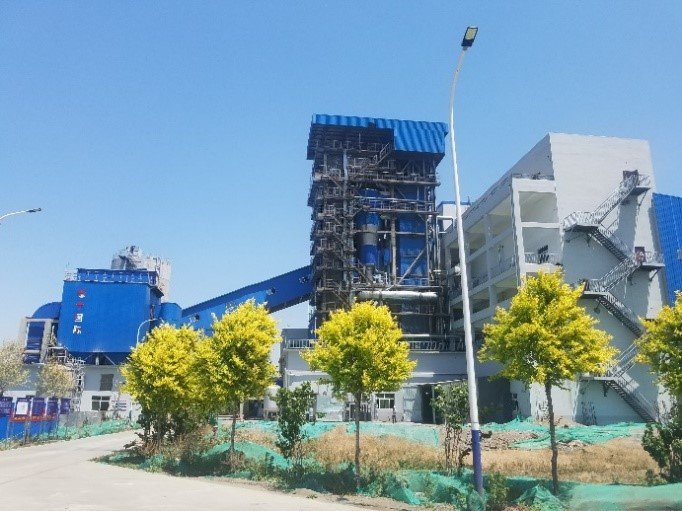
Selecting the wrong firing method for an industrial boiler can result in poor combustion efficiency, unstable fuel consumption, excessive emissions, and higher operating costs. Different industries use different fuels and process requirements, making it critical to choose the appropriate combustion technology. Without understanding how boilers are classified by firing method, businesses may struggle with fuel flexibility, environmental compliance, and long-term operational reliability. A clear understanding of these classifications helps optimize boiler performance and energy efficiency.
Industrial boilers are commonly classified by firing method into pulverized fuel boilers, fluidized bed boilers, grate-fired boilers, and oil/gas burner boilers. Pulverized boilers use finely ground coal for high-efficiency combustion; fluidized bed boilers suspend fuel particles in hot air for cleaner and more flexible combustion; grate-fired boilers burn solid fuels on a moving or fixed grate; and oil/gas burner boilers use atomized liquid fuel or gaseous fuel for clean, controllable combustion. Each firing method is designed for specific fuels, capacities, and industrial applications.
To choose the most suitable boiler system, it is important to understand how each firing method works and what advantages it offers in industrial operations.
What Is a Pulverized Fuel Boiler and How Does Its Firing Method Work?
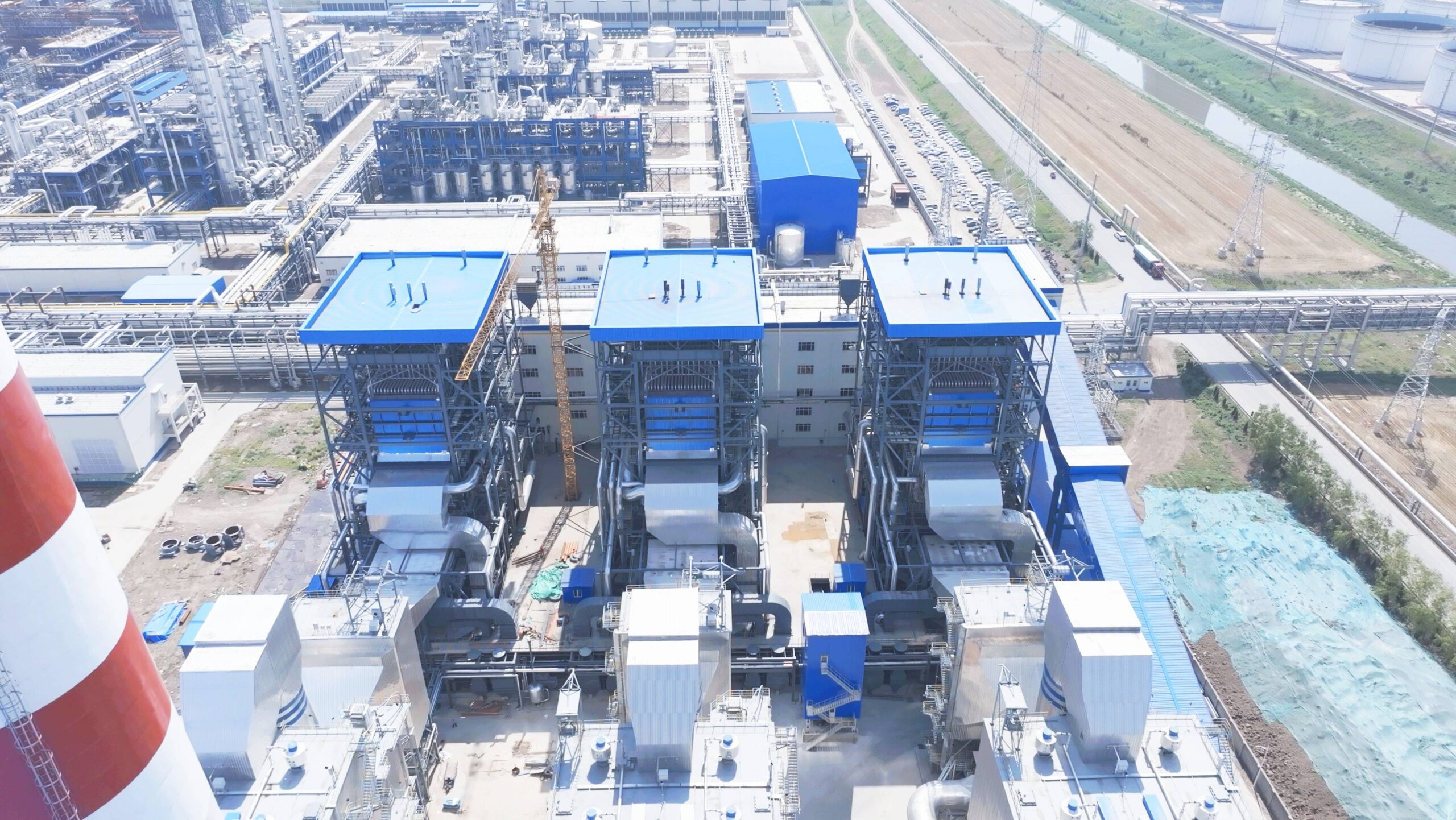
Large-scale industrial facilities and power plants require enormous amounts of thermal energy to generate steam and electricity efficiently. Traditional solid-fuel combustion methods often struggle with incomplete combustion, lower efficiency, unstable flame conditions, and high emissions. To solve these problems, many power stations and heavy industrial plants use pulverized fuel boilers, which dramatically improve fuel combustion efficiency by converting solid fuel into fine powder before firing it into the furnace.
A pulverized fuel (PF) boiler is an industrial boiler system that burns finely ground solid fuel—typically coal—by injecting it into the combustion chamber with air. The firing method works by pulverizing the fuel into powder-like particles, allowing rapid ignition, efficient combustion, high heat release, and improved thermal efficiency for large-scale steam generation and power production.
Pulverized fuel firing became one of the most important combustion technologies in modern thermal power generation because it enables large-capacity, high-efficiency boiler operation 🔥⚙️
Pulverized fuel boilers burn large chunks of coal directly inside the furnace without special fuel preparation.False
Pulverized fuel boilers first grind solid fuel into very fine particles to improve combustion speed, efficiency, and heat release characteristics.
🔥 What Is a Pulverized Fuel Boiler?
A pulverized fuel boiler is a high-capacity industrial boiler designed to:
- Burn finely powdered solid fuel
- Generate large amounts of thermal energy
- Produce high-pressure steam for industrial use
📌 Core operating concept:
Solid fuel is ground into fine powder → mixed with air → injected into furnace → rapid combustion generates heat.
📊 Main components of a PF boiler
| Component | Function |
|---|---|
| Pulverizer | Grinds fuel into fine particles |
| Burner | Injects fuel-air mixture into furnace |
| Furnace chamber | Main combustion area |
| Boiler tubes | Transfer heat to water |
| Air preheater | Improves combustion efficiency |
| Exhaust system | Removes flue gases |
👉 Pulverized fuel combustion maximizes the fuel surface area exposed to oxygen.
⚙️ How the Pulverized Fuel Firing Method Works
The firing method is based on transforming solid fuel into extremely fine particles.
🔄 Step-by-step firing process:
- Raw fuel enters the pulverizer
- Pulverizer grinds fuel into powder
- Primary air transports fuel particles
- Burners inject fuel-air mixture into furnace
- Combustion occurs rapidly in suspension
- Heat transfers to boiler tubes
- Steam is generated for industrial use
📊 Simplified PF combustion workflow
| Stage | Purpose |
|---|---|
| Fuel pulverization | Increase surface area |
| Air mixing | Improve combustion efficiency |
| Suspension firing | Rapid heat release |
| Heat transfer | Generate steam |
👉 Fine fuel particles burn much faster and more completely than large solid chunks.
🌡 Why Pulverized Fuel Burns More Efficiently
Combustion efficiency depends heavily on fuel surface area.
When coal is pulverized:
- Surface area increases dramatically
- Oxygen contact improves
- Ignition becomes faster
- Combustion becomes more complete
📌 Combustion principle:
Smaller particles allow faster heat absorption and oxidation reactions.
📊 Fuel particle comparison
| Fuel Form | Combustion Speed |
|---|---|
| Large coal chunks | Slow |
| Pulverized coal powder | Very Fast |
👉 Pulverization enables near-complete fuel combustion.
🔥 Fuel Pulverization Process
Fuel preparation is a critical part of PF boiler operation.
Common pulverizer types:
- Ball mills
- Bowl mills
- Roller mills
📌 Pulverizer objectives:
- Produce uniform particle size
- Ensure proper fuel-air mixing
- Maintain stable combustion
📊 Typical pulverized fuel characteristics
| Parameter | Typical Requirement |
|---|---|
| Particle fineness | Very fine powder |
| Moisture content | Controlled |
| Particle distribution | Uniform |
👉 Consistent fuel preparation improves furnace stability.
🌪 Role of Air in Pulverized Fuel Firing
Air management is essential for combustion efficiency.
📌 Three major air systems:
- Primary air → transports fuel powder
- Secondary air → supports combustion
- Tertiary air (in some systems) → optimizes flame stability
📊 Air system functions
| Air Type | Function |
|---|---|
| Primary air | Fuel transport |
| Secondary air | Main combustion support |
| Excess air | Ensure complete combustion |
👉 Proper air-fuel balance is critical for efficient operation.
🔥 Combustion Inside the Furnace
Pulverized fuel burns while suspended in the furnace chamber.
📌 Key combustion characteristics:
- High flame temperature
- Rapid heat release
- Large radiant heat transfer zone
Typical furnace temperatures may exceed:
1500^circ C
📊 Furnace performance factors
| Factor | Operational Impact |
|---|---|
| Particle size | Combustion speed |
| Air distribution | Flame stability |
| Furnace temperature | Thermal efficiency |
👉 Furnace design strongly influences combustion quality.
⚡ Steam Generation in PF Boilers
The intense heat generated by combustion transfers into boiler water systems.
🔄 Heat transfer sequence:
Radiant heat → boiler tubes → water heating → steam generation
📌 Common outputs:
- Saturated steam
- Superheated steam
📊 PF boiler applications
| Application | Steam Requirement |
|---|---|
| Thermal power plants | Superheated steam |
| Heavy industry | Process steam |
👉 PF boilers are ideal for very large steam loads.
🏭 Main Industries Using Pulverized Fuel Boilers
PF boilers are commonly used in:
- Thermal power generation
- Steel manufacturing
- Cement production
- Petrochemical facilities
- Large industrial plants
📊 Industry usage overview
| Industry | Main Purpose |
|---|---|
| Power generation | Electricity production |
| Steel industry | Process heating |
| Cement plants | Kiln thermal support |
👉 PF boilers dominate high-capacity thermal applications.
🌫 Efficiency Advantages of Pulverized Fuel Boilers
✔ Key efficiency benefits:
- Rapid combustion
- High heat release rates
- Better fuel utilization
- Large-scale thermal output
📊 Efficiency comparison
| Combustion Method | Efficiency Potential |
|---|---|
| Grate firing | Moderate |
| Pulverized fuel firing | High |
👉 Pulverized firing significantly improves combustion performance.
🌍 Emission Challenges and Environmental Considerations
Despite efficiency advantages, PF boilers face environmental concerns.
⚠️ Common emissions:
- NOx
- SO₂
- Particulate matter
- CO₂
📌 Emission control technologies:
- Electrostatic precipitators
- Flue gas desulfurization (FGD)
- Low-NOx burners
- Selective catalytic reduction (SCR)
📊 Environmental control systems
| Technology | Target Pollutant |
|---|---|
| ESP | Dust particles |
| SCR | NOx |
| FGD | Sulfur emissions |
👉 Modern PF boilers rely heavily on advanced emission controls.
🔍 Operational Challenges in PF Boilers
PF systems are operationally complex.
Common challenges:
- Pulverizer wear
- Ash handling
- Slagging and fouling
- Combustion instability
- Fuel quality variability
📊 Maintenance complexity overview
| Boiler Type | Maintenance Complexity |
|---|---|
| Conventional small boiler | Moderate |
| PF boiler | Very High |
👉 High efficiency comes with greater operational complexity.
🧠 Automation and Combustion Control
Modern PF boilers use sophisticated control systems.
🔧 Automated functions:
- Air-fuel ratio control
- Flame monitoring
- Furnace pressure control
- Emission optimization
- Pulverizer management
📊 Automation benefits
| Control Function | Benefit |
|---|---|
| Real-time combustion tuning | Improved efficiency |
| Automated flame monitoring | Increased safety |
| Emission optimization | Regulatory compliance |
👉 Digital control systems are essential for stable PF operation.
🏭 Real-World Case Study: Pulverized Fuel Boiler in Power Generation
A thermal power station upgraded from older combustion technology to a PF boiler system.
Objectives:
- Improve fuel efficiency
- Increase steam generation capacity
- Reduce operational instability
Implemented upgrades:
- Advanced coal pulverizers
- Low-NOx burner systems
- Automated combustion controls
Results:
- ✔ Higher thermal efficiency
- ✔ Improved combustion stability
- ✔ Lower fuel consumption per MW generated
⚠️ Common Mistakes in PF Boiler Operation
- ❌ Poor pulverizer maintenance
- ❌ Improper air-fuel ratio adjustment
- ❌ Ignoring ash buildup
- ❌ Inadequate burner balancing
- ❌ Using inconsistent fuel quality
👉 Combustion stability depends heavily on precise operational control.
💰 Economic Advantages of PF Boilers
PF boilers provide:
- High steam generation capacity
- Better fuel utilization
- Improved thermal efficiency
- Large-scale industrial productivity
📊 Economic comparison overview
| Factor | PF Boiler Performance |
|---|---|
| Fuel efficiency | High |
| Capital cost | High |
| Large-scale productivity | Excellent |
👉 PF boilers are economically advantageous for high-capacity operations.
🚀 Future Trends in Pulverized Fuel Boiler Technology
- AI-driven combustion optimization
- Biomass co-firing systems
- Carbon capture integration
- Ultra-supercritical boiler designs
- Hydrogen-assisted combustion systems
👉 Future PF boilers will become more efficient, digitally optimized, and environmentally controlled
📌 Summary
A pulverized fuel boiler is a high-capacity industrial boiler that burns finely ground solid fuel in suspension to achieve rapid combustion, high thermal efficiency, and large-scale steam generation.
✔ Pulverized fuel improves combustion speed and efficiency
✔ Suspension firing enables rapid heat release
✔ PF boilers support massive industrial steam production
✔ Advanced air and combustion control systems optimize performance
✔ Modern emission systems reduce environmental impact
Ultimately, pulverized fuel boilers are not simply large combustion systems—they are highly engineered thermal energy platforms designed for efficient large-scale industrial and power generation applications 🔥🏭
How Do Fluidized Bed Boilers Improve Combustion Efficiency and Fuel Flexibility?
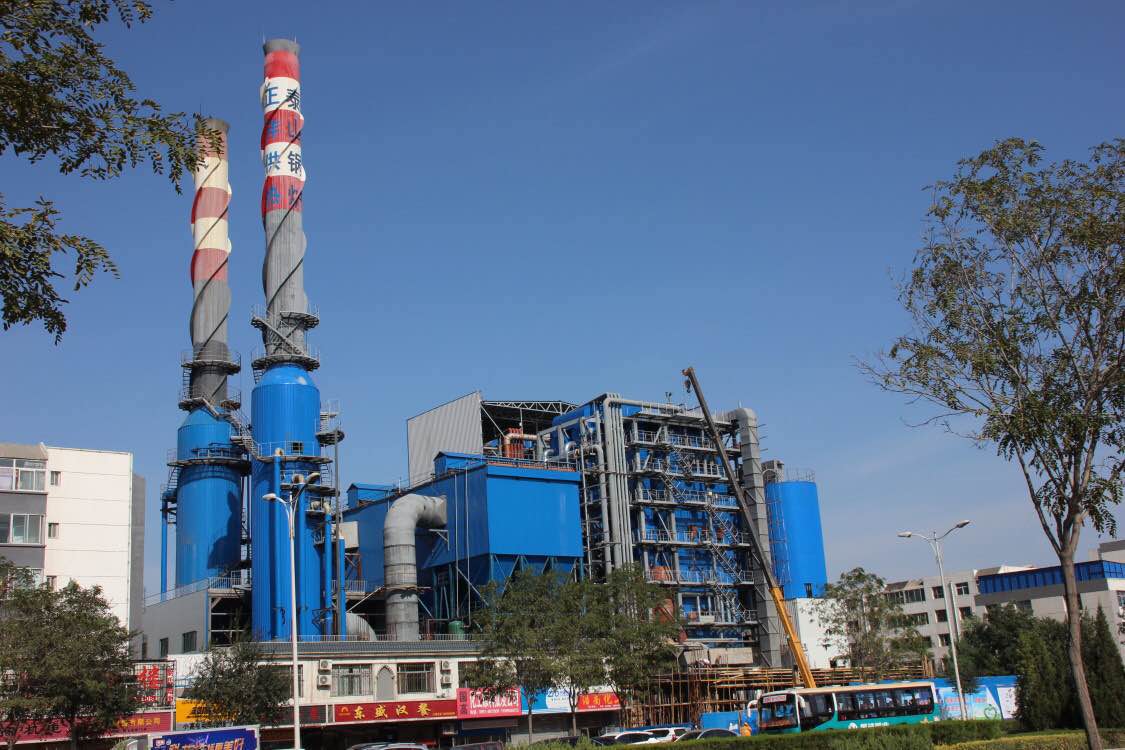
Traditional industrial combustion systems often face major challenges such as incomplete fuel burning, limited fuel compatibility, unstable combustion temperatures, high emissions, and poor efficiency when using low-grade fuels. Industries that rely on solid fuels frequently struggle with fuel variability, ash handling issues, and rising environmental regulations. Fluidized bed boiler technology was developed to solve many of these problems by creating a highly efficient and flexible combustion environment capable of burning a wide variety of fuels with improved thermal performance and lower emissions.
Fluidized bed boilers improve combustion efficiency and fuel flexibility by suspending solid fuel particles in a high-velocity air stream, creating intense mixing between fuel and air for more complete combustion. This technology allows stable low-temperature combustion, efficient heat transfer, lower emissions, and the ability to burn diverse fuels such as coal, biomass, waste materials, and low-grade solid fuels.
Fluidized bed combustion systems are widely regarded as one of the most versatile and environmentally adaptable industrial boiler technologies available today 🔥⚙️
Fluidized bed boilers require only high-quality uniform fuels to maintain stable combustion.False
Fluidized bed boilers are specifically valued for their ability to efficiently burn a wide range of fuels, including low-grade coal, biomass, sludge, and industrial waste materials.
🔥 What Is a Fluidized Bed Boiler?
A fluidized bed boiler is an industrial combustion system where:
- Solid fuel particles are suspended by upward-flowing air
- Fuel behaves like a boiling fluidized mixture
- Combustion occurs evenly throughout the bed
📌 Basic operating principle:
Air flows upward through a bed of fuel and inert particles → particles become suspended → combustion occurs in a fluid-like state.
📊 Main components of a fluidized bed boiler
| Component | Function |
|---|---|
| Air distributor | Supplies fluidizing air |
| Combustion chamber | Main combustion zone |
| Fuel feeding system | Delivers solid fuel |
| Bed material | Supports fluidization |
| Heat exchanger tubes | Transfer heat to water |
| Ash handling system | Removes combustion residue |
👉 Fluidization creates highly efficient fuel-air mixing.
⚙️ How Fluidized Bed Combustion Works
The key innovation is fluidization itself.
🔄 Step-by-step combustion process:
- Air enters through the bottom distributor
- Air velocity suspends bed particles
- Fuel is introduced into the fluidized bed
- Intense mixing promotes rapid combustion
- Heat transfers efficiently to boiler tubes
- Ash and flue gases exit the system
📊 Simplified fluidized bed workflow
| Stage | Purpose |
|---|---|
| Air fluidization | Suspend particles |
| Fuel mixing | Improve combustion |
| Heat transfer | Generate steam or hot water |
| Ash removal | Maintain stable operation |
👉 The suspended particle environment maximizes combustion contact efficiency.
🌪 Why Fluidization Improves Combustion Efficiency
Efficient combustion depends on:
- Fuel-air contact
- Temperature uniformity
- Residence time
- Heat transfer quality
Fluidized beds excel in all four areas.
✔ Key combustion advantages:
- Uniform mixing
- Large fuel surface exposure
- Stable combustion temperatures
- Longer fuel residence time
📊 Combustion comparison
| Combustion Method | Mixing Efficiency |
|---|---|
| Grate firing | Moderate |
| Pulverized fuel firing | High |
| Fluidized bed combustion | Very High |
👉 Better mixing leads to more complete fuel combustion.
🔥 Low-Temperature Combustion Advantages
Fluidized bed boilers typically operate at lower combustion temperatures than pulverized fuel systems.
Typical combustion temperatures are often around:
800^circ C – 900^circ C
📌 Why lower temperature matters:
- Reduced NOx formation
- Less slagging and fouling
- Improved combustion stability
📊 Temperature comparison
| Boiler Type | Typical Combustion Temperature |
|---|---|
| Pulverized fuel boiler | Very High |
| Fluidized bed boiler | Moderate |
👉 Lower temperatures improve environmental performance and reduce operational problems.
🛢️ Fuel Flexibility: One of the Biggest Advantages
Fluidized bed boilers can burn many fuel types efficiently.
📌 Common compatible fuels:
- Coal
- Biomass
- Wood chips
- Agricultural waste
- Sludge
- Municipal solid waste
- Petroleum coke
📊 Fuel flexibility comparison
| Boiler Type | Fuel Flexibility |
|---|---|
| Pulverized fuel boiler | Moderate |
| Grate boiler | Moderate |
| Fluidized bed boiler | Excellent |
👉 Fluidized beds are highly adaptable to changing fuel markets.
🌱 Biomass and Waste Fuel Utilization
Fluidized bed technology is especially valuable for renewable and waste fuels.
✔ Benefits include:
- Stable combustion of low-density fuels
- Better moisture tolerance
- Reduced landfill waste
- Lower fossil fuel dependency
📊 Renewable fuel applications
| Fuel Type | Suitability in FBC |
|---|---|
| Biomass | Excellent |
| Agricultural waste | Excellent |
| Municipal waste | Good |
👉 Fluidized bed systems support sustainable energy strategies.
⚡ Heat Transfer Efficiency in Fluidized Beds
Fluidized particles create excellent heat transfer conditions.
📌 Why heat transfer improves:
- Continuous particle movement
- Uniform temperature distribution
- High contact between particles and tubes
📊 Heat transfer comparison
| Boiler Type | Heat Transfer Efficiency |
|---|---|
| Conventional grate boiler | Moderate |
| Fluidized bed boiler | High |
👉 Efficient heat transfer improves steam generation performance.
🌫 Emission Reduction Advantages
Fluidized bed combustion naturally reduces certain emissions.
📌 Lower NOx emissions:
Lower combustion temperatures reduce nitrogen oxide formation.
📌 Sulfur capture capability:
Limestone can be added directly into the bed to absorb sulfur.
📊 Emission performance overview
| Emission Type | Fluidized Bed Performance |
|---|---|
| NOx | Lower |
| SO₂ | Reduced with limestone |
| Particulates | Controlled with filters |
👉 Fluidized bed systems help industries meet stricter environmental regulations.
🔍 Types of Fluidized Bed Boilers
There are two main fluidized bed designs.
### 🔹 Bubbling Fluidized Bed (BFB)
In BFB systems:
- Air velocity creates bubbling particle motion
- Fuel remains mostly within the bed area
✔ Advantages:
- Simpler design
- Stable operation
- Good for smaller systems
### 🔹 Circulating Fluidized Bed (CFB)
In CFB systems:
- Higher air velocity circulates particles throughout the furnace
- Particles are separated and recirculated
✔ Advantages:
- Higher efficiency
- Better fuel flexibility
- Lower emissions
📊 BFB vs CFB comparison
| Feature | BFB | CFB |
|---|---|---|
| Air velocity | Lower | Higher |
| Efficiency | High | Very High |
| Fuel flexibility | Good | Excellent |
👉 CFB technology dominates many large modern installations.
🧠 Automation and Combustion Control
Modern fluidized bed boilers rely on advanced control systems.
🔧 Key control functions:
- Bed temperature regulation
- Air distribution control
- Fuel feed balancing
- Emission monitoring
- Ash management automation
📊 Automation benefits
| Function | Operational Benefit |
|---|---|
| Real-time air control | Improved combustion |
| Automated fuel balancing | Stable operation |
| Emission optimization | Regulatory compliance |
👉 Fluidized bed systems require sophisticated process coordination.
🏭 Main Industries Using Fluidized Bed Boilers
Fluidized bed boilers are common in:
- Power generation
- Paper mills
- Cement plants
- Waste-to-energy facilities
- Biomass power plants
- Chemical industries
📊 Industry applications
| Industry | Main Purpose |
|---|---|
| Biomass energy | Renewable power generation |
| Waste-to-energy | Waste disposal & energy recovery |
| Paper industry | Process steam |
👉 Fuel flexibility makes FBC highly attractive across industries.
⚠️ Operational Challenges of Fluidized Bed Boilers
Despite their advantages, fluidized bed systems are complex.
Common challenges:
- Bed material management
- Erosion of boiler tubes
- Ash circulation control
- Air distribution balancing
- Fuel feed consistency
📊 Maintenance complexity
| Boiler Type | Maintenance Complexity |
|---|---|
| Conventional boiler | Moderate |
| Fluidized bed boiler | High |
👉 Proper operational control is critical for long-term reliability.
🏭 Real-World Case Study: Biomass Power Plant Using [CFB Boiler](https://coalbiomassboiler.com/product/circulating-fluidized-bed-boiler/)
A renewable energy facility required:
- Multi-fuel combustion capability
- Low emissions compliance
- High combustion efficiency
Implemented solution:
- [Circulating fluidized bed boiler](https://coalbiomassboiler.com/product/circulating-fluidized-bed-boiler/)
- Automated fuel feeding system
- Limestone sulfur capture integration
Results:
- ✔ Efficient biomass combustion
- ✔ Reduced sulfur emissions
- ✔ Improved fuel flexibility
💰 Economic Advantages of Fluidized Bed Boilers
Fluidized bed technology offers:
- Lower fuel costs through fuel flexibility
- Reduced emission control costs
- Improved combustion efficiency
- Better use of waste fuels
📊 Economic performance overview
| Benefit | Financial Impact |
|---|---|
| Multi-fuel capability | Reduced fuel expenses |
| Improved combustion | Higher efficiency |
| Lower emissions | Reduced compliance costs |
👉 Fuel flexibility can significantly improve long-term operating economics.
🚀 Future Trends in Fluidized Bed Boiler Technology
- AI-driven combustion optimization
- Carbon capture integration
- Hydrogen and biomass co-firing
- Advanced erosion-resistant materials
- Smart predictive maintenance systems
👉 Future fluidized bed systems will become more efficient, flexible, and environmentally sustainable
📌 Summary
Fluidized bed boilers improve combustion efficiency and fuel flexibility by suspending fuel particles in an air stream that creates highly efficient mixing, stable combustion temperatures, and enhanced heat transfer.
✔ Improve combustion completeness and efficiency
✔ Support a wide range of fuel types
✔ Reduce NOx and sulfur emissions
✔ Enhance heat transfer performance
✔ Enable renewable and waste fuel utilization
Ultimately, fluidized bed boilers are not just alternative combustion systems—they are advanced multi-fuel thermal platforms designed for efficient, flexible, and environmentally responsible industrial energy production 🔥🏭
What Are the Characteristics of Grate-Fired Industrial Boilers?
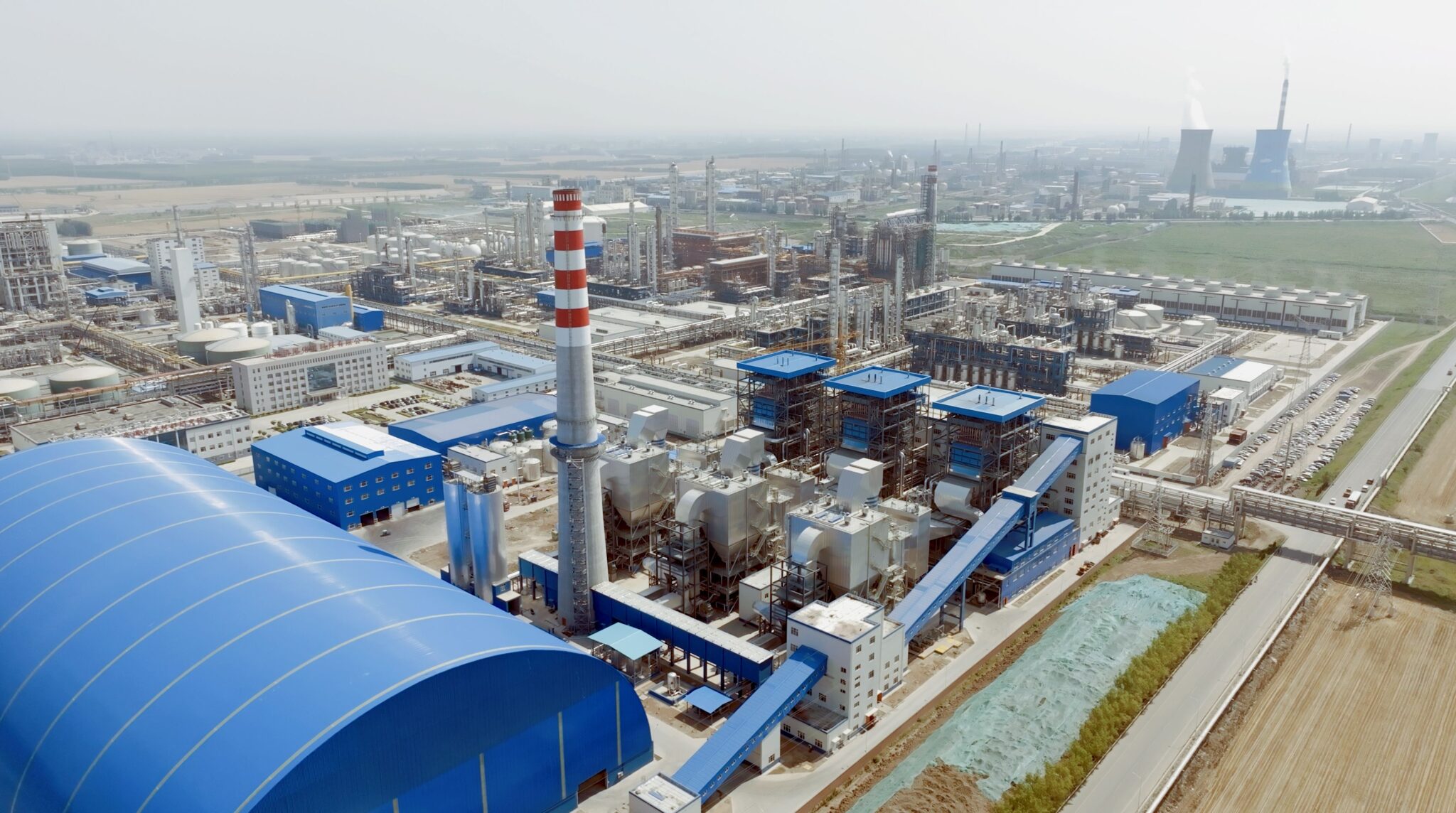
Industrial facilities that rely on solid fuels such as coal, biomass, wood chips, or agricultural waste often need combustion systems that are durable, fuel-tolerant, and capable of handling variable fuel sizes. While advanced technologies like pulverized fuel boilers and fluidized bed boilers offer high efficiency, many industries still use grate-fired industrial boilers because of their mechanical simplicity, operational reliability, and ability to burn solid fuels directly without extensive fuel preparation. These boilers remain widely used in industries where stable bulk fuel combustion and moderate operating costs are essential.
Grate-fired industrial boilers are solid-fuel combustion systems that burn fuel on a mechanical or fixed grate inside the furnace. Their main characteristics include simple combustion structure, strong fuel adaptability, lower fuel preparation requirements, stable long-duration combustion, relatively lower operating complexity, and suitability for coal, biomass, wood, and other bulk solid fuels.
Grate-fired boilers continue to play an important role in industrial steam and heating applications because they offer dependable performance and practical fuel flexibility 🔥⚙️
Grate-fired industrial boilers require fuel to be pulverized into fine powder before combustion.False
Unlike pulverized fuel boilers, grate-fired boilers can burn larger solid fuel particles directly on the grate without fine pulverization.
🔥 What Is a Grate-Fired Industrial Boiler?
A grate-fired boiler is a combustion system where:
- Solid fuel rests on a grate surface
- Combustion occurs progressively across the fuel bed
- Air passes through or above the grate to support burning
📌 Basic operating principle:
Fuel is fed onto the grate → ignition begins → combustion progresses across the grate → ash exits after burnout.
📊 Main components of a grate-fired boiler
| Component | Function |
|---|---|
| Grate system | Supports and moves fuel |
| Furnace chamber | Main combustion area |
| Fuel feeder | Supplies solid fuel |
| Air distribution system | Supports combustion |
| Boiler tubes | Transfer heat |
| Ash handling system | Removes ash residue |
👉 The grate is the central feature that defines this combustion technology.
⚙️ How Grate-Fired Combustion Works
Grate-fired systems rely on staged fuel bed combustion.
🔄 Step-by-step combustion process:
- Fuel enters the grate surface
- Ignition begins at the fuel bed
- Combustion air flows through the grate
- Fuel gradually burns while moving along the grate
- Heat transfers into boiler tubes
- Ash exits from the end of the grate
📊 Simplified grate combustion workflow
| Stage | Purpose |
|---|---|
| Fuel feeding | Supply combustible material |
| Ignition | Start combustion |
| Fuel bed burning | Generate heat |
| Ash discharge | Remove residue |
👉 Combustion progresses slowly and steadily across the fuel layer.
🪵 Strong Fuel Adaptability
One of the biggest strengths of grate-fired boilers is fuel flexibility.
📌 Common fuels:
- Coal
- Biomass
- Wood chips
- Agricultural waste
- Bagasse
- Peat
📊 Fuel compatibility overview
| Fuel Type | Compatibility |
|---|---|
| Lump coal | Excellent |
| Biomass | Good |
| Wood waste | Good |
| Pulverized fuel | Poor |
👉 Grate systems are ideal for larger solid fuel particles.
🔥 Lower Fuel Preparation Requirements
Unlike pulverized fuel systems, grate-fired boilers require minimal fuel processing.
✔ Advantages:
- Reduced preprocessing cost
- Simpler fuel handling systems
- Lower energy consumption for fuel preparation
📊 Fuel preparation comparison
| Boiler Type | Fuel Preparation Complexity |
|---|---|
| Pulverized fuel boiler | Very High |
| Fluidized bed boiler | Moderate |
| Grate-fired boiler | Low |
👉 Lower fuel preparation requirements reduce operational complexity.
🌡 Combustion Characteristics of Grate-Fired Boilers
Combustion occurs directly on the grate surface.
📌 Key combustion zones:
- Drying zone
- Ignition zone
- Main combustion zone
- Burnout zone
Typical combustion temperatures may range around:
800^circ C – 1200^circ C
📊 Combustion characteristics
| Characteristic | Performance |
|---|---|
| Combustion speed | Moderate |
| Temperature stability | Good |
| Heat release rate | Moderate |
👉 Grate combustion provides stable long-duration heat generation.
⚡ Common Types of Grate Systems
Different grate designs support different operational needs.
### 🔹 Fixed Grate Boilers
Fuel remains stationary during combustion.
✔ Characteristics:
- Simple construction
- Low capital cost
- Suitable for smaller systems
⚠️ Limitations:
- Lower combustion efficiency
- More manual operation
### 🔹 Moving Grate Boilers
Fuel gradually moves during combustion.
✔ Advantages:
- Continuous fuel feeding
- Improved combustion control
- Higher efficiency
📊 Moving grate advantages
| Feature | Benefit |
|---|---|
| Continuous movement | Stable combustion |
| Better air distribution | Improved efficiency |
| Automated ash removal | Lower labor demand |
👉 Moving grate systems dominate many modern industrial installations.
### 🔹 Chain Grate Boilers
A popular industrial moving grate design.
🔄 Operating concept:
A chain-driven grate continuously transports fuel through the combustion chamber.
✔ Benefits:
- Continuous operation
- Stable steam generation
- Good fuel handling capability
📌 Common applications:
- Industrial steam plants
- Biomass heating systems
- Medium-sized manufacturing facilities
🌪 Air Distribution and Combustion Control
Air management strongly affects combustion quality.
📌 Primary air:
Supplied beneath the grate to support fuel bed combustion.
📌 Secondary air:
Injected above the fuel bed to improve volatile gas combustion.
📊 Air control functions
| Air Type | Function |
|---|---|
| Primary air | Fuel bed combustion |
| Secondary air | Complete volatile burning |
👉 Proper airflow improves efficiency and reduces smoke emissions.
🌫 Efficiency Characteristics of Grate-Fired Boilers
Grate-fired systems generally offer moderate efficiency.
✔ Efficiency advantages:
- Stable fuel combustion
- Simple thermal design
- Reliable operation with variable fuels
⚠️ Efficiency limitations:
- Slower combustion rates
- Higher unburned carbon potential
- Less complete fuel-air mixing compared to PF or FBC systems
📊 Efficiency comparison
| Boiler Type | Efficiency Potential |
|---|---|
| Grate-fired boiler | Moderate |
| Pulverized fuel boiler | High |
| Fluidized bed boiler | High |
👉 Simplicity often comes at the expense of maximum efficiency.
🌍 Emission Characteristics
Emission performance depends heavily on fuel quality and air control.
Common emission concerns:
- Smoke
- Particulate matter
- CO emissions
- SO₂ (for sulfur-containing fuels)
📌 Emission reduction methods:
- Improved air staging
- Better fuel distribution
- Cyclone separators
- Bag filters
📊 Emission comparison overview
| Boiler Type | Emission Control Complexity |
|---|---|
| Grate-fired boiler | Moderate |
| Pulverized fuel boiler | High |
| Fluidized bed boiler | Moderate |
👉 Proper combustion control significantly improves environmental performance.
🧠 Automation and Operational Simplicity
Modern grate-fired boilers increasingly use automated systems.
🔧 Common automation features:
- Automatic fuel feeding
- Airflow regulation
- Ash removal systems
- Temperature monitoring
- Combustion optimization controls
📊 Automation benefits
| Function | Operational Benefit |
|---|---|
| Automatic feeding | Stable combustion |
| Airflow control | Improved efficiency |
| Ash automation | Reduced labor |
👉 Automation improves consistency and reduces operator workload.
🏭 Main Industries Using Grate-Fired Boilers
Grate-fired boilers are widely used in:
- Food processing plants
- Paper mills
- Textile factories
- Biomass energy facilities
- Wood processing industries
- Agricultural processing plants
📊 Industry applications
| Industry | Main Use |
|---|---|
| Biomass plants | Renewable heating |
| Paper mills | Process steam |
| Agriculture | Waste fuel utilization |
👉 Grate-fired systems are especially popular where biomass fuels are readily available.
⚠️ Operational Challenges of Grate-Fired Boilers
Despite their simplicity, grate-fired systems still face operational issues.
Common challenges:
- Uneven fuel distribution
- Ash buildup
- Clinker formation
- Incomplete combustion
- Slagging problems
📊 Operational complexity overview
| System Type | Operational Complexity |
|---|---|
| Fixed grate | Low |
| Moving grate | Moderate |
👉 Proper fuel management is essential for stable operation.
🏭 Real-World Case Study: Biomass-Fired Chain Grate Boiler
A wood processing plant needed:
- Reliable biomass combustion
- Lower fuel costs
- Continuous steam generation
Implemented solution:
- Automated chain grate boiler
- Wood waste fuel feeding system
- Automated ash handling
Results:
- ✔ Reduced waste disposal costs
- ✔ Stable steam production
- ✔ Improved fuel utilization
💰 Economic Advantages of Grate-Fired Boilers
Grate-fired systems provide:
- Lower fuel preparation costs
- Strong compatibility with low-cost fuels
- Relatively simple maintenance
- Reliable long-term operation
📊 Economic characteristics
| Factor | Performance |
|---|---|
| Capital cost | Moderate |
| Fuel flexibility | High |
| Maintenance complexity | Moderate |
👉 Grate-fired boilers remain economically attractive for many industries.
🚀 Future Trends in Grate-Fired Boiler Technology
- Advanced biomass combustion systems
- AI-driven combustion optimization
- Improved air staging technology
- Hybrid renewable fuel integration
- Ultra-low-emission grate combustion designs
👉 Future grate-fired systems will become more efficient, automated, and environmentally sustainable
📌 Summary
Grate-fired industrial boilers are solid-fuel combustion systems that burn fuel directly on a grate surface, offering strong fuel adaptability, operational simplicity, and reliable long-duration combustion.
✔ Burn solid fuels without extensive preparation
✔ Support coal, biomass, and waste fuels
✔ Provide stable industrial heat generation
✔ Offer relatively simple operation and maintenance
✔ Remain widely used in biomass and industrial steam applications
Ultimately, grate-fired boilers are not simply traditional combustion systems—they are practical and highly adaptable industrial heating solutions designed for reliable solid-fuel energy production 🔥🏭
How Do Oil and Gas Burner Boilers Operate in Industrial Applications?
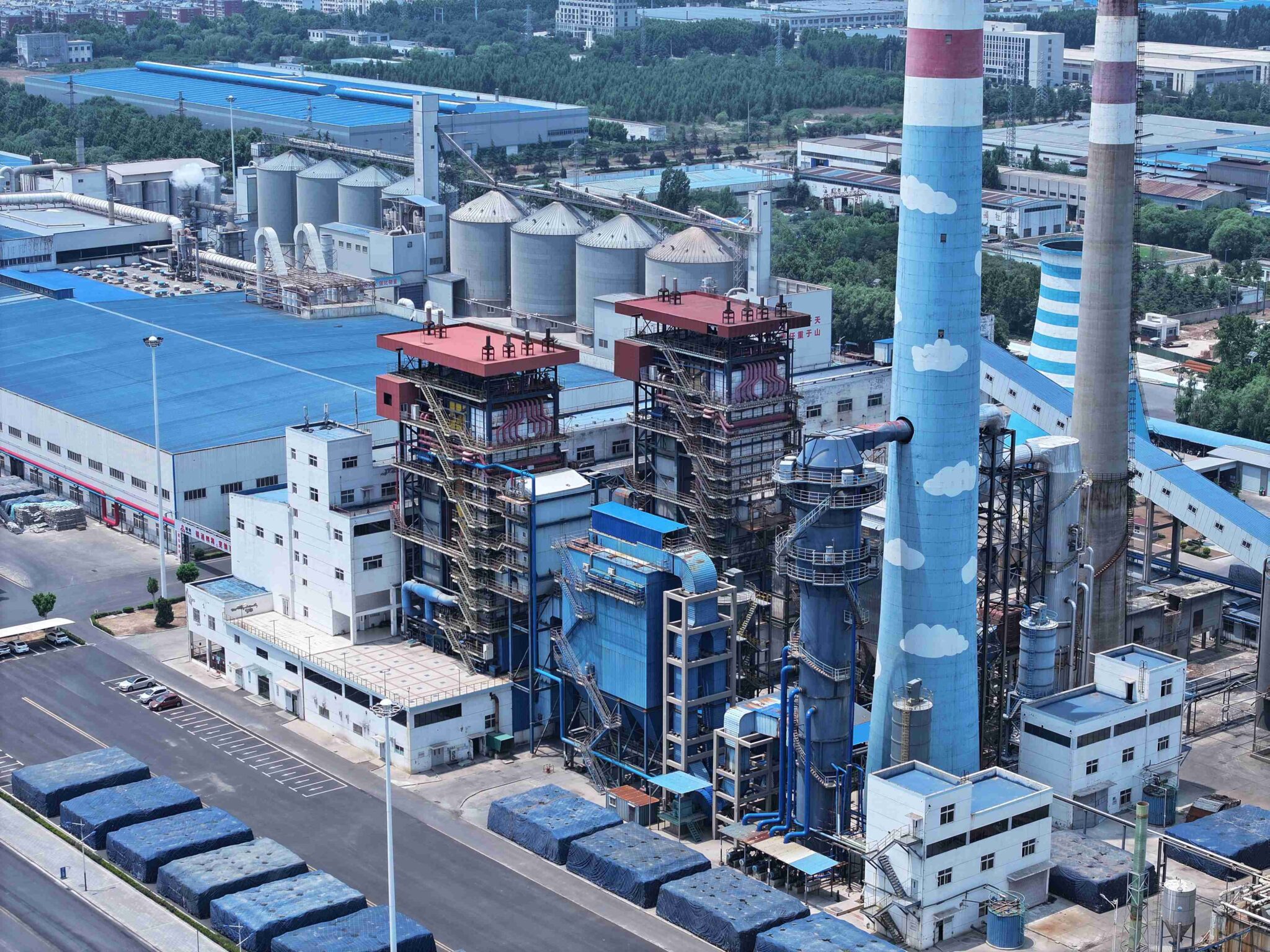
Industrial facilities require reliable, controllable, and efficient thermal energy systems to support manufacturing, processing, heating, and power generation. Among the most widely used technologies are oil and gas burner boilers, which are valued for their fast response, clean combustion, precise heat control, and high thermal efficiency. Unlike solid-fuel boilers that rely on fuel beds or pulverized combustion systems, oil and gas burner boilers use atomized liquid fuel or gaseous fuel mixed with combustion air to create controlled high-temperature flames inside the furnace.
Oil and gas burner boilers operate by mixing fuel with combustion air and igniting the mixture inside a combustion chamber to generate heat. The heat transfers through boiler surfaces into water, steam, or thermal oil systems used in industrial applications. Oil burners atomize liquid fuel into fine droplets, while gas burners precisely mix gaseous fuel with air to achieve stable, efficient, and controllable combustion.
These boiler systems are widely used because they offer high automation capability, rapid thermal response, lower particulate emissions, and excellent operational flexibility 🔥⚙️
Oil and gas burner boilers burn fuel directly in large solid layers similar to coal-fired grate boilers.False
Oil and gas burner boilers use atomized liquid fuel or gaseous fuel mixed with combustion air to create controlled flame combustion rather than solid fuel bed combustion.
🔥 What Is an Oil and Gas Burner Boiler?
An oil and gas burner boiler is a combustion system designed to:
- Burn liquid or gaseous fuel efficiently
- Generate heat for industrial processes
- Produce steam, hot water, or thermal energy
📌 Core operating principle:
Fuel + combustion air → ignition → controlled flame → heat transfer → industrial thermal output
📊 Main components of the system
| Component | Function |
|---|---|
| Burner | Mixes fuel and air for combustion |
| Combustion chamber | Contains flame and heat release |
| Fuel supply system | Delivers oil or gas |
| Boiler heat exchanger | Transfers heat |
| Control system | Regulates operation |
| Exhaust system | Removes flue gases |
👉 The burner is the most critical component controlling combustion quality.
⚙️ How Oil Burner Boilers Operate
Oil-fired burners require fuel atomization before combustion.
🔄 Step-by-step oil burner operation:
- Fuel oil enters the burner system
- Oil is pressurized and atomized into fine droplets
- Combustion air mixes with atomized fuel
- Ignition system starts combustion
- Stable flame develops in the furnace
- Heat transfers to boiler surfaces
📊 Oil combustion workflow
| Stage | Purpose |
|---|---|
| Fuel pressurization | Prepare oil flow |
| Atomization | Increase fuel surface area |
| Air mixing | Support combustion |
| Flame generation | Produce thermal energy |
👉 Fine fuel droplets improve ignition and combustion efficiency.
🌪 Why Atomization Is Important in Oil Burners
Liquid oil cannot burn efficiently in large droplets.
📌 Atomization advantages:
- Increased fuel surface area
- Faster ignition
- More complete combustion
- Reduced smoke formation
📊 Fuel particle comparison
| Fuel State | Combustion Quality |
|---|---|
| Large oil droplets | Poor |
| Fine atomized mist | Excellent |
👉 Proper atomization is essential for stable and clean combustion.
🔥 Types of Oil Atomization Methods
Several atomization technologies are used in industrial burners.
### 🔹 Pressure Atomization
Fuel is forced through a nozzle at high pressure.
✔ Advantages:
- Simple design
- Stable spray formation
- Common in medium-capacity boilers
### 🔹 Steam Atomization
Steam assists fuel breakup into fine particles.
✔ Advantages:
- Better atomization quality
- Suitable for heavy fuel oils
⚠️ Limitation:
Requires steam supply.
### 🔹 Air Atomization
Compressed air breaks fuel into fine droplets.
✔ Benefits:
- Excellent spray control
- Improved combustion stability
📊 Atomization method comparison
| Method | Typical Application |
|---|---|
| Pressure atomization | Standard industrial boilers |
| Steam atomization | Heavy oil systems |
| Air atomization | Precision combustion systems |
👉 Atomization quality strongly affects burner efficiency and emissions.
💨 How Gas Burner Boilers Operate
Gas-fired burners operate differently because gaseous fuels mix naturally with air.
🔄 Step-by-step gas burner process:
- Gas enters burner manifold
- Air and gas are proportionally mixed
- Ignition starts flame formation
- Controlled combustion occurs inside furnace
- Heat transfers to boiler surfaces
📊 Gas combustion process
| Stage | Purpose |
|---|---|
| Gas flow control | Regulate fuel supply |
| Air-fuel mixing | Optimize combustion |
| Ignition | Start flame |
| Heat transfer | Generate usable energy |
👉 Gas combustion is generally cleaner and easier to control than liquid fuel combustion.
🌡 Combustion Temperatures in Oil and Gas Boilers
Industrial burners generate extremely high flame temperatures.
Combustion zones may exceed:
1200^circ C – 1500^circ C
depending on fuel type and burner design.
📊 Combustion temperature characteristics
| Fuel Type | Typical Flame Stability |
|---|---|
| Natural gas | Excellent |
| Diesel oil | Very Good |
| Heavy fuel oil | Moderate |
👉 Flame stability is critical for efficient boiler operation.
⚡ Heat Transfer in Industrial Boilers
After combustion, heat transfers through boiler surfaces.
📌 Common output systems:
- Steam generation
- Hot water production
- Thermal oil heating
🔄 Heat transfer sequence:
Flame radiation → boiler tubes → working fluid heating
📊 Boiler output comparison
| Boiler Output | Typical Application |
|---|---|
| Steam | Industrial processing |
| Hot water | Facility heating |
| Thermal oil | High-temperature applications |
👉 Efficient heat transfer determines overall boiler performance.
🧠 Burner Control and Combustion Optimization
Modern oil and gas boilers use advanced control systems.
🔧 Key control functions:
- Air-fuel ratio adjustment
- Flame monitoring
- Temperature control
- Pressure regulation
- Emission optimization
📊 Automation benefits
| Function | Benefit |
|---|---|
| Oxygen control | Improved efficiency |
| Flame safeguard systems | Increased safety |
| Modulating burners | Stable load control |
👉 Intelligent combustion control significantly improves efficiency.
🌫 Emission Characteristics of Oil and Gas Boilers
Oil and gas burners generally produce cleaner combustion than solid fuels.
Common emissions:
- NOx
- CO₂
- CO
- SO₂ (mainly oil systems)
📌 Natural gas advantages:
- Lower particulate emissions
- Lower sulfur content
- Cleaner combustion profile
📊 Emission comparison
| Fuel Type | Relative Emission Level |
|---|---|
| Natural gas | Lower |
| Diesel oil | Moderate |
| Heavy fuel oil | Higher |
👉 Fuel selection strongly affects environmental performance.
🏭 Main Industrial Applications
Oil and gas burner boilers are widely used in:
- Food processing
- Chemical manufacturing
- Pharmaceutical production
- Textile factories
- Hospitals
- Power generation support systems
📊 Industry application overview
| Industry | Main Boiler Use |
|---|---|
| Food industry | Steam processing |
| Pharmaceuticals | Sterilization |
| Textile industry | Process heating |
👉 Fast-response combustion makes these systems highly versatile.
🔍 Advantages of Oil and Gas Burner Boilers
✔ Key benefits:
- High combustion efficiency
- Rapid startup capability
- Precise heat control
- Lower ash production
- Easier automation integration
📊 Operational advantage comparison
| Feature | Performance |
|---|---|
| Startup speed | Fast |
| Combustion control | Excellent |
| Automation capability | High |
👉 Oil and gas systems are ideal for highly controllable industrial heating.
⚠️ Operational Challenges
Despite their advantages, these systems still require careful management.
Common challenges:
- Fuel price fluctuations
- Burner nozzle wear
- Flame instability
- Emission compliance
- Fuel supply reliability
📊 Maintenance considerations
| Component | Maintenance Priority |
|---|---|
| Burner nozzles | High |
| Ignition systems | High |
| Air fans | Moderate |
👉 Preventive maintenance is essential for reliable operation.
🌍 Safety Systems in Oil and Gas Boilers
Industrial burner systems require strict safety controls.
🔧 Key safety features:
- Flame safeguard systems
- Automatic fuel shutoff valves
- Pressure monitoring
- Leak detection systems
- Emergency shutdown controls
📊 Safety comparison
| Boiler Type | Main Risk |
|---|---|
| Oil-fired boiler | Fuel leakage/fire |
| [Gas-fired boiler](https://coalbiomassboiler.com/product/oil-gas-fired-boiler/) | Gas explosion risk |
👉 Combustion safety systems are critical for industrial operation.
🏭 Real-World Case Study: Gas Boiler Upgrade in Food Processing Plant
A food manufacturing company needed:
- Cleaner combustion
- Faster steam response
- Reduced maintenance costs
Implemented solution:
- High-efficiency natural gas burner boiler
- Oxygen trim combustion control
- Fully automated burner management system
Results:
- ✔ Improved fuel efficiency
- ✔ Lower emissions
- ✔ Faster production startup times
💰 Economic Advantages of Oil and Gas Burner Boilers
These systems provide:
- High thermal efficiency
- Lower labor requirements
- Reduced ash handling costs
- Better automation capability
📊 Economic performance overview
| Factor | Performance |
|---|---|
| Operational flexibility | High |
| Fuel efficiency | High |
| Maintenance complexity | Moderate |
👉 Automation and clean combustion improve long-term economics.
🚀 Future Trends in Oil and Gas Burner Technology
- Hydrogen-ready burners
- AI-driven combustion optimization
- Ultra-low NOx burner systems
- Smart remote monitoring
- Hybrid renewable fuel integration
👉 Future burner systems will become more efficient, cleaner, and digitally intelligent
📌 Summary
Oil and gas burner boilers operate by mixing fuel and air inside controlled combustion systems to generate heat for steam, hot water, or thermal oil production in industrial applications.
✔ Oil burners atomize liquid fuel for efficient combustion
✔ Gas burners provide clean and precise flame control
✔ Advanced burners improve efficiency and reduce emissions
✔ Automation systems optimize safety and thermal performance
✔ Oil and gas boilers support a wide range of industrial heating applications
Ultimately, oil and gas burner boilers are not simply combustion devices—they are highly engineered industrial thermal systems designed for efficient, controllable, and reliable energy generation 🔥🏭
What Are the Main Differences Between Pulverized, Fluidized Bed, Grate, and Oil/Gas Firing Methods?
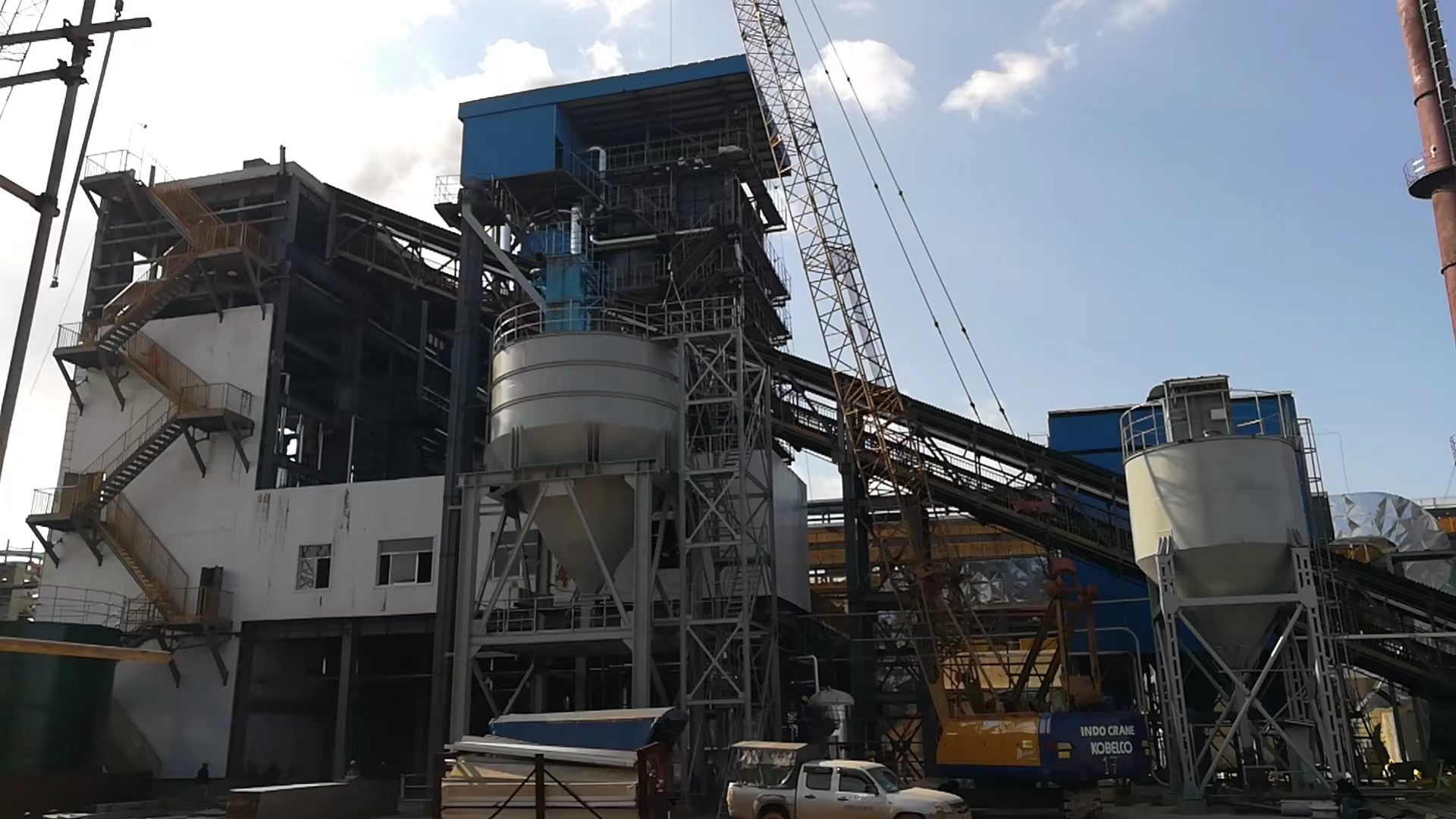
Industrial boilers use different firing methods to convert fuel into thermal energy efficiently. However, each firing technology operates differently in terms of fuel preparation, combustion mechanism, efficiency, fuel flexibility, emissions, operating complexity, and industrial suitability. Choosing the wrong firing method can lead to poor combustion efficiency, unstable thermal output, excessive maintenance costs, fuel limitations, or environmental compliance problems. Understanding the major differences between pulverized fuel firing, fluidized bed combustion, grate firing, and oil/gas burner systems is essential for selecting the most suitable industrial boiler technology.
Pulverized firing uses finely ground fuel for rapid high-efficiency combustion, fluidized bed firing suspends fuel particles in airflow for flexible low-temperature combustion, grate firing burns solid fuel directly on a grate for simple and durable operation, while oil and gas firing uses atomized liquid fuel or gaseous fuel for clean, controllable, and highly automated combustion. Each method differs significantly in efficiency, fuel flexibility, emissions, pressure requirements, and industrial application suitability.
These firing technologies represent different engineering solutions designed to meet specific industrial energy demands 🔥⚙️
All industrial boiler firing methods operate using nearly identical combustion principles and fuel handling systems.False
Different firing methods use fundamentally different combustion mechanisms, fuel preparation systems, air distribution designs, and thermal control strategies.
🔥 Why Different Boiler Firing Methods Exist
Industrial processes have widely varying requirements for:
- Fuel type
- Combustion efficiency
- Emission control
- Temperature stability
- Operating cost
- Automation level
📊 Firing method overview
| Firing Method | Main Strength |
|---|---|
| Pulverized firing | High-capacity efficient combustion |
| Fluidized bed firing | Fuel flexibility |
| Grate firing | Operational simplicity |
| Oil/gas firing | Clean controllable combustion |
👉 Each firing system is optimized for specific industrial conditions.
⚙️ What Is Pulverized Fuel Firing?
Pulverized firing burns finely ground solid fuel suspended in air.
🔄 Basic operating principle:
Coal or solid fuel → pulverized into powder → mixed with air → injected into furnace → rapid combustion
📌 Main characteristics:
- Extremely fine fuel particles
- High combustion speed
- High furnace temperatures
- Large-scale steam generation capability
📊 Pulverized firing overview
| Characteristic | Performance |
|---|---|
| Combustion efficiency | Very High |
| Fuel preparation complexity | Very High |
| Fuel flexibility | Moderate |
👉 Pulverized systems dominate large thermal power plants.
🌪 What Is Fluidized Bed Combustion?
Fluidized bed combustion (FBC) suspends fuel particles in upward-flowing air.
🔄 Basic operating principle:
Air flows upward → particles become fluidized → fuel burns in suspended bed
📌 Main characteristics:
- Excellent fuel-air mixing
- Lower combustion temperature
- High fuel flexibility
- Reduced NOx emissions
📊 Fluidized bed overview
| Characteristic | Performance |
|---|---|
| Fuel flexibility | Excellent |
| Emission performance | Very Good |
| Combustion temperature | Moderate |
👉 FBC systems are ideal for biomass and mixed fuels.
🪵 What Is Grate Firing?
Grate firing burns solid fuel directly on a grate surface.
🔄 Basic operating principle:
Fuel fed onto grate → combustion progresses along fuel bed → ash exits at grate end
📌 Main characteristics:
- Simple mechanical design
- Low fuel preparation requirements
- Strong bulk fuel compatibility
- Stable long-duration combustion
📊 Grate firing overview
| Characteristic | Performance |
|---|---|
| Operational simplicity | High |
| Combustion efficiency | Moderate |
| Fuel preparation need | Low |
👉 Grate systems remain common in biomass and medium-scale industries.
💨 What Is Oil and Gas Firing?
Oil and gas firing uses atomized liquid fuel or gaseous fuel.
🔄 Basic operating principle:
Fuel mixes with combustion air → ignition occurs → controlled flame generates heat
📌 Main characteristics:
- Clean combustion
- Precise flame control
- Fast startup capability
- High automation compatibility
📊 Oil/gas firing overview
| Characteristic | Performance |
|---|---|
| Combustion cleanliness | Excellent |
| Automation capability | Very High |
| Fuel flexibility | Limited |
👉 Oil and gas systems dominate highly controlled industrial processes.
🌡 Combustion Temperature Differences
Different firing systems operate at different thermal conditions.
📊 Typical combustion temperature comparison
| Firing Method | Typical Combustion Temperature |
|---|---|
| Pulverized firing | Very High |
| Fluidized bed firing | Moderate |
| Grate firing | Moderate–High |
| Oil/gas firing | High |
Fluidized bed systems commonly operate around:
800^circ C – 900^circ C
while pulverized systems often exceed:
1500^circ C
👉 Combustion temperature strongly affects emissions and efficiency.
⚡ Combustion Efficiency Comparison
Efficiency depends on fuel-air mixing and combustion completeness.
📊 Efficiency comparison
| Firing Method | Combustion Efficiency |
|---|---|
| Pulverized firing | Very High |
| Fluidized bed firing | High |
| Oil/gas firing | High |
| Grate firing | Moderate |
📌 Why pulverized firing is highly efficient:
- Fine fuel particles burn rapidly
- Excellent oxygen exposure
- High heat release rates
👉 More complete combustion generally means better fuel utilization.
🛢️ Fuel Flexibility Differences
Fuel adaptability varies significantly between systems.
📊 Fuel flexibility comparison
| Firing Method | Fuel Flexibility |
|---|---|
| Fluidized bed firing | Excellent |
| Grate firing | Good |
| Pulverized firing | Moderate |
| Oil/gas firing | Limited |
📌 Fluidized bed advantages:
Can burn:
- Biomass
- Sludge
- Coal
- Agricultural waste
- Municipal waste
👉 Fuel flexibility is one of the biggest strengths of FBC technology.
🌫 Emission Characteristics Comparison
Environmental performance is increasingly important.
📊 Emission comparison overview
| Firing Method | Emission Characteristics |
|---|---|
| Oil/gas firing | Lowest particulates |
| Fluidized bed firing | Lower NOx & SO₂ |
| Pulverized firing | Higher emission potential |
| Grate firing | Moderate emissions |
📌 Why FBC reduces NOx:
Lower combustion temperatures suppress nitrogen oxide formation.
👉 Emission control requirements strongly influence boiler selection.
🧠 Automation and Operational Complexity
Automation capability differs greatly.
📊 Operational complexity comparison
| Firing Method | Operational Complexity |
|---|---|
| Oil/gas firing | Moderate |
| Grate firing | Moderate |
| Fluidized bed firing | High |
| Pulverized firing | Very High |
📌 Pulverized systems require:
- Fuel pulverizers
- Precise air balancing
- Complex burner management
👉 Higher efficiency often requires more advanced control systems.
🔍 Fuel Preparation Requirements
Fuel processing requirements vary dramatically.
📊 Fuel preparation comparison
| Firing Method | Fuel Preparation Need |
|---|---|
| Pulverized firing | Very High |
| Fluidized bed firing | Moderate |
| Grate firing | Low |
| Oil/gas firing | Minimal |
📌 Example:
Pulverized systems require extremely fine fuel grinding before combustion.
👉 Fuel preparation directly affects operating cost and infrastructure complexity.
🏭 Industrial Application Comparison
Different industries prefer different firing methods.
📊 Industry suitability overview
| Industry | Preferred Firing Method |
|---|---|
| Thermal power generation | Pulverized firing |
| Biomass energy | Fluidized bed |
| Wood processing | Grate firing |
| Food processing | Oil/gas firing |
| Pharmaceuticals | Oil/gas firing |
👉 Boiler selection depends heavily on industrial process demands.
💧 Maintenance Requirements Comparison
Maintenance complexity also differs significantly.
📊 Maintenance comparison
| Firing Method | Maintenance Complexity |
|---|---|
| Grate firing | Moderate |
| Oil/gas firing | Moderate |
| Fluidized bed firing | High |
| Pulverized firing | Very High |
📌 Common maintenance issues:
- Pulverized firing → pulverizer wear
- Fluidized bed → erosion management
- Grate firing → ash handling
- Oil/gas firing → burner nozzle wear
👉 Maintenance planning is critical for long-term reliability.
🌍 Environmental and Sustainability Considerations
Modern industries increasingly prioritize sustainability.
📌 Best systems for renewable fuels:
- Fluidized bed combustion
- Biomass grate firing
📌 Best systems for low particulate emissions:
- Natural gas burner systems
📊 Sustainability comparison
| Firing Method | Renewable Fuel Potential |
|---|---|
| Fluidized bed firing | Excellent |
| Grate firing | Good |
| Pulverized firing | Moderate |
| Oil/gas firing | Limited |
👉 Environmental regulations are reshaping boiler technology choices.
🏭 Real-World Case Study: Selecting the Right Firing Method
An industrial facility required:
- Flexible fuel usage
- Lower emissions
- Stable steam generation
Options evaluated:
- Pulverized firing
- Fluidized bed combustion
- Grate firing
- Natural gas firing
Final solution:
Circulating fluidized bed boiler selected because:
- Multiple fuel types were available
- Emission regulations were strict
- Fuel costs varied significantly
Results:
- ✔ Improved fuel flexibility
- ✔ Lower operating costs
- ✔ Better environmental compliance
⚠️ Common Mistakes When Comparing Firing Methods
- ❌ Choosing based only on initial cost
- ❌ Ignoring fuel availability
- ❌ Underestimating maintenance complexity
- ❌ Overlooking emission regulations
- ❌ Failing to evaluate long-term operational flexibility
👉 The best firing method depends on total operational strategy.
💰 Economic Comparison of Firing Methods
📊 Economic overview
| Firing Method | Typical Economic Strength |
|---|---|
| Pulverized firing | Large-scale efficiency |
| Fluidized bed firing | Fuel flexibility savings |
| Grate firing | Simpler infrastructure |
| Oil/gas firing | Lower labor cost |
👉 Economic value depends on industry-specific operating conditions.
🚀 Future Trends in Industrial Firing Technologies
- AI-driven combustion optimization
- Hydrogen-compatible burner systems
- Biomass co-firing technology
- Carbon capture integration
- Ultra-low-emission combustion systems
👉 Future industrial combustion systems will become more efficient, flexible, automated, and environmentally sustainable
📌 Summary
Pulverized, fluidized bed, grate, and oil/gas firing methods differ significantly in combustion principles, fuel preparation, efficiency, fuel flexibility, emissions, automation capability, and industrial applications.
✔ Pulverized firing offers very high efficiency for large-scale power generation
✔ Fluidized bed combustion provides exceptional fuel flexibility and lower emissions
✔ Grate firing delivers simple and reliable solid-fuel combustion
✔ Oil and gas firing enables clean, fast, and highly controllable combustion
✔ Each firing method is optimized for different industrial operational needs
Ultimately, selecting the right firing method is not simply about combustion technology—it is about choosing the most suitable balance between efficiency, fuel flexibility, environmental performance, operational complexity, and industrial process requirements 🔥🏭
Which Firing Method Is Best for Different Industrial Boiler Applications?
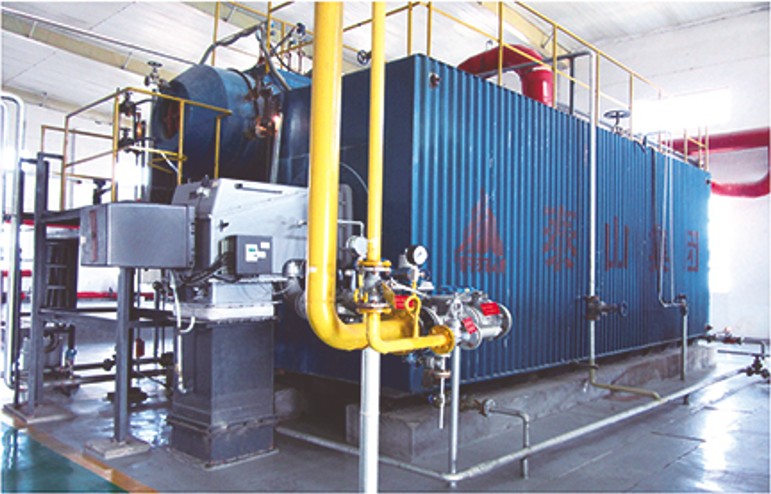
Choosing the right firing method is one of the most critical decisions in industrial boiler system design. Different industries operate under different fuel conditions, production demands, emission regulations, automation requirements, and thermal load profiles. A firing system that performs exceptionally well in a power plant may be unsuitable for food processing or biomass energy production. Selecting the wrong combustion method can result in inefficient fuel use, unstable operation, excessive maintenance, environmental compliance problems, or unnecessarily high operating costs.
The best industrial boiler firing method depends on application requirements such as fuel type, steam demand, efficiency targets, environmental regulations, operational flexibility, and maintenance capability. Pulverized firing is best for large-scale power generation, fluidized bed combustion excels in fuel flexibility and biomass applications, grate firing is ideal for simple solid-fuel systems, and oil/gas firing provides clean, precise, and highly automated industrial heating.
Each firing technology is engineered to solve different industrial energy challenges 🔥⚙️
One industrial boiler firing method is universally superior for all industrial applications.False
Each firing method has unique strengths and limitations, making different technologies better suited for different industrial operating conditions and fuel requirements.
🔥 Why Firing Method Selection Matters
The firing method directly affects:
- Fuel compatibility
- Combustion efficiency
- Emission performance
- Steam generation stability
- Maintenance requirements
- Operational cost
📊 Core comparison overview
| Firing Method | Best Overall Strength |
|---|---|
| Pulverized firing | Large-scale efficiency |
| Fluidized bed firing | Fuel flexibility |
| Grate firing | Simplicity and durability |
| Oil/gas firing | Clean precise combustion |
👉 No firing method is ideal for every industrial application.
⚡ Pulverized Fuel Firing: Best for Large Power Generation
Pulverized fuel (PF) boilers burn finely powdered solid fuel suspended in air.
📌 Best suited for:
- Thermal power stations
- Large utility boilers
- Heavy industrial steam generation
✔ Why PF firing works well:
- Extremely high combustion efficiency
- Massive steam production capability
- Rapid heat release
- Stable large-load operation
📊 PF firing characteristics
| Factor | Performance |
|---|---|
| Combustion efficiency | Very High |
| Fuel flexibility | Moderate |
| Operational complexity | Very High |
👉 PF systems dominate high-capacity utility-scale operations.
🌡 Typical PF Boiler Combustion Conditions
PF systems operate at very high furnace temperatures.
Combustion zones often exceed:
1500^circ C
📌 Advantages of high-temperature combustion:
- Rapid energy release
- High thermal efficiency
- Strong steam production capacity
⚠️ Limitations:
- Complex fuel preparation
- High NOx emission potential
- Expensive maintenance requirements
👉 PF firing is best where maximum steam output is required.
🌪 Fluidized Bed Combustion: Best for Fuel Flexibility
Fluidized bed combustion (FBC) suspends fuel particles in upward-flowing air.
📌 Best suited for:
- Biomass power plants
- Waste-to-energy facilities
- Multi-fuel industrial plants
- Industries using low-grade fuels
✔ Why FBC is highly versatile:
- Burns diverse fuel types
- Lower combustion temperatures
- Better emission performance
- Excellent combustion stability
📊 FBC application strengths
| Factor | Performance |
|---|---|
| Fuel flexibility | Excellent |
| Emission performance | Very Good |
| Biomass compatibility | Excellent |
👉 FBC systems are ideal where fuel availability changes frequently.
🌱 Why Biomass Industries Prefer Fluidized Bed Boilers
Biomass fuels often have:
- Variable moisture content
- Irregular particle sizes
- Lower calorific values
Fluidized bed systems handle these conditions effectively because of:
- Strong fuel-air mixing
- Long fuel residence time
- Stable combustion temperatures
Typical FBC temperatures are around:
800^circ C – 900^circ C
which helps reduce NOx formation.
📊 Biomass compatibility comparison
| Boiler Type | Biomass Combustion Capability |
|---|---|
| Pulverized fuel boiler | Moderate |
| Grate-fired boiler | Good |
| Fluidized bed boiler | Excellent |
👉 Biomass energy sectors increasingly favor FBC technology.
🪵 Grate Firing: Best for Simplicity and Solid Fuel Durability
Grate-fired boilers burn solid fuel directly on a grate surface.
📌 Best suited for:
- Wood processing industries
- Agricultural facilities
- Medium-scale steam generation
- Industries with stable solid fuel supply
✔ Main strengths:
- Simple mechanical structure
- Low fuel preparation requirements
- Reliable operation
- Lower capital complexity
📊 Grate firing characteristics
| Factor | Performance |
|---|---|
| Operational simplicity | High |
| Fuel preparation need | Low |
| Combustion efficiency | Moderate |
👉 Grate firing remains highly practical for many traditional industries.
🔥 Why Grate Boilers Work Well for Biomass Waste
Many industries generate bulk biomass waste such as:
- Wood chips
- Bark
- Agricultural residues
- Bagasse
Grate-fired systems can burn these fuels directly with minimal processing.
✔ Benefits:
- Reduced waste disposal cost
- Lower fuel expenses
- Stable long-duration combustion
📊 Typical industries using grate boilers
| Industry | Common Fuel |
|---|---|
| Wood processing | Wood waste |
| Sugar industry | Bagasse |
| Agriculture | Crop residues |
👉 Grate systems are economical where low-cost solid fuel is abundant.
💨 Oil and Gas Firing: Best for Clean and Precise Industrial Heating
Oil and gas burner systems use atomized liquid fuel or gaseous fuel.
📌 Best suited for:
- Food processing
- Pharmaceutical manufacturing
- Chemical plants
- Hospitals
- Textile factories
✔ Main advantages:
- Precise combustion control
- Fast startup capability
- Low particulate emissions
- Excellent automation integration
📊 Oil/gas firing characteristics
| Factor | Performance |
|---|---|
| Combustion cleanliness | Excellent |
| Automation capability | Very High |
| Fuel flexibility | Limited |
👉 Oil and gas systems dominate precision-controlled industrial processes.
⚡ Why Food and Pharmaceutical Industries Prefer Gas Boilers
These industries require:
- Clean steam production
- Precise temperature control
- Rapid load adjustment
- Strict hygiene standards
Natural gas combustion provides:
- Minimal ash formation
- Stable flame control
- Lower contamination risk
📊 Clean combustion comparison
| Firing Method | Relative Cleanliness |
|---|---|
| Natural gas firing | Excellent |
| Oil firing | Very Good |
| Solid fuel systems | Moderate |
👉 Clean combustion is critical in hygienic manufacturing environments.
🌍 Environmental Considerations by Firing Method
Environmental compliance increasingly shapes boiler selection.
📊 Emission performance comparison
| Firing Method | Emission Characteristics |
|---|---|
| Oil/gas firing | Lowest particulates |
| Fluidized bed firing | Lower NOx & SO₂ |
| Grate firing | Moderate emissions |
| Pulverized firing | Higher emission potential |
📌 Why FBC performs well environmentally:
- Lower combustion temperature reduces NOx
- Limestone injection captures sulfur
👉 Environmental regulations strongly influence firing technology selection.
🧠 Automation and Operational Complexity
Different industries have different operational capabilities.
📊 Automation comparison
| Firing Method | Automation Capability |
|---|---|
| Oil/gas firing | Excellent |
| Pulverized firing | Very High |
| Fluidized bed firing | High |
| Grate firing | Moderate |
📌 Simpler systems:
Grate boilers are often easier to operate and maintain in facilities with limited technical staffing.
👉 Operational expertise should match system complexity.
💰 Cost Comparison by Application
Economic suitability depends on fuel cost, maintenance, and scale.
📊 Economic comparison overview
| Firing Method | Economic Strength |
|---|---|
| Pulverized firing | Utility-scale efficiency |
| Fluidized bed firing | Fuel flexibility savings |
| Grate firing | Lower infrastructure cost |
| Oil/gas firing | Lower labor cost |
👉 Total lifecycle cost matters more than equipment purchase price.
🏭 Best Firing Method by Industrial Application
📊 Recommended firing methods
| Industrial Application | Recommended Firing Method |
|---|---|
| Thermal power generation | Pulverized firing |
| Biomass energy plants | Fluidized bed |
| Wood processing factories | Grate firing |
| Pharmaceutical plants | Gas firing |
| Food manufacturing | Gas firing |
| Waste-to-energy plants | Fluidized bed |
| Agricultural processing | Grate firing |
👉 Application requirements determine the optimal firing technology.
⚠️ Common Mistakes When Selecting Firing Methods
- ❌ Selecting based only on efficiency
- ❌ Ignoring fuel availability
- ❌ Underestimating maintenance complexity
- ❌ Overlooking emission compliance costs
- ❌ Choosing oversized or overcomplex systems
👉 Proper selection requires balancing technical and economic factors.
🏭 Real-World Case Study: Multi-Fuel Industrial Facility
A manufacturing facility needed:
- Flexible fuel sourcing
- Lower operating costs
- Better environmental compliance
Options considered:
- Pulverized coal boiler
- Grate-fired biomass boiler
- Fluidized bed boiler
- Natural gas burner boiler
Final decision:
Circulating fluidized bed boiler selected because:
- Multiple biomass fuels were locally available
- Emission regulations were tightening
- Fuel cost stability was important
Results:
- ✔ Improved fuel flexibility
- ✔ Reduced fuel expenses
- ✔ Lower emission compliance risk
🚀 Future Trends in Industrial Boiler Firing Methods
- Hydrogen-compatible burners
- AI-driven combustion optimization
- Carbon capture integration
- Biomass co-firing systems
- Ultra-low-emission combustion technologies
👉 Future firing systems will become more intelligent, sustainable, and fuel-flexible
📌 Summary
The best industrial boiler firing method depends on the specific operational requirements of the industry, including fuel type, thermal demand, emission regulations, automation needs, and maintenance capability.
✔ Pulverized firing is best for large-scale power generation
✔ Fluidized bed combustion excels in biomass and multi-fuel applications
✔ Grate firing offers simple and durable solid-fuel combustion
✔ Oil and gas firing provides clean, precise, and highly automated heating
✔ No single firing method is ideal for every industrial application
Ultimately, selecting the right firing method means choosing the optimal balance between efficiency, fuel flexibility, environmental performance, operational complexity, and long-term economic value 🔥🏭
Conclusion
Industrial boilers are classified by firing method based on how fuel is introduced and combusted within the system. Pulverized, fluidized bed, grate-fired, and oil/gas burner boilers each provide distinct advantages in terms of efficiency, emissions, fuel compatibility, and operational flexibility. Understanding these classifications enables industries to select the most efficient and cost-effective boiler solution for their specific energy requirements.
If you need expert guidance in selecting the right industrial boiler firing method for your application, contact us today. Our team provides customized boiler solutions, advanced combustion technologies, and professional support to help you maximize efficiency, reliability, and environmental compliance.
FAQ
Q1: How are industrial boilers classified by firing method?
A1:
Industrial boilers are commonly classified by their firing method, which refers to how fuel is introduced, burned, and controlled inside the combustion chamber. The primary classifications include pulverized fuel boilers, fluidized bed boilers, grate-fired boilers, and oil/gas burner boilers.
Pulverized fuel boilers use finely ground solid fuel, typically coal, which is blown into the furnace and burned in suspension. These boilers are widely used in large power plants because they provide high combustion efficiency and rapid heat release.
Fluidized bed boilers suspend fuel particles in a stream of air, creating a fluid-like combustion environment. This method improves fuel mixing, enhances combustion efficiency, and reduces emissions. Fluidized bed technology is commonly used for biomass, coal, and waste fuels.
Grate-fired boilers burn solid fuel on a mechanical or stationary grate. Fuel gradually moves across the grate as combustion occurs. These systems are often used for biomass, coal, and waste combustion in medium-scale industrial applications.
Oil and gas burner boilers use burners to atomize liquid fuel or mix gaseous fuel with air for combustion. These boilers are popular because they offer clean combustion, precise control, and high efficiency.
Classification by firing method helps industries choose the most appropriate combustion technology based on fuel type, efficiency, emissions, and operational requirements.
Q2: What are the characteristics of pulverized fuel boilers?
A2:
Pulverized fuel boilers are designed to burn finely ground solid fuels, most commonly coal, in a highly efficient combustion process. In these systems, coal is pulverized into a fine powder and injected into the furnace with air, allowing it to burn almost like a gas.
One of the main advantages of pulverized fuel combustion is its high efficiency. The fine fuel particles have a very large surface area, enabling rapid and complete combustion. This makes pulverized boilers highly suitable for large-scale power generation and high-capacity industrial operations.
These boilers can achieve very high steam temperatures and pressures, making them ideal for utility power plants and energy-intensive industries. They also provide fast response to load changes, improving operational flexibility.
However, pulverized fuel systems are complex and require extensive fuel preparation equipment such as pulverizers, feeders, and dust handling systems. They also require sophisticated emission control technologies to manage pollutants such as particulate matter, sulfur dioxide, and nitrogen oxides.
Maintenance requirements are generally higher due to the abrasive nature of coal dust and the complexity of the system.
In summary, pulverized fuel boilers offer high efficiency and capacity but involve more complex operation, maintenance, and emission control requirements.
Q3: How do fluidized bed boilers work and what are their advantages?
A3:
Fluidized bed boilers operate by suspending fuel particles in an upward flow of air, creating a turbulent, fluid-like combustion environment. This method allows excellent mixing of fuel and air, resulting in efficient and stable combustion.
There are two main types of fluidized bed boilers: bubbling fluidized bed (BFB) and circulating fluidized bed (CFB). Both technologies are widely used in industrial and utility applications.
One of the major advantages of fluidized bed combustion is fuel flexibility. These boilers can efficiently burn a wide range of fuels, including coal, biomass, municipal waste, and low-grade fuels with high moisture or ash content.
Fluidized bed boilers also produce lower emissions compared to traditional combustion systems. The lower combustion temperature reduces nitrogen oxide formation, and limestone can be added directly into the bed to capture sulfur dioxide during combustion.
Another advantage is improved heat transfer efficiency due to the intense mixing within the combustion chamber. This allows compact boiler designs and efficient operation.
Additionally, fluidized bed systems are well suited for renewable energy and waste-to-energy applications because of their ability to handle diverse fuel sources.
In conclusion, fluidized bed boilers provide fuel flexibility, lower emissions, efficient combustion, and strong environmental performance.
Q4: What are grate-fired boilers commonly used for?
A4:
Grate-fired boilers are commonly used for burning solid fuels such as coal, biomass, wood chips, agricultural residues, and municipal waste. In these systems, fuel is placed on a grate where combustion takes place as the fuel gradually moves through the furnace.
There are several types of grate systems, including fixed grates, moving grates, chain grates, and traveling grates. The choice depends on fuel characteristics and capacity requirements.
One of the main advantages of grate-fired boilers is their relatively simple design and operation. They are particularly suitable for small to medium-scale industrial applications where fuel flexibility and lower capital costs are important.
Grate-fired systems are widely used in biomass power plants, district heating systems, paper mills, and agricultural industries. They are especially effective for fuels with larger particle sizes that do not require pulverization.
However, combustion efficiency is generally lower than pulverized fuel or fluidized bed systems. Emission control may also be more challenging, particularly for particulate matter and incomplete combustion products.
Modern grate-fired boilers often include automated fuel feeding, ash removal, and combustion control systems to improve efficiency and reduce emissions.
In summary, grate-fired boilers are commonly used for biomass and solid fuel applications because of their simplicity, fuel flexibility, and cost-effectiveness.
Q5: Why are oil and gas burner boilers widely preferred in industry?
A5:
Oil and gas burner boilers are widely preferred in industry because they provide clean combustion, precise control, and high operational efficiency. These boilers use burners to atomize liquid fuel or mix gaseous fuel with air before ignition, ensuring stable and efficient combustion.
One of the main advantages is low emissions compared to solid-fuel systems. Natural gas, in particular, burns very cleanly, producing lower levels of particulate matter, sulfur dioxide, and ash. This helps industries comply with environmental regulations more easily.
Another benefit is operational flexibility. Oil and gas burners can quickly adjust output levels to match changing steam or heat demand, making them suitable for processes requiring precise temperature and pressure control.
These boilers also require less fuel handling infrastructure compared to coal or biomass systems. There is no need for ash handling, pulverizing equipment, or large fuel storage areas, reducing maintenance and operational complexity.
Efficiency is another important factor. Modern gas-fired condensing boilers can achieve very high thermal efficiency by recovering heat from exhaust gases.
Oil and gas burner boilers are widely used in food processing, pharmaceuticals, textiles, chemical manufacturing, hospitals, and commercial buildings.
In conclusion, industries prefer oil and gas burner boilers because of their efficiency, cleaner combustion, fast response, lower maintenance, and ease of operation.
References
- Industrial Combustion Systems – https://www.energy.gov/eere/amo/steam-systems – U.S. Department of Energy
- Pulverized Coal Boiler Technology – https://www.iea.org – International Energy Agency
- Fluidized Bed Combustion – https://www.sciencedirect.com – ScienceDirect
- Boiler Firing Systems – https://www.spiraxsarco.com – Spirax Sarco
- Industrial Heating Technologies – https://www.engineeringtoolbox.com – Engineering Toolbox
- Biomass Combustion Systems – https://www.worldbioenergy.org – World Bioenergy Association
- Boiler Emission Control – https://www.epa.gov – U.S. Environmental Protection Agency
- Steam Boiler Design Standards – https://www.asme.org – ASME
- Advanced Boiler Technologies – https://www.ge.com/power – General Electric
- Industrial Energy Efficiency – https://www.ashrae.org – ASHRAE
Industrial Boiler Classification by Firing Method Read More »