
Packaged Boilers vs Field-Erected Boilers Explained
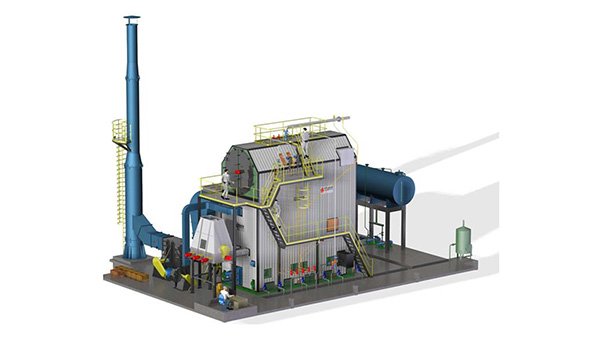
Choosing the wrong boiler system can lead to costly installation delays, oversized energy consumption, difficult maintenance, and long-term operational inefficiencies. Many industrial facilities struggle to determine whether a packaged boiler or a field-erected boiler is the better investment for their steam or hot water requirements. Understanding the structural, operational, and economic differences between these two boiler types is essential for selecting the most reliable and cost-effective solution for your facility.
Packaged boilers are factory-assembled boiler systems delivered largely complete and ready for installation, making them ideal for small to medium industrial applications requiring faster installation, lower upfront costs, and standardized performance. Field-erected boilers, by contrast, are constructed and assembled on-site for large-scale industrial operations that require very high steam capacities, customized configurations, and long-term operational flexibility. The primary differences involve capacity, transportation, installation method, customization level, project timeline, and overall lifecycle cost.
Whether you operate a manufacturing plant, power generation facility, refinery, food processing plant, or district heating system, understanding how these boiler systems differ will help you evaluate efficiency, scalability, maintenance demands, and investment return. The following guide outlines the most important distinctions decision-makers should consider before selecting an industrial boiler system.
What Is a Packaged Boiler and How Does It Work?
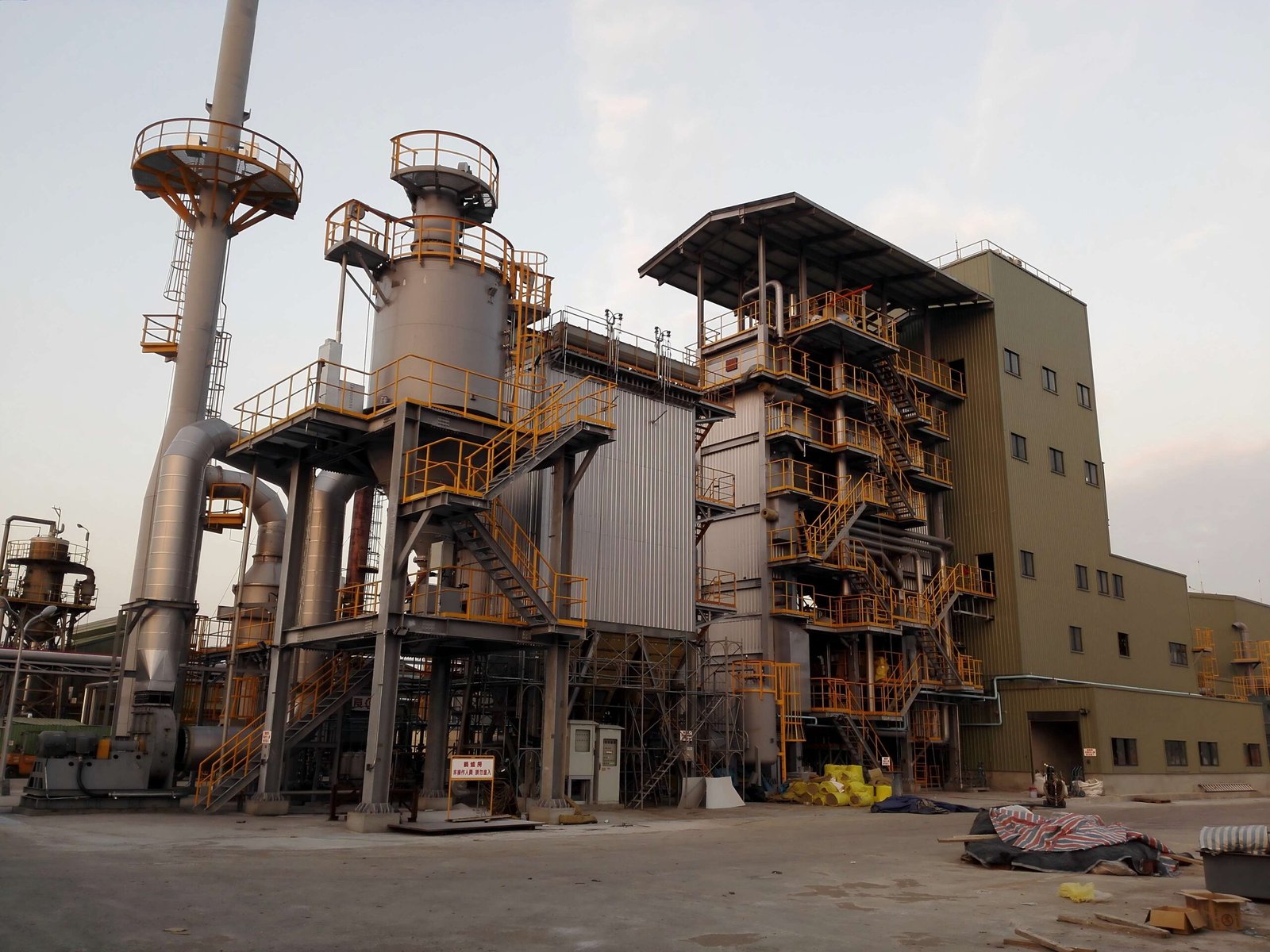
Many industrial facilities need reliable steam or hot water generation but face major challenges related to installation time, equipment integration, engineering complexity, labor costs, and limited plant space. Traditional field-assembled boiler systems often require extensive on-site construction, complicated piping installation, long commissioning periods, and coordination between multiple contractors. These issues can delay production schedules, increase project costs, and create operational inefficiencies. To solve these problems, many industries now use packaged boilers, which are compact, factory-assembled boiler systems designed for faster installation, simplified operation, and efficient thermal performance. Understanding how packaged boilers work and why they have become increasingly popular in industrial operations is essential for facilities seeking reliable, cost-effective, and space-efficient steam generation solutions. 🔥
A packaged boiler is a factory-assembled industrial boiler system that includes the boiler, burner, control system, piping, pumps, and safety devices within a compact integrated unit. Packaged boilers are designed for rapid installation, simplified operation, reduced on-site construction, and efficient steam or hot water generation. They work by burning fuel inside a combustion chamber, transferring heat through tubes or heat exchange surfaces, and producing steam or hot water for industrial or commercial applications.
Packaged boilers are widely used across industries because they combine operational efficiency, compact design, lower installation costs, and faster deployment into a single engineered system. The following comprehensive guide explains how packaged boilers work, their structural components, operational principles, advantages, limitations, industrial applications, and selection considerations from a professional engineering perspective. ⚙️
Packaged boilers are pre-assembled and tested at the factory before delivery.True
Most packaged boiler systems are manufactured, integrated, and performance-tested before shipment to reduce installation time and improve reliability.
Packaged boilers are only suitable for small commercial buildings.False
Packaged boilers are widely used in both commercial and industrial applications, including manufacturing plants and process industries.
Understanding the Definition of a Packaged Boiler 🏭
A packaged boiler is a fully or partially factory-assembled boiler system designed for easy transportation, quick installation, and simplified operation.
Unlike traditional field-erected boiler systems that require extensive on-site fabrication, packaged boilers arrive as integrated units that may already include:
- Boiler shell
- Burner system
- Combustion chamber
- Fuel delivery components
- Feedwater pumps
- Control panels
- Safety systems
- Valves and piping
- Exhaust connections
This integrated design significantly reduces:
- Installation labor
- Site construction complexity
- Commissioning time
- Engineering coordination requirements
Packaged boilers are commonly supplied as:
- Skid-mounted systems
- Containerized units
- Modular boiler packages
- Trailer-mounted mobile units
They are used for:
- Steam generation
- Hot water production
- Process heating
- Industrial cleaning
- Sterilization
- District heating
How a Packaged Boiler Works 🔥
Although packaged boilers vary in size and design, their operating principle is similar to other industrial boilers.
The boiler system generates thermal energy by burning fuel inside a combustion chamber. Heat produced during combustion transfers through metal surfaces into water, generating either steam or hot water.
The general operational process includes:
- Fuel enters the burner system.
- The burner mixes fuel with combustion air.
- Combustion occurs inside the furnace chamber.
- Hot gases travel through tubes or heat exchange passages.
- Heat transfers into water inside the boiler.
- Steam or hot water is produced.
- The thermal output is distributed to industrial processes or heating systems.
Modern packaged boilers often include automated control systems that continuously regulate:
- Fuel flow
- Combustion air
- Steam pressure
- Water level
- Temperature
- Safety shutdown functions
This automation improves:
- Efficiency
- Operational stability
- Safety
- Fuel economy
Main Components of a Packaged Boiler ⚙️
A packaged boiler integrates multiple subsystems into one engineered unit.
Boiler Pressure Vessel
The pressure vessel contains water and steam while withstanding operating pressure and temperature.
Burner System
The burner controls fuel combustion and heat generation.
Combustion Chamber
This is where fuel combustion occurs and thermal energy is produced.
Heat Exchange Tubes
Heat transfers through tubes into the water or steam system.
Feedwater System
The feedwater system supplies water to maintain proper boiler operation.
Control Panel
The control system automates monitoring and operational adjustments.
Safety Devices
Safety components prevent dangerous operating conditions.
| Component | Function |
|---|---|
| Burner | Generates combustion heat |
| Boiler Shell | Contains pressure and water |
| Tubes | Transfer heat |
| Feedwater Pump | Supplies water |
| Safety Valve | Prevents overpressure |
| PLC Controls | Automates operation |
| Exhaust Stack | Removes flue gases |
Types of Packaged Boilers 🔄
Packaged boilers are available in several structural configurations.
Packaged Fire-Tube Boilers
In fire-tube packaged boilers:
- Hot gases travel inside tubes
- Water surrounds the tubes
Advantages:
- Simpler operation
- Lower maintenance complexity
- Stable steam generation
Applications:
- Food processing
- Hospitals
- Hotels
- Commercial heating
Packaged Water-Tube Boilers
In water-tube packaged boilers:
- Water flows inside tubes
- Hot gases surround the tubes
Advantages:
- Higher pressure capability
- Faster steam generation
- Better scalability
Applications:
- Power generation
- Petrochemical plants
- Heavy manufacturing
| Boiler Type | Common Application |
|---|---|
| Fire-Tube Packaged Boiler | Medium industrial steam |
| Water-Tube Packaged Boiler | High-pressure applications |
| Hot Water Packaged Boiler | Heating systems |
| Condensing Packaged Boiler | Energy-efficient operations |
Advantages of Packaged Boilers 💡
Packaged boilers have become highly popular because they provide numerous operational and economic advantages.
Faster Installation
Since the system is pre-assembled at the factory:
- Site labor is reduced
- Installation time is shorter
- Project schedules accelerate
Many packaged boilers can become operational within days rather than months.
Reduced Engineering Complexity
Factory integration minimizes:
- Field fabrication
- Piping coordination
- Electrical integration challenges
Improved Quality Control
Manufacturers test packaged boilers before shipment to ensure:
- Pressure integrity
- Combustion performance
- Control functionality
- Safety compliance
Space Efficiency
Compact packaged systems optimize boiler room layout and reduce installation footprint.
Lower Initial Project Cost
Reduced construction labor and faster commissioning often lower total project expenses.
| Advantage | Benefit |
|---|---|
| Factory Assembly | Better quality control |
| Compact Design | Space savings |
| Faster Installation | Reduced downtime |
| Integrated Controls | Easier operation |
| Pre-Testing | Improved reliability |
| Modular Design | Easier expansion |
Why Industries Prefer Packaged Boilers 🏢
Many industries prioritize packaged boilers because they simplify thermal system deployment while maintaining reliable steam generation.
Common industries using packaged boilers include:
- Food processing
- Pharmaceutical manufacturing
- Textile factories
- Hospitals
- Breweries
- Hotels
- Chemical plants
- Commercial facilities
Their popularity is especially high in:
- Retrofit projects
- Urban industrial environments
- Temporary production facilities
- Remote industrial sites
Fuel Types Used in Packaged Boilers ⛽
Modern packaged boilers support many fuel types:
- Natural gas
- Diesel
- LPG
- Heavy oil
- Biomass blends
- Biogas
Some advanced systems also support:
- Hydrogen blending
- Dual-fuel operation
- Waste heat recovery integration
Fuel flexibility allows facilities to:
- Reduce energy costs
- Improve fuel security
- Meet environmental regulations
Automation and Smart Control Systems 🤖
Modern packaged boilers frequently include advanced digital automation systems.
These systems monitor:
- Steam pressure
- Water level
- Fuel-air ratio
- Combustion efficiency
- Exhaust temperature
- Safety conditions
Advanced control technologies may include:
- PLC automation
- Touchscreen HMI interfaces
- Remote monitoring
- IoT diagnostics
- AI efficiency optimization
Benefits include:
- Lower fuel consumption
- Improved reliability
- Reduced operator workload
- Predictive maintenance capability
Thermal Efficiency and Energy Savings 🌡️
Packaged boilers are often designed with high-efficiency thermal systems.
Efficiency-enhancing technologies include:
- Economizers
- Condensing heat recovery
- Modulating burners
- Variable-speed pumps
- Advanced insulation
Modern high-efficiency packaged boilers may achieve:
- 90–98% thermal efficiency
Improved efficiency reduces:
- Fuel consumption
- Carbon emissions
- Operating expenses
Safety Features of Packaged Boilers 🛡️
Industrial packaged boilers include multiple safety systems to ensure safe operation.
Common safety features include:
- Safety valves
- Low-water cutoffs
- Flame failure protection
- Pressure sensors
- Emergency shutdown systems
- Burner management systems
Factory integration often improves safety consistency because systems are engineered and tested together before installation.
Space-Saving Benefits of Packaged Boilers 📦
Packaged boilers are highly valuable in facilities with limited mechanical room space.
Their compact design reduces:
- Floor footprint
- Installation complexity
- Auxiliary equipment separation
Containerized packaged boilers are especially useful for:
- Offshore platforms
- Mining sites
- Mobile industrial operations
- Remote construction projects
Limitations of Packaged Boilers ⚠️
Despite their advantages, packaged boilers also have limitations.
Potential disadvantages include:
- Limited customization compared to field-erected systems
- Transportation size restrictions
- Capacity limitations for ultra-large steam plants
- Modular size constraints
Very large utility-scale plants may still require:
- Field-assembled water-tube systems
- Custom-engineered thermal plants
Packaged Boiler vs Field-Erected Boiler 🔄
| Feature | Packaged Boiler | Field-Erected Boiler |
|---|---|---|
| Factory Assembly | Extensive | Minimal |
| Installation Time | Fast | Long |
| Site Labor Requirement | Lower | Higher |
| Customization Flexibility | Moderate | Extensive |
| Transportation Complexity | Moderate | Lower for components |
| Best Application Scale | Small to Medium | Very Large Facilities |
Environmental Performance and Sustainability 🌱
Modern packaged boilers are increasingly designed for:
- Low emissions
- High efficiency
- Reduced fuel consumption
- Carbon reduction
Advanced systems may include:
- Low-NOx burners
- Heat recovery systems
- Smart combustion optimization
- Hybrid energy integration
These technologies help facilities comply with stricter environmental regulations.
Future Trends in Packaged Boiler Technology 🚀
The packaged boiler industry continues evolving toward:
- AI-driven optimization
- Hydrogen-compatible burners
- Smart factory integration
- Remote diagnostics
- Predictive maintenance
- Modular energy systems
Future packaged boilers are expected to become:
- More efficient
- More automated
- More environmentally friendly
- Easier to integrate into Industry 4.0 systems
Why Packaged Boilers Are Important in Modern Industry 🤔
Packaged boilers have become one of the most practical and efficient steam generation solutions for modern industrial and commercial operations because they combine compact design, factory-tested reliability, faster installation, integrated controls, reduced engineering complexity, and strong thermal performance into a single engineered system. Their ability to minimize construction time, optimize space utilization, simplify operation, and improve energy efficiency makes them highly attractive for a wide range of industries requiring dependable steam or hot water generation. While very large utility-scale facilities may still require custom field-erected boiler systems, packaged boilers remain one of the most versatile and cost-effective thermal solutions for many industrial applications worldwide. 🔥
What Is a Field-Erected Boiler and Why Is It Used?
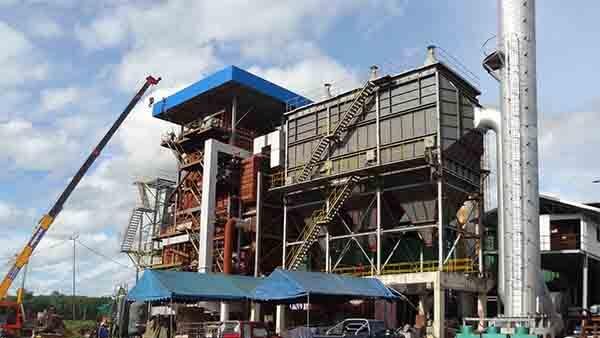
Many industrial operations eventually reach a scale where standard packaged boiler systems can no longer provide sufficient steam capacity, pressure performance, or customization flexibility. Large power plants, petrochemical facilities, steel mills, refineries, and heavy manufacturing complexes often require steam systems capable of handling enormous thermal loads continuously under extreme operating conditions. In these situations, transporting fully assembled boilers becomes impractical due to size, weight, pressure vessel limitations, and installation complexity. Additionally, highly specialized industrial processes may require custom boiler layouts, unique fuel systems, advanced heat recovery integration, or ultra-high-pressure steam generation that standardized packaged systems cannot accommodate. To solve these challenges, industries use field-erected boilers—large industrial boiler systems assembled directly at the installation site. Understanding how field-erected boilers work and why they are used is essential for facilities planning large-scale, high-capacity steam generation projects. 🔥
A field-erected boiler is a large industrial boiler system that is transported to the installation site in separate components and assembled on-site rather than being delivered as a fully assembled packaged unit. Field-erected boilers are used for extremely large steam capacities, ultra-high-pressure applications, custom industrial processes, and facilities requiring highly specialized boiler configurations that exceed transportation or packaged system limitations.
Field-erected boilers are among the most complex thermal engineering systems used in modern industry. They are commonly found in utility power plants, refineries, petrochemical complexes, and other energy-intensive operations where reliability, scalability, and high-pressure steam generation are critical. The following guide explains how field-erected boilers work, why they are used, their engineering advantages, structural components, installation process, industrial applications, and operational considerations from a professional industrial engineering perspective. ⚙️
Field-erected boilers are assembled directly at the installation site from multiple transported components.True
Their extremely large size and custom engineering requirements make full factory assembly and transportation impractical.
Field-erected boilers are only used because packaged boilers are unreliable.False
Packaged boilers are highly reliable, but field-erected boilers are necessary for applications requiring extremely large capacities, custom layouts, or ultra-high-pressure operation.
Understanding the Definition of a Field-Erected Boiler 🏭
A field-erected boiler is a custom-engineered industrial boiler system assembled at the project site from individually transported components.
Instead of arriving as a complete integrated package, major boiler components are shipped separately, including:
- Boiler drums
- Water-wall panels
- Structural steel
- Superheaters
- Economizers
- Burners
- Piping systems
- Fans
- Heat recovery components
- Control systems
Engineers and construction crews then assemble the boiler directly at the facility location using:
- Heavy lifting equipment
- Structural steel erection
- On-site welding
- Pressure testing
- Piping integration
- Electrical installation
Field erection is necessary because many industrial boilers are simply too large or too customized to transport as complete factory-built systems.
How a Field-Erected Boiler Works 🔥
The operating principle of a field-erected boiler is similar to other industrial boilers.
Fuel combustion generates heat inside a furnace chamber. Thermal energy transfers through boiler tubes into circulating water, producing steam for industrial processes or power generation.
Most field-erected boilers are:
- Water-tube boilers
- High-pressure systems
- Continuous-operation thermal plants
The general process includes:
- Fuel enters the burner system.
- Combustion occurs inside the furnace.
- Hot gases circulate around water-filled tubes.
- Water absorbs heat and converts into steam.
- Steam moves into steam drums or superheaters.
- Superheated steam powers industrial processes or turbines.
- Exhaust gases pass through heat recovery systems before discharge.
Because field-erected boilers are highly customizable, their internal configurations vary significantly depending on industrial application requirements. ⚡
Why Field-Erected Boilers Are Necessary 🚧
The main reason industries use field-erected boilers is scale.
Very large industrial facilities often require:
- Hundreds of tons of steam per hour
- Extremely high steam pressure
- Continuous 24/7 operation
- Advanced thermal efficiency
- Complex heat recovery integration
Packaged boilers eventually become impractical because:
- Transportation dimensions are limited
- Weight restrictions apply
- Boiler drums become too large
- Furnace chambers exceed shipping capacity
Field erection eliminates these transportation constraints.
| Factor | Packaged Boiler | Field-Erected Boiler |
|---|---|---|
| Transportation Size Limit | Significant | Minimal |
| Steam Capacity Potential | Moderate | Extremely High |
| Custom Engineering Flexibility | Moderate | Extensive |
| Installation Complexity | Lower | Very High |
| Construction Time | Shorter | Longer |
Major Components of a Field-Erected Boiler ⚙️
Field-erected boilers include numerous integrated thermal systems.
Furnace Chamber
The furnace is where fuel combustion generates thermal energy.
Water-Wall Tubes
These tubes line the furnace walls and absorb radiant heat.
Steam Drum
The steam drum separates steam from circulating water.
Superheater
Superheaters raise steam temperature above saturation levels.
Economizer
Economizers recover waste heat from exhaust gases.
Air Preheater
These systems improve combustion efficiency by preheating combustion air.
Structural Steel Framework
Large field-erected boilers require massive support structures.
| Component | Function |
|---|---|
| Furnace | Generates combustion heat |
| Water-Wall Tubes | Absorb radiant heat |
| Steam Drum | Collects steam |
| Superheater | Raises steam temperature |
| Economizer | Recovers exhaust heat |
| Air Preheater | Improves combustion efficiency |
| Fans | Maintain airflow circulation |
Water-Tube Design Dominates Field-Erected Boilers 💧
Most field-erected boilers use water-tube construction because water-tube systems:
- Handle ultra-high pressure
- Scale efficiently
- Support rapid heat transfer
- Improve operational safety
Water-tube boilers distribute water through many small tubes exposed to combustion gases. This allows operation at:
- Very high pressure
- Very high temperature
- Massive steam generation rates
Many utility power boilers operate at:
- 150–300+ bar
- Supercritical pressure conditions
Fire-tube designs are generally unsuitable for these extreme conditions.
Industrial Applications of Field-Erected Boilers 🏢
Field-erected boilers are commonly used in industries requiring enormous thermal output.
Power Generation
Thermal power plants rely heavily on field-erected water-tube boilers.
Petrochemical Processing
Large refineries require massive high-pressure steam systems.
Steel Manufacturing
Steel plants use large boilers for:
- Process heating
- Power generation
- Waste heat recovery
Chemical Production
Continuous chemical processing often requires stable high-pressure steam.
Pulp and Paper Mills
Large paper mills consume huge quantities of steam continuously.
| Industry | Why Field-Erected Boilers Are Used |
|---|---|
| Power Plants | Massive steam generation |
| Oil Refineries | High-pressure process steam |
| Steel Mills | Continuous thermal demand |
| Chemical Plants | Process integration |
| Paper Mills | Large-scale steam supply |
Advantages of Field-Erected Boilers 🔥
Field-erected boilers offer several major engineering advantages.
Extremely Large Capacity
They can generate:
- Hundreds of tons of steam per hour
- Utility-scale thermal output
High Customization
Designs can be tailored for:
- Specific fuels
- Unique plant layouts
- Advanced heat recovery
- Specialized process integration
Superior Efficiency
Large field-erected systems often integrate:
- Economizers
- Superheaters
- Reheaters
- Air preheaters
- Condensing systems
Better Long-Term Scalability
Field-erected plants can expand with future industrial growth.
| Advantage | Benefit |
|---|---|
| Massive Capacity | Supports large industries |
| High Pressure Capability | Enables efficient energy systems |
| Extensive Customization | Optimizes plant integration |
| Advanced Heat Recovery | Improves efficiency |
| Scalability | Supports future expansion |
Why Field-Erected Boilers Take Longer to Build ⏳
Unlike packaged boilers, field-erected systems require extensive on-site construction.
Typical project phases include:
- Engineering design
- Civil foundation work
- Structural steel erection
- Pressure vessel installation
- Tube welding
- Piping integration
- Electrical installation
- Control system commissioning
- Hydrostatic testing
- Performance testing
Large projects may require:
- Several months
- Multiple years
depending on plant complexity.
Field-Erected Boiler Construction Process 🏗️
Construction requires:
- Heavy cranes
- Specialized welders
- Pressure vessel inspectors
- Mechanical engineers
- Thermal system designers
Because high-pressure boiler welding quality is critical, construction must comply with strict standards such as:
- ASME Boiler Code
- EN Pressure Vessel Standards
- ISO industrial regulations
Quality control includes:
- X-ray weld inspection
- Hydrostatic pressure testing
- Thermal stress analysis
- Non-destructive testing
Fuel Flexibility in Field-Erected Boilers ⛽
Field-erected boilers can support many fuel types:
- Natural gas
- Coal
- Heavy fuel oil
- Biomass
- Waste heat recovery
- Hydrogen blends
- Industrial byproduct fuels
Advanced systems may include:
- Multi-fuel burners
- Fluidized bed combustion
- Carbon capture integration
- AI combustion optimization
This flexibility is especially valuable in:
- Energy-intensive industries
- Facilities transitioning toward low-carbon energy
Thermal Efficiency Advantages 🌡️
Large field-erected boilers often achieve extremely high efficiency because they integrate advanced thermal recovery systems.
Efficiency technologies include:
- Multi-stage heat recovery
- Superheated steam cycles
- Flue gas economizers
- Condensing systems
- Turbine integration
Modern utility boilers may achieve:
- 90–98% thermal efficiency under optimized conditions
Safety Considerations and Pressure Management 🛡️
Field-erected boilers operate under extremely demanding conditions.
Safety systems include:
- Safety valves
- Burner management systems
- Pressure monitoring
- Emergency shutdown controls
- Water chemistry management
- Flame monitoring systems
Because of their size and pressure levels, field-erected boilers require:
- Highly trained operators
- Continuous monitoring
- Strict maintenance programs
Maintenance Requirements 🔧
Maintenance is more complex than with packaged systems.
Important maintenance activities include:
- Tube inspection
- Weld integrity analysis
- Water treatment monitoring
- Burner calibration
- Heat exchanger cleaning
Large facilities often maintain dedicated boiler maintenance teams.
Environmental Performance and Emissions 🌱
Modern field-erected boilers are designed to meet strict environmental regulations.
Emission reduction technologies include:
- Low-NOx burners
- Selective catalytic reduction
- Flue gas desulfurization
- Carbon capture systems
These systems help reduce:
- Carbon emissions
- Nitrogen oxides
- Sulfur emissions
- Fuel waste
Packaged Boiler vs Field-Erected Boiler 📊
| Feature | Packaged Boiler | Field-Erected Boiler |
|---|---|---|
| Factory Assembly | Extensive | Minimal |
| Installation Speed | Faster | Slower |
| Capacity Potential | Moderate | Extremely High |
| Customization | Moderate | Extensive |
| Transportation Limitation | Significant | Minimal |
| Construction Complexity | Lower | Very High |
| Best Application Scale | Small to Medium | Very Large Industrial |
Future Trends in Field-Erected Boiler Technology 🚀
Future developments include:
- Hydrogen combustion systems
- AI predictive maintenance
- Smart plant integration
- Carbon-neutral steam generation
- Ultra-supercritical pressure systems
Advanced digital technologies now support:
- Real-time thermal optimization
- Remote diagnostics
- Automated combustion control
- Predictive tube failure analysis
Why Field-Erected Boilers Remain Essential 🤔
Field-erected boilers remain essential because they provide the massive steam capacity, ultra-high-pressure capability, advanced customization, and large-scale thermal integration required by major industrial facilities and utility power plants. Their ability to overcome transportation limitations, support complex industrial processes, integrate advanced heat recovery systems, and deliver continuous high-efficiency steam generation makes them indispensable in energy-intensive industries. Although they require extensive engineering, construction time, and higher capital investment compared to packaged boilers, field-erected systems offer unmatched scalability, performance, and operational flexibility for large industrial operations worldwide. 🔥
How Do Packaged Boilers and Field-Erected Boilers Differ in Capacity and Size?
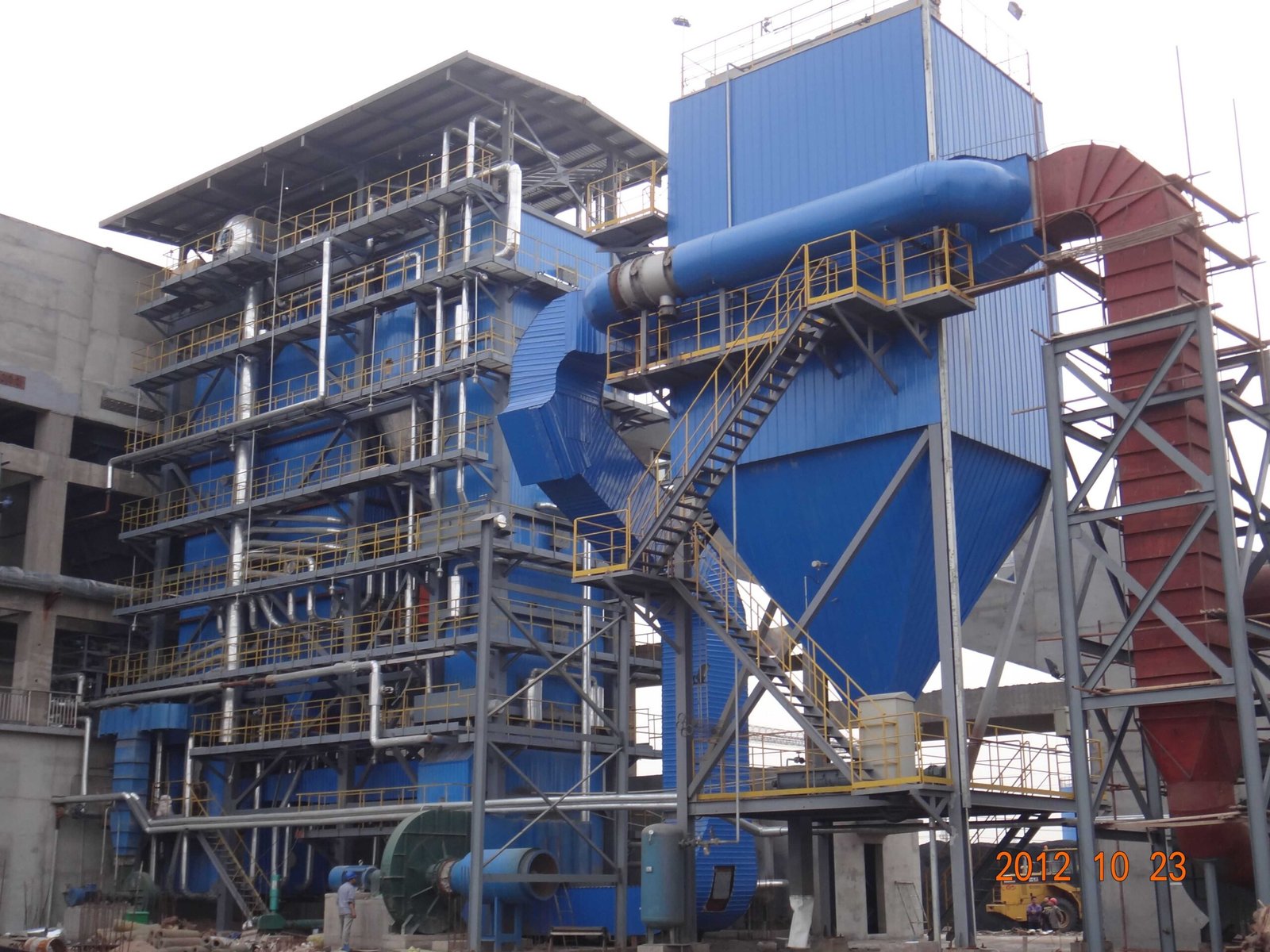
Industrial facilities selecting a boiler system often focus heavily on fuel efficiency, pressure ratings, and operational costs, but one of the most critical engineering considerations is the relationship between boiler capacity and physical size. Choosing a boiler structure that is too small can limit future production growth and create steam shortages, while selecting an excessively large or oversized system may increase installation costs, waste energy, and complicate facility infrastructure planning. The distinction between packaged boilers and field-erected boilers becomes especially important when steam demand reaches industrial utility scale. Although both systems generate steam through similar thermal principles, they differ dramatically in physical dimensions, transportation methods, steam generation capacity, scalability, and structural complexity. Understanding how packaged boilers and field-erected boilers differ in capacity and size is essential for designing efficient, scalable, and economically optimized industrial steam systems. 🔥
Packaged boilers are compact, factory-assembled systems designed for small to medium industrial steam capacities, while field-erected boilers are massive custom-built systems assembled on-site to support extremely large steam loads and ultra-high-pressure applications. Packaged boilers are limited by transportation size restrictions and generally serve moderate industrial operations, whereas field-erected boilers can be constructed at virtually unlimited scale for power plants, refineries, and heavy industrial facilities requiring enormous steam generation capacity.
Although both boiler types are widely used in industry, their structural design philosophies are fundamentally different. The following detailed guide explains how packaged boilers and field-erected boilers differ in size, steam capacity, scalability, transportation, engineering design, installation requirements, and industrial applications from a professional thermal engineering perspective. ⚙️
Field-erected boilers are generally much larger than packaged boilers.True
Field-erected boilers are assembled on-site specifically to overcome transportation and size limitations associated with packaged systems.
Packaged boilers cannot be used in industrial facilities.False
Packaged boilers are widely used in many industrial applications requiring low to medium steam capacities.
Understanding the Basic Difference Between Packaged and Field-Erected Boilers 🏭
The primary distinction between packaged boilers and field-erected boilers lies in how they are manufactured and installed.
Packaged Boilers
Packaged boilers are:
- Factory-assembled
- Pre-engineered
- Transported as complete or semi-complete units
- Designed for faster installation
They typically include:
- Boiler shell
- Burner system
- Controls
- Pumps
- Safety devices
- Integrated piping
Field-Erected Boilers
Field-erected boilers are:
- Constructed on-site
- Delivered in separate components
- Custom-engineered for specific facilities
- Designed for extremely large-scale operation
They require:
- Structural steel erection
- Extensive welding
- Large construction teams
- Long commissioning periods
This structural difference directly influences:
- Physical dimensions
- Steam capacity
- Pressure capability
- Expansion flexibility
Transportation Limits Strongly Influence Boiler Size 🚛
One of the biggest factors limiting packaged boiler size is transportation.
Packaged boilers must:
- Fit on trucks, rail systems, or ships
- Comply with highway weight regulations
- Meet bridge clearance restrictions
- Remain transportable as integrated units
As a result, packaged boiler dimensions are constrained by logistics.
Field-erected boilers avoid these limitations because:
- Components are transported separately
- Assembly occurs directly at the project site
- Structures can be built vertically and horizontally without shipping constraints
| Transportation Factor | Packaged Boiler | Field-Erected Boiler |
|---|---|---|
| Shipping Size Limitation | Significant | Minimal |
| Weight Restriction | High | Flexible |
| Factory Assembly Requirement | Extensive | Limited |
| Site Construction Requirement | Moderate | Extensive |
This is one of the main reasons field-erected boilers can become dramatically larger than packaged systems. 🔥
Physical Size Differences Between the Two Boiler Types 📏
Packaged boilers are generally compact systems designed for:
- Smaller mechanical rooms
- Industrial retrofits
- Medium-sized facilities
- Modular installation
Field-erected boilers are often enormous industrial structures comparable in size to multi-story buildings.
Large field-erected utility boilers may include:
- Massive furnace chambers
- Hundreds of kilometers of tubing
- Tall exhaust stacks
- Extensive structural steel frameworks
| Size Factor | Packaged Boiler | Field-Erected Boiler |
|---|---|---|
| Typical Footprint | Compact | Massive |
| Structural Height | Moderate | Extremely Tall |
| Installation Area | Small to Medium | Very Large |
| Mechanical Complexity | Moderate | Extremely High |
Some utility-scale field-erected boilers exceed:
- 50 meters in height
- Thousands of tons in structural weight
Steam Generation Capacity Comparison ⚡
Steam generation capacity is one of the most important differences.
Packaged Boilers
Typical packaged boiler capacities:
- Small commercial units: under 1 ton/hour
- Medium industrial units: 1–30 tons/hour
- Large packaged systems: up to 100+ tons/hour in some cases
These systems are ideal for:
- Food processing
- Hospitals
- Breweries
- Commercial heating
- Textile workshops
Field-Erected Boilers
Field-erected boilers can produce:
- Hundreds of tons/hour
- Thousands of tons/hour in utility applications
These boilers serve:
- Power plants
- Refineries
- Steel mills
- Petrochemical facilities
| Steam Capacity | Packaged Boiler | Field-Erected Boiler |
|---|---|---|
| Small Scale Steam | Excellent | Poor Economic Fit |
| Medium Industrial Steam | Excellent | Possible |
| Large Industrial Steam | Limited | Excellent |
| Utility-Scale Steam | Impractical | Ideal |
Why Large Steam Capacity Requires Larger Structures 🔥
Higher steam capacity requires:
- Larger combustion chambers
- Greater heat transfer area
- More circulation tubing
- Bigger steam drums
- Stronger structural support
As steam demand increases, boiler structures must scale accordingly.
Field-erected boilers support this scaling by allowing:
- Custom furnace dimensions
- Expanded tube arrangements
- Multi-stage heat recovery systems
- Large superheaters and reheaters
Packaged systems eventually reach physical and transportation limits that prevent further scaling.
Pressure Capability Also Influences Boiler Size 🌡️
Large industrial facilities often require:
- High-pressure steam
- Superheated steam
- Supercritical operation
These conditions demand:
- Stronger pressure components
- Advanced tube materials
- More sophisticated circulation systems
Most ultra-high-pressure systems are field-erected water-tube boilers because:
- Water-tube designs distribute pressure safely
- Large custom structures accommodate advanced thermal cycles
Packaged fire-tube systems are generally unsuitable for extreme pressure applications.
| Pressure Capability | Packaged Boiler | Field-Erected Boiler |
|---|---|---|
| Low Pressure | Excellent | Possible |
| Medium Pressure | Excellent | Excellent |
| High Pressure | Limited | Excellent |
| Supercritical Pressure | Impractical | Ideal |
Installation Space Requirements 🏗️
Packaged boilers are designed for compact installation.
Advantages include:
- Reduced footprint
- Faster setup
- Easier retrofit integration
- Lower building modification requirements
Field-erected boilers require:
- Dedicated boiler buildings
- Large foundations
- Structural steel frameworks
- Extensive utility integration
Large field-erected power boilers may occupy:
- Entire industrial complexes
Construction Time and Project Scale ⏳
Packaged boilers can often be installed and commissioned within:
- Days
- Weeks
Field-erected boilers may require:
- Several months
- Multiple years
depending on project complexity.
Large field-erected boiler projects involve:
- Civil engineering
- Structural construction
- Pressure vessel erection
- Tube welding
- Heat recovery integration
Scalability Differences Between the Two Systems 🔄
Field-erected boilers provide superior scalability because their design can expand according to:
- Steam demand growth
- Future process integration
- Additional heat recovery systems
Packaged boilers are generally modular but have finite size limitations.
| Scalability Factor | Packaged Boiler | Field-Erected Boiler |
|---|---|---|
| Future Expansion Potential | Moderate | Excellent |
| Modular Integration | Excellent | Moderate |
| Ultra-Large Capacity Scaling | Limited | Excellent |
| Customization Flexibility | Moderate | Extensive |
Industrial Applications Based on Capacity Needs 🏢
Packaged Boiler Applications
Most suitable for:
- Hospitals
- Hotels
- Breweries
- Small factories
- Commercial heating systems
Field-Erected Boiler Applications
Best suited for:
- Utility power stations
- Oil refineries
- Steel manufacturing
- Chemical processing plants
- Pulp and paper mills
Fuel Consumption and Thermal Load 🔋
Larger boilers naturally consume more fuel because they generate larger thermal loads.
Field-erected systems may burn:
- Massive quantities of natural gas
- Coal
- Biomass
- Heavy oil
- Industrial waste fuels
These boilers often include advanced systems for:
- Heat recovery
- Air preheating
- Emissions reduction
Packaged boilers usually operate with:
- Simpler combustion systems
- Lower total fuel throughput
Maintenance Scale and Complexity 🔧
Packaged boilers:
- Simpler maintenance
- Easier accessibility
- Smaller maintenance teams
Field-erected boilers:
- Complex inspection programs
- Dedicated maintenance departments
- Advanced non-destructive testing
- Continuous monitoring systems
Large field-erected boilers may require permanent engineering teams for maintenance management.
Cost Differences Related to Size 💰
Physical size and steam capacity strongly influence project cost.
Packaged Boiler Costs
- Lower initial investment
- Faster installation
- Reduced labor requirements
Field-Erected Boiler Costs
- Massive capital investment
- Long construction timelines
- Extensive engineering work
However, field-erected systems become economically necessary when:
- Steam demand exceeds packaged system capability
- High-pressure continuous operation is required
Environmental System Integration 🌱
Large field-erected boilers often include:
- SCR systems
- Carbon capture
- Advanced economizers
- Multi-stage emissions controls
These environmental systems require additional physical space and structural integration.
Packaged boilers may include:
- Low-NOx burners
- Condensing technology
- Basic heat recovery systems
Why Size and Capacity Matter in Boiler Selection 🤔
Boiler size and steam capacity directly influence operational efficiency, production capability, fuel consumption, installation feasibility, and long-term scalability. Packaged boilers are compact, transportable, factory-assembled systems ideal for small to medium industrial operations requiring moderate steam generation and rapid installation. In contrast, field-erected boilers are massive custom-engineered systems assembled directly on-site to support extremely large steam capacities, ultra-high-pressure operation, advanced heat recovery integration, and utility-scale industrial applications. Transportation limitations, thermal load requirements, pressure conditions, expansion plans, and industrial production scale all determine whether a packaged or field-erected boiler is the most appropriate solution for a facility. 🔥
Which Installation Process Is Better: Packaged Boilers or Field-Erected Boilers?
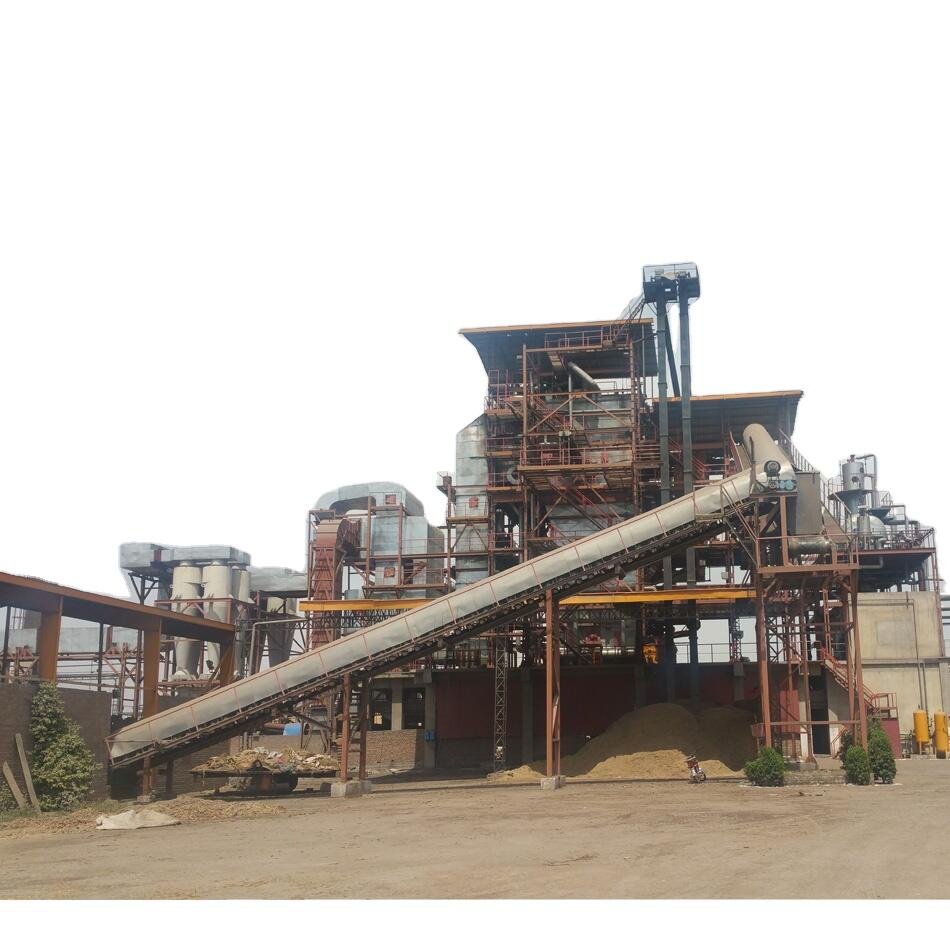
Industrial boiler installation is one of the most critical phases of any steam generation project because installation quality directly affects operational safety, energy efficiency, reliability, maintenance accessibility, and long-term production stability. Many companies initially focus only on boiler purchase price without fully considering how installation complexity can dramatically increase project timelines, labor expenses, construction risks, and future operational challenges. Choosing between packaged boilers and field-erected boilers involves much more than selecting steam capacity or pressure ratings—it also requires evaluating installation methods, site conditions, engineering requirements, construction logistics, and operational objectives. Since packaged boilers and field-erected boilers follow fundamentally different installation approaches, understanding which process is better depends heavily on the scale, complexity, and goals of the industrial facility. 🔥
Packaged boiler installation is generally better for small to medium industrial projects because it offers faster deployment, lower labor costs, reduced construction complexity, and simplified commissioning. Field-erected boiler installation is better for extremely large industrial facilities requiring massive steam capacity, extensive customization, and ultra-high-pressure operation. The best installation process depends on project scale, capacity requirements, available site space, engineering complexity, timeline expectations, and long-term operational objectives.
Both installation methods provide important advantages under different industrial conditions. The following comprehensive guide explains how packaged and field-erected boiler installation processes differ, including construction methods, engineering requirements, labor demands, costs, timelines, scalability, and operational implications from a professional industrial engineering perspective. ⚙️
Packaged boilers generally require less on-site installation time than field-erected boilers.True
Packaged boilers are factory-assembled and pre-tested before delivery, significantly reducing field construction work.
Field-erected boiler installation is always inferior to packaged boiler installation.False
Field-erected installation is essential for very large industrial systems that exceed packaged boiler size and capacity limitations.
Understanding the Core Difference Between the Two Installation Processes 🏭
The primary difference between packaged boiler installation and field-erected boiler installation is where the boiler system is assembled.
Packaged Boilers
Packaged boilers are:
- Mostly assembled at the factory
- Delivered as integrated systems
- Installed with minimal field construction
Typical installation tasks include:
- Foundation placement
- Utility connections
- Fuel piping
- Steam piping
- Electrical wiring
- Final commissioning
Field-Erected Boilers
Field-erected boilers are:
- Delivered as separate components
- Constructed entirely on-site
- Integrated into custom industrial facilities
Installation involves:
- Structural steel erection
- Tube welding
- Furnace construction
- Pressure vessel assembly
- Extensive piping integration
This fundamental difference greatly affects:
- Project timeline
- Construction labor
- Cost
- Complexity
- Scalability
Packaged Boiler Installation Process 📦
Packaged boiler installation is designed for speed and simplicity.
Most packaged systems arrive with:
- Burner installed
- Controls integrated
- Pumps mounted
- Safety systems connected
- Factory testing completed
The general installation process includes:
- Site preparation
- Foundation installation
- Boiler delivery
- Positioning and anchoring
- Utility connections
- Chimney installation
- Water treatment integration
- Startup and commissioning
Because major assembly work is completed at the factory, installation is relatively fast.
| Installation Factor | Packaged Boiler |
|---|---|
| Factory Assembly Level | High |
| On-Site Construction | Minimal |
| Installation Speed | Fast |
| Labor Requirement | Lower |
| Project Complexity | Moderate |
In many projects, packaged boilers can become operational within days or weeks. 🔥
Field-Erected Boiler Installation Process 🏗️
Field-erected boiler installation is much more complex.
Large industrial boilers are shipped in separate sections because:
- Full systems are too large for transportation
- Pressure vessels exceed shipping limits
- Structural dimensions are enormous
Installation typically includes:
- Civil engineering work
- Foundation construction
- Structural steel erection
- Furnace assembly
- Tube installation
- Drum installation
- Pipe welding
- Electrical system integration
- Instrumentation installation
- Hydrostatic testing
- Combustion tuning
- Performance commissioning
Large field-erected projects may require:
- Hundreds of workers
- Specialized cranes
- Long-term project management
- Extensive safety oversight
Installation Timeline Comparison ⏳
Installation speed is one of the biggest advantages of packaged boilers.
Packaged Boiler Timelines
- Small systems: days
- Medium systems: several weeks
Field-Erected Boiler Timelines
- Medium utility systems: months
- Large utility plants: 1–3 years or longer
| Timeline Factor | Packaged Boiler | Field-Erected Boiler |
|---|---|---|
| Delivery Readiness | High | Component-Based |
| Construction Duration | Short | Long |
| Commissioning Complexity | Moderate | Extremely High |
| Time to Operation | Fast | Slow |
Facilities requiring rapid production startup often strongly prefer packaged systems.
Construction Complexity Differences 🔧
Packaged boiler installation is relatively straightforward because:
- Systems are pre-engineered
- Components are integrated
- Factory testing reduces troubleshooting
Field-erected boiler projects involve:
- Massive construction coordination
- Precision welding
- Structural engineering
- Thermal stress analysis
- Large-scale utility integration
The larger the steam system, the more construction complexity increases.
Labor Requirements and Workforce Size 👷
Packaged boiler projects require fewer workers because:
- Most assembly occurs at the factory
- Installation is modular
- Utility connections are simplified
Field-erected boilers require:
- Welders
- Pipefitters
- Structural steel crews
- Crane operators
- Boiler specialists
- Electrical engineers
- Quality inspectors
| Labor Factor | Packaged Boiler | Field-Erected Boiler |
|---|---|---|
| Workforce Size | Small | Very Large |
| Skilled Welding Requirement | Moderate | Extensive |
| Project Coordination Complexity | Lower | Extremely High |
| Site Supervision Requirement | Moderate | Very High |
Cost Implications of Installation 💰
Installation costs vary dramatically between the two approaches.
Packaged Boilers
Advantages:
- Lower labor cost
- Reduced construction time
- Less project risk
- Faster revenue generation
Field-Erected Boilers
Higher costs due to:
- Massive labor requirements
- Long construction schedules
- Specialized equipment
- Extensive engineering
However, field-erected systems become economically justified for:
- Utility-scale steam generation
- Large industrial complexes
- Extremely high thermal demand
Site Space and Construction Conditions 📏
Packaged boilers work best in:
- Compact facilities
- Urban environments
- Retrofit projects
- Limited-access locations
Field-erected systems require:
- Large construction zones
- Heavy crane access
- Significant structural support
- Dedicated boiler buildings
Site logistics strongly influence installation feasibility.
Transportation and Logistics 🚛
Packaged boilers are limited by transportation constraints:
- Highway dimensions
- Weight regulations
- Bridge clearance
Field-erected systems avoid these limitations because:
- Components ship separately
- Final assembly occurs on-site
This makes field erection essential for:
- Massive utility boilers
- Ultra-large industrial systems
Quality Control During Installation 🛡️
Packaged boilers benefit from factory-controlled assembly conditions.
Advantages include:
- Standardized manufacturing
- Controlled welding environments
- Factory testing before shipment
Field-erected boilers require:
- Extensive field inspection
- On-site quality verification
- Non-destructive testing
- X-ray weld analysis
Quality assurance becomes much more complicated during field construction.
Customization Flexibility ⚙️
Packaged boilers provide:
- Standardized configurations
- Limited customization
- Faster engineering
Field-erected systems offer:
- Virtually unlimited customization
- Site-specific optimization
- Advanced heat recovery integration
| Customization Factor | Packaged Boiler | Field-Erected Boiler |
|---|---|---|
| Design Flexibility | Moderate | Extensive |
| Site-Specific Engineering | Limited | Excellent |
| Process Integration Capability | Moderate | Superior |
| Ultra-Large System Design | Limited | Excellent |
Maintenance Accessibility After Installation 🔩
Installation layout directly affects future maintenance efficiency.
Field-erected systems often provide:
- Larger maintenance pathways
- Better equipment separation
- Custom service access
Packaged boilers prioritize compactness, which may limit:
- Internal access
- Equipment spacing
- Future modification flexibility
Commissioning Complexity 🌡️
Packaged boilers are easier to commission because:
- Systems are pre-tested
- Controls are integrated
- Combustion systems are calibrated at the factory
Field-erected systems require:
- Extensive field tuning
- Complex synchronization
- Large-scale thermal balancing
- Advanced instrumentation calibration
Commissioning large utility boilers can take months.
Safety Considerations During Installation 🛡️
Field-erected projects present greater safety challenges because they involve:
- Heavy lifting
- Elevated construction work
- Extensive welding
- Large construction crews
Packaged boiler installation reduces many of these risks due to:
- Reduced field labor
- Shorter project duration
- Simplified assembly
Which Industries Prefer Packaged Boiler Installation? 🏢
Packaged systems are common in:
- Hospitals
- Hotels
- Food processing plants
- Breweries
- Commercial buildings
- Small manufacturing facilities
These industries value:
- Fast installation
- Lower project disruption
- Simpler operation
Which Industries Require Field-Erected Boiler Installation? ⚡
Field-erected systems dominate:
- Power generation
- Oil refineries
- Steel manufacturing
- Petrochemical plants
- Pulp and paper mills
These industries require:
- Massive steam capacity
- High-pressure operation
- Advanced thermal integration
Environmental and Efficiency Integration 🌱
Field-erected boilers can integrate:
- Multi-stage economizers
- Carbon capture
- SCR systems
- Complex heat recovery
Packaged systems typically support:
- Basic economizers
- Condensing systems
- Low-NOx burners
Large environmental systems often require the flexibility of field erection.
Why Neither Installation Process Is Universally Better 🤔
The best boiler installation process depends entirely on industrial requirements, project scale, steam demand, timeline expectations, and operational goals. Packaged boiler installation is generally superior for small to medium facilities because it offers faster deployment, lower labor costs, reduced engineering complexity, simplified commissioning, and minimal construction disruption. In contrast, field-erected boiler installation is essential for massive industrial operations requiring extremely high steam capacity, ultra-high-pressure performance, advanced customization, and large-scale thermal integration. While field erection involves longer timelines and greater complexity, it enables boiler systems far beyond the physical and operational limits of packaged units. Choosing the better installation process requires balancing construction efficiency with long-term production requirements and facility scalability. 🔥
How Do Maintenance, Efficiency, and Operating Costs Compare Between Packaged Boilers and Field-Erected Boilers?
-scaled.jpg)
Industrial boiler selection is not only about installation or steam capacity—it is fundamentally a long-term operational decision that directly affects maintenance requirements, fuel efficiency, labor costs, reliability, downtime risk, and total lifecycle economics. Many facilities initially choose boilers based on purchase price or installation simplicity without fully understanding how operational expenses can exceed the original equipment cost many times over during decades of service. Since boilers often operate continuously under demanding thermal conditions, even small differences in efficiency or maintenance complexity can create massive financial impacts over time. The comparison between packaged boilers and field-erected boilers becomes especially important because these two systems follow very different engineering philosophies regarding scalability, thermal optimization, accessibility, and operational management. Understanding how maintenance, efficiency, and operating costs compare between packaged and field-erected boilers is essential for making economically sound industrial energy decisions. 🔥
Packaged boilers generally offer lower maintenance complexity, faster servicing, lower initial operating overhead, and simpler operation for small to medium steam demands, while field-erected boilers provide superior thermal efficiency, lower fuel cost per steam unit at very large scale, advanced heat recovery integration, and better long-term economics for massive industrial operations. Packaged boilers are more economical for moderate applications, whereas field-erected boilers become more cost-effective in high-capacity continuous industrial environments.
Although both systems generate steam using similar thermal principles, their maintenance strategies, efficiency optimization methods, and operating cost structures differ significantly depending on plant scale and industrial application. The following comprehensive guide explores these differences from a professional industrial engineering and thermal systems perspective. ⚙️
Field-erected boilers can achieve higher efficiency in very large industrial operations.True
Their larger scale allows advanced heat recovery integration, optimized combustion systems, and superior thermal cycle efficiency.
Packaged boilers always have lower operating costs than field-erected boilers.False
While packaged boilers often have lower maintenance complexity, field-erected systems may achieve lower fuel cost per steam unit at utility-scale operation.
Understanding the Operational Philosophy of Both Boiler Types 🏭
The operational differences between packaged boilers and field-erected boilers begin with their engineering purpose.
Packaged Boilers
Packaged boilers are designed for:
- Simplicity
- Fast installation
- Compact operation
- Moderate steam loads
- Reduced operational complexity
They prioritize:
- Easy servicing
- Lower staffing requirements
- Standardized maintenance
Field-Erected Boilers
Field-erected boilers are engineered for:
- Massive steam production
- Continuous heavy operation
- Maximum thermal efficiency
- High-pressure applications
- Advanced energy recovery
They prioritize:
- Long-term energy optimization
- Industrial scalability
- Utility-scale economics
This distinction heavily influences:
- Maintenance strategies
- Fuel efficiency
- Operational staffing
- Lifecycle costs
Maintenance Complexity Comparison 🔧
Maintenance is one of the most important factors affecting long-term boiler economics.
Packaged Boiler Maintenance
Packaged boilers are generally easier to maintain because:
- Components are compact and integrated
- Systems are standardized
- Access points are simpler
- Fewer auxiliary systems exist
Common maintenance tasks include:
- Burner inspection
- Tube cleaning
- Water treatment monitoring
- Valve replacement
- Control calibration
Advantages:
- Faster maintenance
- Lower labor requirements
- Reduced downtime
- Simpler spare parts management
Field-Erected Boiler Maintenance
Field-erected boilers require more extensive maintenance because:
- Systems are much larger
- Tube networks are complex
- Heat recovery systems are extensive
- Operating pressures are extremely high
Maintenance may involve:
- Tube wall thickness monitoring
- Weld inspections
- Superheater analysis
- Turbine integration servicing
- Large-scale refractory repair
| Maintenance Factor | Packaged Boiler | Field-Erected Boiler |
|---|---|---|
| Maintenance Complexity | Lower | Very High |
| Service Accessibility | Easier | Complex |
| Spare Parts Inventory | Smaller | Extensive |
| Downtime Management | Simpler | More Critical |
| Maintenance Team Size | Smaller | Larger |
Staffing Requirements and Technical Expertise 👷
Packaged boilers often require:
- Smaller operating crews
- Less specialized training
- Simpler troubleshooting
Field-erected systems require:
- Dedicated engineering staff
- Highly trained operators
- Advanced instrumentation technicians
- Specialized welding teams
Large utility boilers frequently operate under continuous monitoring by multiple engineering departments.
Inspection and Regulatory Maintenance 🛡️
All industrial boilers require regular inspection, but field-erected systems face stricter oversight due to:
- Higher pressure
- Larger steam volumes
- Greater operational risk
Field-erected systems often require:
- Non-destructive testing
- X-ray weld inspection
- Thermal stress analysis
- Advanced water chemistry management
Inspection schedules are usually:
- More frequent
- More expensive
- More technically demanding
Thermal Efficiency Comparison 🌡️
Efficiency is one of the largest long-term cost drivers in industrial boiler operation.
Packaged Boiler Efficiency
Modern packaged boilers can achieve:
- 80–95% efficiency depending on design
Efficiency technologies may include:
- Economizers
- Condensing heat exchangers
- Modulating burners
- Smart controls
Packaged boilers perform especially well in:
- Moderate-load applications
- Intermittent steam demand
- Commercial heating
Field-Erected Boiler Efficiency
Field-erected boilers can achieve extremely high efficiency due to:
- Large heat transfer surfaces
- Advanced combustion systems
- Multi-stage heat recovery
- Superheated steam cycles
- Reheaters and economizers
Large utility systems may exceed:
- 95% overall thermal utilization under optimized conditions
| Efficiency Factor | Packaged Boiler | Field-Erected Boiler |
|---|---|---|
| Moderate Load Efficiency | Excellent | Excellent |
| Utility-Scale Efficiency | Limited | Superior |
| Heat Recovery Integration | Moderate | Extensive |
| Superheated Steam Capability | Limited | Excellent |
| Combustion Optimization | Good | Advanced |
Why Large Boilers Often Achieve Better Efficiency 🔥
Field-erected boilers benefit from economies of scale.
Larger systems allow:
- More complete fuel combustion
- Improved heat recovery
- Better thermal circulation
- Advanced steam cycles
Additional efficiency systems may include:
- Air preheaters
- Feedwater economizers
- Flue gas recirculation
- Condensate recovery
These systems become economically practical only at large scale.
Fuel Consumption and Operating Cost Comparison ⛽
Fuel cost is often the largest long-term operating expense.
Packaged Boilers
Advantages:
- Lower total fuel usage
- Simpler fuel systems
- Lower startup energy demand
Disadvantages:
- Less advanced heat recovery
- Lower utility-scale efficiency
Field-Erected Boilers
Advantages:
- Lower fuel cost per steam unit at scale
- Superior thermal integration
- Advanced combustion control
Disadvantages:
- Massive total fuel consumption
- Higher operational complexity
| Operating Cost Factor | Packaged Boiler | Field-Erected Boiler |
|---|---|---|
| Small Facility Fuel Cost | Lower | Higher |
| Large Facility Fuel Efficiency | Moderate | Excellent |
| Fuel Cost per Steam Unit | Moderate | Lower at Scale |
| Startup Fuel Consumption | Lower | Higher |
Water Treatment Costs 💧
Water chemistry management is essential in all boiler systems.
Packaged Boilers
- Simpler water treatment
- Lower chemical usage
- Easier monitoring
Field-Erected Boilers
- Extremely strict water quality requirements
- Advanced treatment plants
- Continuous chemistry analysis
Water-tube field-erected systems are highly sensitive to:
- Scale buildup
- Corrosion
- Dissolved solids
Poor water quality can cause catastrophic tube failure in high-pressure systems.
Downtime and Reliability Comparison ⚡
Packaged boilers:
- Easier to repair quickly
- Faster startup and shutdown
- Lower maintenance downtime
Field-erected systems:
- Extremely reliable under continuous operation
- More difficult to shut down
- Longer repair timelines
However, field-erected systems often include:
- Redundant subsystems
- Advanced monitoring
- Predictive maintenance technologies
Lifecycle Cost Comparison 💰
True boiler economics must consider:
- Fuel costs
- Maintenance
- Staffing
- Downtime
- Spare parts
- Water treatment
- Inspection compliance
Packaged Boilers
Most economical for:
- Small to medium operations
- Moderate steam demand
- Facilities with limited engineering staff
Field-Erected Boilers
Most economical for:
- Continuous large-scale operation
- Utility power generation
- Massive industrial thermal loads
| Lifecycle Cost Factor | Packaged Boiler | Field-Erected Boiler |
|---|---|---|
| Initial Cost | Lower | Much Higher |
| Maintenance Cost | Lower | Higher |
| Fuel Efficiency at Scale | Moderate | Superior |
| Long-Term Utility Economics | Moderate | Excellent |
| Staffing Cost | Lower | Higher |
Automation and Smart Control Systems 🤖
Modern boilers increasingly rely on automation.
Packaged Boilers
Common features:
- PLC controls
- Touchscreen interfaces
- Remote alarms
- Basic IoT integration
Field-Erected Boilers
Advanced systems may include:
- AI combustion optimization
- Digital twin simulation
- Predictive analytics
- Utility-scale process integration
These systems improve:
- Fuel efficiency
- Reliability
- Emissions performance
Emissions and Environmental Costs 🌱
Field-erected systems often integrate:
- SCR systems
- Carbon capture
- Multi-stage emissions reduction
Packaged boilers may include:
- Low-NOx burners
- Condensing systems
Environmental compliance costs become increasingly important in:
- Large utility operations
- Carbon-regulated industries
Maintenance Shutdown Planning 🗓️
Packaged boiler shutdowns are generally:
- Shorter
- Simpler
- Less expensive
Field-erected shutdowns require:
- Extensive planning
- Specialized contractors
- Large inspection programs
Major utility boiler outages may involve:
- Hundreds of workers
- Weeks of downtime
Which System Is Better for Small Industrial Facilities? 🏢
Packaged boilers are usually superior for:
- Hotels
- Hospitals
- Breweries
- Food processing
- Commercial heating
Reasons:
- Lower operating complexity
- Reduced maintenance staffing
- Faster servicing
- Lower overhead cost
Which System Is Better for Massive Industrial Operations? ⚙️
Field-erected boilers dominate:
- Power plants
- Refineries
- Steel mills
- Chemical complexes
Reasons:
- Superior efficiency at scale
- Massive steam capability
- Advanced energy integration
- Better utility-scale economics
How Operational Scale Changes Cost Efficiency 🔄
One of the most important concepts in boiler economics is scale efficiency.
Packaged boilers are highly efficient at moderate loads.
Field-erected boilers become economically superior only when:
- Steam demand becomes enormous
- Operation is continuous
- Heat recovery systems justify capital investment
Why the Best Choice Depends on Operational Scale 🤔
Maintenance requirements, efficiency performance, and operating costs differ significantly between packaged boilers and field-erected boilers because each system is optimized for different industrial scales and operational objectives. Packaged boilers provide lower maintenance complexity, reduced staffing needs, easier servicing, and cost-effective operation for small to medium facilities with moderate steam demand. Field-erected boilers, while far more complex and expensive to maintain, deliver superior thermal efficiency, advanced heat recovery integration, lower fuel cost per steam unit at large scale, and better long-term economics for massive industrial and utility applications. The most economical solution depends not only on boiler purchase price but also on steam demand, fuel consumption, maintenance capability, operating continuity, and long-term production goals. 🔥
Which Industries Should Choose Packaged Boilers vs. Field-Erected Boilers?
Industrial boiler selection is never a one-size-fits-all decision because every industry operates under different production scales, steam demands, pressure requirements, operational schedules, environmental regulations, and installation constraints. A boiler system that performs perfectly in a hotel, food factory, or hospital may be completely unsuitable for a steel mill, oil refinery, or utility power station. Many facilities make the mistake of selecting boiler systems based only on initial cost or familiarity without fully considering how operational scale, process intensity, and future expansion plans should influence boiler structure selection. Since packaged boilers and field-erected boilers are designed for fundamentally different industrial applications, understanding which industries should use each system is essential for achieving long-term efficiency, reliability, scalability, and cost control. 🔥
Packaged boilers are best suited for small to medium industries requiring moderate steam capacity, faster installation, lower operational complexity, and compact systems, such as hospitals, hotels, food processing plants, breweries, and commercial facilities. Field-erected boilers are preferred for industries requiring extremely large steam capacity, ultra-high-pressure operation, continuous production, and advanced thermal integration, including power plants, oil refineries, steel mills, petrochemical facilities, and large chemical processing plants.
The choice between packaged and field-erected boilers depends on much more than steam output alone. Factors such as operational continuity, maintenance resources, available installation space, fuel systems, energy recovery requirements, and long-term production strategy all influence which boiler structure is most suitable. The following comprehensive guide explains which industries should choose packaged boilers versus field-erected boilers from a professional industrial engineering perspective. ⚙️
Packaged boilers are commonly used in commercial and medium-scale industrial facilities.True
Their compact design, lower installation complexity, and moderate steam capacity make them ideal for many commercial and industrial operations.
Field-erected boilers are only necessary for power plants.False
Many large industrial sectors, including petrochemical, steel, and pulp industries, also rely heavily on field-erected boilers.
Understanding the Fundamental Difference Between the Two Boiler Types 🏭
Before comparing industries, it is important to understand the engineering philosophy behind each boiler system.
Packaged Boilers
Packaged boilers are:
- Factory-assembled
- Compact
- Pre-engineered
- Faster to install
- Easier to maintain
They are optimized for:
- Moderate steam demand
- Simpler operation
- Limited installation space
- Lower project complexity
Field-Erected Boilers
Field-erected boilers are:
- Custom-built on-site
- Extremely large
- Highly scalable
- Designed for continuous operation
They are optimized for:
- Massive thermal loads
- High-pressure steam
- Utility-scale energy systems
- Advanced heat recovery integration
| Characteristic | Packaged Boiler | Field-Erected Boiler |
|---|---|---|
| Installation Method | Factory-Assembled | Site-Assembled |
| Capacity Range | Small to Medium | Very Large |
| Pressure Capability | Moderate | Extremely High |
| Installation Speed | Fast | Slow |
| Customization Flexibility | Moderate | Extensive |
Industries Best Suited for Packaged Boilers 📦
Packaged boilers are ideal for industries with:
- Moderate steam demand
- Limited installation space
- Lower staffing complexity
- Faster project timelines
Food Processing Industry 🍞
Food factories often require steam for:
- Cooking
- Cleaning
- Sterilization
- Pasteurization
- Humidification
Why packaged boilers work well:
- Reliable medium-pressure steam
- Compact footprint
- Easier sanitation maintenance
- Faster installation
Typical food applications:
- Dairy plants
- Beverage factories
- Bakery operations
- Meat processing facilities
Hospitals and Healthcare Facilities 🏥
Hospitals require reliable steam for:
- Sterilization
- Heating
- Laundry
- Humidification
Packaged boilers are preferred because they offer:
- Stable operation
- Lower maintenance complexity
- Compact mechanical room integration
- Fast emergency replacement capability
Healthcare facilities often prioritize:
- Operational reliability
- Simplified servicing
- Redundancy through modular systems
Hotels and Commercial Buildings 🏨
Hotels commonly use boilers for:
- Hot water
- Heating
- Laundry
- Kitchen operations
Packaged systems fit well because:
- Steam demand is moderate
- Space is limited
- Quiet operation is important
- Fast installation minimizes disruption
Breweries and Beverage Production 🍺
Breweries rely heavily on steam for:
- Brewing
- Cleaning
- Fermentation support
- Sterilization
Packaged boilers offer:
- Consistent steam quality
- Compact layout
- Efficient medium-scale operation
Textile and Garment Factories 👕
Many textile operations use steam for:
- Fabric treatment
- Dyeing
- Drying
- Ironing
Small and medium textile factories frequently choose packaged systems because:
- Installation cost is lower
- Maintenance is simpler
- Steam demand remains moderate
Commercial Laundry Facilities 🧺
Steam is essential for:
- Washing
- Drying
- Ironing
- Sanitization
Packaged boilers are preferred because they:
- Start quickly
- Operate efficiently at medium load
- Require limited maintenance staff
Educational Institutions 🏫
Universities and schools often use packaged boilers for:
- Central heating
- Hot water
- Campus utility systems
Advantages include:
- Lower operating complexity
- Compact utility integration
- Easier retrofitting
Why Small and Medium Industries Prefer Packaged Boilers 🔥
Smaller industries generally value:
- Lower upfront cost
- Faster installation
- Simpler operation
- Reduced maintenance staffing
- Compact design
| Industry Requirement | Why Packaged Boilers Fit Well |
|---|---|
| Moderate Steam Demand | Efficiently handled |
| Limited Mechanical Room Space | Compact footprint |
| Lower Technical Staffing | Easier operation |
| Rapid Project Timelines | Faster installation |
| Lower Initial Budget | Reduced capital cost |
Industries Best Suited for Field-Erected Boilers ⚡
Field-erected boilers are essential for industries requiring:
- Massive steam generation
- Ultra-high pressure
- Continuous 24/7 operation
- Advanced thermal integration
Utility Power Plants ⚙️
Power generation is the largest application for field-erected boilers.
Power plants require:
- Extremely high-pressure steam
- Massive steam volumes
- Continuous operation
- Maximum thermal efficiency
Field-erected systems support:
- Supercritical pressure
- Turbine integration
- Large heat recovery systems
Oil Refineries 🛢️
Refineries require steam for:
- Distillation
- Cracking
- Process heating
- Hydrogen production
Why field-erected boilers dominate:
- Huge thermal loads
- Continuous operation
- Complex heat integration
- Multi-fuel combustion capability
Petrochemical Plants 🧪
Petrochemical facilities require:
- High-pressure process steam
- Precise thermal control
- Massive energy throughput
Field-erected systems allow:
- Customized process integration
- Large-scale heat recovery
- Advanced emissions control
Steel Manufacturing 🏗️
Steel plants consume enormous thermal energy for:
- Blast furnaces
- Rolling mills
- Waste heat recovery
- Process steam
Field-erected boilers are preferred because they:
- Handle extreme continuous loads
- Integrate waste heat systems
- Support utility-scale steam generation
Chemical Manufacturing 🧬
Large chemical plants often require:
- Continuous steam supply
- High-pressure operation
- Complex process integration
Custom field-erected systems allow:
- Specialized thermal layouts
- Advanced process synchronization
Pulp and Paper Mills 📄
Paper production uses steam extensively for:
- Pulp cooking
- Drying
- Process heating
- Turbine generation
Field-erected systems are ideal because:
- Steam demand is massive
- Biomass fuels are common
- Continuous operation is critical
Mining and Mineral Processing ⛏️
Large mining operations may use steam for:
- Ore processing
- Heating
- Power generation
Field-erected boilers support:
- Remote large-scale operation
- Harsh industrial conditions
- Heavy-duty continuous service
Why Heavy Industries Prefer Field-Erected Boilers 🔥
Large industrial sectors prioritize:
- Efficiency at scale
- High-pressure capability
- Long-term operational economics
- Massive steam output
- Advanced energy integration
| Industrial Requirement | Why Field-Erected Boilers Are Preferred |
|---|---|
| Utility-Scale Steam | Extremely high capacity |
| Continuous Operation | Superior long-term efficiency |
| High Pressure | Water-tube scalability |
| Heat Recovery Integration | Extensive customization |
| Massive Thermal Loads | Unlimited scaling potential |
Steam Demand Is the Most Important Selection Factor 🌡️
One of the clearest distinctions between industries is steam consumption level.
Low to Medium Steam Demand
Usually favors:
- Packaged boilers
Massive Continuous Steam Demand
Requires:
- Field-erected boilers
Typical thresholds vary, but utility-scale steam generation almost always requires field erection.
Installation Space and Facility Layout 📏
Industries operating in urban or confined environments often choose packaged systems because:
- Installation space is limited
- Existing infrastructure restricts expansion
Heavy industries usually have:
- Large industrial campuses
- Dedicated utility zones
- Space for field construction
Operational Staffing and Technical Expertise 👷
Packaged boilers are ideal for facilities with:
- Smaller maintenance teams
- Limited boiler engineering staff
Field-erected systems require:
- Dedicated engineering departments
- Specialized maintenance personnel
- Advanced monitoring systems
Fuel Flexibility and Process Integration ⛽
Field-erected boilers often support:
- Coal
- Biomass
- Refinery gas
- Waste heat recovery
- Multi-fuel systems
Packaged boilers commonly use:
- Natural gas
- Diesel
- LPG
Large process industries benefit from the fuel flexibility of field-erected systems.
Maintenance and Downtime Considerations 🔧
Industries with limited maintenance infrastructure often prefer packaged systems because:
- Servicing is easier
- Spare parts are standardized
- Downtime is shorter
Large industrial plants typically maintain:
- Dedicated maintenance teams
- Continuous inspection programs
Environmental Regulations and Emissions 🌱
Field-erected boilers frequently integrate:
- SCR systems
- Carbon capture
- Large economizers
- Advanced emissions reduction
These systems are often required in:
- Power generation
- Refining
- Heavy manufacturing
Packaged boilers may still achieve excellent environmental performance using:
- Condensing systems
- Low-NOx burners
Lifecycle Economics and Production Scale 💰
Smaller industries prioritize:
- Lower installation cost
- Faster ROI
- Reduced operational complexity
Large industries prioritize:
- Fuel efficiency at scale
- Long-term operational economics
- Maximum thermal integration
Hybrid and Modular Trends 🚀
Modern industrial energy systems increasingly combine:
- Multiple packaged boilers
- Modular steam plants
- Hybrid thermal systems
Some facilities use:
- Packaged boilers for backup capacity
- Field-erected systems for base-load production
This improves:
- Redundancy
- Flexibility
- Operational resilience
Why Industry Type Determines the Best Boiler Choice 🤔
The choice between packaged boilers and field-erected boilers depends heavily on industry size, steam demand, operational continuity, thermal complexity, installation space, maintenance capability, and long-term production strategy. Packaged boilers are ideal for industries requiring moderate steam capacity, rapid installation, simplified maintenance, and compact layouts, including hospitals, hotels, food processing plants, breweries, textile factories, and commercial facilities. Field-erected boilers are essential for industries demanding massive steam generation, ultra-high-pressure operation, advanced heat recovery integration, and continuous utility-scale performance, such as power plants, oil refineries, petrochemical facilities, steel mills, and pulp and paper factories. Selecting the right boiler structure based on industrial application ensures optimal efficiency, reliability, scalability, and long-term operational profitability. 🔥
Conclusion
Selecting between packaged boilers and field-erected boilers depends on your steam demand, facility size, available installation time, budget, and future expansion plans. Packaged boilers provide rapid deployment, lower complexity, and predictable performance for many commercial and industrial operations. Field-erected boilers offer unmatched scalability, customization, and high-capacity performance for major industrial facilities and utility applications. Evaluating both short-term project needs and long-term operational goals is critical before making a final investment decision.
If you are evaluating industrial boiler solutions for your facility, contact us for professional guidance on selecting the most efficient, reliable, and cost-effective boiler system for your specific application.
FAQ
Q1: What is the main difference between packaged boilers and field-erected boilers?
A:
The primary difference between packaged boilers and field-erected boilers lies in how they are manufactured, transported, and installed. Packaged boilers are factory-assembled systems delivered mostly complete and ready for installation. They typically include burners, controls, pumps, and safety components mounted on a single skid or frame. These boilers are designed for faster installation, reduced labor costs, and easier commissioning. Industries such as hospitals, food processing plants, schools, and commercial buildings commonly use packaged boilers because they offer reliable performance and shorter project timelines.
Field-erected boilers, on the other hand, are constructed on-site using separate components shipped individually to the installation location. These boilers are commonly used for very large industrial or utility-scale operations where transportation limitations prevent shipping a fully assembled boiler. Construction involves extensive field welding, structural assembly, piping, insulation, and testing. Power plants, petrochemical facilities, pulp and paper mills, and refineries often rely on field-erected boilers due to their large steam generation capacity and custom engineering capabilities.
Packaged boilers generally have lower upfront installation costs and shorter lead times. However, they may have size limitations because transportation regulations restrict the dimensions and weight of the assembled unit. Field-erected boilers are more expensive and time-consuming to install, but they allow for significantly larger capacities, higher pressures, and greater customization.
Another major distinction is maintenance and scalability. Packaged boilers are easier to replace or upgrade because they are modular and compact. Field-erected systems are designed for long-term operation and large-scale industrial processes but often require specialized maintenance teams.
Ultimately, the choice depends on project requirements such as steam demand, installation space, transportation constraints, operational flexibility, and budget considerations.
Q2: Why are packaged boilers preferred for commercial facilities?
A:
Packaged boilers are widely preferred in commercial facilities because they provide a practical, cost-effective, and efficient heating solution. Since these boilers are factory-assembled and pre-tested before shipment, installation time is significantly reduced compared to field-erected systems. This minimizes project delays and lowers labor expenses, making packaged boilers highly attractive for commercial applications where downtime must be minimized.
Commercial buildings such as hotels, universities, hospitals, office complexes, apartment buildings, and shopping centers typically require dependable steam or hot water systems without the complexity of large industrial installations. Packaged boilers meet these needs by offering compact footprints, integrated controls, and simplified maintenance procedures. Their modular design also allows businesses to scale capacity by adding multiple units as demand grows.
Energy efficiency is another major reason commercial facilities choose packaged boilers. Modern packaged systems often include advanced burners, automation controls, condensing technologies, and energy-saving features that improve fuel efficiency and reduce emissions. This helps organizations comply with environmental regulations while lowering operating costs.
Packaged boilers are also easier to transport and commission. Because they arrive largely assembled, contractors only need to connect utilities such as water, fuel, electricity, and exhaust systems. This streamlined process reduces construction complexity and minimizes disruptions to facility operations.
Additionally, maintenance is typically easier because packaged boilers use standardized components and factory-engineered configurations. Spare parts availability and technician familiarity also contribute to reduced service costs and improved reliability.
For businesses seeking quick deployment, operational simplicity, and lower installation costs, packaged boilers provide an ideal solution. However, facilities with extremely high steam demands or specialized industrial processes may still require field-erected systems for their larger capacities and customization options.
Q3: When should a company choose a field-erected boiler instead of a packaged boiler?
A:
A company should choose a field-erected boiler when its operational requirements exceed the capabilities of standard packaged systems. Field-erected boilers are specifically designed for large-scale industrial applications that demand extremely high steam generation capacity, elevated operating pressures, and custom engineering solutions.
Industries such as power generation, oil refining, petrochemical processing, mining, pulp and paper manufacturing, and heavy industrial production often require continuous high-volume steam production. In these environments, packaged boilers may not provide sufficient capacity or operational flexibility. Field-erected boilers can be engineered to meet precise process requirements, including specialized fuels, advanced heat recovery systems, and custom emissions controls.
Transportation limitations are another major factor. Large boilers often cannot be shipped as complete units due to highway, rail, or port restrictions. Field-erected boilers solve this issue by allowing individual components to be transported separately and assembled at the site. This makes it possible to build extremely large systems that would otherwise be impossible to deliver fully assembled.
Field-erected boilers also offer greater customization options. Engineers can tailor the boiler design to accommodate site-specific layouts, fuel types, environmental conditions, and future expansion plans. These systems may incorporate advanced superheaters, economizers, selective catalytic reduction systems, and complex combustion technologies for optimized performance.
Although field-erected boilers provide substantial advantages for large operations, they involve higher initial costs, longer construction schedules, and more complex installation requirements. On-site assembly may take several months and requires skilled labor, specialized welding, inspections, and commissioning procedures.
Companies should carefully evaluate factors such as project scale, steam demand, available installation space, fuel availability, maintenance resources, and long-term operational goals before selecting a field-erected boiler. In many cases, the increased capacity and customization justify the higher investment for large industrial facilities.
Q4: Are packaged boilers more energy-efficient than field-erected boilers?
A:
Packaged boilers can often achieve excellent energy efficiency, particularly in commercial and medium-scale industrial applications. Modern packaged systems are typically manufactured using advanced combustion technology, automated controls, high-efficiency burners, and optimized heat transfer surfaces. Many packaged boilers also include condensing technology that recovers additional heat from exhaust gases, improving overall thermal efficiency.
Because packaged boilers are factory-engineered and tested under controlled conditions, manufacturers can optimize component integration and combustion performance before installation. This consistency helps improve reliability and efficiency while reducing fuel consumption and emissions. For facilities with moderate steam or hot water demand, packaged boilers can deliver exceptional energy performance and cost savings.
However, field-erected boilers are not necessarily less efficient. In fact, large field-erected boilers used in utility and industrial plants are often designed for highly specialized, high-efficiency operations. These systems can incorporate sophisticated heat recovery technologies such as economizers, superheaters, reheaters, and waste heat recovery units. Large industrial facilities may achieve outstanding efficiency levels by customizing boiler configurations to match process requirements precisely.
The efficiency comparison depends heavily on the application, operating conditions, load profile, and maintenance quality. Packaged boilers generally perform best in smaller and medium-sized operations with fluctuating demand because they can cycle efficiently and respond quickly to changing loads. Field-erected boilers excel in continuous high-capacity operations where steady-state efficiency and large-scale energy recovery systems provide advantages.
Maintenance practices also play a critical role in efficiency. Poorly maintained boilers—whether packaged or field-erected—can suffer from scaling, combustion issues, heat loss, and reduced thermal performance.
In summary, packaged boilers often offer superior efficiency for commercial and smaller industrial applications due to their modern factory-engineered design. Field-erected boilers can achieve equally high or even greater efficiency in large-scale industrial operations where customized engineering and continuous operation justify the complexity and cost.
Q5: How do installation costs compare between packaged and field-erected boilers?
A:
Installation costs differ significantly between packaged boilers and field-erected boilers due to variations in assembly complexity, labor requirements, project timelines, and infrastructure needs. Packaged boilers generally have much lower installation costs because they are delivered mostly assembled and tested at the factory. Contractors primarily focus on utility connections, positioning, piping, electrical integration, and startup procedures.
Since packaged boilers require minimal on-site fabrication, installation can often be completed within days or weeks. This reduces labor expenses, engineering costs, and construction disruptions. Smaller foundations, simpler permitting processes, and reduced equipment handling further contribute to cost savings. These advantages make packaged boilers highly attractive for commercial facilities and medium-scale industrial operations with limited budgets or tight project schedules.
Field-erected boilers involve substantially higher installation costs because they must be assembled entirely at the project site. Components such as drums, tubes, structural steel, burners, piping systems, insulation, and controls are delivered separately and assembled by specialized construction crews. This process requires extensive welding, inspections, testing, and quality assurance procedures.
The installation timeline for field-erected boilers can range from several months to over a year depending on project size and complexity. Labor costs are significantly higher because highly skilled technicians, engineers, and certified welders are needed throughout the construction process. Additional expenses may include cranes, scaffolding, custom foundations, emissions systems, and large-scale infrastructure modifications.
Despite the higher upfront investment, field-erected boilers can provide long-term economic benefits for facilities requiring extremely large steam generation capacity. Their scalability, durability, and customization capabilities often justify the additional installation costs for major industrial operations.
Companies evaluating boiler installation costs should consider not only the initial project budget but also long-term operating expenses, maintenance requirements, fuel efficiency, future expansion plans, and expected system lifespan before making a final decision.
References
Commercial Packaged Boilers — https://www.energy.gov/eere/buildings/commercial-packaged-boilers — Source: U.S. Department of Energy
Understanding Boiler Basics — https://www.power-eng.com/operations-maintenance/understanding-boiler-basics/ — Source: Power Engineering
Boilers 101: What They Are and How They Work — https://www.powermag.com/boilers-101-what-they-are-and-how-they-work/ — Source: POWER Magazine
10 CFR § 431.82 Boiler Definitions — https://www.law.cornell.edu/cfr/text/10/431.82 — Source: Legal Information Institute
Industrial Boiler Types and Classification — https://www.fkboilers.com/industrial-boiler-types-and-classification/ — Source: FangKuai Boiler
What Are the Characteristics of a Packaged Boiler? — https://en.zozen.com/faq/what-are-the-characteristics-of-a-packaged-boiler.html — Source: ZOZEN Boiler
Superheat Boiler Design and Performance — https://www.nationwideboiler.com/boiler-blog/superheat-boiler-design-and-performance-a-brief-overview.html — Source: Nationwide Boiler Inc.
Field Erected Boilers — https://isbnyc.com/field-erected-boilers — Source: Industrial Steam Boiler Corporation
EPA Boiler Combustion Equipment Assessment — https://nepis.epa.gov/Exe/ZyPURL.cgi?Dockey=9101D5UP.TXT — Source: U.S. Environmental Protection Agency
Packaged vs Field-Erected Boilers Analysis — https://nepis.epa.gov/Exe/ZyPURL.cgi?Dockey=9101JRSK.TXT — Source: U.S. Environmental Protection Agency
Packaged Boilers vs Field-Erected Boilers Explained Read More »