
How are industrial boilers grouped by application field?
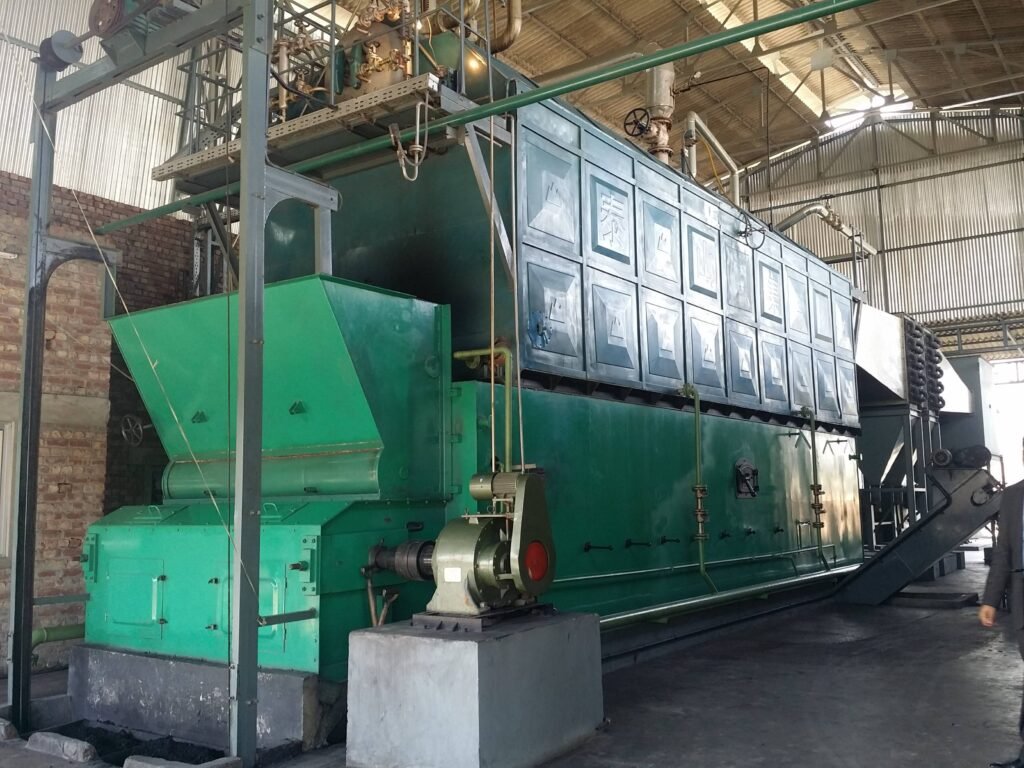
Different industries have unique heating, steam, and energy requirements, yet many businesses struggle to identify which type of industrial boiler best fits their operational needs. Choosing the wrong boiler for a specific application can result in inefficient performance, higher fuel consumption, increased maintenance costs, and compliance issues. Since boilers are designed to support a wide range of industrial processes, understanding how they are grouped by application field is critical for selecting the right system.
Industrial boilers are commonly grouped by application field into categories such as power plant boilers, manufacturing boilers, food processing boilers, chemical industry boilers, pharmaceutical boilers, textile boilers, and commercial heating boilers. Each category is designed to meet the specific pressure, temperature, capacity, fuel, and regulatory requirements of its industry, ensuring efficient and reliable operation.
To choose the most suitable boiler for a particular industry, it is important to understand the operational demands and characteristics of each application field.
How Are Power Plant Boilers Different from Other Industrial Boilers?
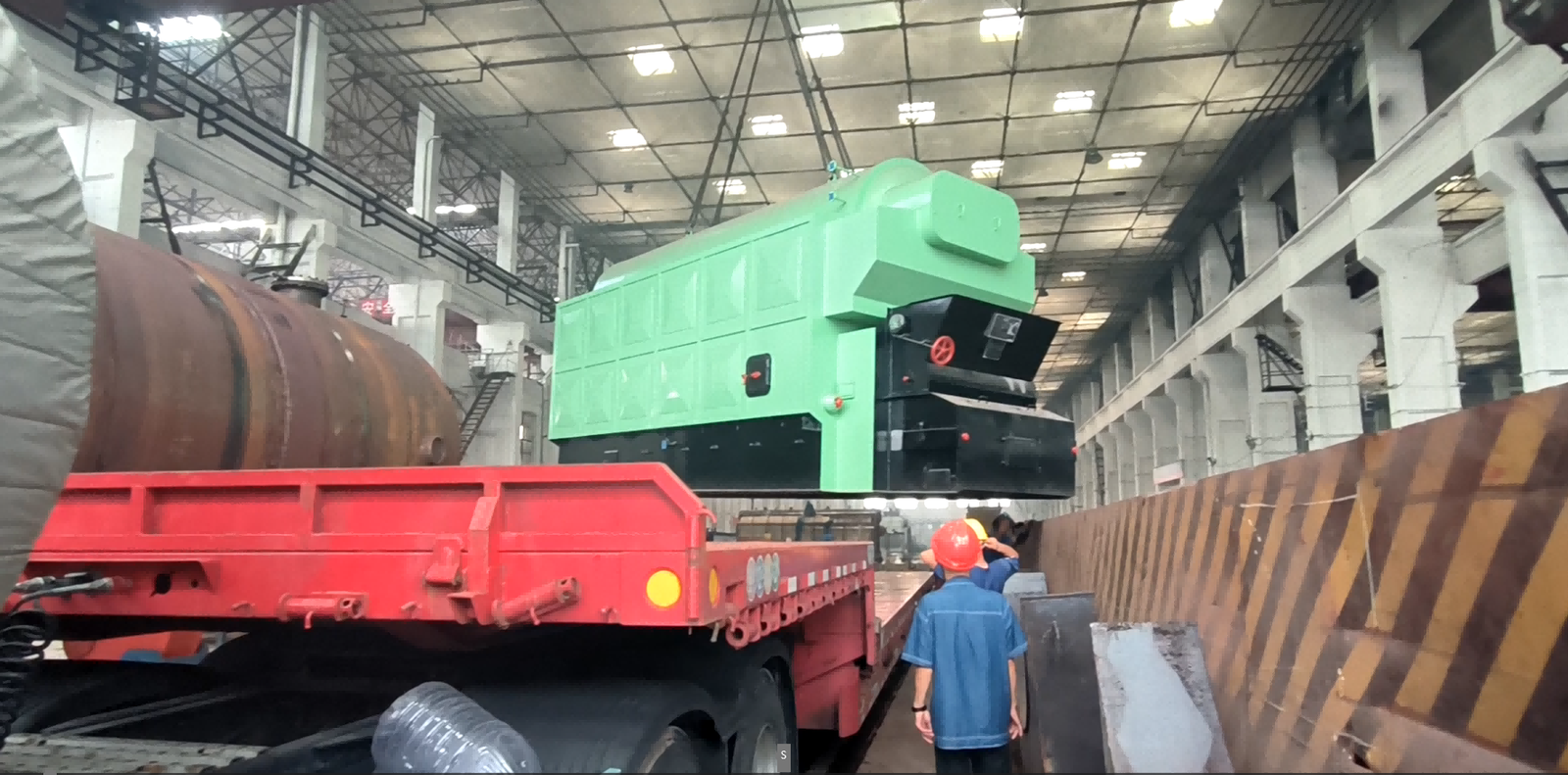
Many people assume that all industrial boilers operate similarly because they all generate steam or hot water through fuel combustion. However, power plant boilers are fundamentally different from standard industrial boilers in terms of scale, pressure, temperature, efficiency, engineering complexity, operational objectives, and integration with energy generation systems. Choosing or designing a boiler without understanding these differences can lead to major engineering mismatches, operational inefficiencies, safety concerns, and excessive energy costs. While conventional industrial boilers are typically designed to provide process steam or heating for manufacturing operations, power plant boilers are engineered specifically to generate enormous quantities of high-pressure superheated steam for electricity production under continuous utility-scale conditions. Understanding how power plant boilers differ from other industrial boilers is essential for engineers, facility planners, energy managers, and industrial operators involved in steam generation systems. ⚡🔥
Power plant boilers differ from other industrial boilers primarily because they are designed to generate extremely high-pressure and high-temperature steam for electricity production at massive continuous scale. Compared to standard industrial boilers, power plant boilers are much larger, more complex, more efficient, heavily integrated with turbines and heat recovery systems, and engineered for continuous utility-scale operation under extreme thermal conditions.
Although both systems rely on combustion and heat transfer principles, their engineering priorities, structural configurations, operating conditions, and performance objectives are dramatically different. The following comprehensive guide explains these differences in detail from a professional thermal engineering and industrial energy systems perspective. ⚙️
Power plant boilers typically operate at much higher pressures and temperatures than standard industrial boilers.True
Utility power generation requires ultra-high-pressure and superheated steam to maximize turbine efficiency and electrical output.
Industrial boilers and power plant boilers are structurally identical except for size.False
Power plant boilers differ not only in size but also in pressure design, steam cycles, heat recovery integration, and operational objectives.
Understanding the Primary Purpose of Each Boiler Type 🏭
The most important difference between power plant boilers and other industrial boilers is their operational purpose.
Industrial Boilers
Industrial boilers are primarily designed to provide:
- Process steam
- Hot water
- Facility heating
- Sterilization
- Manufacturing thermal energy
Industries using standard industrial boilers include:
- Food processing
- Textile manufacturing
- Chemical production
- Breweries
- Hospitals
- Commercial buildings
Their steam is used directly in industrial processes.
Power Plant Boilers
Power plant boilers are designed specifically to:
- Generate electricity
They produce:
- Extremely high-pressure steam
- Superheated steam
- Continuous utility-scale thermal energy
This steam drives:
- Steam turbines
- Electrical generators
The operational goal is maximizing:
- Thermal efficiency
- Electrical output
- Fuel utilization
| Boiler Type | Primary Purpose |
|---|---|
| Industrial Boiler | Process steam and heating |
| Power Plant Boiler | Electricity generation |
Size Differences Between Power Plant and Industrial Boilers 📏
Power plant boilers are significantly larger than most industrial boilers.
Industrial Boilers
Typically designed for:
- Moderate steam demand
- Facility-scale operations
- Compact installations
Common capacities:
- 1–100 tons/hour
- Sometimes higher in large factories
Power Plant Boilers
Designed for:
- Massive utility-scale steam generation
Large power boilers may produce:
- Hundreds or thousands of tons of steam per hour
Some utility boilers are:
- Taller than multi-story buildings
- Supported by massive steel structures
| Size Factor | Industrial Boiler | Power Plant Boiler |
|---|---|---|
| Typical Capacity | Small to Medium | Extremely Large |
| Structural Height | Compact | Massive |
| Steam Output | Moderate | Utility-Scale |
| Installation Scale | Facility-Based | Power Station Complex |
Pressure and Temperature Differences 🌡️
One of the biggest engineering differences is operating pressure and temperature.
Industrial Boilers
Most industrial boilers operate at:
- Low to medium pressure
- Moderate steam temperatures
These conditions are sufficient for:
- Heating
- Sterilization
- Manufacturing processes
Power Plant Boilers
Power plant boilers operate at:
- Extremely high pressure
- Extremely high temperature
Many utility systems use:
- Superheated steam
- Supercritical pressure cycles
Typical utility operating conditions may exceed:
- 250 bar pressure
- 600°C steam temperature
These extreme conditions maximize:
- Turbine efficiency
- Electrical generation efficiency
Why Power Plant Boilers Require Superheated Steam ⚡
Electricity generation depends heavily on turbine efficiency.
Superheated steam:
- Contains more usable energy
- Reduces turbine moisture damage
- Improves thermal cycle performance
Power plant boilers therefore include:
- Superheaters
- Reheaters
- Advanced heat recovery systems
Most standard industrial boilers do not require such advanced steam conditioning.
Boiler Structure Differences 🔧
Industrial Boilers
Many industrial boilers are:
- Fire-tube boilers
- Small water-tube boilers
- Packaged systems
Advantages:
- Simpler operation
- Easier maintenance
- Lower cost
Power Plant Boilers
Most power boilers are:
- Large field-erected water-tube boilers
Water-tube construction is necessary because:
- It handles ultra-high pressure
- It supports massive steam generation
- It improves heat transfer efficiency
| Structural Feature | Industrial Boiler | Power Plant Boiler |
|---|---|---|
| Common Design | Fire-Tube or Small Water-Tube | Large Water-Tube |
| Factory Assembly | Often Packaged | Usually Field-Erected |
| Pressure Capability | Moderate | Extremely High |
| Thermal Complexity | Moderate | Advanced |
Heat Recovery Integration Differences ♻️
Power plant boilers incorporate much more advanced heat recovery systems.
Industrial Boilers
May include:
- Economizers
- Condensing heat exchangers
- Basic heat recovery
Power Plant Boilers
Typically include:
- Multi-stage economizers
- Air preheaters
- Reheaters
- Feedwater heating systems
- Condensate recovery networks
These systems maximize:
- Fuel efficiency
- Thermal utilization
- Electrical output
Operational Schedule Differences 🕒
Industrial Boilers
Many industrial boilers operate:
- Intermittently
- According to production schedules
Some facilities:
- Shut down at night
- Reduce weekend operation
Power Plant Boilers
Power boilers usually operate:
- Continuously
- 24/7
- Under base-load conditions
Continuous operation improves:
- Grid stability
- Thermal efficiency
- Electrical reliability
Fuel Consumption Differences ⛽
Power plant boilers consume vastly larger amounts of fuel.
Industrial Boilers
Common fuels:
- Natural gas
- Diesel
- LPG
- Biomass
Power Plant Boilers
May use:
- Coal
- Natural gas
- Biomass
- Heavy fuel oil
- Waste fuels
- Hydrogen blends
Fuel systems are far more complex because of:
- Massive combustion rates
- Continuous utility operation
Efficiency Differences 🔥
Power plant boilers prioritize maximum thermal efficiency because:
- Fuel consumption is enormous
- Small efficiency gains create huge savings
Utility boilers may achieve:
- Very high cycle efficiencies through integrated turbine systems
Industrial boilers prioritize:
- Simplicity
- Reliability
- Moderate operational efficiency
| Efficiency Factor | Industrial Boiler | Power Plant Boiler |
|---|---|---|
| Operational Simplicity | Higher | Lower |
| Maximum Thermal Efficiency | Moderate | Extremely High |
| Heat Recovery Complexity | Moderate | Advanced |
| Turbine Integration | Rare | Essential |
Steam Quality Requirements 💧
Power plant boilers require:
- Extremely pure water
- Strict chemistry control
- High steam purity
Impurities can damage:
- Turbines
- Superheaters
- High-pressure tubes
Industrial boilers often tolerate:
- Less extreme water purity standards
though proper treatment remains essential.
Automation and Control Systems 🤖
Power plant boilers use highly sophisticated automation systems.
Advanced systems include:
- AI combustion optimization
- Predictive diagnostics
- Digital twin simulation
- Real-time thermal balancing
Industrial boilers often use:
- PLC controls
- Standard automation
- Basic remote monitoring
Environmental Control Systems 🌱
Power plant boilers usually face stricter environmental regulations because:
- Emissions volumes are enormous
They commonly include:
- SCR systems
- Electrostatic precipitators
- Flue gas desulfurization
- Carbon capture integration
Industrial boilers may only require:
- Low-NOx burners
- Basic emissions controls
Maintenance Complexity 🔩
Industrial Boilers
Maintenance is generally:
- Simpler
- Faster
- Less specialized
Power Plant Boilers
Maintenance is extremely complex because of:
- High pressure
- Massive size
- Continuous operation
- Advanced heat recovery systems
Power stations often maintain:
- Dedicated engineering teams
- Full-time maintenance departments
Installation Differences 🏗️
Industrial boilers:
- Often arrive as packaged systems
- Install quickly
- Require limited construction
Power plant boilers:
- Are usually field-erected
- Require years of construction
- Need extensive infrastructure
Economic Differences 💰
Industrial Boilers
Economics prioritize:
- Lower installation cost
- Simpler maintenance
- Moderate efficiency
Power Plant Boilers
Economics prioritize:
- Maximum fuel efficiency
- Utility-scale generation
- Long-term energy output
Because power plants consume massive fuel quantities, efficiency improvements are financially critical.
Safety Requirements 🛡️
Power plant boilers operate under:
- Extreme pressure
- High temperatures
- Massive stored energy
Therefore, they require:
- Extensive safety systems
- Advanced monitoring
- Strict inspection protocols
Industrial boilers also require safety controls but generally operate under less extreme conditions.
Examples of Industries Using Each Boiler Type 🏢
Industrial Boilers
Used in:
- Food factories
- Breweries
- Hospitals
- Textile plants
- Commercial buildings
Power Plant Boilers
Used in:
- Coal power stations
- Gas turbine combined-cycle plants
- Biomass power plants
- Utility energy facilities
Emerging Technologies and Future Trends 🚀
Modern power plant boilers increasingly integrate:
- Hydrogen combustion
- Carbon capture
- AI optimization
- Ultra-supercritical cycles
Industrial boilers increasingly focus on:
- Modular systems
- Condensing technology
- Smart automation
- Decarbonization
Why Power Plant Boilers Are Fundamentally Different 🤔
Power plant boilers differ fundamentally from other industrial boilers because they are engineered specifically for continuous utility-scale electricity generation under extremely high pressure and temperature conditions. Compared to standard industrial boilers, power plant systems are much larger, more thermally efficient, more structurally complex, and heavily integrated with turbines, superheaters, reheaters, and advanced heat recovery technologies. Industrial boilers primarily provide process steam or heating for manufacturing and commercial applications, while power plant boilers maximize electrical generation efficiency through sophisticated steam cycles and large-scale thermal energy conversion. These differences influence every aspect of boiler design, including size, pressure capability, fuel systems, maintenance requirements, environmental controls, automation complexity, and operational economics. ⚡🔥
What Types of Industrial Boilers Are Commonly Used in Manufacturing Industries?
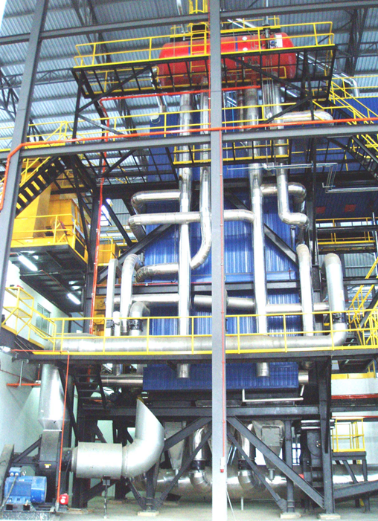
Manufacturing industries rely heavily on steam and thermal energy for production processes, cleaning systems, material treatment, sterilization, drying, chemical reactions, and facility heating. However, many factories struggle to select the right industrial boiler because different manufacturing sectors have completely different steam demands, operating pressures, fuel availability, installation conditions, and energy efficiency goals. Choosing an unsuitable boiler can result in excessive fuel consumption, unstable steam supply, production interruptions, rising maintenance costs, and poor long-term operational efficiency, especially in modern manufacturing environments where energy optimization and environmental compliance are becoming increasingly important. To ensure reliable thermal performance while controlling operating expenses, manufacturers must understand the different types of industrial boilers commonly used across various industrial sectors and how each boiler design matches specific production requirements. 🔥🏭
The most commonly used industrial boilers in manufacturing industries include fire-tube boilers, water-tube boilers, packaged boilers, electric boilers, biomass boilers, condensing boilers, and waste heat recovery boilers. Each type is selected based on steam demand, operating pressure, fuel availability, production scale, energy efficiency requirements, installation space, and industry-specific manufacturing processes.
Although all industrial boilers generate steam or hot water through heat transfer, their structural design, operating principles, thermal efficiency, maintenance complexity, and industrial applications differ significantly. Understanding these differences helps manufacturers improve productivity, reduce energy costs, and optimize long-term plant operations. The following guide explains the major industrial boiler types used in manufacturing industries from a professional thermal engineering and industrial production perspective. ⚙️
Water-tube boilers are commonly used in large manufacturing plants requiring high-pressure steam.True
Water-tube boilers efficiently handle high steam pressure and large thermal loads, making them suitable for heavy industrial manufacturing.
All manufacturing industries use the same type of industrial boiler.False
Different industries require different boiler designs depending on steam demand, process requirements, pressure levels, and energy efficiency goals.
Why Manufacturing Industries Depend on Industrial Boilers 🏭
Industrial boilers are essential because manufacturing processes often require controlled thermal energy for:
- Steam generation
- Process heating
- Sterilization
- Drying
- Humidification
- Chemical processing
- Cleaning systems
- Power generation support
In many factories, steam acts as the “hidden energy backbone” of production lines, continuously transferring heat through pipes, reactors, dryers, presses, heat exchangers, and process vessels, while maintaining stable temperatures that directly affect product quality, production efficiency, and operational consistency.
The type of boiler selected depends heavily on:
- Production scale
- Steam pressure requirements
- Energy consumption patterns
- Fuel availability
- Environmental regulations
- Factory layout constraints
Fire-Tube Boilers 🔥
Fire-tube boilers are among the most widely used industrial boilers in light and medium manufacturing industries because they offer simple operation, stable steam production, relatively low installation cost, and straightforward maintenance procedures.
In a fire-tube boiler:
- Hot combustion gases flow inside tubes
- Water surrounds the tubes within the boiler shell
As heat transfers through the tube walls, steam is generated inside the pressure vessel.
Why Manufacturers Use Fire-Tube Boilers
Fire-tube systems are popular because they:
- Operate reliably under moderate pressure
- Provide stable steam output
- Have lower operational complexity
- Require less specialized maintenance
They are commonly used in:
- Food processing factories 🍞
- Breweries 🍺
- Textile facilities 👕
- Commercial laundries 🧺
- Small chemical plants 🧪
| Feature | Fire-Tube Boiler |
|---|---|
| Steam Pressure | Low to Medium |
| Maintenance Complexity | Moderate |
| Initial Cost | Lower |
| Best Application | Small to Medium Manufacturing |
| Steam Output Stability | Excellent |
Although fire-tube boilers are highly practical for moderate industrial operations, they are generally unsuitable for extremely high-pressure or utility-scale applications because the large pressure vessel design becomes less efficient and more structurally challenging at higher operating conditions.
Water-Tube Boilers 💧
Water-tube boilers dominate heavy manufacturing industries because they support:
- High-pressure steam
- Large thermal loads
- Rapid steam generation
- Superior scalability
Unlike fire-tube boilers, water flows inside tubes while hot combustion gases circulate around them, allowing the system to safely withstand much higher operating pressures and temperatures.
This structural arrangement dramatically improves:
- Heat transfer efficiency
- Pressure handling capability
- Steam production capacity
Industries Commonly Using Water-Tube Boilers
Water-tube boilers are heavily used in:
- Steel manufacturing 🏗️
- Petrochemical plants 🛢️
- Pulp and paper mills 📄
- Power generation ⚡
- Large chemical facilities 🧬
| Feature | Water-Tube Boiler |
|---|---|
| Steam Pressure Capability | Very High |
| Steam Generation Speed | Fast |
| Thermal Efficiency | High |
| Maintenance Complexity | Higher |
| Best Application | Large Manufacturing Plants |
Because many manufacturing industries operate continuously under heavy production loads, water-tube boilers are often preferred when stable high-pressure steam becomes critical to maintaining production efficiency and minimizing process interruptions.
Packaged Boilers 📦
Packaged boilers are factory-assembled systems that integrate:
- Boiler shell
- Burner
- Controls
- Pumps
- Safety systems
into a compact modular unit designed for rapid installation and simplified operation.
These boilers are especially attractive for manufacturers because they reduce:
- Installation time
- Construction complexity
- Engineering costs
- Facility disruption
Why Manufacturing Facilities Prefer Packaged Boilers
Many factories choose packaged boilers because they:
- Save floor space
- Simplify maintenance
- Reduce startup time
- Improve operational flexibility
Industries commonly using packaged systems include:
- Pharmaceutical manufacturing 💊
- Beverage production 🥤
- Electronics manufacturing 💻
- Medium-scale food processing 🍪
| Advantage | Packaged Boiler Benefit |
|---|---|
| Factory Assembly | Faster installation |
| Compact Design | Space savings |
| Pre-Tested Systems | Improved reliability |
| Simplified Controls | Easier operation |
Modern packaged boilers are increasingly equipped with smart automation systems that continuously monitor combustion efficiency, steam pressure, fuel consumption, and operating safety, allowing manufacturing facilities to improve energy management while reducing operator workload.
Electric Boilers ⚡
Electric boilers generate steam or hot water using electric heating elements instead of combustion.
Although electricity costs may be higher in some regions, electric boilers provide several unique advantages:
- Zero on-site emissions
- Quiet operation
- Compact installation
- Precise temperature control
Industries Using Electric Boilers
Electric boilers are commonly found in:
- Pharmaceutical plants 💊
- Laboratories 🔬
- Semiconductor manufacturing 🖥️
- Cleanroom facilities
These industries often prioritize:
- Clean steam production
- Low contamination risk
- Environmental compliance
| Feature | Electric Boiler |
|---|---|
| Combustion Emissions | None |
| Noise Level | Very Low |
| Steam Purity | Excellent |
| Installation Complexity | Low |
| Best Application | Clean Manufacturing |
As global decarbonization policies continue expanding, electric boilers are becoming increasingly attractive for manufacturers seeking low-carbon thermal energy solutions, especially when combined with renewable electricity sources such as solar or wind power.
[Biomass Boilers](https://coalbiomassboiler.com/product/biomass-boilers/) 🌱
Biomass boilers use renewable organic fuels such as:
- Wood chips
- Agricultural waste
- Rice husks
- Wood pellets
- Bagasse
These systems are especially valuable in industries producing large amounts of organic waste.
Common [Biomass Boiler](https://coalbiomassboiler.com/product/biomass-boilers/) Industries
Biomass boilers are widely used in:
- Food processing 🌽
- Agriculture 🚜
- Pulp and paper mills 📄
- Wood processing industries 🪵
Advantages include:
- Lower fuel costs
- Renewable energy utilization
- Reduced landfill waste
- Carbon reduction potential
| Biomass Fuel Type | Common Industry |
|---|---|
| Bagasse | Sugar industry |
| Wood Chips | Lumber processing |
| Rice Husk | Agricultural processing |
| Biomass Pellets | General manufacturing |
However, biomass systems often require more complex fuel handling infrastructure, ash management systems, and combustion controls compared to natural gas boilers, particularly in large manufacturing environments operating continuously at high thermal loads.
Condensing Boilers 🌡️
Condensing boilers are high-efficiency systems designed to recover additional heat from exhaust gases.
Traditional boilers lose significant thermal energy through hot flue gas discharge, whereas condensing boilers extract latent heat from water vapor before exhaust gases leave the system.
Why Manufacturers Use Condensing Boilers
Advantages include:
- Higher thermal efficiency
- Lower fuel consumption
- Reduced emissions
- Lower operating costs
Condensing systems are commonly used in:
- Food factories 🍞
- Commercial manufacturing 🏭
- Pharmaceutical production 💊
| Efficiency Factor | Condensing Boiler |
|---|---|
| Thermal Efficiency | Very High |
| Fuel Savings | Significant |
| Emissions Reduction | Excellent |
| Best Operating Condition | Lower Return Water Temperature |
[Waste Heat Recovery Boilers](https://coalbiomassboiler.com/product/waste-heat-recovery-boiler/) ♻️
Waste heat recovery boilers capture unused thermal energy from:
- Furnaces
- Turbines
- Exhaust systems
- Industrial kilns
instead of generating heat entirely from new fuel combustion.
These systems improve overall plant efficiency by converting otherwise wasted heat into useful steam.
Industries Using Waste Heat Boilers
Common applications include:
- Cement plants 🏗️
- Steel mills 🔩
- Glass manufacturing 🪟
- Petrochemical facilities 🛢️
Waste heat recovery significantly improves:
- Energy utilization
- Fuel economy
- Carbon reduction
Coal-Fired Industrial Boilers ⛏️
Although environmental regulations are reducing their use in some regions, coal-fired boilers are still used in:
- Heavy industry
- Mining operations
- Large thermal manufacturing plants
Advantages:
- Low fuel cost
- High thermal output
- Fuel availability in some regions
Disadvantages:
- Higher emissions
- Larger maintenance requirements
- Complex environmental controls
Gas-Fired Industrial Boilers 🔥
Natural gas boilers are now among the most common industrial systems because they provide:
- Clean combustion
- High efficiency
- Easier automation
- Lower emissions
Gas-fired systems are widely used across nearly all manufacturing industries due to their operational flexibility and relatively simple maintenance requirements.
Steam Boiler vs Hot Water Boiler Applications 💨
Manufacturing industries may use:
- Steam boilers
- Hot water boilers
depending on process requirements.
Steam Boilers
Best for:
- Process heating
- Sterilization
- Power generation
- High-temperature manufacturing
Hot Water Boilers
Best for:
- Facility heating
- Comfort systems
- Lower-temperature processes
How Manufacturing Scale Influences Boiler Selection 🏗️
Small Manufacturing Facilities
Usually prefer:
- Fire-tube boilers
- Packaged boilers
- Electric boilers
Large Heavy Industries
Often require:
- Water-tube boilers
- Field-erected systems
- Waste heat recovery integration
Steam demand, production continuity, and fuel economics heavily influence these decisions.
Smart Boiler Technologies in Modern Manufacturing 🤖
Modern manufacturing increasingly integrates:
- IoT monitoring
- AI combustion optimization
- Predictive maintenance
- Digital energy management
These technologies help factories:
- Reduce downtime
- Improve fuel efficiency
- Lower operating costs
- Enhance production stability
Environmental Regulations Are Reshaping Boiler Selection 🌍
Many manufacturers now prioritize:
- Low-NOx combustion
- Carbon reduction
- Renewable fuel integration
- Electrification
As a result, cleaner boiler technologies such as condensing gas boilers, electric boilers, hydrogen-ready systems, and biomass boilers are becoming increasingly important in modern industrial energy planning.
Why Different Manufacturing Industries Need Different Boiler Types 🤔
Manufacturing industries use many different types of industrial boilers because production processes vary enormously in steam demand, operating pressure, thermal intensity, environmental requirements, fuel availability, and operational scale. Fire-tube boilers remain popular for small and medium manufacturing facilities due to their simplicity and stable steam production, while water-tube boilers dominate heavy industries requiring high-pressure steam and massive thermal capacity. Packaged boilers provide compact, factory-integrated solutions for flexible manufacturing environments, whereas electric boilers, biomass boilers, condensing boilers, and waste heat recovery systems support modern energy efficiency and sustainability goals. Selecting the correct industrial boiler type is essential for maintaining reliable production, reducing operating costs, improving thermal efficiency, and supporting long-term industrial competitiveness in modern manufacturing industries. 🔥🏭
Why Are Industrial Boilers Essential in Food Processing Applications?
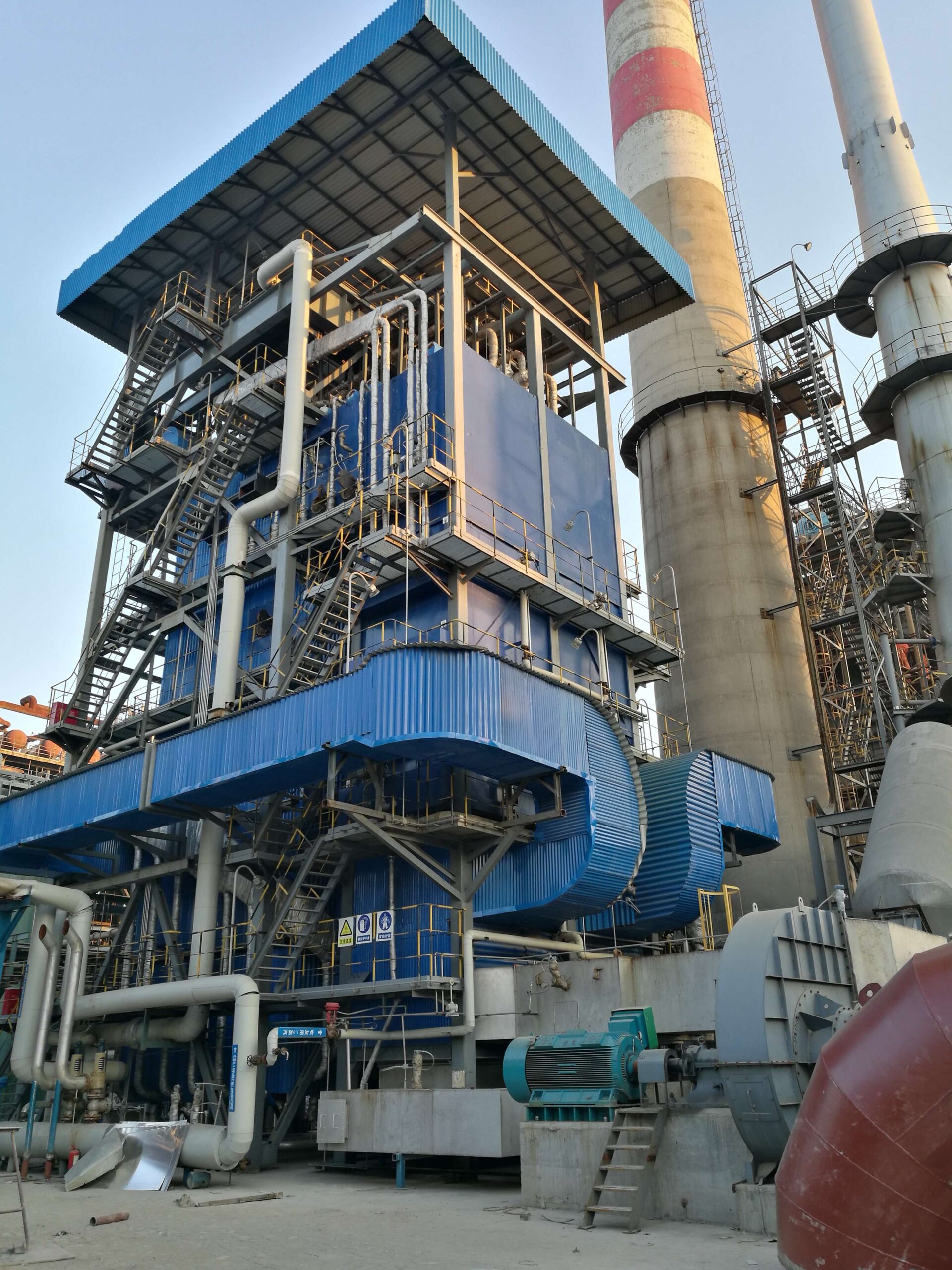
Food processing industries operate under extremely demanding production conditions where temperature control, hygiene standards, steam reliability, and energy efficiency directly affect product quality, food safety, regulatory compliance, and production profitability. Whether producing dairy products, canned foods, beverages, baked goods, frozen meals, edible oils, or meat products, manufacturers depend heavily on stable thermal energy throughout nearly every stage of production. Without reliable industrial boilers, many essential food processing operations—including sterilization, pasteurization, cooking, cleaning, drying, and packaging—would become inconsistent, inefficient, or impossible to perform at industrial scale. At the same time, rising energy costs, stricter environmental regulations, and growing consumer expectations for food safety have made efficient steam generation more important than ever for modern food manufacturers seeking to remain competitive in increasingly demanding global markets. 🍞🔥
Industrial boilers are essential in food processing applications because they provide reliable steam and thermal energy required for cooking, sterilization, pasteurization, cleaning, drying, packaging, and temperature control. Boilers help food manufacturers maintain hygiene standards, ensure product consistency, improve production efficiency, reduce contamination risks, and support continuous large-scale food production operations.
Although boilers often operate behind the scenes, they serve as one of the most critical utility systems in food manufacturing plants, continuously supplying the thermal energy necessary to maintain safe, efficient, and high-quality food production. The following comprehensive guide explains why industrial boilers are indispensable in food processing applications from a professional food manufacturing and thermal engineering perspective. ⚙️
Steam generated by industrial boilers is widely used for sterilization and pasteurization in food processing.True
High-temperature steam effectively destroys harmful microorganisms while maintaining controlled production conditions.
Food processing facilities only use boilers for building heating.False
Industrial boilers support many critical production processes including cooking, cleaning, drying, sterilization, and packaging.
Why Food Processing Requires Reliable Thermal Energy 🏭
Food manufacturing depends heavily on controlled heat transfer because temperature directly affects:
- Food safety
- Product texture
- Flavor consistency
- Shelf life
- Moisture control
- Production efficiency
Industrial boilers generate steam or hot water that distributes thermal energy throughout the facility, supporting multiple production systems simultaneously.
Steam is especially valuable because it:
- Transfers heat efficiently
- Maintains stable temperatures
- Supports sanitary processing
- Reduces contamination risks
In modern food factories, boilers often operate continuously to ensure uninterrupted production flow across:
- Cooking systems
- Sterilization lines
- Cleaning equipment
- Drying tunnels
- Packaging systems
Steam Is the Backbone of Food Processing Operations 💨
Steam plays a central role in food manufacturing because it delivers controlled heat rapidly and uniformly, while also supporting hygienic processing environments that are essential for meeting strict food safety regulations.
Compared with direct-fire heating methods, steam provides:
- More consistent temperature control
- Better energy distribution
- Reduced product scorching
- Improved sanitation
This makes steam ideal for delicate food products where precision and cleanliness are critical.
| Steam Advantage | Food Processing Benefit |
|---|---|
| Rapid Heat Transfer | Faster production |
| Uniform Temperature | Consistent food quality |
| Hygienic Heating | Reduced contamination |
| Easy Distribution | Supports multiple production lines |
| Energy Efficiency | Lower operating costs |
Industrial Boilers Support Food Sterilization 🦠
Sterilization is one of the most important functions in food manufacturing because microorganisms such as bacteria, molds, and pathogens can cause:
- Food spoilage
- Product recalls
- Health risks
- Regulatory violations
Industrial boilers generate high-temperature steam used in:
- Retort systems
- Sterilizers
- Canning equipment
- Packaging sanitation
Steam sterilization effectively destroys harmful microorganisms while maintaining controlled processing conditions.
Industries Using Steam Sterilization
Steam sterilization is essential in:
- Canned food production 🥫
- Dairy processing 🥛
- Baby food manufacturing 👶
- Beverage bottling 🥤
- Meat processing 🥩
Without reliable boiler-generated steam, maintaining industrial-scale food sterilization standards would be extremely difficult.
Pasteurization Depends on Boiler Systems 🥛
Pasteurization involves heating food products to specific temperatures to eliminate harmful microorganisms while preserving flavor and nutritional quality.
Steam from industrial boilers is commonly used in:
- Milk pasteurization
- Juice processing
- Beer production
- Liquid food treatment
Because pasteurization requires extremely stable thermal control, boilers must provide:
- Precise steam pressure
- Consistent temperature delivery
- Reliable continuous operation
Boilers Are Essential for Industrial Cooking 🍲
Many food products require direct or indirect steam heating during production.
Examples include:
- Soup manufacturing
- Sauce preparation
- Seafood processing
- Rice cooking
- Vegetable blanching
Steam cooking offers several advantages:
- Faster heating
- Uniform cooking
- Better moisture retention
- Reduced burning risk
Large food factories often use steam-jacketed kettles and heat exchangers powered directly by industrial boilers.
Cleaning and Sanitation Depend on Steam 🚿
Food processing facilities must maintain extremely high sanitation standards to comply with regulations such as:
- FDA standards
- HACCP systems
- ISO food safety protocols
Steam generated by boilers is widely used for:
- Equipment cleaning
- Pipe sanitation
- Surface sterilization
- CIP (Clean-In-Place) systems
Why Steam Cleaning Is Important
Steam cleaning:
- Kills bacteria effectively
- Penetrates hard-to-reach areas
- Reduces chemical usage
- Improves hygiene reliability
This is especially critical in industries handling:
- Dairy products
- Meat products
- Ready-to-eat foods
| Cleaning Application | Boiler Steam Benefit |
|---|---|
| CIP Systems | Automated sanitation |
| Surface Sterilization | Improved food safety |
| Equipment Cleaning | Reduced contamination |
| Pipe Sanitation | Better hygiene control |
Food Drying Processes Use Boiler Heat 🌾
Many food products require controlled moisture removal during production.
Examples include:
- Powdered milk
- Instant noodles
- Grains
- Pet food
- Snack products
Industrial boilers provide thermal energy for:
- Spray dryers
- Drum dryers
- Conveyor dryers
- Air heating systems
Accurate thermal control is essential because improper drying can affect:
- Shelf life
- Texture
- Flavor
- Nutritional value
Boilers Support Packaging Operations 📦
Food packaging often requires steam for:
- Container sterilization
- Shrink wrapping
- Heat sealing
- Vacuum packaging systems
Sterile packaging environments help extend product shelf life while minimizing contamination risks.
Hot Water Generation for Food Factories 🚰
Industrial boilers also produce hot water used throughout food processing facilities.
Applications include:
- Washing ingredients
- Cleaning production lines
- Employee sanitation systems
- Process water heating
Hot water demand in food factories can be enormous, particularly in facilities operating continuously across multiple production shifts.
Why Steam Is Safer for Food Processing 🛡️
Steam is widely preferred because it:
- Does not directly contact combustion gases
- Provides clean thermal transfer
- Minimizes contamination risk
Food-grade steam systems are carefully engineered to maintain:
- Water purity
- Corrosion control
- Hygienic operation
This is especially important in:
- Pharmaceutical-grade food production
- Infant nutrition manufacturing
- Dairy processing
Boiler Reliability Directly Affects Production Efficiency ⚡
A boiler failure can shut down an entire food processing facility because steam supports so many interconnected production systems.
Consequences of unreliable steam supply include:
- Production downtime
- Product spoilage
- Missed delivery schedules
- Financial losses
For this reason, many food factories install:
- Redundant boiler systems
- Backup steam capacity
- Automated monitoring systems
Common Boiler Types Used in Food Processing 🔥
Different food industries use different boiler types depending on:
- Steam demand
- Production scale
- Fuel availability
- Hygiene requirements
Fire-Tube Boilers
Common for:
- Small to medium food plants
Advantages:
- Simpler operation
- Stable steam output
Water-Tube Boilers
Used in:
- Large continuous food production
Advantages:
- High-pressure capability
- Large steam capacity
Packaged Boilers
Popular because they:
- Install quickly
- Save space
- Simplify maintenance
Energy Efficiency Is Critical in Food Manufacturing 🌱
Energy costs represent a major operating expense in food processing.
Modern boilers improve efficiency through:
- Economizers
- Condensing systems
- Smart combustion controls
- Waste heat recovery
Efficient boiler systems help food manufacturers:
- Reduce fuel costs
- Lower carbon emissions
- Improve sustainability performance
Environmental Regulations Influence Boiler Selection 🌍
Food manufacturers increasingly face pressure to:
- Reduce emissions
- Improve energy efficiency
- Lower carbon footprints
As a result, many facilities now prioritize:
- Natural gas boilers
- Biomass boilers
- Electric steam systems
- Low-NOx combustion technology
Smart Boiler Automation in Food Factories 🤖
Modern food processing plants increasingly use:
- IoT boiler monitoring
- Predictive maintenance systems
- AI combustion optimization
- Automated steam management
These technologies improve:
- Production stability
- Energy efficiency
- Equipment reliability
Different Food Industries Have Different Boiler Needs 🍽️
| Food Industry | Main Boiler Application |
|---|---|
| Dairy Processing | Pasteurization and sterilization |
| Beverage Production | Brewing and cleaning |
| Meat Processing | Cooking and sanitation |
| Bakery Manufacturing | Process heating |
| Canned Foods | Retort sterilization |
| Snack Manufacturing | Drying and heating |
Why Continuous Steam Supply Is So Important 🔄
Food manufacturing often operates:
- Continuously
- Under strict production schedules
- With temperature-sensitive products
Even short steam interruptions can:
- Damage products
- Stop production lines
- Create sanitation risks
This is why industrial boilers are considered mission-critical systems in food manufacturing facilities.
The Future of Boilers in Food Processing 🚀
Emerging technologies include:
- Hydrogen-ready boilers
- Electrified steam systems
- Carbon-neutral biomass boilers
- AI energy optimization
Food manufacturers increasingly seek boiler systems that balance:
- Reliability
- Sustainability
- Food safety
- Operating efficiency
Why Industrial Boilers Are Indispensable in Food Processing 🤔
Industrial boilers are essential in food processing applications because they provide the reliable steam and thermal energy necessary for nearly every major production process, including cooking, sterilization, pasteurization, cleaning, drying, hot water generation, and packaging support. Their ability to deliver stable, hygienic, and energy-efficient heat transfer allows food manufacturers to maintain product quality, ensure food safety, support continuous large-scale production, and comply with strict sanitation regulations. From dairy plants and beverage factories to meat processors and bakery operations, industrial boilers remain one of the most critical utility systems supporting modern food manufacturing efficiency, consistency, and operational reliability. 🍞🔥
How Do Industrial Boilers Support Chemical and Pharmaceutical Industries?
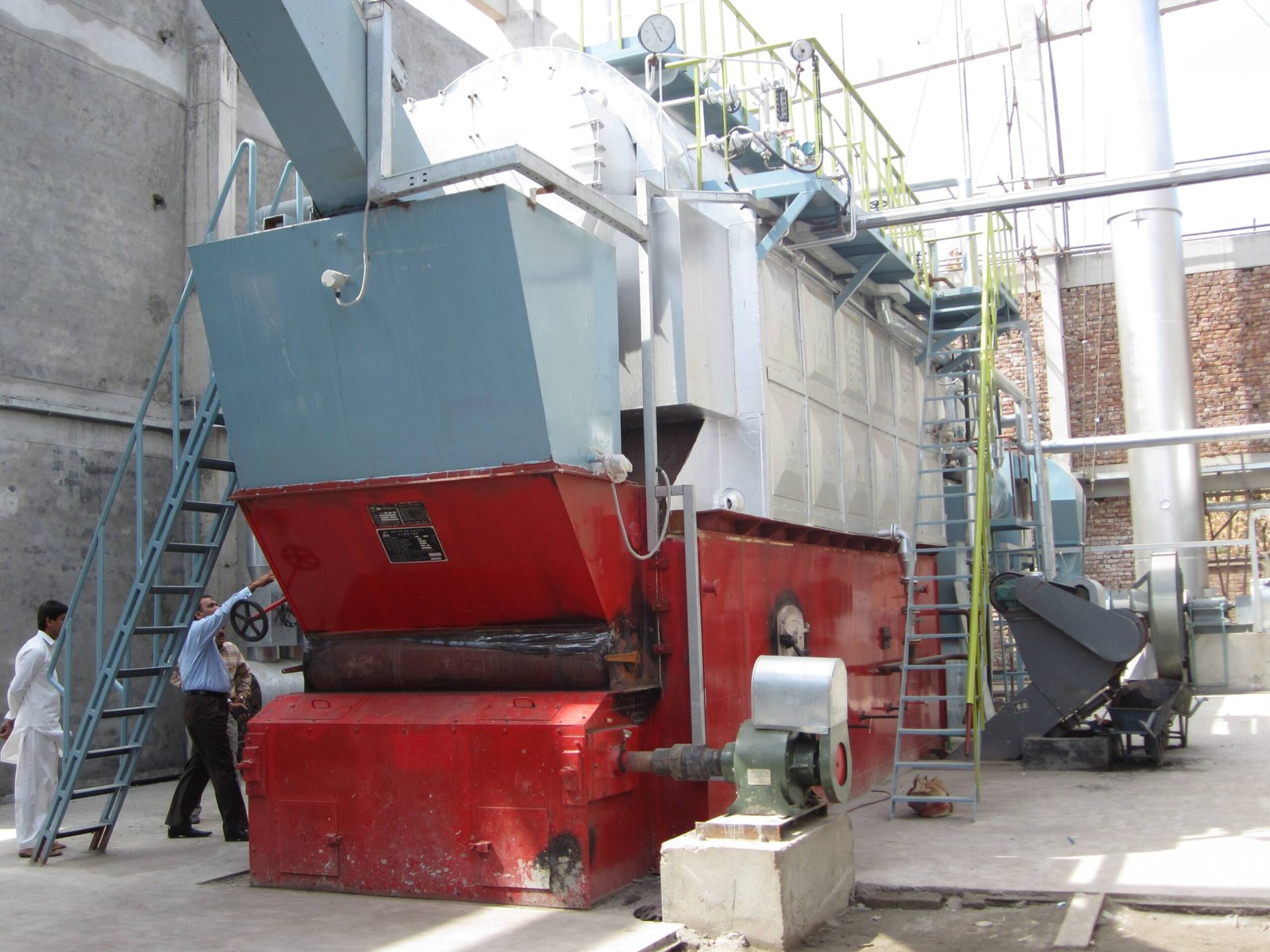
Chemical and pharmaceutical industries operate under some of the most demanding thermal processing conditions in modern manufacturing because production quality, reaction stability, sterility, temperature precision, and operational safety all depend heavily on reliable and carefully controlled heat transfer systems. Unlike many ordinary industrial applications where steam is used primarily for heating or comfort systems, chemical and pharmaceutical manufacturing requires highly specialized thermal energy for complex chemical reactions, distillation processes, sterilization systems, cleanroom humidity control, purified water generation, solvent recovery, and highly sensitive production environments where even minor temperature fluctuations can compromise product quality or regulatory compliance. As production technologies become increasingly sophisticated and global regulations surrounding product safety, contamination prevention, and environmental sustainability continue to tighten, industrial boilers have become far more than simple steam generators—they are now mission-critical infrastructure supporting the core operational stability and manufacturing integrity of modern chemical and pharmaceutical plants. ⚗️💊🔥
Industrial boilers support chemical and pharmaceutical industries by providing reliable steam and thermal energy for chemical reactions, sterilization, distillation, drying, cleanroom humidity control, purified water production, process heating, and equipment sanitation. Boilers help maintain precise temperature control, operational safety, regulatory compliance, production consistency, and energy efficiency in highly sensitive manufacturing environments.
Although industrial boilers often operate behind the scenes, they are deeply integrated into nearly every stage of chemical and pharmaceutical production, where stable steam supply and accurate thermal management directly influence product purity, process reliability, and manufacturing productivity. The following comprehensive guide explains how industrial boilers support these industries from a professional thermal engineering and industrial process perspective. ⚙️
Industrial boilers are widely used for sterilization and process heating in pharmaceutical manufacturing.True
Reliable steam generation is essential for maintaining sterile production environments and controlled pharmaceutical processing conditions.
Chemical and pharmaceutical industries only use boilers for facility heating.False
Industrial boilers support many critical applications including reactions, distillation, sterilization, humidity control, and purified water systems.
Why Chemical and Pharmaceutical Industries Depend on Boilers 🏭
Chemical and pharmaceutical manufacturing processes require highly controlled thermal energy because temperature directly affects:
- Chemical reaction rates
- Product purity
- Molecular stability
- Sterility
- Moisture content
- Production consistency
Industrial boilers provide steam or hot water that distributes thermal energy safely and efficiently throughout manufacturing facilities.
Steam is especially valuable because it:
- Transfers heat rapidly
- Maintains precise temperatures
- Supports sanitary processing
- Enables indirect heating
- Minimizes contamination risk
In many facilities, steam networks operate continuously across:
- Reactors
- Distillation columns
- Dryers
- Sterilizers
- Cleanrooms
- Heat exchangers
Process Heating in Chemical Manufacturing ⚗️
One of the most important boiler applications in chemical plants is process heating, because many industrial chemical reactions require carefully maintained temperatures to ensure:
- Proper reaction speed
- Stable product formation
- Controlled viscosity
- Accurate molecular conversion
Steam generated by industrial boilers is commonly used to heat:
- Chemical reactors
- Mixing vessels
- Storage tanks
- Heat exchangers
Unlike direct-flame heating systems, steam provides smooth and uniform heat transfer, which is especially important in chemical processing environments where overheating can:
- Damage products
- Trigger dangerous reactions
- Reduce process efficiency
| Process Heating Benefit | Industrial Impact |
|---|---|
| Uniform Heat Transfer | Improved reaction stability |
| Precise Temperature Control | Higher product quality |
| Indirect Heating | Reduced contamination risk |
| Rapid Thermal Response | Better process efficiency |
Steam Is Critical for Distillation Systems 🌡️
Distillation is one of the most common thermal separation methods in both chemical and pharmaceutical manufacturing.
Industrial boilers supply steam for:
- Solvent recovery
- Alcohol separation
- Chemical purification
- Petrochemical processing
- Pharmaceutical extraction
Steam heats distillation columns and reboilers, enabling controlled evaporation and separation of chemical compounds based on boiling point differences.
Why Steam Works Well for Distillation
Steam provides:
- Stable heating
- High energy transfer efficiency
- Precise temperature management
Large chemical plants often rely on centralized boiler systems capable of supporting multiple distillation operations simultaneously, particularly in facilities producing solvents, specialty chemicals, or pharmaceutical ingredients under continuous production schedules.
Pharmaceutical Sterilization Depends on Boilers 💊
Sterility is absolutely essential in pharmaceutical manufacturing because contamination can:
- Compromise drug safety
- Trigger product recalls
- Violate GMP regulations
- Endanger patients
Industrial boilers generate clean steam used in:
- Autoclaves
- Sterilizers
- Packaging sanitation
- Production line cleaning
Steam sterilization effectively destroys:
- Bacteria
- Viruses
- Fungi
- Spores
without introducing chemical contamination.
Pharmaceutical Sterilization Applications
Boiler-generated steam supports:
- Injectable drug production 💉
- Surgical equipment sterilization 🏥
- Vaccine manufacturing 🧬
- Cleanroom sanitation 🧼
Clean Steam Systems in Pharmaceutical Manufacturing 💨
Pharmaceutical plants often require “clean steam,” which differs from ordinary industrial steam because it is produced using purified water under tightly controlled conditions.
Clean steam systems are used for:
- Direct product contact
- Sterilization
- Humidification
- Bioreactor support
These systems require:
- High-purity water
- Stainless steel piping
- Advanced boiler water treatment
| Steam Type | Main Application |
|---|---|
| Industrial Steam | General heating |
| Clean Steam | Sterile pharmaceutical processing |
Boilers Support Cleanroom Humidity Control 🌬️
Many pharmaceutical manufacturing environments require precise humidity control because moisture levels affect:
- Product stability
- Powder handling
- Electrostatic discharge
- Microbial growth
Boilers generate steam for humidification systems that maintain:
- Stable cleanroom conditions
- Regulatory compliance
- Controlled production environments
This is especially important in:
- Tablet manufacturing
- Injectable drug production
- Biotechnology facilities
Purified Water Generation 🚰
Pharmaceutical manufacturing relies heavily on purified water systems.
Industrial boilers support:
- Water distillation
- Pure steam generation
- Water heating systems
Purified water is required for:
- Drug formulation
- Cleaning systems
- Laboratory operations
- Sterile processing
Boilers Are Essential for CIP and SIP Systems 🧼
Modern pharmaceutical and chemical plants use:
- CIP (Clean-In-Place)
- SIP (Sterilize-In-Place)
systems to clean and sterilize equipment without disassembly.
Industrial boilers provide steam for:
- Pipe sanitation
- Reactor cleaning
- Equipment sterilization
- Automated sanitation cycles
These systems improve:
- Hygiene reliability
- Production efficiency
- Regulatory compliance
Chemical Drying Processes Depend on Steam 🌾
Many chemical and pharmaceutical products require controlled drying processes to:
- Remove solvents
- Stabilize powders
- Improve shelf life
- Achieve proper product consistency
Industrial boilers support:
- Spray dryers
- Vacuum dryers
- Fluidized bed dryers
- Tray dryers
Accurate thermal control is essential because overheating may:
- Damage sensitive compounds
- Alter chemical structures
- Reduce product quality
Reactor Jacket Heating 🔥
Many chemical reactors use steam jacket systems where boiler-generated steam circulates around reactor vessels to maintain stable process temperatures.
Steam jacket heating provides:
- Even thermal distribution
- Safe indirect heating
- Accurate process control
This is especially important for:
- Polymer production
- Specialty chemical synthesis
- Pharmaceutical reactions
Boiler Reliability Directly Affects Production Stability ⚡
Chemical and pharmaceutical production often runs continuously, and many processes cannot tolerate sudden thermal interruptions.
Boiler failure may cause:
- Product loss
- Batch contamination
- Process instability
- Equipment shutdown
- Financial losses
For this reason, facilities commonly install:
- Redundant boiler systems
- Backup steam capacity
- Advanced monitoring systems
Why Water Quality Is Extremely Important 💧
Boiler water treatment is especially critical in chemical and pharmaceutical industries because impurities can:
- Damage equipment
- Contaminate products
- Reduce steam purity
- Cause scaling or corrosion
Facilities often use:
- Reverse osmosis systems
- Deionization
- Chemical treatment
- Condensate recovery
Common Boiler Types Used in Chemical and Pharmaceutical Plants 🏗️
Different facilities use different boiler types depending on:
- Steam purity requirements
- Pressure demands
- Production scale
Fire-Tube Boilers
Used in:
- Smaller facilities
- Moderate steam demand
Advantages:
- Simpler operation
- Lower installation cost
Water-Tube Boilers
Used in:
- Large continuous operations
- High-pressure applications
Advantages:
- Rapid steam generation
- High thermal efficiency
Electric Boilers
Increasingly used in:
- Clean manufacturing
- Pharmaceutical laboratories
Advantages:
- Zero combustion emissions
- Clean steam production
| Boiler Type | Common Industry Use |
|---|---|
| Fire-Tube Boiler | Small pharmaceutical plants |
| Water-Tube Boiler | Large chemical facilities |
| Electric Boiler | Sterile clean environments |
| Packaged Boiler | Medium-scale manufacturing |
Energy Efficiency Matters in Chemical Manufacturing 🌱
Chemical plants consume enormous amounts of energy.
Modern boiler systems improve efficiency through:
- Economizers
- Condensing technology
- Heat recovery systems
- AI combustion optimization
Efficient steam generation reduces:
- Fuel costs
- Carbon emissions
- Operational expenses
Environmental Compliance and Emissions Control 🌍
Chemical and pharmaceutical industries face strict environmental regulations regarding:
- NOx emissions
- Carbon emissions
- Fuel efficiency
- Waste heat management
Modern boiler systems may include:
- Low-NOx burners
- SCR systems
- Flue gas recirculation
- Biomass integration
Smart Boiler Automation in Modern Plants 🤖
Advanced facilities increasingly use:
- IoT monitoring
- Predictive maintenance
- AI thermal optimization
- Real-time steam management
These technologies help improve:
- Product consistency
- Operational reliability
- Energy management
Safety Is a Top Priority 🛡️
Because chemical manufacturing may involve:
- Flammable materials
- Hazardous chemicals
- High-pressure systems
boilers require extensive safety integration, including:
- Pressure protection
- Emergency shutdown systems
- Flame monitoring
- Continuous diagnostics
Different Industries Have Different Steam Needs 🏢
| Industry Segment | Main Boiler Application |
|---|---|
| Pharmaceutical Manufacturing | Sterilization and clean steam |
| Petrochemical Industry | Distillation and process heating |
| Specialty Chemicals | Reactor temperature control |
| Biotechnology | Humidification and sterilization |
| Cosmetic Manufacturing | Process heating and sanitation |
Why Steam Remains the Preferred Industrial Heat Source 💨
Steam remains dominant because it provides:
- High energy density
- Excellent heat transfer
- Safe indirect heating
- Hygienic thermal distribution
Compared with direct electric or combustion heating, steam systems offer superior scalability and flexibility for complex industrial production environments.
The Future of Boiler Technology in Chemical and Pharmaceutical Industries 🚀
Emerging trends include:
- Hydrogen-ready boilers
- Electrified steam generation
- Carbon-neutral fuel systems
- Digital energy optimization
- Ultra-clean steam technologies
Manufacturers increasingly seek solutions that balance:
- Efficiency
- Sustainability
- Sterility
- Regulatory compliance
Why Industrial Boilers Are Mission-Critical in Chemical and Pharmaceutical Manufacturing 🤔
Industrial boilers are essential in chemical and pharmaceutical industries because they provide the stable, controllable, and hygienic thermal energy required for process heating, distillation, sterilization, drying, cleanroom humidity control, purified water production, reactor temperature management, and equipment sanitation. Their ability to deliver precise steam conditions while supporting continuous large-scale production allows manufacturers to maintain product quality, operational safety, regulatory compliance, and manufacturing efficiency in highly sensitive industrial environments. From chemical reactors and solvent recovery systems to pharmaceutical sterilization and clean steam generation, industrial boilers remain one of the most critical infrastructure systems supporting modern chemical and pharmaceutical manufacturing operations. ⚗️💊🔥
What Role Do Industrial Boilers Play in Textile and Paper Manufacturing?
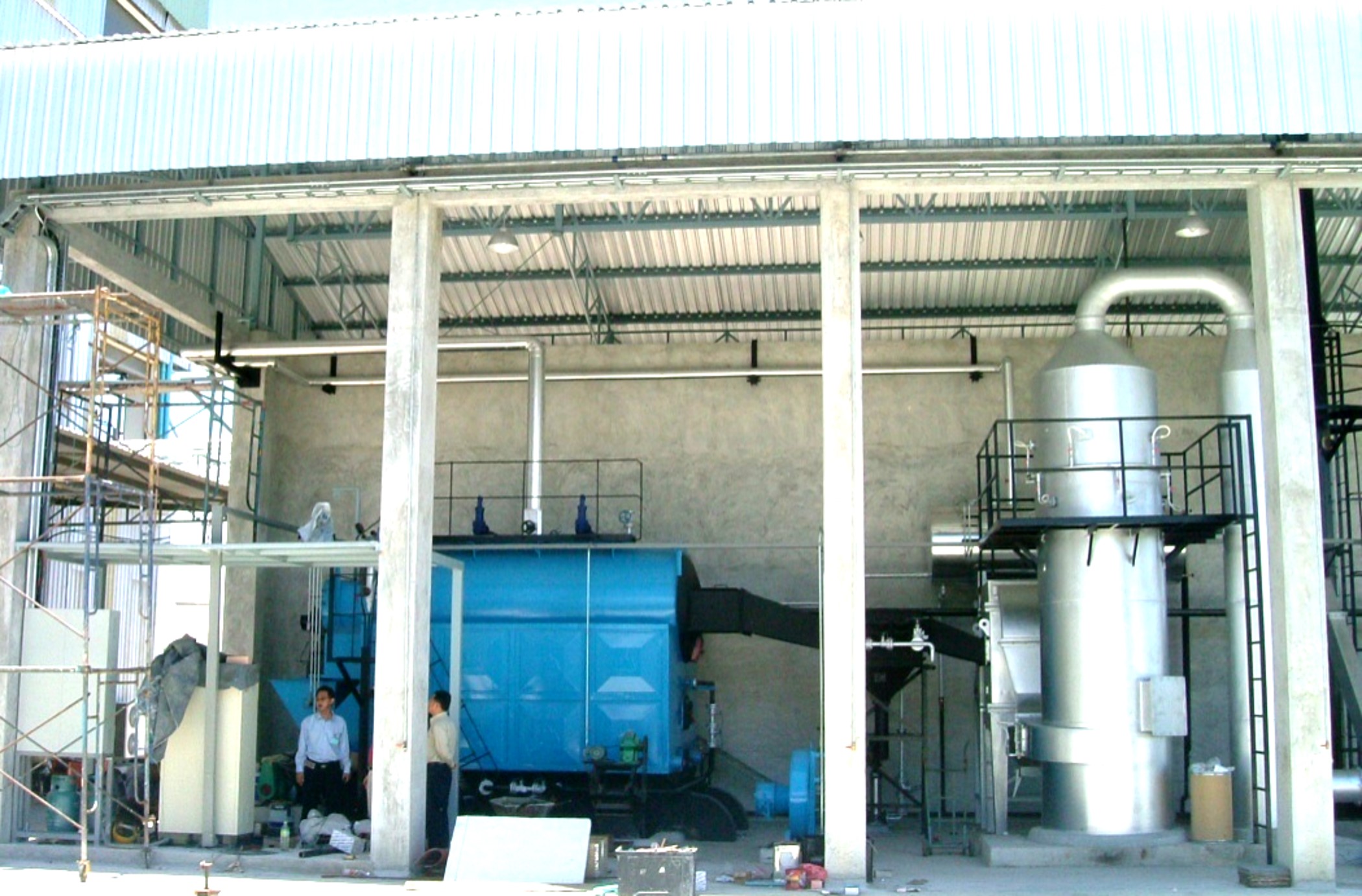
Textile and paper manufacturing industries are among the most steam-intensive industrial sectors in the world because nearly every stage of production—from fiber treatment and fabric dyeing to pulp processing and paper drying—depends heavily on stable thermal energy and controlled heat transfer. Without reliable industrial boiler systems, these industries would struggle to maintain product consistency, production efficiency, moisture control, process stability, and large-scale manufacturing continuity. In both textile mills and paper factories, steam is not merely an auxiliary utility used occasionally for heating; rather, it functions as a core production resource that directly influences product quality, operating costs, environmental performance, and manufacturing speed. As global competition intensifies and manufacturers face increasing pressure to improve sustainability, reduce fuel consumption, and optimize operational efficiency, industrial boilers have become even more important as strategic energy systems supporting modern textile and paper production. 🏭🔥
Industrial boilers play a critical role in textile and paper manufacturing by supplying steam and thermal energy for dyeing, washing, bleaching, drying, ironing, pulp processing, paper drying, humidity control, and equipment cleaning. Boilers help maintain stable production conditions, improve product quality, support continuous manufacturing, reduce energy waste, and ensure efficient large-scale industrial operation.
Although textile and paper industries use steam differently depending on production methods and product types, both sectors rely extensively on industrial boilers to sustain high-volume manufacturing processes under carefully controlled thermal conditions. The following comprehensive guide explains how industrial boilers support textile and paper manufacturing from a professional industrial engineering and thermal systems perspective. ⚙️
Steam generated by industrial boilers is essential for paper drying and textile dyeing processes.True
Stable steam supply provides the controlled thermal energy required for moisture removal, fabric treatment, and paper production.
Industrial boilers in textile and paper industries are used only for factory heating.False
Boilers directly support core manufacturing processes including drying, bleaching, dyeing, pulp treatment, and process steam generation.
Why Textile and Paper Industries Depend on Steam 🏭
Both textile and paper manufacturing involve processes requiring:
- Controlled heating
- Moisture management
- Thermal treatment
- Drying
- Cleaning
- Material conditioning
Steam generated by industrial boilers is ideal because it:
- Transfers heat efficiently
- Provides stable temperature control
- Supports continuous production
- Reduces contamination risk
In modern manufacturing facilities, boiler systems often operate continuously to maintain production flow across multiple process lines simultaneously, especially in high-output factories where even short steam interruptions can disrupt operations and create major financial losses.
| Steam Advantage | Manufacturing Benefit |
|---|---|
| Rapid Heat Transfer | Faster production cycles |
| Uniform Temperature | Better product consistency |
| Efficient Energy Distribution | Reduced fuel consumption |
| Moisture Control | Improved product quality |
| Continuous Operation | Stable manufacturing output |
The Role of Boilers in Textile Manufacturing 👕
Textile manufacturing requires extensive steam usage because fabrics undergo multiple thermal processing stages before becoming finished products.
Steam is widely used for:
- Fabric washing
- Bleaching
- Dyeing
- Drying
- Ironing
- Shrinking
- Finishing
Each process requires carefully controlled temperatures to maintain:
- Fabric quality
- Color consistency
- Fiber integrity
- Production efficiency
Steam Supports Textile Dyeing Processes 🎨
Dyeing is one of the most steam-intensive operations in textile manufacturing because dyes must penetrate fibers under carefully controlled thermal conditions.
Industrial boilers supply steam for:
- Dye baths
- Heating dyeing machines
- Fixing fabric colors
- Temperature stabilization
Why Steam Is Important in Dyeing
Steam allows:
- Uniform heat distribution
- Consistent dye absorption
- Stable processing temperatures
Without stable steam pressure and temperature control, manufacturers may experience:
- Uneven coloration
- Fabric defects
- Reduced production quality
Fabric Bleaching and Washing Depend on Boilers 🧼
Textile bleaching and washing processes use hot water and steam to:
- Remove impurities
- Clean fibers
- Prepare fabrics for dyeing
Boilers provide thermal energy for:
- Washing systems
- Chemical treatment tanks
- Water heating equipment
Accurate temperature control is essential because excessive heat can:
- Damage fibers
- Reduce fabric strength
- Alter product texture
Steam Drying in Textile Manufacturing 🌡️
After washing and dyeing, textiles require controlled drying to achieve:
- Proper moisture levels
- Stable dimensions
- Desired texture
Industrial boilers support:
- Drying chambers
- Steam-heated rollers
- Fabric drying tunnels
Steam drying systems provide:
- Fast moisture removal
- Uniform heating
- Improved production speed
| Textile Application | Boiler Function |
|---|---|
| Dyeing | Temperature control |
| Bleaching | Water and chemical heating |
| Drying | Moisture removal |
| Ironing | Fabric finishing |
| Shrinking | Controlled thermal treatment |
Boilers Support Textile Finishing Processes ✨
Textile finishing improves:
- Fabric appearance
- Texture
- Durability
- Shrink resistance
Steam is used in:
- Pressing equipment
- Finishing rollers
- Steam chambers
These processes help manufacturers achieve consistent product quality while increasing production efficiency.
Humidity Control in Textile Factories 💨
Textile production environments require controlled humidity because moisture levels directly affect:
- Fiber flexibility
- Yarn strength
- Static electricity
- Weaving performance
Industrial boilers generate steam for humidification systems that maintain optimal factory conditions.
Proper humidity control helps reduce:
- Thread breakage
- Fabric defects
- Production interruptions
The Role of Boilers in Paper Manufacturing 📄
Paper manufacturing is another highly steam-dependent industry because paper production requires extensive thermal energy throughout:
- Pulp preparation
- Chemical treatment
- Water removal
- Drying
- Finishing
Large paper mills consume enormous quantities of steam continuously during operation.
Boilers Support Pulp Processing 🌲
Paper production begins with pulp preparation, where wood fibers or recycled paper materials are processed chemically and mechanically.
Industrial boilers provide steam for:
- Digesters
- Chemical pulping
- Fiber softening
- Process heating
Steam helps break down raw materials efficiently while maintaining controlled processing conditions.
Steam Is Essential for Paper Drying 🔥
Paper drying is one of the most energy-intensive stages of paper manufacturing because freshly formed paper sheets contain large amounts of moisture that must be removed carefully to achieve proper strength, thickness, and surface quality.
Industrial boilers generate steam for:
- Drying cylinders
- Heated rollers
- Drying sections
Why Steam Drying Is Critical
Controlled drying affects:
- Paper smoothness
- Strength
- Dimensional stability
- Printing quality
Improper drying can cause:
- Wrinkling
- Weakness
- Cracking
- Product waste
| Paper Manufacturing Stage | Boiler Application |
|---|---|
| Pulping | Process heating |
| Chemical Treatment | Steam heating |
| Drying Cylinders | Moisture removal |
| Finishing | Surface treatment |
| Cleaning Systems | Equipment sanitation |
Waste Heat Recovery in Paper Mills ♻️
Paper mills often integrate advanced boiler systems with:
- Waste heat recovery
- Biomass combustion
- Cogeneration systems
This improves:
- Energy efficiency
- Fuel utilization
- Sustainability performance
Many paper mills use biomass fuels generated from wood waste and bark residues, allowing industrial boilers to recycle production byproducts into valuable thermal energy while reducing fuel costs and environmental impact.
Steam Supports Chemical Recovery Systems ⚗️
Large pulp and paper mills commonly use chemical recovery boilers that:
- Recover pulping chemicals
- Generate steam
- Reduce waste
These systems improve:
- Operational efficiency
- Resource utilization
- Environmental sustainability
Industrial Boilers Help Maintain Continuous Production 🔄
Textile and paper factories often operate:
- 24 hours per day
- Under continuous production schedules
Reliable steam supply is critical because boiler failure can:
- Stop production lines
- Damage products
- Create massive financial losses
For this reason, many facilities install:
- Redundant boiler systems
- Backup steam capacity
- Automated monitoring technologies
Common Boiler Types Used in Textile and Paper Industries 🏗️
Different facilities use different boiler technologies depending on:
- Steam demand
- Fuel availability
- Production scale
Fire-Tube Boilers
Common in:
- Small textile factories
Advantages:
- Lower installation cost
- Simpler maintenance
Water-Tube Boilers
Used in:
- Large paper mills
- Heavy textile production
Advantages:
- High-pressure capability
- Massive steam output
Biomass Boilers
Popular in:
- Paper manufacturing
Advantages:
- Renewable fuel utilization
- Lower operating costs
| Boiler Type | Typical Industry Use |
|---|---|
| Fire-Tube Boiler | Small textile operations |
| Water-Tube Boiler | Large paper mills |
| Biomass Boiler | Sustainable paper production |
| Packaged Boiler | Medium manufacturing facilities |
Energy Efficiency Is Extremely Important 🌱
Textile and paper industries consume enormous amounts of energy, making boiler efficiency a major economic factor.
Modern systems improve efficiency using:
- Economizers
- Condensing technology
- Heat recovery systems
- Smart combustion controls
Efficient boilers help manufacturers:
- Reduce fuel costs
- Lower emissions
- Improve profitability
Environmental Regulations Are Changing Boiler Technology 🌍
Manufacturers increasingly face pressure to:
- Reduce carbon emissions
- Improve sustainability
- Lower fuel consumption
As a result, many facilities are adopting:
- Biomass boilers
- Natural gas systems
- Low-NOx burners
- Waste heat recovery systems
Smart Boiler Automation in Modern Factories 🤖
Modern textile and paper facilities increasingly use:
- IoT monitoring
- Predictive maintenance
- Automated combustion control
- Digital steam management
These technologies improve:
- Energy optimization
- Equipment reliability
- Production stability
Water Quality and Boiler Maintenance 💧
Water treatment is essential because poor water quality can cause:
- Scaling
- Corrosion
- Reduced heat transfer
- Equipment failure
Large factories often use:
- Condensate recovery
- Water softening
- Chemical treatment systems
to maintain long-term boiler reliability.
Safety Considerations in Large Manufacturing Facilities 🛡️
Industrial boilers operating in textile and paper mills require advanced safety systems because they involve:
- High-pressure steam
- Continuous thermal operation
- Large fuel systems
Safety technologies include:
- Pressure relief systems
- Flame monitoring
- Automated shutdown systems
- Continuous diagnostics
The Future of Boilers in Textile and Paper Manufacturing 🚀
Emerging trends include:
- Hydrogen-ready boilers
- AI thermal optimization
- Electrified steam generation
- Carbon-neutral biomass systems
Manufacturers increasingly seek solutions balancing:
- Production efficiency
- Sustainability
- Fuel economy
- Operational reliability
Why Industrial Boilers Are Indispensable in Textile and Paper Industries 🤔
Industrial boilers play a vital role in textile and paper manufacturing because they provide the steam and thermal energy required for dyeing, bleaching, washing, drying, finishing, pulp processing, chemical treatment, humidity control, and large-scale moisture removal operations. Their ability to deliver stable, controllable, and energy-efficient heat transfer allows manufacturers to maintain consistent product quality, support continuous production, reduce operating costs, and improve manufacturing efficiency across highly steam-intensive industrial environments. From textile dyeing machines and drying tunnels to paper pulping systems and steam-heated drying cylinders, industrial boilers remain one of the most essential infrastructure systems supporting modern textile and paper manufacturing operations. 👕📄🔥
What Factors Should You Consider When Selecting an Industrial Boiler for a Specific Application Field?
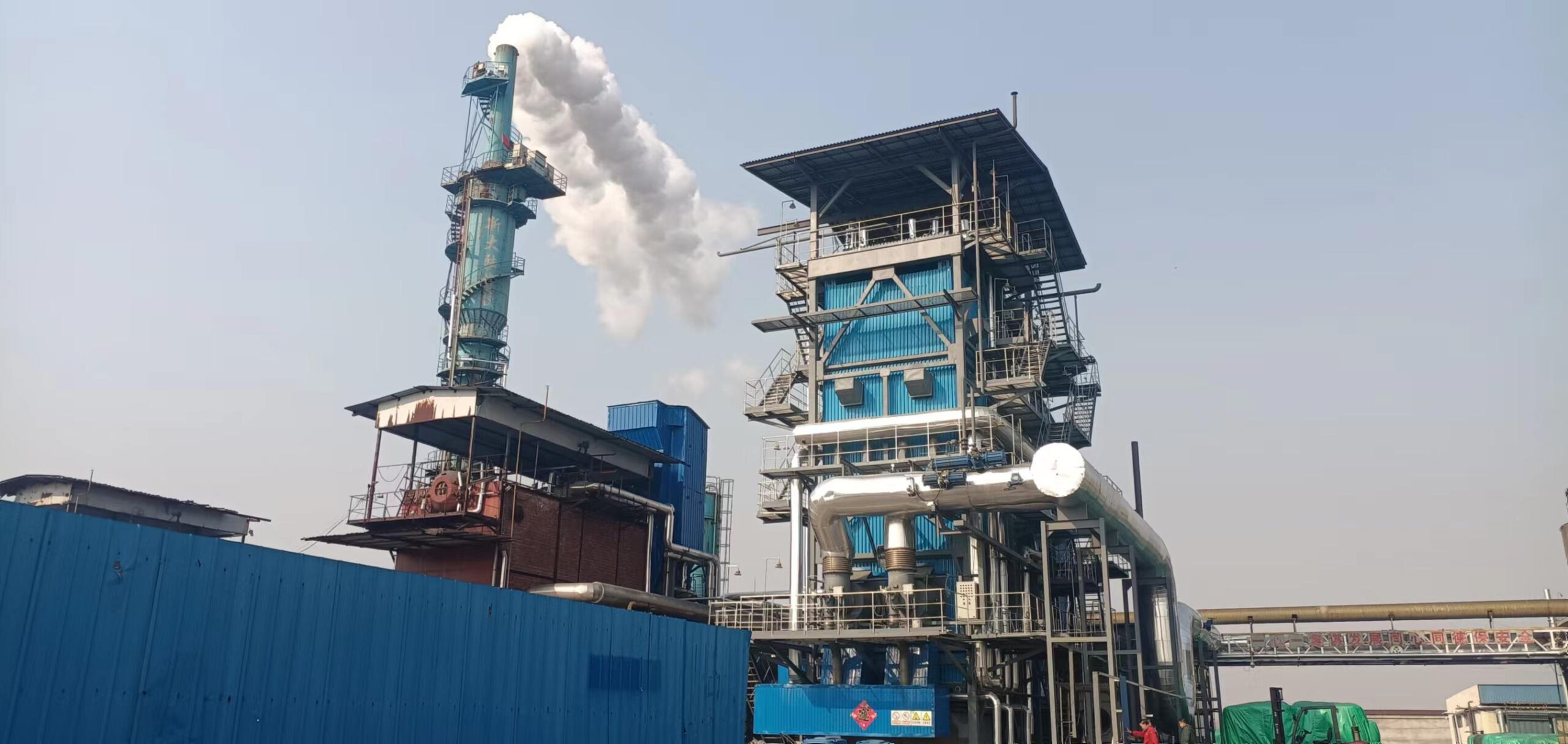
Selecting the right industrial boiler is one of the most important engineering decisions for any manufacturing or processing facility because the boiler directly affects production efficiency, operating costs, energy consumption, product quality, environmental compliance, maintenance workload, and long-term operational reliability. Many companies mistakenly focus only on boiler purchase price or steam capacity while overlooking critical application-specific factors such as process temperature requirements, pressure stability, fuel availability, water quality, installation conditions, load fluctuations, industry regulations, and future production expansion plans. Since different industries—from food processing and pharmaceuticals to textile manufacturing, chemical production, and power generation—operate under completely different thermal demands and production conditions, a boiler that performs efficiently in one industry may be unsuitable or economically inefficient in another. Choosing the wrong boiler can lead to excessive fuel costs, unstable steam supply, production interruptions, poor energy efficiency, accelerated equipment wear, and expensive operational problems over the entire lifecycle of the facility. 🔥🏭
When selecting an industrial boiler for a specific application field, companies should evaluate steam demand, operating pressure, fuel type, energy efficiency, industry regulations, installation space, water quality, maintenance requirements, environmental compliance, automation needs, operating costs, production continuity, and future scalability. The best boiler selection depends on matching boiler performance characteristics to the operational requirements of the specific industry and manufacturing process.
Because industrial boilers are deeply integrated into production systems and utility infrastructure, proper selection requires both technical engineering analysis and long-term operational planning. The following comprehensive guide explains the most important factors that should be considered when selecting an industrial boiler for different industrial application fields. ⚙️
Steam pressure requirements are one of the most important factors when selecting an industrial boiler.True
Different industries require different steam pressures depending on process complexity, production scale, and thermal demand.
The largest boiler is always the best choice for industrial applications.False
Oversized boilers may waste energy, reduce efficiency, increase operating costs, and create unstable load performance.
Why Proper Boiler Selection Is So Important 🏭
Industrial boilers are not standalone machines operating independently from production systems; instead, they function as central thermal energy infrastructure that directly supports manufacturing efficiency, product consistency, operational safety, and energy management throughout the facility.
A properly selected boiler helps achieve:
- Stable steam supply
- Lower fuel consumption
- Improved production efficiency
- Reduced maintenance costs
- Better environmental performance
- Long-term operational reliability
An improperly selected boiler may cause:
- Frequent shutdowns
- Steam instability
- Excessive fuel usage
- Increased downtime
- Production quality problems
Because industrial boilers often operate continuously for decades, even small design mismatches can create major financial consequences over time.
Understand the Specific Industrial Application First 🔍
The first step in boiler selection is understanding the exact industrial application because different industries use steam and thermal energy in very different ways.
For example:
- Food processing requires hygienic steam and stable temperatures 🍞
- Pharmaceutical production demands clean steam and strict sterility 💊
- Textile manufacturing needs humidity control and drying 👕
- Chemical plants require high-pressure process heating ⚗️
- Paper mills consume massive continuous steam volumes 📄
Each industry has unique:
- Pressure requirements
- Temperature demands
- Steam quality standards
- Operating schedules
- Environmental conditions
Steam Demand and Capacity Requirements 💨
One of the most critical selection factors is determining how much steam the facility actually requires.
Engineers must analyze:
- Peak steam demand
- Average load conditions
- Future production expansion
- Seasonal fluctuations
- Simultaneous equipment usage
Selecting a boiler that is too small may result in:
- Steam shortages
- Production interruptions
- Pressure instability
However, selecting an oversized boiler can also create problems because boilers operate most efficiently near their designed load range.
| Capacity Issue | Operational Consequence |
|---|---|
| Undersized Boiler | Steam shortages and downtime |
| Oversized Boiler | Reduced efficiency and fuel waste |
| Properly Sized Boiler | Stable and efficient operation |
Operating Pressure Requirements 🌡️
Different applications require different steam pressures.
Low-Pressure Applications
Common in:
- Commercial heating
- Laundry operations
- Food processing
Medium-Pressure Applications
Used in:
- Textile manufacturing
- Packaging systems
- General industrial processing
High-Pressure Applications
Required for:
- Chemical processing
- Power generation
- Petrochemical plants
Higher pressure systems usually require:
- Water-tube boilers
- Advanced controls
- More sophisticated safety systems
Steam Quality Requirements 💧
Not all industries can use ordinary industrial steam.
Some industries require:
- Clean steam
- Culinary steam
- High-purity steam
Industries Requiring Clean Steam
Include:
- Pharmaceuticals 💊
- Biotechnology 🧬
- Food production 🍽️
- Electronics manufacturing 💻
Poor steam quality can lead to:
- Product contamination
- Regulatory violations
- Production defects
Boiler Type Selection 🔥
Choosing the correct boiler structure is essential because different boiler designs perform better under different operating conditions.
Fire-Tube Boilers
Best for:
- Small to medium applications
- Moderate pressure
- Simpler operation
Advantages:
- Lower cost
- Easier maintenance
- Stable operation
Water-Tube Boilers
Best for:
- High-pressure systems
- Large steam demand
- Continuous industrial operation
Advantages:
- Faster steam generation
- Higher efficiency
- Superior scalability
| Boiler Type | Best Application |
|---|---|
| Fire-Tube Boiler | Moderate industrial use |
| Water-Tube Boiler | Heavy industrial operation |
| Electric Boiler | Clean environments |
| Biomass Boiler | Renewable energy systems |
| Condensing Boiler | High-efficiency heating |
Fuel Availability and Fuel Type ⛽
Fuel selection heavily affects:
- Operating costs
- Emissions
- Maintenance requirements
- Energy efficiency
Common industrial boiler fuels include:
- Natural gas
- Diesel
- LPG
- Biomass
- Coal
- Electricity
- Hydrogen blends
Natural Gas Boilers
Advantages:
- Clean combustion
- High efficiency
- Easier automation
Biomass Boilers
Advantages:
- Renewable energy utilization
- Lower carbon footprint
Electric Boilers
Advantages:
- Zero on-site emissions
- Clean steam production
Fuel availability often depends on:
- Regional infrastructure
- Local regulations
- Energy pricing
Energy Efficiency Requirements 🌱
Energy efficiency has become a major selection factor because fuel costs represent one of the largest long-term operational expenses in industrial facilities.
Modern efficiency technologies include:
- Economizers
- Condensing systems
- Waste heat recovery
- Smart combustion controls
Highly efficient boilers help reduce:
- Fuel consumption
- Carbon emissions
- Operating expenses
Installation Space and Facility Layout 📏
Available installation space strongly influences boiler selection.
Compact Facilities
Often prefer:
- Packaged boilers
- Vertical boilers
- Modular systems
Large Industrial Sites
May support:
- Field-erected boilers
- Large water-tube systems
- Integrated utility plants
Engineers must evaluate:
- Boiler room dimensions
- Ventilation
- Chimney routing
- Maintenance access
- Future expansion space
Water Quality and Water Treatment 💦
Boiler water quality is critically important because poor water treatment can cause:
- Scaling
- Corrosion
- Reduced heat transfer
- Tube failure
- Safety risks
High-pressure boilers are especially sensitive to water quality problems.
Facilities may require:
- Water softeners
- Reverse osmosis
- Deaerators
- Chemical treatment systems
Continuous vs Intermittent Operation 🔄
Operating schedule greatly affects boiler selection.
Continuous 24/7 Operation
Common in:
- Chemical plants
- Paper mills
- Power stations
Requires:
- Durable high-capacity systems
- Advanced automation
- Water-tube boilers
Intermittent Operation
Common in:
- Commercial facilities
- Smaller factories
Often favors:
- Fire-tube boilers
- Packaged systems
Industry Regulations and Compliance 📋
Different industries must comply with different regulations regarding:
- Steam purity
- Pressure safety
- Emissions
- Food safety
- Pharmaceutical sterility
For example:
- Food factories require hygienic steam systems
- Pharmaceutical plants require GMP compliance
- Power plants face strict emissions regulations
Environmental and Emissions Requirements 🌍
Modern industrial boilers increasingly require:
- Low-NOx combustion
- Carbon reduction technologies
- Waste heat recovery
- Renewable fuel compatibility
Environmental regulations may strongly influence:
- Fuel selection
- Burner design
- Emissions control systems
Automation and Smart Control Systems 🤖
Modern industrial facilities increasingly demand advanced automation features such as:
- IoT monitoring
- Predictive maintenance
- AI combustion optimization
- Remote diagnostics
Smart systems help improve:
- Efficiency
- Reliability
- Operational visibility
Maintenance Requirements 🔧
Maintenance capability varies greatly between facilities.
Small factories may prefer:
- Simpler boilers
- Lower maintenance complexity
Large industrial plants may support:
- Dedicated engineering teams
- Advanced maintenance infrastructure
Maintenance considerations include:
- Spare parts availability
- Service accessibility
- Inspection requirements
- Downtime risk
| Maintenance Factor | Importance |
|---|---|
| Tube Cleaning Access | Improves reliability |
| Spare Parts Availability | Reduces downtime |
| Service Simplicity | Lowers maintenance cost |
| Inspection Frequency | Supports compliance |
Initial Cost vs Lifecycle Cost 💰
Many companies focus too heavily on initial boiler price while ignoring long-term operational economics.
True boiler cost includes:
- Fuel consumption
- Maintenance
- Water treatment
- Downtime
- Emissions compliance
- Staffing
A more expensive high-efficiency boiler may produce lower total ownership cost over time.
Future Scalability and Expansion 🚀
Facilities planning future growth should consider:
- Additional steam demand
- New production lines
- Regulatory changes
- Fuel transitions
Modular or scalable boiler systems may simplify future expansion.
Safety Requirements 🛡️
Boiler safety is essential because industrial boilers operate under:
- High pressure
- Elevated temperatures
- Combustible fuels
Facilities should evaluate:
- Safety certifications
- Pressure protection systems
- Emergency shutdown capability
- Flame monitoring systems
Why Different Industries Need Different Boiler Solutions 🤔
Industrial boiler selection depends heavily on matching the boiler’s technical characteristics to the operational requirements of the specific application field. Factors such as steam demand, operating pressure, steam quality, fuel type, energy efficiency, installation space, maintenance capability, environmental regulations, production continuity, and future scalability all influence which boiler design will perform most effectively and economically. A properly selected boiler improves production stability, reduces operating costs, supports regulatory compliance, enhances energy efficiency, and increases long-term operational reliability, while an unsuitable boiler may create inefficiency, downtime, safety risks, and excessive maintenance expenses. Because every industry—from food processing and pharmaceuticals to chemicals, textiles, paper manufacturing, and power generation—operates under different thermal conditions, successful boiler selection requires careful engineering analysis tailored to the specific manufacturing environment and production goals. 🔥🏭
Conclusion
Industrial boilers are grouped by application field based on the unique operational and process requirements of different industries. From high-capacity power generation systems to hygienic food processing applications, each boiler category is designed to deliver optimal efficiency, safety, and reliability for its intended use. Understanding these classifications helps businesses select the most effective boiler solution for their industry-specific needs.
If you are looking for the ideal industrial boiler solution for your industry, contact us today. Our experienced team provides customized boiler systems and expert guidance to help you achieve maximum efficiency, performance, and long-term operational success.
FAQ
Q1: How are industrial boilers classified based on application fields?
A:
Industrial boilers are commonly classified according to the industries and operational environments in which they are used. This classification helps businesses select the right boiler system based on steam demand, operating pressure, fuel type, safety requirements, and production processes. Different industries require different boiler configurations because heat generation needs vary significantly across sectors.
One of the largest categories is power plant boilers. These boilers are designed to generate high-pressure steam for electricity production. Utility boilers used in thermal power plants typically operate at extremely high temperatures and pressures to maximize energy efficiency. They are often field-erected systems with advanced combustion and heat recovery technologies.
Manufacturing boilers form another major category. These boilers provide steam and heat for industrial production processes such as textile manufacturing, automotive production, metal fabrication, paper processing, and chemical manufacturing. Manufacturing boilers can range from compact packaged systems to large custom-engineered units depending on plant size and operational demands.
Food processing boilers are specifically designed for sanitary and reliable steam production. The food and beverage industry uses boilers for sterilization, cooking, pasteurization, drying, cleaning, and packaging processes. These systems must comply with strict hygiene and safety standards to prevent contamination.
Healthcare and pharmaceutical boilers are used in hospitals, laboratories, and pharmaceutical manufacturing plants. These boilers provide clean steam for sterilization, humidification, and climate control systems. Reliability and steam purity are critical in these applications because patient safety and product quality depend on consistent operation.
Chemical and petrochemical boilers are engineered for harsh industrial environments involving corrosive materials, hazardous chemicals, and high-temperature processes. These systems often include specialized materials, advanced controls, and high-capacity steam generation capabilities.
Other common classifications include marine boilers for ships, refinery boilers for oil and gas facilities, institutional boilers for schools and universities, and district heating boilers for centralized heating systems.
Grouping industrial boilers by application field allows engineers and facility operators to choose systems optimized for efficiency, safety, compliance, and operational performance within their specific industries.
Q2: What types of boilers are commonly used in power plants?
A:
Power plants primarily use large-scale industrial boilers designed to generate high-pressure steam for electricity production. These boilers are among the most powerful and complex thermal systems used in industrial applications. Their main function is to convert water into steam, which drives turbines connected to electrical generators.
The most common type is the water-tube boiler. In water-tube systems, water flows through tubes while hot combustion gases circulate around them. This design allows the boiler to handle extremely high pressures and temperatures safely, making it ideal for utility-scale power generation. Water-tube boilers also offer faster steam generation and improved thermal efficiency compared to fire-tube boilers.
Coal-fired boilers have historically dominated thermal power generation. These systems burn pulverized coal to produce heat for steam generation. Although many regions are transitioning toward cleaner energy sources, coal boilers still remain important in several countries due to existing infrastructure and fuel availability.
Natural gas boilers are increasingly common because they produce lower emissions and higher efficiency levels. Combined-cycle power plants often use heat recovery steam generators (HRSGs), which capture waste heat from gas turbines to generate additional steam and improve overall plant efficiency.
Biomass boilers are also gaining popularity in renewable energy applications. These boilers use organic materials such as wood chips, agricultural waste, and biomass pellets to produce steam and electricity while reducing dependence on fossil fuels.
Nuclear power plants use specialized steam generators rather than conventional combustion boilers. These systems transfer heat from nuclear reactors to water for steam production without direct combustion.
Power plant boilers usually include advanced equipment such as economizers, superheaters, reheaters, soot blowers, and emissions control systems. These technologies improve energy efficiency, reduce fuel consumption, and help facilities comply with environmental regulations.
Because power generation requires continuous high-capacity operation, power plant boilers are engineered for durability, reliability, and long-term performance under demanding operating conditions.
Q3: Why are boilers essential in the food processing industry?
A:
Boilers play a crucial role in the food processing industry because steam and heat are essential for many production processes. Food manufacturers rely on industrial boilers for cooking, sterilization, sanitation, drying, pasteurization, packaging, and temperature control. Without reliable steam generation, maintaining food safety, product consistency, and operational efficiency would be extremely difficult.
One of the most important applications is sterilization. Steam is widely used to eliminate bacteria, pathogens, and microorganisms from food products, equipment, and processing lines. High-temperature steam helps ensure compliance with strict food safety regulations and hygiene standards established by government agencies and international organizations.
Pasteurization is another key process supported by boilers. Dairy products, juices, canned foods, and beverages often require controlled heating to extend shelf life while preserving taste and nutritional value. Steam boilers provide the precise temperature control needed for consistent pasteurization results.
Food processing plants also use boilers for cooking operations. Bakeries, meat processing facilities, breweries, and beverage manufacturers depend on steam for heating kettles, ovens, fermentation tanks, and processing vessels. Steam offers efficient heat transfer and uniform temperature distribution, which improves product quality and production consistency.
Sanitation and cleaning are equally important. Food manufacturing facilities must frequently clean processing equipment, conveyor systems, and storage tanks to prevent contamination. Steam cleaning provides an effective and chemical-free sanitation solution that supports hygienic operations.
Most food processing facilities prefer packaged boilers because they are compact, energy-efficient, and easier to maintain. These systems can quickly respond to changing production demands while minimizing downtime. Many modern food industry boilers also incorporate energy recovery systems and low-emission technologies to improve sustainability and reduce operating costs.
Selecting the right boiler for food processing requires consideration of steam purity, fuel type, energy efficiency, regulatory compliance, and production capacity. Reliable boiler performance directly affects product safety, manufacturing efficiency, and overall profitability in the food industry.
Q4: How are boilers used in manufacturing industries?
A:
Manufacturing industries use boilers extensively to provide steam, heat, and energy for a wide range of industrial production processes. Boilers are considered essential infrastructure in many factories because they support operations requiring thermal energy, temperature control, and process heating.
Different manufacturing sectors use boilers in unique ways. Textile factories use steam for dyeing, washing, drying, and fabric finishing processes. Paper mills rely on boilers for pulp processing, drying paper products, and generating electricity through cogeneration systems. Automotive plants use steam for surface treatment, painting, cleaning, and heating applications.
Metal processing and steel manufacturing facilities often require high-temperature steam and thermal systems for forging, casting, heat treatment, and chemical cleaning. Chemical manufacturing plants depend on boilers for reactor heating, distillation, solvent recovery, and process control operations.
Boilers also support indirect manufacturing functions such as space heating, humidity control, and hot water generation within industrial facilities. Maintaining stable environmental conditions is important for both worker safety and product quality.
Manufacturing plants typically choose boilers based on production scale, fuel availability, operating pressure, and process requirements. Fire-tube boilers are commonly used for smaller facilities because they are cost-effective and easy to maintain. Water-tube boilers are preferred in large industrial operations requiring high-pressure steam and continuous operation.
Energy efficiency is a major concern in manufacturing because boilers often represent a significant portion of operational energy consumption. Modern industrial boilers incorporate automation systems, economizers, variable-speed drives, and emissions controls to improve performance and reduce fuel costs.
Boiler reliability is equally important because unexpected downtime can disrupt production schedules and cause substantial financial losses. For this reason, many manufacturing facilities implement preventive maintenance programs and redundancy systems to ensure uninterrupted steam supply.
Overall, industrial boilers remain a critical component of manufacturing infrastructure by supporting productivity, operational stability, and energy efficiency across diverse industrial sectors.
Q5: What factors determine the best boiler type for different industries?
A:
Selecting the best industrial boiler for a specific industry depends on several technical, operational, economic, and regulatory factors. Because each industry has unique steam and heating requirements, boiler selection must align closely with production goals and facility conditions.
One of the most important considerations is steam demand. Industries with large continuous operations, such as power generation and petrochemical processing, typically require high-capacity water-tube boilers capable of producing large amounts of high-pressure steam. Smaller facilities such as laundries, food plants, or commercial buildings may operate efficiently with compact packaged fire-tube boilers.
Operating pressure and temperature requirements also influence boiler selection. High-pressure industrial applications often require advanced water-tube systems, while low- to medium-pressure operations may use simpler fire-tube designs.
Fuel availability is another major factor. Boilers can operate using natural gas, coal, biomass, oil, electricity, or waste heat sources. Facilities usually choose fuel types based on local availability, energy prices, emissions regulations, and sustainability goals. Many modern industries are transitioning toward cleaner fuels and renewable energy systems to reduce environmental impact.
Industry regulations and safety standards are especially important in sectors such as healthcare, food processing, pharmaceuticals, and chemical manufacturing. These industries often require clean steam systems, corrosion-resistant materials, advanced monitoring controls, and strict emissions compliance.
Installation space and infrastructure limitations also affect boiler selection. Packaged boilers are ideal for facilities with limited space or fast installation schedules, while field-erected boilers are better suited for large industrial sites requiring customized configurations.
Maintenance requirements, operational reliability, lifecycle costs, and future scalability must also be evaluated carefully. Some industries prioritize low upfront costs, while others focus more on long-term efficiency and operational durability.
Ultimately, choosing the correct boiler involves balancing performance, safety, energy efficiency, environmental compliance, and economic considerations to meet the specific needs of each industrial application.
References
Industrial Boiler Systems Overview — https://www.energy.gov/eere/amo/steam-systems — Source: U.S. Department of Energy
Boiler Basics for Industrial Applications — https://www.powermag.com/boilers-101-what-they-are-and-how-they-work/ — Source: POWER Magazine
Steam Boiler Applications in Manufacturing — https://www.tlv.com/global/US/steam-info/steam-theory/steam-basics/applications.html — Source: TLV
Food Industry Boiler Applications — https://www.fulton.com/blog/boilers-food-processing-industry — Source: Fulton Boiler Works
Industrial Boiler Types and Uses — https://www.thermaxglobal.com/industrial-boilers/ — Source: Thermax
Water-Tube Boiler Technology — https://www.britannica.com/technology/water-tube-boiler — Source: Encyclopaedia Britannica
Boiler Systems in Power Plants — https://www.ge.com/gas-power/resources/education/combined-cycle-power-plants — Source: General Electric
Steam Applications in Food Processing — https://www.spiraxsarco.com/learn-about-steam/steam-engineering-principles-and-heat-transfer/steam-applications — Source: Spirax Sarco
Industrial Steam Boiler Safety — https://www.osha.gov/boilers-pressure-vessels — Source: OSHA
Boiler Selection Considerations — https://www.cleaverbrooks.com/boiler-room-guide — Source: Cleaver-Brooks
How are industrial boilers grouped by application field? Read More »