
Industrial Boiler Applications in Chemical, Textile, Food & Pharma
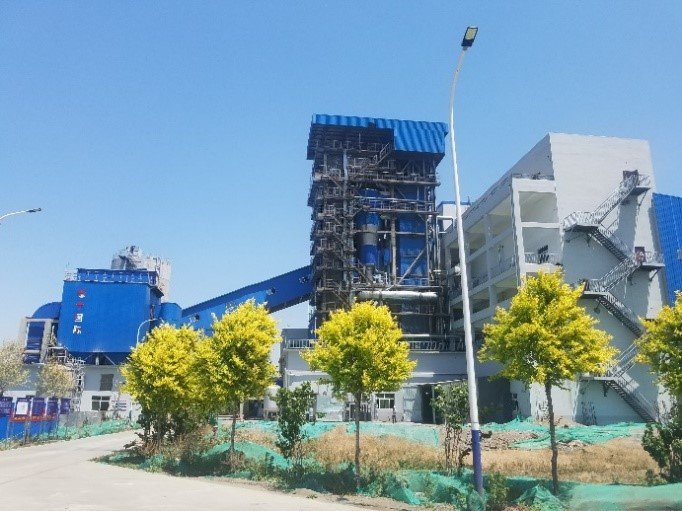
Industries such as chemical processing, textiles, food production, and pharmaceuticals rely heavily on stable heat and steam supply for daily operations. However, inefficient or poorly matched boiler systems can lead to inconsistent product quality, production delays, increased energy costs, and compliance challenges. Many businesses struggle to understand how industrial boilers specifically support different industrial processes and why tailored boiler solutions are essential. Selecting the right boiler application for each industry is critical for maintaining productivity, safety, and operational efficiency.
Industrial boilers are widely used in chemical, textile, food, and pharmaceutical industries for applications such as process heating, sterilization, drying, distillation, cleaning, and steam generation. In chemical plants, boilers support reactions and material processing; in textile manufacturing, they provide steam for dyeing and finishing; in food processing, they enable cooking and sanitation; and in pharmaceuticals, they ensure sterile production environments and precise temperature control.
Understanding these applications helps industries optimize production processes and choose the most suitable boiler systems for their operational requirements.
How Are Industrial Boilers Used in the Chemical Industry?
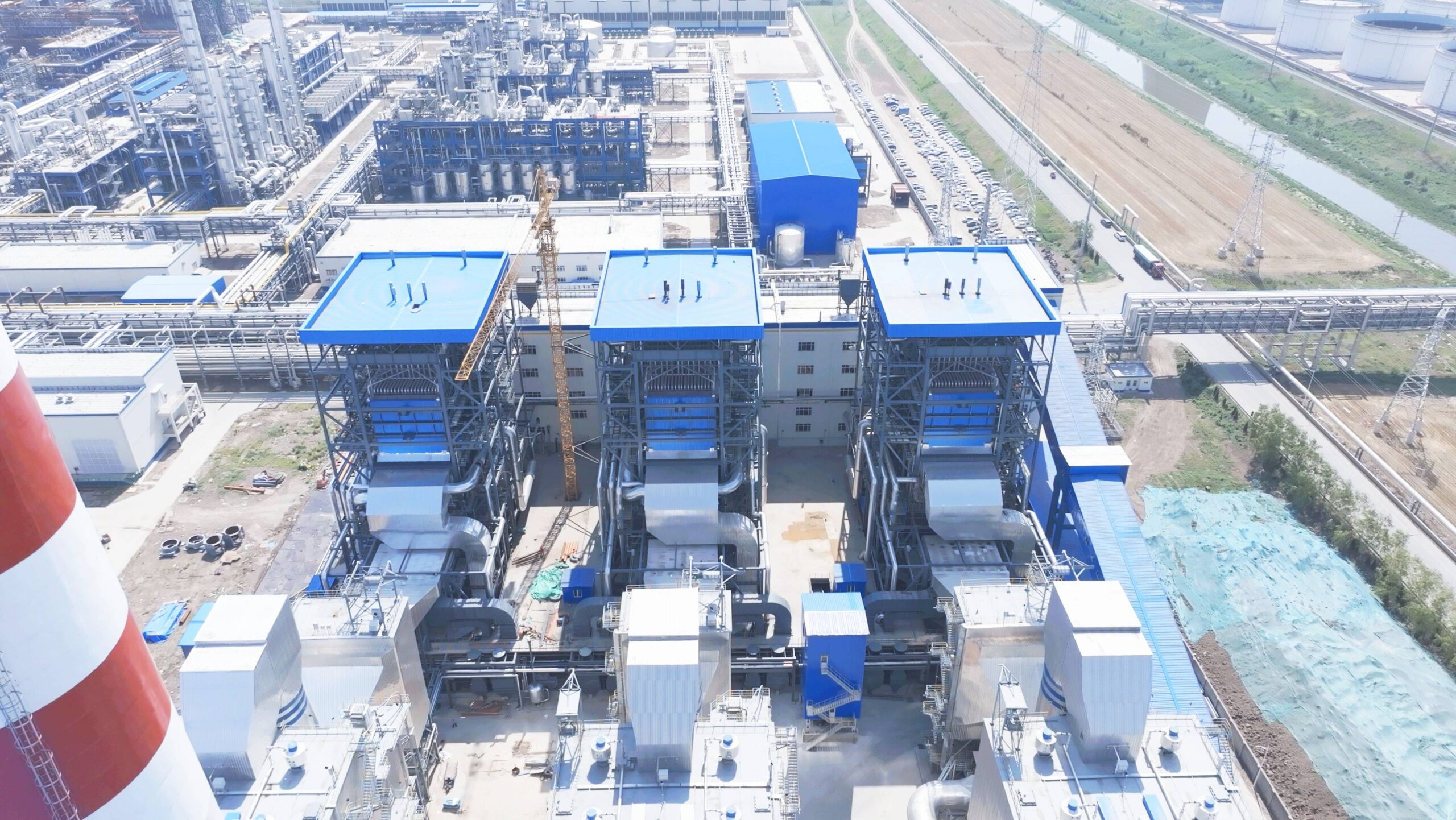
The chemical industry is one of the most thermally intensive industrial sectors in the world because nearly every major production process relies on carefully controlled heat transfer, stable steam supply, and continuous thermal energy distribution. From petrochemical refining and specialty chemical synthesis to fertilizer production, solvent recovery, polymer manufacturing, and industrial gas processing, chemical plants depend heavily on industrial boilers to maintain production stability, reaction efficiency, product purity, operational safety, and large-scale manufacturing continuity. Unlike simple heating applications found in smaller commercial facilities, boilers in chemical plants often operate under highly demanding conditions involving high-pressure steam, corrosive environments, hazardous materials, and complex thermal integration systems where even minor fluctuations in temperature or steam pressure can significantly affect chemical reactions, process yields, and product quality. As modern chemical manufacturing continues moving toward higher efficiency, lower emissions, greater automation, and stricter environmental compliance, industrial boilers have evolved into sophisticated energy systems that serve as the thermal backbone of modern chemical processing facilities. ⚗️🔥🏭
Industrial boilers are used in the chemical industry to generate steam and thermal energy for chemical reactions, process heating, distillation, drying, evaporation, pressure control, reactor jacket heating, equipment cleaning, solvent recovery, and power generation support. They help maintain stable process temperatures, improve production efficiency, support continuous operation, and ensure safe large-scale chemical manufacturing.
Because chemical plants contain multiple interconnected thermal processes operating simultaneously, industrial boilers are often integrated deeply into the facility’s overall energy management and production infrastructure. The following comprehensive guide explains how industrial boilers are used throughout the chemical industry from a professional industrial engineering and thermal systems perspective. ⚙️
Industrial boilers are widely used for process heating and distillation in chemical manufacturing.True
Steam generated by industrial boilers provides the controlled thermal energy required for stable chemical processing operations.
Chemical industry boilers are only used for building heating purposes.False
Industrial boilers directly support core chemical production processes including reactions, evaporation, drying, and thermal separation systems.
Why the Chemical Industry Depends on Industrial Boilers 🏭
Chemical manufacturing requires enormous amounts of thermal energy because many industrial processes involve:
- Heating raw materials
- Controlling reaction temperatures
- Evaporating liquids
- Separating chemical compounds
- Drying products
- Sterilizing equipment
- Maintaining pressure conditions
Industrial boilers generate steam that distributes heat efficiently across multiple production systems while supporting continuous industrial-scale operation.
Steam is especially valuable in chemical manufacturing because it:
- Provides uniform heat transfer
- Enables precise temperature control
- Supports indirect heating
- Reduces contamination risk
- Improves process stability
In large chemical plants, steam systems often function as centralized utility networks connecting reactors, distillation towers, heat exchangers, and process equipment across the entire facility.
Process Heating Is One of the Most Important Boiler Applications 🔥
One of the primary uses of industrial boilers in chemical plants is process heating because many chemical reactions require highly specific temperature conditions to achieve proper:
- Reaction speed
- Molecular conversion
- Product consistency
- Yield efficiency
Steam generated by boilers is commonly used to heat:
- Chemical reactors
- Process vessels
- Storage tanks
- Mixing systems
- Transfer pipelines
Unlike direct-flame heating systems, steam offers stable and evenly distributed thermal energy, which is essential in chemical manufacturing environments where localized overheating may damage sensitive compounds or trigger dangerous reactions.
| Process Heating Benefit | Chemical Industry Impact |
|---|---|
| Uniform Thermal Distribution | Stable chemical reactions |
| Precise Temperature Control | Improved product quality |
| Indirect Heat Transfer | Reduced contamination risk |
| Rapid Heat Response | Higher production efficiency |
Steam Supports Chemical Reactions ⚗️
Many chemical reactions are highly temperature-sensitive, meaning reaction performance depends heavily on maintaining carefully controlled thermal conditions throughout the production cycle.
Industrial boilers support:
- Exothermic reactions
- Endothermic reactions
- Catalytic processing
- Polymerization
- Crystallization
Steam jacket systems surrounding reactors allow operators to:
- Heat materials gradually
- Maintain reaction stability
- Prevent thermal shock
- Control product consistency
This is especially important in industries producing:
- Specialty chemicals
- Industrial resins
- Polymers
- Fine chemicals
Distillation Systems Depend on Boilers 🌡️
Distillation is one of the most common thermal separation methods used in chemical processing.
Industrial boilers generate steam for:
- Reboilers
- Distillation columns
- Fractionation systems
- Solvent recovery units
Steam heats chemical mixtures so that different compounds separate according to their boiling points.
Why Steam Is Ideal for Distillation
Steam offers:
- Stable heating conditions
- High thermal efficiency
- Excellent temperature control
Large petrochemical facilities may operate multiple distillation towers continuously, requiring massive quantities of high-pressure steam generated by industrial boiler systems integrated directly into plant utility infrastructure.
Industrial Boilers Support Evaporation Processes 💨
Many chemical products require evaporation to:
- Concentrate solutions
- Remove solvents
- Recover chemicals
- Increase product purity
Boiler-generated steam supports:
- Evaporators
- Concentration systems
- Thermal separation units
Industries using steam evaporation include:
- Fertilizer production 🌱
- Chemical refining 🛢️
- Industrial salts manufacturing 🧂
- Specialty chemical processing 🧪
Drying Processes in Chemical Manufacturing 🌾
Many chemical products must be dried carefully after processing to achieve:
- Stable composition
- Proper particle size
- Reduced moisture content
- Improved storage stability
Industrial boilers provide thermal energy for:
- Spray dryers
- Rotary dryers
- Fluidized bed dryers
- Vacuum dryers
Controlled drying is especially important for:
- Powder chemicals
- Pharmaceutical ingredients
- Industrial additives
- Catalysts
| Drying Application | Boiler Function |
|---|---|
| Spray Drying | Moisture evaporation |
| Vacuum Drying | Sensitive compound processing |
| Rotary Drying | Bulk chemical production |
| Fluidized Bed Drying | Uniform particle treatment |
Reactor Jacket Heating Systems 🔄
Chemical reactors often include external jackets where steam circulates around the vessel to regulate internal temperatures.
Steam jacket systems help:
- Stabilize reactions
- Improve thermal efficiency
- Prevent overheating
- Maintain production consistency
This approach is widely used in:
- Resin manufacturing
- Polymer production
- Pharmaceutical intermediates
- Fine chemical synthesis
Boilers Support Pressure Control Systems ⚙️
Steam pressure itself is often essential in chemical processing because pressure affects:
- Reaction rates
- Product yield
- Molecular behavior
- Separation efficiency
Industrial boilers generate the controlled steam pressure required for:
- Pressurized reactors
- Chemical transfer systems
- Thermal expansion control
Solvent Recovery Systems Use Steam ♻️
Many chemical plants recover expensive solvents to reduce:
- Raw material costs
- Waste generation
- Environmental impact
Industrial boilers provide steam for:
- Solvent distillation
- Thermal recovery systems
- Vapor stripping
This improves:
- Production economy
- Sustainability
- Resource utilization
Cleaning and Sanitation Applications 🧼
Chemical plants require regular cleaning to:
- Prevent contamination
- Maintain equipment efficiency
- Meet safety standards
Steam generated by industrial boilers supports:
- Pipe cleaning
- Reactor sanitation
- Tank washing
- CIP systems
Steam cleaning is highly effective because it:
- Penetrates difficult areas
- Removes residues
- Reduces chemical cleaning requirements
Waste Heat Recovery Integration ♻️🔥
Modern chemical facilities often integrate boilers with:
- Waste heat recovery systems
- Cogeneration plants
- Process exhaust recovery
These systems capture unused thermal energy from:
- Furnaces
- Exhaust gases
- Turbines
Recovered heat improves:
- Fuel efficiency
- Sustainability
- Operational economics
Steam Turbine and Power Generation Support ⚡
Large chemical plants sometimes use industrial boilers to support:
- Steam turbines
- Cogeneration systems
- Internal power generation
Combined heat and power (CHP) systems allow facilities to generate:
- Process steam
- Electricity
simultaneously, improving overall energy efficiency.
Common Boiler Types Used in Chemical Plants 🏗️
Different chemical facilities use different boiler technologies depending on:
- Pressure requirements
- Steam demand
- Fuel availability
- Process complexity
Fire-Tube Boilers
Used for:
- Moderate steam demand
- Smaller facilities
Advantages:
- Simpler maintenance
- Lower installation cost
Water-Tube Boilers
Used for:
- High-pressure steam
- Large continuous operations
Advantages:
- Rapid steam generation
- Superior scalability
Waste Heat Boilers
Used for:
- Heat recovery integration
- Energy optimization
| Boiler Type | Chemical Industry Use |
|---|---|
| Fire-Tube Boiler | Medium process heating |
| Water-Tube Boiler | Large chemical production |
| Waste Heat Boiler | Energy recovery systems |
| Electric Boiler | Specialty clean applications |
Energy Efficiency Is Critically Important 🌱
Chemical plants consume enormous quantities of energy, making boiler efficiency a major operational priority.
Modern boiler systems improve efficiency through:
- Economizers
- Condensing technology
- Smart combustion controls
- Heat recovery integration
Efficient systems reduce:
- Fuel costs
- Carbon emissions
- Long-term operating expenses
Environmental Compliance and Emissions Control 🌍
Chemical manufacturing facilities face strict environmental regulations involving:
- NOx emissions
- Carbon emissions
- Thermal efficiency
- Waste heat management
Modern industrial boilers may include:
- Low-NOx burners
- SCR systems
- Flue gas recirculation
- Hydrogen-compatible combustion systems
Automation and Smart Boiler Technologies 🤖
Advanced chemical plants increasingly use:
- IoT monitoring
- AI combustion optimization
- Predictive maintenance
- Real-time steam balancing
These technologies improve:
- Process reliability
- Production stability
- Energy management
Boiler Safety in Chemical Plants 🛡️
Chemical manufacturing often involves:
- Flammable substances
- Hazardous chemicals
- High-pressure systems
Therefore, boiler safety systems are extremely important.
Critical safety features include:
- Pressure relief protection
- Flame monitoring
- Emergency shutdown systems
- Leak detection
- Continuous diagnostics
Water Treatment Is Essential 💧
Boiler water quality directly affects:
- Steam purity
- Equipment lifespan
- Heat transfer efficiency
Chemical plants commonly use:
- Reverse osmosis
- Deaerators
- Condensate recovery
- Chemical water treatment systems
to maintain reliable long-term operation.
Different Chemical Industries Use Boilers Differently 🏢
| Chemical Sector | Main Boiler Application |
|---|---|
| Petrochemical Industry | Distillation and refining |
| Fertilizer Production | Evaporation and heating |
| Polymer Manufacturing | Reactor temperature control |
| Specialty Chemicals | Precision thermal processing |
| Industrial Gases | Process heating |
Why Industrial Boilers Are Essential to Chemical Manufacturing 🤔
Industrial boilers are indispensable in the chemical industry because they provide the controlled steam and thermal energy necessary for process heating, chemical reactions, distillation, evaporation, drying, solvent recovery, pressure regulation, reactor jacket heating, sanitation, and energy recovery systems. Their ability to deliver stable, efficient, and scalable thermal energy allows chemical manufacturers to maintain product quality, optimize reaction efficiency, support continuous production, improve operational safety, and reduce long-term energy costs across highly complex industrial processing environments. From petrochemical refining and polymer production to specialty chemical synthesis and solvent recovery operations, industrial boilers remain one of the most critical infrastructure systems supporting modern chemical manufacturing worldwide. ⚗️🔥🏭
What Role Do Industrial Boilers Play in Textile Manufacturing Processes?
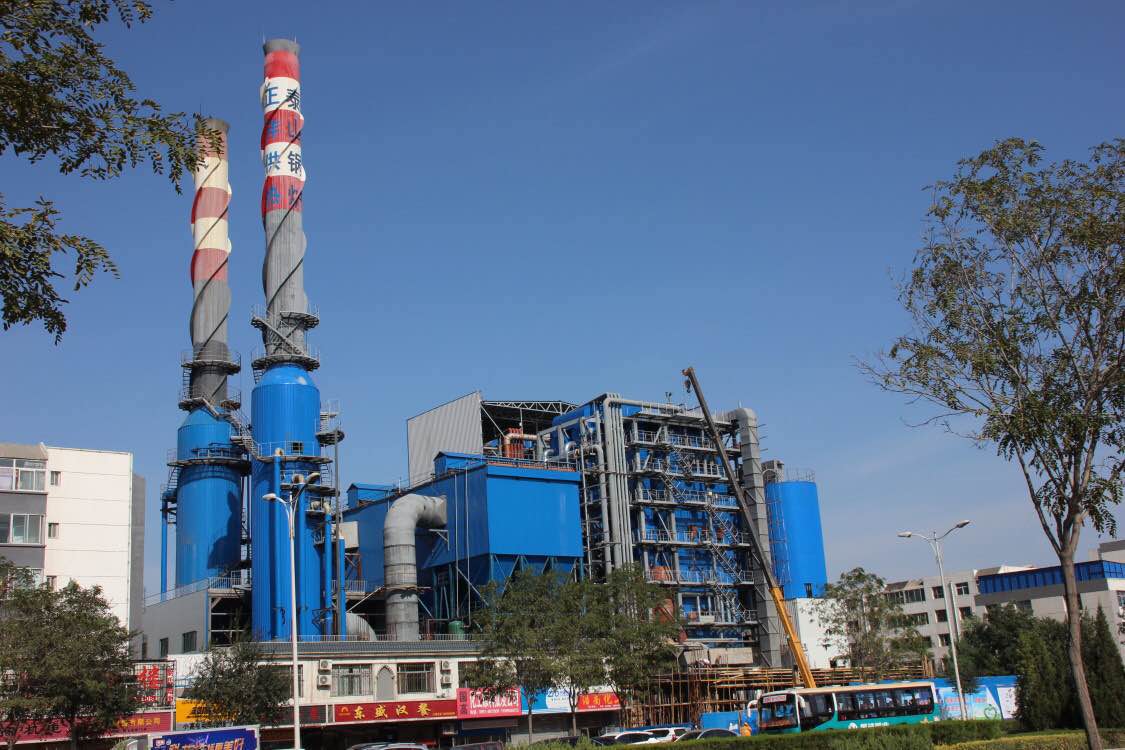
Textile manufacturing is one of the most steam-dependent industrial sectors because nearly every stage of fabric production—from fiber preparation and yarn processing to dyeing, washing, drying, and finishing—requires carefully controlled thermal energy and stable humidity conditions to maintain product quality and production efficiency. In modern textile factories, industrial boilers are not simply auxiliary heating devices operating in the background; instead, they function as core energy systems that directly support continuous manufacturing operations, fabric treatment precision, color consistency, moisture control, and large-scale production stability. Without reliable boiler-generated steam, textile manufacturers would struggle to achieve uniform dye penetration, controlled fabric shrinkage, efficient drying performance, or the environmental conditions necessary for maintaining yarn strength and minimizing static electricity during high-speed weaving operations. As the global textile industry continues facing rising energy costs, increasing sustainability requirements, and stronger pressure to improve manufacturing efficiency, industrial boilers have become even more essential as strategic thermal infrastructure supporting modern textile production. 👕🔥🏭
Industrial boilers play a critical role in textile manufacturing by supplying steam and thermal energy for dyeing, bleaching, washing, drying, ironing, fabric finishing, humidity control, and process heating. They help textile factories maintain stable production conditions, improve fabric quality, ensure color consistency, increase manufacturing efficiency, and support continuous large-scale textile operations.
Although many people associate textile manufacturing primarily with weaving or sewing, the industry actually depends heavily on advanced thermal processing systems where industrial boilers provide the steam required to support nearly every major production stage. The following comprehensive guide explains how industrial boilers are used throughout textile manufacturing processes from a professional industrial engineering and textile production perspective. ⚙️
Steam generated by industrial boilers is essential for textile dyeing and fabric drying processes.True
Stable steam supply provides controlled thermal energy required for color fixation, moisture removal, and fabric treatment.
Industrial boilers in textile factories are only used for building heating.False
Boilers directly support core textile manufacturing operations including dyeing, drying, finishing, washing, and humidity control.
Why Textile Manufacturing Depends on Industrial Boilers 🏭
Textile production involves numerous thermal processes requiring:
- Precise temperature control
- Moisture regulation
- Continuous heat transfer
- Stable humidity conditions
Industrial boilers generate steam that distributes thermal energy efficiently throughout the manufacturing facility while supporting:
- Fabric treatment
- Chemical processing
- Drying systems
- Environmental control
Steam is especially valuable because it:
- Transfers heat rapidly
- Maintains uniform temperatures
- Supports indirect heating
- Reduces fabric damage risk
In many large textile mills, boiler systems operate continuously to support multiple interconnected production lines simultaneously, ensuring stable manufacturing conditions and minimizing costly production interruptions.
| Steam Advantage | Textile Manufacturing Benefit |
|---|---|
| Uniform Heat Transfer | Improved fabric consistency |
| Precise Temperature Control | Better dye quality |
| Moisture Management | Enhanced yarn performance |
| Rapid Heating | Faster production cycles |
| Continuous Steam Supply | Stable factory operation |
Steam Is Essential for Textile Dyeing Processes 🎨
Dyeing is one of the most important and steam-intensive stages of textile manufacturing because dyes must bond uniformly with fibers under carefully controlled thermal conditions.
Industrial boilers generate steam for:
- Dyeing machines
- Dye baths
- Color fixation systems
- Fabric heating
Steam allows textile manufacturers to maintain:
- Stable dyeing temperatures
- Uniform color penetration
- Controlled chemical reactions
Without proper steam regulation, textile factories may experience:
- Uneven coloration
- Fabric defects
- Reduced product quality
- Increased material waste
Why Steam Improves Dyeing Quality 🌡️
Steam provides smooth and evenly distributed thermal energy, which is especially important because many textile dyes require specific temperatures to:
- Activate chemical bonding
- Improve absorption
- Stabilize coloration
Compared with direct-fire heating systems, steam reduces the risk of:
- Local overheating
- Fabric scorching
- Dye inconsistency
This is particularly important in:
- Cotton dyeing
- Synthetic fiber processing
- High-end fabric production
Fabric Bleaching Processes Depend on Boilers 🧼
Before dyeing, many fabrics undergo bleaching to remove:
- Natural pigments
- Oils
- Impurities
- Residual chemicals
Industrial boilers supply steam and hot water for:
- Bleaching tanks
- Chemical treatment systems
- Fabric washing equipment
Controlled heating improves bleaching efficiency while helping maintain fabric strength and texture.
Washing and Cleaning Operations 💦
Textile production requires extensive washing during multiple manufacturing stages.
Steam generated by industrial boilers supports:
- Fabric washing systems
- Chemical rinsing
- Hot water generation
- Cleaning processes
These systems help remove:
- Excess dye
- Processing chemicals
- Manufacturing residues
Accurate temperature control is essential because excessive heat can:
- Damage fibers
- Cause shrinkage
- Reduce fabric durability
Industrial Boilers Support Fabric Drying 🔥
After dyeing and washing, textiles contain large amounts of moisture that must be removed carefully to achieve proper:
- Fabric texture
- Dimensional stability
- Product appearance
- Packaging readiness
Industrial boilers provide thermal energy for:
- Drying chambers
- Steam-heated rollers
- Conveyor dryers
- Textile drying tunnels
Why Controlled Drying Matters
Proper drying affects:
- Fabric softness
- Wrinkle resistance
- Production speed
- Product consistency
Improper drying may cause:
- Uneven shrinkage
- Fabric deformation
- Quality defects
| Textile Drying Benefit | Production Impact |
|---|---|
| Uniform Moisture Removal | Better product quality |
| Faster Drying Cycles | Higher production efficiency |
| Controlled Heat Distribution | Reduced fabric damage |
| Stable Fabric Dimensions | Improved consistency |
Steam Supports Textile Finishing Processes ✨
Textile finishing improves:
- Appearance
- Texture
- Durability
- Shrink resistance
- Surface smoothness
Industrial boilers generate steam for:
- Fabric pressing
- Steam finishing
- Thermal treatment systems
- Surface conditioning
Steam finishing allows fabrics to achieve:
- Softer texture
- Improved appearance
- Enhanced dimensional stability
Humidity Control Is Extremely Important 💨
Textile factories require carefully controlled humidity because environmental moisture directly affects:
- Yarn strength
- Fiber flexibility
- Static electricity
- Weaving efficiency
Low humidity may cause:
- Thread breakage
- Static buildup
- Production instability
Industrial boilers generate steam for humidification systems that maintain optimal environmental conditions throughout textile production areas.
This is especially important in:
- Cotton processing
- High-speed weaving
- Synthetic fiber production
Steam Supports Yarn Processing 🧵
Yarn manufacturing processes often use steam to:
- Improve flexibility
- Stabilize fibers
- Condition yarn properties
Steam conditioning helps reduce:
- Fiber brittleness
- Thread breakage
- Static problems
which improves weaving performance and overall production efficiency.
Textile Printing Processes Use Steam 🖨️
Many textile printing systems require steam to:
- Fix printed dyes
- Stabilize colors
- Improve print quality
Steam chambers allow printed fabrics to undergo controlled thermal treatment, ensuring:
- Color durability
- Pattern clarity
- Wash resistance
Boilers Help Maintain Continuous Textile Production 🔄
Modern textile factories often operate continuously to maximize productivity and reduce operating costs.
Reliable steam supply is essential because boiler interruptions can:
- Stop production lines
- Damage unfinished fabrics
- Create color inconsistencies
- Increase production losses
For this reason, many textile plants install:
- Backup boilers
- Redundant steam systems
- Automated monitoring technologies
Common Boiler Types Used in Textile Manufacturing 🏗️
Different textile facilities use different boiler systems depending on:
- Production scale
- Steam demand
- Fuel availability
- Factory layout
Fire-Tube Boilers
Common in:
- Small and medium textile mills
Advantages:
- Lower installation cost
- Simpler operation
Water-Tube Boilers
Used in:
- Large textile factories
- Continuous high-pressure operations
Advantages:
- Higher steam capacity
- Faster steam generation
Packaged Boilers
Popular because they:
- Save space
- Simplify installation
- Reduce maintenance complexity
| Boiler Type | Typical Textile Application |
|---|---|
| Fire-Tube Boiler | Moderate textile production |
| Water-Tube Boiler | Large continuous operations |
| Packaged Boiler | Compact factory installations |
| Biomass Boiler | Sustainable textile manufacturing |
Energy Efficiency Is a Major Concern 🌱
Textile factories consume large amounts of energy, making boiler efficiency critically important for controlling operating costs.
Modern boiler systems improve efficiency through:
- Economizers
- Condensing systems
- Waste heat recovery
- Smart combustion controls
Efficient boilers help textile manufacturers:
- Reduce fuel consumption
- Lower carbon emissions
- Improve profitability
Environmental Regulations Influence Boiler Technology 🌍
Modern textile manufacturers increasingly face pressure to:
- Reduce emissions
- Improve sustainability
- Lower energy consumption
As a result, many factories are adopting:
- Natural gas boilers
- Biomass systems
- Low-NOx burners
- Energy recovery technologies
Smart Boiler Automation in Textile Factories 🤖
Modern textile plants increasingly integrate:
- IoT monitoring
- AI combustion optimization
- Predictive maintenance
- Automated steam balancing
These technologies improve:
- Energy management
- Equipment reliability
- Production consistency
Water Quality Management Is Essential 💧
Boiler water treatment is critically important because poor water quality can cause:
- Scaling
- Corrosion
- Heat transfer inefficiency
- Steam contamination
Textile factories often use:
- Water softeners
- Condensate recovery
- Chemical treatment systems
to maintain long-term boiler reliability.
Safety Considerations in Textile Boiler Systems 🛡️
Industrial boilers operating in textile facilities require advanced safety systems because they involve:
- High-pressure steam
- Continuous thermal operation
- Combustible fuel systems
Key safety technologies include:
- Pressure relief valves
- Flame monitoring
- Emergency shutdown systems
- Continuous diagnostics
Different Textile Segments Have Different Steam Needs 👗
| Textile Sector | Main Boiler Application |
|---|---|
| Cotton Processing | Humidity and dyeing |
| Synthetic Fiber Production | Thermal conditioning |
| Garment Manufacturing | Pressing and finishing |
| Textile Printing | Steam fixation |
| Industrial Fabrics | High-temperature processing |
The Future of Boilers in Textile Manufacturing 🚀
Emerging trends include:
- Hydrogen-ready boilers
- Electrified steam systems
- AI thermal optimization
- Carbon-neutral [biomass boilers](https://coalbiomassboiler.com/product/biomass-boilers/)
Manufacturers increasingly seek solutions balancing:
- Energy efficiency
- Sustainability
- Production reliability
- Operating cost reduction
Why Industrial Boilers Are Indispensable in Textile Manufacturing 🤔
Industrial boilers play an essential role in textile manufacturing because they provide the steam and thermal energy required for dyeing, bleaching, washing, drying, humidity control, fabric finishing, yarn conditioning, and textile printing processes. Their ability to deliver stable, controllable, and energy-efficient heat transfer allows textile manufacturers to maintain product quality, improve color consistency, optimize production efficiency, reduce material waste, and support continuous large-scale industrial operation. From steam-heated dyeing systems and fabric dryers to humidification networks and finishing equipment, industrial boilers remain one of the most important infrastructure systems supporting modern textile manufacturing worldwide. 👕🔥🏭
Why Are Industrial Boilers Essential in Food Processing Applications?
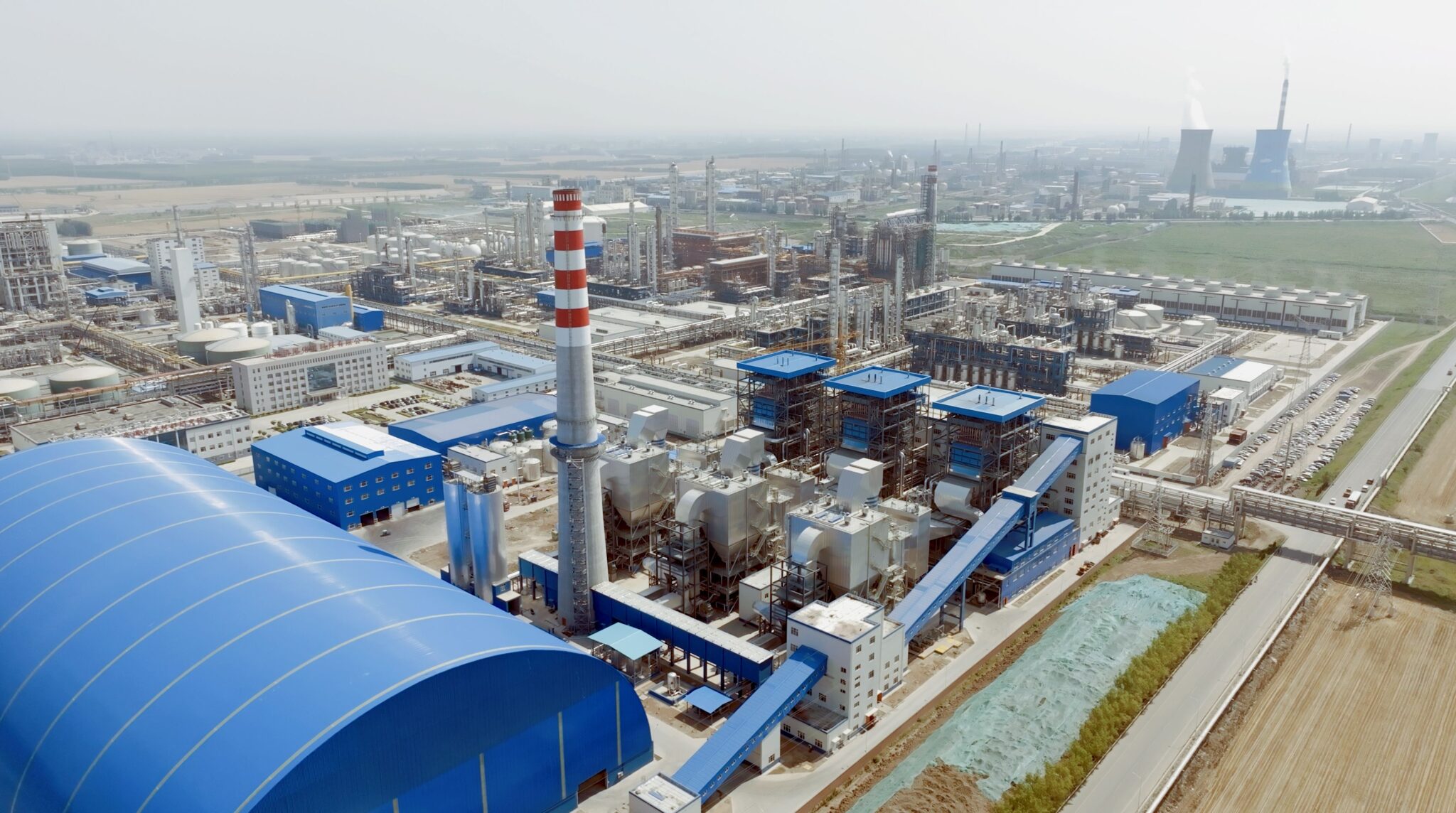
Food processing is one of the most thermally dependent manufacturing sectors in the world because nearly every stage of production—from raw material preparation and cooking to sterilization, drying, packaging, and sanitation—requires reliable heat transfer and carefully controlled temperature management. In modern food factories, industrial boilers are not simply auxiliary utility equipment hidden in mechanical rooms; instead, they function as core production infrastructure that directly influences food safety, product quality, manufacturing efficiency, hygiene compliance, operating costs, and overall production continuity. Without stable boiler-generated steam and hot water systems, many food processing operations would struggle to maintain consistent temperatures, eliminate harmful microorganisms, achieve proper cooking performance, or meet strict food safety regulations required by modern global markets. As consumer expectations for food quality and safety continue increasing while energy costs and environmental regulations become more demanding, industrial boilers have become even more critical in supporting efficient, hygienic, and sustainable food manufacturing operations. 🍞🔥🏭
Industrial boilers are essential in food processing applications because they provide steam and thermal energy for cooking, sterilization, pasteurization, drying, cleaning, packaging, hot water generation, and sanitation systems. They help food manufacturers maintain hygiene standards, ensure product consistency, improve energy efficiency, support continuous production, and comply with strict food safety regulations.
Although many consumers never see the steam systems operating behind the scenes, industrial boilers are deeply integrated into almost every major food processing activity, supplying the thermal energy necessary to support safe and efficient large-scale food manufacturing. The following comprehensive guide explains why industrial boilers are indispensable in food processing applications from a professional thermal engineering and industrial food production perspective. ⚙️
Steam generated by industrial boilers is widely used for sterilization and pasteurization in food processing.True
High-temperature steam effectively destroys harmful microorganisms while maintaining controlled production conditions.
Industrial boilers in food factories are mainly used only for space heating.False
Boilers directly support critical food production processes including cooking, drying, cleaning, sterilization, and packaging operations.
Why Food Processing Depends Heavily on Steam 🏭
Food manufacturing requires carefully controlled thermal energy because temperature directly affects:
- Food safety
- Flavor consistency
- Texture
- Moisture content
- Shelf life
- Nutritional stability
Industrial boilers generate steam and hot water that distribute thermal energy efficiently throughout food processing facilities, supporting multiple production systems simultaneously while maintaining hygienic operating conditions.
Steam is especially valuable in food manufacturing because it:
- Transfers heat rapidly
- Maintains stable temperatures
- Supports sanitary processing
- Minimizes contamination risks
- Improves thermal efficiency
In many modern food factories, boiler systems operate continuously to support high-volume production lines running around the clock, where even brief steam interruptions can disrupt manufacturing schedules and create significant product losses.
| Steam Advantage | Food Processing Benefit |
|---|---|
| Rapid Heat Transfer | Faster production cycles |
| Uniform Temperature | Consistent food quality |
| Hygienic Heating | Reduced contamination risk |
| Efficient Energy Distribution | Lower operating costs |
| Continuous Steam Supply | Stable production operation |
Industrial Boilers Support Cooking Processes 🍲
Cooking is one of the most important applications of industrial boilers in food manufacturing because many food products require controlled heating to achieve proper:
- Flavor development
- Texture
- Moisture balance
- Food safety
Steam generated by industrial boilers is widely used in:
- Steam-jacketed kettles
- Industrial cookers
- Food processing tanks
- Continuous cooking systems
Industries commonly using steam cooking include:
- Soup production 🍜
- Sauce manufacturing 🍅
- Seafood processing 🐟
- Rice production 🍚
- Ready-meal manufacturing 🍱
Compared with direct-fire heating, steam cooking provides more uniform heat transfer, reducing the risk of burning or uneven cooking while improving product consistency across large production batches.
Pasteurization Depends on Boiler Systems 🥛
Pasteurization is essential in many food industries because it eliminates harmful microorganisms while preserving flavor and nutritional quality.
Industrial boilers provide steam for:
- Milk pasteurization
- Juice processing
- Beverage production
- Liquid food treatment
Stable steam pressure and temperature are critical because improper pasteurization may:
- Reduce product shelf life
- Create food safety risks
- Damage product quality
Why Steam Is Ideal for Pasteurization
Steam offers:
- Rapid heating
- Precise thermal control
- Uniform temperature distribution
This is especially important in:
- Dairy processing 🧀
- Beverage manufacturing 🥤
- Brewery operations 🍺
Sterilization Is One of the Most Critical Boiler Applications 🦠
Food manufacturers must comply with strict hygiene and food safety standards designed to prevent contamination from:
- Bacteria
- Viruses
- Mold
- Pathogens
Industrial boilers generate high-temperature steam for:
- Retort sterilization
- Equipment sanitation
- Container sterilization
- Packaging treatment
Steam sterilization effectively destroys microorganisms without introducing chemical contaminants into the production environment.
| Sterilization Application | Boiler Function |
|---|---|
| Retort Systems | Product sterilization |
| Packaging Equipment | Container sanitation |
| Pipe Cleaning | Hygienic operation |
| Processing Equipment | Contamination prevention |
Steam Supports Cleaning and Sanitation Systems 🚿
Modern food factories require extremely high sanitation standards to comply with:
- FDA regulations
- HACCP requirements
- Food safety certifications
- International hygiene standards
Industrial boilers generate steam for:
- CIP (Clean-In-Place) systems
- Equipment cleaning
- Pipe sanitation
- Surface sterilization
Why Steam Cleaning Is So Effective
Steam cleaning:
- Penetrates difficult areas
- Kills microorganisms efficiently
- Reduces chemical usage
- Improves sanitation reliability
This is particularly important in industries handling:
- Dairy products 🥛
- Meat processing 🥩
- Infant food production 👶
- Ready-to-eat meals 🍱
Industrial Boilers Support Food Drying Processes 🌾
Many food products require controlled moisture removal to achieve proper:
- Texture
- Shelf stability
- Packaging performance
- Product quality
Industrial boilers provide thermal energy for:
- Spray dryers
- Conveyor dryers
- Drum dryers
- Air heating systems
Steam drying is commonly used in:
- Powdered milk production
- Snack manufacturing
- Grain processing
- Instant food production
Accurate thermal control is essential because excessive drying temperatures can damage:
- Flavor
- Nutritional value
- Product appearance
Hot Water Generation in Food Factories 💧
Food processing facilities consume large quantities of hot water for:
- Ingredient washing
- Equipment cleaning
- Production line sanitation
- Employee hygiene systems
Industrial boilers support centralized hot water systems capable of delivering stable temperatures across large manufacturing facilities.
Packaging Operations Use Boiler Steam 📦
Food packaging systems often require steam for:
- Heat sealing
- Shrink wrapping
- Vacuum packaging
- Container sterilization
Steam-assisted packaging helps improve:
- Product shelf life
- Packaging hygiene
- Production speed
Steam Helps Maintain Food Safety 🛡️
One of the biggest reasons industrial boilers are essential in food processing is because steam supports hygienic thermal transfer without exposing products directly to combustion gases.
Food-grade steam systems are carefully designed to:
- Prevent contamination
- Maintain steam purity
- Support sanitary operation
This is especially critical in:
- Pharmaceutical-grade nutrition products 💊
- Infant formula manufacturing 👶
- Medical nutrition processing 🏥
Industrial Boilers Support Continuous Food Production 🔄
Modern food factories often operate continuously under strict production schedules.
Boiler reliability directly affects:
- Production uptime
- Product quality
- Delivery schedules
- Manufacturing profitability
Boiler failure may cause:
- Product spoilage
- Production shutdowns
- Sanitation disruptions
- Financial losses
For this reason, many facilities install:
- Redundant boiler systems
- Backup steam capacity
- Automated monitoring technologies
Common Boiler Types Used in Food Processing 🏗️
Different food manufacturers use different boiler systems depending on:
- Production scale
- Steam demand
- Hygiene requirements
- Fuel availability
Fire-Tube Boilers
Common in:
- Small and medium food factories
Advantages:
- Stable operation
- Lower installation cost
Water-Tube Boilers
Used in:
- Large continuous production plants
Advantages:
- High-pressure capability
- Large steam output
Electric Boilers
Popular in:
- Clean food production environments
Advantages:
- Zero on-site emissions
- Excellent steam purity
| Boiler Type | Typical Food Industry Use |
|---|---|
| Fire-Tube Boiler | Moderate food production |
| Water-Tube Boiler | Large processing plants |
| Electric Boiler | Hygienic applications |
| Packaged Boiler | Flexible installations |
Energy Efficiency Is Extremely Important 🌱
Food processing facilities consume enormous amounts of energy, making boiler efficiency a major operational concern.
Modern boiler systems improve efficiency through:
- Economizers
- Condensing technology
- Waste heat recovery
- Smart combustion controls
Efficient systems help manufacturers:
- Reduce fuel costs
- Lower emissions
- Improve sustainability
Environmental Regulations Influence Boiler Selection 🌍
Food manufacturers increasingly seek boiler systems that:
- Reduce carbon emissions
- Improve fuel efficiency
- Support sustainability goals
As a result, many facilities now adopt:
- Natural gas boilers
- [Biomass boilers](https://coalbiomassboiler.com/product/biomass-boilers/)
- Low-NOx combustion systems
- Electrified steam generation
Smart Boiler Automation in Food Manufacturing 🤖
Modern food processing plants increasingly integrate:
- IoT monitoring
- Predictive maintenance
- AI combustion optimization
- Automated steam balancing
These technologies improve:
- Production stability
- Energy management
- Equipment reliability
Water Quality Is Critical in Food Boiler Systems 💦
Boiler water treatment is especially important because poor water quality can:
- Contaminate steam
- Damage equipment
- Reduce thermal efficiency
- Create scaling problems
Food facilities often use:
- Water softening
- Reverse osmosis
- Condensate recovery
- Chemical treatment systems
Different Food Industries Use Steam Differently 🍽️
| Food Industry Segment | Main Boiler Application |
|---|---|
| Dairy Processing | Pasteurization and sterilization |
| Beverage Manufacturing | Brewing and cleaning |
| Meat Processing | Cooking and sanitation |
| Bakery Production | Process heating |
| Canned Foods | Retort sterilization |
The Future of Industrial Boilers in Food Processing 🚀
Emerging trends include:
- Hydrogen-ready boilers
- Electrified steam systems
- AI thermal optimization
- Carbon-neutral biomass boilers
Manufacturers increasingly prioritize systems balancing:
- Food safety
- Sustainability
- Operational efficiency
- Energy cost reduction
Why Industrial Boilers Are Indispensable in Food Processing 🤔
Industrial boilers are essential in food processing applications because they provide the steam and thermal energy necessary for cooking, sterilization, pasteurization, cleaning, drying, packaging, hot water generation, and sanitation systems that support safe and efficient large-scale food manufacturing. Their ability to deliver stable, hygienic, and energy-efficient heat transfer allows food manufacturers to maintain product consistency, comply with strict food safety regulations, improve operational reliability, reduce contamination risks, and optimize long-term production efficiency. From dairy plants and beverage factories to meat processors and bakery facilities, industrial boilers remain one of the most critical infrastructure systems supporting modern food processing operations worldwide. 🍞🔥🏭
How Do Industrial Boilers Support Pharmaceutical Production and Sterilization?
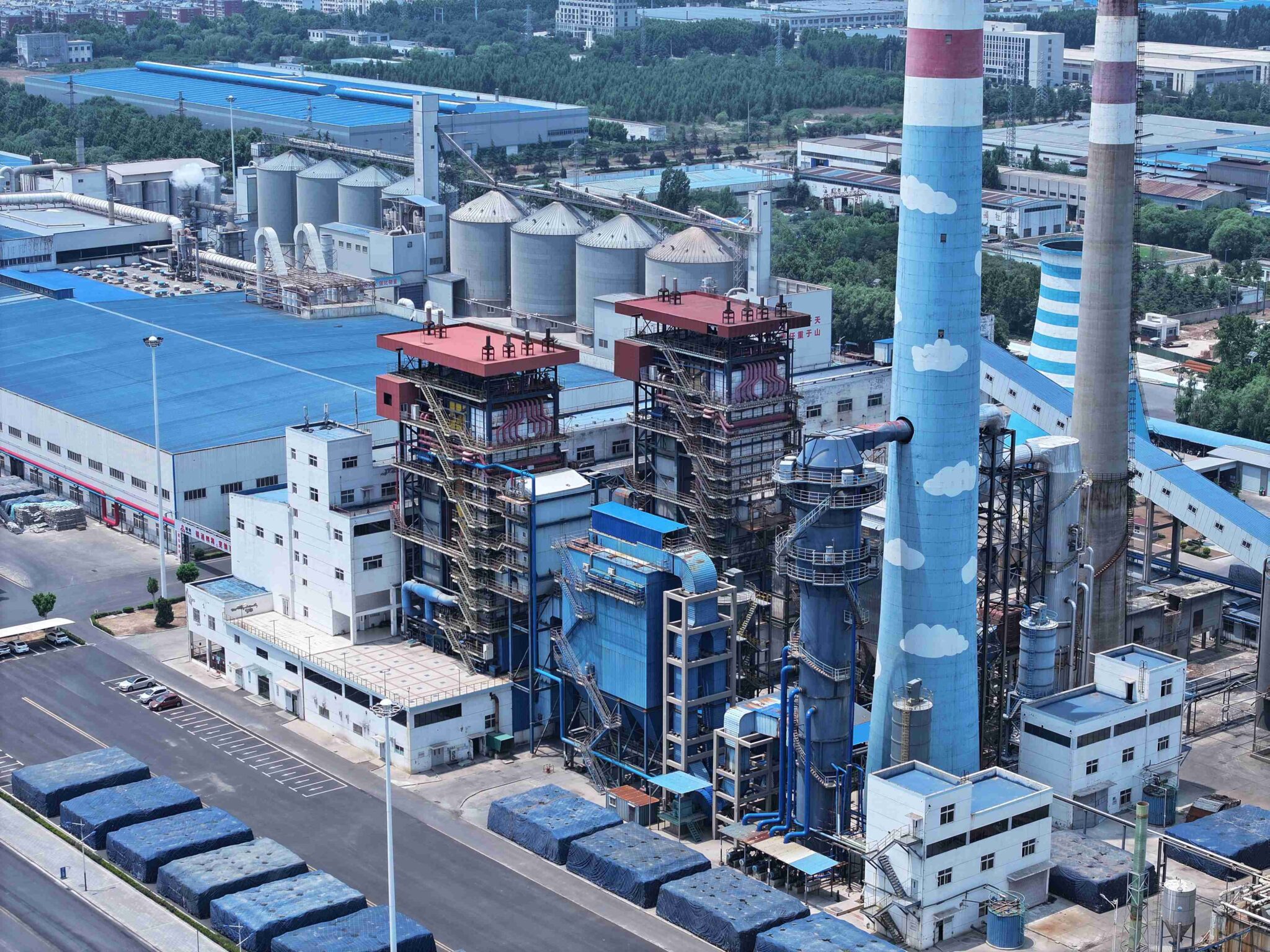
Pharmaceutical manufacturing is one of the most demanding industrial environments in terms of thermal control, steam purity, sterilization reliability, and contamination prevention because even microscopic impurities or temperature inconsistencies can compromise product safety, violate regulatory standards, and potentially endanger human health. Unlike ordinary industrial operations where steam may simply provide heating or process energy, pharmaceutical production requires highly controlled clean steam systems capable of supporting sterile manufacturing environments, precision temperature management, validated sanitation procedures, and contamination-free processing conditions throughout every stage of production. From injectable medicines and vaccines to tablets, biologics, and medical equipment, pharmaceutical facilities rely heavily on industrial boilers to generate the steam and thermal energy necessary for sterilization, purified water systems, process heating, humidity control, equipment cleaning, and large-scale production stability. As pharmaceutical manufacturing becomes increasingly advanced and global regulatory requirements continue tightening, industrial boilers have evolved into mission-critical infrastructure systems that directly influence pharmaceutical product quality, regulatory compliance, operational reliability, and manufacturing safety. 💊🔥🏭
Industrial boilers support pharmaceutical production and sterilization by generating clean steam and thermal energy for sterilization, autoclave operation, purified water systems, reactor heating, cleanroom humidity control, process heating, equipment sanitation, and CIP/SIP systems. They help pharmaceutical manufacturers maintain sterile production environments, ensure regulatory compliance, improve product consistency, and support safe large-scale pharmaceutical manufacturing.
Because pharmaceutical manufacturing depends heavily on contamination-free thermal processing and reliable sterilization systems, industrial boilers are deeply integrated into both production operations and facility-wide hygiene management infrastructure. The following comprehensive guide explains how industrial boilers support pharmaceutical production and sterilization from a professional pharmaceutical engineering and thermal systems perspective. ⚙️
Industrial boilers are essential for generating clean steam used in pharmaceutical sterilization processes.True
Pharmaceutical facilities rely on boiler-generated clean steam to maintain sterile manufacturing conditions and eliminate microbial contamination.
Industrial boilers in pharmaceutical plants are used only for space heating.False
Boilers directly support critical pharmaceutical processes including sterilization, clean steam generation, purified water production, and equipment sanitation.
Why Pharmaceutical Manufacturing Depends on Industrial Boilers 🏭
Pharmaceutical production requires highly controlled thermal energy because temperature, humidity, and sterility directly affect:
- Product purity
- Drug stability
- Microbial safety
- Chemical consistency
- Regulatory compliance
- Manufacturing reliability
Industrial boilers generate steam and hot water systems that distribute thermal energy throughout pharmaceutical facilities while supporting:
- Sterile processing
- Equipment sanitation
- Controlled production environments
- Continuous manufacturing operations
Steam is especially important because it:
- Transfers heat efficiently
- Supports hygienic processing
- Provides precise temperature control
- Minimizes contamination risks
In many pharmaceutical facilities, boilers operate continuously to maintain stable thermal conditions across multiple production areas where even short steam interruptions could disrupt validated manufacturing processes and compromise sensitive pharmaceutical products.
| Steam Advantage | Pharmaceutical Benefit |
|---|---|
| Hygienic Heat Transfer | Reduced contamination risk |
| Precise Temperature Control | Stable product quality |
| Rapid Sterilization | Improved microbial safety |
| Clean Steam Capability | Regulatory compliance |
| Continuous Operation | Reliable production stability |
Clean Steam Is Critical in Pharmaceutical Production 💨
One of the most important roles of industrial boilers in pharmaceutical manufacturing is generating clean steam.
Unlike ordinary industrial steam, pharmaceutical clean steam is produced using:
- Purified water
- Stainless steel systems
- Strict contamination controls
Clean steam is required for:
- Sterilization
- Direct product contact
- Cleanroom humidification
- Bioreactor support
Why Clean Steam Matters
Pharmaceutical products must remain free from:
- Microbial contamination
- Chemical impurities
- Mineral residues
- Particulate matter
Poor steam quality could:
- Contaminate medicines
- Damage production batches
- Violate GMP standards
Industrial Boilers Support Sterilization Processes 🦠
Sterilization is one of the most essential pharmaceutical operations because medicines, equipment, and production environments must remain free from harmful microorganisms.
Industrial boilers generate steam for:
- Autoclaves
- Sterilizers
- Production line sanitation
- Packaging sterilization
Steam sterilization effectively destroys:
- Bacteria
- Viruses
- Fungi
- Spores
without leaving harmful chemical residues behind.
Autoclaves Depend on Boiler-Generated Steam 🔥
Autoclaves are pressurized sterilization chambers widely used in pharmaceutical production.
Industrial boilers provide high-temperature steam for sterilizing:
- Medical equipment
- Packaging materials
- Glass containers
- Surgical instruments
- Production components
Steam autoclaves are highly effective because pressurized steam penetrates surfaces rapidly and uniformly, ensuring reliable sterilization performance throughout pharmaceutical manufacturing environments.
| Autoclave Application | Sterilization Purpose |
|---|---|
| Glass Vials | Product packaging safety |
| Surgical Equipment | Medical sterility |
| Production Tools | Contamination prevention |
| Pharmaceutical Containers | Regulatory compliance |
Boilers Support CIP and SIP Systems 🧼
Modern pharmaceutical facilities use:
- CIP (Clean-In-Place)
- SIP (Sterilize-In-Place)
systems to clean and sterilize equipment without disassembly.
Industrial boilers generate steam for:
- Pipe sterilization
- Reactor sanitation
- Tank cleaning
- Automated cleaning cycles
These systems improve:
- Production efficiency
- Hygiene reliability
- Regulatory compliance
Pharmaceutical Process Heating ⚗️
Many pharmaceutical products require carefully controlled process heating during:
- Chemical synthesis
- Drug formulation
- Mixing operations
- Solvent processing
Industrial boilers provide thermal energy for:
- Reactors
- Mixing vessels
- Heat exchangers
- Jacketed tanks
Steam heating allows pharmaceutical manufacturers to maintain:
- Stable reaction temperatures
- Product consistency
- Controlled processing conditions
Reactor Jacket Heating Systems 🌡️
Pharmaceutical reactors often use steam jacket systems where steam circulates around the vessel to maintain controlled internal temperatures.
Steam jacket heating provides:
- Uniform thermal distribution
- Gentle indirect heating
- Precise process control
This is especially important for:
- Biopharmaceuticals
- Injectable drugs
- Temperature-sensitive compounds
Purified Water Generation 💧
Pharmaceutical manufacturing relies heavily on purified water systems because water is used in:
- Drug formulation
- Equipment cleaning
- Sterile processing
- Laboratory operations
Industrial boilers support:
- Water distillation systems
- Pure steam generation
- Hot water production
Purified water systems must comply with strict pharmaceutical standards such as:
- USP
- EP
- GMP regulations
Boilers Help Maintain Cleanroom Humidity 🌬️
Many pharmaceutical production areas require precisely controlled humidity because environmental conditions affect:
- Powder handling
- Product stability
- Electrostatic discharge
- Microbial growth
Industrial boilers generate steam for cleanroom humidification systems that maintain:
- Stable environmental conditions
- Regulatory compliance
- Controlled manufacturing environments
Pharmaceutical Drying Processes Use Steam 🌾
Many pharmaceutical products require carefully controlled drying to achieve:
- Stable moisture content
- Proper particle structure
- Product consistency
Industrial boilers provide thermal energy for:
- Spray dryers
- Vacuum dryers
- Fluidized bed dryers
- Tray dryers
Accurate thermal control is critical because excessive heat may:
- Damage active ingredients
- Alter molecular structures
- Reduce drug effectiveness
Industrial Boilers Support Continuous Production 🔄
Modern pharmaceutical plants often operate under highly controlled continuous production schedules where process interruptions can:
- Damage sensitive products
- Invalidate production batches
- Create contamination risks
- Increase financial losses
Reliable boiler systems are therefore essential for:
- Production stability
- Regulatory compliance
- Operational continuity
Many pharmaceutical facilities install:
- Redundant boiler systems
- Backup steam generators
- Advanced monitoring systems
Common Boiler Types Used in Pharmaceutical Facilities 🏗️
Different pharmaceutical facilities use different boiler systems depending on:
- Steam purity requirements
- Production scale
- Facility design
Fire-Tube Boilers
Used in:
- Smaller pharmaceutical operations
Advantages:
- Simpler maintenance
- Lower installation cost
Water-Tube Boilers
Used in:
- Large pharmaceutical manufacturing plants
Advantages:
- High-pressure steam capability
- Large clean steam output
Electric Boilers
Increasingly popular because they:
- Produce zero combustion emissions
- Support ultra-clean environments
- Simplify steam purity management
| Boiler Type | Pharmaceutical Application |
|---|---|
| Fire-Tube Boiler | Moderate steam demand |
| Water-Tube Boiler | Large sterile production |
| Electric Boiler | Ultra-clean manufacturing |
| Clean Steam Generator | Sterilization systems |
Water Quality Management Is Extremely Important 💦
Boiler water treatment is critically important in pharmaceutical facilities because poor water quality can:
- Contaminate clean steam
- Damage sterile systems
- Create scaling problems
- Violate regulatory standards
Facilities commonly use:
- Reverse osmosis
- Deionization
- Condensate recovery
- Advanced chemical treatment
Energy Efficiency and Sustainability 🌱
Pharmaceutical manufacturers increasingly seek energy-efficient boiler systems because thermal energy consumption represents a major operational expense.
Modern systems improve efficiency through:
- Economizers
- Condensing technology
- Heat recovery systems
- Smart combustion controls
Efficient systems help reduce:
- Fuel costs
- Carbon emissions
- Long-term operating expenses
Environmental Compliance and Emissions Control 🌍
Pharmaceutical facilities face strict environmental regulations involving:
- Emissions
- Energy efficiency
- Fuel usage
- Sustainability targets
Modern boiler systems may include:
- Low-NOx burners
- Electrified steam generation
- Hydrogen-ready combustion systems
Smart Boiler Automation in Pharmaceutical Manufacturing 🤖
Advanced pharmaceutical plants increasingly integrate:
- IoT monitoring
- AI combustion optimization
- Predictive maintenance
- Real-time steam management
These technologies improve:
- Product consistency
- Energy management
- Operational reliability
Safety Is a Top Priority 🛡️
Because pharmaceutical production requires:
- Sterile conditions
- Precise pressure control
- Continuous operation
boiler systems must include advanced safety technologies such as:
- Pressure protection systems
- Flame monitoring
- Emergency shutdown systems
- Continuous diagnostics
Different Pharmaceutical Sectors Use Steam Differently 💊
| Pharmaceutical Sector | Main Boiler Application |
|---|---|
| Injectable Drug Production | Sterilization and clean steam |
| Vaccine Manufacturing | Bioreactor heating |
| Tablet Manufacturing | Humidification and drying |
| Biotechnology | Process heating |
| Medical Equipment Production | Autoclave sterilization |
The Future of Industrial Boilers in Pharmaceutical Manufacturing 🚀
Emerging technologies include:
- Hydrogen-ready boiler systems
- AI thermal optimization
- Electrified clean steam generation
- Ultra-pure steam systems
Pharmaceutical manufacturers increasingly prioritize solutions balancing:
- Sterility
- Sustainability
- Energy efficiency
- Regulatory compliance
Why Industrial Boilers Are Essential in Pharmaceutical Production and Sterilization 🤔
Industrial boilers are essential in pharmaceutical production and sterilization because they generate the clean steam and thermal energy required for sterilization, autoclave operation, purified water systems, process heating, reactor temperature control, cleanroom humidity management, equipment sanitation, and CIP/SIP cleaning systems that support safe and compliant pharmaceutical manufacturing. Their ability to deliver stable, hygienic, and precisely controlled steam allows pharmaceutical facilities to maintain sterile production environments, ensure product consistency, comply with strict GMP regulations, improve operational reliability, and protect sensitive pharmaceutical products from contamination risks. From injectable medicines and vaccines to biotechnology products and sterile packaging systems, industrial boilers remain one of the most critical infrastructure technologies supporting modern pharmaceutical manufacturing worldwide. 💊🔥🏭
What Types of Industrial Boilers Are Best for Chemical, Textile, Food, and Pharmaceutical Industries?
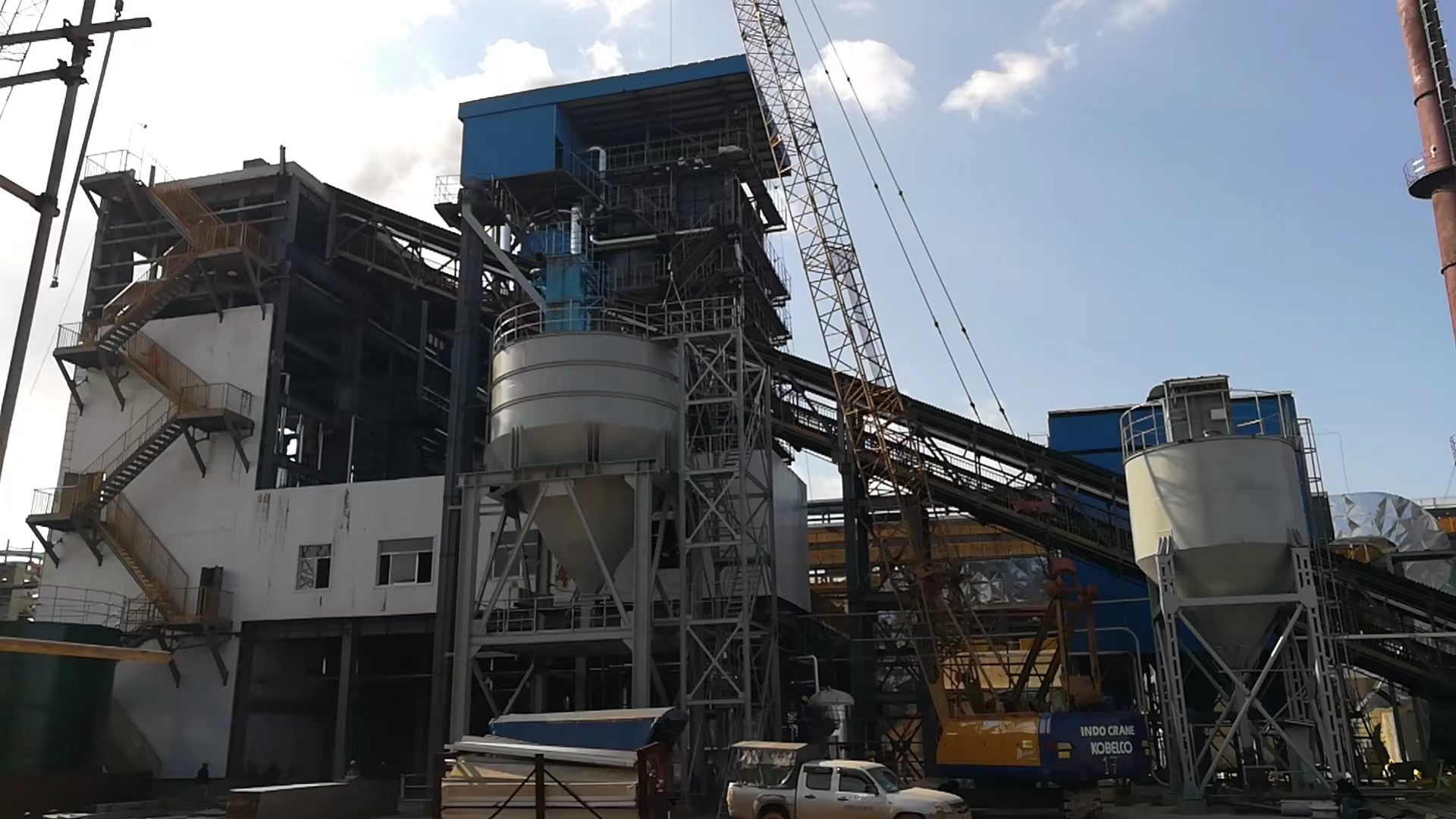
Industrial boilers are used across nearly every major manufacturing sector, but the thermal requirements, steam quality standards, pressure demands, hygiene regulations, and operational conditions vary dramatically between industries such as chemical processing, textile manufacturing, food production, and pharmaceutical manufacturing. Because of these differences, there is no single “universal” boiler type that performs optimally in every industrial environment. A boiler that works efficiently in a textile mill may not satisfy pharmaceutical clean steam standards, while a system designed for food-grade sanitation may be unsuitable for high-pressure chemical processing operations. Selecting the correct industrial boiler therefore requires careful analysis of process conditions, steam demand, fuel availability, environmental regulations, operational continuity, hygiene requirements, and long-term production goals. As modern industries continue emphasizing sustainability, automation, energy efficiency, and product quality, boiler selection has become increasingly important for maintaining competitive manufacturing performance and reducing operational costs. 🔥🏭⚙️
The best industrial boiler types vary by industry: water-tube boilers are generally preferred for chemical plants due to high-pressure steam demands; fire-tube and packaged boilers are commonly used in textile manufacturing for stable medium-pressure steam; food processing facilities often use hygienic fire-tube, water-tube, or electric boilers depending on steam purity requirements; and pharmaceutical industries typically prefer clean steam generators, electric boilers, and stainless steel water-tube systems to maintain sterile production environments and regulatory compliance.
Although all these industries rely heavily on steam and thermal energy, the optimal boiler design depends on how each industry uses heat transfer, pressure control, sterilization, drying, and process steam within its manufacturing systems. The following comprehensive guide explains which industrial boiler types are best suited for chemical, textile, food, and pharmaceutical industries from a professional engineering and industrial manufacturing perspective. ⚙️
Water-tube boilers are widely preferred in chemical plants because they support high-pressure continuous steam production.True
Chemical processing often requires large quantities of high-pressure steam for reactors, distillation systems, and process heating.
One industrial boiler type is equally suitable for all manufacturing industries.False
Different industries have unique steam pressure, hygiene, efficiency, and operational requirements that influence boiler selection.
Why Different Industries Need Different Boiler Types 🏭
Industrial boilers are designed to produce steam and thermal energy, but manufacturing industries use steam differently depending on:
- Process temperature requirements
- Steam pressure
- Steam purity
- Hygiene standards
- Production scale
- Operating schedules
For example:
- Chemical plants require high-pressure process steam ⚗️
- Textile factories need stable drying and dyeing steam 👕
- Food facilities demand hygienic thermal processing 🍞
- Pharmaceutical plants require ultra-clean sterilization steam 💊
Because of these operational differences, boiler selection must match:
- Thermal performance
- Process compatibility
- Regulatory requirements
- Long-term operational efficiency
| Industry | Main Steam Requirement |
|---|---|
| Chemical Industry | High-pressure process steam |
| Textile Industry | Stable medium-pressure steam |
| Food Processing | Hygienic process steam |
| Pharmaceutical Industry | Clean sterile steam |
Best Boiler Types for the Chemical Industry ⚗️
The chemical industry is one of the most demanding industrial environments because chemical production often involves:
- High-pressure reactions
- Continuous operation
- Corrosive environments
- Large steam loads
- Precise temperature control
Water-Tube Boilers Are Usually the Best Choice
Water-tube boilers are generally considered the best solution for chemical manufacturing because they:
- Handle very high pressures
- Produce large steam volumes
- Respond quickly to load changes
- Support continuous industrial operation
In water-tube boilers, water circulates inside tubes while hot combustion gases flow outside the tubes, allowing efficient heat transfer under high-pressure conditions.
Why Chemical Plants Prefer Water-Tube Boilers
Advantages include:
- Superior pressure capability
- Better scalability
- Faster steam generation
- Improved efficiency
Chemical applications commonly include:
- Distillation systems
- Reactor jacket heating
- Solvent recovery
- Evaporation systems
Waste Heat Boilers in Chemical Plants ♻️
Many chemical facilities also use waste heat boilers integrated into:
- Furnace exhaust systems
- Process gas recovery
- Cogeneration systems
These boilers recover unused thermal energy, improving:
- Fuel efficiency
- Sustainability
- Operational economics
Recommended Boiler Types for Chemical Industry
| Boiler Type | Suitability for Chemical Plants |
|---|---|
| Water-Tube Boiler | Excellent |
| Waste Heat Boiler | Excellent |
| Fire-Tube Boiler | Moderate |
| Electric Boiler | Limited specialty use |
Best Boiler Types for Textile Manufacturing 👕
Textile manufacturing requires steam for:
- Dyeing
- Washing
- Drying
- Finishing
- Humidity control
Unlike chemical plants, textile factories usually operate under:
- Medium pressure
- Large humidity demand
- Stable continuous steam loads
Fire-Tube Boilers Are Very Common
Fire-tube boilers are widely used in textile factories because they:
- Provide stable steam output
- Are relatively easy to maintain
- Have lower installation costs
- Operate efficiently under moderate pressure
In fire-tube boilers, hot combustion gases pass through tubes surrounded by water, creating a simple and reliable steam generation system.
Packaged Boilers Are Popular in Textile Facilities
Many textile plants prefer packaged boilers because they:
- Save installation space
- Simplify maintenance
- Allow faster commissioning
This is especially useful in:
- Medium-sized textile mills
- Garment factories
- Fabric finishing plants
Why Textile Factories Need Stable Steam 🌡️
Textile processes such as dyeing and drying require:
- Uniform heat transfer
- Stable steam pressure
- Continuous moisture control
Sudden pressure fluctuations may cause:
- Uneven coloration
- Fabric defects
- Reduced product quality
Recommended Boiler Types for Textile Industry
| Boiler Type | Suitability for Textile Factories |
|---|---|
| Fire-Tube Boiler | Excellent |
| Packaged Boiler | Excellent |
| Water-Tube Boiler | Very good for large mills |
| Biomass Boiler | Good for sustainable operations |
Best Boiler Types for Food Processing 🍞
Food processing facilities require steam for:
- Cooking
- Sterilization
- Pasteurization
- Cleaning
- Drying
- Packaging
Unlike ordinary industrial applications, food production must comply with:
- Strict hygiene standards
- Food safety regulations
- Steam purity requirements
Fire-Tube Boilers Are Common in Food Factories
Fire-tube boilers are often used because they:
- Provide stable operation
- Support moderate steam pressure
- Are cost-effective
- Simplify maintenance
These boilers are widely used in:
- Bakeries
- Beverage plants
- Dairy processing
- Meat processing
Water-Tube Boilers for Large Food Plants
Large food processing facilities may require water-tube boilers because they:
- Support higher steam demand
- Handle continuous operation
- Improve energy efficiency
Electric Boilers for Hygienic Applications
Electric boilers are increasingly popular in specialized food production because they:
- Produce zero combustion emissions
- Support clean steam generation
- Simplify contamination control
Why Hygienic Steam Matters in Food Production 🧼
Steam may contact:
- Food products
- Packaging systems
- Sterilization equipment
Therefore, food-grade steam systems must minimize:
- Chemical contamination
- Particulate carryover
- Oil residue
Recommended Boiler Types for Food Industry
| Boiler Type | Suitability for Food Processing |
|---|---|
| Fire-Tube Boiler | Excellent |
| Water-Tube Boiler | Very good |
| Electric Boiler | Excellent for clean applications |
| Condensing Boiler | Excellent for efficiency |
Best Boiler Types for Pharmaceutical Manufacturing 💊
Pharmaceutical production is one of the most demanding industries because it requires:
- Sterile steam
- Ultra-clean environments
- Precise temperature control
- Strict GMP compliance
Even minor contamination may:
- Damage production batches
- Violate regulations
- Endanger patient safety
Clean Steam Generators Are Essential
Many pharmaceutical plants use dedicated clean steam generators designed specifically for:
- Sterilization
- Autoclaves
- SIP systems
- Cleanroom humidification
These systems produce steam using:
- Purified water
- Stainless steel components
- Hygienic piping systems
Electric Boilers Are Increasingly Popular
Electric boilers are widely used because they:
- Eliminate combustion contamination
- Support ultra-clean environments
- Produce highly stable steam
Stainless Steel Water-Tube Boilers
Large pharmaceutical facilities often use water-tube systems because they:
- Support continuous sterile operation
- Generate high-quality steam
- Maintain pressure stability
Why Steam Purity Is Critical in Pharmaceutical Manufacturing 🧬
Pharmaceutical steam systems must prevent:
- Microbial contamination
- Mineral carryover
- Chemical impurities
Steam may be used directly in:
- Sterilization
- Equipment cleaning
- Product processing
- Injectable drug manufacturing
Recommended Boiler Types for Pharmaceutical Industry
| Boiler Type | Suitability for Pharmaceutical Plants |
|---|---|
| Clean Steam Generator | Excellent |
| Electric Boiler | Excellent |
| Water-Tube Boiler | Very good |
| Fire-Tube Boiler | Limited use |
Fuel Selection Also Influences Boiler Choice ⛽
Different industries prioritize different fuel strategies depending on:
- Energy costs
- Sustainability goals
- Local fuel availability
Natural Gas Boilers
Popular because they:
- Burn cleanly
- Offer high efficiency
- Simplify emissions compliance
Biomass Boilers
Used in:
- Textile factories
- Food processing plants
Advantages include:
- Renewable fuel usage
- Lower carbon emissions
Electric Boilers
Increasingly preferred in:
- Pharmaceutical manufacturing
- Specialized food production
because they:
- Produce zero on-site emissions
- Improve cleanroom compatibility
Automation Requirements Differ by Industry 🤖
Modern industrial facilities increasingly use:
- IoT monitoring
- AI combustion optimization
- Predictive maintenance
- Automated steam balancing
Chemical and Pharmaceutical Plants
Usually require:
- Advanced automation
- Continuous diagnostics
- Precision steam management
Textile and Food Facilities
Often prioritize:
- Operational simplicity
- Reliability
- Energy optimization
Environmental Regulations Influence Boiler Selection 🌍
Environmental compliance now strongly affects industrial boiler design.
Facilities increasingly seek:
- Low-NOx combustion
- Carbon reduction
- Heat recovery systems
- Hydrogen-ready technologies
Water Quality Requirements Vary Greatly 💧
Different industries require different steam purity levels.
| Industry | Water Quality Requirement |
|---|---|
| Chemical Industry | High |
| Textile Industry | Moderate |
| Food Processing | High hygienic standards |
| Pharmaceutical Industry | Ultra-pure water |
Operating Pressure Requirements Also Differ 🌡️
| Industry | Typical Pressure Requirement |
|---|---|
| Chemical Plants | High pressure |
| Textile Factories | Medium pressure |
| Food Processing | Low to medium pressure |
| Pharmaceutical Plants | Medium to high clean steam pressure |
The Future of Industrial Boiler Technology 🚀
Emerging technologies include:
- Hydrogen-capable boilers
- AI-driven thermal optimization
- Electrified steam systems
- Carbon-neutral biomass systems
Manufacturers increasingly prioritize:
- Sustainability
- Efficiency
- Reliability
- Smart automation
Why Boiler Selection Must Match Industry Requirements 🤔
The best industrial boiler type depends heavily on the specific operational demands of the industry because chemical plants, textile factories, food processing facilities, and pharmaceutical manufacturers all use steam differently and operate under unique thermal, pressure, hygiene, and regulatory conditions. Water-tube boilers are generally preferred in chemical processing because they support high-pressure continuous operation, while fire-tube and packaged boilers are highly effective for textile manufacturing due to their stable medium-pressure steam generation and operational simplicity. Food processing facilities often rely on hygienic fire-tube, water-tube, or electric boilers depending on steam purity requirements, while pharmaceutical manufacturing typically requires clean steam generators, electric boilers, and stainless steel water-tube systems capable of supporting sterile production environments and strict regulatory compliance. Proper boiler selection improves production stability, energy efficiency, operational safety, regulatory performance, and long-term manufacturing reliability across all industrial sectors. 🔥🏭⚙️
What Factors Should Be Considered When Selecting an Industrial Boiler for Different Industries?
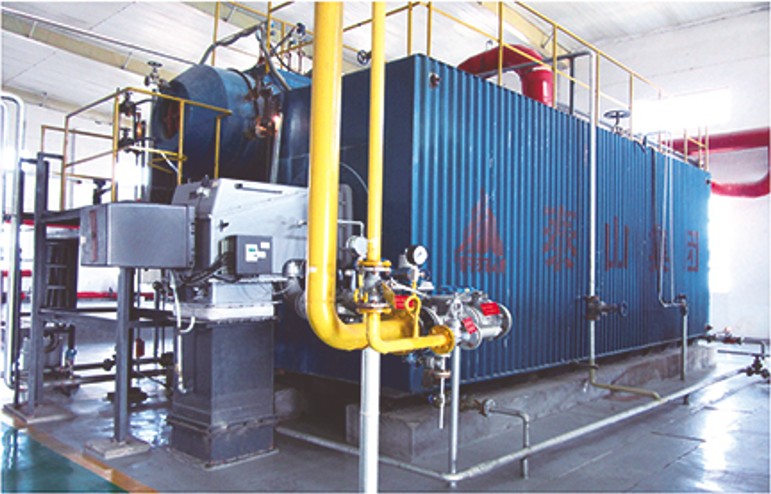
Selecting the right industrial boiler is one of the most important engineering and operational decisions for any manufacturing facility because the boiler directly affects production efficiency, steam reliability, energy consumption, environmental compliance, maintenance requirements, operating costs, and long-term manufacturing stability. However, many businesses mistakenly assume that boiler selection depends only on steam capacity or fuel type, when in reality different industries operate under highly different thermal conditions, pressure requirements, hygiene standards, production schedules, and regulatory environments. A boiler system that performs efficiently in a textile factory may be completely unsuitable for pharmaceutical sterilization processes, while a high-pressure chemical industry boiler may be unnecessarily complex and inefficient for food processing applications. Since industrial boilers often operate continuously for decades and represent a major infrastructure investment, selecting the wrong boiler can lead to excessive fuel consumption, unstable steam supply, operational downtime, reduced product quality, environmental penalties, and costly maintenance problems throughout the equipment lifecycle. As industries continue prioritizing automation, sustainability, energy efficiency, and operational optimization, proper industrial boiler selection has become more critical than ever before. 🔥🏭⚙️
When selecting an industrial boiler for different industries, companies should evaluate steam demand, operating pressure, steam quality, fuel type, energy efficiency, industry regulations, installation space, water quality, maintenance requirements, automation level, environmental compliance, production continuity, operational safety, and future scalability. The ideal boiler must match the specific thermal and operational requirements of the industry it serves.
Because every manufacturing sector uses steam differently, successful boiler selection requires both technical engineering analysis and a deep understanding of the production environment. The following comprehensive guide explains the most important factors that should be considered when selecting industrial boilers for different industries. ⚙️
Steam pressure requirements are one of the most important factors when selecting an industrial boiler.True
Different industries require different pressure levels depending on process complexity, production scale, and thermal demand.
The largest industrial boiler is always the best choice for manufacturing facilities.False
Oversized boilers often reduce efficiency, increase fuel consumption, and create unstable low-load operation problems.
Why Industrial Boiler Selection Is So Important 🏭
Industrial boilers are not simply heating machines operating independently from factory systems; instead, they function as central thermal infrastructure supporting:
- Production processes
- Steam distribution
- Temperature control
- Sanitation systems
- Humidity management
- Process heating
A properly selected boiler helps achieve:
- Stable production
- Lower operating costs
- Improved energy efficiency
- Better product consistency
- Reduced downtime
An unsuitable boiler may cause:
- Steam shortages
- Production interruptions
- Fuel waste
- Maintenance problems
- Regulatory compliance risks
Because boiler systems typically operate for 20–30 years or longer, even small selection mistakes may create major financial consequences over time.
| Proper Boiler Selection | Poor Boiler Selection |
|---|---|
| Stable steam supply | Steam instability |
| Efficient fuel consumption | Excessive operating costs |
| Improved reliability | Frequent downtime |
| Better product quality | Production inconsistencies |
| Easier compliance | Regulatory problems |
Different Industries Have Different Boiler Requirements ⚙️
Every industry uses thermal energy differently.
For example:
- Chemical plants require high-pressure process steam ⚗️
- Textile factories need stable drying and dyeing steam 👕
- Food facilities require hygienic thermal processing 🍞
- Pharmaceutical plants demand sterile clean steam 💊
- Paper mills consume massive continuous steam volumes 📄
Therefore, boiler selection must always consider:
- Industry-specific production methods
- Steam application
- Operational environment
Steam Demand and Boiler Capacity 💨
One of the first and most important considerations is determining actual steam demand.
Engineers must analyze:
- Peak steam load
- Average operating load
- Simultaneous equipment usage
- Future expansion plans
- Seasonal production variations
Problems With Undersized Boilers
An undersized boiler may cause:
- Steam shortages
- Production delays
- Pressure instability
Problems With Oversized Boilers
An oversized boiler may:
- Waste fuel
- Reduce efficiency
- Increase cycling frequency
- Raise operating costs
Boilers generally perform best near their designed operating load range.
Operating Pressure Requirements 🌡️
Different industries require different steam pressures depending on process complexity.
Low-Pressure Applications
Common in:
- Commercial heating
- Small food production
- Laundry systems
Medium-Pressure Applications
Used in:
- Textile manufacturing
- General processing plants
- Packaging facilities
High-Pressure Applications
Required for:
- Chemical processing
- Petrochemical plants
- Power generation
Higher-pressure systems usually require:
- Water-tube boilers
- Advanced controls
- Enhanced safety systems
| Industry | Typical Pressure Requirement |
|---|---|
| Food Processing | Low to medium |
| Textile Manufacturing | Medium |
| Pharmaceutical Industry | Medium to high |
| Chemical Processing | High |
Steam Quality Requirements 💧
Not all industries can use standard industrial steam.
Certain industries require:
- Clean steam
- Culinary steam
- High-purity steam
Industries Requiring High Steam Purity
Include:
- Pharmaceutical manufacturing 💊
- Food processing 🍽️
- Biotechnology 🧬
- Electronics manufacturing 💻
Poor steam quality can lead to:
- Product contamination
- Regulatory violations
- Equipment damage
Boiler Type Selection 🔥
Choosing the proper boiler structure is critically important.
Fire-Tube Boilers
Best for:
- Moderate steam demand
- Lower pressure systems
- Smaller facilities
Advantages:
- Lower installation cost
- Simpler maintenance
- Stable operation
Water-Tube Boilers
Best for:
- High-pressure systems
- Large steam demand
- Continuous operation
Advantages:
- Faster steam generation
- Better scalability
- Higher efficiency
Electric Boilers
Best for:
- Clean manufacturing environments
- Sterile processing applications
Advantages:
- Zero combustion emissions
- Ultra-clean steam generation
| Boiler Type | Best Application |
|---|---|
| Fire-Tube Boiler | Medium industrial use |
| Water-Tube Boiler | Large high-pressure facilities |
| Electric Boiler | Clean and sterile applications |
| Biomass Boiler | Sustainable energy systems |
Fuel Type and Fuel Availability ⛽
Fuel selection heavily influences:
- Operating costs
- Emissions
- Maintenance complexity
- Sustainability performance
Common industrial boiler fuels include:
- Natural gas
- Diesel
- LPG
- Biomass
- Coal
- Electricity
- Hydrogen blends
Natural Gas Boilers
Advantages:
- Clean combustion
- High efficiency
- Easier emissions compliance
Biomass Boilers
Advantages:
- Renewable energy usage
- Lower carbon footprint
Electric Boilers
Advantages:
- Zero on-site emissions
- Excellent for cleanrooms
Fuel selection often depends on:
- Local infrastructure
- Energy pricing
- Environmental regulations
Energy Efficiency Requirements 🌱
Energy efficiency has become one of the most important selection criteria because fuel expenses often represent a major portion of industrial operating costs.
Modern efficiency technologies include:
- Economizers
- Condensing systems
- Heat recovery
- Smart combustion controls
Efficient boiler systems help:
- Reduce fuel usage
- Lower emissions
- Improve profitability
Installation Space and Facility Layout 📏
Available installation space strongly affects boiler selection.
Compact Facilities
Often prefer:
- Packaged boilers
- Vertical boilers
- Modular systems
Large Industrial Sites
May support:
- Field-erected boilers
- Large utility plants
- Integrated thermal systems
Engineers must evaluate:
- Boiler room dimensions
- Ventilation
- Chimney access
- Maintenance clearance
- Expansion possibilities
Water Quality and Water Treatment 💦
Boiler water quality is critically important because poor water conditions can cause:
- Scaling
- Corrosion
- Reduced heat transfer
- Tube failure
- Steam contamination
High-pressure systems are especially sensitive to water quality issues.
Facilities may require:
- Water softening
- Reverse osmosis
- Deaerators
- Chemical treatment systems
Continuous vs Intermittent Operation 🔄
Operating schedule strongly influences boiler design selection.
Continuous 24/7 Operation
Common in:
- Chemical plants
- Paper mills
- Petrochemical facilities
Requires:
- Durable water-tube boilers
- Advanced automation
- High reliability
Intermittent Operation
Common in:
- Small factories
- Commercial systems
Often favors:
- Fire-tube boilers
- Simpler packaged systems
Industry Regulations and Compliance 📋
Different industries face different regulations involving:
- Emissions
- Steam purity
- Pressure safety
- Hygiene standards
- Sterility requirements
For example:
- Food factories require sanitary steam systems
- Pharmaceutical plants require GMP compliance
- Chemical plants face strict pressure regulations
Environmental Compliance and Emissions 🌍
Modern industrial facilities increasingly prioritize:
- Low-NOx combustion
- Carbon reduction
- Renewable fuels
- Heat recovery integration
Environmental regulations may influence:
- Burner selection
- Fuel choice
- Emissions control systems
Automation and Smart Controls 🤖
Modern manufacturing facilities increasingly demand:
- IoT monitoring
- Predictive maintenance
- AI combustion optimization
- Remote diagnostics
Smart systems improve:
- Efficiency
- Reliability
- Operational visibility
Maintenance Requirements 🔧
Maintenance capability varies between facilities.
Smaller factories may prefer:
- Simpler systems
- Lower maintenance complexity
Large industrial plants may support:
- Dedicated engineering teams
- Advanced maintenance programs
Maintenance considerations include:
- Spare parts availability
- Cleaning access
- Inspection frequency
- Downtime risk
| Maintenance Factor | Importance |
|---|---|
| Tube Accessibility | Easier servicing |
| Spare Parts Availability | Faster repairs |
| Inspection Simplicity | Lower maintenance cost |
| Automation Diagnostics | Reduced downtime |
Initial Cost vs Lifecycle Cost 💰
Many companies focus too heavily on initial purchase cost while ignoring long-term operational economics.
True boiler ownership cost includes:
- Fuel expenses
- Water treatment
- Maintenance
- Downtime
- Emissions compliance
- Staffing
A higher-efficiency boiler may reduce total ownership cost significantly over time.
Future Expansion and Scalability 🚀
Manufacturers planning future growth should consider:
- Increased steam demand
- Additional production lines
- Fuel transitions
- Regulatory changes
Modular systems may simplify:
- Capacity expansion
- Operational flexibility
Safety Requirements 🛡️
Industrial boilers operate under:
- High pressure
- Elevated temperatures
- Combustible fuel conditions
Facilities should evaluate:
- Pressure protection systems
- Emergency shutdown capability
- Flame monitoring
- Leak detection systems
Why Boiler Selection Must Match Industry Requirements 🤔
Selecting the right industrial boiler requires careful evaluation of steam demand, operating pressure, steam quality, fuel availability, energy efficiency, installation conditions, environmental compliance, automation requirements, maintenance capability, safety standards, and future operational goals because every industry uses thermal energy differently and operates under unique production conditions. Chemical plants typically require high-pressure water-tube systems for continuous process steam, textile factories prioritize stable medium-pressure boilers for dyeing and drying, food manufacturers focus on hygienic steam systems for cooking and sanitation, and pharmaceutical facilities demand ultra-clean steam generators capable of supporting sterile manufacturing environments. A properly selected boiler improves operational reliability, product consistency, energy efficiency, regulatory compliance, and long-term profitability, while an unsuitable boiler may create excessive fuel costs, production instability, maintenance problems, and operational risk throughout the facility lifecycle. 🔥🏭⚙️
Conclusion
Industrial boilers are indispensable across chemical, textile, food, and pharmaceutical industries because they provide the reliable steam and heat necessary for critical production processes. Each industry has unique operational and regulatory requirements, making proper boiler selection essential for achieving efficiency, product quality, and safety. Understanding industry-specific applications allows businesses to maximize performance and reduce operational costs.
If you are searching for the right industrial boiler solution for your chemical, textile, food, or pharmaceutical operations, contact us today. Our experts provide customized boiler systems, advanced technologies, and professional support to help you achieve efficient and reliable production.
FAQ
Q1: How are industrial boilers used in the chemical industry?
A:
Industrial boilers are essential in the chemical industry because many chemical manufacturing processes require precise temperature control, high-pressure steam, and continuous heat generation. Boilers provide thermal energy for production operations such as chemical reactions, distillation, drying, evaporation, and material processing.
One of the primary applications is process heating. Chemical plants often use steam to heat reactors and processing vessels where raw materials undergo controlled chemical transformations. Maintaining stable temperatures is critical because even small fluctuations can affect product quality, reaction efficiency, and operational safety.
Boilers are also widely used for distillation processes. Steam supplies the heat necessary to separate chemical compounds based on boiling points, which is essential in producing solvents, fuels, industrial chemicals, and specialty materials. Many chemical facilities rely on high-pressure steam systems to improve process efficiency and production capacity.
Another important application is drying and evaporation. Chemical manufacturers frequently need to remove moisture or concentrate solutions during production. Steam generated by industrial boilers powers evaporation units, spray dryers, and heat exchangers that support these operations.
Safety and reliability are major concerns in chemical plants because many processes involve hazardous or corrosive materials. As a result, chemical industry boilers are often constructed using specialized materials that resist corrosion and high temperatures. Advanced control systems and monitoring technologies are also integrated to ensure safe and stable operation.
Energy efficiency is particularly important in chemical manufacturing because steam systems account for a significant portion of operational energy consumption. Many facilities use waste heat recovery systems, economizers, and cogeneration technologies to improve fuel efficiency and reduce emissions.
Industrial boilers in chemical plants are typically large-capacity water-tube systems designed for continuous operation. These boilers can support demanding industrial workloads while meeting strict environmental and safety regulations.
Q2: What role do boilers play in the textile industry?
A:
Boilers play a critical role in the textile industry by supplying steam and heat for numerous manufacturing and finishing processes. Textile production requires controlled temperatures, moisture management, and efficient heat transfer, all of which depend heavily on reliable steam generation systems.
One of the most important boiler applications in textile manufacturing is fabric dyeing. Steam is used to heat dye baths and maintain consistent temperatures during the coloring process. Stable steam supply helps ensure uniform dye penetration, color consistency, and product quality across large production batches.
Boilers are also essential for washing and bleaching operations. Textile fibers and fabrics undergo cleaning and chemical treatment processes that require hot water and steam. Industrial steam systems improve cleaning efficiency while reducing processing time.
Another major application is fabric drying. After washing, dyeing, or finishing, textiles must be dried efficiently before packaging or additional processing. Steam-powered dryers and heated rollers help remove moisture quickly while protecting fabric quality and texture.
Textile finishing operations also rely heavily on boilers. Processes such as ironing, pressing, shrinking, coating, and softening require steam to achieve desired fabric characteristics and appearance. Garment manufacturing facilities commonly use steam presses and finishing equipment to improve production quality.
Humidity control is another important factor in textile production. Maintaining proper humidity levels helps prevent fiber breakage, static electricity buildup, and material distortion. Boilers support centralized humidification systems that stabilize manufacturing environments.
Most textile factories use packaged boilers because they offer compact designs, quick installation, and flexible operation. Depending on production scale, facilities may use fire-tube boilers for smaller operations or water-tube systems for larger industrial plants with high steam demands.
Energy efficiency is increasingly important in the textile industry due to rising fuel costs and sustainability goals. Modern textile boilers often include automated combustion controls, heat recovery systems, and low-emission technologies to reduce operational expenses and environmental impact.
Q3: Why are boilers important in the food processing industry?
A:
Industrial boilers are extremely important in the food processing industry because steam is required for cooking, sterilization, pasteurization, sanitation, packaging, and temperature control. Reliable steam generation directly affects food safety, product quality, production efficiency, and regulatory compliance.
One of the most critical applications is sterilization. Steam is used to kill bacteria, pathogens, and microorganisms on processing equipment, packaging materials, and food products. This process helps manufacturers comply with strict food safety standards and prevent contamination during production.
Pasteurization is another key boiler application. Dairy products, beverages, sauces, and canned foods often require controlled heating to destroy harmful microorganisms while preserving flavor and nutritional value. Steam boilers provide precise and consistent temperature control for these operations.
Cooking processes in bakeries, beverage plants, meat processing facilities, and prepared food manufacturing also depend heavily on steam. Industrial boilers power kettles, steam ovens, fermentation tanks, and processing vessels that support efficient large-scale food production.
Cleaning and sanitation are equally important in food manufacturing environments. Steam cleaning systems help remove grease, residue, and contaminants from machinery, conveyor belts, storage tanks, and production lines. Steam sanitation is highly effective and reduces reliance on harsh chemical cleaning agents.
Food processing facilities usually require clean steam systems to ensure that steam contacting food products remains free from contaminants. Boiler water treatment and filtration systems are carefully monitored to maintain steam purity and regulatory compliance.
Most food manufacturers prefer energy-efficient packaged boilers because they are easier to install, operate, and maintain. These systems can quickly adapt to changing production demands while minimizing downtime and operating costs.
Environmental sustainability is also becoming a major priority. Modern food industry boilers often incorporate condensing technology, economizers, and emissions reduction systems to improve efficiency and support environmentally responsible operations.
Q4: How are boilers used in the pharmaceutical industry?
A:
Boilers are essential in the pharmaceutical industry because steam plays a central role in sterilization, manufacturing, environmental control, and product safety. Pharmaceutical production requires extremely high standards of cleanliness, precision, and reliability, making boiler performance critically important.
One of the most important applications is clean steam generation. Pharmaceutical facilities use purified steam for sterilizing equipment, pipelines, containers, and production environments. Clean steam must meet strict quality standards because contamination could compromise drug safety and regulatory compliance.
Autoclaves are another major application. These sterilization units use high-pressure steam to eliminate bacteria, viruses, and microorganisms from medical instruments, laboratory tools, and pharmaceutical packaging materials. Reliable boiler systems are necessary to maintain consistent sterilization cycles.
Boilers also support heating and processing operations in pharmaceutical manufacturing. Steam is used in reactors, mixing vessels, drying systems, and chemical synthesis processes involved in drug production. Precise temperature control is essential for maintaining product consistency and chemical stability.
HVAC and humidity control systems in pharmaceutical facilities also depend on steam. Maintaining cleanroom conditions requires stable temperature and humidity levels to prevent contamination and ensure compliance with Good Manufacturing Practice (GMP) standards.
Because pharmaceutical operations are highly regulated, boiler systems must meet strict industry requirements related to water purity, steam quality, pressure control, and documentation. Many pharmaceutical facilities use stainless steel piping, advanced filtration systems, and automated monitoring technologies to maintain operational integrity.
Energy efficiency and reliability are also major considerations because production interruptions can result in significant financial losses and regulatory complications. Redundant boiler systems are commonly installed to ensure uninterrupted steam supply during maintenance or equipment failures.
Modern pharmaceutical boilers often include advanced automation systems, remote monitoring capabilities, and low-emission combustion technologies to improve operational efficiency while supporting sustainability initiatives.
Q5: What factors influence boiler selection across different industries?
A:
Boiler selection varies significantly across industries because each sector has unique operational requirements, production processes, safety standards, and energy demands. Choosing the right boiler involves balancing performance, efficiency, compliance, and long-term operating costs.
One of the most important considerations is steam demand. Industries such as chemical manufacturing and power generation require high-capacity boilers capable of continuous high-pressure steam production. Smaller operations like textile workshops or food processing facilities may require more compact packaged systems with moderate steam output.
Steam quality requirements also influence boiler selection. Pharmaceutical and food processing industries often need clean or purified steam to avoid contamination during production. These applications require specialized boiler materials, water treatment systems, and strict maintenance procedures.
Fuel type is another major factor. Boilers can operate using natural gas, fuel oil, coal, biomass, electricity, or waste heat sources. Facilities typically select fuels based on local availability, operating costs, environmental regulations, and sustainability objectives.
Industry regulations and safety standards are especially important in sectors involving hazardous materials, public health, or environmental impact. Chemical plants may require corrosion-resistant boiler systems, while pharmaceutical facilities must comply with strict sterilization and cleanroom regulations.
Operational efficiency is also a priority because boilers consume substantial amounts of energy. Many industries now invest in high-efficiency systems with economizers, condensing technology, waste heat recovery units, and automated controls to reduce fuel consumption and emissions.
Installation space, maintenance resources, scalability, and system reliability must also be considered. Some industries prioritize quick installation and flexibility, while others require highly customized field-erected systems for long-term large-scale operation.
Ultimately, selecting the proper industrial boiler depends on understanding the specific production needs, compliance requirements, operational conditions, and future growth plans of each industry.
References
Industrial Steam Applications — https://www.tlv.com/global/US/steam-info/steam-theory/steam-basics/applications.html — Source: TLV
Boiler Systems for Chemical Processing — https://www.thermaxglobal.com/industrial-boilers/chemical-industry/ — Source: Thermax
Steam Applications in Textile Manufacturing — https://www.spiraxsarco.com/learn-about-steam/steam-applications — Source: Spirax Sarco
Food Processing Boiler Systems — https://www.fulton.com/industries/food-processing — Source: Fulton Boiler Works
Pharmaceutical Clean Steam Systems — https://www.spiraxsarco.com/global/us/industries/pharmaceutical — Source: Spirax Sarco
Boiler Efficiency in Manufacturing — https://www.energy.gov/eere/amo/steam-systems — Source: U.S. Department of Energy
Industrial Boiler Basics — https://www.powermag.com/boilers-101-what-they-are-and-how-they-work/ — Source: POWER Magazine
Steam Boiler Applications Across Industries — https://www.cleaverbrooks.com/markets-served — Source: Cleaver-Brooks
OSHA Boiler Safety Guidelines — https://www.osha.gov/boilers-pressure-vessels — Source: OSHA
Industrial Boiler Technology Overview — https://www.britannica.com/technology/boiler — Source: Encyclopaedia Britannica
Industrial Boiler Applications in Chemical, Textile, Food & Pharma Read More »