
How to Select the Right Industrial Boiler for Your Needs?
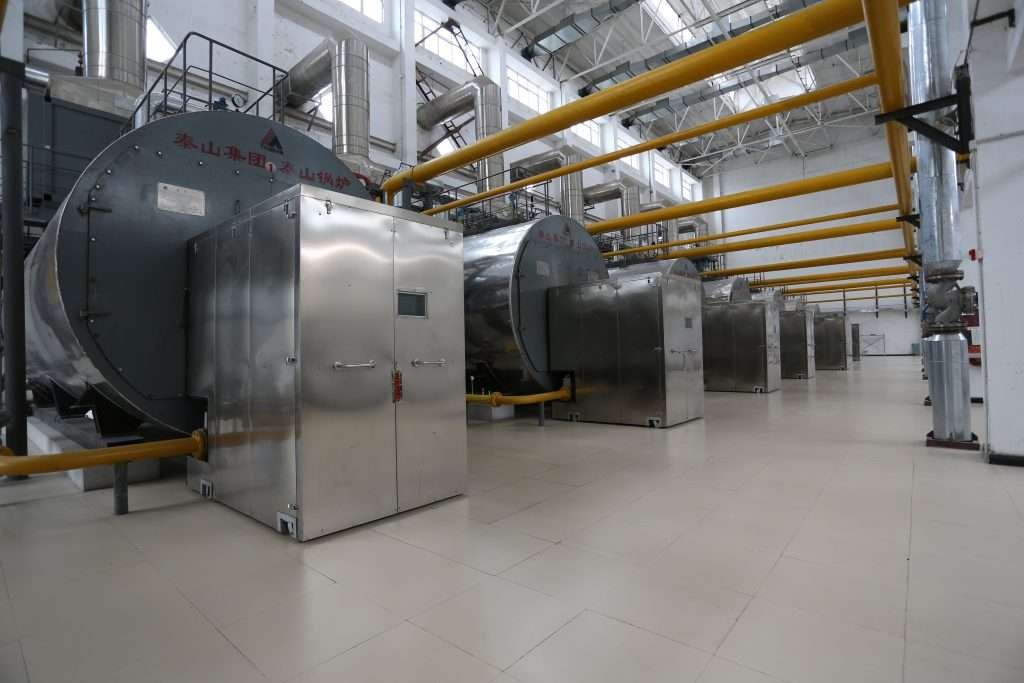
Selecting the wrong industrial boiler can lead to inefficient energy use, unstable steam or heat supply, excessive operating costs, and even equipment failure. Many businesses struggle to accurately match boiler capacity and performance with actual process requirements, especially when considering varying load demands, pressure levels, and operating temperatures. Without proper evaluation, companies may overspend on oversized systems or suffer from insufficient output and reduced productivity. Choosing the right boiler requires a clear understanding of operational needs and technical specifications.
To select the right industrial boiler, you must evaluate the required heat or steam load, operating pressure, and temperature conditions of your application. Steam demand determines boiler capacity, pressure requirements influence boiler design and safety standards, and temperature needs help determine whether a steam boiler, hot water boiler, or thermal oil boiler is most suitable. Proper sizing and matching improve efficiency, reliability, and long-term operational performance.
Understanding these key selection factors can help businesses invest in the most efficient and cost-effective boiler system for their operations.
How Does Load Requirement Affect Industrial Boiler Selection?
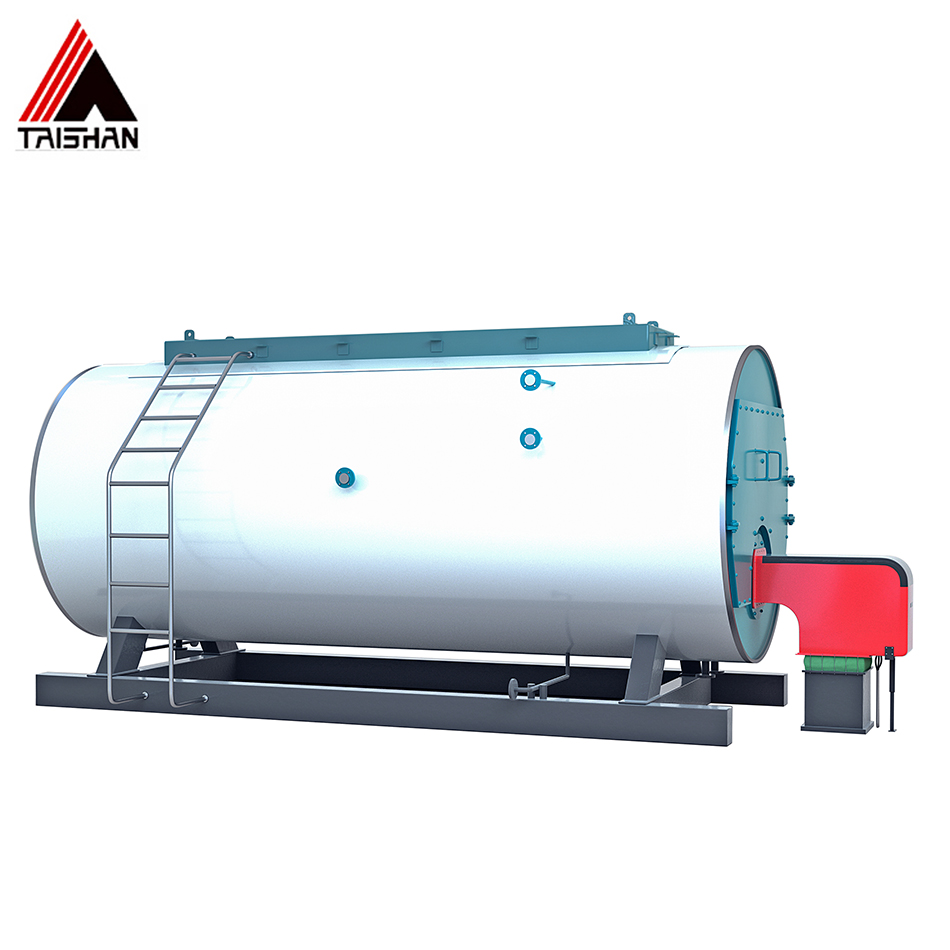
Selecting an industrial boiler is not simply a matter of choosing the largest or most powerful unit available because every industrial facility operates under unique thermal demand conditions that directly influence boiler efficiency, operational stability, fuel consumption, maintenance frequency, capital investment, and long-term energy costs. Among all engineering considerations involved in boiler system design, load requirement analysis is one of the most critical because the boiler must continuously match the real thermal demand of the application while maintaining efficient and reliable operation under changing production schedules, seasonal variations, startup conditions, and peak energy consumption periods. Whether the boiler is used for steam generation in chemical manufacturing, hot water supply in district heating, sterilization in pharmaceutical plants, drying in textile processing, or electricity generation in CHP systems, understanding the actual load profile is essential for ensuring that the selected boiler can operate efficiently across both maximum and partial-load conditions. An improperly sized boiler may lead to serious operational problems such as excessive fuel consumption, unstable steam pressure, poor combustion efficiency, rapid equipment wear, increased emissions, frequent cycling, and unnecessary operating costs. Consequently, load requirement analysis forms the foundation of professional industrial boiler selection and directly determines the technical, economic, and environmental performance of the entire thermal energy system. 🔥🏭⚙️
Load requirement affects industrial boiler selection by determining the necessary steam or hot water capacity, operating pressure, modulation range, fuel consumption, thermal efficiency, equipment sizing, system stability, and operational flexibility needed to meet varying industrial energy demands efficiently and reliably.
Because industrial facilities rarely operate under constant thermal demand conditions, engineers must carefully analyze both peak and variable load characteristics before selecting a boiler system. The following detailed guide explains how load requirements influence industrial boiler selection from a professional thermal engineering and industrial energy management perspective. ⚙️
Accurate load analysis is essential for selecting the correct industrial boiler capacity.True
Proper boiler sizing ensures efficient operation, stable steam supply, and lower fuel consumption.
Choosing the largest possible boiler always improves industrial system performance.False
Oversized boilers often operate inefficiently under partial-load conditions and may increase fuel costs and cycling losses.
What Does “Load Requirement” Mean in Industrial Boiler Systems? 🔍
In industrial boiler engineering, the term load requirement refers to the amount of thermal energy needed by a facility during operation.
This thermal demand may include:
- Steam generation 💨
- Hot water production 🌡️
- Process heating 🔥
- Space heating 🏢
- Power generation ⚡
Load requirements are usually measured in:
- Steam flow rate (kg/h or tons/hour)
- Thermal capacity (kW or MW)
- Heat output (BTU/hr)
The boiler must be capable of supplying this required energy continuously and efficiently.
Why Load Analysis Is the Foundation of Boiler Selection 🏭
Every industrial process has unique thermal demand characteristics.
For example:
- A textile factory may experience fluctuating steam demand during batch dyeing cycles.
- A chemical plant may require continuous high-pressure steam 24 hours a day.
- A district heating system may experience large seasonal demand variations between winter and summer.
Because operating conditions differ so greatly, engineers cannot select boilers based only on maximum capacity ratings.
Instead, they must evaluate:
➡️ Average load
➡️ Peak load
➡️ Minimum load
➡️ Load fluctuation patterns
➡️ Future expansion demand
Understanding Different Types of Boiler Loads 🔄
Industrial boiler loads are generally categorized into several operating conditions.
Base Load
The base load represents the minimum continuous thermal demand that exists most of the time.
Examples include:
- Continuous process heating
- Stable steam supply
- Essential facility operation
Peak Load
Peak load refers to temporary periods of maximum thermal demand.
Examples include:
- Winter heating peaks
- Production surges
- Simultaneous process operation
Variable Load
Variable load occurs when demand changes frequently during operation.
This is common in:
- Food processing
- Pharmaceutical manufacturing
- Textile production
- Batch processing industries
Why Peak Load Alone Should Not Determine Boiler Size ⚠️
One of the most common boiler selection mistakes is sizing the boiler solely according to maximum peak demand.
While peak load is important, oversized boilers often create:
- Frequent cycling
- Reduced efficiency
- Higher fuel consumption
- Increased wear
- Poor combustion stability
This occurs because many industrial facilities operate below peak load for most of their operating hours.
Oversized Boilers Often Operate Inefficiently 📉
Industrial boilers are generally most efficient within a certain load range, often near moderate-to-high stable operating conditions.
When oversized boilers run continuously at very low load:
- Burner cycling increases
- Heat losses become proportionally larger
- Combustion efficiency decreases
- Steam pressure stability may worsen
As a result:
➡️ Fuel costs rise
➡️ Emissions increase
➡️ Equipment lifespan may shorten
Undersized Boilers Also Create Serious Problems 🚨
Selecting a boiler that is too small can be equally problematic.
An undersized boiler may:
- Fail to meet peak steam demand
- Cause production interruptions
- Reduce process quality
- Create unstable system pressure
In severe cases:
- Critical industrial processes may shut down entirely
Therefore, proper sizing requires balancing:
- Peak demand capability
- Efficient partial-load operation
Load Profile Analysis Is Critically Important 📊
Professional boiler selection requires analyzing the facility’s complete load profile rather than focusing only on single operating points.
Engineers often study:
- Hourly load variation
- Daily demand cycles
- Seasonal fluctuations
- Startup conditions
- Emergency operating scenarios
Load profile analysis helps determine:
- Boiler capacity
- Number of boilers
- Modulation requirements
- Thermal storage needs
Example of Industrial Load Variability 🏭
| Industry | Typical Load Behavior |
|---|---|
| Chemical Manufacturing | Continuous high load |
| Textile Processing | Variable batch load |
| Food Processing | Daily production cycles |
| District Heating | Strong seasonal variation |
| Pharmaceutical Production | Precise fluctuating steam demand |
Modulation Capability Becomes Very Important 🎛️
Modern industrial boilers often include modulation systems that allow them to adjust output dynamically according to changing thermal demand.
A boiler with good modulation capability can:
- Operate efficiently at partial load
- Reduce cycling losses
- Improve steam stability
- Lower fuel consumption
For facilities with highly variable loads, modulation performance becomes a major selection criterion.
Turn-Down Ratio Affects Operational Flexibility 🔄
The turn-down ratio describes how much a boiler can reduce its output while maintaining stable operation.
For example:
- A 10:1 turn-down ratio means the boiler can operate at 10% of maximum capacity efficiently.
Higher turn-down ratios provide:
- Better flexibility
- Improved partial-load efficiency
- Reduced burner cycling
This is especially important in facilities with fluctuating demand.
Multiple Smaller Boilers vs One Large Boiler 🏗️
Facilities with variable load conditions often benefit from using:
- Multiple modular boilers
instead of: - One oversized boiler
This approach improves:
- Load matching
- Redundancy
- Operational flexibility
- Maintenance scheduling
Example of Modular Boiler Advantages
| Configuration | Advantages |
|---|---|
| Single Large Boiler | Simpler layout |
| Multiple Modular Boilers | Better partial-load efficiency and redundancy |
Steam Demand Influences Boiler Type Selection 💨
Load requirement also affects whether engineers select:
- Water-tube boilers
- Fire-tube boilers
- Electric boilers
- Biomass boilers
- CHP systems
Water-Tube Boilers for High Loads
Water-tube boilers are commonly selected for:
- High steam demand
- Continuous operation
- High-pressure applications
because they:
- Handle large capacities efficiently
- Respond quickly to load changes
- Support continuous industrial service
Fire-Tube Boilers for Moderate Loads
Fire-tube boilers are often suitable for:
- Smaller facilities
- Stable moderate demand
- Lower-pressure operation
because they generally offer:
- Simpler construction
- Lower initial cost
- Easier maintenance
Rapid Load Changes Require Fast Boiler Response ⚡
Some industries experience sudden steam demand fluctuations.
Examples include:
- Pharmaceutical sterilization
- Food processing
- Textile dyeing
In these cases, boilers must respond quickly without:
- Pressure instability
- Temperature fluctuation
- Combustion disruption
Water-tube boilers are often preferred because they generally respond faster to load changes.
Thermal Storage Can Help Manage Load Variation 🔋
Facilities with highly variable demand may integrate:
- Steam accumulators
- Hot water storage tanks
- Thermal energy storage systems
These systems:
- Smooth peak demand
- Stabilize boiler operation
- Improve fuel efficiency
Thermal storage may allow smaller boilers to handle temporary peak loads more effectively.
Fuel Selection Is Influenced by Load Conditions ⛽
Different fuels perform differently under varying load conditions.
For example:
- Natural gas systems often provide excellent modulation flexibility.
- Biomass systems may respond more slowly to rapid load changes.
Therefore, load behavior influences:
- Fuel selection
- Combustion strategy
- Boiler configuration
CHP Systems Depend Heavily on Load Balance ⚡♨️
Combined Heat and Power systems require careful load analysis because they simultaneously produce:
- Electricity
- Thermal energy
Efficient CHP operation depends on balancing:
- Electrical demand
- Steam demand
- Heat recovery utilization
Improper load matching can reduce:
- CHP efficiency
- Economic performance
- Energy utilization
Seasonal Load Variation Matters in District Heating 🏙️
District heating systems experience major seasonal demand fluctuations.
For example:
- Winter demand may be several times higher than summer demand.
Boiler selection must therefore consider:
- Seasonal efficiency
- Flexible operation
- Backup capacity
Condensing boilers and modular systems are often valuable in these applications.
Load Requirement Influences Boiler Efficiency ♻️
Boilers achieve peak efficiency only within certain operating ranges.
Stable load conditions generally improve:
- Combustion efficiency
- Heat transfer
- Steam stability
Frequent cycling or unstable loads may reduce:
- Fuel efficiency
- Thermal performance
- Equipment lifespan
Smart Boiler Controls Improve Load Management 🤖
Modern boiler systems increasingly use:
- AI-driven combustion optimization
- Predictive load analysis
- Automated sequencing systems
- Real-time steam monitoring
These technologies improve:
- Load matching
- Fuel economy
- System stability
Future Expansion Must Be Considered 🚀
Industrial facilities often expand production over time.
Boiler systems should therefore allow for:
- Additional capacity
- Modular expansion
- Future process integration
Ignoring future load growth may create expensive retrofits later.
Lifecycle Cost Depends on Proper Load Matching 💰
Proper load-based boiler selection improves:
- Fuel economy
- Maintenance costs
- Operational reliability
- Energy efficiency
Although larger boilers may appear safer initially, poor load matching often increases long-term operating costs substantially.
Simplified Boiler Selection Workflow Based on Load Analysis 🔄
| Engineering Stage | Main Purpose |
|---|---|
| Load Measurement | Determine actual thermal demand |
| Load Profile Analysis | Evaluate demand variation |
| Capacity Sizing | Select proper boiler output |
| Modulation Evaluation | Improve partial-load efficiency |
| Fuel Selection | Match combustion characteristics |
| System Integration | Optimize operational flexibility |
| Future Planning | Allow capacity expansion |
Why Load Requirement Is One of the Most Important Boiler Selection Factors 🤔
Load requirement is one of the most important factors affecting industrial boiler selection because it directly determines the boiler capacity, operating flexibility, thermal efficiency, fuel consumption, pressure stability, modulation capability, and long-term economic performance required to support industrial operations reliably and efficiently. Every industrial facility experiences unique thermal demand patterns influenced by production schedules, process characteristics, seasonal conditions, and future expansion plans, meaning that proper boiler selection depends not only on peak capacity but also on understanding how the system will operate across varying load conditions over time. Accurate load analysis allows engineers to select boilers capable of maintaining efficient combustion, stable steam generation, reduced cycling losses, lower emissions, and optimized energy utilization under both full-load and partial-load conditions. Whether designing systems for manufacturing, district heating, CHP operation, biomass energy, pharmaceuticals, or process industries, effective load-based boiler selection remains essential for achieving reliable operation, sustainability goals, and long-term operational cost control. 🔥🏭⚙️♻️
Why Are Pressure Requirements Important When Choosing an Industrial Boiler?
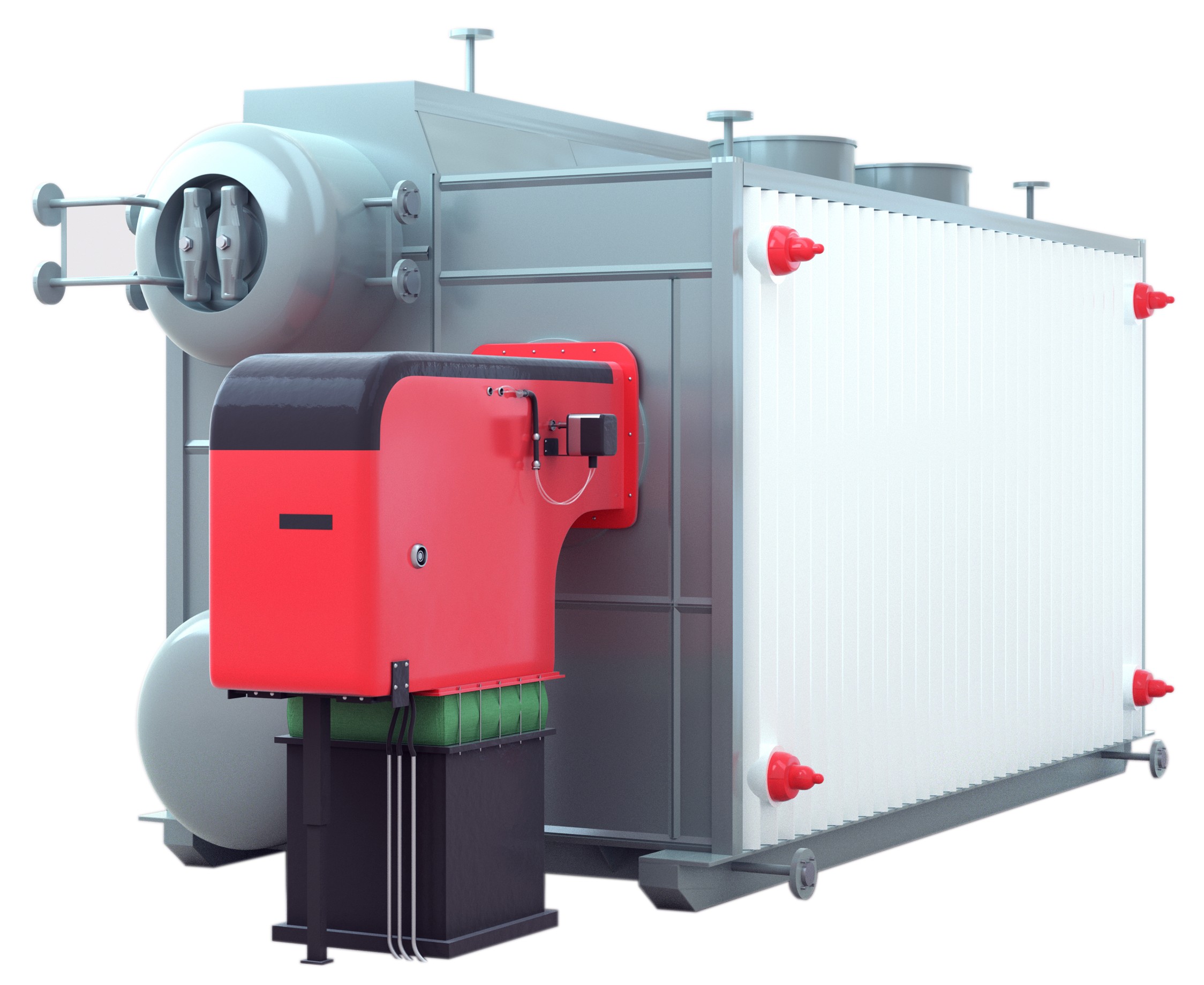
Industrial boilers are designed to generate steam or hot water for a wide range of industrial applications, but one of the most critical engineering factors determining whether a boiler can operate safely, efficiently, and reliably is its pressure requirement because pressure directly affects steam temperature, thermal energy transfer, process performance, equipment durability, safety management, fuel efficiency, and the overall operational capability of the thermal system. Different industries require vastly different pressure conditions depending on the nature of their manufacturing processes, heat transfer needs, production scale, and energy demand characteristics. For example, food processing facilities may only require low-pressure steam for heating and sterilization, while petrochemical plants, power stations, and large-scale CHP systems often require extremely high-pressure superheated steam capable of driving turbines and supporting complex industrial reactions under demanding operating conditions. Selecting a boiler without properly understanding pressure requirements can lead to severe operational inefficiencies, unstable steam supply, excessive fuel consumption, accelerated equipment wear, production interruptions, and even dangerous safety risks. Consequently, pressure requirement analysis is one of the most fundamental aspects of industrial boiler engineering because the boiler’s entire structural design, material selection, combustion system, circulation method, heat transfer performance, and safety configuration are closely tied to the pressure conditions under which the system must operate. 🔥⚙️🏭
Pressure requirements are important when choosing an industrial boiler because pressure determines steam temperature, heat transfer capability, system efficiency, equipment design, operational safety, process compatibility, and the boiler’s ability to meet specific industrial production demands reliably and efficiently.
Because industrial applications vary enormously in their steam and thermal energy requirements, understanding pressure selection is essential for choosing the correct boiler type, configuration, and operating strategy. The following detailed guide explains why pressure requirements are critically important in industrial boiler selection from a professional thermal engineering and industrial energy systems perspective. ⚙️
Industrial boiler pressure directly affects steam temperature and thermal energy transfer capability.True
Higher-pressure steam contains greater thermal energy and supports more demanding industrial applications.
Any industrial boiler can safely operate at any pressure if the fuel supply is sufficient.False
Industrial boilers are specifically engineered for designated pressure ranges based on structural design, materials, and safety requirements.
Understanding Pressure in Industrial Boiler Systems 🔍
In industrial boilers, pressure refers to the force exerted by steam or hot water inside the boiler system.
Pressure is commonly measured in:
- Bar
- MPa
- psi (pounds per square inch)
As water is heated inside the boiler:
- Steam forms
- Internal pressure increases
- Steam energy density rises
Pressure becomes a key factor because it directly affects:
➡️ Steam temperature
➡️ Heat transfer efficiency
➡️ Process capability
➡️ Equipment stress levels
Why Steam Pressure Matters So Much 💨
Steam is widely used in industrial systems because it carries large amounts of thermal energy.
Higher steam pressure generally produces:
- Higher steam temperature
- Greater energy content
- Faster heat transfer
This is extremely important in industries requiring:
- High-temperature processing
- Rapid heating
- Turbine operation
- Large-scale energy transfer
Relationship Between Pressure and Steam Temperature 🌡️
As boiler pressure increases, the boiling point of water also rises.
This allows boilers to generate:
- Saturated steam at higher temperatures
- Superheated steam for advanced applications
For example:
- Low-pressure steam may be suitable for space heating.
- High-pressure steam may be required for power generation turbines.
Steam Pressure and Thermal Energy Content 🔥
Higher-pressure steam contains:
- Greater enthalpy
- Higher thermal energy density
- More efficient energy transfer capability
This means smaller steam volumes can transfer larger amounts of heat energy.
As a result:
➡️ Process efficiency may improve
➡️ Heat transfer becomes faster
➡️ Industrial productivity can increase
Different Industries Require Different Pressure Levels 🏭
Industrial pressure requirements vary significantly depending on the application.
| Industry | Typical Pressure Requirement |
|---|---|
| Food Processing | Low to medium pressure |
| Textile Manufacturing | Medium pressure |
| Pharmaceutical Production | Medium pressure |
| Chemical Processing | Medium to high pressure |
| Power Generation | Very high pressure |
| CHP Systems | Medium to high pressure |
Low-Pressure Boilers and Their Applications 🌡️
Low-pressure boilers are commonly used in:
- Space heating
- Laundry systems
- Food preparation
- Small manufacturing facilities
Advantages include:
- Simpler construction
- Lower operating risk
- Lower equipment cost
- Easier maintenance
However, they may not provide sufficient thermal energy for heavy industrial processes.
High-Pressure Boilers Support Advanced Industrial Processes ⚡
High-pressure boilers are essential in industries requiring:
- Large steam volumes
- High-temperature processing
- Turbine operation
- Long-distance steam transport
Applications include:
- Power plants
- Petrochemical facilities
- Large CHP systems
- Heavy manufacturing
These systems often use:
- Water-tube boiler designs
- Superheaters
- Advanced circulation systems
Why Water-Tube Boilers Dominate High-Pressure Applications 💨
Water-tube boilers are preferred for high-pressure operation because:
- Water flows inside small-diameter tubes
- Structural stress distribution is more manageable
- Heat transfer efficiency is higher
- Large steam capacities are possible
This design supports:
- Very high operating pressures
- Rapid steam generation
- Continuous industrial operation
Fire-Tube Boilers Are Usually Used for Lower Pressures 🔥
Fire-tube boilers generally operate at:
- Lower pressure ranges
- Moderate steam demand levels
They are commonly selected for:
- Small factories
- Commercial facilities
- Heating systems
Advantages include:
- Simpler design
- Lower installation cost
- Easier operation
However, they are less suitable for extremely high-pressure applications.
Pressure Influences Boiler Structural Design 🏗️
As pressure increases, the boiler structure must withstand:
- Greater internal stress
- Higher thermal loads
- Increased fatigue risk
This affects:
- Tube thickness
- Drum design
- Material selection
- Weld quality
- Structural reinforcement
High-pressure boilers therefore require much more advanced engineering.
Material Selection Depends on Pressure Requirements 🛡️
Boiler materials must tolerate:
- High temperature
- Internal pressure stress
- Corrosion exposure
- Thermal expansion
High-pressure boilers often use:
- Alloy steels
- Heat-resistant metals
- Specialized weld materials
These materials improve:
- Structural strength
- Long-term reliability
- Safety performance
Safety Becomes Increasingly Important at Higher Pressures ⚠️
Steam under pressure stores enormous amounts of energy.
If improperly controlled, high-pressure systems may create serious hazards including:
- Explosions
- Steam leaks
- Structural failure
- Thermal damage
Therefore, pressure requirements strongly influence:
- Safety valve design
- Monitoring systems
- Emergency shutdown systems
- Inspection procedures
Safety Systems in High-Pressure Boilers 🚨
Modern high-pressure boilers include:
- Pressure relief valves
- Steam drum monitoring
- Water level controls
- Automated shutdown systems
- Real-time pressure sensors
These systems protect:
- Personnel safety
- Equipment integrity
- Operational stability
Pressure Affects Steam Transport Efficiency 🚂
High-pressure steam can travel longer distances more effectively because:
- Steam density increases
- Heat losses decrease proportionally
- Flow efficiency improves
This is especially valuable in:
- District heating systems
- Large industrial complexes
- CHP infrastructure
Superheated Steam Requires High Pressure 🔥💨
Many advanced industrial processes use superheated steam because it:
- Contains higher energy content
- Reduces condensation risk
- Improves turbine performance
Superheated steam systems require:
- High-pressure operation
- Specialized superheaters
- Precise temperature control
Pressure Influences Heat Transfer Performance ♨️
Higher-pressure steam often improves:
- Process heating speed
- Thermal penetration
- Heat exchanger performance
This may increase:
- Production efficiency
- Product consistency
- Industrial throughput
Pressure Stability Is Critical for Manufacturing Quality 📊
Many industrial processes require stable steam pressure to maintain:
- Product consistency
- Sterilization accuracy
- Chemical reaction control
- Drying quality
Pressure fluctuations may cause:
- Production defects
- Energy waste
- Process instability
Therefore, proper pressure matching is essential.
Boiler Efficiency Depends Partly on Pressure Conditions ♻️
Boiler efficiency is influenced by:
- Operating pressure
- Steam temperature
- Load stability
- Heat transfer characteristics
High-pressure systems may improve overall process efficiency in some applications because:
- Steam carries more energy
- Heat transfer rates increase
- Distribution losses decrease
However, higher pressure also increases engineering complexity.
High Pressure Increases Maintenance Requirements 🔧
High-pressure boilers generally require:
- More frequent inspections
- Advanced water treatment
- Specialized maintenance
- Stricter operating procedures
This is necessary because high-pressure conditions increase:
- Corrosion risk
- Thermal fatigue
- Material stress
Water Quality Control Becomes More Critical 💧
At higher pressures:
- Scale formation becomes more dangerous
- Heat transfer surfaces become more sensitive
- Corrosion risks increase
Therefore, high-pressure boilers require advanced water treatment systems including:
- Deaeration
- Demineralization
- Chemical conditioning
Pressure Influences Fuel Efficiency and Operating Cost ⛽
Selecting inappropriate pressure levels may lead to:
- Excessive fuel consumption
- Reduced thermal efficiency
- Higher operating costs
For example:
- Excessively high pressure may waste energy in low-temperature applications.
- Insufficient pressure may reduce process effectiveness.
Proper pressure matching therefore improves:
➡️ Fuel economy
➡️ Operational efficiency
➡️ Lifecycle cost performance
CHP Systems Depend on Proper Pressure Design ⚡♨️
Combined Heat and Power systems rely heavily on pressure management because steam must simultaneously support:
- Turbine electricity generation
- Industrial process heating
- District heating networks
Pressure optimization directly affects:
- CHP efficiency
- Power generation capability
- Heat recovery effectiveness
Pressure Requirements Affect Boiler Regulations 📜
Higher-pressure boilers are usually subject to:
- Stricter engineering codes
- More rigorous inspections
- Additional certification requirements
Common standards include:
- ASME Boiler and Pressure Vessel Code
- EN boiler standards
- National safety regulations
Future Trends in Pressure-Optimized Boiler Technology 🚀
Modern boiler engineering is evolving toward:
- Ultra-supercritical steam systems
- AI-driven pressure control
- Smart steam management
- Advanced materials engineering
- Flexible pressure modulation
These technologies aim to improve:
- Thermal efficiency
- Sustainability
- Operational reliability
Simplified Pressure Selection Workflow 🔄
| Engineering Stage | Main Objective |
|---|---|
| Process Analysis | Determine steam requirements |
| Pressure Evaluation | Match thermal demand |
| Boiler Type Selection | Choose suitable design |
| Material Engineering | Ensure structural safety |
| Safety System Design | Protect operation |
| Efficiency Optimization | Reduce fuel consumption |
| Monitoring Integration | Maintain pressure stability |
Why Pressure Requirements Are Fundamental in Boiler Selection 🤔
Pressure requirements are fundamentally important when selecting an industrial boiler because pressure directly determines the thermal energy content, steam temperature, heat transfer capability, process compatibility, operational efficiency, structural design complexity, safety management requirements, and long-term reliability of the entire boiler system. Different industries and applications require different pressure levels depending on production processes, steam distribution needs, energy demand, and equipment integration, meaning that proper pressure analysis is essential for selecting the correct boiler type, fuel system, materials, control technologies, and safety infrastructure. Whether designing systems for food processing, pharmaceuticals, chemicals, district heating, CHP operation, or utility-scale power generation, engineers must carefully balance pressure capability with efficiency, reliability, maintenance requirements, and lifecycle operating costs in order to achieve safe and effective industrial steam generation. As industrial thermal systems continue evolving toward higher efficiency, smarter automation, and lower emissions, pressure optimization will remain one of the most important engineering principles guiding modern industrial boiler design and operation. 🔥⚙️🏭♻️
How Do Temperature Needs Determine the Type of Industrial Boiler?

Industrial boilers are designed to generate thermal energy in the form of steam or hot water, yet the temperature requirements of an industrial process are far more than simple operating specifications because they fundamentally determine the entire structure, combustion system, pressure design, heat transfer configuration, fuel selection, material engineering, operational strategy, and efficiency performance of the boiler itself. Different industries require vastly different temperature conditions depending on their manufacturing processes, product sensitivity, heat transfer demands, sterilization standards, drying requirements, chemical reaction conditions, or power generation objectives. For example, low-temperature hot water systems used in district heating or commercial buildings may only require moderate thermal output, while petrochemical processing plants, refinery operations, CHP systems, and thermal power stations often require extremely high-temperature superheated steam capable of driving turbines and supporting complex industrial reactions under demanding operating environments. Selecting an industrial boiler without accurately understanding the required operating temperature can lead to insufficient process heating, unstable production quality, excessive fuel consumption, accelerated equipment wear, poor energy efficiency, and even dangerous operational risks caused by thermal stress or overheating. Consequently, temperature analysis is one of the most important foundations of industrial boiler selection because temperature requirements directly influence nearly every engineering aspect of boiler design and determine whether the system can operate safely, reliably, and efficiently under real industrial conditions. 🔥🌡️🏭
Temperature needs determine the type of industrial boiler by influencing steam or hot water requirements, pressure levels, boiler design, fuel selection, heat transfer performance, material specifications, operational efficiency, and the boiler’s ability to support specific industrial processes safely and effectively.
Because industrial processes vary greatly in their thermal requirements, engineers must carefully evaluate operating temperature conditions before selecting the proper industrial boiler system. The following detailed guide explains how temperature needs influence industrial boiler selection from a professional thermal engineering and industrial energy systems perspective. ⚙️
Industrial process temperature requirements directly affect boiler type and operating pressure selection.True
Different industrial processes require specific steam or hot water temperatures, which determine appropriate boiler configurations and pressure levels.
All industrial boilers can provide the same temperature performance regardless of design.False
Different boiler types are engineered for different temperature ranges, pressure conditions, and industrial applications.
Why Temperature Matters in Industrial Boiler Systems 🌡️
Industrial boilers exist primarily to transfer thermal energy into industrial processes.
The required operating temperature affects:
- Heat transfer speed
- Steam quality
- Process efficiency
- Product consistency
- Energy consumption
Temperature is therefore one of the core design parameters in any boiler system.
Understanding Boiler Temperature Output 🔥
Industrial boilers generally produce either:
- Hot water
- Saturated steam
- Superheated steam
Each output type operates at different temperature ranges and supports different industrial applications.
Hot Water Boiler Temperature Range 💧
Hot water boilers are typically used for:
- Space heating
- District heating
- Low-temperature industrial processes
These systems usually operate at relatively moderate temperatures compared with steam boilers.
Advantages include:
- Simpler operation
- Lower pressure requirements
- Reduced safety complexity
Saturated Steam Temperature Requirements 💨
Saturated steam boilers generate steam at the boiling point corresponding to system pressure.
Saturated steam is commonly used in:
- Food processing
- Pharmaceutical sterilization
- Textile manufacturing
- Laundry systems
These applications often require:
➡️ Stable steam temperature
➡️ Controlled humidity
➡️ Reliable heat transfer
Superheated Steam Systems Require Higher Temperatures ⚡
Superheated steam is heated beyond its saturation temperature.
This type of steam is essential in:
- Power generation
- Steam turbine systems
- Petrochemical processing
- CHP plants
Superheated steam provides:
- Higher energy content
- Reduced condensation
- Improved turbine efficiency
However, generating superheated steam requires:
- Higher pressure
- Advanced boiler design
- Specialized heat transfer systems
Relationship Between Temperature and Pressure 🔄
In boiler systems, temperature and pressure are closely connected.
As pressure increases:
- Water boils at higher temperatures
- Steam energy density increases
- Thermal transfer capability improves
This means high-temperature industrial processes often require:
- High-pressure boiler systems
- Stronger materials
- Advanced safety systems
Different Industries Require Different Temperature Levels 🏭
| Industry | Typical Temperature Requirement |
|---|---|
| Food Processing | Moderate steam temperatures |
| Textile Manufacturing | Medium-temperature steam |
| Pharmaceutical Production | Precise sterilization temperatures |
| Chemical Processing | High-temperature steam |
| Power Generation | Very high superheated steam temperatures |
| District Heating | Moderate hot water temperatures |
Low-Temperature Applications Favor Simpler Boiler Systems 🌡️
Applications with lower temperature requirements often use:
- Hot water boilers
- Fire-tube boilers
- Condensing boilers
These systems generally provide:
- Lower installation cost
- Simpler maintenance
- Higher efficiency at moderate temperatures
Examples include:
- Commercial heating
- District heating
- Low-temperature industrial washing
High-Temperature Applications Require Advanced Boiler Designs 🔥
Industries requiring very high temperatures often need:
- Water-tube boilers
- Superheaters
- High-pressure steam systems
- Specialized alloys
These systems support:
- Rapid heat transfer
- Continuous operation
- High thermal energy delivery
Why Water-Tube Boilers Handle Higher Temperatures Better 💨
Water-tube boilers are widely used for high-temperature applications because:
- Water flows through small tubes
- Heat transfer efficiency is very high
- Structural stress is easier to manage
- Steam generation capacity is larger
This design allows:
➡️ Higher pressure operation
➡️ Higher steam temperatures
➡️ Faster thermal response
Fire-Tube Boilers Are Common in Moderate-Temperature Applications 🔥
Fire-tube boilers are often selected for:
- Lower-pressure systems
- Moderate steam temperatures
- Smaller industrial facilities
Advantages include:
- Simpler construction
- Easier operation
- Lower capital cost
However, they are generally less suitable for extremely high-temperature industrial applications.
Temperature Requirements Affect Heat Transfer Design ♨️
Heat transfer performance is one of the most important factors in industrial boiler engineering.
Higher-temperature applications require:
- Larger heat transfer surfaces
- Improved circulation
- Enhanced combustion control
- Better insulation
because heat transfer rates increase significantly with temperature differences.
High Temperatures Increase Material Stress 🛡️
As boiler temperatures rise, materials experience:
- Thermal expansion
- Mechanical stress
- Oxidation risk
- Creep deformation
Therefore, high-temperature boilers often require:
- Heat-resistant alloys
- Advanced welding methods
- Specialized coatings
Superheater Design Depends on Temperature Needs 🔥💨
Superheaters are critical components in high-temperature steam systems.
They increase steam temperature after initial steam generation.
Superheated steam improves:
- Turbine efficiency
- Energy transport
- Process heating performance
However, superheater systems require:
- Precise temperature control
- Advanced metallurgy
- Sophisticated monitoring systems
Combustion Systems Must Match Temperature Requirements 🔥
Different fuels and burner systems produce different combustion characteristics.
High-temperature applications may require:
- Advanced burners
- Multi-stage combustion
- Optimized air-fuel mixing
to maintain:
- Stable flame conditions
- Efficient combustion
- Controlled emissions
Temperature Needs Influence Fuel Selection ⛽
Fuel selection often depends partly on the required operating temperature.
| Fuel Type | Typical Temperature Capability |
|---|---|
| Natural Gas | Excellent for high-temperature precision control |
| Biomass | Good for medium-to-high thermal applications |
| Coal | Suitable for large high-temperature systems |
| Electricity | Suitable for highly controlled heating |
| Hydrogen Blends | Emerging high-temperature renewable option |
Condensing Boilers Perform Best at Lower Temperatures 💧
Condensing boiler technology is highly efficient in lower-temperature systems because it recovers latent heat from water vapor in flue gases.
These boilers perform especially well in:
- District heating
- Commercial hot water systems
- Low-temperature process heating
However, very high return water temperatures may reduce condensing efficiency.
High-Temperature Systems Often Require Water Treatment 💦
At elevated temperatures:
- Scale formation accelerates
- Corrosion risk increases
- Heat transfer surfaces become more sensitive
Therefore, high-temperature boilers require advanced water treatment systems such as:
- Deaeration
- Demineralization
- Chemical conditioning
Temperature Stability Affects Product Quality 📊
Many industries require extremely stable thermal conditions.
For example:
- Pharmaceutical sterilization requires precise temperature control.
- Food processing depends on stable cooking conditions.
- Chemical reactions may require tightly controlled heat input.
Temperature instability can lead to:
- Product defects
- Process inefficiency
- Safety risks
Thermal Efficiency Depends on Operating Temperature ♻️
Higher-temperature systems may improve:
- Heat transfer speed
- Process efficiency
- Energy density
However, they may also increase:
- Heat loss
- Material stress
- Maintenance complexity
Optimal temperature selection therefore balances:
➡️ Process performance
➡️ Fuel efficiency
➡️ Equipment reliability
CHP Systems Depend Heavily on Temperature Optimization ⚡♨️
Combined Heat and Power systems require carefully balanced temperature management because they simultaneously produce:
- Electricity
- Process steam
- District heating energy
Temperature optimization directly affects:
- Turbine efficiency
- Heat recovery performance
- Overall CHP efficiency
District Heating Uses Moderate-Temperature Boiler Systems 🏙️
Modern district heating systems increasingly use:
- Lower-temperature hot water networks
- Condensing boilers
- Renewable heat integration
Lower network temperatures improve:
- Heat recovery
- Distribution efficiency
- Renewable compatibility
Renewable Energy Integration Influences Boiler Temperature Design 🌱
Renewable systems such as:
- [Biomass boilers](https://coalbiomassboiler.com/product/biomass-boilers/)
- Waste-to-energy plants
- Solar thermal integration
- Hydrogen-ready systems
often require flexible temperature management because renewable fuel conditions may vary.
Future boiler systems are therefore being designed with:
- Adaptive combustion control
- Smart thermal balancing
- Flexible operating ranges
Smart Temperature Control Systems Improve Efficiency 🤖
Modern industrial boilers increasingly use:
- AI-assisted temperature optimization
- Real-time thermal monitoring
- Automated burner control
- Predictive thermal management
These systems improve:
- Fuel efficiency
- Process stability
- Emissions performance
Temperature Requirements Affect Boiler Safety ⚠️
High-temperature systems create additional risks including:
- Thermal fatigue
- Overheating
- Material creep
- Steam leakage
Therefore, temperature requirements strongly influence:
- Safety valve design
- Monitoring systems
- Shutdown procedures
- Inspection frequency
Future Trends in High-Temperature Boiler Technology 🚀
Industrial boiler systems continue evolving toward:
- Ultra-supercritical steam systems
- Hydrogen combustion
- AI-driven thermal optimization
- Advanced ceramic materials
- Carbon-neutral heat generation
These innovations aim to improve:
- Thermal efficiency
- Sustainability
- Operational reliability
Simplified Boiler Temperature Selection Workflow 🔄
| Engineering Stage | Main Objective |
|---|---|
| Process Temperature Analysis | Determine thermal requirement |
| Pressure Evaluation | Match steam conditions |
| Boiler Type Selection | Choose proper design |
| Fuel Selection | Support temperature capability |
| Material Engineering | Ensure high-temperature durability |
| Control System Design | Maintain temperature stability |
| Safety Integration | Protect system operation |
Why Temperature Needs Are Fundamental in Industrial Boiler Selection 🤔
Temperature needs are fundamentally important in industrial boiler selection because they directly determine the type of thermal energy required, the appropriate steam or hot water conditions, the operating pressure range, the boiler structure, the combustion system, the heat transfer configuration, the material engineering requirements, and the overall operational capability of the boiler system. Different industrial applications require vastly different temperature conditions depending on process complexity, production scale, product sensitivity, and energy demand, meaning that accurate temperature analysis is essential for selecting a boiler capable of delivering stable, efficient, and reliable thermal performance. Whether supporting low-temperature district heating networks, medium-temperature food processing systems, or ultra-high-temperature power generation infrastructure, industrial boilers must be carefully engineered to balance thermal efficiency, fuel economy, safety, durability, and process compatibility under real operating conditions. As renewable energy integration, CHP systems, smart thermal grids, and advanced industrial automation continue evolving, temperature optimization will remain one of the most important engineering principles shaping the future design and operation of industrial boiler systems worldwide. 🔥🌡️🏭♻️
What Is the Difference Between Steam, Hot Water, and Thermal Oil Boilers in Application Selection?
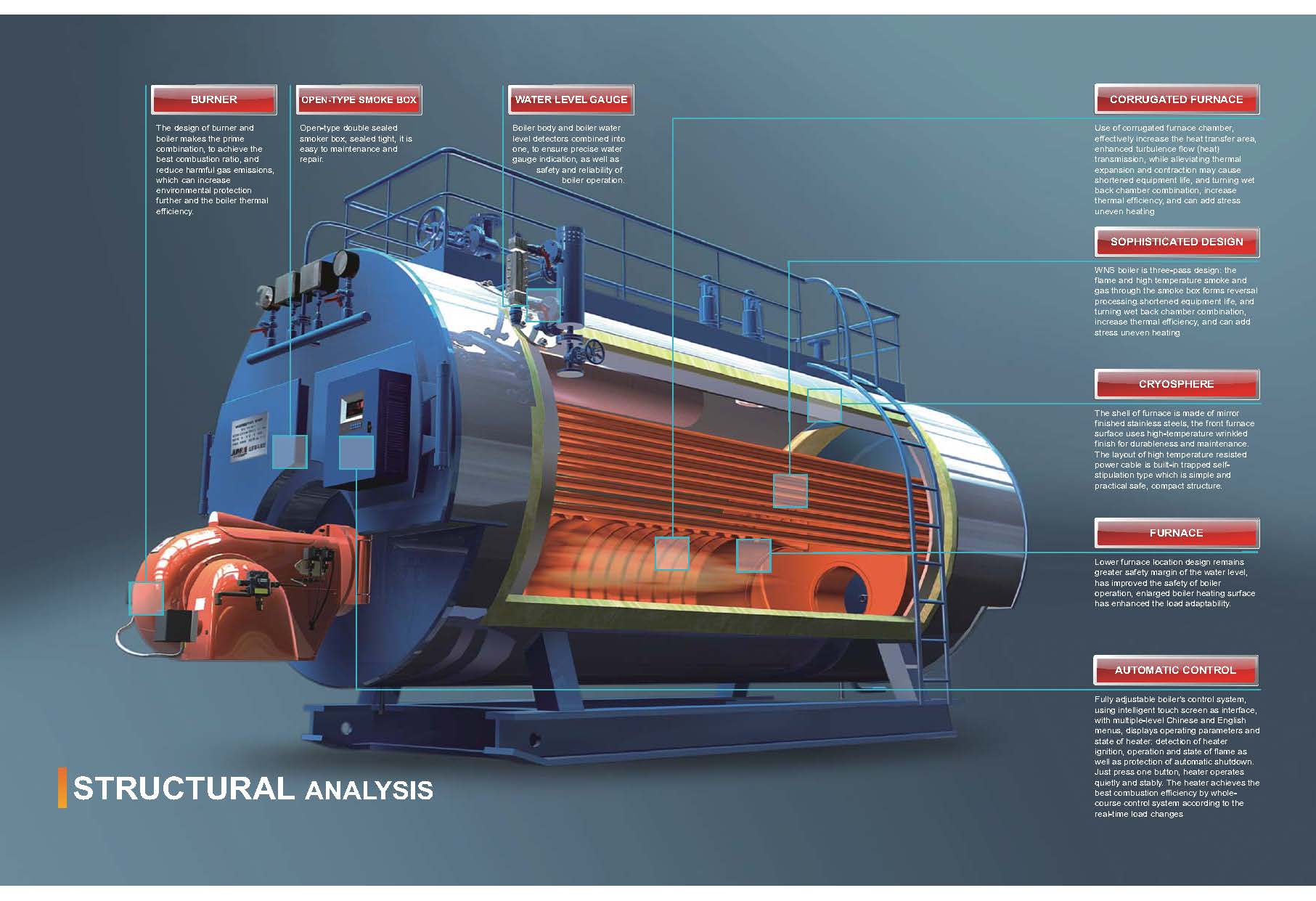
Selecting the correct industrial boiler system is one of the most important engineering decisions in any industrial thermal energy project because the boiler type directly determines process performance, operating efficiency, temperature capability, pressure requirements, safety management, heat transfer characteristics, fuel consumption, maintenance complexity, and long-term operating cost. Among the most commonly used industrial heating systems worldwide, steam boilers, hot water boilers, and thermal oil boilers each serve fundamentally different purposes and are engineered for different industrial applications depending on the required temperature range, pressure conditions, process sensitivity, energy transfer method, and operational flexibility. Although all three systems are designed to transfer thermal energy, the way they generate, distribute, and utilize heat differs significantly, meaning that selecting the wrong boiler type may lead to poor process efficiency, excessive operating pressure, unstable heating performance, increased fuel costs, unnecessary maintenance, or even operational safety risks. Steam boilers are typically selected for applications requiring rapid heat transfer and high-energy steam distribution, hot water boilers are preferred for moderate-temperature heating systems with stable circulation requirements, while thermal oil boilers are often chosen for extremely high-temperature industrial processes that must operate at relatively low pressure. Consequently, understanding the operational differences, thermal characteristics, and industrial suitability of these three boiler technologies is essential for proper application selection and long-term industrial energy optimization. 🔥⚙️🏭
Steam boilers use pressurized steam for high-energy heat transfer, hot water boilers circulate heated water for moderate-temperature applications, and thermal oil boilers use heat-transfer oil to deliver very high temperatures at relatively low operating pressure, making each boiler type suitable for different industrial applications and process requirements.
Because industrial processes vary greatly in thermal demand, pressure tolerance, temperature requirements, and operational conditions, engineers must carefully evaluate which boiler technology best matches the intended application. The following detailed guide explains the differences between steam boilers, hot water boilers, and thermal oil boilers from a professional thermal engineering and industrial energy systems perspective. ⚙️
Thermal oil boilers can achieve very high operating temperatures while maintaining relatively low system pressure.True
Thermal oil systems use specialized heat-transfer fluids that remain stable at high temperatures without requiring extremely high pressure.
Steam, hot water, and thermal oil boilers are interchangeable in all industrial applications.False
Each boiler type has different thermal characteristics, pressure conditions, and process suitability requirements.
Understanding the Basic Difference Between These Boiler Types 🔍
Although steam boilers, hot water boilers, and thermal oil boilers all generate thermal energy, the key difference lies in the heat transfer medium they use.
| Boiler Type | Heat Transfer Medium |
|---|---|
| Steam Boiler | Steam |
| Hot Water Boiler | Water |
| Thermal Oil Boiler | Heat-transfer oil |
The thermal medium strongly influences:
- Temperature capability
- Pressure requirements
- Heat transfer performance
- Process suitability
- Safety considerations
What Is a Steam Boiler? 💨
A steam boiler heats water until it becomes steam.
The generated steam is then distributed through pipelines to industrial processes where it transfers heat energy through:
- Condensation
- Direct heating
- Steam injection
- Turbine operation
Steam boilers are among the most widely used industrial thermal systems globally.
Why Steam Is Such an Effective Heat Carrier 🔥
Steam carries large amounts of thermal energy because of its:
- High latent heat content
- Excellent heat transfer capability
- Rapid thermal response
When steam condenses back into water:
➡️ Large quantities of heat are released quickly
This makes steam extremely effective for:
- Sterilization
- Process heating
- Drying
- Power generation
Common Applications of Steam Boilers 🏭
Steam boilers are widely used in:
- Food processing 🍞
- Pharmaceutical sterilization 💊
- Textile manufacturing 👕
- Chemical processing ⚗️
- Pulp and paper mills 📄
- Power generation ⚡
- CHP systems ♨️
Advantages of Steam Boilers ✅
Steam boilers provide several major advantages:
- Rapid heat transfer
- High energy density
- Long-distance energy transport capability
- Excellent process control
- Compatibility with turbines and CHP systems
These advantages make steam ideal for many industrial operations.
Challenges of Steam Boiler Systems ⚠️
Despite their advantages, steam systems also involve:
- Higher operating pressure
- Condensate management requirements
- More complex piping systems
- Steam trap maintenance
- Potential heat losses
Steam systems therefore require careful engineering and maintenance.
What Is a Hot Water Boiler? 🌡️
Hot water boilers heat water without converting it into steam.
The heated water circulates through:
- Closed-loop systems
- Heat exchangers
- Radiators
- Process equipment
Hot water systems usually operate at:
- Lower temperatures
- Lower pressures
than steam systems.
Hot Water Boilers Are Common in Heating Applications 🏙️
Hot water boilers are frequently used in:
- District heating systems
- Commercial buildings
- Institutional heating
- Moderate-temperature industrial processes
They are especially valuable where:
➡️ Stable heating
➡️ Simpler operation
➡️ Lower pressure
are preferred.
Advantages of Hot Water Boilers ✅
Hot water boiler systems offer:
- Lower operating pressure
- Simpler maintenance
- Reduced safety risk
- Good thermal stability
- High efficiency in moderate-temperature applications
These systems are often easier to operate than steam systems.
Why Hot Water Systems Are Energy Efficient ♻️
Modern hot water boilers—especially condensing boilers—can achieve very high efficiency because they:
- Recover latent heat from exhaust gases
- Operate effectively at lower temperatures
- Minimize distribution losses
This makes them highly suitable for:
- Sustainable heating systems
- District heating infrastructure
- Energy-efficient buildings
Limitations of Hot Water Boilers ⚠️
Hot water boilers are generally less suitable for:
- Extremely high-temperature processes
- Steam sterilization
- Turbine operation
- Applications requiring latent heat transfer
because water temperature is limited by:
- Pressure conditions
- Boiling point constraints
What Is a Thermal Oil Boiler? 🔥🛢️
Thermal oil boilers use specialized heat-transfer fluids instead of water or steam.
The thermal oil circulates through:
- Closed-loop piping systems
- Industrial heat exchangers
- Process equipment
These systems can achieve:
➡️ Very high temperatures
while maintaining:
➡️ Relatively low operating pressure
Why Thermal Oil Systems Are Unique 🌡️
Unlike water-based systems, thermal oils remain stable at extremely high temperatures without boiling.
This allows thermal oil boilers to provide:
- High-temperature heating
- Stable thermal transfer
- Low-pressure operation
These characteristics are highly valuable in many specialized industrial applications.
Common Applications of Thermal Oil Boilers 🏭
Thermal oil boilers are widely used in:
- Asphalt production
- Chemical processing
- Plastic manufacturing
- Textile drying
- Food frying systems
- Wood processing
- Industrial reactors
These industries often require:
- High process temperatures
- Stable thermal control
- Uniform heat distribution
Advantages of Thermal Oil Boilers ✅
Thermal oil systems provide several major benefits:
- Very high operating temperatures
- Lower pressure than steam systems
- Reduced corrosion risk
- Excellent temperature uniformity
- Stable heat transfer
Why Low Pressure Is Important 🔒
High-pressure steam systems require:
- Thicker materials
- Advanced safety systems
- More complex inspections
Thermal oil systems avoid many of these challenges because:
- Thermal oil does not boil easily
- Pressure remains relatively low
This simplifies:
- System design
- Safety management
- Maintenance
Limitations of Thermal Oil Boilers ⚠️
Thermal oil systems also have challenges including:
- Thermal oil degradation over time
- Fire risk if leaks occur
- Fluid replacement costs
- More complex startup procedures
Proper thermal oil management is therefore essential.
Temperature Capability Comparison 🌡️
| Boiler Type | Typical Temperature Capability |
|---|---|
| Hot Water Boiler | Moderate temperatures |
| Steam Boiler | Medium to very high temperatures |
| Thermal Oil Boiler | Very high temperatures at low pressure |
Pressure Comparison 🔄
| Boiler Type | Typical Pressure Requirement |
|---|---|
| Hot Water Boiler | Low to moderate |
| Steam Boiler | Moderate to very high |
| Thermal Oil Boiler | Relatively low |
Heat Transfer Characteristics ♨️
Steam transfers heat mainly through:
- Condensation
Hot water transfers heat through:
- Sensible heat exchange
Thermal oil transfers heat through:
- High-temperature fluid circulation
Each method offers different advantages depending on:
- Process sensitivity
- Energy demand
- Temperature stability requirements
Steam Boilers Are Ideal for Rapid Heat Transfer ⚡
Steam systems are preferred where:
- Fast heating is required
- Large energy transfer is needed
- Sterilization is critical
- Steam turbines are used
because steam condensation releases heat extremely efficiently.
Hot Water Boilers Are Ideal for Stable Moderate Heating 🌡️
Hot water systems are ideal for:
- Building heating
- District heating
- Moderate industrial processes
because they provide:
- Stable circulation
- Lower pressure
- Simpler operation
Thermal Oil Boilers Excel in High-Temperature Precision 🔥
Thermal oil systems are often selected when processes require:
- Precise high-temperature control
- Uniform heating
- Stable operation without high pressure
These systems are especially valuable in:
- Chemical reactors
- Industrial drying
- Continuous manufacturing lines
Boiler Efficiency Depends on Application Matching ♻️
No boiler type is universally superior.
Efficiency depends heavily on:
- Process requirements
- Operating temperature
- Load characteristics
- Thermal demand profile
For example:
- Steam may be inefficient for low-temperature building heating.
- Thermal oil may be unnecessary for simple hot water applications.
Safety Considerations Differ Significantly ⚠️
| Boiler Type | Main Safety Concern |
|---|---|
| Steam Boiler | High-pressure steam hazards |
| Hot Water Boiler | Circulation and overheating control |
| Thermal Oil Boiler | Oil leakage and fire risk |
Proper engineering and maintenance are essential for all systems.
Maintenance Requirements Vary 🔧
Steam systems require:
- Steam trap maintenance
- Condensate management
- Water treatment
Hot water systems require:
- Pump maintenance
- Water chemistry control
Thermal oil systems require:
- Oil quality monitoring
- Leak prevention
- Thermal fluid management
Renewable Energy Integration 🌱
Modern boiler systems increasingly integrate renewable energy sources.
Examples include:
- Biomass steam boilers
- Solar-assisted hot water systems
- Renewable thermal oil heating
Future systems are evolving toward:
- Lower emissions
- Smart automation
- Improved heat recovery
Smart Controls Improve All Boiler Types 🤖
Modern industrial boiler systems increasingly use:
- AI-driven optimization
- Real-time thermal monitoring
- Automated combustion control
- Predictive maintenance
These technologies improve:
- Fuel efficiency
- Operational stability
- Sustainability performance
Simplified Boiler Selection Workflow 🔄
| Selection Factor | Best Boiler Type |
|---|---|
| High-pressure steam demand | Steam boiler |
| Moderate-temperature heating | Hot water boiler |
| Very high temperature at low pressure | Thermal oil boiler |
| District heating | Hot water boiler |
| Sterilization processes | Steam boiler |
| Precision high-temperature processing | Thermal oil boiler |
Why Understanding Boiler Differences Is Essential 🤔
Understanding the differences between steam boilers, hot water boilers, and thermal oil boilers is essential because each system operates according to fundamentally different thermal transfer principles and is therefore suited to different industrial applications, temperature ranges, pressure conditions, and process requirements. Steam boilers are highly effective for rapid heat transfer, sterilization, power generation, and high-energy industrial processes because steam carries large amounts of latent heat and can efficiently distribute thermal energy across complex facilities. Hot water boilers are generally better suited for stable moderate-temperature heating systems such as district heating and commercial building applications because they operate at lower pressure with simpler circulation and maintenance requirements. Thermal oil boilers, meanwhile, excel in specialized industrial processes requiring extremely high temperatures combined with relatively low system pressure, making them valuable for chemical processing, industrial drying, and precision thermal manufacturing applications. Properly matching the boiler type to the application not only improves process performance and thermal efficiency but also reduces operating costs, enhances safety, simplifies maintenance, and supports long-term industrial sustainability objectives. 🔥⚙️🏭♻️
How Can Proper Boiler Sizing Improve Industrial Energy Efficiency?

Industrial boilers are among the most energy-intensive systems used in manufacturing, power generation, district heating, food processing, chemical production, pharmaceuticals, textiles, and many other industrial sectors, which means that even relatively small improvements in boiler efficiency can produce substantial reductions in fuel consumption, operating costs, emissions, and long-term environmental impact. However, one of the most overlooked yet critically important factors influencing boiler efficiency is proper boiler sizing because the relationship between actual thermal demand and boiler capacity directly affects combustion stability, fuel utilization, heat transfer performance, cycling frequency, steam pressure consistency, equipment wear, and overall system reliability. Many industrial facilities mistakenly assume that selecting a larger boiler automatically provides better operational security, but in reality, oversized boilers frequently operate inefficiently under partial-load conditions, while undersized boilers may struggle to meet production demand and operate continuously under excessive stress. Proper boiler sizing therefore involves carefully matching the boiler’s operating capacity to the facility’s real thermal load profile, including peak demand, average load, seasonal fluctuations, process variability, future expansion plans, and operational flexibility requirements. When boiler sizing is engineered correctly, industrial systems can achieve significantly better energy efficiency, lower emissions, improved process stability, reduced maintenance costs, and more sustainable long-term operation. 🔥⚙️🏭♻️
Proper boiler sizing improves industrial energy efficiency by matching boiler capacity to actual thermal demand, reducing fuel waste, minimizing cycling losses, improving combustion stability, optimizing heat transfer performance, lowering emissions, and ensuring efficient operation under both full-load and partial-load conditions.
Because industrial energy demand rarely remains constant during real-world operation, accurate boiler sizing is one of the most important engineering principles for maximizing thermal efficiency and minimizing operational cost. The following detailed guide explains how proper boiler sizing improves industrial energy efficiency from a professional thermal engineering and industrial energy management perspective. ⚙️
Oversized industrial boilers often operate less efficiently during partial-load conditions.True
Large boilers operating below optimal load ranges may experience increased cycling losses, poorer combustion efficiency, and higher fuel consumption.
Selecting the largest possible boiler always improves industrial energy efficiency.False
Improperly oversized boilers frequently waste energy and increase operating costs due to inefficient low-load operation.
What Does Boiler Sizing Mean? 🔍
Boiler sizing refers to determining the correct boiler capacity required to meet an industrial facility’s thermal demand efficiently and reliably.
This thermal demand may include:
- Steam generation 💨
- Hot water production 🌡️
- Process heating 🔥
- District heating 🏙️
- CHP support ⚡♨️
Boiler capacity is commonly measured in:
- Tons of steam per hour
- kW or MW thermal output
- BTU/hr
Proper sizing means selecting a boiler that can:
➡️ Meet peak demand
➡️ Operate efficiently at partial load
➡️ Maintain stable operation over time
Why Boiler Efficiency Depends on Proper Sizing ♻️
Industrial boilers achieve their best efficiency within certain operating ranges.
When sizing is incorrect:
- Combustion becomes less stable
- Fuel consumption increases
- Heat losses grow
- Cycling frequency rises
As a result:
➡️ Energy efficiency declines
➡️ Operating costs increase
➡️ Emissions rise
The Problem With Oversized Boilers ⚠️
Oversized boilers are one of the most common causes of poor industrial energy efficiency.
Although many operators choose oversized systems for “safety margins,” excessive capacity often creates:
- Frequent startup and shutdown cycling
- Poor partial-load efficiency
- Increased standby losses
- Unstable combustion conditions
Why Partial-Load Operation Reduces Efficiency 📉
Most industrial boilers are optimized for operation near moderate-to-high load levels.
When oversized boilers run continuously at low output:
- Burner cycling increases
- Heat losses become proportionally larger
- Combustion temperatures fluctuate
- Fuel-air ratios become less stable
This reduces:
- Thermal efficiency
- Fuel economy
- Operational stability
Cycling Losses Waste Significant Energy 🔄
Frequent boiler cycling creates several energy losses:
- Heat loss during shutdown
- Fuel waste during startup
- Incomplete combustion during transient operation
Every restart consumes additional fuel before the boiler returns to stable operating conditions.
Proper sizing reduces:
➡️ Cycling frequency
➡️ Startup losses
➡️ Thermal instability
Standby Heat Losses Increase in Oversized Systems ♨️
Large boilers contain:
- Larger water volumes
- Bigger heat transfer surfaces
- Greater thermal mass
Even when operating at low demand, oversized systems continue losing heat through:
- Boiler casing
- Piping
- Exhaust systems
These standby losses reduce overall system efficiency.
Undersized Boilers Also Reduce Efficiency 🚨
While oversized systems waste energy, undersized boilers create different problems.
An undersized boiler may:
- Operate continuously at maximum load
- Struggle to meet steam demand
- Create unstable pressure conditions
- Increase equipment stress
Continuous overload operation can reduce:
- Combustion quality
- Equipment lifespan
- Operational reliability
Load Matching Is the Key to Efficient Boiler Operation 📊
Efficient boiler sizing depends on understanding the facility’s:
- Peak thermal load
- Average load
- Minimum load
- Seasonal variation
- Production cycle fluctuations
This complete demand profile allows engineers to select systems capable of:
- Stable operation
- Efficient modulation
- Reduced energy waste
Example of Industrial Load Variation 🏭
| Industry | Typical Load Pattern |
|---|---|
| Chemical Processing | Continuous stable demand |
| Food Processing | Daily production cycles |
| Textile Manufacturing | Variable batch loads |
| District Heating | Strong seasonal variation |
| Pharmaceutical Production | Precise fluctuating steam demand |
Modulation Capability Improves Efficiency 🎛️
Modern industrial boilers often include modulation systems that adjust output according to real-time thermal demand.
Efficient modulation allows boilers to:
- Maintain stable combustion
- Operate efficiently at partial load
- Reduce cycling losses
- Improve steam stability
For facilities with fluctuating loads, modulation performance becomes extremely important.
Turn-Down Ratio Affects Fuel Economy 🔄
The turn-down ratio measures how much a boiler can reduce output while maintaining stable operation.
For example:
- A 10:1 turn-down ratio allows operation at 10% capacity efficiently.
Higher turn-down ratios help:
- Improve partial-load efficiency
- Reduce fuel waste
- Minimize cycling
especially in variable-load facilities.
Multiple Smaller Boilers Often Improve Efficiency 🏗️
Many industrial plants improve energy efficiency by using:
- Multiple modular boilers
instead of: - One oversized boiler
This strategy allows:
- Better load matching
- Flexible sequencing
- Improved redundancy
- Reduced partial-load inefficiency
Example of Modular Boiler Efficiency Benefits
| Boiler Configuration | Efficiency Advantage |
|---|---|
| Single Large Boiler | Simpler system layout |
| Multiple Modular Boilers | Better load matching and reduced cycling |
Proper Sizing Improves Combustion Stability 🔥
Efficient combustion depends on maintaining:
- Stable flame conditions
- Proper fuel-air ratios
- Consistent furnace temperature
Correctly sized boilers operate within optimal combustion ranges more consistently, improving:
➡️ Fuel utilization
➡️ Thermal efficiency
➡️ Emissions performance
Fuel Consumption Drops With Better Load Matching ⛽
When boilers operate closer to their optimal efficiency range:
- Less fuel is required
- Heat transfer improves
- Energy waste decreases
Even small efficiency improvements can produce substantial fuel savings in large industrial systems operating continuously.
Proper Boiler Sizing Reduces Emissions 🌍
Improved fuel efficiency directly reduces emissions including:
- CO₂
- NOx
- SO₂
- Carbon monoxide
because lower fuel consumption means:
➡️ Less combustion
➡️ Less pollutant generation
Proper sizing therefore supports industrial sustainability goals.
Heat Transfer Efficiency Improves With Stable Operation 🌡️
Boilers operating within proper load ranges generally achieve:
- More stable heat transfer
- Better steam quality
- Improved circulation
- Reduced thermal stress
Stable thermal operation improves:
- Process consistency
- Energy utilization
- Equipment reliability
Steam Pressure Stability Enhances Process Efficiency 💨
Industries such as:
- Pharmaceuticals
- Food processing
- Chemicals
- Textiles
often require extremely stable steam conditions.
Improperly sized boilers may create:
- Pressure fluctuations
- Temperature instability
- Process inconsistency
Correct sizing improves:
- Steam quality
- Product consistency
- Manufacturing reliability
Thermal Storage Can Improve Boiler Sizing Flexibility 🔋
Some facilities use:
- Steam accumulators
- Hot water storage tanks
- Thermal energy storage systems
to reduce peak demand fluctuations.
Thermal storage allows:
- Smaller boiler sizing
- Smoother operation
- Better fuel efficiency
CHP Systems Depend on Accurate Boiler Sizing ⚡♨️
Combined Heat and Power systems require precise load matching because they simultaneously produce:
- Electricity
- Useful thermal energy
Improper sizing may reduce:
- Heat recovery efficiency
- Power generation performance
- Total fuel utilization
Efficient CHP operation depends heavily on:
- Balanced thermal demand
- Stable steam production
Renewable Energy Systems Require Flexible Sizing 🌱
Renewable boiler systems such as:
- [Biomass boilers](https://coalbiomassboiler.com/product/biomass-boilers/)
- Waste-to-energy systems
- Hybrid renewable thermal systems
often experience variable operating conditions.
Proper sizing helps:
- Maintain combustion stability
- Optimize fuel use
- Improve renewable integration
Smart Boiler Controls Improve Load Optimization 🤖
Modern industrial boiler systems increasingly use:
- AI-assisted load management
- Predictive demand analysis
- Automated sequencing controls
- Real-time efficiency monitoring
These technologies optimize:
- Boiler staging
- Fuel-air ratios
- Heat recovery
- Energy efficiency
Future Expansion Must Be Considered 🚀
Industrial facilities often grow over time.
Proper boiler sizing should therefore consider:
- Future production increases
- Additional process loads
- Facility expansion plans
However, excessive oversizing for uncertain future growth may reduce current efficiency.
Lifecycle Cost Improves With Proper Sizing 💰
Efficient boiler sizing improves:
- Fuel economy
- Maintenance cost
- Equipment lifespan
- Operational reliability
Although optimized systems may require more detailed engineering initially, they often produce:
➡️ Lower long-term operating costs
➡️ Better sustainability performance
Simplified Boiler Sizing Workflow 🔄
| Engineering Stage | Main Objective |
|---|---|
| Thermal Load Analysis | Determine actual demand |
| Peak Load Evaluation | Ensure maximum capacity |
| Partial-Load Assessment | Optimize efficiency |
| Modulation Analysis | Reduce cycling losses |
| Boiler Selection | Match operational profile |
| Control Integration | Improve load management |
| Future Planning | Allow scalable expansion |
Why Proper Boiler Sizing Is Essential for Industrial Energy Efficiency 🤔
Proper boiler sizing is essential for industrial energy efficiency because it ensures that the boiler system operates within its optimal thermal and combustion performance range under real operating conditions, thereby reducing fuel waste, minimizing cycling losses, improving heat transfer stability, enhancing steam quality, lowering emissions, and maximizing overall energy utilization. Industrial facilities rarely operate under constant demand conditions, meaning that boiler systems must be carefully matched to actual load profiles rather than simply selected according to maximum theoretical capacity. Oversized boilers frequently suffer from poor partial-load efficiency, unstable combustion, and excessive standby losses, while undersized systems may struggle to maintain steam demand and experience accelerated wear from continuous overload operation. Through accurate thermal demand analysis, proper modulation design, intelligent load management, and optimized system integration, industrial facilities can achieve significantly lower operating costs, improved process reliability, enhanced sustainability performance, and better long-term equipment durability. As industrial energy systems continue evolving toward smarter automation, renewable integration, CHP optimization, and decarbonization objectives, proper boiler sizing will remain one of the most important engineering principles supporting efficient and sustainable industrial thermal infrastructure worldwide. 🔥⚙️🏭♻️
What Additional Factors Should Be Considered When Selecting an Industrial Boiler?
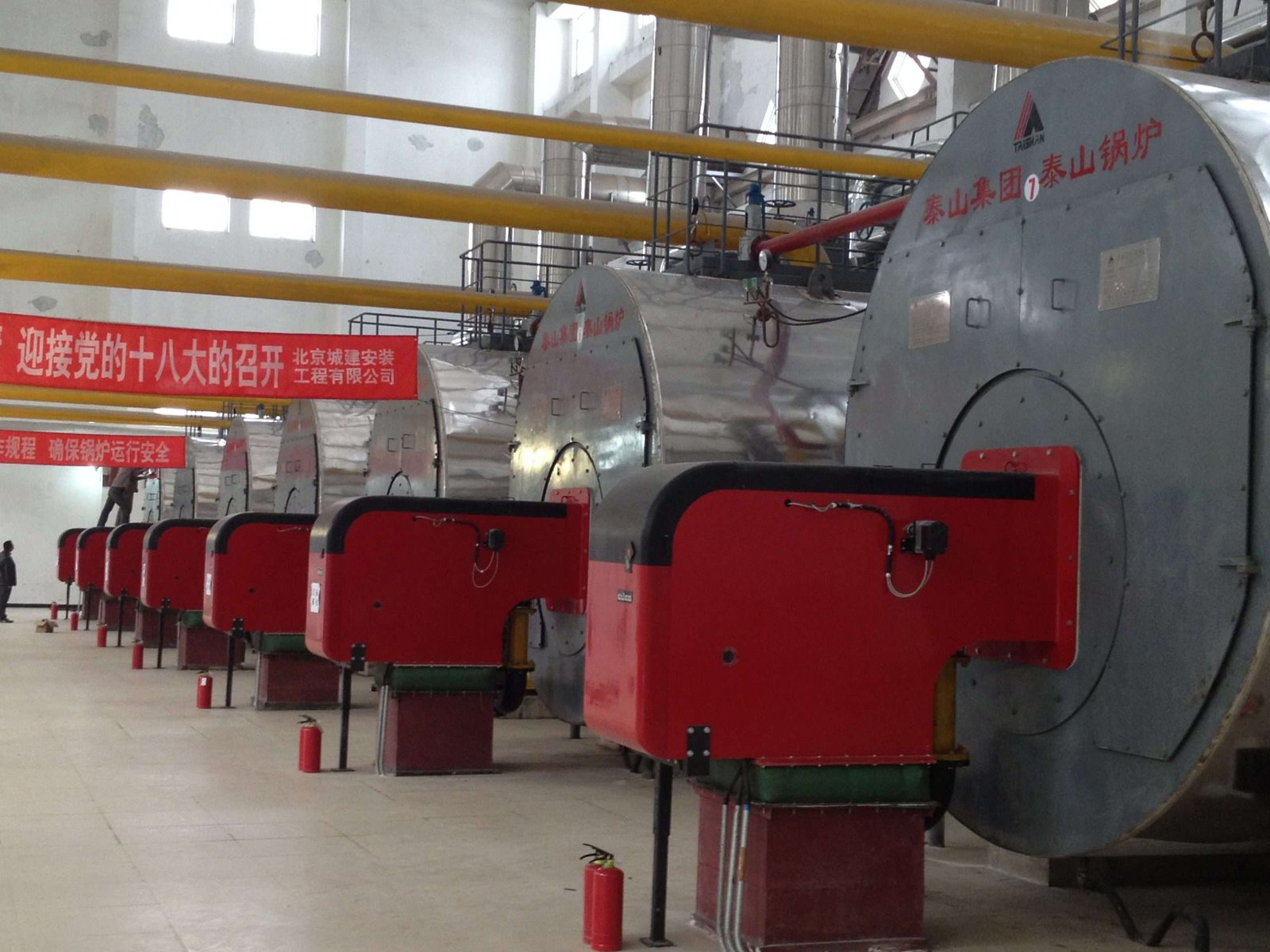
Selecting an industrial boiler is a highly complex engineering decision that extends far beyond simply determining steam capacity, operating pressure, or temperature requirements because industrial boilers operate at the center of manufacturing productivity, energy consumption, environmental compliance, operational reliability, and long-term facility economics. While factors such as load demand, pressure, temperature, and boiler type form the technical foundation of selection, many additional considerations significantly influence whether the boiler system will perform efficiently, safely, sustainably, and economically throughout its operational life. In real industrial environments, engineers must also evaluate fuel availability, emissions regulations, installation conditions, water quality, maintenance capability, automation requirements, redundancy planning, energy recovery opportunities, future expansion needs, operational flexibility, renewable integration potential, and total lifecycle cost. A boiler that appears technically suitable on paper may still become inefficient or problematic if these additional operational and environmental factors are overlooked. For example, a high-efficiency boiler may underperform in regions with poor fuel infrastructure, while a technically advanced system may become difficult to maintain in facilities lacking specialized personnel or water treatment capabilities. Consequently, professional industrial boiler selection requires a comprehensive systems-engineering approach that carefully balances thermal performance, operational practicality, regulatory compliance, sustainability objectives, and long-term economic value rather than focusing solely on nominal boiler specifications. 🔥⚙️🏭♻️
Additional factors that should be considered when selecting an industrial boiler include fuel availability, emissions regulations, water quality, installation space, maintenance requirements, automation capability, redundancy planning, operational flexibility, energy efficiency, lifecycle cost, safety systems, future expansion potential, and compatibility with renewable or CHP energy systems.
Because industrial boiler systems often operate continuously for decades under demanding thermal conditions, evaluating these additional selection factors is essential for achieving reliable, efficient, and sustainable long-term operation. The following detailed guide explains the most important additional considerations in industrial boiler selection from a professional thermal engineering and industrial energy management perspective. ⚙️
Fuel availability and local energy infrastructure are critical factors in industrial boiler selection.True
Boiler performance and operating cost depend heavily on reliable fuel supply, fuel pricing, and infrastructure compatibility.
Industrial boiler selection should focus only on maximum steam capacity.False
Efficient boiler selection requires evaluating operational, environmental, economic, maintenance, and safety factors in addition to thermal capacity.
Why Industrial Boiler Selection Requires a Systems Approach 🔍
Industrial boilers interact with many parts of a facility including:
- Manufacturing processes
- Fuel systems
- Water treatment infrastructure
- Emissions control systems
- Automation platforms
- Heat recovery equipment
As a result, boiler selection must consider the entire operational ecosystem rather than only boiler output specifications.
Fuel Type and Fuel Availability ⛽
Fuel selection is one of the most important additional considerations because fuel characteristics directly affect:
- Operating cost
- Emissions performance
- Combustion stability
- Maintenance requirements
- Long-term sustainability
Common industrial boiler fuels include:
- Natural gas
- Biomass
- Coal
- Fuel oil
- Electricity
- Hydrogen blends
- Waste-derived fuels
Why Fuel Infrastructure Matters 🚚
Even highly efficient boilers may become impractical if:
- Fuel supply is unreliable
- Transportation costs are excessive
- Fuel quality varies significantly
For example:
- Biomass systems require stable biomass logistics.
- Hydrogen-ready systems depend on future hydrogen infrastructure development.
Fuel Price Volatility Affects Lifecycle Economics 💰
Fuel cost often represents the largest long-term boiler operating expense.
Therefore, engineers must evaluate:
➡️ Local fuel prices
➡️ Long-term fuel availability
➡️ Energy market volatility
➡️ Future decarbonization policies
These factors strongly influence total ownership cost.
Emissions Regulations and Environmental Compliance 🌍
Environmental regulations increasingly shape industrial boiler design and selection.
Modern facilities must comply with limits for:
- CO₂ emissions
- NOx emissions
- SO₂ emissions
- Particulate matter
Failure to meet environmental regulations may result in:
- Financial penalties
- Operational restrictions
- Expensive retrofits
Low-Emission Boiler Technologies ♻️
Modern industrial boilers increasingly use:
- Low-NOx burners
- Flue gas recirculation
- Condensing technology
- Advanced combustion control
- Carbon capture integration
These systems improve:
- Environmental compliance
- Fuel efficiency
- Sustainability performance
Water Quality Is Critically Important 💧
Industrial boiler reliability depends heavily on water quality.
Poor water treatment may cause:
- Scale formation
- Corrosion
- Reduced heat transfer
- Tube failure
- Steam contamination
High-pressure systems are especially sensitive to:
➡️ Dissolved solids
➡️ Oxygen content
➡️ Water chemistry instability
Water Treatment Infrastructure Requirements 🧪
Different boiler types require different levels of water treatment.
| Boiler Type | Water Treatment Sensitivity |
|---|---|
| Fire-Tube Boiler | Moderate |
| Water-Tube Boiler | High |
| High-Pressure Boiler | Very high |
| Thermal Oil Boiler | Lower water dependency |
Water treatment systems may include:
- Softening
- Deaeration
- Reverse osmosis
- Demineralization
- Chemical dosing
Installation Space and Structural Constraints 🏗️
Available installation space often affects:
- Boiler configuration
- Capacity planning
- Maintenance accessibility
- Modular system selection
Urban or retrofit projects may face:
- Height limitations
- Floor loading restrictions
- Limited access routes
These conditions influence whether engineers select:
- Packaged boilers
- Modular systems
- Vertical configurations
- Field-erected units
Maintenance Capability and Service Accessibility 🔧
Industrial boilers require long-term maintenance support.
Selection should consider:
- Local technical expertise
- Spare parts availability
- Maintenance complexity
- Downtime requirements
Advanced systems may offer high efficiency but become problematic if:
- Skilled operators are unavailable
- Replacement components are difficult to obtain
Operational Flexibility Matters Increasingly 🔄
Modern industrial facilities often experience:
- Variable production schedules
- Seasonal demand changes
- Frequent load fluctuations
Boilers must therefore provide:
- Wide modulation range
- Fast response capability
- Flexible operation
Operational flexibility is especially important in:
- Food processing
- Pharmaceuticals
- District heating
- CHP systems
Automation and Smart Control Integration 🤖
Modern industrial boiler systems increasingly use:
- AI-assisted optimization
- Predictive maintenance
- Real-time monitoring
- Remote diagnostics
- Automated combustion management
Smart controls improve:
- Fuel efficiency
- Reliability
- Emissions performance
- Operational stability
Cybersecurity Is Becoming More Important 🔐
As industrial boiler systems become digitally connected, cybersecurity considerations are increasingly important.
Facilities must protect:
- Control systems
- Sensor networks
- Operational data
- Remote access infrastructure
Cybersecurity planning is now part of modern boiler system engineering.
Redundancy and Reliability Planning 🛡️
Critical industrial operations often require backup boiler capacity.
Redundancy planning may include:
- Multiple modular boilers
- Backup fuel systems
- Emergency steam generation capability
This is especially important in:
- Hospitals
- Pharmaceutical plants
- Chemical facilities
- District heating systems
Future Expansion Potential 🚀
Industrial facilities often expand production over time.
Boiler systems should therefore allow for:
- Additional capacity
- Modular expansion
- Future process integration
Ignoring future growth may create:
- Expensive retrofits
- Production limitations
- Infrastructure bottlenecks
Heat Recovery Opportunities ♨️
Industrial boiler efficiency can improve substantially through:
- Economizers
- Condensing heat recovery
- Flue gas heat exchangers
- Waste heat recovery systems
These technologies reduce:
➡️ Fuel consumption
➡️ Operating cost
➡️ Emissions
CHP Compatibility Is Increasingly Valuable ⚡♨️
Combined Heat and Power systems improve overall energy efficiency by simultaneously producing:
- Electricity
- Useful thermal energy
When evaluating boiler selection, engineers should consider whether:
- CHP integration is feasible
- Future CHP upgrades are possible
CHP systems often improve:
- Fuel utilization
- Sustainability
- Energy resilience
Renewable Energy Integration 🌱
Industrial boilers increasingly integrate renewable energy systems including:
- Biomass combustion
- Solar thermal support
- Hydrogen-ready burners
- Waste-to-energy integration
Future-ready boiler selection should consider:
- Decarbonization goals
- Renewable fuel compatibility
- Carbon reduction strategies
Thermal Efficiency and Real Operating Conditions 📊
Boiler efficiency ratings alone may not reflect real operating performance.
Engineers must evaluate:
- Partial-load efficiency
- Seasonal performance
- Cycling behavior
- Real-world combustion stability
A theoretically efficient boiler may underperform if:
- Load profiles fluctuate heavily
- Control systems are inadequate
- Fuel quality varies
Safety Systems and Risk Management ⚠️
Industrial boilers operate under:
- High pressure
- High temperature
- Combustion conditions
Safety systems therefore become critically important.
Key considerations include:
- Pressure relief systems
- Flame monitoring
- Emergency shutdown systems
- Leak detection
- Thermal protection
Noise and Environmental Impact 🔊
In urban or sensitive environments, boiler selection may also consider:
- Noise emissions
- Vibration
- Exhaust plume visibility
- Local environmental impact
These factors may influence:
- Burner selection
- Insulation design
- Stack configuration
Lifecycle Cost Is More Important Than Initial Cost 💵
Low initial purchase price does not necessarily mean:
- Lower operating cost
- Better long-term value
Lifecycle cost analysis should include:
- Fuel consumption
- Maintenance expense
- Downtime risk
- Efficiency degradation
- Regulatory compliance cost
Example of Lifecycle Evaluation Factors 📋
| Evaluation Factor | Long-Term Impact |
|---|---|
| Fuel Efficiency | Operating cost |
| Maintenance Complexity | Downtime and labor cost |
| Emissions Compliance | Regulatory cost |
| Water Treatment Needs | Infrastructure expense |
| Modulation Capability | Partial-load efficiency |
| Future Expansion Flexibility | Scalability |
Climate and Environmental Conditions 🌦️
Boiler performance may also be influenced by:
- Ambient temperature
- Humidity
- Altitude
- Corrosive environments
Extreme environments may require:
- Additional insulation
- Specialized materials
- Enhanced combustion tuning
Industry-Specific Process Requirements 🏭
Each industry has unique thermal demands.
For example:
- Pharmaceuticals require highly sanitary steam.
- Food processing requires stable temperature control.
- Chemical plants require continuous high-pressure operation.
- Textile facilities require variable steam demand response.
Therefore, boiler selection must align closely with:
➡️ Process characteristics
➡️ Product quality requirements
➡️ Operational schedules
Future Trends Influencing Boiler Selection 🚀
Industrial boiler engineering is evolving toward:
- Decarbonization
- Electrification
- Hydrogen readiness
- AI-driven optimization
- Renewable integration
Future-ready systems increasingly prioritize:
- Flexibility
- Sustainability
- Digital connectivity
Simplified Industrial Boiler Selection Workflow 🔄
| Selection Category | Main Consideration |
|---|---|
| Thermal Requirements | Capacity, pressure, temperature |
| Fuel System | Availability and cost |
| Environmental Compliance | Emissions regulations |
| Water Quality | Treatment infrastructure |
| Installation Constraints | Space and access |
| Maintenance Capability | Serviceability |
| Operational Flexibility | Load variation handling |
| Smart Controls | Automation integration |
| Future Expansion | Scalability |
| Lifecycle Economics | Long-term cost |
Why Comprehensive Boiler Evaluation Is Essential 🤔
Comprehensive industrial boiler evaluation is essential because boiler systems influence nearly every aspect of industrial energy performance, operational reliability, environmental compliance, and long-term facility economics. While thermal capacity, pressure, and temperature remain fundamental engineering considerations, additional factors such as fuel infrastructure, emissions regulations, water quality, maintenance capability, automation integration, installation conditions, redundancy planning, renewable compatibility, and lifecycle operating cost often determine whether the boiler system will perform efficiently and sustainably over decades of operation. Industrial facilities operate in increasingly complex environments shaped by rising energy costs, stricter environmental standards, digital transformation, decarbonization goals, and evolving production demands, meaning that boiler selection must adopt a holistic systems-engineering perspective rather than focusing only on basic technical specifications. By carefully balancing operational flexibility, efficiency optimization, sustainability objectives, safety management, and long-term scalability, organizations can select industrial boiler systems that deliver reliable performance, reduced emissions, lower operating costs, and stronger energy resilience in both current and future industrial environments. 🔥⚙️🏭
Conclusion
Selecting the right industrial boiler involves balancing load capacity, operating pressure, and temperature requirements to ensure efficient and reliable performance. Proper evaluation of these factors helps industries avoid unnecessary costs, improve energy efficiency, and maintain stable production processes. A carefully selected boiler system provides long-term operational value and supports sustainable industrial growth.
If you need expert assistance in selecting the ideal industrial boiler for your application, contact us today. Our experienced team provides customized solutions and professional guidance to help you achieve maximum efficiency, reliability, and performance.
FAQ
Q1: Why are load requirements important when selecting an industrial boiler?
A:
Load requirements are one of the most important factors when selecting an industrial boiler because they determine the amount of steam or hot water the system must generate to support operational demands. Proper boiler sizing ensures efficient performance, energy savings, operational reliability, and long-term equipment lifespan.
The term “boiler load” refers to the total heating or steam demand required by a facility during operation. Industries such as chemical plants, food processing facilities, textile factories, pharmaceutical manufacturers, and power plants all have different load profiles depending on production processes and operating schedules.
Selecting a boiler with insufficient capacity can lead to operational instability, pressure fluctuations, production interruptions, and increased wear on equipment. An undersized boiler may struggle to maintain steam output during peak demand periods, reducing overall system reliability.
On the other hand, oversized boilers can also create problems. A boiler that is too large for the application may cycle on and off frequently, reducing combustion efficiency and increasing fuel consumption. Short cycling can also increase maintenance requirements and shorten equipment life.
Engineers typically calculate boiler load using factors such as peak steam demand, average operational demand, process heating requirements, startup conditions, and future expansion plans. Load calculations also account for heat losses within piping systems, condensate return systems, and distribution networks.
Facilities with highly variable steam demand often use modular boiler systems or multiple smaller boilers operating together. This configuration improves operational flexibility and allows boilers to adjust more efficiently to changing loads.
Proper load analysis helps optimize fuel efficiency, minimize operating costs, and ensure stable production performance. For this reason, accurate load assessment is considered a critical step in industrial boiler selection and system design.
Q2: How does steam pressure affect industrial boiler selection?
A:
Steam pressure plays a major role in industrial boiler selection because different industrial processes require different pressure levels for efficient operation. Choosing the correct boiler pressure ensures stable steam delivery, process reliability, energy efficiency, and operational safety.
Low-pressure boilers are commonly used in commercial buildings, food processing facilities, laundries, hospitals, and district heating systems. These applications typically require lower steam pressure for space heating, sterilization, humidification, and hot water generation.
Medium-pressure boilers are often used in manufacturing industries such as textile production, paper mills, automotive plants, and chemical processing. These facilities require more consistent and higher-capacity steam supply for industrial equipment and production processes.
High-pressure boilers are essential in power plants, petrochemical facilities, refineries, and heavy industrial operations. These systems generate high-energy steam capable of driving turbines, supporting large-scale industrial reactions, and operating under continuous high-load conditions.
Boiler pressure directly influences steam temperature and energy content. Higher-pressure steam contains more thermal energy, making it suitable for demanding industrial processes requiring rapid heat transfer or mechanical power generation.
Pressure requirements also affect boiler design. Fire-tube boilers are generally suitable for lower-pressure applications, while water-tube boilers are preferred for high-pressure systems because they can safely handle elevated temperatures and pressures.
Safety considerations become increasingly important as operating pressure rises. High-pressure boilers require stronger materials, advanced control systems, pressure relief devices, and rigorous inspection procedures to maintain safe operation.
Energy efficiency is another consideration. Excessively high pressure may waste energy if the process does not require it, while insufficient pressure may reduce production efficiency. Proper pressure matching helps optimize fuel consumption and process performance.
Understanding process pressure requirements is therefore essential when selecting an industrial boiler that balances efficiency, reliability, safety, and long-term operating costs.
Q3: Why is operating temperature important in industrial boiler systems?
A:
Operating temperature is a critical factor in industrial boiler selection because different industrial applications require specific temperature ranges to maintain production quality, process efficiency, and system safety. Boilers must be designed to deliver consistent thermal output while operating within safe engineering limits.
In steam boiler systems, pressure and temperature are closely connected. Higher steam pressures generally produce higher steam temperatures, which can improve heat transfer efficiency in demanding industrial applications. Processes such as power generation, chemical reactions, refining, and metal treatment often require high-temperature steam for optimal performance.
Lower-temperature boiler systems are commonly used in commercial heating, district heating, food processing, and pharmaceutical applications where excessive heat could damage products or equipment. Maintaining precise temperature control is especially important in industries with strict product quality standards.
Temperature requirements also influence boiler type selection. Hot water boilers are commonly used in lower-temperature heating systems, while high-temperature steam applications typically require water-tube boilers capable of handling elevated thermal stress.
Material selection is another important consideration. Boilers operating at high temperatures require heat-resistant materials capable of withstanding thermal expansion, corrosion, and pressure stress. Improper material selection can lead to premature wear, cracking, and equipment failure.
Energy efficiency depends heavily on temperature management as well. Excessively high operating temperatures can increase heat loss and fuel consumption, while insufficient temperatures may reduce production efficiency or process effectiveness. Modern boiler systems use automated controls and monitoring technologies to maintain stable operating conditions.
Temperature requirements also affect safety systems, insulation design, emissions control, and maintenance procedures. High-temperature operations often require more advanced engineering and inspection practices to ensure reliable long-term performance.
Carefully matching boiler temperature capabilities to industrial process requirements helps improve productivity, reduce energy waste, extend equipment lifespan, and maintain safe operating conditions.
Q4: What boiler types are best for different load and pressure conditions?
A:
Different industrial boiler types are designed to handle specific load capacities, steam pressures, and operating conditions. Selecting the appropriate boiler design helps ensure efficient performance, operational reliability, and cost-effective energy use.
Fire-tube boilers are commonly used for low- to medium-pressure applications with moderate steam demand. In these systems, hot combustion gases flow through tubes surrounded by water. Fire-tube boilers are relatively simple, compact, and cost-effective, making them suitable for commercial buildings, food processing plants, small manufacturing facilities, and institutional heating systems.
Water-tube boilers are preferred for high-pressure and high-capacity industrial operations. In water-tube systems, water flows through tubes while hot gases circulate around them. This design allows faster steam generation, higher operating pressures, and greater thermal efficiency. Water-tube boilers are widely used in power plants, petrochemical facilities, chemical processing plants, and heavy manufacturing industries.
Packaged boilers are factory-assembled systems designed for fast installation and moderate industrial loads. They are commonly used in facilities requiring reliable steam generation without extensive on-site construction.
Field-erected boilers are custom-built on-site for very large industrial applications requiring extremely high steam output and specialized configurations. These systems are often used in utility-scale power generation and large industrial complexes.
Condensing boilers are highly efficient systems designed for lower-temperature heating applications. They recover additional heat from exhaust gases, making them ideal for district heating systems and energy-efficient commercial operations.
Biomass boilers and waste-to-energy boilers are specialized systems designed for renewable fuel applications. These boilers support sustainability initiatives while generating steam and thermal energy from organic or waste-derived materials.
Choosing the right boiler type requires evaluating steam load, operating pressure, temperature requirements, fuel availability, installation space, maintenance needs, and long-term efficiency goals.
Q5: What additional factors should be considered when choosing an industrial boiler?
A:
In addition to load, pressure, and temperature requirements, several other factors influence industrial boiler selection. Proper evaluation of these factors helps ensure efficient operation, regulatory compliance, long-term reliability, and cost-effective performance.
Fuel type is one of the most important considerations. Boilers may operate using natural gas, fuel oil, coal, biomass, electricity, hydrogen, or waste-derived fuels. Fuel availability, pricing, emissions regulations, and sustainability goals all affect fuel selection decisions.
Energy efficiency is increasingly important due to rising energy costs and environmental regulations. High-efficiency boilers with condensing technology, economizers, heat recovery systems, and advanced combustion controls can significantly reduce fuel consumption and operating expenses.
Installation space and infrastructure limitations also play a major role. Facilities with limited space may prefer compact packaged boilers, while large industrial plants may require field-erected systems with customized configurations.
Maintenance requirements and service accessibility should be carefully evaluated. Boilers operating continuously under demanding conditions require reliable maintenance support, spare parts availability, and trained personnel to minimize downtime and ensure safe operation.
Environmental compliance is another critical factor. Industrial boilers must often meet strict emissions standards related to nitrogen oxides, sulfur dioxide, particulate matter, and greenhouse gas emissions. Modern systems may include low-NOx burners, flue gas treatment systems, and advanced emissions monitoring technologies.
Operational flexibility is important for facilities with fluctuating production demand. Modular boiler systems and automated controls can improve efficiency during varying load conditions while reducing unnecessary fuel consumption.
Lifecycle cost analysis is also essential. While lower-cost boilers may reduce initial investment, higher-efficiency systems often provide better long-term value through reduced fuel usage, maintenance costs, and operational downtime.
Future scalability should also be considered. Businesses planning expansion may benefit from modular systems that can accommodate increasing steam demand without requiring complete system replacement.
References
Industrial Boiler Selection Guide — https://www.cleaverbrooks.com/boiler-room-guide — Source: Cleaver-Brooks
Steam System Best Practices — https://www.energy.gov/eere/amo/steam-systems — Source: U.S. Department of Energy
Boiler Pressure and Temperature Basics — https://www.spiraxsarco.com/learn-about-steam/the-boiler-house — Source: Spirax Sarco
Water-Tube vs Fire-Tube Boilers — https://www.britannica.com/technology/water-tube-boiler — Source: Encyclopaedia Britannica
Boiler Efficiency Improvement Methods — https://www.energy.gov/eere/buildings/commercial-packaged-boilers — Source: U.S. Department of Energy
Industrial Steam Boiler Applications — https://www.powermag.com/boilers-101-what-they-are-and-how-they-work/ — Source: POWER Magazine
Boiler Safety and Pressure Systems — https://www.osha.gov/boilers-pressure-vessels — Source: OSHA
Condensing Boiler Technology — https://www.spiraxsarco.com/learn-about-steam/the-boiler-house/condensing-boilers — Source: Spirax Sarco
Industrial Boiler Fundamentals — https://www.thermaxglobal.com/industrial-boilers/ — Source: Thermax
High-Efficiency Boiler Systems — https://www.fulton.com/resources — Source: Fulton Boiler Works
How to Select the Right Industrial Boiler for Your Needs? Read More »