
How to compare efficiency ratings of industrial boilers across technologies?
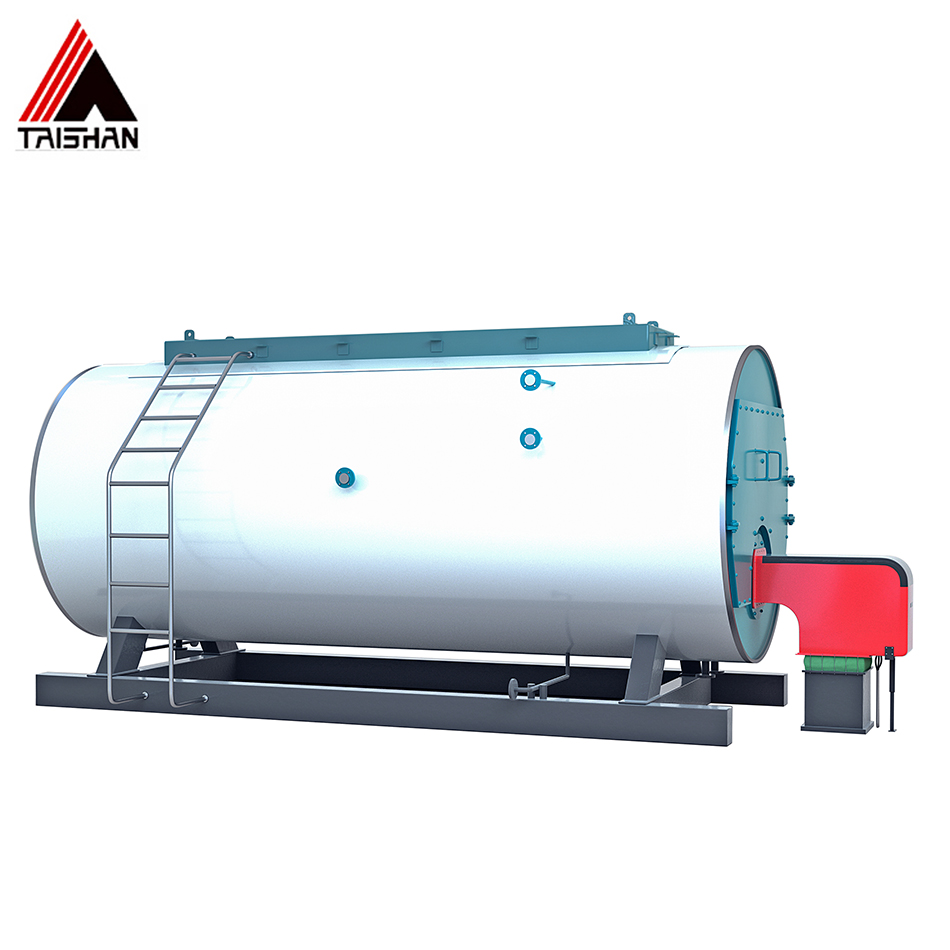
Choosing an industrial boiler based solely on advertised efficiency numbers can be misleading. Different boiler technologies use varying measurement methods, operating conditions, and fuel types, making direct comparisons difficult. Many businesses end up selecting systems that appear efficient on paper but perform poorly under actual operating conditions, leading to higher fuel costs and reduced productivity. Understanding how to accurately compare boiler efficiency across technologies is essential for making informed and cost-effective decisions.
To compare efficiency ratings of industrial boilers across technologies, you should evaluate combustion efficiency, thermal efficiency, fuel-to-steam efficiency, and part-load performance under standardized conditions. It is also important to compare boiler type, fuel source, heat recovery capability, emission controls, and real operating efficiency rather than relying only on peak advertised ratings. Condensing gas boilers, water-tube boilers, biomass boilers, and electric boilers all achieve efficiency differently depending on application and load conditions.
By understanding the factors behind efficiency ratings, businesses can more accurately assess which boiler technology delivers the best long-term operational value.
What Are the Different Types of Efficiency Ratings Used for Industrial Boilers?
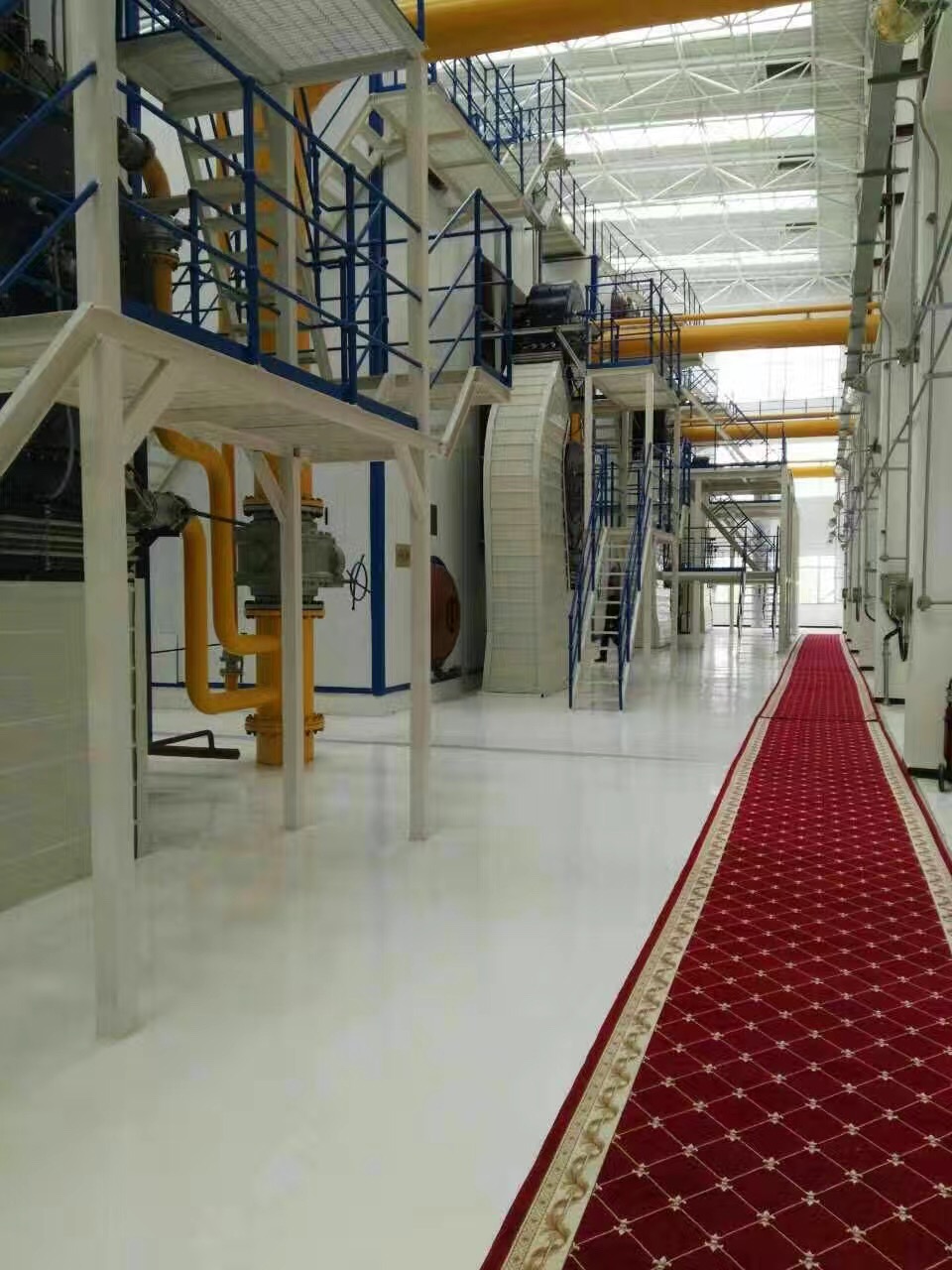
Industrial boilers are designed to convert fuel energy into usable thermal energy for steam generation, hot water production, district heating, combined heat and power systems, chemical processing, food manufacturing, textile production, pharmaceutical sterilization, and many other industrial applications. However, not all boilers convert fuel into useful heat with the same level of effectiveness, and this is why efficiency ratings have become one of the most important technical indicators in modern boiler engineering and procurement. In practice, “boiler efficiency” is not a single universally defined number. Instead, industrial boiler performance is evaluated using several different efficiency ratings, each measuring a specific aspect of thermal performance under particular operating conditions. Some ratings focus on combustion quality, while others evaluate fuel-to-steam conversion, overall thermal utilization, seasonal operation, or total energy recovery in CHP systems. Because different testing standards, calculation methods, fuel bases, and operating assumptions can produce significantly different efficiency values, understanding the meaning behind each efficiency rating is essential for engineers, plant managers, and energy consultants attempting to compare industrial boiler systems accurately and realistically. A boiler advertised as “95% efficient” under one testing method may not deliver the same real-world operational efficiency under another measurement framework. Consequently, proper interpretation of efficiency ratings is critical for evaluating fuel consumption, operating cost, emissions performance, sustainability impact, and long-term lifecycle economics. 🔥⚙️🏭♻️
The main efficiency ratings used for industrial boilers include thermal efficiency, combustion efficiency, fuel-to-steam efficiency, gross efficiency, net efficiency, seasonal efficiency, boiler system efficiency, and overall CHP efficiency, each measuring different aspects of boiler thermal performance and energy utilization.
Because industrial thermal systems operate under highly variable load conditions, fuel types, and operational environments, no single efficiency rating can fully describe total boiler performance. The following detailed guide explains the different types of industrial boiler efficiency ratings and how they influence boiler evaluation, energy management, and industrial thermal system optimization. ⚙️
Different boiler efficiency ratings measure different aspects of thermal and combustion performance.True
Industrial boiler efficiency can be evaluated using multiple methodologies depending on whether combustion, heat transfer, seasonal operation, or total energy utilization is being analyzed.
All boiler efficiency ratings produce identical results regardless of testing method or operating conditions.False
Efficiency values vary depending on testing standards, calculation basis, fuel conditions, load profiles, and heat recovery assumptions.
Why Boiler Efficiency Ratings Matter So Much 🔍
Industrial boilers often consume massive quantities of fuel over many years of operation.
Efficiency ratings help determine:
- Fuel consumption
- Operating cost
- Emissions generation
- Sustainability performance
- Heat recovery effectiveness
Even relatively small efficiency differences can create:
➡️ Significant long-term cost impacts
➡️ Major environmental consequences
Why There Are Multiple Efficiency Ratings 🔄
Boiler systems involve several energy conversion stages:
- Fuel combustion
- Heat transfer
- Steam generation
- Distribution
- Process utilization
Each stage experiences some degree of energy loss.
Different efficiency ratings focus on:
➡️ Different parts of the energy conversion process
This is why industrial boiler datasheets may list several efficiency values simultaneously.
Thermal Efficiency 🔥
Thermal efficiency is one of the most common industrial boiler efficiency ratings.
It measures:
➡️ Useful heat output compared with total fuel energy input
The general formula is:
Thermal Efficiency = {Useful Heat Output➗️Fuel Energy Input} ✖️100%
Thermal efficiency reflects:
- Overall heat conversion effectiveness
- Basic boiler performance
- Fuel utilization quality
Why Thermal Efficiency Is Important ♨️
Higher thermal efficiency means:
- Lower fuel consumption
- Reduced heat loss
- Better energy utilization
This directly improves:
➡️ Operating economics
➡️ Emissions performance
➡️ Sustainability
Combustion Efficiency 🌬️
Combustion efficiency specifically evaluates:
- How completely fuel burns during combustion
It primarily focuses on:
- Stack losses
- Excess oxygen
- Flue gas temperature
Combustion efficiency does not fully account for:
- Radiation losses
- Blowdown losses
- Distribution losses
Factors Affecting Combustion Efficiency 🔥
| Factor | Influence |
|---|---|
| Excess Air | Too much air increases heat loss |
| Flue Gas Temperature | Higher exhaust temperature reduces efficiency |
| Fuel-Air Ratio | Poor balance causes incomplete combustion |
| Burner Quality | Affects flame stability |
Modern combustion controls aim to optimize:
➡️ Air-fuel balance
➡️ Oxygen levels
➡️ Flame stability
Fuel-to-Steam Efficiency 💨
Fuel-to-steam efficiency measures:
➡️ How effectively fuel energy is converted into steam energy
This rating is particularly important in:
- Steam-intensive industrial applications
- CHP systems
- Utility power plants
It evaluates:
- Steam enthalpy output
- Actual thermal conversion performance
Why Steam Enthalpy Matters 🌡️
Steam contains:
- Sensible heat
- Latent heat
- Pressure energy
Fuel-to-steam efficiency reflects:
➡️ The real thermal value delivered to industrial processes
rather than simply combustion quality alone.
Gross Efficiency vs Net Efficiency ⚖️
Industrial boiler efficiency may be reported using:
- Gross Calorific Value (GCV / HHV)
- Net Calorific Value (NCV / LHV)
This creates two different efficiency reporting methods.
Gross Efficiency (HHV Basis) 🔥
Gross efficiency includes:
- Total fuel energy content
including: - Condensation heat from water vapor
This method is often considered:
- More conservative
- More thermodynamically complete
Net Efficiency (LHV Basis) 💧
Net efficiency excludes:
- Latent heat of vaporization in exhaust gases
As a result:
- Net efficiency values often appear numerically higher.
Example of Gross vs Net Efficiency 📊
| Efficiency Basis | Typical Numerical Effect |
|---|---|
| Gross Efficiency (HHV) | Lower reported percentage |
| Net Efficiency (LHV) | Higher reported percentage |
This is why comparing boiler efficiencies requires understanding:
➡️ Which calorific basis is being used
Condensing Boiler Efficiency 🌡️
Condensing boilers recover:
- Latent heat from exhaust moisture
This allows them to achieve:
- Higher effective thermal efficiency
especially under:
- Low return-water temperature conditions
Why Condensing Efficiency Can Exceed 100% ⚠️
Some condensing boilers advertise efficiencies above 100%.
This occurs because:
- Efficiency is calculated on an LHV basis
- Recovered condensation heat is not included in LHV fuel energy
Thermodynamically:
➡️ Energy conservation is still maintained
Seasonal Efficiency 📅
Seasonal efficiency evaluates:
➡️ Boiler performance over extended real-world operating periods
rather than under ideal laboratory conditions.
It accounts for:
- Startup/shutdown cycles
- Partial-load operation
- Seasonal demand fluctuations
- Control performance
Why Seasonal Efficiency Is Valuable 🏭
Industrial boilers rarely operate continuously at:
- Perfect full-load conditions
Seasonal efficiency provides:
➡️ More realistic long-term operational evaluation
especially for:
- District heating
- Commercial heating systems
- Variable industrial processes
Boiler System Efficiency 🔄
Boiler system efficiency evaluates the entire thermal system, including:
- Boiler efficiency
- Steam distribution losses
- Heat exchanger performance
- Condensate return
- Auxiliary equipment energy use
This provides a more comprehensive understanding of:
➡️ Actual plant energy utilization
Example of System Loss Sources 📋
| System Component | Potential Energy Loss |
|---|---|
| Boiler Stack | Exhaust heat loss |
| Steam Piping | Distribution heat loss |
| Blowdown | Hot water energy loss |
| Poor Insulation | Radiation loss |
| Condensate Loss | Reduced heat recovery |
Combustion Loss Efficiency Analysis 🌫️
Some engineering evaluations focus specifically on:
- Flue gas losses
- Incomplete combustion losses
- Radiation losses
This approach helps identify:
➡️ Specific efficiency improvement opportunities
CHP Overall Efficiency ⚡♨️
Combined Heat and Power systems evaluate:
- Electrical efficiency
- Thermal efficiency
- Total energy utilization
CHP overall efficiency measures:
➡️ Combined useful electricity and heat output
relative to total fuel input.
Why CHP Efficiency Is Often Much Higher 📈
Conventional power plants may waste large amounts of heat.
CHP systems recover this heat for:
- Steam
- District heating
- Industrial process use
According to energy engineering references:
- CHP systems can achieve significantly higher total fuel utilization than separate heat and power generation.
Economizer Efficiency Improvement ♨️
Economizers improve efficiency by:
- Recovering waste heat from exhaust gases
- Preheating boiler feedwater
This reduces:
➡️ Fuel demand
➡️ Stack heat loss
Example of Economizer Benefits 📊
According to industrial boiler engineering references:
- Economizers may improve overall boiler efficiency by several percentage points depending on exhaust conditions and operating load.
Radiation and Standby Losses 🌡️
Not all boiler heat reaches industrial processes.
Losses also occur through:
- Boiler shell radiation
- Idle operation
- Standby conditions
High-quality insulation helps reduce:
➡️ Unnecessary thermal losses
Partial-Load Efficiency Is Increasingly Important 📉
Modern industrial facilities often operate under:
- Variable production schedules
- Dynamic thermal demand
Boilers operating inefficiently under low load may experience:
- Frequent cycling
- Poor combustion stability
- Increased fuel waste
Modulating Boilers Improve Partial-Load Efficiency 🎛️
Modern systems use:
- Variable burner control
- Intelligent sequencing
- Load modulation
to maintain:
➡️ Stable combustion
➡️ Higher efficiency during fluctuating demand
Water Quality Also Affects Efficiency 💧
Poor feedwater quality may cause:
- Scale formation
- Corrosion
- Reduced heat transfer
Even thin scale deposits significantly reduce:
➡️ Heat transfer efficiency
➡️ Fuel economy
Smart Boiler Controls Improve Efficiency Monitoring 🤖
Modern industrial boilers increasingly use:
- AI-assisted combustion optimization
- Real-time efficiency analytics
- Predictive maintenance systems
- Automated oxygen trim controls
These technologies improve:
- Fuel utilization
- Operational consistency
- Emissions reduction
Efficiency Standards and Testing Methods 📋
Industrial boiler efficiency may be evaluated using standards such as:
- ASME PTC standards
- EN boiler standards
- ISO energy management frameworks
- National efficiency regulations
Testing conditions greatly influence:
➡️ Reported efficiency values
Example of Common Efficiency Rating Types 📊
| Efficiency Rating | Main Focus |
|---|---|
| Thermal Efficiency | Overall heat conversion |
| Combustion Efficiency | Fuel burning quality |
| Fuel-to-Steam Efficiency | Steam energy generation |
| Gross Efficiency (HHV) | Full fuel energy basis |
| Net Efficiency (LHV) | Excluding vaporization heat |
| Seasonal Efficiency | Real-world annual operation |
| System Efficiency | Entire thermal infrastructure |
| CHP Overall Efficiency | Combined electricity and heat utilization |
Why Efficiency Ratings Affect Boiler Selection 💰
Efficiency ratings influence:
- Fuel consumption
- Operating cost
- Carbon emissions
- Regulatory compliance
- Lifecycle economics
Higher-efficiency systems generally provide:
➡️ Lower fuel expense
➡️ Reduced environmental impact
Renewable and Low-Carbon Boilers Require New Efficiency Metrics 🌱
Emerging boiler technologies involving:
- Biomass
- Hydrogen
- Waste-to-energy
- Electrification
may require more advanced evaluation methods because:
- Fuel characteristics vary significantly
- Thermal recovery systems become more complex
Future Trends in Boiler Efficiency Evaluation 🚀
Industrial boiler engineering is increasingly moving toward:
- Real-time efficiency monitoring
- AI-based optimization
- Digital twin modeling
- Carbon intensity analysis
- Integrated energy system efficiency evaluation
Future boiler efficiency assessment will likely focus not only on:
➡️ Fuel economy
but also:
➡️ Total sustainability performance
Why Understanding Efficiency Ratings Is Essential 🤔
Understanding the different types of efficiency ratings used for industrial boilers is essential because each rating evaluates a different aspect of thermal performance, fuel utilization, combustion quality, heat recovery effectiveness, or real-world operational behavior. Thermal efficiency measures overall heat conversion, combustion efficiency evaluates fuel burning quality, fuel-to-steam efficiency reflects actual steam generation performance, seasonal efficiency captures realistic operating conditions, and system efficiency analyzes the broader thermal infrastructure beyond the boiler itself.
Additionally, reporting methods based on gross or net calorific value can produce substantially different numerical efficiency results, making direct boiler comparisons potentially misleading if the underlying calculation basis is not properly understood. As industrial energy systems become increasingly focused on decarbonization, fuel flexibility, emissions reduction, smart automation, and integrated CHP optimization, accurate interpretation of boiler efficiency ratings has become critical for selecting economically viable, environmentally sustainable, and operationally reliable thermal energy systems capable of meeting modern industrial performance expectations. 🔥⚙️🏭♻️
How Do Fire-Tube and Water-Tube Industrial Boiler Efficiencies Compare?
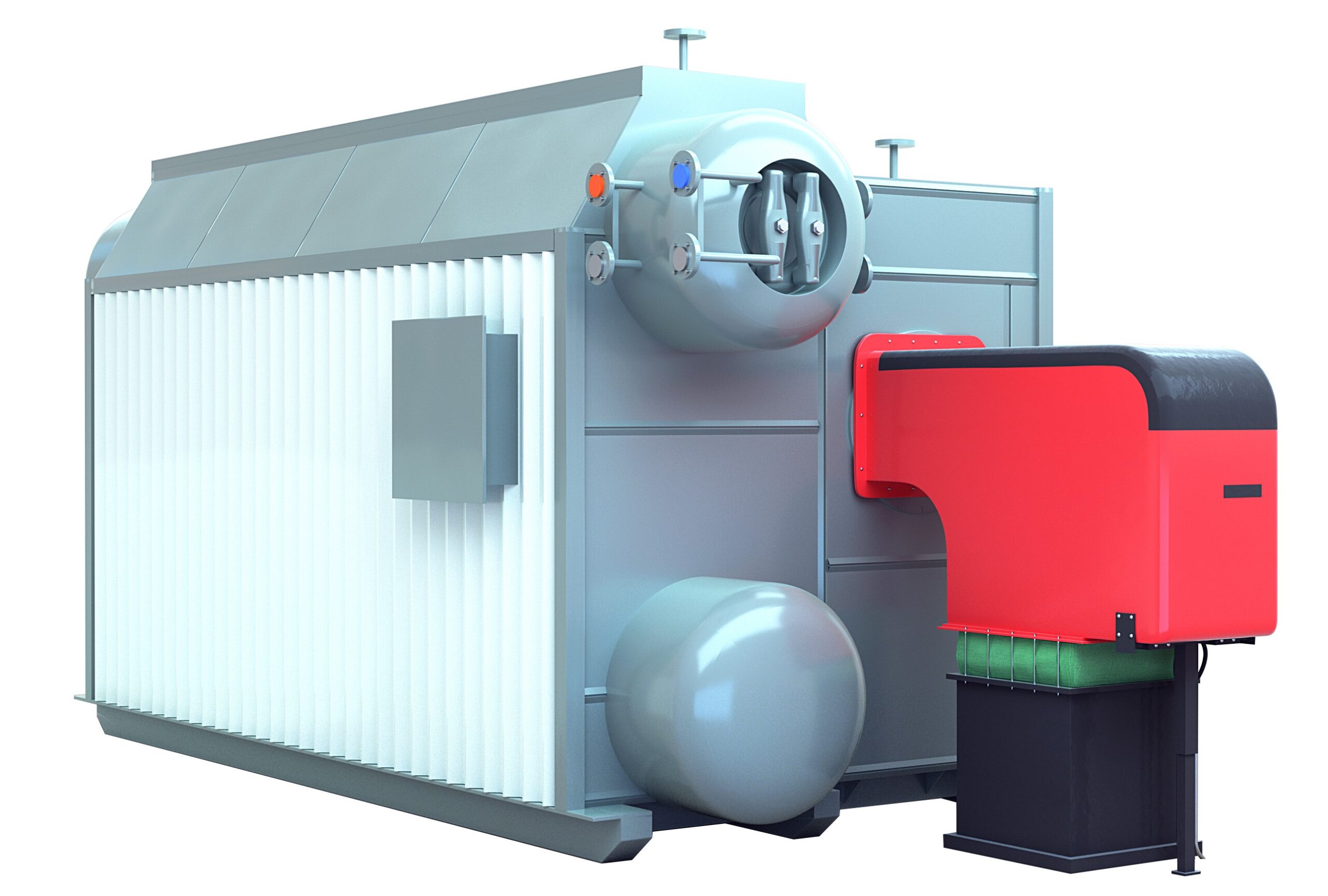
Industrial boilers are designed to convert fuel energy into usable thermal energy for steam generation and industrial heating, yet the way this conversion process occurs varies significantly depending on boiler structure. Among the most widely used industrial boiler categories, fire-tube boilers and water-tube boilers represent two fundamentally different engineering approaches to heat transfer, steam generation, pressure management, and operational performance.
Because these structural differences directly affect combustion behavior, heat transfer efficiency, steam production capability, thermal response speed, maintenance requirements, and operating flexibility, efficiency comparison between fire-tube and water-tube boilers has become one of the most important considerations in industrial boiler selection. However, boiler efficiency is not determined by a single factor alone. Real operational efficiency depends on multiple variables including fuel type, operating pressure, load profile, combustion control quality, heat recovery integration, maintenance condition, and application environment.
In practical industrial operation, both fire-tube and water-tube boilers can achieve high thermal efficiency when properly engineered and maintained, yet they differ considerably in how they perform under varying load conditions, high-pressure applications, large-capacity steam demand, partial-load operation, and advanced energy recovery systems. Fire-tube boilers are often valued for their simplicity, stable operation, and cost-effective performance in moderate industrial applications, while water-tube boilers are generally preferred for large-scale, high-pressure, and high-capacity operations where rapid steam generation and superior thermal transfer become increasingly important. Understanding how these two boiler types compare from an efficiency perspective is therefore essential for selecting the most suitable thermal system for modern industrial operations. 🔥⚙️🏭♻️
Fire-tube boilers and water-tube boilers can both achieve high efficiency, but water-tube boilers generally provide higher efficiency in large-scale, high-pressure, and high-capacity industrial applications, while fire-tube boilers often offer stable and cost-effective efficiency in smaller or moderate-load operations.
Because efficiency performance depends heavily on operating conditions and industrial application requirements, comparing these two boiler technologies requires a deeper understanding of their structural principles, heat transfer characteristics, combustion behavior, and operational flexibility. The following detailed guide explains how fire-tube and water-tube industrial boiler efficiencies compare from a professional thermal engineering and industrial energy management perspective. ⚙️
Water-tube boilers are generally more suitable for high-pressure and large-capacity high-efficiency industrial applications.True
Water-tube designs provide faster heat transfer, higher pressure capability, and better performance under large industrial steam demand conditions.
Fire-tube boilers are always less efficient than water-tube boilers in every industrial application.False
Properly designed fire-tube boilers can achieve excellent efficiency in low-to-medium pressure industrial operations and may perform very effectively under stable moderate-load conditions.
Understanding the Structural Difference Between Fire-Tube and Water-Tube Boilers 🔍
The main difference lies in how heat transfer occurs.
In a fire-tube boiler:
- Hot combustion gases flow inside tubes.
- Water surrounds the tubes externally.
In a water-tube boiler:
- Water flows inside tubes.
- Combustion gases circulate around the tubes externally.
This structural distinction strongly influences:
➡️ Heat transfer rate
➡️ Steam generation speed
➡️ Pressure capability
➡️ Operational efficiency
Simplified Structural Comparison 📊
| Boiler Type | Heat Transfer Arrangement |
|---|---|
| Fire-Tube Boiler | Hot gases inside tubes |
| Water-Tube Boiler | Water inside tubes |
Although this appears simple, the engineering consequences are extremely significant.
How Heat Transfer Efficiency Differs ♨️
Heat transfer is the foundation of boiler efficiency.
Water-tube boilers typically provide:
- Faster heat transfer
- Larger effective heat transfer surface area
- Better circulation dynamics
because water flows through relatively small-diameter tubes exposed directly to high-temperature combustion gases.
Fire-tube boilers, meanwhile, generally provide:
- Slower thermal response
- More stable heat storage characteristics
- Simpler circulation behavior
Why Water-Tube Boilers Often Achieve Higher Efficiency 🔥
Water-tube systems are especially effective in:
- High-pressure operation
- High-temperature steam generation
- Large industrial steam loads
Several engineering characteristics contribute to this efficiency advantage:
- Improved heat transfer coefficients
- Faster steam generation
- Better thermal circulation
- Reduced thermal resistance
In large industrial applications, these characteristics allow water-tube systems to maintain:
➡️ Higher thermal performance under heavy demand
Fire-Tube Boilers Still Achieve High Efficiency in Many Applications ⚙️
Despite the advantages of water-tube systems, modern fire-tube boilers can still achieve excellent efficiency under suitable operating conditions.
High-quality fire-tube systems often provide:
- Stable combustion
- Reliable moderate-load operation
- Effective fuel utilization
- Lower standby losses in smaller facilities
In many low-to-medium pressure industrial applications:
➡️ Fire-tube efficiency remains highly competitive
Typical Efficiency Ranges in Real Industrial Practice 📈
| Boiler Type | Typical Industrial Efficiency Characteristics |
|---|---|
| Fire-Tube Boiler | High efficiency in moderate-load applications |
| Water-Tube Boiler | Higher efficiency potential at large scale and high pressure |
Actual efficiency depends heavily on:
- Combustion controls
- Heat recovery systems
- Maintenance quality
- Load conditions
- Fuel type
Therefore, published efficiency numbers should always be interpreted carefully.
Pressure Capability Strongly Influences Efficiency 🌡️
Pressure and efficiency are closely connected in industrial steam systems.
Higher-pressure steam generally allows:
- Greater energy density
- Improved thermodynamic performance
- Better turbine efficiency in CHP and power systems
Water-tube boilers are structurally better suited for:
➡️ High-pressure operation
because smaller tubes distribute pressure stress more effectively than large-diameter fire-tube shells.
Why High Pressure Improves Thermal Efficiency ⚡
As steam pressure and temperature increase:
- Steam enthalpy rises
- Energy transfer capability improves
- Thermodynamic cycle efficiency increases
This is especially important in:
- CHP systems
- Utility power generation
- Large chemical plants
Water-tube boilers therefore dominate these applications because they can safely support:
- Very high operating pressures
- Superheated steam production
Fire-Tube Boilers Are More Common in Moderate Pressure Systems 💨
Fire-tube boilers are widely used in:
- Food processing
- Small manufacturing plants
- Commercial heating
- Laundry operations
- Low-to-medium pressure steam systems
Their efficiency remains highly practical because:
- Heat demand is often moderate and stable
- Simpler design reduces complexity
- Operational reliability is excellent
Load Flexibility and Partial-Load Efficiency 📉
Industrial thermal demand rarely remains constant.
Boilers must often operate under:
- Variable production schedules
- Seasonal heating loads
- Startup and shutdown cycles
Water-Tube Boilers Respond Faster to Load Changes 🔄
Because water-tube boilers contain:
- Smaller water volume
- Faster circulation dynamics
they can respond rapidly to:
➡️ Steam demand fluctuations
➡️ Sudden pressure changes
This improves:
- Operational flexibility
- Large-scale process stability
- Dynamic load management
Fire-Tube Boilers Offer Strong Thermal Stability 🏭
Fire-tube boilers contain:
- Larger water volume
- Greater thermal mass
This creates:
- Slower response time
but also: - More stable thermal buffering
In facilities with relatively stable steam demand, this characteristic may actually improve:
➡️ Operational consistency
➡️ Combustion stability
Example of Load Response Characteristics 📋
| Operating Characteristic | Fire-Tube Boiler | Water-Tube Boiler |
|---|---|---|
| Thermal Response Speed | Slower | Faster |
| Thermal Stability | Higher | Moderate |
| Dynamic Load Handling | Moderate | Excellent |
| Large Steam Demand Capability | Moderate | Very High |
Heat Recovery Integration Influences Efficiency ♻️
Modern industrial boilers increasingly use:
- Economizers
- Air preheaters
- Condensing heat exchangers
- Flue gas recovery systems
Both fire-tube and water-tube boilers can integrate:
➡️ Advanced heat recovery technologies
However, large water-tube systems often provide:
- Greater flexibility for complex heat recovery integration
especially in:
- CHP systems
- Utility-scale plants
- High-capacity steam facilities
Economizers Improve Efficiency in Both Designs 📈
Economizers recover exhaust heat to preheat:
- Boiler feedwater
According to industrial boiler engineering references:
- Economizers may improve overall boiler efficiency by several percentage points depending on operating conditions.
This technology benefits:
- Both fire-tube and water-tube systems significantly.
Combustion Efficiency Depends More on Burner Quality 🔥
While boiler structure affects heat transfer, combustion efficiency depends heavily on:
- Burner design
- Air-fuel control
- Oxygen trim systems
- Combustion management
Modern low-NOx burners and smart combustion systems allow:
- Both boiler types to achieve excellent combustion performance.
Smart Controls Improve Efficiency in Both Boiler Types 🤖
Advanced industrial boilers increasingly use:
- AI-assisted combustion optimization
- Automated load modulation
- Predictive maintenance systems
- Real-time efficiency analytics
These technologies improve:
➡️ Fuel utilization
➡️ Emissions reduction
➡️ Operational stability
regardless of boiler structure.
Water Quality Sensitivity Differs 💧
Water quality strongly affects long-term efficiency.
Water-tube boilers are generally:
- More sensitive to water chemistry problems
because:
- Small tubes can foul more quickly
- Scale buildup significantly reduces heat transfer
Fire-tube boilers are somewhat more tolerant, although poor water treatment still creates:
- Corrosion
- Efficiency loss
- Maintenance issues
Scale Formation Reduces Heat Transfer Efficiency ⚠️
Even thin scale deposits create:
- Thermal insulation barriers
- Increased fuel consumption
- Higher tube temperatures
Proper water treatment is therefore essential for:
➡️ Maintaining long-term efficiency in both systems
Maintenance Requirements Influence Real Efficiency 🔧
Theoretical efficiency ratings only matter if the boiler remains properly maintained.
Poor maintenance may cause:
- Soot accumulation
- Scale formation
- Burner misalignment
- Heat transfer degradation
Fire-Tube Boilers Often Have Simpler Maintenance 🛠️
Fire-tube systems are generally easier to:
- Inspect
- Clean
- Service
especially in:
- Smaller facilities
- Lower-pressure operations
This simplicity may help maintain:
➡️ Stable long-term efficiency
Water-Tube Boilers Require More Sophisticated Maintenance 🏗️
Large water-tube systems often involve:
- More complex circulation systems
- Advanced controls
- High-pressure safety procedures
- Extensive water treatment infrastructure
However, when properly maintained, they deliver:
➡️ Outstanding efficiency in demanding industrial environments
Fuel Flexibility and Efficiency 🌱
Both boiler types can operate with:
- Natural gas
- Fuel oil
- Biomass
- Waste-derived fuels
However, water-tube boilers are often preferred for:
- Biomass combustion
- Waste-to-energy systems
- Multi-fuel industrial applications
because they better tolerate:
- High thermal intensity
- Variable combustion conditions
Biomass and Waste Systems Require Rapid Heat Transfer ♻️
Renewable fuels often create:
- Fluctuating combustion profiles
- Variable moisture conditions
- Changing calorific values
Water-tube systems generally manage these variations more effectively in:
➡️ Large renewable energy facilities
CHP and Power Generation Favor Water-Tube Boilers ⚡♨️
Combined Heat and Power systems require:
- High-pressure steam
- Fast thermal response
- Continuous operation
- Excellent efficiency
Water-tube boilers dominate these applications because they support:
- Superheated steam
- High-capacity operation
- Advanced turbine integration
Why Utility Power Plants Use Water-Tube Systems 🏭
Modern power stations often operate at:
- Extremely high pressure
- Very high steam temperature
These conditions require:
- Exceptional structural integrity
- Advanced thermal circulation
- Efficient heat transfer
Water-tube boilers are uniquely suited for:
➡️ Utility-scale steam generation
Fire-Tube Boilers Remain Economically Attractive 💰
Despite lower maximum capacity potential, fire-tube boilers remain highly attractive for many industries because they offer:
- Lower initial investment
- Simpler installation
- Reduced operational complexity
- Strong reliability in moderate-demand applications
For many factories:
➡️ This balance provides excellent overall value
Example of Typical Application Preference 📊
| Application Type | Commonly Preferred Boiler |
|---|---|
| Small Manufacturing | Fire-Tube |
| Food Processing | Fire-Tube |
| District Heating | Both Depending on Scale |
| CHP Systems | Water-Tube |
| Power Generation | Water-Tube |
| Large Chemical Plants | Water-Tube |
| Moderate Commercial Steam | Fire-Tube |
Future Efficiency Improvements Apply to Both Boiler Types 🚀
Industrial boiler innovation increasingly focuses on:
- Hydrogen combustion
- AI-driven optimization
- Ultra-low NOx systems
- Advanced heat recovery
- Digital thermal management
Both fire-tube and water-tube technologies continue evolving to improve:
➡️ Efficiency
➡️ Sustainability
➡️ Operational flexibility
Why Fire-Tube and Water-Tube Efficiency Comparison Depends on Application 🤔
Fire-tube and water-tube industrial boilers both offer strong thermal performance, yet their efficiency characteristics differ substantially depending on operating pressure, steam demand, load variability, fuel type, heat recovery integration, and industrial application scale. Water-tube boilers generally provide superior efficiency potential in large-capacity, high-pressure, and high-temperature industrial environments because their structural design enables faster heat transfer, rapid steam generation, excellent dynamic load response, and integration with advanced CHP and power generation systems. Fire-tube boilers, meanwhile, often deliver highly stable, cost-effective, and operationally reliable efficiency in low-to-medium pressure applications where thermal demand remains relatively moderate and consistent.
Consequently, neither boiler type is universally “more efficient” under all conditions; rather, efficiency must be evaluated according to the specific thermal requirements, operational profile, fuel strategy, maintenance capability, and long-term energy objectives of the facility.
As industrial energy systems continue evolving toward decarbonization, renewable integration, intelligent automation, and advanced heat recovery, both fire-tube and water-tube boilers will remain important technologies within modern industrial thermal infrastructure worldwide. 🔥⚙️🏭♻️
Why Do Condensing Industrial Boilers Achieve Higher Efficiency Ratings?
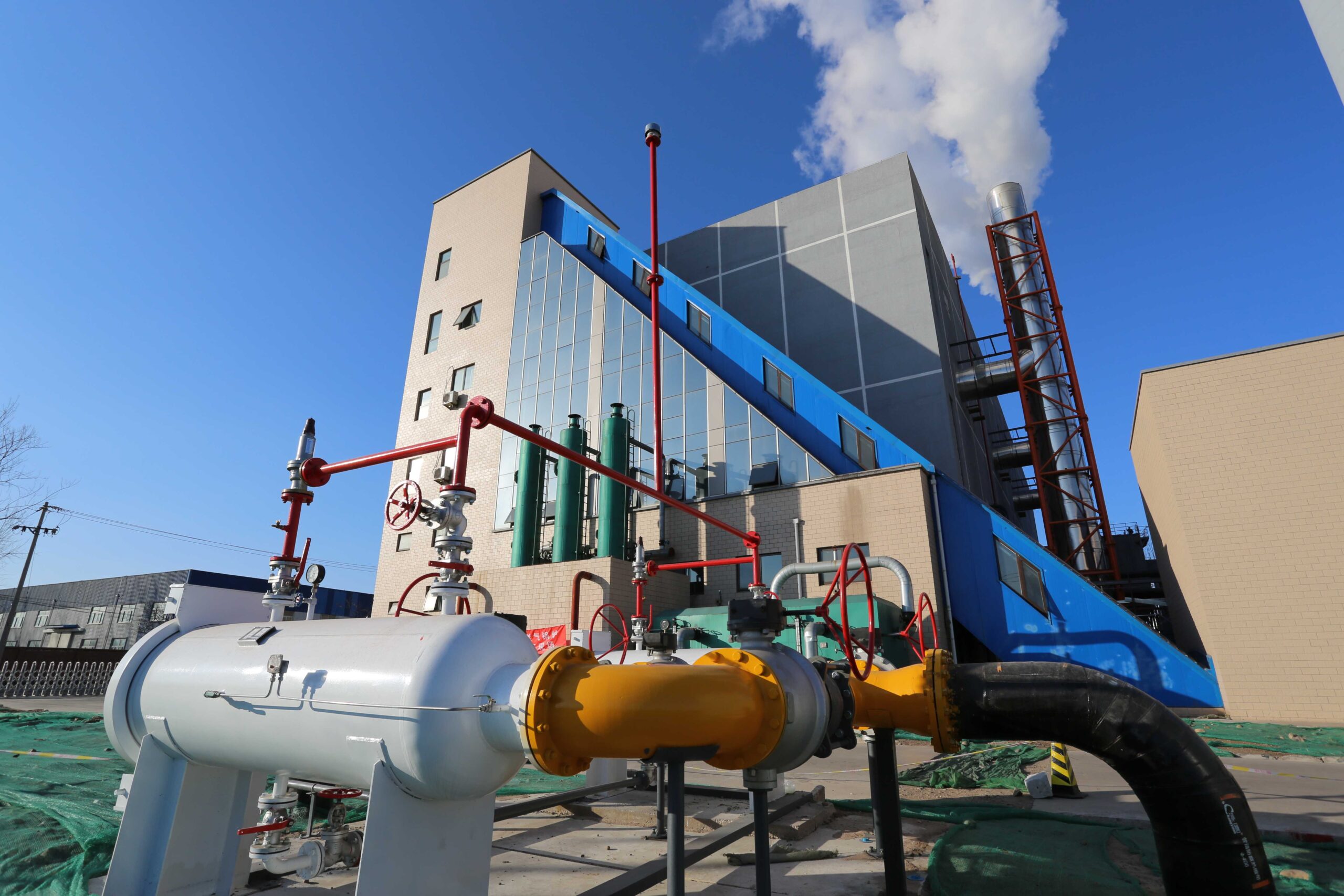
Rising fuel costs, tightening environmental regulations, and increasing pressure to reduce carbon emissions are forcing factories, processing plants, hospitals, food manufacturers, and commercial facilities to rethink their heating systems. Traditional industrial boilers often waste a substantial amount of thermal energy through hot exhaust gases, causing excessive fuel consumption, unstable operating costs, and lower overall system performance. ⚠️ Many industrial operators discover that even well-maintained conventional boilers still lose valuable latent heat directly into the atmosphere. This inefficiency not only increases operating expenses but also accelerates equipment wear, raises maintenance demands, and creates sustainability challenges for modern industrial facilities. Fortunately, condensing industrial boilers solve these problems by capturing and reusing latent heat from flue gases, dramatically improving thermal efficiency, reducing fuel waste, and lowering emissions. ✅ Understanding how condensing boiler technology works helps businesses make informed investments that improve both profitability and environmental compliance.
Condensing industrial boilers achieve higher efficiency ratings because they recover latent heat from water vapor in exhaust gases that conventional boilers normally waste. By cooling flue gases below the dew point, condensing boilers extract additional usable heat through specialized heat exchangers, allowing thermal efficiencies to exceed 90% and sometimes reach 98% under optimal operating conditions. Their advanced heat recovery design reduces fuel consumption, lowers emissions, improves temperature control, and maximizes energy utilization across industrial heating applications.
If you are considering upgrading an industrial steam or hot water system, understanding the science behind condensing technology can help you evaluate lifecycle savings, fuel efficiency improvements, maintenance considerations, and return on investment. 📈 In this comprehensive guide, we will explore how condensing industrial boilers work, why they outperform traditional systems, what industries benefit most from them, and how businesses can optimize their heating systems for maximum efficiency.
Condensing industrial boilers can achieve thermal efficiency ratings above 90%.True
Condensing boilers recover latent heat from flue gases, enabling significantly higher efficiency than conventional non-condensing boilers.
Traditional industrial boilers recover all available heat from combustion gases.False
Conventional boilers typically lose substantial latent heat through exhaust gases because they do not condense water vapor for additional heat recovery.
Understanding Industrial Boiler Efficiency 🔍
Industrial boiler efficiency refers to how effectively a boiler converts fuel energy into usable thermal energy. In simple terms, higher efficiency means less fuel is required to produce the same amount of steam or hot water. This directly impacts operational costs, environmental performance, and long-term equipment sustainability. Efficiency ratings are especially important in industries where boilers operate continuously, such as food processing, pharmaceuticals, textile manufacturing, chemical production, power generation, breweries, hospitals, universities, and district heating systems.
Boiler efficiency is commonly measured in several ways, including combustion efficiency, thermal efficiency, seasonal efficiency, and fuel-to-steam efficiency. Conventional industrial boilers typically achieve efficiencies between 75% and 88%, depending on design, operating conditions, fuel type, and maintenance quality. Condensing industrial boilers, however, can exceed 90% efficiency because they utilize heat that traditional systems discard.
Main Sources of Energy Loss in Traditional Boilers ⚡
| Energy Loss Source | Typical Impact | Explanation |
|---|---|---|
| Hot Flue Gas Loss | High | Heat escapes through exhaust stack |
| Radiation Loss | Moderate | Heat dissipates from boiler surfaces |
| Blowdown Loss | Moderate | Hot water discharged for impurity control |
| Incomplete Combustion | Variable | Fuel not fully burned |
| Excess Air Loss | Moderate | Extra air cools combustion process |
| Cycling Losses | Moderate | Frequent start-stop operations waste energy |
Traditional boilers primarily waste energy through high-temperature exhaust gases. In many systems, stack temperatures exceed 180°C to 250°C. 🔥 These hot gases contain substantial sensible heat and latent heat from water vapor generated during combustion. Conventional boilers only recover sensible heat, while latent heat escapes unused.
Condensing industrial boilers fundamentally change this equation by cooling exhaust gases enough to condense water vapor. During condensation, latent heat is released and transferred back into the heating system, dramatically improving overall efficiency.
What Is a Condensing Industrial Boiler? 🏭
A condensing industrial boiler is a high-efficiency heating system specifically designed to recover additional heat from combustion exhaust gases. Unlike conventional boilers, condensing models use advanced heat exchangers capable of reducing flue gas temperatures below the dew point, typically around 55°C for natural gas combustion.
When water vapor condenses into liquid form, latent heat is released. Instead of allowing this energy to escape through the chimney, condensing boilers capture and transfer it into the return water system. This process significantly increases usable thermal output without consuming additional fuel.
Core Components of a Condensing Boiler 🔧
| Component | Function | Importance |
|---|---|---|
| Primary Heat Exchanger | Transfers initial combustion heat | Main heating stage |
| Secondary Condensing Heat Exchanger | Recovers latent heat | Critical for high efficiency |
| Burner System | Controls fuel-air mixture | Optimizes combustion |
| Flue Gas System | Directs exhaust gases | Enables condensation process |
| Condensate Drain | Removes condensed water | Prevents system buildup |
| Control System | Regulates temperature and modulation | Improves operational precision |
Many condensing industrial boilers use stainless steel or aluminum-silicon alloy heat exchangers because these materials resist corrosion caused by acidic condensate. 💧 The condensate formed during operation contains carbonic acid and trace acidic compounds, making corrosion resistance essential for long-term durability.
The Science Behind Condensing Technology 🧪
The primary reason condensing industrial boilers achieve higher efficiency lies in thermodynamics and phase change energy recovery. To fully understand the efficiency advantage, it is important to examine combustion chemistry and latent heat recovery.
When hydrocarbon fuels such as natural gas burn, they produce carbon dioxide, heat, and water vapor. In traditional boilers, this vapor exits through the stack while still containing recoverable thermal energy.
Simplified Natural Gas Combustion Equation
CH₄ + 2O₂ → CO₂ + 2H₂O + Heat
The water produced exists as vapor within the exhaust stream. Conventional boilers release this vapor into the atmosphere before condensation occurs. Condensing boilers intentionally cool the flue gases below the dew point so the vapor condenses into liquid water.
This condensation releases latent heat, which is then absorbed into the return water circuit. 🌡️ Since latent heat represents a significant energy quantity, recovering it dramatically improves efficiency.
Sensible Heat vs Latent Heat
| Heat Type | Description | Recoverable in Traditional Boilers? | Recoverable in Condensing Boilers? |
|---|---|---|---|
| Sensible Heat | Measurable temperature energy | Yes | Yes |
| Latent Heat | Energy released during phase change | No | Yes |
Latent heat recovery is the defining advantage of condensing technology.
Why Lower Return Water Temperature Matters 🌊
One of the most critical operating conditions for condensing boilers is return water temperature. Condensation only occurs if flue gas temperatures drop below the dew point.
This means lower return water temperatures improve condensing performance. Systems designed with return temperatures below approximately 55°C enable maximum condensation.
Ideal Applications for Condensing Boilers
| Application | Typical Return Temperature | Condensing Suitability |
|---|---|---|
| Radiant Floor Heating | Very Low | Excellent ⭐ |
| District Heating | Low | Excellent ⭐ |
| Process Heating | Moderate | Good ✅ |
| Steam Generation | Higher | Moderate ⚠️ |
| High-Temperature Legacy Systems | High | Limited ❌ |
Industrial facilities that operate low-temperature hydronic systems benefit most from condensing technology.
How Condensing Boilers Reduce Fuel Consumption ⛽
Higher efficiency directly translates into lower fuel consumption. Since condensing boilers extract more usable energy from every unit of fuel, they require less fuel input to achieve identical heating outputs.
For facilities operating continuously, even small efficiency improvements generate substantial annual savings.
Example Fuel Savings Calculation 📊
| Boiler Type | Efficiency | Annual Fuel Usage | Estimated Annual Cost |
|---|---|---|---|
| Conventional Boiler | 80% | 1,250,000 kWh | $125,000 |
| Condensing Boiler | 95% | 1,052,632 kWh | $105,263 |
| Estimated Savings | — | 197,368 kWh | $19,737 |
Over a 10-year lifecycle, savings become extremely significant, especially in large-scale industrial operations.
Advanced Burner Modulation and Smart Controls 🤖
Modern condensing industrial boilers typically include advanced modulation technology. Instead of cycling fully on and off, modulating burners adjust firing rates according to heating demand.
This creates several benefits:
- Reduced fuel waste
- More stable temperatures
- Lower thermal stress
- Reduced cycling losses
- Improved combustion efficiency
- Longer equipment lifespan
- Better process control
Boiler Modulation Comparison
| Feature | Traditional Boiler | Condensing Boiler |
|---|---|---|
| Fixed Firing Rate | Common | Rare |
| Burner Modulation | Limited | Advanced |
| Smart Controls | Basic | Integrated |
| Remote Monitoring | Limited | Common |
| Adaptive Load Matching | Minimal | Excellent |
Smart industrial boilers often integrate with Building Management Systems (BMS) or Industrial Control Systems (ICS), enabling real-time optimization and predictive maintenance. 📡
Flue Gas Temperature Reduction and Heat Recovery 🌡️
One of the clearest indicators of condensing performance is reduced stack temperature.
Traditional boilers may discharge exhaust gases at temperatures exceeding 200°C, while condensing systems may reduce stack temperatures below 60°C.
Typical Flue Gas Temperatures
| Boiler Type | Typical Stack Temperature |
|---|---|
| Conventional Boiler | 180–250°C |
| High-Efficiency Non-Condensing Boiler | 120–180°C |
| Condensing Boiler | 40–70°C |
Lower stack temperatures indicate greater heat extraction.
This not only improves fuel economy but also reduces heat pollution and environmental impact.
Environmental Benefits of Condensing Industrial Boilers 🌍
Industrial facilities face growing pressure to reduce emissions and improve sustainability.
Condensing boilers contribute to environmental goals in multiple ways:
Major Environmental Advantages ✅
| Benefit | Impact |
|---|---|
| Lower CO₂ Emissions | Reduced fuel consumption |
| Lower NOx Emissions | Cleaner combustion |
| Reduced Heat Waste | Improved energy efficiency |
| Better Carbon Compliance | Easier regulatory compliance |
| Lower Fuel Demand | Reduced fossil fuel dependence |
In many countries, governments encourage high-efficiency boiler adoption through energy incentives, rebates, carbon reduction programs, and green building certifications.
Stainless Steel Heat Exchangers and Corrosion Resistance 🛡️
Because condensation creates acidic liquid, material selection is extremely important.
Traditional cast iron or carbon steel heat exchangers may corrode rapidly under condensing conditions.
Modern condensing industrial boilers therefore rely on corrosion-resistant materials such as:
- Stainless steel
- Duplex stainless steel
- Aluminum-silicon alloy
- Titanium-enhanced materials
Heat Exchanger Material Comparison
| Material | Corrosion Resistance | Thermal Conductivity | Typical Usage |
|---|---|---|---|
| Carbon Steel | Low | Moderate | Traditional boilers |
| Cast Iron | Moderate | Moderate | Legacy systems |
| Stainless Steel | Excellent | Good | Condensing boilers |
| Aluminum Alloy | Good | Excellent | Compact systems |
Proper material engineering ensures long-term durability despite continuous condensate exposure.
Industries That Benefit Most from Condensing Boilers 🏢
Condensing industrial boilers are particularly valuable in industries with long operating hours and significant heating demands.
High-Benefit Industries
| Industry | Benefit Level | Key Advantage |
|---|---|---|
| Food Processing | Very High | Continuous hot water demand |
| Pharmaceutical | Very High | Precise temperature control |
| Textile Manufacturing | High | Process heat recovery |
| Breweries | High | Efficient steam generation |
| Hospitals | Very High | Continuous heating needs |
| Universities | High | District heating efficiency |
| Chemical Plants | High | Fuel cost reduction |
For many industrial users, boiler systems represent one of the largest energy expenses. Improving efficiency directly improves profitability.
Real-World Industrial Case Study 📚
A large food processing plant operating two conventional 5 MW boilers faced rising fuel costs and increasing emissions compliance pressure. The facility upgraded to modular condensing industrial boilers with advanced burner modulation.
Before Upgrade
- Boiler efficiency: 81%
- Annual gas consumption: 12 million kWh
- Frequent cycling issues
- High maintenance requirements
- Elevated stack temperatures
After Upgrade
- Boiler efficiency: 95%
- Annual gas consumption reduced by 17%
- Lower maintenance downtime
- Improved process stability
- Significant carbon emission reduction
Measured Performance Improvements
| Metric | Before | After | Improvement |
|---|---|---|---|
| Efficiency | 81% | 95% | +14% |
| Fuel Consumption | 12M kWh | 9.96M kWh | -17% |
| CO₂ Emissions | High | Reduced | Significant |
| Maintenance Downtime | Frequent | Reduced | Improved Reliability |
The project achieved full return on investment within approximately four years. 💰
Common Misconceptions About Condensing Boilers ❓
“Condensing Boilers Only Work in Small Buildings”
This is false. Modern industrial condensing boilers are available in extremely large capacities suitable for industrial campuses, district heating networks, and manufacturing plants.
“Condensing Boilers Are Too Complex”
While they involve more advanced controls, modern automation actually simplifies operation and improves reliability.
“Condensing Boilers Require Excessive Maintenance”
Properly maintained condensing boilers often experience lower thermal stress and improved operational stability compared to conventional systems.
“Efficiency Ratings Are Unrealistic”
High efficiency ratings are achievable under proper operating conditions, particularly with low return water temperatures.
Factors That Affect Condensing Boiler Efficiency 📈
Several operational variables determine real-world efficiency performance.
Key Efficiency Factors
| Factor | Impact on Efficiency |
|---|---|
| Return Water Temperature | Very High |
| Burner Modulation Quality | High |
| Heat Exchanger Design | High |
| Fuel Type | Moderate |
| System Maintenance | High |
| Control System Optimization | High |
| Load Matching | Moderate |
Operators who optimize these parameters maximize fuel savings.
Condensing vs Non-Condensing Industrial Boilers ⚔️
Comprehensive Comparison Table
| Feature | Condensing Boiler | Non-Condensing Boiler |
|---|---|---|
| Thermal Efficiency | 90–98% | 75–88% |
| Latent Heat Recovery | Yes | No |
| Stack Temperature | Low | High |
| Fuel Consumption | Lower | Higher |
| Initial Cost | Higher | Lower |
| Lifecycle Savings | Higher | Lower |
| Emissions | Lower | Higher |
| Smart Controls | Advanced | Basic |
| Corrosion-Resistant Materials | Required | Less Critical |
| Sustainability Performance | Excellent | Moderate |
Although initial purchase costs may be higher, long-term operational savings often justify the investment.
The Role of Economizers and Integrated Heat Recovery ♻️
Some industrial systems further enhance efficiency using economizers.
Economizers recover additional waste heat from exhaust gases and use it to preheat feedwater or combustion air.
When integrated with condensing technology, economizers create ultra-high-efficiency heating systems.
Heat Recovery Technologies
| Technology | Function |
|---|---|
| Condensing Heat Exchanger | Recovers latent heat |
| Economizer | Preheats feedwater |
| Air Preheater | Warms combustion air |
| Blowdown Heat Recovery | Captures waste hot water energy |
Combined systems maximize total plant energy utilization.
Installation Considerations for Condensing Industrial Boilers 🏗️
Installing condensing boilers requires careful engineering analysis.
Important Design Considerations
- Return water temperature profile
- Condensate drainage systems
- Corrosion-resistant venting materials
- Water treatment quality
- Boiler room ventilation
- Control integration
- Load profile analysis
- Redundancy planning
Improper installation can reduce efficiency and shorten equipment lifespan.
Maintenance Requirements and Best Practices 🧰
Although condensing boilers are highly efficient, proper maintenance remains essential.
Recommended Maintenance Activities
| Maintenance Task | Frequency |
|---|---|
| Heat Exchanger Inspection | Quarterly |
| Condensate Drain Cleaning | Monthly |
| Burner Calibration | Annually |
| Combustion Analysis | Annually |
| Water Quality Testing | Monthly |
| Sensor Verification | Quarterly |
Routine maintenance ensures consistent efficiency and prevents corrosion-related problems.
Future Trends in Condensing Boiler Technology 🚀
Industrial heating technology continues evolving rapidly.
Emerging Innovations
| Innovation | Potential Benefit |
|---|---|
| AI-Based Controls | Predictive optimization |
| IoT Monitoring | Real-time diagnostics |
| Hydrogen-Compatible Burners | Lower carbon emissions |
| Hybrid Heat Pump Integration | Ultra-low energy usage |
| Advanced Materials | Improved durability |
Future condensing systems will likely become even more efficient and environmentally friendly.
How to Maximize Condensing Boiler Efficiency 💡
Industrial operators can maximize performance using several proven strategies.
Best Practices Checklist ✅
- Maintain low return water temperatures
- Use advanced modulation controls
- Perform regular combustion tuning
- Insulate piping systems
- Optimize load matching
- Monitor condensate quality
- Use proper water treatment
- Integrate smart automation systems
Facilities that actively optimize boiler operation often achieve significantly greater savings than facilities relying solely on equipment upgrades.
Economic Analysis and Return on Investment 💵
Many industrial buyers initially focus on equipment purchase price rather than lifecycle operating cost.
However, fuel savings often dominate total ownership economics.
Simplified Lifecycle Cost Example
| Cost Category | Conventional Boiler | Condensing Boiler |
|---|---|---|
| Initial Cost | Lower | Higher |
| Annual Fuel Cost | Higher | Lower |
| Maintenance Cost | Moderate | Moderate |
| Emissions Compliance Cost | Higher | Lower |
| 15-Year Total Cost | Higher | Lower |
In energy-intensive industries, condensing boilers frequently deliver attractive ROI periods between 2 and 6 years.
Why Condensing Boilers Support Sustainability Goals 🌱
Corporate sustainability initiatives increasingly influence industrial equipment purchasing decisions.
Condensing industrial boilers align strongly with Environmental, Social, and Governance (ESG) objectives by:
- Reducing greenhouse gas emissions
- Lowering fuel consumption
- Improving energy efficiency
- Supporting carbon neutrality goals
- Enhancing environmental reporting metrics
Many multinational manufacturers now prioritize high-efficiency thermal systems within broader decarbonization strategies.
Conclusion 🏁
Condensing industrial boilers achieve higher efficiency ratings because they recover latent heat from combustion exhaust gases that traditional boilers waste. By using advanced heat exchangers, corrosion-resistant materials, smart burner modulation, and low-temperature heat recovery strategies, these systems convert more fuel energy into usable thermal output while reducing emissions and operating costs. 🔥 Their ability to lower stack temperatures, optimize combustion, and capture condensation energy makes them one of the most effective solutions for modern industrial heating applications.
As energy prices continue rising and environmental regulations become stricter, condensing boiler technology offers industrial facilities a practical pathway toward lower operating expenses, improved sustainability, and long-term operational resilience. Businesses that properly design, install, and maintain condensing systems can achieve substantial fuel savings, improved process reliability, and significant reductions in carbon emissions.
How Should Part-Load Performance Be Evaluated Across Industrial Boiler Technologies?
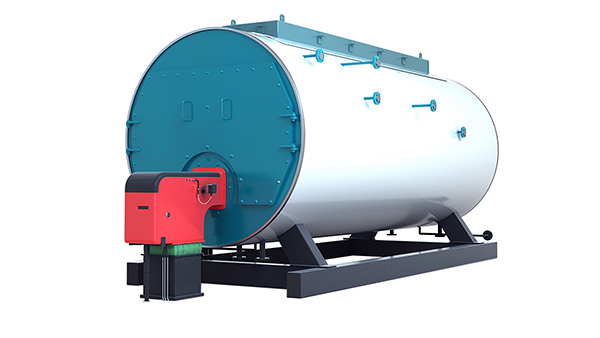
Industrial facilities rarely operate boilers at full capacity all day long. In reality, manufacturing demand fluctuates continuously due to production schedules, seasonal heating changes, varying process loads, maintenance cycles, and operational interruptions. ⚠️ Unfortunately, many industrial operators still evaluate boiler efficiency based only on full-load ratings, which can create a dangerously misleading picture of real-world energy performance. A boiler that performs efficiently at 100% load may become highly inefficient at 40%, 30%, or even 15% load conditions, causing excessive fuel waste, unstable steam supply, increased emissions, and higher operational costs. In industries where boilers spend most of their operating hours under partial load conditions, ignoring part-load behavior can result in poor equipment selection, oversized systems, and significant lifecycle energy losses. Fortunately, understanding part-load performance evaluation methods allows facility managers, engineers, and procurement teams to compare industrial boiler technologies more accurately and optimize long-term energy efficiency, operational reliability, and sustainability. ✅
Part-load performance across industrial boiler technologies should be evaluated by analyzing thermal efficiency, burner modulation capability, cycling frequency, combustion stability, excess air control, heat recovery effectiveness, and operational responsiveness under varying load conditions. Since industrial boilers rarely operate continuously at full output, real-world efficiency depends heavily on how well a boiler maintains fuel economy and stable operation at reduced demand levels. Technologies with advanced modulation, low standby losses, intelligent controls, and effective heat recovery generally achieve superior part-load efficiency and lower lifecycle operating costs.
If your facility operates industrial steam boilers, hot water boilers, thermal oil systems, or hybrid heating plants, understanding part-load evaluation methods can dramatically improve equipment selection and operational strategy. 📈 In this comprehensive guide, we will examine how part-load performance is measured, why it matters across different boiler technologies, which engineering factors influence efficiency at reduced loads, and how industrial operators can optimize system performance for maximum fuel savings.
Industrial boilers often operate most of the time under partial load conditions rather than at full capacity.True
Most industrial heating systems experience fluctuating demand, meaning boilers commonly operate at reduced loads during daily and seasonal cycles.
A boiler with high full-load efficiency will always maintain the same efficiency at low loads.False
Many boilers experience efficiency degradation at reduced loads due to cycling losses, poor combustion control, and heat transfer limitations.
Why Part-Load Performance Matters in Industrial Boiler Systems 📉
Industrial heating demand is dynamic rather than constant. Even facilities with continuous manufacturing operations experience substantial variations in thermal demand caused by production changes, weather conditions, startup periods, cleaning cycles, equipment downtime, and shift scheduling. Despite this operational reality, many traditional boiler selection practices focus heavily on nominal full-load efficiency ratings.
This approach can lead to major inefficiencies because industrial boilers often spend most of their operating time at partial loads rather than maximum capacity. A boiler operating inefficiently at reduced demand can consume far more fuel over its lifetime than expected during design calculations.
Typical Industrial Boiler Operating Profiles
| Operating Load | Typical Annual Operating Time | Importance |
|---|---|---|
| 90–100% Load | Low | Peak production periods |
| 70–90% Load | Moderate | High-demand operation |
| 40–70% Load | High | Common daily operation |
| 20–40% Load | Very High | Seasonal and variable demand |
| Below 20% Load | Moderate | Standby and low-demand periods |
Many industrial boilers spend more than 70% of annual operating hours below 60% load. 🔥 Therefore, part-load efficiency frequently has greater economic importance than full-load performance.
Consequences of Poor Part-Load Performance ⚠️
| Problem | Operational Impact |
|---|---|
| Excess Fuel Consumption | Higher operating costs |
| Frequent Cycling | Increased wear and maintenance |
| Combustion Instability | Higher emissions |
| Temperature Fluctuation | Reduced process quality |
| Low Heat Recovery | Wasted energy |
| Thermal Stress | Reduced equipment lifespan |
Facilities that fail to evaluate part-load characteristics accurately may oversize boilers, increase fuel waste, and reduce system reliability.
Understanding Boiler Load Ratio 🔍
Boiler load ratio refers to the percentage of maximum rated capacity currently being utilized.
For example:
- A 10 MW boiler operating at 10 MW = 100% load
- A 10 MW boiler operating at 5 MW = 50% load
- A 10 MW boiler operating at 2 MW = 20% load
The challenge is that many boiler technologies do not maintain constant efficiency as load decreases.
Full-Load vs Part-Load Efficiency 📊
| Boiler Type | Full-Load Efficiency | 50% Load Efficiency | 20% Load Efficiency |
|---|---|---|---|
| Conventional Fire-Tube Boiler | 85% | 80% | 70% |
| Condensing Boiler | 96% | 95% | 92% |
| Modular Boiler System | 94% | 93% | 91% |
| Electric Boiler | 99% | 99% | 99% |
This demonstrates why evaluating only rated efficiency can be misleading.
Key Metrics for Evaluating Part-Load Performance 🧪
Industrial engineers use several critical metrics when assessing part-load operation.
Thermal Efficiency
Thermal efficiency measures how effectively fuel energy converts into useful heat output under varying load conditions.
Turndown Ratio
Turndown ratio describes how far a boiler can reduce output while maintaining stable combustion.
Typical Turndown Ratios
| Boiler Technology | Typical Turndown Ratio |
|---|---|
| Conventional Boiler | 3:1 |
| Advanced Condensing Boiler | 10:1 |
| Modular Boiler Array | 20:1 or higher |
| Electric Boiler | Extremely flexible |
Higher turndown ratios reduce cycling losses and improve low-load efficiency.
Cycling Frequency
Frequent on-off cycling wastes energy and increases wear.
Effects of Boiler Cycling
| Cycling Effect | Result |
|---|---|
| Repeated Startup Purges | Fuel waste |
| Thermal Expansion Stress | Material fatigue |
| Flame Stabilization Delay | Lower combustion efficiency |
| Control Instability | Process variation |
Boilers with superior modulation capability minimize these losses.
Combustion Stability at Partial Load 🔥
Combustion stability becomes increasingly challenging as firing rates decrease.
Poorly controlled low-load combustion may cause:
- Flame instability
- Incomplete combustion
- Elevated carbon monoxide formation
- Increased excess air requirements
- Reduced heat transfer efficiency
Modern industrial burners therefore use advanced sensors, oxygen trim systems, and digital combustion controls.
Excess Air Control and Efficiency 🌬️
Combustion requires excess air to ensure complete fuel burning. However, excessive air cools combustion gases and reduces efficiency.
Excess Air Impact
| Excess Air Level | Efficiency Impact |
|---|---|
| Optimal Excess Air | Maximum efficiency |
| Moderate Excess Air | Slight efficiency reduction |
| High Excess Air | Significant heat loss |
Advanced boiler technologies maintain tighter air-fuel ratio control during part-load operation.
Evaluating Different Industrial Boiler Technologies ⚙️
Industrial boiler technologies behave differently under partial loads.
Fire-Tube Boilers
Traditional fire-tube boilers are widely used due to simplicity and durability. However, they often experience lower efficiency at reduced loads because of:
- Limited modulation range
- High thermal mass
- Increased standby losses
- Frequent cycling
Fire-Tube Boiler Characteristics
| Attribute | Performance |
|---|---|
| Full-Load Efficiency | Good |
| Part-Load Efficiency | Moderate |
| Thermal Response | Slower |
| Modulation Capability | Limited |
Water-Tube Boilers 💧
Water-tube boilers generally respond faster to changing demand and can support higher operating pressures.
Water-Tube Boiler Characteristics
| Attribute | Performance |
|---|---|
| Dynamic Response | Excellent |
| High-Pressure Capability | Excellent |
| Part-Load Stability | Good |
| Efficiency Retention | Moderate to High |
Advanced controls significantly improve water-tube boiler part-load performance.
Condensing Boilers 🌡️
Condensing industrial boilers often achieve excellent part-load efficiency because lower loads frequently reduce return water temperatures, increasing condensation and latent heat recovery.
Condensing Boiler Part-Load Advantages
| Benefit | Explanation |
|---|---|
| Enhanced Condensation | Lower return temperatures |
| Reduced Stack Losses | Cooler exhaust gases |
| High Turndown Ratios | Stable low-load operation |
| Improved Heat Recovery | Greater latent heat capture |
Many condensing systems actually achieve peak efficiency under moderate partial loads.
Modular Boiler Systems 🏭
Modular systems use multiple smaller boilers operating together.
Instead of one oversized boiler cycling inefficiently, modular arrays stage multiple units according to demand.
Modular Boiler Advantages
| Feature | Benefit |
|---|---|
| Load Matching | Improved efficiency |
| Redundancy | Higher reliability |
| Reduced Cycling | Lower wear |
| Flexible Expansion | Scalability |
For highly variable industrial loads, modular systems frequently outperform single large boilers.
Electric Industrial Boilers ⚡
Electric boilers maintain extremely high efficiency across all load conditions because electrical resistance heating converts nearly all electrical energy into heat.
Electric Boiler Characteristics
| Feature | Performance |
|---|---|
| Part-Load Efficiency | Excellent |
| Emissions at Point of Use | Zero |
| Modulation Capability | Outstanding |
| Fuel Combustion Losses | None |
However, electricity pricing and grid infrastructure remain important considerations.
Heat Recovery and Part-Load Performance ♻️
Heat recovery systems play a major role in maintaining efficiency under variable loads.
Common Heat Recovery Technologies
| Technology | Function |
|---|---|
| Economizers | Recover exhaust heat |
| Condensing Heat Exchangers | Recover latent heat |
| Blowdown Heat Recovery | Capture discharged heat |
| Air Preheaters | Warm combustion air |
The effectiveness of these systems often changes depending on load conditions.
Economizer Performance Under Partial Load 📈
Economizers generally perform best when sufficient exhaust gas temperature remains available.
At very low loads:
- Exhaust temperatures may decrease
- Recoverable heat quantity may decline
- Heat exchanger effectiveness may vary
Proper economizer sizing therefore becomes critical.
Measuring Seasonal Boiler Efficiency 📅
Seasonal efficiency provides a more realistic evaluation than full-load laboratory testing.
It measures annualized performance across varying loads, weather conditions, and operational cycles.
Seasonal Efficiency Factors
| Factor | Influence |
|---|---|
| Part-Load Operation | Major |
| Standby Losses | Significant |
| Cycling Losses | Significant |
| Heat Recovery Performance | Major |
| Ambient Conditions | Moderate |
Seasonal efficiency often reveals substantial differences between competing technologies.
Importance of Control Systems 🤖
Modern industrial boilers rely heavily on digital control systems for optimized part-load operation.
Smart Boiler Control Functions
| Control Function | Purpose |
|---|---|
| Oxygen Trim Control | Maintain combustion efficiency |
| Variable Speed Fans | Reduce electrical consumption |
| Predictive Load Management | Optimize operation |
| Remote Monitoring | Real-time diagnostics |
| Sequencing Logic | Coordinate modular systems |
Advanced controls are now essential for maximizing efficiency under dynamic loads.
Fuel Type Influence on Part-Load Efficiency ⛽
Different fuels affect combustion behavior and efficiency retention.
Fuel Comparison
| Fuel Type | Combustion Stability | Heat Recovery Potential |
|---|---|---|
| Natural Gas | Excellent | High |
| Fuel Oil | Moderate | Moderate |
| Biomass | Variable | Lower |
| Hydrogen Blend | Emerging | Potentially High |
Natural gas systems generally achieve superior low-load combustion stability.
Emissions Performance at Partial Load 🌍
Emissions behavior frequently changes as boilers reduce firing rates.
Common Part-Load Emissions Challenges
| Emission Issue | Cause |
|---|---|
| Increased CO Formation | Incomplete combustion |
| NOx Variation | Flame temperature changes |
| Soot Formation | Poor atomization |
| Unstable Flame | Low firing conditions |
Advanced burner technology helps maintain clean combustion across varying loads.
Thermal Inertia and Dynamic Response 🌡️
Thermal inertia refers to how quickly a boiler responds to load changes.
High thermal mass systems:
- Respond more slowly
- May overshoot temperature targets
- Often experience larger standby losses
Low thermal mass systems:
- Respond rapidly
- Improve process stability
- Reduce cycling duration
Thermal Response Comparison
| Boiler Technology | Dynamic Response |
|---|---|
| Large Fire-Tube Boiler | Slower |
| Water-Tube Boiler | Faster |
| Modular Condensing System | Very Fast |
| Electric Boiler | Near Instant |
Oversizing and Its Impact on Part-Load Efficiency ⚠️
One of the most common industrial boiler design mistakes is oversizing.
Oversized boilers often:
- Operate continuously at low loads
- Cycle excessively
- Experience lower combustion efficiency
- Waste fuel during standby periods
Oversizing Consequences
| Problem | Result |
|---|---|
| Short Cycling | Increased wear |
| Low Efficiency | Higher fuel costs |
| Poor Heat Recovery | Reduced savings |
| Temperature Instability | Process disruption |
Proper load analysis is therefore critical during system design.
Real-World Industrial Case Study 📚
A pharmaceutical manufacturing facility operated a single oversized 12 MW fire-tube boiler that spent most of its operating time below 35% load.
Original System Problems
- Excessive cycling
- Unstable steam pressure
- High gas consumption
- Frequent burner maintenance
- Elevated emissions
The facility replaced the system with modular condensing boilers featuring advanced sequencing controls.
Performance Results After Upgrade
| Metric | Before Upgrade | After Upgrade |
|---|---|---|
| Average Operating Efficiency | 78% | 94% |
| Fuel Consumption | High | Reduced by 21% |
| Cycling Frequency | Frequent | Minimal |
| Maintenance Downtime | High | Reduced |
| Steam Stability | Variable | Excellent |
The project achieved substantial annual energy savings while improving process reliability. 💰
Part-Load Testing Standards and Evaluation Methods 📋
Industrial engineers use several standards and testing methodologies to evaluate boiler performance.
Common Boiler Evaluation Standards
| Standard | Purpose |
|---|---|
| ASME Standards | Boiler performance testing |
| EN Boiler Standards | European efficiency testing |
| AHRI Certification | Thermal performance evaluation |
| ISO Energy Standards | Energy management frameworks |
Testing should include multiple load points rather than single-condition measurements.
Recommended Part-Load Test Points
| Test Condition | Importance |
|---|---|
| 100% Load | Peak capacity verification |
| 75% Load | High-load performance |
| 50% Load | Typical operation |
| 25% Load | Low-load efficiency |
| Minimum Stable Load | Modulation capability |
Comprehensive testing provides more accurate lifecycle projections.
Lifecycle Cost Analysis 💵
Part-load performance strongly influences lifecycle operating cost.
Boiler Lifecycle Cost Components
| Cost Component | Importance |
|---|---|
| Fuel Consumption | Very High |
| Maintenance | High |
| Downtime | High |
| Emissions Compliance | Moderate |
| Electricity Usage | Moderate |
In many industrial applications, fuel costs dominate total ownership economics.
Future Trends in Part-Load Optimization 🚀
Industrial boiler technology continues evolving rapidly.
Emerging Innovations
| Innovation | Potential Advantage |
|---|---|
| AI-Based Combustion Control | Real-time optimization |
| Digital Twin Simulation | Predictive performance modeling |
| IoT Monitoring | Continuous diagnostics |
| Hybrid Boiler Systems | Flexible energy management |
| Hydrogen-Compatible Burners | Decarbonization support |
Future industrial heating systems will likely prioritize dynamic efficiency optimization rather than static full-load ratings.
Best Practices for Evaluating Part-Load Boiler Performance ✅
Industrial operators should adopt a comprehensive evaluation strategy.
Recommended Evaluation Checklist
- Analyze actual facility load profiles
- Compare seasonal efficiency instead of rated efficiency only
- Evaluate turndown capability
- Review cycling frequency behavior
- Assess heat recovery effectiveness
- Examine control system sophistication
- Consider maintenance implications
- Evaluate fuel flexibility
- Model lifecycle operating costs
- Verify emissions stability at low loads
Facilities that evaluate real-world operating behavior rather than laboratory peak performance often achieve significantly better long-term outcomes.
Summary 🏁
Part-load performance evaluation is one of the most important factors in selecting and optimizing industrial boiler technologies because most industrial systems rarely operate continuously at full capacity. Boilers that maintain high efficiency under variable loads can dramatically reduce fuel consumption, improve process stability, lower emissions, minimize cycling losses, and reduce long-term operating costs. 🔥 Effective evaluation should include thermal efficiency analysis, modulation capability, combustion stability, heat recovery performance, control sophistication, and lifecycle operating economics across multiple operating conditions.
Modern condensing boilers, modular systems, advanced water-tube designs, and digitally optimized combustion technologies frequently outperform traditional systems under partial loads due to superior modulation and intelligent control strategies. As industrial energy management becomes increasingly focused on sustainability, decarbonization, and operational flexibility, part-load optimization will continue playing a central role in future boiler system design and evaluation.
Why Do Condensing Industrial Boilers Achieve Higher Efficiency Ratings?
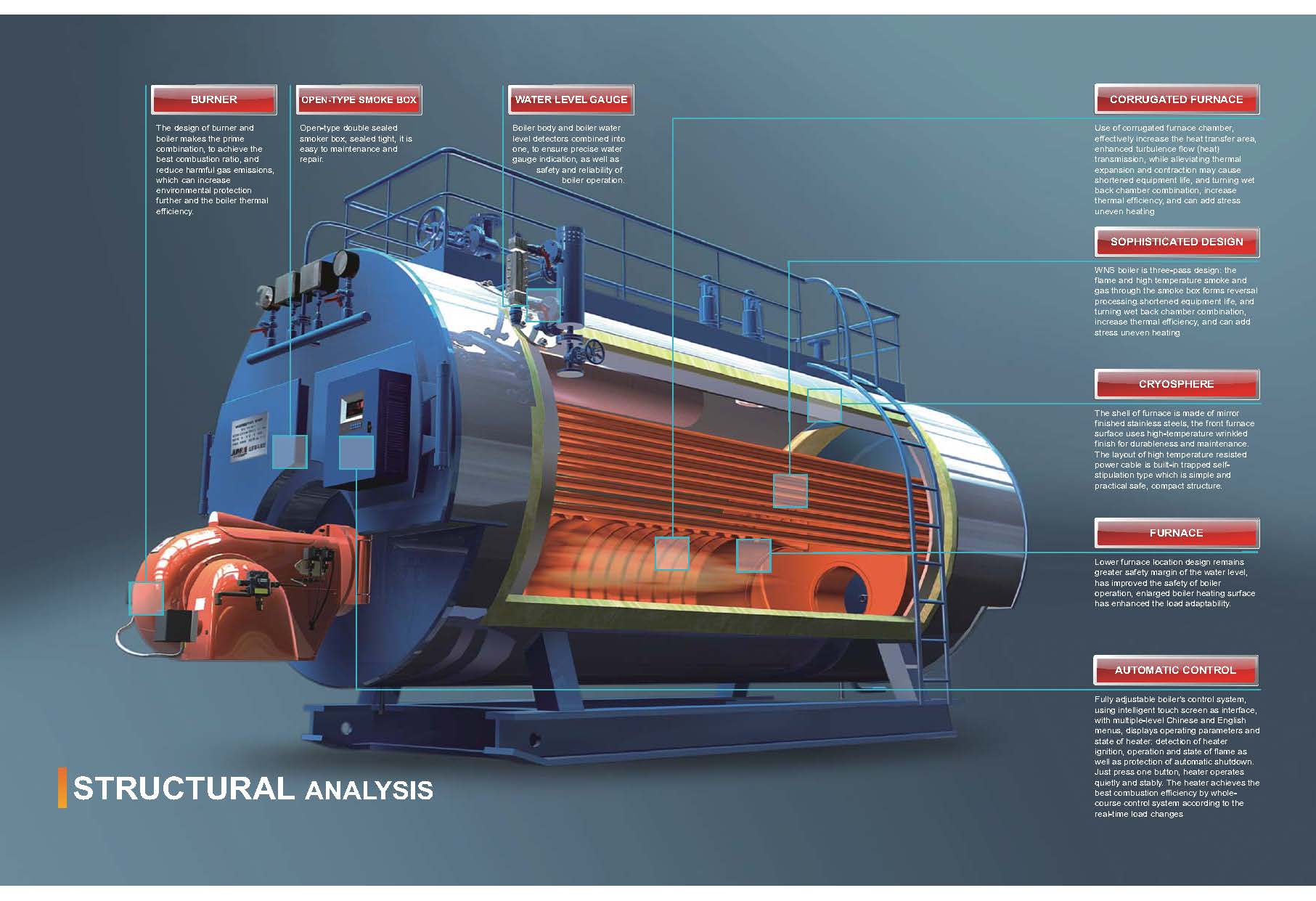
Rising fuel costs, tightening environmental regulations, and increasing pressure to reduce carbon emissions are forcing factories, processing plants, hospitals, food manufacturers, and commercial facilities to rethink their heating systems. Traditional industrial boilers often waste a substantial amount of thermal energy through hot exhaust gases, causing excessive fuel consumption, unstable operating costs, and lower overall system performance. ⚠️ Many industrial operators discover that even well-maintained conventional boilers still lose valuable latent heat directly into the atmosphere. This inefficiency not only increases operating expenses but also accelerates equipment wear, raises maintenance demands, and creates sustainability challenges for modern industrial facilities. Fortunately, condensing industrial boilers solve these problems by capturing and reusing latent heat from flue gases, dramatically improving thermal efficiency, reducing fuel waste, and lowering emissions. ✅ Understanding how condensing boiler technology works helps businesses make informed investments that improve both profitability and environmental compliance.
Condensing industrial boilers achieve higher efficiency ratings because they recover latent heat from water vapor in exhaust gases that conventional boilers normally waste. By cooling flue gases below the dew point, condensing boilers extract additional usable heat through specialized heat exchangers, allowing thermal efficiencies to exceed 90% and sometimes reach 98% under optimal operating conditions. Their advanced heat recovery design reduces fuel consumption, lowers emissions, improves temperature control, and maximizes energy utilization across industrial heating applications.
If you are considering upgrading an industrial steam or hot water system, understanding the science behind condensing technology can help you evaluate lifecycle savings, fuel efficiency improvements, maintenance considerations, and return on investment. 📈 In this comprehensive guide, we will explore how condensing industrial boilers work, why they outperform traditional systems, what industries benefit most from them, and how businesses can optimize their heating systems for maximum efficiency.
Condensing industrial boilers can achieve thermal efficiency ratings above 90%.True
Condensing boilers recover latent heat from flue gases, enabling significantly higher efficiency than conventional non-condensing boilers.
Traditional industrial boilers recover all available heat from combustion gases.False
Conventional boilers typically lose substantial latent heat through exhaust gases because they do not condense water vapor for additional heat recovery.
Understanding Industrial Boiler Efficiency 🔍
Industrial boiler efficiency refers to how effectively a boiler converts fuel energy into usable thermal energy. In simple terms, higher efficiency means less fuel is required to produce the same amount of steam or hot water. This directly impacts operational costs, environmental performance, and long-term equipment sustainability. Efficiency ratings are especially important in industries where boilers operate continuously, such as food processing, pharmaceuticals, textile manufacturing, chemical production, power generation, breweries, hospitals, universities, and district heating systems.
Boiler efficiency is commonly measured in several ways, including combustion efficiency, thermal efficiency, seasonal efficiency, and fuel-to-steam efficiency. Conventional industrial boilers typically achieve efficiencies between 75% and 88%, depending on design, operating conditions, fuel type, and maintenance quality. Condensing industrial boilers, however, can exceed 90% efficiency because they utilize heat that traditional systems discard.
Main Sources of Energy Loss in Traditional Boilers ⚡
| Energy Loss Source | Typical Impact | Explanation |
|---|---|---|
| Hot Flue Gas Loss | High | Heat escapes through exhaust stack |
| Radiation Loss | Moderate | Heat dissipates from boiler surfaces |
| Blowdown Loss | Moderate | Hot water discharged for impurity control |
| Incomplete Combustion | Variable | Fuel not fully burned |
| Excess Air Loss | Moderate | Extra air cools combustion process |
| Cycling Losses | Moderate | Frequent start-stop operations waste energy |
Traditional boilers primarily waste energy through high-temperature exhaust gases. In many systems, stack temperatures exceed 180°C to 250°C. 🔥 These hot gases contain substantial sensible heat and latent heat from water vapor generated during combustion. Conventional boilers only recover sensible heat, while latent heat escapes unused.
Condensing industrial boilers fundamentally change this equation by cooling exhaust gases enough to condense water vapor. During condensation, latent heat is released and transferred back into the heating system, dramatically improving overall efficiency.
What Is a Condensing Industrial Boiler? 🏭
A condensing industrial boiler is a high-efficiency heating system specifically designed to recover additional heat from combustion exhaust gases. Unlike conventional boilers, condensing models use advanced heat exchangers capable of reducing flue gas temperatures below the dew point, typically around 55°C for natural gas combustion.
When water vapor condenses into liquid form, latent heat is released. Instead of allowing this energy to escape through the chimney, condensing boilers capture and transfer it into the return water system. This process significantly increases usable thermal output without consuming additional fuel.
Core Components of a Condensing Boiler 🔧
| Component | Function | Importance |
|---|---|---|
| Primary Heat Exchanger | Transfers initial combustion heat | Main heating stage |
| Secondary Condensing Heat Exchanger | Recovers latent heat | Critical for high efficiency |
| Burner System | Controls fuel-air mixture | Optimizes combustion |
| Flue Gas System | Directs exhaust gases | Enables condensation process |
| Condensate Drain | Removes condensed water | Prevents system buildup |
| Control System | Regulates temperature and modulation | Improves operational precision |
Many condensing industrial boilers use stainless steel or aluminum-silicon alloy heat exchangers because these materials resist corrosion caused by acidic condensate. 💧 The condensate formed during operation contains carbonic acid and trace acidic compounds, making corrosion resistance essential for long-term durability.
The Science Behind Condensing Technology 🧪
The primary reason condensing industrial boilers achieve higher efficiency lies in thermodynamics and phase change energy recovery. To fully understand the efficiency advantage, it is important to examine combustion chemistry and latent heat recovery.
When hydrocarbon fuels such as natural gas burn, they produce carbon dioxide, heat, and water vapor. In traditional boilers, this vapor exits through the stack while still containing recoverable thermal energy.
Simplified Natural Gas Combustion Equation
CH₄ + 2O₂ → CO₂ + 2H₂O + Heat
The water produced exists as vapor within the exhaust stream. Conventional boilers release this vapor into the atmosphere before condensation occurs. Condensing boilers intentionally cool the flue gases below the dew point so the vapor condenses into liquid water.
This condensation releases latent heat, which is then absorbed into the return water circuit. 🌡️ Since latent heat represents a significant energy quantity, recovering it dramatically improves efficiency.
Sensible Heat vs Latent Heat
| Heat Type | Description | Recoverable in Traditional Boilers? | Recoverable in Condensing Boilers? |
|---|---|---|---|
| Sensible Heat | Measurable temperature energy | Yes | Yes |
| Latent Heat | Energy released during phase change | No | Yes |
Latent heat recovery is the defining advantage of condensing technology.
Why Lower Return Water Temperature Matters 🌊
One of the most critical operating conditions for condensing boilers is return water temperature. Condensation only occurs if flue gas temperatures drop below the dew point.
This means lower return water temperatures improve condensing performance. Systems designed with return temperatures below approximately 55°C enable maximum condensation.
Ideal Applications for Condensing Boilers
| Application | Typical Return Temperature | Condensing Suitability |
|---|---|---|
| Radiant Floor Heating | Very Low | Excellent ⭐ |
| District Heating | Low | Excellent ⭐ |
| Process Heating | Moderate | Good ✅ |
| Steam Generation | Higher | Moderate ⚠️ |
| High-Temperature Legacy Systems | High | Limited ❌ |
Industrial facilities that operate low-temperature hydronic systems benefit most from condensing technology.
How Condensing Boilers Reduce Fuel Consumption ⛽
Higher efficiency directly translates into lower fuel consumption. Since condensing boilers extract more usable energy from every unit of fuel, they require less fuel input to achieve identical heating outputs.
For facilities operating continuously, even small efficiency improvements generate substantial annual savings.
Example Fuel Savings Calculation 📊
| Boiler Type | Efficiency | Annual Fuel Usage | Estimated Annual Cost |
|---|---|---|---|
| Conventional Boiler | 80% | 1,250,000 kWh | $125,000 |
| Condensing Boiler | 95% | 1,052,632 kWh | $105,263 |
| Estimated Savings | — | 197,368 kWh | $19,737 |
Over a 10-year lifecycle, savings become extremely significant, especially in large-scale industrial operations.
Advanced Burner Modulation and Smart Controls 🤖
Modern condensing industrial boilers typically include advanced modulation technology. Instead of cycling fully on and off, modulating burners adjust firing rates according to heating demand.
This creates several benefits:
- Reduced fuel waste
- More stable temperatures
- Lower thermal stress
- Reduced cycling losses
- Improved combustion efficiency
- Longer equipment lifespan
- Better process control
Boiler Modulation Comparison
| Feature | Traditional Boiler | Condensing Boiler |
|---|---|---|
| Fixed Firing Rate | Common | Rare |
| Burner Modulation | Limited | Advanced |
| Smart Controls | Basic | Integrated |
| Remote Monitoring | Limited | Common |
| Adaptive Load Matching | Minimal | Excellent |
Smart industrial boilers often integrate with Building Management Systems (BMS) or Industrial Control Systems (ICS), enabling real-time optimization and predictive maintenance. 📡
Flue Gas Temperature Reduction and Heat Recovery 🌡️
One of the clearest indicators of condensing performance is reduced stack temperature.
Traditional boilers may discharge exhaust gases at temperatures exceeding 200°C, while condensing systems may reduce stack temperatures below 60°C.
Typical Flue Gas Temperatures
| Boiler Type | Typical Stack Temperature |
|---|---|
| Conventional Boiler | 180–250°C |
| High-Efficiency Non-Condensing Boiler | 120–180°C |
| Condensing Boiler | 40–70°C |
Lower stack temperatures indicate greater heat extraction.
This not only improves fuel economy but also reduces heat pollution and environmental impact.
Environmental Benefits of Condensing Industrial Boilers 🌍
Industrial facilities face growing pressure to reduce emissions and improve sustainability.
Condensing boilers contribute to environmental goals in multiple ways:
Major Environmental Advantages ✅
| Benefit | Impact |
|---|---|
| Lower CO₂ Emissions | Reduced fuel consumption |
| Lower NOx Emissions | Cleaner combustion |
| Reduced Heat Waste | Improved energy efficiency |
| Better Carbon Compliance | Easier regulatory compliance |
| Lower Fuel Demand | Reduced fossil fuel dependence |
In many countries, governments encourage high-efficiency boiler adoption through energy incentives, rebates, carbon reduction programs, and green building certifications.
Stainless Steel Heat Exchangers and Corrosion Resistance 🛡️
Because condensation creates acidic liquid, material selection is extremely important.
Traditional cast iron or carbon steel heat exchangers may corrode rapidly under condensing conditions.
Modern condensing industrial boilers therefore rely on corrosion-resistant materials such as:
- Stainless steel
- Duplex stainless steel
- Aluminum-silicon alloy
- Titanium-enhanced materials
Heat Exchanger Material Comparison
| Material | Corrosion Resistance | Thermal Conductivity | Typical Usage |
|---|---|---|---|
| Carbon Steel | Low | Moderate | Traditional boilers |
| Cast Iron | Moderate | Moderate | Legacy systems |
| Stainless Steel | Excellent | Good | Condensing boilers |
| Aluminum Alloy | Good | Excellent | Compact systems |
Proper material engineering ensures long-term durability despite continuous condensate exposure.
Industries That Benefit Most from Condensing Boilers 🏢
Condensing industrial boilers are particularly valuable in industries with long operating hours and significant heating demands.
High-Benefit Industries
| Industry | Benefit Level | Key Advantage |
|---|---|---|
| Food Processing | Very High | Continuous hot water demand |
| Pharmaceutical | Very High | Precise temperature control |
| Textile Manufacturing | High | Process heat recovery |
| Breweries | High | Efficient steam generation |
| Hospitals | Very High | Continuous heating needs |
| Universities | High | District heating efficiency |
| Chemical Plants | High | Fuel cost reduction |
For many industrial users, boiler systems represent one of the largest energy expenses. Improving efficiency directly improves profitability.
Real-World Industrial Case Study 📚
A large food processing plant operating two conventional 5 MW boilers faced rising fuel costs and increasing emissions compliance pressure. The facility upgraded to modular condensing industrial boilers with advanced burner modulation.
Before Upgrade
- Boiler efficiency: 81%
- Annual gas consumption: 12 million kWh
- Frequent cycling issues
- High maintenance requirements
- Elevated stack temperatures
After Upgrade
- Boiler efficiency: 95%
- Annual gas consumption reduced by 17%
- Lower maintenance downtime
- Improved process stability
- Significant carbon emission reduction
Measured Performance Improvements
| Metric | Before | After | Improvement |
|---|---|---|---|
| Efficiency | 81% | 95% | +14% |
| Fuel Consumption | 12M kWh | 9.96M kWh | -17% |
| CO₂ Emissions | High | Reduced | Significant |
| Maintenance Downtime | Frequent | Reduced | Improved Reliability |
The project achieved full return on investment within approximately four years. 💰
Common Misconceptions About Condensing Boilers ❓
“Condensing Boilers Only Work in Small Buildings”
This is false. Modern industrial condensing boilers are available in extremely large capacities suitable for industrial campuses, district heating networks, and manufacturing plants.
“Condensing Boilers Are Too Complex”
While they involve more advanced controls, modern automation actually simplifies operation and improves reliability.
“Condensing Boilers Require Excessive Maintenance”
Properly maintained condensing boilers often experience lower thermal stress and improved operational stability compared to conventional systems.
“Efficiency Ratings Are Unrealistic”
High efficiency ratings are achievable under proper operating conditions, particularly with low return water temperatures.
Factors That Affect Condensing Boiler Efficiency 📈
Several operational variables determine real-world efficiency performance.
Key Efficiency Factors
| Factor | Impact on Efficiency |
|---|---|
| Return Water Temperature | Very High |
| Burner Modulation Quality | High |
| Heat Exchanger Design | High |
| Fuel Type | Moderate |
| System Maintenance | High |
| Control System Optimization | High |
| Load Matching | Moderate |
Operators who optimize these parameters maximize fuel savings.
Condensing vs Non-Condensing Industrial Boilers ⚔️
Comprehensive Comparison Table
| Feature | Condensing Boiler | Non-Condensing Boiler |
|---|---|---|
| Thermal Efficiency | 90–98% | 75–88% |
| Latent Heat Recovery | Yes | No |
| Stack Temperature | Low | High |
| Fuel Consumption | Lower | Higher |
| Initial Cost | Higher | Lower |
| Lifecycle Savings | Higher | Lower |
| Emissions | Lower | Higher |
| Smart Controls | Advanced | Basic |
| Corrosion-Resistant Materials | Required | Less Critical |
| Sustainability Performance | Excellent | Moderate |
Although initial purchase costs may be higher, long-term operational savings often justify the investment.
The Role of Economizers and Integrated Heat Recovery ♻️
Some industrial systems further enhance efficiency using economizers.
Economizers recover additional waste heat from exhaust gases and use it to preheat feedwater or combustion air.
When integrated with condensing technology, economizers create ultra-high-efficiency heating systems.
Heat Recovery Technologies
| Technology | Function |
|---|---|
| Condensing Heat Exchanger | Recovers latent heat |
| Economizer | Preheats feedwater |
| Air Preheater | Warms combustion air |
| Blowdown Heat Recovery | Captures waste hot water energy |
Combined systems maximize total plant energy utilization.
Installation Considerations for Condensing Industrial Boilers 🏗️
Installing condensing boilers requires careful engineering analysis.
Important Design Considerations
- Return water temperature profile
- Condensate drainage systems
- Corrosion-resistant venting materials
- Water treatment quality
- Boiler room ventilation
- Control integration
- Load profile analysis
- Redundancy planning
Improper installation can reduce efficiency and shorten equipment lifespan.
Maintenance Requirements and Best Practices 🧰
Although condensing boilers are highly efficient, proper maintenance remains essential.
Recommended Maintenance Activities
| Maintenance Task | Frequency |
|---|---|
| Heat Exchanger Inspection | Quarterly |
| Condensate Drain Cleaning | Monthly |
| Burner Calibration | Annually |
| Combustion Analysis | Annually |
| Water Quality Testing | Monthly |
| Sensor Verification | Quarterly |
Routine maintenance ensures consistent efficiency and prevents corrosion-related problems.
Future Trends in Condensing Boiler Technology 🚀
Industrial heating technology continues evolving rapidly.
Emerging Innovations
| Innovation | Potential Benefit |
|---|---|
| AI-Based Controls | Predictive optimization |
| IoT Monitoring | Real-time diagnostics |
| Hydrogen-Compatible Burners | Lower carbon emissions |
| Hybrid Heat Pump Integration | Ultra-low energy usage |
| Advanced Materials | Improved durability |
Future condensing systems will likely become even more efficient and environmentally friendly.
How to Maximize Condensing Boiler Efficiency 💡
Industrial operators can maximize performance using several proven strategies.
Best Practices Checklist ✅
- Maintain low return water temperatures
- Use advanced modulation controls
- Perform regular combustion tuning
- Insulate piping systems
- Optimize load matching
- Monitor condensate quality
- Use proper water treatment
- Integrate smart automation systems
Facilities that actively optimize boiler operation often achieve significantly greater savings than facilities relying solely on equipment upgrades.
Economic Analysis and Return on Investment 💵
Many industrial buyers initially focus on equipment purchase price rather than lifecycle operating cost.
However, fuel savings often dominate total ownership economics.
Simplified Lifecycle Cost Example
| Cost Category | Conventional Boiler | Condensing Boiler |
|---|---|---|
| Initial Cost | Lower | Higher |
| Annual Fuel Cost | Higher | Lower |
| Maintenance Cost | Moderate | Moderate |
| Emissions Compliance Cost | Higher | Lower |
| 15-Year Total Cost | Higher | Lower |
In energy-intensive industries, condensing boilers frequently deliver attractive ROI periods between 2 and 6 years.
Why Condensing Boilers Support Sustainability Goals 🌱
Corporate sustainability initiatives increasingly influence industrial equipment purchasing decisions.
Condensing industrial boilers align strongly with Environmental, Social, and Governance (ESG) objectives by:
- Reducing greenhouse gas emissions
- Lowering fuel consumption
- Improving energy efficiency
- Supporting carbon neutrality goals
- Enhancing environmental reporting metrics
Many multinational manufacturers now prioritize high-efficiency thermal systems within broader decarbonization strategies.
Summary 🏁
Condensing industrial boilers achieve higher efficiency ratings because they recover latent heat from combustion exhaust gases that traditional boilers waste. By using advanced heat exchangers, corrosion-resistant materials, smart burner modulation, and low-temperature heat recovery strategies, these systems convert more fuel energy into usable thermal output while reducing emissions and operating costs. 🔥 Their ability to lower stack temperatures, optimize combustion, and capture condensation energy makes them one of the most effective solutions for modern industrial heating applications.
As energy prices continue rising and environmental regulations become stricter, condensing boiler technology offers industrial facilities a practical pathway toward lower operating expenses, improved sustainability, and long-term operational resilience. Businesses that properly design, install, and maintain condensing systems can achieve substantial fuel savings, improved process reliability, and significant reductions in carbon emissions.
What Factors Should Be Considered Beyond Efficiency Ratings When Comparing Industrial Boilers?
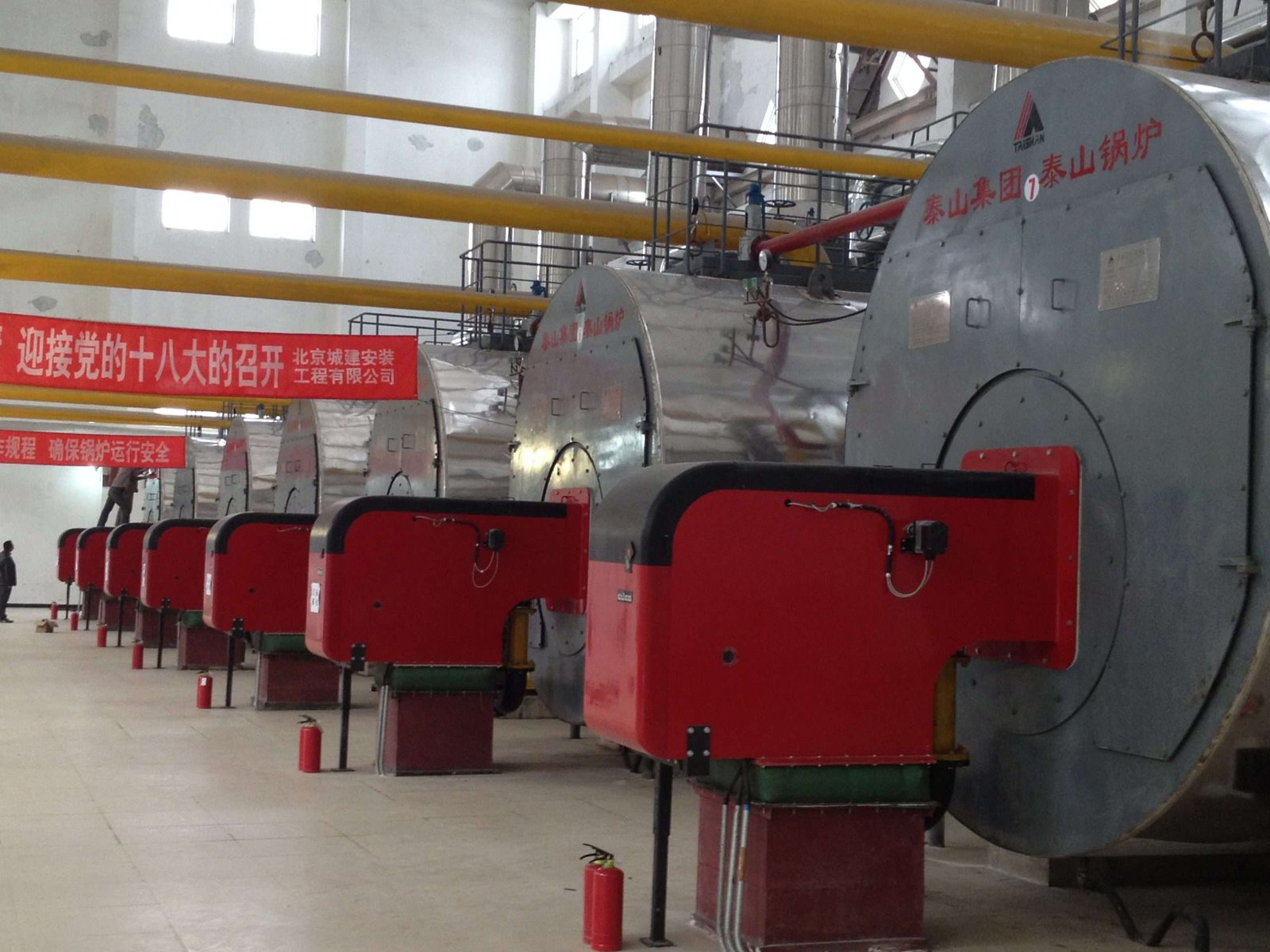
Industrial buyers often focus heavily on efficiency ratings when selecting a boiler system, believing that the highest efficiency percentage automatically guarantees the best long-term investment. ⚠️ While thermal efficiency is undeniably important, relying solely on efficiency ratings can lead to costly mistakes, operational limitations, maintenance challenges, reliability issues, and unexpected lifecycle expenses. In real industrial environments, boiler performance depends on far more than laboratory-tested efficiency figures. Factors such as load flexibility, fuel compatibility, maintenance requirements, installation constraints, emissions compliance, durability, safety systems, automation capabilities, water quality sensitivity, and lifecycle operating economics frequently have a greater impact on long-term operational success than efficiency ratings alone. Many facilities discover too late that a boiler with impressive advertised efficiency may struggle under actual operating conditions, resulting in unstable performance, excessive downtime, higher maintenance costs, and poor return on investment. Fortunately, evaluating industrial boilers through a broader engineering and operational perspective allows businesses to select systems that deliver superior reliability, sustainability, adaptability, and long-term value. ✅
When comparing industrial boilers, buyers should evaluate not only thermal efficiency ratings but also part-load performance, fuel flexibility, reliability, maintenance requirements, emissions compliance, control system sophistication, lifecycle operating costs, safety features, scalability, installation complexity, water quality tolerance, heat recovery capability, and long-term operational adaptability. Since industrial boilers operate under dynamic real-world conditions rather than ideal laboratory environments, comprehensive system evaluation is essential for achieving optimal performance, energy savings, reliability, and total cost efficiency.
Selecting the right industrial boiler is a strategic investment that influences production reliability, energy consumption, sustainability performance, maintenance planning, and future operational flexibility for many years. 📈 In this comprehensive guide, we will examine the critical factors that industrial engineers, facility managers, procurement specialists, and plant operators should consider beyond efficiency ratings when comparing industrial boiler technologies.
High efficiency ratings alone do not guarantee the best industrial boiler choice for every application.True
Real-world boiler selection depends on many additional factors including reliability, maintenance, operational flexibility, and lifecycle costs.
All industrial boilers with similar efficiency ratings will perform equally under real operating conditions.False
Different boiler technologies vary significantly in part-load behavior, durability, controls, maintenance requirements, and operational stability.
Why Efficiency Ratings Alone Can Be Misleading ⚠️
Efficiency ratings are usually measured under controlled laboratory conditions at specific load points. However, industrial facilities rarely operate under perfectly stable conditions.
Actual boiler performance depends on:
- Variable process demand
- Seasonal temperature changes
- Part-load operation
- Water quality conditions
- Maintenance practices
- Fuel quality variations
- System integration design
- Operator expertise
A boiler with a slightly lower rated efficiency may outperform a higher-rated competitor in real-world operation if it offers better modulation capability, lower maintenance downtime, superior controls, or greater durability.
Laboratory Efficiency vs Real-World Efficiency 📊
| Evaluation Condition | Laboratory Testing | Real Industrial Operation |
|---|---|---|
| Load Stability | Constant | Variable |
| Fuel Quality | Controlled | Fluctuating |
| Ambient Conditions | Stable | Changing |
| Water Quality | Optimized | Variable |
| Maintenance | Ideal | Realistic |
| Operator Interaction | Minimal | Continuous |
This is why lifecycle performance analysis is essential.
Part-Load Performance and Operational Flexibility 🔄
One of the most overlooked boiler comparison factors is part-load efficiency.
Most industrial boilers spend the majority of operating hours below maximum capacity. Boilers that maintain high efficiency at reduced loads often deliver greater annual energy savings than systems optimized only for full-load conditions.
Importance of Turndown Ratio
| Boiler Technology | Typical Turndown Ratio |
|---|---|
| Conventional Fire-Tube Boiler | 3:1 |
| Advanced Condensing Boiler | 10:1 |
| Modular Boiler System | 20:1 or higher |
| Electric Boiler | Extremely Flexible |
Higher turndown ratios reduce cycling losses and improve operational stability.
Cycling Losses and Equipment Wear 🔧
Frequent boiler cycling creates multiple operational problems:
- Increased fuel waste
- Thermal stress on components
- Burner wear acceleration
- Unstable steam pressure
- Higher maintenance frequency
Cycling Impact Comparison
| Operational Condition | Effect |
|---|---|
| Frequent Start-Stop Cycles | Reduced efficiency |
| Stable Modulating Operation | Improved efficiency |
| Oversized Boiler Operation | Increased cycling |
| Proper Load Matching | Lower wear |
Boilers designed for flexible modulation generally achieve superior long-term performance.
Reliability and System Availability 🛡️
In many industrial applications, reliability is more valuable than marginal efficiency improvements.
Unexpected boiler downtime can result in:
- Production interruption
- Product quality issues
- Revenue loss
- Emergency repair expenses
- Safety risks
Reliability Evaluation Factors
| Reliability Factor | Importance |
|---|---|
| Burner Durability | High |
| Heat Exchanger Design | High |
| Control System Stability | High |
| Spare Parts Availability | Critical |
| Service Network Support | Critical |
Industrial facilities operating 24/7 often prioritize operational uptime over peak efficiency ratings.
Fuel Flexibility and Future Adaptability ⛽
Fuel flexibility is becoming increasingly important as energy markets evolve.
Common Industrial Boiler Fuels
| Fuel Type | Advantages | Challenges |
|---|---|---|
| Natural Gas | Clean combustion | Price volatility |
| Fuel Oil | High energy density | Emissions concerns |
| Biomass | Renewable energy | Fuel variability |
| Electricity | Zero on-site emissions | Grid dependency |
| Hydrogen Blend | Decarbonization potential | Infrastructure limitations |
Boilers capable of adapting to multiple fuels may provide greater long-term resilience.
Emissions Compliance and Environmental Regulations 🌍
Environmental regulations continue becoming stricter worldwide.
Industrial boiler selection should therefore include emissions performance evaluation.
Key Emissions Categories
| Emission Type | Environmental Concern |
|---|---|
| CO₂ | Climate change |
| NOx | Air pollution |
| SOx | Acid rain |
| Particulate Matter | Respiratory health |
| Carbon Monoxide | Combustion inefficiency |
Low-emission burners, condensing technology, and advanced combustion controls significantly improve environmental performance.
Boiler Control Systems and Automation 🤖
Modern industrial boilers increasingly rely on intelligent automation.
Advanced Boiler Control Functions
| Control Feature | Operational Benefit |
|---|---|
| Oxygen Trim Control | Improved combustion efficiency |
| Remote Monitoring | Predictive maintenance |
| Variable Speed Drives | Reduced electrical consumption |
| AI-Based Optimization | Dynamic efficiency improvement |
| Sequencing Controls | Better modular coordination |
Advanced controls can dramatically improve real-world operating efficiency.
Maintenance Requirements and Serviceability 🧰
Maintenance complexity strongly influences total ownership cost.
Important Maintenance Considerations
| Maintenance Factor | Impact |
|---|---|
| Ease of Access | Faster servicing |
| Heat Exchanger Cleaning | Reduced downtime |
| Spare Part Availability | Improved reliability |
| Technician Skill Requirements | Training needs |
| Water Treatment Sensitivity | Maintenance frequency |
Some highly efficient systems may require more specialized maintenance expertise.
Water Quality Sensitivity 💧
Industrial boiler performance depends heavily on water quality.
Poor water treatment can cause:
- Scaling
- Corrosion
- Heat transfer reduction
- Tube failure
- Increased maintenance costs
Water Quality Risks
| Water Issue | Operational Consequence |
|---|---|
| Hardness | Scale buildup |
| Oxygen Content | Corrosion |
| Dissolved Solids | Carryover problems |
| Improper pH | Material degradation |
Different boiler technologies vary significantly in water quality tolerance.
Heat Recovery Capability ♻️
Heat recovery systems can significantly influence overall plant efficiency.
Common Heat Recovery Technologies
| Technology | Function |
|---|---|
| Economizer | Recover exhaust heat |
| Condensing Heat Exchanger | Capture latent heat |
| Blowdown Heat Recovery | Reuse discharged heat |
| Air Preheater | Warm combustion air |
Integrated heat recovery often creates greater savings than efficiency ratings alone suggest.
Installation Requirements and Space Constraints 🏗️
Industrial facilities frequently face installation limitations.
Important Installation Factors
| Factor | Consideration |
|---|---|
| Boiler Room Space | Physical footprint |
| Ventilation Requirements | Air supply needs |
| Chimney Design | Exhaust compatibility |
| Structural Support | Equipment weight |
| Utility Connections | Fuel and electrical integration |
Compact modular systems may offer advantages in constrained facilities.
Scalability and Future Expansion 📈
Industrial demand often changes over time.
Scalability Evaluation
| System Type | Expansion Flexibility |
|---|---|
| Single Large Boiler | Limited |
| Modular Boiler Plant | Excellent |
| Hybrid Heating System | Very High |
Scalable systems support future growth with lower capital disruption.
Safety Features and Operational Protection 🚨
Industrial boilers operate under high temperatures and pressures.
Safety systems are therefore essential.
Critical Boiler Safety Features
| Safety System | Purpose |
|---|---|
| Pressure Relief Valves | Prevent overpressure |
| Flame Safeguard Controls | Detect combustion failure |
| Low Water Cutoff | Prevent dry firing |
| Gas Leak Detection | Improve facility safety |
| Emergency Shutdown Systems | Rapid hazard response |
Safety engineering should never be sacrificed for marginal efficiency gains.
Lifecycle Cost Analysis 💵
Initial purchase cost and efficiency ratings represent only part of total ownership economics.
Boiler Lifecycle Cost Components
| Cost Category | Typical Importance |
|---|---|
| Fuel Consumption | Very High |
| Maintenance | High |
| Downtime Costs | High |
| Spare Parts | Moderate |
| Operator Training | Moderate |
| Regulatory Compliance | Moderate |
| Disposal or Replacement | Moderate |
Comprehensive lifecycle analysis provides a more accurate comparison framework.
Condensing vs Non-Condensing Boiler Economics 🔥
Condensing boilers usually have higher upfront costs but lower operating expenses.
Economic Comparison
| Feature | Condensing Boiler | Conventional Boiler |
|---|---|---|
| Initial Cost | Higher | Lower |
| Fuel Savings | Higher | Lower |
| Maintenance Complexity | Moderate | Lower |
| Emissions Performance | Excellent | Moderate |
| Lifecycle Savings | Higher | Lower |
Long-term operational modeling is essential when comparing systems.
Importance of Manufacturer Support 🏢
Strong manufacturer support can significantly influence long-term reliability.
Support Evaluation Criteria
| Support Factor | Importance |
|---|---|
| Technical Training | High |
| Spare Parts Availability | Critical |
| Global Service Network | High |
| Remote Diagnostics | Increasingly Important |
| Warranty Coverage | High |
Industrial operators should evaluate supplier capabilities carefully.
Digitalization and Smart Monitoring 📡
Industrial heating systems are becoming increasingly digital.
Smart Boiler Technologies
| Technology | Operational Benefit |
|---|---|
| IoT Sensors | Real-time monitoring |
| Predictive Maintenance | Reduced downtime |
| Cloud Analytics | Performance optimization |
| AI Diagnostics | Early fault detection |
| Energy Dashboards | Improved visibility |
Digital systems help optimize efficiency, maintenance, and reliability simultaneously.
Carbon Reduction and Sustainability Goals 🌱
Sustainability objectives increasingly influence industrial equipment selection.
Sustainability Evaluation Factors
| Sustainability Metric | Importance |
|---|---|
| Carbon Emissions | Very High |
| Fuel Efficiency | High |
| Renewable Fuel Compatibility | Increasing |
| Water Consumption | Moderate |
| Heat Recovery Integration | High |
Future-ready boiler systems support long-term decarbonization strategies.
Hybrid Boiler Systems and Energy Integration ⚡
Many modern facilities now combine multiple heating technologies.
Hybrid System Components
| Technology | Role |
|---|---|
| Condensing Boilers | Base thermal generation |
| Electric Boilers | Peak flexibility |
| Heat Pumps | Low-temperature heating |
| Thermal Storage | Load balancing |
| Renewable Energy Systems | Carbon reduction |
Integrated systems may outperform standalone boiler solutions.
Real-World Industrial Case Study 📚
A food processing facility initially selected a boiler based primarily on advertised efficiency ratings.
However, the original system experienced:
- Frequent downtime
- Limited modulation range
- High maintenance costs
- Poor low-load performance
- Difficult spare parts sourcing
The facility later upgraded to a modular condensing boiler plant with advanced controls and integrated heat recovery.
Performance Improvements After Upgrade
| Metric | Original System | Upgraded System |
|---|---|---|
| Annual Fuel Consumption | High | Reduced by 18% |
| Downtime Frequency | Frequent | Minimal |
| Maintenance Costs | High | Lower |
| Operational Flexibility | Limited | Excellent |
| Emissions Performance | Moderate | Improved |
The project delivered stronger operational reliability and lower total ownership cost despite higher initial capital investment. 💰
Common Boiler Selection Mistakes ❌
Many industrial facilities make avoidable evaluation errors.
Frequent Mistakes
| Mistake | Consequence |
|---|---|
| Focusing Only on Efficiency | Incomplete evaluation |
| Oversizing Boilers | Cycling losses |
| Ignoring Water Quality | Corrosion and scaling |
| Underestimating Maintenance | Higher lifecycle cost |
| Neglecting Part-Load Operation | Fuel waste |
| Choosing Lowest Initial Price | Reduced reliability |
Comprehensive engineering analysis helps avoid these problems.
Future Trends in Industrial Boiler Evaluation 🚀
Industrial boiler comparison methods continue evolving.
Emerging Evaluation Priorities
| Trend | Industry Impact |
|---|---|
| Decarbonization | Cleaner fuels and electrification |
| AI Optimization | Dynamic performance improvement |
| Digital Twin Simulation | Predictive engineering |
| Hydrogen Compatibility | Future fuel readiness |
| ESG Reporting | Sustainability accountability |
Future industrial boiler evaluation will increasingly emphasize adaptability, resilience, and sustainability rather than simple peak efficiency ratings.
Best Practices for Comparing Industrial Boilers ✅
Industrial buyers should adopt a multidimensional evaluation strategy.
Recommended Evaluation Checklist
- Analyze real operating load profiles
- Compare seasonal rather than peak efficiency
- Evaluate maintenance requirements
- Assess emissions compliance capability
- Review manufacturer support quality
- Examine control system sophistication
- Consider future fuel flexibility
- Analyze lifecycle operating costs
- Evaluate scalability and expansion potential
- Review water treatment requirements
- Assess heat recovery integration capability
- Verify safety system design
Facilities that use comprehensive comparison methods typically achieve stronger long-term performance and lower ownership costs.
Summary 🏁
Industrial boiler comparison should extend far beyond simple efficiency ratings because real-world operational success depends on many interconnected engineering, economic, environmental, and reliability factors. 🔥 While thermal efficiency remains important, factors such as part-load performance, fuel flexibility, maintenance requirements, emissions compliance, control system sophistication, safety engineering, scalability, water quality tolerance, and lifecycle cost analysis frequently have an even greater influence on long-term operational value.
Modern industrial facilities increasingly require boiler systems that are adaptable, digitally optimized, environmentally compliant, and capable of supporting future decarbonization goals. Businesses that evaluate industrial boilers through a comprehensive lifecycle perspective rather than relying solely on peak efficiency numbers are far more likely to achieve reliable performance, lower operating costs, stronger sustainability outcomes, and improved return on investment.
Conclusion
Comparing industrial boiler efficiency across technologies requires more than reviewing a single percentage value. Factors such as operating conditions, load performance, fuel type, heat recovery systems, and real-world efficiency all influence actual boiler performance. A comprehensive evaluation helps businesses select the most energy-efficient and cost-effective solution for their specific industrial application.
If you need expert guidance in comparing industrial boiler technologies or selecting the most efficient system for your operation, contact us today. Our team provides professional consultation, advanced boiler solutions, and customized recommendations to help you maximize energy savings and operational performance.
FAQ
Q1: What does industrial boiler efficiency mean?
A:
Industrial boiler efficiency refers to how effectively a boiler converts fuel energy into usable heat, steam, or hot water for industrial processes. Efficiency ratings are critical because they directly affect fuel consumption, operating costs, emissions levels, and overall system performance.
Boiler efficiency is usually expressed as a percentage. For example, a boiler with 90% efficiency converts 90% of the fuel’s energy into usable thermal energy, while the remaining 10% is lost through exhaust gases, radiation, blowdown, and other inefficiencies.
Several efficiency measurement methods are commonly used in industrial boiler evaluations. Combustion efficiency measures how effectively the burner converts fuel into heat. Thermal efficiency evaluates total usable heat output compared to fuel input. Fuel-to-steam efficiency is another important metric used in steam boiler systems to measure how efficiently fuel energy becomes usable steam energy.
Different boiler technologies achieve different efficiency levels. Traditional fire-tube boilers often provide moderate efficiency suitable for smaller industrial applications, while modern water-tube boilers can achieve higher efficiency in large continuous operations. Condensing boilers recover additional heat from flue gases, significantly increasing efficiency in low-temperature applications.
Boiler operating conditions also influence efficiency. Load variations, steam pressure, return water temperature, excess air levels, insulation quality, and maintenance practices all affect real-world performance.
High-efficiency boilers help industries reduce fuel costs and comply with environmental regulations by lowering greenhouse gas emissions and improving energy utilization. As energy prices and sustainability requirements continue to increase, efficiency ratings have become one of the most important factors in industrial boiler selection.
Understanding boiler efficiency measurements allows engineers and facility managers to compare technologies accurately and choose systems that provide the best balance of performance, operating cost savings, and environmental benefits.
Q2: How do fire-tube and water-tube boiler efficiencies compare?
A:
Fire-tube and water-tube boilers differ significantly in design, operating conditions, and efficiency performance. Understanding these differences is important when comparing industrial boiler technologies for various applications.
Fire-tube boilers operate by passing hot combustion gases through tubes surrounded by water. These systems are generally simpler, more compact, and less expensive to install and maintain. Fire-tube boilers are commonly used in smaller industrial facilities, commercial buildings, food processing plants, and institutional heating systems.
In terms of efficiency, modern fire-tube boilers can achieve relatively high thermal efficiency, especially when equipped with advanced burners, economizers, and condensing technology. However, their efficiency may decrease under highly variable load conditions or very large steam demand applications.
Water-tube boilers work differently. Water circulates inside tubes while combustion gases flow around them. This design allows faster heat transfer, higher operating pressures, and greater steam generation capacity. Water-tube systems are widely used in power plants, chemical processing, refineries, and heavy manufacturing operations.
Water-tube boilers often achieve higher efficiency in large-scale continuous industrial applications because they handle high-pressure steam generation more effectively and respond quickly to changing load demands. Their design also supports advanced heat recovery systems such as superheaters and economizers.
Another important difference is operational flexibility. Water-tube boilers generally perform better in applications requiring rapid startup, fluctuating loads, and high-capacity operation. Fire-tube boilers may be more efficient in smaller stable-load environments where operational simplicity is prioritized.
Maintenance and water quality management also affect efficiency. Water-tube boilers require stricter water treatment and more advanced maintenance procedures due to their smaller tube diameters and high-pressure operation.
Ultimately, the best efficiency choice depends on operational scale, steam demand, pressure requirements, maintenance capabilities, and long-term energy goals.
Q3: Why are condensing boilers considered highly efficient?
A:
Condensing boilers are considered highly efficient because they recover additional heat from exhaust gases that conventional boilers normally release into the atmosphere. This heat recovery process significantly improves fuel utilization and reduces overall energy waste.
Traditional boilers lose a considerable amount of heat through hot flue gases generated during combustion. Condensing boilers capture latent heat from water vapor within these gases by cooling the exhaust below its dew point. The recovered heat is then transferred back into the heating system, improving thermal efficiency.
This technology is especially effective in low-temperature heating applications where return water temperatures remain low enough to maximize condensation. District heating systems, commercial heating networks, hospitals, schools, and some industrial hot water systems commonly benefit from condensing boiler technology.
Condensing boilers often achieve efficiency levels above 90%, making them among the most energy-efficient boiler technologies available. The exact efficiency depends on fuel type, operating temperature, load conditions, and system design.
Natural gas is commonly used because gas combustion produces significant water vapor content, increasing condensation potential. Some biomass and hybrid systems can also incorporate condensing heat recovery technology.
In addition to fuel savings, condensing boilers help reduce greenhouse gas emissions because they consume less fuel for the same heat output. Lower emissions of carbon dioxide and nitrogen oxides support environmental compliance and sustainability goals.
Modern condensing boilers also include advanced controls, variable-speed pumps, automated combustion management, and integrated heat exchangers that further improve efficiency and operational flexibility.
Although condensing boilers may involve higher upfront investment costs, long-term fuel savings often provide strong economic returns, especially in facilities with continuous heating demand and high annual operating hours.
Their combination of high efficiency, lower emissions, and energy savings makes condensing boilers increasingly popular across industrial, commercial, and district heating applications.
Q4: How do biomass and waste-to-energy boiler efficiencies compare with fossil-fuel boilers?
A:
Biomass and waste-to-energy (WTE) boilers can achieve competitive efficiency levels compared to conventional fossil-fuel boilers, although performance depends heavily on fuel quality, combustion technology, and system design.
Fossil-fuel boilers operating on natural gas often achieve very high thermal efficiency because gas combustion is clean, consistent, and easy to control. Modern natural gas condensing boilers are among the most efficient industrial boiler systems available.
Biomass boilers use renewable organic materials such as wood chips, pellets, agricultural residues, and forestry waste. While biomass combustion can be highly efficient, fuel variability presents additional challenges. Moisture content, particle size, and fuel composition can affect combustion stability and heat transfer performance.
Advanced biomass technologies such as fluidized bed combustion and automated fuel feeding systems help improve combustion efficiency and operational reliability. Many modern biomass boilers achieve strong efficiency performance while supporting renewable energy goals and reducing carbon emissions.
Waste-to-energy boilers generate steam and electricity by combusting municipal solid waste or industrial waste materials. Their efficiency depends on waste composition, moisture levels, combustion temperature control, and heat recovery system design.
Although WTE systems may have lower direct thermal efficiency compared to premium natural gas systems, they provide important environmental and economic benefits by reducing landfill waste and recovering usable energy from discarded materials.
Combined heat and power (CHP) integration can significantly improve overall efficiency for biomass and WTE systems. CHP plants simultaneously generate electricity and useful thermal energy, greatly increasing total energy utilization.
Emissions control systems also influence overall operational efficiency. Biomass and WTE boilers often require advanced filtration and flue gas treatment systems to meet environmental regulations, which may increase system complexity and energy consumption.
When comparing efficiency across technologies, it is important to evaluate not only direct thermal efficiency but also fuel sustainability, carbon impact, waste reduction benefits, and total lifecycle energy performance.
Q5: What factors should be considered when comparing industrial boiler efficiency ratings?
A:
Comparing industrial boiler efficiency ratings requires evaluating several technical and operational factors because efficiency performance can vary significantly depending on system design, operating conditions, and application requirements.
One of the first considerations is the efficiency measurement method used. Different manufacturers may report combustion efficiency, thermal efficiency, gross efficiency, net efficiency, or fuel-to-steam efficiency. Understanding these definitions is essential for accurate comparisons.
Operating load conditions also matter. Boilers rarely operate continuously at full capacity. Some technologies perform efficiently under partial loads, while others lose efficiency during fluctuating demand. Facilities with variable steam requirements should evaluate part-load efficiency carefully.
Fuel type strongly affects efficiency ratings. Natural gas boilers generally achieve higher efficiency than coal or heavy oil systems because gas burns more cleanly and supports advanced condensing technology. Biomass and waste-derived fuels may have lower calorific value and variable combustion characteristics.
Return water temperature is particularly important for condensing boilers. These systems achieve maximum efficiency only when return temperatures remain low enough for effective heat recovery from exhaust gases.
Heat recovery technologies also influence efficiency performance. Economizers, superheaters, condensing heat exchangers, and waste heat recovery systems can significantly improve overall energy utilization.
Maintenance quality and water treatment practices affect long-term efficiency as well. Scaling, corrosion, soot buildup, and poor combustion tuning can reduce thermal performance over time.
Environmental compliance requirements should also be considered. Some high-efficiency systems may require advanced emissions controls or specialized fuel handling infrastructure, affecting total operating costs and complexity.
Lifecycle cost analysis is often more valuable than simply comparing initial efficiency percentages. Fuel savings, maintenance expenses, system reliability, emissions compliance, and operational flexibility all contribute to long-term economic performance.
Careful evaluation of these factors helps engineers select boiler technologies that provide the best balance of efficiency, sustainability, reliability, and cost-effectiveness for specific industrial applications.
References
Industrial Boiler Efficiency Guide — https://www.energy.gov/eere/amo/steam-systems — Source: U.S. Department of Energy
Boiler Efficiency and Combustion Basics — https://www.spiraxsarco.com/learn-about-steam/the-boiler-house — Source: Spirax Sarco
Fire-Tube vs Water-Tube Boiler Comparison — https://www.britannica.com/technology/water-tube-boiler — Source: Encyclopaedia Britannica
Condensing Boiler Technology Overview — https://www.energy.gov/energysaver/furnaces-and-boilers — Source: U.S. Department of Energy
Industrial Boiler Performance Analysis — https://www.powermag.com/boilers-101-what-they-are-and-how-they-work/ — Source: POWER Magazine
Biomass Boiler Efficiency — https://www.ieabioenergy.com/ — Source: IEA Bioenergy
Waste-to-Energy Systems Overview — https://www.epa.gov/smm/energy-recovery-combustion-municipal-solid-waste-msw — Source: U.S. Environmental Protection Agency
Boiler Room Efficiency Best Practices — https://www.cleaverbrooks.com/boiler-room-guide — Source: Cleaver-Brooks
Steam System Optimization — https://www.tlv.com/global/US/steam-info/steam-theory/steam-basics/ — Source: TLV
Industrial Boiler Sustainability Solutions — https://www.thermaxglobal.com/industrial-boilers/ — Source: Thermax
How to compare efficiency ratings of industrial boilers across technologies? Read More »