
How to Ensure Safe Industrial Boiler Operation Under Load?
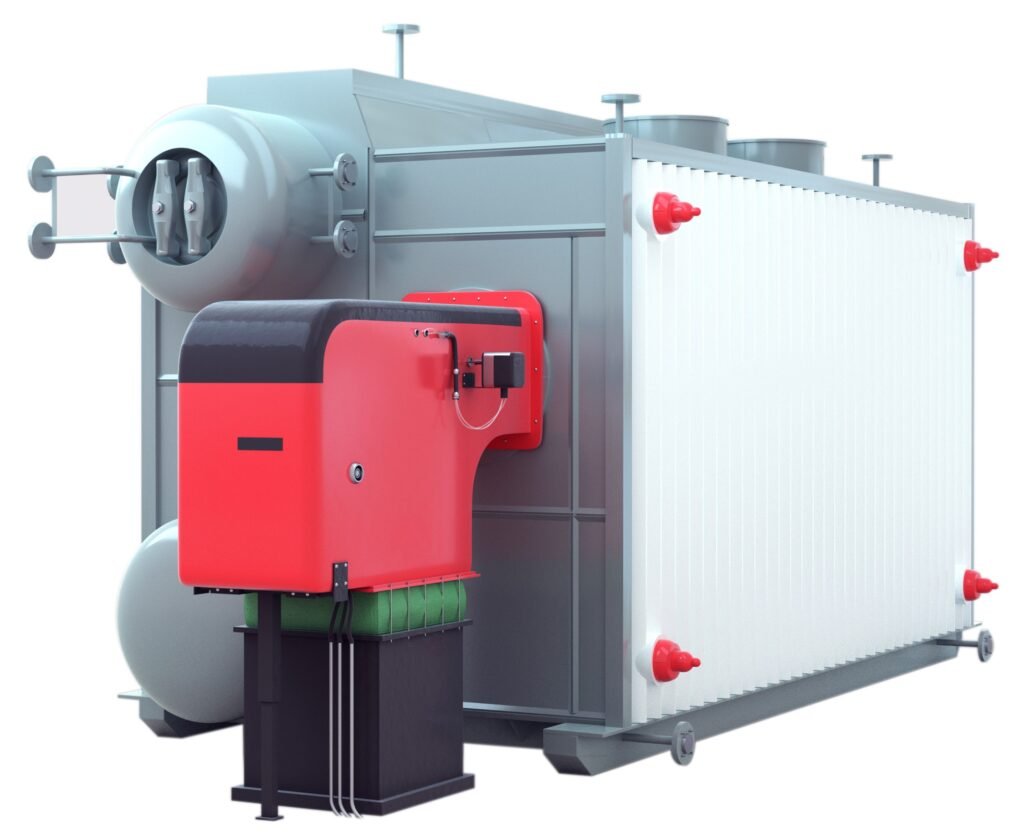
Industrial boilers often operate under fluctuating load conditions due to changing production demands, seasonal variations, or process adjustments. Without proper control and monitoring, these load changes can cause pressure instability, inefficient combustion, overheating, thermal stress, and even serious safety incidents. Many facilities struggle to maintain stable and safe boiler performance during rapid load transitions, increasing the risk of equipment damage and operational downtime. Implementing the right operational strategies is essential to ensure boiler safety and reliability under all load conditions.
Safe operation of industrial boilers under various load conditions requires proper load management, continuous monitoring of pressure and temperature, optimized combustion control, reliable water level regulation, regular safety device testing, and advanced automation systems. Maintaining stable operating parameters and conducting preventive maintenance help prevent thermal stress, pressure fluctuations, fuel inefficiency, and unsafe operating conditions.
To achieve consistent and safe boiler performance, operators must understand how different load conditions affect system behavior and how to respond effectively.
How Do Load Changes Affect the Safe Operation of Industrial Boilers?
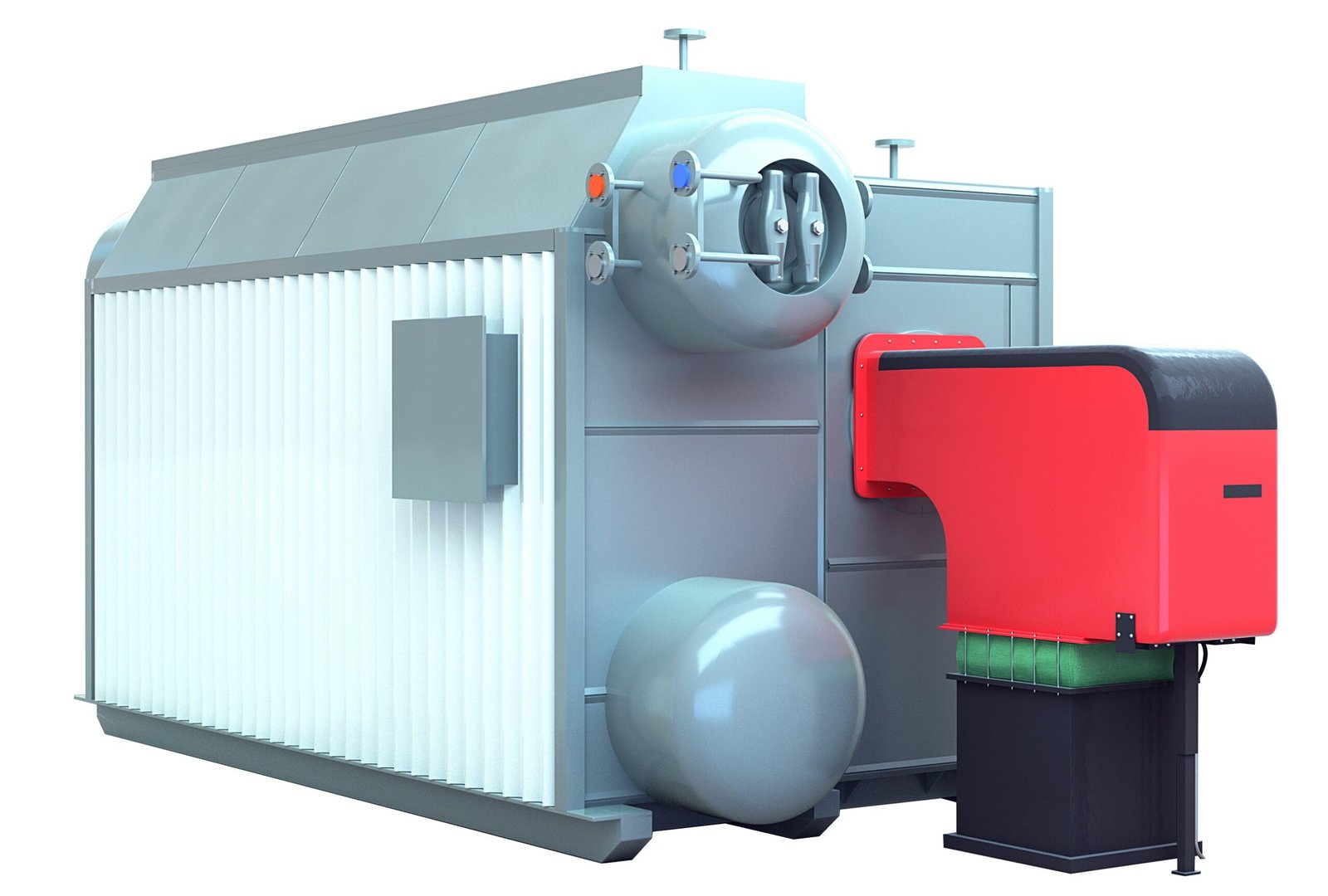
Industrial boilers are designed to deliver continuous, stable steam output under demanding operating conditions. However, in real-world industrial environments, steam demand rarely remains constant. Sudden production shifts, grid demand fluctuations, and process variability frequently force boilers to operate under changing loads. When these load changes occur, operators often underestimate the stress imposed on boiler components and control systems. The consequences can be severe: thermal fatigue, combustion instability, pressure fluctuations, reduced efficiency, and even safety incidents such as tube rupture or flame failure. Over time, repeated load cycling accelerates equipment degradation and increases operational risk, especially in older or poorly optimized systems. Understanding how load changes affect boiler safety is therefore essential for maintaining reliability, extending equipment life, and ensuring regulatory compliance in industrial operations.
Load changes affect the safe operation of industrial boilers by introducing thermal stress, combustion instability, pressure fluctuations, and control system delays that collectively reduce efficiency and increase the risk of mechanical failure if not properly managed through advanced control strategies and disciplined operational practices.
To fully understand these impacts, it is necessary to examine how boilers respond dynamically to load variations, how internal physical processes are affected, and what engineering strategies can be applied to mitigate associated risks.
Industrial boilers operate more safely when exposed to frequent rapid load changes.False
Frequent rapid load changes increase thermal cycling, fatigue stress, and combustion instability, all of which reduce operational safety rather than improve it.
1. Thermal Stress and Structural Impact Caused by Load Variations
Industrial boilers operate under extreme temperature and pressure conditions, and any deviation in load directly alters heat transfer balance within the system. When load increases rapidly, fuel input rises quickly, but water circulation and steam generation lag behind. This mismatch creates uneven temperature distribution across boiler tubes, drum walls, and superheater sections. The result is thermal stress, which is one of the primary causes of long-term structural fatigue.
When load decreases suddenly, residual heat remains trapped in the furnace, leading to localized overheating. Refractory materials may crack, and metal components may experience thermal expansion beyond safe design limits. These repeated cycles of heating and cooling cause cumulative damage over time.
Table 1: Thermal Stress Response Under Load Changes
| Load Condition | Thermal Behavior | Material Response | Safety Risk Level |
|---|---|---|---|
| Rapid Load Increase | Heat transfer lag, furnace cooling effect | Tube tension due to uneven expansion | Medium |
| Rapid Load Decrease | Heat accumulation in furnace | Refractory cracking, tube overheating | High |
| Frequent Cycling | Repeated expansion/contraction | Metal fatigue, microcrack formation | Very High |
| Stable Load | Balanced heat distribution | Minimal stress accumulation | Low |
Repeated exposure to thermal cycling is particularly dangerous because it leads to microscopic cracks in welded joints and high-stress zones. These cracks may not immediately affect performance but can propagate under continued operation, eventually leading to catastrophic failure if not detected early.
2. Combustion Instability and Flame Control Challenges
Combustion stability is highly sensitive to load fluctuations because fuel and air supply must remain precisely balanced. Any mismatch between these two inputs during load transitions can lead to incomplete combustion or flame instability.
During rapid load increases, fuel supply may rise faster than air supply, resulting in oxygen deficiency. This causes incomplete combustion, producing carbon monoxide and unburned hydrocarbons. Conversely, if air supply increases too quickly, flame temperature may drop, leading to unstable combustion or flame extinction.
Modern boilers use automated control systems such as distributed control systems (DCS), oxygen trim systems, and feedforward control loops to manage these transitions. However, even advanced systems face inherent delays due to sensor response time and actuator limitations.
Table 2: Combustion Behavior Under Load Variation
| Parameter | High Load Condition | Low Load Condition | Operational Challenge |
|---|---|---|---|
| Fuel Flow | High and rapidly adjusted | Low and unstable | Synchronization with air flow |
| Air Flow | Increased demand | Reduced demand | Preventing oxygen imbalance |
| Flame Stability | Generally stable if controlled | Prone to extinction | Maintaining ignition reliability |
| CO Emissions | May spike during transition | Moderate but variable | Ensuring complete combustion |
| Efficiency | High if stable | Reduced at low load | Maintaining optimal air-fuel ratio |
Combustion instability not only reduces efficiency but also increases the risk of furnace explosion under extreme conditions where unburned fuel accumulates and re-ignites suddenly.
3. Pressure Fluctuations and Steam Quality Degradation
Steam pressure is another critical parameter affected by load changes. When load increases suddenly, steam demand rises faster than the boiler can generate steam, causing a temporary drop in drum pressure. This pressure drop may result in water carryover, where liquid droplets are entrained in steam lines, damaging turbines and downstream equipment.
During sudden load reductions, pressure can rise rapidly, triggering safety valve activation. While safety valves protect the system, frequent activation leads to energy loss and mechanical wear.
Pressure instability also affects steam quality, which is crucial for industrial processes requiring dry and superheated steam.
Table 3: Pressure Behavior and Safety Implications
| Load Scenario | Pressure Response | Steam Quality Impact | Equipment Risk |
|---|---|---|---|
| Rapid Load Increase | Pressure drop | Wet steam formation | Turbine erosion |
| Rapid Load Decrease | Pressure spike | Overheated steam | Valve wear |
| Frequent Cycling | Oscillating pressure | Inconsistent steam quality | System fatigue |
| Stable Operation | Steady pressure | High-quality dry steam | Minimal risk |
4. Efficiency Losses and Economic Consequences
Boilers are most efficient at stable, design-specific load conditions. When load fluctuates frequently, efficiency declines due to transient losses during adjustment periods. These losses accumulate over time and significantly increase fuel consumption.
At low loads, heat losses become proportionally larger, and combustion efficiency drops. At high loads, reduced residence time in the furnace can lead to incomplete combustion.
Maintenance costs also rise due to increased wear from thermal cycling and control system strain.
5. Operational Strategies for Safe Load Management
To mitigate risks associated with load changes, industrial facilities implement several engineering and operational strategies:
- Sliding pressure operation: Reduces mechanical stress during load changes
- Ramp rate control: Limits speed of load transitions
- Oxygen trim systems: Maintain optimal combustion balance
- Predictive control systems: Anticipate load demand changes
- Improved material selection: Enhances resistance to thermal fatigue
These strategies collectively improve safety, reduce downtime, and extend boiler lifespan.
Summary
Load changes significantly influence the safe operation of industrial boilers by affecting thermal stability, combustion efficiency, pressure control, and mechanical integrity. While modern automation systems can reduce some risks, they cannot eliminate the physical stresses caused by rapid or frequent load fluctuations. Therefore, safe and efficient boiler operation depends on a combination of advanced control technology, proper engineering design, and disciplined operational management. Facilities that effectively manage load variability achieve higher reliability, lower maintenance costs, and improved long-term performance.
Why Is Combustion Control Critical Under Variable Industrial Boiler Loads?
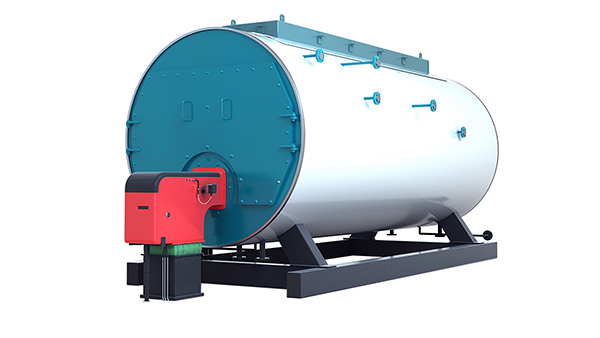
Industrial boilers almost never operate at perfectly stable conditions. In real manufacturing environments, steam demand constantly fluctuates because of changing production schedules, batch processing, seasonal operating patterns, and varying process requirements. Unfortunately, many factories still rely on outdated combustion systems that cannot respond accurately to rapid load changes. The result is excessive fuel waste, unstable steam pressure, rising emissions, flame instability, soot buildup, thermal stress, and expensive boiler downtime. In severe cases, poor combustion control under variable loads can even create dangerous furnace conditions that threaten both equipment and personnel safety. Fortunately, modern combustion control technology provides a highly effective solution by continuously optimizing fuel-air ratios and burner performance in real time.
Combustion control is critical under variable industrial boiler loads because fluctuating steam demand directly changes the required fuel-air balance for efficient and safe combustion. Without precise control, boilers suffer from incomplete combustion, excessive oxygen loss, unstable flames, increased NOx and CO emissions, reduced thermal efficiency, and accelerated equipment wear. Advanced combustion control systems dynamically regulate airflow, fuel flow, furnace pressure, and oxygen levels to maintain optimal boiler performance across changing operating conditions.
As industrial energy costs continue to rise and environmental regulations become increasingly strict, combustion optimization has become one of the most important factors in modern boiler engineering. Understanding how combustion behaves during load changes can help industrial operators dramatically reduce fuel costs, improve reliability, and extend boiler service life.
Modern combustion control systems can significantly improve industrial boiler efficiency under variable load conditions.True
Advanced combustion controls continuously optimize fuel-air ratios and burner response, reducing energy losses and improving combustion stability.
Industrial boilers can maintain maximum combustion efficiency without adjusting airflow during load changes.False
Changing boiler loads require continuous airflow and fuel-flow adjustments to maintain proper combustion conditions and safe operation.
🔥 Understanding Variable Industrial Boiler Loads
Industrial steam systems operate under highly dynamic thermal conditions. Unlike laboratory systems with stable heat demand, industrial boilers must constantly adapt to rapidly changing steam requirements.
For example:
- A food processing factory may suddenly require large steam volumes during sterilization cycles.
- A textile facility may experience frequent load swings due to intermittent drying operations.
- A chemical plant may continuously vary steam demand according to process reactions.
- A refinery may encounter complex load transitions across multiple production units.
These changing operating conditions are known as variable boiler loads.
Under variable loads, several combustion parameters change simultaneously:
✅ Fuel flow rate
✅ Combustion air demand
✅ Furnace pressure
✅ Flame temperature
✅ Oxygen concentration
✅ Heat transfer rates
✅ Draft conditions
✅ Burner stability
Without rapid combustion adjustments, boiler efficiency declines almost immediately.
⚠️ Why Combustion Stability Becomes Difficult During Load Changes
Combustion is fundamentally a chemical reaction between fuel and oxygen. To achieve complete combustion, the system must maintain a highly precise balance between fuel supply and combustion air.
The simplified combustion reaction is:
Fuel + Oxygen → Heat + CO2 +H2O
However, industrial combustion is far more complicated because boilers operate under continuously changing thermal loads.
During rapid steam demand increases:
- Fuel demand rises immediately
- Airflow requirements also increase
- Furnace pressure fluctuates
- Flame characteristics change
- Burner stability becomes more difficult to maintain
If airflow cannot respond quickly enough, the burner becomes fuel-rich, causing incomplete combustion.
If airflow responds too aggressively, excessive oxygen reduces thermal efficiency.
📊 The Relationship Between Excess Air and Boiler Efficiency
Maintaining proper excess air is one of the most critical aspects of combustion control.
| Excess Air Condition | Combustion Result | Operational Impact |
|---|---|---|
| Too Little Air | Incomplete combustion | CO formation, soot accumulation |
| Optimal Excess Air | Efficient combustion | Maximum thermal efficiency |
| Too Much Air | Excess heat loss | Increased fuel consumption |
Even small airflow deviations can produce major energy losses.
For many industrial boilers:
- 1% excess oxygen increase may reduce efficiency noticeably
- High excess air increases stack heat loss
- Low oxygen levels increase carbon monoxide formation
This balancing act becomes much more difficult during rapidly changing loads.
🔧 How Poor Combustion Control Damages Industrial Boilers
Under unstable combustion conditions, industrial boilers experience both thermal and mechanical stress.
Common consequences include:
✅ Flame Instability
Rapid load swings can distort flame shape and burner mixing patterns.
This may lead to:
- Flame pulsation
- Burner vibration
- Ignition instability
- Flame blowout
✅ Thermal Shock
Sudden temperature changes create uneven thermal expansion inside boiler tubes and furnace walls.
Potential damage includes:
- Tube cracking
- Refractory failure
- Warped components
- Expansion joint stress
✅ Soot Formation
Incomplete combustion creates soot deposits on heat transfer surfaces.
Soot acts as insulation and reduces heat transfer efficiency dramatically.
✅ Pressure Fluctuation
Poor combustion response causes unstable steam generation rates.
This creates:
- Steam pressure swings
- Process interruptions
- Reduced production quality
- Safety valve activation
📈 Industrial Boiler Load Variation Examples
| Industry | Typical Load Behavior | Combustion Challenge |
|---|---|---|
| Food Processing | Rapid batch cycles | Sudden steam spikes |
| Textile Manufacturing | Intermittent drying | Frequent modulation |
| Chemical Plants | Continuous variability | Precision pressure control |
| Refineries | Multi-unit demand shifts | Complex burner coordination |
| Power Generation | Grid fluctuations | Large dynamic transitions |
| Hospitals | Day/night demand shifts | Reliability requirements |
🧠 Why Advanced Combustion Control Systems Are Essential
Modern industrial boilers use intelligent control systems to stabilize combustion during variable loads.
These systems continuously monitor:
✅ Fuel flow
✅ Airflow
✅ Oxygen concentration
✅ Steam pressure
✅ Furnace draft
✅ Flame intensity
✅ Stack temperature
The controller then automatically adjusts burner operation in real time.
🔥 Types of Modern Combustion Control Systems
✅ Single-Point Positioning Systems
Older boilers often use mechanical linkage systems connecting fuel valves and air dampers together.
Advantages:
- Simple design
- Lower cost
Disadvantages:
- Poor accuracy
- Slow response
- Inadequate for modern variable loads
✅ Parallel Positioning Systems
Fuel and airflow are controlled independently using digital actuators.
Benefits include:
- Faster response
- Improved efficiency
- Better burner stability
- Reduced hysteresis
✅ Cross-Limited Combustion Control
This advanced safety strategy prevents dangerous fuel-rich conditions during load transitions.
The control logic ensures:
- Airflow increases BEFORE fuel increases
- Fuel decreases BEFORE airflow decreases
This dramatically improves combustion safety.
🌍 The Role of Oxygen Trim Systems
Oxygen trim systems continuously monitor flue gas oxygen concentration using stack analyzers.
The system automatically fine-tunes airflow to maintain optimal combustion efficiency.
Benefits include:
| Oxygen Trim Benefit | Operational Improvement |
|---|---|
| Lower excess air | Reduced fuel waste |
| Stable combustion | Improved flame quality |
| Lower stack temperature | Better thermal efficiency |
| Reduced emissions | Easier environmental compliance |
Many facilities achieve substantial fuel savings after installing oxygen trim controls.
📉 Emissions Problems Under Variable Boiler Loads
Combustion instability directly increases pollutant formation.
The most common emissions include:
- Nitrogen Oxides (NOx)
- Carbon Monoxide (CO)
- Particulate Matter (PM)
Rapid load changes often create temporary oxygen imbalance, which increases emissions significantly.
🌱 Why NOx Emissions Increase During Load Changes
NOx formation rises rapidly at high flame temperatures.
When combustion becomes unstable:
- Flame temperatures fluctuate
- Oxygen distribution becomes uneven
- Fuel mixing deteriorates
These conditions accelerate NOx generation.
Modern low-NOx burner systems use:
✅ Staged combustion
✅ Flue gas recirculation
✅ Advanced fuel-air mixing
✅ Digital flame shaping
to reduce emissions during dynamic operation.
⚡ The Importance of Fast Control Loop Response
Industrial combustion systems rely heavily on closed-loop control engineering.
The controller continuously compares:
| Measured Variable | Target Variable |
|---|---|
| Steam pressure | Desired setpoint |
| Oxygen level | Optimal excess air |
| Furnace pressure | Stable negative draft |
| Fuel flow | Load demand |
| Airflow | Combustion requirement |
The system then calculates corrective actions instantly.
Poorly tuned control loops may cause:
⚠️ Oscillation
⚠️ Overshoot
⚠️ Delayed response
⚠️ Burner instability
🏭 Real Industrial Case Study
A large food manufacturing facility experienced severe boiler instability during production shifts.
Their old linkage-based combustion system caused:
- High fuel consumption
- Frequent burner trips
- Pressure instability
- Elevated CO emissions
After upgrading to a modern parallel positioning system with oxygen trim:
| Performance Indicator | Before Upgrade | After Upgrade |
|---|---|---|
| Boiler Efficiency | 77% | 88% |
| Fuel Consumption | Baseline | Reduced by 14% |
| CO Emissions | High | Reduced by 65% |
| Burner Trips | Frequent | Nearly eliminated |
| Steam Stability | Poor | Excellent |
The project achieved full return on investment within 18 months.
🔬 Emerging Technologies in Combustion Control
Industrial combustion technology continues evolving rapidly.
New innovations include:
✅ AI-Based Combustion Optimization
Artificial intelligence systems can predict boiler load changes before they occur.
This enables:
- Predictive fuel-air adjustment
- Faster response times
- Reduced emissions
- Improved efficiency
✅ Digital Twin Simulation
Digital twin systems create virtual boiler models for real-time optimization.
✅ Smart Sensor Networks
Modern sensors provide highly accurate combustion feedback data.
✅ Variable Frequency Drive (VFD) Integration
VFD-controlled combustion fans improve airflow precision while reducing electrical energy consumption.
📌 Best Practices for Managing Variable Boiler Loads
Industrial operators should follow several key combustion optimization practices:
| Best Practice | Benefit |
|---|---|
| Regular burner tuning | Stable combustion |
| Frequent sensor calibration | Accurate control |
| Oxygen trim installation | Reduced fuel usage |
| Cross-limited controls | Improved safety |
| Digital control upgrades | Faster load response |
| Operator training | Better system reliability |
🏁 Final Thoughts
Combustion control becomes critically important whenever industrial boiler loads fluctuate because changing steam demand continuously affects the fuel-air relationship required for stable and efficient combustion. Without precise real-time control, boilers quickly lose efficiency, generate excessive emissions, experience unstable flame behavior, and suffer long-term mechanical damage. Advanced combustion technologies such as oxygen trim systems, cross-limited controls, intelligent digital automation, and predictive optimization enable industrial boilers to maintain safe, efficient, and environmentally compliant operation under dynamic load conditions. For modern industrial facilities, combustion control is no longer simply an operational feature—it is a core requirement for energy efficiency, equipment reliability, emissions compliance, and long-term profitability.
How Does Water Level Management Improve Industrial Boiler Safety?
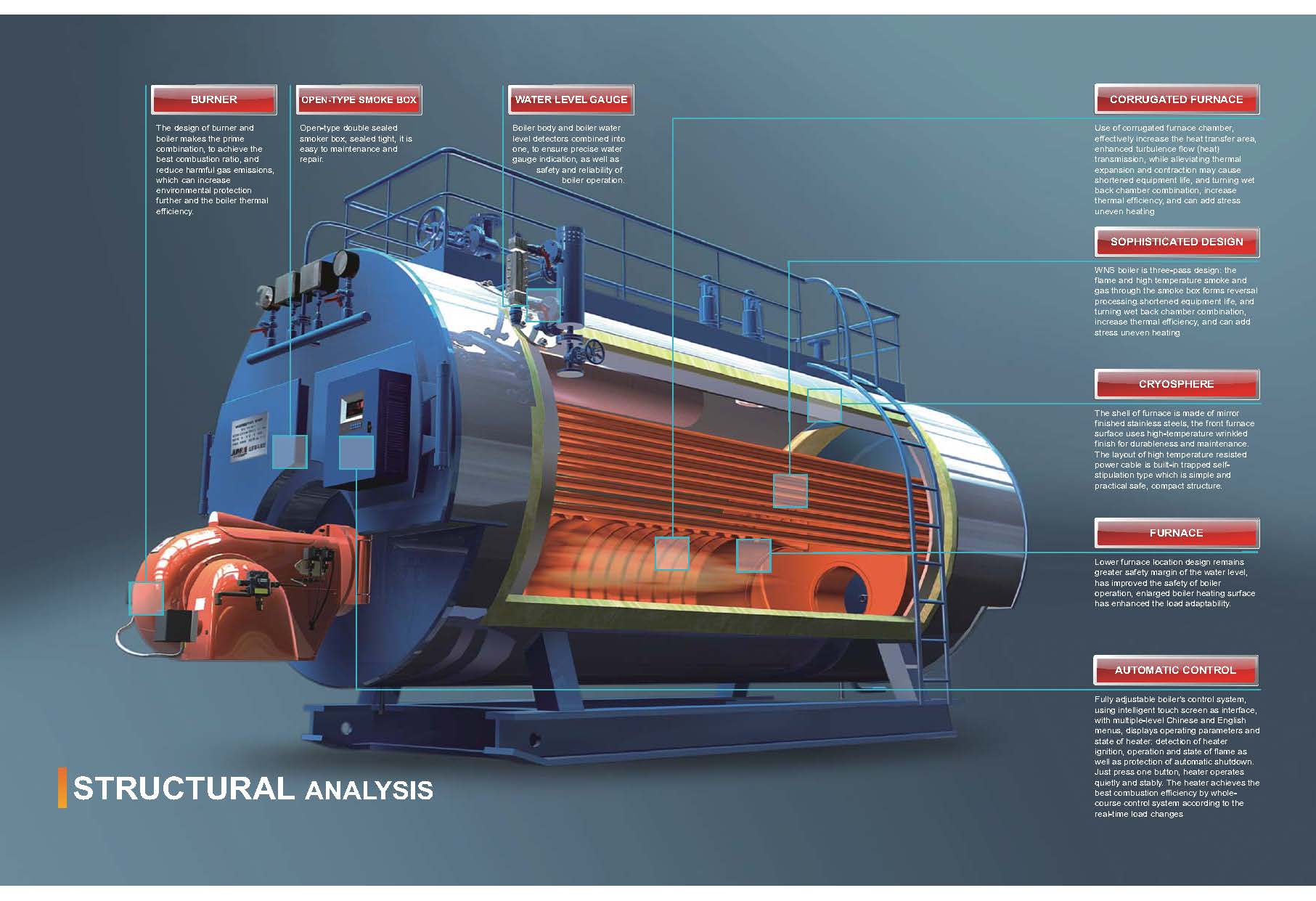
Industrial boilers operate under extremely high temperatures and pressures, making water level management one of the most critical safety factors in steam generation systems. Unfortunately, many industrial accidents still occur because of improper water level control, inadequate monitoring systems, or delayed operator response. When water levels become too low, boiler tubes may overheat and rupture catastrophically. When water levels become too high, steam quality deteriorates, causing water carryover, turbine damage, pressure instability, and severe operational inefficiencies. Even short-term water level imbalance can create dangerous thermal stress conditions that threaten equipment integrity and personnel safety. Fortunately, modern water level management systems provide continuous monitoring, automatic feedwater regulation, and intelligent safety protection to maintain stable and safe boiler operation.
Water level management improves industrial boiler safety by maintaining the proper balance between steam generation and feedwater supply, preventing dangerous low-water and high-water conditions. Accurate water level control protects boiler tubes from overheating, prevents steam contamination, stabilizes pressure, improves heat transfer efficiency, reduces thermal stress, and ensures reliable boiler operation under changing industrial loads. Advanced water level management systems use sensors, automatic feedwater controls, alarms, and safety interlocks to continuously maintain safe operating conditions.
As industrial steam systems become larger, more automated, and more energy-intensive, proper boiler water level management has evolved from a basic operational task into a highly sophisticated engineering discipline. Understanding the relationship between water level stability and boiler safety is essential for reducing downtime, preventing accidents, and maximizing long-term equipment reliability.
Low water levels are one of the leading causes of industrial boiler failures.True
Insufficient water exposure causes boiler tubes and pressure surfaces to overheat rapidly, potentially leading to rupture or catastrophic failure.
High boiler water levels always improve steam generation efficiency.False
Excessively high water levels can cause water carryover, poor steam quality, pressure instability, and damage to downstream equipment.
💧 Why Water Level Is Critical in Industrial Boilers
Inside an industrial boiler, water absorbs thermal energy generated by combustion and converts into steam. The water level inside the steam drum or boiler vessel directly determines how effectively heat transfer surfaces remain cooled during operation.
The boiler must maintain a carefully controlled balance between:
✅ Steam production
✅ Feedwater supply
✅ Heat absorption
✅ Pressure stability
✅ Thermal circulation
Even small water level deviations can significantly affect operational safety.
🔥 What Happens During Low-Water Conditions
Low-water conditions are among the most dangerous situations in industrial boiler operation.
When water levels fall below safe limits:
- Boiler tubes lose cooling protection
- Metal temperatures rise rapidly
- Tube strength decreases dramatically
- Thermal stress increases
- Tube rupture risk escalates
Because industrial boiler tubes are exposed directly to combustion heat, overheating can occur within minutes.
⚠️ Consequences of Severe Low-Water Conditions
| Low-Water Problem | Safety Impact |
|---|---|
| Tube overheating | Structural weakening |
| Metal creep | Permanent deformation |
| Tube rupture | Steam explosion risk |
| Furnace damage | Expensive repairs |
| Thermal shock | Stress cracking |
| Boiler shutdown | Production interruption |
In severe cases, catastrophic boiler explosions may occur if overheated surfaces suddenly contact incoming water.
🌡️ Why Boiler Tubes Require Continuous Water Cooling
Boiler tubes are designed to transfer enormous amounts of heat safely.
Without adequate water coverage:
- Heat cannot dissipate effectively
- Metal temperatures exceed design limits
- Tube oxidation accelerates
- Mechanical strength declines
The relationship between temperature and material strength becomes extremely dangerous at elevated temperatures.
📊 Temperature Impact on Boiler Tube Strength
| Tube Metal Temperature | Approximate Strength Reduction |
|---|---|
| Normal Operating Range | Minimal strength loss |
| 400°C | Moderate weakening |
| 500°C | Significant weakening |
| 600°C+ | Severe structural risk |
This is why modern boilers include multiple low-water safety shutdown systems.
🚨 Why High-Water Conditions Are Also Dangerous
Many operators focus only on low-water dangers, but excessively high water levels create serious operational problems as well.
When water levels rise too high:
- Steam purity decreases
- Water carryover occurs
- Moisture enters steam lines
- Turbines and valves may become damaged
- Process efficiency declines
High-water conditions are especially dangerous in high-pressure steam systems.
💨 Understanding Water Carryover
Water carryover occurs when liquid water leaves the boiler together with steam.
This can cause:
⚠️ Turbine blade erosion
⚠️ Steam hammer
⚠️ Valve damage
⚠️ Corrosion in downstream piping
⚠️ Process contamination
Industries requiring clean steam—such as pharmaceuticals and food processing—must control water levels extremely carefully.
🔄 The Relationship Between Steam Demand and Water Level
Boiler water levels constantly fluctuate because steam production rates continuously change.
During sudden steam demand increases:
- Steam bubbles expand rapidly
- Drum water level temporarily rises
- Feedwater systems respond automatically
This phenomenon is called swell.
Conversely, during rapid load reductions:
- Steam bubble volume decreases
- Water level temporarily falls
- Feedwater demand changes again
This is called shrink.
🧠 Understanding Boiler Swell and Shrink Effects
The swell-and-shrink phenomenon makes water level control extremely challenging.
For example:
| Boiler Condition | Apparent Water Level Response |
|---|---|
| Sudden steam demand increase | Water level rises temporarily |
| Steam demand decrease | Water level falls temporarily |
| Feedwater addition | Level stabilization |
| Combustion adjustment | Steam balance recovery |
Without intelligent control systems, operators may incorrectly react to temporary level fluctuations.
🔧 How Modern Water Level Control Systems Work
Modern industrial boilers use automatic feedwater control systems to maintain stable water levels under dynamic operating conditions.
These systems continuously monitor:
✅ Drum water level
✅ Steam flow rate
✅ Feedwater flow
✅ Boiler pressure
✅ Steam demand
The controller automatically adjusts feedwater valves or pumps to maintain safe operation.
⚙️ Types of Boiler Water Level Control Systems
✅ Single-Element Control
Single-element systems monitor only drum water level.
Advantages:
- Simple design
- Lower installation cost
Limitations:
- Poor response during rapid load changes
- Less accurate under variable steam demand
✅ Two-Element Control
These systems monitor:
- Drum water level
- Steam flow
This improves feedwater response during changing loads.
✅ Three-Element Control
Three-element systems are considered the industry standard for large industrial boilers.
They monitor:
✅ Drum water level
✅ Steam flow
✅ Feedwater flow
This provides much more stable and accurate water level management.
📈 Comparison of Water Level Control Methods
| Control System | Accuracy | Load Response | Typical Application |
|---|---|---|---|
| Single-Element | Basic | Slow | Small boilers |
| Two-Element | Moderate | Improved | Medium systems |
| Three-Element | Excellent | Fast | Large industrial boilers |
🛡️ Critical Boiler Safety Devices for Water Level Protection
Modern industrial boilers include multiple independent safety systems.
✅ Low-Water Cutoff Devices
These devices automatically shut down burner operation if water levels fall below safe limits.
✅ Gauge Glasses
Operators visually confirm water levels using gauge glasses.
✅ Level Transmitters
Electronic sensors continuously measure drum level.
✅ Alarm Systems
Audio and visual alarms warn operators of abnormal conditions.
✅ Redundant Sensors
Critical boilers often use multiple independent level sensors for reliability.
🔥 Why Redundancy Is Essential in Boiler Safety
Industrial boiler failures can have catastrophic consequences.
For this reason, critical facilities often install:
- Dual transmitters
- Backup feedwater pumps
- Multiple low-water cutoffs
- Emergency shutdown logic
Redundant systems significantly improve operational safety.
🌍 Water Quality and Water Level Stability
Water quality strongly affects level control performance.
Poor water chemistry may cause:
⚠️ Foaming
⚠️ Priming
⚠️ Scale formation
⚠️ Corrosion
⚠️ False level readings
Foaming is particularly dangerous because bubbles create inaccurate water level indications.
🧪 Common Boiler Water Treatment Parameters
| Water Quality Parameter | Importance |
|---|---|
| pH Control | Corrosion prevention |
| Conductivity | Dissolved solids monitoring |
| Oxygen Removal | Corrosion reduction |
| Hardness Control | Scale prevention |
| Alkalinity | Chemical stability |
Proper water treatment improves both safety and level control accuracy.
🏭 Real Industrial Case Study
A chemical manufacturing facility experienced repeated boiler shutdowns caused by unstable drum water levels during rapid process load changes.
Their old single-element control system struggled to compensate for steam demand fluctuations.
Problems included:
- Frequent low-water alarms
- Steam pressure instability
- Excessive operator intervention
- Reduced production reliability
After upgrading to a three-element feedwater control system with redundant transmitters:
| Performance Indicator | Before Upgrade | After Upgrade |
|---|---|---|
| Water Level Stability | Poor | Excellent |
| Boiler Trips | Frequent | Reduced by 80% |
| Steam Pressure Variability | High | Minimal |
| Operator Intervention | Constant | Significantly reduced |
| Production Downtime | Frequent | Rare |
The upgrade improved both operational safety and process efficiency substantially.
⚡ Emerging Technologies in Boiler Water Level Management
Modern boiler safety systems continue evolving rapidly.
✅ Smart Sensor Technology
Advanced sensors provide highly accurate real-time water level measurement.
✅ Predictive Diagnostics
AI systems can detect abnormal level trends before dangerous conditions occur.
✅ Remote Monitoring
Operators can monitor boiler conditions remotely using cloud-based systems.
✅ Digital Twin Modeling
Virtual boiler models simulate water level behavior under changing operating conditions.
📌 Best Practices for Safe Boiler Water Level Management
Industrial operators should follow strict water level management procedures.
| Best Practice | Safety Benefit |
|---|---|
| Regular gauge glass inspection | Visual verification |
| Frequent sensor calibration | Accurate readings |
| Redundant level monitoring | Improved reliability |
| Proper water treatment | Stable operation |
| Routine alarm testing | Faster emergency response |
| Operator training | Reduced human error |
🔍 Warning Signs of Water Level Problems
Operators should monitor for early signs of instability.
Common indicators include:
⚠️ Rapid gauge level fluctuation
⚠️ Frequent low-water alarms
⚠️ Steam carryover
⚠️ Unstable feedwater valve movement
⚠️ Pressure swings
⚠️ Unusual boiler noises
Early intervention can prevent serious equipment damage.
🏁 Final Thoughts
Water level management is one of the most critical safety functions in industrial boiler operation because proper water balance protects boiler components from overheating, stabilizes steam production, maintains heat transfer efficiency, and prevents catastrophic failures. Both low-water and high-water conditions create serious operational and safety risks, especially under dynamic industrial loads. Advanced water level control systems—including three-element feedwater control, redundant sensors, automatic shutdown devices, and intelligent monitoring technologies—enable industrial boilers to operate safely, efficiently, and reliably under changing steam demand conditions. For modern industrial facilities, effective water level management is not simply a maintenance practice—it is a fundamental requirement for operational safety, equipment longevity, and production reliability.
What Safety Devices Are Essential for Industrial Boilers Operating Under Different Loads?
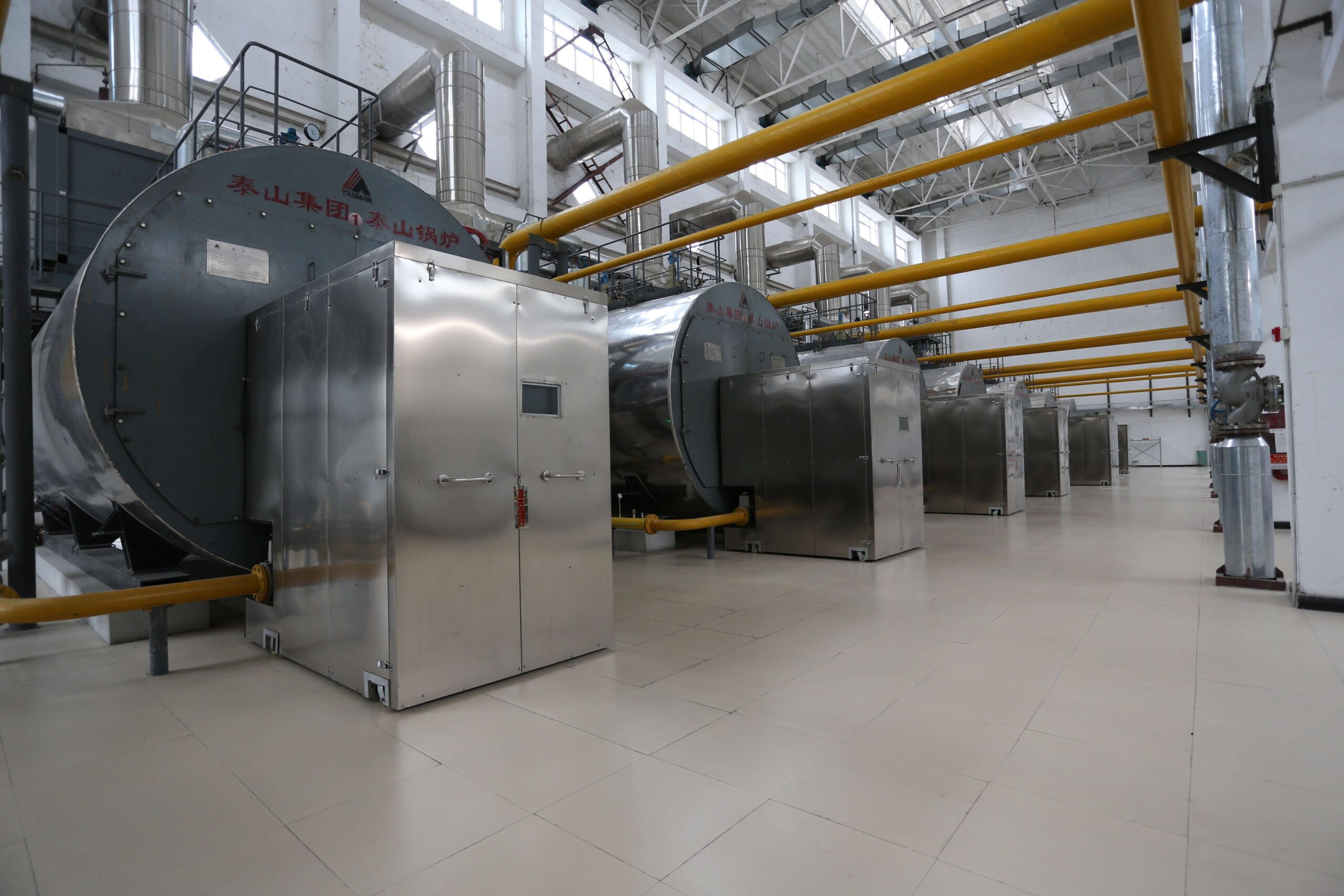
Industrial boilers operate under extreme pressure, high temperatures, and continuously changing steam demands, making safety protection absolutely critical for reliable operation. Under varying load conditions, boilers experience rapid fluctuations in pressure, combustion intensity, water level behavior, steam generation rate, and thermal stress. Without properly designed safety devices, these operating variations can quickly escalate into dangerous situations such as overpressure events, low-water conditions, burner explosions, flame failures, tube ruptures, or catastrophic boiler damage. Many industrial boiler accidents occur not because of a single failure, but because critical safety devices were missing, poorly maintained, improperly calibrated, or unable to respond fast enough during dynamic load transitions. Fortunately, modern industrial boiler safety systems use multiple layers of protection to continuously monitor and safeguard boiler operation under all loading conditions.
Essential safety devices for industrial boilers operating under different loads include safety relief valves, low-water cutoff systems, flame safeguard controls, pressure sensors, water level transmitters, burner management systems, combustion safety interlocks, temperature monitoring devices, emergency shutdown systems, and automatic feedwater controls. These devices work together to prevent dangerous overpressure, overheating, flame instability, water level imbalance, and combustion failures during fluctuating boiler loads.
As industrial steam systems become more automated and energy-intensive, safety devices have evolved into highly sophisticated protection systems capable of detecting abnormal conditions instantly and initiating automatic corrective actions before dangerous failures occur.
Low-water cutoff systems are among the most critical safety devices in industrial boilers.True
Low-water conditions can rapidly overheat boiler tubes and pressure components, potentially causing catastrophic failure if burner operation is not stopped immediately.
Industrial boiler safety valves are only necessary during startup conditions.False
Safety valves continuously protect boilers from dangerous overpressure conditions during all operating loads, including full-load and transient conditions.
🔥 Why Industrial Boilers Require Multiple Safety Devices
Industrial boilers operate under highly hazardous conditions.
Typical operating parameters may include:
| Operating Parameter | Typical Industrial Range |
|---|---|
| Steam Pressure | 10–250+ bar |
| Steam Temperature | 180–540°C |
| Combustion Temperature | 1,000–1,500°C |
| Fuel Input | Extremely high energy density |
| Load Variability | Constant fluctuation |
Because of these extreme conditions, even minor control failures can escalate rapidly.
Safety devices act as independent protection layers that continuously monitor boiler conditions and intervene automatically whenever unsafe operating conditions occur.
⚠️ Why Variable Loads Increase Boiler Safety Risks
Boilers operating under changing steam demand face additional challenges compared to stable-load systems.
Under variable loads:
✅ Pressure changes rapidly
✅ Combustion intensity fluctuates
✅ Water levels swell and shrink
✅ Fuel-air ratios continuously adjust
✅ Thermal stress increases
✅ Burner cycling frequency rises
These dynamic conditions significantly increase operational complexity.
Without advanced safety protection, transient load conditions may cause:
- Flame instability
- Pressure overshoot
- Feedwater imbalance
- Tube overheating
- Furnace explosions
- Steam hammer
- Equipment fatigue
🛡️ Safety Relief Valves: The Final Overpressure Protection
Safety relief valves are among the most important boiler protection devices.
Their primary function is simple but critical:
Prevent boiler pressure from exceeding safe design limits.
When boiler pressure rises above the preset threshold, the valve automatically opens and releases steam.
📊 Functions of Safety Relief Valves
| Safety Valve Function | Protection Benefit |
|---|---|
| Releases excess pressure | Prevents vessel rupture |
| Protects pressure boundaries | Reduces explosion risk |
| Maintains code compliance | Improves operational safety |
| Responds automatically | Independent protection layer |
🔧 Why Safety Valves Are Essential During Load Changes
Rapid load reductions can create dangerous pressure spikes.
For example:
- Steam demand suddenly drops
- Steam production temporarily exceeds consumption
- Pressure rises rapidly
- Safety valves prevent dangerous overpressure
Without properly sized relief valves, pressure vessels could fail catastrophically.
💧 Low-Water Cutoff Devices
Low-water conditions are one of the leading causes of industrial boiler failures.
Low-water cutoff systems automatically shut down burner operation if water levels fall below safe operating limits.
🚨 Dangers of Low-Water Conditions
| Low-Water Consequence | Potential Result |
|---|---|
| Tube overheating | Structural failure |
| Metal creep | Permanent deformation |
| Thermal stress | Cracking damage |
| Dry firing | Catastrophic rupture |
| Steam explosion | Severe safety hazard |
Modern boilers often use multiple independent low-water protection devices for redundancy.
🔥 Flame Safeguard Systems
Industrial burners must maintain stable flame conditions continuously.
If flame failure occurs while fuel continues entering the furnace, explosive fuel accumulation may occur.
Flame safeguard systems detect flame presence instantly and shut off fuel automatically if combustion becomes unstable.
✅ Key Flame Safeguard Components
- Flame scanners
- UV flame detectors
- IR flame sensors
- Burner sequence controllers
- Fuel shutoff valves
- Ignition supervision systems
⚡ Why Flame Monitoring Is Critical Under Variable Loads
Changing loads can destabilize burner flames because:
- Fuel-air ratios fluctuate
- Air velocities change
- Furnace pressure shifts
- Burner mixing conditions vary
Fast flame detection prevents dangerous combustion failures.
🌡️ Temperature Monitoring Devices
Industrial boilers rely heavily on temperature monitoring systems.
Critical temperature measurements include:
✅ Steam temperature
✅ Flue gas temperature
✅ Tube metal temperature
✅ Feedwater temperature
✅ Combustion air temperature
📈 Why Temperature Monitoring Improves Safety
Abnormal temperature trends often indicate developing problems.
For example:
| Temperature Abnormality | Possible Cause |
|---|---|
| Rising stack temperature | Soot buildup |
| Tube overheating | Low water exposure |
| High furnace temperature | Excess firing |
| Low steam temperature | Poor combustion |
Early detection prevents major failures.
⚙️ Burner Management Systems (BMS)
Modern industrial boilers use advanced Burner Management Systems to coordinate safe burner operation.
The BMS controls:
- Startup sequencing
- Purge cycles
- Ignition timing
- Fuel valve operation
- Flame verification
- Emergency shutdown logic
🧠 Why BMS Systems Are Critical for Dynamic Boiler Loads
Variable load operation requires continuous burner adjustment.
The BMS ensures:
✅ Safe ignition sequencing
✅ Proper air purge timing
✅ Controlled fuel transitions
✅ Stable combustion operation
✅ Immediate shutdown during faults
Without a reliable BMS, transient load conditions become extremely dangerous.
📉 Water Level Monitoring Systems
Water level instability becomes more severe during changing steam loads due to boiler swell and shrink effects.
Modern systems use:
- Level transmitters
- Gauge glasses
- Conductivity probes
- Differential pressure sensors
- Redundant monitoring systems
🔄 Comparison of Boiler Water Level Protection Devices
| Device Type | Function | Safety Benefit |
|---|---|---|
| Gauge Glass | Visual verification | Manual confirmation |
| DP Transmitter | Continuous level sensing | Automatic control |
| Conductivity Probe | Low-water detection | Emergency shutdown |
| Redundant Sensors | Backup monitoring | Higher reliability |
🌍 Combustion Airflow Safety Controls
Combustion safety depends heavily on maintaining correct airflow.
Insufficient airflow may create:
⚠️ Incomplete combustion
⚠️ Carbon monoxide formation
⚠️ Flame instability
⚠️ Explosion hazards
Airflow safety devices include:
- Airflow switches
- Differential pressure sensors
- Damper position feedback
- Fan monitoring systems
🔒 Fuel Safety Shutoff Valves
Fuel shutoff valves isolate fuel supply automatically during unsafe conditions.
These valves activate during:
- Flame failure
- Power loss
- Emergency shutdown
- High furnace pressure
- Low airflow conditions
Fast shutoff response is critical for preventing furnace explosions.
🧪 Gas Detection Systems
Facilities using gaseous fuels often install gas leak detection systems around boiler rooms.
These systems detect:
- Natural gas leakage
- Hydrogen leakage
- Carbon monoxide buildup
- Combustible atmosphere formation
🚨 Emergency Shutdown Systems (ESD)
Emergency shutdown systems provide full boiler isolation during dangerous operating conditions.
ESD systems may trigger because of:
| Emergency Condition | Shutdown Trigger |
|---|---|
| Extreme overpressure | Automatic trip |
| Severe low-water condition | Burner shutdown |
| Fuel leak detection | Fuel isolation |
| Flame failure | Emergency stop |
| Electrical faults | System protection |
🏭 Real Industrial Case Study
A large refinery steam plant experienced repeated burner instability during rapid load swings caused by process demand fluctuations.
The older boiler system lacked:
- Modern flame safeguard controls
- Cross-limited combustion logic
- Redundant low-water protection
Operational problems included:
- Frequent burner trips
- Flame instability
- Pressure oscillation
- Unsafe transient conditions
After upgrading to a modern integrated boiler safety system:
| Performance Indicator | Before Upgrade | After Upgrade |
|---|---|---|
| Burner Reliability | Poor | Excellent |
| Emergency Shutdown Events | Frequent | Reduced by 75% |
| Flame Stability | Unstable | Stable |
| Pressure Variability | High | Minimal |
| Safety Compliance | Marginal | Fully compliant |
The facility achieved major improvements in both operational safety and reliability.
🔬 Advanced Smart Safety Technologies
Industrial boiler protection systems continue evolving rapidly.
✅ Smart Diagnostics
Modern systems continuously analyze equipment health conditions.
✅ Predictive Maintenance
AI systems can detect abnormal trends before failure occurs.
✅ Remote Monitoring
Operators monitor boiler safety remotely through cloud-based platforms.
✅ Digital Safety Integration
Advanced PLC and DCS systems integrate all boiler protection layers into centralized safety architecture.
📌 Best Practices for Industrial Boiler Safety Device Management
| Best Practice | Safety Benefit |
|---|---|
| Regular safety valve testing | Reliable pressure protection |
| Flame scanner calibration | Accurate flame detection |
| Sensor redundancy | Improved reliability |
| Routine BMS inspection | Safer burner operation |
| Operator training | Faster emergency response |
| Scheduled shutdown testing | System validation |
🔍 Warning Signs of Safety Device Problems
Operators should immediately investigate:
⚠️ Frequent nuisance trips
⚠️ Delayed burner shutdown
⚠️ Unstable pressure readings
⚠️ Abnormal flame signals
⚠️ Sticking safety valves
⚠️ Irregular water level behavior
Ignoring early warning signs can lead to severe equipment damage.
🏁 Final Thoughts
Industrial boilers operating under varying loads require multiple layers of safety protection because changing steam demand continuously affects combustion conditions, water level stability, thermal stress, and system pressure. Essential safety devices—including safety relief valves, low-water cutoffs, flame safeguard systems, burner management controls, temperature sensors, feedwater protection systems, and emergency shutdown devices—work together to prevent catastrophic failures under dynamic operating conditions. Modern intelligent boiler protection systems provide fast response, redundancy, and automated safety intervention that significantly improve operational reliability, personnel safety, equipment longevity, and regulatory compliance. For today’s industrial facilities, boiler safety devices are not optional accessories—they are critical engineering systems that protect lives, production assets, and long-term operational stability.
How Can Automation and Monitoring Systems Enhance Industrial Boiler Safety?
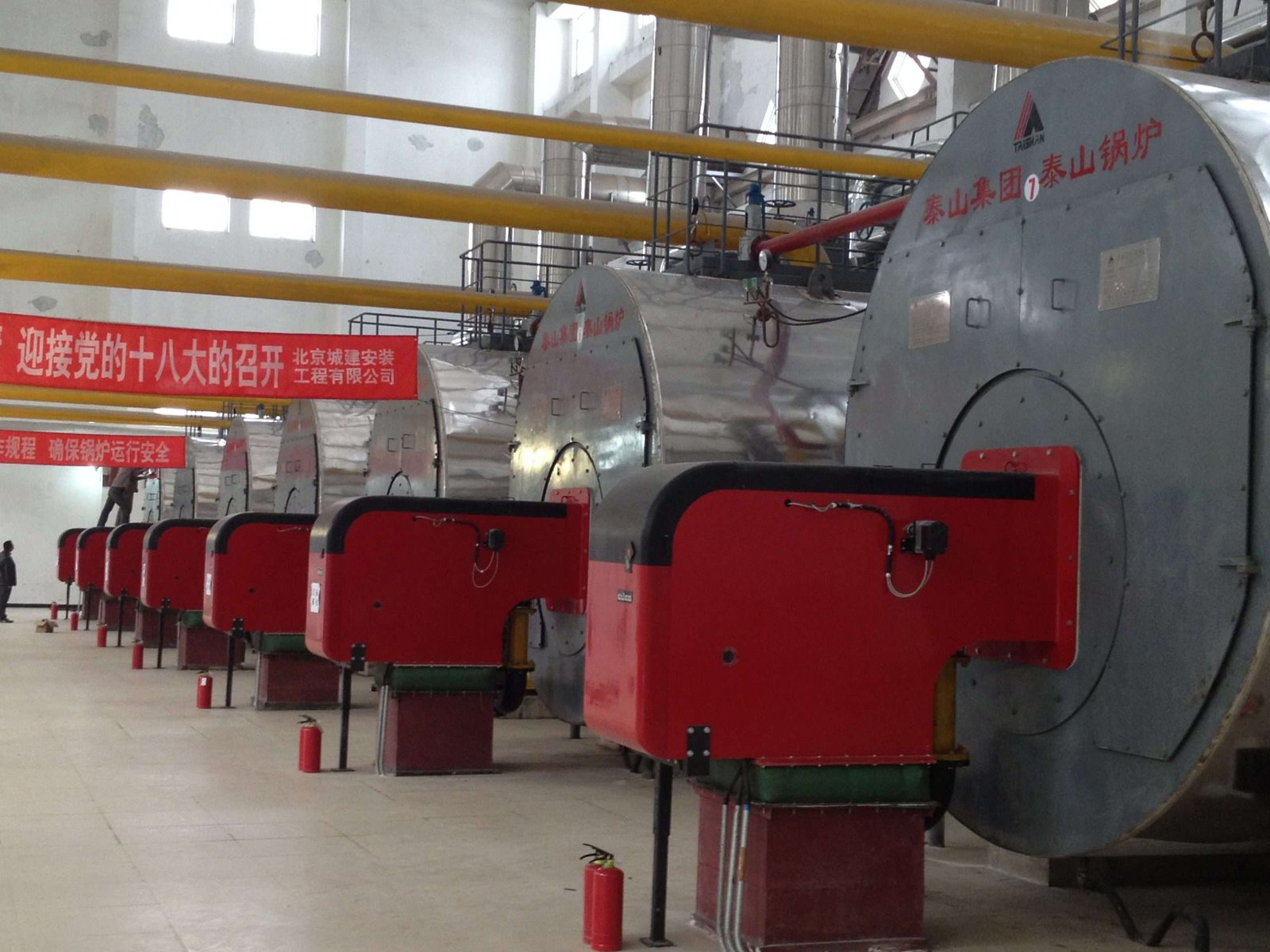
Industrial boilers operate in some of the most demanding environments in modern industry, where high pressure, elevated temperatures, combustion hazards, and constantly changing steam loads create significant operational risks. Traditional boiler operation relied heavily on manual monitoring and operator intervention, which often introduced delays, human error, inconsistent combustion control, and limited fault detection capabilities. Under variable industrial loads, even a small delay in responding to abnormal pressure, low-water conditions, flame instability, or overheating can rapidly escalate into dangerous equipment failures or costly production shutdowns. Fortunately, modern automation and monitoring technologies now allow industrial facilities to detect unsafe conditions instantly, optimize boiler performance continuously, and respond automatically to operational abnormalities before they become critical safety incidents.
Automation and monitoring systems enhance industrial boiler safety by continuously tracking critical operating conditions such as pressure, temperature, water level, combustion quality, airflow, fuel flow, and equipment status in real time. Advanced automation systems use smart sensors, PLCs, SCADA platforms, burner management systems, alarms, predictive diagnostics, and automatic shutdown logic to minimize human error, stabilize operation under variable loads, prevent dangerous failures, and improve overall boiler reliability and safety performance.
As industrial steam systems become more complex and energy-intensive, automation has evolved from a convenience feature into a fundamental safety requirement for modern boiler operations.
Automated monitoring systems can detect boiler abnormalities faster than manual operator observation.True
Smart sensors and digital control systems continuously monitor boiler conditions in real time and respond instantly to unsafe operating trends.
Industrial boilers can maintain maximum safety without automated monitoring systems under changing loads.False
Variable industrial loads create rapidly changing operating conditions that require continuous automated monitoring and fast safety response capabilities.
🔥 Why Industrial Boilers Require Advanced Automation
Industrial boilers operate under highly dynamic conditions where multiple process variables change simultaneously.
Critical operating variables include:
| Boiler Parameter | Typical Operational Impact |
|---|---|
| Steam pressure | Process stability |
| Water level | Tube protection |
| Combustion airflow | Flame stability |
| Fuel flow | Heat generation |
| Furnace pressure | Combustion safety |
| Steam demand | Load balancing |
Under changing industrial loads, these variables can fluctuate rapidly within seconds.
Manual monitoring alone is often insufficient because operators cannot react fast enough to transient conditions.
⚠️ The Risks of Manual Boiler Operation
Traditional manual boiler systems depend heavily on operator experience and periodic inspection.
This creates several operational limitations:
❌ Delayed abnormality detection
❌ Inconsistent combustion adjustment
❌ Human reaction delays
❌ Reduced visibility into hidden faults
❌ Greater risk of operator error
❌ Slower emergency response
Under variable loads, these limitations become even more dangerous.
📉 Common Boiler Failures Caused by Poor Monitoring
| Monitoring Failure | Potential Consequence |
|---|---|
| Low-water condition undetected | Tube overheating |
| Pressure spike missed | Safety valve activation |
| Flame instability ignored | Furnace explosion risk |
| Fuel-air imbalance | Excess emissions |
| Feedwater failure | Boiler shutdown |
| Sensor malfunction unnoticed | Unsafe operation |
Automation systems reduce these risks dramatically.
🧠 What Is Industrial Boiler Automation?
Industrial boiler automation refers to the use of intelligent control systems that automatically monitor, regulate, and protect boiler operation.
Modern automation systems can:
✅ Adjust combustion automatically
✅ Maintain stable steam pressure
✅ Regulate feedwater flow
✅ Detect unsafe conditions instantly
✅ Initiate emergency shutdowns
✅ Optimize energy efficiency
✅ Record operational data continuously
Automation transforms boilers from manually operated systems into highly intelligent process units.
⚙️ The Core Components of Boiler Automation Systems
Modern boiler automation systems typically include:
| Automation Component | Primary Function |
|---|---|
| PLC (Programmable Logic Controller) | Central control processing |
| SCADA System | Visualization and remote monitoring |
| Sensors & transmitters | Real-time data collection |
| Burner Management System (BMS) | Safe burner sequencing |
| Human-Machine Interface (HMI) | Operator interaction |
| Alarm systems | Fault notification |
| Safety interlocks | Automatic protection |
Each component plays a critical role in maintaining safe operation.
🔥 How Smart Sensors Improve Boiler Safety
Sensors are the foundation of every automation system.
Modern industrial boilers use advanced sensors to monitor:
✅ Steam pressure
✅ Drum water level
✅ Fuel flow rate
✅ Airflow rate
✅ Oxygen concentration
✅ Flue gas temperature
✅ Flame condition
✅ Feedwater pressure
These sensors continuously transmit real-time data to the control system.
📊 Advantages of Real-Time Sensor Monitoring
| Monitoring Capability | Safety Benefit |
|---|---|
| Continuous pressure tracking | Prevents overpressure |
| Instant flame detection | Reduces explosion risk |
| Accurate level monitoring | Prevents dry firing |
| Temperature trend analysis | Early fault detection |
| Oxygen monitoring | Stable combustion |
| Vibration monitoring | Equipment protection |
Continuous monitoring enables much faster response compared to manual inspection.
💧 Automated Water Level Management
Water level control is one of the most critical boiler safety functions.
Automation systems continuously balance:
- Steam generation
- Feedwater flow
- Drum level stability
- Load fluctuations
Modern three-element control systems monitor:
✅ Drum water level
✅ Steam flow
✅ Feedwater flow
This greatly improves stability during rapid load changes.
🌡️ Combustion Automation and Flame Safety
Combustion conditions can change rapidly under varying industrial loads.
Automation systems dynamically regulate:
- Fuel-air ratio
- Burner firing rate
- Draft pressure
- Oxygen levels
- Flame intensity
🔄 Why Combustion Automation Is Critical
Improper combustion may cause:
⚠️ Carbon monoxide formation
⚠️ Flame instability
⚠️ Furnace pulsation
⚠️ Excess emissions
⚠️ Fuel waste
⚠️ Explosion hazards
Automated combustion controls continuously optimize burner performance in real time.
⚡ Burner Management Systems (BMS)
The Burner Management System is one of the most important safety automation systems in industrial boilers.
The BMS controls:
| BMS Function | Safety Purpose |
|---|---|
| Furnace purge sequencing | Removes combustible gases |
| Ignition supervision | Safe startup |
| Flame verification | Prevents fuel accumulation |
| Fuel valve control | Safe combustion |
| Emergency shutdown | Rapid fault isolation |
Under abnormal conditions, the BMS immediately shuts down fuel supply.
🌍 SCADA Systems and Remote Boiler Monitoring
SCADA (Supervisory Control and Data Acquisition) systems provide centralized monitoring and control for industrial boilers.
SCADA platforms allow operators to:
✅ View live boiler conditions
✅ Analyze historical trends
✅ Receive alarm notifications
✅ Access remote diagnostics
✅ Monitor multiple boilers simultaneously
🖥️ Benefits of Remote Monitoring Systems
| SCADA Benefit | Operational Improvement |
|---|---|
| Real-time visibility | Faster fault detection |
| Historical data storage | Better troubleshooting |
| Alarm management | Faster emergency response |
| Multi-site integration | Centralized supervision |
| Predictive analytics | Reduced downtime |
Remote monitoring significantly improves operational awareness.
📈 Predictive Maintenance and AI Diagnostics
Modern automation systems increasingly use predictive analytics and artificial intelligence.
AI-based systems can detect:
- Abnormal vibration patterns
- Combustion inefficiencies
- Sensor drift
- Feedwater instability
- Equipment wear trends
before major failures occur.
🔬 How Predictive Monitoring Improves Safety
Traditional maintenance reacts AFTER failures occur.
Predictive systems identify developing problems EARLY.
This helps prevent:
✅ Unplanned shutdowns
✅ Emergency repairs
✅ Tube failures
✅ Pump breakdowns
✅ Burner malfunctions
🏭 Industrial IoT (IIoT) and Smart Boiler Technology
Industrial Internet of Things (IIoT) technology allows boilers to connect with enterprise-wide monitoring systems.
Smart boilers can:
- Transmit cloud-based operating data
- Generate automated maintenance alerts
- Optimize efficiency continuously
- Enable remote engineering support
📡 Common Smart Boiler Monitoring Features
| Smart Monitoring Feature | Operational Value |
|---|---|
| Cloud dashboards | Remote visibility |
| Mobile alerts | Faster response |
| AI diagnostics | Early fault detection |
| Energy analytics | Efficiency improvement |
| Remote tuning | Better combustion control |
🚨 Alarm Systems and Emergency Protection
Alarm systems remain essential even in highly automated facilities.
Critical alarms may include:
⚠️ High pressure alarm
⚠️ Low-water alarm
⚠️ Flame failure alarm
⚠️ High stack temperature alarm
⚠️ Fuel leak alarm
⚠️ Feedwater pump failure alarm
Automation systems ensure alarms trigger immediately when abnormal conditions appear.
🔒 Automatic Shutdown Systems
When dangerous conditions exceed safe operating limits, automation systems initiate emergency shutdown procedures automatically.
Automatic shutdown logic may activate because of:
| Shutdown Trigger | Safety Purpose |
|---|---|
| Severe low-water condition | Prevent tube rupture |
| Flame failure | Prevent explosion |
| Extreme pressure rise | Prevent vessel damage |
| Fuel leakage | Fire prevention |
| Sensor failure | Safe system isolation |
Fast shutdown response is critical during dynamic load changes.
📉 How Automation Improves Boiler Efficiency
In addition to safety benefits, automation significantly improves energy efficiency.
Automated systems optimize:
✅ Fuel-air ratio
✅ Burner modulation
✅ Feedwater control
✅ Blowdown management
✅ Steam pressure stability
📊 Efficiency Improvements from Automation
| Operational Area | Typical Improvement |
|---|---|
| Combustion efficiency | Higher fuel savings |
| Pressure stability | Better process control |
| Reduced downtime | Higher productivity |
| Lower emissions | Easier compliance |
| Faster fault response | Reduced maintenance cost |
🏭 Real Industrial Case Study
A large pharmaceutical manufacturing facility struggled with frequent steam instability and excessive operator intervention during rapid production load changes.
Their older boiler system relied heavily on manual combustion tuning and limited instrumentation.
Problems included:
- Frequent pressure fluctuations
- High operator workload
- Delayed fault response
- Increased fuel consumption
- Occasional low-water alarms
After upgrading to a fully automated boiler monitoring system with SCADA integration and advanced combustion controls:
| Performance Indicator | Before Automation | After Automation |
|---|---|---|
| Boiler Efficiency | 79% | 89% |
| Emergency Shutdown Events | Frequent | Reduced by 70% |
| Steam Pressure Stability | Poor | Excellent |
| Operator Intervention | Constant | Minimal |
| Fuel Consumption | High | Reduced by 12% |
The automation upgrade significantly improved both safety and operational reliability.
🔧 Best Practices for Boiler Automation Safety
| Best Practice | Safety Benefit |
|---|---|
| Regular sensor calibration | Accurate monitoring |
| Alarm testing | Reliable emergency response |
| PLC backup verification | Improved redundancy |
| Operator training | Better system interaction |
| Routine SCADA audits | Cybersecurity protection |
| Preventive maintenance | Reduced equipment failure |
⚠️ Cybersecurity Risks in Automated Boiler Systems
As boiler systems become increasingly connected, cybersecurity becomes more important.
Potential risks include:
- Unauthorized remote access
- PLC manipulation
- Alarm suppression
- Data corruption
- Communication interruption
Modern automation systems should include strong cybersecurity protections.
🔍 Warning Signs of Automation System Problems
Operators should investigate immediately if they observe:
⚠️ Delayed control response
⚠️ Frequent false alarms
⚠️ Sensor signal instability
⚠️ Communication failures
⚠️ Unusual burner cycling
⚠️ SCADA display inconsistencies
Early troubleshooting prevents larger operational failures.
🏁 Final Thoughts
Automation and monitoring systems have become essential for modern industrial boiler safety because they provide continuous real-time supervision, rapid fault detection, automatic protection, and intelligent process optimization under changing load conditions. Advanced technologies such as PLCs, SCADA platforms, smart sensors, burner management systems, predictive diagnostics, and automatic shutdown logic dramatically reduce human error, improve combustion stability, stabilize water level control, and prevent dangerous operating conditions before catastrophic failures occur. As industrial steam systems continue evolving toward higher efficiency, lower emissions, and greater operational complexity, intelligent automation is no longer simply an operational upgrade—it is a fundamental requirement for safe, reliable, and efficient boiler operation.
What Preventive Maintenance Practices Help Ensure Safe Industrial Boiler Operation?
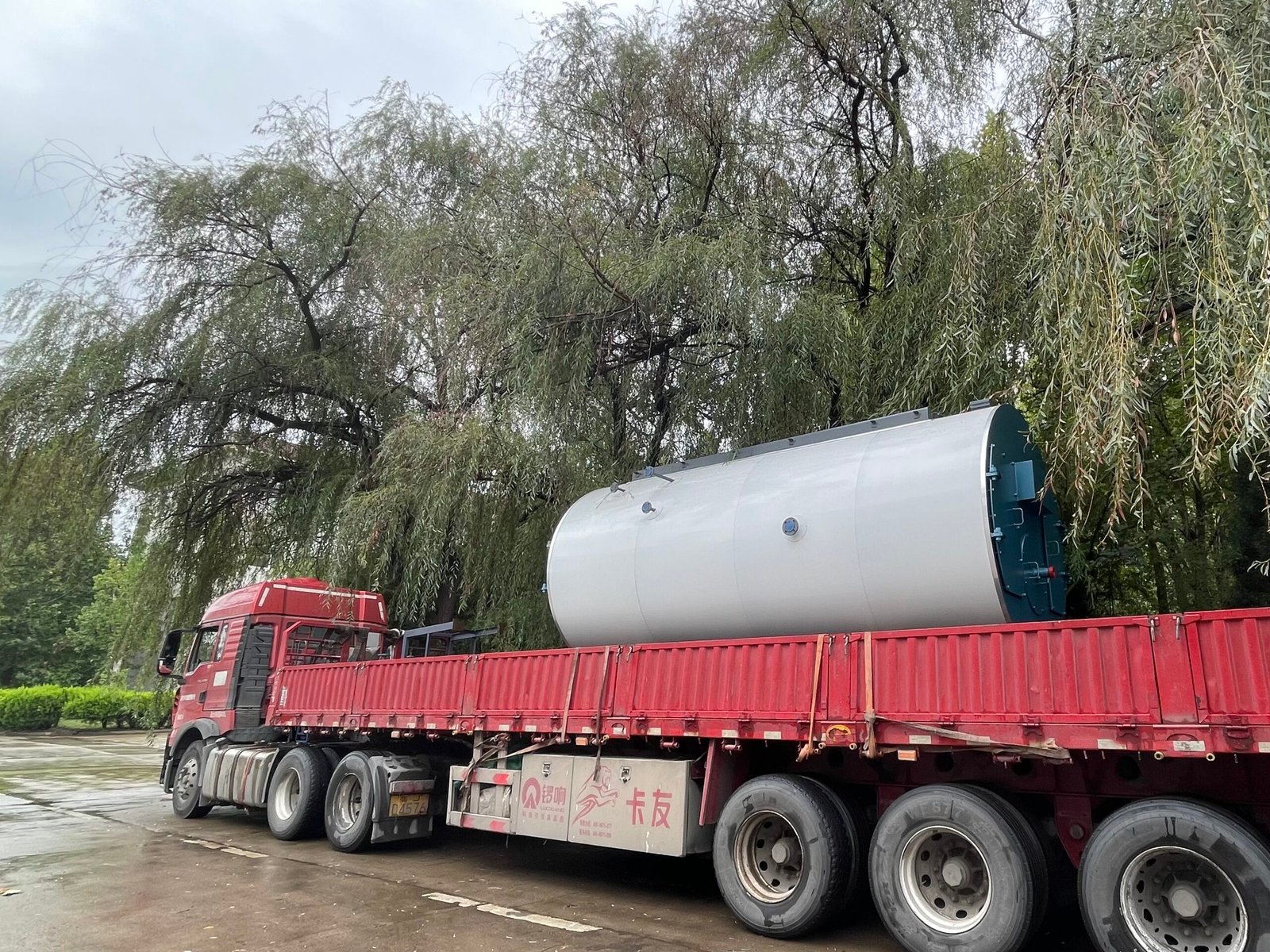
Industrial boilers operate under extremely demanding conditions involving high pressure, elevated temperatures, combustion hazards, and continuous thermal stress. Over time, even well-designed boiler systems experience wear, corrosion, scale buildup, component fatigue, sensor drift, and mechanical degradation. Without proper preventive maintenance, these gradual issues can evolve into severe safety risks such as tube failures, burner explosions, low-water incidents, pressure excursions, steam leaks, or catastrophic boiler shutdowns. Many industrial boiler accidents are not caused by sudden failures alone, but by small maintenance problems that were ignored until they became dangerous. Fortunately, a structured preventive maintenance program allows facilities to identify developing problems early, maintain safe operating conditions, improve efficiency, extend equipment life, and reduce costly emergency downtime.
Preventive maintenance practices help ensure safe industrial boiler operation by regularly inspecting, testing, cleaning, calibrating, repairing, and monitoring critical boiler components before failures occur. Essential preventive maintenance activities include burner inspection, water treatment management, safety valve testing, low-water cutoff verification, combustion tuning, feedwater system maintenance, sensor calibration, tube inspection, refractory evaluation, and control system testing. These practices reduce operational risk, improve efficiency, stabilize combustion, and prevent dangerous boiler failures under varying industrial loads.
As industrial steam systems become more automated and energy-intensive, preventive maintenance has become one of the most important strategies for ensuring long-term boiler safety, reliability, and regulatory compliance.
Preventive boiler maintenance significantly reduces the risk of catastrophic industrial boiler failures.True
Routine inspection and maintenance identify developing problems before dangerous conditions escalate into severe equipment failures.
Industrial boilers only require maintenance after major operating problems occur.False
Waiting for failures before performing maintenance increases safety risks, downtime, repair costs, and operational instability.
🔥 Why Preventive Maintenance Is Critical for Industrial Boilers
Industrial boilers continuously experience:
✅ High thermal stress
✅ Pressure cycling
✅ Combustion exposure
✅ Corrosion risk
✅ Water chemistry challenges
✅ Mechanical vibration
✅ Load fluctuations
These harsh operating conditions gradually degrade boiler components over time.
Without preventive maintenance, small issues can rapidly evolve into:
- Tube ruptures
- Flame instability
- Pressure excursions
- Water leakage
- Corrosion damage
- Combustion inefficiency
- Emergency shutdowns
⚠️ Common Causes of Boiler Failures
| Failure Cause | Potential Consequence |
|---|---|
| Poor water treatment | Scale formation and overheating |
| Burner malfunction | Combustion instability |
| Corrosion | Pressure vessel weakening |
| Sensor drift | Unsafe operating conditions |
| Low-water device failure | Tube rupture risk |
| Neglected safety valves | Overpressure hazard |
Most boiler failures develop gradually rather than suddenly.
🧠 What Is Preventive Boiler Maintenance?
Preventive maintenance refers to scheduled inspection and servicing activities designed to prevent equipment failures before they occur.
Unlike reactive maintenance—which responds AFTER breakdowns—preventive maintenance focuses on:
✅ Early problem detection
✅ Equipment reliability
✅ Safety protection
✅ Performance optimization
✅ Reduced downtime
✅ Regulatory compliance
Preventive maintenance is especially important for boilers operating under variable industrial loads.
🔧 Burner Inspection and Combustion Maintenance
The burner system is the heart of boiler combustion.
Improper burner operation may cause:
⚠️ Flame instability
⚠️ Excess fuel consumption
⚠️ Carbon monoxide formation
⚠️ Furnace explosions
⚠️ Soot buildup
⚠️ Excess emissions
🔥 Essential Burner Maintenance Tasks
| Burner Maintenance Activity | Safety Benefit |
|---|---|
| Flame scanner cleaning | Reliable flame detection |
| Fuel nozzle inspection | Stable fuel atomization |
| Air damper calibration | Proper airflow balance |
| Ignition electrode testing | Safe burner startup |
| Combustion tuning | Improved efficiency |
| Fuel valve inspection | Leak prevention |
Regular burner tuning is essential for stable combustion under changing loads.
💧 Boiler Water Treatment Maintenance
Water quality management is one of the most important preventive maintenance practices.
Poor water chemistry causes:
- Scale buildup
- Corrosion
- Foaming
- Priming
- Tube overheating
- Reduced heat transfer
📊 Common Boiler Water Treatment Parameters
| Water Quality Parameter | Operational Importance |
|---|---|
| pH level | Corrosion prevention |
| Conductivity | Dissolved solids control |
| Hardness | Scale prevention |
| Oxygen content | Corrosion reduction |
| Alkalinity | Chemical stability |
Routine water testing helps maintain safe and efficient boiler operation.
🌡️ Why Scale Formation Is Dangerous
Scale acts as thermal insulation on boiler tubes.
Even thin scale layers can:
⚠️ Reduce heat transfer
⚠️ Increase fuel consumption
⚠️ Cause tube overheating
⚠️ Accelerate metal fatigue
⚠️ Lead to tube rupture
Preventive descaling programs significantly reduce these risks.
🛡️ Safety Valve Inspection and Testing
Safety valves protect boilers from dangerous overpressure conditions.
Over time, safety valves may experience:
- Corrosion
- Spring fatigue
- Seat leakage
- Sticking
- Calibration drift
⚡ Why Safety Valve Maintenance Is Critical
If safety valves fail during pressure excursions:
- Boiler pressure may exceed design limits
- Pressure vessel damage may occur
- Explosion risk increases dramatically
📈 Recommended Safety Valve Maintenance Tasks
| Maintenance Task | Safety Purpose |
|---|---|
| Pressure setpoint verification | Accurate pressure protection |
| Valve lift testing | Functional validation |
| Seat inspection | Leak prevention |
| Spring testing | Reliable activation |
| Corrosion inspection | Structural integrity |
Regular testing ensures valves activate properly during emergencies.
🚨 Low-Water Cutoff Maintenance
Low-water conditions remain one of the leading causes of industrial boiler failures.
Low-water cutoff devices must function flawlessly.
🔄 Essential Low-Water Protection Maintenance
| Maintenance Activity | Operational Benefit |
|---|---|
| Float chamber cleaning | Accurate level detection |
| Probe inspection | Reliable conductivity sensing |
| Functional shutdown testing | Emergency protection |
| Alarm verification | Faster operator response |
| Redundant device testing | Improved reliability |
Routine testing is critical because low-water devices may fail silently.
🔍 Boiler Tube Inspection and Nondestructive Testing
Boiler tubes experience continuous thermal and pressure stress.
Over time, tubes may develop:
- Corrosion thinning
- Cracking
- Pitting
- Erosion
- Fatigue damage
🧪 Common Boiler Tube Inspection Methods
| Inspection Method | Purpose |
|---|---|
| Ultrasonic testing (UT) | Wall thickness measurement |
| Visual inspection | Surface condition assessment |
| Eddy current testing | Crack detection |
| Dye penetrant testing | Surface flaw identification |
| Infrared thermography | Hotspot detection |
Early tube defect detection prevents catastrophic failures.
🏭 Refractory Inspection and Maintenance
Boiler refractory protects furnace walls from extreme combustion temperatures.
Damaged refractory may cause:
⚠️ Heat loss
⚠️ Hotspots
⚠️ Structural stress
⚠️ Reduced efficiency
⚠️ Furnace casing damage
🔥 Common Refractory Problems
| Refractory Issue | Possible Cause |
|---|---|
| Cracking | Thermal cycling |
| Spalling | Rapid temperature change |
| Erosion | Combustion turbulence |
| Shrinkage | Aging and overheating |
Routine refractory inspection helps maintain thermal integrity.
⚙️ Feedwater System Maintenance
Feedwater systems must maintain stable water supply continuously.
Feedwater equipment includes:
✅ Pumps
✅ Control valves
✅ Deaerators
✅ Piping systems
✅ Economizers
✅ Level controls
💧 Feedwater Maintenance Priorities
| Feedwater Component | Maintenance Focus |
|---|---|
| Pumps | Bearing and seal inspection |
| Valves | Leakage and response testing |
| Deaerators | Oxygen removal efficiency |
| Sensors | Calibration verification |
| Piping | Corrosion inspection |
Feedwater failures can rapidly create unsafe low-water conditions.
📡 Sensor Calibration and Instrument Testing
Industrial boilers depend heavily on instrumentation.
Critical sensors include:
- Pressure transmitters
- Temperature sensors
- Oxygen analyzers
- Water level transmitters
- Flow meters
- Flame detectors
📉 Risks of Poor Instrument Calibration
Improper sensor readings may cause:
⚠️ Incorrect combustion adjustment
⚠️ Delayed shutdown response
⚠️ Unsafe pressure operation
⚠️ Water level instability
⚠️ False alarms
Routine calibration ensures accurate control system performance.
🖥️ Boiler Control System Maintenance
Modern industrial boilers rely on advanced PLC and automation systems.
Preventive control system maintenance includes:
✅ Software verification
✅ Alarm testing
✅ Interlock validation
✅ Backup system testing
✅ Communication inspection
✅ SCADA diagnostics
🔒 Cybersecurity and Automation Maintenance
As boiler automation increases, cybersecurity becomes increasingly important.
Maintenance teams should monitor:
- Unauthorized access attempts
- Firmware updates
- Password security
- Network communication integrity
Cybersecurity failures may create major operational safety risks.
🌍 Stack and Emissions Monitoring Maintenance
Environmental compliance depends heavily on accurate emissions monitoring.
Maintenance should include:
| Emissions Component | Maintenance Requirement |
|---|---|
| Oxygen analyzer | Calibration |
| NOx sensor | Functional testing |
| Stack opacity monitor | Cleaning and inspection |
| Flue gas analyzer | Accuracy verification |
Poor emissions monitoring may result in compliance violations.
🏭 Real Industrial Case Study
A large textile manufacturing facility experienced repeated boiler shutdowns caused by unstable combustion and recurring tube leakage.
Investigation revealed several maintenance deficiencies:
- Delayed burner inspections
- Poor water treatment control
- Infrequent sensor calibration
- Neglected low-water cutoff testing
After implementing a comprehensive preventive maintenance program:
| Performance Indicator | Before Program | After Program |
|---|---|---|
| Emergency Shutdowns | Frequent | Reduced by 75% |
| Boiler Efficiency | 78% | 88% |
| Tube Failure Incidents | Multiple annually | Rare |
| Fuel Consumption | High | Reduced by 11% |
| Unplanned Downtime | Significant | Minimal |
The facility achieved major improvements in both safety and operational reliability.
📅 Recommended Preventive Maintenance Schedule
| Maintenance Frequency | Typical Activities |
|---|---|
| Daily | Gauge checks, leak inspection |
| Weekly | Burner observation, water testing |
| Monthly | Sensor verification, valve testing |
| Quarterly | Combustion tuning, refractory inspection |
| Annually | Full boiler shutdown inspection |
Maintenance intervals vary depending on operating conditions and boiler type.
⚠️ Warning Signs That Maintenance Is Needed
Operators should investigate immediately if they observe:
⚠️ Unstable flame patterns
⚠️ Frequent low-water alarms
⚠️ Rising stack temperature
⚠️ Excessive fuel consumption
⚠️ Steam pressure fluctuations
⚠️ Visible corrosion or leakage
⚠️ Delayed burner response
Early maintenance intervention prevents larger failures.
📌 Best Practices for Boiler Preventive Maintenance Programs
| Best Practice | Operational Benefit |
|---|---|
| Maintain detailed maintenance logs | Better trend analysis |
| Use predictive diagnostics | Early fault detection |
| Train operators regularly | Reduced human error |
| Schedule planned shutdowns | Safer inspections |
| Maintain spare parts inventory | Faster repairs |
| Conduct safety audits | Improved compliance |
🏁 Final Thoughts
Preventive maintenance is essential for safe industrial boiler operation because boilers operate under continuous thermal, pressure, combustion, and mechanical stress that gradually degrades critical components over time. Structured maintenance practices—including burner inspection, water treatment management, safety valve testing, low-water protection verification, sensor calibration, feedwater system servicing, tube inspection, and automation system maintenance—allow facilities to detect developing problems early before they escalate into dangerous failures. Modern preventive maintenance programs not only improve operational safety, but also increase energy efficiency, extend equipment life, reduce emissions, minimize downtime, and improve long-term production reliability. In today’s industrial environment, preventive maintenance is not simply a maintenance strategy—it is a fundamental safety requirement for reliable boiler operation.
Conclusion
Ensuring safe operation of industrial boilers under varying load conditions requires a combination of proper operational control, advanced monitoring technologies, and proactive maintenance. By maintaining stable pressure, temperature, combustion, and water levels, industries can minimize safety risks, improve efficiency, and extend boiler lifespan. A well-managed boiler system ensures reliable performance even during fluctuating production demands.
If you need expert support in improving the safety and reliability of your industrial boiler operations, contact us today. Our team provides advanced control solutions, technical guidance, and customized services to help you achieve safe, efficient, and stable boiler performance under all load conditions.
FAQ
Q1: Why do varying load conditions affect industrial boiler safety?
A:
Varying load conditions significantly affect industrial boiler safety because boilers are designed to operate within specific pressure, temperature, and steam demand ranges. Rapid load fluctuations can create unstable combustion, pressure swings, thermal stress, and operational imbalance if not properly controlled.
When steam demand suddenly increases, the boiler must respond quickly to maintain stable pressure and temperature. If the fuel-air ratio, feedwater flow, or burner modulation does not adjust correctly, the boiler may experience inefficient combustion, flame instability, or pressure drops.
Low-load conditions can also create safety risks. Boilers operating far below their design capacity may experience short cycling, condensation, incomplete combustion, and poor heat transfer efficiency. These conditions can increase corrosion, fuel waste, and equipment wear.
Thermal stress is another important concern during rapid load changes. Boiler components expand and contract as temperatures fluctuate. Excessive thermal cycling can damage tubes, welds, refractory materials, and pressure vessels over time.
High-pressure industrial boilers are especially sensitive to load variations because even small operational imbalances can affect steam quality and system stability. In severe cases, improper load management may trigger emergency shutdowns or damage critical components.
Maintaining safe operation under varying loads requires advanced control systems, continuous monitoring, proper maintenance, and well-trained operators who understand boiler response characteristics.
Q2: What control systems help maintain boiler safety during load changes?
A:
Modern industrial boilers rely heavily on automated control systems to maintain safe and stable operation during changing load conditions.
One of the most important systems is the burner management system (BMS). The BMS controls ignition sequences, flame monitoring, fuel flow, combustion air supply, and emergency shutdown functions. It ensures safe burner operation during startup, shutdown, and load transitions.
Combustion control systems automatically adjust the fuel-air ratio based on steam demand. Maintaining the correct combustion balance helps stabilize flame conditions, improve efficiency, and reduce emissions.
Feedwater control systems are also essential. As steam demand changes, feedwater flow must adjust accordingly to maintain safe boiler water levels. Low-water conditions are extremely dangerous because they can expose boiler tubes to overheating and potential failure.
Pressure control systems continuously monitor steam pressure and adjust burner output to maintain stable operating conditions. Advanced boilers may use fully modulating burners capable of responding smoothly to fluctuating steam demand.
Oxygen trim systems improve combustion efficiency by monitoring oxygen levels in flue gases and automatically optimizing air supply. This reduces fuel waste while maintaining safe combustion conditions.
Safety interlocks and alarm systems provide additional protection. These systems monitor parameters such as pressure, temperature, water level, flame stability, and fuel supply conditions. If unsafe conditions are detected, the boiler can automatically shut down to prevent accidents.
Modern digital control systems often include remote monitoring, trend analysis, predictive diagnostics, and automated reporting capabilities, helping operators identify potential issues before they become serious safety problems.
Q3: How does proper water treatment improve boiler safety?
A:
Proper water treatment is critical for industrial boiler safety because poor water quality can cause scaling, corrosion, overheating, and pressure vessel damage.
Boilers continuously convert water into steam, leaving behind dissolved minerals and impurities. Without proper treatment, these contaminants can accumulate on heat transfer surfaces and form scale deposits. Scale acts as an insulator, reducing heat transfer efficiency and causing localized overheating of boiler tubes.
Corrosion is another major safety concern. Dissolved oxygen, carbon dioxide, and improper pH levels can corrode internal boiler surfaces, weakening pressure-containing components over time. Severe corrosion may lead to tube leaks, pressure vessel failure, or unplanned shutdowns.
Feedwater treatment systems help maintain proper water chemistry by removing hardness minerals, dissolved gases, suspended solids, and chemical contaminants. Common treatment methods include softening, deaeration, reverse osmosis, chemical dosing, and condensate recovery.
Boiler blowdown procedures also play an important role. Controlled blowdown removes concentrated dissolved solids from the boiler to prevent excessive contamination buildup.
Water level stability is equally important during varying load conditions. Rapid steam demand changes can affect water level behavior inside the boiler drum. Proper water treatment helps maintain stable boiling conditions and reduces foaming or carryover problems.
Regular water analysis and monitoring are essential for safe operation. Operators typically monitor parameters such as pH, conductivity, dissolved oxygen, alkalinity, hardness, and total dissolved solids.
Effective water treatment improves boiler reliability, extends equipment lifespan, maintains efficiency, and significantly reduces the risk of dangerous equipment failures.
Q4: What maintenance practices are important for safe boiler operation?
A:
Preventive maintenance is one of the most important factors in ensuring safe industrial boiler operation under all load conditions.
Routine inspections help identify early signs of wear, corrosion, leakage, vibration, scaling, or combustion problems before they develop into major failures. Boilers operating under fluctuating loads may experience accelerated stress on burners, valves, tubes, pumps, and control systems.
Burner maintenance is especially important because stable combustion directly affects pressure control, efficiency, and operational safety. Fuel nozzles, ignition systems, flame scanners, and combustion controls should be inspected and calibrated regularly.
Safety devices must also be tested periodically. Pressure relief valves, low-water cutoff systems, flame safeguard controls, emergency shutdown systems, and alarms are critical protective components that require regular verification.
Tube cleaning is another important maintenance activity. Soot, ash, and scale buildup reduce heat transfer efficiency and increase overheating risk. Maintaining clean heat transfer surfaces improves efficiency while reducing mechanical stress.
Feedwater and condensate systems should also be maintained carefully. Pump failures, valve malfunctions, or poor water treatment can create unstable operating conditions and increase equipment damage risk.
Lubrication and vibration monitoring help protect rotating equipment such as pumps, fans, and motors from premature failure. Mechanical reliability is especially important in continuously operating industrial facilities.
Many facilities now use predictive maintenance technologies including thermal imaging, vibration analysis, ultrasonic testing, and digital performance monitoring to detect potential problems early.
Consistent preventive maintenance reduces unplanned downtime, improves efficiency, extends equipment lifespan, and significantly enhances operational safety.
Q5: How can operators safely manage boilers during rapid load fluctuations?
A:
Managing rapid load fluctuations safely requires a combination of operator training, automated controls, proper operating procedures, and continuous monitoring.
Operators must understand how the boiler responds to changing steam demand. Sudden increases in load require coordinated adjustment of fuel flow, combustion air, and feedwater supply to maintain stable pressure and water level conditions.
Gradual load changes are generally safer than abrupt transitions. Rapid thermal expansion and contraction can create excessive stress on boiler components, especially in high-pressure systems.
Continuous monitoring of critical parameters is essential during fluctuating conditions. Operators should closely observe steam pressure, temperature, water level, fuel supply, combustion conditions, and flue gas characteristics.
Communication between production departments and boiler operators is also important. Advance notice of major process changes allows operators to prepare the boiler system for increasing or decreasing steam demand.
Automated load management systems help stabilize operation by adjusting burner modulation, feedwater flow, and combustion settings in real time. Advanced systems can respond much faster and more accurately than manual adjustments alone.
Emergency response procedures should also be clearly established. Operators must know how to respond to pressure excursions, flame failures, low-water alarms, or equipment malfunctions under high-load conditions.
Operator training programs should include startup procedures, shutdown sequences, emergency drills, combustion optimization, and control system operation. Well-trained operators play a critical role in maintaining safe and efficient boiler performance.
By combining experienced personnel, advanced controls, preventive maintenance, and proper operating procedures, industrial facilities can safely manage boilers even under highly variable load conditions.
References
Boiler Room Guide
https://www.cleaverbrooks.com/boiler-room-guide
Source: Cleaver-BrooksSteam System Safety and Best Practices
https://www.energy.gov/eere/amo/steam-systems
Source: U.S. Department of EnergyBoiler House Fundamentals
https://www.spiraxsarco.com/learn-about-steam/the-boiler-house
Source: Spirax SarcoBoiler Safety Standards and Pressure Vessel Rules
https://www.asme.org/codes-standards/find-codes-standards/bpvc-section-i-rules-for-construction-of-power-boilers
Source: ASMEBoiler and Pressure Vessel Safety Guidelines
https://www.osha.gov/boilers-pressure-vessels
Source: OSHAIndustrial Boiler Technology Overview
https://www.britannica.com/technology/boiler
Source: Encyclopaedia BritannicaIndustrial Steam System Fundamentals
https://www.tlv.com/global/US/steam-info/steam-theory/steam-basics/
Source: TLVBoiler Engineering and Operational Solutions
https://www.thermaxglobal.com/industrial-boilers/
Source: ThermaxIndustrial Boiler Operations and Performance
https://www.powermag.com/boilers-101-what-they-are-and-how-they-work/
Source: POWER MagazineBoiler Maintenance and Service Resources
https://www.fulton.com/resources
Source: Fulton Boiler Works
How to Ensure Safe Industrial Boiler Operation Under Load? Read More »