
Good Power Plant Heat Rate Benchmarks by Fuel Type
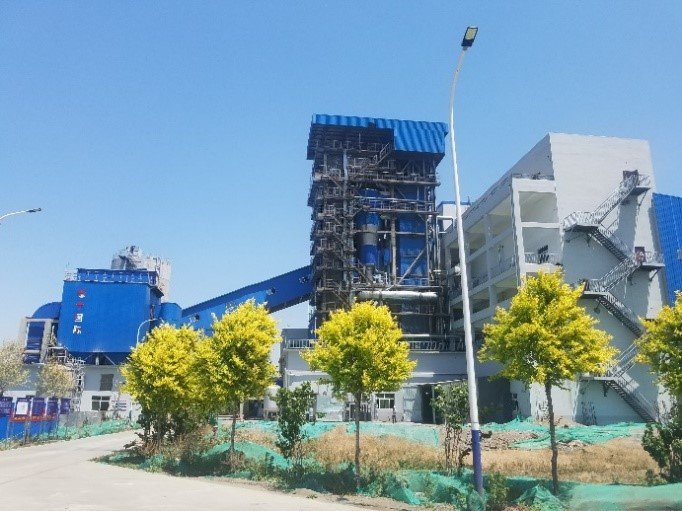
A poor heat rate means a power plant burns more fuel to produce the same electricity, which directly increases generation cost, emissions, equipment stress, and competitiveness risk. Many plant owners look only at power output, but without tracking heat rate, they may miss hidden losses from boiler fouling, turbine degradation, condenser problems, air leakage, poor combustion, or auxiliary power waste. The solution is to benchmark heat rate correctly by plant type, fuel, load condition, and whether the value is measured on a gross or net basis.
A good heat rate for a power plant depends on the technology: modern natural gas combined-cycle plants are often considered strong when they are below about 7,000 Btu/kWh, older combined-cycle plants may be around 7,500 Btu/kWh, coal-fired steam plants commonly operate around 10,000–10,800 Btu/kWh, and simple-cycle gas turbines are usually above 10,000 Btu/kWh. Lower heat rate means higher efficiency, because less fuel is needed per kilowatt-hour generated.
For engineers, plant managers, and investors, the real question is not only “what number is good,” but whether your heat rate is good for your plant design, operating load, fuel quality, ambient conditions, and maintenance condition.
What Is a Good Heat Rate for a Power Plant by Fuel Type?
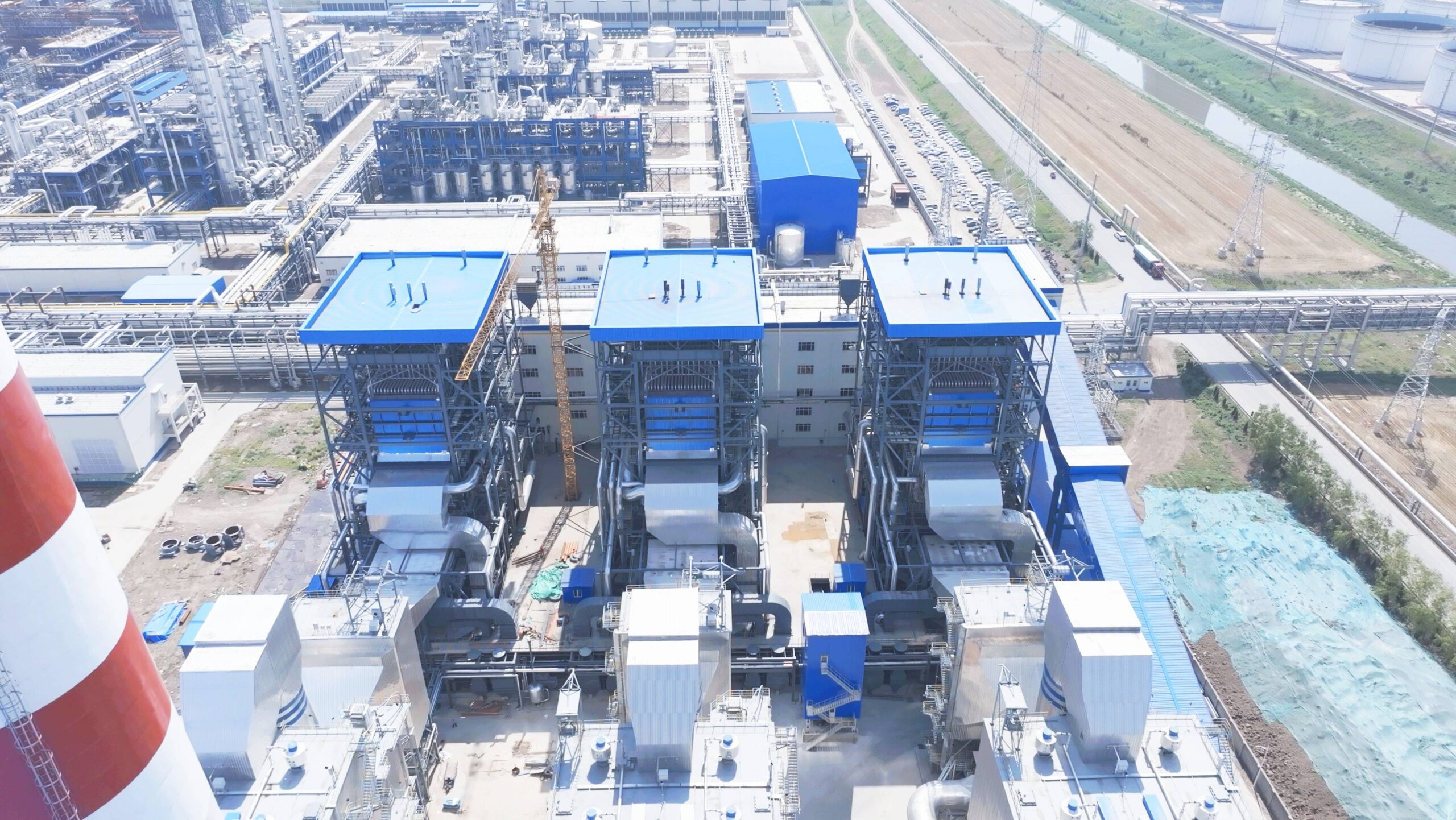
Power plant operators often ask whether their heat rate is “good,” but the answer depends heavily on fuel type, plant technology, load, ambient temperature, age, auxiliary power, and whether the calculation is based on gross or net generation. A heat rate that looks poor for a modern gas combined cycle plant may be excellent for a biomass steam plant, while a coal boiler with high moisture fuel cannot be judged by the same benchmark as a new ultra-supercritical unit. If companies compare heat rates incorrectly, they may make poor investment decisions, blame the wrong equipment, overlook boiler losses, or underestimate fuel-cost savings. The practical solution is to benchmark heat rate by fuel type and technology, calculate it consistently, and use it as a diagnostic tool for efficiency improvement.
A good power plant heat rate depends on fuel type and technology. As a practical net heat rate benchmark, modern natural gas combined cycle plants are often good at about 6,200–7,000 Btu/kWh, simple cycle gas turbines around 9,000–12,000 Btu/kWh, modern coal plants around 8,000–10,500 Btu/kWh depending on steam conditions and coal quality, older coal plants around 10,500–12,500 Btu/kWh, nuclear plants around 10,000–11,500 Btu/kWh thermal equivalent, diesel or gas engine plants around 7,200–9,500 Btu/kWh, oil-fired steam plants around 10,000–13,000 Btu/kWh, biomass steam plants around 11,000–16,000 Btu/kWh, and waste-to-energy plants often higher. Lower heat rate means better fuel efficiency, but comparisons must use the same basis: HHV or LHV, gross or net, full-load or part-load, and site conditions.
For plant owners, boiler suppliers, EPC contractors, and operations teams, heat rate is more than a performance number. It is a fuel-cost indicator, emissions indicator, boiler-condition indicator, turbine-performance indicator, and maintenance-planning tool. As a professional industrial boiler and energy system supplier, we recommend using heat rate to identify where energy is lost: combustion, boiler heat transfer, steam cycle, condenser, turbine, auxiliary load, fuel quality, cooling system, or operating strategy. The guide below gives practical heat-rate ranges by fuel type and explains how to interpret them correctly.
A lower heat rate means a power plant uses less fuel to produce each kilowatt-hour of electricity.True
Heat rate measures fuel heat input per unit of electrical output, so a lower heat rate indicates better fuel-to-electricity conversion efficiency.
All power plants should be judged against the same heat rate benchmark regardless of fuel type and technology.False
Heat rate depends strongly on plant technology, fuel quality, steam conditions, load, cooling method, age, and whether the number is net or gross.
⚙️ What Does Heat Rate Mean?
Heat rate is the amount of fuel heat input required to produce one unit of electrical output. In common U.S. power industry practice, heat rate is expressed as Btu/kWh. In metric systems, it may be expressed as kJ/kWh or converted into thermal efficiency. The most important rule is simple: lower heat rate is better because the plant uses less fuel for each kilowatt-hour of electricity produced.
The basic formula is:
| Formula | Meaning |
|---|---|
| Heat Rate = Fuel Heat Input / Electrical Output | Shows how much heat is needed to produce electricity |
| Btu/kWh = Btu of fuel input ÷ kWh generated | Common power plant heat rate unit |
| Thermal Efficiency = 3,412 ÷ Heat Rate | Approximate efficiency when heat rate is in Btu/kWh |
| Heat Rate = 3,412 ÷ Efficiency | Converts efficiency back to heat rate |
For example, a plant with a net heat rate of 7,000 Btu/kWh has an approximate net thermal efficiency of:
3,412 ÷ 7,000 = 48.7%
A plant with a heat rate of 10,500 Btu/kWh has an approximate efficiency of:
3,412 ÷ 10,500 = 32.5%
This conversion is useful, but only when the calculation basis is consistent. A heat rate can be reported on a gross basis or net basis. Gross heat rate uses generator output before subtracting plant auxiliary power. Net heat rate subtracts internal power use such as pumps, fans, mills, cooling systems, fuel handling, air compressors, and environmental control equipment. For economic and fuel-cost analysis, net heat rate is usually more meaningful because it reflects electricity actually delivered outside the plant.
📊 Practical Heat Rate Benchmarks by Fuel Type
The following table gives practical benchmark ranges. These are not legal guarantees or design guarantees; they are field-oriented ranges for discussion, planning, and troubleshooting. Actual performance depends on plant size, age, load, fuel quality, climate, maintenance condition, and test method.
| Fuel / Technology | Good Net Heat Rate Range | Approx. Net Efficiency | Practical Comment |
|---|---|---|---|
| ⚡ Natural gas combined cycle, modern | 6,200–7,000 Btu/kWh | 49–55% | Best common fossil technology for efficiency |
| 🔥 Natural gas simple cycle turbine | 9,000–12,000 Btu/kWh | 28–38% | Good for peaking, not best for baseload efficiency |
| ⚙️ Gas reciprocating engine plant | 7,200–9,500 Btu/kWh | 36–47% | Strong part-load performance in many distributed plants |
| 🏭 Coal ultra-supercritical | 8,000–9,000 Btu/kWh | 38–43% | High-efficiency coal technology |
| 🏭 Coal supercritical | 8,800–10,000 Btu/kWh | 34–39% | Good modern coal performance |
| 🏭 Coal subcritical | 9,500–11,500 Btu/kWh | 30–36% | Common older coal range |
| 🪨 Lignite coal plant | 10,500–12,500+ Btu/kWh | 27–33% | Moisture lowers efficiency |
| 🛢️ Oil-fired steam plant | 10,000–13,000 Btu/kWh | 26–34% | Depends on boiler age and fuel quality |
| 🛢️ Diesel engine power plant | 7,200–9,500 Btu/kWh | 36–47% | Efficient for isolated or backup power |
| 🪵 Biomass steam power plant | 11,000–16,000 Btu/kWh | 21–31% | Fuel moisture and steam conditions dominate |
| ♻️ Waste-to-energy plant | 14,000–20,000+ Btu/kWh | 17–24% | Waste fuel quality and environmental systems affect performance |
| ☢️ Nuclear steam turbine plant | 10,000–11,500 Btu/kWh thermal equivalent | 30–34% | Heat rate reflects thermal cycle efficiency, not fuel cost in same way |
| ♨️ Geothermal power plant | Often not compared like fuel-fired heat rate | Site-specific | Resource temperature and parasitic load dominate |
🔥 Natural Gas Combined Cycle: What Is a Good Heat Rate?
A modern natural gas combined cycle plant usually has one of the best heat rates among large fossil-fuel power plants. A good net heat rate is commonly around 6,200–7,000 Btu/kWh, with advanced large units performing toward the lower end under favorable conditions. Older combined cycle plants may operate around 7,000–8,000 Btu/kWh or higher, especially if equipment is aged, ambient temperature is high, duct firing is used heavily, the condenser is limited, or the plant operates at part load.
Combined cycle plants achieve better heat rate because they use both a gas turbine and a steam cycle. The gas turbine generates electricity directly, and the hot exhaust gas passes through a heat recovery steam generator to produce steam for a steam turbine. This two-step energy recovery makes combined cycle plants more efficient than simple cycle gas turbines.
| Combined Cycle Condition | Expected Heat Rate Impact |
|---|---|
| Full load operation | Best heat rate |
| High ambient temperature | Heat rate worsens |
| Dirty compressor | Heat rate worsens |
| Poor HRSG heat transfer | Heat rate worsens |
| Steam turbine degradation | Heat rate worsens |
| High condenser backpressure | Heat rate worsens |
| High auxiliary load | Net heat rate worsens |
| Good maintenance and clean compressor | Heat rate improves |
For a gas combined cycle plant, a heat rate above the expected benchmark should trigger investigation into compressor fouling, turbine inlet conditions, duct burner operation, HRSG pinch point, steam turbine efficiency, condenser vacuum, cooling tower performance, feedwater heating, control settings, and auxiliary power.
🔥 Natural Gas Simple Cycle Turbines
Simple cycle gas turbines are often used for peaking, emergency power, grid support, or fast-start applications. A good simple cycle heat rate is often around 9,000–12,000 Btu/kWh, depending on turbine size and technology. Aeroderivative turbines may achieve better heat rates than older industrial frame units, especially at certain loads. However, simple cycle plants are usually less efficient than combined cycle plants because they do not recover exhaust heat in a steam cycle.
A simple cycle turbine may still be economically useful even with a higher heat rate because it can start quickly, respond to grid demand, and operate during high-value peak periods. Therefore, “good heat rate” must be judged against the plant’s operating role.
| Simple Cycle Use Case | Heat Rate Expectation |
|---|---|
| Peaking duty | Higher heat rate acceptable if reliability and fast start are valuable |
| Emergency backup | Heat rate less important than availability |
| Frequent cycling | Maintenance and start efficiency matter |
| Baseload operation | Combined cycle may be more efficient |
| Hot climate operation | Output decreases and heat rate worsens |
🏭 Coal-Fired Power Plants
Coal plant heat rate depends strongly on steam conditions, coal quality, boiler design, turbine efficiency, condenser performance, emissions controls, and auxiliary power. A modern ultra-supercritical coal plant may achieve a net heat rate around 8,000–9,000 Btu/kWh under good conditions. Supercritical coal units may operate around 8,800–10,000 Btu/kWh. Older subcritical coal units often operate around 9,500–11,500 Btu/kWh, and less efficient or poorly maintained units may exceed 12,000 Btu/kWh.
Coal quality is a major factor. High-moisture lignite requires more heat to evaporate water, which worsens heat rate. High ash increases handling and heat-transfer loss. Poor pulverizer performance affects combustion. Boiler fouling, slagging, air heater leakage, excess air, condenser problems, turbine blade deposits, and high auxiliary load all increase heat rate.
| Coal Plant Type | Good Heat Rate Range | Main Efficiency Drivers |
|---|---|---|
| Ultra-supercritical coal | 8,000–9,000 Btu/kWh | High steam temperature/pressure, turbine efficiency |
| Supercritical coal | 8,800–10,000 Btu/kWh | Steam cycle efficiency, boiler cleanliness |
| Subcritical coal | 9,500–11,500 Btu/kWh | Boiler condition, condenser, coal quality |
| Lignite coal | 10,500–12,500+ Btu/kWh | Fuel moisture, drying, boiler design |
| Older small coal unit | 11,000–13,500+ Btu/kWh | Age, auxiliary load, heat-transfer loss |
For coal plants, heat rate improvement often comes from boiler tuning, air heater repair, sootblower optimization, mill performance improvement, condenser cleaning, turbine overhaul, feedwater heater repair, steam leakage repair, insulation repair, and auxiliary power reduction.
🛢️ Oil-Fired Power Plants
Oil-fired power plants may include steam boiler plants, diesel engine plants, and gas turbines burning liquid fuel. Oil-fired steam plants often have heat rates around 10,000–13,000 Btu/kWh, depending on age, pressure, boiler design, fuel quality, and maintenance. Diesel engine power plants can achieve better heat rates, often around 7,200–9,500 Btu/kWh, especially in medium-speed or large engine configurations.
Oil quality affects combustion and fouling. Heavy fuel oil may require heating, atomization control, filtration, viscosity control, and more fireside cleaning. Poor atomization can cause soot, high stack temperature, flame instability, and poor heat rate. Diesel engines have different maintenance issues, such as injector condition, turbocharger performance, cooling system condition, and lubricating oil quality.
| Oil Plant Type | Good Heat Rate Range | Main Concern |
|---|---|---|
| Oil-fired steam boiler plant | 10,000–13,000 Btu/kWh | Boiler age, soot, steam cycle efficiency |
| Heavy fuel oil boiler | 10,500–13,500 Btu/kWh | Atomization, viscosity, fouling, emissions |
| Diesel engine plant | 7,200–9,500 Btu/kWh | Engine efficiency, injector condition, maintenance |
| Oil-fired gas turbine | 9,500–13,000 Btu/kWh | Turbine technology and operating duty |
🪵 Biomass Power Plants
Biomass power plants usually have higher heat rates than natural gas combined cycle or modern coal plants. A good biomass steam plant heat rate may be around 11,000–16,000 Btu/kWh, depending on fuel moisture, boiler pressure, plant size, turbine efficiency, and auxiliary load. Smaller biomass plants often have higher heat rates because small steam cycles are less efficient. High moisture fuel can significantly reduce performance because energy is consumed evaporating water from the fuel.
Biomass heat rate must be judged carefully because biomass fuel heating value can vary widely. Wood chips, bark, bagasse, rice husk, palm kernel shell, sawdust, straw, and agricultural residues all have different moisture, ash, alkali, chlorine, and heating value. Poor fuel preparation can cause unstable combustion, fouling, slagging, high auxiliary load, and lower steam output.
| Biomass Factor | Heat Rate Impact |
|---|---|
| High fuel moisture | Worsens heat rate |
| High ash | Increases fouling and cleaning losses |
| Poor fuel sizing | Causes unstable combustion |
| Low steam pressure | Reduces turbine efficiency |
| Small plant size | Usually higher heat rate |
| Good economizer and air preheater | Improves heat recovery |
| Stable fuel supply | Improves operation and heat rate |
| High auxiliary load | Worsens net heat rate |
For biomass power plants, the practical goal is not always to match fossil plants. The goal is to use local renewable fuel reliably while controlling moisture, fouling, emissions, and auxiliary power.
♻️ Waste-to-Energy Plants
Waste-to-energy plants often have higher heat rates than conventional power plants because municipal solid waste and industrial waste fuels are heterogeneous, high in moisture, variable in heating value, and require strong emissions-control systems. A practical heat rate may range from 14,000 to 20,000+ Btu/kWh, depending on waste composition, boiler design, steam conditions, plant size, and parasitic load.
However, heat rate is not the only performance measure for waste-to-energy. These plants also provide waste disposal, volume reduction, environmental control, and sometimes district heating. If useful heat is exported in combined heat and power mode, overall energy utilization can be much better than electric-only heat rate suggests.
☢️ Nuclear Power Plants
Nuclear power plant heat rate is usually around 10,000–11,500 Btu/kWh thermal equivalent, corresponding roughly to 30–34% thermal efficiency for many light-water reactor steam cycles. Nuclear plants operate differently from fossil plants because fuel cost structure, reactor physics, refueling cycles, and thermal limits differ. The heat rate is mainly driven by steam cycle conditions, turbine efficiency, condenser vacuum, cooling water temperature, and plant auxiliary load.
Nuclear plants usually have lower steam temperature than advanced fossil steam plants, which limits thermal efficiency. However, nuclear units are often designed for high capacity factor and stable baseload operation. Therefore, their heat rate should be compared with nuclear benchmarks, not combined cycle gas plants.
♨️ Geothermal Plants
Geothermal plants are difficult to benchmark using the same fuel-fired heat rate logic because the “fuel” is naturally occurring geothermal heat rather than purchased combustible fuel. Performance is often judged by resource temperature, brine flow, parasitic load, conversion technology, capacity factor, and net output. Binary-cycle geothermal plants, flash steam plants, and dry steam plants have different performance metrics.
For geothermal projects, a better question is often: What is the net kWh produced per unit of geothermal fluid flow and pumping power? Heat rate may be calculated for analysis, but it does not carry the same fuel-cost meaning as gas, coal, oil, or biomass heat rate.
📉 Gross Heat Rate vs. Net Heat Rate
One of the biggest mistakes in heat rate benchmarking is mixing gross and net heat rate. Gross heat rate uses generator output before auxiliary consumption. Net heat rate subtracts internal plant power use. Net heat rate is usually higher because plant auxiliaries consume part of the generated power.
| Basis | Meaning | When Useful |
|---|---|---|
| Gross heat rate | Fuel input divided by generator output | Equipment-level comparison |
| Net heat rate | Fuel input divided by electricity delivered after auxiliary load | Commercial and fuel-cost analysis |
| Incremental heat rate | Additional fuel input for additional output | Dispatch and load optimization |
| Full-load heat rate | Heat rate at rated or near-rated load | Design comparison |
| Part-load heat rate | Heat rate at reduced output | Real operation and cycling analysis |
For example, a coal plant may have a reasonable gross heat rate but a poor net heat rate because fans, mills, pumps, emissions systems, and fuel handling consume large auxiliary power. Biomass and waste-to-energy plants may also have significant parasitic loads from fuel handling and emissions controls.
🌡️ HHV vs. LHV Heat Rate
Another common mistake is comparing heat rates based on different fuel heating-value methods. HHV means higher heating value and includes the latent heat of water vapor formed during combustion. LHV means lower heating value and excludes that latent heat. LHV-based efficiency looks higher, and LHV-based heat rate looks lower. Therefore, comparing an HHV heat rate to an LHV heat rate is misleading.
| Basis | Description | Effect on Reported Performance |
|---|---|---|
| HHV | Includes full heat of combustion including water vapor condensation basis | Higher heat rate, lower efficiency number |
| LHV | Excludes latent heat of water vapor | Lower heat rate, higher efficiency number |
| Best practice | State the basis clearly | Prevents misleading comparison |
For natural gas especially, the difference between HHV and LHV can be significant. When evaluating guarantees, tenders, or performance tests, always specify HHV or LHV.
🔍 What Makes a Heat Rate “Good” or “Bad”?
A good heat rate is one that is low for the plant’s fuel type, technology, age, duty, and operating condition. A combined cycle plant at 7,200 Btu/kWh may be average or slightly inefficient for modern baseload service, while a biomass plant at 12,500 Btu/kWh may be very good. A coal unit at 9,200 Btu/kWh may be good for supercritical technology, while the same number would be poor for advanced combined cycle gas.
| Factor | How It Affects Heat Rate |
|---|---|
| Plant technology | Combined cycle is usually better than simple cycle |
| Steam pressure and temperature | Higher steam conditions improve steam cycle efficiency |
| Fuel moisture | High moisture worsens heat rate |
| Load level | Part load usually worsens heat rate |
| Ambient temperature | High temperature reduces gas turbine performance |
| Condenser pressure | Poor vacuum worsens steam turbine heat rate |
| Auxiliary power | Higher auxiliary load worsens net heat rate |
| Maintenance condition | Fouling, scale, leaks, and wear worsen heat rate |
| Operating strategy | Cycling, standby, and poor dispatch worsen heat rate |
| Measurement basis | Gross/net and HHV/LHV can change the number significantly |
🧰 How Boiler Condition Affects Power Plant Heat Rate
For steam power plants, the boiler is one of the most important heat-rate drivers. Boiler heat-transfer loss, excess air, soot, scale, poor combustion, air heater leakage, steam leaks, high blowdown, poor feedwater heating, and poor fuel preparation all increase heat rate. A power plant may focus on turbine performance while ignoring boiler losses that are easier to fix.
| Boiler Problem | Heat Rate Impact | Corrective Action |
|---|---|---|
| Excess air too high | More heat leaves through stack | Tune burner and calibrate oxygen control |
| Soot or ash deposits | Poor heat transfer and high stack temperature | Improve sootblowing and cleaning |
| Waterside scale | Tube overheating and lower heat transfer | Improve water treatment and clean surfaces |
| Air heater leakage | Higher fan load and lower combustion efficiency | Inspect seals and repair leakage |
| Poor fuel pulverization | Incomplete combustion and high carbon loss | Maintain mills and fuel preparation |
| Steam leakage | More fuel needed for same net output | Repair valves, flanges, drains, traps |
| High blowdown | Hot water and chemical loss | Optimize conductivity control |
| Low feedwater temperature | More heat required in boiler | Repair feedwater heaters/economizer |
| Poor insulation | Radiation heat loss | Repair insulation and casing leaks |
⚙️ How Turbine and Condenser Condition Affect Heat Rate
Even if the boiler is efficient, heat rate can worsen because of steam turbine or condenser problems. Turbine blade deposits, seal leakage, poor valve condition, condenser fouling, air in-leakage, cooling tower performance, high backpressure, and feedwater heater failures can all increase heat rate.
| Steam Cycle Issue | Heat Rate Impact | Diagnostic Clue |
|---|---|---|
| High condenser backpressure | Reduces turbine output | Poor vacuum or high cooling water temperature |
| Condenser tube fouling | Higher backpressure | Lower heat transfer and poor cooling |
| Air in-leakage | Reduces vacuum | Higher dissolved oxygen and condenser issues |
| Turbine deposits | Lower turbine efficiency | Output loss at same steam flow |
| Steam seal leakage | Energy loss | Higher makeup steam or visible leakage |
| Feedwater heater out of service | More boiler fuel needed | Lower feedwater temperature |
| Poor drain control | Heater performance loss | Level instability and temperature mismatch |
📊 Heat Rate Diagnostic Table
| Observed Heat Rate Problem | Likely Cause | First Area to Inspect |
|---|---|---|
| Heat rate worsens gradually | Fouling, scale, turbine wear, condenser fouling | Stack temperature, condenser vacuum, steam path |
| Heat rate worsens suddenly | Equipment failure, valve leak, fuel quality change | Operating logs and alarm history |
| Heat rate worsens in hot weather | Gas turbine derate or condenser limit | Ambient correction and cooling system |
| Heat rate worsens at part load | Normal part-load effect or poor control | Load curve and dispatch strategy |
| Net heat rate worse than gross heat rate by large margin | High auxiliary power | Pumps, fans, mills, emissions systems |
| Good combustion but poor heat rate | Steam cycle or condenser problem | Turbine, condenser, feedwater heaters |
| High stack temperature | Boiler heat-transfer loss | Soot, scale, economizer, excess air |
| High fuel use with stable output | Fuel quality, leakage, metering error | Fuel sampling and meter calibration |
✅ Practical Heat Rate Improvement Priorities
Improving heat rate requires a disciplined approach. Start with measurement quality, then identify losses, then prioritize improvements by cost and impact.
| Priority | Improvement Action | Typical Benefit |
|---|---|---|
| 1 | Verify fuel and generation metering | Prevents wrong conclusions |
| 2 | Standardize HHV/LHV and gross/net basis | Makes comparisons valid |
| 3 | Tune combustion and excess air | Reduces stack loss |
| 4 | Clean boiler heat-transfer surfaces | Reduces stack temperature |
| 5 | Improve water treatment and prevent scale | Protects boiler efficiency |
| 6 | Repair steam leaks and traps | Reduces wasted steam |
| 7 | Improve condenser performance | Increases turbine output |
| 8 | Restore feedwater heaters and economizer | Reduces boiler heat input |
| 9 | Reduce auxiliary power | Improves net heat rate |
| 10 | Use predictive maintenance | Prevents heat-rate drift |
Common Mistakes When Comparing Heat Rate
One common mistake is comparing a net heat rate to a gross heat rate. Another is comparing HHV and LHV numbers without conversion. A third mistake is comparing a baseload full-load test to real part-load operation. A fourth mistake is judging biomass or waste-to-energy plants against gas combined cycle benchmarks. A fifth mistake is ignoring fuel quality. Coal moisture, biomass moisture, natural gas composition, and oil viscosity can all change heat rate.
Another serious mistake is using heat rate as a single-number judgment without diagnosing the cause. A poor heat rate does not automatically mean the boiler is bad. It may be caused by turbine degradation, condenser fouling, high auxiliary load, fuel metering error, poor dispatch, or ambient temperature.
Final Summary
A good heat rate for a power plant depends on fuel type and technology. Modern natural gas combined cycle plants are often good around 6,200–7,000 Btu/kWh net. Simple cycle gas turbines are commonly around 9,000–12,000 Btu/kWh. Modern coal plants may be good around 8,000–10,500 Btu/kWh depending on supercritical or ultra-supercritical design, while older coal units may be 10,500–12,500+ Btu/kWh. Diesel engine plants may be around 7,200–9,500 Btu/kWh. Oil-fired steam plants may be 10,000–13,000 Btu/kWh. Biomass plants often range from 11,000–16,000 Btu/kWh, and waste-to-energy plants may be higher. Nuclear plants are commonly around 10,000–11,500 Btu/kWh thermal equivalent.
The correct way to use heat rate is to compare similar plants on the same basis: net or gross, HHV or LHV, full-load or part-load, corrected or uncorrected for site conditions. Once the benchmark is clear, heat rate becomes a powerful tool for reducing fuel cost, improving boiler and turbine performance, lowering emissions intensity, and planning maintenance.
How Is a Good Heat Rate for a Power Plant Calculated and Converted to Efficiency?
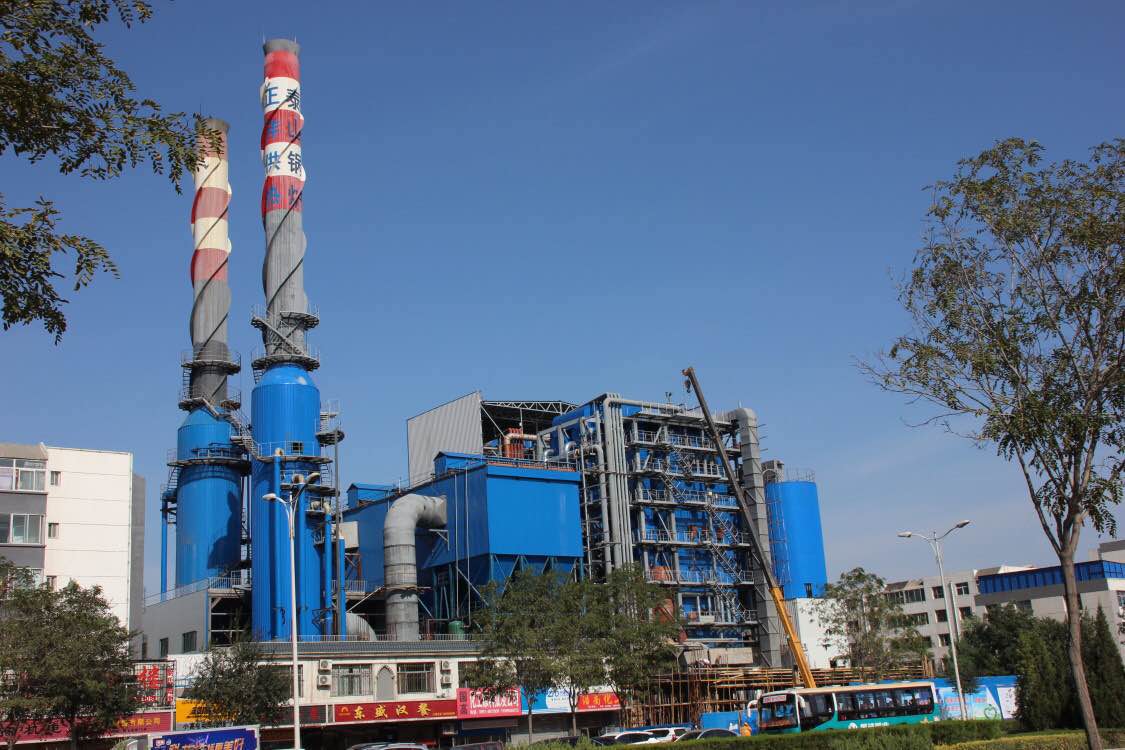
Power plant teams often discuss heat rate, efficiency, fuel cost, and emissions intensity, but many errors occur because the calculation basis is unclear. A plant may report a “good heat rate,” while another team calculates a different value because one used gross generation, another used net generation, one used higher heating value, another used lower heating value, or the fuel input was not corrected for actual fuel quality. These mistakes can lead to wrong performance guarantees, poor fuel-cost analysis, incorrect emissions estimates, and confusion between operators, suppliers, and investors. The practical solution is to calculate heat rate from measured fuel heat input and electrical output, define the basis clearly, and convert it to efficiency using a consistent formula.
A power plant heat rate is calculated by dividing total fuel heat input by electrical energy output. In U.S. units, Heat Rate = Fuel Heat Input in Btu ÷ Electricity Output in kWh. Thermal efficiency is then calculated as Efficiency = 3,412 ÷ Heat Rate when heat rate is expressed in Btu/kWh. For example, a plant with a heat rate of 7,000 Btu/kWh has an efficiency of 3,412 ÷ 7,000 = 48.7%. A lower heat rate means higher efficiency. For accurate comparison, the calculation must state whether it is gross or net, HHV or LHV, full-load or part-load, and based on measured or corrected operating conditions.
Heat rate is one of the most practical performance indicators in power generation because it connects engineering performance directly to fuel cost. A plant that reduces heat rate uses less fuel to produce the same electricity, which usually means lower operating cost and lower emissions intensity. As a professional industrial boiler and energy system supplier, we recommend treating heat rate not only as a reporting number, but as a diagnostic tool for boiler efficiency, turbine performance, condenser condition, auxiliary load, fuel quality, and maintenance planning.
A lower power plant heat rate means the plant uses less fuel energy to produce each kilowatt-hour of electricity.True
Heat rate measures fuel heat input per unit of electrical output, so a lower heat rate indicates better conversion efficiency.
A heat rate number can be compared fairly between two plants even if one is net HHV and the other is gross LHV.False
Heat rate comparisons must use the same basis. Gross/net and HHV/LHV differences can significantly change the reported value.
⚙️ What Is Heat Rate?
Heat rate is the amount of fuel energy required to generate one unit of electricity. It is usually expressed as Btu/kWh in U.S. power industry practice or kJ/kWh in metric systems. The lower the heat rate, the better the plant efficiency.
The basic idea is simple:
| Concept | Meaning |
|---|---|
| Fuel heat input | Total chemical or thermal energy supplied by the fuel |
| Electrical output | Electricity generated by the plant |
| Heat rate | Fuel heat input required per kWh of electricity |
| Efficiency | Useful electrical output divided by fuel heat input |
The basic formula is:
Heat Rate = Fuel Heat Input ÷ Electrical Output
In common U.S. units:
Heat Rate, Btu/kWh = Fuel Heat Input, Btu ÷ Electricity Output, kWh
For example, if a plant consumes 700,000,000 Btu of fuel in one hour and delivers 100,000 kWh of electricity, the heat rate is:
700,000,000 ÷ 100,000 = 7,000 Btu/kWh
This means the plant needs 7,000 Btu of fuel heat input to produce each kWh of electricity.
📐 How to Convert Heat Rate to Efficiency
To convert heat rate to efficiency, use the energy equivalent of one kilowatt-hour:
1 kWh = 3,412 Btu
Therefore:
Efficiency = 3,412 ÷ Heat Rate
When expressed as a percentage:
Efficiency % = 3,412 ÷ Heat Rate × 100
| Heat Rate | Efficiency Calculation | Approx. Efficiency |
|---|---|---|
| 6,000 Btu/kWh | 3,412 ÷ 6,000 × 100 | 56.9% |
| 6,500 Btu/kWh | 3,412 ÷ 6,500 × 100 | 52.5% |
| 7,000 Btu/kWh | 3,412 ÷ 7,000 × 100 | 48.7% |
| 8,000 Btu/kWh | 3,412 ÷ 8,000 × 100 | 42.7% |
| 9,000 Btu/kWh | 3,412 ÷ 9,000 × 100 | 37.9% |
| 10,000 Btu/kWh | 3,412 ÷ 10,000 × 100 | 34.1% |
| 11,000 Btu/kWh | 3,412 ÷ 11,000 × 100 | 31.0% |
| 12,000 Btu/kWh | 3,412 ÷ 12,000 × 100 | 28.4% |
| 14,000 Btu/kWh | 3,412 ÷ 14,000 × 100 | 24.4% |
| 16,000 Btu/kWh | 3,412 ÷ 16,000 × 100 | 21.3% |
A plant with a lower heat rate has a higher efficiency. A plant at 6,500 Btu/kWh is much more efficient than a plant at 10,500 Btu/kWh because it uses less fuel energy to produce each kWh.
🔁 How to Convert Efficiency Back to Heat Rate
Sometimes a supplier gives efficiency instead of heat rate. To convert efficiency back to heat rate:
Heat Rate = 3,412 ÷ Efficiency
When efficiency is written as a decimal:
Heat Rate = 3,412 ÷ 0.50 = 6,824 Btu/kWh
When efficiency is written as a percentage, use:
Heat Rate = 341,200 ÷ Efficiency %
| Efficiency | Heat Rate Calculation | Approx. Heat Rate |
|---|---|---|
| 55% | 341,200 ÷ 55 | 6,204 Btu/kWh |
| 50% | 341,200 ÷ 50 | 6,824 Btu/kWh |
| 45% | 341,200 ÷ 45 | 7,582 Btu/kWh |
| 40% | 341,200 ÷ 40 | 8,530 Btu/kWh |
| 35% | 341,200 ÷ 35 | 9,749 Btu/kWh |
| 33% | 341,200 ÷ 33 | 10,339 Btu/kWh |
| 30% | 341,200 ÷ 30 | 11,373 Btu/kWh |
| 25% | 341,200 ÷ 25 | 13,648 Btu/kWh |
🧮 Step-by-Step Heat Rate Calculation
To calculate heat rate correctly, follow a consistent process.
| Step | Action | Example |
|---|---|---|
| 1 | Measure fuel consumed | 10,000 MMBtu in one day |
| 2 | Confirm heating value basis | HHV or LHV |
| 3 | Measure electricity output | 1,400 MWh net |
| 4 | Convert MWh to kWh | 1,400 MWh = 1,400,000 kWh |
| 5 | Convert MMBtu to Btu | 10,000 MMBtu = 10,000,000,000 Btu |
| 6 | Divide fuel input by output | 10,000,000,000 ÷ 1,400,000 |
| 7 | Report heat rate | 7,143 Btu/kWh |
| 8 | Convert to efficiency | 3,412 ÷ 7,143 × 100 = 47.8% |
Worked Example 1: Natural Gas Combined Cycle Plant
Assume a combined cycle power plant consumes 650 MMBtu of natural gas in one hour and delivers 100 MWh net to the grid.
Convert fuel input:
650 MMBtu = 650,000,000 Btu
Convert electricity output:
100 MWh = 100,000 kWh
Calculate heat rate:
650,000,000 ÷ 100,000 = 6,500 Btu/kWh
Convert to efficiency:
3,412 ÷ 6,500 × 100 = 52.5%
| Item | Value |
|---|---|
| Fuel input | 650 MMBtu/h |
| Net electrical output | 100 MWh |
| Net heat rate | 6,500 Btu/kWh |
| Net efficiency | 52.5% |
This would be a good heat rate for many combined cycle plants, especially if measured on a net HHV basis and under real operating conditions.
Worked Example 2: Coal-Fired Steam Plant
Assume a coal-fired power plant consumes 2,100 MMBtu of coal heat input per hour and delivers 200 MWh net.
Fuel input:
2,100 MMBtu = 2,100,000,000 Btu
Electrical output:
200 MWh = 200,000 kWh
Heat rate:
2,100,000,000 ÷ 200,000 = 10,500 Btu/kWh
Efficiency:
3,412 ÷ 10,500 × 100 = 32.5%
| Item | Value |
|---|---|
| Fuel input | 2,100 MMBtu/h |
| Net electrical output | 200 MWh |
| Net heat rate | 10,500 Btu/kWh |
| Net efficiency | 32.5% |
This may be reasonable for an older subcritical coal unit but would be poor for a modern ultra-supercritical coal plant.
Worked Example 3: Biomass Power Plant
Assume a biomass steam power plant consumes fuel with total useful heat input of 480 MMBtu/h and delivers 35 MWh net.
Fuel input:
480 MMBtu = 480,000,000 Btu
Electrical output:
35 MWh = 35,000 kWh
Heat rate:
480,000,000 ÷ 35,000 = 13,714 Btu/kWh
Efficiency:
3,412 ÷ 13,714 × 100 = 24.9%
| Item | Value |
|---|---|
| Fuel heat input | 480 MMBtu/h |
| Net electrical output | 35 MWh |
| Net heat rate | 13,714 Btu/kWh |
| Net efficiency | 24.9% |
This can be a realistic heat rate for a biomass plant, especially if fuel moisture is high or plant size is small. It should not be judged against a natural gas combined cycle benchmark.
Worked Example 4: Diesel Engine Plant
Assume a diesel engine plant consumes 82 MMBtu/h and produces 10 MWh net.
Fuel input:
82 MMBtu = 82,000,000 Btu
Electrical output:
10 MWh = 10,000 kWh
Heat rate:
82,000,000 ÷ 10,000 = 8,200 Btu/kWh
Efficiency:
3,412 ÷ 8,200 × 100 = 41.6%
| Item | Value |
|---|---|
| Fuel input | 82 MMBtu/h |
| Net output | 10 MWh |
| Net heat rate | 8,200 Btu/kWh |
| Net efficiency | 41.6% |
This would be a strong performance value for many engine-based plants, depending on size, duty, and fuel basis.
📊 Heat Rate and Efficiency Conversion Table by Plant Type
| Plant Type | Example Heat Rate | Approx. Efficiency | Comment |
|---|---|---|---|
| Advanced gas combined cycle | 6,200 Btu/kWh | 55.0% | Excellent fossil-fuel efficiency |
| Typical modern combined cycle | 6,800 Btu/kWh | 50.2% | Good performance |
| Gas reciprocating engine | 8,200 Btu/kWh | 41.6% | Strong distributed generation performance |
| Ultra-supercritical coal | 8,500 Btu/kWh | 40.1% | Good coal performance |
| Supercritical coal | 9,300 Btu/kWh | 36.7% | Typical modern coal range |
| Older subcritical coal | 10,800 Btu/kWh | 31.6% | Common older steam plant range |
| Oil-fired steam plant | 11,500 Btu/kWh | 29.7% | Depends on boiler and turbine condition |
| Biomass steam plant | 13,500 Btu/kWh | 25.3% | Fuel moisture and plant size matter |
| Waste-to-energy plant | 16,000 Btu/kWh | 21.3% | Waste fuel quality and parasitic load matter |
🔍 Gross Heat Rate vs. Net Heat Rate
A heat rate calculation must state whether it is gross or net.
Gross heat rate uses generator output before subtracting plant internal electricity consumption.
Net heat rate uses the electricity exported after subtracting auxiliary loads.
Auxiliary loads include boiler feed pumps, induced-draft fans, forced-draft fans, fuel handling, pulverizers, cooling towers, circulating water pumps, emissions control equipment, compressors, lighting, control systems, and other plant loads.
| Basis | Formula | Practical Meaning |
|---|---|---|
| Gross heat rate | Fuel input ÷ generator output | Equipment generation efficiency |
| Net heat rate | Fuel input ÷ exported electricity | Commercial fuel-to-grid efficiency |
| Net heat rate | Usually higher than gross heat rate | More useful for fuel cost and emissions intensity |
Example:
A plant consumes 700 MMBtu/h and generates 105 MWh gross, but auxiliary load is 5 MWh, so net output is 100 MWh.
| Calculation | Result |
|---|---|
| Gross heat rate = 700,000,000 ÷ 105,000 | 6,667 Btu/kWh |
| Net heat rate = 700,000,000 ÷ 100,000 | 7,000 Btu/kWh |
| Gross efficiency = 3,412 ÷ 6,667 × 100 | 51.2% |
| Net efficiency = 3,412 ÷ 7,000 × 100 | 48.7% |
Both numbers are correct, but they answer different questions. For fuel-cost and grid-delivered performance, net heat rate is usually more useful.
🔥 HHV vs. LHV Heat Rate
Heat rate must also state whether fuel heat input is based on higher heating value or lower heating value.
HHV includes the heat released when water vapor formed during combustion is condensed.
LHV excludes that latent heat.
Because LHV fuel input is lower, LHV-based efficiency appears higher and LHV-based heat rate appears lower. This can make the same plant look better if the basis is not stated clearly.
| Basis | Reported Heat Rate Effect | Reported Efficiency Effect |
|---|---|---|
| HHV | Higher heat rate | Lower efficiency |
| LHV | Lower heat rate | Higher efficiency |
| Correct practice | Always state basis | Prevents misleading comparison |
For example, a natural gas plant may be reported as approximately 50% HHV efficiency but around 55% LHV efficiency depending on fuel composition. Both can describe the same physical plant, but the comparison is misleading unless the basis is clear.
🧪 Fuel Input Calculation by Fuel Type
Fuel heat input is not always measured the same way. For accurate heat rate, the plant must convert fuel quantity into heat input using actual heating value.
| Fuel Type | Fuel Quantity Measurement | Heat Input Calculation |
|---|---|---|
| Natural gas | Standard cubic feet, Nm³, or mass flow | Flow × heating value |
| Coal | Tons or kg | Mass × tested heating value |
| Oil / diesel | Gallons, liters, or tons | Volume or mass × heating value |
| Biomass | Tons or kg | Mass × heating value adjusted for moisture |
| Biogas | Volume flow and methane content | Flow × actual gas heating value |
| Waste fuel | Mass and lab analysis | Mass × measured heating value |
| Hydrogen | Mass or volume | Flow × hydrogen heating value basis |
| Nuclear | Reactor thermal power | Thermal input from reactor heat balance |
Biomass and waste fuels require special care because moisture and composition can change quickly. A biomass plant that uses an outdated heating value may calculate a misleading heat rate.
📉 Full-Load Heat Rate vs. Part-Load Heat Rate
Most power plants have their best heat rate near full load or design load. At part load, heat rate usually worsens because fixed losses and auxiliary loads are spread over fewer kilowatt-hours, and turbines or boilers may operate away from optimal conditions.
| Operating Condition | Heat Rate Effect |
|---|---|
| Full load near design point | Usually best heat rate |
| Part load | Heat rate usually worsens |
| Frequent startup/shutdown | Average heat rate worsens |
| High ambient temperature | Gas turbine heat rate worsens |
| Poor condenser vacuum | Steam cycle heat rate worsens |
| High auxiliary load | Net heat rate worsens |
| Duct firing | May increase total output but can worsen incremental heat rate |
| Cycling duty | Requires separate performance evaluation |
For dispatch and fuel-cost analysis, operators often use incremental heat rate, which shows how much additional fuel is needed to produce additional electricity at a given load. This is different from average heat rate.
📌 What Is a “Good” Heat Rate After Calculation?
After calculating heat rate, compare it with the correct benchmark for the plant technology and fuel type.
| Plant Type | Good Heat Rate Range | Approx. Efficiency Range |
|---|---|---|
| Natural gas combined cycle | 6,200–7,000 Btu/kWh | 49–55% |
| Natural gas simple cycle | 9,000–12,000 Btu/kWh | 28–38% |
| Gas or diesel engine plant | 7,200–9,500 Btu/kWh | 36–47% |
| Ultra-supercritical coal | 8,000–9,000 Btu/kWh | 38–43% |
| Supercritical coal | 8,800–10,000 Btu/kWh | 34–39% |
| Older subcritical coal | 9,500–11,500+ Btu/kWh | 30–36% |
| Oil-fired steam plant | 10,000–13,000 Btu/kWh | 26–34% |
| Biomass steam plant | 11,000–16,000 Btu/kWh | 21–31% |
| Waste-to-energy plant | 14,000–20,000+ Btu/kWh | 17–24% |
| Nuclear steam plant | 10,000–11,500 Btu/kWh thermal equivalent | 30–34% |
A good heat rate is not one universal number. It is a heat rate that is good for the plant’s fuel, technology, age, load, and operating condition.
🧰 How to Use Heat Rate as a Diagnostic Tool
Once heat rate is calculated consistently, it can help identify problems. A worsening heat rate means the plant is using more fuel per kWh. The cause may be in the boiler, turbine, condenser, fuel system, cooling system, auxiliary load, controls, or measurement method.
| Heat Rate Symptom | Possible Cause | First Check |
|---|---|---|
| Heat rate worsens gradually | Fouling, scale, turbine wear, condenser fouling | Trends and maintenance history |
| Heat rate worsens suddenly | Equipment fault, fuel quality change, meter error | Alarm log and fuel analysis |
| Heat rate worsens in hot weather | Gas turbine derate or condenser limitation | Ambient correction |
| Heat rate worsens at part load | Normal part-load effect or poor controls | Load curve |
| Net heat rate much worse than gross | High auxiliary load | Pumps, fans, mills, emissions systems |
| Heat rate worsens with high stack temperature | Boiler heat-transfer loss | Soot, scale, economizer |
| Heat rate worsens with poor vacuum | Condenser or cooling issue | Condenser pressure and cooling water |
| Heat rate changes after fuel change | Heating value or combustion issue | Fuel sampling and burner tuning |
🔧 Boiler-Related Causes of Poor Heat Rate
For steam power plants, boiler condition strongly affects heat rate. Even a good turbine cannot compensate for poor combustion or heat-transfer loss.
| Boiler Problem | Effect on Heat Rate | Corrective Action |
|---|---|---|
| Excess air too high | More heat lost through stack | Tune burner and oxygen control |
| Soot or ash deposits | Poor heat transfer | Clean fireside surfaces and optimize sootblowing |
| Waterside scale | Tube overheating and lower heat transfer | Improve water treatment and clean boiler |
| Poor fuel preparation | Incomplete combustion | Maintain mills, fuel handling, atomizers, or feeders |
| Air heater leakage | Higher fan load and lower efficiency | Inspect and repair seals |
| Steam leaks | More fuel needed for same output | Repair valves, flanges, drains, traps |
| High blowdown | Hot water loss | Optimize conductivity control |
| Low feedwater temperature | More boiler heat required | Repair feedwater heaters or economizer |
| Poor insulation | Radiation heat loss | Repair insulation and casing leakage |
✅ Heat Rate Calculation Checklist
Before reporting heat rate, confirm these items:
| Checklist Item | Why It Matters |
|---|---|
| Fuel quantity measured accurately | Prevents input error |
| Fuel heating value tested or verified | Converts fuel quantity into energy correctly |
| HHV or LHV stated | Avoids misleading comparison |
| Gross or net output stated | Defines performance basis |
| Time period consistent | Fuel and output must cover same period |
| Auxiliary power included or excluded correctly | Affects net heat rate |
| Load level recorded | Full-load and part-load heat rates differ |
| Ambient conditions recorded | Especially important for gas turbines |
| Correction method documented | Supports fair comparison |
| Meter calibration verified | Prevents false performance conclusions |
Common Mistakes to Avoid
One common mistake is calculating heat rate from fuel volume without correcting for fuel heating value. Another is comparing HHV heat rate with LHV heat rate. A third mistake is comparing gross heat rate with net heat rate. A fourth mistake is using one hour of unstable data to judge long-term plant performance. A fifth mistake is comparing different technologies directly, such as judging a biomass steam plant against a modern gas combined cycle plant.
Another important mistake is ignoring auxiliary load. A plant may appear efficient on a gross basis but deliver less net electricity because pumps, fans, mills, emissions controls, fuel handling, or cooling systems consume large amounts of power. For commercial performance, net heat rate is usually the more meaningful number.
Final Summary
A good heat rate is calculated by dividing fuel heat input by electrical output. In U.S. units, Heat Rate = Btu of fuel input ÷ kWh of electricity output. Efficiency is converted from heat rate using Efficiency % = 3,412 ÷ Heat Rate × 100. A heat rate of 7,000 Btu/kWh equals approximately 48.7% efficiency, while 10,000 Btu/kWh equals approximately 34.1% efficiency. To convert efficiency back to heat rate, use Heat Rate = 341,200 ÷ Efficiency %.
The calculation is only useful when the basis is clear. Always state whether the number is gross or net, HHV or LHV, full-load or part-load, measured or corrected, and what fuel heating value was used. When calculated properly, heat rate becomes a powerful tool for improving boiler performance, turbine efficiency, condenser operation, fuel cost, emissions intensity, and long-term power plant reliability.
Why Does a Good Heat Rate for a Power Plant Depend on Net vs. Gross Generation?
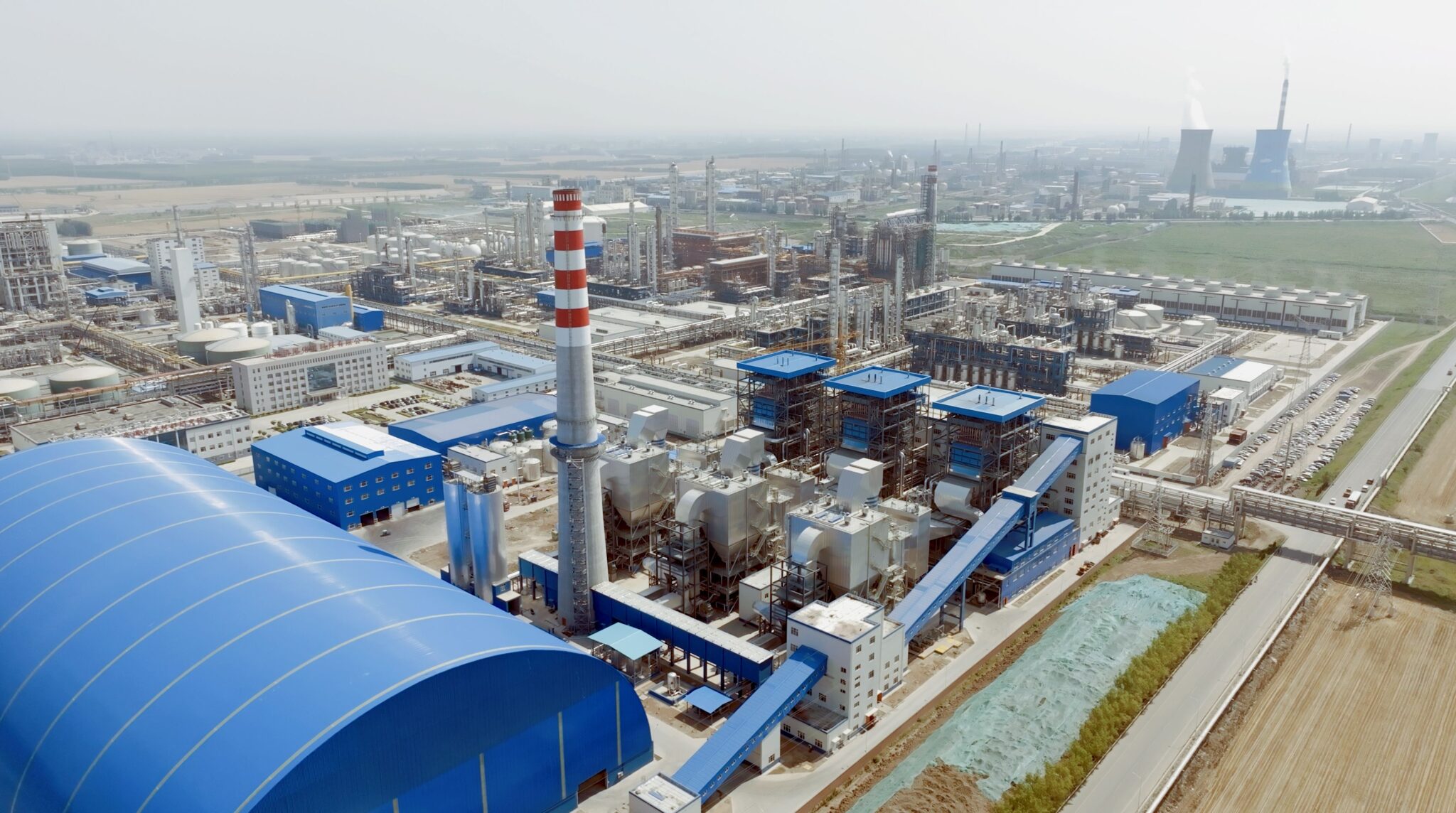
Power plant teams often compare heat rate numbers without first asking whether the number is based on gross generation or net generation. This creates confusion because the same plant can appear more efficient on a gross basis and less efficient on a net basis, even though nothing physically changed. If owners, EPC contractors, operators, or investors compare a gross heat rate from one plant with a net heat rate from another, they may overestimate performance, underestimate fuel cost, misjudge emissions intensity, or approve the wrong efficiency-improvement project. The practical solution is to define the generation basis clearly: gross heat rate measures fuel input against generator output, while net heat rate measures fuel input against electricity actually exported after plant auxiliary power is subtracted.
A good heat rate depends on net vs. gross generation because gross generation counts the total electricity produced at the generator, while net generation subtracts the electricity consumed by plant auxiliaries such as boiler feed pumps, fans, cooling water pumps, fuel handling, emissions control equipment, compressors, lighting, and control systems. Gross heat rate is always lower and looks better because it divides fuel input by a larger output number. Net heat rate is higher but usually more meaningful for fuel cost, grid export, emissions intensity, and commercial performance because it reflects the electricity actually delivered outside the plant.
For plant owners and operators, the difference is not just accounting. It directly affects profitability, dispatch decisions, equipment guarantees, carbon reporting, and maintenance priorities. A power plant with excellent gross performance may still have poor net performance if auxiliary loads are too high. As a professional industrial boiler and energy system supplier, we recommend using both numbers correctly: gross heat rate for equipment-level analysis and net heat rate for economic, commercial, and grid-delivered performance.
Gross heat rate is usually lower than net heat rate for the same power plant.True
Gross heat rate uses total generator output before subtracting auxiliary power, while net heat rate uses exported electricity after auxiliary loads are deducted. Because net output is smaller, net heat rate is higher.
A gross heat rate from one plant can be fairly compared with a net heat rate from another plant without adjustment.False
Gross and net heat rates use different electrical output bases, so comparing them directly can misrepresent plant efficiency, fuel cost, and emissions performance.
⚙️ What Is Gross Generation?
Gross generation is the total electrical power produced by the generator terminals before subtracting the electricity used inside the plant. It answers the question: How much electricity did the generator produce?
In a steam power plant, the turbine drives the generator, and the generator produces gross electrical output. However, the plant itself consumes part of that electricity to run essential equipment. These internal loads are known as auxiliary loads or parasitic loads.
Typical auxiliary loads include:
| Auxiliary Load | Why It Uses Power |
|---|---|
| 💧 Boiler feed pumps | Push feedwater into the boiler at high pressure |
| 🌬️ Forced draft fans | Supply combustion air |
| 🌫️ Induced draft fans | Pull flue gas through the boiler and stack |
| ❄️ Cooling water pumps | Move cooling water through condenser systems |
| 🏭 Cooling tower fans | Reject heat to atmosphere |
| 🔥 Fuel handling systems | Move coal, biomass, oil, gas, or waste fuel |
| 🧱 Pulverizers or mills | Grind coal or solid fuel |
| 🧪 Emissions control systems | Operate scrubbers, baghouses, ESPs, SCR systems, reagent systems |
| ⚙️ Air compressors | Supply instrument air and service air |
| 🎛️ Control systems | Power automation, sensors, lighting, HVAC, and plant support systems |
Gross generation is useful because it shows turbine-generator output. It is important for performance testing of the turbine, generator, and primary cycle. However, it does not show how much electricity the plant actually sells or exports.
🔌 What Is Net Generation?
Net generation is the electricity that remains after subtracting the plant’s own power consumption. It answers the commercial question: How much electricity did the plant deliver to the grid or customer?
The formula is:
Net Generation = Gross Generation − Auxiliary Power Consumption
For example:
| Item | Value |
|---|---|
| Gross generation | 100 MW |
| Auxiliary load | 8 MW |
| Net generation | 92 MW |
The plant produces 100 MW at the generator, but only 92 MW is available for sale or export because 8 MW is used internally.
Net generation is usually more important for fuel cost, revenue, emissions per delivered kWh, and power purchase agreements because it reflects useful output outside the plant boundary.
📐 Gross Heat Rate vs. Net Heat Rate Formula
Heat rate measures fuel heat input per unit of electrical output. The output basis changes the result.
| Heat Rate Type | Formula | Meaning |
|---|---|---|
| Gross Heat Rate | Fuel Heat Input ÷ Gross Generation | Fuel used per kWh produced by the generator |
| Net Heat Rate | Fuel Heat Input ÷ Net Generation | Fuel used per kWh exported after auxiliary loads |
| Auxiliary Load % | Auxiliary Load ÷ Gross Generation × 100 | Share of generated power consumed inside the plant |
Because net generation is smaller than gross generation, net heat rate is higher than gross heat rate.
🧮 Simple Example: Same Plant, Two Heat Rates
Assume a power plant consumes 700,000,000 Btu/h of fuel and produces 100,000 kWh/h gross generation. The plant uses 8,000 kWh/h internally, so net generation is 92,000 kWh/h.
| Item | Value |
|---|---|
| Fuel heat input | 700,000,000 Btu/h |
| Gross generation | 100,000 kWh/h |
| Auxiliary load | 8,000 kWh/h |
| Net generation | 92,000 kWh/h |
Gross heat rate:
700,000,000 ÷ 100,000 = 7,000 Btu/kWh
Net heat rate:
700,000,000 ÷ 92,000 = 7,609 Btu/kWh
| Heat Rate Basis | Calculation | Result |
|---|---|---|
| Gross heat rate | 700,000,000 ÷ 100,000 | 7,000 Btu/kWh |
| Net heat rate | 700,000,000 ÷ 92,000 | 7,609 Btu/kWh |
The same plant has two different heat rates. The gross heat rate looks better, but the net heat rate better represents the fuel required for each kWh exported.
📊 How Auxiliary Load Changes the Heat Rate
Auxiliary load can significantly change reported heat rate. The higher the auxiliary load, the larger the difference between gross and net heat rate.
Assume the gross heat rate is 7,000 Btu/kWh at 100 MW gross output.
| Auxiliary Load | Net Output | Gross Heat Rate | Net Heat Rate |
|---|---|---|---|
| 2% | 98 MW | 7,000 Btu/kWh | 7,143 Btu/kWh |
| 5% | 95 MW | 7,000 Btu/kWh | 7,368 Btu/kWh |
| 8% | 92 MW | 7,000 Btu/kWh | 7,609 Btu/kWh |
| 10% | 90 MW | 7,000 Btu/kWh | 7,778 Btu/kWh |
| 15% | 85 MW | 7,000 Btu/kWh | 8,235 Btu/kWh |
This is why two plants with the same gross efficiency can have very different commercial performance. A plant with high auxiliary consumption sells less electricity from the same fuel input.
🔥 Why Fuel Type Affects the Net vs. Gross Gap
Different power plant fuel types have different auxiliary power requirements. A natural gas combined cycle plant may have relatively low auxiliary load compared with a coal, biomass, or waste-to-energy plant. Coal plants require mills, coal conveyors, ash handling, draft fans, emissions control systems, and often large cooling systems. Biomass plants need fuel conveyors, shredders, feeders, fans, ash systems, and dust collection. Waste-to-energy plants may have even higher auxiliary loads because of waste handling and emissions control.
| Plant Type | Typical Auxiliary Load Tendency | Why It Matters |
|---|---|---|
| Natural gas combined cycle | Low to moderate | Less fuel handling and fewer solid-fuel systems |
| Simple cycle gas turbine | Low | Fewer auxiliary systems |
| Coal-fired steam plant | Moderate to high | Mills, fans, emissions controls, ash handling |
| Biomass power plant | Moderate to high | Fuel handling, ash, fans, emissions controls |
| Waste-to-energy plant | High | Waste processing and strict emissions systems |
| Nuclear plant | Moderate | Large pumps, cooling systems, safety systems |
| Diesel/gas engine plant | Low to moderate | Engine auxiliaries and cooling systems |
| Carbon capture plant | Higher than non-capture plant | CO₂ capture, compression, solvent/reagent systems |
This is why net heat rate is especially important when comparing plants with different auxiliary systems. A biomass plant may look acceptable on gross heat rate but less competitive on net heat rate if fuel handling and emissions systems consume a large share of output.
⚡ Why Net Heat Rate Matters More for Fuel Cost
Fuel cost is paid based on fuel consumed, but revenue is usually based on electricity exported or sold. That makes net heat rate the better commercial measure.
The fuel cost per kWh can be estimated as:
Fuel Cost per kWh = Net Heat Rate × Fuel Price per Btu
A plant with a lower net heat rate uses less fuel per exported kWh.
Example:
| Plant | Net Heat Rate | Fuel Price | Fuel Cost |
|---|---|---|---|
| Plant A | 7,000 Btu/kWh | $5/MMBtu | 3.5 cents/kWh |
| Plant B | 7,600 Btu/kWh | $5/MMBtu | 3.8 cents/kWh |
| Difference | 600 Btu/kWh | Same fuel price | Plant B costs more to operate |
Even if two plants have the same gross heat rate, the one with lower auxiliary power will have better net heat rate and lower fuel cost per exported kWh.
🌍 Why Net Heat Rate Matters More for Emissions Intensity
Emissions intensity is usually reported per unit of useful electricity delivered. If auxiliary power is high, the plant burns the same fuel but exports fewer kWh, so emissions per exported kWh increase.
For carbon reporting, net heat rate is usually more meaningful because it reflects the emissions associated with delivered electricity.
| Basis | What It Shows | Limitation |
|---|---|---|
| Gross heat rate | Fuel use per generator kWh | Does not include internal electricity consumption impact |
| Net heat rate | Fuel use per exported kWh | Better for emissions intensity and commercial output |
| Net emissions intensity | CO₂ or pollutant mass per exported kWh | Best for customer, grid, and carbon reporting |
A plant with carbon capture may also have a larger auxiliary load because capture systems, pumps, blowers, solvent circulation, and CO₂ compression consume power. This can worsen net heat rate even when stack CO₂ emissions are reduced. Therefore, net performance is essential when evaluating carbon capture, hydrogen-ready systems, biomass plants, or emissions-control retrofits.
🏭 Gross Heat Rate Is Still Useful
Gross heat rate is not wrong. It is useful when the goal is to evaluate the performance of the main generating equipment without focusing on plant auxiliary load. For example, gross heat rate can help analyze turbine-generator performance, steam cycle performance, boiler-turbine efficiency, and design guarantees.
However, gross heat rate should not be used alone for business decisions. A supplier may guarantee gross heat rate for a major equipment package, while the owner cares about net heat rate for project economics. Both numbers should be included in a serious performance discussion.
| Use Case | Better Heat Rate Basis |
|---|---|
| Turbine-generator performance test | Gross heat rate |
| Boiler-turbine cycle analysis | Gross and net both useful |
| Fuel cost forecast | Net heat rate |
| Grid export performance | Net heat rate |
| Emissions per delivered kWh | Net heat rate |
| Power purchase agreement | Usually net generation basis |
| Plant dispatch economics | Net heat rate or incremental net heat rate |
| Auxiliary-load improvement project | Net heat rate |
🔧 How Auxiliary Systems Increase Net Heat Rate
Auxiliary systems reduce net generation. If they are inefficient, poorly maintained, oversized, or operated unnecessarily, net heat rate worsens. This means the plant may burn the same fuel but export less power.
Common auxiliary-related causes of poor net heat rate include:
| Auxiliary Problem | Effect on Net Heat Rate | Corrective Action |
|---|---|---|
| Oversized pumps running at fixed speed | High internal power use | Add VFD, optimize operation, trim impeller |
| Dirty filters or strainers | Higher fan/pump load | Clean or replace |
| Air heater leakage | Higher fan load and heat loss | Repair seals |
| Poor cooling tower performance | More fan/pump load and worse condenser vacuum | Clean tower, optimize fans and water flow |
| Coal mill inefficiency | Higher mill power and poor combustion | Maintain mills and classifiers |
| Biomass fuel handling blockage | Higher motor load and unstable feed | Improve fuel preparation |
| Emissions control pressure drop | More fan power | Clean ducts, bags, ESP, scrubber internals |
| Compressed air leaks | Continuous auxiliary waste | Repair leaks |
| Poor lighting/HVAC management | Unnecessary internal load | Upgrade controls and equipment |
| Carbon capture compression load | Lower net output | Optimize capture integration and heat recovery |
📉 Example: Auxiliary Load Improvement
Assume a plant has the following performance:
| Item | Before Improvement | After Improvement |
|---|---|---|
| Fuel input | 700 MMBtu/h | 700 MMBtu/h |
| Gross generation | 100 MWh/h | 100 MWh/h |
| Auxiliary load | 10 MWh/h | 6 MWh/h |
| Net generation | 90 MWh/h | 94 MWh/h |
Gross heat rate is unchanged:
700,000,000 ÷ 100,000 = 7,000 Btu/kWh
Net heat rate before:
700,000,000 ÷ 90,000 = 7,778 Btu/kWh
Net heat rate after:
700,000,000 ÷ 94,000 = 7,447 Btu/kWh
| Result | Value |
|---|---|
| Net heat rate improvement | 331 Btu/kWh |
| Gross heat rate improvement | 0 Btu/kWh |
| Commercial benefit | More electricity exported from same fuel |
This example shows why gross heat rate can hide auxiliary-load improvements. The turbine did not produce more gross power, but the plant exported more net power.
🧮 Converting Gross Efficiency and Net Efficiency
The same concept applies to efficiency.
Gross Efficiency = 3,412 ÷ Gross Heat Rate × 100
Net Efficiency = 3,412 ÷ Net Heat Rate × 100
Using the earlier example:
| Basis | Heat Rate | Efficiency |
|---|---|---|
| Gross | 7,000 Btu/kWh | 48.7% |
| Net | 7,609 Btu/kWh | 44.8% |
The difference is caused by auxiliary load. The plant’s generator-level conversion efficiency looks like 48.7%, but the delivered electricity efficiency is 44.8%.
📌 Why “Good Heat Rate” Must State the Boundary
A heat rate number is only meaningful if the plant boundary is clear. The boundary defines what is included and excluded.
| Boundary Question | Why It Matters |
|---|---|
| Is generation gross or net? | Determines whether auxiliary power is deducted |
| Is fuel input HHV or LHV? | Changes heat rate and efficiency |
| Are startup fuels included? | Affects cycling plant average heat rate |
| Are duct burners included? | Changes combined cycle performance |
| Are emissions systems included in auxiliaries? | Affects net heat rate |
| Is carbon capture power included? | Important for low-carbon plants |
| Is the plant exporting steam or heat? | CHP plants need separate accounting |
| Is the data corrected for ambient conditions? | Important for gas turbines and cooling systems |
| Is the plant at full load or part load? | Part-load heat rate is usually worse |
Without a clear boundary, heat rate can be manipulated or misunderstood.
🔋 Net vs. Gross in Combined Heat and Power Plants
Combined heat and power plants create a special case because they produce both electricity and useful thermal energy, such as steam, hot water, or process heat. If only electric generation is counted, the heat rate may look poor because some fuel energy is intentionally used for heat export. For CHP plants, operators should use additional metrics such as total energy efficiency, power-to-heat ratio, and fuel savings compared with separate generation.
| CHP Metric | Meaning |
|---|---|
| Electric heat rate | Fuel input per kWh electricity only |
| Total efficiency | Electricity plus useful heat divided by fuel input |
| Net electric efficiency | Exported electricity divided by fuel input |
| Useful thermal output | Steam or hot water supplied to process |
| Fuel savings | Comparison with separate boiler and power generation |
For CHP, net generation still matters, but it should not be the only performance measure.
🏗️ Net vs. Gross in Plants With Carbon Capture
Carbon capture can reduce CO₂ emissions, but it usually adds auxiliary load. Pumps, fans, solvent systems, regeneration systems, and CO₂ compression consume energy. As a result, gross generation may remain similar while net generation falls. This increases net heat rate.
| Carbon Capture Effect | Impact |
|---|---|
| Additional capture equipment | Increases auxiliary load |
| CO₂ compression | Reduces net export |
| Steam extraction for solvent regeneration | May reduce turbine output |
| Higher internal power use | Raises net heat rate |
| Lower stack CO₂ | Improves emissions control |
| Need for net analysis | Essential for true project economics |
A carbon capture project should therefore be judged by net heat rate, net efficiency, net CO₂ intensity, and delivered cost of electricity, not only by gross plant output.
✅ How to Compare Heat Rates Fairly
To compare heat rates fairly, use the same basis for every plant.
| Comparison Rule | Correct Practice |
|---|---|
| Gross vs. net | Compare gross to gross or net to net |
| HHV vs. LHV | Compare HHV to HHV or LHV to LHV |
| Load level | Compare similar load points |
| Ambient condition | Correct for temperature and cooling conditions where needed |
| Fuel quality | Use actual tested heating value |
| Plant boundary | Include the same auxiliary systems |
| Time period | Compare similar operating periods |
| Cycling | Separate steady-state and startup/shutdown performance |
| CHP | Account for useful heat export separately |
| Carbon capture | Include capture auxiliary load in net output |
🔍 When a Plant Has Good Gross Heat Rate but Poor Net Heat Rate
This condition means the main generating equipment may be performing well, but the plant is consuming too much internal power. The next step is to analyze auxiliary load.
| Symptom | Likely Cause | First Investigation |
|---|---|---|
| Good gross heat rate, poor net heat rate | High auxiliary power | Auxiliary load breakdown |
| High fan power | Duct restriction, air heater leakage, dirty filters | Fan curves and pressure drops |
| High pump power | Oversized pumps, throttling, poor controls | Pump performance and VFD options |
| High cooling system load | Poor cooling tower or condenser operation | Cooling water flow and fan control |
| High fuel handling load | Coal/biomass handling inefficiency | Conveyors, mills, crushers, feeders |
| High emissions system load | High pressure drop or inefficient equipment | Baghouse, scrubber, ESP, SCR systems |
| High compressed air load | Leaks or poor compressor control | Air audit |
🔧 How to Improve Net Heat Rate Without Changing Gross Output
Many net heat rate improvements come from reducing auxiliary power rather than increasing generator output.
| Improvement Action | Net Heat Rate Benefit |
|---|---|
| Install variable-frequency drives on pumps and fans | Reduces unnecessary motor power |
| Optimize boiler feed pump operation | Lowers high-pressure pumping energy |
| Repair air heater leakage | Reduces fan power and stack loss |
| Clean condenser and cooling tower | Improves turbine output and cooling efficiency |
| Reduce emissions system pressure drop | Lowers fan load |
| Optimize coal or biomass fuel handling | Reduces motor power and improves combustion stability |
| Repair compressed air leaks | Reduces continuous parasitic load |
| Improve plant lighting and HVAC controls | Reduces non-process load |
| Optimize boiler sequencing | Reduces standby and auxiliary waste |
| Use predictive maintenance | Prevents gradual auxiliary-load increase |
Common Mistakes to Avoid
One common mistake is advertising gross heat rate as if it were net heat rate. This can make a plant look more efficient than it is commercially. Another mistake is comparing a plant with low auxiliary load to a plant with high auxiliary load without adjusting for net generation. A third mistake is ignoring auxiliary power after installing emissions controls, carbon capture, biomass handling, or additional cooling equipment. These systems may improve environmental performance but can worsen net heat rate if not optimized.
Another mistake is using net heat rate to judge only the turbine or boiler. Net heat rate includes the whole plant boundary, so poor net heat rate may come from auxiliary systems rather than the main boiler or turbine. Good diagnosis requires separating gross cycle performance from auxiliary-load performance.
Final Summary
A good heat rate depends on net vs. gross generation because the denominator in the calculation changes. Gross heat rate divides fuel input by total generator output, while net heat rate divides fuel input by electricity exported after auxiliary power is subtracted. Gross heat rate is lower and useful for equipment-level analysis. Net heat rate is higher and usually more important for fuel cost, grid export, emissions intensity, and commercial performance.
The same plant can have a gross heat rate of 7,000 Btu/kWh and a net heat rate of 7,609 Btu/kWh if auxiliary load consumes 8% of gross generation. This does not mean one number is wrong. It means they answer different questions. To compare heat rates fairly, always state whether the basis is gross or net, HHV or LHV, full-load or part-load, and what plant boundary is included. For business decisions, emissions reporting, and delivered electricity cost, net heat rate is usually the better benchmark.
What Factors Affect a Good Heat Rate for a Power Plant During Daily Operation?
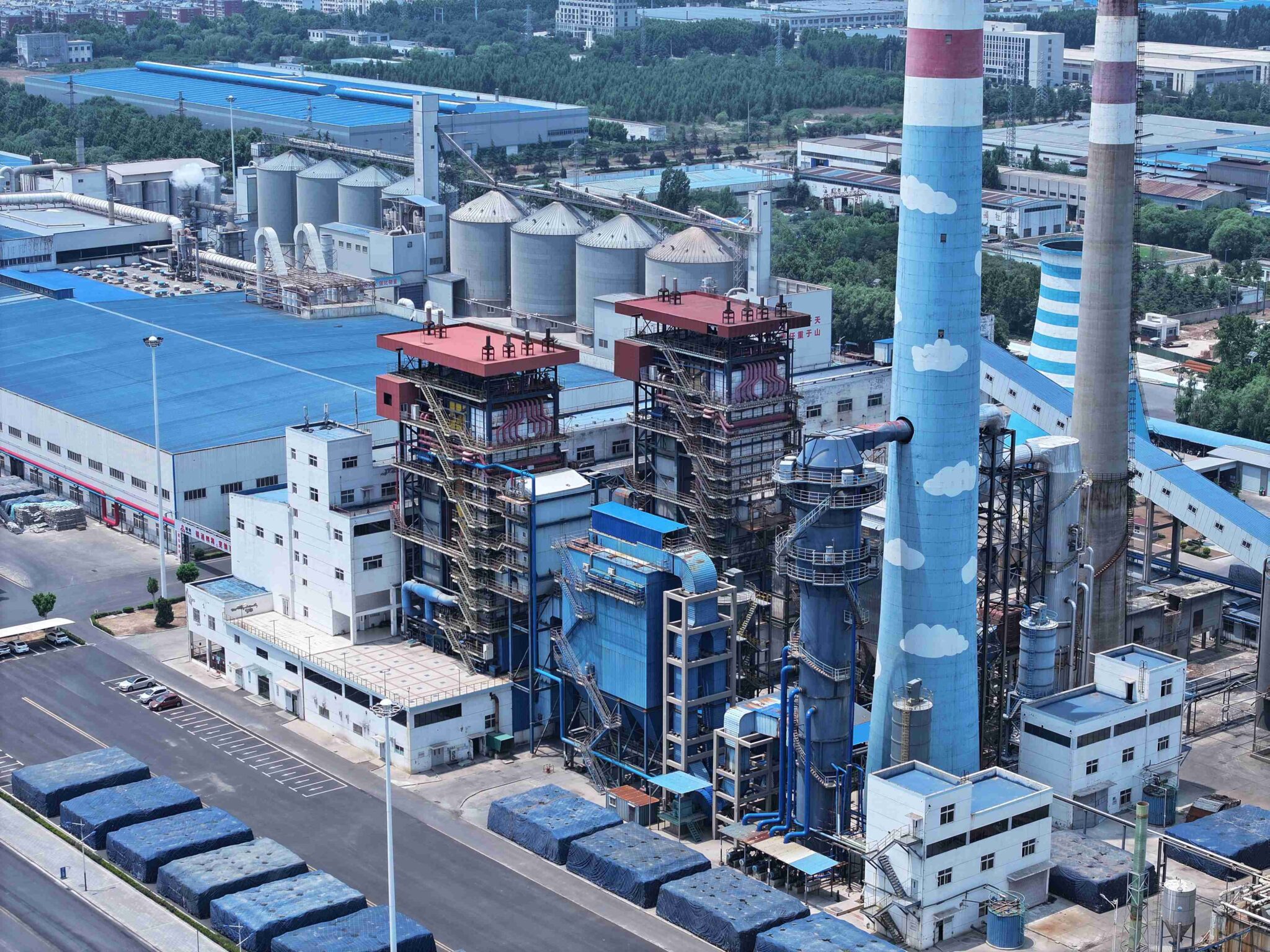
A power plant may have an excellent design heat rate on paper, but daily operation can quickly make the actual heat rate worse. Load changes, high ambient temperature, poor fuel quality, excess air, dirty boiler surfaces, condenser fouling, high auxiliary power, steam leaks, poor water chemistry, and operator decisions can all increase fuel consumption per kilowatt-hour. If these factors are not monitored, the plant burns more fuel, produces less net power, increases emissions intensity, and loses profit every day. The practical solution is to manage heat rate as a daily operating KPI, not only as an annual performance test result.
A good heat rate during daily power plant operation is affected by load level, ambient temperature, fuel quality, combustion tuning, boiler cleanliness, steam temperature and pressure, turbine efficiency, condenser vacuum, cooling system condition, auxiliary power consumption, water treatment, blowdown rate, steam leaks, startup and shutdown frequency, emissions-control operation, and operator control strategy. Lower heat rate means better efficiency, but daily heat rate must be corrected for operating conditions before judging performance. The best plants monitor heat rate trends continuously and investigate abnormal changes quickly.
For plant managers, boiler operators, turbine engineers, and maintenance teams, heat rate is one of the most useful indicators of daily plant health. A small heat rate increase may look minor, but across thousands of operating hours it can become a major fuel-cost penalty. As a professional industrial boiler and energy system supplier, we recommend breaking daily heat rate into controllable factors and uncontrollable factors. Weather and load demand may not be fully controllable, but combustion tuning, condenser cleanliness, auxiliary power, steam leakage, water treatment, sootblowing, and operating discipline can be managed.
Daily power plant heat rate can change even when the main boiler and turbine design have not changed.True
Daily heat rate is affected by load, ambient conditions, fuel quality, equipment cleanliness, auxiliary power, controls, condenser performance, and operating strategy.
Once a power plant achieves a good design heat rate, operators do not need to monitor daily heat rate trends.False
Design heat rate is only a reference. Daily heat rate can worsen because of fouling, leaks, poor combustion, high auxiliary load, water treatment issues, part-load operation, and maintenance problems.
⚙️ Daily Heat Rate Starts With the Correct Calculation
Before improving daily heat rate, the plant must calculate it correctly. Heat rate is the fuel heat input divided by electrical output. In daily operation, the most useful value is usually net heat rate, because it measures fuel used per kilowatt-hour exported after auxiliary power is deducted.
Heat Rate = Fuel Heat Input ÷ Electrical Output
Efficiency % = 3,412 ÷ Heat Rate × 100
For example, if a plant consumes 700,000,000 Btu/h and exports 100,000 kWh/h, the net heat rate is:
700,000,000 ÷ 100,000 = 7,000 Btu/kWh
| Calculation Item | Why It Matters in Daily Operation |
|---|---|
| Fuel flow | Shows how much energy enters the plant |
| Fuel heating value | Converts fuel quantity into real heat input |
| Gross generation | Shows generator output |
| Auxiliary power | Determines net export |
| Net generation | Best basis for commercial heat rate |
| HHV or LHV basis | Prevents misleading comparison |
| Load condition | Heat rate changes at part load |
| Ambient condition | Especially important for gas turbines and cooling systems |
| Operating period | Hourly, daily, weekly, and monthly heat rates can differ |
A daily heat rate report should always state whether it is gross or net, HHV or LHV, full-load or part-load, and measured or corrected. Without these boundaries, the heat rate number may create more confusion than insight.
📊 Main Daily Factors That Affect Heat Rate
The following table summarizes the most important daily operating factors. These are the areas operators should review when heat rate changes unexpectedly.
| Factor | How It Affects Heat Rate | Daily Operating Check |
|---|---|---|
| ⚡ Load level | Part-load operation usually worsens heat rate | Compare heat rate at similar load |
| 🌡️ Ambient temperature | Hot weather reduces gas turbine output and worsens condenser performance | Track temperature correction |
| 🔥 Fuel quality | Moisture, heating value, ash, methane content, or viscosity affects fuel input | Test or verify fuel data |
| 💨 Excess air / O₂ | Too much air increases stack loss; too little risks CO and instability | Monitor O₂ and CO |
| 🧱 Boiler fouling | Soot, ash, or scale reduces heat transfer | Track stack temperature |
| ♨️ Steam temperature/pressure | Lower-than-design steam conditions reduce turbine efficiency | Monitor main and reheat steam |
| ❄️ Condenser vacuum | Poor vacuum reduces turbine output | Track backpressure and cooling water |
| ⚙️ Auxiliary load | Higher internal power worsens net heat rate | Review pumps, fans, mills, emissions systems |
| 💧 Water treatment | Scale and blowdown losses affect efficiency | Monitor chemistry and blowdown |
| 💨 Steam leaks | Wasted steam requires more fuel | Inspect valves, traps, drains, flanges |
| 🔁 Cycling operation | Starts and shutdowns increase average heat rate | Separate steady-state and cycling heat rate |
| 🎛️ Operator control | Poor sequencing, setpoints, or manual operation can waste fuel | Review control trends |
⚡ Load Level and Part-Load Operation
Load level is one of the biggest daily heat-rate factors. Most power plants are most efficient near their design operating range. When a plant operates at part load, fixed losses remain but output decreases. Auxiliary equipment may still consume significant power. Boilers may operate with less ideal combustion. Turbines may move away from their best efficiency point. As a result, heat rate often worsens.
For example, a combined cycle plant may have a strong heat rate at full load but a weaker heat rate at 50% load. A coal plant may lose efficiency if mills, fans, pumps, and emissions systems continue consuming high auxiliary power while generator output falls. A biomass plant may have unstable combustion if fuel feed is reduced below its stable operating range.
| Load Condition | Typical Heat Rate Effect | Practical Operator Response |
|---|---|---|
| Full load near design | Usually best heat rate | Maintain stable combustion and steam conditions |
| Moderate part load | Heat rate increases | Optimize boiler/turbine control and auxiliary operation |
| Low load | Heat rate worsens more | Avoid unnecessary auxiliaries and poor combustion |
| Rapid load swings | Heat rate may become unstable | Improve ramp control and pressure management |
| Minimum load operation | Often inefficient | Evaluate shutdown, standby, or alternate dispatch |
| Frequent cycling | Average heat rate worsens | Track start fuel and warm-up losses separately |
A fair daily heat-rate review should compare today’s performance with a similar load condition, not with the best full-load test value.
🌡️ Ambient Temperature and Weather Conditions
Weather affects power plant heat rate every day. In gas turbine plants, high ambient temperature reduces air density, lowering mass flow through the compressor and reducing output. In steam plants, high cooling water temperature can worsen condenser vacuum, reducing turbine output. High humidity may affect combustion air, cooling tower performance, and some fuel-handling conditions. Cold weather can also affect fuel viscosity, condensate systems, freeze protection, and auxiliary loads.
| Weather Factor | Heat Rate Impact |
|---|---|
| High ambient temperature | Reduces gas turbine output and worsens condenser performance |
| High cooling water temperature | Increases condenser backpressure |
| High humidity | May reduce cooling tower effectiveness |
| Cold weather | May increase heating loads and affect fuel systems |
| Wind conditions | Can affect air-cooled condensers and cooling towers |
| Seasonal fuel changes | Can affect coal moisture, biomass moisture, or gas composition |
Operators should not automatically blame equipment when heat rate worsens during hot weather. However, if heat rate worsens more than expected after ambient correction, the plant should inspect compressor cleanliness, condenser condition, cooling tower performance, and auxiliary operation.
🔥 Fuel Quality and Fuel Consistency
Fuel quality is a major daily heat-rate driver. Heat rate is calculated from fuel heat input, so inaccurate or changing fuel heating value can make heat rate appear better or worse than reality. Fuel quality also affects combustion stability, boiler heat transfer, emissions, fouling, ash handling, and auxiliary power.
For natural gas, composition and heating value may change. For coal, moisture, ash, sulfur, volatile matter, grindability, and heating value are important. For biomass, moisture content is often the dominant factor. For biogas, methane percentage, moisture, hydrogen sulfide, and siloxanes can affect combustion. For oil, viscosity, atomization temperature, water contamination, and sulfur content matter.
| Fuel Type | Daily Fuel Factor | Heat Rate Risk |
|---|---|---|
| Natural gas | Heating value and pressure | Wrong heat input calculation or unstable burner output |
| Coal | Moisture, ash, grindability, heating value | Higher fuel input, poor combustion, high auxiliary load |
| Biomass | Moisture, particle size, ash, chlorine/alkali | Lower boiler output, fouling, unstable combustion |
| Biogas | Methane content, moisture, H₂S | Flame instability and incorrect fuel energy calculation |
| Oil / diesel | Viscosity, atomization, contamination | Soot, poor combustion, high stack loss |
| Waste fuel | Variable composition and moisture | High heat-rate variability |
Daily fuel sampling and heating-value verification are especially important for coal, biomass, waste fuel, and biogas plants.
💨 Combustion Tuning and Excess Air
Combustion quality directly affects boiler efficiency and heat rate. Too much excess air sends unnecessary hot air up the stack, increasing dry gas loss. Too little air can cause incomplete combustion, carbon monoxide, unburned fuel, flame instability, smoke, and safety risk. A good heat rate requires the correct balance between complete combustion and minimum stack loss.
| Combustion Condition | Heat Rate Impact | Operator Action |
|---|---|---|
| O₂ too high | More stack heat loss | Tune air-fuel ratio |
| O₂ too low | CO and incomplete combustion risk | Increase air safely and inspect burner |
| CO increasing | Combustion instability or poor mixing | Check burner, fuel pressure, air distribution |
| Flame unstable | Trip risk and poor efficiency | Inspect scanner, ignition, draft, fuel quality |
| High stack temperature | Heat transfer loss | Inspect soot, scale, economizer, excess air |
| Smoke or opacity | Poor combustion or fuel issue | Check atomization, fuel preparation, air supply |
For daily operation, operators should trend O₂, CO, stack temperature, fuel flow, steam output, burner position, fan load, and draft. A small drift in O₂ can create a large fuel penalty over time.
🧱 Boiler Cleanliness: Soot, Ash, Slag, and Scale
Boiler heat-transfer surfaces must stay clean for good heat rate. Fireside fouling from soot, ash, slag, or unburned fuel reduces heat transfer from combustion gas to water or steam. Waterside scale acts like insulation, causing higher tube metal temperature and lower heat transfer. Both conditions increase fuel consumption.
A key daily indicator is stack temperature. If stack temperature rises at the same load, same excess air, and same fuel, heat transfer is likely deteriorating.
| Boiler Deposit Type | Common Cause | Heat Rate Effect | Corrective Action |
|---|---|---|---|
| Soot | Poor combustion, oil firing, low air | Higher stack temperature | Tune burner and clean fireside |
| Ash fouling | Coal, biomass, waste fuel | Reduced heat transfer | Optimize sootblowing and fuel handling |
| Slagging | High ash fusion tendency | Furnace heat-transfer loss | Review fuel quality and combustion temperature |
| Waterside scale | Poor water treatment | Tube overheating and efficiency loss | Improve treatment and clean boiler |
| Sludge | Poor blowdown or chemistry | Heat-transfer restriction | Correct blowdown and chemical program |
| Economizer fouling | Ash, acid dewpoint, corrosion | Lower feedwater heating | Clean and inspect economizer |
♨️ Steam Temperature, Pressure, and Reheat Conditions
Steam cycle performance depends heavily on steam conditions. If main steam temperature is lower than design, turbine efficiency decreases. If main steam pressure is unstable, the turbine may operate inefficiently. If reheat temperature is low, heat rate worsens. If spray attemperation is excessive, steam cycle efficiency may suffer because high-quality steam energy is replaced by water injection.
| Steam Condition | Heat Rate Effect |
|---|---|
| Main steam temperature low | Reduces turbine efficiency |
| Main steam pressure unstable | Causes control losses and poor turbine performance |
| Reheat temperature low | Worsens steam cycle efficiency |
| Excess attemperation spray | Can reduce cycle efficiency |
| Steam purity poor | Turbine deposits and performance loss |
| Superheater fouling | Lower steam temperature or higher firing demand |
| Steam leaks | Higher fuel input for same output |
Operators should monitor main steam temperature, reheat temperature, pressure, attemperator spray flow, turbine valve position, and boiler firing rate. Daily deviations should be investigated before they become normal operating habits.
❄️ Condenser Vacuum and Cooling System Performance
In steam turbine plants, condenser performance has a major effect on heat rate. A poor condenser vacuum increases turbine exhaust pressure, reducing turbine output from the same steam flow. That means the boiler burns the same or more fuel while the generator produces less electricity.
Common causes include condenser tube fouling, air in-leakage, poor cooling water flow, cooling tower problems, high circulating water temperature, blocked strainers, and poor vacuum pump or ejector performance.
| Condenser / Cooling Issue | Heat Rate Impact | Daily Diagnostic Clue |
|---|---|---|
| High condenser backpressure | Reduces turbine output | Poor vacuum trend |
| Dirty condenser tubes | Higher cooling resistance | Rising terminal temperature difference |
| Air in-leakage | Poor vacuum and corrosion risk | High dissolved oxygen or air removal load |
| Poor cooling tower performance | Higher circulating water temperature | High cold-water temperature |
| Low circulating water flow | Poor heat rejection | Pump or strainer issue |
| Air-cooled condenser limitation | Heat rate worsens in hot/windy conditions | Seasonal performance pattern |
Condenser performance should be reviewed daily in steam plants because small vacuum losses can create significant heat-rate penalties.
⚙️ Auxiliary Power Consumption
Net heat rate depends strongly on auxiliary power. Even if gross generation and fuel input are stable, net heat rate worsens when internal plant power consumption increases. Auxiliary loads include pumps, fans, mills, cooling systems, fuel handling, air compressors, emissions-control systems, and plant support systems.
| Auxiliary Equipment | Heat Rate Impact |
|---|---|
| Boiler feed pump | High pressure and flow consume significant power |
| Forced draft fan | Excess air or duct restriction increases load |
| Induced draft fan | Fouling and high pressure drop increase load |
| Coal mills / biomass handling | Fuel preparation consumes power |
| Cooling water pumps | High flow or poor control increases auxiliary load |
| Cooling tower fans | Poor control wastes power |
| Emissions systems | Pressure drop and reagent systems consume power |
| Air compressors | Leaks create continuous waste |
| Lighting / HVAC | Small individually but large across the plant |
A plant may have a good gross heat rate but a poor net heat rate because auxiliary load is too high. Daily heat-rate reporting should always include auxiliary power percentage.
💧 Water Treatment, Blowdown, and Condensate Return
Water treatment affects heat rate in several ways. Poor water treatment causes scale, corrosion, carryover, foaming, and tube deposits. Excessive blowdown wastes hot water and chemicals. Poor condensate return forces the plant to heat more cold makeup water. Contaminated condensate can damage the boiler and turbine.
| Water System Factor | Heat Rate Effect | Daily Check |
|---|---|---|
| High blowdown rate | Wastes heat and treated water | Conductivity trend |
| Low condensate return | More cold makeup water required | Condensate flow and temperature |
| Poor deaeration | Oxygen corrosion risk | Feedwater temperature and oxygen control |
| Hardness leakage | Scale formation | Softener/demineralizer performance |
| Poor pH control | Corrosion or carryover | Chemistry log |
| Oil contamination | Foaming and deposits | Condensate inspection |
| Silica carryover | Turbine deposits | Boiler water and steam purity |
A boiler with poor water treatment may show worsening heat rate through higher stack temperature, reduced heat transfer, more blowdown, lower steam purity, and turbine deposits.
💨 Steam Leaks, Trap Failures, and Losses
Steam leaks reduce heat rate performance because the boiler must generate steam that does not contribute to power production. Leaks can occur at valves, flanges, drains, vents, sootblower lines, steam traps, turbine seals, and bypass systems. Failed-open steam traps waste steam continuously. Failed-closed traps can cause condensate backup and water hammer.
| Steam Loss Location | Daily Symptom | Heat Rate Impact |
|---|---|---|
| Valve packing | Visible steam or heat | Continuous energy loss |
| Flanges | Steam plume or hot insulation | Fuel waste and safety risk |
| Drains and vents | Open or passing valves | Lost steam production |
| Steam traps | High temperature downstream or cold trap | Steam loss or condensate backup |
| Turbine seals | Excess leakage | Reduced cycle efficiency |
| Bypass valves | Passing steam | Lost turbine work |
| Sootblower steam | Leakage or poor isolation | Continuous steam waste |
A steam leak survey should be part of routine heat-rate management, especially in older plants and high-pressure steam systems.
🔁 Startup, Shutdown, and Cycling Operation
Daily heat rate can look much worse if the plant starts, stops, or cycles frequently. Startups consume fuel before full generation is reached. Warm-up steam, purge cycles, auxiliary operation, ignition fuel, and low-load operation all increase average heat rate. Shutdowns may also waste heat if not managed well.
| Cycling Condition | Heat Rate Impact |
|---|---|
| Cold start | High fuel per kWh during warm-up |
| Warm start | Lower penalty than cold start but still significant |
| Hot start | Lower penalty but still not equal to steady-state operation |
| Frequent ramping | Control losses and thermal stress |
| Low-load holding | Poor heat rate due to fixed losses |
| Standby auxiliaries running | Fuel or power waste without generation |
For fair analysis, plants should separate steady-state heat rate from daily average heat rate including starts. Otherwise, operators may misdiagnose normal startup penalty as equipment failure.
🧪 Emissions-Control Equipment
Emissions-control systems can affect daily heat rate through auxiliary power, pressure drop, reagent use, steam use, and operating constraints. Examples include selective catalytic reduction systems, scrubbers, baghouses, electrostatic precipitators, activated carbon injection, flue gas recirculation, and carbon capture systems.
| Emissions System Factor | Heat Rate Impact |
|---|---|
| High pressure drop | Increases fan power |
| Poor catalyst condition | May require operating changes |
| Scrubber pumps | Increase auxiliary power |
| Baghouse differential pressure | Increases induced draft fan load |
| Flue gas recirculation | Affects combustion and fan power |
| Carbon capture | Adds auxiliary load and may use steam |
| Reagent systems | Add parasitic power and operating cost |
Environmental compliance is essential, but heat-rate impact should be monitored. A rising pressure drop across a baghouse or scrubber may show up as higher fan power and poorer net heat rate.
🎛️ Operator Decisions and Control Strategy
Daily heat rate depends on how the plant is operated. Poor setpoints, manual control habits, unnecessary equipment operation, improper boiler sequencing, excessive steam pressure margin, excessive blowdown, poor sootblowing timing, and slow response to alarms can all increase heat rate.
| Operator Decision | Heat Rate Impact |
|---|---|
| Running extra pumps or fans unnecessarily | Higher auxiliary load |
| Maintaining pressure too high | Higher fuel use and losses |
| Excessive attemperator spray | Lower cycle efficiency |
| Delayed sootblowing | Higher stack temperature |
| Excessive sootblowing | Wastes steam or air |
| Poor boiler sequencing | More cycling and standby losses |
| Ignoring small steam leaks | Continuous fuel penalty |
| Manual control outside optimized range | Lower efficiency |
A strong operating culture treats heat rate as a daily responsibility. Operators should know which variables they can influence directly and which require maintenance support.
📈 Daily Heat Rate Troubleshooting Table
| Heat Rate Symptom | Likely Cause | First Action |
|---|---|---|
| Heat rate worsens suddenly | Fuel change, meter error, equipment fault, steam leak | Check fuel data, alarms, leaks, and meters |
| Heat rate worsens gradually | Fouling, scale, condenser degradation, turbine wear | Review trends and schedule inspection |
| Heat rate worsens only in hot weather | Ambient temperature or cooling limitation | Apply correction and inspect cooling system |
| Heat rate worsens at low load | Part-load operation and fixed losses | Compare against part-load benchmark |
| Net heat rate worsens but gross heat rate stable | Auxiliary load increased | Review pumps, fans, mills, emissions systems |
| Stack temperature rises | Soot, scale, excess air, economizer issue | Inspect boiler heat-transfer surfaces |
| Fuel use rises at same output | Poor combustion or fuel heating value change | Check O₂, CO, fuel analysis |
| Turbine output drops at same steam flow | Condenser or turbine issue | Check vacuum, steam conditions, turbine data |
| Heat rate worsens after maintenance | Control setting or equipment alignment issue | Compare before/after trends |
| Heat rate worsens after fuel switch | Fuel quality or burner tuning issue | Retune combustion and verify heating value |
✅ Practical Daily Heat Rate Control Checklist
| Daily Checklist Item | Target |
|---|---|
| Confirm fuel flow and heating value | Accurate heat input |
| Check net and gross generation | Correct performance basis |
| Review auxiliary load percentage | Detect parasitic load increase |
| Compare heat rate at similar load | Avoid false conclusions |
| Check ambient correction | Separate weather effect from equipment fault |
| Review O₂, CO, stack temperature | Confirm combustion quality |
| Monitor steam temperature and pressure | Protect turbine efficiency |
| Check condenser vacuum | Detect cooling and air-leak issues |
| Review boiler water chemistry | Prevent scale and corrosion |
| Track blowdown and condensate return | Reduce heat loss |
| Inspect steam leaks and trap issues | Stop continuous energy waste |
| Review startup/shutdown fuel | Separate cycling losses |
| Review alarm history | Find hidden operating problems |
| Record operator comments | Add context to data trends |
Common Mistakes That Make Daily Heat Rate Look Worse
One common mistake is comparing a low-load day with a full-load performance test. Heat rate should be compared at similar load and corrected conditions. Another mistake is using fuel volume without updating fuel heating value. This is especially risky for biomass, coal, biogas, waste fuel, and variable natural gas supply. A third mistake is ignoring auxiliary power. A plant may improve boiler performance but still show poor net heat rate if pumps, fans, or emissions systems consume too much power.
Another mistake is treating heat rate as only an engineering department KPI. Operators influence heat rate through setpoints, equipment selection, sootblowing timing, blowdown control, steam leak reporting, and alarm response. Maintenance teams influence heat rate through cleaning, calibration, repair, lubrication, alignment, water treatment, and inspection. Management influences heat rate through outage planning, fuel procurement, spare parts, and performance incentives. Good daily heat rate requires cooperation across all departments.
Final Summary
A good heat rate for a power plant during daily operation is affected by load, ambient temperature, fuel quality, combustion tuning, boiler cleanliness, steam conditions, turbine performance, condenser vacuum, cooling system condition, auxiliary power, water treatment, blowdown, condensate return, steam leaks, emissions-control systems, startup and shutdown frequency, and operator decisions. Some factors, such as weather and dispatch load, may be partly outside the operator’s control. Many others, such as excess air, sootblowing, steam leaks, auxiliary equipment use, water treatment, and condenser cleaning, can be managed every day.
The best plants do not wait for monthly reports to discover heat-rate problems. They track daily heat rate trends, correct for load and ambient conditions, compare net and gross performance, investigate abnormal changes, and connect heat rate to maintenance action. This approach reduces fuel cost, improves reliability, lowers emissions intensity, and extends equipment life.
How Can Operators Improve a Good Heat Rate for a Power Plant Over Time?
A power plant may start with a good heat rate after commissioning, overhaul, or performance tuning, but that performance can slowly deteriorate if operators do not manage it every day. Boiler fouling, excess air drift, condenser degradation, auxiliary power growth, steam leaks, poor water chemistry, control-loop instability, turbine wear, fuel variability, and weak maintenance discipline can gradually increase fuel consumption per kilowatt-hour. The consequence is expensive: higher fuel cost, lower net generation, higher emissions intensity, reduced dispatch competitiveness, and more unplanned maintenance. The practical solution is to treat heat rate as a continuous improvement program, not a one-time performance test.
Operators can improve a good power plant heat rate over time by first measuring it accurately, then reducing controllable losses through combustion optimization, boiler cleaning, steam temperature control, condenser vacuum improvement, auxiliary power reduction, water chemistry control, steam leak repair, turbine maintenance, fuel-quality management, control tuning, and predictive maintenance. The best long-term heat rate programs compare performance at similar load and ambient conditions, track net and gross heat rate separately, investigate small deviations early, and convert heat-rate data into daily operating actions.
Improving heat rate over time does not always require a major capital project. Many improvements come from disciplined operation: keeping excess air within target, cleaning heat-transfer surfaces at the right time, maintaining condenser cleanliness, fixing leaking valves and traps, reducing unnecessary auxiliary loads, preserving feedwater heater performance, and training operators to respond to heat-rate trends. As a professional industrial boiler and energy system supplier, we recommend building a practical heat-rate improvement roadmap that connects measurement, operation, maintenance, inspection, automation, and management accountability.
A good heat rate will remain stable for years without operator attention if the power plant was designed efficiently.False
Even an efficient plant can lose heat-rate performance over time because of fouling, leaks, equipment wear, poor controls, fuel variation, water chemistry problems, condenser degradation, and auxiliary power increase.
Operators can improve power plant heat rate over time by controlling daily losses and using trend data to guide maintenance and performance optimization.True
Heat-rate improvement depends on accurate measurement, disciplined operation, combustion tuning, cleaning, condenser management, auxiliary-load control, water treatment, leak repair, and predictive maintenance.
⚙️ Start With Reliable Heat Rate Measurement
Operators cannot improve what they cannot measure correctly. The first step is to make sure the plant’s heat-rate calculation is consistent, repeatable, and trusted. A heat-rate number can be misleading if fuel flow meters are inaccurate, fuel heating value is outdated, auxiliary load is not included correctly, gross and net generation are mixed, or the plant compares full-load performance with part-load operation.
A strong heat-rate program should define whether the plant is using net heat rate or gross heat rate, HHV or LHV, measured or corrected data, and hourly, daily, monthly, or annual averages. For commercial performance, net heat rate is usually more useful because it measures fuel input per exported kilowatt-hour. For turbine-generator or boiler-cycle analysis, gross heat rate can also be useful. The key is not to mix them.
| Measurement Item | Why It Matters | Operator Action |
|---|---|---|
| 🔥 Fuel flow | Determines total heat input | Verify meter calibration and trend abnormal changes |
| 🧪 Fuel heating value | Converts fuel quantity into energy | Update fuel analysis for coal, biomass, oil, gas, or biogas |
| ⚡ Gross generation | Shows generator output | Use for equipment-level analysis |
| 🔌 Net generation | Shows exported power | Use for commercial heat-rate tracking |
| ⚙️ Auxiliary load | Explains difference between gross and net heat rate | Track pumps, fans, mills, cooling, emissions systems |
| 🌡️ Ambient conditions | Affect gas turbines and condensers | Correct comparisons for temperature and cooling conditions |
| 📊 Load level | Part-load heat rate is usually worse | Compare heat rate at similar load points |
| ⏱️ Time period | Short periods may be noisy | Use hourly trends plus daily and monthly averages |
📐 Use Heat Rate as a Trend, Not Only a Single Number
A single heat-rate value tells operators what happened during one period. A trend tells them whether the plant is improving or deteriorating. Operators should compare heat rate against historical values at similar load, similar ambient temperature, similar fuel, and similar operating mode. This avoids false conclusions.
For example, a heat rate of 7,200 Btu/kWh may be poor for a modern combined cycle at full load in cool weather, but acceptable at part load on a hot day. A biomass plant may show daily heat-rate movement because fuel moisture changes. A coal plant may show gradual heat-rate drift from condenser fouling or air heater leakage. A steam plant may show step changes after a valve begins passing steam.
| Heat Rate Trend Pattern | Likely Meaning | Recommended Response |
|---|---|---|
| Gradual increase over weeks | Fouling, scale, condenser degradation, turbine wear | Schedule inspection and cleaning |
| Sudden increase in one shift | Fuel quality change, meter error, equipment fault, steam leak | Check alarms, fuel analysis, and field condition |
| Worse only in hot weather | Ambient or cooling system effect | Apply correction and inspect condenser/cooling tower |
| Worse after maintenance | Control setting, alignment, valve position, sensor issue | Review before/after data |
| Worse at low load | Normal part-load penalty or poor sequencing | Optimize dispatch and auxiliary operation |
| Net heat rate worse but gross stable | Auxiliary load increased | Audit pumps, fans, mills, emissions systems |
| Stack temperature rising | Boiler heat-transfer loss | Inspect soot, ash, scale, economizer |
| Vacuum worsening | Condenser/cooling problem | Inspect condenser, cooling tower, air in-leakage |
🔥 Improve Combustion Control and Excess Air
Combustion optimization is one of the most direct ways to improve heat rate. Too much excess air carries heat out of the stack. Too little air risks carbon monoxide, unburned fuel, flame instability, and safety trips. The operator’s goal is to maintain safe, stable combustion with the lowest practical excess air for the boiler, burner, fuel, and load condition.
Over time, combustion performance can drift because of dirty burners, worn linkages, actuator errors, oxygen analyzer drift, fuel-pressure changes, fan problems, air leakage, or poor fuel quality. Regular burner tuning and oxygen-trim verification can prevent this drift.
| Combustion Parameter | If Too High / Too Low | Heat Rate Impact | Improvement Action |
|---|---|---|---|
| O₂ / excess air | Too high | Higher stack loss | Tune air-fuel ratio and repair air leaks |
| O₂ / excess air | Too low | CO, smoke, incomplete combustion | Increase air safely and inspect burner |
| CO | High | Fuel not fully burned | Improve mixing, burner condition, and air distribution |
| Stack temperature | High | Heat-transfer loss | Check soot, scale, economizer, excess air |
| Fuel pressure | Unstable | Flame instability | Service regulators, valves, filters |
| Draft | Poor control | Combustion instability and fan waste | Tune draft control and inspect dampers |
| Burner turndown | Poor | Cycling and low-load inefficiency | Review burner sizing and control logic |
Operators should trend O₂, CO, fuel flow, stack temperature, draft, fan load, burner position, and steam output. A small improvement in combustion can produce large annual fuel savings.
🧱 Keep Boiler Heat-Transfer Surfaces Clean
Boiler fouling is one of the most common causes of heat-rate degradation. Fireside deposits such as soot, ash, slag, and unburned carbon reduce heat transfer. Waterside scale acts like insulation and can also create tube overheating risk. Economizer fouling reduces feedwater heat recovery. Air heater leakage increases stack loss and fan power.
Operators should use stack temperature as an early warning signal. If stack temperature rises at the same load, fuel, and oxygen level, the boiler is likely losing heat-transfer performance.
| Boiler Condition | Heat Rate Effect | Long-Term Improvement Method |
|---|---|---|
| Soot on firetubes or furnace surfaces | Higher stack temperature | Improve combustion and clean fireside |
| Ash fouling in coal/biomass boilers | Lower heat transfer | Optimize sootblowing and fuel quality |
| Slagging | Furnace heat-transfer loss | Review ash chemistry and combustion temperature |
| Waterside scale | Lower efficiency and overheating risk | Improve water treatment and chemical cleaning if needed |
| Economizer fouling | Lower feedwater temperature | Inspect, clean, and repair economizer |
| Air heater leakage | Heat loss and high fan power | Repair seals and monitor leakage |
| Poor insulation | Radiation loss | Repair casing and insulation |
💧 Strengthen Water Treatment and Blowdown Control
Good heat rate depends on good water chemistry. Poor water treatment causes scale, corrosion, foaming, carryover, and turbine deposits. Scale reduces heat transfer and increases fuel consumption. Corrosion can lead to tube leaks and forced outages. Excessive blowdown wastes hot treated water and chemicals. Low condensate return forces the boiler to heat more cold makeup water.
Operators should track conductivity, pH, hardness, dissolved oxygen, silica, phosphate or other treatment residuals, condensate return, makeup water, blowdown rate, and deaerator performance. Water treatment should not be treated as a separate laboratory task; it is part of heat-rate management.
| Water-Side Factor | Heat Rate Impact | Operator / Maintenance Action |
|---|---|---|
| High hardness | Scale formation | Check softener/demineralizer and correct immediately |
| High conductivity | Carryover and blowdown increase | Optimize blowdown control |
| Excessive blowdown | Hot water and chemical loss | Use conductivity-based blowdown control |
| Low condensate return | More fuel needed to heat makeup water | Repair leaks and steam traps |
| Poor deaeration | Oxygen corrosion | Maintain deaerator temperature and venting |
| Low pH | Corrosion risk | Correct chemical feed and condensate treatment |
| High silica | Turbine deposit risk | Improve boiler water control |
| Oil contamination | Foaming and deposits | Find source and isolate contaminated condensate |
❄️ Improve Condenser Vacuum and Cooling System Performance
For steam turbine plants, condenser performance is often one of the largest heat-rate opportunities. A small loss of vacuum can reduce turbine output and increase heat rate. Condenser problems may develop slowly, so operators must trend them daily.
Common causes include condenser tube fouling, air in-leakage, poor cooling water flow, blocked strainers, poor cooling tower performance, high circulating water temperature, and ineffective air removal systems.
| Condenser / Cooling Factor | Symptom | Heat Rate Impact | Improvement Action |
|---|---|---|---|
| Tube fouling | Higher terminal temperature difference | Poor vacuum | Clean condenser tubes |
| Air in-leakage | Poor vacuum and higher dissolved oxygen | Turbine output loss | Inspect seals, joints, vacuum system |
| Cooling tower fouling | Higher cold-water temperature | Poor condenser performance | Clean fill, nozzles, basins |
| Low circulating water flow | Poor heat rejection | Vacuum loss | Check pumps and strainers |
| High ambient wet bulb | Seasonal vacuum loss | Weather-related penalty | Apply correction and optimize cooling |
| Vacuum pump/ejector issue | Inadequate air removal | Backpressure increase | Service air removal system |
A disciplined condenser monitoring program can often recover heat-rate losses without major equipment replacement.
⚙️ Reduce Auxiliary Power Consumption
Net heat rate improves when the plant exports more power from the same fuel input. Auxiliary load directly reduces net generation. Pumps, fans, mills, conveyors, cooling systems, emissions controls, air compressors, and lighting all affect net heat rate.
Many auxiliary systems run inefficiently because pumps are throttled instead of controlled by variable speed, fans operate with excessive pressure drop, mills are poorly maintained, compressed air leaks are ignored, cooling tower fans run unnecessarily, or spare pumps run without need.
| Auxiliary System | Common Waste | Improvement Method |
|---|---|---|
| Boiler feed pumps | Throttling loss, oversized operation | VFD, pump optimization, correct sequencing |
| Forced/induced draft fans | High excess air or duct pressure drop | Tune combustion, clean ducts, repair dampers |
| Coal mills / biomass handling | Poor maintenance and high motor load | Maintain mills, conveyors, crushers, feeders |
| Cooling water pumps | Excess flow or inefficient operation | Optimize flow and pump scheduling |
| Cooling tower fans | Running too many fans | Use temperature-based control |
| Emissions systems | High pressure drop | Clean baghouse, scrubber, ESP, ductwork |
| Air compressors | Leaks and poor controls | Repair leaks and optimize compressor sequencing |
| Lighting / HVAC | Non-process energy use | Improve controls and efficient equipment |
Operators should track auxiliary load percentage daily. If gross heat rate is stable but net heat rate worsens, auxiliary power is one of the first areas to investigate.
💨 Repair Steam Leaks, Valve Passing, and Trap Failures
Steam leaks are silent heat-rate killers. A small passing valve, leaking drain, failed-open steam trap, or uncontrolled vent may waste large amounts of energy over time. In power plants, steam that bypasses the turbine or escapes from the system reduces useful work and increases fuel input.
Steam leak management should include visual inspection, ultrasonic leak detection, thermal imaging, steam trap surveys, bypass valve checks, drain valve checks, turbine seal review, and condensate return analysis.
| Steam Loss Source | Heat Rate Effect | Improvement Action |
|---|---|---|
| Passing bypass valve | Steam avoids turbine work | Inspect and repair valve seat |
| Failed-open steam trap | Continuous steam loss | Replace or repair trap |
| Leaking drain valve | Steam loss and condensate issues | Repair valve |
| Flange or gasket leak | Energy loss and safety risk | Repair during outage |
| Turbine seal leakage | Lower cycle efficiency | Inspect seals and gland system |
| Open vents | Direct energy waste | Confirm operating necessity |
| Sootblower steam leakage | Continuous auxiliary steam loss | Repair isolation valves |
♨️ Maintain Steam Temperature, Pressure, and Feedwater Heating
Steam conditions strongly affect heat rate. Lower main steam temperature, lower reheat temperature, unstable pressure, excessive spray water, and poor feedwater heater performance all reduce efficiency. Operators should monitor main steam temperature, reheat temperature, pressure stability, attemperator spray flow, feedwater heater terminal temperature difference, drain cooler approach, and turbine valve position.
| Steam Cycle Issue | Heat Rate Impact | Improvement Method |
|---|---|---|
| Main steam temperature low | Reduces turbine efficiency | Clean superheater, tune firing, check controls |
| Reheat temperature low | Reduces cycle efficiency | Inspect reheater and control strategy |
| Excess attemperator spray | Reduces cycle efficiency | Correct burner distribution and heat absorption |
| Feedwater heater out of service | More boiler fuel needed | Repair heater, drains, vents, level controls |
| Steam pressure unstable | Control loss and turbine inefficiency | Tune boiler-turbine controls |
| Steam purity poor | Turbine deposits | Improve water chemistry and separation |
Maintaining design steam conditions is one of the most important responsibilities for heat-rate control in steam power plants.
🏭 Improve Turbine Performance Over Time
Even with a well-operated boiler, turbine degradation can increase heat rate. Turbine losses may come from blade deposits, erosion, seal wear, valve leakage, poor control valve condition, misalignment, bearing issues, or steam purity problems. Operators cannot repair a turbine during daily operation, but they can detect performance drift and plan maintenance.
| Turbine Issue | Symptom | Heat Rate Impact |
|---|---|---|
| Blade deposits | Lower output at same steam flow | Higher heat rate |
| Seal wear | More leakage | Reduced efficiency |
| Control valve leakage | Poor steam admission control | Efficiency loss |
| Erosion | Lower stage efficiency | Higher heat rate |
| Poor vacuum at exhaust | Lower power output | Higher heat rate |
| Steam purity issue | Deposits and corrosion | Long-term performance loss |
A long-term heat-rate program should include turbine performance testing, steam path audits, valve testing, vibration monitoring, bearing condition review, and outage inspection.
🔁 Reduce Startup, Shutdown, and Cycling Losses
A plant that cycles frequently may have a worse average heat rate even if steady-state performance is good. Startup fuel, purge losses, warm-up steam, auxiliary operation before synchronization, low-load holding, and shutdown losses all increase average heat rate.
Operators can improve cycling heat rate by optimizing startup procedures, reducing warm-up delays, using proper layup practices, minimizing unnecessary auxiliary operation, improving ramp coordination, and tracking start fuel separately from steady-state fuel.
| Cycling Area | Heat Rate Problem | Improvement Action |
|---|---|---|
| Cold start | High fuel before generation | Optimize warm-up procedure |
| Long startup hold | Fuel use with low output | Improve coordination and readiness |
| Low-load operation | Poor efficiency | Avoid unnecessary minimum-load operation |
| Frequent ramping | Control losses and thermal stress | Tune ramp control |
| Auxiliary operation before sync | Internal power use without output | Optimize pre-start equipment timing |
| Shutdown losses | Residual heat wasted | Improve shutdown procedure and heat recovery |
🧪 Manage Fuel Quality and Fuel Preparation
Fuel quality affects heat rate through heating value, moisture, ash, sulfur, viscosity, methane content, particle size, and combustion stability. Operators should work with fuel procurement, laboratory teams, and maintenance teams to ensure fuel data is accurate and fuel preparation equipment is working properly.
| Fuel Type | Heat-Rate Improvement Focus |
|---|---|
| Natural gas | Monitor heating value, pressure stability, burner tuning |
| Coal | Improve pulverizer performance, reduce moisture impact, manage ash |
| Biomass | Control moisture, size, storage, feeding consistency |
| Biogas | Monitor methane content, moisture, H₂S, gas cleaning |
| Oil | Maintain temperature, viscosity, filtration, atomization |
| Waste fuel | Improve sorting, blending, moisture control, feed stability |
| Hydrogen blend | Verify burner tuning, flame detection, safety controls |
For biomass and waste fuels especially, moisture control can be one of the largest long-term heat-rate improvement opportunities.
🎛️ Tune Controls and Automation
Control systems have a major impact on long-term heat rate. Poor control tuning can cause pressure swings, burner cycling, excess fan power, unstable steam temperature, excessive spray, high blowdown, unnecessary pump operation, and poor boiler sequencing. Operators should review control loops regularly and not accept instability as normal.
| Control Area | Poor Control Effect | Improvement Method |
|---|---|---|
| Boiler master | Pressure swings and fuel waste | Tune load response |
| O₂ trim | Excess air drift | Calibrate analyzer and tune trim |
| Draft control | Fan energy waste or furnace instability | Tune draft loop and damper response |
| Steam temperature control | Excess spray or temperature deviation | Tune attemperator and firing balance |
| Feedwater control | Level instability | Tune 3-element control |
| Blowdown control | Heat and water waste | Use conductivity-based control |
| Pump/fan sequencing | High auxiliary load | Optimize automatic sequencing |
| Boiler/turbine coordination | Poor ramp performance | Improve coordinated control logic |
📟 Use Predictive Maintenance and Heat Rate Analytics
Modern plants can use IoT sensors, AI analytics, and predictive maintenance to detect heat-rate degradation early. The goal is not to replace operators, but to give them better visibility. A good analytics system can identify deviations from expected performance and recommend where to inspect.
| Data Signal | Heat-Rate Warning | Action |
|---|---|---|
| Rising stack temperature | Boiler fouling or excess air | Inspect boiler heat transfer |
| Higher condenser backpressure | Cooling or air-leak problem | Inspect condenser and vacuum system |
| Increased pump vibration | Mechanical degradation | Plan pump maintenance |
| Higher auxiliary load | Equipment inefficiency | Audit motor loads |
| O₂ drift | Combustion tuning issue | Calibrate and tune burner |
| Lower feedwater temperature | Heater/economizer issue | Inspect heat recovery |
| Higher makeup water | Leaks or condensate loss | Repair return system |
| Increased start fuel | Startup procedure drift | Review startup sequence |
| Safety valve temperature rise | Valve leakage | Inspect and service valve |
📊 Long-Term Heat Rate Improvement Roadmap
A good heat-rate improvement program should be staged. Start with measurement and low-cost operational improvements before moving to capital upgrades.
| Phase | Focus | Typical Actions |
|---|---|---|
| Phase 1 | Measurement accuracy | Verify fuel meters, generation meters, HHV/LHV basis, net/gross basis |
| Phase 2 | Daily operating discipline | Track heat rate by load, ambient condition, and operating mode |
| Phase 3 | Combustion optimization | Tune excess air, burner, draft, fuel pressure, O₂ trim |
| Phase 4 | Boiler heat-transfer recovery | Clean fireside/waterside, optimize sootblowing, repair economizer |
| Phase 5 | Steam cycle optimization | Restore steam temperature, feedwater heaters, condenser vacuum |
| Phase 6 | Auxiliary power reduction | Optimize pumps, fans, mills, cooling systems, compressed air |
| Phase 7 | Maintenance integration | Use heat-rate trends to plan outages and inspections |
| Phase 8 | Automation and analytics | Add dashboards, predictive alerts, performance models |
| Phase 9 | Capital upgrades | Economizer, air heater, VFDs, turbine retrofit, condenser upgrade |
| Phase 10 | Continuous improvement | Monthly review, KPI tracking, training, accountability |
✅ Practical Operator Checklist for Heat Rate Improvement
| Daily / Weekly Action | Purpose |
|---|---|
| Compare heat rate at similar load | Avoid false conclusions |
| Review net and gross heat rate separately | Identify auxiliary-load issues |
| Check O₂, CO, and stack temperature | Monitor combustion and heat transfer |
| Track condenser vacuum | Detect cooling-system degradation |
| Review steam temperature and pressure | Protect turbine efficiency |
| Check auxiliary load percentage | Detect parasitic power growth |
| Inspect visible steam leaks | Stop continuous energy waste |
| Review water chemistry | Prevent scale and corrosion |
| Monitor blowdown and condensate return | Reduce heat loss |
| Review alarm and trip history | Find hidden reliability issues |
| Record fuel quality changes | Explain heat-rate variation |
| Report abnormal trends early | Prevent long-term performance drift |
💰 Turning Heat Rate Improvement Into Financial Value
Heat-rate improvement should be translated into fuel savings so operators and managers understand its value. Even a small improvement can be significant.
For example, reducing heat rate by 100 Btu/kWh in a plant producing 100 MW net for 8,000 hours per year saves:
100 Btu/kWh × 100,000 kW × 8,000 h = 80,000,000,000 Btu/year
That equals 80,000 MMBtu/year of fuel savings. If fuel costs $5/MMBtu, annual savings are:
80,000 × $5 = $400,000/year
| Heat Rate Improvement | Annual Net Generation | Fuel Saved | Fuel Price | Annual Savings |
|---|---|---|---|---|
| 50 Btu/kWh | 800,000 MWh | 40,000 MMBtu | $5/MMBtu | $200,000 |
| 100 Btu/kWh | 800,000 MWh | 80,000 MMBtu | $5/MMBtu | $400,000 |
| 200 Btu/kWh | 800,000 MWh | 160,000 MMBtu | $5/MMBtu | $800,000 |
| 300 Btu/kWh | 800,000 MWh | 240,000 MMBtu | $5/MMBtu | $1,200,000 |
This financial view helps justify maintenance, cleaning, instrumentation, controls, and efficiency projects.
Common Mistakes That Prevent Long-Term Heat Rate Improvement
One common mistake is improving heat rate once and then stopping. Heat rate must be managed continuously because equipment condition changes over time. Another mistake is focusing only on the boiler while ignoring condenser performance, turbine efficiency, steam leaks, and auxiliary power. A third mistake is using uncorrected daily data to judge performance without considering load and ambient conditions. A fourth mistake is comparing gross heat rate with net heat rate. A fifth mistake is failing to update fuel heating value, especially for coal, biomass, biogas, oil, and waste fuel.
Another serious mistake is separating operations and maintenance. Operators may see the heat-rate trend first, but maintenance must correct many root causes. The best plants hold regular heat-rate review meetings where operators, maintenance engineers, performance engineers, water treatment specialists, fuel managers, and management review the same data and assign corrective actions.
Final Summary
Operators can improve a good heat rate for a power plant over time by managing heat rate as a continuous performance program. The process begins with accurate measurement: correct fuel input, correct heating value, net and gross generation separation, HHV/LHV clarity, and fair comparison by load and ambient condition. After measurement is reliable, operators can improve heat rate through combustion tuning, boiler cleaning, water treatment, blowdown optimization, condenser vacuum improvement, steam temperature control, turbine maintenance, auxiliary power reduction, steam leak repair, fuel-quality management, control tuning, and predictive maintenance.
The most successful plants do not wait for annual performance tests to discover heat-rate loss. They monitor heat rate daily, investigate small deviations, convert trends into maintenance action, and train operators to understand the fuel-cost impact of their decisions. Over time, this approach lowers fuel consumption, improves net generation, reduces emissions intensity, strengthens reliability, and extends equipment life.
When Should a Good Heat Rate for a Power Plant Trigger Maintenance or Upgrade Decisions?
A power plant can have a good heat rate today and still lose money tomorrow if small performance losses are ignored. Heat-rate drift often starts quietly: stack temperature rises slightly, condenser vacuum weakens, auxiliary load increases, fuel quality changes, steam leaks grow, or combustion control slowly moves away from optimum. If operators wait until heat rate becomes “bad,” the plant may already have wasted significant fuel, increased emissions intensity, damaged equipment, or missed the best maintenance window. The practical solution is to define clear heat-rate trigger points that tell the plant when to investigate, when to maintain, when to repair, and when to consider a capital upgrade.
A good heat rate should trigger maintenance or upgrade decisions when it deviates from the plant’s corrected baseline, worsens repeatedly at the same load and ambient conditions, causes measurable fuel-cost loss, indicates equipment deterioration, or cannot be restored by normal operating adjustment. Small short-term deviations may require operator review, moderate persistent losses should trigger maintenance inspection, and large or recurring losses may justify equipment upgrades such as burner improvements, economizer repair, condenser cleaning systems, turbine refurbishment, variable-frequency drives, control upgrades, heat recovery, or boiler modernization. The best decision threshold is not one universal number; it should be based on heat-rate deviation, duration, fuel cost, operating hours, safety risk, emissions impact, and repair payback.
The key is to treat heat rate as an early-warning signal, not only as an efficiency score. A plant does not need to wait for a forced outage before acting. A 50–100 Btu/kWh heat-rate loss may already be financially meaningful in a large baseload plant. A 300–500 Btu/kWh loss may indicate serious fouling, condenser problems, auxiliary-load waste, turbine degradation, or boiler heat-transfer loss. As a professional industrial boiler and energy system supplier, we recommend using heat-rate triggers together with operating data, inspection findings, maintenance history, and lifecycle cost analysis.
A plant should only act on heat rate after it becomes worse than the industry average for its fuel type.False
Maintenance decisions should be based on deviation from the plant’s own corrected baseline, not only on broad industry averages, because every plant has different technology, age, fuel, load profile, and site conditions.
Persistent heat-rate deterioration can justify maintenance or upgrades when the fuel-cost penalty, reliability risk, emissions impact, or equipment damage risk exceeds the cost of corrective action.True
Heat-rate losses represent wasted fuel and often indicate equipment degradation, so repeated or significant deviations should be converted into maintenance and investment decisions.
⚙️ Start With a Corrected Heat-Rate Baseline
Before setting maintenance or upgrade triggers, the plant must know its realistic baseline. A “good heat rate” should not be judged only against the original design guarantee or a generic industry benchmark. It should be compared against the plant’s own corrected baseline under similar load, ambient temperature, fuel quality, cooling-water condition, and operating mode.
For example, a gas turbine plant will naturally show worse heat rate on hot days. A steam plant may show worse heat rate when cooling-water temperature is high. A biomass plant may show heat-rate variation when fuel moisture increases. A cycling plant may show worse average heat rate than a baseload plant because startup fuel is included. These conditions should be normalized before maintenance decisions are made.
| Baseline Item | Why It Matters | Decision Use |
|---|---|---|
| 🔥 Fuel heating value | Converts fuel quantity into true energy input | Prevents false heat-rate alarms |
| ⚡ Net generation | Shows exported power after auxiliaries | Best for commercial decisions |
| 🏭 Gross generation | Shows generator output | Useful for equipment performance |
| 🌡️ Ambient temperature | Affects gas turbines and cooling systems | Prevents weather-related misdiagnosis |
| ❄️ Condenser backpressure | Strongly affects steam turbine heat rate | Identifies cooling-related loss |
| ⚙️ Load level | Part-load heat rate is normally worse | Allows fair comparison |
| 🧪 Fuel quality | Moisture, ash, methane, viscosity affect performance | Separates fuel issue from equipment issue |
| 🔁 Operating mode | Baseload, part-load, cycling, startup | Avoids mixing different performance states |
📊 Practical Heat-Rate Trigger Levels
The exact trigger must be customized, but the table below provides a useful operating framework. The trigger should be based on corrected heat-rate deviation from the plant’s own expected value.
| Corrected Heat-Rate Deviation | Typical Meaning | Recommended Action |
|---|---|---|
| 0–50 Btu/kWh | Normal variation or minor operating noise | Continue monitoring |
| 50–100 Btu/kWh | Early warning in large plants | Operator review and trend validation |
| 100–200 Btu/kWh | Meaningful performance loss | Maintenance inspection and root-cause analysis |
| 200–400 Btu/kWh | Serious efficiency loss | Plan corrective maintenance or outage work |
| 400–700 Btu/kWh | Major deterioration | Urgent technical review and repair planning |
| 700+ Btu/kWh | Severe loss or possible major fault | Immediate investigation; consider shutdown risk and special inspection |
For small plants, the financial impact of 50 Btu/kWh may be limited. For large baseload plants, even a small heat-rate loss can justify action. Therefore, heat-rate triggers should be converted into annual fuel-cost impact before deciding whether the response should be operational, maintenance-based, or capital-based.
💰 Convert Heat-Rate Loss Into Money Before Deciding
A heat-rate trigger becomes much more useful when translated into fuel cost. The formula is:
Annual Fuel Loss = Heat-Rate Increase × Net Generation × Operating Hours
When heat-rate increase is in Btu/kWh, net generation is in kW, and operating hours are annual hours, the result is in Btu/year. Divide by 1,000,000 to convert to MMBtu.
Example: A 100 MW plant operating 8,000 hours per year with a 150 Btu/kWh heat-rate loss:
150 × 100,000 × 8,000 = 120,000,000,000 Btu/year
That equals:
120,000 MMBtu/year
If fuel costs $5/MMBtu, annual fuel penalty is:
120,000 × $5 = $600,000/year
| Heat-Rate Loss | Plant Output | Annual Hours | Fuel Price | Approx. Annual Cost |
|---|---|---|---|---|
| 50 Btu/kWh | 100 MW | 8,000 h | $5/MMBtu | $200,000 |
| 100 Btu/kWh | 100 MW | 8,000 h | $5/MMBtu | $400,000 |
| 150 Btu/kWh | 100 MW | 8,000 h | $5/MMBtu | $600,000 |
| 300 Btu/kWh | 100 MW | 8,000 h | $5/MMBtu | $1,200,000 |
| 500 Btu/kWh | 100 MW | 8,000 h | $5/MMBtu | $2,000,000 |
This table shows why heat-rate deterioration should not be ignored. A “small” performance loss can become a large annual operating cost.
🔧 When Should Heat Rate Trigger Maintenance?
Heat rate should trigger maintenance when the deviation is persistent, repeatable, and linked to a physical cause that maintenance can correct. A one-hour abnormal reading may be a measurement issue, fuel-quality change, load transient, or weather effect. A repeated deviation over several shifts or days under similar conditions is more important.
Maintenance should be triggered when heat-rate loss is supported by related evidence such as rising stack temperature, poor condenser vacuum, higher auxiliary load, O₂ drift, increased steam flow per MW, lower steam temperature, increased blowdown, falling condensate return, increased pump vibration, or visible steam leakage.
| Heat-Rate Signal | Supporting Evidence | Maintenance Decision |
|---|---|---|
| Rising heat rate + rising stack temperature | Boiler fouling, soot, scale, economizer issue | Inspect and clean boiler heat-transfer surfaces |
| Rising heat rate + high O₂ | Excess air or air leakage | Tune burner and repair air leaks |
| Rising heat rate + high CO | Incomplete combustion | Inspect burner, fuel preparation, air distribution |
| Rising heat rate + poor condenser vacuum | Cooling or air-leak issue | Clean condenser, inspect vacuum system |
| Rising heat rate + high auxiliary load | Pumps, fans, mills, emissions systems consuming more power | Perform auxiliary power audit |
| Rising heat rate + low feedwater temperature | Feedwater heater or economizer loss | Inspect heat recovery system |
| Rising heat rate + high makeup water | Steam/condensate leakage | Repair leaks and condensate return |
| Rising heat rate + pump vibration | Mechanical degradation | Plan pump repair before failure |
| Rising heat rate + steam leakage | Passing valves, traps, drains, flanges | Repair steam losses |
| Rising heat rate + turbine output loss | Steam path or valve degradation | Plan turbine performance inspection |
🧱 Boiler-Related Heat-Rate Triggers
For steam plants, the boiler is often the first place to investigate when heat rate worsens. Boiler-related heat-rate losses usually come from poor combustion, excess air, soot, ash, scale, high blowdown, low feedwater temperature, fuel preparation problems, air heater leakage, refractory damage, or economizer fouling.
A boiler maintenance trigger is especially strong when stack temperature rises at the same load and same oxygen level. This usually means heat transfer is deteriorating. If O₂ is also high, combustion control or air leakage may be the cause.
| Boiler Indicator | Maintenance Trigger | Possible Corrective Action |
|---|---|---|
| Stack temperature rises 10–20°C above normal | Heat-transfer loss likely | Inspect soot, ash, scale, economizer |
| O₂ higher than target at same load | Excess air loss | Tune burner and check air leakage |
| CO above normal | Incomplete combustion | Inspect burner, air distribution, fuel quality |
| Blowdown rate increases | Water chemistry or control issue | Review water treatment and blowdown controls |
| Feedwater temperature decreases | Economizer or heater issue | Inspect heat recovery equipment |
| Steam temperature below target | Superheater/reheater or firing distribution issue | Inspect heat absorption and controls |
| Visible soot or smoke | Poor combustion | Tune fuel-air ratio and inspect atomization |
| Furnace draft instability | Fan/damper/control issue | Tune draft control and inspect dampers |
❄️ Condenser and Cooling-System Triggers
In steam turbine plants, condenser problems can create large heat-rate losses. A condenser-related trigger should be used when heat rate worsens together with increasing backpressure, poor vacuum, higher cooling-water temperature difference, increased terminal temperature difference, or higher air-removal load.
| Condenser Indicator | Maintenance Trigger | Corrective Action |
|---|---|---|
| Backpressure higher than corrected baseline | Turbine output penalty | Inspect condenser and cooling system |
| Terminal temperature difference increases | Tube fouling likely | Clean condenser tubes |
| Air-removal system load increases | Air in-leakage possible | Leak test condenser and vacuum system |
| Cooling tower cold-water temperature high | Poor heat rejection | Clean tower fill, nozzles, basin, fans |
| Circulating water flow decreases | Pump or strainer issue | Inspect pumps, strainers, valves |
| Heat rate worsens in hot weather more than expected | Cooling system limitation | Evaluate cooling upgrade or cleaning |
Condenser cleaning is often a maintenance action. Cooling-tower rebuild, condenser retubing, larger pumps, or air-cooled condenser upgrades may become capital projects if losses persist and the payback is strong.
⚙️ Auxiliary Power Triggers
A plant may have a good gross heat rate but poor net heat rate because auxiliary power is too high. This should trigger an auxiliary-load audit. The most common causes include oversized pumps, throttled flow, dirty filters, high fan pressure drop, inefficient motors, mills running unnecessarily, compressed air leaks, excessive cooling tower fan operation, and emissions-system pressure drop.
| Auxiliary Indicator | Trigger Level | Maintenance or Upgrade Decision |
|---|---|---|
| Auxiliary load rises above baseline | Repeated increase at same load | Inspect equipment operation and motor loads |
| Fan power increases | Higher duct pressure drop or air leakage | Clean ducts, repair air heater, inspect dampers |
| Pump power increases | Throttling, wear, wrong sequencing | Inspect pumps; consider VFD upgrade |
| Mill or fuel-handling power rises | Fuel quality or mechanical wear | Service mills, conveyors, crushers |
| Compressed air demand rises | Leak or compressor control issue | Repair leaks; optimize compressors |
| Emissions system pressure drop rises | Fouling or bag/filter issue | Clean or repair system |
| Net heat rate worsens but gross heat rate stable | Auxiliary load is likely cause | Conduct plant auxiliary audit |
Auxiliary-load reduction often provides attractive payback because it improves net generation without increasing fuel input.
🏭 Turbine and Steam-Cycle Triggers
If heat rate worsens but boiler indicators are stable, the steam turbine and steam cycle should be investigated. Turbine-related heat-rate losses may come from blade deposits, erosion, seal leakage, control valve leakage, poor steam purity, feedwater heater problems, steam bypass leakage, or poor condenser vacuum.
| Steam-Cycle Indicator | Trigger | Decision |
|---|---|---|
| More steam required per MW | Turbine efficiency degradation | Plan turbine performance test |
| Feedwater heater terminal difference increases | Heater fouling or drain issue | Inspect heater and level controls |
| Steam bypass valve passing | Useful turbine work is lost | Repair valve seat and actuator |
| Turbine seal steam increases | Seal wear or control issue | Inspect gland system |
| Steam purity problem | Deposit risk | Review water treatment and turbine washing strategy |
| Turbine vibration trend changes | Mechanical risk | Schedule inspection |
| Output decreases at same steam flow | Turbine or condenser issue | Conduct heat balance analysis |
A turbine overhaul is usually an upgrade or major maintenance decision, not a daily adjustment. It should be justified with performance data, reliability data, inspection findings, and payback analysis.
📈 When Should Heat Rate Trigger an Upgrade Instead of Maintenance?
Maintenance restores performance that the plant has lost. Upgrades improve performance beyond what normal maintenance can restore. The difference is important.
Choose maintenance when the problem is caused by fouling, drift, wear, leakage, calibration, blockage, poor tuning, or neglected service. Choose an upgrade when the existing equipment is structurally inefficient, undersized, obsolete, unable to meet future load or emissions requirements, or repeatedly causing heat-rate penalties even after proper maintenance.
| Situation | Maintenance Is Enough | Upgrade May Be Needed |
|---|---|---|
| Boiler fouling | Cleaning restores stack temperature | Fouling returns quickly due to poor design or fuel change |
| Burner drift | Tuning restores O₂ and CO | Burner cannot meet turndown, emissions, or fuel flexibility needs |
| Condenser fouling | Tube cleaning restores vacuum | Condenser capacity is permanently insufficient |
| High pump power | Repair and sequencing reduce load | VFD or new pump needed for variable operation |
| Steam leak | Valve repair stops loss | Valve design repeatedly fails |
| Poor controls | Retuning helps | Control system is outdated or lacks automation |
| Economizer loss | Cleaning or repair restores feedwater temperature | Larger or new economizer gives strong payback |
| Turbine degradation | Overhaul restores output | Turbine retrofit gives durable efficiency gain |
| Biomass fuel issues | Maintenance improves feeding | Fuel-handling system must be redesigned |
🧮 Upgrade Payback: When Does It Make Sense?
An upgrade should be considered when the annual fuel savings, reliability benefits, emissions benefits, or maintenance savings justify the investment. A simple payback formula is:
Simple Payback = Upgrade Cost ÷ Annual Savings
For example, if an economizer upgrade costs $600,000 and saves $200,000/year in fuel, the simple payback is:
$600,000 ÷ $200,000 = 3 years
| Upgrade Option | Typical Heat-Rate Benefit | Best Justification |
|---|---|---|
| Economizer upgrade | Lower stack temperature and higher feedwater temperature | High annual operating hours |
| Burner upgrade | Better excess air, turndown, emissions | Frequent combustion drift or fuel change |
| Condenser upgrade | Better vacuum and turbine output | Cooling limitation or hot-climate penalty |
| VFDs on pumps/fans | Lower auxiliary load | Variable-load operation |
| Turbine retrofit | Higher steam-path efficiency | Large baseload unit with proven degradation |
| Control system upgrade | More stable pressure, O₂, steam temperature | Manual operation or unstable controls |
| Air heater repair/upgrade | Lower stack loss and fan power | High leakage or poor heat recovery |
| Steam trap program | Less steam waste | Large steam network |
| Water treatment upgrade | Less scale/corrosion/blowdown | High makeup water or chemistry instability |
| Heat recovery addition | Lower fuel input | High stack or waste heat available |
A plant should not approve an upgrade only because heat rate is worse than desired. It should confirm the root cause, estimate savings, evaluate downtime, review reliability benefit, and compare alternatives.
🚨 When Heat Rate Should Trigger Immediate Investigation
Some heat-rate changes require fast action because they may indicate safety, reliability, or equipment-damage risk. These are not only efficiency issues.
| Urgent Signal | Why It Matters | Immediate Action |
|---|---|---|
| Sudden heat-rate jump with alarms | Possible equipment fault or control failure | Review alarms and field condition |
| Heat-rate rise with low-water event | Boiler damage risk | Inspect boiler safety and water-side condition |
| Heat-rate rise with high CO or flame instability | Combustion safety risk | Inspect burner and fuel-air system |
| Heat-rate rise with rapid condenser vacuum loss | Turbine backpressure risk | Check cooling and vacuum systems |
| Heat-rate rise with tube leak indication | Pressure-part failure risk | Reduce load or shut down as required |
| Heat-rate rise with safety valve lifting | Overpressure/control issue | Inspect pressure controls and valve |
| Heat-rate rise with abnormal vibration | Mechanical failure risk | Inspect rotating equipment |
| Heat-rate rise after fuel switch | Combustion and heating-value risk | Verify fuel quality and burner tuning |
🧪 Use Heat-Rate Triggers With Root-Cause Analysis
Heat rate tells the plant that a problem exists, but it does not always tell the exact cause. Before spending money, operators should perform root-cause analysis using related data.
| Root-Cause Question | Data to Review |
|---|---|
| Is the heat-rate change real? | Fuel meters, generation meters, heating value, data quality |
| Is the basis consistent? | Net/gross, HHV/LHV, operating period |
| Is the load comparable? | Load curve, part-load operation, cycling |
| Is the weather comparable? | Ambient temperature, cooling-water temperature |
| Is fuel quality different? | Moisture, ash, gas heating value, oil viscosity |
| Is boiler performance changing? | Stack temperature, O₂, CO, blowdown, feedwater temperature |
| Is turbine performance changing? | Steam flow per MW, pressure, temperature, vibration |
| Is condenser performance changing? | Vacuum, backpressure, TTD, cooling flow |
| Is auxiliary load changing? | Pumps, fans, mills, compressors, emissions systems |
| Is there visible energy loss? | Steam leaks, vents, traps, bypass valves |
📋 Maintenance Decision Matrix
This matrix helps classify actions after heat-rate deterioration is confirmed.
| Heat-Rate Finding | Duration | Risk Level | Recommended Decision |
|---|---|---|---|
| Minor deviation, no supporting abnormal data | Short-term | Low | Monitor and validate instruments |
| Minor deviation, repeating weekly | Persistent | Medium | Operator review and tuning |
| Moderate deviation with clear boiler trend | Persistent | Medium-high | Schedule boiler cleaning or burner service |
| Moderate deviation with condenser trend | Persistent | Medium-high | Schedule condenser inspection/cleaning |
| Moderate deviation with high auxiliary load | Persistent | Medium | Conduct auxiliary-load audit |
| Large deviation with equipment alarm | Immediate | High | Investigate urgently |
| Large deviation after repair/maintenance | Immediate | Medium-high | Review maintenance quality and settings |
| Recurring deviation after maintenance | Long-term | High | Evaluate equipment upgrade |
| High fuel penalty with strong payback | Long-term | Financially high | Approve upgrade study |
| Heat-rate loss plus safety concern | Immediate | Critical | Prioritize safety inspection over efficiency |
🛠️ Common Maintenance Actions Triggered by Heat Rate
| Heat-Rate Cause | Maintenance Action |
|---|---|
| High stack temperature | Fireside cleaning, economizer inspection, sootblower review |
| High excess air | Burner tuning, O₂ analyzer calibration, damper repair |
| High CO or unburned fuel | Burner inspection, fuel preparation repair, air distribution correction |
| Poor condenser vacuum | Tube cleaning, leak detection, cooling tower maintenance |
| High auxiliary load | Pump/fan audit, motor inspection, VFD review |
| Low feedwater temperature | Feedwater heater/economizer repair |
| High blowdown | Conductivity control and water treatment correction |
| Low condensate return | Steam trap and leak survey |
| Steam bypass leakage | Valve repair |
| Turbine output loss | Turbine performance test and outage planning |
| Fuel-quality variation | Fuel sampling, blending, preparation improvement |
🏗️ Common Upgrade Decisions Triggered by Heat Rate
| Upgrade | When It Becomes Justified |
|---|---|
| Economizer addition or replacement | Stack temperature remains high and operating hours are high |
| Burner upgrade | Existing burner cannot maintain low excess air, stable turndown, or emissions |
| O₂ trim and combustion control | Manual tuning cannot maintain stable combustion |
| VFDs for pumps/fans | Auxiliary load is high during part-load operation |
| Condenser retubing or cooling upgrade | Vacuum losses persist after cleaning |
| Turbine retrofit | Steam-path losses are confirmed and payback is acceptable |
| Feedwater heater repair/replacement | Heater performance repeatedly reduces cycle efficiency |
| Water treatment upgrade | Scale/corrosion/blowdown losses continue |
| Boiler pressure-part modernization | Recurrent tube leaks or efficiency losses increase risk |
| Digital performance monitoring | Heat-rate deviations are detected too late |
📟 Digital Monitoring Can Improve Trigger Accuracy
Modern performance monitoring can reduce false alarms and detect real heat-rate deterioration earlier. A good dashboard compares actual heat rate against expected heat rate after correcting for load, ambient conditions, and operating mode. It should also show leading indicators such as stack temperature, O₂, condenser vacuum, auxiliary load, steam temperature, feedwater temperature, blowdown, condensate return, fuel quality, and alarm history.
| Digital Trigger | What It Detects | Action |
|---|---|---|
| Corrected heat rate deviation | Overall performance loss | Start root-cause analysis |
| Stack temperature deviation | Boiler heat-transfer loss | Inspect fouling or excess air |
| Condenser backpressure deviation | Cooling limitation | Inspect condenser/cooling system |
| Auxiliary load deviation | Net heat-rate penalty | Audit pumps/fans/motors |
| Steam flow per MW deviation | Turbine or cycle degradation | Conduct heat balance review |
| O₂ and CO deviation | Combustion problem | Tune burner |
| Fuel heating value deviation | Input calculation or fuel quality change | Verify fuel data |
| Blowdown/makeup deviation | Water-side energy loss | Review water treatment |
✅ Practical Trigger Policy for Plant Managers
A plant should document its heat-rate trigger policy so operators and engineers know when to act.
| Trigger Policy Element | Recommended Practice |
|---|---|
| Baseline definition | Use corrected net heat rate and technology-specific benchmarks |
| Monitoring frequency | Hourly trend, daily review, monthly performance meeting |
| Early warning threshold | 50–100 Btu/kWh for large plants or site-defined percentage |
| Maintenance trigger | Persistent 100–200 Btu/kWh loss or clear supporting evidence |
| Urgent trigger | Sudden large deviation with safety or reliability symptoms |
| Upgrade trigger | Repeated loss after maintenance or payback-supported improvement |
| Financial review | Convert Btu/kWh loss into annual fuel cost |
| Root-cause review | Confirm meters, fuel, load, weather, and equipment condition |
| Documentation | Record action, result, and recovered heat rate |
| Accountability | Assign operations, maintenance, engineering, and management owners |
Common Mistakes to Avoid
One common mistake is using a single uncorrected heat-rate number to trigger maintenance. This can lead to unnecessary work if the real cause is load, weather, or fuel quality. Another mistake is ignoring small heat-rate losses because the plant still performs better than an industry average. A plant should compete against its own best achievable corrected performance. A third mistake is approving upgrades before fixing basic maintenance problems such as leaks, fouling, high excess air, poor water treatment, and auxiliary waste.
Another major mistake is treating heat-rate improvement as only an engineering project. Operators control setpoints, combustion stability, pressure management, blowdown behavior, sootblowing timing, and equipment selection. Maintenance teams restore equipment condition. Management approves outage time, spare parts, and upgrades. A strong trigger system connects all departments with clear rules and financial impact.
Final Summary
A good heat rate should trigger maintenance or upgrade decisions when it begins to deviate from the plant’s corrected baseline, persists under similar operating conditions, produces meaningful fuel-cost loss, indicates equipment deterioration, or cannot be restored through normal operating adjustments. Small deviations may require monitoring and validation. Moderate persistent deviations should trigger maintenance inspection. Large deviations with safety or reliability symptoms should trigger immediate investigation. Repeated losses after proper maintenance may justify capital upgrades.
The most practical decision method is to combine heat-rate deviation, supporting operating data, financial impact, risk level, and payback. Heat rate should not be viewed as only a performance report. It should be used as a maintenance and investment trigger that protects efficiency, reliability, fuel cost, emissions performance, and long-term asset value.
FAQ
Q1: What is a good heat rate for a power plant?
A1: A good heat rate depends on the plant type, fuel, age, load level, and whether the value is measured as gross or net heat rate. In general, lower is better because heat rate measures how much fuel energy is needed to produce one kilowatt-hour of electricity. EIA explains that efficiency can be calculated by dividing 3,412 Btu by the heat rate; for example, 7,500 Btu/kWh equals about 45% efficiency, while 10,500 Btu/kWh equals about 33% efficiency.
For a modern natural gas combined-cycle power plant, a good heat rate is often below 7,000 Btu/kWh. EIA reports that the most modern and efficient combined-cycle gas turbine plants entering service between 2014 and 2023 typically have heat rates below 7,000 Btu/kWh. Older combined-cycle plants may average closer to 7,500 Btu/kWh.
For coal-fired steam power plants, a good heat rate is usually much higher, often around 9,500–10,500 Btu/kWh depending on design, coal quality, steam conditions, environmental controls, and maintenance condition. EIA’s tested heat rate data shows coal steam generators near 10,000 Btu/kWh in recent years.
Q2: Why does a lower heat rate mean better power plant efficiency?
A2: A lower heat rate means the power plant uses less fuel to produce the same amount of electricity. Since fuel is usually one of the largest operating costs for thermal power plants, even small heat rate improvements can reduce fuel expense, emissions, and overall generation cost.
Heat rate and thermal efficiency move in opposite directions. A plant with a 7,000 Btu/kWh heat rate is more efficient than a plant with a 10,000 Btu/kWh heat rate because it uses less fuel input for each kilowatt-hour of output. EIA notes that a generating unit with a lower heat rate can generate the same electricity while consuming less fuel, which can also reduce emissions such as sulfur dioxide, nitrogen oxides, mercury, and carbon dioxide.
For plant managers, heat rate is more than a technical metric. It affects dispatch competitiveness, fuel purchasing, emissions compliance, maintenance planning, and long-term asset value. A poor heat rate may indicate turbine degradation, boiler fouling, condenser problems, high auxiliary power use, air heater leakage, poor combustion tuning, or operation far from design load.
Q3: What are typical heat rate benchmarks by power plant type?
A3: Typical heat rate benchmarks vary widely by technology. A modern natural gas combined-cycle plant may be considered strong below 7,000 Btu/kWh, while older combined-cycle plants may operate around 7,500 Btu/kWh. Simple-cycle gas turbines and natural gas steam turbine plants often have heat rates above 10,000 Btu/kWh because they do not recover waste heat as effectively as combined-cycle units.
Coal-fired steam plants commonly operate near 10,000 Btu/kWh, although better-performing units may be lower and older or heavily cycled units may be higher. EIA’s average tested heat rate table shows recent coal steam generator heat rates around 10,000 Btu/kWh and natural gas combined-cycle heat rates around the mid-7,000 Btu/kWh range.
Nuclear plants are often listed with heat rates around 10,400 Btu/kWh in EIA tables, but comparing nuclear heat rate directly with fossil fuel heat rate can be misleading because the fuel accounting and thermal assumptions differ. For practical benchmarking, compare a plant against similar technology, similar duty cycle, similar age, and similar net-output measurement methods.
Q4: How can a power plant improve its heat rate?
A4: A power plant can improve heat rate by reducing fuel losses, improving steam-cycle performance, optimizing combustion, lowering auxiliary power consumption, and maintaining heat-transfer surfaces. Common improvement areas include boiler tuning, turbine upgrades, condenser cleaning, air heater repairs, intelligent sootblowing, feedwater heater maintenance, insulation repairs, combustion controls, and better operating practices.
For coal-fired plants, EPA’s heat rate reduction study identifies measures such as intelligent sootblowing, air heater improvements, turbine upgrades, boiler feed pump improvements, and combustion optimization. The same study notes that soot and ash buildup reduce heat transfer and that intelligent sootblowing can use real-time data to target cleaning more effectively.
For gas-fired plants, maintaining compressor cleanliness, turbine firing performance, heat recovery steam generator condition, condenser performance, and steam turbine efficiency is critical. Combined-cycle plants usually achieve better heat rates than simple-cycle gas turbines because they recover exhaust heat to generate additional electricity through a steam cycle.
Q5: What heat rate should operators use for performance tracking?
A5: Operators should track net heat rate, gross heat rate, and corrected heat rate where possible. Net heat rate is often more useful for business performance because it accounts for auxiliary power consumed by pumps, fans, mills, compressors, cooling systems, and plant equipment. Gross heat rate may look better because it measures output before auxiliary consumption is subtracted.
Corrected heat rate is important for fair comparison because ambient temperature, humidity, condenser pressure, fuel quality, load level, and equipment condition can all affect performance. A plant may appear to have a poor heat rate during low-load operation or high ambient temperature even if the equipment is performing normally.
The best benchmark is not a single universal number. A good power plant heat rate should be compared against the plant’s design heat rate, acceptance test data, historical best performance, peer plants, and current operating conditions. A sudden increase in heat rate can signal equipment degradation, measurement errors, poor combustion, condenser fouling, air leakage, steam leakage, or higher auxiliary load.
References
- What is the efficiency of different types of power plants? — https://www.eia.gov/tools/faqs/faq.php?id=107&t=3 — U.S. Energy Information Administration
- Average Operating Heat Rate for Selected Energy Sources — https://www.eia.gov/electricity/annual/html/epa_08_01.html — U.S. Energy Information Administration
- Heat Rate, by Prime Mover and Energy Source — https://www.eia.gov/electricity/annual/html/epa_08_02.html — U.S. Energy Information Administration
- Natural Gas Combined-Cycle Power Plants Increased Utilization with Improved Technology — https://www.eia.gov/todayinenergy/detail.php?id=60984 — U.S. Energy Information Administration
- Use of Natural Gas-Fired Generation Differs in the United States by Technology and Region — https://www.eia.gov/todayinenergy/detail.php?id=61444 — U.S. Energy Information Administration
- Analysis of Heat Rate Improvement Potential at Coal-Fired Power Plants — https://www.eia.gov/analysis/studies/powerplants/heatrate/pdf/heatrate.pdf — U.S. Energy Information Administration
- Coal-Fired Power Plant Heat Rate Reductions — https://www.epa.gov/sites/default/files/2015-08/documents/coalfired.pdf — U.S. Environmental Protection Agency
- Cost and Performance Baseline for Fossil Energy Plants: Bituminous Coal and Natural Gas to Electricity — https://netl.doe.gov/projects/files/CostandPerformanceBaselineFossilEnergyPlantsVolume1BituminousCoalNaturalGastoElectricity_052125.pdf — National Energy Technology Laboratory
- What Is CHP? — https://www.epa.gov/chp/what-chp — U.S. Environmental Protection Agency
- CHP Benefits — https://www.epa.gov/chp/chp-benefits — U.S. Environmental Protection Agency
Good Power Plant Heat Rate Benchmarks by Fuel Type Read More »