
NOx, SOx & Particulate Emission Compliance for Boilers
Industrial boiler operators often struggle with emission compliance because NOx, SOx, and particulate limits are not the same for every country, fuel, boiler capacity, or industry. If emissions are not properly controlled, a plant may face fines, permit violations, forced shutdowns, failed inspections, community complaints, and higher long-term operating costs. The practical solution is to combine correct boiler design, clean fuel selection, combustion optimization, flue gas treatment, continuous monitoring, and documented maintenance.
To comply with emission regulations for NOx, SOx, and particulates, industrial boiler users should first confirm the applicable local air permit and emission limits, then control NOx through low-NOx burners, staged combustion, flue gas recirculation, SCR, or SNCR; control SOx through low-sulfur fuel, fuel switching, or flue gas desulfurization; and control particulates through cyclones, bag filters, electrostatic precipitators, or wet scrubbers. Compliance also requires regular stack testing, emission monitoring, operator training, maintenance records, and reporting to the environmental authority. In the U.S., industrial boilers may be regulated under EPA rules such as NESHAP/Boiler MACT and NSPS, while in the EU, larger and medium combustion plants are covered through frameworks such as the Industrial Emissions Directive and Medium Combustion Plant Directive.
Because emission compliance is both a technical and regulatory issue, boiler owners should not rely on equipment alone. The most reliable approach is to build a full compliance system covering design, operation, monitoring, maintenance, documentation, and future upgrade planning.
How Do Emission Regulations for NOx, SOx, and Particulates Apply to Industrial Boilers?
Industrial boiler operators often focus on steam pressure, fuel cost, and uptime, but emissions compliance can become a major operational risk if NOx, SOx, and particulate matter are not controlled from the beginning. A boiler that runs reliably may still fail stack testing, exceed permit limits, trigger complaints, increase fuel restrictions, delay expansion approval, or require expensive retrofits if emissions are ignored. The practical solution is to treat emission regulations as part of boiler selection, fuel planning, combustion design, pollution-control equipment, monitoring, maintenance, and permit management—not as paperwork handled after installation.
Emission regulations for NOx, SOx, and particulates apply to industrial boilers by setting limits on what the boiler may release through its stack, usually based on fuel type, boiler size, heat input, location, industry, operating hours, and permit category. NOx rules focus on combustion temperature, burner design, oxygen control, flue gas recirculation, staged combustion, SCR, or SNCR. SOx rules focus mainly on fuel sulfur content, fuel switching, limestone or lime scrubbing, dry sorbent injection, and flue gas desulfurization. Particulate rules focus on soot, ash, dust, unburned carbon, biomass ash, coal ash, oil ash, filterable PM, and sometimes condensable PM, using controls such as cyclones, multicyclones, baghouse filters, electrostatic precipitators, wet scrubbers, good combustion, and proper fuel handling. Exact emission limits must always be confirmed with the local environmental authority and the boiler’s operating permit.
For plant owners, procurement managers, boiler operators, EPC contractors, and maintenance teams, the most important point is that emissions compliance is not controlled by one device alone. A low-NOx burner will not solve sulfur emissions if the fuel sulfur is high. A scrubber will not fix poor combustion that creates soot and CO. A baghouse will not prevent NOx formation. A good compliance strategy matches the boiler, burner, fuel, control system, stack monitoring, pollution-control equipment, and maintenance plan to the exact regulatory requirement. The following guide explains how NOx, SOx, and particulate regulations apply to industrial boilers in practical engineering language.
Industrial boiler emission regulations apply only to new boilers and do not affect existing boilers.False
Existing boilers may also be regulated through operating permits, renewal requirements, fuel restrictions, retrofit requirements, stack testing, reporting obligations, or local air-quality rules.
NOx, SOx, and particulate compliance depends on boiler design, fuel type, combustion quality, emission-control equipment, monitoring, maintenance, and local permit requirements.True
Industrial boiler emissions are controlled through both engineering design and ongoing operation, so compliance must be managed throughout the boiler lifecycle.
🌍 Why Industrial Boiler Emission Regulations Matter
Industrial boilers burn fuel to produce steam, hot water, thermal oil heat, or process heat. During combustion, pollutants may form or pass through the flue gas. Regulators control these emissions because they affect air quality, workplace environment, community health, acid deposition, visibility, odor, dust deposition, and climate-related reporting in some regions. For industrial plants, emission regulations also affect permitting, fuel selection, capital cost, operating cost, maintenance workload, and long-term upgrade planning.
Emission rules usually apply through one or more mechanisms: air permits, stack emission limits, fuel sulfur limits, opacity limits, technology requirements, monitoring requirements, periodic stack testing, continuous emissions monitoring, recordkeeping, reporting, startup and shutdown procedures, and enforcement actions. A boiler may need to meet different requirements depending on whether it is new, modified, reconstructed, relocated, expanded, or operating in a sensitive air-quality zone.
| Regulatory Area | How It Applies to Industrial Boilers | Practical Plant Impact |
|---|---|---|
| 🏭 Boiler size / heat input | Larger boilers usually face stricter permitting and monitoring | Affects equipment selection and permit category |
| 🔥 Fuel type | Coal, oil, biomass, gas, biogas, and waste fuels have different emission profiles | Determines NOx, SOx, PM, and control equipment needs |
| 📍 Location | Urban, industrial, nonattainment, or sensitive areas may have tighter limits | Affects allowable fuel and control technology |
| ⏱️ Operating hours | Emergency, standby, seasonal, or continuous service may be treated differently | Affects monitoring and reporting burden |
| 🧪 Pollutant type | NOx, SOx, PM, CO, VOC, metals, acid gases may all be considered | Requires complete emissions review |
| 🛡️ Control technology | Regulators may require specific control performance or best available controls | Impacts capital and operating cost |
| 📊 Testing and monitoring | Stack testing or continuous monitoring may be required | Requires instrumentation and records |
| 📋 Permit records | Fuel use, operating logs, maintenance, test results must be retained | Impacts compliance management |
🔥 How NOx Regulations Apply to Industrial Boilers
NOx means nitrogen oxides, mainly nitric oxide and nitrogen dioxide. In industrial boilers, NOx is formed primarily during combustion. The most important formation pathways are thermal NOx, which forms at high flame temperature; fuel NOx, which comes from nitrogen compounds in the fuel; and prompt NOx, which forms in the flame zone through fast chemical reactions. Natural gas boilers mainly struggle with thermal NOx. Coal, oil, biomass, and some waste fuels may have both thermal NOx and fuel NOx.
NOx regulations usually limit emissions from the stack. They may be expressed in concentration, mass per heat input, mass per output, or annual tons. The required control strategy depends on boiler type, firing rate, burner design, air system, oxygen level, furnace geometry, fuel, and permit limit. In many industrial applications, NOx reduction begins with combustion control before adding post-combustion treatment.
| NOx Source | Why It Forms | Practical Control Method |
|---|---|---|
| 🔥 High flame temperature | Thermal NOx increases with hotter flame zones | Low-NOx burner, flue gas recirculation, staged combustion |
| 💨 Excess oxygen | More oxygen can support NOx formation and stack loss | Oxygen trim and combustion tuning |
| 🧪 Fuel-bound nitrogen | Coal, oil, biomass, and waste fuels may contain nitrogen | Fuel selection, staged combustion, SNCR/SCR |
| ⚙️ Poor burner mixing | Hot spots increase NOx | Burner maintenance and air distribution balancing |
| 📈 High load operation | Higher firing intensity may increase flame temperature | Burner turndown and load management |
| 🔁 Cycling and poor controls | Unstable combustion creates inconsistent emissions | Control-loop tuning and stable operation |
🛠️ Practical NOx Control Technologies
NOx control can be divided into combustion-side control and post-combustion control. Combustion-side control reduces NOx formation inside the furnace. Post-combustion control treats NOx after it forms.
| NOx Control Technology | How It Works | Best Use Case | Key Maintenance Concern |
|---|---|---|---|
| Low-NOx burner | Shapes flame and stages air/fuel mixing to reduce peak temperature | Gas, oil, some coal/biomass systems | Burner alignment, linkage, flame stability |
| Ultra-low-NOx burner | More advanced burner design for stricter NOx limits | [Gas-fired boilers](https://coalbiomassboiler.com/product/oil-gas-fired-boiler/) in strict air districts | Combustion stability and turndown |
| Flue gas recirculation | Mixes cooled flue gas with combustion air to lower flame temperature | Gas and oil boilers | Fan, duct, damper, condensation risk |
| Staged combustion | Delays oxygen mixing to reduce NOx formation | Solid fuel and gas boilers | CO control and flame stability |
| Overfire air | Adds air above main combustion zone | Coal, biomass, waste fuel boilers | Air distribution and burnout |
| SNCR | Injects reagent into hot flue gas to reduce NOx | Medium to large boilers with suitable temperature window | Reagent control and ammonia slip |
| SCR | Uses catalyst and reagent to reduce NOx at lower temperatures | Stricter NOx limits and larger boilers | Catalyst fouling, poisoning, pressure drop |
| Oxygen trim | Maintains correct excess air | Most automatic boilers | Sensor calibration and control tuning |
A common mistake is installing a low-NOx burner without checking whether the boiler furnace volume, control system, fuel train, fan capacity, and stack oxygen control are suitable. Very low NOx operation can sometimes increase CO or flame instability if not engineered correctly.
🌫️ How SOx Regulations Apply to Industrial Boilers
SOx means sulfur oxides, mainly sulfur dioxide and sulfur trioxide. Unlike NOx, SOx is driven mostly by fuel sulfur. If the fuel contains sulfur, sulfur oxides can form during combustion. Natural gas normally has very low sulfur compared with coal or heavy fuel oil. Coal, oil, petroleum coke, some biomass residues, waste fuels, refinery gases, and biogas can contain sulfur compounds that require control.
SOx regulations may limit sulfur content in fuel, sulfur dioxide concentration in stack gas, annual SO₂ emissions, sulfur removal efficiency, or acid gas emissions. In many cases, the first control method is fuel management. Switching from high-sulfur fuel to low-sulfur fuel can reduce SOx significantly. If fuel switching is not practical, the plant may need flue gas desulfurization, dry sorbent injection, wet scrubbing, or other sulfur-control technology.
| SOx Driver | How It Affects Boiler Emissions | Practical Control |
|---|---|---|
| High-sulfur coal | Produces more SO₂ | Low-sulfur coal, blending, scrubber |
| Heavy fuel oil | May contain significant sulfur | Low-sulfur oil or fuel switching |
| Biogas with H₂S | Can form SO₂ and corrosion products | Gas cleaning and desulfurization |
| Petroleum coke | Often high sulfur | Scrubbing or alternative fuel |
| Waste fuel variability | Sulfur may change by batch | Fuel analysis and permit controls |
| Poor fuel documentation | Compliance uncertainty | Fuel certificates and sampling |
🧪 Practical SOx Control Technologies
SOx control is usually fuel-based or flue-gas-treatment-based. The most economical option depends on sulfur level, fuel cost, boiler size, operating hours, reagent cost, water availability, waste disposal, and required removal performance.
| SOx Control Method | How It Works | Best Use Case | Key Operating Concern |
|---|---|---|---|
| Low-sulfur fuel | Reduces sulfur input before combustion | Gas, oil, coal fuel switching | Fuel availability and cost |
| Fuel blending | Mixes high and low sulfur fuels | Coal or biomass/waste fuel systems | Consistent blending and documentation |
| Biogas desulfurization | Removes H₂S before combustion | Wastewater, landfill, food waste sites | Media replacement and moisture control |
| Dry sorbent injection | Injects alkaline sorbent into flue gas | Moderate SOx reduction needs | Sorbent use and particulate loading |
| Semi-dry scrubber | Uses atomized slurry to absorb acid gases | Medium to large boilers | Reagent control and residue handling |
| Wet scrubber / FGD | Uses liquid alkaline solution or slurry | Large boilers and higher sulfur fuels | Water use, corrosion, wastewater, scaling |
| Limestone / lime system | Reacts with SO₂ to form solid byproducts | Coal, heavy oil, waste fuel boilers | Reagent quality and byproduct disposal |
| Fuel conversion to gas | Eliminates most sulfur at source | Plants with gas access | Gas supply and burner conversion |
SOx compliance also affects boiler maintenance. Sulfur compounds can contribute to low-temperature corrosion, acid dew point problems, air heater corrosion, stack corrosion, economizer corrosion, and condensate acidity. Therefore, sulfur management is both an emissions issue and an equipment-life issue.
🌪️ How Particulate Regulations Apply to Industrial Boilers
Particulate matter, often called PM, includes solid or liquid particles carried in flue gas. In boilers, particulates may come from ash in coal or biomass, soot from poor combustion, unburned carbon, oil ash, dust from waste fuels, fuel-handling dust, mineral matter, metal compounds, and condensable materials formed after cooling. Regulations may address filterable PM, condensable PM, PM10, PM2.5, opacity, visible emissions, total suspended particulates, or specific hazardous particulate components.
Particulate rules are especially important for coal, biomass, heavy oil, waste-to-energy, and solid-fuel boilers. Natural gas boilers normally have much lower particulate emissions, although poor combustion, contaminated gas, or burner problems can still create visible emissions.
| Particulate Source | Typical Boiler Condition | Practical Control |
|---|---|---|
| Coal ash | Mineral matter in coal | ESP, baghouse, cyclone, fuel control |
| Biomass ash | Bark, soil, alkali, silica, ash minerals | Multicyclone, baghouse, ESP |
| Soot | Poor combustion or oil atomization | Burner tuning and combustion control |
| Unburned carbon | Incomplete combustion | Air distribution and residence time |
| Heavy oil ash | Metal and mineral residues | Fuel treatment and particulate collection |
| Waste fuel dust | Variable fuel composition | Fuel sorting and robust filtration |
| Condensable PM | Acid gases and organic vapors condense after stack | Fuel control, combustion control, acid gas control |
🧹 Practical Particulate Control Technologies
Particulate controls are selected based on fuel type, particle size, dust loading, flue gas temperature, moisture, acid gas content, required efficiency, maintenance resources, and space.
| PM Control Technology | How It Works | Best Use Case | Maintenance Concern |
|---|---|---|---|
| Cyclone | Uses centrifugal force to remove larger particles | Small solid-fuel boilers, pre-cleaning | Limited fine-particle removal |
| Multicyclone | Multiple small cyclones improve collection | Biomass and coal pre-collection | Plugging and erosion |
| Baghouse filter | Fabric bags capture fine particles | Biomass, coal, waste fuel, dry systems | Bag wear, temperature, acid dew point |
| Electrostatic precipitator | Electrical charge collects particles on plates | Large coal/biomass boilers | Rapping system, resistivity, power supply |
| Wet scrubber | Captures particles and gases in liquid | Some oil, waste, and mixed pollutants | Water treatment, corrosion, mist carryover |
| Ceramic filter | High-temperature filtration | Special high-temperature applications | Cost and thermal stress |
| Good combustion | Reduces soot and unburned carbon | All fuel-fired boilers | Requires burner and air control |
| Fuel preparation | Reduces dust, ash variation, and poor burnout | Biomass, coal, waste fuel | Screening, drying, storage |
For particulate compliance, the boiler cannot rely only on downstream collection. Poor combustion can overload the filter system, increase baghouse differential pressure, create opacity events, raise carbon monoxide, and waste fuel.
📋 How Regulations Usually Classify Boiler Emissions
Industrial boiler regulations usually classify equipment by fuel, size, age, location, operating purpose, and emission potential. A small natural gas heating boiler may have lighter requirements than a large coal-fired process steam boiler. A biomass boiler in a rural area may face different PM controls than the same boiler in an urban area. A standby boiler may be treated differently from a continuous baseload boiler.
| Classification Factor | Why It Matters |
|---|---|
| Boiler heat input | Larger units generally have higher emission potential |
| Fuel type | Determines likely NOx, SOx, PM, CO, and metals profile |
| New vs. existing boiler | New units may face stricter requirements |
| Modification status | Burner replacement, fuel change, capacity increase may trigger review |
| Operating hours | Limited-use units may have different requirements |
| Location | Sensitive air zones may require tighter limits |
| Industry type | Refineries, chemicals, food, paper, textiles, power, and hospitals may have different permit conditions |
| Stack height and dispersion | Affects local air-quality impact |
| Control equipment | Permit may require continuous operation and maintenance |
| Monitoring method | Stack testing, CEMS, opacity monitoring, or fuel records may be required |
🧭 Emission Compliance Workflow for Industrial Boiler Projects
A practical boiler emissions strategy should start before purchase. Waiting until commissioning is risky because the burner, fan, furnace, control system, stack, ductwork, scrubber, baghouse, and monitoring system may already be fixed.
| Project Stage | Compliance Action | Why It Matters |
|---|---|---|
| Feasibility | Identify local emission rules and permit category | Defines technology and budget |
| Fuel selection | Review sulfur, ash, nitrogen, moisture, heating value | Predicts NOx, SOx, PM risk |
| Boiler selection | Match furnace, burner, heat-transfer design to emissions need | Avoids retrofit difficulty |
| Control technology design | Select low-NOx burner, FGR, SCR, scrubber, baghouse, ESP as needed | Ensures compliance margin |
| Permit application | Submit emission estimates and control plan | Allows legal installation and operation |
| Installation | Verify equipment matches permit and drawings | Prevents inspection failure |
| Commissioning | Tune combustion and test emissions | Confirms actual performance |
| Stack testing | Demonstrate compliance under required conditions | Supports permit approval |
| Operation | Monitor fuel, emissions, records, maintenance | Maintains ongoing compliance |
| Modification | Recheck permit before changing fuel, burner, capacity, or controls | Avoids accidental noncompliance |
📊 Monitoring, Testing, and Recordkeeping Requirements
Emission regulations do not only require a boiler to be clean at commissioning. They often require proof throughout operation. Depending on boiler size and local rules, this proof may include periodic stack testing, continuous emissions monitoring, fuel sulfur records, opacity monitoring, differential pressure logs, reagent usage records, burner tune-up records, maintenance reports, and operating-hour logs.
| Compliance Evidence | What It Proves | Typical Use |
|---|---|---|
| Stack test report | Actual measured NOx, SOx, PM, CO, O₂, flow | Initial and periodic compliance |
| CEMS data | Continuous pollutant monitoring | Larger or stricter-regulated boilers |
| Fuel records | Sulfur, ash, heating value, fuel type | SOx and PM compliance support |
| Burner tune-up record | Combustion is maintained properly | NOx, CO, efficiency control |
| Baghouse differential pressure | Filter system is operating | PM compliance support |
| ESP power readings | ESP is energized and collecting particles | PM compliance support |
| Scrubber pH/reagent records | SOx/acid gas control is active | SOx compliance support |
| Opacity records | Visible emissions control | PM and combustion indication |
| Maintenance logs | Control equipment is maintained | Demonstrates due diligence |
| Operating hours | Confirms applicability or permit limits | Limited-use boiler compliance |
🏭 Boiler Fuel Type and Emission Regulation Impact
Fuel type is one of the strongest factors in emission regulation. A natural gas boiler is usually easier to permit for SOx and particulates, but NOx may still require low-NOx combustion. A coal boiler may require NOx control, SOx control, PM control, ash management, and continuous monitoring. Biomass may be renewable from a carbon perspective in some policies, but it can still create particulate, NOx, CO, and ash-related compliance challenges.
| Fuel Type | NOx Risk | SOx Risk | PM Risk | Typical Compliance Focus |
|---|---|---|---|---|
| Natural gas | Medium without low-NOx burner | Low | Low | Low-NOx burner, O₂ trim, tune-up |
| Light oil | Medium | Low to medium depending sulfur | Low to medium | Burner tuning, sulfur control |
| Heavy fuel oil | Medium to high | Medium to high | Medium | Fuel sulfur, atomization, scrubber/filter if needed |
| Coal | Medium to high | Medium to high | High | Low-NOx, FGD/scrubber, ESP/baghouse |
| Biomass | Medium | Usually variable | Medium to high | Fuel moisture/ash, PM collection, combustion tuning |
| Biogas | Medium | Depends on H₂S | Low to medium | Gas cleaning, burner tuning |
| Waste fuel | Variable | Variable | High | Fuel control, robust emission controls |
| Hydrogen blend | NOx may increase without control | Very low sulfur | Low PM | Flame control, low-NOx design, safety review |
🔥 How Burner and Boiler Design Affect Compliance
Emission performance begins inside the boiler. The burner, furnace size, combustion air system, residence time, flame shape, heat release rate, draft control, and excess air strategy all influence emissions. Retrofitting controls after poor design is usually more expensive than selecting the correct boiler-burner package from the beginning.
| Design Feature | Emission Impact |
|---|---|
| Furnace volume | Affects flame temperature, residence time, and CO burnout |
| Burner type | Determines NOx formation and flame stability |
| Air staging | Reduces NOx but must preserve complete combustion |
| FGR capability | Reduces gas/oil NOx by lowering flame temperature |
| Draft system | Supports stable combustion and PM control |
| Heat-transfer layout | Affects flue gas temperature and fouling |
| Fuel feeding system | Critical for biomass, coal, and waste fuel combustion |
| Ash handling | Prevents PM and housekeeping issues |
| Control system | Maintains O₂, fuel-air ratio, and load response |
| Stack and ductwork | Supports testing access and control equipment performance |
🛠️ Maintenance Requirements for Emission Compliance
Many boilers pass emission testing after commissioning but drift out of compliance later because maintenance is weak. Emission-control equipment must be treated as production-critical equipment.
| Equipment | Maintenance Need | Compliance Risk if Ignored |
|---|---|---|
| Low-NOx burner | Clean, align, tune, inspect linkage | High NOx, CO, flame instability |
| O₂ analyzer | Calibrate and maintain | Wrong air-fuel control |
| FGR damper/fan | Inspect movement and deposits | Higher NOx or unstable combustion |
| SCR catalyst | Monitor pressure drop and activity | NOx exceedance |
| SNCR system | Maintain injectors and reagent control | NOx exceedance or ammonia slip |
| Scrubber | Control pH, scaling, pumps, nozzles | SOx exceedance |
| Baghouse | Inspect bags, cages, pulse system | PM exceedance and opacity |
| ESP | Maintain plates, rappers, power supply | PM exceedance |
| Fuel handling | Control moisture, dust, sizing | PM, CO, NOx instability |
| Stack ports | Keep access safe and usable | Testing delays or invalid tests |
📌 Compliance Strategy by Pollutant
| Pollutant | Main Cause | Primary Control Strategy | Secondary Control Strategy |
|---|---|---|---|
| NOx | Flame temperature, oxygen, fuel nitrogen | Low-NOx burner, staged combustion, FGR, O₂ trim | SCR or SNCR |
| SOx | Fuel sulfur | Low-sulfur fuel, fuel treatment, biogas desulfurization | Dry sorbent, wet scrubber, FGD |
| PM | Ash, soot, unburned carbon, fuel dust | Good combustion, fuel preparation, ash control | Cyclone, baghouse, ESP, wet scrubber |
| Opacity | Soot, PM, poor combustion | Burner tuning and PM collection | Opacity monitoring and maintenance |
| CO | Incomplete combustion | Correct air-fuel ratio and burner condition | Control tuning and operator training |
| Acid gases | Sulfur/chlorine-bearing fuels | Fuel control and scrubbing | Corrosion-resistant design |
⚠️ What Happens When a Boiler Fails Emission Compliance?
Failure can create operational, legal, and financial consequences. The exact result depends on local rules and permit conditions, but common outcomes include required retesting, mandatory corrective action, reduced operating hours, fuel restriction, permit modification, temporary shutdown, penalties, insurance concerns, community complaints, or capital retrofit requirements.
| Compliance Failure | Possible Cause | Practical Response |
|---|---|---|
| NOx too high | Burner tuning, high flame temperature, FGR issue | Tune burner, inspect FGR, evaluate SCR/SNCR |
| SOx too high | Fuel sulfur too high, scrubber underperforming | Verify fuel, repair scrubber, change fuel |
| PM too high | Bag leak, ESP fault, ash overload, soot | Inspect collector, tune combustion, check fuel |
| Opacity exceedance | Soot, poor combustion, filter failure | Immediate burner and PM control review |
| CO too high | Incomplete combustion | Adjust air/fuel, inspect burner and draft |
| Failed stack test | Wrong load condition, equipment fault, sampling issue | Root-cause review and retest plan |
| Missing records | Poor compliance management | Build recordkeeping system |
| Permit mismatch | Fuel or capacity changed without review | Correct permit and operating scope |
✅ Practical Buyer Checklist for Low-Emission Boiler Procurement
| Buyer Question | Why It Matters |
|---|---|
| What emission limits apply at the installation site? | Defines required boiler and control technology |
| What fuel will be used now and in the future? | Determines NOx, SOx, PM, and corrosion risk |
| Is the burner low-NOx or ultra-low-NOx? | Supports NOx compliance |
| Is FGR required or optional? | Reduces NOx for gas/oil boilers |
| Is SCR or SNCR needed? | Required for stricter NOx limits |
| What is the sulfur content of the fuel? | Determines SOx risk |
| Is a scrubber or sorbent system required? | Supports SOx compliance |
| What is the ash content and particle loading? | Determines PM control equipment |
| Is a baghouse, ESP, or cyclone required? | Supports particulate compliance |
| Are stack testing ports included? | Required for emissions testing |
| Is CEMS required? | Affects monitoring and control room design |
| Are maintenance access points included? | Reduces long-term compliance risk |
| Does the quotation include emission guarantees? | Protects buyer performance expectations |
| Are startup/shutdown emissions considered? | Some permits regulate these periods |
| Is future fuel conversion planned? | Avoids noncompliance after upgrades |
Common Mistakes to Avoid
One common mistake is assuming natural gas boilers have no emission compliance concerns. Gas has low sulfur and low particulate potential, but NOx can still be heavily regulated. Another mistake is choosing biomass or coal without properly sizing particulate controls. A third mistake is installing a low-NOx burner without checking CO, flame stability, turndown, and furnace compatibility. A fourth mistake is ignoring sulfur in biogas. Hydrogen sulfide in biogas can create sulfur emissions and corrosion if not removed.
Another major mistake is treating emission controls as optional accessories. If the permit requires a scrubber, baghouse, ESP, SCR, or CEMS, that equipment becomes part of the legal operating system. Running the boiler while the control system is bypassed, poorly maintained, or undocumented may create compliance risk. A final mistake is changing fuel, burner, firing rate, or operating hours without reviewing the permit. Many emission rules apply differently after modification.
Final Summary
Emission regulations for NOx, SOx, and particulates apply to industrial boilers through air permits, emission limits, fuel restrictions, control technology requirements, stack testing, monitoring, recordkeeping, and reporting. NOx regulations mainly address combustion temperature, oxygen, burner design, fuel nitrogen, and post-combustion reduction. SOx regulations mainly address fuel sulfur and sulfur removal through fuel switching, gas cleaning, sorbents, or scrubbers. Particulate regulations address ash, soot, dust, unburned carbon, filterable PM, condensable PM, and visible emissions through good combustion and particulate collection equipment.
The right compliance strategy depends on boiler type, fuel, size, location, operating hours, permit category, and local environmental authority requirements. A reliable industrial boiler project should define emission limits before purchase, choose the correct burner and control technology, design proper stack testing access, maintain combustion and pollution-control systems, keep accurate records, and review the permit before any fuel or capacity change. Good emissions compliance is not only about avoiding penalties; it also improves boiler efficiency, reliability, community acceptance, and long-term operating flexibility.
How Can Fuel Selection Help Industrial Boilers Comply With Emission Regulations for NOx, SOx, and Particulates?
Industrial boiler emission compliance often becomes expensive when fuel is treated only as a purchasing decision. A low-cost fuel can create high NOx, high SOx, heavy particulate loading, ash fouling, burner instability, corrosion, stack-test failure, permit restrictions, and costly retrofit requirements. A boiler may be well designed, but if the fuel contains too much sulfur, ash, nitrogen, moisture, metals, dust, or inconsistent heating value, emissions can quickly exceed regulatory limits. The practical solution is to select fuel based not only on price per ton or price per cubic meter, but also on emissions profile, combustion behavior, sulfur content, ash content, nitrogen content, moisture level, fuel consistency, control equipment requirements, and long-term compliance cost.
Fuel selection helps industrial boilers comply with emission regulations for NOx, SOx, and particulates by reducing pollutant formation at the source. Low-sulfur fuels reduce SOx before flue gas treatment is needed. Low-ash and clean-burning fuels reduce particulate emissions, opacity, soot, ash loading, and filter burden. Fuels with stable heating value and proper preparation support better combustion control, lower CO, lower smoke, and more predictable NOx. Natural gas usually lowers SOx and particulates compared with coal or heavy oil, while low-sulfur oil, cleaned biogas, properly prepared biomass, and hydrogen blends can support specific compliance goals when matched with suitable burners, controls, safety systems, and permits. The best fuel choice balances emission limits, boiler compatibility, fuel supply reliability, lifecycle cost, and required pollution-control equipment.
For plant owners, boiler operators, procurement teams, and environmental managers, fuel selection is one of the most powerful compliance tools because it changes emissions before they reach the stack. A scrubber can remove sulfur after combustion, but low-sulfur fuel can reduce the problem before combustion. A baghouse can capture ash particles, but low-ash fuel can reduce dust loading and maintenance. A low-NOx burner can control flame temperature, but a stable fuel helps the burner perform properly. As a professional industrial boiler manufacturer and supplier, we recommend evaluating fuel and boiler design together, not separately, because the best compliance result comes from matching fuel, burner, furnace, emissions controls, monitoring, and maintenance.
Fuel selection has little effect on boiler emissions because all pollutants can be solved later by stack treatment equipment.False
Fuel selection strongly affects NOx, SOx, particulate matter, soot, ash, corrosion, and control-equipment loading. Stack treatment can help, but source reduction through cleaner fuel is often more reliable and cost-effective.
Choosing fuel with lower sulfur, lower ash, stable heating value, suitable moisture, and compatible combustion characteristics can help industrial boilers reduce emissions and comply with permit requirements.True
Fuel quality directly influences pollutant formation, combustion stability, particulate loading, sulfur emissions, maintenance frequency, and the size or operating cost of emission-control equipment.
🌍 Why Fuel Selection Is the First Emission-Control Decision
Fuel selection is the first emission-control decision because the fuel determines what enters the boiler. A boiler cannot emit sulfur oxides if sulfur is not present in the fuel at meaningful levels. A boiler will produce much less ash-related particulate if the fuel has low ash content. A boiler will usually be easier to tune if the fuel has stable heating value, consistent pressure, controlled moisture, and predictable combustion characteristics. In contrast, a fuel with high sulfur, high ash, variable moisture, high nitrogen, poor sizing, or inconsistent composition can make compliance difficult even with good equipment.
Emission regulations usually focus on what leaves the stack, but stack emissions begin with fuel chemistry and combustion behavior. NOx is influenced by flame temperature, oxygen availability, burner design, fuel-bound nitrogen, furnace residence time, and combustion staging. SOx is driven mainly by sulfur in the fuel. Particulates are strongly influenced by ash, soot, unburned carbon, fuel dust, metals, and combustion quality. Therefore, selecting the right fuel can reduce emissions at the source and reduce the burden on low-NOx burners, flue gas recirculation, SCR, SNCR, scrubbers, baghouses, cyclones, and electrostatic precipitators.
| Fuel Property | Main Emission Impact | Practical Compliance Meaning |
|---|---|---|
| 🧪 Sulfur content | SOx, acid gas, corrosion | Lower sulfur reduces SOx and scrubber burden |
| 🧱 Ash content | Particulates, slag, fouling | Lower ash reduces PM and cleaning load |
| 🔥 Nitrogen content | Fuel NOx | Lower fuel-bound nitrogen can reduce NOx formation |
| 💧 Moisture content | Combustion stability, CO, PM, efficiency | Controlled moisture improves stable firing |
| ⚡ Heating value | Fuel flow, burner control, emissions consistency | Stable heating value supports predictable emissions |
| 🌫️ Dust/fines | PM, fuel handling dust, opacity | Controlled fuel sizing reduces dust and poor burnout |
| 🛢️ Metals / contaminants | PM, deposits, corrosion | Cleaner fuel protects boiler and filters |
| 🧯 Combustion behavior | NOx, CO, soot, flame stability | Compatible fuel improves burner performance |
🔥 Fuel Selection and NOx Compliance
NOx emissions are affected by both fuel chemistry and combustion conditions. Fuel selection helps NOx compliance in two main ways. First, some fuels contain less fuel-bound nitrogen, reducing fuel NOx potential. Second, cleaner and more stable fuels allow better combustion control, which helps low-NOx burners, staged combustion, oxygen trim, and flue gas recirculation operate more consistently.
Natural gas usually produces NOx mainly through thermal NOx because it contains little fuel-bound nitrogen. This means NOx control focuses on flame temperature, burner design, excess air, and flue gas recirculation. Coal, biomass, heavy oil, and waste-derived fuels may contain fuel-bound nitrogen, which can contribute to NOx even if flame temperature is controlled. Hydrogen contains no carbon or sulfur, but hydrogen flames can be hot and may increase NOx if the burner is not designed correctly. Biogas can be low-carbon in origin, but methane percentage, CO₂ content, moisture, and impurities affect flame behavior and burner tuning.
| Fuel Type | NOx Compliance Strength | NOx Compliance Challenge |
|---|---|---|
| Natural gas | Clean, stable, low fuel-bound nitrogen | Thermal NOx still requires low-NOx burner design |
| Low-sulfur light oil | Easier than heavy oil for clean combustion | Atomization and flame temperature still matter |
| Heavy fuel oil | High heat release and possible fuel nitrogen | Requires good atomization and careful tuning |
| Coal | Can use staged combustion and overfire air | Fuel nitrogen and high flame temperature |
| Biomass | Renewable fuel option in some strategies | Fuel nitrogen, moisture variation, and CO control |
| Biogas | Can use waste-derived renewable gas | Methane variation and impurities affect combustion |
| Hydrogen blend | No fuel carbon or sulfur | Flame speed and temperature require special burner design |
| Waste-derived fuel | Can reduce waste disposal need | Highly variable fuel nitrogen and combustion behavior |
🛠️ Fuel Strategies That Reduce NOx Risk
Fuel selection alone may not guarantee NOx compliance, but it can make NOx control easier. A stable gaseous fuel is easier to control than a highly variable solid fuel. A lower nitrogen fuel can reduce fuel NOx. A fuel with consistent moisture and particle size helps maintain stable combustion temperature and residence time.
| NOx Reduction Fuel Strategy | How It Helps | Practical Requirement |
|---|---|---|
| Choose low fuel-bound nitrogen fuels | Reduces fuel NOx formation | Fuel analysis before purchase |
| Use stable gaseous fuel where practical | Improves burner control | Reliable gas pressure and heating value |
| Avoid highly variable waste fuels without testing | Prevents unpredictable NOx and CO | Fuel acceptance specification |
| Control biomass moisture | Stabilizes combustion temperature | Covered storage and moisture testing |
| Blend fuels carefully | Smooths heating value and nitrogen variation | Blending plan and emissions testing |
| Use hydrogen blends only with suitable burners | Prevents unsafe flame and NOx problems | Hydrogen-ready combustion system |
| Clean biogas before combustion | Improves flame stability and reduces corrosion | H₂S, moisture, and siloxane removal |
🌫️ Fuel Selection and SOx Compliance
SOx emissions are the pollutant most directly controlled by fuel selection. Sulfur in the fuel becomes sulfur oxides during combustion. Therefore, reducing sulfur at the fuel source is often the simplest way to reduce SOx. Natural gas is usually low in sulfur after treatment. Low-sulfur oil is easier to comply with than high-sulfur heavy fuel oil. Low-sulfur coal is easier to permit than high-sulfur coal. Biogas must be checked for hydrogen sulfide because untreated H₂S can create sulfur emissions and corrosion. Biomass sulfur is often lower than coal, but it varies by source and contamination.
Fuel switching can sometimes eliminate the need for large sulfur-control systems. For example, a plant moving from high-sulfur heavy oil to natural gas may significantly reduce SOx and particulate loading. A plant using biogas may need desulfurization before the boiler. A coal-fired plant may use low-sulfur coal or install flue gas desulfurization if fuel switching is not feasible.
| Fuel Choice | SOx Impact | Compliance Consideration |
|---|---|---|
| Natural gas | Very low SOx potential | Confirm gas quality and sulfur treatment |
| Low-sulfur oil | Lower SOx than high-sulfur oil | Fuel certificates and delivery testing |
| High-sulfur heavy oil | High SOx risk | May require scrubber or fuel switching |
| Low-sulfur coal | Lower SOx than high-sulfur coal | Coal testing and supplier control |
| High-sulfur coal | High SOx risk | Requires blending, FGD, or scrubber |
| Biomass | Usually lower sulfur than many fossil solids, but variable | Check contamination and source |
| Biogas | Depends on H₂S content | Gas cleaning is often essential |
| Hydrogen | No sulfur in pure hydrogen | Requires compatible burner and safety design |
🧪 Fuel Sulfur Management Methods
A plant can manage sulfur through fuel specification, supplier control, blending, pretreatment, or flue gas treatment. The best option depends on fuel price, availability, boiler design, operating hours, emission limit, and waste-disposal cost.
| Sulfur Control Method | Best Applied To | Main Benefit | Main Limitation |
|---|---|---|---|
| Low-sulfur fuel purchase | Oil, coal, biomass, gas | Reduces SOx at source | May cost more or have limited supply |
| Fuel blending | Coal, biomass, waste fuel | Reduces average sulfur | Requires accurate blending and records |
| Biogas desulfurization | Biogas, landfill gas, digester gas | Protects boiler and lowers SOx | Media and maintenance cost |
| Fuel switching to gas | Oil or coal plants with gas access | Large SOx and PM reduction | Infrastructure and fuel-price dependence |
| Dry sorbent injection | Solid fuel and oil boilers | Moderate SOx reduction | Adds particulate loading |
| Wet scrubber / FGD | Larger high-sulfur boilers | High SOx removal potential | Higher capital, water, maintenance, wastewater |
| Contract fuel limits | All purchased fuels | Improves compliance certainty | Requires testing and enforcement |
🌪️ Fuel Selection and Particulate Compliance
Particulate emissions depend heavily on ash content, soot formation, unburned carbon, fuel dust, metals, and combustion completeness. Fuel selection can reduce particulate emissions by choosing low-ash, low-dust, clean-burning, properly sized, and stable fuels. This reduces the burden on cyclones, multicyclones, baghouses, electrostatic precipitators, and wet scrubbers.
Natural gas usually has very low particulate emissions because it contains little ash. Light oil usually has less particulate risk than heavy oil, but poor atomization can still create soot. Coal and biomass contain mineral matter that becomes ash. Waste fuels may contain dust, metals, plastics, dirt, sand, or variable ash-forming material. Biomass can be a good low-carbon fuel pathway, but poor fuel preparation can create high PM, slagging, fouling, opacity, and filter loading.
| Fuel Property | PM Impact | Control Action |
|---|---|---|
| High ash content | Higher particulate loading | Select low-ash fuel or stronger filtration |
| High fines/dust | Fuel handling dust and poor combustion | Screen fuel and control handling |
| High moisture | Poor combustion, smoke, CO, PM | Dry or store fuel properly |
| Poor particle size | Incomplete burnout and unburned carbon | Improve crushing, screening, feeding |
| Heavy oil contaminants | Soot and ash deposits | Filter, heat, and atomize properly |
| Biomass soil contamination | High ash and silica | Improve harvesting and storage practices |
| Waste fuel variability | Unpredictable PM and toxic components | Fuel acceptance criteria and testing |
| Inconsistent heating value | Unstable combustion | Blend and monitor fuel |
🧹 Fuel Preparation for Particulate Control
Particulate compliance is not only about which fuel is purchased. It is also about how the fuel is prepared, stored, handled, and fed into the boiler. Biomass that is clean and properly sized can perform much better than wet, dirty, inconsistent biomass. Coal with controlled sizing and proper milling burns more completely than poorly prepared coal. Heavy oil with correct viscosity and atomization temperature produces less soot.
| Fuel Preparation Step | Applicable Fuel | Emission Benefit |
|---|---|---|
| Screening | Biomass, coal, waste fuel | Removes oversized particles and foreign material |
| Drying / covered storage | Biomass, coal | Reduces smoke, CO, and unstable firing |
| Crushing / sizing | Coal, biomass, waste fuel | Improves burnout and reduces unburned carbon |
| Pulverizing | Coal | Improves combustion efficiency |
| Filtering | Oil, biogas, fuel gas | Removes contaminants |
| Heating for viscosity | Heavy oil | Improves atomization and reduces soot |
| Gas cleaning | Biogas, landfill gas | Removes H₂S, moisture, siloxanes |
| Blending | Coal, biomass, waste fuels | Stabilizes fuel quality and emissions |
📊 Emission Profile by Fuel Type
The following table gives a practical comparison. Actual results depend on fuel specification, boiler design, burner technology, emissions controls, and permit limits.
| Fuel Type | NOx Potential | SOx Potential | PM Potential | Compliance Advantage | Compliance Challenge |
|---|---|---|---|---|---|
| Natural gas | Medium | Low | Low | Clean combustion and low PM/SOx | NOx still needs burner control |
| Light fuel oil | Medium | Low to medium | Low to medium | Easier than heavy oil | Atomization and sulfur control |
| Heavy fuel oil | Medium to high | Medium to high | Medium | High energy density | Soot, sulfur, metals, PM |
| Coal | Medium to high | Medium to high | High | Reliable for large baseload where allowed | Requires NOx, SOx, PM controls |
| Biomass | Medium | Low to variable | Medium to high | Renewable fuel potential | Moisture, ash, fouling, PM |
| Biogas | Medium | Depends on H₂S | Low to medium | Uses waste gas resource | Needs gas cleaning and stable methane |
| Hydrogen blend | Medium to high if poorly controlled | Very low | Low | No fuel carbon or sulfur | NOx and safety require special design |
| Waste-derived fuel | Variable | Variable | High | Waste utilization | Requires strict fuel control and robust emissions treatment |
🔥 Natural Gas: Strong for SOx and PM, Still Needs NOx Control
Natural gas is often one of the easiest fuels for SOx and particulate compliance because it usually contains very little sulfur and ash. This can simplify boiler permitting, reduce stack opacity, reduce soot, reduce ash handling, and lower maintenance burden. However, natural gas combustion can still produce NOx because high flame temperature creates thermal NOx. Therefore, gas-fired boilers often use low-NOx burners, ultra-low-NOx burners, flue gas recirculation, oxygen trim, or staged combustion depending on the emission limit.
| Natural Gas Compliance Benefit | Remaining Concern |
|---|---|
| Very low ash | NOx may still be regulated |
| Very low particulate loading | Flame temperature must be controlled |
| Low sulfur after gas treatment | Gas pressure and composition must be stable |
| Clean fuel handling | Low-NOx burner may need careful tuning |
| Easier combustion control | Hydrogen blending may require redesign |
Natural gas is often a strong choice for plants in strict PM or SOx zones, but it should not be selected without checking NOx requirements and gas supply reliability.
🛢️ Low-Sulfur Oil vs. Heavy Fuel Oil
Oil-fired boilers can have very different emission profiles depending on the oil grade. Low-sulfur light oil is easier to burn cleanly and usually produces lower SOx and particulate emissions than heavy fuel oil. Heavy fuel oil may contain sulfur, metals, ash, water, and contaminants. It also requires heating and proper atomization. Poor atomization creates soot, smoke, high CO, high stack temperature, and particulate emissions.
| Oil Fuel Factor | Low-Sulfur Light Oil | Heavy Fuel Oil |
|---|---|---|
| SOx risk | Lower | Higher if sulfur content is high |
| PM risk | Lower | Higher due to soot, ash, metals |
| Burner complexity | Lower | Higher due to heating and atomization |
| Storage requirement | Easier | Requires heating and handling controls |
| Compliance cost | Lower in many cases | May need scrubber/filter controls |
| Maintenance burden | Lower | Higher due to deposits and fouling |
A plant choosing heavy oil only because of lower fuel price may pay more later through scrubber cost, filter maintenance, soot cleaning, corrosion repair, and permit complexity.
🏭 Coal: Fuel Quality Determines Control Burden
Coal-fired industrial boilers can face significant NOx, SOx, and particulate requirements. Coal sulfur affects SOx. Coal ash affects PM, slagging, fouling, and dust collection. Coal nitrogen contributes to fuel NOx. Coal moisture and grindability affect combustion efficiency and unburned carbon. Therefore, coal procurement should be linked to emissions compliance, not only heating value and price.
| Coal Quality Parameter | Emission Effect | Compliance Action |
|---|---|---|
| Sulfur | Higher SOx | Low-sulfur coal, blending, scrubber |
| Ash | Higher PM and fouling | Low-ash coal, ESP/baghouse, ash management |
| Nitrogen | Higher fuel NOx | Combustion staging, SCR/SNCR if required |
| Moisture | Lower efficiency and unstable firing | Drying, blending, boiler tuning |
| Volatile matter | Affects flame behavior | Burner and furnace compatibility |
| Grindability | Affects pulverizer performance | Mill adjustment and fuel specification |
| Ash fusion temperature | Slagging risk | Fuel selection and furnace temperature control |
Coal boilers usually require a full compliance system: fuel testing, combustion control, particulate collection, sulfur control where needed, NOx control, ash handling, stack testing, and continuous records.
🪵 Biomass: Renewable Potential but PM and Moisture Must Be Managed
Biomass can support low-carbon strategies, but it is not automatically low-emission for NOx and particulates. Biomass fuel quality varies widely. Wood chips, bark, sawdust, straw, rice husk, bagasse, palm kernel shell, agricultural residues, and mixed biomass all have different moisture, ash, chlorine, alkali, sulfur, nitrogen, and heating value. High moisture can cause poor combustion, smoke, CO, and lower boiler efficiency. High ash can increase PM and fouling. Some agricultural residues can create slagging and corrosion problems.
| Biomass Fuel Factor | Compliance Impact | Practical Requirement |
|---|---|---|
| Moisture | Affects combustion stability and CO/PM | Covered storage and moisture limits |
| Ash | Drives particulate loading and fouling | Fuel testing and collector sizing |
| Chlorine/alkali | Corrosion and deposits | Fuel source control and material review |
| Nitrogen | NOx contribution | Combustion staging and monitoring |
| Particle size | Burnout and feeding stability | Screening and size control |
| Soil contamination | High ash and silica | Better handling and storage |
| Seasonal variation | Changing emissions | Supplier qualification and blending |
Biomass boilers often need cyclones, multicyclones, baghouses, ESPs, or other PM controls. Fuel preparation is as important as the boiler itself.
🌿 Biogas: Good Opportunity, but Gas Cleaning Is Essential
Biogas can be an excellent industrial boiler fuel when produced from wastewater, anaerobic digestion, food waste, landfill gas, or organic process streams. It can reduce fossil fuel use and support sustainability goals. However, raw biogas is not always clean. It may contain hydrogen sulfide, moisture, siloxanes, ammonia, carbon dioxide, and variable methane content. These impurities can affect SOx emissions, corrosion, deposits, burner stability, and maintenance.
| Biogas Quality Issue | Emission / Boiler Impact | Control Method |
|---|---|---|
| H₂S | SOx and corrosion | Desulfurization media or scrubber |
| Moisture | Corrosion and burner instability | Cooling, drying, condensate removal |
| Siloxanes | Hard deposits after combustion | Activated carbon or gas treatment |
| Variable methane | Flame instability and output variation | Gas blending or control compensation |
| Low pressure | Burner instability | Gas booster and pressure control |
| CO₂ dilution | Lower heating value | Burner sizing and control tuning |
Biogas should be evaluated through gas analysis before burner selection. A boiler designed for pipeline natural gas may not operate correctly on raw biogas without modification.
🧪 Hydrogen and Hydrogen Blends: Low SOx and PM, but NOx Requires Attention
Hydrogen contains no carbon and no sulfur, so pure hydrogen combustion does not produce fuel-derived CO₂, SOx, or ash particulates. However, hydrogen combustion can create NOx if flame temperature is not controlled. Hydrogen also has different flame speed, ignition energy, diffusivity, and safety requirements compared with natural gas. Therefore, hydrogen or hydrogen blends can support future emissions strategies, but they require hydrogen-ready burners, gas trains, safety systems, ventilation, flame detection, controls, and permit review.
| Hydrogen Fuel Feature | Compliance Benefit | Engineering Challenge |
|---|---|---|
| No sulfur | Very low SOx | Verify fuel purity and system compatibility |
| No ash | Very low PM | Particulates from other sources still possible |
| No carbon in fuel | Supports decarbonization strategies | NOx may still form from air nitrogen |
| High flame speed | Fast combustion | Burner flashback prevention |
| High flame temperature potential | Can raise NOx | Low-NOx hydrogen burner design |
| Different flame characteristics | Requires flame detection review | Controls and safety upgrades |
Hydrogen should not be treated as a drop-in fuel unless the boiler, burner, valves, controls, safety systems, and local permit allow it.
⚖️ Fuel Cost vs. Compliance Cost
The lowest purchase-price fuel is not always the lowest-cost fuel after emissions compliance is included. A high-sulfur fuel may require a scrubber. A high-ash biomass may require larger PM controls and more maintenance. A dirty biogas may require gas cleaning. A heavy oil may require atomization controls, soot cleaning, and sulfur management. A waste-derived fuel may require extensive monitoring and robust pollution-control equipment.
| Cost Category | Clean Fuel Effect | Dirty / High-Emission Fuel Effect |
|---|---|---|
| Fuel purchase price | May be higher | May be lower |
| Burner maintenance | Often lower | Often higher |
| Boiler cleaning | Lower fouling | Higher soot, ash, slag |
| Emission-control capital | Often lower | Higher controls required |
| Reagent use | Lower | Higher scrubber/SCR/SNCR reagent |
| Waste disposal | Lower ash/sludge | Higher ash, spent sorbent, filter waste |
| Permit complexity | Often simpler | More testing and reporting |
| Downtime risk | Lower | Higher due to fouling and controls |
| Total lifecycle cost | Often competitive | May become expensive |
A proper fuel decision should calculate total cost per ton of steam, not only fuel purchase cost.
📋 Fuel Specification Checklist for Emissions Compliance
A plant should include emission-related fuel specifications in purchase contracts and supplier qualification documents.
| Fuel Specification Item | Why It Matters |
|---|---|
| Heating value | Affects boiler output and fuel input |
| Sulfur content | Drives SOx emissions |
| Ash content | Drives PM, fouling, and ash handling |
| Moisture content | Affects combustion stability and efficiency |
| Nitrogen content | Influences fuel NOx |
| Chlorine content | Affects corrosion and acid gases |
| Alkali metals | Affects slagging and fouling |
| Particle size | Affects feeding and burnout |
| Fines percentage | Affects dust and PM |
| Contaminants | Protects boiler and emissions controls |
| Fuel pressure / gas composition | Supports burner stability |
| Supplier testing frequency | Ensures ongoing compliance |
| Delivery certificate | Supports permit records |
| Rejection criteria | Prevents noncompliant fuel use |
🔍 Fuel Switching and Permit Review
Fuel switching can be a powerful compliance strategy, but it must be reviewed before implementation. Changing from coal to gas, oil to gas, biomass to mixed biomass, natural gas to hydrogen blend, or raw biogas to upgraded biomethane can affect emissions, burner safety, boiler capacity, flame shape, furnace heat absorption, pressure parts, control logic, stack testing, and permit conditions.
| Fuel Change | Potential Benefit | Required Review |
|---|---|---|
| Coal to natural gas | Lower SOx and PM | Burner conversion, furnace heat absorption, NOx permit |
| Heavy oil to low-sulfur oil | Lower SOx and PM | Burner settings and fuel handling |
| Oil to gas | Lower PM and SOx | Gas train, burner, safety system |
| Natural gas to hydrogen blend | Lower fuel carbon and sulfur | Hydrogen-ready burner, NOx, safety |
| Raw biogas to cleaned biogas | Lower corrosion and SOx | Gas cleaning performance |
| Biomass source change | Cost or supply benefit | Moisture, ash, chlorine, PM testing |
| Coal blending | Lower sulfur or ash | Consistent blending and records |
| Waste-derived fuel addition | Fuel cost reduction | Permit, emissions testing, contamination control |
Never assume that a cleaner fuel in one pollutant category is automatically compliant in all categories. For example, hydrogen reduces SOx and PM potential but may require careful NOx control. Biomass may reduce fossil carbon dependence but may increase PM if ash and moisture are not controlled.
🏭 Matching Fuel Selection With Emission-Control Equipment
Fuel selection and emission controls should be designed as one system. A plant using low-sulfur natural gas may need low-NOx burners but not a sulfur scrubber. A coal boiler may need low-NOx combustion, SOx control, and PM collection. A biomass boiler may need strong particulate controls and moisture management. A biogas boiler may need fuel gas cleaning before combustion.
| Fuel Strategy | Likely Control Equipment |
|---|---|
| Natural gas boiler | Low-NOx burner, O₂ trim, FGR if needed |
| Low-sulfur oil boiler | Proper atomization, low-NOx burner, PM monitoring |
| Heavy oil boiler | Low-NOx burner, fuel heating, scrubber, PM control |
| Coal boiler | Low-NOx combustion, SCR/SNCR, FGD/scrubber, ESP/baghouse |
| Biomass boiler | Combustion staging, cyclone/multicyclone, baghouse or ESP |
| Biogas boiler | Gas cleaning, moisture removal, low-NOx burner |
| Hydrogen-ready boiler | Hydrogen-compatible low-NOx burner, safety system, NOx control |
| Waste fuel boiler | Fuel sorting, robust combustion control, scrubber, baghouse/ESP |
📊 Practical Fuel Selection Matrix
| Compliance Priority | Best Fuel Direction | Watch-Out |
|---|---|---|
| Reduce SOx | Natural gas, low-sulfur oil, low-sulfur coal, cleaned biogas, hydrogen | Confirm fuel sulfur certificates |
| Reduce PM | Natural gas, clean light oil, low-ash biomass, cleaned gas fuels | NOx may still need controls |
| Reduce NOx | Stable gas fuel, low fuel-nitrogen fuel, compatible burner design | Flame temperature still matters |
| Reduce scrubber cost | Low-sulfur fuel | Fuel price may be higher |
| Reduce baghouse burden | Low-ash, low-dust fuel | Fuel supply consistency required |
| Improve compliance stability | Fuel with consistent heating value and moisture | Contract specifications needed |
| Use renewable fuel | Biomass or biogas | PM, moisture, H₂S, and fuel variation |
| Future decarbonization | Hydrogen blend, biogas, sustainable biomass | Burner, safety, NOx, permit review |
📟 Monitoring Fuel Quality for Ongoing Compliance
Fuel selection is not a one-time decision. Suppliers change. Moisture changes. Coal seams change. Biomass seasons change. Biogas composition changes with feedstock. Waste fuels vary by batch. Therefore, plants need ongoing fuel monitoring.
| Fuel Monitoring Item | Frequency Suggestion | Compliance Benefit |
|---|---|---|
| Sulfur content | Each supplier lot or contract interval | Supports SOx compliance |
| Ash content | Regular batch testing | Supports PM and fouling control |
| Moisture | Daily or delivery-based for biomass/coal | Supports combustion stability |
| Heating value | Regular supplier/lab testing | Improves heat-rate and emission calculations |
| Gas composition | Continuous or periodic for biogas | Supports burner tuning |
| H₂S in biogas | Continuous or frequent | Prevents SOx and corrosion |
| Particle size | Delivery checks | Supports combustion and PM control |
| Contaminants | Risk-based testing | Prevents filter and boiler damage |
| Fuel delivery records | Every delivery | Supports permit and audit requirements |
Common Mistakes to Avoid
One common mistake is buying fuel only by price per unit without calculating compliance cost. A cheaper fuel may require more reagent, more filtration, more cleaning, more downtime, and more testing. Another mistake is assuming biomass is automatically clean. Biomass can create high particulate emissions if it has high ash, high moisture, soil contamination, or poor sizing. A third mistake is assuming natural gas eliminates all emission concerns. Gas greatly helps SOx and PM, but NOx may still require low-NOx combustion.
Another major mistake is switching fuel without reviewing the permit and burner design. A fuel change can alter NOx, SOx, PM, CO, flame temperature, furnace heat absorption, safety systems, and control settings. A final mistake is accepting fuel supplier certificates without verification. Periodic independent fuel testing is often necessary for reliable compliance.
Final Summary
Fuel selection helps industrial boilers comply with NOx, SOx, and particulate regulations by reducing pollutants at the source. Low-sulfur fuels reduce SOx. Low-ash and low-dust fuels reduce particulate loading. Stable fuels with predictable heating value improve combustion control and reduce smoke, CO, soot, and unstable NOx formation. Natural gas is often strong for SOx and PM reduction, low-sulfur oil can reduce sulfur burden, cleaned biogas can support renewable fuel use, properly prepared biomass can support sustainability goals, and hydrogen blends can reduce fuel sulfur and ash while requiring careful NOx and safety design.
The best fuel decision is not based only on purchase price. It should consider emission limits, boiler compatibility, burner technology, fuel handling, sulfur, ash, moisture, nitrogen, heating value, permit conditions, required control equipment, maintenance cost, testing requirements, and long-term supply reliability. When fuel selection is integrated with boiler design and emissions-control planning, industrial plants can reduce compliance risk, lower lifecycle cost, improve reliability, and maintain cleaner operation.
How Can Combustion Optimization Help Industrial Boilers Comply With Emission Regulations for NOx, SOx, and Particulates?
Industrial boilers can fail emission compliance even when the boiler is mechanically reliable and steam production is stable. Poor air-fuel ratio, excessive oxygen, unstable flame, bad fuel atomization, burner misalignment, insufficient mixing, furnace hot spots, poor draft control, and dirty heat-transfer surfaces can increase NOx, smoke, soot, carbon monoxide, opacity, fuel waste, and particulate loading. If these problems are ignored, the plant may face failed stack testing, higher fuel cost, stricter inspection, permit restrictions, and expensive retrofit pressure. The practical solution is combustion optimization: controlling how fuel and air mix, burn, transfer heat, and leave the boiler so emissions remain lower, efficiency improves, and downstream pollution-control equipment works under stable conditions.
Combustion optimization helps industrial boilers comply with NOx, SOx, and particulate emission regulations by reducing pollutant formation and stabilizing flue gas quality at the source. For NOx, it controls flame temperature, oxygen availability, air staging, burner mixing, flue gas recirculation, and excess air. For particulates, it improves fuel burnout, reduces soot, lowers smoke, prevents unburned carbon, and reduces dust loading on baghouses or electrostatic precipitators. For SOx, combustion optimization cannot remove sulfur already present in the fuel, but it can support cleaner operation by improving fuel handling, preventing poor combustion, reducing acid-related fouling risks, and helping scrubbers operate under predictable flue gas conditions. Exact compliance still depends on local limits, fuel sulfur, boiler size, permit requirements, and control equipment.
For plant owners, boiler operators, environmental managers, and maintenance teams, combustion optimization should be treated as a continuous compliance strategy, not a one-time burner adjustment. A boiler may pass an emissions test after commissioning but drift out of compliance months later because sensors lose accuracy, fuel quality changes, air dampers stick, burner tips wear, atomizers foul, oxygen trim is disabled, or operators run the boiler with unnecessary excess air. As a professional industrial boiler manufacturer and supplier, we recommend combining burner design, control tuning, fuel quality management, stack monitoring, preventive maintenance, and operator training into one practical combustion optimization program.
Combustion optimization can reduce NOx and particulate emissions, but it cannot eliminate SOx if the boiler fuel contains sulfur.True
NOx and soot are strongly affected by combustion conditions, while SOx is mainly determined by sulfur in the fuel. SOx reduction usually requires low-sulfur fuel, fuel treatment, or flue gas desulfurization.
Running an industrial boiler with more excess air always improves emission compliance.False
Too much excess air can increase stack heat loss, reduce efficiency, disturb flame conditions, increase fan power, and in some cases increase NOx. The correct approach is controlled excess air, not maximum excess air.
🔥 What Is Combustion Optimization in an Industrial Boiler?
Combustion optimization means adjusting and maintaining the entire firing process so the boiler burns fuel safely, completely, efficiently, and consistently while meeting emission limits. It includes fuel pressure, fuel flow, air flow, oxygen level, burner condition, flame shape, furnace draft, atomization quality, air distribution, flue gas recirculation, burner staging, oxygen trim, control-loop tuning, and stack gas monitoring.
A well-optimized boiler does not simply “burn hotter.” In fact, very high flame temperature may increase thermal NOx. A well-optimized boiler burns fuel with the correct air-fuel ratio, enough mixing for complete combustion, enough residence time for fuel burnout, enough turbulence for stable flame, and controlled temperature zones to avoid excessive NOx formation. It also keeps oxygen, carbon monoxide, stack temperature, smoke, flame signal, and fuel use within expected ranges.
| Combustion Optimization Element | Main Purpose | Emission Benefit |
|---|---|---|
| 🔥 Burner tuning | Adjusts fuel and air delivery | Reduces NOx, CO, smoke, and fuel waste |
| 💨 Oxygen trim | Maintains proper excess air | Lowers stack loss and stabilizes emissions |
| 🌫️ Flue gas recirculation | Lowers peak flame temperature | Reduces thermal NOx |
| 🧭 Air staging | Controls where oxygen enters flame | Reduces NOx formation |
| 🛢️ Fuel atomization | Improves liquid fuel mixing | Reduces soot and particulate matter |
| 🪵 Fuel sizing and feeding | Improves solid fuel burnout | Reduces unburned carbon and PM |
| 📟 Stack gas monitoring | Tracks O₂, CO, NOx, temperature | Detects drift before compliance failure |
| 🧰 Burner maintenance | Keeps components clean and aligned | Prevents flame instability and smoke |
🌫️ How Combustion Optimization Reduces NOx
NOx control is one of the strongest reasons to optimize combustion. NOx forms when nitrogen and oxygen react under high-temperature combustion conditions. In gas-fired boilers, thermal NOx is usually the main concern. In coal, oil, biomass, and waste-fuel boilers, fuel-bound nitrogen can also contribute.
Combustion optimization reduces NOx by managing flame temperature, oxygen availability, and combustion staging. Low-NOx burners shape the flame to avoid extremely hot zones. Flue gas recirculation mixes cooled flue gas with combustion air, reducing peak flame temperature. Staged combustion delays part of the combustion air, reducing oxygen in the hottest flame zone. Oxygen trim prevents unnecessary excess oxygen. Burner alignment prevents flame impingement and hot spots.
| NOx Cause | Combustion Optimization Response | Practical Result |
|---|---|---|
| High flame temperature | Low-NOx burner, FGR, staged combustion | Lower thermal NOx |
| Too much excess oxygen | Oxygen trim and burner tuning | Lower NOx and better efficiency |
| Poor fuel-air mixing | Burner service and air distribution correction | More stable flame and lower CO/NOx conflict |
| Furnace hot spots | Burner alignment and flame-shape control | Lower localized NOx formation |
| Fuel-bound nitrogen | Staged combustion and proper residence time | Better NOx control for solid/liquid fuels |
| Rapid load swings | Improved control-loop tuning | More stable emissions during operation |
The challenge is balance. If combustion is made too fuel-rich to reduce NOx, carbon monoxide and unburned fuel may rise. If air is increased too much to reduce CO, NOx may rise. Good combustion optimization finds the stable operating window where NOx, CO, oxygen, efficiency, and flame safety are all acceptable.
🧪 NOx Optimization Methods by Boiler Fuel
| Fuel Type | Main NOx Risk | Best Combustion Optimization Method |
|---|---|---|
| Natural gas | Thermal NOx from hot flame | Low-NOx burner, FGR, O₂ trim |
| Light oil | Flame temperature and atomization quality | Burner tuning, atomizer maintenance, staged air |
| Heavy oil | Fuel nitrogen, soot, flame hot spots | Atomization control, staged combustion, O₂ control |
| Coal | Fuel NOx and high-temperature zones | Low-NOx burners, overfire air, staged combustion |
| Biomass | Fuel nitrogen and unstable moisture | Air staging, fuel moisture control, stable feeding |
| Biogas | Methane variation and impurities | Gas quality control, burner tuning, O₂ trim |
| Hydrogen blend | High flame speed and temperature | Hydrogen-ready low-NOx burner, FGR, safety controls |
🌪️ How Combustion Optimization Reduces Particulates
Particulate emissions include soot, ash, unburned carbon, dust, and fine particles carried in flue gas. For gas-fired boilers, PM is usually low, but poor combustion can still create soot or visible emissions in abnormal conditions. For oil, coal, biomass, and waste-fuel boilers, particulate control is much more important because the fuel itself may contain ash or form solid residues.
Combustion optimization reduces particulates by improving fuel burnout and preventing soot formation. In oil-fired boilers, correct atomization temperature and pressure help fuel droplets burn completely. In coal boilers, proper pulverization and air distribution reduce unburned carbon. In biomass boilers, stable fuel size, controlled moisture, and correct grate or bed air distribution reduce smoke and fly ash carryover. In all boilers, proper draft and flame stability reduce visible emissions.
| Particulate Problem | Combustion Cause | Optimization Action |
|---|---|---|
| Soot | Poor air-fuel mixing or oil atomization | Tune burner and service atomizer |
| Smoke / opacity | Incomplete combustion | Correct O₂, draft, and fuel preparation |
| Unburned carbon | Insufficient residence time or poor air distribution | Improve staging and combustion air balance |
| High fly ash carryover | Excessive velocity or poor fuel quality | Adjust air flow and fuel feed |
| Baghouse overload | Poor combustion or high ash fuel | Improve combustion and fuel specification |
| ESP performance instability | Changing particle loading | Stabilize combustion and fuel feed |
| High CO with PM | Incomplete combustion | Improve mixing, air distribution, and control response |
Combustion optimization does not eliminate mineral ash in coal or biomass. A high-ash fuel will still require suitable particulate collection equipment. However, better combustion reduces soot, unburned carbon, opacity, and unnecessary loading on downstream PM control systems.
🧯 How Combustion Optimization Supports SOx Compliance
SOx is different from NOx and particulates because it is mainly driven by sulfur in the fuel. If a boiler burns high-sulfur coal or heavy fuel oil, combustion tuning alone cannot make sulfur disappear. Most sulfur will still become sulfur dioxide or related sulfur compounds. Therefore, real SOx compliance usually requires low-sulfur fuel, fuel blending, biogas desulfurization, dry sorbent injection, wet scrubbing, or flue gas desulfurization.
However, combustion optimization still supports SOx compliance indirectly. Stable combustion makes flue gas flow, temperature, oxygen level, and pollutant loading more predictable for scrubbers and sorbent systems. Good combustion also reduces soot and deposits that can combine with sulfur compounds to create fouling and corrosion problems. Proper oxygen control can help avoid excessive oxygen and temperature conditions that may contribute to acid-related corrosion and downstream equipment stress.
| SOx Compliance Issue | What Combustion Optimization Can Do | What It Cannot Do |
|---|---|---|
| Fuel sulfur content | Improve stable burning and scrubber conditions | Remove sulfur from fuel |
| High SO₂ emissions | Support steady flue gas for FGD/scrubber operation | Replace low-sulfur fuel or scrubber |
| Acid dew point corrosion | Manage flue gas temperature and reduce fouling | Eliminate sulfur chemistry entirely |
| Scrubber instability | Stabilize boiler load and flue gas composition | Correct poor scrubber design alone |
| Sulfur-bearing biogas | Improve burner operation after gas cleaning | Remove H₂S without gas treatment |
| High-sulfur heavy oil | Improve atomization and reduce soot | Prevent SOx without sulfur control |
⚙️ The Air-Fuel Ratio: The Core of Combustion Compliance
The air-fuel ratio is the foundation of combustion optimization. Every fuel needs enough air for complete combustion, but too much air wastes energy and can increase NOx. Too little air causes carbon monoxide, soot, smoke, flame instability, and unburned fuel. The correct target depends on fuel type, burner design, load, furnace geometry, emission limits, and safety requirements.
| Air-Fuel Condition | Emission Effect | Operating Risk |
|---|---|---|
| Too little air | High CO, soot, smoke, unburned fuel | Flame instability and safety trips |
| Correct controlled excess air | Low CO, stable flame, good efficiency | Best compliance window |
| Too much air | Higher stack loss, possible higher NOx, higher fan power | Lower efficiency and control drift |
| Unstable air flow | Variable emissions | Stack test failure risk |
| Poor fuel flow control | CO/NOx swings | Burner trip or poor steam stability |
| Incorrect oxygen sensor | False control decisions | Hidden noncompliance |
A modern boiler should use oxygen monitoring and, where appropriate, oxygen trim control. However, sensors must be calibrated. A poorly maintained O₂ analyzer can cause the control system to make the wrong combustion decision.
📊 Combustion Indicators Operators Should Track
| Indicator | What It Reveals | Emission Compliance Meaning |
|---|---|---|
| O₂ in flue gas | Excess air level | Helps balance NOx, CO, and efficiency |
| CO | Incomplete combustion | High CO often means poor combustion or too little air |
| NOx | Combustion temperature and nitrogen conversion | Primary regulated pollutant in many permits |
| Stack temperature | Heat-transfer and excess air condition | Rising value may indicate fouling or excess air |
| Opacity | Smoke or particulate carryover | Early warning for PM compliance issues |
| CO₂ | Combustion efficiency trend | Useful with O₂ and fuel data |
| Fuel flow | Heat input and firing rate | Needed for emission rate and efficiency |
| Air flow / fan speed | Combustion and auxiliary power | Detects air system drift |
| Draft pressure | Furnace and flue gas movement | Affects flame stability and PM carryover |
| Flame signal | Burner stability | Weak signal can indicate poor combustion |
🛠️ Burner Tuning: The Practical Starting Point
Burner tuning is often the first practical step in combustion optimization. It involves checking fuel pressure, air damper position, burner linkage, actuator response, flame scanner condition, ignition system, gas train or oil train condition, atomizer quality, fan performance, draft control, O₂ level, CO level, and flame appearance at different loads.
A proper burner tune-up should be performed across the firing range, not only at full load. Many boilers fail emissions or waste fuel at low fire or mid-load because the burner curve is not properly set. For modulating boilers, burner tuning should confirm stable combustion from low fire to high fire and during load changes.
| Burner Tuning Task | Why It Matters |
|---|---|
| Check low-fire combustion | Prevents CO, flame instability, and startup smoke |
| Check mid-fire points | Avoids hidden emissions peaks |
| Check high-fire combustion | Confirms full-load compliance |
| Verify linkage or actuator calibration | Prevents air-fuel mismatch |
| Clean burner tips and diffuser | Improves flame shape |
| Inspect flame scanner | Prevents nuisance trips and unsafe firing |
| Check fuel pressure regulation | Stabilizes combustion |
| Verify fan and damper response | Supports correct air delivery |
| Record O₂, CO, NOx, stack temperature | Creates compliance and maintenance baseline |
🌫️ Flue Gas Recirculation for NOx Reduction
Flue gas recirculation, often called FGR, reduces NOx by recirculating a portion of cooled flue gas back into the combustion air stream. This lowers oxygen concentration and peak flame temperature, reducing thermal NOx formation. FGR is especially common in gas-fired and oil-fired boilers with low-NOx requirements.
FGR must be designed carefully. Too much FGR can destabilize the flame, increase CO, reduce turndown performance, create condensation issues, or overload fans. The correct FGR rate depends on burner design, boiler load, fuel, NOx target, and safety margin.
| FGR Factor | Compliance Benefit | Risk if Poorly Controlled |
|---|---|---|
| Lower flame temperature | Reduces thermal NOx | Too much can cause CO |
| Diluted combustion air | Controls NOx formation | Flame instability possible |
| Controlled recirculation rate | Stable emissions | Damper/fan failure can raise NOx |
| Proper duct design | Reliable flow | Condensation and corrosion risk |
| Burner compatibility | Safe operation | Flashback or poor ignition if mismatched |
| Load-based control | Stable performance across firing range | Poor part-load performance if fixed |
🧭 Staged Combustion and Overfire Air
Staged combustion reduces NOx by controlling when and where oxygen enters the combustion process. Instead of introducing all combustion air at once, air is supplied in stages. The primary flame zone operates with limited oxygen, reducing NOx formation, while additional air is introduced later to complete burnout.
Overfire air is commonly used in coal, biomass, and some waste-fuel boilers. It can reduce NOx while maintaining complete combustion. However, poor staging can increase CO, unburned carbon, and particulate emissions. Therefore, staged combustion requires good control of air distribution, fuel feed, furnace temperature, residence time, and monitoring.
| Staging Method | Main Use | Emission Benefit | Key Control Challenge |
|---|---|---|---|
| Low-NOx burner staging | Gas, oil, coal | Reduces NOx at flame zone | Avoiding CO rise |
| Overfire air | Coal, biomass, waste fuel | Reduces NOx and completes burnout | Correct air distribution |
| Fuel staging | Some combustion systems | Reduces peak temperature and oxygen | Flame stability |
| Air register balancing | Multi-burner boilers | Prevents hot spots | Requires field testing |
| Grate air zoning | Biomass/solid fuel | Improves burnout and PM control | Fuel bed variation |
🛢️ Liquid Fuel Atomization and Soot Control
Oil-fired boilers depend heavily on atomization quality. If oil droplets are too large, too cold, or poorly mixed with air, combustion becomes incomplete. This creates soot, smoke, high CO, deposits, flame instability, and particulate emissions. Heavy fuel oil requires proper heating to reach the correct viscosity before atomization.
| Oil Combustion Factor | Poor Condition Result | Optimization Action |
|---|---|---|
| Oil viscosity too high | Large droplets and soot | Maintain correct oil temperature |
| Atomizing steam/air low | Poor atomization | Check pressure and nozzle condition |
| Burner tip fouled | Distorted flame | Clean or replace nozzle |
| Fuel pressure unstable | Flame pulsation | Inspect pumps and regulators |
| Excess air too low | Smoke and CO | Adjust air-fuel ratio |
| Excess air too high | Stack loss and possible NOx | Tune oxygen target |
| Poor draft | Flame instability | Correct draft control |
For oil-fired boilers, combustion optimization is often the difference between clean operation and visible stack emissions.
🪵 Solid Fuel Combustion: Coal, Biomass, and Waste Fuels
Solid fuel boilers require special attention because fuel size, moisture, ash content, feeding rate, bed depth, air distribution, and residence time affect emissions. Biomass and coal boilers may produce NOx, SOx, PM, CO, and opacity if fuel handling and combustion control are weak.
Combustion optimization for solid fuels includes consistent fuel sizing, controlled moisture, stable feeding, proper grate or bed air distribution, secondary air control, sootblowing, ash removal, and oxygen/CO monitoring. For pulverized coal, mill performance and fineness are critical. For biomass, moisture and ash quality are major drivers.
| Solid Fuel Issue | Emission Effect | Optimization Method |
|---|---|---|
| High moisture | Smoke, CO, poor efficiency | Improve storage and fuel drying |
| Oversized particles | Incomplete burnout | Screening and sizing |
| Too many fines | Dust carryover and unstable feed | Fuel handling control |
| Poor air distribution | CO, unburned carbon, NOx hot spots | Air balancing |
| Deep or uneven fuel bed | Incomplete combustion | Feed control and grate management |
| High ash | PM and slagging | Fuel specification and ash management |
| Poor sootblowing | High stack temperature and PM risk | Optimize cleaning schedule |
📟 Automation and Digital Combustion Control
Manual burner operation can work for simple boilers, but tighter emission limits often require automatic control. Digital combustion control can maintain stable air-fuel ratio, oxygen trim, load response, draft control, FGR rate, and alarm management. Advanced systems may use real-time O₂, CO, NOx, stack temperature, fuel flow, steam flow, and fan data to keep the boiler within the best compliance window.
| Digital Control Function | Compliance Benefit |
|---|---|
| O₂ trim | Maintains proper excess air |
| CO trim | Detects incomplete combustion early |
| NOx feedback | Helps maintain permit target |
| FGR control | Stabilizes NOx reduction |
| Draft control | Protects flame and PM carryover |
| Load-based burner curve | Keeps emissions stable at different loads |
| Alarm trending | Detects drift before stack test failure |
| Predictive maintenance | Finds burner/fan/sensor issues early |
| Data logging | Supports environmental records |
Automation does not replace good maintenance. A control system with dirty sensors, stuck dampers, leaking valves, or worn burners will still perform poorly.
🧰 Maintenance Is Part of Combustion Optimization
Combustion optimization fails if maintenance is weak. Burner parts wear. Fuel filters clog. Dampers stick. O₂ sensors drift. Flame scanners become dirty. Oil nozzles erode. Fan belts loosen. FGR ducts foul. Air registers move out of position. Operators may compensate manually until emissions become unstable.
| Maintenance Item | Emission Risk if Ignored | Recommended Action |
|---|---|---|
| Burner nozzles/tips | Soot, CO, poor flame | Inspect and clean regularly |
| Air dampers | Wrong excess air | Check movement and calibration |
| O₂ analyzer | False combustion control | Calibrate and service |
| Flame scanner | Trips or unsafe firing | Clean and test |
| Fuel filters | Pressure instability | Replace on schedule |
| FGR damper/fan | NOx drift | Inspect and clean |
| Forced draft fan | Air shortage or instability | Check vibration and flow |
| Draft controls | Flame instability and PM carryover | Tune and inspect |
| Stack ports | Poor testing access | Keep safe and accessible |
📋 Combustion Optimization Compliance Workflow
| Step | Action | Compliance Outcome |
|---|---|---|
| 1 | Identify emission limits for NOx, SOx, PM, CO, and opacity | Defines targets |
| 2 | Analyze fuel sulfur, ash, nitrogen, moisture, and heating value | Predicts emission risk |
| 3 | Inspect burner, fan, dampers, fuel train, and controls | Confirms equipment readiness |
| 4 | Establish baseline O₂, CO, NOx, stack temperature, opacity | Creates reference data |
| 5 | Tune burner across low, medium, and high fire | Stabilizes full operating range |
| 6 | Optimize excess air and draft | Reduces NOx, CO, smoke, and fuel waste |
| 7 | Apply FGR or staged combustion if needed | Lowers NOx |
| 8 | Improve fuel preparation and atomization | Lowers soot and PM |
| 9 | Verify scrubber, baghouse, ESP, or SCR integration | Ensures downstream controls work |
| 10 | Record settings, test results, and maintenance actions | Supports audits and permit compliance |
📊 How Combustion Optimization Works With Pollution-Control Equipment
Combustion optimization and pollution-control equipment should work together. A baghouse performs better when soot and unburned carbon are minimized. A scrubber performs better when flue gas flow and sulfur loading are stable. SCR performs better when NOx, temperature, dust, and ammonia injection are controlled. ESPs perform better when particulate loading and flue gas properties remain stable.
| Downstream Control Equipment | How Combustion Optimization Helps |
|---|---|
| Baghouse | Reduces soot and unburned carbon loading |
| ESP | Stabilizes particulate loading and flue gas condition |
| Wet scrubber | Stabilizes gas flow and pollutant load |
| Dry sorbent system | Improves predictable reagent demand |
| SCR | Reduces inlet NOx variation and protects catalyst from fouling |
| SNCR | Helps maintain correct furnace temperature window |
| Opacity monitor | Reduces visible smoke events |
| CEMS | Reduces emission spikes and reporting risk |
⚠️ What Combustion Optimization Cannot Do
Combustion optimization is powerful, but it is not magic. It cannot turn high-sulfur fuel into low-sulfur fuel. It cannot remove ash that is already in coal or biomass. It cannot make an undersized baghouse meet very strict PM limits. It cannot make a non-low-NOx burner meet ultra-low-NOx limits in every case. It cannot overcome a badly damaged boiler, leaking air heater, broken controls, or poor fuel specification.
| Compliance Problem | Combustion Optimization Helps? | Additional Requirement |
|---|---|---|
| High NOx from poor tuning | Yes | Burner tuning, FGR, staged combustion |
| Ultra-strict NOx limit | Partly | SCR/SNCR may be needed |
| High SOx from sulfur fuel | Limited | Low-sulfur fuel or scrubber |
| High PM from high-ash fuel | Partly | Baghouse, ESP, cyclone, fuel control |
| High CO from poor combustion | Yes | Air-fuel tuning and burner maintenance |
| Opacity from soot | Yes | Atomization and burner correction |
| PM from mineral ash | Limited | Particulate collection equipment |
| Catalyst fouling | Partly | Fuel/ash control and maintenance |
✅ Practical Operator Checklist
| Daily / Weekly Check | Why It Matters |
|---|---|
| Check O₂ trend | Prevents excess air drift |
| Check CO trend | Detects incomplete combustion |
| Check NOx trend if available | Confirms low-NOx performance |
| Review stack temperature | Detects fouling or excess air |
| Observe flame condition | Finds instability early |
| Check burner pressure and fuel flow | Supports stable firing |
| Inspect fan and damper response | Confirms air delivery |
| Check fuel quality changes | Explains emission variation |
| Review opacity or smoke | Early PM warning |
| Confirm FGR operation | Maintains NOx control |
| Record tune-up changes | Supports compliance documentation |
| Review alarm history | Finds hidden combustion problems |
Common Mistakes to Avoid
One common mistake is reducing excess air too aggressively to improve efficiency without watching CO and flame stability. This can create incomplete combustion, soot, unsafe operation, and particulate problems. Another mistake is adding too much air to eliminate CO while ignoring NOx and stack heat loss. A third mistake is assuming a low-NOx burner needs no maintenance after installation. Burner condition changes over time.
Another major mistake is expecting combustion tuning to solve SOx from high-sulfur fuel. SOx control must begin with fuel sulfur management and may require scrubbers or sorbent systems. A final mistake is performing burner tuning only at one firing rate. Emission problems often occur at low fire, mid-load, rapid load changes, or startup conditions.
Final Summary
Combustion optimization helps industrial boilers comply with NOx, SOx, and particulate regulations by controlling the way fuel and air burn inside the boiler. It reduces NOx through lower peak flame temperature, controlled oxygen, staged combustion, low-NOx burners, flue gas recirculation, and stable burner operation. It reduces particulates by improving fuel burnout, reducing soot, improving atomization, controlling solid fuel air distribution, and preventing smoke and unburned carbon. It supports SOx compliance by stabilizing flue gas conditions and protecting scrubber performance, although true SOx reduction still depends mainly on fuel sulfur control or desulfurization equipment.
The most reliable compliance strategy combines combustion optimization with proper fuel selection, burner maintenance, oxygen trim, stack monitoring, pollution-control equipment, operator training, and accurate records. When properly implemented, combustion optimization reduces emissions, improves efficiency, lowers fuel cost, protects downstream control equipment, and reduces the risk of failed stack tests or permit violations.
Which Flue Gas Treatment Systems Help Industrial Boilers Comply With Emission Regulations for NOx, SOx, and Particulates?

Industrial boilers can be efficient and reliable but still fail emission compliance if flue gas pollutants are not treated correctly before discharge. NOx, SOx, and particulates behave differently: NOx often requires chemical reduction or combustion-side control, SOx requires sulfur removal or neutralization, and particulates require physical collection. If a plant installs the wrong system, undersizes equipment, ignores fuel quality, or fails to maintain filters, catalysts, scrubbers, and monitoring instruments, the result may be failed stack tests, excessive reagent use, high pressure drop, corrosion, downtime, fines, or forced retrofit. The practical solution is to select flue gas treatment systems according to fuel type, boiler capacity, pollutant limits, flue gas temperature, dust loading, sulfur content, operating hours, space, water availability, and lifecycle cost.
Industrial boilers comply with NOx, SOx, and particulate regulations by using different flue gas treatment systems for each pollutant. NOx is commonly controlled with selective catalytic reduction, selective non-catalytic reduction, flue gas recirculation, low-NOx combustion, or combined burner and post-combustion systems. SOx is controlled with wet flue gas desulfurization, semi-dry scrubbers, spray dryer absorbers, circulating dry scrubbers, dry sorbent injection, fuel gas desulfurization, or alkaline wet scrubbers. Particulates are controlled with cyclones, multicyclones, electrostatic precipitators, baghouse filters, ceramic filters, wet scrubbers, or wet electrostatic precipitators. The best system is usually a matched train, such as low-NOx burner plus SCR for NOx, dry sorbent injection plus baghouse for SOx and PM, or ESP plus wet scrubber plus wet ESP for high-dust, high-sulfur applications.
For plant owners, environmental managers, EPC contractors, and boiler operators, flue gas treatment should be designed as an integrated emissions-control package, not a collection of separate accessories. A baghouse can capture dust but will not reduce NOx. SCR can reduce NOx but may suffer catalyst fouling if particulate control is poor. A wet scrubber can remove SOx but may create mist that requires demisting or wet ESP polishing. A dry sorbent system may help with acid gases but increases particulate loading and often needs a baghouse. As a professional industrial boiler manufacturer and supplier, we recommend selecting the treatment system only after reviewing the boiler fuel analysis, emission permit, stack testing method, flue gas flow, temperature profile, dust chemistry, sulfur loading, space constraints, and maintenance capability.
One flue gas treatment system can always remove NOx, SOx, and particulates at the same time for every industrial boiler.False
NOx, SOx, and particulates require different control mechanisms, so most industrial boilers need a combination of combustion control, chemical treatment, scrubbing, filtration, or electrostatic collection depending on fuel and permit limits.
The correct flue gas treatment system for an industrial boiler depends on pollutant limits, fuel type, flue gas temperature, dust loading, sulfur content, boiler size, operating hours, water availability, and lifecycle cost.True
Emission-control equipment must be matched to the actual boiler operating conditions and regulatory requirements to achieve reliable compliance.
🌫️ Understanding the Three Main Pollutant Groups
Before selecting equipment, operators must understand what they are trying to remove. NOx, SOx, and particulates are not controlled in the same way. NOx is a gas-phase pollutant formed mainly during combustion from high flame temperature, oxygen availability, and fuel-bound nitrogen. SOx is formed mainly when sulfur in the fuel oxidizes during combustion. Particulates are solid or liquid particles carried with flue gas, including ash, soot, unburned carbon, dust, metal oxides, and condensable materials.
| Pollutant | Main Source in Boiler Operation | Typical Treatment Principle |
|---|---|---|
| NOx | High flame temperature, excess oxygen, fuel-bound nitrogen | Reduce NOx chemically or prevent formation during combustion |
| SOx | Sulfur in coal, oil, biogas, waste fuel, or contaminated biomass | Absorb, neutralize, or remove sulfur compounds |
| Particulates | Ash, soot, dust, unburned carbon, fuel minerals | Physically collect particles from flue gas |
| Opacity | Smoke, soot, PM carryover | Improve combustion and particulate capture |
| Acid mist / fine aerosols | Sulfur compounds, scrubber carryover, condensable PM | Wet ESP, demister, temperature control |
| Combined pollutants | High-sulfur, high-ash, or waste fuels | Multi-stage treatment train |
The most reliable compliance systems begin with clean combustion and fuel control, then use flue gas treatment to remove what remains. Treating emissions only at the stack without improving combustion can increase operating cost and reduce reliability.
📊 Quick Selection Matrix for NOx, SOx, and Particulates
| Pollutant Target | Common Treatment Systems | Best-Fit Applications | Key Limitation |
|---|---|---|---|
| NOx | SCR, SNCR, FGR, low-NOx burner support | Gas, oil, coal, biomass, waste-fuel boilers | Requires temperature window and reagent control |
| SOx | Wet FGD, spray dryer absorber, circulating dry scrubber, dry sorbent injection | Coal, oil, high-sulfur biomass/waste fuels, biogas with H₂S | Reagent cost, waste handling, corrosion |
| Particulates | Cyclone, multicyclone, ESP, baghouse, ceramic filter, wet scrubber, WESP | Biomass, coal, heavy oil, waste fuel | Pressure drop, filter maintenance, ash handling |
| NOx + PM | SNCR/SCR plus baghouse or ESP | Solid-fuel boilers | Dust can affect catalyst and ammonia slip |
| SOx + PM | Dry sorbent injection plus baghouse, spray dryer plus baghouse | Medium sulfur solid-fuel boilers | Sorbent increases dust load |
| SOx + fine mist | Wet scrubber plus demister or WESP | High sulfur or acid gas systems | Water treatment and wastewater |
| Multi-pollutant | LNB + SNCR/SCR + ESP/baghouse + FGD/WESP | Large coal, biomass, waste-to-energy boilers | Higher capital and maintenance complexity |
🔥 NOx Control System 1: Selective Catalytic Reduction
Selective catalytic reduction, commonly called SCR, is one of the most effective NOx reduction systems for industrial boilers with strict NOx limits. SCR injects ammonia or urea-derived reagent into the flue gas. The mixture passes through a catalyst, where NOx is converted mainly into nitrogen and water. SCR is widely used where low NOx limits cannot be met by burner tuning or SNCR alone.
SCR performance depends heavily on temperature, catalyst condition, ammonia distribution, flue gas dust loading, sulfur compounds, catalyst poisons, and flow distribution. If the flue gas is too cold, reaction efficiency drops. If it is too hot, catalyst life may suffer. If dust or alkali metals foul the catalyst, pressure drop rises and NOx reduction falls. Therefore, SCR location is critical. It may be installed in a high-dust location before particulate control, a low-dust location after particulate control, or a tail-end location after desulfurization with reheating if needed.
| SCR Design Factor | Why It Matters |
|---|---|
| Flue gas temperature | Catalyst works best within a defined temperature window |
| Catalyst type | Must match fuel, dust, sulfur, and temperature |
| Reagent distribution | Poor mixing causes NOx slip or ammonia slip |
| Dust loading | High ash can plug or erode catalyst |
| Sulfur compounds | May contribute to ammonium bisulfate deposits |
| Catalyst poisons | Alkali, metals, phosphorus, arsenic, or other contaminants can reduce catalyst life |
| Pressure drop | Affects fan power and boiler draft |
| Ammonia slip | Excess reagent can create odor, deposits, or downstream issues |
SCR is a strong choice for gas-fired boilers with tight NOx limits, coal plants requiring deeper reduction, and biomass or waste-fuel boilers where the catalyst is protected from severe fouling. It is often more expensive than SNCR but can achieve more reliable and deeper NOx reduction when designed correctly.
🔥 NOx Control System 2: Selective Non-Catalytic Reduction
Selective non-catalytic reduction, or SNCR, injects ammonia or urea reagent directly into the hot furnace or upper boiler gas path without using a catalyst. NOx reduction occurs in a specific temperature window. If the gas is too hot, reagent may oxidize and create more NOx. If it is too cold, the reaction is incomplete and ammonia slip increases.
SNCR is often used on industrial boilers where moderate NOx reduction is required and SCR is too costly or difficult to install. It is common in biomass boilers, coal boilers, waste-fuel boilers, and some larger industrial steam boilers. Its performance depends on furnace temperature profile, injection location, mixing quality, residence time, reagent flow control, and boiler load.
| SNCR Factor | Practical Requirement |
|---|---|
| Temperature window | Injection must occur where flue gas temperature is suitable |
| Injection lance location | Must match boiler load and gas flow pattern |
| Reagent type | Ammonia or urea selection affects storage, safety, and reaction |
| Mixing | Poor mixing leaves untreated NOx zones |
| Load variation | Temperature zone shifts with boiler load |
| Ammonia slip | Excess reagent or low temperature can create downstream problems |
| PM interaction | Ammonia can combine with sulfur compounds or dust |
| Maintenance | Lances can plug, corrode, or wear |
SNCR is usually simpler than SCR, but it is less precise. For boilers with strict NOx limits, SNCR may be combined with low-NOx burners or followed by SCR in a hybrid system.
💨 NOx Support System: Flue Gas Recirculation and Low-NOx Combustion
Flue gas recirculation, or FGR, is not always classified as stack treatment because it affects combustion before pollutants fully form. However, it is often part of the boiler emission-control package. FGR recirculates cooled flue gas back into the combustion air stream to lower peak flame temperature and reduce thermal NOx. It is especially useful for natural gas and oil-fired boilers.
Low-NOx burners also reduce NOx formation by staging fuel and air, shaping flame structure, and reducing hot spots. These systems may reduce the size or cost of downstream SCR/SNCR, but they do not replace post-combustion treatment when limits are very strict.
| NOx Support System | Main Benefit | Best Use |
|---|---|---|
| Low-NOx burner | Reduces NOx formation at flame | Gas, oil, coal, biomass applications |
| Ultra-low-NOx burner | Deeper NOx reduction at burner level | Strict gas/oil boiler limits |
| FGR | Reduces thermal NOx by lowering flame temperature | Gas and oil boilers |
| Overfire air | Reduces NOx in solid-fuel combustion | Coal, biomass, waste-fuel boilers |
| Oxygen trim | Prevents excess oxygen and unstable firing | Most automatic boilers |
| Advanced combustion control | Stabilizes emissions across load range | Modulating and multi-fuel boilers |
🌫️ SOx Control System 1: Wet Flue Gas Desulfurization
Wet flue gas desulfurization, often called wet FGD or wet scrubbing, is one of the most effective SOx removal systems for boilers burning high-sulfur fuels. It uses a liquid alkaline reagent, commonly limestone, lime, caustic, magnesium-based solution, or other alkaline chemistry, to absorb sulfur dioxide from flue gas. The reaction forms sulfite, sulfate, gypsum, sludge, or other byproducts depending on the chemistry.
Wet FGD is common in larger coal, oil, refinery, waste-fuel, and high-sulfur boiler applications. It is powerful but complex. It requires a scrubber tower, recirculation pumps, reagent preparation, mist eliminators, oxidation system if gypsum is produced, blowdown management, wastewater treatment, corrosion-resistant materials, and solids handling.
| Wet FGD Component | Function |
|---|---|
| Absorber tower | Contacts flue gas with alkaline slurry or solution |
| Reagent preparation | Supplies limestone, lime, caustic, or other alkali |
| Recirculation pumps | Maintain liquid-gas contact |
| Spray nozzles | Distribute reagent across flue gas |
| Mist eliminator | Removes entrained droplets |
| Oxidation system | Supports gypsum formation where applicable |
| Blowdown system | Removes dissolved solids and reaction products |
| Wastewater treatment | Manages purge water and contaminants |
| Corrosion-resistant lining | Protects equipment from acidic wet gas |
Wet FGD is a strong choice when SOx limits are strict and fuel sulfur is high. It is less attractive where water is limited, wastewater discharge is difficult, or boiler size is too small to justify the complexity.
🌫️ SOx Control System 2: Spray Dryer Absorber and Semi-Dry Scrubbing
A spray dryer absorber, also called SDA or semi-dry scrubber, atomizes lime slurry or alkaline solution into hot flue gas. The liquid evaporates, and sulfur compounds react with the alkali to form dry solids. These solids are then captured by a baghouse or electrostatic precipitator.
Semi-dry systems use less water than wet scrubbers and avoid large wastewater streams. They are common in medium to large boilers, biomass plants, waste-to-energy plants, and industrial boilers where SOx and acid gas control are needed but full wet FGD is not preferred.
| Semi-Dry Scrubber Feature | Practical Benefit |
|---|---|
| Lower water use than wet FGD | Good for plants with limited wastewater capacity |
| Dry byproduct handling | Easier than wet sludge in some sites |
| Baghouse integration | Captures reaction products and PM together |
| Acid gas reduction | Useful for SOx and some acid gases |
| Moderate to high removal potential | Depends on reagent, design, and temperature |
| Temperature-sensitive operation | Requires correct inlet flue gas temperature |
| Reagent control | Too little reagent fails limits; too much increases waste |
A spray dryer absorber is often paired with a baghouse because the filter cake on the bags provides additional reaction surface for acid gas capture.
🌫️ SOx Control System 3: Dry Sorbent Injection
Dry sorbent injection, or DSI, injects dry alkaline powder such as hydrated lime, sodium bicarbonate, trona, or other sorbents into the flue gas duct. The sorbent reacts with acid gases such as SO₂, SO₃, HCl, or HF, and the resulting solids are captured by a downstream particulate control device.
DSI is often attractive for retrofits because it is simpler and smaller than wet FGD or SDA. It can be installed in ductwork with storage silos, mills if needed, injection lances, conveying air, and control systems. However, DSI usually requires good sorbent distribution and a downstream baghouse or ESP. It can increase particulate loading and ash disposal volume.
| DSI Factor | Practical Impact |
|---|---|
| Sorbent type | Sodium-based sorbents often react faster; lime-based sorbents may be lower cost |
| Injection location | Temperature and mixing strongly affect reaction |
| Particle size | Finer sorbent usually improves reaction but may increase handling difficulty |
| Downstream collector | Must capture spent sorbent and reaction solids |
| Stoichiometric ratio | Higher reagent improves capture but increases cost and waste |
| Duct mixing | Poor distribution causes untreated zones |
| Ash compatibility | Spent sorbent changes fly ash chemistry |
| Waste disposal | More dry solids must be handled |
DSI is often useful for moderate SOx reduction, acid gas polishing, seasonal compliance, or retrofit projects where space is limited.
🧹 Particulate Control System 1: Cyclones and Multicyclones
Cyclones and multicyclones remove particles using centrifugal force. Flue gas enters the collector at high velocity and spins, causing heavier particles to separate and fall into a hopper. Cyclones are simple, rugged, and relatively low cost. They are often used as pre-cleaners before baghouses or ESPs, especially for biomass, coal, and solid-fuel boilers.
Cyclones are effective for larger particles but less effective for fine particulate matter. Therefore, they are usually not enough for strict PM limits by themselves.
| Cyclone / Multicyclone Feature | Practical Use |
|---|---|
| Simple mechanical design | Good for rough dust removal |
| Handles hot gas | Suitable for many boiler applications |
| Low maintenance | No bags or electrical fields |
| Good pre-collector | Reduces loading on downstream equipment |
| Limited fine PM control | Not enough for strict PM2.5 or fine PM limits |
| Erosion risk | High dust velocity can wear internals |
| Hopper management | Ash buildup can reduce performance |
Cyclones are best used when the plant needs robust primary dust removal, not final polishing for very strict particulate limits.
🧹 Particulate Control System 2: Electrostatic Precipitator
An electrostatic precipitator, or ESP, charges particles electrically and collects them on plates. The collected dust is removed by rapping or washing, depending on dry or wet design. ESPs are widely used on large coal, biomass, recovery, waste-fuel, and industrial boilers.
ESPs can handle high flue gas flow and high temperatures with relatively low pressure drop. Their performance depends on particle resistivity, gas temperature, dust chemistry, sulfur content, electrical fields, rapper operation, gas distribution, and maintenance. Very high or very low resistivity dust can reduce collection efficiency.
| ESP Feature | Practical Benefit | Limitation |
|---|---|---|
| Low pressure drop | Lower fan energy than baghouse | Needs electrical power and controls |
| Good for large gas volumes | Suitable for large boilers | Larger footprint |
| Handles hot flue gas | Useful upstream of wet systems | Dust resistivity affects performance |
| Continuous operation | Good for baseload plants | Rappers and plates require maintenance |
| Lower consumables | No filter bags | Fine PM performance may need polishing |
| Dry ash collection | Useful for ash handling | Hopper plugging can affect performance |
An ESP is often a strong choice for large solid-fuel boilers where space is available and dust properties are suitable.
🧹 Particulate Control System 3: Baghouse Filter
A baghouse, or fabric filter, removes particulate matter by passing flue gas through filter bags. Dust forms a filter cake on the bag surface, and this cake often improves collection efficiency. Baghouse systems can achieve high particulate control, including fine dust capture, and are widely used in biomass boilers, coal boilers, waste-fuel boilers, dry sorbent systems, and spray dryer absorber systems.
Baghouses are highly effective but require careful attention to temperature, moisture, acid dew point, bag material, chemical compatibility, cleaning system, differential pressure, and spark protection. If flue gas is too hot, bags may be damaged. If it is too cold or wet, condensation and acid attack may occur. If dust is sticky, bags may blind.
| Baghouse Factor | Why It Matters |
|---|---|
| Bag material | Must match temperature, acid gases, dust chemistry |
| Air-to-cloth ratio | Determines filtration load and pressure drop |
| Differential pressure | Indicates filter condition |
| Pulse cleaning | Maintains gas flow without over-cleaning |
| Acid dew point | Condensation can damage bags |
| Spark protection | Important for biomass and solid-fuel boilers |
| Hopper heating | Prevents condensation and ash plugging |
| DSI/SDA integration | Filter cake can improve acid gas removal |
Baghouses are especially useful when PM limits are strict or when dry sorbent reaction products must be captured.
🧹 Particulate Control System 4: Wet Scrubbers and Wet Electrostatic Precipitators
Wet scrubbers remove particles and gases by contacting flue gas with liquid. They can remove some particulate matter and acid gases, depending on design. Venturi scrubbers are stronger for particulate capture because high gas-liquid velocity improves contact. Packed-bed scrubbers are often used for soluble gases and lower dust loads.
Wet electrostatic precipitators, or WESP, remove fine mist, aerosols, acid mist, and very fine particulates after wet scrubbers or wet FGD systems. They are useful when conventional demisters cannot remove fine droplets or condensable particulate. WESPs are common in applications with acid mist, wet plume concerns, fine PM, sulfuric acid aerosol, or sticky submicron particles.
| Wet System | Best Use | Key Concern |
|---|---|---|
| Wet scrubber | Acid gas and some PM control | Water use, corrosion, wastewater |
| Venturi scrubber | Higher PM collection | High pressure drop and pump energy |
| Packed-bed scrubber | Soluble gas absorption | Plugging if dust is high |
| Wet FGD | SOx control | Slurry handling and mist eliminator |
| WESP | Fine mist, acid aerosol, condensable PM | Capital cost and water management |
| Demister | Removes droplets | Fouling and carryover if overloaded |
Wet systems are powerful but require good water chemistry, corrosion control, mist control, wastewater planning, and winterization where applicable.
🧱 Ceramic Filters and High-Temperature Filtration
Ceramic filters use rigid porous elements that can capture particles at higher temperatures than many fabric filters. They can be useful in special industrial boiler applications where hot gas filtration is needed or where downstream catalyst systems require clean gas without cooling. Some ceramic systems may also support catalytic functions.
| Ceramic Filter Feature | Practical Advantage |
|---|---|
| High-temperature capability | Avoids cooling before filtration in some systems |
| Fine PM removal | Captures small particles effectively |
| Rigid filter elements | Stronger structure than fabric bags |
| Catalyst integration potential | Can combine filtration and pollutant reduction in special designs |
| Higher cost | Usually selected for special applications |
| Thermal shock concern | Requires careful startup/shutdown control |
Ceramic filters are not the default choice for every industrial boiler, but they can be valuable where temperature, fine dust, or multi-pollutant control requires advanced filtration.
🧩 Multi-Pollutant Treatment Trains
Most industrial boilers need a treatment train rather than a single device. The right sequence depends on fuel and emission limits.
| Boiler / Fuel Type | Typical Treatment Train | Why It Works |
|---|---|---|
| Natural gas boiler with strict NOx | Low-NOx burner + FGR + SCR if needed | Targets thermal NOx with minimal PM/SOx burden |
| Light oil boiler | Low-NOx burner + proper atomization + PM monitoring + SCR if needed | Controls NOx and soot risk |
| Heavy oil boiler | Low-NOx burner + scrubber/FGD + baghouse or wet PM control | Handles sulfur, soot, and NOx |
| Coal boiler | Low-NOx burner/overfire air + SCR/SNCR + ESP/baghouse + FGD | Addresses all major pollutant groups |
| Biomass boiler | Staged combustion + multicyclone + baghouse/ESP + SNCR if needed | Controls PM and NOx with solid-fuel variability |
| Biogas boiler | Gas cleaning + low-NOx burner + SCR if required | Removes H₂S before firing and controls NOx |
| Waste-fuel boiler | SNCR/SCR + dry/semi-dry scrubber + baghouse + activated carbon if needed | Robust multi-pollutant control |
| High-sulfur boiler | PM control + wet FGD + WESP if fine mist is regulated | Controls sulfur and polishing PM/mist |
The order matters. For example, installing SCR downstream of a high-dust boiler without protecting the catalyst can create plugging and deactivation. Installing DSI without adequate particulate capture can increase stack PM. Installing wet scrubbing without demisting can create visible plume and droplet carryover.
📟 Monitoring Systems That Support Treatment Compliance
Treatment systems only work reliably when monitored. Continuous emissions monitoring systems, stack testing ports, pressure sensors, temperature sensors, reagent flow meters, differential pressure transmitters, opacity monitors, and data logging all support compliance.
| Monitoring Item | System Supported | What It Reveals |
|---|---|---|
| NOx analyzer | SCR/SNCR/low-NOx system | Reduction efficiency and emission trend |
| SO₂ analyzer | FGD/SDA/DSI | Sulfur removal performance |
| PM or opacity monitor | ESP/baghouse/cyclone | Dust control performance |
| O₂ analyzer | Combustion and emissions calculation | Excess air and correction basis |
| CO analyzer | Combustion quality | Incomplete combustion risk |
| Baghouse differential pressure | Baghouse | Filter loading or bag failure |
| ESP voltage/current | ESP | Electrical field performance |
| Scrubber pH and ORP | Wet scrubber/FGD | Reagent chemistry condition |
| Reagent flow | SCR/SNCR/DSI/FGD | Chemical feed control |
| Stack temperature | All systems | Condensation, catalyst, and performance risk |
Monitoring should not be installed only for regulatory reporting. It should be used by operators to prevent failure before an exceedance occurs.
🛠️ Maintenance Requirements by System
Flue gas treatment systems fail gradually when maintenance is poor. Catalyst can plug, bags can tear, ESP rappers can fail, scrubber nozzles can plug, pumps can wear, reagent silos can bridge, injection lances can clog, demisters can foul, and sensors can drift.
| Treatment System | Critical Maintenance Task |
|---|---|
| SCR | Inspect catalyst, control ammonia slip, clean deposits, check pressure drop |
| SNCR | Clean injection lances, verify reagent flow, check temperature window |
| Wet FGD | Inspect nozzles, pumps, mist eliminators, pH control, corrosion |
| SDA / semi-dry scrubber | Maintain atomizer, slurry feed, outlet temperature, baghouse integration |
| DSI | Maintain sorbent milling, injection lances, conveying air, silo flow |
| Cyclone | Check erosion, hopper plugging, dust seals |
| ESP | Maintain rappers, electrodes, plates, hoppers, power supplies |
| Baghouse | Inspect bags, cages, pulse valves, compressed air, hoppers |
| WESP | Clean electrodes, check wash system, prevent scaling |
| CEMS | Calibrate analyzers, maintain sample lines, verify data quality |
💰 Lifecycle Cost Considerations
The best flue gas treatment system is not always the cheapest equipment. It is the system that maintains compliance with acceptable operating cost and downtime. Capital cost, reagent cost, electricity use, pressure drop, water use, waste disposal, maintenance labor, spare parts, and production risk must all be evaluated.
| Cost Item | Systems Most Affected |
|---|---|
| Reagent cost | SCR, SNCR, FGD, SDA, DSI |
| Electricity use | ESP, scrubber pumps, fans, WESP, compressors |
| Pressure drop | Baghouse, venturi scrubber, catalyst, dense duct systems |
| Water use | Wet FGD, wet scrubber, WESP |
| Waste handling | FGD sludge, spent sorbent, fly ash, baghouse dust |
| Spare parts | Catalyst, bags, nozzles, electrodes, pumps |
| Downtime risk | All systems if poorly maintained |
| Corrosion protection | Wet systems and sulfur-bearing fuels |
| Operator training | Multi-stage treatment trains |
| Monitoring and reporting | CEMS and permit-required systems |
✅ Practical Buyer Checklist
| Buyer Question | Why It Matters |
|---|---|
| What are the permitted NOx, SOx, PM, CO, and opacity limits? | Defines system performance target |
| What fuel will be burned now and later? | Determines sulfur, ash, nitrogen, and dust loading |
| What is the flue gas flow and temperature range? | Determines equipment sizing and material selection |
| Is dust high before NOx treatment? | Protects SCR catalyst and reagent systems |
| Is the fuel sulfur high? | Determines FGD, scrubber, or DSI need |
| Is water available for wet scrubbing? | Affects wet vs. dry selection |
| Is wastewater treatment available? | Critical for wet systems |
| Are PM limits strict? | Determines baghouse, ESP, WESP, or filtration requirement |
| Is space limited? | Affects retrofit feasibility |
| Are reagents locally available? | Affects operating cost |
| Is CEMS required? | Affects instrumentation and data systems |
| Can operators maintain the system? | Prevents long-term compliance failures |
| Are stack test ports included? | Supports permit compliance |
| Is future fuel conversion planned? | Prevents undersized or incompatible treatment systems |
Common Mistakes to Avoid
One common mistake is selecting a treatment device for one pollutant while ignoring the others. For example, dry sorbent injection may help SOx but increases dust loading, so the downstream particulate collector must be designed for it. Another mistake is installing SCR in a location where dust, sulfur, or temperature will damage the catalyst. A third mistake is choosing a wet scrubber without planning wastewater treatment, corrosion protection, mist removal, and winter operation.
Another major mistake is assuming that a baghouse or ESP can compensate for poor combustion. Particulate collection equipment can capture dust, but poor combustion may create soot, CO, opacity, deposits, and fire risk. A final mistake is underestimating maintenance. Emission-control systems are not passive boxes. They require calibration, cleaning, reagent control, inspection, spare parts, and trained operators.
Final Summary
Industrial boilers comply with NOx, SOx, and particulate regulations by using flue gas treatment systems matched to the specific pollutant and fuel. NOx is commonly controlled with SCR, SNCR, FGR, low-NOx burners, staged combustion, and oxygen trim. SOx is controlled with wet FGD, spray dryer absorbers, circulating dry scrubbers, dry sorbent injection, alkaline wet scrubbers, and fuel gas desulfurization. Particulates are controlled with cyclones, multicyclones, electrostatic precipitators, baghouse filters, ceramic filters, wet scrubbers, demisters, and wet electrostatic precipitators.
The most reliable solution is usually an integrated treatment train. Gas boilers may need low-NOx burners and SCR. Coal boilers may need NOx reduction, ESP or baghouse, and FGD. Biomass boilers often need combustion staging, multicyclones, baghouses or ESPs, and sometimes SNCR. Waste-fuel boilers may need robust multi-pollutant systems. The best system depends on emission limits, fuel properties, flue gas temperature, dust loading, sulfur content, water availability, space, budget, and long-term maintenance capability.
How Should Monitoring, Testing, and Records Support Compliance With Emission Regulations for NOx, SOx, and Particulates?
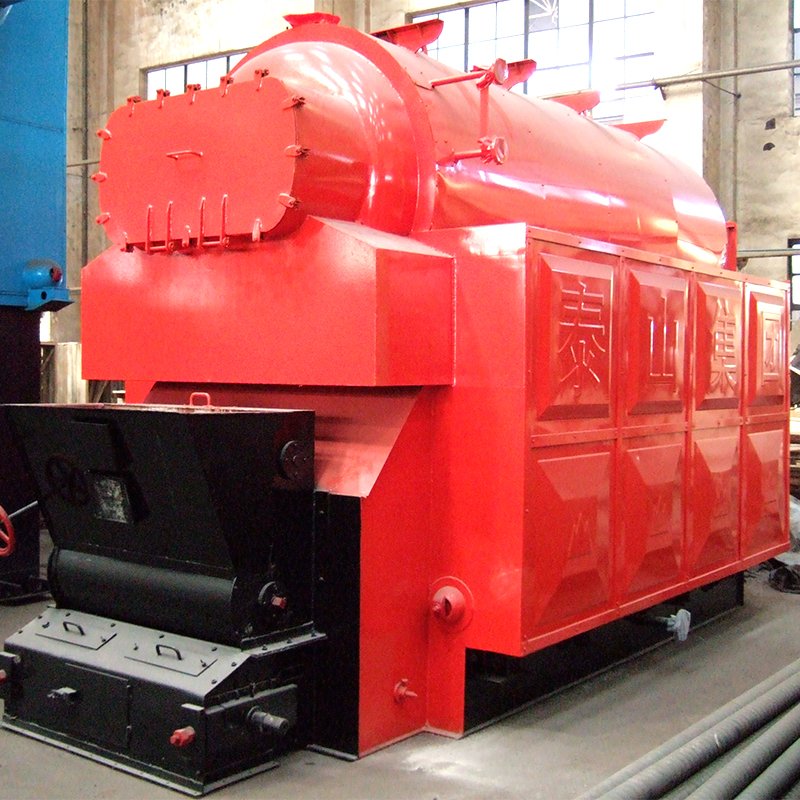
Industrial boilers may have low-NOx burners, scrubbers, baghouses, electrostatic precipitators, and clean fuel contracts, but they can still fail compliance if monitoring, testing, and records are weak. A plant that cannot prove its emissions performance may face failed audits, permit disputes, retesting costs, operating restrictions, penalties, or loss of trust with regulators and surrounding communities. The practical solution is to build a compliance evidence system: monitor the right parameters, test emissions under valid conditions, maintain accurate records, investigate abnormal trends, and connect every emission reading to boiler operation, fuel quality, control equipment, and maintenance action.
Monitoring, testing, and records support compliance with NOx, SOx, and particulate regulations by proving that the boiler operates within permitted limits and that emission-control systems are maintained correctly. Monitoring tracks real-time or routine indicators such as NOx, SO₂, particulate, opacity, O₂, CO, stack temperature, fuel use, scrubber pH, baghouse differential pressure, ESP power, and reagent flow. Testing confirms actual stack emissions through approved measurement methods. Records demonstrate fuel quality, operating hours, maintenance, calibration, tune-ups, stack test results, alarms, exceedances, corrective actions, and permit reporting. Together, these three activities turn emission compliance from a one-time test into a continuous operating discipline.
For boiler operators, environmental managers, maintenance teams, and plant owners, the key point is simple: emission compliance must be measurable, repeatable, and documentable. A low reading without calibration is not reliable. A stack test without correct operating conditions may not be accepted. A maintenance activity without records may not prove due diligence. As a professional industrial boiler manufacturer and supplier, we recommend designing the monitoring and recordkeeping plan at the same time as the boiler, burner, fuel system, scrubber, baghouse, ESP, SCR, SNCR, and stack testing ports.
If an industrial boiler passes one stack test, the plant no longer needs emission monitoring or operating records.False
A stack test only proves performance during the tested period. Ongoing compliance normally depends on monitoring, maintenance, calibration, fuel records, operating logs, and corrective-action documentation.
Emission records are important because they connect boiler operation, fuel quality, control equipment performance, test results, maintenance actions, and permit compliance evidence.True
Accurate records help prove compliance, identify emission drift, support audits, and guide corrective action before violations occur.
📊 Why Monitoring, Testing, and Records Must Work Together
Monitoring, testing, and records are three different parts of one compliance system. Monitoring shows what is happening during operation. Testing verifies measured emissions using formal procedures. Records prove what happened, when it happened, who checked it, what equipment was running, what fuel was used, and what corrective action was taken.
A boiler may operate cleanly most of the time but fail during startup, load swings, fuel changes, baghouse malfunction, scrubber scaling, SCR catalyst degradation, or poor burner tuning. Monitoring helps detect these changes early. Testing confirms whether the boiler meets legal limits. Records show that the plant responded responsibly.
| Compliance Element | Main Purpose | Practical Boiler Example |
|---|---|---|
| 📟 Monitoring | Tracks emissions and operating indicators | CEMS readings, O₂ trend, opacity, baghouse pressure drop |
| 🧪 Testing | Confirms emissions by formal measurement | Annual stack test for NOx, SO₂, PM, CO, opacity |
| 📋 Records | Proves operation, maintenance, and compliance actions | Fuel sulfur logs, scrubber pH records, calibration reports |
| 🔧 Maintenance logs | Show emission-control systems are cared for | Bag replacement, SCR inspection, burner tune-up |
| 🚨 Alarm records | Show abnormal events and operator response | High opacity alarm, scrubber pump trip, CEMS fault |
| ✅ Corrective actions | Show problems were addressed | Repaired leaking bag, retuned burner, replaced reagent pump |
🌫️ What Should Be Monitored for NOx Compliance?
NOx compliance depends on combustion conditions, burner design, fuel nitrogen, flame temperature, excess oxygen, flue gas recirculation, SCR/SNCR performance, and load profile. Monitoring only the final NOx number is useful, but it is not enough. Operators should also monitor the operating conditions that explain why NOx rises or falls.
| NOx Monitoring Item | What It Reveals | Why It Matters |
|---|---|---|
| NOx concentration or emission rate | Actual NOx performance | Main compliance indicator |
| O₂ level | Excess air condition | Needed for corrected emission values and combustion control |
| CO level | Incomplete combustion | Shows whether NOx reduction is causing poor combustion |
| Boiler load | Firing condition | NOx varies by load |
| Burner position | Air-fuel relationship | Helps diagnose burner curve problems |
| FGR flow or damper position | NOx control function | Confirms flue gas recirculation is active |
| SCR inlet/outlet NOx | Reduction efficiency | Shows catalyst and reagent performance |
| Ammonia or urea flow | Reagent control | Prevents under-treatment or ammonia slip |
| Furnace temperature zone | SNCR performance | Confirms proper injection window |
| Stack temperature | System condition | Supports emissions and catalyst diagnosis |
For NOx, a good monitoring system helps operators avoid the common conflict between low NOx and high CO. Reducing oxygen too much may lower NOx but increase carbon monoxide, soot, and flame instability. Monitoring O₂, CO, flame signal, and NOx together gives a safer and more complete picture.
🌫️ What Should Be Monitored for SOx Compliance?
SOx is mainly driven by sulfur in the fuel and the performance of sulfur-control equipment. For low-sulfur natural gas boilers, SOx monitoring may be less complex. For coal, heavy oil, biogas, waste fuel, petroleum coke, or high-sulfur fuel applications, sulfur tracking and scrubber performance records become critical.
| SOx Monitoring Item | What It Reveals | Why It Matters |
|---|---|---|
| SO₂ concentration or emission rate | Actual sulfur emission | Main SOx compliance indicator |
| Fuel sulfur content | Source of SOx | Helps prove compliance by fuel quality |
| Fuel usage | Total sulfur input | Supports mass emission calculations |
| Scrubber pH | Neutralization condition | Low pH may reduce SOx removal |
| Reagent flow | Lime, limestone, caustic, or sorbent feed | Confirms treatment is active |
| Scrubber liquid flow | Gas-liquid contact | Low flow can reduce removal efficiency |
| Differential pressure | Scrubber or duct condition | Indicates fouling or flow restriction |
| Mist eliminator condition | Droplet carryover risk | Prevents visible plume and downstream issues |
| DSI feed rate | Dry sorbent injection performance | Confirms acid gas treatment |
| Stack temperature | Acid dew point and scrubber condition | Supports corrosion and condensation control |
SOx compliance records should always connect fuel sulfur, fuel quantity, scrubber operation, reagent use, and stack emissions. If SO₂ rises, operators should first check fuel sulfur, reagent delivery, scrubber pH, spray nozzles, pump operation, duct leakage, and monitoring calibration.
🌪️ What Should Be Monitored for Particulate Compliance?
Particulate matter is affected by fuel ash, soot, unburned carbon, combustion quality, fuel handling, particulate collectors, opacity, and flue gas treatment condition. PM monitoring may be direct or indirect. Some plants use continuous particulate monitors. Others rely on opacity monitors, baghouse differential pressure, ESP electrical readings, stack tests, and operating records.
| Particulate Monitoring Item | What It Reveals | Why It Matters |
|---|---|---|
| PM monitor reading | Direct or indicative particulate level | Main PM trend indicator |
| Opacity | Visible emissions and smoke | Early warning of soot or dust release |
| Baghouse differential pressure | Filter loading and cleaning condition | Detects plugged bags or failed cleaning |
| Bag leak detector | Broken or leaking filter bags | Prevents PM exceedance |
| ESP voltage/current | Electrical collection performance | Shows whether ESP fields are working |
| Cyclone pressure drop | Dust collection condition | Detects plugging or bypass |
| Hopper level | Ash removal condition | Prevents re-entrainment or blockage |
| Stack temperature | Condensation and filter safety | Protects bags and sensors |
| CO and O₂ | Combustion quality | High CO often links to soot and PM |
| Fuel ash and moisture | PM source strength | Helps predict collector loading |
For particulate compliance, operators should not wait until visible smoke appears. By the time the stack looks dirty, the baghouse, ESP, combustion system, fuel quality, or ash handling system may already be outside normal operation.
🧪 Stack Testing: Formal Proof of Emissions Performance
Stack testing is the formal measurement used to prove actual emissions from the boiler stack under defined conditions. It may be required during commissioning, after modification, periodically under the permit, after fuel changes, after major control equipment upgrades, or after a previous failed test.
A valid stack test requires correct test ports, safe access, stable boiler operation, representative load, calibrated instruments, defined fuel, proper sampling methods, and accurate reporting. Testing should not be treated as a surprise event. The plant should prepare by checking burner tuning, fuel quality, scrubber operation, baghouse condition, ESP fields, reagent feed, CEMS function, and operating logs before the test.
| Stack Testing Item | Why It Matters |
|---|---|
| Test ports and platform | Allows safe and valid sampling |
| Representative load | Emissions must reflect permitted operation |
| Fuel documentation | Explains pollutant source and test condition |
| Boiler operating data | Connects emissions to load, O₂, fuel flow, steam output |
| Control equipment status | Proves scrubber, baghouse, ESP, SCR, or SNCR was operating |
| Calibration records | Supports data validity |
| Sampling duration | Provides representative measurement |
| Moisture and O₂ correction | Allows consistent reporting basis |
| Test report | Official compliance evidence |
| Corrective-action plan | Required if results exceed limits |
📋 Records That Every Industrial Boiler Should Maintain
Good records are the backbone of emissions compliance. They show that the plant operated responsibly, maintained control equipment, investigated abnormalities, and followed permit conditions. Records should be organized, searchable, protected from loss, and retained for the period required by the permit or local rules.
| Record Type | What It Should Include |
|---|---|
| Fuel records | Fuel type, quantity, supplier, sulfur, ash, moisture, heating value |
| Operating logs | Load, steam production, fuel flow, operating hours, startup/shutdown |
| Emission readings | NOx, SO₂, PM, opacity, O₂, CO, stack temperature |
| CEMS records | Continuous data, downtime, calibration, quality checks |
| Stack test reports | Test date, method, results, load, fuel, equipment status |
| Maintenance records | Burner service, bag replacement, ESP repair, scrubber cleaning |
| Calibration records | Gas analyzers, flow meters, opacity monitors, pressure sensors |
| Reagent records | Ammonia, urea, lime, limestone, caustic, sorbent usage |
| Alarm logs | High emissions, equipment trips, sensor faults, operator response |
| Corrective actions | Problem, root cause, repair, verification result |
| Permit reports | Submitted compliance forms and correspondence |
| Training records | Operator and maintenance personnel competency evidence |
📊 Monitoring Frequency: What Should Be Continuous, Daily, Weekly, or Periodic?
Not every boiler needs the same monitoring frequency. A large coal boiler may require continuous emissions monitoring. A small natural gas boiler may rely on tune-up records, fuel records, and periodic tests. However, every plant should define a monitoring schedule.
| Frequency | Monitoring / Record Activity | Typical Purpose |
|---|---|---|
| Continuous | CEMS, O₂, CO, NOx, SO₂, opacity, PM where required | Real-time compliance and trend control |
| Each shift | Boiler load, fuel flow, control equipment status | Operator awareness |
| Daily | Scrubber pH, reagent levels, baghouse DP, ESP readings | Detect early control equipment problems |
| Weekly | Fuel records, ash handling, burner observation, sensor checks | Confirm stable operation |
| Monthly | Calibration review, maintenance summary, emissions trend review | Identify drift |
| Quarterly | Tune-up review, fuel quality trend, control equipment inspection | Prevent compliance failure |
| Semiannual / Annual | Stack testing, major inspection, compliance report | Formal verification |
| After abnormal event | Incident report and corrective action | Prove response to exceedance or equipment failure |
📟 CEMS: Continuous Emissions Monitoring Systems
A continuous emissions monitoring system, or CEMS, measures emissions or related parameters continuously or near-continuously. Larger boilers or stricter permits may require CEMS for NOx, SO₂, O₂, CO, opacity, flow, or other parameters. CEMS can be extractive, in-situ, or dilution-based depending on the pollutant and application.
CEMS is not just an analyzer. It includes sampling probes, heated lines, filters, conditioners, analyzers, calibration gases, data acquisition systems, alarms, reporting software, shelters, maintenance procedures, and quality assurance routines.
| CEMS Component | Function |
|---|---|
| Sampling probe | Collects flue gas sample |
| Sample line | Transfers sample to analyzer |
| Filter / conditioner | Removes dust or moisture where required |
| Analyzer | Measures NOx, SO₂, CO, O₂, or other gases |
| Flow monitor | Supports mass emission calculation |
| Calibration system | Confirms analyzer accuracy |
| Data acquisition system | Stores and reports emissions data |
| Alarm system | Alerts operators to high emissions or equipment faults |
| QA/QC procedures | Confirms data validity |
| Maintenance log | Documents service and downtime |
CEMS data should be reviewed by both operators and environmental staff. Operators need real-time alarms. Environmental managers need valid data for reports. Maintenance teams need trend information to prevent instrument failures.
🧰 Calibration and Quality Assurance
Monitoring data is only useful if it is accurate. Calibration and quality assurance prove that instruments are working correctly. A wrong O₂ reading can cause poor burner tuning. A drifting NOx analyzer can create false confidence or false alarms. A blocked sample line can make emissions appear stable when they are not.
| Instrument / System | Quality Check |
|---|---|
| NOx analyzer | Zero/span calibration, response check |
| SO₂ analyzer | Calibration gas check, sample line inspection |
| O₂ analyzer | Calibration and sensor health review |
| CO analyzer | Span check and alarm verification |
| Opacity monitor | Optical alignment and cleaning |
| PM monitor | Zero check, response check, probe inspection |
| Flow monitor | Calibration and velocity profile check |
| Baghouse DP sensor | Pressure transmitter calibration |
| Scrubber pH probe | Buffer calibration and cleaning |
| Reagent flow meter | Flow verification |
| Data system | Time synchronization and data validation |
A good compliance program should clearly identify who performs calibration, how often it is done, what acceptance criteria apply, what happens when calibration fails, and how invalid data is handled.
🔧 Maintenance Records for Emission-Control Equipment
Emission-control equipment should be treated as critical production equipment. If the scrubber stops, the baghouse leaks, the ESP loses power, or the SCR reagent system fails, the boiler may become noncompliant even if steam production continues.
| Equipment | Important Records |
|---|---|
| Low-NOx burner | Tune-up reports, linkage checks, burner inspection |
| FGR system | Damper position, fan status, duct inspection |
| SCR | Catalyst inspection, pressure drop, ammonia flow, outlet NOx |
| SNCR | Injection lance cleaning, reagent flow, temperature profile |
| Wet scrubber / FGD | pH, pump operation, nozzles, mist eliminator, blowdown |
| Dry sorbent injection | Sorbent feed rate, silo inventory, injection lance condition |
| Baghouse | DP trend, bag replacement, leak detection, pulse valve service |
| ESP | Voltage/current readings, rapper operation, hopper ash removal |
| Cyclone | Hopper condition, erosion inspection, pressure drop |
| CEMS | Calibration, downtime, repairs, analyzer maintenance |
Maintenance records should include the date, equipment tag, work performed, technician, parts replaced, readings before and after repair, and verification that the system returned to normal operation.
🚨 How to Record Exceedances and Abnormal Events
Emission exceedances and abnormal events must be handled carefully. The plant should not only record that an event occurred, but also document the cause, duration, operating condition, corrective action, and verification result. This shows responsible environmental management.
| Event Type | What to Record |
|---|---|
| High NOx alarm | Load, O₂, CO, burner status, FGR/SCR/SNCR status |
| High SO₂ alarm | Fuel sulfur, scrubber pH, reagent flow, pump status |
| High opacity / PM | Baghouse DP, ESP power, fuel condition, soot/ash observations |
| CEMS fault | Time, reason, repair action, data impact |
| Scrubber trip | Cause, duration, boiler load, emissions impact |
| Baghouse leak | Compartment, bags replaced, verification |
| ESP field failure | Field number, electrical readings, repair |
| Fuel change | Fuel type, analysis, permit review |
| Startup/shutdown event | Time, fuel, control equipment status, emission trend |
| Stack test failure | Root cause, corrective action, retest plan |
A strong corrective-action record answers five questions: What happened? Why did it happen? How long did it last? What was done? How was normal compliance confirmed?
📈 Trend Analysis: Using Records to Prevent Violations
Records should not sit unused in folders. They should be analyzed. Trend analysis helps detect emission drift before a formal exceedance occurs. For example, rising baghouse differential pressure may indicate filter blinding. Increasing NOx at the same load may indicate burner drift. Rising SO₂ may indicate fuel sulfur change or scrubber reagent issue. Increasing opacity may indicate bag leaks, soot, or ESP weakness.
| Trend Pattern | Likely Meaning | Recommended Action |
|---|---|---|
| NOx slowly increasing | Burner drift, FGR issue, SCR catalyst aging | Tune burner, inspect FGR, review SCR |
| CO rising while NOx falls | Excess air too low or poor mixing | Rebalance combustion |
| SO₂ rising | Fuel sulfur increase or scrubber underperformance | Check fuel and reagent system |
| Baghouse DP rising | Filter loading or cleaning issue | Inspect bags and pulse system |
| Baghouse DP suddenly drops | Possible bag leak or bypass | Inspect leak detector and bags |
| ESP power decreasing | Field failure or dust condition change | Inspect ESP controls and rappers |
| Opacity spikes during load changes | Combustion instability or ash carryover | Review burner/load controls |
| Scrubber pH unstable | Reagent feed or control problem | Check pumps, probes, dosing |
| Stack temperature rising | Boiler fouling or excess air | Inspect heat transfer and combustion |
🧾 Reporting: Turning Records Into Compliance Evidence
Many permits require periodic reports. These may include operating hours, fuel consumption, emission data, CEMS uptime, stack test results, deviations, maintenance actions, and certification statements. Even where reporting is not frequent, records should be ready for inspection.
| Report Content | Purpose |
|---|---|
| Boiler identification | Confirms which unit is covered |
| Reporting period | Defines time boundary |
| Fuel usage | Supports emission calculations |
| Operating hours | Confirms applicability and limits |
| Emission summary | Shows NOx, SOx, PM, opacity, CO performance |
| Control equipment status | Confirms required systems operated |
| Stack test results | Formal compliance proof |
| CEMS uptime and calibration | Shows data reliability |
| Deviations / exceedances | Identifies abnormal events |
| Corrective actions | Shows response and prevention |
| Responsible person signature | Confirms accountability |
Reports should be consistent with raw records. A common audit problem occurs when the summary report says one thing, but operating logs, maintenance records, or fuel records show something different.
🏭 Special Considerations by Boiler Fuel
| Fuel Type | Monitoring Priority | Record Priority |
|---|---|---|
| Natural gas | NOx, O₂, CO, burner tuning | Gas use, tune-up records, NOx data |
| Light oil | NOx, CO, opacity, fuel sulfur | Oil sulfur certificates, atomization checks |
| Heavy oil | SO₂, opacity, PM, NOx, CO | Fuel sulfur, viscosity, burner maintenance |
| Coal | NOx, SO₂, PM, opacity, ash | Coal analysis, ESP/baghouse, scrubber logs |
| Biomass | PM, opacity, CO, NOx | Moisture, ash, fuel source, baghouse records |
| Biogas | H₂S, SO₂, NOx, CO | Gas analysis, desulfurization media records |
| Waste fuel | NOx, SOx, PM, metals, opacity | Fuel acceptance, batch testing, control equipment logs |
| Hydrogen blend | NOx, O₂, flame safety | Blend ratio, burner settings, safety checks |
✅ Practical Compliance Checklist for Boiler Operators
| Operator Check | Why It Matters |
|---|---|
| Confirm boiler load and fuel type | Emissions depend on operating condition |
| Check O₂ and CO | Shows combustion quality |
| Review NOx trend | Detects burner or NOx-control drift |
| Review SO₂ trend or fuel sulfur | Supports SOx control |
| Check opacity or PM trend | Detects soot, dust, or collector issues |
| Check scrubber pH and reagent level | Confirms SOx treatment |
| Check baghouse DP and leak alarm | Confirms PM control |
| Check ESP power and hopper removal | Confirms particulate collection |
| Confirm CEMS operating status | Protects data validity |
| Record abnormal alarms | Supports compliance investigation |
| Document maintenance actions | Proves control equipment care |
| Report deviations quickly | Reduces compliance and safety risk |
Common Mistakes to Avoid
One common mistake is collecting data but never reviewing trends. Monitoring is only valuable when operators use it to make decisions. Another mistake is relying on a stack test while ignoring daily control equipment readings. A boiler can pass one test and still drift out of compliance later. A third mistake is failing to calibrate analyzers. Uncalibrated monitoring data may not be accepted and may lead operators to make wrong combustion decisions.
Another major mistake is keeping environmental records separate from maintenance records. If the baghouse had a leak, the environmental team needs the maintenance repair record. If the scrubber pH dropped, the maintenance team needs the emissions trend. A final mistake is poor documentation during abnormal events. In compliance management, an undocumented corrective action may be treated as if it never happened.
Final Summary
Monitoring, testing, and records support compliance with NOx, SOx, and particulate regulations by creating reliable evidence that the industrial boiler is operating within permitted limits. Monitoring detects real-time and routine conditions such as NOx, SO₂, PM, opacity, O₂, CO, stack temperature, fuel quality, scrubber pH, reagent flow, baghouse differential pressure, ESP power, and CEMS status. Testing confirms actual emissions under approved conditions. Records prove operating hours, fuel use, emission trends, calibration, maintenance, stack test results, exceedances, corrective actions, and reporting accuracy.
A strong emissions compliance system does more than satisfy regulators. It helps operators detect problems early, reduce failed stack tests, protect emission-control equipment, improve combustion, reduce fuel waste, and support long-term boiler reliability. The best plants do not treat records as paperwork; they treat them as operating intelligence.
How Can Boiler Upgrades Help Long-Term Compliance With Emission Regulations for NOx, SOx, and Particulates?
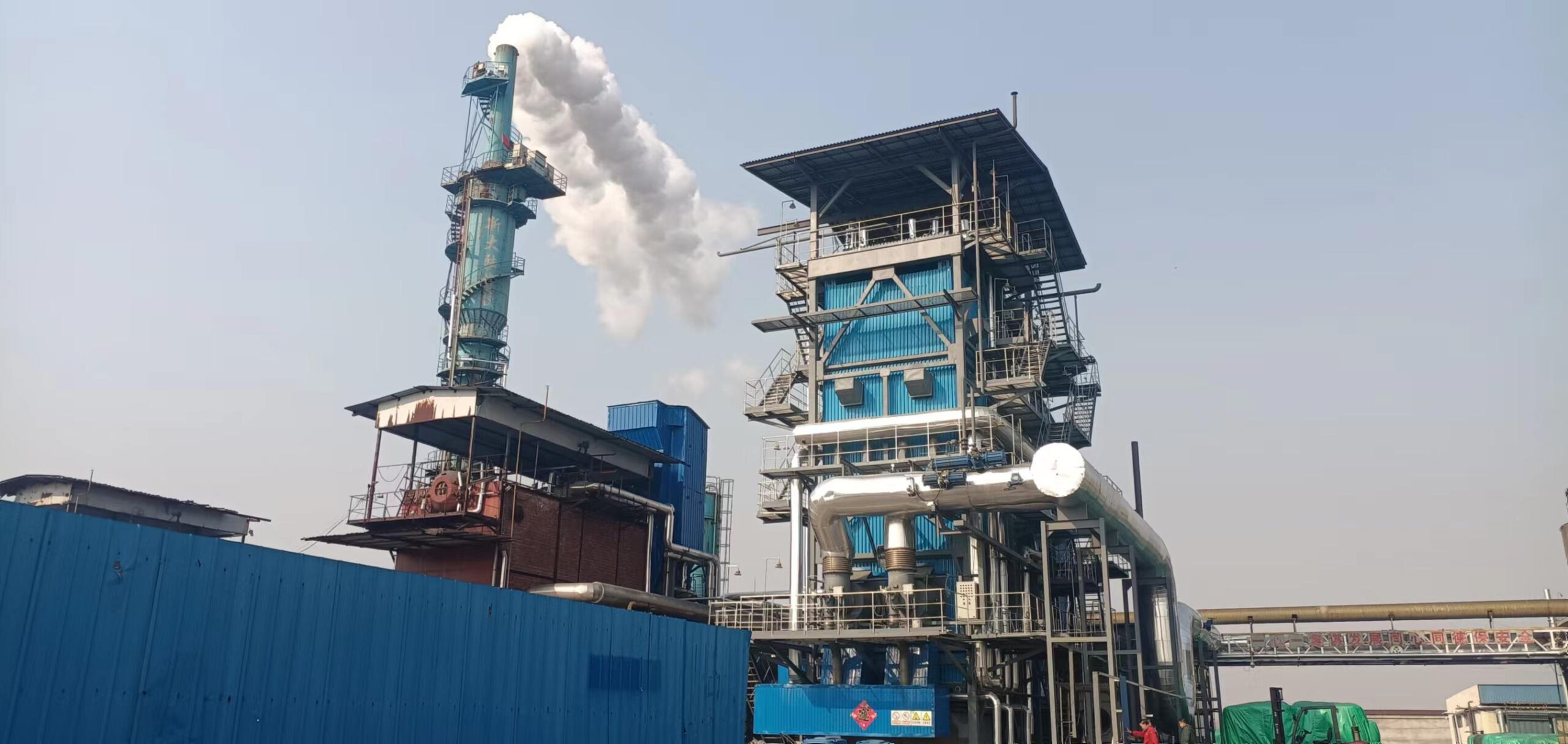
Industrial boilers may meet emission limits when new, but long-term compliance becomes harder as regulations tighten, fuel quality changes, burners wear, heat-transfer surfaces foul, control systems age, and emission-control equipment loses performance. A plant that delays upgrades may face repeated stack-test failures, rising fuel cost, unstable NOx, higher SOx from fuel changes, particulate exceedances, opacity complaints, emergency repairs, restricted operating hours, or forced replacement under pressure. The practical solution is to treat boiler upgrades as a planned compliance strategy that improves combustion, fuel flexibility, flue gas treatment, monitoring accuracy, efficiency, and maintainability before noncompliance becomes expensive.
Boiler upgrades help long-term compliance with NOx, SOx, and particulate regulations by reducing emissions at the source, improving combustion stability, enabling cleaner fuels, adding or improving flue gas treatment, strengthening monitoring, and reducing operating drift over time. For NOx, upgrades may include low-NOx burners, ultra-low-NOx burners, flue gas recirculation, staged combustion, oxygen trim, SCR, or SNCR. For SOx, upgrades may include low-sulfur fuel conversion, biogas desulfurization, dry sorbent injection, wet scrubbers, semi-dry scrubbers, or flue gas desulfurization. For particulates, upgrades may include better fuel preparation, cyclones, multicyclones, baghouses, electrostatic precipitators, wet ESPs, improved ash handling, and combustion tuning. The best upgrade plan balances emission limits, boiler age, fuel type, operating hours, permit risk, payback, maintenance capability, and future regulations.
For plant owners, environmental managers, production teams, and boiler operators, the key point is that compliance upgrades should not be selected only after a failed test. A boiler upgrade can protect the plant’s future production capacity, reduce fuel use, improve reliability, and create a stronger margin between actual emissions and legal limits. As a professional industrial boiler manufacturer and supplier, we recommend evaluating upgrades through a lifecycle lens: current permit limits, expected future limits, actual stack data, boiler condition, burner performance, fuel strategy, available space, downtime window, control-system capability, and maintenance resources.
Boiler upgrades only become useful after an industrial boiler has already failed an emissions test.False
Planned upgrades can prevent emission failures by improving combustion, fuel compatibility, flue gas treatment, monitoring, and maintenance reliability before the boiler exceeds permitted limits.
Long-term emission compliance is easier when boiler upgrades reduce pollutant formation, improve control-equipment performance, and provide reliable monitoring data.True
Upgrades such as low-NOx burners, SCR, scrubbers, baghouses, oxygen trim, fuel conversion, and CEMS help plants maintain compliance margins as equipment ages and regulations change.
🌍 Why Boiler Upgrades Matter for Long-Term Emission Compliance
Emission compliance is not static. A boiler may pass commissioning tests but gradually lose compliance margin because combustion settings drift, fuel quality changes, burners become worn, dampers leak, fans lose performance, particulate collectors age, scrubber nozzles plug, catalyst activity declines, or monitoring instruments become unreliable. In addition, many plants face pressure to reduce NOx, SOx, particulates, CO, opacity, greenhouse gas intensity, and community-visible emissions over time. Upgrades help by giving the boiler system stronger control over emissions instead of relying on manual adjustment and aging equipment.
Long-term compliance depends on three layers. The first layer is source reduction, which means reducing pollutant formation through cleaner fuels, better combustion, and better boiler design. The second layer is flue gas treatment, which removes pollutants after combustion. The third layer is proof and control, which means monitoring, testing, records, alarms, and maintenance systems that prove the boiler remains compliant. A strong upgrade plan should address all three layers.
| Compliance Challenge | Typical Cause | Upgrade Response |
|---|---|---|
| 🔥 NOx rises over time | Burner wear, high flame temperature, poor O₂ control | Low-NOx burner, FGR, oxygen trim, SCR/SNCR |
| 🌫️ SOx exceeds limits | High-sulfur fuel, fuel change, poor scrubber performance | Low-sulfur fuel conversion, scrubber, DSI, gas cleaning |
| 🌪️ Particulates increase | Ash, soot, poor combustion, filter aging | Baghouse, ESP, cyclone, fuel preparation, burner tuning |
| 📊 Monitoring data unreliable | Old analyzers, manual logs, poor calibration | CEMS upgrade, sensors, digital records |
| ⚙️ Compliance margin shrinking | Tighter limits or aging equipment | Integrated upgrade plan |
| 🧰 Maintenance burden high | Obsolete parts, fouling, poor access | Modern controls, better access, improved collectors |
| 💰 Fuel cost rising | Poor efficiency, excess air, heat loss | Economizer, O₂ trim, burner retrofit, heat recovery |
🔥 Low-NOx Burner Upgrades
Low-NOx burner retrofits are one of the most common upgrades for industrial boilers facing NOx limits. Traditional burners may create high flame temperatures and uneven air-fuel mixing, which can increase thermal NOx. A low-NOx burner reshapes the flame, stages combustion air, improves mixing, and reduces peak flame temperature. Ultra-low-NOx burners may be used where limits are tighter, especially on gas-fired and oil-fired boilers.
However, burner replacement should not be treated as a simple parts swap. The upgrade must match boiler furnace volume, heat release rate, fuel pressure, gas train capacity, fan capacity, draft system, flame scanner, burner management system, turndown requirement, and local permit target. A burner designed only for low NOx may create CO, flame instability, or poor turndown if the boiler and controls are not compatible.
| Burner Upgrade Item | Long-Term Compliance Benefit | Practical Engineering Check |
|---|---|---|
| Low-NOx burner | Reduces NOx formation at source | Furnace size and fuel compatibility |
| Ultra-low-NOx burner | Supports stricter NOx limits | CO, turndown, and flame stability |
| Burner management upgrade | Improves safe startup and shutdown | Interlocks, purge, flame safeguard |
| Fuel train upgrade | Stabilizes fuel pressure and flow | Valve sizing, regulator, shutoff devices |
| Air register improvement | Improves mixing and flame shape | Air distribution and damper movement |
| Flame scanner upgrade | Improves flame detection reliability | Fuel type and flame characteristics |
| Burner linkage/actuator upgrade | Reduces air-fuel drift | Calibration and repeatability |
💨 Flue Gas Recirculation and Oxygen Trim Upgrades
Flue gas recirculation, often called FGR, reduces NOx by sending a controlled portion of cooled flue gas back into the combustion air stream. This lowers peak flame temperature and helps reduce thermal NOx. FGR is especially useful for natural gas and oil-fired boilers. Oxygen trim uses flue gas oxygen measurement to adjust combustion air automatically, preventing excess air drift and improving both emissions and efficiency.
These upgrades are valuable because many older boilers depend on fixed burner curves and manual adjustment. Over time, fuel pressure, air leakage, fan performance, and damper position change. Oxygen trim and FGR provide better control across load ranges.
| Control Upgrade | Main Pollutant Benefit | Secondary Benefit |
|---|---|---|
| FGR | Lower NOx | Improved compliance margin |
| O₂ trim | Better air-fuel ratio | Lower fuel use and stack loss |
| CO trim | Prevents incomplete combustion | Lower soot and opacity |
| Draft control upgrade | Stable furnace pressure | Better flame stability and PM control |
| VFD fan control | Better air control | Lower auxiliary power |
| Digital burner curve | Stable combustion across load | Fewer emissions spikes |
| Load-based control | Reduces transient emissions | Better steam pressure stability |
🧪 SCR and SNCR Upgrades for Deeper NOx Reduction
When burner upgrades and combustion optimization cannot meet NOx limits, post-combustion NOx control may be required. Selective catalytic reduction uses reagent and catalyst to reduce NOx. Selective non-catalytic reduction injects reagent into a suitable furnace temperature zone without catalyst. SCR usually provides deeper and more stable NOx reduction but requires catalyst management, temperature control, ammonia distribution, and pressure-drop planning. SNCR is simpler but depends strongly on furnace temperature and mixing.
| NOx Upgrade | Best Use | Main Maintenance Concern |
|---|---|---|
| SNCR | Moderate NOx reduction on solid-fuel or larger boilers | Injection lances, reagent control, ammonia slip |
| SCR | Stricter NOx reduction | Catalyst fouling, poisoning, pressure drop |
| Hybrid SNCR + SCR | High reduction with optimized reagent use | More complex controls |
| Ammonia/urea storage upgrade | Supports reagent reliability | Safety, delivery, freezing, concentration |
| Catalyst access improvement | Reduces outage time | Inspection and replacement planning |
| NOx monitoring upgrade | Confirms performance | Calibration and data reliability |
SCR and SNCR upgrades should be evaluated with real operating data: boiler load range, flue gas temperature, dust loading, sulfur compounds, available space, fan margin, reagent availability, and permit target.
🌫️ SOx Compliance Upgrades: Fuel Conversion and Desulfurization
SOx is mainly driven by sulfur in the fuel. Therefore, long-term SOx compliance often begins with fuel strategy. A plant may upgrade from high-sulfur oil to low-sulfur oil, coal to natural gas, raw biogas to cleaned biogas, or high-sulfur coal to a lower-sulfur blend. If fuel switching is not enough or not available, the plant may need dry sorbent injection, semi-dry scrubbing, wet scrubbing, or full flue gas desulfurization.
| SOx Upgrade | How It Helps | Best-Fit Situation |
|---|---|---|
| Low-sulfur fuel conversion | Reduces sulfur input | Oil, coal, or mixed-fuel boilers |
| Natural gas conversion | Strongly reduces SOx and PM | Sites with reliable gas supply |
| Biogas desulfurization | Removes H₂S before combustion | Digesters, landfill gas, wastewater plants |
| Dry sorbent injection | Neutralizes SOx/acid gases in duct | Retrofit and moderate reduction |
| Semi-dry scrubber | Removes SOx with dry byproduct | Medium-large boilers |
| Wet scrubber / FGD | High SOx removal potential | High-sulfur fuels or strict limits |
| Reagent handling upgrade | Improves SOx removal stability | Existing scrubber underperformance |
| Corrosion-resistant materials | Protects equipment from acid gases | Sulfur-bearing flue gas systems |
Fuel conversion is often the cleanest SOx strategy, but it may require burner replacement, fuel train redesign, piping changes, pressure control, safety system review, permit revision, and operator training.
🌪️ Particulate Control Upgrades
Particulate compliance is critical for coal, biomass, heavy oil, and waste-fuel boilers. Older boilers may have only basic mechanical collectors or undersized dust systems. As emission limits tighten, plants may need to add or upgrade cyclones, multicyclones, baghouses, electrostatic precipitators, wet scrubbers, or wet electrostatic precipitators.
Particulate upgrades also help protect downstream equipment. A cleaner flue gas stream reduces SCR catalyst fouling, scrubber solids loading, fan erosion, stack deposits, and visible opacity.
| Particulate Upgrade | Main Benefit | Best Application |
|---|---|---|
| Cyclone / multicyclone | Removes larger particles | Biomass and solid-fuel pre-cleaning |
| Baghouse filter | High-efficiency PM capture | Biomass, coal, DSI, SDA systems |
| ESP upgrade | Handles large gas volumes with low pressure drop | Large coal or biomass boilers |
| Wet scrubber | Captures some PM and acid gases | Mixed pollutant control |
| Wet ESP | Captures fine mist and condensable PM | After wet scrubber or FGD |
| Ceramic filter | High-temperature fine PM control | Special high-temperature applications |
| Ash handling upgrade | Prevents re-entrainment and dust release | Solid-fuel boiler houses |
| Fuel preparation upgrade | Reduces unburned carbon and dust | Biomass, coal, waste fuel |
🪵 Fuel Handling and Fuel Preparation Upgrades
Many emission problems begin before combustion. Biomass that is too wet, coal that is poorly milled, heavy oil that is poorly heated, and biogas that contains H₂S can all create emission problems. Fuel handling upgrades can improve compliance by making combustion more stable and predictable.
| Fuel Upgrade | Emission Benefit |
|---|---|
| Biomass drying or covered storage | Reduces smoke, CO, PM, and unstable firing |
| Biomass screening | Reduces oversized particles and ash contamination |
| Coal pulverizer improvement | Improves burnout and reduces unburned carbon |
| Oil heating and filtration | Improves atomization and reduces soot |
| Biogas cleaning | Reduces SOx, corrosion, and deposits |
| Fuel blending system | Stabilizes sulfur, ash, moisture, and heating value |
| Hydrogen-ready fuel train | Supports future low-carbon fuel strategy |
| Fuel analysis program | Prevents noncompliant fuel use |
Fuel upgrades are often less visible than stack equipment, but they can produce major compliance benefits because they reduce pollutant formation at the source.
📟 Monitoring and CEMS Upgrades
Long-term compliance requires reliable proof. Older boilers may rely on manual readings, occasional stack tests, or outdated instruments. As regulations become stricter, plants may need continuous emissions monitoring systems, oxygen analyzers, CO monitors, opacity monitors, particulate monitors, scrubber sensors, reagent flow meters, and digital reporting platforms.
| Monitoring Upgrade | Compliance Benefit |
|---|---|
| NOx analyzer | Tracks NOx drift and control-system performance |
| SO₂ analyzer | Confirms sulfur-control performance |
| O₂ analyzer | Supports corrected emissions and combustion control |
| CO analyzer | Detects incomplete combustion |
| Opacity monitor | Detects visible PM events |
| Particulate monitor | Tracks PM trend |
| Baghouse leak detector | Detects broken bags early |
| Scrubber pH/reagent monitoring | Confirms SOx removal system operation |
| Digital compliance dashboard | Improves reporting and decision-making |
| Automated records | Reduces audit risk and missing data |
Monitoring upgrades do not reduce emissions directly, but they help operators detect problems early and prove compliance more reliably.
⚙️ Efficiency Upgrades That Also Support Emissions Compliance
Efficiency upgrades can help long-term emission compliance because a more efficient boiler uses less fuel to produce the same steam output. Lower fuel consumption can reduce total mass emissions, reduce flue gas flow, reduce ash production, reduce sulfur input, and lower operating cost. Efficiency upgrades also reduce stress on emission-control equipment.
| Efficiency Upgrade | Emission Compliance Support |
|---|---|
| Economizer | Reduces fuel input and stack temperature |
| Air preheater repair | Improves combustion air heating and efficiency |
| Condensate return improvement | Reduces fuel required for steam production |
| Blowdown heat recovery | Reduces energy loss |
| Insulation repair | Reduces heat loss |
| Steam trap program | Reduces wasted steam and fuel |
| Boiler cleaning | Improves heat transfer and reduces fuel use |
| Feedwater control upgrade | Stabilizes boiler operation |
| VFDs on fans and pumps | Reduces auxiliary power and improves control |
Efficiency alone may not meet pollutant concentration limits, but it helps reduce total fuel-related emissions and improves operating margin.
🧭 Upgrade Decision Matrix
| Existing Problem | Recommended Upgrade Direction | Expected Compliance Benefit |
|---|---|---|
| NOx slightly above limit | Burner tuning, O₂ trim, FGR | Lower NOx with modest retrofit |
| NOx far above limit | Low-NOx burner plus SCR/SNCR | Deeper NOx reduction |
| SOx above limit | Low-sulfur fuel, DSI, scrubber | Lower sulfur emissions |
| PM above limit | Baghouse, ESP, cyclone, fuel prep | Better particulate capture |
| Opacity complaints | Combustion tuning, baghouse/ESP repair | Lower visible emissions |
| High CO and soot | Burner repair, fuel atomization, air control | Better combustion and lower PM |
| Existing scrubber unstable | Reagent, pump, nozzle, pH control upgrade | More stable SOx removal |
| Existing baghouse failing | Bags, cages, pulse system, leak detection | Lower PM risk |
| Old controls | Digital combustion and emissions controls | Less drift and better records |
| Future stricter limits expected | Integrated low-emission retrofit plan | Long-term compliance margin |
📊 Upgrade Priority by Pollutant
| Pollutant | First Upgrade Priority | Second Upgrade Priority | Long-Term Upgrade |
|---|---|---|---|
| NOx | Low-NOx burner and combustion tuning | FGR, O₂ trim, staged combustion | SCR/SNCR and advanced controls |
| SOx | Low-sulfur fuel or gas cleaning | DSI or semi-dry scrubber | Wet FGD or fuel conversion |
| Particulates | Combustion and fuel preparation | Cyclone, baghouse, ESP | Wet ESP or high-efficiency filtration |
| Opacity | Burner tuning and soot control | Baghouse/ESP improvement | Continuous opacity monitoring |
| CO | Air-fuel correction | Burner/control upgrade | Digital combustion optimization |
| Acid gases | Fuel control | Sorbent or scrubber | Integrated multi-pollutant system |
🏭 Retrofit Planning: What Must Be Checked Before Upgrading?
A good upgrade plan should begin with a technical audit. Adding equipment without checking system boundaries can create new problems. For example, installing a baghouse increases pressure drop and may require fan upgrades. Adding SCR requires temperature and space analysis. Converting fuel requires burner, fuel train, controls, and safety review. Adding a scrubber requires water, wastewater, corrosion protection, foundation, and stack review.
| Retrofit Check | Why It Matters |
|---|---|
| Current emission data | Defines actual gap from compliance |
| Permit limits and future targets | Defines upgrade performance requirement |
| Fuel analysis | Determines sulfur, ash, nitrogen, moisture |
| Boiler condition | Confirms whether retrofit is worth the investment |
| Fan capacity | New equipment may increase pressure drop |
| Space availability | SCR, scrubber, ESP, and baghouse need layout planning |
| Stack and ductwork | Must handle flow, temperature, corrosion, testing |
| Electrical capacity | Fans, pumps, ESP, CEMS, controls need power |
| Water and wastewater | Critical for wet scrubbers |
| Reagent supply | Needed for SCR, SNCR, DSI, scrubbers |
| Outage window | Determines installation strategy |
| Maintenance access | Protects long-term performance |
| Operator skill | Ensures system is used correctly |
💰 Lifecycle Cost and Payback
Emission upgrades are often justified by compliance necessity, but they can also improve economics. Low-NOx burners with oxygen trim may reduce fuel use. Economizers recover heat. VFDs reduce auxiliary power. Fuel conversion may reduce SOx and PM controls. Better particulate control may reduce cleaning downtime. Reliable monitoring may prevent failed tests and emergency shutdowns.
| Cost Factor | Why It Matters |
|---|---|
| Capital cost | Equipment, engineering, installation |
| Fuel savings | Improved efficiency or cleaner fuel strategy |
| Reagent cost | SCR/SNCR ammonia or urea, scrubber lime, DSI sorbent |
| Electricity | Fans, pumps, ESP, compressors |
| Water and wastewater | Wet scrubbers and FGD |
| Waste disposal | Ash, spent sorbent, sludge, bags |
| Maintenance labor | Catalyst, bags, nozzles, valves, sensors |
| Downtime | Installation and future service outages |
| Compliance risk reduction | Avoided failures, restrictions, penalties |
| Future flexibility | Ability to meet tighter limits or new fuels |
The best upgrade is not always the lowest capital cost. It is the option that provides reliable compliance at the lowest lifecycle cost.
📋 Long-Term Compliance Upgrade Roadmap
| Phase | Action | Result |
|---|---|---|
| Phase 1 | Emission audit and stack data review | Identify actual NOx, SOx, PM gaps |
| Phase 2 | Fuel analysis and permit review | Confirm source of emissions and legal target |
| Phase 3 | Combustion optimization | Reduce emissions before equipment upgrades |
| Phase 4 | Burner/control retrofit | Improve NOx, CO, fuel use, and stability |
| Phase 5 | Flue gas treatment upgrade | Add SCR, SNCR, scrubber, DSI, baghouse, ESP as needed |
| Phase 6 | Monitoring and CEMS upgrade | Improve proof and early warning |
| Phase 7 | Maintenance program upgrade | Protect long-term performance |
| Phase 8 | Operator training | Prevent drift and improper operation |
| Phase 9 | Periodic performance review | Keep compliance margin visible |
| Phase 10 | Future fuel-readiness planning | Prepare for cleaner fuel or stricter limits |
✅ Buyer Checklist for Emission Compliance Upgrades
| Buyer Question | Why It Matters |
|---|---|
| Which pollutant is the main compliance risk: NOx, SOx, or PM? | Prevents wrong equipment selection |
| What are current measured emissions? | Defines real upgrade need |
| What future limits are expected? | Avoids short-lived retrofit |
| What fuel is used now and in the future? | Determines sulfur, ash, nitrogen, and burner needs |
| Is combustion already optimized? | Avoids overbuying treatment equipment |
| Does the fan have enough margin? | New treatment systems add pressure drop |
| Is there enough space for equipment? | Retrofit feasibility depends on layout |
| Is water available? | Needed for wet scrubbers |
| Is reagent supply reliable? | Needed for SCR, SNCR, DSI, scrubbers |
| Can operators maintain the system? | Long-term compliance depends on maintenance |
| Is CEMS or stack testing access included? | Required for proof of compliance |
| What is total lifecycle cost? | Prevents poor investment decisions |
| Will the upgrade affect boiler efficiency? | Impacts fuel cost and emissions |
| Can the upgrade support future fuels? | Protects long-term flexibility |
Common Mistakes to Avoid
One common mistake is upgrading only the stack treatment system while ignoring poor combustion. Poor combustion can create high CO, soot, opacity, unburned carbon, and unstable NOx, making downstream treatment harder. Another mistake is installing a low-NOx burner without verifying furnace compatibility, fan capacity, flame stability, CO performance, and turndown. A third mistake is selecting a scrubber without planning reagent supply, wastewater treatment, corrosion protection, mist removal, and operator training.
Another major mistake is underestimating pressure drop. Baghouse filters, SCR catalyst, scrubbers, ductwork, and dampers can increase draft resistance. If the induced draft fan or forced draft fan lacks margin, the boiler may lose capacity or become unstable. A final mistake is treating upgrades as one-time projects. Compliance equipment requires ongoing maintenance, calibration, spare parts, records, and performance review.
Final Summary
Boiler upgrades help long-term compliance with NOx, SOx, and particulate emission regulations by improving pollutant control at every stage: fuel selection, combustion, heat transfer, flue gas treatment, monitoring, maintenance, and documentation. NOx compliance can be improved through low-NOx burners, FGR, oxygen trim, staged combustion, SCR, SNCR, and better controls. SOx compliance can be improved through low-sulfur fuel conversion, biogas desulfurization, dry sorbent injection, semi-dry scrubbers, wet scrubbers, and flue gas desulfurization. Particulate compliance can be improved through better fuel preparation, combustion tuning, cyclones, baghouses, ESPs, wet scrubbers, wet ESPs, and ash-handling upgrades.
The most reliable upgrade strategy begins with an emissions audit, fuel analysis, permit review, and boiler condition assessment. From there, the plant can choose upgrades that reduce emissions, protect compliance margin, improve efficiency, reduce downtime, and prepare for future regulations. A well-planned boiler upgrade is not only an environmental investment; it is a long-term production, reliability, and cost-control strategy.
Conclusion
In summary, compliance with emission regulations for NOx, SOx, and particulates requires more than installing one control device. A compliant boiler system must match local emission limits, fuel characteristics, combustion technology, stack treatment equipment, testing methods, and reporting obligations. Since regulatory requirements can change and may differ between new and existing units, plants should always verify limits with their local environmental authority before procurement, retrofit, or operation.
Contact us today for professional industrial boiler emission control solutions, including low-NOx boiler systems, fuel conversion support, flue gas treatment equipment, compliance documentation, and customized upgrade plans for your plant.
FAQ
Q1: How can industrial facilities comply with NOx, SOx, and particulate emission regulations?
A1: Industrial facilities can comply by first identifying which air rules apply to each boiler, heater, furnace, turbine, or combustion source. In the U.S., stationary sources are regulated under the Clean Air Act, and major sources may need operating permits and pollution control equipment. EPA notes that major stationary sources must meet emissions limits and obtain operating permits under Clean Air Act programs.
A practical compliance plan should include emissions inventory, permit review, fuel analysis, stack testing, continuous or periodic monitoring, control technology selection, recordkeeping, and reporting. Facilities should compare actual and potential emissions against thresholds for NOx, SOx, particulate matter, hazardous air pollutants, and greenhouse gases. EPA’s Title V guidance states that major source thresholds are generally 100 tons per year for regulated air pollutants, with lower thresholds in some nonattainment areas.
For boilers, compliance often involves combustion tuning, low-NOx burners, flue gas recirculation, selective catalytic reduction, low-sulfur fuels, flue gas desulfurization, electrostatic precipitators, baghouses, cyclones, or wet scrubbers. The right solution depends on fuel type, boiler size, permit limits, local air quality rules, and stack test results.
Q2: What technologies reduce NOx emissions from boilers and combustion systems?
A2: NOx emissions can be reduced through combustion control and post-combustion treatment. Common boiler NOx control methods include low-NOx burners, ultra-low-NOx burners, staged combustion, flue gas recirculation, oxygen trim, burner tuning, and improved combustion controls. These methods reduce peak flame temperature or limit oxygen availability in high-temperature zones, helping reduce thermal NOx formation.
For stricter limits, facilities may use selective non-catalytic reduction or selective catalytic reduction. SCR is often used where very low NOx emissions are required because it injects a reagent, such as ammonia or urea, and uses a catalyst to convert NOx into nitrogen and water. EPA’s stationary turbine NSPS page notes that SCR is a widely used add-on control technology for limiting NOx emissions.
Good NOx compliance also depends on operating discipline. Poor burner maintenance, unstable fuel pressure, excess air problems, dirty combustion components, and rapid load swings can increase NOx emissions. Facilities should maintain combustion equipment, calibrate oxygen sensors, document tune-ups, and review emissions trends regularly.
Q3: How can facilities reduce SOx emissions and meet sulfur limits?
A3: SOx compliance usually starts with fuel selection. Sulfur dioxide emissions are directly related to sulfur in the fuel, so switching to natural gas, ultra-low-sulfur diesel, low-sulfur fuel oil, or lower-sulfur coal can significantly reduce SOx emissions. EPA notes that SO2 limits for combustion turbines are well controlled in that sector through required use of low-sulfur natural gas and distillate fuels.
For coal-fired, heavy-oil, biomass, or mixed-fuel systems, fuel switching may not be enough. Facilities may need flue gas desulfurization systems, such as wet scrubbers, spray dryer absorbers, dry sorbent injection, or other acid gas controls. EPA describes limestone forced oxidation wet FGD and lime spray dryer systems as commercially available SO2 control technologies for coal-fired power plants.
Compliance teams should verify sulfur content through fuel supplier certificates, fuel sampling, continuous emissions monitoring where required, and permit reporting. Boiler operators should also track fuel changes carefully because a new fuel type may trigger new performance testing, notification, or permit modification requirements.
Q4: What are the best ways to control particulate matter emissions?
A4: Particulate matter emissions can be controlled through fuel quality, combustion optimization, ash management, and particulate collection equipment. Common PM control technologies include fabric filter baghouses, electrostatic precipitators, cyclones, multiclones, wet scrubbers, and high-efficiency mist eliminators. The best option depends on particle size, ash loading, flue gas temperature, moisture, fuel type, and permit limits.
For industrial boilers, PM may come from ash in solid fuels, incomplete combustion, soot, oil firing, biomass combustion, or entrained dust. Poor combustion can increase soot and fine particulate emissions, while poor ash handling can create fugitive dust issues. Facilities should maintain burners, inspect refractory, control excess air, clean heat-transfer surfaces, and prevent fuel handling dust from escaping into the workplace or atmosphere.
EPA’s area source boiler rule addresses particulate matter as a surrogate for non-mercury metals in certain boiler categories, especially coal, oil, and biomass boilers. Some affected boilers must meet PM limits, conduct performance testing, maintain records, and submit compliance notifications. EPA also notes that certain area source boilers may require further PM performance testing every five years depending on initial test results and fuel changes.
Q5: What monitoring, testing, and reporting are required for emissions compliance?
A5: Monitoring requirements depend on the permit, pollutant, equipment type, fuel, and jurisdiction. Some facilities must use continuous emissions monitoring systems for NOx, SO2, CO2, opacity, oxygen, flow rate, or particulate-related parameters. EPA explains that stationary source emissions monitoring is used to demonstrate compliance with federal rules or state implementation plan requirements.
Under U.S. rules, 40 CFR Part 75 establishes monitoring, recordkeeping, and reporting requirements for SO2, NOx, CO2, volumetric flow, and opacity data from affected units under the Acid Rain Program. Other boilers may rely on periodic stack testing, parametric monitoring, fuel records, tune-up records, opacity observations, control device pressure drop, scrubber liquid flow, reagent injection rate, or baghouse leak detection.
In the EU, the revised Industrial Emissions Directive entered into force on August 4, 2024, and aims to reduce harmful industrial emissions through stricter emissions limit values and permit conditions. Facilities should therefore build a compliance calendar covering permit renewals, stack tests, monitor calibrations, annual reports, deviation reports, maintenance logs, and emissions data submissions.
References
- Stationary Sources of Air Pollution — https://www.epa.gov/stationary-sources-air-pollution — U.S. Environmental Protection Agency
- Regulatory and Guidance Information by Topic: Air — https://www.epa.gov/regulatory-information-topic/regulatory-and-guidance-information-topic-air — U.S. Environmental Protection Agency
- Industrial, Commercial, and Institutional Boilers and Process Heaters: NESHAP for Major Sources — https://www.epa.gov/stationary-sources-air-pollution/industrial-commercial-and-institutional-boilers-and-process-0 — U.S. Environmental Protection Agency
- Industrial, Commercial, and Institutional Area Source Boilers: NESHAP — https://www.epa.gov/stationary-sources-air-pollution/industrial-commercial-and-institutional-area-source-boilers — U.S. Environmental Protection Agency
- Compliance for Industrial, Commercial, and Institutional Area Source Boilers — https://www.epa.gov/stationary-sources-air-pollution/compliance-industrial-commercial-and-institutional-area-source — U.S. Environmental Protection Agency
- Who Has to Obtain a Title V Permit? — https://www.epa.gov/title-v-operating-permits/who-has-obtain-title-v-permit — U.S. Environmental Protection Agency
- Basic Information about Air Emissions Monitoring — https://www.epa.gov/air-emissions-monitoring-knowledge-base/basic-information-about-air-emissions-monitoring — U.S. Environmental Protection Agency
- 40 CFR Part 75: Continuous Emission Monitoring — https://www.ecfr.gov/current/title-40/chapter-I/subchapter-C/part-75 — Electronic Code of Federal Regulations
- Industrial and Livestock Rearing Emissions Directive 2.0 — https://environment.ec.europa.eu/topics/industrial-emissions-and-safety/industrial-and-livestock-rearing-emissions-directive-ied-20_en — European Commission
- Revised Industrial Emissions Directive Comes into Effect — https://environment.ec.europa.eu/news/revised-industrial-emissions-directive-comes-effect-2024-08-02_en — European Commission
NOx, SOx & Particulate Emission Compliance for Boilers Read More »