
What Are the 3 Types of Boilers? Industrial Boiler Types Explained
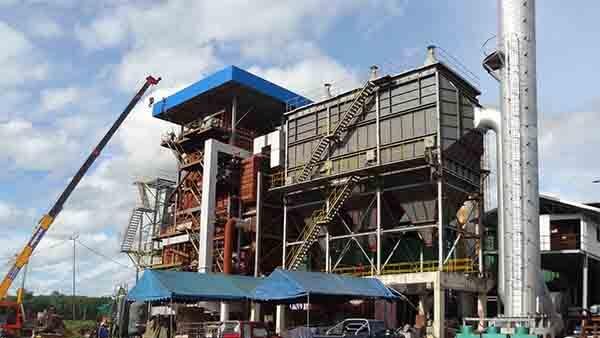
A common answer to “What are the 3 types of boilers?” is fire-tube boilers, water-tube boilers, and electric boilers. This three-part grouping appears in a U.S. Department of Energy operations and maintenance guide, but it isn’t the only way boilers get classified.
From a structural standpoint, the American Boiler Manufacturers Association (ABMA) identifies firetube and watertube as the two basic boiler types, with the fundamental difference being which side of the tubes the combustion gases or the boiler water and steam flow on. “Electric,” by contrast, primarily describes how heat is supplied, not the tube arrangement.
That’s why different sources give different answers: the same boiler can be classified by its structure, fuel or heat source, combustion technology, useful output, and application — all at the same time.
Quick answer: Fire-tube, water-tube, and electric boilers are the three types most commonly cited, based on DOE technical guidance. But there’s no rule limiting all boilers to exactly three mutually exclusive categories — fire-tube and water-tube describe tube arrangement, while electric describes the heating method.
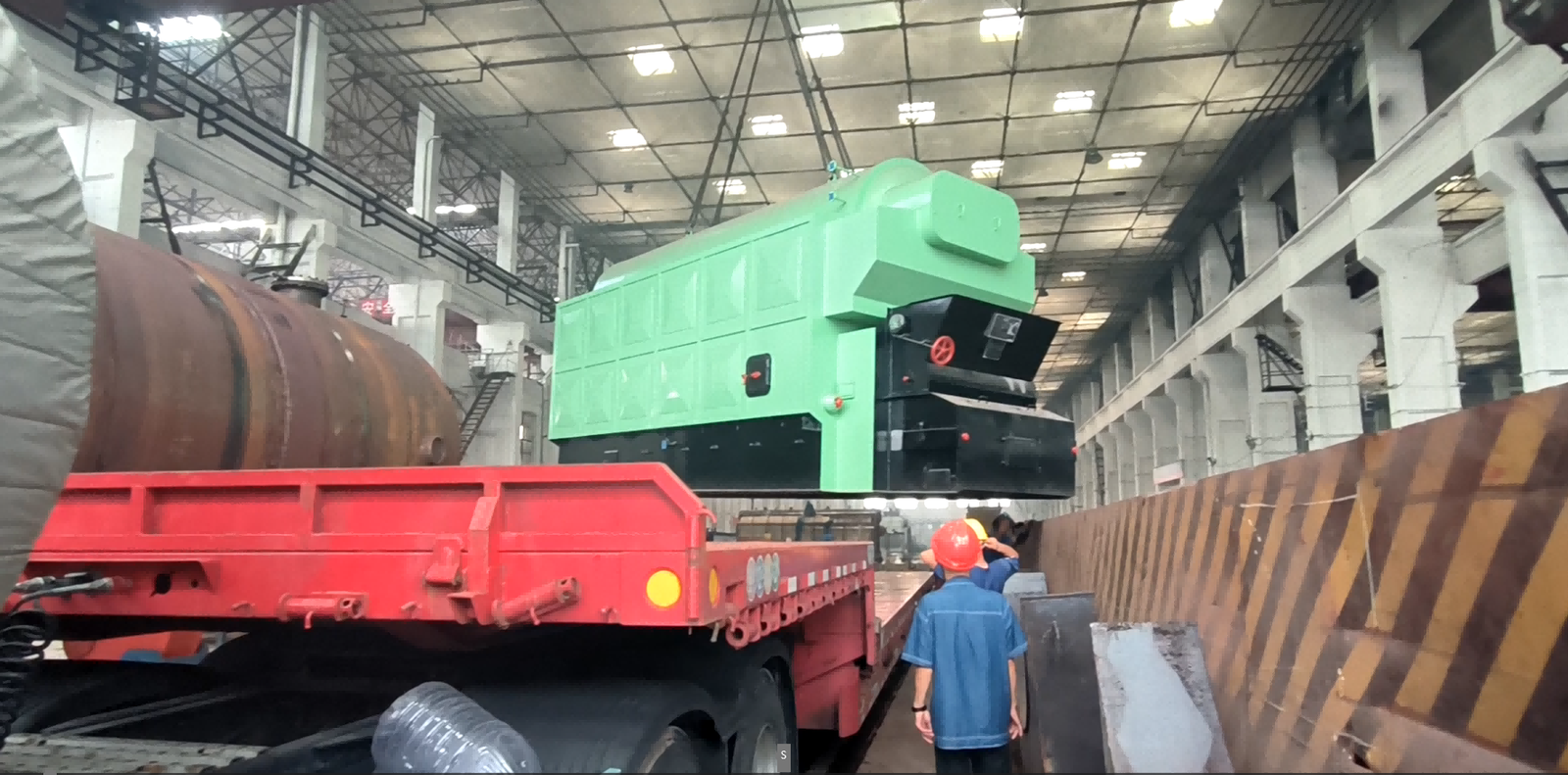
The Three Boiler Types Commonly Discussed
| Boiler Type | What the Term Mainly Describes | Typical Industrial Role |
|---|---|---|
| Fire-tube boiler | Tube and pressure-part arrangement | Packaged steam and hot-water duties |
| Water-tube boiler | Tube and pressure-part arrangement | Higher-capacity, higher-pressure, and demanding steam duties |
| Electric boiler | Heating method / energy source | Steam or hot-water generation using electricity |
Fire-tube and water-tube tell you where the water and hot gases flow. Electric tells you how the heat is generated. A boiler can technically be electric and have a tube arrangement — these categories describe different things, not mutually exclusive buckets.
Fire-Tube Boilers
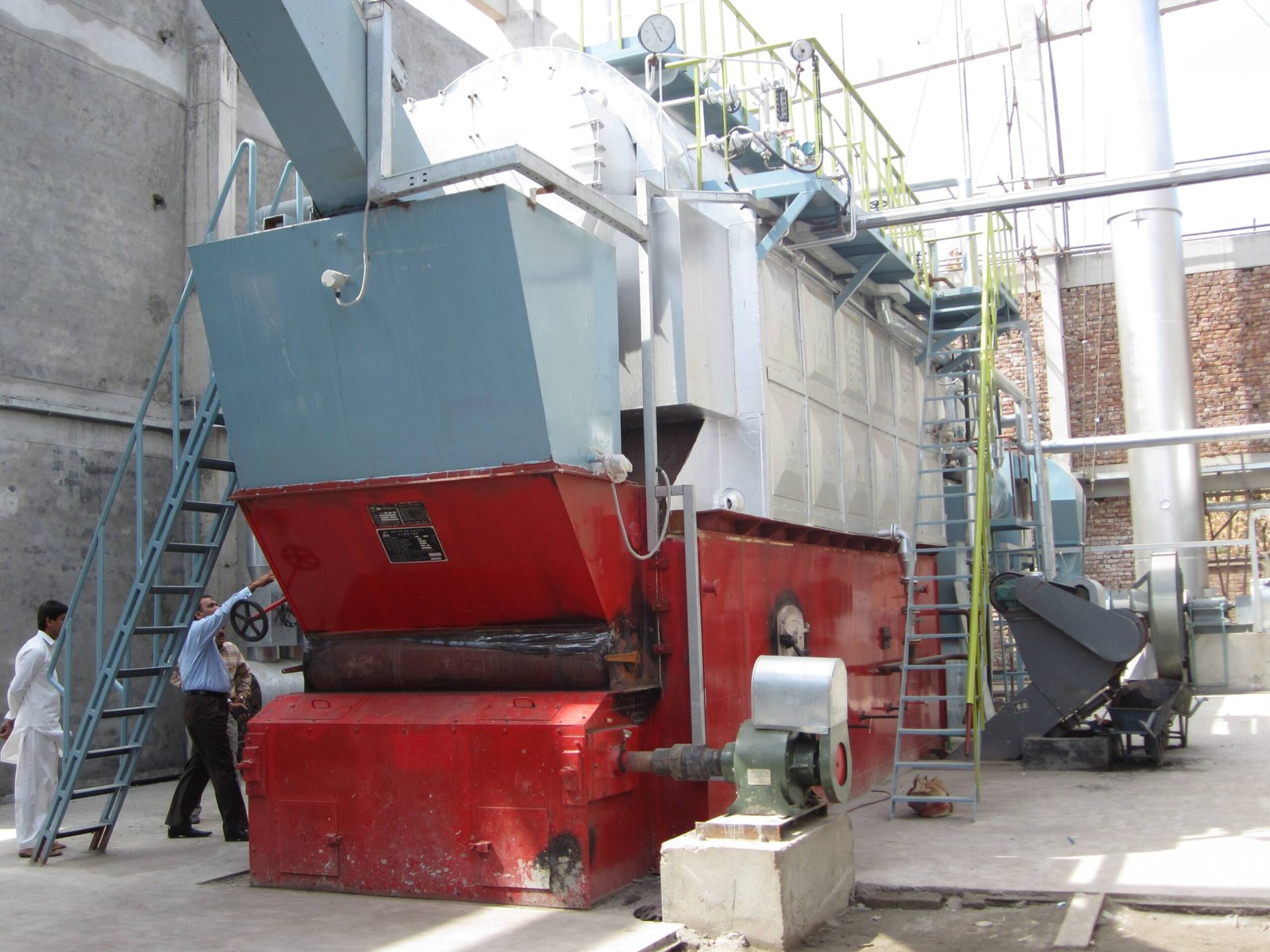
In a fire-tube boiler, hot combustion gases travel through tubes surrounded by boiler water; heat passes through the tube walls into the water to produce steam or hot water.
ABMA confirms this is one of the two basic boiler types, noting that larger firetube boilers today exceed 1,500 boiler horsepower (roughly 50,000 lb/hr), and that they’re typically categorized by their number of “passes” — how many times the flue gases traverse the pressure vessel before exiting. Spirax Sarco’s technical reference describes the same design as a “shell boiler,” where combustion products pass through the tubes and transfer heat to the surrounding water — shell, fire-tube, and smoke-tube are effectively the same construction described three ways.
Packaged fire-tube boilers are widely used for industrial and commercial steam and hot-water duties. Their large water volume stores thermal energy that helps absorb short-duration demand swings — Spirax Sarco’s guide notes this stored energy can cope with rapidly applied loads, though it can take time to rebuild once drawn down. Actual dynamic response still depends on the specific design, burner and control system, operating pressure, and load profile.
Fire-tube construction isn’t inherently less efficient or tied to a single fuel. Performance depends on the complete system — combustion control, heat-transfer surfaces, load, feedwater conditions, heat recovery, and maintenance. Where the application calls for substantially higher pressures or larger outputs than shell boilers can practically deliver, water-tube construction is the more suitable choice.
Water-Tube Boilers
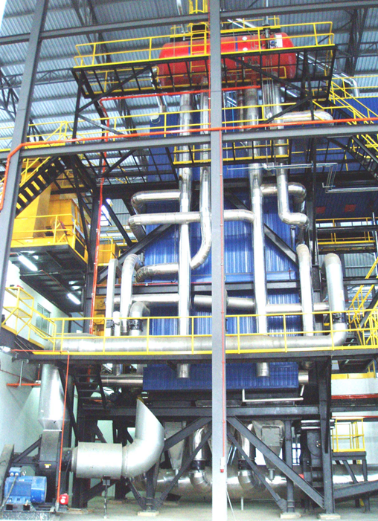
In a water-tube boiler, water and steam flow inside the tubes while the heat source and hot gases sit outside them.
Because individual pressure tubes can withstand higher stress than the large-diameter shell of a fire-tube design, water-tube boilers are used where high steam pressures are required — ABMA cites up to 3,000 psi and higher, and Spirax Sarco’s technical reference puts power-station water-tube units at up to 160 bar, steam output up to 500 kg/s, and superheated steam up to 550°C. This makes water-tube construction the standard choice for steam turbine power generation and demanding process industries like chemical manufacturing, pulp and paper, and refining.
But water-tube describes the pressure-part arrangement, not the fuel or combustion technology. Heat may come from natural gas, oil, coal, biomass, or recovered process heat, and solid-fuel systems might use grate firing, fluidized-bed combustion, or another technology suited to the fuel.
Waste heat recovery is a useful illustration of why these classification dimensions shouldn’t be conflated. ABMA notes explicitly that waste heat recovery boilers (WHRBs) can be built as either firetube or watertube designs, using heat that would otherwise be discarded — from process exhaust gases, high-temperature products in refineries and chemical plants, or combustion of a waste fuel. “Waste heat recovery” identifies the heat source and duty; “water-tube” or “fire-tube” identifies the boiler’s construction. Different questions, different answers.
Electric Boilers
An electric boiler converts electrical energy into heat to produce steam or hot water without combustion inside a conventional furnace.
Industrial electric boiler technologies fall into two main categories: resistance-element boilers and electrode boilers. In an electrode boiler, the water itself forms part of the electrical circuit, and its resistance generates the heat. Manufacturers like Cleaver-Brooks offer electrode boilers at large industrial thermal duties, so electric boilers shouldn’t be assumed to be small-capacity equipment by default.
“Electric” identifies the heating method or energy source. “Fire-tube” and “water-tube” identify tube and pressure-part arrangement. They’re not the same classification axis.
An electric boiler doesn’t map neatly onto the conventional fire-tube-versus-water-tube distinction used for combustion-fired boilers — it’s answering a different question about the equipment entirely.
Why Is There No Single Number of Boiler Types?
“How many types of boilers are there?” has no single universal answer, because “boiler type” describes different engineering characteristics depending on who’s asking and why.
ABMA describes firetube and watertube as the two basic types when explaining fundamental construction. DOE’s Operations & Maintenance Best Practices Guide, in its equipment chapter on boilers, walks through fire-tube, water-tube, and electric boilers as three broad design categories for maintenance planning purposes. Neither source is wrong — they’re organized around different goals, and neither implies every other boiler name represents an entirely separate machine.
A single boiler can simultaneously be described by its:
- structural arrangement
- fuel or heat source
- combustion technology
- useful output
- application
These descriptions overlap rather than compete. That’s why terms like “water-tube,” “biomass-fired,” “CFB,” and “steam boiler” can all correctly appear in one system’s specification.
What Do Common Industrial Boiler Names Actually Mean?
The fastest way to parse industrial boiler terminology is to identify which engineering characteristic each term is actually describing.
| Boiler Term | Classification Dimension | What It Tells You |
|---|---|---|
| Fire-tube boiler | Structure | Combustion gases flow inside the tubes |
| Water-tube boiler | Structure | Water and steam flow inside the tubes |
| Gas-fired boiler | Fuel / heat source | Natural gas supplies the combustion energy |
| Oil-fired boiler | Fuel / heat source | Fuel oil supplies the combustion energy |
| Coal-fired boiler | Fuel | Coal is the primary fuel |
| Biomass-fired boiler | Fuel | Biomass is the primary fuel |
| Electric boiler | Heating method / energy source | Electricity supplies the heat |
| [Waste heat recovery boiler](https://coalbiomassboiler.com/product/waste-heat-recovery-boiler/) | Heat source / process integration | Heat is recovered from another industrial process |
| CFB boiler | Combustion technology | Fuel is burned via circulating fluidized-bed combustion |
| Grate-fired boiler | Combustion technology | Solid fuel is burned on a grate system |
| Pulverized-fuel boiler | Fuel prep / combustion technology | Finely pulverized fuel is burned in suspension |
| Steam boiler | Useful output | The boiler produces steam |
| Hot-water boiler | Useful output | The boiler supplies heated water |
| Power-generation boiler | Application | Steam is produced for power-generation duty |
| District-heating boiler | Application | Heat is supplied to a district-heating network |
This is also why industrial boiler names often stack several descriptors. “Biomass-fired grate water-tube steam boiler” describes one piece of equipment from four angles at once: biomass (fuel), grate-fired (combustion technology), water-tube (structure), and steam (useful output). There’s no contradiction — the terms are layered, not competing.
For a closer look at combustion-system terminology specifically, see our guide to Industrial Boiler Classification by Firing Method.
Boiler Type Is Only the Starting Point for Selection
Knowing the broad boiler type sets the technical direction, but it doesn’t determine the final equipment configuration. Industrial boiler selection also depends on required capacity, operating pressure, steam temperature where applicable, fuel characteristics, load profile, emissions requirements, water conditions, site conditions, and applicable design codes.
For selection criteria in more depth, see Essential Parameters for Selecting an Industrial Steam Boiler.
The more useful engineering question, then, isn’t “Which boiler type is best?” but “Which combination of boiler configuration, heat source, combustion system, and operating conditions actually fits this project?”
See how these dimensions come together in practice in our project case studies, including a 116 MW coal-fired CFB hot-water boiler heating project that’s simultaneously classified by fuel, combustion technology, output, and application.
Inside Our Manufacturing Process
Every classification discussed in this article — fire-tube, water-tube, CFB, biomass-fired, and beyond — comes down to how the equipment is actually engineered and built. This walkthrough of our production facility shows the machinery and manufacturing processes behind Taishan Group’s industrial boilers.
Frequently Asked Questions
What are the 3 types of boilers?
A commonly cited three-part answer is fire-tube, water-tube, and electric boilers — a grouping used in DOE technical guidance. It’s not a universal engineering classification, though: fire-tube and water-tube describe tube arrangement, while electric primarily describes the heating method.
How many types of boilers are there?
There’s no single universal number. Boilers can be classified by structure, fuel or heat source, combustion technology, useful output, application, and more — so the count depends on which classification method is being used.
What are the two basic structural types of boilers?
ABMA identifies firetube and watertube as the two basic structural types. In a fire-tube boiler, combustion gases travel inside the tubes; in a water-tube boiler, water and steam flow through the tubes while the heat source surrounds them.
Is an electric boiler a fire-tube or water-tube boiler?
Not necessarily. “Electric” describes how heat is generated, while fire-tube and water-tube describe conventional tube arrangements. Electric resistance and electrode boilers often use pressure-vessel arrangements that don’t map directly onto a conventional combustion-fired fire-tube or water-tube design.
What is the difference between fire-tube and water-tube boilers?
The core difference is what flows inside the tubes. In fire-tube boilers, hot combustion gases flow through the tubes and water surrounds them; in water-tube boilers, water and steam flow inside the tubes while the heat source is outside. Water-tube construction suits higher-pressure, higher-capacity steam duties — shell (fire-tube) boilers are generally limited to around 27 bar, while water-tube designs handle substantially higher pressures.
Is a biomass boiler always a water-tube boiler?
No. “Biomass-fired” describes the fuel; “water-tube” describes the structural arrangement. The actual configuration depends on capacity, steam conditions, fuel properties, combustion technology, emissions requirements, and overall project design.
Conclusion
Fire-tube, water-tube, and electric boilers are a commonly used three-part answer to “what are the three types of boilers,” and this grouping does appear in established technical guidance. But these terms aren’t the only possible or perfectly equivalent categories.
From the standpoint of basic tube arrangement, fire-tube and water-tube are the two fundamental types identified by ABMA. Terms like electric, gas-fired, biomass-fired, CFB, steam boiler, and power-generation boiler describe other characteristics entirely — heat source, combustion technology, useful output, or application. Understanding that these classifications overlap rather than compete makes industrial boiler terminology far easier to interpret, and gives you a more accurate foundation for specifying what a particular project actually needs.
References
- American Boiler Manufacturers Association — Boiler 101. abma.com/boiler-101 — Confirms firetube and watertube as the two basic boiler types, including the WHRB firetube-or-watertube point.
- U.S. Department of Energy — Operations & Maintenance Best Practices Guide, Release 3.0 (2010), Section 9.2. energy.gov — Covers fire-tube, water-tube, and electric boilers as three subsections under the boilers equipment chapter.
- Spirax Sarco — Shell Boilers. spiraxsarco.com — Technical detail on shell/fire-tube construction, pressure limits (~27 bar), and stored-energy characteristics.
- Spirax Sarco — Water-Tube Boilers. spiraxsarco.com — Water-tube construction and high-pressure suitability.
- Cleaver-Brooks — Electric & Electrode Boilers. cleaverbrooks.com — Manufacturer information on resistance-electric (immersion-element) and electrode boiler technologies.
- Taishan Group — Project Cases. coalbiomassboiler.com/project-case — Source for the referenced 116 MW coal-fired CFB hot-water boiler project.
All six sources above were fetched and checked directly against every factual claim in this draft as of the publish date. No unverified figures remain in the article body.
What Are the 3 Types of Boilers? Industrial Boiler Types Explained Read More »