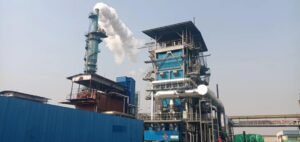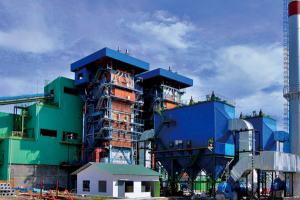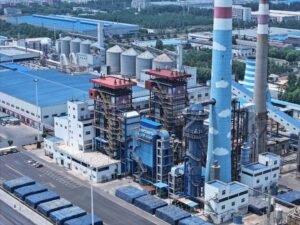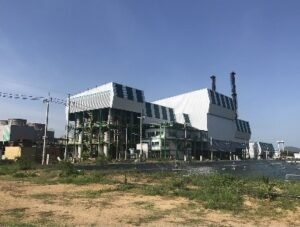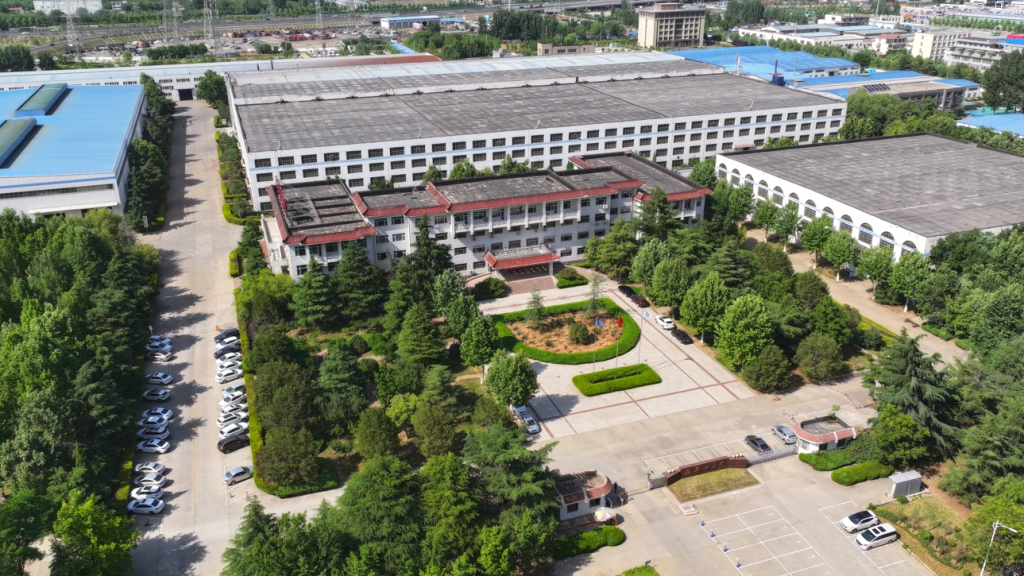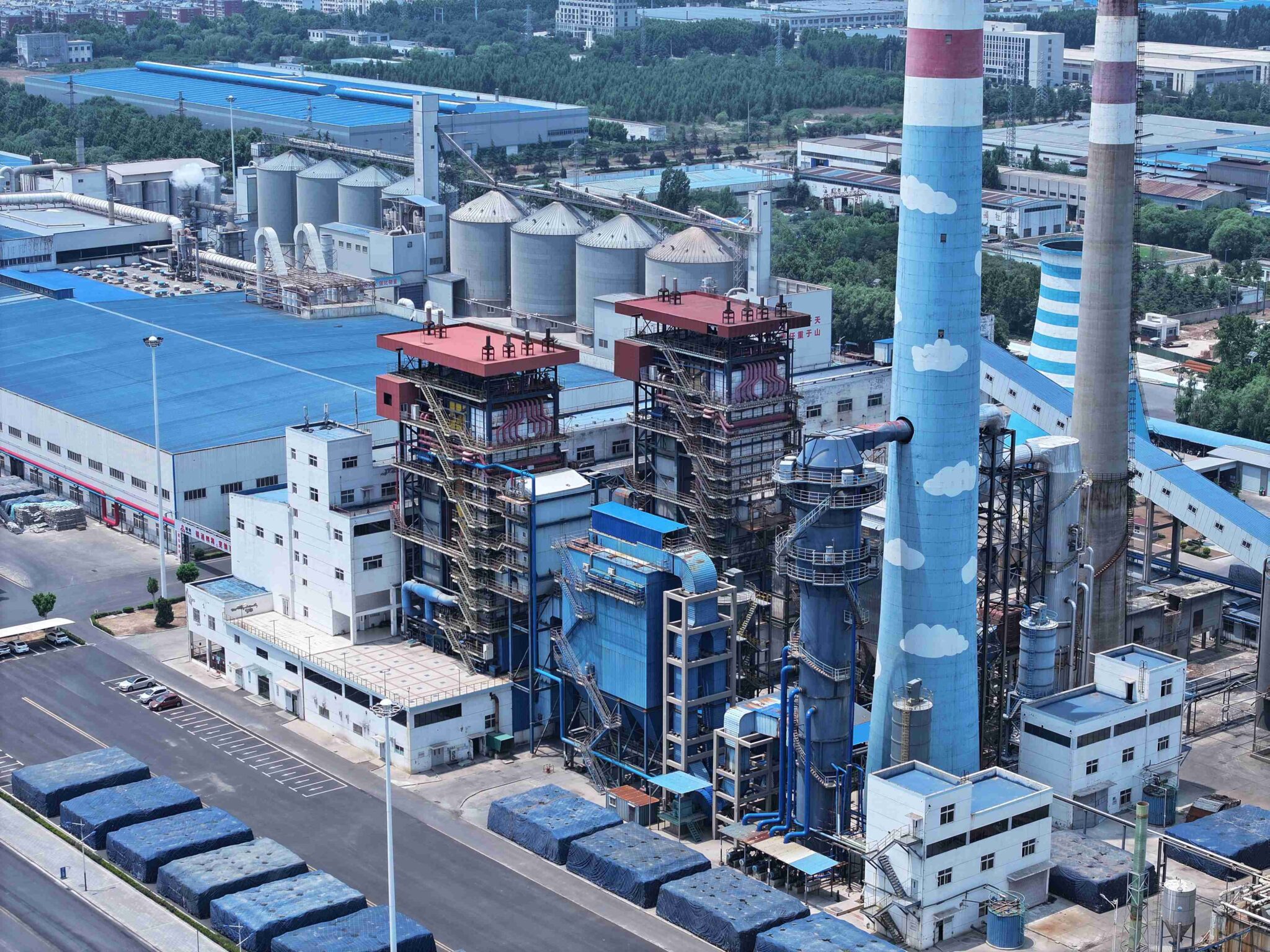
Circulating Fluidized Bed (CFB) boilers have become a widely adopted solution in power generation and industrial steam systems thanks to their fuel flexibility, stable combustion performance, and strong environmental advantages. Compared with conventional pulverized coal boilers, CFB boilers can burn a broader range of fuels, achieve in-furnace desulfurization, and reduce NOx emissions through staged combustion.
For plant operators, boiler engineers, maintenance personnel, EPC contractors, and industrial buyers, understanding how a CFB boiler works is essential for safe, efficient, and reliable operation. From bed temperature control and air distribution to solids circulation, startup, shutdown, and troubleshooting, every operating detail has a direct impact on boiler efficiency, emissions, and service life.
This guide brings together 300 practical questions and answers on CFB boiler technology. It is designed as a structured technical reference for readers who want a clearer understanding of:
- CFB boiler working principles
- Main boiler structure and system configuration
- Startup and shutdown procedures
- Combustion adjustment and load control
- Common operating problems and corrective actions
- Routine inspection and maintenance points
If you would like to find out more about circulating fluidised bed boilers or see some case studies, the following two pages may be of interest to you:
https://coalbiomassboiler.com/product/circulating-fluidized-bed-boiler/
https://coalbiomassboiler.com/project-case/
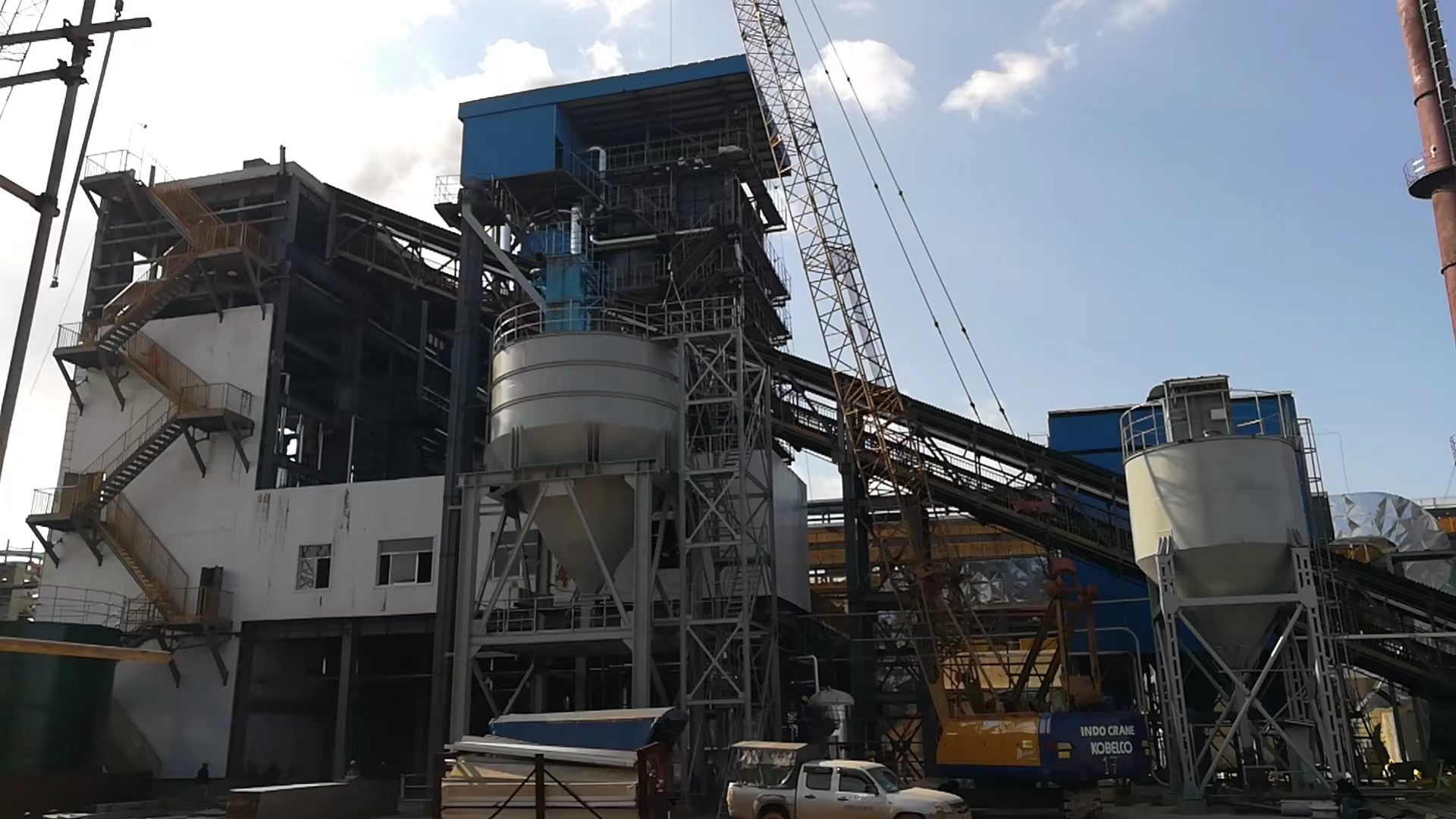
Part I: Basic Theory of CFB Boilers (1–100)
1. What is a Circulating Fluidized Bed (CFB) boiler?
Answer: A CFB boiler is a combustion system in which solid particles burn in a fluidized state, while fly ash is separated and returned to the furnace for recirculating combustion.
2. What are the three core components of a CFB boiler?
Answer: The furnace, the separator, and the solids return device.
3. What does the material circulation system include?
Answer: The furnace, separator, return feeder, and standpipe.
4. What is the minimum fluidization air flow?
Answer: It is the minimum air flow required for bed material to transition from a fixed bed to a fluidized bed.
5. How is circulation ratio defined?
Answer: It is the ratio between the circulating solids flow rate and the amount of fuel fed into the furnace.
6. What is the normal bed temperature range during operation?
Answer: 850–950°C.
7. What can happen if the bed temperature is too high?
Answer: Excessive bed temperature can cause high-temperature agglomeration and refractory damage.
8. What can happen if the bed temperature is too low?
Answer: Low bed temperature may lead to unstable combustion, flameout, and agglomeration.
9. What is the main function of primary air?
Answer: Primary air fluidizes the bed material and supplies oxygen for combustion in the dense phase zone.
10. What is the main function of secondary air?
Answer: Secondary air supplements oxygen, supports staged combustion, reduces NOx formation, and improves flue gas mixing.
11. What is the function of return air?
Answer: Return air ensures smooth solids return, prevents agglomeration, and maintains sealing.
12. What is the function of loosening air?
Answer: Loosening air prevents material bridging and improves local fluidization.
13. What does the air distribution device consist of?
Answer: It consists of the air plenum, air distributor plate, and air caps or nozzles.
14. What is the function of air caps?
Answer: Air caps distribute air evenly and prevent bed material from leaking into the air chamber.
15. What does bed pressure difference indicate?
Answer: It reflects the thickness of the bed material layer.
16. What does furnace pressure difference indicate?
Answer: It reflects the concentration of circulating solids in the furnace.
17. Into which three zones is CFB combustion typically divided?
Answer: The dense phase zone, dilute phase zone, and separator zone.
18. What are the abnormal fluidization states in a CFB boiler?
Answer: Common abnormal states include channeling, slugging, stratification, and dead bed.
19. How is agglomeration classified?
Answer: It is generally classified into low-temperature agglomeration and high-temperature agglomeration.
20. What causes low-temperature agglomeration?
Answer: It is usually caused by poor fluidization and local overheating due to oxygen deficiency.
21. What causes high-temperature agglomeration?
Answer: It occurs when the bed temperature exceeds the ash fusion temperature, leading to sintering.
22. What is the largest heat loss in a boiler?
Answer: The largest heat loss is exhaust gas heat loss.
23. What type of loss does high carbon content in fly ash represent?
Answer: It represents heat loss due to incomplete combustion of solid fuel.
24. What are the main advantages of a CFB boiler?
Answer: Wide fuel adaptability, broad load regulation capability, and strong environmental performance.
25. What desulfurization agent is commonly used in the furnace?
Answer: Limestone.
26. What is the optimum temperature range for desulfurization?
Answer: 850–900°C.
27. What is the purpose of staged combustion?
Answer: The purpose is to reduce NOx formation.
28. What is the function of a bottom ash cooler?
Answer: It cools discharged ash and recovers heat.
29. What are the main ignition methods used in CFB boilers?
Answer: Over-bed ignition, under-bed ignition, and combined ignition.
30. What is the minimum coal feeding temperature?
Answer: 550–650°C.
31. What does “banking the fire” mean?
Answer: It refers to a short-term shutdown in which heat and bed material are retained to allow a faster restart.
32. What bed temperature is required for hot startup?
Answer: Above 650°C.
33. What bed temperature range is considered warm startup?
Answer: 500–650°C.
34. What bed temperature range is considered cold startup?
Answer: Below 500°C.
35. What does three-element boiler control refer to?
Answer: Drum water level, steam flow, and feedwater flow.
36. What is the function of the steam drum?
Answer: It performs steam-water separation, stores heat, stabilizes pressure, and distributes feedwater.
37. What is the function of the water walls?
Answer: Water walls absorb radiant heat and protect the furnace enclosure.
38. What is the function of the superheater?
Answer: It heats saturated steam into superheated steam.
39. What is the function of the economizer?
Answer: It preheats feedwater and reduces flue gas temperature.
40. What is the function of the air preheater?
Answer: It heats primary and secondary air to improve combustion efficiency.
41. What is the purpose of wear-resistant materials?
Answer: They protect surfaces against erosion caused by circulating solids.
42. What types of return feeders are commonly used?
Answer: U-type, L-type, and J-valve.
43. What are the characteristics of a U-type return feeder?
Answer: It is self-balancing and has no mechanical rotating parts.
44. What may cause excessively high bed pressure?
Answer: A thick bed layer, poor ash discharge, or insufficient primary air.
45. What may cause excessively low bed pressure?
Answer: Excessive ash discharge or insufficient circulating solids.
46. What is the normal oxygen control range at the furnace outlet?
Answer: 3–6%.
47. What is the typical proportion of primary air in a CFB boiler?
Answer: 60–70%.
48. What is the typical proportion of secondary air?
Answer: 30–40%.
49. What is the usual upper limit for return material temperature?
Answer: It is generally kept below 950°C.
50. What does MCR stand for in boiler terminology?
Answer: MCR stands for Maximum Continuous Rating, usually referring to the maximum continuous evaporation capacity.
51. What is minimum fluidization velocity?
Answer: It is the minimum gas velocity at which the bed material begins to fluidize.
52. What does a high circulation ratio indicate?
Answer: It generally indicates more complete combustion, stronger heat transfer, and better load adaptability.
53. What problems can excessively fine coal particles cause?
Answer: They can shift the combustion zone upward, reduce bed temperature, and increase carbon content in fly ash.
54. What problems can excessively coarse coal particles cause?
Answer: They can lead to poor fluidization, lower bed temperature, and high carbon content in bottom ash.
55. What is commonly used as startup bed material?
Answer: Quartz sand or furnace slag.
56. What particle size is recommended for startup bed material?
Answer: 0–1 mm.
57. What particle size is recommended for limestone?
Answer: 1–3 mm.
58. What particle size is recommended for coal fed into the furnace?
Answer: 0–10 mm.
59. What is the function of coal spreading air?
Answer: It helps distribute coal evenly into the furnace and prevents flashback.
60. What is the function of sealing air?
Answer: Sealing air prevents high-temperature flue gas from escaping outward.
61. What is the function of purging air?
Answer: It prevents instrument measuring points from becoming plugged.
62. What is the purpose of continuous blowdown?
Answer: It removes dissolved salts from boiler water.
63. What is the purpose of intermittent blowdown?
Answer: It removes sludge and sediment from the bottom of the boiler.
64. What is the function of the deaerator?
Answer: It removes oxygen from feedwater and helps prevent corrosion.
65. What is the function of the chemical dosing system?
Answer: It adjusts pH and helps prevent scaling and corrosion.
66. What is the normal furnace draft value?
Answer: -20 to -50 Pa.
67. What may cause excessive negative furnace pressure?
Answer: Excessive induced draft or severe air leakage.
68. What may cause positive furnace pressure?
Answer: Insufficient induced draft, ash blockage, or tube rupture.
69. What are the risks of air preheater leakage?
Answer: Increased fan power consumption and higher exhaust gas heat loss.
70. What are the symptoms of economizer leakage?
Answer: Drum water level falls, and feedwater flow becomes greater than steam flow.
71. What are the symptoms of water wall leakage?
Answer: A rapid drop in water level, positive furnace pressure, and lower bed temperature.
72. What are the symptoms of superheater leakage?
Answer: Steam pressure drops, flue gas temperature decreases, and leakage noise may be heard.
73. What are the signs of reburning in the rear flue?
Answer: A sudden increase in flue gas temperature and fluctuations in furnace draft.
74. What interlock action occurs when the primary air fan trips?
Answer: The coal feeder trips at the same time.
75. What interlock action occurs when the induced draft fan trips?
Answer: The primary air fan, secondary air fan, and coal feeder all trip simultaneously.
76. What happens if the return air fan trips?
Answer: Solids return stops, bed temperature rises sharply, and agglomeration may occur.
77. What happens if the coal feeder trips?
Answer: Bed temperature falls, combustion becomes unstable, and flameout may occur.
78. What is the required ash temperature at the bottom ash cooler outlet?
Answer: ≤150°C.
79. What may cause ash conveyor overload?
Answer: Excessive ash volume or mechanical jamming.
80. What is the required flue gas temperature at the dust collector inlet?
Answer: ≤160°C.
81. What is the typical required feedwater temperature?
Answer: 20–70°C.
82. How long should purging be carried out before ignition?
Answer: At least 5 minutes.
83. What is the maximum allowable temperature difference between the upper and lower drum walls?
Answer: 50°C.
84. What is the allowable pressure rise rate?
Answer: ≤0.3 MPa/h.
85. What is the allowable temperature rise rate?
Answer: ≤100–150°C/h.
86. What conditions must be met before steam synchronization?
Answer: Steam pressure, steam temperature, water level, and water quality must all be within acceptable limits.
87. What is a low-water condition in a boiler?
Answer: It means the water level has fallen below the minimum allowable level.
88. What is a high-water condition in a boiler?
Answer: It means the water level has risen above the maximum allowable level.
89. What is steam-water carryover?
Answer: It is a condition in which water level fluctuates severely and moisture is carried over with the steam.
90. What may cause high fan bearing temperature?
Answer: Insufficient lubrication, poor oil quality, inadequate cooling, or poor alignment.
91. What may cause excessive fan vibration?
Answer: Rotor imbalance, loose foundation bolts, or bearing damage.
92. What is the correct sootblowing sequence?
Answer: From front to rear and from top to bottom.
93. What is the purpose of sootblowing?
Answer: To remove ash deposits and improve heat transfer efficiency.
94. What may cause low desulfurization efficiency?
Answer: Insufficient limestone feed, improper particle size, or unsuitable temperature.
95. How should high NOx emissions be handled?
Answer: Strengthen staged combustion and appropriately reduce bed temperature.
96. How should high carbon content in fly ash be handled?
Answer: Increase bed temperature, raise air flow, and reduce coal particle size.
97. How should high carbon content in bottom ash be handled?
Answer: Increase primary air, improve fluidization, and reduce bed thickness.
98. What may cause high exhaust gas temperature?
Answer: Air leakage, ash buildup, excessive air flow, or wet coal.
99. What is the basic principle of load adjustment?
Answer: When increasing load, increase air first and then coal. When decreasing load, reduce coal first and then air.
100. What are the main optimization goals in boiler operation?
Answer: Safety, stability, economy, and environmental compliance.
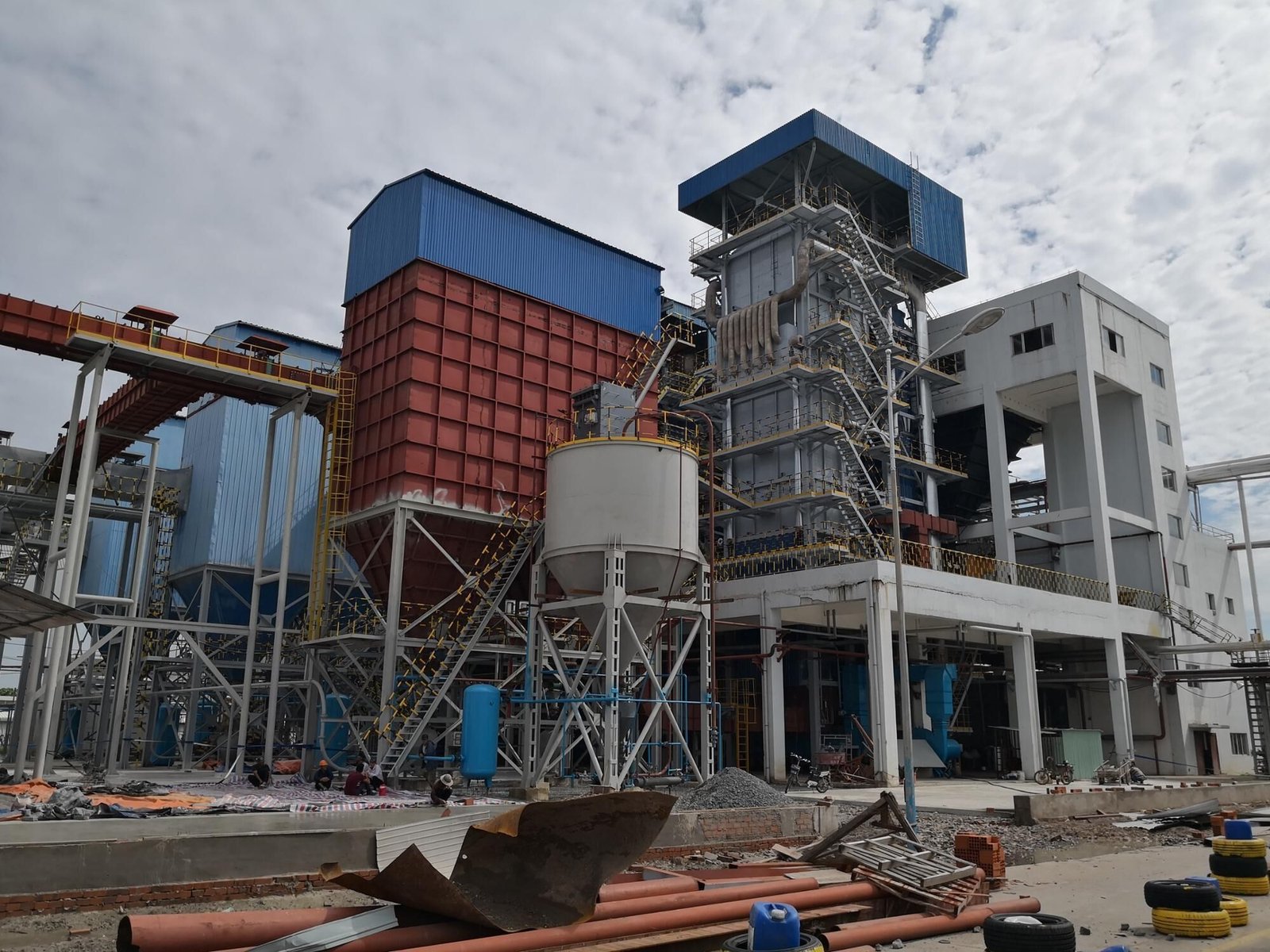
Part II: CFB Boiler Structure and Systems (101–200)
101. What is the basic furnace structure in a CFB boiler?
Answer: It consists of membrane water walls, a dense phase zone, and a dilute phase zone.
102. What is the function of the cyclone separator?
Answer: It separates gas and solids and recovers circulating material.
103. What type of water wall is commonly used in a CFB boiler?
Answer: Membrane water wall.
104. What is the function of the downcomer?
Answer: It delivers water from the steam drum to the lower header.
105. What is the function of the header?
Answer: It collects and distributes the working fluid.
106. What does the coal feeding system include?
Answer: Coal bunker, coal feeder, coal spreading air, and associated piping.
107. What types of coal feeders are commonly used?
Answer: Weigh-belt feeders and screw feeders.
108. What does the primary air system include?
Answer: Primary air fan, air preheater, air plenum, and air caps.
109. What does the secondary air system include?
Answer: Secondary air fan, air preheater, and staged air nozzles.
110. What is the function of the induced draft fan?
Answer: It creates furnace negative pressure and discharges flue gas.
111. Which equipment is supplied by the high-pressure fluidizing fan?
Answer: The return feeder and the bottom ash cooler.
112. What is the function of the limestone system?
Answer: It supports in-furnace desulfurization.
113. What does the ash discharge system include?
Answer: Bottom ash cooler, ash discharge valve, and ash conveyor.
114. What does the fly ash handling system include?
Answer: Dust collector, ash conveyor, and ash silo.
115. What does the ignition system include?
Answer: Oil gun, igniter, and fuel oil system.
116. What are the advantages of under-bed ignition?
Answer: Faster temperature rise and more uniform heating of bed material.
117. What are the advantages of over-bed ignition?
Answer: Simpler equipment and higher operational safety.
118. What are the risks of blocked air caps?
Answer: Poor fluidization and local agglomeration.
119. What contributes to air distributor plate resistance?
Answer: Air cap resistance plus bed material resistance.
120. What is the typical bed thickness control range?
Answer: 400–800 mm.
121. What is the function of the return standpipe?
Answer: It provides material sealing and solids transport.
122. Where are anti-wear tiles usually installed?
Answer: At bends in heating surfaces and on windward-facing surfaces.
123. What is the furnace wall structure?
Answer: It typically includes an insulation layer, wear-resistant layer, and sealing layer.
124. What is the function of an expansion joint?
Answer: It absorbs thermal expansion and helps prevent leakage.
125. What is the function of an explosion relief door?
Answer: It releases overpressure and protects the furnace.
126. What types of water level gauges are commonly used?
Answer: Bi-color water level gauges, electrode type gauges, and balance containers.
127. What is the function of a safety valve?
Answer: Overpressure protection.
128. What is the function of a thermocouple?
Answer: Temperature measurement.
129. What does a flow meter measure in a boiler system?
Answer: Air flow, water flow, and steam flow.
130. Where is the oxygen analyzer typically installed?
Answer: At the furnace outlet and in the rear flue.
131. Where are bed temperature measuring points arranged?
Answer: In the dense phase zone.
132. Where is the return material temperature measurement point arranged?
Answer: At the outlet of the return feeder.
133. What is the impact of low primary air temperature?
Answer: It can cause poor fluidization and make bed temperature difficult to stabilize.
134. What is the impact of low secondary air temperature?
Answer: It can worsen combustion and increase incomplete combustion losses.
135. What happens if primary air is interrupted?
Answer: The bed can quickly lose fluidization and become a dead bed, which may cause agglomeration.
136. What happens if secondary air is interrupted?
Answer: Combustion quality deteriorates and black smoke may appear.
137. What happens if return air is interrupted?
Answer: The return system may become blocked and bed temperature can rise rapidly.
138. What happens if pressure in the high-pressure fluidizing air header is too low?
Answer: Solids return becomes poor and the risk of agglomeration increases.
139. What is the ash temperature at the inlet of the bottom ash cooler?
Answer: 850–950°C.
140. How should ash conveying pipe blockage be handled?
Answer: Stop ash conveying and clear the blockage by purging.
141. How should coal bunker bridging be handled?
Answer: Use vibration and clearing methods. Personnel should never enter the bunker.
142. How should limestone silo bridging be handled?
Answer: Use flow-aid devices and external tapping.
143. How should ash silo bridging be handled?
Answer: Apply fluidizing air and tapping.
144. How should instrument failure be handled?
Answer: Switch to manual control, notify maintenance personnel, and strengthen monitoring.
145. How should a power failure be handled?
Answer: Carry out emergency shutdown procedures and prevent low-water incidents.
146. What happens if instrument air is interrupted?
Answer: Dampers may lose control and should be switched to manual operation.
147. What happens if cooling water is interrupted?
Answer: Bearing temperature will rise. Load should be reduced, and shutdown may be required.
148. What are the risks of wear-resistant lining detachment?
Answer: Blockage, accelerated wear, and poor fluidization.
149. What are the risks of furnace wall air leakage?
Answer: Unstable combustion, lower efficiency, and reduced flue gas temperature.
150. How should manhole door air leakage be handled?
Answer: Tighten the door and replace the seal if required.
151. What may cause pipeline vibration?
Answer: Loose supports, water hammer, or gas pulsation.
152. How should water hammer be handled?
Answer: Close valves, vent trapped air, and operate equipment gradually.
153. How should safety valve operation be handled?
Answer: Reduce pressure, identify the cause, and ensure the valve reseats properly.
154. Why should the water level gauge be flushed regularly?
Answer: To prevent false water level readings.
155. Why should oxygen analyzers be calibrated regularly?
Answer: To avoid drift and maintain accurate readings.
156. How should damaged bed temperature measurement points be handled?
Answer: Refer to other available points, reduce load if needed, and arrange repair promptly.
157. How should damaged bed pressure measurement points be handled?
Answer: Refer to air chamber pressure and operate ash discharge carefully.
158. How should interruption of coal feed be handled?
Answer: It should be corrected immediately to prevent a sharp drop in bed temperature.
159. How should uncontrolled coal self-flow be handled?
Answer: Close the gate quickly to prevent overheating.
160. How should bottom ash cooler water interruption be handled?
Answer: Stop ash feed into the cooler immediately.
161. How should bottom ash cooler overtemperature be handled?
Answer: Increase cooling water and reduce ash feed rate.
162. How should a full ash silo be handled?
Answer: Arrange ash removal promptly and reduce load if necessary.
163. How should an empty limestone silo be handled?
Answer: Refill it in time to prevent SO₂ emissions from exceeding the limit.
164. How should insufficient ignition oil pressure be handled?
Answer: Check the oil pump, filter, and oil temperature.
165. How should fuel oil leakage be handled?
Answer: Eliminate all ignition sources, isolate the oil supply, and repair the leak immediately.
166. What may cause black smoke during startup?
Answer: Insufficient air flow or poor oil atomization.
167. What may cause black smoke during normal operation?
Answer: Excessive coal feed, insufficient air, or poor fluidization.
168. What conditions are required for hot work on site?
Answer: A work permit must be issued, combustible materials removed, fire watch assigned, and firefighting equipment prepared.
169. What anti-freezing measures should be taken in winter?
Answer: Drain water, use heat tracing, and maintain circulation where necessary.
170. What protective measures should be taken in summer?
Answer: Provide ventilation, cooling, and proper lubrication.
171. What moisture protection measures should be taken during the rainy season?
Answer: Keep electrical equipment dry and ensure reliable grounding.
172. What items should be tested periodically?
Answer: Safety valves, water level gauges, interlocks, and protection systems.
173. What is the purpose of interlock testing?
Answer: To ensure that protective actions work correctly during abnormal conditions.
174. What is required for protection systems before startup?
Answer: They must be enabled before startup and should not be disabled without authorization.
175. What should be included in shift handover?
Answer: Operating conditions, defects, operating actions, spare parts status, and safety matters.
176. What should be checked during routine inspection?
Answer: Temperature, pressure, vibration, leakage, oil level, and current.
177. What are the consequences of fouling on heating surfaces?
Answer: Reduced heat transfer, lower steam temperature, and higher flue gas temperature.
178. What are the symptoms of air preheater blockage?
Answer: Increased resistance and higher induced draft fan current.
179. How should air preheater blockage be handled?
Answer: Sootblow first, reduce load if needed, and shut down for cleaning when necessary.
180. What is the lower limit of primary air flow?
Answer: It must not be lower than the minimum fluidization air flow.
181. What is the principle for introducing secondary air?
Answer: Use more lower secondary air and less upper secondary air to strengthen staged combustion.
182. Why is uniform coal feeding important?
Answer: It helps prevent bed temperature deviation and agglomeration.
183. What are the signs of coal interruption?
Answer: Falling bed temperature, rising oxygen content, and decreasing load.
184. How should coal interruption be handled?
Answer: Stop coal feed, increase air as appropriate, stabilize bed temperature, and clear the blockage.
185. How should coal blockage be handled?
Answer: Stop the feeder, clear the blockage, and then restore coal supply.
186. What happens if coal spreading air is interrupted?
Answer: Coal can accumulate and local agglomeration may result.
187. How should bottom ash cooler blockage be handled?
Answer: Stop ash feed, clear the blockage, and then restart the system.
188. What may cause poor ash discharge?
Answer: Large ash clinkers, valve sticking, or poor fluidization.
189. What are the steps for banking the fire?
Answer: Reduce load, stop coal feed, purge the system, stop fans, and seal the boiler.
190. What precautions should be taken when banking the fire?
Answer: Prevent air leakage, monitor temperature carefully, and avoid agglomeration.
191. What are the steps for restarting a banked boiler?
Answer: Start the fans, purge the system, check bed temperature, and feed coal in small increments.
192. How should a failed restart attempt be handled?
Answer: Stop coal feeding and restart the ignition procedure.
193. What are the steps for normal shutdown?
Answer: Reduce load, stop coal feed, purge the system, stop the fans, and allow the boiler to cool naturally.
194. Under what conditions is emergency shutdown required?
Answer: High water level, low water level, tube rupture, flameout, total fan trip, or fire.
195. What are the signs of boiler flameout?
Answer: Sudden bed temperature drop, oxygen reading reaching maximum, and falling steam pressure.
196. How should flameout be handled?
Answer: Stop coal feed immediately, purge thoroughly, and never continue feeding coal into the furnace.
197. What is the basic rule for handling low-water condition?
Answer: In the case of severe low-water condition, water must not be added.
198. How should high-water condition be handled?
Answer: Reduce or stop feedwater, open drains, and reduce load.
199. How should steam-water carryover be handled?
Answer: Increase blowdown, replace boiler water if needed, and reduce load.
200. How should fan surge be handled?
Answer: Partially close the damper, remove any blockage, and reduce load.

Part III: CFB Boiler Operation, Adjustment, and Inspection (201–300)
201. What are the basic steps of a cold startup?
Answer: Inspection, water filling, purging, ignition and warm-up, coal feeding, and load connection.
202. What should be checked before startup?
Answer: Fans, valves, instruments, safety systems, the oil system, and the steam-water system.
203. What is required for the water filling rate?
Answer: Water should be filled slowly to prevent thermal shock.
204. How should drum water level be controlled during ignition?
Answer: It should be maintained at about -50 to -100 mm.
205. What must be confirmed before coal feeding begins?
Answer: Bed temperature must be within range, fluidization must be normal, and no agglomeration should be present.
206. How should coal be introduced for the first time?
Answer: In small quantities, intermittently, and in multiple steps.
207. How should large bed temperature fluctuations be handled?
Answer: Reduce coal feed, increase primary air, and stabilize fluidization.
208. What methods can be used to adjust bed temperature?
Answer: Primary-to-secondary air ratio, coal feed rate, circulating ash, and ash discharge.
209. What methods can be used to adjust bed pressure?
Answer: Ash discharge rate, primary air flow, and coal feed rate.
210. What methods can be used to adjust oxygen content?
Answer: Total air flow and the ratio of primary air to secondary air.
211. What methods can be used to adjust steam temperature?
Answer: Attemperating water, air flow distribution, and combustion center position.
212. What methods can be used to adjust steam pressure?
Answer: Coal feed rate, total air flow, and load control.
213. What methods can be used to adjust drum water level?
Answer: Feedwater control valves and three-element automatic control.
214. How should high return material temperature be handled?
Answer: Reduce coal feed, increase fluidizing air, and check for blockages.
215. How should low furnace differential pressure be handled?
Answer: Increase circulating solids, add coal appropriately, and raise primary air flow.
216. How should high furnace differential pressure be handled?
Answer: Release circulating material and increase ash discharge.
217. How should a sudden load increase be handled?
Answer: Increase air first, then increase coal, while keeping bed temperature stable.
218. How should a sudden load decrease be handled?
Answer: Reduce coal first, then reduce air, to avoid overheating.
219. How should sudden coal quality changes be handled?
Answer: Adjust the air-fuel ratio promptly and keep bed temperature stable.
220. How should wet coal be handled?
Answer: Increase air flow, raise bed temperature, and prevent coal blockage.
221. How should low ash fusion point coal be handled?
Answer: Control bed temperature carefully, improve fluidization, and prevent agglomeration.
222. What may cause large bed temperature deviation?
Answer: Uneven air distribution, uneven coal feeding, or local agglomeration.
223. What are the signs of channeling?
Answer: Bed pressure fluctuation, uneven temperature distribution, and pulsation in air chamber pressure.
224. How should channeling be handled?
Answer: Increase primary air, reduce bed thickness, and clean the air caps.
225. What are the signs of slugging?
Answer: Sudden bed collapse and strong pressure fluctuations.
226. How should slugging be handled?
Answer: Reduce air flow, reduce bed thickness, and improve particle size distribution.
227. What are the signs of a dead bed?
Answer: Fluidization stops, bed pressure remains almost unchanged, and temperature rises sharply.
228. How should a dead bed be handled?
Answer: Carry out emergency shutdown, remove agglomerates, and inspect the air distribution system.
229. How should return material fluctuation be handled?
Answer: Adjust fluidizing air, clean the standpipe, and stabilize load.
230. What may cause burning material in the return system?
Answer: Secondary combustion. In this case, load should be reduced and return air increased.
231. How should flameout of the ignition oil gun be handled?
Answer: Stop oil supply, purge the system, and re-ignite.
232. What may cause poor oil gun atomization?
Answer: Low oil pressure, blocked nozzles, or poor fuel oil quality.
233. What are the risks of excessive temperature rise rate?
Answer: High thermal stress and cracking of refractory material.
234. What are the risks of too slow a temperature rise?
Answer: Higher fuel oil consumption and longer startup time.
235. What are the steps for taking the boiler off line?
Answer: Reduce load, close the main steam valve, and cool the boiler down.
236. What is the purpose of emergency water discharge?
Answer: It helps prevent a high-water condition.
237. What are the feedwater quality requirements?
Answer: Feedwater should be deaerated, low in hardness, and low in salt content.
238. What is the normal control range for boiler water pH?
Answer: 9–11.
239. What are the risks of poor steam quality?
Answer: Salt deposition in the superheater and possible tube failure.
240. What is the function of a circulation pump?
Answer: It provides forced circulation and improves water flow in the boiler circuit.
241. How should turbid boiler water be handled?
Answer: Increase blowdown and replace boiler water if necessary.
242. How should high salt content in feedwater be handled?
Answer: Check the water treatment system and increase blowdown.
243. What is the principle for using attemperating water?
Answer: Use small quantities multiple times to avoid large steam temperature swings.
244. How should loss of attemperating water be handled?
Answer: Reduce load, adjust combustion, and keep steam temperature under control.
245. How should superheater overtemperature be handled?
Answer: Increase attemperating water, adjust air flow, and reduce load.
246. How should reheater overtemperature be handled?
Answer: Adjust combustion, regulate flue gas dampers, and reduce load.
247. How should low drum water level be handled?
Answer: Increase feedwater, check for leakage, and stop blowdown.
248. How should high drum water level be handled?
Answer: Reduce feedwater, open blowdown, and reduce load.
249. What are the signs of unstable combustion?
Answer: Fluctuating furnace draft, fluctuating bed temperature, and fluctuating oxygen content.
250. How should unstable combustion be handled?
Answer: Stabilize the air-fuel ratio, reduce load, and check fluidization conditions.
251. What are the risks of excessive primary air?
Answer: Low bed temperature, increased fly ash carryover, and higher power consumption.
252. What are the risks of insufficient primary air?
Answer: Poor fluidization, agglomeration, and high carbon content in bottom ash.
253. What are the risks of excessive secondary air?
Answer: The furnace temperature profile shifts upward and bed temperature decreases.
254. What are the risks of insufficient secondary air?
Answer: Incomplete combustion and black smoke.
255. What are the risks of excessive return air?
Answer: Solids may be carried out of the furnace, reducing separation efficiency.
256. What are the risks of insufficient return air?
Answer: Poor solids return and agglomeration.
257. What are the risks of excessive loosening air?
Answer: Excessive disturbance and unstable bed temperature.
258. What are the risks of insufficient loosening air?
Answer: Bridging and blockage.
259. What are the risks of excessive ash discharge?
Answer: Low bed pressure, unstable fluidization, and heat loss.
260. What are the risks of insufficient ash discharge?
Answer: High bed pressure, increased primary fan power consumption, and greater agglomeration risk.
261. What are the risks of excessive circulating ash?
Answer: High differential pressure, increased wear, and higher fan load.
262. What are the risks of insufficient circulating ash?
Answer: Poor heat transfer and difficulty increasing boiler load.
263. What happens when the excess air coefficient is too high?
Answer: Exhaust heat loss increases and boiler efficiency declines.
264. What happens when the excess air coefficient is too low?
Answer: Incomplete combustion losses increase and emissions may exceed environmental limits.
265. What are the risks of controlling bed temperature too high?
Answer: Agglomeration, lower desulfurization efficiency, and higher NOx emissions.
266. What are the risks of controlling bed temperature too low?
Answer: Poor combustion, flameout, and agglomeration.
267. What are the risks of operating at excessively low load?
Answer: Poor fluidization, unstable combustion, and low efficiency.
268. What are the risks of operating at excessively high load?
Answer: More severe wear, overtemperature, and higher agglomeration risk.
269. What is the impact of high-ash coal?
Answer: Higher ash discharge, more severe wear, and more difficult bed pressure control.
270. What is the impact of low-volatile coal?
Answer: Difficult ignition, lower bed temperature, and the need for higher bed temperature operation.
271. What is the impact of high-volatile coal?
Answer: Easier ignition, faster combustion, and greater risk of overtemperature.
272. What is the impact of high-moisture coal?
Answer: Lower furnace temperature, higher exhaust heat loss, and increased risk of coal blockage.
273. What is the impact of poor-quality limestone?
Answer: Lower desulfurization efficiency, higher consumption, and increased ash deposition.
274. How does drum water level change during ignition and warm-up?
Answer: It gradually rises, so drainage should be performed in time.
275. How should water level be controlled during steam synchronization?
Answer: Slightly below the normal level.
276. How should steam pressure be controlled during steam synchronization?
Answer: Slightly below the main steam header pressure.
277. How should steam temperature be controlled during steam synchronization?
Answer: It should reach the rated value.
278. What preservation methods are used after shutdown?
Answer: Dry preservation, wet preservation, and nitrogen preservation.
279. What cooling rate should be used after shutdown?
Answer: The boiler should cool naturally. Forced ventilation is not allowed.
280. When should water be filled after shutdown?
Answer: After drum pressure falls to zero and temperature drops below 200°C.
281. How long should ventilation continue before maintenance entry?
Answer: At least 30 minutes.
282. What conditions must be met before entering the furnace?
Answer: Ventilation completed, temperature reduced, oxygen tested, permit approved, and safety watch arranged.
283. What precautions should be taken when removing agglomerates?
Answer: Prevent collapse, avoid burns, and use reliable tools.
284. What should be checked when inspecting air caps?
Answer: Blockage, wear, and missing or fallen caps.
285. What should be checked when inspecting the separator?
Answer: Wear-resistant lining, blockage, and agglomeration.
286. What should be checked when inspecting the return feeder?
Answer: Agglomeration, blockage, and fluidizing air condition.
287. What should be checked when inspecting water walls?
Answer: Wear, bulging, cracks, and leakage.
288. What should be checked when inspecting the superheater?
Answer: Wear, tube swelling, cracks, and salt deposition.
289. What should be checked when inspecting the economizer?
Answer: Wear, leakage, and ash blockage.
290. What should be checked when inspecting the air preheater?
Answer: Air leakage, ash blockage, and corrosion.
291. What should be checked when inspecting air ducts?
Answer: Leakage, vibration, and insulation condition.
292. What should be checked when inspecting flue ducts?
Answer: Leakage, ash buildup, and thermal expansion condition.
293. What should be checked when inspecting valves?
Answer: Internal leakage, external leakage, and sticking.
294. What should be checked when inspecting supports and hangers?
Answer: Looseness, deformation, and detachment.
295. What should be checked when inspecting insulation?
Answer: Detachment, moisture, and damage.
296. What should be checked when inspecting instruments?
Answer: Wiring, measuring points, and display status.
297. What should be checked when inspecting motors?
Answer: Temperature, vibration, oil level, and sound.
298. What should be checked when inspecting bearings?
Answer: Temperature, oil level, oil quality, and sound.
299. What should be checked when inspecting gearboxes?
Answer: Oil level, oil quality, vibration, and sound.
300. What should be checked when inspecting the fire protection system?
Answer: Water pressure, firefighting equipment, and access routes.
Conclusion
A circulating fluidized bed boiler offers major advantages in fuel flexibility, combustion efficiency, and emission control. At the same time, stable operation depends on disciplined control of bed temperature, air distribution, solids circulation, ash discharge, and routine inspection.
This collection of 300 CFB boiler questions and answers is intended to serve as a practical technical resource for engineers, operators, maintenance teams, and industrial buyers. It can also function as high-value SEO content for boiler manufacturers, solution providers, and industrial equipment websites targeting international traffic.