
When purchasing an industrial boiler, many buyers focus solely on technical specifications and price—overlooking critical logistics details such as shipping terms, packaging standards, and port arrangements. These factors directly impact delivery lead time, import duties, insurance coverage, and installation planning. Misunderstanding shipping terms or inadequate packaging can result in damage, delays, or unexpected costs upon arrival.
Industrial boilers are typically shipped under international trade terms such as FOB (Free on Board), CIF (Cost, Insurance, and Freight), or EXW (Ex Works). Packaging methods include export-grade wooden crates, shrink-wrapping, anti-corrosion coatings, and steel base frames for secure handling. The port of dispatch is usually a major international seaport near the manufacturing facility—commonly Shanghai, Tianjin, Qingdao, or Guangzhou for China-based suppliers.
Proper coordination of shipping and packaging ensures your boiler arrives safely, legally compliant, and ready for installation. Below, we detail what to expect from a professional boiler supplier regarding these key logistics components.
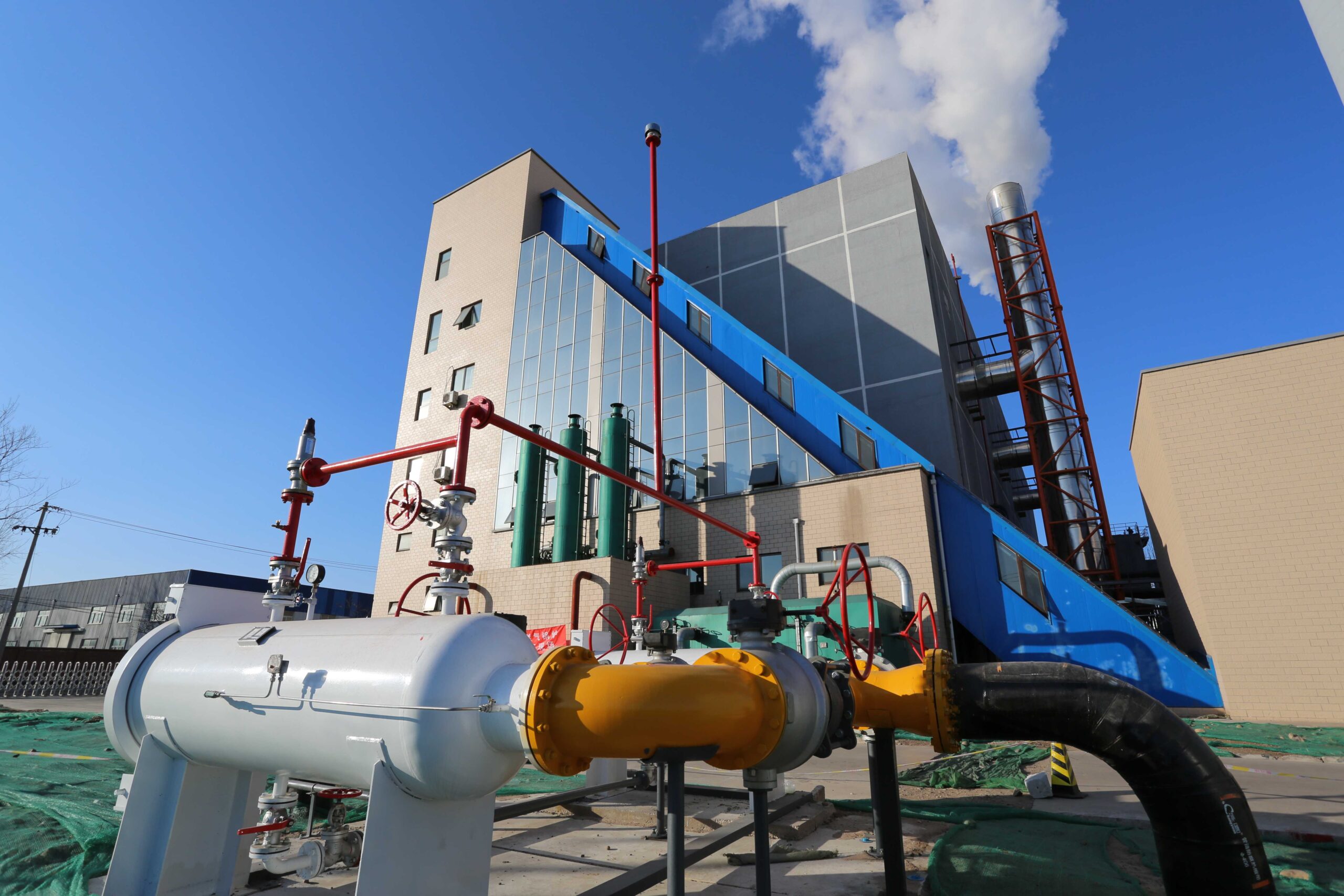
What International Shipping Terms (Incoterms) Are Commonly Used for Industrial Boilers?
When ordering an industrial boiler for international delivery, the shipping terms—also known as Incoterms—are just as important as the equipment itself. These standardized global trade terms define who is responsible for the costs, risks, and logistics at each stage of the shipment. Whether you’re importing a steam boiler from Europe, a biomass unit from Asia, or an oil-fired boiler from the U.S., choosing the right Incoterm affects your budget, risk exposure, and delivery timeline.
The most commonly used Incoterms for industrial boilers are FOB (Free On Board), CIF (Cost, Insurance & Freight), and DAP (Delivered at Place). FOB and CIF are preferred when the buyer handles inland logistics, while DAP is ideal for turnkey delivery where the seller manages transport to the buyer’s site.
Each term changes who pays for shipping, insurance, duties, and who carries the risk during transit.
Incoterms like FOB, CIF, and DAP define responsibilities for shipping boilers internationally.True
These terms are used globally to standardize cost, insurance, and risk obligations between buyers and sellers of industrial equipment.
Comparison of Common Incoterms for Boiler Shipments
| Incoterm | Seller Responsibility | Buyer Responsibility | Best Used When… |
|---|---|---|---|
| FOB (Free On Board) | Export clearance, loading at port, delivery to ship | Freight, insurance, import customs, inland delivery | Buyer has logistics experience and preferred carriers |
| CIF (Cost, Insurance & Freight) | Same as FOB, plus freight and marine insurance | Import customs and inland transport | Buyer wants shared risk but controls final delivery |
| DAP (Delivered at Place) | All transport, export/import clearance, delivery to site | Unloading and domestic permits (if any) | Buyer wants door-to-door simplicity |
| EXW (Ex Works) | Product ready at factory gate only | All logistics, loading, and customs from origin onward | Buyer has full logistics control |
| DDP (Delivered Duty Paid) | Full delivery, plus all import duties and taxes paid | Unloading only | Rare—used when seller assumes all customs obligations |
Example: CIF vs DAP in Boiler Delivery
| Scenario | CIF (Cost, Insurance & Freight) | DAP (Delivered at Place) |
|---|---|---|
| Factory in China to plant in Brazil | Seller delivers to port in Brazil, buyer arranges inland transport | Seller handles delivery directly to plant entrance |
| Responsibility shift | At destination port | At buyer’s site gate |
| Customs clearance | Buyer handles local import duties | Seller may assist or prepay customs on buyer’s behalf |
How to Choose the Right Incoterm for Boiler Projects
Choose FOB/CIF if you have a strong local logistics team or freight forwarder
Choose DAP if you want simple, door-to-site delivery with minimal risk
Choose EXW only if you’re experienced with origin export and full transport
Avoid DDP unless specifically needed—it adds complexity and cost to the seller
Tip: Always clarify Incoterm responsibilities in the purchase agreement, including unloading costs, insurance type, and customs documentation support.
Final Word
Shipping terms shape your entire boiler delivery process. Choosing the right Incoterm ensures clear responsibility, smooth logistics, and better cost control from factory to facility.
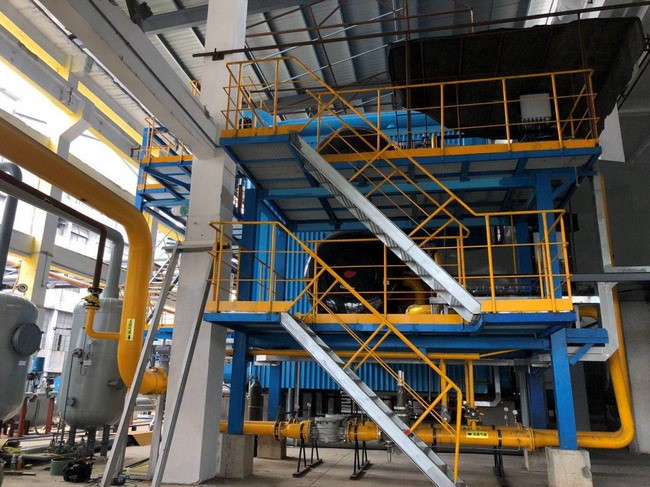
What Packaging Methods Are Used to Protect Industrial Boilers During Shipment?
Industrial boilers are heavy, valuable, and complex systems that often travel long distances—by land, sea, or air—before reaching their installation site. Without proper export packaging, they can suffer costly damage from vibration, corrosion, moisture, or impact. That’s why specialized industrial packaging methods are used to ensure safe delivery. Whether you’re shipping a 5-ton firetube boiler or a modular steam generator, the right packaging is essential to protect your equipment and maintain warranty and quality standards.
Industrial boilers are typically packaged using a combination of skid-mounting, steel or wood framing, shrink wrapping, vapor barrier films, desiccants, and shock protection systems. These methods prevent corrosion, physical damage, and environmental exposure during shipment and storage.
The exact packaging method depends on the boiler type, shipping route, and environmental risk factors like humidity and handling equipment.
Export packaging for industrial boilers is specially designed to prevent corrosion and physical damage during transport.True
Boilers are vulnerable to vibration, moisture, and impact. Professional packaging with skids, films, and desiccants is required for safe delivery and warranty compliance.
Common Packaging Methods for Industrial Boilers
| Packaging Method | Purpose |
|---|---|
| Heavy-duty wooden skid or steel base | Stabilizes the boiler during lifting and transit |
| Steel or wooden crate frame | Provides structural protection against forklift or crane damage |
| Shrink wrap or stretch film | Shields against dust, light rain, and scratching |
| Aluminum foil vapor barrier | Prevents moisture ingress and condensation during sea freight |
| Desiccant bags or cartridges | Absorbs humidity inside packaging to avoid corrosion |
| Shock-absorbing pads or foam blocks | Reduces vibration and shock during road or sea movement |
| Rust inhibitor sprays or VCI paper | Protects uncoated metal surfaces from corrosion during long storage |
| Export marking and labeling | Identifies top-heavy points, lifting hooks, and handling limits |
Packaging Examples by Shipping Mode
| Shipping Mode | Typical Packaging Approach |
|---|---|
| Truck (domestic) | Skid-mounted + strapped with stretch wrap and corner guards |
| Sea freight (export) | Full steel or wooden crate + vapor barrier + desiccants + lifting lugs |
| Rail freight | Skid base + shrink wrap + tie-down brackets + impact cushions |
| Air freight (rare) | Light modular crate + moisture protection + component disassembly |
Packaging Tip by Boiler Type
Large firetube or watertube boilers: Use steel base, full wrap, and moisture barrier for sea travel
Electric or compact modular boilers: Crate frame with moisture and shock protection
Used or refurbished boilers: Require extra corrosion protection and crate reinforcement
Additional Protective Options
GPS trackers to monitor location and vibration
Humidity indicators inside the wrap to detect moisture during customs checks
Tamper-evident seals for international customs clearance
Tip: Always request a packaging report or photo documentation before shipment—this supports warranty protection and helps verify condition at delivery.
Final Word
Packaging isn’t just about protection—it’s about preserving function, safety, and compliance. The right packaging ensures your industrial boiler arrives ready to perform, not repair.
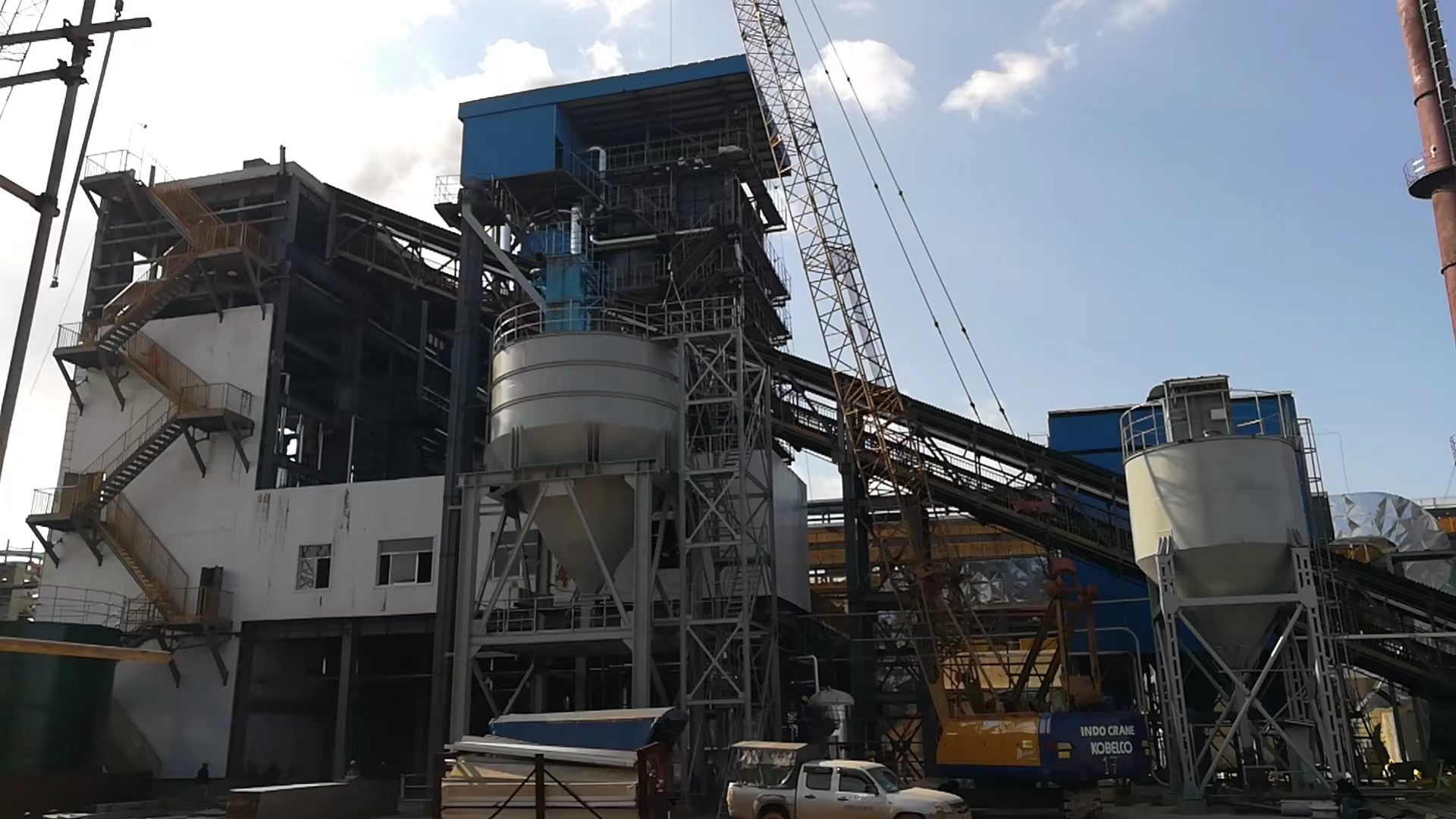
How Are Large or Modular Boiler Systems Loaded and Secured for Overseas Transport?
Transporting a large or modular boiler system overseas is not a simple task. These units can weigh several tons, include fragile instrumentation, and require protection from sea spray, humidity, and shifting during transit. A mistake during loading or securing can cause serious damage—leading to delays, unexpected repair costs, or even rejected warranty claims. That’s why boiler manufacturers and freight specialists use proven loading and securing methods to keep the system safe from factory floor to installation site.
Large or modular boiler systems are typically secured for overseas transport using heavy-duty lifting equipment, flat-rack or open-top containers, steel or wood cradles, tie-down chains or ratchet straps, anti-slip mats, shock-absorbing cribbing, and moisture protection. Proper load distribution, lift point marking, and center-of-gravity control are essential.
These procedures meet international shipping and safety standards to prevent shifting, tipping, or corrosion during long journeys.
Modular boilers require reinforced crating, load balancing, and moisture protection for safe overseas shipping.True
Due to their weight, shape, and component sensitivity, large boilers are secured with specialized rigging and protective materials to prevent transport damage.
Common Loading Methods for Large or Modular Boilers
| Method | Description |
|---|---|
| Crane lifting from top points | Used for heavy units; lifting eyes and center of gravity clearly marked |
| Forklift (with extensions) | Suitable for smaller skids; requires low center of gravity and counterbalance |
| Roll-on via platform trailer | For road movement to port; allows horizontal loading on flat-rack container |
| Multi-piece modular assembly | Disassembled into shipping modules to reduce load height/weight per shipment |
Securing Techniques for Sea Freight
| Securing Method | Purpose |
|---|---|
| Flat-rack container tie-downs | Allows loading of oversized units with exposed mounting points |
| Steel or wooden skid base | Provides rigid support during crane lifting and transport vibration |
| Heavy-duty ratchet straps or chains | Secures unit to deck or flat-rack with high tension resistance |
| Anti-slip mats or timber cribbing | Prevents shifting or sliding under rough sea conditions |
| Shock pads and VCI wrap | Protects sensitive parts and resists corrosion from salt air or humidity |
| Shrink wrap or tarpaulin cover | Shields components from weather during exposed deck shipment |
Container Types for Modular Boiler Transport
| Container Type | Use Case |
|---|---|
| Flat-Rack Container | Most common for boilers; open sides and ends for cranes |
| Open-Top Container | Allows vertical loading of tall systems with crane access |
| High Cube Container | Used for modular subcomponents (valves, burners, controls) |
| Break Bulk Cargo | For oversized boilers beyond container capacity |
Best Practices for Shipping Preparation
Verify lifting points are clearly labeled by the manufacturer
Check center of gravity markings to avoid tipping during lift
Photograph loaded unit before departure for insurance and condition tracking
Include export packing list with part numbers, weights, and dimensions
Seal and mark all protective wraps with desiccants and humidity indicators
Tip: Always consult with your logistics provider to ensure compliance with IMO (International Maritime Organization) and local port handling rules for oversized or hazardous cargo.
Final Word
Large and modular boiler systems require expert planning, packaging, and precision to ensure they survive the rigors of overseas transport. With the right loading methods and securement techniques, your equipment arrives safely—ready to install and operate.
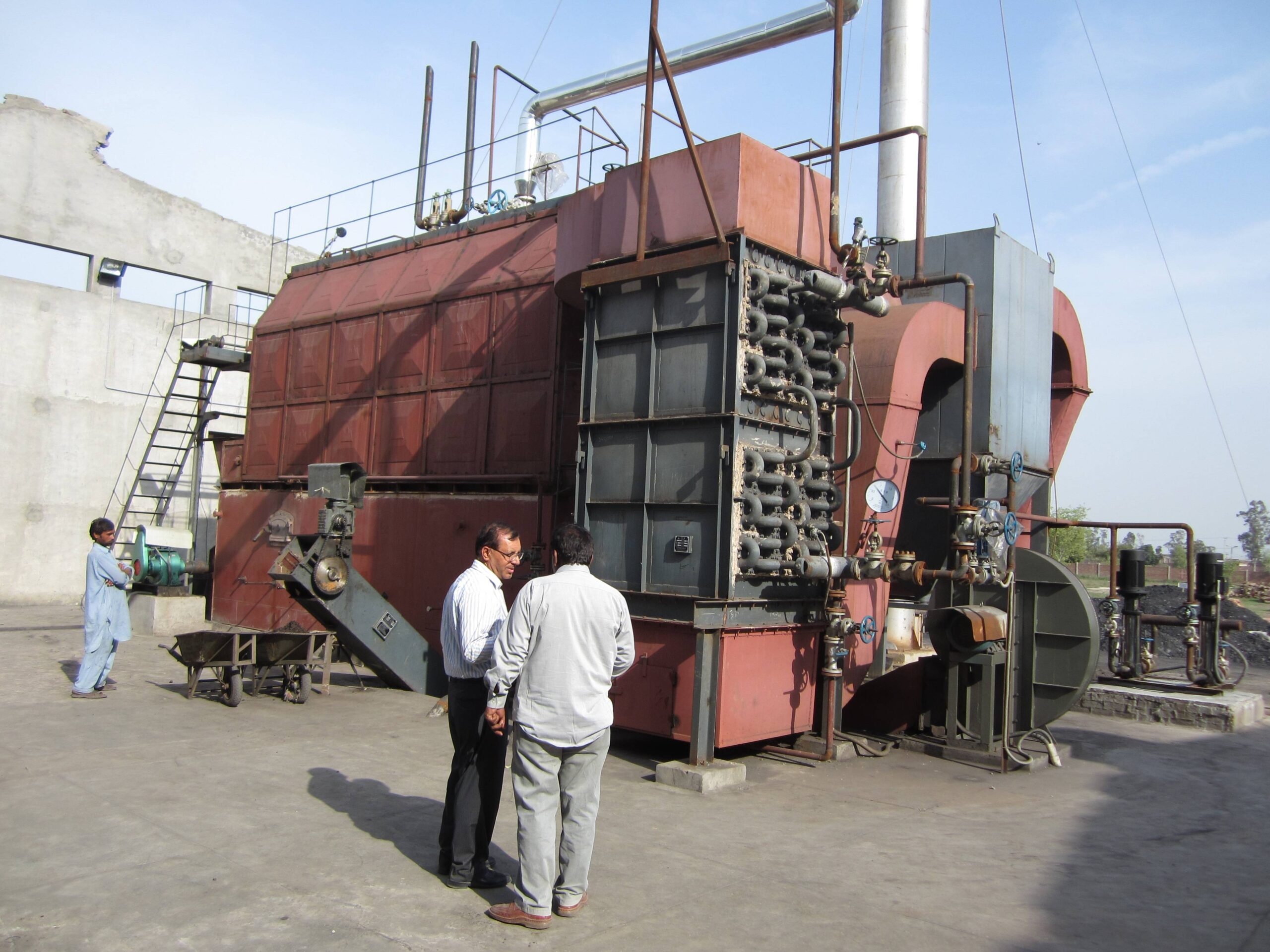
What Ports of Dispatch Are Typically Used by Industrial Boiler Manufacturers?
When purchasing industrial boilers for international projects, one critical logistics detail is the port of dispatch—the location where your equipment leaves the country of origin. This determines the shipping timeline, freight cost, import documentation, and sometimes even the Incoterm used in your contract. Industrial boiler manufacturers—especially those operating globally—use a set of well-established, high-capacity export ports that support heavy equipment handling, containerized and breakbulk cargo, and streamlined customs clearance.
The most commonly used ports of dispatch for industrial boilers include Shanghai (China), Hamburg (Germany), Houston (USA), Mumbai (India), Busan (South Korea), and Antwerp (Belgium). These ports are chosen for their strategic location, freight infrastructure, container availability, and proximity to major manufacturing hubs.
Manufacturers select dispatch ports based on destination, equipment size, shipping mode, and customer location.
Boiler manufacturers use ports with heavy-lift and breakbulk capabilities for global shipments.True
Because boilers are large, heavy units, ports with specialized cargo handling infrastructure are required to ensure safe and efficient dispatch.
Common Global Dispatch Ports Used by Boiler Manufacturers
| Country of Origin | Main Ports of Dispatch | Reason for Use |
|---|---|---|
| China | Shanghai, Tianjin, Qingdao, Ningbo | Proximity to major factories, strong container and breakbulk handling |
| USA | Houston, Savannah, Long Beach, New York | Oil/gas and industrial hubs; access to Latin America and Europe |
| Germany | Hamburg, Bremerhaven | Central EU logistics network, skilled port workforce |
| India | Mumbai (Nhava Sheva), Chennai, Mundra | Strong export zones, excellent ocean routes to ME and Africa |
| South Korea | Busan, Incheon | Fast transit links, major manufacturing export center |
| Belgium/Netherlands | Antwerp, Rotterdam | Efficient EU outbound distribution, bulk cargo expertise |
| Turkey | Istanbul, Izmir | Regional exports to Europe, Asia, Middle East |
How the Port Affects Shipping Planning
| Factor | Impact |
|---|---|
| Lead Time | Ports closer to the factory reduce inland transport and expedite loading |
| Freight Cost | More competitive rates from high-volume ports |
| Export Documentation Speed | Larger ports have faster customs processing and freight handling |
| Container Type Availability | Critical for large boiler sizes and multi-module shipments |
| Port-to-Port Route Options | Affects delivery timelines and transit flexibility |
Real-World Example
Manufacturer: Large steam boiler OEM in China
Dispatch Port: Shanghai Port
Destination: Santos, Brazil
Shipping Term: CIF Santos
Reason: Shanghai offers breakbulk crane capacity and frequent sailings to South America
Final Tip
When planning your boiler procurement, always confirm the port of dispatch early in the sales agreement. This allows you to plan customs entries, inland logistics, and insurance accurately.
Final Word
Knowing your industrial boiler’s port of dispatch is more than a shipping detail—it’s a strategic factor that impacts your delivery time, total cost, and logistics coordination. Manufacturers choose ports with the infrastructure and expertise needed to safely handle these valuable systems.
What Documents and Customs Requirements Should Buyers Prepare for Boiler Import?
Importing an industrial boiler isn’t just about purchasing the right equipment—it also requires careful attention to customs clearance and documentation. Missing even one required document can lead to delays, fines, or even confiscation of your shipment. Whether you’re importing a pressure vessel, modular steam unit, or boiler accessories, having the right paperwork in hand ensures a smooth and legal arrival in your country.
To import an industrial boiler, buyers must prepare documents such as the commercial invoice, packing list, bill of lading (or airway bill), certificate of origin, and relevant compliance certificates (such as ASME, CE, ISO, or PED). In addition, buyers must meet local customs and safety regulations, including import permits and HS code classification.
Proper documentation and advance coordination with a customs broker reduce clearance time and unexpected costs.
Importing boilers requires documentation like invoices, certificates, and customs declarations.True
Boilers are regulated equipment, and importing them involves proving compliance with safety and commercial laws. Customs documentation is legally required.
Key Documents Required for Boiler Import
| Document | Purpose |
|---|---|
| Commercial Invoice | Lists price, buyer/seller info, boiler description, and Incoterms |
| Packing List | Provides weight, dimensions, packaging type, and part contents |
| Bill of Lading (or Airway Bill) | Shipping document proving ownership and transport method |
| Certificate of Origin | Verifies the country of manufacture for customs duties and trade rules |
| Compliance Certificates | CE, ISO 9001, PED, ASME (depending on buyer’s country regulations) |
| Test Reports or QA Records | Pressure testing, NDT reports—especially for pressure vessels |
| Import License or Permit | May be required by some countries for pressure equipment |
| HS Code / Tariff Classification | Needed for accurate duty and VAT calculation |
Example: Boiler Import into the EU
| Requirement | Detail |
|---|---|
| CE Marking | Mandatory for boilers under Pressure Equipment Directive (PED) |
| Declaration of Conformity | Confirms compliance with EU standards |
| HS Code | 8402.11 (for steam boilers under 45t/hr) or country-specific tariff codes |
| Import VAT & Duty | Based on invoice value and HS classification |
| Authorized EU Importer | Must be appointed if the manufacturer is outside the EU |
Common Issues That Cause Customs Delays
Missing compliance certification (especially for pressure-rated components)
Incorrect or inconsistent HS code classification
Undeclared accessories or control panels packed with boiler
Lack of packing list or mismatched quantities
Boiler shipped before import license approval (if required)
Tip: Work with a licensed customs broker or freight forwarder familiar with pressure equipment imports in your country. They can flag missing items before the boiler even ships.
Final Word
Importing an industrial boiler is a regulated process. Ensuring documentation accuracy and customs compliance prevents costly holdups and gets your boiler to site—on time and ready to install.
How Can Buyers Optimize Shipping Timelines and Reduce Logistics Risk?
When importing an industrial boiler, time is money. Delayed shipments can derail installation schedules, disrupt plant commissioning, and cause contract penalties. Even worse, poor logistics planning may lead to damage, customs seizures, or unexpected surcharges. To stay on track and within budget, buyers must take a proactive and structured approach to shipping—especially when handling large, heavy, or high-value boiler systems across international borders.
Buyers can optimize shipping timelines and reduce logistics risk by selecting experienced freight partners, confirming Incoterms early, verifying export-ready documentation, using pre-shipment inspections, monitoring real-time tracking, and scheduling buffer time for customs clearance and inland transport.
Advance planning, document readiness, and vendor coordination are the pillars of smooth boiler delivery.
Shipping efficiency improves when buyers use experienced freight forwarders and confirm documentation before dispatch.True
Early logistics coordination and documentation review reduce the risk of port delays, customs issues, and delivery disruptions.
Key Strategies to Optimize Boiler Shipping
| Strategy | How It Helps |
|---|---|
| Plan Shipping Timeline Early | Aligns delivery with site readiness and avoids rush shipping |
| Confirm Incoterms at Purchase Stage | Clarifies responsibility and prevents disputes over delivery stages |
| Choose Trusted Freight Forwarders | Reduces risk of routing errors, lost cargo, or customs issues |
| Use Pre-shipment Inspection (PSI) | Verifies packaging, labeling, and documents before dispatch |
| Track Shipment in Real Time | Identifies bottlenecks and enables early reaction to delays |
| Add Buffer for Customs Clearance | Protects against unplanned inspections or document discrepancies |
| Bundle Accessories & Components | Consolidates parts to prevent separate delays or split arrivals |
| Select Port Closest to Site | Minimizes inland transport time and complexity |
Recommended Boiler Shipping Timeline Framework
| Stage | Lead Time Estimate | Key Activities |
|---|---|---|
| Order Confirmation | Day 0 | Finalize model, specs, Incoterms, and delivery timeline |
| Documentation Prep | Day 1–10 | Prepare invoices, CO, packing list, compliance docs |
| Packaging & Dispatch | Day 10–20 (varies) | Final QA, export packaging, load onto transport |
| Ocean/Air Transport | ~2–6 weeks (depending on route) | Track via freight forwarder |
| Customs Clearance & Delivery | 3–10 days (varies by country) | Broker handles duties, inspection, inland delivery |
Tips to Minimize Risk
Avoid peak shipping seasons (e.g., before Lunar New Year or Q4 holidays)
Request photo documentation of loading and crating to prove condition
Include shipping clause in the purchase contract with late penalty provisions
Verify insurance coverage for full invoice value during international transit
Use moisture control packaging for sea freight (e.g., VCI wrap + desiccants)
Pre-clear customs documents with your broker to prevent hold-ups
Final Word
Shipping an industrial boiler doesn’t have to be risky or unpredictable. With the right partners, document preparation, and scheduling mindset, you can minimize delays and ensure your boiler arrives exactly when and where it’s needed.
🔍 Conclusion
Shipping and packaging are vital elements of a successful industrial boiler procurement. Understanding Incoterms, protective packaging strategies, and the port of dispatch ensures smooth delivery, cost control, and safe arrival of your equipment—ready for commissioning at your facility.
📞 Contact Us
💡 Need full logistics support for your industrial boiler order? We offer flexible shipping terms, certified packaging solutions, and global delivery services with customs and insurance assistance.
🔹 Let us handle your boiler logistics from factory to installation—safely, efficiently, and globally. 🚢📦✅
FAQ
What are the standard shipping terms for industrial boilers?
Common international shipping terms include:
FOB (Free on Board) – Seller delivers the boiler to the port of departure; buyer assumes responsibility from there.
CIF (Cost, Insurance, Freight) – Seller covers transport and insurance up to the destination port.
EXW (Ex Works) – Buyer handles the full logistics from the seller’s factory gate.
DAP (Delivered at Place) – Seller delivers the boiler to a named location, excluding unloading.
Terms depend on buyer-seller agreements, Incoterms® 2020 rules, and customs regulations.
How are industrial boilers packaged for shipment?
Packaging is designed to protect against damage, corrosion, and weather exposure:
Steel frames with wooden skids or crates
Shrink wrapping and protective covers for outdoor storage
Anti-corrosion coatings and VCI films on metal parts
Shock and tilt indicators for sensitive instrumentation
Seaworthy export packaging per ISPM-15 and international standards
Heavy units may be shipped as breakbulk cargo or in flat-rack containers.
What is the typical port of dispatch for industrial boilers?
Port of dispatch varies by manufacturer location. Common export hubs include:
Shanghai, China
Mumbai or Chennai, India
Houston or Los Angeles, USA
Hamburg, Germany
Singapore Port
Port Klang, Malaysia
These ports offer large freight capacity, customs clearance services, and industrial cargo handling.
Can buyers request custom packaging or shipping arrangements?
Yes. Buyers can request:
Customized crating or labeling
Special handling for oversized or modular boilers
Climate-controlled shipping for sensitive components
Third-party logistics (3PL) coordination
On-site installation support upon delivery
Such requests should be negotiated at the contract stage and may incur additional costs.
How is shipping insurance handled for industrial boilers?
Under CIF or DAP terms, the seller usually arranges insurance. For FOB or EXW, the buyer is responsible. Insurance should cover:
Transit damage
Theft or loss
Storage delays or demurrage
Project-specific risk coverage
Using a marine insurance broker is recommended for high-value industrial shipments.
References
Incoterms 2020 – ICC Official Rules – https://iccwbo.org
Maersk Shipping Industrial Cargo Guide – https://www.maersk.com
Cleaver-Brooks Shipment and Delivery Guidelines – https://www.cleaverbrooks.com
Powerhouse Boiler Equipment – Export Logistics – https://www.powerhouse.com
Hurst Boiler Export Packaging & Shipping – https://www.hurstboiler.com
Thermodyne Boilers – Global Delivery Terms – https://www.thermodyneboilers.com
BioEnergy Consult – Boiler Transport Tips – https://www.bioenergyconsult.com
Freightos – Industrial Equipment Shipping – https://www.freightos.com
HS Code and Export Rules – USITC – https://www.usitc.gov
DNV Seaworthy Packaging Standards – https://www.dnv.com
