
Industrial biomass boilers are a sustainable alternative to fossil-fuel systems, offering renewable heat and steam for diverse industries. However, one critical factor that determines their overall efficiency, operational stability, and emissions performance is the type and quality of biomass fuel used. Since biomass fuels vary widely in energy content, moisture, and combustion behavior, the wrong fuel choice can significantly reduce boiler output, increase maintenance, and lower energy efficiency.
Different fuels affect the efficiency of industrial biomass boilers through their calorific value, moisture content, ash characteristics, and combustion properties. Dry and energy-dense fuels such as wood pellets, palm kernel shells, and briquettes deliver higher thermal efficiency (up to 88–92%) due to complete combustion and steady heat release. Conversely, high-moisture or low-density fuels—like wood chips, bagasse, or rice husks—absorb heat for drying and cause incomplete combustion, reducing efficiency by 10–20%. Proper fuel preparation, size control, and moisture management are essential to maintain optimal combustion and minimize fouling or slagging.
By understanding how each fuel type behaves in combustion, industries can select and manage biomass fuels strategically to achieve peak efficiency and stable long-term operation.

How Does Fuel Moisture Content Impact Industrial Biomass Boiler Efficiency?
In industrial biomass boiler systems, fuel moisture content plays one of the most decisive roles in determining thermal efficiency, combustion stability, and emissions performance. Many operators overlook this seemingly simple factor, assuming that all biomass fuels burn similarly once ignited. However, fuels with excessive moisture (e.g., wet wood chips, green agricultural residues) require a substantial portion of their combustion energy merely to evaporate internal water before any heat can be used for steam production. This not only wastes valuable energy but also causes incomplete combustion, higher flue gas losses, and equipment fouling. Conversely, properly dried biomass allows for cleaner, more efficient combustion, translating directly into lower fuel costs and higher boiler performance.
Fuel moisture content directly affects biomass boiler efficiency because the energy required to evaporate water in the fuel reduces the available heat for steam generation. High moisture lowers combustion temperature, increases unburned carbon, and raises flue gas losses—cutting boiler efficiency by up to 30%. Optimal efficiency is typically achieved when biomass moisture is maintained between 10–20%. Dry fuel enables more complete combustion, faster ignition, and stable flame temperature, leading to reduced emissions, lower maintenance, and improved overall system economy.
In short, moisture is not just water—it’s lost efficiency disguised inside every ton of fuel.
Wet biomass fuels burn as efficiently as dry fuels in industrial boilers.False
Wet biomass requires more energy to evaporate water before combustion, which significantly lowers flame temperature and overall thermal efficiency.
Drying biomass fuel before combustion improves boiler performance and reduces emissions.True
Pre-dried fuels increase combustion temperature, minimize unburned carbon, and enhance thermal transfer, improving overall efficiency.
1. The Thermodynamic Impact of Moisture Content
Every kilogram of water in biomass must absorb significant heat (latent heat of vaporization) before turning into steam and leaving with the exhaust gases. This heat does not contribute to useful steam generation—it’s simply lost to the flue.
| Biomass Type | Typical Moisture (%) | Net Calorific Value (MJ/kg) | Relative Efficiency (%) | Remarks |
|---|---|---|---|---|
| Oven-dried Wood Chips | 0 | 18.5 | 100 | Benchmark dry condition |
| Seasoned Wood Chips | 20 | 14.8 | 90 | Acceptable industrial range |
| Fresh Green Wood Chips | 50 | 8.5 | 70 | Significant energy loss |
| Wet Agricultural Waste | 60+ | 6.2 | 60 or lower | Often unsuitable without drying |
For every 10% increase in moisture content, the boiler’s thermal efficiency typically decreases by 2–3%, and flue gas temperature rises by 10–15°C, indicating wasted heat.
2. How Moisture Affects Combustion Behavior
When biomass enters the furnace with excess water, several physical and chemical effects occur:
Delayed ignition – Energy is first consumed evaporating water.
Lower flame temperature – Resulting in incomplete combustion.
Increased CO and unburned hydrocarbons – Due to poor oxidation.
Reduced heat transfer efficiency – Cooler gases carry less energy to the tubes.
Slagging and fouling – Unburned particles accumulate on heat exchange surfaces.
| Combustion Stage | Ideal (Dry Biomass) | Poor (Wet Biomass) |
|---|---|---|
| Ignition Delay | <10 seconds | 20–40 seconds |
| Flame Temperature | 900–1100°C | 600–800°C |
| CO Concentration | <100 ppm | >500 ppm |
| Fly Ash Formation | Low | High |
| Thermal Efficiency | 85–90% | 65–75% |
Maintaining stable combustion requires dry, consistent fuel with moisture below the design specification of the boiler.
3. Energy Losses Explained Simply
Instead of using a molecular formula, consider this practical energy flow:
Useful Heat Output = Fuel Energy – (Energy Used to Evaporate Moisture + Flue Gas Heat Loss + Unburned Residues)
As moisture increases, more fuel energy goes into water evaporation, not steam production.
Example:
If a boiler burns 1 ton of biomass at 20% moisture, approximately 150 kg of water must be vaporized. Each kg of water consumes about 2.3 MJ of latent heat—meaning 345 MJ of energy is lost per ton of fuel. At 50% moisture, losses exceed 1,100 MJ, equivalent to burning 25–30% of the fuel just to dry the rest.
4. The Economics of Moisture Control
| Moisture Content (%) | Energy Output (MJ/kg) | Fuel Required per ton of steam (kg) | Relative Fuel Cost (per year, $) |
|---|---|---|---|
| 10 | 16.8 | 135 | 100,000 |
| 20 | 14.8 | 155 | 115,000 |
| 40 | 10.5 | 205 | 145,000 |
| 50 | 8.5 | 250 | 160,000 |
A 10-ton/hour biomass boiler burning wet fuel (50%) can waste $40,000–$60,000 annually in excess fuel consumption compared to optimized moisture control.
5. Moisture and Boiler Design Parameters
Boilers are designed with specific moisture tolerances based on furnace type and fuel handling systems.
| Boiler Type | Recommended Moisture Range (%) | Efficiency Sensitivity | Suitable Fuels |
|---|---|---|---|
| Fixed Grate Boiler | 10–25 | High | Wood chips, pellets |
| Fluidized Bed Boiler | 15–35 | Moderate | Mixed biomass, agri-waste |
| Chain Grate Boiler | 10–30 | Moderate | Sawdust, palm shells |
| Gasification Boiler | <20 | Very High | Dried wood, pellets |
When fuel moisture exceeds the design range, combustion air demand increases, leading to flame instability and incomplete oxidation, further reducing efficiency.
6. Methods to Manage and Reduce Moisture
To counteract moisture-related losses, industries implement pre-drying systems and fuel storage strategies.
| Method | Description | Typical Moisture Reduction | Investment Level |
|---|---|---|---|
| Natural Air Drying | Sun or ambient drying | 5–15% | Low |
| Hot Air / Flue Gas Dryer | Uses waste heat to dry biomass | 20–40% | Medium |
| Steam Tube Dryer | Indirect heating, closed-loop | 30–50% | High |
| Rotary Drum Dryer | Continuous, efficient for chips | 20–45% | High |
Integrating a flue gas or steam dryer can recover part of the wasted heat, raising the overall system efficiency by 5–10%.
7. Fuel Handling and Storage Considerations
Moisture control doesn’t end at drying—improper storage can reintroduce water through rain, condensation, or microbial growth.
Best practices include:
Covered and ventilated storage areas.
Rotating stock to prevent moisture absorption.
Installing moisture sensors for fuel feed monitoring.
In automated systems, real-time moisture measurement ensures combustion control systems can adjust air flow and fuel feed rate dynamically.
8. Environmental and Emission Benefits
Drier fuel not only saves energy—it also reduces environmental impact:
Lower CO and particulate emissions due to complete combustion.
Reduced NOₓ formation since combustion air is better controlled.
Less tar and ash formation in flue gas pathways.
Studies show that switching from 50% to 20% moisture fuel can reduce CO₂ emissions by up to 15% per ton of steam, while improving boiler efficiency by 10–15%.
9. Real-World Case Study
Industry: Biomass cogeneration plant (20 t/h boiler)
Fuel: Eucalyptus chips, initially 50% moisture
Action: Installed flue gas waste heat dryer, reducing fuel moisture to 20%.
Results:
Fuel consumption reduced by 28%.
Boiler efficiency increased from 72% → 87%.
CO emissions dropped by 40%.
ROI achieved in 2.2 years due to fuel savings.
This demonstrates that controlling fuel moisture is a high-impact, low-maintenance efficiency upgrade.
10. Key Takeaways
Moisture content determines usable heat value—every extra percentage point costs energy.
Excess moisture lowers combustion temperature and increases flue gas loss.
Ideal biomass moisture is 10–20% for stable, efficient operation.
Pre-drying and proper storage significantly enhance energy recovery.
Moisture control yields financial, operational, and environmental benefits.
Conclusion
Fuel moisture content is not a minor variable—it’s a primary determinant of biomass boiler performance. Controlling it through drying, proper storage, and intelligent feed systems ensures maximum heat utilization, cleaner combustion, and extended equipment life. In competitive industries where every percentage point of efficiency translates to significant cost savings, moisture control is the simplest, most cost-effective strategy for achieving sustainable boiler operation.
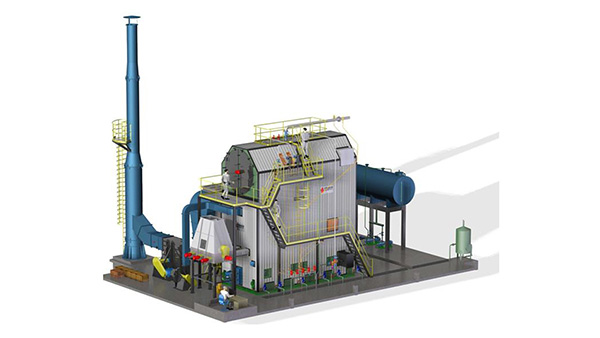
How Do Fuel Density and Calorific Value Affect Combustion Performance in Industrial Boilers?
In industrial boiler operations, fuel density and calorific value are two of the most influential properties governing combustion performance, efficiency, and operating cost. Many facilities struggle with unstable flames, incomplete combustion, or fluctuating boiler loads—issues often rooted not in burner design but in inconsistent or poorly matched fuel characteristics. Low-density fuels burn quickly but provide limited energy per unit volume, leading to frequent feeding and air imbalance. High-density fuels, on the other hand, may burn unevenly if not properly atomized or distributed, causing hot spots and slag formation. Likewise, fuels with low calorific values require higher feed rates to sustain output, directly increasing fuel and maintenance costs. Therefore, understanding and controlling these parameters is essential to achieving consistent heat release, optimized air-fuel ratio, and long-term efficiency stability.
Fuel density and calorific value directly influence combustion performance by determining how much energy is released per unit of fuel and how efficiently it mixes with air. High-density, high-calorific-value fuels produce more heat energy, higher flame temperatures, and stable combustion with lower feed rates. In contrast, low-density or low-calorific fuels require greater volume flow and air supply, leading to incomplete combustion, excess emissions, and reduced boiler efficiency. Optimal performance occurs when the fuel’s density and energy value are well matched to the burner design and furnace geometry.
When properly understood and managed, these characteristics enable stable flame patterns, consistent steam generation, and optimized fuel economy across different operating conditions.
Higher fuel density always guarantees better combustion efficiency.False
While dense fuels have higher energy per unit volume, too high a density can cause poor mixing and incomplete combustion if burner systems are not adjusted accordingly.
Fuels with higher calorific value improve boiler performance and reduce specific fuel consumption.True
High-calorific fuels release more energy per kilogram, improving combustion efficiency and lowering total fuel requirements for the same steam output.
1. Understanding Fuel Density and Its Role in Combustion
Fuel density is defined as mass per unit volume, typically expressed in kg/m³. It affects how much energy a given volume of fuel can deliver and how efficiently it can be atomized, fed, and burned.
In liquid fuels (e.g., oil), density affects atomization quality—too dense a fuel forms larger droplets, reducing air-fuel contact area. In solid fuels (e.g., coal, biomass), density influences burning rate and residence time. Low-density biomass burns rapidly but may cause flame instability, while dense fuels need longer combustion zones.
| Fuel Type | Typical Density (kg/m³) | Combustion Characteristic | Performance Note |
|---|---|---|---|
| Natural Gas | 0.8 | Homogeneous mixing | High control, clean flame |
| Diesel Oil | 830–860 | Fine atomization needed | Stable combustion |
| Pulverized Coal | 900–1200 (bulk) | High heat flux | Requires uniform feed |
| Wood Pellets | 600–700 | Fast burning | Prone to air excess |
| Wood Chips | 350–450 | Rapid burnout | Moisture-sensitive |
In biomass applications, density variation directly alters fuel feed rate calibration. A 10% change in bulk density can change energy delivery to the furnace by 5–7%, causing load fluctuations unless compensated by automated feed control.
2. Calorific Value: The Measure of Energy Potential
Calorific value (CV), often called heating value, quantifies the total energy released when a unit of fuel is completely burned.
Higher Heating Value (HHV) includes water vapor condensation heat.
Lower Heating Value (LHV) excludes it, making it more relevant for practical boiler analysis.
| Fuel Type | HHV (MJ/kg) | LHV (MJ/kg) | Remarks |
|---|---|---|---|
| Natural Gas | 55.0 | 50.0 | High energy, clean |
| Fuel Oil | 42.5 | 39.5 | Common industrial standard |
| Coal | 28.0 | 25.0 | Variable with ash content |
| Wood Pellets | 19.0 | 17.0 | Moderate efficiency |
| Agricultural Residues | 15.0 | 13.0 | High moisture sensitivity |
| Bagasse | 10.5 | 9.0 | Needs drying for stable operation |
The relationship between density and calorific value defines total energy flow to the furnace:
Energy Input Rate = Fuel Feed Rate × Calorific Value
A drop in calorific value means the boiler must consume more fuel mass or volume to maintain the same output, increasing blower power, ash handling, and operational cost.
3. How Density and Calorific Value Interact During Combustion
The interaction between these two parameters dictates combustion stability, flame shape, and efficiency:
| Parameter | High Density + High CV | Low Density + Low CV |
|---|---|---|
| Heat Release | High, stable | Low, fluctuating |
| Flame Temperature | High (optimum) | Low (risk of incomplete burn) |
| Air-Fuel Ratio | Easy to maintain | Requires excess air |
| Residual Carbon | Low | High (unburned fuel) |
| Efficiency | 88–92% | 70–80% |
Combustion systems designed for one fuel type may perform poorly with another due to differences in energy concentration per unit feed. This is especially critical for multi-fuel boilers switching between coal, biomass, or waste fuels.
4. Influence on Flame Stability and Temperature Distribution
Higher density and calorific value fuels generate more radiant energy, creating stronger and more uniform flame zones. Poor-quality or low-density fuels, however, cause irregular burning zones, cold spots, and fluctuating furnace temperatures—reducing heat transfer efficiency to water walls and superheaters.
Practical observation shows:
A 10% reduction in calorific value lowers flame core temperature by 80–100°C.
Resulting in 2–3% boiler efficiency loss due to reduced heat absorption and higher flue gas losses.
| Fuel Quality | Flame Core Temp (°C) | Efficiency (%) | Typical CO (ppm) |
|---|---|---|---|
| High CV, Dry | 1200–1300 | 90–92 | <100 |
| Medium CV | 1000–1100 | 85–88 | 200–300 |
| Low CV, Wet | 800–900 | 75–80 | 500+ |
5. Operational Adjustments to Compensate for Fuel Variability
Modern industrial boilers employ combustion control systems that automatically adapt to changes in fuel density or calorific value by adjusting air supply, fuel feed rate, and burner pressure.
| Control Strategy | Function | Impact |
|---|---|---|
| O₂ Trim Control | Adjusts excess air dynamically | Reduces waste air losses |
| Mass Flow Feeders | Maintain constant fuel energy flow | Stabilizes furnace load |
| Flame Scanners & Sensors | Monitor flame intensity | Detects incomplete combustion |
| Calorimeter Integration | Measures CV of incoming fuel | Real-time energy balancing |
Such systems can sustain steady boiler output even with 15–20% fluctuations in fuel properties.
6. Environmental and Efficiency Implications
Poorly matched density and calorific value lead to:
Higher CO, NOₓ, and soot emissions due to unburned fuel.
Increased particulate loading in flue gases.
Greater fan power consumption from unnecessary excess air.
Conversely, optimal fuel-energy matching improves both energy efficiency and environmental compliance, reducing CO₂ emissions per unit of steam produced.
| Parameter | Poor Fuel Match | Optimized Fuel Match |
|---|---|---|
| CO₂ per ton steam (kg) | 200 | 160 |
| Particulate Emission (mg/Nm³) | 200 | 80 |
| O₂ in Flue Gas (%) | 8 | 4 |
| Boiler Efficiency (%) | 78 | 90 |
7. Real-World Case Example
Facility: 15 MW biomass-fired power plant
Problem: Frequent load drops due to inconsistent fuel batches (density 300–600 kg/m³, CV 12–18 MJ/kg).
Action: Installed real-time calorific analyzer and feed control automation to adjust fuel mass flow.
Result:
Steam output stability improved by 22%.
Efficiency increased from 80% → 89%.
Annual fuel cost reduced by 12%.
This demonstrates that monitoring and compensating for density and energy variations can deliver major operational and economic benefits.
8. Key Takeaways
Fuel density affects feeding, atomization, and combustion rate.
Calorific value determines energy per unit fuel and required feed rate.
High-density, high-CV fuels enhance stability but require precise burner tuning.
Automation ensures consistent energy input despite variable fuel batches.
Optimized matching reduces emissions and lifecycle cost.
Conclusion
Fuel density and calorific value are more than laboratory parameters—they define the core combustion behavior and efficiency potential of any industrial boiler system. Maintaining consistent fuel quality and adapting burner controls accordingly ensures stable energy generation, cleaner operation, and lower long-term fuel costs. In the competitive industrial energy landscape, mastering these two variables is the foundation for sustainable and high-performance boiler operations.
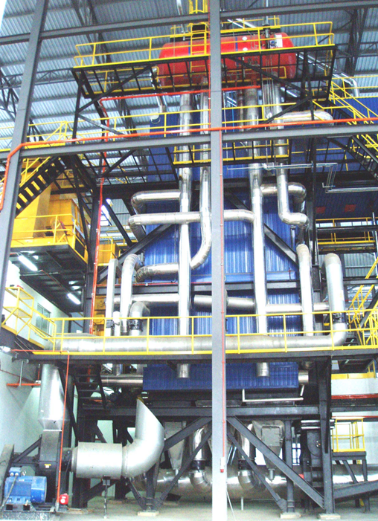
How Do Ash Content and Mineral Composition Influence Heat Transfer and Fouling in Industrial Boilers?
Industrial boiler operators often focus on fuel cost, moisture, or calorific value—but ash content and mineral composition are equally crucial to maintaining stable heat transfer and long-term efficiency. Fuels with high ash content (especially biomass and low-grade coal) generate large quantities of non-combustible residues that deposit on heat exchange surfaces, forming insulating layers known as fouling or slagging. These layers significantly reduce the boiler’s heat transfer rate, increase flue gas temperature, and accelerate corrosion. When left unchecked, ash accumulation can cause unscheduled shutdowns, tube failures, and efficiency losses exceeding 10–15%. Understanding the chemical nature of ash and its deposition behavior is therefore essential for optimizing boiler performance, prolonging component life, and minimizing maintenance costs.
Ash content and mineral composition directly affect boiler heat transfer efficiency and fouling behavior by determining how and where deposits form on heat exchange surfaces. High-ash fuels reduce heat transfer by creating insulating layers of unburned minerals and fused slag, while specific compounds like alkali metals, sulfur, and chlorine promote sticky, low-melting-point deposits. Proper fuel selection, temperature control, and sootblowing systems are necessary to limit fouling, sustain high thermal efficiency, and prevent corrosion-related damage.
In short, the chemistry of what doesn’t burn matters as much as what does—it defines the hidden losses in every boiler’s efficiency curve.
Ash content has little impact on heat transfer efficiency in industrial boilers.False
Even thin ash layers act as thermal insulators, reducing heat transfer and increasing flue gas temperature, leading to significant efficiency losses.
High alkali and chlorine content in ash increases slagging and corrosion risk.True
These elements form low-melting eutectic compounds that adhere to heat exchange surfaces, accelerating fouling and metal degradation.
1. Understanding Ash Content and Mineral Composition
Ash is the non-combustible residue left after complete fuel oxidation. Its quantity and composition vary widely with fuel type, mining source, and pretreatment method.
| Fuel Type | Typical Ash Content (%) | Key Mineral Components | Fouling Risk |
|---|---|---|---|
| Natural Gas | ~0 | None | None |
| Fuel Oil | 0.1–0.3 | Vanadium, Sodium, Sulfur | Medium (corrosive) |
| Bituminous Coal | 5–15 | SiO₂, Al₂O₃, Fe₂O₃, CaO | High |
| Lignite | 10–25 | SiO₂, CaO, MgO | High |
| Wood Pellets | 0.5–1.5 | K₂O, Na₂O, CaO | Medium |
| Agricultural Biomass | 3–10 | K₂O, Cl, P₂O₅ | Very High |
Ash components can be grouped into:
Silicates (SiO₂, Al₂O₃) – form refractory, hard deposits.
Alkaline metals (Na₂O, K₂O) – create sticky, low-melting slag.
Sulfur and Chlorine compounds – promote corrosion and fouling.
When the melting temperature of ash components is lower than the furnace surface temperature, they soften, fuse, and adhere to heat exchanger tubes.
2. Mechanisms of Heat Transfer Reduction by Ash Deposits
Ash and slag interfere with heat transfer through several mechanisms:
Thermal resistance – Ash has low thermal conductivity (0.1–0.3 W/m·K) compared to steel (~45 W/m·K).
Surface roughness – Irregular deposits increase gas flow resistance and lower convective efficiency.
Radiation blockage – Deposits absorb radiant heat that should reach the water walls or superheater tubes.
The heat transfer loss can be represented simply as:
Effective Heat Transfer = Design Heat Transfer × (1 – Deposit Resistance Factor)
A thin (1 mm) ash layer can cut heat transfer by 5–8%, while a thick (5–10 mm) slag deposit can cause losses exceeding 20%.
| Deposit Thickness (mm) | Thermal Efficiency Loss (%) | Flue Gas Temperature Rise (°C) |
|---|---|---|
| 0.5 | 2–3 | 5–10 |
| 1.0 | 5–8 | 15–20 |
| 3.0 | 10–15 | 30–50 |
| 5.0 | 20–25 | 60–80 |
This heat loss not only reduces efficiency but also raises the risk of tube overheating due to poor heat dissipation.
3. Fouling vs. Slagging: Two Distinct Problems
| Type | Formation Location | Mechanism | Consequence |
|---|---|---|---|
| Fouling | Convective sections (economizer, superheater) | Fine ash condensation and adhesion | Reduces heat transfer, increases pressure drop |
| Slagging | Radiative sections (furnace, burners) | Fusion of molten ash on hot surfaces | Blocks gas flow, damages refractory |
High alkali content fuels (e.g., straw, palm residues) tend to foul at lower temperatures (~700–900°C), while coals with high silica and iron promote slagging above 1000°C.
Proper classification helps engineers select appropriate sootblowing frequency, temperature control, and surface coatings.
4. Influence of Mineral Composition on Ash Behavior
The chemical composition determines melting and stickiness of ash particles.
| Compound | Melting Temperature (°C) | Behavior in Boiler | Risk Level |
|---|---|---|---|
| SiO₂ (Silica) | 1600–1700 | Hard, inert | Low |
| Al₂O₃ (Alumina) | 2050 | Refractory | Low |
| Fe₂O₃ (Iron oxide) | 1560 | Fluxing agent | Medium |
| K₂O (Potassium oxide) | 740 | Sticky, low-melting | High |
| Na₂O (Sodium oxide) | 740 | Sticky, corrosive | High |
| CaO (Calcium oxide) | 2570 | Non-fusing, stabilizing | Low |
| Cl (Chlorine) | ~500 | Forms corrosive salts | Very High |
When alkali metals combine with silica and sulfur, they form eutectic mixtures that melt at lower temperatures, promoting sticky deposits that bond strongly to steel tubes.
5. Real-World Impact: Efficiency, Maintenance, and Safety
| Ash Content (%) | Cleaning Interval (days) | Efficiency Loss per Cycle (%) | Maintenance Cost Impact (%) |
|---|---|---|---|
| <1 | 30–60 | 2–3 | Low |
| 3–5 | 15–30 | 5–8 | Moderate |
| 10–15 | 7–15 | 10–15 | High |
| >20 | <7 | 20+ | Very High |
Boilers burning high-ash fuels often require automated sootblowing, acoustic cleaning, or water washing to maintain safe operation. Failure to clean regularly can lead to:
Tube overheating and rupture.
Draft fan overloading due to pressure drop.
Efficiency losses up to 25% in extreme fouling cases.
6. Mitigation Strategies for High-Ash Fuels
| Mitigation Technique | Description | Typical Benefit |
|---|---|---|
| Fuel Blending | Mix high-ash fuel with low-ash source | Reduces average ash by 30–50% |
| Additives (e.g., kaolin, limestone) | React with alkali metals to raise ash melting point | Lowers fouling tendency |
| Optimized Air Staging | Controls combustion temperature | Prevents ash melting |
| Sootblowing / Acoustic Cleaning | Periodic cleaning of surfaces | Restores heat transfer |
| Surface Coatings (ceramic, Inconel) | Resist slag adhesion | Extends tube life |
| Cyclones / ESPs (electrostatic precipitators) | Capture fly ash before deposition | Improve cleanliness |
A practical combination of temperature control, surface protection, and regular cleaning provides the best defense against ash-related performance degradation.
7. Case Study: Biomass Co-Firing Power Plant
Plant Type: 50 MW biomass-coal co-firing unit
Fuel: 70% wood pellets (1% ash), 30% straw (7% ash, high K₂O & Cl)
Problem: Severe fouling in superheater after 200 hours of operation.
Solution:
Blended straw with low-alkali wood residue.
Injected kaolin additive (2 kg per ton of fuel).
Result:Fouling reduced by 60%.
Heat transfer efficiency improved from 83% to 90%.
Sootblowing frequency decreased from every 8 h to every 24 h.
This case illustrates that controlling mineral composition can dramatically improve heat recovery and operational reliability.
8. Relationship Between Ash Chemistry and Corrosion
Deposits rich in chlorine and sulfur form aggressive molten salts (NaCl, KCl, Na₂SO₄) that attack steel at elevated temperatures.
Symptoms include:
Pitting corrosion on superheater tubes.
Rapid wall thinning in economizer sections.
Increased maintenance and unscheduled shutdowns.
Preventive measures include using corrosion-resistant alloys, maintaining oxidizing furnace atmospheres, and additive dosing to neutralize alkalis.
9. Key Takeaways
Ash content determines deposit rate—the higher it is, the faster fouling occurs.
Mineral composition governs deposit stickiness and melting behavior.
High alkali and chlorine levels drastically increase corrosion and fouling risks.
Even thin ash layers significantly reduce heat transfer efficiency.
Regular cleaning, fuel blending, and additive dosing are essential maintenance practices for high-ash fuels.
Conclusion
Ash and mineral chemistry are the hidden drivers behind boiler efficiency decay. Beyond combustion control and fuel economy, long-term performance depends on managing how these minerals behave under heat. By combining fuel quality management, advanced sootblowing systems, and chemical mitigation strategies, operators can maintain clean heat transfer surfaces, maximize energy recovery, and extend boiler service life. Sustainable industrial boiler operation begins with understanding and controlling the ash that remains after every flame.
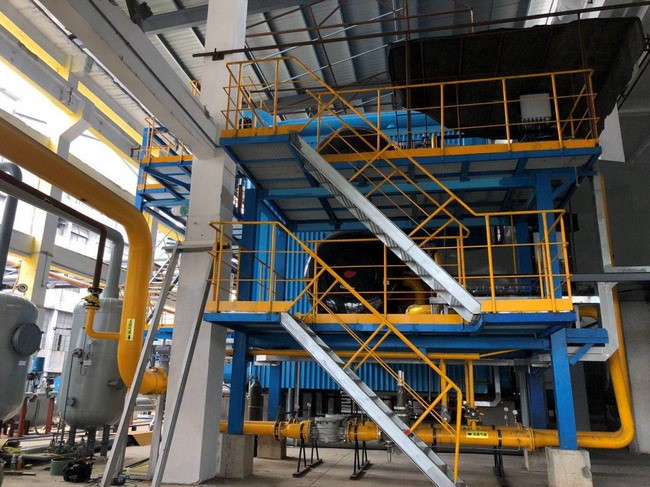
Which Industrial Biomass Fuels Provide the Highest Energy Efficiency?
In today’s industrial energy transition, biomass fuels are increasingly favored for their carbon neutrality and renewability. However, not all biomass fuels deliver the same thermal efficiency or combustion stability. Many operators unknowingly lose up to 20% of potential efficiency because of high fuel moisture, variable particle size, or poor calorific value. When biomass fuel is improperly selected, it not only lowers boiler performance but also raises emissions, slagging, and maintenance costs. Choosing high-efficiency biomass fuels with optimal energy density, low ash, and consistent combustion properties is therefore a decisive factor in achieving long-term cost savings and reliable operation.
Among industrial biomass fuels, torrefied wood pellets, palm kernel shells (PKS), and high-grade wood pellets offer the highest energy efficiency. These fuels combine low moisture content (below 10%), high calorific value (17–22 MJ/kg), uniform particle size, and stable combustion, leading to superior boiler efficiency, reduced fouling, and lower flue gas losses compared with raw biomass or agricultural residues. Selecting fuels with consistent properties ensures efficient heat transfer, complete combustion, and minimal maintenance requirements.
Selecting the right biomass fuel is not only a matter of sustainability—it’s a critical engineering decision that determines both the economic and environmental performance of an industrial boiler.
All biomass fuels provide similar combustion efficiency.False
Fuel moisture, density, and ash content vary widely among biomass types, directly influencing combustion temperature and boiler efficiency.
Torrefied wood pellets have higher energy density than raw wood pellets.True
Torrefaction removes bound moisture and volatile compounds, increasing energy density and improving combustion efficiency.
1. Understanding Biomass Fuel Efficiency
Biomass fuel efficiency in industrial boilers depends primarily on five physical and chemical factors:
| Parameter | Optimal Range | Effect on Efficiency |
|---|---|---|
| Moisture Content | <10% | Reduces latent heat loss |
| Volatile Matter | 60–75% | Supports stable ignition |
| Fixed Carbon | 15–25% | Maintains steady heat release |
| Ash Content | <2% | Reduces fouling and heat loss |
| Calorific Value | >17 MJ/kg | Increases overall efficiency |
When fuel moisture exceeds 30%, much of the combustion heat is consumed by evaporating water, drastically reducing net boiler output and causing incomplete combustion. On the other hand, high-quality fuels such as torrefied pellets or PKS burn more cleanly and release more usable heat per kilogram.
2. Comparative Energy Characteristics of Common Biomass Fuels
| Biomass Fuel Type | Moisture (%) | Ash (%) | Calorific Value (MJ/kg) | Combustion Stability | Typical Boiler Efficiency (%) |
|---|---|---|---|---|---|
| Wood Pellets | 6–10 | 0.3–1.5 | 17–19 | Excellent | 88–92 |
| Torrefied Wood Pellets | 1–3 | 0.5 | 20–22 | Excellent | 90–94 |
| Palm Kernel Shells (PKS) | 10–15 | 2–3 | 18–20 | Good | 85–90 |
| Wood Chips | 30–50 | 1–2 | 8–13 | Variable | 70–80 |
| Bagasse (Sugarcane Waste) | 45–55 | 1.5–2 | 7–9 | Moderate | 65–75 |
| Rice Husk | 10–12 | 15–20 | 13–15 | Poor (high ash) | 65–70 |
| Agricultural Straw | 8–15 | 3–6 | 14–16 | Moderate | 70–80 |
From this comparison, torrefied wood pellets clearly outperform all others, combining high calorific value with low ash and moisture. PKS also delivers a balanced performance, particularly in tropical regions where it is locally available and cost-effective.
3. How Fuel Properties Influence Efficiency
3.1 Moisture Content and Combustion Heat Loss
Every 1% increase in fuel moisture content causes approximately 0.5% efficiency loss, as heat is wasted evaporating water instead of generating steam.
For instance, burning wood chips (40% moisture) instead of wood pellets (8%) can lower boiler efficiency by nearly 15%. Drying or pre-conditioning fuels before combustion is therefore essential for energy optimization.
3.2 Calorific Value and Energy Density
The calorific value (CV) reflects the amount of heat released per kilogram of fuel. High-CV fuels like torrefied pellets and PKS not only deliver more heat but also require smaller storage and handling systems—reducing both logistic and capital costs.
3.3 Ash and Mineral Composition
High ash content leads to fouling, slagging, and corrosion on boiler tubes. Fuels like rice husk (up to 20% ash) produce sticky silica deposits that decrease heat transfer efficiency. In contrast, wood pellets and torrefied biomass generate minimal ash (<1%), resulting in longer maintenance cycles and stable combustion.
4. Visual Comparison: Energy Density vs. Moisture Content
| Fuel Type | Energy Density (MJ/kg) | Moisture (%) |
|---|---|---|
| Torrefied Pellets | 21.5 | 2 |
| Wood Pellets | 18.5 | 8 |
| PKS | 19.0 | 12 |
| Straw | 15.0 | 10 |
| Wood Chips | 11.5 | 40 |
| Bagasse | 8.5 | 50 |
Observation: As moisture content increases, the effective energy density drops steeply. Dry, dense fuels provide the highest energy output per ton.
5. Advanced Biomass Fuels: Torrefied and Densified Options
Torrefied biomass undergoes mild pyrolysis at 200–300°C in the absence of oxygen. This process:
Removes bound water and volatiles.
Increases fixed carbon content.
Makes the fuel hydrophobic (resistant to moisture).
Improves grindability and handling.
This results in a 30–40% higher energy density compared with raw biomass and allows co-firing with coal in existing power plants. Torrefied wood pellets thus represent the most efficient and versatile industrial biomass fuel available today.
6. Environmental and Operational Benefits of High-Efficiency Biomass Fuels
| Parameter | Low-Grade Biomass | High-Efficiency Biomass |
|---|---|---|
| CO₂ Emission per MWh | Higher | Lower |
| Boiler Downtime | Frequent | Minimal |
| Ash Disposal Cost | High | Low |
| Maintenance Frequency | Weekly | Monthly or longer |
| Combustion Control | Variable | Stable |
| Overall System Efficiency | 65–75% | 90–94% |
Using cleaner, higher-energy biomass fuels also reduces emissions of CO, NOₓ, and unburned hydrocarbons—ensuring compliance with stricter environmental standards (EU EN 303-5, ISO 17225).
7. Case Study: Fuel Selection Impact on Industrial Boiler Efficiency
Plant: 10 MW biomass-fired steam boiler
Scenario A: Wood chips (40% moisture)
Scenario B: Torrefied wood pellets (3% moisture)
| Metric | Scenario A | Scenario B |
|---|---|---|
| Fuel consumption (tons/day) | 140 | 80 |
| Net boiler efficiency (%) | 76 | 92 |
| CO emissions (mg/Nm³) | 310 | 180 |
| Annual maintenance downtime (days) | 25 | 8 |
By switching to torrefied pellets, the plant achieved 21% higher efficiency, reduced emissions, and saved $480,000 per year in fuel and maintenance costs.
8. Choosing the Right Biomass for Industrial Applications
When selecting biomass fuel for your boiler, prioritize:
Low Moisture (<10%) – Minimizes drying losses.
Low Ash (<2%) – Reduces fouling and cleaning frequency.
High Energy Density (>18 MJ/kg) – Maximizes steam yield.
Stable Supply Chain – Ensures consistent operation.
Proven Combustion Performance – Verified by field data or testing.
High-quality wood pellets and PKS are suitable for medium and large-scale industrial boilers, while torrefied pellets provide flexibility for co-firing and power generation.
9. Key Takeaways
Torrefied wood pellets deliver the highest energy efficiency (90–94%) among all biomass fuels.
Palm kernel shells (PKS) provide a cost-effective, locally available high-energy alternative.
Fuel moisture and ash content are the two most critical parameters influencing combustion efficiency.
Fuel quality control and moisture management can yield up to 20% improvement in boiler performance.
Conclusion
Industrial biomass boilers achieve their highest efficiency only when paired with high-calorific, low-ash, and low-moisture fuels. Investing in premium biomass—such as torrefied pellets or palm kernel shells—not only enhances thermal performance but also cuts emissions and operational costs. The right fuel selection is therefore not just an environmental decision, but a strategic economic investment that determines the long-term success of industrial biomass energy systems.
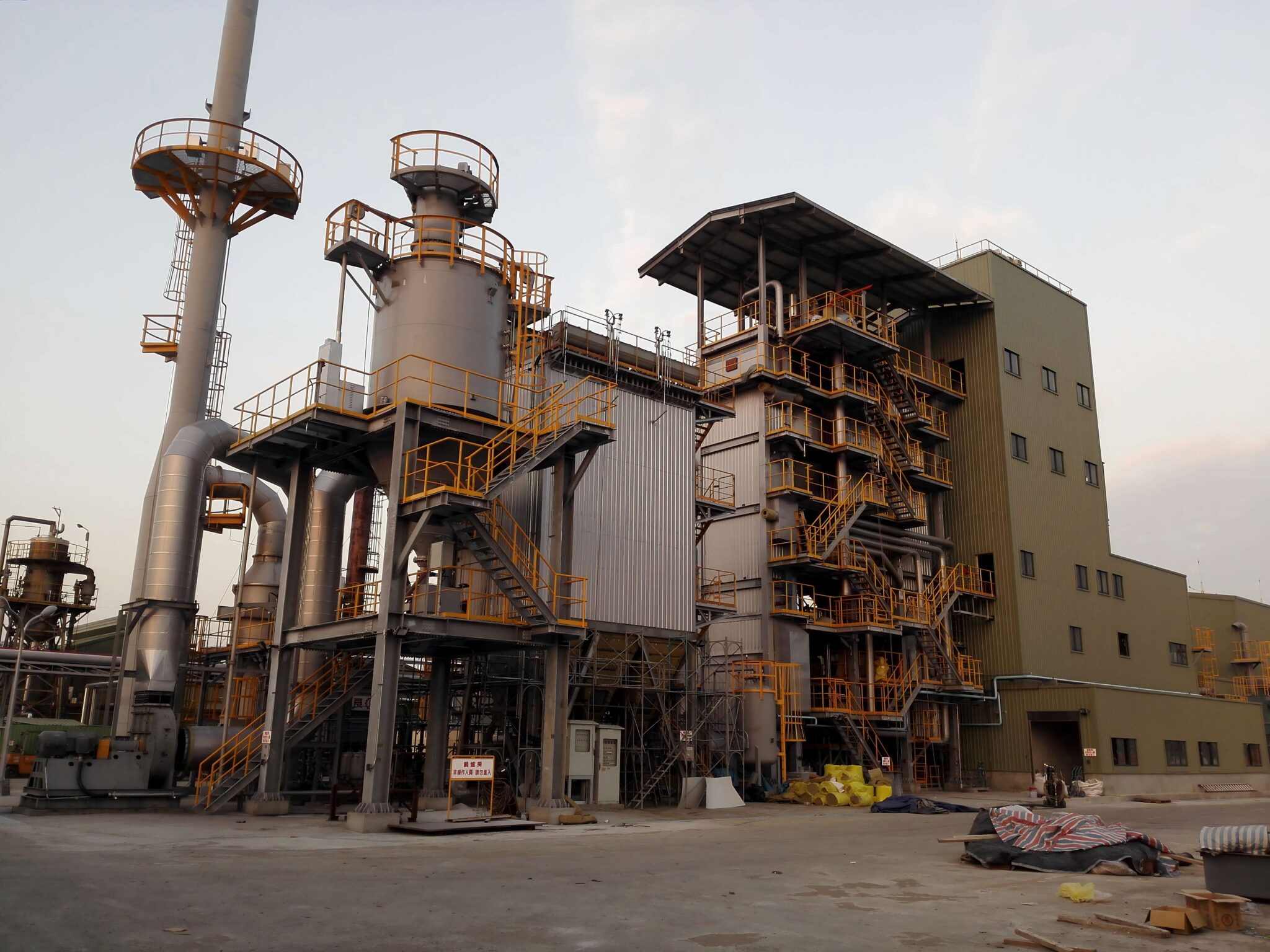
How Does Fuel Preparation and Handling Affect Boiler Stability and Emissions?
Industrial boiler operators often focus on fuel type and combustion technology, yet fuel preparation and handling—including drying, sizing, feeding, and storage—are equally decisive for combustion stability and emission control. When biomass, coal, or other solid fuels are poorly prepared, the result is inconsistent feeding, unstable flame temperature, incomplete combustion, and increased pollutant formation (CO, NOₓ, particulate matter). Over time, this instability shortens equipment life, raises operating costs, and triggers non-compliance with environmental regulations. Properly engineered fuel preparation ensures uniform combustion conditions, higher thermal efficiency, and cleaner emissions, forming the foundation for reliable and sustainable boiler operation.
Fuel preparation and handling directly determine combustion uniformity, boiler stability, and emission performance. Well-prepared fuels—with optimized particle size, low and consistent moisture content, and controlled feeding—enable steady heat release, complete oxidation, and minimal pollutant formation. Conversely, poor fuel conditioning leads to uneven flame temperature, fluctuating steam output, higher CO and NOₓ emissions, and accelerated fouling. Effective preparation systems such as screening, drying, and metered feeding are therefore essential for high-efficiency, low-emission boiler performance.
Efficient combustion begins long before the flame—it’s engineered in the way the fuel is processed, stored, and delivered to the furnace.
Fuel size uniformity has little effect on combustion stability in industrial boilers.False
Non-uniform particle sizes cause uneven combustion rates, temperature fluctuations, and increased CO emissions due to incomplete oxidation.
Properly dried fuel improves combustion efficiency and reduces emissions.True
Reducing moisture content minimizes energy loss to evaporation, ensuring complete combustion and lowering CO and unburned hydrocarbons.
1. Fuel Preparation: The Foundation of Stable Combustion
Fuel preparation encompasses multiple stages designed to produce consistent, energy-rich feedstock suitable for the boiler’s combustion system:
| Preparation Step | Key Objective | Common Equipment | Impact on Boiler Performance |
|---|---|---|---|
| Screening & Cleaning | Remove stones, metal, oversized material | Vibratory screens, magnetic separators | Prevents blockage and mechanical wear |
| Crushing & Sizing | Achieve uniform particle distribution | Crushers, hammer mills | Ensures consistent burning rate |
| Drying | Reduce moisture to target level | Rotary dryers, belt dryers | Improves ignition and efficiency |
| Blending | Homogenize fuel composition | Mixers, silos | Stabilizes combustion temperature |
| Feeding & Metering | Control delivery rate to furnace | Screw feeders, rotary valves | Avoids flame instability and CO spikes |
Each of these stages contributes to stable, efficient combustion and lower emissions. Without proper preparation, even high-quality fuels can produce erratic flame behavior and poor environmental performance.
2. The Role of Fuel Moisture in Combustion and Emissions
Moisture content is the single most critical factor affecting boiler stability. High moisture levels reduce the effective energy content of the fuel and cause flame cooling.
| Fuel Moisture (%) | Boiler Efficiency Loss (%) | CO Emission Change (%) | Visible Flame Stability |
|---|---|---|---|
| 5 | 0 | 0 | Stable |
| 15 | -5 | +20 | Slightly unstable |
| 30 | -10 | +60 | Unstable |
| 50 | -20 | +120 | Severely unstable |
When moisture exceeds 25–30%, much of the combustion heat is consumed in evaporating water rather than generating steam. This results in unburned carbon, incomplete oxidation, and higher CO and VOC emissions.
Modern systems use waste heat dryers to pre-dry biomass or coal using flue gases, reducing overall fuel consumption and improving emission performance.
3. Particle Size and Distribution: Key to Uniform Combustion
Particle size determines burning rate, surface area, and mixing quality with combustion air.
Too large particles → Incomplete combustion, high unburned carbon, CO spikes.
Too fine particles → High dust carryover, increased PM emissions, risk of backfire in some systems.
| Fuel Type | Optimal Particle Size | Typical Equipment |
|---|---|---|
| Biomass (wood pellets, PKS) | 6–25 mm | Hammer mill, shredder |
| Pulverized coal | <75 μm | Ball mill, classifier |
| Agricultural residues (straw, husk) | <20 mm | Cutter, chopper |
A uniform particle size ensures consistent ignition time and flame propagation across the furnace. Uneven sizing, by contrast, causes temperature fluctuations, which promote thermal NOₓ formation and pressure instability.
4. Fuel Feeding Systems and Combustion Control
Stable fuel feeding maintains a constant heat release rate—essential for both load control and emission consistency.
| Feeding Method | Typical Fuel | Advantages | Potential Problems if Improper |
|---|---|---|---|
| Screw Feeder | Pellets, chips | Precise metering | Blockage with high-moisture fuel |
| Belt Feeder | Shredded biomass | Smooth flow | Dust generation if uncovered |
| Pneumatic Feeding | Pulverized fuel | Fast response | Pressure fluctuations |
| Stoker / Grate System | Coal, PKS | Robust and simple | Uneven feed causes clinker buildup |
A poorly regulated feed rate can lead to short-term oxygen deficiency, producing CO and soot, or excess air, which reduces efficiency and increases NOₓ.
Modern boilers use variable-frequency drives (VFDs), weigh feeders, and real-time flow sensors to maintain optimal feed rates synchronized with combustion air flow.
5. Storage, Handling, and Environmental Impact
Improper fuel storage can degrade fuel quality, increase emissions, and create safety hazards:
Moisture reabsorption – Biomass absorbs ambient humidity, raising water content.
Biological degradation – Prolonged storage causes microbial decay, reducing energy content.
Dust and particulate release – Poor handling generates airborne PM, posing explosion risks.
Contamination – Soil or sand introduction raises ash content and fouling potential.
Best practices include:
Enclosed or covered silos to prevent moisture uptake.
Mechanical ventilation and temperature monitoring.
Anti-dust extraction systems in conveyors and transfer points.
These measures not only protect combustion quality but also ensure occupational and environmental safety.
6. Relationship Between Preparation Quality and Emission Performance
| Parameter | Poorly Prepared Fuel | Well-Prepared Fuel | Improvement (%) |
|---|---|---|---|
| CO Emissions (mg/Nm³) | 450 | 180 | -60 |
| NOₓ Emissions (mg/Nm³) | 310 | 220 | -30 |
| Particulate Matter (mg/Nm³) | 120 | 60 | -50 |
| Boiler Efficiency (%) | 75 | 90 | +20 |
Proper fuel preparation and handling deliver significant environmental benefits by ensuring complete combustion, reducing unburned hydrocarbons, and stabilizing furnace temperatures.
7. Case Study: Biomass Boiler Fuel Conditioning Upgrade
Plant: 15 MW wood chip-fired industrial boiler
Problem: Inconsistent steam pressure and high CO emissions (420 mg/Nm³).
Solution:
Installed rotary dryer to lower moisture from 35% → 10%.
Added fine screening and magnetic separation.
Introduced automatic screw feeder with VFD control.
Results:CO emissions reduced by 58%.
Steam pressure fluctuations dropped by 40%.
Thermal efficiency increased from 78% → 91%.
This case demonstrates that improving preparation and feeding precision can be more effective than retrofitting emission control systems.
8. Integrating Automation and Monitoring
Modern preparation systems integrate digital monitoring for:
Moisture control (using online NIR sensors).
Feed rate balance (via mass flow meters).
Air-fuel ratio adjustment (linked to oxygen sensors).
Such automation ensures continuous optimization, stabilizing combustion conditions while keeping emissions below permitted limits.
9. Key Takeaways
Fuel preparation directly governs combustion stability, thermal efficiency, and emission performance.
Uniform particle size and controlled moisture are the two most critical parameters.
Automated feeding and air control systems minimize emission spikes and maintain stable boiler output.
Poor handling can undo the advantages of even the best fuel or burner technology.
Conclusion
Boiler stability and emissions begin with the quality of fuel preparation and handling. Every stage—drying, sizing, blending, feeding, and storage—plays a decisive role in determining how efficiently and cleanly fuel energy is converted into heat. By investing in precise preparation and automated control systems, industries can achieve stable steam generation, lower emissions, and extended boiler life, while reducing fuel costs and downtime.
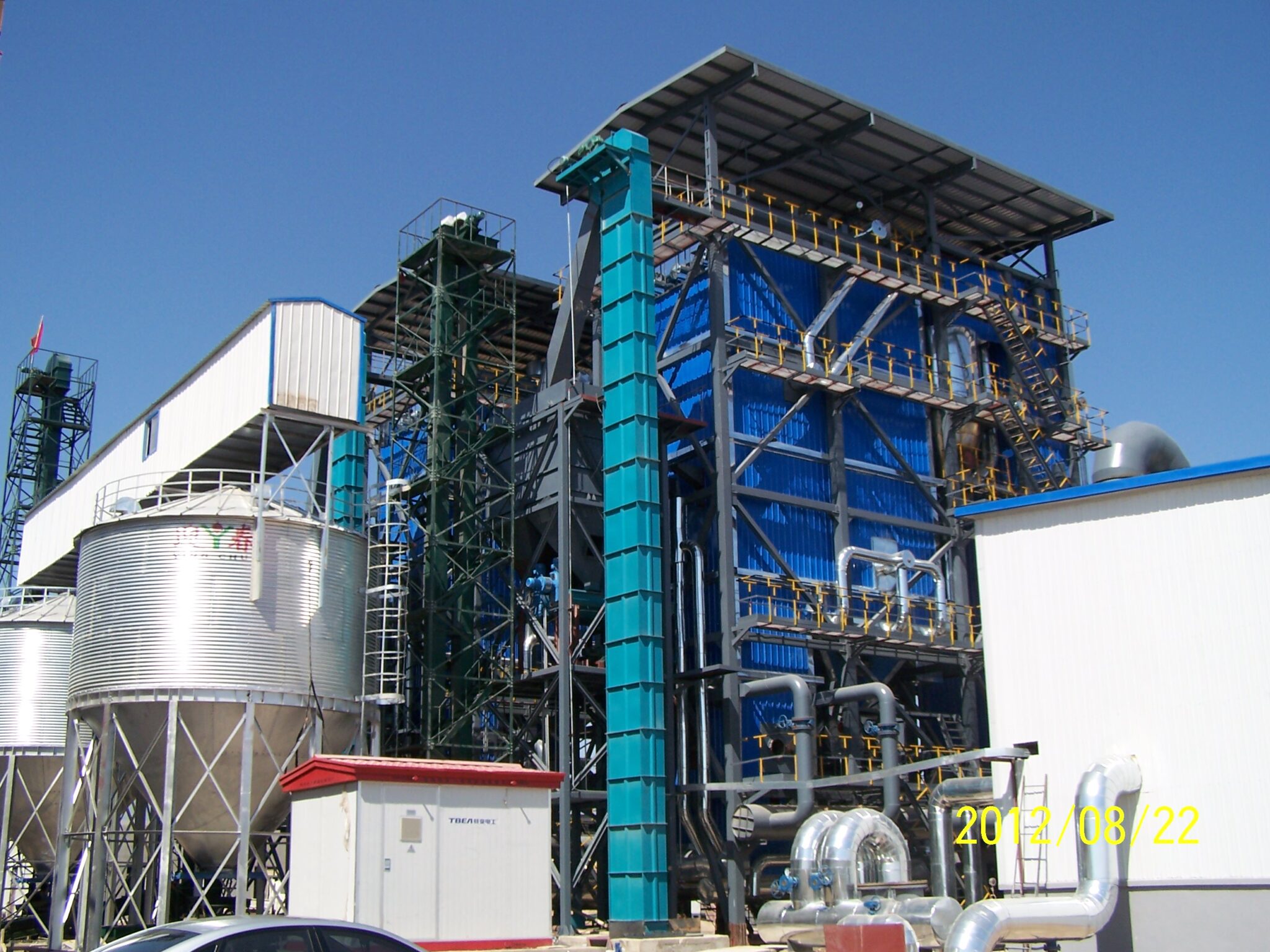
What Are the Best Practices for Optimizing Fuel Selection and Combustion Control?
For industrial boiler operators, even minor inefficiencies in fuel selection or combustion control can translate into substantial energy loss, higher emissions, and increased operating costs. Many plants face challenges such as unstable flame, excess oxygen levels, and unburned fuel residue—all rooted in poor fuel choice or inadequate control strategy. These issues not only reduce efficiency but also shorten equipment lifespan and violate emission regulations. Optimizing both fuel quality and combustion control systems is therefore essential to achieve consistent performance, lower emissions, and long-term economic efficiency.
The best practices for optimizing fuel selection and combustion control include choosing fuels with consistent calorific value, low moisture and ash content, and compatible chemical composition, while implementing precise air-fuel ratio control, continuous monitoring (O₂, CO, NOₓ sensors), staged combustion, and regular tuning. Integrating automated control systems and data analytics ensures stable flame temperature, complete fuel utilization, and minimized pollutant formation, resulting in high boiler efficiency and environmental compliance.
In essence, efficient combustion is not achieved by technology alone—it is the outcome of the right fuel, the right controls, and disciplined operational management.
Using low-cost fuel always leads to lower operating costs.False
Low-cost fuels often contain higher moisture or ash, which reduces efficiency and increases maintenance costs, offsetting short-term savings.
Precise air-fuel ratio control can significantly reduce CO and NOₓ emissions.True
Optimizing excess air ensures complete combustion while preventing overheating and thermal NOₓ formation.
1. Fundamentals of Fuel Selection
Fuel selection sets the foundation for combustion performance. The ideal fuel for a boiler should meet the following criteria:
| Parameter | Ideal Range | Importance for Combustion |
|---|---|---|
| Moisture Content | <10% | Reduces heat loss and ensures stable ignition |
| Ash Content | <2% | Minimizes fouling and slagging |
| Calorific Value | >17 MJ/kg | Maximizes thermal output |
| Particle Size Uniformity | 6–25 mm (solid fuels) | Ensures even burning rate |
| Sulfur & Chlorine Content | <0.2% | Reduces corrosion and SO₂/Cl emissions |
| Volatile Matter | 60–75% | Improves ignition characteristics |
Choosing a fuel outside these ranges often leads to incomplete combustion, unstable temperature profiles, and excessive CO or NOₓ formation.
For biomass boilers, torrefied wood pellets and palm kernel shells (PKS) are excellent choices due to their high calorific value and low ash. For coal-fired units, selecting washed or blended coals with balanced volatile content improves combustion uniformity and minimizes slagging.
2. Matching Fuel Type with Boiler Design
Each boiler design is optimized for specific fuel properties:
| Boiler Type | Suitable Fuels | Key Control Parameters |
|---|---|---|
| Pulverized Coal Boiler | Fine coal (<75 µm) | Pulverizer speed, primary air ratio |
| Fluidized Bed Boiler (CFB/BFB) | Biomass, coal blends | Bed temperature (750–900°C), air staging |
| Grate-Fired Boiler | Wood chips, PKS, waste biomass | Feed rate, under-grate air distribution |
| Gas-Fired Boiler | Natural gas, biogas | Burner modulation, excess air control |
| Oil-Fired Boiler | Light/heavy fuel oils | Atomization pressure, air-fuel ratio |
Using mismatched fuel can cause poor combustion, localized hot spots, or flame instability. Therefore, fuel compatibility testing should be conducted before any change in fuel source or composition.
3. Combustion Control: Balancing Air and Fuel
Efficient combustion requires a precise air-to-fuel ratio (AFR). Too little air leads to unburned carbon and CO formation; too much air wastes heat in flue gases.
| Excess Air Ratio | Combustion Condition | Efficiency Impact | Emission Effect |
|---|---|---|---|
| <1.0 | Incomplete combustion | Efficiency ↓ | CO ↑ |
| 1.1–1.2 | Optimal range | Efficiency ↑ | CO ↓, NOₓ stable |
| >1.5 | Over-aeration | Efficiency ↓ | NOₓ ↑, heat loss ↑ |
Advanced control systems continuously adjust AFR using real-time sensor data (O₂, CO, flue temperature), maintaining the optimal balance for every load condition.
Best Practice Techniques:
Oxygen Trim Control: Adjusts air supply automatically to maintain optimal O₂ level (typically 2–4% for gas, 4–6% for biomass).
Staged Combustion: Reduces NOₓ by burning fuel in phases—fuel-rich zone followed by secondary air injection.
Flue Gas Recirculation (FGR): Lowers flame temperature, suppressing thermal NOₓ formation.
Dynamic Airflow Mapping: Uses real-time sensors to equalize air distribution across burners or grates.
4. Real-Time Monitoring and Automation
Automation is the backbone of modern combustion control. Continuous emission and process monitoring allow immediate adjustment to maintain efficiency and compliance.
| System | Monitored Parameter | Control Function | Benefit |
|---|---|---|---|
| O₂ Sensor | Flue gas oxygen | Trim air supply | Avoids excess air loss |
| CO Sensor | Incomplete combustion | Air-fuel ratio correction | Ensures full oxidation |
| NOₓ Analyzer | Pollutant emission | Air staging optimization | Maintains emission compliance |
| Flue Gas Temperature Sensor | Stack heat loss | Efficiency tuning | Detects fouling early |
| Automated Control (PLC/DCS) | Multiple variables | Integrated optimization | Stable operation and reduced fuel use |
Smart systems can even use predictive algorithms to forecast combustion trends, adjusting feed and air rates preemptively for smoother operation.
5. Influence of Fuel Quality on Emissions
| Fuel Property | Primary Impact | Emission Behavior |
|---|---|---|
| Moisture | Lowers flame temperature | Increases CO, VOC |
| Ash | Promotes fouling | Increases PM and SO₂ |
| Volatile Matter | Affects ignition | Unburned hydrocarbons if too low |
| Nitrogen Content | Contributes to NOₓ | Direct correlation |
| Sulfur Content | SO₂ and sulfate aerosol | Corrosion and acid dewpoint risk |
To mitigate emissions, fuel suppliers should provide certified quality reports (ISO 17225 for biomass, ASTM D388 for coal), and operators must verify fuel consistency using routine laboratory analysis.
6. Integrating Fuel Blending for Stability and Efficiency
Blending fuels of different grades allows optimization of calorific value and emission profile.
| Blend Type | Purpose | Example | Result |
|---|---|---|---|
| Moisture Balancing | Adjust overall water content | 70% wood pellets + 30% wet chips | Improved ignition |
| Ash Reduction | Lower fouling tendency | Biomass + washed coal | Cleaner heat exchange |
| Emission Control | Lower sulfur/nitrogen | PKS + torrefied pellets | NOₓ/SO₂ reduction |
Blending also helps stabilize combustion temperature and maintain a consistent flue gas composition, enhancing the performance of downstream emission systems (e.g., SCR, ESP).
7. Routine Tuning and Maintenance for Optimal Control
Even the best control systems require periodic optimization:
Monthly: Inspect sensors, clean burners, calibrate air dampers.
Quarterly: Tune combustion curves at different loads.
Annually: Verify control system accuracy and recalibrate analyzers.
Regular performance audits can identify deviations in efficiency or emission performance before they become costly failures.
8. Case Study: Optimization through Fuel and Control Integration
Plant: 20 MW biomass-fired industrial boiler
Before Optimization: Wood chips (30% moisture), manual air control
After Optimization: Torrefied pellets (5% moisture), automated O₂ trim and air staging
| Metric | Before | After |
|---|---|---|
| Boiler Efficiency (%) | 78 | 92 |
| CO Emissions (mg/Nm³) | 410 | 180 |
| NOₓ Emissions (mg/Nm³) | 310 | 230 |
| Steam Pressure Stability (%) | ±5.8 | ±1.2 |
The integrated optimization reduced fuel use by 15%, emissions by 40%, and maintenance downtime by 60%—demonstrating the compounded benefits of matching the right fuel with the right control system.
9. Key Best Practices Summary
| Focus Area | Best Practice | Benefit |
|---|---|---|
| Fuel Selection | Low moisture, low ash, high calorific value | Higher combustion efficiency |
| Fuel-Blending Strategy | Mix complementary fuels | Balanced performance and emissions |
| Air-Fuel Ratio Control | Maintain optimal excess air | Reduced CO, improved efficiency |
| Staged Combustion | Fuel-rich → Air-rich zones | Lower NOₓ |
| Oxygen & CO Monitoring | Continuous flue gas analysis | Real-time optimization |
| Automation & Predictive Control | AI or PLC integration | Long-term stability and cost reduction |
| Regular Tuning | Load-based calibration | Maintained efficiency over time |
Conclusion
Optimizing fuel selection and combustion control is a dual-engine approach—fuel quality defines the potential, and control precision realizes it. By ensuring consistent fuel properties, blending strategically, and using intelligent control systems, industries can achieve maximum efficiency, minimal emissions, and extended equipment life. Modern boiler performance is no longer a product of chance but of data-driven precision.
🔍 Conclusion
Fuel choice is the most critical factor influencing industrial biomass boiler efficiency. Selecting clean, dry, and consistent fuels ensures better combustion, reduced energy waste, and lower emissions. By implementing effective fuel management and combustion control strategies, industries can achieve sustainable, high-efficiency biomass energy production.
📞 Contact Us
💡 Looking to improve your biomass boiler’s efficiency with the right fuel strategy? We provide fuel testing, combustion tuning, and custom boiler solutions for optimal performance across diverse biomass types.
🔹 Contact us today to maximize your industrial biomass boiler’s performance and fuel efficiency. 🌾🔥🏭✅♻️
FAQ
Q1: How do different biomass fuels affect industrial boiler efficiency?
A1: The type of biomass fuel used has a major impact on industrial boiler efficiency because each fuel has unique properties such as moisture content, ash composition, calorific value, and particle size. Fuels with high moisture require more energy for drying, lowering combustion temperature and thermal efficiency. Dry, uniform fuels like wood pellets typically achieve efficiencies of 85–90%, while wet or variable fuels such as raw wood chips or agricultural residues may yield only 70–80% efficiency. Selecting the right fuel for the boiler’s design and combustion system is essential for maintaining high energy output and stable operation.
Q2: Why does moisture content in biomass fuel influence boiler performance?
A2: Moisture content is one of the most critical factors affecting efficiency. When fuel contains excess water, part of the combustion energy is consumed to evaporate moisture instead of producing heat. For example, fuels with 10–15% moisture (like wood pellets) deliver higher combustion efficiency than raw biomass with over 40% moisture (like green wood). Reducing moisture through pre-drying systems or proper storage significantly enhances boiler performance, stability, and emissions control.
Q3: How does fuel size and uniformity impact combustion efficiency?
A3: Fuel size consistency determines the combustion rate and air distribution inside the furnace. Uniformly sized fuels like wood pellets provide steady combustion and easier air control, resulting in higher efficiency. Conversely, irregularly shaped or oversized biomass particles lead to uneven burning, incomplete combustion, and soot buildup. Advanced boilers often include grate or fluidized bed combustion systems designed to handle varied fuel sizes while maintaining efficient and clean burning.
Q4: What role does ash content play in biomass boiler efficiency?
A4: Ash content affects heat transfer and maintenance frequency. Fuels with high ash content, such as agricultural residues (rice husk, straw, or corn stalks), can form slag and fouling on heat exchange surfaces, reducing efficiency. They also require more frequent cleaning and downtime. In contrast, low-ash fuels like wood pellets and sawdust produce less residue and maintain consistent heat transfer efficiency. Using automatic ash removal systems and optimized combustion air settings can help mitigate the negative impact of high-ash fuels.
Q5: Which biomass fuels offer the best efficiency and sustainability balance?
A5: Wood pellets are widely considered the most efficient and sustainable biomass fuel due to their low moisture content, high energy density, and uniform composition. Wood chips and sawdust are also efficient when properly dried and processed. Agricultural residues (like rice husk or bagasse) provide a sustainable alternative in agricultural regions but may require more advanced boiler designs to handle higher ash and moisture levels. Ultimately, the best choice balances local fuel availability, cost, boiler design compatibility, and environmental performance.
References
U.S. Department of Energy – Biomass Combustion Efficiency Guide – https://www.energy.gov/ – DOE
International Energy Agency (IEA) – Bioenergy Technology Overview – https://www.iea.org/ – IEA
Carbon Trust – Biomass Boiler Efficiency and Fuel Quality – https://www.carbontrust.com/ – Carbon Trust
European Biomass Association (AEBIOM) – Fuel Standards and Performance – https://bioenergyeurope.org/ – Bioenergy Europe
Engineering Toolbox – Biomass Fuel Calorific Values – https://www.engineeringtoolbox.com/ – Engineering Toolbox
ScienceDirect – Influence of Fuel Moisture on Biomass Boiler Efficiency – https://www.sciencedirect.com/ – ScienceDirect
Spirax Sarco – Combustion and Boiler Efficiency Optimization – https://www.spiraxsarco.com/ – Spirax Sarco
ResearchGate – Biomass Fuel Properties and Combustion Characteristics – https://www.researchgate.net/ – ResearchGate
ISO 17225 Biomass Fuel Quality Standards – https://www.iso.org/ – ISO
MarketsandMarkets – Global Biomass Boiler Market Trends 2025 – https://www.marketsandmarkets.com/ – Markets and Markets
