
Industrial oil-fired boilers remain a popular choice for power generation, process heating, and steam production due to their stable performance and high thermal output. However, achieving and maintaining high efficiency depends on several critical factors related to combustion, heat transfer, operation, and maintenance. Neglecting these aspects can lead to increased fuel consumption, reduced performance, and higher emissions, significantly impacting overall plant profitability.
The efficiency of an industrial oil-fired boiler is primarily affected by five key factors: fuel quality, combustion control, heat exchanger performance, insulation and heat loss management, and maintenance frequency. Using clean, low-sulfur fuel ensures complete combustion; proper burner tuning and air-fuel ratio control maximize heat release; clean heat surfaces and effective insulation minimize energy loss; and regular maintenance prevents soot buildup and efficiency drop. Optimizing these areas can raise overall boiler efficiency by 5–15%, translating into major fuel savings and lower CO₂ emissions.
By understanding these efficiency drivers, industries can ensure that their oil-fired boilers operate at peak performance and environmental compliance throughout their lifecycle.
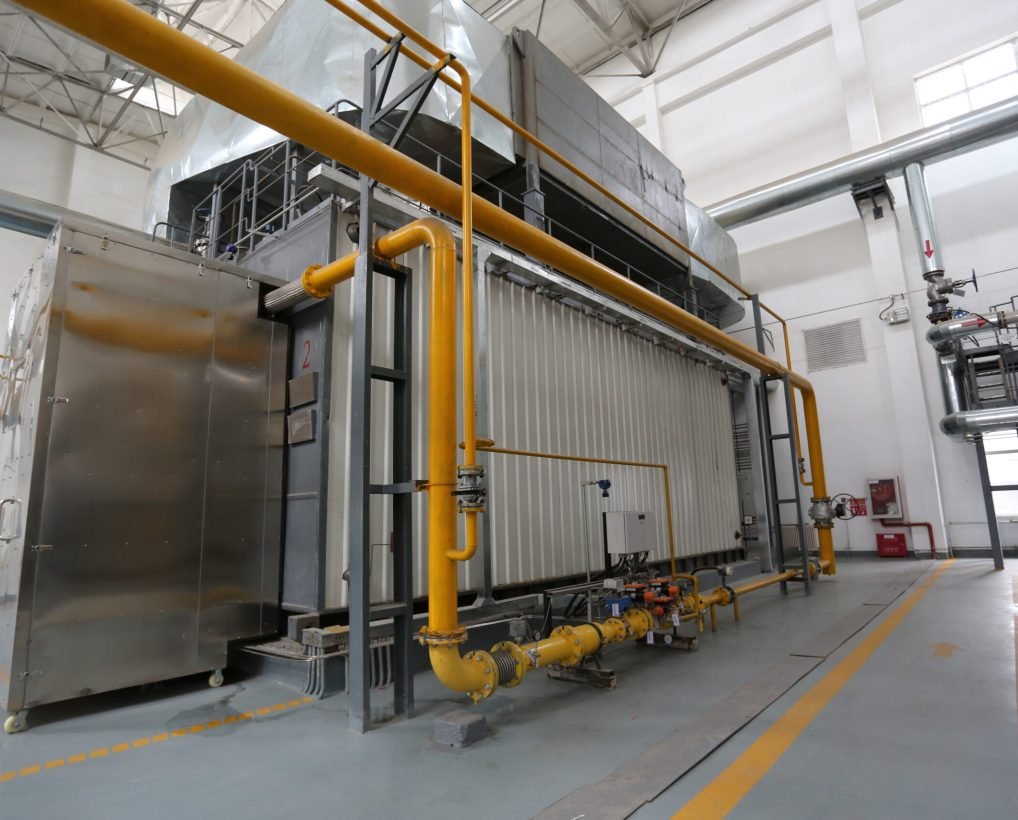
How Does Fuel Quality and Composition Affect Oil-Fired Boiler Efficiency?
In oil-fired boiler systems, fuel quality directly determines combustion stability, thermal efficiency, and emission performance. Many industrial users overlook the role of fuel purity, viscosity, sulfur content, and calorific value, focusing only on price when sourcing fuel oil. However, poor-quality fuel leads to incomplete combustion, soot formation, higher maintenance costs, and degraded heat transfer surfaces, all of which diminish boiler efficiency. Understanding how the chemical and physical characteristics of oil fuels interact with the combustion process is critical to sustaining long-term performance, reliability, and compliance with environmental standards.
Fuel quality and composition affect oil-fired boiler efficiency by influencing atomization, flame stability, and heat transfer. High-purity, low-sulfur, and correctly viscous fuels ensure fine atomization and complete combustion, maximizing heat release and minimizing soot deposits. Conversely, fuels with high water, ash, or sulfur content lower calorific value, increase fouling and corrosion, and reduce overall efficiency. Proper filtration, preheating, and fuel conditioning are essential to maintain optimal combustion performance and extend boiler life.
In short, choosing and maintaining the right fuel is as vital as choosing the right boiler itself—poor fuel quality can undermine even the most advanced combustion system.
All grades of fuel oil provide similar boiler efficiency when burned properly.False
Different oil grades vary in viscosity, sulfur, and impurity levels, which significantly affect atomization quality, combustion completeness, and heat transfer efficiency.
Low-sulfur fuel oils improve both efficiency and environmental performance.True
Reduced sulfur minimizes acid corrosion and particulate formation, helping maintain cleaner heat transfer surfaces and lower maintenance costs.
1. Understanding Fuel Quality Parameters
The most important properties determining oil combustion performance include viscosity, density, calorific value, sulfur, ash, and water content.
| Property | Ideal Range | Impact on Boiler Efficiency |
|---|---|---|
| Viscosity | 10–20 cSt at 100°C | Ensures proper atomization for fine droplet spray |
| Density | 0.85–0.95 g/cm³ | Affects fuel flow and combustion stability |
| Calorific Value | >42 MJ/kg | Higher value = more heat per unit mass |
| Sulfur Content | <0.5% | Reduces corrosion and SO₂ emissions |
| Ash Content | <0.05% | Prevents fouling on heat transfer surfaces |
| Water Content | <0.2% | Avoids combustion instability and corrosion |
| Carbon Residue | <0.1% | Prevents soot and coking on burners |
When fuel exceeds these limits, atomization deteriorates, leading to unburned hydrocarbons, carbon deposits, and reduced radiant heat transfer.
2. How Fuel Composition Influences Combustion and Heat Release
Oil combustion depends on how efficiently the fuel atomizes and vaporizes. High-quality oils form fine droplets that mix well with air, achieving complete oxidation and stable flame temperature.
| Composition Parameter | Effect on Combustion | Efficiency Outcome |
|---|---|---|
| Hydrogen Content | Promotes high flame temperature and complete burning | Increases thermal efficiency |
| Carbon Residue | Tends to form soot and fouling | Reduces heat transfer |
| Sulfur | Creates acidic gases and corrosion | Long-term efficiency loss |
| Metal Impurities (Na, V, Ca) | Cause slagging and ash deposits | Lowers convective heat exchange |
| Aromatic Compounds | Delay ignition and flame propagation | Unstable combustion, lower efficiency |
Fuels with excessive aromatic hydrocarbons or metallic impurities often produce yellowish, smoky flames, indicating incomplete combustion and higher carbon monoxide emissions.
3. Viscosity and Atomization: Key to Efficient Burning
Efficient combustion requires that fuel oil is atomized into tiny droplets to maximize its contact area with air.
Too viscous: The fuel cannot form fine droplets, leading to large, unburned particles and soot.
Too thin: Droplets evaporate too quickly, leading to uneven flame and incomplete combustion.
The ideal viscosity range depends on burner type:
| Burner Type | Recommended Viscosity at Nozzle | Preheating Temperature |
|---|---|---|
| Pressure Jet Burner | 10–15 cSt | 100–120°C |
| Steam Atomizing Burner | 15–20 cSt | 120–140°C |
| Rotary Cup Burner | 8–12 cSt | 90–110°C |
Preheating the oil reduces viscosity, ensuring proper atomization and stable flame structure, which directly boosts efficiency by 2–4%.
4. Impact of Fuel Impurities on Efficiency and Maintenance
Fuel impurities—especially ash, vanadium, sodium, and calcium—accumulate on heat exchange surfaces, forming insulating deposits that significantly reduce thermal conductivity.
| Impurity Type | Effect | Maintenance Impact |
|---|---|---|
| Ash | Forms solid fouling on tubes | Increases cleaning frequency |
| Vanadium | Promotes high-temperature corrosion | Requires anti-corrosion additives |
| Sodium + Sulfur | Creates sticky deposits | Blocks airways and reduces air flow |
| Water | Lowers combustion temperature | Causes burner instability and rusting |
Even a 1 mm soot layer can decrease heat transfer efficiency by up to 5–8%, meaning fuel consumption rises for the same steam output.
5. Corrosion and Emission Consequences of Poor Fuel Quality
Low-grade fuels often contain high sulfur and metallic impurities, leading to serious corrosion and emission problems.
| Problem | Cause | Result |
|---|---|---|
| Acid Dew Point Corrosion | Sulfur compounds forming SO₃ → H₂SO₄ | Tube surface degradation |
| Particulate Emission | Unburned carbon and ash | Exceeds PM limits |
| CO & NOₓ Formation | Incomplete oxidation | Reduced efficiency, air pollution |
| Fouling | Soot deposition | Frequent shutdowns |
Therefore, using low-sulfur, low-ash fuel not only improves efficiency but also ensures longer heat exchanger life and easier compliance with environmental regulations (e.g., ISO 14001, EN 12952, and EPA emission limits).
6. Techniques to Mitigate Fuel-Related Efficiency Loss
Fuel Filtration and Centrifugation – Removes suspended solids and water before combustion.
Fuel Heating and Viscosity Control – Maintains optimal spray pattern for consistent atomization.
Use of Additives – Neutralizes vanadium and sodium corrosion, reduces soot formation.
Regular Burner Cleaning – Prevents clogging and ensures consistent spray distribution.
Continuous Oxygen Monitoring – Adjusts air-to-fuel ratio to maintain complete combustion.
Periodic Fuel Testing (ISO 8217) – Ensures quality consistency from supplier batches.
7. Comparative Table: High-Quality vs. Low-Quality Fuel Performance
| Parameter | High-Quality Fuel (0.5% S) | Low-Quality Fuel (3.0% S) | Efficiency Impact |
|---|---|---|---|
| Calorific Value (MJ/kg) | 43 | 39 | ↓ ~10% |
| Soot Formation | Minimal | Heavy | ↓ 8–12% |
| Corrosion Rate | Low | High | ↑ maintenance |
| NOₓ Emissions (mg/Nm³) | 240 | 320 | Regulatory concern |
| Cleaning Interval | 6 months | 2 months | Downtime ↑ |
| Overall Boiler Efficiency | 91% | 80% | Fuel cost ↑ by ~15% |
This comparison demonstrates how even slightly inferior fuel quality can cause double-digit efficiency losses and higher operating costs.
8. Case Study: Efficiency Improvement Through Fuel Upgrading
Client: Chemical plant with 10-ton/h oil-fired boiler
Original Fuel: Heavy fuel oil (HFO, 3% sulfur)
Optimization: Switched to low-sulfur marine fuel (0.5% S), added viscosity control and automated O₂ trim system.
| Performance Indicator | Before Optimization | After Optimization |
|---|---|---|
| Fuel Consumption (kg/h) | 850 | 740 |
| Boiler Efficiency (%) | 82 | 90 |
| Soot Accumulation Rate | High | Low |
| Maintenance Downtime (days/year) | 20 | 6 |
| Payback Period | – | <9 months |
The switch to cleaner fuel combined with precise combustion control reduced energy costs by 12% annually and extended boiler tube life by over 30%.
9. Best Practices Summary
| Focus Area | Best Practice | Efficiency Benefit |
|---|---|---|
| Fuel Procurement | Source certified ISO 8217-compliant fuel | Stable quality and lower risk |
| Viscosity Control | Maintain 10–20 cSt through heating | Improved atomization and flame uniformity |
| Sulfur Reduction | Use low-sulfur grades or blends | Reduced corrosion and longer service life |
| Fuel Additives | Anti-corrosion and anti-soot agents | Cleaner heat transfer surfaces |
| Continuous Monitoring | Oxygen trim + CO analysis | Optimize combustion efficiency |
| Regular Maintenance | Burner inspection and cleaning | Sustained high efficiency |
Conclusion
Fuel quality is not merely a procurement concern—it is a core performance factor that determines how efficiently and cleanly your oil-fired boiler operates. High-purity, well-conditioned fuel ensures complete combustion, minimizes fouling, and reduces unplanned downtime. In contrast, low-grade fuel compromises efficiency, raises emissions, and accelerates system degradation. Investing in better fuel quality and control technologies is therefore not a cost but a strategic investment in reliability and lifecycle economy.
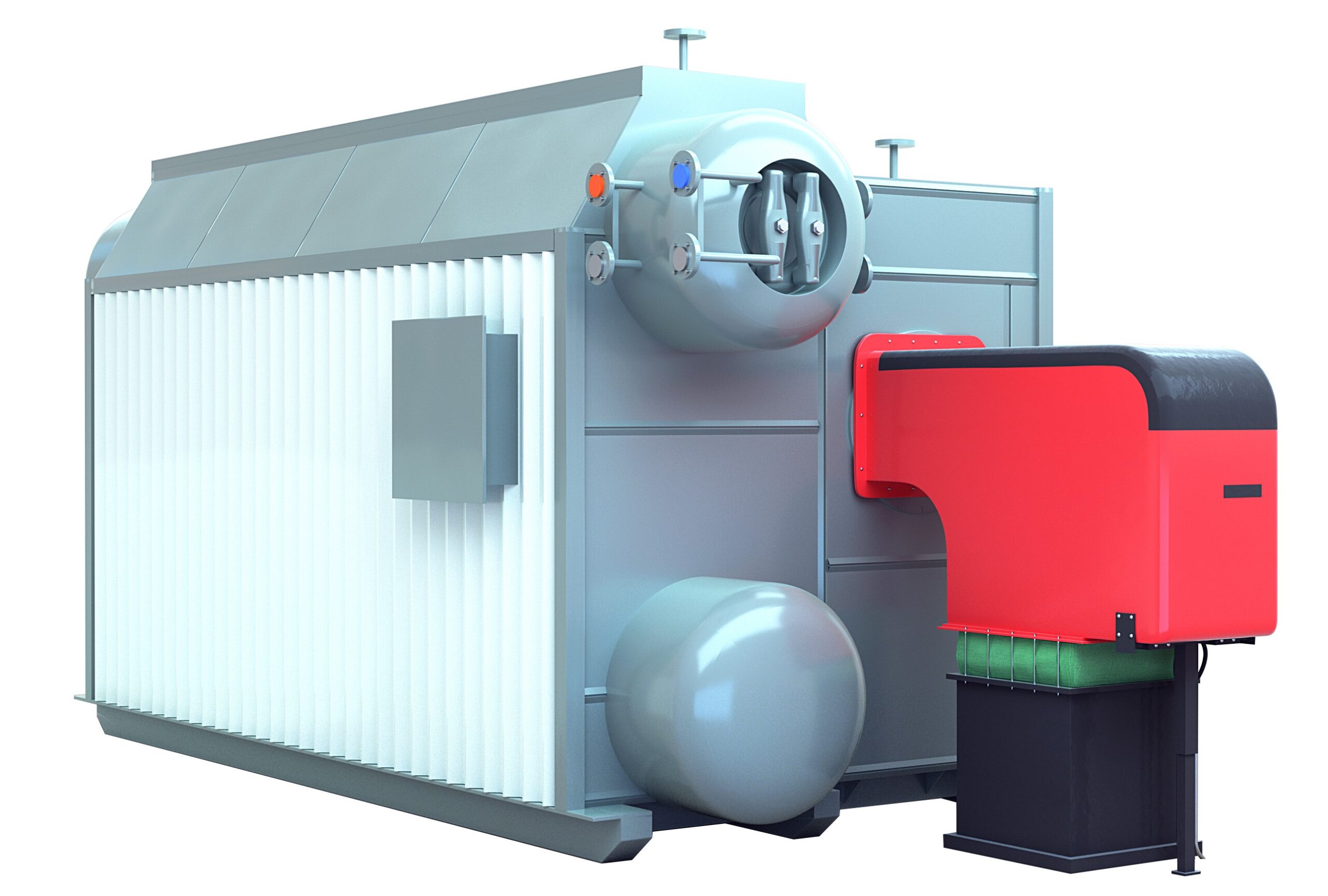
Why Is Precise Combustion Air-Fuel Ratio Control Essential for Performance?
In every combustion-based industrial boiler—whether gas, oil, or biomass-fired—the balance between air and fuel determines how efficiently energy is released and how cleanly it burns. Even small deviations in the air-fuel ratio (AFR) can lead to incomplete combustion, soot formation, excessive emissions, or wasted heat in flue gases. Many plant operators unknowingly lose 3–8% efficiency simply due to poor air control calibration or sensor drift. Without precise AFR control, the boiler’s designed efficiency, emission compliance, and reliability are compromised—turning what should be clean, stable heat generation into an unpredictable and costly operation.
Precise combustion air-fuel ratio control is essential because it ensures complete fuel oxidation, maximizes heat transfer efficiency, and minimizes unburned fuel, carbon monoxide (CO), and nitrogen oxide (NOₓ) emissions. By maintaining the optimal excess air range for each load condition—typically 1.05 to 1.2 times the stoichiometric ratio—boilers achieve steady flame temperature, high combustion efficiency, and longer equipment lifespan. Automated trim systems with real-time O₂ and CO feedback continuously adjust air and fuel flow, sustaining peak performance even under variable operating conditions.
In essence, accurate air-fuel control is not merely a fine-tuning feature—it’s the heart of a high-performance, energy-efficient combustion system.
Running with excess air always improves combustion efficiency.False
While some excess air is needed for complete combustion, too much carries heat out of the stack, lowering thermal efficiency.
Closed-loop air-fuel control systems can maintain optimal efficiency even under load changes.True
These systems continuously measure flue gas composition and dynamically adjust air and fuel flow to keep combustion balanced.
1. Fundamentals of the Air-Fuel Ratio (AFR)
Combustion efficiency hinges on the chemical balance between oxygen (from air) and fuel molecules. The stoichiometric ratio is the exact proportion where all fuel burns completely with no leftover oxygen or unburned hydrocarbons.
For example:
Natural gas (methane, CH₄) requires about 10 parts air per 1 part fuel (by volume).
Fuel oil needs around 14 parts air per 1 part fuel.
Coal and biomass may require 20–25 parts air, depending on moisture and volatile content.
In real systems, slight excess air is introduced to ensure all fuel finds enough oxygen for complete combustion. However, too much air lowers flame temperature and wastes heat through the flue gas, while too little causes incomplete combustion, forming CO and soot.
| Condition | Excess Air Ratio | Combustion Efficiency | Typical Problems |
|---|---|---|---|
| Too Little Air | <1.0 | Low | CO, soot, unburned fuel |
| Optimal Air | 1.05–1.2 | Maximum | Clean, stable combustion |
| Too Much Air | >1.5 | Low | Heat loss, high O₂ emissions |
2. Relationship Between AFR and Boiler Efficiency
The air-fuel ratio directly influences stack loss, which represents energy carried away by hot exhaust gases instead of being converted into useful steam or heat.
| Excess Air (%) | Flue Gas Temperature (°C) | Boiler Efficiency (%) |
|---|---|---|
| 0 | 600 | 93 |
| 20 | 650 | 90 |
| 50 | 700 | 86 |
| 100 | 780 | 81 |
| 200 | 850 | 75 |
As excess air doubles, efficiency can drop by more than 10% due to increased heat carried away with exhaust gases. Therefore, keeping AFR close to the optimum range is crucial for minimizing losses.
3. Impacts of Incorrect AFR on Combustion Performance
Too Little Air (Deficient Oxygen):
Incomplete combustion leads to CO, unburned carbon, and soot deposits.
Flame becomes yellow or smoky, lowering radiant heat transfer.
Tube fouling increases, reducing heat exchanger efficiency.
Too Much Air (Excess Oxygen):
Excess air absorbs heat without contributing to combustion.
Flue gas temperatures rise, carrying away usable energy.
Over-ventilation destabilizes the flame and increases NOₓ formation due to higher local temperatures.
Therefore, both extremes—rich and lean mixtures—hurt efficiency and emissions. Only a balanced AFR ensures stable, clean, and efficient operation.
4. Technologies for Precision Air-Fuel Control
Modern boiler systems employ automated control technologies that continuously monitor and adjust AFR in real time.
| Technology | Function | Advantage |
|---|---|---|
| Oxygen Trim Control | Adjusts air flow based on measured O₂ in flue gas | Maintains target excess air range |
| CO Trim Control | Uses CO feedback for fine-tuning near stoichiometric ratio | Prevents incomplete combustion |
| Parallel Positioning System | Links air and fuel actuators to follow calibrated curves | Reduces hysteresis and drift |
| Cross-Limited Control | Prevents fuel-rich conditions during load changes | Enhances safety and stability |
| Model-Based Predictive Control (MPC) | Uses algorithms to anticipate optimal AFR | Maximizes efficiency under dynamic loads |
Automation ensures consistent combustion conditions regardless of load fluctuations, fuel variability, or environmental changes (e.g., temperature and humidity).
5. Real-Time Monitoring and Instrumentation
Continuous feedback from sensors is the backbone of precise AFR control.
| Sensor Type | Measurement | Control Impact |
|---|---|---|
| O₂ Sensor (Zirconia Cell) | Oxygen concentration in flue gas | Adjusts air damper or fan speed |
| CO Analyzer | CO concentration for incomplete combustion detection | Fine-tunes near stoichiometric limit |
| Temperature Sensor | Flue gas and furnace temperature | Detects efficiency drift |
| Flow Meters (Mass or Thermal) | Measures air and fuel supply | Synchronizes proportional flow rates |
By integrating these sensors into a PLC or DCS system, the boiler can automatically adjust fuel and air dampers, maintaining balance even under transient loads.
6. Case Example: Efficiency Gain Through O₂ Trim Control
System: 15-ton/hour gas-fired boiler
Baseline: Fixed combustion control (manual damper adjustment)
Upgrade: Automatic O₂ trim control with CO feedback
| Parameter | Before Upgrade | After Upgrade |
|---|---|---|
| Excess Air (%) | 45 | 18 |
| Flue Gas Temp (°C) | 700 | 610 |
| Boiler Efficiency (%) | 84.5 | 91.8 |
| CO Emissions (mg/Nm³) | 250 | 50 |
| NOₓ Emissions (mg/Nm³) | 310 | 240 |
| Annual Fuel Savings | – | ~6–8% |
This simple automation upgrade reduced annual fuel consumption by 7% and stabilized emissions, with a payback period of under one year.
7. Best Practices for Maintaining Precise AFR Control
| Practice | Description | Benefit |
|---|---|---|
| Calibrate sensors regularly | Prevent drift in O₂ and CO readings | Accurate control feedback |
| Perform combustion tuning quarterly | Adjust control curves under load | Keeps AFR optimal over time |
| Inspect burners and air dampers | Ensure no mechanical blockage or leaks | Stable air distribution |
| Monitor seasonal variations | Air density changes with weather | Compensate for environmental effects |
| Use digital combustion management | Integrate all control and safety functions | Higher precision, faster response |
Routine verification and tuning are essential to keep control systems aligned with actual field performance.
8. Relationship Between AFR and Emissions
Controlling the AFR is also the first line of defense in emission reduction.
| Emission | AFR Relationship | Control Method |
|---|---|---|
| CO | Increases under fuel-rich (low air) conditions | Maintain ≥1.05 ratio |
| NOₓ | Rises under high-air and high-temperature conditions | Air staging, flue gas recirculation |
| SO₂ | Depends on sulfur content, not AFR | Fuel quality selection |
| PM (Soot) | Increases under oxygen deficiency | Ensure complete combustion |
Hence, precise AFR management not only boosts efficiency but also ensures compliance with ISO 14001, EN 12952, and EPA emission regulations.
9. Quantitative Impact of AFR on Boiler Efficiency
| Air-Fuel Ratio (relative to stoichiometric) | Typical O₂ (%) | Efficiency (%) | CO Emission (mg/Nm³) |
|---|---|---|---|
| 0.9 (Fuel-Rich) | 0.5 | 80 | 600 |
| 1.0 (Stoichiometric) | 0.0 | 88 | 200 |
| 1.1 (Slight Excess Air) | 2.5 | 92 | 50 |
| 1.3 (High Excess Air) | 5.0 | 87 | 20 |
| 1.6 (Over-Aerated) | 8.0 | 82 | 15 |
The table demonstrates that the optimum efficiency point lies slightly above the stoichiometric ratio, where both CO and NOₓ emissions are minimized without excessive heat loss.
10. Summary of Key Takeaways
| Focus Area | Control Objective | Performance Impact |
|---|---|---|
| Optimal Excess Air | Maintain 1.05–1.2 ratio | Maximize heat transfer |
| Real-Time Sensing | Continuous O₂/CO monitoring | Adaptive efficiency control |
| Automation Integration | Closed-loop feedback | Stable performance across loads |
| Routine Tuning | Sensor calibration and control curve adjustment | Long-term reliability |
| Emission Optimization | Minimize CO and NOₓ formation | Environmental compliance |
Conclusion
The air-fuel ratio is the most fundamental yet most powerful lever of boiler efficiency and emission control. By maintaining precise control through real-time monitoring, predictive adjustment, and intelligent automation, operators can achieve up to 10% higher efficiency, longer equipment life, and reduced carbon footprint. Precise AFR control transforms the boiler from a reactive heat source into a data-driven, self-optimizing energy system.
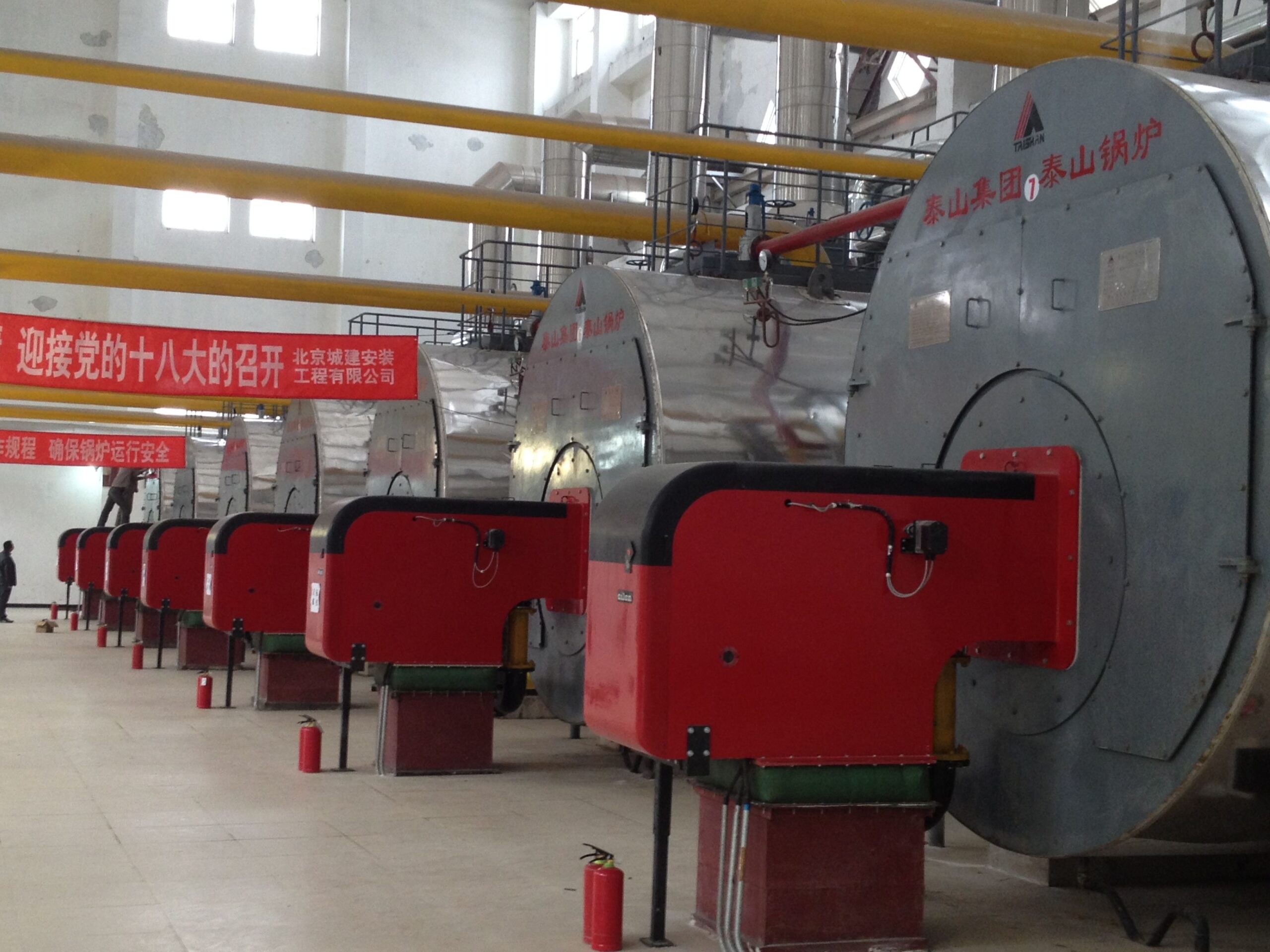
How Do Fouling and Heat Exchanger Cleanliness Impact Heat Transfer?
In industrial boilers and heat recovery systems, fouling—the accumulation of unwanted deposits on heat transfer surfaces—silently erodes efficiency over time. Dust, soot, scale, and ash deposits from combustion or feedwater contamination act as insulating layers, preventing heat from effectively passing from hot flue gases to water or steam. This seemingly minor issue can reduce thermal efficiency by 5–15%, increase fuel consumption, and even cause mechanical stress from uneven temperature distribution. Maintaining clean heat exchanger surfaces is therefore essential not just for energy performance but also for system reliability and lifespan.
Fouling and heat exchanger cleanliness directly determine boiler heat transfer efficiency. Deposits of soot, scale, or ash increase thermal resistance, forcing the boiler to consume more fuel to achieve the same steam output. Clean heat exchange surfaces ensure optimal conductivity and uniform temperature distribution, maximizing efficiency, minimizing corrosion, and extending equipment life. Routine inspection, soot blowing, chemical cleaning, and feedwater treatment are vital to maintaining heat transfer performance.
In short, clean surfaces equal efficient energy transfer—while fouled surfaces act as invisible energy thieves, driving up costs and emissions.
Soot and scale act as thermal conductors that improve heat transfer.False
Deposits like soot and scale act as insulating barriers, reducing heat transfer efficiency and increasing fuel consumption.
Regular cleaning and fouling control can reduce boiler fuel use by up to 10%.True
By removing insulating deposits, heat transfer surfaces regain their designed thermal conductivity, lowering stack losses.
1. Understanding Fouling and Its Mechanisms
Fouling refers to the gradual accumulation of unwanted material on the internal or external surfaces of heat exchangers. It typically results from impurities in combustion gases, feedwater minerals, or incomplete fuel burning.
| Type of Fouling | Description | Common Causes | Impact on Boiler |
|---|---|---|---|
| Soot Fouling | Fine carbon particles deposit on fire-side tubes | Incomplete combustion, poor atomization | Reduces heat absorption from flue gases |
| Scaling (Water-Side) | Mineral deposits (CaCO₃, MgSiO₃) form inside tubes | Hard water, poor water treatment | Insulates metal from steam/water |
| Ash/Slag Fouling | Solid residues from fuel impurities | High ash fuels, low combustion temperature | Blocks gas passages, increases pressure drop |
| Corrosive Fouling | Reaction of acidic gases with tube metals | High sulfur content fuels | Weakens material integrity |
| Biological Fouling | Microbial or organic buildup | Warm, stagnant condensate systems | Degrades metal and flow stability |
Each fouling type introduces thermal resistance, which forces the boiler to operate at higher temperatures and pressures to deliver the same heat output.
2. Thermal Resistance and Its Effect on Efficiency
Heat transfer in boilers depends on how easily heat flows from hot gases to water or steam through metal surfaces. When fouling occurs, a resistance layer forms, disrupting that flow.
| Surface Condition | Typical Thermal Resistance (m²·K/W ×10⁻⁴) | Relative Efficiency (%) |
|---|---|---|
| Clean Surface | 0.5 | 100 |
| Slightly Fouled | 1.0 | 95 |
| Moderately Fouled | 2.5 | 85 |
| Heavily Fouled | 5.0 | 70 |
Even a thin soot layer of 1 mm can cut heat transfer efficiency by 5–8% because soot’s thermal conductivity is about 50 times lower than steel.
In contrast, clean tubes allow for direct and efficient heat conduction, keeping flue gas temperatures low and steam generation stable.
3. The Domino Effect: Fouling → Hot Spots → Material Stress
Uneven fouling distribution creates localized hot spots, where some areas of the tube wall overheat while others remain cooler. This leads to:
Thermal fatigue and cracking of tube metals
Increased flue gas temperature, reducing boiler efficiency
Accelerated oxidation and corrosion in high-temperature regions
| Fouling Condition | Metal Surface Temperature (°C) | Expected Tube Life (years) |
|---|---|---|
| Clean | 320 | 25 |
| Light Fouling | 360 | 18 |
| Moderate Fouling | 420 | 12 |
| Heavy Fouling | 480 | 6 |
Without regular cleaning, these thermal stresses cause premature failure of tubes and expensive downtime.
4. Quantifying Efficiency Loss Due to Fouling
The efficiency loss due to fouling can be expressed in practical terms. When the flue gas exit temperature rises because of fouling, each 20°C increase typically translates to ~1% efficiency loss.
| Cleanliness Condition | Flue Gas Temp (°C) | Efficiency (%) | Fuel Penalty (%) |
|---|---|---|---|
| Clean | 220 | 92 | 0 |
| Slightly Fouled | 240 | 91 | +1 |
| Moderately Fouled | 280 | 88 | +4 |
| Heavily Fouled | 330 | 84 | +8 |
| Severely Fouled | 380 | 80 | +12 |
Therefore, a boiler running with heavy soot deposits can easily burn 10–15% more fuel to achieve the same steam output—an enormous operational cost over time.
5. Causes and Risk Factors for Fouling
Incomplete Combustion: Poor air-fuel ratio control leaves carbon particles unburned, which deposit on fire-side surfaces.
Hard Feedwater: Untreated or improperly softened water precipitates calcium and magnesium salts as scale.
Low Flue Gas Velocity: Promotes dust and ash settling in convection zones.
Fuel Impurities: High sulfur or ash fuels increase slagging potential.
Poor Maintenance: Lack of regular soot blowing and inspection allows deposits to build undetected.
The combined effect of these factors accelerates thermal resistance, leading to degraded performance and higher emissions.
6. Detection and Monitoring of Fouling
Modern boiler systems employ real-time monitoring to detect early signs of fouling:
| Monitoring Method | Measurement | Application |
|---|---|---|
| Flue Gas Temperature Tracking | Detects rising exhaust temperature | Indicates fire-side fouling |
| Steam Output vs. Fuel Input Ratio | Monitors efficiency drift | Detects both water- and fire-side fouling |
| Differential Pressure Measurement | Measures air or flue gas obstruction | Identifies ash or soot buildup |
| Ultrasonic Thickness Gauging | Detects scale inside tubes | Prevents overpressure risk |
| Infrared Thermography | Visualizes heat distribution | Locates hot spots or insulating layers |
By integrating these tools into an automation system, operators can predict fouling trends and plan cleaning schedules before major efficiency losses occur.
7. Fouling Mitigation and Cleaning Techniques
| Cleaning Method | Type of Fouling Addressed | Description | Frequency |
|---|---|---|---|
| Soot Blowing (Steam/Air) | Fire-side soot and ash | High-pressure jet removes deposits during operation | Daily/Weekly |
| Chemical Descaling | Water-side mineral scale | Circulation of acid or chelating agents | Quarterly |
| Mechanical Cleaning | Thick scale or ash layers | Brushes, scrapers, or rotary tools | As needed |
| Online Monitoring & Control | Predictive fouling management | AI-based control maintains optimal combustion | Continuous |
Proper feedwater treatment, including demineralization, softening, and deaeration, is equally vital to prevent internal scaling.
8. Case Study: Efficiency Recovery After Cleaning
Plant: 25-ton/h coal-fired steam boiler
Condition: Efficiency drop from 89% to 81% over six months due to soot fouling
Action: Online soot blowing + chemical descaling of economizer
| Parameter | Before Cleaning | After Cleaning |
|---|---|---|
| Flue Gas Temperature (°C) | 340 | 250 |
| Steam Output (t/h) | 25 | 25 |
| Fuel Consumption (kg/h) | 3700 | 3200 |
| Boiler Efficiency (%) | 81 | 90 |
| Payback Period | – | <1 month |
Cleaning restored nearly 9% efficiency, translating to fuel cost savings exceeding $60,000/year for a single unit.
9. Preventive Maintenance Strategies
To sustain cleanliness and performance:
Implement continuous O₂ trim control to avoid soot formation.
Use high-quality fuel with low ash and sulfur content.
Install automatic soot blowers in fire-side zones.
Treat feedwater with antiscalants and softeners.
Schedule regular inspection for deposits using boroscope tools.
Integrate data-driven maintenance with digital sensors and alerts.
| Maintenance Task | Frequency | Expected Benefit |
|---|---|---|
| Soot blowing | Daily | Prevents soot buildup |
| Chemical cleaning | 6–12 months | Removes scale |
| Feedwater analysis | Weekly | Ensures stable chemistry |
| Combustion tuning | Quarterly | Minimizes carbon carryover |
| Efficiency monitoring | Continuous | Detects fouling early |
10. Summary: Clean Heat Exchangers, Efficient Boilers
| Aspect | Clean Condition | Fouled Condition |
|---|---|---|
| Heat Transfer Rate | High | Reduced |
| Fuel Consumption | Low | High |
| Tube Temperature | Uniform | Uneven (hot spots) |
| Emissions | Low (CO₂ only) | High (CO, soot, NOₓ) |
| Maintenance Cost | Low | High |
| Boiler Life | Extended | Shortened |
Maintaining cleanliness ensures every unit of fuel converts to usable heat, protecting both your energy budget and your equipment investment.
Conclusion
Fouling is one of the most underestimated efficiency killers in industrial boilers. Even a millimeter of soot or scale acts as a powerful insulator, forcing boilers to work harder, consume more fuel, and suffer premature wear. Through proactive monitoring, precise combustion control, and regular cleaning, operators can sustain high heat transfer rates, minimize downtime, and uphold environmental standards. Clean surfaces don’t just look better—they deliver measurable performance gains every hour of operation.
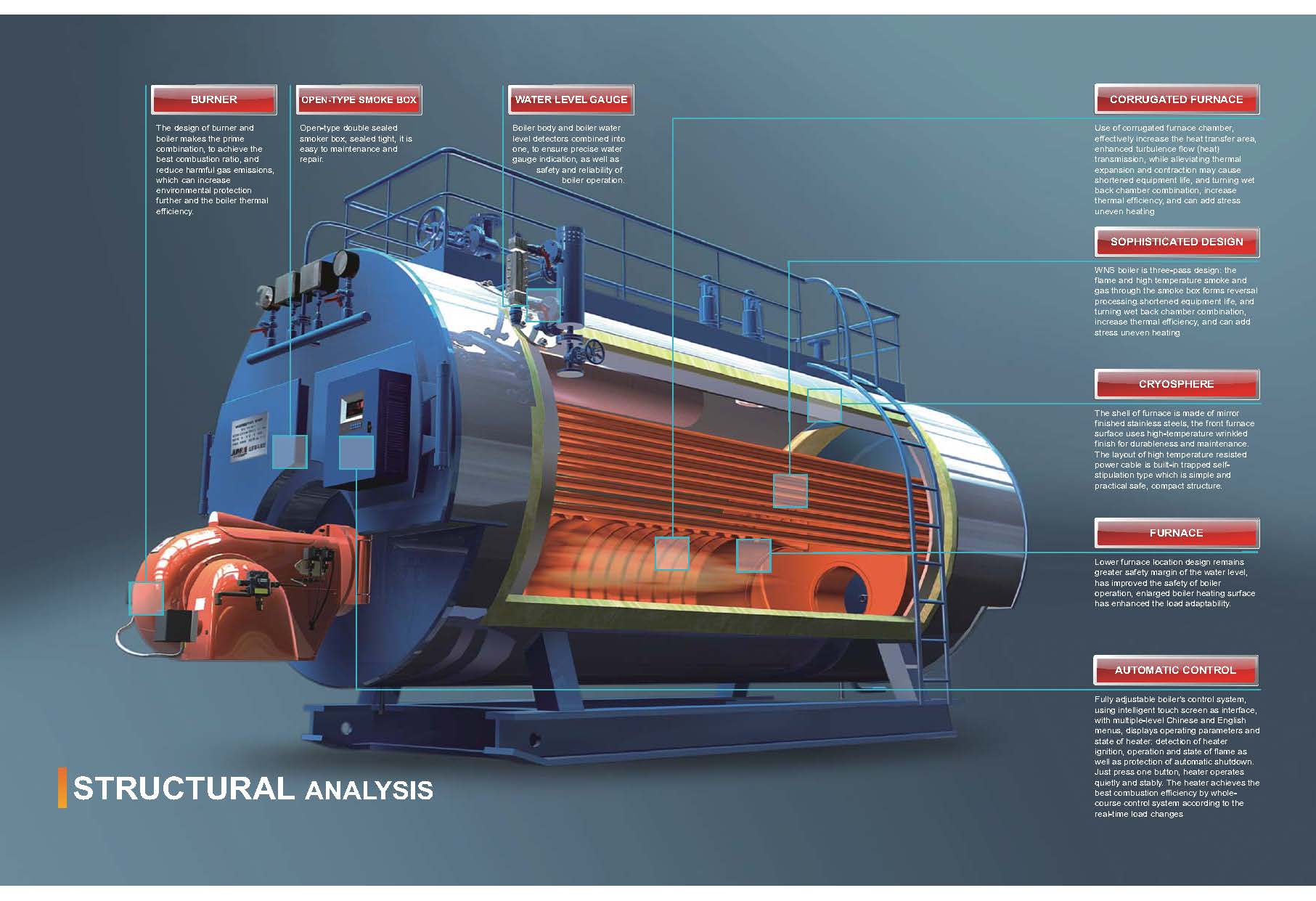
What Role Does Insulation and Flue Gas Heat Recovery Play in Boiler Efficiency?
In every industrial boiler or power generation system, heat loss is the invisible enemy of efficiency. Even when combustion is perfectly tuned, a significant amount of valuable energy can escape through uninsulated surfaces and hot exhaust gases. These losses not only raise fuel consumption and operational costs but also increase CO₂ emissions. The good news: through high-performance insulation and flue gas heat recovery systems, up to 15–25% of wasted energy can be recovered, directly boosting overall boiler efficiency.
Insulation and flue gas heat recovery are critical technologies for maximizing boiler efficiency. Proper insulation minimizes surface heat loss from boiler shells, piping, and steam lines, ensuring that generated heat is retained within the system. Meanwhile, flue gas heat recovery systems—such as economizers or air preheaters—capture thermal energy from exhaust gases and reuse it to preheat feedwater or combustion air. Together, they significantly reduce fuel demand, lower exhaust temperatures, and enhance total system efficiency while reducing greenhouse gas emissions.
In essence, insulation preserves the heat inside, while heat recovery reuses the heat that would otherwise be wasted—creating a synergistic effect that can transform a good boiler into a high-efficiency system.
Flue gas waste heat recovery has little impact on boiler efficiency.False
Flue gas heat recovery can improve boiler efficiency by 5–10% by reusing waste heat for feedwater or combustion air preheating.
Proper insulation can reduce heat loss from boiler surfaces by over 90%.True
High-quality insulation materials with low thermal conductivity retain heat, preventing surface and radiation losses.
1. Understanding Heat Loss Pathways in Boilers
Even the best-designed boilers lose energy through several channels. These losses typically include:
| Source of Heat Loss | Description | Typical Loss Range (%) |
|---|---|---|
| Flue Gas Loss | Heat carried away by exhaust gases | 15–25 |
| Surface & Radiation Loss | Heat emitted from uninsulated metal surfaces | 1–3 |
| Blowdown Loss | Hot water/steam discharged to maintain water quality | 1–2 |
| Unburned Combustibles | Incomplete combustion of fuel | 0.5–1 |
| Moisture & Hydrogen Loss | Energy consumed in vaporizing water | 2–5 |
Of these, flue gas and surface losses are the largest and most controllable through engineering solutions.
2. Role of Thermal Insulation in Efficiency Preservation
Boiler insulation minimizes heat loss from external surfaces, keeping the thermal energy where it belongs—inside the process loop.
2.1. Mechanism of Insulation
Insulation materials function by trapping air within their structure, limiting heat transfer by conduction, convection, and radiation.
| Insulation Material | Thermal Conductivity (W/m·K at 200°C) | Max Operating Temp (°C) | Application Area |
|---|---|---|---|
| Mineral Wool | 0.045 | 650 | Boiler walls, ducts |
| Calcium Silicate | 0.07 | 900 | Piping, furnace surfaces |
| Ceramic Fiber Blanket | 0.035 | 1100 | Furnace linings, high-temp zones |
| Glass Wool | 0.04 | 450 | Steam lines, tanks |
2.2. Efficiency Gain from Insulation
For example, an uninsulated boiler surface at 200°C exposed to ambient air can lose 500–1000 W/m². Proper insulation reduces this to 30–50 W/m², saving thousands of kilowatt-hours annually.
| Insulation Thickness (mm) | Surface Temp (°C) | Heat Loss (W/m²) | Energy Saving (%) |
|---|---|---|---|
| None | 200 | 850 | – |
| 25 | 70 | 120 | 86 |
| 50 | 55 | 65 | 92 |
| 100 | 45 | 40 | 95 |
Thus, insulation acts as a thermal shield, cutting radiation losses and protecting both energy efficiency and worker safety.
3. The Function of Flue Gas Heat Recovery Systems
After combustion, flue gases can exit at 180–350°C, carrying away enormous thermal potential. Heat recovery systems recapture this energy before it escapes through the stack.
3.1. Common Heat Recovery Components
| Component | Function | Typical Efficiency Gain (%) |
|---|---|---|
| Economizer | Recovers heat from exhaust gases to preheat feedwater | 4–7 |
| Air Preheater | Heats incoming combustion air | 2–5 |
| Condensing Heat Exchanger | Recovers latent heat from water vapor in flue gas | 6–10 |
| Waste Heat Boiler (HRSG) | Generates steam from exhaust gas in cogeneration systems | 8–15 |
3.2. Example: Feedwater Economizer
A simple economizer can lower exhaust gas temperature from 250°C to 150°C and increase feedwater temperature from 25°C to 80°C. This reduces fuel consumption by roughly 5%.
| Parameter | Without Economizer | With Economizer |
|---|---|---|
| Flue Gas Temp (°C) | 250 | 150 |
| Feedwater Temp (°C) | 25 | 80 |
| Boiler Efficiency (%) | 85 | 90 |
| Fuel Saving (%) | – | 5 |
3.3. Example: Condensing Heat Recovery
Condensing systems go a step further by cooling exhaust below dew point (≈55°C), recovering latent heat from steam condensation—particularly beneficial in natural gas-fired boilers where moisture content is high.
4. Synergistic Benefits: Insulation + Heat Recovery
When insulation and heat recovery are applied together, the energy-saving effects multiply:
| System Type | Efficiency Gain from Insulation (%) | Efficiency Gain from Heat Recovery (%) | Combined Total Efficiency (%) |
|---|---|---|---|
| Standard Boiler (No Enhancements) | – | – | 85 |
| With Insulation Only | 2 | – | 87 |
| With Heat Recovery Only | – | 6 | 91 |
| With Both Systems | 2 | 6 | 93+ |
This combination not only reduces fuel input and carbon emissions but also lowers flue gas temperature, signaling effective energy utilization.
5. Design Considerations for Maximum Efficiency
5.1. For Insulation:
Optimize thickness based on surface temperature and cost-benefit ratio.
Use weatherproof and abrasion-resistant claddings for outdoor installations.
Regularly inspect for gaps, moisture intrusion, or compression damage.
Ensure insulation continuity at joints, flanges, and valves.
5.2. For Heat Recovery:
Maintain proper gas velocity to prevent soot accumulation on heat surfaces.
Use corrosion-resistant alloys in condensing economizers to handle acidic condensate.
Integrate temperature and pressure monitoring for early fouling detection.
Design recovery units for easy access and cleaning to maintain long-term efficiency.
6. Economic and Environmental Impact
The combined savings from insulation and flue gas heat recovery are both financially and environmentally substantial:
| Boiler Capacity | Fuel Type | Annual Fuel Saving (tons) | CO₂ Reduction (tons/year) | Payback Period (months) |
|---|---|---|---|---|
| 10 t/h | Natural Gas | 150 | 400 | 12 |
| 15 t/h | Diesel | 220 | 600 | 14 |
| 25 t/h | Biomass | 280 | 700 | 16 |
Beyond cost savings, these upgrades help companies meet ISO 50001 (Energy Management) and ISO 14001 (Environmental Management) certification requirements.
7. Case Study: 20-Ton/H Steam Boiler Retrofit
Background: A manufacturing plant operated a 20 t/h natural gas boiler with 85% efficiency.
Issue: High exhaust temperatures (260°C) and significant shell heat loss.
Solution: Installation of 50 mm ceramic fiber insulation + condensing economizer.
| Parameter | Before Retrofit | After Retrofit |
|---|---|---|
| Flue Gas Temp (°C) | 260 | 120 |
| Feedwater Temp (°C) | 30 | 75 |
| Surface Loss (kW) | 80 | 15 |
| Boiler Efficiency (%) | 85 | 94 |
| Fuel Saving (%) | – | 9 |
| Payback Period | – | <10 months |
This retrofit delivered annual fuel savings of $85,000 and reduced CO₂ emissions by over 200 tons—demonstrating a high ROI and environmental compliance benefits.
8. Monitoring and Maintenance for Sustained Gains
Both insulation and heat recovery systems require regular inspection and maintenance to ensure performance longevity.
| Component | Maintenance Frequency | Common Issues | Preventive Action |
|---|---|---|---|
| Insulation | Annual | Compression, moisture, damage | Replace sections, reseal joints |
| Economizer | Quarterly | Soot or scale fouling | Soot blowing, chemical cleaning |
| Condensing Unit | Biannual | Condensate corrosion | Use corrosion-resistant materials |
| Air Preheater | Monthly | Dust deposition | Air washing or mechanical brushing |
Regular cleaning and monitoring maintain stable heat transfer rates, preventing energy degradation over time.
9. Summary: Efficiency by Design and Maintenance
| Efficiency Factor | Function | Typical Savings (%) | Additional Benefits |
|---|---|---|---|
| Insulation | Prevents surface heat loss | 2–4 | Safer operation, lower ambient temp |
| Economizer | Recovers waste heat from flue gas | 4–7 | Reduced exhaust temperature |
| Condensing Recovery | Recovers latent heat | 6–10 | Lower CO₂ emissions |
| Combined Strategy | Synergistic integration | 8–15 | Higher ROI, longer life cycle |
Conclusion
In high-performance boiler design, energy efficiency begins with conservation and ends with recovery. High-quality insulation ensures minimal heat leakage, while flue gas heat recovery systems reclaim lost energy to reduce fuel use and emissions. Together, they represent the most practical, cost-effective way to boost efficiency, improve sustainability, and achieve compliance with modern energy regulations. By focusing on these two pillars—insulate and recover—industries can secure both immediate savings and long-term operational excellence.
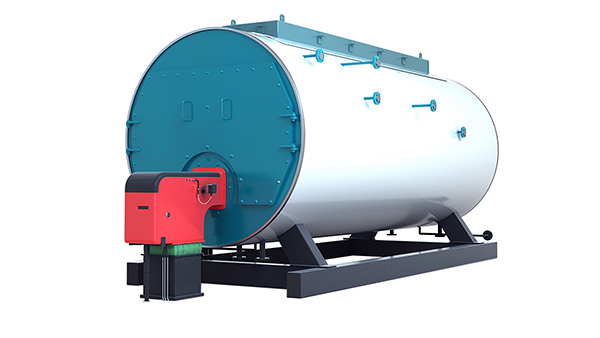
How Does Regular Maintenance and Monitoring Sustain Long-Term Boiler Performance?
Boilers are the beating heart of industrial operations—responsible for powering processes, heating systems, and generating steam across countless industries. However, even the most advanced and efficient boiler can lose performance over time without regular maintenance and continuous monitoring. Small issues such as soot buildup, scale formation, and combustion imbalance can snowball into significant energy losses, higher fuel bills, and costly downtime. Regular maintenance ensures consistent operation, while real-time monitoring detects problems early, preserving both efficiency and reliability throughout the boiler’s lifecycle.
Regular maintenance and monitoring sustain long-term boiler performance by preventing efficiency degradation, minimizing unplanned downtime, and extending equipment lifespan. Maintenance tasks—like cleaning heat transfer surfaces, calibrating burners, and testing safety systems—keep the boiler operating at peak thermal efficiency. Meanwhile, modern monitoring technologies continuously track key parameters (temperature, pressure, oxygen, and exhaust gases), allowing for early detection of fouling, leaks, or combustion issues. This proactive approach ensures optimal performance, lower operating costs, and compliance with environmental and safety standards.
In short, maintenance preserves mechanical health, while monitoring ensures operational intelligence—together forming a continuous improvement loop for long-term performance and reliability.
Boilers can maintain high efficiency without regular maintenance.False
Neglecting maintenance leads to fouling, corrosion, and combustion inefficiencies, causing up to 15% performance loss.
Continuous monitoring can detect efficiency loss before it causes costly failures.True
Real-time sensors and analytics identify anomalies early, allowing timely corrective action to prevent damage.
1. Why Long-Term Performance Depends on Maintenance
Boilers operate under extreme conditions—high temperature, pressure, and chemical exposure. Over time, these conditions cause wear that affects heat transfer, fuel efficiency, and safety. Without proper maintenance, issues like scale buildup, corrosion, and fouling escalate, increasing fuel use and reducing steam output.
| Problem Type | Cause | Impact on Efficiency | Maintenance Solution |
|---|---|---|---|
| Soot Fouling | Incomplete combustion, poor air/fuel ratio | +10% fuel consumption | Soot blowing, burner tuning |
| Scale Formation | Hard water, poor treatment | +5–15% fuel consumption | Chemical cleaning, water softening |
| Corrosion | Oxygen or CO₂ in feedwater | Tube leaks, metal loss | Deaeration, pH control |
| Air Leakage | Damaged seals or gaskets | Reduced combustion control | Leak detection and sealing |
| Burner Misalignment | Improper setup | CO/NOₓ rise, flame instability | Periodic calibration |
Even minor inefficiencies compound over time—turning a high-performance boiler into a fuel-hungry machine.
2. Key Maintenance Tasks for Sustained Efficiency
Routine maintenance involves both preventive and predictive actions. These ensure safe operation and stable efficiency throughout the boiler’s lifetime.
| Maintenance Activity | Frequency | Benefit |
|---|---|---|
| Visual Inspection | Daily | Detects leaks, unusual noise, or vibration |
| Soot Blowing / Tube Cleaning | Weekly to Monthly | Maintains heat transfer |
| Feedwater Quality Check | Weekly | Prevents scaling and corrosion |
| Burner Calibration | Quarterly | Optimizes combustion and fuel-air ratio |
| Safety Valve Testing | Semi-Annually | Prevents overpressure incidents |
| Chemical Treatment | Continuous | Maintains water chemistry balance |
| Comprehensive Overhaul | Annually | Extends service life |
Proper scheduling of these activities avoids sudden breakdowns and preserves energy performance.
3. The Role of Continuous Monitoring Systems
Modern boiler monitoring technologies have evolved from manual checks to automated digital systems capable of tracking real-time performance metrics.
| Monitoring Parameter | Device or Sensor | Early Warning Indication |
|---|---|---|
| Flue Gas O₂ & CO | Gas analyzers | Combustion inefficiency or air leakage |
| Steam Pressure & Temperature | Transmitters | Operational instability |
| Feedwater Conductivity | Conductivity sensor | Scaling or contamination risk |
| Flue Gas Temperature | Thermocouples | Fouling or heat exchanger degradation |
| Vibration Levels | Accelerometers | Mechanical imbalance |
| Efficiency Ratio (Fuel-to-Steam) | Smart meters | Performance drift |
By analyzing these readings through an IoT-based platform, operators can visualize performance trends, schedule predictive maintenance, and achieve energy optimization in real-time.
4. Effects of Maintenance and Monitoring on Efficiency
Neglecting maintenance can cause an efficiency drop of 5–15% per year, depending on fuel type and operating conditions. Monitoring prevents this by maintaining optimal combustion and clean surfaces.
| Condition | Flue Gas Temp (°C) | Boiler Efficiency (%) | Fuel Penalty (%) |
|---|---|---|---|
| Clean, Well-Tuned | 220 | 90 | – |
| Slight Fouling | 250 | 87 | +3 |
| Moderate Fouling | 280 | 84 | +6 |
| Heavy Fouling | 330 | 80 | +10 |
Through proactive maintenance and digital supervision, these losses are minimized, saving thousands in annual fuel costs.
5. Integration of Predictive Maintenance Technologies
Modern systems use machine learning (ML) and predictive analytics to forecast when maintenance will be required, based on real-time operational data.
Example: Predictive Boiler Analytics Dashboard
Monitors parameters like exhaust temperature, pressure differential, and O₂ concentration.
Uses data patterns to predict scale formation or burner inefficiency.
Alerts operators before performance degrades beyond threshold limits.
| Monitoring Tool | Function | Benefit |
|---|---|---|
| AI-Based Fault Detection | Identifies abnormal parameter trends | Prevents downtime |
| Condition-Based Maintenance (CBM) | Triggers actions only when needed | Reduces maintenance cost |
| Cloud Connectivity (IIoT) | Enables remote supervision | Enhances management oversight |
| Digital Twins | Simulates boiler performance | Optimizes design and operation |
This data-driven approach transitions maintenance from reactive (after failure) to predictive (before failure).
6. Economic Impact of Proper Maintenance
| Maintenance Strategy | Efficiency Retained (%) | Annual Fuel Saving (%) | Typical Payback Period |
|---|---|---|---|
| Reactive (Run-to-Failure) | 75–80 | – | High repair cost |
| Preventive (Scheduled) | 90–92 | 3–5 | 12–18 months |
| Predictive (Data-Driven) | 93–95 | 5–8 | 6–12 months |
Regular maintenance and monitoring thus directly contribute to reduced total lifecycle cost (LCC) and higher return on investment (ROI).
7. Safety and Compliance Benefits
Maintenance is not only about efficiency—it’s also about safety and regulatory compliance. Faulty safety valves, low-water cutoffs, or pressure imbalances can lead to catastrophic boiler failures. Most global standards such as ASME BPVC Section I, ISO 16528, and EN 12952 require documented maintenance and monitoring to maintain certification.
| Compliance Area | Requirement | Maintenance Role |
|---|---|---|
| Pressure Safety | Annual valve testing | Ensures pressure relief reliability |
| Water Quality | Regular lab analysis | Prevents corrosion and tube rupture |
| Emission Limits | Continuous monitoring | Keeps NOₓ, CO, and CO₂ within limits |
| Operator Training | Periodic audits | Ensures safe operational practices |
8. Case Study: Efficiency Recovery Through Maintenance
Plant Type: 30-ton/h coal-fired steam boiler
Condition: 10% efficiency loss after two years due to fouling and poor combustion control
Action Taken: Comprehensive cleaning, burner recalibration, economizer descaling, installation of O₂ trim control
| Parameter | Before Maintenance | After Maintenance |
|---|---|---|
| Flue Gas Temp (°C) | 320 | 230 |
| Boiler Efficiency (%) | 82 | 91 |
| Fuel Consumption (kg/h) | 4500 | 4000 |
| CO₂ Emissions (tons/year) | 2100 | 1900 |
| Fuel Saving (%) | – | 11% |
Result: Annual savings of $70,000 with improved reliability and reduced emission compliance risk.
9. Long-Term Maintenance Strategy
A sustainable maintenance plan integrates technical, operational, and digital elements to maintain performance across the boiler’s lifecycle.
| Strategy | Description | Outcome |
|---|---|---|
| Preventive Maintenance Schedule | Based on time intervals | Ensures regular inspection |
| Predictive Analytics | Based on condition data | Avoids unnecessary interventions |
| Digital Monitoring Integration | Cloud-based dashboards | Real-time performance control |
| Training and Documentation | Operator awareness and records | Regulatory compliance and safety |
When applied together, these strategies sustain thermal efficiency, prolong lifespan, and enhance environmental performance.
10. Summary: Maintenance and Monitoring as Performance Anchors
| Function | Maintenance Role | Monitoring Role | Result |
|---|---|---|---|
| Efficiency | Clean and calibrate components | Track performance drift | Stable output |
| Reliability | Prevent failure | Predict degradation | Reduced downtime |
| Safety | Verify protections | Detect anomalies | Safe operation |
| Sustainability | Maintain efficiency | Optimize emissions | Environmental compliance |
Regular maintenance and intelligent monitoring are not expenses—they are investments in performance stability, safety, and profitability.
Conclusion
Boiler systems are designed for decades of service, but only if they are treated as dynamic, living assets that require constant attention. Routine maintenance preserves mechanical integrity, while digital monitoring sustains operational intelligence. Together, they prevent performance decline, extend lifespan, and maintain energy efficiency. In the age of Industry 4.0, smart maintenance and monitoring are no longer optional—they are essential pillars of long-term boiler performance management.
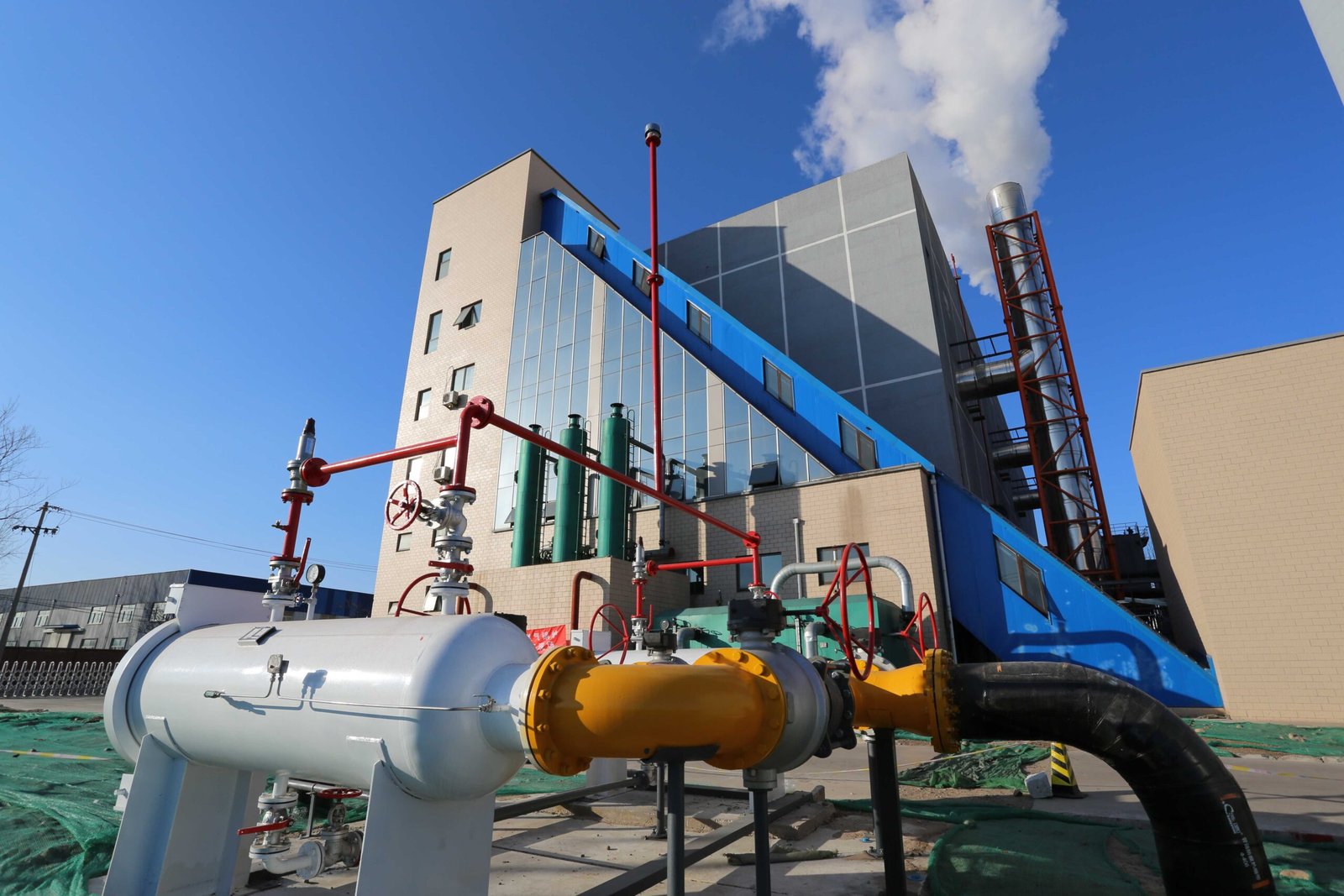
What Advanced Technologies Can Further Improve Oil-Fired Boiler Efficiency?
Oil-fired boilers remain vital in industrial heating and steam generation applications due to their high energy density and reliability. However, traditional designs often suffer from energy loss through incomplete combustion, flue gas heat waste, and outdated control systems. In today’s competitive and sustainability-focused environment, efficiency is no longer a luxury—it is an economic and environmental necessity. The key challenge lies in optimizing every stage of the combustion and heat transfer process. This article explores how advanced technologies—from intelligent combustion control to waste heat recovery and digital optimization—can significantly enhance oil-fired boiler performance and long-term cost-effectiveness.
Advanced technologies such as digital combustion control systems, condensing economizers, O₂ trim control, variable-speed drives, and real-time performance monitoring can improve oil-fired boiler efficiency by 10–25%. These innovations enhance fuel-air precision, recover waste heat from flue gases, reduce excess air, and maintain optimal operation through predictive analytics. Together, they lower fuel consumption, minimize emissions, and extend boiler lifespan, enabling industries to meet both economic and environmental goals.
Modernizing an oil-fired boiler with these technologies can transform it from a conventional system into a high-efficiency, intelligent energy platform—reducing lifecycle costs while supporting cleaner industrial operations.
Advanced combustion control can reduce fuel consumption in oil-fired boilers by up to 20%.True
Precise modulation of air-fuel ratios and continuous O₂ monitoring optimize combustion efficiency and lower excess air.
Installing a condensing economizer provides no significant efficiency benefit.False
Condensing economizers recover latent heat from flue gases, increasing efficiency by up to 10%.
1. Intelligent Combustion Control Systems
The most significant technological leap in oil-fired boilers is the adoption of digital combustion control (DCC) systems. Traditional burners rely on fixed settings, but real-world conditions vary with temperature, humidity, and fuel composition. DCC systems use sensors and algorithms to continuously adjust the air-to-fuel ratio, ensuring consistent, complete combustion.
| Feature | Traditional Control | Digital Combustion Control |
|---|---|---|
| Air-Fuel Adjustment | Manual, periodic | Continuous, automated |
| Efficiency Stability | ±5% fluctuation | ±1% fluctuation |
| O₂ Monitoring | Intermittent | Real-time |
| CO Emissions | Moderate | Significantly reduced |
| Maintenance Demand | Higher | Lower (predictive alerts) |
By integrating advanced sensors, DCCs not only optimize combustion efficiency but also reduce NOₓ and CO₂ emissions. In some cases, efficiency improvements of 3–5% can be achieved with DCC retrofits alone.
2. Oxygen Trim Control (O₂ Control Technology)
Oxygen trim systems continuously monitor the O₂ concentration in the flue gas and automatically adjust the combustion air supply to maintain the optimal ratio.
| Flue Gas O₂ Level (%) | Condition | Impact on Efficiency |
|---|---|---|
| <2 | Risk of incomplete combustion | High CO, soot |
| 3–4 | Optimal combustion | Maximum efficiency |
| >6 | Excess air | Heat loss in flue gas |
Reducing excess air by 10% can improve boiler efficiency by 1%, and with real-time O₂ trimming, efficiency can increase by up to 5% overall.
3. Condensing Economizers for Waste Heat Recovery
Oil-fired boilers typically expel flue gases at temperatures above 200°C, wasting valuable energy. Condensing economizers capture this latent heat by cooling the exhaust below the dew point, allowing water vapor in the flue gas to condense and release hidden heat energy.
| Parameter | Conventional Economizer | Condensing Economizer |
|---|---|---|
| Flue Gas Exit Temp (°C) | 180–200 | 60–80 |
| Efficiency Gain | 3–5% | 8–12% |
| Return Water Requirement | ≥60°C | ≤40°C |
| Payback Period | 2–3 years | 3–5 years |
Condensing systems are particularly effective when the boiler operates with low return water temperatures, such as in district heating or process preheating.
4. Variable-Speed Drives (VSDs) and Intelligent Pumping Systems
Traditional boiler systems run fans and pumps at constant speeds, even during low load conditions, leading to wasted electricity and air-fuel imbalance. Variable-speed drives dynamically adjust motor speeds based on real-time load and combustion demand.
| System Component | Without VSD | With VSD |
|---|---|---|
| Fan Power Usage | Constant | Variable, energy-saving |
| Airflow Control | Manual damper | Automated precision |
| Electrical Savings | – | 20–30% |
| Payback Period | – | 1–2 years |
Integrating VSDs into combustion fans, feedwater pumps, and draft systems leads to smoother operation, better combustion control, and lower auxiliary power consumption.
5. Advanced Heat Exchanger and Surface Coating Technologies
Modern heat exchanger materials and coatings enhance thermal conductivity and resistance to corrosion and fouling. Innovations include:
High-alloy stainless steels (e.g., Inconel 625, Duplex 2205) for high-temperature corrosion resistance.
Ceramic coatings to prevent soot adhesion and scaling.
Microfin and spiral-tube designs to increase surface area for improved heat transfer.
| Material Type | Operating Temp Limit (°C) | Corrosion Resistance | Efficiency Impact |
|---|---|---|---|
| Carbon Steel | 450 | Moderate | Standard |
| Stainless Steel | 600 | High | +3% |
| Inconel Alloy | 900 | Very High | +5–7% |
These materials extend service life and maintain efficiency even under harsh operating conditions.
6. Real-Time Performance Monitoring and Analytics
The integration of IoT (Internet of Things) and cloud-based monitoring enables real-time visibility of boiler parameters such as flue gas temperature, O₂ content, steam pressure, and efficiency metrics.
| Monitoring Parameter | Sensor Type | Benefit |
|---|---|---|
| O₂ / CO₂ | Flue gas analyzer | Optimized combustion |
| Steam Flow | Flow transmitter | Accurate efficiency tracking |
| Fuel Flow | Mass flow meter | Real-time fuel rate |
| Stack Temperature | Thermocouple | Detects fouling or heat loss |
Analytics platforms process this data to detect anomalies, predict maintenance needs, and recommend operational adjustments. This predictive maintenance approach minimizes unplanned downtime and ensures stable efficiency.
7. Integration of Low-NOₓ and Flue Gas Recirculation (FGR) Burners
Low-NOₓ burner technology and flue gas recirculation (FGR) systems mix a portion of cooled flue gas back into the combustion zone. This lowers the flame temperature, reducing NOₓ formation without sacrificing efficiency.
| Burner Type | NOₓ Reduction (%) | Efficiency Impact |
|---|---|---|
| Standard | – | Baseline |
| Low-NOₓ | 40–60 | Neutral |
| Low-NOₓ + FGR | 60–80 | +1–3% efficiency (via improved heat transfer balance) |
These systems also enhance flame stability and extend heat exchanger life.
8. Hybrid and Co-Firing Systems
Some facilities are integrating hybrid fuel systems, allowing oil boilers to co-fire with natural gas or biofuels. This flexibility reduces emissions and fuel costs while maintaining stable operation.
| Fuel Type | Calorific Value (MJ/kg) | CO₂ Emission Factor (kg CO₂/MJ) | Efficiency Trend |
|---|---|---|---|
| Heavy Fuel Oil | 40.5 | 0.078 | Baseline |
| Light Fuel Oil | 42.8 | 0.074 | +2% |
| Biodiesel (B100) | 37.5 | 0.005 | Slightly lower but sustainable |
| Gas-Oil Hybrid | 41.0 | 0.060 | +3–5% |
The integration of biofuel or gas co-firing aligns with decarbonization targets while maintaining high combustion efficiency.
9. Smart Control and Artificial Intelligence (AI) Optimization
AI-driven boiler optimization platforms analyze operational data over time to adjust control strategies dynamically. These systems learn from performance patterns and continuously fine-tune setpoints for maximum efficiency.
Key AI features include:
Adaptive learning for variable fuel quality.
Predictive optimization to minimize startup/shutdown losses.
Self-correcting control loops to sustain efficiency under fluctuating loads.
Industries report up to 10% additional efficiency gains when AI is integrated with combustion and monitoring systems.
10. Economic and Environmental Benefits
| Technology | Efficiency Gain (%) | Payback Period | Emission Reduction (%) |
|---|---|---|---|
| O₂ Trim Control | 3–5 | 1–2 years | 10–15 |
| Condensing Economizer | 8–12 | 3–5 years | 5–10 |
| Variable-Speed Drives | 2–4 | 1–2 years | 2–5 |
| Digital Monitoring & AI | 5–10 | 1–3 years | 5–8 |
| Low-NOₓ Burners + FGR | 1–3 | 2–4 years | 50–80 (NOₓ) |
The combined effect of these technologies delivers 10–25% overall efficiency improvement, longer system lifespan, and reduced carbon footprint.
Conclusion
Modern oil-fired boilers can reach exceptional efficiency levels through advanced combustion control, waste heat recovery, and smart digital integration. Each technology—from O₂ trim systems to AI-assisted optimization—addresses a specific inefficiency while complementing others in a holistic efficiency strategy. When properly combined and maintained, these systems not only reduce fuel use and emissions but also ensure safer, more reliable operation for decades.
🔍 Conclusion
Improving the efficiency of an industrial oil-fired boiler requires a systematic approach combining quality fuel, optimized combustion, and preventive maintenance. By maintaining clean heat surfaces, proper air settings, and effective insulation, operators can achieve high efficiency, reduced fuel costs, and reliable performance even under demanding industrial conditions.
📞 Contact Us
💡 Want to boost your oil-fired boiler efficiency? We offer combustion tuning, heat recovery upgrades, and maintenance programs tailored to your boiler type and operational needs.
🔹 Contact us today to optimize your industrial oil-fired boiler for maximum energy savings and performance. ⚙️🔥🏭✅
FAQ
Q1: What are the main factors affecting industrial oil-fired boiler efficiency?
A1: The efficiency of industrial oil-fired boilers depends on five critical factors: fuel quality, combustion control, heat recovery systems, maintenance practices, and load management. High-quality, low-sulfur fuel ensures cleaner combustion and better heat transfer. Proper air-to-fuel ratio adjustment prevents incomplete combustion. Efficient heat recovery systems reuse waste heat, while regular maintenance reduces fouling and scaling. Finally, maintaining optimal load levels avoids efficiency drops during low-demand periods.
Q2: How does fuel quality impact the efficiency of oil-fired boilers?
A2: Fuel quality directly influences combustion efficiency. Low-grade or contaminated oil contains impurities that form soot and deposits on heat transfer surfaces, reducing heat absorption. High-quality low-sulfur fuel oil burns cleaner and produces fewer particulates, minimizing energy loss. Regular fuel analysis and filtration can help maintain consistent performance. Using clean, stable fuel also extends burner life and reduces maintenance costs, resulting in long-term energy and cost savings.
Q3: Why is combustion control essential for maximizing efficiency?
A3: Proper combustion control ensures the ideal air-to-fuel ratio for complete fuel burning. Too little air leads to unburned hydrocarbons and soot buildup, while too much air causes heat loss through excess exhaust. Modern oil-fired boilers use automatic combustion control systems and oxygen trim technology to continuously monitor and adjust combustion conditions. These systems help maintain steady flame quality, optimize fuel consumption, and reduce emissions, boosting overall boiler efficiency by up to 5–10%.
Q4: How do heat recovery systems improve boiler performance?
A4: Heat recovery systems capture energy that would otherwise escape through flue gases. Devices such as economizers and air preheaters reuse this waste heat to preheat feedwater or combustion air, improving thermal efficiency. Well-designed economizers can enhance boiler efficiency by 3–7%, while condensing heat exchangers can reclaim latent heat from exhaust gases. Integrating heat recovery not only increases energy savings but also lowers carbon emissions and operating costs.
Q5: How does maintenance and load management affect boiler efficiency?
A5: Regular maintenance prevents performance losses caused by soot, scaling, and corrosion. Cleaning heat exchanger tubes, calibrating burners, and checking control systems ensure steady efficiency. Load management is equally important—boilers operating at partial loads often consume more fuel per unit of steam produced. Using modulating burners or multiple smaller boilers to match variable demand helps maintain optimal performance. Together, consistent maintenance and load optimization can sustain high efficiency throughout the boiler’s service life.
References
U.S. Department of Energy – Improving Industrial Boiler Efficiency – https://www.energy.gov/ – DOE
ASME Boiler and Pressure Vessel Code (BPVC) – https://www.asme.org/ – ASME
Carbon Trust – Energy Efficiency in Industrial Boilers – https://www.carbontrust.com/ – Carbon Trust
Spirax Sarco – Boiler Efficiency and Combustion Control – https://www.spiraxsarco.com/ – Spirax Sarco
International Energy Agency (IEA) – Industrial Energy Management – https://www.iea.org/ – IEA
Engineering Toolbox – Thermal Efficiency Calculations – https://www.engineeringtoolbox.com/ – Engineering Toolbox
Mitsubishi Power – Oil-Fired Boiler Solutions – https://power.mhi.com/ – Mitsubishi Power
GE Steam Power – Industrial Boiler Optimization – https://www.ge.com/steam-power/ – GE Steam Power
ScienceDirect – Effects of Combustion and Fuel Quality on Boiler Efficiency – https://www.sciencedirect.com/ – ScienceDirect
MarketsandMarkets – Global Industrial Boiler Market Report 2025 – https://www.marketsandmarkets.com/ – Markets and Markets
