
Choosing the right industrial coal-fired boiler is a critical investment decision that directly impacts energy efficiency, environmental compliance, and operational reliability. With multiple fuel types, boiler designs, and performance requirements available, selecting the wrong configuration can lead to inefficient combustion, excessive emissions, and higher lifecycle costs. Therefore, understanding the essential selection parameters ensures a well-optimized system tailored to specific industrial needs.
The essential parameters for selecting an industrial coal-fired boiler include steam capacity and pressure requirements, coal type and calorific value, combustion system design (grate, fluidized bed, or pulverized), emission compliance standards, thermal efficiency, and automation level. Additional considerations such as feedwater quality, space layout, auxiliary systems, and future fuel flexibility also play vital roles. By evaluating these parameters carefully, buyers can secure a system that ensures stable combustion, optimal fuel use, and long-term reliability under their specific production conditions.
Properly sizing and specifying a coal-fired boiler based on these criteria is key to achieving cost-effective and sustainable energy performance in industrial applications.
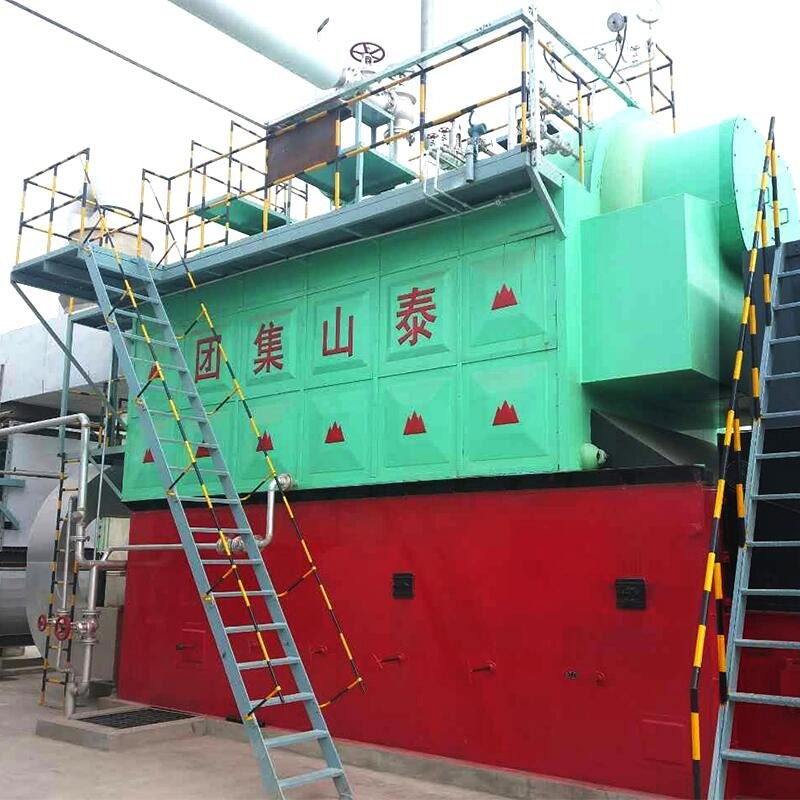
How Do Steam Capacity and Pressure Requirements Determine Boiler Selection?
Selecting the right industrial boiler is not merely a purchasing decision—it is a technical, operational, and economic calculation. Among the many design factors, steam capacity and pressure requirements are the two most critical parameters that determine not only the boiler’s type and size but also its efficiency, safety, and lifecycle cost. Selecting a boiler with mismatched capacity or pressure rating can lead to fuel waste, poor steam quality, mechanical failure, and compliance violations. This article explores in depth how capacity and pressure demands govern boiler design and selection, providing practical engineering insight for industrial users and plant designers.
Steam capacity and pressure requirements determine boiler selection by defining the necessary heat output, design pressure, and mechanical construction needed to meet process or power generation demands. The steam capacity (measured in tons/hour or kg/hour) dictates the boiler size, burner rating, and heat transfer surface area, while the pressure requirement establishes the drum thickness, material grade, and overall system configuration. Correctly matching these parameters ensures stable steam supply, optimal fuel efficiency, and safe long-term operation.
In essence, capacity defines how much steam is needed, while pressure defines how strong and sophisticated the boiler must be. Proper engineering alignment between these two parameters ensures reliable operation under all load conditions.
A boiler with higher steam pressure always provides better efficiency.False
Higher pressure increases thermodynamic efficiency but also requires thicker materials and higher energy input; optimal efficiency depends on process balance.
Boiler capacity must match the plant’s maximum steam demand with a safety margin.True
Selecting a boiler slightly above peak load ensures continuous supply and avoids overload conditions.
1. Understanding Steam Capacity: The Heart of Boiler Sizing
Steam capacity refers to the maximum amount of steam a boiler can generate per unit of time, typically expressed in tons/hour (TPH) or kg/hour. It is primarily determined by the heat input rate (fuel energy) and the efficiency of heat transfer from combustion gases to water.
| Steam Capacity (TPH) | Typical Application | Boiler Type Commonly Used | Key Design Considerations |
|---|---|---|---|
| <1 | Small labs, laundries | Fire-tube, electric | Compact size, quick start |
| 1–20 | Food, textile, paper | Fire-tube or small water-tube | Load flexibility, efficiency |
| 20–100 | Chemical, refinery | Water-tube | High reliability, modularity |
| 100–500 | Power generation | Large water-tube, supercritical | Efficiency, emissions control |
For example, a 10 TPH boiler used in a textile plant producing saturated steam at 10 bar requires approximately 6.3 MW of heat input (considering 85% efficiency). If the load fluctuates, engineers typically add 10–20% extra capacity to maintain steady operation under peak conditions.
2. The Role of Steam Pressure: Defining Structural and Thermal Design
Steam pressure determines the temperature and energy content of the steam, as well as the mechanical strength and material requirements of the boiler. Higher pressure yields higher thermal efficiency (especially in turbines), but it also demands stronger materials, thicker walls, and advanced safety systems.
| Pressure Range | Steam Type | Typical Application | Boiler Design Implications |
|---|---|---|---|
| 0.5–5 bar | Low pressure | Heating, autoclaves | Fire-tube boilers, simple design |
| 6–25 bar | Medium pressure | Industrial process | Water-tube or hybrid type |
| 26–80 bar | High pressure | Power generation, refinery | Advanced water-tube, high alloy materials |
| >200 bar | Supercritical | Power plants | Ultra-supercritical design, special steels |
Example:
A 15-bar steam requirement for a paper mill can be achieved with a standard water-tube boiler using carbon steel.
A 120-bar requirement for a turbine power boiler demands Cr-Mo alloy steel, a thicker shell, and specialized welding standards (ASME Section I).
Thus, pressure not only dictates the energy performance but also determines the boiler’s complexity, material grade, and inspection category.
3. Relationship Between Steam Capacity and Pressure
Capacity and pressure are interrelated but not directly proportional. As steam pressure increases, the specific volume of steam decreases, allowing more energy to be stored per unit mass. However, generating and containing that high-pressure steam requires more robust equipment.
| Steam Pressure (bar) | Steam Temp (°C) | Enthalpy of Steam (kJ/kg) | Specific Volume (m³/kg) | Relative Boiler Complexity |
|---|---|---|---|---|
| 10 | 184 | 2776 | 0.19 | Low |
| 40 | 252 | 2745 | 0.05 | Medium |
| 100 | 311 | 2725 | 0.02 | High |
| 250 | 400 | 2695 | 0.01 | Very High |
In power generation, this trade-off is carefully optimized: higher pressure improves the Rankine cycle efficiency, but cost and safety constraints limit how high one can go.
4. Boiler Type Selection Based on Capacity and Pressure
Different boiler designs are suited to specific capacity and pressure ranges.
| Boiler Type | Capacity Range (TPH) | Pressure Range (bar) | Efficiency Potential | Typical Use |
|---|---|---|---|---|
| Fire-Tube | Up to 20 | Up to 25 | 80–88% | Heating, food, small industry |
| Water-Tube | 10–500 | Up to 200 | 85–92% | Chemical, power, refinery |
| Once-Through | 50–800 | 100–300 | 90–94% | Power plants |
| Supercritical/USC | >500 | >250 | 94–96% | Utility-scale generation |
The fire-tube type is favored for low-capacity, low-pressure applications due to its simplicity and ease of maintenance, while water-tube and once-through designs dominate high-capacity, high-pressure industrial and power generation sectors.
5. Engineering Calculations for Capacity Matching
The fundamental energy balance guiding boiler selection can be expressed simply:
Required Heat Input (kW) = Steam Flow (kg/s) × (Enthalpy of Steam – Enthalpy of Feedwater) / Efficiency
Instead of a formula with symbols, let’s see a real-world example:
Example:
A factory requires 8 tons/hour of steam at 12 bar for process heating.
Feedwater enters at 90°C, and steam at 12 bar has an enthalpy of about 2780 kJ/kg.
Feedwater enthalpy = 377 kJ/kg, boiler efficiency = 85%.
Thus,
Energy needed = 8,000 kg/h × (2780 – 377) / 0.85 ≈ 18.0 MW heat input.
This helps engineers choose a boiler capable of sustaining this demand with 10–15% excess capacity for fluctuations.
6. Material and Safety Implications
Higher pressures and capacities directly influence material selection and design codes.
| Pressure (bar) | Material Type | Design Code Reference | Key Features |
|---|---|---|---|
| <25 | Carbon steel (SA-516 Gr. 60) | ASME Section IV | Standard fire-tube construction |
| 25–100 | Low-alloy steel (SA-387 Gr. 11) | ASME Section I | Enhanced tensile strength |
| 100–250 | Cr-Mo alloy steel | ASME Section I / EN 12952 | High creep resistance |
| >250 | Nickel-based alloys | ASME Section I | Ultra-high temperature resistance |
Safety considerations include drum thickness, weld integrity, and hydrostatic testing. Each material grade is selected to ensure the boiler can withstand internal pressure stresses for decades of service.
7. Economic and Operational Trade-Offs
Selecting the correct pressure and capacity involves balancing initial capital cost against long-term operating efficiency.
| Parameter | Low-Pressure Boiler | High-Pressure Boiler |
|---|---|---|
| Efficiency | Moderate | High |
| Material Cost | Low | High |
| Maintenance | Simple | Complex |
| Startup Time | Short | Longer |
| Application | Heating | Power/process |
| Lifetime Operating Cost | Higher fuel cost | Lower fuel cost |
Thus, for process heating below 15 bar, low-pressure designs are more cost-effective. For power generation or high-enthalpy processes, higher pressures yield superior fuel economy despite higher upfront costs.
8. Case Study: Capacity and Pressure Optimization
Industry: Petrochemical plant
Initial Condition: Existing 20 TPH, 15 bar boiler operating at 82% efficiency
Upgrade Target: Increase capacity to 30 TPH, raise pressure to 40 bar
| Parameter | Old Boiler | New Boiler |
|---|---|---|
| Steam Capacity | 20 TPH | 30 TPH |
| Pressure | 15 bar | 40 bar |
| Efficiency | 82% | 90% |
| Fuel Consumption | 1,050 kg/h | 1,350 kg/h |
| Output Gain | – | +50% steam with only +28% fuel input |
Result:
The plant achieved 18% energy savings per ton of steam and reduced downtime with modern controls and higher-grade materials.
9. Selection Checklist for Engineers
When defining boiler requirements, engineers should evaluate:
Steam Load Profile: Average and peak demand (daily/hourly).
Pressure Requirement: Process or turbine operating conditions.
Fuel Availability: Oil, gas, biomass, or hybrid.
Feedwater Quality: Affects heat transfer and scaling potential.
Control Flexibility: Load following, automation, and safety interlocks.
Regulatory Codes: ASME, CE, or ISO certification requirements.
Matching these parameters ensures optimal efficiency, reliability, and compliance.
10. Summary Table: Impact of Capacity and Pressure on Boiler Selection
| Parameter | Low-Capacity / Low-Pressure | Medium-Capacity / Medium-Pressure | High-Capacity / High-Pressure |
|---|---|---|---|
| Steam Flow | <5 TPH | 5–50 TPH | >50 TPH |
| Pressure | <10 bar | 10–80 bar | >80 bar |
| Boiler Type | Fire-tube | Water-tube | Supercritical |
| Material | Carbon Steel | Alloy Steel | Cr-Mo / Ni Alloys |
| Efficiency | 80–85% | 85–90% | 90–96% |
| Typical Use | Food, textile | Refinery, chemical | Power generation |
Conclusion
Steam capacity and pressure are the two cornerstones of industrial boiler design and selection. Capacity ensures sufficient steam output for process demands, while pressure governs thermal efficiency and structural robustness. A well-engineered match between these parameters delivers the highest operational stability, safety, and cost-effectiveness over the boiler’s lifecycle. In modern industries, selecting the optimal boiler is not about buying the largest unit—it’s about aligning design with process demand, energy strategy, and compliance requirements.
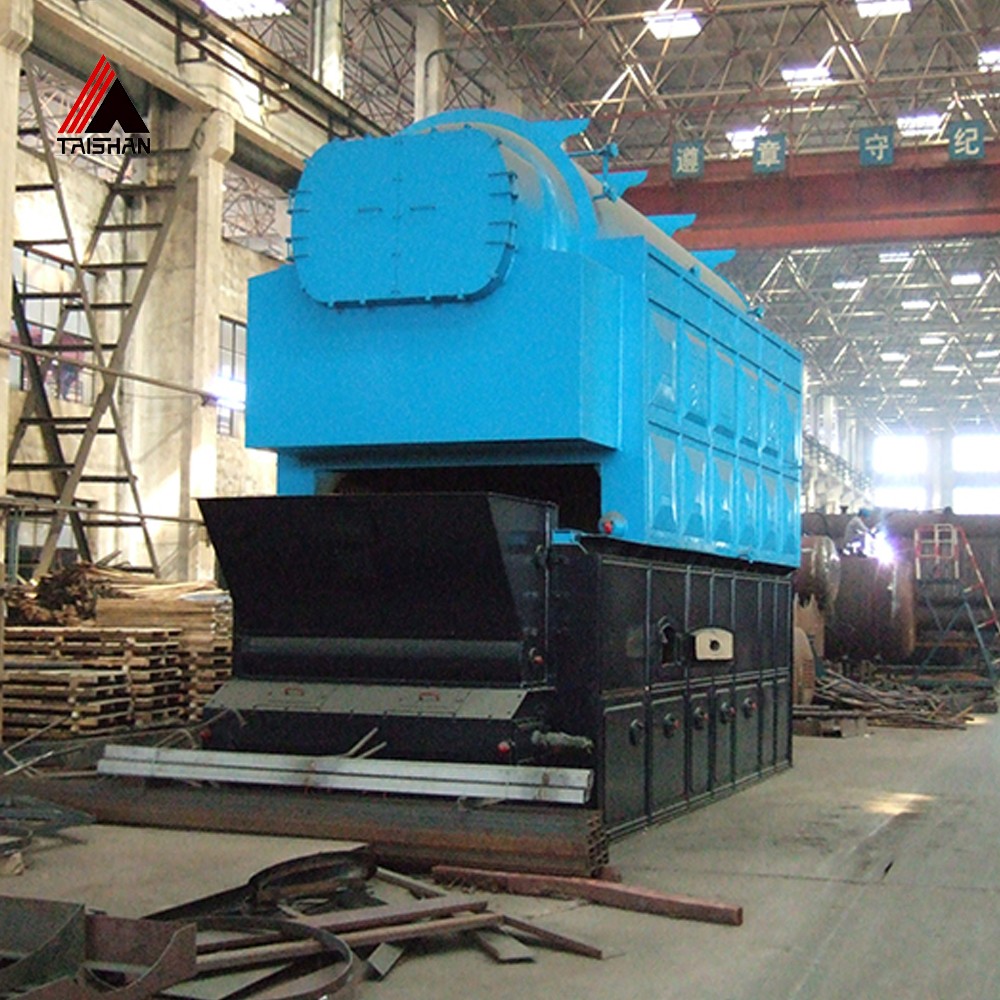
Why Is the Coal Type, Calorific Value, and Ash Content Critical in Boiler Design Choice?
In the design and operation of coal-fired boilers, the fuel itself is the foundation of performance. While many engineers focus on boiler size, pressure, or combustion controls, it is the coal characteristics—type, calorific value, and ash content—that fundamentally determine the boiler’s configuration, efficiency, and maintenance requirements. Selecting or designing a boiler without matching it to the correct fuel properties can lead to incomplete combustion, slagging, corrosion, and rapid performance deterioration. Therefore, understanding how coal composition affects thermal and mechanical design is essential for achieving reliable and efficient boiler operation.
Coal type, calorific value, and ash content are critical in boiler design because they determine the combustion temperature, heat release rate, and fouling characteristics that influence furnace dimensions, burner configuration, and heat transfer surface design. High-calorific coals generate more heat but require advanced temperature control to prevent slagging, while high-ash or low-grade coals demand larger furnace volumes, stronger ash-handling systems, and enhanced soot-blowing arrangements. Accurately matching the boiler design to the fuel’s properties ensures complete combustion, stable performance, and long-term reliability.
In short, the fuel defines the furnace—and optimizing boiler design around coal characteristics is the foundation of high-efficiency, low-maintenance operation.
All coal types can be used interchangeably in the same boiler without performance loss.False
Each coal type has unique combustion, volatile matter, and ash characteristics that require specific furnace and burner configurations.
Low-calorific, high-ash coals require larger furnace volumes to ensure complete combustion.True
Their slower burning rate and higher ash loading demand longer residence time and stronger heat exchange design.
1. Understanding the Key Coal Parameters That Affect Boiler Design
Every coal sample varies in its chemical composition, energy content, and mineral impurities. These variations influence not only combustion behavior but also the selection of furnace type, burner arrangement, and ash removal system.
| Coal Property | Unit | Typical Range | Influence on Design |
|---|---|---|---|
| Calorific Value (HHV) | kcal/kg | 3,000–8,000 | Determines furnace size and heat release rate |
| Ash Content | % by weight | 5–45 | Influences fouling, erosion, and ash-handling system |
| Volatile Matter (VM) | % by weight | 10–40 | Affects ignition stability and flame length |
| Moisture Content | % by weight | 2–30 | Impacts combustion efficiency and air preheating |
| Fixed Carbon | % by weight | 40–80 | Determines burn-out time and grate type |
| Sulfur Content | % by weight | 0.2–3.0 | Impacts corrosion and emission control system design |
Each of these parameters plays a part in defining the optimal combustion system and materials required for efficient, long-term performance.
2. Influence of Coal Type on Combustion and Boiler Configuration
Coal types differ primarily in their rank—ranging from lignite (low-rank) to anthracite (high-rank)—which dictates their heating value, volatility, and reactivity.
| Coal Type | Calorific Value (kcal/kg) | Volatile Matter (%) | Typical Ash (%) | Combustion Characteristics | Recommended Boiler Design |
|---|---|---|---|---|---|
| Lignite | 3,000–4,500 | 25–45 | 10–20 | High moisture, easy ignition, low energy density | Large-volume fluidized bed or spreader stoker |
| Sub-Bituminous | 4,500–6,000 | 15–30 | 8–15 | Moderate energy, good stability | Pulverized coal or fluidized bed |
| Bituminous | 6,000–7,500 | 10–25 | 5–12 | High calorific, stable flame | Pulverized coal boiler with preheated air |
| Anthracite | 7,000–8,000 | <10 | 5–8 | Hard to ignite, slow burning | High-temperature furnace, longer residence time |
For example, a lignite-based boiler must include a larger furnace volume to compensate for its lower heat value and higher moisture, while a high-grade bituminous coal boiler requires precise air staging to control flame temperature and reduce NOₓ formation.
3. The Role of Calorific Value in Furnace Design
The calorific value (CV) of coal represents the amount of heat released during complete combustion. It dictates the heat input per kilogram of fuel and therefore defines the size and thermal loading of the furnace.
| Parameter | High-Calorific Coal | Low-Calorific Coal |
|---|---|---|
| Furnace Volume | Smaller | Larger |
| Flame Temperature | Higher (up to 1,600°C) | Lower (1,200–1,300°C) |
| Combustion Air Requirement | Lower | Higher |
| Heat Flux Density | Higher | Moderate |
| Risk of Slagging | High | Low |
If the boiler is designed for high-CV coal but operated on lower-grade fuel, the furnace may not achieve complete combustion, leading to unburnt carbon and efficiency loss. Conversely, using high-CV coal in a boiler designed for lower energy density can cause overheating, slagging, and tube failures.
4. Ash Content and Its Influence on Heat Transfer and Maintenance
Ash content—the non-combustible residue left after coal combustion—is a critical design factor. It determines the fouling tendency, erosion risk, and cleaning frequency required for sustained operation.
| Ash Content (%) | Impact | Design Response |
|---|---|---|
| <10 | Minimal fouling | Standard soot-blowing arrangement |
| 10–25 | Moderate slagging | Increased spacing between tubes, more soot blowers |
| >25 | High fouling and erosion | Fluidized bed combustion (FBC) or mechanical ash removal system |
Ash characteristics also depend on chemical composition, particularly the ratio of silica (SiO₂), alumina (Al₂O₃), and iron oxide (Fe₂O₃). Coals with high Fe₂O₃ content tend to melt easily, causing slag deposits on heat transfer surfaces.
| Major Oxide | Common Source | Impact on Boiler |
|---|---|---|
| SiO₂ | Quartz, clay | Increases erosion |
| Al₂O₃ | Kaolinite | Reduces slagging tendency |
| Fe₂O₃ | Pyrite, hematite | Promotes slagging |
| CaO, MgO | Carbonates | Aids slag formation, corrosive |
| Na₂O, K₂O | Minerals | Causes sticky deposits at high temperature |
To counteract these effects, designers may select refractory linings, wide tube pitch, or automatic ash removal systems depending on the fuel’s ash profile.
5. Moisture and Volatile Matter: Combustion Stability Considerations
High moisture content in coal absorbs heat during evaporation, reducing the available thermal energy for steam generation. It also lowers flame temperature and increases flue gas losses.
| Moisture Level | Impact on Performance | Design Consideration |
|---|---|---|
| <5% | Efficient combustion | Standard preheater |
| 5–15% | Moderate efficiency loss | Larger furnace, improved air staging |
| >20% | Severe energy loss | Pre-drying system or fluidized bed combustion |
Similarly, volatile matter influences ignition and flame stability. High-volatile coals ignite easily but may produce long flames requiring taller furnaces, while low-volatile coals need higher preheat temperatures and advanced ignition systems.
6. Corrosion and Erosion Design Challenges
Certain elements in coal—especially sulfur and chlorine—can produce corrosive compounds such as SO₃ or HCl at high temperatures.
| Contaminant | Effect | Mitigation Design |
|---|---|---|
| Sulfur (S) | Forms acidic SO₂/SO₃ gases | Limestone injection or flue gas desulfurization |
| Chlorine (Cl) | Causes pitting and stress corrosion | Protective coatings, high-grade alloys |
| Alkalis (Na, K) | Forms low-melting eutectics | Fluidized bed combustion, wider gas passages |
These design adaptations protect the superheater and economizer tubes from premature degradation.
7. Case Study: Influence of Fuel on Boiler Design
Case Example:
A 75 TPH boiler originally designed for bituminous coal (6,500 kcal/kg, 12% ash) was switched to local lignite (4,000 kcal/kg, 25% ash).
| Parameter | Original Design | After Fuel Change |
|---|---|---|
| Furnace Volume | 220 m³ | 340 m³ (+55%) |
| Air Requirement | 1.1 kg air/kg fuel | 1.7 kg air/kg fuel |
| Efficiency | 88% | 80% |
| Slagging Frequency | Monthly | Weekly |
| Solution | Redesigned grate, improved soot blowing | Efficiency restored to 85% |
This demonstrates how a mismatch between fuel and furnace design can reduce performance until the boiler is adapted to the new coal quality.
8. Impact on Boiler Efficiency and Lifecycle Cost
| Coal Grade | Efficiency Range (%) | Maintenance Cost Impact | Suitable Combustion System |
|---|---|---|---|
| High-Calorific Bituminous | 88–92 | Low | Pulverized or wall-fired |
| Medium-Grade Sub-Bituminous | 85–90 | Moderate | Fluidized bed |
| Low-Grade Lignite | 78–85 | High | CFB / Spreader stoker |
| High-Ash Indian / Indonesian | 75–82 | Very High | CFB or moving grate |
Selecting a design aligned to coal grade can improve fuel utilization by up to 10%, lowering lifetime operating costs significantly.
9. Design Standards and Testing Requirements
International design codes such as ASME Section I, EN 12952, and ISO 16528 require that fuel analysis and ash fusion characteristics be incorporated into boiler design documentation.
| Required Test | Standard Reference | Design Use |
|---|---|---|
| Proximate Analysis (moisture, VM, ash, FC) | ASTM D3172 | Determines combustion system |
| Ultimate Analysis (C, H, S, N, O) | ASTM D3176 | Determines stoichiometric air requirement |
| Ash Fusion Temperature | ASTM D1857 | Defines slagging tendency |
| Hardgrove Grindability Index (HGI) | ASTM D409 | Determines milling system selection |
| Calorific Value (HHV/LHV) | ASTM D5865 | Determines heat balance and sizing |
Designers use these parameters to simulate furnace behavior under real fuel conditions and optimize heat transfer layout.
10. Summary: Matching Fuel and Furnace for Optimal Design
| Parameter | Low-Rank Coal (Lignite) | Medium-Rank Coal (Sub-Bituminous) | High-Rank Coal (Bituminous/Anthracite) |
|---|---|---|---|
| Calorific Value | 3,000–4,500 kcal/kg | 4,500–6,000 kcal/kg | 6,000–8,000 kcal/kg |
| Ash Content | 15–30% | 10–20% | 5–12% |
| Furnace Volume | Large | Medium | Small |
| Combustion System | CFB / Grate | Pulverized / FBC | Pulverized / Cyclone |
| Efficiency Range | 75–85% | 85–90% | 88–92% |
| Maintenance Frequency | High | Moderate | Low |
Conclusion
The type of coal used—its **calorific value, ash composition, and volatility—**is the foundation upon which every element of boiler design is built. These fuel parameters determine furnace volume, burner layout, heat exchanger configuration, and ash-handling systems. A mismatch between fuel and boiler design not only reduces efficiency but can also accelerate wear and operational downtime. Therefore, a professional fuel analysis and custom boiler design are indispensable to achieving long-term performance, compliance, and cost efficiency.
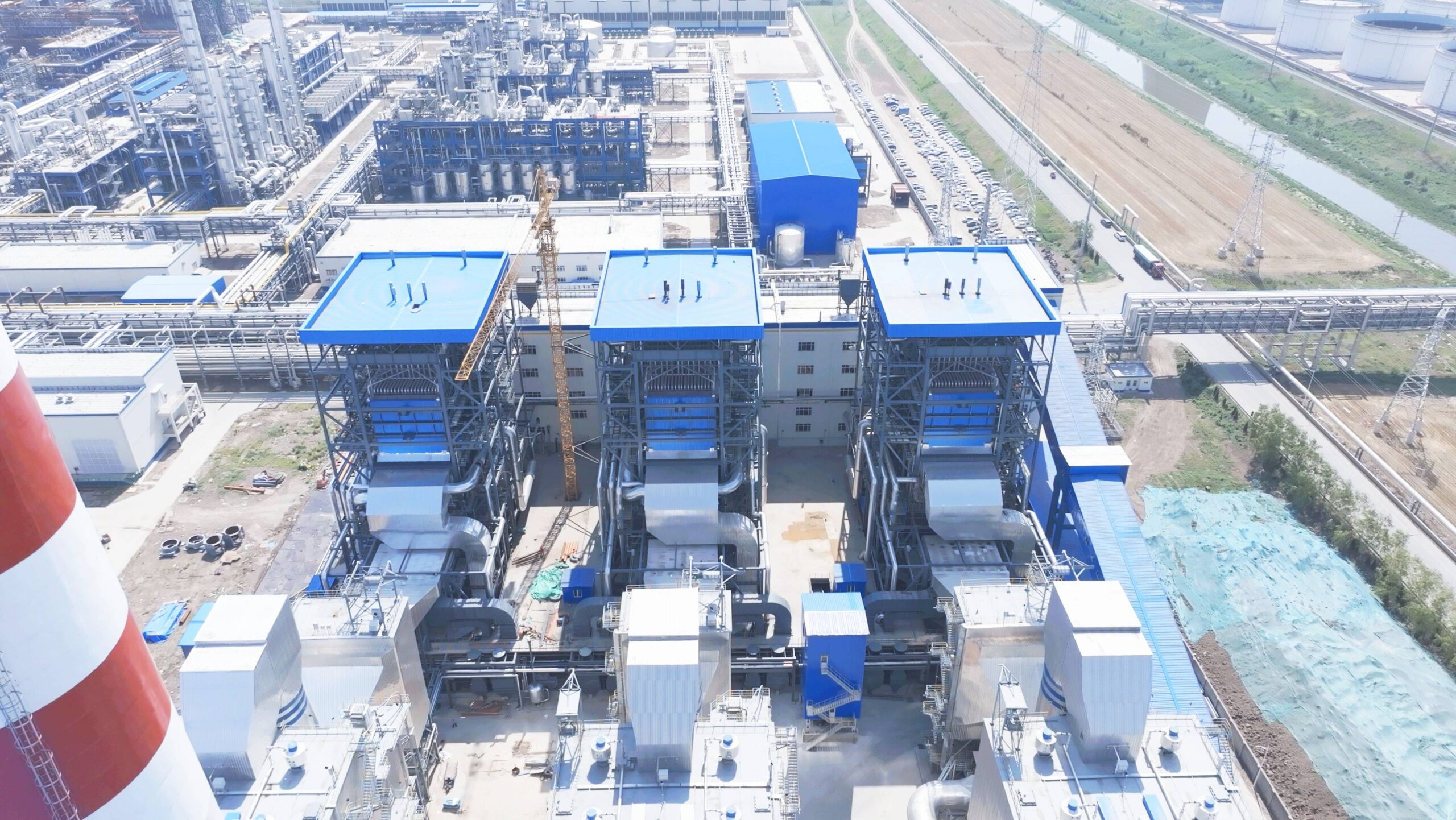
What Combustion Systems Are Suitable for Different Coal Grades and Load Ranges?
The design of a coal-fired boiler’s combustion system is never “one-size-fits-all.” It must be precisely engineered around two key variables — the grade of coal (its calorific value, ash content, and volatility) and the load range (the boiler’s operational flexibility and required output). A poor match between the combustion system and coal properties can result in incomplete combustion, slagging, high emissions, and poor efficiency. Conversely, a well-matched system ensures stable firing, high thermal efficiency, and reduced operating costs over the boiler’s lifecycle.
The choice of combustion system depends on coal characteristics and required load flexibility. Pulverized coal combustion (PC) is best for high-grade bituminous or anthracite coals with high heating value and low ash, suitable for large, base-load power plants. Fluidized bed combustion (FBC) and circulating fluidized bed combustion (CFBC) are ideal for low-grade, high-ash, or variable-moisture coals, offering excellent fuel flexibility and emission control. Grate firing systems are more suitable for small and medium-load boilers using lignite or low-reactivity coals.
Matching the correct combustion technology to the coal grade and load range is essential for achieving both efficiency and reliability.
All coal combustion systems can efficiently burn any coal grade without modification.False
Each combustion system is optimized for specific coal properties—moisture, ash, volatility, and calorific value—requiring design adaptations for fuel compatibility.
Fluidized bed combustion systems are suitable for low-grade, high-ash coals due to their excellent fuel flexibility.True
The fluidized bed maintains uniform temperature and efficient mixing, allowing stable combustion of a wide range of low-quality fuels.
1. Overview: Coal Combustion Technologies and Their Application Ranges
| Combustion System | Typical Boiler Capacity | Suitable Coal Grade | Ash Tolerance | Efficiency Range (%) | Load Flexibility | Emission Performance |
|---|---|---|---|---|---|---|
| Pulverized Coal (PC) | 100–1000+ MW | Bituminous, Anthracite | Low–Moderate | 88–94 | Moderate | Medium (requires add-on controls) |
| Circulating Fluidized Bed (CFBC) | 50–500 MW | Lignite, Sub-bituminous, High-ash | Very High | 85–90 | High | Excellent (in-situ desulfurization) |
| Bubbling Fluidized Bed (BFBC) | 10–150 MW | Lignite, Low-grade coals | High | 80–88 | High | Excellent |
| Stoker (Grate) Firing | 1–50 MW | Lignite, Peat, Biomass-coal blend | Moderate–High | 75–85 | High | Medium |
| Cyclone Firing | 100–300 MW | Low-volatile Bituminous | Moderate | 85–89 | Low | Medium |
| Underfeed / Overfeed Systems | <20 MW | Fine coal, lignite | Moderate | 70–80 | Moderate | Low |
The optimal choice depends on balancing fuel cost, efficiency target, emission limits, and operational flexibility.
2. Pulverized Coal Combustion (PC) – For High-Efficiency, High-Grade Fuels
Pulverized coal combustion remains the dominant technology for large-scale power generation due to its high efficiency and proven performance.
Working Principle
Coal is milled into fine powder (less than 75 μm) and injected into the furnace through burners. The fine particles mix rapidly with air, ensuring almost complete combustion.
Suitable Fuel Types
Bituminous and anthracite coals with calorific values of 6,000–8,000 kcal/kg.
Low ash (<15%), moderate moisture (<10%), and high fixed carbon content.
Advantages
High combustion efficiency (>99%).
Compact furnace size.
High steam temperatures and pressures possible (supercritical and ultra-supercritical).
Limitations
Poor performance with high-ash or wet coals.
Requires high-cost milling and dust control systems.
| Design Parameter | Typical Value |
|---|---|
| Furnace Temperature | 1,400–1,600°C |
| Air-to-Fuel Ratio | 1.1–1.3 (stoichiometric) |
| Residence Time | <2 seconds |
| Unburnt Carbon | <1% |
For base-load stations operating continuously on premium coals, PC boilers are the standard choice.
3. Fluidized Bed Combustion (FBC) – The Solution for Fuel Flexibility
Fluidized bed systems, including Bubbling Fluidized Bed (BFBC) and Circulating Fluidized Bed (CFBC), represent a major evolution in combustion technology.
Operating Principle
Coal particles are suspended in a fluidized mixture of air and inert materials (sand or ash) at temperatures of 800–900°C, much lower than PC systems. This environment ensures uniform temperature and excellent fuel-air mixing.
Suitable Fuel Types
Lignite, sub-bituminous coal, washery rejects, high-ash Indian coal (>30%), or mixed fuels.
Key Advantages
Can burn low-grade or variable-quality fuels efficiently.
In-situ desulfurization using limestone.
Reduced NOₓ due to lower combustion temperature.
Fast load response, ideal for fluctuating power demand.
| Parameter | Bubbling FBC | Circulating FBC |
|---|---|---|
| Furnace Temperature | 800–850°C | 850–900°C |
| Air Velocity | 1–3 m/s | 4–8 m/s |
| Particle Circulation | Minimal | Continuous |
| Typical Size | 10–150 MW | 50–500 MW |
| Sulfur Retention | 80–90% | 90–95% |
Limitations
Slightly lower efficiency than PC.
More complex ash recycling and control systems.
Nevertheless, FBC and CFBC are the most versatile technologies for developing regions with diverse coal sources.
4. Grate-Fired Combustion – Simplicity for Small-Scale, Low-Rank Fuels
Stoker and grate systems are the oldest but still relevant for small and medium-scale boilers, particularly in industries such as textile, paper, and food processing.
Principle
Coal is mechanically fed onto a moving or fixed grate, where combustion occurs in distinct zones — drying, devolatilization, and char burning.
Suitable Fuel Types
Lignite, peat, or low-rank coals with high moisture and volatile content.
Biomass or coal-biomass blends.
| Grate Type | Typical Output | Application |
|---|---|---|
| Chain Grate | 1–20 MW | Industrial boilers |
| Spreader Stoker | 10–50 MW | Process plants |
| Reciprocating Grate | 5–30 MW | High-moisture fuels |
Pros
Simple, robust, and inexpensive.
Can tolerate variable fuel sizes.
Minimal pre-processing required.
Cons
Lower efficiency (75–85%).
More manual maintenance.
Poor scalability for large units.
For decentralized heating and industrial operations where cost and simplicity outweigh maximum efficiency, grate systems remain competitive.
5. Cyclone Firing – Handling Low-Volatile Coals
Cyclone firing systems are designed for low-volatile, high-fixed-carbon bituminous coals that are difficult to burn in PC boilers.
Operating Features
Coarse coal particles (0.5–6 mm) are injected tangentially into a cylindrical chamber.
Intense centrifugal motion promotes complete combustion in molten slag conditions.
| Parameter | Typical Value |
|---|---|
| Temperature | 1,500–1,700°C |
| Efficiency | 85–89% |
| Ash Removal | Molten slag tapping |
| Load Range | 100–300 MW |
Cyclone furnaces are less popular today due to NOₓ emissions and complex slag management, but they remain effective in certain retrofit or co-generation contexts.
6. Comparative Analysis: Matching Combustion System to Coal Type and Load Range
| Coal Type | Calorific Value (kcal/kg) | Ash Content (%) | Typical Load Range | Recommended Combustion System |
|---|---|---|---|---|
| Lignite | 3,000–4,500 | 15–30 | 10–200 MW | CFBC / BFBC / Grate |
| Sub-bituminous | 4,500–6,000 | 10–20 | 50–300 MW | CFBC / Pulverized |
| Bituminous | 6,000–7,500 | 5–15 | 100–1000 MW | Pulverized Coal |
| Anthracite | 7,000–8,000 | 5–10 | 100–500 MW | Pulverized / Cyclone |
| High-Ash Indian Coal | 3,500–5,000 | 25–45 | 50–300 MW | CFBC |
| Washery Rejects | <3,500 | 40–50 | <100 MW | CFBC / FBC |
| Coal-Biomass Mix | Variable | Variable | <100 MW | Grate / CFBC |
This table clearly shows that fluidized bed systems dominate where coal quality is inconsistent or environmental compliance is strict. Pulverized systems remain the gold standard for large-scale, high-efficiency power generation.
7. Case Study: Matching Load Range and Combustion Type
A cement plant required a 120 TPH boiler using Indian lignite (4,000 kcal/kg, 30% ash). Two technologies were compared:
| Parameter | Pulverized Coal | CFBC |
|---|---|---|
| Efficiency | 88% | 86% |
| SO₂ Emission | 1,800 mg/Nm³ | 250 mg/Nm³ |
| Ash Disposal | 12 t/hr | 10 t/hr |
| Fuel Flexibility | Low | High |
| Maintenance Cost | High | Moderate |
| Final Decision | ❌ Not Suitable | ✅ Adopted CFBC |
The study concluded that CFBC offered better stability, lower emissions, and cost savings over time, despite slightly lower efficiency.
8. Future Directions in Combustion System Design
Advanced CFBC: Integrating low-NOₓ burners and carbon capture systems.
Hybrid Firing: Co-firing coal with biomass or waste-derived fuels.
Digital Control Systems: Real-time combustion optimization using AI and infrared sensors.
Supercritical PC Boilers: Pushing efficiency beyond 45%.
These innovations allow cleaner, smarter, and more fuel-flexible combustion technologies to meet future decarbonization targets.
Conclusion
The selection of an appropriate combustion system is one of the most critical engineering decisions in coal-fired boiler design. It determines not only the efficiency and emissions but also the operational flexibility and lifetime cost of the unit.
High-grade, consistent coals → Pulverized coal firing for maximum efficiency.
Low-grade, variable coals → Fluidized bed combustion for fuel flexibility.
Small industrial loads → Grate systems for cost-effectiveness and simplicity.
Understanding the interplay between coal quality, furnace technology, and load demand is the cornerstone of sustainable and efficient power generation.
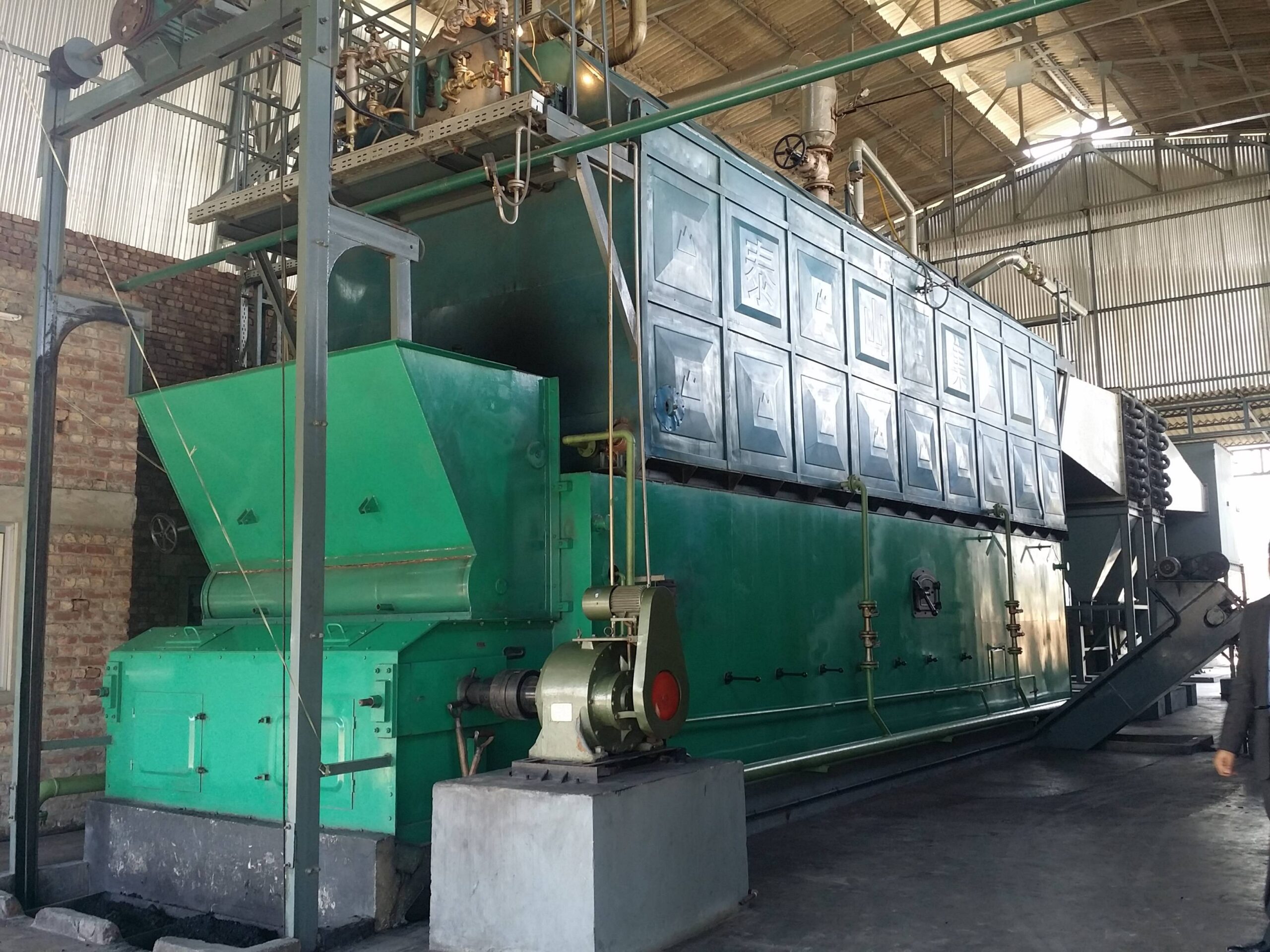
How Do Emission Standards and Local Regulations Affect Boiler Configuration?
In the modern era of energy and environmental accountability, industrial and power plant boilers are no longer designed around fuel and efficiency alone. Emission standards and local environmental regulations have become decisive factors that shape every element of a boiler’s configuration—from burner design to flue gas treatment systems and even fuel selection. As emission limits for SO₂, NOₓ, CO₂, and particulate matter become increasingly strict, boiler manufacturers and operators must adopt advanced combustion and post-combustion technologies to comply. Failing to meet regulatory standards can result in heavy fines, production shutdowns, or revoked operating permits, severely impacting profitability and reputation.
Emission standards and local environmental regulations directly influence boiler configuration by determining the design of combustion systems, flue gas treatment units, and fuel-handling processes. Compliance requires integrating technologies such as low-NOₓ burners, staged air combustion, selective catalytic reduction (SCR), flue gas desulfurization (FGD), and high-efficiency particulate removal systems like bag filters or electrostatic precipitators (ESP). Moreover, local regulatory frameworks often dictate stack height, monitoring systems, and permissible emission concentrations, which drive design optimization from the earliest engineering phase.
In other words, boiler design has evolved from efficiency-first to compliance-integrated, where environmental performance is built into the system architecture rather than added as an afterthought.
Boiler configuration is primarily determined by combustion efficiency and steam output, not by emission limits.False
Modern boiler design must balance thermal performance with compliance to environmental emission limits, which significantly influence configuration and technology selection.
Stricter local emission standards lead to inclusion of advanced flue gas treatment systems such as SCR and FGD units.True
These systems are required to reduce NOₓ and SO₂ emissions below regulated thresholds in most industrialized regions.
1. Global Emission Frameworks: The Foundation of Design Compliance
Different regions impose different emission limits depending on fuel type, boiler capacity, and industrial sector. These limits are set by organizations such as the U.S. Environmental Protection Agency (EPA), European Union Industrial Emissions Directive (IED), China’s GB Standards, and India’s CPCB norms.
| Region / Standard | NOₓ Limit (mg/Nm³) | SO₂ Limit (mg/Nm³) | PM Limit (mg/Nm³) | Reference Standard |
|---|---|---|---|---|
| EU (IED 2010/75/EU) | 200 | 200 | 20 | Large Combustion Plant Directive |
| U.S. EPA (NSPS) | 117–200 | 160–300 | 10–20 | 40 CFR Part 60, Subpart Da |
| China (GB 13223-2011) | 100 | 100 | 20 | National Emission Standard for Thermal Power Plants |
| India (CPCB 2015) | 100 | 100 | 30 | Emission Standards for Power Plants |
| Japan (Air Pollution Control Act) | 150 | 250 | 10–15 | National Standards |
These values represent maximum allowable concentrations at 6% O₂ dry basis and serve as the engineering baseline for emission control system design.
2. Impact on Boiler Combustion System Design
Emission standards begin influencing configuration at the furnace and burner level, where pollutant formation originates.
2.1 NOₓ Control through Combustion Design
Low-NOₓ Burners (LNB): Control flame temperature and air distribution to minimize thermal NOₓ formation.
Staged Combustion / Overfire Air (OFA): Split combustion air into multiple zones to achieve lower peak temperatures.
Flue Gas Recirculation (FGR): Reintroduce a portion of cooled flue gas into the combustion chamber to dilute oxygen concentration.
| NOₓ Control Method | Typical Reduction (%) | Design Impact |
|---|---|---|
| Low-NOₓ Burner | 30–50 | Modified burner throat and swirl vane design |
| Staged Combustion (OFA) | 20–40 | Enlarged furnace height |
| FGR System | 10–20 | Ducting and fan upgrades |
| SCR / SNCR | 70–95 | Added catalyst or ammonia injection section |
These systems are often integrated in pulverized coal (PC) and oil-fired boilers to meet global NOₓ limits.
3. Sulfur Dioxide (SO₂) and Acid Gas Control
The SO₂ emissions in a boiler are proportional to the sulfur content in the fuel. Therefore, fuel quality and desulfurization systems must be designed together.
| SO₂ Control Method | Technology | Removal Efficiency (%) | Typical Application |
|---|---|---|---|
| Fuel Desulfurization | Coal washing, low-sulfur fuel | 20–40 | All systems |
| Dry FGD (Spray Dryer) | Ca(OH)₂ injection | 70–90 | Small & medium plants |
| Wet FGD (Limestone-Gypsum) | SO₂ + CaCO₃ → CaSO₄ + CO₂ | 95–99 | Large power plants |
| CFBC In-Bed Desulfurization | Limestone in fluidized bed | 80–95 | FBC / CFBC systems |
In circulating fluidized bed boilers (CFBC), limestone can be added directly into the bed, achieving up to 90% SO₂ reduction without external scrubbers—making it the preferred design for high-sulfur fuels under stringent regulations.
4. Particulate Matter (PM) and Fly Ash Control
Dust and fly ash emissions are tightly regulated due to their health and environmental impacts. The choice of particulate control device depends on emission limits, ash characteristics, and boiler size.
| Technology | Collection Efficiency (%) | Particle Size Range | Typical Use |
|---|---|---|---|
| Cyclone Separator | 70–90 | >10 μm | Pre-cleaning, coarse dust |
| Electrostatic Precipitator (ESP) | 98–99.9 | >1 μm | Large-scale coal plants |
| Fabric Filter (Baghouse) | 99.9+ | <0.5 μm | Stringent PM limits (<10 mg/Nm³) |
| Wet Scrubber | 95–99 | <2 μm | When combined with SO₂ removal |
In modern systems, ESP + FGD hybrid arrangements are increasingly adopted to meet both PM and acid gas emission targets simultaneously.
5. Carbon Dioxide (CO₂) and Greenhouse Gas Compliance
While CO₂ is not a toxic gas, it is the primary greenhouse gas regulated under international agreements like the Paris Accord. Local regulations often include CO₂ intensity benchmarks or carbon taxes that affect design economics.
Design Adaptations:
High-efficiency combustion (supercritical / ultra-supercritical) – reduces CO₂ per kWh.
Waste heat recovery (economizers, air preheaters) – improves efficiency.
Carbon Capture and Storage (CCS) – emerging for large utilities.
Co-firing with biomass – partially offsets fossil CO₂ emissions.
| Compliance Approach | Reduction in CO₂ Emission (%) | Typical Integration |
|---|---|---|
| Efficiency Upgrade | 3–7 | Heat exchanger optimization |
| Biomass Co-firing | 5–20 | Dual-feed systems |
| CCS Retrofit | 80–90 | Amine-based absorber unit |
These measures are increasingly necessary in regions with carbon pricing or cap-and-trade systems.
6. Local Regulatory Factors: Beyond Emission Limits
Apart from pollutant concentration limits, local authorities may impose design-related requirements:
| Regulation Type | Example Requirement | Design Implication |
|---|---|---|
| Stack Height Regulation | H ≥ 14(Q)⁰·³ (where Q = emission rate) | Determines chimney design for dispersion |
| Continuous Emission Monitoring (CEMS) | Real-time SO₂, NOₓ, CO, and dust measurement | Requires online analyzer and data transmission |
| Noise & Thermal Discharge Limits | Cooling tower design | Acoustic insulation and cooling water control |
| Wastewater Quality Standards | Gypsum wastewater < 100 mg/L solids | FGD wastewater treatment integration |
| Ash Disposal Norms | 100% utilization target | Fly ash handling and brick/pelletization systems |
Compliance with these non-combustion regulations ensures a boiler can legally and sustainably operate within its jurisdiction.
7. Case Study: Adapting a Boiler to New Local Standards
Scenario:
A 210 MW subcritical coal boiler in India (commissioned in 2010) faced new CPCB emission standards in 2022.
| Parameter | Original Setup | Post-Retrofit Configuration | Improvement |
|---|---|---|---|
| NOₓ Control | Conventional burner | Low-NOₓ + OFA | 45% NOₓ reduction |
| SO₂ Control | None | Wet Limestone FGD | 97% SO₂ removal |
| PM Control | 3-field ESP | 4-field ESP + Bag Filter | PM reduced to <25 mg/Nm³ |
| Monitoring | Manual stack sampling | CEMS | Continuous compliance |
| Outcome | Non-compliant | Fully compliant | ✅ Operational license retained |
This case highlights how regulatory tightening forces both design and operational upgrades, extending the system’s compliant lifecycle.
8. Comparative Overview of Compliance-Oriented Configurations
| Fuel Type | Emission Concern | Required Control System | Compliance-Oriented Design |
|---|---|---|---|
| High-Sulfur Coal | SO₂ | Wet FGD / CFBC | FGD + limestone addition |
| High-Ash Coal | PM | ESP + Bag Filter | Multi-field ESP + optimized air flow |
| High-Volatile Coal | NOₓ | Low-NOₓ Burner + OFA | Advanced air staging |
| Oil-Fired | SO₂, NOₓ | Wet Scrubber + SCR | Dual control integration |
| Biomass-Coal Mix | PM, CO | Cyclone + Bag Filter | Hybrid emission setup |
9. Integration of Digital Monitoring for Regulatory Compliance
Modern regulations require continuous, verifiable emission reporting. Therefore, CEMS and data-logging platforms have become part of boiler design.
| Monitoring System | Parameter Measured | Purpose |
|---|---|---|
| CEMS (Continuous Emission Monitoring System) | SO₂, NOₓ, CO, O₂, PM | Compliance verification |
| DAHS (Data Acquisition & Handling System) | Real-time emission data | Reporting to authorities |
| Process Optimization AI | Temperature, pressure, air ratio | Predictive emission control |
| Remote Diagnostics | Sensor-based monitoring | Early warning for non-compliance |
This digital layer ensures that environmental performance is continuously managed, not just periodically inspected.
Conclusion
Emission standards and environmental regulations are now the primary drivers of modern boiler design. From the selection of combustion systems and air staging to flue gas treatment and digital monitoring, every configuration choice must align with the compliance framework of the intended installation site. Designing for environmental compliance is not just a legal requirement — it enhances efficiency, public trust, and long-term operational stability.
A truly efficient boiler today is not only thermally optimized but also environmentally intelligent, capable of meeting both production and sustainability objectives.
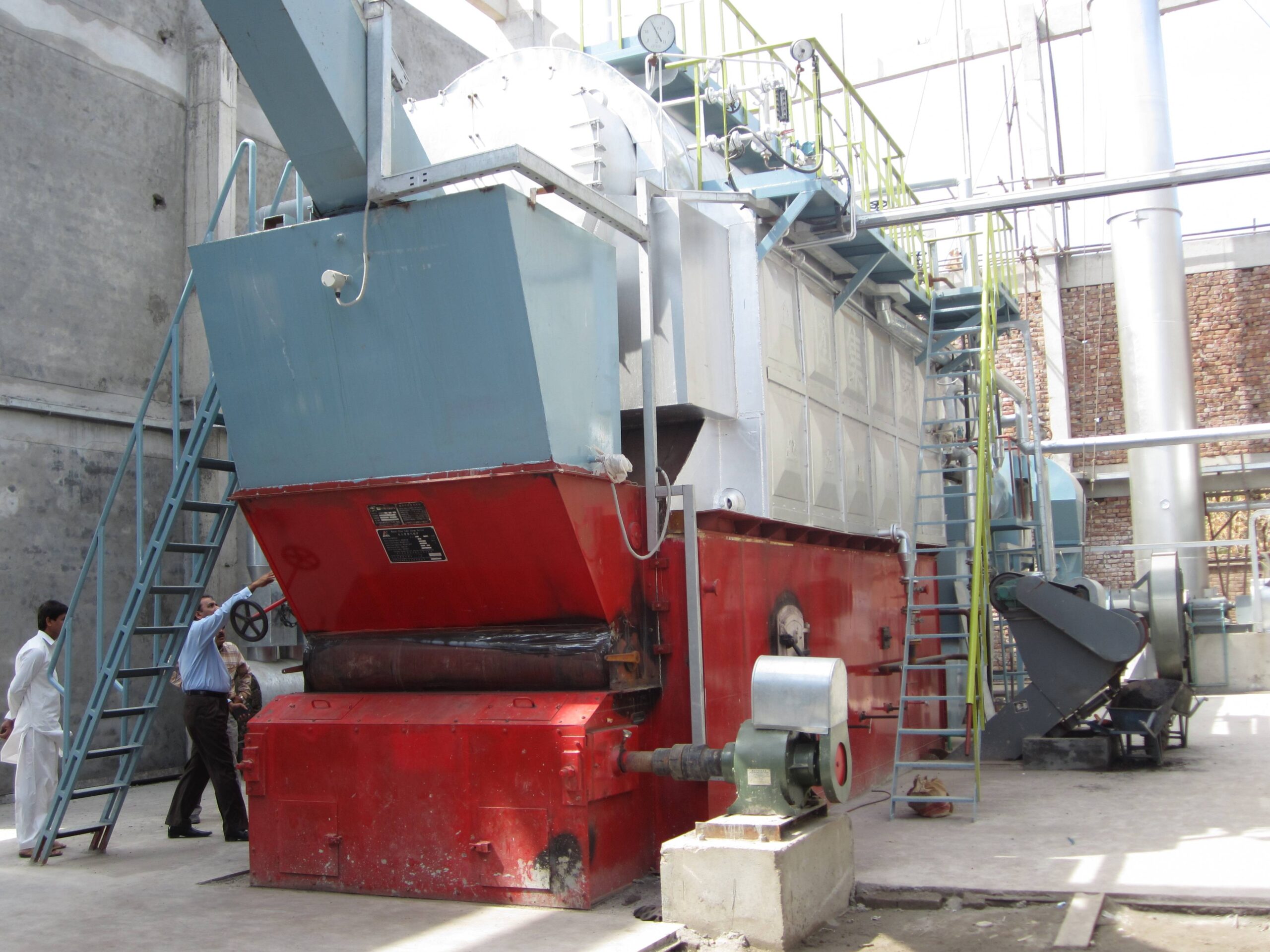
Why Are Thermal Efficiency and Heat Recovery Important Selection Factors?
When investing in an industrial or power plant boiler, many decision-makers focus on capacity, pressure rating, or fuel type—yet thermal efficiency and heat recovery capability are the real long-term economic and environmental differentiators. Poor thermal efficiency translates directly into wasted fuel, higher emissions, and increased operating costs. Meanwhile, inadequate heat recovery means valuable energy escapes unused through exhaust gases or condensate streams. Together, these inefficiencies can lead to millions of dollars in avoidable losses over a boiler’s lifecycle. Understanding and prioritizing these two factors is essential for ensuring a cost-effective, compliant, and sustainable system that performs efficiently for decades.
Thermal efficiency and heat recovery are critical selection factors because they directly determine how effectively a boiler converts fuel energy into useful steam while minimizing waste and emissions. High-efficiency designs reduce fuel consumption, operating costs, and CO₂ output, while advanced heat recovery systems—such as economizers, air preheaters, and condensate heat exchangers—reclaim waste heat from flue gases and process streams. Together, they maximize overall system efficiency, extend equipment life, and ensure compliance with increasingly stringent energy regulations.
In short, choosing a boiler with superior thermal efficiency and effective heat recovery ensures the lowest possible lifecycle cost and the highest return on investment, while aligning with global energy efficiency goals.
A boiler’s fuel cost is unaffected by its thermal efficiency.False
Fuel cost is directly proportional to thermal efficiency — a 1% efficiency loss can increase fuel consumption by about 2% annually.
Integrating heat recovery systems such as economizers can improve overall efficiency by up to 10%.True
Economizers capture waste heat from flue gases to preheat feedwater, increasing system efficiency significantly.
1. Understanding Thermal Efficiency in Boilers
Thermal efficiency measures how much of the fuel’s energy is actually converted into steam. It is the ratio between the energy output (steam) and energy input (fuel), expressed as a percentage.
For instance, if a boiler burns 1,000 kWh of fuel energy and produces 850 kWh of steam energy, the thermal efficiency is 85%. The remaining 15% is lost through flue gases, radiation, blowdown, and unburnt fuel.
| Efficiency Category | Typical Range (%) | Technology Example | Description |
|---|---|---|---|
| Standard Fire-Tube Boiler | 75–85 | Shell-type | Basic design, minimal heat recovery |
| Water-Tube Industrial Boiler | 80–90 | Large process boiler | Higher heat transfer area |
| Condensing Gas Boiler | 90–98 | Gas-fired | Recovers latent heat from condensate |
| Supercritical Power Boiler | 92–95 | Utility-scale | Operates at high temperature and pressure |
| Ultra-Supercritical Boiler | 95–97 | Advanced utility plant | Highest commercial thermal efficiency |
Even a few percentage points of improvement can lead to enormous savings, particularly for systems operating continuously.
For example, in a 50-ton/hour steam boiler using natural gas:
Each 1% gain in efficiency reduces annual fuel consumption by roughly 80,000–100,000 m³ of gas, saving thousands of dollars.
2. The Role of Heat Recovery Systems
Waste heat from flue gases, condensate return, or blowdown often contains significant energy that can be reused. Effective heat recovery ensures this energy is captured and recycled into the system instead of lost to the environment.
Key Heat Recovery Components:
| Component | Function | Efficiency Gain (%) | Typical Temperature Range |
|---|---|---|---|
| Economizer | Recovers heat from flue gases to preheat feedwater | 5–7 | 200–350°C |
| Air Preheater (APH) | Heats combustion air using flue gas energy | 3–5 | 150–300°C |
| Condensate Heat Exchanger | Transfers heat from condensate to makeup water | 1–3 | 60–120°C |
| Blowdown Heat Recovery Unit | Reclaims heat from blowdown water | 1–2 | 150–250°C |
| Condensing Economizer | Extracts latent heat from water vapor in flue gas | 5–8 | <100°C |
Together, these components can increase overall efficiency by 10–15%, reducing fuel costs proportionally.
3. How Efficiency and Heat Recovery Influence Costs
The relationship between boiler efficiency and operational cost is exponential:
Higher efficiency = lower fuel use = lower cost per ton of steam.
Conversely, even small efficiency losses result in disproportionate cost increases.
| Example Scenario | Efficiency | Annual Fuel Use (Natural Gas, m³) | Fuel Cost ($/year) | CO₂ Emissions (tons/year) |
|---|---|---|---|---|
| Boiler A (85%) | 85% | 5,800,000 | 2,610,000 | 11,000 |
| Boiler B (92%) | 92% | 5,100,000 | 2,295,000 | 9,600 |
| Savings (B vs A) | +7% | -700,000 | -315,000 | -1,400 |
This shows that a 7% increase in efficiency results in annual savings exceeding $300,000, along with lower CO₂ emissions — an increasingly valuable advantage under carbon pricing regimes.
4. Design Factors That Influence Efficiency
Several engineering aspects determine a boiler’s thermal performance and heat recovery potential:
4.1 Heat Transfer Surface Area
More heating surface means better energy absorption from combustion gases. Modern boilers use extended surfaces, finned tubes, and optimized gas flow patterns to achieve higher effectiveness.
4.2 Fuel Type and Combustion Quality
Efficient combustion minimizes unburnt carbon and CO formation. For example, low excess air and precise burner control enhance combustion efficiency.
4.3 Flue Gas Temperature
The lower the exit gas temperature, the higher the efficiency. Targeting outlet flue gas temperatures below 150°C is ideal for non-condensing boilers, and below 90°C for condensing systems.
4.4 Condensate Recovery
Returning hot condensate saves energy and water treatment costs, typically improving plant-wide efficiency by 10–20%.
5. Comparative Table: Efficiency vs. Lifecycle Cost
| Boiler Type | Initial Cost ($) | Efficiency (%) | Annual Fuel Cost ($) | Payback Period (years) |
|---|---|---|---|---|
| Conventional Boiler | 250,000 | 80 | 2,800,000 | — |
| High-Efficiency Boiler with Economizer | 300,000 | 88 | 2,400,000 | 1.25 |
| Condensing Boiler with Full Heat Recovery | 350,000 | 94 | 2,100,000 | 1.0 |
Even though advanced systems require a higher upfront investment, the payback period is often less than 2 years, making them the most economical choice for long-term operation.
6. Integration with Energy Management and Automation
Modern boiler systems integrate with digital monitoring and control systems that continually optimize efficiency and heat recovery performance:
| Technology | Function | Benefit |
|---|---|---|
| O₂ Trim Control | Adjusts air-fuel ratio in real time | Reduces excess air losses |
| Flue Gas Analyzer | Monitors combustion gases | Detects inefficiencies early |
| Heat Recovery Optimization Software | Tracks energy balance | Identifies recoverable heat sources |
| SCADA / DCS Integration | Centralized performance control | Ensures consistent efficiency |
Automation ensures boilers operate consistently near their design peak, even under varying loads.
7. Case Study: Heat Recovery Retrofit
A textile processing plant upgraded its 8-ton/hour natural gas boiler by installing an economizer and air preheater.
| Parameter | Before Retrofit | After Retrofit | Improvement |
|---|---|---|---|
| Flue Gas Temperature | 230°C | 150°C | ↓ 80°C |
| Boiler Efficiency | 83% | 91% | +8% |
| Gas Consumption | 1,200,000 m³/year | 1,105,000 m³/year | -95,000 m³ |
| Annual Savings | — | $42,000 | ROI < 1 year |
This demonstrates how a relatively modest heat recovery investment can yield fast payback and substantial ongoing savings.
8. Environmental and Regulatory Implications
Global energy efficiency directives (such as the EU Energy Efficiency Directive 2012/27/EU and U.S. DOE Boiler MACT standards) now require facilities to meet minimum efficiency thresholds.
| Standard | Minimum Efficiency Requirement | Compliance Path |
|---|---|---|
| EU Boiler Efficiency Directive | 90% (gas), 88% (oil) | Condensing or economizer systems |
| US DOE Boiler MACT | >80% | Low-NOx burners + economizers |
| China GB Standards | ≥85% (industrial) | Mandatory heat recovery |
| India PAT Scheme | Variable by industry | Energy audit and retrofits |
Non-compliance can result in penalties or restricted operation. Thus, efficiency is not just economic—it is regulatory.
Conclusion
Selecting a boiler with high thermal efficiency and robust heat recovery features is no longer optional—it is a strategic necessity. These factors determine not only the fuel cost and emission footprint but also the plant’s long-term competitiveness and regulatory compliance. High-efficiency designs, combined with advanced heat recovery, deliver consistent steam output, reduced carbon intensity, and rapid payback on investment.
A boiler that recovers every possible unit of heat is a boiler that pays for itself every year through reduced operating costs and improved sustainability metrics.
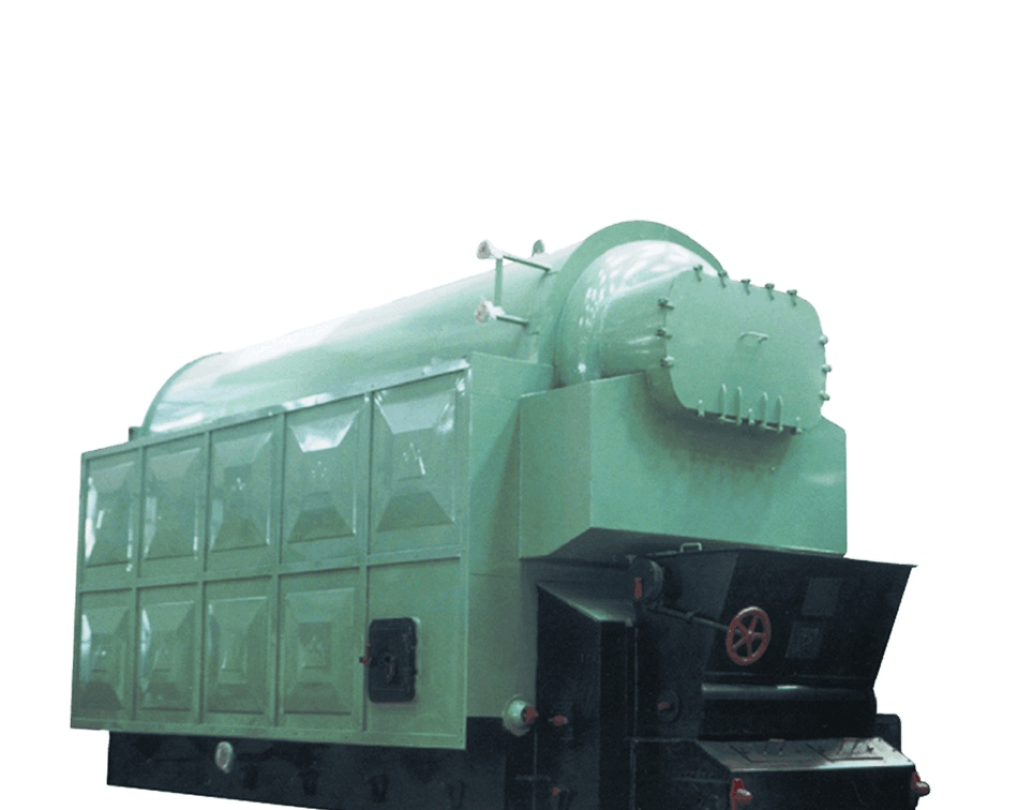
How Do Automation, Control Systems, and Maintenance Requirements Impact Lifecycle Cost?
In modern industrial and power plant operations, the true cost of a boiler system extends far beyond its initial purchase price. Over its decades-long lifespan, expenses related to automation, control systems, and maintenance account for the majority of the total ownership cost. Many operators underestimate how crucial these factors are for reducing fuel consumption, preventing unplanned downtime, and extending component life. Poorly managed control systems or inadequate maintenance can result in frequent breakdowns, inconsistent combustion, and soaring operating costs. Conversely, a well-automated and properly maintained boiler can deliver optimal efficiency and reliability for decades—making these factors essential for minimizing lifecycle cost and maximizing ROI.
Automation, control systems, and maintenance practices significantly affect boiler lifecycle cost by determining long-term efficiency, reliability, and operating stability. Advanced automation ensures precise fuel-air control, load modulation, and fault detection—reducing energy waste and downtime. Modern control systems such as SCADA, PLCs, and IoT-based predictive maintenance tools optimize performance continuously. Regular preventive maintenance further extends component life, lowers repair expenses, and maintains high efficiency over time. Together, they minimize fuel use, unplanned outages, and lifecycle expenditure, while ensuring regulatory compliance and operational safety.
In short, a well-automated and properly maintained boiler is not just cheaper to operate—it’s more productive, safer, and more sustainable.
Automation only increases the upfront cost of a boiler without reducing operational expenses.False
Automation enhances combustion control, reduces energy losses, and minimizes downtime—delivering significant operational cost savings.
Predictive maintenance and real-time monitoring can reduce total maintenance costs by up to 30%.True
Condition-based monitoring identifies issues early, preventing costly breakdowns and extending equipment lifespan.
1. Lifecycle Cost Components and Their Interdependence
A boiler’s lifecycle cost (LCC) includes every expense from installation to decommissioning.
| Cost Component | Description | Typical Share of LCC (%) |
|---|---|---|
| Capital Cost | Purchase, installation, and commissioning | 15–25 |
| Fuel Cost | Fuel consumed over operating life | 60–70 |
| Maintenance & Operation | Spare parts, servicing, labor | 10–15 |
| Downtime & Reliability Losses | Unplanned shutdowns, efficiency loss | 5–10 |
Since fuel and maintenance costs dominate, technologies that improve combustion control, monitoring, and preventive maintenance directly reduce total ownership expenses.
2. Role of Automation in Reducing Lifecycle Costs
Automation systems have transformed how boilers are operated and maintained. Through precise control, continuous monitoring, and predictive analytics, they optimize energy use and reduce human error.
2.1 Key Automation Technologies
| System | Function | Lifecycle Cost Impact |
|---|---|---|
| PLC (Programmable Logic Controller) | Manages combustion, feedwater, and pressure control | Enhances reliability, reduces manual error |
| SCADA (Supervisory Control & Data Acquisition) | Monitors performance across systems | Enables real-time performance optimization |
| DCS (Distributed Control System) | Integrates multiple boilers/processes | Reduces operator load and improves stability |
| O₂ Trim Control | Adjusts air-fuel ratio dynamically | Improves combustion efficiency by 1–3% |
| Load Modulation | Matches output with demand | Reduces idle fuel waste |
| Flame Safeguard System (FSS) | Prevents unsafe ignition and flameout | Enhances safety, reduces failure risk |
| IoT & AI Monitoring | Predictive diagnostics | Minimizes downtime, reduces repair cost |
2.2 Quantified Benefits
| Metric | Without Automation | With Automation | Improvement |
|---|---|---|---|
| Fuel Efficiency | 80–85% | 88–92% | +7% |
| Downtime per Year | 8–12 days | 2–4 days | -60% |
| Maintenance Cost ($/year) | 100,000 | 70,000 | -30% |
| Operator Labor Hours | 1,000 | 600 | -40% |
Even modest efficiency improvements deliver rapid payback, often within 12–24 months after installing automation upgrades.
3. Control Systems: The Brain of Boiler Operation
Modern control systems maintain a boiler at its optimal operating point by continuously adjusting key variables like air-fuel ratio, steam pressure, feedwater flow, and flue gas composition.
3.1 Core Control Functions
| Control Loop | Measured Variable | Controlled Variable | Result |
|---|---|---|---|
| Combustion Control | O₂ & CO in flue gas | Fuel & air dampers | Improved fuel efficiency |
| Feedwater Control | Drum level | Feedwater valve | Stable steam pressure |
| Steam Pressure Control | Header pressure | Fuel flow | Load matching |
| Flue Gas Temperature Control | Exit gas temperature | Air preheater bypass | Maximized heat recovery |
| Safety Interlocks | Pressure, flame, draft | System trip | Safety assurance |
A fully integrated control system ensures that the boiler always operates at peak thermal efficiency, preventing deviations that could lead to fuel waste or component stress.
3.2 Smart Control and Data Integration
With AI-based control, data from temperature, vibration, and gas sensors are analyzed in real time. This allows:
Predictive identification of efficiency losses.
Automatic optimization of combustion parameters.
Trend analysis for preventive maintenance scheduling.
These capabilities enable adaptive efficiency management, which reduces lifecycle energy consumption by 5–10% across typical industrial systems.
4. Maintenance Requirements and Their Cost Implications
Maintenance plays a decisive role in lifecycle economics. Neglect leads to fouling, scaling, and mechanical wear, all of which reduce efficiency and increase repair costs.
4.1 Types of Maintenance Strategies
| Maintenance Type | Approach | Advantages | Drawbacks |
|---|---|---|---|
| Reactive (Run-to-Failure) | Repair after breakdown | Low short-term cost | High downtime, major repairs |
| Preventive (Scheduled) | Fixed-interval inspections | Predictable cost, reduced failure | Over-maintenance possible |
| Predictive (Condition-Based) | Based on sensor data | Early fault detection | Requires monitoring infrastructure |
The most cost-effective approach combines preventive and predictive maintenance, balancing reliability and cost efficiency.
4.2 Maintenance-Driven Cost Differences
| Scenario | Efficiency Loss (%) | Annual Fuel Penalty ($) | Repair Cost ($/year) |
|---|---|---|---|
| Poor Maintenance | 5–8 | 150,000–250,000 | 60,000 |
| Standard Maintenance | 2–3 | 60,000–90,000 | 40,000 |
| Predictive Maintenance | <1 | 20,000–30,000 | 25,000 |
Over 20 years, this translates into millions in fuel and repair savings, justifying investment in maintenance systems.
5. Integration of Automation and Maintenance: A Lifecycle Optimization Strategy
The most advanced facilities combine automation with smart maintenance algorithms, using predictive data to plan interventions before breakdowns occur.
5.1 Example System Integration
| Integrated Feature | Function | Impact |
|---|---|---|
| Vibration Monitoring | Detects mechanical imbalance | Prevents bearing failures |
| Flue Gas Analysis | Monitors combustion efficiency | Auto-adjusts air-fuel ratio |
| Thermal Imaging | Detects insulation or refractory losses | Prevents heat wastage |
| Steam Trap Monitoring | Identifies leaks | Saves condensate and energy |
5.2 Quantitative Impact (Case Study)
A petrochemical plant retrofitted its 40-ton/hour water-tube boiler with a PLC-based combustion control system and predictive maintenance sensors.
| Parameter | Before Upgrade | After Upgrade | Improvement |
|---|---|---|---|
| Boiler Efficiency | 84% | 91% | +7% |
| Annual Gas Use | 5.5 million m³ | 5.05 million m³ | -450,000 m³ |
| Unplanned Downtime | 11 days/year | 3 days/year | -73% |
| Maintenance Cost | $120,000 | $75,000 | -38% |
| Payback Period | — | 1.6 years | ✅ Achieved |
This example underscores how automation + predictive maintenance dramatically improve performance and lifecycle economics.
6. Digitalization and Lifecycle Analytics
Modern digital platforms integrate IoT, AI, and cloud analytics to create self-optimizing boiler systems.
| Digital Tool | Function | Lifecycle Benefit |
|---|---|---|
| AI-Based Combustion Tuning | Learns and adjusts optimum operating points | 2–4% sustained efficiency gain |
| Digital Twin Simulation | Predicts wear and process imbalance | Early intervention |
| Cloud-Based Energy Dashboards | Centralized KPI monitoring | Fleet-wide optimization |
| Mobile Maintenance Apps | Task scheduling and alerts | Faster issue response |
These tools transform maintenance from a reactive process into a proactive lifecycle management strategy.
7. Comparative Lifecycle Cost Analysis
| System Type | Automation Level | Maintenance Strategy | 20-Year Lifecycle Cost ($ million) | Efficiency (%) |
|---|---|---|---|---|
| Basic Manual Boiler | Low | Reactive | 22.0 | 82 |
| Semi-Automated Boiler | Medium | Preventive | 18.5 | 87 |
| Fully Automated Boiler with Predictive Maintenance | High | Predictive | 15.8 | 92 |
A fully automated, well-maintained system can save over 25% in lifecycle costs, even after accounting for higher initial investment.
8. Regulatory and Environmental Benefits
Automation and maintenance optimization not only improve economics but also ensure regulatory compliance with energy efficiency and emission standards.
| Standard / Directive | Requirement | Automation Benefit |
|---|---|---|
| EU Energy Efficiency Directive (2012/27/EU) | Continuous monitoring | SCADA + CEMS integration |
| U.S. Boiler MACT (EPA) | Emission limits compliance | Auto combustion control |
| ISO 50001 Energy Management | Energy data tracking | Centralized efficiency control |
Compliant automation reduces the risk of penalties and environmental violations, contributing to long-term operational stability.
Conclusion
Automation, control systems, and maintenance practices form the three pillars of lifecycle cost optimization in modern boiler design. Intelligent automation minimizes human error and energy waste; advanced control systems maintain ideal operating conditions; and predictive maintenance prevents costly breakdowns. Together, they transform a boiler from a fuel-hungry asset into a self-optimizing energy system that consistently operates at peak efficiency, safety, and reliability for decades.
By investing in automation and maintenance technology, operators can reduce lifecycle costs, improve performance, and ensure full compliance—all while contributing to a more sustainable industrial future.
🔍 Conclusion
Selecting an industrial coal-fired boiler requires balancing performance, fuel properties, and regulatory compliance. By analyzing these key parameters in detail, industries can invest in a high-efficiency, low-emission, and durable system that delivers reliable steam generation for decades.
📞 Contact Us
💡 Need expert guidance on choosing the right coal-fired boiler? We offer custom engineering, fuel analysis, and turnkey design solutions for efficient and compliant industrial boiler systems.
🔹 Contact us today for tailored technical support in selecting your ideal coal-fired boiler system. ⚙️🔥🏭✅
FAQ
Q1: What are the essential parameters to consider when selecting an industrial coal-fired boiler?
A1: Choosing the right industrial coal-fired boiler requires evaluating multiple parameters, including boiler capacity, fuel type, efficiency, combustion system design, and environmental compliance. The boiler must meet the plant’s steam or heat demand with a safe operating margin. Fuel properties such as calorific value, moisture, ash content, and volatile matter determine suitable combustion technology (grate, pulverized, or fluidized bed). High efficiency reduces fuel cost and emissions, while robust design ensures durability and reliable performance under variable loads.
Q2: How does coal type affect boiler selection and performance?
A2: The type and quality of coal significantly influence combustion efficiency and maintenance needs.
Bituminous coal offers high heating value and stable combustion, making it suitable for most industrial boilers.
Sub-bituminous coal has higher moisture content, requiring efficient drying and heat recovery systems.
Lignite burns at lower temperatures and demands larger furnace volumes.
Anthracite, though high in carbon, is harder to ignite and requires specialized burners.
Selecting a boiler designed for the specific coal type ensures complete combustion, reduced slagging, and optimal efficiency.
Q3: Why is boiler efficiency an important selection parameter?
A3: Efficiency determines how effectively the boiler converts fuel energy into usable steam. Modern coal-fired boilers can achieve efficiencies between 80–90% with technologies like economizers, air preheaters, and flue gas recirculation. High-efficiency designs reduce fuel consumption, operational costs, and CO₂ emissions. During selection, consider both thermal efficiency and combustion efficiency, as these factors impact long-term performance, energy savings, and environmental compliance.
Q4: What emission control systems should be considered for coal-fired boilers?
A4: Compliance with emission standards is a critical factor. Effective air pollution control systems include:
Electrostatic precipitators (ESP) or bag filters for particulate removal.
Flue gas desulfurization (FGD) units for sulfur dioxide (SO₂) control.
Selective catalytic reduction (SCR) systems for nitrogen oxide (NOx) reduction.
Low-NOx burners and carbon capture technologies for further emission control.
Selecting boilers that integrate or support these systems ensures adherence to local and international environmental regulations.
Q5: How do operational requirements and maintenance influence boiler selection?
A5: Operational flexibility and ease of maintenance are vital for continuous industrial processes. Boilers should match the plant’s load pattern—whether steady or variable—and allow for automatic control, load adjustment, and fuel flexibility. Accessibility for cleaning, inspection, and repairs is essential for minimizing downtime. Choosing boilers with modular components, automated monitoring, and remote diagnostics reduces long-term maintenance costs while ensuring reliable performance.
References
U.S. Department of Energy – Industrial Boilers and Combustion Efficiency – https://www.energy.gov/ – DOE
ASME Boiler and Pressure Vessel Code (BPVC) – https://www.asme.org/ – ASME
International Energy Agency (IEA) – Clean Coal Technologies – https://www.iea.org/ – IEA
World Coal Association – Coal-Fired Boiler Technology Overview – https://www.worldcoal.org/ – World Coal Association
Carbon Trust – Energy Efficiency in Industrial Boilers – https://www.carbontrust.com/ – Carbon Trust
Engineering Toolbox – Boiler Efficiency Calculations – https://www.engineeringtoolbox.com/ – Engineering Toolbox
Mitsubishi Power – Industrial Coal-Fired Boilers – https://power.mhi.com/ – Mitsubishi Power
GE Steam Power – Advanced Combustion Systems – https://www.ge.com/steam-power/ – GE Steam Power
ScienceDirect – Parameters Influencing Coal-Fired Boiler Performance – https://www.sciencedirect.com/ – ScienceDirect
MarketsandMarkets – Global Coal-Fired Boiler Market Report 2025 – https://www.marketsandmarkets.com/ – Markets and Markets
