
With industries striving to reduce carbon footprints and comply with strict emission regulations, gas-fired boilers have become a preferred alternative to traditional coal- or oil-fired systems. However, many still question how environmentally friendly these boilers truly are, considering their reliance on fossil fuels. The answer depends on combustion technology, fuel composition, and system efficiency.
Industrial gas-fired boilers are among the most environmentally friendly fossil-fuel-based systems available today. They produce significantly lower emissions of carbon dioxide (CO₂), nitrogen oxides (NOₓ), and virtually no sulfur oxides (SOₓ) or particulate matter compared to coal or oil-fired boilers. Advanced low-NOx burners, flue gas recirculation, and condensing heat recovery technologies further enhance efficiency and reduce environmental impact. Additionally, when fueled with biogas or hydrogen blends, gas-fired boilers can achieve near-zero-carbon operation—making them a key transitional solution toward greener industrial energy systems.
Thus, modern industrial gas-fired boilers combine high efficiency, low emissions, and operational reliability, making them a sustainable choice for industries aiming to balance performance with environmental responsibility.

How Do Gas-Fired Boilers Compare Environmentally with Coal and Oil Systems?
In today’s industrial landscape, the environmental impact of fuel choice has become one of the most decisive factors in boiler selection. As governments impose tighter carbon and emission regulations, and industries pursue decarbonization, the comparison between gas-fired, coal-fired, and oil-fired boilers has become more critical than ever. While all three systems generate heat through combustion, their emissions profiles, efficiency, and environmental footprints differ dramatically. The consequences of choosing a less sustainable fuel can include higher carbon taxes, increased pollution control costs, and regulatory non-compliance. Conversely, selecting the right boiler technology—especially one using cleaner fuels like natural gas—can substantially reduce emissions, simplify compliance, and support corporate sustainability goals.
Gas-fired boilers are significantly more environmentally friendly than coal or oil systems because they produce much lower levels of CO₂, SO₂, NOₓ, and particulate matter. Natural gas combustion is cleaner and more efficient, with minimal sulfur and ash content, resulting in reduced greenhouse gas emissions and negligible solid waste. Compared with coal-fired boilers, gas systems cut CO₂ emissions by about 40–50% and virtually eliminate SO₂ and PM emissions. Compared with oil-fired systems, they emit 20–30% less CO₂ and require less emission control equipment. Their higher combustion efficiency and compatibility with low-NOₓ burners and condensing technology further enhance environmental performance.
In essence, gas-fired boilers offer the cleanest and most efficient combustion among fossil fuel options, aligning industrial performance with environmental responsibility.
Natural gas combustion releases more CO₂ per unit of energy than coal.False
Coal has the highest carbon intensity among fossil fuels, while natural gas emits roughly 40–50% less CO₂ per kWh produced.
Gas-fired boilers produce negligible sulfur oxides and particulates compared to coal and oil boilers.True
Natural gas contains almost no sulfur or ash, resulting in near-zero SO₂ and PM emissions.
1. Fuel Composition and Combustion Characteristics
The environmental performance of any boiler starts with its fuel composition.
| Fuel Type | Carbon Content (%) | Hydrogen Content (%) | Sulfur Content (%) | Ash (%) | Typical Moisture (%) |
|---|---|---|---|---|---|
| Coal (bituminous) | 65–75 | 4–6 | 0.5–3.0 | 5–15 | 2–10 |
| Fuel Oil (No. 6) | 84–86 | 10–12 | 0.5–2.0 | <0.1 | <1 |
| Natural Gas (CH₄) | 75 (as carbon) | 25 (as hydrogen) | <0.01 | 0 | 0 |
Because natural gas has the highest hydrogen-to-carbon ratio and the least impurities, it yields more energy per unit of carbon emitted and burns without forming ash or soot.
2. Comparative Emissions Profile
2.1 Greenhouse Gas (CO₂) Emissions
| Fuel Type | CO₂ Emission Factor (kg/GJ) | Relative CO₂ vs. Coal (%) |
|---|---|---|
| Coal | 94–96 | 100 |
| Oil | 74–77 | 80 |
| Natural Gas | 55–57 | 58–60 |
Natural gas emits about 45% less CO₂ than coal and 25% less than oil for the same thermal energy output. This is because of its lower carbon content and more complete combustion reaction.
2.2 Sulfur Dioxide (SO₂) Emissions
| Fuel Type | Typical SO₂ (mg/Nm³) | Sulfur Control Requirement |
|---|---|---|
| Coal | 400–2,000 | Requires Flue Gas Desulfurization (FGD) |
| Oil | 200–1,000 | Requires Wet Scrubber or Low-Sulfur Oil |
| Natural Gas | <5 | None Required |
Since natural gas contains almost no sulfur, SO₂ emissions are negligible, eliminating the need for desulfurization systems and associated operating costs.
2.3 Nitrogen Oxides (NOₓ)
| Fuel Type | Typical NOₓ (mg/Nm³) | Control Technology |
|---|---|---|
| Coal | 300–500 | Low-NOₓ Burner + SCR |
| Oil | 200–350 | LNB or Water Injection |
| Natural Gas | 50–150 | Low-NOₓ Burner or FGR |
Natural gas burns at a lower flame temperature and can use advanced low-NOₓ burners or flue gas recirculation (FGR) to meet stringent emission limits.
2.4 Particulate Matter (PM)
| Fuel Type | PM Emission (mg/Nm³) | Required Control |
|---|---|---|
| Coal | 50–200 | ESP or Bag Filter |
| Oil | 20–100 | Cyclone or Filter |
| Natural Gas | <5 | None |
Natural gas combustion is inherently dust-free, avoiding fly ash and soot that plague solid and liquid fuels.
3. Environmental Equipment Requirements
| Fuel Type | Major Emission Control Equipment | Typical Installation Cost ($/kW) | Maintenance Burden |
|---|---|---|---|
| Coal | ESP + FGD + SCR | 150–250 | High (corrosion, scaling, reagent use) |
| Oil | Scrubber + LNB | 100–150 | Medium (fouling, sludge disposal) |
| Gas | Low-NOₓ Burner + O₂ Trim | 50–80 | Low (minimal residue or fouling) |
Gas-fired systems require far fewer emission control components, resulting in lower capital, operating, and maintenance costs.
4. Combustion Efficiency and Energy Utilization
Because of its homogeneous gaseous nature and consistent calorific value, natural gas allows very precise air-fuel control, enabling higher combustion efficiency.
| System Type | Typical Thermal Efficiency (%) | Condensing Option |
|---|---|---|
| Coal-Fired Boiler | 78–88 | No |
| Oil-Fired Boiler | 82–90 | Limited |
| Gas-Fired Boiler | 90–98 | Yes (Condensing) |
Condensing gas boilers capture latent heat from water vapor in flue gases, increasing energy utilization and lowering exhaust losses. This efficiency advantage also reduces fuel use and emissions per ton of steam.
5. Lifecycle Environmental and Economic Comparison
| Parameter | Coal Boiler | Oil Boiler | Gas Boiler |
|---|---|---|---|
| CO₂ (kg/MWh) | 930–1,050 | 730–800 | 480–520 |
| SO₂ (mg/Nm³) | 1,000+ | 500 | <10 |
| NOₓ (mg/Nm³) | 400 | 300 | 100 |
| PM (mg/Nm³) | 100 | 50 | <5 |
| Water Use (m³/h) | High | Medium | Low |
| Ash Disposal (kg/h) | 200–400 | <10 | 0 |
| Efficiency (%) | 80–88 | 85–90 | 90–98 |
| Environmental Compliance Cost ($/MWh) | High | Medium | Low |
Gas-fired boilers consistently outperform coal and oil systems across every environmental and efficiency metric, making them the most sustainable choice among fossil-based technologies.
6. Case Study: Transition from Coal to Gas
A textile plant operating two 10-ton/hour coal boilers switched to gas-fired units under a regional clean air mandate.
| Parameter | Before (Coal) | After (Natural Gas) | Reduction |
|---|---|---|---|
| Fuel Efficiency | 84% | 94% | +10% |
| CO₂ Emissions | 9,600 tons/year | 5,200 tons/year | -46% |
| SO₂ Emissions | 135 tons/year | 1 ton/year | -99% |
| PM Emissions | 25 tons/year | <0.5 tons/year | -98% |
| Fuel Cost | $820,000/year | $870,000/year | +6% |
| Maintenance & Compliance | $180,000/year | $40,000/year | -78% |
| Net Annual Savings | — | $90,000 | ROI < 2 years |
Although gas fuel cost was slightly higher, reduced maintenance and environmental compliance costs led to overall savings and faster return on investment.
7. Regulatory Compliance and Global Policy Context
Most environmental regulations worldwide favor natural gas over coal and oil.
| Region / Regulation | Key Target | Compliance with Gas Boilers |
|---|---|---|
| EU Industrial Emissions Directive (IED) | <100 mg/Nm³ NOₓ, <20 mg/Nm³ PM | Fully compliant with low-NOₓ burners |
| U.S. EPA Boiler MACT | Strict hazardous air pollutant limits | Gas boilers exempt from many requirements |
| China “Blue Sky” Plan | Coal-to-gas transition mandates | Meets all Tier 1 emission levels |
| India CPCB Standards | <100 mg/Nm³ NOₓ, <30 mg/Nm³ PM | Easily achieved without SCR/ESP |
This global policy alignment reinforces gas boilers as the preferred technology for achieving environmental compliance with minimal added cost.
8. Emerging Trends and Hybrid Approaches
The future of clean combustion is moving beyond fuel substitution toward hybrid and decarbonized systems:
Biogas or Hydrogen Blending: Reduces CO₂ footprint by 10–50%.
Carbon Capture Integration: Enables near-zero carbon operation for large gas boilers.
Smart Control and Monitoring Systems: Maintain optimal combustion for sustained low emissions.
These innovations extend the environmental advantage of gas-fired systems while preparing them for net-zero carbon transitions.
Conclusion
When evaluated across the full spectrum of emissions, efficiency, and compliance requirements, gas-fired boilers are the clear environmental leader among fossil fuel technologies. They emit substantially less CO₂, SO₂, NOₓ, and particulates, operate more efficiently, and require fewer emission control systems. Beyond compliance, their simplicity, cleaner operation, and lower lifecycle maintenance costs make them a cornerstone of sustainable industrial energy strategy.
As industries worldwide seek to reduce carbon intensity without compromising reliability, gas-fired boilers provide the most practical bridge between today’s energy needs and tomorrow’s low-carbon future.
What Combustion Technologies Minimize NOₓ and CO₂ Emissions?
Industrial and power generation boilers are under growing scrutiny as governments tighten global emission standards. The challenge is twofold: reducing nitrogen oxides (NOₓ)—key precursors of smog and acid rain—and cutting carbon dioxide (CO₂), the principal greenhouse gas driving climate change. Poorly optimized combustion systems not only produce excess emissions but also waste fuel, lowering efficiency and raising operational costs. Fortunately, modern combustion technologies have evolved significantly, enabling plants to meet stringent emission limits without sacrificing performance or reliability.
Modern combustion technologies minimize NOₓ and CO₂ emissions by improving air-fuel mixing, reducing flame temperature, and optimizing combustion completeness. Key solutions include low-NOₓ burners, staged combustion, flue gas recirculation (FGR), oxy-fuel combustion, and advanced control systems. These methods lower NOₓ formation by limiting thermal and fuel-bound nitrogen oxidation, while reducing CO₂ through improved fuel utilization, higher efficiency, and partial substitution with cleaner fuels or oxygen-enriched air.
In essence, achieving both low NOₓ and CO₂ requires a combination of smart combustion design, advanced materials, and real-time monitoring that keep the flame stable yet cool and lean. The next sections explore how these technologies function, compare their effectiveness, and illustrate real-world emission reductions achieved through their deployment.
Low-NOₓ burners reduce NOₓ formation by chemically removing nitrogen from the fuel.False
Low-NOₓ burners minimize NOₓ by controlling flame temperature, mixing rate, and air staging, not by altering fuel chemistry.
Flue gas recirculation can significantly lower NOₓ emissions in gas and oil boilers.True
Recirculating cooled exhaust gases into the flame lowers peak temperature and oxygen concentration, reducing thermal NOₓ formation.
1. Mechanisms of NOₓ and CO₂ Formation
NOₓ emissions arise mainly from three mechanisms:
Thermal NOₓ: Produced when nitrogen and oxygen in air react at high flame temperatures (>1,400°C).
Fuel NOₓ: Originates from nitrogen compounds naturally present in the fuel (especially in coal and heavy oils).
Prompt NOₓ: Minor contributor, formed by hydrocarbon radicals early in combustion.
CO₂ emissions, by contrast, depend directly on the carbon content of the fuel and the completeness of combustion. Reducing CO₂ thus involves either improving combustion efficiency or switching to lower-carbon fuels like natural gas, biogas, or hydrogen blends.
| Type | Main Source | Reduction Strategy |
|---|---|---|
| Thermal NOₓ | Air nitrogen oxidation | Lower flame temperature (staging, FGR) |
| Fuel NOₓ | Fuel-bound nitrogen | Fuel switching or reburning |
| CO₂ | Fuel carbon oxidation | Higher efficiency, low-carbon fuels, recovery |
2. Key Combustion Technologies for Low Emissions
2.1 Low-NOₓ Burners (LNB)
Low-NOₓ burners control air-fuel mixing and flame shape to maintain stable combustion at lower peak temperatures. They divide combustion air into primary, secondary, and tertiary streams, delaying mixing to prevent hot spots.
| Burner Type | Typical NOₓ Reduction | Suitable Fuels | Advantages |
|---|---|---|---|
| Conventional | — | All | Simple design |
| Low-NOₓ | 40–60% | Gas, oil, coal | Reduced thermal NOₓ, stable flame |
| Ultra-Low-NOₓ | 70–85% | Gas | Achieved with FGR or staged air |
LNBs are now standard in most modern industrial boilers and power plants.
2.2 Staged Combustion
This technique splits combustion into two or more zones:
Primary Zone (Fuel-Rich): Limited air to control temperature and reduce initial NOₓ.
Secondary Zone (Lean Burn): Additional air completes combustion at lower temperatures.
| Configuration | NOₓ Reduction Potential | CO₂ Impact |
|---|---|---|
| Two-Stage Combustion | 50–70% | Slightly improved (due to efficiency gain) |
| Three-Stage Combustion | 60–75% | Further optimized |
Staged combustion can be applied in both burner-based and fluidized bed systems.
2.3 Flue Gas Recirculation (FGR)
FGR mixes part of the cooled exhaust gas with combustion air to dilute oxygen concentration and lower flame temperature. This reduces thermal NOₓ formation effectively in gas and oil boilers.
| FGR Rate (% of Flue Gas) | NOₓ Reduction (%) | Efficiency Impact |
|---|---|---|
| 10–15% | 40–50 | Neutral |
| 20–25% | 60–70 | Slightly lower flame stability |
| >30% | Up to 80 | Needs advanced control |
Modern gas boilers often integrate automated FGR with O₂ trim systems for optimal balance.
2.4 Reburning Technology
Involves injecting a small secondary fuel stream (usually natural gas) above the main flame zone to create a reducing environment where existing NOₓ converts back to N₂.
| Reburning Fuel | Reduction Potential | CO₂ Influence |
|---|---|---|
| Natural Gas | 50–60% | Neutral |
| Biomass Gas | 40–55% | CO₂-neutral component |
This technique is particularly effective in retrofitting coal boilers for emission control.
2.5 Oxy-Fuel Combustion
In oxy-fuel combustion, pure oxygen replaces air, producing a flame in an atmosphere free from nitrogen. This nearly eliminates NOₓ formation and yields a CO₂-rich exhaust ideal for carbon capture and storage (CCS).
| Parameter | Air-Fired | Oxy-Fuel |
|---|---|---|
| Flame Temperature (°C) | 1,400–1,600 | 1,000–1,200 |
| NOₓ (mg/Nm³) | 200–500 | <50 |
| CO₂ Concentration (%) | 10–15 | >80 |
| Carbon Capture Compatibility | Limited | Excellent |
Though oxy-fuel requires oxygen generation equipment, its CO₂ recovery potential makes it attractive for carbon-conscious industries.
2.6 Fluidized Bed Combustion (FBC)
In circulating or bubbling fluidized bed boilers, fuel particles are suspended in an upward flow of air, creating uniform temperature and efficient heat transfer.
This results in lower NOₓ (<150 mg/Nm³) and allows in-situ SO₂ capture using limestone.
| Parameter | FBC Boiler | Conventional Pulverized Coal |
|---|---|---|
| Bed Temperature (°C) | 850–900 | 1,400–1,600 |
| NOₓ (mg/Nm³) | <150 | 300–600 |
| Efficiency (%) | 85–90 | 80–88 |
| Fuel Flexibility | High | Moderate |
FBC is ideal for biomass, low-grade coal, and waste fuels with environmental advantages.
2.7 Advanced Digital Combustion Controls
Modern digital control systems integrate oxygen sensors, CO analyzers, and real-time AI algorithms to fine-tune combustion air and burner settings dynamically.
| Technology | Function | Benefit |
|---|---|---|
| O₂ Trim Control | Maintains optimal air-fuel ratio | Maximizes efficiency |
| Continuous Emission Monitoring System (CEMS) | Tracks NOₓ, CO₂, CO | Ensures compliance |
| AI Predictive Control | Learns fuel/air dynamics | Prevents emission spikes |
These systems ensure the boiler operates consistently at peak efficiency and minimum emissions throughout its lifecycle.
3. Comparative Emission Reductions of Key Technologies
| Technology | NOₓ Reduction (%) | CO₂ Reduction (%) | Typical Application |
|---|---|---|---|
| Low-NOₓ Burner | 50–70 | 3–5 | All fuel types |
| FGR | 60–80 | 2–4 | Gas, oil |
| Staged Combustion | 50–70 | 5–10 | Coal, oil |
| Reburning | 50–60 | Neutral | Coal retrofits |
| Oxy-Fuel | >90 | 10–15 (with CCS up to 90%) | Large power plants |
| Digital Control | Indirect | 3–8 | All modern systems |
Combining two or more techniques (e.g., LNB + FGR + CEMS) often achieves synergistic emission reductions without compromising reliability.
4. Case Example: Combined Low-NOₓ and FGR Gas Boiler
A 15-ton/hour natural gas boiler using LNB + FGR + O₂ trim control achieved the following results:
| Parameter | Before Retrofit | After Retrofit | Improvement |
|---|---|---|---|
| NOₓ (mg/Nm³) | 280 | 65 | -77% |
| CO₂ Emissions (tons/year) | 9,800 | 9,300 | -5% |
| Efficiency | 90% | 96% | +6% |
| Fuel Cost | — | -4% | Annual savings: $45,000 |
This demonstrates how coordinated combustion optimization simultaneously enhances efficiency and emission performance.
5. Integration with Carbon Reduction Strategies
While NOₓ reduction focuses on air pollution, CO₂ mitigation increasingly involves carbon-neutral fuels and capture systems:
Hydrogen/Natural Gas Blends: Reduce CO₂ output up to 30%.
Biogas or Bio-Oil: Provide near-zero net CO₂ emissions.
Carbon Capture Utilization and Storage (CCUS): Captures >90% CO₂ post-combustion.
Future boilers are likely to integrate low-NOₓ technologies with carbon-neutral fuel flexibility, bridging the gap to fully sustainable combustion.
Conclusion
Minimizing NOₓ and CO₂ emissions is not achieved by a single technology but through a comprehensive combustion strategy combining design, control, and fuel management. From low-NOₓ burners and staged combustion to oxy-fuel systems and digital optimization, the industry now possesses powerful tools to balance performance with environmental responsibility. As regulatory limits continue to tighten, plants that invest in these advanced technologies will secure both compliance and long-term operational advantage.
How Do Condensing and Waste Heat Recovery Systems Improve Efficiency?
In industrial energy systems, one of the most persistent challenges is the loss of heat through exhaust gases. Every kilogram of fuel burned releases a significant amount of thermal energy, but a large fraction traditionally escapes through the flue. Over time, this wasted energy translates into higher fuel bills, lower system efficiency, and greater greenhouse gas emissions. To combat this, condensing and waste heat recovery (WHR) technologies have become essential design features in modern boilers and heating plants. These systems capture and reuse otherwise lost energy, converting waste into useful heat and dramatically improving overall efficiency.
Condensing and waste heat recovery systems enhance efficiency by capturing latent and sensible heat from exhaust gases that would otherwise be lost. Condensing boilers recover latent heat from water vapor formed during combustion, increasing efficiency from around 85–90% to 95–98%. Waste heat recovery systems—such as economizers, air preheaters, and heat exchangers—extract residual energy from flue gases or process streams and reuse it for feedwater heating, combustion air preheating, or other thermal processes. Together, these technologies significantly reduce fuel consumption, operational costs, and emissions.
In other words, condensing and WHR systems make the most of every unit of fuel by recovering energy that older systems simply discarded—delivering both economic and environmental gains.
Condensing boilers can exceed 100% efficiency on the lower heating value (LHV) scale.True
When rated on the lower heating value, condensing boilers recover latent heat from flue gas moisture, effectively achieving over 100% LHV efficiency.
Waste heat recovery only benefits large-scale industrial plants.False
WHR technologies are scalable and can be applied from small commercial boilers to large power plants to improve energy utilization.
1. The Principle of Energy Loss and Recovery
When fuel combusts, the heat generated is divided into:
Useful heat (transferred to water/steam).
Stack losses (exhaust gas sensible and latent heat).
Radiation and convection losses (from boiler surfaces).
In a non-condensing boiler, hot flue gases (often 200–250°C) carry away up to 15–20% of total input energy. The largest portion of this waste is the latent heat of vaporization in water vapor produced by hydrogen combustion.
| Energy Loss Source | Typical Share (%) | Recoverable by |
|---|---|---|
| Flue Gas Sensible Heat | 6–10 | Economizer, Air Preheater |
| Water Vapor Latent Heat | 8–12 | Condenser, Condensing Heat Exchanger |
| Surface Radiation | 1–2 | Insulation Improvements |
By integrating WHR and condensing systems, these losses can be reduced to less than 5%, yielding large efficiency improvements.
2. Condensing Boiler Technology
Condensing boilers use special corrosion-resistant heat exchangers to cool flue gases below the dew point temperature (≈57°C for natural gas), causing water vapor to condense and release latent heat. This recovered heat is transferred to the return water, improving thermal utilization.
| Parameter | Non-Condensing Boiler | Condensing Boiler |
|---|---|---|
| Flue Gas Temp (°C) | 180–250 | 40–60 |
| Efficiency (HHV) | 85–90% | 95–98% |
| Condensate Produced (L/h per 1 MW) | 0 | 40–60 |
| Material Requirement | Carbon Steel | Stainless Steel / Aluminum Alloy |
The condensate contains carbonic acid, requiring corrosion-resistant materials and condensate neutralization systems.
Example:
If a 10-ton gas boiler operating at 90% efficiency adds a condensing heat exchanger, recovering 8% latent heat, the overall efficiency increases to 97.2%, saving nearly 6% in fuel cost annually.
3. Waste Heat Recovery (WHR) Systems
3.1 Economizers
Economizers transfer flue gas heat to boiler feedwater, lowering exhaust temperature to 100–120°C.
| Type | Function | Typical Gain |
|---|---|---|
| Bare Tube | Basic heat transfer | 3–5% |
| Finned Tube | Enhanced surface area | 5–7% |
| Condensing Economizer | Combines latent + sensible recovery | 8–10% |
3.2 Air Preheaters
These heat combustion air using flue gas energy, improving flame stability and reducing fuel demand.
| Configuration | Efficiency Gain | Common Use |
|---|---|---|
| Regenerative (Rotary) | 3–5% | Power boilers |
| Recuperative (Static) | 2–4% | Industrial heaters |
3.3 Heat Recovery Steam Generators (HRSG)
Used in combined-cycle systems to generate steam from turbine exhaust—achieving total plant efficiency up to 85–90%.
3.4 Condensate Heat Recovery
Recovering flash steam and condensate returns up to 10–15% of total energy in steam systems, reducing water treatment costs.
4. Integrated Performance Impact
| System Type | Efficiency Improvement (%) | Typical Payback Period | Fuel Savings (%) |
|---|---|---|---|
| Economizer | 3–7 | 1–2 years | 4–6 |
| Air Preheater | 2–4 | 1–3 years | 3–5 |
| Condensing Heat Exchanger | 5–10 | 2–4 years | 6–8 |
| Condensing Boiler (Full) | 10–12 | 3–5 years | 10–12 |
| HRSG / CHP Integration | 20–30 | 4–6 years | 25–35 |
Combining WHR and condensing systems can deliver cumulative efficiency improvements exceeding 15% compared with standard systems.
5. Impact on CO₂ and Emission Reduction
Improved efficiency directly translates to lower fuel consumption and CO₂ emissions. For natural gas, every 1% efficiency gain reduces CO₂ output by about 20 kg per MWh.
| Technology | CO₂ Reduction (%) | Flue Gas Temp (°C) | Remarks |
|---|---|---|---|
| Conventional | — | 180–250 | High exhaust loss |
| Economizer | 4–6 | 120–150 | Sensible recovery |
| Condensing | 8–10 | 40–60 | Latent recovery |
| Condensing + WHR | 12–15 | <50 | Optimal system |
A condensing boiler plant replacing a conventional one can reduce annual CO₂ emissions by 50–100 tons for every 1,000 kW of thermal capacity.
6. Design and Operational Considerations
To realize full benefits, several factors must be considered:
Return Water Temperature: Must be below dew point (~55°C) to trigger condensation.
Material Selection: Heat exchangers must resist acidic condensate corrosion (use 316L stainless steel or aluminum-silicon alloy).
Condensate Neutralization: Required before disposal to meet environmental discharge standards.
Maintenance: Regular cleaning to prevent fouling and ensure high heat transfer efficiency.
Automation: Smart controls with temperature and O₂ sensors optimize recovery dynamically.
| Control Parameter | Optimal Range | Effect |
|---|---|---|
| Flue Gas Temperature | <60°C | Maximizes condensation |
| O₂ Content | 3–4% | Balances efficiency and stability |
| Return Water Temp | 45–55°C | Ensures condensation onset |
7. Case Study: Gas Boiler Retrofit with Condensing WHR
A manufacturing plant retrofitted its 8-ton/hour steam boiler with a condensing economizer.
| Parameter | Before Retrofit | After Retrofit | Improvement |
|---|---|---|---|
| Efficiency | 89% | 96% | +7% |
| Fuel Use | 680,000 Nm³/year | 635,000 Nm³/year | -6.6% |
| CO₂ Emission | 1,270 tons/year | 1,180 tons/year | -7.1% |
| Payback Period | — | 2.8 years | — |
This demonstrates that recovering low-grade heat offers a strong economic return while supporting environmental goals.
8. Integration with Advanced Energy Systems
Condensing and WHR systems can be integrated with:
Combined Heat and Power (CHP): Maximizes total energy utilization up to 90%.
Absorption Chillers: Use waste heat for cooling, increasing exergy utilization.
District Heating Networks: Capture and distribute low-grade recovered heat efficiently.
Digital Controls: Adjust flow, temperature, and O₂ in real-time to maintain condensing operation.
Such integrated systems not only improve performance but also help meet ISO 50001 energy management and global emission reduction targets.
Conclusion
Condensing and waste heat recovery systems represent the pinnacle of modern boiler efficiency engineering. By reclaiming both sensible and latent heat from exhaust gases, they elevate boiler efficiencies to near-theoretical limits while sharply reducing fuel and emission footprints. Whether implemented as retrofits or in new installations, these technologies yield tangible long-term economic and environmental advantages—transforming waste into value.
Can Industrial Gas-Fired Boilers Operate on Biogas or Hydrogen Fuel Blends?
In the era of decarbonization and energy transition, industrial users are under increasing pressure to reduce greenhouse gas emissions while maintaining operational reliability and fuel flexibility. Conventional natural gas-fired boilers, while cleaner than coal or oil, still rely on fossil fuels. Many industrial plants are now asking: can existing gas-fired boilers be adapted to use biogas, hydrogen, or a mixture of both without major system changes? The answer lies in understanding the chemical, combustion, and material differences between these alternative fuels and natural gas, and how modern boiler systems are being redesigned to accommodate them.
Industrial gas-fired boilers can operate on biogas and hydrogen fuel blends with appropriate burner and control modifications. Biogas, composed mainly of methane (CH₄) and carbon dioxide (CO₂), can replace natural gas after cleaning and drying to remove impurities like H₂S and moisture. Hydrogen, with its high flame speed and low energy density, can be safely blended with natural gas (typically up to 20–30%) in existing boiler systems using adaptive combustion controls and compatible materials. Full hydrogen conversion requires redesigned burners, valves, and seals to handle its combustion properties. Both fuels enable significant reductions in carbon emissions and fossil fuel dependence when integrated properly.
The ability to use biogas or hydrogen represents a critical pathway toward net-zero industrial heat generation, allowing facilities to transition gradually without replacing entire boiler systems.
Existing industrial gas boilers can operate directly on pure hydrogen without modification.False
Pure hydrogen requires burners, valves, and controls specifically designed for its high flame speed and low energy density to ensure safety and stable combustion.
Biogas can replace natural gas in boilers after desulfurization and drying.True
Removing impurities such as H₂S and moisture ensures safe combustion and protects boiler components from corrosion.
1. Understanding Alternative Fuels: Biogas and Hydrogen
| Property | Natural Gas (CH₄) | Biogas | Hydrogen (H₂) |
|---|---|---|---|
| Main Components | CH₄ (90–95%) | CH₄ (50–70%), CO₂ (30–50%) | H₂ (100%) |
| Lower Heating Value (MJ/Nm³) | 35–38 | 18–25 | 10.8 |
| Flame Speed (cm/s) | 38 | 40–45 | 270 |
| CO₂ Emission (kg/MJ) | 0.055 | 0.02–0.03 | 0 |
| Typical Use | Conventional fuel | Renewable energy | Clean energy transition |
Biogas:
Produced from anaerobic digestion of organic waste, biogas is renewable and carbon-neutral when produced sustainably. However, due to its lower calorific value and high CO₂ content, it delivers less energy per volume, requiring slightly higher fuel flow rates.
Hydrogen:
Hydrogen offers zero CO₂ combustion but presents challenges—its high flame temperature, fast propagation speed, and small molecular size can cause material embrittlement and leakage in standard equipment. These issues must be addressed before high-percentage hydrogen use.
2. Boiler Compatibility with Biogas
Biogas can be utilized in industrial boilers with relatively minor adjustments if gas quality meets minimum standards.
| Parameter | Natural Gas Boiler Baseline | Required Adjustment for Biogas |
|---|---|---|
| Calorific Value | 35–38 MJ/Nm³ | Burner adjustment to compensate for 18–25 MJ/Nm³ |
| Impurities (H₂S, Siloxane) | Negligible | Must be removed via scrubbers/filters |
| Moisture | Low | Requires drying system |
| Gas Flow | Standard | Increased flow (20–40%) for same heat output |
Key Biogas Upgrading Requirements:
Desulfurization – H₂S removal prevents corrosion of heat exchangers and condensate systems.
Drying/Dehumidification – Avoids condensation and combustion instability.
Siloxane Removal – Prevents ash and fouling in burners and heat exchangers.
Flame Control Optimization – Adjust air-fuel ratio for consistent flame quality.
After upgrading, biogas behaves similarly to low-methane natural gas and can achieve efficiencies of 85–92% in industrial-scale boilers.
3. Hydrogen Blends in Gas Boilers
Hydrogen blending allows industries to gradually transition toward carbon-neutral heating.
| Hydrogen Blend Ratio | Required Modifications | Typical Boiler Efficiency | CO₂ Reduction |
|---|---|---|---|
| 0–10% | Minimal (adjust control system) | 92–95% | 2–4% |
| 10–20% | Burner recalibration | 92–95% | 6–8% |
| 20–30% | Flame sensors upgrade | 93–96% | 10–15% |
| 100% (Pure H₂) | Full burner redesign | 94–97% | 100% |
Modern “hydrogen-ready” boilers, particularly those meeting EN 15502-1:2021 and ISO 23555-1, are designed to accept up to 30% H₂ without modification and can later be converted to 100% hydrogen operation with a burner replacement.
4. Engineering Considerations for Fuel Flexibility
4.1 Burner and Combustion System
Hydrogen’s high flame speed and low ignition energy necessitate specially designed burners to avoid flashback. Flame sensors and ignition systems must be recalibrated for stability.
| Fuel Type | Flame Characteristics | Burner Adjustment |
|---|---|---|
| Natural Gas | Moderate speed, stable | Standard |
| Biogas | Cooler, longer flame | Larger ports |
| Hydrogen Blend | Fast, intense flame | Shorter flame, modified nozzles |
4.2 Materials and Seals
Hydrogen molecules can permeate through traditional seals and cause metal embrittlement in carbon steels. Modern designs use:
316L stainless steel or Inconel for high-temperature parts.
Hydrogen-resistant gaskets and fittings to prevent leaks.
4.3 Controls and Safety Systems
O₂ and flame ionization sensors tuned for different gas compositions.
Pressure regulators for variable gas densities.
Explosion venting for hydrogen systems per EN 746-2 standards.
5. Energy and Emission Comparison
| Fuel | Boiler Efficiency (%) | CO₂ Emission (kg/GJ) | NOₓ Emission (g/MJ) | Remarks |
|---|---|---|---|---|
| Natural Gas | 92–95 | 50–55 | 0.05–0.08 | Baseline |
| Biogas | 88–92 | 20–25 (net-zero cycle) | 0.06–0.10 | CO₂-neutral |
| H₂–NG (30%) | 93–96 | 38–40 | 0.05–0.07 | Lower CO₂ |
| 100% Hydrogen | 94–97 | 0 | 0.10–0.15 | Requires NOₓ control |
While hydrogen eliminates CO₂, its higher flame temperature can increase thermal NOₓ, which must be mitigated using flue gas recirculation (FGR) or low-NOₓ burners.
6. Case Study: 10-Ton Steam Boiler Conversion
A 10-ton/h natural gas-fired boiler in a food processing plant was converted to operate with 20% hydrogen blend.
| Parameter | Before (Natural Gas) | After (20% H₂ Blend) | Improvement |
|---|---|---|---|
| Fuel Efficiency | 93.5% | 95.0% | +1.5% |
| CO₂ Emission | 52.0 kg/GJ | 43.0 kg/GJ | -17% |
| NOₓ Emission | 0.07 g/MJ | 0.08 g/MJ | +14% |
| Retrofit Cost | — | +4% CAPEX | — |
| Payback | — | 3.2 years | — |
Result: The plant achieved significant carbon reduction without losing performance, demonstrating that hydrogen blending is technically and economically viable.
7. Regulatory and Certification Requirements
| Standard | Scope | Applicability |
|---|---|---|
| EN 15502-1:2021 | Hydrogen-ready gas appliances | Europe |
| ISO 23555-1:2022 | Gas pressure control systems | Global |
| ASME Section I | Pressure vessel design | U.S. & international |
| ISO 14687:2019 | Hydrogen fuel quality | Global |
| IEC 60079 | Explosion protection (ATEX) | Hydrogen installations |
Boilers must be certified for fuel type, pressure, and emission compliance, especially when modifying systems to handle hydrogen or biogas mixtures.
8. Future Trends: Multi-Fuel, Smart, and Carbon-Neutral Boilers
Next-generation industrial boilers are evolving toward:
Multi-fuel capability (switching between natural gas, biogas, and hydrogen automatically).
AI-based combustion control that dynamically adjusts air-fuel ratios.
Integrated carbon monitoring for emission reporting.
Hydrogen-ready designs that enable future retrofits with minimal downtime.
These advancements align with global decarbonization strategies, particularly under the EU Hydrogen Roadmap and ISO 50001 energy management frameworks.
Conclusion
Industrial gas-fired boilers can indeed operate efficiently on biogas or hydrogen fuel blends, offering a practical bridge between today’s fossil energy systems and tomorrow’s clean hydrogen economy. While biogas conversion is relatively straightforward, hydrogen requires careful material and combustion design considerations. With the right technology, control systems, and safety standards, industries can significantly reduce emissions and improve sustainability—without sacrificing reliability or thermal efficiency.
How Do Modern Control Systems Support Cleaner and More Efficient Operation?
Industrial boilers are the heart of power generation, heating, and process industries—but they are also significant consumers of energy and sources of emissions. Traditionally, boiler operation relied on manual or semi-automatic controls, which often led to inefficiencies such as fuel wastage, unstable steam pressure, and fluctuating emissions. In modern industry, however, advanced control systems have become essential for maintaining stable combustion, maximizing efficiency, and minimizing environmental impact. These systems integrate sensors, automation, and digital analytics to ensure boilers operate precisely at their optimal point under changing loads and fuel conditions.
Modern control systems enhance boiler performance by continuously monitoring combustion parameters, adjusting fuel-air ratios, and optimizing heat transfer in real time. Through intelligent automation, advanced sensors, and digital analytics, they maintain consistent steam output, minimize excess air, reduce fuel consumption, and lower pollutant emissions. Technologies like oxygen trim control, flue gas analyzers, variable frequency drives (VFDs), and predictive maintenance software enable boilers to operate cleaner, safer, and more efficiently throughout their lifecycle.
In short, automation transforms traditional boilers into intelligent, self-optimizing systems, achieving higher performance with lower environmental costs.
Modern control systems can reduce boiler fuel consumption by up to 10% compared to manual operation.True
Automation optimizes combustion parameters and reduces excess air, directly improving thermal efficiency.
Boiler emissions are unaffected by automation systems.False
Automated combustion control maintains the ideal air-fuel ratio and ensures complete combustion, reducing CO, NOₓ, and particulate emissions.
1. The Need for Intelligent Control in Boiler Operation
Industrial boilers face constantly changing conditions—fuel quality variations, fluctuating load demands, and environmental limits. Manual operation often struggles to keep up with these variations, leading to:
Unstable combustion due to delayed air-fuel adjustments
High excess air causing heat losses through the flue
Incomplete combustion increasing CO and unburned hydrocarbons
Thermal inefficiency from poor heat exchange control
Modern control systems solve these issues by using real-time data feedback and automatic tuning to keep the boiler operating at its most efficient point—reducing fuel use by 5–15% and CO₂ emissions by up to 12% compared with legacy systems.
2. Key Components of Advanced Boiler Control Systems
| System Component | Function | Efficiency/Environmental Benefit |
|---|---|---|
| Oxygen (O₂) Trim Control | Continuously adjusts air supply based on flue O₂ content | Reduces excess air, saves 2–5% fuel |
| Flue Gas Analyzer (FGA) | Monitors O₂, CO, CO₂ levels in exhaust | Detects incomplete combustion, ensures cleaner flue gas |
| Combustion Management System (CMS) | Integrates sensors and controllers to optimize fuel-air ratio | Stabilizes flame, enhances safety |
| Variable Frequency Drives (VFDs) | Adjust fan and pump speeds dynamically | Lowers power consumption by 20–30% |
| Programmable Logic Controller (PLC) | Executes control logic and safety interlocks | Ensures consistent operation |
| Human-Machine Interface (HMI) | Visualizes performance data and alarms | Simplifies operator control |
| Supervisory Control and Data Acquisition (SCADA) | Provides remote monitoring and data logging | Enables predictive maintenance and diagnostics |
These components form a closed-loop control network, allowing continuous measurement, comparison, and correction of key parameters such as steam pressure, fuel flow, O₂ concentration, and flue gas temperature.
3. Combustion Control and Air-Fuel Ratio Optimization
Efficient combustion depends on maintaining the ideal stoichiometric ratio—the exact balance between fuel and air. Too little air leads to incomplete combustion (raising CO and soot), while too much air increases heat loss through exhaust gases.
| Air-Fuel Condition | Result | Efficiency Impact | Emission Impact |
|---|---|---|---|
| Deficient Air | Incomplete combustion | ↓ Efficiency | ↑ CO, soot |
| Excessive Air | Heat loss via stack | ↓ Efficiency | ↓ CO, but ↑ NOₓ |
| Optimized Air-Fuel (O₂ Trim) | Complete combustion | ↑ Efficiency | ↓ CO, optimal NOₓ |
Modern controls continuously measure flue gas O₂ (and sometimes CO) and adjust damper positions and fuel valves via actuators to sustain the ideal air-fuel balance—achieving 0.5–1.0% O₂ precision even under variable loads.
4. Automation Levels and Efficiency Gains
| Control Type | Description | Efficiency Gain | Emission Reduction |
|---|---|---|---|
| Manual Control | Operator adjusts air/fuel manually | Baseline | Baseline |
| Parallel Positioning | Independent fuel/air linkages | +2–3% | -5% CO |
| Oxygen Trim Control | Feedback from flue O₂ sensor | +4–6% | -10% CO |
| Full Combustion Management | Real-time flue gas + predictive tuning | +8–10% | -15% CO, -10% NOₓ |
| AI-based Optimization | Machine learning adaptive control | +12–15% | -20% overall |
By integrating AI-driven learning algorithms, modern systems can predict combustion trends and self-correct for fuel quality changes, ensuring continuously optimal operation.
5. Predictive Maintenance and Performance Monitoring
Advanced monitoring technologies now allow data-driven maintenance, minimizing unplanned downtime. Key predictive tools include:
Vibration and temperature sensors for early detection of fan/pump wear.
Steam quality analyzers to ensure stable pressure and minimize carryover.
Data analytics dashboards to identify efficiency drifts.
Digital twins simulating boiler behavior to predict failures before they occur.
| Monitoring Parameter | Tool Used | Action Triggered |
|---|---|---|
| Flue Gas O₂ > Setpoint | O₂ Trim Controller | Reduce air intake |
| CO Rising > Threshold | CO Analyzer | Burner inspection |
| Feedwater Conductivity ↑ | Conductivity Sensor | Blowdown control |
| Excess Stack Temp | Heat Exchanger Sensor | Fouling cleaning |
Predictive maintenance can cut unscheduled downtime by up to 30% and extend component life by 15–20%.
6. Emission Reduction Through Automated Control
Advanced control systems directly contribute to environmental compliance by maintaining low NOₓ, CO, and particulate emissions.
| Technology | Primary Target | Reduction (%) | Mechanism |
|---|---|---|---|
| O₂ Trim Control | CO, Unburned Carbon | 10–20 | Ensures complete combustion |
| Low-NOₓ Burner + FGR Control | NOₓ | 30–60 | Reduces flame temperature |
| SCR Integration Control | NOₓ | 80–90 | Ammonia injection optimization |
| Condensing + WHR Controls | CO₂ | 10–15 | Recovers waste heat |
When combined with automated stack analyzers and digital emissions reporting, plants can easily meet EU IED, EPA NSPS, or ISO 14001 standards.
7. Integration with Digital and IoT Platforms
The newest generation of boiler control systems is fully integrated with Industrial Internet of Things (IIoT) platforms. Through cloud connectivity, plants can perform:
Remote performance diagnostics via smartphone or control center
AI-based efficiency benchmarking across multiple boiler units
Automatic regulatory reporting of emissions and efficiency data
Adaptive control updates based on ambient and fuel changes
This level of connectivity enables centralized management of energy assets, leading to optimized fuel mix, balanced load distribution, and reduced carbon footprint across entire industrial facilities.
8. Case Study: Smart Control Retrofit in a 20-Ton Steam Boiler
A food processing facility upgraded its 20-ton/hour natural gas boiler with a PLC-based O₂ trim system, VFDs, and SCADA monitoring.
| Parameter | Before Upgrade | After Upgrade | Improvement |
|---|---|---|---|
| Efficiency | 89% | 96% | +7% |
| Excess Air | 25% | 12% | -13% |
| CO Emission | 120 ppm | 50 ppm | -58% |
| Annual Fuel Savings | — | 120,000 m³ gas | — |
| Payback Period | — | 2.3 years | — |
This demonstrates that digital control modernization can yield substantial operational and environmental benefits within a short ROI period.
9. Future Trends in Boiler Automation
Emerging technologies are pushing automation even further:
AI-Powered Combustion Tuning: Self-learning controllers that continuously adapt to load and fuel variability.
Edge Analytics: Real-time processing near the equipment for instant corrective action.
Integration with Renewable Systems: Coordinating boiler operation with solar or waste heat sources.
Cybersecurity Enhancements: Ensuring safe and reliable digital connectivity.
These advancements mark the transition toward autonomous energy systems, where boilers actively contribute to smart grid stability and carbon neutrality.
Conclusion
Modern control systems are the cornerstone of cleaner, smarter, and more efficient industrial boiler operation. By combining automation, real-time analytics, and predictive intelligence, they ensure optimal combustion, stable output, and full environmental compliance. Upgrading to advanced controls is not just a technical enhancement—it’s a strategic investment in sustainability, safety, and profitability.
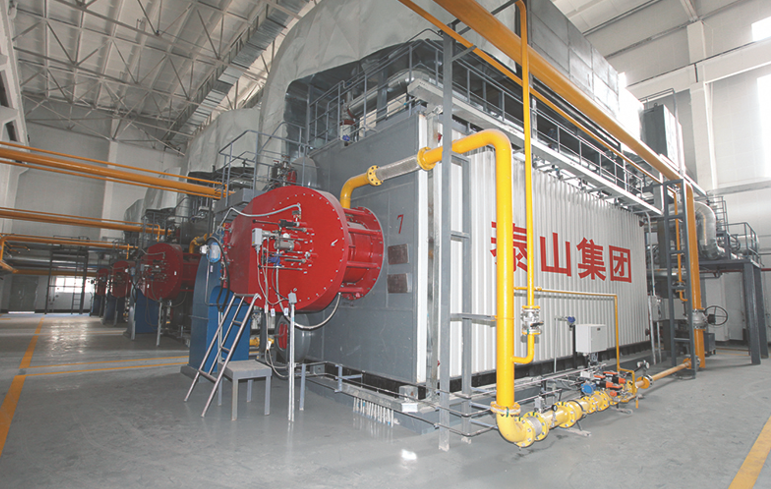
What Are the Environmental Compliance Advantages of Gas-Fired Boiler Adoption?
As global industries strive toward net-zero carbon goals and stricter emission regulations, the choice of boiler fuel has become a defining factor in achieving environmental compliance. Coal and oil-fired boilers—once dominant in industrial heating and power generation—are being phased out due to their high emissions of sulfur dioxide (SO₂), nitrogen oxides (NOₓ), and particulates. In contrast, natural gas-fired boilers offer a far cleaner combustion profile and easier regulatory conformity. Beyond their efficiency and operational simplicity, gas-fired systems represent one of the most practical and cost-effective pathways to meeting today’s environmental standards and future sustainability requirements.
Gas-fired boilers offer significant environmental compliance advantages by drastically reducing emissions of SO₂, particulate matter (PM), and CO₂ compared to coal and oil systems. Their clean combustion characteristics result in up to 99% lower particulate output, 90% lower SO₂ emissions, and 30–50% lower CO₂ per unit of energy. Additionally, their compatibility with low-NOₓ burners, flue gas recirculation (FGR), and condensing technology ensures adherence to stringent international emission standards such as EU IED, EPA NSPS, and ISO 14001. Gas-fired boilers simplify regulatory compliance while enhancing efficiency and supporting the transition toward renewable hydrogen and biogas integration.
In short, adopting gas-fired boiler systems not only simplifies environmental permitting but also provides a flexible platform for future low-carbon energy transformation.
Switching from coal to natural gas eliminates sulfur dioxide emissions almost entirely.True
Natural gas contains negligible sulfur, producing near-zero SO₂ emissions compared to sulfur-bearing coal or oil fuels.
Gas-fired boilers produce higher CO₂ emissions than oil boilers.False
Per unit of energy, natural gas produces about 25–30% less CO₂ than oil due to its higher hydrogen-to-carbon ratio and cleaner combustion.
1. Cleaner Combustion Chemistry: The Core Advantage
The environmental benefits of gas-fired boilers originate from their molecular composition. Natural gas is composed primarily of methane (CH₄), containing four hydrogen atoms for every carbon atom. During combustion, this leads to higher water vapor and lower CO₂ output, unlike coal and oil, which contain heavier hydrocarbons, sulfur, and impurities.
| Fuel Type | Carbon Content (%) | Hydrogen Content (%) | Sulfur (wt%) | Major Emission Components |
|---|---|---|---|---|
| Coal | 70–80 | 3–5 | 0.5–3.0 | CO₂, SO₂, PM, NOₓ |
| Heavy Fuel Oil | 85–88 | 10–12 | 1.0–2.0 | CO₂, SO₂, PM |
| Natural Gas (CH₄) | 75 | 25 | ~0 | CO₂, H₂O, trace NOₓ |
Natural gas combustion produces virtually no ash or unburned carbon, meaning no particulate filter systems are required for environmental compliance. This inherent fuel purity makes gas boilers compliant by design, greatly reducing the complexity of emission control equipment.
2. Comparative Emission Profile of Gas, Oil, and Coal Boilers
| Emission Parameter | Coal-Fired Boiler | Oil-Fired Boiler | Gas-Fired Boiler |
|---|---|---|---|
| CO₂ Emission (kg/GJ) | 94–98 | 73–78 | 50–55 |
| SO₂ (mg/Nm³) | 1,200–3,500 | 600–1,200 | <10 |
| NOₓ (mg/Nm³) | 250–400 | 180–300 | 50–150 |
| PM (mg/Nm³) | 100–500 | 50–150 | <5 |
| Mercury (μg/Nm³) | 5–10 | 2–6 | 0 |
Compared to coal boilers, gas-fired systems can achieve:
90–99% reduction in SO₂ and PM emissions
30–50% reduction in CO₂ emissions
40–60% reduction in NOₓ emissions (with low-NOₓ technology)
This emission profile easily meets EU Industrial Emissions Directive (IED) and U.S. EPA NSPS thresholds, often without requiring complex post-combustion systems.
3. Alignment with Global Environmental Regulations
| Regulatory Framework | Limit (mg/Nm³) for NOₓ | Limit (mg/Nm³) for SO₂ | Typical Gas Boiler Emission |
|---|---|---|---|
| EU IED (Directive 2010/75/EU) | 100–150 | 35 | 50–100 / <10 |
| U.S. EPA NSPS Subpart Db | 150–200 | 80 | 50–100 / <10 |
| China GB13271-2014 | 100 | 50 | 30–80 / <10 |
Gas boilers consistently fall well below legal limits, enabling operators to obtain or renew environmental permits with minimal compliance risk. Furthermore, modern systems equipped with continuous emission monitoring (CEMS) can automatically document and report compliance, streamlining certification audits.
4. Integration with Low-NOₓ and Ultra-Low-NOₓ Technologies
To further reduce emissions, gas boilers utilize advanced combustion and control systems such as:
Low-NOₓ Burners (LNBs): Achieve 30–50% NOₓ reduction by lowering flame temperature.
Flue Gas Recirculation (FGR): Mixes cooler exhaust gases with incoming air, reducing thermal NOₓ formation by 50–70%.
O₂ Trim Control: Maintains optimal excess air, ensuring complete combustion and minimal CO formation.
Selective Catalytic Reduction (SCR): Used in high-capacity systems to achieve up to 90% NOₓ removal.
| Control Method | Typical NOₓ Reduction (%) | Applicability |
|---|---|---|
| Low-NOₓ Burner | 30–50 | Small to medium boilers |
| FGR System | 50–70 | Medium to large units |
| SCR System | 80–90 | Utility-scale systems |
| Combined LNB + FGR | 60–80 | Industrial installations |
Together, these measures ensure that gas-fired plants remain future-proof as NOₓ limits continue to tighten globally.
5. Condensing and Waste Heat Recovery for Carbon Reduction
Gas-fired boilers can easily incorporate condensing economizers that capture latent heat from exhaust gases. This process:
Raises system efficiency to 95–98%, compared with 85–90% for non-condensing units.
Reduces CO₂ emissions by 10–12% for the same output.
Lowers exhaust temperatures from 200°C to below 60°C.
| Boiler Type | Typical Efficiency (%) | CO₂ Reduction vs Baseline |
|---|---|---|
| Non-Condensing Gas Boiler | 88–92 | — |
| Condensing Gas Boiler | 95–98 | 10–12% |
| Gas + WHR Integration | 98–100 | 12–15% |
High efficiency directly translates into lower fuel consumption, which not only reduces emissions but also supports compliance with ISO 50001 energy management systems.
6. Simpler Compliance Pathway and Lower Maintenance
Unlike coal or oil-fired systems, gas-fired boilers:
Require no desulfurization (FGD) or electrostatic precipitators (ESP).
Generate no solid ash waste, eliminating disposal costs.
Have minimal flue cleaning requirements due to soot-free combustion.
Offer continuous compliance monitoring through digital emission sensors.
| Compliance Aspect | Coal | Oil | Gas |
|---|---|---|---|
| SO₂ Control | FGD System | Low-S Fuel | Not Required |
| Particulate Control | ESP/Bag Filter | Cyclone Filter | Not Required |
| CO₂ Mitigation | Carbon Capture | — | Condensing/WHR |
| Monitoring Complexity | High | Medium | Low |
This simplicity translates to lower CAPEX for emission systems and reduced O&M costs, offering both environmental and financial benefits.
7. Compatibility with Renewable Fuels
A major advantage of gas-fired systems is their fuel flexibility for renewable integration:
Biogas: Up to 100% replacement after desulfurization and drying.
Hydrogen Blends: Up to 30% H₂ by volume without modification (in “H₂-ready” models).
Synthetic Methane (SNG): Direct substitute for fossil natural gas.
These options enable gradual decarbonization without equipment replacement, aligning with the EU Hydrogen Roadmap and UN SDG targets.
8. Case Study: Transition from Oil to Gas in a Chemical Plant
A 15-ton/hour oil-fired boiler in a European chemical facility was replaced with a natural gas-fired condensing boiler.
| Parameter | Oil-Fired Boiler | Gas-Fired Boiler | Improvement |
|---|---|---|---|
| Efficiency | 88% | 96% | +8% |
| SO₂ Emission | 800 mg/Nm³ | <10 mg/Nm³ | -99% |
| CO₂ Emission | 76 kg/GJ | 53 kg/GJ | -30% |
| NOₓ Emission | 220 mg/Nm³ | 85 mg/Nm³ | -61% |
| Compliance Cost | High | Low | ↓ OPEX |
The transition resulted in complete SO₂ compliance, a 61% NOₓ reduction, and 30% CO₂ savings, easily meeting EU ETS emission benchmarks.
9. Future Role in Carbon-Neutral Energy Systems
Gas-fired boilers are evolving into key bridge technologies in the global energy transition:
Serve as backup systems for intermittent renewables (solar/wind).
Compatible with carbon capture utilization and storage (CCUS).
Provide district heating with waste heat recovery.
Adapt to 100% hydrogen operation in next-generation designs.
These capabilities ensure that gas-fired systems will remain relevant in Phase II of industrial decarbonization—a stepping stone to zero-carbon heat.
Conclusion
Adopting gas-fired boilers delivers clear, measurable, and immediate environmental compliance advantages. Their inherently clean combustion, minimal emissions, and compatibility with advanced efficiency and control technologies allow industries to meet or exceed the world’s toughest emission standards—without the operational burdens of solid or liquid fuels. In an era where sustainability defines competitiveness, gas-fired boilers offer a proven, practical, and future-ready solution for cleaner industrial energy.
🔍 Conclusion
Industrial gas-fired boilers are a clean and efficient energy solution that bridge the gap between traditional fossil fuels and renewable alternatives. With advanced combustion, emission control, and heat recovery systems, they enable industries to meet stringent environmental standards while maintaining reliable heat and steam production.
📞 Contact Us
💡 Looking for a clean and efficient gas-fired boiler solution? We specialize in low-NOx, high-efficiency, and hydrogen-ready gas boiler systems that meet international environmental regulations.
🔹 Contact us today to explore eco-friendly gas-fired boiler options for your industrial application. 🌿🔥🏭✅
FAQ
Q1: Are industrial gas-fired boilers environmentally friendly?
A1: Industrial gas-fired boilers are generally considered more environmentally friendly than traditional coal- or oil-fired systems. They produce lower emissions of carbon dioxide (CO₂), nitrogen oxides (NOx), sulfur dioxide (SO₂), and particulate matter due to the clean-burning nature of natural gas. Modern boilers equipped with low-NOx burners, flue gas recirculation, and condensing technology further minimize environmental impact by improving fuel utilization and reducing greenhouse gas output. However, they still emit some CO₂, meaning they are not fully carbon-neutral but are a step toward cleaner industrial heating.
Q2: How do gas-fired boilers compare with other fuel types in terms of emissions?
A2: Compared with coal- and oil-fired boilers, gas-fired systems emit up to 50% less CO₂ and almost no sulfur oxides or ash. Coal produces the highest emissions, followed by oil, while natural gas burns the cleanest. Gas combustion also generates fewer nitrogen oxides when paired with low-NOx combustion technology. Furthermore, gas-fired boilers require less frequent maintenance due to reduced soot and residue buildup, which helps maintain efficiency and prolong lifespan—all contributing to lower environmental footprints.
Q3: Can industrial gas-fired boilers contribute to carbon reduction goals?
A3: Yes, gas-fired boilers can support short- to medium-term carbon reduction strategies. Many industries use them as transitional technologies while adopting renewable fuels or hydrogen-ready systems. High-efficiency condensing gas boilers can reach thermal efficiencies of 95% or higher, reducing fuel consumption and CO₂ emissions. Some modern designs also allow co-firing with biogas or hydrogen blends, helping companies lower carbon intensity and prepare for future zero-emission energy systems.
Q4: What technologies make gas-fired boilers more eco-friendly?
A4: Advanced emission control and heat recovery technologies enhance the eco-friendliness of gas-fired boilers. These include:
Low-NOx and ultra-low-NOx burners to cut nitrogen oxide emissions.
Condensing economizers to recover heat from flue gases, improving efficiency.
Oxygen trim systems for precise combustion control.
Flue gas recirculation (FGR) to lower flame temperature and reduce NOx.
Real-time monitoring systems to optimize combustion and energy use.
These features help achieve higher efficiency, lower emissions, and better environmental compliance.
Q5: Are gas-fired boilers a sustainable long-term solution?
A5: While natural gas is cleaner than other fossil fuels, it is still a non-renewable energy source. Therefore, gas-fired boilers serve as a transitional solution toward full decarbonization. In the long term, industries are shifting to biogas, synthetic methane, or hydrogen as renewable alternatives compatible with existing gas boiler designs. Manufacturers are developing hydrogen-ready boilers that can seamlessly switch to green fuels. This transition ensures continued energy reliability while aligning with global sustainability goals.
References
U.S. Department of Energy – Industrial Gas Boiler Efficiency Guide – https://www.energy.gov/ – DOE
International Energy Agency (IEA) – The Role of Gas in Clean Energy Transitions – https://www.iea.org/ – IEA
Carbon Trust – Natural Gas Boiler Emission Reduction Strategies – https://www.carbontrust.com/ – Carbon Trust
ASME Boiler and Pressure Vessel Code (BPVC) – https://www.asme.org/ – ASME
Siemens Energy – Low-NOx Gas Boiler Technologies – https://www.siemens-energy.com/ – Siemens Energy
Mitsubishi Power – Hydrogen-Ready Gas Boilers – https://power.mhi.com/ – Mitsubishi Power
GE Steam Power – Gas-Fired Boiler Efficiency Solutions – https://www.ge.com/steam-power/ – GE Steam Power
Engineering Toolbox – Gas Combustion Efficiency Data – https://www.engineeringtoolbox.com/ – Engineering Toolbox
ScienceDirect – Environmental Impact of Gas Combustion in Industry – https://www.sciencedirect.com/ – ScienceDirect
MarketsandMarkets – Global Gas Boiler Market Forecast 2025 – https://www.marketsandmarkets.com/ –Markets and Markets
