
Power plant boilers are the heart of electricity generation, converting fuel energy into high-pressure steam to drive turbines. Even a small decrease in boiler efficiency can lead to significant fuel waste, higher emissions, and increased operating costs. Understanding the major factors that influence efficiency is essential for maintaining reliable and cost-effective power generation.
The efficiency of a power plant boiler depends primarily on five key factors: fuel quality, combustion control, heat transfer efficiency, flue gas heat recovery, and maintenance practices. Using high-grade, consistent fuel ensures complete combustion; precise air-fuel ratio control minimizes energy loss; clean heat transfer surfaces maximize energy absorption; efficient economizers and air preheaters recover residual heat; and regular maintenance prevents fouling, leakage, and scaling. Together, these factors determine how effectively the boiler converts fuel energy into usable steam for power generation.
By optimizing these five parameters, plant operators can significantly improve boiler efficiency, lower emissions, and extend equipment life, resulting in better overall performance and profitability.
How Does Fuel Quality and Composition Influence Power Plant Boiler Efficiency?
The fuel used in power plant boilers is not just an energy source—it is the single most critical determinant of overall efficiency, operational cost, and environmental impact. When fuel quality or composition is poor, such as when it has high moisture, ash, or sulfur content, it results in incomplete combustion, slagging, fouling, and increased emissions. These issues lower the boiler’s thermal efficiency and increase maintenance frequency. In contrast, selecting a high-grade, well-prepared fuel or optimizing the fuel mix can dramatically improve combustion stability, heat transfer, and power output. This article will explain how different fuel characteristics—chemical, physical, and thermal—directly influence boiler efficiency, and how engineers can mitigate quality variations through better monitoring, blending, and combustion control technologies.
In essence, the quality and chemical composition of fuel directly affect boiler efficiency by influencing combustion completeness, heat transfer, slagging tendency, and flue gas losses. Cleaner, drier fuels with consistent calorific values lead to higher thermal efficiency and lower maintenance needs, while poor-quality fuels with high ash, moisture, or sulfur content reduce combustion performance, increase corrosion, and lower power generation efficiency.
Fuel composition determines combustion dynamics and the stability of the flame, while contaminants such as ash or moisture dilute the available heat energy and accelerate wear. Understanding this relationship helps plant engineers maintain high performance even with variable fuel sources, ensuring cost savings and compliance with emissions standards.
Fuel composition does not significantly affect boiler efficiency.False
Fuel composition strongly affects combustion performance, heat transfer, and slag formation, all of which determine boiler efficiency.
High moisture in fuel reduces power plant boiler efficiency.True
Moisture consumes part of the fuel’s heat to evaporate water, thereby lowering the effective heating value and boiler efficiency.
Understanding Fuel Characteristics in Boiler Performance
Every fuel type—whether coal, natural gas, biomass, or fuel oil—possesses unique physical and chemical properties that influence boiler design and operation. Fuel quality parameters such as calorific value, ash content, volatile matter, sulfur percentage, fixed carbon, and moisture determine how efficiently a boiler can convert chemical energy into thermal energy.
| Fuel Property | Impact on Boiler Efficiency | Typical Range (Coal/Biomass/Natural Gas) |
|---|---|---|
| Calorific Value (kcal/kg) | Determines heat release rate and flame temperature | 4,000–8,000 / 3,000–5,000 / 8,500–9,000 |
| Moisture (%) | Reduces available heat, increases stack losses | 5–15 / 20–55 / <1 |
| Ash (%) | Causes slagging, fouling, and heat transfer reduction | 5–40 / 1–10 / 0 |
| Sulfur (%) | Leads to corrosion and emissions | 0.3–4 / 0.05–0.2 / 0 |
| Volatile Matter (%) | Influences ignition and flame stability | 15–40 / 60–80 / – |
High calorific value fuels, such as premium-grade coal or natural gas, deliver more energy per unit of fuel, improving boiler efficiency. Conversely, low-quality coal or unprocessed biomass with high moisture results in significant energy loss. For instance, each 1% increase in fuel moisture can reduce boiler efficiency by approximately 0.5–0.8%.
Natural gas boilers achieve higher efficiency because of fuel cleanliness and complete combustion.True
Natural gas is a uniform, low-ash, low-moisture fuel that promotes stable combustion and higher heat transfer efficiency.
How Chemical Composition Affects Combustion and Heat Transfer
The chemical makeup of fuel defines how it reacts with oxygen in the furnace. The carbon-to-hydrogen ratio, presence of impurities, and the mineral composition of ash determine the combustion process. Fuels rich in fixed carbon tend to burn longer and generate more stable flames, while high volatile matter fuels ignite easily but may require sophisticated burner designs to avoid incomplete combustion.
| Fuel Element | Typical Percentage (Coal) | Effect on Efficiency |
|---|---|---|
| Carbon (C) | 45–85% | Main source of energy; higher carbon = higher heat output |
| Hydrogen (H) | 3–6% | Increases flame temperature and efficiency |
| Oxygen (O) | 5–15% | Reduces net heating value; requires energy to break bonds |
| Nitrogen (N) | 1–3% | Inert; contributes to NOx emissions |
| Sulfur (S) | 0.5–3% | Leads to SO₂ formation, corrosion, and maintenance issues |
High sulfur and ash content directly degrade heat transfer surfaces, requiring frequent soot blowing and cleaning. Over time, slag accumulation on water walls and superheaters reduces effective heat absorption, forcing higher flue gas temperatures and lower efficiency. This problem is particularly critical in fluidized bed boilers and pulverized coal units burning low-grade fuels.
Boiler slagging occurs more often with high-ash fuels.True
High ash and low melting point constituents lead to slag formation on furnace walls, reducing heat transfer.
Real-World Case Study: The Impact of Coal Grade on Boiler Efficiency
A comparative analysis of two 500 MW coal-fired power plants—one using high-grade bituminous coal and the other using low-grade lignite—revealed the following efficiency differences:
| Parameter | Bituminous Coal Plant | Lignite-Fired Plant |
|---|---|---|
| Calorific Value (kcal/kg) | 6,500 | 3,800 |
| Boiler Efficiency (%) | 89.5 | 78.2 |
| Specific Coal Consumption (kg/kWh) | 0.39 | 0.68 |
| Ash Production (tons/day) | 600 | 1,450 |
| Maintenance Frequency (per year) | 2 | 6 |
The lignite plant, despite using cheaper fuel, experienced a 12% reduction in efficiency, almost double the ash handling costs, and triple the frequency of maintenance shutdowns. The data demonstrates how fuel quality directly translates into both economic and operational performance outcomes.
Mitigation Strategies for Poor Fuel Quality
When high-grade fuels are unavailable or economically unfeasible, engineering interventions can maintain acceptable boiler efficiency levels:
Fuel Blending: Combining high-calorific and low-calorific fuels can stabilize combustion temperature and minimize slagging.
Pre-Drying Systems: Especially for biomass or lignite, pre-drying reduces moisture and improves heating value.
Combustion Optimization: Advanced control systems (using AI-driven oxygen and temperature sensors) continuously adjust air-fuel ratios.
Additive Injection: Certain mineral additives can raise ash melting points, reducing fouling.
Heat Recovery: Utilizing economizers and air preheaters can reclaim up to 10% of energy lost in flue gases.
Low-grade coal can achieve high efficiency with proper combustion control and heat recovery systems.True
Modern combustion optimization and waste heat recovery can compensate for lower fuel quality and improve efficiency by up to 10%.
Environmental and Economic Implications
Poor fuel quality not only reduces boiler performance but also affects emissions. High sulfur and nitrogen fuels produce more SO₂ and NOₓ, leading to costly compliance with emission standards. Moreover, excessive ash disposal and unburnt carbon losses represent wasted fuel potential. Cleaner fuels may cost more upfront but yield long-term savings through improved reliability and lower maintenance costs.
| Fuel Quality Level | Expected Boiler Efficiency (%) | Emission Factor (kg CO₂/kWh) | Maintenance Cost ($/MWh) |
|---|---|---|---|
| Premium Fuel | 90–92 | 0.75 | 1.2 |
| Medium Grade | 85–88 | 0.85 | 2.4 |
| Low Grade | 75–80 | 1.05 | 4.8 |
Conclusion
Fuel quality and composition are fundamental determinants of power plant boiler efficiency. From the moisture and ash content to elemental composition and heating value, every variable affects combustion, heat transfer, and emissions. Engineers who monitor, analyze, and adapt their combustion systems to fuel variations can maintain high efficiency, protect equipment, and reduce operational costs—even under fluctuating fuel supply conditions.
Why Is Accurate Combustion Air Control Essential for Optimal Performance?
Poorly managed combustion air in power plant boilers can quietly erode efficiency, elevate emissions, and accelerate equipment wear. Too much air cools the flame and wastes energy through excess flue gas losses, while too little air causes incomplete combustion, soot buildup, and carbon monoxide formation. Both conditions lead to decreased boiler performance, increased maintenance, and potential safety risks. The solution lies in maintaining accurate, dynamic combustion air control—the precise balance between oxygen supply and fuel input—to ensure stable combustion, maximum heat release, and minimal pollutants. This article explores the science and engineering behind air-fuel balance and why it is central to achieving optimal boiler efficiency and environmental compliance.
Accurate combustion air control is essential because it ensures the optimal air-to-fuel ratio for complete combustion, maximizing heat release while minimizing energy loss and emissions. Proper control prevents excess air from reducing flame temperature and efficiency, and insufficient air from causing incomplete combustion, soot formation, and CO generation. By continuously monitoring oxygen levels, temperature, and fuel flow, plants can maintain stable and efficient boiler performance across varying loads.
Maintaining precise air control not only saves fuel but also stabilizes operation, reduces maintenance costs, and extends boiler life. Let’s dive deeper into how accurate air management influences the performance, efficiency, and reliability of modern combustion systems.
Increasing combustion air always improves boiler efficiency.False
Excess air carries unutilized heat out through flue gases, decreasing thermal efficiency.
Lack of sufficient air leads to incomplete combustion and soot formation.True
Insufficient air prevents all carbon from oxidizing to CO₂, leading to soot, CO, and lower efficiency.
Fundamentals of Combustion Air and Stoichiometry
Combustion requires the correct mixture of fuel and air (oxygen) to release maximum energy. The stoichiometric ratio represents the exact amount of air theoretically needed for complete combustion. However, in practical boilers, a small percentage of excess air (5–20%) is required to ensure complete burning due to imperfect fuel-air mixing.
| Fuel Type | Stoichiometric Air (kg air/kg fuel) | Typical Excess Air (%) | Flame Temperature (°C) |
|---|---|---|---|
| Natural Gas | 17.2 | 5–10 | 1950–2050 |
| Fuel Oil | 14.0 | 10–15 | 1850–1950 |
| Pulverized Coal | 9.5 | 15–25 | 1600–1800 |
| Biomass | 6.5 | 20–30 | 1450–1600 |
Accurate air control involves balancing this ratio so that the flame remains hot, stable, and efficient. Any deviation—either too rich (fuel-heavy) or too lean (air-heavy)—reduces the energy extracted from the fuel.
The stoichiometric air ratio ensures maximum efficiency in practice.False
Although theoretically ideal, real boilers require excess air to ensure complete combustion and avoid unburned fuel losses.
The Impact of Excess and Deficient Air on Efficiency
When excess air is too high, it introduces large volumes of cold air into the combustion chamber, absorbing heat that could otherwise generate steam. The result: higher flue gas temperatures and lower boiler efficiency. Conversely, deficient air leads to incomplete combustion, producing unburned carbon, soot, and harmful gases such as CO and hydrocarbons.
| Condition | Air-to-Fuel Ratio | Combustion Efficiency (%) | Main Issues |
|---|---|---|---|
| Too Little Air | <1.0 stoichiometric | 60–80 | CO, soot, unburned carbon, low flame temp |
| Optimum Air | ≈1.1 stoichiometric | 88–92 | Complete combustion, high efficiency |
| Excess Air | >1.4 stoichiometric | 80–85 | Heat loss in flue gas, low efficiency |
Each 1% increase in excess air above optimum can decrease boiler efficiency by approximately 0.05–0.1%. For a 300 MW power plant, a 10% excess air increase may translate into fuel losses worth hundreds of thousands of dollars annually.
Excess air reduces stack losses.False
Excess air increases stack losses because it carries away unused heat energy with the flue gas.
Advanced Air Control Systems and Technologies
Modern combustion systems rely on precise instrumentation and automated controls to manage air flow dynamically. These technologies continuously adjust the air-fuel ratio based on real-time operating conditions.
Key Components of an Accurate Air Control System
Oxygen Analyzers: Measure residual O₂ in flue gas to fine-tune air input.
Air Flow Sensors: Provide continuous feedback to maintain balance.
Variable Frequency Drives (VFDs): Regulate fan speed to modulate air flow.
Combustion Control Algorithms: Optimize efficiency using PID or AI-based control logic.
Trim Systems: Adjust secondary air in real time for dynamic load changes.
| Technology | Purpose | Efficiency Gain (%) | Additional Benefit |
|---|---|---|---|
| O₂ Trim Control | Real-time adjustment of excess air | 1.5–3.0 | Lower CO emissions |
| VFD Air Fans | Modulate air volume precisely | 1.0–2.0 | Reduced power consumption |
| AI Combustion Control | Predictive tuning based on data trends | 2.0–5.0 | Optimized across fuel types |
| Flue Gas Recirculation | Stabilizes flame temperature | 1.0–1.5 | Reduces NOₓ emissions |
Case Study: Efficiency Gains from Air Optimization
A 600 MW coal-fired power plant implemented an AI-based combustion air control system that continuously analyzed O₂ and CO levels. Over a 12-month monitoring period, results showed:
| Parameter | Before Optimization | After Optimization |
|---|---|---|
| Average Excess Air (%) | 25.2 | 15.8 |
| Boiler Efficiency (%) | 86.4 | 90.1 |
| CO Emission (ppm) | 310 | 45 |
| Unburned Carbon (%) | 2.8 | 0.9 |
| Annual Fuel Savings ($) | – | 850,000 |
The improvement demonstrates that even moderate reductions in excess air—without compromising safety or stability—yield substantial efficiency and economic gains.
Reducing excess air below safe levels can increase CO emissions.True
Low air supply causes incomplete oxidation, resulting in carbon monoxide and soot formation.
Environmental and Operational Benefits
Beyond efficiency, accurate air control contributes to cleaner and more stable operation. Proper air management leads to:
Lower CO and NOₓ emissions through controlled flame temperature.
Reduced unburned carbon and soot, minimizing tube fouling.
Stable flame dynamics, preventing vibration and reducing thermal stress.
Extended component lifespan due to less corrosion and slagging.
Improved turndown capability, maintaining efficiency across variable loads.
These combined effects not only reduce operational costs but also help power plants comply with increasingly strict environmental regulations.
| Performance Aspect | Without Control | With Accurate Air Control |
|---|---|---|
| Fuel Consumption | High | Optimized |
| CO/CO₂ Ratio | Unstable | Stable |
| Tube Fouling Rate | High | Low |
| Boiler Load Stability | Fluctuating | Smooth |
| Maintenance Frequency | Frequent | Reduced |
Conclusion
Accurate combustion air control is a cornerstone of high-efficiency, low-emission boiler operation. By precisely balancing air and fuel input, power plants can achieve stable flames, complete combustion, reduced losses, and extended equipment life. In an era of volatile fuel prices and strict emissions norms, real-time air management systems represent one of the most cost-effective pathways to improved performance and sustainability.
How Does Heat Transfer Surface Cleanliness Impact Thermal Efficiency?
In every power plant, the heat transfer surfaces—such as boiler tubes, economizers, superheaters, and air preheaters—are the heart of thermal energy conversion. Over time, these surfaces accumulate soot, ash, and scale, which act as insulating layers. This buildup prevents effective heat transfer from the combustion gases to the working fluid (usually water or steam), causing higher flue gas temperatures, increased fuel consumption, and lower overall thermal efficiency. If left unmanaged, fouling can cost operators millions annually through wasted fuel, premature equipment wear, and unplanned shutdowns. Maintaining clean heat transfer surfaces is, therefore, one of the most critical factors in sustaining boiler efficiency and reliability.
Heat transfer surface cleanliness directly determines thermal efficiency because any fouling layer—such as soot, ash, or scale—acts as thermal insulation, reducing heat flux and forcing higher fuel input to maintain output. Clean surfaces enable optimal heat exchange, lower flue gas temperatures, and minimize energy losses, while dirty or scaled surfaces increase fuel consumption, emissions, and maintenance frequency. Regular cleaning and monitoring can recover 3–7% of lost efficiency.
Cleanliness is not merely about appearance—it’s about maximizing energy utilization. A 1 mm layer of soot can reduce thermal efficiency by up to 5%, while a 1 mm scale layer inside boiler tubes can cut efficiency by as much as 10%. That’s why modern plants prioritize automated cleaning systems, chemical treatments, and continuous monitoring of surface conditions.
Surface fouling has minimal effect on boiler efficiency.False
Even thin layers of soot or scale drastically reduce heat transfer rates, lowering boiler thermal efficiency.
Cleaning heat transfer surfaces can restore lost efficiency.True
Removing soot and scale removes insulating barriers, improving heat transfer and reducing flue gas losses.
Understanding Heat Transfer and Fouling Mechanisms
Heat transfer in boilers involves conduction through metal surfaces and convection between gas and water/steam. When soot or scale accumulates, it introduces additional resistance to heat flow, significantly lowering the overall heat transfer coefficient.
| Type of Fouling | Origin | Location | Impact on Heat Transfer |
|---|---|---|---|
| Soot Fouling | Incomplete combustion of fuel | Furnace walls, superheater tubes | Reduces external heat transfer efficiency |
| Ash Deposition | Mineral impurities in fuel | Economizer and reheater sections | Creates high-temperature corrosion and insulation |
| Scale Formation | Dissolved minerals in feedwater | Inside water/steam tubes | Reduces internal conduction and increases tube temperature |
| Corrosive Deposits | Reaction of sulfur or chlorine with metal | Flue gas side | Weakens material and alters heat transfer profile |
Fouling increases thermal resistance (Rₜ), which is the inverse of heat transfer coefficient (U). The overall heat transfer rate (Q) is governed by the equation:
Q = U × A × ΔT
When fouling occurs, U drops because of additional resistance layers:
1/U = 1/h₁ + R_fouling + 1/h₂
Where h₁ and h₂ represent convective heat transfer coefficients on gas and fluid sides. Even small increases in R_fouling lead to significant efficiency drops.
Scale buildup increases tube wall temperature and risks tube failure.True
Scale acts as insulation, forcing metal temperatures higher and leading to creep and rupture.
Quantifying Efficiency Losses from Surface Contamination
Studies from the Electric Power Research Institute (EPRI) and ASME show that for every 1% increase in flue gas temperature caused by fouling, boiler efficiency decreases by approximately 0.25%.
| Fouling Condition | Average Flue Gas Temperature (°C) | Boiler Efficiency (%) | Efficiency Loss (%) |
|---|---|---|---|
| Clean Surfaces | 140 | 90.5 | – |
| Light Soot Layer (0.5 mm) | 160 | 88.8 | 1.7 |
| Moderate Fouling (1 mm soot) | 185 | 86.2 | 4.3 |
| Heavy Fouling (2 mm soot) | 210 | 83.5 | 7.0 |
Similarly, internal scaling in water tubes can cause dramatic efficiency and reliability losses:
| Scale Thickness (mm) | Heat Transfer Reduction (%) | Metal Temperature Rise (°C) | Efficiency Loss (%) |
|---|---|---|---|
| 0.25 | 5 | 15 | 1.0 |
| 0.50 | 10 | 30 | 2.0 |
| 1.00 | 20 | 60 | 4.5 |
| 1.50 | 30 | 90 | 6.5 |
Thus, both soot and scale contribute not only to heat transfer degradation but also to structural stress, as the metal operates closer to its creep limit.
A 1 mm soot layer can reduce boiler efficiency by more than 4%.True
The soot layer increases thermal resistance and flue gas temperature, lowering heat transfer efficiency.
Mechanisms of Fouling Formation
Fouling arises from a combination of physical deposition and chemical reaction processes:
Soot Formation: Caused by incomplete fuel combustion and poor air-fuel mixing.
Ash Deposition: Melting and adhesion of mineral impurities in coal or biomass.
Scale Buildup: Precipitation of calcium and magnesium salts when feedwater quality is poor.
Corrosive Fouling: Formation of sulfates or chlorides that corrode surfaces and trap further particulates.
Once fouling begins, it accelerates due to reduced heat transfer and localized overheating, creating a self-reinforcing cycle. Regular cleaning and monitoring break this cycle and stabilize performance.
Technologies for Maintaining Clean Heat Transfer Surfaces
1. Soot Blowing Systems
Steam or compressed air jets periodically remove soot from external tube surfaces. Automated, directional soot blowers target high-ash regions based on temperature and gas flow patterns.
2. On-Line Cleaning (Acoustic or Sonic)
Sound waves dislodge particulate matter without shutting down the boiler, ideal for biomass and waste-fueled plants.
3. Chemical Descaling
Circulation of descaling agents (e.g., citric acid or EDTA solutions) dissolves mineral scale inside tubes.
4. Water Treatment Optimization
Maintaining low hardness and silica in feedwater prevents internal deposition.
5. Predictive Fouling Monitoring Systems
AI-based monitoring correlates flue gas temperature, draft loss, and O₂ concentration to predict fouling buildup in real time.
| Cleaning Method | Application Area | Efficiency Recovery (%) | Maintenance Interval |
|---|---|---|---|
| Steam Soot Blower | Furnace and superheater | 3–5 | Weekly |
| Acoustic Cleaner | Economizer and air preheater | 2–4 | Continuous |
| Chemical Descaling | Water/steam circuits | 5–8 | Annually |
| AI Monitoring | Full boiler system | 1–2 (preventive) | Continuous |
On-line acoustic cleaning can maintain surfaces without boiler shutdown.True
Acoustic cleaning uses sound waves to remove deposits during operation, avoiding downtime.
Case Study: Efficiency Improvement through Surface Cleaning
A 500 MW coal-fired power station in Southeast Asia conducted a comprehensive cleaning of its economizer and superheater surfaces. Data before and after cleaning showed the following:
| Parameter | Before Cleaning | After Cleaning | Change |
|---|---|---|---|
| Flue Gas Temp (°C) | 205 | 160 | −45 |
| Boiler Efficiency (%) | 84.7 | 89.2 | +4.5 |
| Fuel Consumption (tons/hr) | 165 | 157 | −8 |
| CO₂ Emission (tons/hr) | 415 | 396 | −19 |
This demonstrates that regular surface maintenance directly reduces both fuel use and emissions, while enhancing output consistency and reliability.
Economic and Environmental Impacts
Fouling has tangible economic consequences. For a 300 MW unit operating at 85% efficiency, every 1% efficiency loss translates into roughly $300,000–$500,000 in annual additional fuel costs. Furthermore, inefficient heat transfer increases CO₂ emissions proportionally—so a 5% drop in efficiency can lead to nearly 5% higher greenhouse gas emissions. Cleanliness, therefore, ties directly into sustainability goals.
| Impact Factor | Dirty Surfaces | Clean Surfaces |
|---|---|---|
| Boiler Efficiency (%) | 83–86 | 89–91 |
| Fuel Cost ($/MWh) | High | Low |
| CO₂ Emission (kg/kWh) | 1.05 | 0.95 |
| Maintenance Downtime | Frequent | Reduced |
| Tube Lifespan (years) | 10–12 | 15–20 |
Surface cleanliness contributes to emissions reduction.True
Clean heat transfer surfaces increase thermal efficiency, reducing fuel usage and associated CO₂ emissions.
Conclusion
Clean heat transfer surfaces are not optional—they are essential for sustainable boiler performance. Fouling, whether from soot, ash, or scale, acts as a silent efficiency killer that diminishes heat transfer, increases fuel demand, and accelerates component degradation. Regular cleaning, predictive monitoring, and effective water treatment form the foundation of efficient, long-lasting power plant operations. Keeping boiler surfaces clean isn’t just maintenance—it’s profit protection.

What Is the Role of Economizers and Air Preheaters in Waste Heat Recovery?
In modern power plants and industrial boilers, a large amount of energy exits the system through hot flue gases—often at temperatures between 150°C and 250°C. Without proper heat recovery, this valuable energy is wasted, increasing fuel consumption and operational costs. The two most critical devices designed to reclaim this lost energy are the economizer and the air preheater. When properly designed and maintained, these components recover sensible heat from flue gases, preheating boiler feedwater and combustion air, thereby boosting overall thermal efficiency. Inefficient or poorly maintained heat recovery systems, on the other hand, can lead to 5–10% fuel wastage and higher emissions.
Economizers and air preheaters play a vital role in waste heat recovery by capturing residual energy from flue gases and transferring it to feedwater and combustion air, respectively. Economizers increase boiler efficiency by preheating the feedwater, reducing fuel demand for steam generation, while air preheaters improve combustion efficiency and reduce stack temperature. Together, they can enhance overall boiler efficiency by 8–12%, lowering both fuel costs and emissions.
In essence, these two components act as the energy recyclers of the boiler system, reclaiming what would otherwise be lost to the atmosphere. This recovered energy directly translates into lower operational costs and greater sustainability for power plants.
Economizers and air preheaters only marginally affect boiler efficiency. False
Together, these components can improve boiler efficiency by up to 12%, making them essential in waste heat recovery.
Economizers recover heat from flue gases to preheat feedwater.True
By heating incoming feedwater with exhaust gases, economizers reduce fuel required for steam generation.
Understanding the Working Principles of Economizers and Air Preheaters
An economizer and an air preheater both extract heat from flue gases, but they serve different purposes within the boiler heat balance.
| Component | Heat Recovery Medium | Primary Function | Typical Temperature Range (°C) | Efficiency Improvement (%) |
|---|---|---|---|---|
| Economizer | Boiler Feedwater | Preheats feedwater before entering steam drum | 150–250 → 100–130 | 3–6 |
| Air Preheater | Combustion Air | Preheats combustion air before entering furnace | 250–350 → 150–200 | 2–6 |
Economizer Function
The economizer is a heat exchanger located in the flue gas path between the boiler outlet and the air preheater. It captures waste heat from the flue gases to raise the temperature of feedwater before it enters the boiler drum. The increased feedwater temperature means less energy is needed in the furnace to convert it into steam.
Air Preheater Function
The air preheater, typically placed after the economizer, transfers the remaining heat from flue gases to the combustion air. This ensures that the air entering the burners is warm, improving fuel-air mixing and combustion efficiency. Warmer air also enhances flame stability and reduces unburned fuel losses.
Air preheaters help reduce unburned carbon losses by improving flame stability.True
Preheated air promotes more complete fuel combustion and reduces unburned carbon in ash.
Thermodynamic Relationship and Energy Savings
The recovery of waste heat using economizers and air preheaters improves the overall heat rate and reduces the specific fuel consumption of the boiler. According to thermodynamic principles, increasing the feedwater and air temperatures lowers the enthalpy rise required in the furnace.
| Parameter | Without Heat Recovery | With Economizer + Air Preheater | Improvement |
|---|---|---|---|
| Feedwater Temperature (°C) | 85 | 130 | +45 |
| Combustion Air Temperature (°C) | 25 | 150 | +125 |
| Flue Gas Exit Temperature (°C) | 220 | 140 | −80 |
| Boiler Efficiency (%) | 83.5 | 91.0 | +7.5 |
| Fuel Savings (%) | – | 8–10 | – |
The typical rule of thumb:
Each 22°C (40°F) reduction in flue gas exit temperature increases boiler efficiency by roughly 1%.
Thus, lowering the flue gas temperature from 220°C to 140°C using these two devices can yield nearly 3.5–4% efficiency gain per component, or a combined 8–10% improvement.
Flue gas temperature reduction directly improves boiler efficiency.True
Lower flue gas temperature indicates effective heat recovery, translating into reduced fuel consumption.
Design Types of Economizers and Air Preheaters
Economizer Types:
Non-Condensing (Dry Tube) Economizer – Recovers sensible heat from flue gases; most common type.
Condensing Economizer – Recovers both sensible and latent heat, extracting moisture energy for maximum efficiency.
Bare-Tube and Finned-Tube Designs – Finned surfaces increase heat transfer area and compactness.
Air Preheater Types:
Recuperative (Tubular) Type – Gas and air flow through separate tubes or plates.
Regenerative (Rotary) Type – Heat is stored in a rotating matrix and transferred alternately to air and gas streams.
| Device Type | Heat Transfer Mechanism | Material | Efficiency Range (%) |
|---|---|---|---|
| Tubular Economizer | Conduction + Convection | Carbon steel, alloy steel | 3–5 |
| Finned Economizer | Extended surface conduction | Carbon steel | 4–6 |
| Tubular Air Preheater | Convection | Alloy steel | 2–4 |
| Rotary Regenerative Air Preheater | Alternating storage transfer | Cast iron, enamel-coated steel | 5–8 |
Integration of Economizer and Air Preheater in Boiler Systems
In a typical power plant heat recovery sequence, the economizer precedes the air preheater in the flue gas path. This ensures that the highest-quality heat (higher temperature) is used to heat feedwater, while lower-grade heat (remaining flue gas energy) warms the combustion air.
Heat Recovery Flow (Simplified Diagram):
| Step | Component | Heat Recipient | Temperature Drop (°C) | Role |
|---|---|---|---|---|
| 1 | Furnace | Steam Generation | – | Primary combustion heat |
| 2 | Economizer | Feedwater | 250 → 130 | Recovers major portion of waste heat |
| 3 | Air Preheater | Combustion Air | 200 → 150 | Uses remaining flue gas heat |
| 4 | Stack | – | 140 → 120 | Final exhaust to atmosphere |
This sequential heat exchange maximizes the temperature gradient utilization, ensuring no useful energy escapes unnecessarily.
Economizers are installed after air preheaters in the flue gas path.False
Economizers are installed before air preheaters to utilize higher-grade heat for feedwater heating.
Case Study: Efficiency Gains from Waste Heat Recovery
A 300 MW coal-fired power plant installed upgraded finned-tube economizers and rotary air preheaters. Post-installation data revealed substantial operational gains:
| Parameter | Before Retrofit | After Retrofit | Improvement |
|---|---|---|---|
| Flue Gas Exit Temp (°C) | 210 | 135 | −75 |
| Feedwater Temp (°C) | 95 | 135 | +40 |
| Air Temp to Furnace (°C) | 40 | 160 | +120 |
| Boiler Efficiency (%) | 84.5 | 91.2 | +6.7 |
| Fuel Savings (%) | – | 8.4 | – |
| CO₂ Emission Reduction (%) | – | 7.8 | – |
The project achieved an estimated annual fuel cost reduction of $1.1 million, demonstrating the economic value of these waste heat recovery devices.
Installing both economizers and air preheaters can reduce CO₂ emissions by up to 8%.True
Fuel savings from improved efficiency directly reduce carbon dioxide emissions.
Maintenance and Operational Considerations
Efficient performance depends on regular cleaning and inspection. Fouling, corrosion, or leakage in these heat exchangers can rapidly degrade heat recovery efficiency.
Key maintenance practices include:
Regular soot blowing to remove ash deposits.
Monitoring pressure drop and flue gas temperature for early detection of fouling.
Periodic hydro-jet or chemical cleaning for economizer tubes.
Inspection of rotary seals and air leakage in regenerative preheaters.
Ensuring feedwater quality to avoid internal scaling.
| Problem | Cause | Effect on Efficiency (%) | Preventive Action |
|---|---|---|---|
| Soot Fouling | Incomplete combustion | −3 to −6 | Regular soot blowing |
| Tube Corrosion | Acid dew point condensation | −2 to −4 | Maintain flue gas temperature above dew point |
| Air Leakage | Seal failure in rotary APH | −4 to −7 | Inspect and replace seals |
| Scaling | Poor feedwater treatment | −3 to −5 | Maintain water chemistry standards |
Air leakage in regenerative air preheaters has negligible efficiency impact.False
Air leakage reduces heat recovery effectiveness and increases stack losses, lowering efficiency significantly.
Economic and Environmental Significance
Economizers and air preheaters reduce not only operational costs but also the environmental footprint of thermal plants. Cleaner heat recovery leads to fewer emissions and reduced fuel dependency.
| Aspect | Without Heat Recovery | With Heat Recovery |
|---|---|---|
| Boiler Efficiency (%) | 83–85 | 90–92 |
| Fuel Cost ($/MWh) | High | Reduced |
| CO₂ Emissions (kg/kWh) | 1.02 | 0.94 |
| NOₓ Formation | Higher | Lower |
| Payback Period (years) | – | 1.5–3.0 |
Economizers and air preheaters offer fast payback for boiler retrofits.True
Their efficiency improvements typically yield a return on investment within 2–3 years through fuel savings.
Conclusion
Economizers and air preheaters are indispensable in waste heat recovery systems. By intelligently reusing heat that would otherwise escape through the stack, they significantly enhance boiler efficiency, reduce fuel consumption, and lower emissions. Their combined role bridges efficiency, economy, and environmental stewardship—core goals for any modern power plant. Proper design, integration, and maintenance of these components ensure sustained benefits and a more sustainable energy footprint.
How Do Operation and Maintenance Practices Sustain Long-Term Efficiency?
In every power generation or industrial facility, achieving high efficiency is not solely about advanced design—it’s about how well the system is operated and maintained over time. Even the most modern, high-performance boilers, turbines, and heat exchangers can lose 10–15% of their efficiency within a few years if proper operation and maintenance (O&M) practices are neglected. Poorly trained operators, delayed maintenance, or improper cleaning schedules lead to fouling, corrosion, and increased fuel consumption. On the other hand, disciplined, data-driven O&M programs ensure long-term operational stability, reliability, and peak energy performance.
Sustained long-term efficiency depends on effective operation and maintenance practices that include optimized operating parameters, regular performance monitoring, preventive maintenance, and timely corrective actions. Proper O&M ensures clean heat transfer surfaces, balanced combustion, calibrated instrumentation, and well-maintained auxiliary systems—preventing gradual efficiency losses and maximizing equipment life.
These practices transform maintenance from a reactive expense into a strategic investment. Plants that adopt a predictive, condition-based approach consistently outperform those relying on periodic or reactive interventions.
Operation and maintenance practices have little effect on long-term boiler efficiency.False
Poor operation and maintenance can cause up to 15% efficiency loss due to fouling, leakage, and equipment deterioration.
Preventive maintenance improves long-term efficiency and equipment lifespan.True
Regular maintenance prevents fouling, corrosion, and imbalance, maintaining high heat transfer rates and mechanical integrity.
The Connection Between O&M and Efficiency Sustainability
Efficiency degradation in thermal power systems is a gradual process driven by mechanical wear, thermal stress, fouling, and improper control. A comprehensive O&M strategy combats these issues before they escalate.
| Degradation Factor | Impact on Efficiency (%) | Preventive Measure |
|---|---|---|
| Soot/Ash Fouling | 3–7 | Regular soot blowing, optimized combustion |
| Scale Formation | 2–5 | Proper water treatment and descaling |
| Air Leakage in Ducts/APH | 2–6 | Seal inspection and replacement |
| Instrument Drift | 1–3 | Routine calibration |
| Poor Load Management | 2–4 | Training, automated controls |
| Worn Turbine Blades | 1–3 | Periodic inspection and balancing |
When plant operators maintain optimal conditions—such as the correct air-fuel ratio, stable load distribution, and precise temperature control—they prevent efficiency losses before they occur.
Operator training has minimal impact on efficiency performance.False
Skilled operators interpret data trends, identify early inefficiencies, and make timely adjustments that sustain optimal performance.
Core Principles of Efficient Operation
Load Optimization: Operating equipment near its design load maximizes heat rate and minimizes part-load losses.
Combustion Control: Continuous monitoring of oxygen and CO levels maintains balanced combustion.
Steam and Condensate Management: Recovering condensate and minimizing steam leaks preserve system enthalpy.
Water Quality Management: Ensuring low hardness and silica levels prevents scaling and tube overheating.
Instrumentation Accuracy: Frequent calibration of sensors and analyzers ensures reliable data for control decisions.
| Operational Practice | Efficiency Impact | Typical Improvement (%) | Measurement Method |
|---|---|---|---|
| Maintaining Optimum Excess Air | Reduces flue gas losses | 2–3 | Flue gas O₂ monitoring |
| Boiler Blowdown Control | Reduces heat loss | 1–2 | Conductivity tracking |
| Condensate Recovery | Reduces fuel demand | 3–4 | Heat balance analysis |
| Steam Trap Maintenance | Prevents steam leaks | 1–3 | Ultrasonic testing |
| Proper Load Scheduling | Reduces idle losses | 1–2 | SCADA monitoring |
A stable and well-operated system exhibits consistent fuel efficiency, lower auxiliary power consumption, and minimized unplanned outages.
Maintenance Strategies for Sustained Efficiency
1. Preventive Maintenance (PM):
Scheduled inspections and cleaning routines address issues before they affect performance. This includes soot blowing, lubrication, and tightening of joints to prevent air or water leaks.
2. Predictive Maintenance (PdM):
Uses real-time monitoring data (vibration, temperature, and emissions) to predict failures before they occur.
3. Condition-Based Maintenance (CBM):
Maintenance actions are triggered by performance degradation indicators such as pressure drops, flue gas temperatures, or heat transfer coefficients.
| Maintenance Type | Philosophy | Efficiency Protection Level | Typical Tools Used |
|---|---|---|---|
| Preventive | Scheduled, time-based | Moderate | Manual inspection, checklists |
| Predictive | Data-driven, forecast-based | High | Vibration sensors, thermal cameras |
| Condition-Based | Triggered by performance data | Very High | AI monitoring, DCS trend analysis |
| Reactive | After-failure repair | Low | Manual repair tools |
Predictive maintenance reduces unplanned downtime and improves fuel economy.True
By detecting degradation early, predictive maintenance minimizes forced outages and maintains design-level performance.
Technological Tools Supporting Efficient O&M
Digitalization has revolutionized O&M by enabling real-time data acquisition, diagnostics, and automated optimization.
Supervisory Control and Data Acquisition (SCADA) for centralized performance monitoring.
Digital Twins for simulating operational scenarios and predicting performance degradation.
AI-driven Condition Monitoring Systems to analyze trends and alert operators to early-stage faults.
Thermal Imaging and Ultrasonic Leak Detection for non-invasive maintenance.
Energy Management Systems (EMS) to benchmark and track efficiency improvements.
| Technology | Function | Efficiency Benefit (%) | ROI Period (years) |
|---|---|---|---|
| AI-Based O&M Analytics | Predicts faults and optimizes controls | 3–6 | 1–2 |
| Digital Twin Modeling | Simulates degradation trends | 2–5 | 2–3 |
| IoT Sensor Networks | Real-time parameter tracking | 2–4 | 1–2 |
| EMS Benchmarking | Tracks long-term trends | 1–3 | Continuous |
AI-based monitoring systems cannot significantly affect plant efficiency.False
AI systems detect subtle efficiency losses before they become major issues, allowing proactive optimization.
Case Study: Efficiency Gains from Improved O&M Practices
A 250 MW coal-fired power plant implemented a predictive maintenance program integrated with AI-based combustion optimization. The results after 12 months were impressive:
| Parameter | Before Program | After Program | Improvement |
|---|---|---|---|
| Boiler Efficiency (%) | 86.0 | 90.8 | +4.8 |
| Forced Outages (per year) | 6 | 2 | −67% |
| Fuel Consumption (tons/day) | 2,850 | 2,670 | −6.3% |
| Maintenance Cost ($/MWh) | 4.5 | 3.2 | −28.9% |
| CO₂ Emissions (tons/day) | 6,540 | 6,050 | −7.5% |
This case highlights how combining predictive tools with disciplined O&M routines not only sustains but improves long-term efficiency.
The Role of Human Factors and Training
Operators and maintenance technicians are the backbone of efficiency sustainability. Even with advanced automation, human expertise remains irreplaceable. Regular training and certification programs ensure personnel can interpret performance data, respond correctly to anomalies, and maintain safety and energy targets.
| Training Area | Goal | Efficiency Impact |
|---|---|---|
| Combustion Optimization | Maintain ideal air-fuel ratios | +2–3% |
| Heat Exchanger Cleaning | Ensure effective heat transfer | +3–5% |
| Instrumentation Calibration | Maintain accuracy in control loops | +1–2% |
| Condition Monitoring | Early fault identification | +2–4% |
| Energy Audit Techniques | Identify efficiency gaps | +1–2% |
Operator skill development does not significantly influence plant efficiency.False
Skilled operators can detect deviations early and adjust processes, sustaining efficiency over time.
Long-Term Economic and Environmental Implications
Sustaining efficiency through robust O&M practices offers both financial and ecological rewards. Reduced fuel consumption directly decreases CO₂, NOₓ, and SO₂ emissions, while consistent performance extends asset life and minimizes capital expenditure.
| Indicator | Poor O&M | Efficient O&M |
|---|---|---|
| Annual Fuel Cost ($ million) | 45 | 39 |
| CO₂ Emission (tons/year) | 2.4 million | 2.2 million |
| Forced Outages | Frequent | Rare |
| Equipment Lifespan (years) | 12–15 | 20–25 |
| ROI on Maintenance Investment | Low | High |
Sustained O&M improves both environmental performance and plant profitability.True
Efficient operation reduces fuel use and emissions, while extending equipment life and cutting costs.
Conclusion
Operation and maintenance practices are the foundation of long-term plant efficiency. By integrating preventive and predictive strategies, ensuring skilled operation, and leveraging digital tools, power plants can maintain near-design efficiency for decades. Efficient O&M not only reduces operating costs and emissions but also builds resilience and reliability—critical in today’s energy markets.
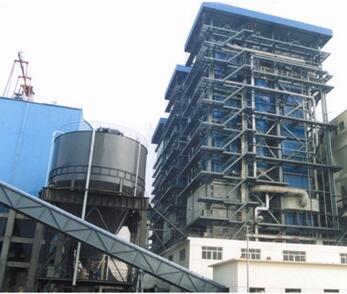
What Advanced Technologies Can Further Boost Boiler Efficiency in Modern Power Plants?
Boiler efficiency is the heartbeat of power plant performance. Yet even in highly optimized systems, inefficiencies can creep in due to incomplete combustion, heat losses, fouling, or outdated controls. These issues not only waste fuel but also increase emissions and operational costs. Traditional efficiency-improving methods—such as economizers and air preheaters—have reached maturity, and further gains require advanced technological innovation. Today, modern power plants leverage digitalization, smart materials, and AI-driven systems to push efficiency boundaries beyond conventional limits.
Advanced technologies such as AI-based combustion optimization, digital twins, high-performance heat exchangers, and waste heat recovery innovations can significantly boost boiler efficiency in modern power plants. These technologies enable real-time monitoring, adaptive control, and predictive maintenance—reducing heat losses, improving fuel utilization, and extending equipment lifespan by continuously optimizing system operation.
These innovations represent a new era of intelligent efficiency, where data and automation replace manual tuning and reactive maintenance. The integration of these tools ensures that boilers perform at or near design efficiency throughout their lifecycle, despite variable fuel quality or operating conditions.
Digitalization has minimal impact on boiler efficiency.False
Digital tools such as AI analytics and digital twins optimize combustion, detect inefficiencies early, and sustain high efficiency over time.
Advanced heat exchangers and materials improve boiler thermal performance.True
Modern finned tubes, alloys, and coatings enhance heat transfer and resist corrosion, maintaining high thermal efficiency.
Evolution of Boiler Efficiency in Power Generation
Boiler efficiency has evolved through technological milestones. Early 20th-century designs achieved around 60–70% efficiency, primarily due to poor combustion and limited heat recovery. Modern systems, leveraging AI and advanced materials, can now exceed 92–95% efficiency.
| Era | Key Technologies | Typical Efficiency (%) | Innovation Focus |
|---|---|---|---|
| 1950s–1970s | Basic economizers, manual control | 70–80 | Mechanical optimization |
| 1980s–2000s | Air preheaters, automatic combustion control | 80–88 | Energy recovery |
| 2000s–2020s | Low-NOx burners, variable frequency drives | 88–91 | Emission reduction |
| 2020s–Present | AI, digital twins, advanced materials | 91–95+ | Smart optimization & sustainability |
The next efficiency frontier lies in integrating smart digital ecosystems with innovative heat recovery and clean combustion technologies to extract maximum usable energy from every fuel unit.
1. AI-Based Combustion Optimization Systems
Artificial Intelligence (AI) now enables boilers to “learn” their optimal operating conditions through data analysis. Using real-time sensor inputs—like oxygen levels, temperature, and fuel flow—AI algorithms continuously adjust air-fuel ratios and burner tilts for maximum combustion efficiency.
| Parameter | Without AI Control | With AI Optimization | Improvement |
|---|---|---|---|
| Excess Air (%) | 20–25 | 10–12 | −50% |
| CO Emission (ppm) | 90 | 45 | −50% |
| Boiler Efficiency (%) | 88 | 91.5 | +3.5 |
| Fuel Savings (%) | – | 2–4 | – |
AI platforms such as Neural Network Controllers (NNCs) and Model Predictive Control (MPC) optimize performance continuously under changing loads, fuel types, and weather conditions.
AI combustion control can adapt in real time to fuel variability.True
Neural network models analyze live data to adjust combustion parameters for maximum efficiency and low emissions.
2. Digital Twins and Predictive Analytics
A digital twin is a dynamic, virtual model of the boiler system that mirrors its real-time performance. It integrates data from thousands of sensors—tracking temperatures, pressures, flows, and emissions—to predict the impact of operational changes.
| Capability | Benefit | Efficiency Gain (%) |
|---|---|---|
| Performance Simulation | Tests scenarios without physical impact | +2–3 |
| Fault Prediction | Prevents unexpected shutdowns | +1–2 |
| Maintenance Optimization | Schedules cleaning and repairs precisely | +2–4 |
| Process Tuning | Continuous parameter optimization | +3–5 |
Digital twin systems require frequent manual calibration to stay accurate.False
Modern digital twins self-calibrate using real-time sensor data and adaptive learning algorithms.
Digital twins help operators visualize performance deterioration before it becomes significant, supporting predictive maintenance and strategic operational decisions.
3. Advanced Heat Recovery and Hybrid Economizers
Innovative condensing economizers and hybrid heat recovery units utilize both sensible and latent heat from flue gases. These systems recover moisture energy that conventional economizers miss—boosting efficiency and lowering stack temperature.
| Economizer Type | Heat Recovery Mechanism | Efficiency Gain (%) |
|---|---|---|
| Traditional Economizer | Sensible heat only | 3–5 |
| Condensing Economizer | Sensible + latent heat | 6–8 |
| Hybrid Economizer | Integrated feedwater + air heating | 8–10 |
Condensing economizers use stainless steel or polymer heat exchangers resistant to acidic condensates, allowing operation below the flue gas dew point.
Condensing economizers are only suitable for low-temperature applications.False
With corrosion-resistant materials, modern condensing economizers efficiently recover heat in high-capacity industrial systems.
4. Low-NOx and High-Efficiency Burners
Modern low-NOx burners not only reduce nitrogen oxide emissions but also enhance combustion efficiency through precise fuel-air mixing and staged combustion techniques.
| Burner Type | Technology | Efficiency Increase (%) | NOx Reduction (%) |
|---|---|---|---|
| Conventional | Diffusion flame | – | – |
| Low-NOx | Staged air injection | +1–2 | 40–60 |
| Ultra-Low-NOx | Flue gas recirculation + AI control | +2–3 | 70–90 |
These burners, when combined with O₂ trim systems and variable frequency fans, maintain steady combustion efficiency across a wide load range.
Low-NOx burners reduce efficiency due to incomplete combustion.False
Advanced burner staging and precise control maintain high combustion efficiency while minimizing NOx emissions.
5. Smart Soot Blowing and Fouling Detection
Traditional soot blowing operates on fixed time schedules, often wasting steam and risking tube erosion. Smart soot blowing systems use heat flux sensors and infrared imaging to detect fouling only where it exists.
| Parameter | Traditional System | Smart System | Improvement |
|---|---|---|---|
| Soot Blowing Frequency | Fixed | On-demand | −40% energy use |
| Tube Fouling Factor | 0.12 | 0.06 | −50% |
| Efficiency Loss | 4–6% | <2% | +3–4% gain |
Smart soot blowing can save up to 5% of fuel energy by targeting fouled zones.True
On-demand cleaning minimizes unnecessary steam use and maintains clean heat transfer surfaces.
6. High-Performance Materials and Coatings
Next-generation materials like Inconel alloys, ceramic composites, and nanostructured coatings withstand higher temperatures and resist corrosion, extending boiler life while improving heat transfer.
| Material | Maximum Operating Temp (°C) | Heat Transfer Improvement (%) | Corrosion Resistance |
|---|---|---|---|
| Carbon Steel | 450 | – | Low |
| Stainless Steel | 600 | +10 | Medium |
| Inconel Alloy | 800 | +15 | High |
| Ceramic-Coated Tubes | 900 | +20 | Very High |
High-alloy and ceramic materials extend boiler operating limits and improve efficiency.True
Their superior thermal conductivity and corrosion resistance reduce downtime and heat losses.
7. Flue Gas Recirculation (FGR) and Waste Heat to Power (WHP)
Modern plants increasingly integrate FGR to recycle part of the flue gas for improved combustion temperature control, reducing both NOx formation and excess air losses. Additionally, Waste Heat to Power systems use Organic Rankine Cycle (ORC) or Kalina Cycle technologies to convert residual heat into electricity.
| Technology | Function | Energy Recovery (%) | Efficiency Gain (%) |
|---|---|---|---|
| Flue Gas Recirculation | Reduces NOx, recovers heat | 2–3 | +1–2 |
| ORC System | Converts low-grade heat to power | 10–15 | +2–4 |
| Kalina Cycle | Uses ammonia-water mixture for high recovery | 15–20 | +3–5 |
Waste heat recovery cycles cannot operate effectively at low temperatures.False
Modern ORC and Kalina systems efficiently utilize low-grade heat below 150°C for additional power generation.
8. Digital Performance Monitoring and IoT Integration
The Internet of Things (IoT) connects every sensor, actuator, and controller within the plant, providing granular visibility of system behavior. AI-powered dashboards analyze data trends, detect anomalies, and recommend corrective actions in real time.
| System Feature | Benefit | Efficiency Impact (%) |
|---|---|---|
| Real-Time KPI Tracking | Early inefficiency detection | +2–3 |
| Predictive Alerts | Prevents performance drops | +1–2 |
| Energy Benchmarking | Optimized load scheduling | +1–3 |
| Remote Diagnostics | Reduces unplanned downtime | +1–2 |
These technologies transform traditional plants into smart, self-optimizing energy systems.
IoT-based performance monitoring helps identify minor inefficiencies before they become significant losses.True
Continuous data flow and analytics enable operators to take timely actions that sustain peak efficiency.
Case Study: Digital Optimization in a 500 MW Power Plant
A 500 MW combined-cycle power station integrated AI combustion control, digital twin modeling, and smart soot blowing. The results were remarkable within 18 months:
| Metric | Before Integration | After Integration | Improvement |
|---|---|---|---|
| Boiler Efficiency (%) | 88.4 | 93.2 | +4.8 |
| Flue Gas Temp (°C) | 205 | 145 | −60 |
| CO Emissions (ppm) | 82 | 41 | −50% |
| Forced Outages (per year) | 5 | 1 | −80% |
| Fuel Savings (%) | – | 5.6 | – |
The combined use of AI, digital twins, and predictive maintenance systems saved over $3.4 million annually in fuel costs and reduced CO₂ emissions by 7.2%.
Future Directions: Towards Self-Learning Boiler Systems
The next phase of evolution involves autonomous boiler systems that learn, adapt, and self-optimize through machine learning. Integrating renewable fuels like biogas and hydrogen, coupled with carbon capture and AI control, will make future boilers not only efficient but also carbon-neutral.
| Emerging Technology | Efficiency Potential (%) | Status |
|---|---|---|
| Hydrogen-Compatible Burners | +5 | Pilot Stage |
| AI Self-Learning Systems | +3–6 | Emerging |
| Integrated Carbon Capture | +2–3 | Development |
| Smart Nanocoatings | +4–5 | Commercializing |
AI self-learning systems will make future boilers fully autonomous and adaptive.True
These systems use continuous learning to optimize performance without manual intervention, maximizing long-term efficiency.
Conclusion
Advanced technologies are redefining how boilers achieve and sustain efficiency. From AI-based control to advanced materials and digital twins, these innovations turn power plants into intelligent, data-driven systems that extract the maximum value from every joule of fuel. By adopting these solutions, operators not only reduce costs and emissions but also future-proof their facilities in an increasingly competitive and sustainable energy landscape.
🔍 Conclusion
Power plant boiler efficiency is determined by how effectively the system manages combustion, heat recovery, and maintenance. Through continuous optimization and use of advanced control systems, plants can achieve higher efficiency, lower fuel costs, and reduced environmental impact, ensuring reliable and sustainable power generation.
📞 Contact Us
💡 Looking to improve your power plant boiler efficiency? We provide efficiency audits, combustion optimization, and heat recovery solutions tailored to your power generation needs.
🔹 Contact us today to enhance your power plant boiler performance and fuel efficiency. ⚡🔥🏭✅
FAQ
Q1: What are the key factors that affect power plant boiler efficiency?
A1: The efficiency of a power plant boiler depends on several interrelated factors, including fuel quality, combustion efficiency, heat recovery systems, steam parameters, and maintenance practices. High-quality fuels with consistent calorific values burn more completely, while precise combustion control ensures optimal air-to-fuel ratios. Efficient heat recovery through economizers and air preheaters captures waste heat from flue gases. Maintaining ideal steam temperature and pressure maximizes thermal efficiency, and regular maintenance minimizes losses due to fouling or wear.
Q2: How does fuel quality impact boiler efficiency in power plants?
A2: Fuel quality is one of the most critical factors affecting boiler performance. Fuels with high calorific value, low moisture, and low ash content provide better combustion and heat transfer. Poor-quality fuel leads to incomplete combustion, excess soot, and slag buildup on heat surfaces, which reduces efficiency. For coal-fired boilers, consistent coal size and proper pulverization are vital, while for gas- or oil-fired systems, stable fuel composition ensures smooth burner operation. Using fuel preprocessing systems and automatic feeders improves combustion efficiency and reliability.
Q3: Why is combustion control essential for optimizing efficiency?
A3: Combustion control determines how effectively the chemical energy in fuel is converted into heat. The key is maintaining the ideal air-to-fuel ratio—too little air causes unburned carbon, while too much air increases heat loss through flue gases. Modern power plants use automated combustion control systems with oxygen trim and flue gas analyzers to continuously adjust air and fuel input. These systems can boost overall efficiency by 3–5%, minimize emissions, and ensure consistent operation even under variable loads.
Q4: How do steam parameters influence power plant efficiency?
A4: Boiler efficiency improves significantly with higher steam temperature and pressure, as these parameters increase the energy conversion efficiency of turbines. Supercritical and ultra-supercritical boilers, which operate beyond water’s critical point, achieve higher thermal efficiency—up to 45–47%, compared to 35–38% for subcritical systems. Maintaining stable steam parameters reduces thermal stress, enhances turbine output, and extends equipment lifespan. Advanced control systems help regulate these parameters precisely for optimal energy performance.
Q5: How do heat recovery and maintenance practices affect boiler performance?
A5: Heat recovery systems and regular maintenance are key to sustaining long-term efficiency. Devices like economizers, air preheaters, and condensing heat exchangers capture residual heat from exhaust gases to preheat feedwater or combustion air, improving efficiency by 5–10%. Meanwhile, periodic maintenance—such as cleaning soot, descaling tubes, and inspecting insulation—prevents performance degradation. Even a 1 mm soot layer on heat surfaces can reduce heat transfer efficiency by up to 10%, highlighting the importance of proactive upkeep in maximizing output and fuel economy.
References
U.S. Department of Energy – Improving Power Plant Efficiency – https://www.energy.gov/ – DOE
ASME Boiler and Pressure Vessel Code (BPVC) – https://www.asme.org/ – ASME
International Energy Agency (IEA) – Power Generation Efficiency Report – https://www.iea.org/ – IEA
GE Steam Power – Advanced Boiler Efficiency Solutions – https://www.ge.com/steam-power/ – GE Steam Power
Siemens Energy – Combustion Control and Heat Recovery Systems – https://www.siemens-energy.com/ – Siemens Energy
Mitsubishi Power – Ultra-Supercritical Boiler Technology – https://power.mhi.com/ – Mitsubishi Power
Carbon Trust – Industrial and Power Boiler Efficiency Guide – https://www.carbontrust.com/ – Carbon Trust
Engineering Toolbox – Boiler Efficiency Calculation Methods – https://www.engineeringtoolbox.com/ – Engineering Toolbox
ScienceDirect – Factors Influencing Power Plant Efficiency – https://www.sciencedirect.com/ – ScienceDirect
MarketsandMarkets – Global Power Boiler Market Trends 2025 – https://www.marketsandmarkets.com/ – Markets and Markets
