
Industrial steam boiler efficiency directly impacts energy consumption, operational costs, and environmental compliance. Unfortunately, many facilities unknowingly lose thousands in wasted fuel due to inefficiencies. Whether you’re planning a new boiler installation or optimizing an existing system, understanding what truly affects steam boiler performance is critical to long-term success.
The top 5 key factors affecting industrial steam boiler efficiency are: fuel quality and type, boiler design and technology, maintenance practices, load management, and heat recovery systems. Each of these components influences how effectively a boiler converts fuel into usable steam, with direct implications on energy use and emissions.
Improving boiler efficiency isn’t just about installing the latest model—it’s about strategically managing every element that contributes to performance. Read on to discover how each of these key factors plays a role and what you can do to enhance your boiler’s overall efficiency.
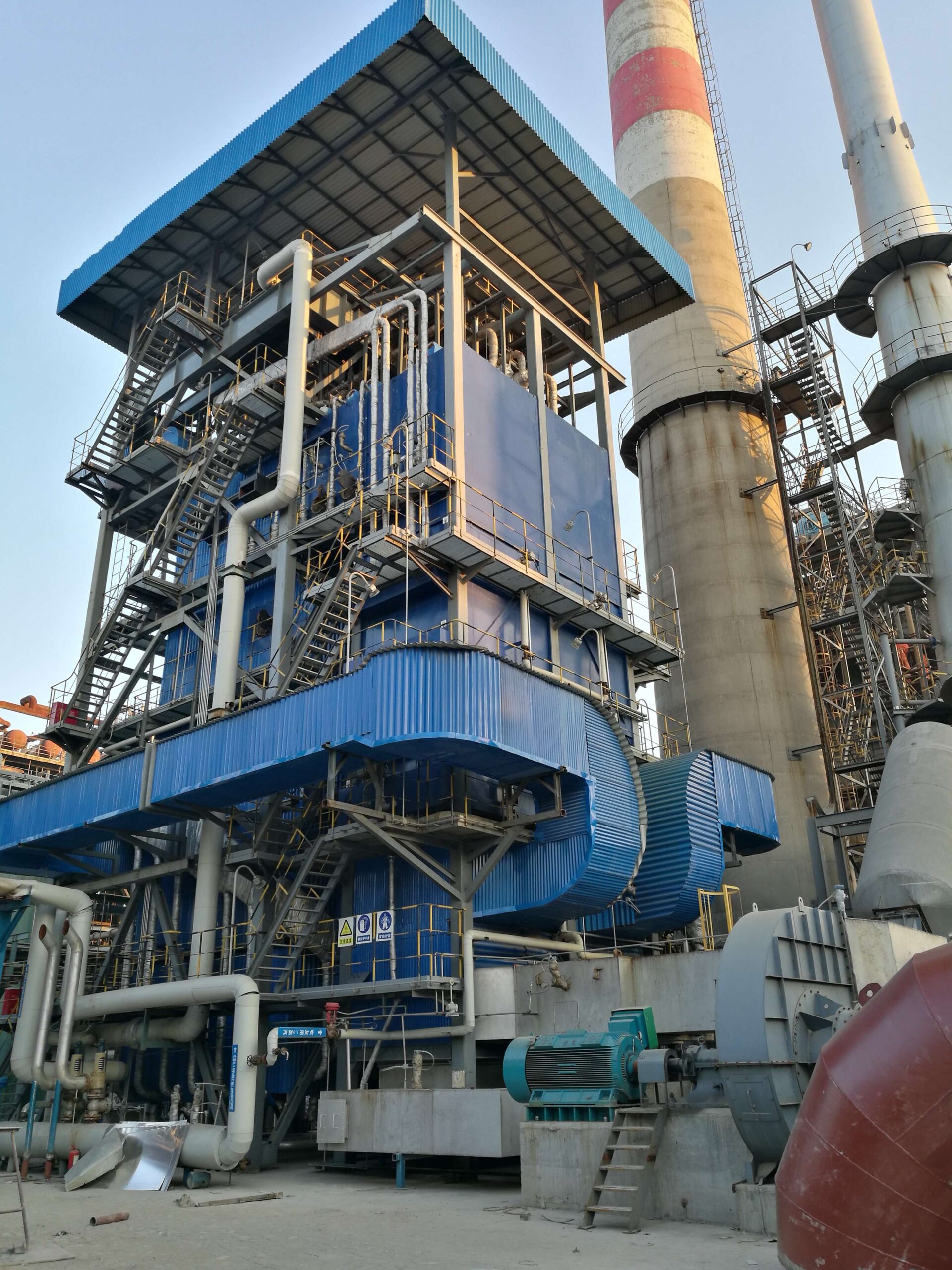
How Does Fuel Type and Quality Impact Industrial Steam Boiler Efficiency?
One of the most overlooked yet critical aspects of industrial steam boiler performance is the type and quality of fuel used. Even with state-of-the-art boiler design, poor-quality fuel or the wrong fuel type can drastically reduce combustion efficiency, increase fuel consumption, cause damage to components, and elevate emissions. Industrial operators looking to improve performance and cut costs must understand how fuel characteristics—such as moisture content, particle size, calorific value, and chemical composition—affect overall steam generation efficiency.
Fuel type and quality have a direct and substantial impact on industrial steam boiler efficiency. High-quality, dry fuels with high calorific values (e.g., wood pellets, clean coal, or natural gas) burn more completely and produce more usable heat per unit mass, resulting in higher thermal efficiency. Conversely, fuels with high moisture, ash content, or inconsistent size (e.g., wet biomass, unprocessed waste) reduce combustion efficiency, require more fuel input, and cause slagging or fouling, which further degrades boiler performance.
Knowing this, engineers and operators must carefully match their boiler system to compatible fuels and apply quality control measures to ensure consistent, high-efficiency operation.
The quality of biomass fuel has no significant impact on boiler performance.False
Fuel quality significantly affects combustion efficiency, heat output, and maintenance needs. High-moisture or contaminated fuels can reduce efficiency and increase emissions.
Fuels with lower moisture content improve boiler efficiency.True
Low-moisture fuels ignite more easily and burn more completely, maximizing thermal output and reducing stack losses.
🔍 Key Fuel Properties That Affect Boiler Efficiency
Efficiency in steam boilers depends heavily on the fuel-to-steam conversion rate, which is influenced by several physical and chemical fuel properties.
| Fuel Property | Impact on Boiler Efficiency |
|---|---|
| Moisture Content | High moisture absorbs heat for evaporation, reducing usable output |
| Calorific Value | Higher heating value = more energy per unit of fuel |
| Volatile Matter | Influences ignition speed and flame stability |
| Ash Content | High ash leads to fouling, slagging, and maintenance downtime |
| Particle Size | Inconsistent size can cause uneven combustion or fuel feed issues |
| Contamination (e.g., chlorine, paint) | Leads to corrosion, toxic emissions, and clogs |
🔥 Fuel Types Compared: Efficiency and Performance
Here’s a breakdown of common industrial fuel types and how they compare in terms of energy content and combustion efficiency.
| Fuel Type | Calorific Value (MJ/kg) | Typical Moisture Content (%) | Combustion Efficiency (%) | Suitability for High-Pressure Steam |
|---|---|---|---|---|
| Wood Pellets | 16–18 | 8–12 | 88–92 | Excellent |
| Wood Chips (wet) | 8–12 | 30–50 | 65–75 | Fair (requires drying or specialized design) |
| Straw Bales | 14–16 | 15–25 | 70–80 | Good with proper feed system |
| Natural Gas | 38–42 | 0 | 92–95 | Excellent |
| Bituminous Coal | 25–30 | 5–10 | 85–90 | Excellent |
| Agricultural Waste | 10–15 | 15–35 | 60–75 | Moderate to low (variable composition) |
| RDF (Refuse-Derived Fuel) | 12–20 | 15–25 | 55–70 | Low to moderate (depends on treatment) |
Clearly, fuel uniformity and moisture control are critical to achieving efficient and reliable steam generation.
💧 The Moisture Factor: How Water Reduces Efficiency
Water in fuel must evaporate before combustion can begin, and this process uses up energy that could otherwise convert to steam.
Impact of Moisture on Efficiency:
| Moisture Content (%) | Energy Loss (%) | Boiler Efficiency Impact |
|---|---|---|
| 10 | ~3–5% | Minimal |
| 30 | ~15–20% | Noticeable reduction |
| 50 | >30% | Severe loss of efficiency |
Solution: Use dryers, covered storage, or fuel pre-treatment to reduce water content before feeding into the boiler.
⚙️ Combustion Stability and Fuel Consistency
Efficient combustion requires stable temperature, air-fuel ratio, and consistent fuel feeding. When the fuel varies in size, shape, or density, it leads to:
Flame instability
Incomplete combustion (higher CO and PM)
Fluctuating steam pressure
Blockages in feeding systems
Fuel Consistency Chart:
| Fuel Form | Uniformity Rating | Feeding Reliability | Combustion Consistency |
|---|---|---|---|
| Wood Pellets | Excellent | Very High | Very High |
| Chipped Wood | Moderate | Moderate | Moderate |
| Shredded Waste | Low | Poor | Inconsistent |
| Powdered Biomass | High | High (if dry) | High |
Solution: Use automated feeders, sieving systems, and mechanical agitators to maintain a constant feed rate.
📈 Efficiency Loss Over Time with Poor-Quality Fuel
Low-quality fuels accelerate wear, ash accumulation, and fouling—reducing performance over time.
Case Study: Wood Chip vs. Pellet Boiler
Boiler Type: 5 MW Steam Boiler
Fuel A: Wet wood chips (40% moisture)
Fuel B: Wood pellets (10% moisture)
| Metric | Fuel A | Fuel B |
|---|---|---|
| Steam Output (tons/hr) | 4.2 | 5.1 |
| CO Emissions (mg/Nm³) | 180 | 45 |
| Downtime (per month, hrs) | 10 | 2 |
| Ash Production (kg/hr) | 55 | 20 |
The switch to pellets increased efficiency by 21%, reduced emissions, and cut maintenance time by 80%.
🛠️ Fuel Testing and Quality Control: Best Practices
To ensure high-efficiency performance, implement a fuel quality program:
Test calorific value regularly (bomb calorimetry)
Monitor moisture content (use in-line or portable sensors)
Set incoming fuel specifications for suppliers
Store fuel properly (covered, ventilated storage areas)
Use fuel pre-treatment (drying, chipping, screening)
For critical systems, establish fuel blending to stabilize properties and reduce peak variability in combustion behavior.
🌍 Environmental Implications of Fuel Quality
Fuel quality also impacts emissions:
High ash = more PM and disposal issues
High moisture = more CO₂ and unburned hydrocarbons
Inconsistent size = incomplete combustion and NOₓ spikes
Using certified biomass (e.g., ENplus, FSC, PEFC) ensures consistent fuel standards and traceability, especially when reporting for ESG or regulatory compliance.
Fuel type and quality are foundational to the efficiency, emissions, and lifespan of industrial steam boilers. Operators that invest in high-quality, appropriate fuels, along with proper storage and feed systems, will consistently achieve higher output, lower costs, and better environmental outcomes.
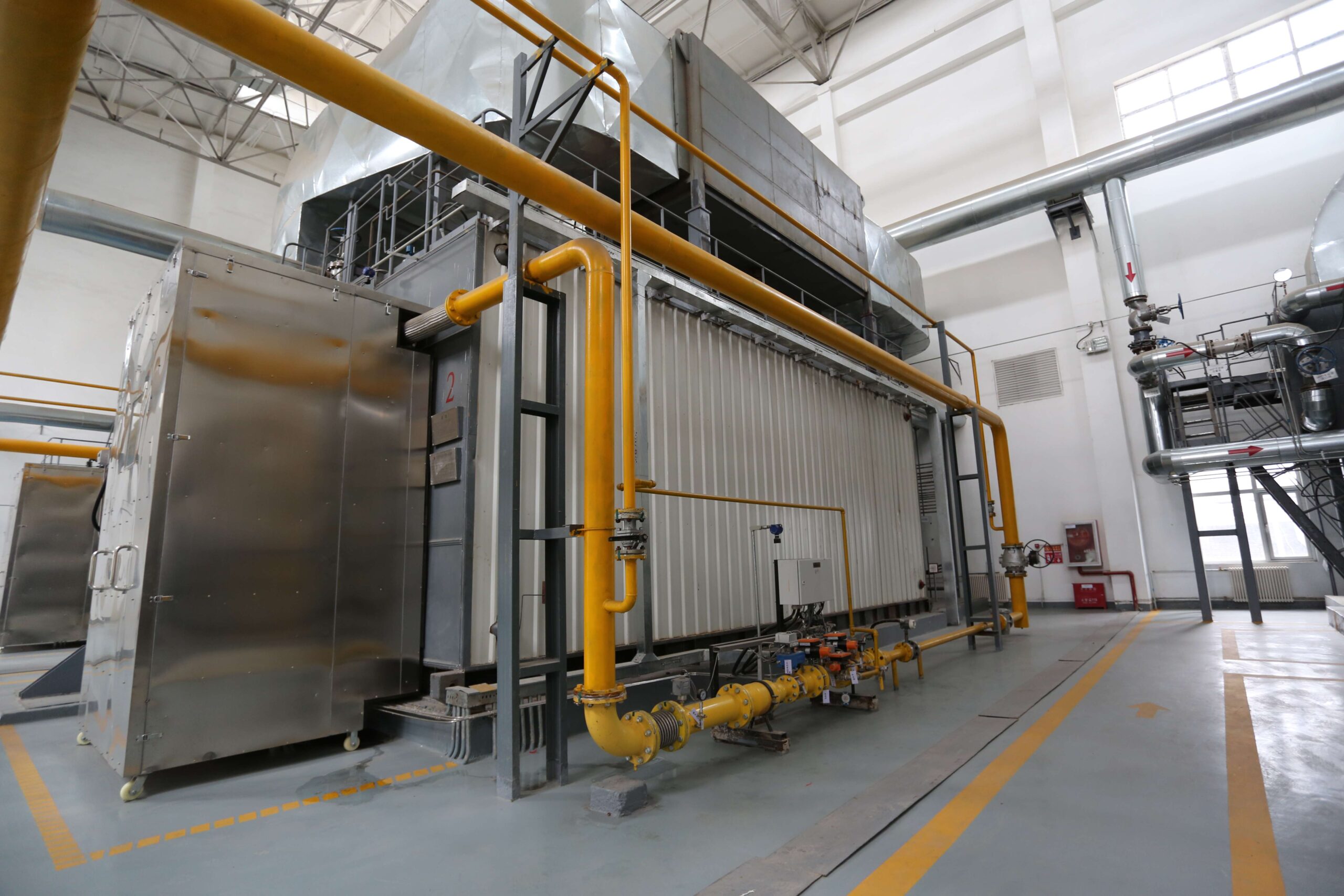
In What Ways Does Boiler Design and Combustion Technology Affect Efficiency?
When industrial plants aim to improve their energy performance or reduce emissions, they often focus on fuel types or operational adjustments. However, boiler design and combustion technology are arguably the most decisive factors that determine how efficiently a boiler converts fuel energy into usable steam. An outdated design or poorly controlled combustion process can waste massive amounts of energy, increase operational costs, and emit excess pollutants—even if the boiler uses high-quality fuel. Understanding how advanced boiler designs and optimized combustion technologies work is key to achieving the highest levels of thermal efficiency, environmental compliance, and system reliability.
Boiler design and combustion technology directly affect efficiency by optimizing heat transfer, ensuring complete fuel combustion, reducing stack losses, and minimizing unburned residues. Features such as multi-pass heat exchangers, staged combustion, gasification chambers, and intelligent air-fuel control systems enhance thermal performance and reduce fuel consumption. Conversely, outdated single-pass designs or poorly controlled combustion can lead to incomplete fuel burn, excessive emissions, and energy waste.
Boiler efficiency isn’t just a result of what goes into the system—it’s how well the system is engineered to convert that input into output. Keep reading to uncover the engineering features that truly drive high-efficiency boiler performance.
Boiler efficiency depends only on the type of fuel used.False
Boiler efficiency is determined by multiple factors including combustion technology, heat recovery design, and air-fuel management—not just the fuel type.
Modern boiler designs with multi-pass heat exchangers are more efficient than single-pass systems.True
Multi-pass designs increase the contact between hot flue gases and water surfaces, improving heat transfer and overall thermal efficiency.
🔍 Key Boiler Design Elements That Influence Efficiency
Modern boiler systems are engineered to maximize heat absorption, reduce energy losses, and optimize combustion. Let’s explore how specific design features contribute to higher efficiency.
1. Heat Exchanger Design
| Type | Efficiency Impact |
|---|---|
| Single-pass | Low – flue gases exit quickly with unutilized heat |
| Two-pass | Moderate – better heat recovery |
| Three-/Four-pass | High – maximized heat transfer and retention |
| Condensing Heat Exchanger | Very high – recovers latent heat from flue gas condensation |
The more passes the hot gases make across the water tubes or shell, the more energy is transferred to generate steam. Condensing designs even reclaim latent heat from moisture in exhaust gases, pushing efficiency up to 98% in some cases.
🔥 Combustion Technology: Complete Fuel Burn = Better Efficiency
Efficient combustion is essential to convert the fuel’s energy into usable heat. Poor combustion leads to:
Unburned carbon (lower output, higher ash)
High CO emissions (incomplete combustion)
Temperature imbalances (wasted energy)
Common Combustion Technologies in Industrial Boilers
| Technology | Efficiency Range (%) | Features | Best For |
|---|---|---|---|
| Fixed Grate | 65–75 | Simple, low automation | Small biomass units |
| Moving Grate / Step Grate | 75–85 | Better fuel mixing, adjustable air | Wood chips, bark, straw |
| Fluidized Bed (BFB/CFB) | 85–92 | Uniform temp, great mixing, low NOₓ | High-moisture biomass, mixed fuels |
| Gasification Boilers | 88–95 | Staged combustion, low emissions | Dry wood, pellets, high-pressure steam |
🧠 Intelligent Combustion Control Systems
Modern boiler systems use automated sensors and digital control units to ensure air-fuel ratio, temperature, and flue gas levels are optimal at all times.
| Control Component | Function |
|---|---|
| Oxygen Trim Control | Adjusts air supply to match combustion needs |
| Flue Gas Recirculation | Reduces NOₓ and enhances heat capture |
| Real-Time CO/CO₂ Sensors | Ensures complete combustion |
| Variable Speed Fans | Optimizes air delivery, saves power |
These systems improve combustion precision, minimize excess air (which causes energy loss), and keep emissions below legal thresholds.
📈 Thermal Efficiency Chart by Boiler Design
| Boiler Type | Typical Thermal Efficiency (%) | Notes |
|---|---|---|
| Basic Shell & Tube (1-pass) | 60–70 | High losses via flue gas |
| Firetube (3-pass) | 80–85 | Good for medium-pressure steam |
| Watertube Boiler | 85–88 | Fast heat transfer, suited for high-pressure |
| Condensing Boiler | 90–98 | Recovers latent heat, excellent for low-temp return |
| Fluidized Bed Combustion | 88–92 | Uniform combustion, fuel-flexible |
🛠️ Real-World Case Study: Efficiency Boost from Boiler Redesign
Industry: Food Processing
Old System: 2-pass firetube boiler (83% efficiency)
New System: 3-pass condensing biomass boiler with SNCR and O₂ trim (92% efficiency)
| Metric | Old Boiler | New Boiler | Improvement |
|---|---|---|---|
| Steam Output | 7.8 tons/hr | 8.5 tons/hr | +9% |
| Fuel Consumption | 1,200 kg/hr | 1,020 kg/hr | -15% |
| CO Emissions | 180 mg/Nm³ | 60 mg/Nm³ | -67% |
| Boiler Downtime | 12 hrs/month | 4 hrs/month | -66% |
Net ROI: Payback in 2.8 years through fuel savings and reduced maintenance.
🧪 Heat Recovery Enhancements
Waste heat is a goldmine of lost energy if not captured. Efficiency can be boosted significantly with:
| System | Function | Efficiency Gain |
|---|---|---|
| Economizer | Recovers heat from flue gases to preheat feedwater | +5–10% |
| Condenser | Condenses flue moisture to extract latent heat | +5–8% |
| Blowdown Heat Recovery | Uses boiler blowdown water to preheat makeup water | +1–2% |
These systems are especially useful in biomass and multi-fuel systems with high exhaust temperatures.
🌱 Environmental Impact of High-Efficiency Boiler Design
Efficient boiler and combustion designs reduce the carbon intensity of steam production. For example:
| Design Feature | Emission Reduction (%) |
|---|---|
| Air-fuel optimization | CO and NOₓ reduced by 40–60% |
| Multistage combustion | Unburned carbon reduced by 70% |
| Condensing heat recovery | Fuel use reduced by up to 20% |
| Real-time controls | Compliance with ISO 14001 and EPA |
🔧 Design Strategies for Maximum Efficiency
To achieve peak boiler efficiency:
Select the right boiler for the load type (constant vs. variable)
Choose multi-pass designs with adequate heat surface
Match combustion system to fuel characteristics
Incorporate flue gas recovery systems
Use smart combustion control with O₂ sensors
Regularly maintain tubes and refractory linings
Boiler efficiency is largely engineered at the design stage. Systems equipped with advanced heat exchange, combustion optimization, and real-time control technologies can transform fuel into steam with minimal waste and maximum performance.
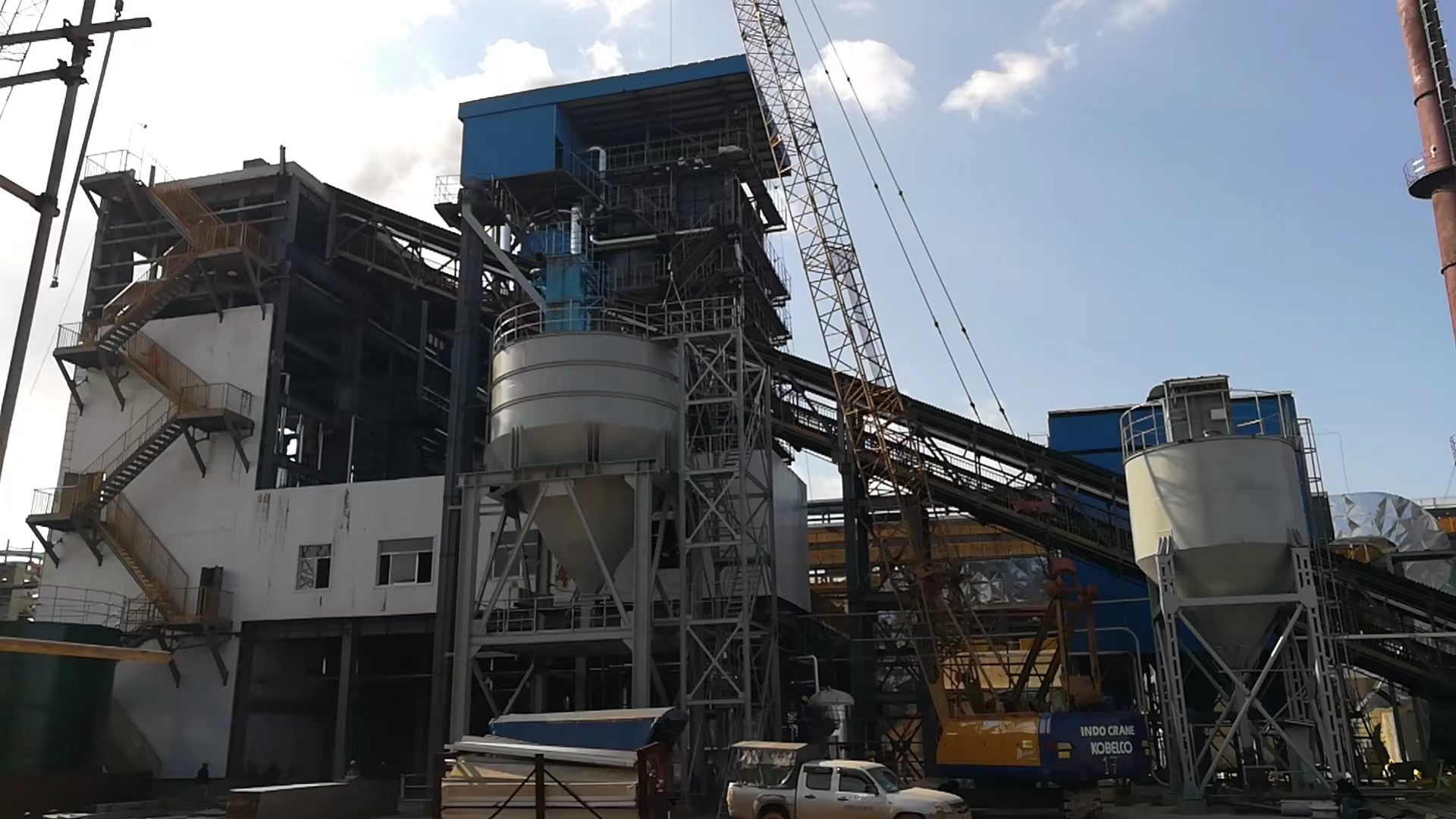
How Do Maintenance and Inspection Practices Influence Steam Boiler Performance?
Even the most advanced and fuel-efficient steam boiler cannot sustain peak performance without proper maintenance and inspection practices. Over time, even small issues—like scale buildup, corrosion, or misaligned burner settings—can lead to significant efficiency losses, increased fuel consumption, safety hazards, and costly downtime. Industrial steam boilers operate under high pressure and temperature, making them particularly vulnerable to performance degradation if routine upkeep is neglected. In contrast, regular and proactive maintenance extends boiler life, sustains efficiency, and ensures reliable, compliant operation.
Maintenance and inspection practices directly influence steam boiler performance by preventing scale buildup, corrosion, mechanical wear, and combustion inefficiencies that reduce thermal efficiency and steam output. Routine inspections ensure optimal heat transfer, correct air-fuel ratio, safe pressure control, and compliance with safety regulations. Neglected maintenance leads to increased fuel consumption, emissions, unplanned downtime, and risk of equipment failure or explosion.
Industrial users must prioritize scheduled and condition-based maintenance as a core strategy—not just for safety, but for sustaining cost-effective and high-performance steam generation.
Regular boiler inspections have no impact on operational efficiency.False
Routine inspections detect early signs of fouling, scale, or mechanical issues that directly impact steam generation efficiency and fuel usage.
Scale buildup inside a boiler can reduce heat transfer efficiency significantly.True
Even a thin layer of scale can reduce heat transfer by over 10%, forcing the boiler to consume more fuel to maintain output.
🔍 Key Maintenance and Inspection Areas Affecting Boiler Efficiency
Steam boiler performance hinges on multiple interrelated systems—each of which must be regularly maintained and inspected.
| Maintenance Area | Impact on Efficiency and Performance |
|---|---|
| Waterside Cleaning | Prevents scale that insulates heat transfer surfaces |
| Fireside Cleaning | Removes soot or ash that impedes combustion heat transfer |
| Burner Tuning | Ensures correct air-fuel ratio for complete combustion |
| Blowdown Management | Maintains water quality and prevents sludge buildup |
| Control System Calibration | Ensures accurate readings and effective boiler modulation |
| Leak Detection | Stops heat and pressure loss |
| Insulation Checks | Prevents heat loss from exposed surfaces |
| Feedwater Treatment System | Protects against corrosion, scale, and foaming |
📉 Efficiency Loss Due to Maintenance Neglect
Let’s analyze how lack of routine maintenance affects boiler efficiency over time.
Example: 10 TPH Firetube Steam Boiler
| Maintenance Status | Efficiency (%) | Fuel Use (kg/hr) | CO₂ Emissions (kg/hr) | Downtime (hrs/month) |
|---|---|---|---|---|
| New / Fully Maintained | 88–90 | 1,050 | 2,730 | 1 |
| Minor Scale / Dust Accumulation | 83–85 | 1,120 | 2,912 | 5 |
| Heavy Fouling / Misaligned Burner | 78–80 | 1,200 | 3,120 | 12 |
Conclusion: Neglected maintenance causes 5–10% efficiency loss, higher emissions, and significantly more downtime.
⚙️ Common Inspection Activities and Frequency
| Inspection Type | Purpose | Recommended Frequency |
|---|---|---|
| Visual External Inspection | Check for leaks, insulation damage, corrosion | Weekly or Monthly |
| Internal Waterside Inspection | Detect scale, pitting, and water carryover | Bi-Annually or Annually |
| Fireside Tube Inspection | Check soot buildup, flame pattern, tube warping | Quarterly to Annually |
| Burner Flame Adjustment | Optimize combustion and reduce CO/NOₓ emissions | Monthly |
| Safety Valve Testing | Confirm pressure relief functionality | Annually (or per regulations) |
| Feedwater Quality Check | Prevent corrosion and scale | Weekly (automated daily preferred) |
| Blowdown System Check | Ensure proper water level and TDS control | Daily to Weekly |
🧪 Water Treatment: The First Line of Boiler Protection
Poor water chemistry is a leading cause of efficiency loss, corrosion, and early failure. Key water quality metrics to manage include:
| Parameter | Impact | Target Range |
|---|---|---|
| pH | Low pH causes corrosion; high pH causes scaling | 9.0 – 11.0 (for steam) |
| Total Dissolved Solids (TDS) | High TDS leads to foaming, scaling | ≤ 3,500 ppm (varies by boiler) |
| Oxygen Content | Dissolved O₂ causes pitting corrosion | < 0.007 ppm (with deaerator) |
| Hardness (Ca²⁺, Mg²⁺) | Contributes to scaling | < 0.1 ppm (softened feedwater) |
Solution: Use automated chemical dosing, deaerators, softeners, and RO systems to manage water quality consistently.
📈 Benefits of Preventive Maintenance Programs
Case Study: 15 TPH Biomass Steam Boiler in a Textile Plant
| Before Maintenance Program | After Quarterly Maintenance Program |
|---|---|
| Efficiency: 79% | Efficiency: 88% |
| Downtime: 14 hours/month | Downtime: 3 hours/month |
| CO Emissions: 220 mg/Nm³ | CO Emissions: 70 mg/Nm³ |
| Fuel Cost/Month: $18,200 | Fuel Cost/Month: $15,800 |
| Ash Accumulation: High | Ash Accumulation: Moderate |
This plant saved $28,800 annually in fuel and reduced its CO₂ footprint by 10%—purely through structured maintenance.
🛠️ Smart Maintenance Tools and Technologies
To streamline boiler maintenance and inspection:
| Technology | Function |
|---|---|
| Infrared Thermal Scanners | Detect hot spots, insulation loss |
| Boiler Monitoring Software | Track performance, schedule inspections |
| Ultrasonic Thickness Gauges | Monitor wall thinning due to corrosion |
| Vibration Analysis | Detects pump or fan imbalance that affects system stability |
| Remote SCADA Systems | Allow remote condition monitoring |
⚠️ Regulatory and Safety Implications
Neglecting boiler maintenance isn’t just an efficiency issue—it’s a legal and safety hazard.
Explosion risk from pressure buildup due to faulty valves
Non-compliance with ASME, OSHA, or EPA standards
Fines or shutdowns from failing inspection audits
Certified inspections are often required annually or bi-annually, depending on the jurisdiction and boiler class.
🔧 Best Practices for Maximizing Boiler Performance Through Maintenance
Follow OEM maintenance schedules and logs
Train staff in visual and operational inspections
Integrate water treatment audits with maintenance
Use CMMS (Computerized Maintenance Management Systems)
Document all inspection findings for traceability
Collaborate with certified technicians for major inspections
Maintenance and inspection are not auxiliary tasks—they are central to sustaining high-efficiency, low-emission, and safe steam boiler operations. Proactive maintenance saves fuel, reduces emissions, extends equipment life, and ensures compliance with evolving environmental and safety standards.
Why Is Load Management Critical to Sustaining High Boiler Efficiency?
In many industrial operations, steam demand fluctuates throughout the day or between production cycles. When boilers are not properly aligned with this variable demand, they often operate at inefficient loads—wasting fuel, increasing emissions, and accelerating wear. This is where load management becomes critical. Without it, even the most advanced, fuel-efficient boiler system can suffer from low thermal efficiency, higher carbon intensity, and unnecessary operational costs.
Load management is critical to sustaining high boiler efficiency because it ensures that steam boilers operate close to their optimal load range, typically between 65% and 85% of their rated capacity. Operating boilers at low loads leads to poor combustion efficiency, increased heat losses, higher emissions, and frequent cycling. Effective load management strategies—such as boiler sequencing, turndown control, and load forecasting—help minimize off-design performance losses and improve fuel economy, system reliability, and operational stability.
Mismanaging boiler loads is one of the most common yet avoidable causes of energy waste in industrial plants. Keep reading to learn how to identify load inefficiencies and implement strategies that will transform boiler performance.
Boilers operate at peak efficiency at all load levels.False
Most boilers have a defined load range (typically 65–85%) where efficiency peaks. Operating outside this range leads to higher losses and lower fuel-to-steam conversion rates.
Proper boiler load management can reduce fuel consumption and emissions.True
Managing loads ensures the boiler operates near optimal efficiency, which minimizes excess air, reduces cycling, and maximizes heat transfer.
📈 The Relationship Between Load and Efficiency
Boilers are designed to run most efficiently at a specific load range, and performance drops significantly at partial or oversized loads.
Typical Efficiency vs. Load Curve:
| Boiler Load (% of Rated Capacity) | Efficiency (%) |
|---|---|
| 30% | 68–73 |
| 50% | 75–80 |
| 65–85% | 85–92 (Peak) |
| 100% | 80–88 |
Below 50% load, boilers may begin to short cycle (frequent start/stop), operate with excess air, or fail to fully burn fuel—resulting in:
Higher CO and NOₓ emissions
Increased fuel consumption per unit of steam
Shorter component lifespan due to thermal stress
🔍 Load Management Challenges in Industrial Settings
Steam demand can vary due to:
Shifts in production loads
Process changes (batch vs. continuous)
Seasonality (heating loads)
Maintenance or shutdowns
If a single large boiler is left to operate alone under variable demand, it will frequently run off its optimal efficiency curve.
| Challenge | Efficiency Impact |
|---|---|
| Oversized boiler during low demand | Operates below design temp; poor combustion |
| Frequent on-off cycling | Wastes energy in purge and warm-up phases |
| Lack of sequencing in multi-boiler systems | Multiple units idling inefficiently |
⚙️ Load Management Strategies to Improve Efficiency
🔹 Boiler Sequencing Systems
Automated systems decide which boiler runs and when—ensuring each operates within its best load range.
| Strategy | How It Works | Efficiency Gain |
|---|---|---|
| Lead-Lag Sequencing | One boiler runs continuously; others cycle as needed | 3–8% |
| Parallel Modulation | All boilers modulate together to share the load | 5–10% (load stability) |
| Demand-Based Switching | Boilers start/stop based on real-time load signals | Reduced cycling |
🔹 Proper Turndown Ratio Management
The turndown ratio is the range a boiler can operate below its maximum capacity while maintaining combustion stability.
| Fuel Type | Typical Turndown | Low Load Issues |
|---|---|---|
| Gas-Fired Boiler | 10:1 to 15:1 | Low efficiency at extreme lows |
| Oil-Fired Boiler | 5:1 to 8:1 | High excess air, smoke risk |
| Biomass Boiler | 3:1 to 5:1 | Incomplete combustion, clinker |
Optimizing turndown prevents poor flame quality and incomplete fuel burn.
🔹 Steam Accumulators
Steam accumulators store excess steam during low demand and release it during peak periods—allowing the boiler to operate at a stable load.
| Benefit | Efficiency Impact |
|---|---|
| Smoother operation | Prevents cycling and load fluctuations |
| Reduced peak boiler size | Improves asset utilization |
| Lower energy waste | Minimizes purge and preheat losses |
🧪 Case Study: Load Optimization at a Chemical Plant
System: 2 × 10 TPH steam boilers
Problem: Boilers frequently cycling due to unpredictable batch processes
Solution:
Installed load forecasting software
Enabled lead-lag sequencing
Added steam accumulator (5 m³)
| Metric | Before Optimization | After Optimization | Improvement |
|---|---|---|---|
| Average Boiler Load | 45–55% | 70–80% | +25–30% |
| Fuel Consumption | 1,850 kg/hr | 1,620 kg/hr | -12% |
| CO Emissions | 190 mg/Nm³ | 85 mg/Nm³ | -55% |
| Annual Fuel Savings | — | $92,000 | — |
📊 Load Balancing in Multi-Boiler Systems
Efficient load management in multi-boiler systems means ensuring no unit is idling inefficiently.
| System Load (tons/hr) | 1 Large Boiler (15 TPH) | 3 Modular Boilers (5 TPH) |
|---|---|---|
| 15 | 85–88% efficient | 85–90% (shared load) |
| 10 | 70–75% efficient | 2 boilers at 80–85% |
| 5 | 50–60% efficient | 1 boiler at 85–90% |
Modular systems offer greater flexibility and better load matching.
🛠️ Digital Tools for Load Optimization
| Tool | Function |
|---|---|
| Boiler Efficiency Monitoring | Tracks real-time performance vs. load |
| Load Forecasting Software | Predicts demand based on process inputs |
| SCADA Systems | Integrates boilers with plant-wide control |
| Energy Management Platforms | Benchmark performance and fuel usage |
🔧 Best Practices for Load Management
Right-size your boiler or use modular units
Install sequencing control systems
Avoid oversizing boiler plants by more than 25%
Use steam accumulators or buffer systems
Train operators to monitor and adjust for variable loads
Use real-time load feedback to adjust burner control
Boiler load management is essential for maintaining peak system efficiency. Operating outside of optimal load zones increases energy waste, fuel costs, emissions, and maintenance needs. A smart load management strategy enables higher output, better control, and greener performance—even in the most variable production environments.
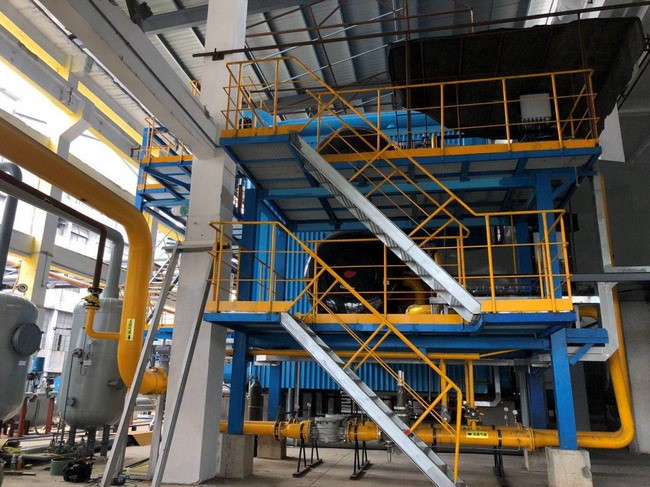
How Do Economizers and Heat Recovery Systems Boost Boiler Efficiency?
Many industrial boiler operators unknowingly waste a significant portion of fuel energy as hot exhaust gases are released into the atmosphere. In fact, up to 20% of a boiler’s heat input can be lost through the flue gases alone. Economizers and heat recovery systems are specifically designed to capture this waste heat and recycle it into the boiler process, dramatically improving energy efficiency. These systems not only reduce fuel consumption but also lower emissions, operating costs, and carbon footprints—making them essential for any high-efficiency boiler strategy.
Economizers and heat recovery systems boost boiler efficiency by capturing residual heat from flue gases or blowdown water and transferring it to incoming feedwater, combustion air, or process fluids. This preheating reduces the energy required to convert water into steam, improving thermal efficiency by 5% to 15% and lowering overall fuel consumption. These systems make use of waste energy that would otherwise be lost, maximizing the boiler’s fuel-to-steam conversion ratio.
Without heat recovery, boilers are essentially discarding usable energy with every cycle. With the right system in place, however, operators can turn waste into performance gains—quickly earning back the cost through fuel savings.
Economizers only provide benefits in large-scale boiler systems.False
Economizers are beneficial in both small and large boilers, as they reduce the temperature difference between feedwater and flue gases, improving overall efficiency.
Heat recovery systems can reduce a boiler's fuel consumption by up to 15%.True
By preheating feedwater or combustion air, these systems minimize the heat input needed, improving boiler thermal efficiency and reducing fuel use.
🔍 What Are Economizers and How Do They Work?
An economizer is a heat exchanger installed in the exhaust stream of the boiler, just before the flue gases exit the stack. It recovers waste heat and uses it to preheat boiler feedwater or make-up water.
Key Components:
Finned or bare tubes carrying feedwater
Flue gas ducting from boiler exhaust
Temperature sensors to regulate flow
Bypass dampers to prevent over-heating at low loads
How It Works:
Hot flue gases pass through the economizer tubes.
Cold feedwater flows inside the tubes in countercurrent flow.
Heat is transferred from the gases to the water.
Preheated water enters the boiler, requiring less fuel to generate steam.
📊 Efficiency Gains from Economizers
| Boiler Type | Without Economizer (Efficiency %) | With Economizer (Efficiency %) | Efficiency Gain (%) |
|---|---|---|---|
| Firetube Boiler | 80–82 | 86–88 | +6 |
| Watertube Boiler | 83–85 | 88–91 | +6–8 |
| Condensing Biomass Boiler | 88–90 | 92–95 | +5–7 |
Even a 5°C increase in feedwater temperature can reduce fuel consumption by 1%, and high-performance economizers can raise feedwater from 60°C to 110°C—cutting 10% or more of energy use.
♻️ Types of Heat Recovery Systems
In addition to economizers, several other systems help recover and reuse waste heat from boiler operations.
🔹 Flue Gas Condensers
Capture latent heat from flue gas moisture
Used in low-temperature return systems
Boost efficiency up to 98% in condensing boilers
🔹 Blowdown Heat Recovery Systems
Capture heat from boiler blowdown water
Transfer energy to makeup water
Prevent waste during required TDS control
🔹 Combustion Air Preheaters
Use flue gas to heat combustion air
Improve flame temperature and fuel burn
Common in coal or oil-fired boilers
🔹 Flash Steam Recovery
Recover flash steam from high-pressure condensate
Used for process heating or feedwater preheating
🧪 Real-World Example: Heat Recovery System Upgrade
Industry: Paper Manufacturing
Boiler Type: 20 TPH watertube, natural gas-fired
Upgrade: Added flue gas economizer + blowdown heat exchanger
| Metric | Before Upgrade | After Upgrade | Improvement |
|---|---|---|---|
| Feedwater Temp (°C) | 60 | 105 | +45°C |
| Boiler Efficiency | 84% | 91% | +7% |
| Fuel Use (Nm³/hr) | 2,450 | 2,250 | -8% |
| CO₂ Emissions (kg/hr) | 4,790 | 4,390 | -400 kg/hr |
| Annual Savings | — | ~$65,000 | — |
Payback Period: 18 months
🔧 Design Considerations for Effective Heat Recovery
To ensure successful integration and performance:
| Factor | Design Goal |
|---|---|
| Flue Gas Temperature | Must be ≥ 140°C to avoid condensation in standard materials |
| Water Flow Rate | Match tube sizing to flow to avoid backpressure |
| Bypass Dampers | Protect system during low-load or cold start-up |
| Corrosion Protection | Use stainless steel or coated tubes for biomass systems |
| Maintenance Access | Design for tube cleaning and inspection |
⚠️ Common Pitfalls and How to Avoid Them
| Mistake | Impact | Prevention |
|---|---|---|
| Oversized economizer | Condensation risk and backpressure | Use load-based design calculation |
| Poor water treatment | Fouling and scaling | Implement chemical treatment plan |
| No bypass damper | Inefficient during startup | Add automated bypass mechanism |
| Incorrect materials for acidic gas | Corrosion, early failure | Use stainless or alloy steels |
🌍 Environmental and Economic Benefits
Heat recovery systems not only save energy but also contribute to emissions reduction and sustainability goals.
| Benefit | Impact |
|---|---|
| Lower Fuel Use | Reduces cost and natural resource consumption |
| CO₂ Reduction | 1% fuel saved = ~2.3% less CO₂ emitted |
| NOₓ and SO₂ Control | Improved combustion air preheating = cleaner burn |
| Compliance | Supports ISO 50001, ESG, and government incentives |
🛠️ Best Practices for Heat Recovery Integration
Conduct a flue gas analysis to determine available heat potential.
Select an economizer or heat exchanger matched to load profile.
Install temperature sensors before and after recovery devices.
Maintain cleanliness of tubes and ductwork for optimal heat transfer.
Monitor savings through energy management dashboards or SCADA.
Economizers and heat recovery systems are not optional add-ons—they are essential technologies for achieving modern, efficient, and cost-effective boiler operation. Whether you’re running biomass, gas, or oil-fired systems, reclaiming waste heat is the smartest path to lower fuel costs, fewer emissions, and higher thermal performance.
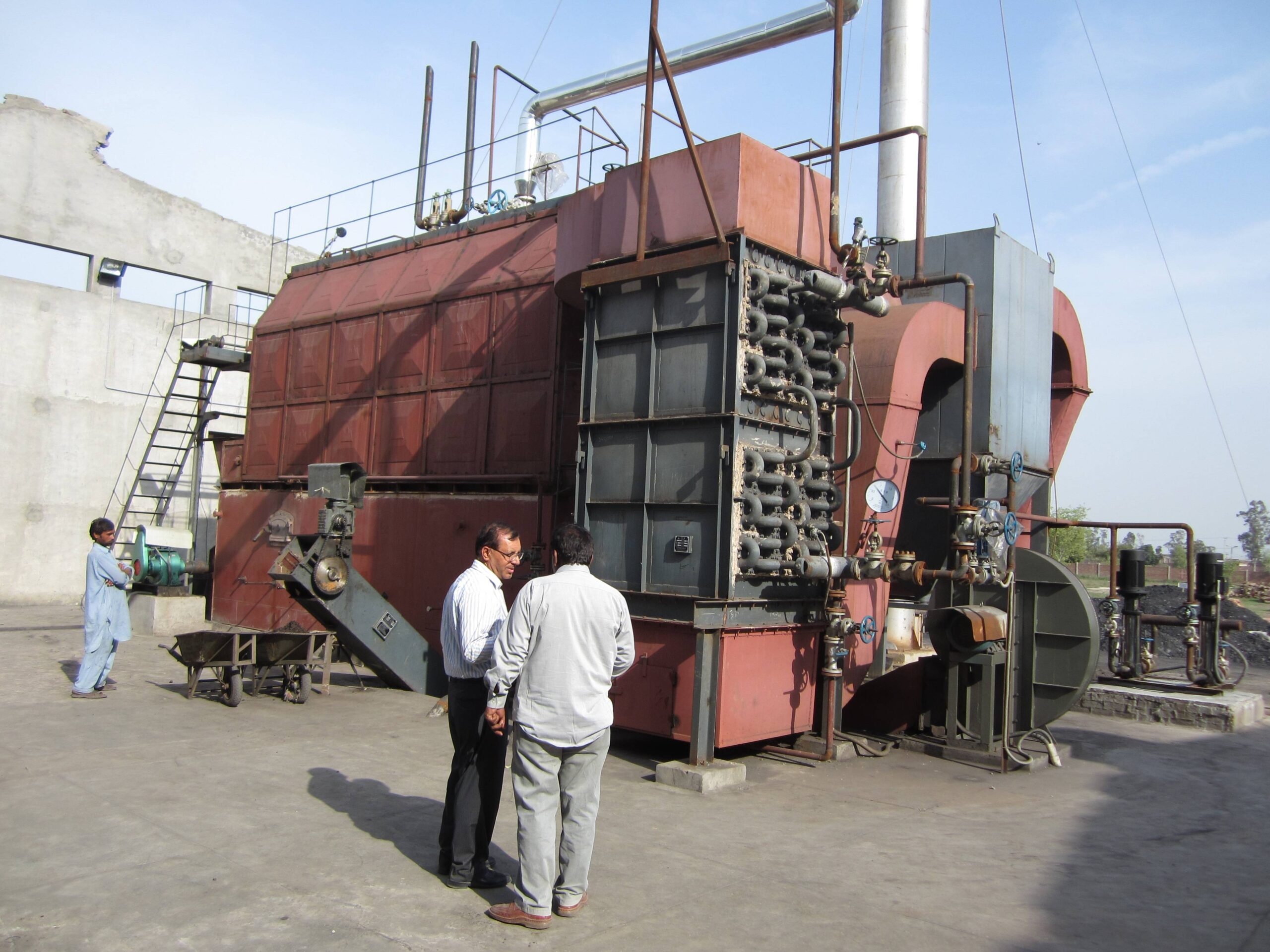
What Are the Best Strategies to Measure and Optimize Industrial Steam Boiler Efficiency?
Industrial steam boilers are critical assets in manufacturing, power generation, food processing, textiles, and other energy-intensive sectors. However, they are also some of the largest fuel consumers and carbon emitters in industrial operations. Achieving optimal efficiency—defined as the maximum steam output per unit of fuel input—is vital for cutting operational costs, improving sustainability, and ensuring compliance with emissions regulations. Yet many facilities fail to measure efficiency accurately or systematically optimize it. That’s why understanding the best strategies to measure and optimize boiler efficiency is key to long-term performance, cost control, and environmental stewardship.
The best strategies to measure and optimize industrial steam boiler efficiency include accurate performance monitoring using direct and indirect efficiency methods, real-time combustion analysis, flue gas temperature tracking, steam-to-fuel ratio calculation, water treatment management, and the integration of smart control systems. Optimization techniques such as load balancing, excess air control, economizer installation, and predictive maintenance significantly improve fuel-to-steam conversion, reduce emissions, and extend boiler life.
By implementing these strategies systematically, operators can maintain boilers at peak performance—even as demand fluctuates, fuel types vary, or equipment ages.
Boiler efficiency can be accurately assessed without measuring fuel consumption or flue gas composition.False
Precise efficiency measurements require input on both fuel usage and flue gas emissions to account for heat losses and combustion quality.
Monitoring excess air levels during combustion is critical to optimizing boiler efficiency.True
Too much or too little air during combustion reduces efficiency and increases pollutant formation.
🔍 Measuring Boiler Efficiency: Direct vs. Indirect Methods
There are two industry-standard ways to measure steam boiler efficiency:
🔹 Direct Method (Input-Output Method)
Simple and fast. Measures:
Steam output (kg/hr)
Fuel input (kg/hr or Nm³/hr)
Formula:Efficiency (%) = (Steam Output × Enthalpy Gain) / (Fuel Input × Calorific Value) × 100
| Pros | Cons |
|---|---|
| Quick and easy | Less accurate (ignores losses) |
| Useful for regular checks | Sensitive to measurement errors |
🔹 Indirect Method (Heat Loss Method)
Highly accurate. Accounts for:
Dry flue gas loss
Moisture loss
Radiation loss
Unburned fuel
Blowdown loss
Formula:Efficiency = 100% - (Sum of All Measured Heat Losses)
| Pros | Cons |
|---|---|
| Comprehensive and accurate | Requires flue gas analyzer and calculations |
| Identifies loss contributors | Time-intensive |
📊 Key Performance Indicators (KPIs) for Boiler Efficiency
| KPI | Target Range (Efficient Operation) |
|---|---|
| Steam-to-Fuel Ratio (kg/kg) | 8–10 (for gas), 5–7 (for biomass) |
| Flue Gas Temp (°C) | 180–220 (non-condensing), <120 (condensing) |
| O₂ in Flue Gas (%) | 2–4% for natural gas, 4–6% for biomass |
| CO in Flue Gas (mg/Nm³) | <100 mg/Nm³ |
| Stack Loss (%) | 10–15% (lower = better) |
| Blowdown Rate (%) | <5% of total steam output |
| Feedwater Temp (°C) | ≥105°C (with economizer) |
⚙️ Top Strategies to Optimize Boiler Efficiency
🔸 1. Optimize Combustion with Real-Time Monitoring
Install:
Oxygen Trim Controls
CO and NOₓ Sensors
Flue Gas Analyzers
This helps maintain ideal air-fuel ratios and minimize excess air. Excess air >30% reduces flame temperature and increases heat losses.
| Excess Air (%) | Impact on Efficiency |
|---|---|
| 10–15% | Optimal combustion |
| >30% | 2–5% efficiency loss |
| <5% | Risk of incomplete burn |
🔸 2. Maintain Proper Feedwater Quality and Temperature
Poor water chemistry causes scaling, corrosion, and heat transfer loss. Maintain:
TDS < 3,500 ppm
Hardness < 0.1 ppm
O₂ < 0.007 ppm
Feedwater temp ≥ 105°C (with economizer)
Every 1 mm of scale = 2–3% heat transfer loss.
🔸 3. Install Economizers and Heat Recovery Devices
| System | Efficiency Gain (%) |
|---|---|
| Economizer | +5–7% |
| Condensing Heat Recovery | +7–10% |
| Blowdown Heat Recovery | +1–3% |
Preheating feedwater or combustion air reduces fuel input and stabilizes combustion.
🔸 4. Optimize Boiler Load Management
Operate boilers at 65–85% load where efficiency peaks.
| Load Range | Efficiency (%) |
|---|---|
| 30–50% | 65–75 |
| 65–85% | 85–92 (peak) |
| 100% | 80–88 |
Implement:
Boiler Sequencing Systems
Steam Accumulators
Modular Boiler Systems for variable loads
🔸 5. Conduct Predictive and Preventive Maintenance
Schedule:
Tube cleaning (fireside/waterside)
Burner calibration
Sensor recalibration
Pump and valve checks
Blowdown and chemical dosing audits
Use smart tools:
| Tool | Function |
|---|---|
| SCADA / EMS Software | Monitors real-time KPIs |
| Infrared Thermography | Detects insulation failures and hot spots |
| Ultrasonic Flow Meters | Measures actual steam and water flow |
| CMMS Platforms | Schedules and tracks maintenance |
🔸 6. Benchmark and Audit Regularly
Use standards such as:
ASME PTC 4.1 (Performance Test Code for Steam Generators)
ISO 50001 (Energy Management System)
Boiler Efficiency Institute Guidelines
Perform monthly efficiency checks, and conduct annual energy audits to find optimization opportunities.
🧪 Case Study: Steam Boiler Optimization in a Textile Mill
System: 10 TPH oil-fired firetube boiler
Before Optimization: 78% efficiency, frequent downtime, scaling observed
Actions Taken:
Installed economizer
Replaced water softener
Calibrated O₂ trim control
Added EMS with real-time dashboard
| Metric | Before | After | Improvement |
|---|---|---|---|
| Efficiency (%) | 78 | 88 | +10% |
| Fuel Cost (Monthly) | $28,000 | $24,600 | -12% |
| Downtime (hrs/month) | 14 | 3 | -79% |
| Emissions (CO₂ tons/mo) | 148 | 130 | -12% |
🔧 Best Practices Checklist for Boiler Efficiency Optimization
✅ Use indirect method for detailed performance insights
✅ Install economizer for every boiler >2 TPH
✅ Maintain water quality with real-time monitoring
✅ Perform burner tuning quarterly
✅ Implement boiler sequencing in multi-unit plants
✅ Monitor stack temp and flue O₂ in real-time
✅ Conduct energy audits annually
✅ Train staff in combustion control and maintenance protocols
Accurate measurement and smart optimization are the foundation of high-performance industrial steam boilers. By combining data-driven monitoring, predictive maintenance, and smart control systems, operators can consistently achieve 5–15% higher efficiency, saving thousands in fuel and contributing to a cleaner industrial footprint.
🔍 Conclusion
Maximizing the efficiency of your industrial steam boiler system is not a one-time task—it’s an ongoing commitment to strategic operation, proper maintenance, and continual improvement. Each of these five factors plays a crucial role, and addressing them systematically can lead to significant gains in energy savings and sustainability.
FAQ
Q1: What is the most critical factor in determining steam boiler efficiency?
A1: Combustion efficiency is one of the most crucial factors affecting boiler performance. It measures how effectively the boiler converts fuel into usable heat. Poor air-to-fuel ratios, incomplete combustion, and low-quality fuel can reduce efficiency significantly. Optimizing burner performance and ensuring proper combustion settings are essential for maintaining high efficiency.
Q2: How does boiler load affect steam boiler efficiency?
A2: Boiler load refers to the amount of steam the boiler is required to produce at any given time. Operating at partial loads or fluctuating demand can reduce efficiency, as boilers are typically designed for optimal performance at a specific load range. Running a boiler continuously near its design load ensures better energy use and less thermal cycling, which also extends its lifespan.
Q3: Why is boiler insulation important for energy efficiency?
A3: Proper insulation minimizes heat loss from the boiler and its piping system. Heat loss not only wastes energy but also leads to higher fuel consumption. High-quality insulation helps retain heat within the system, which directly improves overall efficiency and reduces operational costs. Regular inspection and maintenance of insulation are critical.
Q4: What role does feedwater quality play in boiler efficiency?
A4: Poor feedwater quality can lead to scale buildup and corrosion inside the boiler. Scale acts as an insulator, hindering heat transfer and forcing the boiler to consume more energy to produce the same amount of steam. Using treated or demineralized water and monitoring water chemistry help maintain high heat transfer efficiency and prolong equipment life.
Q5: How does maintenance impact industrial boiler efficiency?
A5: Routine maintenance is vital to keep all boiler components functioning optimally. Issues like soot buildup, faulty sensors, leaky valves, and inefficient burners can drastically reduce efficiency. Regular cleaning, calibration, and part replacement ensure the system operates at peak performance, reducing fuel usage and emissions.
References
Improving Steam System Performance – https://www.energy.gov/eere/amo/improving-steam-system-performance – U.S. Department of Energy
Factors Affecting Boiler Efficiency – https://www.sciencedirect.com/science/article/abs/pii/S0301421509001485 – ScienceDirect
Boiler Efficiency Guide – https://www.cleaverbrooks.com/reference-center/boiler-efficiency-guide.aspx – Cleaver-Brooks
Combustion Efficiency Basics – https://www.energy.gov/eere/femp/combustion-efficiency – Federal Energy Management Program
Steam Boiler Operation and Maintenance – https://www.abma.com/boiler-operation – American Boiler Manufacturers Association
Boiler Load Optimization – https://www.tlv.com/global/TI/steam-theory/boiler-efficiency.html – TLV Corporation
Importance of Boiler Insulation – https://www.thermaltechinc.com/importance-insulating-industrial-boilers/ – Thermal Tech Inc.
Feedwater Treatment Guide – https://www.lenntech.com/applications/process/boiler/feedwater.htm – Lenntech
Steam Boiler Scaling and Prevention – https://www.suezwatertechnologies.com/products/steam-boiler-treatment – Veolia Water Technologies
Industrial Boiler Maintenance Best Practices – https://www.powermag.com/top-5-industrial-boiler-maintenance-tips/ – POWER Magazine
