
Purchasing a power plant boiler is a high-stakes investment involving significant capital and long-term operational impact. While many buyers focus on lowering the upfront cost, choosing the cheapest option can lead to lower efficiency, frequent maintenance issues, and regulatory compliance risks—ultimately driving up lifetime costs. So how can you secure the best boiler price without compromising on quality, performance, or durability?
To get the best power plant boiler price without sacrificing quality, focus on total cost of ownership (TCO), choose reputable manufacturers, prioritize key performance parameters, request detailed technical specifications, and negotiate value-added services like installation, after-sales support, and spare parts. A well-balanced procurement strategy ensures both affordability and long-term reliability.
The key is not just to look at the price tag, but to evaluate what you’re getting for the price—materials, efficiency, lifecycle, support, and compliance. Let’s explore how to achieve the best value in your boiler investment.
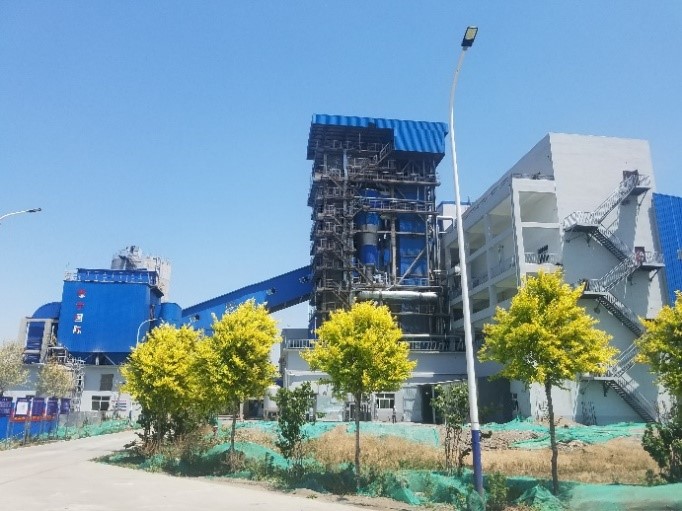
Why Is Evaluating Total Cost of Ownership (TCO) More Important Than Just Boiler Purchase Price?
When procuring an industrial gas-fired boiler, it’s tempting to focus on the initial purchase price—a visible, immediate cost that fits neatly into a capital expenditure line item. However, boilers are long-term assets with lifespans of 20 years or more, and their true financial impact is shaped far more by their operating, maintenance, fuel, and compliance costs than by their upfront price tag. Failing to evaluate the Total Cost of Ownership (TCO) often leads to choices that appear affordable at first, but prove to be expensive mistakes over time through higher fuel usage, unexpected downtime, or regulatory penalties. A boiler with a slightly higher price may actually save hundreds of thousands of dollars over its lifetime if it’s more efficient, reliable, and compliant.
Evaluating the Total Cost of Ownership (TCO) of a boiler is more important than just considering the purchase price because TCO includes all direct and indirect costs over the boiler’s lifecycle—such as fuel consumption, maintenance, emissions compliance, downtime, and operational labor. These ongoing costs often exceed the initial capital cost by a factor of 5 to 10 over a 20-year period. A lower-priced boiler may result in significantly higher operating costs, while a more efficient and reliable system can deliver superior long-term value. Making decisions based on TCO leads to smarter investments, lower lifecycle costs, and improved return on investment (ROI).
Boiler buyers who focus only on price risk choosing short-term savings over long-term value, often to their regret.
The upfront price of a boiler is only a small part of its total cost of ownership.True
Over a 20-year lifecycle, operating costs like fuel, maintenance, and compliance far outweigh the initial purchase price.
A cheaper boiler always saves money in the long run.False
Low-cost boilers often have higher fuel consumption, shorter lifespan, and more downtime, leading to higher total operating expenses.
🔍 Key Components of Boiler Total Cost of Ownership (TCO)
| TCO Component | Description |
|---|---|
| Capital Cost | Initial purchase and installation of the boiler |
| Fuel Cost | Ongoing natural gas or LPG costs based on boiler efficiency |
| Maintenance & Repairs | Annual inspections, replacement parts, and labor |
| Downtime / Production Loss | Unplanned outages or maintenance that interrupt operations |
| Water Treatment | Chemicals, blowdown, and water consumption |
| Emissions Compliance | Monitoring, reporting, control equipment (SCR, FGR, etc.) |
| Control System Upgrades | PLC/SCADA automation, O₂ trim systems, sensors |
| End-of-Life Costs | Decommissioning, removal, environmental fees |
📊 Real-World Example: TCO Over 20 Years
| Boiler Spec | Low Initial Cost | High-Efficiency Option |
|---|---|---|
| Purchase Price | $120,000 | $165,000 |
| Average Efficiency (%) | 82 | 92 |
| Annual Fuel Cost (@$0.30/Nm³) | $320,000 | $285,000 |
| Maintenance (Avg/yr) | $12,000 | $8,000 |
| Downtime Loss (Over 20 yrs) | $160,000 | $40,000 |
| Emissions Fines (Over 20 yrs) | $50,000 | $0 |
| Total 20-Year TCO | $7.36 million | $6.38 million |
Conclusion: The higher-priced boiler saved nearly $1 million in lifecycle costs.
🧪 Case Study: TCO Comparison in a Textile Plant
Scenario: 10 TPH boiler selection for continuous operation (6,500 hrs/year)
Choices:
Model A: $110,000, 82% efficiency
Model B: $145,000, 90% efficiency + O₂ trim
| Factor | Model A | Model B |
|---|---|---|
| Yearly Gas Cost | $295,000 | $267,000 |
| Maintenance (10 yrs) | $120,000 | $80,000 |
| Downtime (due to scaling) | $40,000 | $15,000 |
| Total TCO (10 years) | $1.115 million | $1.007 million |
Result: Model B cost $35,000 more upfront, but saved over $100,000 in 10 years.
🔧 Why TCO Evaluation Is Essential
| Common Mistake | TCO-Driven Approach |
|---|---|
| Choosing lowest bid | Analyze fuel, O&M, and emissions over 20 years |
| Ignoring efficiency | Every 1% boost = up to 2% fuel cost savings |
| Underestimating maintenance | Include service contract or estimated repair costs |
| Skipping automation | Consider value of better control, uptime, and diagnostics |
| Disregarding emissions | Factor potential fines, retrofit needs, or permit rejections |
📈 Benefits of TCO-Based Boiler Procurement
✅ Better ROI: Maximize performance with lower lifecycle costs
✅ Improved budgeting: Predictable long-term cost planning
✅ Higher uptime: Reduced maintenance and fewer shutdowns
✅ Energy savings: Improved fuel-to-steam conversion
✅ Regulatory resilience: Avoid fines and costly retrofits
✅ Operational reliability: Design for stability, not just low cost
⚠️ Risks of Focusing Only on Purchase Price
| Focus on Price Only | Long-Term Consequence |
|---|---|
| Low-quality materials | Frequent part failures, high repair costs |
| Inefficient combustion | 10–15% more fuel use annually |
| Manual controls only | No O₂ trim or burner tuning = fuel waste |
| Lacks emissions flexibility | Expensive future retrofits to meet new rules |
| Non-modular configuration | Difficult to scale or integrate with new systems |
📉 Fuel Cost Dominates TCO Over Time
| TCO Breakdown Over 20 Years | Low Efficiency Boiler | High Efficiency Boiler |
|---|---|---|
| Capital Expenditure | 3% | 4% |
| Fuel Cost | 80% | 72% |
| Maintenance | 10% | 8% |
| Downtime & Emissions | 7% | 5% |
| Total Ownership Cost | $6–8 million | $5–7 million |
🌍 Sustainability and ESG Impact
| TCO-Informed Choice | Environmental Benefit |
|---|---|
| More efficient boiler | Fewer emissions per ton of steam |
| Predictable performance | Supports long-term sustainability metrics |
| Lower water and chemical usage | Less waste, lower blowdown rates |
| Easier emissions reporting | Supports ESG and carbon tracking goals |
TCO analysis provides a 360-degree financial view of boiler ownership, revealing costs and benefits that the purchase price alone hides. Industrial gas-fired boilers are critical infrastructure—not short-term assets—and must be evaluated like any other strategic investment. A TCO-focused approach ensures you’re not just buying a boiler—you’re buying 20 years of operational value, stability, and compliance.
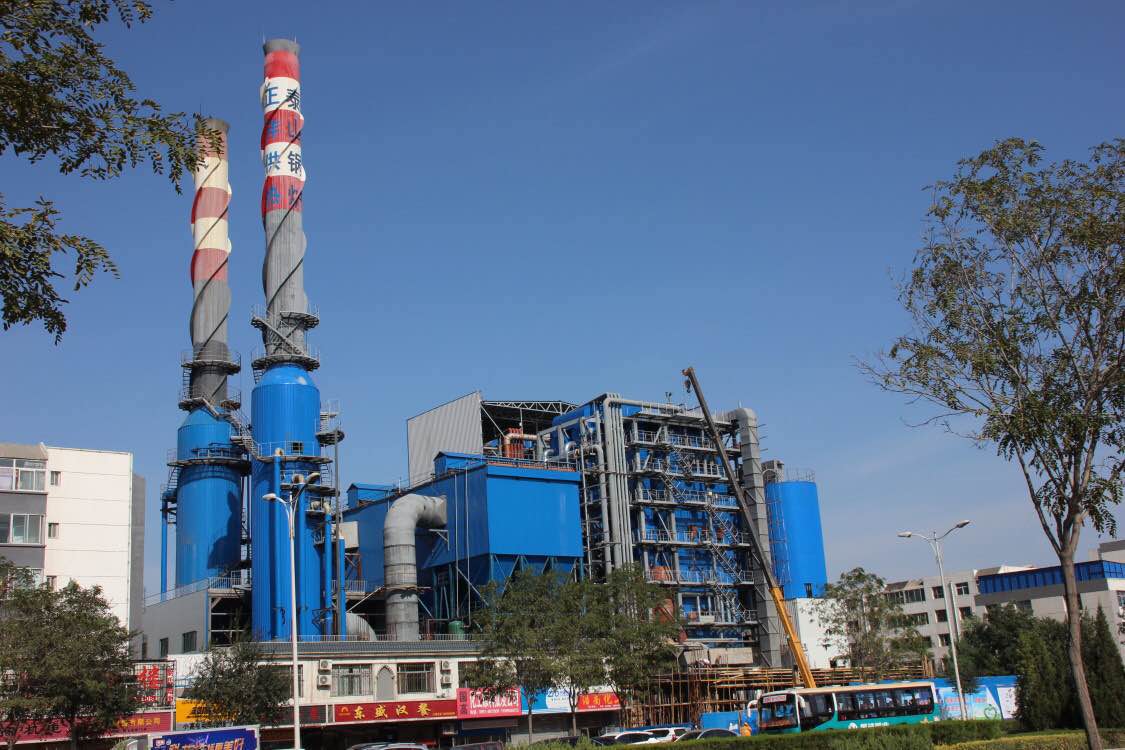
How Do You Assess the Quality and Reputation of Power Plant Boiler Manufacturers?
Choosing a power plant boiler is a capital-intensive, long-term decision—but selecting the right manufacturer is just as crucial as choosing the boiler model itself. A poorly vetted manufacturer may offer attractive pricing or flashy specs, but deliver equipment that fails prematurely, underperforms, violates regulations, or suffers from service delays. This can lead to millions in lost productivity and unexpected costs. In contrast, a reputable manufacturer ensures engineering precision, compliance with international standards, responsive support, and long-term reliability. Therefore, assessing quality and reputation is not optional—it is an essential risk mitigation and performance assurance strategy.
To assess the quality and reputation of power plant boiler manufacturers, evaluate multiple factors including manufacturing certifications (such as ISO 9001, ASME, EN, IBR), industry experience, global project references, customer testimonials, third-party inspections, warranty terms, after-sales service, and adherence to environmental and safety regulations. Reputation can also be verified by checking long-term operational data from installed units, involvement in government or utility projects, and responsiveness during the procurement process. A reliable manufacturer will demonstrate technical capability, transparent processes, and a strong commitment to quality assurance and customer support.
Choosing a boiler without verifying the manufacturer’s reputation is like building a power plant on unstable ground.
Manufacturer certifications like ISO and ASME are reliable indicators of boiler quality.True
Certifications demonstrate adherence to international manufacturing standards and quality assurance protocols.
All boiler manufacturers offer the same quality as long as the model specifications are the same.False
Boiler performance and longevity also depend on manufacturing processes, material quality, and engineering controls, which vary between manufacturers.
🔍 Key Factors in Assessing Boiler Manufacturer Quality
| Assessment Criteria | Why It Matters |
|---|---|
| Certifications & Standards | Guarantees compliance with international safety and quality norms |
| Years in Business | Reflects experience, stability, and market confidence |
| Project References | Shows real-world performance and application diversity |
| Client Testimonials | Indicates customer satisfaction and reliability |
| In-house Engineering | Demonstrates ability to customize and troubleshoot effectively |
| Warranty & Guarantees | Reflects confidence in product durability |
| After-Sales Support | Ensures responsiveness to breakdowns or performance issues |
📊 Boiler Manufacturer Evaluation Matrix
| Evaluation Area | Weight (%) | Key Questions to Ask |
|---|---|---|
| Technical Certifications | 20% | Are they ISO 9001, ISO 14001, ASME Section I, IBR certified? |
| Market Experience | 15% | How long have they been building power plant boilers? |
| Reference Projects | 20% | Do they have proven success in similar capacity or fuel-type applications? |
| Engineering Capability | 15% | Do they offer R&D, CFD simulation, or custom design services? |
| Service Network | 10% | Do they have local agents, quick-response teams, and spare part support? |
| Financial & Legal Standing | 10% | Are they financially stable? Any history of disputes or project abandonment? |
| Innovation & Compliance | 10% | Are they up to date with NOₓ, CO₂, and environmental standards in different regions? |
🧪 Case Study: Vetting a Power Boiler Manufacturer for a 300 MW Biomass Plant
Client: State Energy Utility in Southeast Asia
Requirement: High-pressure 540°C, 130 bar biomass boiler with SCR system
Shortlisted Manufacturers:
| Criteria | Manufacturer A (Low-cost) | Manufacturer B (Reputable) |
|---|---|---|
| Years in Business | 7 | 35 |
| Certifications | Local ISO only | ASME S, ISO 9001, ISO 14001 |
| Installed References | 3 (max 60 MW) | 25+ globally (up to 660 MW) |
| Engineering Capacity | Basic design team | In-house R&D + CFD modeling |
| After-Sales Support | Outsourced | Dedicated regional office |
| Warranty | 12 months | 36 months + optional extensions |
| Final Decision | ❌ Not selected | ✅ Chosen due to total lifecycle assurance |
Outcome: Project completed within performance guarantees and continues to operate with 92.8% efficiency.
🔧 Technical Certifications to Look For
| Certification | Significance |
|---|---|
| ASME Section I (S Stamp) | US-based pressure vessel code—ensures code-compliant high-pressure design |
| ISO 9001 | Quality management certification across all departments |
| ISO 14001 | Environmental management certification |
| EN 12952 | European standard for water-tube power boilers |
| IBR (India Boiler Regulation) | Required for boilers in India |
| PED (Pressure Equipment Directive) | Mandatory for EU pressure vessels |
| API 538 / 560 (if applicable) | Fired heaters and heat recovery systems in petrochemical settings |
⚙️ How to Conduct a Comprehensive Quality Audit
✅ Request a Factory Acceptance Test (FAT): Witness real-time performance testing
✅ Evaluate QA/QC Documentation: Welding traceability, NDT reports, pressure test records
✅ Inspect Welding and Fabrication Facilities: Automation, robot welding, clean zone standards
✅ Meet the Engineering Team: Evaluate responsiveness and customization capabilities
✅ Speak to Past Clients: Ask about uptime, failures, and support experience
✅ Demand Emissions Performance Reports: Confirm that design meets current/future NOₓ/CO₂ limits
✅ Audit Supply Chain Quality: Verify material sourcing, alloy traceability, and third-party inspection
📈 Key Indicators of a Reputable Manufacturer
| Indicator | Why It Builds Confidence |
|---|---|
| Repeat Orders from Global Clients | Indicates performance trust and relationship strength |
| Utility and Government Projects | Reflects ability to handle complex regulatory environments |
| In-house Combustion & Thermal R&D | Speeds up innovation and adaptation to fuel variability |
| Digital Twin or Smart Monitoring Tech | Shows modernization and remote diagnostics capabilities |
| Flexible Warranty & Service Contracts | Reflects accountability and long-term support |
📉 Red Flags to Watch For
| Red Flag | Why It’s Risky |
|---|---|
| Incomplete or expired certifications | May indicate non-compliance with global safety standards |
| No global references | Indicates limited experience or low adoption |
| Lack of warranty clarity | Suggests manufacturer may not stand by long-term claims |
| Low price with no technical backup | Likely to cut corners on materials or controls |
| Weak after-sales infrastructure | Long downtime, lack of spare parts, delayed troubleshooting |
🌍 Reputation and ESG Compatibility
| Reputation Factor | Sustainability Impact |
|---|---|
| Manufacturer’s CO₂ footprint | Affects overall ESG rating of power plant |
| Design for low NOₓ, CO₂ boilers | Easier regulatory approvals and social acceptance |
| Waste management and recycling | Reflects responsible manufacturing practices |
| Innovation in green tech (biomass, hydrogen-ready) | Futureproofs your investment |
Reputation and quality are not intangible buzzwords—they directly affect plant uptime, fuel efficiency, compliance risk, and overall project ROI. In the highly regulated, performance-intensive world of power plant boilers, manufacturer selection should be treated with the same rigor as equipment engineering.
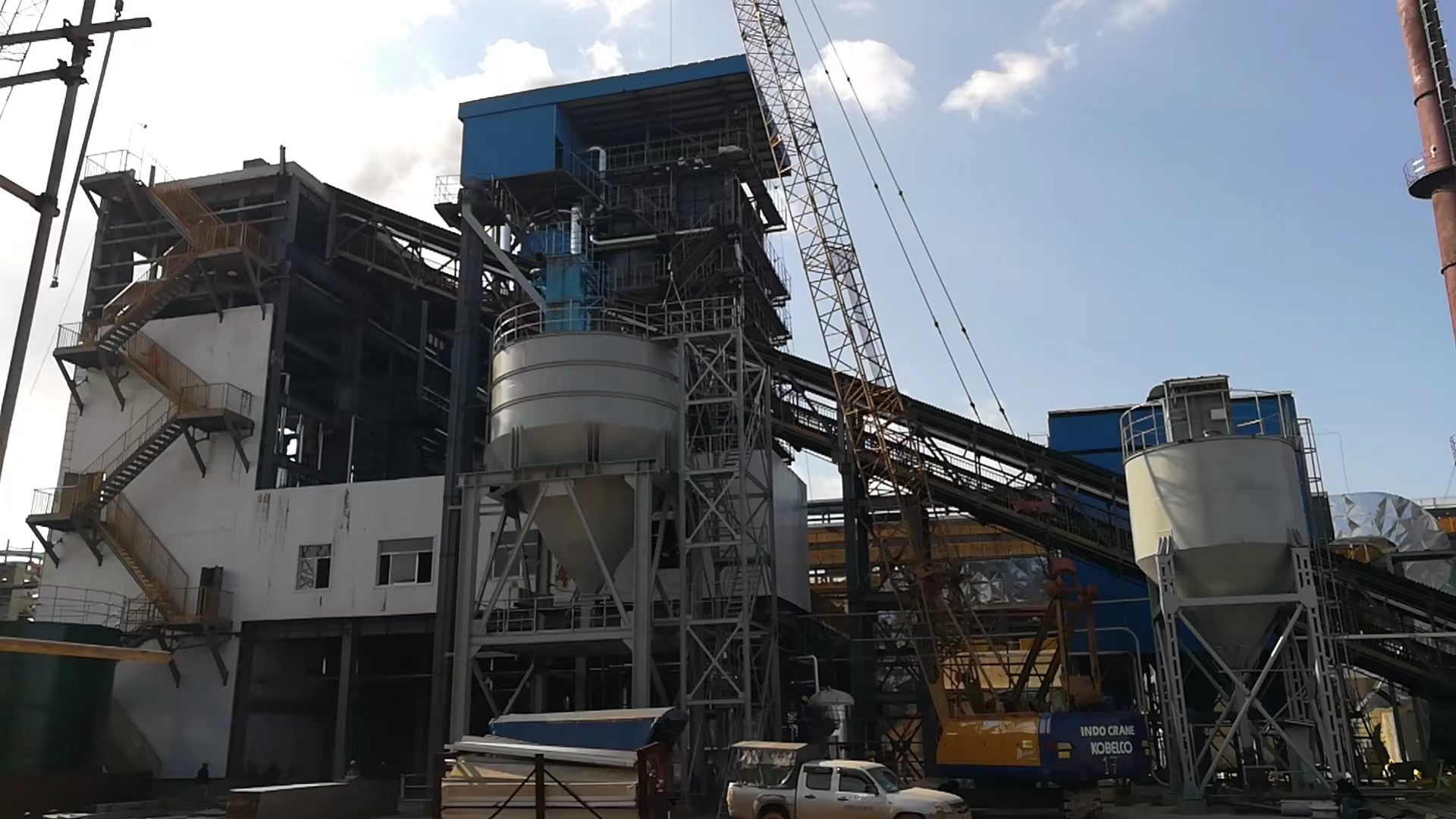
What Technical Specifications Should Be Prioritized When Comparing Boiler Quotations?
When evaluating boiler quotations from multiple manufacturers, it’s easy to be drawn to the lowest price or delivery time. However, price without performance is a costly mistake—especially for mission-critical assets like power plant or industrial steam boilers that operate for decades. The only way to ensure a boiler meets your expectations for safety, efficiency, emissions, and lifecycle cost is to conduct a thorough technical specification comparison. Ignoring key technical criteria leads to oversizing, inefficiency, poor integration, compliance failures, and costly retrofits. To avoid this, buyers must prioritize and validate the right technical parameters.
The most critical technical specifications to prioritize when comparing boiler quotations include steam output capacity, operating pressure and temperature, thermal efficiency, fuel compatibility, emissions compliance, heat transfer surface area, material of construction, control system features, and auxiliary equipment quality. These parameters directly affect performance, safety, operational cost, regulatory approval, and long-term reliability. Evaluating specifications line-by-line ensures the selected boiler truly fits your process demands and site conditions, rather than just offering the lowest price.
Remember: a well-specified boiler saves you more every hour it runs—and for most plants, that means 8,000+ hours a year.
Boiler technical specifications determine long-term operational performance and cost.True
Key specs like efficiency, steam output, and material selection impact fuel usage, reliability, and maintenance over the boiler's lifespan.
All boiler quotes with the same output are technically equal.False
Boilers with similar output may differ significantly in pressure rating, efficiency, controls, emissions, and material quality.
🔍 Top 12 Boiler Technical Specifications to Prioritize
| Specification | Why It Matters |
|---|---|
| 1. Steam Output (TPH) | Must match or exceed plant demand under worst-case load conditions |
| 2. Operating Pressure (bar) | Defines system design pressure; affects steam density and energy delivery |
| 3. Operating Temperature (°C) | Must align with process steam requirements or turbine inlet temperature |
| 4. Thermal Efficiency (%) | Impacts fuel consumption and operating costs significantly |
| 5. Fuel Type & Flexibility | Compatibility with current and future fuel strategy (e.g., biogas, dual fuel) |
| 6. Emissions Compliance | Must meet NOₓ, SO₂, CO, and CO₂ standards for your region |
| 7. Burner Technology | Affects combustion stability, NOₓ control, and turndown ratio |
| 8. Heat Transfer Surface Area | Larger areas improve heat absorption and efficiency |
| 9. Drum or Once-Through Design | Impacts responsiveness, maintenance, and control |
| 10. Control System Type | PLC/SCADA, O₂ trim, FGR—affects efficiency and compliance automation |
| 11. Material of Construction | Steel grade (e.g., SA516 Gr. 70, SA213) ensures durability under stress |
| 12. Boiler Mounting & Packaging | Modular vs. field-erected affects site work, transport, and timelines |
📊 Comparison Template for Technical Evaluation of Boiler Quotes
| Spec / Feature | Vendor A | Vendor B | Vendor C | Best Choice |
|---|---|---|---|---|
| Steam Output (TPH) | 35 | 35 | 40 | Vendor C |
| Operating Pressure (bar) | 42 | 45 | 45 | Vendor B/C |
| Thermal Efficiency (%) | 89 | 92 | 90 | Vendor B |
| Fuel Type Support | NG, HFO | NG only | NG, LPG, Biogas | Vendor C |
| NOₓ Emission Level (mg/Nm³) | 55 | 35 | 42 | Vendor B |
| Burner Turn-down Ratio | 4:1 | 5:1 | 3:1 | Vendor B |
| Tube Material | SA213 T11 | SA213 T22 | SA213 T12 | Vendor B |
| Control System | Basic PLC | Advanced SCADA + O₂ trim | SCADA + CEMS | Vendor B/C |
| Delivery Time (weeks) | 22 | 26 | 20 | Vendor C |
| Warranty (Years) | 2 | 3 | 2 | Vendor B |
Conclusion: Though Vendor C offers quick delivery, Vendor B scores best on technical performance and long-term TCO.
🧪 Case Study: 50 TPH Boiler Quote Evaluation for Paper Mill
Requirement: 50 TPH, 42 bar, 450°C, dual-fuel boiler for 24/7 operation
Vendors Evaluated: Three international OEMs with varying quotes
| Metric | Vendor X | Vendor Y | Vendor Z |
|---|---|---|---|
| Quoted Price (USD) | $1.85 million | $2.1 million | $1.72 million |
| Efficiency (%) | 86.5 | 91.8 | 85.2 |
| Maintenance Cost (20 yrs est.) | $440,000 | $280,000 | $510,000 |
| NOₓ Emissions (mg/Nm³) | 85 | 42 | 91 |
| Estimated Fuel Use (Nm³/hr) | 6,250 | 5,730 | 6,370 |
| Total 20-Year TCO | $9.75 million | $8.88 million | $10.19 million |
Result: Vendor Y had the highest CapEx, but the lowest TCO and best technical specs.
🔧 Digging Deeper into Specifications
🔸 Burner and Combustion Control
Choose low-NOₓ, staged combustion burners
Ensure turn-down ratio >5:1 for part-load operation
Verify if O₂ trim, FGR (flue gas recirculation), and excess air control are included
🔸 Heat Transfer and Drum Design
More heating surface = better energy capture
Larger steam drums improve pressure stability in high-load variations
Once-through boilers suit compact high-pressure operations
🔸 Pressure Part Materials
| Component | Material Grade (Common) | Why It Matters |
|---|---|---|
| Boiler Tubes | SA213 T11/T22/T91 | Withstand high pressure/temperature |
| Shell/Drum | SA516 Gr.70 or SA299 | Pressure vessel quality, weld integrity |
| Headers | P91 or similar | Enhanced creep resistance |
📈 Technical Specs = Long-Term Payoff
| Overlooked Specification | Hidden Cost if Ignored |
|---|---|
| Lower Efficiency | $50,000–$200,000 more in fuel per year |
| Non-compliant NOₓ | $25,000+ in fines or costly retrofit needed |
| Weak Control System | 5–10% more downtime and inconsistent steam delivery |
| Poor Material Quality | 25–40% shorter boiler life, frequent tube failures |
| Incompatible Fuel Design | Limits future fuel flexibility, supply chain issues |
✅ Final Checklist for Technical Boiler Quote Comparison
Rated steam capacity matches peak demand + buffer
Pressure and temperature exceed process minimums
Efficiency validated by test or ASME PTC 4.1 data
Complies with local emissions and boiler code (e.g., ASME, IBR, PED)
Burner supports your current and future fuel types
Materials of construction meet pressure-temperature requirement
Control system includes automation, fault diagnostics, and remote access
Accessories (economizer, deaerator, blowdown system) included
Clear warranty and O&M expectations defined
Your boiler procurement process should be spec-driven, not just price-driven. Technical specifications are your blueprint for performance, safety, compliance, and ROI. The best quotation isn’t always the cheapest—it’s the one that delivers the most value per BTU, performance per dollar, and steam per fuel unit.

How Can Energy Efficiency Ratings Help Justify a Higher Upfront Boiler Cost?
When selecting an industrial boiler, decision-makers often hesitate at the higher upfront price of a high-efficiency unit. But this focus on initial cost alone misses a much bigger financial picture. Boilers operate for 15 to 30 years, burning large volumes of fuel daily—meaning even a small improvement in efficiency can save hundreds of thousands of dollars over the equipment’s life. Energy efficiency ratings provide a direct, measurable benchmark that helps you estimate fuel savings, emissions reduction, and ROI over time. They’re not just labels—they’re financial forecasting tools that turn CapEx into strategic investment.
Energy efficiency ratings justify a higher upfront boiler cost by quantifying long-term fuel savings, reduced emissions, and improved return on investment. A boiler with a higher efficiency rating (e.g., 92% vs. 85%) consumes significantly less fuel to generate the same amount of steam, resulting in thousands to millions in savings over its lifetime. These ratings also ensure regulatory compliance and may qualify for government incentives. When lifecycle costs are considered, high-efficiency boilers typically offer a lower total cost of ownership (TCO), despite their higher purchase price.
Buying a less efficient boiler might save capital—but it will cost more every day it runs.
Boilers with higher energy efficiency ratings consume less fuel and lower operating costs over time.True
Improved thermal efficiency reduces fuel usage per unit of steam output, directly impacting long-term energy expenses.
A boiler's purchase price is more important than its energy efficiency rating.False
Operating costs far outweigh the purchase price over a boiler's 20–30 year lifespan, making efficiency the more financially impactful factor.
🔍 What Do Energy Efficiency Ratings Mean?
| Efficiency Metric | Definition |
|---|---|
| Thermal Efficiency (%) | Ratio of heat output to fuel input—how effectively the boiler converts energy |
| AFUE (Annual Fuel Utilization Efficiency) | Used in smaller systems; shows % of fuel used for heat over a year |
| Condensing vs Non-condensing | Condensing units reclaim latent heat for efficiencies above 90% |
| Labeling (A to G, A+++) | Common in Europe, showing how boilers perform under standardized conditions |
A boiler rated at 92% efficiency uses 92% of the fuel for useful steam, losing only 8% as waste heat—vs. a boiler at 82% efficiency that wastes 18% of the same energy.
📊 Comparative ROI: Standard vs. High-Efficiency Boiler
| Boiler Model | Efficiency (%) | CapEx (USD) | Fuel Use (Nm³/hr) | Annual Fuel Cost (@$0.30/Nm³) | 5-Year Fuel Cost | Payback Period |
|---|---|---|---|---|---|---|
| Standard Boiler | 83 | $180,000 | 6,000 | $1,576,000 | $7.88 million | — |
| High-Efficiency Boiler | 92 | $230,000 | 5,420 | $1,422,000 | $7.11 million | <2.4 years |
Result: Though $50,000 more expensive upfront, the high-efficiency boiler saves over $760,000 in 5 years alone.
🧪 Case Study: Justifying High-Efficiency Boiler in Food Processing Plant
Requirement: 10 TPH steam demand, continuous operation, natural gas fuel
Comparison:
| Parameter | Conventional Boiler | High-Efficiency Boiler |
|---|---|---|
| Efficiency (%) | 84.5 | 91.5 |
| Gas Consumption (Nm³/hr) | 2,250 | 2,050 |
| Annual Fuel Savings | — | 1.75 million Nm³ |
| Cost Savings (@$0.32/Nm³) | — | $560,000/year |
| Break-even Point | — | ~1.9 years |
Conclusion: Higher efficiency translated into rapid payback and ongoing profitability.
🔧 Technical Aspects Behind High-Efficiency Ratings
| Design Feature | How It Enhances Efficiency |
|---|---|
| Condensing Heat Exchanger | Recovers latent heat from exhaust gases |
| Economizer | Preheats feedwater using flue gas, reducing fuel demand |
| O₂ Trim System | Adjusts combustion air for ideal fuel-air ratio |
| Modulating Burners | Improve part-load efficiency by avoiding on/off cycling |
| Advanced PLC Controls | Optimize load following, reduce startup/shutdown losses |
📉 The Hidden Cost of Ignoring Efficiency Ratings
| Ignoring Efficiency Gains | Financial & Environmental Consequence |
|---|---|
| Lower-rated boiler saves $50K upfront | But wastes $100K–$200K/year in extra fuel |
| 5–10% more emissions annually | Leads to higher carbon footprint and possible compliance risks |
| Missed incentives or rebates | Higher-efficiency units often qualify for tax or energy credits |
| Shorter asset ROI | Poor performance affects plant profitability and carbon metrics |
📈 Incentives & ESG Alignment
| Benefit | Impact on Justifying High-Efficiency Boiler |
|---|---|
| Carbon Tax Avoidance | Lower emissions = reduced CO₂ tax liability |
| Energy Credits / Tax Rebates | Up to 20–30% CapEx return in some regions for high-efficiency units |
| Improved ESG Rating | Aligns with corporate sustainability goals |
| Regulatory Approval | Easier environmental permits due to lower emissions profile |
| Green Financing Eligibility | Access to low-interest loans or climate-linked funds |
✅ Efficiency-Driven Procurement Checklist
Verify thermal efficiency via ASME PTC 4.1 test data or equivalent
Include lifetime fuel savings in ROI analysis
Request payback period calculations in quote comparisons
Factor in available tax credits or government incentives
Evaluate emissions per unit of steam output
Choose condensing or heat-recovery models for >90% efficiency
Ensure automation features are included (O₂ trim, burner modulation)
Boiler efficiency ratings are not marketing numbers—they are operational economics. When you invest in a high-efficiency boiler, you’re locking in decades of fuel savings, environmental compliance, and operational stability. With accurate ratings and ROI projections, you can justify the higher upfront cost with full confidence—and full payback.
What Value-Added Services Should Be Included in the Boiler Procurement Deal?
Procuring an industrial or power plant boiler is not just about buying a machine—it’s about securing a complete lifecycle solution. Yet many buyers focus only on the boiler specifications and price, ignoring the supporting services that ensure the system runs efficiently, safely, and legally for decades. Skipping these value-added services can result in costly installation errors, performance issues, warranty voids, and compliance delays. In contrast, procurement packages that include comprehensive services like commissioning, training, AMC, and remote diagnostics deliver long-term reliability, smoother startup, and superior ROI.
The most essential value-added services in a boiler procurement deal include installation and commissioning support, operator training, performance testing, documentation and certification, extended warranty options, spare parts supply, annual maintenance contracts (AMCs), and remote monitoring integration. These services ensure the boiler is installed correctly, operated safely, maintained proactively, and supported technically over its lifetime. Including them in the procurement package reduces risk, accelerates ROI, and strengthens operational continuity.
Choosing a boiler without a service roadmap is like buying a jet without a maintenance crew or pilot training—you’ll pay dearly for the oversight later.
Including value-added services in a boiler procurement package ensures safer, more efficient, and more reliable operation.True
Services like commissioning, training, and maintenance reduce operational risks, optimize performance, and extend boiler lifespan.
Boiler procurement should only focus on the equipment and not the additional services.False
Excluding critical services increases long-term costs and risks due to improper installation, poor operation, or lack of support.
🔍 Must-Have Value-Added Services in Boiler Procurement
| Service | Why It Adds Value |
|---|---|
| 1. Site Assessment & Design Consultation | Ensures correct boiler sizing, layout, and auxiliary integration |
| 2. Installation Supervision or EPC | Reduces risk of installation errors, misalignment, and code violations |
| 3. Commissioning & Performance Testing | Validates output, efficiency, safety, and control calibration |
| 4. Operator Training & Safety Induction | Ensures safe, efficient operation by trained personnel |
| 5. Documentation & Certification Support | Completes IBR/ASME/PED records, manuals, and regulatory forms |
| 6. Spare Parts & Inventory Planning | Minimizes downtime and ensures readiness for critical failures |
| 7. Extended Warranty & Guarantee Periods | Offers peace of mind beyond standard 12-month warranties |
| 8. Annual Maintenance Contract (AMC) | Enables scheduled servicing, inspections, and long-term care |
| 9. Remote Monitoring & Analytics Setup | Provides real-time data for preventive maintenance and optimization |
| 10. Emergency Technical Support Hotline | Enables immediate response to issues to reduce costly downtime |
📊 Boiler Procurement Package Comparison Table
| Service Component | Vendor A | Vendor B | Vendor C |
|---|---|---|---|
| Boiler Equipment Only | ✅ | ✅ | ✅ |
| Installation Supervision | ❌ | ✅ | ✅ |
| Start-up & Commissioning | ❌ | ✅ | ✅ |
| Operator Training | ❌ | ❌ | ✅ |
| Performance Testing Report | ❌ | ✅ | ✅ |
| Extended Warranty (3 Years) | ❌ | Optional | ✅ |
| Spare Parts for 2 Years | ❌ | Optional | ✅ |
| AMC Proposal Included | ❌ | ✅ | ✅ |
| Remote Monitoring System | ❌ | ❌ | ✅ |
Conclusion: Vendor C provides a complete lifecycle value proposition. Vendor A, though cheaper, lacks essential service coverage.
🧪 Case Study: Boiler Procurement with vs. without Service Support
Industry: Dairy Processing
Boiler Spec: 8 TPH, gas-fired, 16 bar
Scenario A: Equipment-only procurement
Scenario B: Equipment + commissioning + training + AMC
| Performance Indicator | Scenario A | Scenario B |
|---|---|---|
| Time to Full Operation | 5 weeks | 2.5 weeks |
| Commissioning Delays | 3 | 0 |
| First-Year Downtime | 84 hours | 12 hours |
| Fuel Efficiency Deviation | -6.5% | -0.8% |
| Regulatory Issues (Emission Test) | Failed once | Passed first test |
| First-Year Maintenance Cost | $21,000 | $7,500 (AMC) |
Conclusion: Scenario B had a faster, more efficient, and more compliant outcome.
⚙️ Technical Add-ons that Add Strategic Value
| Add-On | Benefit |
|---|---|
| Smart PLC with Remote Support | Enables remote fault diagnostics and efficiency tuning |
| IoT Sensors for Predictive Alerts | Prevents failure through vibration, temp, or O₂ alerts |
| Mobile App for Monitoring | Operator visibility from anywhere |
| Advanced Training with Certification | Builds operator confidence and accountability |
| Performance Guarantee Contract | Ensures fuel usage, emission limits, and uptime targets |
📈 Long-Term Financial Impact of Including Value-Added Services
| Area of Savings | Expected Impact Over 10 Years |
|---|---|
| Faster Commissioning | Avoids lost production worth $10,000–$100,000 |
| Trained Operators | 5–10% fuel savings from better O₂ control and blowdown |
| Scheduled Maintenance (AMC) | Reduces major repair costs by 30–50% |
| Remote Monitoring | Detects anomalies early, avoiding emergency shutdowns |
| Extended Warranty | Defers repair/replacement costs |
✅ Checklist of Boiler Procurement Service Inclusions
EPC or installation supervision services
Commissioning, combustion tuning, and emissions validation
Operator training (with certification)
Official documents for code compliance and third-party inspection
Performance test run with guarantee validation
Warranty duration and service scope clearly defined
Spare parts forecast and bundled inventory (2–5% recommended)
AMC proposal for 3–5 years with defined scope and KPIs
Remote monitoring system (optional but strategic)
24/7 emergency support protocol or hotline
Boiler procurement isn’t complete until installation, commissioning, compliance, and operation are guaranteed. A true value-added deal gives you more than a pressure vessel—it gives you long-term performance, safety, and reliability. The smartest buyers ask, “What happens after the boiler arrives?”—and choose vendors who provide a complete answer.
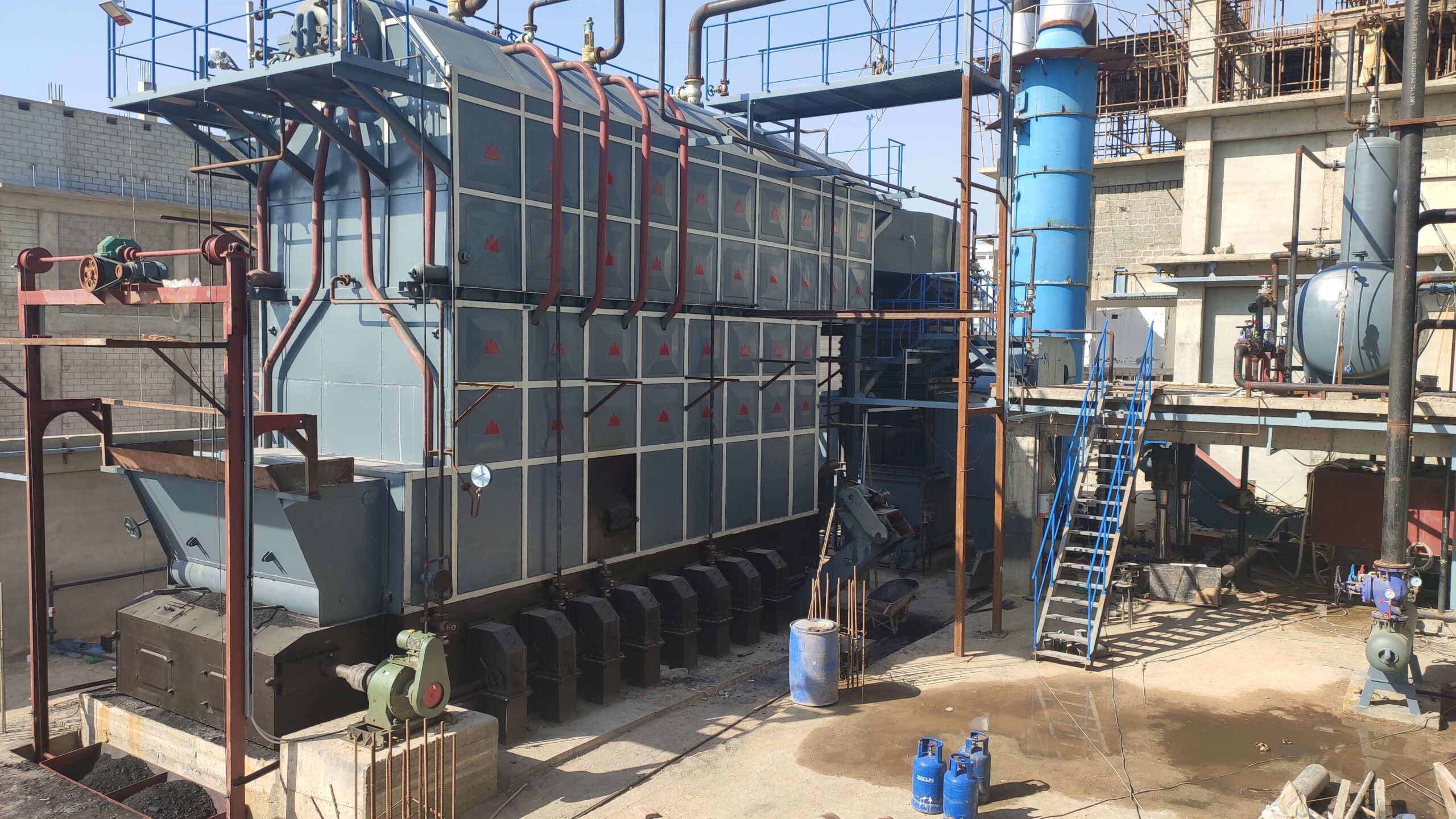
How Can Smart Negotiation Strategies Help Lower Cost Without Compromising Quality?
When procuring industrial or power plant boilers, companies often find themselves torn between price and quality. Cutting corners to secure a lower price may lead to inferior materials, poor efficiency, lack of service, or costly long-term failures. However, many procurement professionals overlook the fact that price and quality don’t have to be mutually exclusive. Through smart negotiation strategies, it’s possible to significantly reduce costs while maintaining—or even improving—technical value. Negotiation is not about squeezing vendors but about creating mutual value, reducing risk, and structuring smarter deals.
Smart negotiation strategies help lower boiler procurement costs without compromising quality by focusing on value-based trade-offs, lifecycle cost transparency, technical clarifications, and bundled services. Tactics such as multi-vendor benchmarking, milestone-based payments, performance guarantees, and specification optimization allow buyers to achieve cost savings without downgrading materials, efficiency, or after-sales support. Successful negotiations prioritize long-term ROI, reliability, and supplier alignment rather than just upfront pricing.
Negotiation is a science of aligning interests—not a battle of concessions.
Effective negotiation can reduce procurement costs without sacrificing boiler quality or performance.True
Strategies like value-based trade-offs, bundled services, and lifecycle cost optimization can lower total cost while maintaining quality.
The only way to get a cheaper boiler is to accept a lower specification.False
Negotiation can uncover non-specification savings like improved payment terms, spare parts bundling, or volume discounts.
🔍 Key Negotiation Tactics That Preserve Quality While Reducing Cost
| Strategy | How It Helps |
|---|---|
| 1. Total Cost of Ownership (TCO) Focus | Shifts discussion from price to long-term value and fuel/maintenance savings |
| 2. Multi-Vendor Technical Comparison | Creates competitive tension and identifies hidden cost gaps |
| 3. Technical Clarifications & Optimization | Removes over-specs and adds value to core system without lowering quality |
| 4. Volume Consolidation / Repeat Order Leverage | Unlocks bulk discounts and logistical savings |
| 5. Payment Milestone Structuring | Reduces upfront capital load and improves cash flow |
| 6. Bundled Service Negotiation | Integrates commissioning, training, and spares without extra cost |
| 7. Performance Guarantees with Penalties | Ensures quality delivery without inflating price |
| 8. Delivery Flexibility for Cost Trade-offs | Lower logistics or production cost for delayed schedules |
📊 Real-World Example: Smart Negotiation Impact
| Procurement Item | Initial Quote | Final Agreed Price | Negotiation Lever Used |
|---|---|---|---|
| 40 TPH Steam Boiler Package | $1.95 million | $1.71 million | Removed over-spec superheater, delayed delivery |
| Installation Supervision | $42,000 | Included (no charge) | Bundled into main contract |
| Spare Parts (2 years) | $68,000 | $35,000 | Competitive vendor benchmarking |
| Training & Commissioning | $29,000 | Free | Value-added inclusion negotiated |
| Total Savings | — | $305,000 | Without reducing performance or quality |
🧪 Case Study: Boiler Deal Closed with High Efficiency, Low Price
Industry: Pharmaceutical
Boiler Type: 12 TPH natural gas, 16 bar, condensing design
Vendor Initial Quote: $540,000
Final Contract Price: $472,000
Negotiation Approach:
Replaced brand-name burner with approved local equivalent (same spec)
Removed duplicated economizer quote (already part of package)
Changed delivery from 10 weeks to 14 weeks, saving $12,000
Included PLC training + 1-year remote monitoring in core price
Performance guarantee clause with 5% penalty for below-spec efficiency
Result: Delivered on time, under budget, and exceeded efficiency guarantees by 1.4%.
⚙️ Smart Technical Negotiation Points
| Item to Clarify or Optimize | Potential Hidden Savings |
|---|---|
| Burner Brand & Modulation Range | Switch to equal-quality local brand to save $15K–$40K |
| Boiler Efficiency Ratings | Request test data; clarify if stated rating includes economizer |
| Tube Material or Thickness | Ensure grade is spec-compliant—not overengineered |
| Control Panel Scope | Avoid redundant PLC brands unless client-mandated |
| Insulation Material | High-performance doesn’t always mean higher cost |
| Accessory Redundancy | Deaerator, blowdown tanks sometimes quoted twice |
📈 Negotiation Levers That Don’t Affect Quality
| Negotiable Factor | Impact on Cost | Impact on Quality |
|---|---|---|
| Delivery Schedule Flexibility | Moderate savings | None |
| Payment Terms Adjustment | Cash flow gain | None |
| Standardization of Accessories | Moderate savings | None if spec-verified |
| In-house vs. third-party erection | Major savings | Depends on supervision |
| Shared shipping logistics | Small savings | None |
| Training bundled in core contract | Moderate savings | Improves performance |
| Spare parts with equipment order | Bulk discount | Maintains uptime |
✅ Negotiation Checklist for Value-Focused Boiler Procurement
Benchmark at least 3 technical-compliant vendors
Clarify technical specs line-by-line—flag overspecs
Request performance guarantee with measurable KPIs
Shift focus to long-term OPEX (efficiency, uptime, maintenance)
Ask for training, spares, and commissioning bundling
Optimize delivery and payment terms
Leverage repeat business, multi-plant or future expansions
Avoid stripping out core safety, efficiency, or emissions features
Smart boiler procurement isn’t about getting the cheapest deal—it’s about getting the best deal: high efficiency, reliability, and service at a fair and optimized cost. By mastering technical negotiations, buyers can unlock hidden value that manufacturers are willing to provide—if asked the right way.
🔍 Conclusion
Buying a boiler is not just a transaction—it’s a strategic investment in the future of your plant. Balancing price with performance, durability, and long-term support will save far more over time than simply opting for the cheapest bid.⚡🔥📊
FAQ
Q1: What factors influence the price of a power plant boiler?
A1: The price of a power plant boiler depends on several key factors, including boiler capacity, pressure rating, fuel type (coal, gas, biomass, etc.), efficiency level, emissions controls, material quality, and custom engineering requirements. Additional costs may arise from installation, auxiliary systems (like feedwater pumps and economizers), and after-sales support. Understanding your process requirements and specifying only what’s necessary can help avoid overspending.
Q2: How can I compare boiler suppliers effectively?
A2: Start by evaluating boiler suppliers based on their manufacturing credentials, certifications (e.g., ASME, ISO), project experience, and customer reviews. Request detailed quotations that include technical specifications, warranty terms, delivery timelines, and service support. Use a standardized comparison checklist to assess key elements like efficiency, material grade, lead time, and after-sales service. Don’t choose solely on price—long-term reliability matters.
Q3: What strategies can reduce boiler costs without affecting quality?
A3: To reduce costs, consider standard boiler models over fully custom designs if they meet your specs. Optimize sizing to avoid overspending on unneeded capacity. Choose high-efficiency units to lower lifetime operational costs. Buying from local or regional manufacturers may save on logistics. Also, bundling auxiliary systems and installation services with the boiler purchase can help negotiate better pricing.
Q4: Is second-hand or refurbished boiler equipment a good option?
A4: Refurbished boilers can offer significant savings, but only when purchased from reputable sources that provide full inspection reports, performance testing, and warranty coverage. Ensure the used boiler meets current safety and emissions standards and is compatible with your plant’s requirements. Always factor in potential retrofitting or certification costs before deciding.
Q5: How important is lifecycle cost analysis in boiler purchasing?
A5: Lifecycle cost analysis (LCCA) is crucial. A cheaper boiler may have higher fuel consumption, maintenance costs, or a shorter lifespan. A higher upfront cost for a more efficient, durable boiler often results in greater long-term savings. Consider total cost of ownership (TCO), including operating costs, fuel usage, downtime, repair, and resale value, when making your final decision.
References
Power Plant Boiler Cost Analysis – https://www.energy.gov/eere/femp/life-cycle-cost-analysis – U.S. Department of Energy
Boiler Buying Guide – https://www.cleaverbrooks.com/reference-center/boiler-selection-guide.aspx – Cleaver-Brooks
Comparing Industrial Boiler Suppliers – https://www.abma.com/buying-guide – American Boiler Manufacturers Association
Industrial Boiler Sizing and Cost Tips – https://www.spiraxsarco.com/global/en-GB/learn-about-steam/the-boiler-house/sizing-a-steam-boiler – Spirax Sarco
Second-Hand Boilers: What to Know – https://www.power-eng.com/boilers/refurbished-boilers-a-viable-solution/ – Power Engineering
Total Cost of Ownership in Boiler Procurement – https://www.achrnews.com/articles/137018-boiler-costs-take-lifetime-cost-into-account – ACHR News
Reducing Boiler Capital Costs – https://www.energy.gov/sites/prod/files/2014/05/f15/steam16_boiler.pdf – U.S. DOE Energy Efficiency Reports
Evaluating Boiler Efficiency for Cost Savings – https://www.miuraboiler.com/advantage/energy-efficiency – Miura Boiler
Boiler Cost Optimization Strategies – https://www.babcock.com/home/resources/whitepapers/ – Babcock & Wilcox
Industrial Equipment Procurement Best Practices – https://www.iso.org/standard/69884.html – ISO 20400 Sustainable Procurement Standard
