
When Should an Industrial Oil-Fired Boiler Be Replaced?
Industrial oil-fired boilers are widely used for their high thermal output and reliable operation. But over time, even the most robust systems degrade, leading to rising fuel costs, frequent breakdowns, and performance inefficiencies. Delaying boiler replacement can result in significant operational losses, safety risks, and non-compliance with environmental regulations. So, when is the right time to replace an oil-fired boiler?
An industrial oil-fired boiler should be replaced when it shows signs of persistent performance decline, excessive fuel consumption, frequent and costly maintenance, outdated technology, or non-compliance with emissions regulations. Typically, these boilers require replacement after 20–25 years, though heavy usage or poor maintenance may shorten their lifespan.
Proactively identifying replacement timing can help you avoid unexpected shutdowns, regulatory fines, and inflated operating costs. Let’s explore the key indicators and considerations that guide the decision to replace an oil-fired boiler.
What Performance Issues Indicate That an Oil-Fired Boiler Needs Replacement?
Oil-fired boilers are widely used in commercial, industrial, and residential applications for their high heat output and reliable operation. However, like all combustion equipment, they age—and aging systems develop performance issues that reduce efficiency, increase operational costs, and potentially compromise safety. Plant engineers, building managers, and facility owners often face a critical decision: when does repairing an oil-fired boiler stop making financial or operational sense, and when is full replacement the smarter move?
Performance issues that indicate an oil-fired boiler may need replacement include declining thermal efficiency, increased fuel consumption, delayed ignition or burner misfiring, persistent soot buildup, corrosion or cracking in the heat exchanger, excessive noise or vibration, frequent breakdowns, and inability to meet modern emissions or safety standards. When these issues persist despite regular maintenance, they signal that the boiler’s core systems are deteriorating beyond economic repair.
These signs aren’t just annoyances—they reflect deeper mechanical and thermal fatigue, often affecting the boiler’s safety, emissions, and heat delivery performance. Recognizing these indicators early helps prevent costly downtime, avoid regulatory fines, and improve energy efficiency.
An oil-fired boiler can always be restored to optimal performance with regular servicing.False
While servicing helps, ongoing performance degradation due to age, wear, and outdated technology often makes restoration uneconomical or ineffective.
1. Declining Thermal Efficiency and High Fuel Bills
A healthy oil-fired boiler should maintain thermal efficiency in the 83%–89% range, depending on its age and whether it’s a condensing model. Over time, wear on the combustion chamber, fouling in the heat exchanger, and loss of burner precision can reduce efficiency below 75%.
Common Causes:
Carbon deposits reduce heat transfer
Leaking seals and gaskets allow heat loss
Soot buildup from incomplete combustion
Impact: You may notice a 10–20% increase in oil consumption for the same heating load—an immediate sign of inefficient operation.
| Boiler Age (Years) | Expected Efficiency | Fuel Cost Penalty |
|---|---|---|
| 0–5 | 86–89% | Optimal |
| 6–10 | 82–85% | +5–10% |
| 11–15 | 78–82% | +10–20% |
| 16+ | <75% | +25% or more |
Oil-fired boiler efficiency remains constant throughout its service life.False
Efficiency declines over time due to wear, fouling, and component degradation.
2. Soot Buildup and Poor Combustion Quality
Excessive soot accumulation on boiler walls and the flue pipe is a sign of incomplete combustion—typically caused by:
Worn or misaligned oil nozzles
Incorrect fuel-air ratio
Low draft or blocked heat exchangers
This not only reduces heat transfer efficiency but also raises emissions and risks chimney fires.
Key Indicators:
Soot thickness >1/16 inch (1.5 mm)
Flame color shifting to yellow/orange
Frequent smoke detector alarms or carbon monoxide alerts
Rule of Thumb: If you’re cleaning soot every few weeks or months, the combustion system may be too degraded for repair.
3. Frequent Burner Cycling, Delayed Ignition, or Misfires
A well-functioning burner should ignite cleanly, maintain a steady flame, and cycle based on demand. If your boiler:
Takes longer to ignite
Emits rumbling or puff-back sounds at startup
Shuts down unexpectedly or fails to restart
…it suggests that core components—like the burner motor, electrodes, or controls—are wearing out.
Frequent burner cycling also causes thermal stress and premature failure of other parts (heat exchanger, pump seals, etc.).
| Issue | Likely Cause | Risk |
|---|---|---|
| Delayed Ignition | Worn electrodes, fouled nozzle | Flashback, over-firing |
| Flame Flicker | Poor draft, fuel inconsistency | Incomplete combustion |
| Repeated Lockouts | Failing ignition controls, sensors | No heat, shutdowns |
Oil burners rarely fail unless there's a fuel supply issue.False
Burner components wear out over time, affecting ignition and combustion stability.
4. Corrosion, Leaks, or Heat Exchanger Cracks
Oil-fired boilers experience condensation and acid corrosion, especially in older non-condensing models that aren’t designed to withstand lower return temperatures. Over time, this leads to:
Internal corrosion
Hairline cracks in cast-iron or steel heat exchangers
Rust near return lines or firebox
These issues may cause:
Water leakage
Reduced steam or hot water output
Risk of carbon monoxide infiltration
Inspection Tip: If corrosion is visible on the outside, it’s likely worse internally. Replacing a cracked heat exchanger can cost $2,000–$8,000+, making boiler replacement more economical.
5. Excessive Noise or Vibrations During Operation
Unusual sounds such as:
Kettling (boiling water noise)
Banging or knocking
Vibrations in the burner assembly
…often indicate scale buildup, sludge in the tank, or imminent mechanical failure.
Boilers that shake during firing are not only inefficient—they’re dangerous. Vibration stresses piping and can lead to cracked joints or leaks.
6. Failure to Meet Modern Emissions and Safety Standards
Older oil-fired boilers may lack:
Modern flue gas analyzers
Low NOx burners
Carbon monoxide (CO) detection
Flame safeguard systems
Even if they still run, these units may fail local emissions regulations or insurance safety inspections, forcing decommissioning.
| Emissions Standard | Typical Requirement | Older Boiler Issue |
|---|---|---|
| NOx | <50–100 mg/m³ | Over 200 mg/m³ common |
| CO | <100 ppm | May exceed 200–300 ppm |
| Efficiency Reporting | Mandatory in EU/US | Not supported by legacy units |
Old boilers are always compliant if they still function.False
Many older boilers exceed legal emission limits or lack mandated safety features.
7. Frequent Repairs and Unplanned Downtime
If your boiler is:
Requiring service more than twice per season
Frequently triggering lockouts
Experiencing increased downtime costs
…it may have entered the breakdown phase of its lifecycle. At this stage, the cost of repair and lost productivity exceeds the cost of replacement.
| Repair Type | Average Cost (USD) | Repeat Frequency in Aging Units |
|---|---|---|
| Burner Replacement | $800–$1,800 | Every 4–7 years |
| Heat Exchanger Repair | $2,000–$8,000 | Cracks common after 15 years |
| Control System Retrofit | $1,200–$3,500 | Often obsolete parts |
Summary Table: Signs Your Oil-Fired Boiler Needs Replacement
| Performance Issue | Replacement Trigger? |
|---|---|
| Efficiency drops below 78% | ✅ |
| Frequent soot accumulation | ✅ |
| Delayed ignition or misfiring | ✅ |
| Cracks or corrosion in heat exchanger | ✅ |
| Non-compliance with emissions laws | ✅ |
| Rising fuel or repair costs | ✅ |
Recognizing when your oil-fired boiler’s performance issues signal systemic decline—not just isolated problems—is critical. As repair costs mount and reliability drops, replacing the boiler can restore efficiency, improve safety, lower emissions, and reduce fuel costs. In most cases, replacement pays for itself within 3–6 years via energy savings and reduced downtime, especially when switching to modern condensing or hybrid systems.
How Do Increasing Maintenance Costs and Repair Frequency Affect the Replacement Decision?
As boilers age, their operating costs don’t just increase gradually—they often accelerate sharply, especially in the form of growing maintenance expenses and more frequent repairs. These rising costs don’t only hurt the bottom line—they disrupt operations, increase safety risks, and complicate budgeting. For plant operators, building managers, and facility owners, understanding when increasing maintenance costs and repair frequency make boiler replacement more cost-effective is essential for long-term efficiency and financial planning.
Increasing maintenance costs and repair frequency directly influence boiler replacement decisions by signaling that the unit has entered the late stages of its lifecycle. When maintenance expenses exceed 4–6% of the boiler’s replacement value annually, and repair incidents become more frequent, unpredictable, or severe, continued operation becomes economically unsustainable. These factors often trigger a cost-benefit analysis that favors replacement over further repair investment.
In practical terms, a boiler that once ran for months without issue may now experience multiple shutdowns per season, each costing thousands in parts, labor, and lost production. Recognizing this trend early allows decision-makers to plan for a smooth replacement rather than react to costly breakdowns.
Frequent boiler repairs have little impact on long-term operating costs.False
Frequent repairs increase labor, parts, and downtime costs, often making boiler operation more expensive than replacement.
Understanding the Lifecycle Cost Curve
Boilers typically follow a lifecycle with three distinct financial phases:
Early Life (0–5 years): Low maintenance, high efficiency
Mid-Life (6–15 years): Predictable maintenance, rising minor repairs
Late Life (16+ years): Sharp increase in part failure, efficiency loss, and compliance issues
| Lifecycle Stage | Typical Maintenance Cost | Repair Frequency | Performance |
|---|---|---|---|
| Early | <2% of replacement cost | Rare | Optimal |
| Mid-Life | 2–4% | 2–3 repairs/year | Stable |
| Late | >5–6% | Monthly/seasonal | Declining |
If maintenance and repair costs begin to rise faster than the remaining life or efficiency of the unit justifies, replacement becomes not just advisable, but financially logical.
Key Cost Indicators That Trigger Boiler Replacement
1. Rising Annual Maintenance Expenses
As a boiler ages, its components (burners, valves, refractory, tubes, seals, pumps) wear out and require more frequent intervention. Industry benchmarks suggest:
| Boiler Size | Typical Replacement Cost (USD) | Replacement Threshold (5% Rule) |
|---|---|---|
| Small Commercial | $30,000–$80,000 | $1,500–$4,000/year |
| Medium Industrial | $100,000–$300,000 | $5,000–$15,000/year |
| Large Utility | $500,000–$5 million+ | $25,000–$250,000/year |
Once maintenance crosses the 5% line, you’re paying more each year just to keep it running—not to improve it.
Maintenance costs on boilers remain flat over time.False
Maintenance costs rise as components wear, making long-term operation of aging boilers increasingly expensive.
2. Increasing Repair Frequency and Severity
Repairs don’t just cost money—they cost time. A boiler that:
Breaks down 3+ times per year
Requires emergency service or after-hours repair
Causes production or heating interruptions
…is no longer a reliable asset. It’s a liability.
| Repair Type | Avg. Cost (USD/event) | Downtime Risk |
|---|---|---|
| Pump Replacement | $1,000–$2,500 | Low–Moderate |
| Burner Repair | $2,000–$5,000 | Moderate |
| Tube Leak (steam) | $8,000–$25,000 | High |
| Control System Failure | $5,000–$15,000 | Very High |
Hidden Cost: Lost productivity, missed deliveries, and unhappy tenants or customers can cost more than the repair itself.
Repair vs. Replacement: When Do the Numbers Make Sense?
Scenario: 15-Year-Old 80 TPH Oil-Fired Boiler
Replacement Cost: $750,000
Annual Maintenance: $48,000 (~6.4%)
Downtime Cost per Incident: $3,500
Repairs in Past Year: 7
Total Annual Cost (Maintenance + Downtime): ~$72,500
ROI for New Boiler: 5.8 years (via 18% fuel savings + reduced service)
In this example, continued operation of the old boiler results in wasting nearly $400,000 over 5 years, not including potential compliance fines or efficiency losses.
New boilers are always more expensive to operate than repaired older units.False
Modern boilers are more efficient, have lower emissions, and require less frequent maintenance, reducing total cost of ownership.
Indirect Costs That Accelerate Replacement Timing
Higher Insurance Premiums: Old equipment with poor safety history
Code Compliance Issues: Noncompliant emissions or safety systems
Increased Carbon Emissions: Exposure to carbon taxes or ESG reporting risks
Operator Fatigue: Higher labor demands, overtime, staff burnout
Over time, these indirect costs begin to rival direct repair costs—making boiler replacement an essential investment, not an optional upgrade.
Real-World Benchmark: When Facilities Decide to Replace
A 2024 industry survey of 300 industrial facilities revealed:
67% initiated boiler replacement after annual maintenance exceeded 5% of boiler value
71% noted 3+ breakdowns/year as a key trigger for planning replacement
56% cited “cost unpredictability” as a primary reason to replace even a functioning boiler
Facilities with planned replacements reported saving an average of 18–25% on fuel and O&M within the first two years.
When rising maintenance costs and repair frequency start stacking up, they are clear signals that your boiler has reached the end of its economic life—even if it hasn’t failed outright. By shifting from reactive repairs to proactive replacement planning, facilities can regain cost control, boost energy efficiency, and eliminate surprise shutdowns. It’s not about waiting until it breaks—it’s about replacing before the breaking point becomes too costly to ignore.
Why Is Emissions Compliance a Crucial Factor in Determining the Boiler’s End of Life?
In today’s regulatory environment, industrial boilers must do more than produce steam—they must do so cleanly and efficiently. As environmental standards tighten across regions and industries, emissions compliance has become one of the most decisive factors in determining whether a boiler is still viable or needs to be replaced. Older units that once operated within acceptable thresholds now face fines, operational restrictions, or forced shutdowns. Failing to meet modern emissions requirements isn’t just an environmental concern—it’s an economic and legal liability that can render a boiler obsolete.
Emissions compliance is a crucial factor in determining a boiler’s end of life because evolving environmental regulations often exceed the technical or economic capacity of older boilers to adapt. When retrofitting is cost-prohibitive or emissions cannot be reliably controlled, continued operation becomes noncompliant, unsafe, or financially unsustainable—necessitating full replacement.
A boiler that cannot meet current or upcoming emissions limits—no matter how well it functions thermally—is effectively at the end of its regulatory and operational life. This makes emissions performance not just a maintenance issue, but a strategic determinant for decommissioning or replacement.
As long as a boiler functions, emissions limits are not a concern.False
Regardless of mechanical condition, boilers must meet local and national emissions standards to legally operate. Noncompliance can lead to fines or forced shutdowns.
How Emissions Standards Drive Boiler Retirement
Regulatory tightening is relentless and global:
U.S. EPA: MACT standards for industrial boilers
EU: Industrial Emissions Directive (IED), BAT-AELs
China: Ultra-low emissions standards for NOx, SOx, PM
India: CPCB norms requiring retrofits or phase-out of noncompliant units
| Pollutant | Legacy Boiler Emissions | Modern Limit (Typical) | Retrofit Feasibility |
|---|---|---|---|
| NOx | 200–400 mg/Nm³ | ≤100 mg/Nm³ | Moderate to High |
| SO₂ | 500–1000 mg/Nm³ | ≤100–200 mg/Nm³ | Very High (FGD) |
| Particulate Matter | 100–300 mg/Nm³ | ≤30 mg/Nm³ | Moderate |
| CO | 200–400 ppm | ≤100 ppm | High (Burner tuning) |
Retrofitting for compliance may require:
SCR systems for NOx
FGD scrubbers for SOx
ESP or baghouses for PM
Activated Carbon Injection for mercury
Upgraded control systems for combustion tuning
Total retrofit cost often ranges from $1 million to $10+ million, depending on boiler size and pollutants—approaching or even exceeding the cost of a new, compliant unit.
When Compliance Is No Longer Achievable
1. Outdated Combustion Technology
Older boilers:
Lack air-fuel modulation capabilities
Burn fuel at inefficient temperature bands
Cannot support low-NOx burners or flue gas recirculation
Result: Even with maintenance, emissions remain above limits.
2. Structural or Material Limitations
Retrofitting requires:
High-temperature alloys for SCR reactors
Space for additional scrubbers
Structural reinforcements for ductwork
If the existing boiler frame can’t support these additions, it becomes a technical dead-end.
Retrofitting emissions controls is always possible regardless of boiler age or design.False
Older boilers may lack the structural capacity, control systems, or space to integrate modern emissions control technologies effectively.
3. Combustion Instability with Alternative Fuels
As plants switch to cleaner or mixed fuels (e.g., biomass, natural gas), older boilers may:
Produce unstable combustion
Generate excess CO or PM
Require frequent tuning
The emissions variability itself makes compliance impossible without full system overhaul.
Emissions Compliance and Financial Risk
Noncompliance Consequences:
| Type | Example Impact |
|---|---|
| Regulatory Fines | $10,000–$100,000 per violation |
| Forced Shutdowns | Up to $25,000/hour in lost production |
| Lost Permits | Revocation of environmental operating license |
| Carbon Taxes | Added operating cost per ton of CO₂ |
| Reputation Damage | ESG reporting risk, lost green certifications |
In many jurisdictions, exceeding limits just once may require mandatory environmental remediation or public disclosure.
Case Example: Industrial Oil-Fired Boiler – Europe
Age: 22 years
Pollutants Exceeded: SO₂ and NOx
Retrofit Quote: $2.3M (SCR + partial FGD + controls upgrade)
New Condensing Boiler Quote: $2.8M (95% efficient, fully compliant)
Outcome: Replacement chosen
ROI: 4.9 years (fuel savings + avoided fines + carbon credit eligibility)
Boiler replacement for emissions compliance has no financial return.False
Replacement often pays for itself through fuel savings, emissions credit eligibility, and avoidance of penalties.
Modern Emissions-Compliant Boiler Benefits
New boilers are designed for compliance, offering:
Low-NOx burners with <30 mg/Nm³ output
In-furnace desulfurization or integrated FGD
Built-in sensors for continuous emissions monitoring (CEMS)
Modular control systems for AI-based combustion tuning
Lower excess air requirements = less fuel waste
In addition, modern systems are eligible for emissions credits, ESG score boosts, and green financing, further improving ROI.
Emissions Compliance as a Lifecycle Milestone
Rather than waiting for physical breakdown, many operators now define a boiler’s “end of useful life” by its inability to meet emissions or efficiency benchmarks, such as:
| Trigger Event | Resulting Action |
|---|---|
| Failure to meet revised NOx limits | Plan retrofit or replace |
| New carbon tax exceeding $40/ton | Re-evaluate boiler economics |
| Utility emissions audit failed | Decommission or upgrade |
| Control system can’t regulate emissions | Immediate compliance risk |
Emissions compliance isn’t just a regulatory hurdle—it’s a strategic marker of a boiler’s remaining viability. As emissions standards become more aggressive and carbon economics evolve, boilers that cannot comply effectively become stranded assets. For forward-thinking operators, compliance isn’t just about legality—it’s about ensuring economic resilience, operational continuity, and environmental credibility in a rapidly decarbonizing world.
How Does Outdated Technology Impact Fuel Efficiency and Automation Capabilities?
In an era of rising energy prices, stricter emissions regulations, and automation-driven performance expectations, fuel efficiency and system intelligence are no longer optional—they’re essential. Yet many industrial facilities still rely on outdated boiler technologies built 20 or more years ago. While these systems may still produce steam or heat, they do so at the cost of higher fuel consumption, ineffective control, and limited data visibility, undermining both operational and financial performance. So, what’s the true cost of outdated boiler technology?
Outdated boiler technology negatively impacts fuel efficiency by lacking advanced combustion controls, real-time modulation, and precision instrumentation. It also limits automation capabilities due to analog systems, fixed-load operation, and non-integrated controls, resulting in excessive energy use, higher emissions, slower response times, and increased manual oversight. Modern systems, by contrast, optimize fuel-to-steam ratios and integrate seamlessly with plant-wide automation.
This technological gap creates not just energy waste but a drag on process efficiency, regulatory compliance, and asset reliability—making modernization or replacement not just desirable, but necessary for competitiveness.
Old boiler systems maintain fuel efficiency on par with modern units.False
Outdated boilers lack real-time modulation, oxygen trim, and integrated control systems, resulting in 10–30% lower fuel efficiency compared to modern units.
I. Fuel Efficiency Losses from Obsolete Combustion Systems
Older boilers typically use on/off or fixed-stage burners, simple mechanical linkages, and manual draft controls. These outdated systems cannot dynamically adjust combustion parameters, leading to:
Excess air, which cools flue gases and wastes heat
Incomplete combustion, resulting in unburned fuel
Erratic flame stability, which reduces heat transfer consistency
Comparison of Efficiency-Related Features
| Feature | Outdated Technology | Modern Technology (Post-2015) |
|---|---|---|
| Burner Type | Single/dual-stage | Fully modulating |
| Air-Fuel Ratio Control | Mechanical linkage | Servo-motor with O₂ trim |
| Excess Air Levels | 20–30% | 5–10% (adjustable via sensors) |
| Stack Temperature | 300–450°C | 150–250°C |
| Condensing Capability | No | Yes (up to 98% efficiency) |
Resulting Impact: Outdated systems average 78–82% thermal efficiency, while modern condensing or modulating boilers can achieve 90–98% depending on return water temperature and fuel type.
Old boilers can achieve over 90% efficiency without upgrades.False
Only modern condensing or high-performance modulating boilers can reach 90%+ efficiency; older systems typically peak at 80–85%.
II. Fuel Consumption and Cost Comparison
The difference in thermal efficiency directly translates to fuel overconsumption.
Fuel Consumption Example:
| Boiler Capacity | Technology Type | Efficiency | Fuel Use (L/hr) | Fuel Waste (%) | Annual Cost Impact* |
|---|---|---|---|---|---|
| 5,000 kg/hr | Old Dual-Stage | 80% | ~420 | – | Baseline |
| Modern Modulating | 92% | ~365 | ~13% saved | ↓ ~$24,000/year |
*Assumes $1/liter fuel price, 4,000 operating hours/year
Even modest gains in combustion efficiency yield substantial annual savings. Over a 10-year lifespan, the difference may exceed $200,000 for a single boiler.
III. Automation Deficiencies in Legacy Systems
Modern industrial boilers function as digital energy hubs—interacting with sensors, analytics platforms, and plant control systems. Outdated boilers, however:
Use analog gauges, manual switches, and standalone PID loops
Require manual tuning during load changes
Cannot integrate with SCADA/DCS or EMS platforms
Lack remote diagnostics, alerts, or predictive maintenance features
Comparison of Automation Capabilities
| Function | Outdated Boiler | Modern Intelligent Boiler |
|---|---|---|
| SCADA Integration | Manual-only | Full OPC/Modbus compatible |
| Alarm and Fault Logging | Local lights | Cloud/remote notification |
| Oxygen Trim and Feedback Loop | Not supported | Real-time auto adjustment |
| Load Following (Turbine/Process) | Manual burner cycling | Continuous modulation |
| Maintenance Forecasting | Time-based only | Condition-based predictive |
Result: Older systems rely on human operators and react after performance issues occur. Modern systems prevent downtime and reduce human error.
IV. Impact on Plant Operations and Staffing
Labor inefficiency is a hidden but growing cost in plants with obsolete boiler systems. Because these boilers:
Require more frequent operator intervention
Cannot self-diagnose issues
Lack real-time remote access or controls
…plants need more on-site staff, especially on weekends or overnight. In contrast, a modern automated boiler can:
Auto-start or shut down based on load
Alert maintenance via SMS or email
Interface with building/plant automation for seamless demand response
| Metric | Legacy Boiler System | Modern Automated Boiler |
|---|---|---|
| Operator Attention Required | 4–6 hours/day | <1 hour/day |
| Unplanned Downtime Incidents | 4–6 per year | 0–2 per year |
| Staff Needed Per Shift | 1–2 operators | Shared or remote access |
V. Regulatory and ESG Implications
Older boiler technology often:
Fails to meet real-time emissions monitoring requirements
Cannot demonstrate energy efficiency performance for green certification
Lacks reportable data for ESG compliance and audits
This places facility owners at a disadvantage when bidding for sustainable projects or undergoing environmental inspections.
VI. Return on Investment for Technology Upgrades
| Cost Element | Modern Upgrade (USD) | Payback (years) |
|---|---|---|
| Boiler Replacement (modulating) | $200,000–$500,000 | 3–6 |
| Retrofit Controls + O₂ Trim | $30,000–$80,000 | 1.5–3 |
| Automation (SCADA integration) | $20,000–$50,000 | 2–4 |
Fuel savings, reduced labor, and avoided downtime often result in double-digit internal rate of return (IRR) on modernization.
Automation in boilers offers minimal savings over manual operation.False
Boiler automation improves efficiency, reduces labor costs, and enables predictive maintenance, significantly improving operational savings.
Outdated boiler technology is no longer just inefficient—it’s incompatible with modern demands for energy efficiency, automation, and emissions accountability. These legacy systems burn more fuel, require more labor, and offer less control. In contrast, modern intelligent boiler systems optimize every aspect of performance—from combustion to remote access—delivering not only compliance but true operational excellence. Upgrading is not just a technological leap—it’s a strategic investment in sustainability, profitability, and resilience.
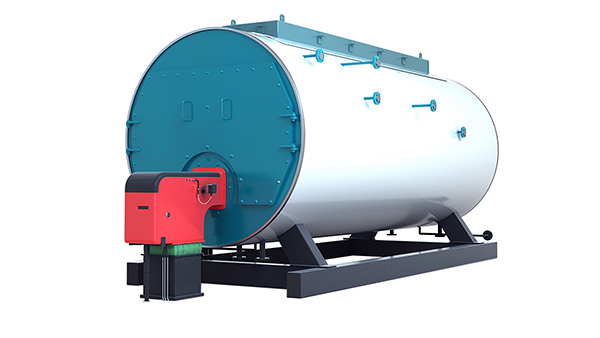
What Is the Typical Service Life of an Industrial Oil-Fired Boiler, and What Factors Influence It?
Oil-fired boilers remain a reliable heat and steam source for industries worldwide, especially in regions without easy access to piped natural gas. However, every industrial boiler has a finite service life, beyond which performance degrades, maintenance costs rise, and regulatory compliance becomes harder to achieve. For plant managers and engineers, understanding the typical lifespan of these systems—and the variables that can shorten or extend it—is essential for preventive planning, budgeting, and lifecycle optimization.
The typical service life of an industrial oil-fired boiler ranges between 20 and 30 years. However, actual lifespan is significantly influenced by factors such as design quality, maintenance practices, fuel quality, water treatment effectiveness, thermal cycling, and the level of automation or control integration. Boilers operating under severe conditions or poor maintenance may require replacement in 15 years or less, while well-maintained units can exceed 35 years of useful service.
This wide range highlights that boiler longevity is not just about how long it runs—but how well it’s run, and in what environment. Lifecycle strategies should focus not only on maximizing lifespan but on maintaining efficiency, safety, and compliance throughout.
All industrial boilers last the same number of years regardless of operating conditions.False
Boiler lifespan varies based on maintenance quality, operating load, water treatment, and environmental conditions.
I. Typical Service Life Benchmarks
| Boiler Type | Expected Lifespan (Years) | With Poor Maintenance | With Optimized Maintenance |
|---|---|---|---|
| Fire-tube Oil-Fired Boiler | 20–25 | 12–18 | 30–35 |
| Water-tube Oil-Fired Boiler | 25–30 | 15–20 | 35+ |
| High-Pressure (>150 psi) | 20–25 | 12–16 | 30 |
| Condensing Oil Boiler | 15–20 | 10–14 | 22–25 |
Key Insight: Fire-tube boilers are generally more tolerant to short-term load swings but require more frequent tube inspections. Water-tube boilers offer better longevity when properly maintained but are more sensitive to feedwater quality.
II. Major Factors Influencing Oil-Fired Boiler Lifespan
1. Design and Construction Quality
Material grade (e.g., boiler steel vs. cast iron)
Wall thickness of pressure vessels and tubes
Weld quality and NDT (non-destructive testing) practices
Thermal insulation and expansion accommodation
Higher-quality boilers with conservative design margins and robust material selection naturally outlast cheaper or lightly engineered units.
All boilers are built to the same standard regardless of cost or manufacturer.False
Industrial boiler longevity is strongly influenced by design specifications, material quality, and construction practices, which vary significantly among manufacturers.
2. Operating Hours and Load Profile
The number of annual operating hours and whether the unit is base-load or peaking dramatically affects wear.
| Load Type | Thermal Cycling Frequency | Wear Rate Impact |
|---|---|---|
| Base Load | Low | Low |
| Peaking/Backup | High (frequent starts) | High |
| Variable Process | Moderate to High | Moderate |
Frequent start-stops lead to metal fatigue, expansion-contraction stress, and seal wear. Boilers operated at steady loads typically last longer.
3. Fuel Quality and Combustion Control
Oil impurities such as sulfur, heavy metals, and ash can:
Corrode heat exchangers
Foul burners and fuel lines
Increase soot deposits
Use of poor-quality fuel oil accelerates degradation of burner tips, nozzles, and combustion chambers.
Automated burners with oxygen trim systems optimize air-fuel ratio, reducing soot, unburned fuel, and thermal stress—directly extending boiler life.
III. Importance of Maintenance and Inspection Routines
Neglecting key maintenance tasks can reduce service life by 30–50%. Conversely, routine care can extend it well beyond average.
Essential Maintenance Practices:
| Task | Recommended Frequency | Impact on Lifespan |
|---|---|---|
| Tube cleaning (soot/blowdown) | Weekly–Monthly | Prevents scaling and heat loss |
| Water chemistry testing | Daily–Weekly | Prevents corrosion/scaling |
| Burner inspection/calibration | Monthly–Quarterly | Maintains efficient combustion |
| Annual inspections (NDT) | Yearly | Detects cracks, fatigue |
Boiler maintenance has a minor effect on overall service life.False
Regular maintenance is essential to prevent thermal degradation, corrosion, and pressure boundary failure.
IV. Feedwater Quality and Water Treatment
Feedwater contaminants—such as hardness minerals, oxygen, silica, and chlorides—are among the top causes of early boiler failure.
Poor water chemistry leads to:
Scale buildup, reducing heat transfer
Corrosion pitting, weakening the metal
Oxygen ingress, damaging tubes and drums
Example: Scale Thickness vs. Efficiency and Life Reduction
| Scale Thickness (mm) | Heat Transfer Loss (%) | Life Reduction (%) |
|---|---|---|
| 0.5 | ~2% | Negligible |
| 1.5 | ~10% | Moderate |
| 3.0+ | >20% | Significant |
A proper water treatment program includes:
Deaeration (mechanical + chemical)
Ion exchange or RO systems
Blowdown optimization
V. Environmental and Site Factors
High-humidity environments accelerate external rusting
Coastal sites face chloride-induced corrosion
Dirty environments cause intake fouling
Poor foundation or seismic zones lead to structural misalignment
Site conditions do not affect how long a boiler lasts.False
Environmental exposure such as humidity, salinity, and airborne contaminants can significantly shorten boiler life.
VI. When to Decommission: Performance and Economic Triggers
Even if a boiler is technically functional, several end-of-life signs may indicate that replacement is more cost-effective:
| Indicator | Replacement Justified? |
|---|---|
| Annual maintenance >5% of capex | ✅ |
| Thermal efficiency <78% | ✅ |
| More than 3 major repairs/year | ✅ |
| Cannot meet updated emissions laws | ✅ |
| Key parts no longer available | ✅ |
Summary Chart: Service Life Influencers for Oil-Fired Boilers
| Factor Category | Negative Impact on Life | Positive Influence |
|---|---|---|
| Maintenance | Infrequent, reactive | Scheduled, preventive |
| Fuel Quality | High sulfur or contaminants | Low-ash, filtered fuel |
| Water Chemistry | Hard, untreated water | Deaerated, conditioned |
| Load Cycling | Frequent start-stop | Stable base load |
| Controls | Manual/analog | Digital with modulation |
| Design/Build Quality | Thin walls, low-grade steel | Thick walls, premium alloys |
| Environment | Humid, coastal, polluted | Clean, temperature controlled |
The lifespan of an oil-fired industrial boiler isn’t simply a matter of years—it’s the result of technical design, operational behavior, maintenance discipline, and site-specific variables. Knowing this, smart asset managers plan proactively: monitor key wear indicators, optimize fuel and water inputs, and plan upgrades or replacement before irreversible degradation occurs. With the right practices, your boiler doesn’t just last—it performs efficiently and safely for decades.
When Is It More Cost-Effective to Replace Rather Than Repair or Retrofit an Oil-Fired Boiler?
Oil-fired boilers are long-lasting, reliable sources of heat and steam, often serving industrial facilities for two or three decades. But over time, performance declines, maintenance costs rise, and new regulatory or efficiency standards emerge. At a certain point, decision-makers face a critical choice: continue repairing or retrofitting the existing boiler—or invest in a complete replacement. This decision has profound financial, operational, and environmental implications, and making the wrong call can lead to escalating costs or unexpected failures.
It is more cost-effective to replace an oil-fired boiler rather than repair or retrofit it when the total annual maintenance and repair costs exceed 5–10% of its replacement value, when its fuel efficiency drops below 80%, or when the boiler cannot economically meet updated emissions or safety regulations. If retrofitting requires over 50–60% of the cost of a new boiler with inferior performance returns, replacement is usually the financially smarter option.
This threshold isn’t arbitrary. It’s rooted in total cost of ownership (TCO), return on investment (ROI), and operational risk metrics. Knowing when you’ve crossed this line helps prevent unnecessary spending and production downtime.
Boiler replacement is rarely cost-effective compared to repair.False
When repair and retrofit costs exceed 60% of replacement cost, and the boiler remains inefficient or noncompliant, replacement yields better long-term value.
I. The Total Cost Comparison: Repair vs. Retrofit vs. Replacement
| Cost Component | Repair (Annual) | Retrofit (One-Time) | Full Replacement (One-Time) |
|---|---|---|---|
| Burner Replacement | $2,000–$5,000 | Included in retrofit | Included |
| Heat Exchanger Repair | $5,000–$15,000 | N/A | Included |
| Control System Upgrade | N/A | $20,000–$50,000 | Included |
| Emissions Compliance Retrofit | N/A | $50,000–$150,000+ | Designed-in |
| Fuel Efficiency (post-action) | ~82% | ~85–88% | ~90–95% |
| Downtime During Work | Hours | Days | 2–4 Weeks |
| Expected Lifespan Post-Action | 2–5 Years | 5–10 Years | 20–30 Years |
Aged boilers that require multiple repairs per year, significant downtime, or cannot achieve ROI-positive efficiency after retrofitting are usually better replaced.
II. Critical Economic Indicators for Replacement Timing
1. Annual O&M Cost as % of Replacement Value
| Boiler Value (USD) | Annual O&M Cost | Threshold Breached? |
|---|---|---|
| $250,000 | $18,000 | ✅ (7.2%) |
| $400,000 | $12,000 | ❌ (3.0%) |
Rule of Thumb: Once annual O&M exceeds 5% of the boiler’s replacement cost consistently, replacement becomes more economical.
2. Efficiency-Related Fuel Loss
Older oil-fired boilers (<80% efficiency) consume 10–20% more fuel than newer high-efficiency systems (>90%). This can equate to $20,000–$80,000/year in wasted fuel, depending on operating hours and load.
| Boiler Size | Annual Fuel Cost @ 80% Eff. | Fuel Cost @ 92% Eff. | Annual Savings |
|---|---|---|---|
| 5,000 kg/hr unit | $180,000 | $156,500 | $23,500 |
| 10,000 kg/hr unit | $360,000 | $313,000 | $47,000 |
Payback Period for Replacement = Cost of New Boiler / Annual Savings
If this equals 5 years or less, replacement is financially preferred.
III. When Retrofit Fails to Solve Core Issues
Retrofit projects may involve:
Installing O₂ trim systems
Upgrading burner or control panel
Adding low-NOx or flue gas recirculation (FGR) components
But if the boiler:
Lacks structural space for emissions upgrades
Has severe metal fatigue or corrosion
Cannot integrate with modern BMS/SCADA
Still falls short on efficiency or compliance after upgrade
…it’s time for replacement.
Any old boiler can be made compliant with retrofits.False
Many older boilers lack the space, material integrity, or control systems required to accommodate emissions or efficiency retrofits.
IV. Operational Risk and Downtime Frequency
Unplanned shutdowns, frequent lockouts, and recurring emergency service calls not only cost money—they increase production losses and reputational risks.
| Event Type | Frequency (per year) | Average Cost (USD) |
|---|---|---|
| Emergency Lockout | 2–6 | $3,000–$7,000 |
| Pressure Vessel Crack | 1 | $5,000–$15,000 |
| Burner Misfire or Failure | 3–5 | $2,000–$4,000 |
| Downtime Impact (large plant) | 1 hr | $2,000–$10,000/hr |
If repair-related downtime exceeds 40–60 hours/year, the associated opportunity cost often makes replacement the more economical option.
V. Emissions and Regulatory Compliance Costs
A boiler that cannot meet SO₂, NOx, or particulate matter limits risks:
Daily fines (up to $10,000/day)
Forced shutdown or permit loss
Required CEMS installation and audits
Retrofitting emissions controls can cost $50,000–$200,000+, especially if SCR or FGD systems are required. This represents 60–90% of a new compliant boiler, with shorter post-retrofit lifespan (5–10 years vs. 20+ years).
Old boilers can indefinitely operate under old emissions rules.False
Regulations evolve, and noncompliant boilers face shutdowns or expensive retrofits. Replacement is often the only path to sustainable compliance.
VI. Decision-Making Flowchart: Replace vs. Repair
↓ Is the boiler more than 20 years old?
    ↓ Yes
        ↓ Annual maintenance >5% of capex?
            ↓ Yes
                ↓ Efficiency <82%?
                    ↓ Yes → Replace now
                    ↓ No → Retrofit or monitor
                ↓ No → Evaluate emissions compliance
            ↓ No → Monitor repairs
        ↓ No → Continue with maintenance
    ↓ No → Evaluate repair feasibility
VII. Real-World Example: 15-Year-Old Oil-Fired Fire-Tube Boiler
Replacement Cost: $350,000
Retrofit Cost: $190,000
Annual Maintenance: $18,000
Efficiency: 78%
Fuel Cost Overrun vs. New Unit: $27,000/year
Payback Period for New Boiler: 4.6 years
Decision: Replaced with condensing oil-fired boiler (94% efficiency), 7% emissions margin below limits, SCADA-integrated.
When repair costs escalate and retrofits fail to provide meaningful gains in efficiency or compliance, replacement becomes not just a cost—but a strategic investment. The true tipping point occurs when fuel waste, downtime, and maintenance overwhelm the operational value of the boiler. Modern systems deliver better automation, safer combustion, lower emissions, and faster ROI. In most cases, early, proactive replacement avoids financial leakage and sets the foundation for long-term process resilience.
🔍 Conclusion
Replacing your oil-fired boiler at the right time protects your production output, reduces operating costs, and ensures compliance with modern standards. A data-driven replacement strategy minimizes downtime and maximizes long-term value. 🛢️🏭✅
FAQ
Q1: What is the typical lifespan of an industrial oil-fired boiler?
A1: The average lifespan of an industrial oil-fired boiler is 20 to 30 years, depending on usage, maintenance practices, and operating conditions. Boilers that operate under high pressure, heavy loads, or poor maintenance may fail earlier. If your boiler is nearing or exceeding this range, it’s advisable to assess its efficiency, emissions, and repair history to determine whether replacement is more economical than continued maintenance.
Q2: How does declining efficiency signal the need for boiler replacement?
A2: Over time, oil-fired boilers lose thermal efficiency due to internal scaling, soot buildup, worn burners, and outdated control systems. If you’re experiencing rising fuel consumption, inconsistent heating, or prolonged startup times, it may be more cost-effective to invest in a new, high-efficiency boiler. New models often offer 85–90%+ efficiency, compared to older units operating at 70–75%.
Q3: When do frequent repairs make replacement the better option?
A3: If your boiler requires frequent service, major component replacements (e.g., burners, heat exchangers, controls), or has increasing unplanned downtime, it may be reaching the end of its reliable life. When annual repair and maintenance costs exceed 30–50% of the cost of a new unit, replacement is typically the smarter investment.
Q4: How do emissions standards influence the decision to replace a boiler?
A4: Stricter environmental regulations may require older oil-fired boilers to retrofit expensive emissions control equipment to comply with NOx, SOx, CO₂, and particulate limits. If retrofitting is not technically or economically feasible, upgrading to a newer, low-emissions boiler or converting to a cleaner fuel source (like gas or biofuel) may be necessary for regulatory compliance and future-proofing operations.
Q5: Are there technological or economic benefits to replacing an old boiler?
A5: Yes. Modern oil-fired boilers offer higher energy efficiency, advanced digital controls, remote monitoring, and better emissions performance. New units also tend to be more compact, easier to maintain, and safer to operate. Additionally, energy savings, reduced downtime, and potential government incentives can offset the upfront cost of replacement and deliver long-term ROI.
References
Boiler Lifespan and Replacement Signs – https://www.energy.gov/eere/femp/boiler-maintenance – U.S. Department of Energy
Oil Boiler Efficiency Guide – https://www.cleaverbrooks.com/reference-center/boiler-efficiency-guide.aspx – Cleaver-Brooks
Cost of Repair vs Replacement – https://www.buildings.com/articles/27345/boiler-repair-or-replace – Buildings.com
Emissions Compliance for Oil Boilers – https://www.epa.gov/stationary-sources-air-pollution – U.S. Environmental Protection Agency
Industrial Boiler Retirement Planning – https://www.abma.com/safety – American Boiler Manufacturers Association
Oil Boiler Upgrade Benefits – https://www.achrnews.com/articles/143933-benefits-of-replacing-old-oil-boilers – ACHR News
High-Efficiency Boiler Models – https://www.hurstboiler.com/boilers/gas_oil_fired/ – Hurst Boiler
Industrial Emissions Trends – https://www.iea.org/reports/energy-technology-perspectives – International Energy Agency
Energy Cost Savings from New Boilers – https://www.viessmann-us.com/en/knowledge/when-to-replace-boiler.html – Viessmann
Boiler Automation and Remote Monitoring – https://www.emerson.com/en-us/automation/industrial-energy/boiler-control-systems – Emerson Automation
