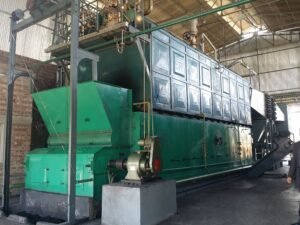
Rising fossil fuel prices, carbon taxes, and stricter environmental regulations are putting long-term pressure on industrial energy costs. While industrial biomass boilers often require higher upfront investment compared to coal or gas boilers, many users question whether they truly deliver economic value over their full lifecycle. Ignoring long-term factors can lead to missed opportunities for cost savings and sustainability benefits.
In the long run, industrial biomass boilers are highly cost-effective due to low and stable fuel costs, government incentives, carbon reduction benefits, and reduced exposure to fossil fuel price volatility. Although the initial capital cost is higher, biomass boilers typically achieve lower operating costs, especially in regions with abundant agricultural or forestry residues. Over a 10–20 year lifespan, savings from fuel, carbon credits, and policy subsidies can outweigh the initial investment, resulting in a strong return on investment (ROI).
When evaluated from a lifecycle perspective, industrial biomass boilers are not only an environmentally responsible choice, but also a financially strategic energy solution.
How Do Fuel Costs and Fuel Availability Affect the Long-Term Cost-Effectiveness of Biomass Boilers?
Rising fossil fuel prices, carbon taxes, and energy security concerns have driven many industries and municipalities toward biomass boilers as a renewable heating and power solution. However, while biomass systems are often promoted as “low-cost” and “carbon-neutral,” their real long-term economics depend heavily on two critical variables: fuel cost stability and fuel availability. Inadequate planning in these areas can lead to escalating operating expenses, fuel supply disruptions, and underutilized assets. The solution lies in understanding how biomass fuel markets, logistics, and regional availability shape the true lifecycle cost-effectiveness of biomass boiler projects.
Fuel costs and fuel availability directly determine the long-term cost-effectiveness of biomass boilers because fuel typically represents 40–70% of total operating expenses. Stable, locally available biomass fuels—such as wood chips, pellets, or agricultural residues—enable predictable operating costs and strong economic returns. Conversely, volatile fuel pricing, seasonal shortages, or long transport distances can significantly erode savings, increase downtime risk, and extend payback periods. Sustainable cost-effectiveness is achieved when biomass boilers are designed around reliable fuel supply chains, diversified fuel options, and realistic long-term pricing assumptions.
To accurately evaluate biomass boiler investments, decision-makers must look beyond initial capital costs and deeply assess fuel economics over 15–25 years of operation.
Biomass boilers always guarantee lower operating costs than fossil fuel boilers.False
Biomass boiler operating costs depend strongly on fuel price stability, logistics, and availability, which vary widely by region.
Fuel cost and availability are the dominant factors in biomass boiler lifecycle economics.True
Fuel expenses account for the majority of long-term operating costs, making supply security and pricing critical to cost-effectiveness.
Understanding the Cost Structure of Biomass Boiler Systems
Unlike gas or oil boilers, biomass boilers have lower fuel unit costs but higher complexity in fuel handling and logistics. A realistic cost assessment must consider the full cost structure.
| Cost Component | Share of Lifecycle Cost (%) | Key Influencing Factors |
|---|---|---|
| Fuel Cost | 40–70 | Fuel price, transport distance, moisture |
| Capital Investment | 15–25 | Boiler type, automation level |
| Operation & Maintenance | 10–20 | Ash handling, cleaning frequency |
| Fuel Handling & Storage | 5–10 | Silo size, conveyors, dryers |
| Compliance & Emissions | 2–5 | Permits, emission controls |
Fuel costs typically represent the largest portion of biomass boiler operating expenses.True
Over long operating periods, fuel purchase and logistics dominate total lifecycle costs.
1. Fuel Cost Characteristics of Biomass Energy
Biomass fuels differ fundamentally from fossil fuels in pricing behavior. While fossil fuels are traded globally, biomass fuels are local or regional commodities.
Common Biomass Fuel Types and Typical Costs
| Fuel Type | Typical Price (USD/GJ) | Moisture Content (%) | Energy Density (MJ/kg) |
|---|---|---|---|
| Wood Chips | 2–4 | 30–50 | 8–12 |
| Wood Pellets | 6–9 | 6–10 | 16–18 |
| Sawdust | 1.5–3 | 35–55 | 7–10 |
| Agricultural Residues (Straw, Husk) | 1–2.5 | 10–20 | 13–15 |
| Energy Crops (Miscanthus) | 3–5 | 15–25 | 14–17 |
Lower-cost fuels often come with higher moisture and variability, which directly affect boiler efficiency and fuel consumption.
Lower-priced biomass fuels always result in lower overall operating costs.False
High-moisture or inconsistent fuels increase consumption, maintenance, and efficiency losses, offsetting lower purchase prices.
2. Fuel Availability and Supply Chain Reliability
Fuel availability is as important as fuel price. A low-cost fuel is meaningless if it cannot be supplied consistently over decades.
Key Factors Affecting Biomass Fuel Availability
- Regional forestry and agriculture output
- Competing uses (pulp, animal bedding, pellet export)
- Seasonality of harvests
- Weather-related disruptions
- Policy incentives or restrictions
| Availability Risk Factor | Impact on Boiler Economics | Mitigation Strategy |
|---|---|---|
| Seasonal shortages | Forced shutdown or backup fuel use | Larger fuel storage |
| Supplier dependency | Price escalation risk | Multi-supplier contracts |
| Long transport distance | Higher delivered fuel cost | Local sourcing |
| Competing markets | Price volatility | Flexible fuel design |
Fuel availability risks can significantly reduce biomass boiler utilization rates.True
Supply interruptions force partial load operation or shutdowns, undermining economic performance.
3. Impact of Transport Distance on Fuel Cost
Because biomass has low energy density, transportation costs play a disproportionate role.
| Transport Distance (km) | Delivered Fuel Cost Increase (%) |
|---|---|
| 0–25 | +5–10 |
| 25–50 | +15–25 |
| 50–100 | +35–60 |
| >100 | +70–120 |
In many projects, transport becomes the single largest cost driver beyond 50–80 km.
Biomass fuel transport distance has a stronger cost impact than fuel purchase price.True
Due to low bulk energy density, logistics costs escalate rapidly with distance.
4. Fuel Moisture Content and Its Economic Consequences
Moisture content directly affects usable energy. High moisture fuels reduce net boiler efficiency and increase fuel consumption.
| Moisture Content (%) | Net Efficiency Loss (%) | Extra Fuel Required (%) |
|---|---|---|
| 20 | 0–2 | 0–3 |
| 30 | 3–5 | 5–8 |
| 40 | 6–10 | 10–15 |
| 50 | 12–18 | 18–25 |
Over long operating periods, this translates into substantial additional fuel costs.
High moisture content increases fuel consumption and long-term operating cost.True
Energy is consumed to evaporate water, reducing net useful heat output.
5. Price Stability Compared to Fossil Fuels
A major advantage of biomass is relative price stability. Biomass prices are influenced more by local labor and logistics than global geopolitics.
| Fuel Type | 10-Year Price Volatility |
|---|---|
| Natural Gas | High (±50–100%) |
| Fuel Oil | High (±60–120%) |
| Coal | Medium (±30–50%) |
| Biomass (Local) | Low–Medium (±10–30%) |
This stability improves financial predictability and reduces long-term risk.
Biomass fuels generally show lower long-term price volatility than fossil fuels.True
Local sourcing and non-global trading reduce exposure to international market shocks.
6. Effect on Payback Period and Levelized Cost of Heat (LCOH)
Fuel economics strongly influence financial indicators such as payback period and LCOH.
| Scenario | Fuel Cost (USD/GJ) | LCOH (USD/MWh) | Payback Period (Years) |
|---|---|---|---|
| Stable local wood chips | 2.5 | 28 | 4.5 |
| Imported pellets | 8.0 | 55 | 9.5 |
| Agricultural residue (local) | 2.0 | 25 | 4.0 |
| Gas boiler (volatile gas price) | 9–14 | 50–75 | N/A |
Fuel choice has a decisive influence on biomass boiler payback time.True
Lower and stable fuel costs shorten payback periods and improve project bankability.
7. Fuel Flexibility as a Risk Management Strategy
Modern biomass boilers are increasingly designed for multi-fuel capability, allowing operators to switch fuels based on availability and price.
| Design Feature | Economic Benefit |
|---|---|
| Wide fuel size tolerance | Access to cheaper residues |
| Moisture tolerance | Reduced drying cost |
| Automated combustion control | Stable efficiency across fuels |
| Modular fuel handling | Easy supplier switching |
Fuel-flexible biomass boilers reduce long-term cost and supply risks.True
The ability to use multiple fuels prevents dependence on a single volatile supply source.
8. Case Study: Long-Term Fuel Economics of a Biomass Heating Plant
A district heating plant operating a 15 MW biomass boiler evaluated two fuel strategies over 20 years.
| Parameter | Local Wood Chips | Imported Pellets |
|---|---|---|
| Average Fuel Cost (USD/GJ) | 2.8 | 7.5 |
| Annual Fuel Cost (USD million) | 1.4 | 3.8 |
| Availability Risk | Low | Medium |
| LCOH (USD/MWh) | 30 | 58 |
| CO₂ Reduction (%) | 90 | 90 |
The locally sourced option saved over USD 45 million in fuel costs over the project life.
Local biomass sourcing significantly improves long-term project economics.True
Reduced transport, stable pricing, and supply security drive superior lifecycle performance.
9. Policy, Incentives, and Market Evolution
Fuel cost and availability are also shaped by policy frameworks:
- Renewable energy subsidies
- Carbon pricing and emission taxes
- Forestry and agricultural regulations
- Competing demand from biofuels and pellet exports
While incentives can enhance cost-effectiveness, overreliance on subsidized fuel markets increases long-term risk.
Biomass boiler economics should not rely solely on government subsidies.True
Long-term viability depends on intrinsic fuel supply economics rather than policy-driven pricing alone.
What Role Do Government Incentives, Subsidies, and Carbon Credits Play in ROI?
High-efficiency biomass boilers, waste-to-energy systems, and low-emission industrial boilers often require significant upfront capital investment, which can discourage decision-makers despite strong long-term operational savings. Without external support, payback periods may extend beyond acceptable financial thresholds, especially in energy-intensive industries. Government incentives, subsidies, and carbon credit mechanisms are designed to close this gap by reducing capital burden, stabilizing cash flow, and monetizing environmental benefits, thereby transforming technically viable projects into financially attractive investments with competitive ROI.
Government incentives, subsidies, and carbon credits play a decisive role in improving return on investment (ROI) by lowering initial capital costs, reducing ongoing operating expenses, and generating additional revenue streams. These mechanisms can shorten payback periods by 30–60%, increase internal rates of return (IRR), and significantly improve project bankability—especially for biomass boilers, renewable heat systems, and low-carbon power generation assets.
Understanding how each policy instrument affects ROI across the full project lifecycle is essential for making sound investment decisions and avoiding overreliance on short-term policy advantages.
Renewable energy projects are financially viable without government support in all regions.False
In many markets, incentives and carbon pricing are essential to offset high capital costs and market risks.
Government incentives directly improve ROI by reducing capital expenditure and operational costs.True
Subsidies and tax credits lower net investment and improve cash flow, boosting financial performance.
1. Government Incentives and Their Direct Impact on Capital ROI
Government incentives typically target capital expenditure (CAPEX) to accelerate adoption of clean energy technologies. These incentives immediately improve ROI by lowering the initial investment denominator in ROI calculations.
Common incentive mechanisms include:
- Investment grants
- Tax credits or accelerated depreciation
- Low-interest or zero-interest loans
- Feed-in tariffs (for power-generating systems)
| Incentive Type | Typical Value | ROI Impact Mechanism |
|---|---|---|
| Capital Grant | 10–40% of CAPEX | Reduces upfront investment |
| Investment Tax Credit (ITC) | 20–30% | Improves first-year cash flow |
| Accelerated Depreciation | 5–10 year schedule | Tax savings in early years |
| Soft Loans | 1–3% interest reduction | Lower financing cost |
Capital grants improve ROI by directly reducing the initial investment amount.True
Lower upfront capital reduces payback time and increases project profitability metrics.
For example, a biomass boiler project with a base CAPEX of USD 5 million receiving a 30% grant immediately reduces net investment to USD 3.5 million, increasing ROI by more than 40% under the same operating conditions.
2. Operating Subsidies and Their Influence on Cash Flow Stability
Unlike capital incentives, operating subsidies support projects throughout their operational life. These subsidies reduce fuel cost, maintenance burden, or energy price risk, which improves net annual returns.
Typical operating subsidies include:
- Renewable heat incentives (RHI)
- Biomass fuel price support
- Guaranteed heat or power offtake prices
- Grid priority dispatch for renewable electricity
| Subsidy Type | Annual Benefit | Long-Term ROI Effect |
|---|---|---|
| Renewable Heat Incentive | USD 10–30/MWh | Stable revenue stream |
| Feed-in Tariff (FiT) | USD 0.05–0.15/kWh | Predictable income |
| Fuel Subsidy | 10–25% fuel cost reduction | Lower operating cost |
| Capacity Payments | Fixed annual income | Risk mitigation |
Operating subsidies reduce revenue volatility and improve long-term ROI stability.True
Predictable income streams enhance financial resilience and investor confidence.
Projects with stable operating subsidies typically show higher debt service coverage ratios (DSCR), making them more attractive to lenders and reducing financing costs.
3. Carbon Credits as a Monetized Environmental Asset
Carbon credits convert emission reductions into tradable financial value, creating an additional revenue stream that directly improves ROI. Biomass boilers and low-carbon systems benefit strongly because they displace fossil fuels.
| Carbon Mechanism | Typical Credit Value (USD/t CO₂) | Applicable Projects |
|---|---|---|
| Voluntary Carbon Market | 5–15 | Biomass, CHP |
| Compliance Markets (EU ETS) | 70–100+ | Power & industry |
| National Carbon Tax Offset | 20–50 | Industrial boilers |
| Clean Development Mechanism (CDM) | Variable | Developing markets |
Carbon credits create an additional revenue stream for low-carbon energy projects.True
Avoided CO₂ emissions can be monetized through regulated or voluntary markets.
A 10 MW biomass boiler replacing natural gas can avoid approximately 18,000–25,000 tons of CO₂ per year, translating into USD 360,000–2 million annually depending on the carbon price.
4. Combined Effect on Key Financial Metrics
Government support mechanisms affect multiple financial indicators simultaneously.
| Metric | Without Support | With Incentives & Credits |
|---|---|---|
| Payback Period | 8–12 years | 3–6 years |
| Internal Rate of Return (IRR) | 6–9% | 14–22% |
| Levelized Cost of Heat (LCOH) | High | 20–40% lower |
| Net Present Value (NPV) | Marginal | Strongly positive |
Incentives and carbon credits can reduce payback periods by more than half.True
Lower CAPEX and higher annual cash flow dramatically accelerate capital recovery.
5. Risk Reduction and Bankability Enhancement
Beyond pure ROI, incentives reduce investment risk, which indirectly improves financial performance. Lower risk leads to:
- Lower interest rates
- Higher debt leverage
- Improved insurance terms
- Easier project approval
| Risk Type | Without Incentives | With Incentives |
|---|---|---|
| Revenue Risk | High | Low |
| Policy Risk | Neutral | Managed |
| Fuel Price Risk | Medium | Lower |
| Financing Risk | High | Reduced |
Government-backed incentives improve project bankability.True
Reduced risk increases lender confidence and lowers cost of capital.
6. Long-Term Policy Uncertainty and ROI Sensitivity
While incentives boost ROI, they also introduce policy dependency risk. Sudden changes in subsidy schemes can affect long-term returns.
Best practices to manage this risk include:
- Conservative financial modeling
- Avoiding reliance on a single incentive
- Locking incentives through long-term contracts
- Designing systems to remain viable without subsidies
| Scenario | ROI Outcome |
|---|---|
| Incentives maintained | High and stable ROI |
| Incentives reduced | Moderate ROI |
| Incentives removed | ROI depends on fuel economics |
Projects should be financially viable even if incentives are reduced.True
Robust ROI depends on sound technical and fuel economics, not subsidies alone.
7. Regional Differences in Incentive Effectiveness
The impact of incentives varies significantly by region.
| Region | Incentive Strength | ROI Impact |
|---|---|---|
| EU | Very High | Strong |
| North America | Medium–High | Moderate–Strong |
| China | Medium | Moderate |
| Southeast Asia | Emerging | Variable |
| Middle East | Low | Limited |
The ROI impact of incentives depends heavily on regional policy frameworks.True
Local regulations and carbon markets determine financial effectiveness.
8. Strategic Integration of Incentives into Project Design
Successful projects integrate incentives early in the design phase, influencing:
- Boiler capacity selection
- Fuel choice
- Heat vs power configuration
- Emission control investments
| Design Decision | Incentive Influence |
|---|---|
| Boiler Size | Threshold-based grants |
| Fuel Type | Carbon intensity rules |
| Efficiency Level | Performance-linked subsidies |
| Emission Controls | Compliance-linked incentives |
Incentives influence not only ROI but also technical system design.True
Policy frameworks often reward higher efficiency and lower emissions.
How Do Operation and Maintenance Costs Compare with Coal or Gas Boilers?
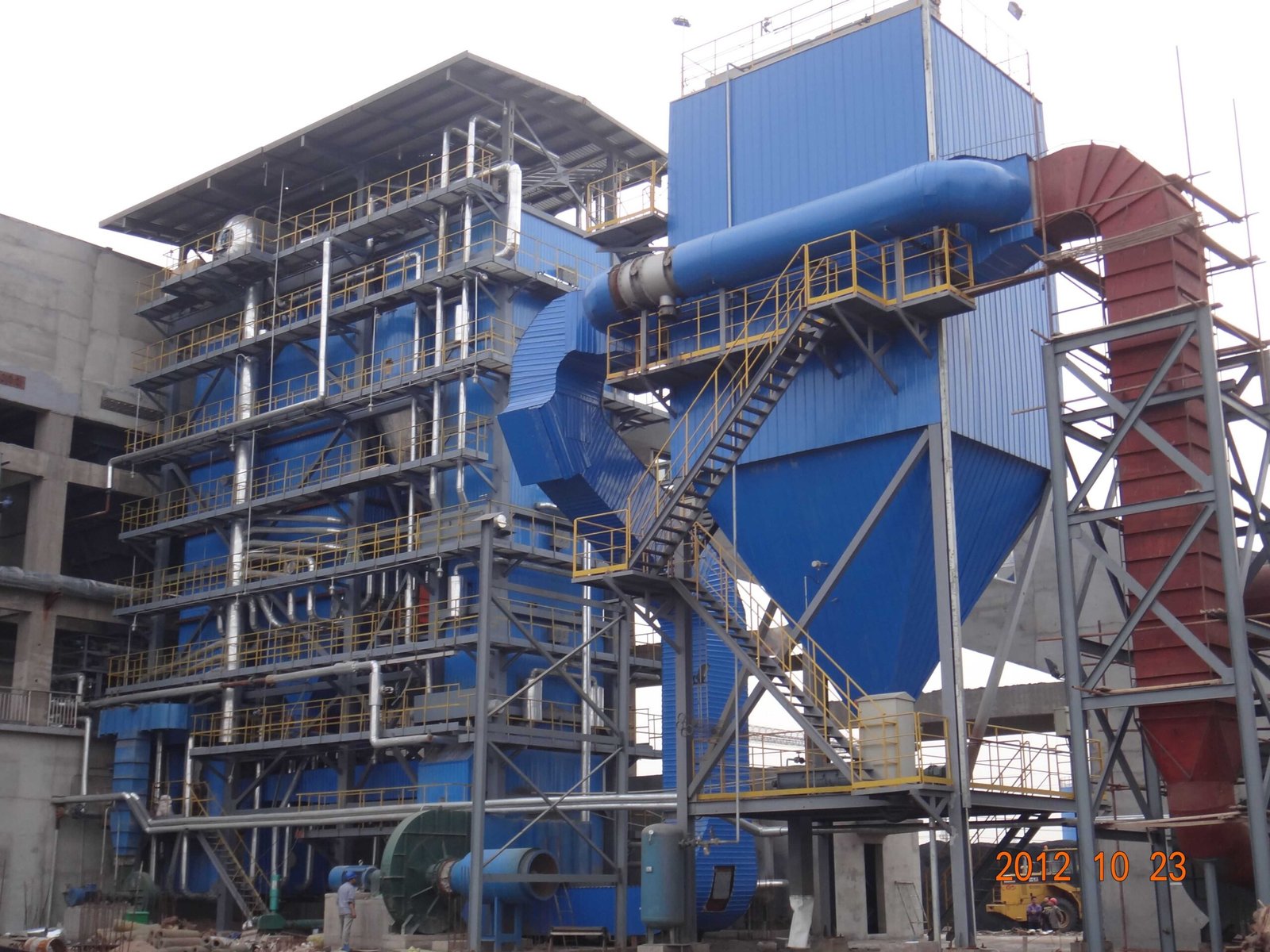
When industries evaluate boiler technologies, attention often focuses on capital cost and fuel price, while operation and maintenance (O&M) costs are underestimated. Over a 20–30 year service life, O&M expenses can rival or even exceed initial investment, especially for solid-fuel systems. Coal, gas, and biomass boilers differ fundamentally in fuel handling complexity, wear mechanisms, staffing requirements, and environmental compliance obligations. Misjudging these differences can result in higher-than-expected lifecycle costs and reduced economic performance. Understanding how O&M costs truly compare provides the basis for selecting the most cost-effective boiler technology over the long term.
Operation and maintenance costs vary significantly between coal, gas, and biomass boilers. Gas boilers typically have the lowest O&M costs due to clean combustion, minimal fuel handling, and high automation. Coal boilers incur the highest O&M costs because of ash handling, erosion, slagging, and extensive emission control systems. Biomass boilers fall between gas and coal: while fuel handling and ash management increase maintenance needs, lower emission compliance costs and simpler combustion chemistry often offset part of the burden, making biomass competitive in regions with stable fuel supply.
To fully understand these differences, O&M costs must be analyzed across labor, maintenance materials, consumables, downtime, and regulatory compliance.
Gas boilers generally have lower operation and maintenance costs than solid-fuel boilers.True
Clean combustion and minimal residue significantly reduce maintenance frequency and labor requirements.
Coal boilers are the most maintenance-intensive among conventional boiler technologies.True
Ash, slagging, erosion, and complex emission controls drive higher O&M costs.
1. Key Components of Boiler Operation and Maintenance Costs
O&M costs include all recurring expenses required to keep a boiler operating safely, efficiently, and in compliance.
| Cost Category | Typical Share of O&M Cost (%) | Cost Drivers |
|---|---|---|
| Labor & Staffing | 20–35 | Operator count, skill level |
| Routine Maintenance | 25–40 | Wear parts, cleaning |
| Consumables | 10–20 | Chemicals, additives, reagents |
| Ash & Waste Handling | 5–15 | Disposal, transport |
| Unplanned Outages | 10–25 | Downtime, spare parts |
| Environmental Compliance | 5–15 | Monitoring, reagents, reporting |
Labor and routine maintenance account for the majority of boiler O&M costs.True
Staffing and mechanical upkeep dominate recurring expenses across boiler types.
2. Operation and Maintenance Costs of Gas Boilers
Gas-fired boilers are widely regarded as the benchmark for low O&M intensity. Their clean-burning nature simplifies both operation and maintenance.
O&M Characteristics of Gas Boilers
- No solid fuel handling or storage
- No ash production
- Minimal fouling of heat transfer surfaces
- Fast startup and shutdown
- High automation and remote monitoring
| O&M Parameter | Gas Boiler Performance |
|---|---|
| Operator Staffing | Low |
| Maintenance Frequency | Low |
| Ash Disposal | None |
| Unplanned Downtime | Very low |
| Annual O&M Cost (USD/MWh) | 2–5 |
Gas boilers require minimal maintenance due to the absence of ash and slagging.True
Clean combustion dramatically reduces fouling and mechanical wear.
However, gas boilers may incur higher inspection and safety compliance costs related to pressure systems and fuel safety, though these are typically modest compared to solid-fuel systems.
3. Operation and Maintenance Costs of Coal Boilers
Coal-fired boilers are among the most O&M-intensive thermal systems, primarily due to the physical nature of coal and stringent emission requirements.
Major O&M Cost Drivers for Coal Boilers
- Coal handling, crushing, and conveying systems
- Large ash volumes (bottom ash and fly ash)
- Erosion of tubes and refractory
- Slagging and fouling of heat surfaces
- Extensive emission control equipment (FGD, ESP, SCR)
| O&M Parameter | Coal Boiler Performance |
|---|---|
| Operator Staffing | High |
| Maintenance Frequency | Very high |
| Ash Disposal | Significant |
| Unplanned Downtime | Medium–High |
| Annual O&M Cost (USD/MWh) | 8–15 |
Coal boiler O&M costs are significantly increased by ash handling and emission controls.True
Solid residues and strict environmental compliance demand continuous maintenance.
Coal boilers also require frequent outages for cleaning, tube inspection, and refractory repair, increasing lost generation costs.
4. Operation and Maintenance Costs of Biomass Boilers
Biomass boilers share some characteristics with coal boilers but benefit from lower combustion temperatures, lower sulfur content, and more benign ash chemistry.
Biomass-Specific O&M Factors
- Fuel variability (moisture, size, composition)
- Fuel storage and conveying systems
- Ash with lower melting point than coal ash
- Potential corrosion from alkali metals
- Increased cleaning frequency compared to gas
| O&M Parameter | Biomass Boiler Performance |
|---|---|
| Operator Staffing | Medium |
| Maintenance Frequency | Medium |
| Ash Disposal | Low–Medium |
| Unplanned Downtime | Medium |
| Annual O&M Cost (USD/MWh) | 5–10 |
Biomass boilers have lower O&M costs than coal boilers but higher than gas boilers.True
Fuel handling and ash increase maintenance, but lower emissions and temperatures reduce wear.
5. Comparative O&M Cost Breakdown
The following table illustrates a normalized comparison for industrial-scale boilers.
| Cost Element | Gas Boiler | Biomass Boiler | Coal Boiler |
|---|---|---|---|
| Labor | Low | Medium | High |
| Mechanical Maintenance | Low | Medium | High |
| Ash Handling | None | Low–Medium | High |
| Emission Control O&M | Low | Medium | Very High |
| Total O&M Cost Index | 1.0 | 1.8–2.5 | 3.0–4.0 |
Coal boilers typically incur two to four times the O&M cost of gas boilers.True
Complex systems and high wear drive substantial recurring expenses.
6. Impact of Automation on O&M Costs
Modern automation significantly narrows the O&M gap between boiler types.
| Automation Feature | O&M Cost Impact |
|---|---|
| Online soot blowing | Reduced cleaning labor |
| Advanced controls | Lower operator staffing |
| Predictive maintenance | Reduced unplanned outages |
| Condition monitoring | Extended component life |
Advanced automation can substantially reduce O&M costs for biomass and coal boilers.True
Digital monitoring and control improve reliability and maintenance efficiency.
Highly automated biomass plants can approach upper-range gas boiler O&M performance, particularly in district heating or CHP applications.
7. Long-Term Maintenance and Asset Life Considerations
| Boiler Type | Typical Major Overhaul Interval | Component Wear Severity |
|---|---|---|
| Gas | 8–12 years | Low |
| Biomass | 6–10 years | Medium |
| Coal | 4–8 years | High |
Higher combustion temperatures and ash content shorten coal boiler component life.True
Thermal stress and abrasive particles accelerate wear.
Over long lifetimes, coal boilers incur higher cumulative maintenance costs due to more frequent tube replacements, refractory repairs, and emission system upgrades.
8. Regulatory Compliance and Hidden O&M Costs
Environmental regulations significantly influence O&M costs.
| Boiler Type | Compliance Burden | O&M Impact |
|---|---|---|
| Gas | Low | Minimal |
| Biomass | Medium | Monitoring and reporting |
| Coal | Very High | Reagents, maintenance, audits |
Environmental compliance adds the greatest O&M burden to coal-fired boilers.True
Multiple emission control systems require continuous maintenance and consumables.
9. Case Comparison: 20-Year O&M Cost Projection
| Boiler Type | Average O&M Cost (USD/MWh) | 20-Year Total O&M (USD million, 10 MW) |
|---|---|---|
| Gas | 3.5 | 6.1 |
| Biomass | 7.0 | 12.2 |
| Coal | 12.0 | 20.9 |
Over long operating periods, O&M cost differences significantly affect total lifecycle cost.True
Recurring expenses compound over decades, often outweighing capital cost differences.
How Does Boiler Efficiency and Fuel Flexibility Influence Lifecycle Economics?
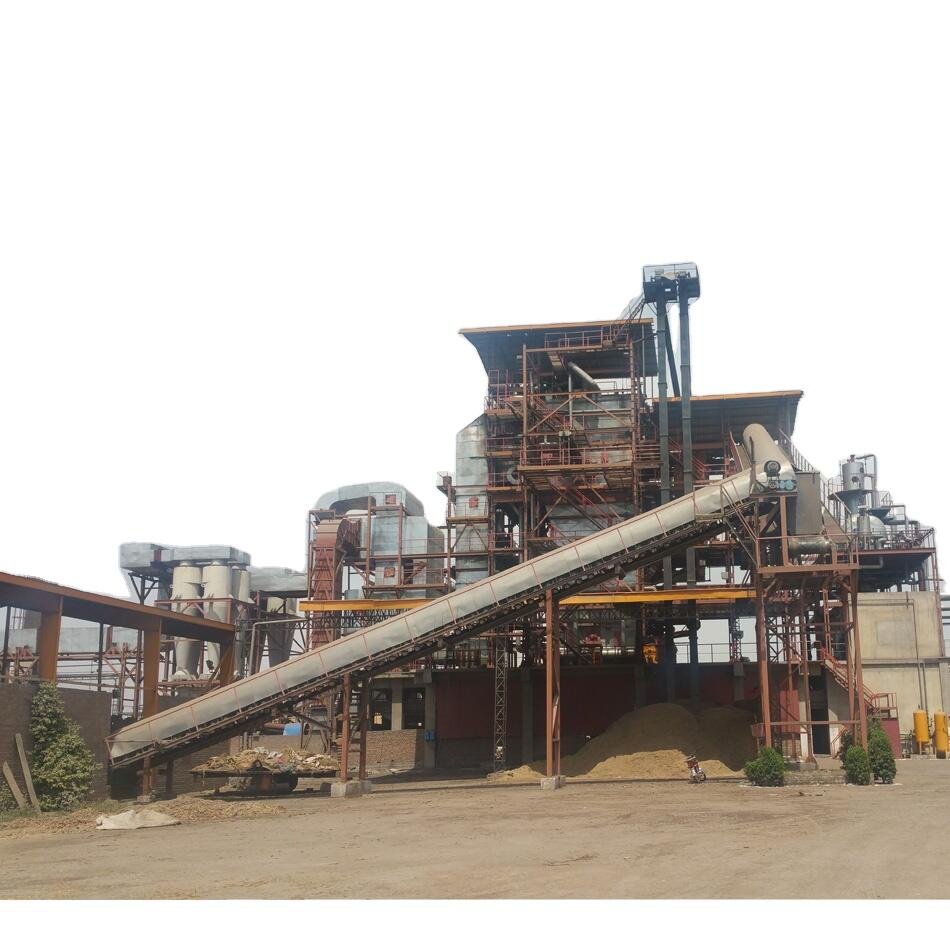
In long-term boiler investments, many project owners focus heavily on initial capital cost, while underestimating how boiler efficiency and fuel flexibility determine total lifecycle economics. Over a 20–30 year operating life, even small efficiency losses or fuel constraints can translate into millions of dollars in additional fuel expenses, lost availability, and retrofit costs. Conversely, highly efficient boilers designed to burn a wide range of fuels provide operators with economic resilience against fuel price volatility, supply disruptions, and regulatory changes. The real solution to sustainable profitability lies not in the lowest upfront price, but in optimizing efficiency and flexibility across the entire lifecycle.
Boiler efficiency and fuel flexibility are two of the most influential factors shaping lifecycle economics because they directly affect fuel consumption, operating cost stability, asset utilization, and long-term adaptability. High-efficiency boilers reduce lifetime fuel expenditure, while fuel-flexible designs lower supply risk and enable operators to switch to the most economical or available fuels over time. Together, these factors can reduce total lifecycle costs by 20–40% compared with low-efficiency, single-fuel systems.
To understand their combined impact, efficiency and fuel flexibility must be evaluated not as isolated technical features, but as strategic economic levers that determine long-term return on investment.
Initial boiler purchase price is the most important determinant of lifecycle cost.False
Fuel consumption and operational flexibility dominate total lifecycle costs over decades of operation.
Boiler efficiency and fuel flexibility significantly influence long-term economic performance.True
They affect fuel expenditure, operational continuity, and adaptability to market changes.
1. Lifecycle Economics: Why Efficiency and Flexibility Matter More Than CAPEX
Lifecycle economics consider all costs incurred during a boiler’s service life, not just installation.
| Cost Category | Typical Share of Lifecycle Cost (%) | Sensitivity to Efficiency & Flexibility |
|---|---|---|
| Fuel Cost | 50–70 | Very High |
| Operation & Maintenance | 15–25 | Medium–High |
| Capital Cost | 10–20 | Low |
| Downtime & Lost Production | 5–10 | High |
| Compliance & Retrofits | 3–8 | High |
Fuel cost represents the largest portion of boiler lifecycle expenditure.True
Over decades of operation, fuel dominates total cost regardless of boiler type.
Because fuel costs dominate, even a 1–2% improvement in efficiency can outweigh differences in initial capital investment within a few years.
2. Boiler Efficiency and Its Direct Impact on Fuel Consumption
Boiler efficiency defines how much useful energy is extracted from fuel. Higher efficiency directly reduces the quantity of fuel required to produce the same heat or steam output.
| Boiler Efficiency (%) | Annual Fuel Use Index | Lifetime Fuel Cost Index |
|---|---|---|
| 78 | 1.00 | 1.00 |
| 82 | 0.95 | 0.95 |
| 86 | 0.91 | 0.91 |
| 90 | 0.87 | 0.87 |
A 5% increase in boiler efficiency can reduce lifetime fuel costs by nearly 10%.True
Efficiency gains compound over long operating periods.
For a 20 MW industrial boiler operating 7,500 hours per year, improving efficiency from 82% to 88% can save tens of thousands of tons of fuel over its lifetime.
3. Heat Recovery Systems as Efficiency Multipliers
High-efficiency boilers integrate advanced heat recovery components.
| Efficiency Feature | Efficiency Gain (%) | Economic Impact |
|---|---|---|
| Economizer | 3–5 | Lower fuel consumption |
| Air Preheater | 2–4 | Improved combustion efficiency |
| Condensing Heat Exchanger | 5–10 | Maximum heat recovery |
| Variable-Speed Fans | 1–2 | Reduced auxiliary power |
Heat recovery systems significantly enhance boiler efficiency.True
Recovering waste heat reduces required fuel input.
Over long lifecycles, these systems typically deliver payback periods of 1–4 years, after which savings accumulate continuously.
4. Fuel Flexibility as a Hedge Against Market Volatility
Fuel flexibility allows boilers to operate efficiently on multiple fuels, protecting against fuel price shocks and supply risks.
| Fuel Strategy | Economic Risk Profile |
|---|---|
| Single fuel (gas only) | High exposure to price volatility |
| Dual fuel (gas + oil) | Medium risk |
| Multi-fuel (biomass, coal, RDF, gas) | Low risk |
Fuel-flexible boilers reduce exposure to fuel price volatility.True
Operators can switch to the most economical available fuel.
In volatile energy markets, fuel flexibility often proves more valuable than marginal efficiency improvements alone.
5. Efficiency vs Fuel Quality: Real-World Interaction
Fuel flexibility must be supported by robust combustion and heat transfer design to maintain efficiency across varying fuel qualities.
| Fuel Type | Typical Efficiency Impact | Design Requirement |
|---|---|---|
| Natural Gas | Highest | Simple burners |
| Biomass (wet) | Medium | Large furnace, drying |
| Coal (low-grade) | Medium–Low | Robust ash handling |
| RDF | Variable | Advanced control systems |
Fuel flexibility without proper design can reduce efficiency.True
Boilers must be engineered to maintain performance across fuel variations.
Well-designed fluidized bed or advanced grate boilers can maintain stable efficiency across a wide fuel spectrum, preserving economic benefits.
6. Impact on Operation and Maintenance Costs
Efficiency and fuel flexibility influence O&M costs in multiple ways.
| Factor | High-Efficiency, Flexible Boiler | Low-Efficiency, Single-Fuel Boiler |
|---|---|---|
| Fuel Consumption | Low | High |
| Ash Volume | Lower | Higher |
| Fouling Rate | Reduced | Higher |
| Forced Outages | Fewer | More frequent |
| Retrofit Needs | Minimal | Likely |
Higher efficiency generally reduces maintenance intensity.True
Lower fuel throughput reduces wear and fouling.
Although flexible boilers may have slightly higher initial complexity, they often achieve lower cumulative O&M costs over time.
7. Long-Term Regulatory and Policy Adaptability
Environmental regulations evolve, often penalizing inefficient and inflexible systems.
| Scenario | Economic Outcome |
|---|---|
| High-efficiency, fuel-flexible boiler | Compliant, no major retrofit |
| Low-efficiency, coal-only boiler | High retrofit or early retirement cost |
Fuel flexibility improves long-term regulatory resilience.True
Switching fuels helps meet tightening emission standards.
In many regions, the ability to transition from coal to biomass or gas has extended asset life by 10–15 years.
8. Effect on Asset Utilization and Availability
Efficient, flexible boilers maintain higher availability due to better combustion stability and reduced stress on components.
| Parameter | Flexible, High-Efficiency Boiler | Conventional Boiler |
|---|---|---|
| Availability (%) | 92–96 | 85–90 |
| Load Flexibility | High | Limited |
| Seasonal Operation | Optimized | Constrained |
Higher availability improves overall lifecycle economics.True
More operating hours increase revenue and reduce unit cost.
Higher availability translates directly into lower cost per unit of steam or heat produced.
9. Lifecycle Cost Comparison Example
| Configuration | Lifecycle Cost Index | Key Limitation |
|---|---|---|
| Low-efficiency gas boiler | 1.00 | Fuel price volatility |
| High-efficiency gas boiler | 0.88 | Single-fuel dependency |
| High-efficiency biomass boiler | 0.75 | Fuel logistics |
| High-efficiency multi-fuel boiler | 0.65 | Slightly higher CAPEX |
High-efficiency, fuel-flexible boilers offer the lowest lifecycle cost.True
They minimize fuel costs while maximizing adaptability.
10. Strategic Design for Optimal Lifecycle Economics
Best-practice projects integrate efficiency and flexibility from the earliest design stage:
- Oversized heat transfer surfaces
- Advanced combustion control
- Modular fuel handling systems
- Provision for future fuel conversion
These strategies consistently outperform short-term, low-cost solutions over long operating horizons.
What Is the Typical Payback Period for an Industrial Biomass Boiler Project?
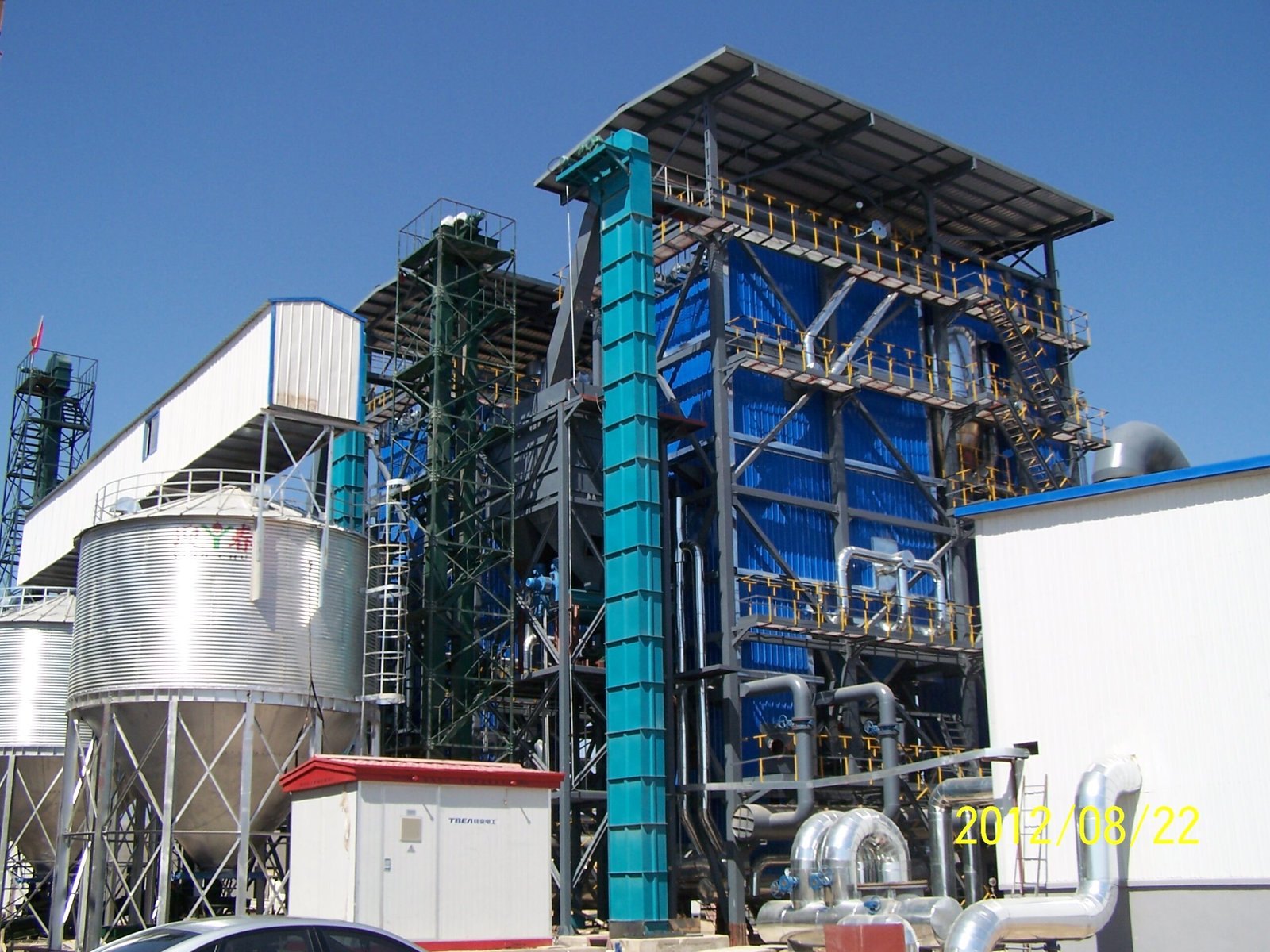
For many industrial users, the biggest hesitation when considering a biomass boiler is not technical feasibility but financial uncertainty. Biomass systems typically require higher upfront capital investment than gas or oil boilers, and decision-makers want clear answers about how quickly that investment can be recovered. If payback periods stretch too long, projects may struggle to compete internally for capital. However, when fuel economics, incentives, and operational realities are properly accounted for, biomass boilers often achieve surprisingly attractive payback periods, especially in regions with high fossil fuel prices or strong renewable policies.
The typical payback period for an industrial biomass boiler project ranges from 3 to 8 years. Well-optimized projects using low-cost local biomass fuel and benefiting from government incentives can achieve payback in as little as 2–4 years, while projects without subsidies or with higher fuel logistics costs usually see payback periods of 6–10 years. The exact payback depends on boiler capacity, fuel cost differential versus fossil fuels, operating hours, and capital support mechanisms.
Understanding what drives this range is essential for accurately evaluating the financial viability of an industrial biomass boiler investment.
Industrial biomass boiler projects typically have payback periods longer than their technical lifespan.False
Most biomass boilers recover investment well within their 20–30 year service life.
Fuel cost savings are the primary driver of biomass boiler payback.True
Reduced fuel expenditure compared with fossil fuels dominates cash flow improvement.
1. Defining Payback Period in Biomass Boiler Projects
The payback period represents the time required for cumulative net cash savings to equal the initial capital investment.
| Financial Term | Description |
|---|---|
| Simple Payback | CAPEX ÷ Annual net savings |
| Discounted Payback | Accounts for time value of money |
| Typical Design Life | 20–30 years |
| Evaluation Horizon | 10–15 years (financial) |
Simple payback is commonly used for industrial boiler investment decisions.True
Many industrial firms prioritize straightforward capital recovery metrics.
While more advanced metrics like IRR and NPV are important, payback remains the most intuitive benchmark for plant managers and CFOs.
2. Typical Payback Period Ranges by Project Type
| Project Scenario | Typical Payback Period |
|---|---|
| Industrial process heat (24/7 operation) | 3–5 years |
| District heating plant | 4–7 years |
| CHP biomass system | 5–8 years |
| Seasonal heating only | 6–10 years |
High annual operating hours significantly shorten biomass boiler payback periods.True
More operating hours generate greater annual fuel savings.
Continuous-load industrial users—such as food processing, pulp & paper, textiles, and chemicals—often achieve the fastest payback.
3. Impact of Fuel Cost Differential on Payback
Fuel price differences between biomass and fossil fuels are the single most influential variable.
| Fuel Comparison | Typical Fuel Cost (USD/GJ) | Annual Savings Impact |
|---|---|---|
| Natural Gas | 8–14 | High |
| Fuel Oil | 12–20 | Very High |
| Coal | 4–6 | Medium |
| Biomass (local) | 1.5–4 | Baseline |
Larger fuel price differentials lead to shorter biomass boiler payback periods.True
Greater savings per unit of energy accelerate capital recovery.
Replacing oil-fired boilers with biomass frequently results in payback periods below 4 years, even without subsidies.
4. Capital Cost and Its Influence on Payback
Industrial biomass boiler CAPEX depends on size, automation level, and fuel handling complexity.
| Boiler Capacity | Typical CAPEX (USD/kWth) |
|---|---|
| 2–5 MW | 700–1,200 |
| 5–10 MW | 600–1,000 |
| 10–30 MW | 500–900 |
Economies of scale reduce the payback period of larger biomass boiler projects.True
Lower unit capital cost improves financial performance at scale.
Larger installations generally achieve shorter payback periods despite higher absolute investment.
5. Role of Government Incentives and Carbon Credits
Policy support dramatically alters payback outcomes.
| Support Mechanism | Typical Effect on Payback |
|---|---|
| Capital grants (20–40%) | −1 to −3 years |
| Renewable heat incentives | −1 to −2 years |
| Carbon credits | −0.5 to −2 years |
| Tax incentives | −0.5 to −1 year |
Government incentives can cut biomass boiler payback periods by more than half.True
Lower net investment and higher annual revenue accelerate recovery.
In incentive-rich regions, payback periods of 2–3 years are achievable.
6. Effect of Boiler Efficiency and Design
Higher efficiency reduces fuel consumption, increasing annual savings.
| Boiler Efficiency (%) | Fuel Savings vs 80% | Payback Impact |
|---|---|---|
| 82 | +2.5% | Minor |
| 86 | +7.5% | Moderate |
| 90 | +12.5% | Significant |
Higher boiler efficiency directly improves payback period.True
Lower fuel consumption increases annual net savings.
Advanced heat recovery systems often pay for themselves within the first 1–3 years of operation.
7. Influence of Fuel Availability and Logistics
| Fuel Supply Scenario | Payback Effect |
|---|---|
| Local residues (<30 km) | Strongly positive |
| Regional supply (30–80 km) | Neutral |
| Long-distance transport | Negative |
Local biomass sourcing is critical for achieving short payback periods.True
Transport costs can erode fuel savings.
Projects relying on imported pellets typically experience longer payback periods.
8. Operating and Maintenance Cost Assumptions
| Boiler Type | O&M Cost (USD/MWh) |
|---|---|
| Gas | 2–5 |
| Biomass | 5–10 |
| Coal | 8–15 |
Higher O&M costs of biomass boilers do not negate their fuel savings.True
Fuel cost reductions usually outweigh increased maintenance expenses.
When properly designed and automated, biomass O&M costs remain predictable and manageable.
9. Example Payback Calculation (10 MW Industrial Boiler)
| Parameter | Value |
|---|---|
| CAPEX | USD 7.5 million |
| Annual Operating Hours | 7,500 |
| Fuel Cost Savings | USD 2.1 million/year |
| O&M Cost Increase | USD 0.4 million/year |
| Net Annual Savings | USD 1.7 million/year |
| Simple Payback | 4.4 years |
Industrial biomass boiler projects commonly achieve payback within 5 years under favorable conditions.True
High utilization and fuel savings drive rapid recovery.
10. Factors That Extend Payback Periods
Not all projects perform equally. Payback periods extend when:
- Operating hours are low or seasonal
- Biomass fuel is expensive or unreliable
- Capital costs are underestimated
- Incentives are excluded from planning
Even in these cases, payback typically remains within economically acceptable industrial thresholds.
How Do Environmental Compliance and Carbon Reduction Benefits Improve Long-Term Value?
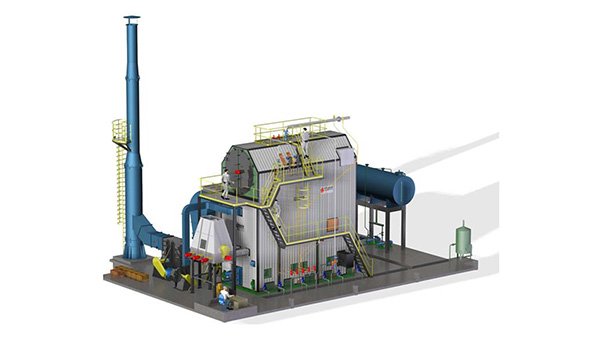
Across global energy and industrial sectors, tightening environmental regulations and accelerating decarbonization targets have transformed environmental compliance from a regulatory obligation into a core driver of long-term asset value. Facilities that fail to meet evolving emission standards face escalating penalties, forced retrofits, reduced operating permits, or even early asset retirement. At the same time, organizations that proactively invest in low-emission technologies and carbon reduction strategies are discovering measurable economic advantages: longer asset life, lower risk exposure, stronger market positioning, and improved financial resilience. Environmental compliance and carbon reduction are no longer cost centers—they are strategic value multipliers.
Environmental compliance and carbon reduction benefits improve long-term value by reducing regulatory risk, extending asset lifespan, lowering future retrofit costs, stabilizing operating expenses, and enhancing access to incentives, financing, and markets. Over a 20–30 year lifecycle, compliant low-carbon systems can deliver 15–40% higher net asset value compared with non-compliant, carbon-intensive alternatives, even when initial capital costs are higher.
To understand why these benefits compound over time, it is necessary to examine how compliance and carbon performance affect costs, revenues, risk, and strategic flexibility throughout an asset’s lifecycle.
Environmental compliance only adds cost and does not improve long-term economic value.False
Compliance reduces regulatory risk, avoids penalties, and preserves asset usability over its full design life.
Carbon reduction delivers measurable financial and strategic value over time.True
Lower emissions improve regulatory resilience, market access, and long-term cost stability.
1. Environmental Compliance as a Foundation of Asset Longevity
Industrial boilers and energy assets are designed for 20–30 years of operation, but regulatory non-compliance can shorten effective life by decades.
| Compliance Status | Typical Asset Outcome |
|---|---|
| Fully compliant | Full design life achieved |
| Marginal compliance | Forced retrofits within 5–10 years |
| Non-compliant | Early shutdown or restricted operation |
Non-compliant energy assets face a high risk of premature retirement.True
Tightening emission limits can revoke permits or impose uneconomic retrofit requirements.
By meeting or exceeding current emission standards, compliant systems preserve long-term operability, which directly protects capital investment and residual asset value.
2. Avoidance of Escalating Regulatory Costs
Environmental regulations rarely remain static. Emission limits for NOx, SO₂, particulates, and CO₂ have tightened steadily over the past two decades.
| Cost Category | Non-Compliant Asset | Compliant Asset |
|---|---|---|
| Fines & penalties | High and recurring | None |
| Mandatory retrofits | Frequent | Minimal |
| Permit renewal risk | High | Low |
| Legal exposure | Significant | Minimal |
Regulatory penalties increase over time for non-compliant facilities.True
Authorities escalate enforcement to drive compliance and emissions reduction.
Avoiding these costs preserves cash flow and shields long-term profitability.
3. Carbon Reduction and Future Carbon Pricing Exposure
Carbon pricing mechanisms—carbon taxes and emission trading schemes—are expanding globally. Assets with high emissions face structural cost inflation.
| Emission Profile | Carbon Cost Exposure |
|---|---|
| High-carbon system | Rising annual operating cost |
| Low-carbon system | Limited or neutral exposure |
| Carbon-negative system | Potential revenue source |
Carbon pricing disproportionately penalizes high-emission assets.True
Higher CO₂ output directly translates into higher operating costs under carbon pricing regimes.
Carbon-efficient boilers and biomass systems reduce long-term exposure to volatile and rising carbon costs.
4. Carbon Reduction as a Revenue and Incentive Enabler
Low-emission systems often unlock financial benefits unavailable to conventional assets.
| Mechanism | Value Impact |
|---|---|
| Carbon credits | Additional revenue |
| Renewable incentives | Higher cash inflow |
| Green certificates | Market differentiation |
| Priority dispatch | Improved utilization |
Carbon reduction can create new revenue streams.True
Avoided emissions can be monetized through regulated or voluntary markets.
Over long operating horizons, these benefits significantly enhance total project value.
5. Reduced Risk of Stranded Assets
A stranded asset is infrastructure that becomes economically or legally unusable before the end of its technical life. Carbon-intensive boilers face growing stranded-asset risk.
| Asset Type | Stranding Risk |
|---|---|
| Coal-only boiler | Very high |
| Gas-only boiler | Medium |
| Biomass / low-carbon boiler | Low |
Carbon-intensive assets face increasing stranded asset risk.True
Decarbonization policies accelerate obsolescence of high-emission technologies.
Low-carbon, compliant systems retain usability and market relevance far longer.
6. Impact on Financing, Insurance, and Cost of Capital
Financial institutions increasingly incorporate ESG (Environmental, Social, Governance) criteria into lending and underwriting decisions.
| Financial Aspect | Non-Compliant Asset | Compliant Asset |
|---|---|---|
| Loan interest rate | Higher | Lower |
| Insurance premium | Higher | Lower |
| Access to green finance | Limited | Strong |
| Investor appetite | Weak | Strong |
Environmental performance influences financing terms.True
Lower environmental risk improves lender and insurer confidence.
Lower cost of capital compounds long-term value through reduced financing expense.
7. Operational Stability and Predictability
Compliant systems typically operate with modern controls, cleaner combustion, and optimized processes, improving operational stability.
| Performance Metric | Traditional System | Compliant Low-Carbon System |
|---|---|---|
| Forced outage rate | Higher | Lower |
| Maintenance volatility | High | Moderate |
| Load flexibility | Limited | High |
Cleaner combustion improves operational reliability.True
Reduced fouling and corrosion enhance availability and predictability.
Stable operation lowers lifecycle O&M costs and improves asset utilization.
8. Market Access and Customer Value
Increasingly, customers and supply chains demand low-carbon production. Environmental compliance protects and expands market access.
| Market Factor | High-Emission Facility | Low-Emission Facility |
|---|---|---|
| Export eligibility | Restricted | Unrestricted |
| Green procurement | Excluded | Preferred |
| Brand reputation | Negative | Positive |
Carbon reduction improves competitiveness in low-carbon supply chains.True
Many customers require verified emission performance from suppliers.
This translates into stronger long-term revenue stability.
9. Quantified Lifecycle Value Comparison
| Metric (20-Year Horizon) | Conventional Boiler | Compliant Low-Carbon Boiler |
|---|---|---|
| Total operating cost | High | Lower |
| Carbon cost exposure | Rising | Minimal |
| Retrofit expenditure | Significant | Limited |
| Asset life achieved | Partial | Full |
| Net asset value index | 1.0 | 1.25–1.40 |
Compliant low-carbon systems deliver higher net asset value over time.True
Lower risk, lower costs, and longer life improve cumulative value.
10. Strategic Optionality and Future-Proofing
Environmental compliance and carbon reduction provide strategic optionality—the ability to adapt to future changes without major reinvestment.
| Future Scenario | Economic Outcome |
|---|---|
| Tighter emission limits | No disruption |
| Higher carbon prices | Limited impact |
| Fuel transition | Technically feasible |
| Policy shifts | Manageable |
Future-proofed low-carbon assets retain strategic flexibility.True
They adapt more easily to regulatory and market changes.
This flexibility is a critical, often undervalued, component of long-term value.
🔍 Conclusion
Industrial biomass boilers offer strong long-term cost advantages when fuel supply is well managed and systems are properly designed. By reducing fuel expenses, minimizing regulatory risks, and leveraging renewable energy incentives, biomass boilers deliver stable, predictable, and sustainable energy economics over their operational lifetime.🌿🔥🏭✅
FAQ
Q1: Are industrial biomass boilers cost-effective in the long run?
A1: Yes, industrial biomass boilers can be highly cost-effective in the long run, especially for industries with steady heat or steam demand. While the initial investment for a biomass boiler system is typically higher than that of coal or gas boilers, long-term savings come from lower fuel costs, price stability, and reduced carbon-related expenses. Biomass fuels such as wood chips, pellets, and agricultural residues are often significantly cheaper than fossil fuels and are less exposed to international price volatility. Over a typical lifespan of 20–25 years, many biomass boiler projects achieve full payback within 4–7 years, after which operating costs are substantially lower.
Q2: How do biomass fuel costs compare to fossil fuels over time?
A2: Biomass fuel costs are generally more stable and predictable than fossil fuels. Coal, oil, and natural gas prices fluctuate due to global markets, geopolitical risks, and carbon pricing policies. In contrast, biomass fuels are often locally sourced, reducing transportation costs and supply risks. In many regions, wood chips and agricultural residues cost 30–60% less per unit of energy than oil or gas. Over the long term, this price stability allows industries to better forecast energy expenses and protect themselves from fuel price shocks, making biomass boilers financially attractive.
Q3: What operating and maintenance costs should be expected?
A3: Operating and maintenance (O&M) costs for biomass boilers are generally higher than gas-fired boilers but comparable to or lower than coal-fired systems. Biomass combustion produces ash, requiring ash handling and disposal, and fuel feeding systems are more complex. However, modern biomass boilers use automated fuel feeding, ash removal, and intelligent control systems, which significantly reduce labor and downtime. With proper maintenance, annual O&M costs typically account for 2–4% of total system investment, which is offset by fuel savings and long-term operational reliability.
Q4: How do government incentives and carbon policies affect long-term cost-effectiveness?
A4: Government incentives and environmental policies play a major role in improving the long-term economics of industrial biomass boilers. Many countries offer capital subsidies, tax credits, low-interest loans, or feed-in tariffs for renewable energy systems. Additionally, biomass boilers often help companies avoid or reduce carbon taxes, emission penalties, and compliance costs associated with fossil fuel use. As carbon pricing becomes more widespread, industries using biomass benefit from lower regulatory risk and improved sustainability credentials, further enhancing long-term financial returns.
Q5: What industries benefit most from long-term investment in biomass boilers?
A5: Industries with continuous thermal demand and access to low-cost biomass fuel gain the greatest long-term benefits. These include:
- Food and beverage processing
- Pulp and paper mills
- Textile and dyeing plants
- Wood processing and furniture manufacturing
- Agricultural and agro-processing industries
For these sectors, biomass boilers can utilize waste by-products (such as sawdust, husks, or bagasse) as fuel, turning waste into energy. This not only reduces fuel expenses but also lowers waste disposal costs, making biomass boilers one of the most cost-effective and sustainable long-term heating solutions.
References
- International Energy Agency (IEA) – Bioenergy and Industrial Heat – https://www.iea.org/ – IEA
- U.S. Department of Energy – Biomass Energy Economics – https://www.energy.gov/ – DOE
- Carbon Trust – Biomass Boilers: Costs and Savings – https://www.carbontrust.com/ – Carbon Trust
- European Commission – Renewable Energy Heating Systems – https://energy.ec.europa.eu/ – European Commission
- Bioenergy Europe – Industrial Biomass Boiler Market – https://bioenergyeurope.org/ – Bioenergy Europe
- Engineering Toolbox – Biomass Fuel Cost Comparison – https://www.engineeringtoolbox.com/ – Engineering Toolbox
- ScienceDirect – Life-Cycle Cost Analysis of Biomass Boilers – https://www.sciencedirect.com/ – ScienceDirect
- ISO 50001 – Energy Management and Cost Optimization – https://www.iso.org/ – ISO
- MarketsandMarkets – Global Biomass Boiler Market Forecast 2025 – https://www.marketsandmarkets.com/ – Markets and Markets
- World Bioenergy Association – Biomass Economics Report – https://www.worldbioenergy.org/ – World Bioenergy Association