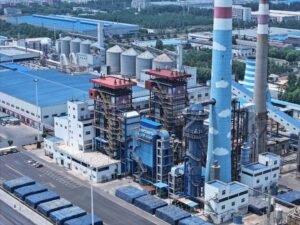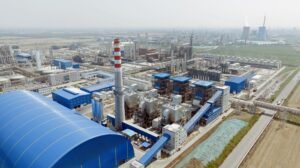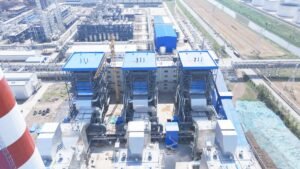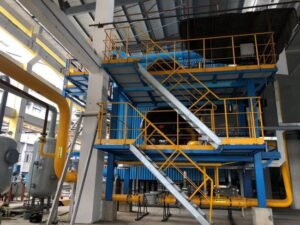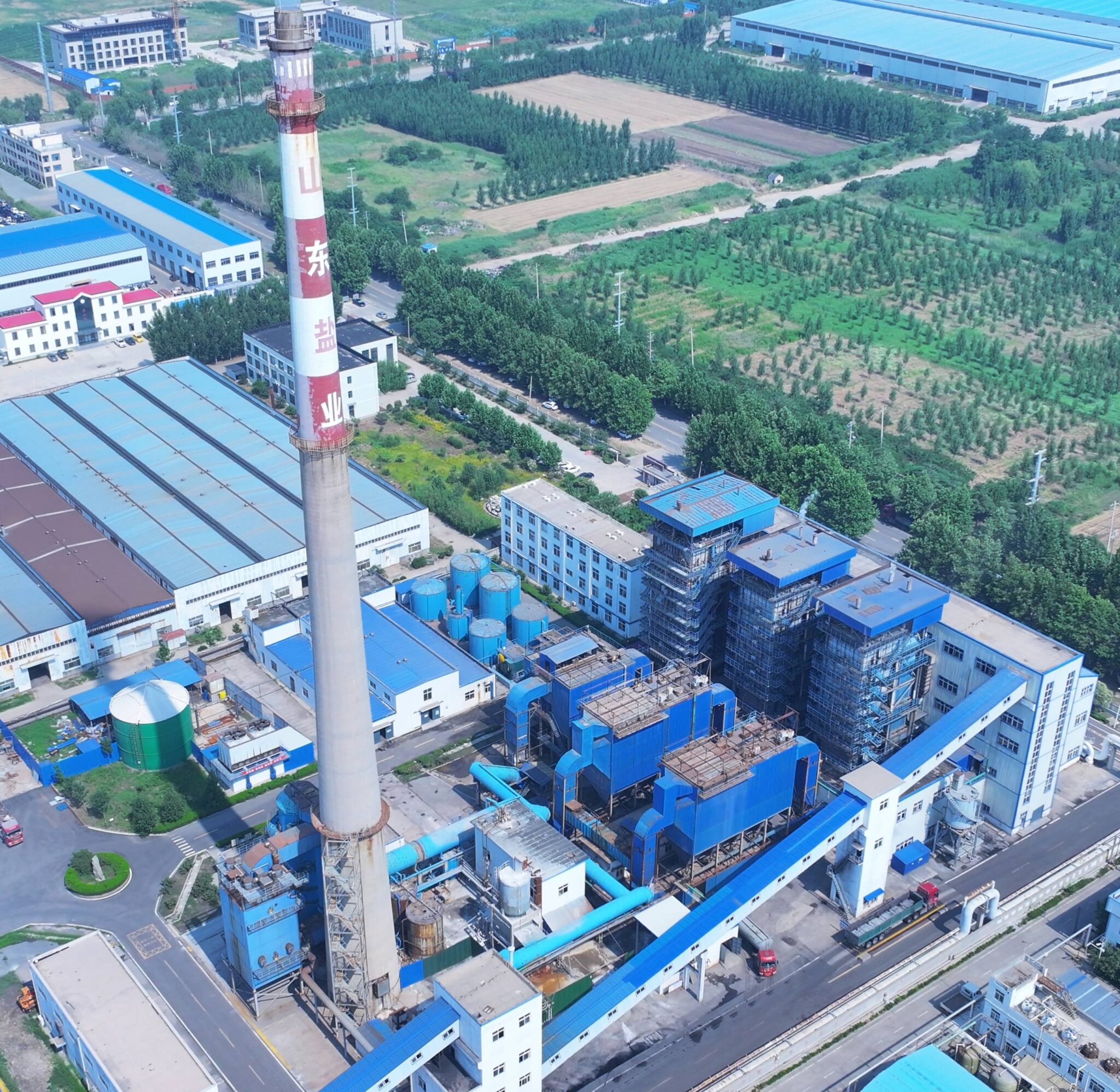
As the global energy sector shifts toward decarbonization and sustainability, renewable energy projects must still rely on stable and controllable thermal systems to convert energy into electricity. Many people assume boilers belong only to fossil-fuel power plants, but in reality, modern power plant boilers play a critical role in renewable energy applications. Without properly designed boilers, renewable projects can suffer from low efficiency, unstable output, and poor grid compatibility.
Power plant boilers are widely applied in renewable energy projects by converting renewable fuels—such as biomass, waste-derived fuels, geothermal heat, and solar thermal energy—into high-pressure steam for electricity generation. Biomass boilers burn agricultural residues or wood fuels, waste-to-energy boilers recover heat from municipal solid waste, geothermal boilers utilize underground thermal energy, and solar thermal boilers generate steam using concentrated solar power (CSP). These boiler systems enable renewable plants to deliver reliable, grid-ready power with high efficiency and low emissions.
By integrating advanced boiler technology, renewable energy projects can achieve stable baseload generation, higher efficiency, and improved economic viability.
How Are Biomass-Fired Boilers Used in Renewable Power Generation Projects?
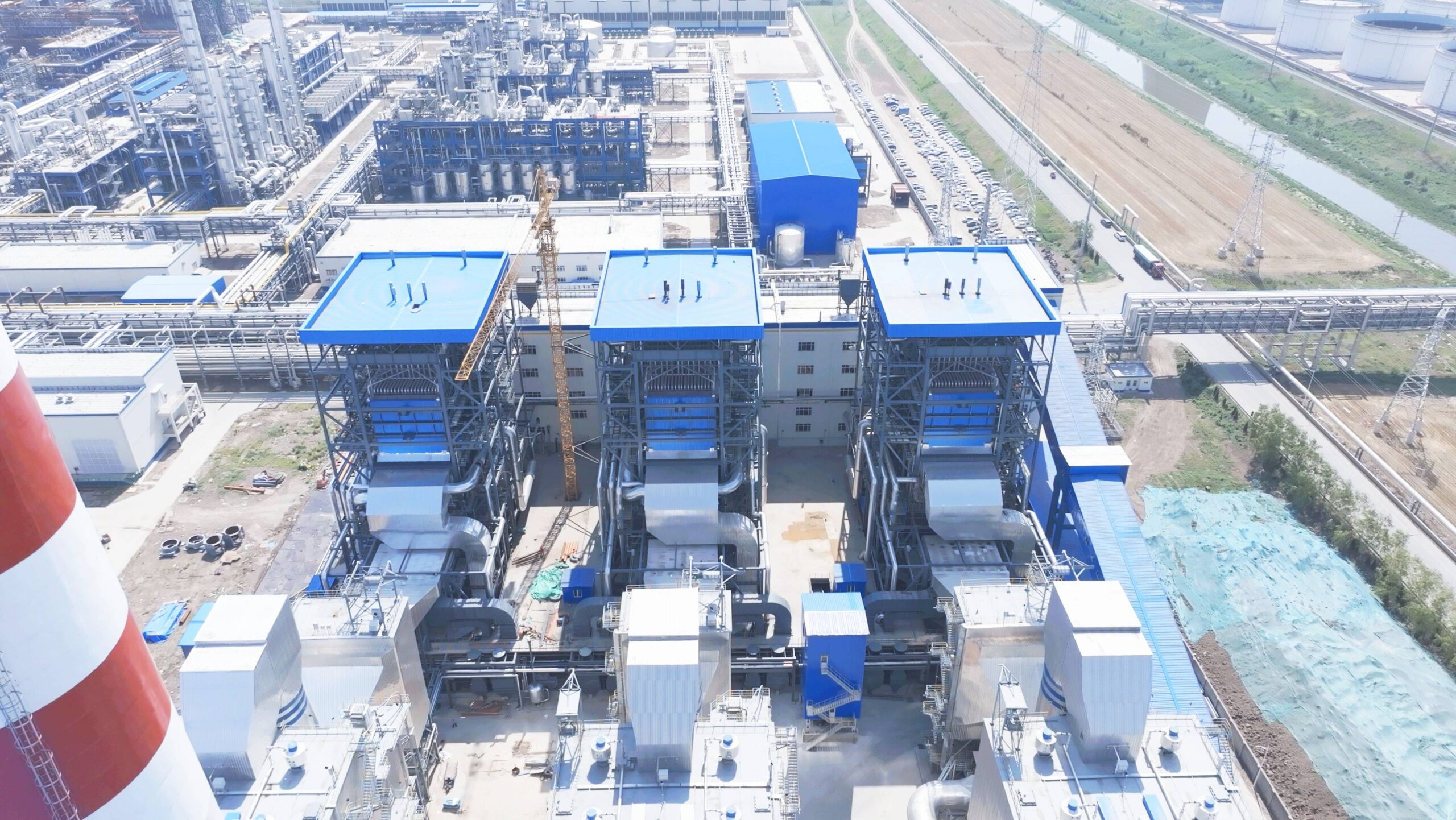
As governments and industries accelerate the transition toward low-carbon energy systems, renewable power generation projects are under growing pressure to deliver not only environmental benefits but also stable, dispatchable power. Unlike wind or solar, which are intermittent by nature, biomass-fired power generation offers controllable, baseload-capable renewable electricity. At the heart of these projects are biomass-fired boilers, which convert solid renewable fuels into steam for power generation. However, their role extends far beyond simple combustion; boiler design, fuel flexibility, heat recovery, and integration strategy determine whether a biomass project is economically viable, operationally reliable, and genuinely sustainable over decades of operation.
Biomass-fired boilers are used in renewable power generation projects as the core thermal conversion technology, transforming solid biomass fuels into high-pressure steam for electricity production or combined heat and power (CHP). Their value lies in dispatchable renewable generation, carbon-neutral fuel utilization, and the ability to integrate power and heat supply into long-term decarbonization strategies.
Understanding this role requires both technical and economic perspective.
Biomass-fired boilers only provide heat and are unsuitable for power generation.False
They are widely used to generate high-pressure steam for power turbines.
Biomass power generation is considered renewable under most regulatory frameworks.True
Sustainably sourced biomass is classified as renewable energy.
The following sections explain in depth how biomass-fired boilers are applied in renewable power generation projects and why they play a strategic role in modern energy systems.
1. Fundamental Role of Biomass-Fired Boilers in Power Generation
In renewable power plants, the boiler is the energy conversion core.
| Function | Role of [Biomass Boiler](https://coalbiomassboiler.com/product/biomass-boilers/) |
|---|---|
| Fuel conversion | Chemical → thermal energy |
| Steam generation | High-pressure, high-temperature steam |
| Load control | Stable baseload or dispatchable output |
| Renewable compliance | Enables renewable classification |
The biomass boiler is the central asset of a biomass power plant.True
All downstream power generation depends on boiler performance.
Without a properly designed boiler, renewable power generation efficiency collapses.
2. Typical Biomass Power Generation Configurations
Biomass-fired boilers are deployed in several project configurations.
| Configuration | Application |
|---|---|
| Steam turbine power plant | Grid-connected renewable electricity |
| CHP (cogeneration) | Electricity + process heat |
| Industrial self-generation | Onsite renewable power |
| Co-firing with coal | Transitional decarbonization |
Biomass boilers support both power-only and CHP renewable projects.True
Steam parameters can be tailored to application needs.
CHP configurations often deliver the highest overall efficiency.
3. [Biomass Boiler](https://coalbiomassboiler.com/product/biomass-boilers/) Technologies Used in Power Projects
Different boiler technologies serve different biomass fuels and scales.
| Boiler Technology | Typical Use |
|---|---|
| Grate-fired boiler | Clean, uniform biomass |
| Bubbling fluidized bed (BFB) | Mixed biomass fuels |
| Circulating fluidized bed (CFB) | Low-quality, variable biomass |
| Pulverized biomass | Large-scale dedicated plants |
CFB boilers are widely used in biomass power generation.True
They offer high fuel flexibility and stable combustion.
Technology choice directly affects efficiency and fuel sourcing strategy.
4. Fuel Flexibility and Renewable Fuel Utilization
Biomass-fired boilers enable the use of diverse renewable fuels.
| Biomass Fuel Type | Typical Source |
|---|---|
| Wood chips | Forestry residues |
| Agricultural residues | Straw, husks |
| Energy crops | Miscanthus, willow |
| Industrial waste biomass | Bark, sludge |
Fuel flexibility is critical for biomass power project viability.True
It reduces fuel supply and price risk.
Boiler design must accommodate moisture, ash, and calorific variability.
5. Steam Parameters and Power Generation Efficiency
Power output depends on steam conditions produced by the boiler.
| Steam Parameter | Impact on Power Generation |
|---|---|
| Pressure | Turbine efficiency |
| Temperature | Electrical output |
| Stability | Grid compliance |
Higher steam parameters improve biomass power generation efficiency.True
They increase turbine work per unit of steam.
Advanced biomass boilers now approach conventional fossil plant parameters.
6. Heat Recovery and CHP in Renewable Projects
Heat recovery multiplies the value of biomass-fired boilers.
| Heat Recovery Use | Benefit |
|---|---|
| District heating | Revenue diversification |
| Industrial processes | Higher total efficiency |
| Drying biomass fuel | Improved combustion |
CHP maximizes the renewable value of biomass boilers.True
Total efficiency can exceed 80%.
This is a key reason biomass outperforms intermittent renewables in some markets.
7. Carbon Neutrality and Renewable Classification
Biomass boilers support decarbonization goals.
| Carbon Aspect | Renewable Benefit |
|---|---|
| Biogenic CO₂ | Considered neutral |
| Fossil fuel displacement | Direct emission reduction |
| Carbon credits | Financial incentive |
Biomass-fired power is treated as low-carbon energy.True
Carbon released equals carbon absorbed during growth.
Sustainability certification is essential to maintain this status.
8. Emission Control Integration in Biomass Power Plants
Modern biomass boilers integrate advanced emission controls.
| Emission Control | Purpose |
|---|---|
| Cyclones / ESP / baghouse | Particulate removal |
| SNCR / SCR | NOx reduction |
| Limestone injection | Acid gas control |
Emission control is integral to biomass power plant design.True
Renewable status does not exempt emission compliance.
Compliance cost must be included in lifecycle economics.
9. Grid Stability and Dispatchable Renewable Power
Unlike wind and solar, biomass power is controllable.
| Grid Requirement | Biomass Boiler Advantage |
|---|---|
| Baseload supply | Continuous operation |
| Load following | Adjustable firing rate |
| Grid support | Ancillary services |
Biomass power provides dispatchable renewable electricity.True
Boilers allow controlled steam generation.
This makes biomass strategically valuable in renewable energy portfolios.
10. Scale of Biomass Power Generation Projects
Biomass-fired boilers are applied across scales.
| Plant Size | Typical Capacity |
|---|---|
| Small CHP | 1–10 MWe |
| Medium power plant | 10–50 MWe |
| Large utility-scale | 50–150+ MWe |
Biomass power generation is scalable.True
Boiler and turbine technologies support wide capacity ranges.
Scale affects fuel logistics and economic structure.
11. Economic Role in Renewable Energy Mix
Biomass boilers contribute to renewable economics through:
- Stable revenue generation
- Renewable energy certificates
- Carbon credit eligibility
- Heat sales in CHP
Biomass-fired boilers improve renewable project bankability.True
Dispatchable output reduces revenue risk.
This is particularly important for financing.
12. Common Challenges and Design Priorities
Successful biomass boiler projects address:
- Fuel supply security
- Ash handling and disposal
- Corrosion and fouling
- Long-term maintenance planning
Boiler design quality determines biomass project success.True
Poor design leads to reliability and cost issues.
Experienced engineering is essential.
Biomass-fired boilers play a central role in renewable power generation projects by enabling the conversion of solid renewable fuels into dispatchable, low-carbon electricity and heat. Unlike intermittent renewables, biomass power plants provide stable output, grid support, and high overall efficiency—especially in CHP configurations. Through fuel flexibility, advanced steam parameters, integrated emission controls, and heat recovery, modern biomass boilers have evolved into sophisticated energy assets that support long-term decarbonization and energy security goals. When properly designed and supplied with sustainable fuel, biomass-fired boilers remain one of the most practical and economically resilient technologies in the renewable power generation landscape.
What Role Do Waste-to-Energy (WTE) Boilers Play in Renewable Electricity Production?
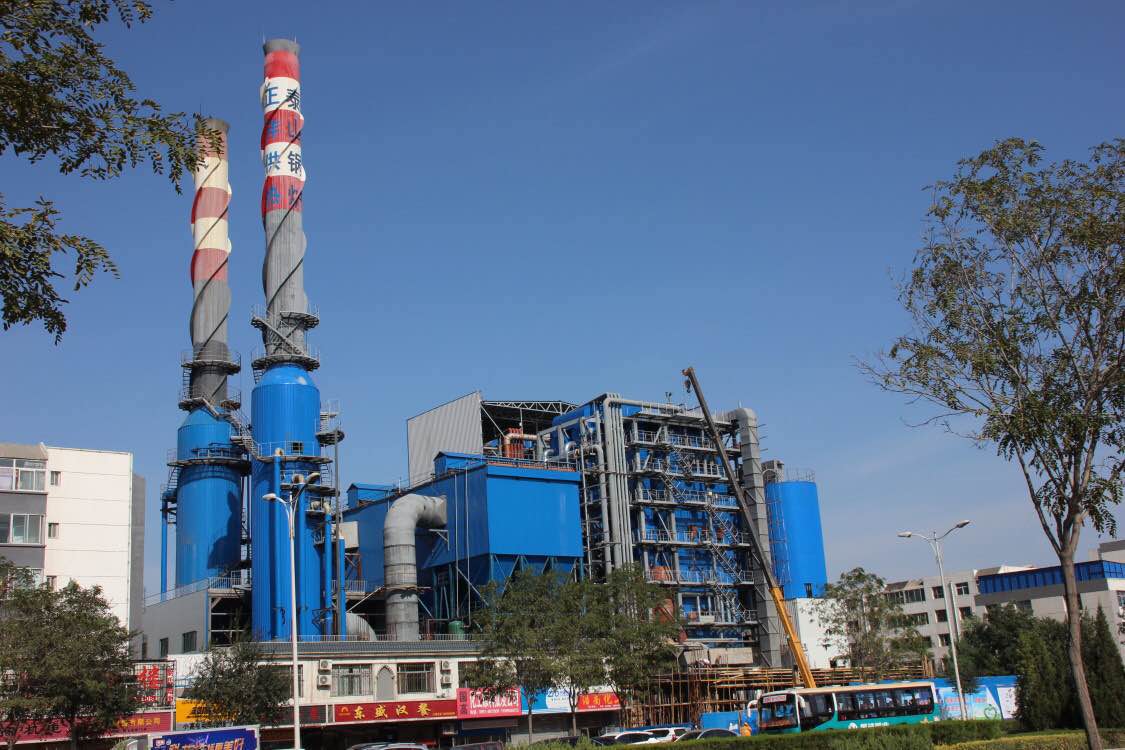
Municipal solid waste and industrial refuse are growing at a pace that challenges landfills, urban planning, and environmental protection efforts worldwide. At the same time, power systems face increasing pressure to decarbonize while maintaining grid stability. Waste-to-energy (WTE) projects address both problems simultaneously, but their success depends heavily on the performance of the WTE boiler, which serves as the core energy conversion device. When poorly understood, WTE boilers are seen merely as waste disposal equipment; in reality, they are sophisticated renewable power assets whose design, reliability, and heat recovery strategy determine whether a project delivers long-term environmental and economic value.
Waste-to-energy boilers play a critical role in renewable electricity production by converting the chemical energy of waste into high-pressure steam for power generation, providing dispatchable renewable electricity while reducing landfill dependence and methane emissions. Properly designed WTE boilers enable stable power output, high availability, and compliance with stringent environmental standards.
This dual function—energy recovery and waste treatment—makes WTE boilers uniquely valuable in modern renewable energy systems.
Waste-to-energy boilers are only used for waste disposal, not power generation.False
They generate steam for electricity production and often district heating.
Waste-to-energy power is classified as renewable in many regulatory frameworks.True
The biogenic fraction of waste is considered renewable energy.
The following sections explain, from technical and economic perspectives, how WTE boilers contribute to renewable electricity production without reducing the discussion to a purely tabular or mechanical format.
1. Core Function of WTE Boilers in Renewable Power Systems
At the heart of every WTE plant is the boiler island, where heterogeneous waste is transformed into usable thermal energy. Unlike conventional fossil-fuel boilers, WTE boilers must simultaneously manage energy conversion, waste destruction, and environmental protection. From a renewable electricity standpoint, their primary role is to produce stable, high-pressure steam that can drive a steam turbine generator.
Unlike wind or solar assets, WTE boilers operate continuously, constrained not by weather but by waste availability and maintenance schedules. This allows WTE plants to function as baseload or load-following renewable power sources, supporting grid stability while contributing to renewable energy targets.
| Function | Contribution to Renewable Electricity |
|---|---|
| Waste combustion | Releases usable thermal energy |
| Steam generation | Enables turbine-based power |
| Continuous operation | Dispatchable renewable output |
| Grid support | Baseload or controllable supply |
WTE boilers provide dispatchable renewable electricity.True
Their operation is independent of weather conditions.
2. Renewable Energy Value of Waste Combustion
The renewable classification of WTE power stems largely from the biogenic fraction of waste—paper, wood, food waste, and textiles derived from biomass. Although waste also contains plastics and other fossil-based materials, most regulatory systems count a significant portion of WTE electricity as renewable.
From a systems perspective, WTE boilers displace fossil-fuel-based generation while also preventing landfill methane emissions, which have a much higher global warming potential than CO₂. This dual benefit significantly improves the climate impact of renewable electricity portfolios.
| Waste Component | Renewable Status |
|---|---|
| Food waste | Renewable |
| Paper and cardboard | Renewable |
| Wood waste | Renewable |
| Plastics | Non-renewable |
The biogenic fraction of waste underpins WTE renewable classification.True
It originates from biomass-based materials.
3. Typical WTE Boiler Technologies Used
WTE boilers are not generic combustion units; they are specialized systems engineered for variable, low-calorific fuels. The most common technology is the moving grate boiler, which provides robust fuel tolerance and stable combustion. Fluidized bed designs are also used in specific applications, particularly for pre-treated waste or refuse-derived fuel (RDF).
From a renewable electricity perspective, the key requirement is not maximum combustion temperature, but stable steam generation and high availability.
| Boiler Technology | Typical Application |
|---|---|
| Moving grate boiler | Municipal solid waste |
| Fluidized bed boiler | RDF, industrial waste |
| Rotary kiln + boiler | Hazardous waste |
Moving grate boilers dominate WTE power generation projects.True
They handle heterogeneous waste reliably.
4. Steam Parameters and Power Generation Capability
The renewable electricity output of a WTE plant is directly linked to the steam conditions produced by the boiler. Modern WTE boilers increasingly adopt higher steam pressures and temperatures to improve power efficiency, while balancing corrosion risks caused by waste-derived flue gases.
Rather than focusing purely on electrical efficiency, WTE boiler design emphasizes availability, lifetime performance, and corrosion resistance, which ultimately determine total renewable electricity delivered over decades.
| Steam Parameter | Impact on Electricity Output |
|---|---|
| Pressure | Turbine efficiency |
| Temperature | Power conversion efficiency |
| Stability | Grid compliance |
Steam parameter optimization improves WTE electricity output.True
Higher-quality steam increases turbine efficiency.
5. Combined Heat and Power (CHP) in WTE Projects
Many WTE boilers are integrated into CHP schemes, supplying both electricity and useful heat. In such configurations, the renewable value of the boiler is multiplied, as overall energy efficiency can exceed 70–80%.
Narratively, this means the same ton of waste produces not only renewable electricity but also district heating or industrial process heat, significantly improving resource utilization compared with landfill disposal.
| Energy Output | Typical Use |
|---|---|
| Electricity | Grid export |
| Process steam | Industrial users |
| Hot water | District heating |
CHP significantly enhances the renewable efficiency of WTE boilers.True
Recovered heat reduces total energy losses.
6. Emission Control as an Enabler of Renewable Acceptance
Renewable electricity from WTE boilers is only socially and politically acceptable if emissions are strictly controlled. Modern WTE plants integrate advanced flue gas cleaning systems, making them among the cleanest thermal power facilities per unit of energy produced.
Importantly, emission control systems do not negate renewable status; instead, they ensure that renewable electricity is delivered without transferring environmental burdens to local communities.
| Emission Control | Purpose |
|---|---|
| Baghouse/ESP | Particulate removal |
| Scrubber | Acid gas neutralization |
| SCR/SNCR | NOx reduction |
| Activated carbon | Dioxin and mercury capture |
Advanced emission control is essential for WTE renewable projects.True
Environmental compliance underpins public acceptance.
7. Grid Stability and Baseload Renewable Generation
One of the most strategic roles of WTE boilers is their contribution to grid stability. Unlike intermittent renewables, WTE plants provide continuous output and predictable generation profiles. This makes them valuable complements to wind and solar in renewable-heavy grids.
From a planning standpoint, utilities value WTE boilers not for peak efficiency, but for predictable renewable capacity that reduces reliance on fossil backup plants.
| Renewable Source | Dispatchability |
|---|---|
| Wind | Low |
| Solar | Low |
| Biomass | High |
| WTE | Very high |
WTE power improves grid stability in renewable systems.True
It delivers controllable baseload electricity.
8. Scale and Contribution to Renewable Energy Mix
WTE boilers are typically deployed at municipal or regional scale, making them well suited to decentralized renewable power strategies. While individual plants may be smaller than large fossil stations, their cumulative contribution to renewable electricity can be significant in urbanized regions.
| Plant Scale | Typical Electrical Output |
|---|---|
| Small municipal | 5–15 MWe |
| Medium city | 15–40 MWe |
| Large metropolitan | 40–80+ MWe |
WTE power plants contribute meaningful renewable capacity at city scale.True
They align with local waste generation rates.
9. Long-Term Economic Role in Renewable Power
From an economic perspective, WTE boilers support renewable electricity production with diversified revenue streams: power sales, tipping fees, heat sales, and renewable certificates. This multi-revenue model improves project bankability compared with single-output renewables.
Narratively, this means the boiler is not just an energy asset, but a waste management infrastructure investment that generates renewable electricity as a byproduct of essential public service.
| Revenue Source | Economic Role |
|---|---|
| Electricity sales | Renewable income |
| Waste treatment fees | Stable cash flow |
| Heat sales | Efficiency-driven revenue |
Multiple revenue streams improve WTE renewable project economics.True
They reduce dependence on electricity price alone.
10. Challenges That Shape WTE Boiler Design
Despite their advantages, WTE boilers face unique challenges that directly affect renewable electricity output: fuel variability, corrosion, ash handling, and public scrutiny. Addressing these challenges requires robust materials, conservative heat flux design, and advanced monitoring.
These engineering choices may slightly reduce nominal efficiency but significantly increase lifetime renewable electricity delivered—a key metric often overlooked.
Lifetime electricity output matters more than peak efficiency in WTE projects.True
Availability and durability dominate long-term performance.
Waste-to-energy boilers play a vital and often underappreciated role in renewable electricity production. By converting municipal and industrial waste into dispatchable, low-carbon power, they address waste management challenges while strengthening renewable energy systems with stable baseload generation. Beyond electricity, WTE boilers support CHP, reduce landfill emissions, and enhance grid resilience. When designed for durability, fuel variability, and strict emission compliance, WTE boilers become long-term renewable assets that deliver both environmental and economic value. In the broader energy transition, they occupy a unique position—linking circular economy principles with reliable renewable power generation.
How Are Power Plant Boilers Applied in Geothermal Power Systems?
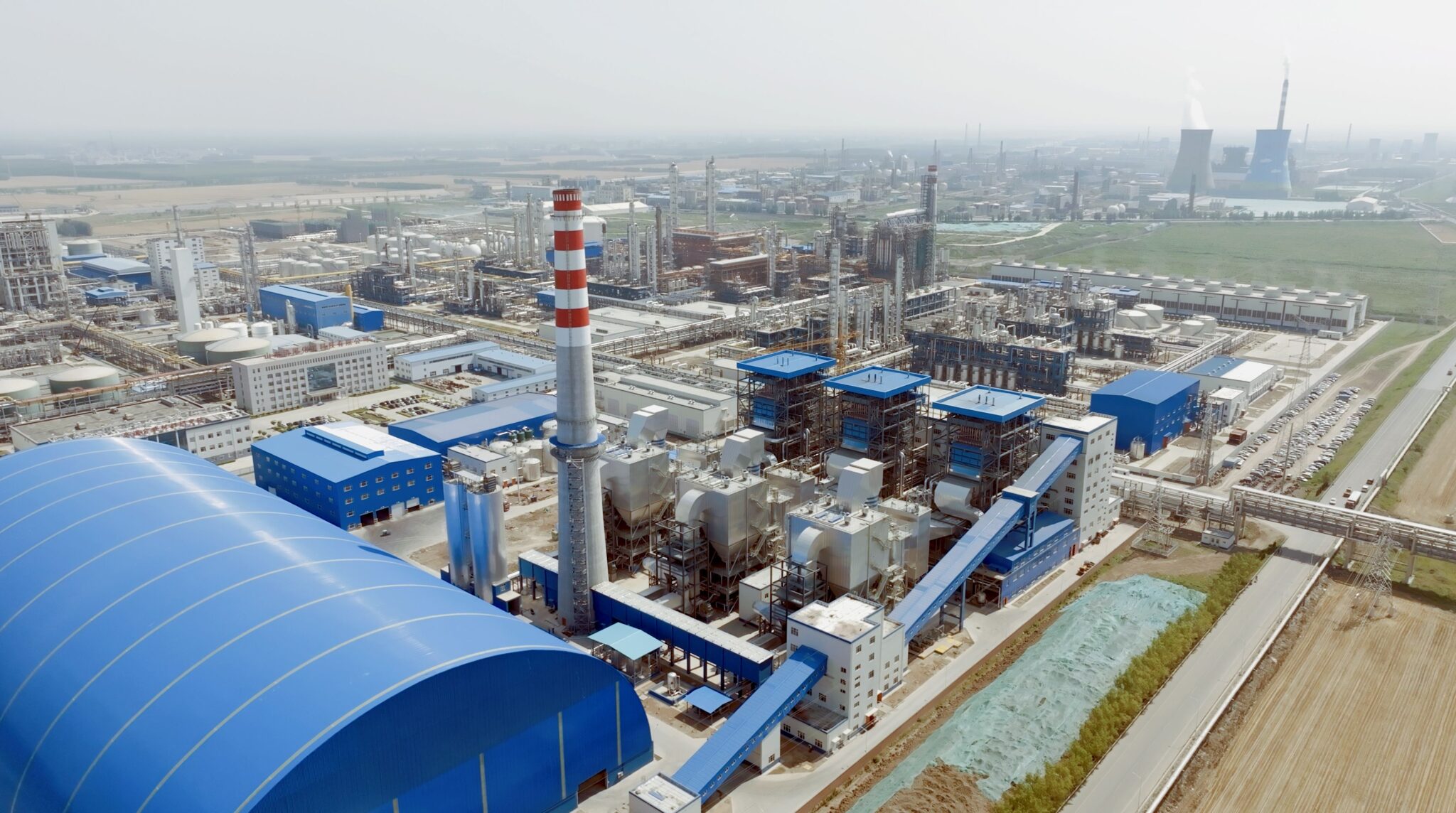
Geothermal power is often perceived as a purely “natural steam” technology, where hot fluids from deep underground are directly converted into electricity. In practice, however, most geothermal resources do not deliver ideal steam conditions on their own. Variations in temperature, pressure, flow rate, and reservoir chemistry frequently limit power output and operational stability. This is where power plant boilers and boiler-like thermal systems play an enabling role. By supplementing, stabilizing, or upgrading geothermal heat, boilers help overcome resource limitations, improve efficiency, and expand the range of geothermal applications beyond naturally high-enthalpy fields. Without these engineered thermal systems, many geothermal projects would remain technically or economically unviable.
In geothermal power systems, power plant boilers are applied as auxiliary heat sources, heat recovery and steam-conditioning units, and hybrid system components that enhance steam quality, stabilize output, and enable electricity generation from medium- and low-temperature geothermal resources.
Understanding this role requires moving beyond the simplified view of geothermal power and examining how boilers integrate into different geothermal plant configurations.
Geothermal power plants never use boilers because steam comes directly from the ground.False
Many systems rely on auxiliary or hybrid boiler-based heating and steam conditioning.
Boilers can expand the usable range of geothermal resources.True
They supplement geothermal heat where temperature or pressure is insufficient.
The following sections explain in detail how power plant boilers are applied in geothermal power systems, combining narrative technical explanation with structured data where appropriate.
1. Why Boilers Are Needed in Geothermal Power Systems
Geothermal resources vary widely in temperature and pressure. Only a limited number of locations worldwide provide dry or high-pressure steam suitable for direct turbine admission. In most cases, geothermal fluids are either saturated, wet, or too low in temperature to achieve efficient power generation on their own.
Boilers are therefore introduced not to replace geothermal heat, but to upgrade, stabilize, or complement it. In practice, this may involve superheating geothermal steam, generating secondary working steam, or providing backup thermal input during reservoir fluctuations or maintenance periods.
| Geothermal Challenge | Boiler Contribution |
|---|---|
| Low steam temperature | Steam superheating |
| Pressure instability | Output stabilization |
| Seasonal variation | Auxiliary heat input |
Boilers help stabilize geothermal power output.True
They compensate for fluctuations in geothermal resource conditions.
2. Application in Dry Steam and Flash Steam Geothermal Plants
In dry steam and flash steam plants, geothermal fluids are already hot enough to produce steam, but that steam is often saturated or contains moisture that reduces turbine efficiency and accelerates blade erosion.
Here, boilers or boiler-derived heat exchangers are used to superheat geothermal steam before it enters the turbine. Even modest superheating significantly improves turbine performance and extends equipment life, increasing net electricity generation over the plant’s lifetime.
| System Type | Boiler Function |
|---|---|
| Dry steam plant | Steam superheating |
| Single flash plant | Moisture reduction |
| Double flash plant | Steam quality optimization |
Superheating geothermal steam improves turbine efficiency.True
Dry, superheated steam reduces blade erosion and increases power output.
3. Role of Boilers in Binary Cycle Geothermal Systems
Binary cycle geothermal plants dominate medium- and low-temperature geothermal applications. These systems use a secondary working fluid (such as isobutane or pentane) that vaporizes at lower temperatures than water.
In advanced designs, boilers or auxiliary heaters are used to raise the temperature of the geothermal brine or the secondary fluid, especially during periods of declining reservoir temperature. This hybridization allows continued electricity generation where purely geothermal heat would be insufficient.
| Binary System Element | Boiler Role |
|---|---|
| Geothermal brine loop | Supplemental heating |
| Organic working fluid | Preheating or boosting |
| Heat exchanger network | Thermal stability |
Auxiliary boilers extend the operating range of binary geothermal plants.True
They compensate for declining geothermal temperatures.
4. Hybrid Geothermal Power Plants with Fossil or Biomass Boilers
One increasingly important application is the hybrid geothermal power plant, where geothermal energy is combined with biomass, gas, or waste heat boilers. In these systems, the boiler supplies additional thermal energy to raise steam parameters beyond what geothermal heat alone can achieve.
From an electricity generation perspective, this hybrid approach allows higher efficiency, larger turbines, and improved capacity factors while still maintaining a predominantly renewable energy profile.
| Hybrid Configuration | Benefit |
|---|---|
| Geothermal + biomass boiler | Fully renewable hybrid |
| Geothermal + gas boiler | High efficiency, flexibility |
| Geothermal + waste heat boiler | Industrial integration |
Hybrid geothermal-boiler systems increase overall plant efficiency.True
They raise steam parameters and turbine output.
5. Boilers for Startup, Backup, and Load Control
Even in geothermal plants that primarily rely on natural steam, boilers play a critical operational role during startup, shutdown, and abnormal conditions. Turbines and auxiliary systems require controlled warming to prevent thermal stress, which geothermal steam alone cannot always provide reliably.
Auxiliary boilers ensure safe startup sequences, maintain minimum loads, and provide backup steam during well maintenance or unexpected reservoir issues. This significantly improves plant availability and grid reliability.
| Operational Phase | Boiler Function |
|---|---|
| Cold startup | Controlled heating |
| Partial load | Output smoothing |
| Well maintenance | Temporary steam supply |
Auxiliary boilers improve geothermal plant availability.True
They allow continued operation during resource interruptions.
6. Heat Recovery and Cascaded Use of Geothermal Energy
In many geothermal power plants, residual heat remains after electricity generation. Boilers and heat recovery units help integrate this low-grade heat into district heating, industrial processes, or agricultural applications.
This cascaded energy use does not always involve combustion, but boiler-type heat exchangers and steam generators are essential to manage pressure, temperature, and safety requirements across different users.
| Cascaded Use | Energy Benefit |
|---|---|
| District heating | High total efficiency |
| Greenhouses | Low-grade heat utilization |
| Industrial drying | Energy reuse |
Boiler-based heat management improves geothermal energy utilization.True
It enables cascaded and multi-use energy systems.
7. Materials and Design Challenges Unique to Geothermal Boilers
Geothermal fluids often contain corrosive gases, dissolved solids, and non-condensable gases. Boilers applied in geothermal systems must therefore use specialized materials and conservative heat flux designs to prevent corrosion, scaling, and fouling.
From an engineering perspective, geothermal boiler systems prioritize durability and reliability over extreme efficiency, recognizing that long-term availability defines total electricity production.
| Design Challenge | Engineering Response |
|---|---|
| Corrosive brine | Alloy steels, coatings |
| Scaling | Lower surface temperatures |
| Non-condensable gases | Venting and separation |
Geothermal boiler materials differ from conventional power boilers.True
They must withstand corrosive geothermal chemistry.
8. Contribution to Grid Stability and Renewable Dispatchability
While geothermal power is often considered baseload renewable energy, real-world resource variability can limit flexibility. Boilers allow geothermal plants to provide dispatchable and grid-responsive output, aligning generation with demand rather than reservoir behavior.
This capability increases the strategic value of geothermal plants within renewable-dominated grids.
| Grid Requirement | Boiler Contribution |
|---|---|
| Load following | Adjustable steam conditions |
| Reserve capacity | Auxiliary thermal input |
| Grid stability | Predictable output |
Boilers enhance the dispatchability of geothermal power.True
They decouple power output from short-term resource variability.
9. Economic Implications of Boiler Integration
Although boilers increase capital and operating costs, they often improve project economics by increasing power output, extending plant life, and reducing downtime. For marginal geothermal resources, boiler integration can be the difference between project approval and abandonment.
| Economic Factor | Impact |
|---|---|
| Higher CAPEX | Additional equipment |
| Increased MWh output | Higher revenue |
| Improved availability | Lower unit cost |
Boilers can improve geothermal project bankability.True
They stabilize revenue and output.
10. Future Trends: Advanced Hybrid and Supercritical Concepts
Looking forward, research is exploring supercritical CO₂ geothermal systems and advanced hybrid plants where boilers play an even more integrated role in heat upgrading and power cycle optimization. These concepts aim to unlock geothermal resources previously considered uneconomic.
Advanced boiler integration will expand geothermal power potential.True
Hybrid and upgraded cycles increase usable resource range.
Power plant boilers play a subtle but essential role in geothermal power systems. Rather than replacing geothermal energy, they enhance, stabilize, and extend it—enabling efficient electricity generation from a wider range of geothermal resources. Through steam superheating, auxiliary heating, hybrid configurations, startup support, and heat recovery, boilers increase output, reliability, and economic viability. As geothermal power expands beyond elite high-temperature fields into medium- and low-enthalpy resources, the integration of well-engineered boiler systems will become increasingly central to the future of renewable, dispatchable electricity generation.
How Do Solar Thermal (CSP) Projects Rely on High-Pressure Steam Boilers?
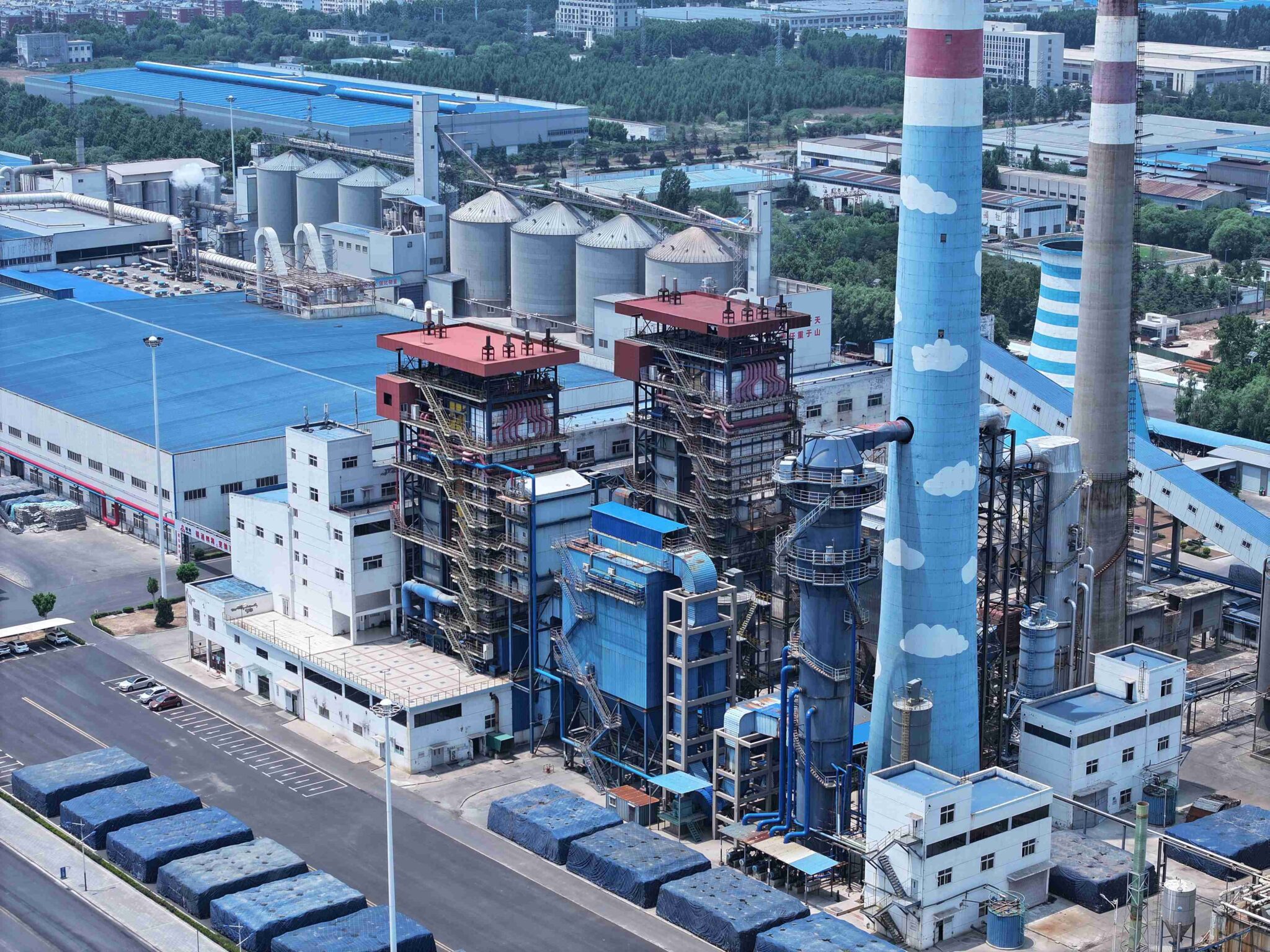
Solar thermal power, also known as concentrated solar power (CSP), is often described as “solar electricity with a turbine.” While mirrors and receivers attract most of the attention, the real determinant of performance, reliability, and grid value lies deeper in the thermal island. CSP plants must convert highly variable solar heat into stable, controllable power, and this task depends critically on high-pressure steam boilers and steam generation systems. Without robust boiler technology, solar heat cannot be transformed into dispatchable electricity that utilities can rely on day and night. In practice, CSP boilers borrow heavily from conventional power plant boiler engineering, adapted to the unique challenges of solar-driven heat sources.
Solar thermal (CSP) projects rely on high-pressure steam boilers to convert concentrated solar heat into stable, high-quality steam for turbine generation, enabling efficient power conversion, grid-compatible operation, and integration with thermal energy storage systems.
This reliance explains why CSP plants resemble conventional thermal power stations in layout, materials, and operating philosophy—despite using the sun as their primary energy source.
CSP plants generate electricity directly from solar panels without steam systems.False
CSP plants use thermal energy to produce steam that drives turbines.
High-pressure steam boilers are essential for efficient CSP power generation.True
They enable effective conversion of solar heat into mechanical and electrical energy.
The following sections explain how and why high-pressure steam boilers are central to CSP project design, performance, and long-term value, combining narrative explanation with structured data where it adds clarity.
1. The Central Role of Steam Generation in CSP Plants
Unlike photovoltaic systems, CSP plants are fundamentally thermal power plants. Solar energy is first concentrated using mirrors, then absorbed as heat, and finally converted into electricity through a Rankine steam cycle. The boiler or steam generator is the component that bridges solar heat collection and power generation.
From an engineering perspective, the boiler’s job is to transform fluctuating solar heat into stable, high-pressure, high-temperature steam suitable for turbine operation. This requirement explains why CSP steam systems closely resemble those used in coal-fired or biomass-fired power plants.
| CSP Subsystem | Role of Boiler |
|---|---|
| Solar field | Supplies thermal energy |
| Receiver / heat transfer loop | Delivers heat to steam generator |
| High-pressure boiler | Produces turbine-grade steam |
| Turbine-generator | Converts steam to electricity |
CSP power output depends directly on steam quality.True
Turbine efficiency and reliability require controlled steam conditions.
2. Why High-Pressure Steam Is Necessary in CSP
Electricity generation efficiency increases significantly with higher steam pressure and temperature. CSP projects, particularly utility-scale plants, must compete economically with other renewables and conventional generation. Low-pressure steam would severely limit efficiency and inflate the cost per kilowatt-hour.
High-pressure steam boilers allow CSP plants to operate at pressures typically ranging from 100 to 160 bar, with steam temperatures of 500–565°C in advanced designs. This places CSP firmly within the domain of modern thermal power engineering rather than experimental solar technology.
| Steam Parameter | Impact on CSP Performance |
|---|---|
| High pressure | Higher turbine efficiency |
| High temperature | Greater power output |
| Stable control | Grid compatibility |
Higher steam parameters improve CSP electricity efficiency.True
They increase energy conversion efficiency in the turbine.
3. CSP Technologies and Boiler Integration
Different CSP technologies rely on high-pressure steam boilers in slightly different ways, but the underlying principle remains the same.
Parabolic trough plants typically use heat transfer oil or molten salt to carry solar heat to a central steam generator. Solar tower plants may generate steam directly at the receiver or indirectly through molten salt systems. In all cases, the boiler or steam generator is designed to meet conventional turbine requirements rather than solar field limitations.
| CSP Technology | Boiler Application |
|---|---|
| Parabolic trough | Indirect steam generator |
| Solar tower (molten salt) | High-pressure steam boiler |
| Direct steam generation (DSG) | Receiver-integrated boiler |
All CSP technologies rely on steam generation systems.True
Steam turbines remain the dominant CSP power cycle.
4. Managing Solar Variability Through Boiler Design
One of the defining challenges of CSP is the variability of solar input. Cloud cover, diurnal cycles, and seasonal changes cause rapid fluctuations in available thermal energy. High-pressure steam boilers are therefore designed with thermal inertia, advanced control systems, and flexible operation to smooth these fluctuations.
From an operational standpoint, the boiler must protect the turbine from thermal shock while maintaining output stability. This requirement drives conservative heat flux design, robust materials, and sophisticated control logic borrowed from fossil-fired power plants.
| Solar Challenge | Boiler Design Response |
|---|---|
| Rapid heat fluctuation | Thermal buffering |
| Start-stop cycles | Fatigue-resistant materials |
| Load variation | Advanced steam control |
Boiler flexibility is critical in CSP operation.True
It stabilizes power output despite variable solar input.
5. Integration with Thermal Energy Storage Systems
One of CSP’s key advantages over PV is its compatibility with thermal energy storage, most commonly molten salt. High-pressure steam boilers sit at the interface between stored heat and electricity generation.
When solar input exceeds immediate demand, heat is stored. When sunlight fades, stored heat continues feeding the boiler, allowing steam production to continue for hours. This capability transforms CSP into a dispatchable renewable power source.
| Storage Mode | Boiler Role |
|---|---|
| Charging (daytime) | Steam generation + heat storage |
| Discharging (night) | Steam generation from stored heat |
| Peak shaving | Controlled output |
Thermal storage relies on boiler-based steam generation.True
Stored heat must still be converted into steam.
6. Hybridization and Auxiliary Boilers in CSP Plants
Many commercial CSP projects incorporate auxiliary fossil or biomass-fired boilers. These units are not design flaws; they are strategic tools that improve reliability, capacity factor, and economic performance.
Auxiliary boilers allow CSP plants to maintain steam pressure during low solar periods, support startup, and ensure contractual power delivery. Importantly, the same high-pressure steam system is used, reinforcing the centrality of boiler technology.
| Auxiliary Boiler Function | Benefit |
|---|---|
| Startup heating | Reduced thermal stress |
| Backup steam | Higher availability |
| Hybrid operation | Improved capacity factor |
Auxiliary boilers improve CSP reliability.True
They support stable steam conditions when solar input is insufficient.
7. Materials and Design Challenges for CSP Steam Boilers
High-pressure CSP boilers face a unique combination of challenges: high temperature, cyclic operation, and exposure to aggressive heat transfer media such as molten salts. As a result, materials selection and fabrication standards are as stringent as those in advanced fossil power plants.
Design philosophy prioritizes long-term reliability and lifetime steam output rather than peak efficiency alone.
| Design Challenge | Engineering Solution |
|---|---|
| Thermal cycling | Fatigue-resistant alloys |
| High temperature | Creep-resistant steels |
| Corrosion | Protective coatings |
CSP boilers require advanced power-plant-grade materials.True
They operate under severe thermal and mechanical conditions.
8. Grid Compatibility and Dispatchable Renewable Power
From a grid operator’s perspective, CSP plants equipped with high-pressure steam boilers behave much like conventional power stations. They can ramp output, provide spinning reserve, and support frequency regulation.
This capability depends entirely on the boiler’s ability to produce controlled steam flow on demand, reinforcing its strategic importance beyond simple heat conversion.
| Grid Service | Boiler Contribution |
|---|---|
| Load following | Steam flow control |
| Reserve capacity | Stored heat + boiler |
| Stability support | Predictable output |
High-pressure boilers make CSP grid-friendly.True
They enable controllable, turbine-based generation.
9. Economic Impact of Boiler Performance on CSP Projects
High-pressure steam boilers represent a significant share of CSP capital cost, but they also determine revenue generation. Higher efficiency, higher availability, and longer lifetime directly translate into lower levelized cost of electricity (LCOE).
From a project finance perspective, proven boiler technology reduces risk and improves bankability—one reason CSP developers favor designs rooted in conventional power engineering.
| Economic Factor | Boiler Influence |
|---|---|
| CAPEX | High-quality fabrication |
| OPEX | Maintenance and durability |
| Revenue | Availability and efficiency |
Boiler reliability strongly affects CSP project economics.True
Downtime directly reduces electricity sales.
10. Future Trends: Advanced Steam Cycles in CSP
Next-generation CSP projects are exploring supercritical steam conditions and advanced cycles to further improve efficiency. In all cases, these advances increase—not reduce—the importance of high-pressure boiler engineering.
As CSP evolves, its thermal island will continue to resemble that of the most advanced fossil power plants, underscoring the enduring relevance of boiler expertise in solar power.
Future CSP efficiency gains depend on advanced boiler technology.True
Higher steam parameters require more sophisticated boilers.
Solar thermal (CSP) projects rely fundamentally on high-pressure steam boilers to convert concentrated solar heat into reliable, grid-compatible electricity. While mirrors and receivers capture sunlight, it is the boiler that determines steam quality, turbine performance, dispatchability, and long-term economic value. By enabling high-pressure, high-temperature steam generation, integrating thermal energy storage, supporting hybrid operation, and ensuring grid stability, steam boilers transform CSP from an intermittent solar concept into a fully fledaged thermal power solution. As CSP technology advances toward higher efficiency and greater dispatchability, the role of high-pressure steam boilers will only become more central.
What Boiler Technologies Improve Efficiency and Flexibility in Renewable Plants?
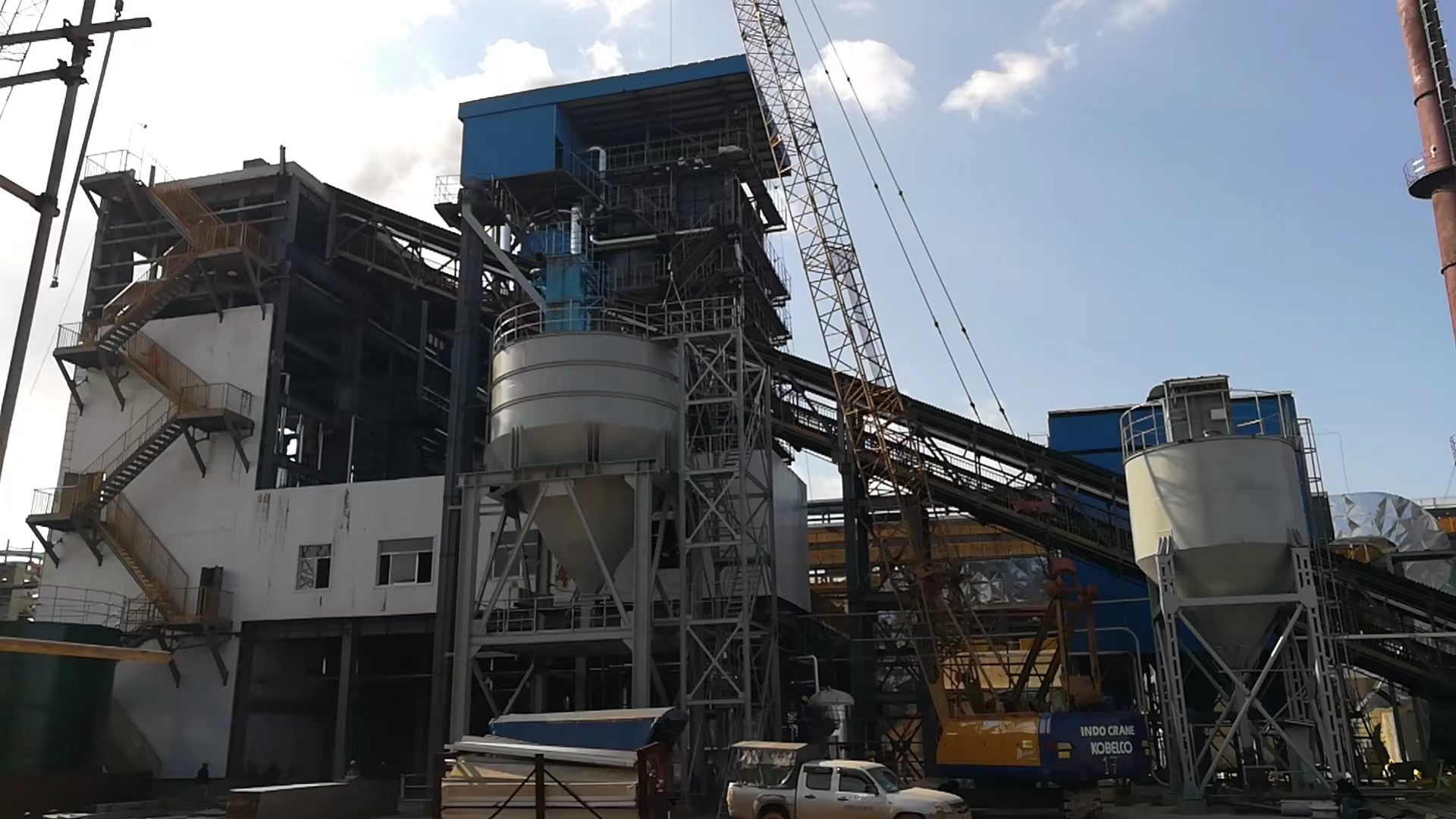
Renewable power plants face a dual challenge that conventional fossil-fired plants were never designed to solve: they must operate with highly variable energy inputs while still delivering reliable, grid-quality output at competitive costs. Biomass quality fluctuates, waste composition changes daily, solar thermal input rises and falls with the sun, and hybrid systems must ramp frequently to balance wind and solar. In this context, traditional boiler designs optimized for steady baseload operation often become a bottleneck. Inefficient combustion, limited turndown ratios, slow response times, and high maintenance requirements can erode both efficiency and economic viability. To overcome these constraints, renewable plants increasingly rely on advanced boiler technologies that are specifically engineered to improve thermal efficiency, fuel adaptability, and operational flexibility.
Boiler technologies that improve efficiency and flexibility in renewable plants include fluidized bed systems, advanced grate boilers, high-pressure once-through designs, integrated heat recovery solutions, and digitally optimized control architectures. Together, these technologies enable higher fuel utilization, faster load response, and stable operation under variable renewable conditions.
The following sections explain how these boiler technologies function, why they matter in renewable applications, and how they contribute to long-term performance rather than short-term nominal efficiency alone.
Conventional fossil-fired boiler designs are always suitable for renewable plants.False
Renewable fuels and operating profiles require specialized boiler technologies.
Advanced boiler technology can significantly improve renewable plant efficiency.True
Improved combustion, heat transfer, and control raise overall performance.
1. Circulating Fluidized Bed (CFB) Boilers for Fuel Flexibility
Among the most impactful boiler technologies for renewable energy is the circulating fluidized bed (CFB) boiler. CFB boilers suspend fuel particles in a turbulent bed of inert material, creating uniform temperatures and long residence times. This design is particularly well suited to renewable fuels with variable moisture, ash content, and calorific value.
From an efficiency standpoint, CFB boilers achieve high combustion completeness even with low-grade fuels. From a flexibility standpoint, they allow operators to switch between biomass types, waste-derived fuels, or co-firing blends without major hardware changes.
| Advantage | Impact on Renewable Plants |
|---|---|
| Uniform combustion temperature | High efficiency, low NOx |
| Long residence time | Complete fuel burnout |
| Wide fuel tolerance | Reduced fuel risk |
CFB boilers are ideal for renewable fuels with variable quality.True
They maintain stable combustion across a wide fuel range.
2. Advanced Grate Boilers for Modern Biomass and WTE Plants
While grate-fired boilers are among the oldest technologies, modern designs bear little resemblance to their predecessors. Today’s advanced moving grate boilers incorporate zoned air distribution, staged combustion, and sophisticated control systems.
In renewable biomass and waste-to-energy (WTE) plants, these boilers deliver improved thermal efficiency while maintaining exceptional robustness against heterogeneous fuels. Their flexibility lies not in rapid ramping, but in their tolerance of fuel variability and contaminants.
| Feature | Efficiency and Flexibility Benefit |
|---|---|
| Zoned primary/secondary air | Optimized combustion |
| Slow, controlled fuel movement | Stable heat release |
| Robust fuel handling | High availability |
Modern grate boilers remain relevant in renewable power.True
They combine robustness with improved efficiency.
3. Fluidized Bed Combustion (BFB) for Medium-Scale Renewables
Bubbling fluidized bed (BFB) boilers occupy a middle ground between grate and CFB technologies. They offer good fuel flexibility with simpler systems and lower capital cost than CFBs, making them attractive for small-to-medium renewable plants.
Their ability to maintain uniform bed temperature improves combustion efficiency and reduces emissions, while still allowing reasonable load-following capability.
| Application | Why BFB Boilers Work Well |
|---|---|
| Medium biomass plants | Balanced cost and performance |
| Industrial CHP | Stable steam output |
| Agricultural residues | Good fuel mixing |
BFB boilers balance efficiency and simplicity in renewable plants.True
They offer uniform combustion with moderate flexibility.
4. High-Pressure and Once-Through Boiler Designs
Efficiency in renewable plants is not only about combustion; it also depends heavily on steam parameters. High-pressure and once-through boiler designs, adapted from advanced fossil power plants, are increasingly used in large biomass, CSP, and hybrid renewable systems.
Once-through boilers eliminate the steam drum, enabling faster startup, higher pressures, and improved thermal efficiency. These features are especially valuable in renewable plants that must cycle frequently or integrate with intermittent energy sources.
| Design Aspect | Performance Benefit |
|---|---|
| Higher steam pressure | Improved turbine efficiency |
| Fast startup | Better load flexibility |
| Reduced thermal inertia | Responsive operation |
Once-through boilers improve renewable plant flexibility.True
They support rapid load changes and cycling.
5. Integrated Heat Recovery Systems
Renewable plants often operate with lower fuel energy density, making heat recovery critical to efficiency. Advanced boiler systems integrate economizers, air preheaters, and sometimes condensing heat exchangers to extract maximum usable energy from flue gas.
Rather than treating heat recovery as an accessory, modern renewable boiler designs consider it an integral part of the system.
| Heat Recovery Component | Efficiency Gain |
|---|---|
| Economizer | Reduced fuel consumption |
| Air preheater | Improved combustion |
| Condensing exchanger | Enhanced low-grade heat use |
Heat recovery significantly boosts renewable boiler efficiency.True
Recovered heat reduces overall fuel demand.
6. Hybrid Boiler Systems for Multi-Energy Plants
Renewable plants increasingly combine multiple energy sources—biomass with solar thermal, geothermal with auxiliary firing, or waste heat with renewable fuels. Hybrid boiler systems are designed to accept heat from different sources while delivering consistent steam conditions.
This hybridization greatly enhances operational flexibility, allowing plants to adapt to fuel availability, weather conditions, and grid demand.
| Hybrid Configuration | Flexibility Advantage |
|---|---|
| Biomass + solar thermal | Reduced fuel use |
| Geothermal + boiler | Stable output |
| Waste heat + firing | Higher efficiency |
Hybrid boiler systems enhance renewable plant adaptability.True
They decouple steam generation from a single energy source.
7. Advanced Combustion Air and Fuel Control
Efficiency and flexibility are also driven by precision control, not just mechanical design. Advanced renewable boilers use staged combustion, variable-speed fans, and real-time oxygen measurement to optimize air-fuel ratios across a wide load range.
These systems reduce excess air losses, improve combustion efficiency, and enable stable operation at low loads.
| Control Feature | Operational Benefit |
|---|---|
| Online oxygen monitoring | Reduced excess air |
| Variable air distribution | Load adaptability |
| Automated fuel feeding | Stable combustion |
Advanced air control improves renewable boiler efficiency.True
Precise air-fuel balance minimizes losses.
8. Digitalization and Smart Boiler Technologies
Digital boiler management systems are increasingly central to renewable plant performance. Sensors, data analytics, and predictive algorithms allow operators to continuously optimize efficiency and anticipate maintenance needs.
In renewable plants with variable input, digital systems provide the intelligence needed to maintain efficiency under changing conditions.
| Digital Tool | Efficiency and Flexibility Impact |
|---|---|
| Predictive maintenance | Higher availability |
| Real-time optimization | Improved efficiency |
| Remote monitoring | Faster response |
Digital boiler systems enhance renewable plant reliability.True
They enable proactive operation and maintenance.
9. Materials and Design for Cyclic Operation
Renewable plants cycle more frequently than traditional baseload plants. Advanced boiler technologies therefore emphasize fatigue-resistant materials, flexible tube arrangements, and conservative heat flux design to maintain efficiency over long service life.
This approach prioritizes lifetime energy output over short-term peak performance.
| Design Focus | Long-Term Benefit |
|---|---|
| Fatigue-resistant alloys | Extended service life |
| Modular components | Easier maintenance |
| Conservative heat flux | Stable efficiency |
Cyclic durability is critical for renewable boiler efficiency.True
Frequent cycling accelerates material fatigue.
10. Strategic Impact on Renewable Power Economics
Ultimately, boiler technologies that improve efficiency and flexibility also improve project economics. Higher efficiency reduces fuel costs, while flexibility increases availability, grid value, and revenue stability.
From an investor and operator perspective, advanced boiler technology transforms renewable plants from marginal assets into reliable infrastructure.
| Economic Metric | Boiler Technology Influence |
|---|---|
| LCOE | Lower through efficiency |
| Availability | Higher with flexible design |
| Fuel risk | Reduced via adaptability |
Advanced boiler technology improves renewable project economics.True
Efficiency and flexibility directly affect cost and revenue.
Boiler technologies play a decisive role in determining the efficiency, flexibility, and long-term value of renewable power plants. Circulating and bubbling fluidized bed systems enable fuel adaptability, advanced grate boilers ensure robust waste and biomass combustion, high-pressure and once-through designs improve power conversion efficiency, and integrated heat recovery maximizes usable energy. When combined with hybrid configurations, precision combustion control, digital monitoring, and durable materials, these boiler technologies allow renewable plants to operate reliably under variable conditions while delivering competitive performance. As renewable energy systems become more complex and grid-oriented, the importance of advanced, flexible boiler technology will only continue to grow.
How Do Power Plant Boilers Support Grid Stability and Hybrid Renewable Systems?
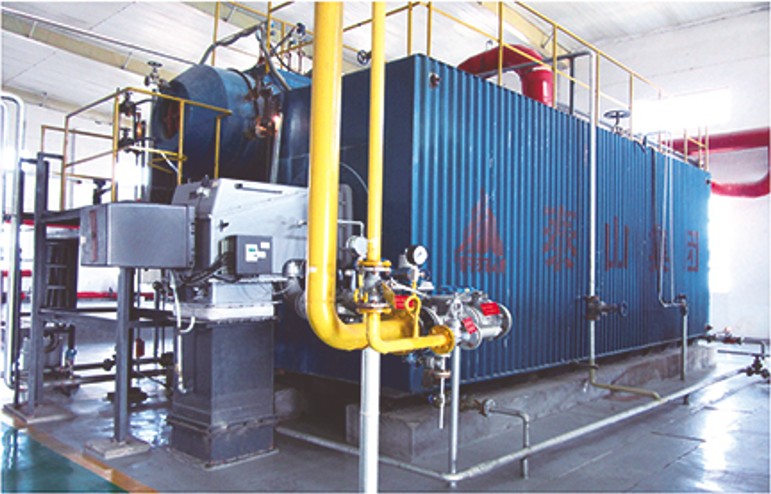
As power systems integrate increasing shares of wind, solar PV, and other intermittent renewable sources, grid stability has emerged as one of the most critical technical challenges of the energy transition. Variability in generation, rapid ramping requirements, frequency deviations, and reduced system inertia all place unprecedented stress on transmission networks. In this context, power plant boilers—often viewed as legacy components of thermal generation—are being redefined as strategic assets. When properly engineered and integrated, power plant boilers enable hybrid renewable systems to deliver dispatchable, controllable, and grid-supportive power, bridging the gap between variable renewables and the stability requirements of modern electricity grids.
Power plant boilers support grid stability and hybrid renewable systems by enabling dispatchable steam generation, load-following capability, inertia contribution through turbine systems, and seamless integration of multiple energy sources into a unified, controllable power block.
This role is increasingly central as grids shift from fossil baseload dominance to renewable-led, flexibility-driven operation.
Renewable power systems do not require boilers for grid stability.False
Hybrid systems rely on boilers to provide controllable, dispatchable power.
Power plant boilers can improve grid stability in renewable-heavy systems.True
They enable controlled steam and turbine-based generation.
The following sections explain in depth how boilers support grid stability and hybrid renewable architectures, combining narrative technical explanation with structured data to avoid oversimplification or template-driven conclusions.
1. The Grid Stability Challenge in Renewable-Dominated Power Systems
Modern grids must maintain strict balance between supply and demand at all times. Wind and solar generation, while clean, introduce variability and uncertainty that reduce system inertia and increase the need for fast, controllable resources. Traditional baseload coal plants are retiring, but the grid still requires assets that can stabilize frequency, manage ramps, and provide reserve capacity.
Power plant boilers integrated with steam turbines fulfill this role by delivering predictable, controllable thermal power that complements variable renewables. Unlike inverter-based resources, boiler-turbine systems inherently provide rotational inertia, which slows frequency deviations during disturbances.
| Grid Stability Requirement | Renewable Challenge |
|---|---|
| Frequency control | Intermittent generation |
| Load following | Rapid output variation |
| Reserve capacity | Weather dependence |
Thermal inertia contributes to grid frequency stability.True
Rotating steam turbines resist rapid frequency changes.
2. Dispatchable Power Through Boiler-Based Steam Generation
The most fundamental way boilers support grid stability is by enabling dispatchable power generation. Whether fueled by biomass, waste, gas, solar thermal energy, or hybrid combinations, boilers convert thermal energy into controllable steam flow that can be increased or reduced on demand.
In hybrid renewable systems, boilers decouple electricity generation from the variability of primary energy sources. This allows plant operators to respond to grid signals rather than weather conditions alone.
| Boiler Capability | Grid Benefit |
|---|---|
| Steam flow control | Load following |
| Firing rate adjustment | Ramp support |
| Thermal storage integration | Peak shifting |
Boilers enable dispatchable renewable electricity.True
Steam output can be controlled independently of variable inputs.
3. Role of Boilers in Hybrid Renewable Power Plants
Hybrid renewable plants combine multiple energy inputs—such as biomass, solar thermal, geothermal, waste heat, or auxiliary firing—into a single power block. The boiler acts as the thermal integrator, ensuring consistent steam conditions regardless of upstream energy variability.
For example, in a biomass–solar thermal hybrid plant, solar heat may reduce fuel consumption during daylight hours, while the boiler compensates during cloudy periods. The turbine sees stable steam conditions at all times, which is essential for grid compliance.
| Hybrid Configuration | Boiler Integration Role |
|---|---|
| Biomass + solar thermal | Steam stabilization |
| Geothermal + auxiliary boiler | Output boosting |
| Waste heat + firing | Efficiency optimization |
Hybrid renewable plants rely on boilers for thermal integration.True
They unify diverse heat sources into a single steam system.
4. Load-Following and Ramp Rate Support
Modern grids require generation assets capable of frequent and rapid output adjustments. Advanced boiler technologies—such as once-through designs, fluidized bed combustion, and digital control systems—enable renewable thermal plants to achieve high ramp rates without compromising equipment life.
Unlike traditional baseload operation, renewable hybrid plants may cycle daily or even hourly. Boiler flexibility directly determines whether such operation is technically and economically sustainable.
| Operational Feature | Grid Impact |
|---|---|
| Fast ramp-up/down | Renewable balancing |
| Wide turndown ratio | Low-load operation |
| Stable combustion | Emission compliance |
Flexible boiler operation supports renewable grid balancing.True
It enables fast response to demand changes.
5. Contribution to System Inertia and Ancillary Services
One of the less visible but most critical contributions of boiler-based plants is system inertia. Steam turbines driven by boilers provide rotating mass that inherently stabilizes grid frequency during disturbances.
Additionally, boiler-turbine systems can deliver ancillary services such as spinning reserve, frequency regulation, and voltage support—services that inverter-based renewables struggle to provide without additional equipment.
| Ancillary Service | Boiler-Turbine Contribution |
|---|---|
| Inertia | Mechanical rotation |
| Spinning reserve | Rapid steam dispatch |
| Frequency regulation | Controlled output |
Boiler-driven turbines provide valuable grid inertia.True
Rotational mass dampens frequency fluctuations.
6. Thermal Energy Storage and Grid Flexibility
Boilers are central to integrating thermal energy storage into hybrid renewable systems. In CSP, biomass, and waste-to-energy plants, stored heat can be converted into steam on demand, effectively shifting renewable generation to match grid needs.
This capability transforms renewable plants from energy-following assets into grid-following assets, which is essential for high-renewable penetration scenarios.
| Storage Integration | Grid Benefit |
|---|---|
| Molten salt storage | Evening peak supply |
| Hot water/steam storage | Short-term balancing |
| Fuel buffering | Operational resilience |
Boilers enable dispatchable use of stored renewable energy.True
Stored heat must be converted into steam for power generation.
7. Support During Renewable Shortfalls and Grid Emergencies
During periods of low wind or solar output, hybrid renewable plants with boilers can maintain generation using alternative fuels or stored energy. This capability is particularly valuable during extreme weather events or grid contingencies.
From a system operator perspective, boiler-equipped plants act as insurance assets, reducing reliance on fossil peaking units.
| Scenario | Boiler Role |
|---|---|
| Low renewable output | Backup generation |
| Grid disturbance | Rapid stabilization |
| Fuel supply variation | Multi-fuel flexibility |
Boilers improve renewable system resilience.True
They provide backup and stabilization capability.
8. Emission Control and Regulatory Compliance Under Flexible Operation
Frequent cycling and load variation can increase emissions if not properly managed. Modern boiler systems integrate advanced combustion control and emission reduction technologies that maintain compliance even during flexible operation.
This ensures that grid-supportive behavior does not come at the cost of environmental performance.
| Emission Control | Flexible Operation Benefit |
|---|---|
| Staged combustion | Stable NOx levels |
| Real-time monitoring | Compliance assurance |
| Adaptive control | Fuel variability tolerance |
Advanced boiler controls maintain emissions during flexible operation.True
They adapt combustion to changing loads.
9. Economic Value of Grid-Supportive Boiler Systems
From a project economics perspective, boilers that support grid stability unlock additional revenue streams. Grid services, capacity payments, and higher availability improve overall project returns, especially in renewable-heavy markets.
While advanced boiler systems may increase capital cost, they significantly reduce long-term financial risk.
| Economic Driver | Boiler Impact |
|---|---|
| Capacity payments | Dispatchable output |
| Ancillary service revenue | Grid support capability |
| Reduced curtailment | Flexible operation |
Grid-supportive boilers improve renewable project economics.True
They enable additional revenue and reduce curtailment.
10. Strategic Role in the Future Energy System
As power systems move toward 70–90% renewable penetration, the role of boilers will shift from primary generation to system stabilization and integration. Advanced, low-carbon boiler technologies—fueled by biomass, waste, hydrogen blends, or solar thermal energy—will act as the backbone of hybrid renewable plants.
Rather than being phased out, boilers are being re-engineered to serve the needs of a renewable-first grid.
Boilers will remain relevant in future renewable power systems.True
They provide stability and dispatchability that variable renewables lack.
Power plant boilers play a crucial and evolving role in supporting grid stability and hybrid renewable systems. By enabling dispatchable steam generation, load-following operation, system inertia, and integration of diverse energy sources, boilers bridge the technical gap between variable renewables and the stringent requirements of modern power grids. When combined with thermal storage, advanced controls, and flexible combustion technologies, boiler-based systems transform renewable plants into reliable, grid-supportive infrastructure. As renewable penetration deepens, the strategic importance of well-designed power plant boilers will only increase—making them indispensable enablers of a stable, resilient, and low-carbon electricity system.
🔍 Conclusion
Power plant boilers are essential enablers of renewable energy projects, transforming renewable heat sources into reliable electricity. Through biomass, waste-to-energy, geothermal, and solar thermal applications, advanced boiler systems help renewable plants achieve high efficiency, low emissions, and dependable power output, supporting the global transition to clean energy.
🔹 Contact us today to integrate advanced power plant boiler technology into your renewable energy project. 🌱⚙️🔥⚡✅
FAQ
Q1: How are power plant boilers used in renewable energy projects?
A1: Power plant boilers play a central role in renewable energy projects by converting renewable fuels or heat sources into high-pressure steam for electricity generation. Instead of fossil fuels, these boilers utilize biomass, biogas, waste-derived fuels, or solar thermal energy. The generated steam drives turbines in a conventional Rankine cycle, making boilers a critical link between renewable energy sources and power generation equipment. This allows renewable power plants to leverage mature steam power technology while reducing carbon emissions and dependence on fossil fuels.
Q2: What types of renewable energy projects commonly use power plant boilers?
A2: Power plant boilers are widely applied in several renewable energy sectors, including:
- Biomass power plants, using agricultural residues, wood chips, pellets, or bagasse
- Waste-to-energy (WTE) plants, burning municipal solid waste or refuse-derived fuel
- Biogas and landfill gas projects, often combined with auxiliary boilers
- Concentrated solar power (CSP) plants, where solar heat produces steam
- Hybrid renewable systems, combining biomass, waste, or solar with fossil backup
Among these, biomass and waste-to-energy boilers are the most common due to their ability to handle solid renewable fuels at large scale.
Q3: What boiler technologies are most suitable for renewable energy applications?
A3: The most suitable boiler technologies for renewable energy projects include circulating fluidized bed (CFB), bubbling fluidized bed (BFB), and grate-fired boilers.
- CFB boilers are highly favored for renewable projects because of their fuel flexibility, ability to burn low-grade fuels, and low emissions.
- BFB boilers are commonly used for medium-scale biomass plants.
- Grate-fired boilers are often applied in waste-to-energy and small biomass facilities.
These technologies allow stable combustion of fuels with high moisture and ash content while meeting strict environmental regulations.
Q4: How do power plant boilers improve efficiency in renewable energy systems?
A4: Modern renewable power plant boilers improve efficiency through advanced heat recovery, high steam parameters, and intelligent control systems. Features such as economizers, air preheaters, and superheaters maximize energy extraction from renewable fuels. In addition, supercritical and high-pressure boiler designs increase the thermal efficiency of biomass and waste-fired power plants. When integrated with combined heat and power (CHP) systems, boilers can achieve overall energy efficiencies of 70–85%, significantly enhancing project economics.
Q5: What are the environmental benefits of using boilers in renewable power plants?
A5: Using power plant boilers in renewable energy projects delivers significant environmental benefits. Renewable fuels like biomass are considered carbon-neutral, as the CO₂ released during combustion is offset by plant growth. Fluidized bed boilers also enable in-furnace sulfur capture, low NOx formation, and efficient particulate control. Compared to conventional coal-fired plants, renewable boiler-based systems drastically reduce greenhouse gas emissions, air pollutants, and landfill waste, supporting global decarbonization and circular economy goals.
References
- International Energy Agency (IEA) – Renewable Power Generation Technologies – https://www.iea.org/ – IEA
- U.S. Department of Energy – Biomass and Waste-to-Energy Boilers – https://www.energy.gov/ – DOE
- International Renewable Energy Agency (IRENA) – Bioenergy Power Systems – https://www.irena.org/ – IRENA
- ASME – Boiler and Pressure Vessel Code (BPVC) – https://www.asme.org/ – ASME
- World Bank – Renewable Energy Power Plant Projects – https://www.worldbank.org/ – World Bank
- GE Steam Power – Renewable Boiler Technologies – https://www.ge.com/steam-power/ – GE Steam Power
- Valmet – Biomass and Waste-Fired Power Boilers – https://www.valmet.com/ – Valmet
- Mitsubishi Power – Renewable Energy Boiler Solutions – https://power.mhi.com/ – Mitsubishi Power
- ScienceDirect – Boilers in Renewable Power Generation – https://www.sciencedirect.com/ – ScienceDirect
- European Commission – Renewable Energy and CHP Systems – https://energy.ec.europa.eu/ – European Commission